
Shop now - deals end 26 July 2026
Shop now - deals end 26 July 2026

There is a point where a menu price stops being a food cost calculation and becomes a customer question.
Rising meat and seafood costs are pushing restaurants into harder decisions, but the risk is not only what the kitchen can afford to buy. It is whether the diner is given enough choice to stay with the restaurant when the price or product changes.
For many operators, eye fillet, premium rib eye, lamb racks, oysters, crayfish, scallops and high-demand fish species are becoming harder to hold at a comfortable menu price. Margins are tighter, procurement is sharper, and the plate has to work harder commercially.
That does not mean the premium product has lost its place. If a restaurant has consistently served a great eye fillet, that dish has value beyond the cut itself. Regular customers know the tenderness, portion, cooking style and price point. Many will pay more because that is the dish they came back for.
Removing it too quickly can be a bigger mistake than increasing the price. A restaurant may believe its customers will not pay more, but belief is not customer knowledge. If regular diners have not been

Publisher: Tania Walters, tania@reviewmags.com
General Manager: Kieran Mitchell, kieran@reviewmags.com
Editor-in-Chief: Caitlan Mitchell, caitlan@reviewmags.com
Editorial Associate: Sam Francks, Jenelle Sequeria
Advertising: Caroline Boe, caroline@reviewmags.com
Pamela Vasquez-Gutierrez, pam@reviewmags.com
Aidan Stanley, aidan@reviewmags.com
Graphic Designer: Raymund Santos

asked, and the rate of sale has not been tested at the higher price, the operator is guessing. That guess can be expensive.
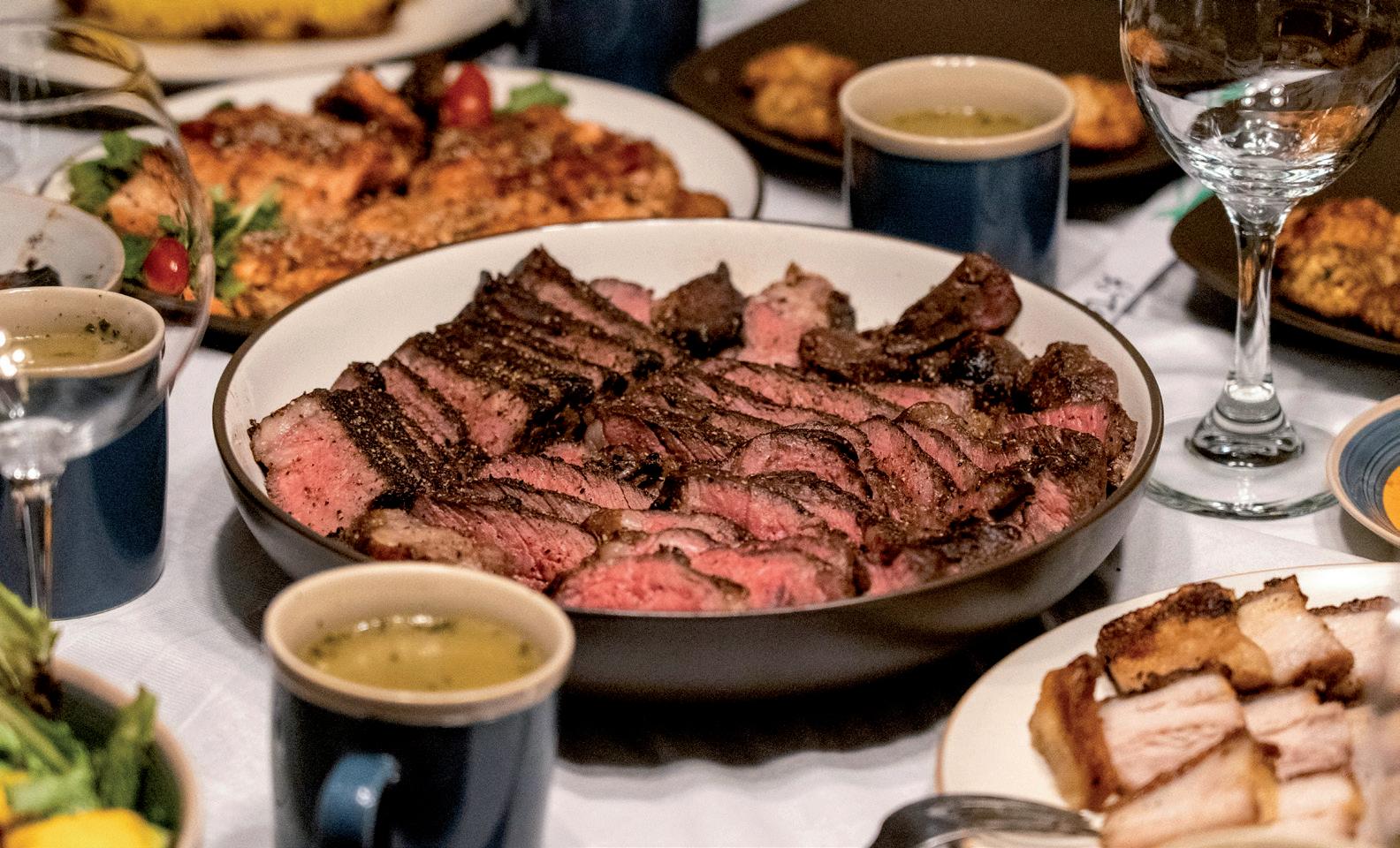
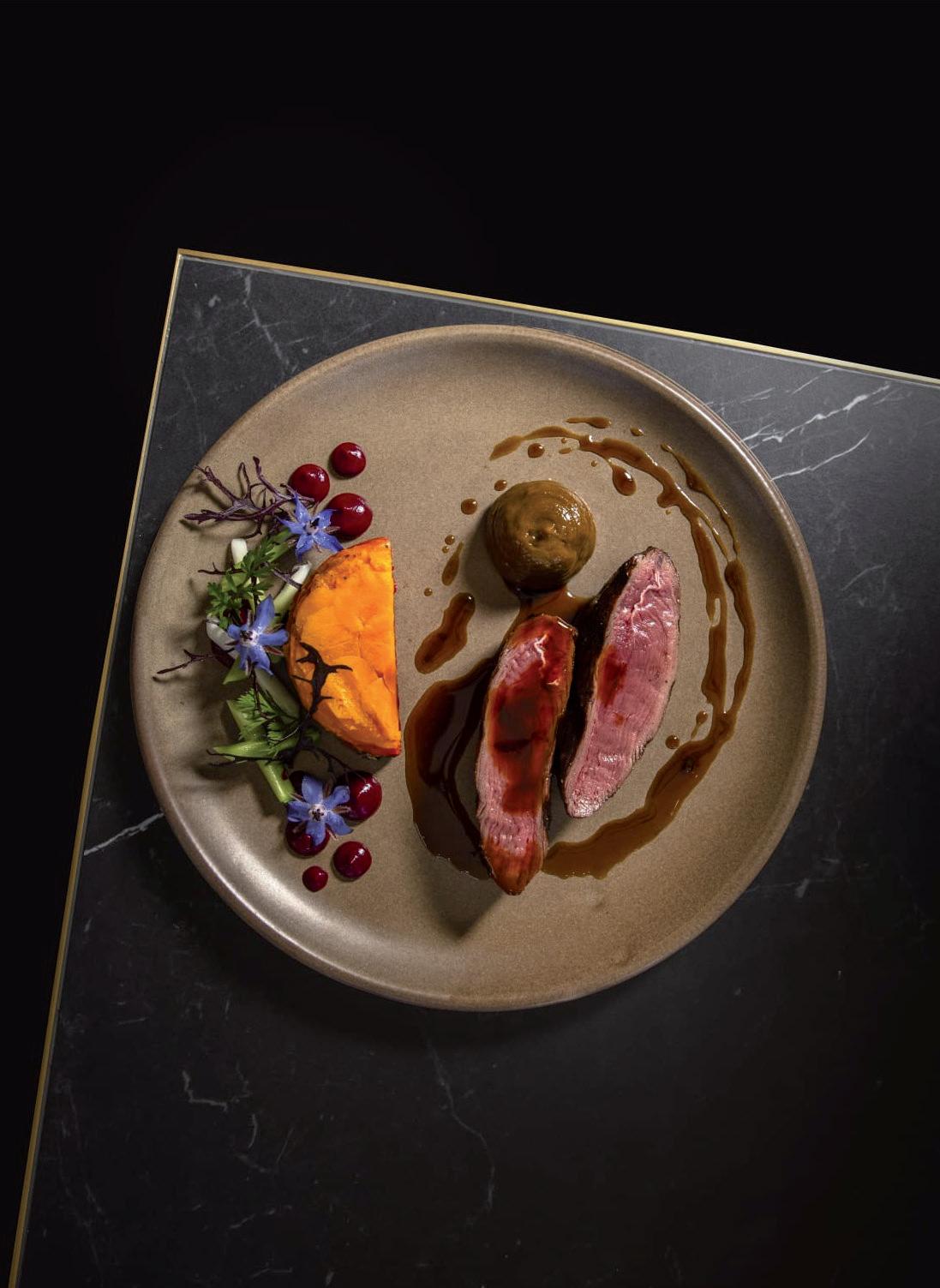
A better approach is to give the customer the option. Put the eye fillet on the menu at the price it needs to be. Explain it properly. Then introduce the secondary cut as an additional dish, not as a quiet replacement. Cuts such as bavette, flat iron, short rib or brisket can be excellent when handled well. They can bring flavour, skill and better margin. But they cannot simply be dropped into the premium steak position and treated as a cheaper eye fillet.
Customers notice. A sliced steak can be beautiful when slicing is part of the dish. But when it appears to be managing toughness, and the plate carries too many competing flavours, the customer may read it as cover, not creativity. The smarter move is to


phase, not switch. Run the premium steak and the alternative cut side by side. Track orders, gross profit, plate waste and customer comments. If eye fillet still sells at the higher price, the customer has answered. If orders drop significantly, the restaurant has evidence to phase it down.
The same applies to seafood. A market fish, smaller portion or different preparation may make sense, but the customer still needs clarity.
Restaurants do not need to apologise for charging properly. They do need to be honest about what has changed. Food cost may start the conversation, but regular customers finish it.



Homegrown rising star Chamee Ratnayake has secured one of 12 coveted spots in the 2026 Nestlé Golden Chef’s Hat Award Grand Final.
Chamee Ratnayake, a 19-year-old chef from Auckland, has been named the North Island winner in the Nestlé Golden Chef’s Hat Award, delivering a standout performance and earning a gold medal with the highest score at the cook-off.
→ READ MORE ONLINE


Auckland Council has launched Hospo Hub, an online portal, allowing businesses to easily navigate licensing and industry guidance.
Opening a café, restaurant or food

New data has shown that the electronic card transaction rate was higher during May 2026, with strong year-on-year growth.
Businesses will be buoyed by the latest Stats NZ Electronic Card Transaction data, which shows the strongest year-on-year growth in actual core retail sales since January 2024.
“The core retail spending was up 2.8 percent in May 2026 compared to a year earlier - the highest rise in more than two years,” said Retail NZ Chief Executive, Carolyn Young.
→ READ MORE ONLINE



Menumaster delivers speed, efficiency, strength, and durability – which is why it is the microwave oven of choice for fast food chains, service stations, supermarkets, convenience stores, cafés and restaurants. Comprising a complete range of commercial microwave and accelerated microwave, convection, infra-red ovens designed to meet the needs of the most demanding hot food serving environments. STOCK AVAILABLE IN OUR AUCKLAND WAREHOUSE

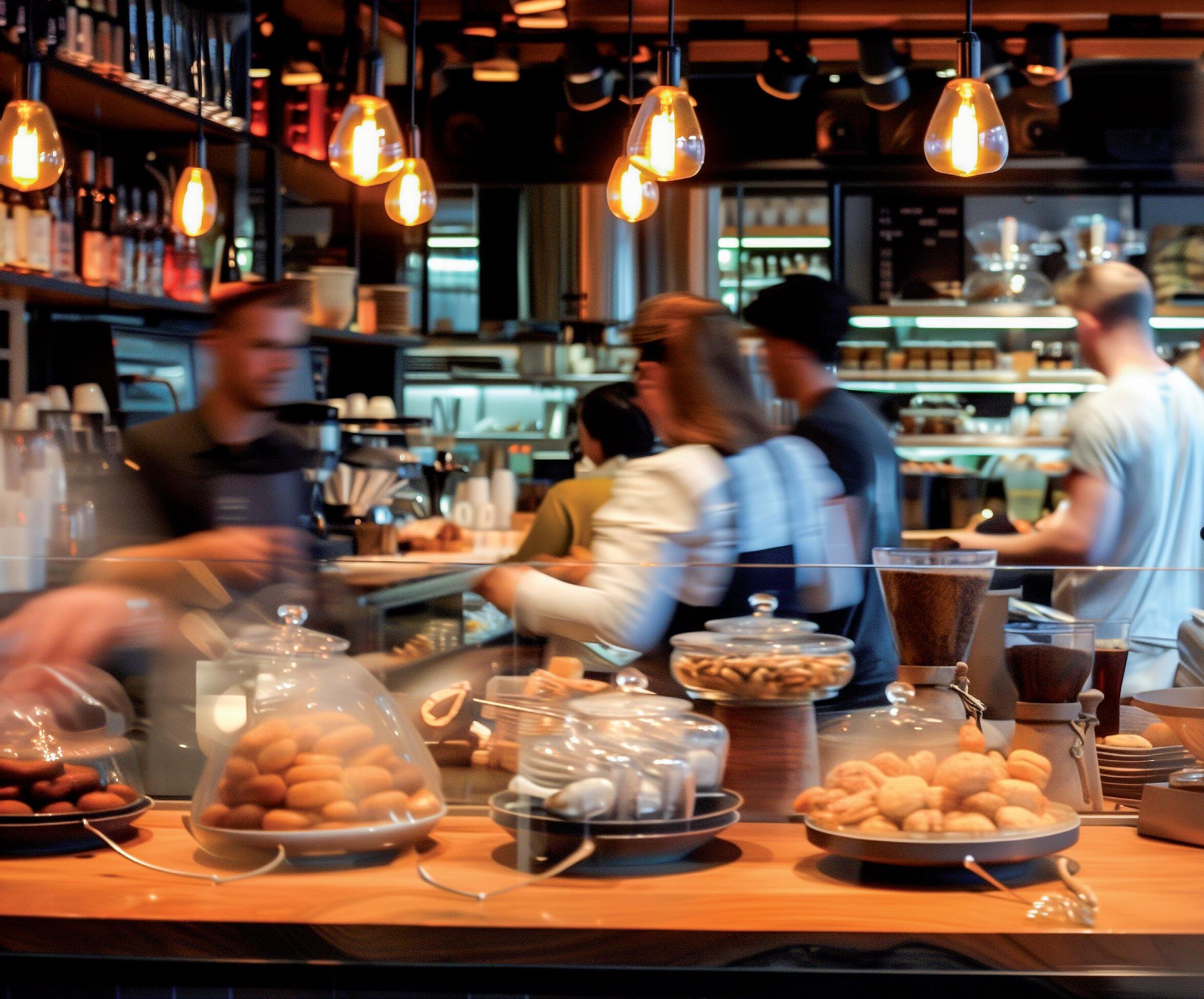

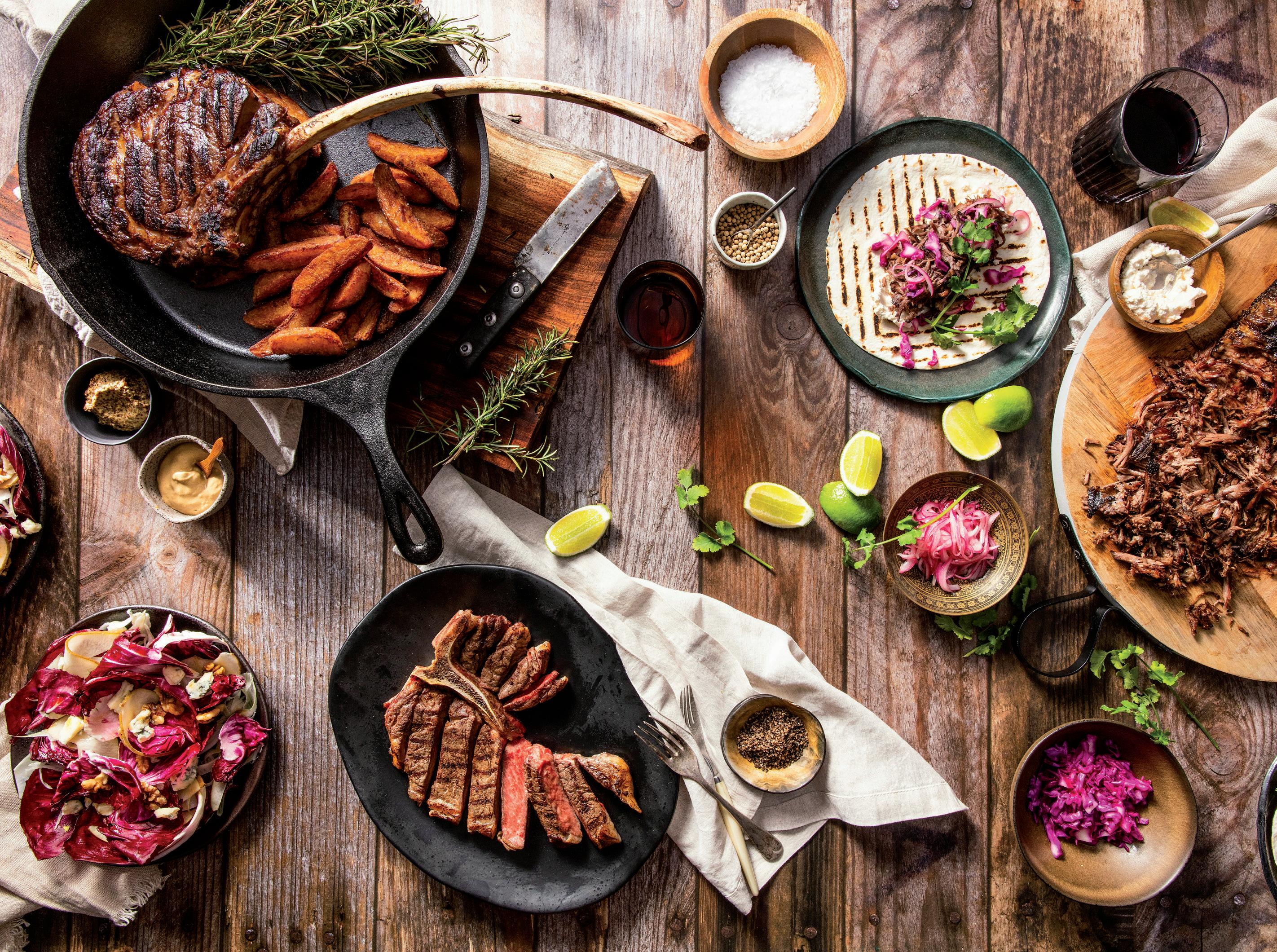
Whether it’s a premium steak, slow-cooked lamb shoulder, heritage pork, or expertly prepared poultry, meat is frequently the centrepiece of the dining experience.
Meat is the star of the dish.
It’s the highest-value item on the plate and, crucially, the strongest driver of customer satisfaction.
This has created a need for chefs to place greater emphasis on meat selection, handling and preparation. While there are always discussions about implementing creative flair on the menu, ensuring that the basics are done right will elevate any menu and will prevent chefs from overlooking what carries the greatest expectations from guests.
Meat often represents a significant proportion of a restaurant’s food spend, meaning even small
improvements in sourcing and utilisation can have a meaningful impact on profitability. At the same time, customers are increasingly interested in provenance, sustainability, and animal welfare. Restaurants that can tell a credible story about the meat they serve create stronger connections with diners and add value beyond the plate itself.
In the modern industry landscapes, there is now more demand from guests to know the backstory of their meat. From farm to table, guests value flavour, innovation, sustainability and texture.
Meat is arguably one of the most
profitable ingredients on the menu, which creates ongoing opportunities for businesses to drive revenue.
New research highlighted that New Zealand’s red meat sector generates an average of NZD 48.7 billion in spending across the economy each year and supports one in every 20 jobs.
As the industry continues to evolve, innovation will always have its place. But chefs should not lose sight of the ingredient that remains central to countless dining occasions around the world. Great meat, treated with respect and prepared with skill, is not simply another component of a dish; it is often the reason guests choose a restaurant in the first place.
Te Kaahu Restaurant at Te Arikinui
Pullman Auckland Airport is marking the Māori New Year with a special threecourse Matariki set menu that draws on the philosophy of sea to sky and the ancient tradition of hangi cooking.
Launching in early July, the limited-time menu is a celebration of indigenous flavour brought to life with Hangi Master’s Rewi Spraggon, and seasonal kai to celebrate the spirit of Matariki.
Te Kaahu’s Matariki menu opens with fried bread and whitebait fritters, served with citrus chili salad and an orange dressing in a nod to coastal abundance and classic Maaori home cooking, elevated with bright, fresh flavour.
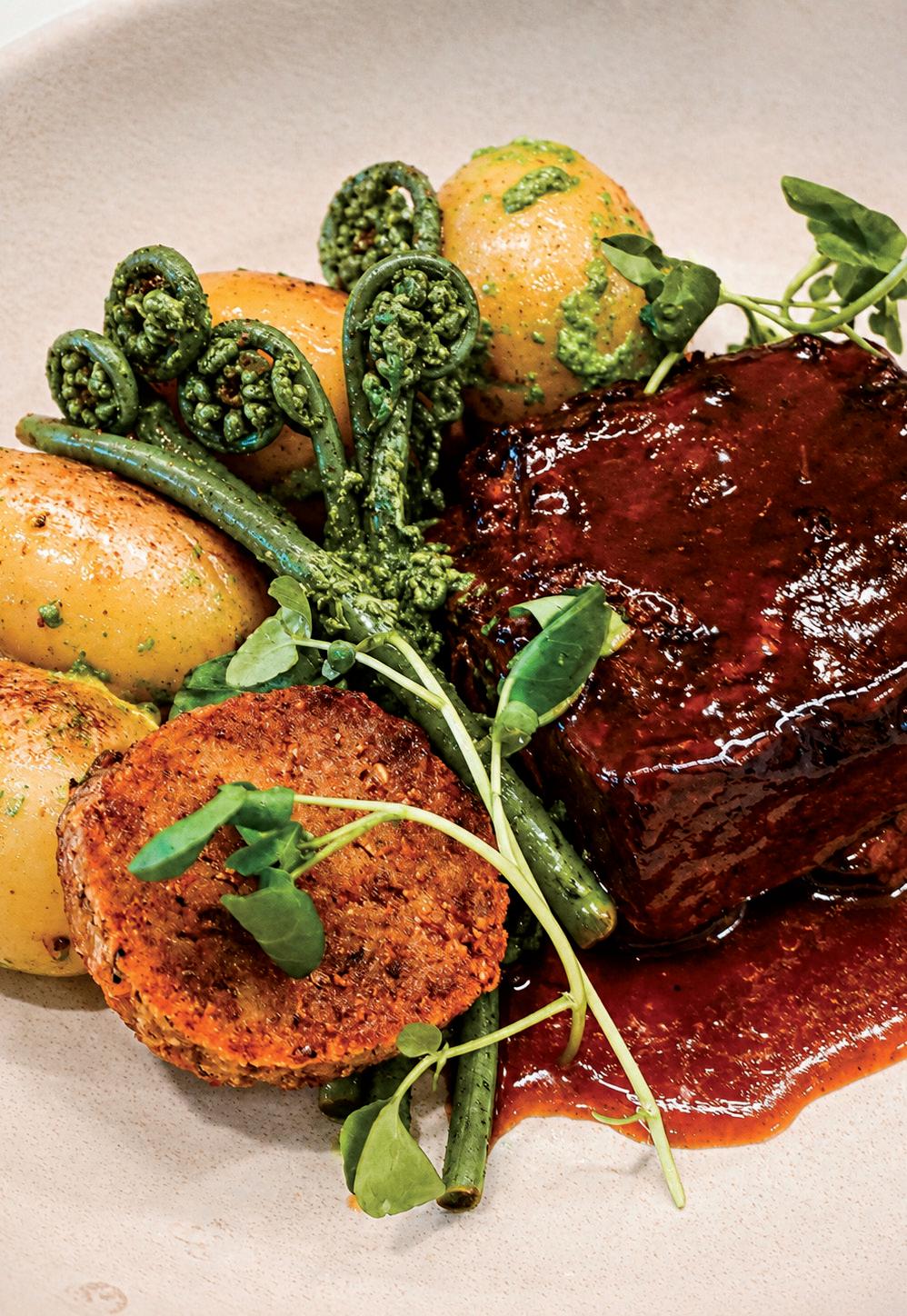
The centrepiece is a Hangi Master slow-cooked hangi beef short rib, accompanied by buttered potatoes, watercress chimichurri, piko piko and traditional hangi stuffing. Earthy, tender and rich with the warmth of the earth, the dish honours Aotearoa’s enduring hangi traditions.
To finish, a burnt sugar steamed pudding is served with vanilla cream, vanilla anglaise and cashew nut brittle, a warming, indulgent take on the hangi dessert staple.
Te Kaahu Executive Chef, Nancye Pirini, said the menu was inspired by the values that Matariki represents:
remembering those who have passed, celebrating the present, and looking ahead to the future.
“We wanted to create a menu that reflects our connection to the whenua, the season, and the stories of our people that make Te Kaahu unique,” she said.
“As a team made up of many different cultures and backgrounds, it was also important that the menu reflected the inclusivity and diversity within our kitchen. While Matariki sits at the heart of the menu, we wanted to celebrate the different perspectives, experiences, and influences that our team brings to the table.”
The dishes are inspired by native ingredients, traditional food practices, and the idea of bringing people together through kai. Each dish has been thoughtfully created to honour those traditions while sharing a little of who the team are its connection to place through food.
Pirini added that respecting where the ingredients and stories come from while creating a dining experience that felt true to the restaurant today was an important part of the process.
“We start by looking at the traditional flavours, ingredients, and practices that have been part of Māori cuisine for generations. From there, we use modern techniques and presentation to showcase those flavours in a way that feels refined but still genuine.”
Finding the right balance was important, as it allowed the restaurant to celebrate and share its culture in an authentic way while giving guests an experience that was unique, memorable and reflective of Te Kaahu.
Pirini said the restaurant’s relationship with Hangi Master Rewi Spraggon was central to bringing the Matariki menu to life.
"Partnering with Rewi at Hangi Master has been a privilege, and his knowledge of traditional hangi methods and commitment to keeping those traditions alive have long shaped signature dishes on the Te Kaahu menu. Our Matariki menu uses the gifts of our land and sea to create something that feels meaningful for the season. Every dish tells a story, and I hope our diners feel that when they sit down to eat and celebrate the Maori New Year.”
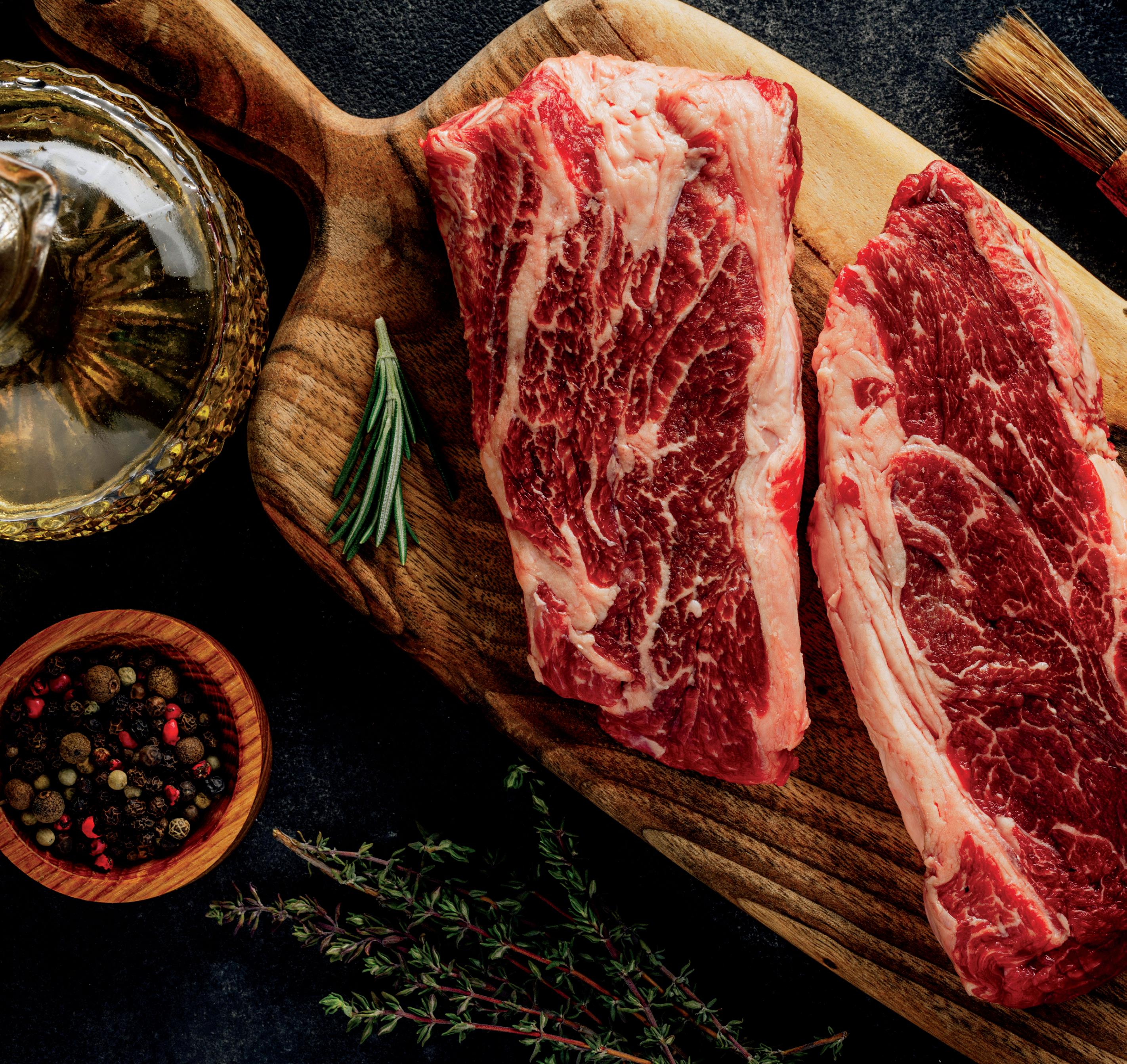
From ribeye to sirloin, beef is an essential element in the make-up of New Zealand’s national culinary landscape.
For chefs, there is a special place on the menu for exquisite beef dishes. Acclaimed chef Matt Lambert said reintroducing a fine-dining version of classic New Zealand flavours, like steak, has been instrumental to the restaurant and menu's identity.
A prime example of this is at his Auckland restaurant, Return, where Steak and Cheese is a staple of his menu.
“The ‘steak and cheese’ is a play on the classic Kiwi steak and cheese pie, a roasted beef filet with puff pastry croutons, garlic and thyme with
jus and a blue cheese cream,” said Lambert.
With New Zealand known on the global stage for its outstanding beef products, Lambert said highlighting the best of local produce on the menu was a priority for him, and that Return sought to represent New Zealand in a way that was both authentic and forward-looking.
“We want to champion local biodiversity, support small producers, and contribute to a more sustainable hospitality ecosystem,” said Lambert.
Christchurch restaurant Delilah has taken advantage of Canterbury’s strong reputation for beef production.

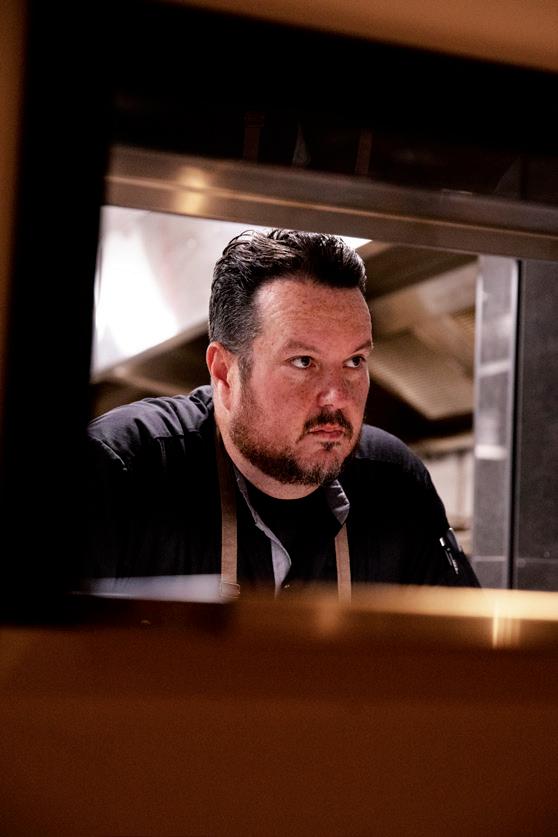
“At Delilah, beef remains timeless because Canterbury produce is world-class and guests in Christchurch still strongly associate a great dining experience with perfectly cooked, locally sourced red meat,” said General Manager Tim Swete.
He said that a high-quality cut stands out through provenance, consistent handling, careful ageing, and the way it’s treated simply in the kitchen, so the flavour and texture can speak for itself.
Newer innovations within the global and local meat market have introduced different styles of beef for chefs to consider.
Ron Park, Chief Executive at Kōrure, has recently gained attention for raising awareness for easy-to-eat meats that are suitable for a range of differently aged customers.
As customers become more healthfocused in their ordering behaviours, Park said his product would cover all consumer bases, be it someone recovering from surgery, someone with dental issues, or even athletes who want something easier to digest. He believed that easy-to-eat meats would be a “must-have” on the menu in the foreseeable future.
“There’s a whole group of people that kind of get overlooked at the moment. It’s not about making “soft food,” it’s about making better food that more people can enjoy. Good chefs are already thinking about the full experience; this is just part of that,” Park said.
Chef Dean Thompson, Chef at Schnappa Rock in Tutukaka, said customers want size and value, especially for beef dishes. He added that ordering preferences continue to change, and the inclusion of cuts of meat, such as beef, on multi-diner platters was a noticeable industry trend.
Chef Thompson said that although customers remain loyal to steak, they’re also more open to dishes where chefs are able to bring extra creativity and technique. Different cuisines have introduced a more sustainable approach to beef as well, with traditional styles such as Pasifika cuisine leading the change in demand.
“We’ve also seen beef and lamb overtake fish as our biggest sellers, with diners embracing lesserknown cuts such as ox tongue and sweetbreads, which are dishes they might not attempt at home.”
From fine dining restaurants to regional destinations, lamb continues to hold a special place on New Zealand menus. Celebrated for its quality, versatility and strong connection to the country's farming heritage, chefs are finding new ways to showcase this iconic ingredient.
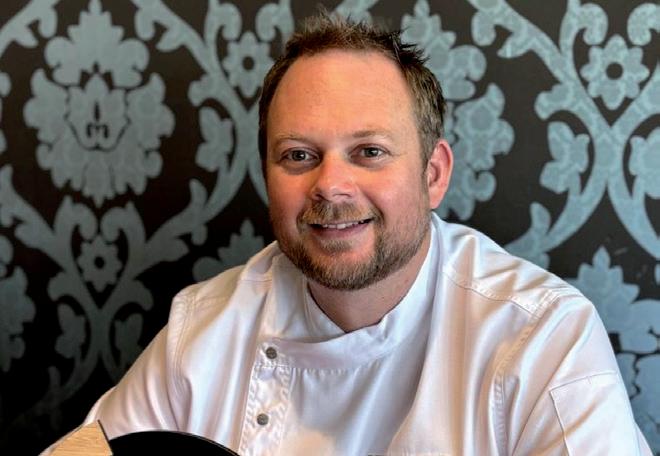
Cam Davies Executive Chef & Co-owner
The Fat Duck
Whether through simple flavour pairings, innovative cooking techniques or storytelling from farm to fork, lamb remains a powerful expression of New Zealand cuisine and a favourite among diners seeking authentic, memorable dining experiences.
Chef Cam Davies, Executive Chef and Co-Owner of The Fat Duck in Te Anau, said lamb was in the fabric of the country.
Ever since the first export of lamb to England in 1882, Davies said lamb has paved the way for New Zealand’s export industry as its known today.
“We all have great memoires of Lamb on our tables, sharing with the people we love,” said Davies.
“New Zealand lamb is world-class and sort after by some of the best restaurants around the world. New Zealanders should be proud of our farmers and the high-quality proteins they produce.”
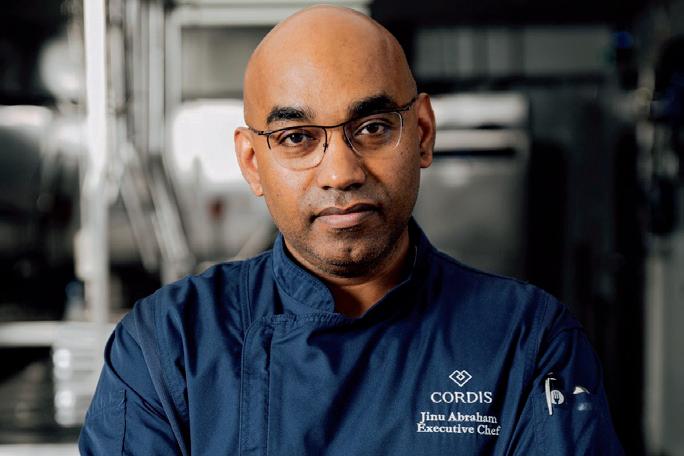
Auckland-based chef Jinu Abraham said that a key focus of his role as Executive Chef at Cordis, Auckland, has been to champion New Zealand
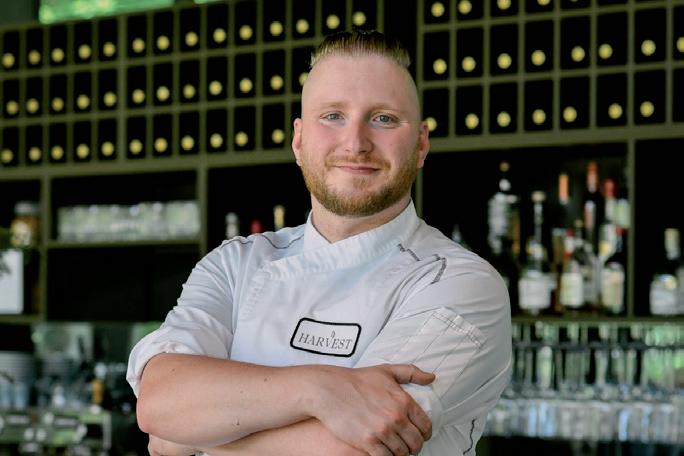
Matzig Executive Chef Harvest Restaurant
products as much as possible, especially through lamb dishes.
He has done this by pairing dishes with simple flavours, which is something he strongly believes in. He said that if you let an ingredient like lamb lead, then there is an opportunity to showcase authentic flavours.
“I think people want really honest, good food. And when they pay for it, they must have value for it, and the value is derived from flavour. People come for experiential dining, that's the constant kind of evolution.”
Marlborough chef Wieland Matzig said that lamb has been an instrumental ingredient on his menu, especially when served in new and innovative ways with colourful flavours and styles that customers might not expect to see on the menu.
On his menu at Harvest Restaurant in Marlborough, Matzig has included Mibrasa Braised Lumina Lamb Shoulder, which is served with honey mustard and gremolata. Listed as a signature dish, the 1.1kg lamb shoulder is braised for six hours.
“Its versatility allows us to cook
a wide range of ingredients while preserving their natural character and elevating them with a uniquely rich, smoky profile,” said Matzig.
“As the only restaurant in the region equipped with a Mibrasa oven, we’re able to offer a dining experience and a flavour signature, unlike anything else in the area.”
Matzig has placed a great influence on interaction and communication with customers through ingredients such as lamb, which has helped to detail the journey of the ingredients from farm to fork.
He added that the seasonality can introduce new flavour pairings for lamb.
“At the same time, we strive to rotate the menu continuously, to keep our creativity alive and continuously surprise our guests with new inspirations,” he said.
“Powered purely by fire and glowing embers, the Mibrasa charcoal oven celebrates the most elemental form of cooking, imparting a distinctive charcoalgrilled aroma and depth of flavour that simply can’t be replicated.”
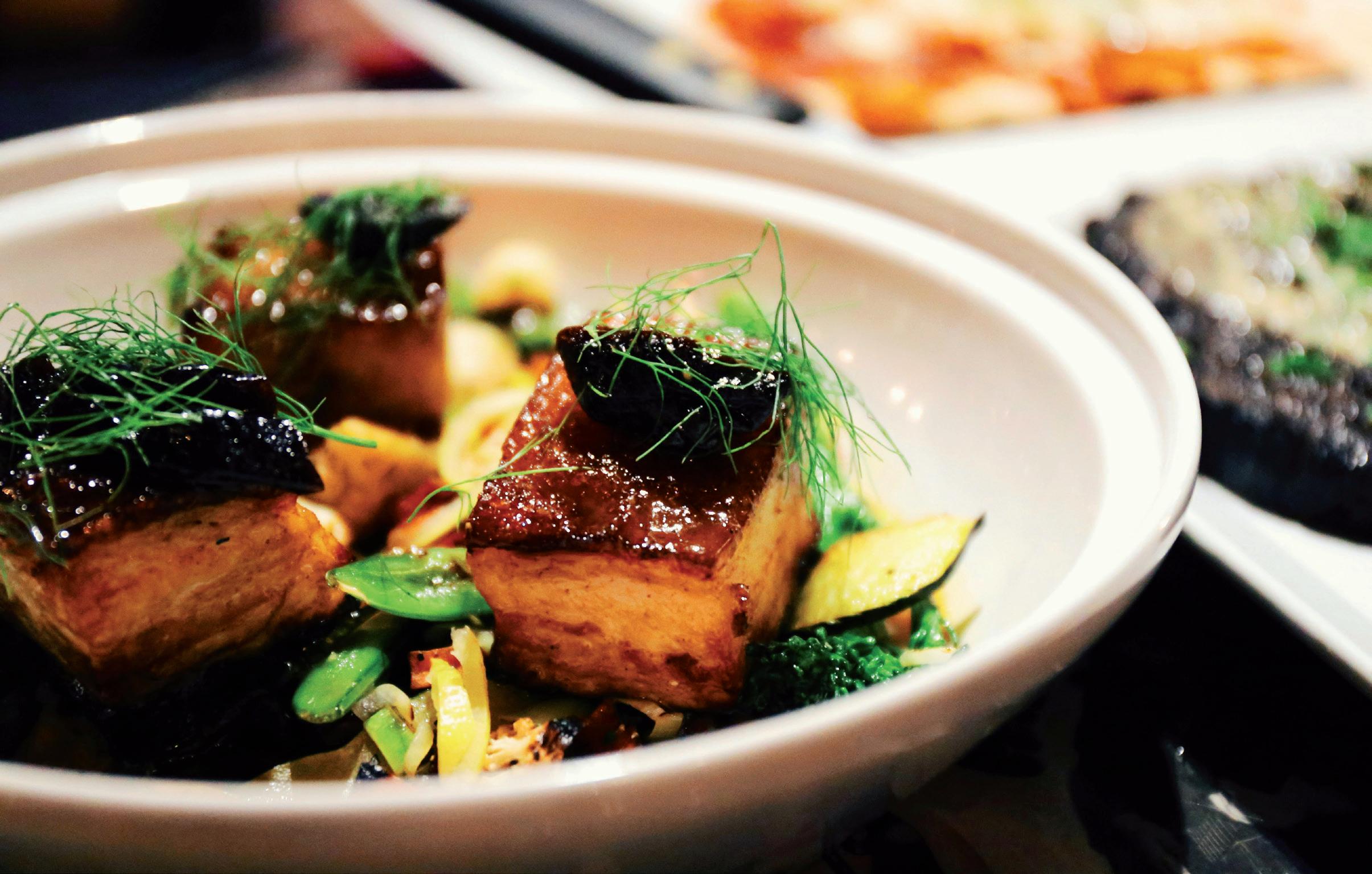
Since its opening last year, Hippo has made its mark on the capital. Chef Luke Smith was integral in crafting its menu, including one of its signature mains, Confit Pork Belly.

Like a lot of dishes on the Hippo menu, Smith said this dish blends the best of locally sourced ingredients with French flair.
The Confit Pork Belly is served with parsnip, apple, crackling, and Calvados, which is a brandy from Normandy in France made from apples. The Calvados brings an undeniably French twist to a dish that is a Kiwi staple.
A beautiful rectangle of perfectly cooked pork belly sits on the plate beside a parsnip puree topped with apple and microgreens, and the most delicious morsel of crackling sits atop the pork.
“Our pork belly is confit, so it is slowcooked until it gets that melt-in-yourmouth, tender quality, and is finished under a high temperature to achieve a perfectly crisp skin,” said Smith.
He added that pork belly is incredibly versatile because of its balance of rich fat and tender meat, which allows it to be prepared in so many different ways.
For the kitchen at Hippo, this versatility has meant the team can showcase pork belly in a way that’s both comforting and creative, highlighting local New Zealand ingredients while giving guests something memorable and unique.
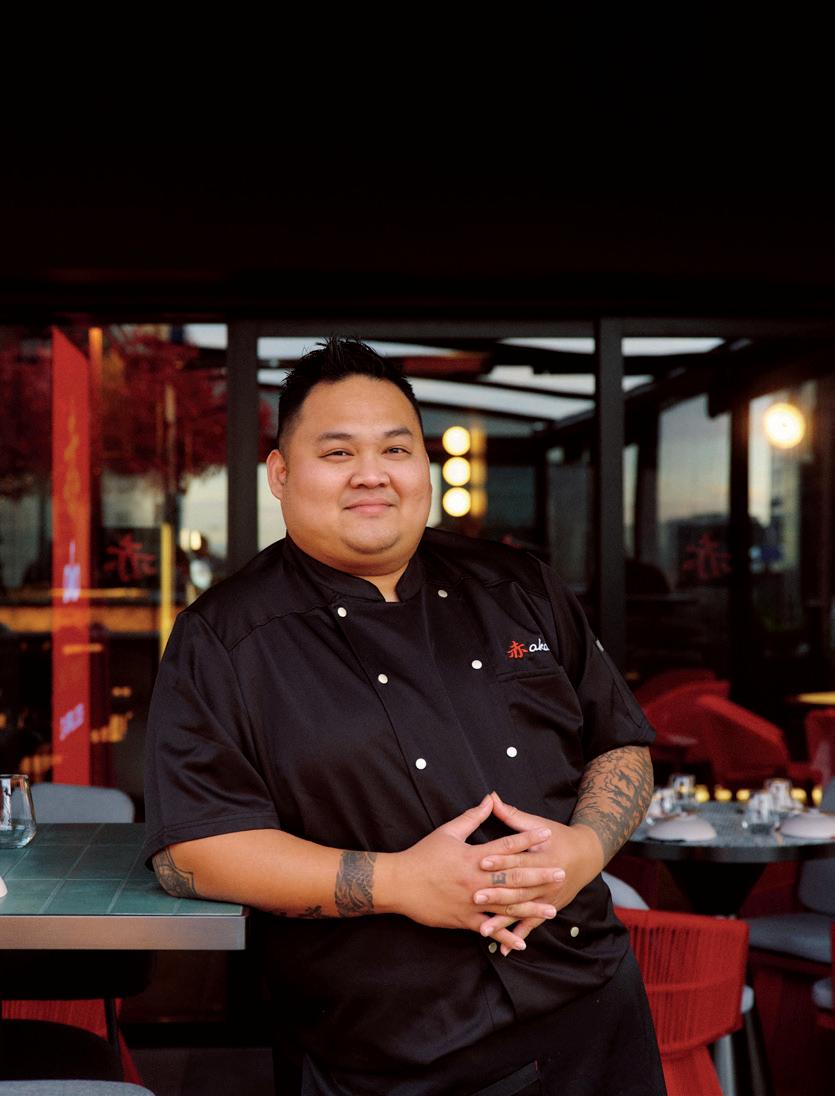
Pork has often been used as a key ingredient in fusion cuisine. A key example of this was on the menu at Aka, Auckland’s latest and largest rooftop restaurant. It has introduced
deep-fried pork and prawn shumai with XO sauce, which has been described as a playful reinterpretation of dim sum with a focus on fresh and premium produce.
Head Chef Edberg Loh said that respecting traditional recipes while elevating them with modern techniques has been something he has long believed in throughout his career.
Similarly, across town at Sienna in downtown Auckland, diners will find slow-cooked pulled pork tacos on the menu. Chef Rosy Scatigna said that proteins like pork are best represented when served with fresh and vibrant flavours.
“I love showing how much flavour and texture you can get from plants when you treat them with the same care as protein. It feels fresh, modern, and just makes sense for how people want to eat now,” said Chef Scatigna.
Ponsonby restaurant GAJA has merged pork with modern and traditional Korean flavours. Head Chef Tako Yang said that his pork belly is a dish that defines the menu.
“It has depth, heat, crunch, and balance, built to pull people in without trying too hard. Nothing on the dish is filler. Every plate connects. Together, they tell you who we are: confident, grounded, flavour-first.”
With the wave of fusion popularity continuing to spread throughout the industry, pork is an instrumental ingredient with a multitude of uses throughout the menu.
Acclaimed Marlborough Chef Wieland Matzig said pork is one of the most versatile ingredients available, as it offers such a wide range of culinary possibilities.
From elegant cuts such as loin and fillet, to richer cuts like shoulder, every part of the animal has a purpose, with his personal favourites being cheek and belly.
Matzig said pork adapts beautifully to many cooking techniques, such as quick grilling and roasting, slow braising, curing, smoking and even fermentation.
“Pork also has a natural ability to absorb and complement a wide range of flavours, making it an incredibly versatile ingredient across many cuisines and culinary styles,” he said. From a culinary perspective, he added that pork represents versatility, sustainability and great value.
“For me, as a chef, respecting the whole animal is extremely important. Pork provides incredible opportunities for nose-to-tail cooking, allowing us to use different cuts creatively while reducing waste and showcasing the
skill behind the kitchen.”
From the perspective of guests, pork has the perfect balance, as it could be nostalgic and comforting, but could also be elevated into a sophisticated dining experience. A perfectly prepared piece of pork can tell a story about craftsmanship, regionality, and seasonality.
While pork has naturally worked with classic flavours such as apple, mustard, herbs and cabbage, modern cuisine has explored much more exciting flavour combinations.
These have included pork with coffee or chocolate, either as a rub, crust or slightly infused into the sauce; with dark beer to add richness and depth; or tropical elements like slightly spicy grilled pineapple and cucumber salsa with toasted peanuts, or an acidic sauce of passionfruit and chilli.
“For me, the most successful pairings are not just about being different, they are about creating harmony between
flavours, textures and memories.”
While there are many ways to prepare pork, Matzig said the technique depends on the cut and the desired experience.
Roasting is a classic approach, especially for loin, rack, or belly. The key is achieving beautiful caramelisation on the outside while keeping the meat tender and full of flavour.
Slow cooking and braising are ideal for cuts like shoulder, cheek, and belly. By cooking slowly, this allows the connective tissue and collagen to transform into incredible tenderness and depth of flavour.
Grilling and barbecuing add another dimension through smoke and caramelisation, creating a more rustic, intense flavour profile.
As a German native, pork played an important role in Matzig’s upbringing and culinary identity. He added that it was deeply connected to his food culture and traditions.

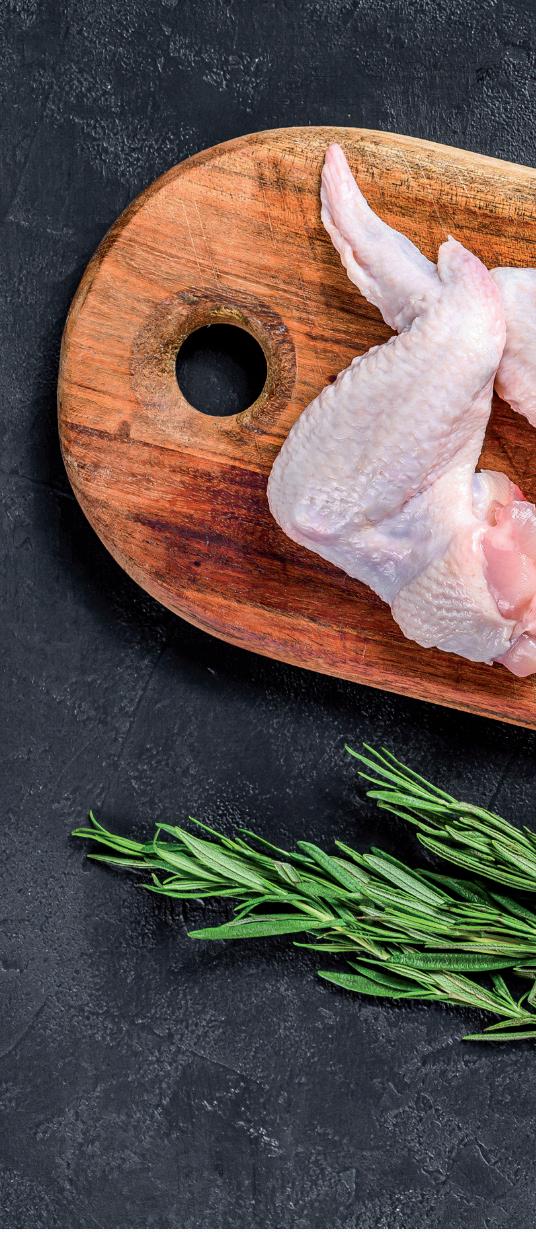
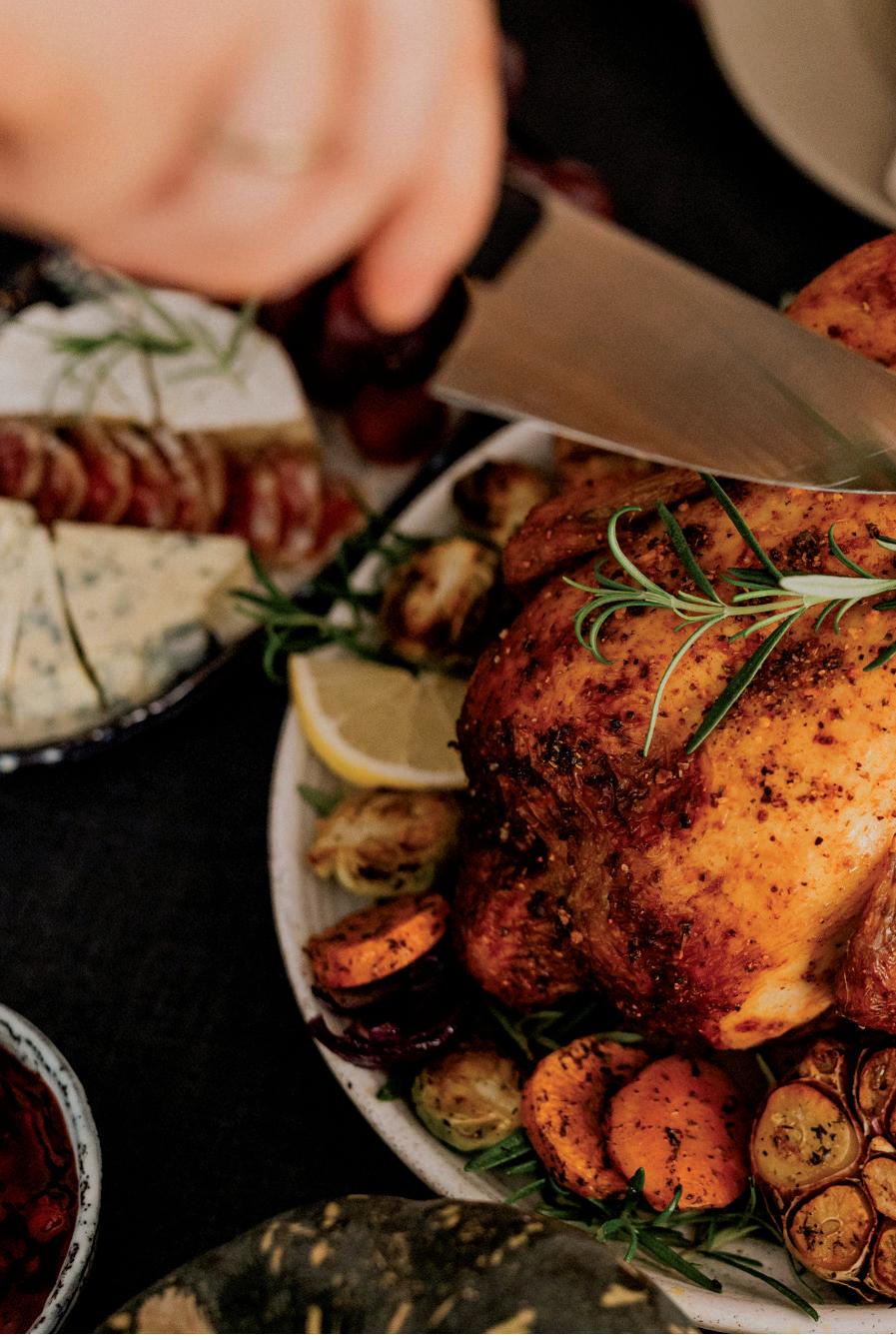
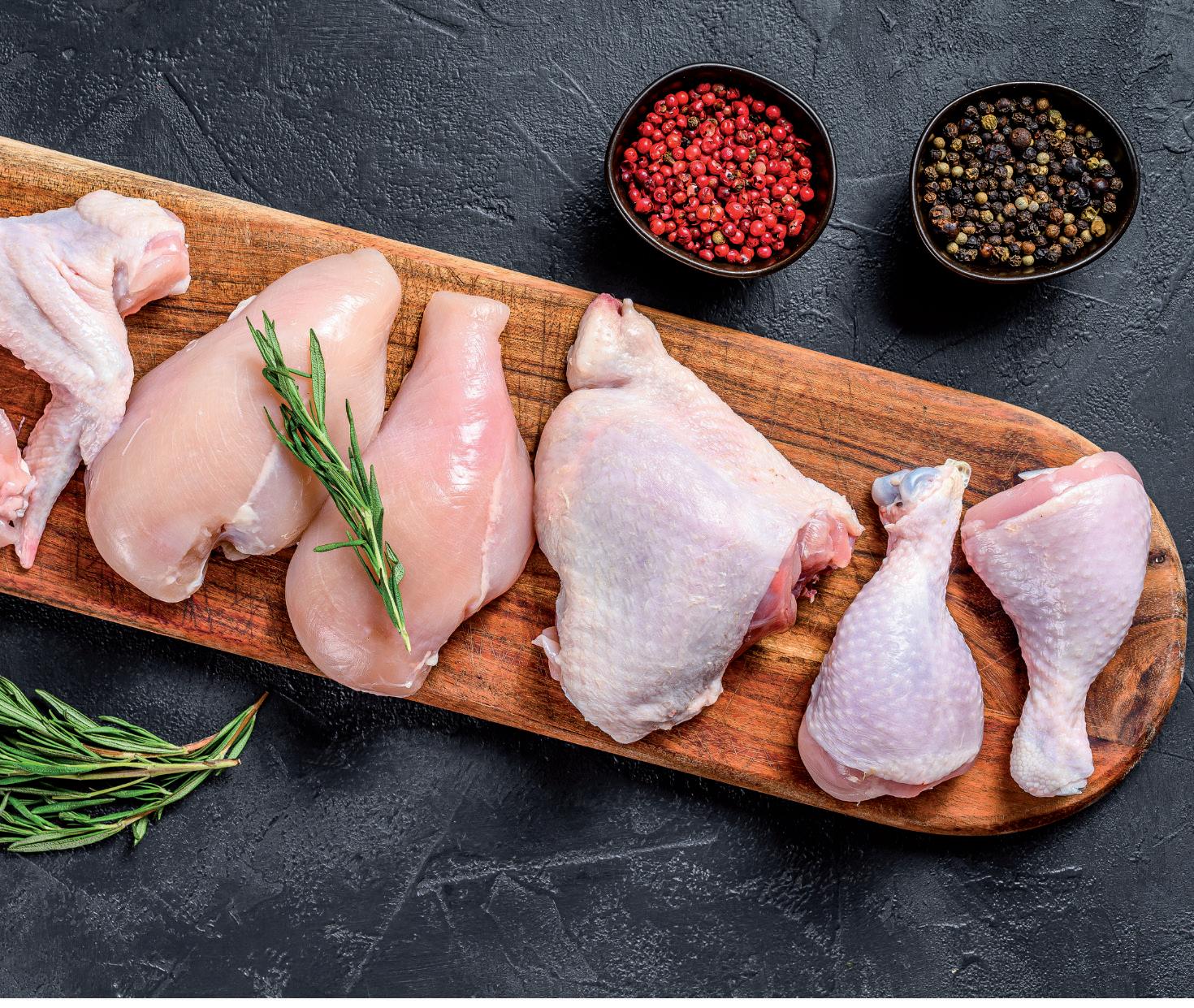
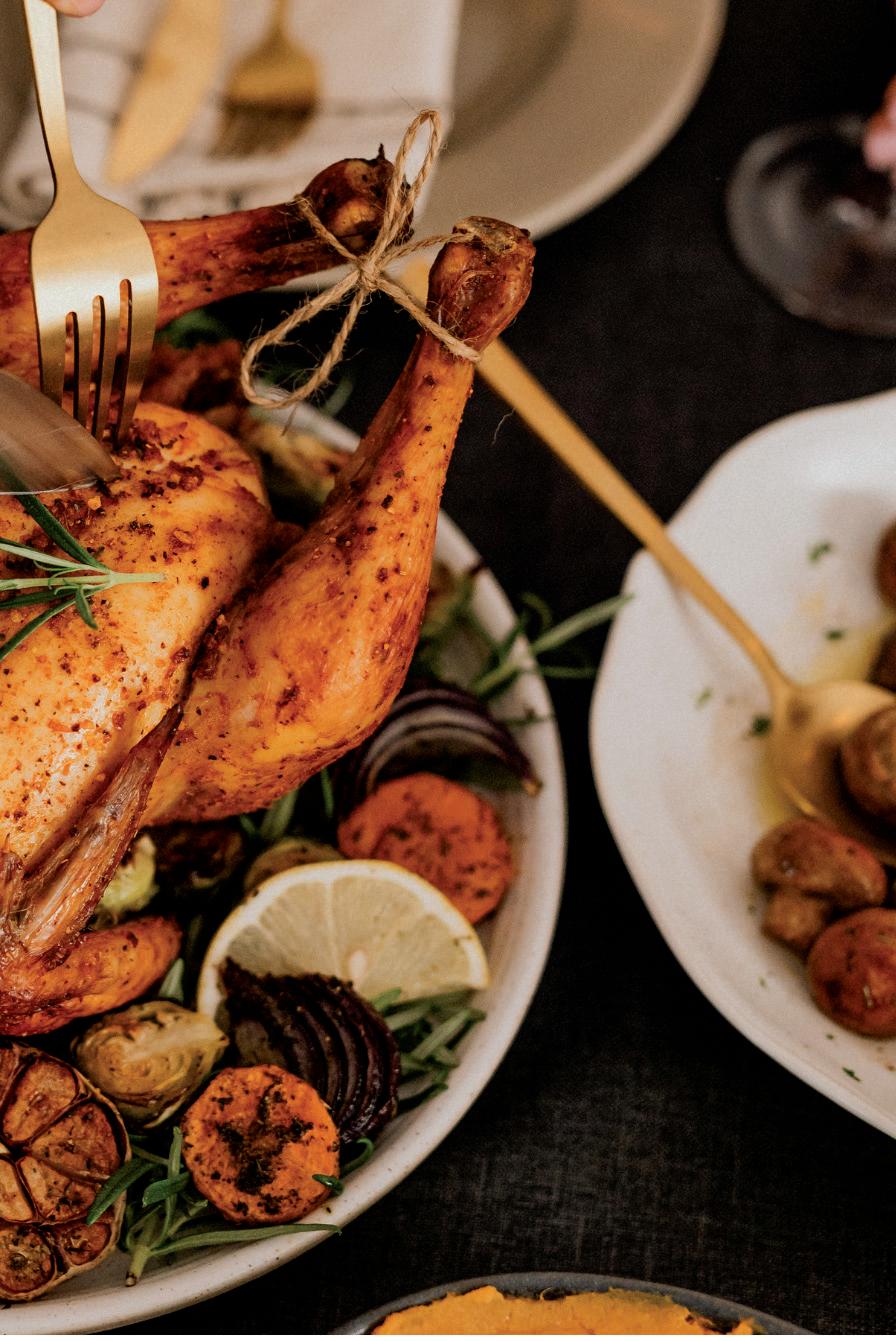
New Zealand’s poultry market has continued to evolve as chefs respond to shifting consumer expectations, supply chain pressures, and global flavour and ordering trends. From increased demand for online ordering to growing interest in ethically sourced products, poultry remains a key category that requires careful management.
For chefs, fresh poultry is one of the most operationally demanding categories due to its short shelf life and strict temperature requirements. Maintaining freshness relies on efficient cold-chain logistics, accurate forecasting, and strong coordination between processors, distributors, and restaurants.
From a supply perspective, restaurants that streamline ordering cycles and improve communication with suppliers are better equipped to manage demand fluctuations. Seasonal surges and promotional activity place additional pressure on supply chains, making inventory planning and delivery scheduling critical to reducing waste and out-ofstocks.
Poultry demand in New Zealand is influenced by predictable seasonal patterns, including public holidays, school breaks, and family-focused events. These periods often result in higher volume movement, increased promotional activity, and tighter supply.
Restaurants that plan ahead for these demand peaks can balance pricing strategies with margin protection. Transparent engagement with suppliers helps ensure pricing adjustments reflect market conditions while minimising sudden changes that can impact diner trust.
Consumer interest in traceability, local processing, and ethical sourcing continues to shape purchasing behaviour in the poultry category. Free-range options and clearly labelled New Zealand-sourced products are increasingly important to diners.
Poultry, especially chicken, has long been a staple for QSR establishments, especially in new and innovative forms. An example of this is the Apricot Chicken pizza from Domino’s, which has seasoned chicken, onion and capsicum, finished with an apricot sauce swirl and topped with spring onions, as well as the Funky Chicken pizza, a generous pizza with a crème fraiche base, seasoned chicken with red onion, mushroom, stretchy Mozzarella cheese, oregano
and creamy mayonnaise. These menu items are completely unique to Domino’s New Zealand and hero Kiwispecific tastes and preferences.
Other brands, such as Popeyes, have joined the global competition for chicken within the QSR space.
In the two years it has operated in the New Zealand market, Popeyes has opened 11 stores. Morgan Jones, Head of Marketing for Popeyes New Zealand, said the chain was blown away at the demand for fried chicken from customers.
“Kiwis know good chicken when they taste it, and Popeyes brings a flavour game that’s unapologetically bold,” he said.
Presentation has also become something customers have been in search of, such as chicken sliders with a range of gourmet toppings or deconstructed plating options. The incorporation of seasonal fruits and vegetables to add an element of freshness to the dish has also gained popularity. This is another excellent way to add subtle flavour to the menu.
High-quality, sustainably sourced chicken has developed a growing interest from chefs and customers, and has transformed the way that chicken is farmed. This has also attracted a wider group of health-conscious diners, who have greatly influenced overall customer expectations.
Chicken is not only a timeless option, but it’s also a safe option in the eyes of customers. With endless potential on the plate, the New Zealand poultry market is being shaped by evolving consumer behaviour, supply chain efficiency, and increased expectations around transparency. Restaurants that proactively adapt to these trends and work closely with informed supply partners can strengthen category performance while meeting modern diner demands.
As the culinary landscape continues to shift, collaboration and dataled planning will remain central to maintaining freshness, managing costs, and supporting sustainable growth within the poultry market.
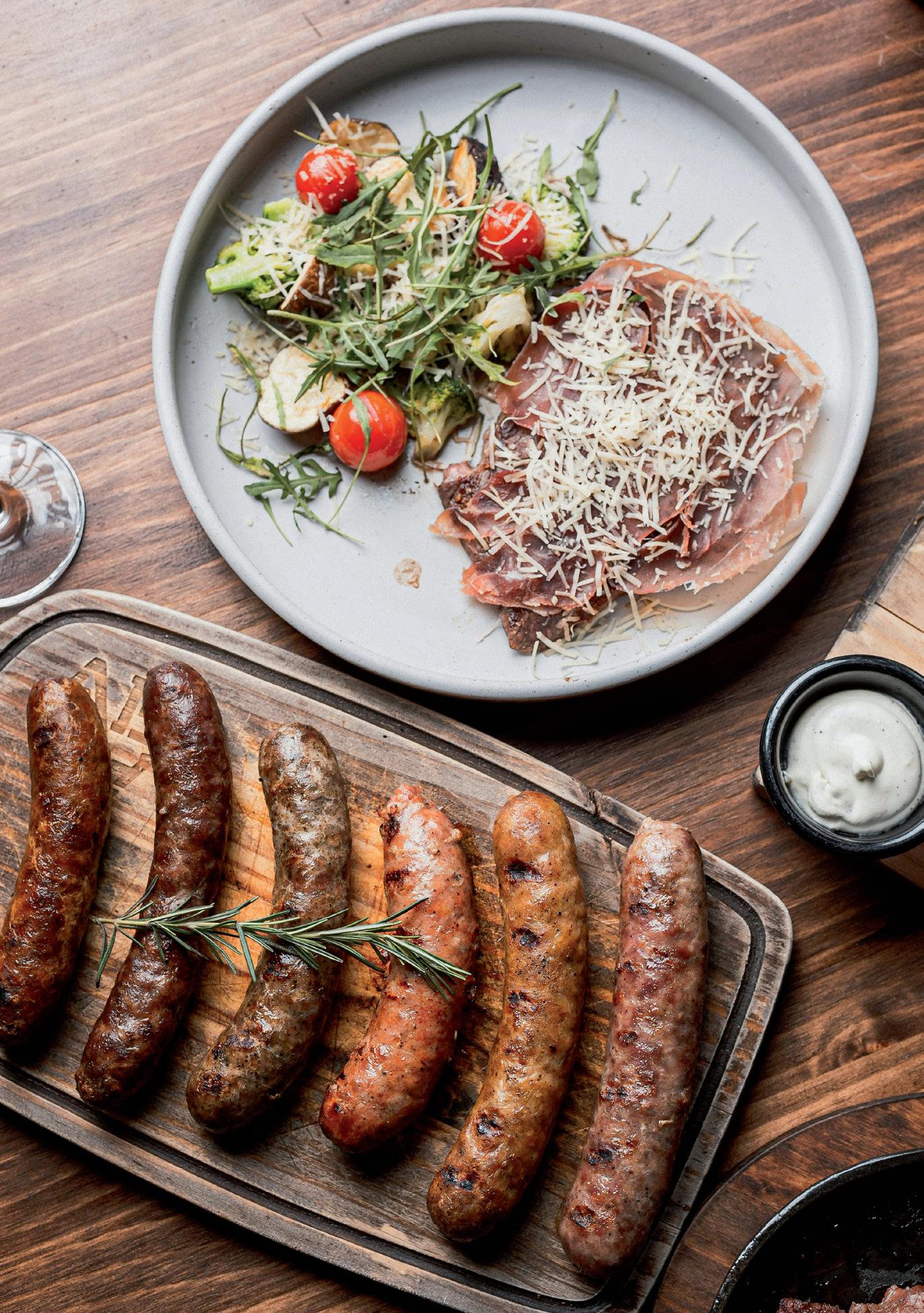
Small goods and cured meats have been one of the most popular comebacks on the menu in recent years, adding a strong and concentrated flavour, texture, and culture to dishes. From charcuterie boards to specific salamis and sausages, small goods and cured meats are adaptable from starter to main.
Butcher and Charcutier, Hannah Miller, said there are so many ways that chefs have introduced small goods and cured meats onto the menu.
“They aren’t just meat on a platter anymore. Even with the current economic climate, people are wanting to support New Zealandmade and the companies behind them,” she said.
Today, cured meats are being used throughout menus in increasingly creative ways. Chefs are incorporating them into soups and stews to build rich, savoury foundations, while others are featuring them in gourmet pizzas, pasta dishes, risottos and contemporary sharing plates.
For hospitality operators, locally produced small goods can also provide a meaningful point of difference. Featuring products crafted by regional producers allows businesses to tell a stronger
provenance story while supporting local suppliers and celebrating New Zealand's diverse food culture.
As diners become increasingly interested in where their food comes from, these connections can help strengthen customer loyalty and add authenticity to the dining experience.
Miller said producing premium small goods has become more challenging as heritage breed farming comes under increasing pressure.
“Price point and visibility are the two most obvious challenges, but there’s also the meat sourcing in itself. It continues to get harder and harder for small farmers to sustain raising the premium heritage breeds, which we rely on in order to create our beautiful products,” said Miller.
Showing cured meats and small goods on the menu as a premium ingredient, can elevate the dining experience and a service that justifies the price.
According to Miller, portion sizes have continued to decline while at the same time, interest in bold flavours is on the rise.
“This really fits in with my personal ethos of eat less but better; better quality and bigger flavour,” she said.
That shift in consumer preferences has helped position cured meats and small goods as premium menu ingredients rather than simple accompaniments. As portion sizes become more considered and diners seek greater flavour impact, these products offer chefs a way to create memorable dishes without compromising on quality.
Beyond their culinary appeal, small goods can also offer operational advantages. Their extended shelf life, reduced waste potential and ability to deliver strong flavour in smaller quantities can contribute positively to menu performance and profitability.

Spend at least $150** (excluding GST) in one receipt/invoice (in-store or online) on products from the Butchery department at Gilmours this Meat Madness and

McCain Foodservice shares some practical kitchen wins that are helping venues protect margin and run better services.
Where stronger kitchens are finding growth
Running a kitchen today means balancing more than ever. Costs are rising, labour is tight, and guests expect consistent quality and value every time. The venues performing best are not standing still. They’re finding smarter ways to operate behind the scenes, tightening the way their kitchens run and unlocking margin through small, practical changes. These improvements don’t come from major overhauls. They come from refining the everyday decisions that shape service, from how prep is managed to how portions are controlled and waste is reduced.
You don’t need a full reset
McCain’s guide shows that better cost control rarely comes from overhauling the entire menu. More often, venues see stronger results by making small, focused changes to everyday service processes. From casual dining to takeaway venues, operators are tightening costs by: Reducing prep that doesn’t get used Resetting portions on high-volume dishes
Simplifying labour-heavy items
Making small, considered pricing adjustments
These are all practical changes that can be tested, refined, and rolled out quickly, rather than undergoing major operational shifts.
Waste is one of the easiest wins
Waste rarely looks like a big issue in isolation. A bit of over-prep here, a garnish that’s slightly heavy, or stock that doesn’t quite get used in time. But over a week, it becomes one of the fastest ways margins erode.
Operators are seeing results by making small adjustments, like reducing prep volumes on quieter days, tracking what actually goes in the bin, and swapping low-volume fresh ingredients for pre-prepared formats midweek.
Ingredients that are consistent and ready to use can also play a role here. McCain’s frozen formats, for example, help reduce spoilage risk while keeping quality high service after service.
Simplify where it slows you down
Most kitchens have at least one item that puts unnecessary strain on the team. It requires skill, runs into service, or creates pressure at peak times.
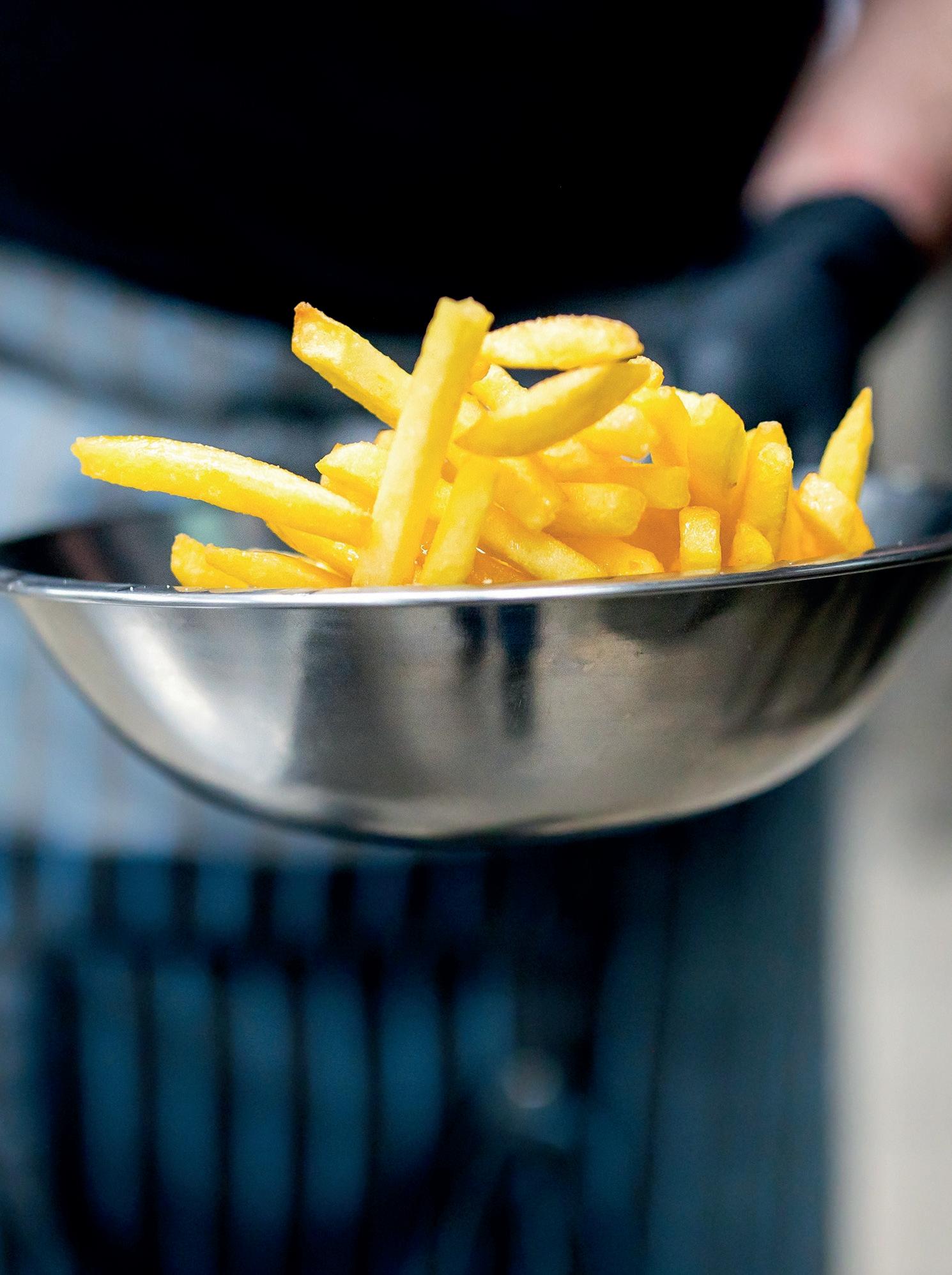
That’s often where the biggest gains are hiding. Switching a labour-heavy task to a simpler or ready-to-cook format can free up time, reduce errors, and smooth out service. Many operators are making small changes like moving from hand-prepped chips to consistent options, such as the varieties available in the McCain SureCrisp range, to ease prep while maintaining a premium finish.
The result is not just cost savings. It is a kitchen that runs with less friction.
Portion control protects margin
Even small variations in portion size can have a significant impact across high-volume dishes. It is one of the fastest ways a strong menu on paper becomes a weaker one in practice. Operators are tackling this by weighing portions during service, assigning simple portion tools, and tightening consistency on their biggest sellers.
The benefit is twofold. It protects margin and creates a more consistent experience for guests.
Clarity beats complexity
Costing often feels like a complex exercise, but most decisions come down to a few simple numbers. Understanding true portion cost, selling price, and contribution margin gives operators a clear view of which dishes are working and which ones need attention.
It is not about starting with the entire menu, but about focusing on top sellers first, where most profit is won or lost.
Small changes, consistent results
What ties all these actions together is consistency.
The most effective kitchens are not necessarily reinventing their entire menus to release better profit. Instead, they are refining the way they operate day to day. Small adjustments, applied consistently, create a stronger and more reliable business over time.
This is where McCain Foodservice plays a role too. Not just in delivering the food products that help with the consistency and excellence of your menu, but also in supporting you as a partner with information to get the most from your business.
Take the next step
If you’re looking for simple ways to strengthen margin without overhauling your operation, the McCain Cost Control Playbook brings these ideas together in one place.
You’ll find practical, easy-to-apply fixes across waste, labour, portion control and pricing, along with simple tools to put them into action.
Download the McCain Cost Control Playbook here

You don’t need a menu overhaul to improve margins. McCain Foodservice’s Cost Control Playbook is packed with simple, practical back-of-house changes you can put into action right away to help strengthen profit, cut waste and keep your kitchen running smoothly. Download McCain’s Cost Guide Now
Abhishek Thakur, Head Chef at Harvest Restaurant, said his culinary journey has taken him through several outstanding restaurants, which have helped him become the chef he is today.
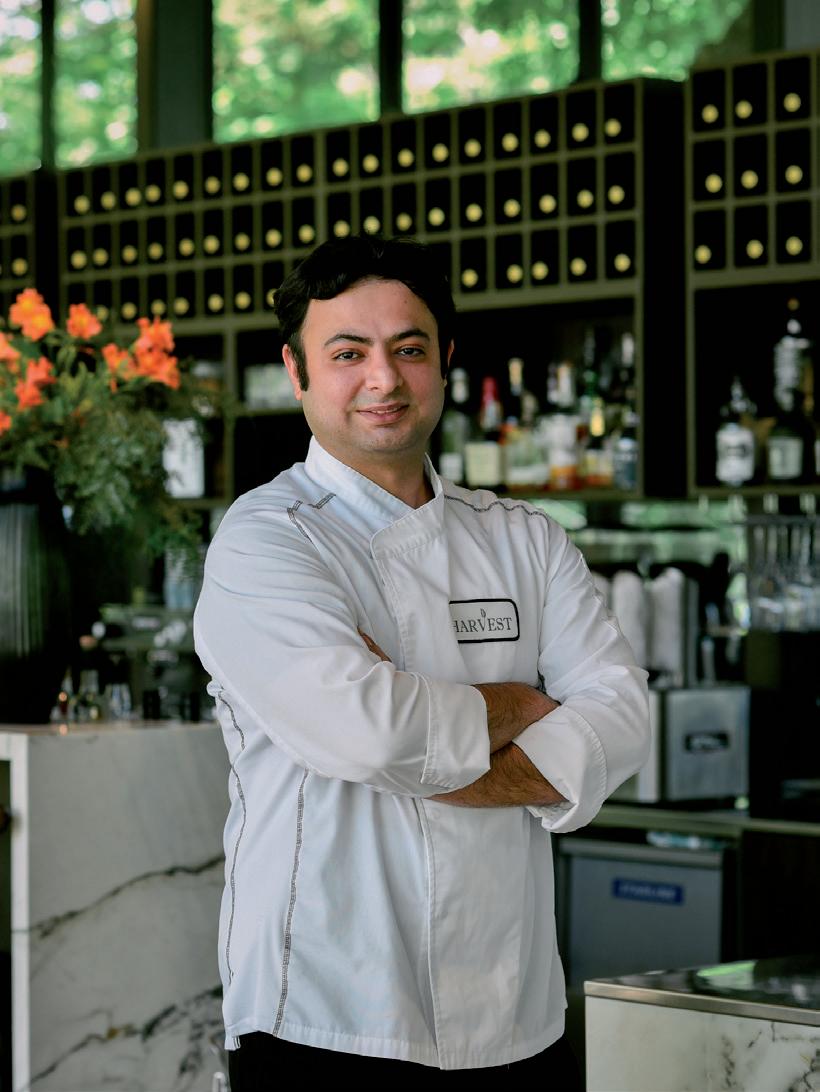
Marlborough region. He ensures that standards are consistently upheld and that daily workflows run efficiently. Working closely with his Executive Chef and wider team, Chef Thakur develops recipes and curates menus that make the best use of the estate’s resources, and delivers fresh, local and seasonal cuisine to guests.
His career began at the ‘Oberoi Udaivilas’ in Udaipur, India, where he started as a Commis Chef. Although he initially aspired to become an Indian cuisine specialist, his path shifted in unexpected ways as new opportunities and circumstances shaped my future.
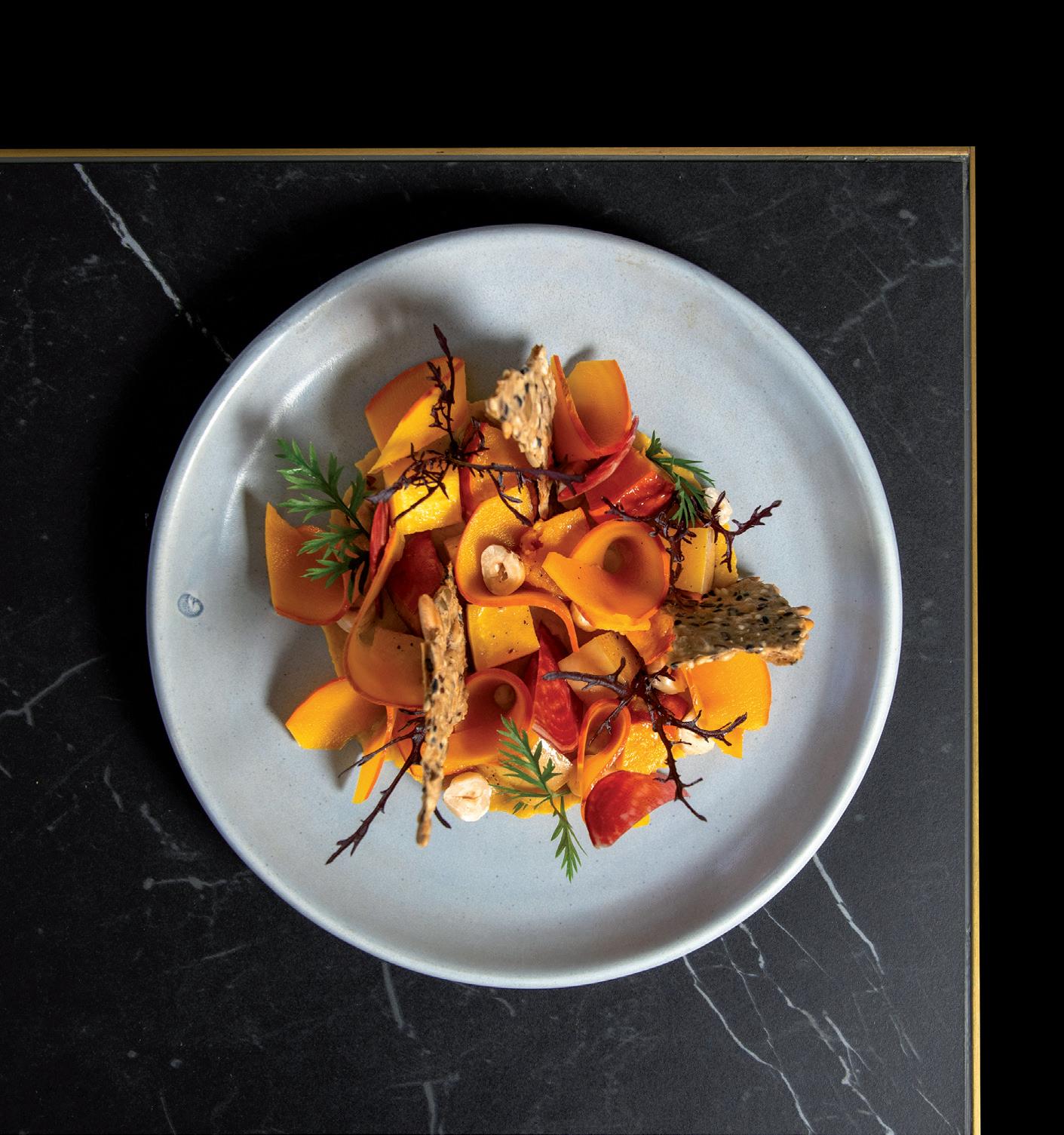
Harvest Restaurant has a vast array of signature dishes that set its menu apart and attract guests seeking distinctive, thoughtfully crafted culinary experiences.
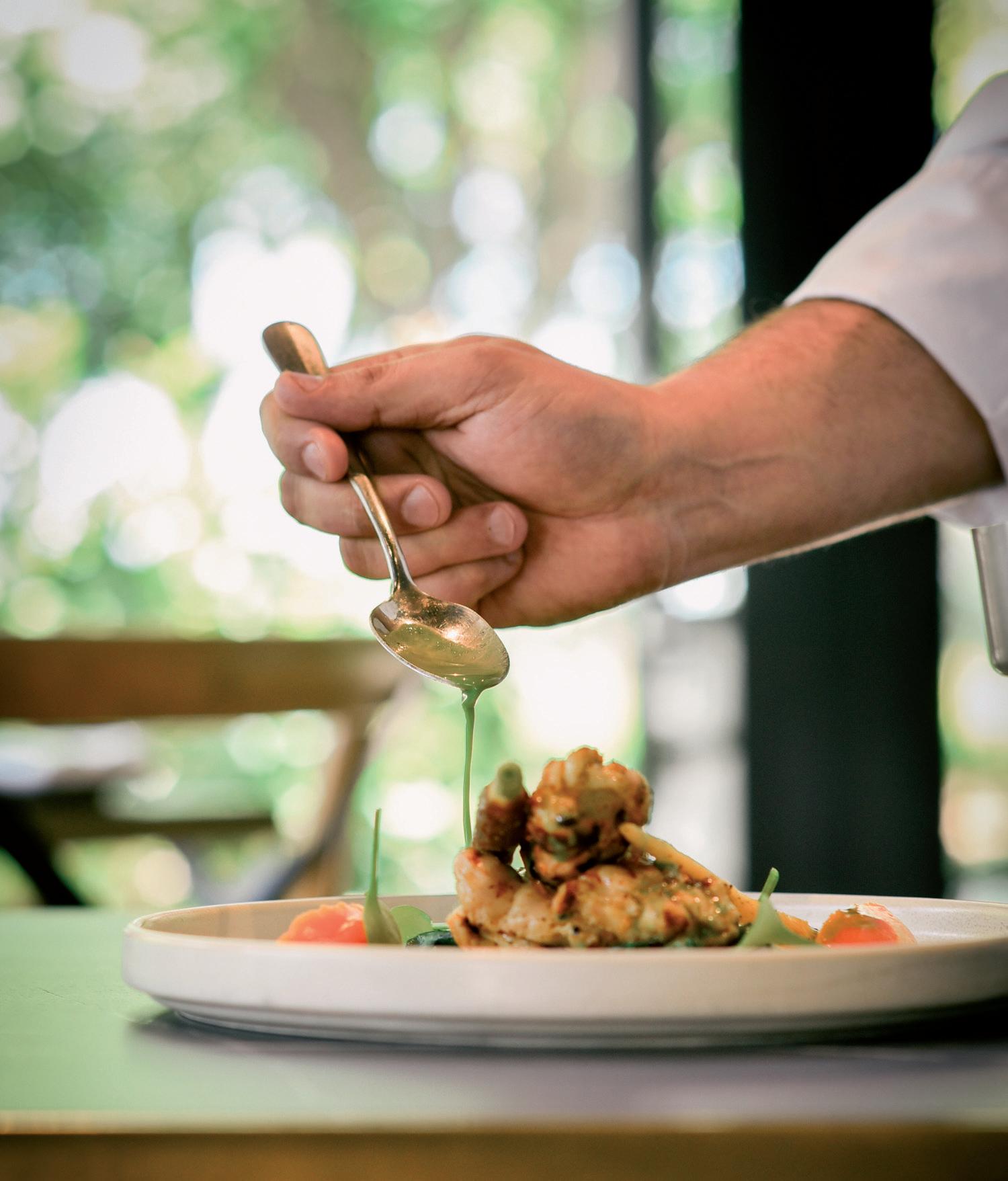
Designed to enrich the overall dining experience, menu highlights include the charred octopus served with a capsicum–pumpkin purée and chorizo jam, as well as the spiced chicken thigh paired with spiced carrot purée and aji salsa verde, both recent additions that have been exceptionally well received.
“We update our menu seasonally, which allows us to continually explore new flavours, refine our interpretations of various dishes, and champion local producers.
This approach supports freshness, sustainability, and ongoing culinary innovation,” said Chef Thakur.
Chef Thakur is inspired by understanding the community around him and the guests he serves. He said crafting a meaningful culinary experience begins with recognising local preferences and flavours, and thoughtfully integrating influences from other cultures.
“These elements guide me each time I develop a dish, allowing me to create flavours that feel both similar and refreshingly new.”
The expansive kitchen garden at Harvest Restaurant is another major source of inspiration. With a wide variety of produce grown on-site, Chef Thakur is able to design dishes that reflect true seasonality and highlight ingredients at their peak. Working with fresh, garden-grown produce motivates him to create dishes that are simple yet elegant, and plates that resonate with guests through depth of flavour and a sense of connection to the land.
Chef Thakur believes that it is also important that each dish is reflective of the distinctive regional qualities of its origin.
“By blending community, culture, and cuisine, we enhance the overall dining experience. I remain committed to sourcing locally and incorporating multicultural culinary insights to create dishes that resonate deeply and build authentic connections with every guest we serve.”
The aspiration for Harvest Restaurant is to become New Zealand’s leading vineyard restaurant.
Chef Thakur said he and his colleagues are determined to set a benchmark for excellence in both cuisine and hospitality.
“As we continue our culinary journey, we are dedicated to pushing the boundaries of creativity, flavour and service,” he added.
“Every dish we craft, every ingredient we select and every experience we create is part of our commitment to excellence.”
With a national identity closely tied to the ocean, fish is an ingredient that not only tastes like New Zealand, but it also offers a world of opportunity.
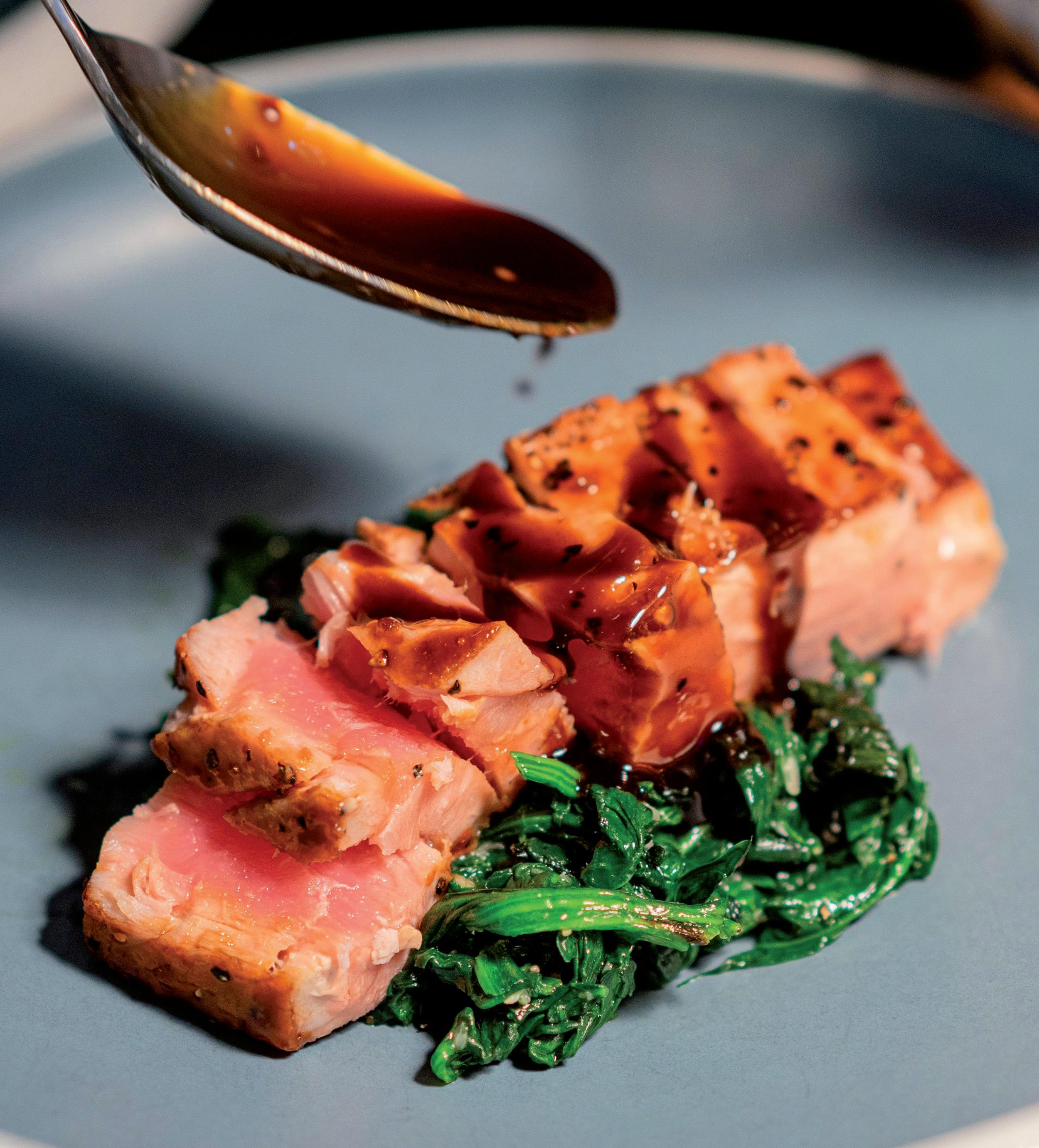
Making New Zealand's produce more accessible has not only been a priority on local shores, but internationally as well. Seafood New Zealand Chief Executive Lisa Futschek said New Zealand already has one of the most highly regarded fisheries management regimes, and newly announced legislation would support the move to evolve alongside modern science, technology, and changing conditions.
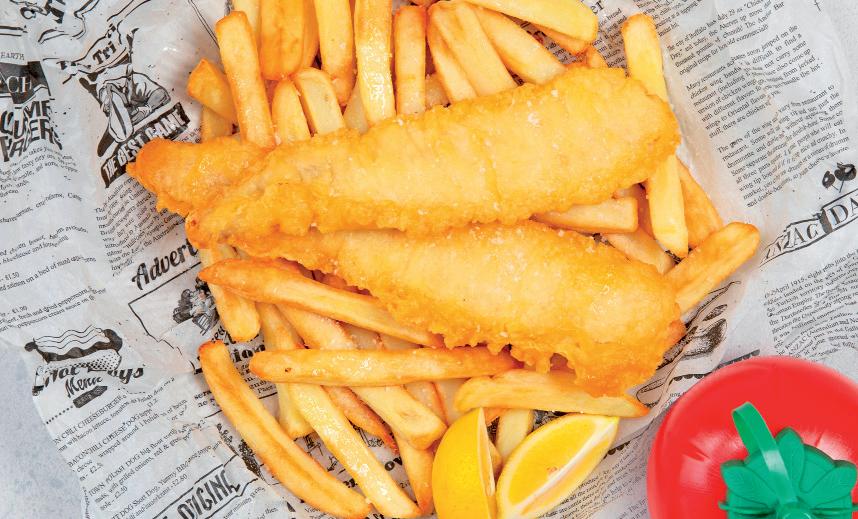
From pub grub to fine dining, there is always a place for fish on the menu. Even staples of the menu like fish and chips can be served in a traditional way, or in a more sophisticated manner when cooked with a premium beer batter or fresh market fish.
Fish and chips has become such a Kiwi icon that it has even branched out into other areas. Restaurant chain Joe’s Garage took inspiration from the dish last year when it launched a “Fish & Chip Burger” for a limited time.
Head of Operations and

Development at Joe’s Garage, Katie Duncan, said that the team loved the nostalgic idea of fish and chips at the beach. The burger contained a parmesan crumb on New Zealand gemfish, pan-fried on the hot plate, and served up in a buttered bun with Joe’s famous chips inside the burger.
“It was the perfect mouthful. When you can wrap your chops around a burger and get a bit of all the ingredients, the sauce, the crunch, the juicy, the salty, the ratios were spot on,” said Duncan.
For Chef Nat Thaipun, fish is an integral element of her native Thai cuisine, and was an essential part of her newly released menu throughout Pullman properties in New Zealand.
One of the highlights of her menu included raw fish with bright green chilli and coconut dressing. She described this as blending the flavours of the foundations of Thai cuisine with contemporary technique, and a specific emphasis on generosity and accessibility.
Head Chef Lucas Bach has
highlighted fish as an ingredient on the menu, as well as unique flavour pairings that offer an elevated, vibrant option for diners.
On his menu at Cibaria, highlights include Yellowfin Tuna Crudo served with green chilli, smoked salmon roe and chives; the Selezione di Crudi, a refined selection of tuna and kingfish celebrating coastal freshness; and Dry-Aged Swordfish with Trapanese pesto and mustard leaves.
Bach said creating the flavours to pair with fish dishes was simple, but important for them to be refined.
“I try not to overcomplicate the dishes. Instead, I focus on clean, thoughtful combinations of flavours that let the quality of each ingredient shine.”
With countless options for restaurants to choose from, offering true, local flavours on the menu is an ideal way to win over fans. Be it a humble serving of fish and chips or an innovative approach to highlight new techniques, there is always room for fish on the menu.
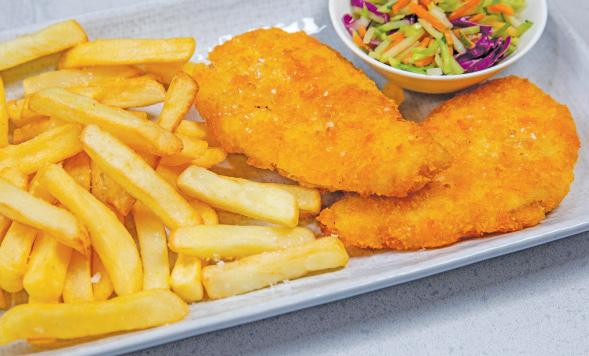
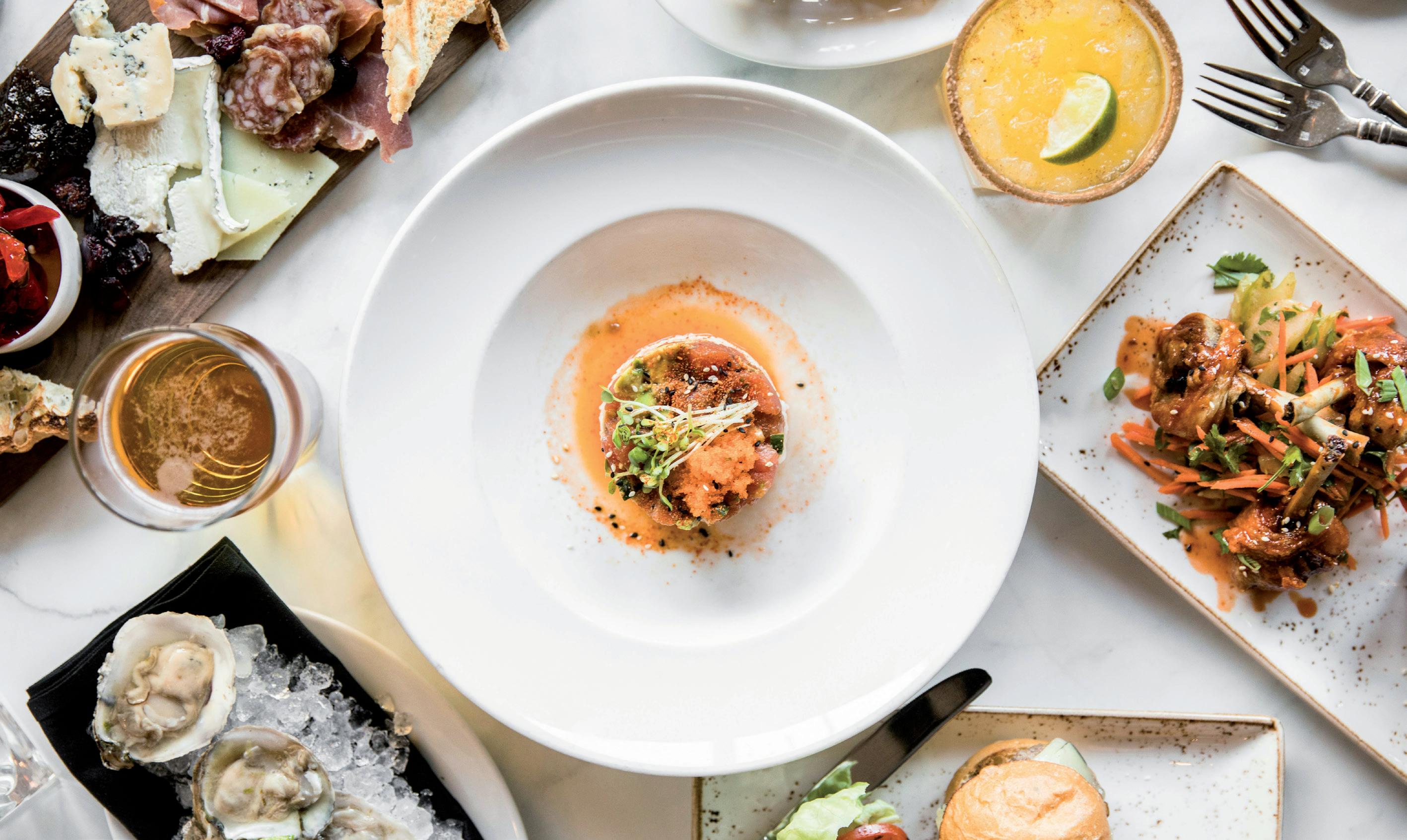
Although there is an assumption that seafood is solely meant for the summer months, it deserves a place on the menu year-round.
For chefs, seafood offers something few ingredients can match: diversity. With an abundance of species available from New Zealand waters, seafood allows kitchens to showcase local provenance, experiment with global flavours, and respond to seasonal availability while giving diners a compelling story behind every dish.
Located along Auckland’s waterfront, Bravo at Cracker Bay has fully embraced the coastal vibe, especially when it comes to its culinary offerings.
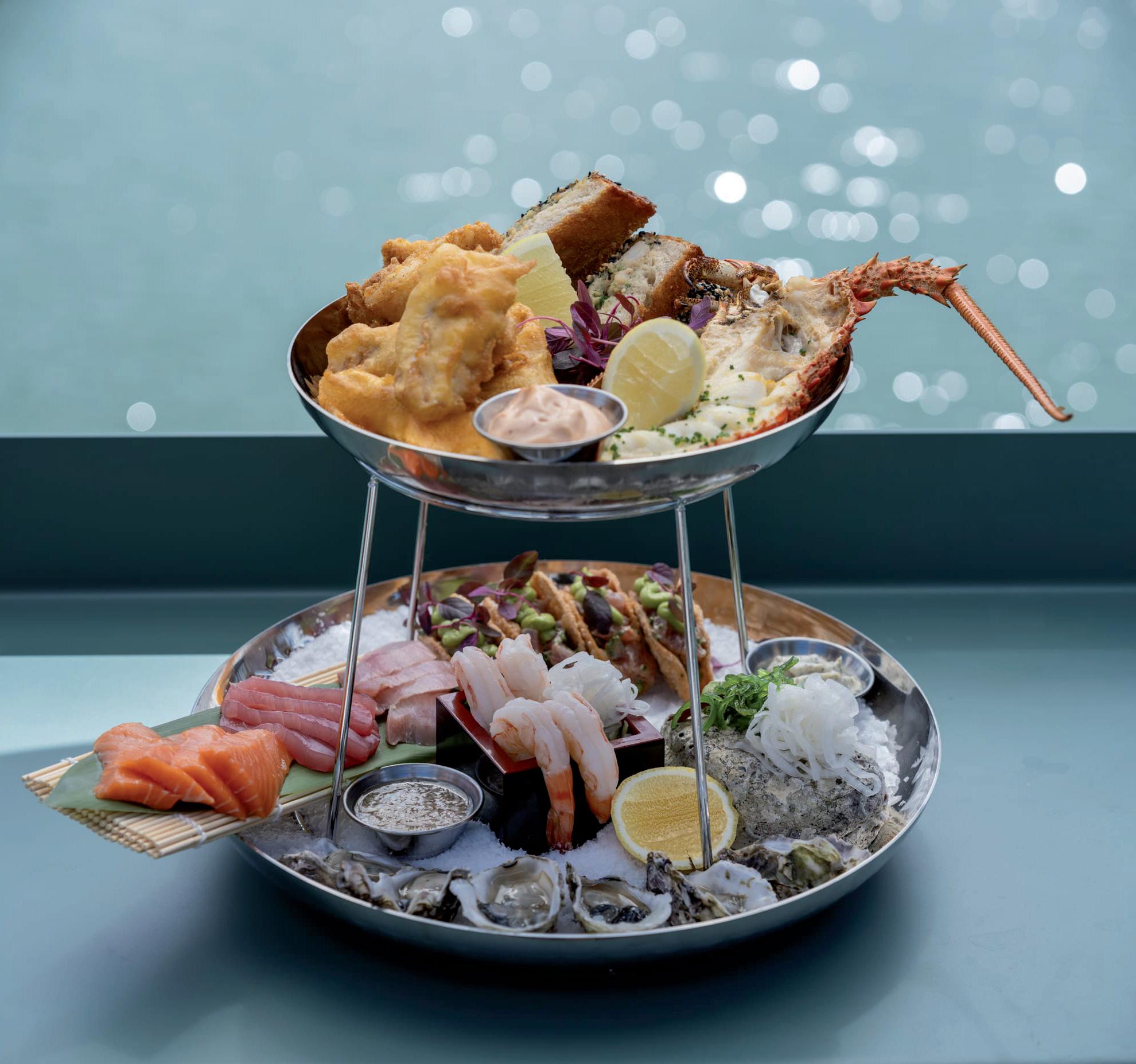
From classics like prawn cocktail to a delectable selection of sashimi, Executive Chef Richard Highnam has built the menu around premium seafood, with the Seafood Tower becoming a signature attraction featuring oysters, calamari, chilled prawns, prawn toast, mini tuna tacos and fish goujons, with the option to add grilled crayfish.
Chef Lesley Chandra, Head Chef at The Grill by SkyCity, has long taken pride in serving up bold, flavourdriven dishes that celebrate the finest sustainably line-caught seafood.
Allowing customers to know exactly where their seafood comes from is
something he is passionate about. On his menu, Chef Chandra has included Pacific Oysters from Waiheke Island, Scampi from the Chatham Islands, Farmed Haku Kingfish from Ruakaka, and Shellfish from Cloudy Bay.
He said diners have come to appreciate timeless staples of his menu, such as his smoky seafood classics, alongside innovative seasonal creations that showcase precision, creativity and respect for local ingredients.
“My culinary philosophy blends heritage technique, contemporary refinement, and a strong sense of place, creating menus that not only delight the palate but tell stories of the sea and fishers behind each ingredient,” he said.
Chef Vicky Shah, from Aarth Parnell, said various types of seafood were signature ingredients on his menu. While the menu changes and evolves from season to season, standouts have included dishes like whitebait bhaji and oyster sol kadhi, which he said offer diners a familiar feeling, but treated with restraint and precision.
“These dishes move between comfort and surprise, edging the known into the unexpected,” he said.
Executive Chef Maninder Singh Panesar, from La Marée restaurant along Auckland’s Viaduct, focused on bringing fresh seafood to the table earlier in the year.
Paired with vibrant flavours, his menu included freshly shucked seasonal oysters prepared two ways with rhubarb mignonette or tempura-style with lemon and garlic aioli, pan-seared scallops with appleturnip purée and bacon crumb, and homemade lobster ravioli with seafood bisque and pistachio crumb.
“Each dish reflects my belief that cooking with love and intention creates experiences that delight diners and resonate with the spirit of the season.”
As diners become increasingly interested in provenance, sustainability and local sourcing, seafood continues to offer chefs an opportunity to combine flavour with storytelling. Whether presented as a towering platter of shellfish, a refined fine-dining dish or a creative cultural interpretation, seafood remains one of the most versatile and compelling ingredients on the modern menu.
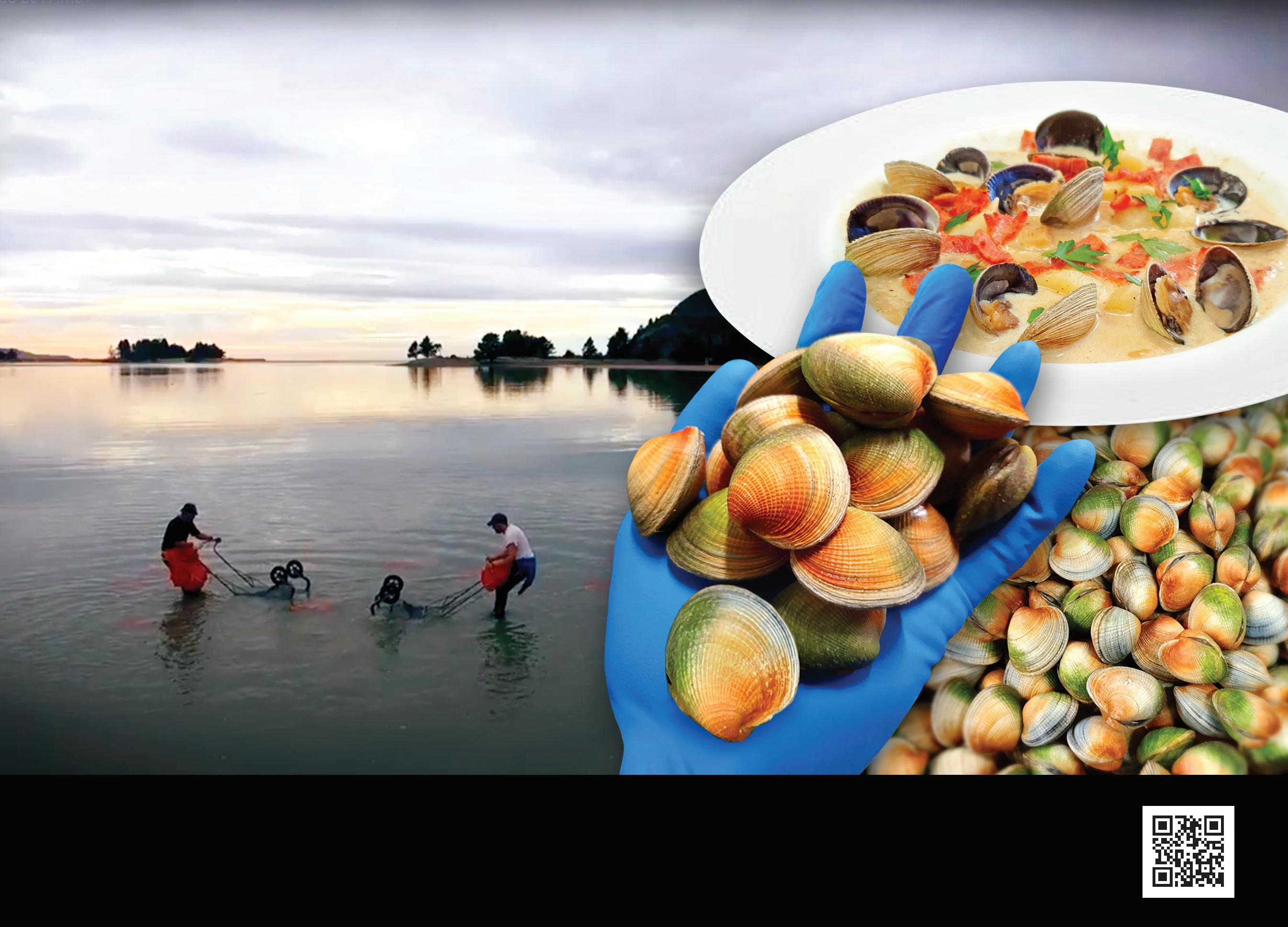
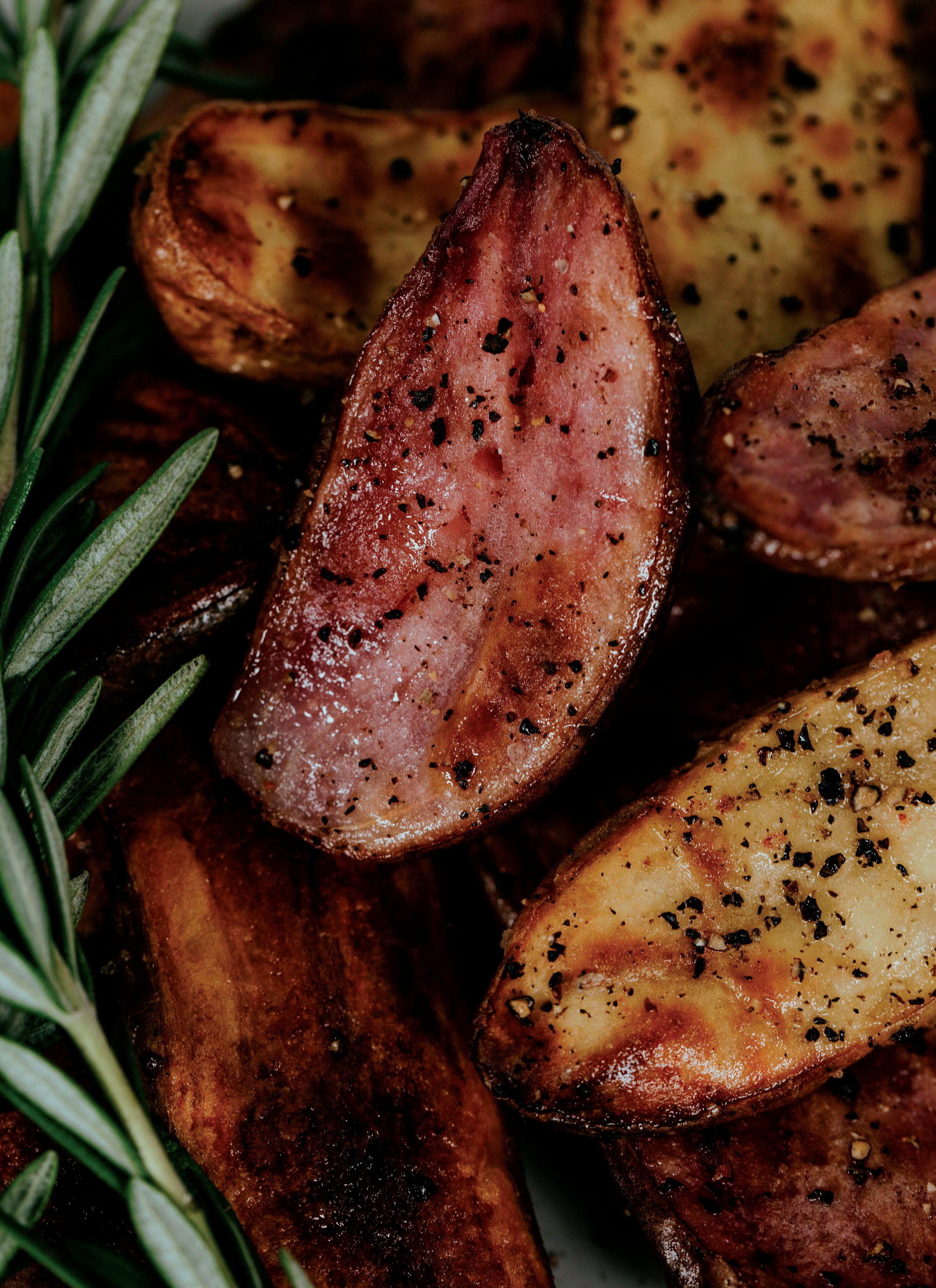
With the arrival of winter, it’s time for vegetables to warm the plate. Steamed, roasted, boiled or caramelised, there is always space for vegetables on the menu, from a traditional roast to a humble bowl of soup.
According to the latest mid-year United Fresh Trend Report, demand for fresh produce has risen, with emerging trends influencing what customers want to see when dining out.
Protein reigned as a top nutrition trend in 2025, and this year it has found its perfect companion: fibre. Consumers have sought this functional duo in wholesome, satisfying formats as they pursue guthealthy, long-lasting energy.
The phenomenon of "fibermaxxing" has taken social media by storm, and the conversation has pivoted back to whole food, produce-led solutions rather than fortified products.
Fresh produce may not dominate a protein count the way meat or legumes do, but it contributes more than most consumers realise. Broccoli, peas, spinach, and silverbeet are among the most fibre-rich vegetables on the shelf, while avocados add healthy fats, making them genuinely satiating.
The real story is the combination: fibre slows digestion, protein supports satiety, and together they deliver the long-lasting energy consumers are
actively seeking in 2026.
Kūmara has become the ideal starting point as it is affordable, filling, versatile and deeply familiar, everything a staple needs to be.
At the same time, broccoli is an outstanding batch-cook vegetable, due to its high dietary fibre and nutrient content.
Carrots round out the trio as a richly versatile option well-suited to New Zealand's winter growing season. Their natural sweetness makes them a crowd-pleaser across all ages.
Dr Carolyn Lister, Principal Scientist at Plant & Food Research and Trustee of the 5+ A Day Charitable Trust, said vegetables deserve far more attention.
“Vegetables like cabbage, celery, garlic and fresh herbs form the backbone of so many iconic Kiwi meals,” said Dr Lister.
“They’re packed with nutrients that support immunity, heart health, digestion and overall wellbeing. Simply adding a greater variety of seasonal vegetables to your plate each day can make a meaningful difference to your health.”
As temperatures cool, vegetables like pumpkin and butternut offer
warmth and nourishment in equal measure. The deep orange hue signals a rich supply of carotenoids, powerful plant compounds that support immunity and overall health.
“The deeper the orange of the flesh, the higher the carotenoid content. Pumpkin is a simple, affordable way to add colour, flavour and nutrition to autumn meals.”
Dr Lister added that winter vegetables are incredibly versatile, and dishes like soups are one of the quickest and easiest ways to turn affordable produce into meals that are nutritious, warming and satisfying for every customer.
She added that soup was a perfect option for businesses looking to reduce food waste and make profits go further.
Choosing New Zealand-grown winter vegetables also supports local growers and regional communities during an increasingly challenging period for the fresh produce sector. This support is especially important as growers continue to face rising production costs, including ongoing pressure from fuel, freight and fertiliser prices.
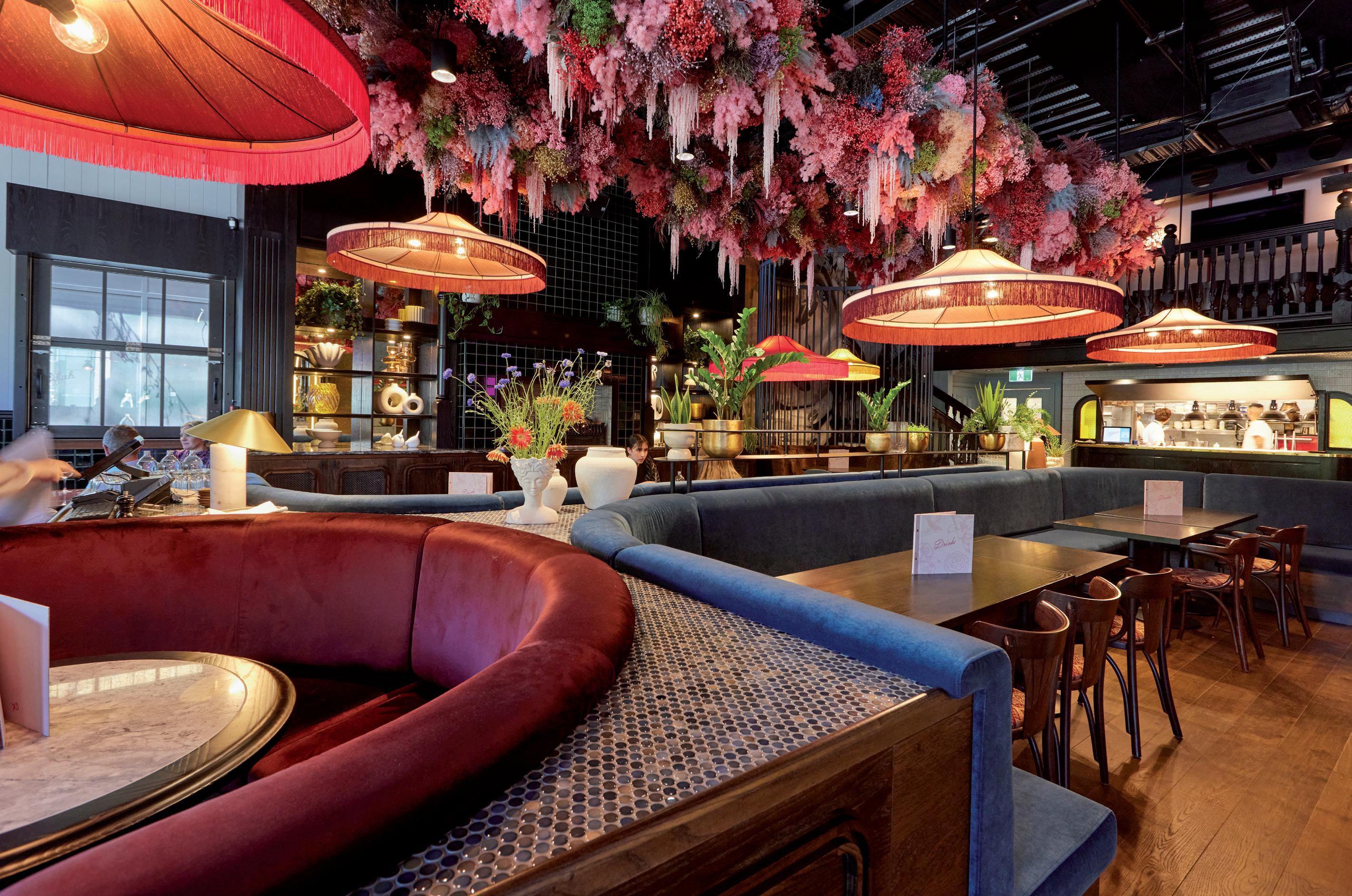
Located in the heart of Christchurch, Delilah is a vibrant restaurant and bar overlooking the Avon River and Bridge of Remembrance.

Tim Swete General Manager Delilah
Tim Swete, General Manager, said Delilah is a place where locals and visitors alike come together for great food, cocktails, music and memorable nights out.
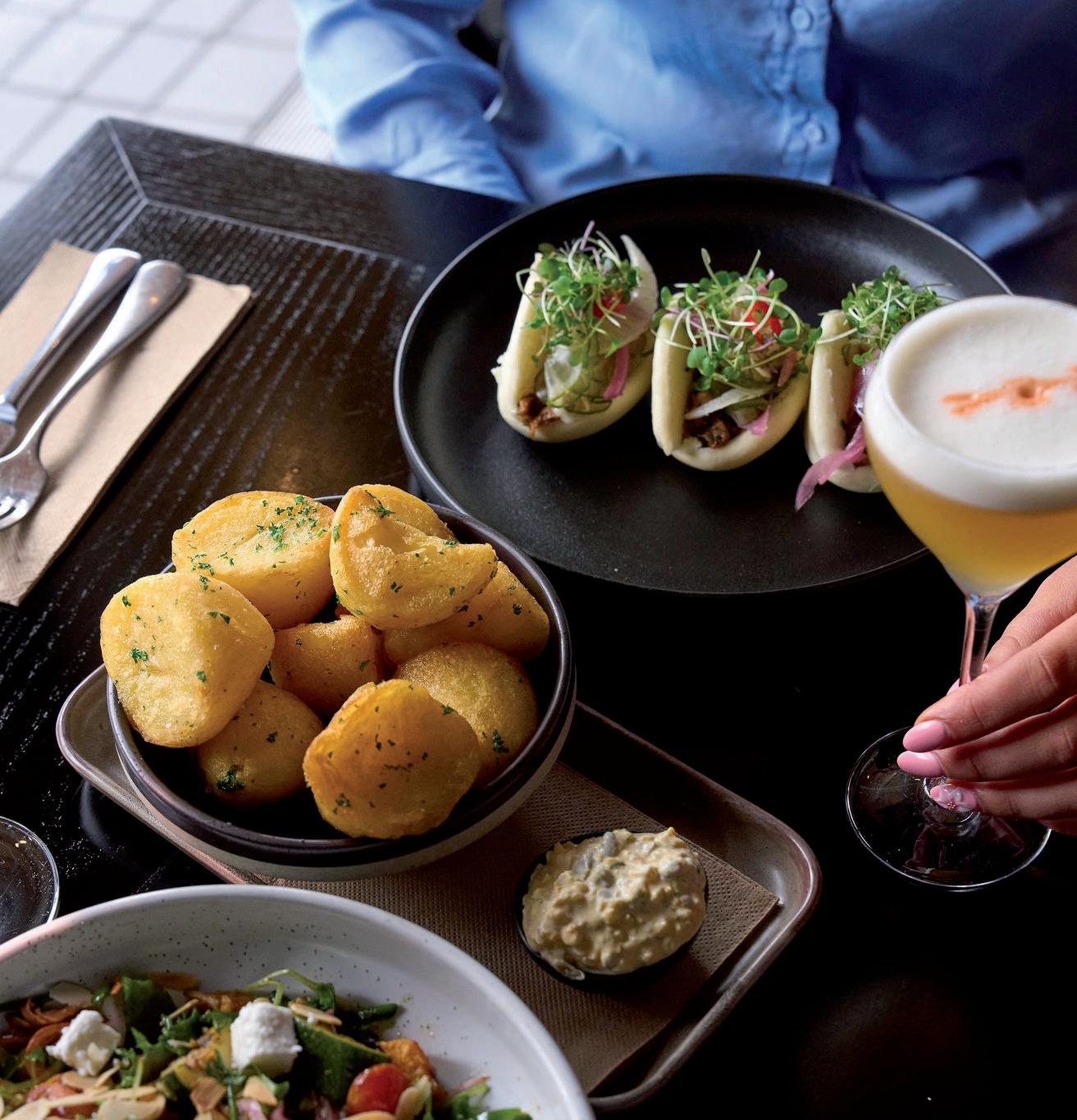
Delilah has combined a premium riverside location with a welcoming, energetic atmosphere that appeals to everyone from casual diners to cocktail enthusiasts. Its menu has focused on high-quality, approachable food with something for every occasion, while its cocktail offering and late-night experience emphasise fun and vibrancy.
Its enticing menu covers all times of the day, from charcuterie boards,
raw and cured offerings and exquisite pasta dishes, to acclaimed meat dishes from the Josper Grill, a vast array of seafood-based dishes, and delectable sweet treats.
While the costs associated with running a hospitality venue are currently sitting at a peak for many businesses, Delilah has defied national trends and has continued to go from strength to strength.
A major highlight in recent months was hosting fans during the Super Round of Super Rugby, which saw five matches bring a fantastic atmosphere to the city, something Swete said Christchurch hadn’t seen since before the 2011 earthquakes.
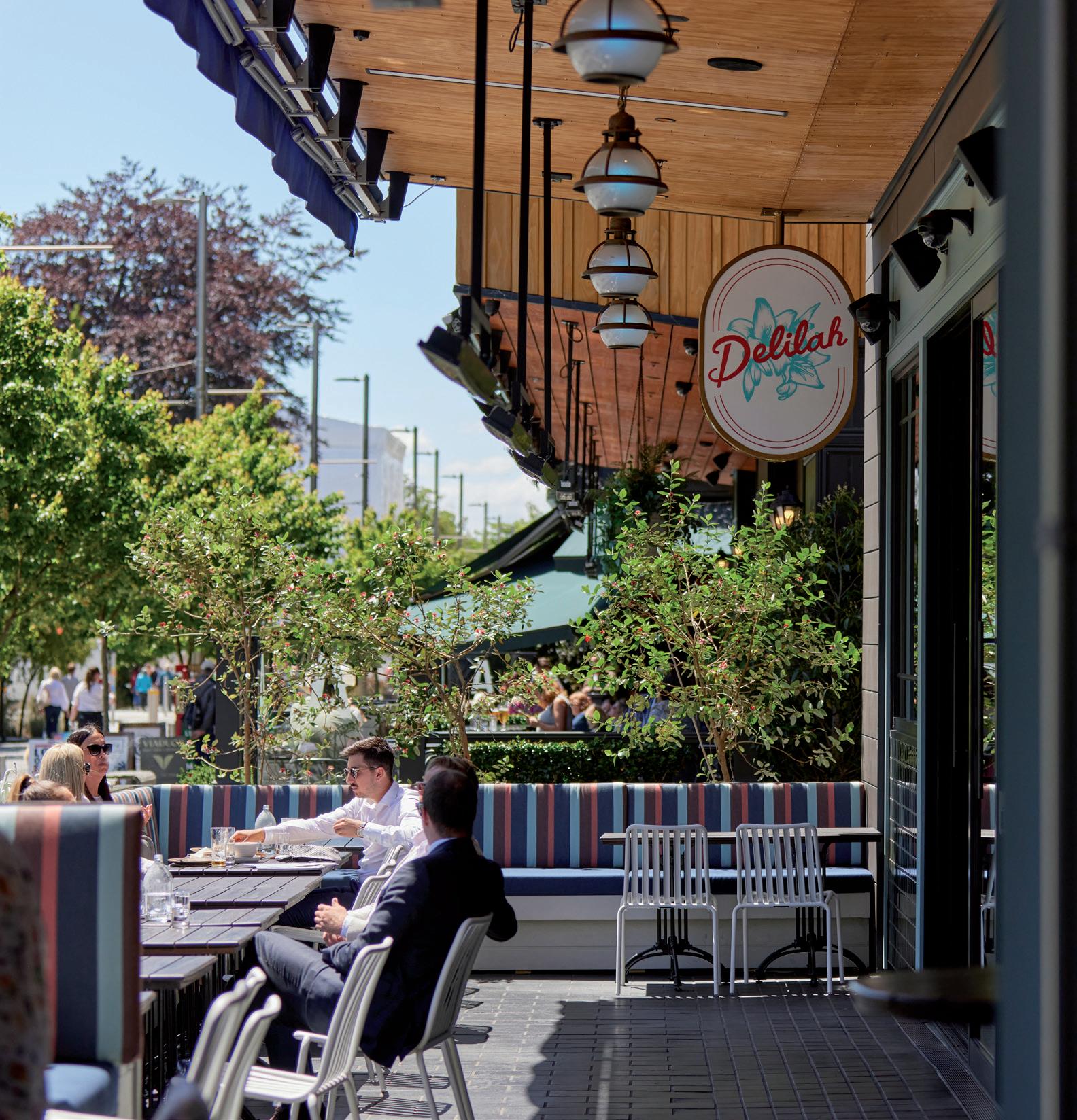
He added that Christchurch’s continued growth has brought fresh energy into the city and increased foot traffic throughout the central precinct.
“We're seeing more first-time guests discovering Delilah, while our loyal regulars continue to keep the venue buzzing year-round,” said Swete.
This has been in part due to the opening of One New Zealand Stadium, an asset Swete said the city was missing. Whether it be concerts or sporting events, the stadium has created a real sense of excitement and community throughout the city, and provided a significant boost for businesses like Delilah.
“We'd like to see continued investment in bringing major events to Christchurch and further development that encourages people to spend time in the central city. The more reasons people have to visit, stay, and explore, the stronger and more vibrant our hospitality scene becomes,” Swete said.
In many ways, the stadium was the missing key in unlocking continued success for the city. Swete said that sport has a unique ability to bring people together and create an atmosphere that extends well beyond the venue itself.
“Match days fill bars, restaurants, and hotels, generating economic activity while helping showcase Christchurch as a vibrant and welcoming destination.”
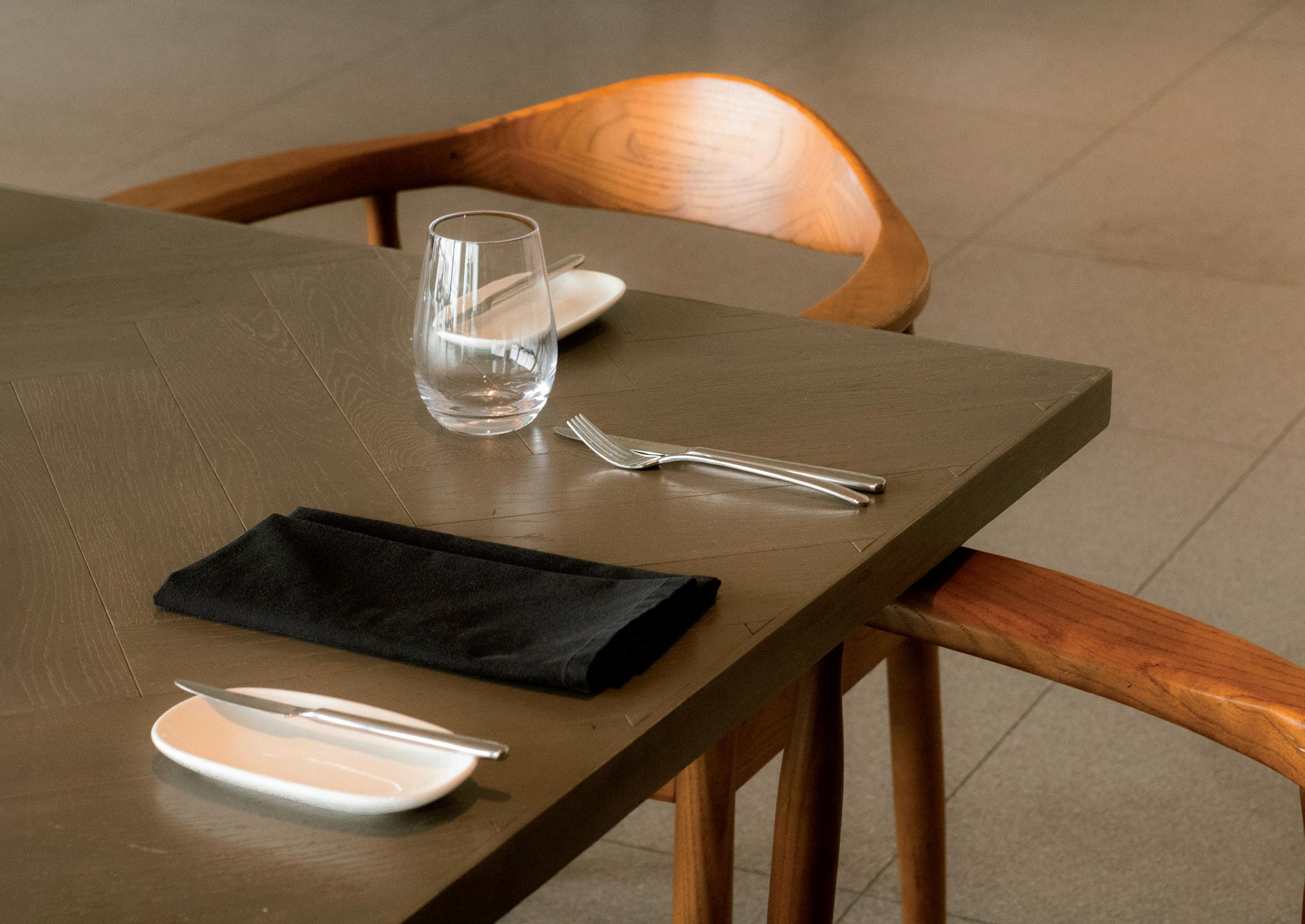
In order to elevate the dining experience, ensuring that customers are satisfied while at their table should be a main priority. Nothing is more irritating for customers than an uneven table, which can be potentially damaging to a business’ reputation.
Stable tables aren’t a seasonal requirement; they are a customer demand all year round. To provide customers with the perfect dining experience, be it summer alfresco dining or a morning coffee during the winter months, secure tables will allow customers to relax while they dine and not be frustrated by a constantly moving surface.
FLAT Equalizers allow businesses to provide the best dining experience for all who walk in the door. With a press of the table top, FLAT Equalizers exceed international standards for safety, stability, durability and strength, and can be installed in a matter of seconds without the need for tools. FLAT Equalizers are the perfect solution for restaurants to stop using improper ways to level tables, such as coasters and napkins, which can be an eyesore.
Designed to protect against impact and corrosion, each plastic FLAT
Equalizer foot is made from a stainless steel thread that implements a hydraulic stabilising method. They are perfect for indoor and outdoor use and ideal for all uneven surfaces.
FLAT Equalizers can be fitted onto existing tables owned by an establishment. Even tables that are damaged, bent, uneven or loose can benefit from the performance of the Equalizer.
Hospitality owners have a range of concerns to focus on rather than worrying about unstable tables damaging the dining experience. FLAT Equalizers also allow businesses to merge tables together, which will ensure that all tables are perfectly level. FLAT Equalizers prevent any mishaps caused by uneven tables, and create a peaceful and enjoyable dining environment for all customers. FLAT Equalizers are an essential part of operating a busy business, and will ensure that every customer is comfortable at their table.

As we move into the second half of the year, there is plenty to reflect on, not just how the first six months have unfolded, but what they might tell us as we plan for the months ahead.
If you'd asked many of us at the start of the year what we were hoping for, I think a common theme would have been signs that the corner was beginning to turn, less reacting to the unexpected, and more certainty.
Six months into the year
The sales data we've been tracking points to growth returning in a number of areas, with some regions experiencing particularly strong momentum. Those figures are broadly consistent with what we hear from businesses in those regions. Some businesses are feeling more optimistic than they were a year ago. Some are seeing customers return more regularly and are beginning to think about growth again.
But alongside them are businesses that continue to face extremely challenging conditions. In some areas, sales are flat and in others they remain below where they were a year ago, despite that being a period of significantly subdued trading. And for many, stronger turnover has not necessarily translated into stronger margins. The number of closures across our sector serves as a sobering reminder of that.
Not everyone is struggling, but not everyone is thriving either. The pattern of the first half of the year, an uneven recovery, periods of stronger momentum, and conditions that continue to shift, is really the story of 2026 so far.
What can we build on in the remaining months?
Uncertainty remains. Partly because the world around us remains unsettled. Global pressures have shifted, a peace agreement is now in place in the Middle East, but we don't yet know how quickly some of those cost pressures will ease, or whether new ones will emerge. At

home, we are also quickly heading towards the election, with the major parties beginning to release more information on their policy platforms. We’re engaging closely in this and making sure the voice of our industry is part of that conversation. There are settings we believe can be better for hospitality, and the lead-up to an election is an important opportunity to make that case.
Tourism continues to recover and, unlike many other factors, it often provides some advance warning. Forward bookings, airline capacity and major events provide useful indicators that allow businesses to prepare rather than simply react, always something to keep a close eye on, and particularly as we move into the second half of the year.
Economic forecasts are everywhere, so finding one or two sources you trust can help cut through some of the noise as you plan for the months ahead.
And often the best indicators remain the ones closest to home. As an industry, we’ve become pretty expert at reading changing conditions. Bookings, customer frequency, average spend, function enquiries and conversations with neighbouring businesses often provide signals well before the official numbers catch up. If those signals start to strengthen,
rarely arrives all at once, and being ready when opportunities present can make all the difference. That's not to ignore the wider picture. But when things feel unpredictable, there is value in leaning into what you do know.
Growth remains the goal, of course. But for many businesses, the opportunity in the second half of the year may simply be a period of greater stability, the ability to make decisions without constantly secondguessing whether the ground is about to shift beneath you.
The first half of the year reminded us that recovery rarely arrives evenly. It also reminded us that conditions can improve and momentum can return. The pattern so far has been uneven, but it has been moving. Heading into the second half, a little more confidence, a little less volatility, and a clearer picture of what you're watching for feels like a good start.

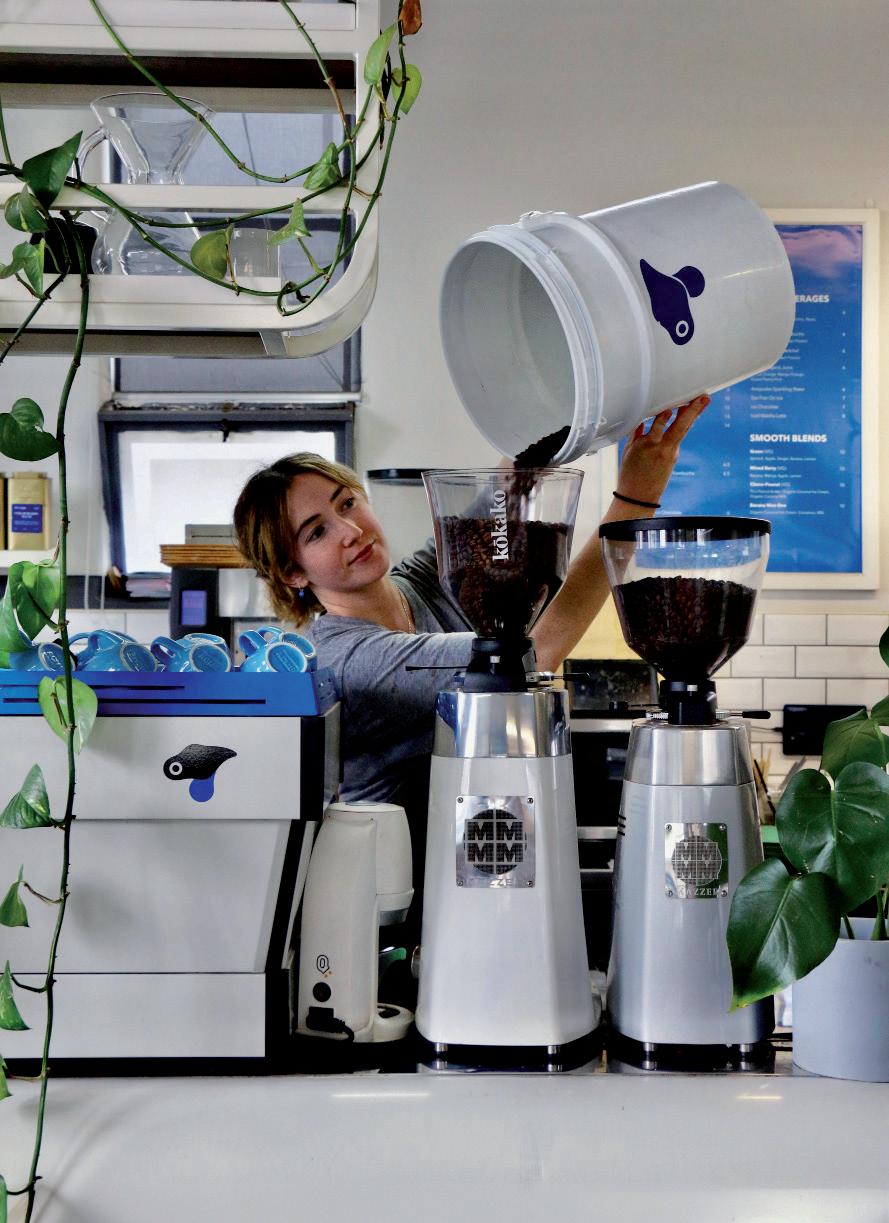
Roasted in Tāmaki Makaurau, proudly poured at over 100 cafes and restaurants across Aotearoa.