spend, staffing challenges and tighter operating discipline.
For operators, that matters.
Restaurants and cafés have spent the past few years making hard decisions around menu pricing, procurement, labour, service levels and supplier relationships. Many have had to protect the guest experience while managing the commercial strain behind the scenes. In that environment, international recognition brings more than prestige. It gives the market a reason to reconsider the strength of New Zealand dining.
The awards last night were a strong and fair reflection of the country’s hospitality talent. The restaurants that earned stars show the range of what New Zealand dining can be.
Behind every recognised restaurant is a network of growers, winemakers, fishers, farmers, makers, distributors, and service teams that help turn a menu into a complete dining experience.
The guide gives those businesses stronger visibility, particularly where regional ingredients and local food stories are part of the restaurant’s identity.
It also gives diners a fresh reason to book. The impact on tourism could be a game-changer for us. Michelin recognition creates waitlists, and waitlists create travel decisions.
Visitors will build itineraries around restaurants, while domestic diners will have another reason to book, travel regionally and support venues they may not have tried before.
Restaurant & Café SUPPORTS
Publisher: Tania Walters, tania@reviewmags.com
General Manager: Kieran Mitchell, kieran@reviewmags.com
New Zealand had only one twoMichelin-starred restaurant in our first guide. That feels like a fair and credible start, and Essence was a well-deserved recipient.
This is a positive moment for New Zealand hospitality. The awards bring energy, confidence and international attention to a sector tested by market conditions, while lifting the profile of New Zealand producers, chefs and hospitality teams.
The awards have opened the door. New Zealand hospitality now has the opportunity to turn that attention into stronger bookings, stronger regional food stories and a wider commercial lift for restaurants, producers, suppliers and tourism. Congratulations to everyone who was recognised at this year's awards.
READ ONLINE www.restaurantandcafe.co.nz
2422-9601(Print) ISSN 2744-5968(Online)
& CAFÉ: Retail 6, Heards Building, 2 Ruskin Street Parnell, Auckland 1052. Tel (09) 304 0142 or Email: edit@reviewmags.com
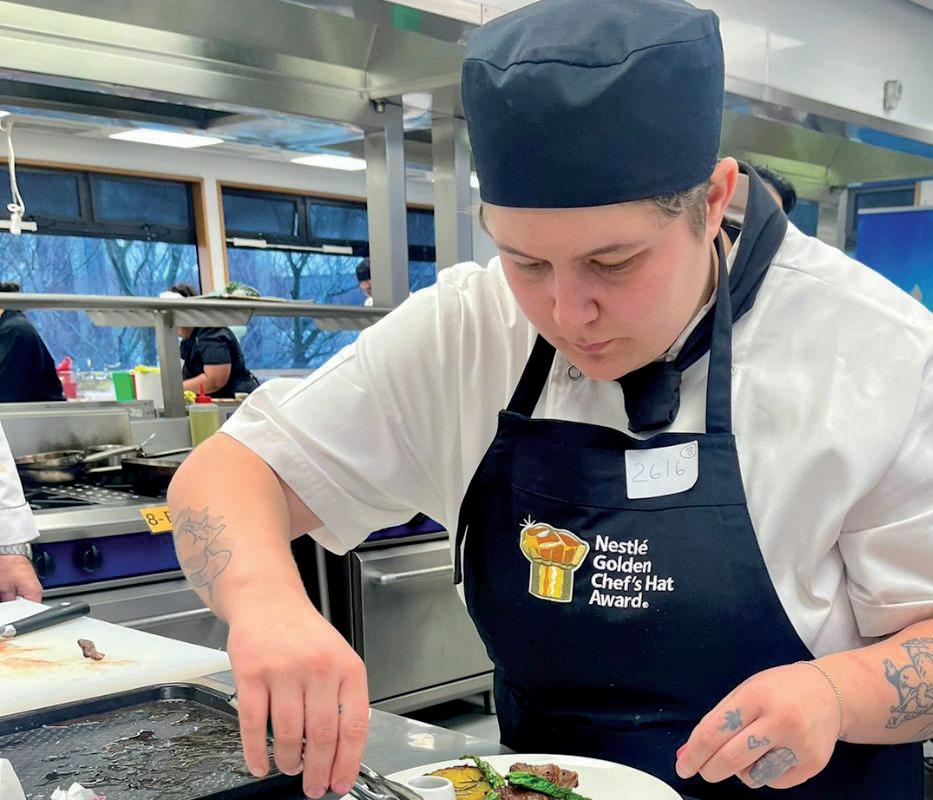
Golden Chefs Win for Paige Hutchinson
Paige Hutchinson will represent the South Island at the Nestlé Golden Chef's Hat Award grand final in Melbourne this September.
Paige Hutchinson, a 23-year-old chef from Nelson, has been named the South Island winner in the Nestlé Golden Chef's Hat Award, delivering an outstanding performance and earning a silver medal with the highest score at the regional cook-off in Christchurch.
→ READ MORE ONLINE
Investing in Our People
One of the biggest shifts we've seen over the years is the way we talk about leadership and supporting our teams. Conversations around mental health and wellbeing are far more common now. It's not that looking after our people is new, but we're becoming better at recognising the role that everyday leadership and workplace culture play in supporting them.
But while we all know how important workplace culture is, creating it isn't always straightforward. There isn't a checklist for creating a great workplace culture. It's built over time. Every hospitality business is different and what works in one venue won't necessarily work in another. Yet there are some common threads. Those businesses with the strongest workplace culture are where their people know what's expected of them, where communication is open, where team members care about each other, and where people feel comfortable asking for help when they need it.
Workplace culture is usually built through lots of small moments. It's the way a new team member is welcomed on their first shift. It's taking five minutes before service to make sure everyone knows what's ahead. It's checking in with someone after a difficult service or a tough week, celebrating the wins, learning from the tougher days. Those moments might seem small, but over time they become something big.
Of course, none of this takes away from the realities and pressures of running a hospitality business. Managers are constantly balancing customers, costs, rosters and the unexpected challenges that inevitably arise. Most leaders already spend a huge amount of time supporting their teams, often while carrying those same pressures themselves. That's why, when we started thinking about how we could better support our members in this area, we knew whatever we developed had to be practical. It needed to fit into the everyday rhythm of a hospitality business—not become another task on an already full list.
That thinking shaped something we've been working on for quite
some time. Together with Hospitality New Zealand, we've developed ResilienceOS—an operating system and resilience playbook designed specifically for hospitality leaders. Its purpose is simple: to help leaders run high-performing venues while building stronger, more resilient teams.
The result is a collection of hospitality-specific guides covering topics such as daily team rhythms, resilience, post-shift recovery, planning for quieter trading periods and defining the culture and purpose of your venue. There are practical templates, conversation starters and simple routines that managers can adapt to suit their own businesses. Some operators might use the preservice check-in templates to help prepare their teams for a busy night. Others might introduce shared "play calls" that help everyone respond calmly when pressure builds during service, or encourage healthier ways for staff to unwind after demanding shifts. The important thing is that they aren't designed to replace the great leadership already happening across our industry—they're there
to support it. They're about giving leaders practical tools they can make their own, because every business will approach these conversations differently.
Every hospitality business has its own personality, its own team and its own way of doing things. That's why ResilienceOS isn't intended to be prescriptive. It's designed to be adapted, borrowed from and built on, so each business can make it work for their own team.
Hospitality will always be dynamic, exciting, demanding and unpredictable. We can't remove every pressure that comes with the job. But if we can give leaders a few more practical tools to draw on, make some of those everyday conversations a little easier, and help more people feel supported at work, we'll build stronger teams, stronger businesses and a stronger industry.
OCR Increase Leaves Businesses Cautious
Finance and economics continue to remain prevalent themes throughout the industry, and the news of the OCR increasing by 0.25 percent has left business owners on tenterhooks.
Retailers are feeling cautious after the Reserve Bank’s decision to increase the Official Cash Rate (OCR) 0.25 percent to 2.5 percent.
→ READ MORE ONLINE
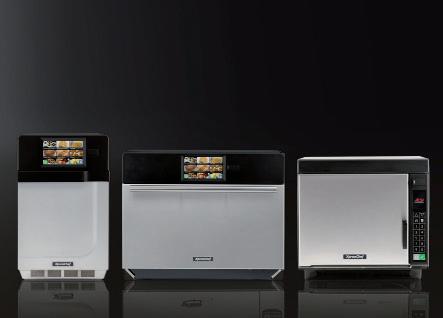
REVOLUTIONISE YOUR HEAT AND EAT OFFERING WITH MENUMASTER
Menumaster delivers speed, efficiency, strength, and durability – which is why it is the microwave oven of choice for fast food chains, service stations, supermarkets, convenience stores, cafés and restaurants. Comprising a complete range of commercial microwave and accelerated microwave, convection, infra-red ovens designed to meet the needs of the most demanding hot food serving environments.
STOCK AVAILABLE IN OUR AUCKLAND WAREHOUSE
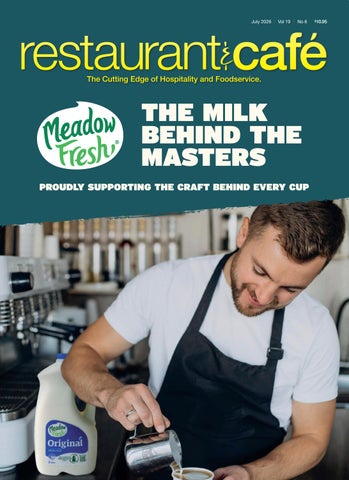
More than Milk: Supporting the People Behind New Zealand’s Café Culture
When we talk about milk in cafés, the conversation often starts with profitability, consistency, and customer experience, and for good reason. Milk is one of the most important ingredients behind New Zealand’s café culture.
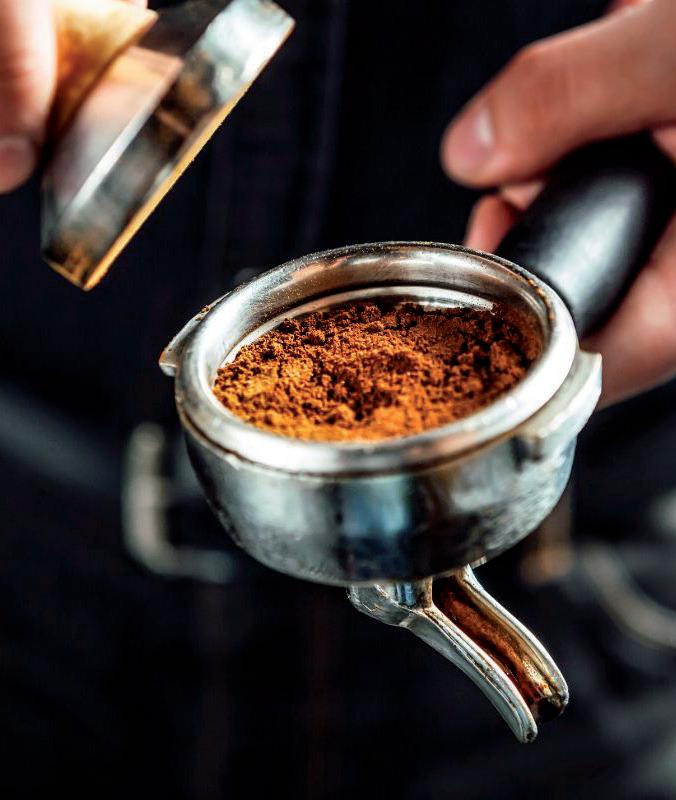
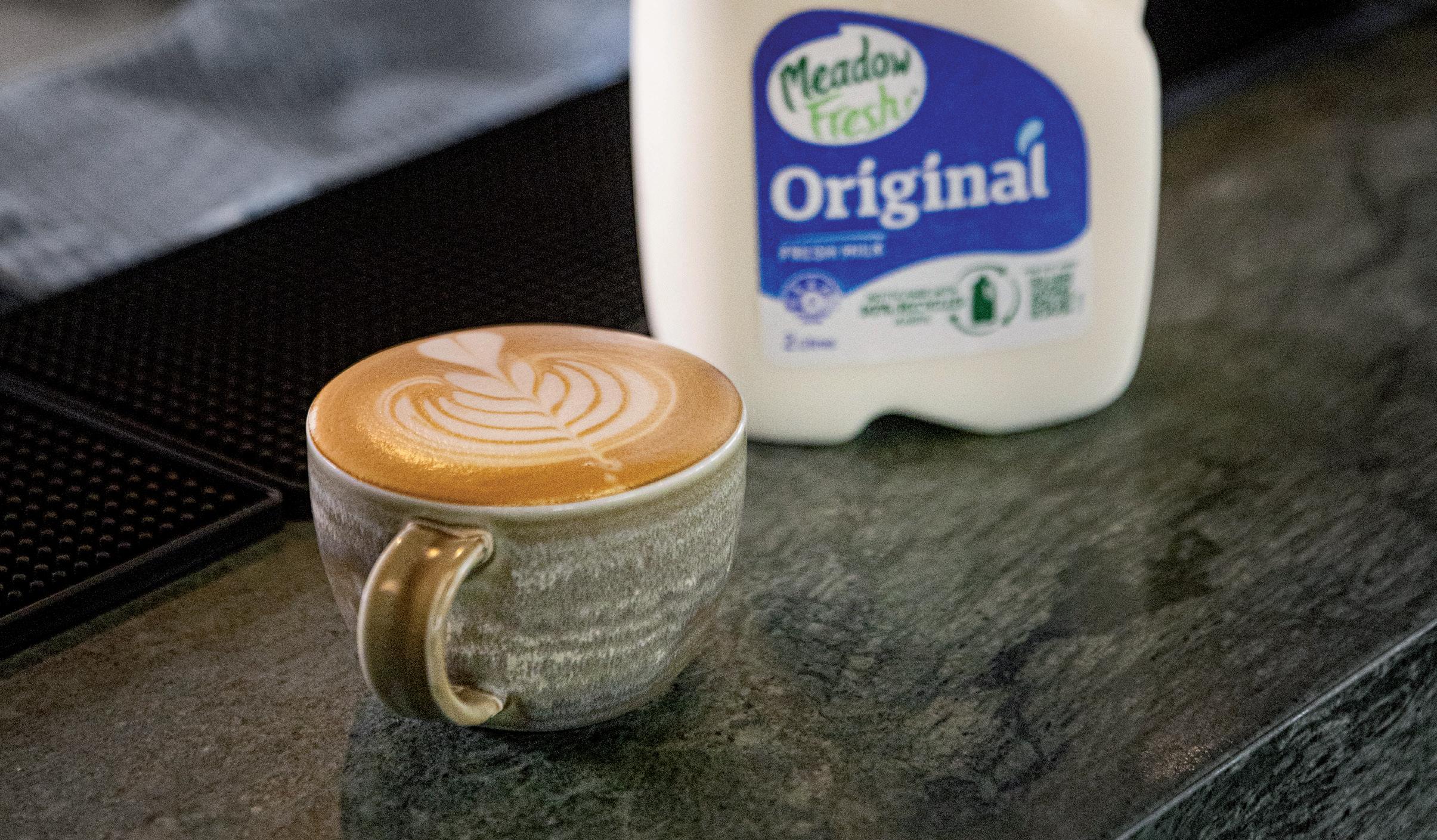
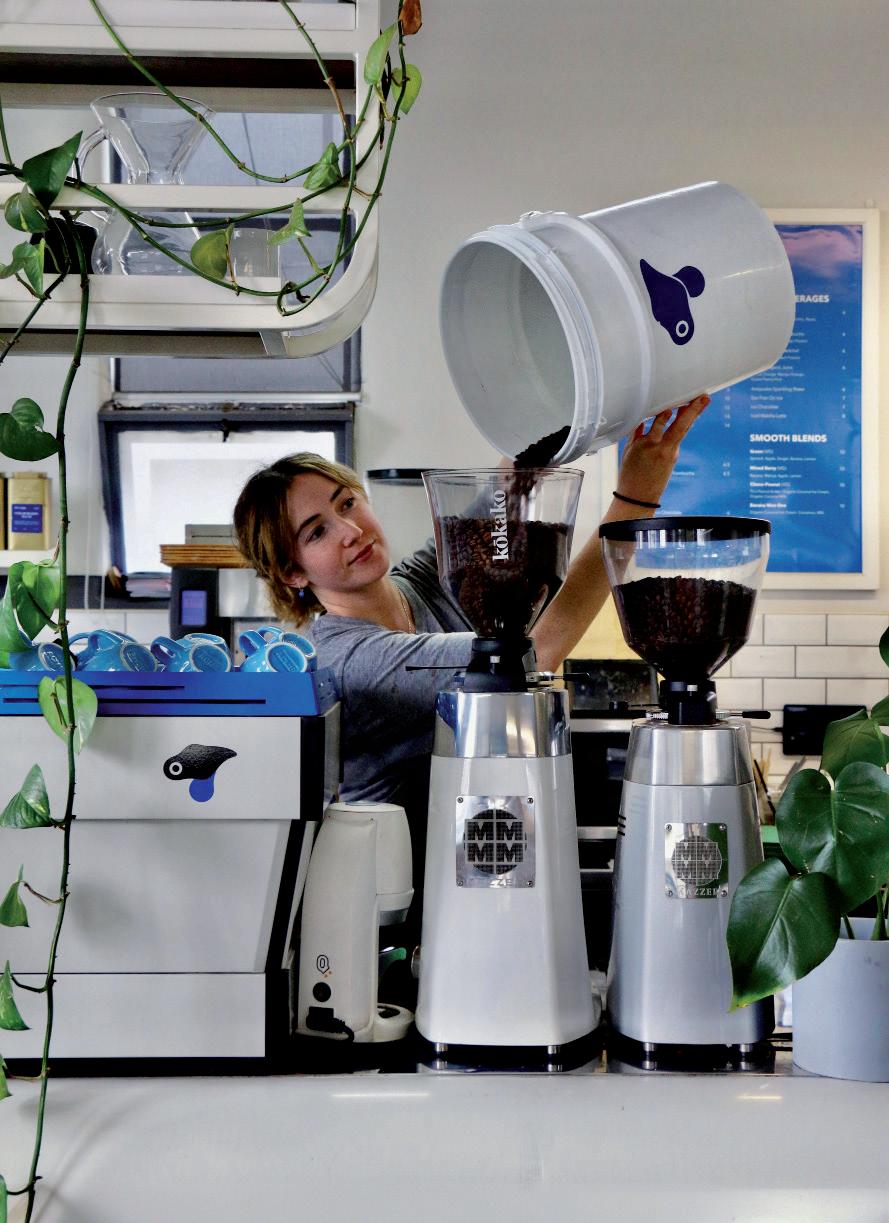
From the silky texture of a flat white to the precision required for competitionlevel latte art, quality milk plays a critical role in every cup.
Although, while milk may be at the heart of the café offering, it’s the people behind the machine who truly bring the customer experience to life.
At Meadow Fresh, we've always believed our role extends beyond supplying great dairy products. As one of New Zealand’s most trusted dairy brands, we're proud to have spent more than a decade partnering with cafés, roasters, baristas, hospitality professionals, and industry organisations that help our coffee community thrive.
One partnership that holds particular significance is our longstanding relationship with the New Zealand Specialty Coffee Association (NZSCA).
For many years, Meadow Fresh has stood alongside the NZSCA in supporting the growth, professionalism, and future of New Zealand coffee. Together, we've helped create opportunities for baristas to develop their skills, build confidence, connect with peers, and celebrate excellence within the industry.
The specialty coffee sector continues to evolve at pace. Customer expectations are higher than ever, competition is stronger, and café teams are expected to deliver exceptional quality day in and day out. Supporting education, community and professional development has never been more important. That's why Meadow Fresh remains committed to backing the events and initiatives that bring our industry together.
This commitment comes to life each year through New Zealand's premier coffee competitions, where passion,
craftsmanship and innovation take centre stage. These events don't just showcase the country's best talent; they inspire the next generation of hospitality professionals and help elevate standards across the entire industry.
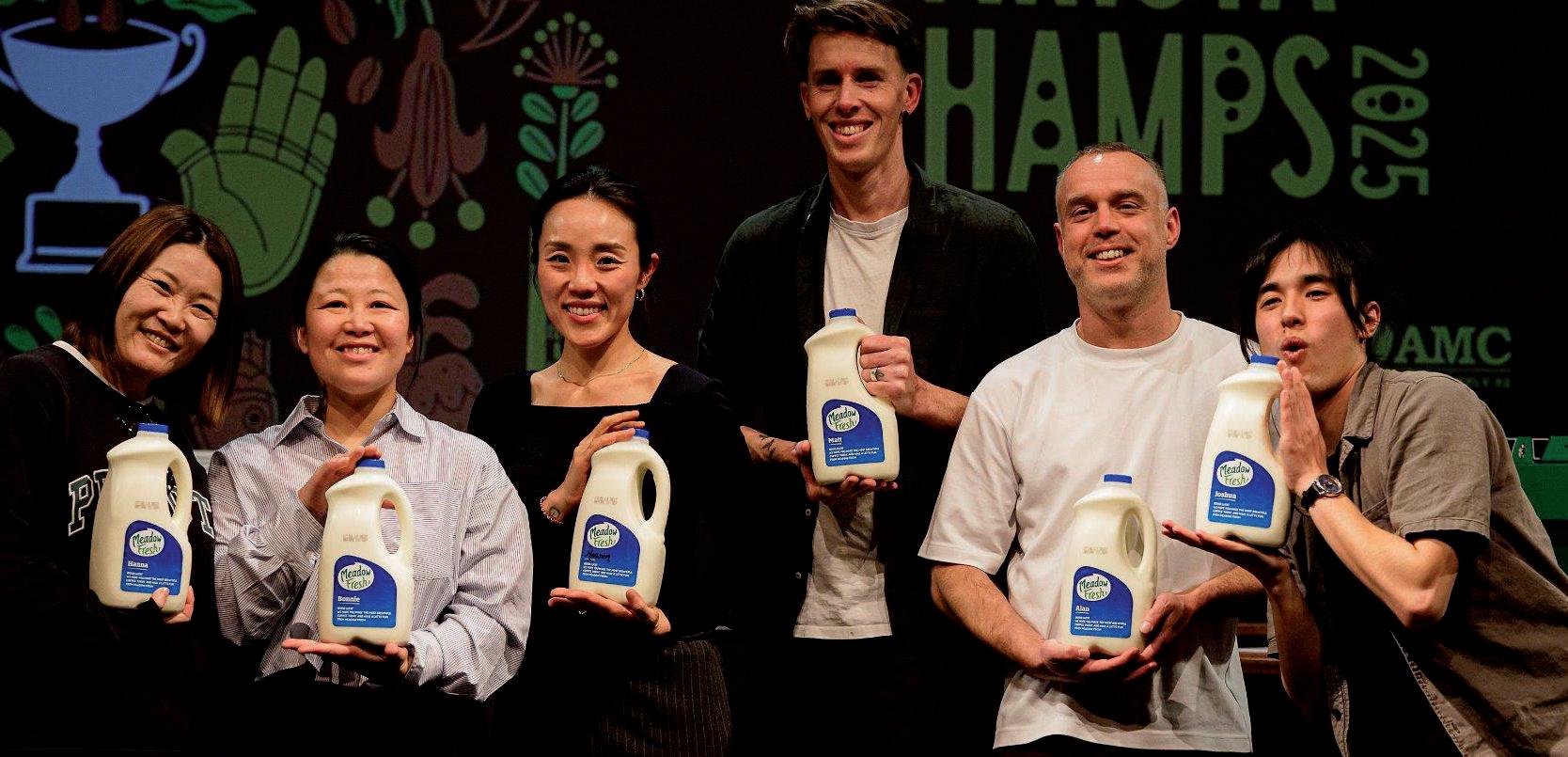
This September, attention will once again turn to two of the most anticipated events on the coffee calendar: the New Zealand Barista Championship and the New Zealand Latte Art Championship.
The New Zealand Barista Championship is widely regarded as the pinnacle of coffee competition in Aotearoa. Competitors spend months refining every aspect of their performance, from coffee preparation and workflow to customer service and storytelling. The event highlights the remarkable skill, dedication and professionalism that exists within New Zealand's café community.
As a competing barista, I always do blind tastings with milk because great tasting milk is essential for creating an excellent milk beverage. Through blind tastings, Meadow Fresh consistently comes out on top. It not only performs beautifully for latte art, but also has a clean, balanced sweetness that tastes great in the cup. That’s why Meadow Fresh is always the milk I choose.
— Hanna Teramoto, NZ Barista Champion 2025
Alongside it, the New Zealand Latte Art Championship celebrates one of the café industry's most visible and admired skills. What begins as a simple jug of milk in the hands of a talented barista becomes a canvas for creativity, precision and technical excellence. It's a powerful reminder of just how important milk is to both beverage quality and customer experience.
For Meadow Fresh, the milk behind the masters, these championships represent far more than competition. They are an opportunity to recognise the individuals who continue to raise the bar for our industry, while creating a platform for learning, inspiration and connection.
They also reflect what makes New Zealand's coffee scene so special:
a willingness to share knowledge, support one another, and continually strive for excellence.
As cafés navigate changing consumer demands and ongoing business pressures, the strength of our industry will continue to come from the relationships that underpin it; between suppliers and customers, competitors and peers, and the communities that gather around coffee every day.
We're incredibly proud to play a small part in that story.
As we look ahead to the New Zealand Barista Championship and New Zealand Latte Art Championship this September, Meadow Fresh remains committed to supporting the people, businesses and industry that
make every cup count.
"As a competing barista, I always do blind tastings with milk because great tasting milk is essential for creating an excellent milk beverage. Through blind tastings, Meadow Fresh consistently comes out on top. It not only performs beautifully for latte art, but also has a clean, balanced sweetness that tastes great in the cup.That’s why Meadow Fresh is always the milk I choose," said Hanna Teramoto, NZ Barista Champion 2025.
Getting the Takeaway Cup Right
Takeaway cups and lids are bought for cents, but used in their thousands. For cafés already watching the cost of coffee, milk, wages and power, a small saving on every drink can make a noticeable difference by the end of the week.
The cheapest cup, however, is not always the cheapest option. A thin cup may need a sleeve or a second cup around it. A lid that does not seal properly can mean a remake, a refund or an unhappy customer wearing part of their flat white.
The real cost sits across the whole takeaway serve. It includes the cup, lid, sleeve, storage space, stock left sitting on the shelf and the time staff spend finding the right combination during a rush. Cup size is part of that calculation. Some cafés are quietly reviewing the volumes behind their small, medium and large drinks, reducing each size slightly to use less milk, coffee and packaging.
There is some sense in that. A modest change can protect margin without pushing the menu price up again. It can also bring an oversized range back into line with what customers actually need.
But operators need to be careful. Customers notice when a familiar coffee becomes smaller, particularly when the price has stayed the same. The difference between small, medium and large still needs to be clear, and each option has to feel like reasonable value. It is also worth looking at whether every cup size earns its place. A format ordered only occasionally still takes up room, needs its own stock count and may require a separate lid. Range reviews should include packaging as well as food and beverage lines.
The lid is often the easiest place to simplify. Some cup ranges use the same rim diameter across several volumes, allowing one lid to fit the main small, medium and large formats. That can remove several lines from the storeroom and simplify ordering.
It also reduces the chance of staff grabbing the wrong lid when there are ten coffees waiting on the bench and another queue at the till.
One lid will not cover every drink. Espresso cups, cold beverages, dome lids and specialist formats may still sit outside the main system. The value comes from simplifying the highvolume range, not forcing every drink into the same cup.
Fit still matters more than price. A lid that lifts at the rim, leaks through the opening or needs too much pressure to attach will not save money for long. Remakes and complaints can quickly use up the few cents saved at purchase. Therefore, cups and lids should be tested together. Two products may appear to have the same diameter on paper, yet a small difference around the rim can affect how securely the lid sits.
This is particularly relevant when changing suppliers. A café may negotiate a better cup price, only to find that the lids already in storage no longer fit. The saving disappears when several cartons become unusable.
For groups with more than one site, a shared cup and lid range brings further advantages. Stock can be moved between locations, purchasing becomes more consistent and staff do not need to learn a different packaging system each time they work at another store.
Branding is another part of the decision. A personalised cup leaves the café, travels through the neighbourhood and often sits on a desk for the next half-hour. That gives an independent operator visibility well beyond the front door.
Printed stock does need discipline. Large runs, seasonal artwork or a logo change can leave money tied up in
cups that no longer suit the business. Some cafés may find that a standard cup, supported by a branded sleeve, stamp or sticker, gives them more flexibility.
Sustainability adds another layer, although the end result is not always as clear as the claims on the carton. Paperboard sourced from certified, sustainably managed forests can improve where the material comes from, while better cup design may reduce the need for sleeves or double-cupping.
What happens after the drink is finished remains the more difficult part. Takeaway coffee cups are not accepted through standard council kerbside recycling in New Zealand. Compostable cups also need suitable collection and commercial processing, which are not available in every area.
A better-sourced cup is still a better choice, but it does not solve the recovery problem by itself. Cafés need to be accurate about disposal and avoid giving customers the impression that every paper or compostable cup can simply go into the recycling bin.
Reusable cups will continue to play a role, although customer behaviour remains mixed. Plenty of people support the idea, then arrive at the café without the cup. Operators are left dealing with what happens at the counter, rather than what customers intended to do before leaving home.
There is no single cup that answers every cost, service and sustainability concern. The strongest approach is a well-chosen range with sensible serving sizes, fewer formats, compatible lids and reliable performance. The cup may be in a customer’s hand for only a few minutes. The cost of getting it wrong stays with the café much longer.
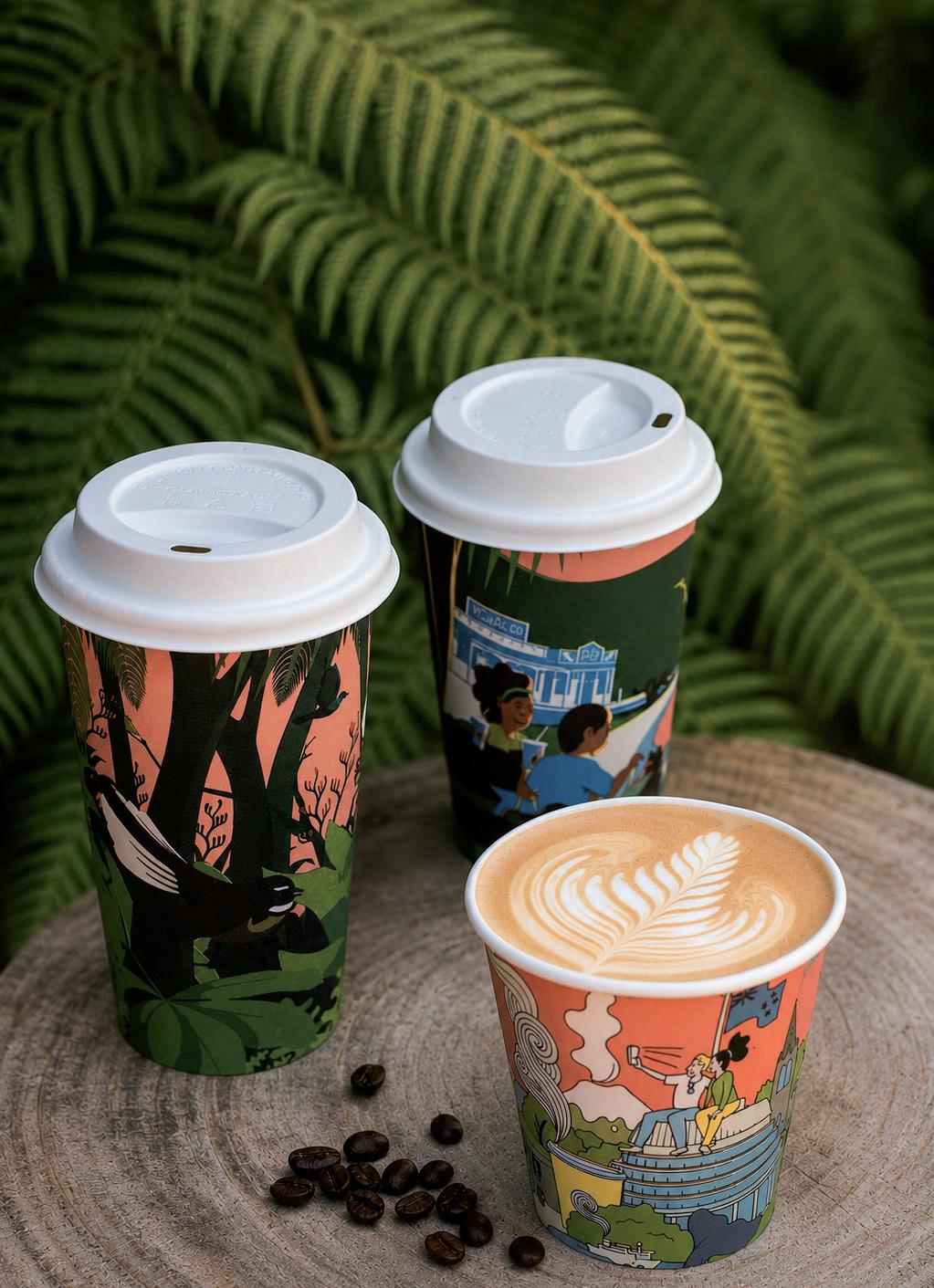
Home Compostable Cups
Classic Kiwiana design you love and connect with
Functional & Flavourful
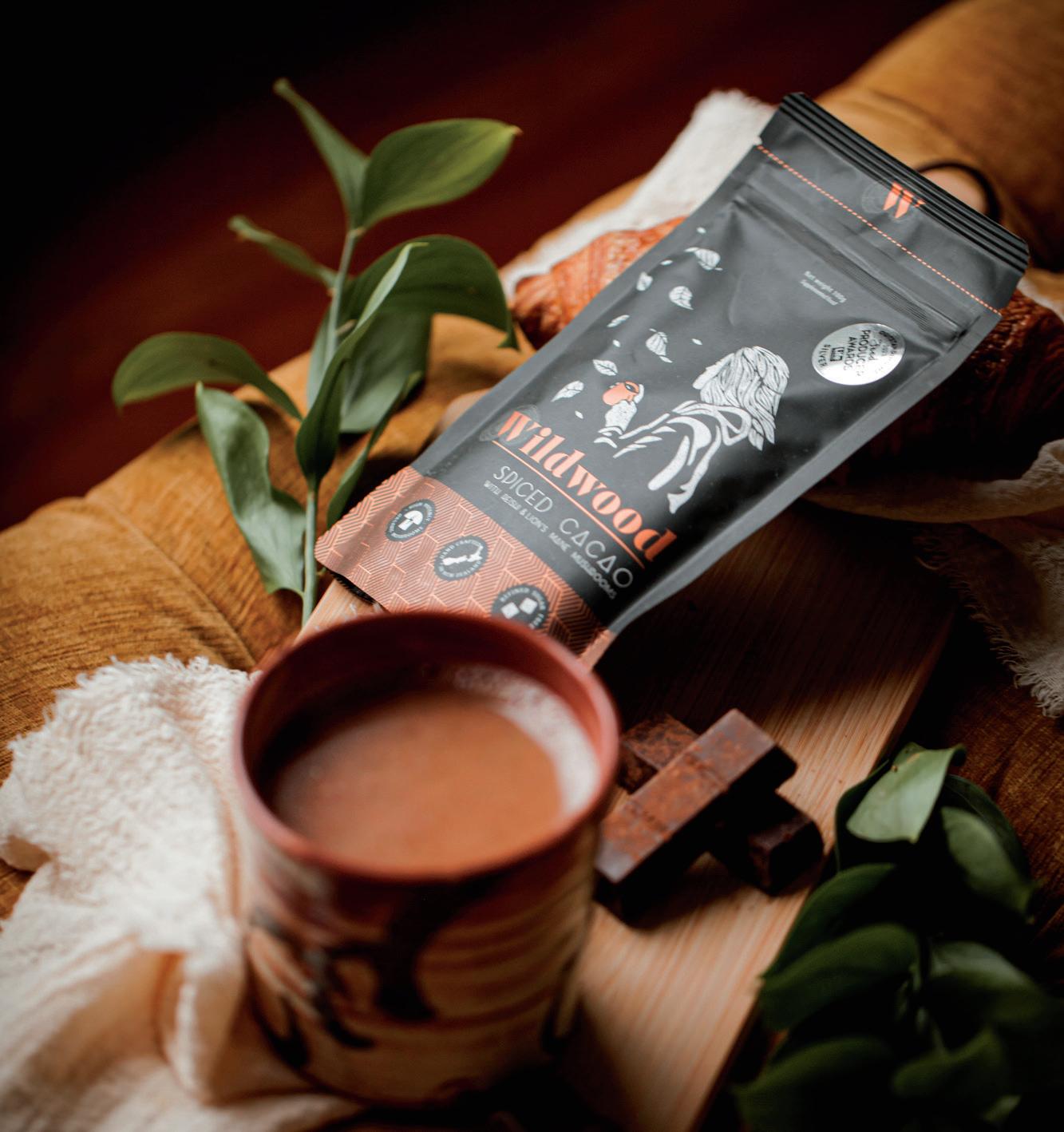
Fusing the flavours of healthbenefitting mushrooms, Wildwood has introduced its Hot Chocolate to customers, who can’t seem to get enough of it.
oe Dakin, Founder, said Wildwood was born out of a genuine personal need. Working as a kitchen hand at the time, Dakin said he would often say yes to another coffee throughout the day, as most chefs do, and even when it was no longer serving him.
He wanted something that could replace that ritual without feeling like a compromise, and something that would delight him as much as a good coffee would, without the downsides.
At the same time, Dakin was commercially growing oyster mushrooms and becoming deeply interested in functional mushroom extracts and how nourishing they can be.
He said his entrepreneurial brain and his chef’s brain started talking to each other, and Wildwood was born.
“From the beginning, it was a flavour-first approach. I wasn't interested in making a supplement that people choked down for the health benefits. I wanted to find the best quality ingredients and blend them into something genuinely delicious, something that earned its place in your morning,” said Dakin.
Dakin said bringing a little joy into someone’s day and helping them find a way to be a little kinder to themselves is what he gets up for in the morning.
“When I hear that a customer has genuinely benefited from their Wildwood ritual, I get a huge grin on my face.”
A lot of customers are curious to try Wildwood’s beverages, and leave
converted. He said the reaction is usually to be surprised at how genuinely good it tastes, and then customers start to tell their friends. Dakin said that word of mouth is everything for a small NZ brand.
He added that there is nothing for customers to be afraid of.
“Maybe you've already had a coffee today, and you don't want another. Maybe you're looking for an approachable way to bring functional mushrooms into your life without committing to capsules or powders that taste like the forest floor. Either way, Wildwood meets you where you are.”
Dakin suggested starting with the Spiced Cacao, especially for customers who like bold, warming flavours. He described it as beautiful in the evening or on a slow winter morning. For coffee drinkers looking to cut back, Dakin said Feeling Dandy was the best choice, especially due to its roasted, malty, and deeply satisfying flavour profiles without the caffeine rollercoaster.
Wildwood gives cafes something genuinely different to offer, which is an increasingly difficult trait to find. Health-conscious customers are growing in number, and they’re actively looking for options that align with how they want to live.
Dakin said a functional mushroom blend on the menu is a real talking point, and in his experience, once a barista understands the product and believes in it, it will sell itself.
“Practically speaking, it's fast and
easy to prepare. The sweetener is already included, so it's a simple scoop and mix, topped with steamed milk. The margins are strong, and I include a custom printed tablespoon with first orders to keep brewing consistent. For cafés that also sell retail bags, it's a natural extension, and customers try it by the cup and want to take it home.”
He added that there is a real shift in how people think about what they consume daily. It has become less about restriction and more about intention, and customers are now choosing things that taste great and that they feel good about.
Dakin said functional ingredients have moved well beyond niche wellness circles.
“Lion's Mane, Reishi, Chaga, Cordyceps — these are becoming household names, and people are genuinely curious.”
Recently, Wildwood has launched Feeling Dandy, its coffee alternative built around Changa and Lion’s Mane. Dakin said it has been designed for coffee lovers who want to step off the caffeine rollercoaster without giving up the ritual they love.
“Beyond the products, we're focused on growing our café partnerships and making it easier for people to find Wildwood closer to home. There's something really special about being able to try a blend by the cup at a great café before committing to a bag, and we'd love more of those moments to exist around New Zealand.”
Roasted in Tāmaki Makaurau, proudly poured at over 100 cafes and restaurants across Aotearoa.
Look Beyond the Counter
When trade is tight, the natural response is to focus even harder on the daily business. Watch every cost, change the cabinet or menu, adjust the specials and hope tomorrow brings more people through the door.
There is value in all of that. But sometimes it pays to step back and consider where else revenue could come from.
A hospitality business is more than the people sitting at its tables. It has a kitchen, suppliers, equipment, skilled staff and customers who already know the food. Those same resources could also serve local offices, schools, medical centres, real estate agencies, clubs, community groups and even funeral homes.
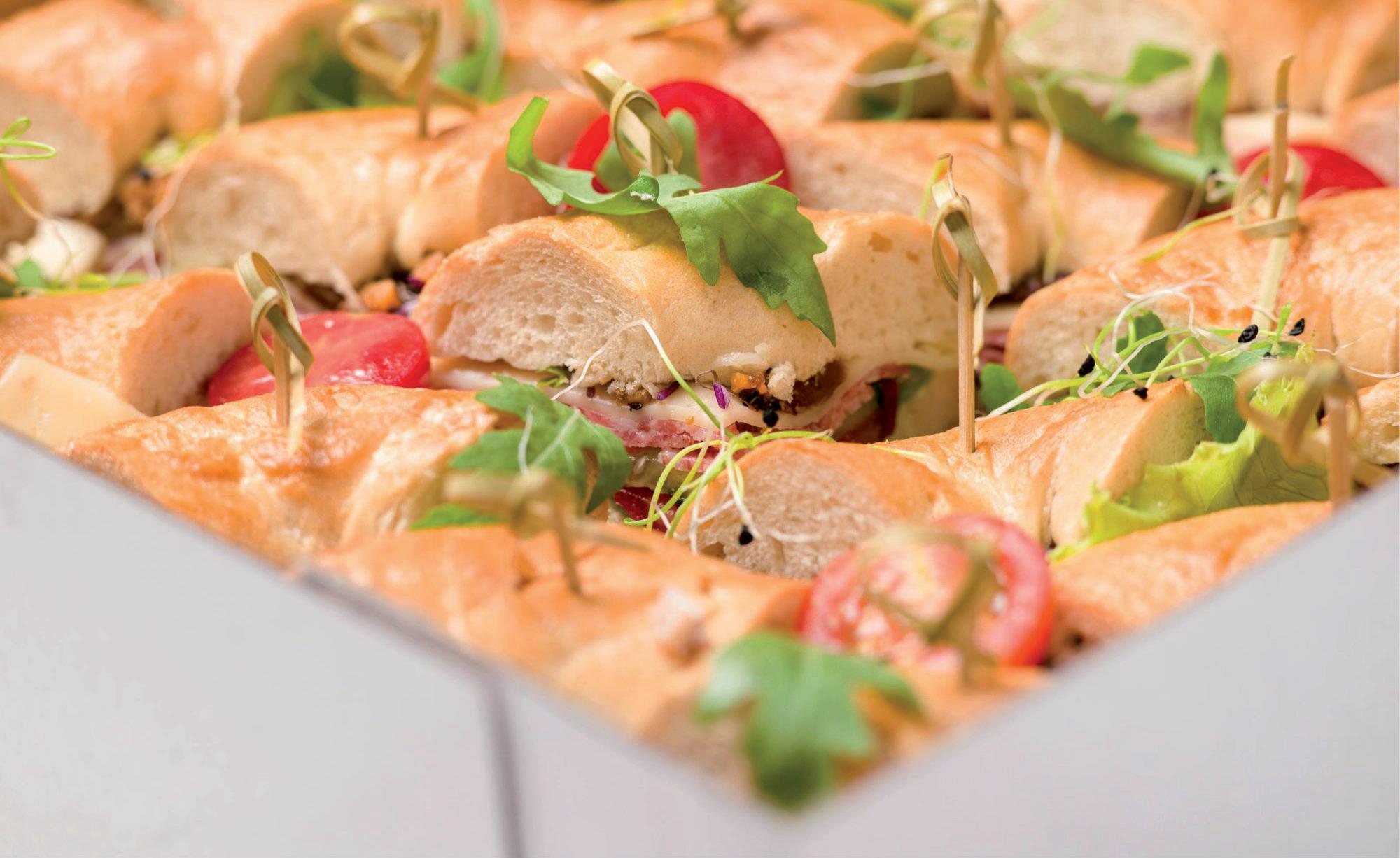
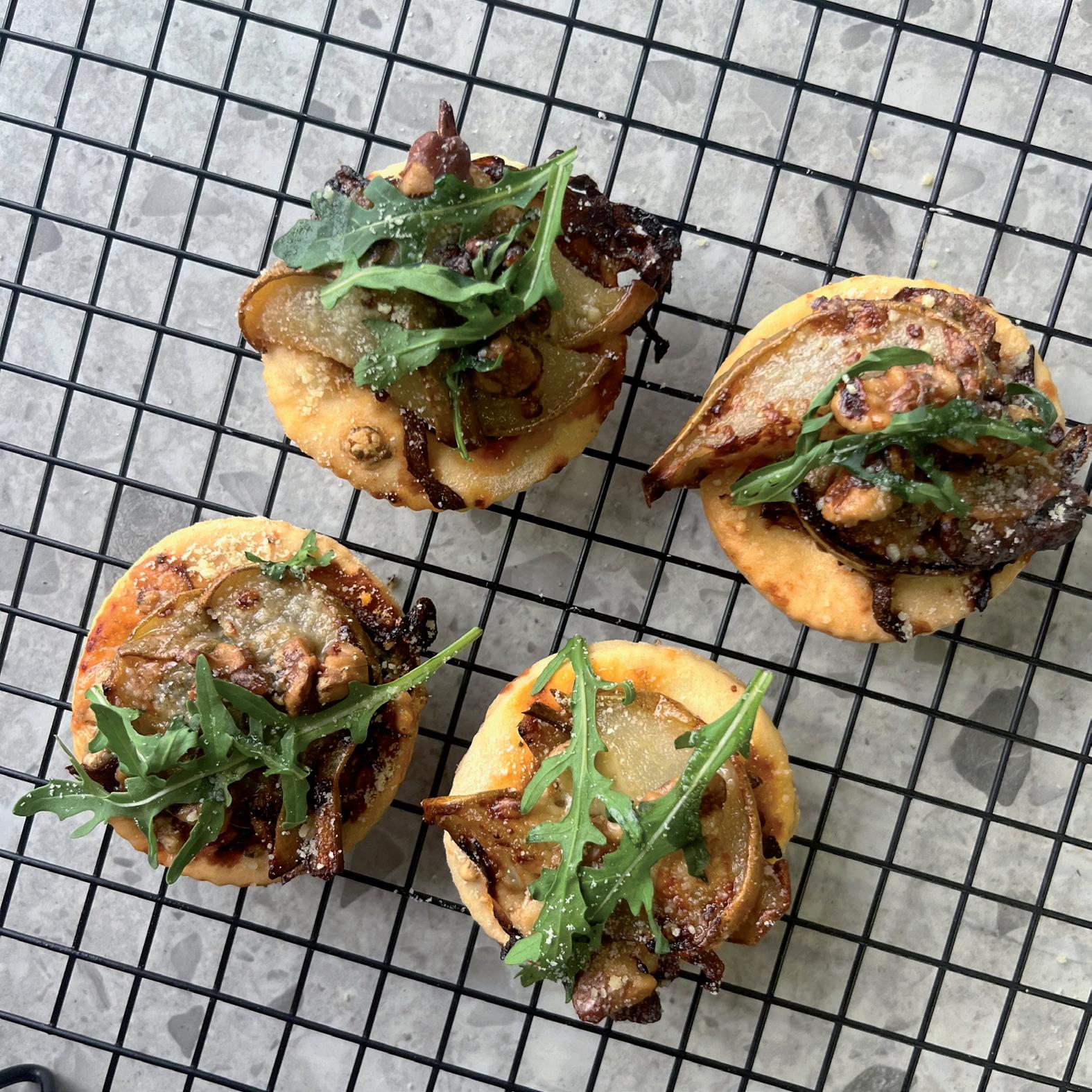
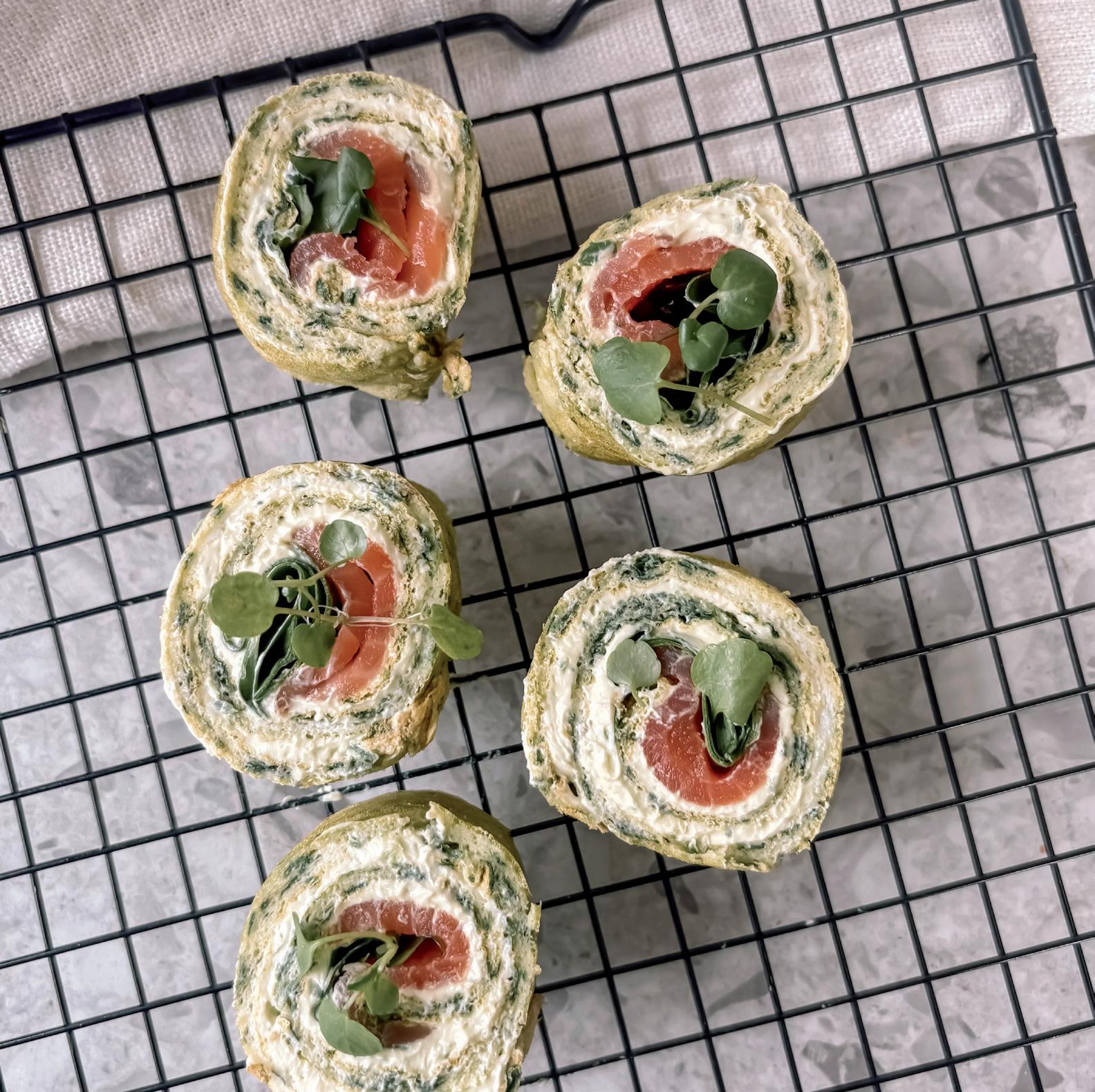
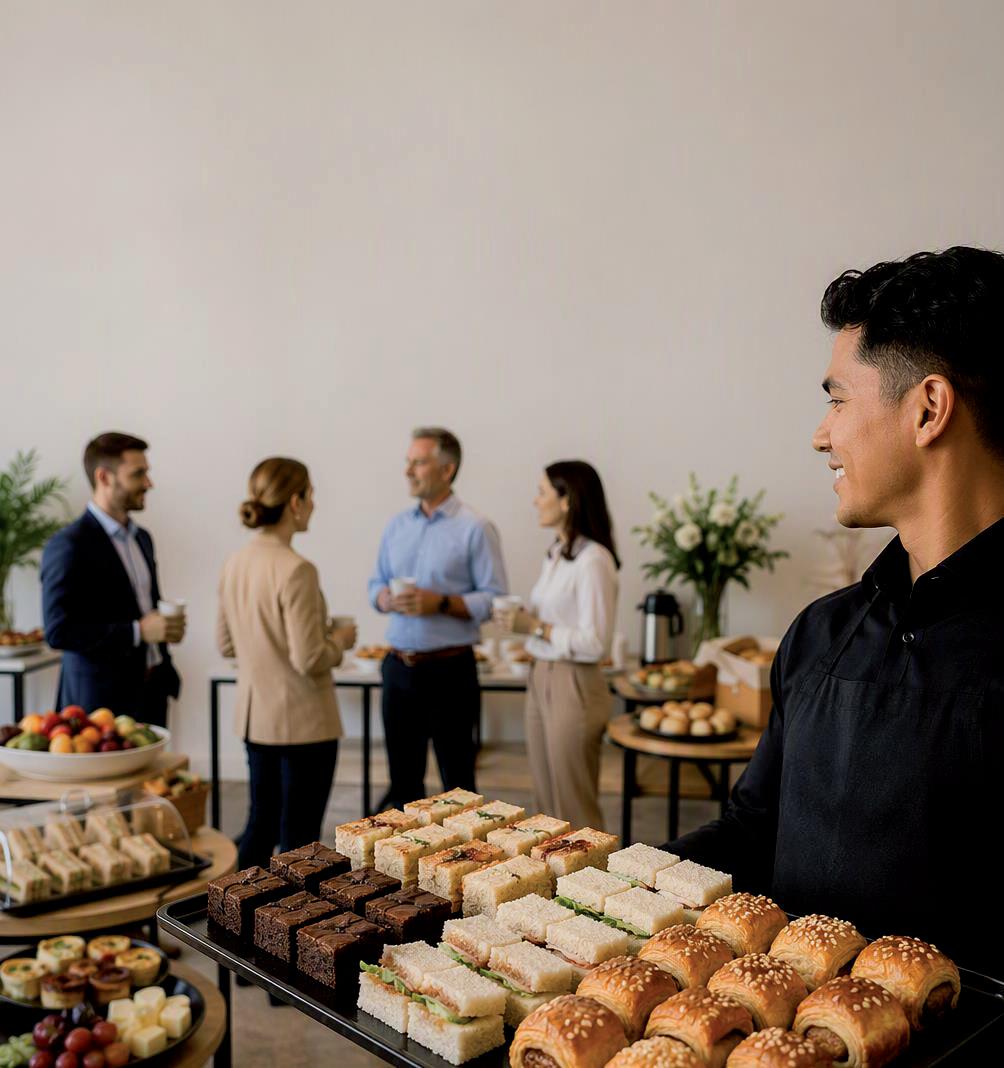
Catering is one way to turn that capacity into another income stream. It does not have to mean weddings, large functions or a separate menu. It could be sandwich platters for a meeting, pastries and coffee for a training session, or lunch boxes for a nearby business.
Many operators are already producing the right food. The missing step may simply be letting people know the service is available.
Regular customers may be happy to recommend their local at work, but they need something to pass on. A small catering menu, clear pricing and an easy ordering process can start that conversation. A friendly email or visit to nearby businesses may also put the service in front of people who would otherwise never think to ask.
Catering has some practical advantages. Most orders are booked ahead, giving operators time to plan production and order ingredients. A deposit or full payment can be taken when the booking is confirmed. Compared with filling a cabinet and waiting to see what sells, that offers greater certainty and can reduce waste.
Catering should sit alongside the core business, rather than compete with it. Packaging, delivery, staff time and dietary requests all need to be priced properly, while order cut-off times should protect the busiest parts of the day. Keep the menu manageable, know what each order costs to produce and make sure the extra work is genuinely adding profit.
Not every operator will want catering to become a major part of the business. It may simply be an extra service that brings in useful, planned work when bookings come through.
In challenging times, it is worth looking beyond the usual sources of trade. The next order may not come through the front door. It could arrive by email several days in advance, already confirmed and paid for.
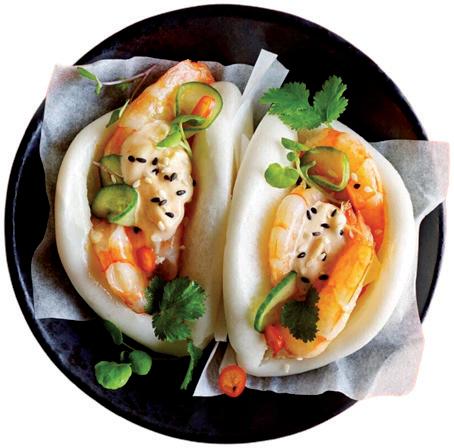
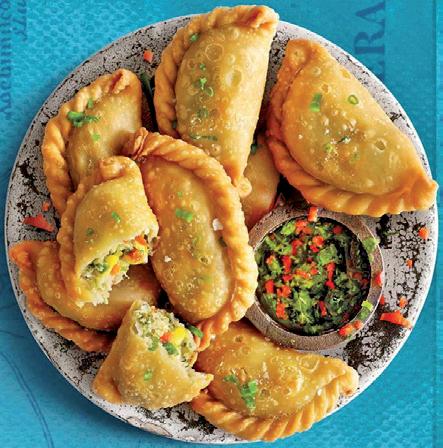
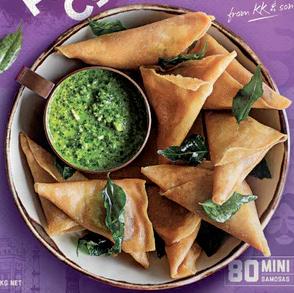
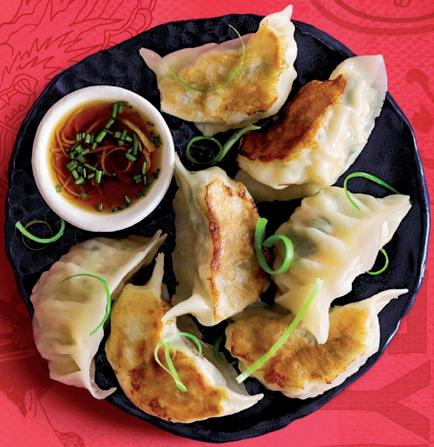
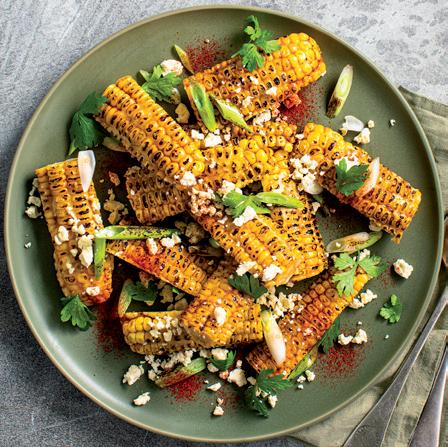
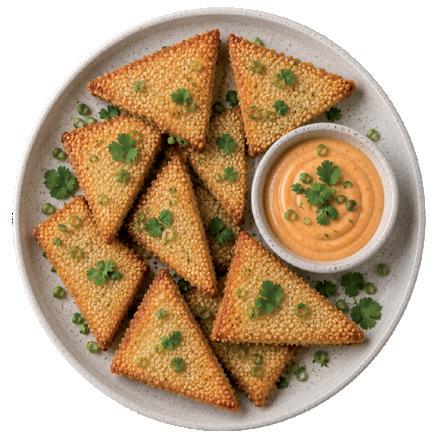
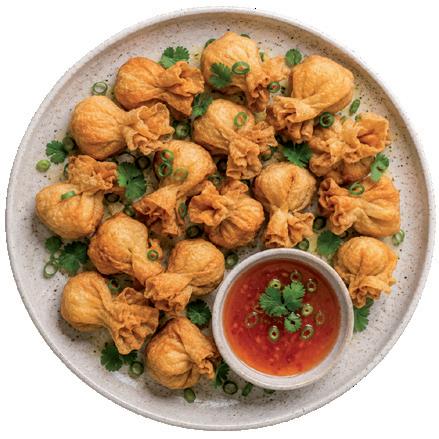
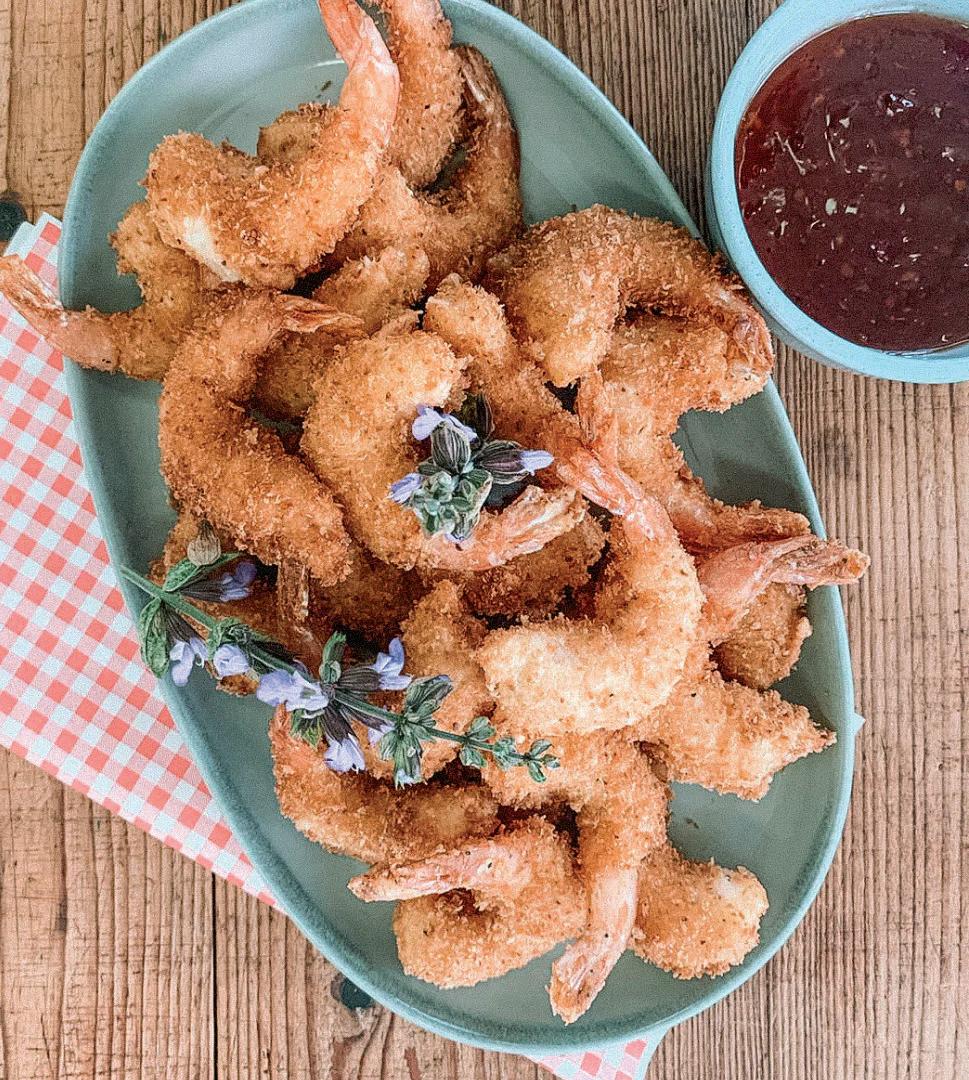
We d e velop e xc iting new product s that ar e on trend, tast e deliciou s a n d are qui ck and easy to cook .
E ve r y thing is designed to go f ro m freezer to table in under 10 minutes .
We have an extensive range of Asian, Japanese, Mexican and Indian inspired products. For enquiries on these or our other quality products, please contact your local United Fisheries Account Manager or Distributor.
Steamed Bao Buns
Prawn Toast
Money Bags
Dumplings Samosas Empanadas
Corn Ribs
Timing is Everything
Sarah Gray, Senior Events Manager at NOSH Catering + Events, said there has been a real increase in orders with short notice, often only a week or two.
Senior Events Manager NOSH Catering + Events
Overall, demand has definitely picked up compared to 2025 for NOSH, with this winter season proving to be significantly busier than the same time last year for both larger events and small deliveries.
Gray said different sectors within NOSH’s customer base have seen different trends.
“Some clients have very tight budgets, which have been difficult to meet with the increases in food costs; we aren't willing to compromise on quality, but always do our best to accommodate these budgets where possible with creative menu options.”
At the same time, Gray said other clients have been putting on largescale events and requesting high-end items.
NOSH has built up a strong customer base with a number of customers who come back year after year for their canapés and dinner events. Gray has seen an increase in requests for boxed lunches over the past couple of years, which is in line with the demand for lower-cost options.
Close to 100 percent of NOSH’s events and delivered orders involve catering for dietary requirements. She said that planning for these starts at the very beginning, with the development of menus.
“We aim to have diverse menus, including options that everyone will enjoy while still accommodating diets,” added Gray.
“For example, a significant portion of our menu is gluten-free by default, as often items can be made glutenfree while remaining just as delicious as a gluten-containing version. For other requirements, an individualised meal might be a better fit, but either way, we ensure every guest is well looked after.”
She added that clients without direct involvement in the hospitality industry often don’t realise the logistics and planning required to deliver a quality product when the location changes with every event.
The venues that NOSH partners with have everything from a full commercial kitchen to a loading dock to set up in. Within a few hours, Gray said the team can turn this space into a kitchen and serve high-quality food to hundreds of guests. This requires a significant amount of organisation and coordination in the lead up to the event to ensure a seamless event is delivered.
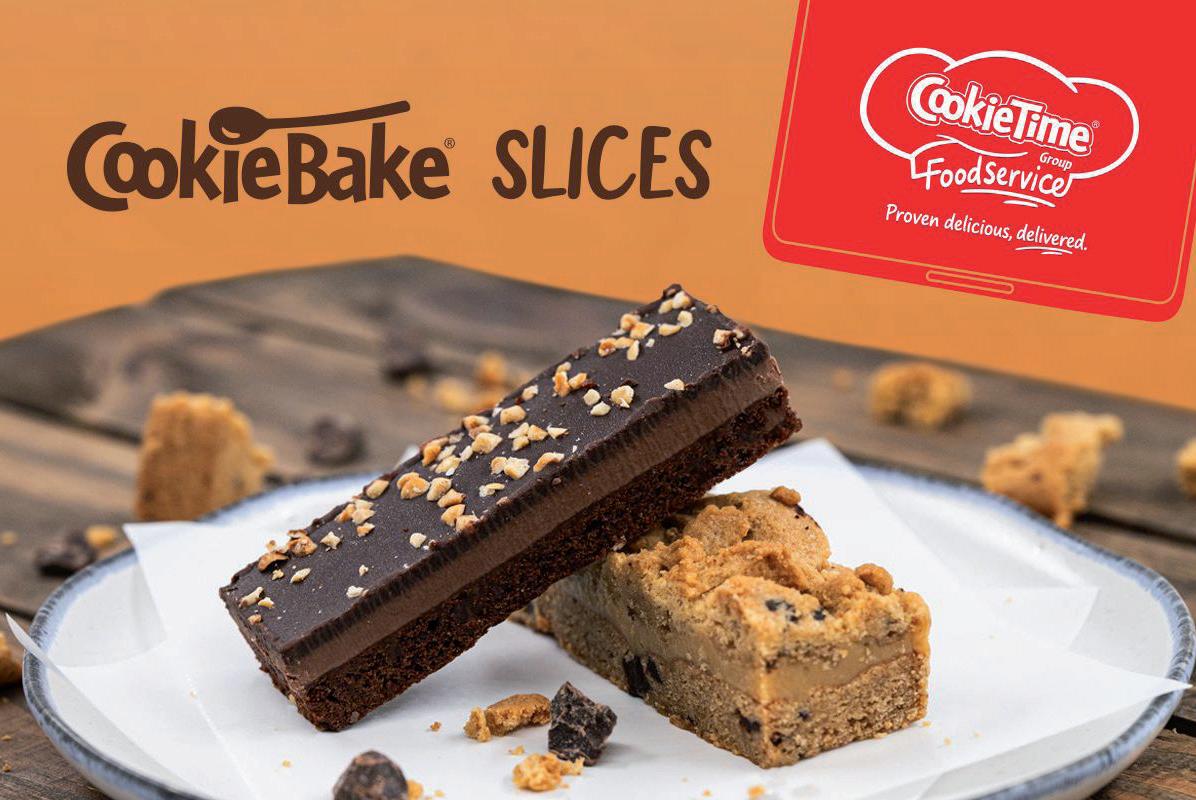
CookieBake Slices
A Cut Above the Rest
Introducing CookieBake Slices, a fresh and elevated range built on flavour, quality and authenticity.
Bringing a fresh perspective to a cabinet staple, the CookieBake Slices range delivers nostalgic comfort with a contemporary, flavour-forward edge.
Standout new flavours include Loaded Cookies & Caramel, Choc Hazelnut Heaven, Raspberry Rumble Crumble, Zesty Citrus and Lemon Shortbread Delight. Crafted by Cookie Time Group, the CookieBake Slices range pairs rich textures and colour with indulgent, layered flavours.
Backed by more than 40 years of baking expertise, Cookie Time Group brings strong credentials to the category. Known as the home of one of New Zealand's most trusted cookie
brands, the business also draws on decades of experience in baking bars, brownies and blondies, translating that capability into a refined take on traditional slices.
Designed with foodservice in mind, CookieBake Slices balance quality with practicality. Each slice is pre-cut into a finger slice and individually portioned, delivering consistency in sizing while supporting straightforward nutrition and allergen tracking. The thaw-and-serve format (no baking required) reduces preparation time and helps manage waste, offering operators a simple way to maintain quality while improving efficiency. Perfect for a range of occasions and applications.
Cookie Time Group Foodservice is committed to delivering delicious, with proven taste and performance. Quality, consistency and ease of service are non-negotiables, enabling foodservice partners to elevate their menus, meet demand for premium cabinet selections and serve with confidence, every time.
Talk to one of the foodservice team hayley.billman@cookietime.co.nz
More than Just Lunch
In the fast-paced corporate world, quality and affordable catering is highly desired. Shannon Willer, General Manager of Serious Gourmet, said that there has been a noticeable increase in demand over the last year.
General Manager Serious Gourmet
As a result of this, Serious Gourmet is catering for everything, from small team meetings to large office events and celebrations.
Unpredictable lead times have also become something to be expected, as some clients book weeks or months ahead, while others need catering the next day or even on the same day.
Willer said being flexible has become an instrumental part of the job. clients now want both betterquality food and the same service with a tighter budget.
“People want food that's fresh, looks great and feels like good quality, but they're also keeping an eye on budgets,” she said.
“Our job is helping clients get the best value without compromising on the experience, whether that's suggesting different menu options or tailoring a package to suit their budget.”
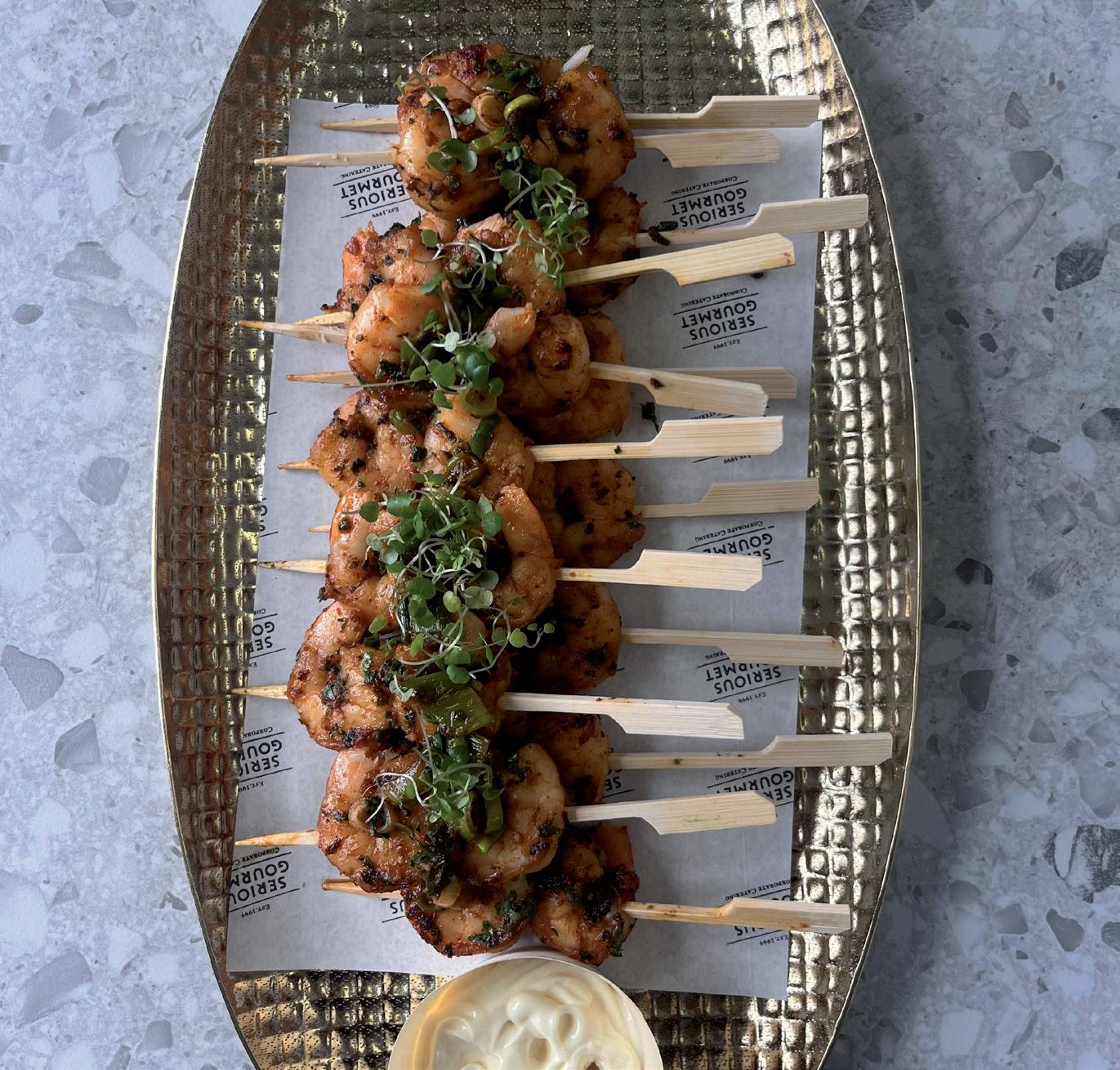
Serious Gourmet’s finger food platters, designed for morning teas and working lunches, are its biggest
seller. Willer said they are easy to serve, offer plenty of variety and are the perfect solution for most occasions, from team meetings to client presentations.
She believed that clients love that people can help themselves while still enjoying fresh, high-quality food.
Platter boxes have also become a popular booking among clients, which Willer said are ideal for client meetings, site visits or drinks after work.
“They give people an easy way to impress without having to organise everything themselves. They look great, travel well and make entertaining effortless.”
A huge amount of planning now revolves around dietary requirements, allergen management and individualised portions. Willer said that it has become pretty rare to get an order without at least a few dietary requirements.
Serious Gourmet spends a lot of time ensuring that everyone can enjoy its services safely, with clear labelling,
careful preparation and strict allergen management. It has also created a dedicated role in the kitchen that is focused entirely on dietary catering.
“Our chef spends every day preparing meals for different dietary requirements, staying up to date with allergen information and constantly developing new recipes and ideas so those with dietary needs have just as much choice and excitement as everyone else,” said Willer.
“It's something we take really seriously because we believe no one should miss out on great food.”
She added that corporate clients underestimate how much goes on behind the scenes, and that there was a lot more to it than just making the food.
Every order involves planning, ordering ingredients, coordinating staff, managing dietary requirements, packing everything correctly and making sure it all arrives on time and looking its best.
“When we’re catering multiple events in one day, it’s all about having great systems and an amazing team.”
Image credits: Serious Gourmet
Feedback that Counts
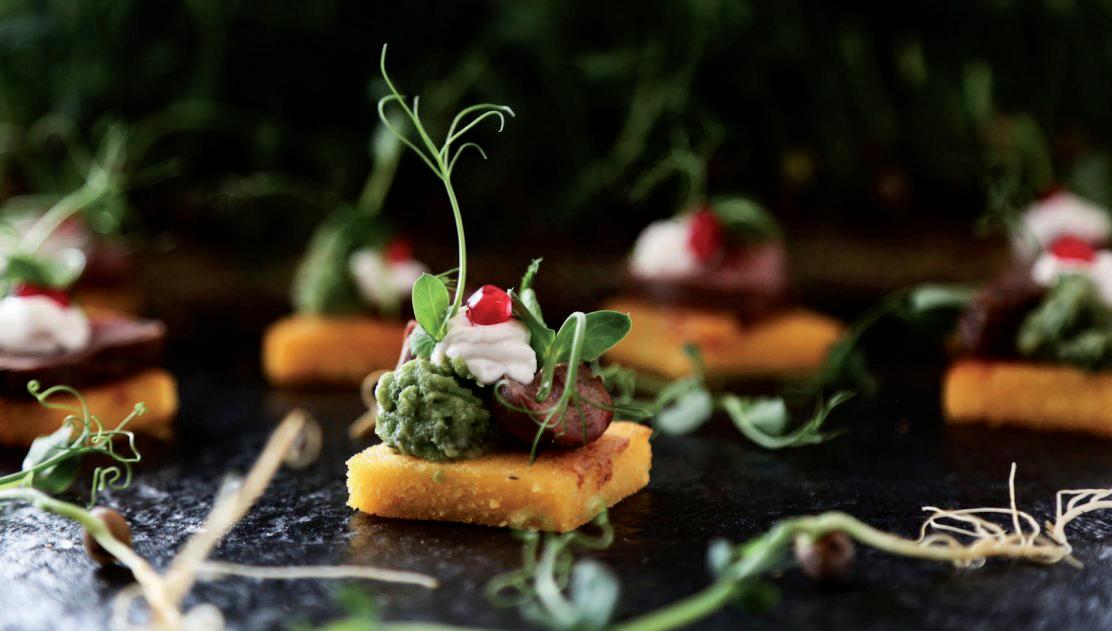
Lisa Locke, Owner of Canape Company, said that clients love canapes, and for good reason.
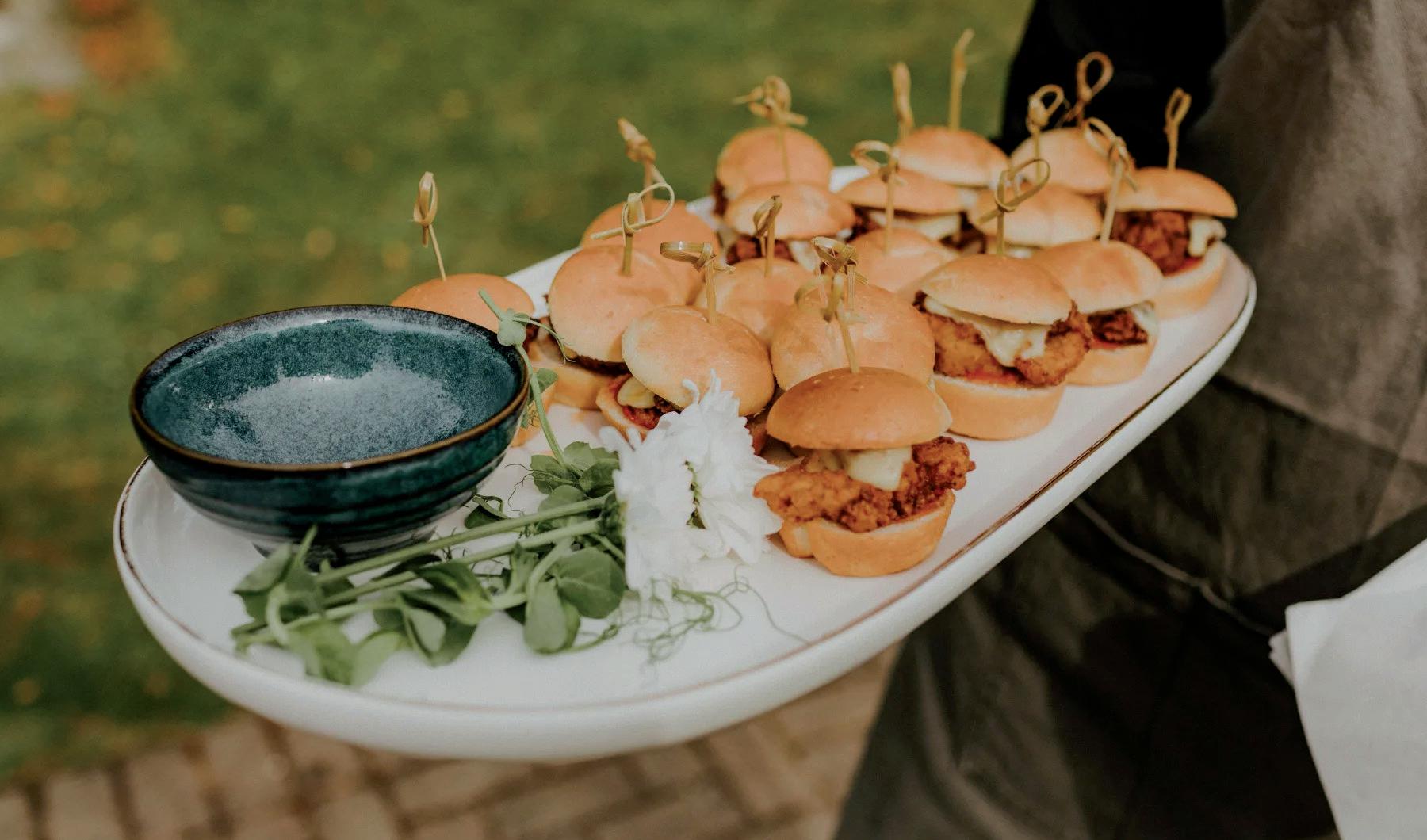
Canapes are a cost-effective option for reasons that many don’t initially consider. Bite-sized, upmarket finger food has meant that clients don’t have additional costs of cutlery, plates, tables and seating.
Locke added that Canape Company specialises in creating specialist canape menus, and the Pacific is a theme that it works with quite often.
“We worked closely on the Pacific Cacao launch with Wellington Chocolate Factory, where the official representatives of six different Pacific Island nations and the mayor was present. You'll also see weddings that are canapes only. And funerals where canapes rather than traditional morning tea type food is preferred,” she said.
Canape Company uses great ingredients and always stays true to that belief. Lock described the company as an ingredient and flavour-led business.
“We find different cuisines from around the globe are an amazing inspiration when solving dietary requirements, Asian food is often where we look to for dairy-free cuisine, for instance.”
Its Okonomiyaki fritters with miso eggplant and pickled ginger were inspired by a trip to Japan, and it has become an incredibly popular glutenfree and vegan offering that Locke said even a staunch meat-eater will love.
She added that, as a catering professional, there is a need to have these ideas and recipes up one's sleeve.
Weddings are one of the biggest examples of this. Couples want an opportunity to celebrate their big day without all of the extra cost involved, and a canape wedding is a great way to do this. The menu can still be exciting, satisfying and fabulous, but they don't need to hire tables, chairs and all the plates and cutlery.
Locke said happy clients are
imperative. Canape Company invites feedback on every single catering order they do. That feedback is stored on the order, and the team can see a client's star rating for them.
“If we get four out of five stars, we always ask the client what we need to do to get five stars.”
A four-star rating is an excellent resource for that small thing that can easily be improved upon, that the team might never have thought about before. Some really obvious improvements have been made to the business on the basis of just asking its clients.
“We don't look at social media impact at all. Our clients are often corporate. They're not really taking snaps at a networking event. But hearing that their guests were raving about the food is a big mark of success.”
She added that making clients look great, in the eyes of their guests, provides the team with a great feeling and inspiration to keep excelling.
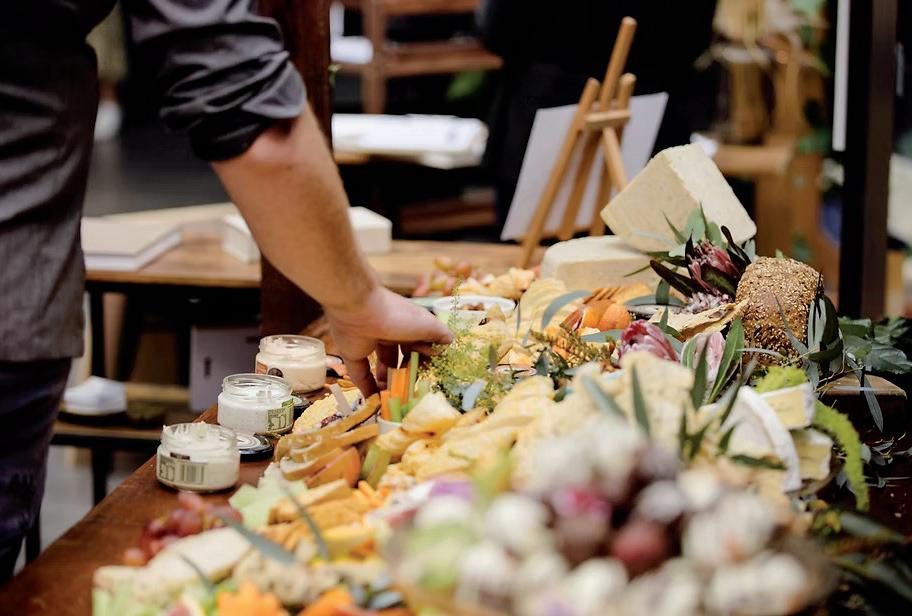
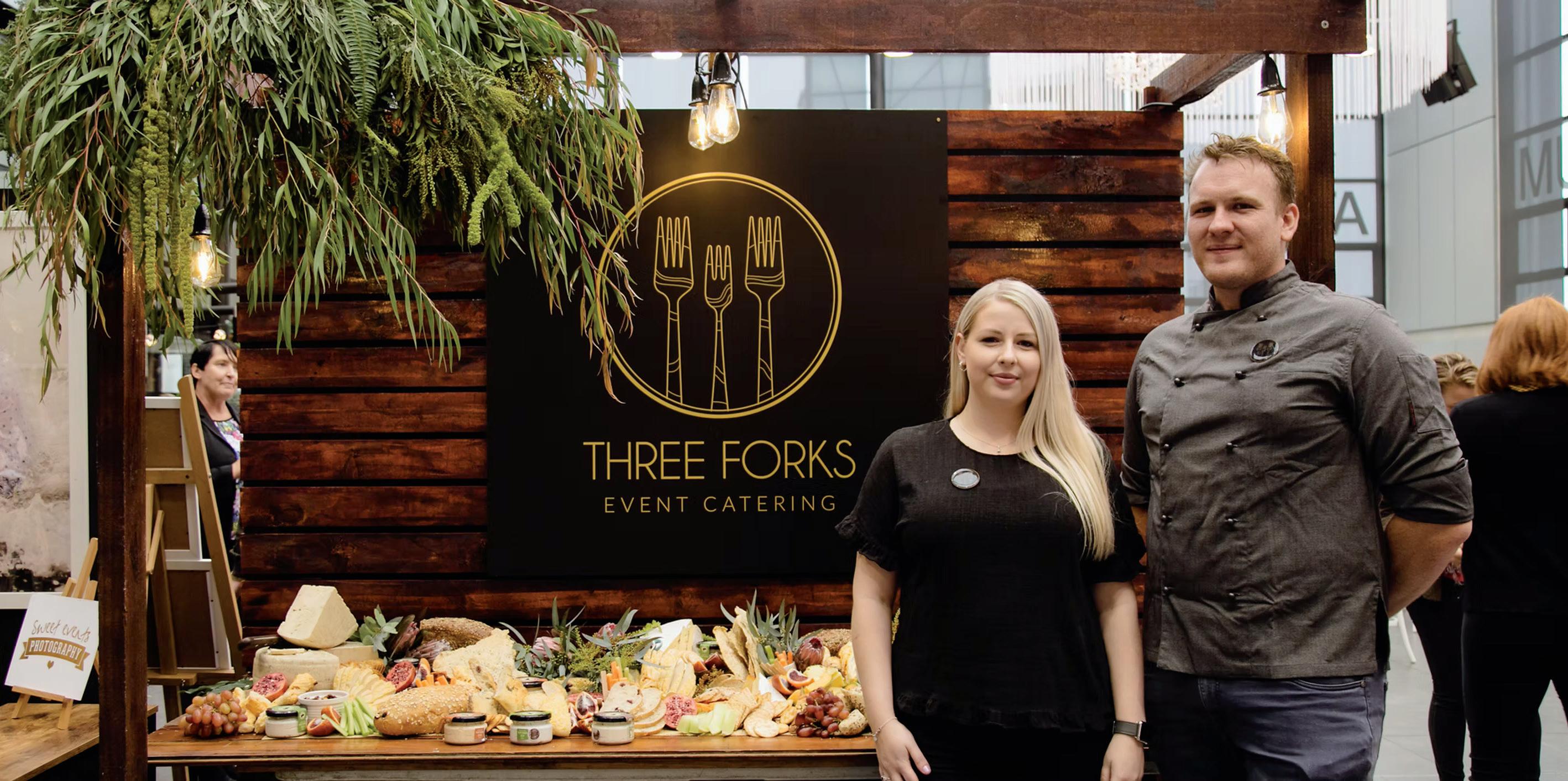
Image credits: Three Forks Catering
Regional Growth with Commercial Gains
The biggest difference between catering in a fixed venue and catering on the road is that caterers effectively take an entire commercial kitchen to a location that wasn’t designed to be one.
In a restaurant or venue, caterers can rely on common sense to know where everything is. Their equipment stays put, and their utilities are reliable. With off-site catering, everything is different.
Three Forks Catering owner Scott Keelty said a large part of the job happens long before the first guest arrives. There is meticulous planning involved to deal with a range of factors, including transport, packing every piece of equipment, considering cooking methods, what the team can do before they get there, water supply, power consumption and contingency plans.
Keelty said the biggest issues generally arise from water supply and power usage. Along with travel, staff availability and weather, these factors have a much bigger impact than most people realise.
He added that travel isn’t just fuel; it is also staff time, vehicle wear, transporting equipment, and often taking multiple vehicles. A rural wedding, for example, might require a generator, water, marquees for food preparation or extra lighting depending on the site.
Weather is another major variable, as a contingency plan is always needed for rain, wind or extreme
heat because food safety and service quality can’t be compromised.
Site access also affects labour. Keelty said that a venue with easy vehicle access is very different to carrying equipment across a paddock.
“All of those logistical considerations influence staffing levels and ultimately the cost of delivering the same quality experience.”
Keelty said clients have become more adventurous with their menu requests, especially with weddings and private events. As guests have been travelling more, they have also been dining out more, and Keelty believed that social media has
exposed people to a huge range of cuisines and presentation styles.
That being said, the most successful catering menus still centre around familiar flavours executed exceptionally well.
“People want food that feels generous, approachable and memorable rather than complicated for the sake of it. We often find the sweet spot is taking classic dishes and giving them a modern twist using quality local produce.”
Local suppliers have become instrumental to Three Forks. Being based in the Waikato has provided ease of access to outstanding produce, and working with trusted local suppliers has meant that Three Forks can consistently deliver quality while supporting other local businesses.
Seasonality has always been essential for catering. Prices and availability can change quickly due to weather or supply issues.
Three Forks has become flexible for menu planning and has maintained strong relationships with suppliers in order to adapt if needed. Any
substitutions are made with the goal that guests never notice. Keelty said this has simply meant using the best available product at that time, and that substitutions are only ever made because of supplier availability, never price.
Occasionally, Three Forks has had to wear the increased price of certain produce, and other times it has managed to secure deals from suppliers, or a season has had a bumper crop and prices have been more favourable.
“It’s swings and roundabouts, and I don’t think it’s fair to go back to a client and ask for more money because the price of meat, cheese or whatever else has gone up,” added Keelty Staff would be the biggest change that Keelty would make to the regional catering sector, in order to make it easier commercially.
He said that hospitality continues to face challenges in attracting and retaining experienced people, and catering is particularly demanding because it involves irregular hours, travel and physically intensive work.
That being said, he believed that client expectations also make a huge difference. He said that clients don’t always see the amount of planning, logistics and preparation that happens behind the scenes before the first canapé is served.
“Better understanding of what's involved helps people appreciate where the value lies and leads to smoother events for everyone.”
Technology has also helped the regional catering sector, and operators now have better booking and event management systems, which reduce administrative workload and allow operators to spend more time focusing on food and service rather than paperwork.
Overall, Keelty said regional catering has a very positive future, and that people are increasingly choosing unique locations, private properties and bespoke events over traditional function spaces.
“That creates exciting opportunities for caterers who can deliver restaurant-quality food virtually anywhere.”
Constantly Evolving
The catering sector has consistently continued to develop and adapt to changes. From corporate to private events, there is still strong demand from clients for a wide variety of different cuisines and styles that meet their needs.
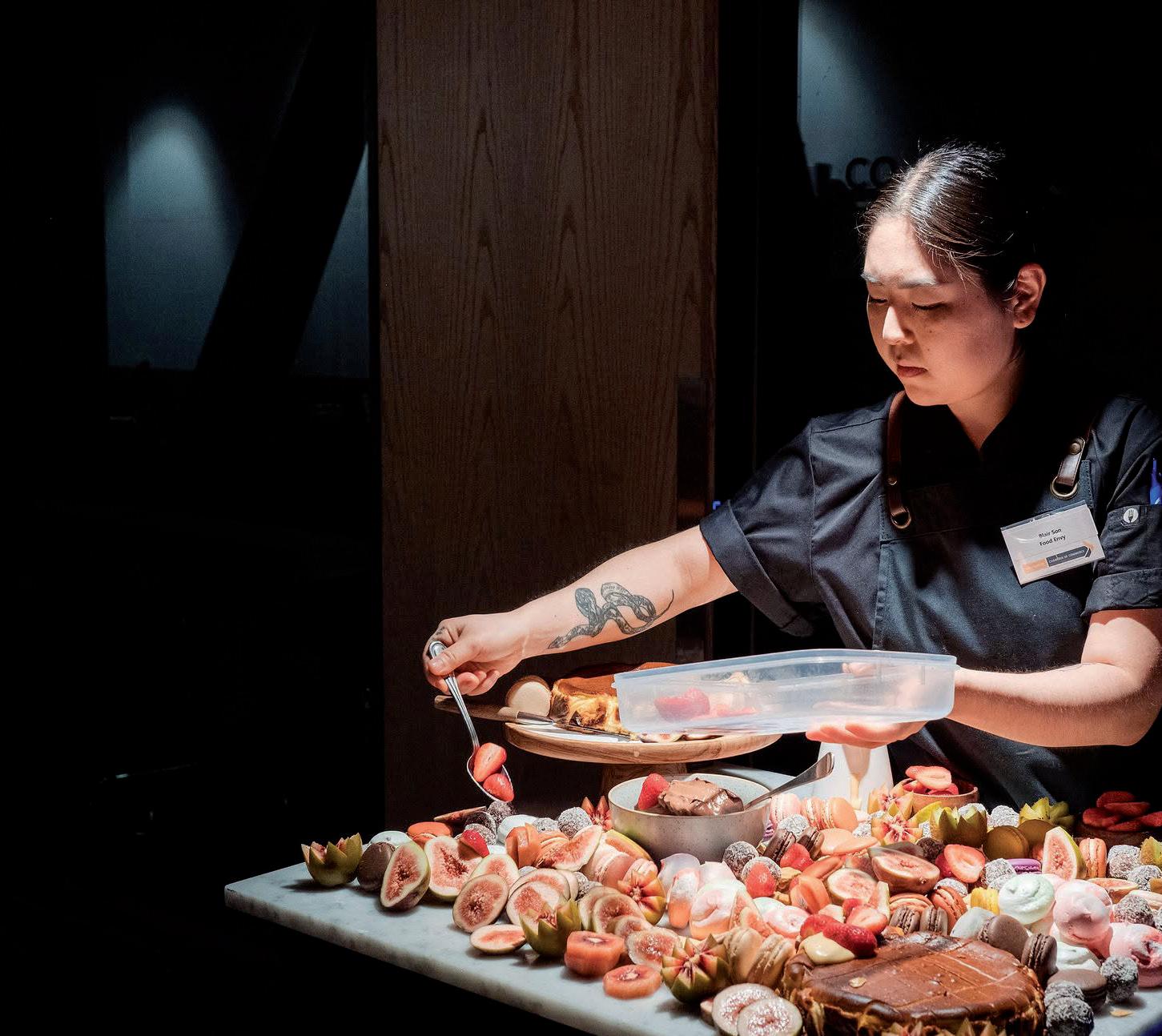
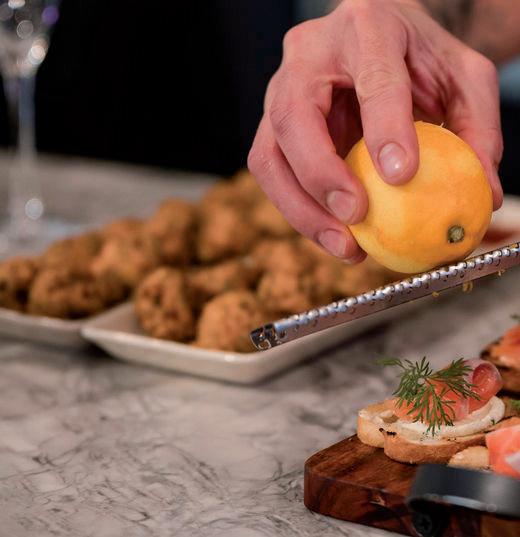
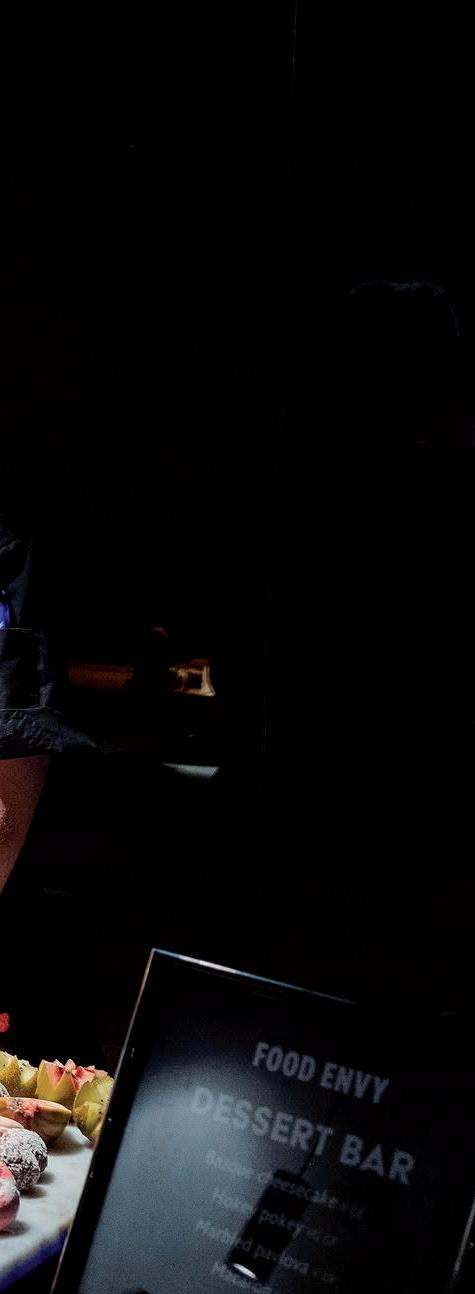
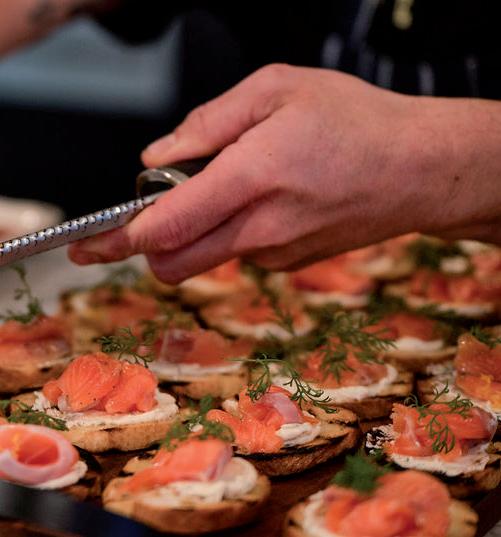
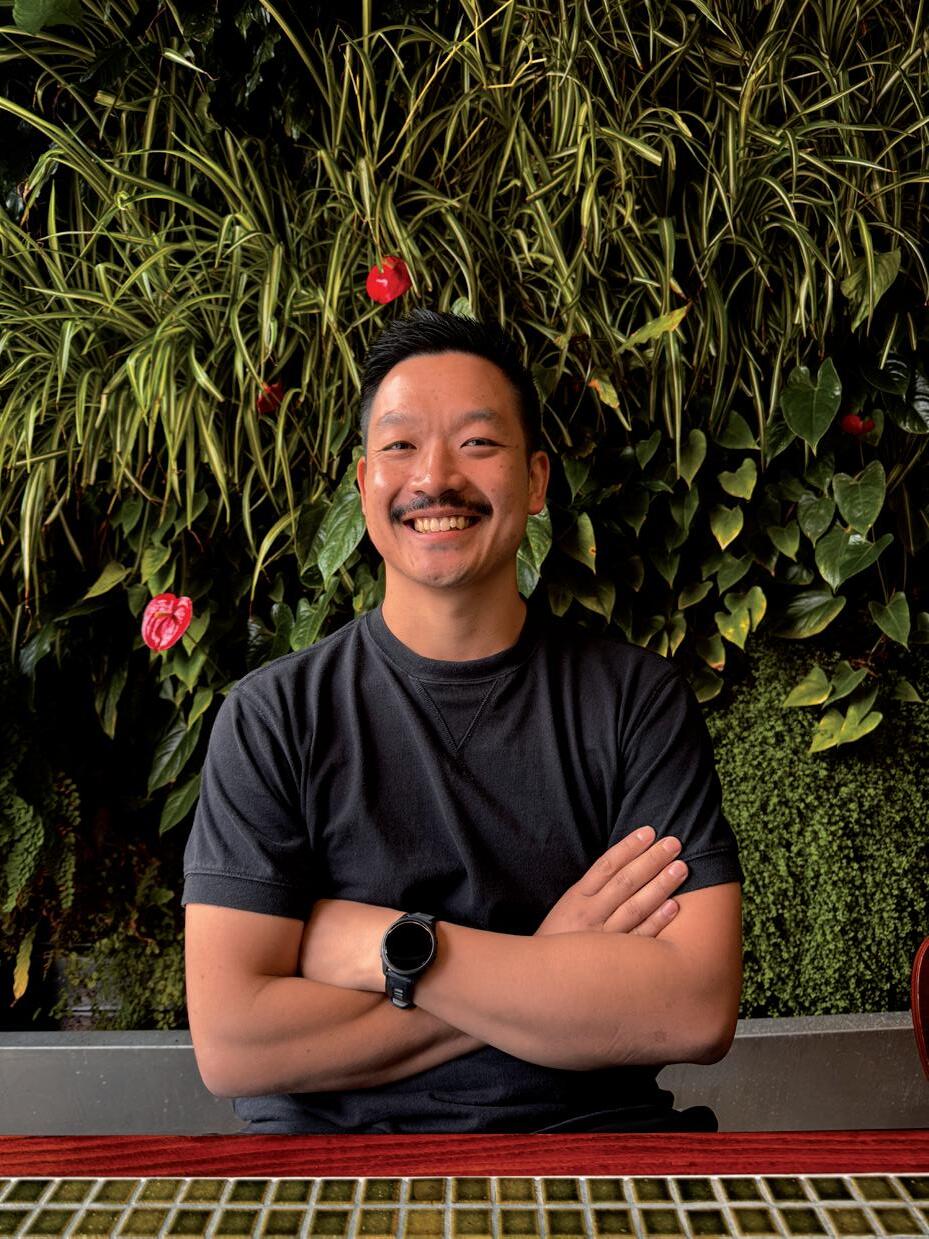
Food Envy Director Mike Ny said, over the past few years, there has been a noticeable shift towards people wanting more health-conscious options like salad bowls with proteins and lowcarb dishes.
He added that there have been more diets becoming more mainstream, and with economic pressures across the board, clients have been working with tighter budgets as well.
Ny believed that premium events were definitely still holding up, but there are just fewer of them.
“We notice clients are being more selective about where they spend, which has led to fewer ad hoc events, but more emphasis on milestone moments people really want to celebrate,” said Ny.
Food Envy has balanced theatre, seasonality and presentation with the operational need to deliver consistently across large guest numbers through its clever menu engineering. Its experienced team has ensured that the food tastes great, looks amazing and can be produced at scale.
Ny said that Food Envy’s first priority was to provide high-quality food that customers would love.
“Food Envy is built on our repeat customers who keep coming back knowing that what they’re going to get is going to be great.”
because many suppliers have also implemented a fuel surcharge.
Ny added that labour, cost of goods and equipment hire are all costs reviewed regularly to ensure Food Envy stays competitive without compromising on quality.
While the client enjoying the food is a huge accomplishment, Food Envy considers a successful event to be where everything runs smoothly without a hitch.
“With any event, big or small, there’s a lot of moving parts, and with that comes our chance to shine operationally; that’s what we do really well. Our goal is for clients to be at an event they’ve organised, and feel like a guest, just like everyone else.”
Quality Without Compromise
Inspired by the effortless charm of the French Riviera, Côte has brought together the finest New Zealand ingredients with European sophistication.
From artfully crafted canapés to beautifully curated meals, Côte offers refined menus, impeccable service, and attention to detail that elevate every occasion with creativity, precision, and elegance, leaving an unforgettable impression long after the last bite.
“We work closely with our chefs to create menus that celebrate seasonality and showcase New Zealand produce, while also ensuring they can be delivered consistently across larger guest numbers.
This means carefully considering preparation methods, timing, staffing requirements and how each element will hold throughout service,” said Carrie Hood.
Beyond food, success for Côte comes down to creating an experience that people remember, including the service, the atmosphere and how they felt throughout the event.
In the last few years, Hood said that styling and tablescapes have become a much bigger focus, with many clients bringing in inspiration images from overseas events. She found this exciting because it allowed the team to be more creative and collaborate on creating something that feels unique to them.
“There’s a real focus now on the overall experience from clean
lines and delicate presentation to thoughtful details, and custom touches such as branding or design elements built seamlessly into the event. Interactive elements are also having a real moment, especially at weddings,” said Hood.
Rather than simply hosting larger events, Hood added that clients have invested in creating something more intentional, making every element count. She highlighted that clients have become more considerate with their spending as guest numbers have reduced.
At the same time, the expectation for quality and experience has remained high. To achieve this, operational planning and practicality were key.
“We’re always aiming to create a sense of occasion without compromising quality. The best events are the ones where guests feel like everything is effortless, even though there is a huge amount of planning, precision and teamwork happening behind the scenes.”
Hood highlighted the importance of investing in experienced, high-quality people as a key to delivering a certain standard of service.
“We believe having the right people on the floor is a huge part of creating a successful event, and we’re not willing to compromise on that.”
Putting Customers First
Customers are looking for much more than a menu and delivery when it comes to catering. They expect consistency, fast communication, flexibility and complete confidence that what they ordered will arrive on time and be exactly as promised.
Eber Santos, Managing Director of Appresso Catering, said these expectations have become even more important as many workplaces now operate with changing attendance numbers, shorter lead times and more varied dietary requirements.
Clients are also more price sensitive now than they were three or four years ago, but this hasn’t necessarily meant that they are simply looking for the cheapest option. Santos said they want clear value, transparent
Image credits: Appresso
pricing and suppliers who can help them make their budget work without compromising quality or reliability.
He added that there has also been a greater demand for dietary inclusivity, sustainable packaging, reduced food waste and catering solutions that can adapt beyond one-off events.
“Businesses increasingly want a food partner who can support everything from meetings and workplace catering to cafés, graband-go options and customised food programmes,” said Santos.
“Ultimately, clients are asking for fewer complications. They want a responsive supplier who understands their operation, solves problems quickly and consistently delivers a high-quality experience.”
Premium events are still very much part of the market, but clients have become far more intentional about where and how they spend their budgets. Rather than simply increasing spend, businesses now want to maximise the value and impact of every event.
Santos said companies have continued to invest in quality food and presentation because they recognise that catering has played an important role in the overall guest and employee experience. Even for something as simple as a morning tea, many clients prefer to work with suppliers who consistently deliver fresh, high-quality products and reliable service.
Instead, the format of premium events has changed. Santos said large, extravagant functions have been cast out in preference for more frequent, smaller-scale events with a greater focus on quality, flexibility and meaningful experiences. While budgets vary from one organisation to another, Santos said almost every client is more conscious of value tjan they were a few years ago.
He added that the key was designing menus that deliver that visual impact while remaining
deliver premium catering experiences for corporate clients. Although these are very different services, the
expectation is exactly the same: every customer deserves consistent quality, presentation and reliability.
Santos said seasonality was very important.
“We enjoy incorporating fresh, seasonal ingredients where possible, but we always balance creativity with reliability. Our clients trust us because they know we won't compromise consistency in pursuit of something that's difficult to execute.”
Labour continues to be one of the biggest challenges for caterers. Santos said it was ultimately a people business, and investing in skilled, passionate teams was essential to delivering a great customer experience. At the same time, there have been significant increases in the cost of key ingredients, particularly meat, dairy and a number of imported products. Transport, compliance and packaging have also become increasingly expensive, placing pressure on every catering business.
The easiest solution has been to reduce quality; however, Santos believed the right solution was to become more efficient.
“At Appresso, we've focused on building a more resilient business by manufacturing many of our own food products and components in-house, improving production efficiencies and reducing unnecessary waste,” he added.
Just as importantly, Appresso has built long-term partnerships with New Zealand suppliers and manufacturers, committing to volume and working together to create sustainable relationships rather than simply chasing the lowest price.
“Those partnerships give us greater consistency, better planning and supply security, while also supporting local businesses and the wider New Zealand food industry.”
Communication Key for Success
With over 25 years of combined experience in the culinary and butchery industries, Burton's Catering has brought a wealth of knowledge and a passion for continuous learning.
As a husband-and-wife team, Kris and Elliot Burton have been sharing their expertise with the next generation, ensuring values and skills are passed down, along with a commitment to using the freshest ingredients to create delicious, memorable meals for special occasions.
Living on the Coromandel Peninsula, they have found themselves very lucky, with clients open to ideas that work best for their wedding, whether it's different ethnic foods or styles.
In addition to their culinary prowess, Burton's Catering offers a personalised approach to event planning and catering, tailoring services to clients’ unique needs and preferences and ensuring every detail is perfect.
“Our goal is to exceed your
expectations, providing not just food, but an experience that will be remembered by you and your guests for years to come,” said the Burtons.
Additionally, the couple said proper planning was essential, given the various dietary requirements among clients. Therefore, they still make everything from scratch in order to adjust recipes and menus.
The team is always ready to go the extra mile, whether it's creating a custom menu, accommodating dietary restrictions, or ensuring seamless service on the day of the event.
“We pride ourselves on our flexibility and adaptability. No matter the venue or the specific requirements of your event, we can adjust our services to meet your needs.”
Ultimately, they highlighted that communication with the client was key to a successful event.
Following the Demand
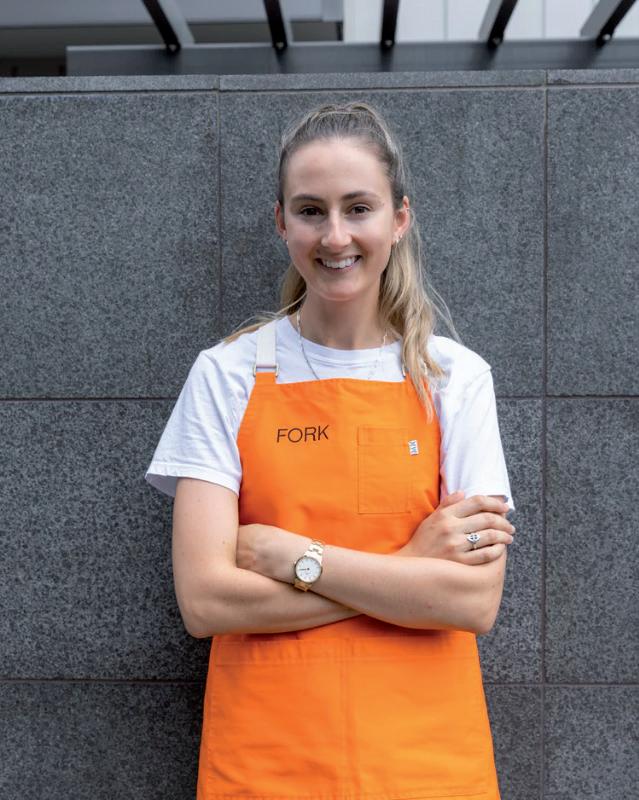
Elise Batt from Fork Kitchen said customers want fresh takes on traditional styles of food.
Fork Kitchen is a boutique catering company that serves the Auckland area. With the goal to freshen up the catering industry, Batt said clients can expect fun and bold flavours paired with flexible service.
She said that menus with a wide appeal but a point of difference are ultimately the most successful. Inclusive menus are also on the rise, which is where event organisers want to cover a wide range of dietary requirements in the same menu, rather than having to count guests’ preferences.
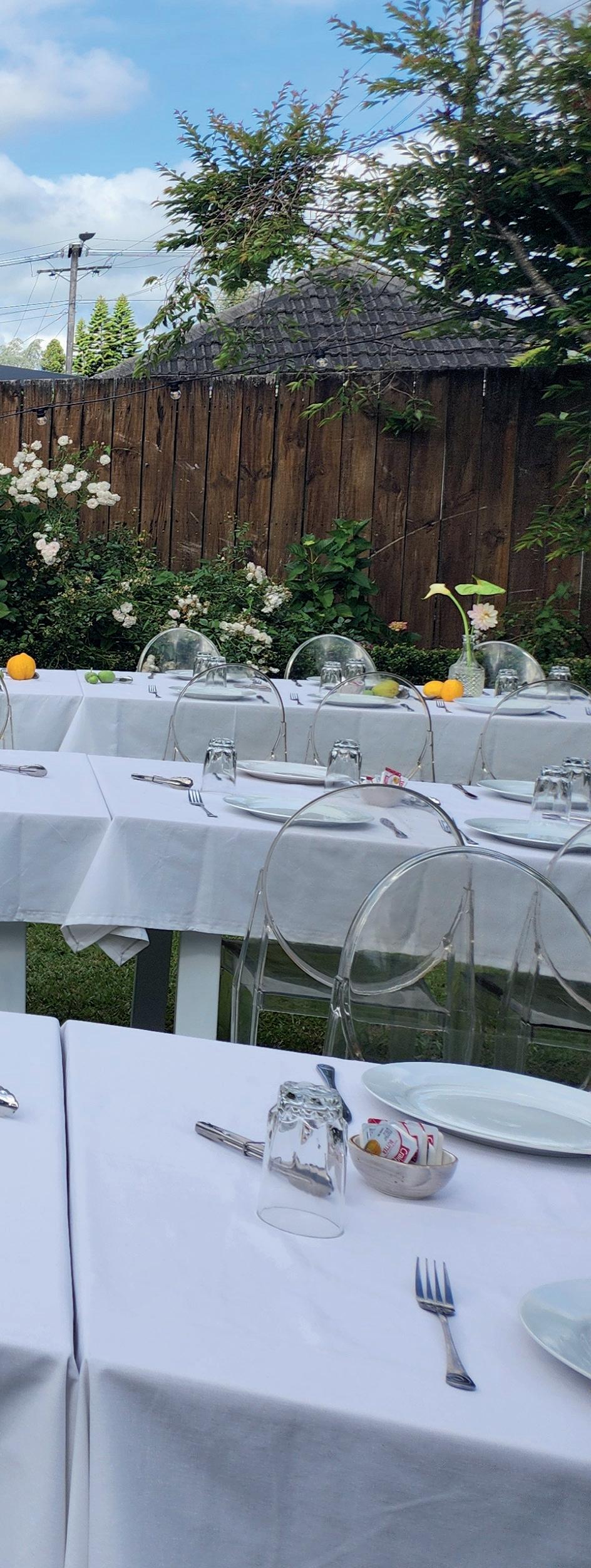
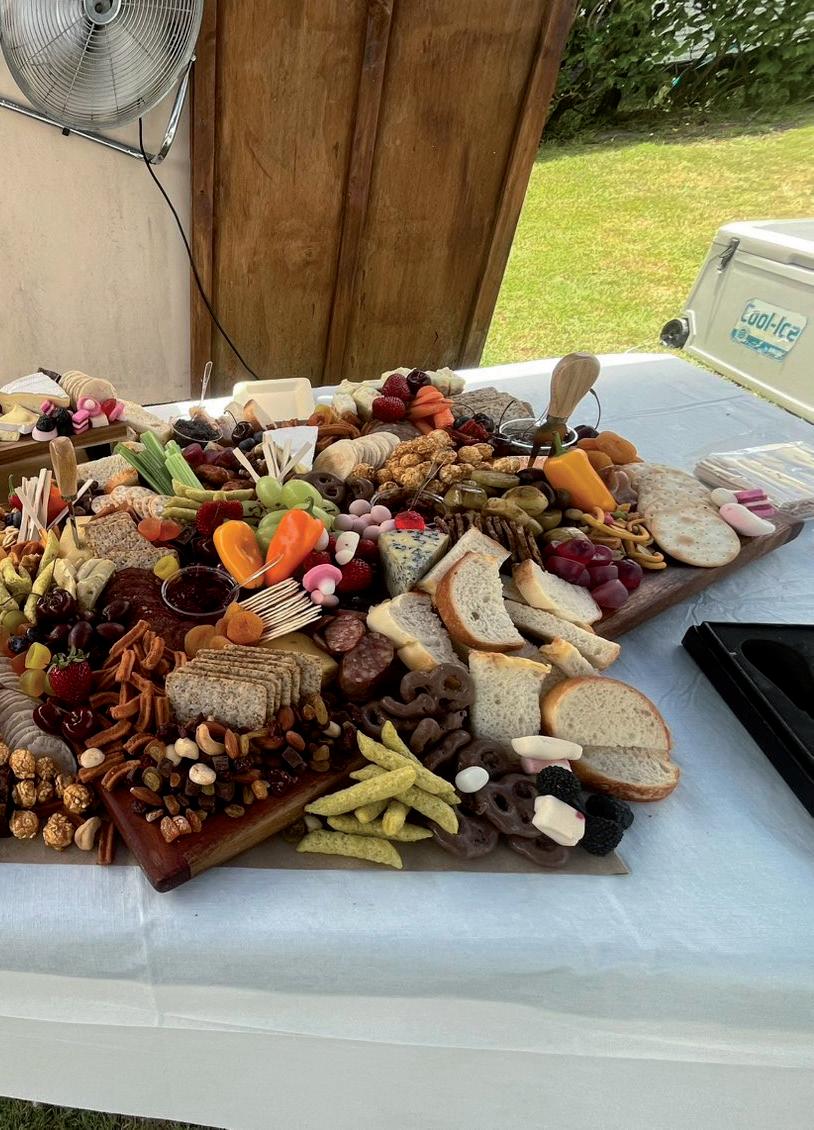
While grazing tables have been a client favourite in the past, there has been a shift away from this concept, purely from a food-waste perspective. Instead, canapé service has become increasingly popular, even for more
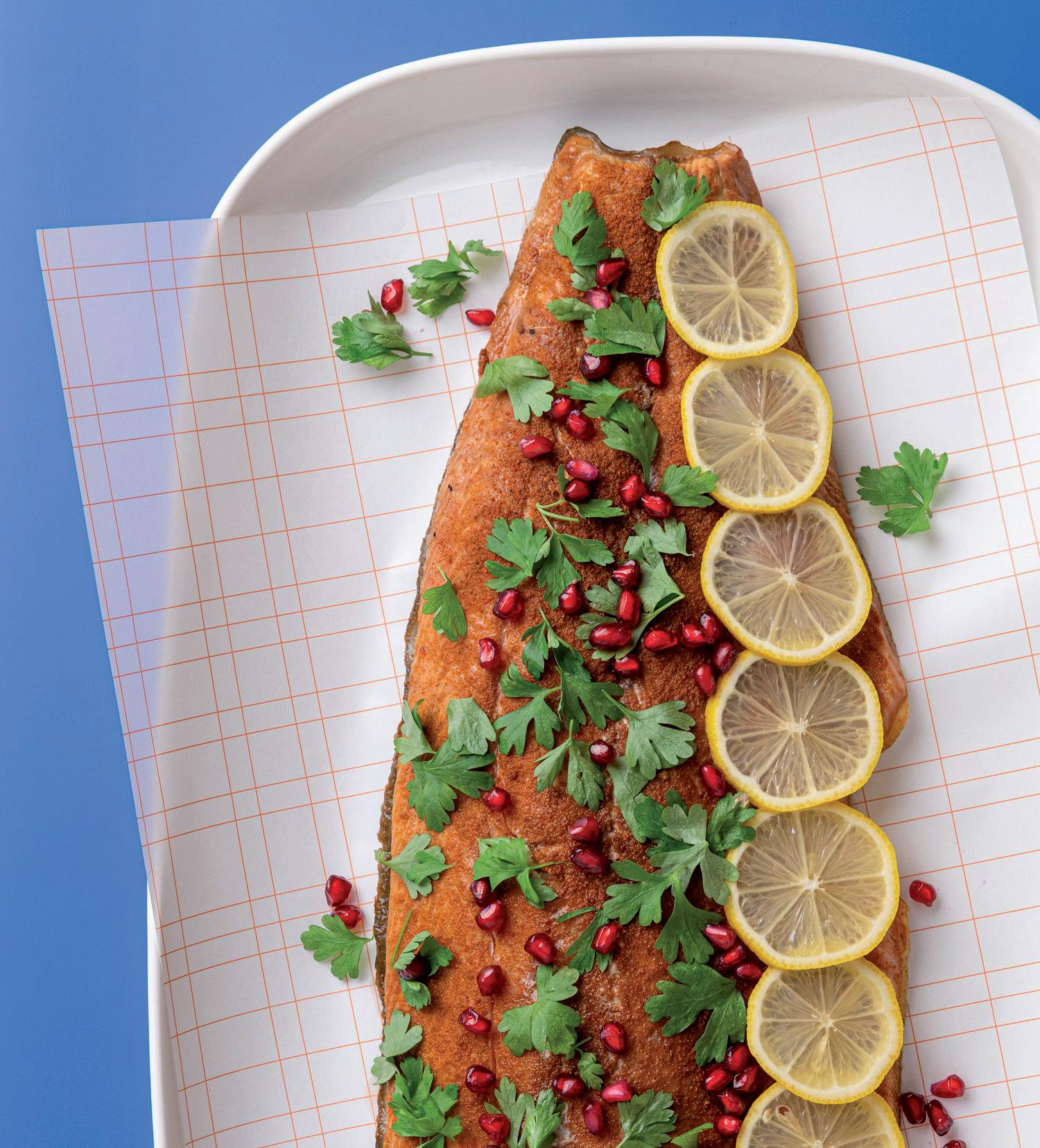
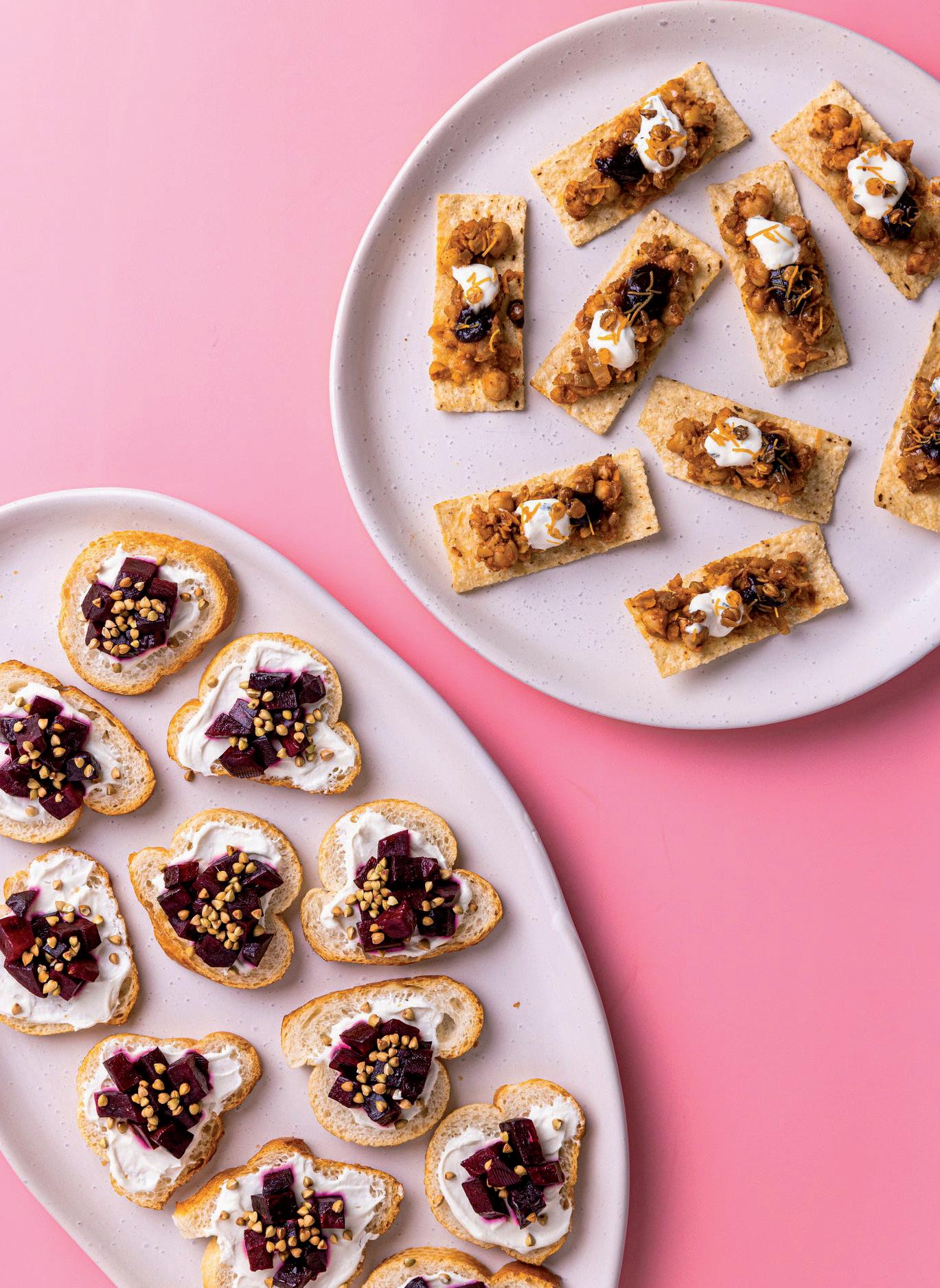
Fork Kitchen believes in using fresh and seasonal produce, and revolves its menus around what is available at certain times of the year. One of its most popular offerings is its cumin and paprika hot smoked salmon, which Batt said has become a staple of the menu. Batt’s personal favourite is the mixed tomato salad with tahini yoghurt, capers and toasted buckwheat.
In the changing industry landscape, clients are increasingly aware of how far their budget will stretch. This has created a responsibility for caterers to consider all menu options in order to benefit both parties.
“Like most businesses, we have noticed that people are becoming more conscious of their spending as times are tougher for both private and corporate clients,” said Batt.
“Having open and honest conversations with clients about their budgets and expectations has been key. From there, we are able to adjust menus or change the service style to achieve their goals while keeping within their budget restraints.”
Catering Worth Gathering For
Chef Rob Hooper, Executive Chef for Great Catering, strives to set the highest standards of hospitality and catering across every event he works on.
He said that catering is all about creating a memorable event experience by providing food, staff and equipment directly to the client’s chosen location, be it a wedding, corporate event, party or conference.
“We collaborate closely with clients to design a tailored menu that aligns with the event’s theme, guest count, dietary requirements, and budget,” said Chef Hooper.
Great Catering’s services range from simple ‘box’ deliveries to fullservice dining with experienced staff and equipment. When it comes to creating something new and exciting to offer clients, he said that there is typically an influx of ideas following every European summer. He added that clients are often well-travelled and are keen to include something
they have tried overseas. The most common cuisine influences have been Spanish and Italian.
Chef Hooper has a strong focus on fresh New Zealand produce, and carefully constructs every menu to reflect the client’s brief. Great Catering has also formed strong relationships with local growers, vintners, butchers and seafood providers, and said that it shares a common goal to create and use the highest quality ingredients.
“It’s purely a coincidence that we now call each other friends, as well as colleagues.”
Offering a point of difference to standard restaurants has been a key factor for Great Catering. Chef Hooper added that while it may look simple, a large portion of the process from idea to delivery relies on meticulous planning.
“While both restaurants and catering services prioritise food quality and guest satisfaction, event catering stands out for its emphasis on customisation, logistical planning, and delivering a seamless dining experience wherever the event is held.”
Knowing the direction that every client wants to go in has also been a recipe for success for Great Catering. Chef Hooper said that from extravagant courses to the bare minimum, exquisite food shouldn’t be exclusive.
“At Great Catering, we know that extraordinary events require careful planning and thoughtful details, but not every occasion calls for an allout feast. That’s why we’ve crafted a flexible approach, delivering just the right amount of greatness to suit every budget.”
A Star Turn for New Zealand Dining
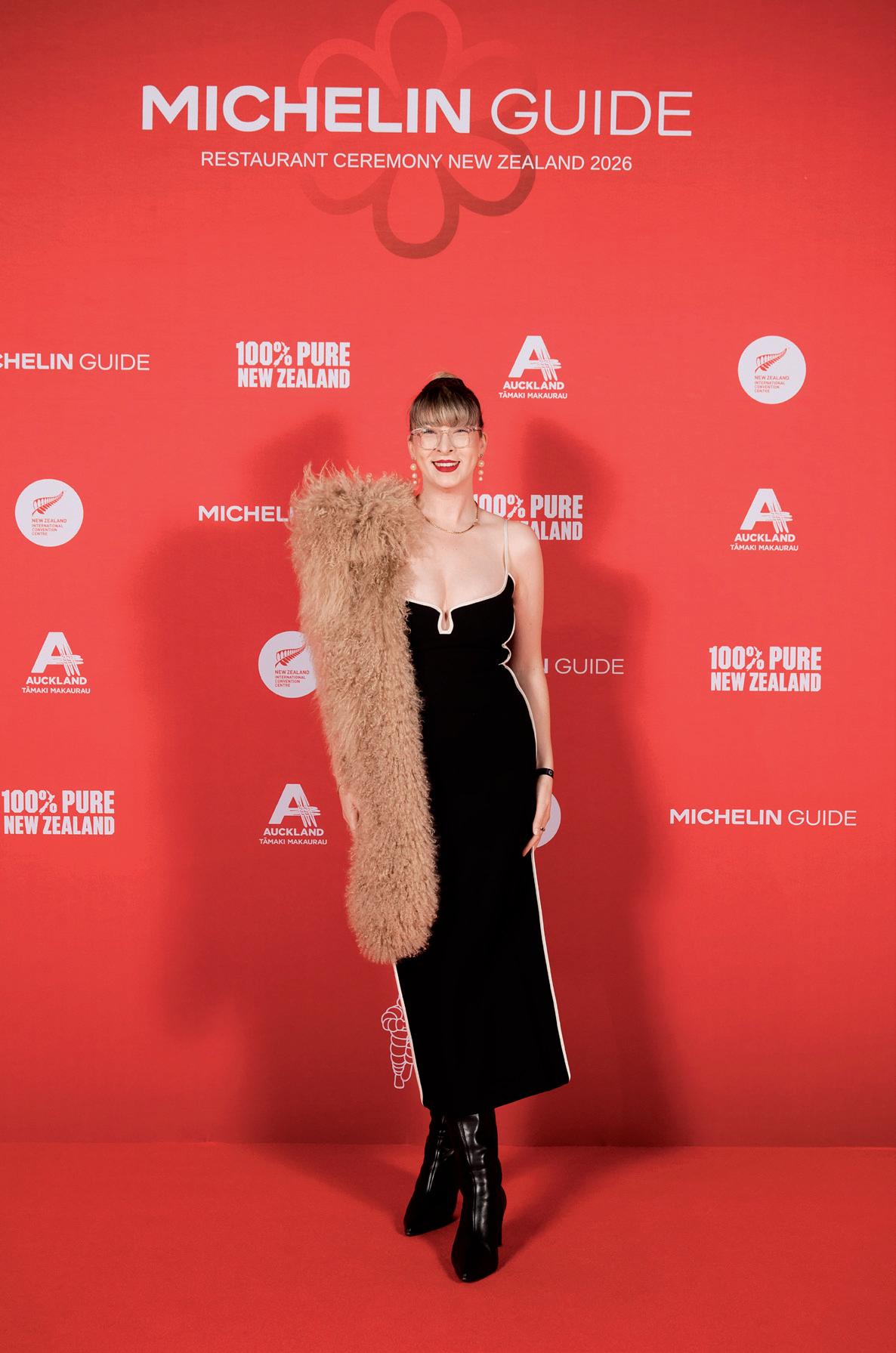
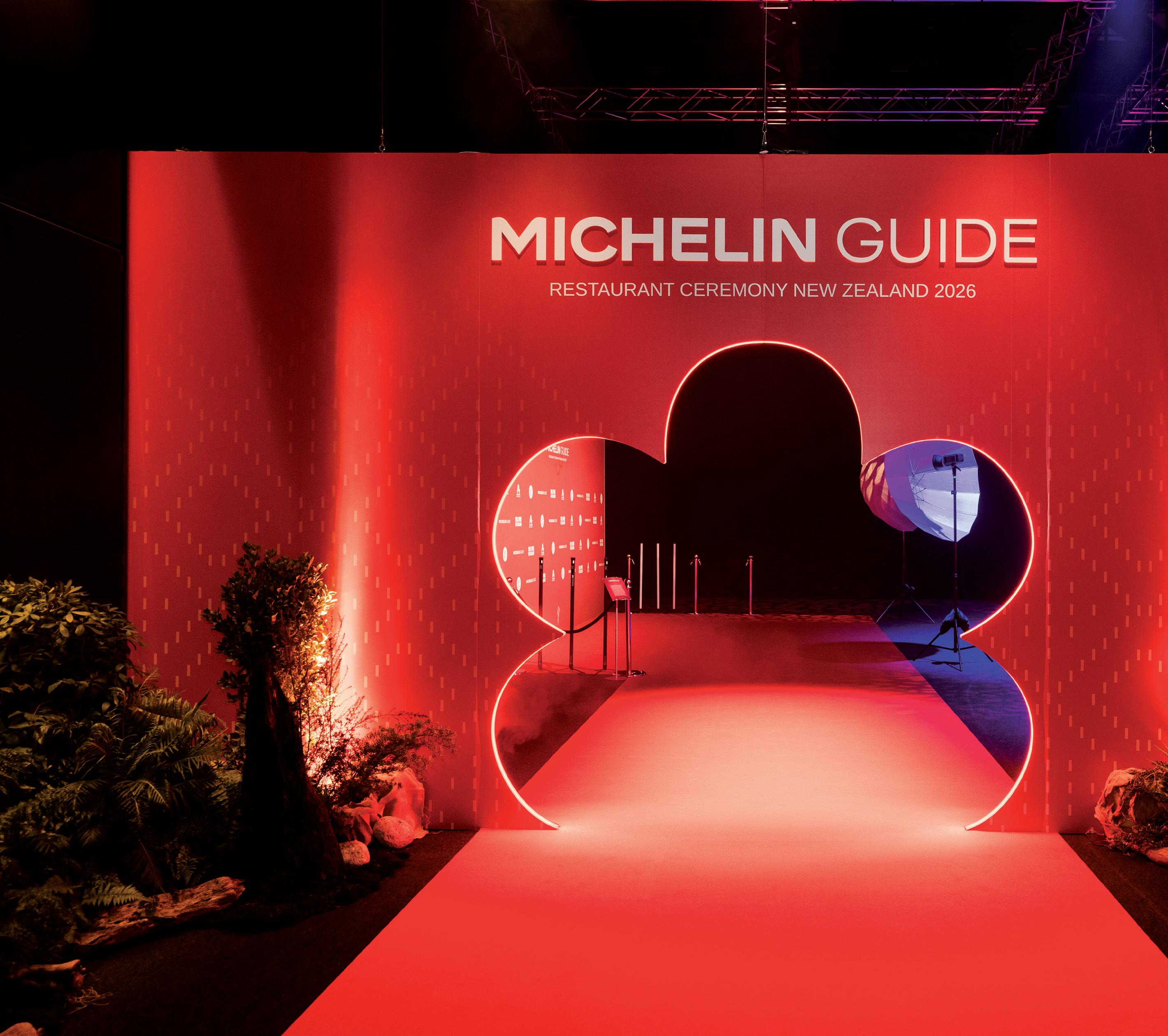
The arrival of the Michelin Guide has given New Zealand hospitality something it has needed for some time: fresh attention and another reason for people to book a table.
The awards have not been without debate. That was always likely. People will have their own views about which restaurants were recognised, which were missed and how the first awards were presented. But those discussions should not take away from the bigger opportunity.
Anything that draws attention to New Zealand food is a good thing. It puts our chefs, restaurants, producers and regions in front of a wider audience, while reminding local diners how much there is to enjoy closer to home.
For visitors, food can become part of the reason to travel rather than simply something to fit between activities. A restaurant booking may influence where someone stays, how long they remain in a region and what else they spend on while they are there. That creates value for hotels, wineries, local producers, transport operators and other hospitality businesses.
It can also encourage New Zealanders to make a night of it. Dining out has become a more considered purchase as household budgets have tightened. Michelin recognition gives people another reason to celebrate an occasion,
try somewhere new or travel to a restaurant they have been hearing about.
The benefits reach beyond the restaurants named in the guide. Every menu relies on growers, farmers, fishers, winemakers, food producers, distributors and skilled hospitality teams. When a restaurant is recognised, some of that attention flows back through the businesses and people who helped create the experience.
The first guide is also only a starting point. As the awards become more established, they could help build stronger food tourism, encourage restaurants to keep lifting their standards and give talented people another reason to build their careers here.
Michelin will not solve the commercial pressures facing hospitality. Operators still must manage food costs, labour, pricing and changing customer behaviour. But it has brought energy and international interest to the sector at a time when both are welcome.
New Zealand already has an exciting food scene. The guide has simply given more people a reason to notice it both locally and internationally.
French Flavours Meet Wellington
Wellington’s Jano Bistro prides itself in bringing locally grown and sourced produce, including herbs and edible flowers grown in its garden to the table.
The restaurant was one of 15 across New Zealand to receive a Michelin star.
Head Chef Pierre-Alain Fenoux said it felt surreal to receive the recognition and attributed it to the restaurant’s unique flavour combinations and masterful technique.
“It was so unexpected and even a few days after receiving the news, we still pinch ourselves,” he said.
“We are so proud of our small but hardworking team.”
The restaurant’s philosophy has been long grounded in delivering the best experience for guests which began with locally sourced produce found in its own herb garden, at nearby farms by local producers and the sea.
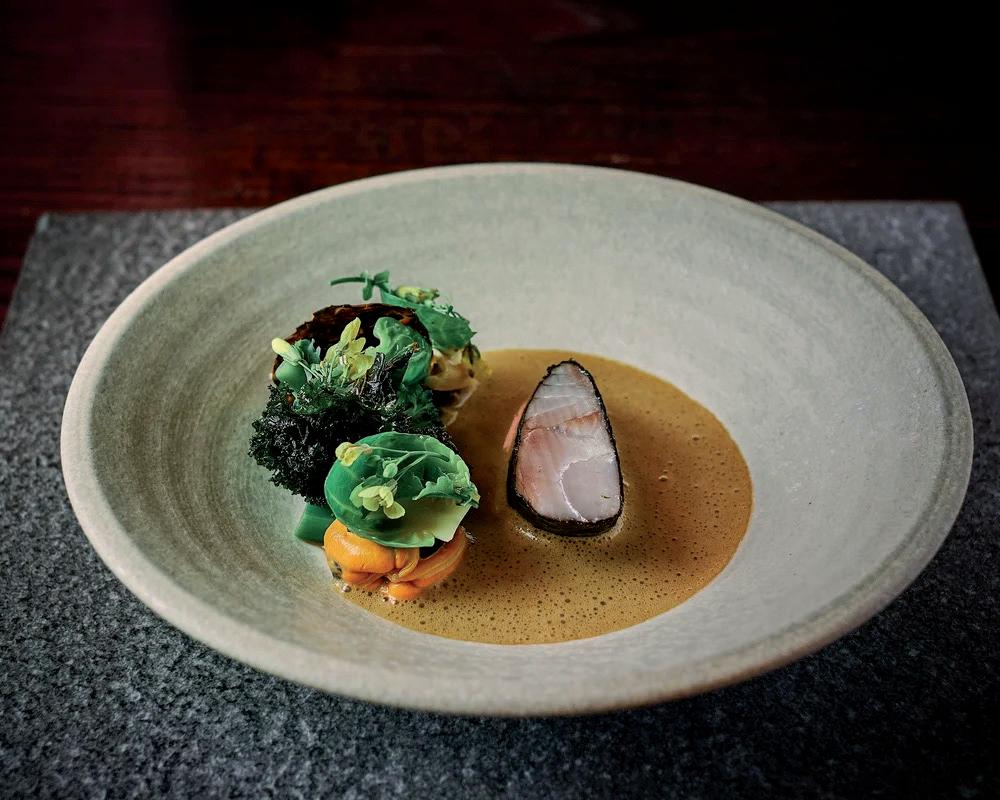
“How good is hand-caught crayfish from the Tora Coast or spear-caught butterfish from Makara Beach?”
Produce supplied by Wellington boutique Conscious Valley Lamb, ethically farmed in Ohariu Valley, 20 minutes from the CBD, has been a staple in the menu for the past three years.
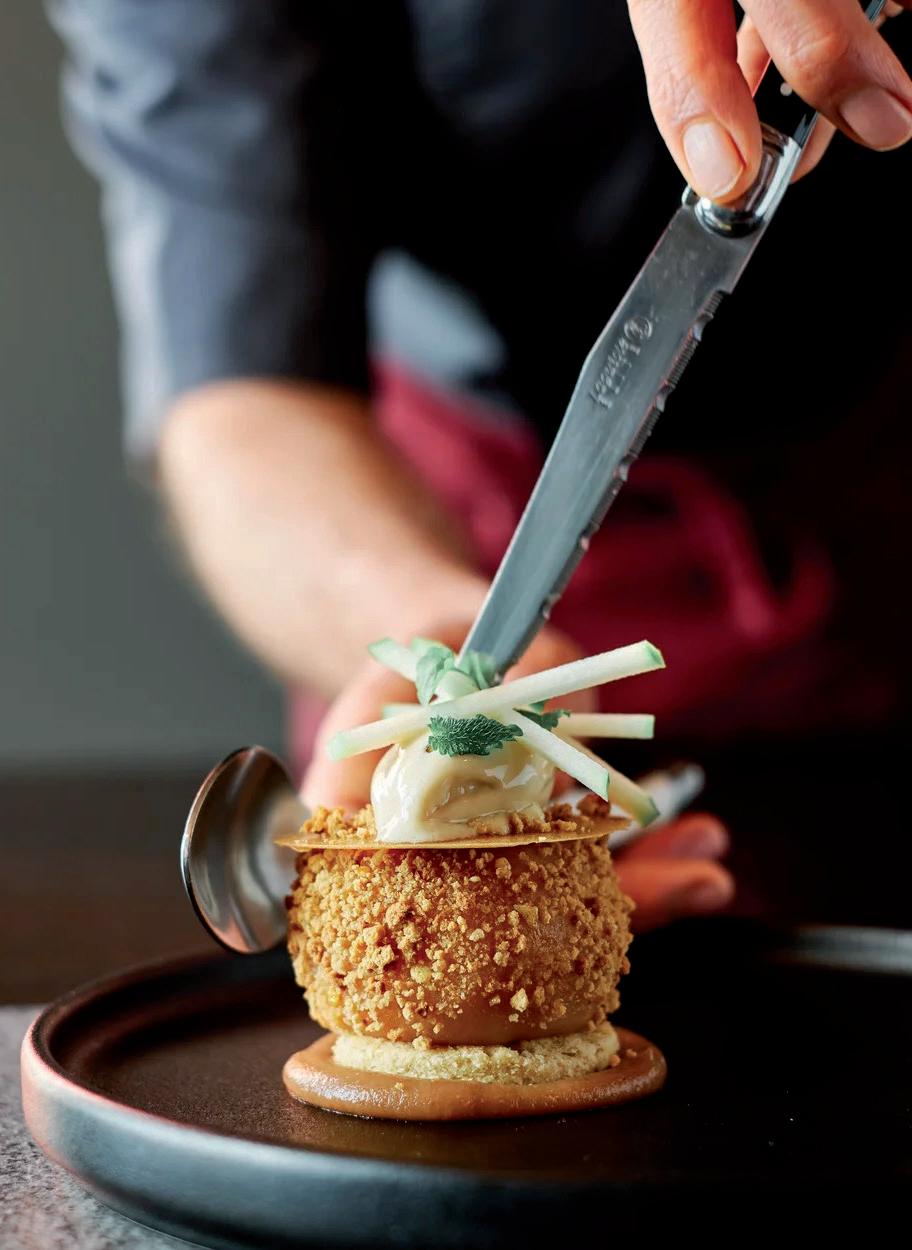
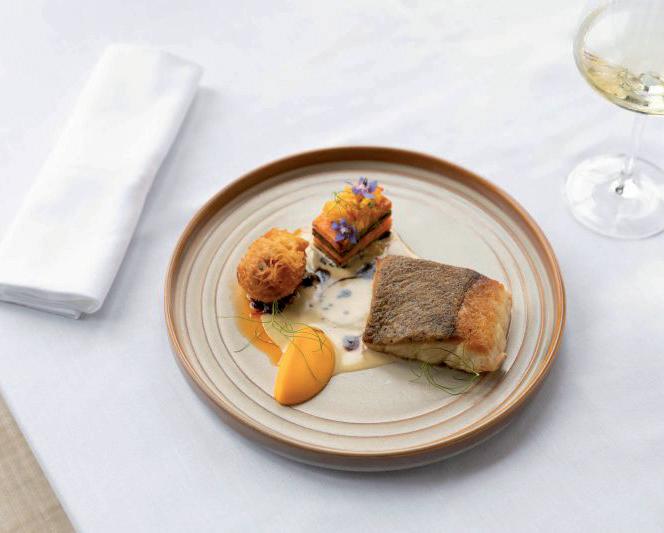
Another signature dish on the menu was a Fejoa dessert with coconut, grapes, verjuice, honey and sorrel.
Chef Fenoux said the timing was perfect for the Michelin Guide to come to New Zealand, as there were so many great restaurants and talented chefs across the country. He was hopeful it would boost the New Zealand hospitality sector, which had experienced a difficult past few years.
Chef Fenoux opened the restaurant with his co-founder and owner, Diana Goh, in 2014 in a small cottage in Willis Street that the Michelin Guide said made for a cosy venue. He was born in the Savoie region of France, where he worked and trained as a chef since he was 14.
“For a restaurant business to grow,
it requires a strong foundation and structure. Diana handled everything from overall design concepts to building and managing daily FOH operations, which allowed myself and the kitchen team to focus freely on our creativity and producing what we do best.”
Fenoux said her parents were also very hands-on in renovating the site when it was first taken over.
“There were a good few months spent in getting the place ready as it required so much work and improvement. Also, last but not least, a special mention to each and every individual hero who has worked with us throughout the years, past and present. Without their passion, care
and dedication, Jano Bistro would not be where it is today, and we are always so grateful.”
The restaurant was named after Chef Fenoux’s grandfather, Jeannot, a gardener by trade who was nicknamed Jano. It was designed to bring French flair to New Zealand produce while avoiding cliches.
The restaurant was looking to add more people to its staff to cater for an influx of bookings after receiving the Michelin star, but was ultimately focused on delivering the best experience to its customers.
Fenoux said Goh was the unsung hero in the restaurant’s success, structuring and leading front of house with no prior experience.
Evolving with Time
Wellington restaurant Logan Brown keeps finding ways to impress 30 years later with a menu that continues to evolve with time.
The Cuba Street eatery has been given a MICHELIN Star for its contemporary dishes that boast meticulous detail and nuanced flavours.
The MICHELIN Guide gave particular mention to Logan Brown’s signature ravioli filled with pāua abalone in lime beurre blanc and topped with fried kūmara sweet potato shreds.
Managing Director Steve Brown said the team at Logan Brown was honoured, proud and grateful for the recognition.
It was confirmation that the way the restaurant has changed with trends, market conditions and social change is working.
“Being in our 30th year, it feels so good to have such an internationally renowned guide consider the
experience we deliver to guests is still world-class,” he said.
Brown said the last thing Logan Brown wanted to be was an “old hat”.
The restaurant strived to share the beautiful taste of New Zealand and everything about Kiwi food and hospitality that made it proud.
“Any appreciation from individuals and organisations feeds our passion and energises us to keep going.”
Logan Brown’s point of difference was its longevity which came from consistency and professional practice.
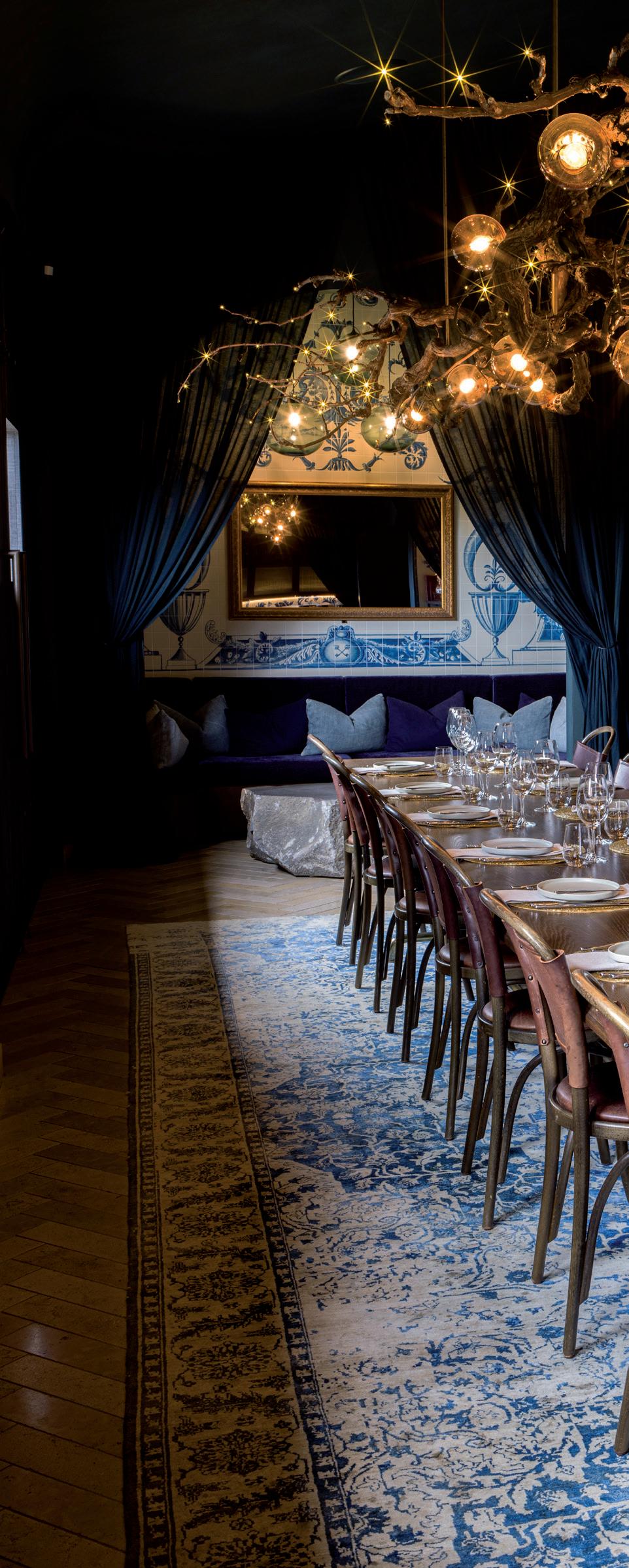
The cuisine was matched by a stunning dining room in the heart of Wellington’s dining precinct that used to be the former National Bank of New Zealand. The team at Logan Brown also owned Liberty Restaurant down the road on Cuba Street.
Brown said New Zealand’s unique
climate and topography gave restaurants access to amazing ingredients that were grown, farmed, fished and hunted by people who truly cared. The ingredients arrived fast and were full of flavour.
New Zealanders were naturally great hosts who enjoyed sharing experiences with others and the country’s hospitality sector was ready to be valued on the world stage.
Brown was immensely proud of the restaurant’s legacy.
“Today, Logan Brown feels less like a restaurant and more like an old friend, shaped by the 500,000+ guests who have dined with us and the 873 incredible people who have worked here,” he explained.
“Faces change and personalities come and go, but the spirit of this place endures.”
A Dream Come True
Surrounded by the amazing landscapes of Waiheke Island, overlooking the Hauraki Gulf back towards Auckland City, Mudbrick offers a unique dining experience that has been deemed worthy of a Michelin Star.
Executive Head Chef Mrinal Ghosal said it was an incredible feeling and a huge honour to receive the coveted star of approval.
He was proud to be part of New Zealand’s culinary history becoming one of only 15 restaurants to be awarded a star.
“Being recognised as part of this esteemed award is something that still feels surreal,” He explained.
“It’s a reflection of the dedication, passion and consistency that our whole team and I bring every single day.”
Recognition in the Michelin Guide was a dream come true for any chef but, Ghosal said his focus had always been on creating the best possible experience for every guest who walked into Mudbrick.
He said a sense of place made Mudbrick a unique place to dine. Inspiration from the surrounding scenery and vineyards made its way to the menu every day. The menu evolved constantly with the seasons.
“We’re known for celebrating New Zealand produce in a way that feels elegant without being overcomplicated but really focused on pushing the boundaries on flavour,”
He emphasised.
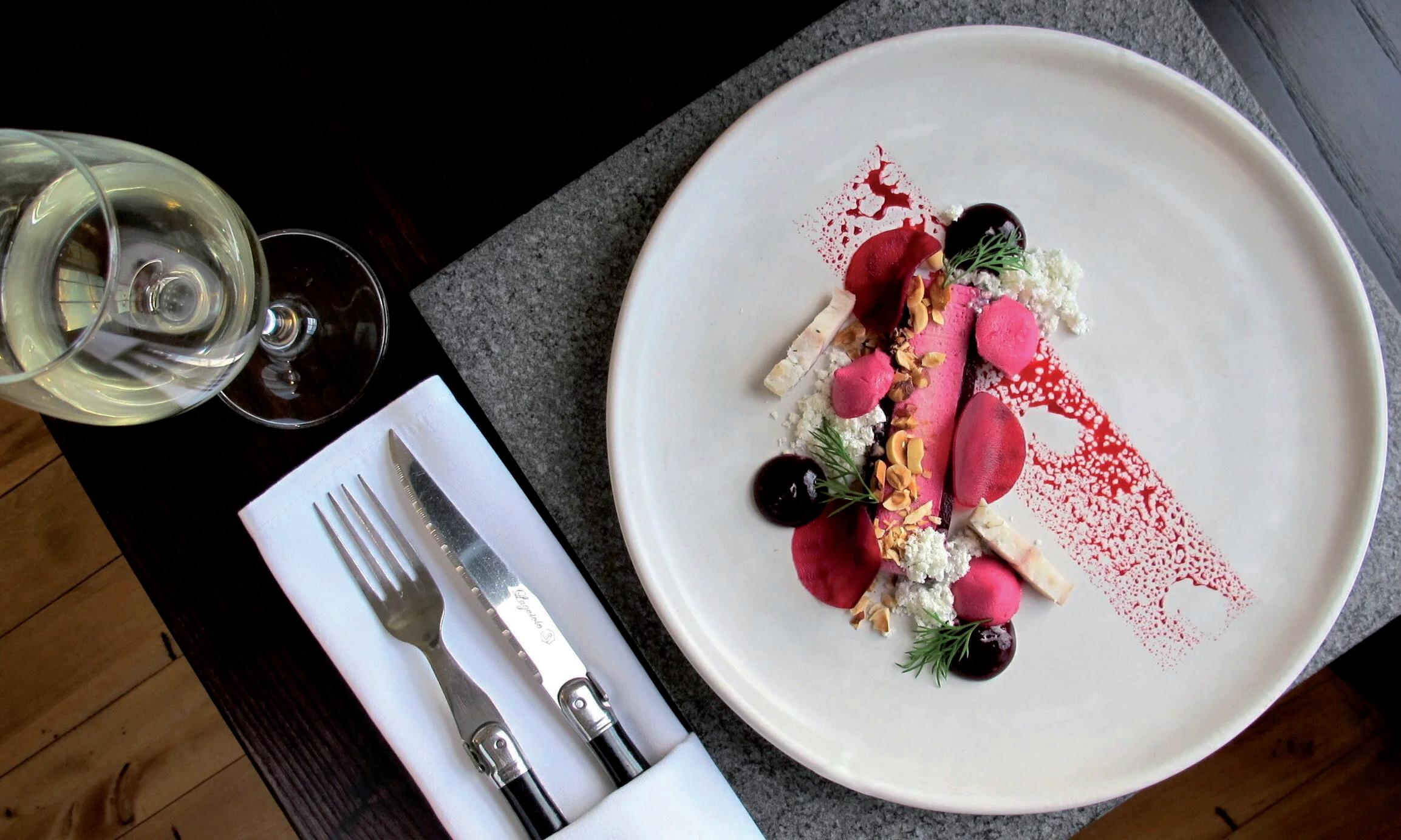
Every plate has told a story about where the people who made it and produced the ingredients were from. In particular, Mudbrick’s beetroot dish and scallop crudo paired with koji ice cream showcased its vast understanding of flavour and technique.
Chef Ghosal said New Zealand offered a great combination of fine produce and freedom from tradition to express creativity as a chef.
“There’s a real sense of creativity here because we're not tied to centuries of tradition,” Chef Ghosal said.
“Chefs are free to combine influences from different culture and backgrounds while respecting local ingredients.”
He added that the New Zealand dining scene had matured significantly and was finally getting the international recognition it deserved with Michelin paying attention to the talent.
Mudbrick began as a cafe in 1995 when Robyn and Nicholas Jones converted bare land into a vineyard. Decades later, it has built a strong reputation as an iconic New Zealand destination.
For now, it was onwards and upwards for Ghosal and the team at Mudbrick. After celebrating the achievement, he was looking forward to getting back in the kitchen and cooking with passion. He is looking forward to mentoring younger chefs and helping build the next generation of talent.
Special to the Core
Ortega Fish Shack has long been an example of superb cuisine in the capital, and Head Chef Teresa Pert is renowned for her extraordinary culinary skills.
love when it comes its way, but not to hinge the restaurant’s worth on it.
“What is most important is what happens within our arms reach. If every day we can have a meaningful interaction with somebody, and make their day better, then that has always been more than enough motivation to keep walking the path,” said van Rijn.
“Which isn’t at all to undermine, either, how immensely honoured we do feel to be recognised.”
estaurant Manager Kim van
traditionally in favour of something more colourful.
It was for this reason that such honours as the Michelin Guide have always felt a bit outside its realm.
“To have what we hang our hat on not only seen, but also understood and embraced in such a grandiose way, feels at once surprising but also incredibly fulfilling,” explained van Rijn.
She said it was a wonderful encouragement not only for all of the restaurant’s staff to keep moving their own way, but also for other restaurants out there, like Ortega, to keep doing what they do as well.
Van Rijn said that, in the past, Ortega had often been misunderstood and overlooked in favour of something newer or more sparkly, which has felt disheartening. Since, the team has learnt to appreciate
She added that the last few winters had been incredibly hard, and although van Rijn can’t speak for the whole country, she knows in Wellington, all restaurants enter into fight or flight mode through the colder months.
The Michelin Guide has added excitement that inspired people, only a few weeks after the awards. She said this will hopefully encourage customers as a ‘knock-on’ to brave the gnarly weather and go show restaurants some love.
Van Rijn said Ortega was special to its core, largely because of its many team members who had been there for a long time.
“Teresa our amazing Head Chef, has been with us for seven years, and myself and Nina who steer the ship alongside Davey, have been toiling away out front for even longer.”
Many of Ortega’s staff, both full and part-time, have been with the restaurant for a number of years. She said that for a lot of the team, Ortega is very much a second home.
“The people here are a second family. And in that, every person who passes through here and the imprint they make feels evenly significant.”
Honouring Samoan Culture
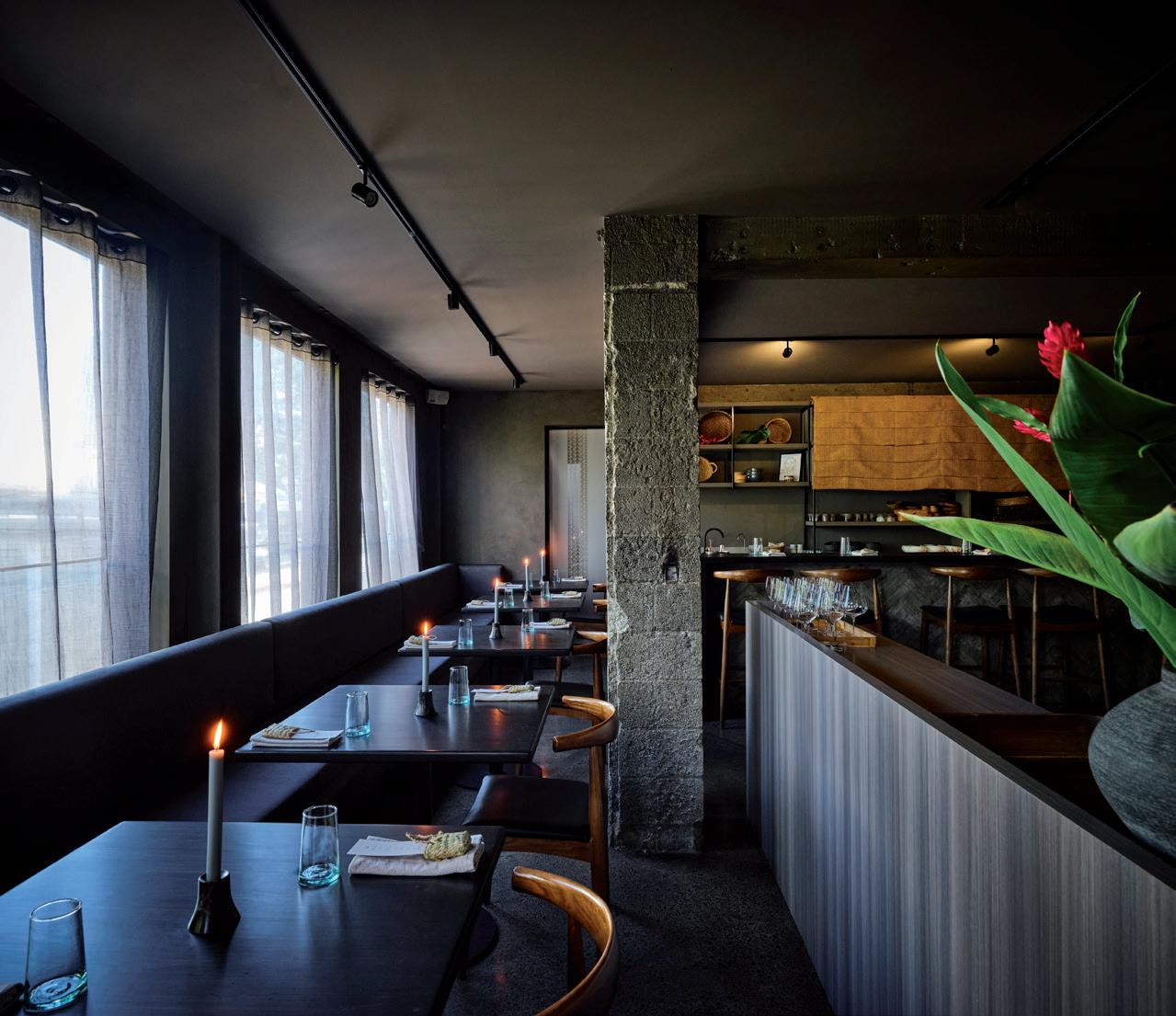
Tucked away in the heart of Parnell, TALA became the first restaurant in New Zealand to be awarded a prized Michelin star.
Owner and Executive
Chef Henry Onesemo said that it was a very humbling experience, and he was very grateful for this level of recognition and for what it meant for Samoan cuisine.
Every night, Chef Onesemo strives to provide an experience that he knows his mother would enjoy, and he tries to have the team believe that the guests they are serving are their loved ones and treat them as such.
Being the only modern Samoan restaurant is an obvious distinction on why TALA stands apart from other restaurants, but it is made more unique by its adoption of fa’a Samoa (the Samoan Way), which has influenced its way of hospitality and
the historic cultural experience it weaves in the stories on the menu.
TALA is limited to a certain number of dishes it can do in a set menu.
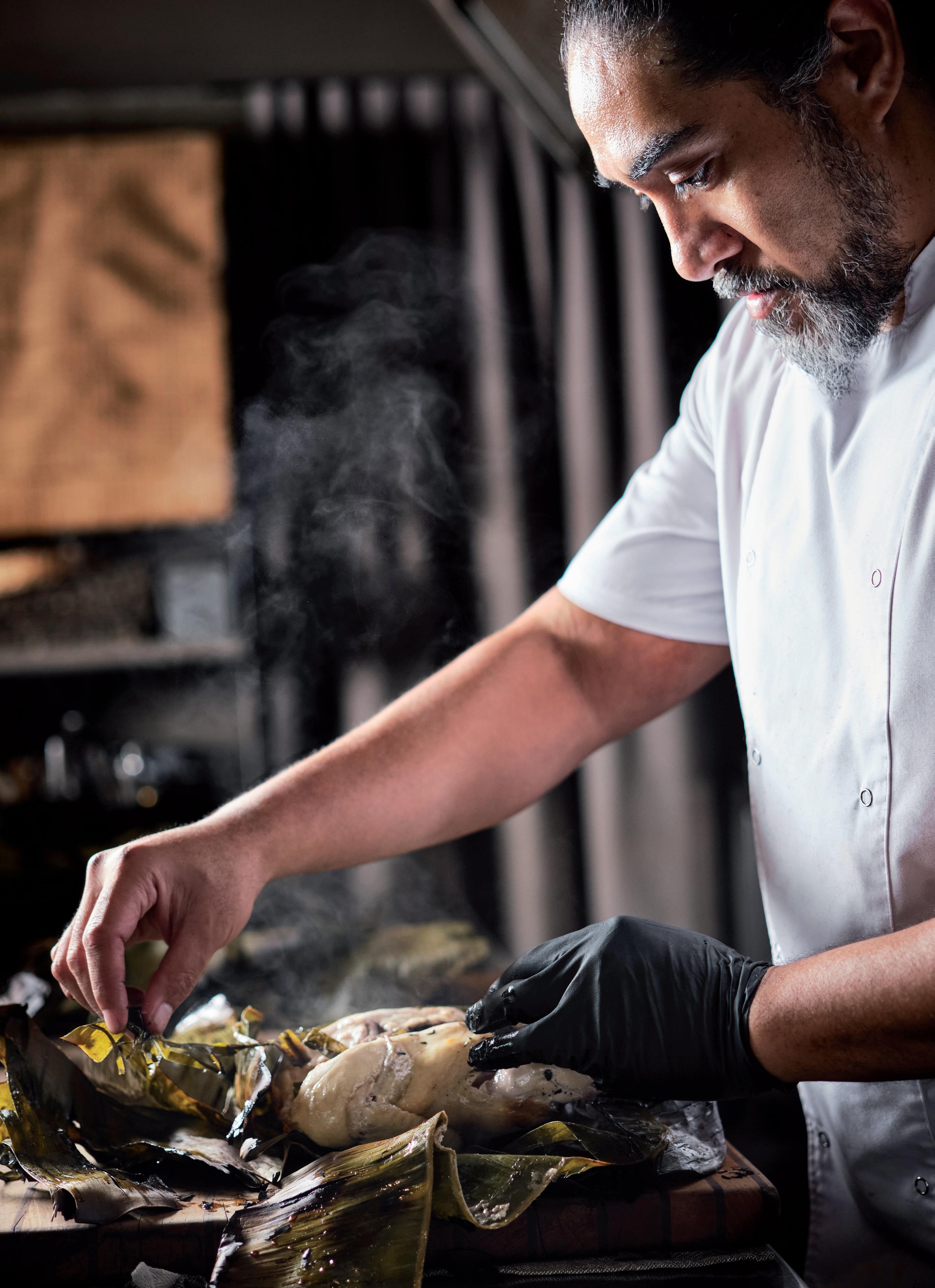
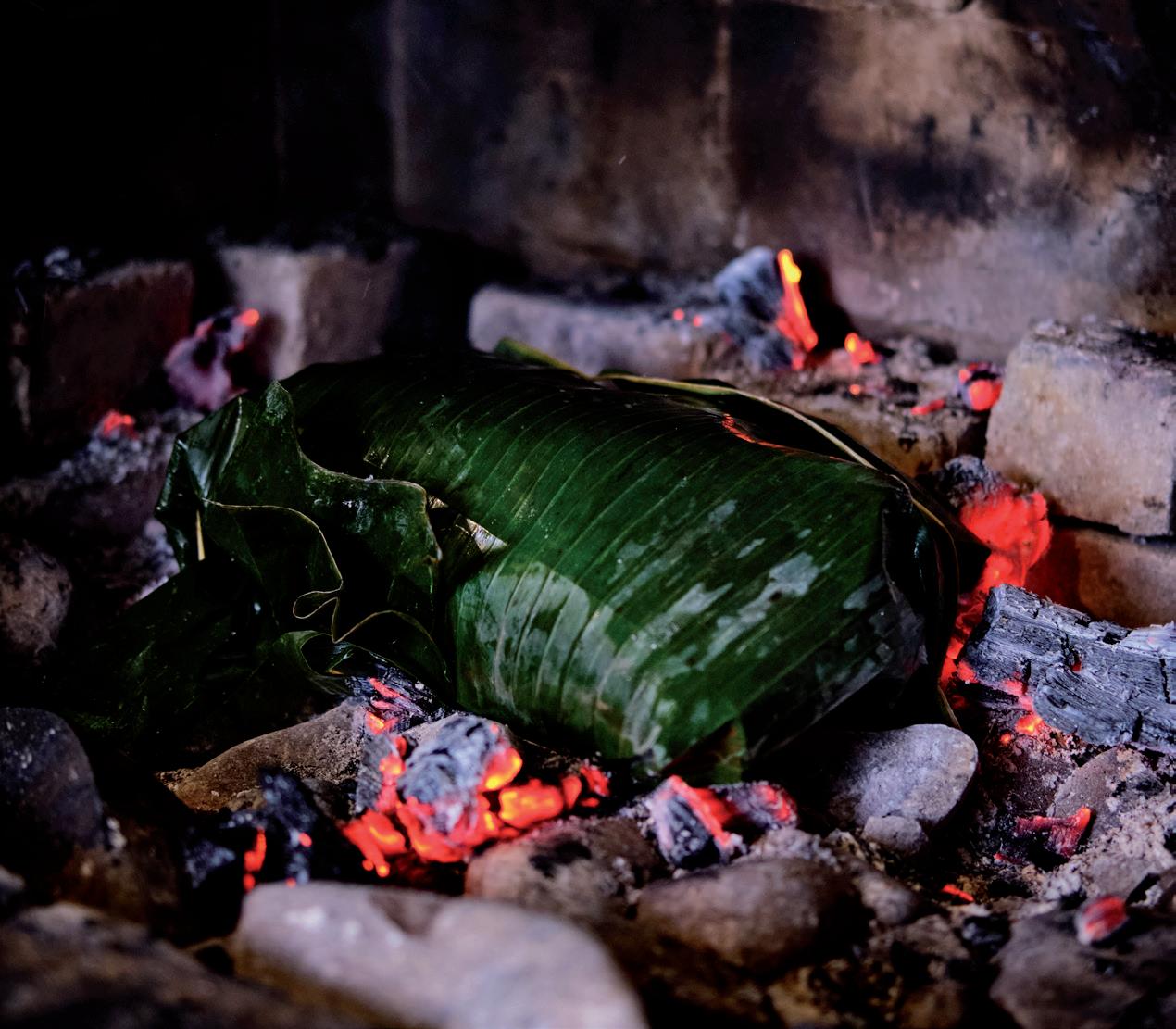
Some dishes focus on a certain ingredients, some focus on a historic colonial influence, but the signature is the one focused on the Samoan cooking technique of umu.
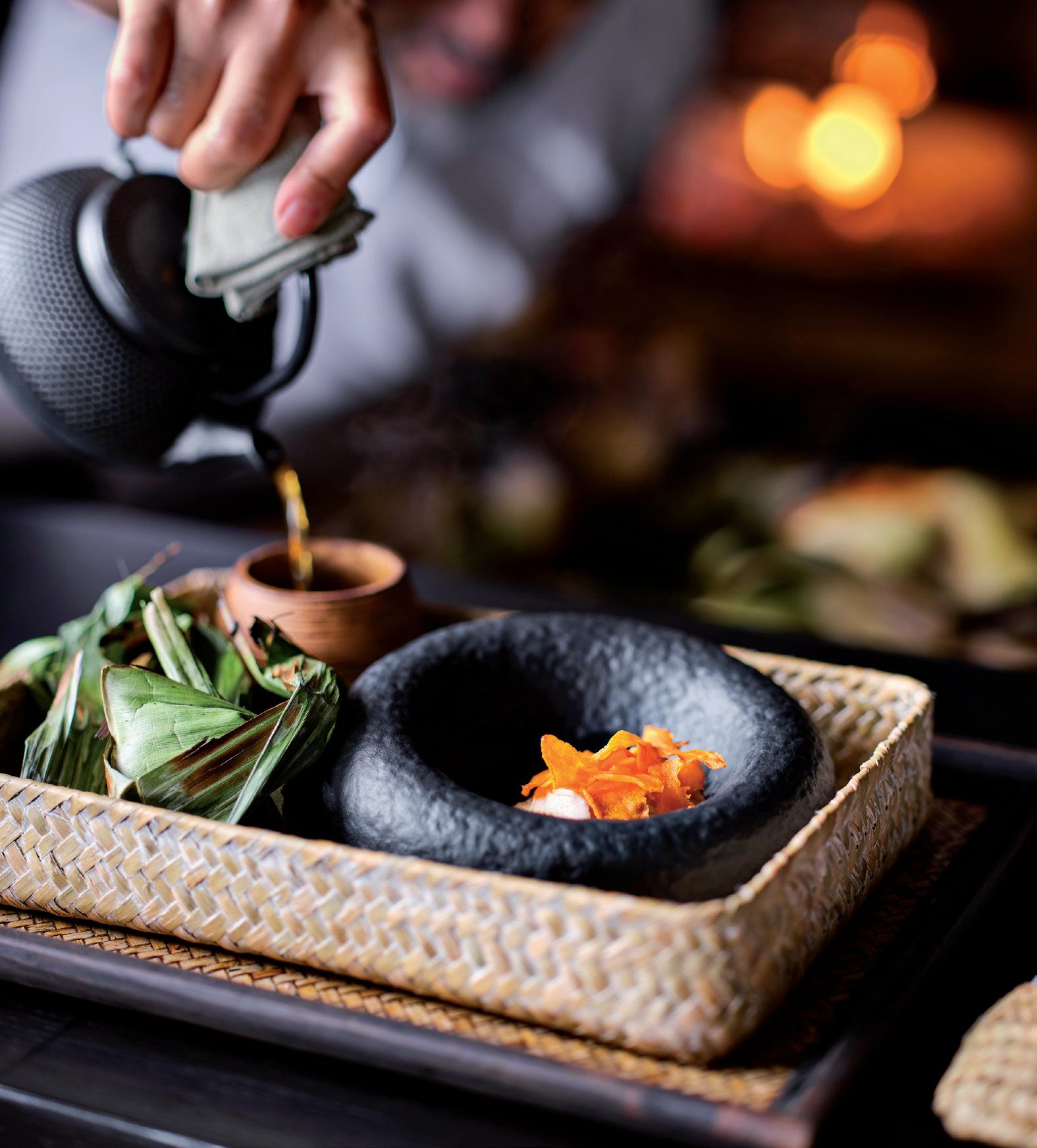
“At TALA, we make an umu twice and sometimes three times a night, and some of the guests will get to see a Samoan umu cook a raw chicken through the course of their meal. This is the dish I am most proud of,” said Chef Onesemo.
Local cuisine is unique in terms of geography, excellent seafood and produce, according to Onesemo. He added that there are so many great
ingredients to work with.
“New Zealand has great cuisine, and having the international attention that Michelin will bring really shines a light on what New Zealand has to offer.”
The concept of TALA was first introduced with two pop-up dinners that were held in June 2023 at Bar Magda in Auckland, while Onesemo and his wife, Debby, looked for a permanent restaurant space. They found the perfect spot in Parnell shortly afterwards and opened TALA in November 2023.
Right now, his focus is on the restaurant and continuously improving the experience for every guest.
Onesemo said his late father had a big influence on him, and was an unsung hero of his journey with TALA.
Development, Connection & Cuisine
Situated on Auckland’s luxurious Waiheke Island, Tantalus Estate has built a coveted reputation as one of the region’s top dining destinations, surrounded by lush vineyards and spectacular views.
Luke Parker, General Manager of Tantalus Estate, said it was an extraordinary honour for Tantalus to be recognised among the first restaurants in New Zealand to be awarded a Michelin Star. He said there was a great deal of pride, but also a sense of responsibility.
For Tantalus, the star has represented far more than what happens in the Kitchen, and Parker said it belonged to the entire team as it reflected years of care, consistency and belief in what Tantalus could become. While the estate was proud of what has been achieved, it is also viewed as an encouragement to keep questioning, refining and moving forward.
For Tantalus, the focus has been on creating a restaurant that feels true to its place, which has meant respecting ingredients, understanding where they come from and allowing the character of the Estate and Waiheke Island to guide what it does.
He added that Michelin recognition came as a result of the standards the team has set for itself over many years.
Tantalus is inseparable from the land around it. The restaurant sits within a working vineyard, surrounded by gardens, wetlands,
olive trees and native planting.
Parker said that connection has influenced everything from the ingredients selected to the way the menu develops through the seasons. He also highlighted the work of Head Chef Axel Curtet-Latreille.
“Axel’s cooking pushes at the edges of French and New Zealand cuisine. His approach is technically precise, but always led by the ingredient and shaped by where we are,” he said.
“His signature dish is most certainly the pâté en croûte. It is a highly technical and layered traditional French pastry, which he reinterprets each season through different ingredients and flavours. This winter, it is made with pork, veal, venison, cranberries and hazelnuts.”
He added that it’s a dish that speaks clearly to his style; shaped by French technique, but continually evolving through New Zealand produce and the seasons.
“New Zealand cuisine is difficult to define as one particular style, and perhaps that is part of what makes it interesting.”
Parker said New Zealand is a country shaped by the ocean, with an extraordinary range of growing conditions and a strong connection to the land. New Zealand’s ingredients carry a very clear sense of where they
come from, whether that was seafood from surrounding waters, produce grown throughout the country’s varied landscapes or animals raised on open pasture.
New Zealand chefs have also become increasingly confident in allowing those ingredients and the local brand identity to lead, added Parker. He said there is less need to imitate established European traditions and more confidence in drawing from them while creating something distinctly New Zealandowned.
Parker believed that the arrival of the Michelin Guide felt timely because the New Zealand dining landscape has reached a level of maturity while still retaining its individuality.
“There is serious work being done here, but it does not feel like a copy of anywhere else.”
Tantalus Estate has been shaped over the past decade with the intention of creating something that belonged naturally within its surroundings.
The restaurant grew from that wider philosophy. It has continued to evolve as the land has matured, the team has developed, and its understanding of the estate has deepened.
Looking ahead, Tantalus Estate is focused on how it can grow more of its own produce on site, expand the Tantalus Estate gardens and allow what is grown there to play an even greater role on the menu.
Parker said that it was simply about reducing the distance between the garden and the kitchen, and would give chefs a closer relationship with the seasons, the soil and the ingredients from the very beginning.
Being awarded a Michelin Star has given the restaurant a renewed energy to keep developing what already makes Tantalus distinctive.
“Everyone, past and present, who has worn an apron, tended the land or worked quietly behind the scenes has contributed to this award,” Parker said.
He added that it reflected the collective care and effort of many people over many years, and the team was incredibly grateful to all of them.
A Unique Interpretation
Located in the Port Hills on the outskirts of Christchurch, Tussock Hill has built a reputation for offering guests the finest examples of local cuisine. This was evident in the recent Michelin Guide, when Tussock Hill was among the 14 New Zealand restaurants to be awarded a prestigious Michelin Star.
Head Chef Adam Harrison said the honour has felt like being the new kid on the block, and being recognised alongside some of New Zealand’s finest and most recognised restaurant teams was a very significant moment for Tussock Hill and a real landmark in its journey.
However, Chef Harrison said this was something that the restaurant hadn’t always strived towards, and that his focus was to always enjoy his work.
“To have a place where everyone can develop and grow, and we can share this with our guests, and hope they appreciate it. We always know the winters are hard, and we really were focusing on our offering and looking forward to spring.”
Tussock Hill doesn’t have signature dishes, but it does have signature ingredients that Chef Harrison looks forward to using during the season throughout the year.
The restaurant’s connection to its grapevines, garden and foraging has set it apart from others. This has allowed the kitchen to use its signature ingredients and has built its knowledge and understanding of them year upon year.
Chef Harrison said the main thing that has made New Zealand cuisine unique is its interpretation.
“Each chef and each restaurant has their own interpretation, which in itself creates something unique.”
He added that there couldn’t be a better time for the Michelin Guide to come to New Zealand, and that it wasn’t only about its impact now, but the future of the guide.
“It's given the industry some fresh vibrancy, and there couldn't be a
more important time for this to come. Now is the time to inspire the future generation into an industry that globally has been on the decline. The current talent has been here for a long time, and the produce around the country is second to none.”
Chef Harrison mentioned that the guide has given young professionals something to strive towards on a global level.
Since 2017, the Targett family has carefully looked after the existing
vineyard and built the acclaimed restaurant at Tussock Hill, which has combined exceptional food and wine grown on the property’s vineyards in a setting that celebrates Canterbury.
He said that everyone’s families were the unsung heroes of this story, as they are the ones who come along for the ride and don’t always share the reward.
Looking ahead, Chef Harrison said he was pleased that the restaurant will be open for events like weddings, milestone celebrations and birthdays.
Family, Flavour & Passion
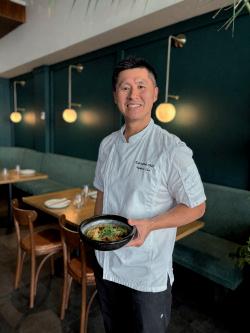
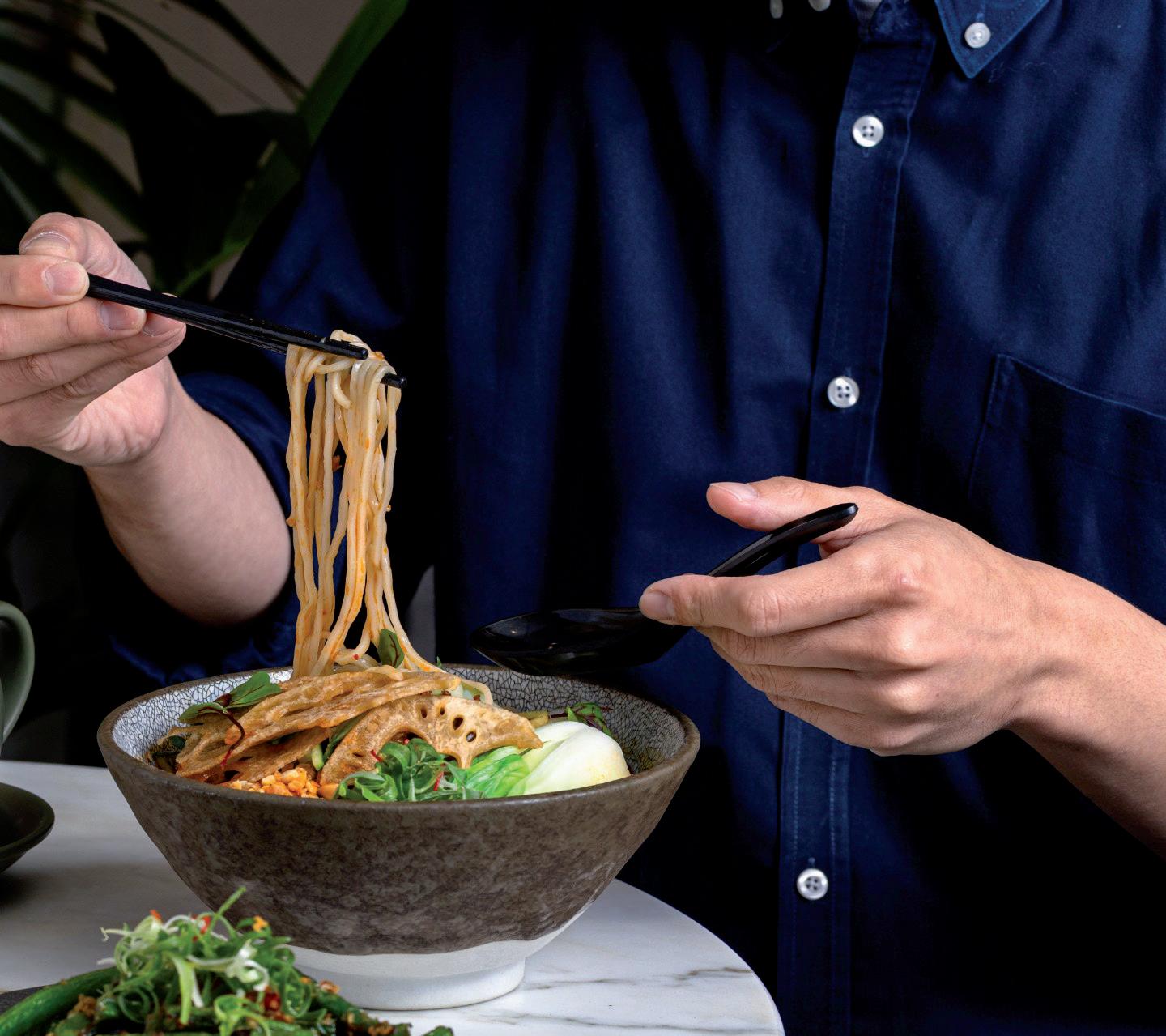
Hailing from Korea and raised in a close-knit, three-generation family, becoming a chef was a natural calling for Hyokeun Choi, Executive Chef at East.
For Hyokeun Choi, food has always been at the centre of his family life, and spending time with his mother and grandmother taught him that cooking is about much more than preparing a meal.
“It’s about bringing people together with care and intention,” said Choi.
“Guided by my love for food and a passion for creativity, I found my true home in the kitchen.”
For Choi, culinary inspiration is all about memory and exploration. His initial spark came from his mother, who taught him that food is a universal language of connection, while his grandmother showed him that great cooking starts with the right attitude and respect for every ingredient.
Later in his career, travelling through different culinary cultures opened his eyes to how different regions honour local produce and traditions.
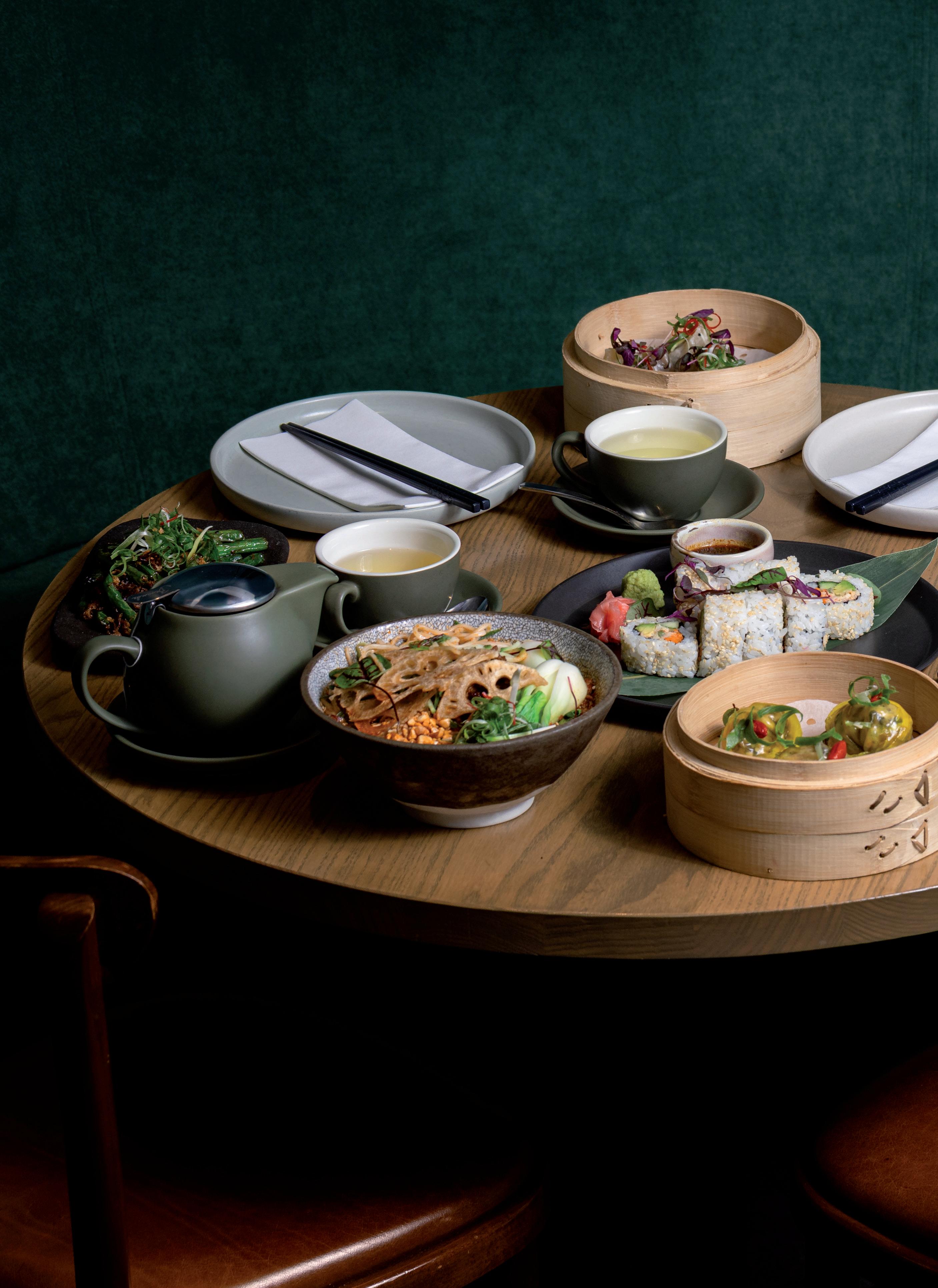
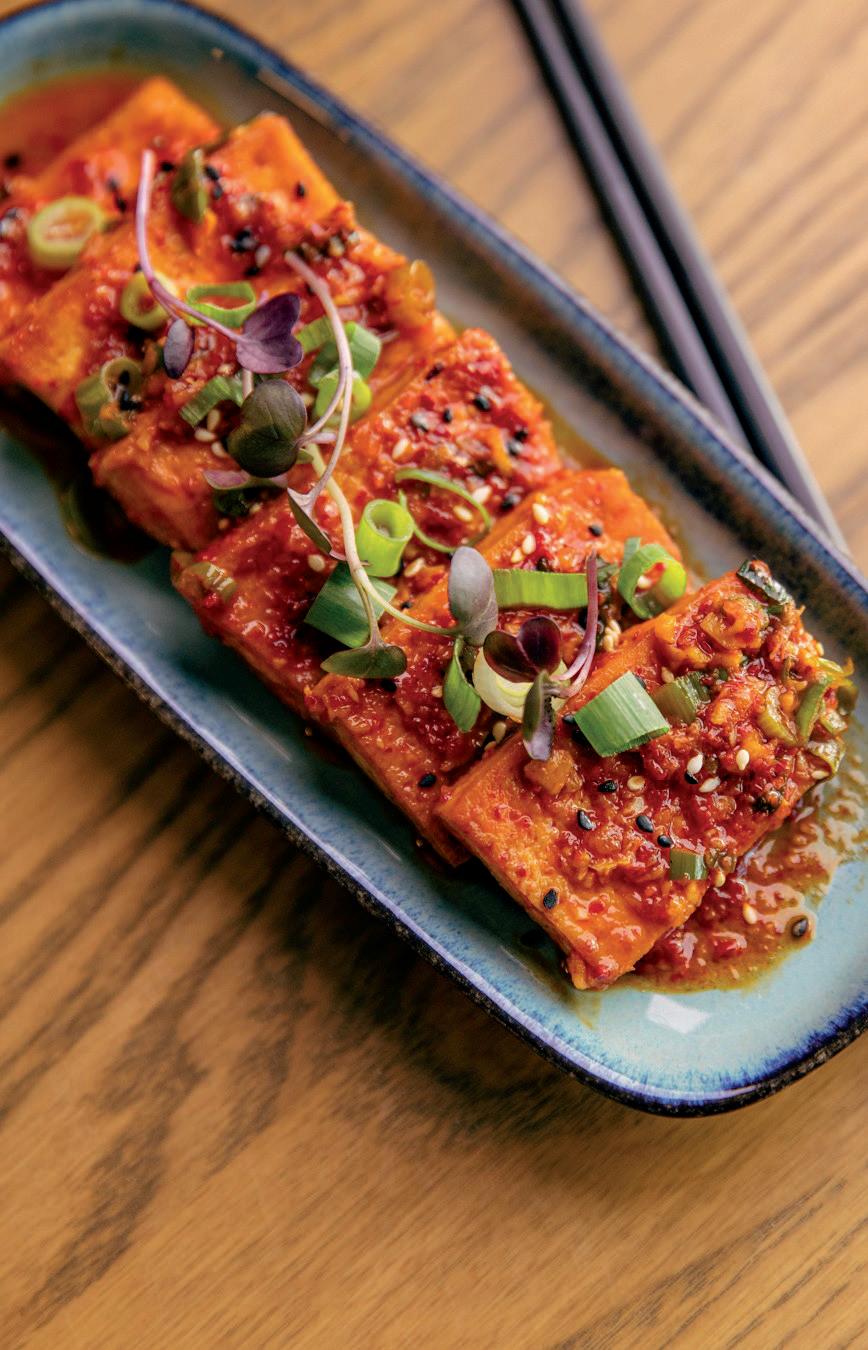
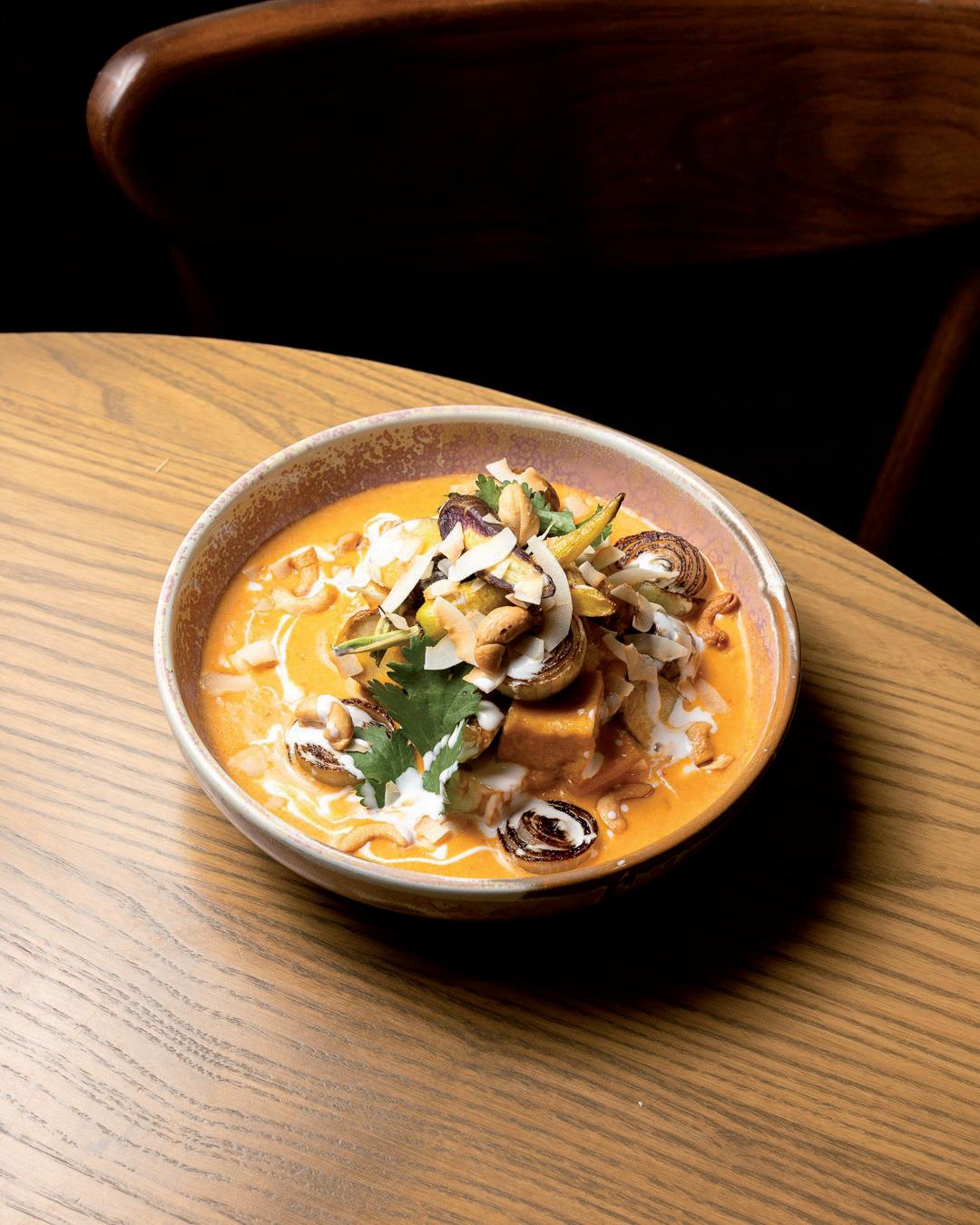
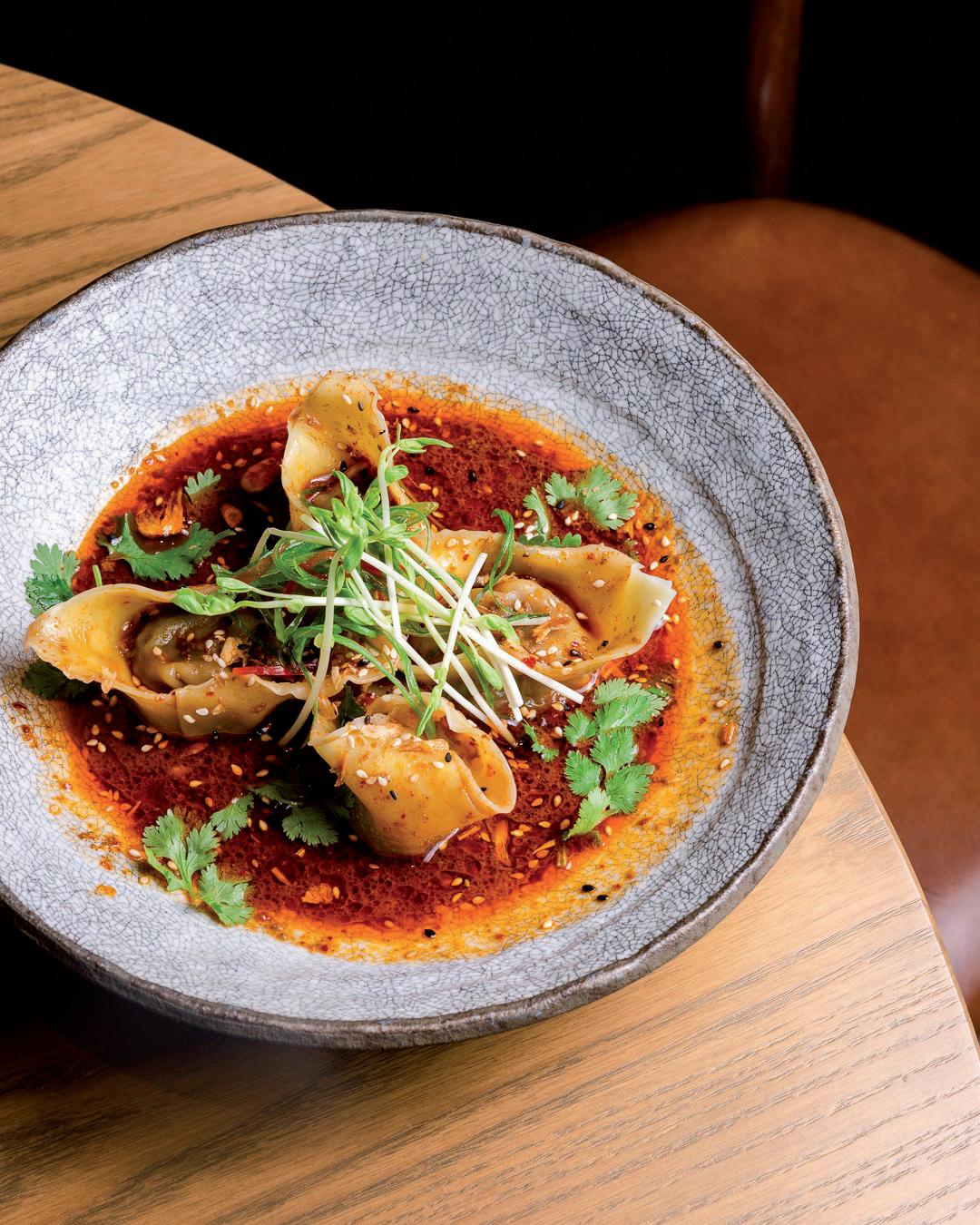
In his current role as Executive Chef at East, Sudima Hotel Auckland CBD, he has drawn on these experiences to create dishes that celebrate East Asian flavours while feeling fresh, balanced and approachable.
Choi has recently implemented a streamlined prep system in the kitchen. This has significantly reduced food waste and improved East’s plating speed during peak dinner hours. He said this practical change behind the scenes has allowed the kitchen to work more efficiently and consistently while ensuring every dish is presented at its best.
The growing demand for sustainability has been a key challenge to adapt to, according to Choi. He said that there needs to be a focus on reducing food waste and sourcing locally to meet the expectations of modern, conscious diners. At the same time, he said it was a creative opportunity to rethink how ingredients are used and encouraged more people to embrace sustainable dining.
The true highlights of Choi’s career lie in the relationships he has built in the kitchen.
“I've been incredibly lucky to meet inspiring mentors and dedicated teams at every restaurant I've worked in. It's always been a collaborative
effort, and leaning on each other's strengths is how we've consistently achieved high standards and success.”
He added that seeing colleagues grow in confidence and develop their own careers has been just as rewarding as any personal achievement.
When designing the culinary program for East, Choi didn’t want a ‘one-size-fits-all’ menu. His vision was to create a curated culinary journey where the food morphed to match the distinct personality and atmosphere of each venue. He said every space within the hotel tells a different story, and the menu highlights are the chapters.
As Executive Chef, Choi’s primary goal has been to continue elevating the hotel’s culinary reputation. He planned to introduce innovative menu concepts that position the restaurant as a leading destination for modern East Asian vegetarian dining while staying true to its identity.
“Just as importantly, I want to continue building a collaborative kitchen culture where creativity and learning are encouraged.”
For younger chefs, Choi said it was important to stay curious and develop resilience. He said the best way to learn was not to be afraid to ask questions or make mistakes.
“Hospitality is built on teamwork, and some of the best lessons come from the people around you. What matters most in a fast-paced kitchen is how quickly you recover, adapt and continue learning from every challenge.”