

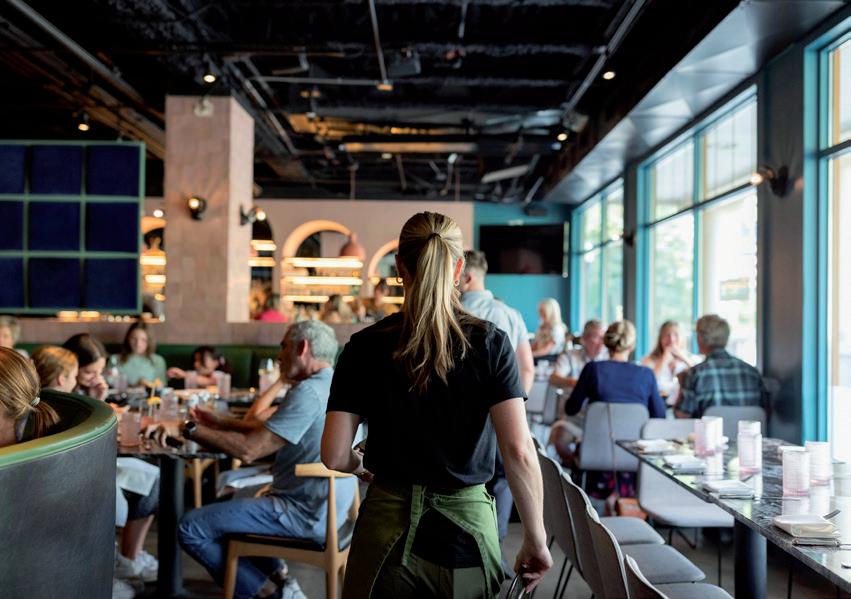
This month, I marked my birthday with what was meant to be a proper night out. The kind of booking you make deliberately. Stylish room, elevated menu, occasion dining rather than a casual midweek meal.
It was also a three hundred dollar plus dinner for two, which sets a clear expectation. At that price point, you are not just paying for food. You are paying for control of the environment, attention to detail, and the confidence that someone is thinking a few steps ahead on your behalf.
From the moment we sat down, that expectation started to wobble. Despite being among the first diners of the evening, our table was immediately surrounded by fruit flies. Not the odd stray. A persistent swarm that turned the night into a game of batting insects away from plates and glasses. It is hard to savour a carefully plated dish when you are also guarding your wine.
Staff noticed. We were told it was

likely due to a wine spill on the floor and had nothing to do with the kitchen. There was no visible spill, no offer to move us, and no practical attempt to resolve the issue beyond an apology. At no point did anyone take ownership of the experience itself, only the explanation.
When you are paying premium prices, apologies without action land flat. A quick table move, a reset, or even a clear acknowledgement that the situation was unacceptable would have changed the tone entirely.
At the end of the meal, a plate arrived with “happy birthday” written in chocolate sauce. That was it. No dessert. No small sweet to share. Just the message. I am not someone who expects freebies, and I was not angling for a complimentary course. But gestures matter at this level. They signal care, not cost.
Even the most modest neighbourhood restaurant understands that if you acknowledge a celebration, you do it properly.
Otherwise it feels hollow, even a little careless. We ended up going elsewhere for dessert, which is not how a birthday dinner is meant to finish.
Hospitality is not just about food, fit-out, or menu language. It is about judgement. It is about how moments are handled when things go wrong, and how care is shown when guests are marking something personal. Diners are generally forgiving. What they remember is whether anyone genuinely tried to make it right. At the premium end of dining, the price is not the risk. Failing to honour the promise behind it is.


Publisher: Tania Walters, tania@reviewmags.com
General Manager: Kieran Mitchell, kieran@reviewmags.com
Editor-in-Chief: Caitlan Mitchell, caitlan@reviewmags.com
Brand Manager: Sarah Mitchell, sarah@reviewmags.com
Editorial Associate: Sam Francks, Jenelle Sequeria
Advertising: Caroline Boe, caroline@reviewmags.com
Graphic Designer: Raymund Santos


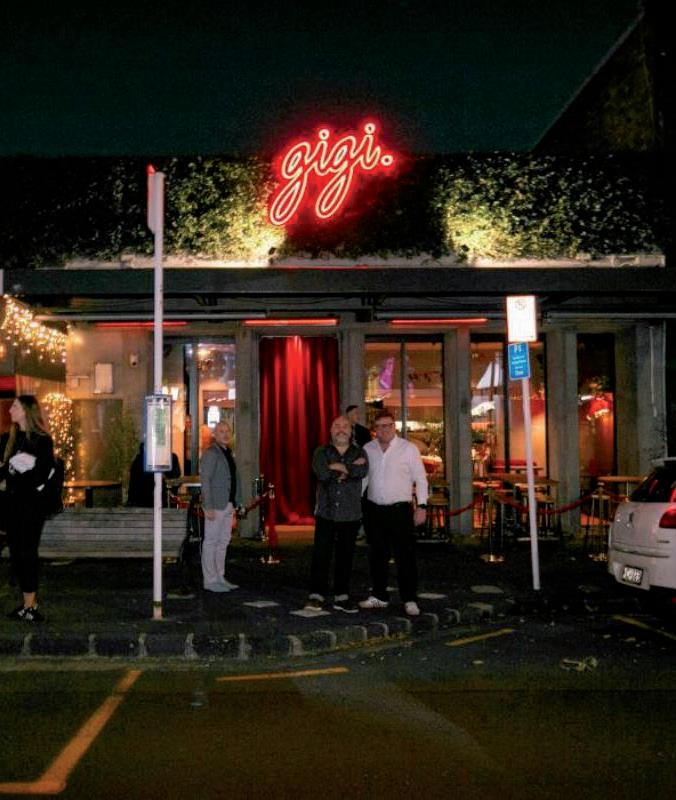
Popular Ponsonby Road restaurant and bar, Gigi, has closed its doors three months out from its first anniversary.
Gigi has closed on Auckland’s Ponsonby Road, less than a year since it opened in May 2025. According to an automatic email response sent by the restaurant, it has been sold and is currently closed.
“To everyone who supported us, our guests, suppliers, neighbours, and friends, thank you,” the email read.
→ READ MORE ONLINE
The decision not to renew the alcohol license of the Castlepoint Hotel has been met with a strong reaction from the community.
Masterton District Council Chief Executive Kym Fell has expressed disappointment at some community reaction to the recent lifting of the Castlepoint Hotel's alcohol licence stay.

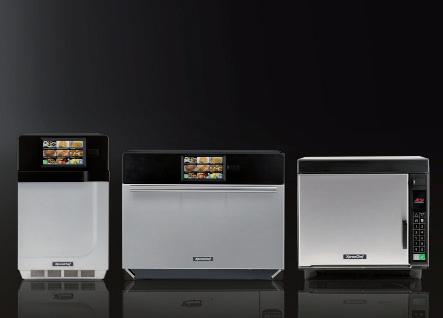

Menumaster delivers speed, efficiency, strength, and durability – which is why it is the microwave oven of choice for fast food chains, service stations, supermarkets, convenience stores, cafés and restaurants. Comprising a complete range of commercial microwave and accelerated microwave, convection, infra-red ovens designed to meet the needs of the most demanding hot food serving environments.
Amid a strong and steady growth for the local bakery sector, custom cake services have benefited from the rise in popularity. New Zealand's bakery product manufacturing industry continues to demonstrate resilience, with IBISWorld reporting that the sector has been growing at a compound annual growth rate of 2.7 percent between 2020 and 2025. This expansion reflects sustained consumer demand for specialised baked goods, particularly in the custom cake segment, where celebration events and personalised services drive purchasing decisions.
→ READ MORE ONLINE

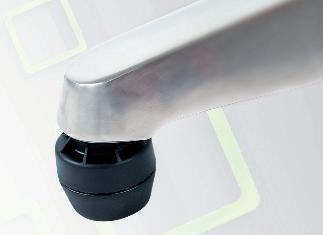
Replaces a table’s existing screw-in feet
Stabilises tables with a press of the table top Internal locks provide unrivalled stability
Enables the alignment of table tops
Independently tested by FIRA
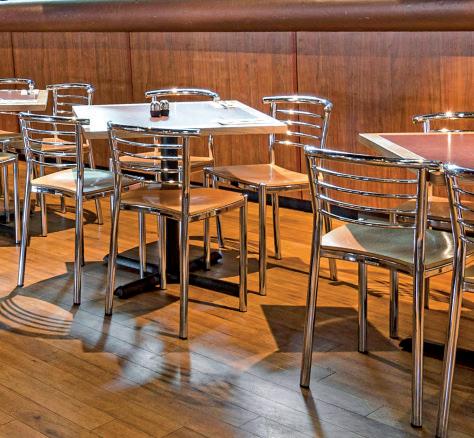
Saves you time, money and frustration while improving your customers’ experience What makes a 5-star experience? It’s all the little things. From the moment your guest sets foot on the property, he or she begins evaluating every little detail.
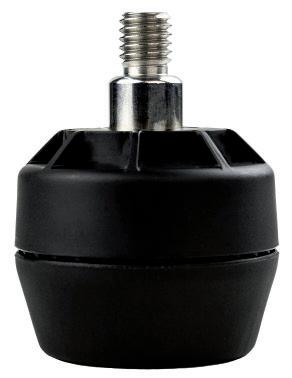
Exceeds - international standards for Stability, Strength, Durability & Safety (BS EN 581-1:2006 & BS EN 581-3:2017)
Install in seconds. No tools required
Ph: 09 444 9078 I Email: sales@cooktech.co.nz Web: www.cooktech.co.nz

It seems like every week there is another story in the news about a restaurant or café going out of business. So it will come as no surprise that Inland Revenue is focused on collecting debt from the sector.
Around one in five hospitality businesses have overdue tax, with an average debt of more than NZD 30,000, adding up to over NZD 170 million in total. Much of this debt is PAYE and GST, which Inland Revenue prioritises for recovery. When tax debt is left to grow for too long, it can become impossible to repay. In those cases, Inland Revenue may liquidate the business to stop it continuing to trade and building up more debt. Hundreds of hospitality businesses were liquidated last year. However, liquidation is a last resort. Inland Revenue
prefers to work with businesses where there is a realistic way forward. If you have tax debt, they recommend acting early and following these steps.
Act quickly. Penalties and interest grow fast. If you miss payments, contact your accountant or Inland Revenue as soon as possible to make a plan.
Use instalment arrangements. In myIR you can set up an instalment arrangement to pay the debt off over time. As long as you stick to it, no further late payment penalties will be added.
Always pay PAYE on time. PAYE penalties grow faster than other tax debts. PAYE belongs to employees, and Inland Revenue takes a strict approach when it isn’t paid. This makes negotiations harder.
Hospitality businesses are under real pressure, but Inland Revenue will work with businesses that engage early. The sooner you ask for help, the more options you are likely to have.
The 2026 Hospitality Training Trust grant applications are now open, closing on the 10th of April.
Last year, grants were awarded to a variety of organisations, furthering their commitment to the industry. These included Auckland & Waterfront Theatres for training staff to manage deaf and disabled patrons, the Bed & Breakfast Association for online training workshops, and the DINE Academy to invest in the future of hospitality, tourism and youth.
The Hospitality Training Trust was set up to encourage and support training in the sector. Since the trust was founded in 2011, it has continued to promote the development of excellence, leadership, talent and knowledge in the industry.
To date, the Trust has awarded a range of Grants, initially for projects sponsored by the Hospitality Standard Institute and in 2012 to projects proposed by Service Skills Institute (trading as ServiceIQ). From 2013, applications were invited from other hospitality sector participants.
Grants have previously been awarded to a range of projects, such as training for completion
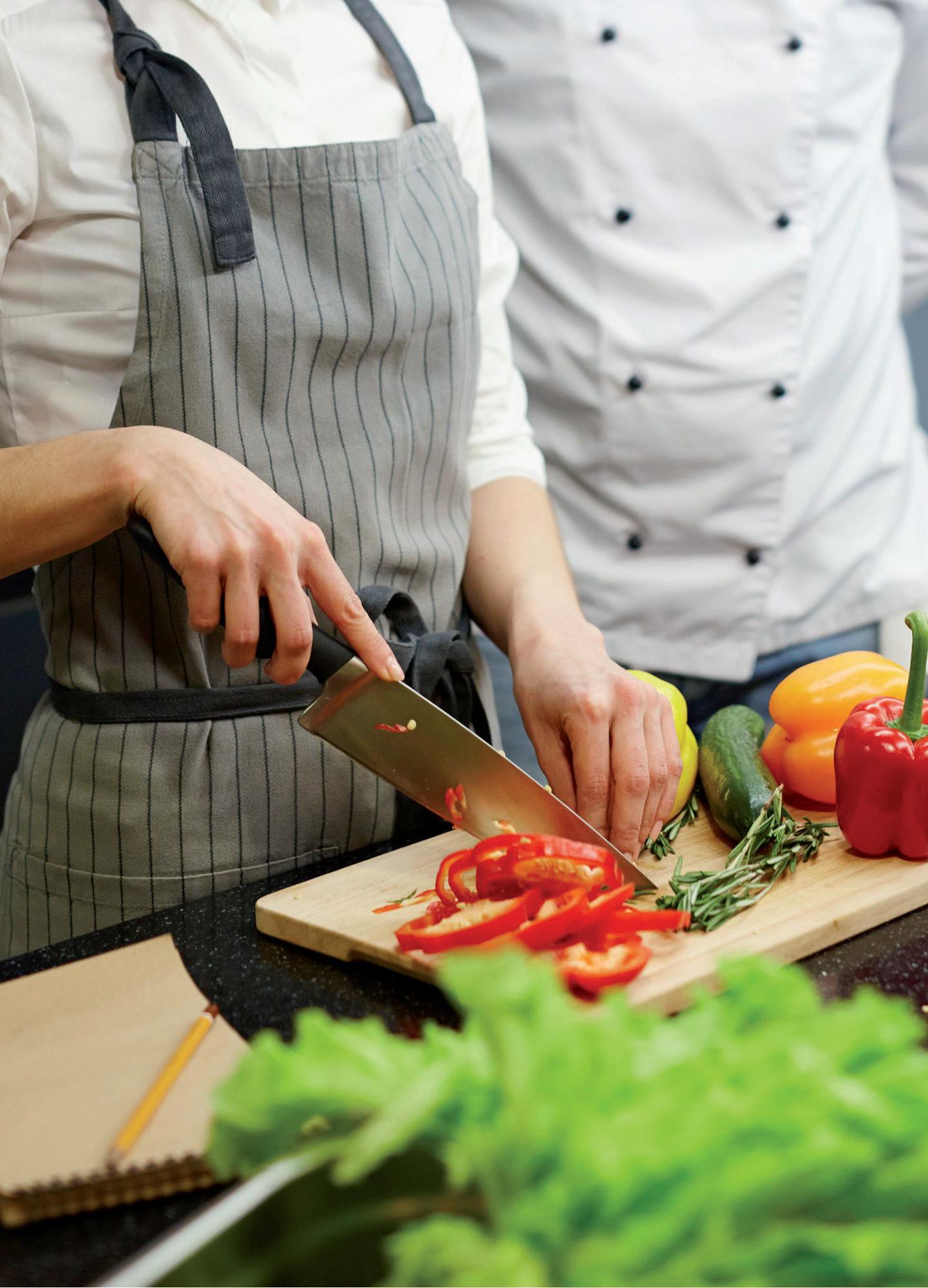
of judging qualifications, host responsibility training, Australasia tapas competition, PDP for young leaders in the tourism sector, support for pre-employment training and youth development for those at risk, Cheesemaker Awards, including Cheesemaker of the Year, and
Hospitality Training Trust grant applications are now open, closing on the 10th of April Get in touch at htt.org.nz
support of an online hospitality training platform.
Funds can be granted to associations, businesses or individuals for projects that will further the aims and criteria of the Hospitality Training Trust around building excellence across the hospitality sector.


A new Inspire+ session is coming to Auckland, focused on how products succeed in foodservice and other consumptionled channels beyond the supermarket shelf. This briefing brings together senior operators working at the point of service and supply, offering a practical view of how menu decisions, buying frameworks and operational realities shape what gets ranged, used and reordered across hospitality, workplace retail and alternative routes to market.


Greg Cornes Hospitality Solutionist, Greater Good Hospitality Group
Greg Cornes of Greater Good Hospitality Group, speaks from the café and restaurant floor, where margins are tight, and buying decisions are immediate. With over 25 years in hospitality, Greg focuses on viability, labour optimisation, and real-world menu economics. He is the author of “How Is Everything?” exploring sustainable business growth in modern hospitality.

Andre Cressy General Manager, Provender New Zealand
General Manager of Provender New Zealand, a national vending and workplace refreshment business supplying snacks and beverages through a network of franchise operators. Provender services offices, factories, schools and public spaces, offering an alternative route to market outside traditional retail.

Danielle Lendich Director, Wendy’s Hamburgers
Former CEO of Wendy’s Hamburgers in NZ, a position she held for nearly 30 years, giving her extensive leadership experience within the QSR sector. She brings a clear, operator-driven view of what it really takes to supply high-volume national networks, where discipline, simplicity, and commercial realities shape every menu decision.

Wayne Kennerley Retail Executive & Entrepreneur
New Zealand retail executive and entrepreneur with more than 30 years’ experience across FMCG and grocery. He is CEO of Kennerley Gourmet Grocery and Kennerley Retail Ltd, where he leads a portfolio of fastgrowing online brands including The Meat Box and Paddock to Pantry.
TUESDAY, 10 MARCH 10AM - 2PM

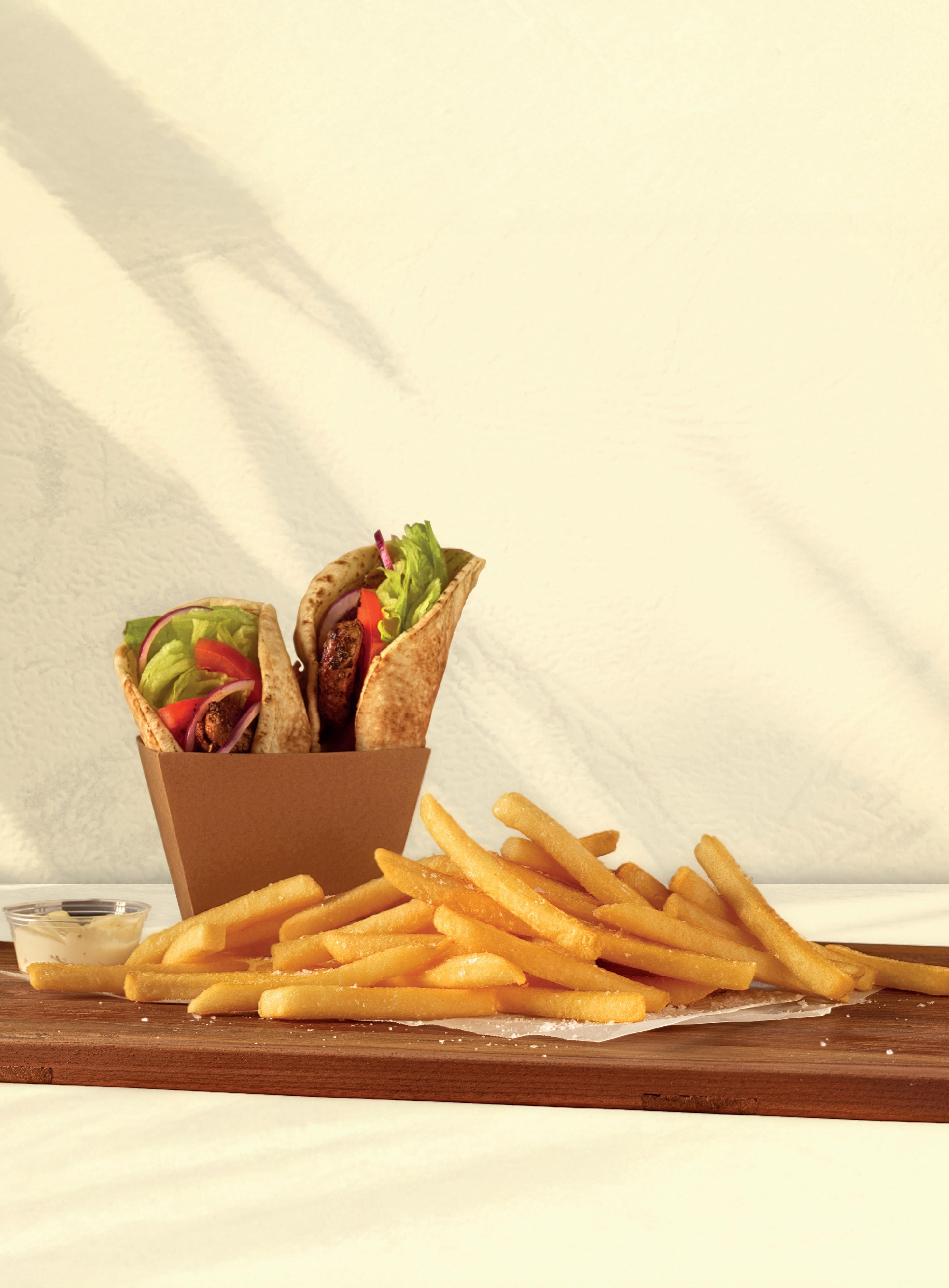
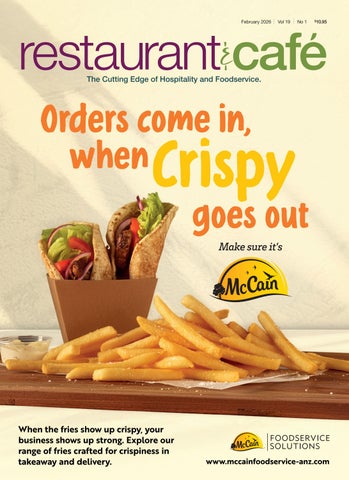
With 44% of Kiwis already ordering home delivery†, takeout and delivery aren’t going anywhere—but your restaurant’s fries need to. In fact, a massive 6 in 10 serves of chips are consumed off-premise‡! McCain SureCrispTM fries were made to stay irresistibly crispy from kitchen to customer, whether it’s dine-in or delivery.
Thanks to our signature clear coating, SureCrisp fries don’t just survive the journey—they thrive in it. Crispy, and always ready to impress, they go the extra mile so your customers keep coming back for more.
DELIVERS on Superior Hold
Signature Clear Coat Technology for superior crispiness that lasts longer*.
DELIVERS on Texture
Fluffy interior with a crispy exterior.
DELIVERS on Operational Simplicity
Avoid menuing different fries for on premises, takeaway and delivery
DELIVERS on Consumer Satisfaction
Exceed consumers’ expectations for fry crispiness, and increase consumer confidence of ordering fries as a to-go side.
DELIVERS Profitability
Increase sales by expanding your delivery area and confidently offer one of the most popular and highest menu items

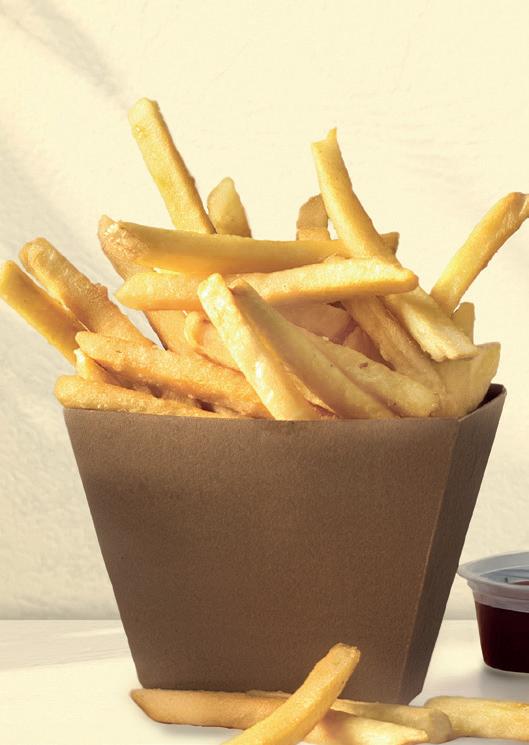
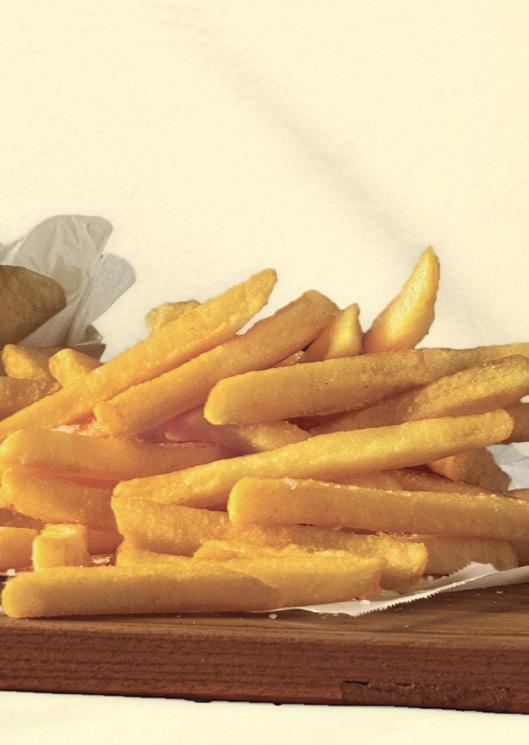
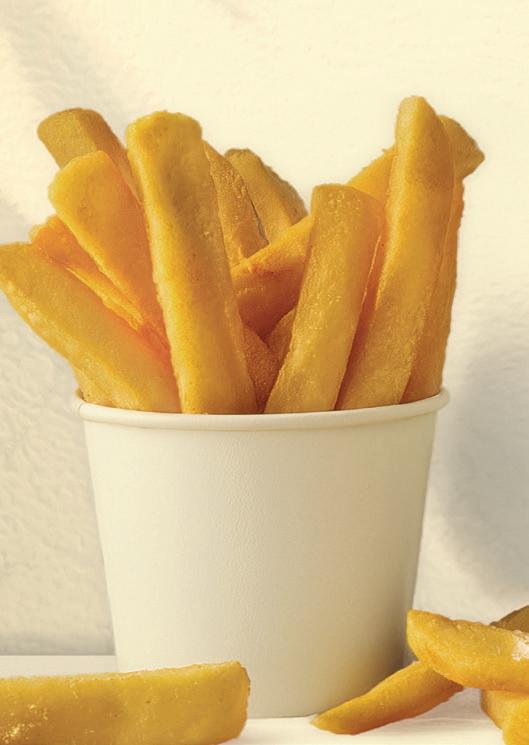
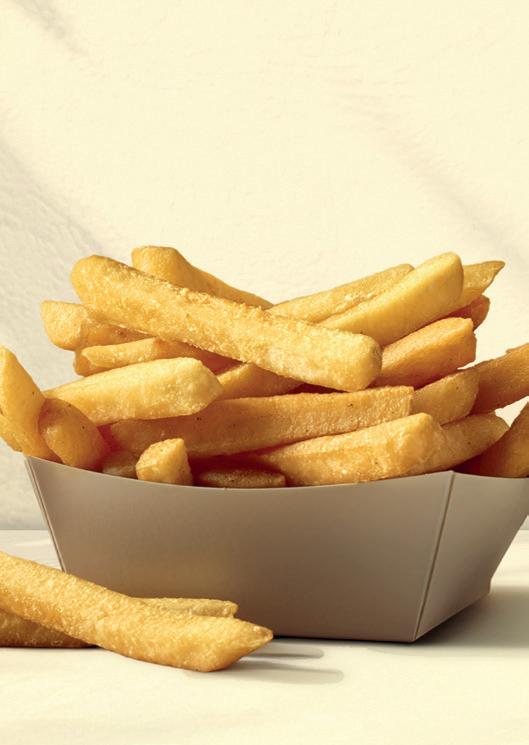
Natural looking fries with skin left on for a desirable rustic appeal and ultimate crispiness.
The one that always delivers with a quick cook time and the perfect balance of taste and texture. A classic flat cut that delivers on plate coverage, taste and texture all at once. A thick cut chip perfect for maximising plate coverage and improving profit.
The takeaway food sector delivered the strongest performance for the food service industry for the year ended June 2025 throughout New Zealand.
Recording 3.2 percent growth, the highest percentage increase, the takeaway food sector also posted the largest dollar value gain of NZD 137.6 million.
The Restaurant Association of New Zealand said that takeaway businesses have demonstrated greater flexibility in managing cost pressures, and unlike other sectors, have benefited from changing consumer behaviour and spending patterns.
In 2025, takeaway food services generated NZD 4.4 billion in annual sales.
“For the first time in recent years, growth was broad-based across most sectors rather than concentrated in a single segment. Takeaway food services led, with robust 3.7 percent growth, adding 258 new outlets to reach 7,149 establishments, reinforcing this segment’s current appeal,” it outlined in its 2025 Hospo Report.
The continued strength in takeaway and quick-service formats, combined with more measured growth in full-service dining, has highlighted how investment patterns are aligning with evolving consumer
preferences for convenience and value.
Takeaway food services also recorded a solid rise of 2.8 percent in its workforce, reaching over 32,000 employees. This expansion in employee numbers has aligned with its similar growth in outlet numbers.
“This strong performance in takeaway operations likely reflects their streamlined business model, which emphasises quick service, limited menu options, and reduced labour-intensive table service compared to traditional dining establishments.”
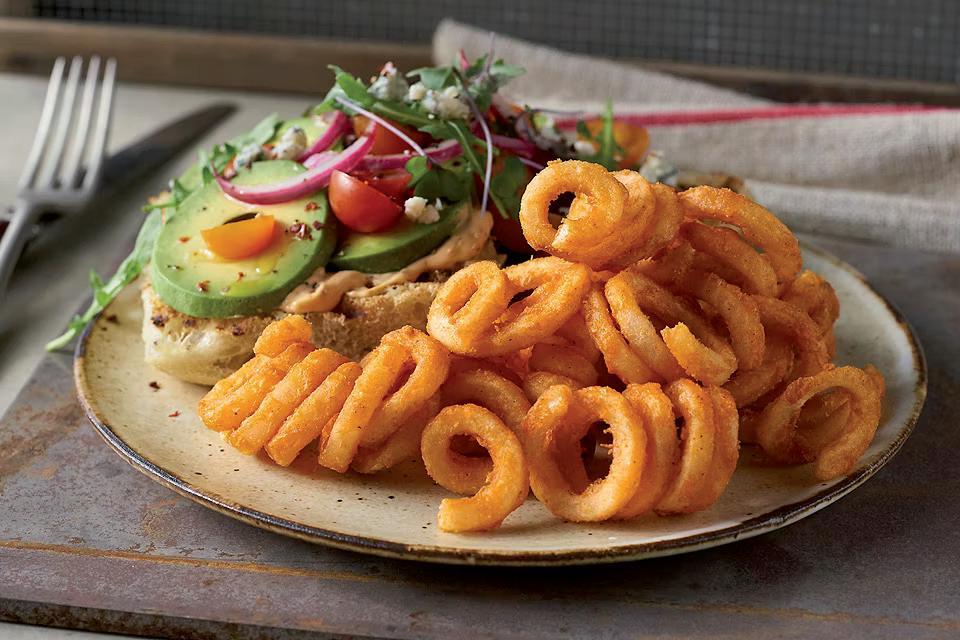

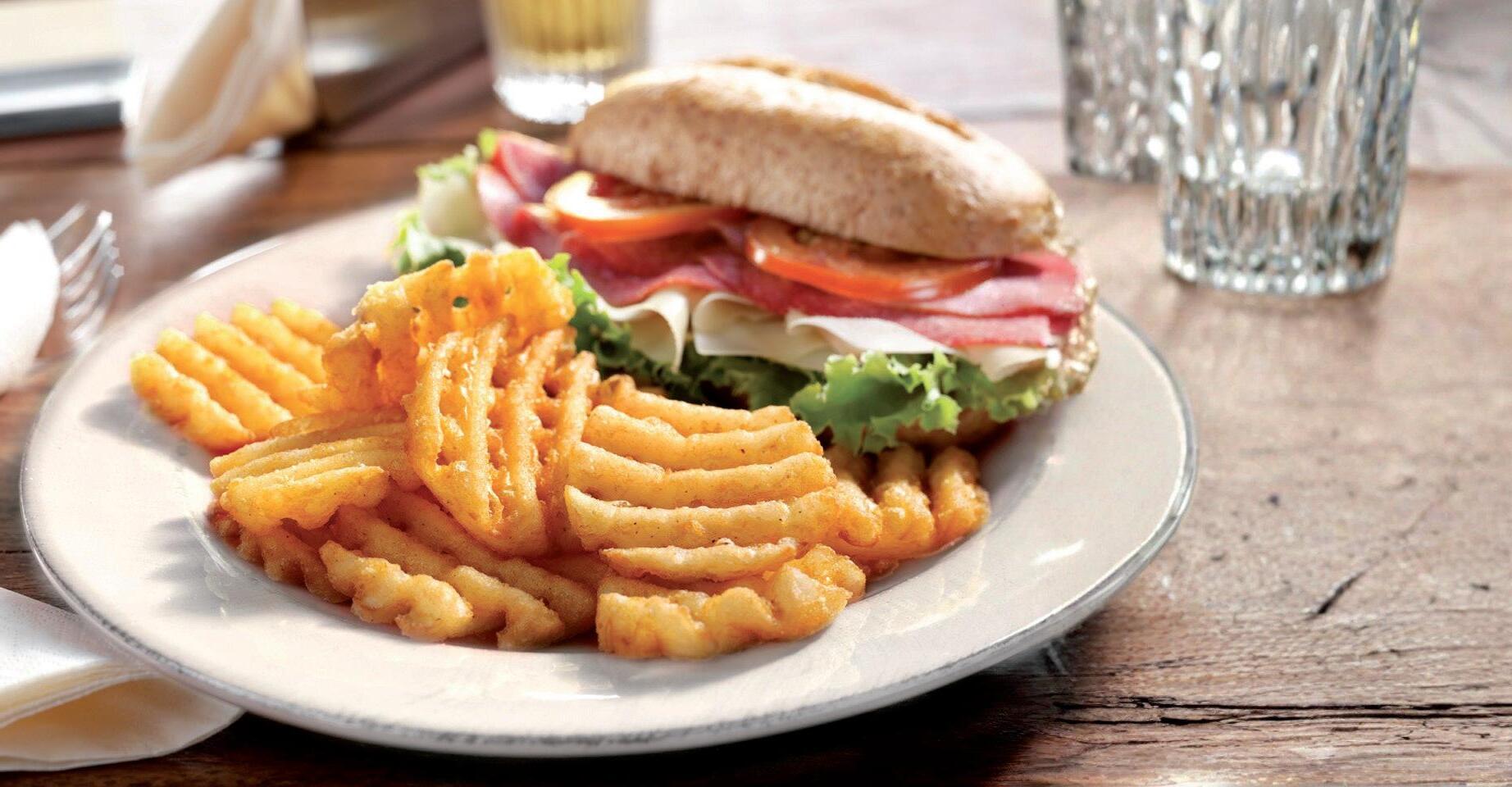



Bring bold flavour and unbeatable crunch to every serve with Lamb Weston Seasoned™ Twisters™ and CrissCuts™ Skin‐On. Coated in a signature seasoned batter, these fries stay crispy and craveable across dine‐in, drive‐through, and takeout.
The iconic Twister™ Fry adds fun, curly appeal and standout plate coverage, while the CrissCut™ Skin‐On delivers a golden, waffle‐style bite that brings texture and uniqueness to any menu
Two distinctive shapes. One irresistible crunch. The fries customers come back for!
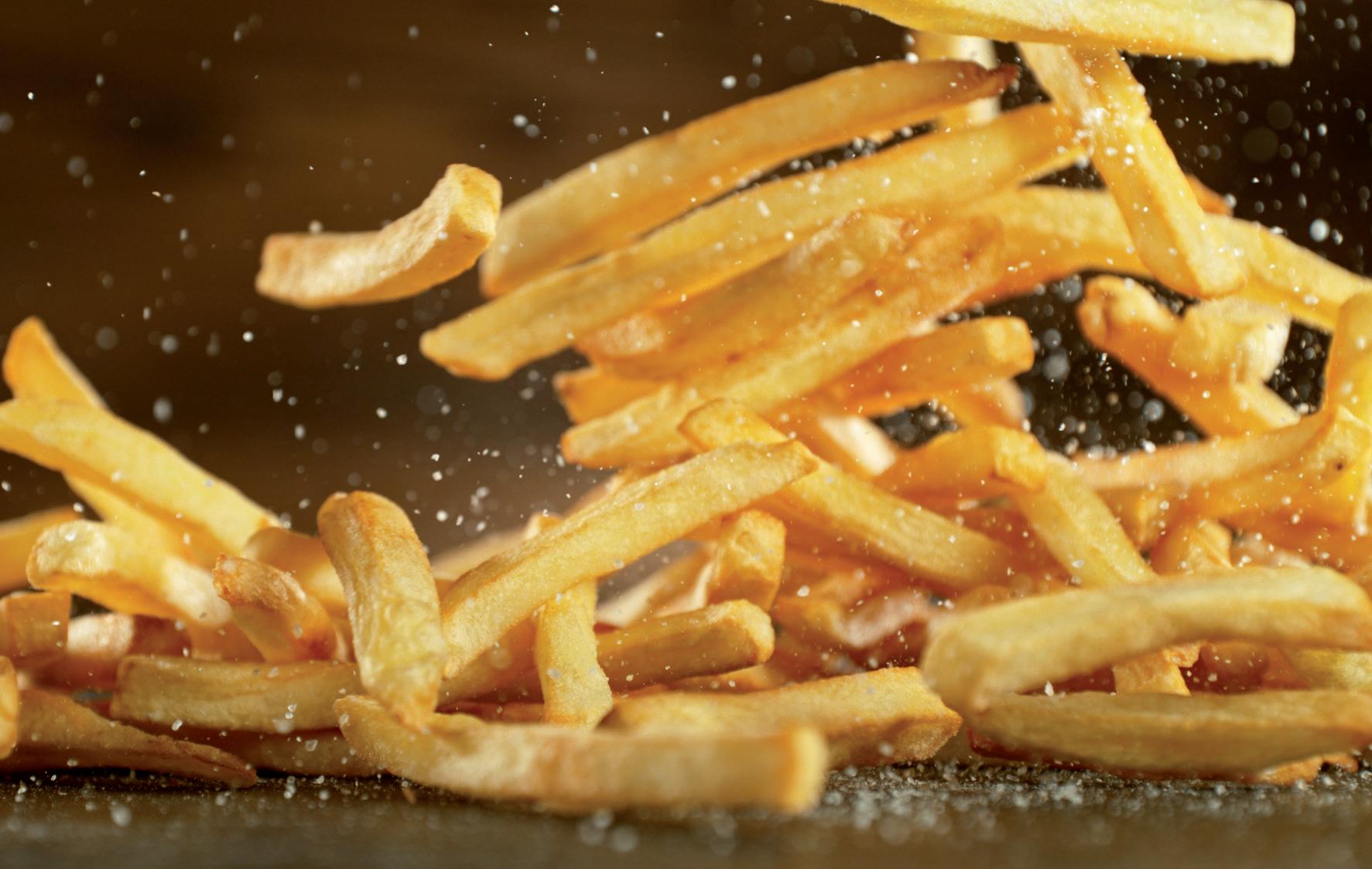
One of the most debated topics for both takeaway operators and customers continues to revolve around what the perfect size of a scoop of chips should be.
While New Zealanders consume over seven million servings of hot chips every week, customers are still unsure just how many chips they will receive at the counter.
Around the country, portion sizes vary anywhere from 250 grams to 800 grams per serving. Based on feedback, 330 grams is the most common size.
Although customers want bang for their buck, businesses still need to be able to make a profit off what was once considered a “cheap and cheerful” dinner option. The average price for a single scoop can be anywhere NZD 3.50 to NZD 5.50.
However, in the past 20 years, the cost of fish and chips has risen 154 percent, with many operators admitting their costs have gone up considerably since the Covid-era.
New Zealanders eat around 120,000
tonnes of chips each year, therefore, making them lower in fat and salt could have a big impact on people’s health. Research has shown that consumers prefer the taste of chips when they are cooked according to the industry standards.
While the chips may stay the same, their importance differs from eatery to eatery. Portion size and cost equation for restaurants is very different compared with independent fast food outlets. The chip platter is often a side order that is shared among several diners at the table.
For independent takeaway food businesses, a kilogram should typically produce three servings of chips. Research has also suggested that a standard portion size would have financial benefits for operators, and it would give consistency across outlets so consumers know what they are buying when they order a scoop. While customers will still flock
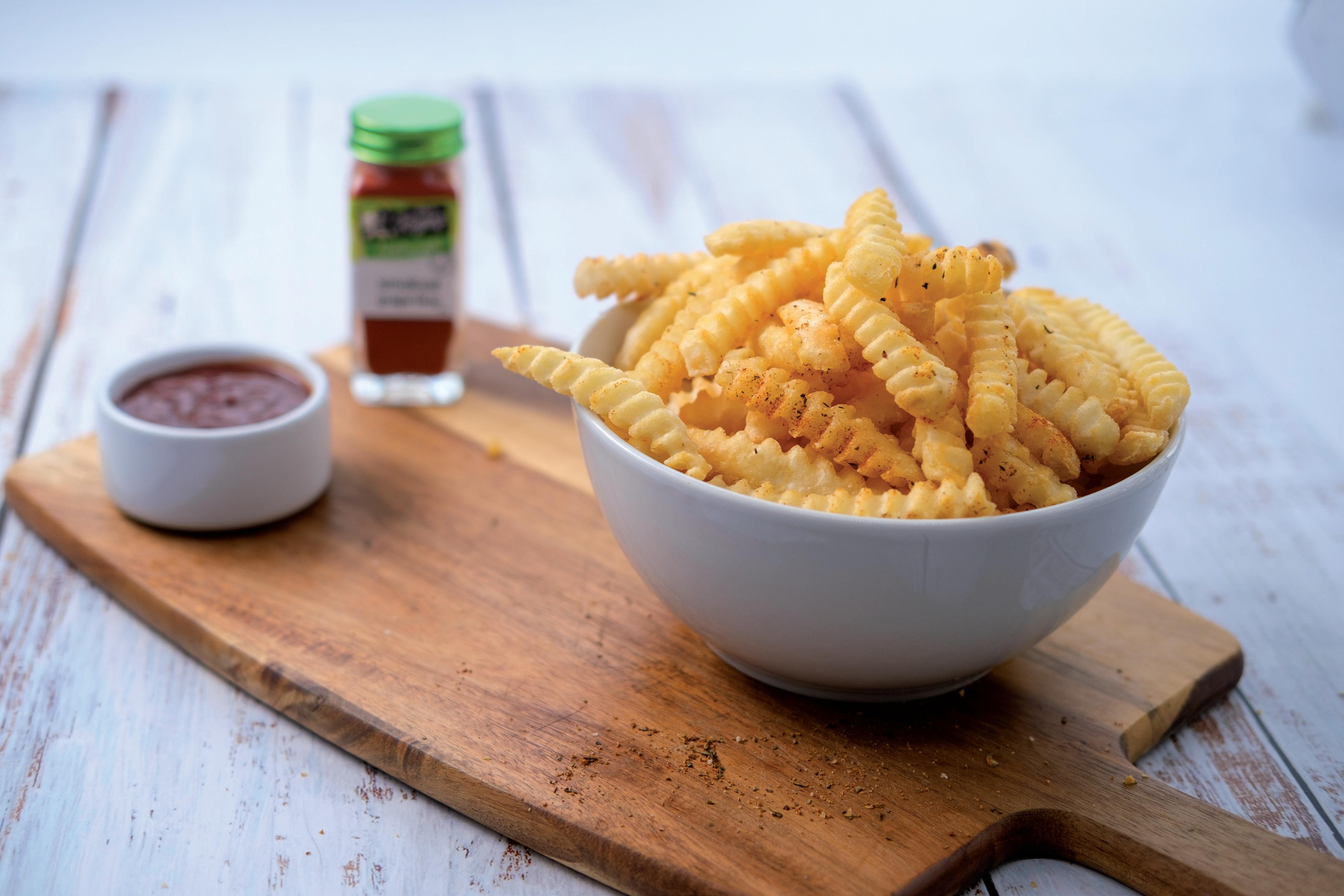
towards ordering a standard scoop of chips, there have been numerous flavour trends, many of which have circulated online. From dressing styles like buttermilk and bacon ranch, to chicken salt and paprika, customers have remained vigilant for the next big flavour.
Truffle fries with parmesan cheese has continued to be a popular option for restaurants to include on the menu, largely due to its simplicity for chefs and elevation from a standard serving of fries. Customers believe that high-end ingredients are what make a dish premium or indulgent, and approachable trends like pulled pork, jalapeños, or even fresh herbs can make all the difference.
Chips have continued to be the main staple of the takeaway menu. Older and younger generations still enjoy the taste of nostalgia that a scoop of chips can offer, resulting in solid, consistent demand.

While there is an emphasis on using the right type of oil, keeping the batter in focus is just as important.
t’s no secret that the type of batter used will impact not only texture and flavour, but it will also play a role in maintaining kitchen efficiency.
Chefs who treat batter selection as an afterthought are leaving opportunity, and profits on the table. Instead of leaving batter selection as an afterthought, explore the potential that can be unlocked by choosing the most suitable batter.
Different styles will deliver different results. A light tempura batter and a thick beer batter will both produce a golden result, but they create two very different eating experiences. Light batters form a delicate, crispy shell that lets the ingredient shine and is ideal for vegetables, seafood, and tempura-style cuisine. Alternatively, thicker batters can hold more seasoning and deliver a more
substantial crunch, making it ideal for chicken, fish, or onion rings.
For many customers, texture is the top factor when deciding on fried foods. Customers will value a light, crispy batter that doesn’t detract from the flavour of the ingredient, rather than a batter that's soggy or clunky.
As customers have become increasingly health-conscious, they consider ‘low-grease’ foods a healthier option when eating out. While deepfrying will inherently add calories, the choice of batter can significantly influence how much oil a food absorbs.
AD_Mr Chips AgriaCinkle_210x150_o.pdf 1 16/02/2026 3:24:30 pm
Some batter formulas with balanced hydration and protein levels form a barrier that will reduce oil uptake, compared to poorly formulated batters. Lower oil retention will mean lighter dishes and a better nutritional profile without sacrificing crunch. Especially beneficial for kitchens
with fast turnover, the right batter can streamline prep and reduce waste. Batters that cling well to food reduce breakage and flaking in the fryer, which is supported by suitable oil filtration.
In some instances, batter is a vehicle used to showcase in-depth flavours. For example, a beer batter will add a hint of sweetness, while a seasoned rice flour batter can offer an umami lift. By customising batter ingredients with spices, herbs, or even gluten-free alternatives, chefs are able to turn a humble dish into a signature highlight on the menu.
For chefs wanting to achieve consistent, high-quality results, mastering batter is a foundational priority. Choosing the right batter will not only improve kitchen efficiency and flavour, but also elevate customer satisfaction at the same time.




Although most customers will immediately think of fish when entering their local takeaway bar, most menus will demonstrate that there are more seafood options than meet the eye.
For a nation known for its seafood, highlighting the menu's seafood selection can drive further customer outreach.
Fueled by reports that the takeaway sector was the fastest-growing segment for food service in New Zealand last year, the nostalgic demand for fish and chips is only expected to grow even further. Snapper is by far the most popular fish among Kiwi diners, despite also arguably being one of the most expensive.
Traditionally, hoki and tarakihi are the most common fish to be found on the takeaway menu, and are often viewed as a more affordable option for customers. Having variety on

the menu will mean customers can personalise their orders, without losing the simplicity that a humble order of fish and chips can offer.
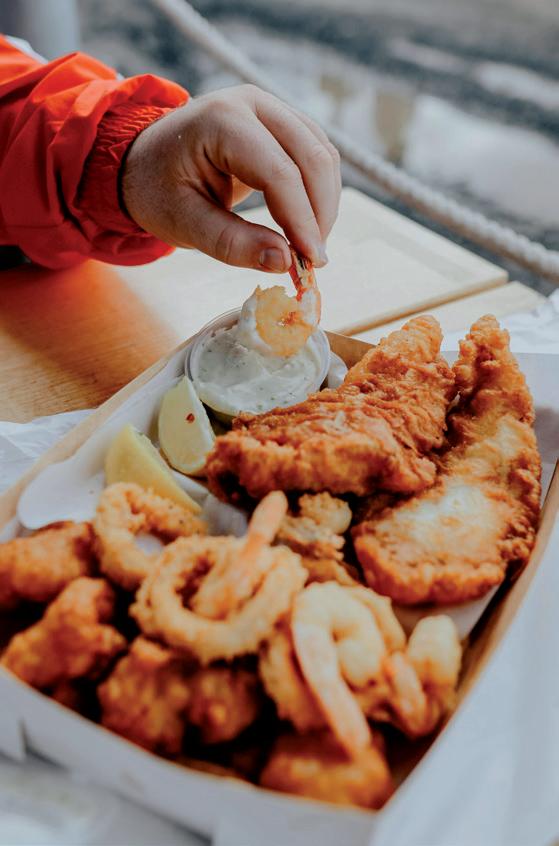
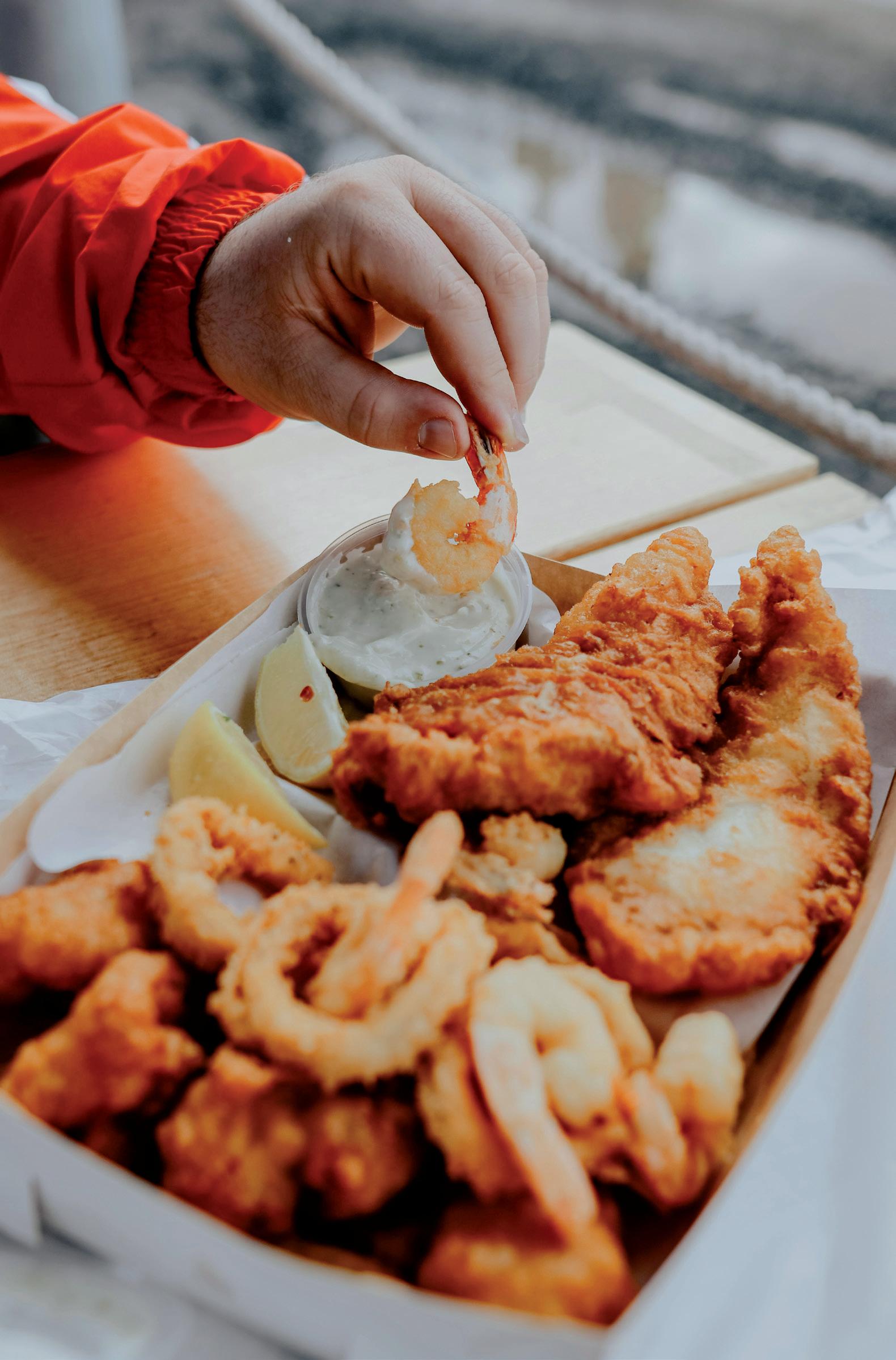
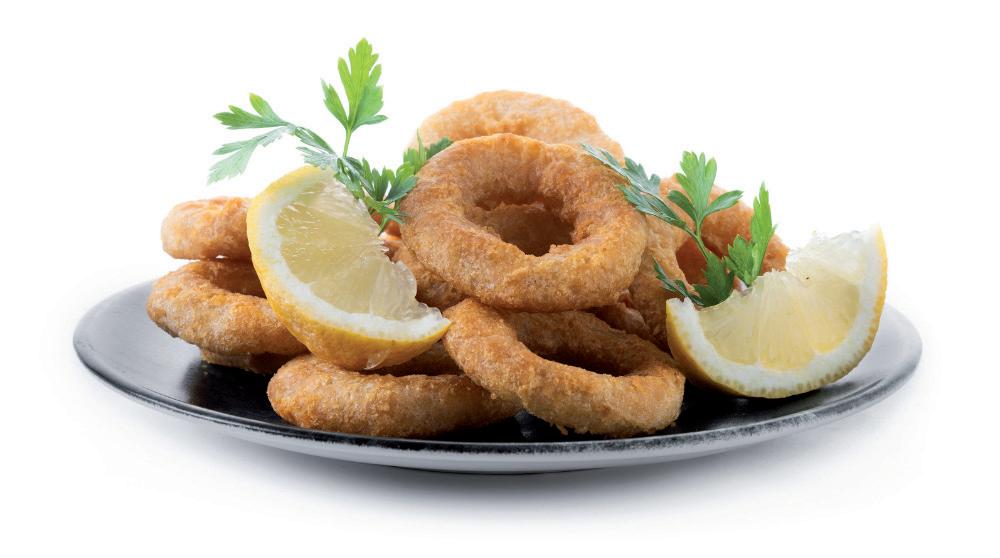
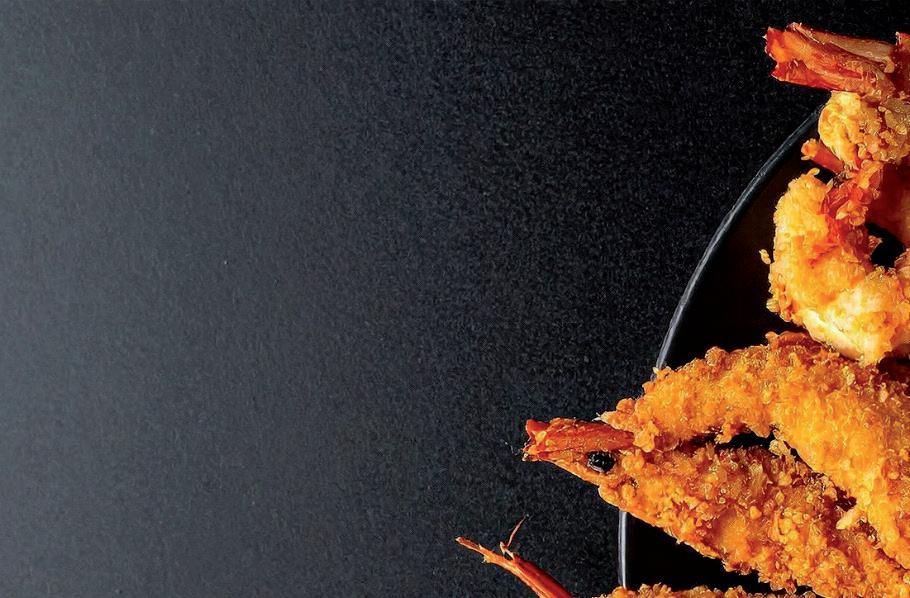
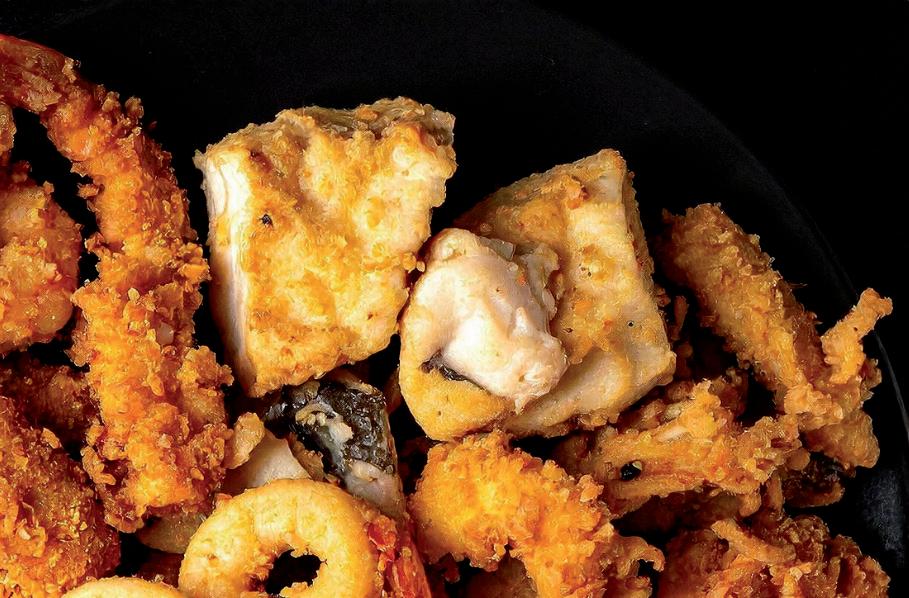
From mussels to whitebait fritters, there are various ways that takeaway food outlets have moved beyond fish to showcase the best of local seafood. Staples on the menus, such as deepfried squid rings, prawns, scallops, and even crayfish options, are now sold in similar ‘fish and chips’ combos.
Highlighting the broader menu in this way has meant customers try something new, and businesses are able to expand their offerings backed by demand.
Infused by consumer trends, takeaway outlets have also now
Contact your nearest representative on 03 343 0587 or ask your local distributor.
added popular seafood street food and fusion flavours to their dishes to offer a point of difference. From items like Nobashi prawns with chilli aioli to fried dumplings, many takeaway outlets have adapted to the changing consumer preferences, largely influenced by younger generations.
For takeaway operators, seafood is no longer confined to a single fillet covered in batter. Customers now expect choice, quality, and a sense of discovery on the menu, even at their local takeaway bar. By expanding seafood offerings beyond standard fish options, operators will increase average spend, attract new demographics, and position themselves as more than just a Friday night staple.
Oil rarely features in strategic conversations about kitchen performance, yet it influences far more than many operators realise.

Decisions around filtration and disposal can shape energy use, equipment reliability, food quality, and ultimately operating costs. What has traditionally been viewed as a routine back-of-house task is increasingly being reconsidered as part of a broader efficiency strategy.
Clean oil behaves differently from oil that has been allowed to degrade. It reaches temperature more quickly, holds heat with greater stability, and allows fryers to operate as designed. When oil is contaminated with food particles and carbon, heating systems must work harder to compensate. Over the course of a trading day, particularly in takeaway businesses with extended hours, that additional demand can be reflected in noticeably higher electricity or gas consumption. There is also the question of equipment life. Fryers placed under constant strain tend to require more frequent servicing, and unplanned maintenance is rarely convenient during busy periods. Consistent filtration helps reduce that stress,
supporting more predictable performance while lowering the likelihood of disruption.
Oil longevity deserves equal attention. Extending the usable life of cooking oil reduces purchasing frequency and limits the labour involved in changeovers. It also supports product consistency. Customers may not identify the cause of flavour variation, but they recognise when food tastes as expected. Reliable output remains one of the quieter drivers of repeat business.
Waste handling is another area where disciplined systems matter. Councils across New Zealand expect food businesses to operate in a way that protects public health and the surrounding environment. This includes maintaining premises that are suitable for food preparation, ensuring effective ventilation, and managing waste so it does not create safety or hygiene risks. Structured oil collection and recycling programmes help operators meet these expectations while creating safer working conditions.
Viewed together, energy discipline, oil management, and waste practices form part of a more deliberate approach to kitchen infrastructure. Small efficiency gains, when repeated daily, accumulate into meaningful financial outcomes. This is particularly relevant for multi-site operators and high-volume independents, where incremental savings scale quickly.
For suppliers, the implication is clear. The conversation is shifting away from product features alone towards measurable operational impact. Technologies that help reduce power draw, extend oil life, and simplify disposal are being assessed not as optional upgrades, but as practical tools for protecting margin.
Clean oil is not simply a matter of good practice. It is part of how modern takeaway kitchens run with greater control, using fewer resources while maintaining the standards customers expect. The operators recognising this are not chasing perfection; they are building kitchens designed to perform steadily, day after day.

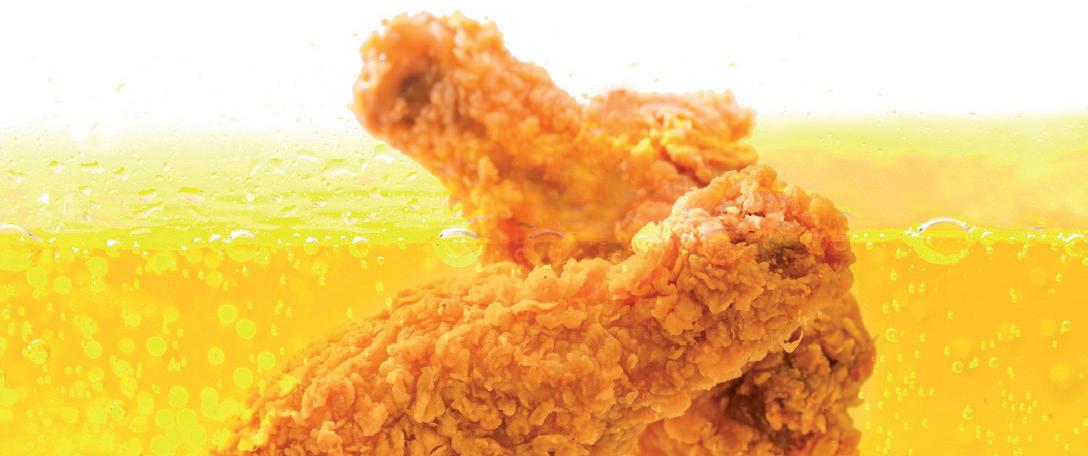
When using a deep fryer, customers want flavour, crunch and a golden finish.
To achieve this, the quality of oil should be the main priority for operators, ensuring a final product that they are proud of and will satisfy customers.
Proper oil management is the key to making every order to the highest quality, and although it may seem a small detail, it can be the difference in taste, freshness and the overall eating experience.
Tory Johnson, Territory Manager at Donaldson, said filtration improves product quality, but also protects the machinery used.
“Implementing effective filtration systems mitigates these risks by reducing equipment strain, extending operational lifespans, and ensuring production remains uninterrupted,” he said.
“The result? Fewer breakdowns, lower costs, and a more reliable production schedule.”
Burnt food particles are a main reason that the taste and colour of cooking oil distort over time. This
can lead to food products that taste bitter, are overly greasy, and in some instances, stale. Frequent filtration will eliminate any risk of this occurring and meet the highest standards of service.
Johnson said that it was time for businesses to consider advancing their equipment.
“Advanced filtration technologies, including depth filters and membrane systems, are designed to capture even microscopic impurities, ensuring the oil meets the highest quality standards. For businesses, delivering this level of purity is crucial in building customer trust and securing repeat business.”
In a competitive market, frequent oil filtration will enhance operational efficiency, ensuring consistent oil quality and minimising the need for reprocessing.
Proper filtration will also prolong
the oil's breakdown. Frying oil is exposed to high heat for long periods, which causes oxidation and chemical changes. As oil degrades, it develops off-flavours that can make food taste heavy or rancid. On the other hand, clean oil has a neutral taste that highlights natural flavours.
“Emerging technologies, such as automated and smart filtration systems, are also reshaping the industry. These advanced tools enable real-time monitoring and adjustments, ensuring optimal system performance and keeping producers ahead of the curve.”
Filtration and efficiency are unavoidable factors that businesses must adapt to. Staying ahead of the curve will allow businesses to best prepare for the future and the longevity of their operations, while keeping customers satisfied at the same time.
For busy kitchens, understanding the efficiency of oil filtering and using modern technology to manage oil usage can be a game changer.
Anthony Mulder, General Manager for Federal Hospitality Equipment in New Zealand, said it was common for kitchens to not use oil filter systems often enough or at the incorrect temperature.
“The best way is to turn one pan off, let the oil temp drop by 20 or 30 degrees celsius and then filter it. Transfer this hot oil back into the fry vat which will get back up to fry temps quickly,” said Mulder.
If oil is properly cleaned on an ongoing basis, the need to discard a full pan is often not required. Mulder said that top up oil will be required as fried foods do absorb a small amount of oil during the fry process. He added that oil testing kits are available and should be used daily to check oil status, and if the oil test
proved a need for replacement, it was important to do so.
“We believe a poor fryer or an incorrectly set fryer does more damage to oil and this affects food quality.”
When frying, oil temperature must be set at 180 degrees celsius for chips and between 165 and 175 degrees celsius for soft proteins like fish and chicken. This process will ensure frying and not boiling in oil.
If the oil temperature drops below the 160 degrees celsius mark, the product boils and inherent moistures evaporate out and create a hydroscopic, dehydrated situation.
At this stage, oil is the only present liquid which is then absorbed by the food items.
Mulder said the correct oil type when frying was key to healthy frying, and that it was important to identify risks
early, as using oil which has failed can cause carcinogenic effects, foul tastes, upset stomachs and nausea.
When looking for new frying equipment, Mulder believed businesses should consider the variety of systems available with many variations of paper, micro nylon and mesh filtres. He added that fry powders are also a very good way of cleansing oil.
“I have seen some external continuous filter systems in large facilities where the oil is removed from the direct heat, filtered and pumped back into the vat for re-heating and frying a new batch of food items. I have heard of a catalytic bead system which is placed into the vat and through a chemical reaction removes particles and keeps oil cleaner for longer. However, I have not seen this type of system in use in New Zealand.” How Does This Work?
• Extends oil life
• Saves labour
• Improves food quality and consistency

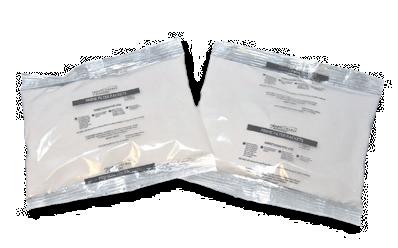
Prime Filter removes both solid and dissolved impurities from your oil, extending its life by up to 50%


In commercial kitchens, frying oil is often treated as a background ingredient; out of sight, out of mind.
According to Barry Fryer, National Account Manager for Food Equipment at J.L.Lennard, oil management is one of the most important and frequently overlooked factors influencing food quality, kitchen safety, and operating efficiency.
Operators, he said, need to remain vigilant. Oil is not a static ingredient. It is constantly changing under heat, interacting with food, coatings, and moisture. Without proper management, it can quickly degrade, affecting not only flavour and texture but also customer perception.
J.L.Lennard typically warn clients that the fastest way to degrade oil is to reference the W.A.S.H. acronym, “water, air, salt and heat”.
“Ideally, oil should be filtered regularly throughout the day,” Barry said, to achieve extended usable oil life.
“There is nothing more off-putting to a customer than the smell or taste of unfiltered oil on the plate.”
Frequent filtration removes crumbs, carbon deposits, and microscopic debris that accelerate oil breakdown. Left unchecked, these particles burn and contaminate the oil, creating bitter flavours, a darker colour, and
inconsistent cooking performance. For operators serving fried staples such as French fries, chicken, or seafood, this can directly undermine product quality and repeat business.
While filtration schedules will vary depending on menu volume and product type, Barry emphasised that any kitchen producing fried food should treat oil filtration as a routine operational task rather than an occasional maintenance step. The difference is immediately visible in the final product. The use of commercial oil testers is one of the easiest ways to immediately identify room for improvement.
“When oil is properly maintained, food cooks more evenly, absorbs less fat, and delivers the crisp finish customers expect.”
Despite its importance, he noted that many operators still underestimate the role of filtration or lack a clear understanding of how their filtration systems work. This can lead to oil being discarded far earlier while it still has plenty of optimal life, resulting in higher costs, poorer food quality, and avoidable safety risks.
Technology, however, is making oil management easier and more
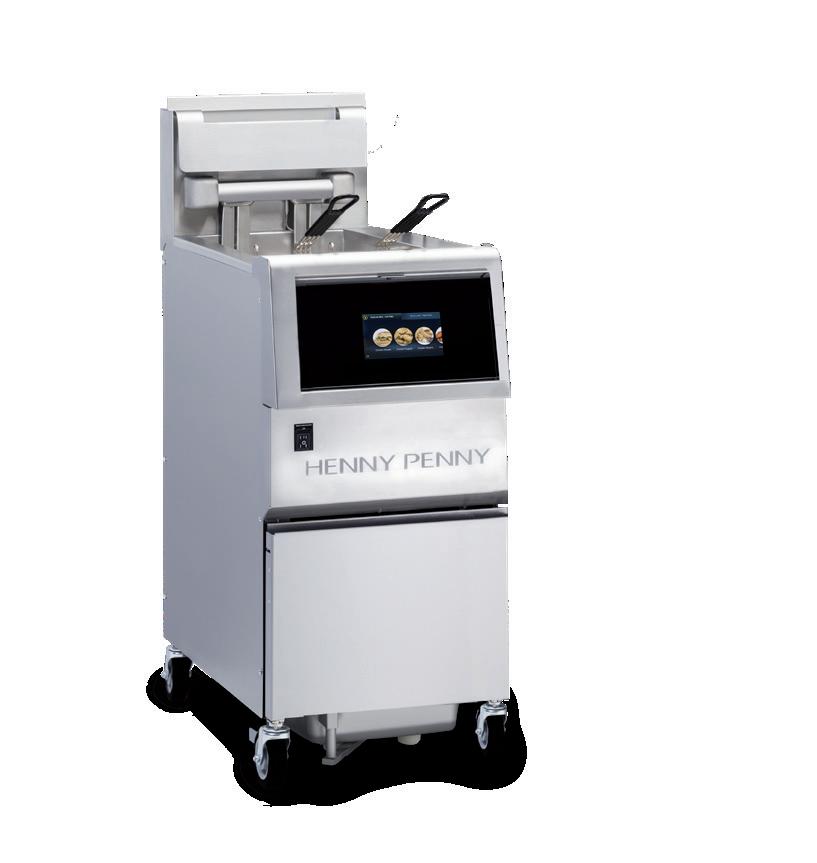
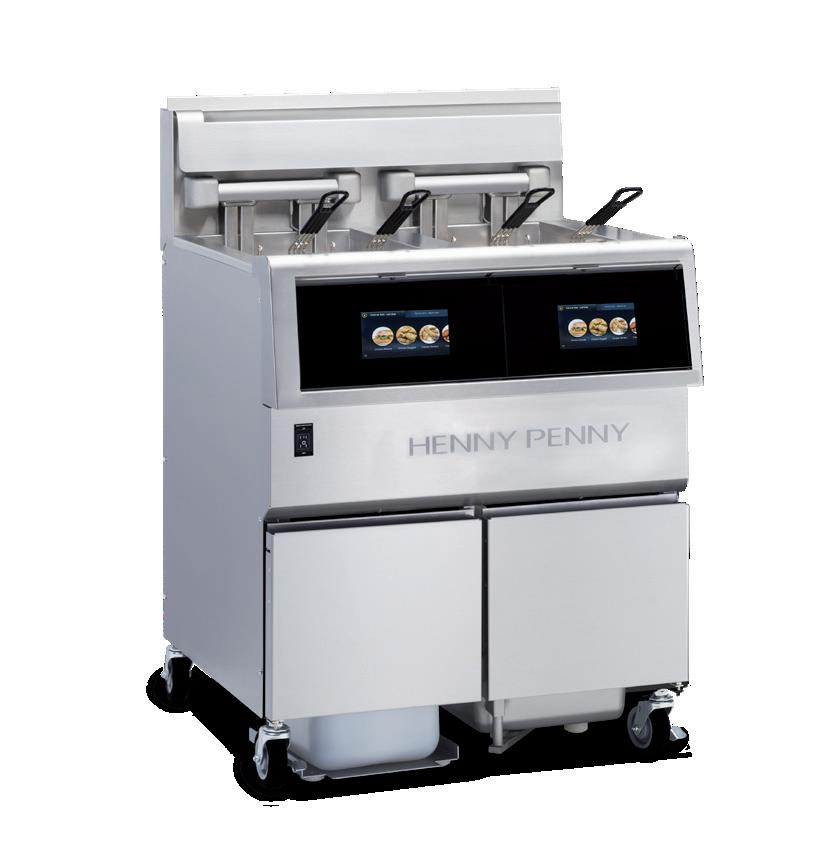
consistent than ever before. Modern fryer systems, such as the Henny Penny brand, now include built-in automatic filtration, already being embraced widely by the largest fast food chains globally for some time now, eliminating the need for manual filtering as a whole. Oil extender products have also found an important place in modernday fried food environments, enabling oil life extensions of 40 percent as experienced using the “Prime Filter” range.
“Some traditional fryers require manual filtering and oil changes two to three times a week,” he said.
“By comparison, self-filtering fryers can maintain oil freshness and quality for 14 days or more, proven in many customers' businesses around New Zealand, saving valuable cost, time, and resources, let alone the health and safety of handling oil.”
These systems continuously remove debris and maintain cleaner oil conditions, extending oil life while reducing labour demands. For busy kitchens, this translates into improved consistency, lower oil consumption, and less operational disruption.
Visual cues also play an important role. Oil naturally darkens over time,
but significant changes in colour or clarity are warning signs.
“If the oil becomes dark and starts emitting smoke, it’s time to replace it. When oil isn’t filtered regularly, food can absorb degraded fats, which affects flavour and overall quality.”
Beyond filtration, the way food is prepared before frying can significantly influence oil performance. Heavy batters and excessive coatings are common contributors to oil degradation. Loose particles break away during cooking, burning in the oil and accelerating contamination.
“Heavy coatings can cause oil to become foamy and unstable. This not only affects flavour and texture but also increases safety risks for operators.”
Proper preparation is essential. Removing excess coating before frying helps preserve oil integrity and ensures better cooking results. When coatings are applied correctly, they form a crisp barrier that seals moisture inside the food. Excessive batter, however, has the opposite effect.
“Too much coating prevents proper evaporation. Instead of crisping, it becomes doughy and absorbs oil, resulting in a greasy, heavy product.”
Over-coated food can also cook
unevenly or separate entirely during frying, creating waste and further contaminating the oil. Loose debris accumulating in the fryer accelerates oil breakdown and increases maintenance requirements.
Maintaining correct oil levels is another critical factor.
Both underfilling and overfilling can compromise performance and safety.
“Chefs should always ensure oil is at the correct level. Incorrect levels affect cooking consistency and can expose fryer elements or burners, which is dangerous.”

One of the most significant advancements in recent years has been the introduction of automated oil level management systems. Automated “oil top-up” technology ensures oil remains at the correct levels without manual intervention, reducing handling risks and maintaining consistent performance throughout service. This technology is led by Henny Penny fryers and removes yet another often missed and crucial task in modernday commercial kitchens where frying takes place.
oil to the correct level and also have the feature to automatically manage oil disposal. This removes guesswork and helps operators maintain quality standards with less effort.”
For operators, the message is clear. Oil is not simply a consumable; it is a critical component of food quality and kitchen performance. Proper filtration, careful preparation, and modern equipment can dramatically improve results while reducing costs and safety risks.
In an industry where consistency is everything, oil management is not a minor detail. It is a daily discipline that directly shapes the customer experience, plate after plate.
Throughout the South Island, chefs have been in search of a reliable oil that will deliver the best results, opting for quality over quantity. From city centre eateries to establishments serving rural communities, choosing the right oil has never been so important.

No mess, no accidents, no smell, no vermin!
Cookright’s ‘VATMAN’ is your kitchen superhero, removing hazardous, labour-intensive, messy kitchen jobs from your work schedule to save you time, effort and money, all while ensuring your business is both hygiene and insurance compliant.
The Cookright ‘VATMAN’ whisks away your waste oil on a weekly basis, using Cookright’s no-mess, clampshut-lid ‘Pail Collection System.’
The Cookright ‘VATMAN’ removes potentially dangerous, messy, smelly and vermin-attracting waste, plus all potential for spillages and accidents from your premises. Two collection systems are available: Pail Collection for weekly removal, and Wheelie Bin Collection for larger volumes.
If you’re in a more remote or rural location, or you simply have extra-large volumes of waste oil, the Cookright
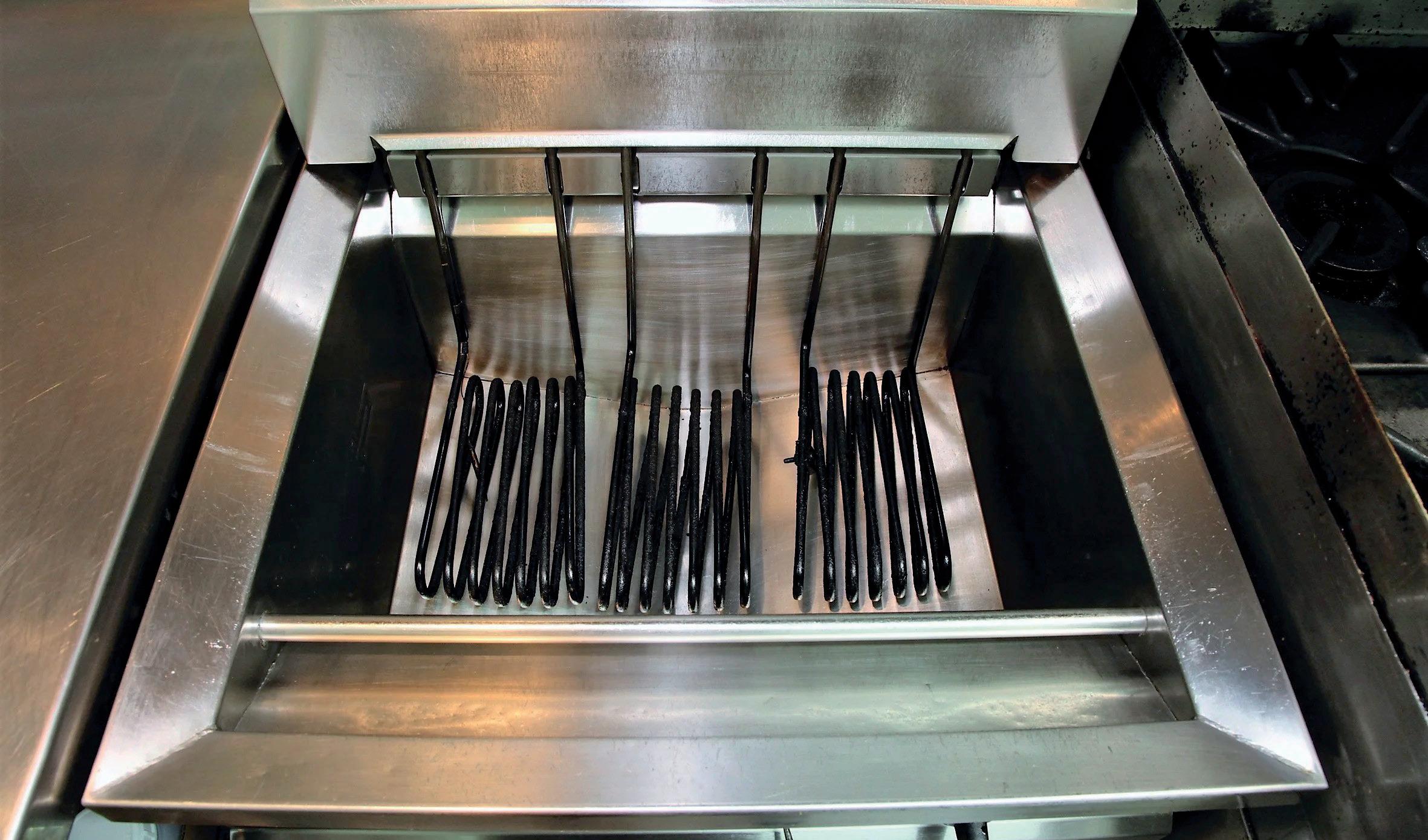
‘VATMAN’ supplies you with a wheelie bin (or two) for easy filling, storage, manoeuvring and lockability.
The Cookright ‘VATMAN’ stores and recycles your waste cooking oils so you don’t have to, all in line with local council and government regulations. Plus, you are issued with a certificate confirming your waste oil has been officially removed and recycled. Waste oil is reprocessed at MPI-approved processing sites and then reused for biofuel production or as an additive for stock feeds. Nothing goes to waste!
Cookright is International Sustainability & Carbon Certified (ISCC)
conforming with globally recognised standards of social, environmental, and traceability performance for biobased and recycled materials and products, renewable fuels and biomass from sustainably managed sources.
The Cookright ‘VATMAN’ is your kitchen cleaning superhero. The VATMAN will clean filters, flues, fryers and hoods, hire easy-clean cookware tanks, will remove waste oil with no mess and no hassle, will deliver quality oils and is OSH trained and insurance compliant, naturally!
Call Cookright on 0800 804 104, www.cookright.co.nz.
As Pure Oil’s South Island-grown cold-pressed retail oils, The Good Oil, became a popular choice in homes around New Zealand, it began hearing from chefs and food manufacturers who wanted that same locally made quality available in commercial formats.
From there, Superfry was developed using the same high oleic New Zealand-grown seed, produced with the same care and attention to quality.
Uniquely for this type of frying oil, Superfry oil is cold-pressed before being low-temperature refined, with a clear focus on quality over quantity. The combination of the special high oleic seed and processes Pure Oil uses provides a neutral oil that is highly heat stable, while still retaining much of the natural goodness and freshness that comes from local production.
Superfry is offered in both high oleic rapeseed and high oleic sunflower oils, delivered directly to hospitality businesses across Canterbury using its own local trucks. The oils have quickly become a staple in many kitchens throughout the region, as well as in a number of New Zealand’s most respected restaurants who value the local origin and
reliable performance. They offer excellent stability, longer fry life and consistent results in busy commercial environments. They are versatile and also used by many as an ingredient oil for dressings and more.
Alongside frying oils, Pure Oil also supplies cold-pressed extra virgin oils in costeffective 20L packaging for general pan frying, finishing and dressings. These are the same oils consumers know from retail, now widely used in professional kitchens. Its oils are also used by many of New Zealand’s leading food manufacturers, who value the quality and dependable supply from a local producer.

Pure Oil provides used cooking oil collection as part of its service.
The collected oil is recycled into biofuel and other industrial uses, helping offset a significant volume of petrochemicals that would otherwise need to be imported into New Zealand. Anyone interested in more information can visit www.superfry.nz or contact Pure Oil on info@pureoilnz.co.nz.

Industry leader Kurt Knowles has joined the team at J.L.Lennard. A Christchurch native, he will be based in the South Island as growth in the region continues to flourish.
In this role, Kurt Knowles will be responsible for driving sales growth, developing key customer relationships, and expanding J.L.Lennard’s presence across the South Island. Christchurch born and bred, he is a passionate foodie and keen golfer.
“I’m excited to join J.L.Lennard and contribute to its reputation for quality, innovative equipment and exceptional service.”
Kurt has brought more than 30 years of experience in the Hospitality industry to his new role, including 15 years in foodservice equipment sales and sales management.
A key part of growing its presence in the South Island, Kurt will be instrumental in J.L.Lennard’s wider expansion of its Henny Penny range, especially the Prime Filter Powder.
The Prime Filter Powder is a safe, pure white compound that extends frying oil life, reducing the frequency of oil purchases by as much as 50 percent. It removes both solids and dissolved impurities from used

oil, extends oil life, saves labour, and improves food quality and consistency.
“When circulating frying oil with Henny Penny Prime Filter Powder during a polish filter, the powder particles are activated, acting like a magnet that attracts and removes food debris, and extracts soluble liquid impurities, dissolved tastes, and odours that spoil fried food,” he added.
“Prime Filter powder added to the vat for daily polishing filter keeps your oil looking good and your fried food tasting its best.”
Kurt said the new role was an exciting step, and that not only was the South Island a special place to him, it was also at the heart of New Zealand culinary excellence.
“I look forward to supporting customers with equipment that helps them improve their operations and efficiency, and growing the J.L.Lennard brands in the marketplace.”
Barry Fryer, National Key Account Manager, said that it was a pleasure
to welcome Kurt to the team.
“Kurt has a passion for the industry that is invaluable to businesses of all sizes wanting to elevate their equipment. His industry expertise has made him the perfect addition to J.L.Lennard, and we are very excited to welcome him onboard,” he said.
“Having Kurt on the team is an exciting moment for the company, as the South Island becomes our next key focus for growth and development.”
Mobile: 0276648648
Email: kknowles@jllennard.co.nz www.jllennard.co.nz
What happens to the food that doesn’t get eaten? For many of us in the hospitality industry, we’ve long had a hunch, but until now, we haven’t had the hard data to quantify just how much food goes to waste in our venues, or why.

Thanks to the Restaurant Association’s Kai Keepers programme, we’re starting to change that. Over the past several months, we’ve been working with operators across the country to gather real-time food waste data from kitchens and front of house teams. The results of our pilot are in, and they tell a story that’s both confronting and incredibly useful.
During just one seven-day baseline period, 13.2 tonnes of food waste were recorded across 108,730 covers. That’s the equivalent of 15.4 tonnes of carbon emissions in a single week. With an average of 171 grams of food wasted per cover,
costing businesses approximately 94 cents per plate, it’s clear that food waste is more than an environmental issue, it’s an economic one.
Perhaps unsurprisingly, plate waste emerged as the single biggest category, accounting for 43 percent of all recorded food waste. And within that, one trend stood out: cold desserts were regularly left uneaten or only partially consumed. This raises important questions, not about customer habits, but about how we as operators can do better. Could portion sizes be out of step with what customers can actually finish? Are desserts being consistently overlooked? These insights raise opportunities to rethink how dishes are served, from offering smaller or adjustable portions, to checking in with diners about components they may not want. These small changes could have a big impact on reducing plate waste.
These are exactly the kinds of questions the Kai Keepers programme is designed to help us answer. With this data in hand, the next stage of the programme will test targeted interventions, from offering different portion sizes, to menu redesigns that use prep waste more effectively, to team competitions that reward reductions in food waste.
Some findings suggest opportunities for operational tweaks. For example, food prepared in advance for cabinet service tends to contribute to higher spoilage and plate waste. Conversely, businesses that donate to charity report significantly lower spoilage rates. Spoilage also increases when venues are open fewer days, suggesting stock management practices may need a rethink for businesses with limited trading days.
We’re also seeing a strong correlation between meat preparation and high waste volumes, again pointing to a need for more efficient trim and repurposing strategies in the kitchen.
Our industry isn’t always awash with data. That’s why programmes like Kai Keepers are so valuable. They not only give us visibility over a problem we’ve often sensed, but they equip us with the tools to do something about it.
Food waste is a complex issue. But with collaboration, innovation and a shared commitment to doing better, we can start to reduce it.

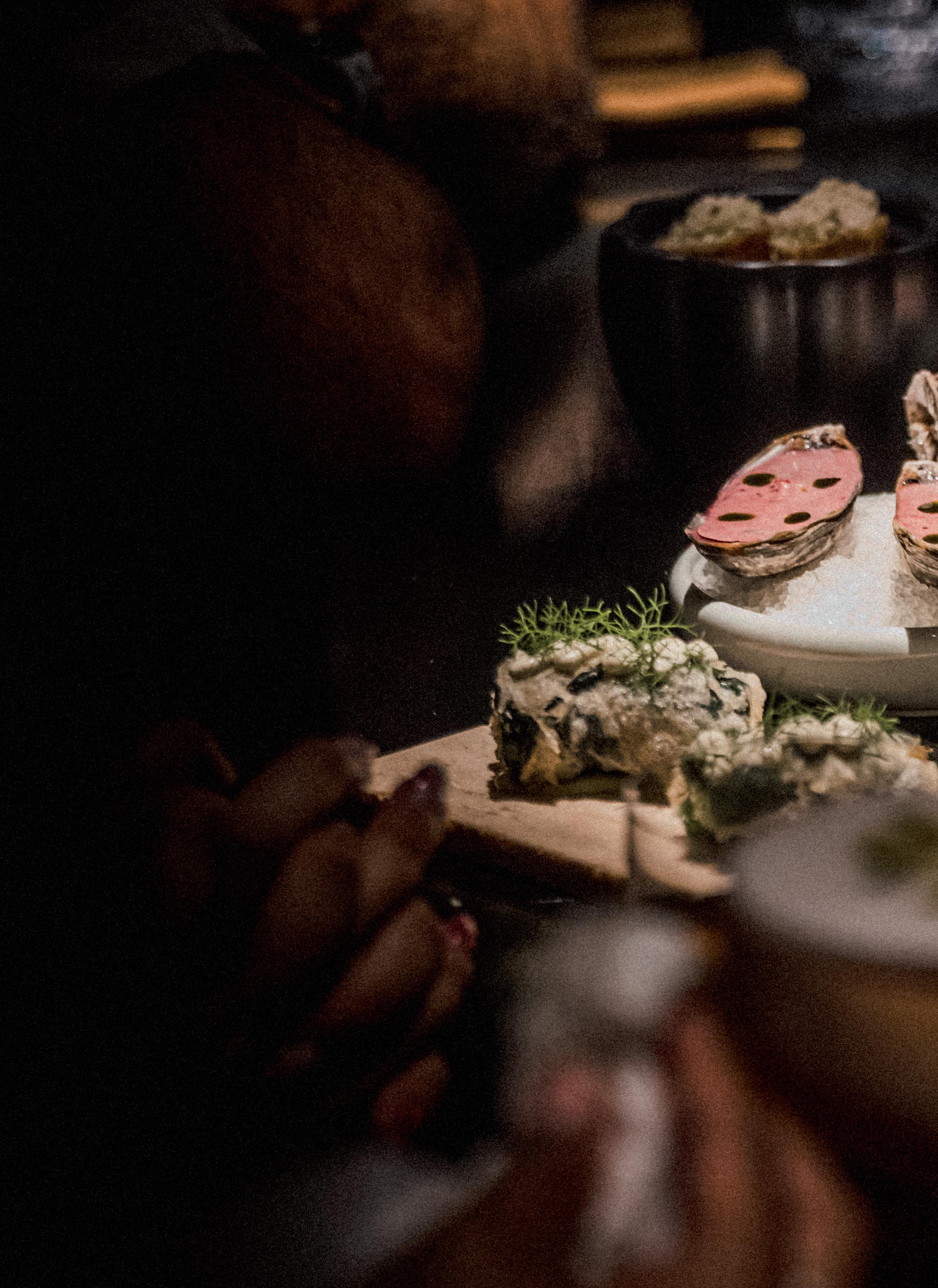
Chef Vicky Shah has spent over a decade working in some of Auckland’s most respected kitchens, from Indian fine dining to modern European restaurants.
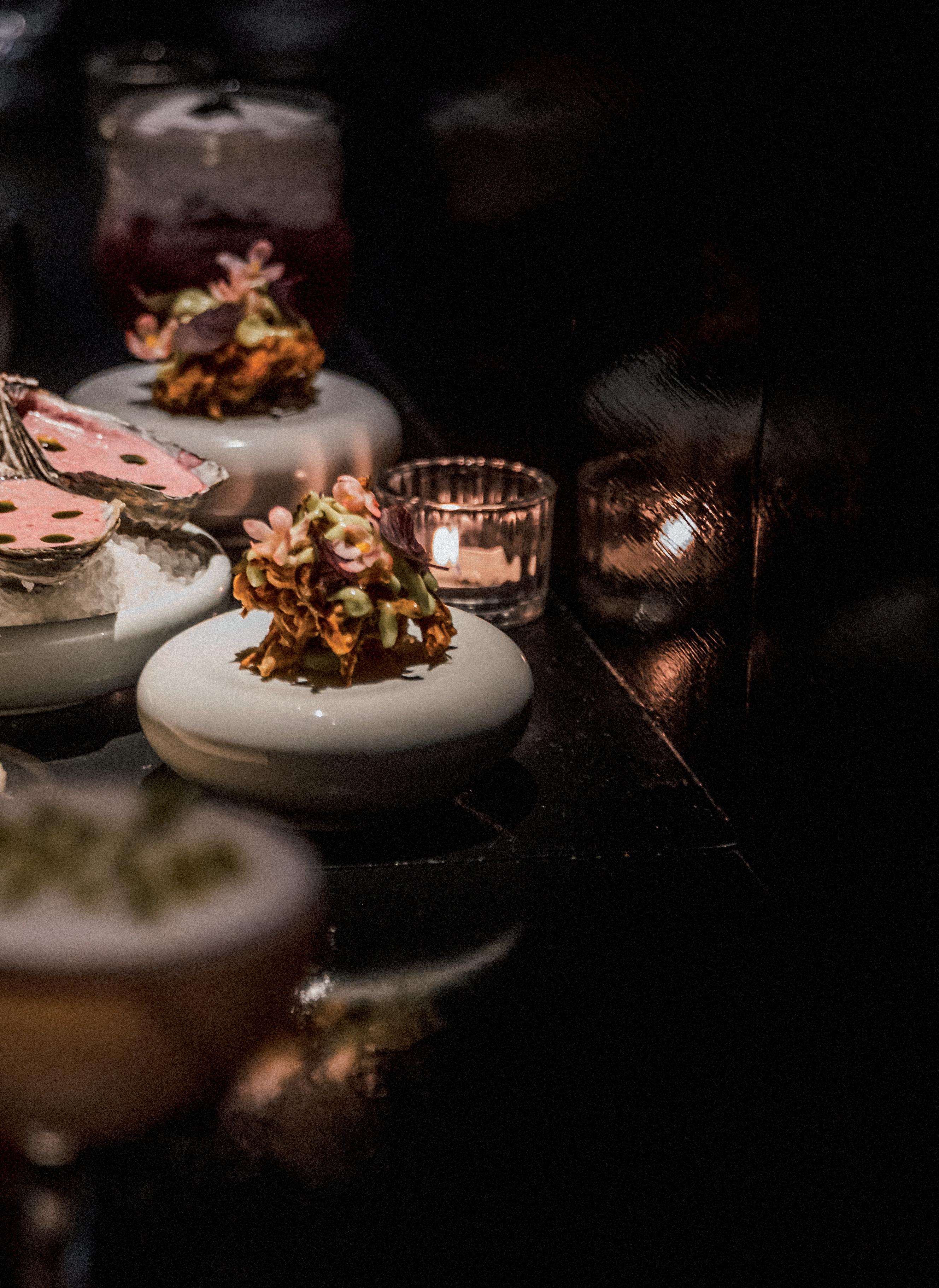
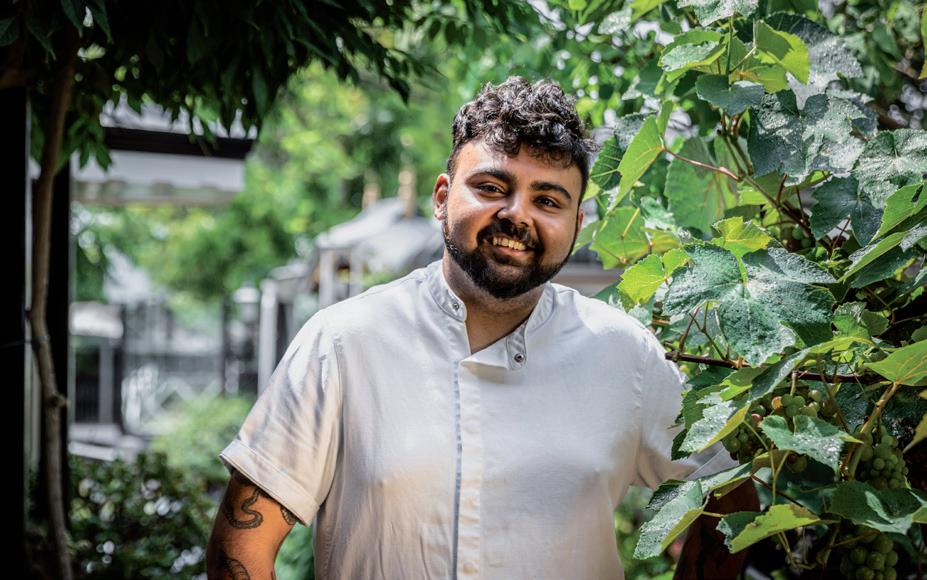
He said these experiences have shaped his technique and discipline, but also pushed him to question how Indian cuisine is often framed in New Zealand restaurants. Over time, he realised that he wanted to create something that felt truer to his own voice.
The result of this has been Aarth, his own newly-opened restaurant in Parnell.
Chef Shah said the opening has been incredibly grounding.
“It’s been busy, but more than that, it’s been affirming. We’ve had diners who really take the time to engage - asking questions, noticing details, and soon hopefully coming back again. That kind of response means a lot when you’re opening something personal,” said Shah.
He added that the reception felt generous and curious, which is exactly what the team hoped for.
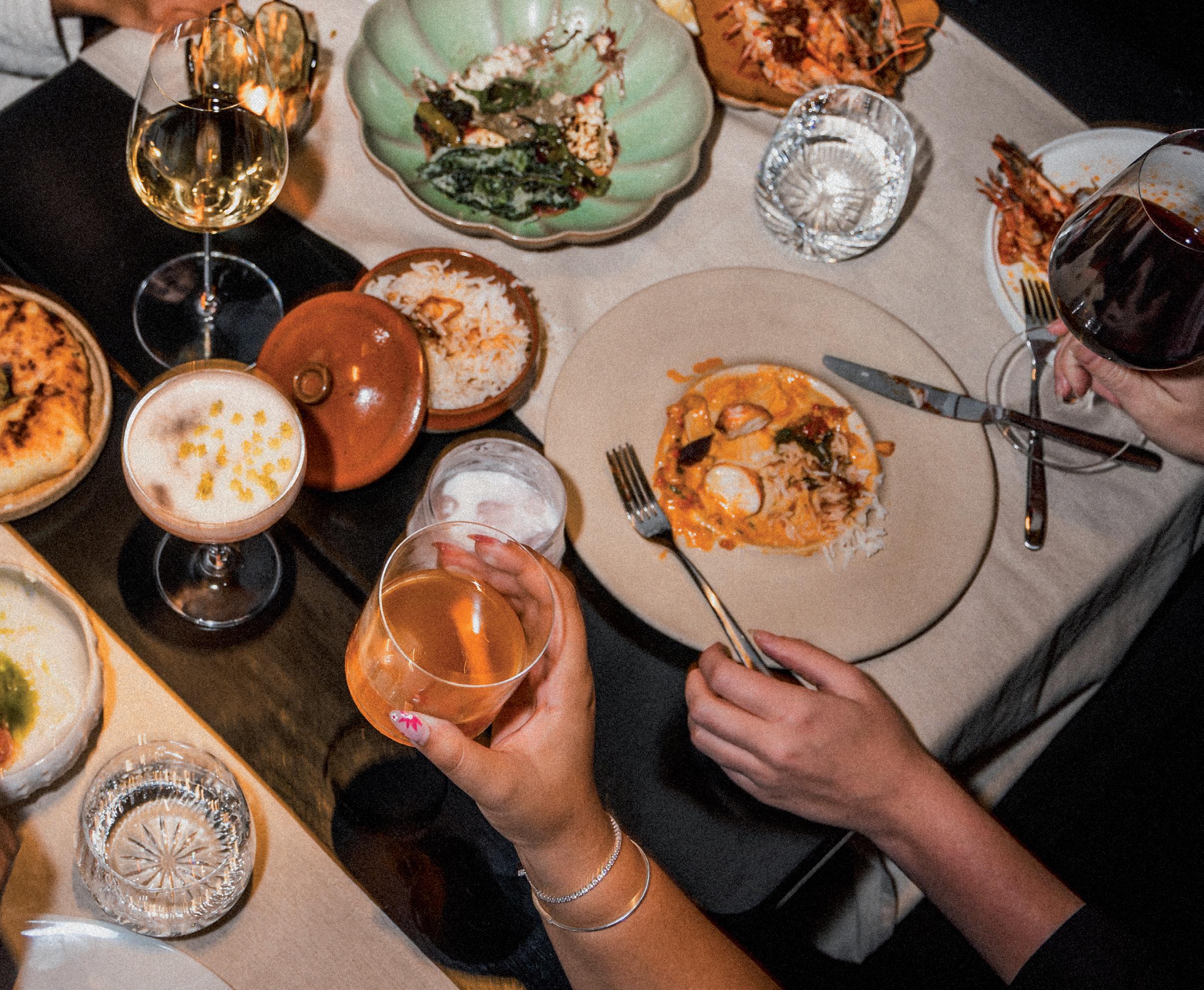
Aarth comes from a place of meaning, memory, identity, and evolution. It was inspired by Indian food as it exists today, not as a fixed idea from the past. Chef Shah wanted to honour heritage without being nostalgic, and to cook food that reflects where he is now, in New Zealand.
“Every element, the menu, the
space, the pacing, is intentional. Nothing is there just to look good.”
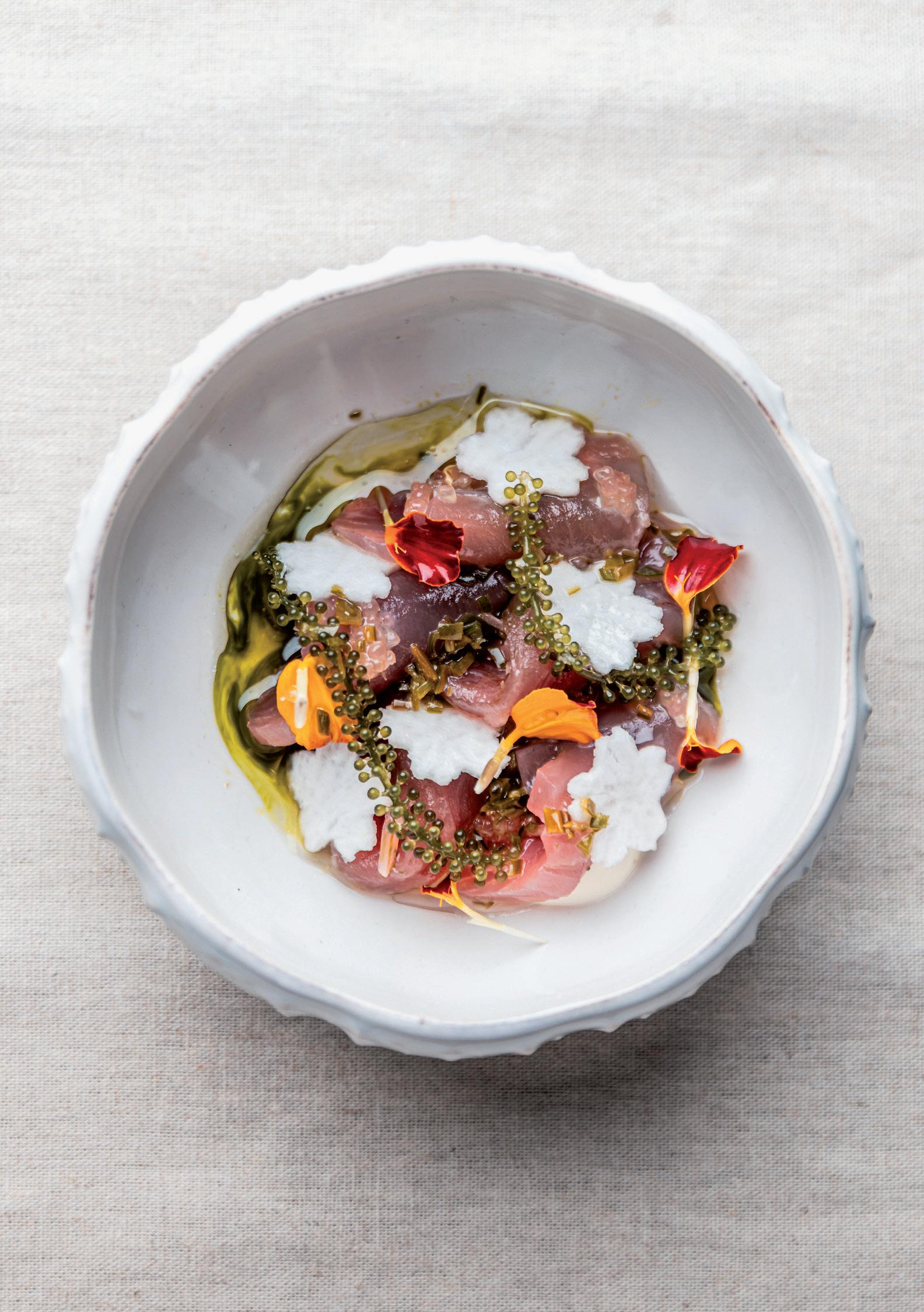
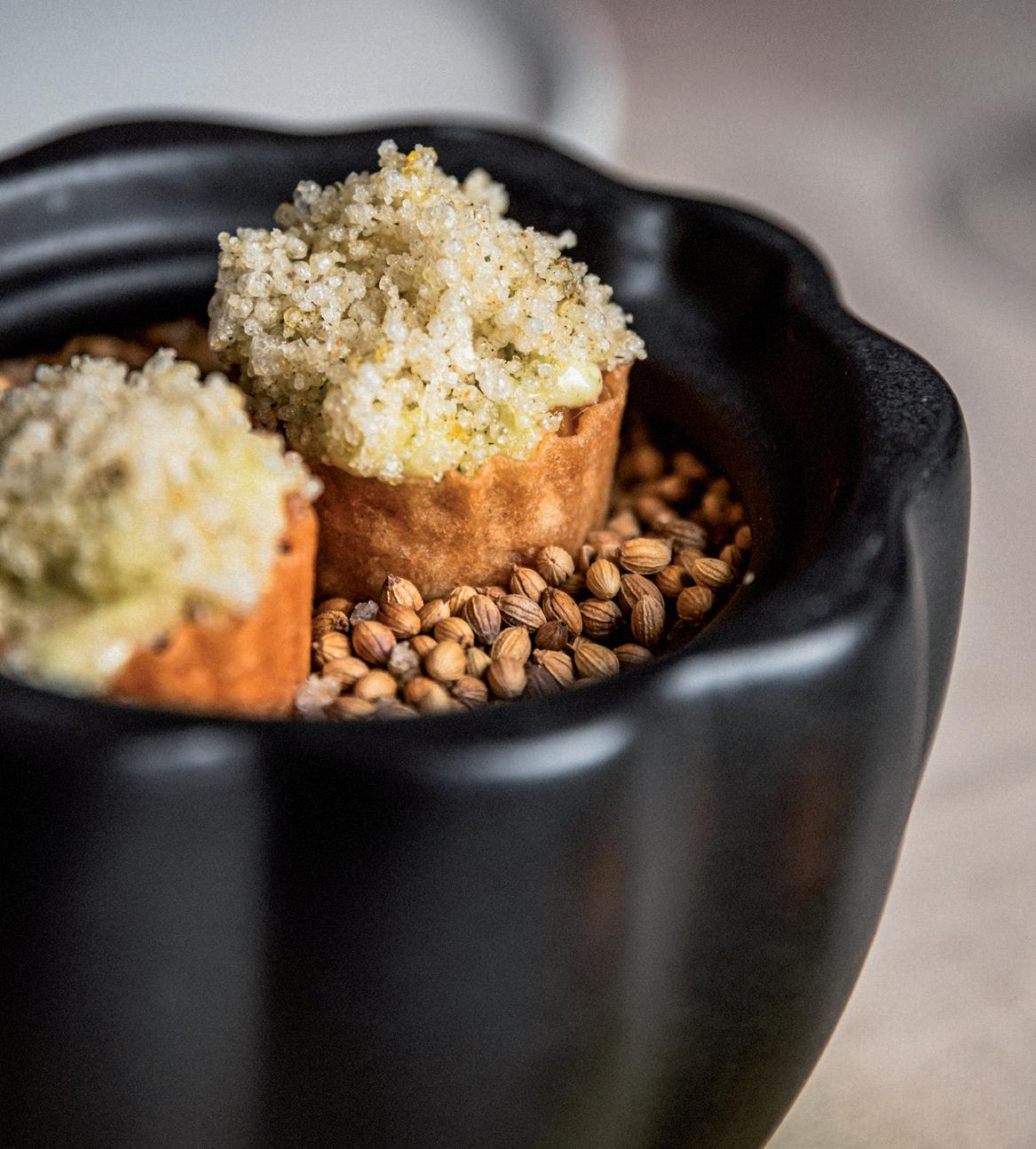
While the intention is that the menu will change and evolve, there are a few dishes that really capture the spirit of Aarth, like the whitebait bhaji, oyster sol kadhi, and Shah’s take on duck nihari. He said these dishes are familiar in feeling, but treated with restraint and precision. The idea is comfort with depth, rather than shock value.
The space itself reflects the same layered thinking. Subtle interior updates introduce warmth, intimacy and depth, creating a dining room designed for connection rather than spectacle. At its heart will sit a custom botanical artwork by Auckland studio
The Plant Parlour NZ, interpreting the Ganges River, which he described as a powerful symbol of life, continuity and nourishment in Indian culture.
The piece anchors the room, reinforcing the idea that at Aarth, nothing is decorative without purpose.
Leading kitchens like Sidart and Kol
were career highlights for Shah. His experience in leadership roles has been a learning curve for him, both in scale and responsibility. However, opening Aarth has been the most significant step for him.
“It’s the first time everything, my background, instincts and values, has come together in one place.”
Right now, Shah has directed his focus on consistency and refinement, listening, adjusting, and letting the restaurant settle into itself.
In the long term, Shah would love Aarth to be part of a bigger conversation about Auckland as a serious dining city. He said that while it’s early days, the ambition is definitely there.
“Aarth is meant to feel welcoming rather than intimidating. You don’t need to “know” Indian food to enjoy it, just curiosity and an open mind. If people leave feeling looked after and a little more connected, then we’ve done our job.”
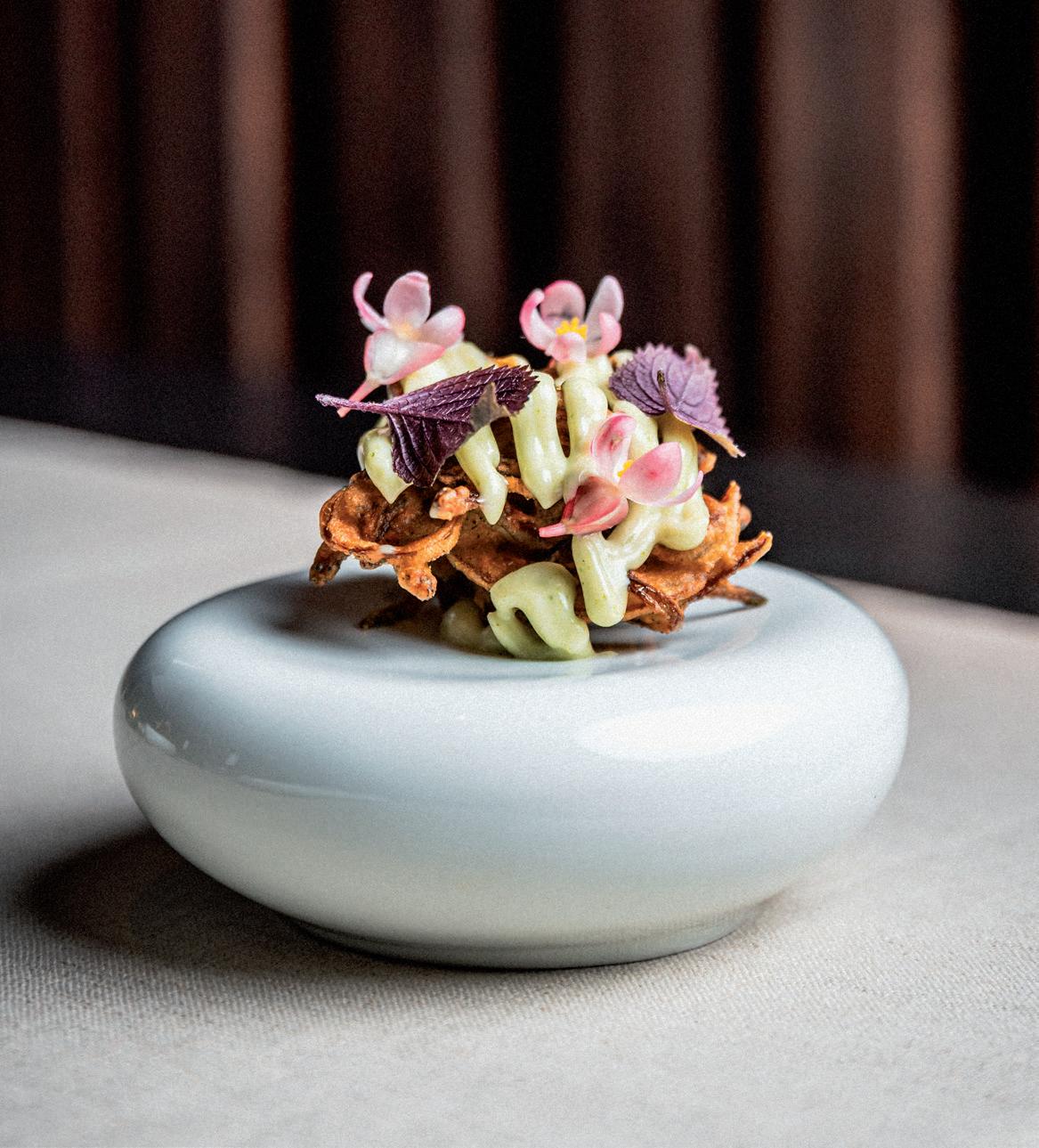
As a child, Cheryl Cordier wanted to be a teacher. She first entered the hospitality industry at the age of 15, when she worked as a waitress at a local hotel.
Soon discovering that this was her passion, she applied for an apprenticeship programme through a hotel group. She graduated three years later with a diploma in hotel management, and became a Deputy General Manager at the age of 21.
At 22, Cordier decided to open her own business and started Country Catering, an events catering company. She sold this when she was 28 and took up work for an education provider.
This was the start of her journey combining her two greatest passions, teaching and hospitality.
She worked for a few different providers, starting out as a lecturer, then head of department, and later head of sales and National Sales Manager. In her role as head of a vocational division of programmes, she decided it was time to start her own business again.
She founded Capsicum Culinary Studio, transforming her home kitchen into the largest cooking school in South Africa. After 14 years, she was able to sell this to a listed company, which coincided with her move to New Zealand.
“I was still passionate about chef education and wanted to reach people that could not access Face to

Face classes,” said Cordier.
This led to after an enormous amount of global research the formation of International Culinary Studio.
The most important advice that Cordier has received is that as one door closes, another one opens.
“My dad always said don’t stay where you are not happy.”
Cordier has had many mentors over the years, and has read many autobiographies from exceptional business people, taking what she wants from each one.
She said hospitality has always been a male dominated industry, and unfortunately has a history of treating its employees really badly.
“This has certainly improved now and it great to see so many amazing successful female chefs.”
She added that chefs are now more aware of creating a better work/life balance for employees. In the education arena, going from traditional face-to-face teaching to the online space has been a tough journey.
A prime example of how things have changed since online learning emerged has been the frequently asked question, “How can you measure taste online?”
“The answer lies in the fact that at the
level we teach online, we are teaching skills and techniques, and when someone follows a recipe correctly, the flavour should be the same.”
In the future, Cordier would like to see more support for employees’ mental health.
“Personally, I believe everyone working in a kitchen should have a qualification, Food Safety as an absolute minimum. I would like to know when eating out that my food has been prepared by someone who knows what they are doing and has kept hygiene and safety as a priority.”
Throughout her career, highlights that stand out include winning numerous awards, being a finalist for Ernst and Young Entrepreneur of the Year 2011, being invited to attend Harvard and Stanford Business Schools, when, previously, she had never been to university before, and launching a globally recognised online culinary college where there are more international accreditations than any other college in the world.
Training and educating chefs, and watching people’s lives transform so they can be proud of their achievements, continues to motivate Cordier.
“They stand taller, they talk louder and their lives are changed forever for the better.”
Emily Cross’ journey into hospitality wasn’t a choice made in a classroom; it was born in the soil of a mixed crop and livestock farm in Mid Canterbury.
Growing up, the connection between the land and the plate was our way of life. She milked the cow every morning and night, ate mutton from her own paddocks, and tended a vegetable garden so vast she had to plough it with the John Deere. Understanding where food comes from wasn't a lesson for her, it was her heritage.
That foundation led her to Noah’s Hotel in Christchurch, where she began as a kitchen hand. Those four years of her apprenticeship were a whirlwind of grit and "bucketfuls of resilience."
“It wasn’t easy, but the hard work paid off when I won a variety of cookery competitions including New Zealand Apprentice Chef of the Year. From there, the world beckoned. After four years of exploring and working across the globe on my O.E., I returned home to discover a new passion: teaching,” she said.
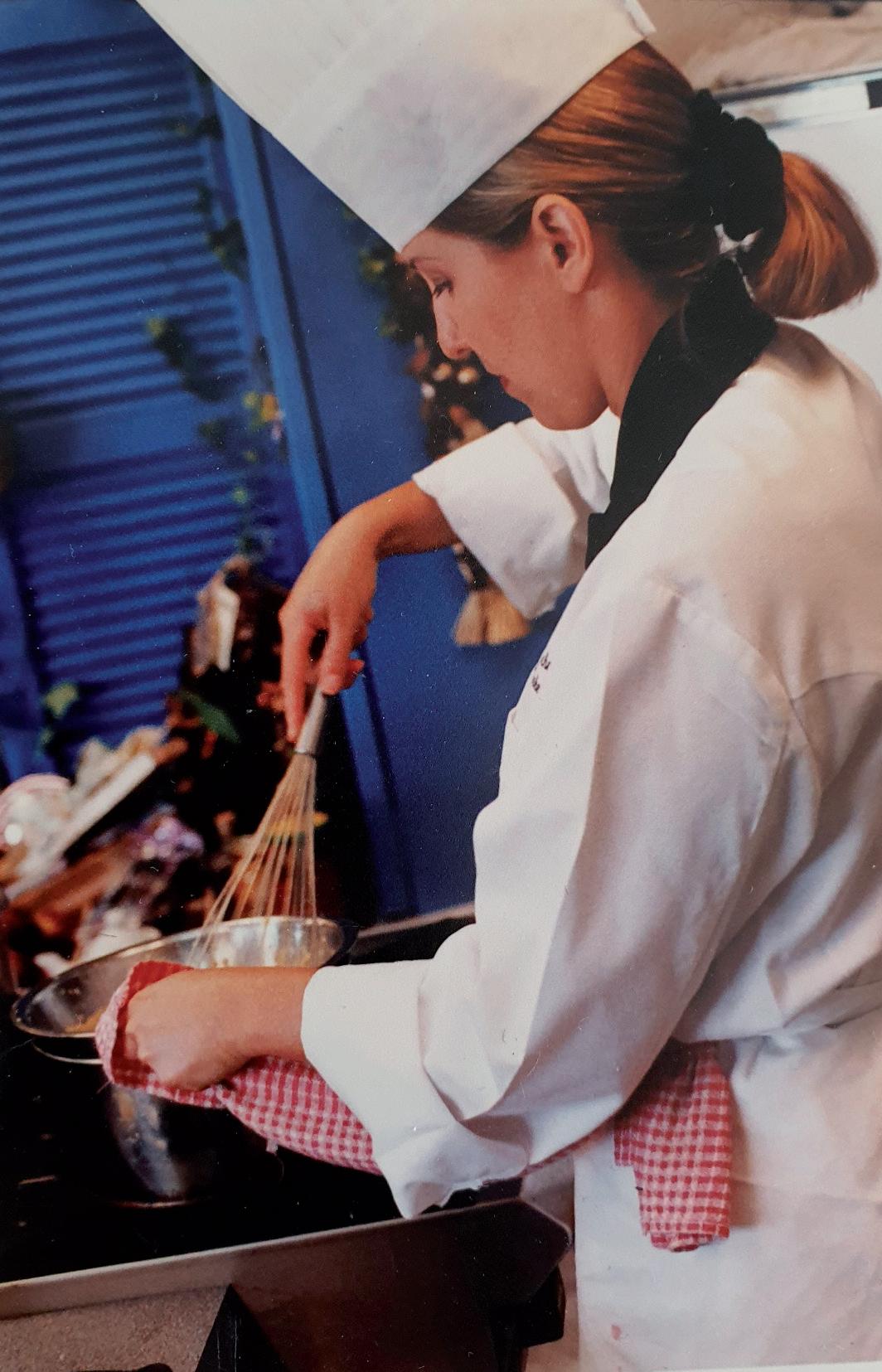
By 24, she was teaching at CPIT (now Ara). Her career has since bounced between industry and education.
From a hotel kitchen, a café, a boutique lodge, or a winery, or guiding students at Ara, Toi Ohomai or Otago Polytechnic, she adapted to whatever life threw her way, be it motherhood, relocation, and personal crossroads.
Through it all, she never stopped being a student myself and gained her Diploma in Tertiary Learning and Teaching level 7, a Bachelor of Culinary Arts with Distinction and recently achieved recognition of becoming a WORLDCHEF Regional Judge.
“As a woman in this industry, you are often flooded with advice. The real skill is learning how to sift through it and take on board what works for you.”
The best piece she said she ever received was “Don’t chase the money; work in the places where you learn, and the money will eventually find you.”
Cross’ executive chef Serge Dansereau from The Regent in Sydney has been her biggest mentor. She described Dansereau as a visionary who respected the source. She recalled that he once took the kitchen team out to meet the growers and championed local produce long before it was a trend.
“More importantly, he was a leader who truly had my back, standing by me when I faced challenges with my sous chef.”
In recent years, Cross has seen the rise of technology, from equipment to AI, as well as a massive increase in dietaries and allergens and more processed and prepared food items. She said the most vital change has been the shift toward staff wellbeing, and that the fact chefs can now take breaks and sick days was progress. Looking ahead, her heart is in sustainability. She would like to see environmental and social

responsibility woven into the very fabric of the kitchen.
She’d also like to see more unique dining experiences that tell a story, and to move away from processed food and fewer additives and rekindle that direct connection with the grower that she knew as a child.
Throughout her more than 40-year career, the most rewarding highlight has been being able to give back to the industry. She said there is nothing more rewarding than empowering the next generation with the skills and confidence to carve out their own career path.
Her deep passion for good food continues to motivate her.
“It’s my creative outlet. A need for continued learning. Empowering students with skills and knowledge for the future.”
Jasbir Kaur’s career has been anything but traditional, taking her across five different countries.
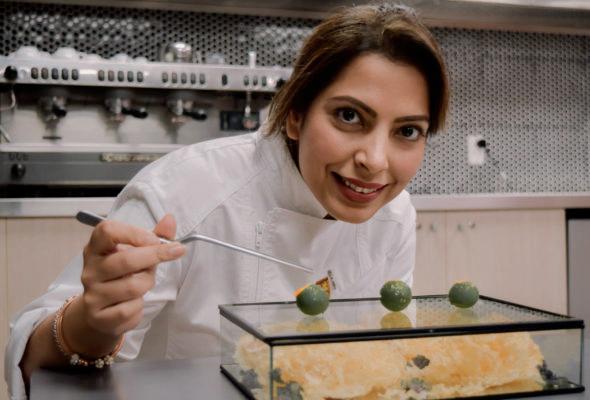
She began her professional life as a chef, working in fastpaced, high-pressure kitchens where discipline, creativity and teamwork were essential.
Working internationally in hospitality exposed her to diverse cultures, standards and ways of thinking.
“It taught me resilience, adaptability, and the importance of delivering consistent quality, no matter the environment,” she said.
Over time, Kaur transitioned into the education and skills sector, and now serves as the Vice President of a chefs' association and Head of Partnerships and Strategy at Skills Institute. In these roles, she has worked across international education, industry engagement, and workforce pathways, building strong
connections between education providers and learners.
While the setting has changed, the core principles have remained the same.
“Bringing people together, creating opportunity, and supporting individuals to succeed. In many ways, I’ve simply changed kitchens, from food to futures.”
Her biggest mentors have been women leaders who recognised potential rather than focusing on titles or backgrounds. They taught Kaur the importance of not taking herself too seriously, to laugh at herself, admit her mistakes and keep learning. Their honesty and confidence have shaped the way she leads today.
Having worked as a chef across different countries and still travelling
and meeting chefs, she has seen how the industry has evolved globally. She said there is now a much stronger appreciation for education alongside hands-on experiences.
She said chefs are no longer trained just to survive the kitchen, but to build sustainable, long-term careers. Like working in kitchens around the world, Kaur said success depends on adaptability, strong foundations and learning standards that will travel with them.
“When education connects with real kitchen experience, it equips chefs with skills they can take anywhere, with confidence and purpose.”
Kaur would like to see the industry embrace a more open, human, and globally minded approach. She said travel can teach people to learn from one-another, respect different perspectives, and stay open to feedback and criticism.
“Not every career follows a straight line, and our systems should reflect that.”
One of the biggest highlights of her career was representing New Zealand at the World Tapas Competition. Three years later, returning to the same global stage as a judge was an incredibly meaningful experience for her.
“It was a powerful full-circle moment that reflected not only personal growth, but also the value of experience, learning, and giving back to the industry.
The opportunity to create something impactful and meaningful continues to motivate her. Kaur is driven by challenging herself every day, learning from others, and pushing beyond what feels comfortable.
Knowing that her work can make a positive difference, whether for individuals, communities or the industry, keeps her moving forward.
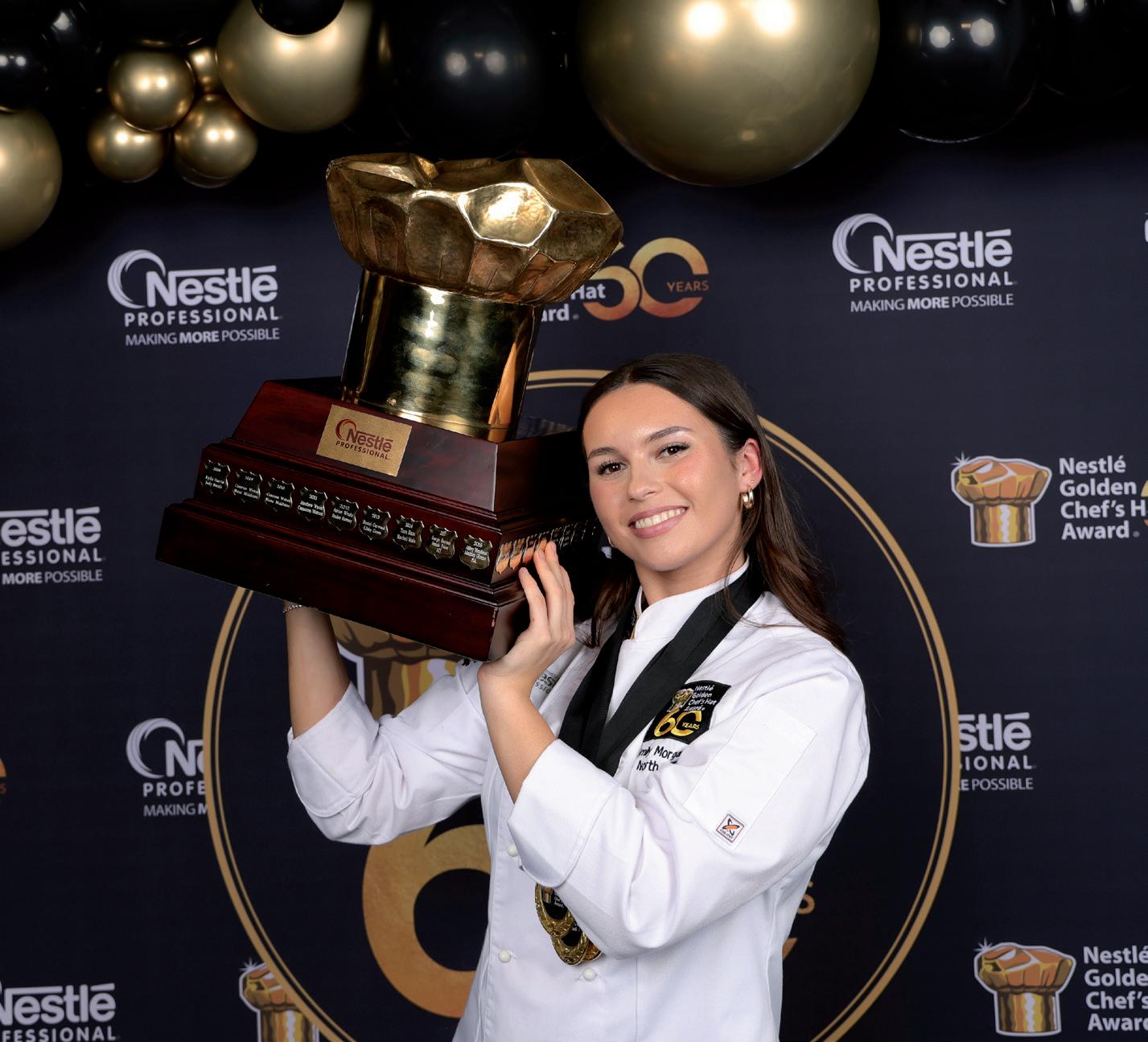
The year has started off strongly for NZ Chefs, with an array of events lined up and exciting experiences happening for local chefs making their mark on the global stage.
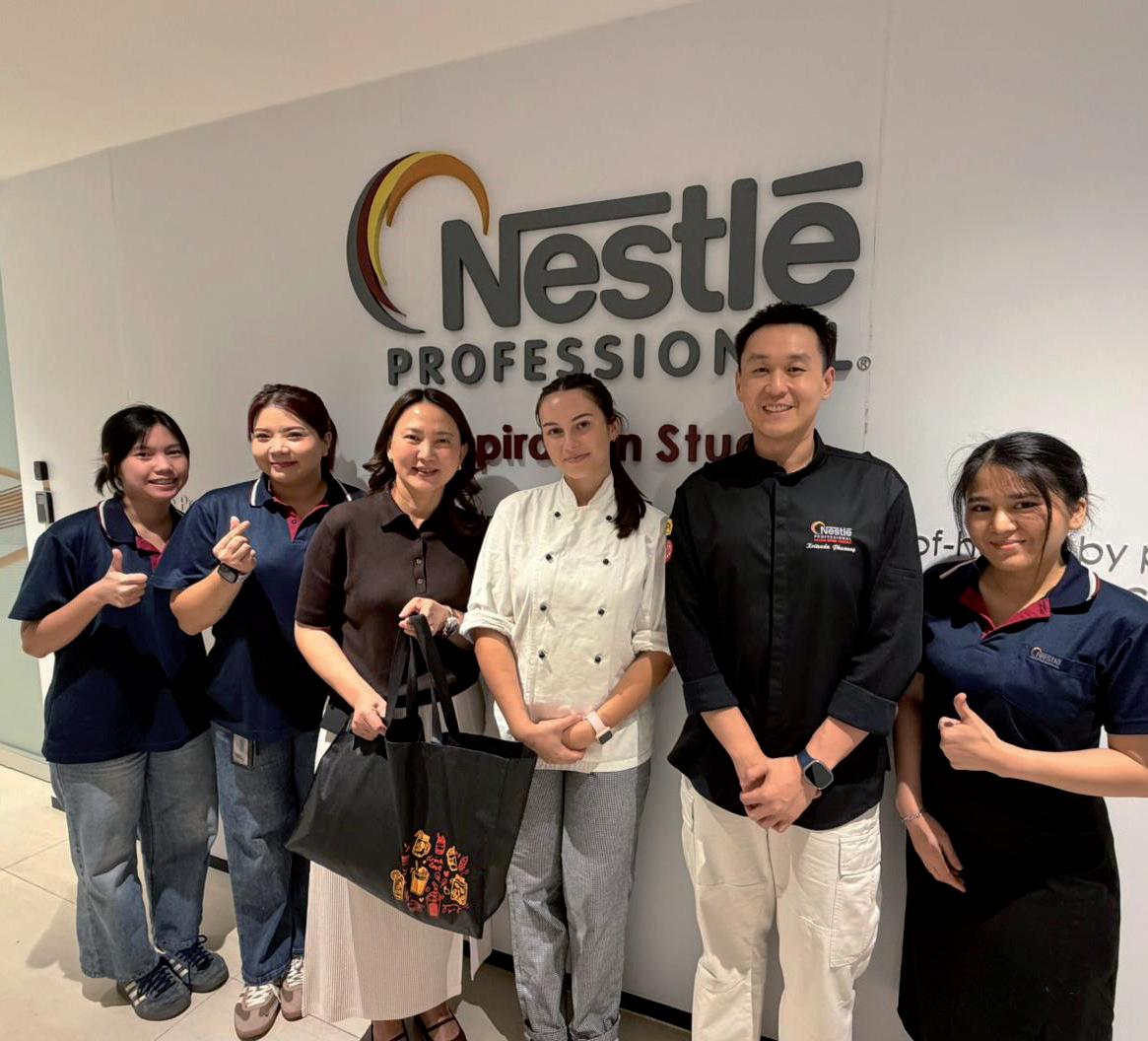
Recently, the 2025 Golden Chef of the Year, New Zealand’s Emily Morgan, embarked on an incredible international winner’s prize trip to Singapore and Thailand, with a packed itinerary.
Morgan experienced the vibrant culinary scenes of South-East Asia, from iconic hawker centres to worldclass restaurants, hosted by the team at Nestlé Professional Singapore. She also experienced behind-thescenes kitchen access at The Westin Singapore with Chef Norman Wong, Sous Chef at Cook & Brew.
Onwards to Thailand, Morgan met with the Nestlé Professional Thailand team to explore the local culinary scene before completing her work experience with her host, Chef Gig.
NZ Chefs President, Shannon Fryer, also highlighted Australia and New Zealand’s flagship culinary mentorship program, Proud to be a Chef, which he said recognised the next generation of apprentice chefs.
Following an intensive four-day program of masterclasses, cooking challenges, farm visits, ingredient education sessions and handson mentoring, the program has recognised those who demonstrated extraordinary passion, creativity, leadership, and growth.
Thirty-two aspiring chefs competed
for several awards, including the program’s top honour, an international culinary scholarship worth over NZD 10,000.
Fonterra Oceania Foodservice Director Victoria Landells said it was a privilege to champion the program as it marks its 26th year.
“There’s nothing more inspiring than watching emerging chefs grow and discovering what they’re capable of with the right mentorship,” said Landells.
“This program is something we’re deeply proud of, and we’re honoured to support the next generation of culinary leaders.”
Heading up the 2026 judging panel was resident mentor and Executive Chef Mark Normoyle, who said the talent amongst this year’s participants was exceptional.
“The commitment, creativity and potential we saw on display this year was truly world class. Every participant brought something unique, but our winners truly stood out for their curiosity, skill, teamwork and their determination to keep pushing themselves further,” he said.
Fryer said congratulations were also in order to the eight New Zealanders who were finalists in the Proud to be a Chef competition. They travelled to Australia to compete and were
accompanied by tutors and NZ Chefs members Glenn Stridiron, Emily Cross, and Adele Hingston.
The 2026 Proud to be Chef winners now join an alumni community of chefs who have become industry innovators, restaurateurs, educators, and award-winning professionals, continuing a legacy that has helped to shape the region’s culinary landscape for more than two decades.
This year, NZ Chefs has an exciting calendar ahead. May will see the Worldchefs Congress and Expo in Newport, Wales, as well as the Auckland Regional Competitions. The National Restaurant Show in Chicago and the Restaurant and Foodservice Show 2026 in Sydney will also take place during May.
In June, Nestlé Golden Chef's Hat Award North Island will host its semi-final competitions at AUT, and July will see the South Island semifinal competitions take place at Ara Institute. Foodpro Melbourne is also set for late July.
From late August to early September, Fine Food Australia, held in Melbourne, will be the setting for the Nestlé Golden Chef's Hat Award Grand Final.
The NZ Chefs Hospitality Championships will be held at MIT in October.
According to a recent briefing from the Public Health Communication Centre, kiwi diets have changed dramatically in the past 20 years.
People now eat out more often, and diets like plant-based, keto, gluten-free, and paleo have altered the way people think about food. Some diets promote whole, unprocessed foods, and that’s exactly what the official guidelines recommend. But others are more extreme and eliminate entire food groups, which leaves people with an unbalanced diet.
With the lingering hype around different wellness diets, it’s hard to know what’s best, and diners increasingly expect restaurants to cater to their specific needs. Restaurants need to stay on top of these trends and adapt their menus to keep customers happy without sacrificing their bottom line.
The Ministry of Health has recommended that people regularly eat grains (whole grains) as a part of a healthy diet, yet only 29 percent of New Zealanders actually do this. Diets like paleo, low-carb, and glutenfree are all the rage right now, and encourage people to either eat fewer grains, or cut them out completely. This has meant that customers are more likely to ask for grain-free dishes. The problem is that this can increase costs for both the restaurant and the consumer. Gluten-free bread, for example, costs around 37 percent more than your standard wheat loaf.
To keep costs down and still attract customers, restaurants can create a free-from menu that works for them.
A good approach would be to use a tiered pricing system. In other words, this means you could offer a “regular” version of a dish, and then provide upgrade options to make it glutenfree or grain-free, etc, at a slightly higher price. That way, customers get what they want, and your restaurant doesn’t absorb the expense of any extra special ingredients.
Public health messages around meat have also influenced diet choices among Kiwi diners. The Ministry of Health recommended eating lean red meat in moderation, while recent research warned that there’s "no safe amount" of processed meat.
This is a finding that the media also recently widely publicised. No surprise then that meat-free diets across the country have grown by 15 percent over the last five years. But this trend doesn’t have to be a problem for restaurants.
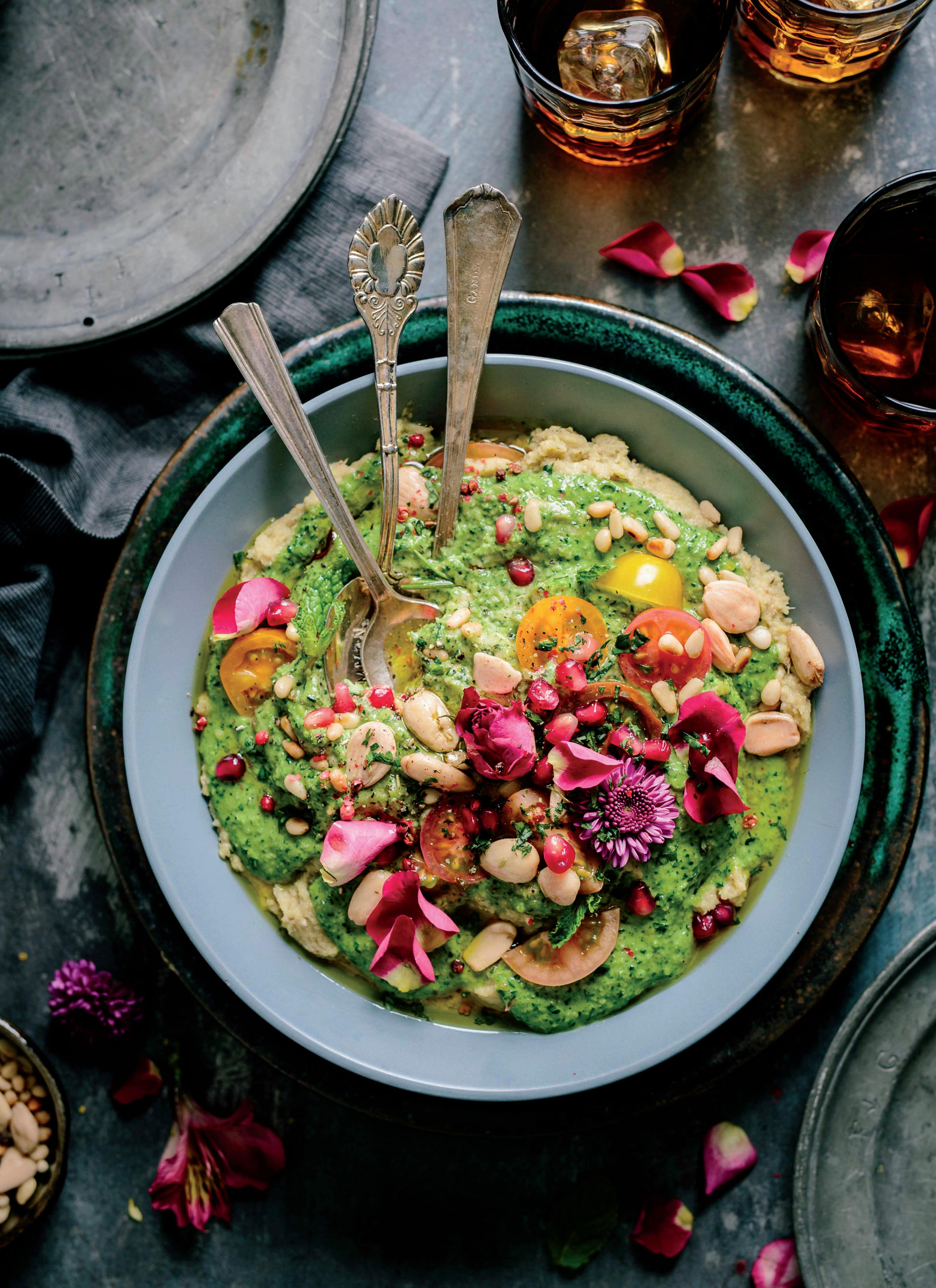
In fact, it’s easy to create plantbased dishes that keep everyone happy, vegetarians, vegans, and meat-eaters alike. The key is to create well-balanced plates that keep your menu varied and affordable. Ideally, vegetables should take up half the plate. Veggies boost the meal’s nutritional value and volume, so diners feel full and satisfied. Then, aim to fill a quarter of the plate with protein, and the other quarter with carbohydrates, and just a tablespoon amount of fat. Balanced, plant-based meals are actually about 30 percent cheaper
than meat-based meals, so this can be a great financial help to your restaurant in the long run.
Most people know that too much sugar is unhealthy, but not everyone realises there’s a difference between “added” sugar and the natural kind. Natural sugars occur naturally in fruit and vegetables and are generally healthy, whereas added sugar (like the stuff in soda and sweets) is the kind you want to limit.
Nutrition labels in New Zealand just give the total sugar content, which isn’t that helpful if you want to judge how healthy something is. In fact, 85 percent of Kiwis think that labels should be clearer about added sugar content.
With people increasingly mindful of their sugar intake, diners are now more likely to go for diet drinks over full-sugar ones and skip dessert altogether. But, as desserts are a major revenue driver for restaurants, it is an easy way to increase “average spend per head”.
A good solution is to offer lighter desserts that will tempt healthconscious customers. Think fruitbased and lower-calorie options that let people indulge without overdoing it. Also, offer sharing options. Just one delicious dessert, and two spoons.
Health trends have changed how people eat, but this doesn’t have to hurt your restaurant. Tweak your menu to suit new eating habits, and you’ll attract more diners and stay ahead.
While a global trend, New Zealand's hospitality operators are desperate to find staff who are capable, not just a candidate.
Signals emerging from the UK are echoing across New Zealand’s hospitality sector. Recruiters may not use the same blunt language, but the commercial concern is similar: operators are not simply looking for staff, they are looking for people who can contribute from their first shift.
Research from Regent's University London found that roughly eighty percent of hospitality recruiters believe graduates miss out on roles because they are not ready for the workplace, with soft skills increasingly outweighing academic performance. Communication, accountability, and decision making were ranked ahead of technical knowledge. The study also pointed to a growing preference for candidates with practical experience, reinforcing a wider shift toward operational readiness.
While the UK data provides a clear benchmark, industry commentary suggests New Zealand employers are navigating comparable pressures.
A labour shortage masking a capability issue. The Restaurant Association of New Zealand has consistently identified recruiting and retaining staff as one of the industry’s most persistent challenges. On the surface this reads as a supply problem, yet many operators privately describe a second layer: finding applicants who understand the pace, discipline, and customer expectations
of a commercial kitchen or busy service floor.
For businesses operating on tight margins, the cost of training inexperienced staff has become harder to absorb. Productivity cannot pause while capability catches up. As a result, employers are placing greater weight on dependability, situational awareness, and the ability to operate within a team from day one.
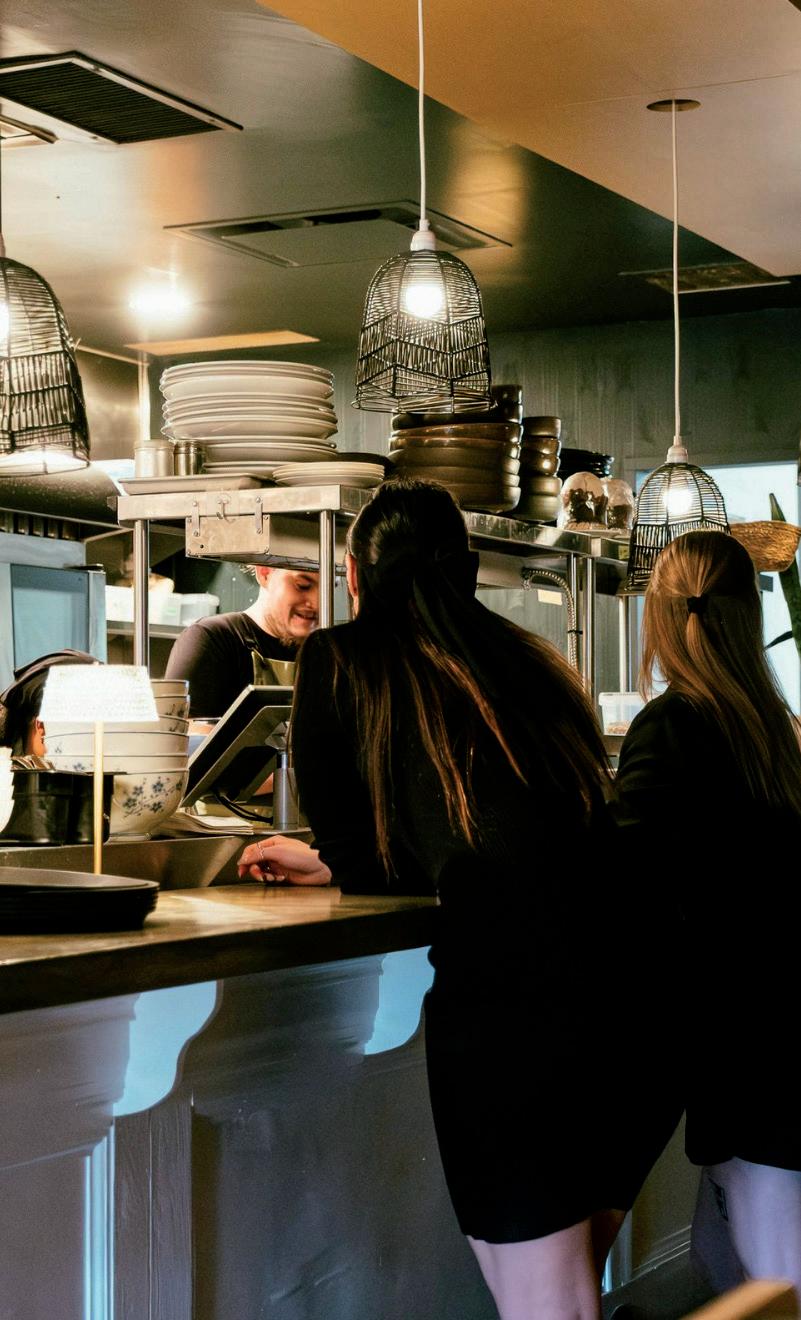
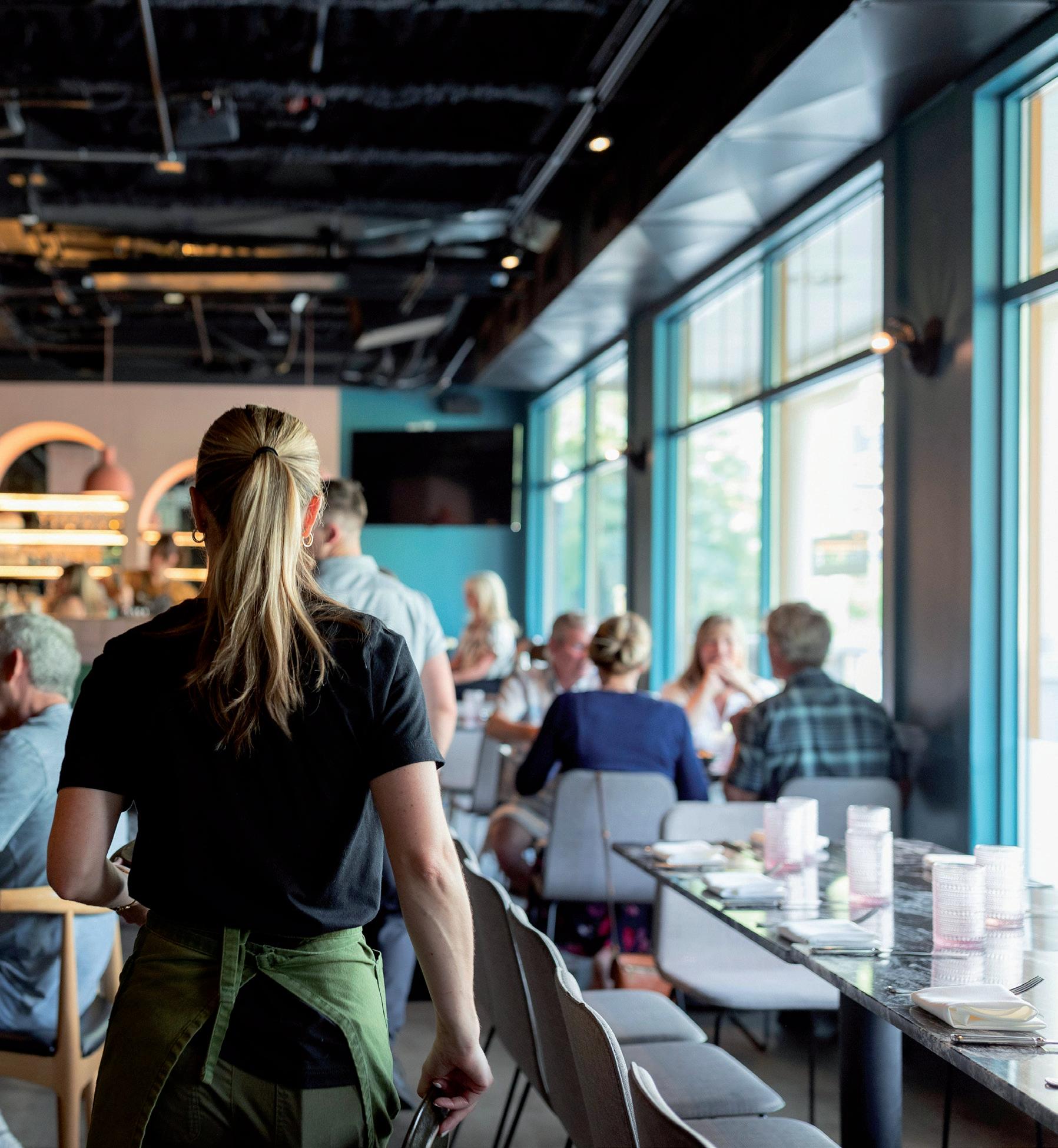
The UK findings around communication expectations also resonate locally. Hospitality has evolved into a high-contact service environment where guest experience directly influences revenue and reputation. Staff are increasingly seen as brand representatives rather than functional labour, raising the threshold for what constitutes an employable candidate.
Education versus operational reality. The tension between theory and practice is not unique to one market. UK recruiters have questioned whether traditional university pathways adequately prepare graduates for professional hospitality settings, a view supported by employment data from Jisc showing rising graduate unemployment alongside declining full-time employment rates.
New Zealand’s industry bodies have similarly highlighted the importance of work readiness skills such as time management, teamwork, and


resilience. These are not advanced competencies; they are baseline expectations in environments where service delays translate directly into lost revenue.
There is also a structural consideration for operators. Investing in training only makes commercial sense if staff remain long enough to justify the effort. Younger workers showing higher mobility across sectors can create hesitation at the hiring stage, particularly for independent venues without the scale to run formal development programmes.
For education providers, the direction of travel is clear. Models that embed practical experience alongside study are likely to hold stronger appeal for employers than purely academic pathways. For graduates, the message is equally direct: evidence of having worked in real conditions carries measurable weight.
The broader takeaway for the sector is strategic rather than reactive. Labour constraints may ease over time, but expectations around job readiness are unlikely to soften. Operators are recalibrating what “entry level” means, and candidates who arrive with commercial awareness, service discipline, and proven reliability will continue to separate themselves in a market that remains selective despite ongoing shortages.