The New Reality of Hospitality Hiring

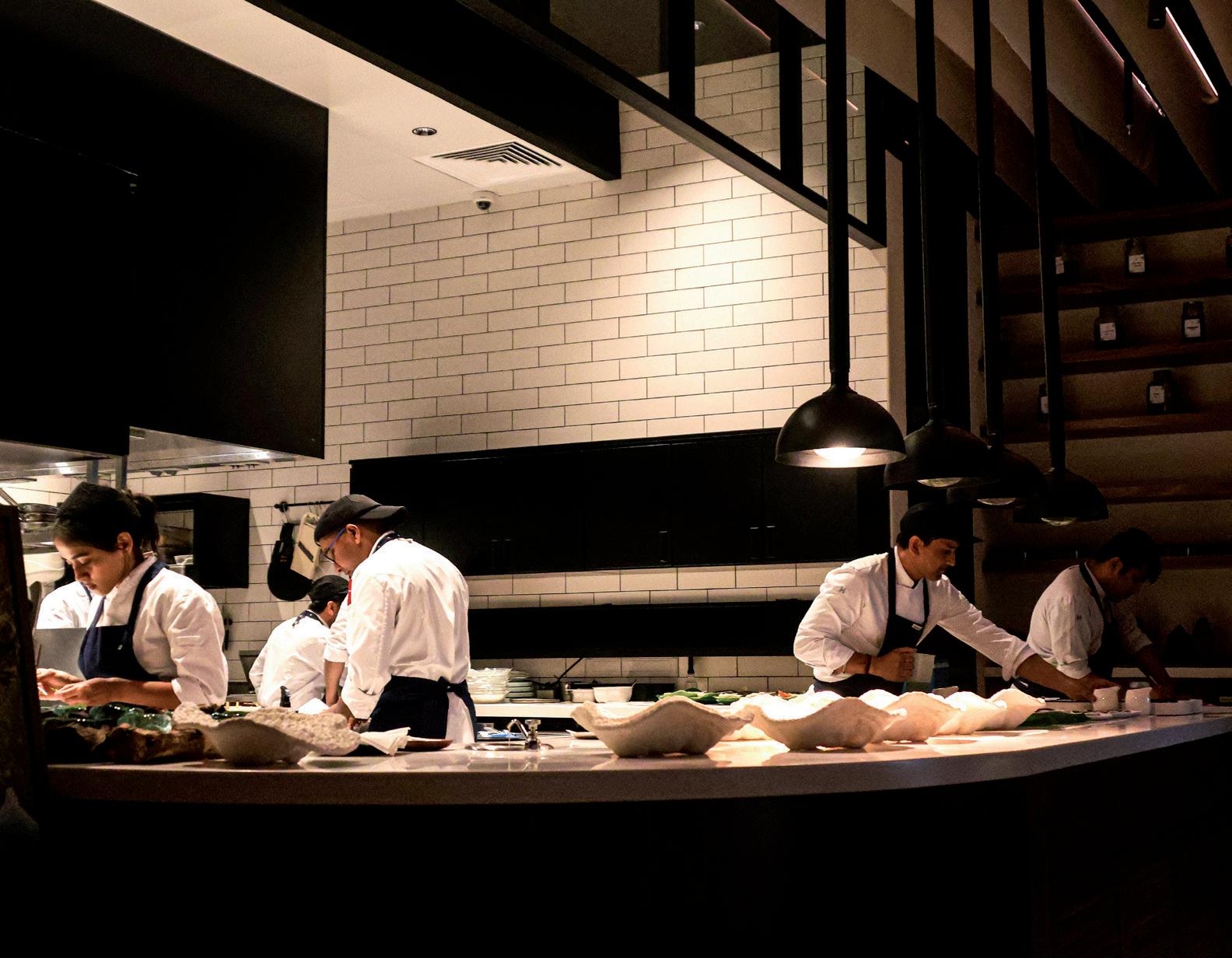
Some operators are still short staffed. Others are holding back on hiring altogether. Both are true, and it is forcing a rethink not just on headcount, but on what each role is expected to deliver.
Employment has steadied rather than lifted. Hiring now needs to justify itself quickly, particularly with labour sitting high in the cost base. For many operators, it is closer to forty percent of revenue than they would like. That alone is enough to slow decisions. But hospitality is not a numbers exercise. It is an experience. The outcome is not the meal served, it is whether the customer comes back. That is where the current staffing conversation becomes more complex. The hardest roles to fill are still the experienced ones. Chefs, supervisors, and capable front of house staff who can manage a service and read the room are not easy to find. Entry level hiring has eased in places, but that does not replace experience or lift the standard on the floor. So operators adjust what they can. Menus are simplified. Hours are reviewed. Rosters are built around availability rather than ideal coverage. These are practical decisions, but they come with a trade off. The shape of the service changes.
That leads directly to training. There is broad agreement that training needs to improve, but delivery is uneven. Larger groups can structure it. Smaller operators are often doing it in real time, between services. That limits what can be passed on. And what needs to be passed on is not just process. It is judgement. How to handle a complaint. When to step in. How to turn a standard interaction into something that feels considered.
Without that, service becomes functional. Orders are taken, food arrives, tables turn. It works, but it does not build loyalty. Retention sits alongside this. Staff are more likely to stay where they are learning and

Publisher: Tania Walters, tania@reviewmags.com
General Manager: Kieran Mitchell, kieran@reviewmags.com
Editor-in-Chief: Caitlan Mitchell, caitlan@reviewmags.com
Editorial Associate: Sam Francks, Jenelle Sequeria
Advertising: Caroline Boe, caroline@reviewmags.com
Pamela Vasquez-Gutierrez, pam@reviewmags.com
Graphic Designer: Raymund Santos


progressing, not just covering shifts. Customers are more likely to return when service feels deliberate rather than rushed.
That leaves operators with a clear tension. Training takes time and cost, but not investing in it shows up quickly in the customer experience. Staffing has always been central to the operation. What is changing is how directly it is now showing up in service quality, and in whether customers choose to come back.

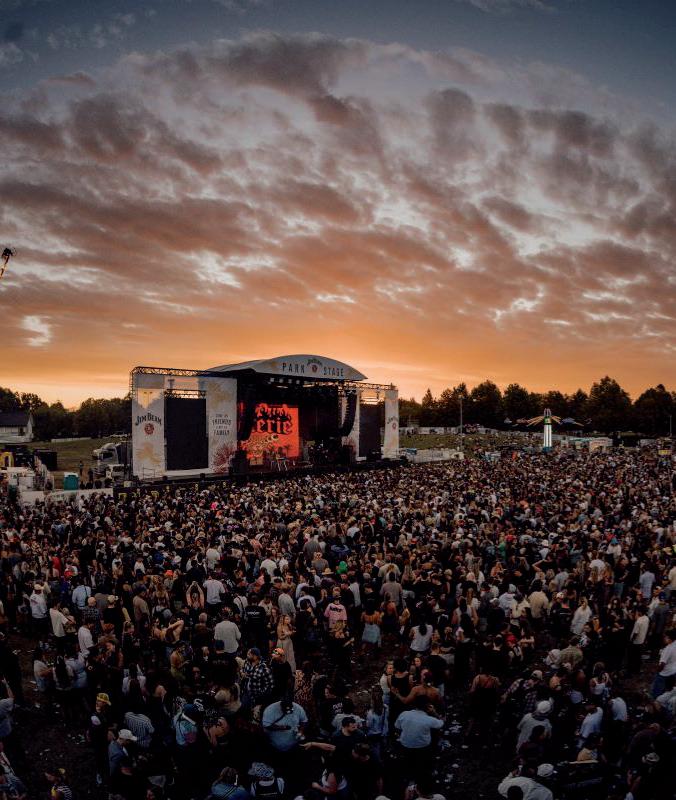
Homegrown Returning to Hamilton
Homegrown has locked in its return to Hamilton, giving operators a date to plan around following on from its successful move this year.
Few events can pull 25,000 people into a city in a single day and hold them there. For hospitality operators, that concentration of demand is rare, and it comes with a short window to get it right.
Jim Beam Homegrown 2027 has confirmed it will return to Claudelands Oval in Kirikiriroa Hamilton on Saturday 3 April 2027, following a strong first run in the city.
→ READ MORE ONLINE




First Table Appoints Alex Cappy as CEO
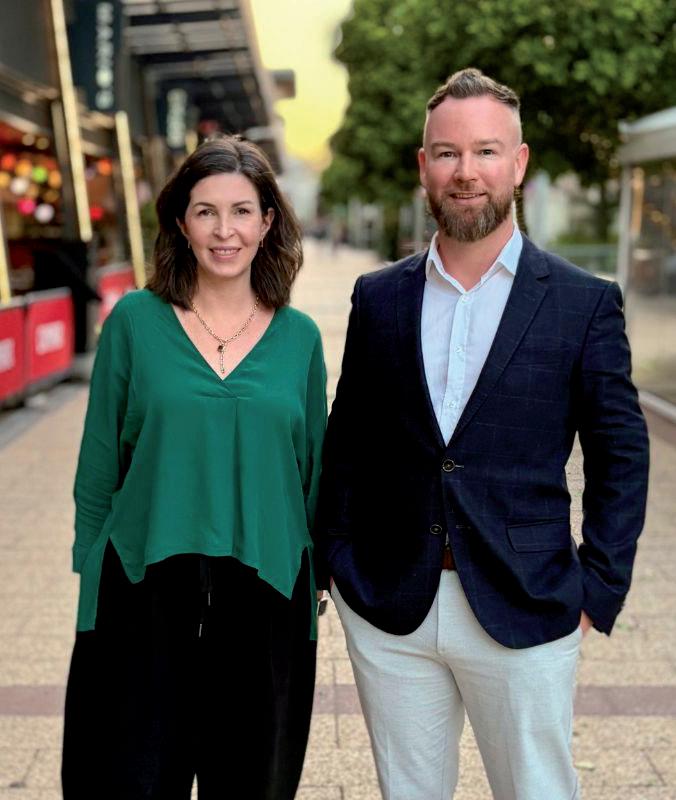
First Table has announced the appointment of global startup executive Alex Cappy as Chief Executive Officer.
The appointment comes as First Table has accelerated its expansion in the United Kingdom and looks to further scale its marketplace model internationally.
Founded in Queenstown by Mat Weir, First Table has grown from a local startup into a globally recognised dining platform, connecting diners with restaurants by offering off-peak restaurant reservations with 50 percent off food, while helping venues fill otherwise empty tables.
→ READ MORE ONLINE


REVOLUTIONISE YOUR HEAT AND EAT OFFERING WITH MENUMASTER
Menumaster delivers speed, efficiency, strength, and durability – which is why it is the microwave oven of choice for fast food chains, service stations, supermarkets, convenience stores, cafés and restaurants. Comprising a complete range of commercial microwave and accelerated microwave, convection, infra-red ovens designed to meet the needs of the most demanding hot food serving environments. STOCK AVAILABLE IN OUR AUCKLAND WAREHOUSE
E A T

LIFE ENJOY !

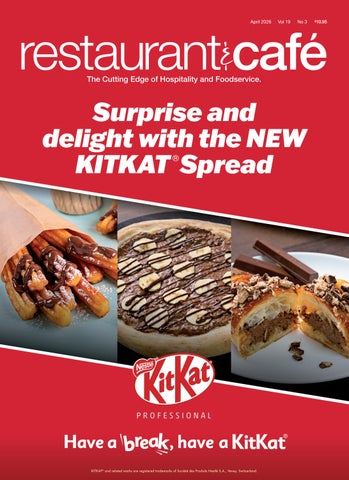
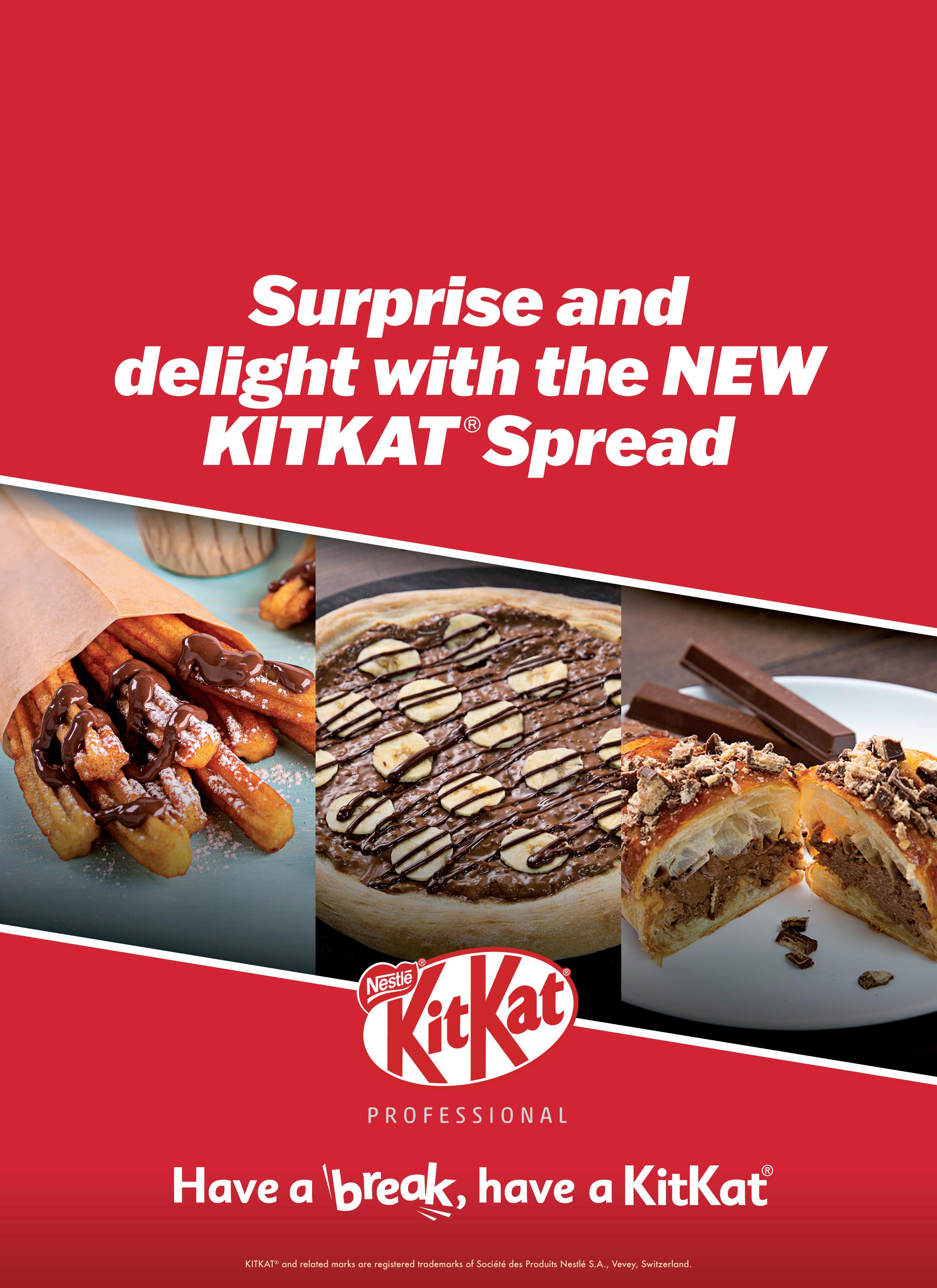
Bring a KitKat® Experience to Any Creation
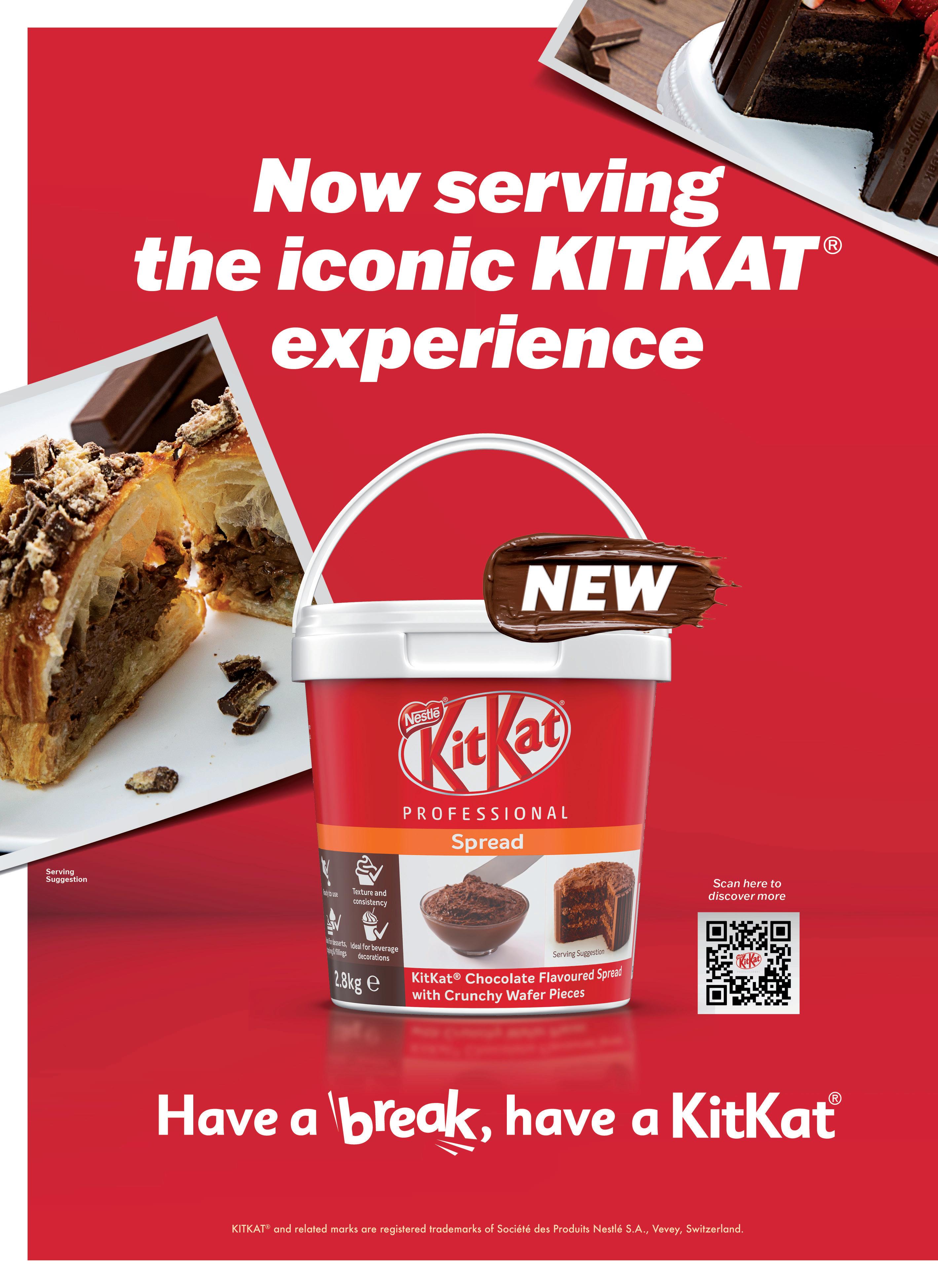
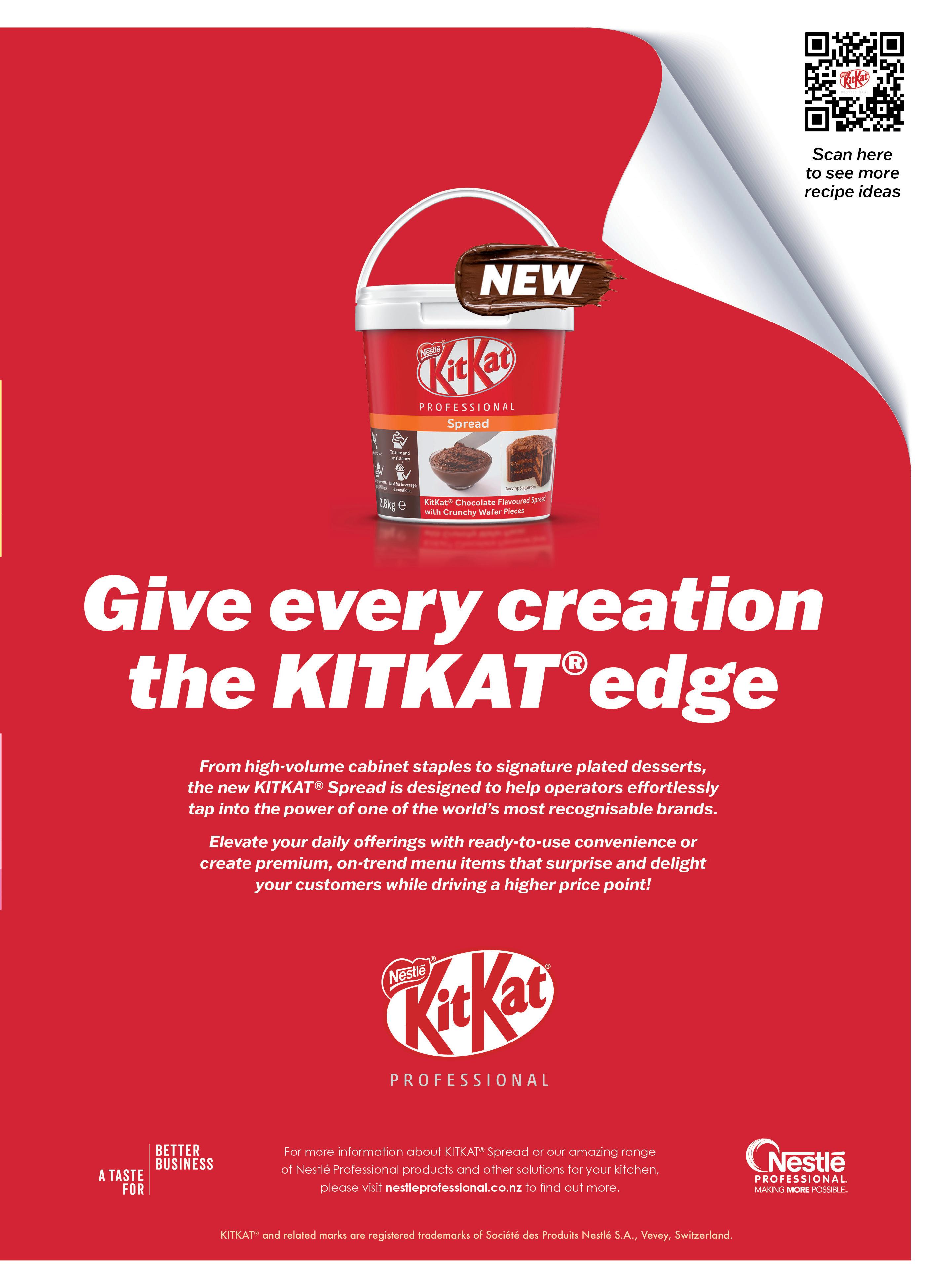
The iconic KITKAT® experience – now in a versatile, ready‑to‑use spread for foodservice.
Nestlé Professional is turning up the indulgence with its NEW KITKAT® Spread, bringing the iconic KITKAT® chocolate flavour and crispy wafer experience to professional kitchens.
Designed to help operators effortlessly tap into the power of one of the world’s most recognisable brands, KITKAT® Spread delivers the familiar taste customers love in a format made for creativity. From desserts and bakery to beverages, this versatile spread makes it easy to add a delicious KITKAT® twist to menus with minimal preparation.
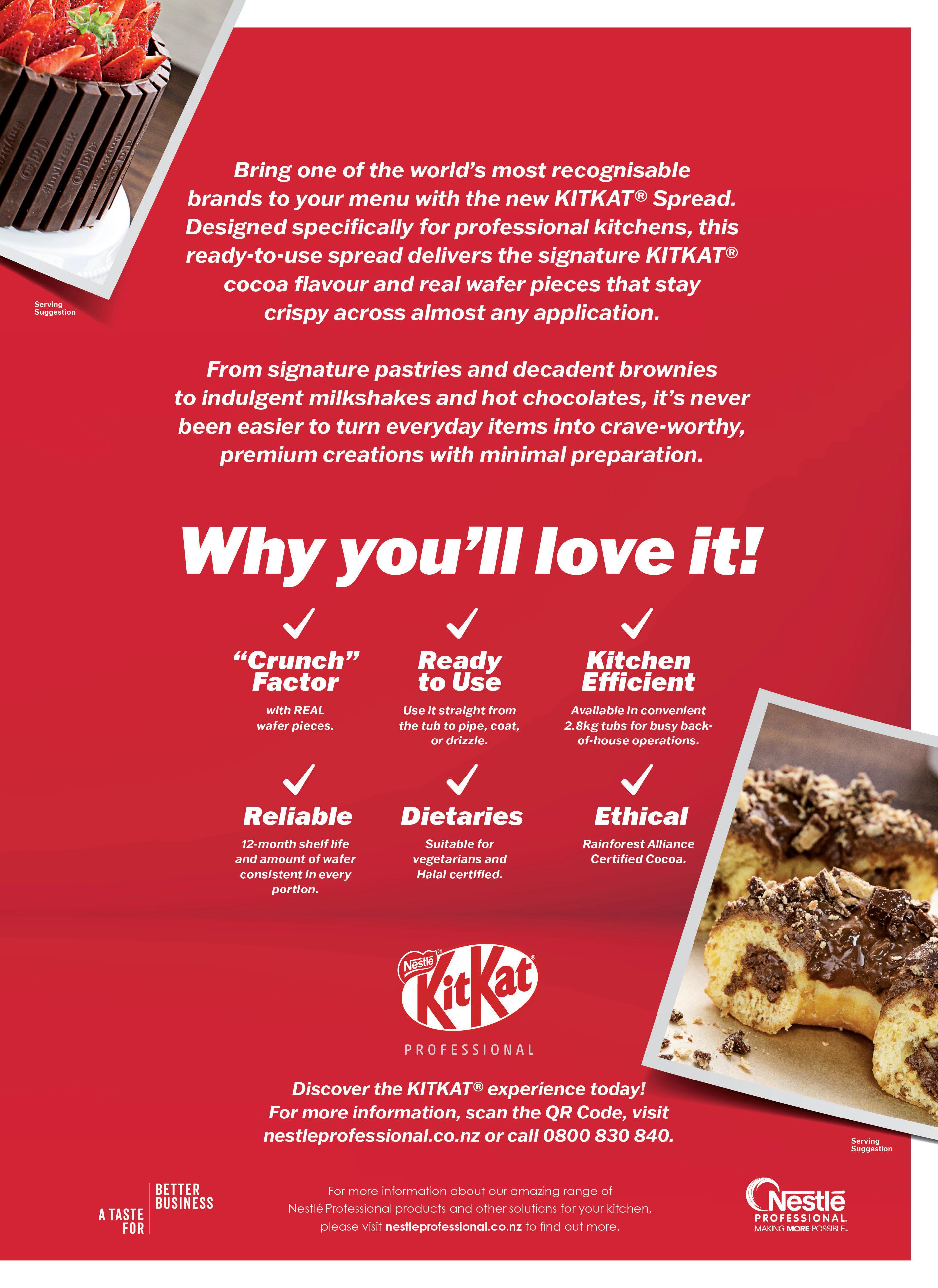
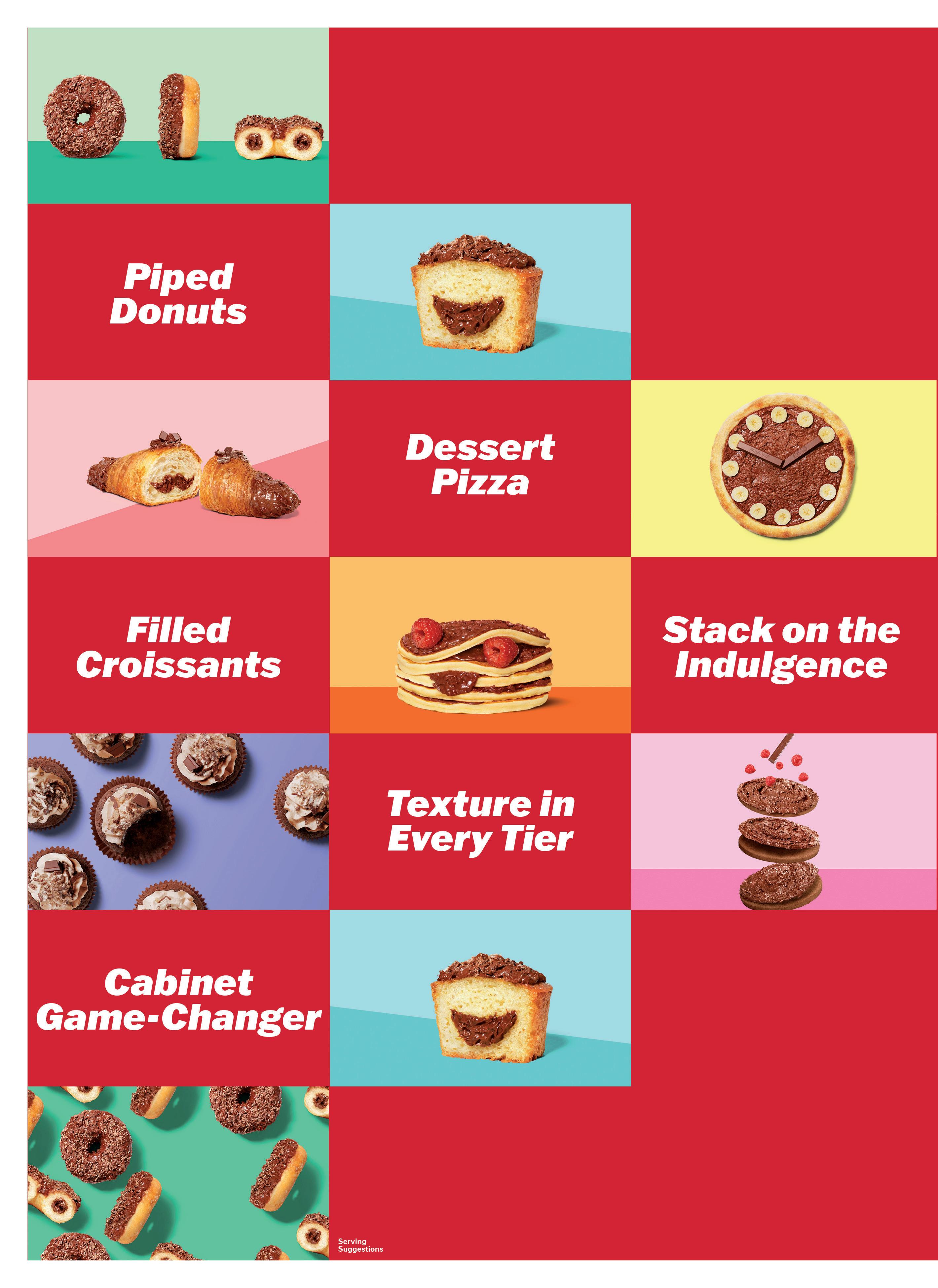
Whether used as a filling, topping or ingredient, KITKAT® Spread performs across a wide range of applications from pastries, brownies and desserts, right through to indulgent drinks like hot chocolates and milkshakes. The spreadable texture is easy to pipe, coat and drizzle, while real wafer pieces stay crispy in most applications, delivering a satisfying chocolate-crunch experience every time.
Created with busy kitchens in mind,
KITKAT® Spread comes in convenient 2.8 kg foodservice tubs (two tubs per case) and offers consistent results portion after portion. It’s ready to use straight from the tub, helping chefs and baristas create on-trend, premium menu items quickly and confidently.
Beyond its great taste, KITKAT® Spread also meets key operator needs. It is suitable for vegetarian diets, Halal certified, contains no artificial colours or flavours, and is made with cocoa sourced through the Nestlé Cocoa Plan and Rainforest Alliance Certified supply chains. With a 12-month shelf life, it’s a reliable addition to back-of-house operations. By combining indulgence, versatility and the strong consumer appeal of the KITKAT® brand, KITKAT® Spread helps operators surprise and delight customers while turning everyday menu items into crave-worthy creations.
Discover KITKAT® Spread today and learn more about Nestlé Professional’s range of products and solutions at nestleprofessional.co.nz or call 0800 830 840.


Two Sides of the Sound: A Pasifika Perspective on Music Licensing
Music licensing is a two way street ‑ supporting the venues that play it and the artists who create it. In a month where Pacific culture is under a glorious spotlight, Sam Brooks speaks with award‑winning Samoan creatives a restaurateur and a musician, about the importance of valuing both sides of the story.
Henry Onesemo, the executive chef and owner of TALA, which was recently named supreme winner at the 2025 Viva Top 50 Restaurant Awards, and even more recently named to Time’s List of 100 Greatest Places in the World, thinks music is one of the most important things in his restaurant. “The playlist is always Samoan,” he said.
“It’s very important, because there’s a certain vibe when you walk into the restaurant. We’re blasting Samoan songs, we’re playing old Samoan songs, new Samoan songs, modern Samoan songs.”
“We rely solely on the music to kind of tug on that emotional heartstring using sound. It’s very, very important to us.”
David Feauai-Afaese, a screen composer and music co-ordinator who founded LEAO, a Samoan indie rock project, is part of the duo Hanisi Gurue, and currently heads up NOA Records, a label championing a range of music styles, from Samoan postpunk to taonga puoro.

Feauai-Afaese knows from experience that there are so many intangibles that go beyond time and effort when it comes to composing and writing music. “That’s especially true for artists who are intentionally dedicating their own leisure time outside of work to create,” he said. “Thus to have that hard work, vulnerability and experience be remunerated by the licensing infrastructure facilitated by OneMusic is extremely encouraging, affirming and legitimising to the careers that artists strive for.”
Tala’s incorporation of music into the vibe was very planned. Onesemo wanted to bring it back to what it was like the umukuka (kitchen) back in Samoa, which is often separate from the living area in its own dwelling. “Everything you would find in that umukuka. So if you’re waking up early in the morning to do your chores, you’ll take your little transistor radio,” he said. “Everything you see in an umukuka is what Tala feels like. That’s why it naturally feels like you’re in somebody’s home or somebody’s kitchen.”
So how does he choose the music?
“It has to be music that I like!”
A few of those tracks include “Pe Moni Ea” by TheWesternGuide and Rabz, “Salafai e Auelelei” by Luagia Seamau and Samoa Ula Crew, and Lisi’s “685” remix featuring Victor J Sefo and MWays. (“So, it’s very, very varied,” he adds.)
Onesemo keeps up with music mostly by listening to Niu FM – first the morning show with Gabz and Regz, then Niu Daily with Mon, and closing out with Sia and Henry on The Rush. “I listen to those three to see what’s going on in the music scene.”
Beyond his culinary mastery
Onesemo is a creative in his own right – he plays the ukulele and even danced professionally for seven years for Disney (he still has an equity card, incredibly). So, he gets the importance of licensing, which is also pretty much non-existent in the world of professional chefs, because it’s extremely difficult to prove who owns a recipe, or who created what.
“But a body of work when it comes to music is very specific to an artist’s taste and to who an artist is. It’s very important work that OneMusic is doing.”
Onesemo believes that restaurants should pay for the music they’re using. “So that artists can eat!,” he said. “I use Samoan artists, so that’s the whole idea: Play them, support them, give them the money they’re owed.” He points out that he could not use music at all, and it was a talk that he and his wife had early on in conceiving TALA.
“It’s such a Samoan thing to have the radio blasting and just listen to it, commercials and all. But we realised that subtlety makes much more impact. So to have Samoan music, and on top of that, to support these artists, is quite, quite important.”
It isn’t just hospitality venues like TALA - large-scale events like Pasifika Festival are also important, not just for the income they generate, but for the platforms they provide.
“Those calendar events came out of a desire, if not a need, to platform and celebrate the growing diversity and stories that Aotearoa has become home to,” Feauai-Afaese said. “For Pacific peoples, performance isn’t just a creative entertainment, but a deeply intrinsic methodology employed to share our history, genealogy, idiosyncrasies – to share and make aware to our wider communities who we are as a people, where we come from and where we are going.”
Feauai-Afaese sums it up succinctly: “In brief, music licensing ensures that people who create music are fairly recognised and paid for their work.”
He also believes that, on a broader, more experiential level, accounting for how important music is to social regulation and discourse enables the sustainability and continuation of stories and perspectives shared by artists and groups that might otherwise not be heard from.
“To support artists means to support a future where we encourage connection through active listening, reciprocity, and manaakitanga.”
To hear more about the vital link between artists and the businesses that play them, listen to David Feauai-Afaese on RNZ’s Music 101. He recently spoke with Kara Rickard about his Moana-Indie sound and why music licensing is essential for a thriving creative industry.
Listen now on RNZ
Find out more about Tala here, find out more about NOA Records here, and if your hospitality business is not already covered with a OneMusic licence – learn more about it right here. Because when music works, everyone should get paid for their craft.

10 Costly Kitchen Mistakes to Avoid
Kitchen design mistakes rarely show on opening day, but they will appear when it’s busy, staff are stressed, and customers are waiting.
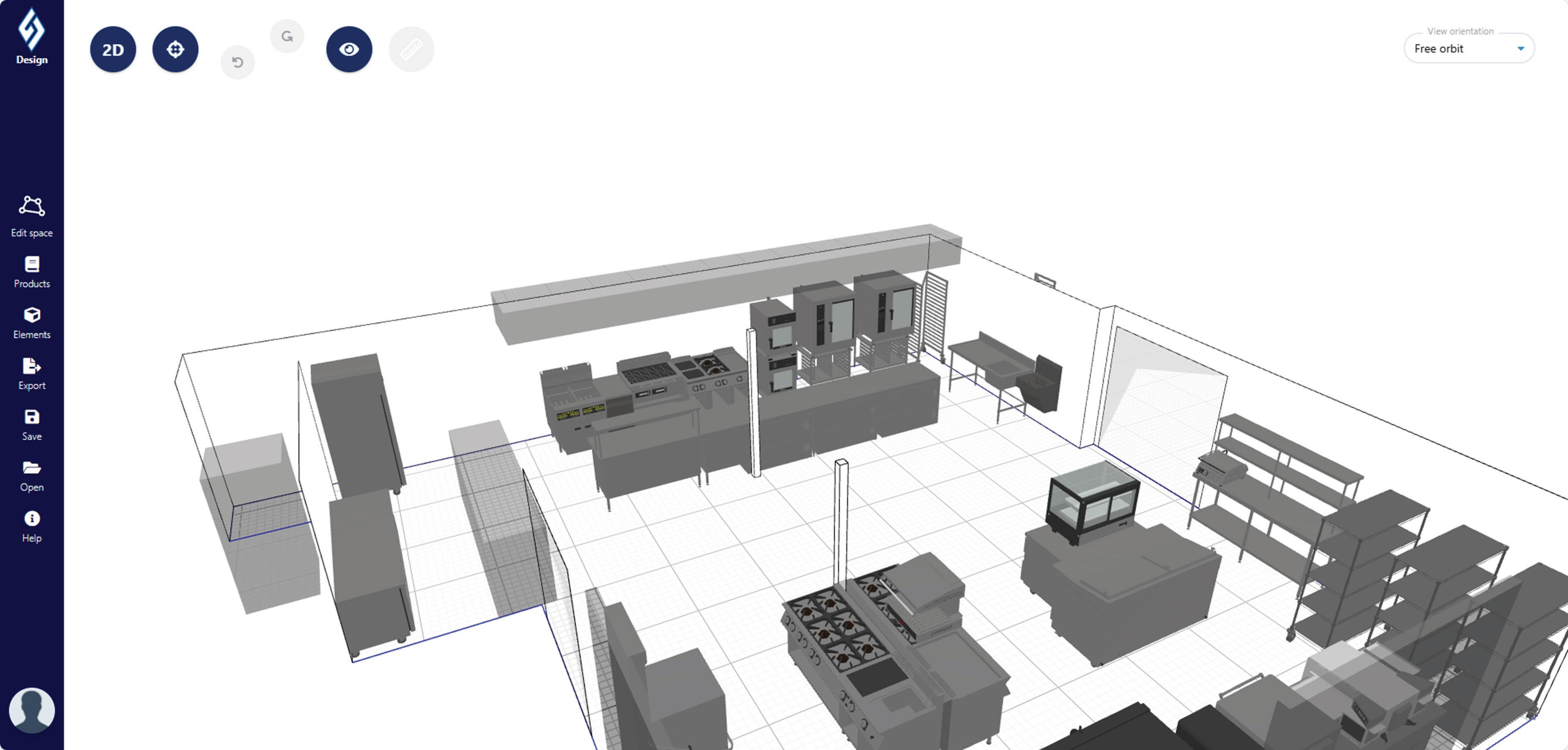
Instead of facing expensive repairs later on, start the process right by using the Stoddart Design Tool, which makes the process seamless and allows businesses to visualise the space before it’s been built.
Designing for speed, simplicity and workflow are the key elements of a successful kitchen.
1: Buying Equipment Before Designing the Layout
Mistakes are often made when ovens, fridges or cooktops are purchased early because of deals, promotions or recommendations. While they may seem like a good idea at the time, the consequences will be felt when equipment doesn’t fit properly, blocks workflow, or requires expensive service changes.
Designing the kitchen first will mean selecting equipment that fits the workflow.
2: Designing for Average Trade Instead of Peak Service
Planning a kitchen for quiet midweek operations will cause a multitude of issues when demand spikes over the weekend. A domino effect of slow ticket times and overcrowded staff will result in lost revenue.
Instead, designing for the busiest hour will ensure the kitchen is prepared for all hours of service, rather than just a typical night.
3: Poor Workflow
A lack of spatial awareness will mean prep, cooking and dishwashing areas overlap. With staff crossing paths, it’s almost guaranteed that accidents, delays and food safety risks are bound to happen.
Implement a one-directional food flow, from delivery to prep, cook, serve, and washing stations. The Stoddart Design Tool will help visualise staff building before construction.
4: Underestimating Storage Space
Not allowing enough refrigeration or dry storage is a common oversight when designing a kitchen. With daily deliveries and a busy workspace to manage, cluttered benches and food waste are an unwanted nuisance caused by not having sufficient storage.
Plan to have enough storage space for at least your busiest trading period, plus buffer stock too.
5: Making the Kitchen Too Bigor Too Small
Either wasting rent on unused space or cramming equipment too tightly are common effects of a kitchen being the wrong size. The idea is to maximise the space for dining alongside an efficiently designed kitchen.
Kitchens that are disproportionately sized will mean higher rent, not maximising seating capacity, and inefficient labour.
6: Ignoring Cleaning and Maintenance Access
Equipment pushed hard against walls or each other makes it difficult to clean. This will cause health compliance issues and costly deep cleans to stay up to code.

Using the Stoddart Sketch Tool will mean that operators can clearly plan out the kitchen space, allowing sufficient access for cleaning behind and beside equipment.
7: Poor Ventilation Planning
A common mistake made when planning a kitchen area is not prioritising extraction until after selecting equipment. This runs the risk of heat buildup, uncomfortable staff, failed inspections and retrofit expenses.
It’s essential that ventilation is planned alongside the cooking line from the beginning.
can cost three to five times more than getting the design right initially, plus lost trading time.
Before approving a kitchen design, have a quick self-check. Ask Yourself: Can staff work without bumping into each other?
Is dishwashing separated from food prep?
Can equipment be cleaned easily? Will this handle my busiest service? Can I grow without rebuilding?
If any answer is “maybe”, get in touch with Stoddart NZ and plan your kitchen with the Stoddart Sketch Tool. It’s better to do it now than later.

Stoddart Sketch Tool
The kitchen Sketch Tool Youʼve always wanted
Simplify the creation & quoting of commercial kitchen concepts with Stoddartʼs online Sketch Tool.

A Better Way to Handle Tax Debt
Many restaurant and café owners set Inland Revenue debt aside. It feels like something to deal with later. There is also a concern that once you make contact, things get more serious.
In most cases, it is the opposite. Inland Revenue can work with you to create a plan and help you manage the debt.
If you are having trouble paying tax, Inland Revenue wants you to get in touch early. That is when there is more flexibility to work through it.
For many businesses, tax does not fall behind all at once. It builds up over time. A late GST payment. A shortfall in PAYE. What starts small can grow once interest and penalties are added.
The timing of that first conversation matters.
If you act sooner, you can usually set up a payment plan. This spreads the debt into regular amounts that are easier to handle. It can also help limit additional penalties.
If you leave it too long, the numbers can become harder to deal with, and Inland Revenue may need to take further action.
The key point is simple. Inland Revenue wants to see that you are engaging and taking steps to get the debt under control.
Making contact shows that you are aware of the issue and acting on it. That makes it easier to agree on a plan that fits how your business actually operates.
For owners, the biggest benefit is clarity.
Once a plan is in place, you know what needs to be paid and when. That takes pressure off. Instead of
focusing on the full amount, you are working toward a structured plan to clear the debt.
Many owners carry this stress in the background. It sits there while you are managing staff, service, and customers. Putting a plan in place does not remove the debt, but it makes it easier to work through and takes some of that pressure away. You can focus on the day-to-day running of the business.
Most arrangements can be set up through myIR, or with help from an accountant. Inland Revenue will usually ask for basic financial information so they can see what is realistic.
One point worth knowing. You do not have to wait until the debt builds up. If you know you cannot pay a tax bill in full, you can still get in touch and set up a plan ahead of time.
This is not about making the situation sound easy. Tax still needs to be paid. But speaking to Inland Revenue sooner gives you more room to manage it.
For many operators, that step stops the situation from getting away from them.
For more information, visit https://www.ird.govt.nz/.




Staying Up to Date
Following changes being made to the Employment Relations Act, being up to date with employment responsibilities is essential for all business owners and operators.
The first major change to be removed was the 30-day rule for collective agreements.
New employees no longer have to start on terms and conditions of the collective agreement for their first 30 days. Employees can now choose to agree to an individual employment agreement from day one, or choose to join a collective employment agreement.
Clearer rules for contractor and employee status has also been ushered in under the new changes. A new ‘gateway’ test has been introduced to make it easier to work out if someone is a contractor or regular employee.
Where a working arrangement meets all gateway test criteria, the worker will be recognised as a specified contractor. If any of the gateway test criteria is not met, the existing common law test of employment status will still be used. This has aimed to provide more upfront certainty for both businesses and workers.
There are also reduced remedies where employees contribute to personal grievances. The new law has introduced stronger consequences where an employee’s conduct has
contributed to a personal grievance. The Employment Relations Authority and the Employment Court are now required to reduce or remove certain remedies.
Since the changes came into effect in February 2026, its essential for employers to review templates for individual employment agreements, hiring and onboarding processes, workplace policies relating to conduct, performance, and disciplanary processes, and contractor engagement practices.
Carolyn Young, Chief Executive of Retail NZ, said the reforms would be particularly positive for small and under-resourced businesses, who often shoulder disproportionately severe consequences when navigating complex employment procedures.
“The new legislation helps rebalance this risk, offering clearer, more proportionate settings that support practical and effective management of workplace issues,” she said.
“Smaller retailers will benefit from a much-needed reduction in compliance pressure, with clearer rules that allow them to focus on resolving problems early and managing their teams fairly, rather than navigating complex administrative steps.”
Paul Gillespie, Principal Employment Lawyer at Ford Sumner Lawyers, said these reforms give businesses a clearer and more workable framework for managing employment relationships, enabling them to make commercial decisions with greater certainty.
“For example, where an employee’s behaviour meets the threshold for serious misconduct, compensatory remedies will no longer be available, keeping the employee accountable,” he said.
“Further, the removal of the 30-day rule means that employers now have the flexibility to no longer offer new employees the same terms of employment as a collective employment agreement for that period.”
Employment Relations Minister, Brooke van Velden, said when employers can hire and grow their businesses with confidence, more people get opportunities.
“This means more jobs and higherpaid jobs,” the Minister said.
“Rebalancing the employment relations settings, as this law does, brings more choice for businesses and workers to create and enter working arrangements that suit their individual needs.”

Is your Business Ready for an Unannounced Visit?
Why Compliance Matters More than Ever
Running a busy café, bar or restaurant often means juggling tight margins, shifting rosters and busy service periods, so it’s easy for compliance to slip down the priority list. However with enforcement action ramping up in the sector, it is becoming more important that record keeping is in order and staff entitlements are being met.

Recent Spotlight on Compliance
Across New Zealand, the Labour Inspectorate has been carrying out targeted, unannounced visits to cafés, bars, and restaurants. On occasions these visits have been supported by other agencies (such as Immigration New Zealand where there are concerns about migrant exploitation).
For many business owners, this means that compliance is moving from something to review when there is time, to something that needs to be front of mind on a day-to-day basis.
Unannounced Inspections –What to Expect Labour Inspectors are lawfully able to attend a business premises unannounced, and they will typically ask to see and take copies of time records, pay calculations, and leave records. If these are incomplete or inaccurate, that can quickly become a compliance issue, even where underpayment wasn’t intentional. They may also speak directly with employees about their hours and pay and check that written employment agreements are in place. By law employers must provide the requested information to the Labour Inspector and failure to do so can result in enforcement action.
What Café, Bar and Restaurant Owners Need to Do Now
With this in mind, now is a good time to make sure everything stacks up if a Labour Inspector were to walk through the door tomorrow.
The key actions are: Ensure time and wage records are correct, complete, and easily accessible.
Make sure all of your employees have signed employment agreements.
Update payroll systems to reflect the new KiwiSaver default rates. As of 1 April 2026 the default KiwiSaver contribution rate increased from three percent to 3.5 percent for both employers and employees (unless an employee applies for a temporary rate reduction).
Action any KiwiSaver temporary rate reduction requests from employees. Make sure you are paying employer contributions for your 16- and 17-year-old employees who are KiwiSaver members or join KiwiSaver. As of 1 April, employees aged 16 and 17 are now eligible for both employer and government contributions.
Update payroll systems to reflect the new minimum wage (the adult minimum wage has increased to NZD 23.95 per hour and the starting-out and training wages have increased to NZD 19.16 per hour).
Confirm any pay changes with employees in writing.
Check whether any starting-out or training wage employees should now move to the adult rate.
Review salaried roles against actual hours worked and rectify any underpayment. Salaried employees must still receive at least minimum wage for every hour worked. This can become an issue during busy periods, double shifts, or seasonal peaks.
Ensure any migrant workers are following visa conditions (such as wage rate, duties, and hours).
It’s worth keeping in mind that most breaches are not intentional but instead the product of a busy working environment, variable working hours and systems which haven’t kept up to date. The good news is that these systems can be relatively easy to correct. By reviewing and updating your processes now you are giving your business an invaluable insurance policy against the unnecessary costs, stress and wasted time which goes with compliance action for beaches. At Pitt & Moore Lawyers, our Employment Team is well placed to assist with reviewing your practices and providing advice on how to keep your business compliant.
Disclaimer: The information contained in this publication is of a general nature and is not intended as legal advice. It is important that you seek legal advice that is specific to your circumstances.
- Heather Collins Head of Employment – Associate


Being Payroll Responsible
With the minimum wage increase now officially in effect, employers, business owners and managers now have new responsibilities to ensure their staff are correctly and accurately paid.
The Adult Minimum Wage rose from NZD 23.50 per hour to NZD 23.95 per hour. The starting-out and training minimum wage increased from NZD 18.80 to NZD 19.16 per hour. All rates are before tax.
Employment New Zealand said that it was important for all payroll providers and finance or HR teams to be aware of the new rates, and should take the opportunity to check that all employment records, processes, and systems are up to date.
All employees on a minimum wage rate should have been advised that their salary has changed. It’s the responsibility of employers to confirm the change through a letter or email, and it is a variation to their employment agreement. Their employment will need to increase
to at least the new minimum wage, and employers may choose to adjust it further to maintain pay relativity within their team.
Employers will need to also make sure that all payroll providers, accountants, lawyers, or finance or HR teams are up to date with the increase, and have already begun to implement the new wage rates.
Employment New Zealand has advised that settings have been updated if employers use a manual or computer-based system.
Considering pay relativity is an important step for businesses to take. Thinking about whether the minimum wage increase will affect wage relativity in the business is something all operators must do. Employees on higher rates may want to discuss changes to maintain pay differences
within teams or compared to others in the industry.
It’s also critical to review shortand medium-term budget forecasts, and include the increased wage and leave-related costs. This will help operators to plan for any financial impact on the business.
Above all, employers should refresh their basic knowledge of their minimum wage obligations. For example, minimum wage applies to all hours worked, unless a higher rate is agreed in the employment agreement, and it applies to employees paid by salary, piece rates, or commission. The minimum wage does not apply to those under 16 years of age, or employees with a disability who hold a minimum wage exemption permit issued by a labour inspector.
Do Staff Enjoy their Role?
As the industry grapples with continuous change and shifting markets, staff loyalty has been one of the few constants for businesses.
Data collected by MBIE has uncovered that, although the hospitality industry has made strong progress on pressing issues, it still has a fair way to go on systemic problems that persist.
In 2025, the attitude toward productivity and organisational profitability among staff remained strong across New Zealand's hospitality industry, despite being slightly lower than in 2024. Engagement peaks in very small and medium-sized organisations and rises sharply with tenure and age, climbing from low levels among newer and younger workers to very high engagement among long-serving and older employees.
The Hospitality and Tourism Employment survey found that 83 percent of workers care about being productive in their jobs, and 75 percent agreed that organisational profitability mattered. It also found that 87 percent felt they had the skills to perform their job with confidence. Reported workplace dignity continued to improve, reaching 68 percent in 2025, slightly higher than 67.5 percent in 2024.
Overall, work dignity and job satisfaction remained stable at 68 percent, and 72 percent said they enjoyed their work.
Commitment to a career in hospitality has remained moderate, with an average positive response of 57 percent. Most employees expressed a strong attachment to the industry, with 63 percent stating they would choose the same career again, and 62 percent definitely want a future in the sector. Key drivers of career commitment (and inhibitors of turnover) include access to training, promotion opportunities, fair pay, and perceived dignity in the workplace. However, between 39 percent and 44 percent of respondents agreed with statements about leaving the hospitality and tourism sector entirely. When combined into a yes/no measure, 42 percent were classified as intending to leave the sector.
Reports of negative workplace experiences rose drastically in 2025, with 35 percent of respondents reporting personal experiences of bullying or harassment at work, which is up from 23 percent in previous surveys. Customers are the main offenders of bullying and harassment experienced. Incidents witnessed by others also increased to 36 percent, compared with 32 percent in 2024 and 34 percent in 2022, signalling a growing concern for workplace culture and safety.
Indicators of burnout remain high across the workforce. Two-thirds of respondents (66 percent) reported feeling tired as a result of their service work, while more severe psychological strain is also evident. Around 43 percent reported feelings of hopelessness associated with working with customers, and 45 percent indicated they experience intrusive thoughts after difficult customer interactions. Hospitality workers reported experiencing higher levels
of personal bullying and harassment compared with tourism workers (39 percent vs 27 percent, respectively).
In 2025, most respondents (59 percent) were in permanent full-time roles, with 26 percent in permanent part-time and 10 percent in casual or on-call positions, reflecting only minor shifts since 2022. Salaries account for 37 percent of pay arrangements, while 63 percent are hourly paid, with mean actual hours worked at 33.3 per week. The average salary is NZD 80,101, and the mean hourly rates are NZD 42.78 for salaried staff and NZD 27.72 for hourly workers.
Despite these figures, only 48 percent feel they are paid fairly (a decline from 57 percent in 2024), while 57 percent earn below the 2025/26 Living Wage of NZD 28.95 (from 1 September 2025) and eight percent reported to being paid below the Minimum Wage. Additionally, 36 percent said they experience pressure not to claim entitlements such as sick leave or travel expenses.
A Partner Built for Hospitality: Who is Goodman Fielder Food Service, and Why Café Collective Matters
In a hospitality landscape that grows more competitive by the day, cafés and restaurants need more than just suppliers. They need partners who understand their pressures, support their ambitions, and actively help them grow. That’s where Goodman Fielder Food Service (GFFS), comes in.
Who Is Goodman Fielder Food Service?
GFFS is one of New Zealand’s most established and trusted food service partners, supplying cafés, restaurants, bakeries takeaways and QSRs nationwide. Backed by the strength and heritage of iconic Goodman Fielder brands, GFFS brings together national scale and local knowledge with a deep understanding of how modern hospitality businesses operate.
At its heart, GFFS exists to make life easier for food service operators. From everyday essentials like milk, butter, flour, oils and cheese, to solutions designed to support evolving menus. GFFS delivers consistency where it matters most, in product quality, service and supply.
But GFFS is more than a food manufacturer and distributor. The business is deeply invested in supporting the industry with menu inspiration, profitability tools, and industry insights helping cafés not just operate, but thrive. It’s a partnership approach built for the long term, not short-term transactions.
Introducing Café Collective
Independent cafés continue to play a vital role in New Zealand communities, yet they are also among the most exposed to rising costs, tight
margins and growing competition.
Café Collective was created by GFFS specifically to support these operators, offering added value, practical benefits and a deeper sense of connection to the industry.
Café Collective recognises the importance of independent cafes and aims to give something meaningful back. Not only through pricing but through genuine partnership.
Why
Independent Cafés
Should Join Café Collective
1. Real Commercial Benefits
Café Collective members gain access to exclusive promotional offers, pricing support and rewards designed to help protect margins on broad range of products. These are not one-off promotions, they’re part of a longer-term programme focused on delivering sustained value over time.
2. Designed specifically for Independent Cafes
Café Collective is specifically structured with independent operators in mind. Unlike generic programmes that often favour large chains, this initiative is about levelling the playing field, allowing smaller cafes to access meaningful support without compromising their independence or identity.
3. More Than Price, It’s Partnership Membership means being part of
something bigger. Café Collective members enjoy priority access to seasonal campaigns, industry initiatives and inspiration, from menu ideas to operational insights helping owners stay relevant and responsive in a fast-changing market.
4. Simple, Practical Support
Café Collective is easy to join and simple to manage. It integrates seamlessly with a new GFFS account, meaning cafés can focus on what they do best, serving great food and coffee, while GFFS takes care of the rest.
Stronger Together
Hospitality has always been about relationships between teams, customers and the suppliers who support them. Café Collective reflects that philosophy. It’s GFFS saying to café owners: we see you, we understand your challenges, and we’re committed to supporting you.
In an environment where choices matter and loyalty is earned, Café Collective offers cafés a smarter way forward, backed by a partner that has been supporting New Zealand hospitality for generations.
For cafés looking for more than just supply, for those looking for partnership, value and genuine support, Café Collective is an invitation worth considering.
The Make-or-Break Moment for Delivery Fries: Packaging that Protects the Crisp
From pass to porch, fries face their toughest shift. McCain Foodservice share the packaging fixes that keep fries crisp and customers coming back for more.
Keeping Fries Crispy on the Journey
Takeaway and delivery have moved well beyond an afterthought. For cafés, pubs and quick-service venues, off-premise trade now accounts for a significant chunk of weekly revenue, and with that growth comes a different kind of scrutiny.
The dining experience no longer happens under your roof. It plays out on a couch or at a desk, after a journey in a sealed bag. And chips are usually the first thing to give the game away.
When customers are dining in, the venue controls every variable – timing, temperature, that critical handover moment. Delivery changes all of that. There’s a larger window between when the fries leave the fryer and when someone actually eats them. That gap is where quality can unravel.
Moisture is the Enemy, Not the Journey
Most operators assume fries suffer because they cool too quickly. Temperature is part of it, but the bigger culprit is what happens before the heat escapes. Hot fries produce steam, and when that steam is trapped in a sealed container, the crisp outer layer softens, and the eating experience drops away.
Your customer can open their order, and the fries are still warm to the touch, but they’ve lost all their crispiness because the steam had nowhere to go.
With around 60% of fries now consumed off-premise*, fries have become one of the most important
indicators of quality in a delivery or takeaway order. Customers reach for one almost immediately, they’re easy to benchmark order to order, and they often determine whether someone bothers to reorder at all.
When your chips aren't right, everything else in the bag won't live up to expectation either. That opening impression is hard to shake.
Start with a Fry Built for the Road
No amount of clever packaging will save a chip that isn't top quality and wasn’t designed to travel. Coating, cut size and structure all affect how a fry holds up after it leaves the fryer.
McCain points operators toward fries developed specifically for delivery conditions, such as the McCain SureCrisp™ range, which are formulated to hold texture through a typical delivery run, but even a great product needs to be respected, handled and packed well.
You can pull a perfect batch from the fryer and undo all of it at the packing station. If the container traps steam, the customer is going to notice.
Four Packaging Adjustments that Make a Difference
Rather than overhauling entire systems, McCain’s advice focuses on airflow, moisture and how fries sit in the pack.
1. Let steam escape - Sealed containers trap humidity as well as heat. A small amount of ventilation gives fries a fighting chance of staying crisp rather than steaming themselves soft inside the container.
2. Intercept condensation - Steam that cools inside the pack settles at the base as water. A simple absorbent liner under the fries catches that moisture before it softens the product from below – a low-cost fix that’s easy to overlook.
3. Keep fries away from high-moisture items - Packing chips tight against burgers or sauced dishes raises humidity inside the bag. Even basic separation within the bag helps them arrive in better shape.
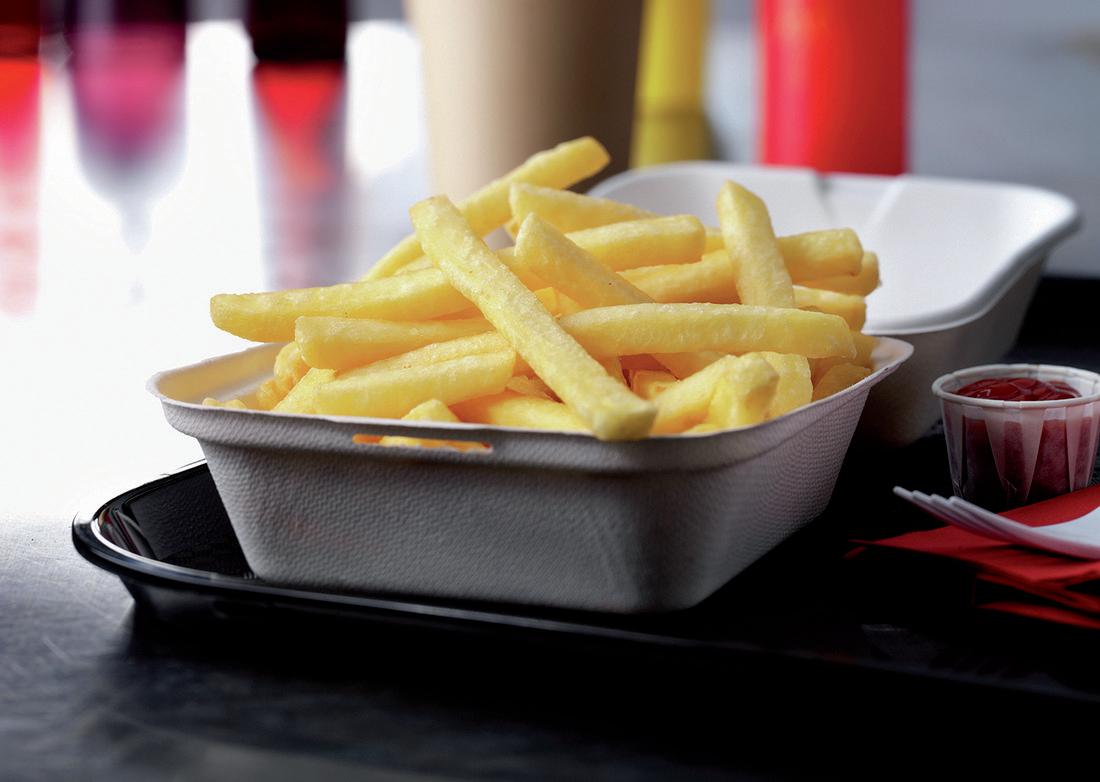
4. Pack with structure in mind - Fries that tip over or get compressed under heavier items arrive looking less than ideal. Keeping sleeves upright and assembling the bag with some intention improves both texture and presentation at the door.
Run a Quick Reality Check
McCain recommends a simple test: pack fries as you normally would during service, set them aside for 10-15 minutes, then open them as a customer would. Check the inside of the lid for condensation, feel what’s happening at the base, and taste them.
This test will show you what needs fixing far faster than guessing.
Better delivery fries rarely require a full operational overhaul. For most venues, it comes down to a repeatable set of habits at the pass that can be trained and applied consistently, even across the busiest shifts. Paired with a fry designed for takeaway and delivery, like McCain’s SureCrisp™ range, these small changes can make a noticeable difference to how fries arrive.
Built for Delivery Performance
At McCain Foodservice, the focus is on helping operators get consistent results in delivery, from the right fry through to simple, effective packaging techniques.
For more tips on packaging fries for takeaway and delivery, download the McCain Foodservice Packaging Guide.
Download McCain’s Packaging Guide here.
* [Source: Circana CREST Data to September 2025]
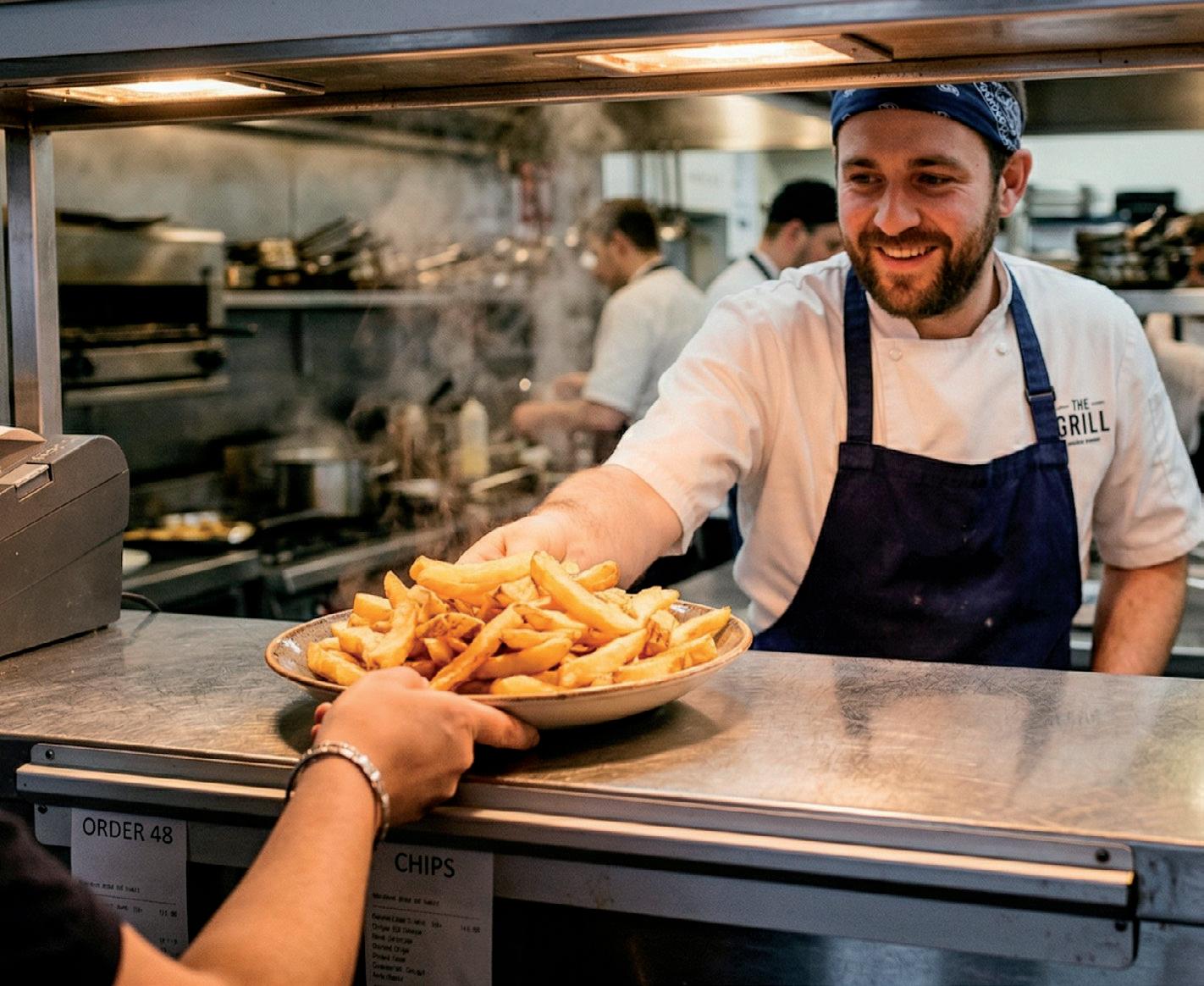
We’re shouting McCain Foodservice customers across New Zealand FREE CHIPS in a massive $30,000 GIVEAWAY. Enter each week until the 14th of June 2026 for the chance to win your venue 1 of 10 WEEKLY PRIZES – each worth $500 OF MCCAIN CHIPS! Chipping in never tasted so good!
Championing New Zealand Made
Showcasing New Zealand products is a shared passion among chefs across the country. New Zealand’s produce and ingredients have garnered a reputation not just locally, but internationally, for its emphasis on flavour, authenticity and craftsmanship.
While praised for its excellence, there are gaps on menus where local ingredients have the potential to shine. Supporting other local businesses is something that customers are longing to see, and chefs are slowly but surely adopting this trend.
New Zealand products define local cuisine, and while there are many restaurants that use locally sourced ingredients, there is still an unlocked market full of potential for those who don’t.
For Chef Jinu Abraham, being a champion of New Zealand products has made a big difference to his menu. Specifically, Chef Abraham is passionate about seeing New Zealand products shine on the menu through beef and lamb dishes.
Using simple flavours on the menu is something he believes in. He said that if you let an ingredient lead, then there is an opportunity to showcase authentic flavours. He used the example of buffalo mozzarella, which he said, when topped with a good extra virgin olive oil and sea salt, then that is as simple as it can get.
“I think people want really honest, good food. And when they pay for it, they must have value for it, and the
value is derived from flavour. People come for experiential dining, that's the constant kind of evolution.”
Chef Abraham believed this to be the next big trend to make its way on the menu, offering a true feel of New Zealand flavours. He added that New Zealand has an abundance of local products that is just waiting to be showcased on the menu, from artisanal sauces, cheeses and produce, to meats and delicatessen delights.
As the executive chef of Cordis Auckland, Chef Abraham said it was important to his menu to have a strong multicultural guest base, making it the perfect platform to showcase the best of New Zealand flavours to a new audience.
"Creating a blend of international techniques with local ingredients is an undeniable asset to creating a foundation for local produce to shine."
Making New Zealand's produce more accessible has not only been a priority on local shores, but internationally as well. Seafood New Zealand Chief Executive Lisa Futschek said New Zealand already has one of the most highly regarded fisheries management regimes, and newly announced legislation would support the move to evolve alongside modern science,
technology, and changing conditions.
Chef Rob Cullen, Executive Chef at the New Zealand International Convention Centre, said his role has meant showcasing the best of local produce.
Seasonality is central to his menu, ensuring exceptional flavour while reducing environmental impact and strengthening relationships with local growers and producers.
“Seasonality keeps food honest and connected to the land and water around us. It delivers greater flavour, supports local growers and producers, and ensures the menu reflects what is genuinely happening in Aotearoa in that moment, rather than relying on ingredients that could come from anywhere in the world. Our ethos is rooted in reducing food waste and minimising our environmental impact. He tāngata, he kai, he mana, it is the people, the food, and the spirit that creates.”
With a strong international audience attending events at NZICC, the menu showcases New Zealand ingredients with clarity and confidence. Signature engagement stations form a core part of the experience, allowing guests to connect with the craftsmanship, provenance and stories behind each dish.
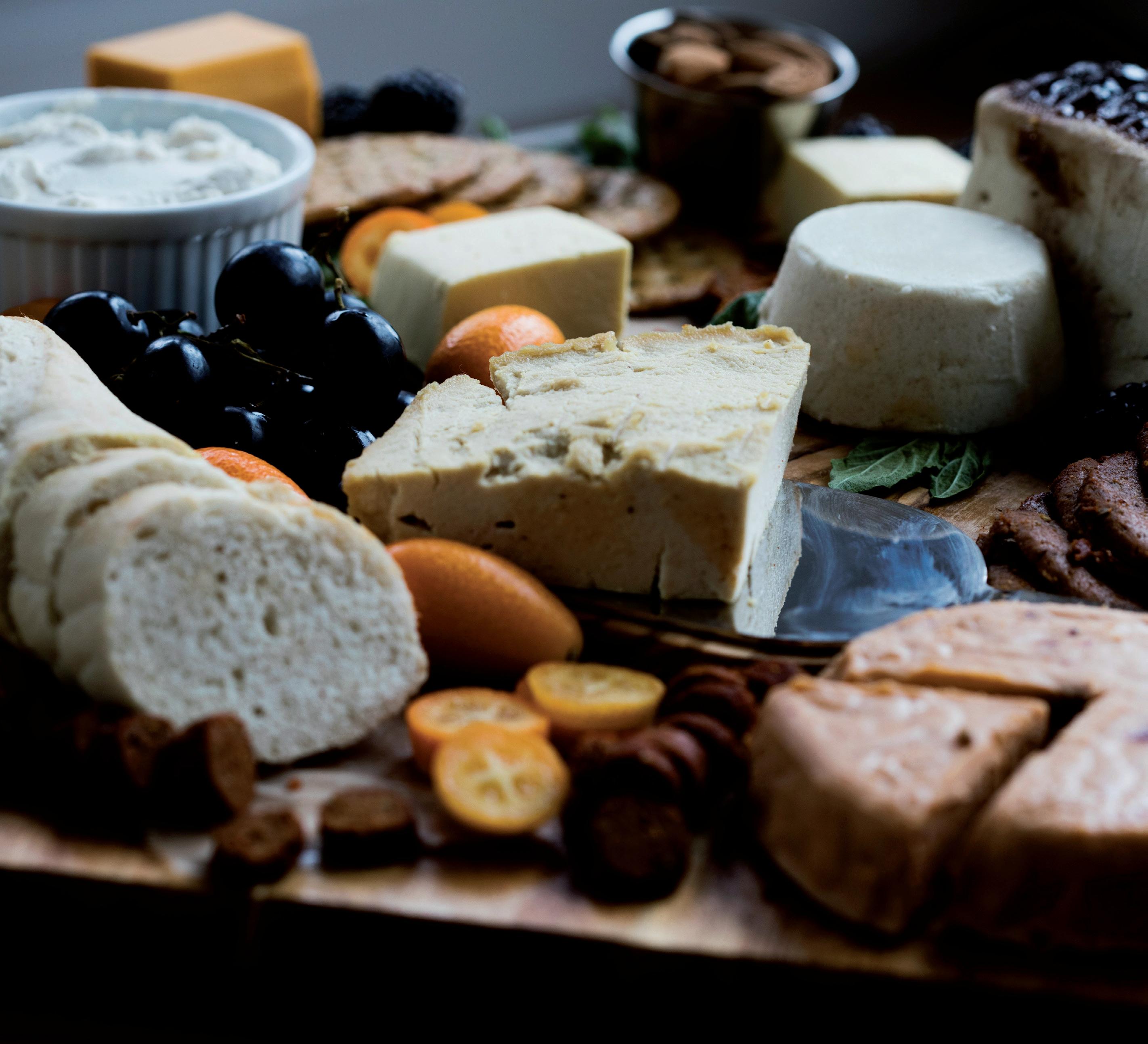
Crafted to Stand Out
Cheese is often used as an embellishment or in a sauce, but rarely as the main ingredient. With a growing New Zealand cheese industry, diners want more of a local flavour on the menu, and something they can resonate with.
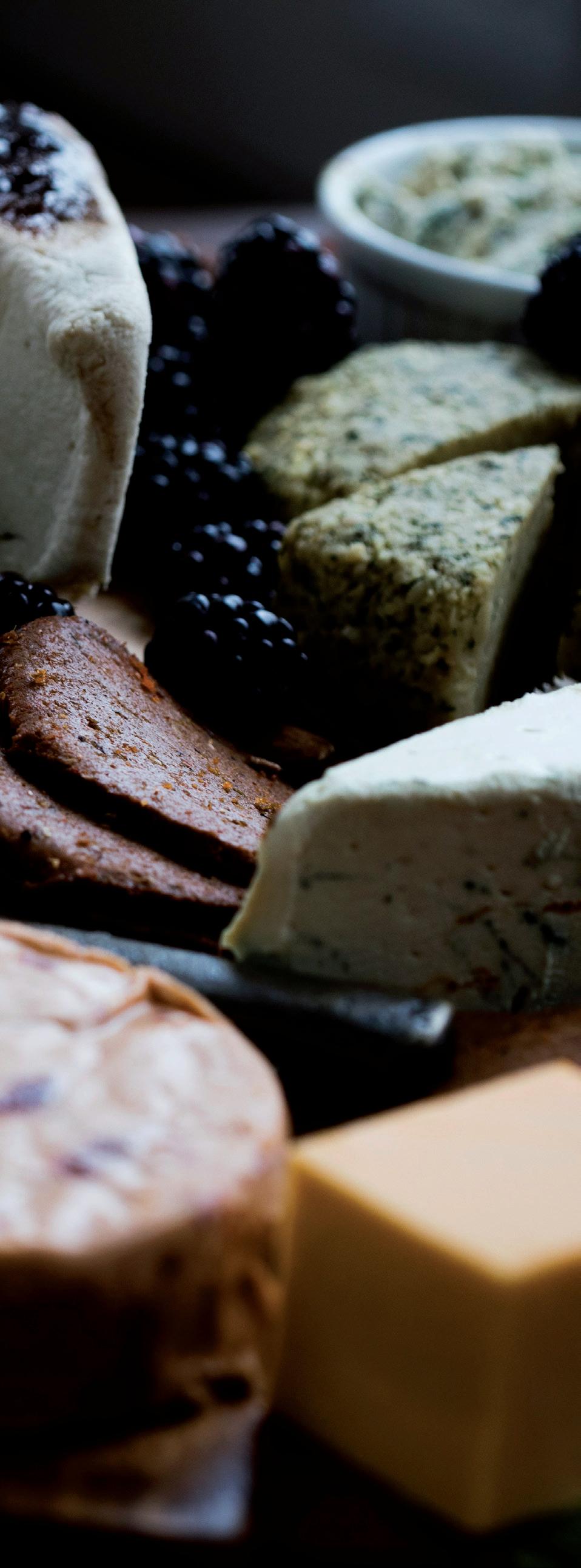
Meil Meyer from Meyer Cheese said it’s a unique ingredient that relies on four pillars: milk, culture, method, and environment, each shaping its flavour, texture, and character.
He said this uniqueness has appealed to customers by offering authenticity, rich sensory experiences, and a story worth savouring.
“Cheese is versatile because its composition can be transformed through different milks, cultures, and processes, creating a wide spectrum of flavours, textures, and functional properties (like melting, stretching, or crumbling) that suit countless culinary uses,” said Meyer.
He added that chefs should explore new cheese variations to unlock unique flavours, textures and functionalities, which will elevate dishes and inspire creativity.
“Cheese will create more memorable dining experiences. As with cheesemakers, a unique offering creates interest and demand.”
Kate Clairemont from Craggy Range Sheep Dairy said a cheese with its own characteristics in New Zealand will stand out among others, as it will add a bit more interest and have a great story.
She said the story is key, as customers want to know where their cheese comes from, understand how well the animals were farmed, and feel a connection to the cheesemaker and the farm it comes from.
Clairemont believed that cheese was a versatile ingredient because it can be served in so many popular ways, be it on a cheeseboard paired with a bottle of wine, it could be the making of a good salad, grated over any dish to add a layer of comfort, or it could be used to elevate a simple dish, such as a humble toasted sandwich.
Currently, flavoured cheeses seem to be all the rage, according to Clairemont.
“Customers are looking for a story and wanting to know their cheese is made with ethical and sustainable farming practices. We only see this becoming more important as customers want to know where their food comes from.”
Supporting the local cheese industry is something Clairemont believes all chefs should be on board with, with particular emphasis on prioritising New Zealand-made products.
“We have incredible cheesemakers and cheese produced here, and we know customers want to support local, too.”
She said the key is using the very best quality milk from well looked after and well fed animals, following traditional, small batch methods and keeping things simple.
Simon Barry from Whitestone Cheese said artistic flair was just as important to cheese as flavour, texture and balance.
He said the health properties combined with so many different serving applications have cemented cheese as one of the most versatile ingredients, be it on the platter, table, melted or used as an accompaniment.
He said that using one type of cheese should be a go-to. Instead, he said finding the qualities of each cheese style was the key to unlocking success on the plate.
“There is no perfect cheese, as the properties across the range are so varied. Part of the fascination is the variation of cheeses being produced, so many different and fun flavours to experience. Cheese is an enjoyment. Starts with a clean environment for the animals to graze, leading to decent grass, then milk, then apply the cheesemaker's craft and talent.”
Meyer added that consumers are increasingly enjoying a greater variety of cheeses made from different milk types, which has encouraged cheesemakers and drives further innovation.
“I expect health, convenience and snaking trends to continue. We have seen a huge amount of interest in rare, unique cheeses which are not widely available.”
A New Chapter
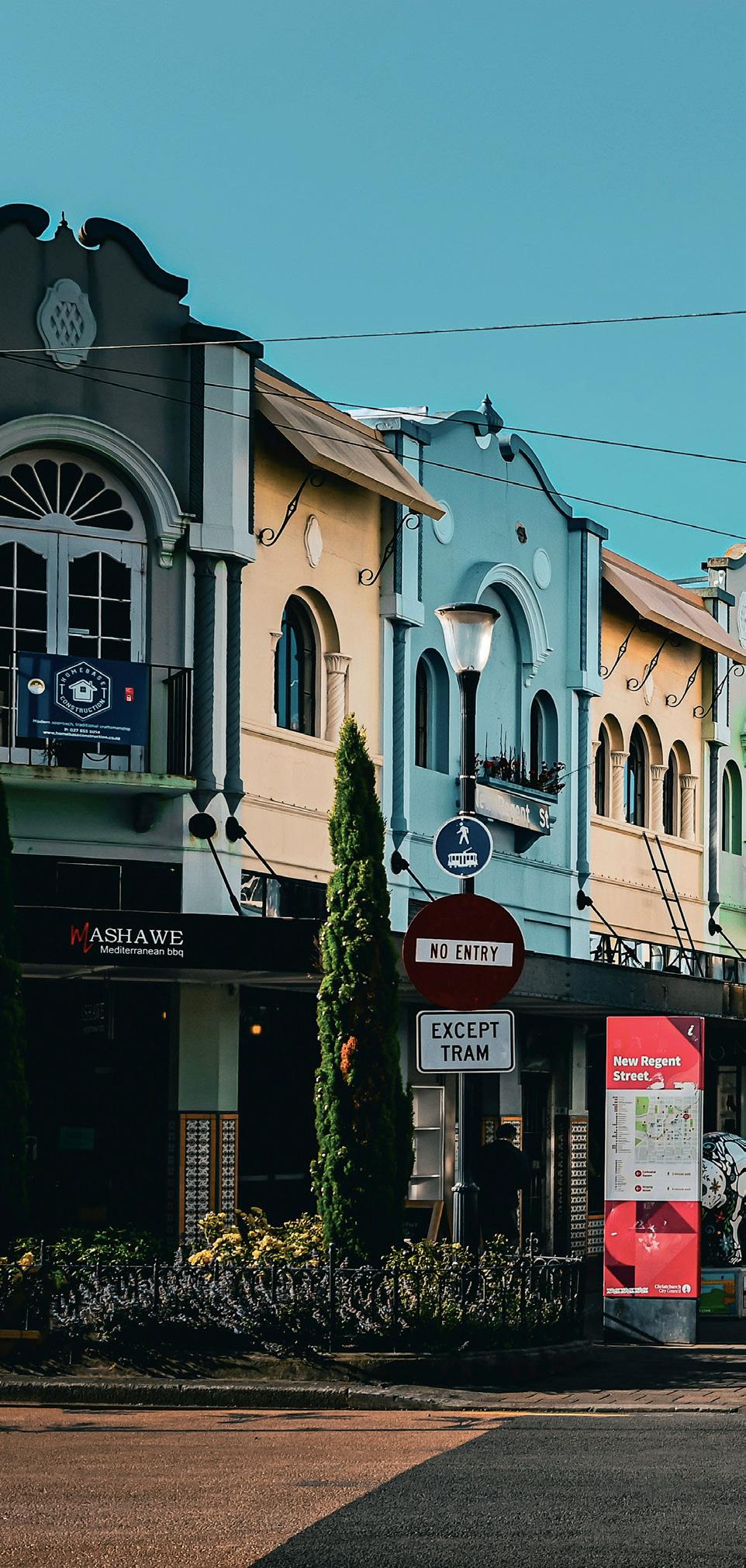
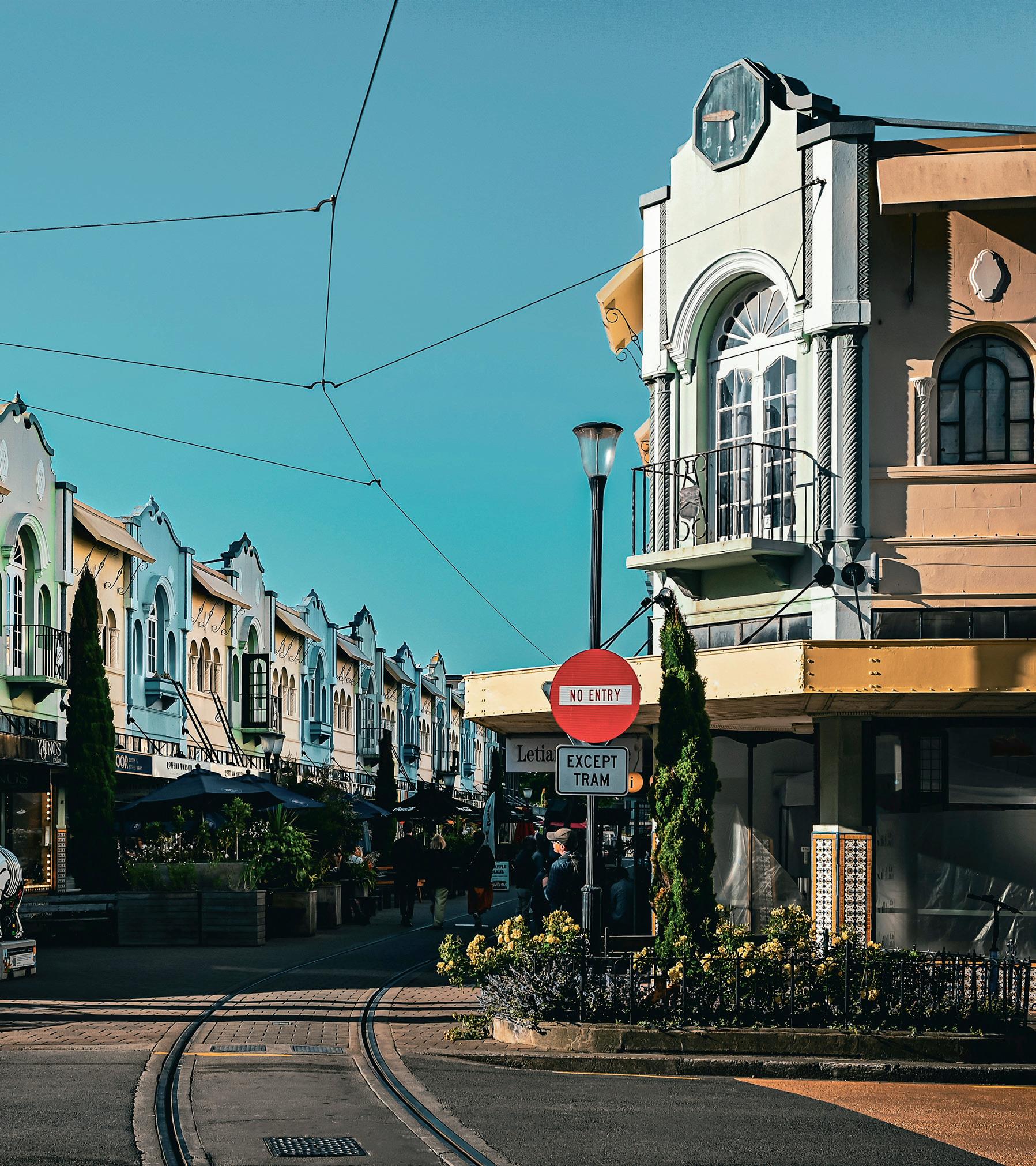
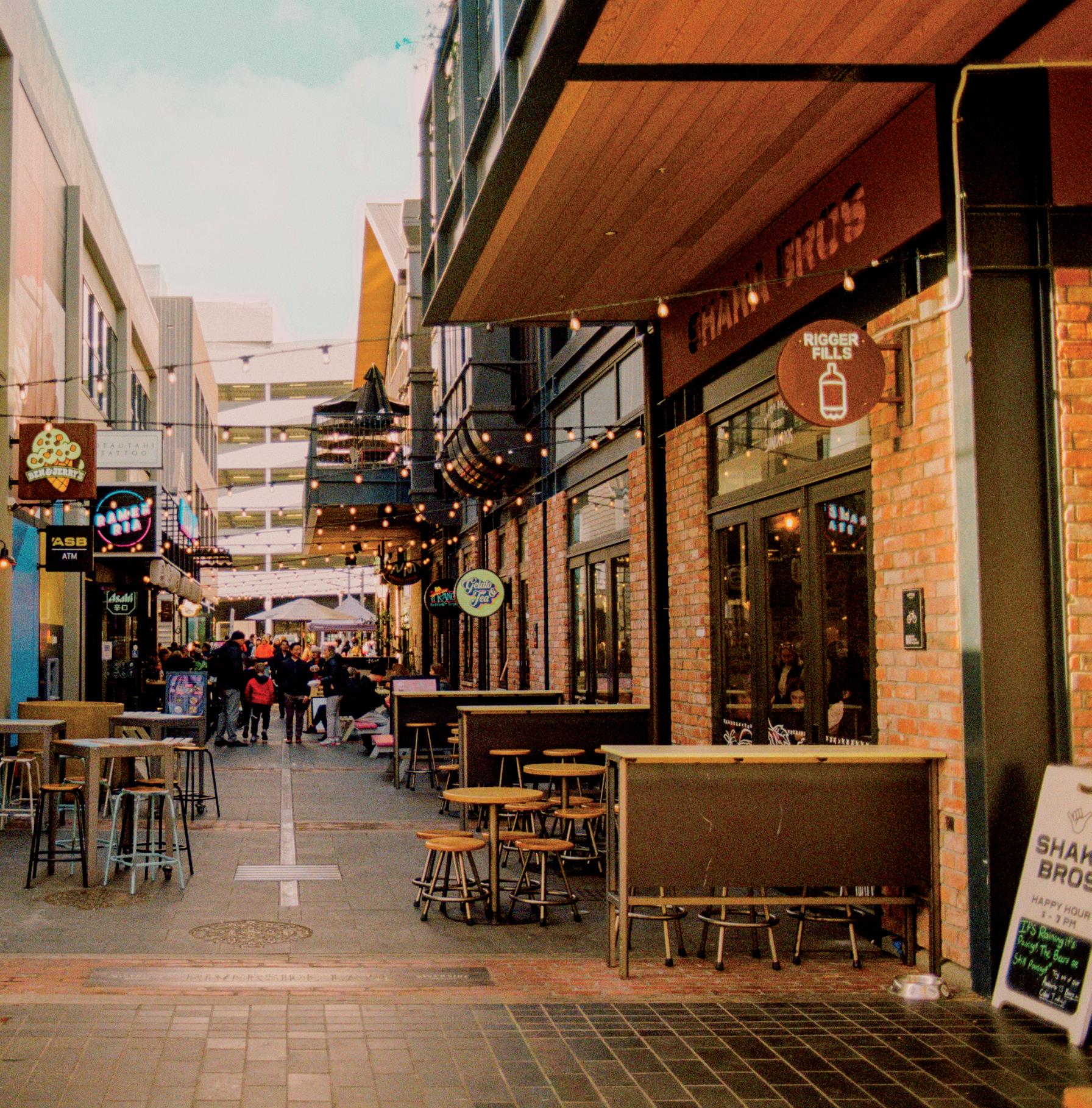
Despite already being New Zealand’s second‑largest city, Christchurch has experienced a major leap in hospitality and tourism in recent months, and local businesses have been able to reap the rewards from it.
Fifteen years after the devastating earthquakes rippled through the city, business is back, and investment is booming.
Christchurch has had one of the most vibrant years for local hospitality businesses for some time, with an abundance of new restaurants featuring cuisines from all over the world opening to guests. The sector saw a 1.5 percent lift in total hospitality business openings in 2025, while overall industry spending increased by seven percent.
Between November 2025 and March 2026, 3.1 million passengers travelled through Christchurch Airport. This included more than 287,000 international visitors, an increase of 22 percent, and a clear sign of just how busy and vibrant the city has become.
The recent opening of the 30,000seat One NZ Stadium is expected to further inflate business throughout the city, especially for restaurants, cafes and bars.
Venues Ōtautahi Chief Executive Caroline Harvie-Teare said there was confidence that the stadium’s opening would have an impressive impact on local businesses.
“One of the benefits of being based in the centre of Christchurch is how close the cafes, bars and restaurants are. We expect a huge amount of our guests to head in early or stay late to enjoy everything the CBD has to offer. It is great to see all the development happening on the eastern side of the city, it’s really going to breathe life into this side of town,” said Harvie-Teare.
“It’s not just the major ticketed events that will see an uptick for the
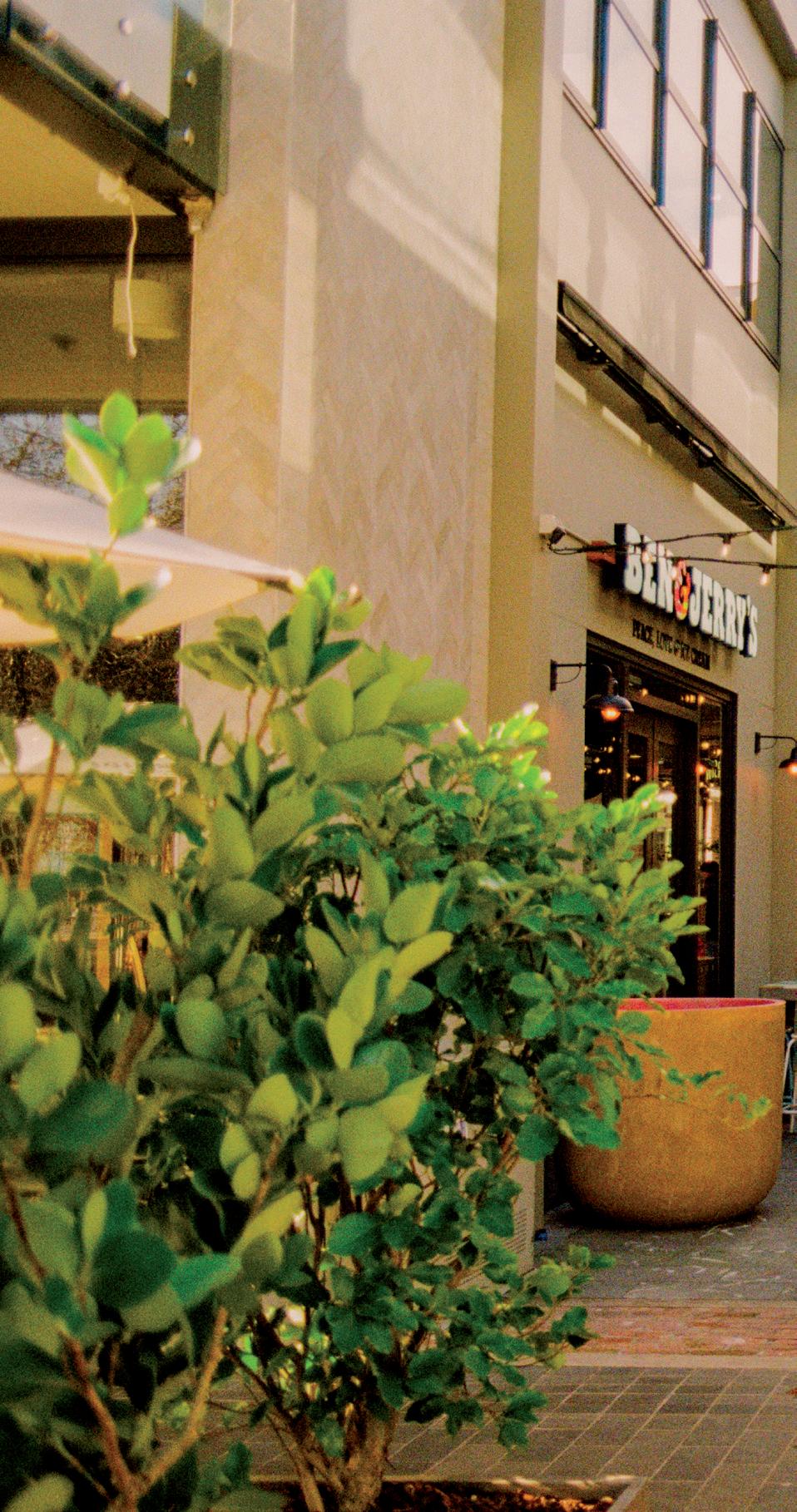
surrounding businesses, but also the more than 150 business events that will pack out the event calendar.”
Leeann Watson, Chief Executive Officer at Business Canterbury, said this is the moment Christchurch and Canterbury have been waiting for, and it’s just the beginning.
“With the uncertainty of the business community is facing right now, the opening of the new One NZ Stadium couldn’t be better timed,” she said.
“With 30,000 people flowing out of the stadium after events, the benefits ripple through bars, cafes, and restaurants, and their suppliers.”
Watson added that hosting large-scale events will reinforce Christchurch as a global city and destination that will continue to grow the economic impact for local hospitality businesses.
Pasta with a Modern Touch
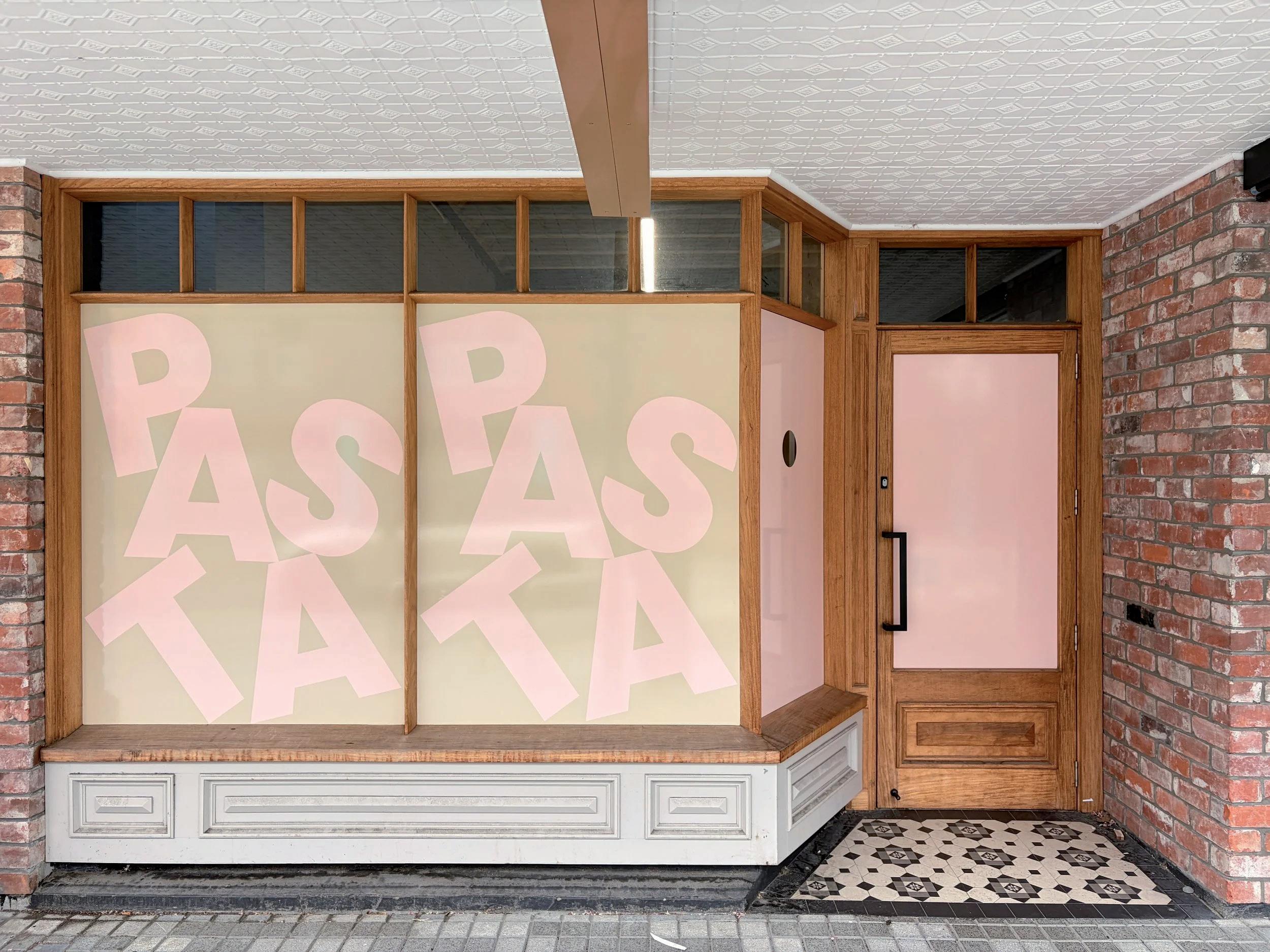
Located in the heart of Christchurch, Pasta Pasta has introduced an effortless way for locals to enjoy exquisite cuisine.
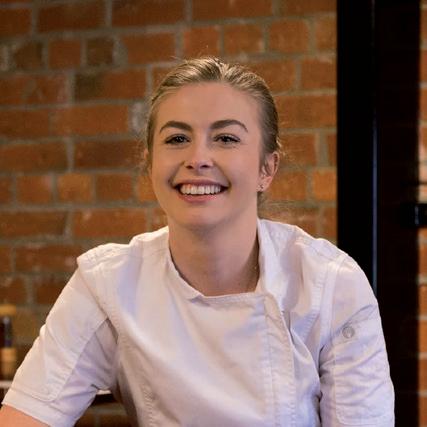
Hannah Cooper-Grieve Chef and Owner Pasta Pasta
From the creative talents that introduced The Monday Room, Pasta Pasta came from a pretty simple place: wanting somewhere that felt easy.
Chef and Owner Hannah CooperGrieve said there are a lot of great restaurants in Christchurch, but not many that sit comfortably between quick, casual and genuinely good.
“We wanted to create a place you could drop into for lunch, meet friends after work, or bring a group without overthinking it.”
She said that pasta made sense as the anchor, especially as it’s familiar, comforting, and when it’s done well, it doesn’t need to be complicated.
“From there, everything else followed: the pace, the price point, the atmosphere.”
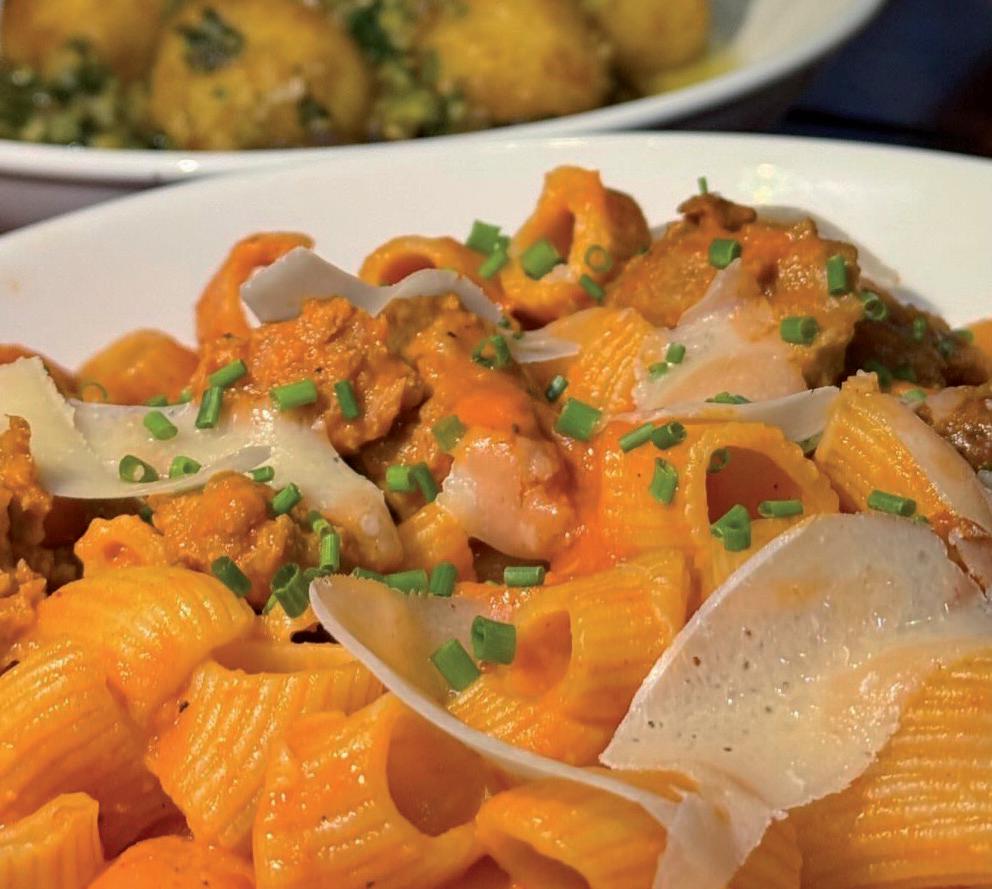
The menu has been intentionally designed as tight and considered. Cooper-Grieve said there was a specific focus on a core range of pasta that guests will recognise, alongside a few that lean slightly outside the expected, such as
gochujang rigatoni or green cavatelli. She said it has kept things interesting without becoming inaccessible.
She added that the idea was to balance familiarity with a bit of personality.
“You should be able to walk in and know what you’re getting, but still feel like there’s something new to try.”
Around this concept, CooperGrieve and the team have built a small selection of starters, sides and desserts, all of which have been designed to be shared, or not, depending on the table.
Cooper-Grieve said that fresh pasta is definitely one of her passions, and that designing the menu was more about the approach rather than individual ingredients. She said good quality, strong flavours, and making sure everything actually tastes like something were the main priorities.
“We weren’t interested in overcomplicating things. Garlic should taste like garlic, lemon should cut through, and sauces should feel generous.”
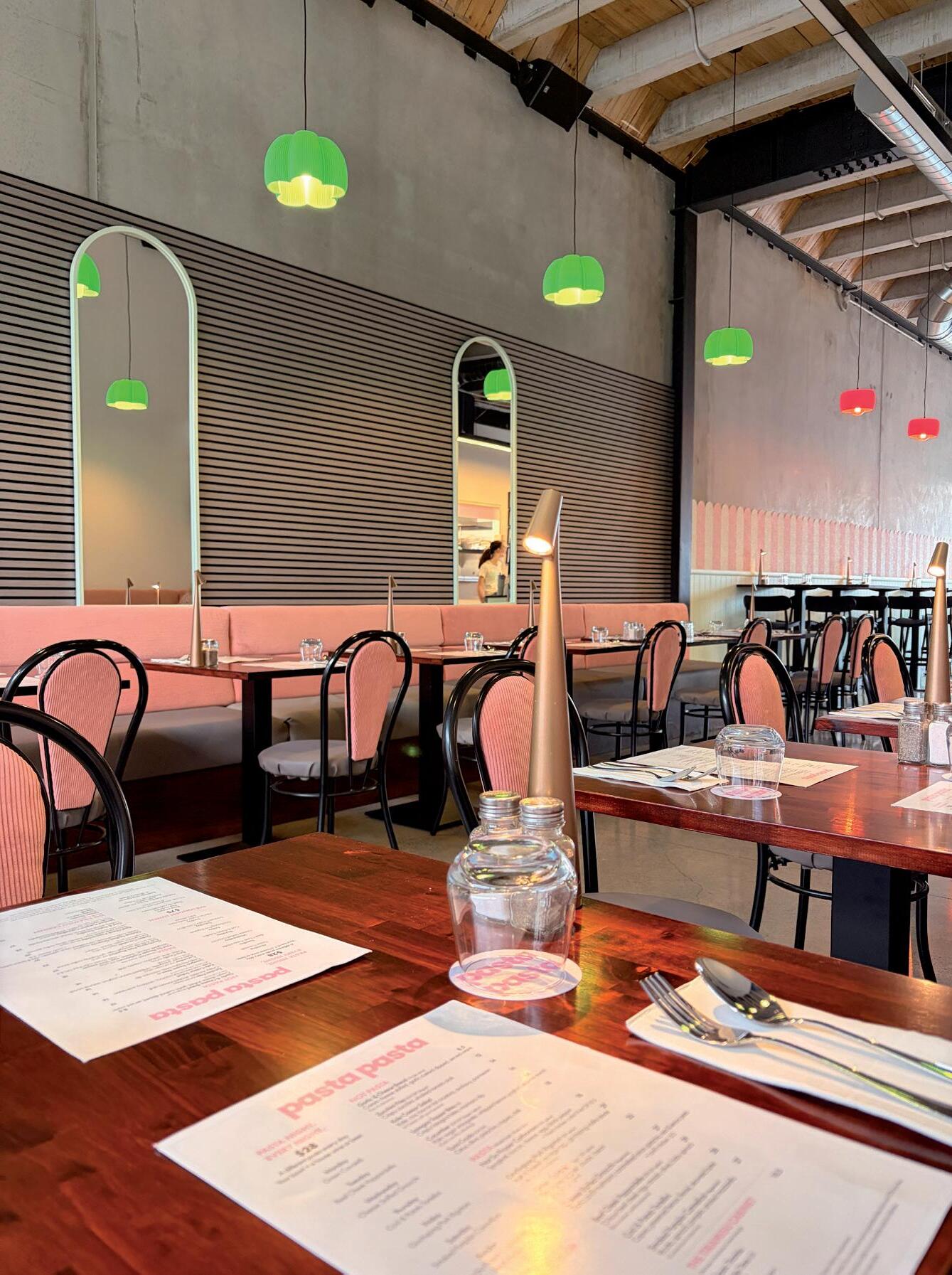
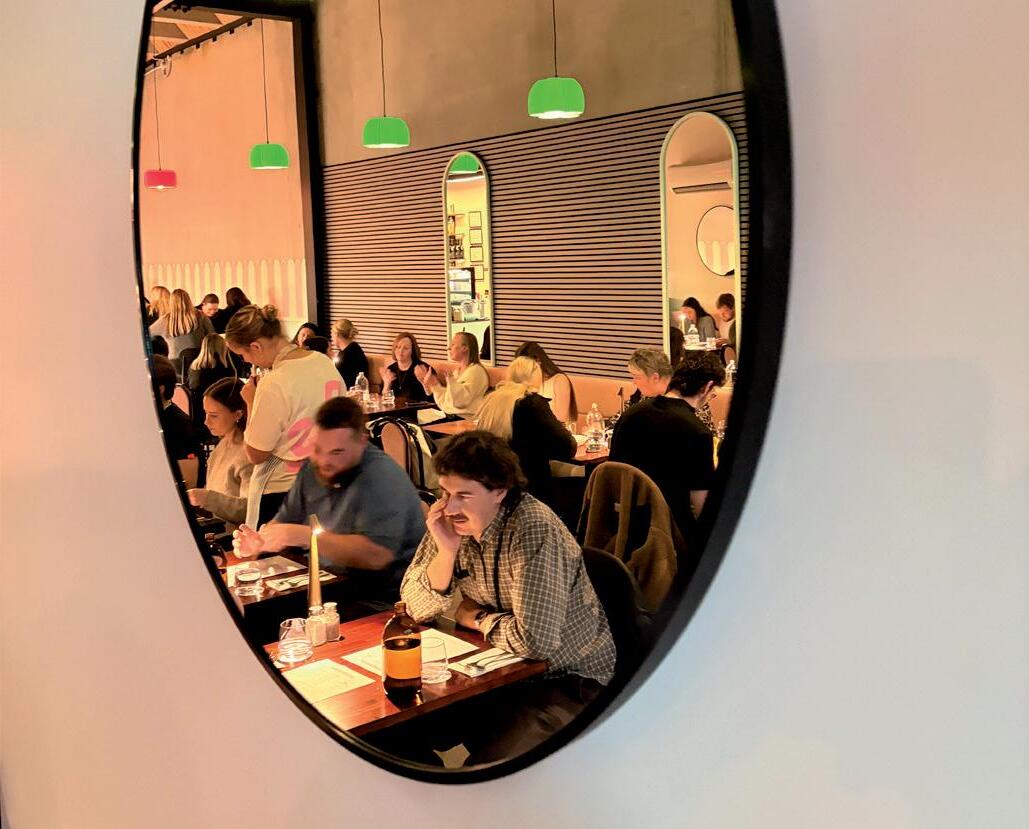
Pasta Pasta was designed to feel energetic but not overwhelming when guests walked through the doors.
Cooper-Grieve said it needed to feel modern and a little playful, but still comfortable enough to sit in for a few hours. The layout was a big part of that, especially keeping the space open, removing awkward table positions and ensuring the room flows.
She described it as a balance between detail and restraint. There is colour and texture, but nothing is fighting for attention.
Pasta Pasta’s point of difference is its clarity. It is very clear that it’s a fast, social pasta bar open every day, accessibly priced, and designed for frequent visits.
Cooper-Grieve added that it’s not an occasion restaurant, and it’s not trying to be everything. It is somewhere guests can come on a Tuesday, a Saturday, or three times a week and feel like it fits.
“That and consistency in food, pricing, and experience, is where we
think the difference sits.”
The current culinary landscape in Christchurch is strong. Cooper-Grieve said there is a lot of talent, and a lot of places doing things well. At the same time, it is still a challenging environment. Costs are high, and diners are more conscious of how often they go out. This has pushed a lot of operators to be sharper.
“You have to be clear in your offering, consistent in execution, and give people a reason to come back regularly.”
As Pasta Pasta has only just opened, Cooper-Grieve said there is still some refining, improving to do, making sure the experience is consistent day-today. She said there are always ideas in the background, but nothing that will be rushed into.
“Just that we’re really grateful for how the city has responded so far. There’s a great energy in the room most days, and that’s what makes it work. We’ve built the space, but it’s the people coming through that bring it to life.”
Sharing a Love for Food
A leader in the Christchurch culinary landscape, Shafeeq Ismail is passionate about sharing his love of food with the community.
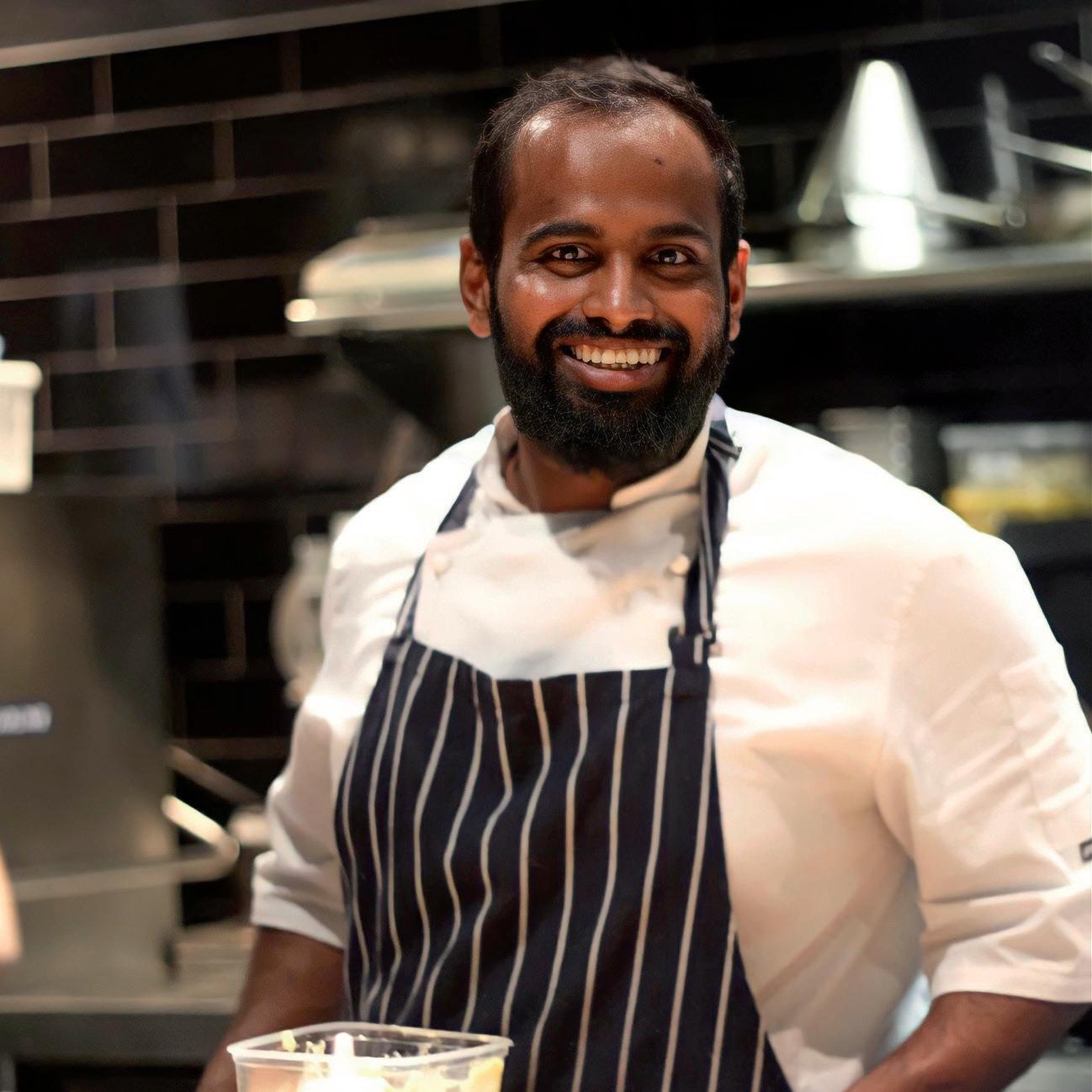
Ahighlight for Chef Shafeeq Ismail from the past few years has been successfully establishing and growing his restaurant operations in New Zealand. From setting up new venues to building strong teams, Ismail has created systems that allow consistency across multiple locations.
Another key highlight for Ismail has been navigating the post-COVID recovery and seeing steady growth in guest demand, particularly in the brunch and casual dining space. He said expanding brand presence and gaining repeat guests has been very rewarding.
On the other hand, there have also been challenges to adapt to, especially in an industry where things can change almost instantly.
Ismail said the biggest challenges have been staffing shortages, rising costs (especially food, rent and utilities), and maintaining consistency across operations. Like many in the industry, finding skilled and reliable staff has been a difficult task to undertake.
Ismail addressed this by focusing on internal development, such as promoting from within, training staff, and creating clear systems for operations.
“We also invested in tools and processes to improve communication and accountability. On the cost side, we’ve had to become more disciplined with purchasing, menu engineering, and portion control to protect margins,” he said.
The restaurant industry in Christchurch has been resilient but competitive, according to Ismail.
He added that guests are more value-conscious now, but they still expect high quality and good service.
One noticeable trend has been the age group of 25 to 40, who want to spend, but do so in small amounts across smaller plates. He added that guests are more focused on good quality food without the fuss.
“We’ve seen that businesses that focus on consistency, strong branding, and guest experience are the ones that continue to perform well.”
Ismail is currently working on a new restaurant, EDIZi, an all-day diner, and refining his existing operations to improve efficiency and profitability.
“There’s a strong focus on completing current projects on time, optimising kitchen systems, and enhancing guest experience,” he added.
“We’re also looking at opportunities to expand into new locations and
concepts that fit the New Zealand market.”
For chefs facing similar challenges, Ismail said it was important to focus on three vital key areas. Firstly, consistency over complexity. He said keeping the menu simple, but executing it perfectly, will bring a positive response.
Cost control remains a major issue. Making sure that chefs understand their star dishes, and making small improvements in food cost can make a big difference when budgeting.
Lastly, focus on team development. He said it was essential to invest in people in order to let them grow.
“Train them, support them, and build a culture where they want to stay. Business only grows where people grow,” he said.
“For me, people are more important than business, as if they understand the vision, they will definitely do their best for their own growth.”
Ismail added that being adaptable was a useful skill to have in the current industry climate. While the sector is changing quickly, he believes that those who are flexible with menus, pricing, and operations will have a better chance of long-term success.
“Hospitality is a people business, so look after them inside and out.”
Scoring Big on Stadium Energy
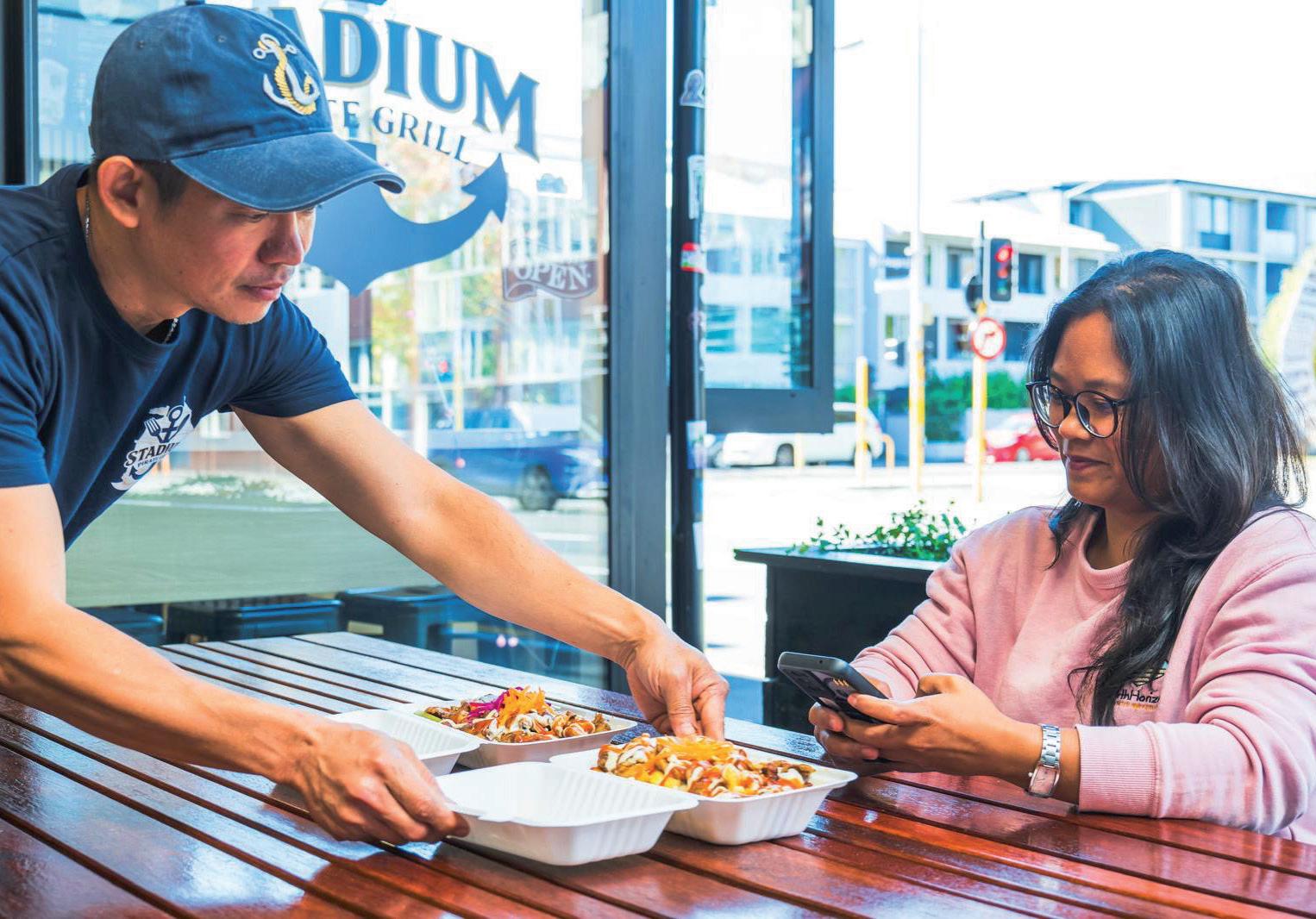
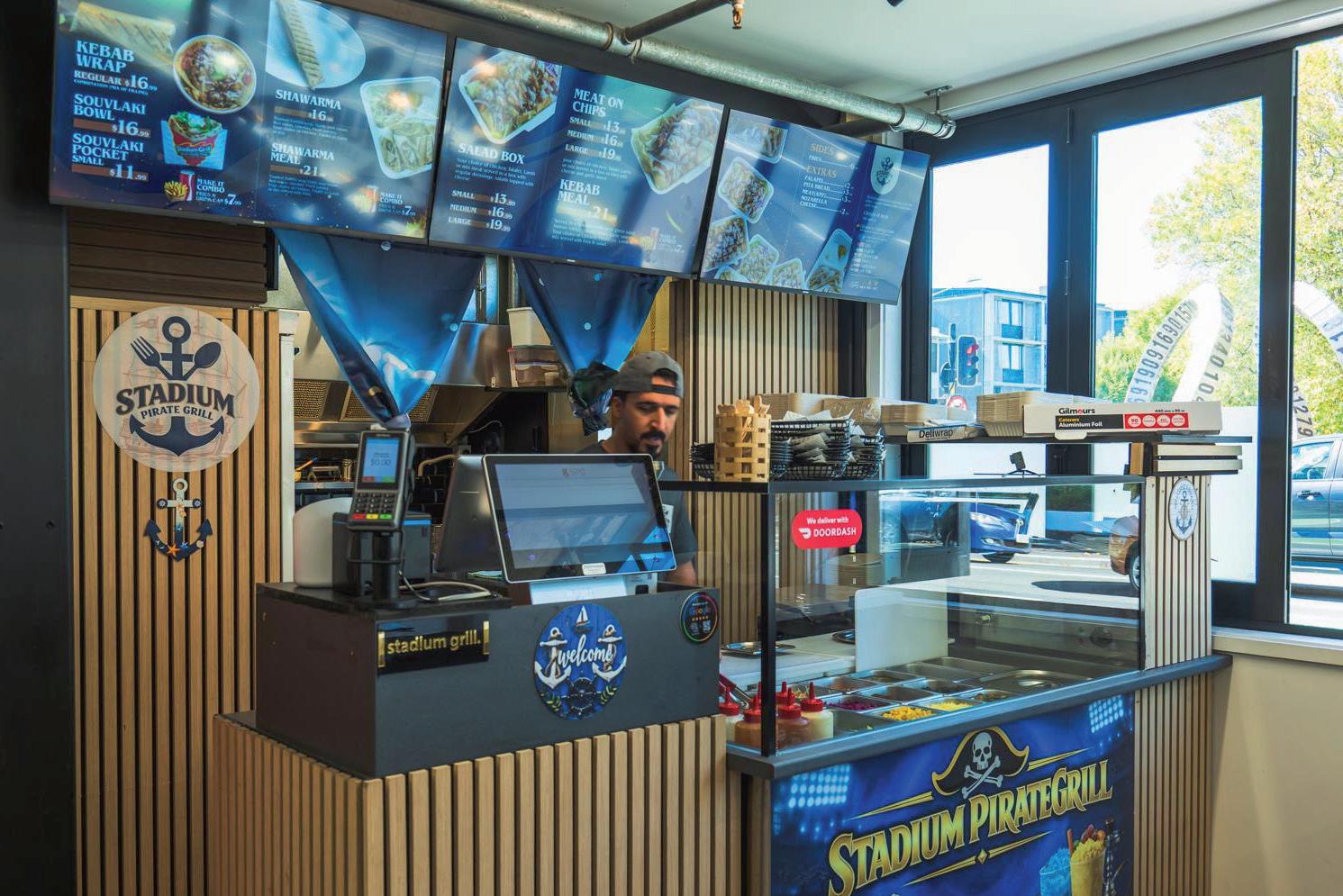
In all the excitement surrounding the opening of the long‑awaited One NZ Stadium in Christchurch, Basel Al Zuhlof has officially opened the doors for his new eatery, Stadium Pirate Grill.
Described as a casual spot close to the new stadium, Al Zuhlof said Stadium Pirate Grill was Christchurch’s home of real shawarma. I was inspired by street food and stadium energy, and wanted to create a fun, welcoming place with bold flavours and a big heart for this city.
The eatery’s opening has been busy, which Al Zuhlof said was very encouraging with great support from the local community.
“I led the whole process myself, from designing the shop and kitchen to creating the shawarma-focused menu, so seeing people enjoy it every day is very rewarding.”
He added that the fitout is simple but bold, and built for speed. It includes an open, efficient kitchen, strong branding and practical seating for quick meals and pre-or post-game crowds.
The new stadium has been highly beneficial for all local businesses, especially restaurants and cafes. Al Zuhlof said being next to the stadium is a big opportunity.
“It has let us feed fans and visitors before and after events and be part of bringing life back into the centre of Christchurch.”
Stadium Pirate Grill is mainly aimed at sports fans, office workers, students and families who want generous, tasty food at fair prices in a relaxed atmosphere. Al Zuhlof said anyone who loves real flavour and shawarma is more than welcome.
The menu is based around authentic shawarma, a popular type of street food, which is served in chicken, lamb and mixed varieties, and marinated in a housemade spice blend, slow-roasted and sliced fresh to order.
Al Zuhlof said he wanted to serve food that felt like true shawarma; juicy, smoky and full of flavour, not just another generic wrap.
Looking ahead, Al Zuhlof is focused on sharpening event-day operations
and adding specials around big games. He is also keen to build strong relationships with local teams, offices and community groups.
He said he is proud to have designed the shop, the fitout and the menu himself for Christchurch.
“My goal is to give something energetic and positive back to this beautiful city and be ready for the crowds, the boys, the families, anyone who loves good food and good atmosphere.”
A Return Worth the Wait
Auckland born chef and restaurateur Matt Lambert is widely recognised for his role in taking modern New Zealand cuisine to an international stage.
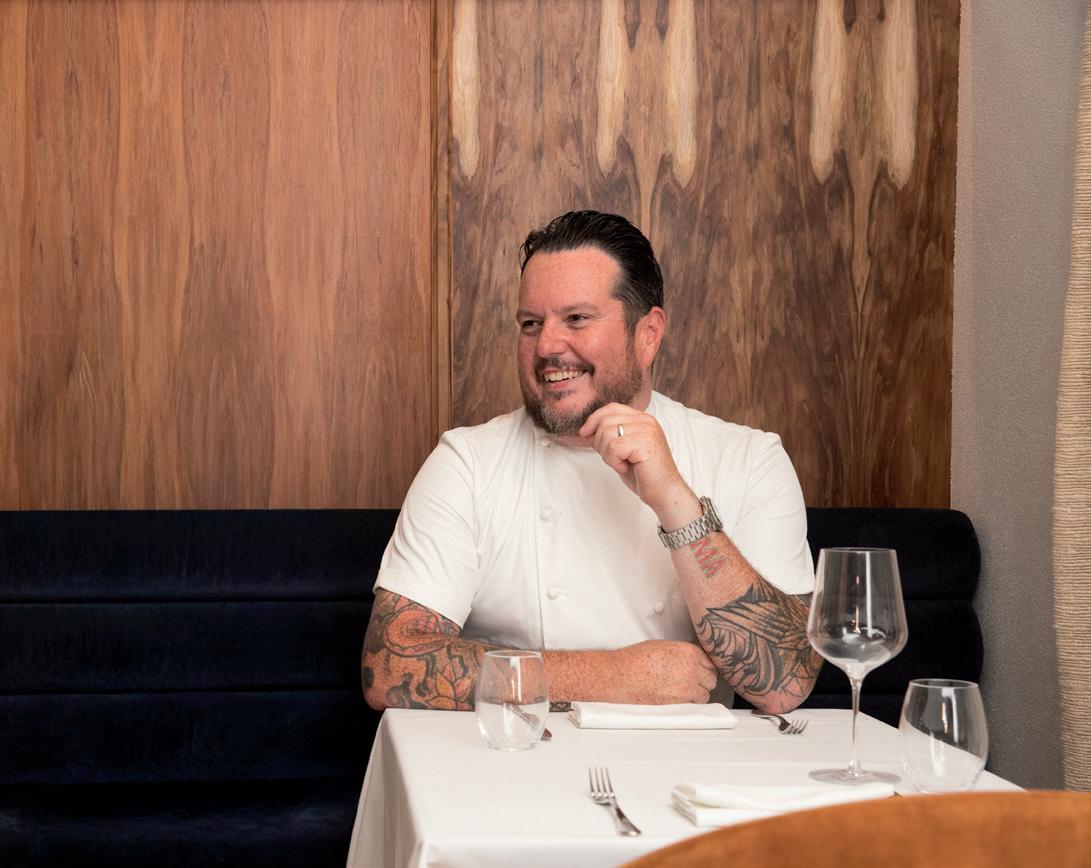
Lambert said he always knew he was destined for a life in the kitchen, earning his stripes washing dishes in West Auckland from the age of 14, and after leaving school in year 11, he attended culinary school at Auckland University of Technology, finishing his studies at Whitireia Polytech (Wellington).
His latest project, Return, has brought his global culinary expertise to Auckland’s Ponsonby Road.
“At Return, the standards are serious, but the environment is welcoming; this is not fine dining, it is intentional dining. Nothing here is accidental; everything is deliberate.”
His ambition was always to own his own restaurant by the time he was 21.
In the early 2000’s, at the age of 20 and recently graduated, he and his Mum, Anita, opened Sun Seair Café in Wellington. A steep learning curve ensued, which made him realise he still had a lot to learn and that to be one of the best, he needed a training ground to learn from the best.
Lambert returned to Auckland and worked under well-known chefs, including chef Michael Meredith at The Grove. It’s here he met his American wife Barbara, who was working front-of-house.
The couple married within months of that first meeting, and in 2006,
Lambert departed Auckland (with Barbara) to further hone his craft in some of New York’s most respected kitchens. More experience in New York saw him lead the teams in AVRoKO kitchens like PUBLIC, Double Crown and Saxon and Parole.
However, the Lamberts’ dream was to eventually open their own restaurant, and in 2013, that dream became a reality.
With the help of business partner and restaurateur Jennifer Vitagliano, his wife Barbara and a Kickstarter campaign which raised USD 25,000 towards the cost of opening, the “Westie” from Auckland opened the doors to The Musket Room in NoLita, Lower Manhattan, New York.
Just four months in (a record at the time), the Lamberts and Vitagliano were awarded a Michelin star, which they retained from 2013 to 2020.
The Musket Room became the first high-profile New Zealand-influenced restaurant in New York, and the benchmark for refined, produce-led New Zealand cooking abroad.
His cooking style was grounded in seasonality, simplicity and a deep respect for provenance, often drawing on his upbringing and memories of living in West Auckland, and incorporating native ingredients and nostalgic references
into a contemporary, intentional dining context. Under his leadership, the restaurant received numerous accolades, including continued recognition from the Michelin Guide, World’s 50 Best discovery lists.
After a decade in the US, the Lamberts returned to New Zealand. Lambert worked as Executive Chef at Rodd and Gunn's The Lodge Group in Queenstown and Auckland. What had started in 2016 as a consultancy role transitioned to a full-time role on the ground from 2021 to early 2026. However, the plan was to open another restaurant when the time was right.
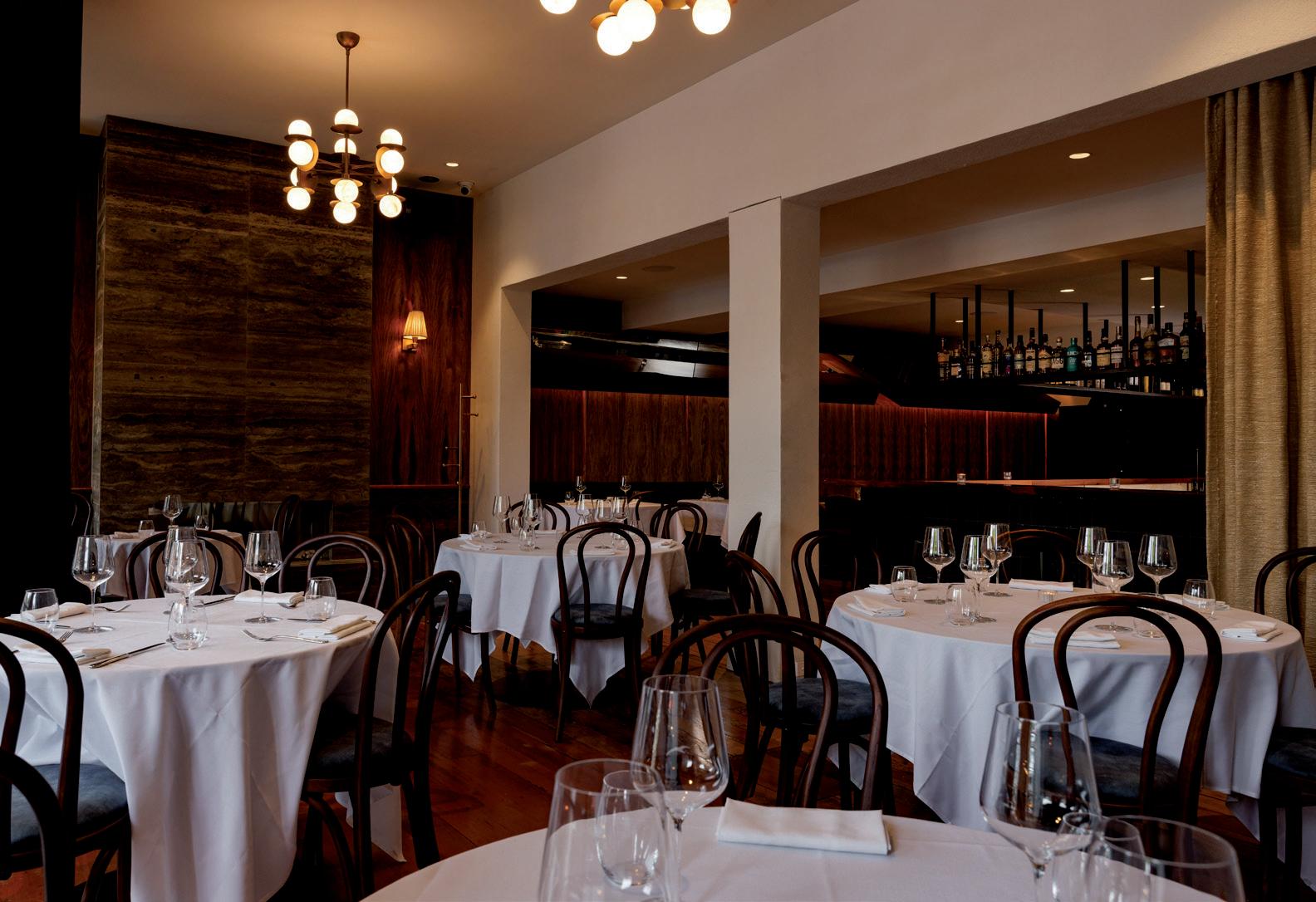
That time is now. The Lamberts opened their sophomore restaurant, Return, described as “The Musket Room V:2.0”. This return marks an exciting new chapter, signalling a continued commitment to championing local producers and contributing to the evolution of New Zealand’s dining scene.
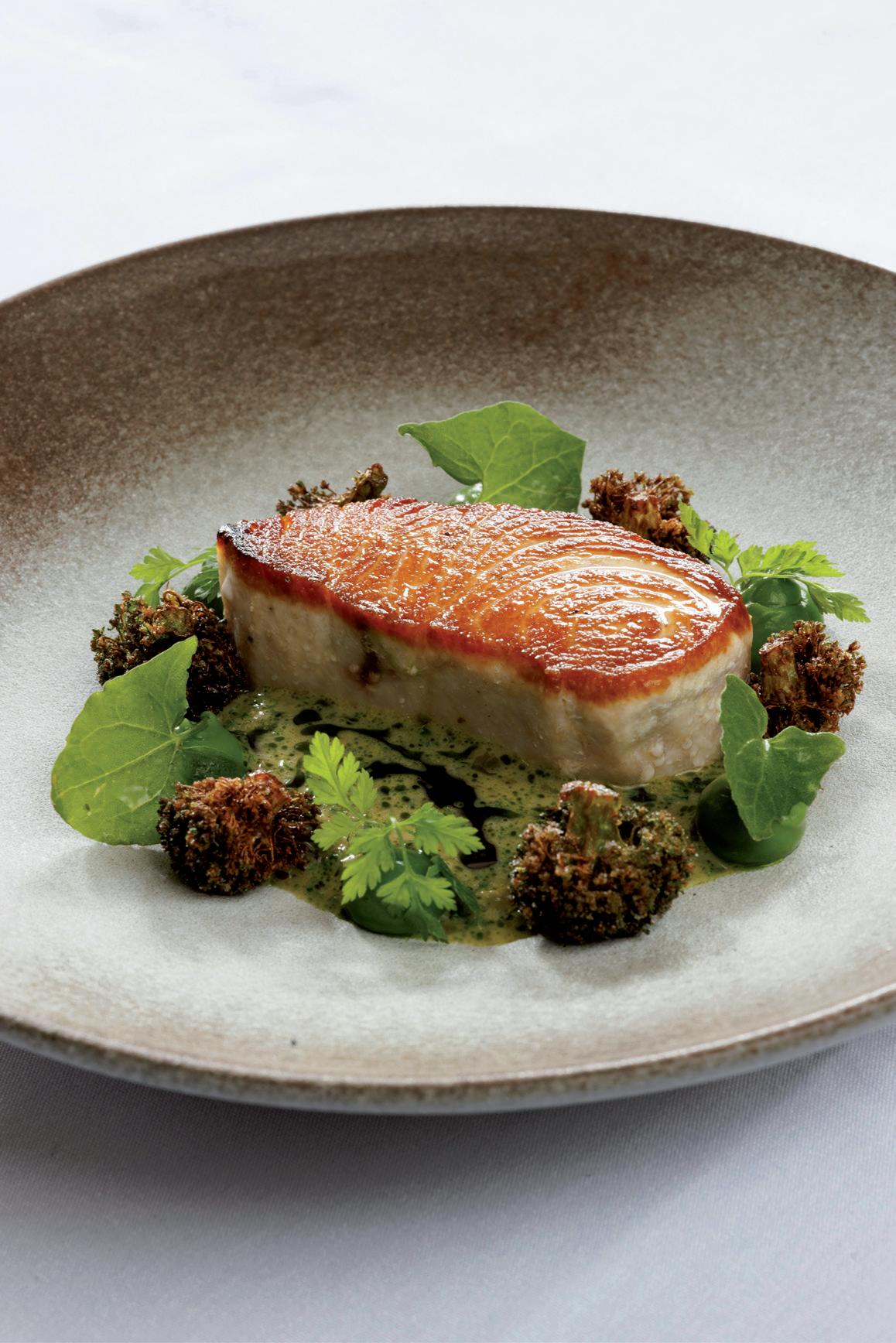
Dishes will change with the seasons and availability and reflect chef Lambert’s refined approach to modern New Zealand cuisine, with snacks including chef’s take on “fish & chips,” the classic Matt Lambert beer battered cracker, cured white fish, picked onions, fresh herbs and housemade tartare. Another snack, “fried bone marrow with kina”, is battered
bone marrow with seaweed vinegar and a beautiful piece of kina atop a ceramic kina shell.
Entrées include a crudo dish with fennel juice, mascarpone and dill oil and Ōra King salmon three ways (seared, cured and mousseline) with confit fennel, lemon preserve and citrus dust.
Mains run the gamut from wild venison, an earthy dish with beetroot and farro, wheatberry and quinoa and a smoked cheddar sauce. The ‘steak and cheese’ is a play on the classic Kiwi steak and cheese pie, a roasted beef filet with puff pastry croutons, garlic and thyme with jus and a blue cheese cream.
A selection of New Zealand-inspired desserts, including pavlova and a
composed cheese dish round out the menu.
The beverage programme, led by sommelier Jim Turner, champions local growers and producers, with considered pairings available for both tasting menus and a cocktail selection including the ‘Flightless Bird’, a play on a white negroni with Kākāpō gin.
Chef Lambert said he looked at several potential sites, but Ponsonby just felt right.
“165 Ponsonby Road has been part of Auckland’s hospitality fabric for a very long time; long before Return, this site was home to Ponsonby Road Bistro, a restaurant that played a meaningful role in shaping how this city ate and gathered. We are entering a continuum and will treat it accordingly.”
Inspiring the Industry at Info Chef
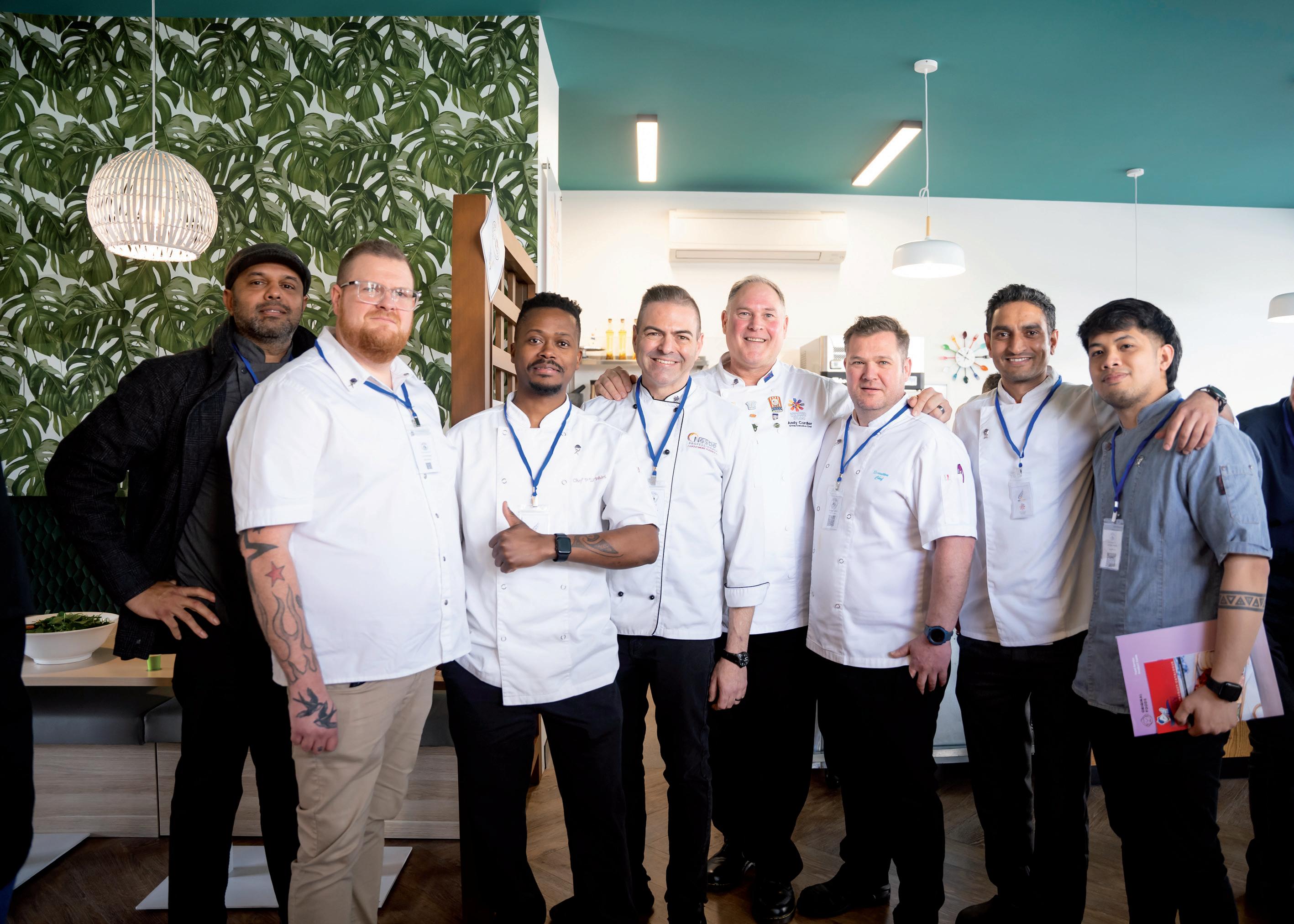
Bringing together young chefs, culinary students, industry leaders and suppliers, Info Chef 2026 will highlight innovation, learning and collaboration under the theme of “Think Global, Cook Local Inspiring the Next Generation of Chefs”.
Led by the International Culinary Studio and NZ Chefs, Info Chef 2026 will take place at Te Pae Christchurch Convention Centre on Monday, 8th June.
Info Chef isn’t just an event; it has been designed to act as a catalyst for growth across the entire hospitality ecosystem.
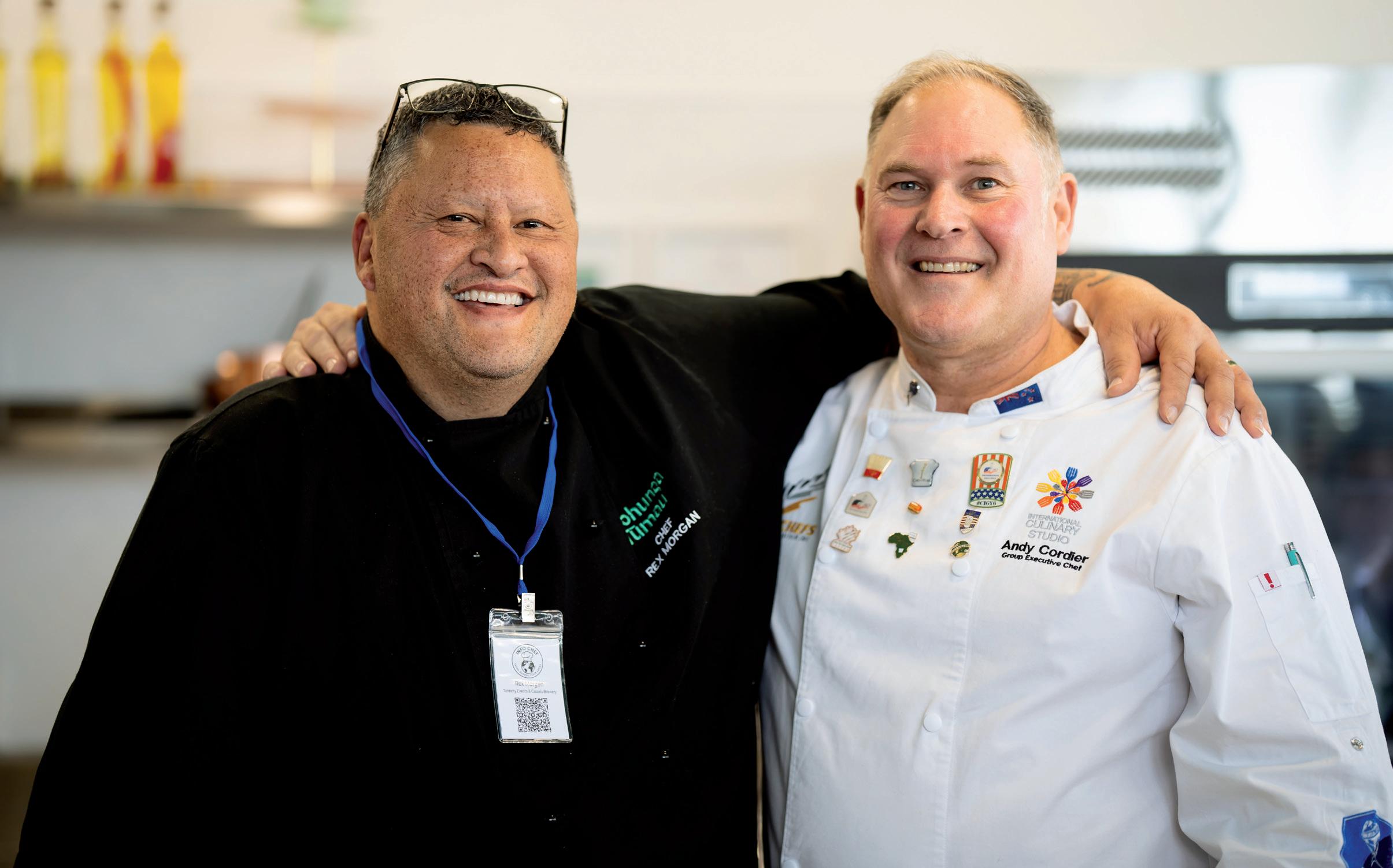
Chef Andy Cordier, Co-Founder and Culinary Director at the International Culinary Studio, said, at its core, Info Chef aimed to bridge the gap between education and industry.
“It brings together students, emerging chefs, experienced professionals, and suppliers into one space where learning becomes practical, relevant, and immediately
applicable,” he said.
“Another key goal is to elevate industry standards. By showcasing best practice, modern techniques, and professional expectations, Info Chef helps set a benchmark for what “good” looks like in today’s culinary world and pushes chefs to lift their game.”
Info Chef also exists to inspire and ignite passion. Chef Andy, who is also a NZ Chefs Board member, added that seeing top chefs in action, sharing and hearing real career journeys, and experiencing creativity firsthand can reignite why people in all cultures entered the industry in the first place, especially for young or developing chefs.
Info Chef will develop better bonds in the chef community and help chefs to become stronger industry professionals. It has an important role in building connections and community, and has a strong focus on education through exposure.
Chef Andy said that Info Chef can elevate a chef’s skills and understanding in a way that goes well beyond a traditional classroom or kitchen environment. He said it creates a concentrated, high-impact learning experience that blends inspiration, technical growth, industry insights, and what the future in this culinary world will look like and what to expect.
“It also deepens ingredient
knowledge and product awareness. By engaging directly with suppliers, who will personally share their stories and passion behind their products and with chefs gaining a better understanding of provenance, seasonality, and how to maximise ingredients and something that directly improves menu development and cost control.”
He added that another key benefit is understanding current trends, innovations and sustainability.
“Events like this act as a snapshot of where the industry is heading, whether that’s sustainability, modern plating, global flavour influences, or new technology and the impact on the future. This awareness helps chefs stay relevant and competitive.”
Info Chef will help build confidence and a professional mindset, and develop networking and peerlearning opportunities across all facets of the industry. Chef Andy said many chefs find that these informal exchanges are just as valuable as the formal sessions.
The idea for Info Chef came while Chef Andy was attending the American Culinary Federation
conference last year in Las Vegas. He said being surrounded by chefs from all over the world reminded him of something he hadn’t noticed was missing in New Zealand: the connectivity of the industry. He said it wasn’t just the scale of the event, it was also the energy.
“Chefs sharing ideas openly, learning from each other, telling their stories, and connecting across cultures and experiences. That sense of community was powerful.”
The exchange of knowledge stood out to him, and watching cooking demonstrations that focused on sustainability and grassroots practices, hearing suppliers speak passionately about where their products come from and gaining a deeper understanding of ingredients across different cultures, reignited a passion in him. He said it reminded him of why he does what he does.
“With the support of our incredible team at International Culinary Studio, alongside passionate chef colleagues and committed suppliers, we brought that vision to life. The first Info Chef was a huge success, not just because of the content, but because of the
energy, the conversations, and the connections that were created.”
This year, Chef Andy said it will be building on last year’s momentum.
“Info Chef is going to be bigger, bolder, and even more impactful. I’m incredibly excited to be hosting it alongside the UCAP (United Chefs and Partners) committee, NZ Chefs and Te Pae Christchurch Convention Centre, to continue growing something that truly supports and connects our industry.”
This year’s topics reflect what chefs need right now in order to grow. Among a plethora of different subjects, attendees can expect discussions on modern culinary techniques and innovation, menu development and profitability, career pathways and personal development, and leadership, culture and kitchen management.
Chef Andy said Info Chef was a must-attend event because it offered real, relevant learning in one place.
“Instead of months of trial and error in the kitchen, chefs gain immediate insight from live demos, expert discussions, and direct interaction with industry leaders.”
Fuel for Thought
Fuel is one of those things that's easy to overlook until it isn't. It doesn't show up on a menu or a wage bill, but it runs through almost everything we do: freight, refrigeration, supplier networks, and the cost of getting staff to work. When fuel prices move, hospitality feels it faster than most.
And we're feeling it now. The world conflict has been building cost pressure through our supply chains for weeks, landing on top of an already difficult moment, such as a cyclone in the middle of school holidays, the change of season as we head into winter, and a promising summer trade that flipped negative in March, right when businesses needed to be consolidating their reserves. Summer is the buffer that gets us through the colder months, but this year, for many, it simply didn't materialise.
The supplier picture has shifted in recent weeks. Costs are coming through to operations now, arriving in different forms, be it fuel surcharges on deliveries, increased delivery fees, ranging from a few percent to more than 10 percent, and direct cost increases on individual items. It’s understandable suppliers are looking to pass on some of the cost increases they’re experiencing, but they're dealing with businesses, not consumers. Hospitality sits at the end of that chain, facing customers who are already feeling the squeeze in other areas of their lives. Passing increases on isn't as straightforward when the person on the other side of the transaction is watching every dollar and making a choice where to spend it.
That's where the demand side is also having an impact; recent consumer spending stats are showing a shift toward higher spend on fuel and reduced spend in hospitality. When people are spending more at the pump, that translates to less left for eating out, and that's showing up

in covers and spend per visit.
The situation is fluid, though, and we've already seen how quickly pump prices can move. When the Strait of Hormuz reopened briefly, prices dropped almost immediately. We may not get a clean resolution to the underlying conflict anytime soon, but when fuel costs ease, even temporarily, people tend to feel more open to spending. Those windows matter, and it's important we're ready to make the most of them when they come.
Here are a few things worth focusing on.
Supply chains are the most immediate lever. Having open conversations with suppliers, not just about current pricing, but about delivery schedules and what their contingency looks like, is valuable right now. If your focus is on locally sourced food items, there is a natural advantage. Shorter supply chains mean less exposure to freight volatility, and it's also a good story to share with customers too.
Menus are worth reviewing through a supply chain lens. Which items carry the most import or freight risk? Where are there local alternatives? Would a smaller menu be a better option at this time? Tightening a menu in response to cost pressure could make good sense.
On pricing, the instinct to hold the line for as long as possible is understandable. But absorbing every cost increase isn't sustainable on such small margins. Modest, incremental adjustments will land better than a single larger move down the track.
people who work in our businesses, particularly those in regional areas who rely on their own transport to get to work. Thinking about rosters and transport proactively may be necessary right now.
What remains uncertain is how this plays out for hospitality if disruption continues. We know members concern has increased significantly as this disruption moves from weeks into a more prolonged period, particularly around how customers will react in the long term. But our industry has adapted through a lot. The task right now is practical: know your exposure, make the adjustments you can, and reach out to us if you need support.
For resources and practical guidance, visit restaurantnz.co.nz.

Fuel costs are also affecting the