A
A Sense of Place

As we put together this issue focused on New Zealand's Central North Island, I found myself thinking about something the region does particularly well. It knows what it is.
That might sound obvious, but it is becoming increasingly rare. You can spend a few days moving through the Central North Island
and every stop feels different. Taupō has its own character, Rotorua has its own identity, and the Central Plateau feels different again. Head west and the atmosphere changes once more.
The accommodation sector is part of that story. Some properties are built around geothermal experiences, others around lakes, mountains, food, adventure or local history. The best operators understand where they are and lean into it rather than trying to be something else.
It is easy to assume travellers are simply looking for a room and a comfortable bed. Those things matter, but when people talk about a memorable stay afterwards they rarely start with the room itself. More often they talk about the place they visited, the view they woke up to, the local recommendation from reception or the restaurant they
stumbled across that wasn't in the guidebooks.
In many ways, hotels become part of how visitors experience a destination. They help shape the impression people take home with them. Long after the details of the booking have been forgotten, those experiences often remain.
That role becomes even more important as technology continues to make travel easier. Travellers can compare prices, read reviews and make bookings in a matter of minutes. What remains much harder to compare is character. The properties that leave a lasting impression are often the ones most closely connected to their surroundings. They reflect the communities they operate in and the destinations they serve. They could exist somewhere else, but they would not have the same meaning.
That is one of the strengths of the Central North Island. The region has managed to retain a strong sense of identity at a time when many destinations are becoming increasingly similar. For accommodation operators, there is value in that. For visitors, it is often the reason they come back.
As you read through this issue, you will see plenty of examples of businesses helping tell the story of the places they call home. In a competitive market, that remains one of the most valuable things any property can offer. l

PUBLISHER: Tania Walters
ADMINISTRATION MANAGER: Kieran Mitchell
EDITOR-IN-CHIEF: Caitlan Mitchell

owned
CONTENT MANAGERS: Caroline Boe, Pamela Vasquez-Gutierrez, Aidan Stanley
EDITORIAL TEAM: Sam Francks, Jenelle Sequeira
GRAPHIC DESIGNER: Raymund Santos
Our Network:



















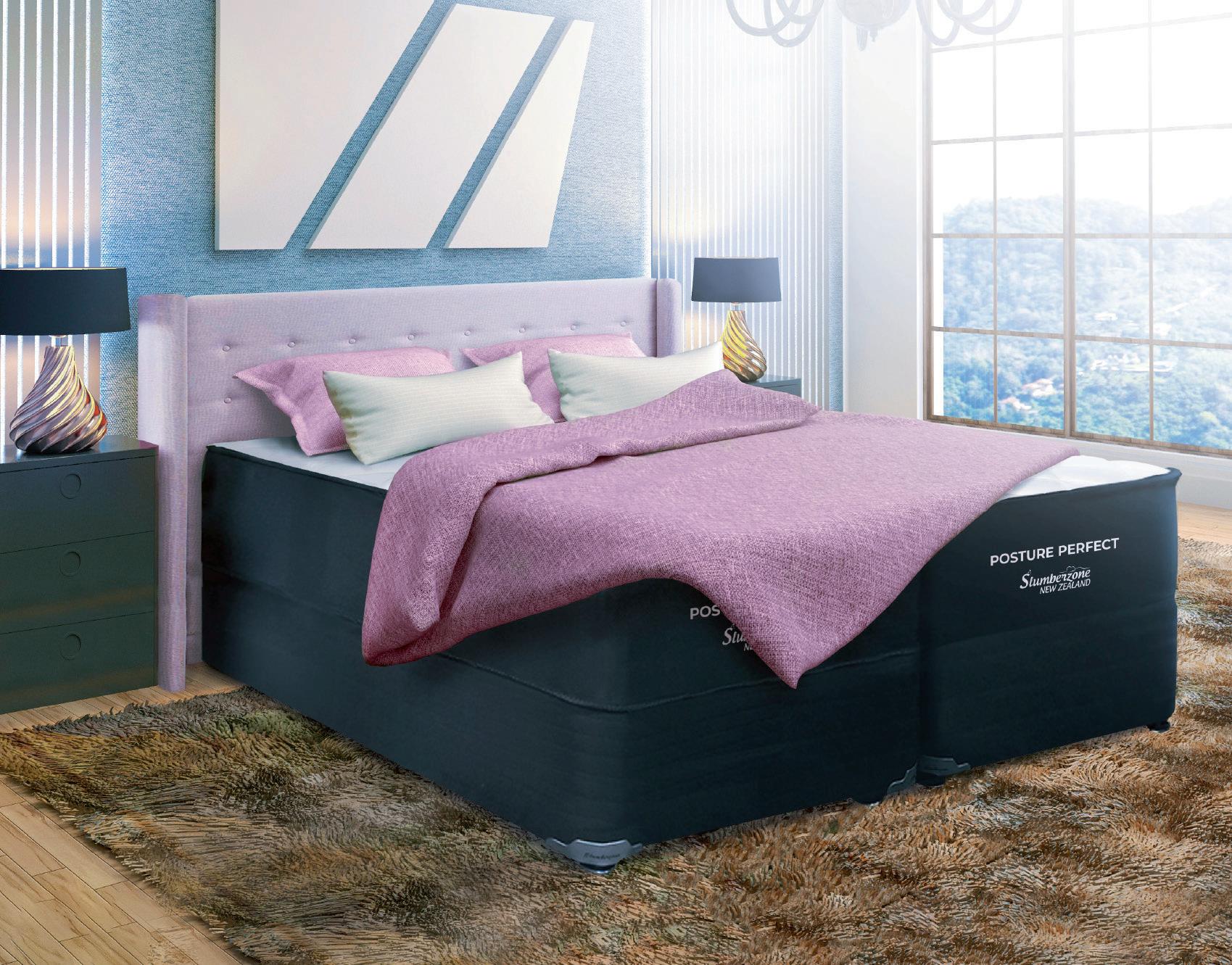
Redefine the comfort of your guests with Slumberzone beds.
Self-Drive Tourism Takes the Wheel
Tourists arriving in New Zealand have become increasingly more attracted to selfdrive tourism in recent years.
As New Zealand’s tourism market continues to make a strong recovery from the downfall of COVID, more and more travellers are choosing self-drive options as a way to see the country.
CLICK TO READ MORE

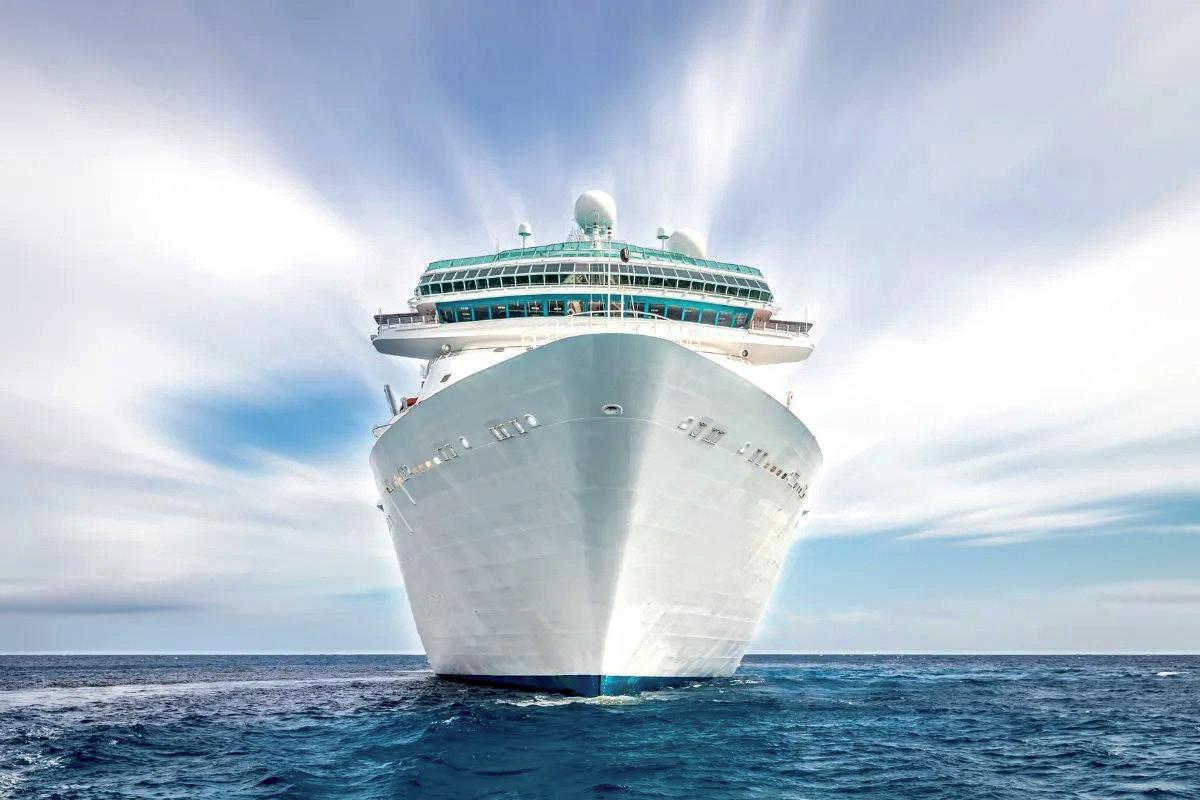
Cruise Forum Results in Industry Growth
A group of senior Ministers have pledged their support to growing the national cruise industry following discussions at the Cruise Forum.
CLICK TO READ MORE
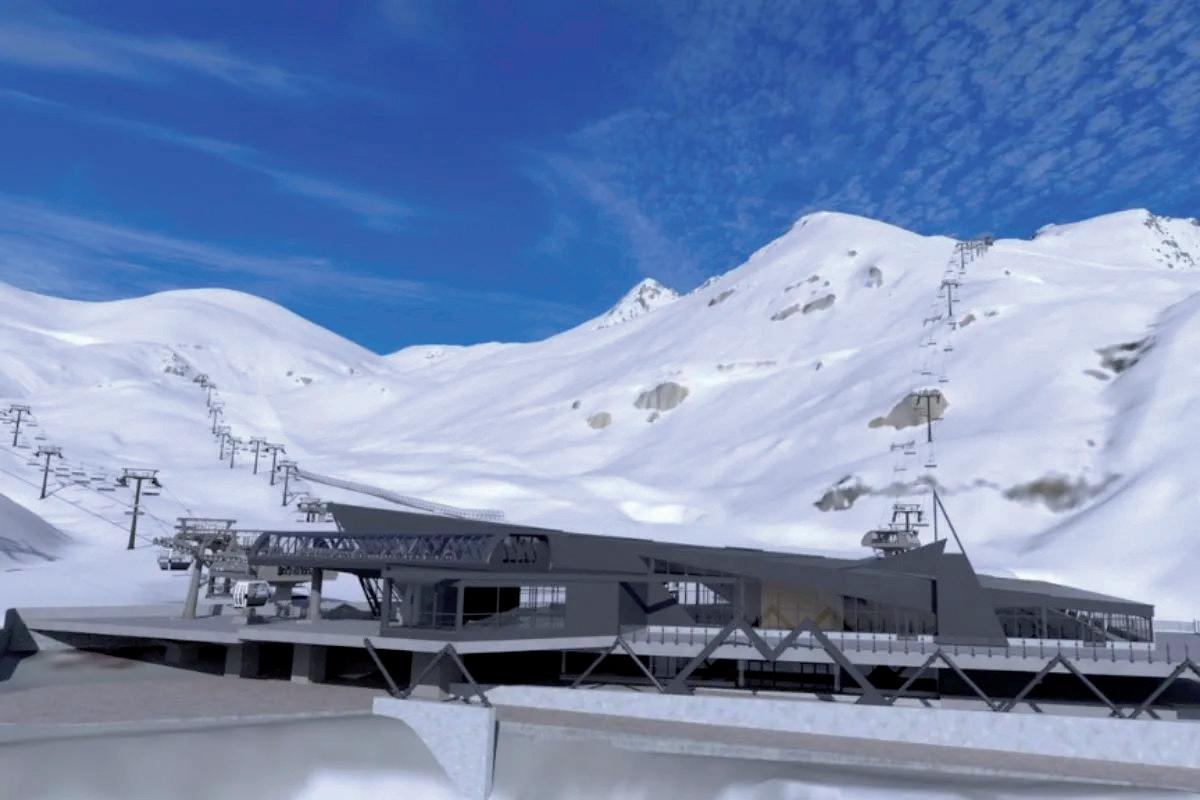
New Expansion for The Remarkables
Queenstown ski resort The Remarkables will become New Zealand’s largest, with a proposed NZD 150 million-plus expansion into the Doolans Basin.
CLICK TO READ MORE

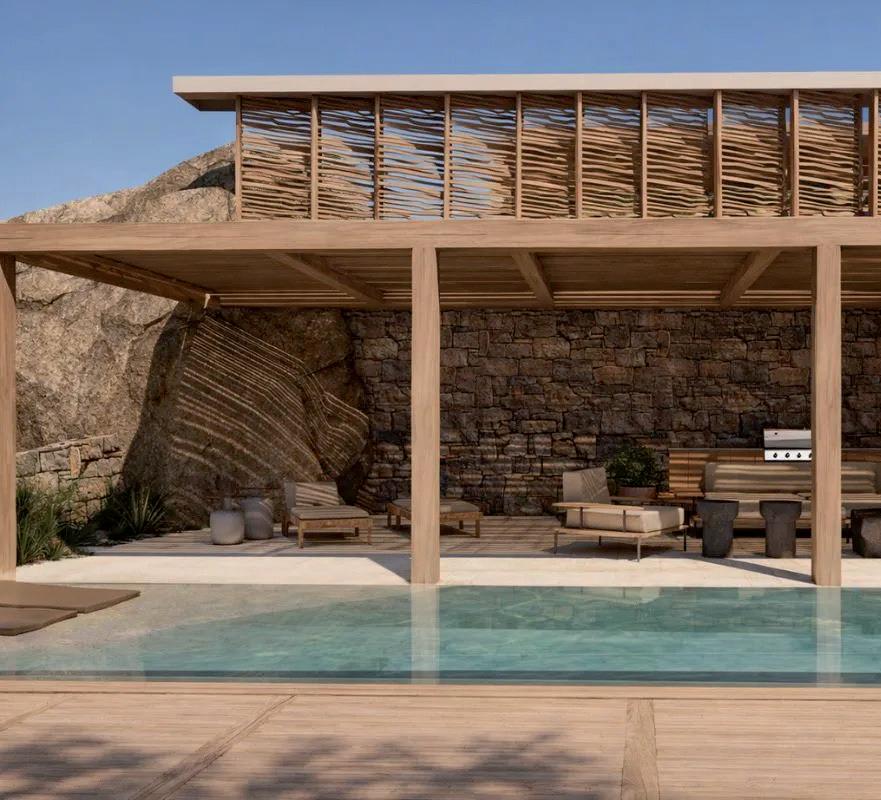
Crete Hotel Momentum Generates Growth
The largest and most popular island in Greece, the rapid influx of tourists in Crete has meant that global hotel chains are quick to jump on the momentum.
As Crete continues to emerge as one of the Mediterranean's most compelling hospitality destinations, a new generation of hotel development is helping reshape the island's luxury landscape. At the centre of that evolution are sisters Danae and Konstantina Orfanaki, the creative force behind their family-owned hospitality group, Omicron Hotels.
CLICK TO READ MORE
South Korea Focus for Hilton Expansion
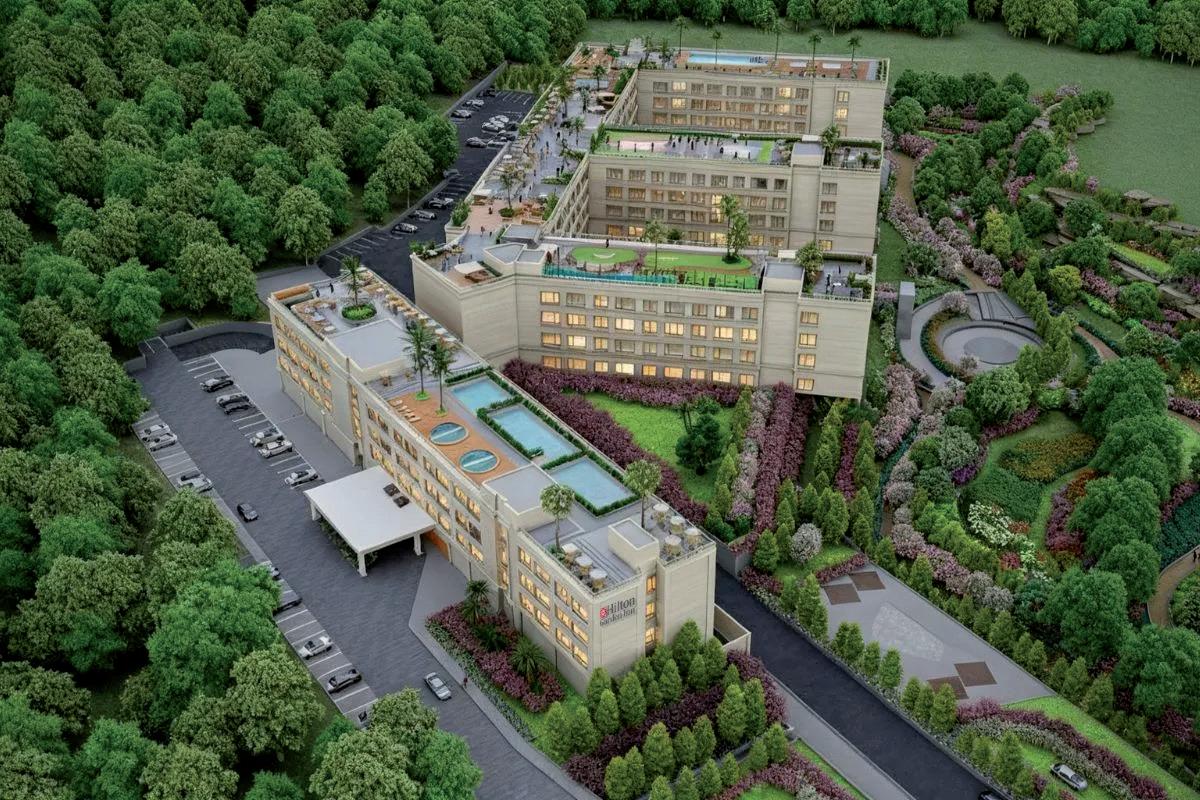
Hilton Garden Inn Busan Gijang is set to open in 2028 as part of the chain's wider plan to expand its presence in South Korea.
CLICK TO READ MORE
Sofitel Launch
Limited-Edition Fruit Kiss Croissant Collection
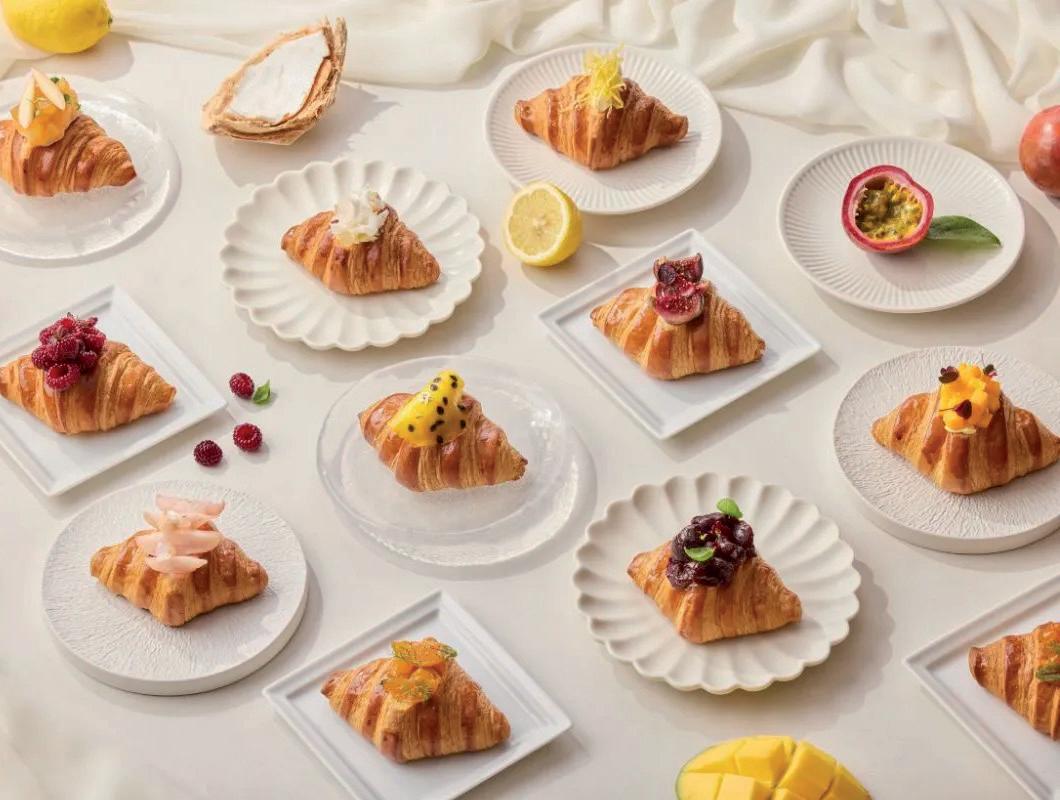
Sofitel has reimagined its breakfast offerings with ten fruit-forward creations in its new, limited-edition Fruit Kiss croissant collection.
Sofitel, the pioneer of French luxury hospitality, today announces the launch of Fruit Kiss, the second chapter of its acclaimed La Haute Croissanterie series, a limited-edition collection of ten handcrafted croissants that positions Sofitel breakfast as the most talkedabout dining occasion of the season.
Building on the sell-out success of last year's Blossoms collection, Fruit Kiss marks a significant evolution in the hotel group's culinary identity, cementing Sofitel's position not merely as a place to sleep, but as a destination in its own right. For guests in Australia, New Zealand and Fiji, the collection is available exclusively across 10 Sofitel properties until the end of July.
CLICK TO READ MORE
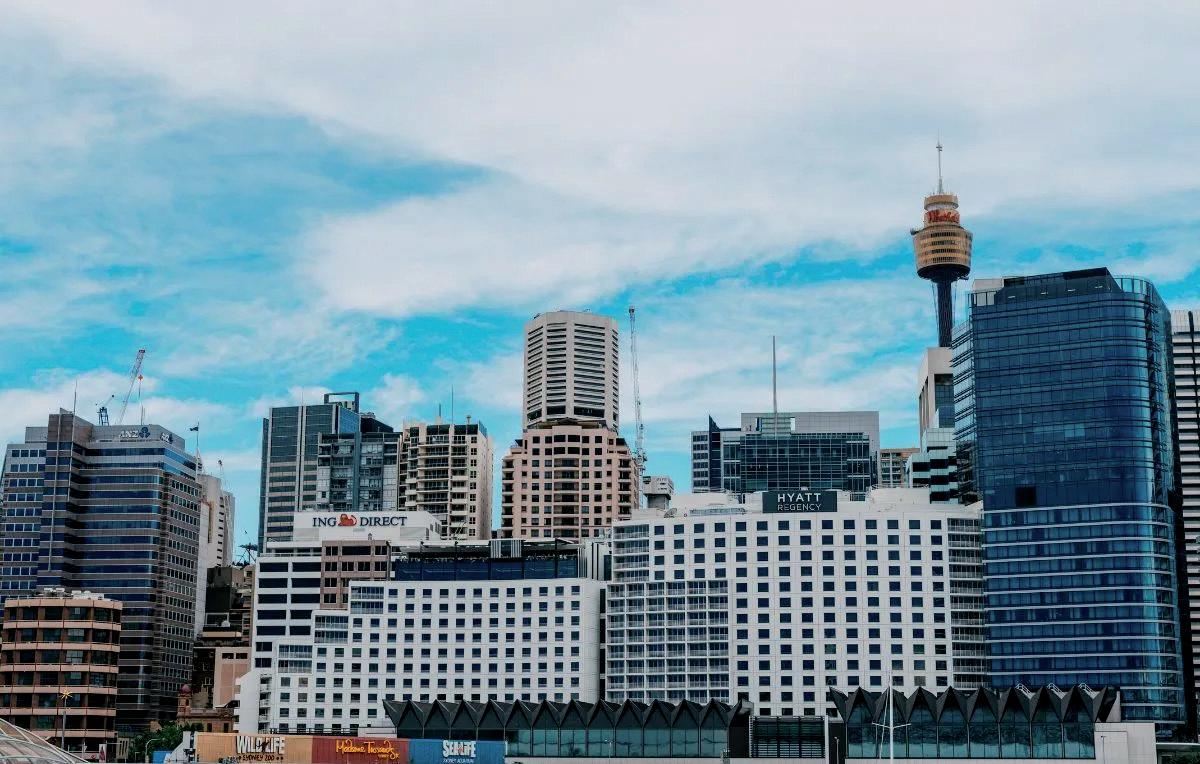
Industry leaders have called the hotel industry resilient despite ongoing global uncertainty at an industry event in Sydney.
CLICK TO READ MORE
Accommodation Stable Amid Uncertainty
Furnz Group Celebrates 25 Years
From Queenstown's alpine ridgeline to Fiji's private island resorts, Furnz Group is celebrating 25 years of shaping hospitality spaces across the Pacific.
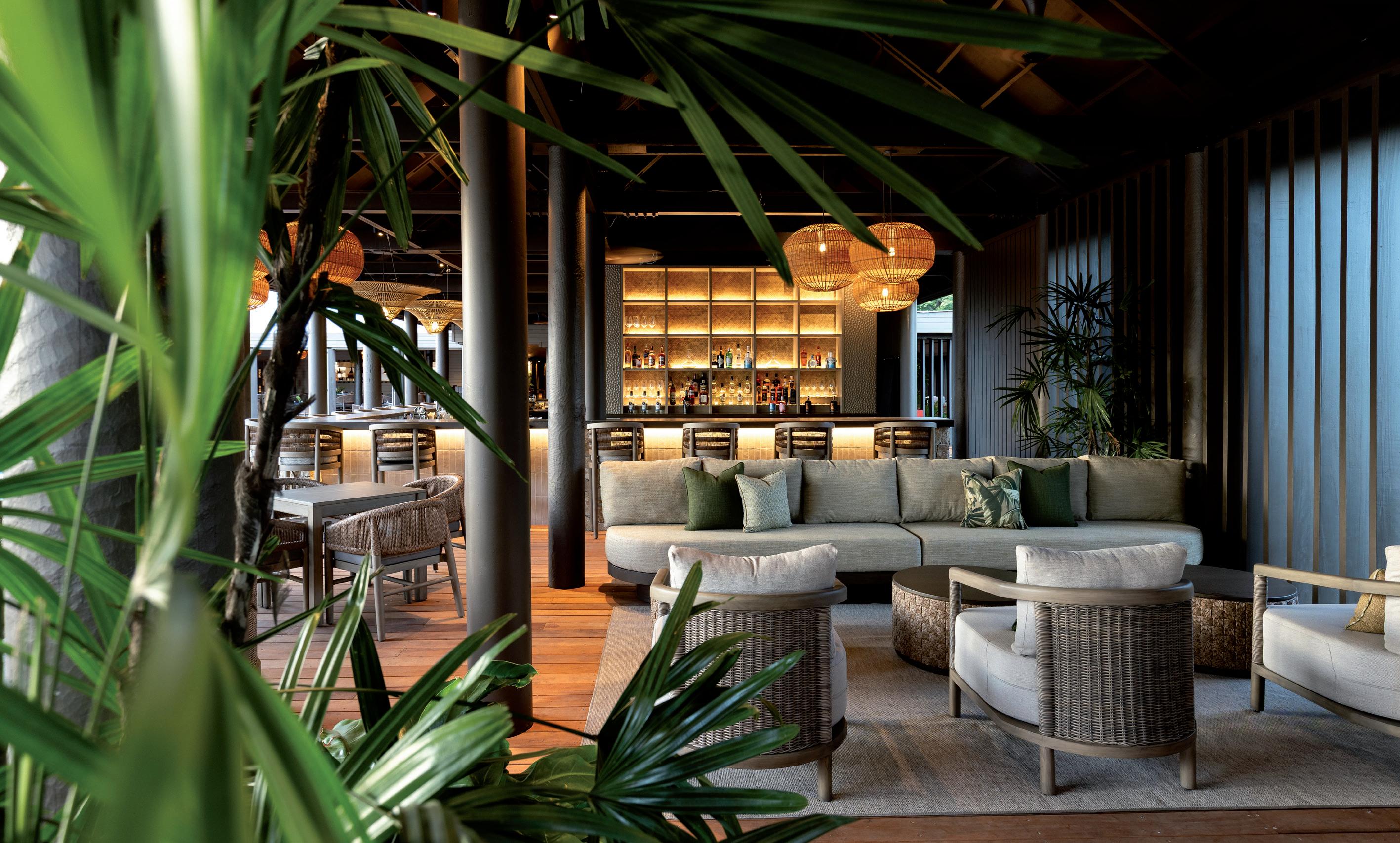
One of the region’s most respected hospitality interiors and procurement partners, Furnz Group is marking 25 years of delivering some of the Pacific’s most celebrated hotel and resort properties with the completion of four landmark hospitality projects, and a pipeline of projects across New Zealand and Fiji that represents the most ambitious chapter in the company’s history.
Furnz Group was proud to unveil its involvement in its most significant and geographically diverse projects to date, including Fiji’s Vomo Island Resort, Nanuku Resort, the Fiji Gateway Hotel and Coronet Ridge Resort in Queenstown.
“We’ve always been guided by the belief that every room should create a return, and great hospitality spaces require expertise in what works operationally as well as aesthetically,” said Euan
Armstrong, Managing Director at Furnz Group.
“We’re proud to deliver spaces across four major hotel and resort projects in Queenstown and Fiji that are beautifully considered and built to perform. Our integrated approach from concept to completion ensures design intent is carried through to every procured piece and installed finish.”
At Coronet Ridge Resort in Queenstown, Furnz partnered
As Furnz Group enters its next chapter, the pipeline reflects both the depth of its existing client relationships and the breadth of its capability. For hotel investors, owners, and operators looking for a design, procurement and fit-out partner with the experience, networks, and attention to detail to match their ambitions, Furnz is the partner for the brief.
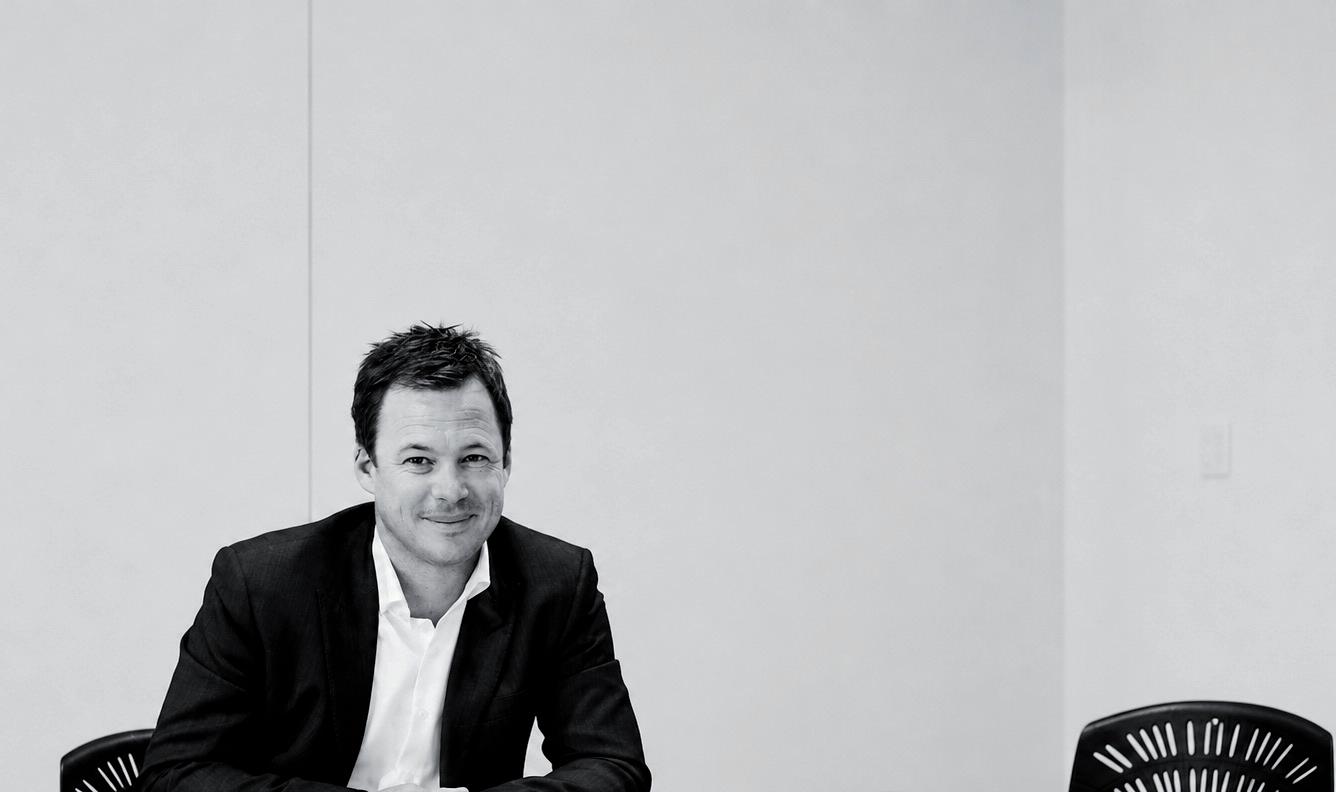
Euan Armstrong
Managing Director Furnz Group
with project architects GCA Studio and G2 Studio from early design concept through to completion, delivering FF&E (furniture, fixtures and equipment) and OS&E (operating supplies and equipment) across guest suites and public spaces. The result is an interior environment that balances refined luxury and connects to its elevated alpine setting. Coronet Ridge Resort was named Hotel of the Year – Refurbishment at the 2026 Australasia Pacific HM Hotel Design Awards, cementing its status as one of New Zealand's most exciting new hospitality openings.
In Fiji, at Vomo Island Resort,
Furnz delivered the property’s full fit-out from concept through to onsite installation, including the design and manufacturing of custom furniture, joinery, and decorative lighting, with full coordination of international manufacturing partners and logistics across the bar, breakfast room, commercial kitchen, accommodation, and public areas.
At Nanuku Resort Fiji, recognised as a TripAdvisor Travellers’ Choice Awards Best of the Best winner, the Furnz team collaborated with Parisa O'Connell Studio to deliver an extensive refurbishment scope across the beachfront suites and residences and food, beverage and public spaces. Furnz was engaged to manage the manufacturing, procurement, and delivery of all FF&E and OS&E elements. At The Fiji Gateway Hotel in Nadi, Furnz completed a full refurbishment of the property, encompassing interior design consulting, custom joinery, and full FF&E procurement and
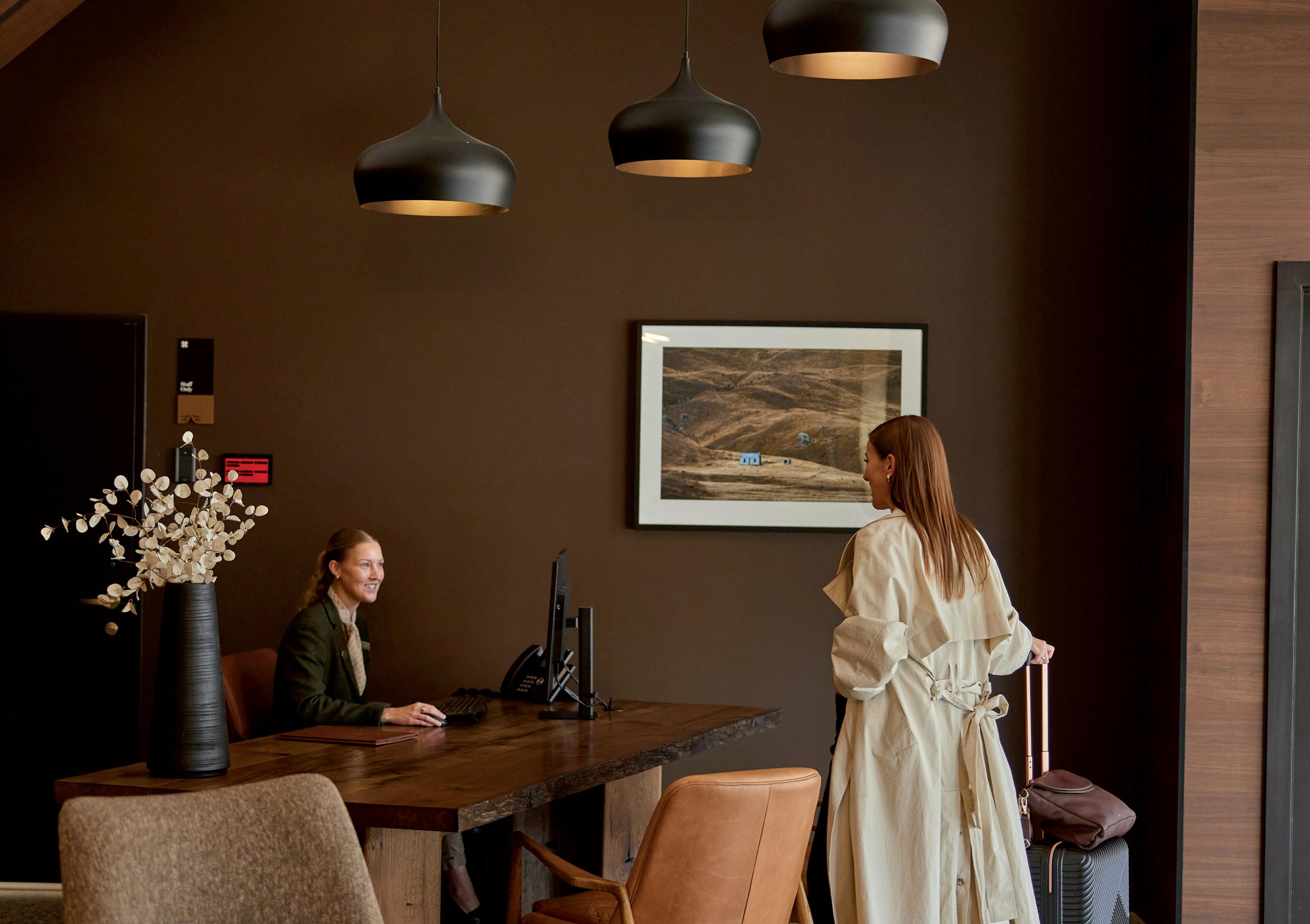
“The Oaks Queenstown is among our upcoming projects moving toward delivery, alongside a series of Quest properties rolling out across New Zealand. Further projects in both New Zealand and Fiji are currently in the design phase, and we expect to announce our involvement in those in the coming months,” added Armstrong.
As Furnz Group enters its next chapter, the pipeline reflects both the depth of its existing client relationships and the breadth of its capability. For hotel investors, owners, and operators looking for a design, procurement and fitout partner with the experience, networks, and attention to detail to match their ambitions, Furnz is the partner for the brief. l
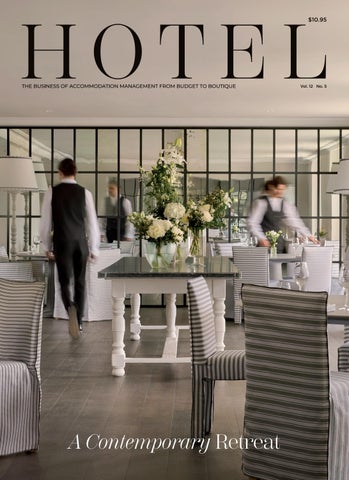
A Contemporary
Retreat
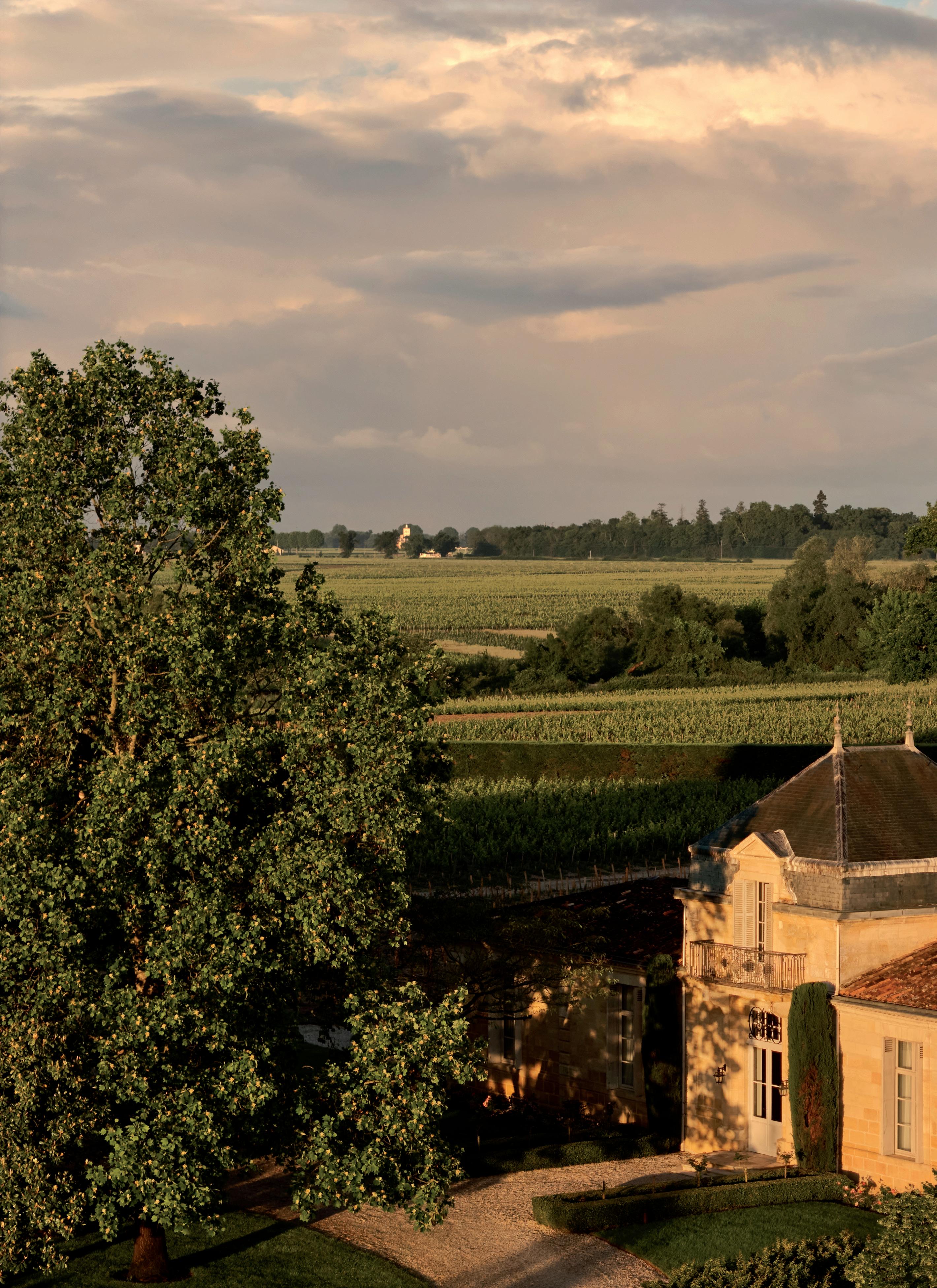
COMO Hotels and Resorts has unveiled the 28-room COMO CordeillanBages, marking the brand’s debut in Bordeaux’s revered Médoc region.
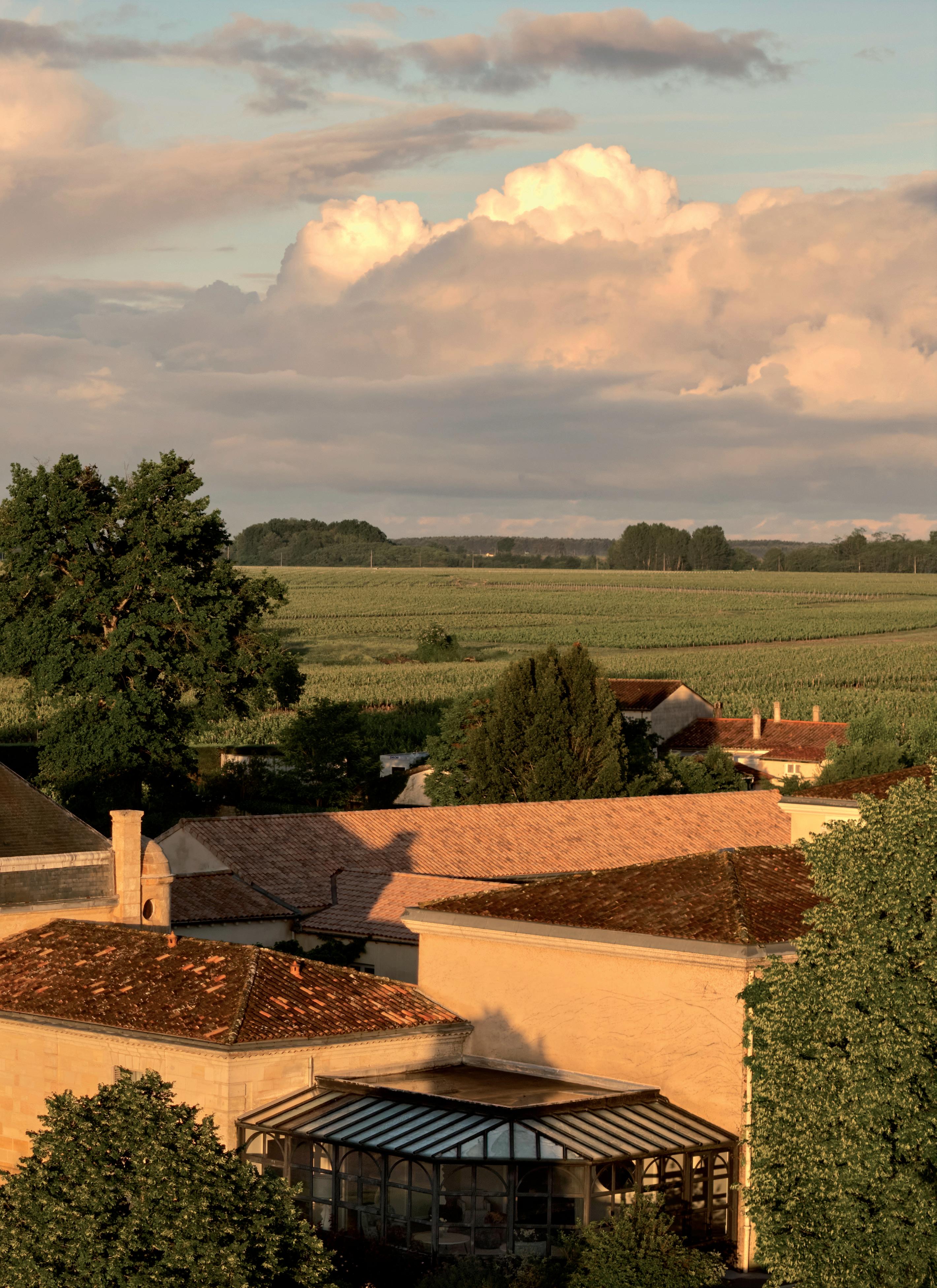
Set within a restored 19th-century property, the opening heralds a new chapter for a historic Left Bank landmark, realised in close collaboration with the Cazes family, owners of the renowned Château Lynch-Bages.
Family-owned and united by a shared philosophy of craftsmanship, discretion and enduring quality, COMO and the Cazes family come together through a mutual respect for heritage, exceptional hospitality and the culture of exceptional food and wine. As a contemporary hotel and gastronomic destination, COMO Cordeillan-Bages, embodies the art of living in the Médoc, of a destination hotel deeply rooted in its terroir. Located in Pauillac, the hotel is surrounded by rolling vineyards and storied châteaux that define Bordeaux’s most celebrated appellations. As COMO’s second wine-focused property in France, alongside COMO Le Montrachet in Burgundy, COMO Cordeillan-Bages continues the brand’s ongoing dialogue between place and gastronomy.
A GASTRONOMIC DESTINATION
Gastronomy lies at the heart of COMO Cordeillan-Bages, in a collaboration with celebrated Chef Fabien Ferré, who is overseeing the hotel’s culinary direction. In 2024, Ferré made history by becoming the youngest chef ever to go from zero to three Michelin stars for his restaurant La Table du Castellet in Provence.
Chef Ferré’s signature style is guided by seasonality and locality, allowing exceptional produce to speak with clarity through precise, elegant execution. Chef Fabien Ferré has appointed Mathieu Martin as Executive Chef. A native of southwest France, Chef Martin brings a deep connection to the region, translating Ferré’s philosophy into daily practice through close relationships with local producers.
The menu at Le Cordeillan follows the rhythm of the seasons and the influence of the nearby Atlantic Ocean. Its culinary signature leans towards marine and vegetable expressions, celebrating local fish, shellfish and the surrounding agricultural landscape. Meat appears more discreetly, as a refined acknowledgement of regional tradition.
The experience unfolds with menus of three, four and six sequences served at lunch and dinner, complemented by an à la carte selection. The menu evolves every two to three months, guided by seasonal arrivals and the inspiration of the kitchen. Signature dishes include Atlantic turbot with asparagus, shellfish and lovage, alongside a Gillardeau oyster served with turnip, sorrel and radish.
“Opening Le Cordeillan is a rare opportunity to bring together everything I believe in: the richness of local produce, a wine list that truly reflects the region, and the responsibility of giving new life to a place with a strong culinary history. In partnership with COMO, we will create a destination that feels rooted, alive, and unmistakably of its time,” said Ferré.
INTERIORS IN HARMONY WITH PLACE
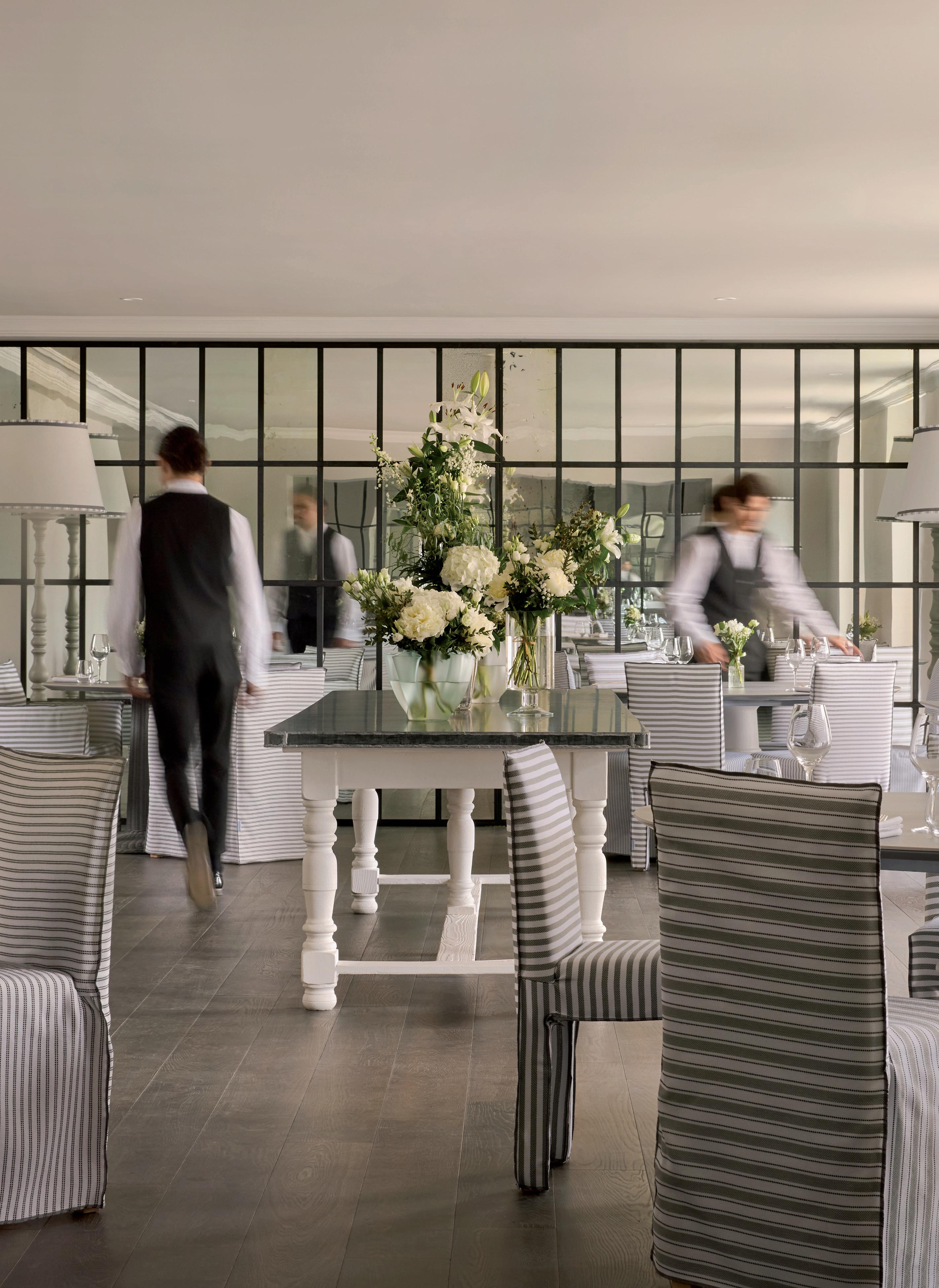
The château’s interiors have been reimagined by acclaimed Italian designer Paola Navone, balancing contemporary clarity with respect for the building’s heritage. A restrained palette of greys, whites and metallic blues creates understated elegance, while tactile textiles, custom furniture and limewashed walls bring warmth and character.
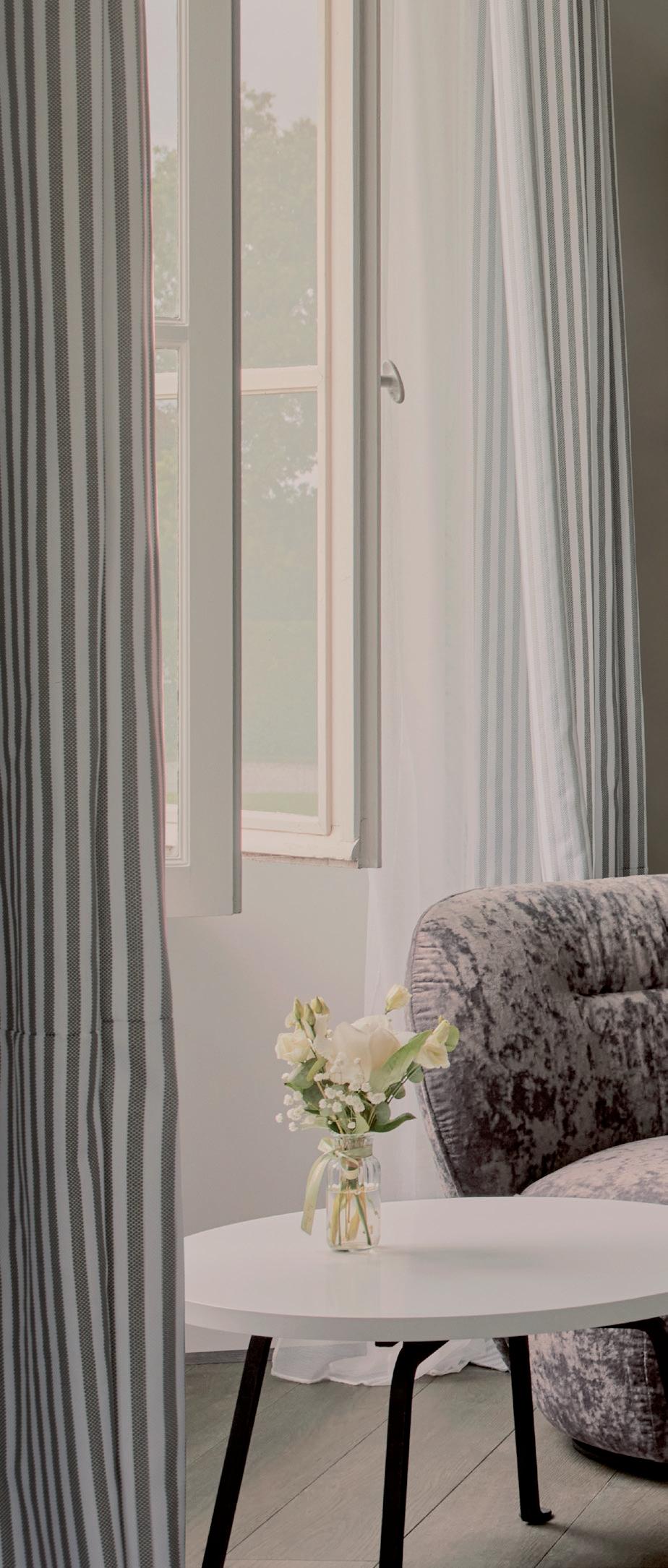
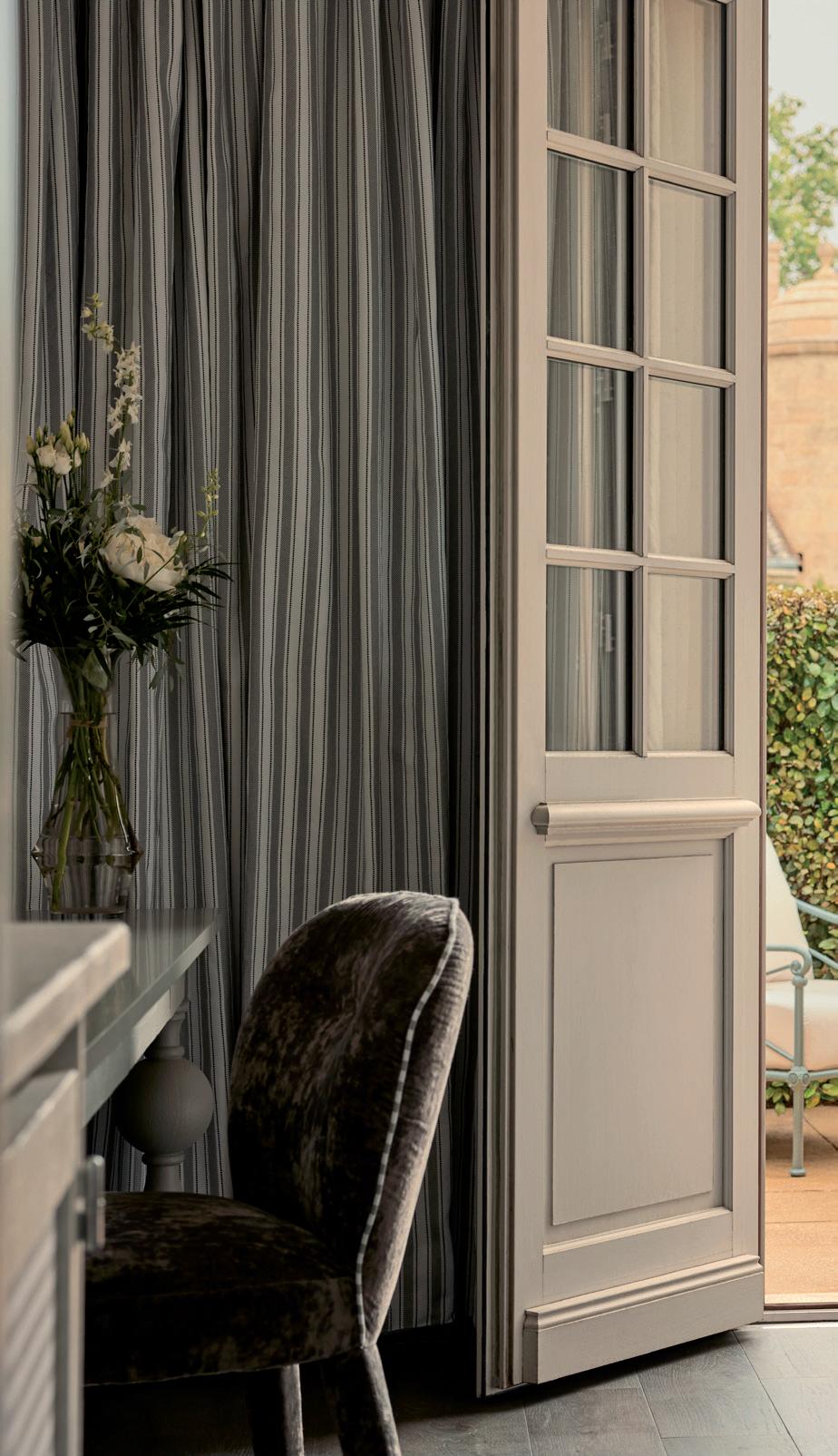
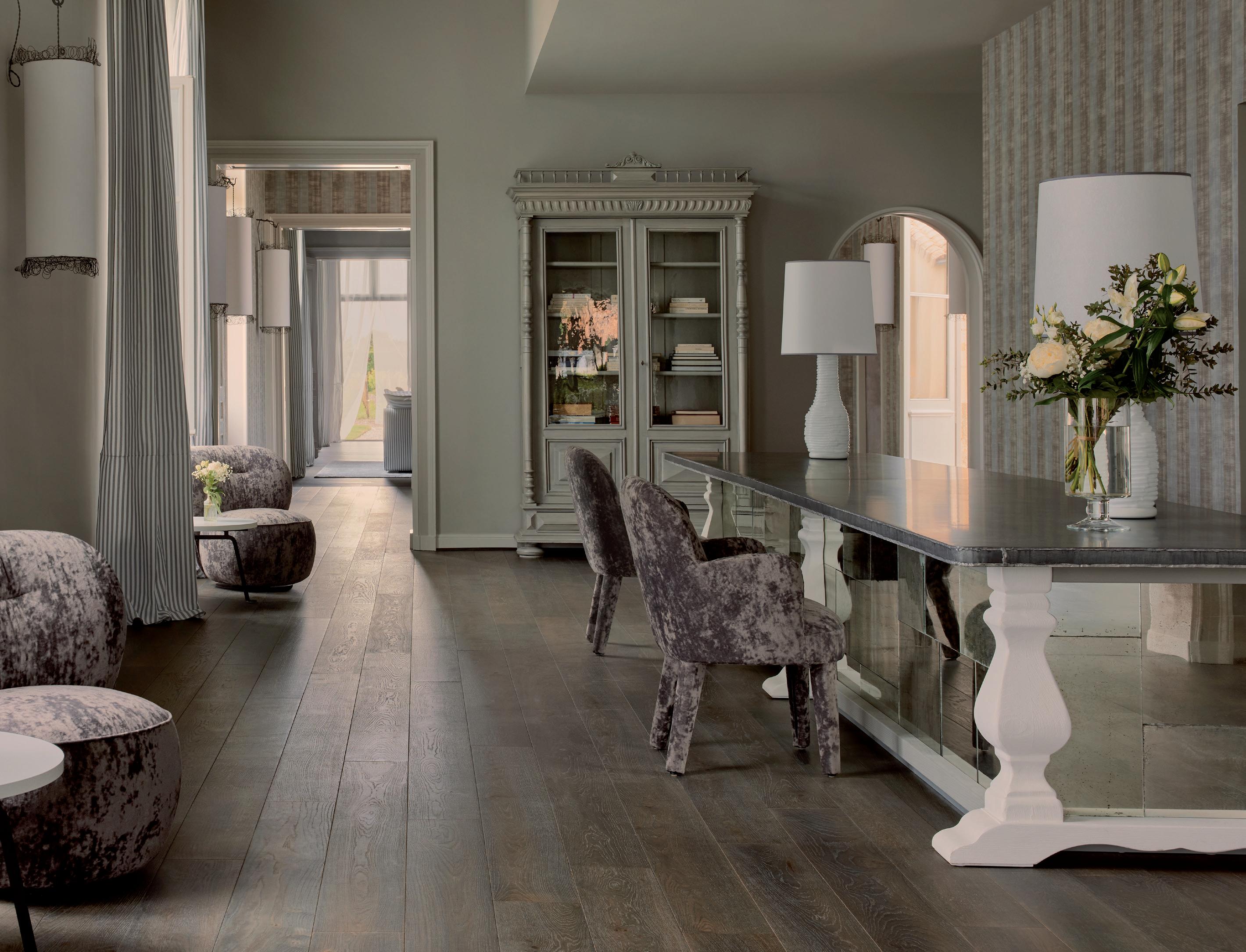
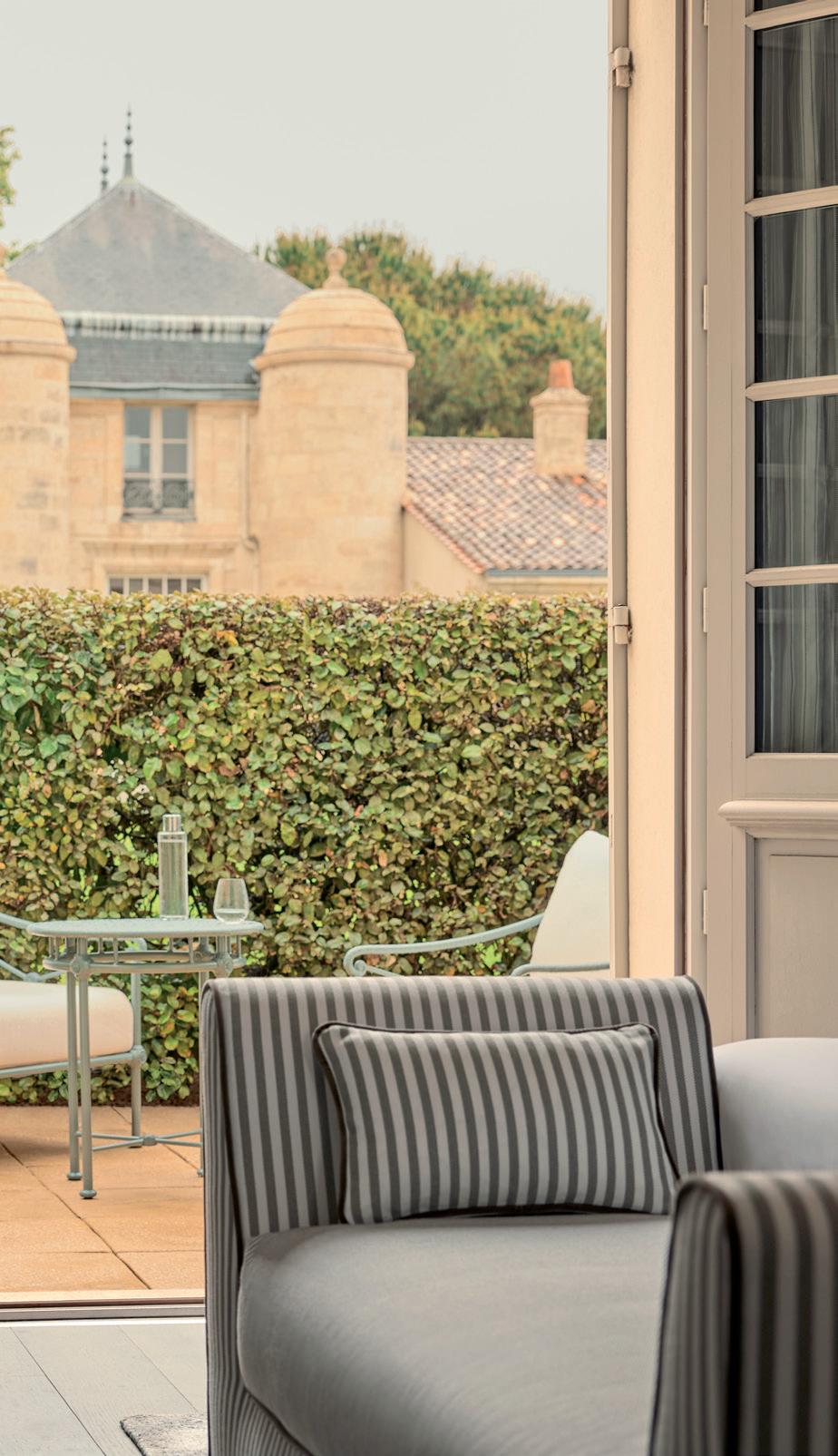
This calm, purposeful approach continues at Le Cordeillan. Flooded with daylight, the restaurant features soft neutral tones and tactile finishes with a strong sense of connection to the historic setting. Monochrome ceramic centrepieces by artist Benoît Breymand offer a subtle sculptural note, intentionally restrained to complement the cuisine. A vineyard-facing terrace immerses guests in the Médoc landscape, while the Living Room and Bar extend the experience with relaxed, informal elegance.
Across the hotel, Navone’s renovation introduces coherence and contemporary comfort, encompassing 28 spacious rooms and suites, including two signature COMO Suites. Throughout, materials reflect the quiet refinement of rural Bordeaux, seamlessly blended with COMO’s signature aesthetic of warmth, clarity and lasting appeal.
DISCOVERING THE REGION
Experiences at COMO CordeillanBages are shaped by the culture, landscape and heritage of the Médoc. From private tastings at renowned châteaux to cycling along the vineyard paths, each activity is designed to immerse the guests in the region.
Beyond the vineyards, guests are immersed in the Médoc’s wider landscape – from the restored village of Bages, just a six-minute walk away, to pine forests and Atlantic beaches 30 kilometres from the hotel.
“The opening of this historic landmark offers COMO the opportunity to collaborate with one of France’s most sought-after chefs and offer guests privileged access to Château Lynch-Bages, firmly establishing COMO CordeillanBages as a benchmark address rooted in culinary excellence and place,” said Olivier Jolivet, CEO of COMO Holdings. l
MEET THE CHEF
A New Culinary Chapter
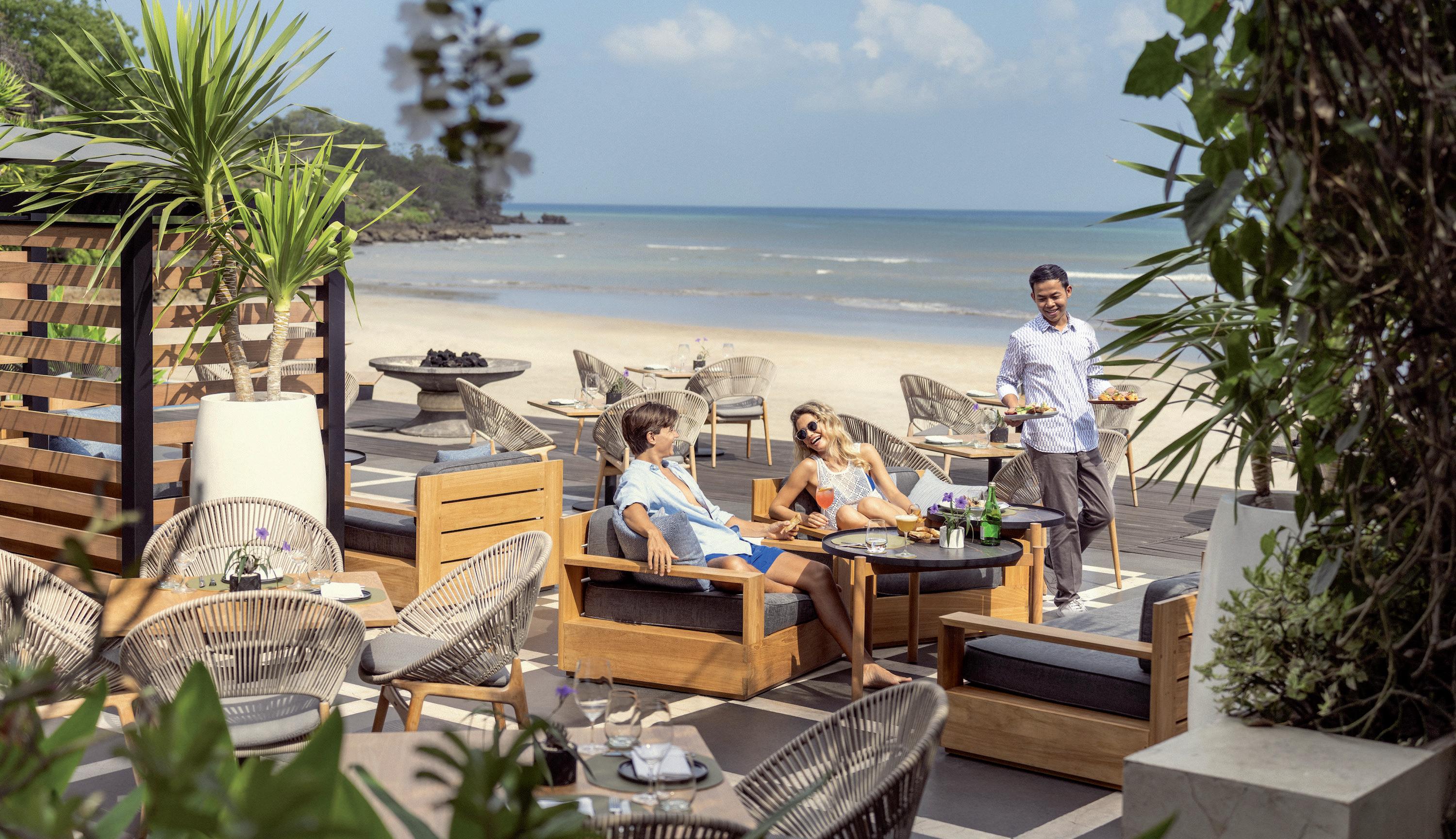
BRINGING
INTERNATIONAL FLAIR
TO JIMBARAN BAY
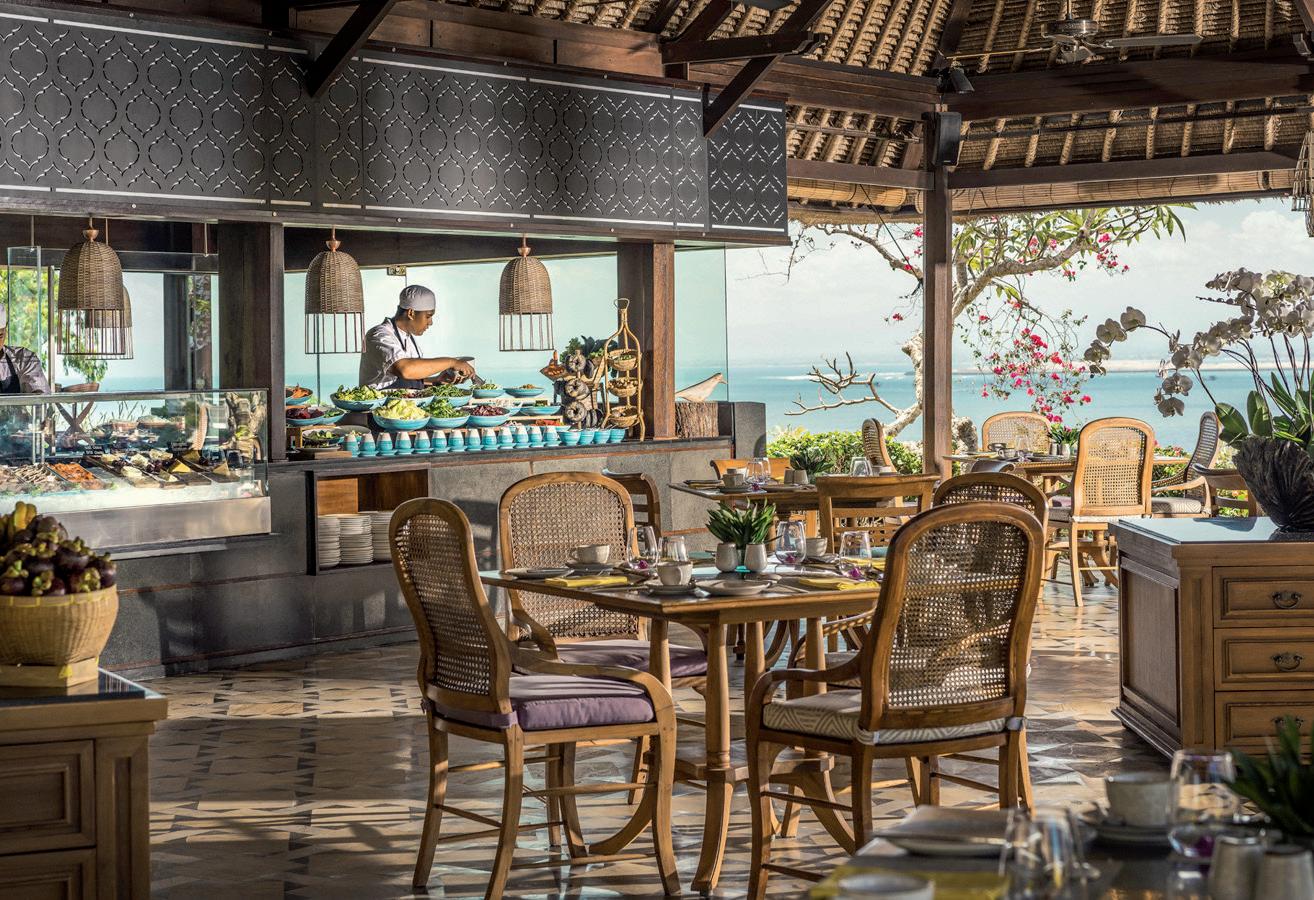
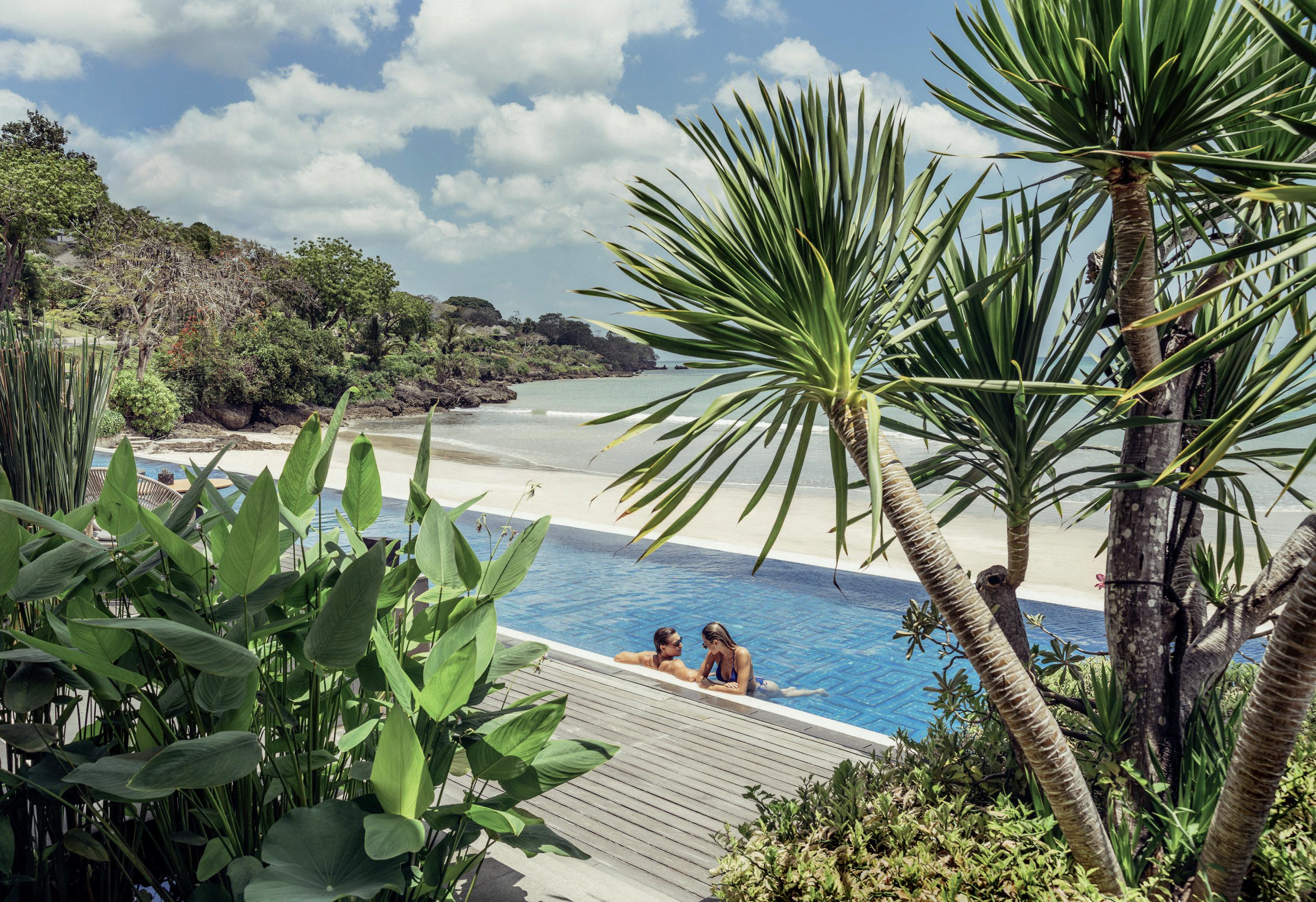
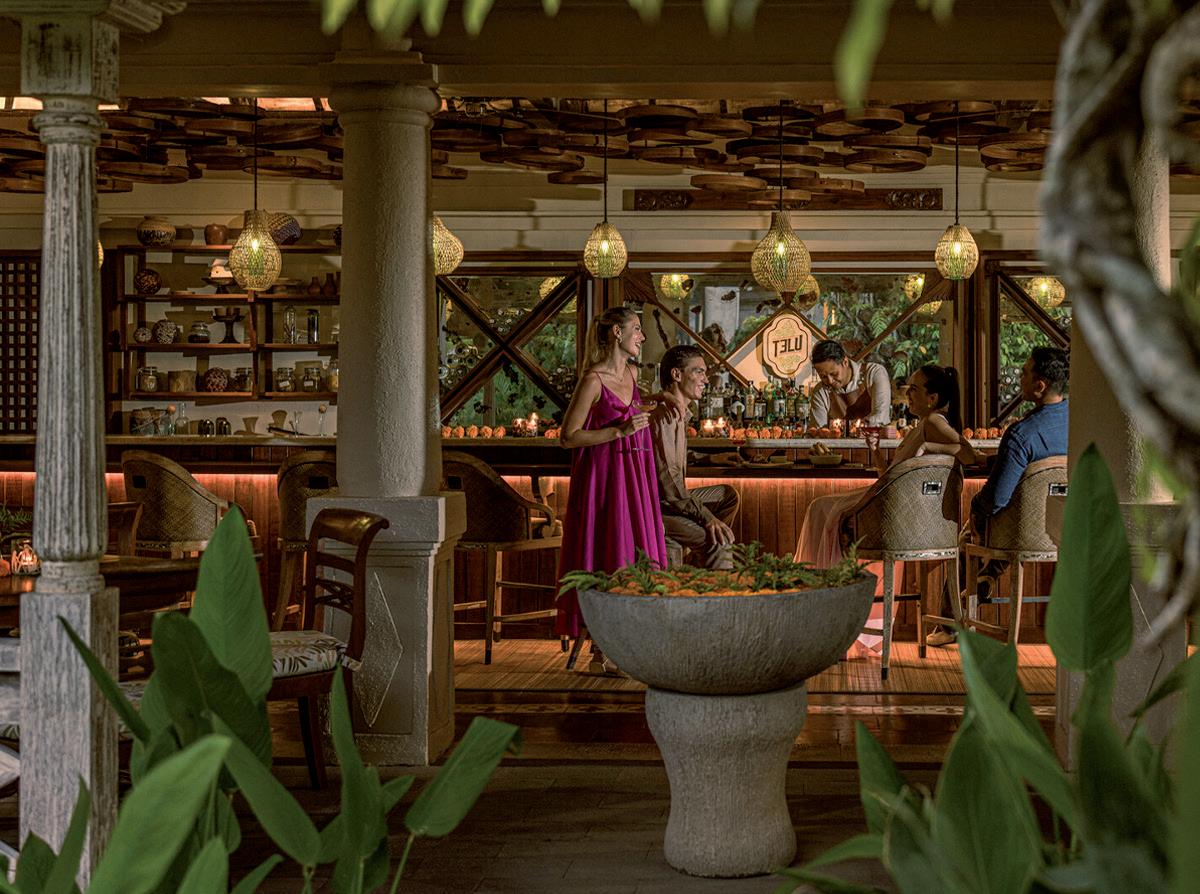
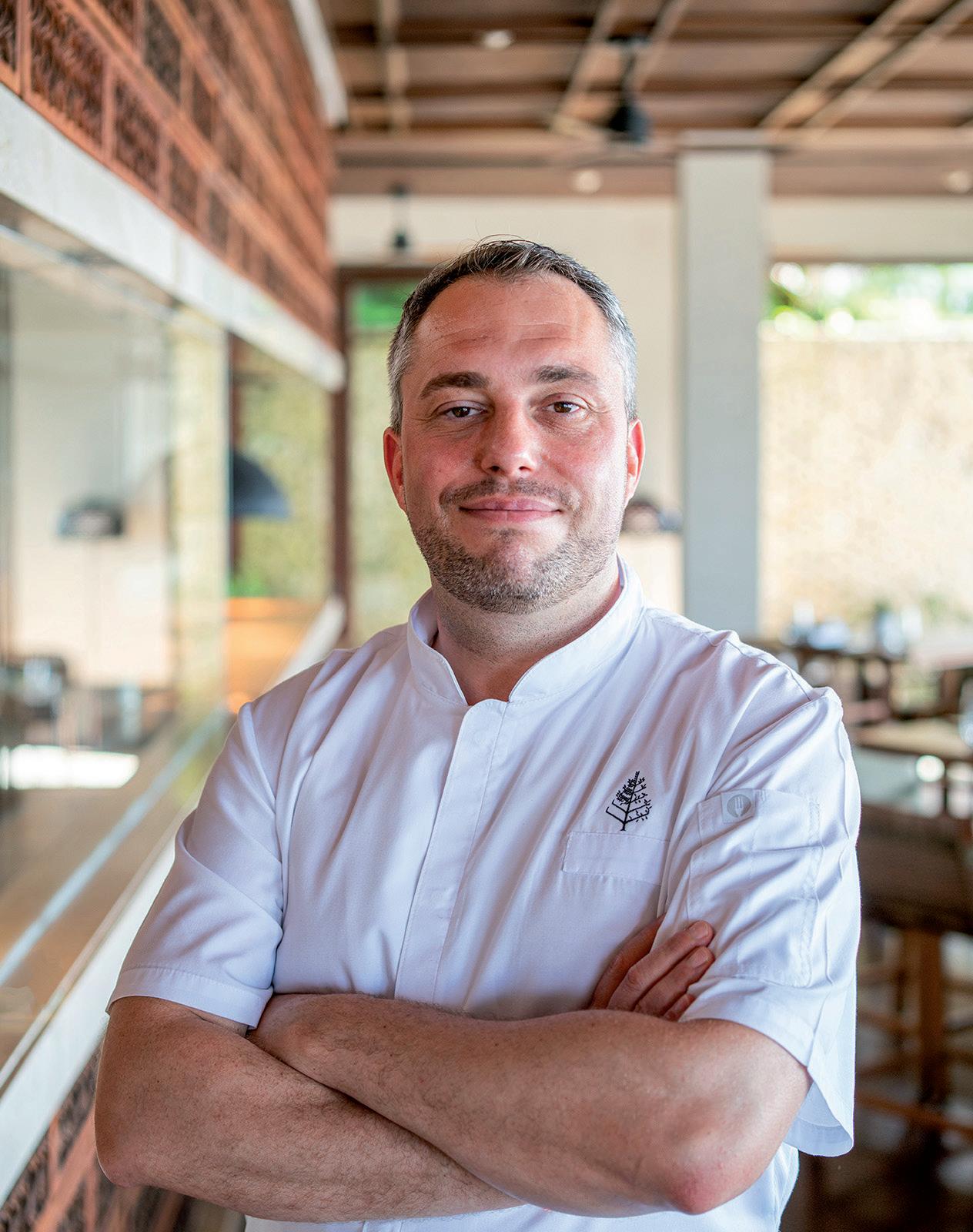
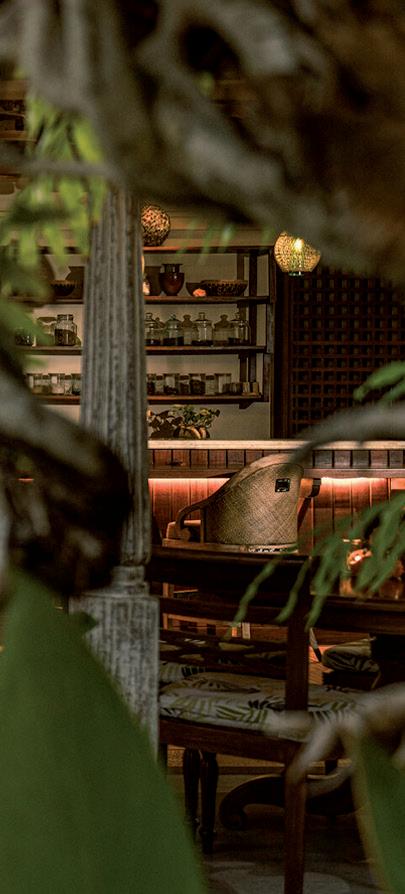
Chef Benjamin Halat has spent most of his adult life chasing his passion for food and flavour, which has taken him around the world.
In June, the resort will run a sixday programme built around art and gastronomy, bringing together Christian Le Squer, a three-Michelin-starred chef at La Maison 1888, and Bill Bensley, the resort's architect and designer, alongside a wider group of chefs and mixologists. “Artisan Stories reflects the way we see luxury today: immersive, experiential and rooted in a strong sense of place,” said Seif Hamdy, General Manager of InterContinental Danang Sun Peninsula Resort.
This is not a one-night event or a visiting chef appearance. The programme runs across multiple days and venues, including La Maison 1888, Tingara and the Long Bar. Each part connects to the next, creating a continuous schedule that keeps guests moving through the property rather than treating it as a base.
For Bensley, the collaboration moves beyond presentation into interpretation. “Food and art have
always felt like kindred spirits to me. Both are about composition, storytelling, and a sense of place. Working with Christian Le Squer, it becomes a conversation between flavour and form,” said Bensley.
WHERE THE REVENUE SITS
The model shifts where the spend happens. Rooms bring guests in, but the return is built through what they do once they arrive. Ticketed dining, collaborations and limited-seat events create additional revenue streams alongside the room rate. It also changes how value is presented. Instead of competing purely on price or inclusions, the hotel is offering access to a time-bound offer. That gives the property more control over how it prices and packages the stay.
HOW IT RUNS IN PRACTICE
Running something like this requires tight coordination.
Kitchen, bar and front-of-house teams are working to a shared
Benjamin Halat
schedule rather than separate service periods. Each event feeds into the next, so timing and delivery need to hold across the full programme.
There is also a balance to manage. Experiences need to feel considered and limited but still deliver enough volume to make sense commercially. Too small, and the revenue is capped. Too open, and the experience loses its edge.
For Le Squer, the link between disciplines sits at the centre of the work. “My approach to creating a dish is very similar to that of artistic disciplines such as architecture or painting,” said Le Squer.
EXTENDING THE STAY
A multi-day format gives guests a reason to stay longer.
Each event becomes a point of return, keeping people on the property across several nights rather than one or two. That has a direct impact on total spend per booking. It also keeps more of that spend in-house. With food, drink and entertainment built into the
programme, there is less need for guests to look elsewhere. The hotel captures a greater share of the visit.
BEYOND THE PROPERTY
There is also a wider effect.
“Events like Artisan Stories truly enrich our destination’s tourism offering as a leading hub for distinctive, experience-led travel, where international talent and local identity intersect,” said Nguyen Thi Hoai An, Deputy Director of the Da Nang Department of Culture, Sports and Tourism.
The programme supports Danang’s positioning as a foodled destination, giving the market another reason to attract international visitors.
InterContinental Danang is introducing Artisan Stories as an inaugural programme. The structure is built in a way that could be extended or revisited if demand holds. If it lands, it points to a model where the hotel becomes the experience, giving guests a reason to stay on property rather than look beyond it. l
The Thermal Effect
The Central North Island is one of New Zealand’s greatest assets, comprised of year-round activity, adventure tourism, natural wonders, and some of the country’s finest accommodation offerings.
Whether it’s a family outing to Hobbiton or the Waitomo Glowworm Caves, or an adult’s excursion off the beaten track, there are countless things to see and do throughout the Central North Island.
The Waikato region is arguably the largest hub in the area, and one of New Zealand’s fastest growing areas in population, infrastructure and investment.
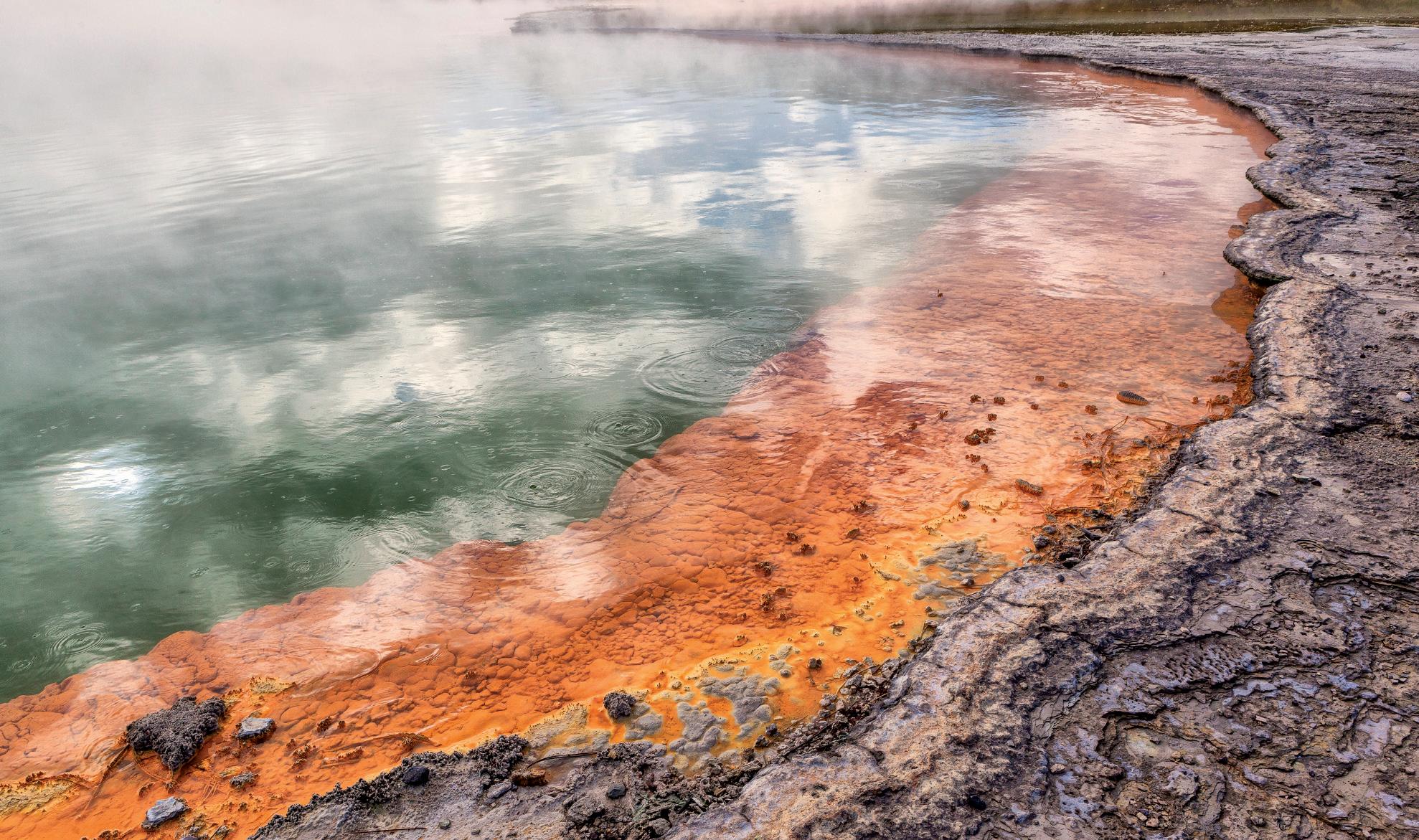
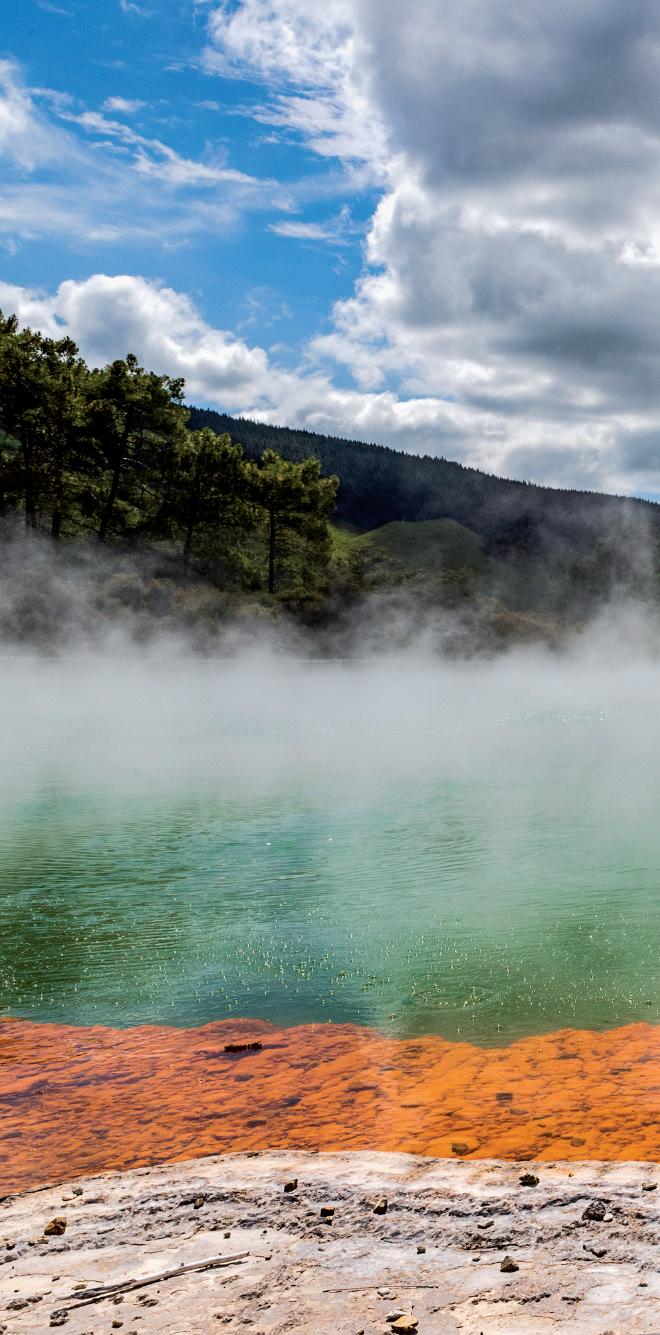
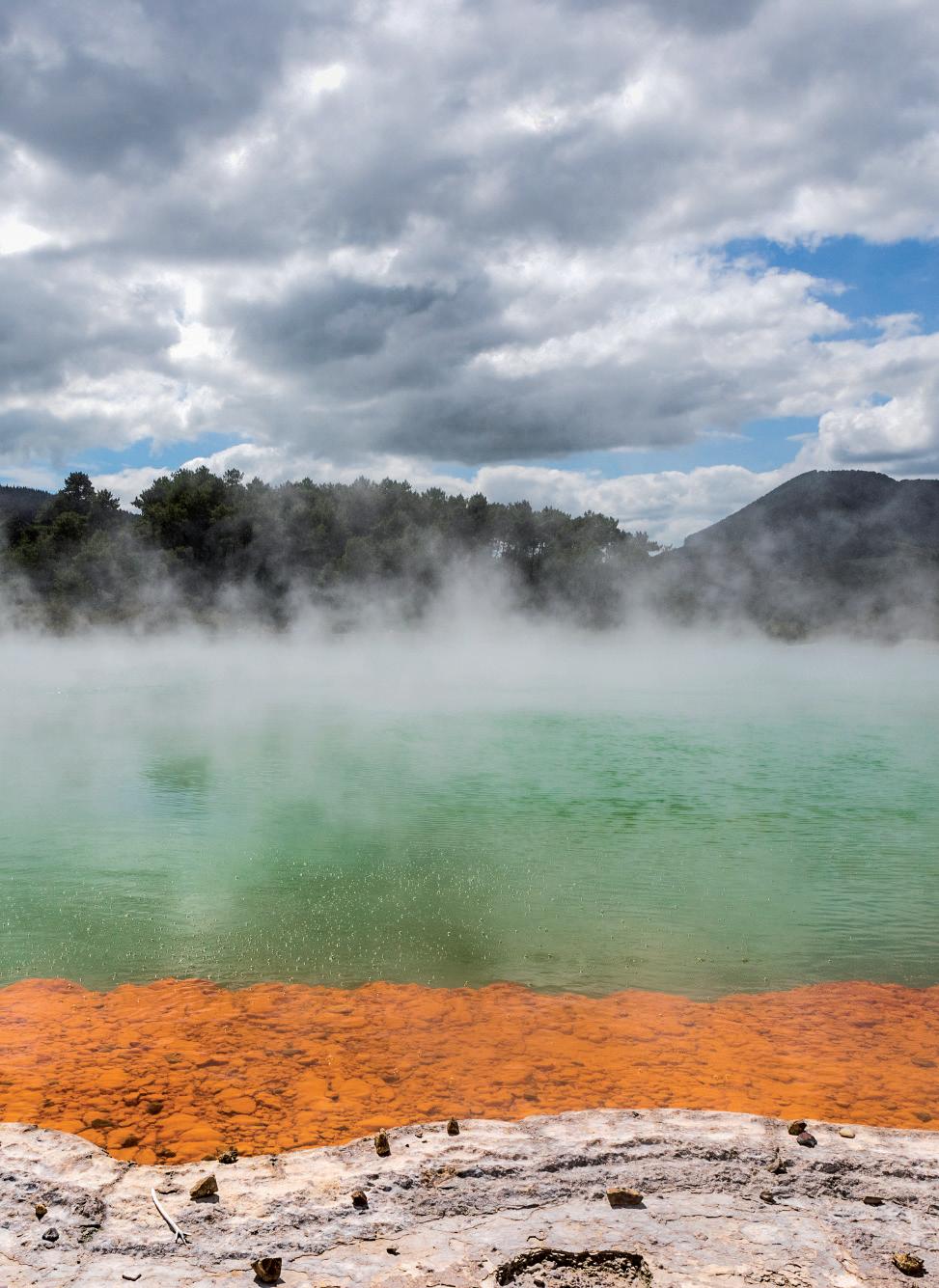
One of the Central North Island’s biggest tourism drivers, natural thermal activity, has proven to be popular not only with domestic tourists, but with the influx of international visitors to the region.
A report into an events fund set up after the Covid-19 pandemic found it had generated NZD 220 million in direct economic impact for communities in the “Thermal Explorer” regions of Waikato, Rotorua, Taupo and Ruapehu.
Set up in 2020 to stimulate domestic tourism, the NZD 3.75 million Thermal Explorer Regional Events Fund provided contestable event grants across three separate funding rounds. The events it supported catered for a total audience of 532,468 people, including 249,909 visitors from outside the regions the events were hosted in.
“From sports events and major expos to cultural events and music, food and arts festivals, the fund helped support and invigorate the events sector and communities at a
From Boutique to Sustainable
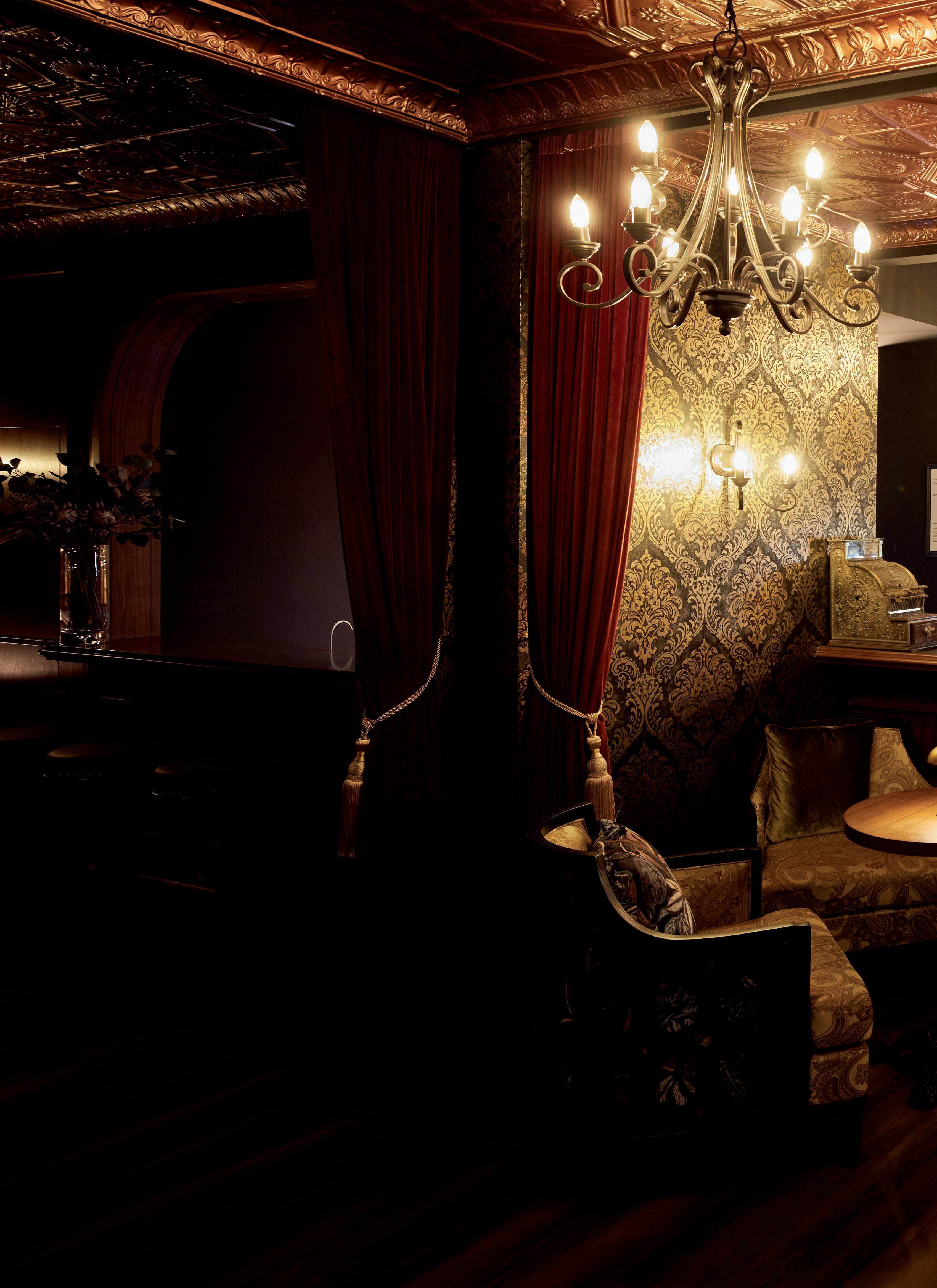
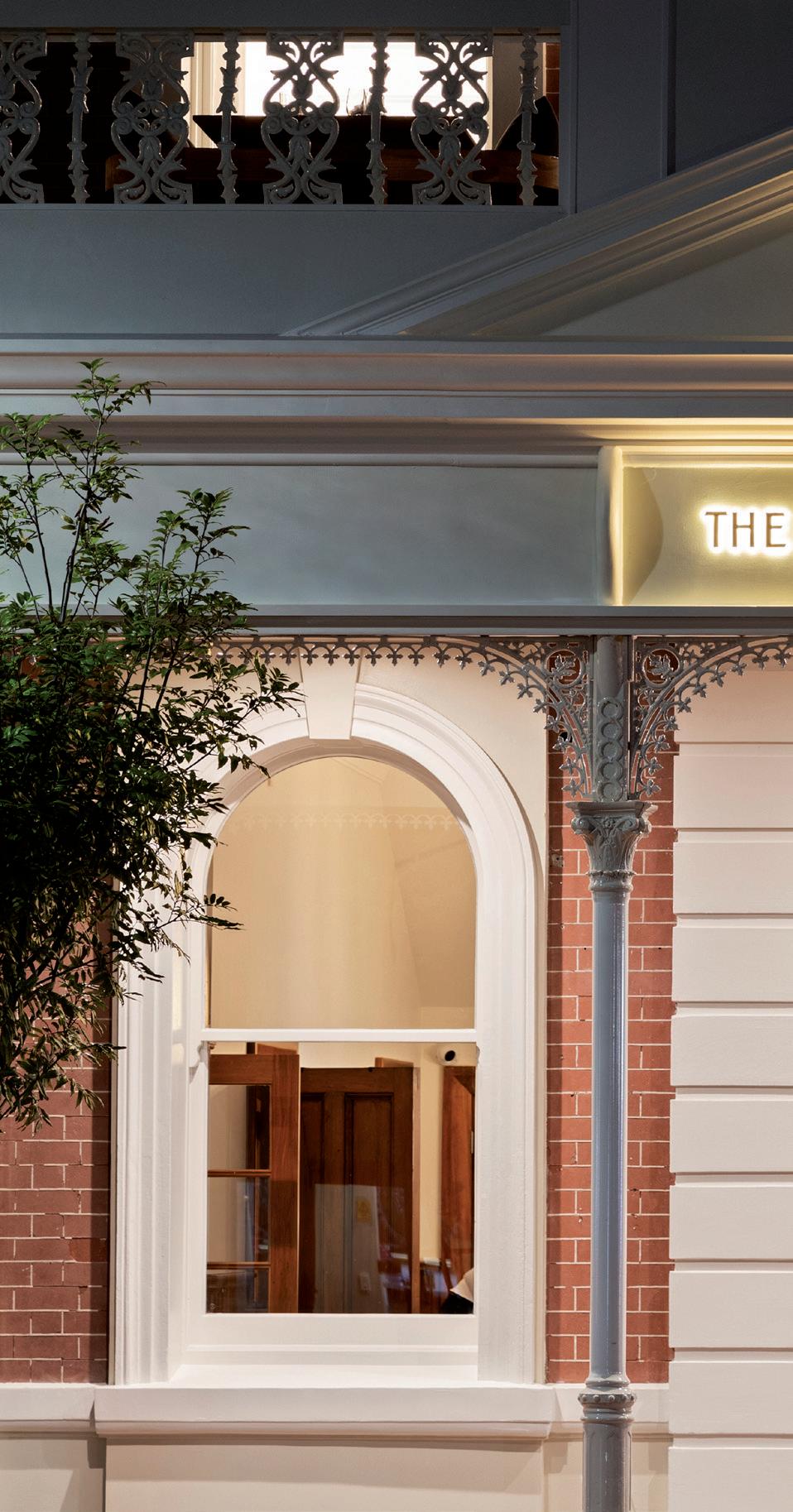
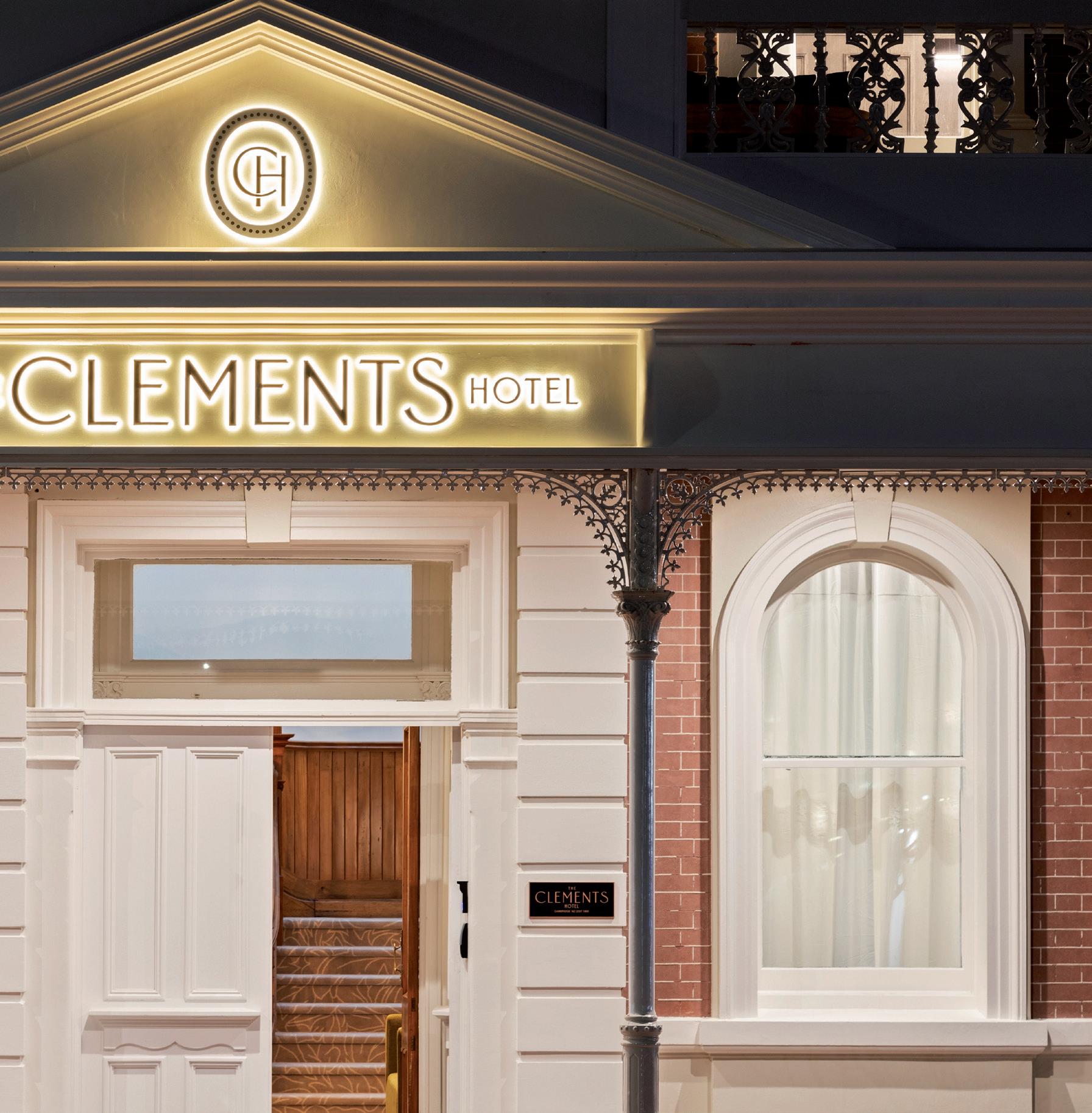
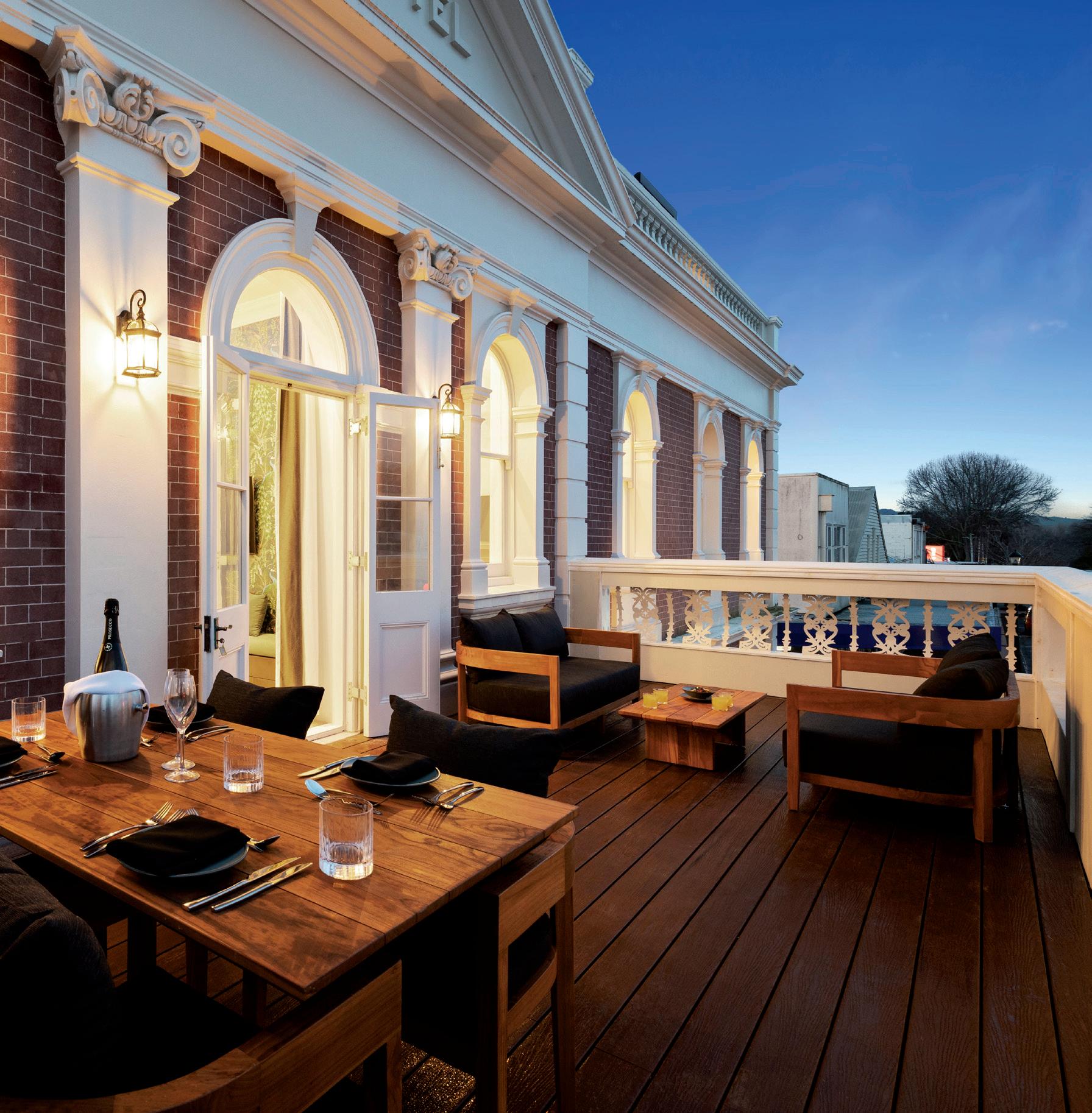
Located in the heart of Cambridge, The Clements Hotel has become one of the Central North Island’s most luxurious & sustainable accommodation experiences in the region.
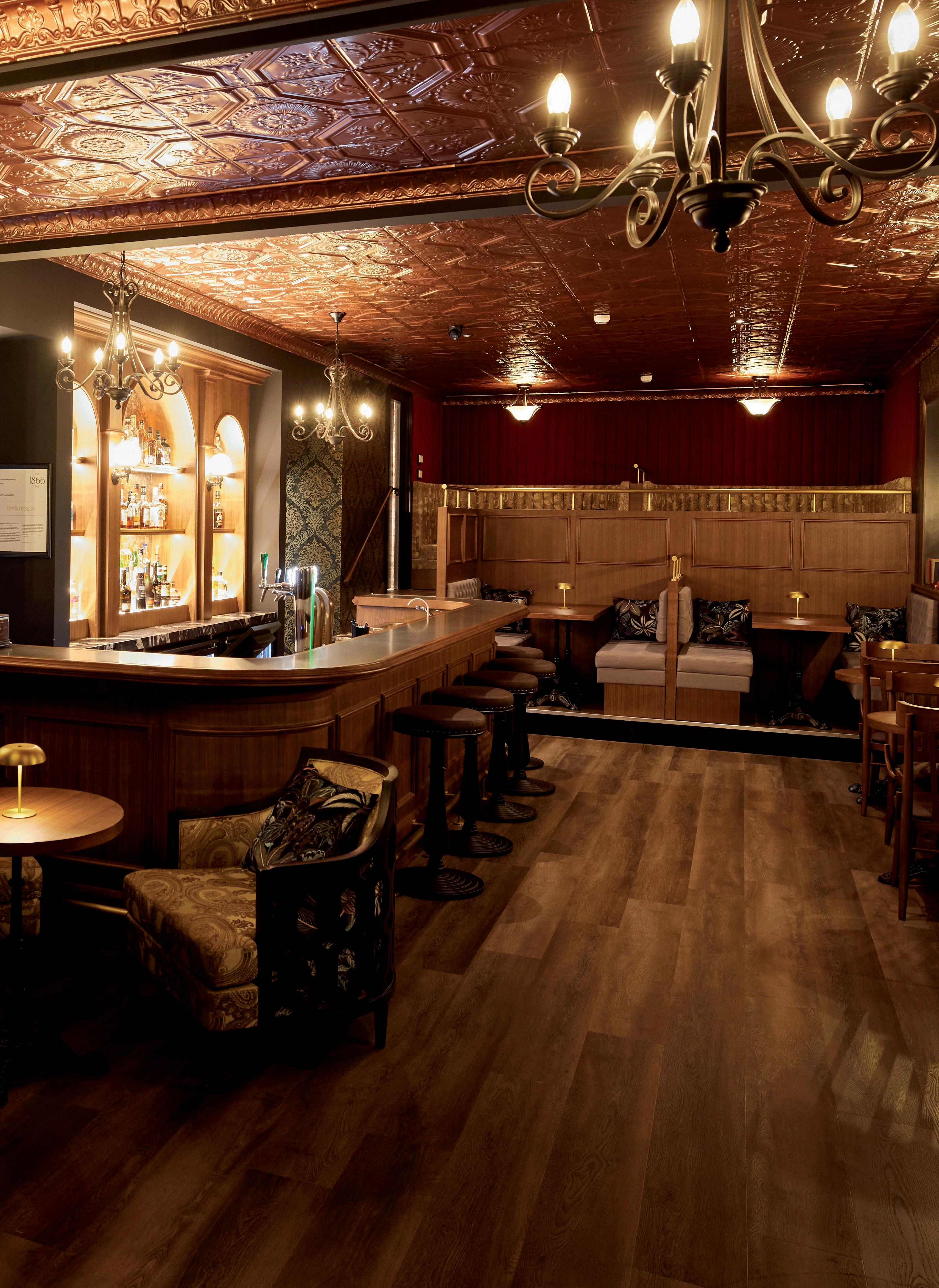
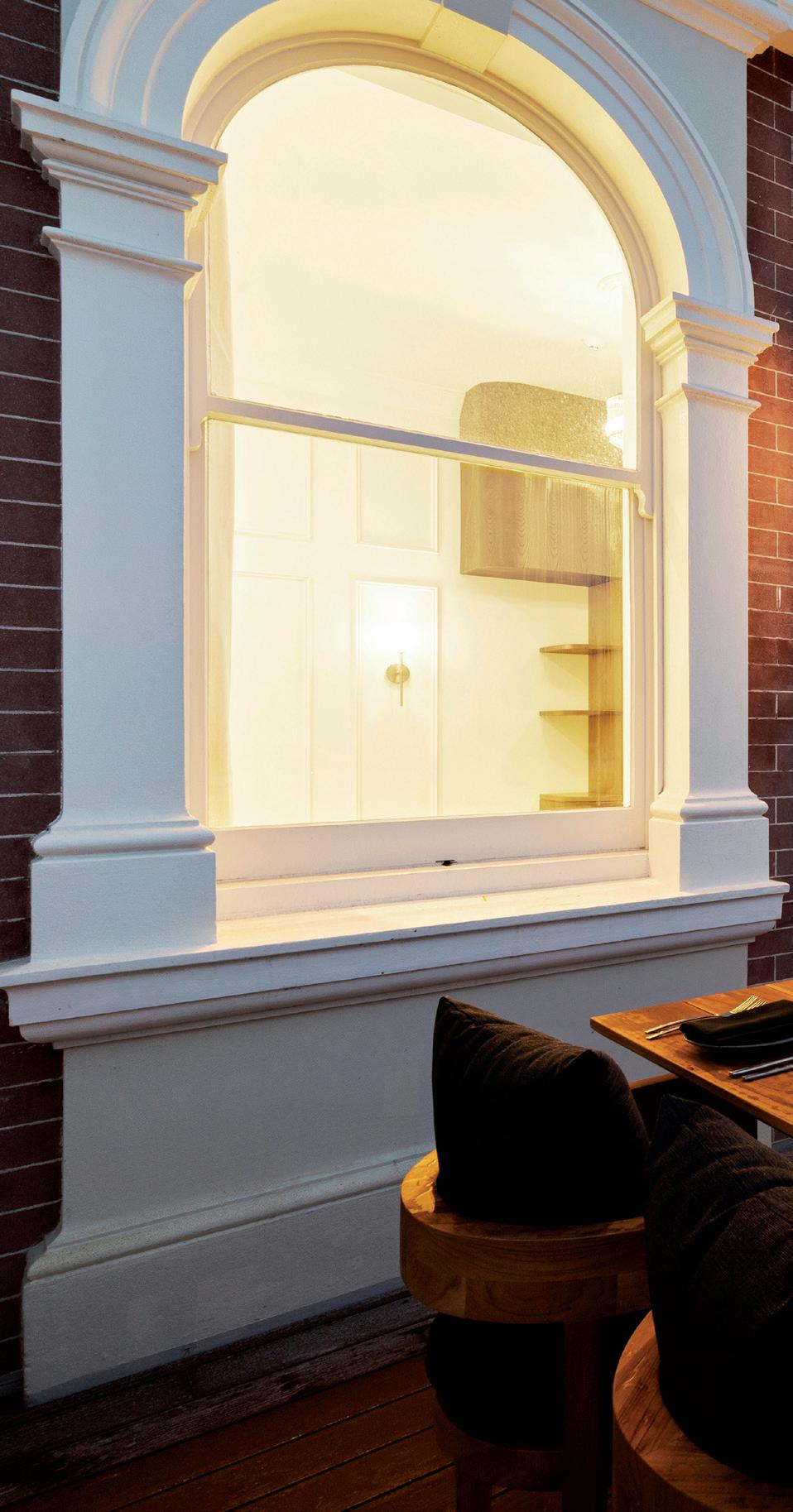
Following a multi-million-dollar transformation of the town’s original 1866 beaux-arts Masonic hotel (named after Archibald Clements), the 29-room property opened last year, bringing refined luxury and soulful charm to the area’s Waikato region’s growing tourism landscape.
At the helm of The Clements is seasoned hospitality leader Cameron Kellow, who joined Capstone Hotel Management from Scotland. Prior to relocating to New Zealand, Cameron led the growth and promotion of Scone Palace and Gardens, one of Scotland’s most iconic historic destinations encompassing luxury accommodation, events, a racecourse, lodge hotel, and a 20,000-acre estate with farming and forestry operations.
"We're positioned to elevate Cambridge's accommodation offering at the premium end of the market, while becoming a destination for exceptional dining, memorable events, and genuine community connection.”
Kellow said owners Gerry Westenberg and Jo Pannell have created something truly special.
“Their meticulous restoration of this heritage building, inspired by London's prestigious Claridge's, honours the past while embracing the future. We're excited to see The
Clements reclaim its rightful place as the social heart of Cambridge.”
From Deluxe rooms to the luxurious Clements Suite, guests can book modern rooms in the new attic level commanding leafy views, or they can sleep in restored Edwardian rooms with soaring ceilings. Many original architectural features, such as stained-glass windows, red brick walls, and the sweeping wooden staircase, have been carefully restored.
Anchoring the hotel is Gallery Restaurant, overlooking the gardens and terrace, offering a culinary journey that blends global inspiration with fresh, local produce. The Clements Café & Wine Bar will evolve throughout the day, from morning coffee and pastries to relaxed daytime fare and evening aperitivos.
For its commitment to sustainable tourism, The Clements Hotel was awarded a Qualmark Gold and five-star boutique rating earlier this year.
It is rare for a hotel to achieve Qualmark Gold on its first
evaluation, making this result even more significant, and confirming that The Clements is operating at the highest levels of sustainability recognised worldwide.
“This is a tremendous result, and one the entire team at The Clements should be incredibly proud of,” said Clare Davies, Managing Director at Capstone Hotel Management.
“Achieving Gold and a fivestar rating on a first Qualmark evaluation is no small feat, and it reflects the work that has been embedded since its opening from thoughtful operational practices and community connection through to the meticulous restoration of the property’s heritage building, which honours the past while embracing a sustainable future.”
Qualmark is New Zealand’s official quality mark for tourism businesses, and its sustainability criteria are officially recognised by the Global Sustainable Tourism Council (GSTC), the international body that sets and manages global standards for sustainable travel and tourism. l
Modernising a Kiwi Icon
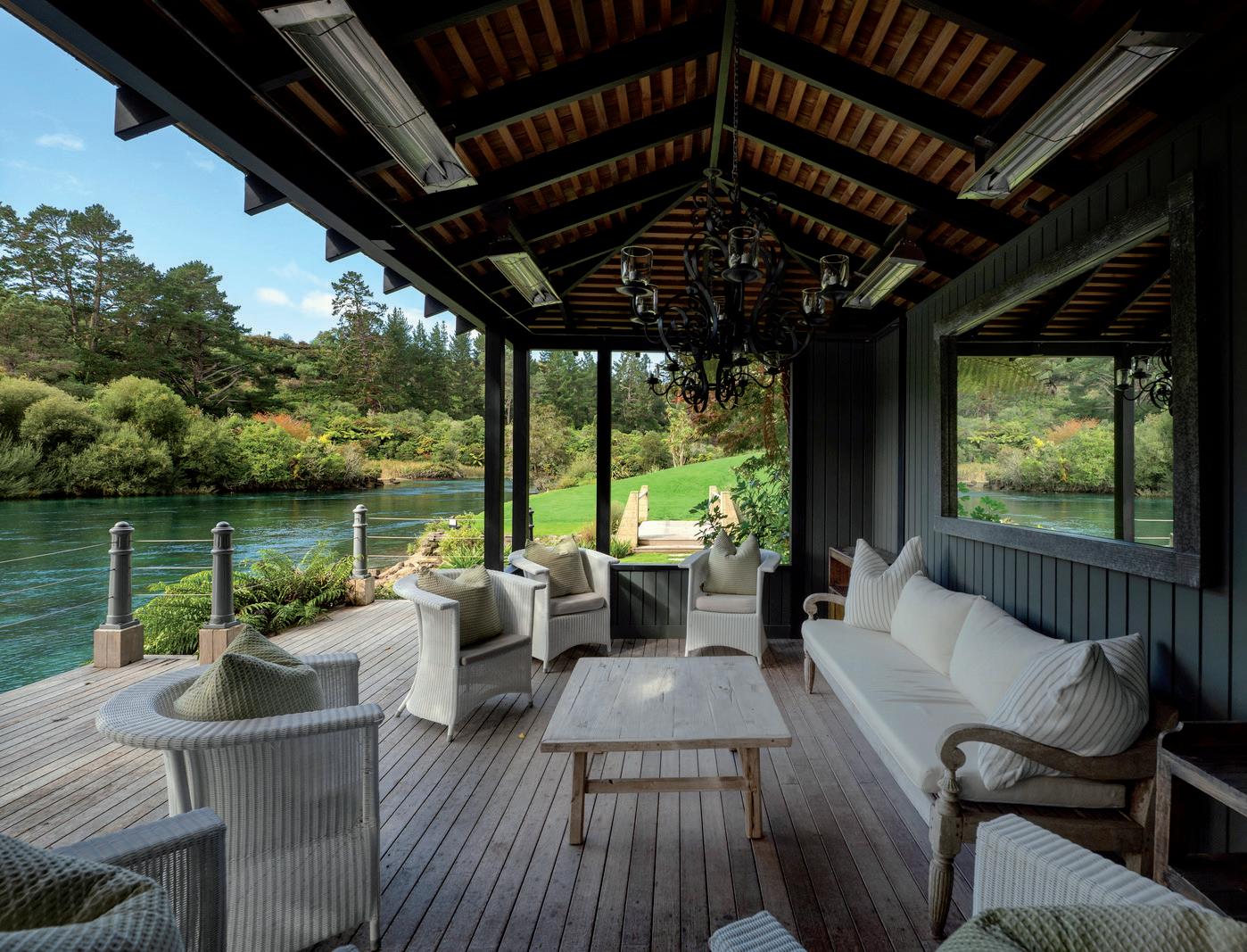
The recent refurbishment of Huka Lodge was a significant milestone in modernising one of New Zealand’s most iconic luxury lodges while carefully retaining its character.
The completed works included major internal layout changes, structural upgrades, significant roofline changes, service upgrades and a new retreat and wellness space.
The project has balanced preservation of the architectural features with contemporary design and functionality, while retaining the iconic feel of the lodge.
Project Manager at Bronson, Richard Whithell, said key highlights throughout the process included extensions to the north,
south and east, bespoke interior fit-out featuring custom joinery, metalwork, fireplaces, brass feature panels and detailed linings, and new mechanical, hydraulic and electrical services throughout.
Other additions have included expanded outdoor areas with covered pergolas and extended dining spaces, a newly developed retreat area connected via a bushwalk to wellness facilities, including a spa, sauna, plunge pool and gym, and upgraded landscaping and site infrastructure.
The project followed a six-month
Early Contractor Involvement (ECI) phase, where the client, design team, Bronson, and subcontractors worked collaboratively to refine the design, resolve buildability challenges, and plan procurement.
Whithell said collaboration was critical during this process, due to the refurbishment's complexity, including documentation of the existing structure and an accelerated programme. Weekly site visits and design workshops enabled Bronson to solve problems in real time with designers, engineers, subcontractors and site managers working side-by-side on practical solutions.
Sustainability was a key consideration throughout the project, partially given the lodge’s proximity to the Waikato River and Huka Falls.
“We implemented robust sediment control and stormwater management systems to prevent environmental contamination during construction,” said Whitehell.
Key initiatives included the use of screw piles to minimise ground disturbance and sediment release, the reuse of existing timber beams and structural elements to reduce the waste and preserve the lodge’s character, and the integration of existing structural components into the new design, reducing material consumption and site disruption.
Other initiatives included strategic relocation of planned structures to protect significant local flora, and implementing the oversight of an arborist during excavations to ensure established trees were unaffected.
From Whithell’s point of view,
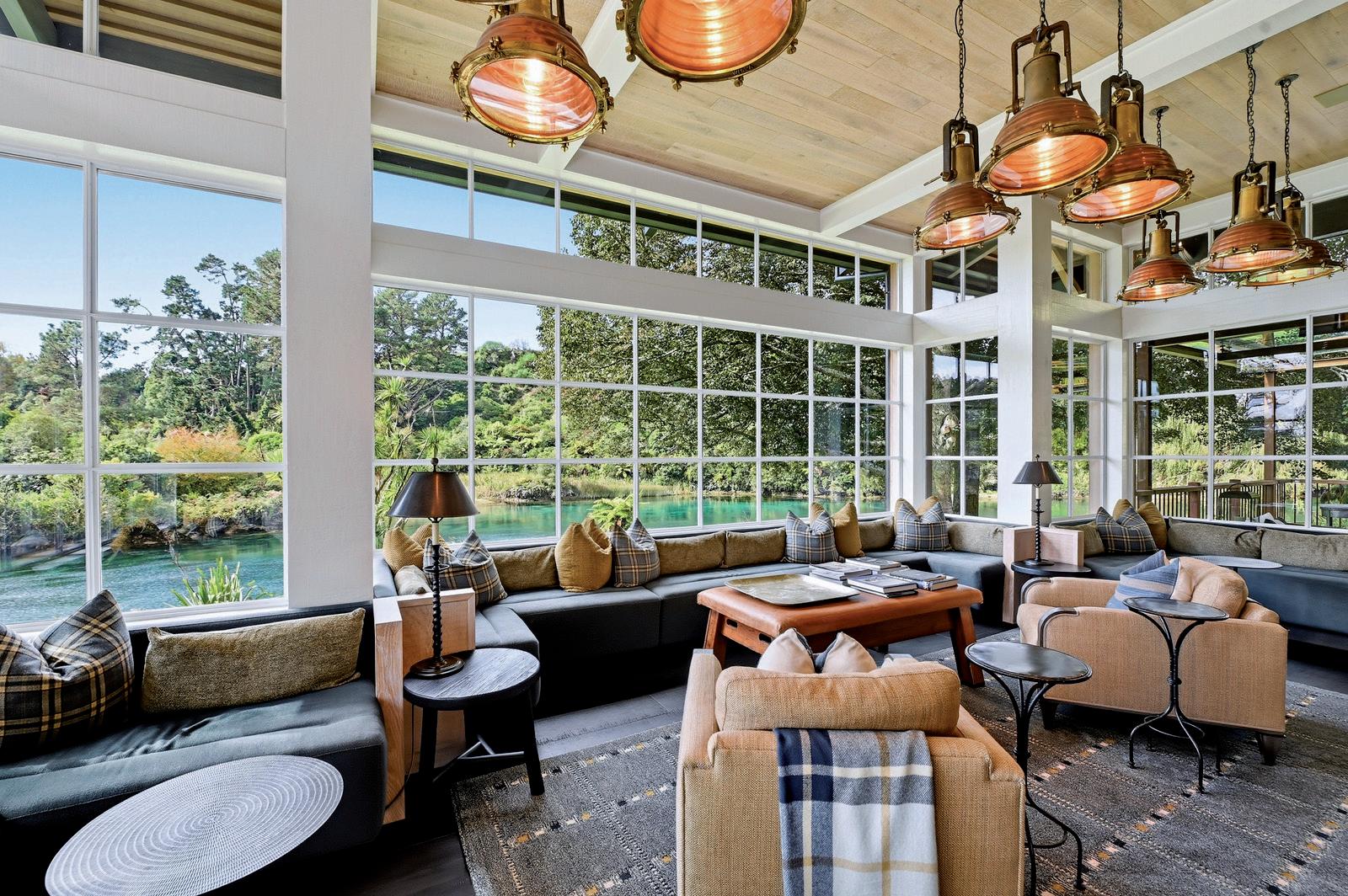
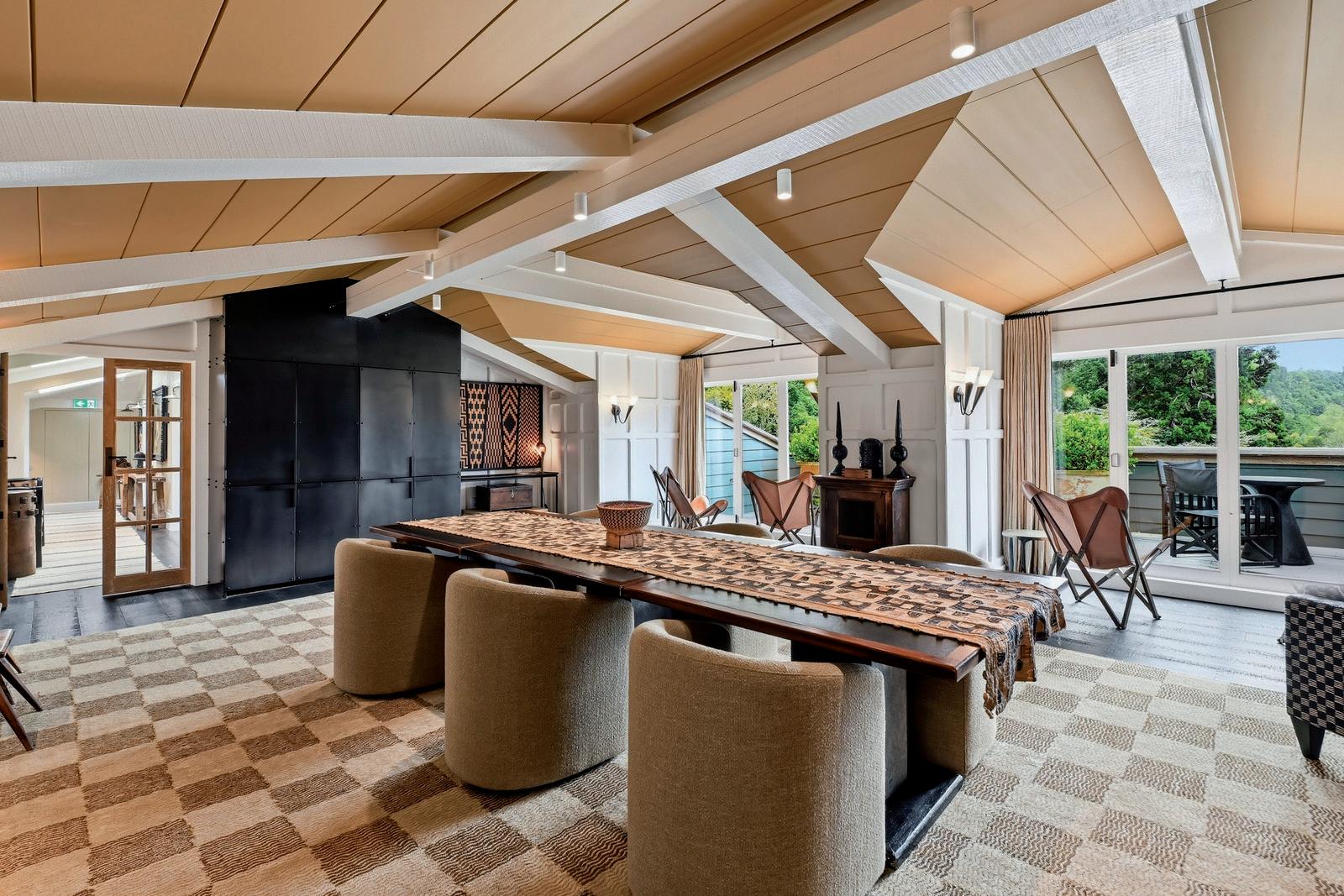
both functionality and guest experience were essential to the success of this refurbishment. This included expanding the indoor and outdoor living and dining areas, bespoke interior detailing, and the addition of the dedicated wellness facilities connected through a bushwalk.
Whitehell said the most important aspect of the refurbishment was its early and sustained collaboration.
“The ECI approach, combined with regular design workshops and tools that enable real-time communication, allowed us to
make rapid decisions in alignment with all stakeholders.”
He also said that flexible procurement strategies allowed us to secure long-lead materials and manage complex supply chains, and staged construction enabled multiple work fronts to operate simultaneously, contributing to programme efficiency.
“Engaging the local authority early in genuine collaboration greatly assisted in a challenging inspection schedule and expedited the document close-out phase of the project.” l


Growing the Home of Festivals
HAMILTON FINDS ITS FESTIVAL RHYTHM
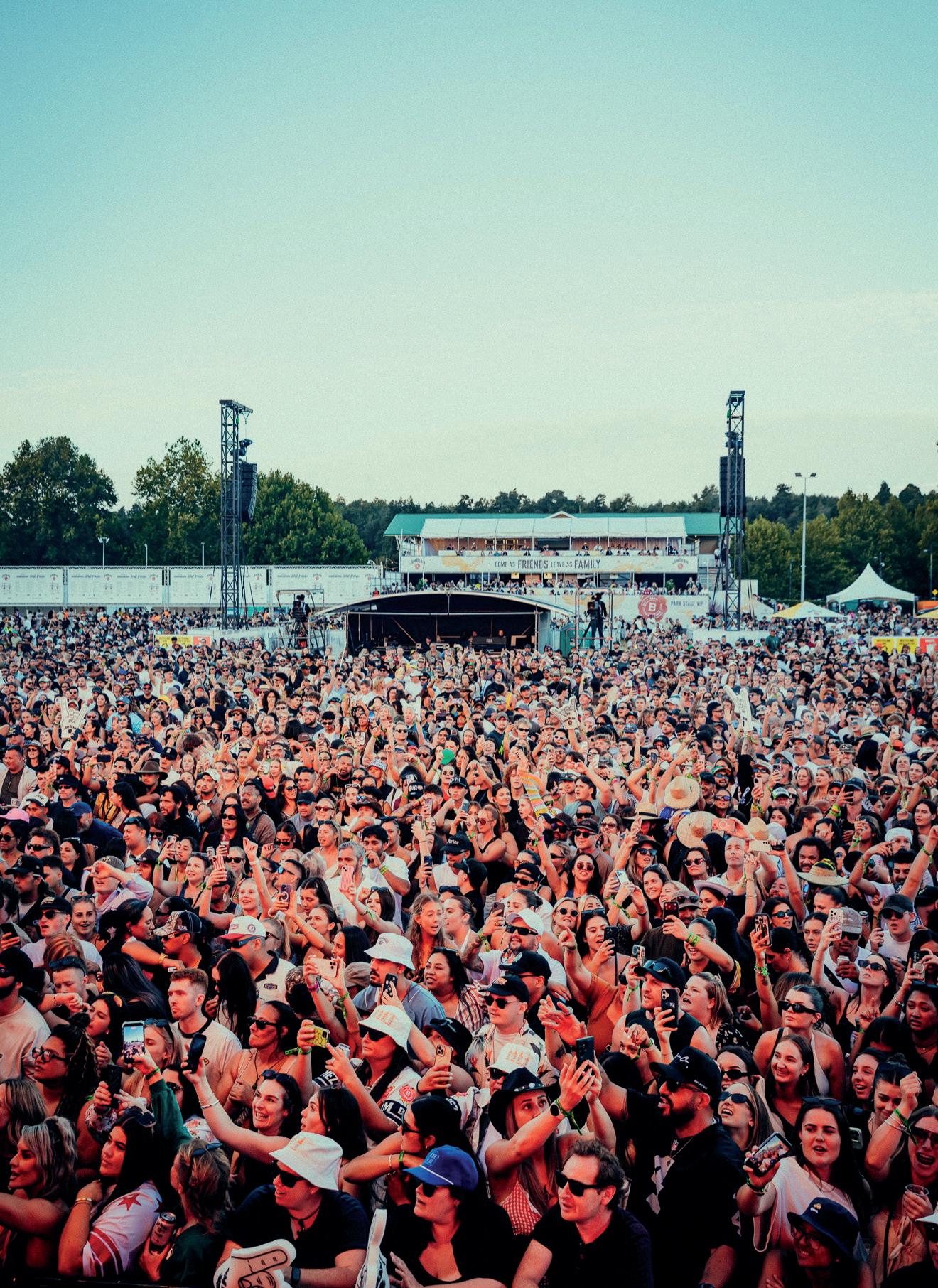
Jim Beam Homegrown’s move to Hamilton hit all the right notes, with the festival generating almost NZD 10 million into the local economy in its first year in the city.
NThere’s nowhere else in New Zealand where
you can see this much Kiwi music talent in one place, and it feels like Hamilton is only scratching the surface of what Homegrown can become here. The city
got
behind us
in
a big way this year, but there’s an opportunity to make it even bigger, louder and better for 2027.
ew independent analysis by Fresh Info found the 2026 festival attracted more than 25,000 attendees, including 17,885 visitors from outside Hamilton, generating 24,648 visitor nights and NZD 4.8 million in visitor spending across accommodation, hospitality, retail and transport.
Sean Murray, Hamilton City Council General Manager Destinations, said the event delivered benefits far beyond the festival gates.
“Jim Beam Homegrown absolutely delivered for Hamilton,” Murray said.
“We saw visitors moving throughout the CBD and Claudelands precinct across the entire weekend, with strong spend across accommodation, hospitality, retail and transport.”
Murray said it also demonstrated Hamilton’s ability to deliver major events at scale through strong planning, transport coordination, city activation and a huge collective effort behind the scenes.
The festival’s move to Hamilton also sparked a wider programme of city activations, including
Bridge to Homegrown, which transformed Claudelands Bridge into a pedestrian link connecting the CBD and festival site with live entertainment, food vendors and performers.
The report highlighted strong community support for the event, with 95 percent attendee satisfaction and 93 percent resident pride recorded.
Andrew Tuck, Jim Beam Homegrown CEO, said the response from fans and the wider Waikato community has created huge momentum heading into 2027, with more than 1,000 nights of accommodation already booked in the city for next year’s event.
“The reaction has been massive,” said Tuck.
“Loyal fan tickets sold out in 30 minutes, and Super Early Bird tickets sold out the same day. We’re yet to announce a single act for 2027, but we’ve got some good ones.”
Tuck brought Jim Beam Homegrown back to its Waikato roots after 18 years in Wellington and has confirmed New Zealand’s largest all-Kiwi music festival was there to stay.
“We always believed Hamilton
was the right move for Homegrown, and this year proved it. What we delivered was just the beginning. The space, the layout, and the support from the city allowed us to take Homegrown to another level. We’ve got bigger plans for 2027.”
Tuck encouraged more Hamiltonians to get behind Jim Beam Homegrown in 2027.
“This is a festival the city can be proud of,” Tuck added.
“There’s nowhere else in New Zealand where you can see this much Kiwi music talent in one place, and it feels like Hamilton is only scratching the surface of what Homegrown can become here. The city got behind us in a big way this year, but there’s an opportunity to make it even bigger, louder and better for 2027.”
Murray said the success of Jim Beam Homegrown’s first year in Hamilton has given the city real confidence in the future of the festival.
“We’re proud to support an event that delivers strong economic impact while also creating experiences that people across the region genuinely connect with.” l
Gateway to the Central North Island
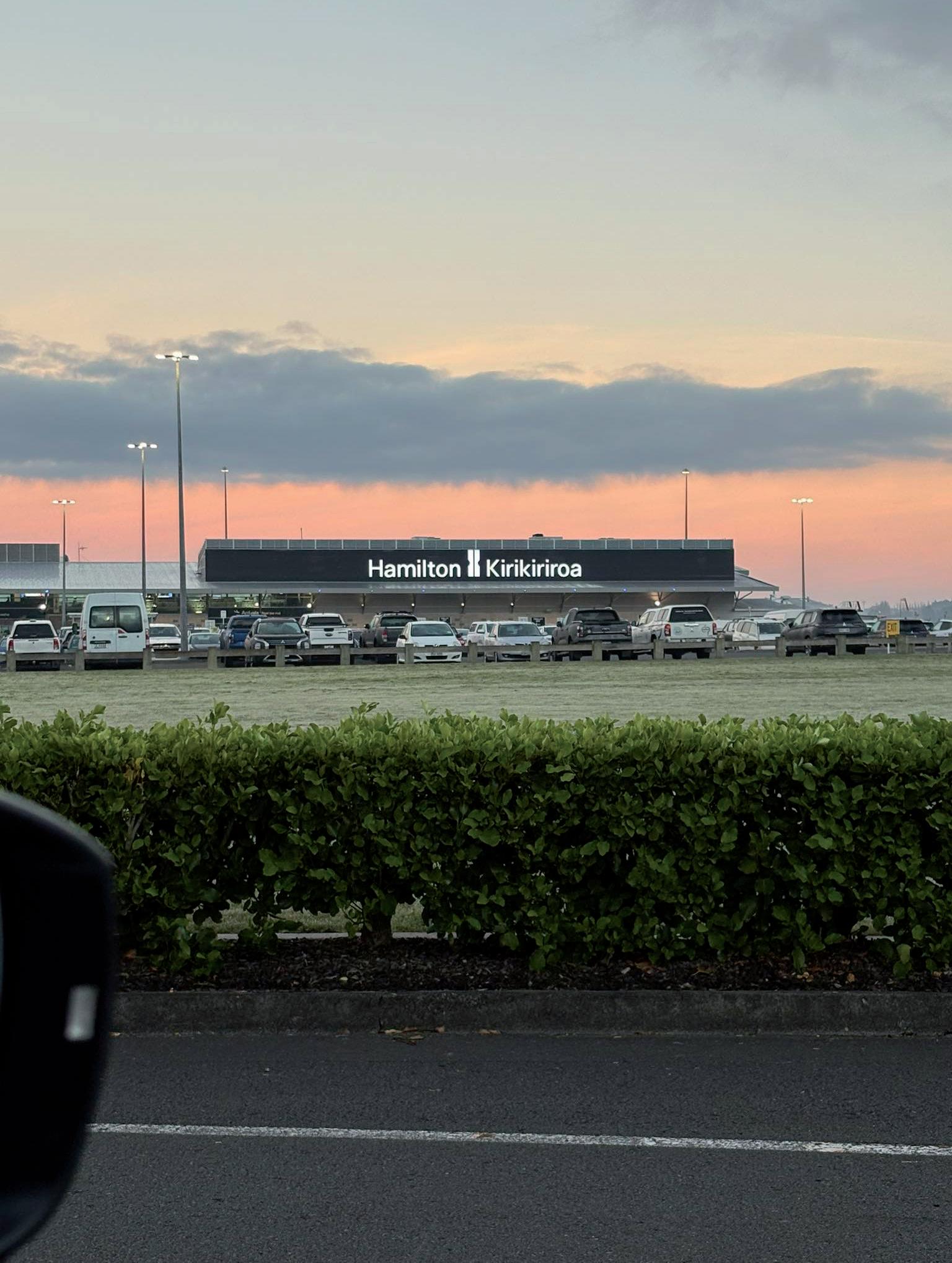
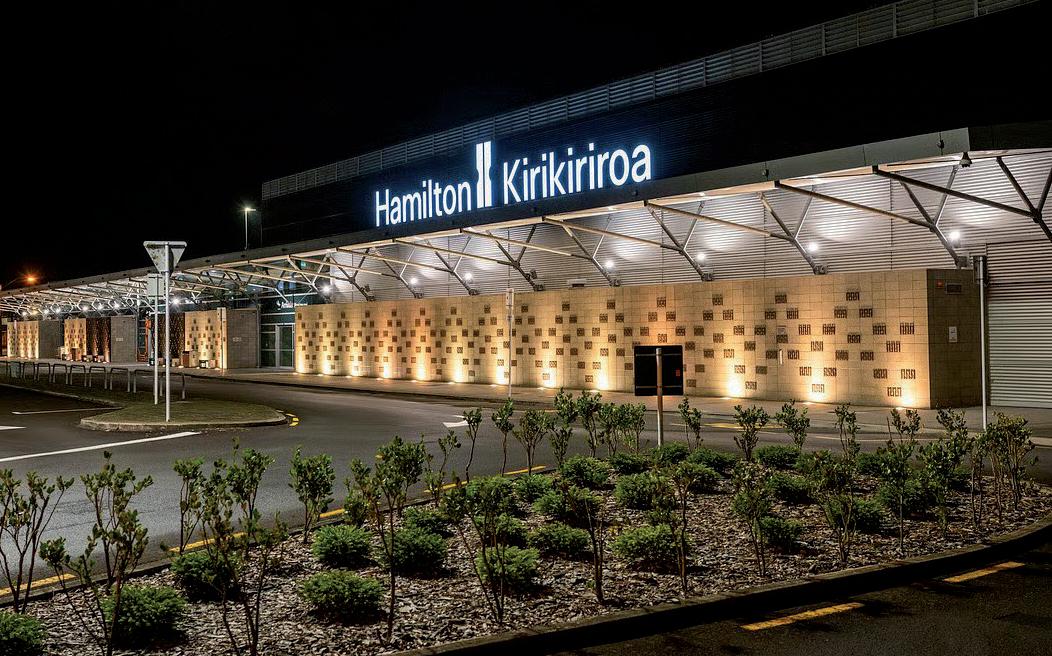
Hamilton Airport said a NZD 6.5 million loan from the Regional Infrastructure Fund is great news for New Zealand’s entire aviation network.
The Regional Infrastructure Fund loan was announced today by Regional Development Minister Shane Jones. It will be used to extend the Hamilton runway and apron space so a wider range of aircraft, including wide-body jets such as B787s or A330s can land and depart from Hamilton.
It means during adverse events or emergencies, Hamilton could play a key role in reducing disruption and keeping people and goods moving.
Hamilton Airport will contribute NZD 3.3 million to the NZD 9.8 million project, which will be managed by the airport company and tendered via a formal Request for Proposal (RFP) process.
The work will see the runway extended by up to 255 meters, the terminal apron and taxiway expanded and the movement of the approach lighting. Physical work on the project is likely to start towards the end of 2026 and take 12 months to complete. There will be no impact on flight operations, including international passengers already landing daily in Hamilton from Sydney and the Gold Coast.
Hamilton Airport chief executive Mark Morgan said the airport initiated resilience discussions with the government more than 10 years ago, but without success. It has been working with Kānoa, the government’s regional economic development and investment unit, on a formal resilience proposal since July 2024.
“Over the last 18 months, Ministers representing the coalition government have been very receptive to discussions around a more resilient national aviation network, and the role Hamilton could play. We think it’s a smart move and a very sensible investment with national benefit.”
Over time, we expect to generate enough solar energy across the precinct to power the equivalent of 365 homes each day. That’s in addition to our existing solar farm commissioned in 2023 which already powers the airport terminal and some ancillary buildings during the day.
The work will also enable any further extension of the runway, should it be needed in the future to offer options for scheduled long-haul flights.
In its six-month report (1 July 2025 – 31 December 2025) Hamilton Airport reported passenger numbers are up 39 percent compared to the same period in 2024. Currently, more than half a million passengers use the airport on an annual basis.
This was followed by another major milestone for Hamilton Airport in the expansion of its business park, with the first building in Precinct North completed ahead of schedule.
The 5,000sqm purpose-built facility has been developed for New Zealand-owned Asmuss, which becomes the inaugural tenant in the newest stage of the 170-hectare Titanium Park.
Asmuss’ lease begins in May, with operations at its new pipe extrusion
plant likely to be fully underway by August. Around 40 staff will relocate from the company’s existing Te Rapa site.
Hamilton Airport chief executive Mark Morgan said securing Asmuss as the first tenant set a strong tone for the precinct.
“Being first off the block in Precinct North means Asmuss has helped establish a high benchmark for design, and we intend to maintain that standard,” he said.
“This was very much a joint project between the airport company and Asmuss. Having the design and build project delivered ahead of schedule has set the partnership up well.”
The Asmuss building incorporates sustainability features, including solar generation and stormwater harvesting. Morgan said the longterm goal is for all airport-owned buildings in Precinct North to include solar.
“Over time, we expect to generate enough solar energy across the precinct to power the equivalent of 365 homes each day. That’s in addition to our existing solar farm commissioned in 2023 which already powers the airport terminal and some ancillary buildings during the day.” l


Rebuilding Regional Attractions
Early 2026 saw devastating weather events throughout the Central North Island, adding an additional crippling element to an industry still recovering from COVID-19 and Cyclone Gabrielle.
To help pump more tourism in the region, the Government announced its plans to invest more than NZD 800,000 to repair three of New Zealand’s Great Ride cycle trails following significant storm damage, plus marketing funding to aid regional tourism recovery, said Tourism and Hospitality Minister Louise Upston.
“Repairing these trails ensures they can continue to drive regional tourism, support local businesses, and provide high-quality outdoor recreation experiences,” Louise Upston said.
“An initial NZD 300,000 is going toward immediate safety work on the Hauraki Rail Trail, which is enabling it to reopen to cyclists in time to enjoy the changing autumn landscapes, following storm damage in January.”
The Waikato River Trail will receive NZD 110,000 to help repair significant damage that occurred in February across 50 kilometres of the trail. Further south, Tasman’s Great Taste Trail will receive almost NZD 427,000 to reinstate the track between Wai-iti Reserve and Quail Valley Road, subject to final route confirmation. This has added to the support provided last year and brings the total Government investment in extreme-weather repairs on the trail to just over NZD 2 million.
The trail contributes around NZD 34 million to the local economy each year, and this work will help ensure it continues to play that vital role.
“As regions recover from summer storms, it’s important we support tourism businesses to welcome visitors back,” said Upston.
Alongside infrastructure repairs, targeted marketing funding has also been approved to help affected regions rebuild visitor confidence and support tourism recovery following the January 2026 severe weather events in the upper North Island.
This includes NZD 55,000 for domestic and international marketing in Hauraki Coromandel and NZD 10,000 for an autumn business-events marketing campaign in the Bay of Plenty.
More than two million people enjoy the 23 Great Rides of Ngā Haerenga New Zealand Cycle Trails each year, contributing an estimated NZD 1.28 billion to regional economies, and this support helps regions keep welcoming visitors as they recover from severe weather.
“These trails are a long-standing partnership between central and local government and the communities that host them. This investment reinforces that commitment.” l
Centre of
the Action
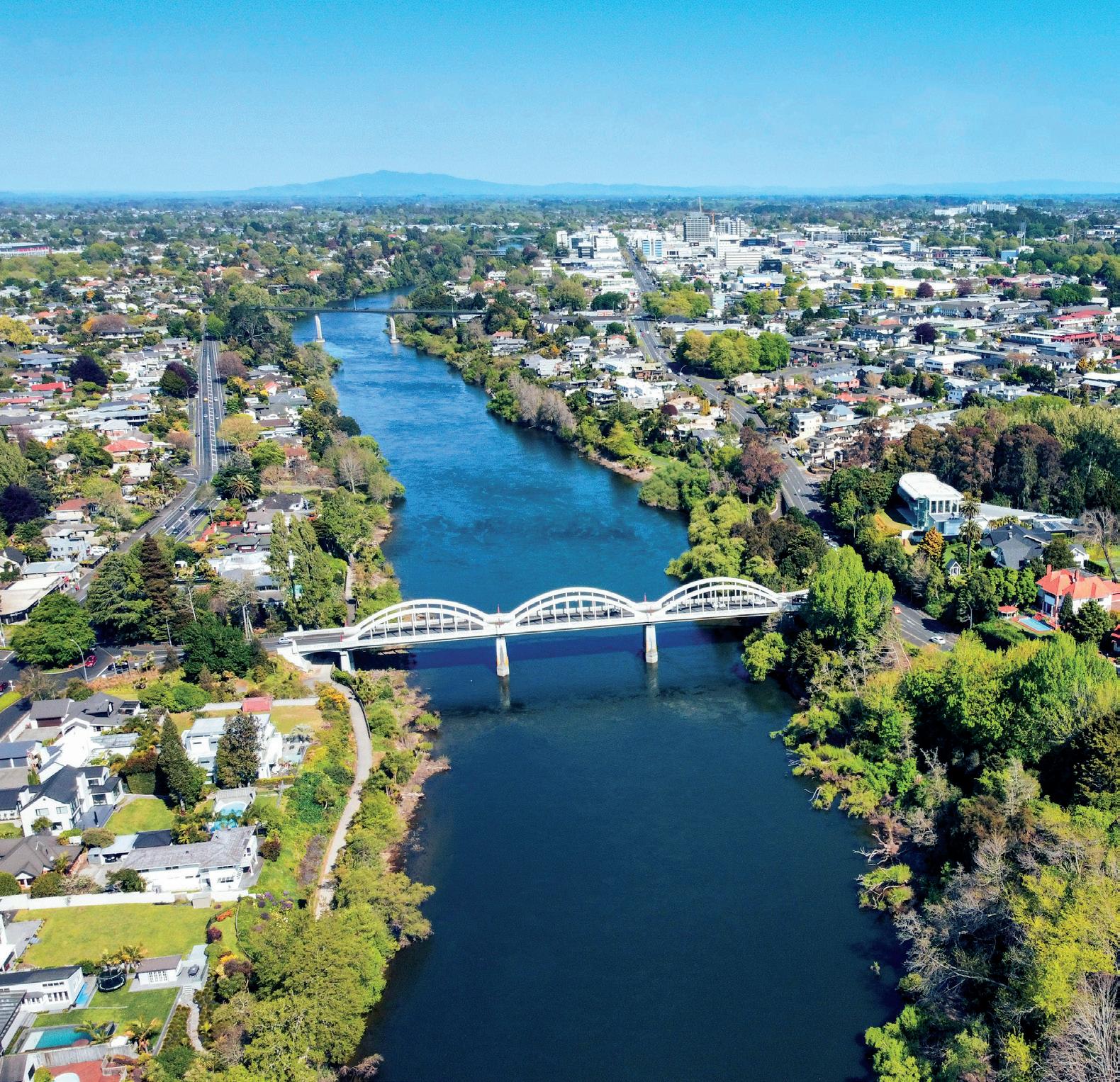
Hamilton is officially on trend, proving it can punch well above its weight in New Zealand’s event industry by attracting high-profile events that draw visitors from across New Zealand and beyond.

H3 Director, Ben Slatter, said the city saw steady business activity in 2025, including major conferences, venue upgrades, and sector-wide collaboration. The city’s focus is now firmly on delivering even greater impact through a diverse calendar of events that will energise the local economy in 2026 and 2027.
Major events planned throughout 2026 include the Jim Beam Homegrown, Harvey Norman
NRL All Stars, Black Ferns, Harlem Globetrotters World Tour, Lenny’s Toddler Techno Tour, the Rock Orchestra by Candlelight, New Zealand’s most epic 2.5km inflatable Ninja Run, and Jimmy Carr’s Laughs Funny tour.
Slatter said Hamilton’s central location in New Zealand’s golden triangle, award-winning venues and hospitality-first approach are making it an attractive option for many event organisers and promoters. And with sustainability

and technology at the forefront, the city is shaping the future of New Zealand’s event industry.
Recent upgrades at Claudelands include cutting-edge audiovisual technology, ultra-fast connectivity, and the renovation of its historic original Grandstand. Operating as a separate venue, the versatile Grandstand blends heritage character and modern amenities, making it an attractive choice for weddings, boutique celebrations, and small-to-medium business

events. FMG Stadium Waikato remains popular for its corporate hospitality spaces, while Hamilton Gardens offers aw distinctive backdrop for professional gatherings.
“Our 2026 event lineup will deliver significant economic benefits, with thousands of visitors contributing to local businesses, accommodation providers, and hospitality venues,” he added.
Slatter said the city works as a team. Hamilton City Council,
the venues, hospitality and local businesses all pull together to make these events seamless and a fantastic experience for delegates and attendees.
Looking ahead, Hamilton still has dates available to attract even more high-impact conferences and exhibitions next year. As most event organisers book 18 months or more in advance, the city’s reputation as a vibrant, futurefocused destination is building, and Slatter says the H3 team is ready. l
Warming Up the Colder Months
Winter brings richer flavours and dishes that deliver warmth in both taste and creativity. From new flavour pairings to adapting to emerging trends, diners will naturally gravitate toward dishes that feel comforting and indulgent.
Soup has remained one of the most effective ways to showcase what customers want to see on the menu during the cooler months.
Chef Michael Tse of Stella Restaurant & Bar in South Yarra said soup’s popularity can be linked to its availability to be ordered at any time of the day.
“I believe that people enjoy soup, particularly during this season, because it has a warming effect on the body, especially during the winter season. It is not only easy to consume but also packed with flavours that make it a delicious meal option,” said Tse.
Tse said more adventurous soup flavours have been introduced as chefs test out new and unique ingredients.
“They also draw inspiration from local communities and diverse cultural backgrounds. I personally think that this trend will lead to the discovery of new and exciting flavours for this dish.”
Customers want to see an element of depth in what they are ordering. Slow-cooked meats, braised dishes, and hearty stews bring bold, developed flavours that suit colder weather. Ingredients like beef, lamb, and game pair well with robust sauces built on red wine, stock reductions, and aromatic vegetables. These dishes not only satisfy hunger but create
a sense of occasion, encouraging guests to linger longer.
Lucas Lee, Head Chef at Wakuwaku Restaurant, said some element of starch should accompany soup, be it noodles, pasta, dumplings, rice or bread.
“The way these starches absorb the flavours of the soup enhances the overall dining experience, creating a harmonious blend of tastes and textures. It’s a delightful marriage of flavours that elevates both the soup and the accompanying carbohydrate, offering diners a truly satisfying meal,” said Lee.
Lee suggested that simple ingredients can be highly valuable when innovating a soup recipe. An example he gave was adding ginger oil for warmth, aka yuzu kosho, for a spicy kick, and seaweed and oysters for a taste of the ocean.
He said it was important to showcase the versatility and creativity that can be infused into a simple broth. Lee has recently introduced the ‘Tentsuyu’ broth, which is made from traditional Japanese cuisine with its base in Dashi and seasoned with light soy sauce and mirin.
“Innovation in soup, like what I’m doing with the Tentsuyu broth, keeps culinary traditions fresh and exciting while still paying homage to the comforting aspects that
make soup such a beloved dish.”
Root vegetables also come into their own during winter. Carrots, parsnips, kumara, and pumpkin offer natural sweetness and versatility, whether roasted, mashed, or folded into soups. Their earthy flavours work particularly well alongside herbs like rosemary, thyme, and sage, which add warmth and fragrance to a dish. These combinations feel familiar and comforting, which is exactly what many diners are looking for. Spice is an essential element in crafting a comforting and familiar dish during the colder months. An important role too, but in a different way than in summer. Instead of bright, sharp heat, winter menus benefit from warming spices. Think cinnamon, nutmeg, clove, and smoked paprika. These flavours add depth without overwhelming the palate and can be used across both savoury and sweet dishes. A subtle touch of spice can elevate a classic dish into something more memorable.
Ultimately, winter flavours should feel generous and satisfying. Diners are looking for meals that provide comfort and a break from the cold, and menus that reflect that mindset are more likely to resonate. By embracing seasonal ingredients and richer profiles, restaurants can create offerings that feel both timely and appealing. l

Carrots, parsnips, kumara, and pumpkin offer natural sweetness and versatility, whether roasted, mashed, or folded into soups. Their earthy flavours work particularly well alongside herbs like rosemary, thyme, and sage, which add warmth and fragrance to a dish.
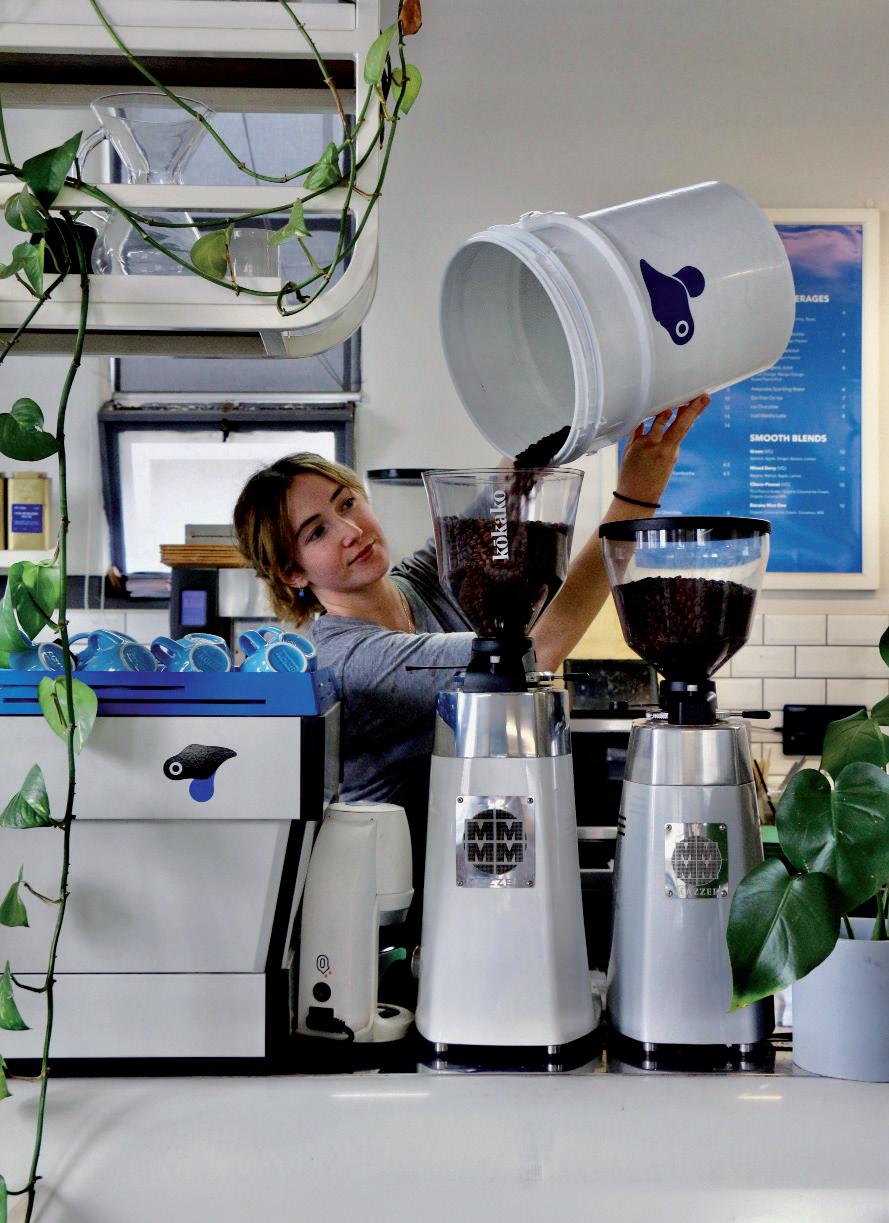
Roasted in Tāmaki Makaurau, proudly poured at over 100 cafes and restaurants across Aotearoa.