

New Zealand hospitality has been given a valuable lift at a time when the sector has had to fight harder for bookings, margin and customer confidence.
The arrival of the Michelin Guide in New Zealand is more than a celebration of individual restaurants. It gives the wider hospitality industry a fresh point of confidence after a difficult trading cycle marked by higher costs, cautious consumer spend, staffing challenges and tighter operating discipline.
For operators, that matters.
Restaurants and cafés have spent the past few years making hard decisions around menu pricing, procurement, labour, service levels and supplier relationships. Many have had to protect the guest experience while managing the commercial strain behind the scenes. In that environment, international recognition brings more than prestige. It gives the market a reason to reconsider the strength of New Zealand dining.
The awards last night were a strong and fair reflection of the
country’s hospitality talent. The restaurants that earned stars show the range of what New Zealand dining can be.
Behind every recognised restaurant is a network of growers, winemakers, fishers, farmers, makers, distributors, and service teams that help turn a menu into a complete dining experience.
The guide gives those businesses stronger visibility, particularly where regional ingredients and local food stories are part of the restaurant’s identity.
It also gives diners a fresh reason to book. The impact on tourism could be a game-changer for us. Michelin recognition creates waitlists, and waitlists create travel decisions. Visitors will build itineraries around restaurants, while domestic diners will have another reason to book, travel regionally and support venues
they may not have tried before.
New Zealand had only one twoMichelin-starred restaurant in our first guide. That feels like a fair and credible start, and Essence was a well-deserved recipient.
This is a positive moment for New Zealand hospitality. The awards bring energy, confidence and international attention to a sector tested by market conditions, while lifting the profile of New Zealand producers, chefs and hospitality teams.
The awards have opened the door. New Zealand hospitality now has the opportunity to turn that attention into stronger bookings, stronger regional food stories and a wider commercial lift for restaurants, producers, suppliers and tourism.
Congratulations to everyone who was recognised at this year's awards. l
PUBLISHER: Tania Walters
ADMINISTRATION MANAGER: Kieran Mitchell
EDITOR-IN-CHIEF: Caitlan Mitchell

owned
CONTENT MANAGERS: Caroline Boe, Pamela Vasquez-Gutierrez, Aidan Stanley
EDITORIAL TEAM: Sam Francks, Jenelle Sequeira
GRAPHIC DESIGNER: Raymund Santos



















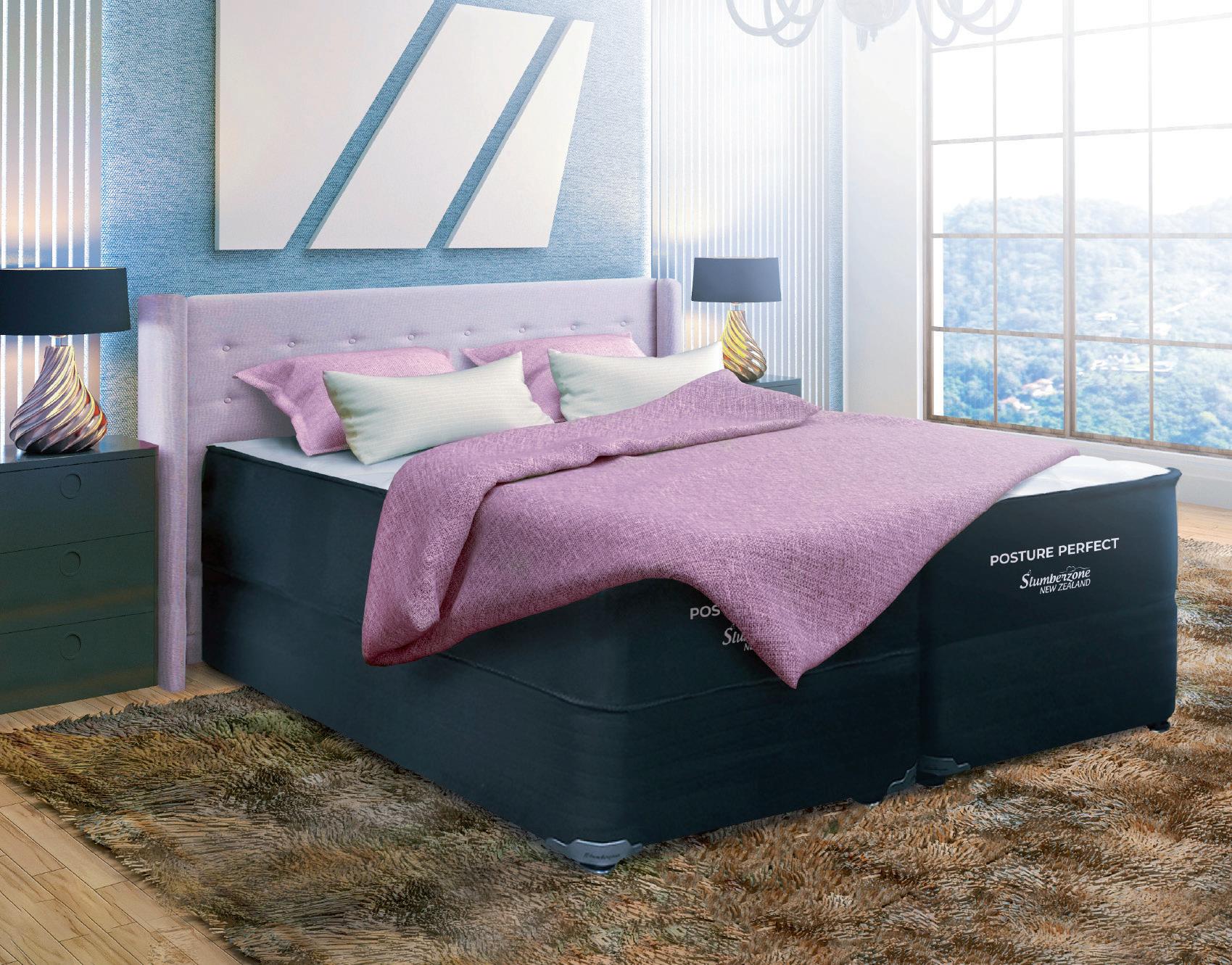
Redefine the comfort of your guests with Slumberzone beds.
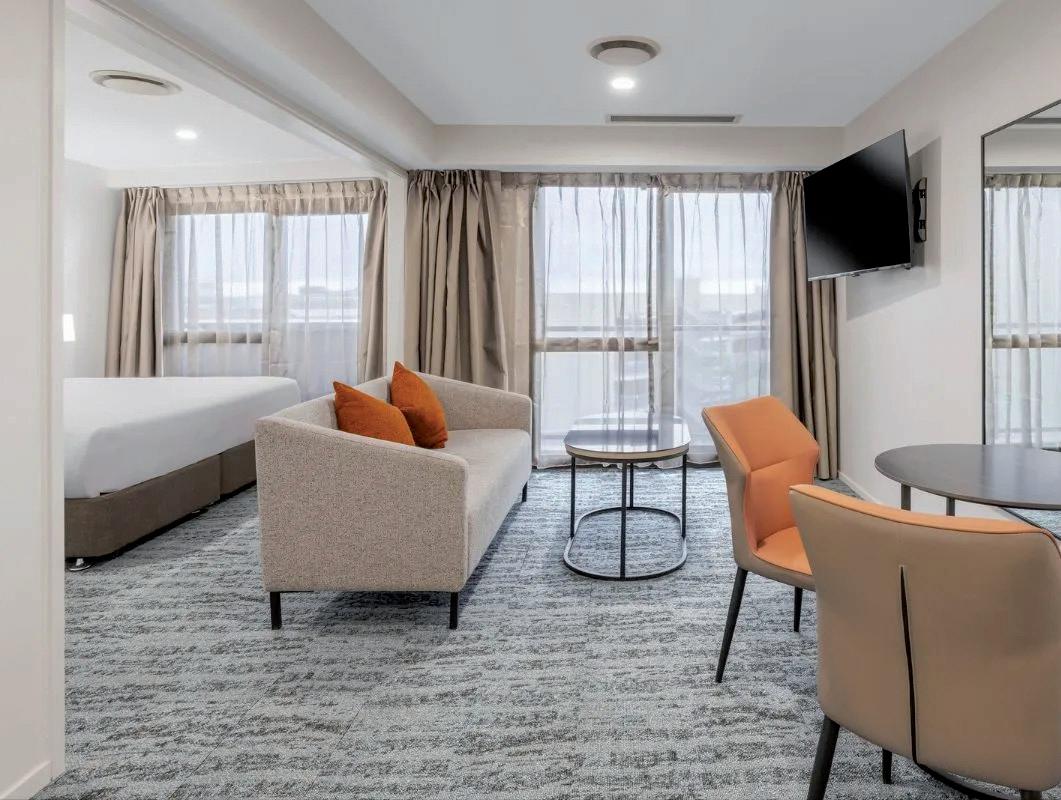
The Chancellor on Hobson has completed a full soft refurbishment of all of its 65 guest rooms to meet an increasing visitor demand. The Central Auckland apartment hotel began the refurbishment in late 2025 to touch every guest room in the property. The revamp included new flooring, beds, furniture, smart TVs, curtains, mirrors, artwork, and a fresh coat of paint throughout.
CLICK TO READ MORE

Tommy
The Plaza Hotel, often referred to as the jewel in New York's hotel crown, is set to host acclaimed fashion designer Tommy Hilfiger to launch his Spring 2027 collection this September.
CLICK TO READ MORE
IHG Grows Portfolio by 650 Rooms in Spain
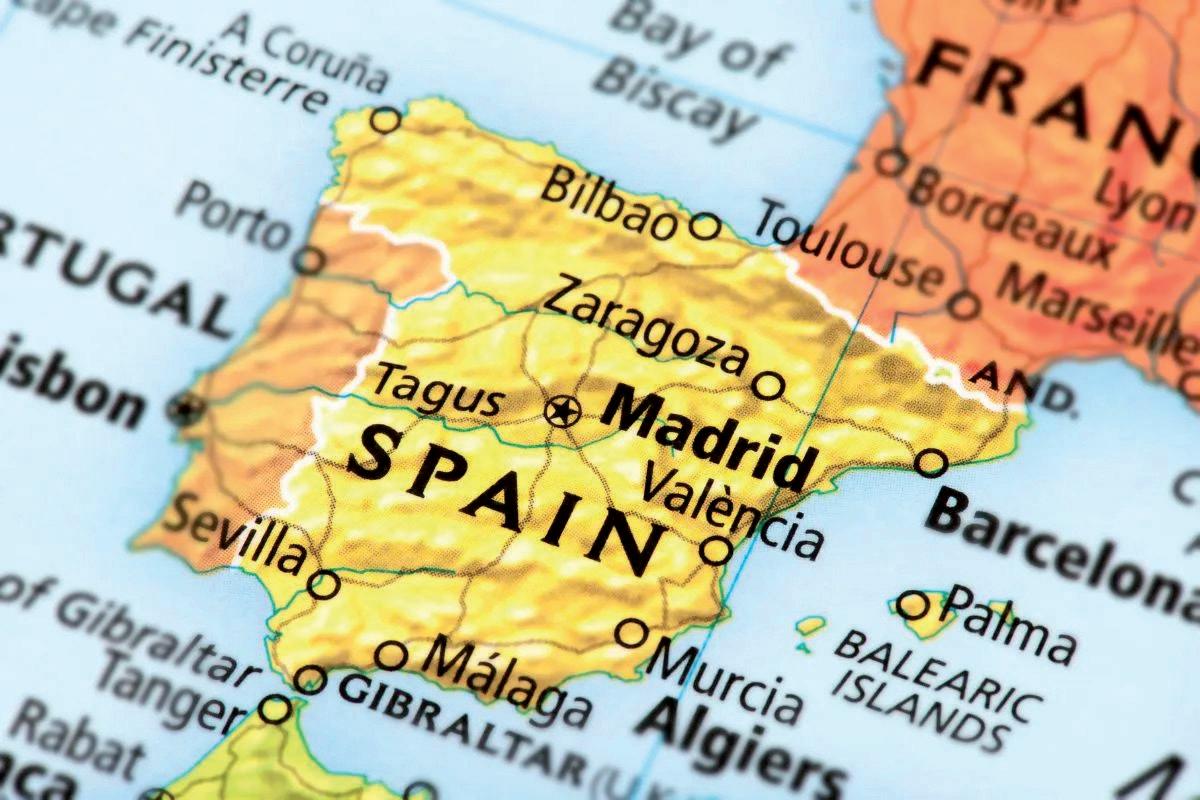
HG Hotels & Resorts (IHG) has announced the signing of three franchise agreements for new-build Holiday Inn Express hotels in Spain, marking a significant strategic partnership with global alternative asset manager Tikehau Capital.
CLICK TO READ MORE
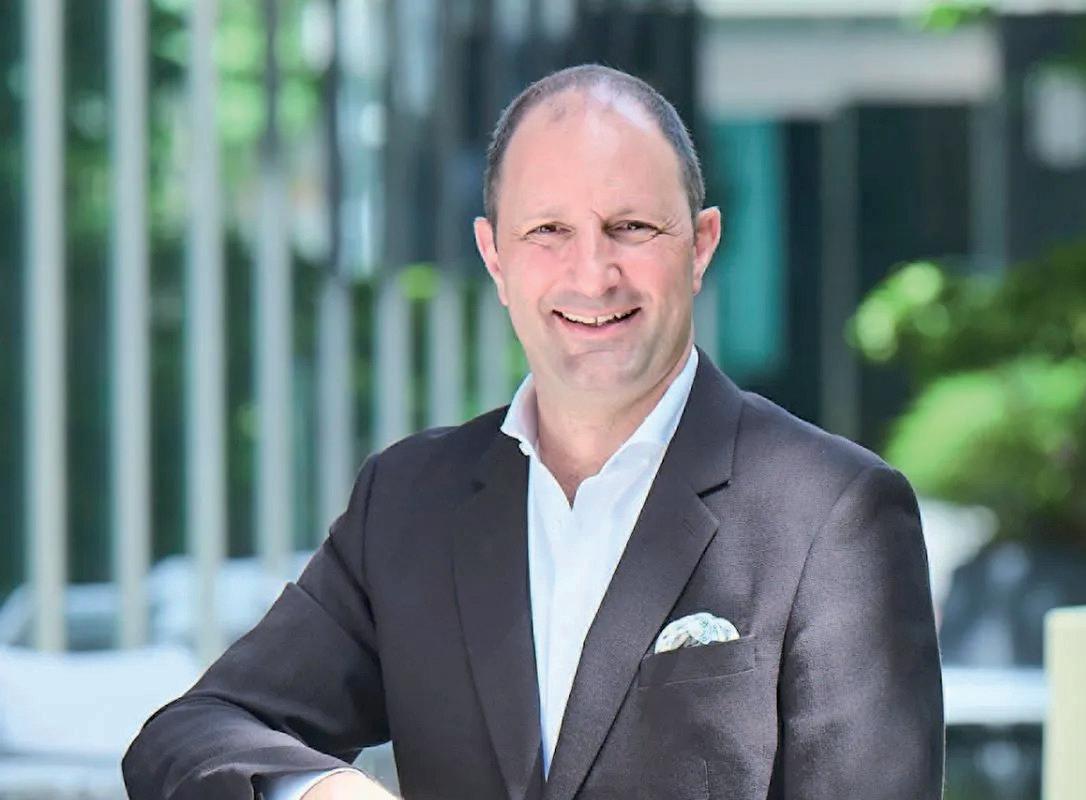
Gianni Costa has been named as the next General Manager of Four Seasons Osaka, following an illustrious career.
Four Seasons Hotel Osaka has announced the appointment of Gianni Costa as General Manager, ushering in a new chapter of destination-led luxury in one of Japan’s most vibrant cities.
CLICK TO READ MORE
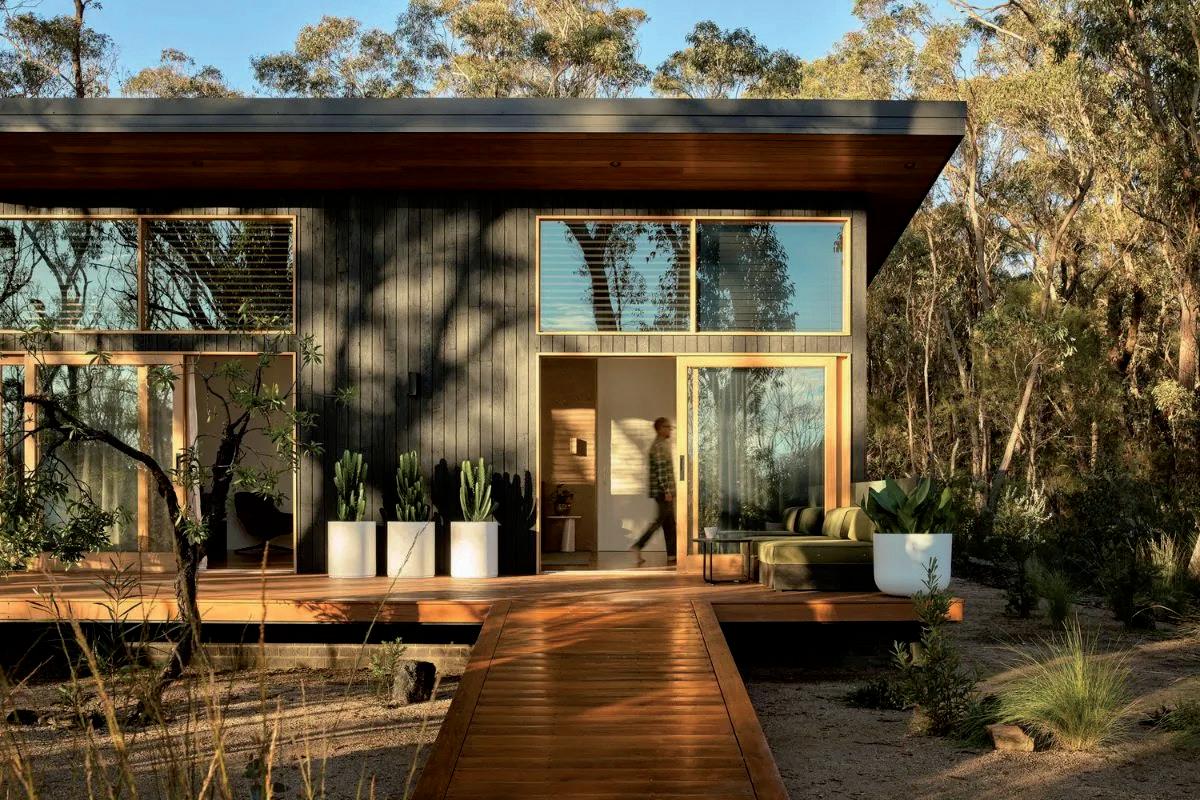
Small Luxury Hotels of the World has strengthened its Australian portfolio with five new properties across the country.
CLICK TO READ MORE
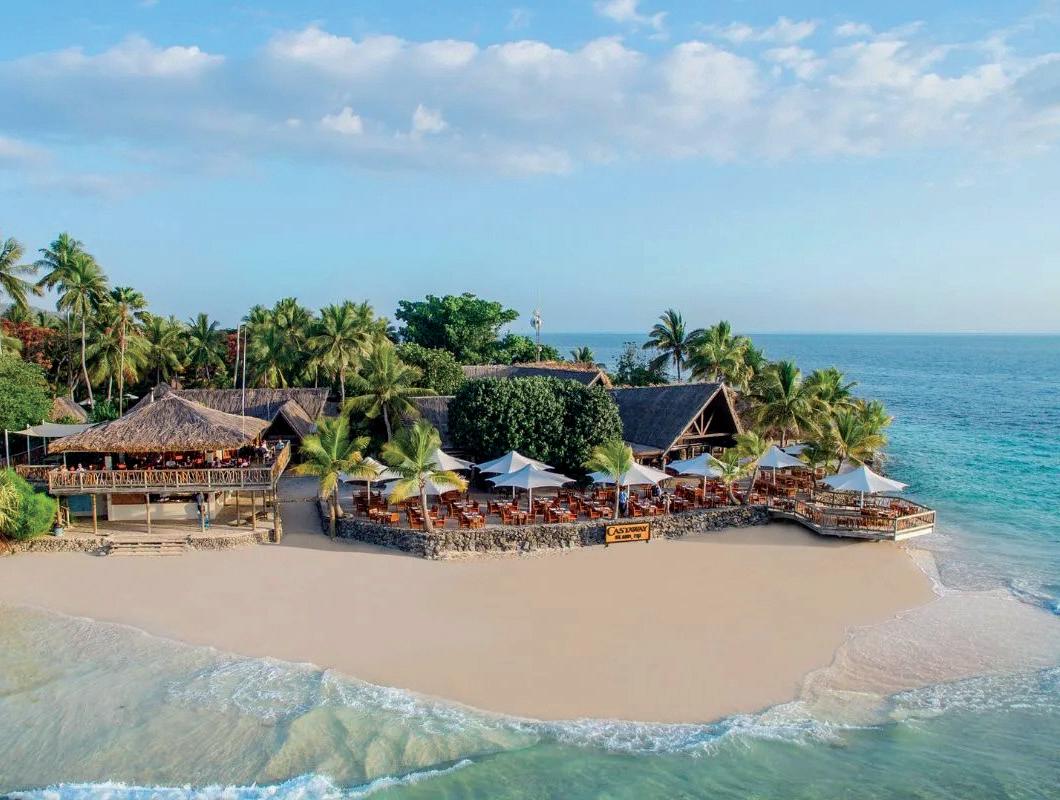
Castaway Island is celebrating 60 years by inviting guests and hosts to share memories from the resort in the heart of the Mamanucas.
The beachfront resort has spent six decades welcoming travellers to its white sand beaches, thatched-roof bures and turquoise waters with warm Fijian hospitality. It opened with just four bures for fishermen to stay overnight when the Fijian tourism industry was just starting to chart a place on the world stage.
In 1992, new owner Geoffrey Shaw transformed the resort into an authentic, barefoot island, a place families revisited year after year. Some hosts had worked on the island for more than 30 years and some guests have made their Castaway Island visit a tradition across generations.
CLICK TO READ MORE
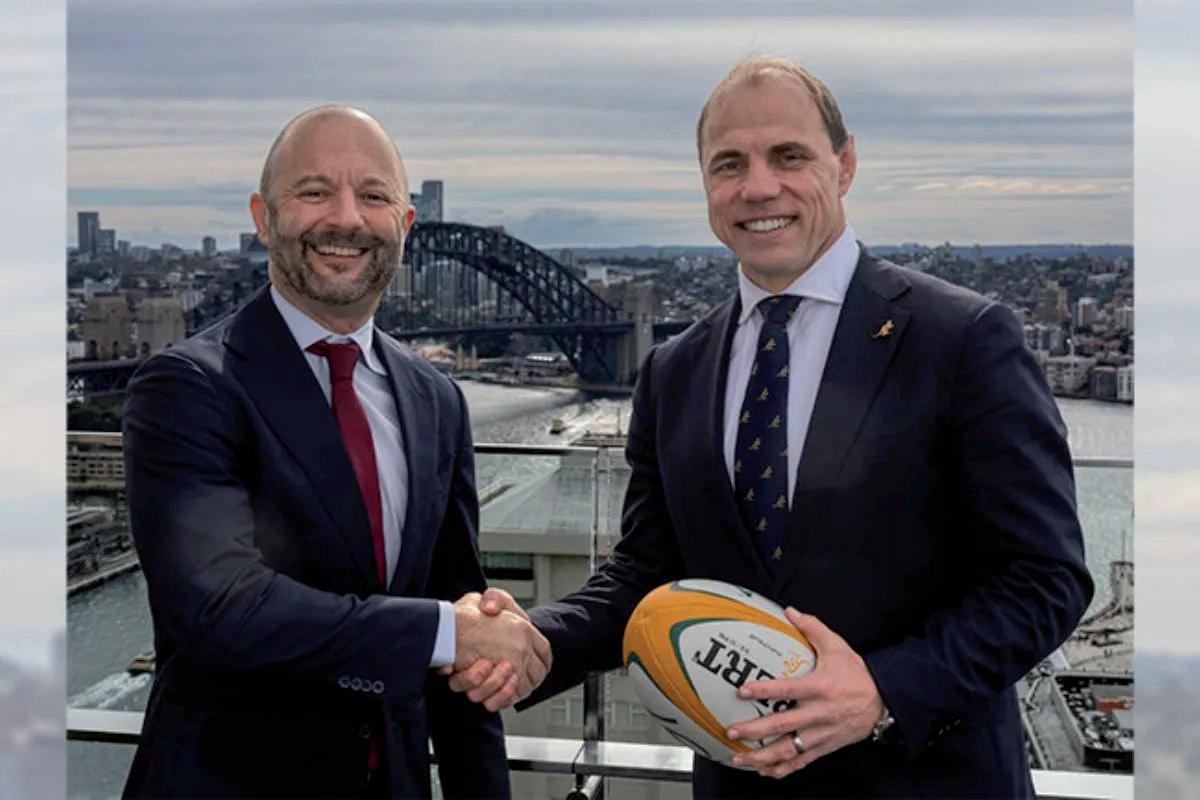
Rugby Australia and IHG have extended their long-standing partnership, supporting fans across Australia and New Zealand.
CLICK TO READ MORE
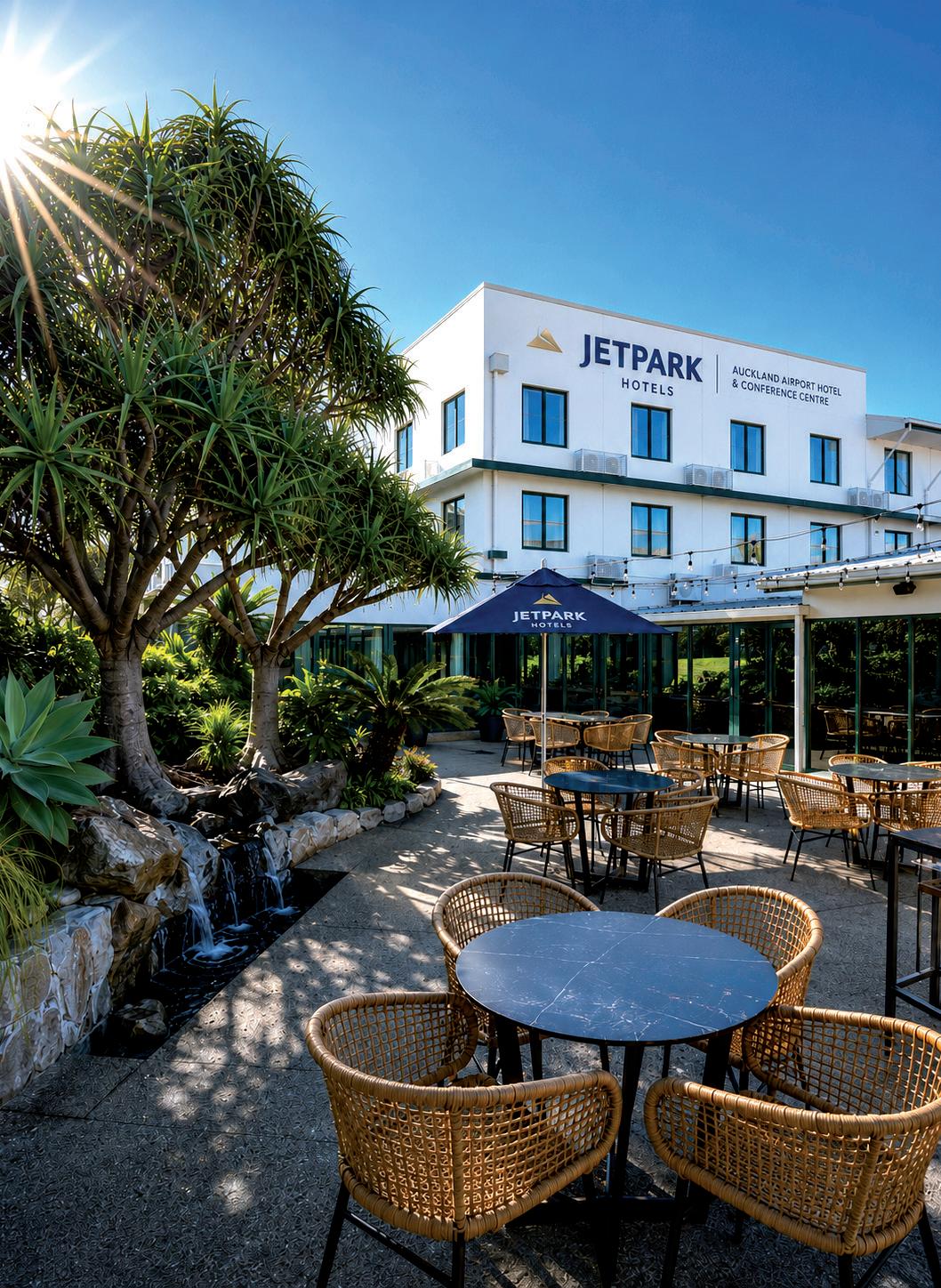
Jet Park Hotel Auckland has recently introduced a range of new features to enrich the guest experience, spanning from guest rooms to communal areas.
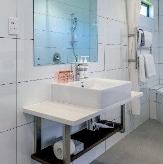
Agood bathroom stands out, but a great bathroom elevates the guest experience. Having partnered with The Source Co., Jet Park Hotel Auckland has elevated its bathroom offerings, allowing guests to experience luxury at its finest.
The new, modern design has introduced a range of contemporary features that make the space refined, yet sophisticated.
The use of LED Mirrors is a standout focus of the space. Built into the mirror itself, the illuminating rim provides guests with an elegant touch, while also being a highly practical addition. This design stands out, not only as another source of lighting in the bathroom, but as a focal point for its aesthetic value.
Adjacent to the mirror stand new shower doors that support the contemporary design. The glass panels add another complex layer to the space, whilst also giving an elegant look. Paired with slim steel handles, the new shower doors offer guests a luxurious touch to the bathroom, while also making it feel larger and more spacious.
The bathrooms’ vanities have also been replaced, introducing a polished look that brings the space together. The use of darker woods has blended in with the existing colour palette of the bathroom space, while the white vanity tops and basins provide an aesthetically pleasing contrast of tones.
The refined, cubic shape of the vanities has blended perfectly within the bathroom, and also provides needed storage space as well.
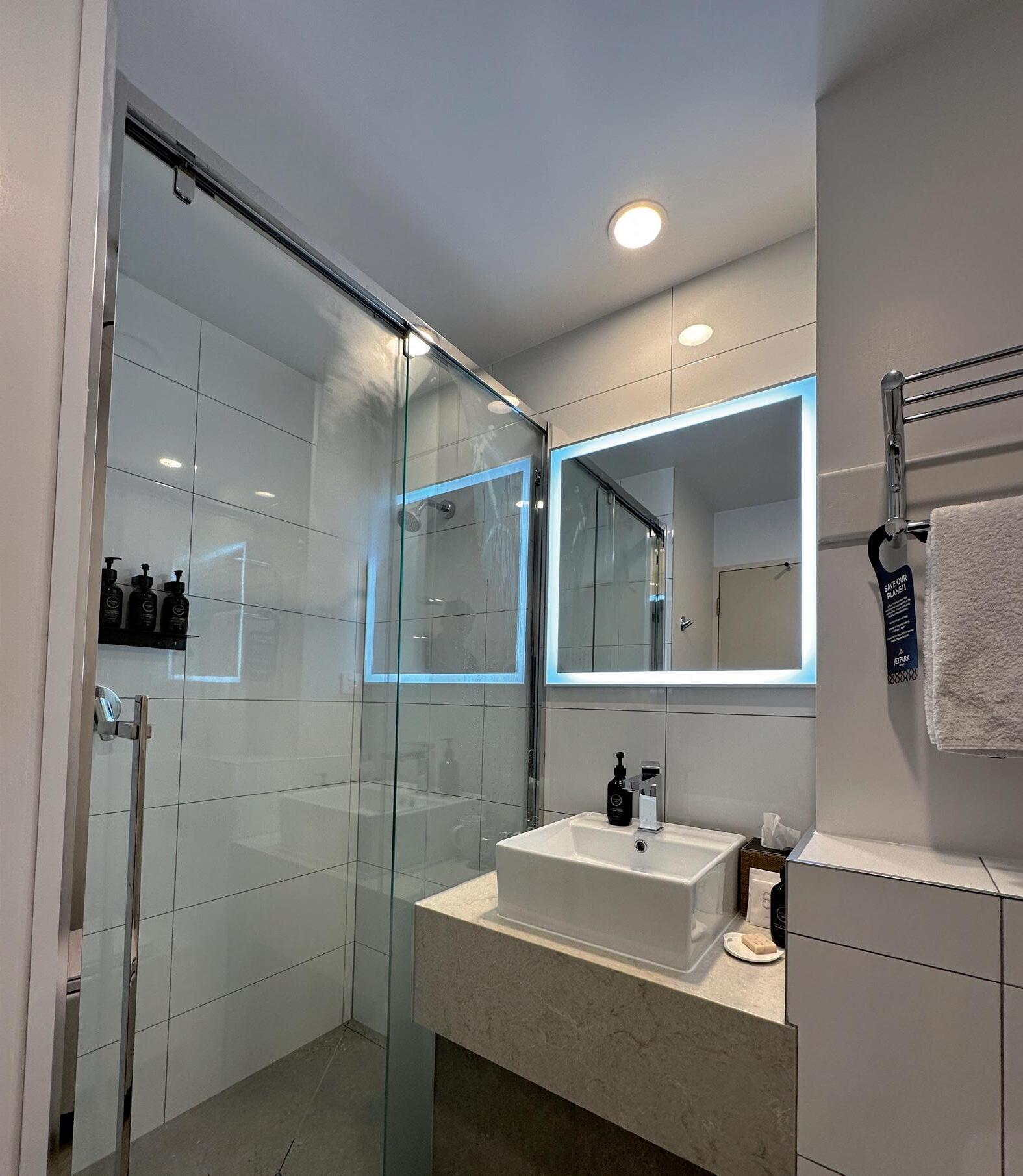
The additions to the guest bathrooms have elevated the space from simply serving an essential purpose to a continuation of the guest experience, and another space the hotel can take ultimate pride in. Throughout the hotel’s hallways, new artwork has been installed, introducing a taste of the outside
on the inside. These new photo panels bring the space together and showcase natural landscapes with sunlight shining through. While hallways are used primarily as a thoroughfare, it has continued the guest experience outside of the rooms to blend all spaces of the hotel. l
The Source Co. provides a comprehensive service for Furniture Fittings & Equipment (FF&E) and Operating Supplies & Equipment (OS&E) purchasing, manufacturing, logistics & project management to the hospitality, aged care, apartment and intuitional accommodation sectors throughout New Zealand and the South Pacific.
Our experience in hospitality and construction management, combined with our global network of trusted supply partners ensure we can collaborate with designers, operators and owners to deliver superior quality FF&E and OS&E. From concept to reality. On time, to budget, with exceptional service.
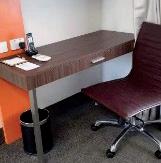
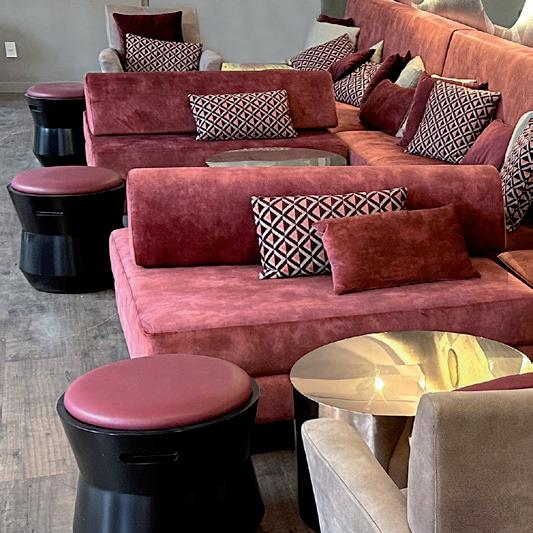
From room case goods to bathroom vanities to public furniture and everything in between, The Source Co. supply the complete range of FF&E.
We supply Case Goods including wardrobes, mini bars, luggage racks, TV units with a range of timber veneer, high pressure laminates, quartz stone and upholstered materials to meet your brief.
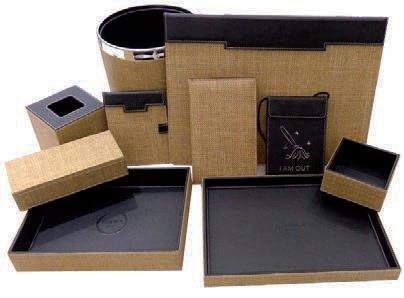
Whether your goal is to have your FF&E delivered on time, on budget, create a new look or improve an existing product, with our wide array of trusted suppliers, The Source Co. can assist with all your FF&E needs from concept to reality.
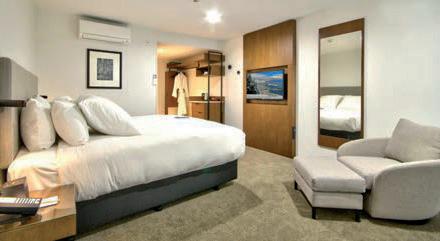
From customised room amenities, to electronic safes, to glassware and crockery, through our global supply partners, The Source Co. can provide owners and operators with bespoke OS&E that enhances their guest experience.
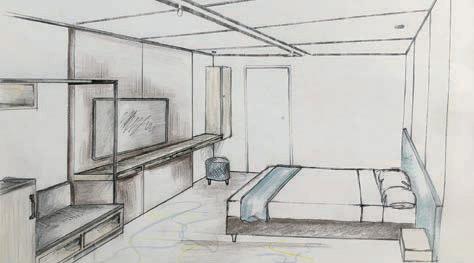

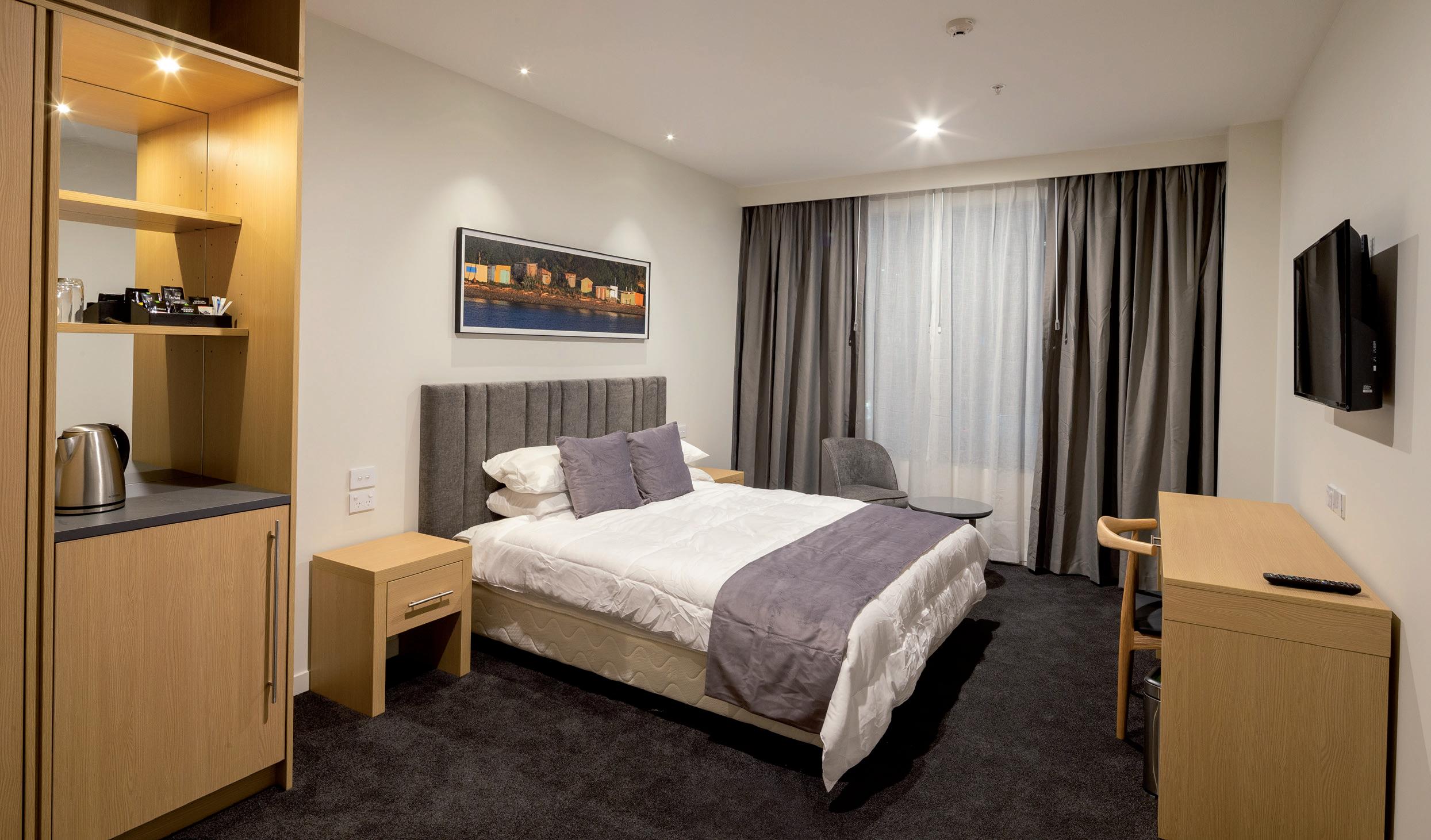
Guests want their rooms to be comfortable and functional while also elevating their stay. Godley Hotel in Lake Tekapo partnered with The Source Co. to introduce custom furnishings that combine aesthetics and usability in its guest rooms.
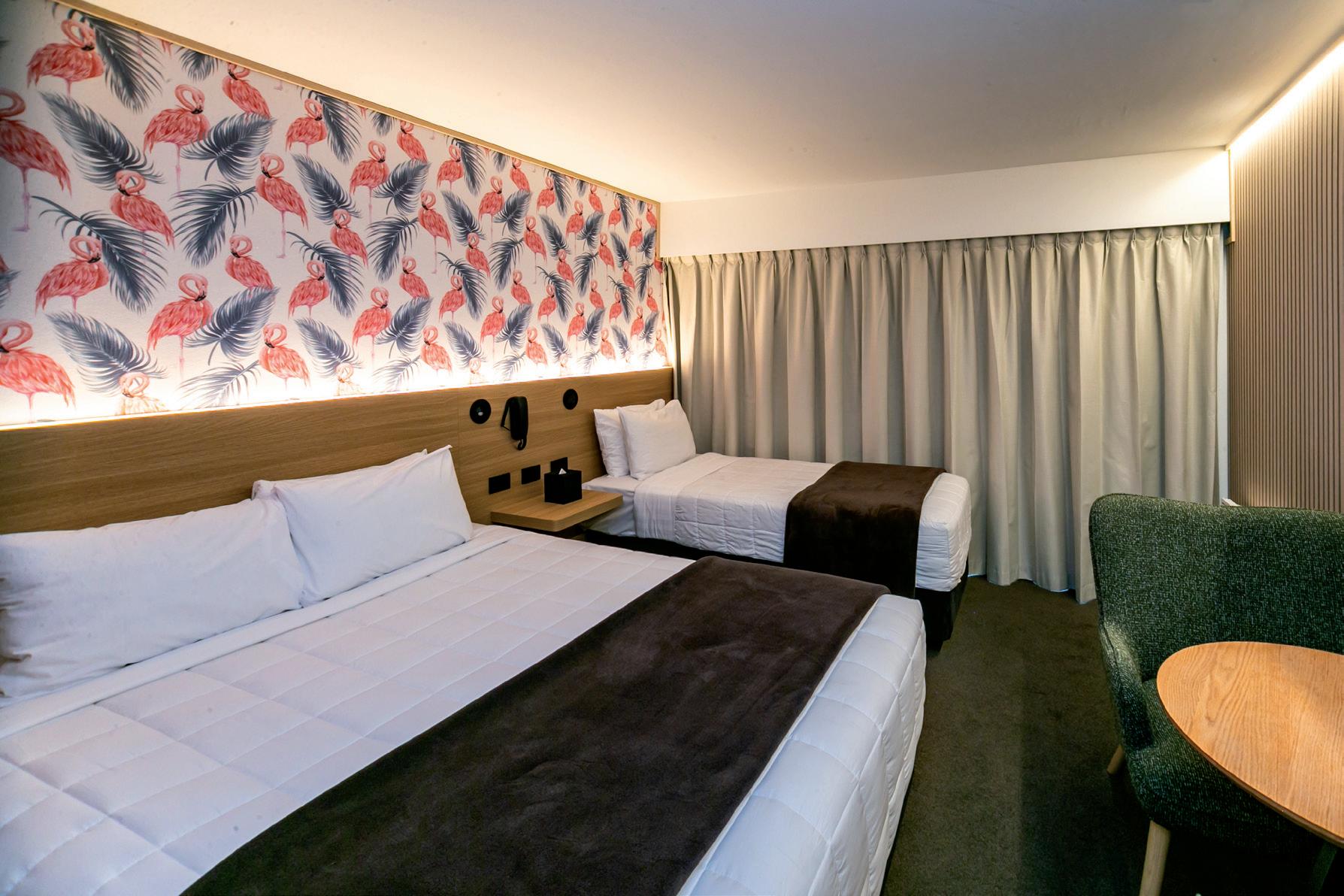
Akey addition to its rooms is a series of new timber headboards. Instead of being solely a decorative feature, the new headboard design incorporates integrated bedside tables, charging ports, power outlets, built-in lighting, and a telephone for convenience.
By allowing guests access to everything from bed, the design reduces clutter and creates a clean, modern look.
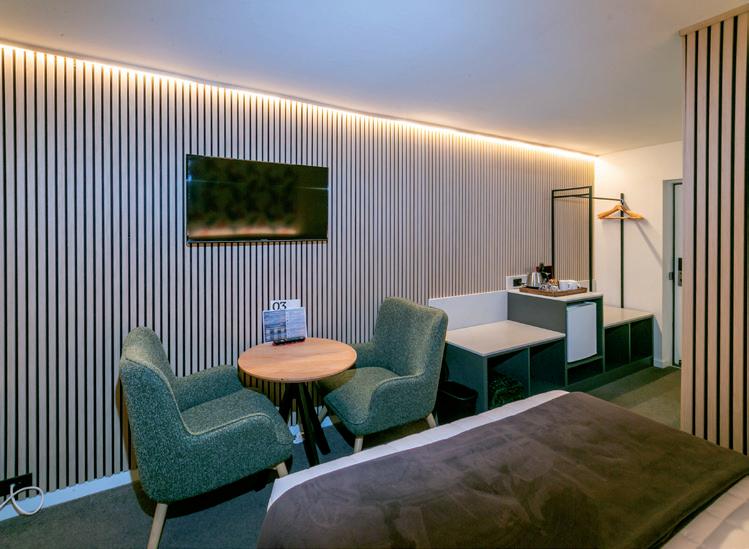
The refurbishment also introduced custom luggage racks that combine the minibar into one streamlined unit.
This has combined multiple functions within a single piece of furniture, while creating additional floor space and improving the flow
of the space. These units provide guests with sufficient hanging space for garments, generous storage beneath for luggage or shoes, and a sleek, efficient layout.
Adjacent to the luggage storage is a new seating and dining area featuring two comfortable chairs and a table that suits the timber finishes used throughout the room. While suitable for dining, the space also offers a dedicated area for working, reading, or relaxing without using the bed. As more travellers combine business and leisure, flexible in-room spaces such as these have become increasingly valuable.
The rooms’ soft furnishings have been upgraded with new curtains and sheers that provide warmth and
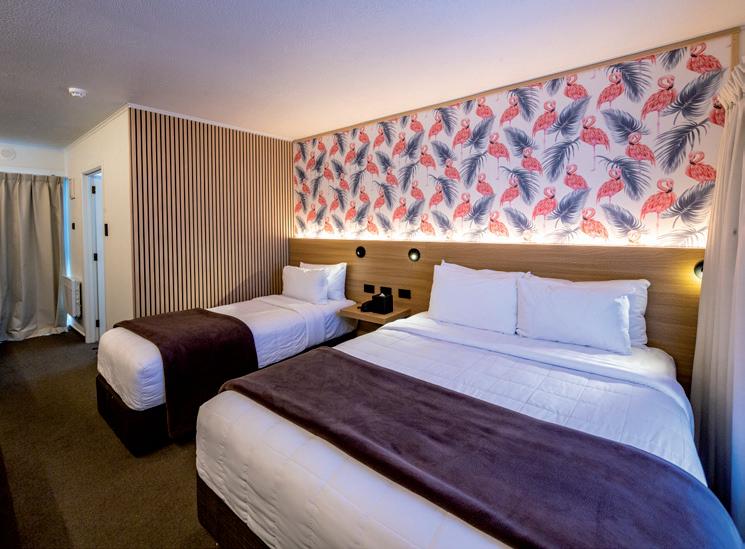
texture while providing privacy and light control. Meanwhile, upgraded LED lighting has introduced a welcoming ambience throughout the rooms. Despite generating a warm and inviting environment, LED lighting has remained a strong choice for accommodation providers, especially for its energy efficiency, long service life, and lower maintenance requirements.
The Godley Hotel refurbishment has demonstrated how thoughtful, purpose-driven designs can transform the guest experience. Instead of focusing only on aesthetics, the project emphasised furniture and fittings that would improve comfort and functionality and make the best use of the space. l
• Room Joinery
• Vanities & Stone
• Mirrors
• Blinds & Curtains
• Public Furniture
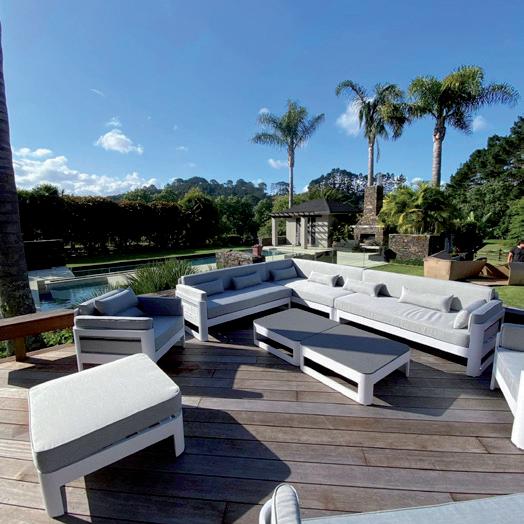
•Outdoor Furniture
•Headboards
•Bed Side Tables
•Room Furniture
•Artwork
• Glass Shower
Screens and Doors
•LED Mirrors
• Room Amenities
• Glassware
• Crockery
• Room Appliances
• Bedding
• Cleaning Equipment
• Recycle and OS&E
Rubbish Bins


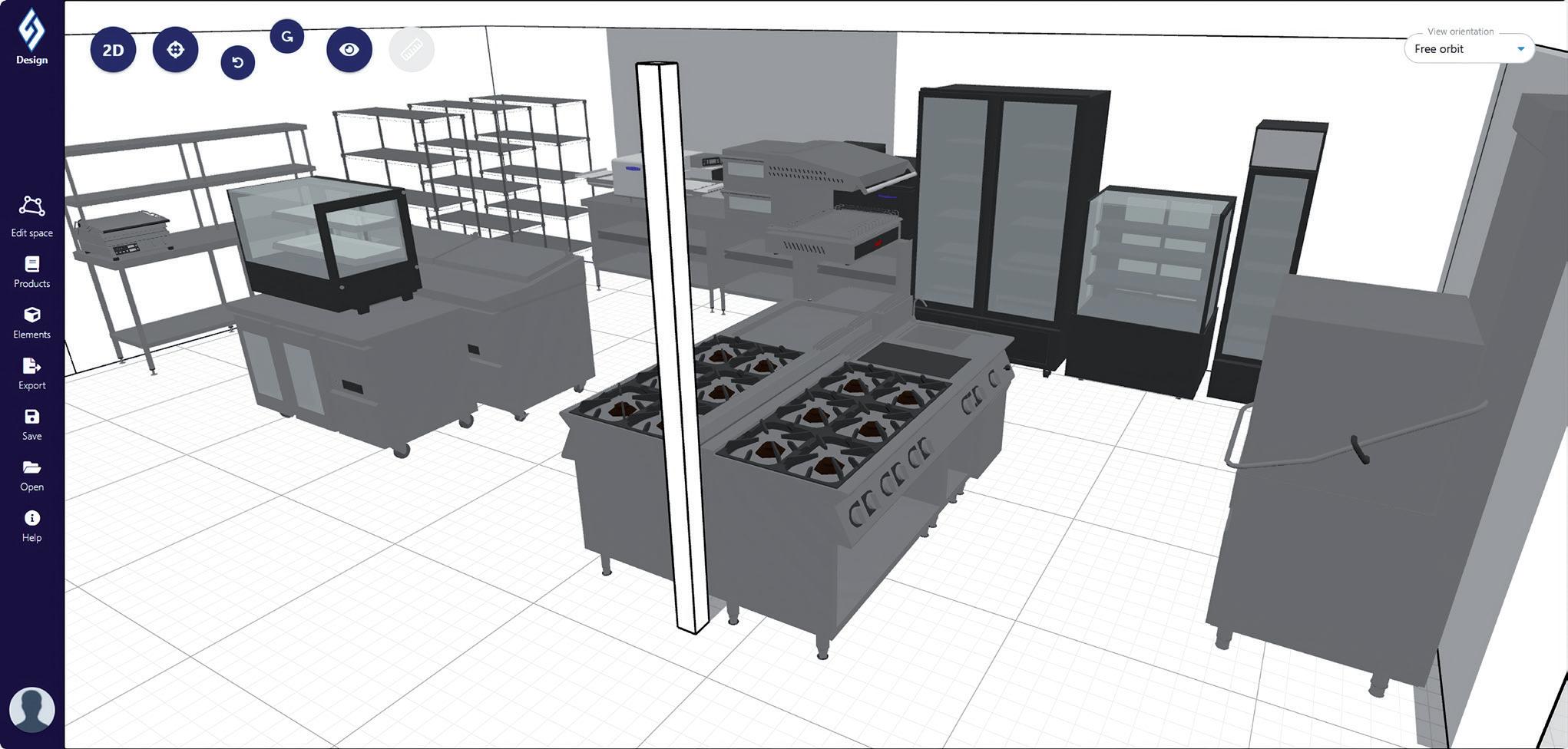
Designing a kitchen is one of the biggest decisions restaurants will make. A well-planned kitchen saves money, reduces staff stress, and helps you serve customers faster. A poorly planned one is expensive to fix later. The Stoddart Sketch Tool has made this a seamless process, allowing businesses to visualise the space before it’s even built. Think of the kitchen as a production line for food.
How the Stoddart Sketch Tool Helps
Visualise exactly what the kitchen will look like, and place real equipment into the layout by using the Stoddart Sketch Tool. It will also indicate just how much space is needed for the necessary equipment.
Start With the Menu, Not the Equipment
Before looking at ovens or benches, it’s essential to consider what food will be served, how fast it must come out, how many customers will be served during peak times, and whether it's for dine-in, takeaway, or both.
The menu determines every decision that is made, especially kitchen space, staff numbers and equipment. For example, a burger shop and a cafe might be the same size, but they need completely different kitchens.
Picture the Food Journey
Food should move in one direction only, starting from its delivery, storage, preparation, cooking, service, waste, and washing up.
If staff cross paths through the kitchen, service slows down. Good kitchens feel logical to walk through.
Using the Stoddart Sketch Tool can help to visually test this flow before anything is built.
Divide the Kitchen into Zones
The most successful kitchens include storage (including refrigerators and freezers), preparation areas, a cooking line, service/pass areas and a dishwashing area. It’s essential to keep dirty areas away from food preparation areas.
Choose Equipment Carefully
It’s important to purchase equipment that matches the menu, not what looks the most impressive. Consider whether or not it will be used every day, if it can speed up service, whether it will be easy to clean, and if staff are able to use it safely.
A smaller, efficient kitchen will often outperform a crowded one.
Make Staff Movement Easy
Members of the kitchen team walk kilometres every shift, and every extra step costs time and labour.
A good design will allow fridges to be near prep fridges, cooking equipment to be grouped together, clear walking paths around the space, and no tight corners during busy service.
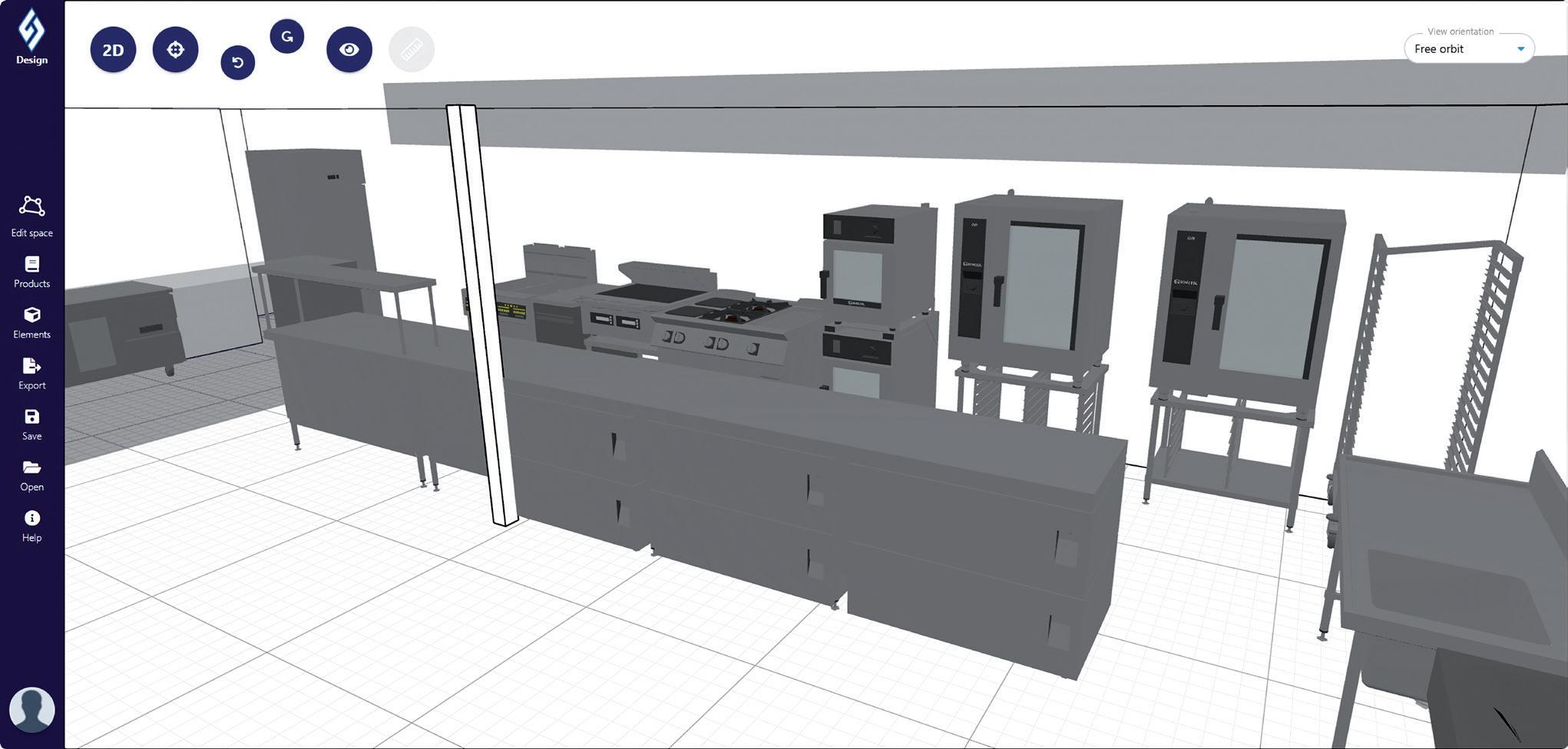
An efficient kitchen needs to have the right services for the equipment purchased, such as power, gas, water, drainage, and extraction and ventilation.
Moving services later is an expensive exercise, and can sometimes cost tens of thousands of dollars. Designing layouts created using the Stoddart Sketch Tool will assist builders, electricians and service technicians to understand placement early.
Health inspectors care about cleaning access. Therefore, it is vital to include space behind equipment, stainless steel surfaces, floor drains, and handwash sinks.
It’s essential to remember that if it’s too hard to clean, then it may fail inspections eventually.
Before anything is finalised, envisioning what the space would look like during its busiest service will help to navigate what priorities need to be taken into account. Consider where the chefs will stand, where the service fridges will be placed, where the equipment is placed for cooking, where the plates will be stored, where the dirty dishes will be placed, and if the area will flow for drop off and pick up for front-of-house staff. Moving equipment around digitally will make it feel natural and suit the workflow for every member of the kitchen team.
Business operators should ask themselves what will happen if business doubles, if there is room for another fridge, or if adding takeaway service increases the kitchen’s requirements.
Designing flexibility now will avoid expensive renovations later.
Before signing off on the kitchen’s design, check if the workflow makes sense, whether staff paths are clear, if the equipment will fit in comfortably, whether there is enough room for cleaning access, and if utilities are confirmed.
The golden rule for first-time owners to remember is to design for speed, simplicity and workflow, not appearance. Customers don’t usually see the kitchen layout, but they can feel its impact through faster service, consistent food, and happier staff.
For more information, visit stoddart.co.nz or contact info@stoddart.co.nz | 0800 79 1954


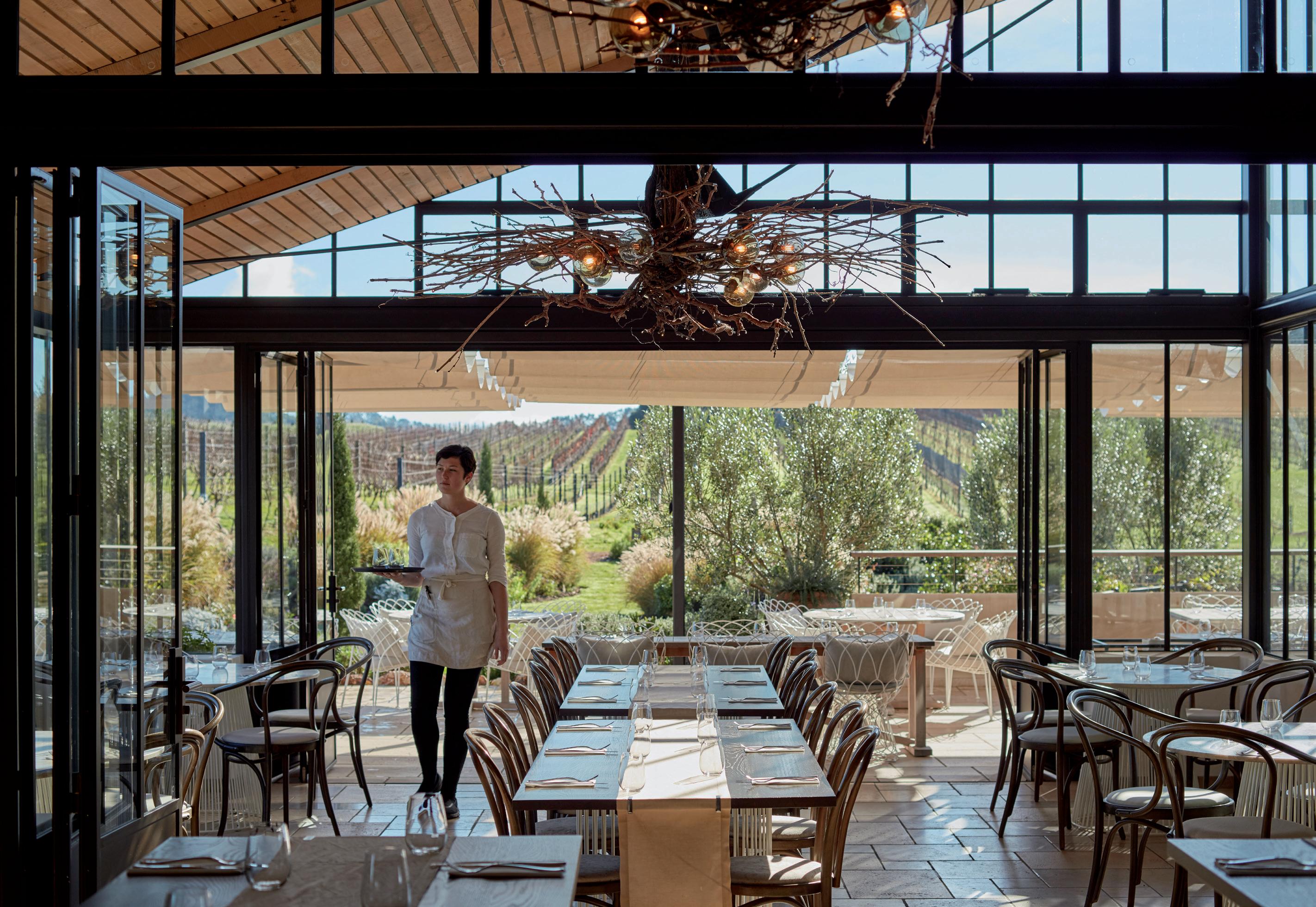
Situated on Auckland’s luxurious Waiheke Island, Tantalus Estate has built a coveted reputation as one of the region’s top dining destinations, surrounded by lush vineyards and spectacular views.
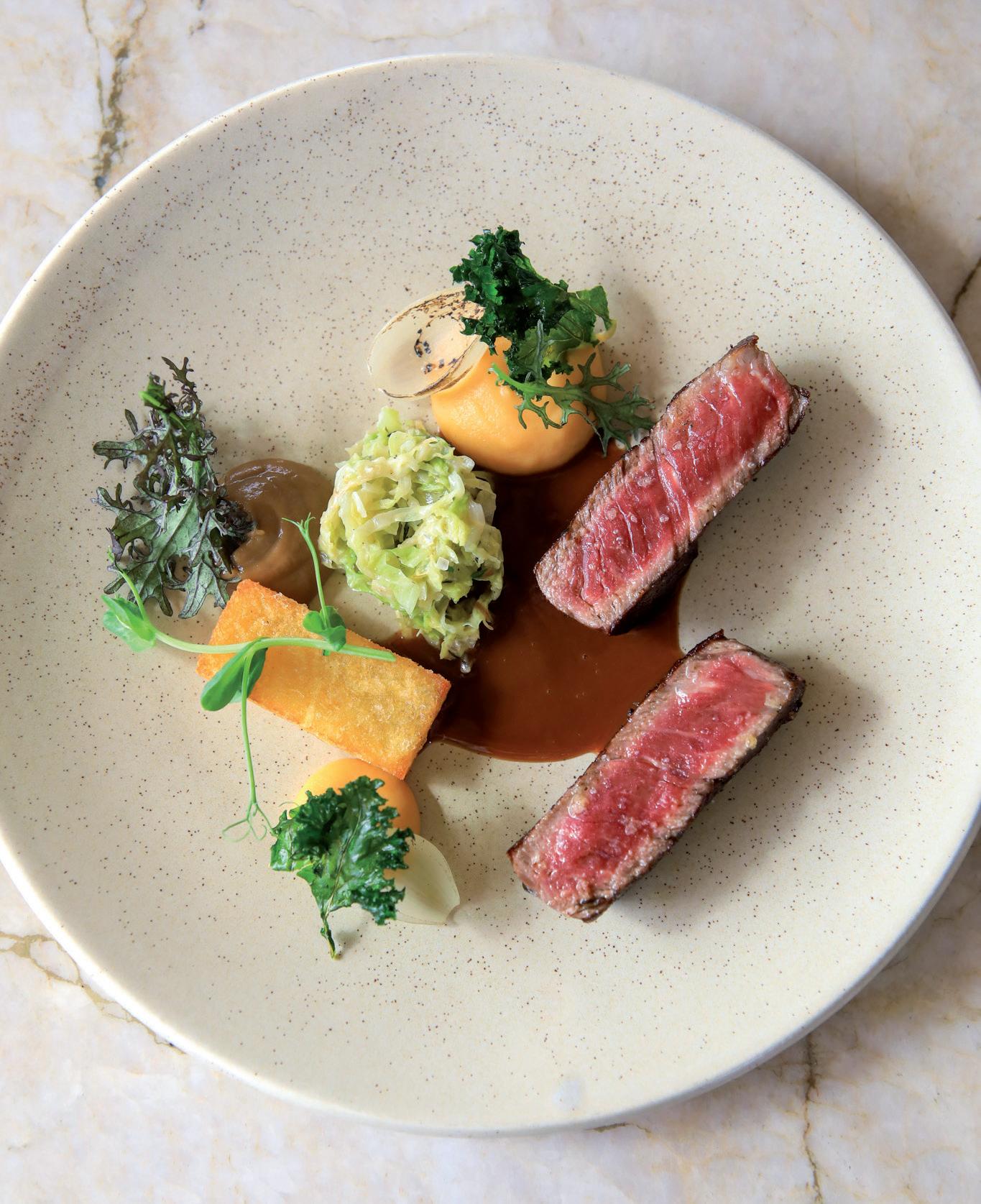
Luke Parker, General Manager of Tantalus Estate, said it was an extraordinary honour for Tantalus to be recognised among the first restaurants in New Zealand to be awarded a Michelin Star. He said there was a great deal of pride, but also a sense of responsibility.
For Tantalus, the star has represented far more than what happens in the Kitchen, and Parker said it belonged to the entire team as it reflected years of care, consistency and belief in what Tantalus could become. While the estate was proud of what has been achieved, it is also viewed as an encouragement to keep questioning, refining and moving forward.
For Tantalus, the focus has been on creating a restaurant that feels true to its place, which has meant respecting ingredients, understanding where they come from and allowing the character of the Estate and Waiheke Island to guide what it does.
He added that Michelin recognition came as a result of the standards the team has set for itself over many years.
Tantalus is inseparable from the land around it. The restaurant sits within a working vineyard, surrounded by gardens, wetlands, olive trees and native planting.
Parker said that connection has influenced everything from the ingredients selected to the way the menu develops through the seasons. He also highlighted the work of Head Chef Axel CurtetLatreille.
“Axel’s cooking pushes at the edges of French and New Zealand cuisine. His approach is technically precise, but always led by the ingredient and shaped by where we are,” he said.
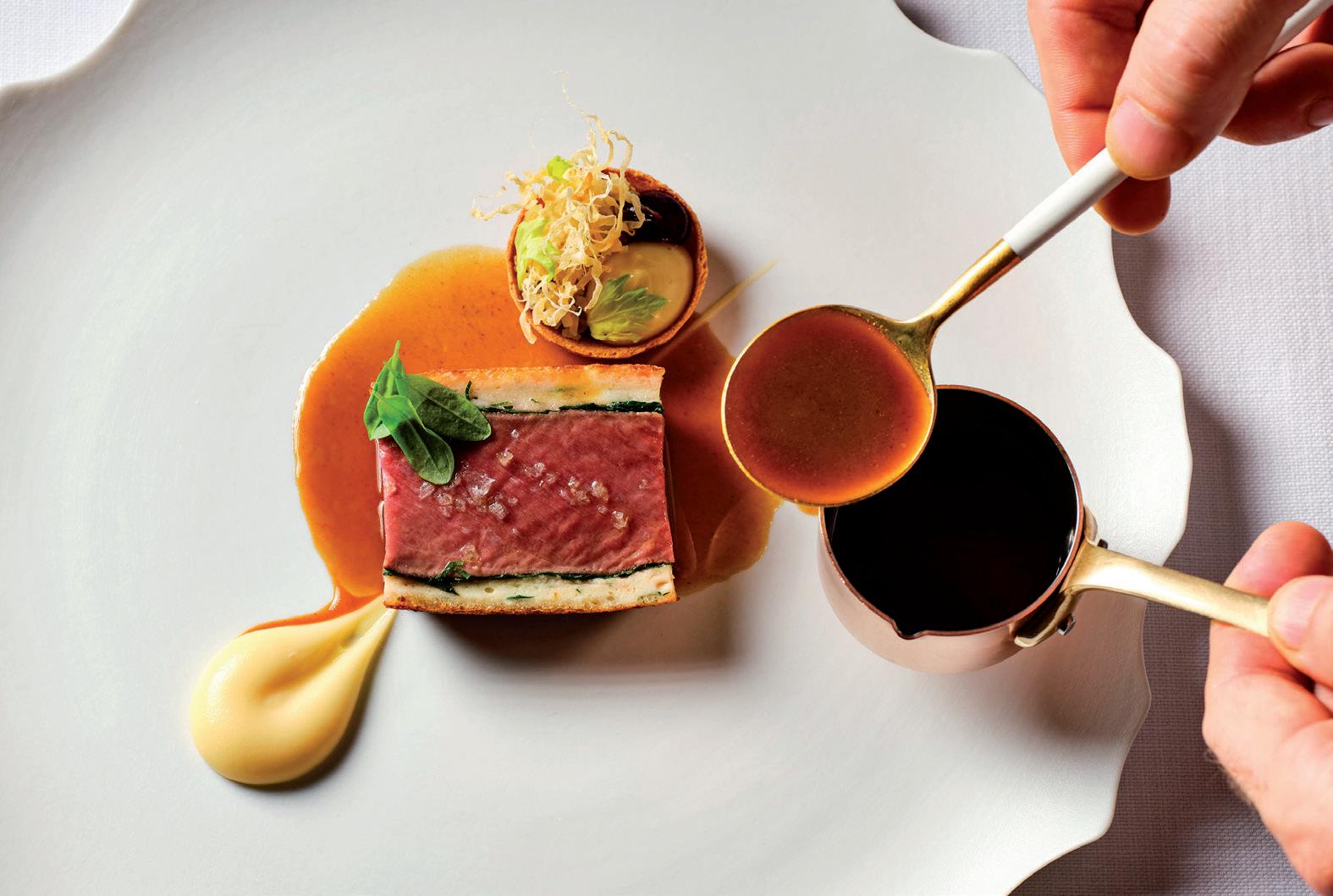
“His signature dish is most certainly the pâté en croûte. It is a highly technical and layered traditional French pastry, which he reinterprets each season through different ingredients and flavours.
This winter, it is made with pork, veal, venison, cranberries and hazelnuts.”
He added that it’s a dish that speaks clearly to his style; shaped by French technique, but continually evolving through New Zealand produce and the seasons.
“New Zealand cuisine is difficult to define as one particular style, and perhaps that is part of what makes it interesting.”
Parker said New Zealand is a country shaped by the ocean, with an extraordinary range of growing conditions and a strong connection to the land. New Zealand’s ingredients carry a very clear sense of where they come from, whether
that was seafood from surrounding waters, produce grown throughout the country’s varied landscapes or animals raised on open pasture.
New Zealand chefs have also become increasingly confident in allowing those ingredients and the local brand identity to lead, added Parker. He said there is less need to imitate established European traditions and more confidence in drawing from them while creating something distinctly New Zealandowned.
Parker believed that the arrival of the Michelin Guide felt timely because the New Zealand dining landscape has reached a level of maturity while still retaining its individuality.
“There is serious work being done here, but it does not feel like a copy of anywhere else.”
Tantalus Estate has been shaped over the past decade with the intention of creating something that belonged naturally within its surroundings.
The restaurant grew from that wider philosophy. It has continued to evolve as the land has matured,
the team has developed, and its understanding of the estate has deepened.
Looking ahead, Tantalus Estate is focused on how it can grow more of its own produce on site, expand the Tantalus Estate gardens and allow what is grown there to play an even greater role on the menu.
Parker said that it was simply about reducing the distance between the garden and the kitchen, and would give chefs a closer relationship with the seasons, the soil and the ingredients from the very beginning.
Being awarded a Michelin Star has given the restaurant a renewed energy to keep developing what already makes Tantalus distinctive.
“Everyone, past and present, who has worn an apron, tended the land or worked quietly behind the scenes has contributed to this award,” Parker said.
He added that it reflected the collective care and effort of many people over many years, and the team was incredibly grateful to all of them. l
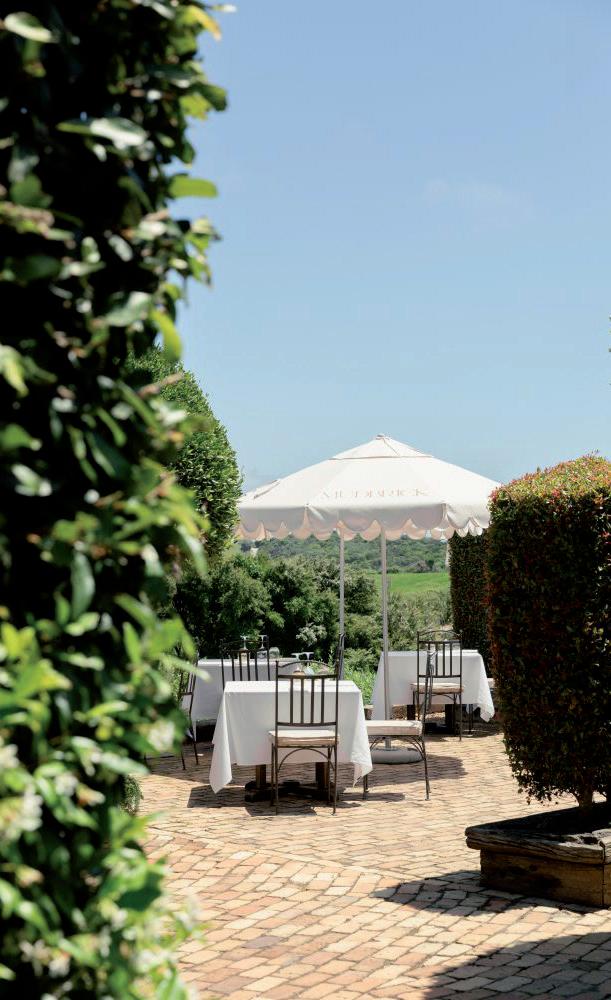
Surrounded by the amazing landscapes of Waiheke Island, overlooking the Hauraki Gulf back towards Auckland City, Mudbrick offers a unique dining experience that has been deemed worthy of a Michelin Star.
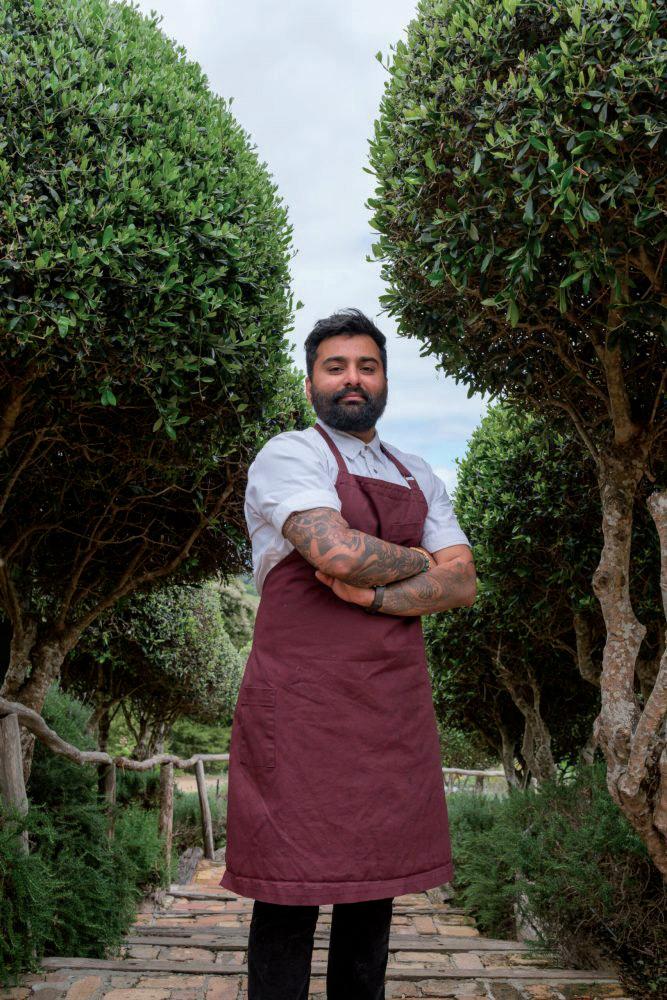
He was proud to be part of New Zealand’s culinary history becoming one of only 15 restaurants to be awarded a star.
“Being recognised as part of this esteemed award is something that still feels surreal,” He explained.
“It’s a reflection of the dedication, passion and consistency that our whole team and I bring every single day.”
Recognition in the Michelin Guide was a dream come true for any chef but, Ghosal said his focus had always been on creating the best possible experience for every guest who walked into Mudbrick.
He said a sense of place made Mudbrick a unique place to dine. Inspiration from the surrounding scenery and vineyards made its way to the menu every day. The menu evolved constantly with the seasons.
“We’re known for celebrating New Zealand produce in a way that feels elegant without being overcomplicated but really focused on pushing the boundaries on flavour,” He emphasised.
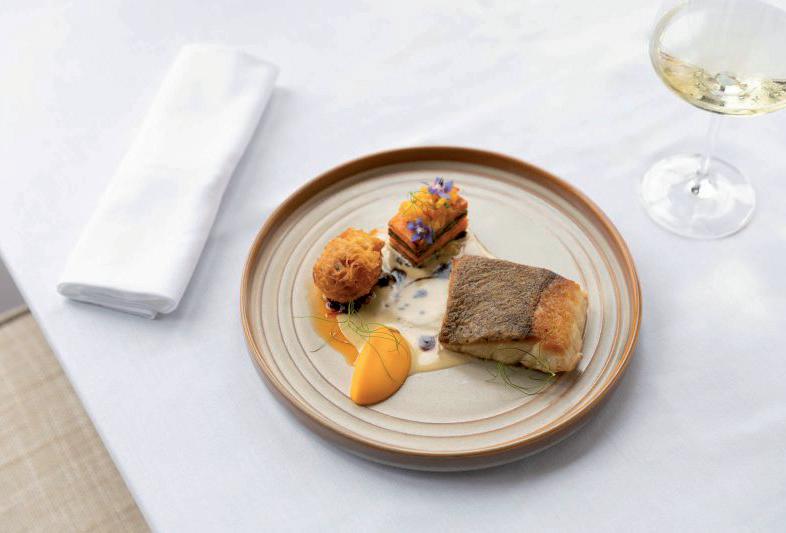
Every plate has told a story about where the people who made it and produced the ingredients were from. In particular, Mudbrick’s beetroot dish and scallop crudo paired with koji ice cream showcased its vast understanding of flavour and technique.
Chef Ghosal said New Zealand offered a great combination of
fine produce and freedom from tradition to express creativity as a chef.
“There’s a real sense of creativity here because we're not tied to centuries of tradition,” Chef Ghosal said.
“Chefs are free to combine influences from different culture and backgrounds while respecting local ingredients.”
He added that the New Zealand dining scene had matured significantly and was finally getting the international recognition it deserved with Michelin paying attention to the talent.
Mudbrick began as a cafe in 1995 when Robyn and Nicholas Jones converted bare land into a vineyard. Decades later, it has built a strong reputation as an iconic New Zealand destination.
For now, it was onwards and upwards for Ghosal and the team at Mudbrick. After celebrating the achievement, he was looking forward to getting back in the kitchen and cooking with passion. He is looking forward to mentoring younger chefs and helping build the next generation of talent. l
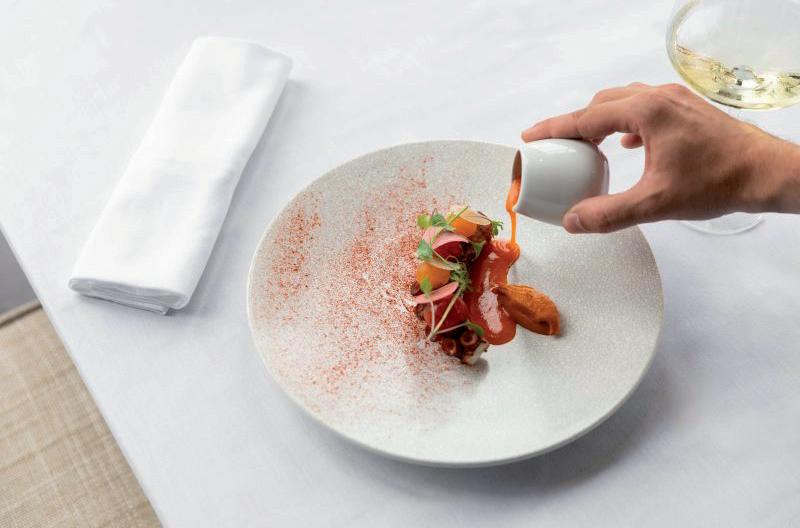
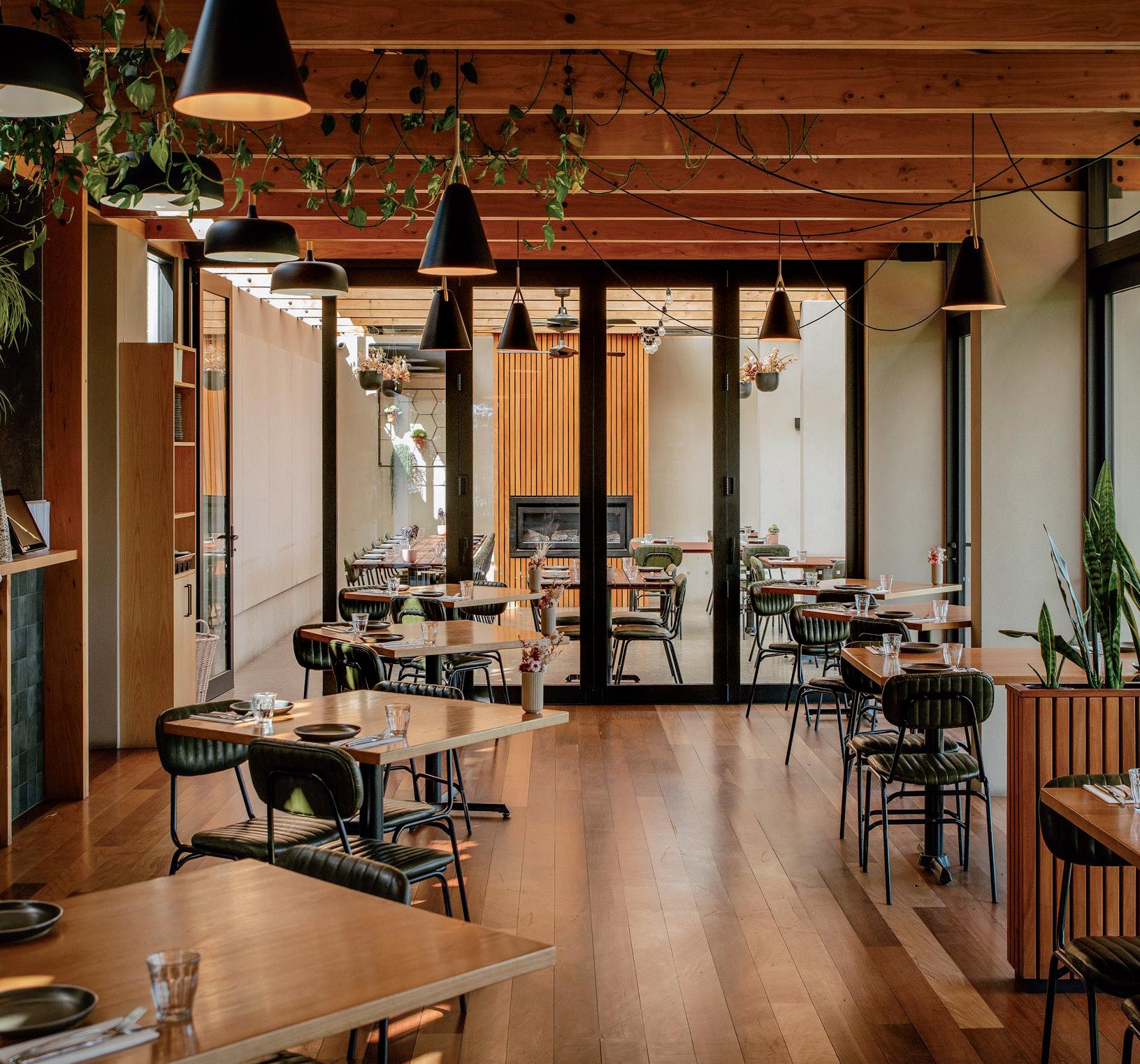
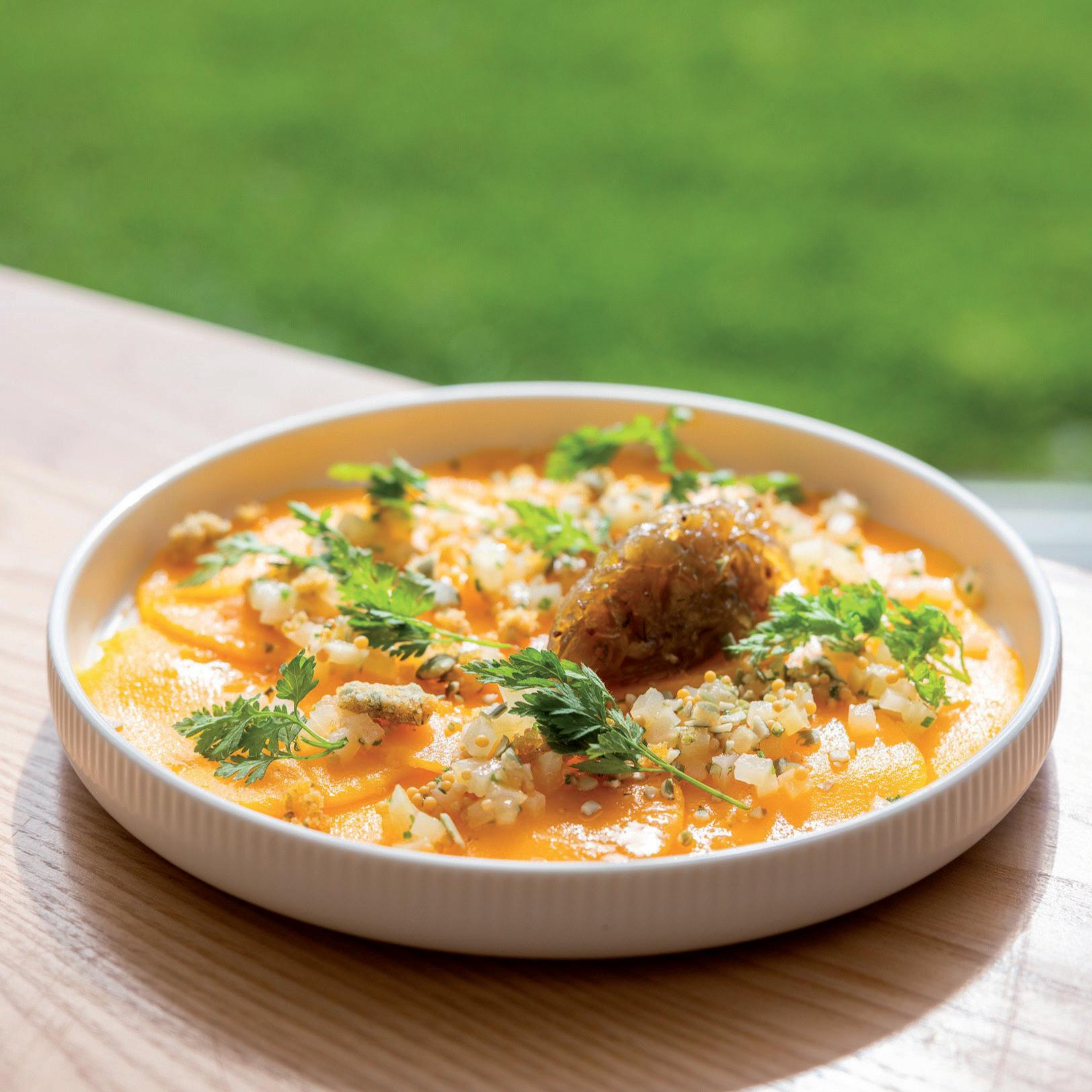
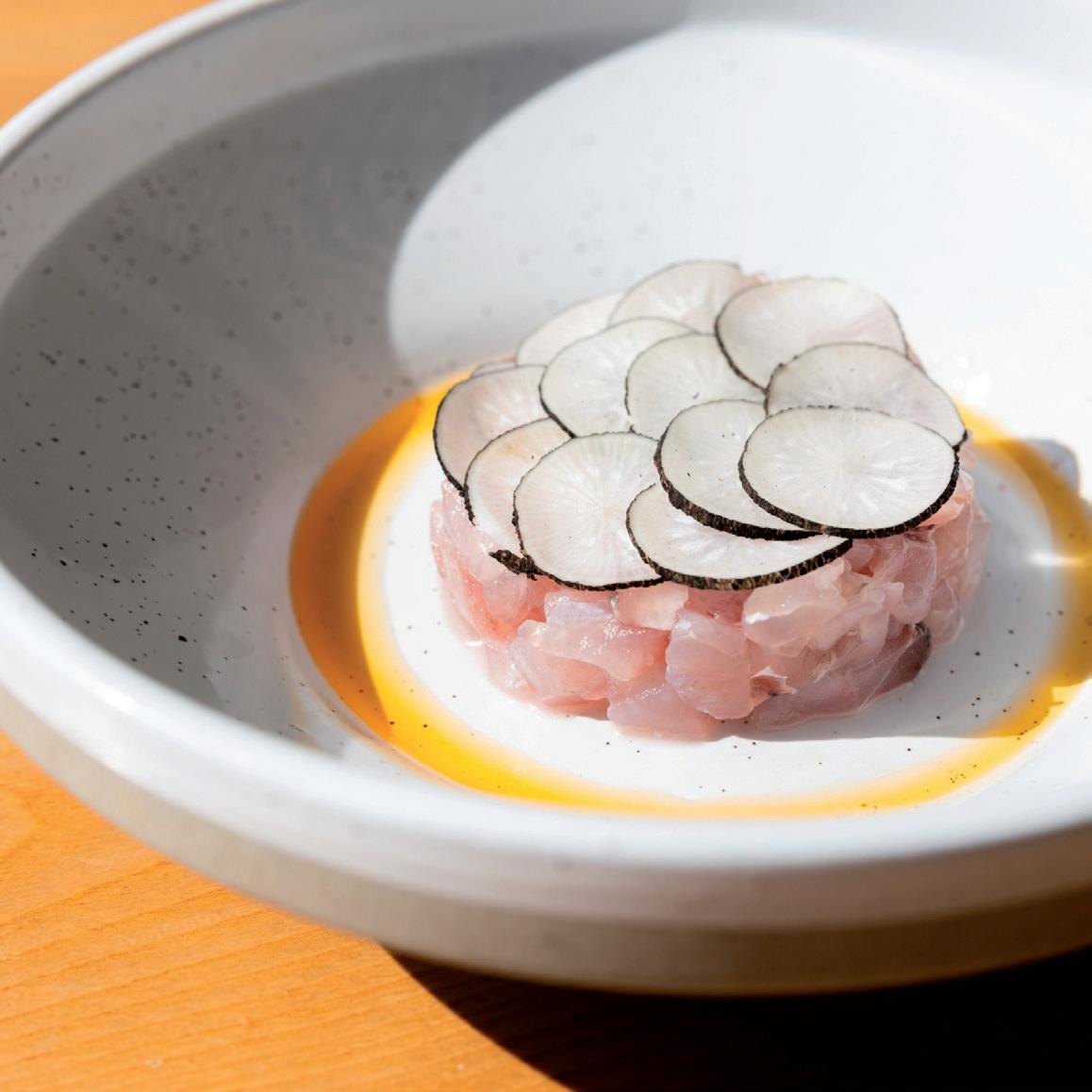

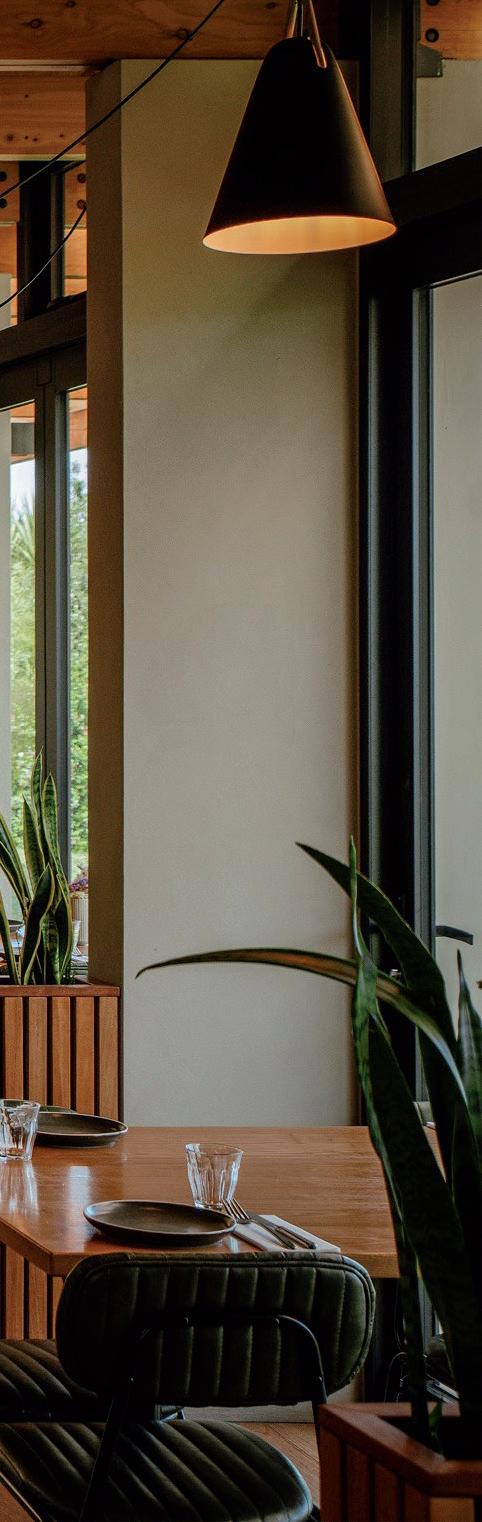
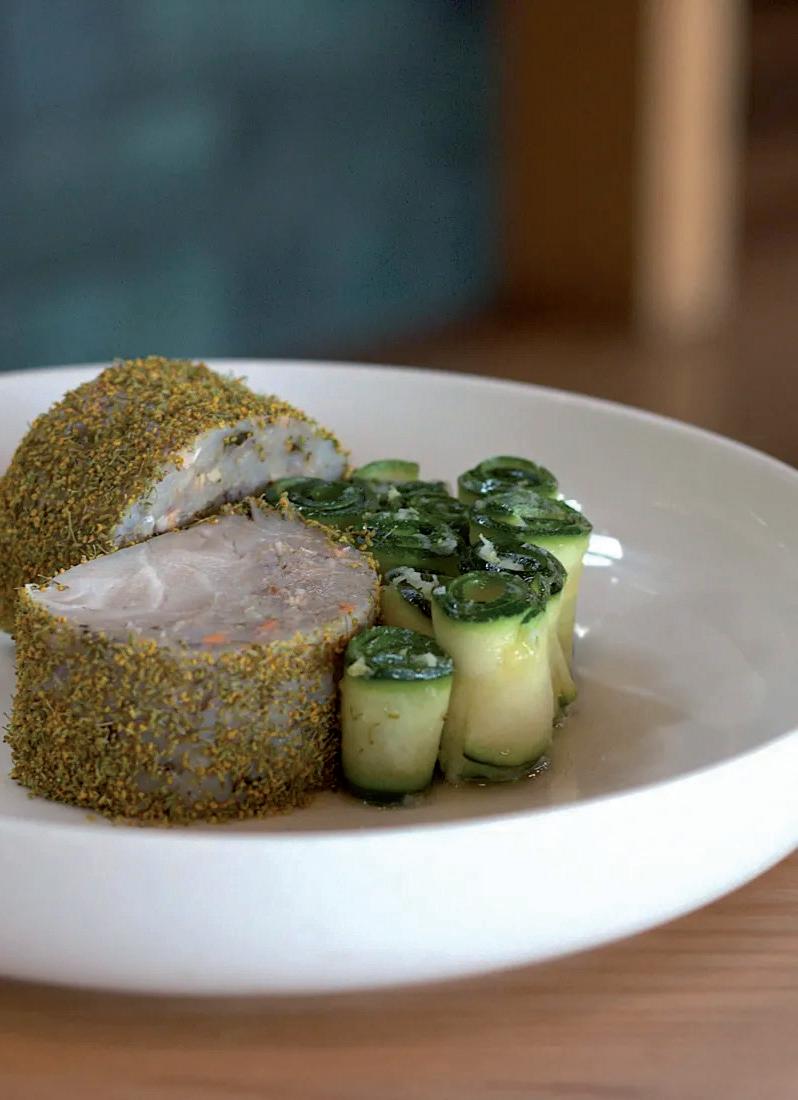
Located in the Port Hills on the outskirts of Christchurch, Tussock Hill has built a reputation for offering guests the finest examples of local cuisine. This was evident in the recent Michelin Guide, when Tussock Hill was among the 14 New Zealand restaurants to be awarded a prestigious Michelin Star.
Head Chef Adam Harrison said the honour has felt like being the new kid on the block, and being recognised alongside some of New Zealand’s finest and most recognised restaurant teams was a very significant moment for Tussock Hill and a real landmark in its journey.
However, Chef Harrison said this was something that the restaurant hadn’t always strived towards, and that his focus was to always enjoy his work.
“To have a place where everyone can develop and grow, and we can share this with our guests, and hope they appreciate it. We always know the winters are hard, and we really were focusing on our offering and looking forward to spring.”
Tussock Hill doesn’t have signature dishes, but it does have signature ingredients that Chef Harrison looks forward to using during the season throughout the year.
The restaurant’s connection to its grapevines, garden and foraging has set it apart from others. This has allowed the kitchen to use its signature ingredients and has built its knowledge and understanding of them year upon year.
Chef Harrison said the main thing that has made New Zealand cuisine unique is its interpretation.
“Each chef and each restaurant
has their own interpretation, which in itself creates something unique.”
He added that there couldn’t be a better time for the Michelin Guide to come to New Zealand, and that it wasn’t only about its impact now, but the future of the guide.
“It's given the industry some fresh vibrancy, and there couldn't be a more important time for this to come. Now is the time to inspire the future generation into an industry that globally has been on the decline. The current talent has been here for a long time, and the produce around the country is second to none.”
Chef Harrison mentioned that the guide has given young professionals something to strive towards on a global level.
Since 2017, the Targett family has carefully looked after the existing vineyard and built the acclaimed restaurant at Tussock Hill, which has combined exceptional food and wine grown on the property’s vineyards in a setting that celebrates Canterbury.
He said that everyone’s families were the unsung heroes of this story, as they are the ones who come along for the ride and don’t always share the reward.
Looking ahead, Chef Harrison said he was pleased that the restaurant will be open for events like weddings, milestone celebrations and birthdays. l
Te Kaahu Restaurant at Te Arikinui Pullman
Auckland Airport is marking the Māori New Year with a special three-course Matariki set menu that draws on the philosophy of sea to sky and the ancient tradition of hangi cooking.
Launching in early July, the limited-time menu is a celebration of indigenous flavour brought to life with Hangi Master’s Rewi Spraggon, and seasonal kai to celebrate the spirit of Matariki.
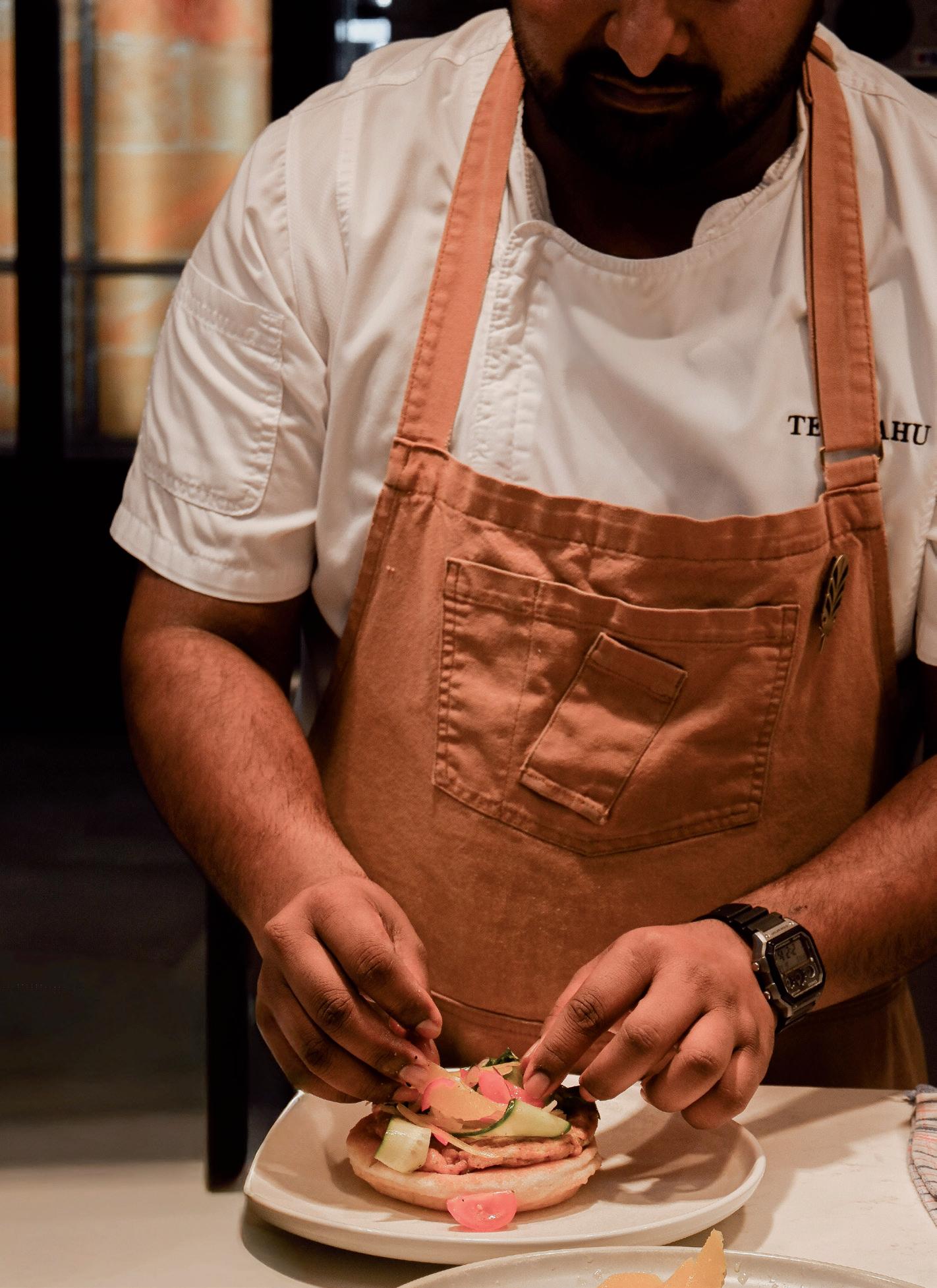
Te Kaahu’s Matariki menu opens with fried bread and whitebait fritters, served with citrus chili salad and an orange dressing in a nod to coastal abundance and classic Maaori home cooking, elevated with bright, fresh flavour.
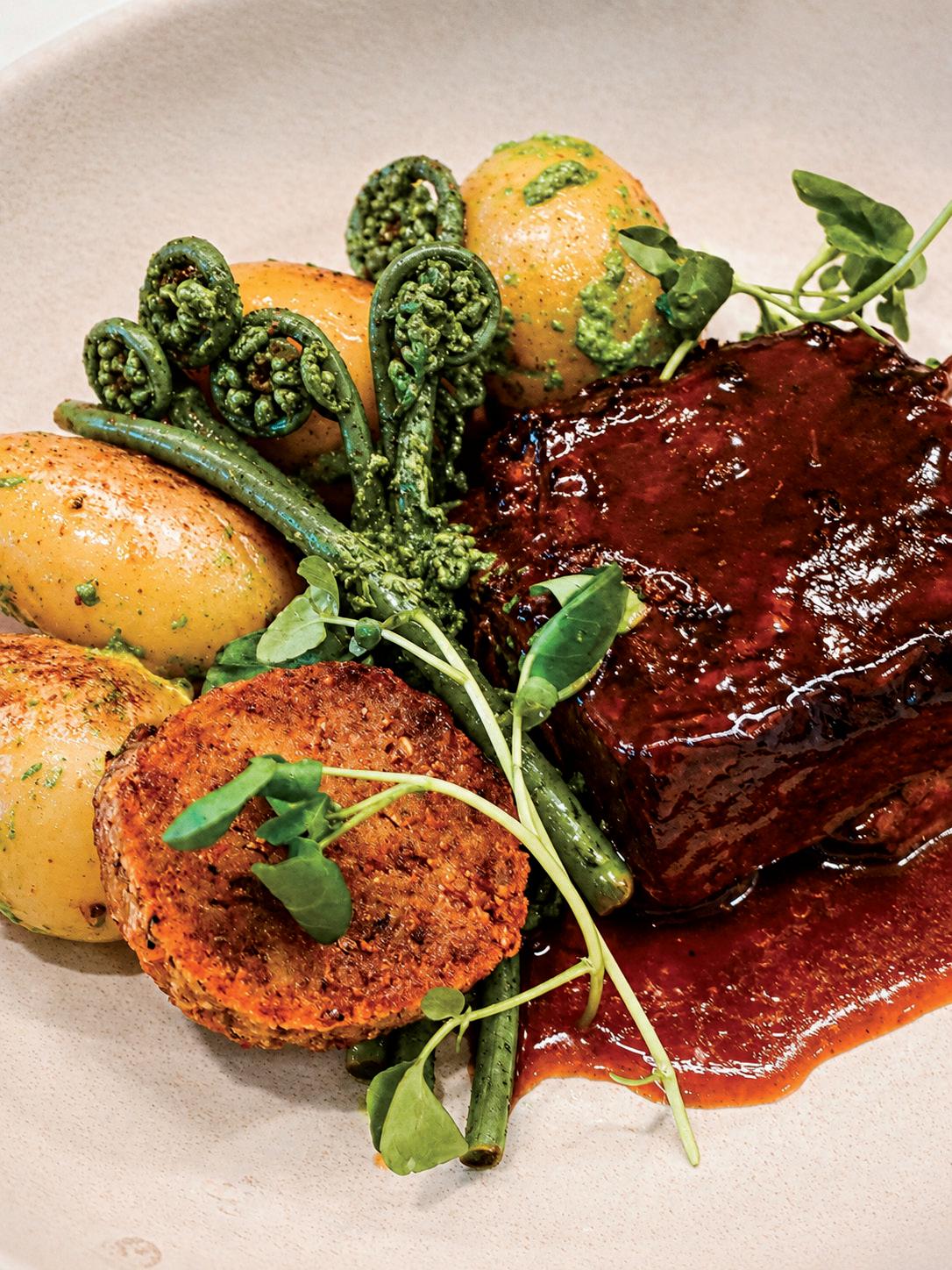
The centrepiece is a Hangi Master slowcooked hangi beef short rib, accompanied by buttered potatoes, watercress chimichurri, piko piko and traditional hangi stuffing. Earthy, tender and rich with the warmth of the earth, the dish honours Aotearoa’s enduring hangi traditions.
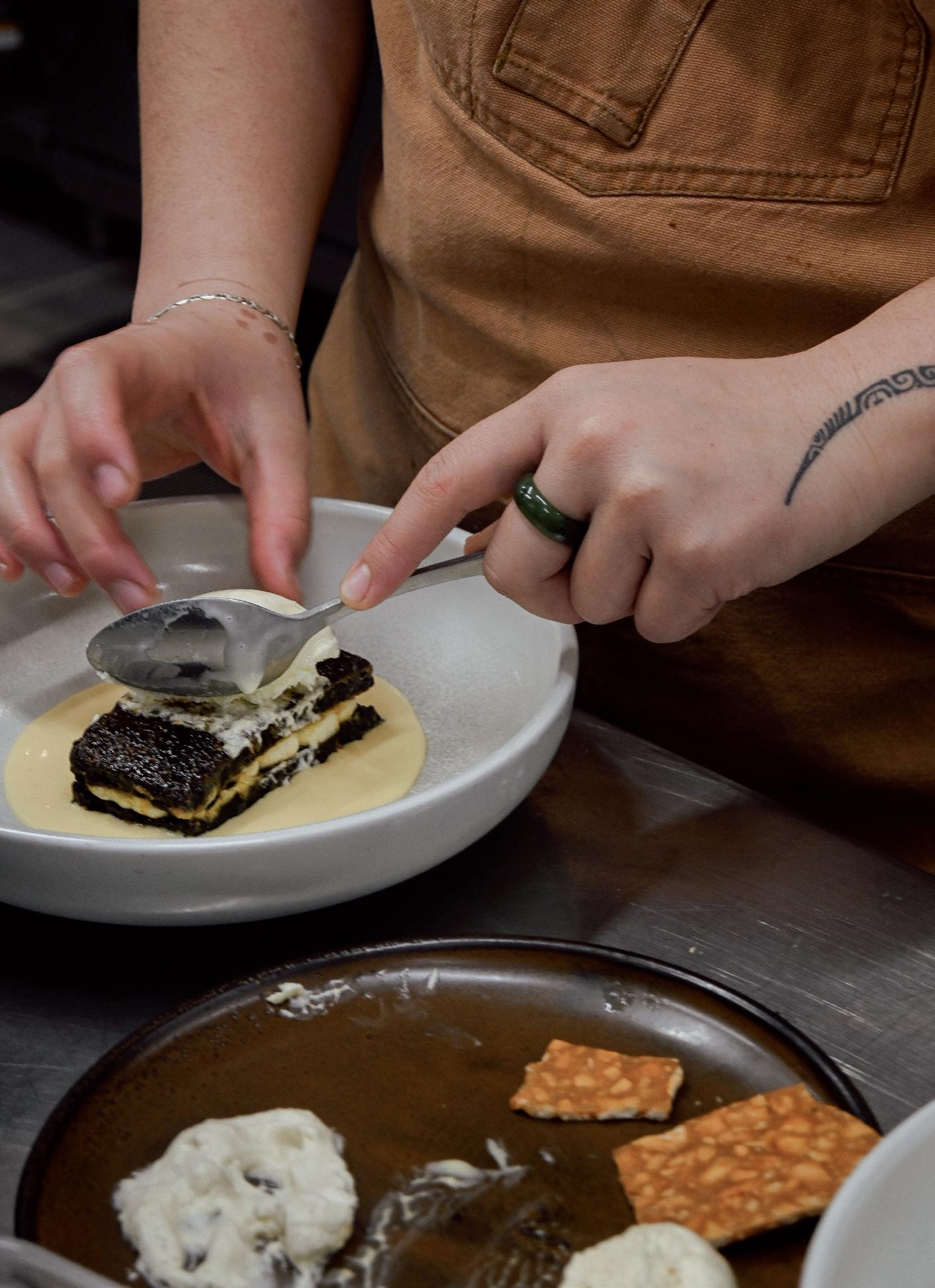
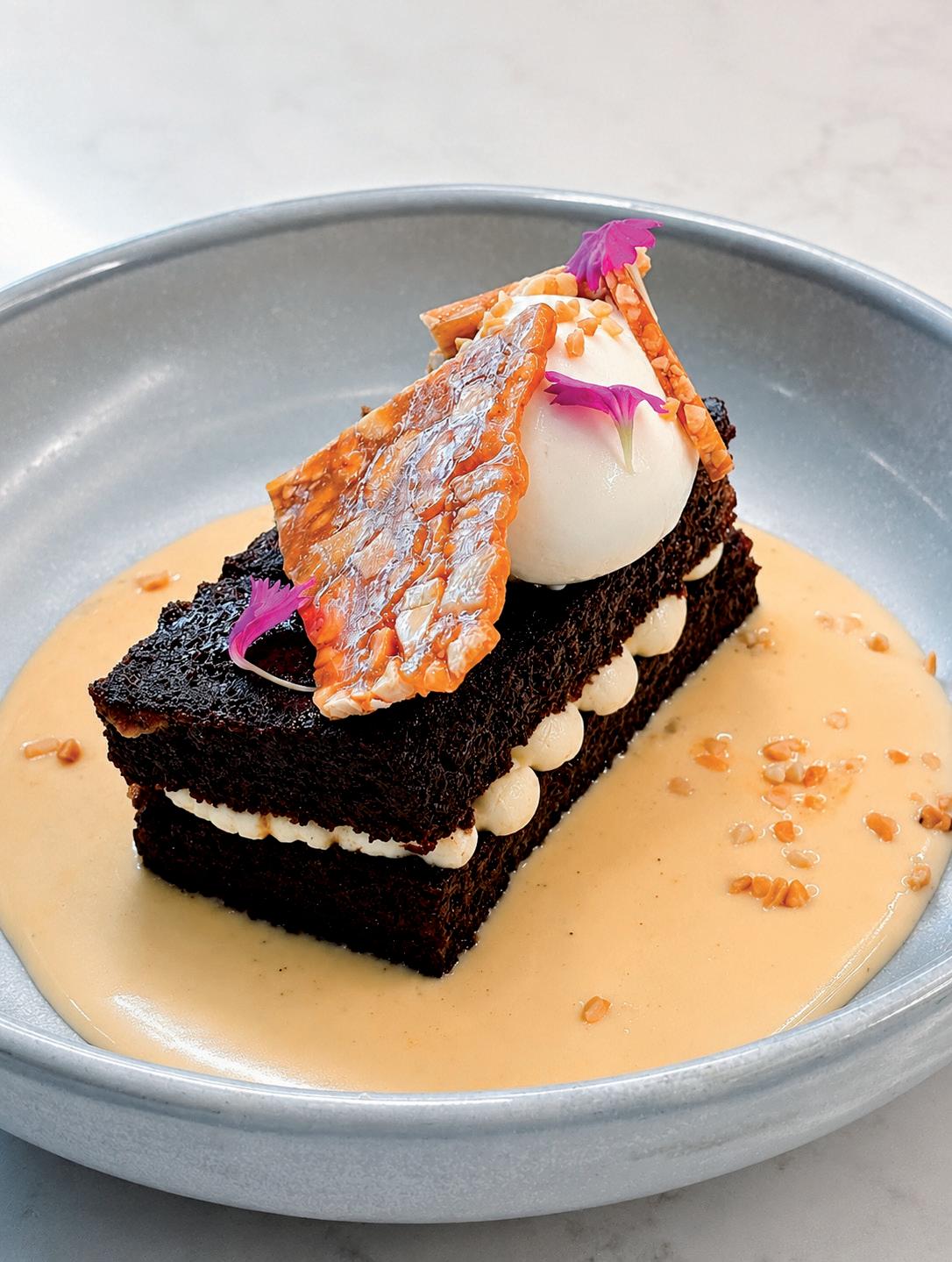
To finish, a burnt sugar steamed pudding is served with vanilla cream, vanilla anglaise and cashew nut brittle, a warming, indulgent take on the hangi dessert staple.
Te Kaahu Executive Chef, Nancye Pirini, said the menu was inspired by the values that Matariki represents: remembering those who have passed, celebrating the present, and looking ahead to the future.
“We wanted to create a menu that reflects our connection to the whenua, the season, and the stories of our people that make Te Kaahu unique,” she said.
“As a team made up of many different cultures and backgrounds, it was also important that the menu reflected the inclusivity and diversity within our kitchen. While Matariki sits at the heart of the menu, we wanted to celebrate the different perspectives, experiences, and influences that our team brings to the table.”
The dishes are inspired by native ingredients, traditional food practices, and the idea of bringing people together through kai. Each dish has been thoughtfully created to honour those traditions while
sharing a little of who the team are its connection to place through food.
Pirini added that respecting where the ingredients and stories come from while creating a dining experience that felt true to the restaurant today was an important part of the process.
“We start by looking at the traditional flavours, ingredients, and practices that have been part of Māori cuisine for generations. From there, we use modern techniques and presentation to showcase those flavours in a way that feels refined but still genuine.”
Finding the right balance was important, as it allowed the restaurant to celebrate and share its culture in an authentic way
while giving guests an experience that was unique, memorable and reflective of Te Kaahu.
Pirini said the restaurant’s relationship with Hangi Master Rewi Spraggon was central to bringing the Matariki menu to life.
"Partnering with Rewi at Hangi Master has been a privilege, and his knowledge of traditional hangi methods and commitment to keeping those traditions alive have long shaped signature dishes on the Te Kaahu menu. Our Matariki menu uses the gifts of our land and sea to create something that feels meaningful for the season. Every dish tells a story, and I hope our diners feel that when they sit down to eat and celebrate the Maaori New Year.” l
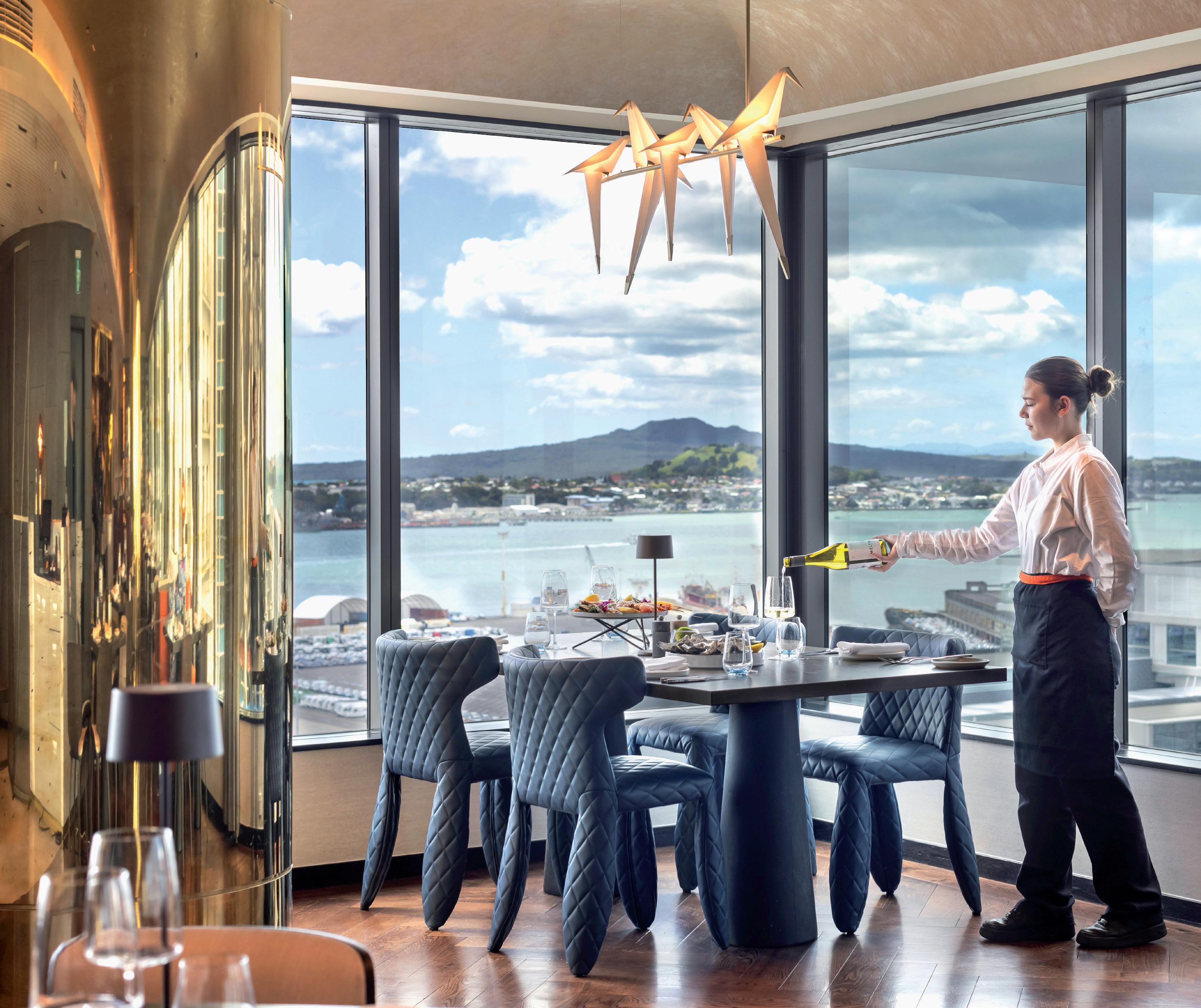
Chef Rex Morgan returned to SO/ Auckland for a three-night celebration of Matariki, colliding fine dining with hangi techniques.
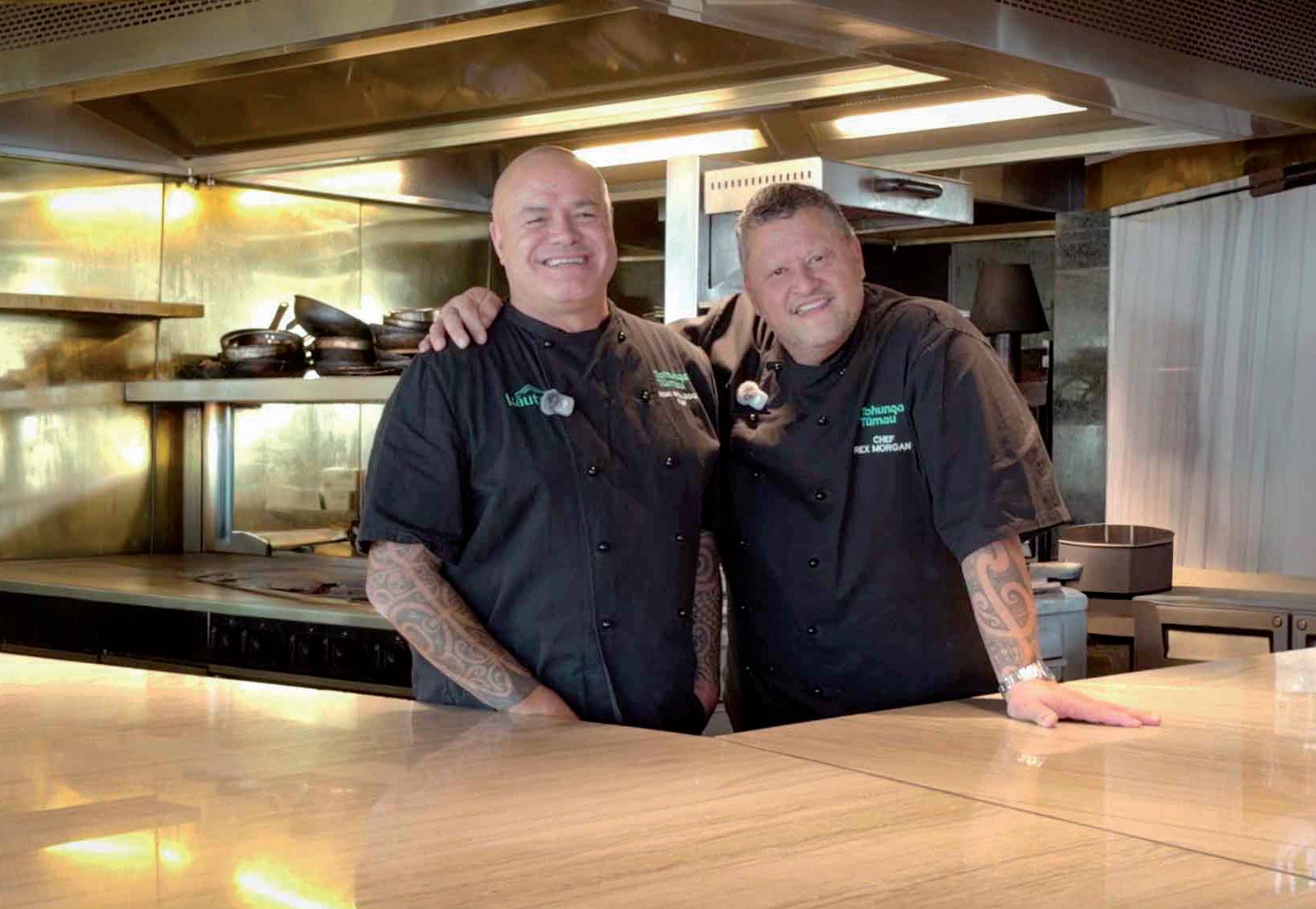
Chef Morgan joined forces with Hāngī Master Rewi Spraggon for the Tūhono Matariki Dinner: a full, à la carte takeover that combined ancient hangi techniques with Chef Morgan’s fine dining.
At the heart of the takeover was a full à-la-carte menu, offering guests a full selection of starters, entrees, mains and desserts has been created for the occasion.
Each dish featured uniquely Aotearoa ingredients, proteins and ancient cooking techniques. Of course, this included Rewi Spraggon’s signature, authentic hāngī technique.
Hāngī-forward dishes included a Watercress and Hāngī Potato Vichyssoise, Roast Chicken with Hāngī Stuffing and a Hāngī Vegetable Terrine. There was also a Hāngī Steamed Pudding with pineapple salsa, custard and banana butterscotch for dessert.
“Hāngi is the oldest dish in New Zealand,” shared Chef Spraggon.
“It was brought here by the first human being who walked on this whenua, his name was Kupe. Every celebration of Matariki includes this ancient food. It is the soul
food of Aotearoa.”
Classic Aotearoa comfort kai was also on the menu, as Creamed Paua on Toast, Fry Bread with golden syrup butter and Fried Hāngī Potatoes with kimchi mayo feature as starters.
The Pressed Tītī and Pork, an entrée, was of particular note. Guests had a rare showcase of muttonbird: a traditional, rich protein that is harvested seasonally under regulated conditions.
The Horopito Beef Cheek with Kawakawa pumpkin purée was also an anticipated main. The peppery, Horopito leaf was a Māori ingredient Chef Rex introduced early in his career.
“Some dishes bring back childhood memories, and good times with whānau,” reflected Chef Rex Morgan on the dishes he and Chef Rewi have crafted for this takeover.
“What has been great since then, is how far indigenous cuisine has come and knowing how far we can still take it,” he added.
“Working with Rewi inspires me. When we collaborate, ideas flow, and things fall into place.” l
On the menu, Matariki can be represented in various ways, but it’s essential there is a connection to land, sea, fire, family and remembrance.
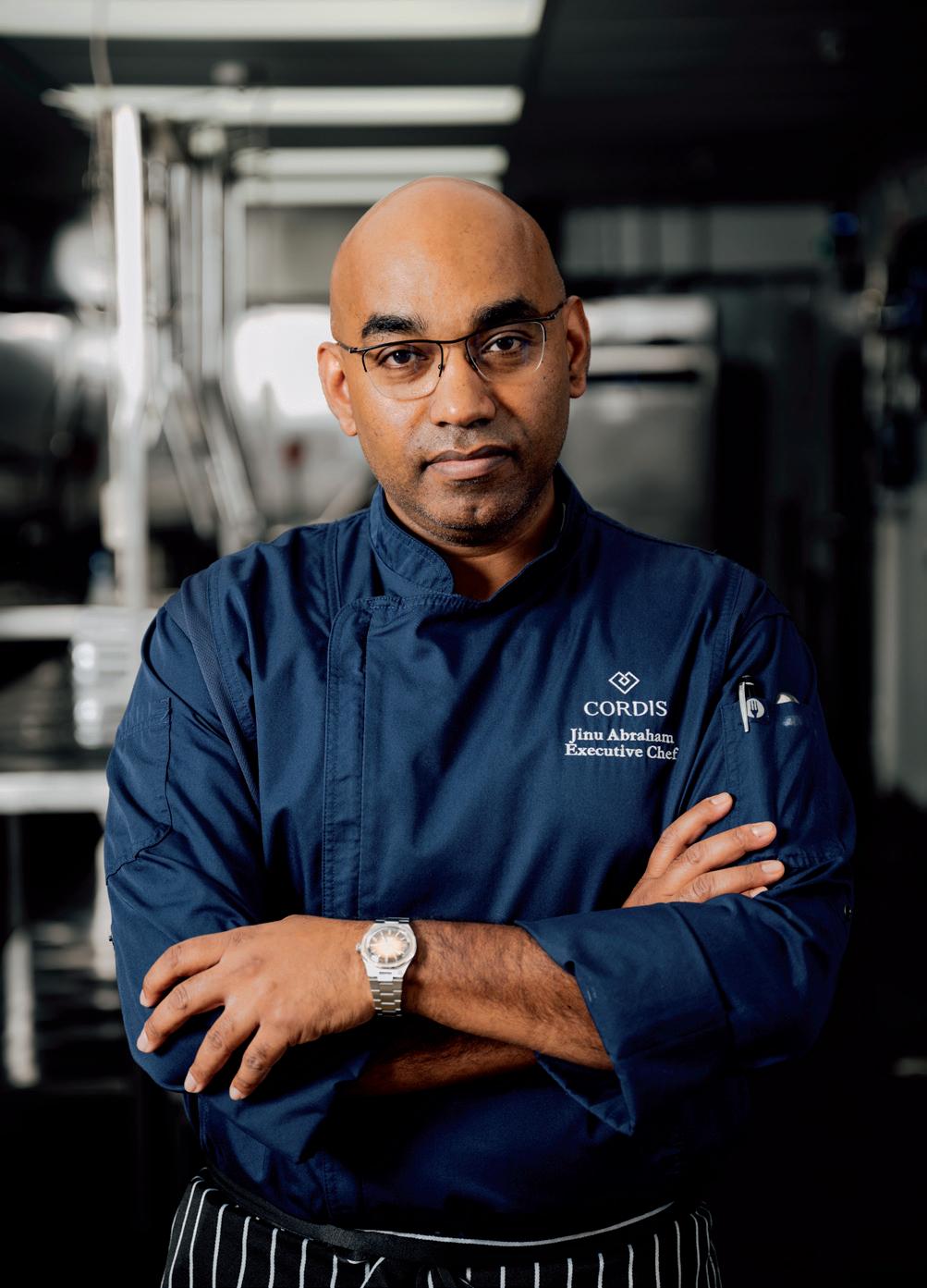
Chef Jinu Abraham, Executive Chef at Cordis, Auckland, has introduced a menu at Eight Restaurant that celebrates each of the nine stars of Matariki.
Chef Abraham said that this was more than just a meal; it was a moment.
“It’s a chance to slow down, connect with the people around you, and mark the Māori New Year in the most delicious way we know how,” said Chef Abraham.
The menu has been crafted to reflect the best of local produce, whilst also honouring the connection between earth’s natural elements and whanau.
Inspired by Waitī & Waitā, the
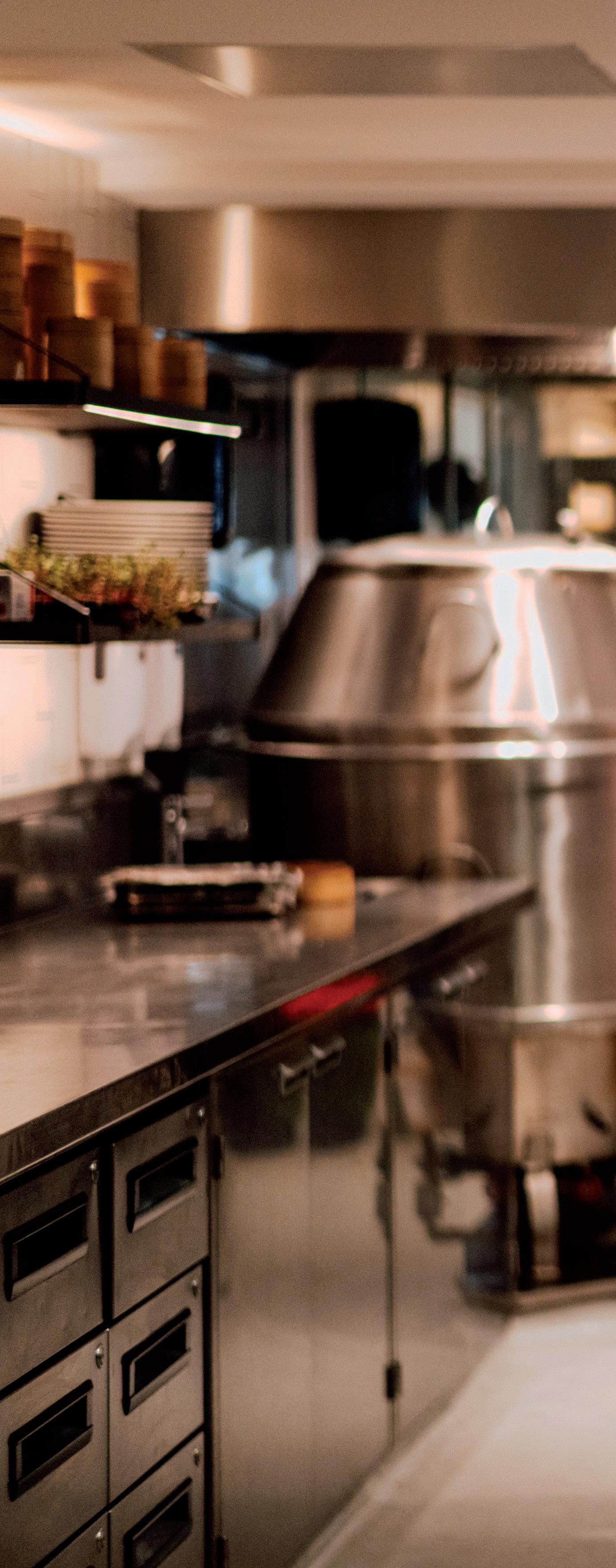
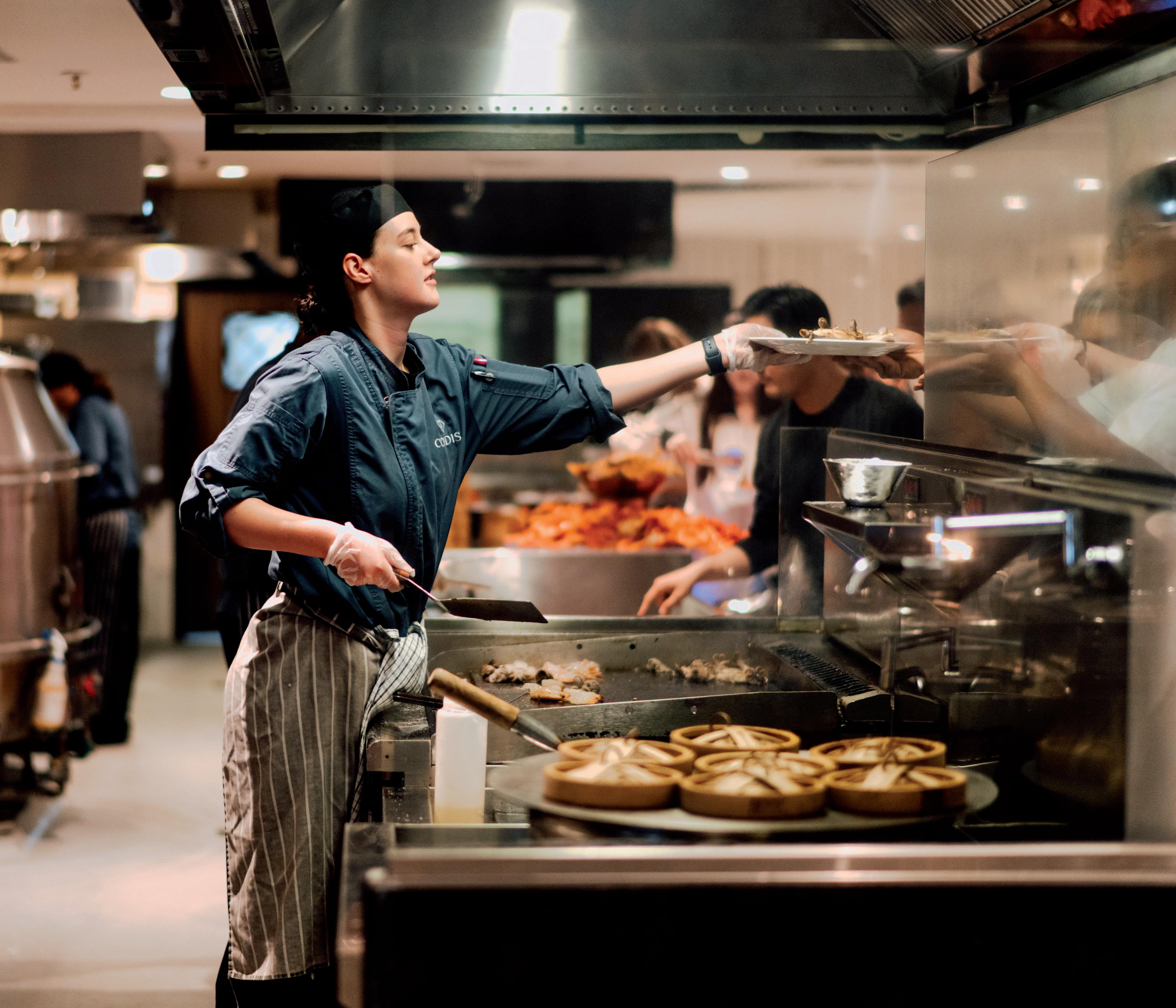
seafood and sushi stations will honour the waters that nourish Aotearoa, bringing together fresh seafood and delicate sushi dishes.
Inspired by the spirit of Matariki, the American Grill represents fire and earth, as well as the connection of land and gathering.
Inspired by Tupuānuku, the star connected to food grown from the earth, the Tandoori Kitchen will showcase the warmth of gathering. Asian speciality (Flames of the Rising Stars) is inspired by Waipunaā-rangi, the star connected to rain, growth, and renewal, while the salad section and the grill are inspired by Tupuānuku, the star connected to food grown from the earth. Sweet treats have also been inspired by
Hiwa-i-te-Rangi.
Chef Abraham has long admired the authentic and unique flavours of New Zealand cuisine. By pairing flavours that represent all the elements of Matariki, Chef Abraham said the taste of Aotearoa was front and centre.
Showcasing the simplicity of ingredients and the powerful volumes they can bring to the menu is another mantra that he has worked by.
“I think people want really honest, good food. And when they pay for it, they must have value for it, and the value is derived from flavour. People come for experiential dining, that's the constant kind of evolution.” l
In hospitality, every detail contributes to the guest experience, and behind every comfortable stay is an operation that runs with quiet efficiency.
Across Australia, hotels are taking a fresh look at the way they approach housekeeping, staffing, and operational costs. Rather than viewing housekeeping solely as a support function, many are recognising its potential to strengthen overall performance and create lasting operational value.
The local hotel and accommodation sector has continued its strong recovery. Hotel occupancy in mid-2026 is hovering around the 80 to 84 percent rate in Auckland, increasing RevPAR to approximately 18.2 percent in Q1. These figures reflect a market performing with confidence.
Even so, operating a hotel has

become increasingly demanding. Since 2019, the cost of servicing each room has increased by more than 20 percent, influenced by higher wages, growing compliance requirements, and rising prices for linen, cleaning products and utilities. Recruitment has also remained challenging, with many properties continuing to compete for experienced housekeeping staff.
As a result, housekeeping has evolved into one of the most resource-intensive areas of hotel operations. This has prompted many operators to reconsider whether managing the function internally is the most effective long-term approach, or whether partnering with a dedicated
specialist could deliver greater value.
Managing housekeeping inhouse provides familiarity and direct oversight, but it also comes with ongoing commitments. Fixed labour costs, continual recruitment, training, scheduling and administration can place significant demands on operators.
Outsourcing services to a specialist housekeeping provider offers a different approach. Accommodation providers gain access to experienced teams, established operating systems and proven quality processes, while also benefiting from a more adaptable staffing model that responds to changing occupancy levels.
While cost savings are often one of the first advantages associated with outsourcing, the greatest benefits come from improved operational efficiency. Specialist providers align staffing with actual demand, streamline workflows and reduce unnecessary duplication, creating a more consistent and reliable operation.
This approach helps minimise staffing shortages, reduces lastminute scheduling pressures and eases the administrative burden of recruitment, rostering and people management. Instead of responding to daily staffing challenges, management teams have more time to focus on guest satisfaction and overall business performance. l
The right staffing partner does far more than just fill vacancies. Specialist recruitment and training providers are helping hotels protect service standards, manage labour costs and build stronger teams for the future.
James Pomeroy, Chief Executive of Pomeroy Group, said specialist providers give hotels access to the right people, at the right level, when they are actually needed.
This assists operators to protect service standards during peak periods while avoiding the fixed cost of carrying unnecessary labour during quieter times.
Hospitality-focused agencies, including premium agencies like Pomeroy Group, understand the pace, pressure and expectations of hotel operators, working to the advantage of tight schedules and fast-paced environments.
Recruitment agencies can also identify candidates who not only have the right technical skills, but also the service mindset, presentation and adaptability required in a hotel environment.
Pomeroy said strong staffing partners build a reliable pool of highly trained professionals who understand hotel standards before they arrive on site.
“That means hotels can flex their workforce around occupancy, events and seasonal demand without compromising the guest experience,” he said.
Structured training creates consistency, confidence and accountability across teams. When staff understand what is expected of them and service standards clearly defined, accommodation providers see fewer mistakes, stronger productivity, better guest feedback and improved staff retention, which all directly support profitability.
According to Pomeroy, there are noticeable workforce gaps within the sector.
“We continue to see shortages in experienced front office, housekeeping leadership, food and beverage service and chefs; for the luxury segment, this is more exacerbated,” he said.
“Specialist providers can help by widening the talent pool, identifying transferable skills, and supporting hotels with both permanent recruitment and flexible staffing solutions.”
The industry is constantly changing, and teams need to be able to respond quickly. Pomeroy mentioned that staffing and training providers help accommodation providers keep capability current, whether that means preparing for peak demand, lifting service standards, onboarding new staff or developing skills across multiple departments or in line with changing industry trends, which
staffing and training providers are usually at the front line of.
Pomeroy said that the best providers do more than fill shifts or vacancies.
“Staffing, training and recruitment providers should be viewed as strategic partners because their impact extends well beyond filling vacancies or sourcing talent when demand increases.”
He added that the right partner will develop a deep understanding of a hotel’s brand standards, operational goals, workforce challenges and guest expectations, allowing them to provide solutions that support both day-to-day performance and long-term business objectives.
Hotels are people-led businesses. Buildings, brands and systems matter to the overall operational efficiency of each property, but the guest experience is ultimately shaped by the people delivering it every day. Investing in the right staffing, recruitment and training partnerships is one of the most practical ways that accommodation providers can protect service quality, manage costs and build long-term capability. l
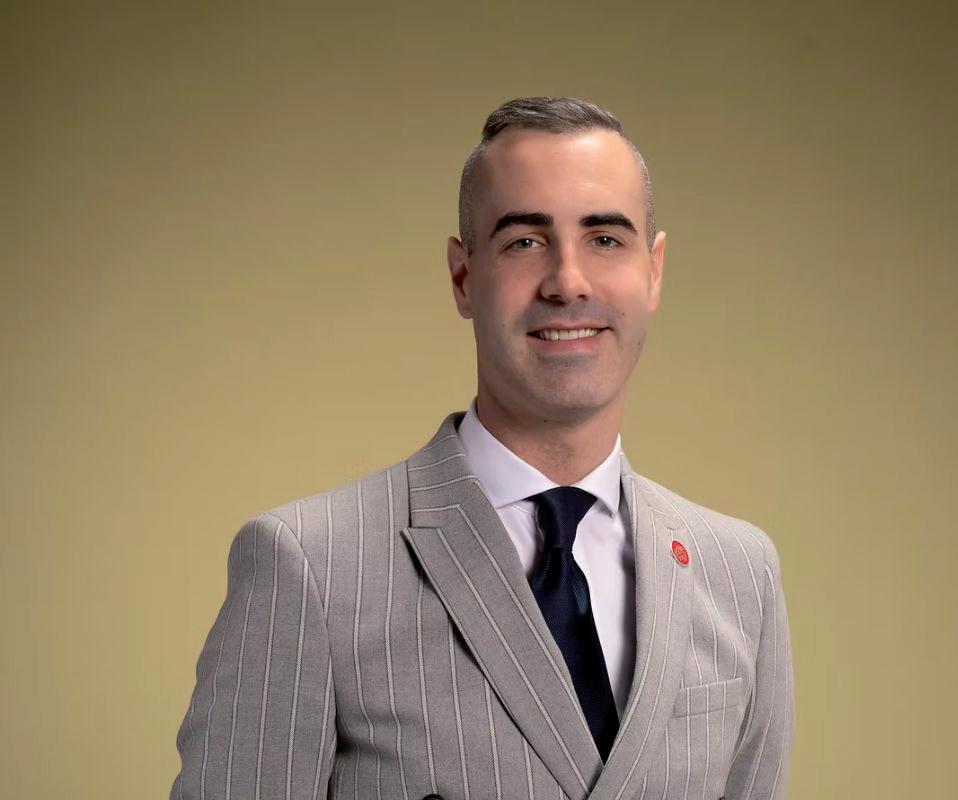
James Pomeroy
Pomeroy Group
For operators, delivering exceptional hospitality requires constant attention. While impressive properties and premium facilities will attract guests, ensuring that every aspect of the property is cleaned to the highest standard is something that every guest will expect from arrival to departure.
To maintain this, outsourcing critical services will not only relieve stress on management but also consistently maintain high service standards with greater operational flexibility and efficiency.
Demand within the hospitality industry can shift quickly. Major events, holiday periods, conferences and seasonal travel often create sudden increases in staffing requirements that are difficult to predict.
Partnering with a specialist staffing provider gives hotels access to experienced hospitality professionals whenever additional support is required. Whether reinforcing housekeeping teams during periods of high occupancy or providing additional banquet staff for large-scale functions, hotels can respond to demand without the delays associated with traditional recruitment.
Exceptional service begins with capable, well-prepared people. Specialist hospitality staffing
providers invest in recruiting, screening and preparing professionals who understand the expectations of premium hotels and are able to integrate smoothly into existing teams.
By supplying experienced personnel who are familiar with hospitality environments, outsourced staffing helps hotels maintain consistent service delivery while protecting the standards guests have come to expect.
Maintaining a large permanent workforce can be challenging when occupancy and business volumes fluctuate throughout the year. Outsourced staffing provides a more adaptable approach, allowing hotels to align labour resources with operational demand.
This flexibility helps control labour costs, reduce unnecessary overtime and minimise the financial impact of recruitment, onboarding and employee turnover, while ensuring service levels remain uncompromised.
Experienced personnel are
required for highly specific positions, particularly during major events or periods of increased activity. Finding suitably qualified employees through traditional recruitment can take valuable time.
Staffing partners maintain networks of skilled hospitality professionals who can quickly step into specialised roles, helping hotels maintain continuity and operational efficiency even when unexpected staffing requirements arise.
Guests may never see the planning that takes place behind the scenes, but they notice the results. Well-supported teams create smoother operations, quicker service and greater attention to detail throughout every stage of the guest journey.
By ensuring hotels have access to experienced, service-focused professionals whenever they are needed, outsourced staffing helps create the consistency that underpins guest satisfaction, positive reviews and lasting brand loyalty. l
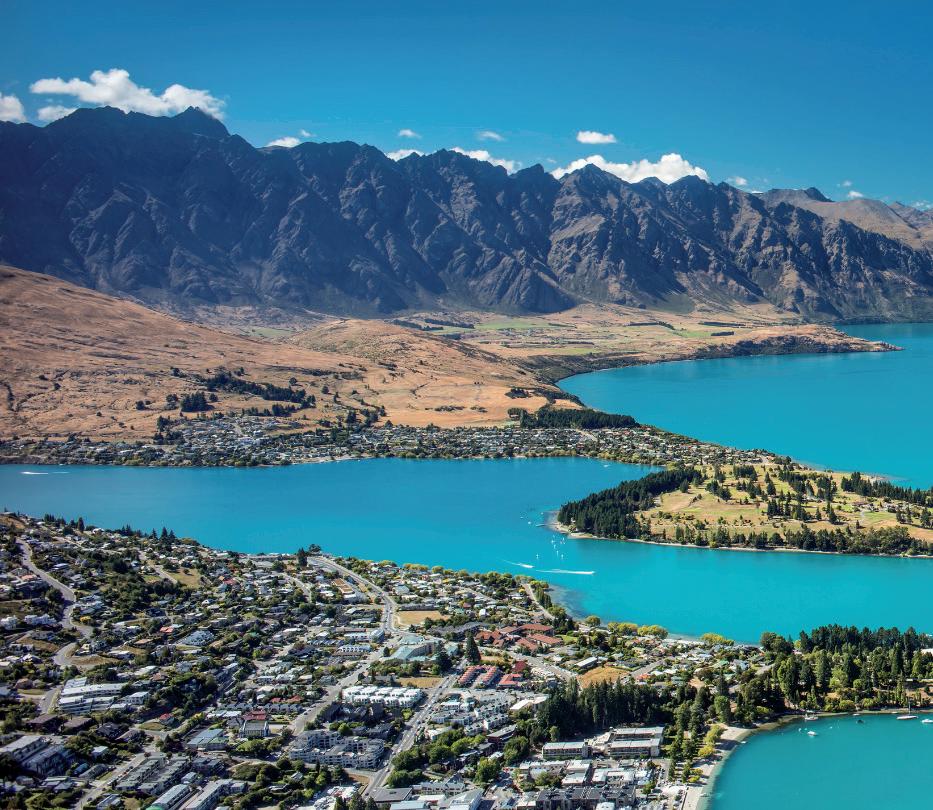
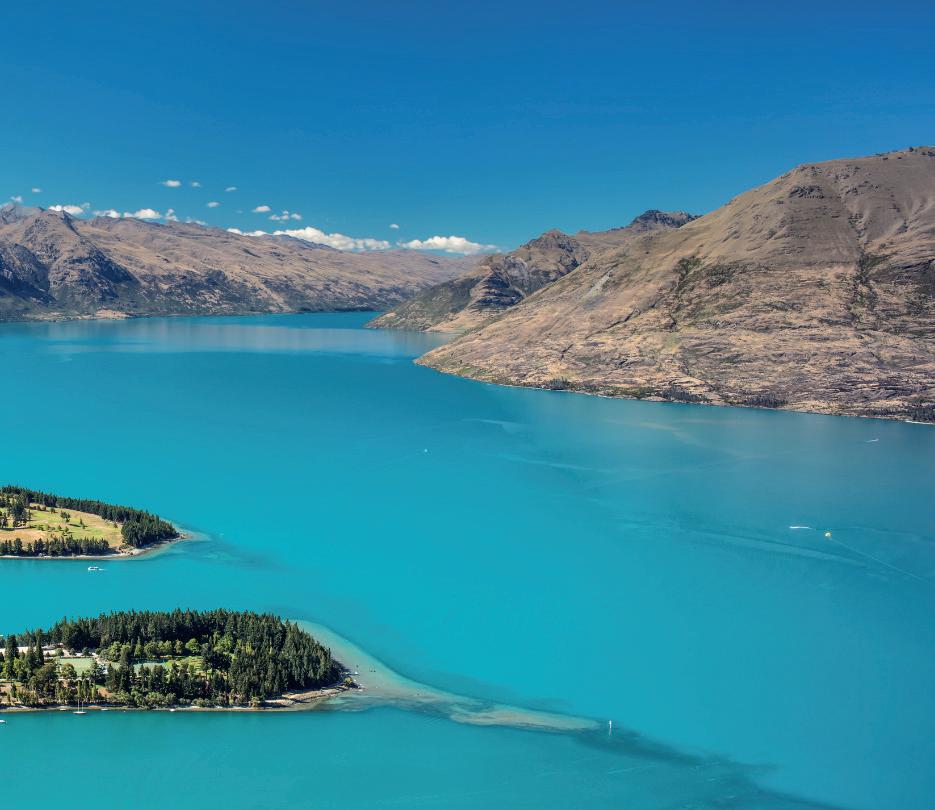
Queenstown and Wānaka have taken another step onto the global culinary stage, with local restaurants receiving outstanding recognition in the MICHELIN Guide.
Five restaurants across the two destinations received coveted MICHELIN Stars, including two stars for Queenstown's Essence, the only restaurant in New Zealand to receive the prestigious two-star rating.
Queenstown restaurants Rātā, Sherwood and Amisfield each received one MICHELIN Star, while Wānaka's Kika also earned a onestar distinction.
A further eight local restaurants were recognised with Bib Gourmand awards for offering exceptional quality at good value. Wānaka's Paloma Taqueria, Bombay Palace, Francesca and Muttonbird were recognised, along with Queenstown's Aosta, Sundays, and The Cow.
Mat Woods, chief executive of Destination Queenstown and Lake Wānaka Tourism, said the results highlight the region's growing reputation as a world-class food and wine destination.
"To see five restaurants receive MICHELIN Stars, including New Zealand's only two-star restaurant, is an extraordinary achievement and one the entire region can celebrate,” said Woods.
“This is global recognition of the exceptional standard of dining experiences visitors can enjoy in Queenstown and Wānaka. It reflects years of passion, creativity and commitment from some incredibly talented chefs and hospitality teams.”
Woods added that food and
drink have become defining reasons people choose to visit the region. Alongside its spectacular scenery and experiences, restaurants are helping shape Queenstown and Wānaka's international reputation as a worldclass destination.
"From award-winning fine dining through to neighbourhood favourites recognised with Bib Gourmand distinctions, the depth and diversity of our hospitality offering is something we're incredibly proud of. Congratulations to every restaurant recognised."
Thirteen restaurants in Queenstown and Wānaka were also included in the official MICHELIN Guide selection.
Backed by Tourism New Zealand, the arrival of the MICHELIN Guide marks the beginning of a new chapter for New Zealand's international food and wine tourism.
After months of anonymous inspections, 110 establishments in Auckland, Wellington, Christchurch and Queenstown were recognised; 15 with MICHELIN Stars, 35 with a Bib Gourmand, and a further 60 included in the official MICHELIN Guide selection.
The MICHELIN Guide is expected to further raise the country's global culinary profile, creating new opportunities for destinations such as Queenstown and Wānaka to attract visitors seeking world-class dining experiences. l
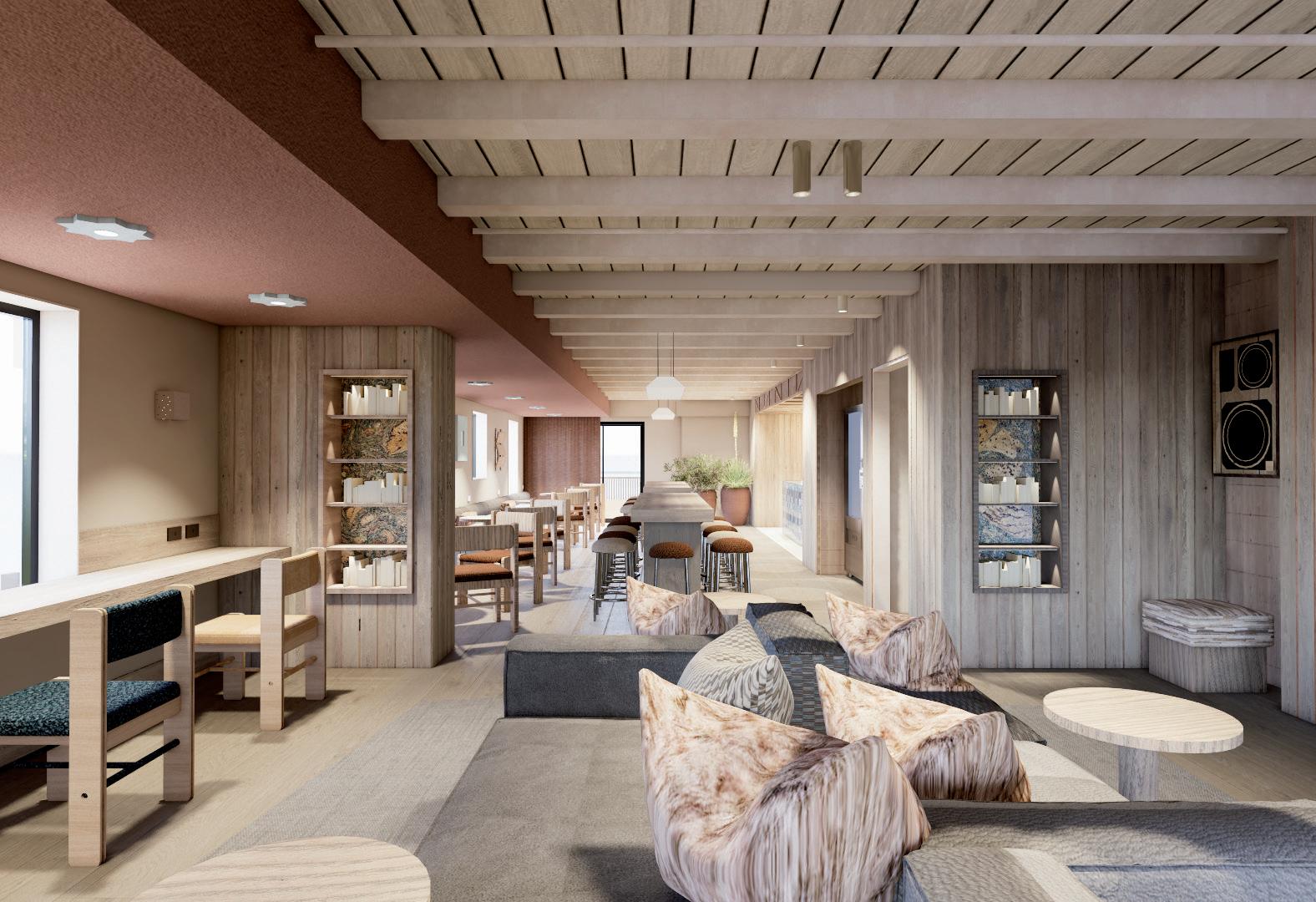
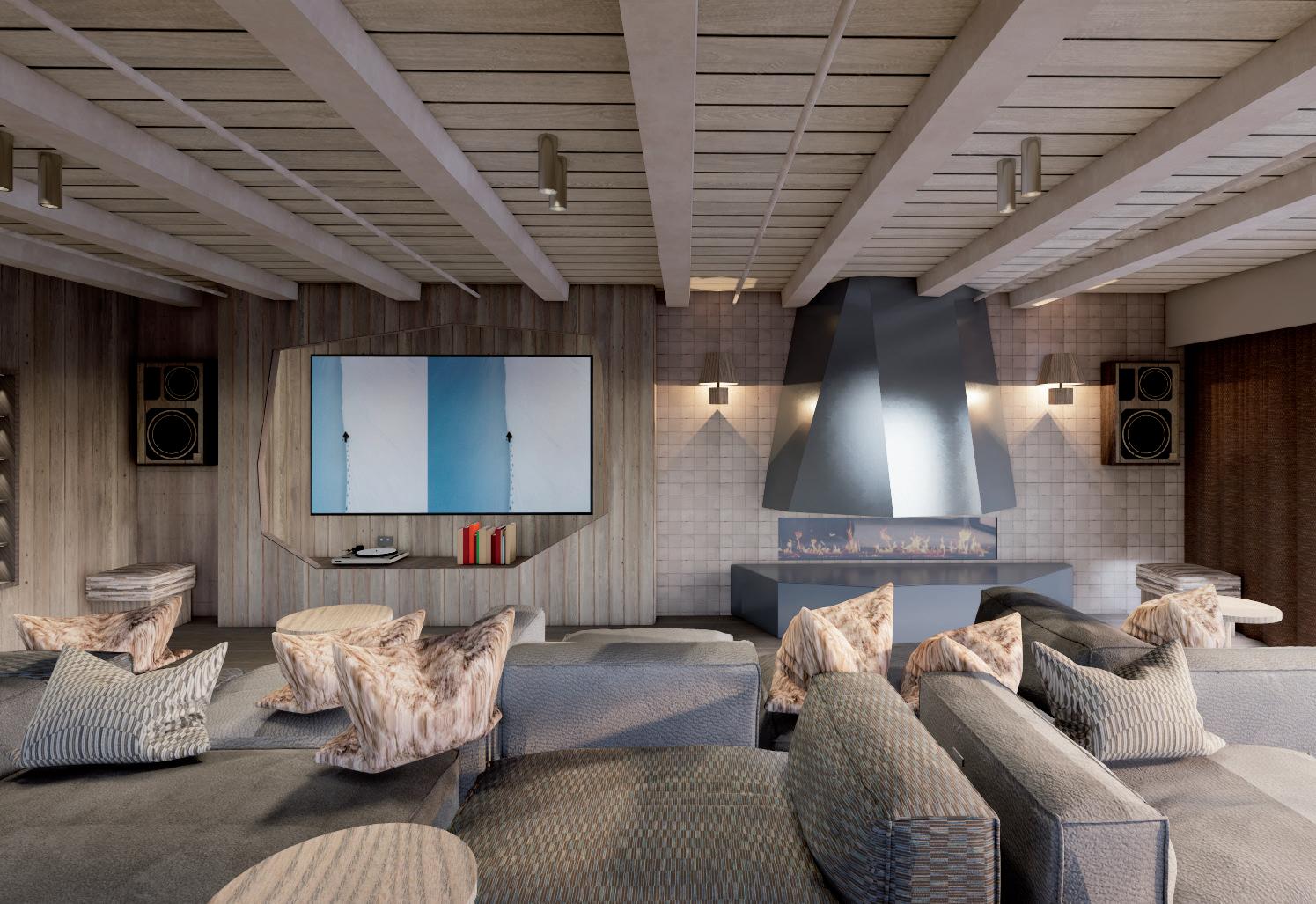
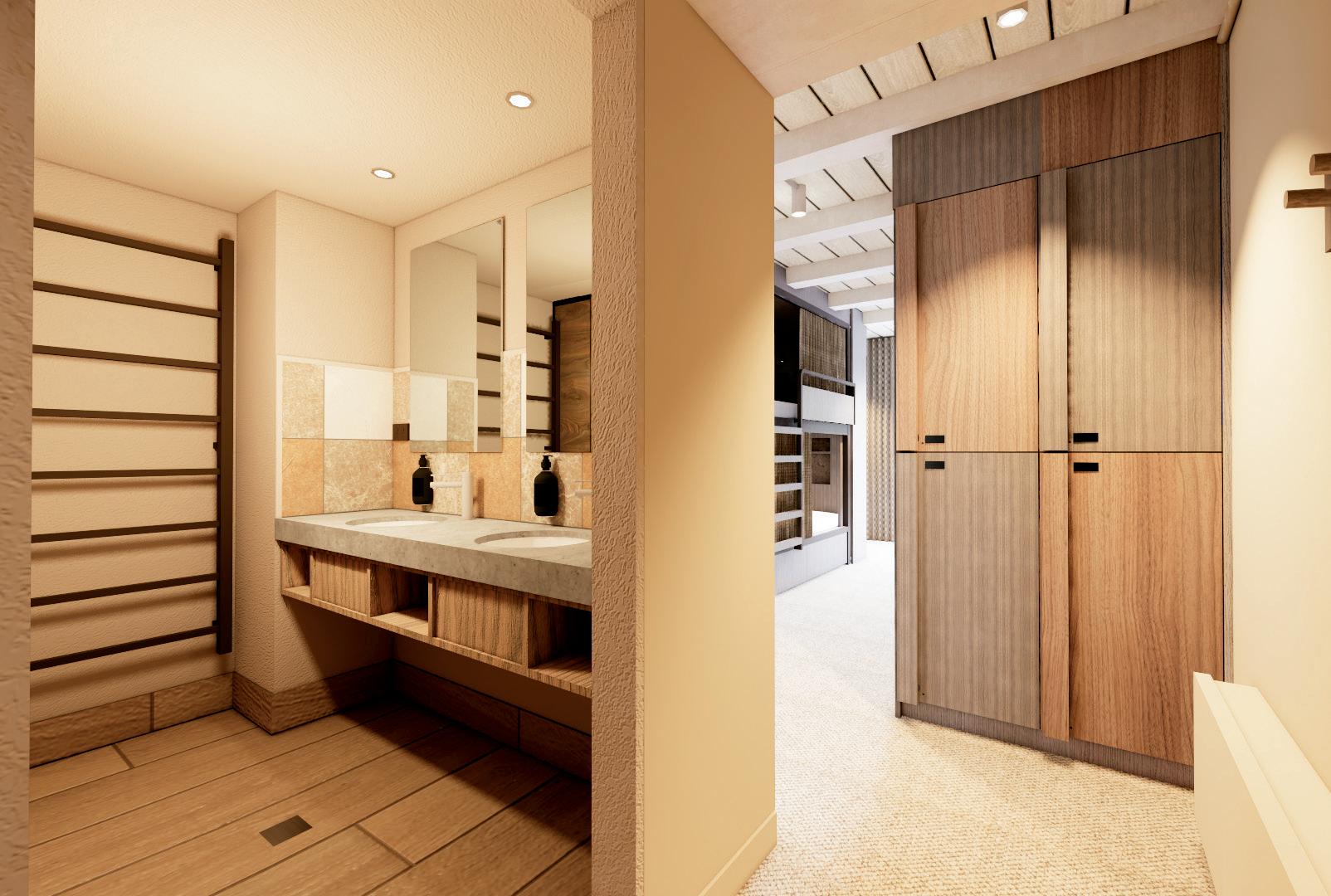
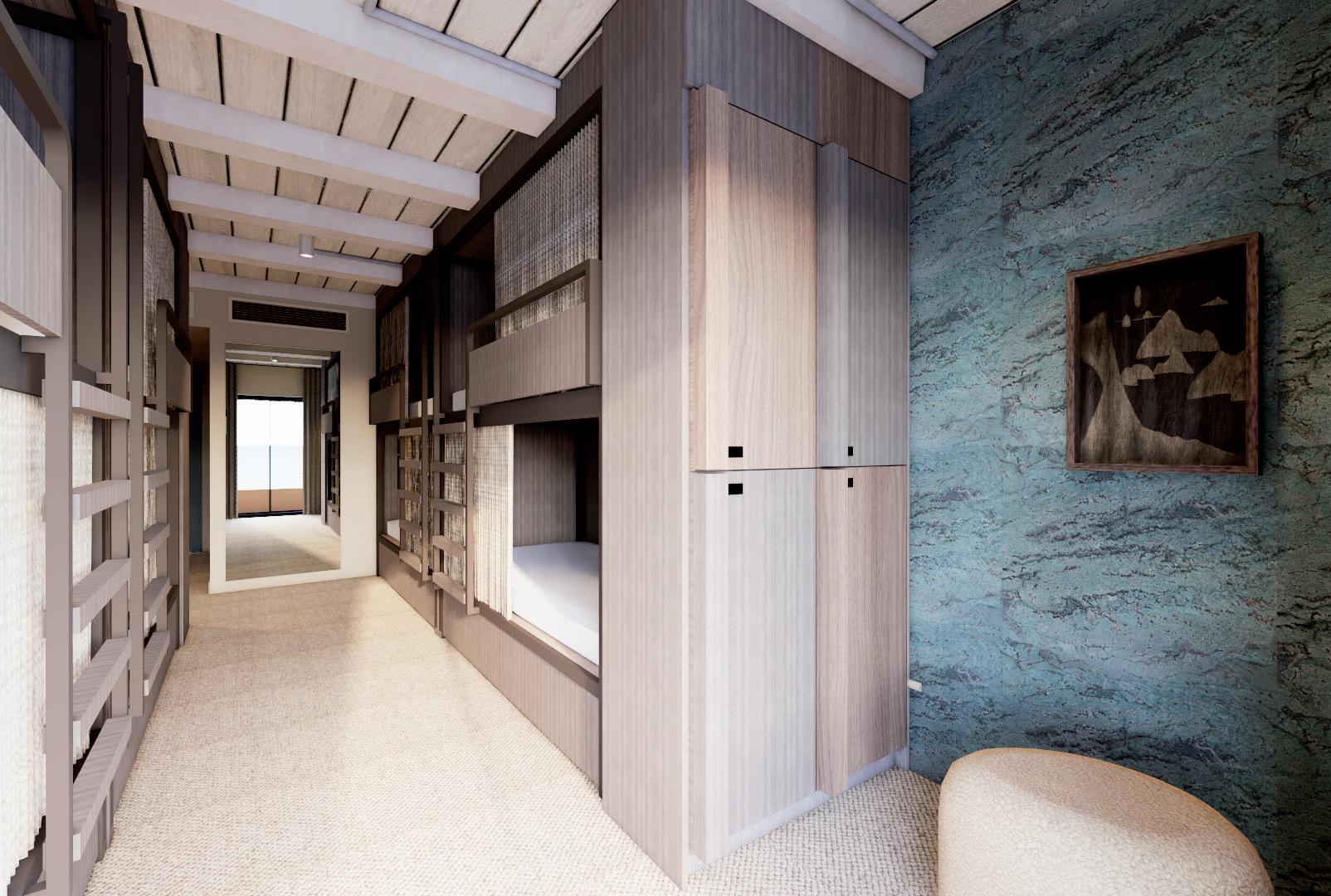
CTRL Space has been appointed to reimagine a landmark Queenstown accommodation site into a lifestyle-led hospitality destination.
Today’s travellers are incredibly design literate. They want spaces that feel authentic, memorable and connected to place, but they also expect flexibility, technology integration and social connection,
of lifestyle accommodation, with Trans-Tasman design studio CTRL Space appointed to lead the interior design vision for the redevelopment of 46–49 Shotover Street.
The project marks another milestone for the Aucklandfounded studio, which recently expanded into Queenstown, complementing its existing studios in Auckland and Brisbane.
Owned by Gaw Capital Partners (GCP), the centrally located property was acquired for approximately NZD 31 million in a highly competitive sale process, with strong interest driven by the rarity of properties of this scale
and location coming to market in central Queenstown. The site will be repositioned as a contemporary hybrid hotel designed for a new generation of global travellers.
The four-storey property occupies a 1,000sqm freehold site in the centre of Queenstown and includes active ground-floor retail frontage alongside upper-level visitor accommodation.
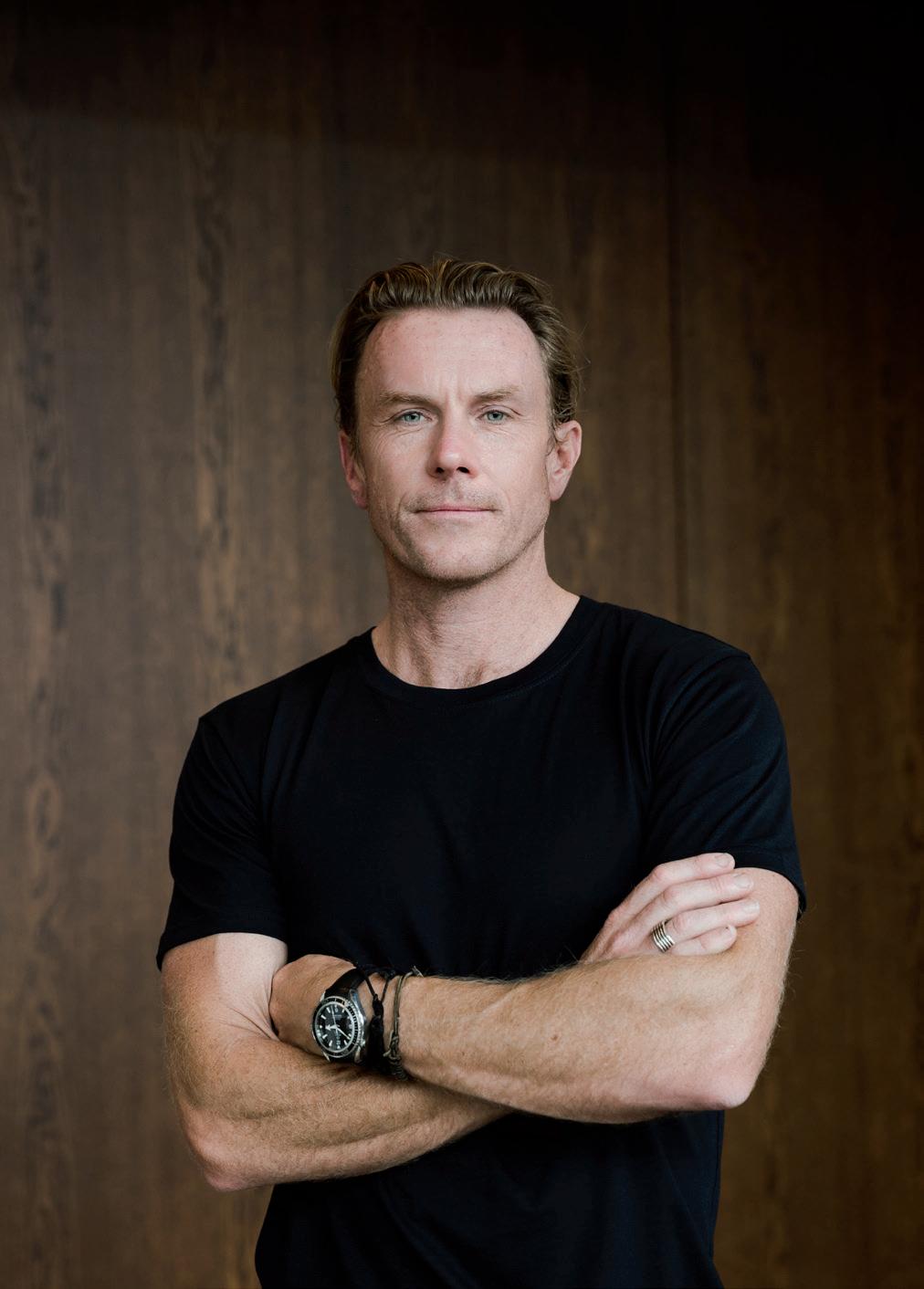
CTRL Space founder Chris Stevens said the project represents a shift in how hospitality environments are being designed for younger, more social travellers.
“Hospitality is changing rapidly, particularly with millennial and Gen Z travellers who are placing far greater value on experience, atmosphere and connection than traditional ideas of luxury,” said Stevens.
“What interested us about this project was the opportunity to create something far more layered than a conventional hotel or hostel offering. The ambition is to create a lifestyle-driven destination that feels globally relevant while still being unmistakably Queenstown.”
Rather than relying on surfacelevel styling, CTRL Space’s design strategy is grounded in a deeply considered architectural approach that puts people at the centre of the project.
Drawing inspiration from international lifestyle hospitality brands such as The Hoxton, the design direction reinterprets Queenstown’s alpine heritage through a contemporary lens,
referencing local chalets, schist barns, ski culture and rugged natural textures while balancing social energy with comfort and warmth.
The proposed accommodation model combines lifestyle-focused hotel rooms with premium dorms, alongside communal kitchens, co-working areas, lounges and activated ground-floor hospitality spaces designed to encourage interaction and community.
CTRL Space is known for its behaviour-led approach to hospitality environments, designing spaces around how people gather, move and connect
Stevens said the project reflects a broader global shift toward hybrid hospitality environments that blur the lines between hotel, social hub and flexible living.
“Today’s travellers are incredibly design literate. They want spaces that feel authentic, memorable and connected to place, but they also expect flexibility, technology integration and social connection,” he said.
“Queenstown already attracts an adventurous and globally minded audience, so there’s an opportunity here to create something that genuinely adds to the cultural and hospitality landscape of the town.”
Works are expected to commence in the next month with completion anticipated early 2027.
The project adds to CTRL Space’s growing hospitality and lifestyle portfolio across New Zealand and Australia. l
St. Regis will debut in Queenstown, with an opening timeframe set for late 2027, according to Marriott International.
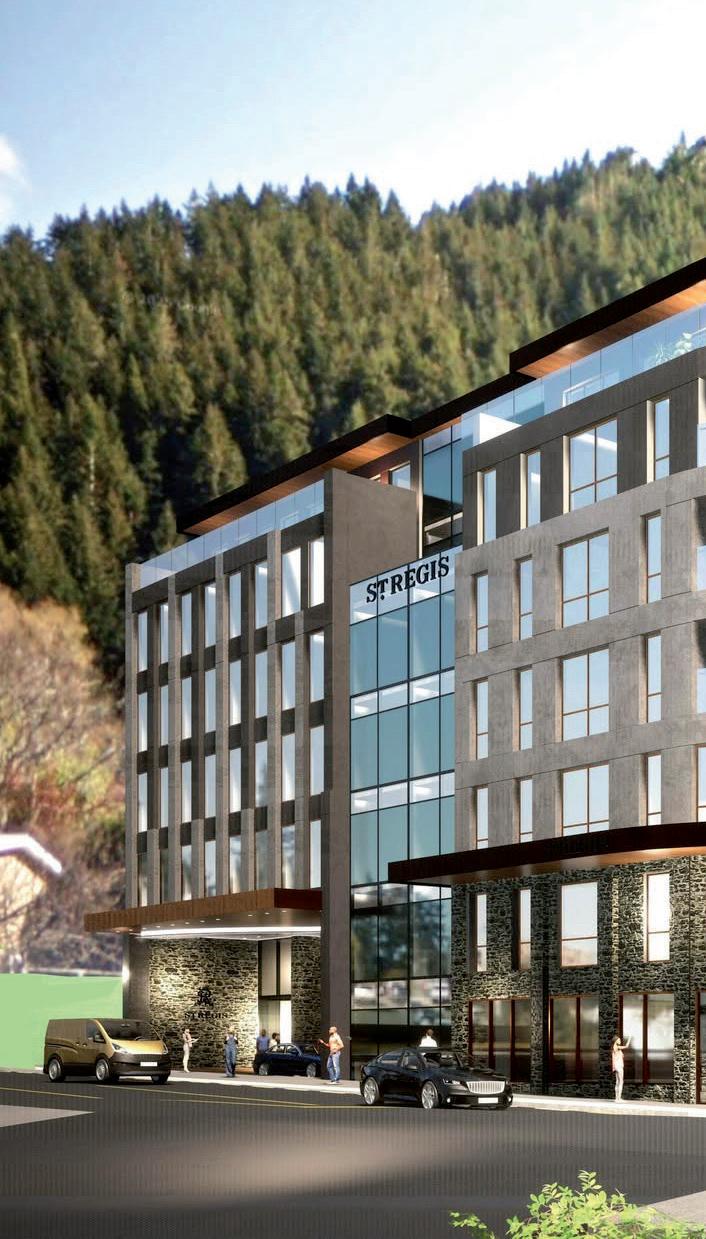
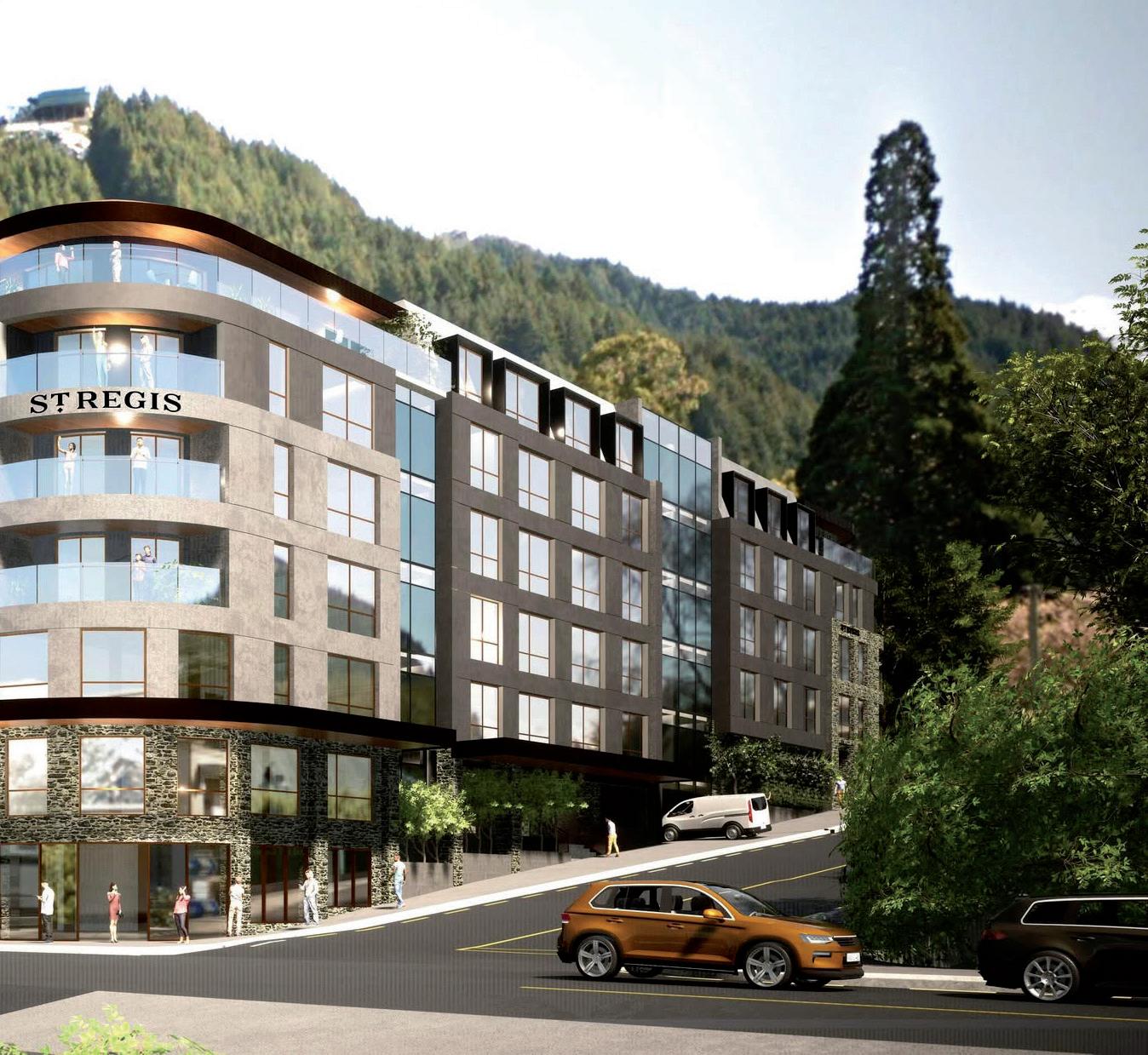
Marriott International, Inc. has announced a signed agreement with PHC Queenstown Limited to debut St. Regis Hotels & Resorts in Queenstown, New Zealand. Combining timeless glamour and vanguard spirit, the property is anticipated to offer exquisite experiences in one of the world's finest addresses starting in late 2027.
The hotel is set to be located on a prominent corner site in central Queenstown, with views to The Remarkables mountain range and Lake Wakatipu. Expected to feature 145 rooms, this new-build luxury hotel is set to be Marriott’s inaugural foothold in Queenstown as the first St. Regis hotel in New Zealand.
“Securing a luxury presence in Queenstown has been a strategic priority for Marriott, and we’re thrilled to soon establish the iconic St. Regis brand in such an exceptional destination. Founded on New York’s 5th Avenue more than 120 years ago, St. Regis is a globally revered name in luxury that is sought after by discerning travellers worldwide. Queenstown attracts more than two million visitors annually, making it ideal for a world-class luxury hotel. We are especially proud to sign another agreement with the Pandey family, a continued collaboration that reflects the trust and strong relationship between the two companies,” said Richard Crawford, Vice President of Hotel Development, Australia,
New Zealand and Pacific, Marriott International.
“This latest signing is another example of Marriott’s leadership as the world’s largest operator of luxury hotels, a rapidly growing segment in the industry. The St. Regis Queenstown is set to be undeniably the destination’s finest hotel offering and will further elevate Queenstown’s status as a must-visit destination.”
Alongside the planned 145 luxurious guestrooms and suites, The St. Regis Queenstown is expected to feature the famed hallmarks of the brand, including sophisticated bar and dining offerings such as The Drawing Room, The St. Regis Bar, an all-day dining venue and an event space. St. Regis’ butler service has been
a signature offering of the brand for over a century, and will offer guests anticipatory, personalised service that ensures their unique preferences are understood and realised. Revered around the world as best-in-class, the Butler Service experience includes packing and unpacking services, garment pressing, and personalised in-room beverage and wake-up services.
The St. Regis Spa is slated to offer a hydrothermal facilities zone and a relaxation and wellness lounge, complemented by the hotel’s indoor heated pool and fitness centre.
“We are incredibly excited about this development, which will bring to New Zealand, and specifically Queenstown, a new level of luxury accommodation and services. We believe this is a strategic addition
to our portfolio of 30 hotels in operation and under development across New Zealand, as we continue to invest in the luxury and upscale markets," said PHC’s Managing Director, Prakash Pandey.
"We are a strong supporter of New Zealand-owned developments working with international brands and operators, to deliver the perfect balance of the quintessential Kiwi experience, delivered to the highest world-class standards,” he said.
During the construction phase, PHC will deliver significant investment directly into the Queenstown economy and, in the longer term, be a critical employer within the community.
“This is our third property with Marriott International and
is part of an ongoing, strategic and growing relationship. The St. Regis Queenstown will set a new benchmark in the hospitality sector within New Zealand, and we are delighted to be able to showcase the very best of New Zealand to both domestic and international guests.”
Established in New York in 1904, the St. Regis portfolio today comprises more than 65 celebrated properties globally and continues to evolve as it offers guests exceptional service.
The St. Regis Queenstown will join Marriott’s growing pipeline of St. Regis Hotels in the Australia, New Zealand and Pacific (ANZP) region, and marks the company’s third signing for the brand in the region. l
IHG Hotels & Resorts will debut in Queenstown, with an opening timeframe set for late 2027, according to Marriott International.
IHG Hotels & Resorts announced the conversion of Holiday Inn Express & Suites Queenstown to voco Queenstown, partnering with asset owner, developer and manager, Pro-invest Group, to reposition the highly regarded, centrally located hotel within IHG’s premium portfolio.
The 227-room property, operated by EVT Connect Hospitality, is superbly situated in the heart of Queenstown, just a short stroll from the lakefront and the town’s popular dining, retail and tourism precincts. This conversion represents a considered evolution of the asset, aligning its prime location, scale and performance profile with a premium brand proposition.
The hotel has transitioned to the voco brand and reopened as voco Queenstown following a refurbishment that includes the upgrade of its meeting spaces, a new Private Dining Room, new outdoor dining space and a restaurant and bar, Mozzarella & Co. Together, these enhancements
are designed to strengthen the property’s commercial mix, broaden its appeal across leisure and corporate segments, and support sustained long-term performance.
“This is a strategic repositioning of a great hotel into an even stronger proposition,” said Tripolone.
“By working closely with Proinvest Group and their operating partner EVT Connect Hospitality, we are aligning the right brand with the right asset, and the right location, taking a long-term view to support sustainable returns. Conversions like this demonstrate how we partner with owners to maximise value through brand strength, commercial capability and efficient execution.”
New Zealand’s hotel market continues to be defined by disciplined development activity, an increased focus on asset quality, and a growing emphasis on unlocking value from existing properties. Against this backdrop,
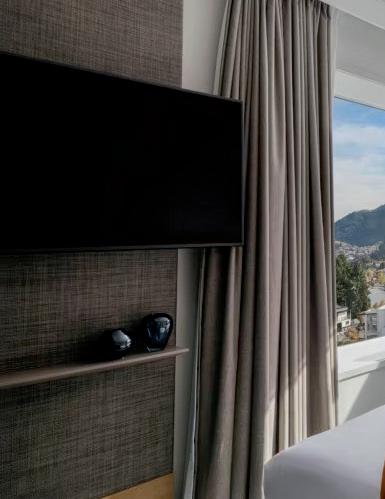
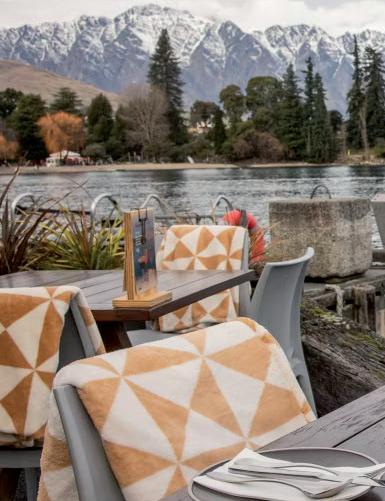
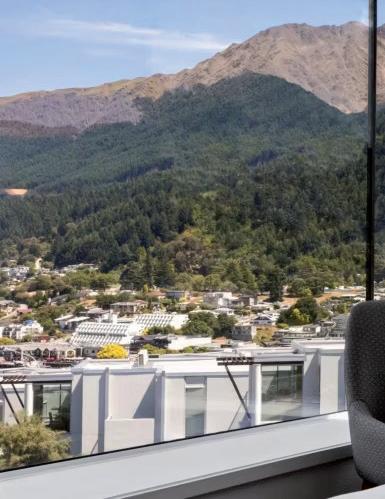
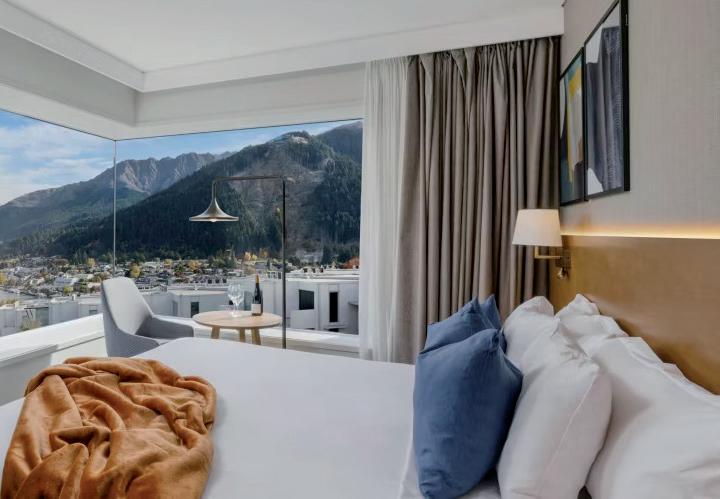
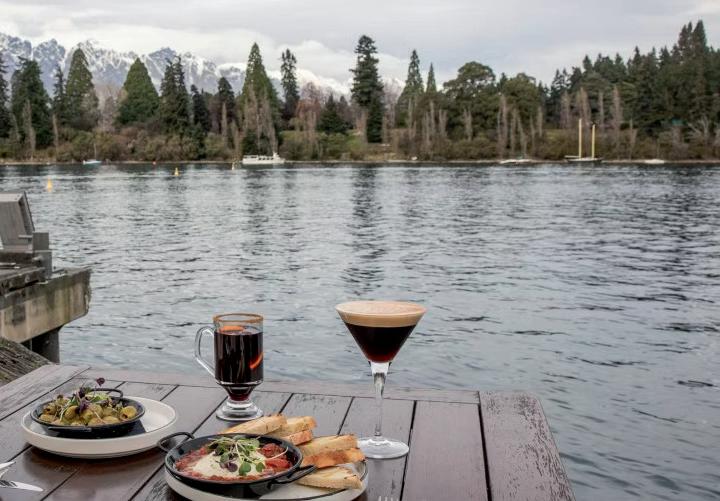
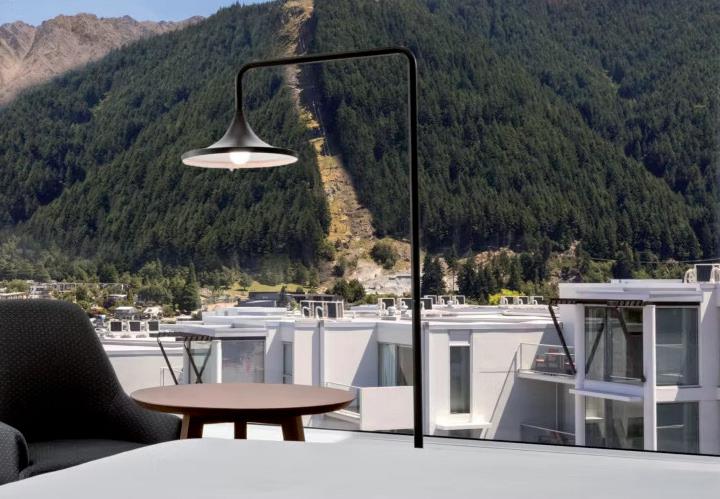
Image credits: voco Queenstown, IHG Hotels & Resorts
Queenstown remains a standout destination, underpinned by strong year-round visitation, a well-established international profile, and sustained demand for well-located, high-quality accommodation.
Ronald Stephen Barrott FRICS, Pro-invest Group Founder and Chairman, said the decision reflects confidence in both the asset and IHG’s premium platform.
“This hotel has an established track record and an exceptional location in the Queenstown market,” said Barrott.
“Transitioning to voco allows us to reposition the asset for its next phase, leveraging IHG’s scale, systems and premium brand strength to support long-term performance.”
voco Queenstown will join IHG’s growing premium portfolio in New Zealand and will is fully integrated into the company’s enterprise platform, including global distribution, sales and its IHG One Rewards loyalty programme. l
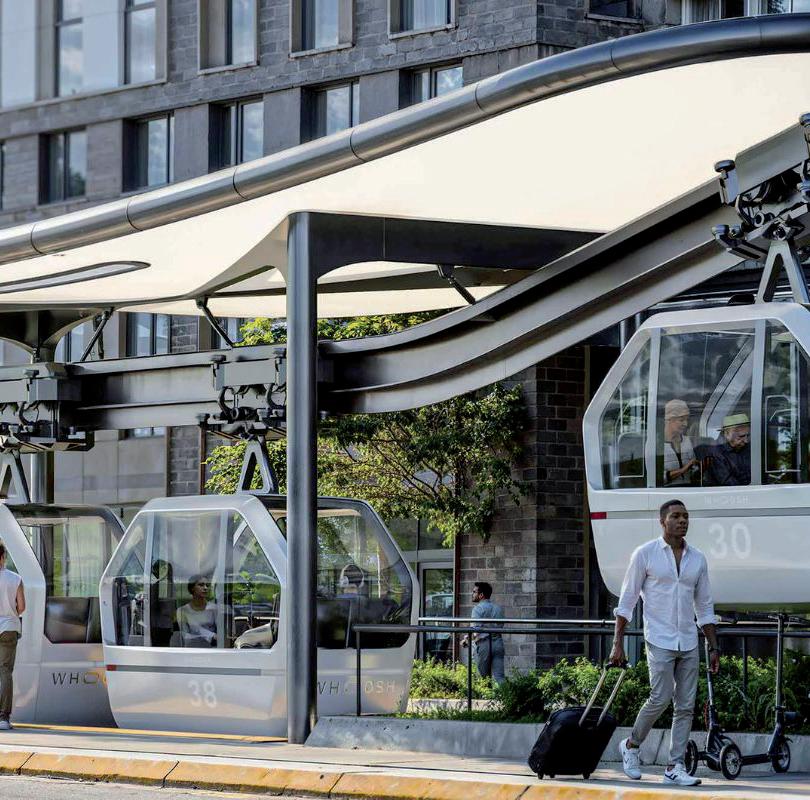
Queenstown business leaders have rallied together to explore the possibility of the Whoosh transport system becoming a reality.
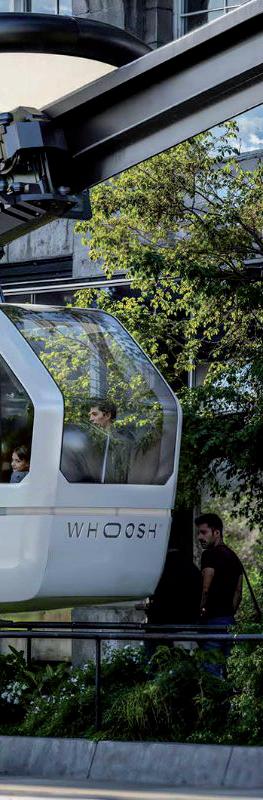
Agroup of Queenstown business leaders have joined forces to undertake a feasibility study and consenting pathway for Whoosh, an electric transport solution to tackle the town’s congestion challenges.
The consortium of leaders from NZSki, Remarkables Park, Skyline, Queenstown Airport Corporation, Technology Queenstown and Queenstown Resort College has initiated the work to consider
Traffic congestion in Queenstown is affecting daily commutes, business productivity and the visitor experience. It has real costs for locals and the town’s reputation, and there is an urgent need to explore new approaches alongside traditional public transport options.
whether a staged network of autonomous electric vehicles running on cables and rails above existing roads can significantly improve transport options for Queenstown’s residents and visitors.
The announcement of the consortium’s formation was made on the first day of Electrify Queenstown 2026, New Zealand’s premier event on electrification, clean energy and sustainable business.
The group is applying its extensive capabilities and experience to advance a networked transport solution for Queenstown. They have also opened discussions with Southern Infrastructure, the company promoting the Queenstown Cable Car proposal, and will continue to explore possible opportunities to ensure Queenstown’s transport options are fully optimised.
“Traffic congestion in Queenstown is affecting daily commutes, business productivity and the visitor experience. It has real costs for locals and the town’s reputation, and there is an urgent
need to explore new approaches alongside traditional public transport options,” explained group spokesman Matthew Day.
“The businesses behind this work, like all residents, depend on Queenstown functioning well. That gives us all the incentive and the responsibility to help progress practical solutions.”
The Whoosh network is proposed to be staged, with an initial focus on local journeys along Frankton Road, from downtown to the airport through and around Remarkables Park to the The Remarkables Ski Area Transport Hub on the southern side of the Kawarau River.
Whoosh works as a network of routes that can be easily added to in a modular manner, supporting and integrating with other transport options to form an integrated multi-modal distribution network. That flexibility means Whoosh could serve everyday travel patterns across and around urban Queenstown, including key local destinations like Wakatipu High School, supermarkets, and residential suburbs.
Tourism Industry Aotearoa (TIA) has made a submission on the Government’s Conservation Amendment Bill, calling it a "once-in-a-generation" chance to modernise outdated legislation.
In June 2026, the Government released New Zealand’s Tourism Policy Statement, which has defined the roles and responsibilities of the tourism sector across central government, local government and industry. In the policy statement, it was outlined that New Zealand’s natural environment, a third of which is under the stewardship of DOC, was a key foundation for the tourism proposition.
DOC is a critical actor in the tourism system, and a key part of its role is administering tourism concessions on conservation lands. This includes setting conditions that enable access and high-quality experiences while protecting natural and cultural values. DOC delivers these outcomes working in partnership with Treaty partners, local government, community groups, regional tourism organisations and concessionaires.
TIA Chief Executive Rebecca Ingram said the Bill largely reflected changes to the concession system that TIA has long advocated for, but change is also needed.
"We support the Government's commitment to reforming New Zealand's conservation framework; there are aspects of the Bill we
agree on, and a few things we’d like to see changed and strengthened," said Ingram.
"The law DOC currently used to manage tourism activity is obsolete, and it creates unnecessary barriers to decisions. Modernisation is long overdue. However, modernisation cannot come at the cost of conservation primacy. That is a fundamental principle of the legislation, and it must stay."
TIA's submission supported aspects of the Bill but made substantive recommendations for change in several areas.
On the proposed functions of DOC, TIA believed the shift toward economic development, to the greatest extent practicable, was too far. It said the Act should include a purpose clause confirming that conservation remains the overriding purpose of the Act, while enabling positive economic development.
TIA has supported modernising the concession system but would like to see greater clarity on competitive allocation, preapproved concessions, and protections for existing operators who've invested heavily in conservation-based businesses.
On the proposed access levy for international visitors at certain high-visitation sites, TIA supported
the introduction of practical international visitor access charges, provided revenue is reinvested at the site of collection.
This stance has followed the recent changes that TIA made to its Tourism 2050 Blueprint, which outlined its priorities in ensuring the longevity and future viability of the tourism sector in New Zealand.
“Tourism has a profound ability to contribute to the wellbeing and restoration of conservation lands and places, and getting operators well lined up with the Department of Conservation will result in important gains for nature and more streamlined processes for both operators and DOC itself,” the Blueprint outlined.
TIA’s annual Declaration 2025 found that 98 percent of its members agreed that sustainability was important to their businesses, 91 percent have taken some predator-free action, 56 percent have sustainability as part of their business metrics, 48 percent see sustainability as a top business priority, 48 percent have a written sustainability plan, and 22 percent have a sustainability budget.
This has illustrated the nature of tourism businesses and their commitment to sustainability and the environment. l
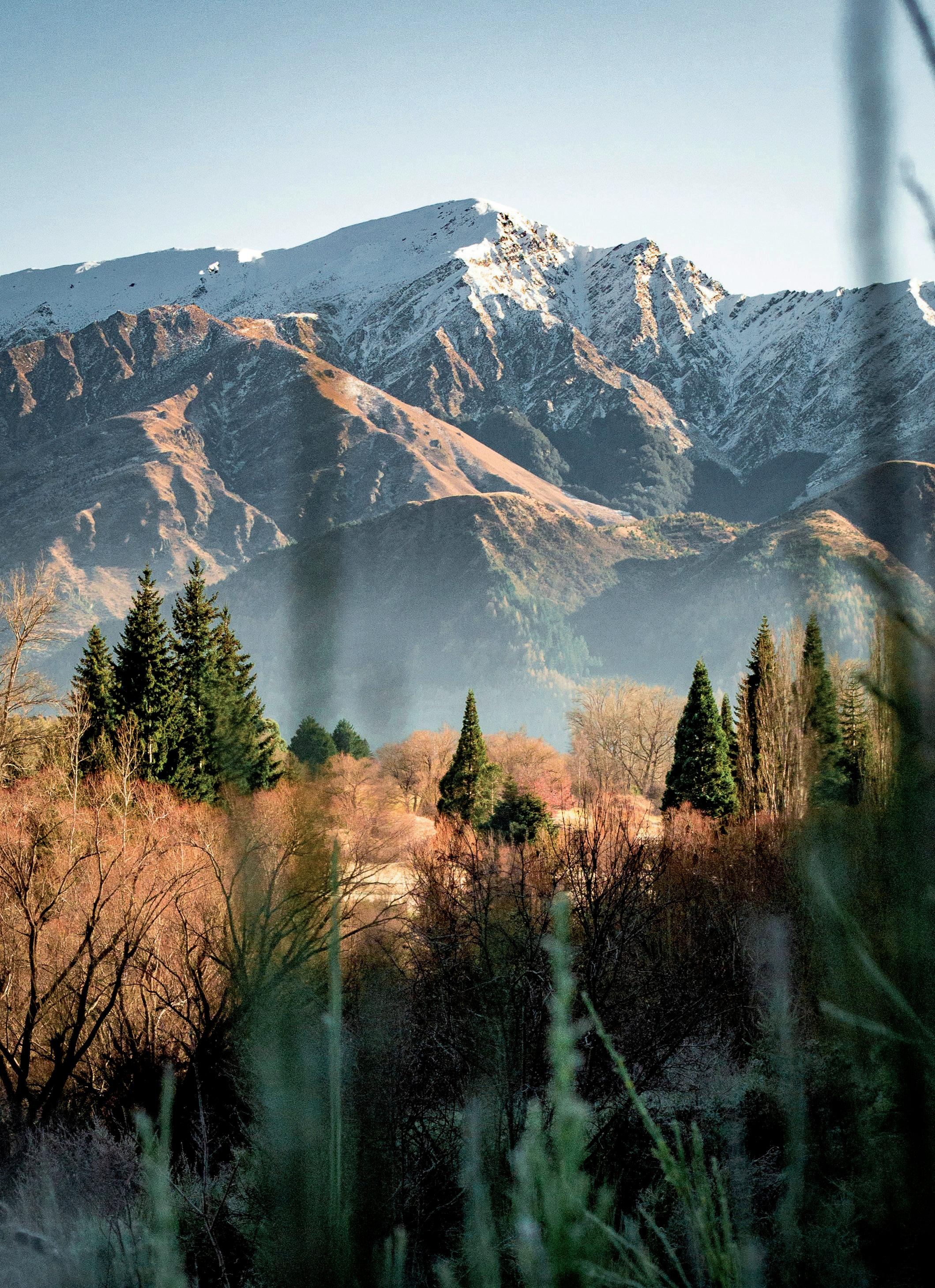
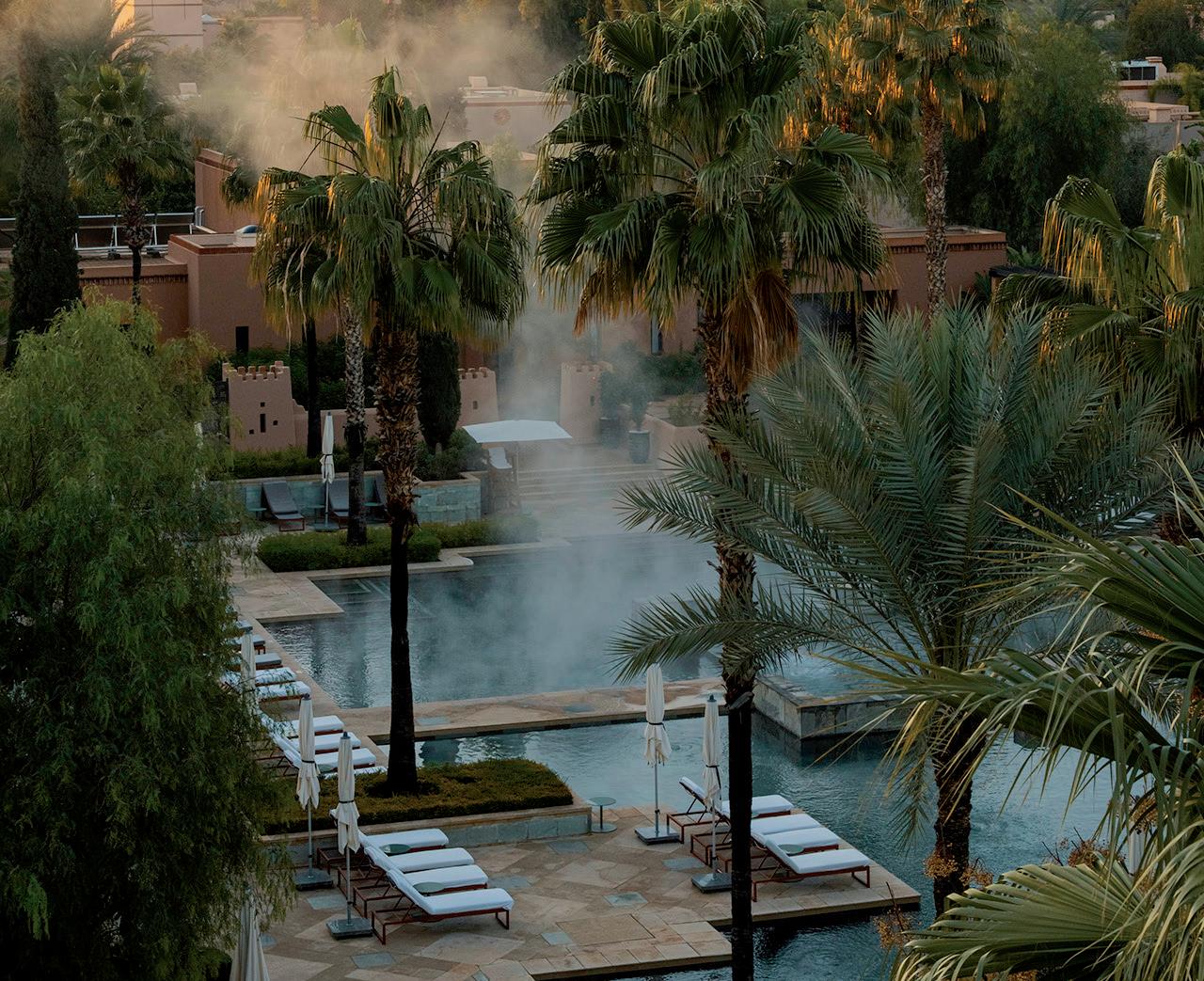
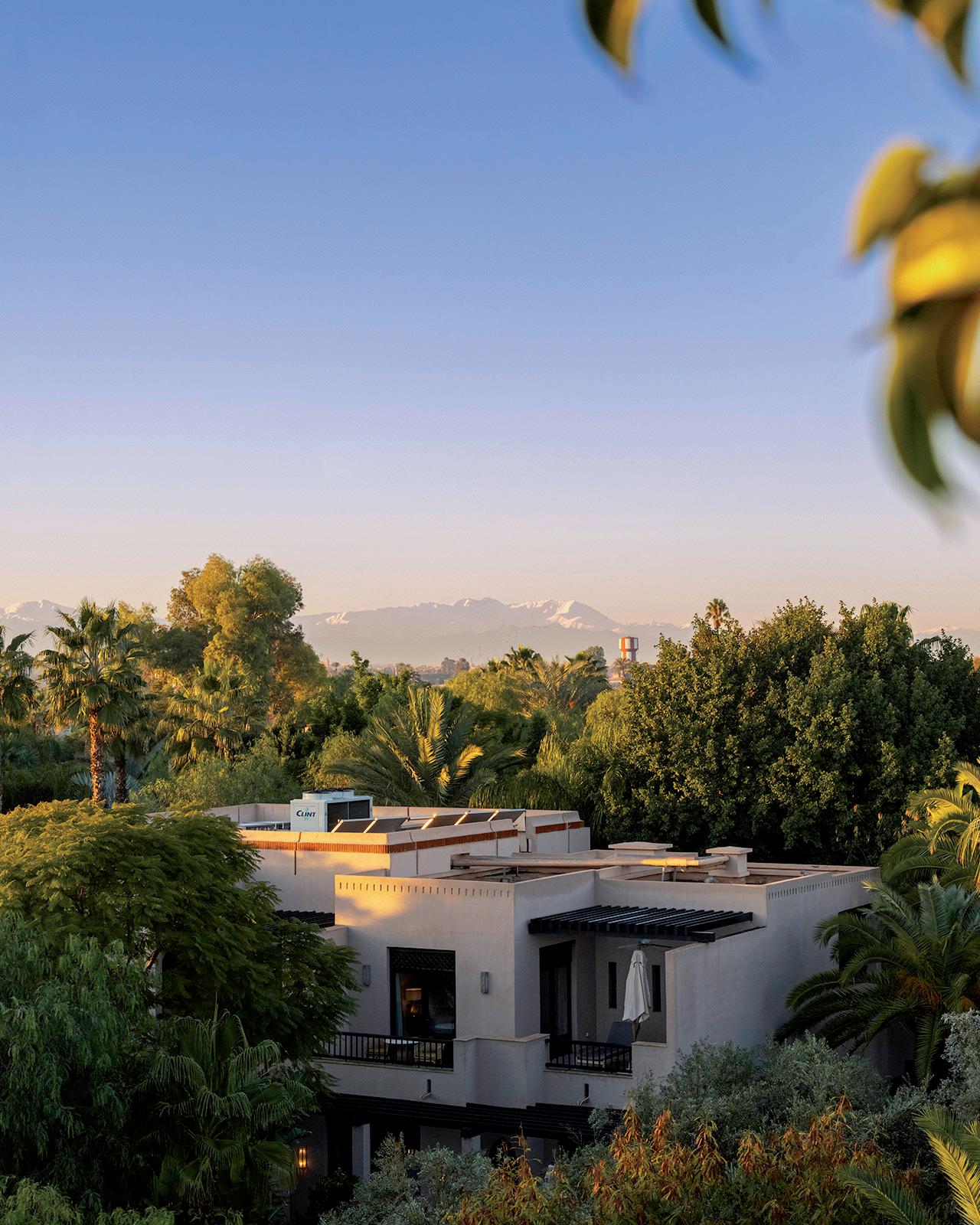
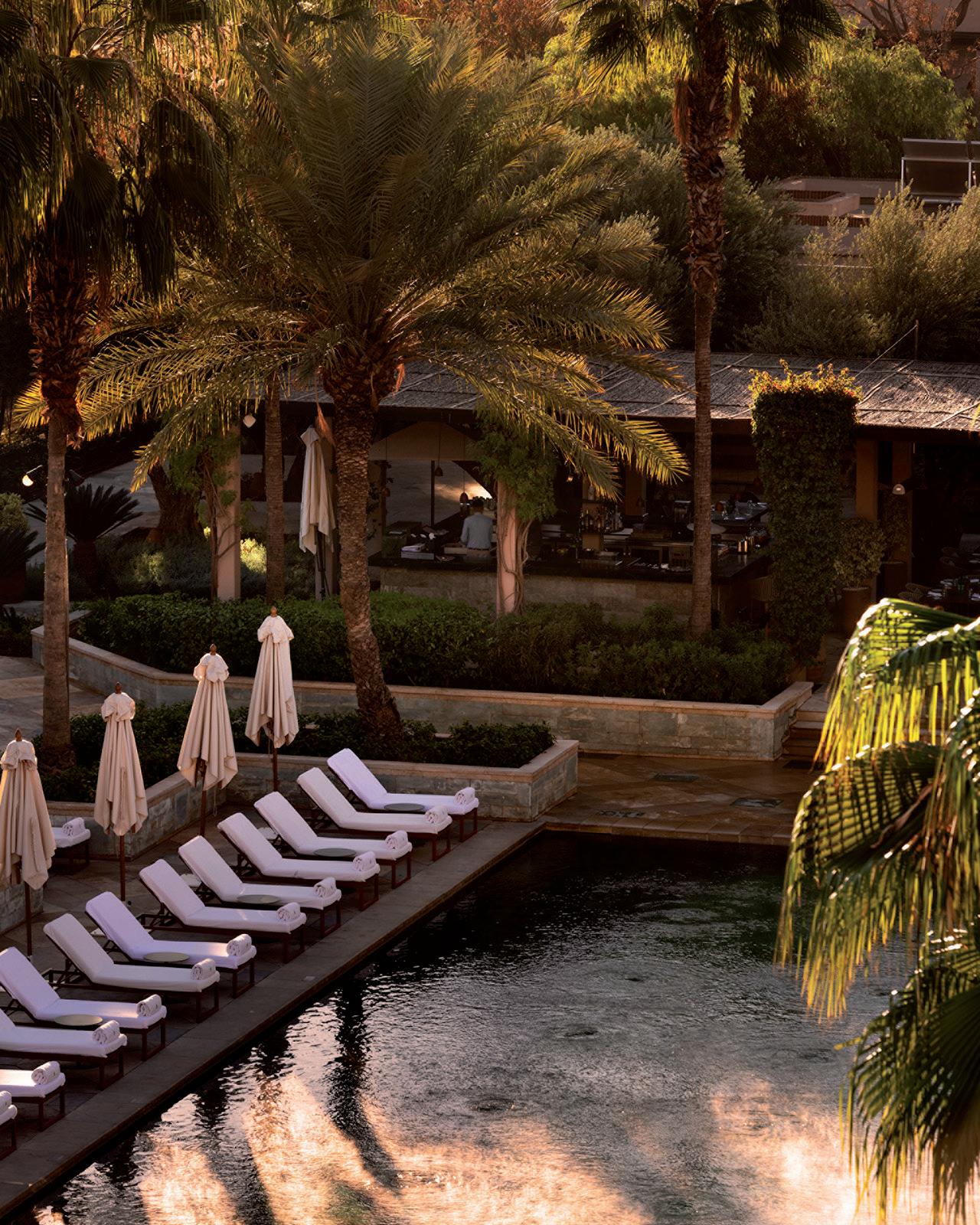
Acclaimed chef Jean-Denis Rieubland has transitioned into the role of Executive Chef, where he has continued his culinary journey.
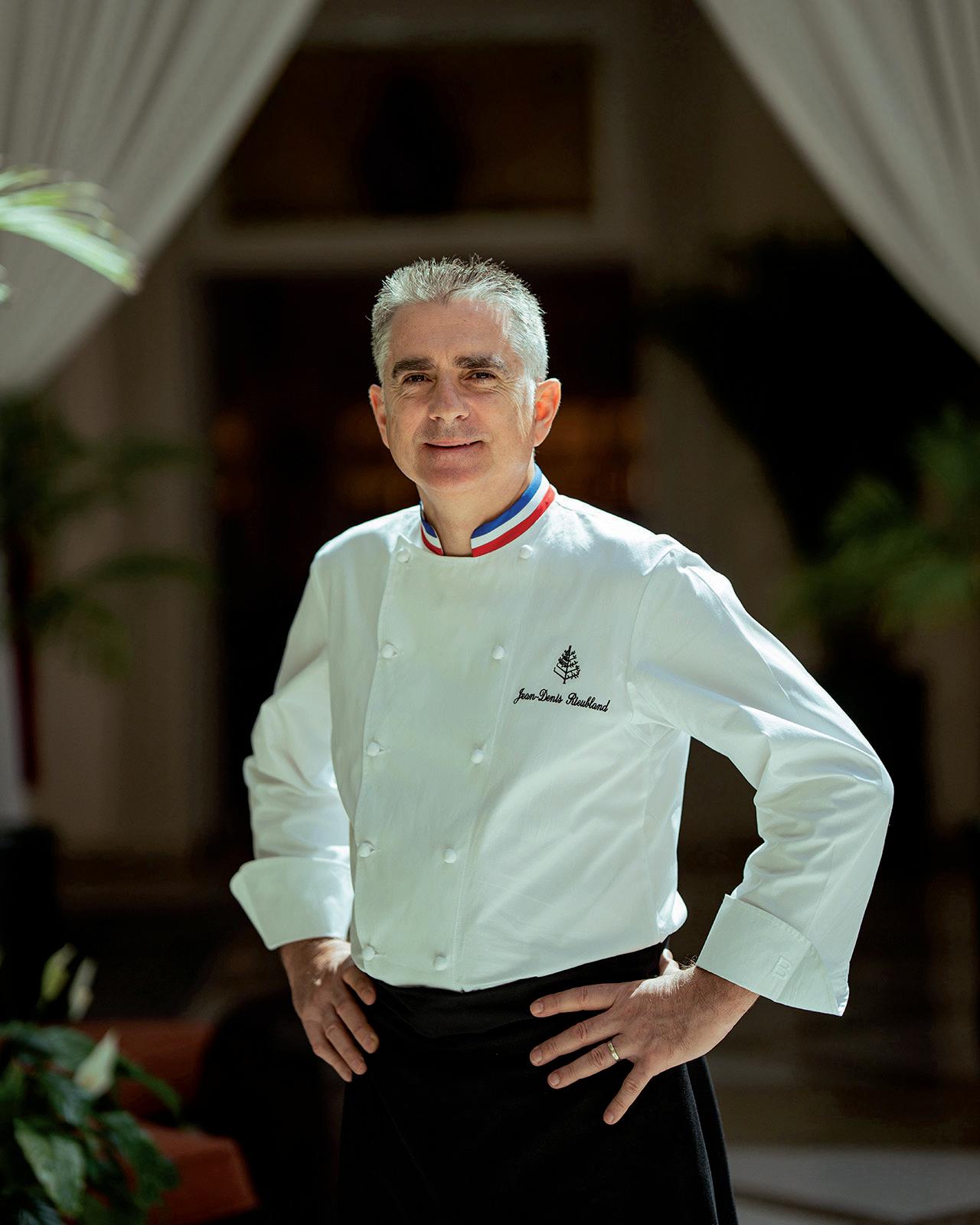
Jean-Denis Rieubland
at Lycée Paul Augier in Nice, he began his career in leading institutions including La Tour d’Argent in Paris, Le Carlton in Cannes, Le Mas Candille in Mougins and La Villa Florentine in Lyon. These formative experiences, complemented by time spent in Saint Petersburg, Moscow, Dubai, Abu Dhabi, Chicago, Istanbul and Miami, have shaped an approach that is both structured and intuitive.
He later joined the iconic Negresco in Nice, where he led the kitchens for more than a decade, consistently maintaining two Michelin stars. He went on to oversee the opening of Royal Champagne Hotel & Spa, earning a Michelin star in its first year.
In 2007, he was awarded the title of Meilleur Ouvrier de France, a distinction that reflects a high level of craftsmanship and precision, and continues to guide his work today.
and Inara Restaurant & Lounge, each conceived as an individual expression, in resonance with its setting and the rhythm of the Resort.
From Zest, set above the gardens and animated by contemporary Asian-inspired cuisine, to Quattro, where Mediterranean influences take shape; through Azzera, conceived as a relaxed interlude by the pool, and Inara Restaurant & Lounge, which offers a refined, contemporary interpretation of Moroccan culinary heritage, each venue integrates naturally into a cohesive and fluid overall vision.
Beyond these spaces, he also guides the experiences that shape the day, from breakfast through to private dining, events and celebrations, with a consistent attention to detail, rhythm and the overall balance of the experience throughout the resort.
he joins the resort to oversee the entirety of its culinary experiences.
Part of the Four Seasons family since 2004, where he began his career at Domaine de Terre Blanche, Jean-Denis Rieubland has built a distinguished path shaped by renowned establishments and extensive international exposure. His arrival in Marrakech marks a natural continuation, guided by a shared commitment to excellence in taste and a deep respect for ingredients, while aligning with the evolving momentum of the destination. Originally from Agen and trained
“Cooking is a dialogue between ingredient and technique, a search for balance where each dish should carry a sincere emotion,” said Chef Rieubland.
“My role is to reveal a culinary heritage while bringing a contemporary perspective, creating an experience that is both thoughtful and deeply sensory.”
At Four Seasons Resort Marrakech, he oversees the identity and evolution of the resort’s dining venues: Zest Rooftop Lounge, Quattro Restaurant & Bar, Azzera Restaurant & Bar
Within this new environment, his cuisine reflects a thoughtful approach to seasonality, the richness of Moroccan terroir and the balance of flavours, in dialogue with a city continuously redefining its culinary landscape.
“My years alongside Michelinstarred chefs have shaped my perspective and my respect for the ingredient,” he added.
“Here, the intention is to accompany each moment with precision, allowing the cuisine to express itself with simplicity and clarity.” l
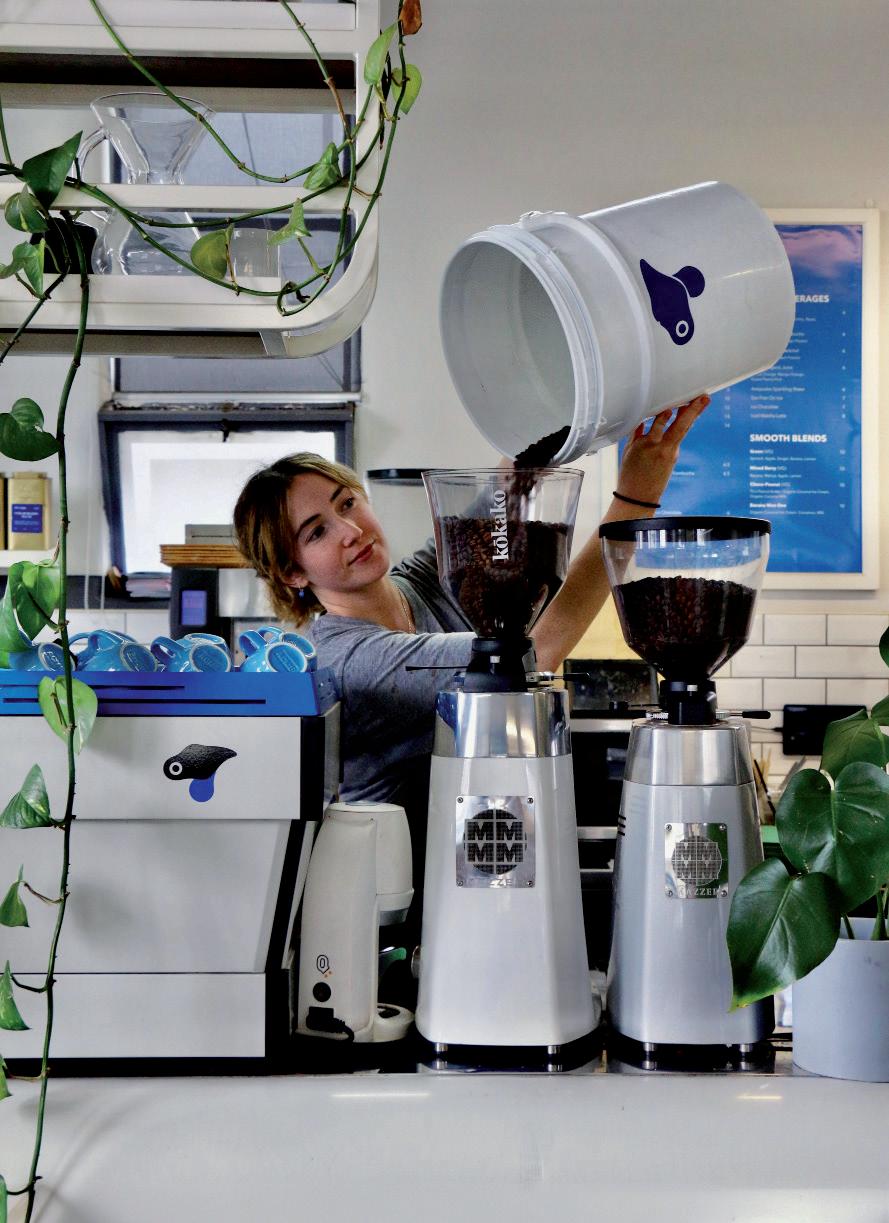
Roasted in Tāmaki Makaurau, proudly poured at over 100 cafes and restaurants across Aotearoa.