The Power of Separation
INDEPENDENT SPACES, ONE COHESIVE EXPERIENCE
Busy Hotels, Harder Returns

Full rooms and tighter margins characterise much of the hotel sector across New Zealand, Australia, and the Pacific as we move into Q2 and Q3 2026. This issue arises when performance looks steady on the surface, but the underlying economics are being tested more closely. Occupancy has returned across many markets, yet the commercial result is not necessarily following. That gap is starting to shape how operators think about the next phase of trading.
Occupancy has returned across much of the region, but the commercial results are not necessarily following suit. Hotels and resorts are trading again, and demand is still finding its way back into the market, yet the outcome is tighter than many operators expected.
Access is part of the story. Flight capacity remains uneven in some corridors, and fuel pressure is adding another layer to decisions around routes, frequency, and pricing. That volatility flows through to booking patterns.
Lead times shorten, cancellations shift, and reliance on fewer source markets becomes more pronounced, particularly for longhaul dependent destinations.
Demand is still present, but it is less predictable.
Once guests arrive, the pressure moves into the cost of delivering the stay. Labour remains a constraint. Access to skilled staff is inconsistent. While reliance on imported labour is more pronounced in the Pacific, workforce shortages and wage pressure are being felt across New Zealand and Australia as well. Teams are often leaner than ideal, which shows up in room turnaround, food and beverage delivery, and service consistency.
The operating environment adds another layer. Freight costs, supply delays, and currency movement continue to influence what arrives on site and at what price, particularly for island markets. At the same time, energy, insurance, maintenance, and food inputs remain elevated across the wider region.
These are structural realities of operating in this part of the market, and recent conditions have made them harder to absorb.
If rate has lifted to reflect demand, how much further can it go? At a certain point, guests begin comparing destinations, formats, and value more closely. If pricing moves ahead of perceived value, does demand begin to divert?
Operators are taking a closer look at food and beverage and what it actually contributes. In some properties, it remains a strong driver of guest spend. In others, it is being reassessed. The focus has shifted to contribution, with menus, formats, and operating models being reworked to better align with cost and return.
Events and experiences are central to many properties, but are they being assessed on margin or simply included to support occupancy? Are they lifting spend, or absorbing cost?
And then there is the service model itself. Hospitality has long been built on personal connection. If staffing constraints are reshaping how that is delivered, what does that mean for repeat visitation and reputation? If occupancy holds but margins tighten, that pressure must be absorbed somewhere: in the cost base, the service model, or in what the hotel is expected to deliver.
Filling rooms is no longer the only variable. The question is what those rooms are now delivering, and whether the model still works commercially under current conditions that look to be pushing into Q3. l

PUBLISHER: Tania Walters
ADMINISTRATION MANAGER: Kieran Mitchell
EDITOR-IN-CHIEF: Caitlan Mitchell

CONTENT MANAGERS: Caroline Boe
EDITORIAL TEAM: Sam Francks, Jenelle Sequeira
GRAPHIC DESIGNER: Raymund Santos




















Redefine the comfort of your guests with Slumberzone beds.
Chinese Demand Returns, but Cost Pressure is Waiting in the Wings
There is a familiar rhythm starting to show up again in the arrival data, although it is not evenly distributed and it is not without risk.
Analysis from Infometrics points to a steady recovery rather than a surge. International arrivals lifted 1.7 percent month on month on a seasonally adjusted basis, with the three-month trend sitting at 8.5 percent annualised. That feels like a more reliable read than the headline February spike, which was flattered by the shift in Lunar New Year timing.
CLICK TO READ MORE
Christchurch Airport Sees Solid Growth
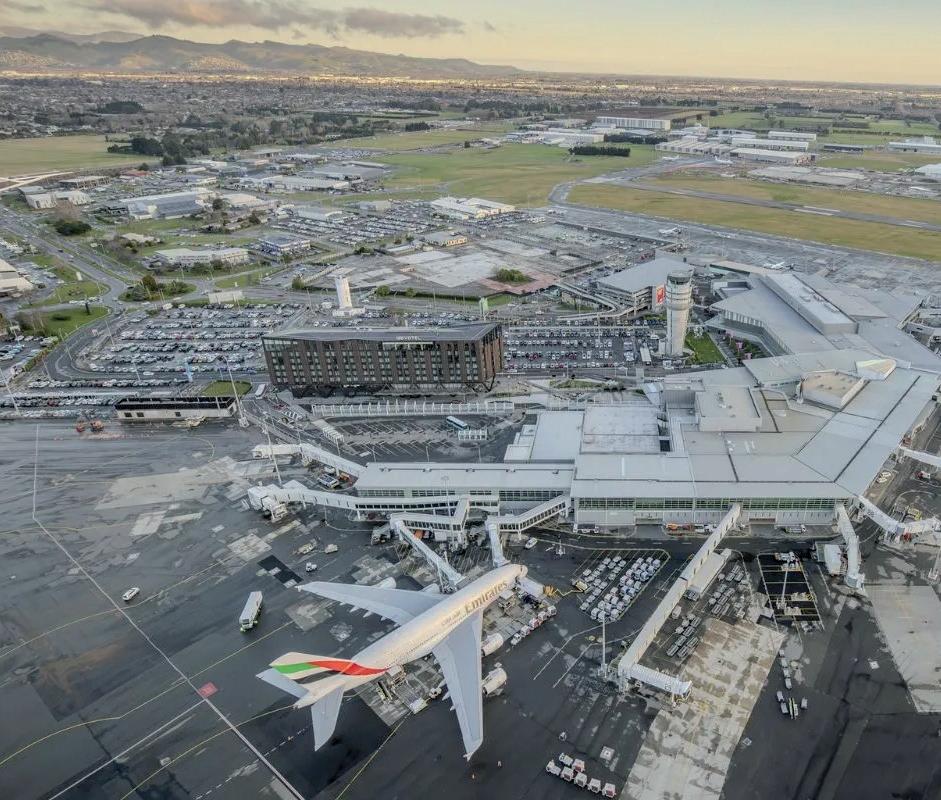
Christchurch Airport has seen an enormous surge in international visitor numbers, with an increase of 22 percent over summer.
Between November 2025 and March 2026, 3.1 million passengers travelled through the airport, including 287,000 international visitors, a clear sign of just how busy and vibrant the season has been.
CLICK TO READ MORE

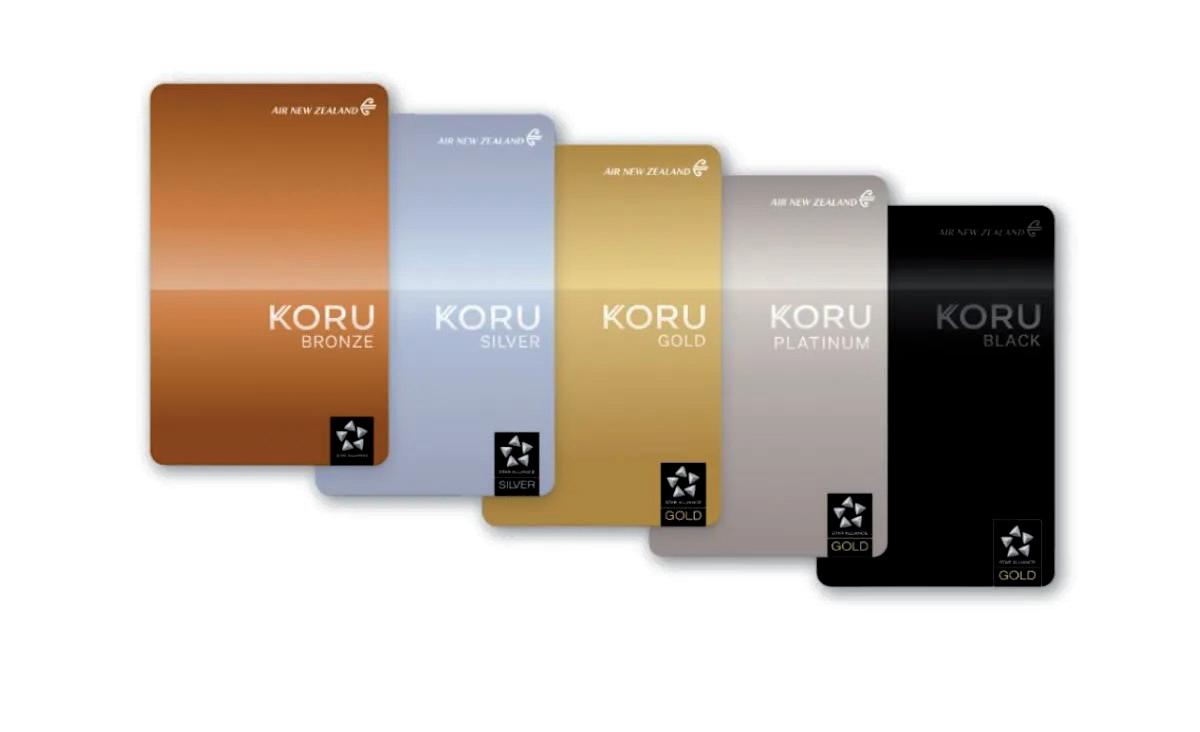
Air New Zealand is launching a refreshed loyalty programme called Koru, marking a significant shift in how the airline recognises its customers and the role travel plays in their lives.
More than five million members will move across to Koru. It’s been designed using feedback from customers and replaces the Airpoints programme with a simpler, more rewarding platform that caters to how people in New Zealand travel and use their loyalty programme.
CLICK TO READ MORE
Air NZ Introduce Koru
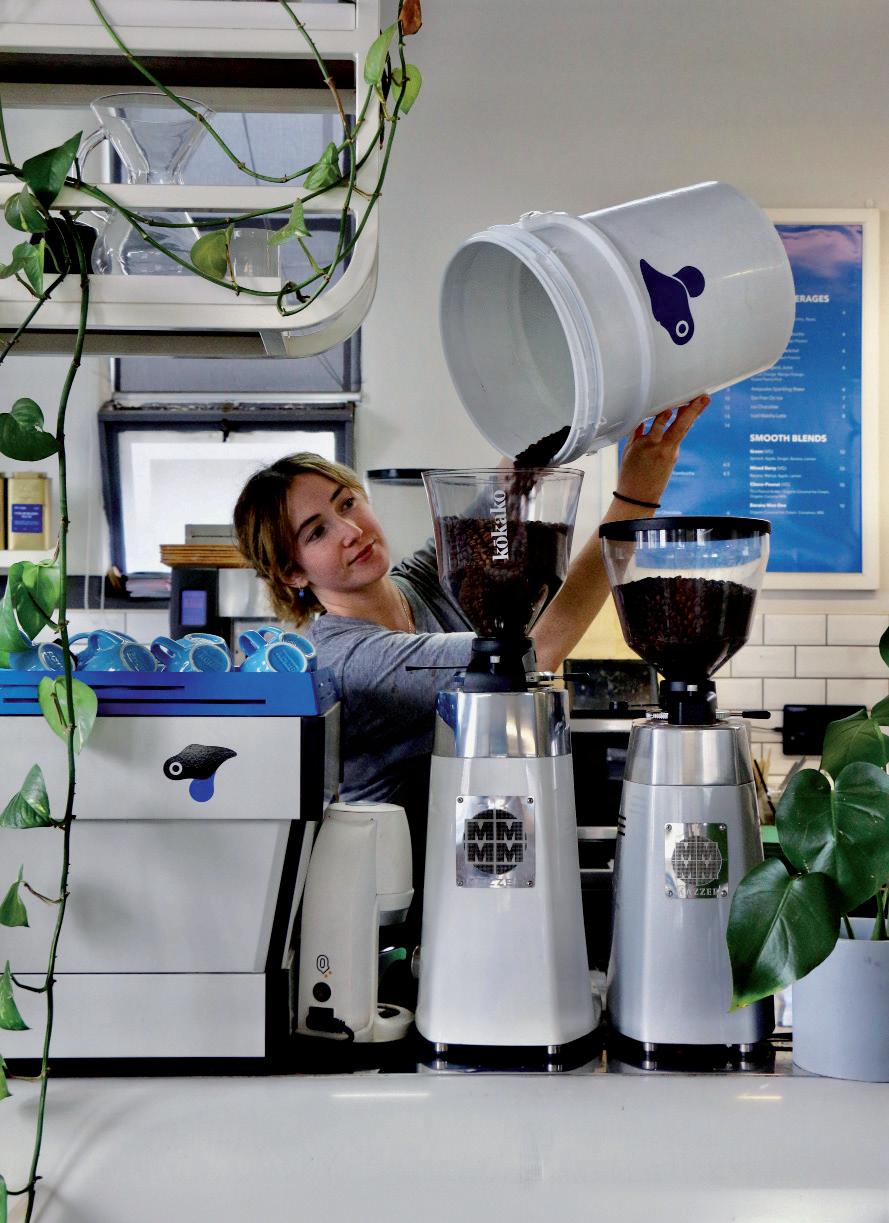
Roasted in Tāmaki Makaurau, proudly poured at over 100 cafes and restaurants across Aotearoa.
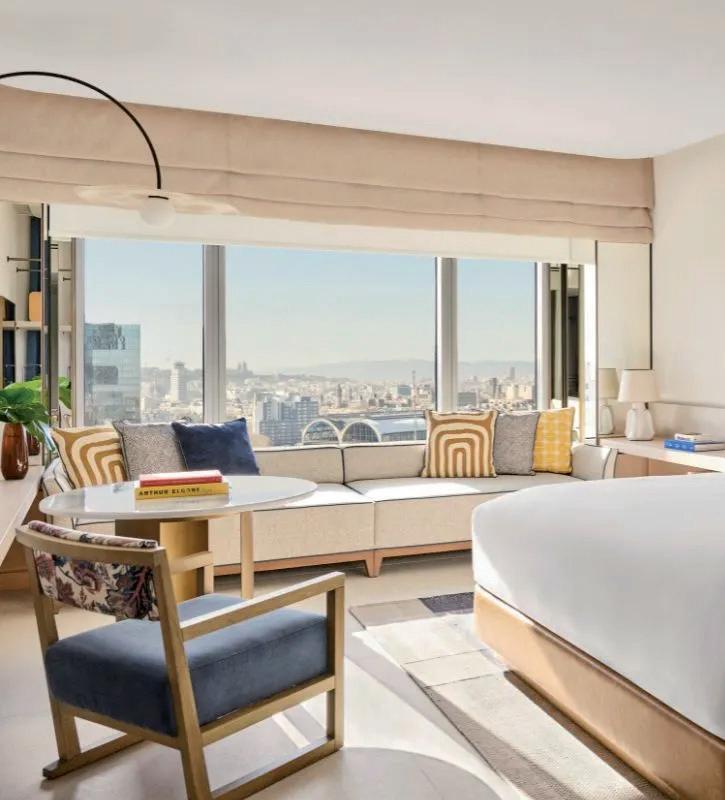
Hotel Arts Barcelona
Described as Irresistible
Composition
Europe's only artistic urban resort, Hotel Arts Barcelona, has been described as a place where beautiful contradictions create "the irresistible composition".
Anchored in ‘The Irresistible Composition’, a harmonious blend of art and culture, wellness and vitality, and elevated culinary and bar experiences, Hotel Arts Barcelona embraces the beautiful contradictions that define the city.
CLICK TO READ MORE
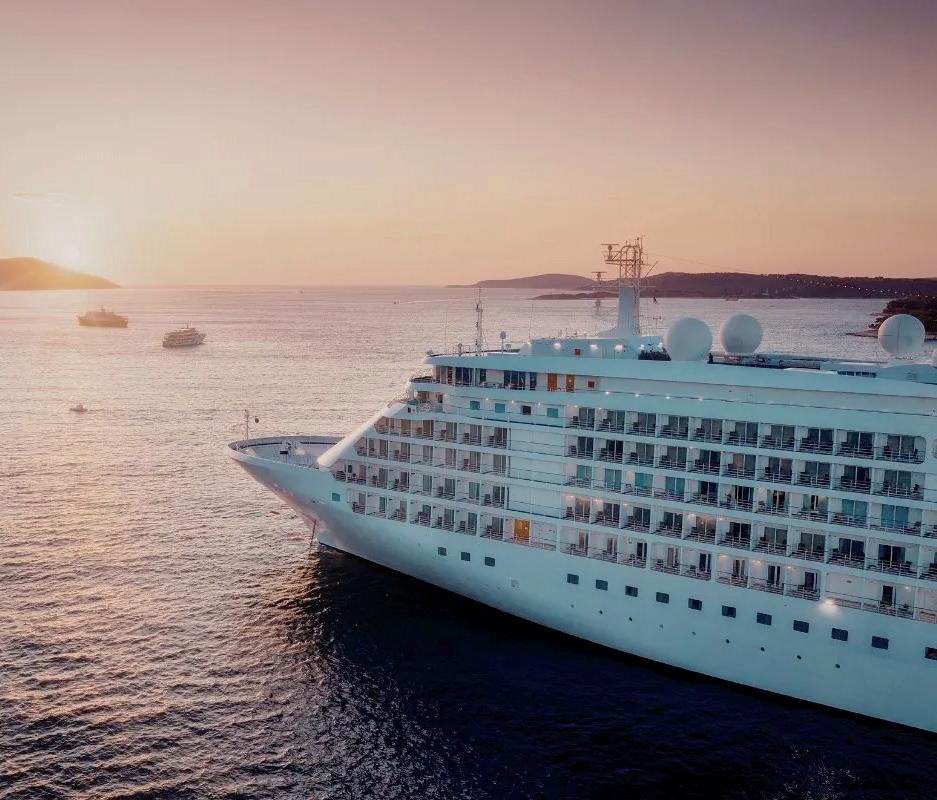
Cruise Forum Expected to Strengthen Sector
Tourism Minister Louise Upston said that a second Cruise Forum will further strengthen New Zealand's position as a world leader in the sector.
CLICK TO READ MORE
Rhodes Debut for Luxury Collection
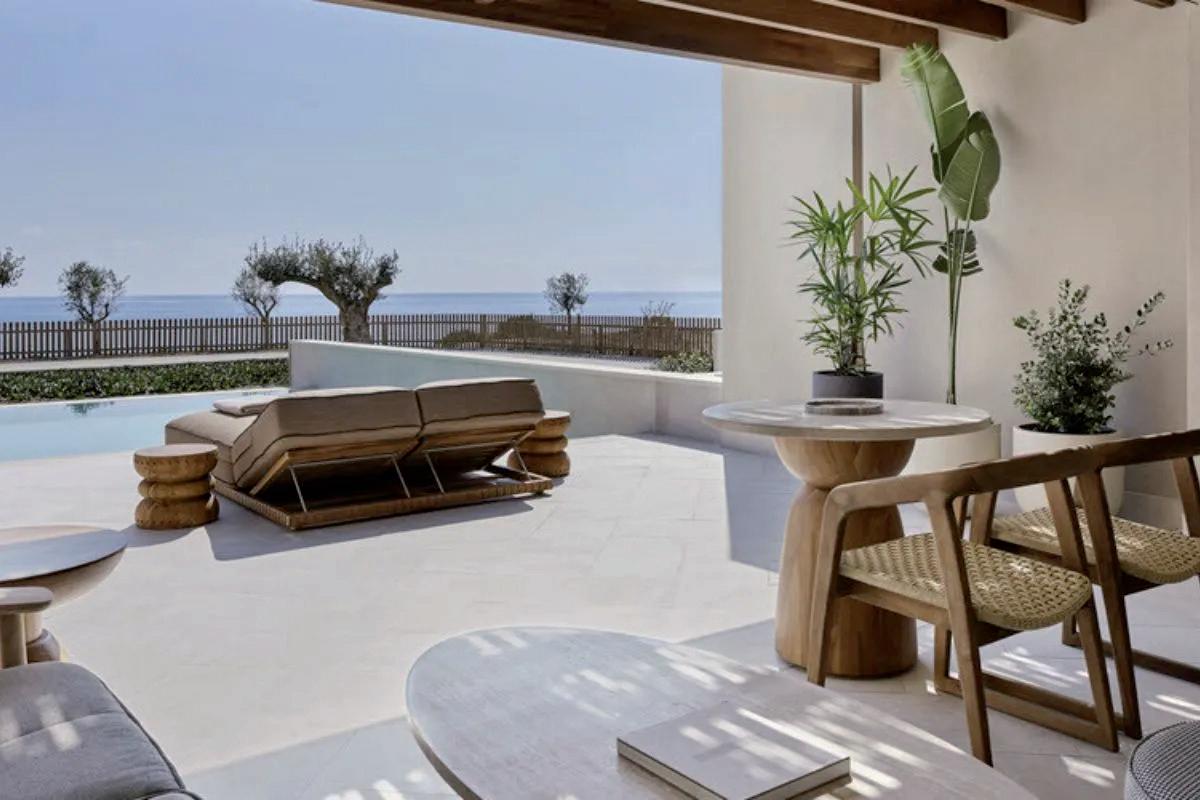
Set on a secluded peninsula, The Luxury Collection has officially opened Amoh, a Luxury Collection Resort, Rhodes.
The Luxury Collection announces the opening of Amoh, a Luxury Collection Resort, Rhodes, marking the brand's arrival on the storied Greek island.
CLICK TO READ MORE

Agoda Confirms the BTS Effect
Agoda has witnessed a rise in travel demand to South Korea's Goyang and Busan, as well as to several destinations across APAC hosting BTS concerts.
This surge was seen among South Korean travellers following the announcement of the K-Pop group's world tour dates, as it’s BTS's first tour in four years.
On the day of the announcement, Agoda observed a nearly eight times increase in accommodation searches in Goyang, where BTS's tour kicked off on the 9th of April.
Busan, where the concert will take place in June, also saw a 47 percent increase, as fans prepare to run to these iconic concert destinations.
The announcement ignited a wave of excitement among BTS fans across Asia, with the highest demand for South Korean tour destinations coming from Japan, Taiwan, the Philippines, Hong Kong, and China.
CLICK TO READ MORE
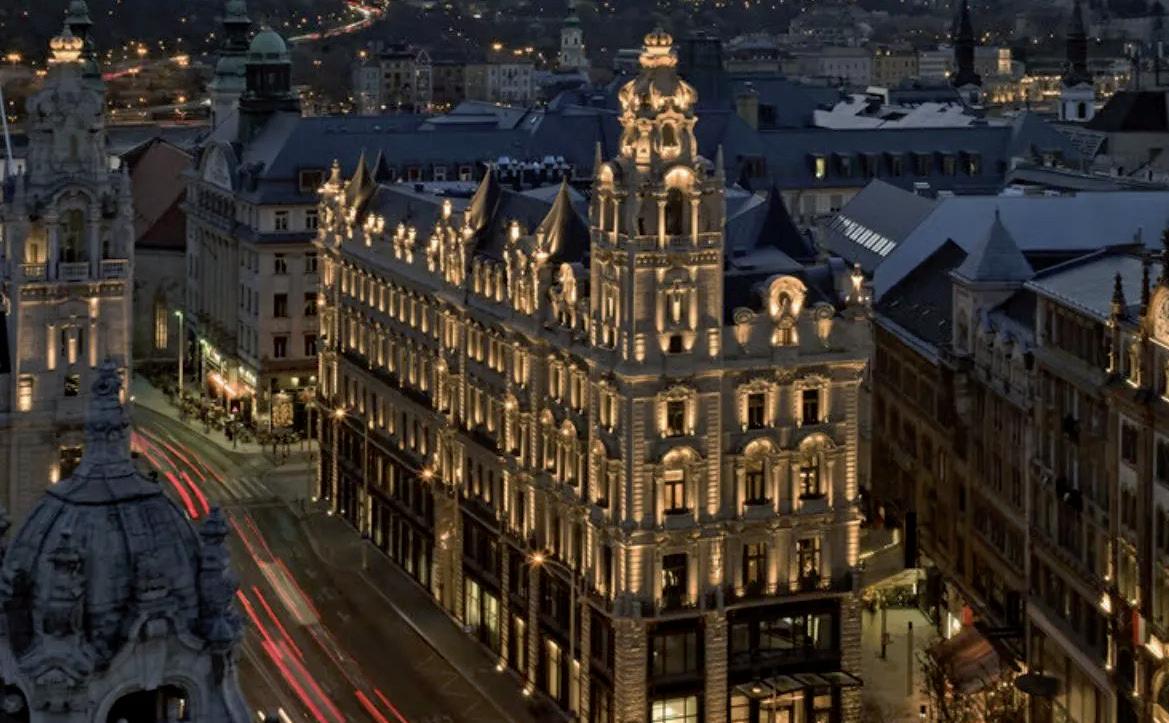
St. Regis Debuts in Budapest
St. Regis Hotels & Resorts has debuted in Hungary with the highly anticipated opening of The St. Regis Budapest, gracefully set within the iconic Klotild Palace, one of the city's most distinguished architectural landmarks.
CLICK TO READ MORE
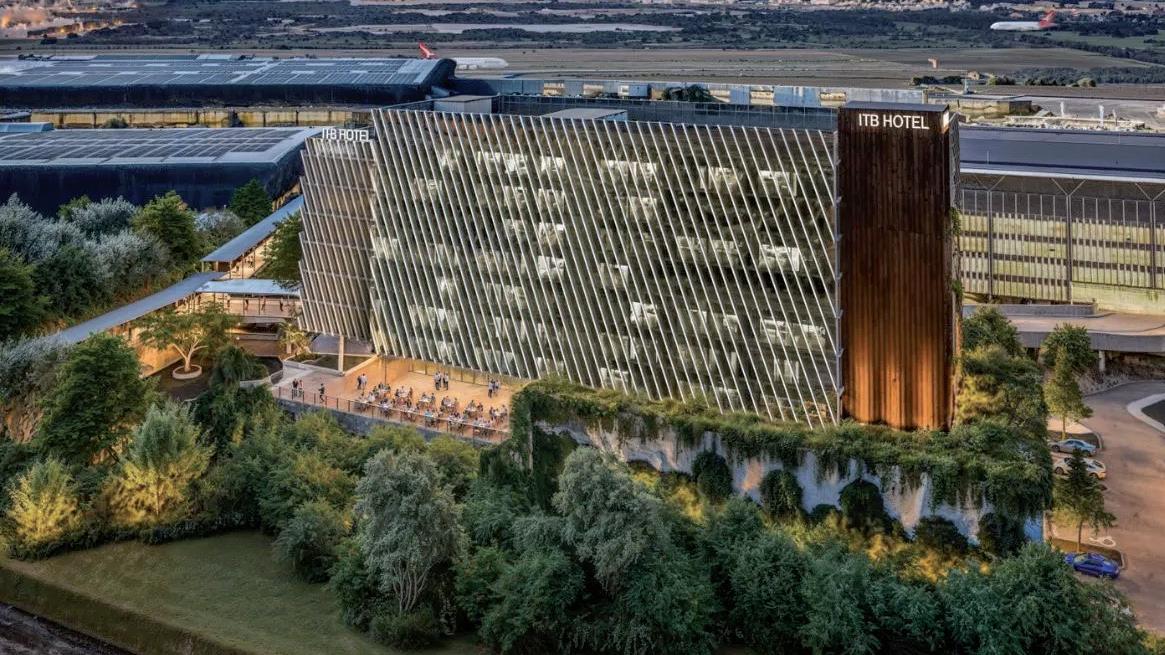
Brisbane Airport Launches Hotel Plans
Brisbane Airport has unveiled plans for two new hotel developments ahead of welcoming the world for the 2032 Olympic Games.
CLICK TO READ MORE

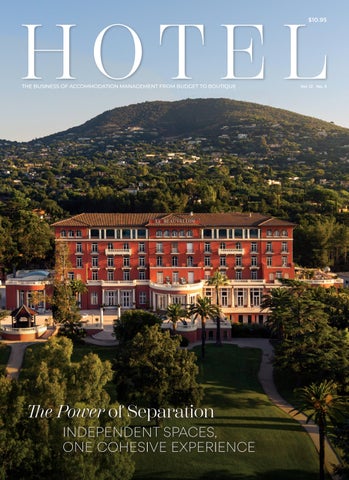
The Power of Separation
INDEPENDENT SPACES, ONE COHESIVE EXPERIENCE
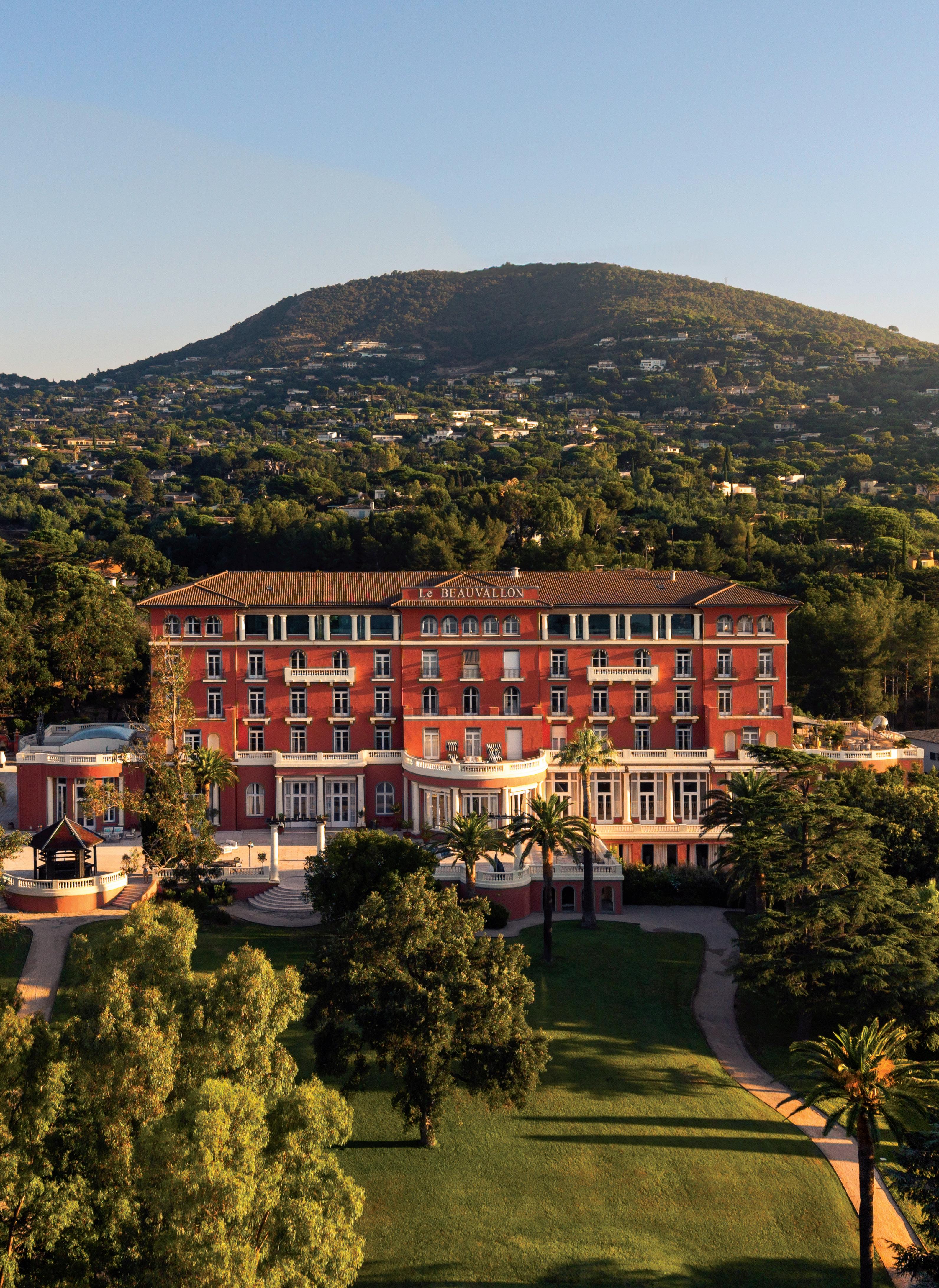
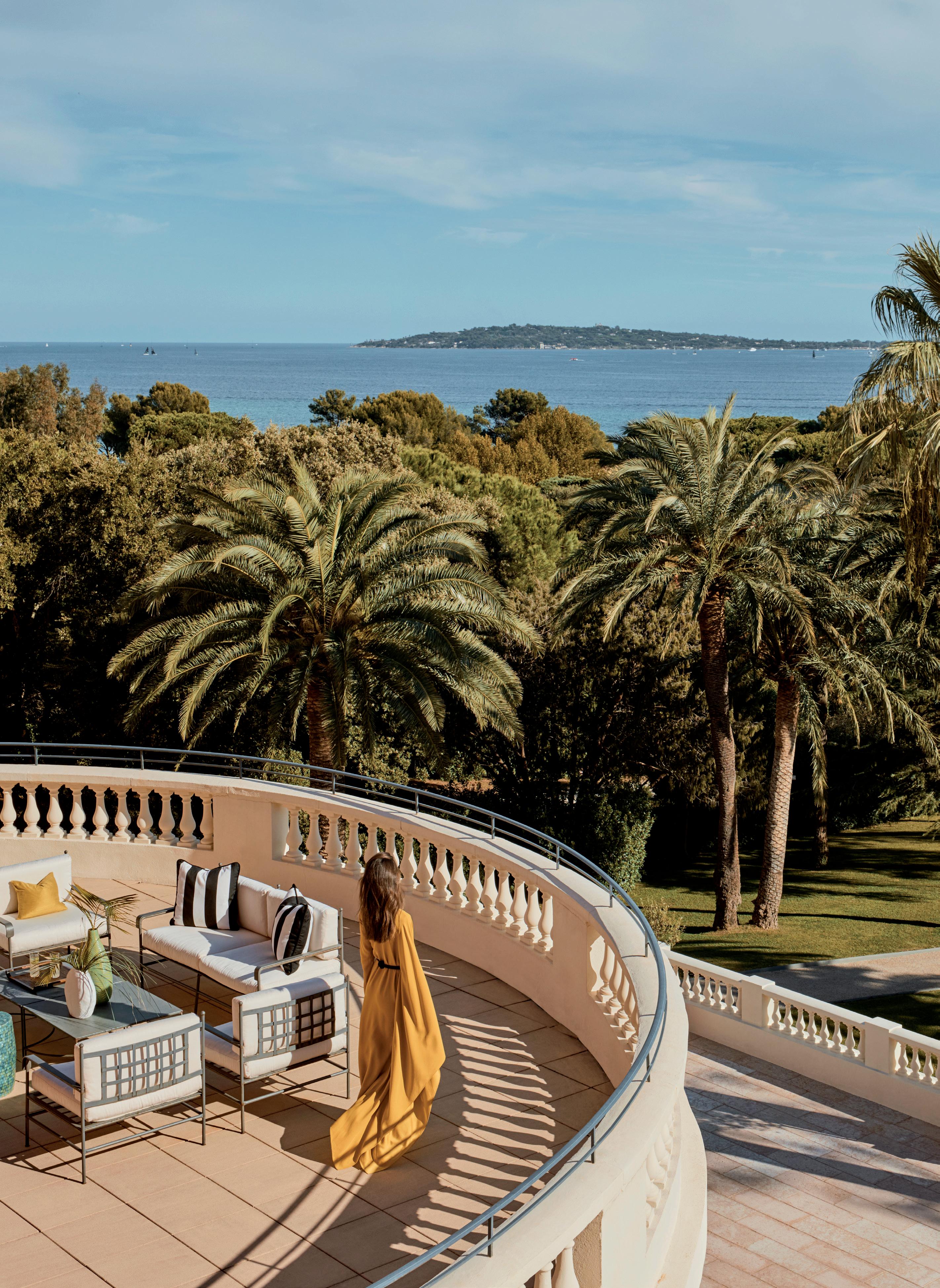
COMO Hotels and Resorts has reopened COMO Le Beauvallon after restoring the original 1914 site, bringing a familiar Riviera property back into operation.
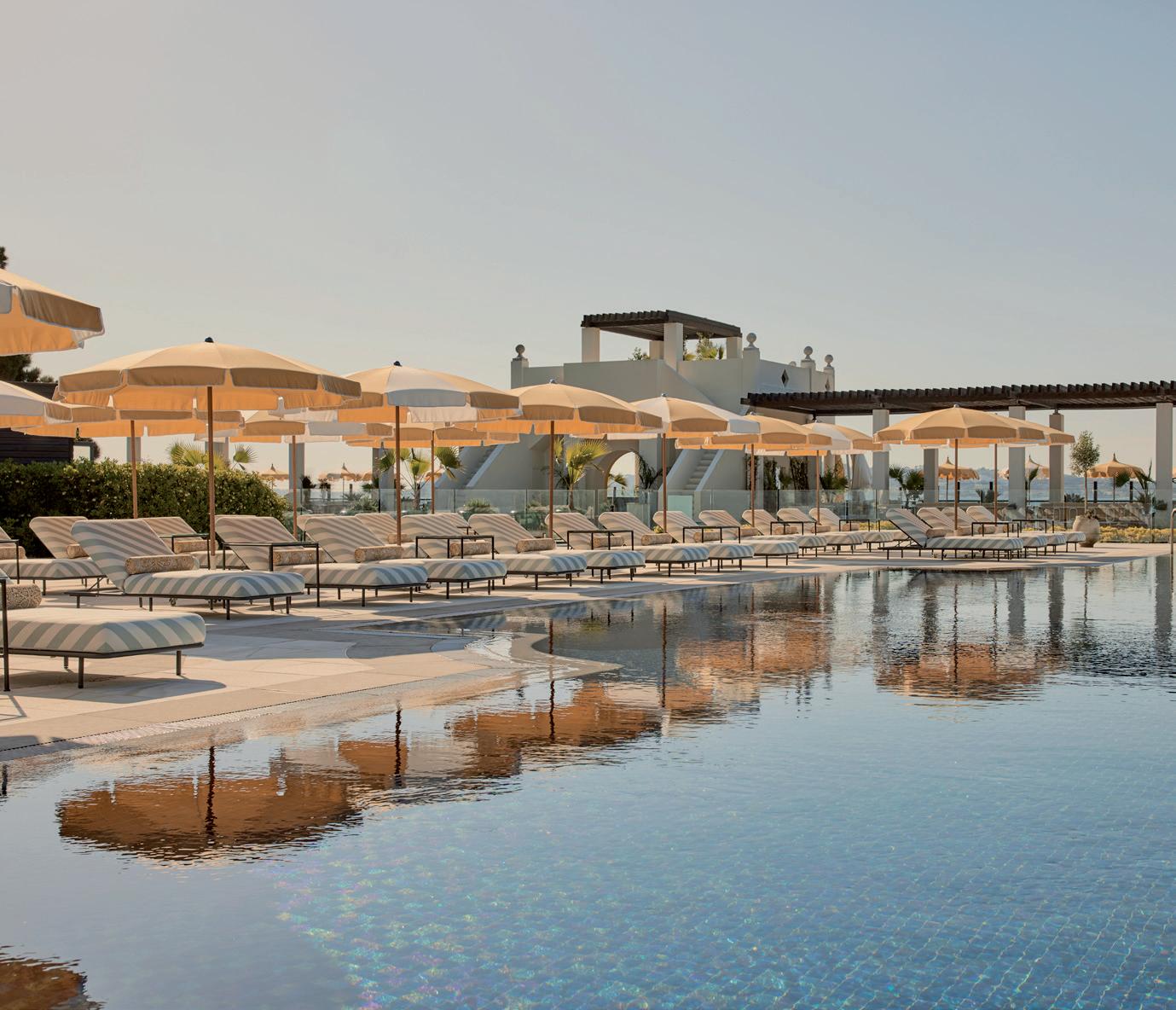
It sits above the Gulf of SaintTropez on a private estate, with the main building set back and the beach club down at the water. That split is doing more work than it first appears. The hillside and shoreline are being used as two distinct trading environments rather than one continuous space.
The beach club, Beauvallon Sur Mer, carries its own rhythm. It moves from lunch into late evening, with a pool, restaurant, and lounge all working together. There is a clear day-to-night shift built into it, including music-led evenings and rooftop use.
It is also set up to pull in traffic from outside the hotel. That changes the feel of it. It is not just an amenity, it is a destination within the property.
Access plays a role in how the site operates. The private jetty and short boat transfer into SaintTropez keeps the hotel connected without losing the separation that the hillside position gives it. Eight minutes across the water is enough to stay in the mix without being in it.
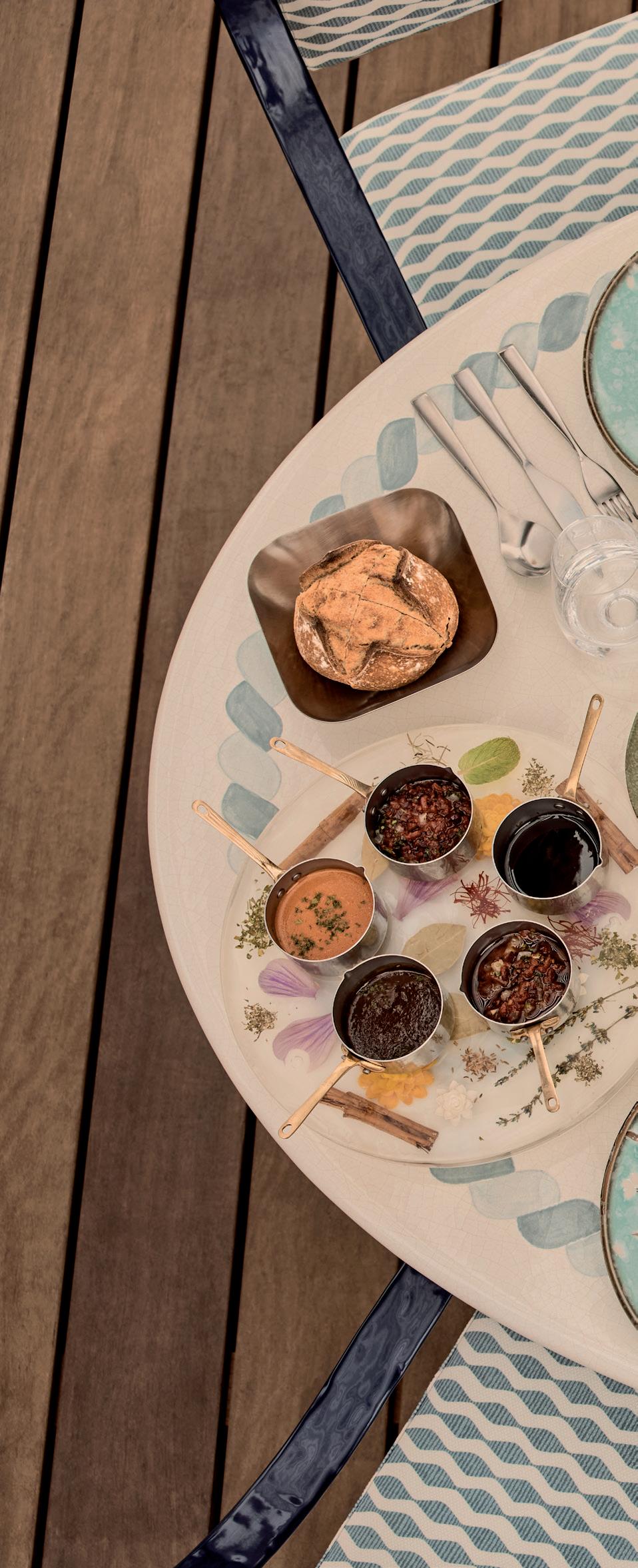
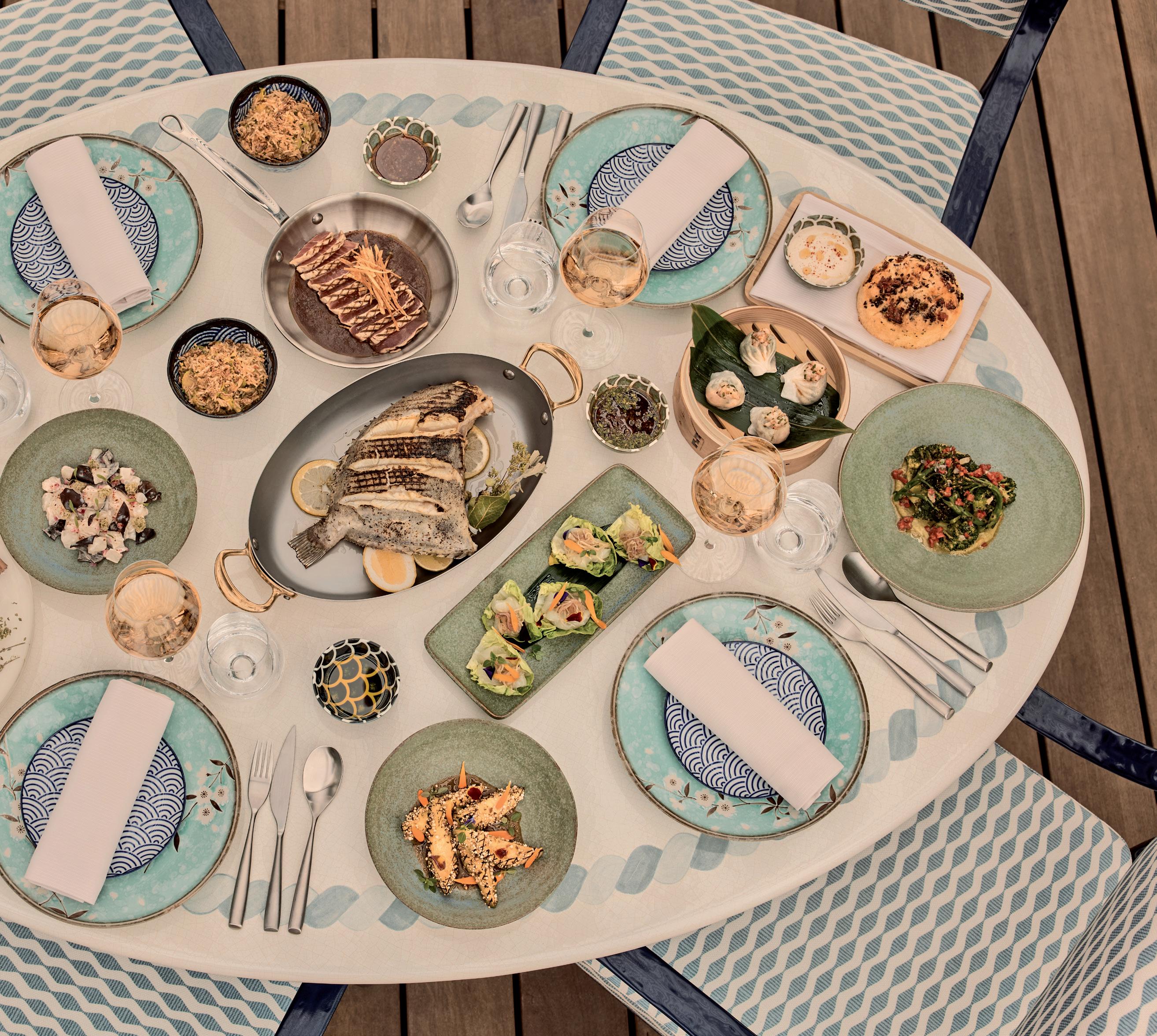
Food is a central part of how the property presents itself. Yannick Alléno is leading the direction, but what comes through in other coverage is the breadth rather than a single headline restaurant.
Dining runs across multiple spaces and formats. Beach club dining sits closer to shared plates and lighter service, while the Winter Garden carries more traditional all-day dining. The
terrace fills the space in between. It reads as a full-day operation, not a single peak service.
There is also a consistency to it. The same culinary direction carries across the entire site, from restaurant to in-room dining, rather than sitting in one venue.
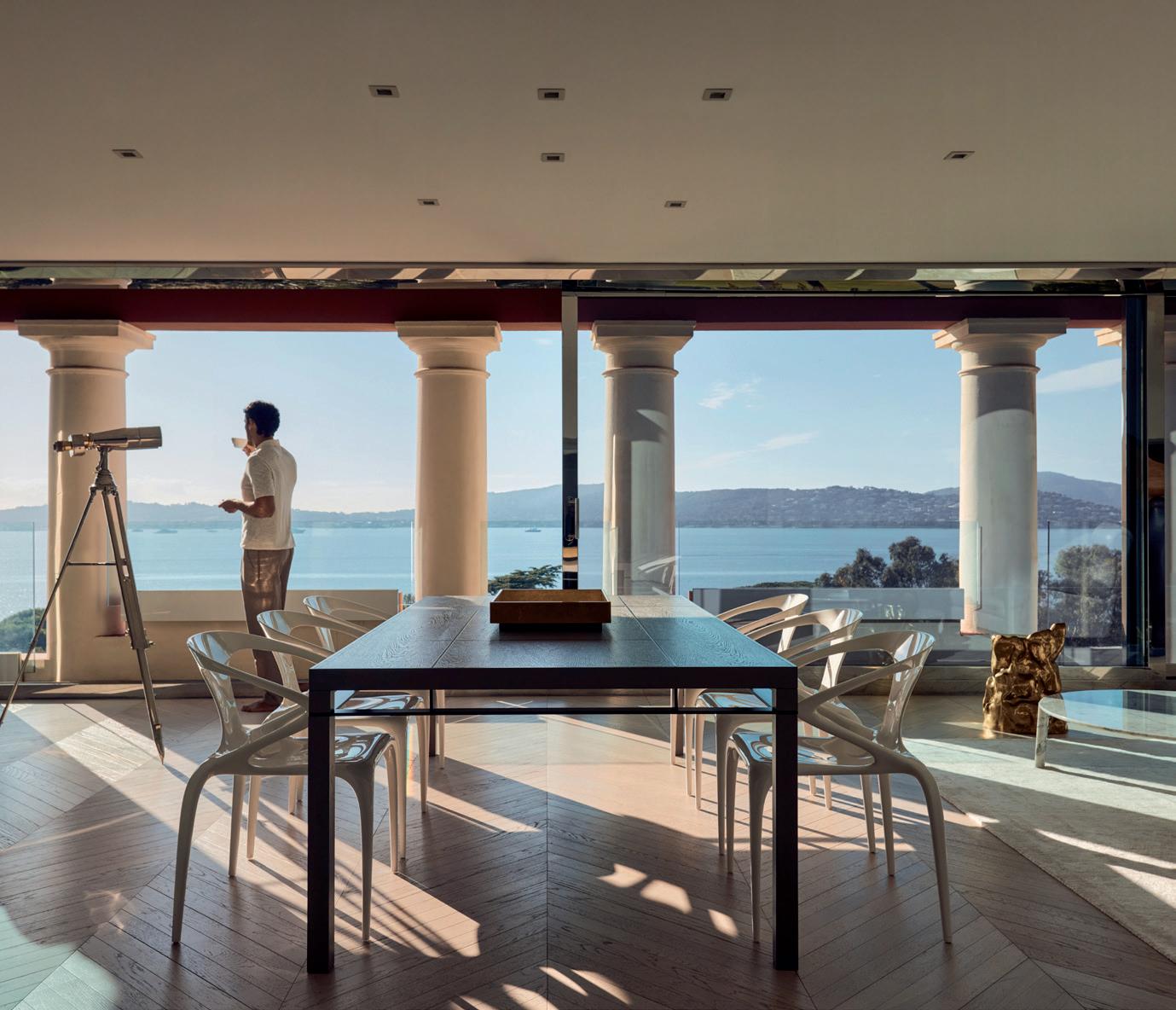
The design side has been kept measured. The building is still doing most of the work, but it has been opened up with more light and a softer Riviera feel. Several reports point to the property leaning into a more residential feel rather than a formal hotel layout.
That shows up in the rooms as well. There are 42 in total, with a high proportion of suites and a strong focus on space. The property is not trying to scale occupancy. It is keeping numbers controlled, which changes how the overall experience feels on site.
Art is more visible than usual. The hotel carries a large collection across rooms and public areas, which gives it a different layer beyond the standard fit-out.
One detail that stands out is the inclusion of the Serpentine Pavilion by Toyo Ito within the grounds. It is not just a design feature, it is being used as an event backdrop and part of the beach club environment.
Around that, the supporting pieces are in place. A small COMO Shambhala wellness offer, gym, and daily yoga sit alongside the core operation. It is present, but it does not dominate the footprint.
There is also a clear events angle.
The grounds, the waterfront, and the architectural elements all lend themselves to private functions, which the property is set up to accommodate.
What comes through from other commentary is how the property is being positioned within the Riviera itself. It is not trying to compete directly with the pace of SaintTropez. It sits slightly outside that, with more space and a quieter setting, while still keeping access straightforward.
Overall, it feels like a property that has been reset with a clear structure. The hotel, the beach club, and the dining all operate as separate parts, but they connect easily.
Nothing feels forced into a single space. Each part has room to operate on its own terms, which is what gives the place its shape. l
From First Impressions to Five-Star Reviews: THE POWER OF PROFESSIONAL STEAMING IN HOTELS
In today’s competitive hospitality landscape, guest reviews are more influential than ever. A single comment about presentation, whether praising crisp linens or noting creased curtains, can shape perception and influence booking decisions.
For hotels striving to stand out, consistently delivering a polished, high-quality environment is essential to securing positive feedback and repeat bookings.
From pristine table linens to impeccably dressed staff (and guests), the smallest details shape lasting impressions. That’s why leading hotels are turning to contemporary garment care solutions, most notably the Propress Steamer range, elevating standards across every department.
Unlike traditional irons, Propress steamers deliver fast, efficient, and fabric-friendly results across a wide range of applications.
In banqueting and events, large volumes of tablecloths, napkins, and decorative fabrics can be refreshed quickly and consistently, ensuring a flawless finish for every service.
Curtains and drapery, often overlooked yet highly visible, can be revitalised in situ, removing creases and restoring a crisp, elegant appearance without the need for removal or downtime.
Housekeeping teams also benefit significantly. Whether preparing rooms for incoming guests or maintaining standards during extended stays, steamers provide a simple, effective solution for refreshing and sanitising upholstery, soft furnishings, and bedding accents. The result is a consistently polished environment that reflects the quality and attention to detail guests expect.
In addition to operational efficiency, Propress steamers play a valuable role in enhancing the guest experience itself. Increasingly, hotels are introducing the Propress MINI as an in-room amenity, offering guests a modern alternative to the traditional iron and ironing board. Compact, intuitive, and safe to use, the MINI allows guests to effortlessly remove creases from garments directly on the hanger.
This shift not only frees up valuable storage space within guest room cupboards but also aligns with contemporary expectations for convenience and ease. For business travellers
preparing for meetings, wedding guests perfecting formalwear, or holidaymakers freshening clothes after a suitcase journey, the Propress MINI delivers professional results in moments.
Particularly for delicate fabrics such as evening wear, suits, and wedding attire, steam provides a gentler, more versatile solution than ironing. It relaxes fibres and smooths creases, reducing the risk of damage while restoring garments to their best possible condition.
By integrating Propress steaming solutions throughout both backof-house operations and guestfacing spaces, hotels can streamline processes, reduce labour time, and enhance overall presentation standards. More importantly, they create an environment where every detail from the drape of a curtain to the finish of a guest’s outfit reflects excellence.
In an industry where perception defines experience and reviews define reputation, investing in Propress is not just practical; it’s essential.





CTRL Space Expands South
Strategic move into Queenstown signals confidence in NZ’s fastest-growing hospitality market.
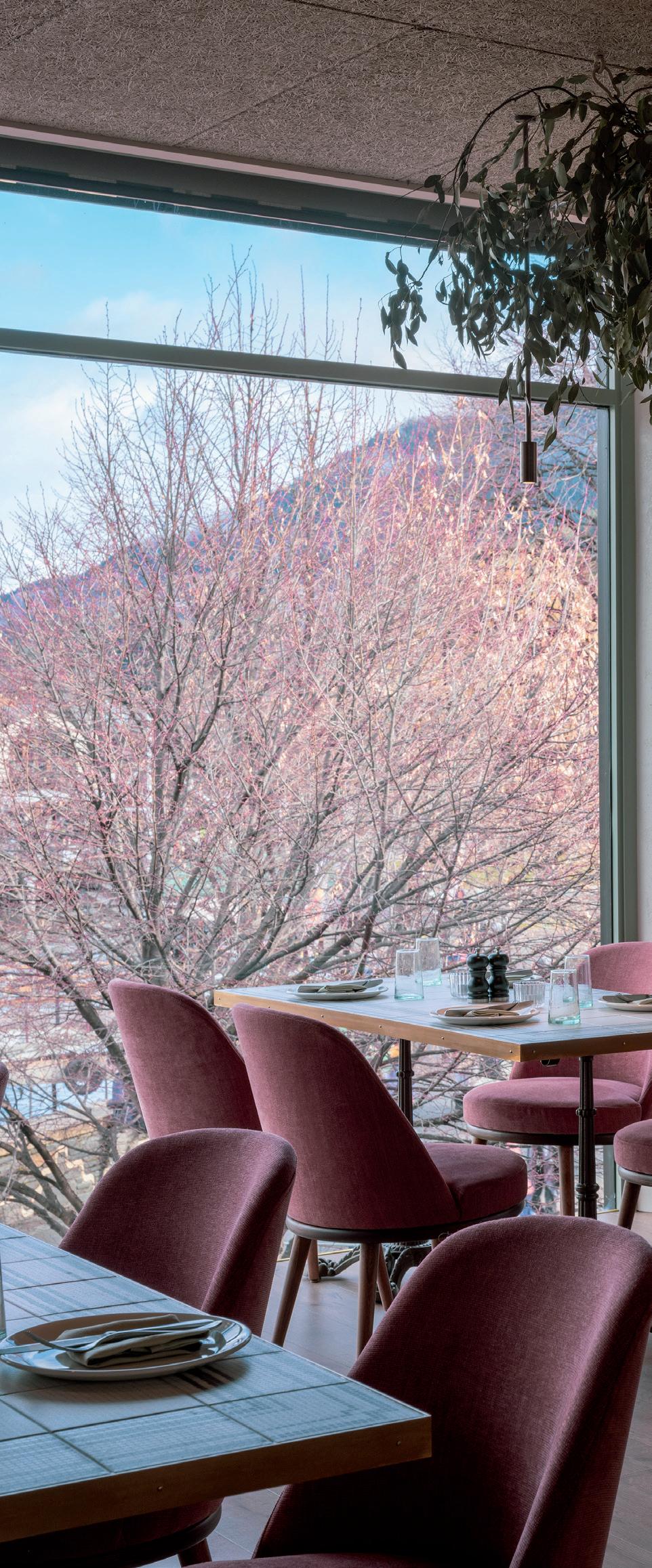
Trans-Tasman interior architecture studio CTRL Space is set to expand into Queenstown, marking a strategic move into what is widely regarded as New Zealand’s fastestgrowing tourism and hospitality region.
Founded in 2009 by industry leader Chris Stevens, CTRL Space has built a reputation for delivering design-led, commercially intelligent interiors across Australasia. With studios in Auckland and Brisbane, the practice is behind many of the region’s most recognised hospitality venues, hotels, and workplace environments. Now, with plans to open a Queenstown office in mid-2026, led by Senior Project Designer Summer Bishop, the studio is positioning itself at the centre of a rapidly evolving market.
Stevens said the timing is right.
"Queenstown is the fastestgrowing region in the country from a development and construction
perspective, with a sustained wave of projects spanning luxury hotels, mixed-use precincts, and high-end food and beverage offerings. This expansion for CTRL Space is about having a local presence, boots on the ground, to better support our existing clients and engage with new opportunities, particularly in the hotel sector."
A Market on the Rise Queenstown continues to outperform the rest of New Zealand’s hotel market, setting new benchmarks for both demand and yield. Over the 2025-26 peak summer period, hotels recorded their highest-ever revenue per available room (RevPAR), with a 15.4 percent year-on-year increase, supported by strong occupancy across all hotel categories.
Air access has played a key role in this growth: Queenstown Airport saw a 13.8 percent yearon-year increase in inbound
passengers from Australia, while Christchurch Airport grew 16.3 percent over the same period. Christchurch and Queenstown together accounted for 63 percent of total incremental growth in non-resident arrivals, underlining the growing importance of South Island gateways in driving visitor numbers and supporting hotel performance.
Underlying this performance are favourable market fundamentals: constrained supply, sustained demand from key international markets, and policy signals encouraging foreign investment in high-value assets. Reports indicate that overseas property enquiries have surged in some segments by up to 600 percent, reinforcing Queenstown as a priority destination for investors and developers.
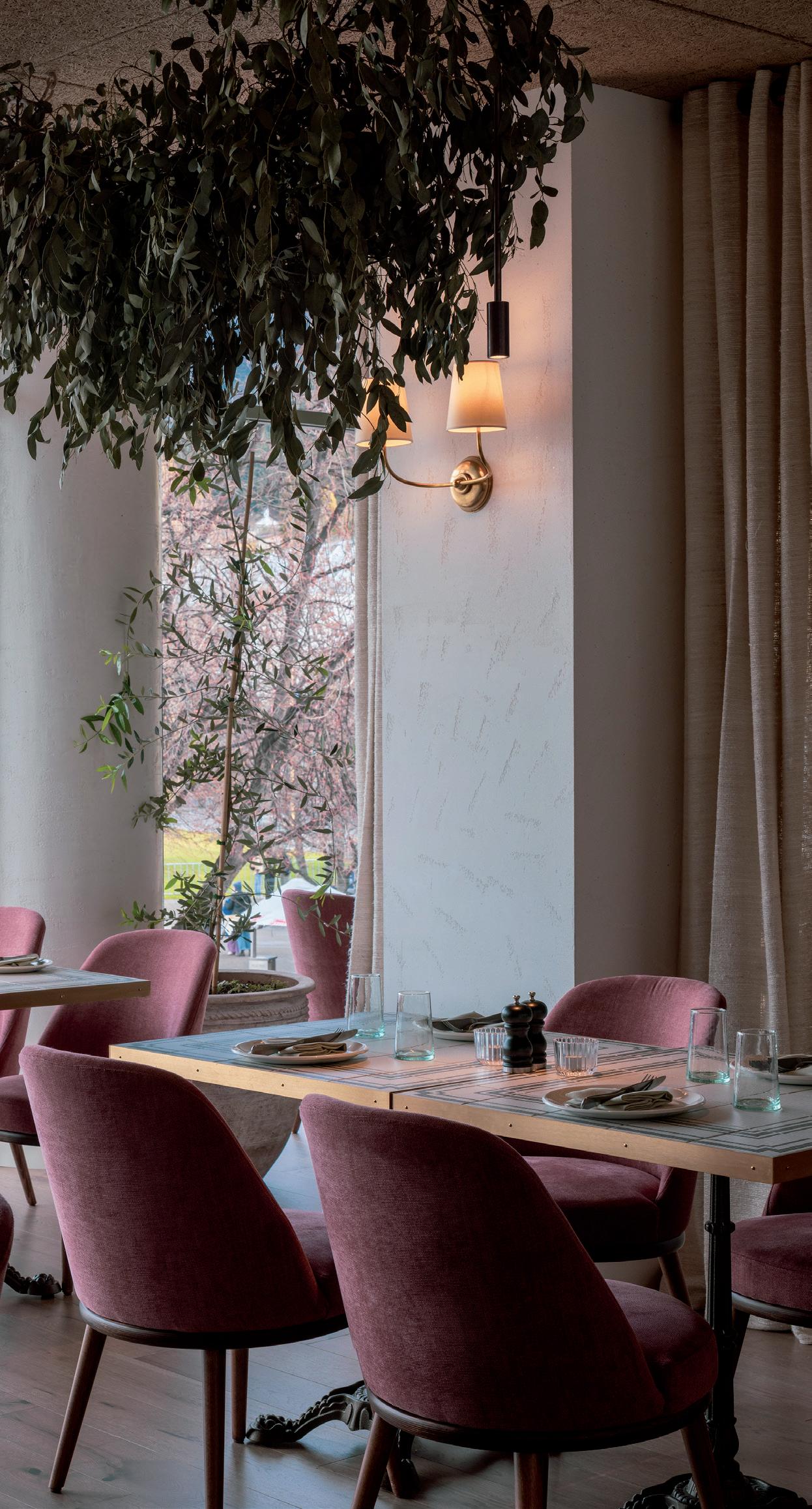


Strategic Design for Next-Level Hospitality
By establishing a local presence in Queenstown, CTRL Space aims to embed itself more closely within the region’s development pipeline, offering on-the-ground insight and responsiveness that remote delivery cannot match.
The shift is also influencing how projects are being scoped. As developments grow in scale and complexity, there is increasing demand for partners who can think beyond individual touchpoints and consider the hotel as an integrated whole. CTRL Space’s involvement across planning, positioning, and delivery reflects a broader evolution toward a fullservice design partner model. One that aligns design thinking with commercial performance from concept through to completion.
“We’re currently in discussions with a number of prospective clients in the hotel space,” Stevens added.
“What we’re seeing is a real appetite for design that goes beyond aesthetics. Operators want spaces that perform, tell a story, and create a point of difference in a competitive market.”
For CTRL Space, the move south reflects a clear alignment with that evolution: working with clients to deliver spaces that are both commercially robust and experientially distinctive, at a time when expectations for hospitality projects are rapidly increasing.

Chris Stevens
Watching Out for Scams
Picture it: guests are so excited for their trip. They book a hotel. Everything looks normal. Then a message comes in that seems routine, like a standard follow-up message from guest services. It references the trip, including the hotel name, travel dates, and payment details. It seems legit, but it’s not.
This is part of a growing scam trend that threat researchers at Gen (the company behind Norton) call the Reservation Hijack scam. It’s so effective because it leverages confidential details that only you and the hotel you booked with should know.
In April 2026, Booking.com, a major online travel booking platform, warned that unauthorised parties had accessed some customers’ booking information, including names, contact details, and reservation data, according to reporting on the breach by The Guardian. The number of customers affected was not disclosed. Incidents like this can give attackers the context they need to launch Reservation Hijacking scams.
What is a Reservation Hijack Scam?
A Reservation Hijack scam is a type of targeted phishing scam that uses real hotel reservation booking details to make messages feel legitimate, tricking travellers into sharing payment details or sensitive information.
In advanced cases, scammers gain access to hotel systems or booking platforms like Booking. com, allowing them to contact guests through channels that are normally considered trustworthy and secure. That means the message you receive might not only look real, but also come through a platform you trust, making the scam significantly

harder to detect. That’s what makes this scam so effective. It doesn’t ask you to trust an unfamiliarlooking message. It asks you to trust a message that already looks and feels very familiar.
What Norton Researchers Uncovered
Norton researchers have observed an increase in the number of scams that exploit real booking data and trusted travel platforms. Key findings include:
• Scammers are increasingly targeting travellers with active reservations, not random users.
• Messages are delivered through trusted channels, including booking platforms and officiallooking emails.
• Attacks frequently involve urgent payment requests tied to legitimate bookings.
• The use of real reservation details makes these scams significantly more effective than traditional phishing scams.
The emergence of Reservation Hijack scams reflects a broader trend: scammers are moving away from generic messages toward highly contextual, personalised attacks.
How Scammers Get Access to Reservation Details
One of the most unsettling parts of this scam is how much attackers seem to know. In some cases, scammers gain access to reservation details by:
• Compromising hotel or partner accounts by targeting hotel staff with phishing attacks or exploiting weak passwords.
• Exploiting third-party vendors connected to booking systems
• Accessing platform messaging tools to impersonate legitimate properties
If guests are targeted by one of these scams, it doesn’t necessarily mean a personal account was hacked. In some cases, a company that holds data may have suffered a breach, exposing real customer information that attackers can use to make their messages appear more legitimate.
How the Scam Unfolds
A Reservation Hijack scam often starts with a message related to a travel booking you recently made. It could arrive via email, SMS, WhatsApp, or even through a booking platform’s messaging system. Because it references real details, it doesn’t immediately raise suspicion.
The message typically introduces a problem, such as an issue with guests’ payment or a need to verify the reservation. There’s often a sense of urgency, suggesting that the booking could be cancelled if guests don’t act quickly.
From there, guests are directed to a payment page that appears legitimate but is actually designed to capture financial or personal information. By the time guests

reach this step, the context feels so real that many people don’t think to question it.
Why this Scam is so Convincing
What sets this scam apart is how personal it feels. Instead of guessing, attackers may already know where guests are travelling, which hotel they booked, and how long they’re staying.
That context creates a powerful sense of trust. The message doesn’t feel random or out of place. It feels like part of the typical travel experience. And that’s exactly the point.
Scammers are no longer just trying to trick guests with poorly written emails. They’re using real information and real moments in everyday life to make their requests feel completely reasonable.
What Scammers Can Do with the Information
Falling for a Reservation Hijack scam can lead to more than just a single fraudulent charge.
Depending on what information is shared, scammers may make unauthorised purchases using payment details, steal personal information for identity theft, attempt additional scams using data, or disrupt travel plans if the booking is affected.
The impact can extend beyond the guest’s trip, especially if sensitive information is compromised. l
TRIBE Launches Vinyl Club
Music is at the heart of TRIBE Hotels' latest endeavour, TRIBE Vinyl Club, introducing curated listening stations in its properties around the world.
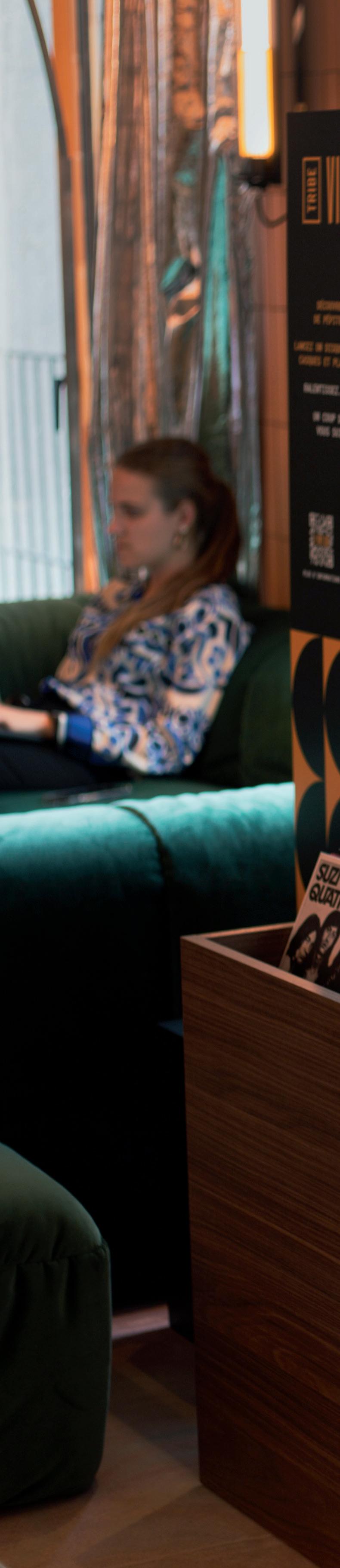
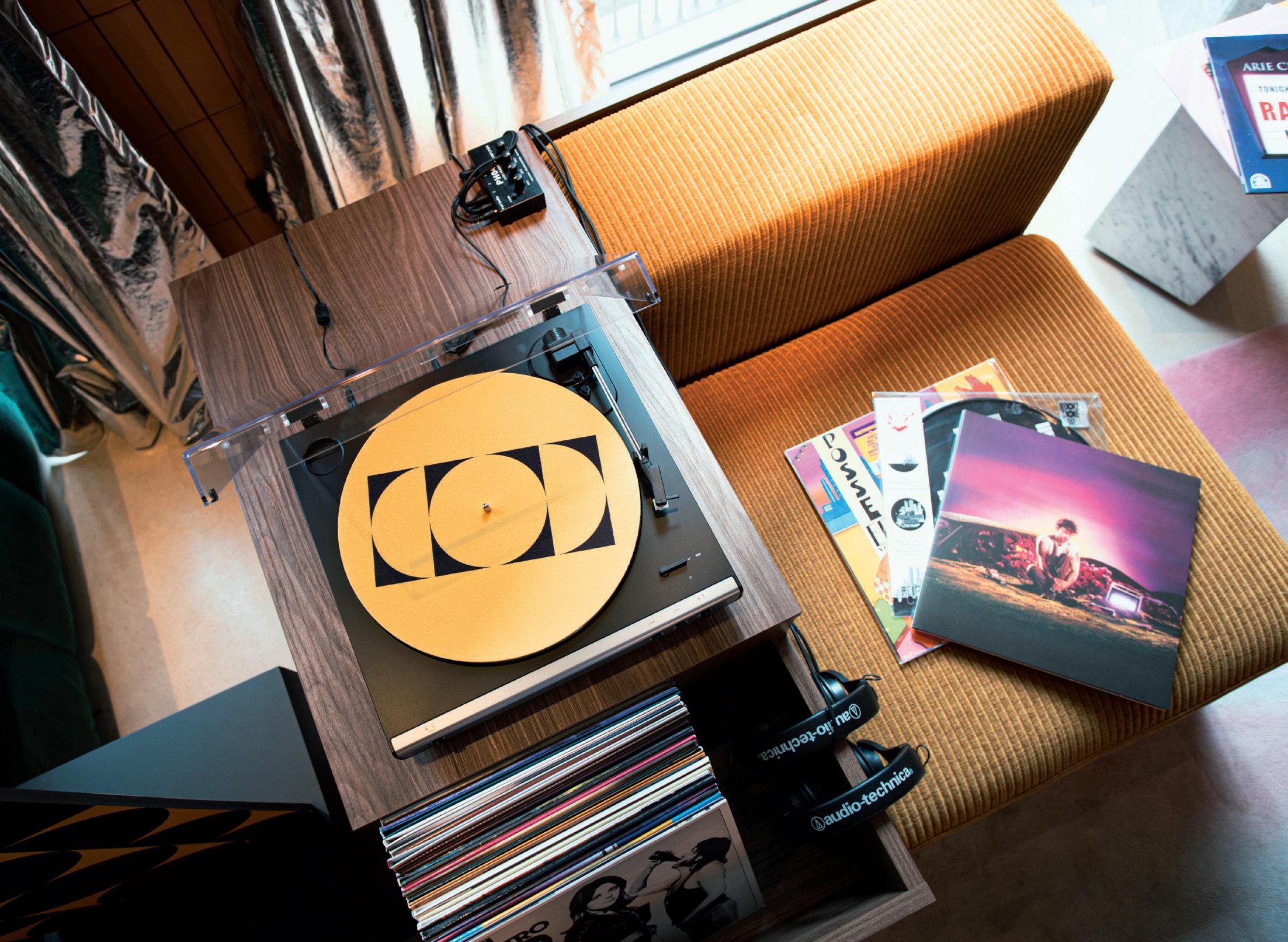
TRIBE Hotels is launching TRIBE Vinyl Club on Disquaire Day / Record Store Day on 18 April, bringing vinyl culture into its hotels worldwide through curated listening stations, neighbourhood partnerships, and an exclusive vinyl release.
Built on the idea that music connects people, TRIBE Vinyl Club brings a more tactile, intentional way to listen, discover and share. The initiative is anchored by a partnership with Disquaire Day / Record Store Day, linking TRIBE's international hotel network with local record stores. Together, they create listening spaces across hotels and neighbourhoods — extending the TRIBE social vibe beyond the hotel walls.
In May 2026, TRIBE will release its own vinyl, titled “New Grounds”, curated with Radio Nova. The limited LP is a sonic journey inspired by movement and connection, spanning genres and generations, bringing together established and emerging artists such as Frankie Valli & The Four
Seasons, Brian Eno & John Cale, Danny Brown, Martina Topley-Bird and Khruangbin. The LP will feature four unreleased tracks created specially for TRIBE, adding a rare and collectable dimension to the record. Only 1,000 copies will be available across selected TRIBE hotels and partner record stores.
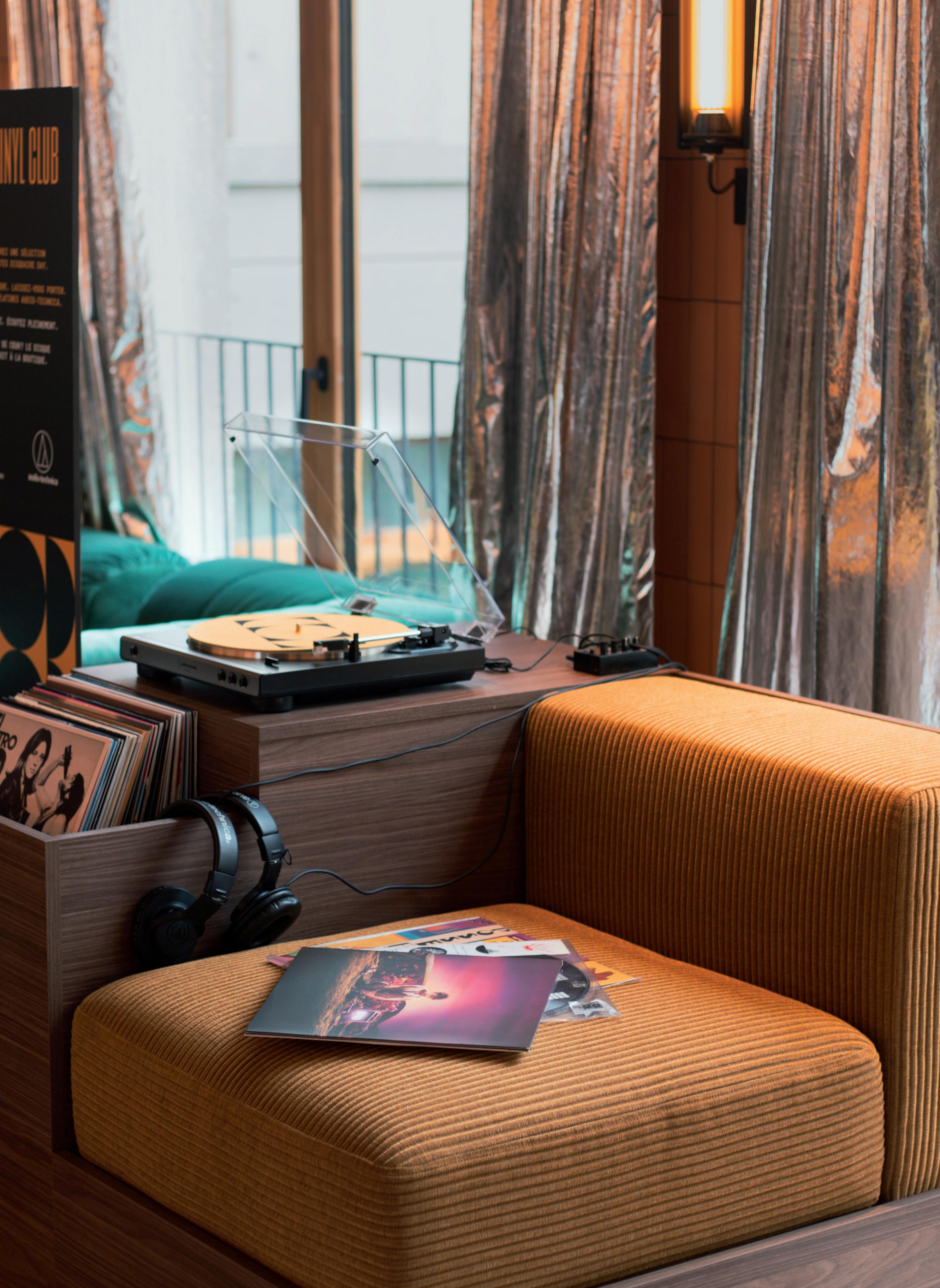
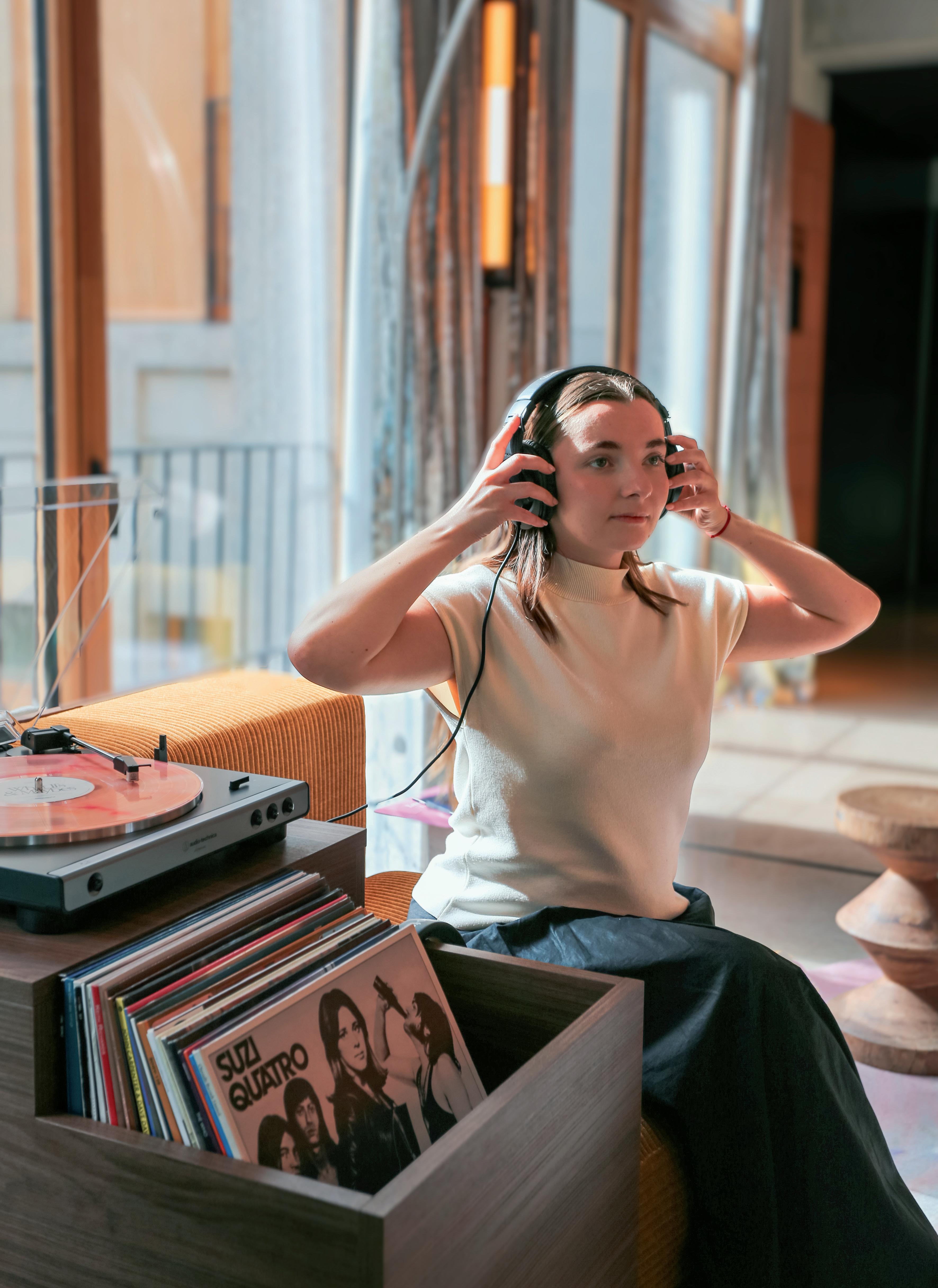
At the core of TRIBE Vinyl Club are listening stations installed in select TRIBE hotels. These relaxed, social spaces invite guests to browse curated vinyl collections, select records that catch their eye or ear, plug in and listen.
Each station features tailor-made furniture and premium AudioTechnica equipment, including the AT-LP60XUSBGM turntable and ATH-M20x headphones, alongside a selection of iconic records and rare gems curated in collaboration with local record stores.
The first listening station has been introduced at TRIBE Paris Clichy, with additional addresses to follow in the coming weeks, including in London, Lyon, Dusseldorf, Phuket, and Auckland. Each participating TRIBE address
will be paired with a curated selection of nearby independent record stores, highlighted through digital city maps.
“TRIBE is a social hotel that brings people together, creating spaces for life, social dining, and shared culture - the great substance of urban lifestyles. Today this comes to life through the launch of the TRIBE Vinyl Club”, said Jean-Yves Minet, Global Brand President, Midscale & Economy at Accor.
“Music brings people together and over the past decade, we have witnessed a powerful resurgence of vinyl culture, reflecting a broader shift toward authenticity, craftsmanship, and more immersive experiences. These are the same values transforming modern travel. Vinyl is not simply nostalgia, it represents ritual, intention, and connection. With TRIBE Vinyl Club, we are creating moments and spaces where people engage through culture, creativity, and discovery, and where music becomes a living part of hotel life.” l

Big Month for Christchurch
Christchurch has become the centre of action with the opening of the new One NZ Stadium and an influx of international visitors.
Ōtautahi Christchurch is set to cap off a major month of major events this weekend, with the Super Rugby Pacific ‘super round’ set to officially open the long-awaited One NZ Stadium.
Super Round 2026 will see 10 teams in action across three days. The event is set to bring in fans from across New Zealand, Australia, Fiji, and the Pacific to enjoy worldclass rugby in a world-class setting.
Kristy Phillips, Chief Executive
of Hospitality New Zealand, said hospitality and accommodation operators from across the region are looking forward to welcoming guests in what will be the first of many major events at One NZ Stadium.
“Major events are a huge boost for food and beverage and accommodation businesses. They bring people into a region, and they get locals out and about too,” said Phillips
“We’re hearing from our members

Bookings are strong heading into the weekend. It’s meant that April, which is often a month where things quieten down after a busy summer, has continued to see good numbers of guests through.
that bookings are strong heading into the weekend. It’s meant that April, which is often a month where things quieten down after a busy summer, has continued to see good numbers of guests through.”
The Super Round and stadium opening follow last weekend’s sellout Super Cars event, where more than 65,000 people descended on Ruapuna Raceway for three days of racing, including sell-outs for the Saturday and Sunday sessions.
“It’s great to see Christchurch building some real momentum with its events calendar, and continuing to prioritise a strong pipeline of events that will continue to support the hospitality sector over time,” added Phillips.
With the Super Round also falling across the Anzac Weekend, recent changes to trading rules will allow hospitality businesses to make
the most of the increased visitor numbers.
Hospitality NZ has long advocated to ease restrictions that previously required bars and restaurants to close on certain public holidays unless they met specific conditions.
The Sale and Supply of Alcohol (Sales on Anzac Day Morning, Good Friday, Easter Sunday, and Christmas Day) Amendment Bill, which clarified trading and service restrictions across the four restricted trading days in the calendar year, received Royal Assent on 2 April 2026.
Kristy Phillips says the law change removes confusion for operators and guests, offering the flexibility that hospitality businesses need to meet customer demand during major events and long weekends, including this weekend in Christchurch. l
The Road More Travelled
Vehicle rental services have been on a sharp increase recently in the Queenstown region, the jewel of New Zealand's tourism crown.
Visitors to the Queenstown Lakes district spent approximately NZD 2.83 billion in the year ending March 2025, according to Road Genius, maintaining the region's position as one of New Zealand's highest-value tourism destinations. International visitors, many of whom have toured the area in rental cars or motorhomes, accounted for NZD 1.79 billion of that total, with holiday travel representing the primary purpose for approximately 330,770 international arrivals during 2024.
The region's sustained visitor spending reflects both the strength of its adventure tourism offering and its growing appeal as a yearround destination beyond the traditional ski season.
Queenstown's international profile continues to attract recognition, with the destination ranked fourth among the best cities in the Australia, New Zealand, and South Pacific region. This visibility has driven search demand from prospective visitors planning trips months in advance, many of whom arrange car rental services in Queenstown, New Zealand before arrival to ensure vehicle availability during peak periods. Self-drive access is particularly valued by
visitors planning itineraries that extend beyond the immediate Queenstown area to encompass Wanaka, Glenorchy, and the wider Central Otago region.
Seasonal pricing dynamics present opportunities for budgetaware travellers visiting outside the December to February peak. Shoulder season visitors and those planning ski trips during winter months often seek the cheapest car rental in Queenstown to manage costs across extended stays where daily rental rates accumulate significantly. The availability of competitive pricing during quieter periods has contributed to the district's efforts to attract visitors year-round rather than concentrating demand exclusively in the summer months.
Providers such as NZRAC operate from Queenstown with vehicle options suited to the region's varied terrain and seasonal conditions, including SUVs and four-wheel drive vehicles for alpine access during winter. The continued strength of visitor spending and the region's expanding international reputation suggest that rental transport demand in Queenstown will remain closely tied to the broader trajectory of New Zealand's tourism recovery. l


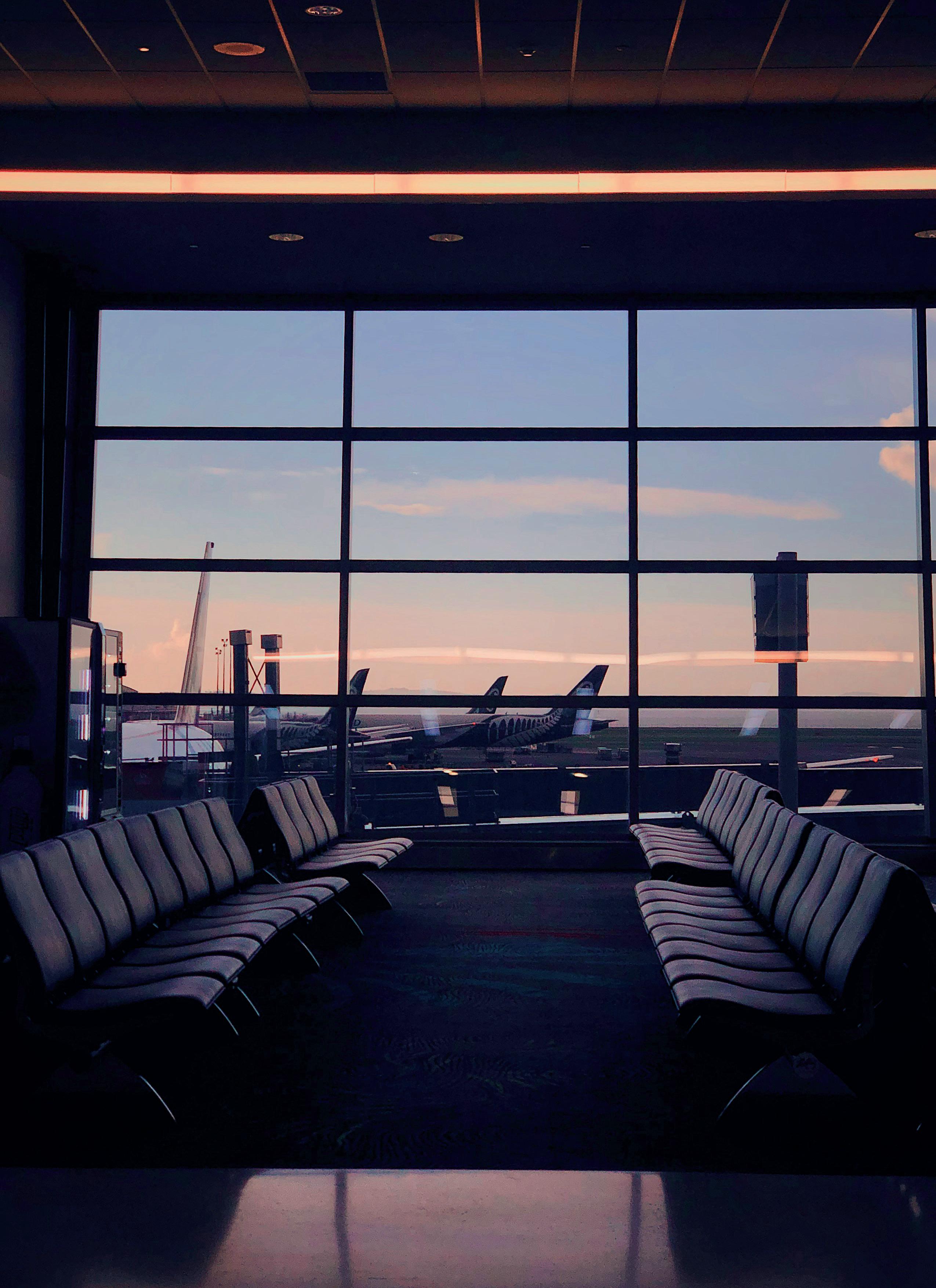
Important Growth for NZ Tourism
Tourism in New Zealand has continued to rise following strong arrivals from China amid the ongoing conflict in the Middle East.
The Government has welcomed new data showing New Zealand’s international visitor numbers continue to rise, with particularly strong growth from people visiting from China over Chinese New Year.
Tourism and Hospitality Minister Louise Upston said Stats NZ’s latest monthly international travel data shows New Zealand tourism continues its strong positive recovery.
“Our tourism sector continues its strong growth, with over 408,000 overseas visitors choosing to visit New Zealand in February 2026, over 53,000 more than the same time a year ago,” the Minister said. She added that international tourism contributes to the Government’s plan to fix the basics and build the future and support economic growth, with businesses, jobs and communities across the country feeling the benefits of increasing visitor numbers. Annual figures show overseas
visitor arrivals reached 3.58 million in the year to February 2026, an increase of 229,000 on the previous year. This continues to track towards pre-COVID levels, now sitting at 92 per cent of December 2019 figures.
“It’s great to see continued growth from our largest visitor market, Australia, with 1.54 million arrivals in the year to February, up 123,000 from the year before,” she added.
“Changes that allow eligible visitors from China and the Pacific to travel to New Zealand from Australia with a New Zealand Electronic Travel Authority (NZeTA), rather than a visa, are also making a difference.”
Chinese visitor arrivals were up 41,700 (increase of 214 percent) in February 2026 compared with the same month in 2025, as more Chinese visitors chose to take advantage of the NZeTA and experience New Zealand’s unique scenery and hospitality over Chinese New Year.
Monthly data shows 53,700 more international visitors arrived in February 2026 compared with February 2025.
“This Government has backed our vital tourism and hospitality sector through initiatives, including funding for the promotion of New Zealand as a year-round destination and strengthening partnerships with key markets,” the Minister added.
“As a country, we are seeing the flow on growth and confidence in our tourism and hospitality sector as more visitors have chosen New Zealand as their next holiday destination.”
She added that more international visitors will mean more customers for New Zealand businesses and ultimately more jobs.
“The effects of the fuel crisis are yet to be seen, but I will keep working with tourism operators on ensuring New Zealand continues to be seen as an attractive and safe destination to visit.” l

More Kiwis Turn to Travel Agents
Data has shown that more New Zealanders have turned to using travel agents for clarity and confidence in complex times.
Kiwis are increasingly turning to travel agents to book and manage their travel, with new insights from the Travel Agents’ Association of New Zealand (TAANZ) highlighting a clear reliance on expert support in an increasingly complex global environment.
Recent TAANZ member survey results, conducted in response to the evolving situation in the Middle East, show that while global events are influencing travel behaviour, demand remains strong, and travel agents are critical.
The research showed that only three percent of travel booked through a TAANZ-accredited agent is being cancelled. Most of the impacted travel was able to be rerouted by the agent on behalf of the customer (61 percent). Of the cancelled flights, well over half (66 percent) were cancelled by customers rather than airlines, due to their global concerns.
TAANZ CEO Julie White said the results reinforce the value of professional travel advice.
“Despite ongoing geopolitical uncertainty, Kiwis still want to
Travel agents are on the frontline, supporting customers, interpreting rapidly changing information, and ensuring travellers can continue their journeys with confidence. Often this can be day or night as we navigate itinerary changes across the world on your behalf,

travel but they are recognising that they need an expert on their side to help. What we’re seeing is a clear trend: travellers are seeking out trusted advisors to help navigate changing conditions, reroute journeys, and provide confidence every step of the way. Travelling is still viable for many.”
The survey found that 82 percent of travellers were choosing to avoid travel through the Middle East. White comments that this is where travel agents are really coming into play, intimately knowledgeable on the industry and able to provide strong recommendations that are keeping Kiwis in flight.
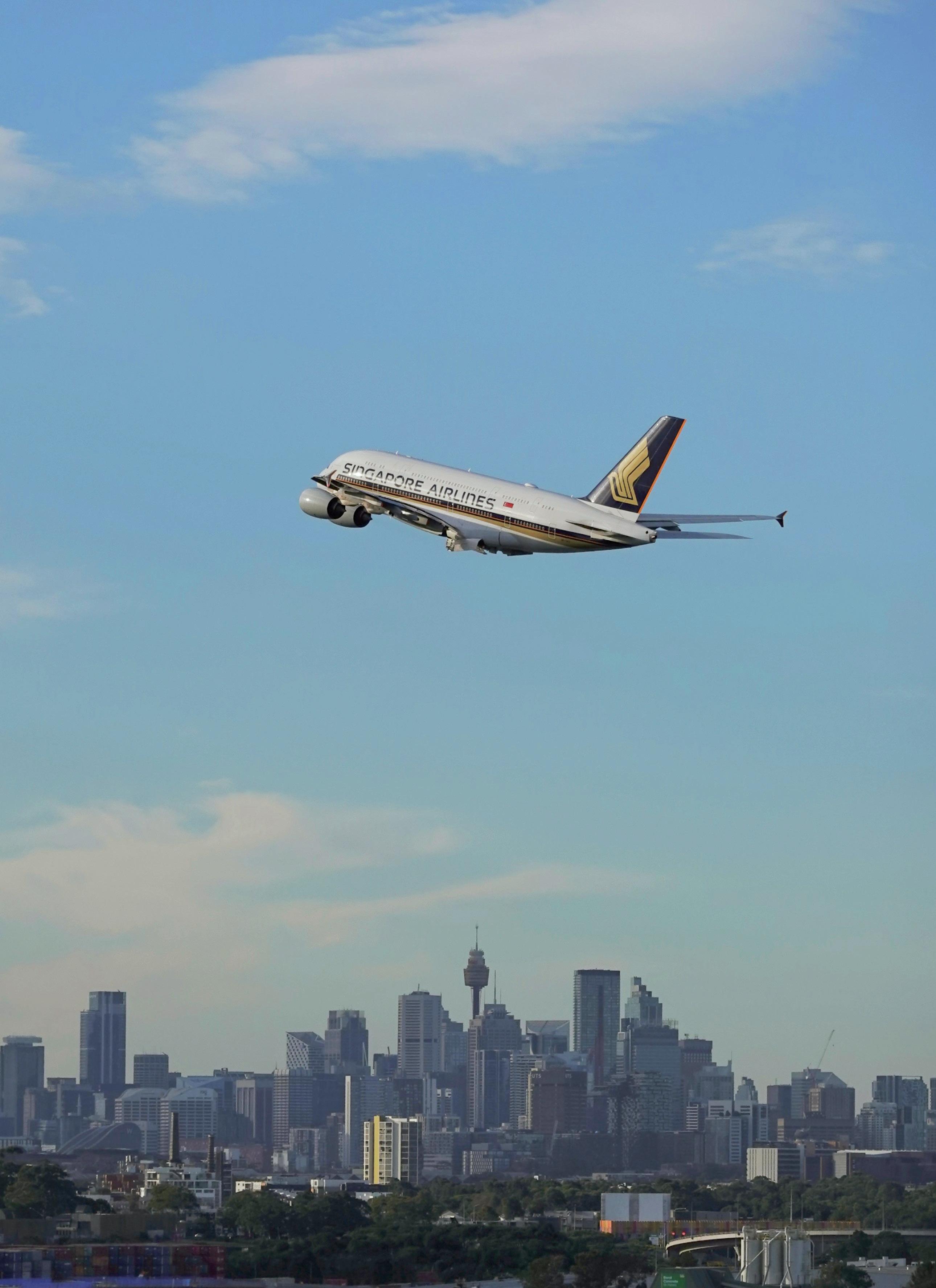
“It is wise to avoid zones of conflict, we can help with that. But there are other complexities to note, 35 percent of our agents are seeing reduced availability for flights for future bookings. However, we also understand where the strongest supply is and how best to navigate this. For instance, Singapore Airlines have increased flights into New Zealand and Australia, giving greater connection into Asia and further into Europe.”
“This is a strong endorsement
of the role travel agents play, particularly in times of disruption,” said White.
“When things become uncertain, having a professional in your corner makes all the difference.”
The findings also highlight the significant workload being carried by travel agents, who are managing high volumes of customer enquiries, rebooking requests, and real-time updates as situations evolve. 38 percent of TAANZaccredited agents are reporting a significant increase in workload.
“Travel agents are on the frontline, supporting customers, interpreting rapidly changing information, and ensuring travellers can continue their journeys with confidence. Often this can be day or night as we navigate itinerary changes across the world on your behalf,” said White.
TAANZ continues to work closely with government, airlines, and industry partners to advocate for its members and ensure accurate, balanced information is shared with both the trade and the travelling public.
“As an industry, we’ve faced a number of headwinds in recent
times, but these results show both resilience and relevance,” White added.
“More than ever, Kiwis are recognising the value of booking with a travel agent, not just for convenience, but for confidence, expertise, and peace of mind.”
While many are cautious to travel, White said there has been a change in consumer behaviour as many still want to book holidays with minimal risk.
“Anecdotally, there has been an increase in customers looking to book cruises with good options out of ports like Sydney and Singapore, which are relatively close for Kiwis to travel to. It’s a strong contender for those wanting to manage risk and budget. Many cruises are all inclusive and you can manage costs upfront.”
There has been a continued trend into travel close by, like Asia and Australia. This has been consistent with cost of living over the past couple of years and continues to track well for Kiwi travellers.
“If there is a desire to travel this year, a TAANZ-accredited travel agent can find the best solution for you.” l
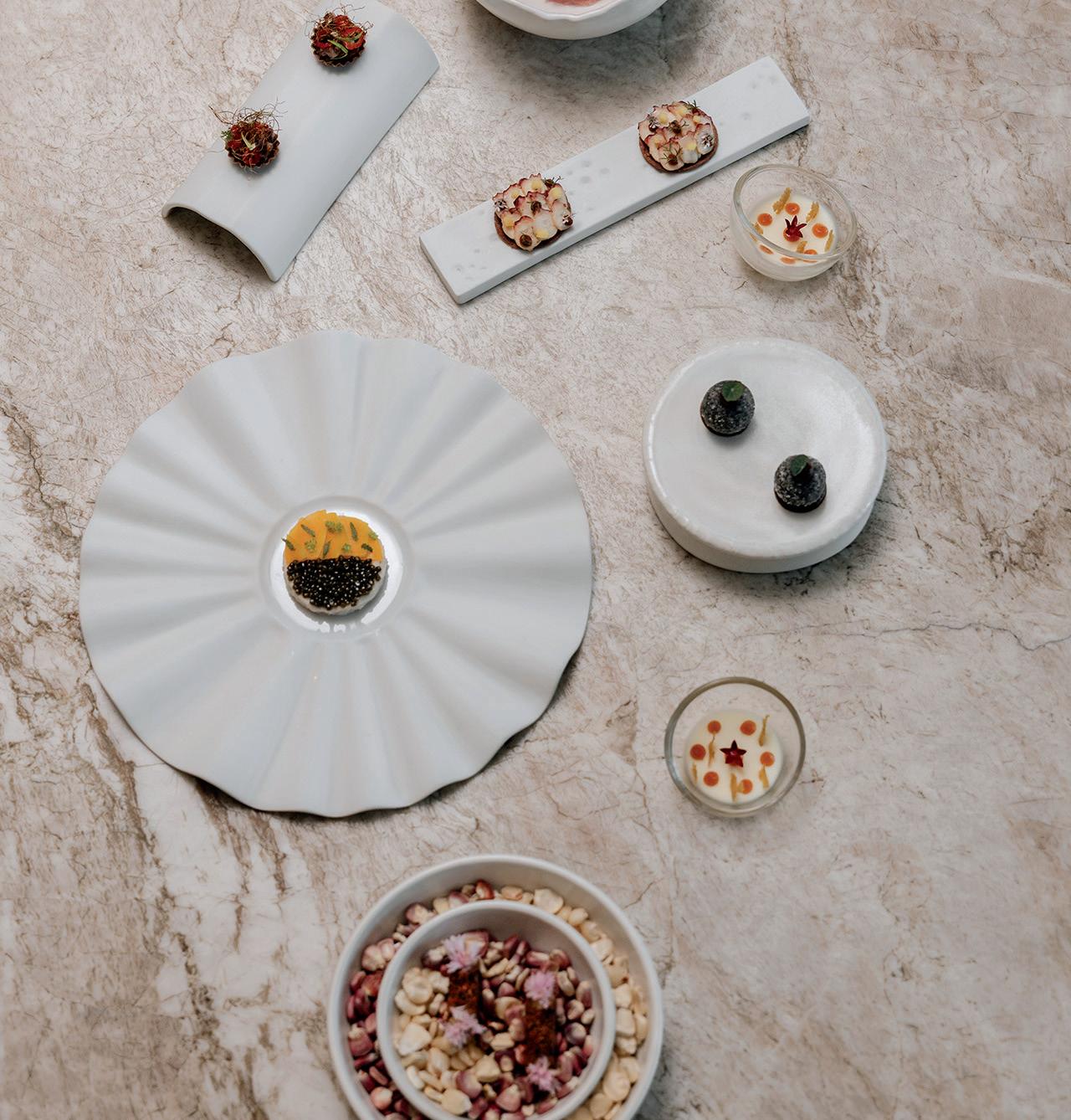
Sharpened Focus on Cuisine
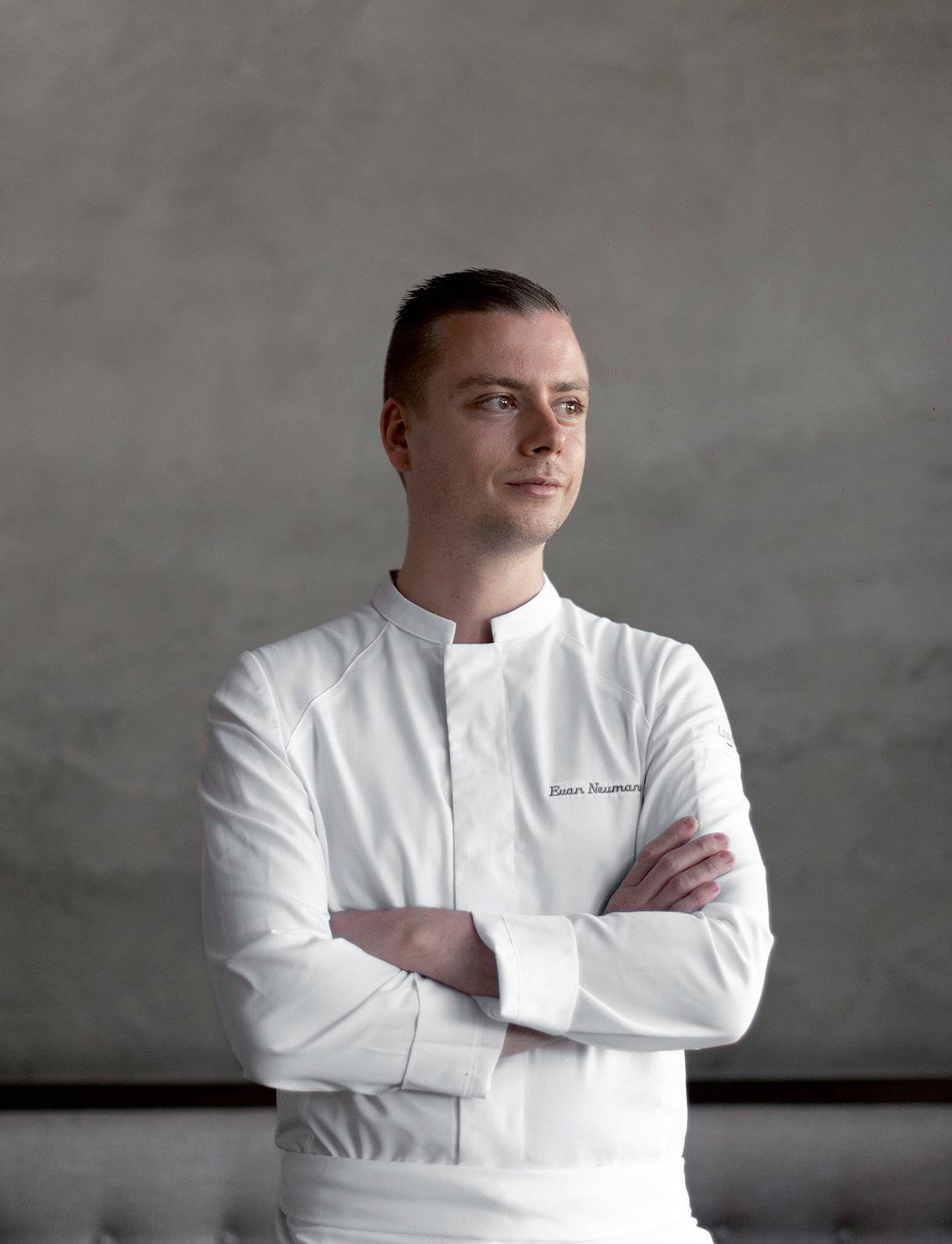
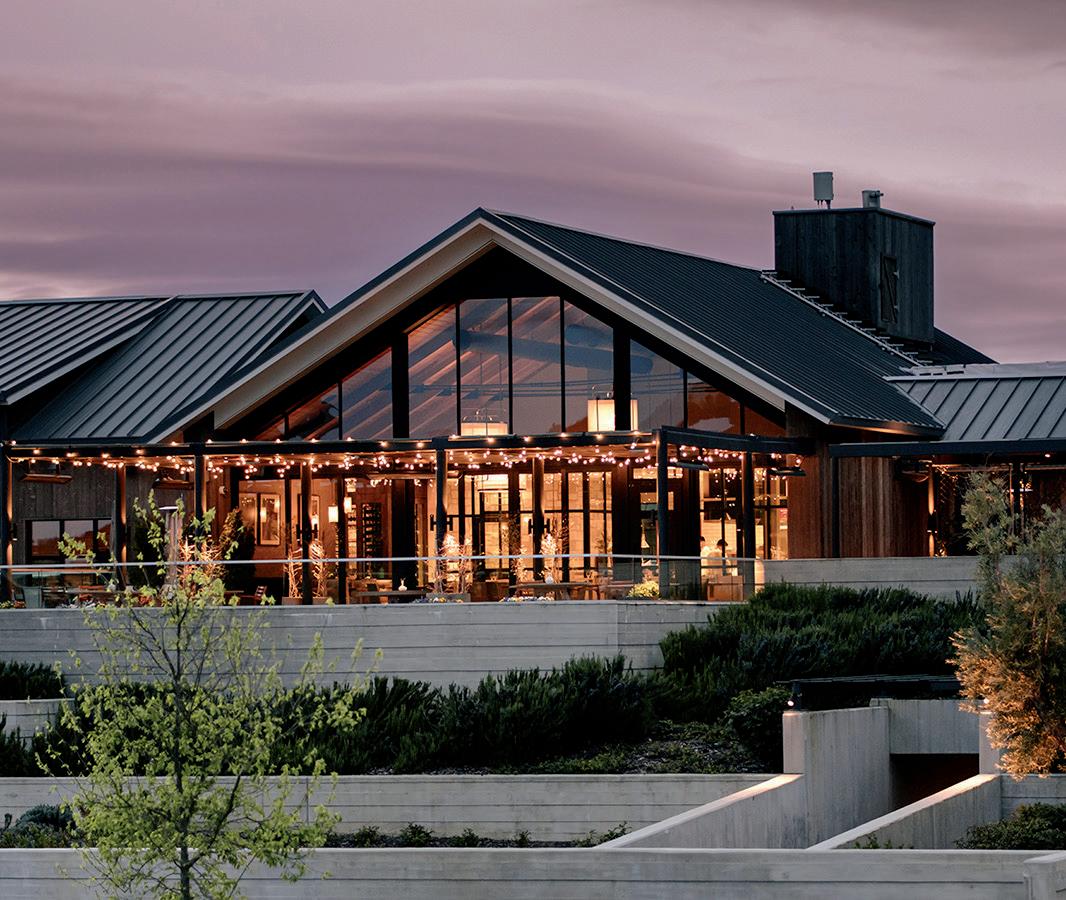
Evan Neumann has joined Auro, one of Napa Valley's Michelinstarred restaurants, and part of the Four Seasons portfolio.
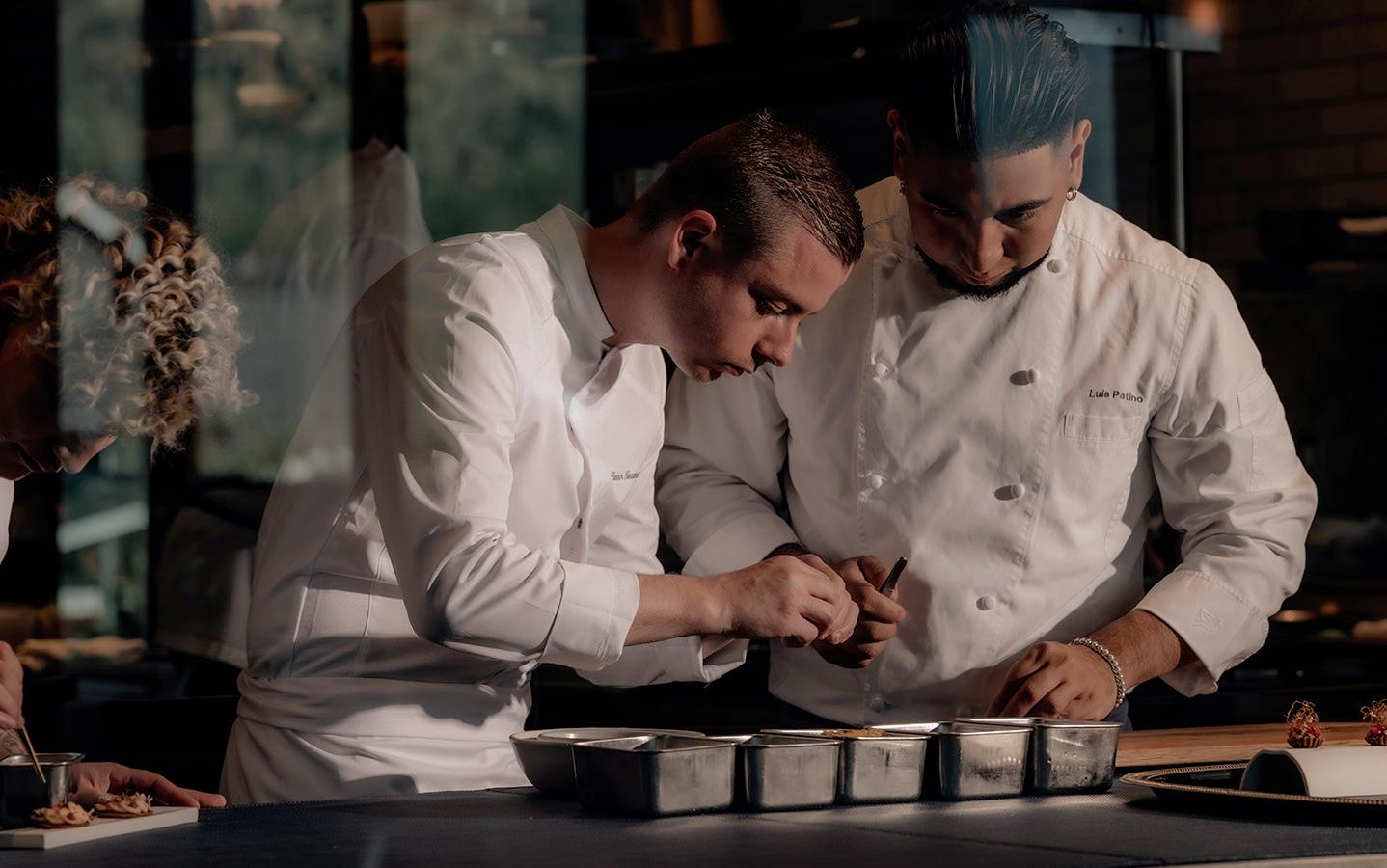
Evan Neumann
Neumann, whose career spans the kitchens of Joël Robuchon, Alain Ducasse, Anne-Sophie Pic, and Christophe Bellanca, assumes leadership of Calistoga's only Michelin-starred dining room this April.
Under Neumann, the restaurant enters its next chapter: a sharpened focus on Napa Valley terroir, precision-driven execution, and a kitchen culture built on mentorship, discipline, and collaboration.
"What drew me to Auro is everything coming together in one place, the terroir of Napa Valley, Four Seasons standards of service excellence, and the opportunity to build something with a distinctive culinary identity and longevity, rooted in both French technique and the richness of California's
seasonal products," said Neumann.
"My approach is rooted in the ingredients. I want every dish to reflect the season, the land, and the hands that grew it. Great cuisine starts with exceptional products, but it is great teams that create unforgettable restaurants."
Neumann's path began early. He entered the kitchen at 14 in his native Provence and trained formally at the École Hôtelière d'Avignon. By 21, he was an executive chef, an achievement rarely seen at that age in French gastronomy. What followed was a decade spent in some of the most rigorous kitchens in the world.
He trained under Joël Robuchon, the chef Gault&Millau named "Chef of the Century" and the most Michelin-decorated chef in history, with thirty-one stars at his peak, at the Hôtel Métropole Monte-Carlo. He then worked the cooking and sauce stations at Alain Ducasse au Plaza Athénée in Paris, the legendary three-star dining room where Ducasse's philosophy of "naturalité" demanded absolute precision and restraint.
From there, Neumann served as Sous Chef to Anne-Sophie Pic at La Dame de Pic, Le 1920 at Four Seasons Megève, where the restaurant earned its first Michelin star during his tenure. His move to New York brought him to Restaurant Daniel, the flagship of Daniel Boulud, one of the most influential French chefs working in America, where Neumann served as executive sous chef across the restaurant's two-
Michelin-star operation.
He then joined Christophe Bellanca at Essential by Christophe as chef de cuisine. Bellanca, known for his exacting standards and meticulous approach to French cuisine in New York, entrusted Neumann with the kitchen as the restaurant earned a Michelin star. Neumann joins a kitchen with strong foundations already in place. Sous Chefs Lika Nevarez and Luis Patino bring continuity and deep institutional knowledge to the Auro team. Nevarez, who has been with Auro since the opening, was promoted to Sous Chef after leading the reopening of the restaurant following a six-week closure. Patino, who previously held the Sous Chef role, returns to the team to partner with Nevarez under Neumann's leadership.
"Evan's appointment reflects our long-term commitment to Auro as an enduring culinary destination, not just in Napa Valley, but across the Four Seasons portfolio in the Americas,” said Robby Delaney, General Manager, Four Seasons Resort and Residences Napa Valley.
“From the first tasting, the clarity was immediate, the precision of his technique, the refinement in his sauce work, the depth of his vegetable dishes. But what struck me most was how much he respects this place. The land, the producers, the way we live here. That, paired with his discipline and his ability to bring a team together, is exactly what this next chapter needs." l
Green and Gold Promise for Sustainability
A new campaign has encouraged tourism businesses to join the Green and Gold Promise, promoting a sustainable tourism industry.
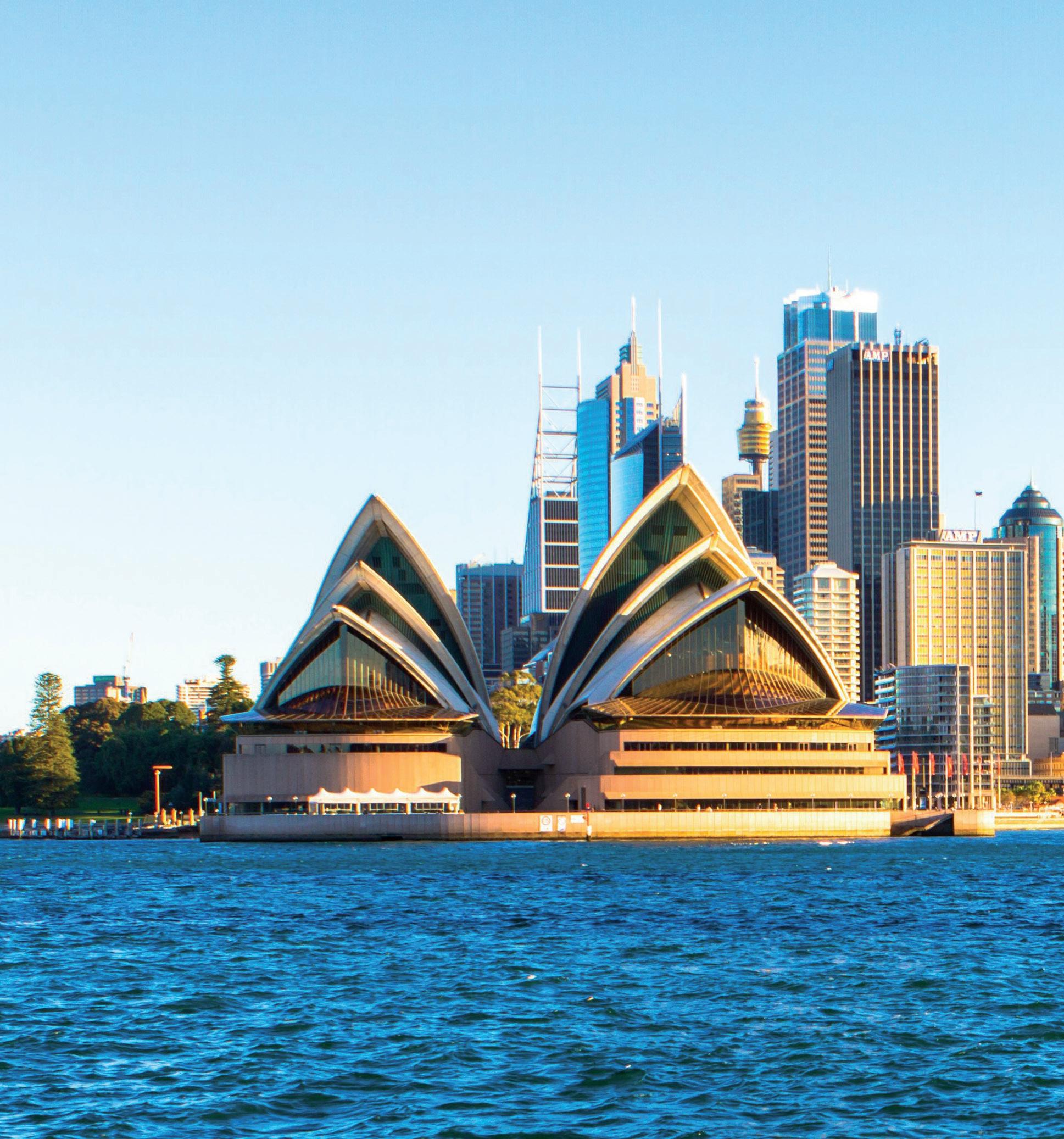
Tourism Australia has revealed a new sustainable tourism initiative, the Green and Gold Promise, at the annual Destination Australia conference, urging businesses and visitors to adopt responsible travel practices to protect Australia as a world-class destination for generations to come.
Sustainable tourism is a huge opportunity for Australia’s travel and tourism industry. Demand for sustainable, nature-based tourism and outdoor experiences is on the rise, with 77 percent of travellers saying sustainability is important to them.
As part of the launch, a new 90-second video was revealed featuring industry representatives from Budj Bim Cultural Landscape, the Sydney Opera House and

Tasmanian Walking Co. who are already taking steps to make sustainability core to their businesses.
This campaign builds on the National Sustainability Framework for the Visitor Economy by connecting them with practical tools and complementing industry certification programs.
Tourism businesses who get behind the Promise are being asked to embrace five Green and Gold Principles to communicate the importance of responsible travel behaviours to tourists, and the vital role tourism plays in supporting Australian communities, respecting the environment, and respect for local cultures.
The five principles are: Celebrate Community, Embrace Culture,
Preserve Place, Respect Wildlife and Take Care. Each principle is supported by simple traveller actions on how to bring these to life.
“Australia is renown globally for our bushwalks, rainforests, beaches, unique wildlife, national parks and our beautiful natural scenery,” said Minister for Trade and Tourism Don Farrell.
“These offerings really are a driving force for tourists, and initiatives like this will ensure that visitors will be able to enjoy our world-class natural environments, communities and culture for generations to come. Sustainable tourism is a huge opportunity for our industry, and I encourage the more than 360,000 tourism businesses across Australia to take part in this new Green is Our Gold Promise.”
Tourism Australia Managing Director Robin Mack said Australia has a strong track record of sustainable growth in tourism.
“Many businesses have already embraced sustainability, delivering world-class experiences that are sensitive to our natural environment, our cultures and our communities. Green is Our Gold recognises the strong foundations already in place, while encouraging a collective commitment to continuous improvement across the sector,” said Mack.
“Aligning our industry’s sustainability vision with our message to travellers creates a powerful opportunity to strengthen Australia’s global reputation as a leader in responsible travel and tourism.” l
InterContinental Sydney Coogee Beach Unveils Final Touch
A new campaign has encouraged tourism businesses to join the Green and Gold Promise, promoting a sustainable tourism industry.
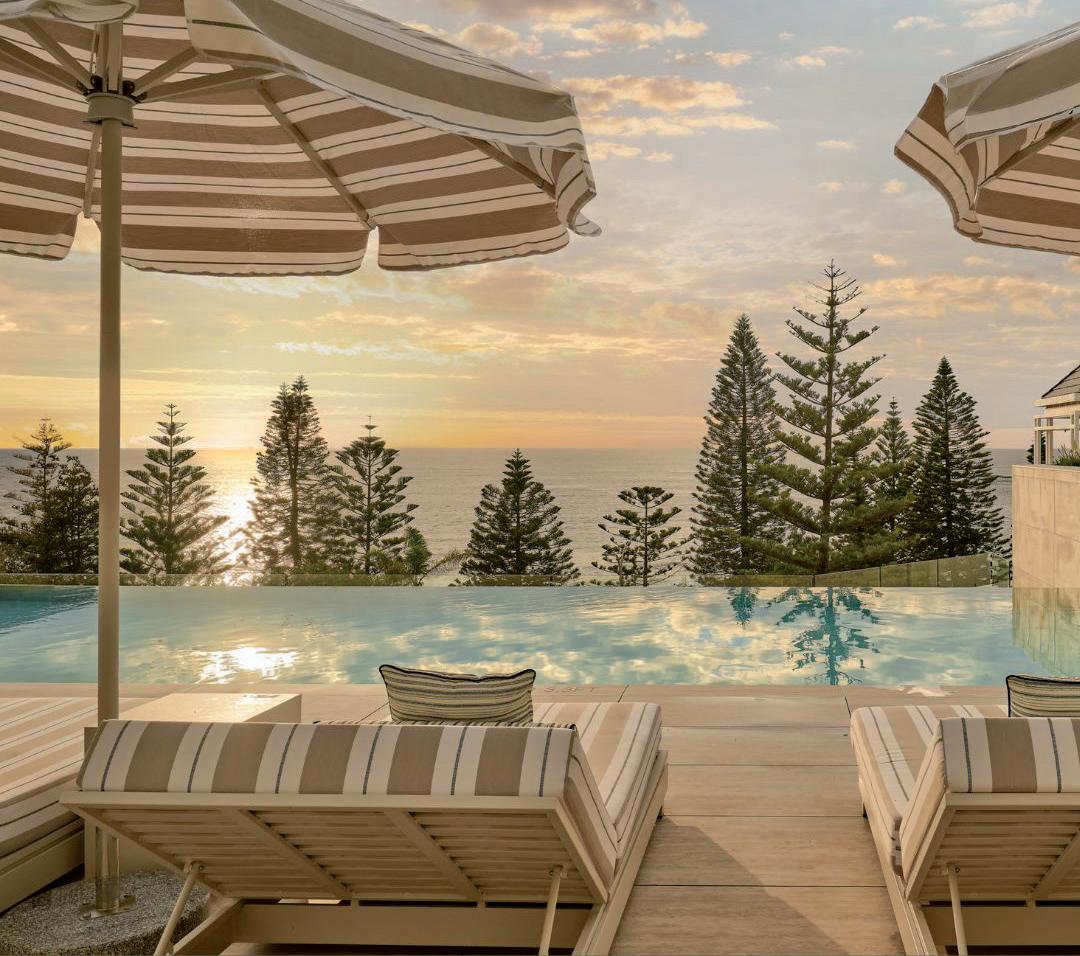
InterContinental Sydney Coogee Beach, part of IHG Hotels & Resorts’ luxury & lifestyle portfolio, has continued to redefine Sydney’s beachfront experience, unveiling the final chapter of its multi-milliondollar transformation. Continuing the brand’s legacy as a pioneer of luxury hospitality for over 80 years, the reimagined InterContinental hotel is now open with an oceanfacing infinity pool and terrace, Club InterContinental lounge, and pickleball courts, with the highly anticipated Èliva Spa set to follow in early May.
InterContinental Sydney Coogee Beach emerges as a defining expression of the brand’s global evolution, now rolling out across the world, built on the belief that travel has the ability to expand the mind and connect cultures. From intentional design to Concierge, the experience has been crafted to satisfy guests’ lifelong pursuit of knowledge and deliver rich cultural insight.
The hotel’s extensive transformation, which also includes 198 guestrooms and suites, many offering sun-drenched interiors and expansive ocean views, creates an elevated new base for beachfront living. The transformation was designed by Woods Bagot, introducing a new interpretation of coastal luxury to Sydney’s eastern shoreline, reaffirming the hotel’s evolution tailored to today’s modern travellers.
At the centre of the experience is the hotel’s newly unveiled pool deck, a refined yet relaxed sanctuary positioned above the coastline. Framed by sweeping ocean views, the infinity-edge pool is heated year-round and surrounded by private cabanas, sun lounges and softly layered seating that invites guests to linger from morning through to sunset. Curved planters and integrated seating soften the edges of the terrace, while a layered planting scheme, from canopy
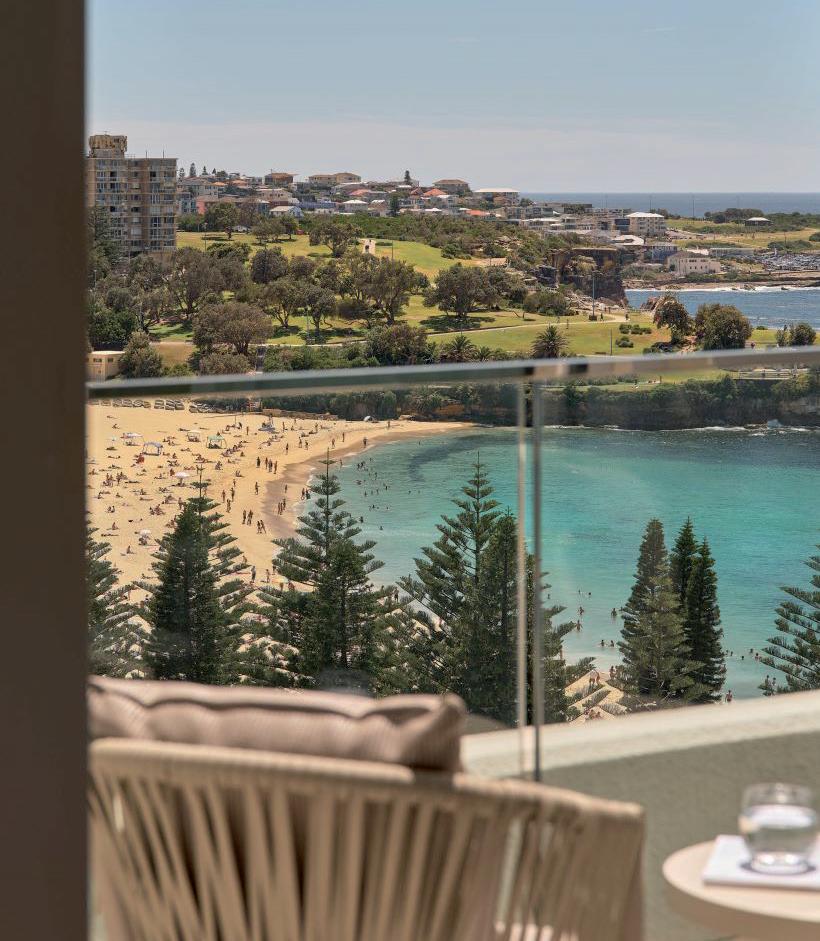
palms to low coastal grasses and native species, creates depth and a subtle sense of enclosure without compromising the view. As the seasons shift, the space takes on a new character, with fire pits flickering in winter, creating a warm and inviting atmosphere against the backdrop of the ocean.
The adjoining poolside dining offering has been designed to mirror the ease of beachside living, with a menu featuring classics as well as lighter dishes, including new ‘Nourish Bowls’ available throughout the hotel at any time, reflecting the brand’s focus on intentional flexibility and providing scientifically-backed, nutritionally balanced options to help guests shape-shift throughout the day.
Introducing a more private and elevated dimension to the stay, Club InterContinental at Coogee Beach is conceived as a discreet sanctuary where intuitive service meets understated sophistication. As one of the brand’s most beloved hallmarks, the Club Lounge is bathed in natural light and defined by a palette of sun-washed tones, organic textures and subtle nautical references, unfolding as a series of relaxed, interconnected settings designed for different moments.
Deep, comfortable lounges, low coffee tables and quieter nooks invite guests to settle in, whether for a slow morning coffee, an informal meeting or a moment to unwind. Guests are invited to move from breakfast by the water to complimentary afternoon tea and twilight drinks with Champagne and canapés, all delivered with the personal, discerning service approach that reflects the relaxed elegance of the hotel.
The experience extends outdoors to a fully private, open-air terrace overlooking the ocean, a rare retreat that feels removed from the publicfacing pool deck below while still capturing its energy and outlook.
“These new experiences reflect our vision to create a refined yet relaxed coastal retreat, where guests can connect with Coogee’s natural beauty while enjoying a truly elevated stay,” said Melinda Lampier, General Manager of InterContinental Sydney Coogee Beach and Portfolio General Manager for IHG Hotels & Resorts.
“From the year-round heated pool to the ocean-facing terrace, we’ve designed spaces that invite both locals and international visitors to linger, unwind and experience the rhythm of the coastline.” l
Resilient Demand for Travel
Sydney Airport has delivered its strongest first quarter for international travel in the airport’s history, with 4.57 million international passengers coming through its terminals in Q1 2026, representing 5.8 percent growth year-on-year.
International performance drove a 3.6 percent increase in total passenger numbers compared with Q1 2025, with 10.78 million passengers travelling through Sydney Airport during the quarter.
Domestic passenger numbers rose 2.1 percent compared with Q1 2025, with 6.20 million passengers travelling through the T2 and T3 terminals.
New Zealand and China were Sydney Airport’s largest international markets during the quarter, with passenger volumes increasing by 13.5 percent and 14 percent respectively compared with Q1 2025. Travel to and from Hong Kong also recorded strong growth, up 21.4 percent.
The Asia-Pacific region continued to account for much of the overall increase in international traffic.
Passenger volumes on services to and from Kuala Lumpur increased by 32.3 percent, while services to and from Guangzhou recorded growth of 38.5 percent.
Travel through Hong Kong, Shanghai and Seoul also increased by 21.4 percent, 7.6 percent and 5.7 percent respectively.
“This quarter’s record international growth is a great outcome, particularly given the disruption in the Middle East, where many airlines have faced significant operational impacts since late February,” said Sydney Airport CEO Scott Charlton.
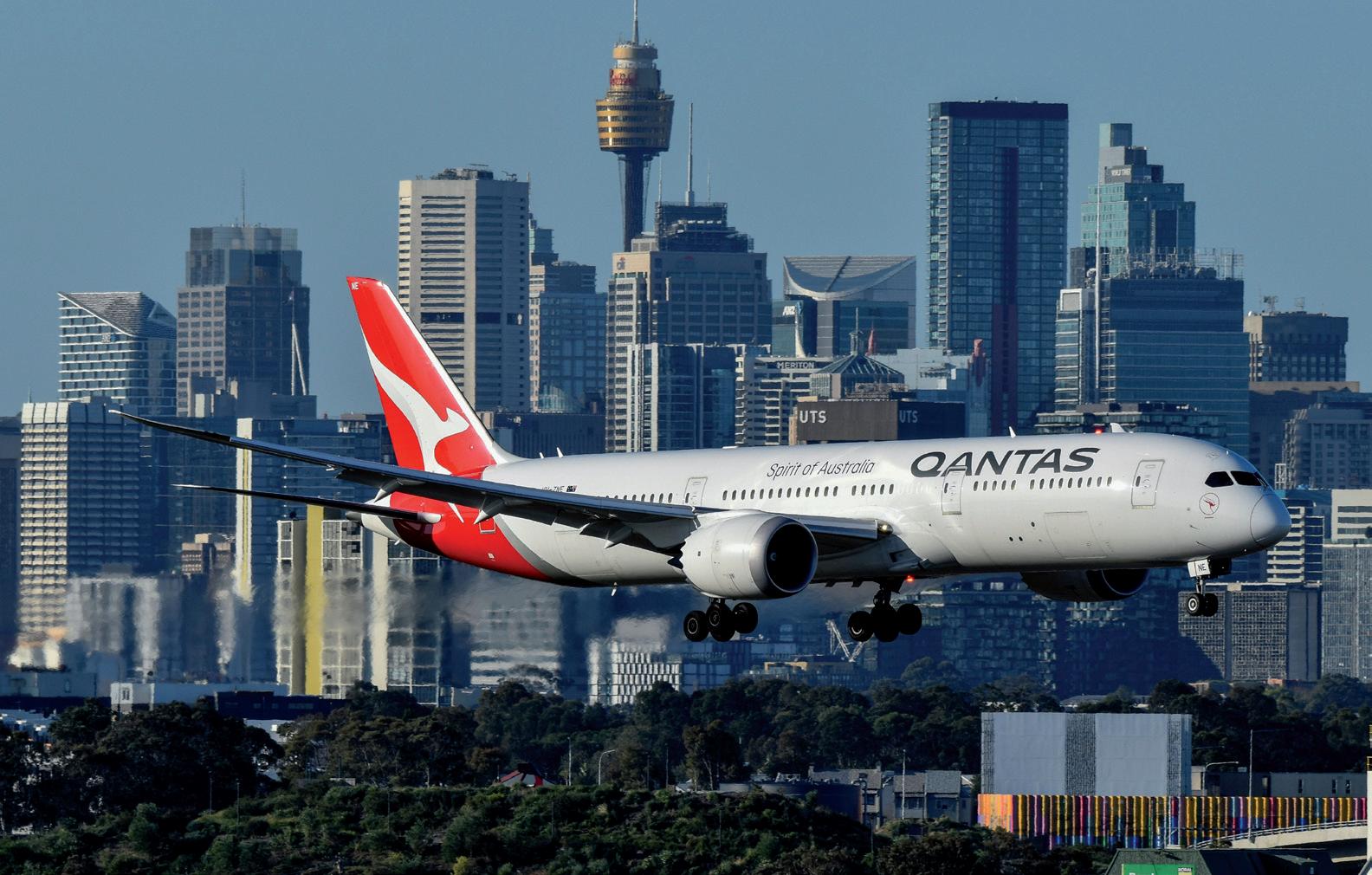
“This performance reflects resilient demand for travel to and from Sydney and reinforces Sydney Airport’s role as the nation’s primary international gateway.”
Charlton said that as Q2 moves in, Sydney Airport is seeing airlines adjust their networks in response to geopolitical developments and the fuel environment, with a focus on routing changes rather than any wholesale shift in demand.
“Where capacity changes have occurred, they have been tactical and short term, largely focused on more marginal routes, and we continue to watch for any evidence of a longer-term or structural shift in international or domestic
seat capacity. If this occurs, our experience navigating previous global shocks means we are well positioned to respond.”
From a fuel perspective, the outlook remains stable and consistent with Government guidance. There are no current indications of fuel supply constraints impacting airline planning or near-term operations at Sydney Airport.
“We continue to monitor the situation closely. Everything we have seen so far suggests the aviation market continues to demonstrate adaptability and Sydney Airport is well positioned to support growth as conditions evolve.” l

Regional Growth from National Parks
National Parks across NSW have recorded their highest ever visitation, with 65.5 million visits last financial year, driving economic growth and getting more people into the great outdoors.

The state’s network of around 900 parks and reserves offers an affordable way for people to connect with nature, whether they are exploring their own backyard or discovering new parts of NSW.
National parks inject AUD 19.5 billion to the state’s economy and support 62,000 jobs annually.
Regional communities and businesses reap significant benefits as visitors travel far and wide to experience our native wildlife, with 37 million visits recorded outside Greater Sydney.
In response to soaring popularity, the NSW Government has invested
more than AUD 352 million in national park visitor infrastructure, including new and upgraded trails, campgrounds, lookouts and other visitor facilities.
The most visited park for the 2024-2025 financial year was the Blue Mountains National Park, which attracted 7.8 million visitors. This was followed by Royal National Park, with 4.9 million visitors, and Ku-ring-gai Chase National Park, with 4.3 million visitors.
National parks continue to be one of the most affordable ways for families to spend time together, with 12.5 million visits made by children.
For the first time, the NSW
National Parks and Wildlife Service Park Visitation Survey includes international visitation data, showing the global appeal of NSW’s natural assets. 72 percent of overseas tourists to NSW visited at least one national park, generating 4.6 million visits.
The latest results surpass the previous record of 60 million visits set in 2018, reflecting strong and sustained growth in nature-based tourism.
Greater Sydney welcomed 28 million visits and the South Coast 7.5 million, both record-breaking figures for the regions.
Nearly nine in 10 visitors report they are satisfied or very satisfied with their visit, showcasing the quality recreation, wellbeing and community connection parks bring.
The survey started in 2008 and is conducted every two years to provide insights into how people use and value national parks, and enable the government to plan for the future. The survey reports on the total number of visits, rather than the number of people who visited parks.
Minister for Climate Change and the Environment Penny Sharpe said National Parks are one of the state's most precious public assets and are loved by all.
“Our national parks are where families make memories, kids get outside, and communities welcome visitors,” said Sharpe.
“Connecting people to nature supports tens of thousands of jobs and drives economic development, especially in regional NSW. We’ve invested AUD 352 million to improve facilities, open new campgrounds, build world-class walks and support recreation like 4WD, mountain bikes and rock climbing.”
“NSW’s national parks are among the best in the world, protecting our unique environment while attracting global visitors, with three-quarters of international travellers including a park in their itinerary,” Minister for Jobs and Tourism Steve Kamper said.
“They offer great holiday options for families and play a key role in the NSW Visitor Economy Strategy 2035 by spreading visitor spending into regional communities and supporting local jobs and businesses.” l
Cruising Towards New Records
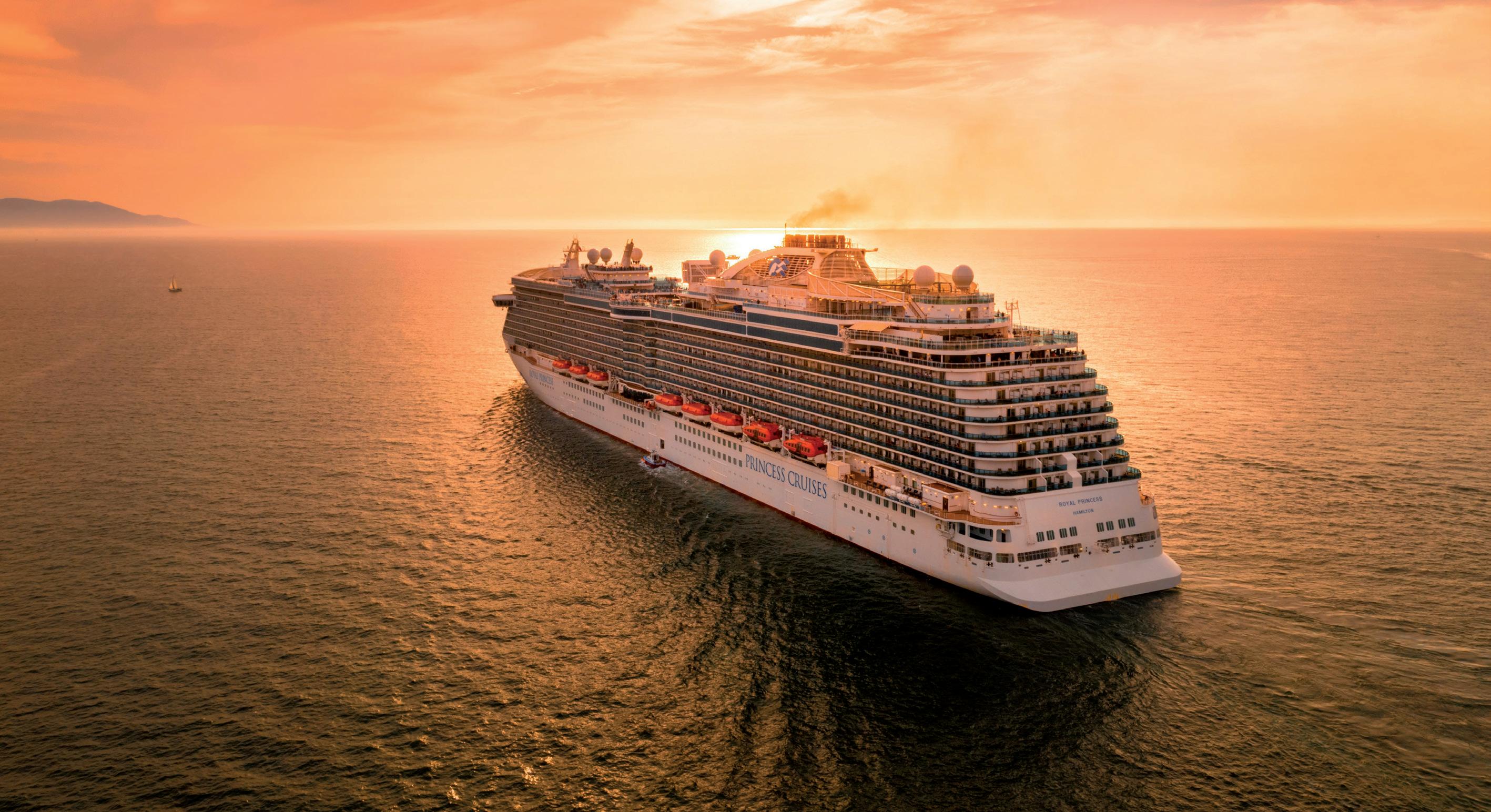
The number of Australians taking holidays at sea surged to a record high in 2025, reaching 1.45 million people, according to figures released today by Cruise Lines International Association (CLIA).
The result was a 9.5 per cent increase on the 1.32 million Australians who cruised in 2024 and overtook the previous record of 1.35 million set in 2018.
Australia was again the world’s fourth largest cruise market in 2025, behind the United States (20.56 million), Germany (2.83 million) and the United Kingdom (2.47 million).
CLIA’s annual Source Market Report for 2025 shows Australia remains one of the world’s most enthusiastic cruise markets, with more than one in 20 Australians taking a cruise last year.
The report shows most Australians still prefer to sail within Australia, New Zealand and the South Pacific, where 80.3 per cent of cruisers sailed.
The number of overseas visitors who cruised in Australia, New Zealand and the South Pacific was 241,000 during 2025. The largest portion of overseas visitors came from North America (144,000), followed by Europe (42,000), New Zealand (33,000), and Asia (15,000).
Meanwhile, the average age of an Australian cruise passenger continues to fall as cruise lines attract younger generations. The average age in 2025 was 47.3 years, down from 48.4 the previous year, and more than one-third of cruisers were aged under 40.
CLIA Executive Director in Australasia Joel Katz said new levels of innovation among cruise lines and a strong focus on value for money were helping to drive Australia’s growing love of cruising.
“The number of Australians cruising is at record levels, and with around 80 new ships coming online worldwide over the next decade, this passion can only rise,” Katz said.
“However, Australia is struggling to attract ships to our own waters because of regulatory uncertainties and rising costs, so we are becoming uncompetitive as a destination and losing tourism to other countries.
“Cruising contributes AUD 7.32 billion a year to the national economy and supports more than 22,000 Australian jobs, so it’s vital that we bring together Federal, State and Territory governments under a national action plan – so we can create greater regulatory certainty, restore Australia’s competitiveness, and attract more cruise tourism.” l
Eco Focus on Regional Coast
Two tourism operators on the Central Coast, Broken Bay Pearl Farm and Pullman Magenta Shores Resort, have achieved ECO Certification through Ecotourism Australia programs.
ECO Certification assesses businesses, through thirdparty auditing, against Ecotourism Australia’s internationally recognised ecotourism standard across the four pillars of sustainability: environmental, cultural, socioeconomic impact and sustainable business operations.
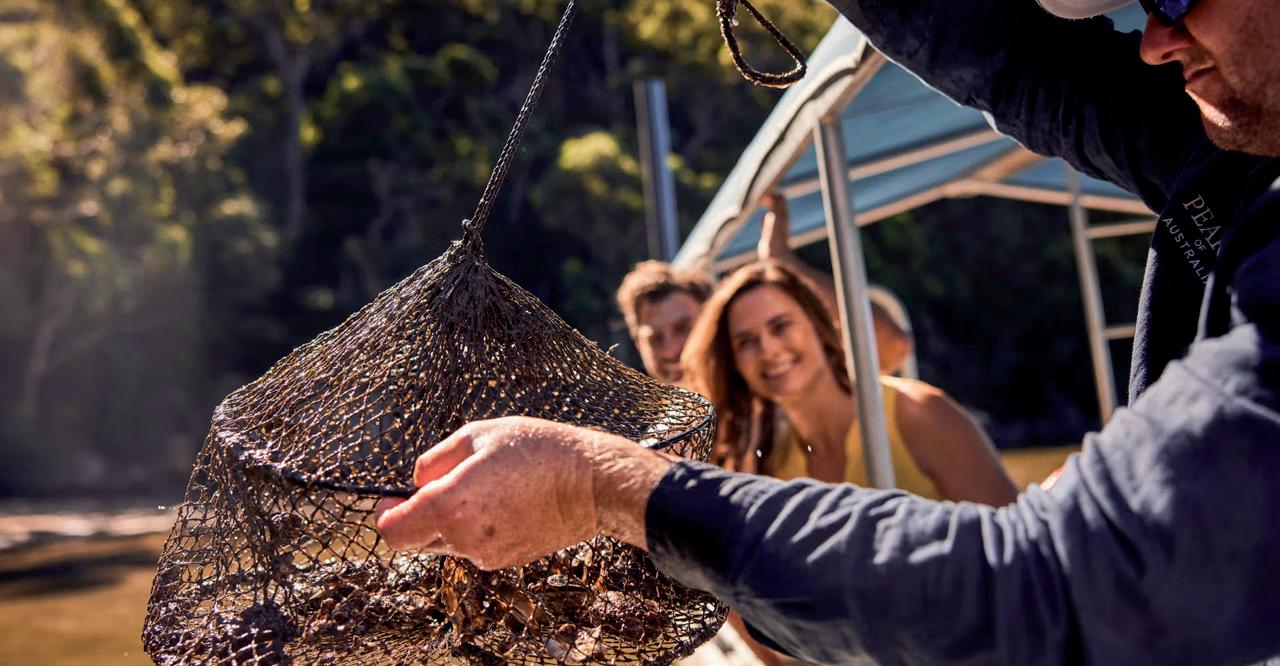
Broken Bay Pearl Farm, located on the Lower Hawkesbury River, achieved ECO Certification in recognition of its commitment to sustainable aquaculture and immersive, nature-based visitor experiences.
All tours at Broken Bay Pearl Farm are now ECO Certified, offering visitors insight into oyster farming, pearl production, and the
role oysters play in maintaining healthy waterways.
“As pearl farmers, everything we do depends on the health of the ocean. This certification reflects the way we’ve always operated, working closely with nature and adapting to the environments we farm in,” said Pearls of Australia Managing Director James Brown.
Set between the coastline and the waters of Tuggerah Lake, Pullman Magenta Shores Resort has been recognised by Ecotourism Australia for its ongoing efforts to reduce environmental impact while delivering high-quality accommodation and experiences for visitors to the region.
"At Pullman Magenta Shores
Resort, achieving Sustainable Tourism Certification reflects our commitment to delivering luxury with responsibility,” a spokesperson for Pullman Magenta Shores Resort said.
"This recognition means we actively minimise our environmental impact, support our local community, and embed sustainable practices across all areas of the resort, without compromising the premium experience our guests expect.”
"It reinforces our promise to provide exceptional stays that are both memorable and mindful. Congratulations to both operators on this important achievement and for helping shape a more sustainable future for our region." l

READ THE PREVIOUS ISSUE MARCH 2026