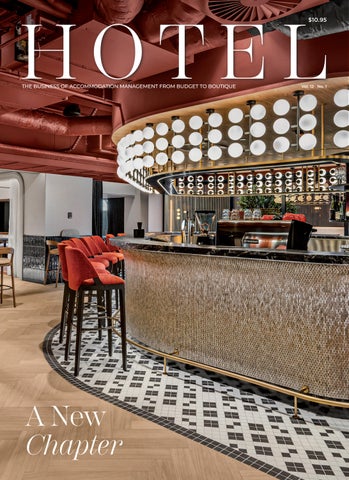
A New Chapter
Relationships & Reputation

In hotels, it is easy to focus on the visible metrics. Occupancy. ADR. RevPAR. Refurbishment cycles. Brand standards. Yet beneath all of that sits something less tangible and far more powerful: connection.
This industry has never been only about bricks, beds and bookings. It is built on people, relationships and reputation. You can invest heavily in design, sharpen your yield strategy and refine your food and beverage offer, but if you operate in isolation, growth becomes harder to sustain. Perspective narrows. Innovation slows. Hospitality is, at its heart, a community sector. Owners, general managers, revenue teams, chefs, housekeepers, suppliers and service partners all form part of an ecosystem that only works when it is connected. Belonging to associations and industry groups is not simply a line on a website footer. It is a practical commitment to being part of something bigger than your own property.
The real value of membership is rarely found in formal statements. It sits in the informal conversations before a briefing begins. It is in the honesty of a panel session where someone shares a hard lesson from a difficult season. It is in the roundtable where staffing pressures, procurement challenges or regulatory changes are discussed properly rather than glossed over. Those moments remind you that you are not alone in the decisions you are making. They also quietly lift standards across the board.
Awards evenings play a similar role. Entering awards is not about collecting silverware for the lobby. The process forces a hotel to step back and examine its culture, performance and innovation with discipline. It requires clarity around what you stand for and how you deliver it. Attending awards nights then reinforces the collective nature of the sector. Competitors sit alongside one another. Excellence is recognised publicly. Conversations continue long after the formal programme ends. Those relationships often prove more valuable than the trophy itself.
International exhibitions add another layer. Walking the floor of a major global hospitality show exposes you to technology, sustainability initiatives, design thinking and guest experience concepts long before they become mainstream locally. Seeing how operators in Europe, Asia or the Middle East are approaching automation, wellness or food and beverage activation can sharpen

PUBLISHER: Tania Walters
ADMINISTRATION MANAGER: Kieran Mitchell
EDITOR-IN-CHIEF: Caitlan Mitchell
HEAD OF CONTENT: Sarah Mitchell
CONTENT MANAGERS: Caroline Boe, Daniel Rogers
EDITORIAL TEAM: Sam Francks, Jenelle Sequeira
GRAPHIC DESIGNER: Raymund Santos

your own strategy. It broadens the lens through which you view your business.
Closer to home, regular networking functions, supplier showcases, and industry briefings cement relationships that underpin the sector. Deals are negotiated, partnerships are formed, and trust is built steadily over time. When the market tightens or unexpected pressures emerge, it is those established networks that allow the industry to respond with cohesion rather than panic.
The hotel sector does not thrive in silos. It thrives when people show up, contribute and stay engaged. Networks are not a soft extra. They are part of the commercial architecture that supports performance, innovation and longterm resilience across our industry. l



















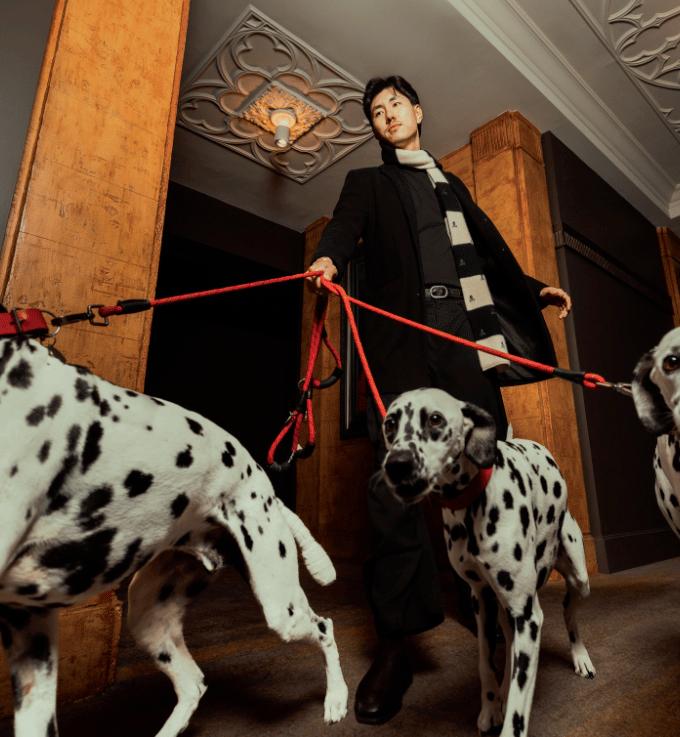
Pup Yeah! Program to Welcome Dogs of All Sizes
QT Hotels & Resorts expanded its popular Pup Yeah! offering last August, extending the premium pet stay experience to welcome dogs of all sizes across participating properties. The update was timed to coincide with International Dog Day on August 26, reinforcing QT’s commitment to pet-friendly luxury and experiential travel.
CLICK TO READ MORE
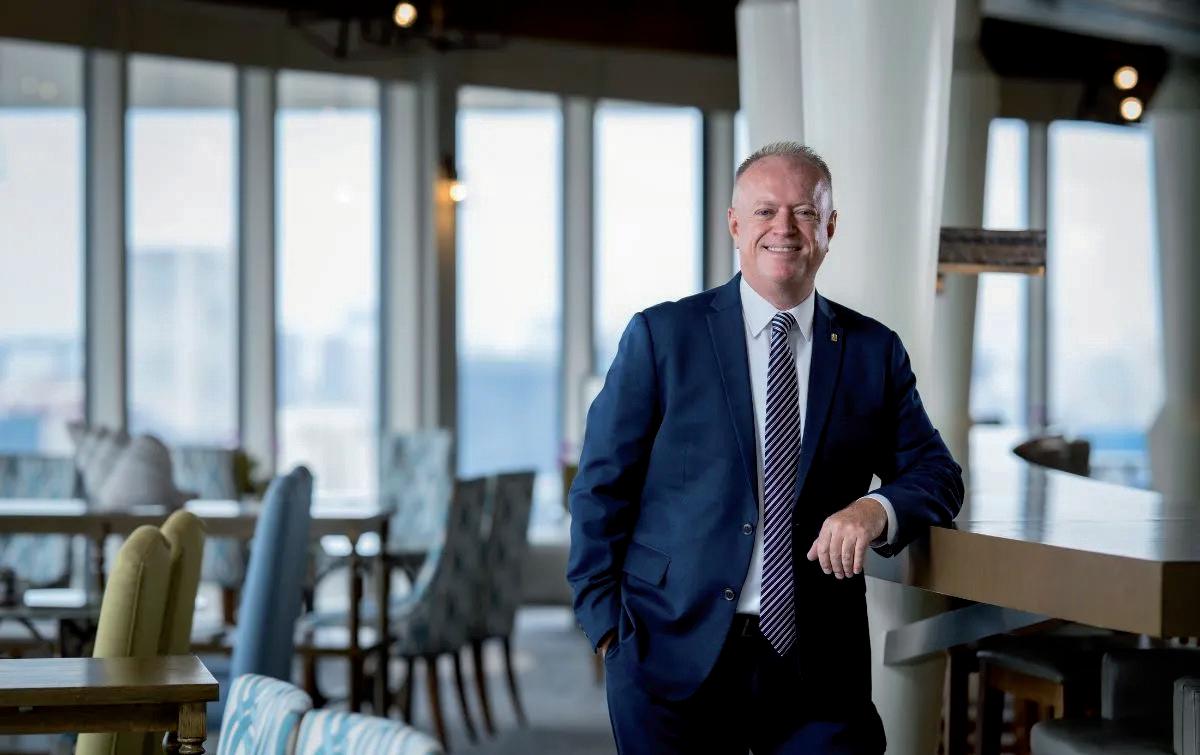
Craig Bond Joins Pan Pacific Hotels
Craig Bond, a highly respected industry leader, has joined Pan Pacific Hotels Group as its next Chief Operating Officer.
Pan Pacific Hotels Group has announced the appointment of Craig Bond as Chief Operating Officer. The move marks a strategic internal promotion and reflects the Group’s continued investment in building a future-ready executive leadership team to support its next phase of growth. CLICK TO READ MORE
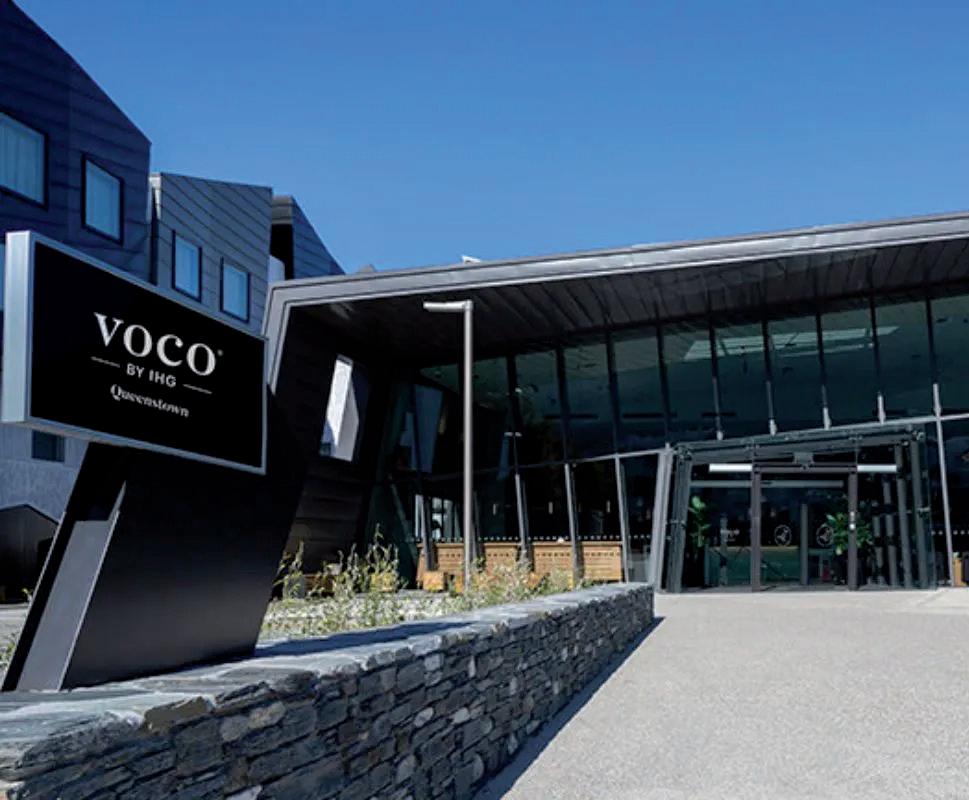
HG Hotels & Resorts announced the conversion of Holiday Inn Express & Suites Queenstown to voco Queenstown, partnering with asset owner, developer and manager, Pro-invest Group, to reposition the highly regarded, centrally located hotel within IHG’s premium portfolio.
CLICK TO READ MORE
Adina Chermside Set for April Opening
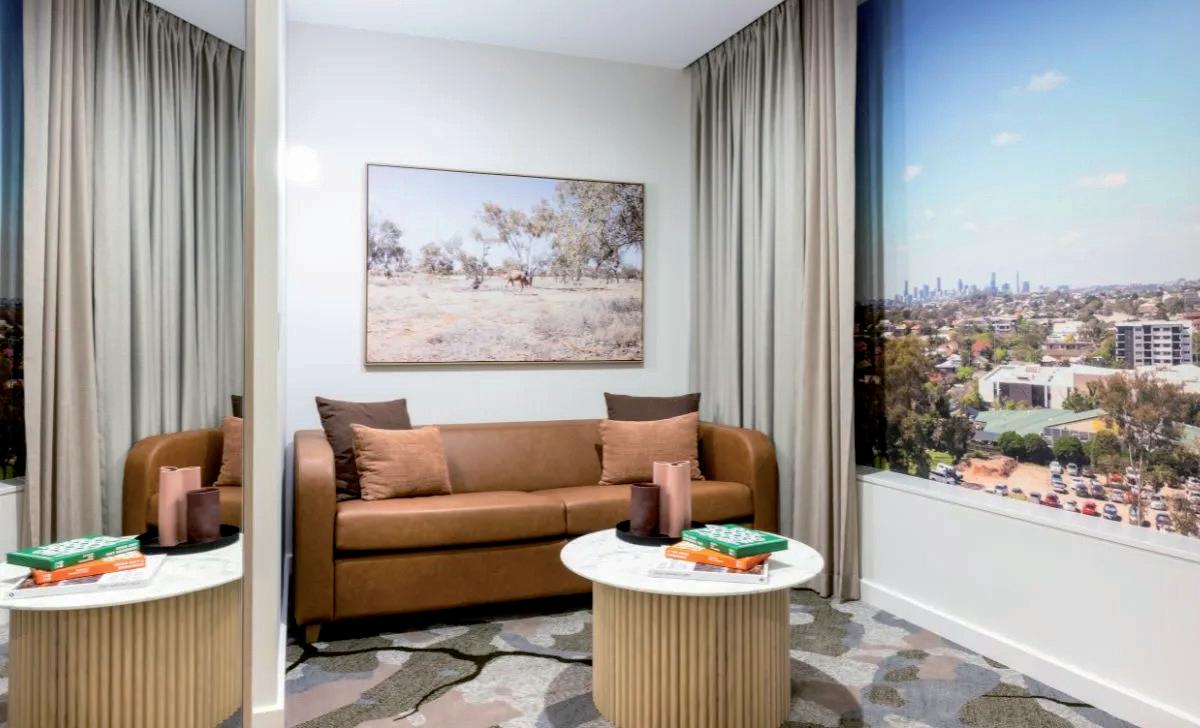
As Brisbane continues its stellar growth, TFE has announced that its highly anticipated Adina Chermside property will open in April.
CLICK TO READ MORE
Hospitality Employers Raise the Bar for Entry-Level Roles
While a global trend, New Zealand's hospitality operators are desperate to find staff who are capable, not just a candidate.
Signals emerging from the UK are echoing across New Zealand’s hospitality sector. Recruiters may not use the same blunt language, but the commercial concern is similar: operators are not simply looking for staff, they are looking for people who can contribute from their first shift.
Research from Regent's University London found that roughly eighty percent of hospitality recruiters believe graduates miss out on roles because they are not ready for the workplace, with soft skills increasingly outweighing academic performance. Communication, accountability, and decision making were ranked ahead of technical knowledge. The study also pointed to a growing preference for candidates with practical experience, reinforcing a wider shift toward operational readiness.
CLICK TO READ MORE
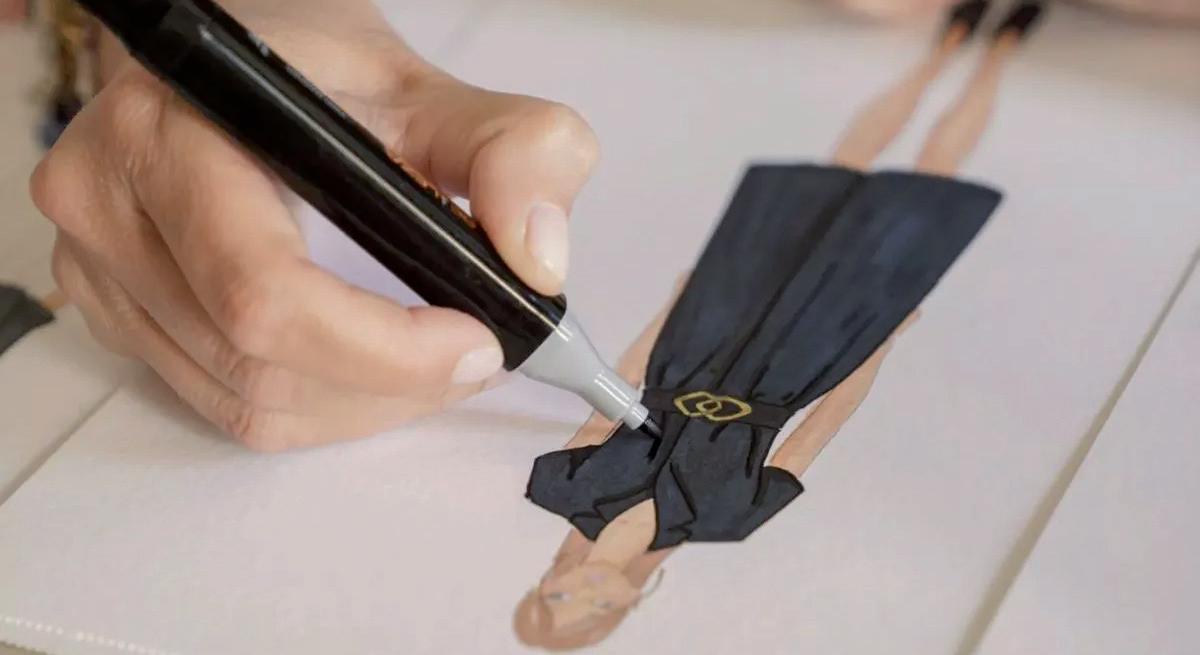
Sofitel Unveil LeVestiaire
Sofitel has introduced LeVestiaire, a Parisian-inspired wardrobe redefining the art of luxury, by French designer Cordelia de Castellane.
CLICK TO READ MORE
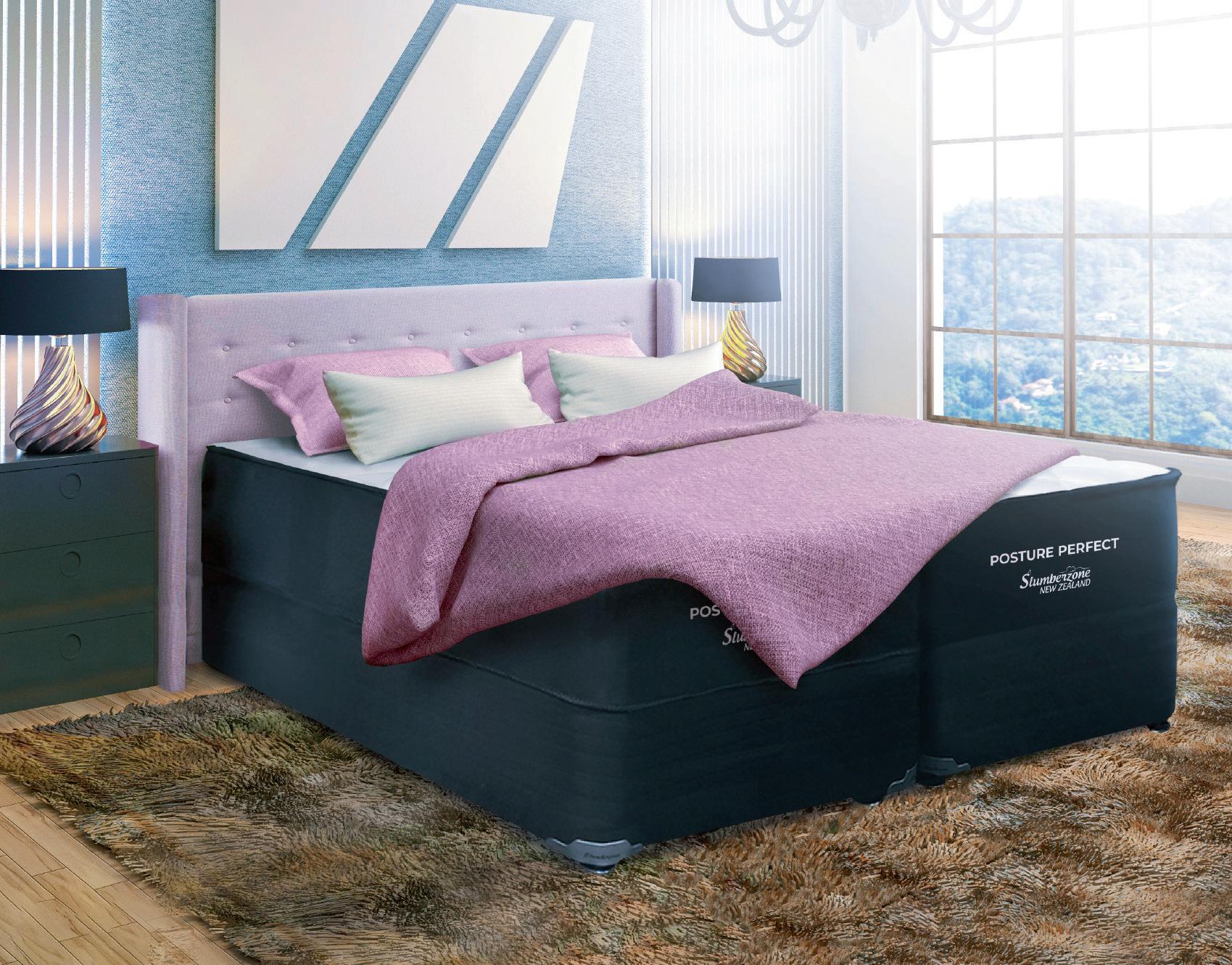
Redefine the comfort of your guests with Slumberzone beds.
Leading the Hotel Comeback
International bookings for New Zealand's hotels have climbed to 41 percent, as demand from Asia strengthens recovery efforts.
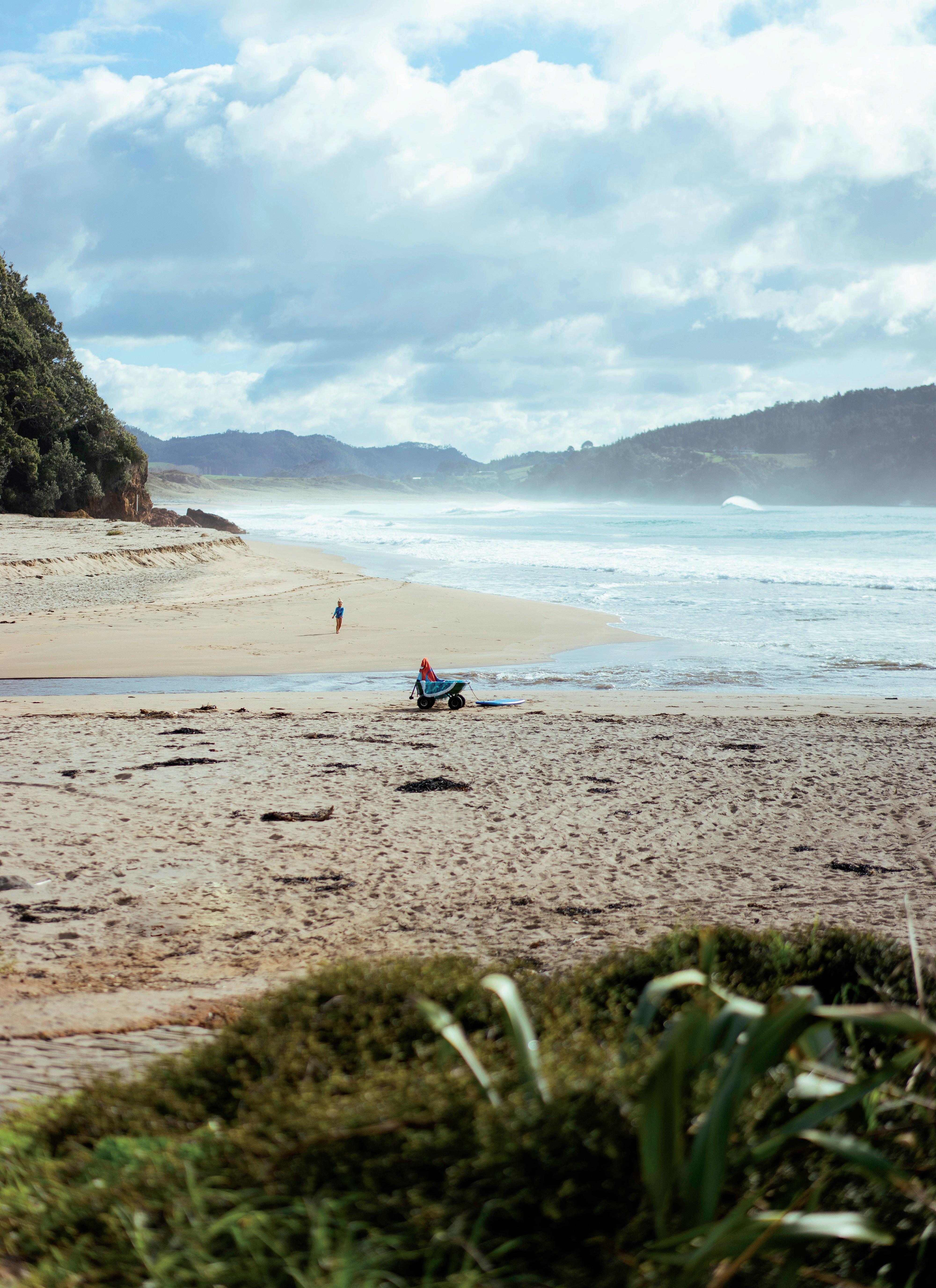
New Zealand’s recovery story in 2025 was defined by returning international demand from across Asia in particular and longer booking horizons,
Growing demand from international travellers across Asia helped reshape guest mix and booking behaviour at New Zealand hotels in 2025, according to new data from SiteMinder, the world's leading guest acquisition and revenue platform.
SiteMinder's Hotel Booking Trends, based on more than 130 million hotel bookings, reveals that New Zealand ranked among the top three markets globally for average booking lead time in 2025, averaging at 44 days, behind Ireland (46 days) and Portugal (45 days). The extended lead times reflect both renewed international demand and New Zealand’s geographic position as a long-haul destination requiring forward planning.
New Zealand was also one of only a handful of markets globally, alongside Malaysia, to record a significant jump in international reservations in 2025, going from 37.94 percent in 2024 to 41.47 percent. Returning tourists from across Asia Pacific played a central role in this recovery, following several challenging post-pandemic years for parts of the country.
This resurgence was clearly reflected in how New Zealand hotels secured their bookings in 2025. Regional favourite Agoda entered the country’s Top 4 revenue-generating channels for the first time, while Chinese travel platform Trip.com reached seventh position, its highest-ever ranking in New Zealand’s Top 12. The rise of these channels signals the growing influence of travellers from Asia in shaping hotel revenue streams.
New Zealand recorded a relatively low cancellation rate in
2025 at 17.7 percent, a positive indicator of strengthened traveller confidence and a stabilising market where guests are not only booking earlier but also committing to their holiday plans.
Bradley Haines, Regional Vice President for Asia Pacific at SiteMinder, said the data highlights a meaningful turning point for New Zealand’s accommodation sector.
"New Zealand’s recovery story in 2025 was defined by returning international demand from across Asia in particular and longer booking horizons," said Haines.
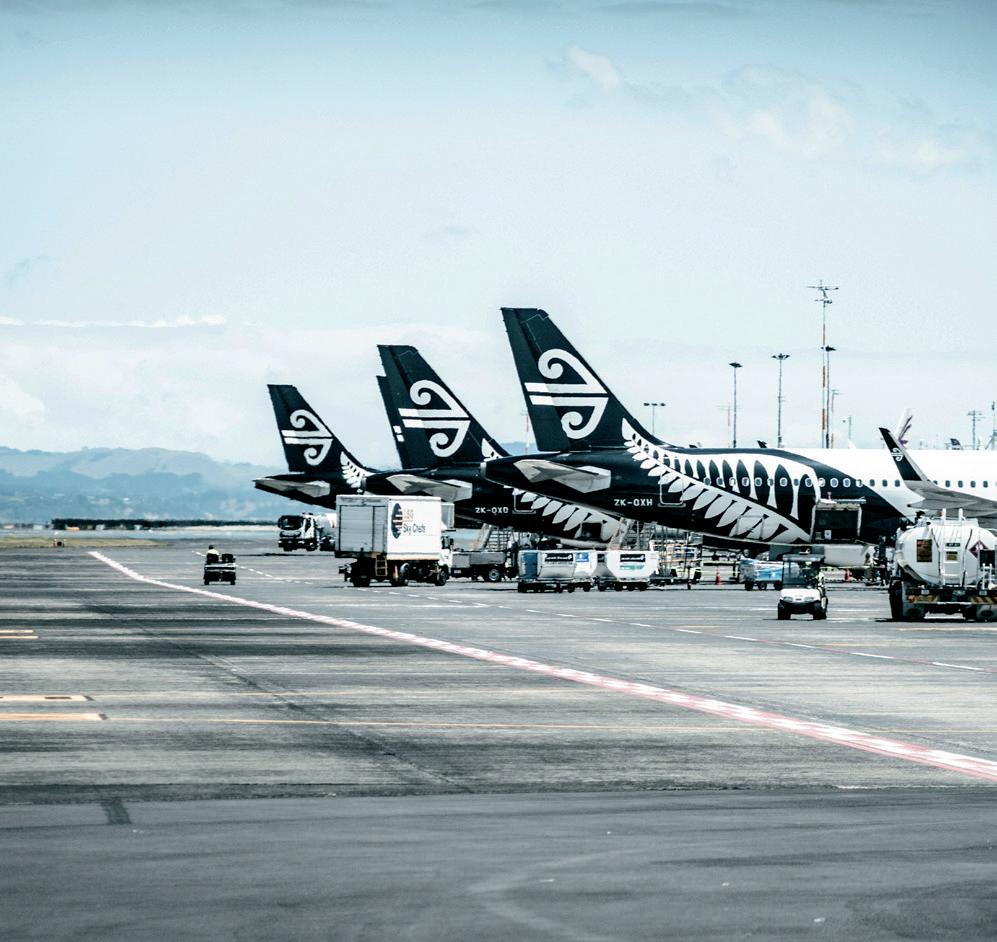
peak summer season, bringing long, sunny days and warm temperatures.
"As a long-haul destination, travellers naturally plan further in advance, and that plays directly into the hands of hoteliers who have more time to optimise pricing and maximise revenue. Combined with lower cancellation rates, this creates a far more predictable operating environment than we’ve seen in recent years."
SiteMinder's data shows New Zealand remained one of the most seasonally concentrated markets analysed globally. Of the 20 destinations reviewed, New Zealand recorded the highest percentage of arrivals in January and the secondhighest percentage of arrivals in December, behind only Malaysia.
Despite New Zealand's wellregarded ski fields and winter tourism offering, the concentration of arrivals across December and January reflects the country's
In addition to shifts in retail booking channels, New Zealand hotels demonstrated the growing value of B2B distribution. Hotelbeds entered the country’s Top 5 revenue-generating channels for the first time, while WebBeds emerged as a newcomer to the Top 12, highlighting the increasing ability of local hotels to unlock revenue gains from wholesale and intermediary networks.
"Hotels across New Zealand are becoming increasingly sophisticated in how they balance direct, retail OTA and B2B demand," Haines added.
“In a market defined by seasonal peaks, long-haul travel patterns and growing international demand, the hotels that can strategically manage this diverse mix of channels are the ones maximising revenue and driving stronger business performance”. l


Driving Domestic Growth
Tourism and Hospitality Minister
Louise Upston said that domestic travel around the country has been a key driver for tourism, following new data that provided fresh insights into how and why New Zealanders travel domestically.
Data released in February has come from the first wave of the new Domestic Visitor Survey, which measures insights into peak and off-peak domestic tourism in New Zealand.
“This new survey provides valuable insights into New Zealanders’ domestic travel intentions, behaviours, and experiences,” Minister Upston said.
“Three in five New Zealanders took an overnight trip in the six months to October 2025, and nearly half took a day trip. That’s incredibly useful information for understanding where and how people are choosing to travel.”
Domestic tourism contributes around 60 percent of total New Zealand tourism expenditure and is essential to many regional economies. Upston said that insights from this survey will help the tourism industry plan with greater confidence and respond to changing travel patterns across the country.
This first Domestic Visitor Survey was conducted in October and November 2025, capturing data on domestic travel over the previous six months and intentions to travel domestically over the next six months.
“These insights build on the volumes and flow data released late last year, to help understand

how people move around New Zealand and support local planning and investment," Upston said.
“Delivering this data within six months ensures the sector has timely, practical insights to support planning and respond to emerging travel trends.”
Other key findings include that the main reasons for past travel were to visit family and friends and to relax and unwind.
It found that trip satisfaction was high, with most travellers satisfied or very satisfied, and that over three-quarters intended to take an overnight trip in the following six months, while over half intended to take a day trip.
The data highlighted that the key barriers to planned travel were cost and weather
conditions. Planning relied mainly on destination websites, online resources, and recommendations from friends and family.
“We’re already seeing a positive resurgence of international visitors coming to our shores post covid. These new insights will help the industry to maximise our tourism offerings for domestic travellers, encouraging kiwis to explore more of their backyard,” she added.
“As the country’s secondhighest export earner, tourism and hospitality has a key role in New Zealand’s economic growth. As a Government, we are committed to ensuring a thriving tourism industry in New Zealand.”
The survey is undertaken by Verian on behalf of the Ministry of Business, Innovation and Employment. l
Moving into the Future
Auckland’s transformation into a must-visit destination has focused on ensuring its foundations as a high-functioning city can manage its expansion.
With a growing population of residents and higher rates of tourists choosing Auckland for their next trip, making sure the city is easy to navigate has been a priority of council’s past and present.
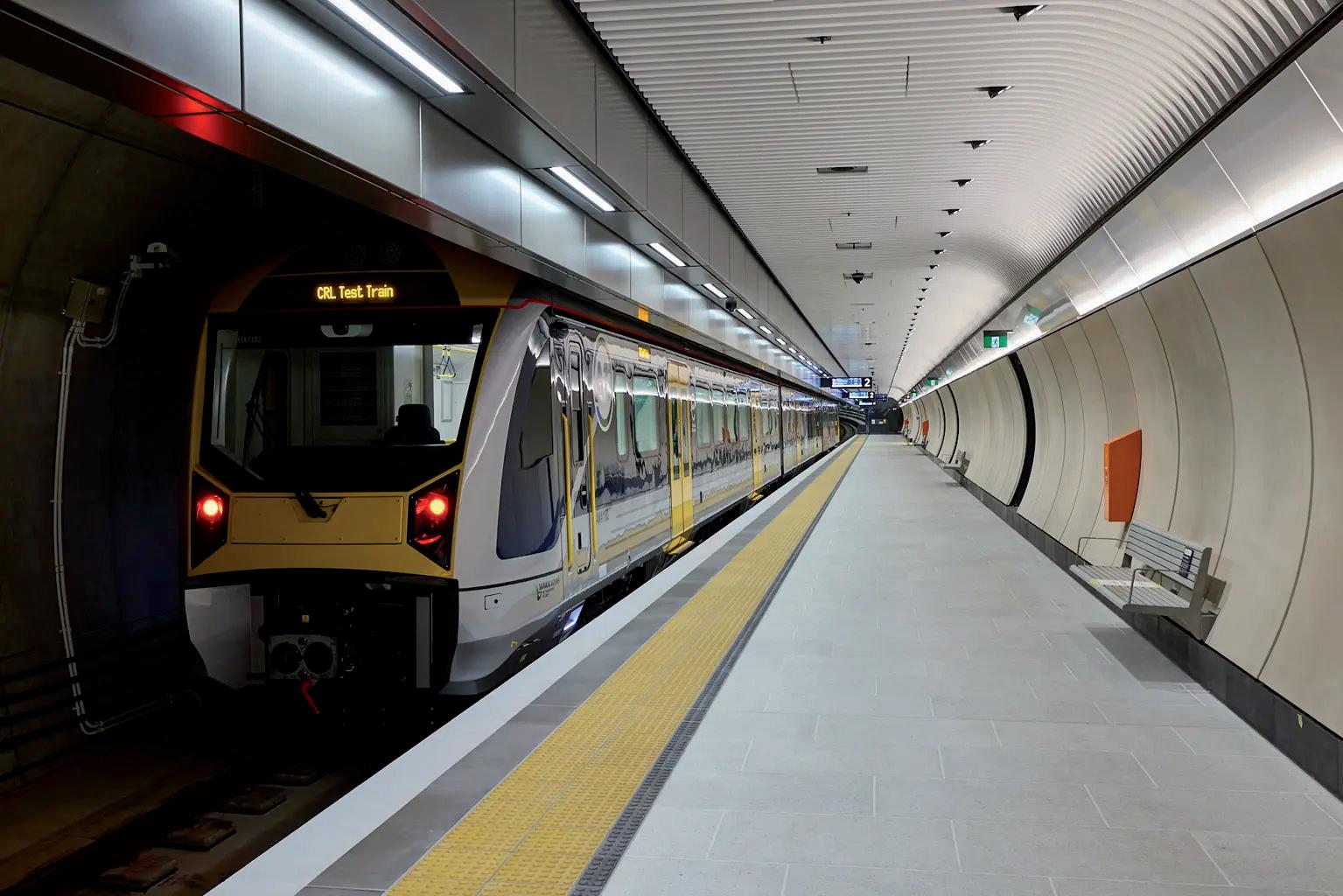
Auckland’s long-awaited City Rail Link, opening in the second half of this year, is just one of the many projects aimed at making the city more accessible, more functional, and more desirable for visitors.
After nearly ten years of construction, the City Rail Link will
introduce three new train stations to Auckland’s inner-city suburbs, connected by twin underground rail tunnels that turn Waitematā Station (formerly Britomart) into a through station, greatly increasing capacity to carry more people. Te Waihorotiu Station is located near the Civic Theatre, Aotea Centre, Sky Tower and Queen Street, while Karanga-a-Hape Station is situated close to K’ Road. Maungawhau Station sits on the site of the former Mt Eden Station, but has been completely rebuilt from the ground up.
The CRL allows the rail network to be completey re-shaped, providing meaning better connections, faster journeys, and more choice for one seat journeys across Auckland.
The focus on public transport’s role in inner city tourism has been a strong priority for cities all over the world in recent years. Notably, Sydney’s new underground Metro System introduced a driverless subway system throughout the city. AI-optimised Bus Rapid Transit (BRT) has also been launched in Atlanta and Austin in
Getting people around more swiftly will be a game-changer.
The CRL is not just about new stops in the city; it enables better train services across Auckland by linking up the network and unlocking space for more trains to travel more often. It will provide visitors with an easier way to experience more of our region,
the United States, and Brisbane’s new Metro Bus service has been met with adulation from residents and city leaders.
Annie Dundas, Director of Destination for Tātaki Auckland Unlimited, said the City Rail Link has been a significant reason that Auckland has been able to secure a pipeline of major and business events. In the last financial year, events in Auckland delivered more than NZD 89 million in GDP, which is crucial for the success of the region and the country.
“Getting people around more swiftly will be a game-changer. The CRL is not just about new stops
in the city; it enables better train services across Auckland by linking up the network and unlocking space for more trains to travel more often. It will provide visitors with an easier way to experience more of our region,” said Dundas.
“If they’re in downtown Auckland or arriving on a cruise ship, they’ll be able to hit Karangahape Road or an event at Go Media Stadium much more easily. If they’re staying further away, they can get to the waterfront, which we know is a major drawcard for visitors, much more easily.”
The City Rail Link will also elevate Auckland’s standings in a
hugely competitive global market.
Dundas said that having a truly international city, where it’s easy to get around, is a crucial part of the ecosystem of drawcards that make Auckland an excellent destination.
“We also push hard to attract screen production and boost visitor numbers from key markets including Australia, North America, and Asia and run world-class attractions including Auckland Art Gallery and Auckland Zoo. In all these areas, ease of access and movement is vital. Visitors know about our scenery, but we need to offer more.” l
Grants Open for 2026
Tourism and Hospitality Minister Louise Upston said that domestic travel around the country has been a key driver for tourism, following new data that provided fresh insights into how and why New Zealanders travel domestically.
Last year, grants were awarded to a variety of organisations, furthering their commitment to the industry. These included Auckland & Waterfront Theatres for training staff to manage deaf and disabled patrons, the Bed & Breakfast Association for online training workshops, and the DINE Academy to invest in the future of hospitality, tourism and youth.
The Hospitality Training Trust was set up to encourage and support training in the sector. Since the trust was founded in 2011, it has continued
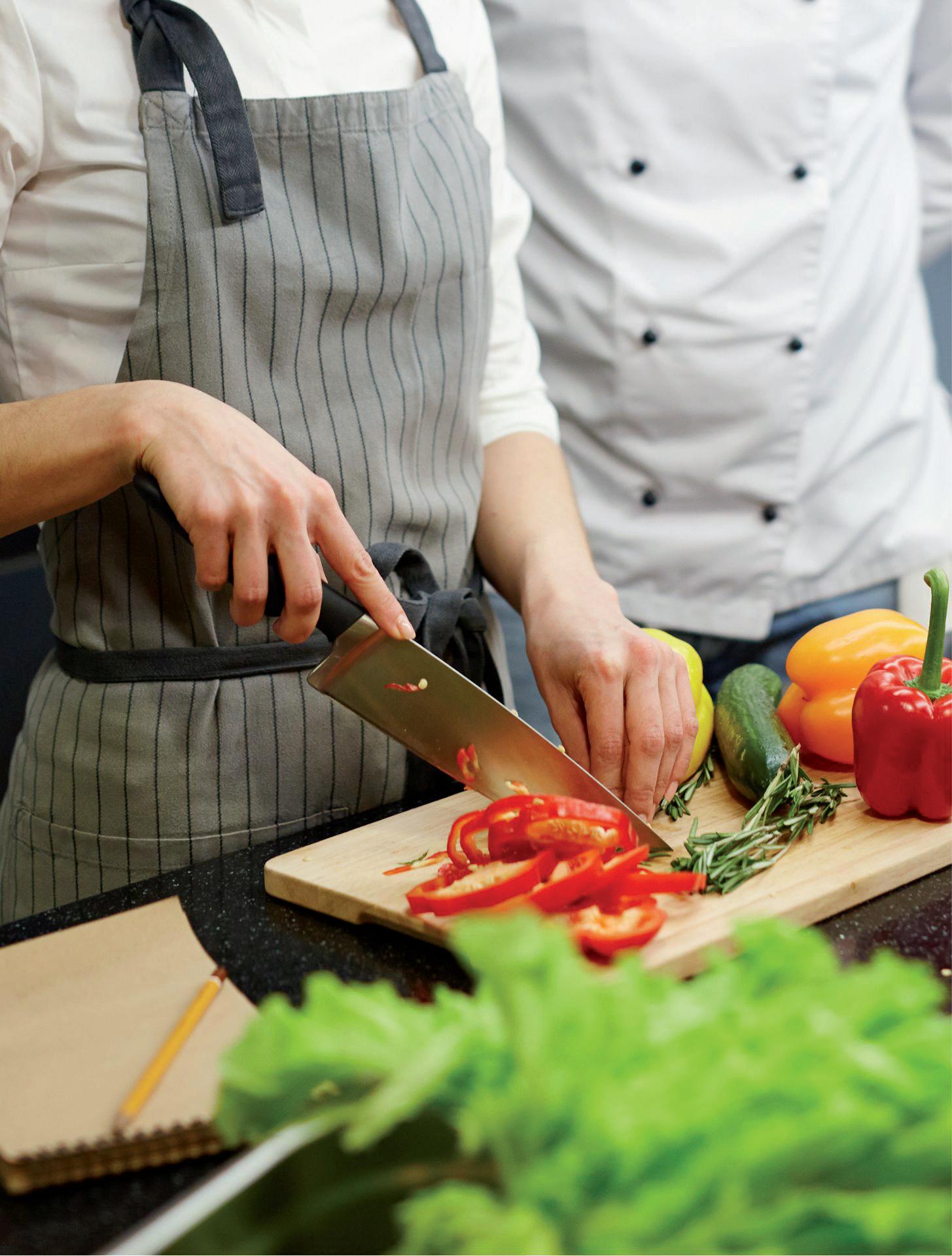
to promote the development of excellence, leadership, talent and knowledge in the industry.
To date, the Trust has awarded a range of Grants, initially for projects sponsored by the Hospitality Standard Institute and in 2012 to projects proposed by Service Skills Institute (trading as ServiceIQ).
From 2013, applications were invited from other hospitality sector participants.
Grants have previously been awarded to a range of projects, such as training for completion of judging qualifications, host
Hospitality Training Trust grant applications are now open, closing on the 10th of April Get in touch at htt.org.nz
responsibility training, Australasia tapas competition, PDP for young leaders in the tourism sector, support for pre-employment training and youth development for those at risk, Cheesemaker Awards, including Cheesemaker of the Year, and support of an online hospitality training platform.
Funds can be granted to associations, businesses or individuals for projects that will further the aims and criteria of the Hospitality Training Trust around building excellence across the hospitality sector. l

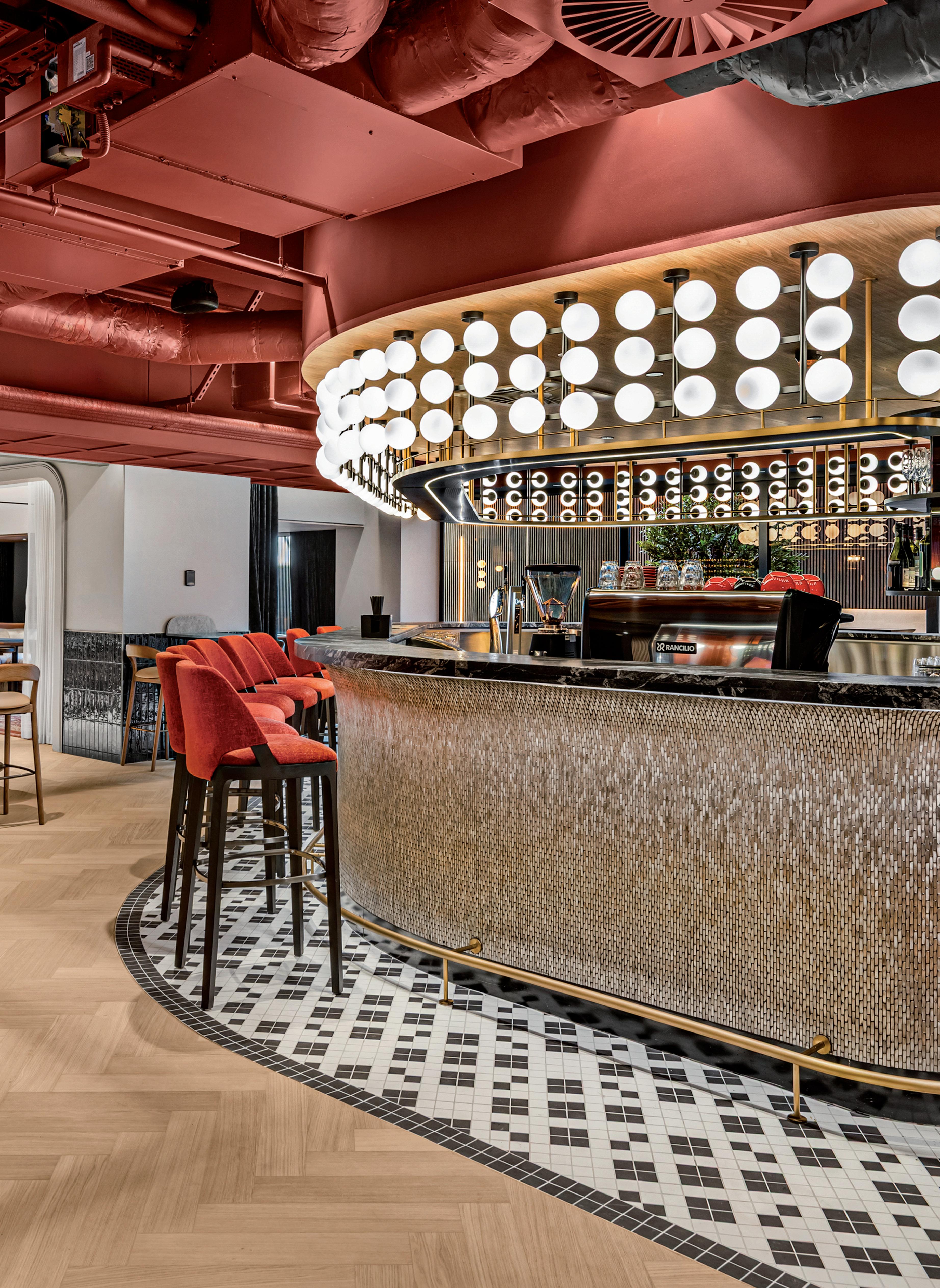
A New Chapter
Radisson RED Auckland has officially opened, marking the brand’s bold arrival in Australasia and Radisson Hotel Group’s highly anticipated debut in New Zealand.
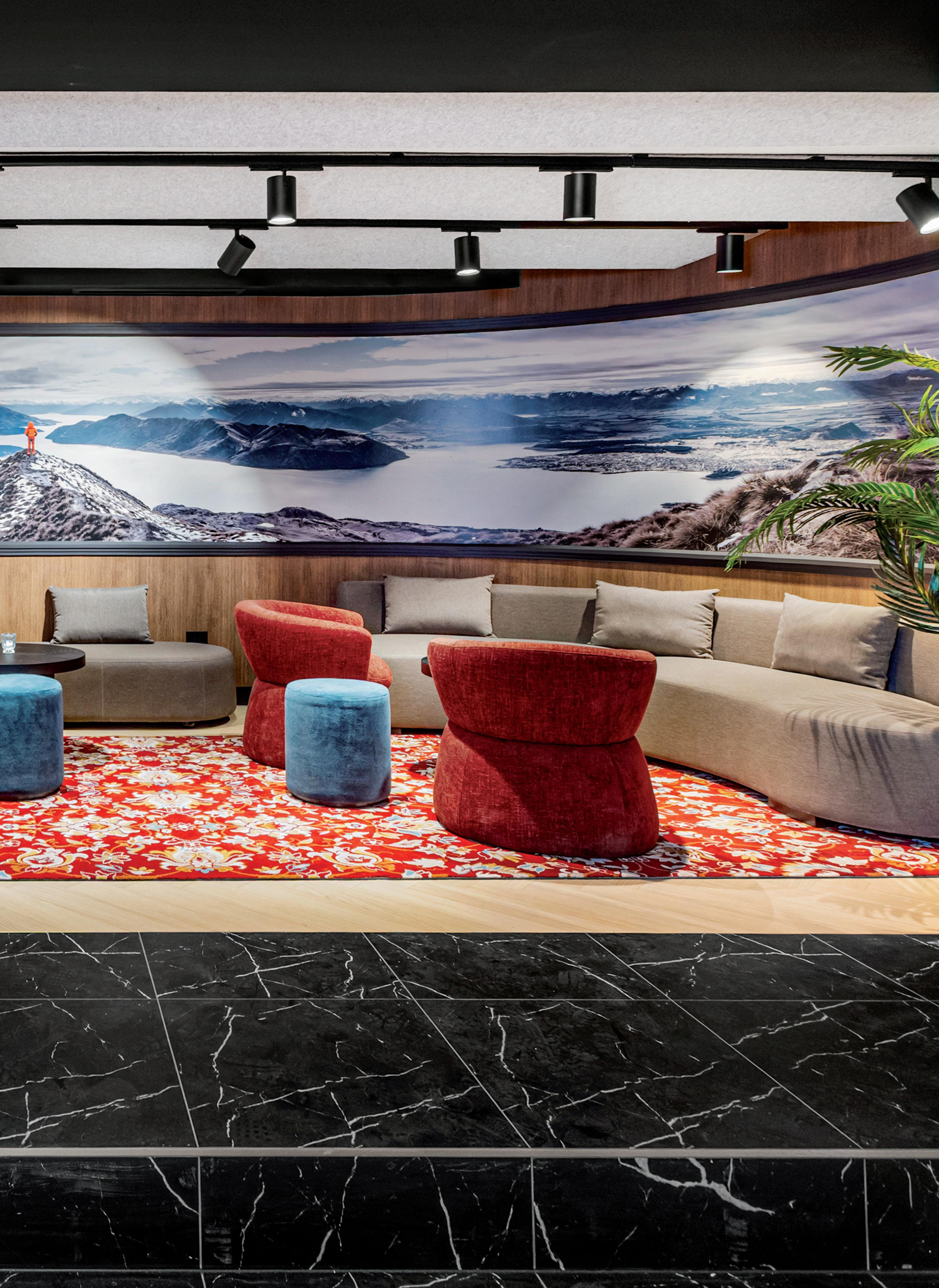
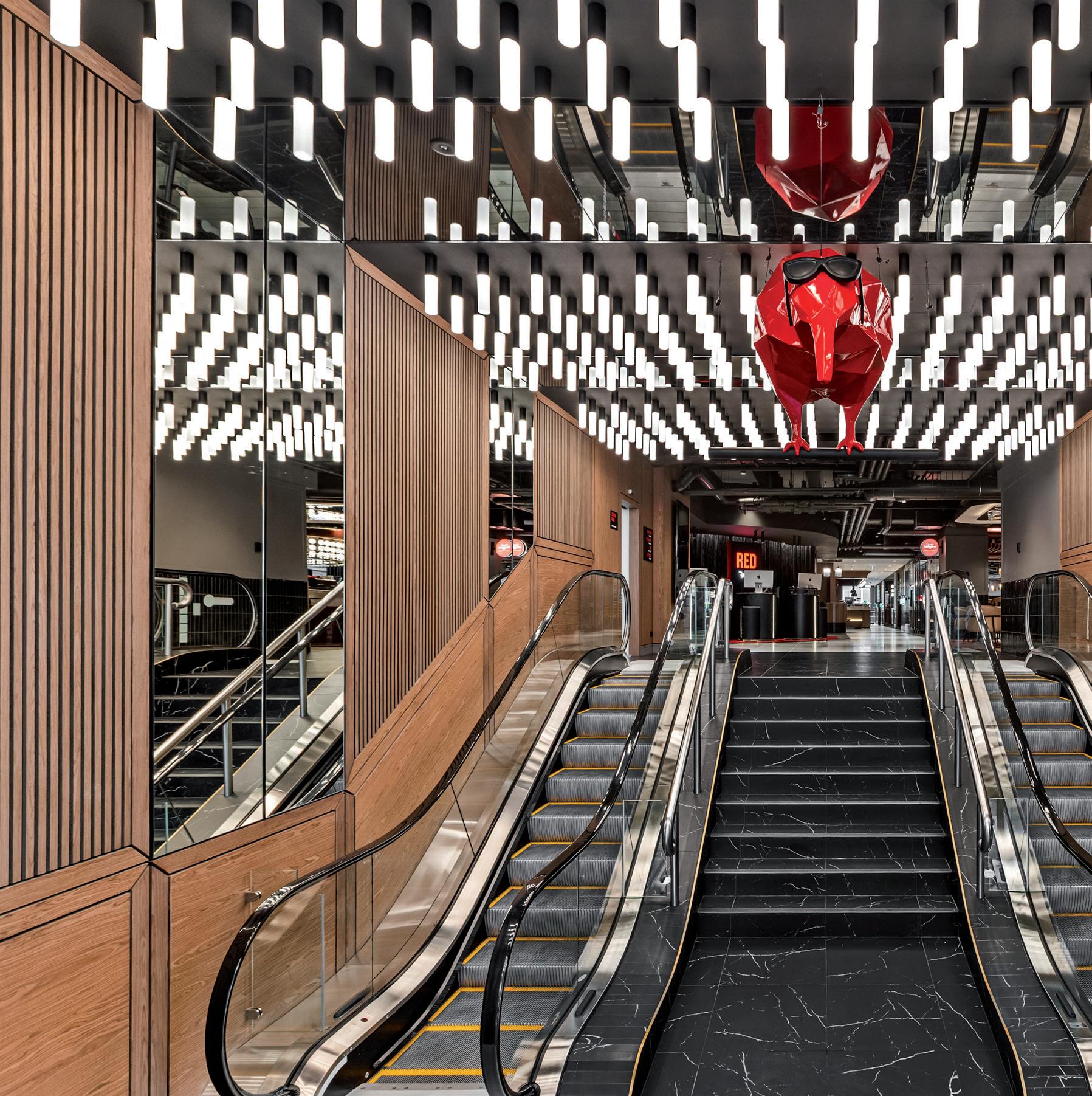
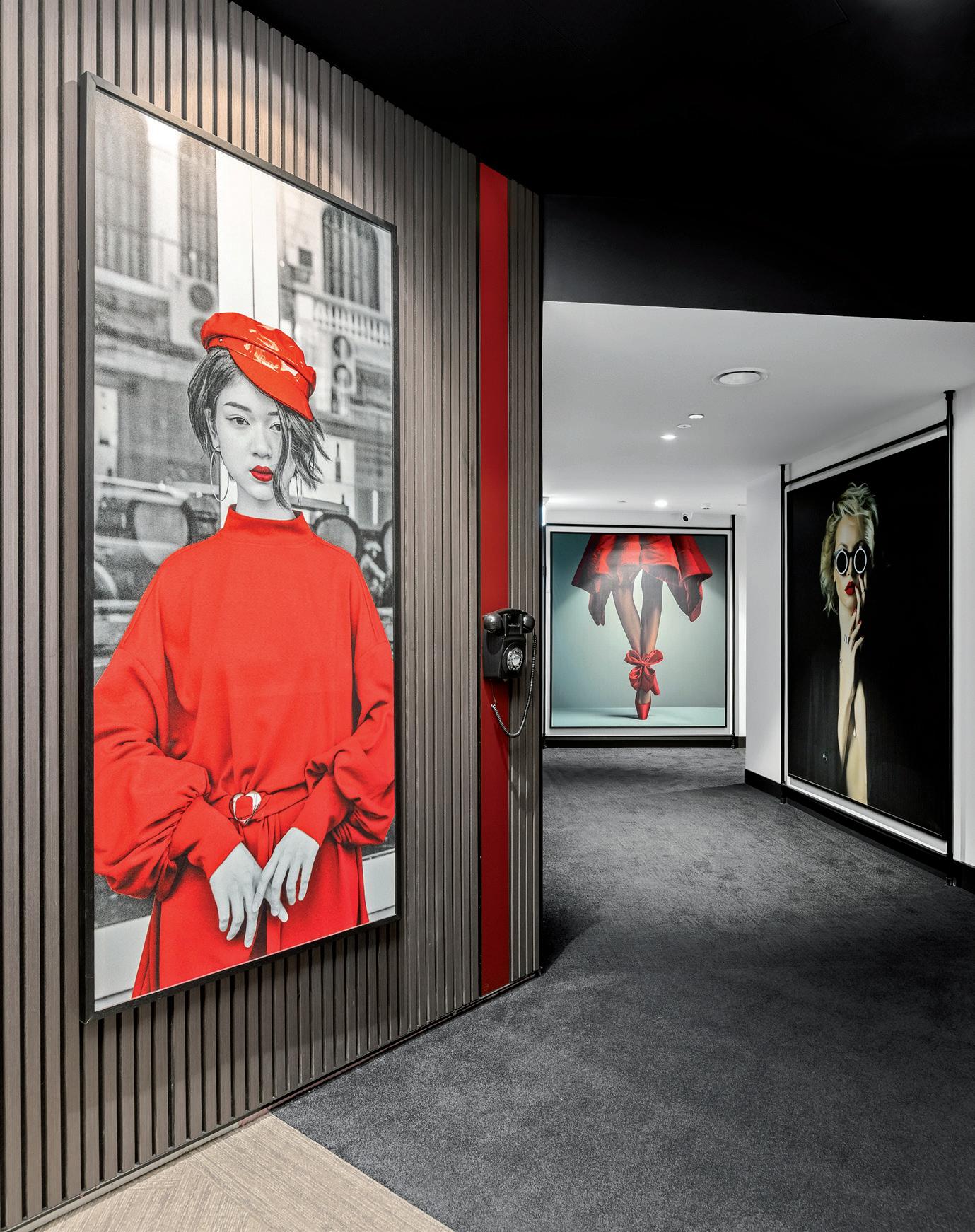
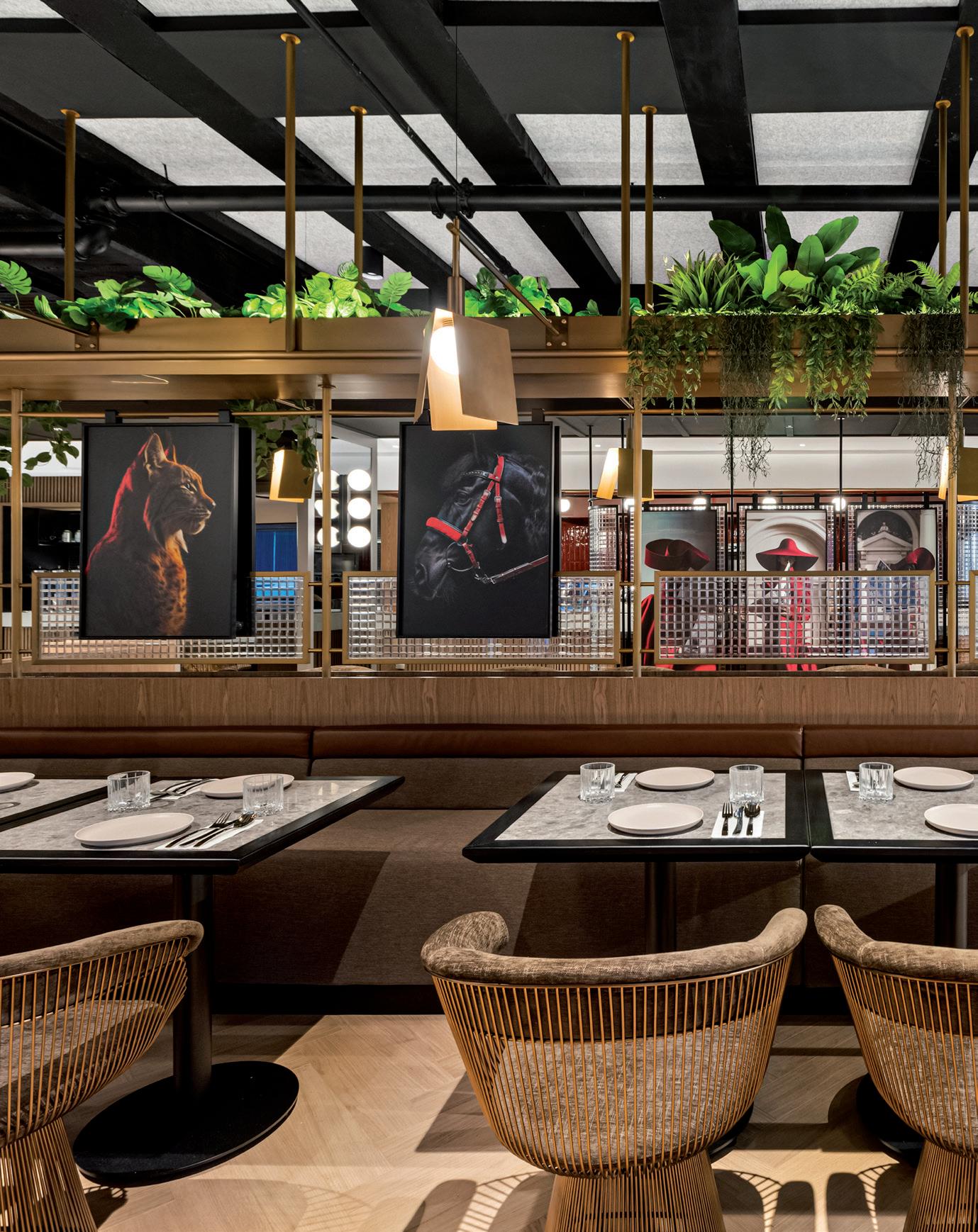
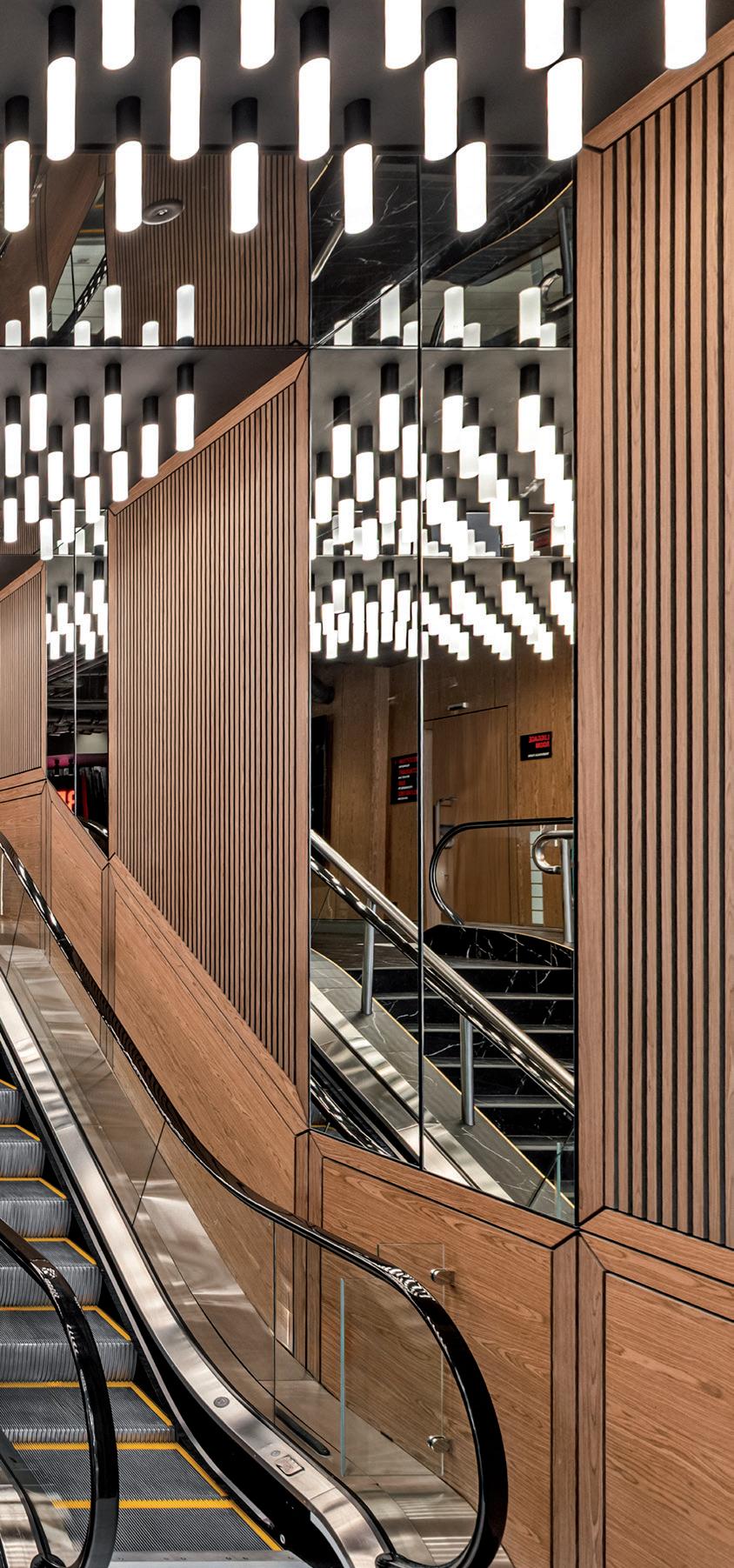
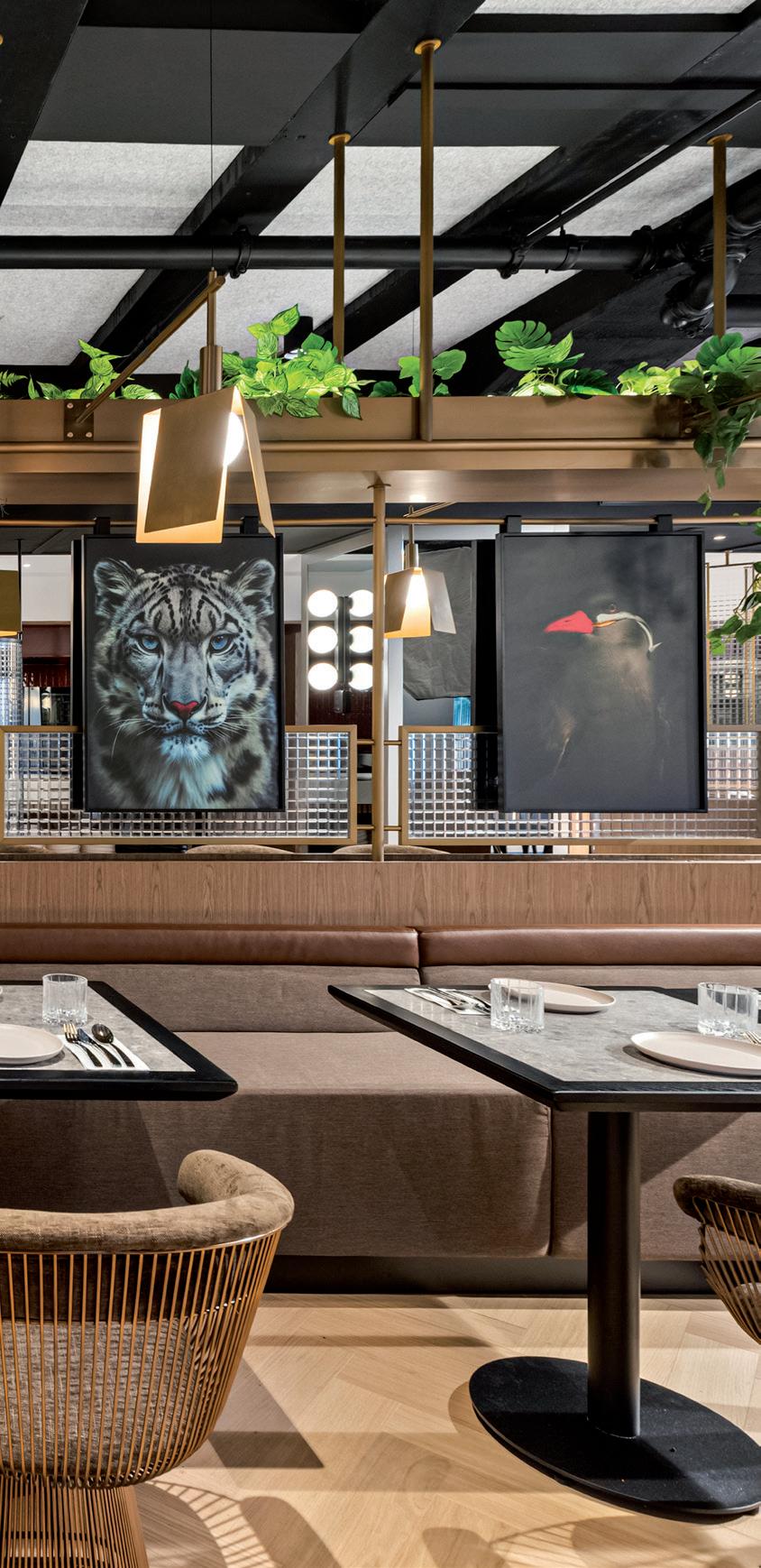
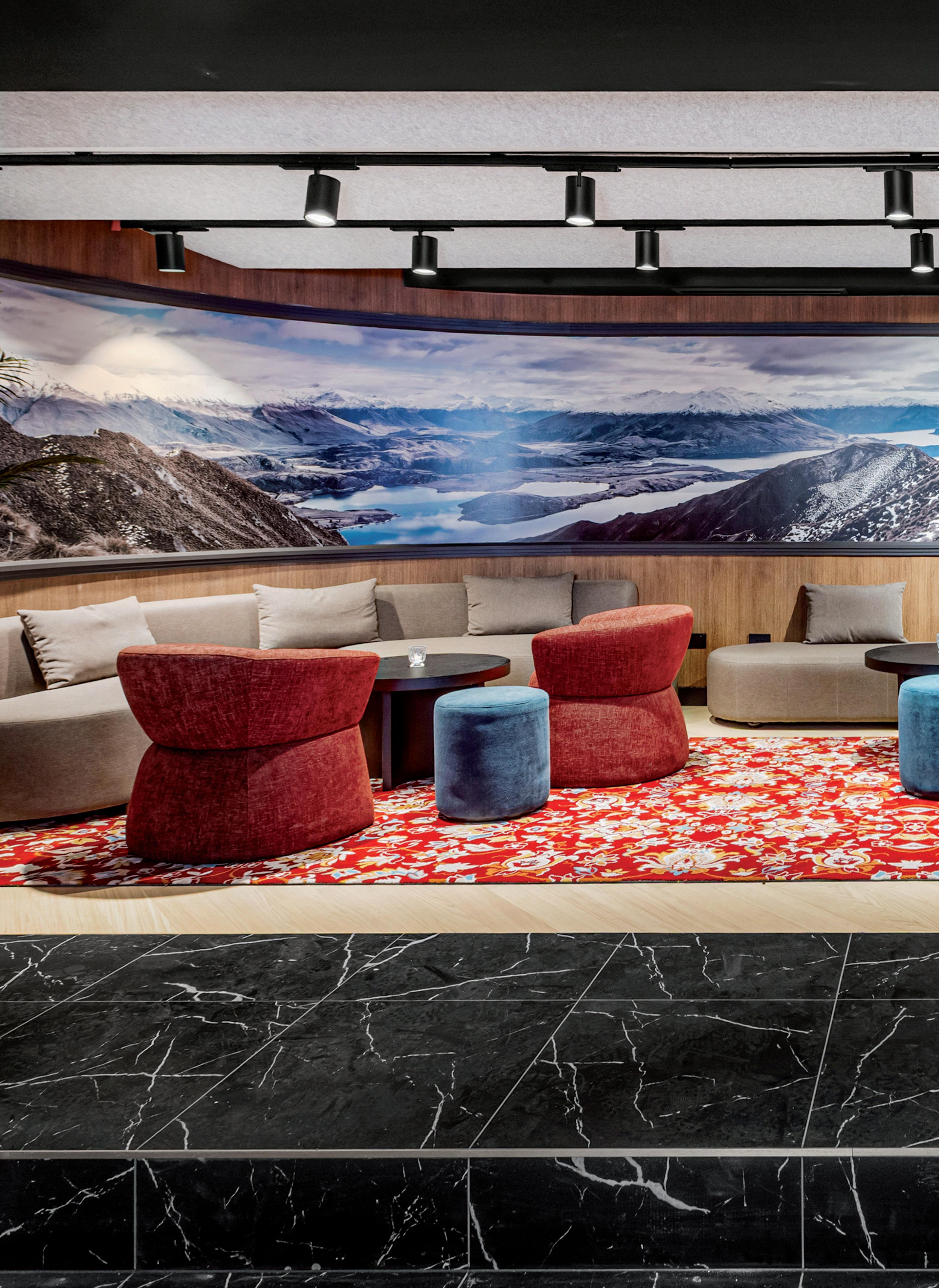
Set in the heart of Auckland’s Art District, it channels bold creativity, artistic energy and the country’s largest outdoor rooftop space into one of the city’s most vibrant cultural precincts.
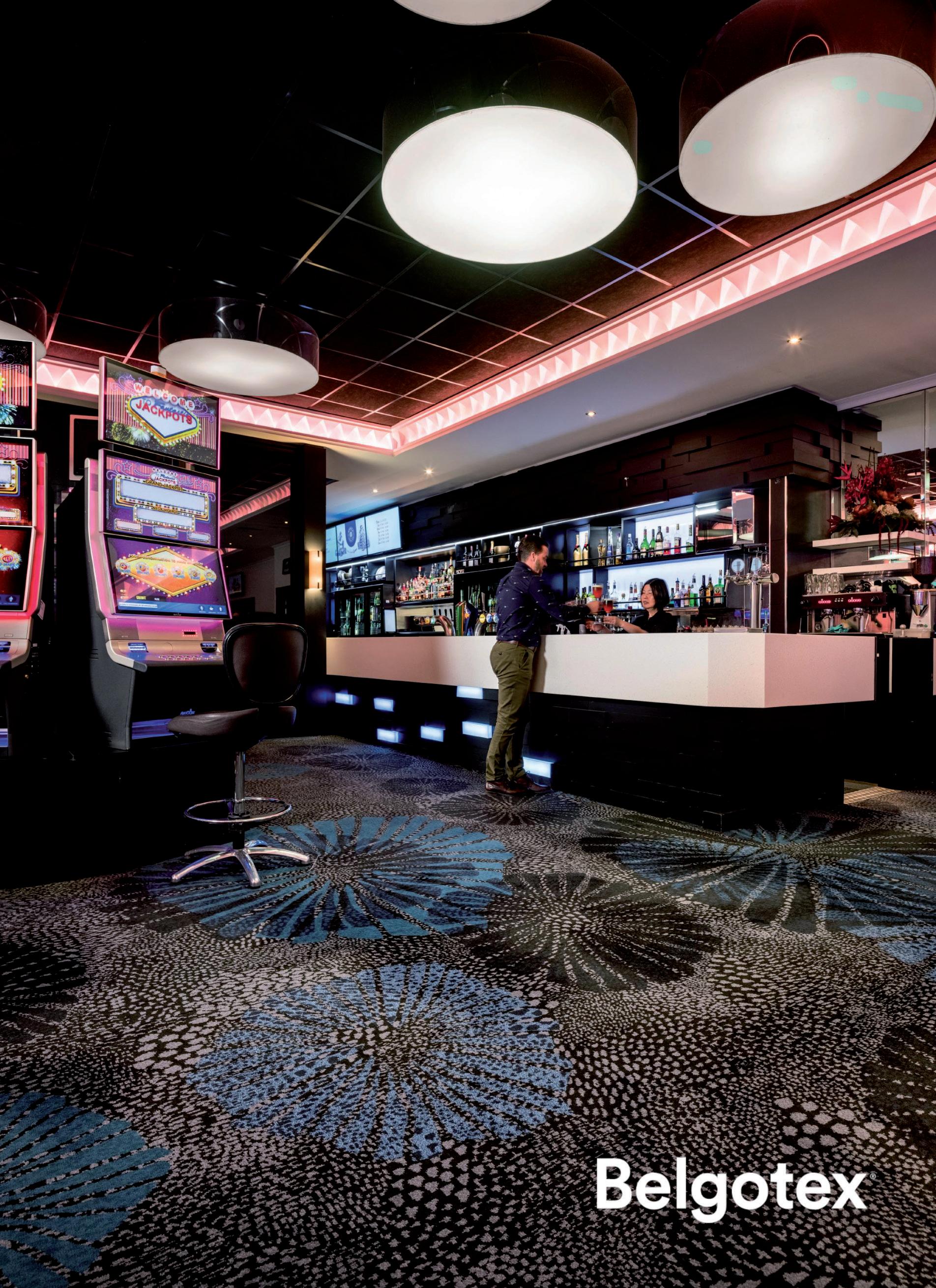
Located at 33 Lorne Street, Radisson RED Auckland is crowned by a vibrant rooftop bar seamlessly connected to dynamic rooftop event spaces, setting the scene for bold social moments above the city. One of Auckland’s few pet-friendly hotels, RED invites guests to bring their four-legged companions along for the stay. Design-driven and communityminded, Radisson RED Auckland sets a new benchmark for modern hospitality in the heart of the CBD.
Radisson RED Auckland channels the theatrical pulse of the surrounding Art District straight into its public spaces and guest experience. The hotel features 322 guest rooms and suites, bold gallery-style installations, immersive lighting, and sensory design moments inspired byAuckland’s creative culture, performance arts, and urban energy. The central location puts guests minutes from major attractions, including the Art Gallery, Civic Theatre, Sky Tower, Auckland Museum, Waiheke Island and the West Coast beaches. Some of the city’s best cafés and restaurants are right on the doorstep, creating an effortless
base for both leisure and business travellers.
“Radisson RED thrives in cities fueled by creativity, culture, and community, and Auckland captures that spirit perfectly. This opening marks a major milestone for our growth in Australasia and a proud moment for our upper-upscale Radisson RED brand, which brings a playful twist to the conventional. As Radisson Hotel Group’s debut in New Zealand and the first Radisson RED in the region, we can’t wait for everyone to see Auckland in RED and experience a hotel bursting with energy, design, and unforgettable moments,” said Tim Cordon, Chief Operating Officer, MEA & SEAP, Radisson Hotel Group.
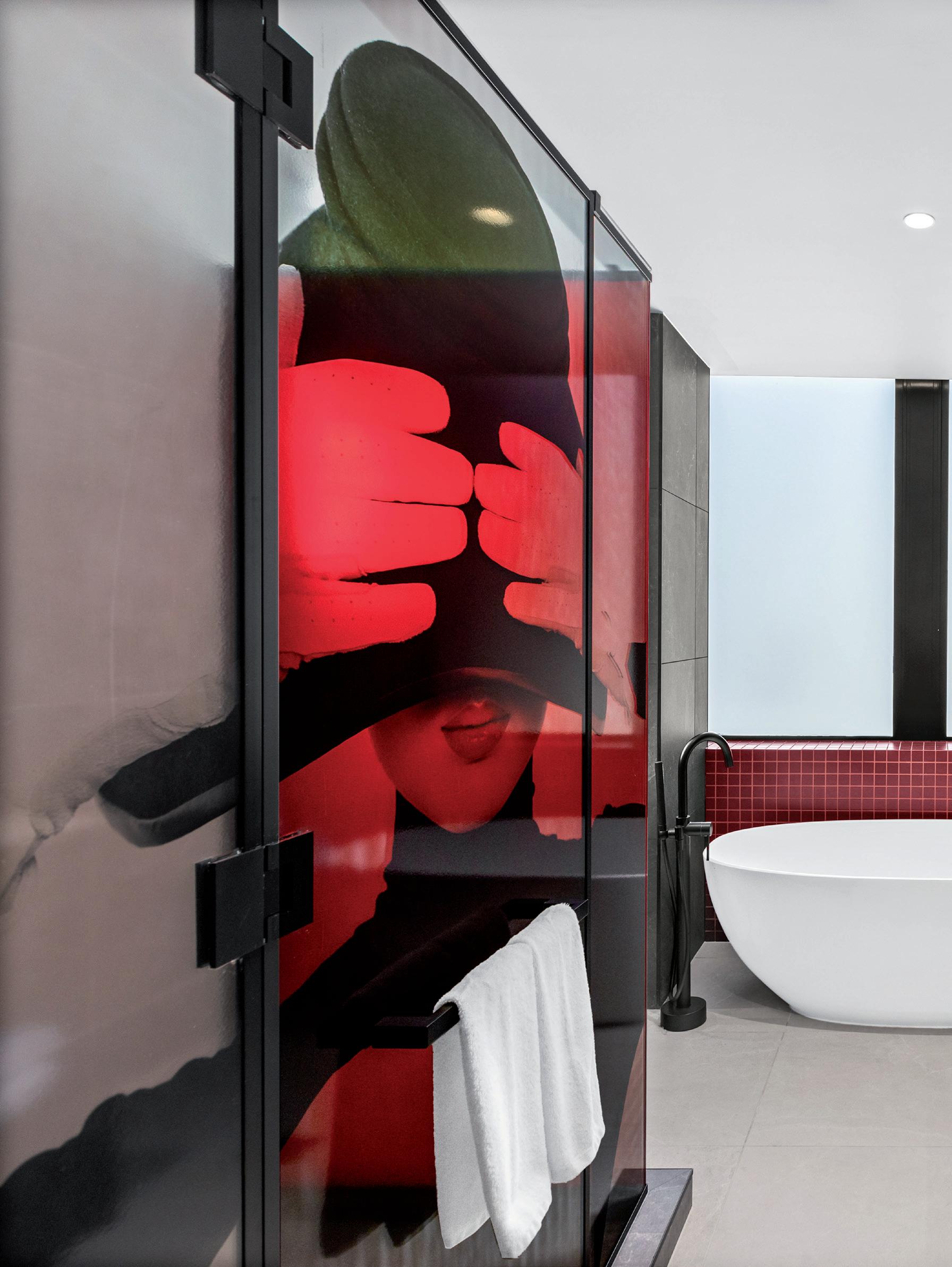
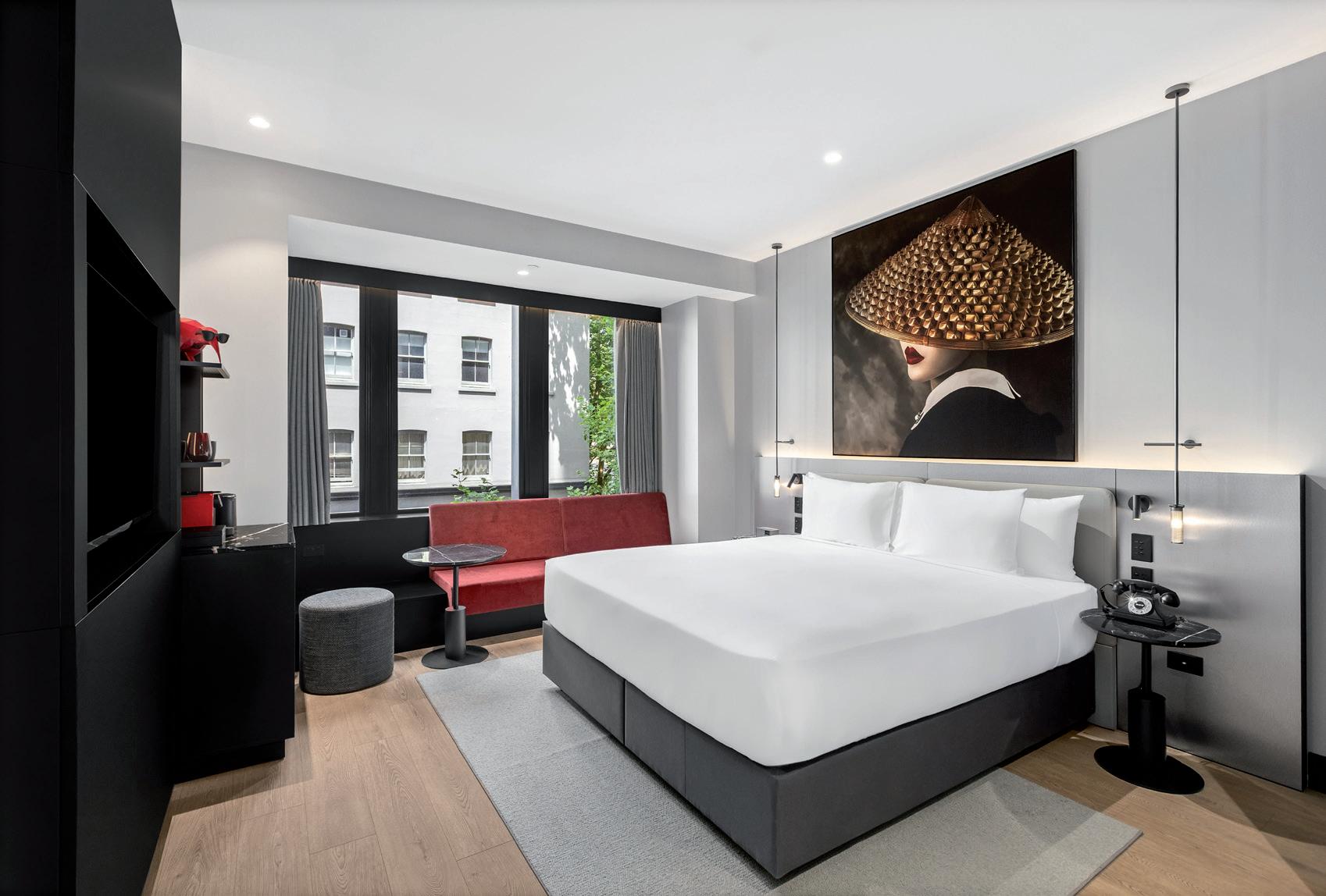
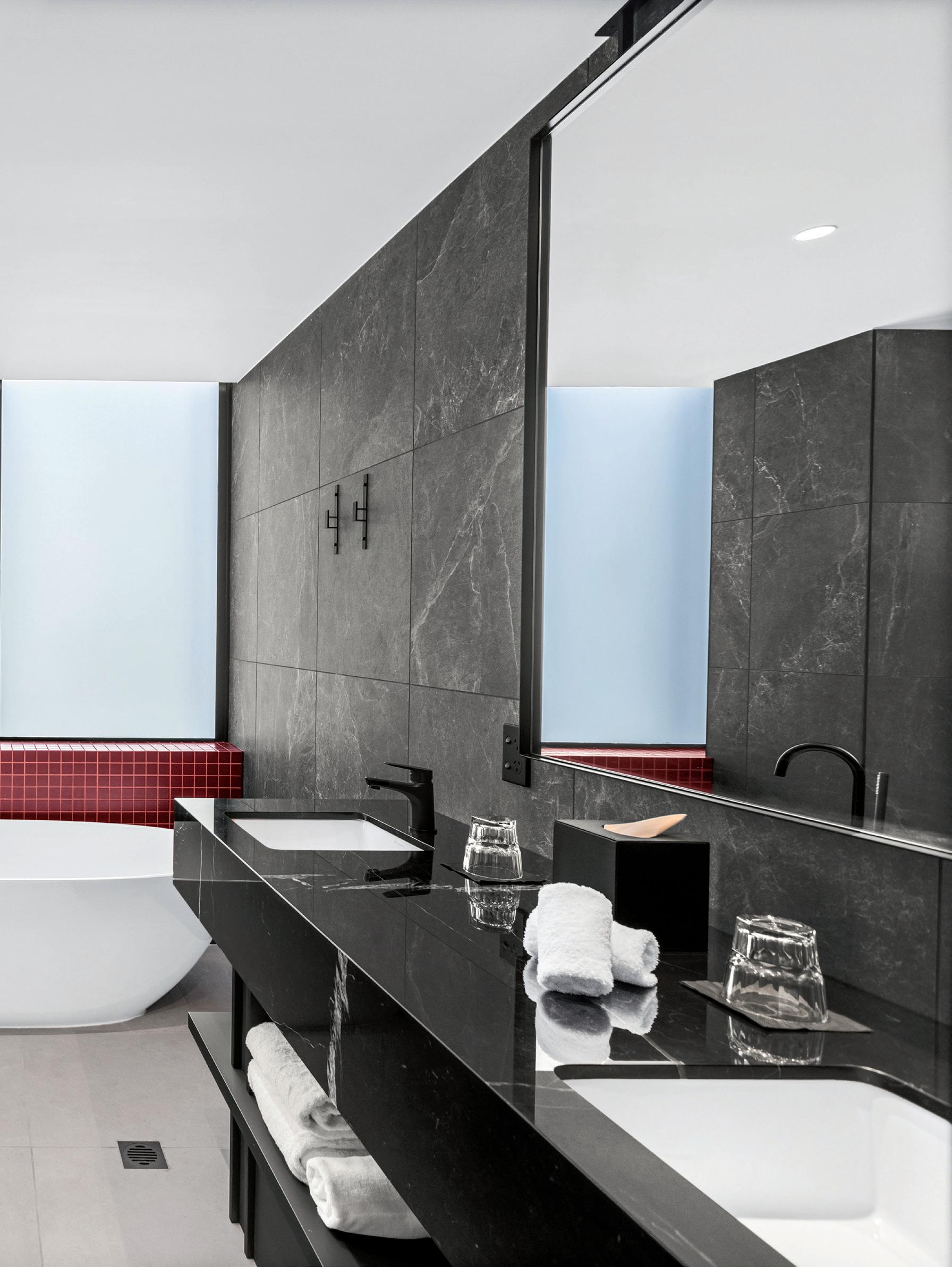
Radisson RED Auckland’s design blends attitude with artistry. Corridor lighting mimics stage spotlights. Lounges eating draws inspiration from opera boxes. Contemporary installation pieces nod to the city’s vibrant gallery scene. Guest rooms echo an actor’s dressing room, layered textures, expressive colours, curated artwork and sensory lighting that sets the tone the moment guests walk in. Higher-
Continued on pg. 22
Continued from pg. 21
floor rooms offer skyline views, while the Suite Panorama presents sweeping vistas of Auckland City, Albert Park, and the harbour.
Radisson RED Auckland offers guests a vibrant all-day dining venue and bar for relaxed, casual moments. Its soon-to-open rooftop restaurant and bar, New Zealand’s largest outdoor rooftop space, boasts sweeping open-air views of Auckland’s iconic Sky Tower, making it one of the city’s most engaging bar destinations. From bespoke cocktail evenings to dynamic social gatherings, the rooftop provides a striking setting for memorable dining experiences and events, reflecting the hotel’s bold, design-led approach to hospitality. Both outlets reflect RED’s love for Share & Connect, a concept where food, music, and mixology create the spark for natural interaction and community. Guests can also stay active with a fully equipped fitness centre open daily from 5am to 11pm.
Beyond the Rooftop Restaurant & Bar, the space opens to rooftop meeting and event areas that feel like a creative playground for celebrations, live performances, pop-ups, private gatherings, weddings and business sessions alike. The venue can be divided into four flexible rooms, filled with
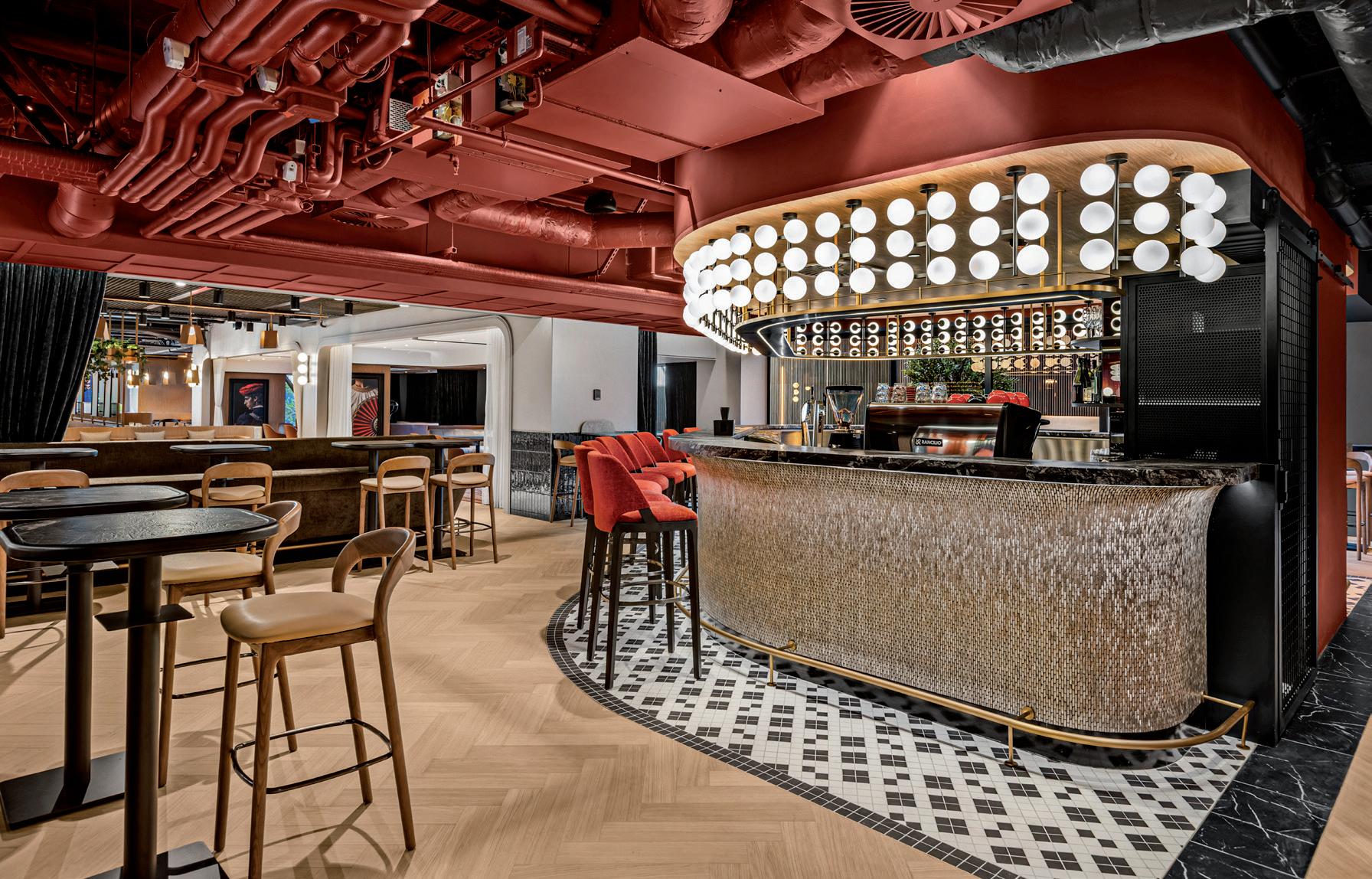
natural light, so it shifts easily from corporate functions to relaxed social events. With capacity for up to 219 guests for a cocktail-style setup, it stands out as one of Auckland’s most versatile rooftop spaces.
“Opening Radisson RED Auckland marks an exciting new chapter for the city, one that celebrates creativity, connection, and a bold new way to experience hospitality. We’ve designed Radisson RED Auckland to be far more than a place to stay, it’s a creative hub where locals and travellers can plug into the heartbeat of the CBD and feel the city’s culture, colour, and energy from the moment they arrive. Every space has been shaped to spark inspiration, encourage connection, and bring a sense of play back into travel.
We’re proud to open our doors and introduce a fresh, dynamic experience to Auckland, one that reflects the spirit of the city and the attitude of RED,” concluded Reinout Engel, General Manager, Radisson RED Auckland. l

Is Funding The Answer?
The Government's Major Events and Tourism Package has been supported by the Tourism Industry Aotearoa.
TIA Chief Executive Rebecca Ingram said the announcement of a further NZD 70 million will provide further welcomed momentum for the tourism industry.
“Major events are more than just moments of celebration; they play an important role in driving visitation and economic activity,” said Ingram.
A self-proclaimed events fan, Ingram noted the mix of both wellestablished and new events.
“I’m delighted to see some of the events I know and love alongside new events being given a boost. That combination is what keeps our events calendar exciting and relevant," she added.

“Events are powerful catalysts for vibrancy, especially when they are well supported. There is something special about seeing thousands of people experiencing something together, with the energy of an event rippling through an audience, a city or a region.”
This is the latest in a series of positive announcements, including the recent Regional Tourism Boost investments announced in December and January and the news that Raglan has been selected for the World Surf League Championship Tour this May.
Minister for Tourism and Hospitality, Louise Upston, said that while many are existing events, this investment will
We’re setting the stage for an extraordinary year. These events will bring vibrancy to our regions, showcase our unique culture and landscapes, and deliver lasting benefits for communities and businesses across New Zealand.
support new elements and attract more participants and international visitors.
“Tourism is critical to our economy, and these investments will help attract visitors and strengthen our reputation as a world-class destination for culture, sport and entertainment,” said Upston.
“We’re setting the stage for an extraordinary year. These events will bring vibrancy to our regions, showcase our unique culture and landscapes, and deliver lasting benefits for communities and businesses across New Zealand.”
While the Major Events Fund has been one of the top priorities for the local sector, the Regional Tourism Boost is expected to expand its current pipeline of campaigns designed to attract visitors to regional hotspots around the country.
“We want visitors to experience more of what New Zealand has to offer. Whether it’s cycling the Great Lake Trails in Taupō, tasting pinot noir in Waipara Valley, enjoying speciality cheese in Ōamaru or admiring Southland’s fiords, our visitors really can do it all,” Upston said.
As the change of seasons occurs, the Waikato is set to launch its
regional campaign assisted by the fund.
Funded at NZD 459,250, the One Flight campaign will be delivered through a regional collaboration led by Hamilton & Waikato Tourism, with Destination Great Lake Taupō, Visit Ruapehu, and Venture Taranaki. Together, these organisations are making it easier for visitors to explore the best of the central North Island, with new travel deals and themed itineraries designed for the autumn season.
“This campaign celebrates everything that makes this region unique. From cycling the Waikato River Trails and exploring the Hobbiton Movie Set, to marvelling at the glowworm caves of Waitomo or visiting the Len Lye centre in New Plymouth, there is something for every traveller. Autumn brings a vibrant new perspective to our landscapes, our farmers’ markets are in full swing, and our hospitality is always warm.”
The overall goal for funding initiatives is to provide visitors with the opportunity to experience more of what New Zealand has to offer, support local regions to grow their visitor economies and build lasting connections with international travellers. l

Sherwood Partners with RENOWNED FLACK STUDIO FOR REFURBISHMENT PROJECT
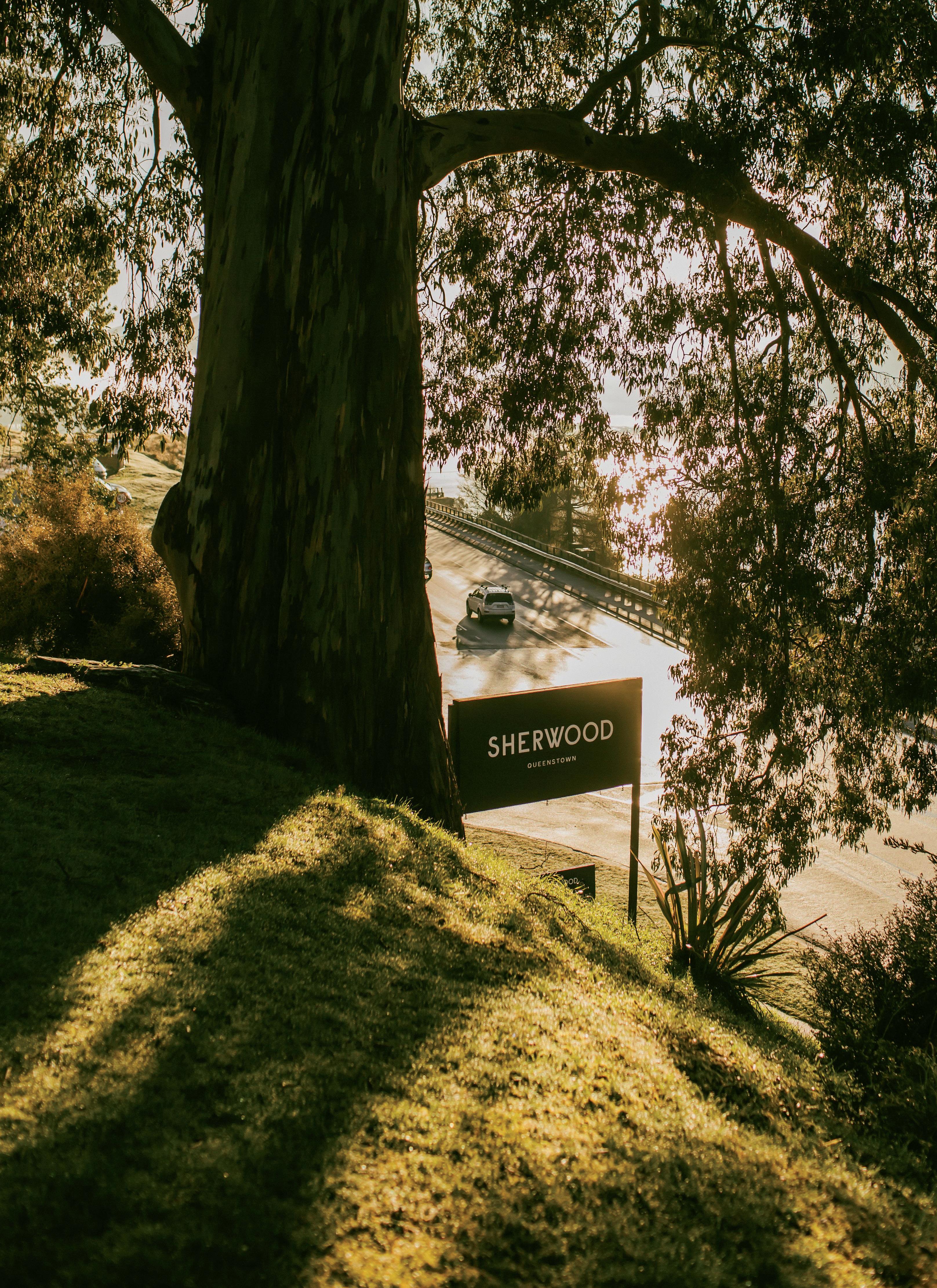
Queenstown’s Sherwood Hotel, owned by Corval and part of EVT’s Independent Collection, has appointed Flack Studio to lead the design of the hotel’s upcoming room refurbishment. The Sherwood refurbishment is the Melbourne-based architecture and interiors studio’s first project in New Zealand.

and recycled materials, and durable design solutions.
Maria Verner, Head of Hotels at Corval, said, "Sherwood is a very special hotel with a unique character. We wanted a design team who could honour that spirit while elevating the guest experience. David and his team bring the creativity, sensitivity, and warmth that align perfectly with the Sherwood ethos.”
The Studio is excited to work
showcased throughout the hotel and in the acclaimed two-hat restaurant, led by Chef Chris Scott. Flack Studio draw from the local landscape, where colours and materials are sourced and considered within Queenstown’s natural surroundings. Inspiration ranges from 1990s vintage ski outfits to wilderness cabins and even modernist architecture.
Flack Studio Senior Designer Meredith Hayward is a Kiwi herself
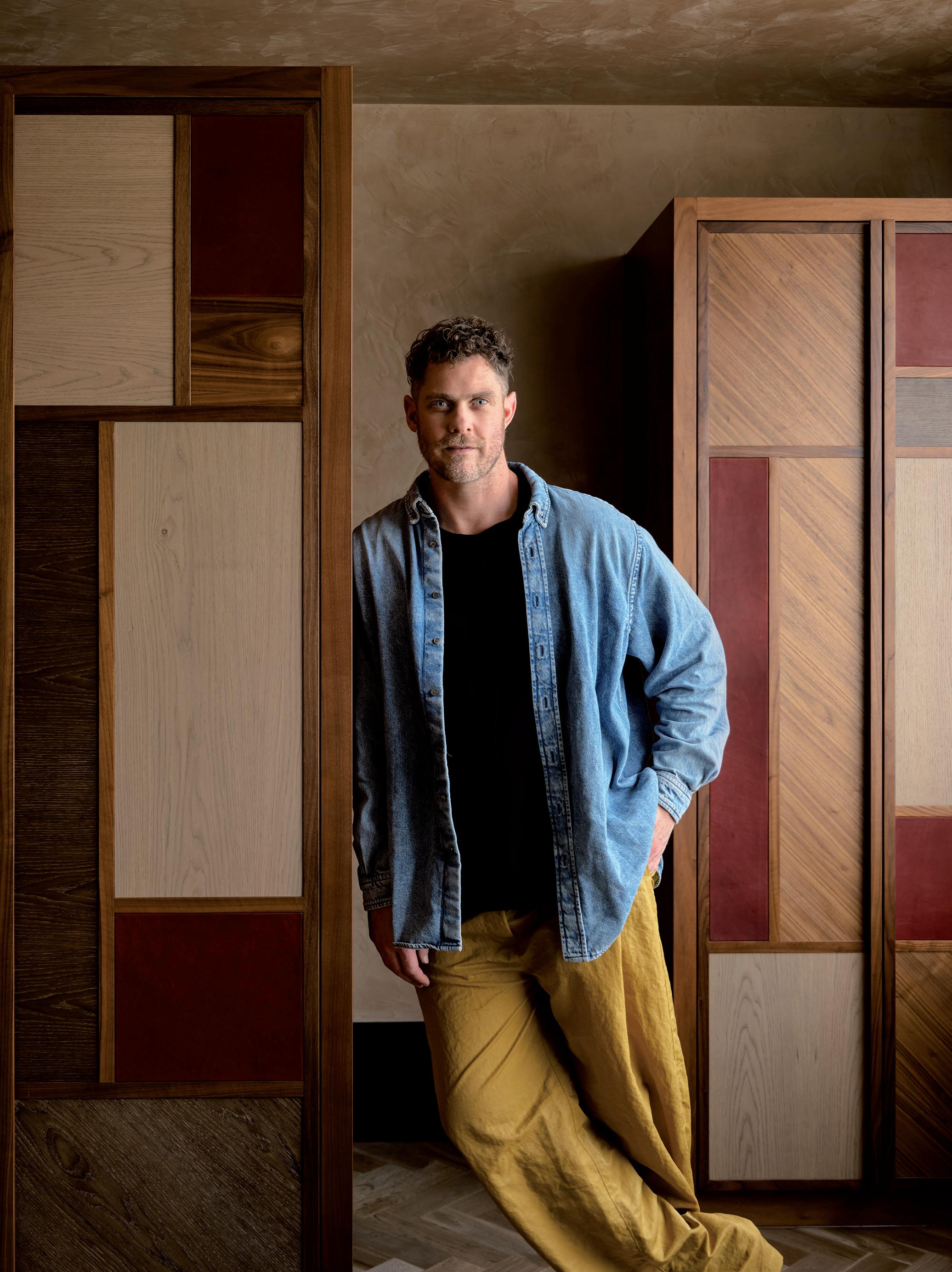
David Flack

and understands the unique environment in which the hotel operates, bringing a lived familiarity that keeps the design grounded and true to the project.
Hayley Scott, General Manager of Sherwood Queenstown, says, “Our values are centred around community, sustainability & exceptional, genuine hospitality, and these are certainly going to be safeguarded, respected and most importantly, enhanced to improve our guests’ experience, in the refurbishment process.”
“Change can be scary, but with Flack heading up the design of the Sherwood room refurbishment, we are in safe hands. The soul of Sherwood is special, and I feel confident that the ethos and unique touch points that we have worked so hard to cement over the past decade will be retained.”
The new interiors will be richly layered with customised furniture, lighting, materials and joinery by Flack Studio. Each element will hold its own identity, forming spaces that remain low-fi and comfortable, yet quietly elevated. The result places Sherwood in a new era of comfort and community, and the redevelopment signals a
A perfect blend of current and nostalgia, we strongly felt that our role was to insert an interior that sat comfortably within the fabric of the building, while elevating and maintaining a strong sensibility and soul throughout.
shift: a new hotel that honours its roots, embraces its landscape, and remains a place where community and culture commune.
Alongside Flack Studio will be Three Sixty Architecture and Marques, who will manage procurement. The refurbishment will commence in Q2 2026, with upgraded rooms becoming available in phases. l
Where Kitchen Efficiency Begins
RETHINKING OIL AS PART OF CORE KITCHEN INFRASTRUCTURE

Oil rarely features in strategic conversations about kitchen performance, yet it influences far more than many operators realise. Decisions around filtration and disposal can shape energy use, equipment reliability, food quality, and ultimately operating costs.

What has traditionally been viewed as a routine back-of-house task is increasingly being reconsidered as part of a broader efficiency strategy.
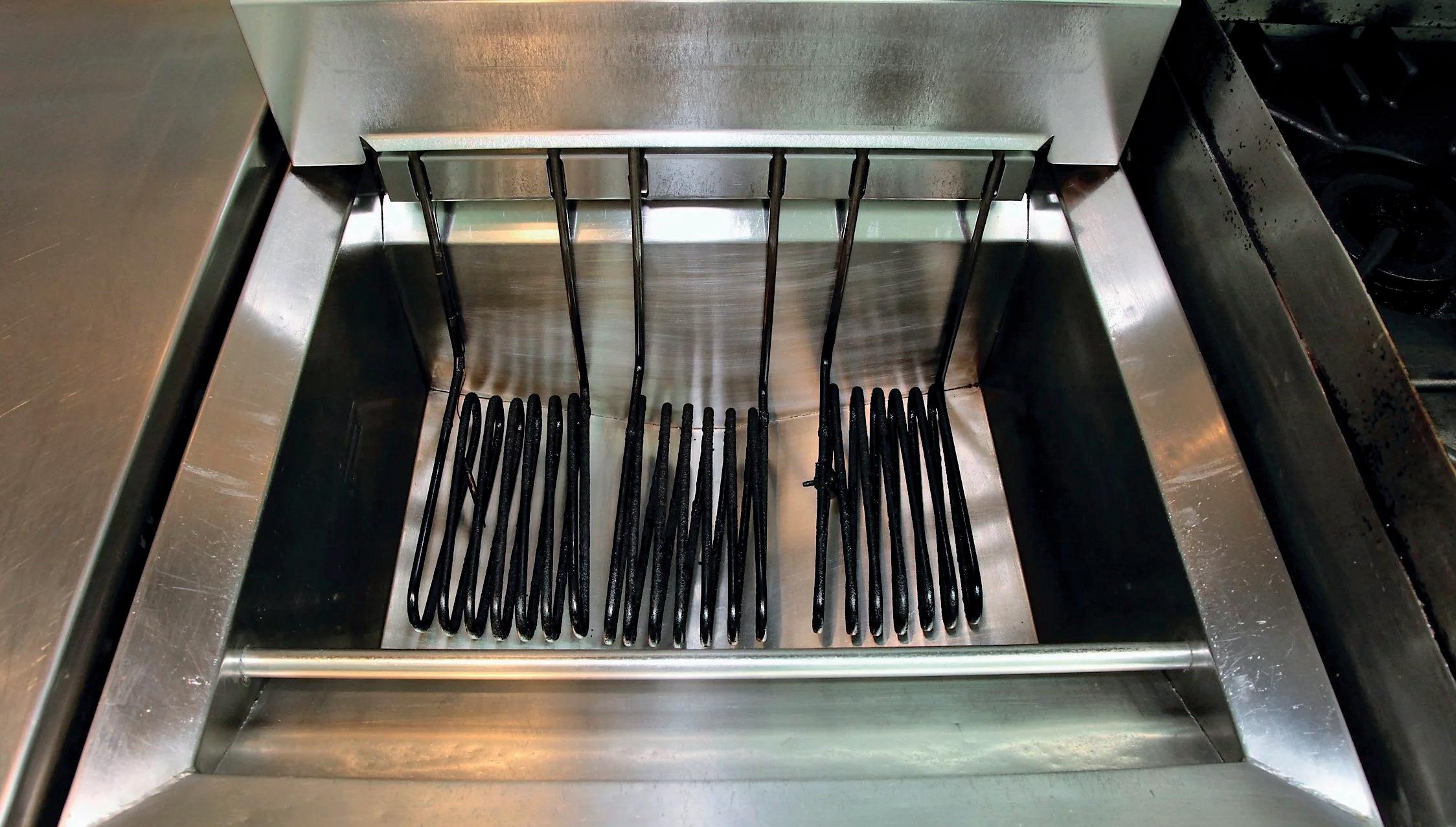
Clean oil behaves differently from oil that has been allowed to degrade. It reaches temperature more quickly, holds heat with greater stability, and allows fryers to operate as designed. When oil is contaminated with food particles and carbon, heating systems must work harder to compensate. Over the course of a trading day, particularly in takeaway businesses with extended hours, that additional demand can be reflected in noticeably higher electricity or gas consumption.
There is also the question of equipment life. Fryers placed under constant strain tend to require more frequent servicing, and unplanned maintenance is rarely convenient during busy periods. Consistent filtration helps reduce that stress, supporting more predictable performance while lowering the likelihood of disruption.
Oil longevity deserves equal attention. Extending the usable life of cooking oil reduces purchasing frequency and limits the labour involved in changeovers. It also supports product consistency. Customers may not identify the cause of flavour variation, but they recognise when food tastes as expected. Reliable output remains one of the quieter drivers of repeat business.
Waste handling is another area where disciplined systems matter.
Councils across New Zealand expect food businesses to operate in a way that protects public health and the surrounding environment. This includes maintaining premises that are suitable for food preparation, ensuring effective ventilation, and managing waste so it does not create safety or hygiene risks. Structured oil collection and recycling programmes help operators meet these expectations while creating safer working conditions.
Viewed together, energy discipline, oil management, and waste practices form part of a more deliberate approach to kitchen infrastructure. Small efficiency gains, when repeated daily, accumulate into meaningful financial outcomes. This is particularly relevant for multisite operators and high-volume independents, where incremental savings scale quickly.
For suppliers, the implication is clear. The conversation is shifting away from product features alone towards measurable operational impact. Technologies that help reduce power draw, extend oil life, and simplify disposal are being assessed not as optional upgrades, but as practical tools for protecting margin.
Clean oil is not simply a matter of good practice. It is part of how modern takeaway kitchens run with greater control, using fewer resources while maintaining the standards customers expect. The operators recognising this are not chasing perfection; they are building kitchens designed to perform steadily, day after day. l

Smart and Efficient
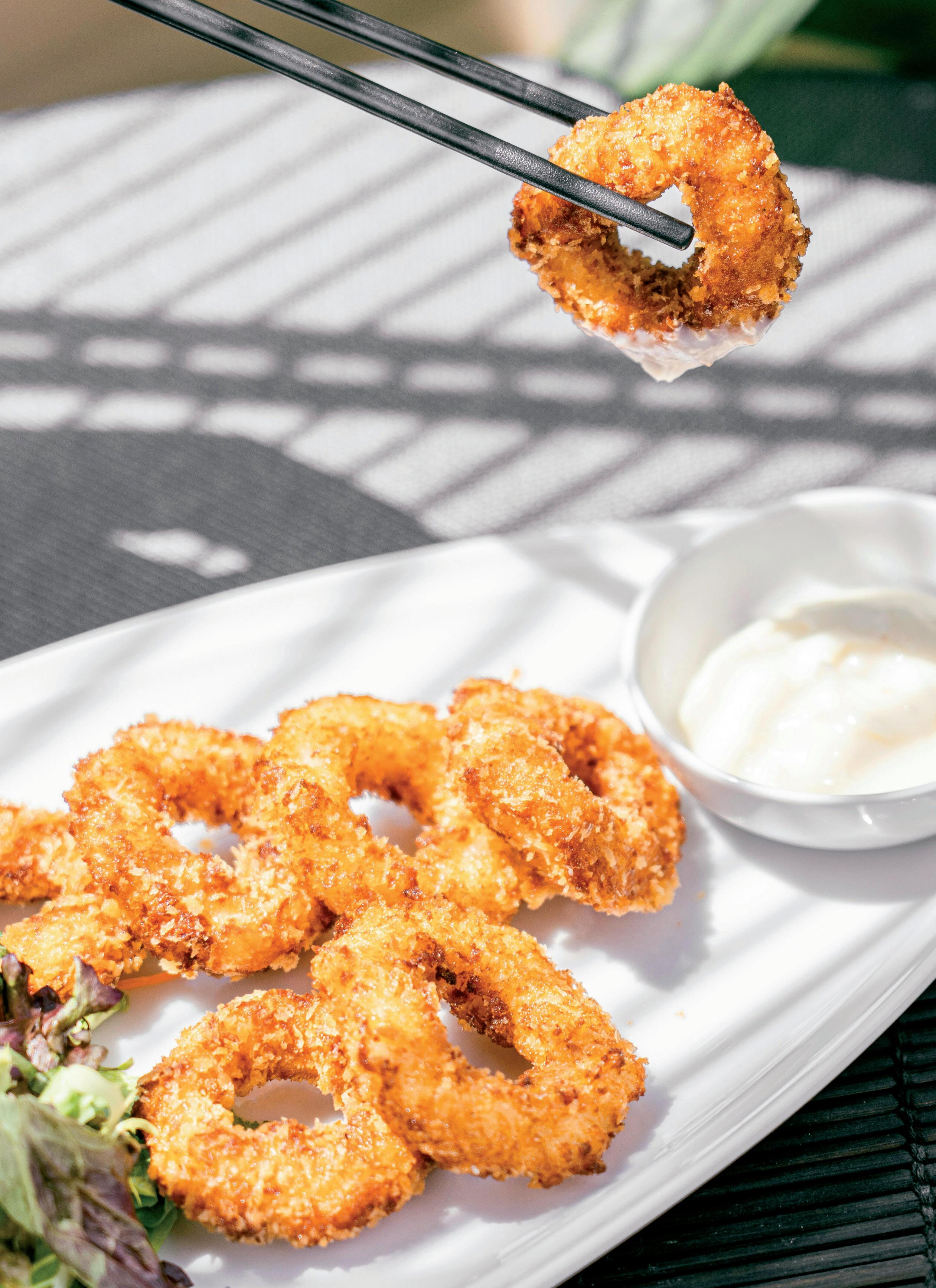
When using a deep fryer, customers want flavour, crunch and a golden finish. To achieve this, the quality of oil should be the main priority for operators, ensuring a final product that they are proud of and will satisfy customers.
Proper oil management is the key to making every order to the highest quality, and although it may seem a small detail, it can be the difference in taste, freshness and the overall eating experience.
Tory Johnson, Territory Manager at Donaldson, said filtration improves product quality, but also protects the machinery used.
“Implementing effective filtration systems mitigates these risks by reducing equipment strain, extending operational lifespans, and ensuring production remains uninterrupted,” he said.
“The result? Fewer breakdowns, lower costs, and a more reliable production schedule.”
Burnt food particles are a main reason that the taste and colour of cooking oil distort over time. This can lead to food products that taste bitter, are overly greasy, and in some instances, stale. Frequent filtration will eliminate any risk of this occurring and meet the highest standards of service.
Johnson said that it was time for businesses to consider advancing their equipment.
“Advanced filtration technologies, including depth filters and membrane systems, are designed to capture even microscopic
impurities, ensuring the oil meets the highest quality standards. For businesses, delivering this level of purity is crucial in building customer trust and securing repeat business.”
In a competitive market, frequent oil filtration will enhance operational efficiency, ensuring consistent oil quality and minimising the need for reprocessing.
Proper filtration will also prolong the oil's breakdown. Frying oil is exposed to high heat for long periods, which causes oxidation and chemical changes. As oil degrades, it develops off-flavours that can make food taste heavy or rancid. On the other hand, clean oil has a neutral taste that highlights natural flavours.
“Emerging technologies, such as automated and smart filtration systems, are also reshaping the industry. These advanced tools enable real-time monitoring and adjustments, ensuring optimal system performance and keeping producers ahead of the curve.”
Filtration and efficiency are unavoidable factors that businesses must adapt to. Staying ahead of the curve will allow businesses to best prepare for the future and the longevity of their operations, while keeping customers satisfied at the same time. l

Changing the Filtering Game
For busy kitchens, understanding the efficiency of oil filtering and using modern technology to manage oil usage can be a game changer.
Anthony Mulder, General Manager for Federal Hospitality Equipment in New Zealand, said it was common for kitchens to not use oil filter systems often enough or at the incorrect temperature.
“The best way is to turn one pan off, let the oil temp drop by 20 or 30 degrees celsius and then filter it. Transfer this hot oil back into the fry vat which will get back up to fry temps quickly,” said Mulder.
If oil is properly cleaned on an ongoing basis, the need to discard a full pan is often not required. Mulder said that top up oil will be required as fried foods do absorb
a small amount of oil during the fry process. He added that oil testing kits are available and should be used daily to check oil status, and if the oil test proved a need for replacement, it was important to do so.
“We believe a poor fryer or an incorrectly set fryer does more damage to oil and this affects food quality.”
When frying, oil temperature must be set at 180 degrees celsius for chips and between 165 and 175 degrees celsius for soft proteins like fish and chicken. This process will ensure frying and not boiling in oil.
If oil is properly cleaned on an ongoing basis, the need to discard a full pan is often not required. Top up oil will be required as fried foods do absorb a small amount of oil during the fry process.
If the oil temperature drops below the 160 degrees celsius mark, the product boils and inherent moistures evaporate out and create a hydroscopic, dehydrated situation. At this stage, oil is the only present liquid which is then absorbed by the food items. Mulder said the correct oil type when frying was key to healthy frying, and that it was important to identify risks early, as using
oil which has failed can cause carcinogenic effects, foul tastes, upset stomachs and nausea.
When looking for new frying equipment, Mulder believed businesses should consider the variety of systems available with many variations of paper, micro nylon and mesh filtres. He added that fry powders are also a very good way of cleansing oil.
“I have seen some external
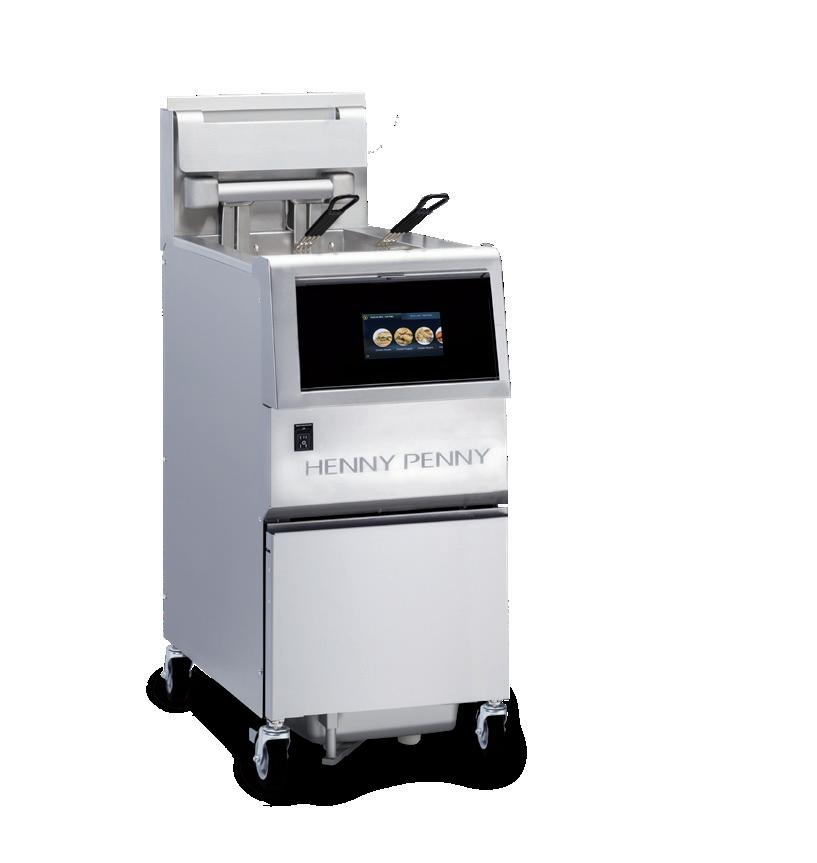
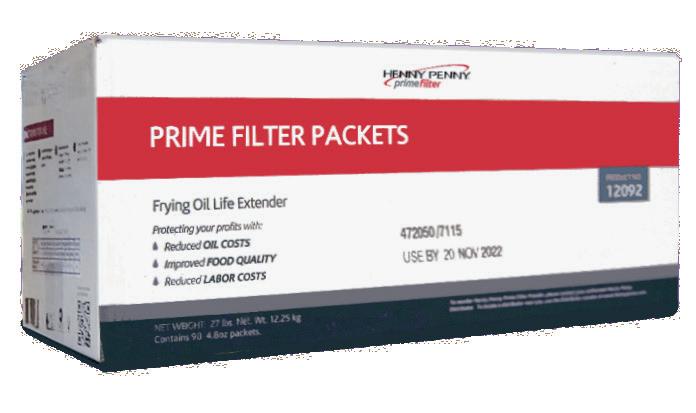
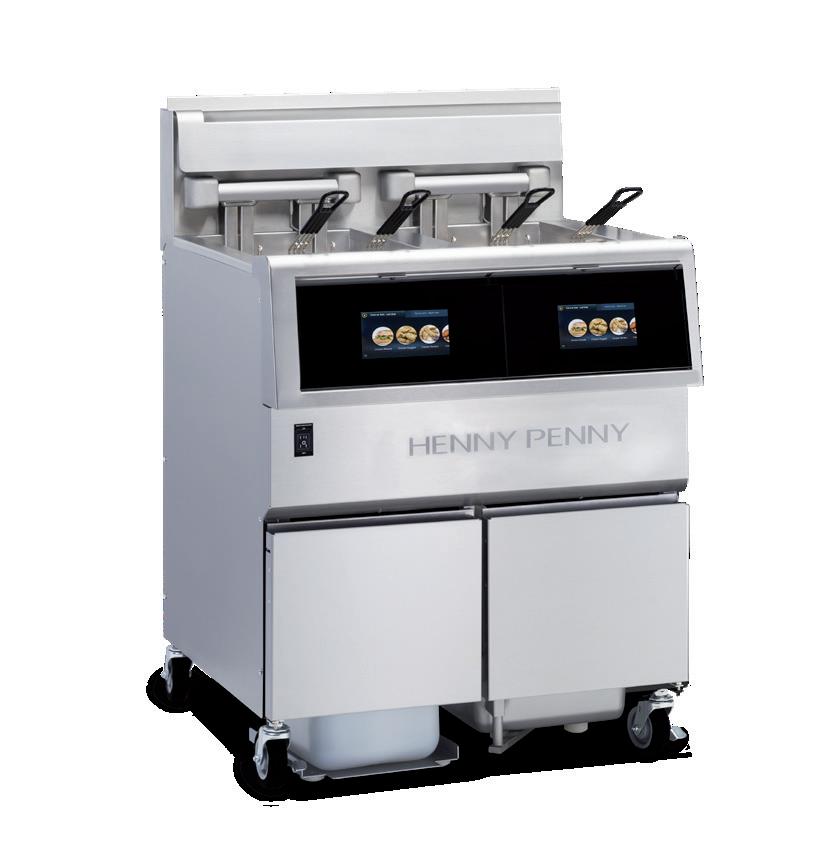
Henny Penny Fryers & Prime Filter Powder
How Does This Work?
• Extends oil life
• Saves labour
• Improves food quality and consistency
Double The Oil Life
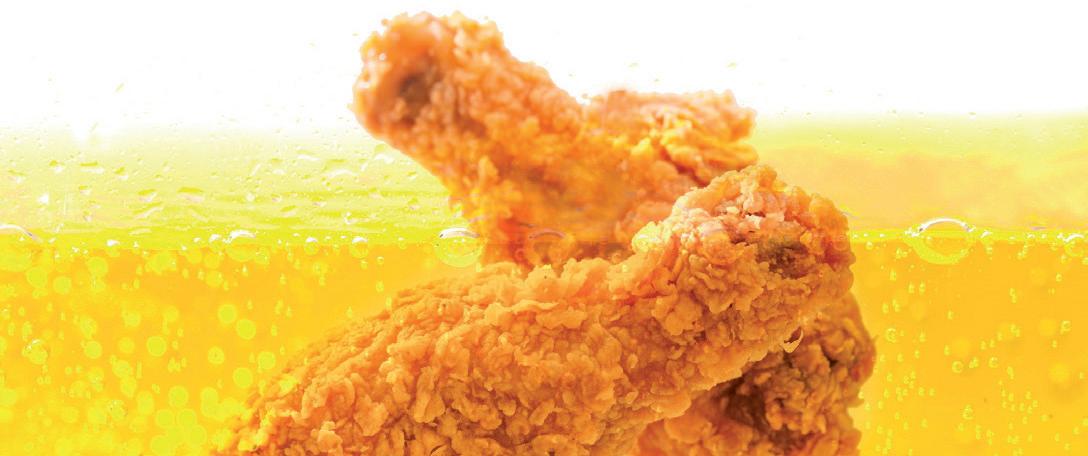
Prime Filter removes both solid and dissolved impurities from your oil, extending its life by up to 50%
continuous filter systems in large facilities where the oil is removed from the direct heat, filtered and pumped back into the vat for reheating and frying a new batch of food items. I have heard of a catalytic bead system which is placed into the vat and through a chemical reaction removes particles and keeps oil cleaner for longer. However, I have not seen this type of system in use in New Zealand.” l

The future of frying technology with


Canterbury Chefs Choose Superfry
As Pure Oil’s South Island-grown cold-pressed retail oils, The Good Oil, became a popular choice in homes around New Zealand, it began hearing from chefs and food manufacturers who wanted that same locally made quality available in commercial formats.
From there, Superfry was developed using the same high oleic New Zealandgrown seed, produced with the same care and attention to quality.
Uniquely for this type of frying oil, Superfry oil is cold-pressed before being low-temperature refined, with a clear focus on quality over quantity. The combination of the special high oleic seed and processes Pure Oil uses provides a neutral oil that is highly heat stable, while still retaining much of the natural goodness and freshness that comes from local production.
Superfry is offered in both high oleic rapeseed and high oleic
sunflower oils, delivered directly to hospitality businesses across Canterbury using its own local trucks. The oils have quickly become a staple in many kitchens throughout the region, as well as in a number of New Zealand’s most respected restaurants who value the local origin and reliable performance. They offer excellent stability, longer fry life and consistent results in busy commercial environments. They are versatile and also used by many as an ingredient oil for dressings and more.
Alongside frying oils, Pure Oil also supplies cold-pressed extra virgin oils in cost-effective 20L packaging for general pan frying,
finishing and dressings. These are the same oils consumers know from retail, now widely used in professional kitchens. Its oils are also used by many of New Zealand’s leading food manufacturers, who value the quality and dependable supply from a local producer.
Pure Oil provides used cooking oil collection as part of its service. The collected oil is recycled into biofuel and other industrial uses, helping offset a significant volume of petrochemicals that would otherwise need to be imported into New Zealand. Anyone interested in more information can visit www. superfry.nz or contact Pure Oil on info@pureoilnz.co.nz.
Waste Oil, Gone
No mess, no accidents, no smell, no vermin! Cookright’s ‘VATMAN’ is your kitchen superhero, removing hazardous, labour-intensive, messy kitchen jobs from your work schedule to save you time, effort and money, all while ensuring your business is both hygiene and insurance compliant.
The Cookright ‘VATMAN’ whisks away your waste oil on a weekly basis, using Cookright’s no-mess, clamp-shut-lid ‘Pail Collection System.’ The Cookright ‘VATMAN’ removes potentially dangerous, messy, smelly and vermin-attracting waste, plus all potential for spillages and accidents from your premises. Two collection systems are available: Pail Collection for weekly removal, and Wheelie Bin Collection for larger volumes.
If you’re in a more remote or rural location, or you simply have extralarge volumes of waste oil, the Cookright ‘VATMAN’ supplies you
with a wheelie bin (or two) for easy filling, storage, manoeuvring and lockability.
The Cookright ‘VATMAN’ stores and recycles your waste cooking oils so you don’t have to, all in line with local council and government regulations. Plus, you are issued with a certificate confirming your waste oil has been officially removed and recycled. Waste oil is reprocessed at MPI-approved processing sites and then reused for biofuel production or as an additive for stock feeds. Nothing goes to waste!
Cookright is International Sustainability & Carbon Certified
(ISCC) conforming with globally recognised standards of social, environmental, and traceability performance for biobased and recycled materials and products, renewable fuels and biomass from sustainably managed sources.
The Cookright ‘VATMAN’ is your kitchen cleaning superhero. The VATMAN will clean filters, flues, fryers and hoods, hire easy-clean cookware tanks, will remove waste oil with no mess and no hassle, will deliver quality oils and is OSH trained and insurance compliant, naturally!
Call Cookright on 0800 804 104, www.cookright.co.nz.
Delivering for South Island Businesses
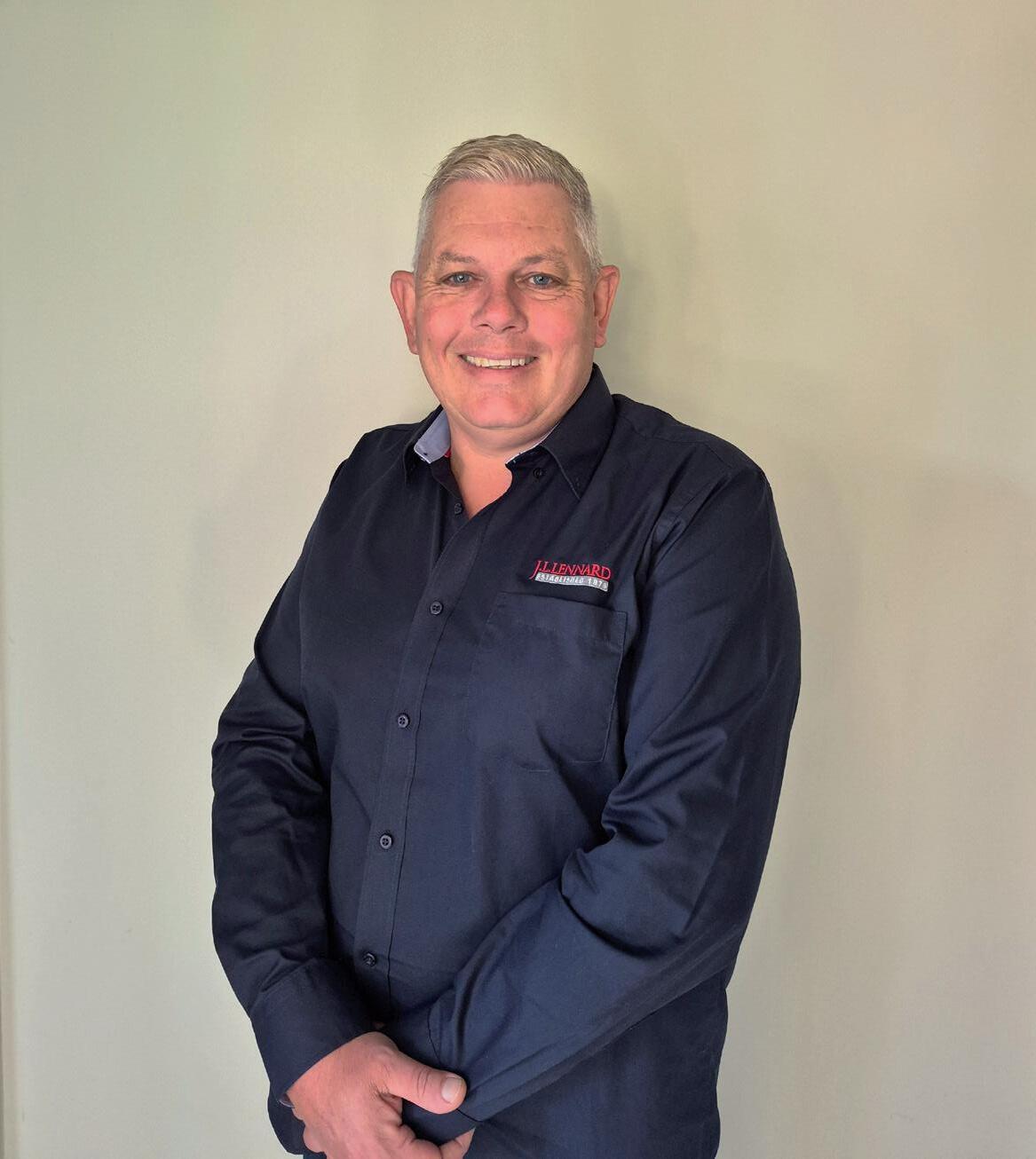
Industry leader Kurt Knowles has joined the team at J.L.Lennard. A Christchurch native, he will be based in the South Island as growth in the region continues to flourish.
In this role, Kurt Knowles will be responsible for driving sales growth, developing key customer relationships, and expanding J.L.Lennard’s presence across the South Island. Christchurch born and bred, he is a passionate foodie and keen golfer.
“I’m excited to join J.L.Lennard and contribute to its reputation for quality, innovative equipment and exceptional service.”
Knowles has brought more than 30 years of experience in the Hospitality industry to his new role, including 15 years in foodservice equipment sales and sales management.
A key part of growing its presence in the South Island, Knowles will be instrumental in J.L.Lennard’s wider expansion of its Henny Penny range, especially the Prime Filter Powder.
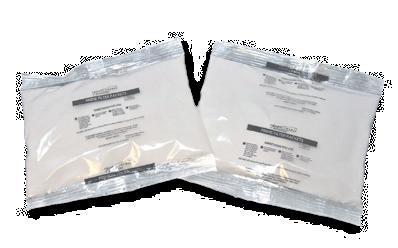
The Prime Filter Powder is a safe, pure white compound that extends frying oil life, reducing the frequency of oil purchases by as much as 50 percent. It removes both solids and dissolved impurities from used oil, extends oil life, saves labour, and improves food quality and consistency.
“When circulating frying oil with Henny Penny Prime Filter Powder during a polish filter, the powder particles are activated, acting like a magnet that attracts and removes food debris, and extracts soluble liquid impurities, dissolved tastes, and odours that spoil fried food,” said Knowles.
“Prime Filter powder added to the vat for daily polishing filter keeps your oil looking good and your fried food tasting its best.”
Knowles said the new role was an exciting step, and that not only was the South Island a special place to him, it was also at the heart of New Zealand culinary excellence.
“I look forward to supporting customers with equipment that helps them improve their operations and efficiency, and growing the J.L.Lennard brands in the marketplace.”
Barry Fryer, National Key Account Manager, said that it was a pleasure to welcome Knowles to the team.
“Kurt has a passion for the industry that is invaluable to businesses of all sizes wanting to elevate their equipment. His industry expertise has made him the perfect addition to J.L.Lennard, and we are very excited to welcome him onboard,” he said.
“Having Kurt on the team is an exciting moment for the company, as the South Island becomes our next key focus for growth and development.” l
Mobile: 0276648648
Email: kknowles@jllennard.co.nz www.jllennard.co.nz

Growth Beyond The Supermarket Shelf
A new Inspire+ session is coming to Auckland, focused on how products succeed in foodservice and other consumptionled channels beyond the supermarket shelf. This briefing brings together senior operators working at the point of service and supply, offering a practical view of how menu decisions, buying frameworks and operational realities shape what gets ranged, used and reordered across hospitality, workplace retail and alternative routes to market.


Greg Cornes Hospitality Solutionist, Greater Good Hospitality Group
Greg Cornes of Greater Good Hospitality Group, speaks from the café and restaurant floor, where margins are tight, and buying decisions are immediate. With over 25 years in hospitality, Greg focuses on viability, labour optimisation, and real-world menu economics. He is the author of “How Is Everything?” exploring sustainable business growth in modern hospitality.
Andre Cressy General Manager, Provender New Zealand
General Manager of Provender New Zealand, a national vending and workplace refreshment business supplying snacks and beverages through a network of franchise operators. Provender services offices, factories, schools and public spaces, offering an alternative route to market outside traditional retail.

Danielle Lendich Director, Wendy’s Hamburgers
Former CEO of Wendy’s Hamburgers in NZ, a position she held for nearly 30 years, giving her extensive leadership experience within the QSR sector. She brings a clear, operator-driven view of what it really takes to supply high-volume national networks, where discipline, simplicity, and commercial realities shape every menu decision.

Wayne Kennerley Retail Executive & Entrepreneur
New Zealand retail executive and entrepreneur with more than 30 years’ experience across FMCG and grocery. He is CEO of Kennerley Gourmet Grocery and Kennerley Retail Ltd, where he leads a portfolio of fastgrowing online brands including The Meat Box and Paddock to Pantry.
TUESDAY, 10 MARCH 10AM - 2PM
MEET THE CHEF
Leading New Zealand’s Largest Hotel
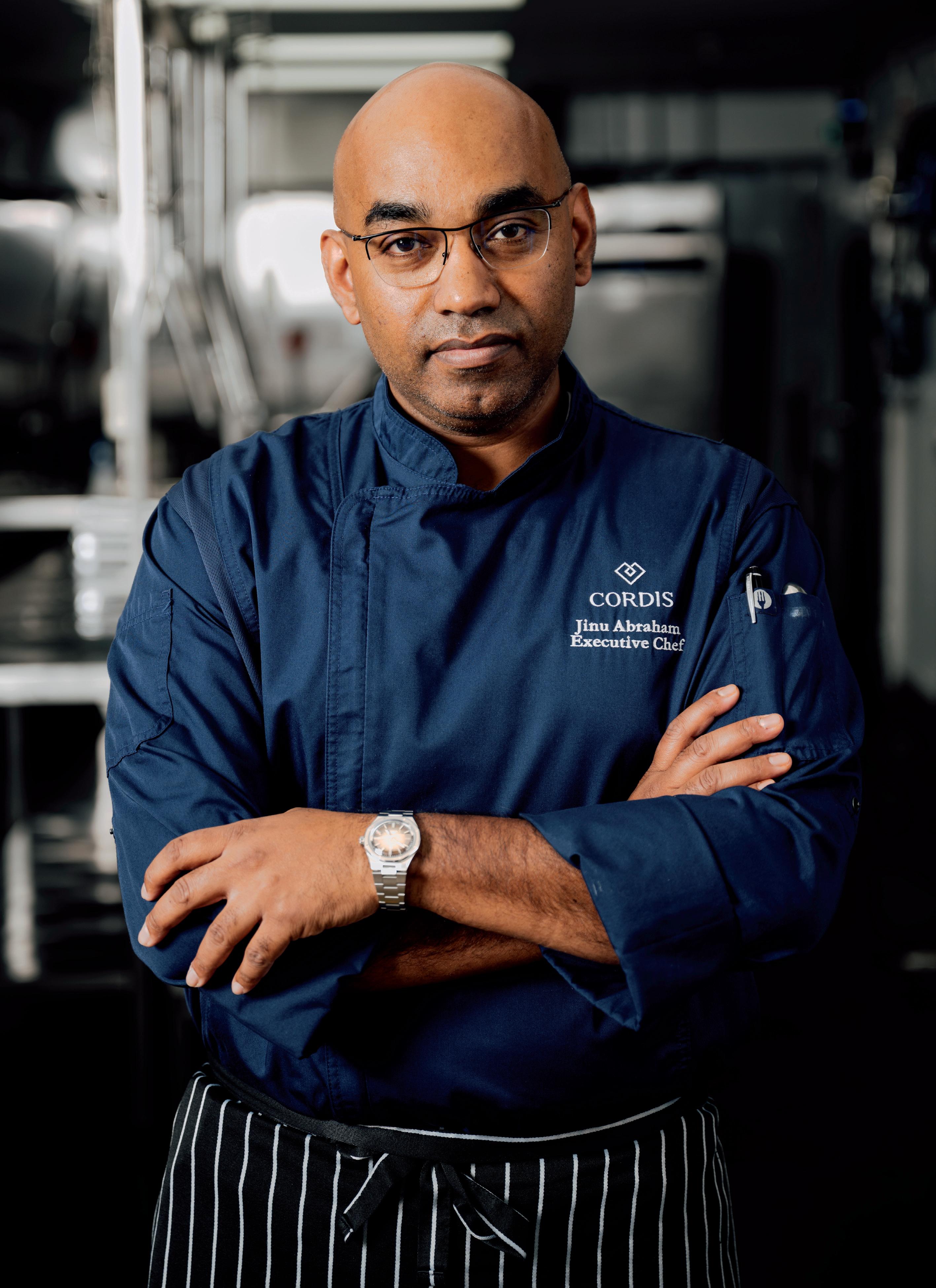
For chef Jinu Abraham, becoming Executive Chef of New Zealand’s largest hotel has been a daunting but exciting role.
The Cordis Hotel on the outskirts of Auckland’s CBD has a long history of culinary excellence. From the acclaimed Eight Restaurant, to banquet celebrations, and more than 640 rooms and suites to cater for, the kitchen team have a large task ahead of them.
Since arriving late last year, Executive Chef Jinu Abraham has taken on the role with elegance and style, admitting that although it is a busy role, there is nothing quite like the Cordis.
Chef Abraham has been in the industry for over 30 years now, and has been an Executive Chef for about 15 of those years since 2009, such as at Hilton Double Tree, Karaka as latest, Fable Hotels, The Langlands Hotel, and Heritage Hotel on Hobson Street. His past experience has included leading the kitchen teams across New Zealand.
Over the past four months, Chef
Abraham has begun an overhaul of the menus, exploring new ways to elevate them and offer guests something previously unseen.
“I love all parts of it equally, I love the banqueting and the big buffet that we do at Eight, and, of course, the à la carte that we do. So quite a few different styles, each of those units are pretty dear to me.”
One of Chef Abraham’s key focus’ has been to champion New Zealand products as much as possible, which he described as being front and centre. One main area of growth that he would like to see New Zealand products shine on the menu is through beef and lamb dishes.
Using simple flavours on the menu is something he believes in. He said that if you let an ingredient lead, then there is an opportunity to showcase authentic flavours. He used the example of buffalo mozzarella, which he said when topped with a good extra virgin
olive oil and sea salt, then that is as simple as it can get.
“I think people want really honest, good food. And when they pay for it, they must have value for it, and the value is derived from flavour. People come for experiential dining, that's the constant kind of evolution.”
Chef Abraham believed this to be the next big trend to make its way on the menu, offering a true feel of New Zealand flavours.
For up-and-coming chefs, he said it was important to remain focused. In an industry like hospitality, developing a love and deep passion for the craft is paramount. He said that staying focused on their skills and being able to progress as a chef will take them places all over the world.
“You don’t have to begin your journey as a chef to become one. Titles are earned through discipline, resilience, and an uncompromising passion and focus for the craft.” l
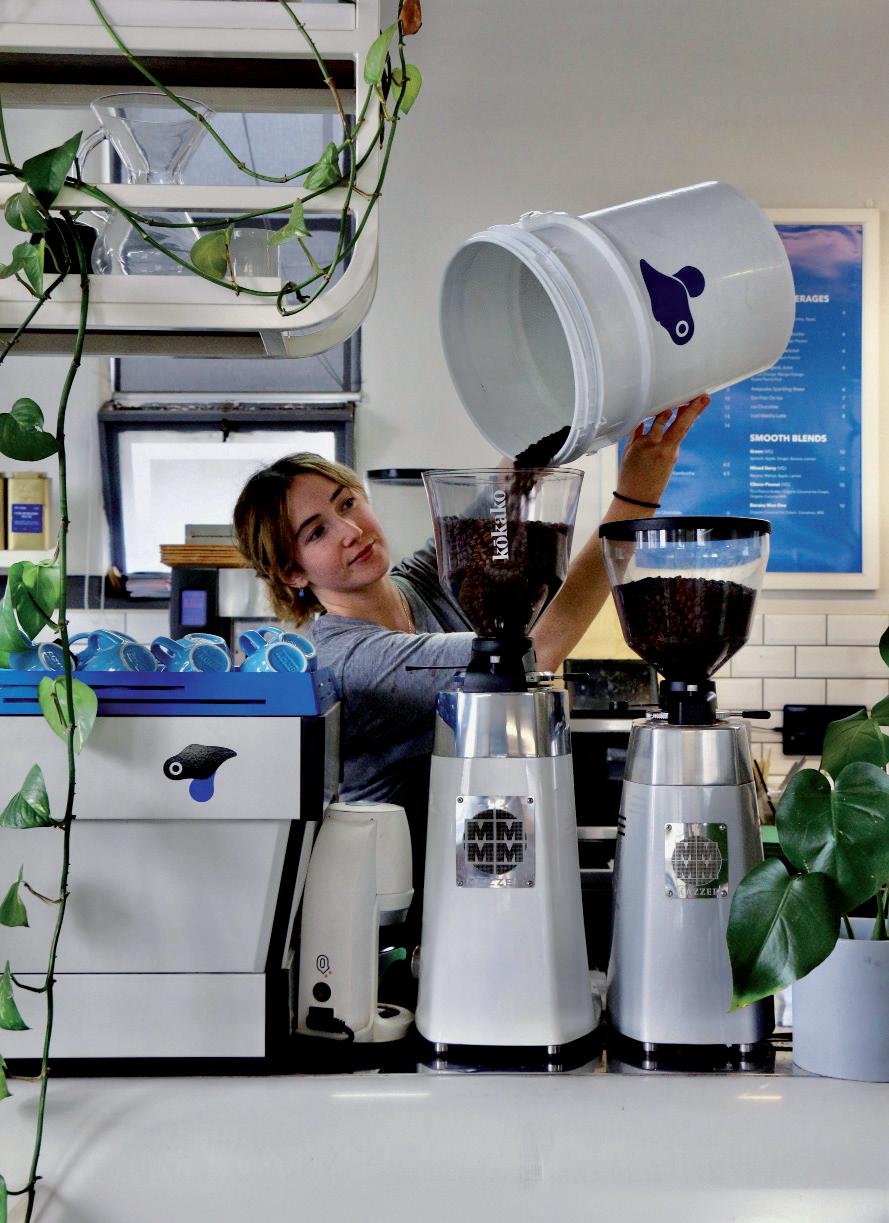
Roasted in Tāmaki Makaurau, proudly poured at over 100 cafes and restaurants across Aotearoa.