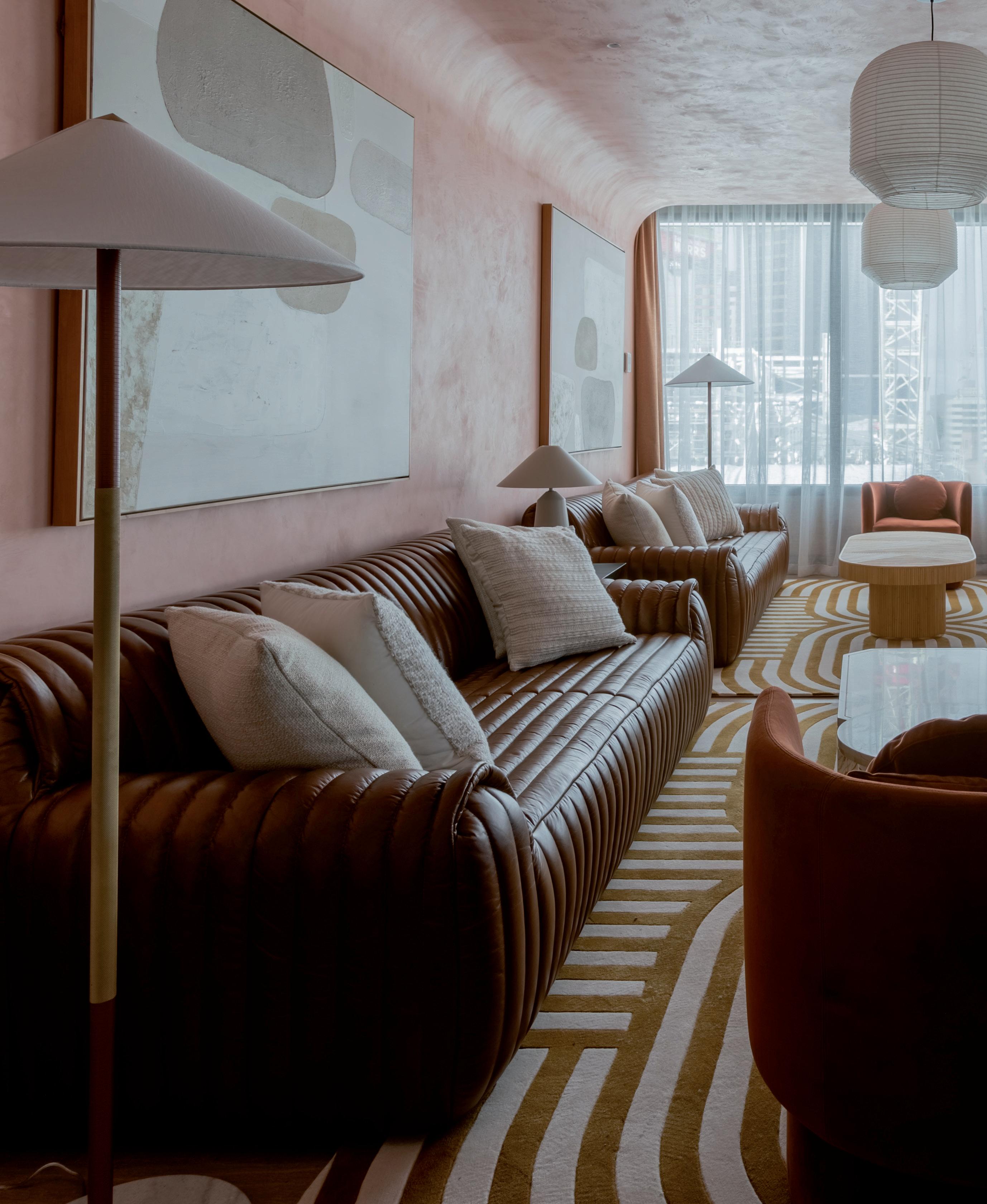

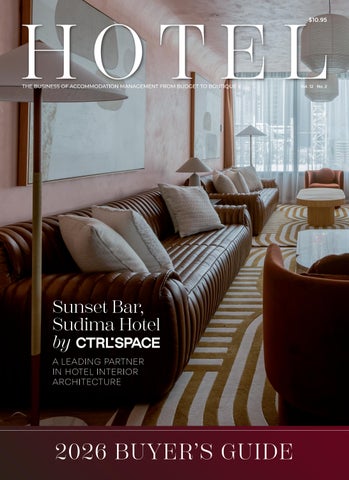
Sunset Bar, Sudima Hotel

International tourism recovery gathered real momentum through 2025, creating a more stable trading backdrop for the hotel sector. Overseas visitor arrivals climbed to about 3.5 million for the year, lifting roughly 6 percent on the previous period and marking the first time since the pandemic that annual arrivals moved decisively back toward historic norms.
While still slightly below peak pre-COVID performance, the improvement signalled that the long tail of pandemic disruption, which constrained global travel demand for several years, is now largely behind the industry. For hotel operators, this translated into firmer occupancy levels, improved forward bookings and renewed engagement from international wholesalers and inbound tour operators.
Growth was driven primarily by short-haul markets, particularly Australia, which continues to provide the most reliable flow of visitors due to proximity, competitive airfares and strong business and leisure ties. The United States has also shown steady recovery momentum, supported by
premium leisure travel and highspend visitors. China and parts of Asia are rebuilding more gradually, reflecting airline capacity constraints and changing traveller behaviour.
International visitor spending has strengthened alongside arrivals, reinforcing tourism’s role as one of New Zealand’s most important export earners and a major contributor to regional employment. Hotels in key gateway cities and resort destinations have been among the main beneficiaries, with demand patterns stabilising after several years of volatility.
Yet just as the sector was rebuilding confidence, a new layer of uncertainty has emerged. Rising oil prices linked to geopolitical tensions in the Middle East are expected to influence aviation costs, freight pricing and ultimately traveller sentiment. Even if tensions were to ease quickly, the lag between fuel markets stabilising, airline pricing resetting and long-haul demand recovering means tourism flows are unlikely to respond immediately.
Hotels are particularly exposed to this dynamic because international arrivals tend to react slowly to external shocks. Long-haul travellers from North America, Europe and parts of Asia typically plan trips months in advance and are highly sensitive to airfare increases. This creates a delayed demand cycle where forward bookings soften before headline arrival figures show any slowdown.
The reliance on aviation also means recovery remains uneven across

PUBLISHER: Tania Walters
ADMINISTRATION MANAGER: Kieran Mitchell
EDITOR-IN-CHIEF: Caitlan Mitchell
CONTENT MANAGER: Caroline Boe
EDITORIAL TEAM: Sam Francks, Jenelle Sequeira GRAPHIC DESIGNER: Raymund Santos

source markets. Short-haul travel has returned fastest, while some longhaul segments are still rebuilding toward pre-pandemic scale. If fuel costs remain elevated, these markets may take longer to regain momentum.
For hotel buyers and operators, the strategic focus is shifting from managing recovery to building resilience. Diversifying market mix, strengthening domestic and corporate segments, and refining pricing and yield strategies will be critical if fuel volatility continues to shape travel patterns.
The broader message for the sector is measured optimism. Tourism demand has returned, but it has not fully normalised. The long COVID shadow may be fading, yet global cost pressures now present a different test. Hotels that treat 2025 as a stabilisation year rather than a full recovery will be better positioned for the next phase of international travel uncertainty. l


















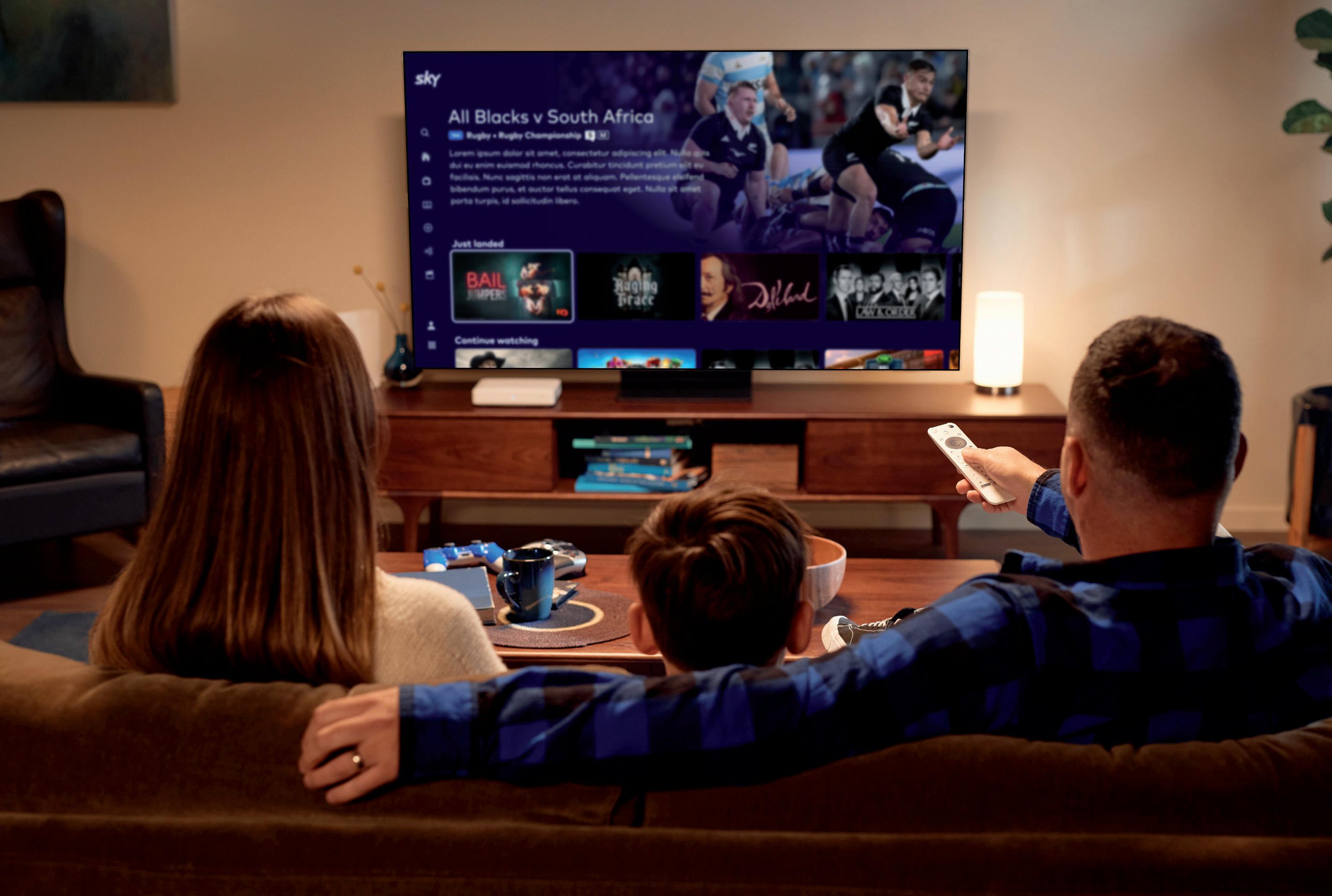


From lobbies and lounges to bars, gyms, and spas, music shapes the mood and elevates every moment. When you play music, a OneMusic licence ensures that you’re doing it the right way - simply, legally, and fairly.

Playing music in a business is different from listening at home. A OneMusic licence covers the rights you need to play music across your premises - helping you avoid compliance risks while supporting the artists who make the music you and your customers love.

Set the tone from arrival to late-night unwind. Music makes spaces feel welcoming, vibrant, and memorable.
Protect your business with the correct permissions to play music in public spaces. No guesswork, no gaps.
Your licence helps ensure songwriters, composers, and recording artists are paid for their work. Royalties. That’s what we do.
Scan the QR code for more info or visit:

In accommodation businesses, a spa environment will offer guests an oasis of unparalleled benefits.
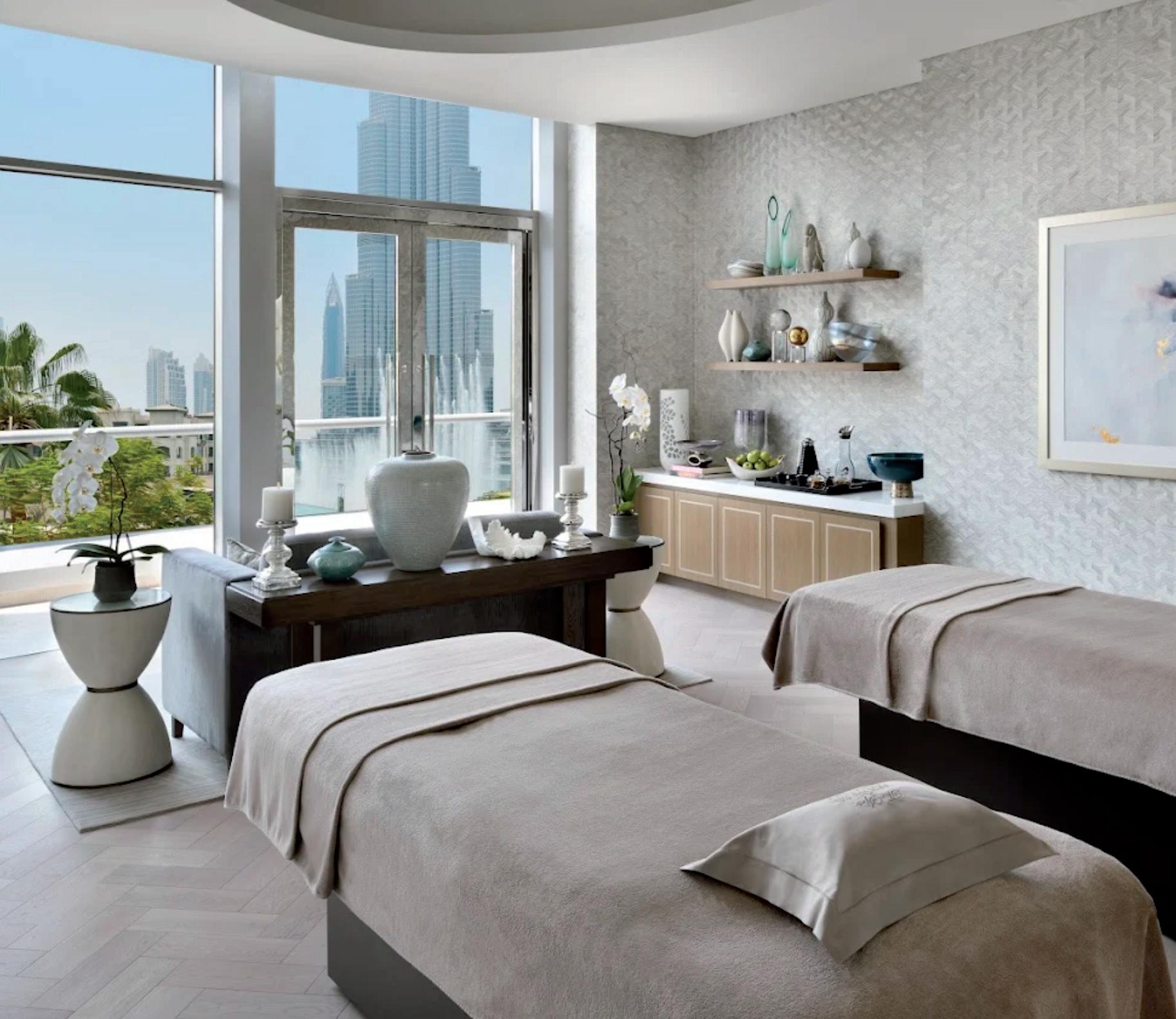

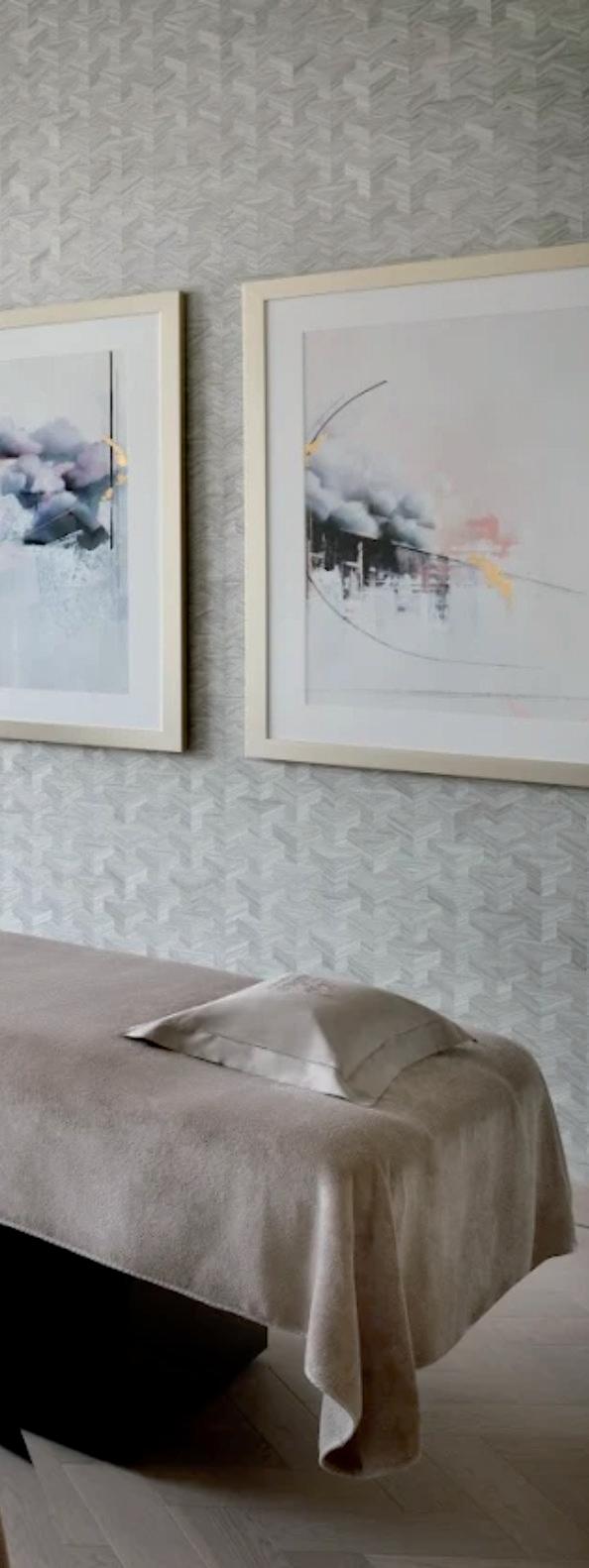
Nick Plimmer from Ministry of Architecture + Interiors has been a designer of spa and wellness offerings for various hotels and boutique accommodation offerings.
One noticeable standout in his career was the spa at the Address Downtown Dubai, which he was involved in different elements of its design, including playing the role of the main Design Manager in the implementation and fitout process, which provides for a very unique perspective on the operations and considerations of a spa of this scale.
He described it as very big, very premium, and a lot of it had been done well. However, there are various factors that the industry has continued to use when designing spa spaces, which he said were of particular importance.
Recently, while enjoying the Spa at the Hilton Queenstown Resort & Spa, Plimmer said he was conversing with a Norwegian man in the sauna.
“Of course, the topic of discussion landed upon the Scandinavian health and wellness culture, combined with the social elements which occur naturally,” he said.
“In our spa design approach, we consider closely the introspective nature of the spa experience, the washing away of stress, and a renewed mental clarity. There are some key factors which contribute towards inducing this state of ‘world away bliss’.”
Plimmer said that the arrival experience should allow guests to be transported into an immediate experience of calm, fragrance, and a touch of wonderment.
He listed lighting as a key element, specifically the use of reduced blue lights, uplighting, and texture. He added that the sequence of movement through the interior was important, such as niches for objects and accessories and the importance of privacy at the relaxation area.
Plimmer said the relaxation space has become a lost space, a dead area of the floor plan which gets utilised.
He said spaces should be designed for all users, including both guests and staff. An example of this is hidden doors for staff so guests are not confused, the notion of privacy within the environment, and functionality for staff to offer the best possible service. l
Changing technology providers isn’t something most accommodation businesses do often. Yet when it does happen, it’s frequently assumed that someone in-house can manage the process alongside their day-to-day responsibilities - without the time, specialist experience or structured support required.

For many operators, this is where technology transitions become stressful, disruptive and unnecessarily risky.
That’s Where RevenYou Comes In RevenYou specialises in managing technology transitions for accommodation providers. Acting as an independent project manager, the team takes ownership of the entire process - from early planning through to Go Live and beyond – enabling operators to remain
focused on running their business.
The result is a transition that is seamless, low stress and strategically aligned with the property’s longterm commercial goals.
A Considered Approach, Not a Rushed Replacement
Every successful technology change starts with understanding the property itself.
RevenYou begins by learning how the business operates today, how it wants to operate in the future, and the type of guest experience
it aims to deliver. This ensures the technology environment is designed to support growth rather than limit it.
Too often, accommodation providers replace systems without addressing outdated processes or inherited workarounds. RevenYou takes a different approachdesigning a technology stack that is fit for purpose now and adaptable for what comes next.
Avoiding Contract Surprises and Costly Mistakes
Technology transitions are often complicated by existing supplier contracts. Auto-renewals, notice periods and hidden clauses can derail timelines and restrict choice if they aren’t identified early.
RevenYou reviews all existing contracts, mapping end dates, exit conditions and dependencies. This proactive planning helps operators avoid surprises and ensures they remain in control of their transition strategy.
Independent Supplier
Without the Sales Pressure
Choosing the right technology partner is one of the most critical steps in the process.
RevenYou independently evaluates suppliers based on product performance, scalability, customer support quality and service hours aligned to local
The team works closely with incoming and outgoing suppliers, as well as any systems being retained, to ensure nothing is missed. This includes redesigning workflows to remove inefficiencies, testing all integrations and confirming data accuracy before launch.
time zones. Operators are only introduced to vetted suppliers that meet their specific requirements, reducing time wasted on unsuitable demos and sales conversations.
In time-sensitive situations, RevenYou has supported properties in selecting and deploying new systems in as little as seven days by matching them with suppliers proven to perform under pressure.
From Selection to Go Live, Every Detail is
Once a new technology partner is selected, RevenYou coordinates the entire transition.
The team works closely with incoming and outgoing suppliers, as well as any systems being retained, to ensure nothing is missed. This includes redesigning workflows to remove inefficiencies, testing all integrations and confirming data accuracy before launch.
In one project, a property transitioning to an independent brand discovered years of inherited technology “baggage”. RevenYou rebuilt the entire setup in seven days, removing legacy clutter and significantly improving system performance.
Confident Teams, Calm Go Live
Technology changes only succeed when teams feel confident using the new systems.
RevenYou provides role-specific training, so staff understand how the technology supports their responsibilities from day one. By the time Go Live arrives, the system feels intuitive rather than overwhelming.
The goal is a transition guests don’t notice and teams barely feel. In one example, a motel upgrading its technology to better attract local business completed Go Live quietly behind the scenes, with no disruption to operations or revenue.
Support Doesn’t Stop at Go Live
While technology changes can feel daunting, for RevenYou it’s simply another well-managed project - and support doesn’t end when the system goes live.
After launch, RevenYou remains actively involved to answer questions, monitor performance, support staff and fine-tune the setup as the property settles into its new environment. The team stays engaged until everything feels stable, efficient and familiar.
As one client described it,
transitioning technology with RevenYou involved no stress, no drama, no interruptions - exactly how it should be.
Making Technology Change Simple
Technology changes are significant, but they don’t need to be painful.
With proven project management, deep industry experience and an independent perspective, RevenYou helps accommodation providers change systems with confidence - making the process as forgettable as possible, for all the right reasons. Ready to change providers without the chaos? RevenYou is here to help.



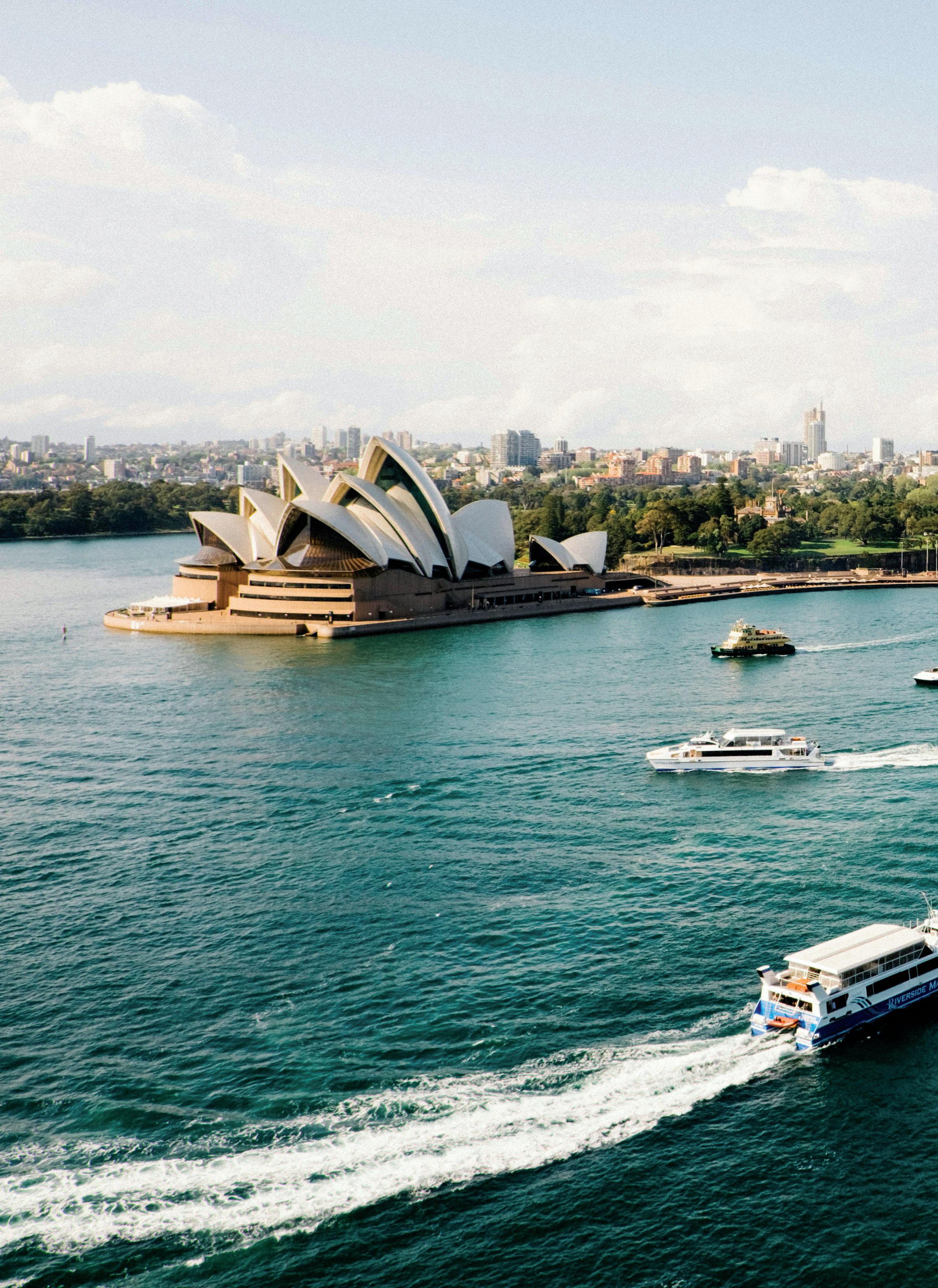
Australia’s accommodation sector has scored an A- in the hotel occupancy end-of-year report card released by Accommodation Australia. CEO James Goodwin said occupancy figures show an improved performance overall, with Perth leading the way, followed by Sydney, Hobart and then Adelaide.


CEO
“The end-of-year report card shows strong figures across most capital cities, scoring a solid A-,” he said.
“A good mix of international sporting and cultural events, world-class performers and festivals across the year definitely contributed to the results as well as renewed confidence in business events and corporate travel.”
Goodwin added that the score would have been higher if more international tourists had visited throughout the year, with overseas arrivals still just below 2019 figures and extreme weather putting a dent in occupancy on the Gold Coast.
“The drive for the overseas dollar is certainly a focus in 2026 with hopes of a return to consistent, strong numbers throughout the year.”
Goodwin added that a record
result for New Year’s Eve in Sydney had provided a sense of optimism heading into 2026.
“The good news is that almost all of Australia’s capital cities experienced an increase in average occupancy rates over 2025, with only Brisbane seeing a very slight fall of 0.6 percent and the Gold Coast down 2.8 percent.”
The second half-year performance also saw increases in the average daily rate to just over AUD 230, with Sydney, Brisbane, Perth and Hobart all experiencing rises in line with inflation.
“Adelaide’s strong second six months had it ending the year with a five percent increase in occupancy rates, only beaten by Sydney CBD, which saw a 5.2 percent increase to an average of 83.6 percent for 2025,” he said.
The AA report card for 2025 also reveals the impact of outside events, like tours or weather on hotel room occupancy.
“The Gold Coast and Brisbane average occupancy, for example, did not completely recover the lost ground from the fall in occupancy due to the cyclone in March,” he said.
The Chair of Accommodation Australia, David Mansfield, said the sector has a positive outlook for the year ahead.
“There is a strong sense that we can improve demand by working together as a sector with governments and other tourism stakeholders for sustainable growth,” Mansfield said.
Accommodation Australia will release its next mid year-report card at the end of June 2026. l
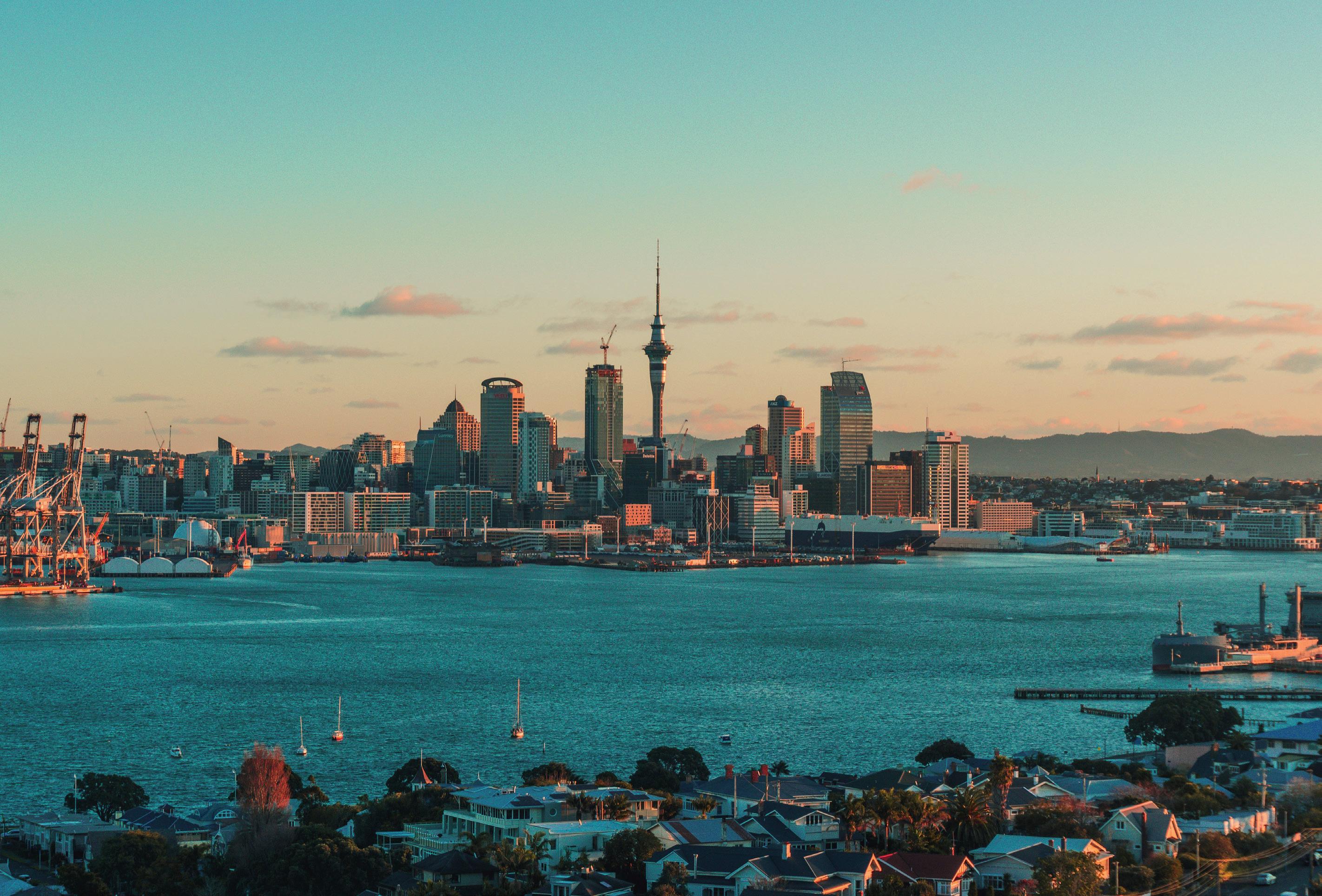
The past 12 months were full of contrasts for Auckland city centre’s tourism and hospitality sector. While a tough economy and impacts of a decade of disruption have lingered, dining remains a very important sector which continues to perform well overall.
Year in and year out, dining is one of our key attractions, and the quality of the offering continues to shine in industry awards.
As the city centre enters a milestone year in 2026, with the opening of both the New Zealand International Convention Centre (NZICC) and the City Rail Link (CRL), the announcement of the Michelin Guide coming to New Zealand has brought an added boost of optimism.
Major events continue to be an important way to drive visitation. In January, a weekend of soldout Luke Combs concerts and
the SailGP event brought a surge of activity across the city centre. Domestic visitor spending jumped by 93 percent compared with the previous weekend, cafés and restaurants recorded a 37 percent increase in spend, and foot traffic rose by 18 percent. Hotel occupancy peaked at 90 percent, while the concerts alone generated NZD 8.19 million in tourism spend.
Major events provide many experiences you can only find in the city centre, and data throughout the year suggests people are hungry for them. The Aotearoa Art Fair reported its largest turnout in the event’s 20-year history, and the Auckland Writers Festival matched its 2024 record, with 85,000 attendees.
The announcement of a NZD 70 million one-off injection into New Zealand’s tourism and events fund was welcome, although a longterm, sustainable funding solution remains critical to ensure certainty for the sector. A number of events over the summer, from Lorde to Laneway Festival, SailGP to the ASB Classic, elevated Auckland’s offerings to visitors and tourists. We look forward to seeing an expanded major events calendar in 2026 from the additional funding.
The fifteenth iteration of Heart of the City’s Restaurant Month programme in August reinforced the power of unique dining experiences. With event capacity doubled from Restaurant Month 2024, ticket sales surpassed last year’s entire programme in just two weeks. Momentum continued throughout the campaign, with 86 percent of all tickets sold.
Over fifteen curated eventsfrom masa-making workshops to a speakeasy soirée - boosted winter trade during a traditionally quiet period.
Businesses that took part in Restaurant Month 2025 recognised its value, with 83 percent of those surveyed telling us the programme was “successful for their business.” One restaurant said “This year’s Restaurant Month was so far the most successful
one… more than 1400 booked and dozens of walk-ins.”
Te Manaaki, the giant Christmas tree launched in 2025 will be back in lower Queen Street throughout December. Last year, 73 percent of Aucklanders surveyed said that events like Te Manaaki attract them to visit the city, and more than two thirds planned to do other activities during their visit, including dining out (20 percent).
Collaboration and Strong Foundations Are Key 2025 underscored two essentials for success: collaboration and getting the basics right in how the city is experienced by customers and visitors.
Important strides were made within the realm of safety, thanks to joint efforts, including increased police presence and the return of a city centre police station.
There is also collaborative work underway to address other residual impacts from the covid period and this work will make a difference in ensuring a welcoming environment to support tourism growth and major events.
Despite 2025’s challenges, optimism is growing and there is excitement for what lies ahead in 2026.

It was a joy to see the NZICC open after its long gestation. Its unique offering will drive visitation growth, with 104 events confirmed for 2026 to date, along with 80,000 delegates and 194,000 visitor days.
And while many are expected to travel beyond the city centre location, all attendees will experience New Zealand’s arts, culture and hospitality in a memorable way.
Combined with the opening of the CRL, other investments coming to completion, and with international tourist numbers projected to rise, this will mark a major turning point for the city centre. l

If I had a dollar for every time someone in our industry predicted a rapid post-COVID tourism recovery, I’d be writing this from a beach in the Maldives. We’ve heard it all: “V-shaped demand curve,”“the only way is up,”“next season will be the one.” As Hotel Council Aotearoa (HCA) always said, the growth has been gradual and hard-won.
Against my better judgment, I’m now prepared to call it. Winter 2026 will mark the start of the upcycle we’ve all been waiting for.
Why the optimism? For starters, the numbers are moving in our favour. As at November 2025, international visitation to New Zealand is around 93 percent of pre-COVID levels. We’ve broken through last year’s plateau, and recovery is broadening. Australia remains our biggest market, but we’re seeing encouraging signs from the US, UK, India, and even China, where outbound travel is picking up again.
We’re not back to normal yet. Ideally, after six years, we’d be at 130 percent of pre-pandemic levels to account for growth in room supply and new amenities like convention centres in Auckland, Wellington and Christchurch. It’s been a twopaced recovery, and some regions, Auckland and Wellington in particular, still face tough conditions. But the mood is shifting. Confidence is up, and government appears serious about driving demand.
A big part of that optimism is thanks to a strong first year by
Minister of Tourism, Hon Louise Upston. In 2025 we saw a flurry of announcements from the Minister including a $70 million package to boost major events and tourism, new funding for regional marketing and a clear focus on attracting international visitors, especially from Australia. The Minsiter’s Tourism Growth Roadmap aims to double tourism spend by 2034. Perhaps the most exciting news for those who champion New Zealand’s food and wine is the arrival of the Michelin Guide. Our culinary scene deserves global recognition, and Michelin’s presence will put our chefs, restaurants, and producers on the international stage, a move HCA wholeheartedly supports.
Closer to home, Auckland is set for a major boost with the opening of the New Zealand International Convention Centre (NZICC). This state-of-the-art facility will transform Auckland’s ability to attract large-scale conferences and events, bringing thousands of high-spending visitors each year. The benefits of this extend beyond hotels to retailers, F&B businesses and entertainment venues. This is

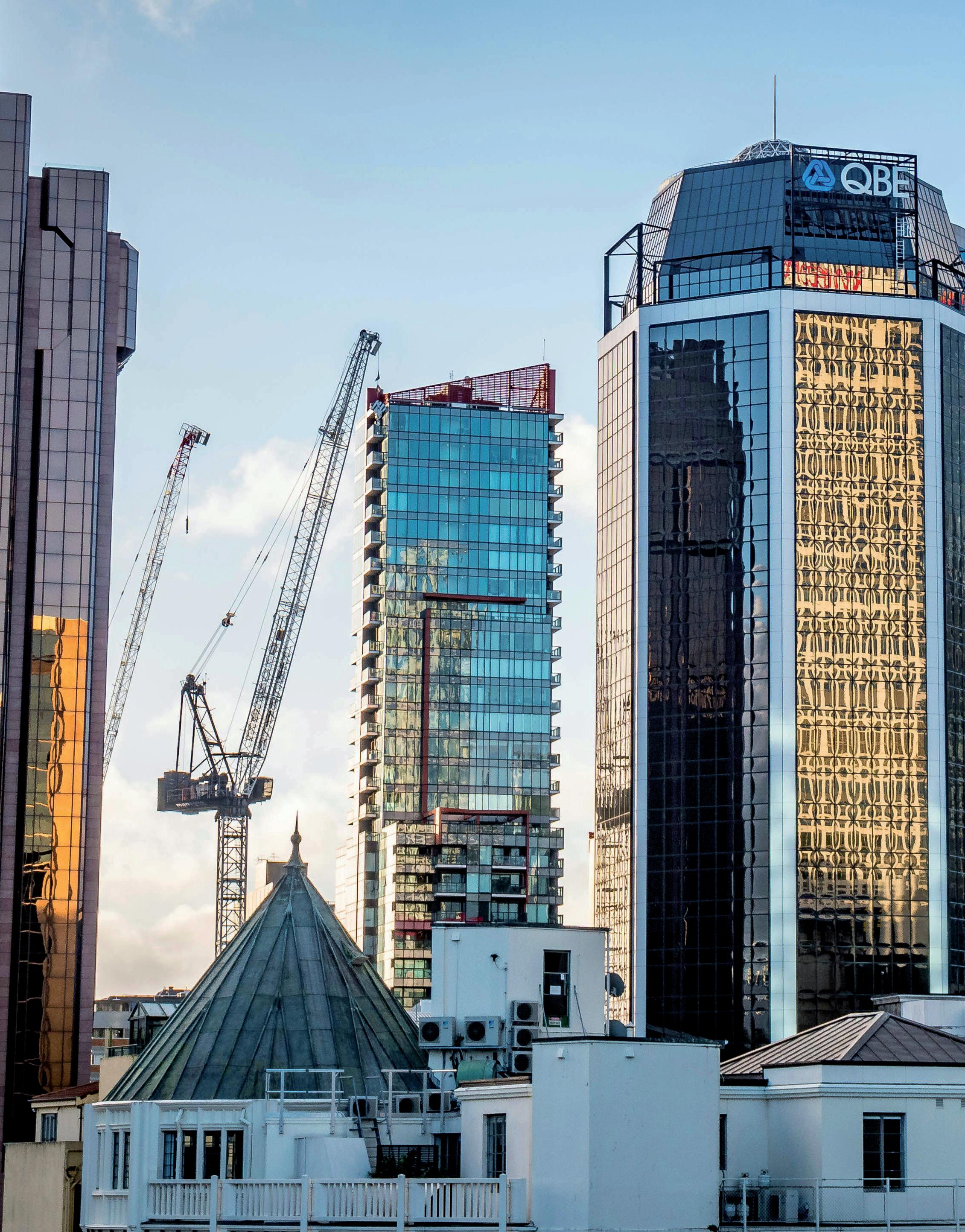
timely because the CBD that has struggled with foot traffic and empty storefronts since borders first reopened.
Encouragingly, Auckland Council seems to recognise tourism’s power to activate the city centre, with moves being made to increase the level of investment in destination marketing and event attraction. The soon-to-open City Rail Link will also help, making it easier for visitors and locals to access the heart of the city.
Challenges remain. The cost of visiting New Zealand, visas, border levies, airfares, is still something we need to keep an eye on. Other destinations have also ramped up marketing and made travel easier. Air New Zealand’s engine issues have been a headache, with up to 20 percent of the fleet grounded at times, affecting long-haul and regional routes and pushing fares higher. The good news: capacity is set to rise as maintenance backlogs clear and new aircraft arrive.
That’s why HCA continues to push for a sustainable, long-term funding mechanism for tourism, ensuring communities share directly in the financial upside. We need a system that avoids lurching from crisis to crisis and gives industry the certainty to plan and grow. We’ll keep advocating for a funding model that matches our ambitions.
Another priority for HCA is the creation of a national register of short-term rental accommodation,

Strategic Director
Hotel Council Aotearoa
such as Airbnb. It’s a critical step towards a level playing field, higher standards and ensuring everyone contributes their fair share to local council rates.
I’m not ready to pop the champagne, but I believe winter 2026 will be remembered as the turning point. Visitor numbers are climbing, the government is investing, Auckland is regaining momentum, Air New Zealand is restoring capacity, and New Zealand’s story is about to be told to the world in new and exciting ways.
HCA will keep working with government, industry partners, and anyone who shares our vision for a thriving, sustainable visitor economy. Here’s to a year of real progress, and, with a bit of luck, a few Michelin stars along the way. l
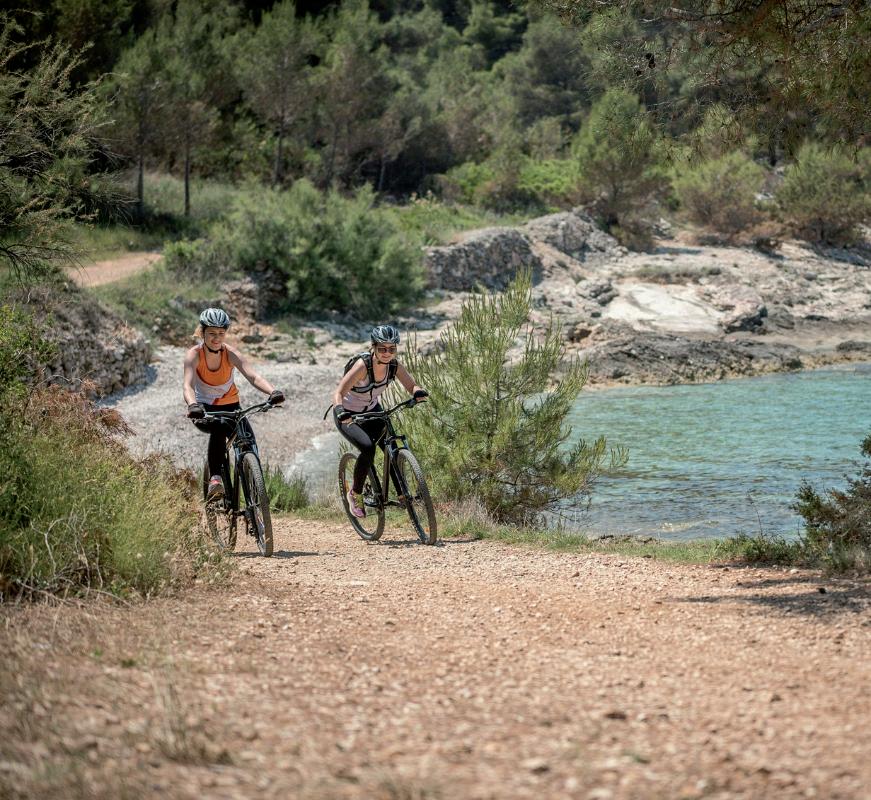
Since becoming the Minister of Hospitality and Tourism in January last year, Louise Upston has been incredibly proud of the work done so far to boost both sectors and support further growth.
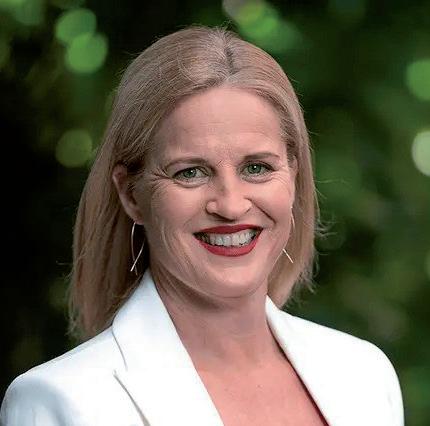
Louise Upston
Minister Hospitality and Tourism

Upston said that the industry was recovering, and a more optimistic approach has been taken to encourage its future development.
She said the industry has continued to work closely together amid challenging economic times, and that announcements like the arrival of the MICHELIN Guide to local shores were a testament to the dedication and commitment of the industry and its leaders.
The MICHELIN Guide’s expansion to New Zealand was something essential to the industry, according to Upston.
Collaboration will also continue with industry leaders and the Government to attract more visitors to New Zealand, but also ensure they explore the best of the country’s culinary and tourism offerings.
“I met with leaders of various associations, and asked them what we needed to do in order to grow these industries, and the unanimous answer was to get the MICHELIN Guide here. And that is exactly what we did,” she said.
The Minister’s initial meetings followed on from the 2024 Hospitality Summit, where the industry outlined its desire to bring the MICHELIN Guide to New Zealand. Upston said it was a huge accomplishment to achieve the end goal of getting the Guide to New Zealand in only 12 months. This included inviting representatives from the Guide to explore the landscape of cuisine in New Zealand, and ensuring the sector was to the calibre of the Guide’s standards, which it was.
The first MICHELIN Guide featuring New Zealand restaurants will also be published sometime in the middle of 2026.
Since she took up the portfolio, Minister Upston has believed there wasn’t enough promotion of the hospitality industry, and that New Zealand’s food culture is an essential element in elevating international visitor numbers back to 2019 levels.
“We are ready to share our food and culture with travellers from all over the world. New Zealand restaurants have a great story to tell,” said Upston.
While 2025 may have been a challenging year for many, Upston was confident that 2026 would deliver the growth the industry needs, supporting the businesses that are the backbone of the hospitality and foodservice sectors.
A highlight on the calendar will be the second Hospitality Summit, which the Minister said will be in the first half of the year. She considered the 2025 summit to be a key initiative that allowed greater
alignment across the hospitality and tourism sectors.
“The input of hospitality leaders has been instrumental in delivering our Tourism Boost. The shared knowledge of leaders has been invaluable in helping chart future directions.”
Collaboration will also continue with industry leaders and the Government to attract more visitors to New Zealand, but also ensure they explore the best of the country’s culinary and tourism offerings.
The hospitality workforce has risen by 15 percent since 2022, and international visitors have reached 88 percent of 2019 arrivals. This has largely been led by visitors from Australia, who make up a larger percentage of arrivals in 2025 than in 2019, while markets like China have recovered to a lesser extent. Visitors from the United States and the United Kingdom have also shown a general trend of recovery as well.
With this industry growth, a strong priority for 2026 will be to attract more people into the hospitality workforce, especially younger generations. Minister Upston said there were so many opportunities for career development and longevity in the hospitality industry.
Another standout priority for Upston has been the Tourism Growth Roadmap, which has outlined the Government’s plan to increase the number of international visitors to New Zealand, double the value of tourism exports and grow the number of Kiwis in tourism and hospitality jobs.
Future targets for the Minister have included doubling the value of tourism exports and protecting the reputation of the local hospitality industry. l
There’s something quietly powerful about watching an industry find its groove again, and in 2025, New Zealand tourism was doing exactly that. International arrivals are edging upwards, confidence has lifted across the sector, and operators are reporting strong bookings.


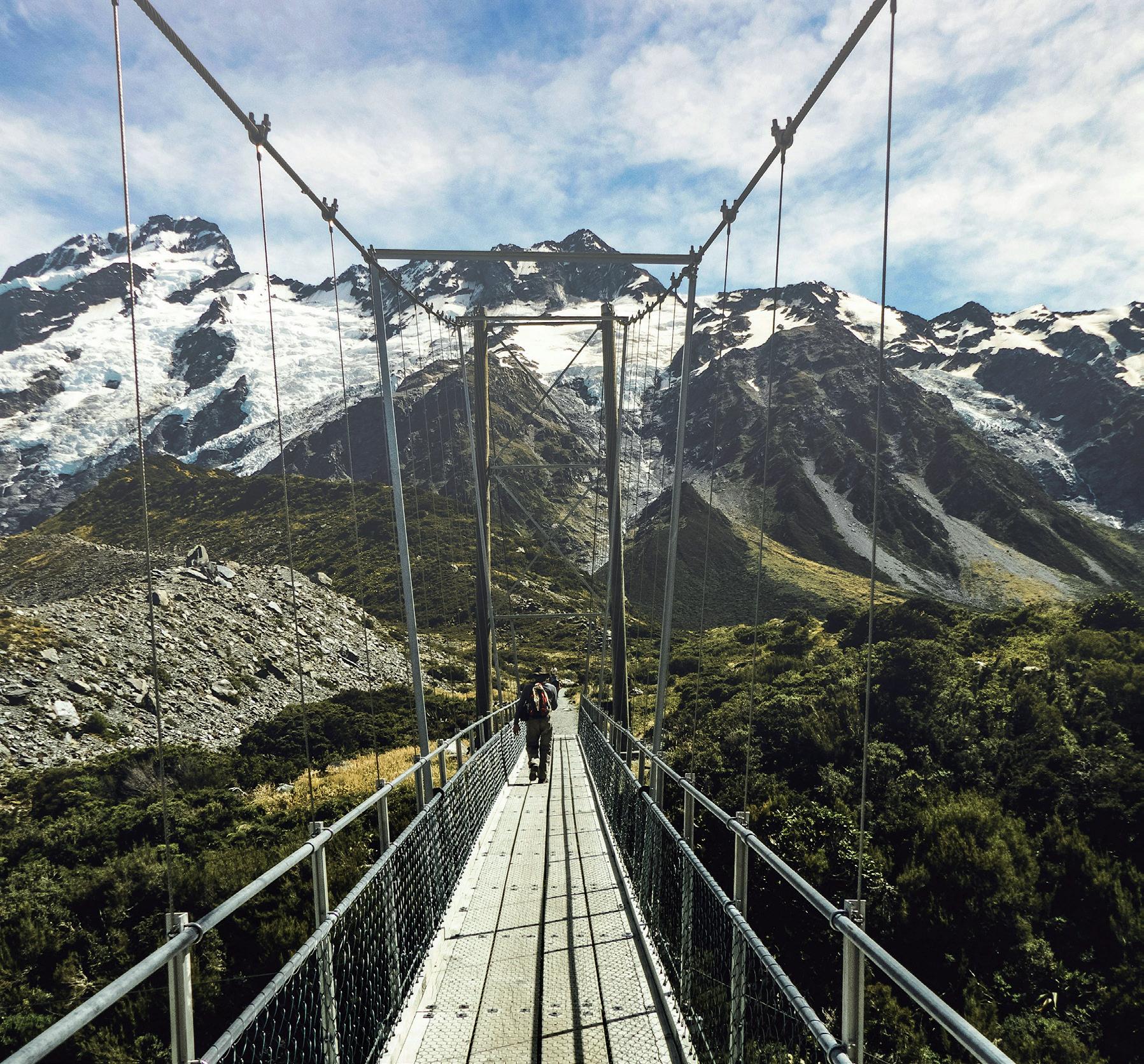

Rebecca Ingram
This momentum hasn’t happened by chance. It reflects the dedication of tourism businesses across the country, supported by targeted government investment in marketing, business events, major events and improved visa settings. 2025 has been defined by the quality of the conversations we began having about tourism’s future.
As I look ahead, the priority for 2026 is clear: building resilience in uncertain conditions, making smart use of new investment and infrastructure, adapting to changing traveller behaviour, and ensuring tourism continues to deliver real value for communities. These themes underpin the year ahead. Tourism does not operate in isolation from global events.
Geopolitical instability continues to influence travel patterns, aviation routes and costs, and where people feel confident travelling. While these factors sit largely outside the industry’s control, they underline the importance of staying agile and continuing to diversify our source markets.
At home, sustained pressure on household budgets has shaped domestic travel over the past two years. Encouragingly, there are signs this may be easing. As spending confidence returns,
domestic tourism could play a stronger role again, particularly in supporting shoulder-season demand for businesses.
Climate risk adds another layer of complexity. Severe weather events across 2025, and again in recent weeks, have disrupted access, damaged infrastructure and increased insurance costs for operators. The industry has already taken important steps through work with the Aotearoa Circle, focusing on resilience, emissions reduction and regenerative outcomes.
The priority now is practical: continuing to adapt, prepare and collaborate on tools and resources that help tourism businesses manage risk, respond to disruption and thrive over the long term.
With a general election confirmed for 7 November, keeping tourism’s contribution and future potential visible will be important. Tourism supports regional employment, underpins small businesses and generates export earnings that flow directly into communities across the country.
As one of New Zealand’s largest export industries, and one of the few that also contributes GST, tourism has a strong case for long-term, bipartisan thinking. Regardless of who is in government, the industry’s role is to keep demonstrating its value and advocating for the settings that enable balanced, wellmanaged growth.
The Government’s Tourism Growth Roadmap, announced last June, was an important step. Its seven workstreams align closely with Tourism 2050 – A Blueprint for Impact, reinforcing the need for tourism to develop by design, not by default.
Collaboration between industry, government and regions remains critical, particularly in directing investment, supporting infrastructure and conservation, and improving access to data. As visitor numbers grow, the International Visitor Levy provides an opportunity to invest more
intentionally where tourism pressures exist, alongside progress on a nationally consistent approach to funding that supports regions and includes industry in its governance.
This year marks a step change for New Zealand’s business events sector, with the One New Zealand Stadium in Christchurch and the New Zealand International Convention Centre in Auckland coming online, alongside Wellington’s Tākina and Te Pae in Christchurch.
Together, these venues strengthen our ability to attract high-value business events yearround, support regional economies and smooth seasonal demand.
The funding allocated for business events attraction is a positive signal. The opportunity now is to build momentum and fully leverage this significant infrastructure investment.
Digital behaviour continues to evolve, with travellers increasingly using AI tools and smartphones to plan, book and navigate their trips. For New Zealand operators, particularly smaller businesses, this shift brings both opportunity and challenge.
Those who understand how visitors discover experiences, show up in AI-powered searches and optimise for mobile booking will be best placed to succeed. This isn’t about cutting-edge technology for its own sake; it’s about adapting to how travellers now find and choose experiences, while keeping the personal service that sets New Zealand apart. I see AI becoming an essential tool for tourism businesses and a swift driver of changing consumer behaviour. 2026 is the year to get curious for your business if you haven’t already.
Wellness tourism is forecast to exceed NZD 1 trillion globally this year, and New Zealand is exceptionally well-positioned to capture growth in this space. Our landscapes, nature-based experiences and sense of place align naturally with what wellness travellers are seeking.
From backcountry wellness experiences to nature-based retreats and outdoor adventure, we already have the ingredients. The opportunity for industry lies in intentional marketing activity and product development that connects our offering with wellness-focused visitors and highlights the depth of experiences New Zealand offers.
Most New Zealanders see tourism as a positive force, but many also experience its impacts locally, and its acceptance is not even across the country. Maintaining tourism’s social licence means ensuring communities see real benefits from the visitors they host.
The good news is that many tourism businesses are already leading the way. Data from our Tourism Sustainability Commitment
shows strong community engagement, from supporting youth employment and buying local, to environmental restoration and sponsoring local events. This work often happens quietly, but it matters. Continuing to strengthen these connections and telling these stories will remain essential over the next 12 months.
What links these priorities is momentum, and the opportunity to build on it. Tourism doesn’t thrive by default; it succeeds when industry, government and communities work together with intent.
We have strong foundations: growing confidence, committed operators, and a clear long-term view of how the industry could operate. The year ahead is about follow-through. Let’s make the most of it. l

Two tourism datasets released by Stats NZ and MBIE showed that international tourism continues to make a significant positive impact on New Zealand’s economy.

Chief Executive Tourism New Zealand
The latest International Visitor Survey (IVS) data covers October to December 2025, and the Tourism Satellite Account (TSA) data covers the year ending March 2025. Together, they show both recent visitor activity and the wider economic impact of tourism.
"These updates are a good reminder of just how critical an expanding tourism sector is for Aotearoa," Chief Executive of Tourism New Zealand René de Monchy said.
"The IVS gives us insights into how the increasing numbers of international visitors have been engaging with New Zealand in recent months, while the TSA officially highlights the enormous
value tourism delivers across jobs, businesses, and communities.
"It's excellent to see the growth of the sector continue as we aim to get international visitor volumes back to 2019 levels by the end of 2026, and to double the value of international tourism spend by the end of 2033.
“It’s important to remember that New Zealand’s destination brand extends beyond tourism too, as it provides a halo effect that supports broader export sectors.”
Tourism Satellite Account
Data from the annual Tourism Satellite Account provides a detailed picture of tourism’s economic contribution for the year ended March 2025. It is the most comprehensive measure of tourism’s role in the New Zealand economy.
It confirms the tourism sector remains New Zealand’s second largest export earner, generating a direct contribution to GDP of NZD 18 billion, a share of 4.6 percent. This is an increase of NZD 0.6 billion or 3.4 percent from the previous year.
Positively, total domestic and international tourism is the highest it has ever been, at NZD 46.6 billion. International tourism expenditure increased by NZD 1.2 billion (seven percent) to NZD 18.1 billion. This represents a recovery of 106 percent compared to 2019 levels.
New Zealand’s tourism sector also continues to offer critical
employment opportunities, with one in nine people (327,888 people) being directly or indirectly employed in tourism.
International Visitor Survey
Data released under the International Visitor Survey completes the 2025 calendar year picture of annual visitor spend, spend by market, purpose of visit, and regional travel patterns.
In 2025, international visitor spend increased by three percent year-on-year to a total of NZD 12.5 billion, and visitor arrivals grew by six percent to 3.51 million. In the years since borders opened to international visitors, annual spend has been steadily increasing. Australian visitors have the highest total spend at NZD 3.8 billion, followed by visitors from USA (NZD 1.9 billion) and China (NZD 1.1 billion).
However, on a per-visitor basis, Germans spend the most per trip with an average of NZD 8,664 and Australians the lowest, at NZD 2,867. This reflects the nature of longer stays generally correlating with higher spend. German visitors have the longest average length of stay. Overall, total spend recovery to 2019 is 109 percent, and total holiday spend to 2019 is 117 percent.
The vast majority of visitors are satisfied with their travel to New Zealand, and top activities enjoyed by travellers include walking, hiking, tramping, and visiting other natural attractions. l

New data has revealed that 11 percent of all jobs in New Zealand have been generated by the tourism industry.
Figures released by Stats NZ have shown that tourism continues to be a driving force for the New Zealand economy with 327,888 people directly and indirectly employed in the sector, up nearly 9,000 jobs from the previous year.
The collective effort of tourism businesses injected NZD 46.6 billion from international and domestic visitor spending, for the year to March 2025 across the country.
This number includes NZD 18.1 billion generated by international visitors here for a holiday, business or education, up from NZD 16.9 billion from the previous year.
The figures are from of the annual Tourism Satellite Account (TSA), which presents data on tourism’s economic contribution within New Zealand.
Tourism Industry Aotearoa (TIA) Chief Executive Rebecca Ingram said that while the TSA data is a ‘snapshot in time’, it is the most reliable evidence that tourism provides a vital economic and employment contribution to New Zealand.
“Tourism businesses love what they do, the information released
today show that this passion translates to more jobs, valuable export earnings and continued growth,” Ingram said.
“The TSA provides solid, comparable data on how tourism fits within the economy, and what’s driving some of the year-on-year trends that we’re seeing. I was also very pleased to see a record lift from 22,548 to 23,919 tourism proprietors, which is a signal for kiwis creating and running their own businesses.”
Looking ahead, Ingram said next year’s data will paint an even stronger picture.
“The information covers the period including summer 2024/2025. Since then, significant effort has been injected into stimulating demand and getting New Zealand tourism back on the map. Credit to Minister Upston as Minister of Tourism and Hospitality, for her work alongside the industry to get tourism on the front foot,” she said.
“We have every confidence that next year’s TSA data will be even better, and we look forward to seeing more standout contributions from the tourism industry in the future.” l






www.ahshospitality.com.nz


New Zealand Contact: chris@ctrlspace.co | +64 21 556 552 | ctrlspace.co
Australia Contact: jess@ctrlspace.co | +61 436 332 995 | ctrlspace.co
Design-led Spatial & Interior Architectural Design Studio
Auckland Queenstown Brisbane

• Guestroom Phones
• Cloud and On-Prem PBX Solutions
• ANTlabs Guest WiFi Gateway Solutions
• Aiello AI Voice Assistant for hotel rooms
• INNCOM by Honeywell HVAC and Lighting Control
• Dormakaba and MIWA RFID locks
• Safemark Safes
• Bartech Minibar Solutions
• Hospitality IPTV
• Housekeeping Service and F&B delivery Robots


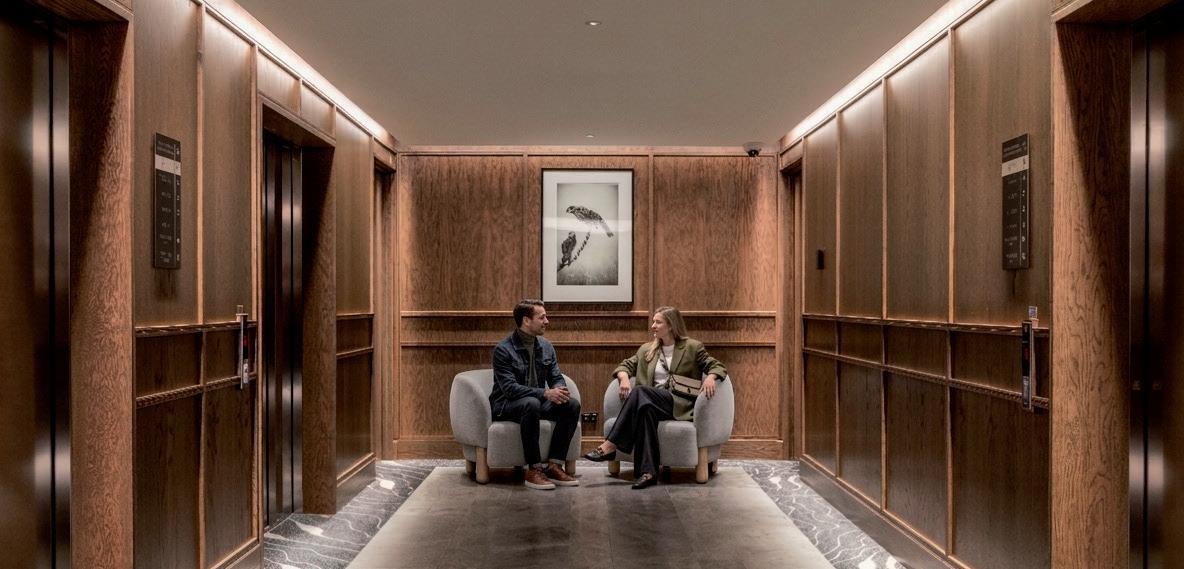
Achieving success lies in meeting customers' expectations and grounding them in reality by delivering products that satisfy business needs.

www.elsnz.co.nz
41 Trugood Drive, East Tamaki, Auckland P +64 9 274 9324 or sales@elsnz.co.nz


Melbourne, VIC, 3000
Contact: Tamie Matthews
E: tamie@revenyou.com.au
M: +61 497 864 694 www.revenyou.com.au
REVENUE MANAGEMENT, DISTRIBUTION, SALES & MARKETING

9 O’Rorke Street, Onehunga, Auckland, 1061, New Zealand
Contact: Frans Bos
E: sales@nzbevsys.co.nz 0800 100 225
www.nzbeveragesystems.co.nz @nzbevsystems




16E Flexman Place, Silverdale Auckland 0932, New Zealand
Contact: Sean Paterson
E: sean@sapsltd.nz M: +64 210 230 4235 www.sapsltd.nz

Sealy beds are orthopaedically designed to provide a superior sleep experience - combining
SEALY NEW ZEALAND LIMITED
24 - 30 Lake Road, Northcote, Auckland, 0627 PO Box 36-565, Northcote, Auckland, 0748
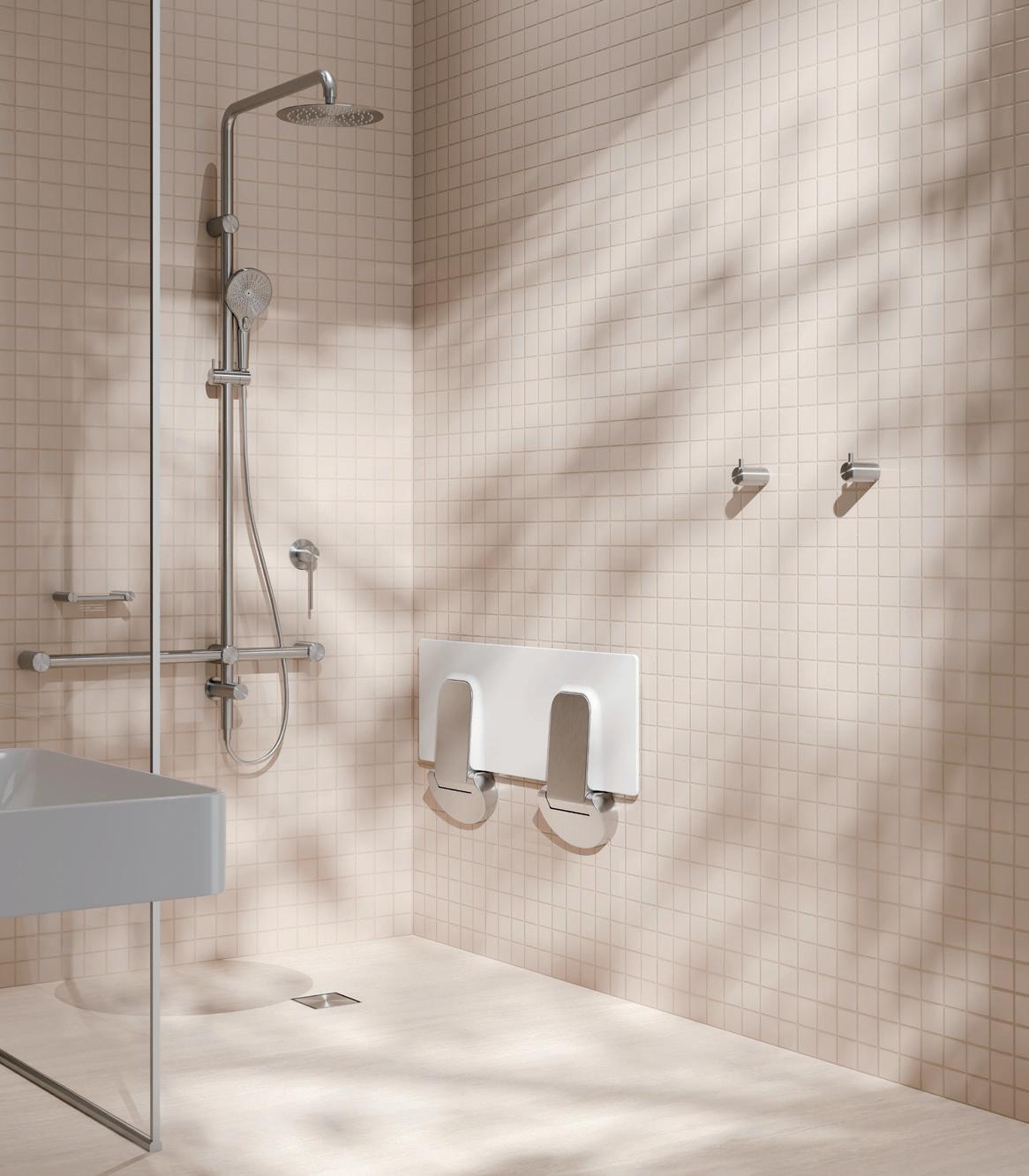
SPECIALIST SUPPLIER OF BEAUTIFUL ACCESSIBLE BATHROOM FITTINGS
Phone: 64-9 481 0700 | E-mail: contract@sealy.co.nz www.sealy.co.nz/commercial



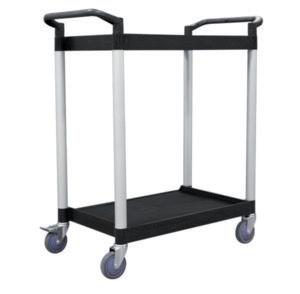
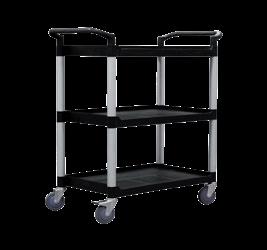
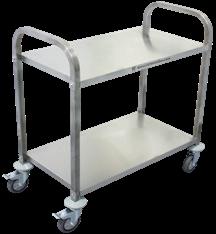
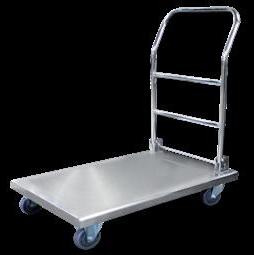



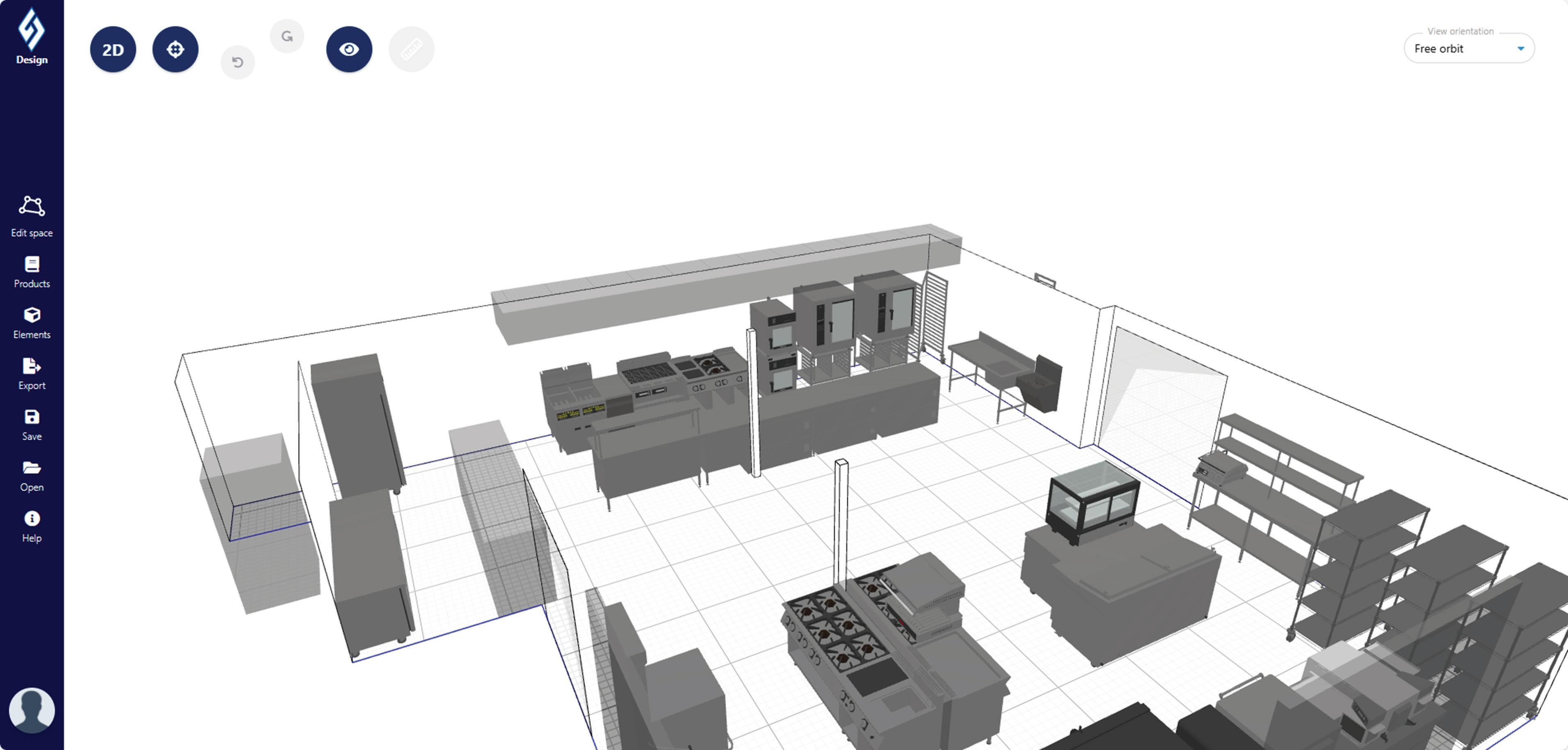
The kitchen Sketch Tool Youʼve always wanted
Simplify the creation & quoting of commercial kitchen concepts with Stoddartʼs online Sketch Tool.




7 Z O NE
M I N I P O CKE T
SP R ING S
TR E AT E D
A N TIBU G
F AB R I C
ULT R A S O F T H IMAT E LAT E X
SLUMBERZONE DURAFOAM®

EUROTOP COMFORT
MINIMAL PARTNER DISTURBANCE
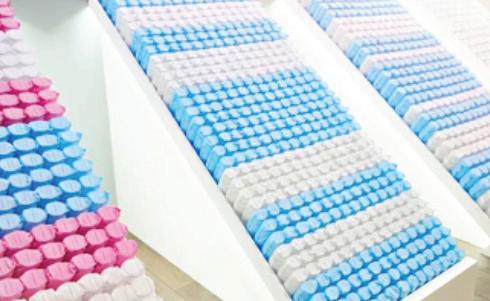
The Posture Lux has the strength of ergonomically zoned 1500 Mini Pocket Springs The carefully crafted springs are individually fabric wrapped, 22cm high mini pocket coils that move independently of
each other, providing high end support to the all 7 sleeping pressure points of your body
Natural rubber latex comes from one species of rubber tree. The composition of latex from different trees varies, but the most common one is native to South America Latex lives just beneath the bark of these rubber trees with naturally ocurring anti-bacterial & hypo-allergenic properties.

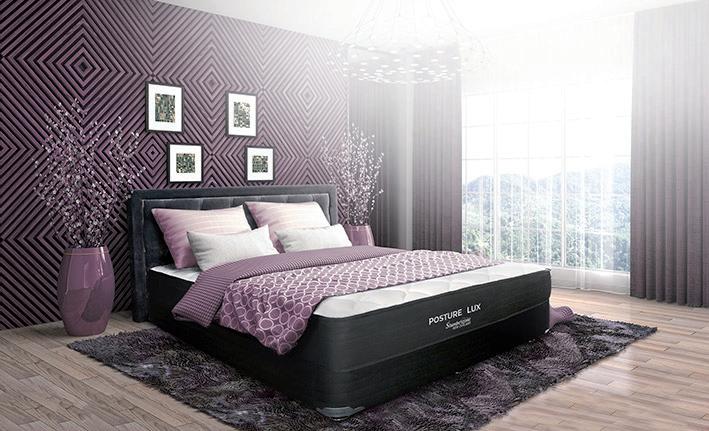
Experience an improved comfort layers of ultra soft natural bounce and breathability. combination with layers Anti-Bug treated fabric


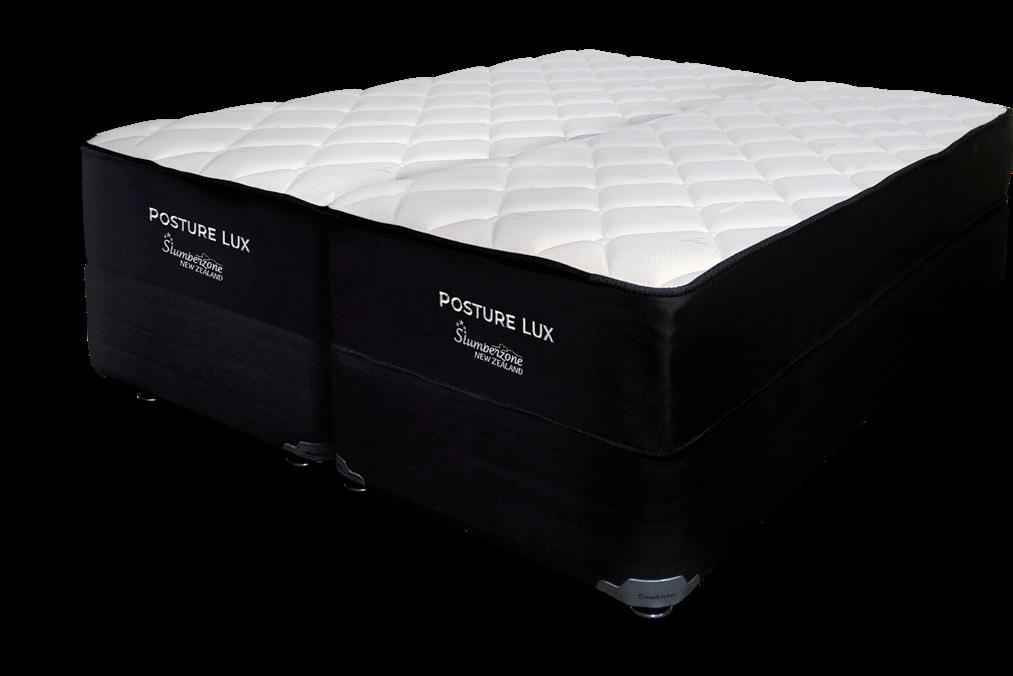
“ Luxu r i o us comf o rt fo r you r p re mium gu e sts, sup er bly suppo r ti ve f or an inc red ib le sl ee p. ”

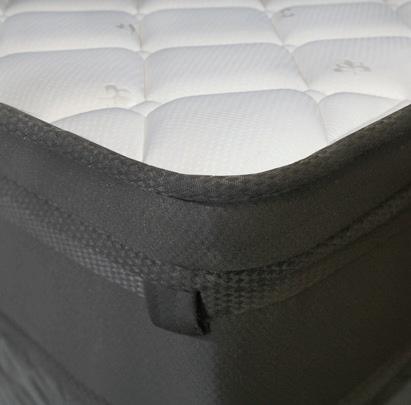
improved night of rest on our newest Posture Lux bed. Incorporated with soft Himate Latex which have hypo-allergenic properties and have a breathability. This plush, flexible material provides spinal support in layers of Slumberzone’s unique Durafoam®. Finished with designer technology.

The Anti-Bug treatment attacks mite populations in two ways: by acting as a contact repellent, forcing mites to move away from treated areas, and by inhibiting the growth of natural food sources such as moulds and bacteria. The Posture Lux provides superior protection, as well as a luxurious sleep.








At Angel Bay, we’re passionate about the delicious taste of our products. Whether your customers are craving a juicy burger, a hearty sub, a mouth-watering pizza, or something lighter, we’ve got just the inspiration you need. Scan the QR code for recipe ideas:






From our New Zealand base, Bakels Edible Oils helps businesses reach millions of customers around the world with their food creations.












































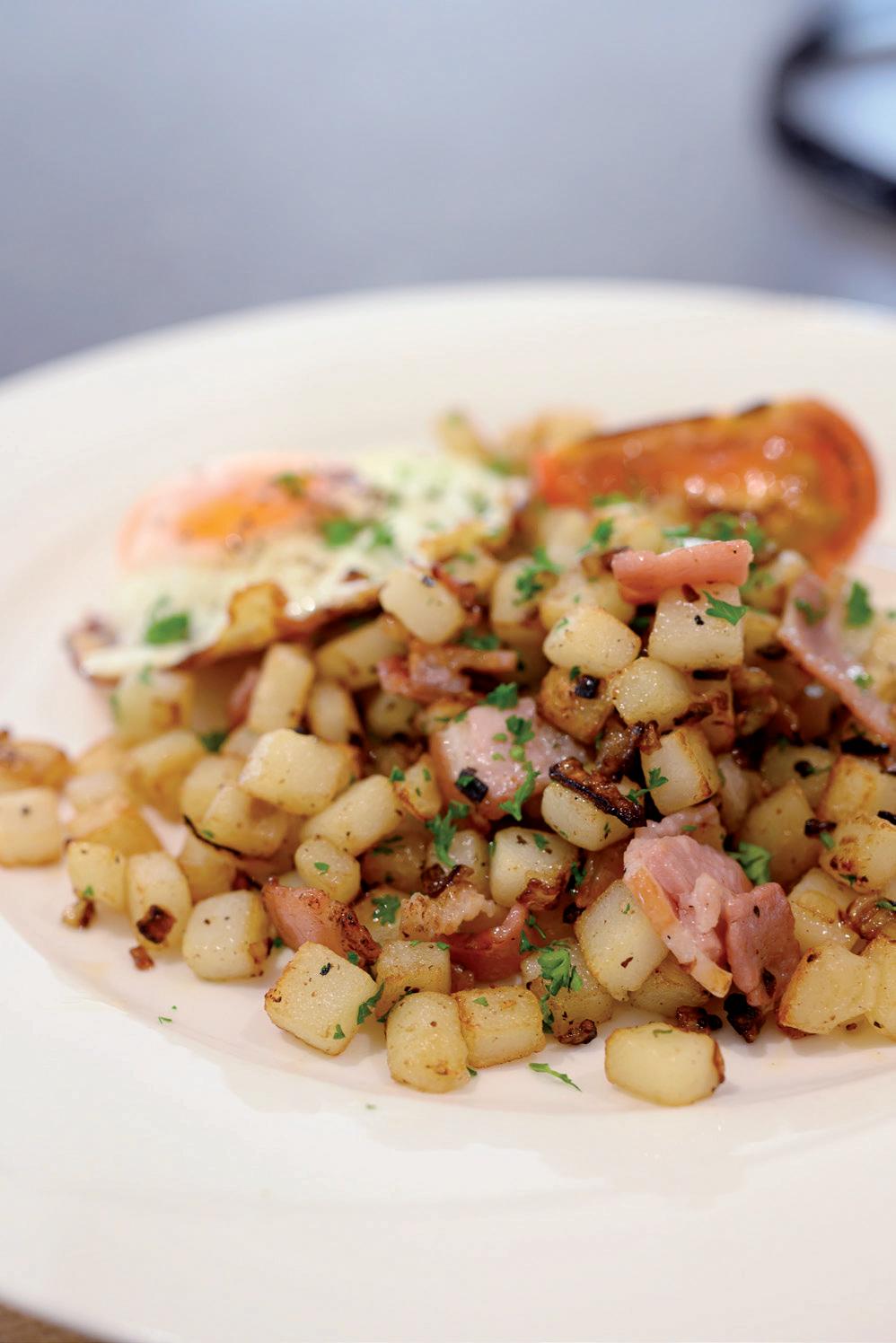




Olliff Farm nurtures small micro-flocks in customdesigned moveable coops, allowing hens to forage naturally on fresh pasture.
This slow, considered approach produces eggs reminiscent of backyard chicken-raising - rich, golden yolks and full, rounded flavour. Ethically raised and thoughtfully farmed, Olliff Farm eggs celebrate care, craft, and authenticity and are truly like no other.
438 Waitoki Rd, RD1 Silverdale, Auckland
ollifffarm.co.nz









Rejuva is the top-selling brand in the popular Aloe Vera Drinks Segment, with a huge 50.49% value share in total NZ supermarkets which means consumers love Rejuva’s delicious, refreshing taste and the goodness from its huge 41.9% aloe vera content. For people wishing to lower their sugar intake Rejuva Light uses natural stevia extract to reduce sugar by 50%while still offering the 41% aloe vera. Rejuva light has a drier, fresh flavour so is the ideal drink on a summers day. Available in 1.5l and 500ml PET bottles.
Add Rejuva to your drinks menu or drinks fridge today!
For more details visit www.rejuva.co.nz or phone 09 302 1190
*Source: Nielsen Scan Data Total NZ Supermarkets MAT to 7/9/25
Straight from Dole’s famous pineapple plantations comes the delicious Dole 100% Pineapple Juice in a convenient 240ml can. Its sweet tropical flavour delights the tastebuds. Dole 100% Pineapple Juice has a thousand uses – terrific on its own and enhances a hose of favourites including cocktails, marinades, and smoothies.
It’s a great source of vitamin C and contains no artificial flavours colours.
For more information, visit www.pavefmcg.com or contact 09 302 1190















































































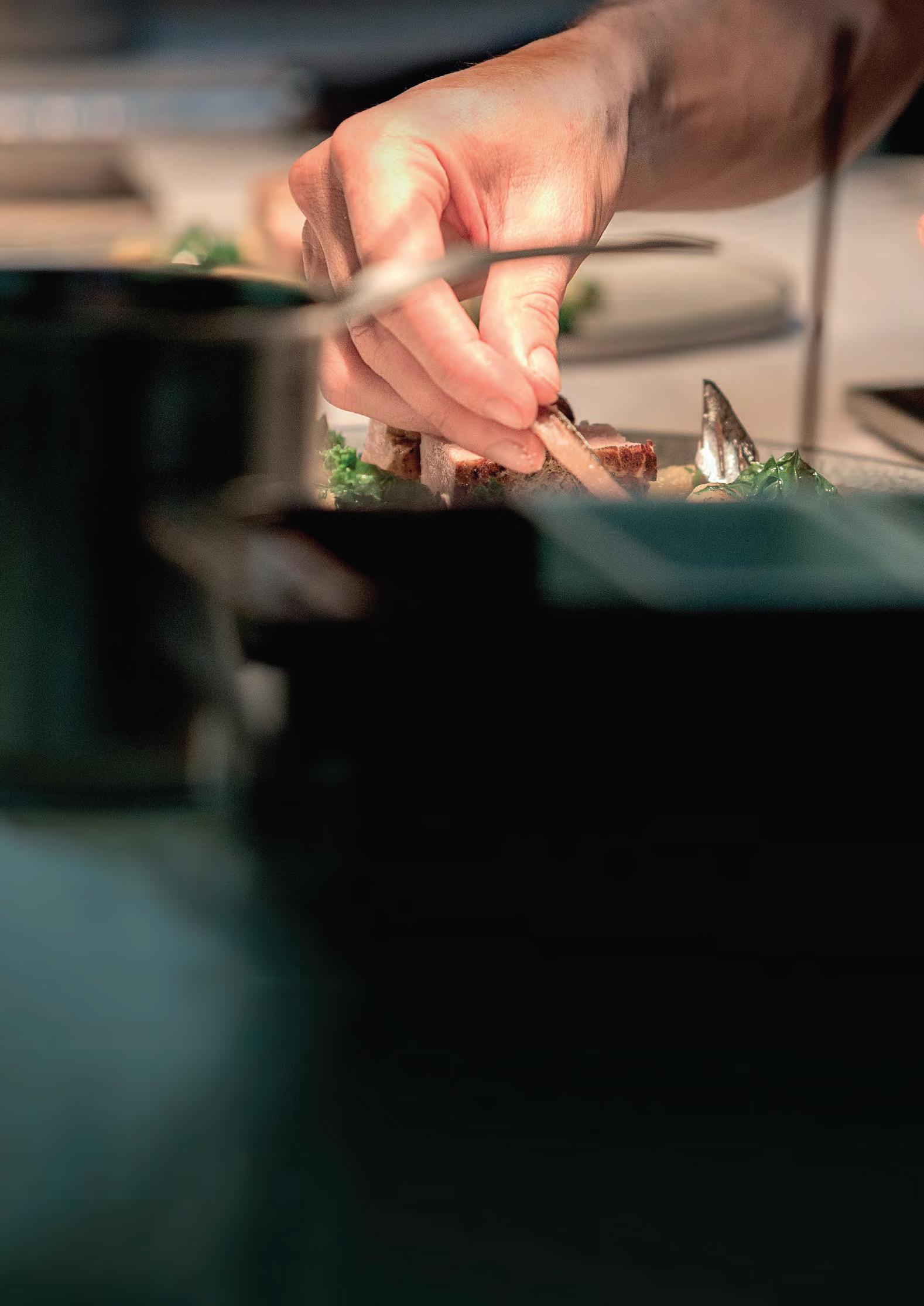
We d e velop e xc iting new product s that ar e on trend, tast e deliciou s a n d are qui ck and easy to cook . E ve r y thing is designed to go f ro m freezer to table in under 10 minutes .
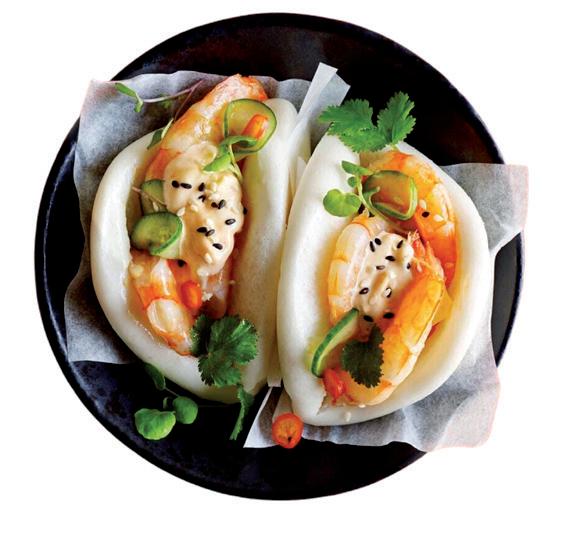




We have an extensive range of Asian, Japanese, Mexican and Indian inspired products. For enquiries on these or our other quality products, please contact your local United Fisheries Account Manager or Distributor.













New Zealand’s leading egg producer, supplying a complete range of liquid whole egg, whites, yolk, blends, cooked peeled and shell eggs.
Liquid eggs are indistinguishable from fresh eggs in nutritional value and flavour. All Zeagold egg products are produced under MPI audited programmes
New Zealand
Made locally with 100% New Zealand eggs.
Food Safety
All liquid and cooked peeled products are micro-tested prior to release.




Longest possible shelf life on frozen and chilled products.
A range of size options available (1kg, 10kg, 2kg, 2.5kg, pallecon) in frozen and chilled formats.
Economical
Benefit from reduced waste, more accurate volume control and time saved.




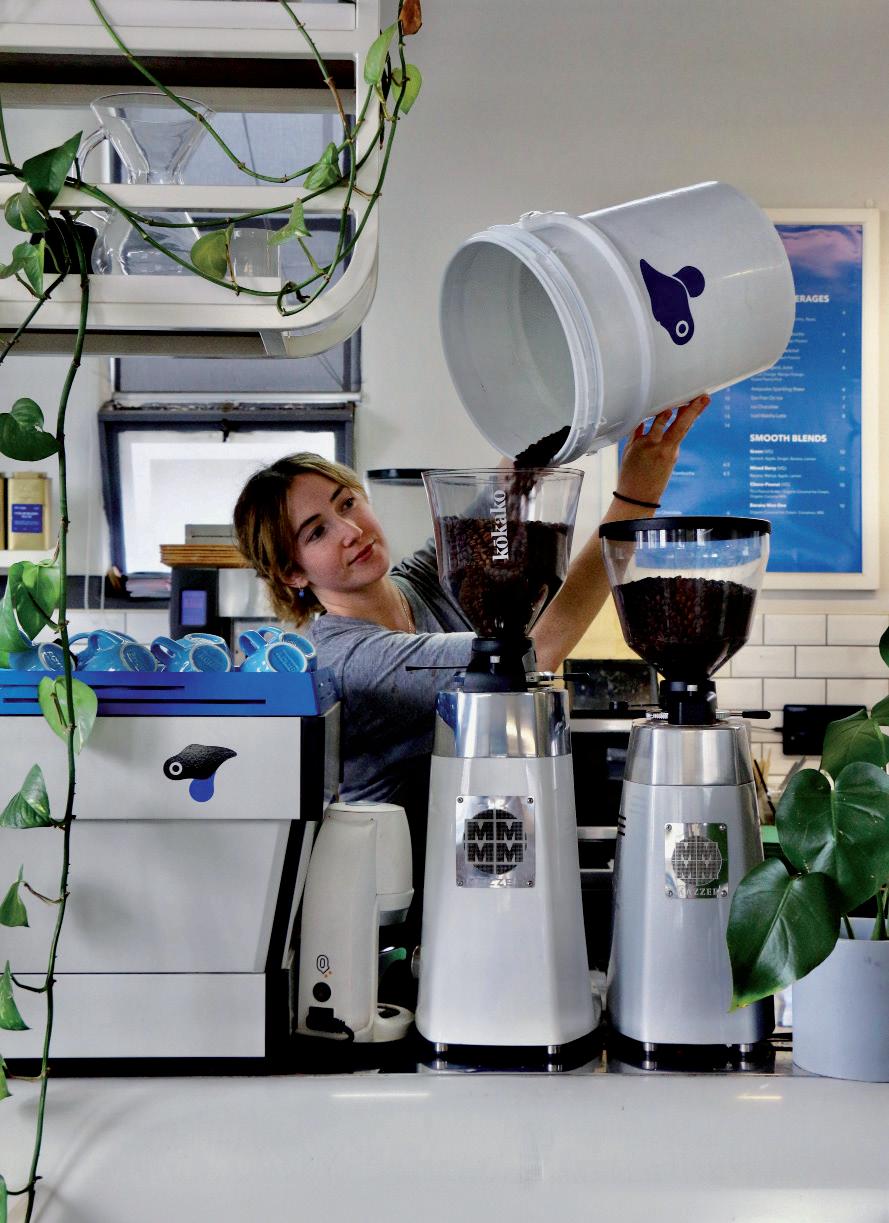
Roasted in Tāmaki Makaurau, proudly poured at over 100 cafes and restaurants across Aotearoa.