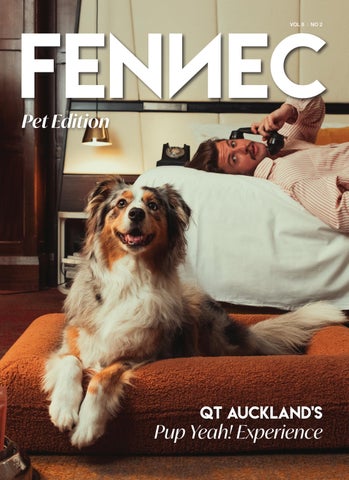
QT Auckland’s Pup Yeah! Experience
When I first heard about QT’s Pup Yeah! package, I did not hesitate. I am always looking for ways to include Vinny in more of our plans, and the idea of a dog-friendly luxury hotel stay felt like something I had to experience properly. So we booked a one-night stay at QT Auckland and went in fully excited, with high expectations.
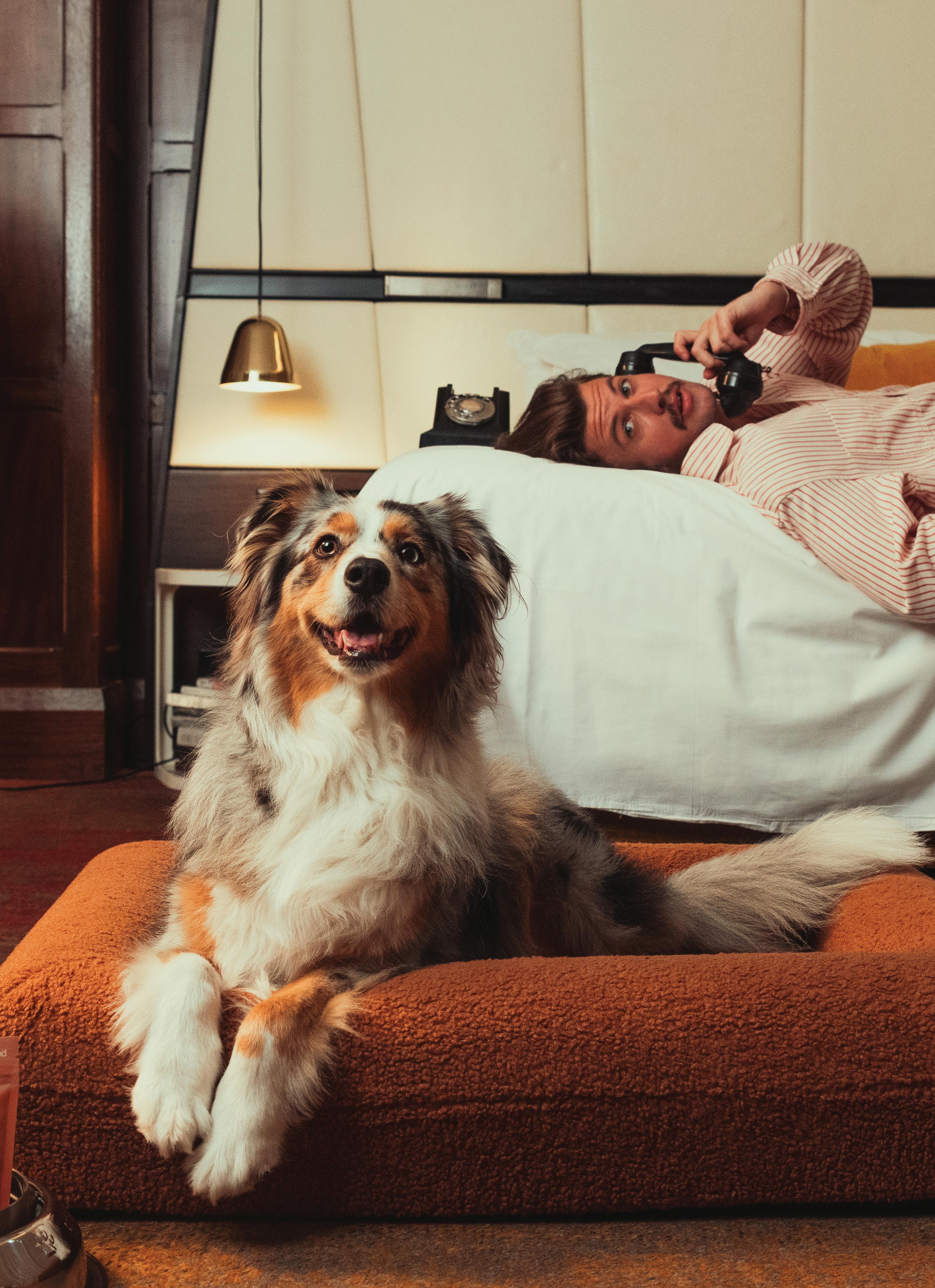
Those expectations were not only met but exceeded. From the second we arrived, the staff made such a fuss of Vinny in the best way. He was greeted like a VIP guest, not an afterthought. It immediately set the tone for the stay and made the whole experience feel warm, welcoming and thoughtful.
The room was beautifully set up for him. His bed was already laid out, along with treats and grooming goodies, and he wasted no time making himself at home. The CUB bed deserves its own shout-out because
Vinny absolutely loved it. He curled up straight away and looked so comfortable that I am now seriously considering getting one for our house. The treats were another highlight and felt like a proper indulgence rather than a token pet offering.
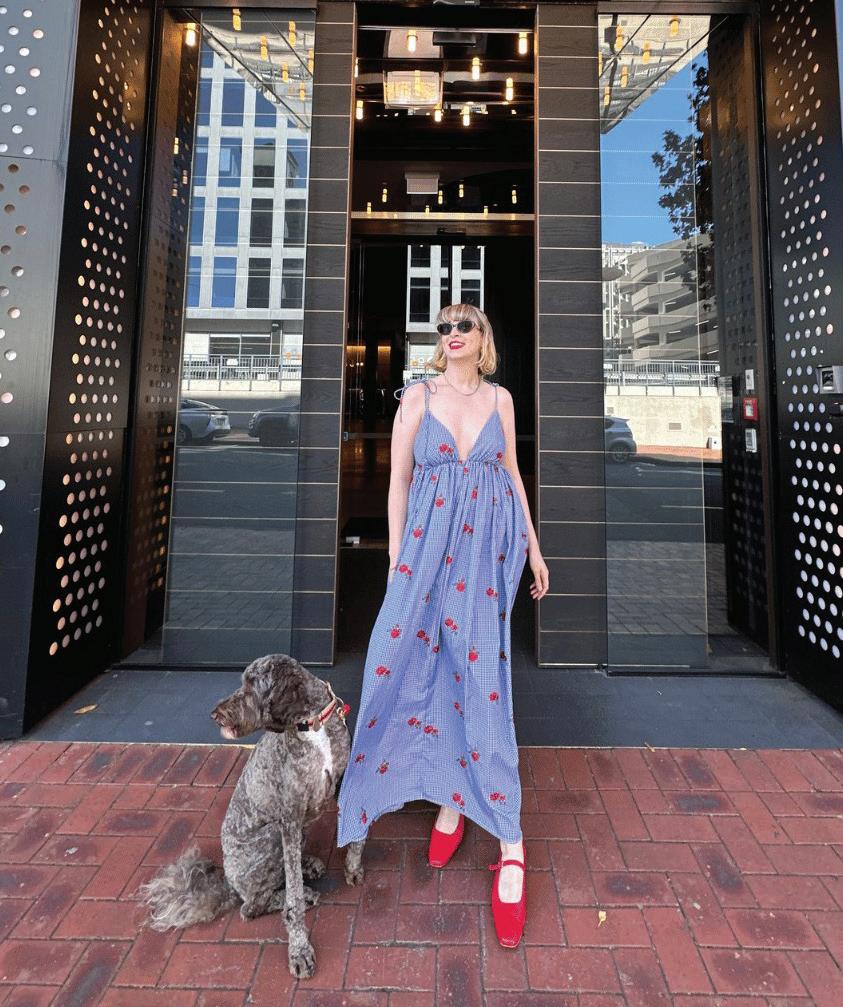
One of my favourite parts of the stay was the Strut Your Pup map. Even as an Auckland local, I found new dog-friendly spots I had never come across before. It made the stay feel considered and curated, as QT had actually thought about how people and their dogs would want to spend their time, rather than just providing a room and calling it dog-friendly.
We spent the evening sitting outside with Vinny, sipping cocktails in the sun, and it was one of those simple but perfect moments. He happily sat under the table in the shade, completely content, while we enjoyed the sunshine. It felt easy and natural, not like we were bending rules or
feeling awkward about having him with us. The next morning, somehow managed to top everything. Breakfast in the room was incredible, easily one of the best hotel breakfasts I have had. The food was great, the coffee was excellent, and it was the kind of slow, indulgent morning that makes a one-night stay feel like a proper break. From start to finish, the entire experience felt thoughtful, seamless and genuinely joyful. Vinny loved it, we loved it, and I would book it again in a heartbeat. It was worth every cent and every second, and it has completely reset my expectations of what a truly dog-friendly hotel stay can be like..
behind FENNEC...
PUBLISHER ADMIN/SUBSCRIPTIONS Tania Walters Kieran Mitchell
EDITORIAL DIRECTOR
EDITOR
CONTENT MANAGER
GRAPHIC DESIGN TEAM
Sarah Mitchell
Caitlan Mitchell
Caroline Boe
Raymund Santos

Register your animal’s microchip on the NZCAR to li nk their unique microchip number to your details. This helps them to be quickly identified and reunited with you if they ev er go missing.
Permanent identification linked to your details
Accessible by 1000+ Approved Users around NZ A small, one-time fee for lifetime registration
Permanent identification linked to your details
Accessible by 1000+ Approved Users around NZ 0508 LOSTPET
www.animalregister.co.nz

The New Zealand Companion Animal Register is a not-for-profit initiative of Companion Animals New Zealand (CANZ), Charity: CC27849. CANZ works to improve the welfare of companion animals in New Zealand through advocacy, education, and programs that promote responsible guardianship. Visit companionanimals.nz to learn more, or support our work with a donation to help more pets live good lives.

Meet The Cat Collective
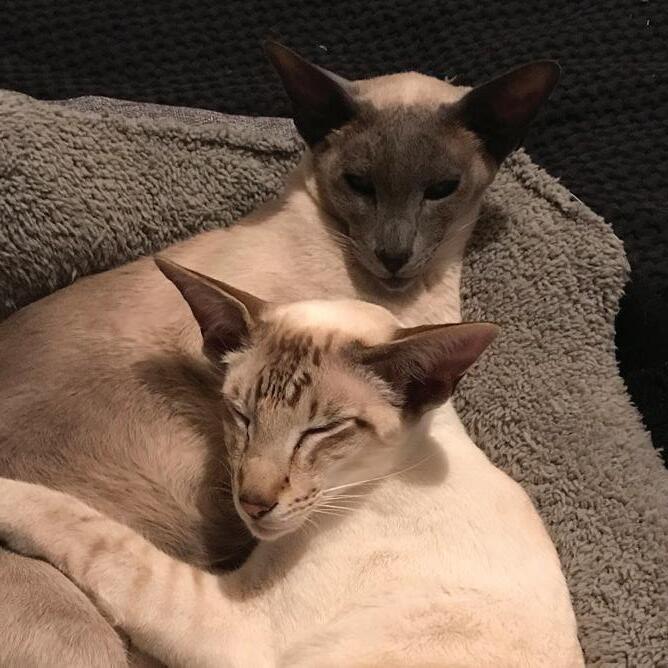
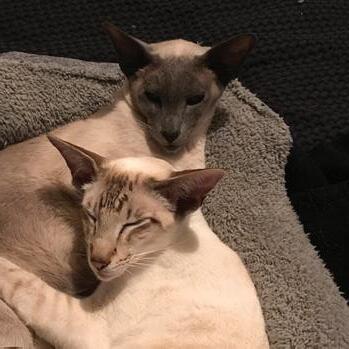
This inseparable Siamese duo truly live up to their names — Bert is the serious, dignified one, while Ernie is the cheeky, playful chatterbox who’ll happily narrate his day in a chorus of meows. Bert takes daily medication for his thyroid (which keeps him from gobbling up Ernie’s dinner too!), and he’s as steady and loving as they come. Ernie, meanwhile, is full of personality and conversation, always eager to “help” inspect any new arrival in the house. Together they love nothing more than exploring the grass, snuggling with their Hu-mum and dad, and curling up with each other. Two best friends, perfectly matched — and perfectly named.
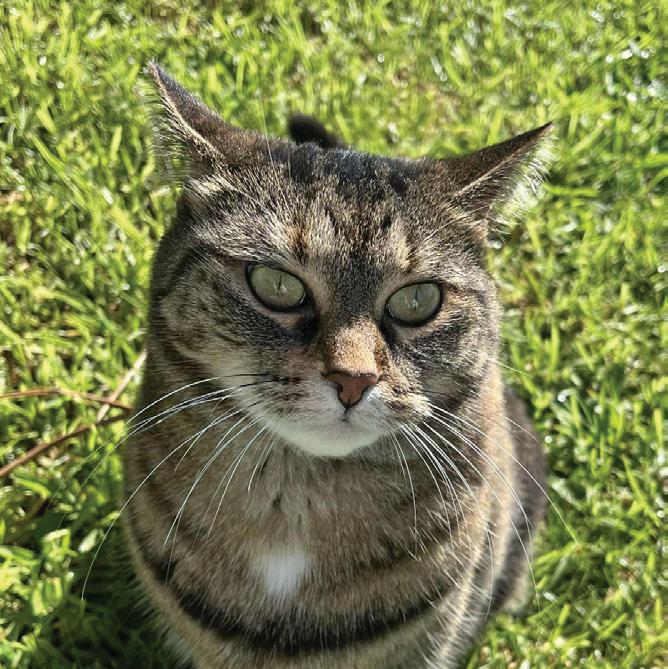
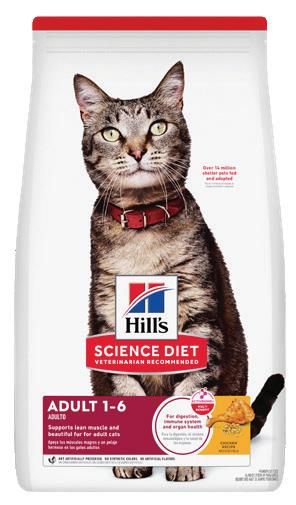
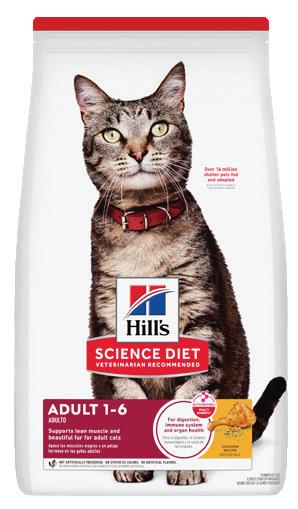
Tortoise Cross, 6 years old, Lily is the Princess of the house, making sure to lounge just out of arms reach to make sure you have to come to her for pats. Quite the acrobat as well, loving to climb, chase the neighbours cat and forward flip any opportunity she gets. She eats her biscuits and enjoys wet food but more often than not just licks the gravy off and leaves the rest of the food there. No Health issues, no allergies, a preference for beef wet food, and standard food being Hills science diet adult 1-6 cat biscuits, and the occasional slice of cheese and raw chicken when she begs as dinners are being made.
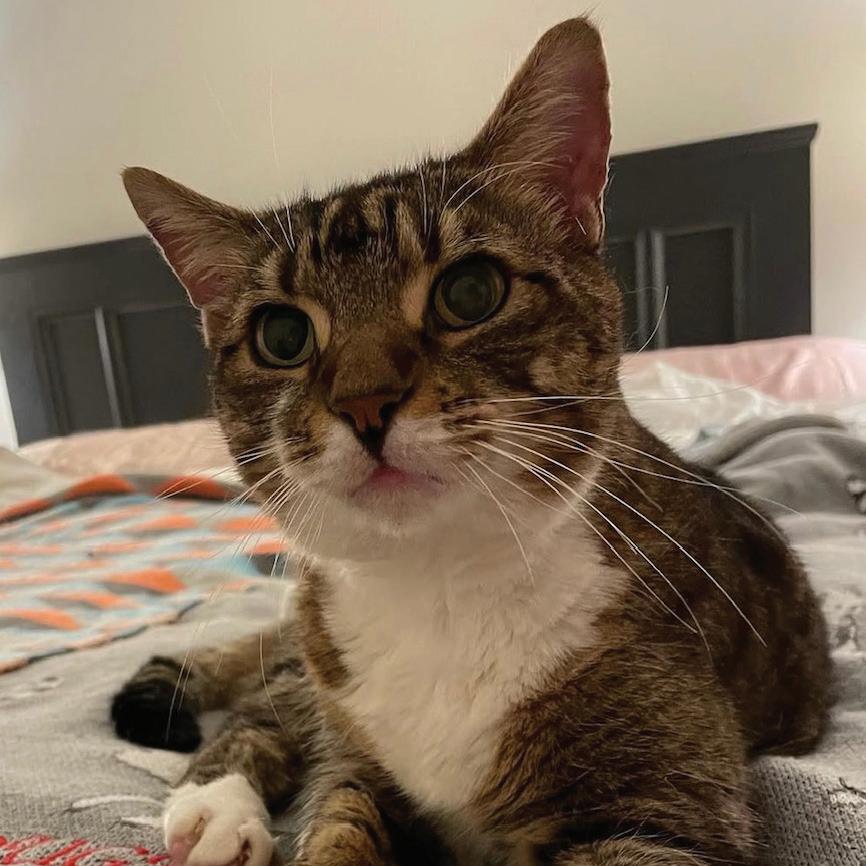


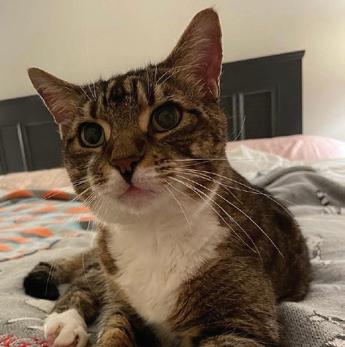
Martin is a classic tabby with a curious mind and a soft, steady nature. Always the first to investigate a new box or a mysterious sound, he approaches life with confident curiosity and gentle charm. Martin enjoys stretching out in warm spots, chasing the occasional toy, and keeping a watchful eye on everything that happens in his home. Loyal and affectionate, he’s the dependable friend every household needs, equal parts explorer and cuddle companion.
Bert & Ernie | 12 & 10 | Siamese
Lily | 6 | Shorthair
Martin | 9 | Tabby
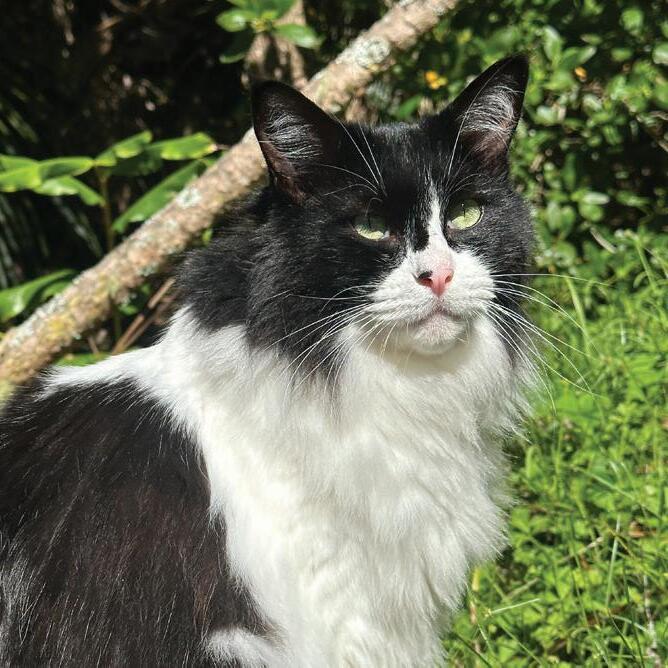
Oscar is a Ragdoll mix with a fearless spirit and a love for adventure. Since moving to the countryside, he’s embraced his role as a hunter, proudly catching insects in the bush and parading his trophies with confidence. He adores his best buddy Vinny and can often be found hitching a ride on the robot vacuum, surveying his kingdom from his moving perch. Food is his other great passion, and the mere mention of treats gets his full attention. Equal parts explorer and cuddlebug, Oscar’s lively personality makes him a constant source of entertainment and affection.

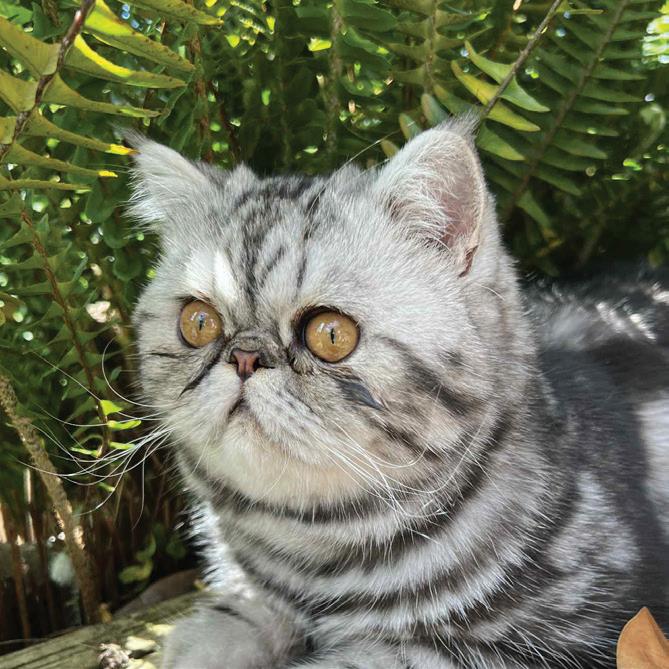
Parsley is a friendly, loving and loyal cat. At four years old, this Exotic Longhair is adventurous and affectionate, with a particular liking for fresh food. He’s also an indoor cat, because he’s such an escape artist, though he does love a trip in the car. When he’s not finding new hiding spots or travelling with his family, Parsley enjoys basking in the sun or snuggling up at night. Best friends with his dog-brother Broccoli, Parsley makes friends with everyone he encounters, both animals and humans.
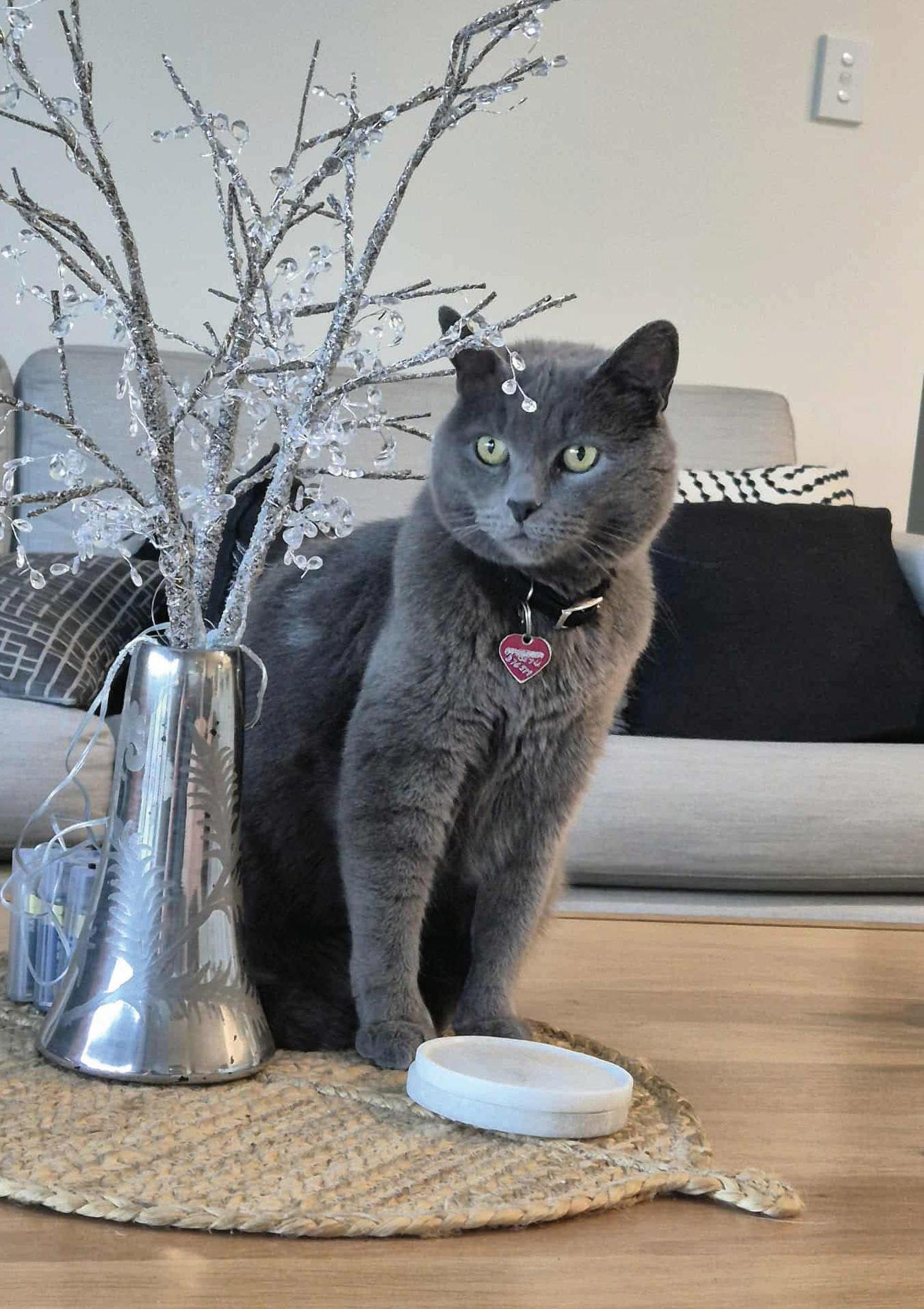
Rosie is a British Blue with an independent streak and undeniable charm. She carries herself with quiet confidence, observing her world from the perfect vantage point before making her move, usually towards a patch of sunlight or a treat jar. Known for her affectionate yet selective cuddles, Rosie has mastered the balance between regal composure and playful mischief. When she’s not supervising household routines, she’s snoozing in soft silence, perfectly poised and content.
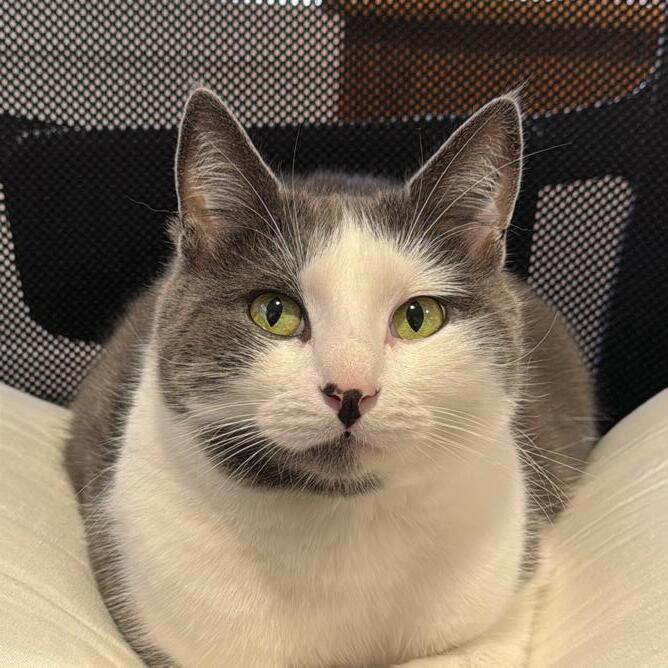
Max is a rescue cat with a big appetite and a precise internal clock. Every evening around 5pm, he begins his dinner countdown, making sure no one forgets that mealtime is fast approaching. By 6pm, he’s ready for his favourite wet food, preferably chicken or beef, though he’s willing to sample venison if it’s on offer. During the day, Max loves watching birds from the window or even on television, and by night he can be found curled up on a lap, purring contentedly. He has a playful side too, happily entertaining himself with his collection of toys before settling in for a well-earned nap.

Oscar | 10 | Ragdoll
Parsley | 4 | Exotic Longhair
Max | 5 | Domestic Shorthair
Rosie | 14 | British Blue

Collective The Cat
Bert & Ernie | 12 & 10
| Siamese
Bert is a big fan of the Science Diet Adult 11+ Dry. As soon as it goes in the bowl he starts crunching. He also eats some of the Science Diet Adult 7+ Senior Vitality Dry with Ernie now and then, but the 11+ one is clearly his pick. With the Feline Adult pouches he has a funny habit. First he licks up all the gravy. Then he walks away. A few minutes later he comes back and eats the meat.
Ernie mostly eats the Science Diet Adult 7+ Senior Vitality Dry. That’s the bowl he goes to first. Bert sometimes helps himself too. Ernie also enjoys the Feline Adult pouches. Just like Bert, he goes straight for the gravy. That disappears quickly. Then he comes back and eats the rest.
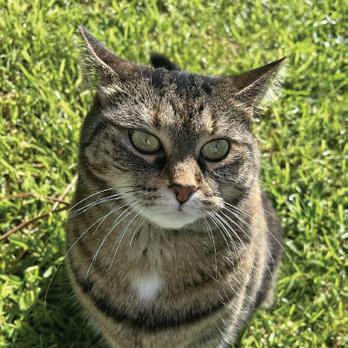
Lily loves the chicken flavour. The moment she sees it she starts meowing. Loudly. She goes straight for the gravy on the wet food. Lots of licking going on. Then she eats the rest. She often comes back to check the bowl again, just in case. Her coat looks shiny and she has heaps of energy. Nothing ever gets left behind.


Due to Martin’s curious nature, the Feline Adult 7+ Senior Vitality allowed him to stay active and adventurous all day, despite his age. His ability to get up and go has improved, and he has become more social around other cats. His nose in the air and tail swaying, the smell of the Feline Adult 7+ Chicken Pouches had him running every time.



Lily | 6 | Shorthair
Martin | 9 | Tabby
9/10 8/10 8/10
Bert: Ernie: 9/10
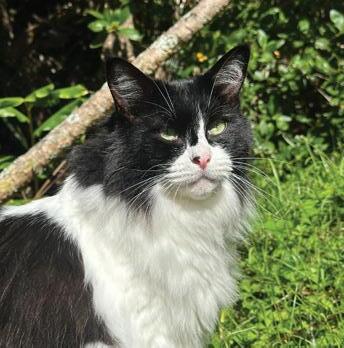
Oscar | 10 | Ragdoll
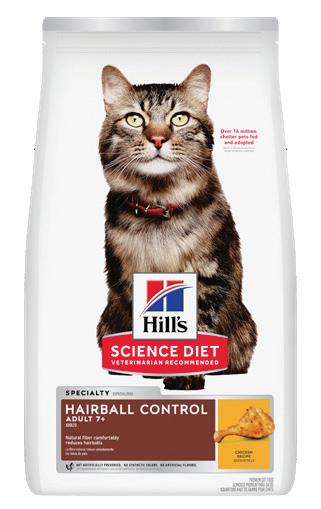
Oscar wasn’t overly impressed with the Hill’s Science Diet Hairball Control Adult 7+. He looked at the bowl and then looked back at me, clearly hoping I’d swap it for his usual food. He was pretty stubborn about it and took his time deciding whether it was worth trying. In the end he did eat some, but only after it became clear there wasn’t another option coming. It’s one of those foods that’s probably very good for him, but Oscar would still rather stick with what he knows.
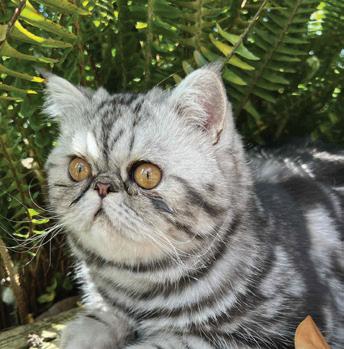
Parsley | 4 | Exotic Longhair
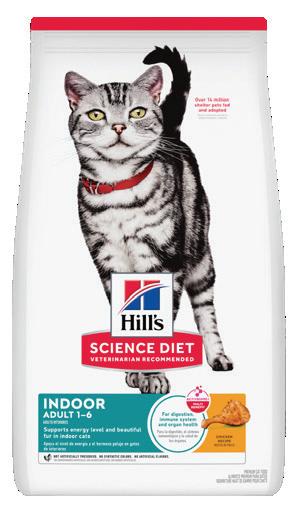
Although being one of the most sociable cats around, Parsley definitely needed his alone time, especially when two other cats were added to his household. Since trying the Feline Adult Indoor Dry, he has taken on more of an oldersibling role. While he still enjoys stretching out in the sunshine, he is far more tolerant of other cats wanting to spend time with him.
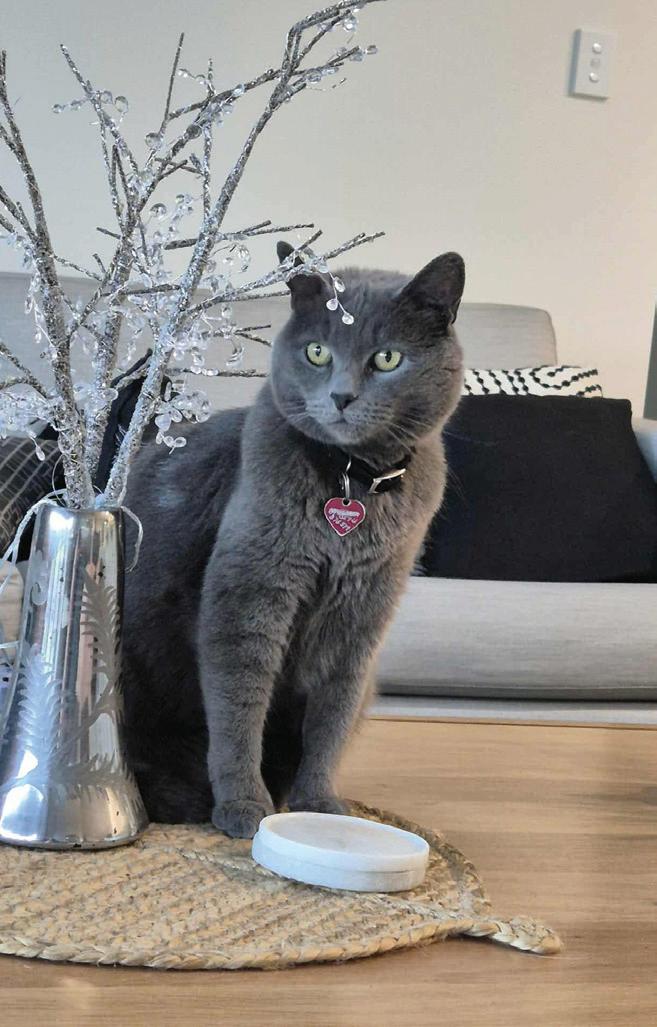
Rosie really likes the Feline Adult 11+ Dry and the Feline Adult Chicken pouches. She takes her time eating but always finishes the bowl. No fuss and no leftovers. The texture seems to suit her. When these come out she’s straight over to the bowl. Safe to say they’ve become a regular favourite.
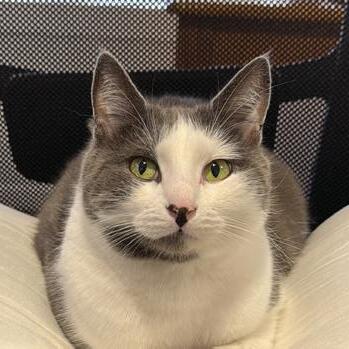
Max tried the Feline Adult Dry but you could tell he wasn’t too sure about it. He had a few bites, then wandered off. He came back later and gave me a couple of protest meows before eating some more. He did finish most of it in the end, just very slowly. He really prefers his usual food and isn’t keen on changing. Ate it, but not with much excitement.

Rosie | 14 | British Blue
Max | 5 | Domestic Shorthair
Where cats come first

Amazonia Senses
Passion Fruit Shampoo
500ml
Animates
The Amazonia Passion Fruit Shampoo is a luxurious option for your pet’s grooming needs. Here are some of its key features:Natural Passion Fruit Oil: This shampoo is enriched with natural passion fruit oil from the Amazon rainforest, which is rich in vitamins, antioxidants, and flavonoids.
$29.99
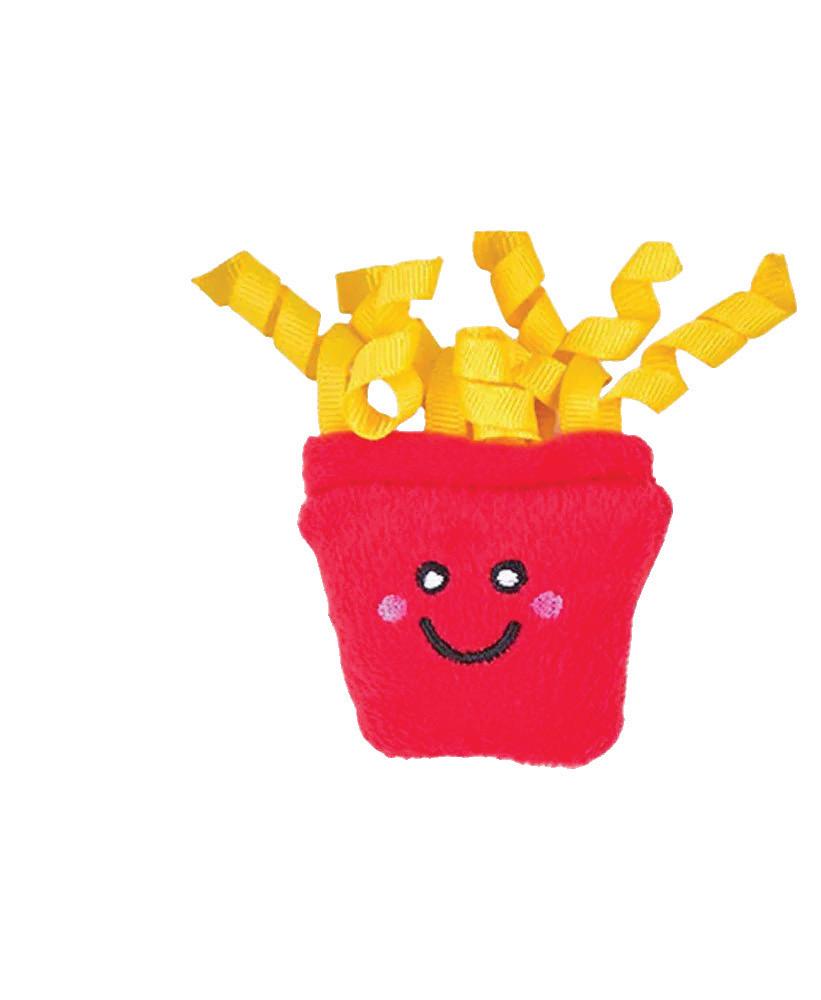
Catnip Toy - Fries
Fang & Fur
Would your kitty like fries with that? If they're filled with organic US-grown catnip and fun crinkle material, that's a definite 'yes'.
$8.00
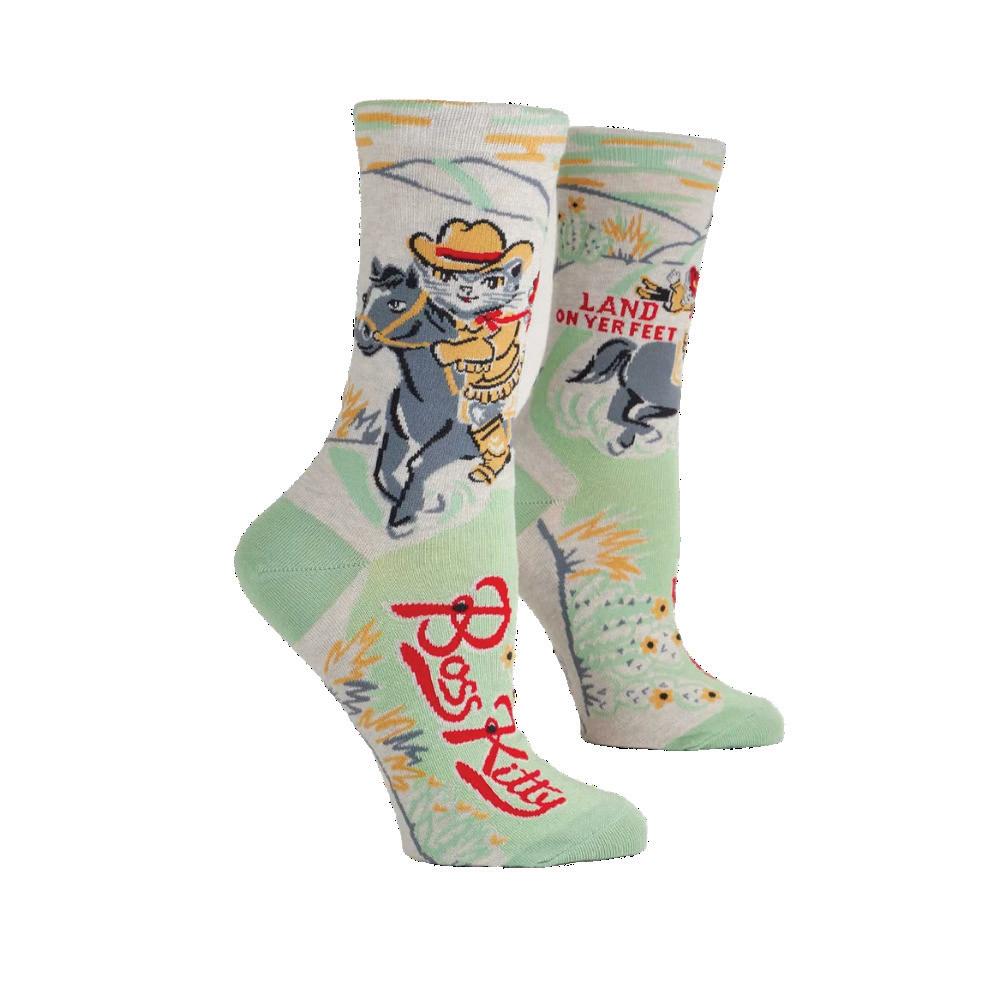
Cat Socks Boss KittyWomen's Fang
& Fur
If the wild frontier is calling, you better have the right gear, like strong sassy socks! Brought to you by Blue-Q, a Massachusetts company with over 25 years experience in creating quality, ridiculous goods to make us giggle.
$25.00
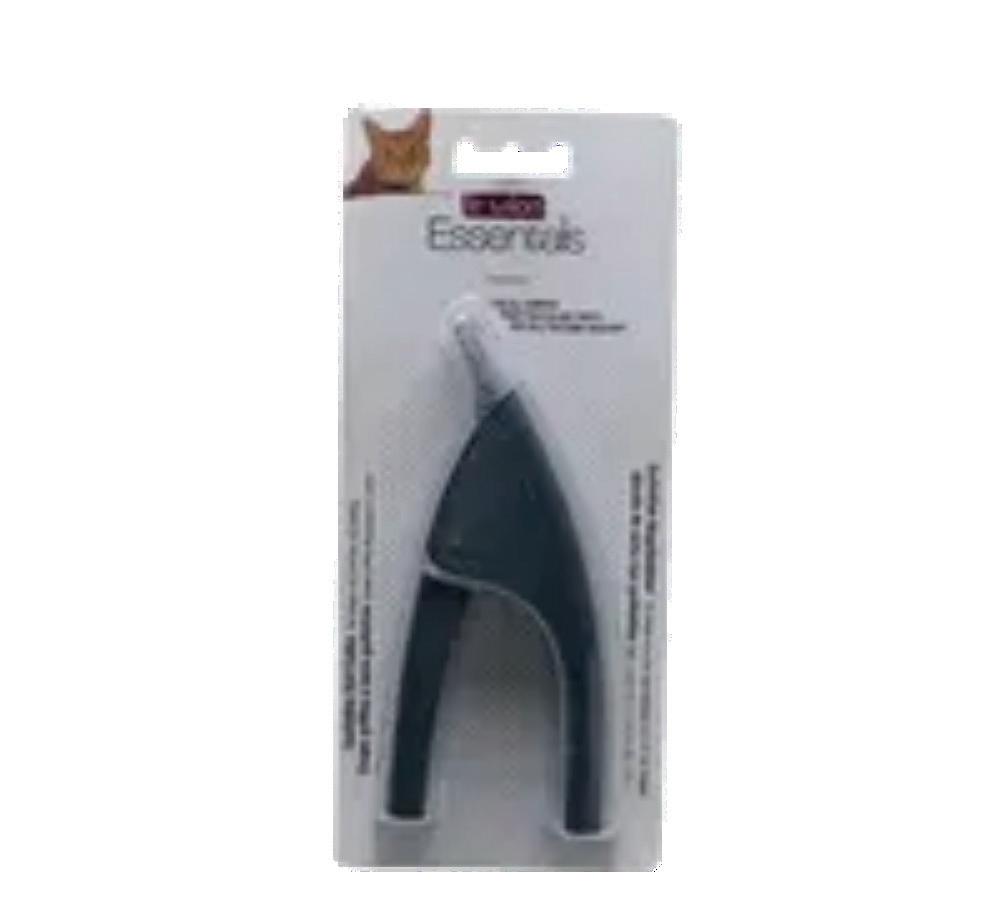
Le Salon Essentials Guillotine Nail Cutter For Cats
Animates
For regular cutting of your cats claws, Le Salon Essentials Cat Claw Scissors are an easy to use, sharp and precise way to ensure your cats claws are healthy.
$27.99
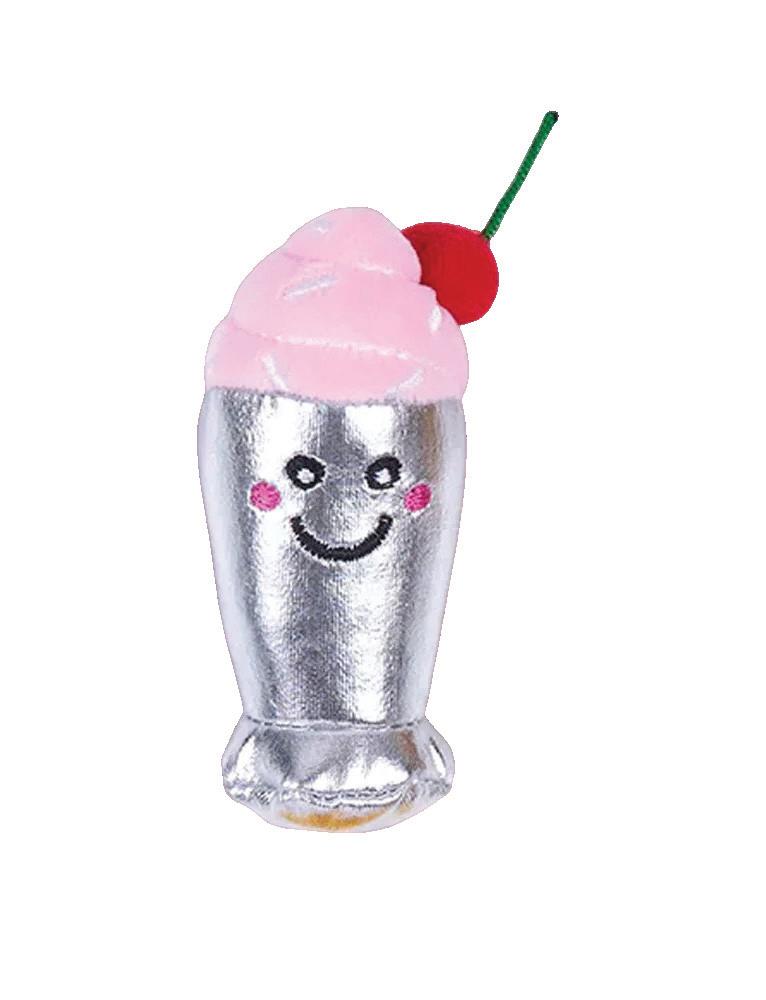
Catnip Toy - Milkshake
Fang & Fur
It may look like a strawberry milkshake but this goodie is catnip flavoured through and through - organic US-grown catnip, no less. The purrfect size for tossing and batting - with the added bonus of having a slightly demonic, soulless stare that is guaranteed to drive your cat wild.
$8.00
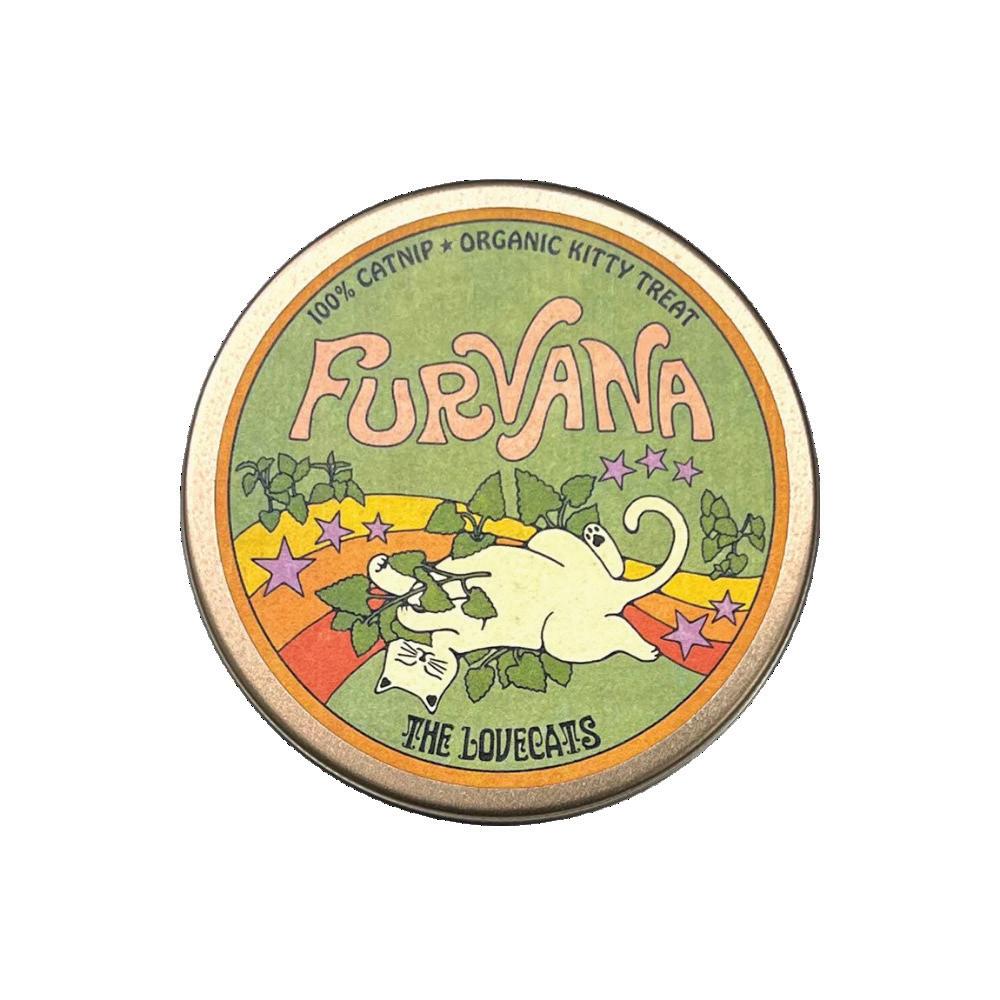
Furvana evokes feelings of euphoria, excitement and contentment. A normal reaction is for kitty to roll in it, have a nibble and then go generally cuckoo. This is usually followed by a period of rest and relaxation.
$18.00
Furvana Organic Catnip
Fang & Fur
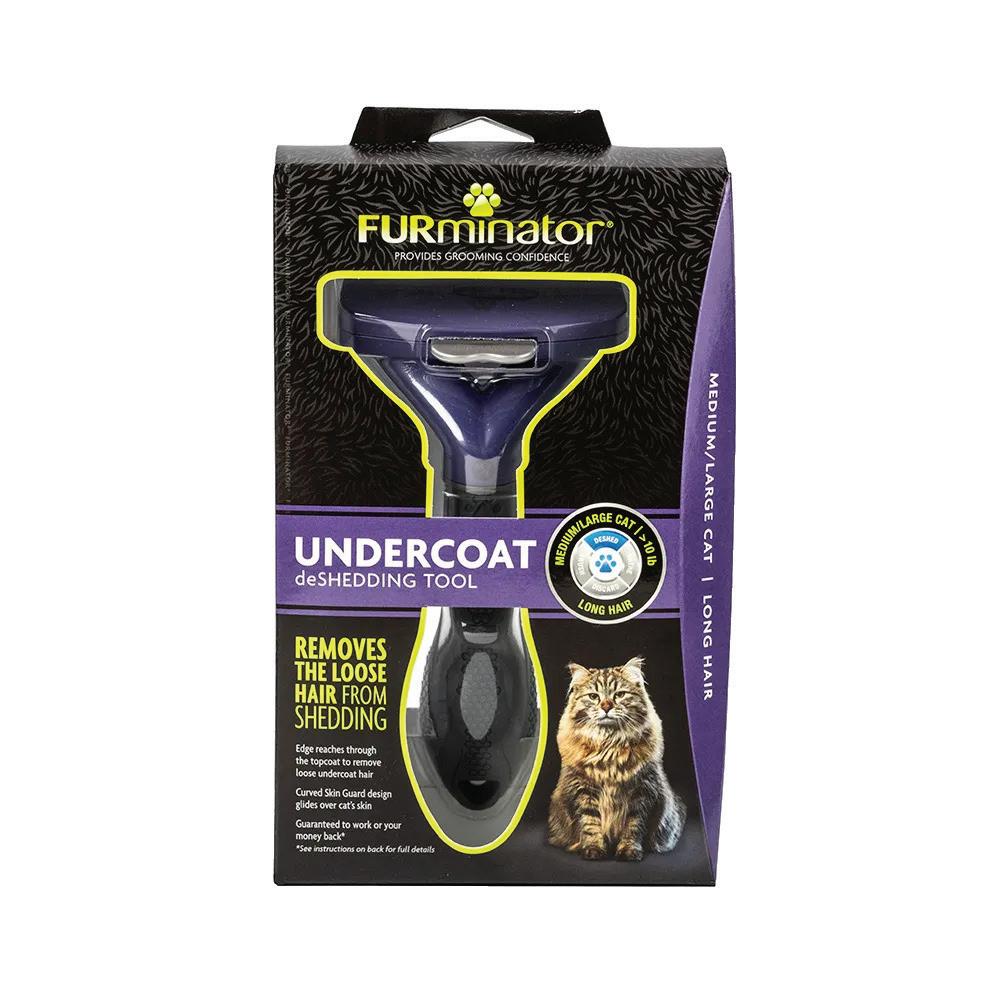
Furminator De-shedder For Medium/large Long Haired Cats
Animates
The FURminator deShedding tool reduces loose hair from shedding up to 90% with regular use. Removes the loose hair from shedding. Curved edge for comfortable, effective loose undercoat hair removal. Ergonomic handle for comfort and ease of use.
$84.99
Kazoo Flea Comb
Animates
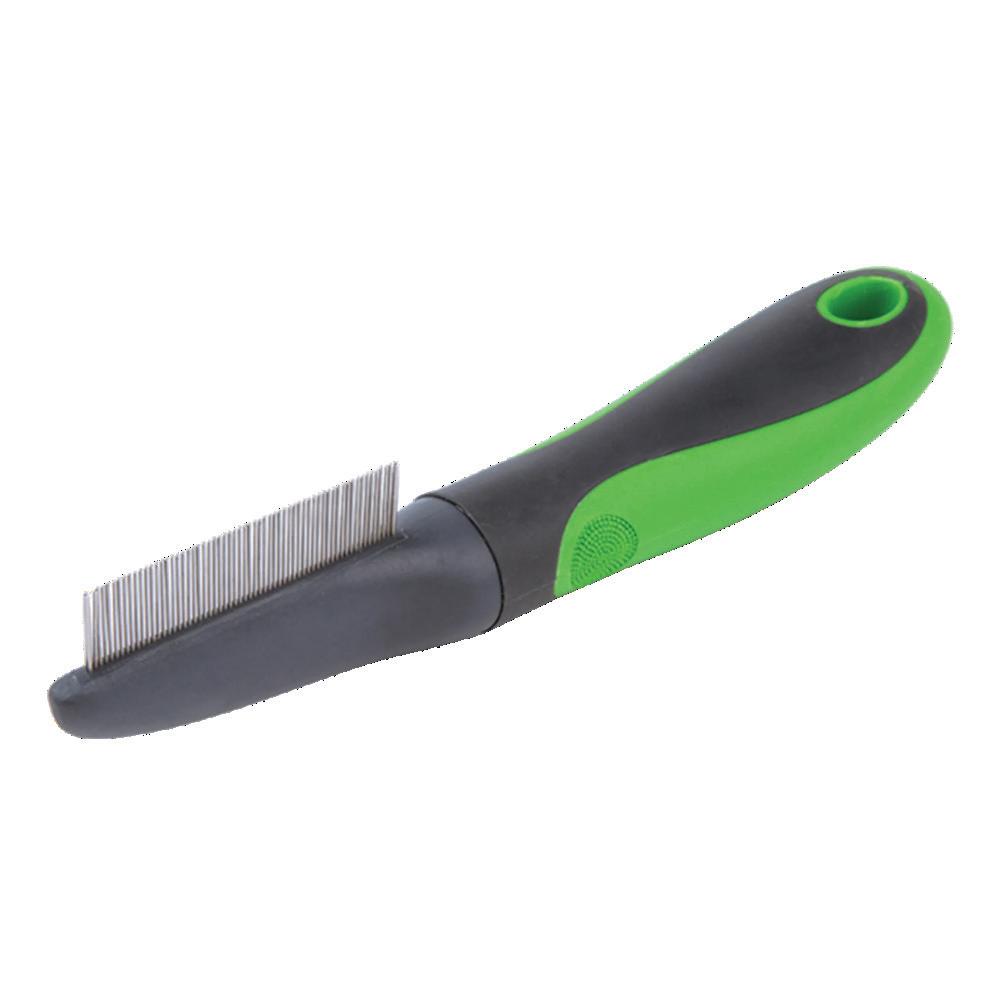
The ultimate grooming tool to keep your pet itch-free and comfortable. Specially crafted for both cats and dogs, this comb is designed with tightly-spaced teeth that efficiently remove fleas, their eggs, and loose hair.
$20.99
Fang & Fur
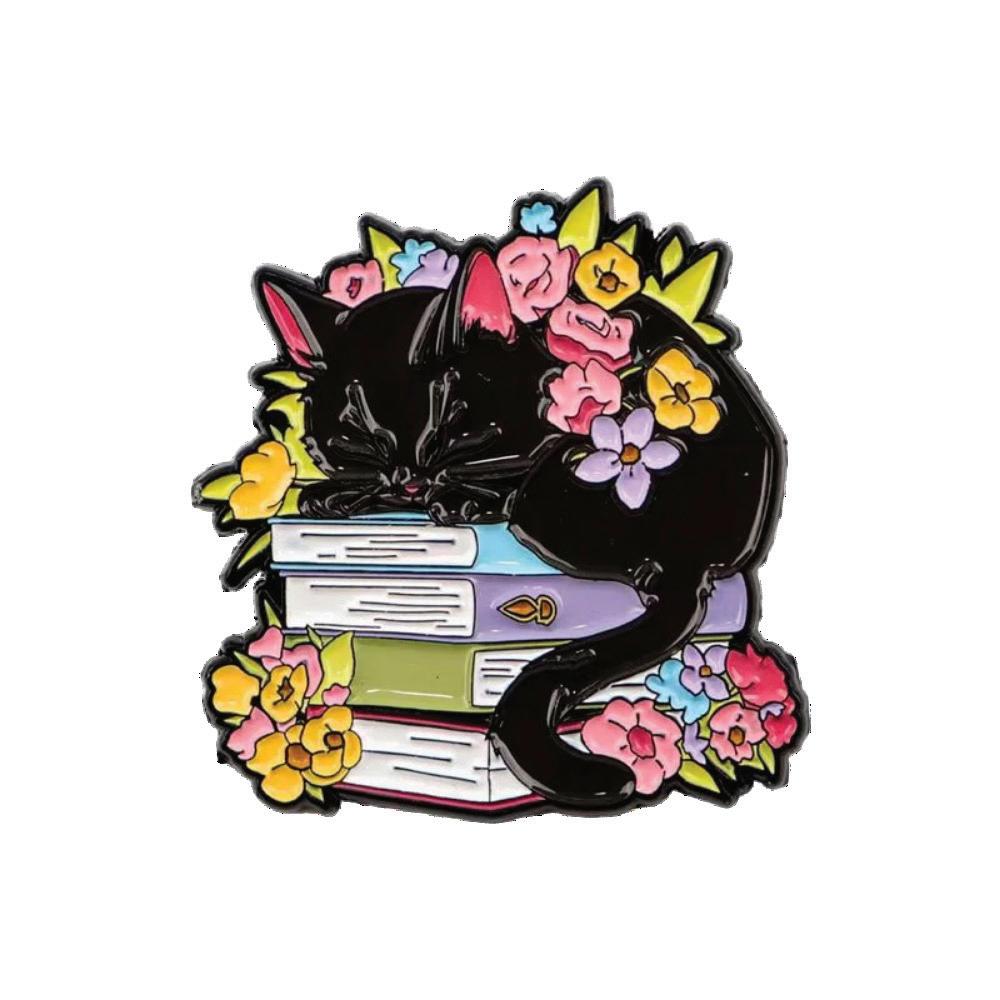
Cats and books - everything a delightful, weirdo, introvert needs. Quality enamel pinbeautifully molded with bright, crisp colours.
$8.00
Enamel Cat Pin - Book Snooze
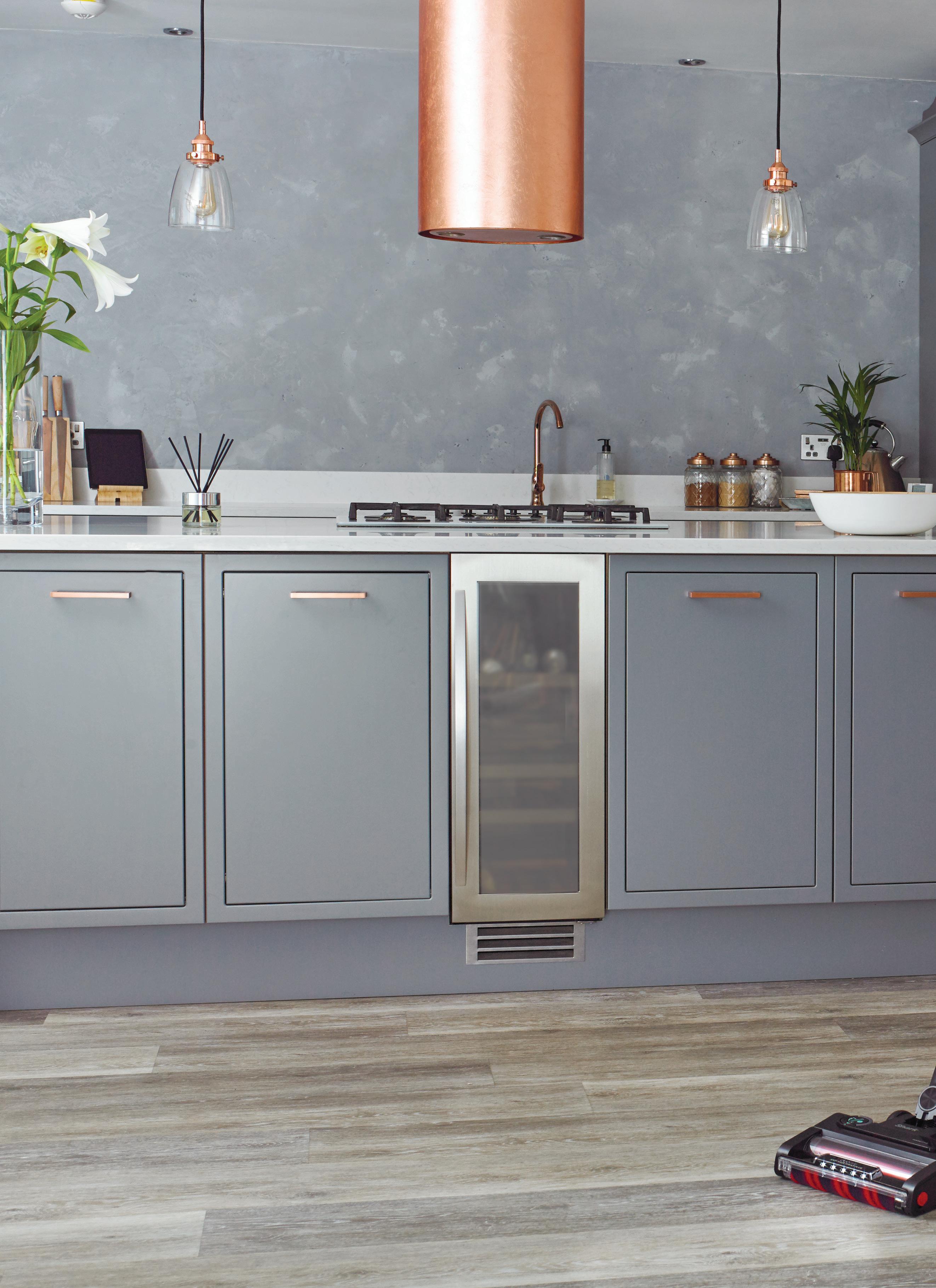
Shark Stratos Cordless Pet Pro Vacuum Plus with Clean Sense IQ
The Shark Stratos Cordless Pet Pro Vacuum PLUS with Clean Sense IQ detects dirt you can’t see and automatically boosts power for up to 50% better dirt pickup. Stratos has the most powerful suction and hair pickup of any Shark cordless stick vacuum. Odour Neutraliser Technology guards against bad odours inside your vacuum for a fresher smelling home.

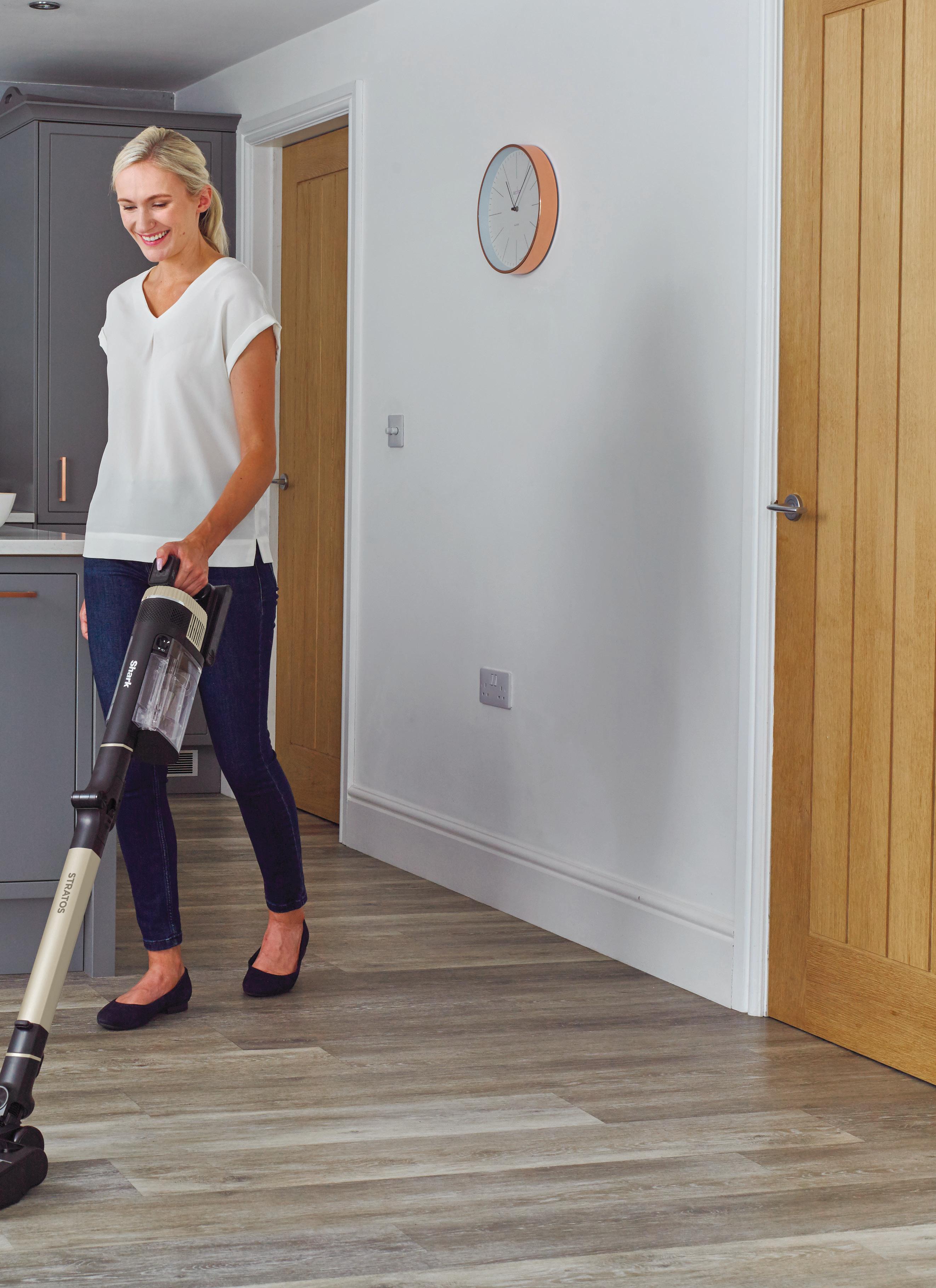
Small Steps, Lifelong Habits
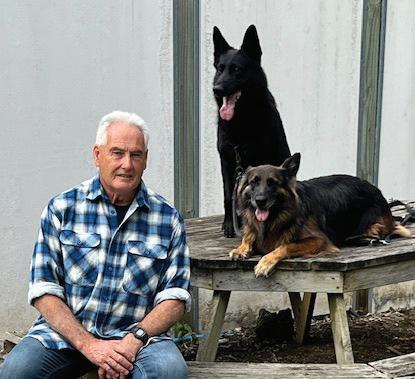
We sat down with Pete Pedersen, founder of The Professional Dog Obedience School, to talk about what really matters when you bring a new puppy home. With more than 36 years’ experience training law enforcement, service and family dogs, Pedersen has seen first-hand how early decisions shape a dog for life.
Our conversation focused on the practical realities of raising a puppy, from early socialisation and everyday habits to understanding behaviour before it becomes a problem. His approach is grounded in positive reinforcement and proven training methods, with one clear message running through everything he shared: calm, confident dogs are built early, and small choices make a big difference.
BUILDING CALM, CONFIDENT DOGS STARTS EARLIER THAN YOU THINK
The first months of a dog’s life quietly shape the adult they will become. Long before behaviour problems appear, puppies are learning what feels safe, what feels overwhelming, and how to respond to the world around them.
According to Pete Pedersen, a highly experienced dog trainer with a background in police dog handling and decades working with family pets, most of the issues he sees with older dogs trace back to this early learning window.
“People often think behaviour problems come out of nowhere,” Pedersen said. “In reality, they’re usually the result of what a puppy learned, or didn’t learn, very early on.”
EARLY SOCIALISATION, DONE SAFELY
One of the biggest questions new puppy owners face is how much exposure is safe before vaccinations are complete. Pedersen is clear that veterinary advice must always come first.
“Your vet understands the disease risks in your area, and that advice should never be ignored,” he said.
At the same time, puppies do need early exposure to everyday environments. The balance lies in controlled, non-contact experiences. Carrying a puppy in your arms or a suitable bag through shops, parks, or busy streets allows them to absorb sights, sounds and smells without touching contaminated surfaces or unfamiliar dogs.
“The puppy doesn’t need to interact with everything,” Pedersen said. “Observing the world calmly is often enough to build confidence.”
Short, supervised play with friends’ fully vaccinated, calm dogs can also be helpful. These sessions should be brief and carefully monitored. “You want positive experiences, not overwhelming ones,” he said.
Professionally run puppy classes, once vaccination requirements are met, can further support healthy social development.
Pete Pedersen
The Professional Dog Obedience School Trainer
Pete Pedersen served 39 years in the NZ Police Dog Section, building a respected career in operational policing, specialist response work and dog training. His achievements include National Champion Police Dog Handler and recognition at Australasian Police Dog Handler level, reflecting a high standard of operational handling and training expertise.
During his policing career, Pete served as a Dog Handler with the Armed Offender Squad, where police dog capability is critical in high risk situations. He also held leadership roles as Regional Police Dog Trainer and later Regional Coordinator of Police Dogs for the Auckland/Tamaki Makaurau District, overseeing the development and operational readiness of police dog teams across the region.
Alongside his police service, Pete has been involved in the wider dog training community for many years. Since 1997, he has provided private civilian dog training, group classes and puppy classes, helping owners develop confident, well trained dogs through practical, experience based training.
THE HABITS THAT FOLLOW DOGS FOR LIFE
Many adult behaviour problems start as small, overlooked puppy habits. Jumping up, excessive excitement and unreliable recall are rarely random.
“Dogs repeat what works for them,” Pedersen said. “If jumping gets attention, or ignoring recall means more freedom, those behaviours stick.”
Recall issues are particularly common. Chasing puppies, grabbing them repeatedly, or making closeness unpleasant teaches them to avoid returning. Instead, recall should be gradually shaped in low-distraction environments and consistently rewarded.
Food guarding is another area where owners can unintentionally escalate problems. Pedersen explains that mild resource protection is rooted in survival instincts, but punishment often makes things worse.
“Never punish aggression physically,” he said. “That damages trust and can actually increase the risk of a bite.”
Teaching a positive release cue, managing access to high-value treats, and ensuring children do not approach dogs while they are eating are simple yet effective steps. In some cases, removing long-lasting hard treats altogether is the safest option.
RETHINKING
“PROBLEM BEHAVIOUR”
When owners describe their dog as having behaviour problems, Pedersen often reframes the issue.
“Dogs aren’t naughty,” he said. “They’re dogs. They do what’s natural, or what’s been rewarded in the past.”
Pulling on the lead, barking at visitors, or ignoring commands usually signal gaps in basic training rather than a difficult dog. Loose-lead walking, calm settling on a mat, and reliable sit and stay responses solve far more issues than people expect.
Separation anxiety is another commonly misunderstood term. True anxiety is rare and comes with clear physical signs such as trembling, pacing, excessive salivation and visible distress. More often, dogs are bored, under-stimulated, or seeking attention.
“Most of what people call anxiety is actually attention-seeking,” Pedersen said.
Teaching puppies to tolerate short periods alone, rewarding calm behaviour, and ensuring adequate exercise and mental stimulation prevent many problems from developing.

TRAINING NEVER REALLY ENDS
Puppy school is a starting point, not a finish line. Pedersen recalls a sign from his early days of police training that still guides his approach: training is ongoing.
“Classes give you the tools,” he said. “But the real training happens at home, every day.”
As dogs mature, the intensity of training reduces, but consistency remains essential. Refreshing skills from time to time helps maintain calm, reliable behaviour.
Choosing the right dog from the start also matters. Every breed was developed for a purpose, and those instincts do not disappear.
“Picking a dog purely for looks is a recipe for trouble,” Pedersen said. “When the dog fits the lifestyle, everything becomes easier.”
Calm, confident dogs are not born by chance. They are shaped, patiently and thoughtfully, from the very beginning.
harness, collars & leads
EDITOR'S PICK
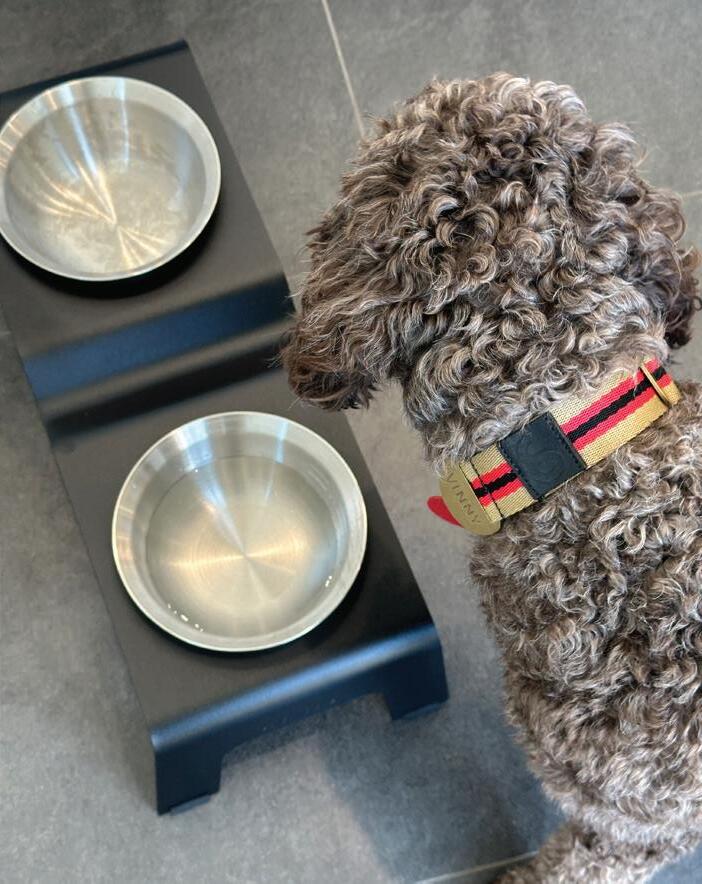
PIHA Dog Collar 35mmSand Red®
subwoofer
Finally, luxe that lasts for the solid unit in your life. Each of the brass components on our collar spends 10+ hours in production and finishing to achieve its hand-feel and colourlocked patina.
$199.00
oHOPE ELEVATED BOWL DUO
Subwoofer
Finally – a dog bowl you’ll be proud to leave out. Quality like this is an investment: guaranteed for five years and built to last a decade. Silent, steady, refined, with thoughtful details from the central ear dip to the easy-lift rim and stamped measures.
$249.00
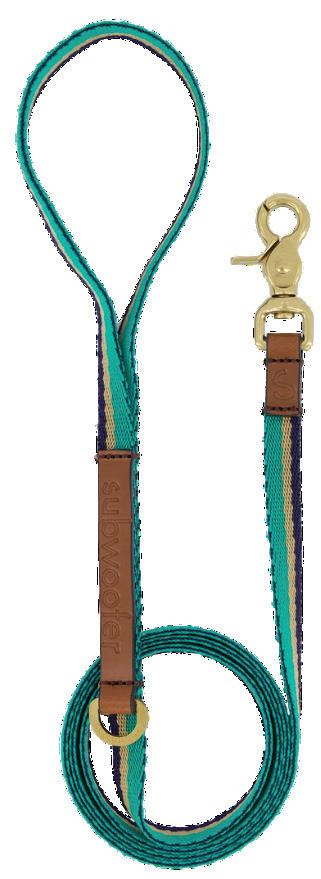
Papamoa Dog Leash
Emerald Sand
subwoofer
Designed with diminutive dogs in mind, this streamlined lead is 50% lighter than our standard lead thanks to slim webbing, less hardware, and a fixed handle. It's the perfect match for our 14mm Piha dog collars.
$159.00
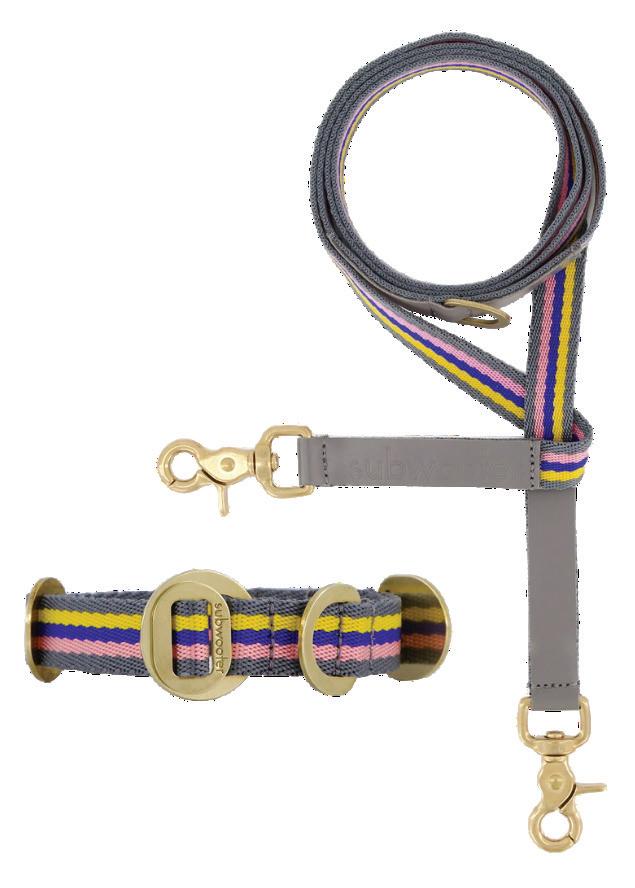
Starter Set Collar + Lead Small
subwoofer
The lead adjusts to three lengths and features an opening handle that secures easily around a post or table leg — perfect for café stops or quick errands. Guaranteed for five years and built for daily use.
$350.00
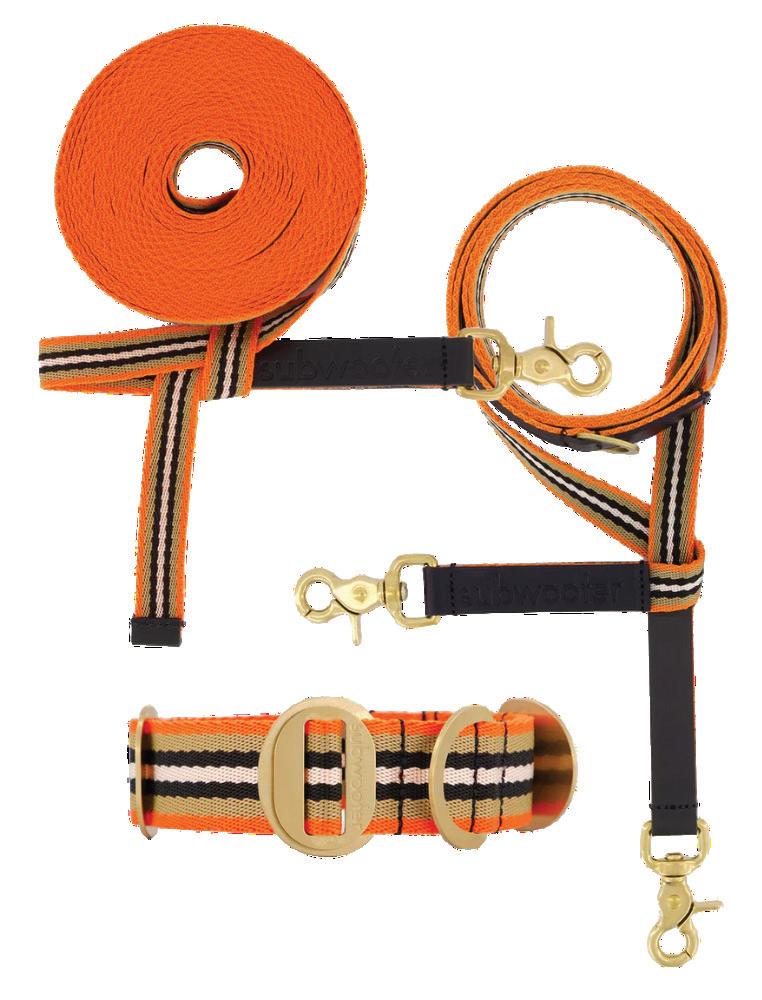
Explorer Set - Collar + Lead + Long Line Large
subwoofer
Built for big dogs, the matching set of Piha dog collar, Takapuna lead and Muriwai long line combines strength, style and serious utility.
$470.00
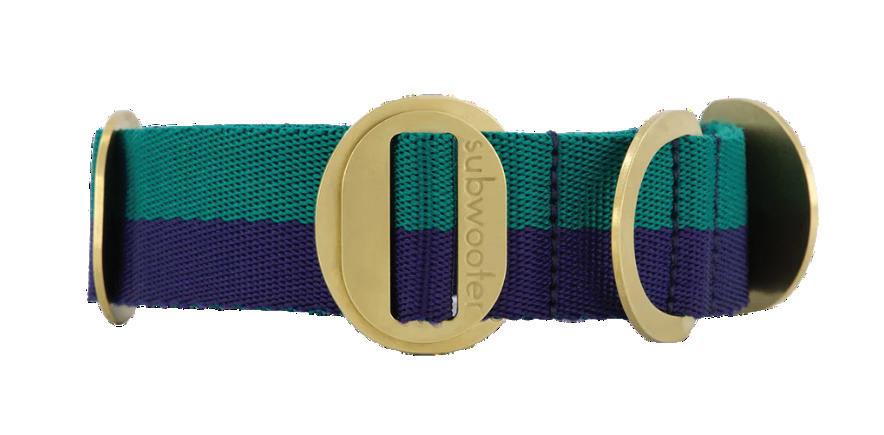
PIHA Dog Collar
Large - Navy Forest®
subwoofer
Hand-made in small batches here in New Zealand and paired with marine-grade webbing in our exclusive stripes, this collar is guaranteed to look sharp for at least five years.
$199.00

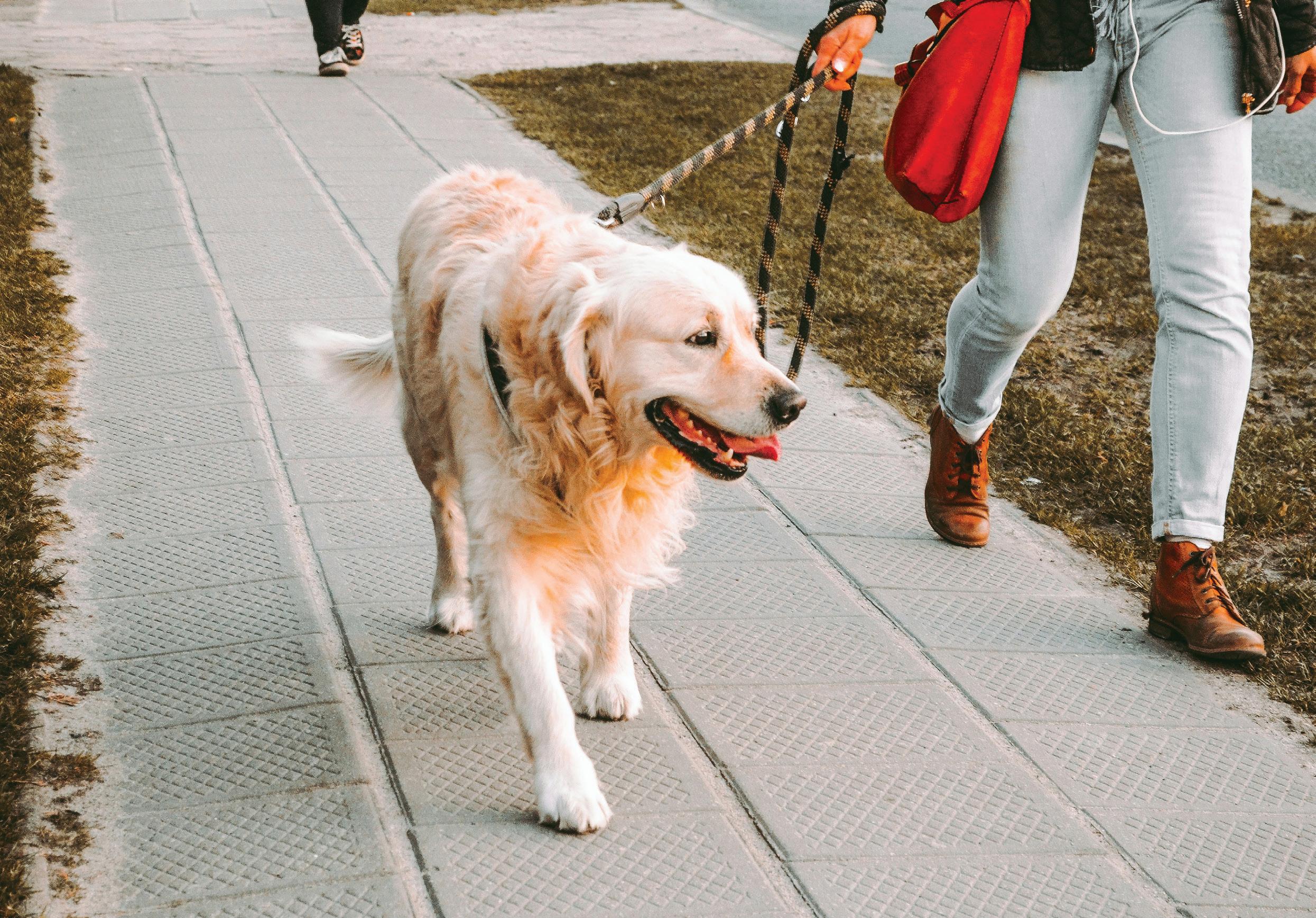
A Working Dog in a City World
Your dog is awake before you are. Eyes open. Body alert. Watching the street like something important might happen at any second. You are still in your dressing gown.
If you share your city home with a border collie, kelpie, heeler or shepherd mix, this scene will feel familiar. These dogs were bred to work from sunrise to sunset. To move stock. To read situations. To respond fast. Sitting quietly while the city hums below was never part of the original plan.
When a working dog has no clear outlet, they create one. They patrol the house. They bark at the lift. They monitor the window. They reorganise cushions. From their point of view, they are not misbehaving. They are doing what they were built to do.
These breeds are wired for engagement. They notice patterns. They anticipate change. They thrive on structure. A quick
walk before work and another after dinner is rarely enough on its own.
More exercise helps, but it is not the full picture. You can cover a lot of ground and still come home to a restless dog if their brain has not been challenged. Mental effort is what makes the difference.
Think small and regular. Five minutes of training can go a long way. Teaching a new cue. Practising recall. Learning to wait calmly. Settling on a mat. Calm does not always come naturally to working dogs, but it can be taught.
Food is an easy win. Swap the bowl for puzzle feeders. Hide treats around the house. Scatter food in grass during walks. Freeze part of a meal so it takes longer to work through. Eating can be a job too.
Routine matters more than people realise. When the day follows a pattern, dogs relax. Walk. Train. Rest. Repeat. Predictability reduces the urge to control the environment.
Small tasks help as well. Carrying a light backpack if they are fit. Waiting at doors. Putting toys away. These are not tricks for show. They give a sense of purpose.
Living in the city with a working breed is not a mistake. It just requires intention.
A tired dog is not one that has walked the farthest. It is one that has had something meaningful to do. When you give your city dog a job, even a modest one, the change is often immediate. Calmer behaviour. Better focus. And finally, a dog who can switch off and rest.

Comfort Tool or Convenient Myth?
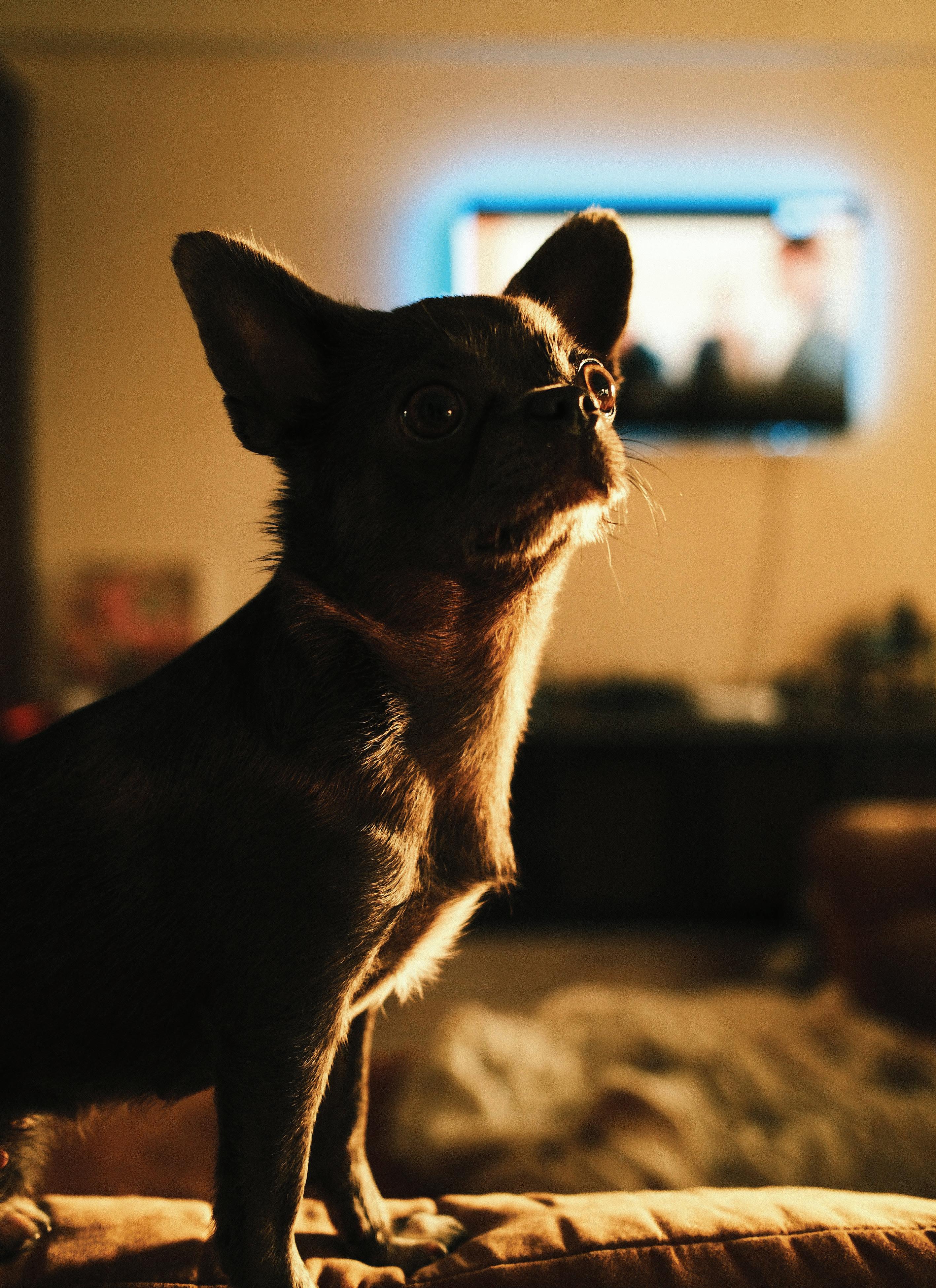
You close the door. Your dog gives you that look. The one that feels equal parts confused and offended. So you do what many owners do. You leave the television on.
It feels like a small kindness. Voices in the background. A bit of movement. The sense that the house is not completely empty. But does the TV actually help your dog, or does it just help you feel less guilty about leaving?
The honest answer is that it depends. Some dogs do seem to settle better with background sound. Dogs are social and many are tuned in to human voices. A lowvolume TV can soften silence, especially in apartments or busy areas where every hallway noise or car door echoes. If your dog startles easily at outside sounds, steady background noise can take the edge off those sudden disruptions.
This tends to work best for dogs who are only mildly unsettled when left alone. These are the dogs who might pause at the door when you leave, then curl up and sleep once the house goes quiet. They are not distressed by your absence as much as they are alert to silence and unexpected noise. That distinction is important. Television does not replace you. It does not reassure a dog that is genuinely anxious about being alone. Dogs experiencing true separation anxiety are upset by the absence of their person, not the lack of sound. In those
cases, random voices from a screen do not offer comfort. They may even mask the problem rather than improve it.
What you leave playing matters just as much as whether the TV is on at all. Calm, predictable content is more likely to help than high-energy programmes. Action films, raised voices, sudden music changes, or dramatic sound effects can keep some dogs on edge. Others react to animals on screen as if they are real. Instead of resting, they pace, watch intently, or bark.
Temperament plays a role too. Highly alert dogs, including many working breeds, may treat the television as something to monitor. If your dog stares at the screen, tracks movement, or reacts to sounds while you are home, it is unlikely to be calming when you are not there. For these dogs, the TV becomes another task rather than background comfort.
Consistency also matters. Dogs generally relax more with steady, repetitive sound than with audio that changes tone and volume throughout the day. This explains why the TV might seem helpful one day and ineffective the next. It is not the idea of television that is working or failing, but the type of sound it produces.
Over time, many dogs also get used to it. What initially softens the quiet can fade into meaningless background noise. That is not harmful, but it does highlight the limits of using TV as a long-term solution.
Cats are a slightly different story. Some are briefly fascinated by birds or fastmoving images on screen. Most adult cats lose interest quickly. For them, the television is rarely comforting or upsetting. It is usually just something that happens in the room.
For both dogs and cats, the same rule applies. Television is not enrichment. A bored pet with the TV on is still bored. If separation anxiety is significant, background noise alone will not resolve it.
If you want to try leaving the TV on, keep it simple. Low volume. Calm content. Watch how your pet responds while you are still home. If they settle more easily, it may be a helpful support. If they stay alert or restless, it is not doing what you hoped. Sometimes the television is more for us than for them, and that is understandable. But what pets really rely on is routine, mental stimulation, and the quiet confidence that you will always come back through the door.
Fur & Fine Art
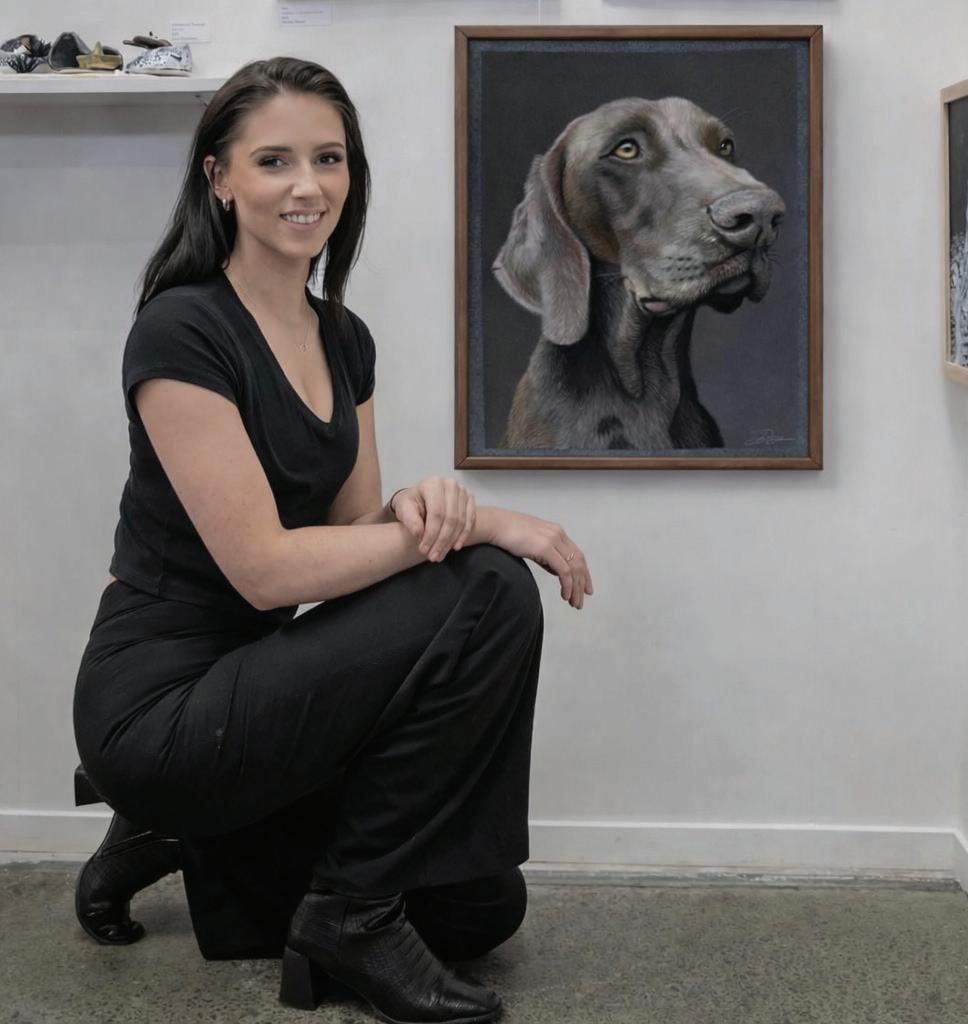
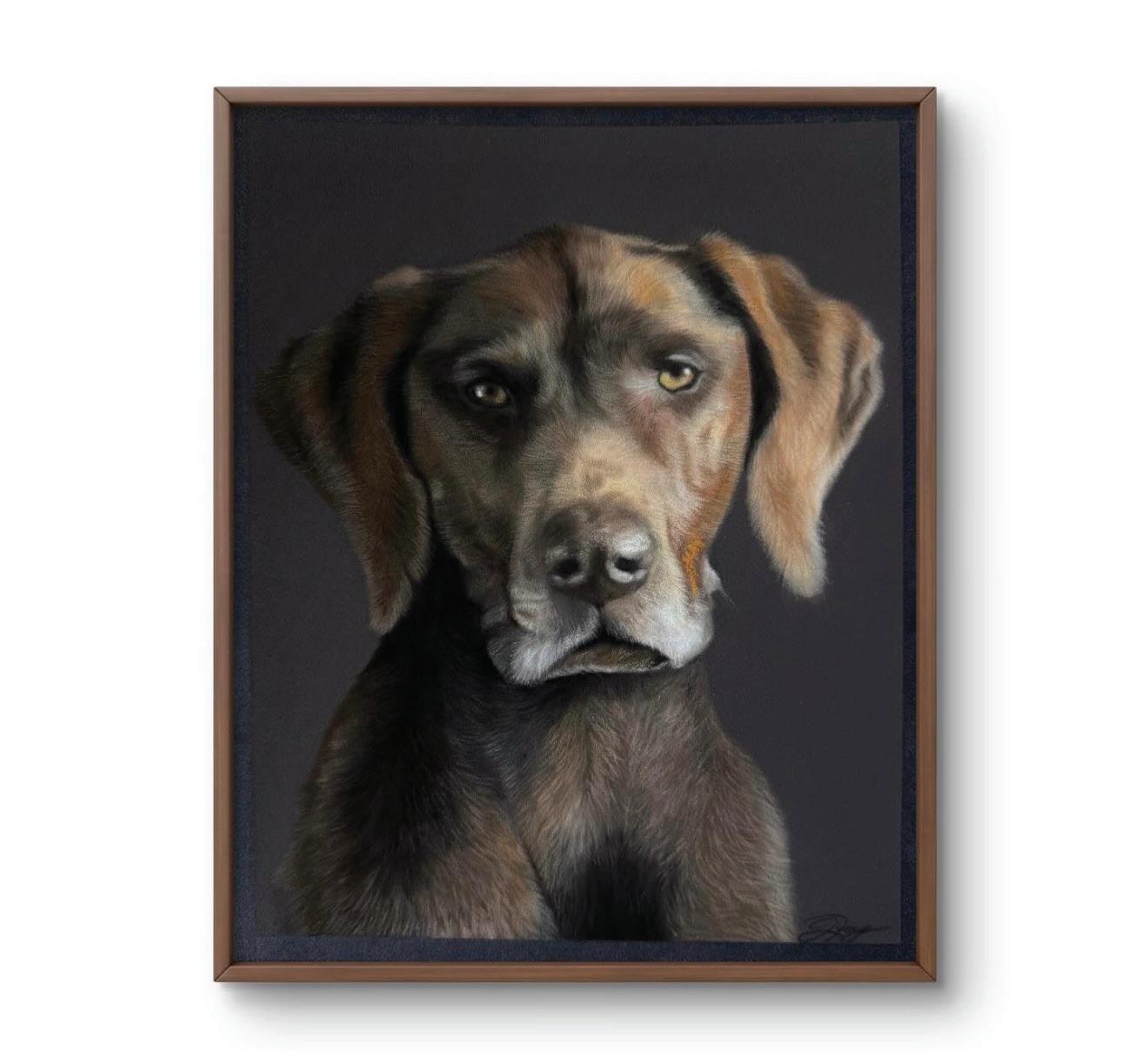
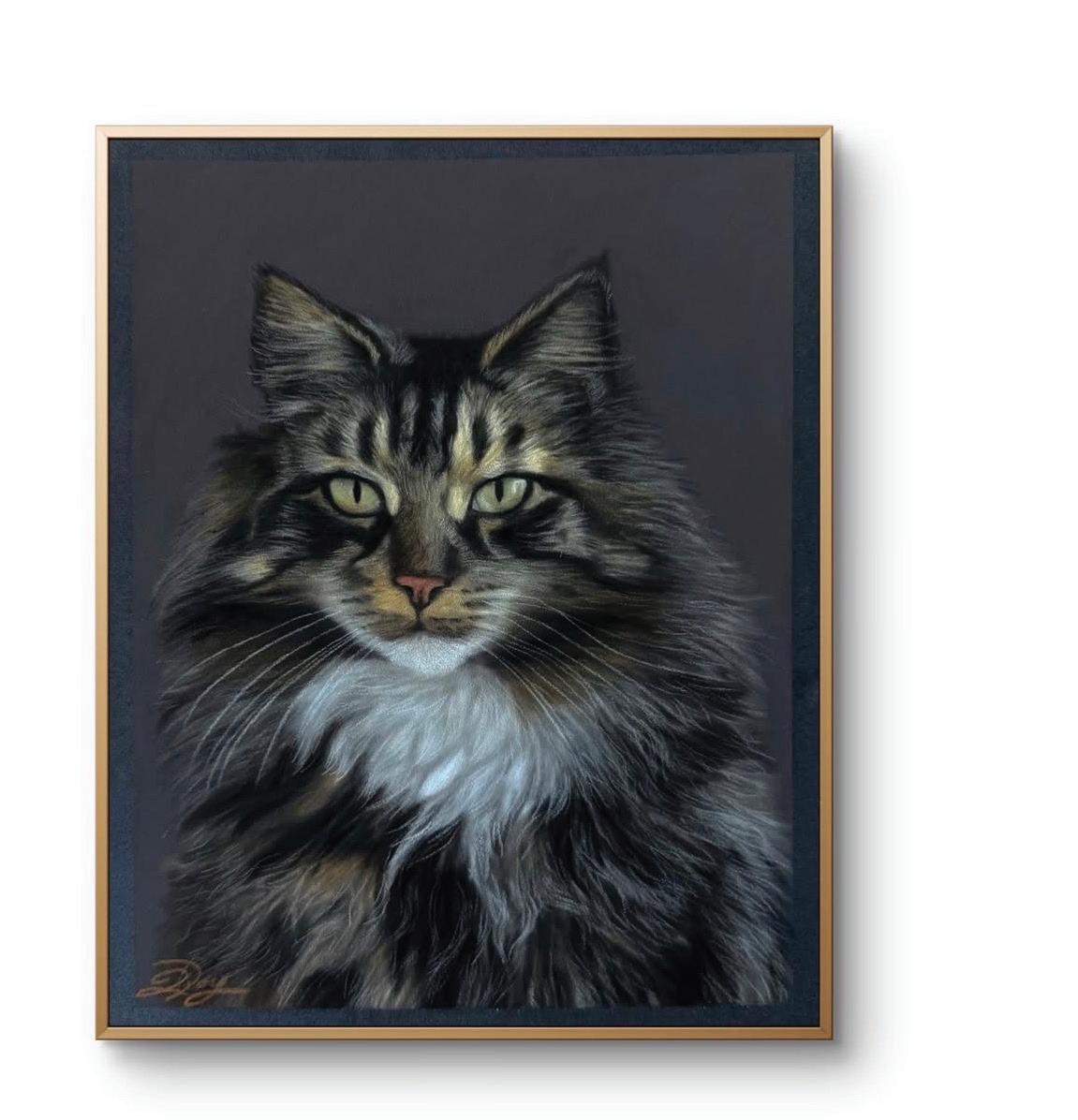
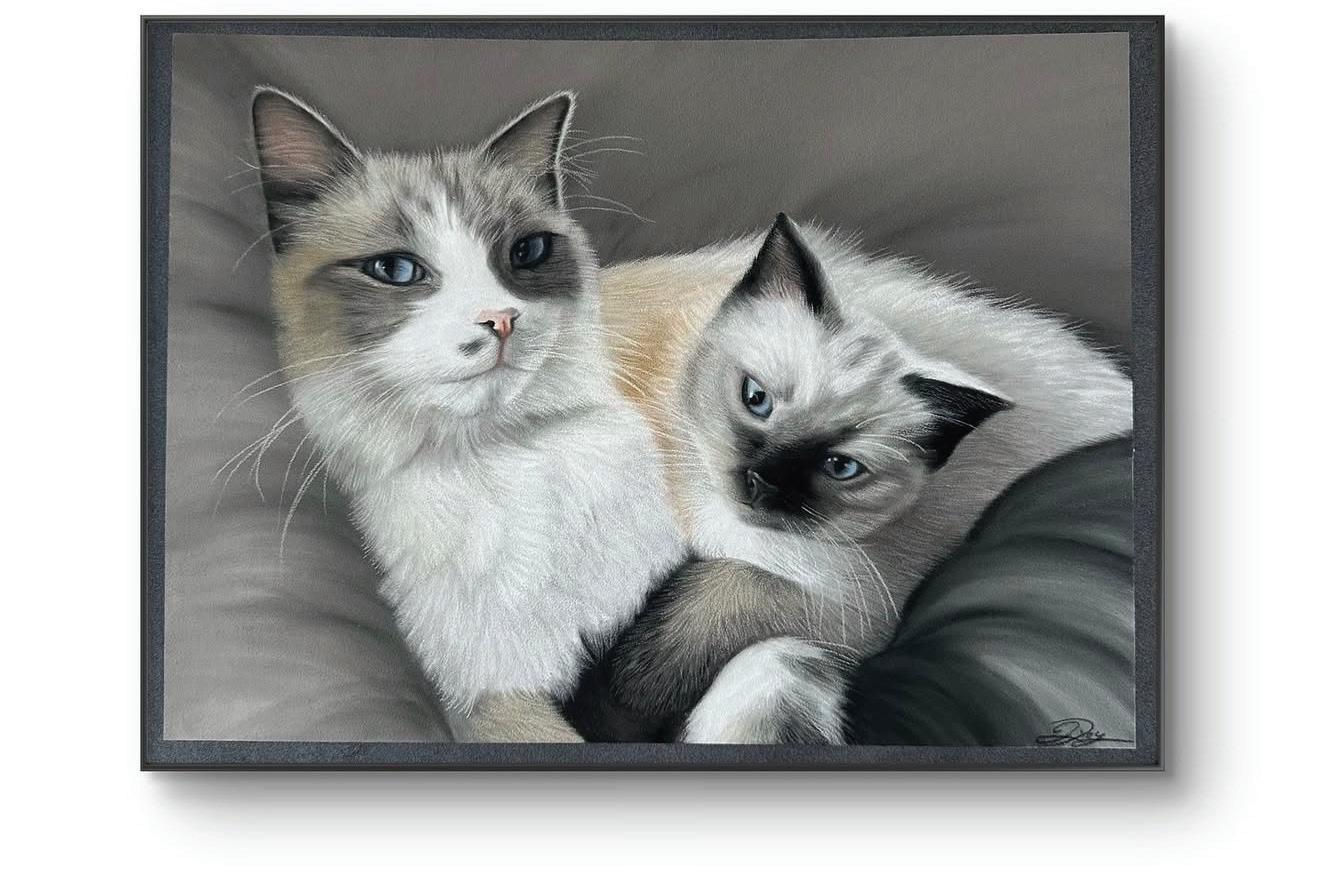
Based in Coatesville, New Zealand, pet portrait and wildlife artist Jacqueline Foy has always been a creative with art running through her family.
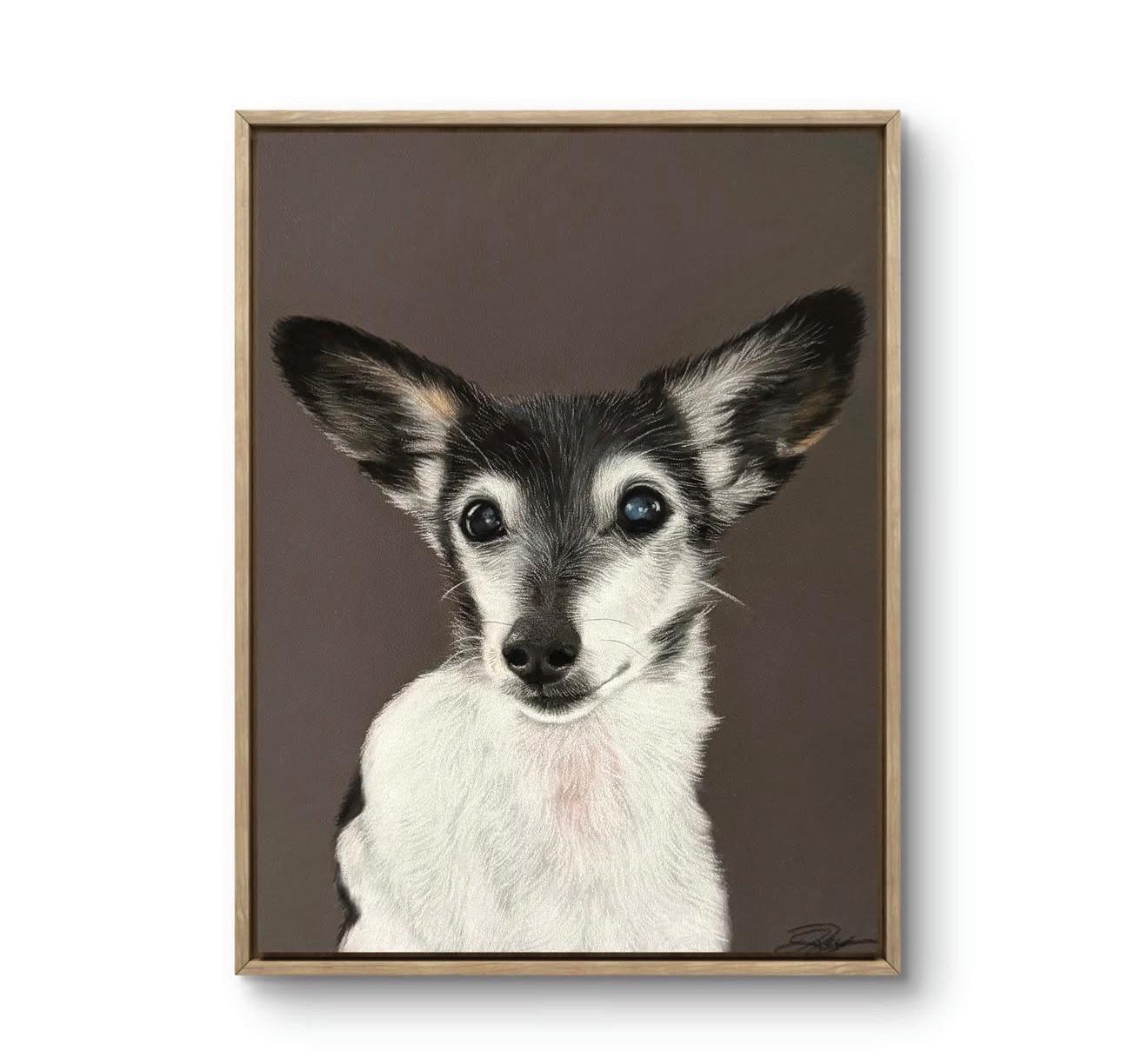
From a young age, drawing was the one place she felt most at home and at school, she naturally excelled. With a focus on refined realism and emotional nuance, Jacqueline works with high-quality German pastels on professional Pastelmat paper. Each piece is carefully layered to capture the subtle textures of fur, the clarity of the eyes, and the personality of the animal itself.
The practice is highly process-led. Every portrait typically requires five to eight hours of focused work, and sometimes longer depending on coat complexity, colouring, the number of subjects, and the level of fine detail requested.
Jacqueline said the medium allows for soft yet highly precise rendering, resulting in artworks that feel both lifelike and intimate when viewed up close.
Commissions begin with client-supplied photographs, ideally taken in natural light to ensure accurate tone and detail. From there,
the strongest reference image is selected and translated faithfully into pastel.
At the same time, Jacqueline understands that sometimes a pet may no longer be with us, and can also work with whatever photos are available. While multiple images are preferred, the process remains flexible and can accommodate limited photo material, which is often the case for memorial portraits.
“I work closely with each client to select the strongest reference image, and the final portrait is drawn true to that chosen photo.”
A defining feature of the work is its emotional context. Many commissions are created to mark significant moments, from celebrating a new companion to honouring the memory of a much-loved pet.
The finished portraits are positioned less as decorative pieces and more as personal keepsakes that preserve a specific bond and moment in time.
Size: 24 x 30cm
Price: NZD 400 (includes shipping within Auckland; additional costs apply for those in other regions)
Those interested in ordering a pet portrait can email jacquifoyart@gmail.com or DM @jacquelines.arts on Instagram.
Readers of Fennec & Friends receive a 10% discount when they reference us at the time of booking.
Zoomies for a Cause
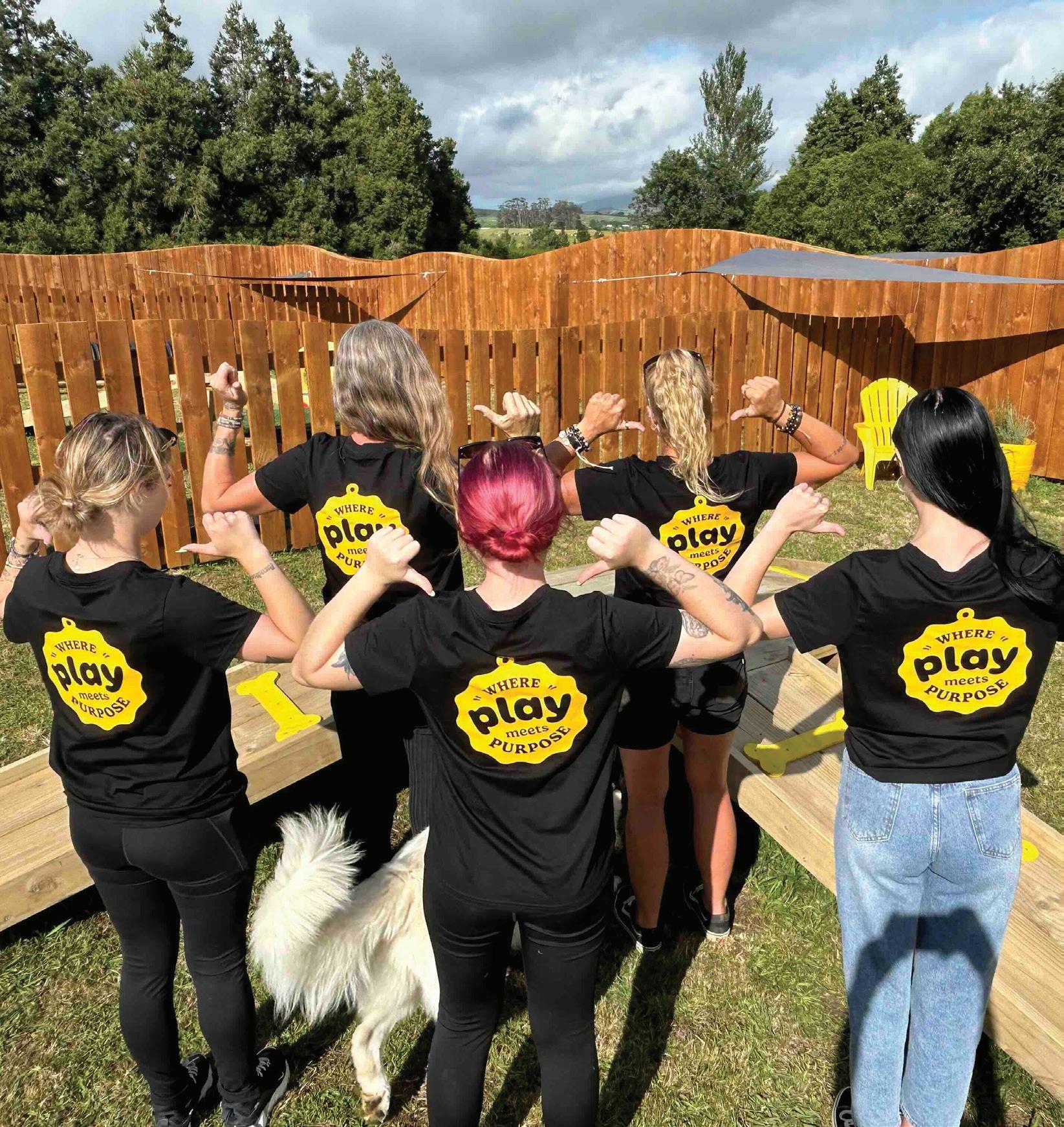
Floofsters, a doggy daycare where all profits go towards an animal charity, was an idea Latesha Hearth had about five years ago.
After starting The Values Trust and becoming a board member at Helping You Help Animals (HUHA), Latesha felt it made perfect sense to support all the amazing work they do across the country.
“We like to think of it as supporting animal welfare from both sides of the spectrum; a safe, happy place for beloved pets to play, which then funds care for atrisk dogs that need our love as well,” said Cindy Randall, centre manager.
“Doggy daycare has become more needed by working pet parents, so why not have the profits go to animal welfare. Donations are harder to expect from people in this climate, so profits from a service are so much more practical, a total win-win. From desexing campaigns to supporting their dog shelter and community vet services, there is so much in the HUHA projects pipeline that we can't wait for Floofsters to contribute to!”
Cindy described a typical day for a dog at Floofsters as ‘Play, sniff, nap - repeat.’
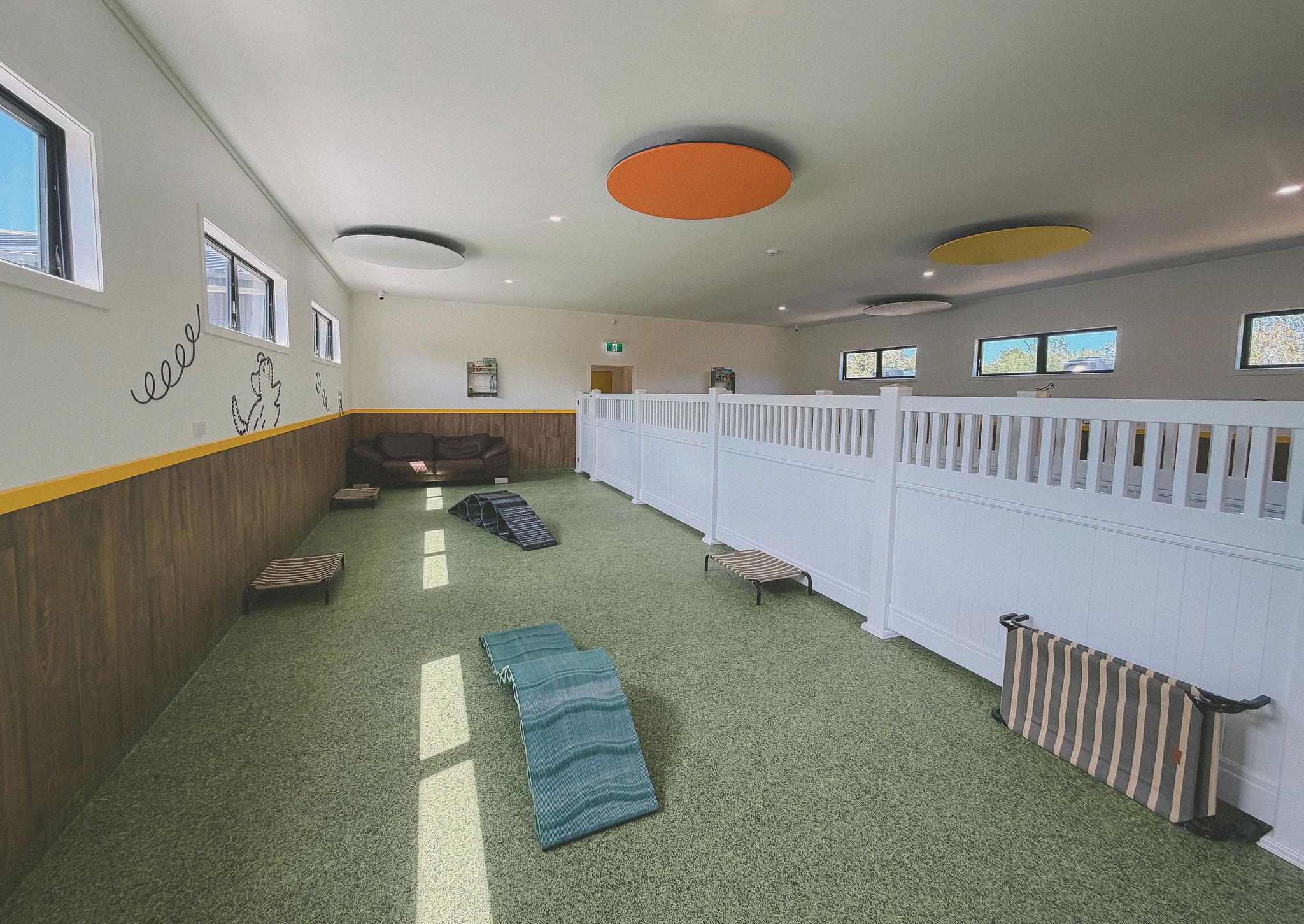
Once the pets have been dropped off in the morning, they head outside for playtime and zoomies. Then it's group naptime at midday, with relaxing music playing, snuggles, and stories read.
Recharged, they head back outside for
more fun, agility time, water play and chill until pick-up time.
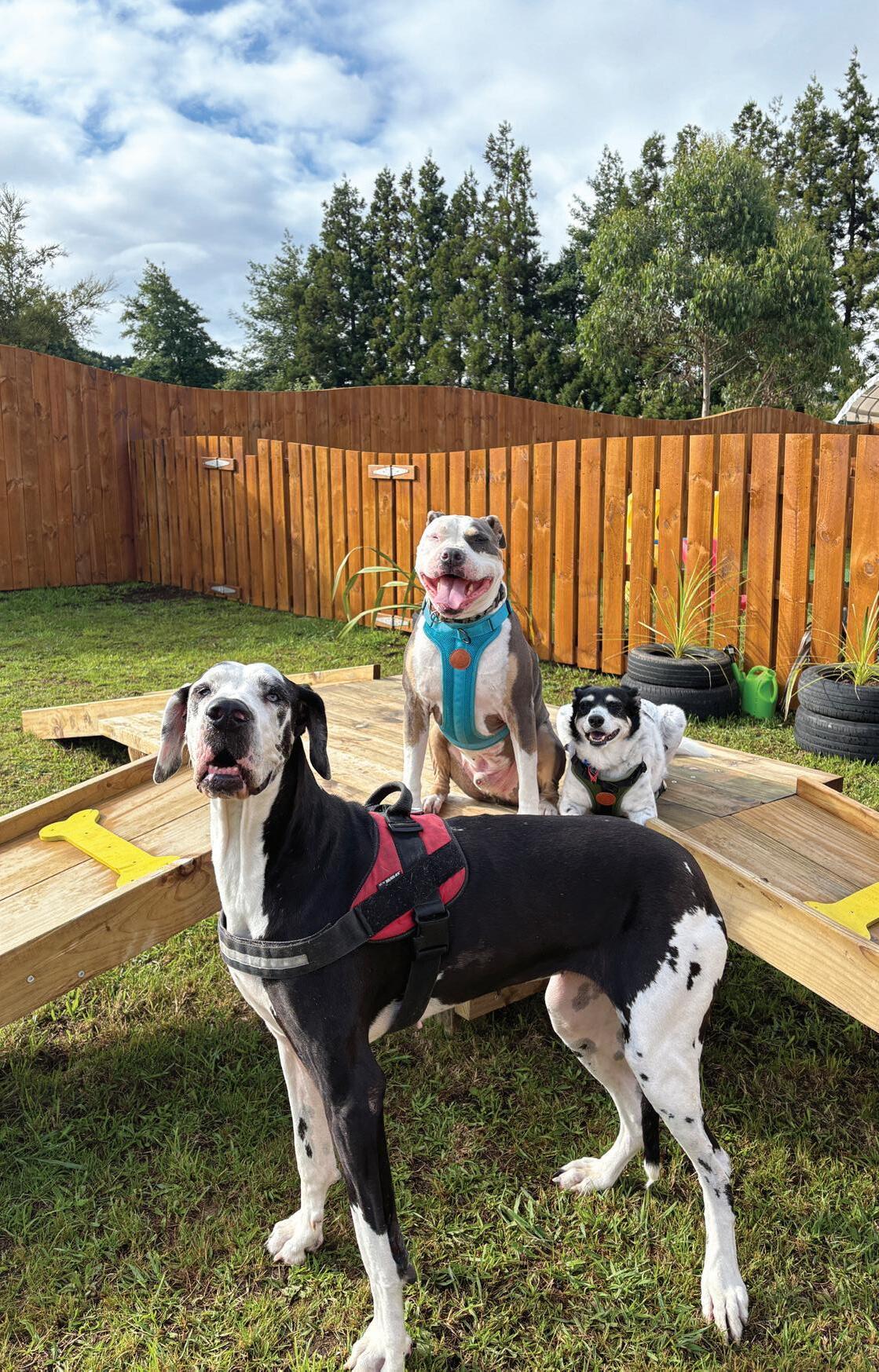
“They love running on platforms, and the sandpit is a hit, too! They also love being outside and running around on the grass with their friends. The couches in the chill zones are also very popular.”
Their parents have told us they notice their confidence improving when out and about as well. Now, from the moment they turn down our driveway, they are pumped. They also love how chill they are at the end of the day.
The entire facility has been divided into Big and Small dog play areas, so the dogs are always with others that match their size and play style. They can be split into High and Low energy so that they can find the right playmates within their size group.
They also always have a human with them who is experienced in dog behaviour to step in when needed and make sure playtime stays in the fun zone.
Cindy highlighted that socialisation was critical in all areas for happy, well-developed and confident dogs. She has already noticed some of the newer, anxious dogs becoming more confident after a few visits to daycare.
“Their parents have told us they notice their confidence improving when out and about as well. Now, from the moment they turn down our driveway, they are pumped. They also love how chill they are at the end of the day.”
She said that watching an anxious, shy little dog go from hiding in a corner to
coming out of their shell and running around with the other dogs is such a rewarding team effort of kindness and confidence-building.
Even if they work from home, Cindy suggested paw-rents try a doggy daycare, as it is so beneficial for dogs to have social time, learn to be brave away from home, and generally become more confident, happy dogs.
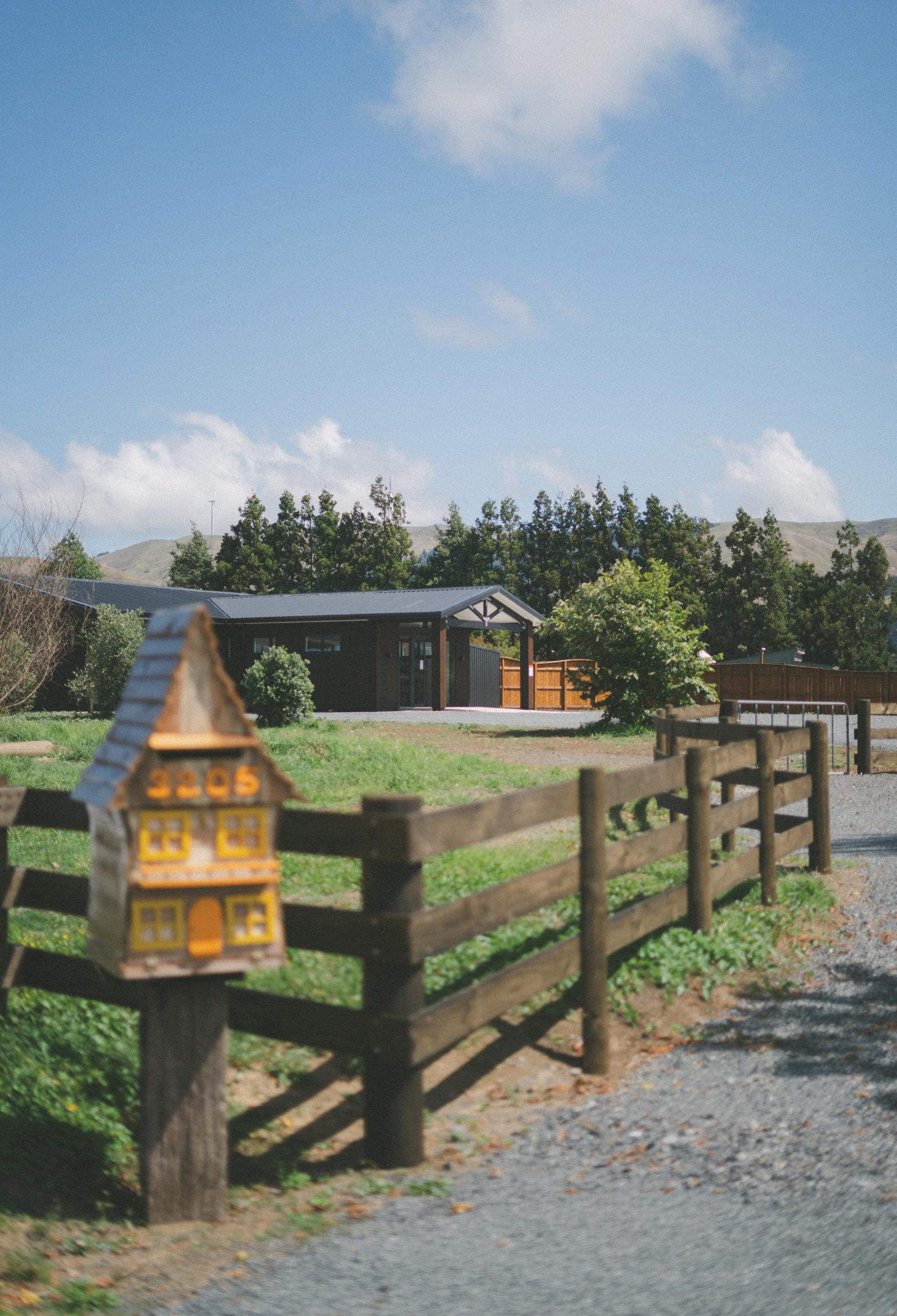
Being located in Raglan, Floofsters has fit well into the dog-loving community. She said it was worth noting that Floofsters would have only 40 dogs at any given time, making it dog-focused. The locals also care about social causes, so the feedback has been positive.
“We are working to become the 'doggy hub' of Raglan with our daycare and doggy retail store,” added Cindy.
“Pet physio and grooming services will also operate out of our building, and we are also partnered with the local dog trainer.”
Over the next few years, Cindy and team hope to have a full roster of Raglan dogs and host various HUHA projects. This flagship Raglan location serves as a testing ground to validate the model, build the brand, and then open Floofsters locations nationwide, along with an online store to reach people passionate about animal welfare.
Chirps & Chatter with Charming Companions
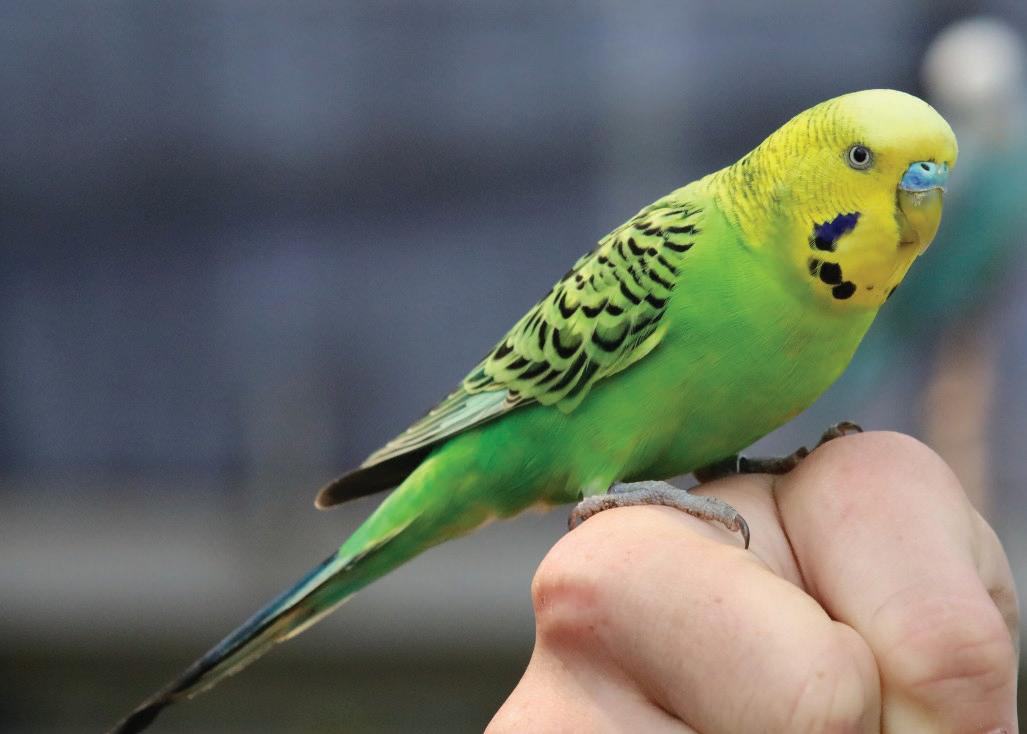
The distinctive chatter of budgerigars has been a soundtrack to New Zealand childhoods for generations.
From Auckland to Invercargill, these small birds have occupied corner cages with their cheerful chirps punctuating family dinners and lazy Sunday afternoons.
It's easy to see why budgerigars are considered one of New Zealand's most popular pet birds. They are charming, intelligent companions that pack remarkable personality into a small body. Accessibility and affordability also play a significant role. Budgies are relatively inexpensive to purchase, with pet shop
birds typically costing NZD 20 to NZD 60, though they may occasionally be available for adoption or through rehoming. Their small size also makes them suitable for apartment living or homes without large outdoor spaces. For families wanting to introduce children to pet ownership, budgies seem like a manageable first step. Intelligence and personality set budgies apart from other small pets. A wellsocialised budgie can form genuine bonds with its human caretakers, seeking out interaction and responding to familiar
voices. With proper care, they can commonly live 8 to 12 years.
Over the years, visual appeal has also been enhanced through generations of selective breeding. While wild budgerigars display green and yellow plumage with black barring, captive breeding has produced an extraordinary range of colours: blues, whites, yellows, greys, and violet shades, along with various pattern mutations such as pieds and spangles.
Although budgerigars are popular pets, they often receive inadequate care, partly

because their reputation as 'easy pets' results in insufficient attention to their nutritional needs, living conditions, mental stimulation, and veterinary care, all of which compromise their welfare in domestic settings.
The conventional pet budgerigar setup typically features a lone bird in a cage, with only a mirror to provide social stimulation.
Standard budgerigar cages available in pet stores, often about 40cm wide, offer only just enough space for a budgie to spread its wings fully. Providing more space is preferable. The cage should include nesting boxes or areas with shrubbery cover where budgies can feel safe and have places to hide and rest.
Toys should be rotated regularly to maintain interest, e.g., foraging toys that hide treats, shredding toys made from paper or palm leaves, climbing structures, wooden ladders, rope perches, and tree stands all serve different enrichment functions.
Budgies also enjoy bathing, so providing a shallow dish of water helps maintain their well-being.
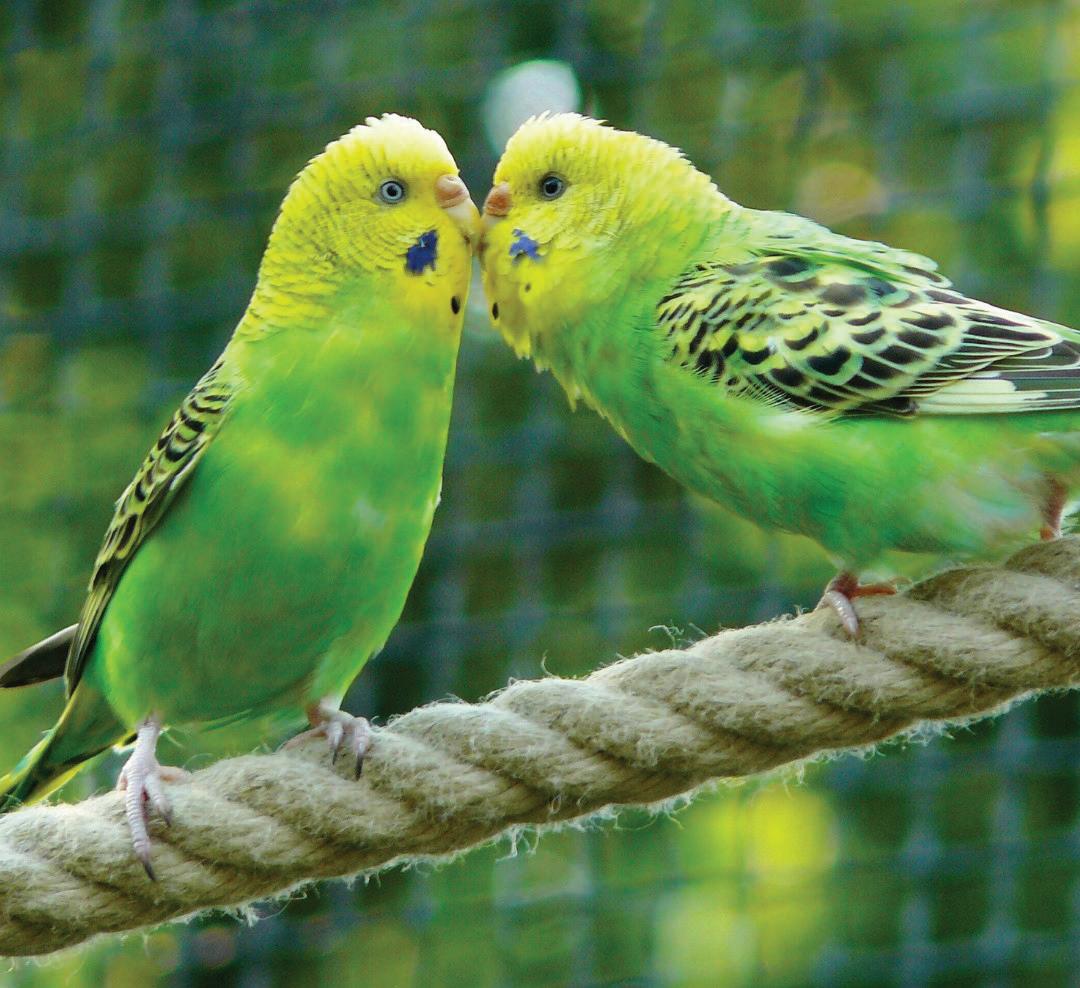
It is also important to give budgies supervised time outside their cages and to provide environmental enrichment (e.g., foraging toys). Several hours of free flight daily help maintain physical health and provide essential mental stimulation. This requires careful preparation: close all windows and doors, keep other pets out, turn off ceiling fans, hide electrical cords, remove or secure household plants (many are toxic), and cover large mirrors and glass windows to prevent collision injuries.
A balanced diet is essential for budgerigar wellbeing, yet many pet birds receive inadequate nutrition. Commercial seed mixes may be high in fat and deficient in essential nutrients, and seeds alone cannot provide complete nutrition.
A proper diet should consist predominantly of high-quality pellets formulated for budgerigars, supplemented daily with a variety of fresh vegetables, sprouted seeds, and limited fruit offered weekly as treats.
Pellets are recommended as the dietary foundation because they provide balanced nutrition that birds cannot selectively avoid, ensuring they receive all required nutrients rather than choosing only their preferred (and often least nutritious) food items.
Budgerigars must have access to fresh, clean water at all times, and mineral blocks
should be provided for essential calcium, particularly during moulting or breeding.
Caring for budgerigars requires more than casual attention; these intelligent, social birds have specific needs for companionship, space, diet, mental stimulation, and veterinary care. Even in pairs, they benefit from daily interaction with their human family, who become part of their flock.
Rather than assuming they are “starter pets,” prospective owners should assess whether they can provide the right circumstances: a suitable home, at least two birds, a varied diet, and a decade-long commitment.
When those needs can be met, budgerigars are delightful, engaging companions; if not, it may be worth reconsidering whether they are the right fit for your household.

Microchipping Can Make a Difference
Every year, the NZ Companion Animal Register (NZCAR) helps reunite hundreds, if not thousands, of animals with the people who love them.
The 2025 data showed clear patterns that tell an important story about why microchipping and registration matter.
THE NUMBERS AT A GLANCE
108,930 animals were registered on NZCAR in 2025, helping ensure pets could be identified if they went missing. This brings the total animal records on the NZCAR to 1.5 million.
More than 10,000 pets were reported lost on LostPet during the year (of these, nearly 9,000 were marked as found or had listings that expired).
Over 15,400 animals were reported as found by the SPCA, shelters, or members of the public, who were trying to identify their guardians or get them home safely. The number of dogs reported lost increased by nearly 10 percent compared with the previous year, highlighting the ongoing importance of prevention and identification.
WHAT THE DATA TELLS US:
• Time matters. The longer a pet is missing, the more likely it is that a microchip and up-to-date registration will ultimately bring it home.
• Registration makes a real difference. Animals that are not registered remain missing around 30 percent longer than those registered on NZCAR.
• Some species are especially vulnerable. Excluding cats and dogs, fewer than 20 percent of other animals reported on LostPet as lost are microchipped, making reunification much harder.
• Cats tend to be missing for longer. Cats are more likely to roam and may be taken in by well-meaning people, or simply go unidentified, which is why microchipping and registration are so important for cats.
Based on available records (from October 2023 onwards), December 2025 had the highest number of 'found’ pet listings to date (animals marked as ‘found’ by members of the public trying to identify their guardian or return them home).
Summer is definitely when there are more lost-and-found listings, and we are also seeing an uptick in people using the platform.
Sarah Clements, NZCAR Manager, said that NZCAR works thanks to the combined efforts of its Approved Users and the support office.
“Every day, Approved Users reunite pets with their families all across the countryoften without our team ever knowing, which is a sign the system is working. At the same time, our support office supports people through some of their hardest moments, hearing the distress and worry that comes with a missing beloved animal,” she said.
“We’re incredibly grateful for both, and we always appreciate hearing your success stories. Do reach out if you've had success being reunited with your animal as a result of their NZCAR registration, as it is a great way to give people in similar situations some well-needed hope.”
These insights reinforce a simple but powerful message: microchipping and keeping registration details up to date give lost animals the best chance of getting home, especially when time passes.
Visit https://www.companionanimals.nz/ or email info@animalregister.co.nz or call 0508 567 873 to learn about microchipping your animal or the NZCAR.
An Indoor World for Cats
Keeping a cat indoors is becoming the norm for many households, especially in cities and built-up suburbs. For many owners, it is not about rules or debates. It is simply about keeping their cat safe and ensuring they come home every night. The good news is that indoor life can be great for a cat, as long as it doesn't feel boring.
Cats are often described as low-maintenance, but that only works if their world offers enough to do. A cat with nothing happening around them will find their own entertainment, which usually shows up as scratching furniture, waking you up at night, eating out of boredom, or licking themselves constantly. That is not misbehaviour. It is a cat asking for more stimulation.
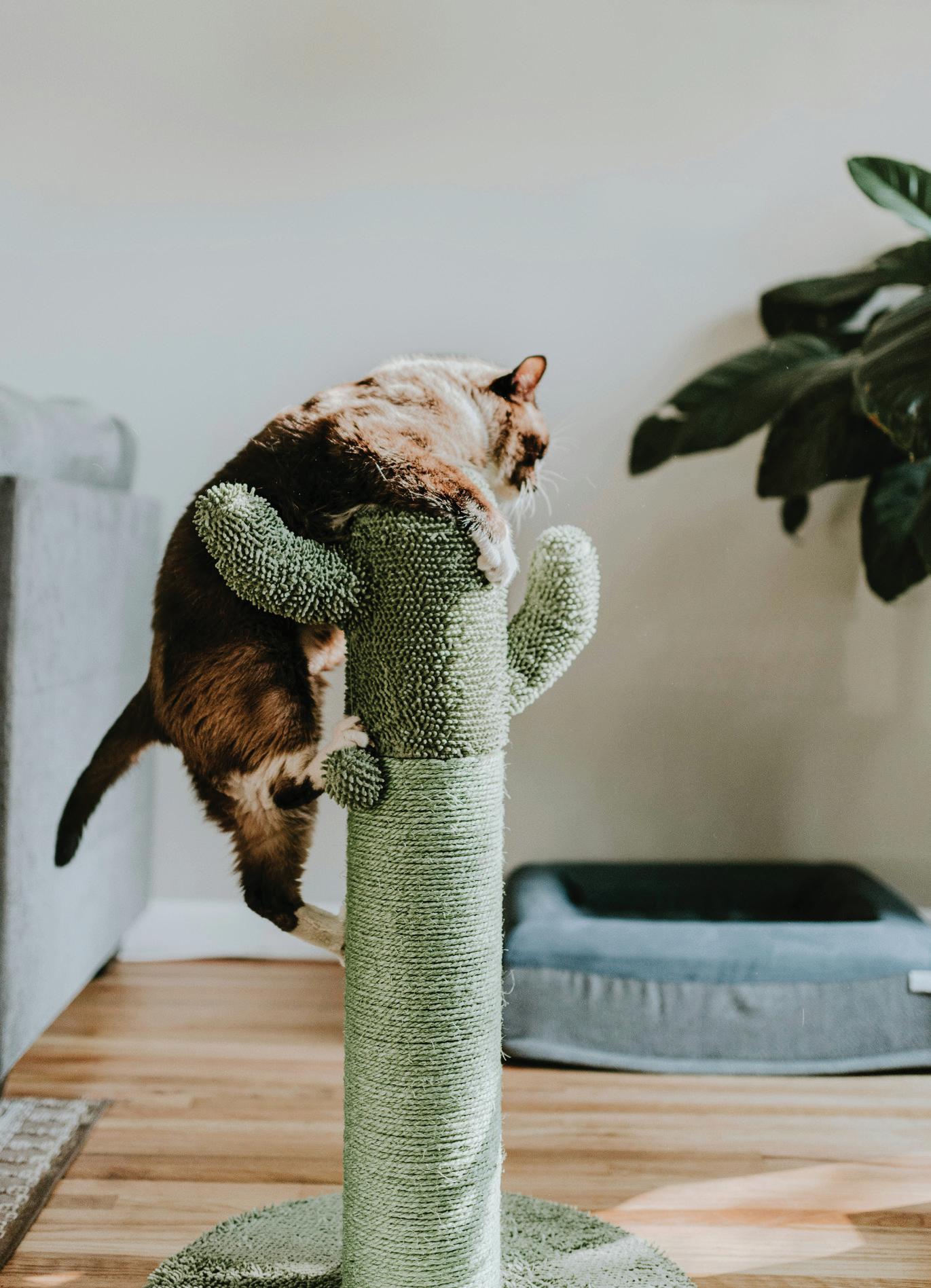
One of the biggest game changers for indoor cats is height. Cats feel calmer and more confident when they can get up high and survey their space. A tall cat tree, a window perch, or even a clear shelf they can sit on can quickly become their favourite spot. Watching the outside world through a window provides hours of mental stimulation, even if they never step outside. Hiding places matter just as much. Cats like to choose when they are social and when they are not. Covered beds, cardboard boxes, or a quiet corner under furniture give them somewhere to retreat when the house feels busy. Something as simple as a box left out for a few days can
become a prized hangout.
Playtime does not need to be intense or time-consuming. In fact, short bursts work best. Five or ten minutes once or twice a day can make a huge difference. Wand toys, feathers, toy mice, and balls that roll unpredictably tap into natural hunting instincts. Rotating toys keeps them interesting, and putting some away for a few days can make old favourites exciting again.
Food is another easy way to add interest to an indoor cat’s day. Instead of serving every meal in a bowl, turn feeding into an activity. Puzzle feeders, treat balls, or hiding small amounts of food around the house encourage cats to think, move, and “hunt”. DIY options work just as well. Toilet roll tubes, paper bags with handles removed, or a cardboard box with holes can all be used as feeding games.
For owners who want to offer fresh air without the risks of roaming, catios are growing in popularity. A catio is a secure outdoor enclosure that lets cats enjoy sun, breeze, and outdoor sounds while staying safe. They do not need to be large to work well. A climbable level, a shaded spot, and
a comfortable place to sit are far more important than size. Enclosed balconies and cat-proofed patios can offer similar benefits.
Yes, some cats even enjoy screen time. Tablet games designed for cats, with moving fish, bugs, or mice, can be surprisingly engaging. These are best used in moderation and with supervision, and a screen protector is a wise investment. Think of them as a fun extra rather than a replacement for real play and movement.
The biggest mistake with indoor cats is assuming they will happily sleep all day. Most will, but not because they are content. When you give an indoor cat things to climb, chase, scratch, hide in, and puzzle over, their whole mood changes. They become calmer, more settled, and more confident.
You do not need a perfect setup or expensive gear. A bit of creativity, a few daily habits, and the willingness to mix things up now and then can turn indoor life into something genuinely satisfying. When a cat feels it owns its space, indoor living stops being a compromise and becomes home.

The Future of Cat Litter
Every now and then, something comes along in the pet world that makes you wonder why it took so long to exist. Fit Litter is one of those products.
Smart, simple and genuinely odourfree, it delivers exactly what it promises and quietly upgrades one of the least glamorous parts of cat ownership.
Anyone who shares their home with a cat knows the routine. The litter box is a daily necessity, but rarely anyone’s favourite job. Dust, lingering smells, constant scooping and litter tracking across the floor have long been accepted as part of the deal.
Created by a team with more than four decades of experience in the pet industry, Fit Litter was born from a
simple observation: while pet nutrition, toys, enrichment, and health products have evolved dramatically, cat litter has remained largely unchanged for decades.
Fit Litter is made from amorphous silica gel, a naturally occurring mineral similar to sand. The crystals are soft and gentle on paws, making the transition easy for most cats, and are household-safe and non-toxic. These crystals absorb moisture efficiently and trap odours before they spread, creating a litter box environment that is genuinely odour-free.
Another feature that truly sets this
product apart is its health-monitoring capabilities. Cats are famously good at hiding illness, and many early signs can go unnoticed. Fit Litter addresses this challenge with colour-changing indicators that respond to pH changes, helping owners spot potential health concerns earlier.
And if you appreciate convenience, Fit Litter also offers an easy subscription option that enables households to receive deliveries tailored to their usage patterns, making everyday life easier for busy pet owners.
Cosmic Cats: Mind-Games Based on Zodiac Energy
Although indoor cats live in their safe space, what’s safety without stimulation? That’s when the couch scratching and the 3 am zoomies begin, and your water glass is ‘mysteriously’ pushed off the table.
Stimulation and mental enrichment are not just about buying more toys. It is about understanding who your cat is, its energy, quirks and dramatic tendencies.
And sometimes, your cat’s zodiac sign can explain more than you’d expect. Because a Taurus cat absolutely does not play like a Gemini. And for a Leo? Playtime is a stage performance.
FIRE SIGNS:
ARIES, LEO, SAGITTARIUS
The Athletes. The Hunters.
The Main Characters.
If your cat launches at moving objects like they’re in an action movie, congratulations, you likely have a Fire sign! These cats are bold, fast, and easily bored. If you don’t provide a challenge, they’ll invent one.
Fire cats thrive on intensity. They don’t want a gentle wave of a feather wand; they want a full hunt, including fast, unpredictable movements and sudden direction changes with a triumphant capture at the end.
Short, high-energy play sessions suit them best. Five to ten minutes of focused “stalk-chase-pounce” play can do more than half an hour of half-hearted effort.
Obstacle courses made from boxes and
dining chairs? Ideal. Timed food puzzles that reward speed? Even better.
Variety is everything. If they do the same thing all the time, they will lose interest. Rotate toys weekly and change the environment slightly to keep them engaged.
With Fire signs, enrichment isn’t optional; it’s an outlet.
EARTH SIGNS:
TAURUS, VIRGO, CAPRICORN
The Strategists. The Snack Lovers.
The Routine Royalty.
Earth cats don’t waste energy. They observe first, then calculate, and then they strike, especially if food is involved.
These cats love puzzles that reward patience and persistence. Snuffle mats, lick mats, and slow feeders that require paw manipulation are their love language. Hiding treats around the house for scent tracking can also turn mealtime into a quiet mission.
They also adore structure. Feeding and enrichment at the same time each day creates a sense of security. Window perches are great for their structured neighbourhood watch duties.
The key with Earth signs is an achievable challenge. Make it rewarding and consistent. If a puzzle is too frustrating, they will simply walk away, looking like they say, “I’m not doing that.”



AIR SIGNS: GEMINI, LIBRA, AQUARIUS
The Thinkers. The Escape Artists.
If your cat opens cupboards, turns taps on, or appears to be studying you like you’re the pet, you may be living with an Air sign.
These cats crave mental stimulation, and physical play alone isn’t enough. They want something new and complex to figure out. Clicker training works beautifully here, as they can learn and enjoy tricks like target touch, high-five, and spin.
Air signs love the mental workout, and textures like cardboard tunnels, paper bags and crinkle mats keep their curiosity alive. They also get bored quickly with repetition, so small changes go a long way. Move furniture slightly. Introduce safe new scents. Swap toy types.
For these clever cats, mental exhaustion is just as important as physical tiredness. When their brain is busy, their behaviour improves.
WATER SIGNS: CANCER, SCORPIO, PISCES
The Sensitive Souls. The Deep Feelers.
The Mysterious Ones.
Water signs feel everything. Loud, chaotic play can overwhelm them, and they may become shy if the energy is too high.
Enrichment for these cats should make them feel safe and emotionally grounded.
Quiet laser sessions, soft toys for bunnykicking, cardboard box dens and enclosed beds all provide comfort. Puzzle feeders placed in calm, private spaces allow them to engage without pressure.
For many Water cats, bonding with their owner matters, and enrichment is about security as much as stimulation.
Indoor cats may be safe from traffic, but without stimulation, they are more prone to overgrooming, aggression, obesity and destructive scratching. These behaviours are not bad; they are unmet needs.
When you start seeing your cat as an individual personality, energetic, cautious, clever, and sensitive, enrichment becomes intentional. You stop buying random toys that gather dust and start creating experiences that match who they are.


What is Pawmestry?
How Your Cat’s Paws Reveal Their Personality
Move over horoscopes. Step aside, star charts. There’s a new mystical method in town, and it’s toe-bean-based.
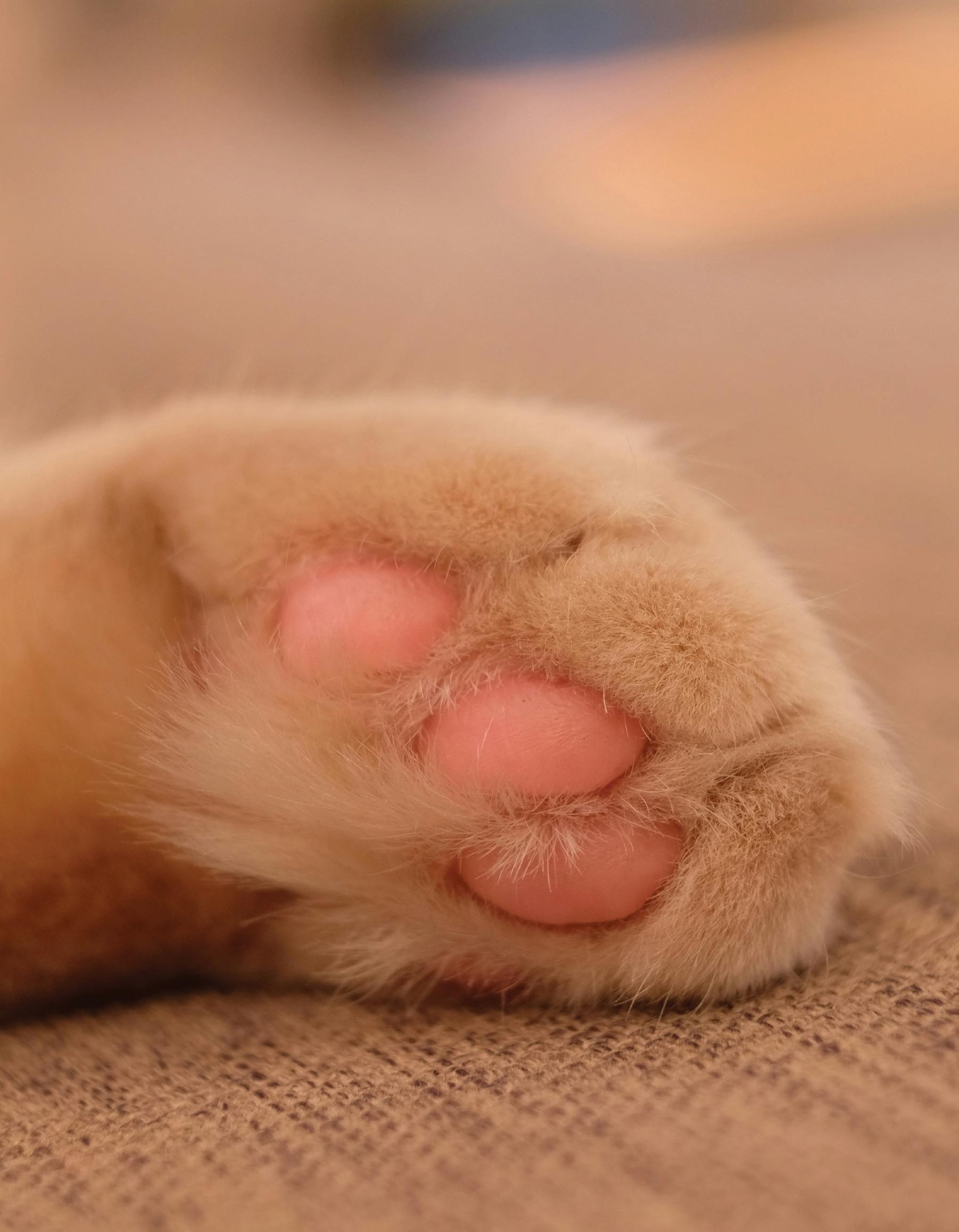
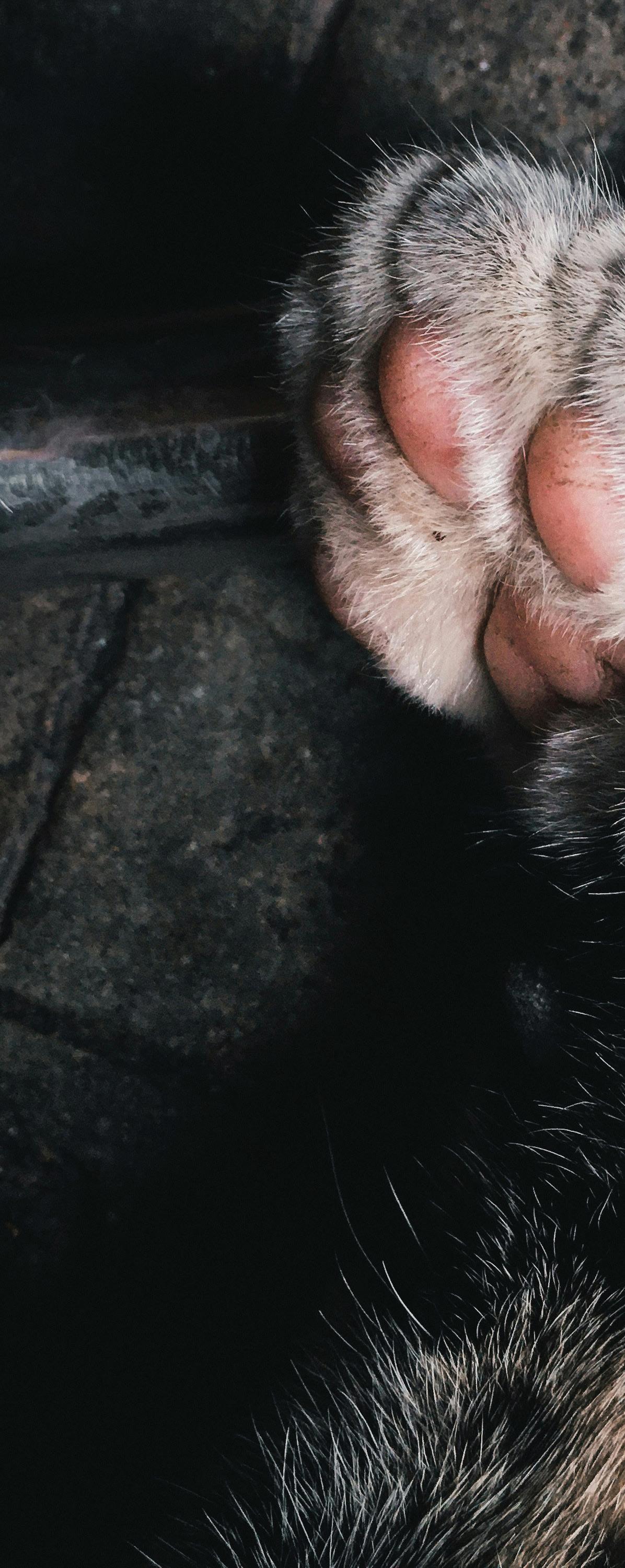
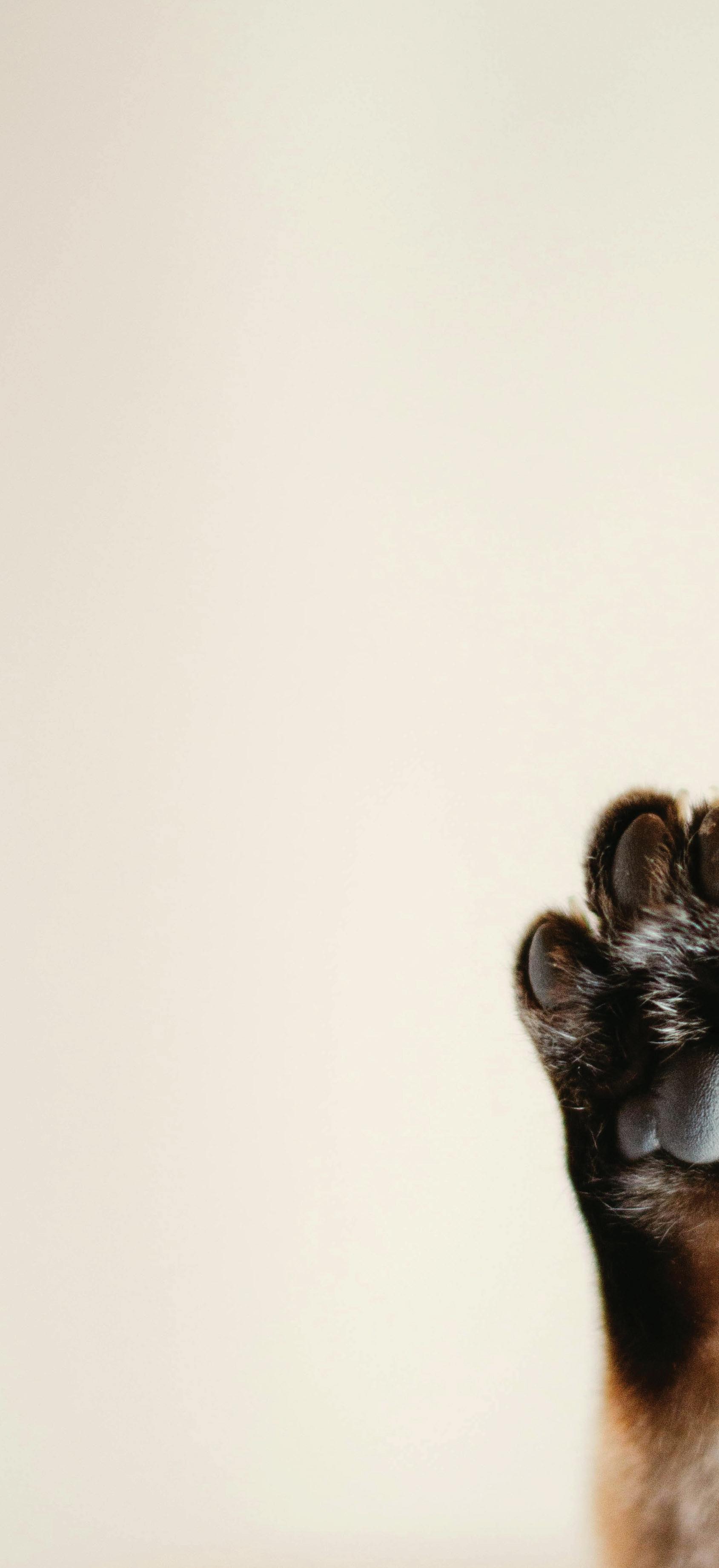
According to Japanese author and self-declared cat-loving palmist Akatsuki, you can tell your cat’s personality just by looking at their paws.
His book, Pawmestry (Nekoteso), takes the ancient human art of palmistry and applies it to our feline friends. It is a surprisingly detailed and wildly adorable guide to decoding your cat through their toe beans.
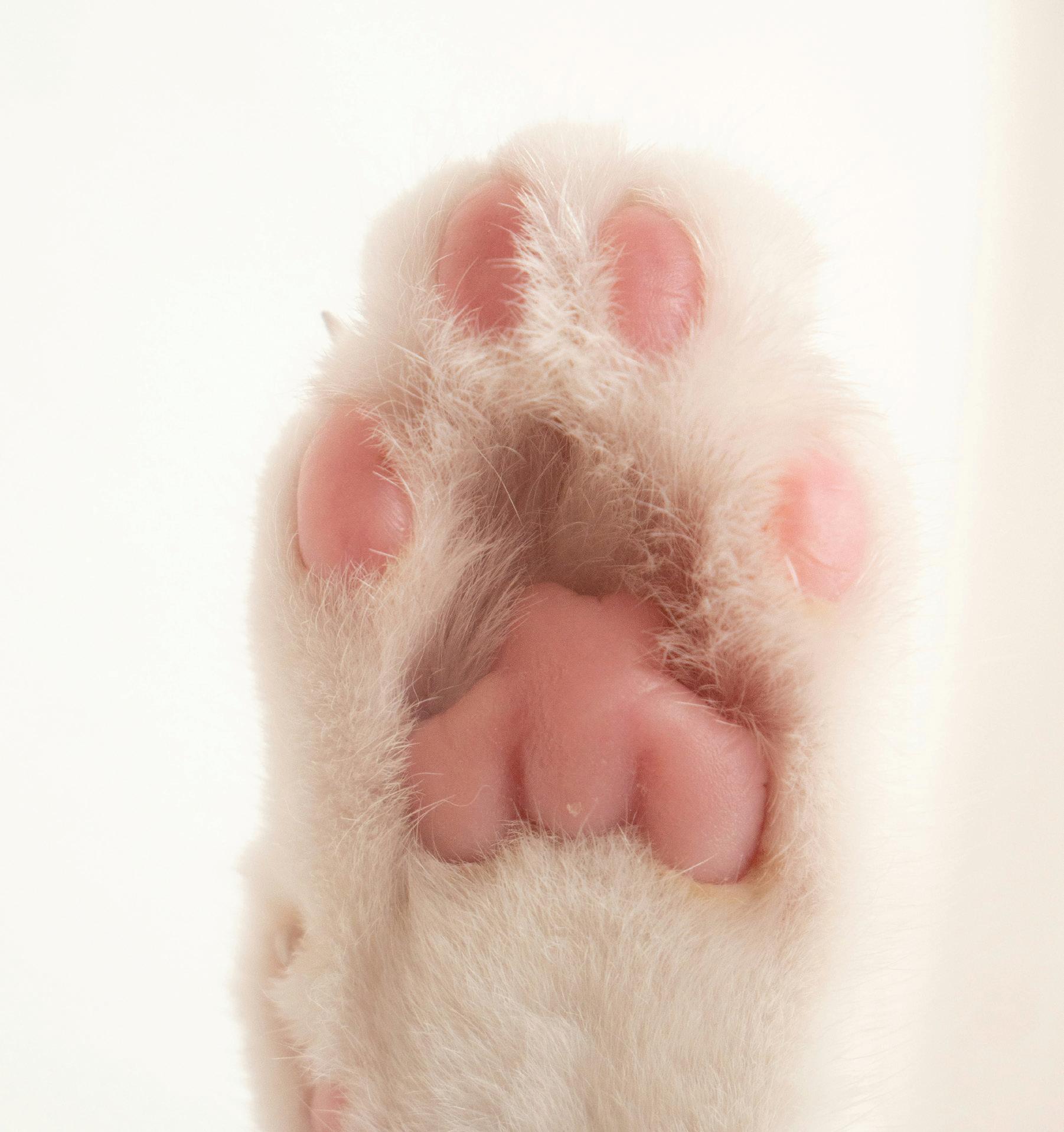
In human palmistry, readers study lines, shapes, finger lengths and mounts to interpret personality traits and destiny. In Nekoteso, those principles are adapted to cats, examining paw size, toe spacing, pad shape, claw structure and overall paw “vibe”.
Apparently, your cat’s paws can reveal whether they’re bold or cautious, independent or clingy, mischievous or even how compatible they are with you.
One of the core ideas in pawmestry is overall paw shape. Cats with round, compact paws are said to be grounded and affectionate. These are your steady, dependable types, the ones who lie quietly beside you and sometimes judge you.
Longer, more oval-shaped paws? These
belong to the adventurers. Curious, playful, sometimes chaotic. The cupboard-openers. The curtain climbers. The 2 am zoomie specialists.
Cats with toes that sit close together are believed to be careful planners. They move with intention and observe before acting.
Cats with slightly more spread-out toes? They’re expressive and spontaneous. Quick to react and pounce or knock your pen off the desk for no clear reason.
One of the most fun parts of Nekoteso is how it links paw traits to owner compatibility. The idea is that by understanding your cat’s natural tendencies, you can adjust how you interact with them.
Even if you don’t fully buy into paw prophecy, when we pay closer attention to their physical cues and personality traits, we build better relationships.
Should you try it? If you love cats, astrology, personality quizzes, slightly mystical fun, then pawmestry could be your new hobby.
At worst, you’ll spend ten minutes examining your cat’s paws, or you’ll discover a new way to think about their personality.
Separation Anxiety in Pets
Separation anxiety is not bad behaviour; it is panic. For many pets, being left alone doesn’t just mean a quiet house or a long nap. It can trigger distress. As families across the country return to busy work schedules and school routines, those stress behaviours can increase.
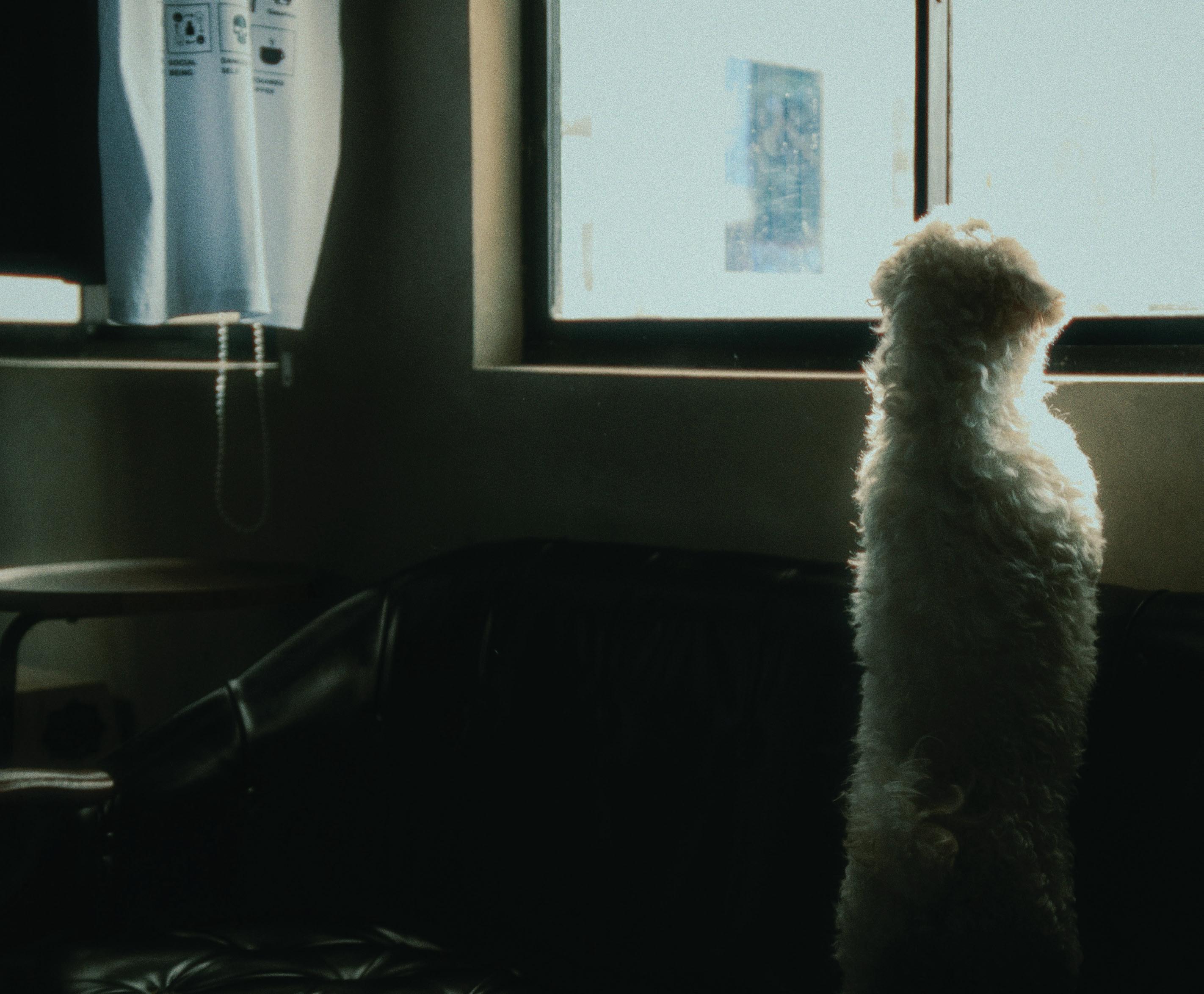
Over the summer holidays, many pets get used to constant companionship. The house is lively, and someone is almost always home. Then, in February, schedules resume, and the environment shifts overnight.
In February 2025, the Matamata-Piako District Council said that routine changes are one of the most common triggers for separation anxiety. Their Animal Control team received 154 barking dog complaints in the 2023-24 year, following 183 the year before. Barking is not enjoyable for neighbours, but more importantly, it can be a sign that a dog is struggling.
The Western Bay of Plenty District Council has also said that, as highly
sociable animals, dogs can feel anxious when they are suddenly spending much less time with their people.
And it’s not just certain breeds. Any dog can develop separation anxiety. Cats can too; they’re just quieter about it.
In dogs, the signs are usually obvious. Barking or howling shortly after the owner leaves is common. Some dogs chew door frames or scratch at windows; some pace, drool excessively, or have accidents inside despite being fully trained.
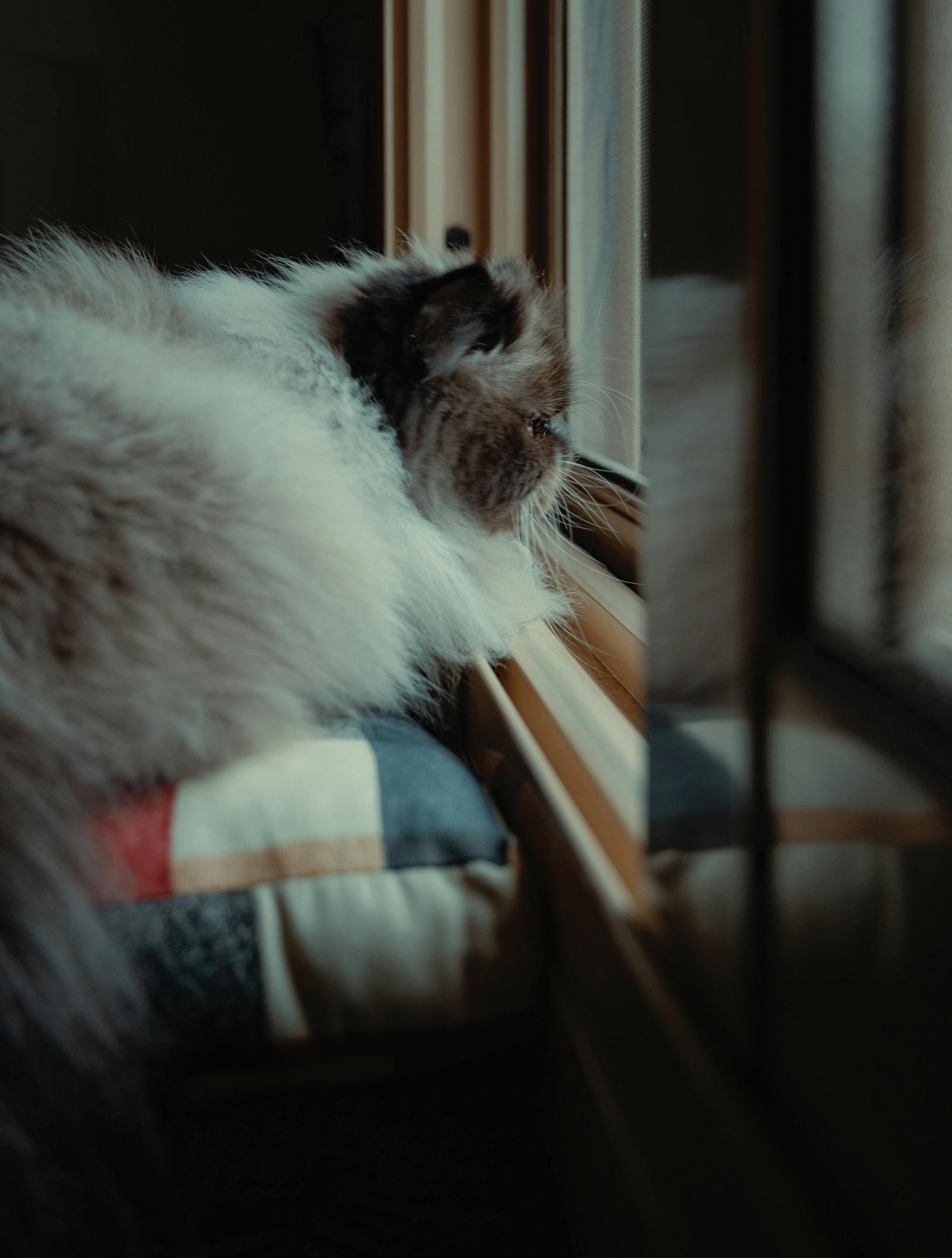
Cats show stress in other ways. Overgrooming, sometimes to the point of bald patches, can be a red flag. Frequent loud meowing, accidents around the house, or becoming unusually clingy can also signal that something isn’t right. Because
cats are masters at hiding discomfort, their anxiety is often unnoticed.
Separation anxiety is about attachment. Pets form strong bonds, and when you disappear, they don’t understand where you’ve gone or when you’ll return.
At the same time, when you come home to clean up an accident or noise complaints, it’s easy to feel frustrated. But your pet may not be connecting your reaction with what happened, and it only increases anxiety.
Big, emotional goodbyes can also make things worse. If every departure feels dramatic, your pet learns that leaving is a significant event. The same goes for overthe-top greetings when you return.
An effective approach is gradual desensitisation, aka teaching your pet, in

small steps, that being alone is safe. You might begin by stepping outside for just 30 seconds, then coming back in.
It is also necessary to build independence while you are at home. Encourage your pet to settle comfortably in another room for short periods. If needed, use a baby gate so they can still see you without constant access.
Once your pet stays relaxed at that level, you increase the time slightly. Progress may feel slow, but the key is keeping your pet stress-free.
It is also necessary to build independence while you are at home. Encourage your pet to settle comfortably in another room for short periods. If needed, use a baby gate so they can still see you without constant access.
Giving your pet something engaging right before you leave can also be helpful. A long-lasting chew, treat-dispensing toy, or puzzle feeder can create a positive association with alone time. Some dogs find comfort in background noise, such as a radio or television.
Routine plays a powerful role, too. Feeding, walking, and leaving at predictable
times reduces uncertainty. When daily life feels steady, anxiety has less space to grow. If your pet is injuring themselves trying to escape, panicking intensely even during short absences, or showing little improvement despite consistent training, professional help is important.
Start with your vet to rule out medical causes. From there, a qualified trainer or behaviourist can create a structured plan. In some cases, short-term medication can reduce anxiety enough for training to succeed.
There is no shame in asking for help. Early support often prevents the issue from worsening. Progress with separation anxiety rarely happens overnight.
Remember that your pet is not being difficult. They’re distressed. When you respond calmly rather than in frustration, you can teach them that alone time isn’t something to fear.