


Sustainable packaging is discussed as though the direction is obvious: use less material, increase recycled content, improve recyclability and move away from problematic formats. But for food and beverage manufacturers, every packaging change carries commercial and product risks.
So are we asking the right questions? Is a new material better once manufacturing waste, freight, shelf life and disposal are included? Can it run at the required speed on equipment? Will it seal consistently, withstand distribution and protect the product long enough to prevent food waste? What happens if a lighter pack reduces material use but increases damage in transit? Is compostable packaging still a sustainable choice if local facilities cannot process it? Does a recyclable pack deliver an environmental benefit if consumers cannot identify the correct disposal stream?
Cost needs more honest discussion.
How much cost can a manufacturer absorb before the product loses margin or becomes too expensive? Will retailers support higher prices, or will suppliers be expected to carry the cost? At what point does sustainability become a capital expenditure decision rather than a packaging specification?
There is the question of proof. Are environmental claims based on the full packaging system, or one favourable feature? Can suppliers provide data on recycled content, material reduction, emissions and end-of-life outcomes? Are companies measuring improvements, or replacing one claim with another?
None of these questions are reasons to delay progress. They are essential to making progress credible.
The strongest packaging decisions may not be the most visible. Lightweighting, improved pallet efficiency, reduced production waste and better shelf-life performance can deliver meaningful gains without a material switch.
Sustainable packaging must work environmentally, technically and commercially. The sector needs fewer broad promises and more questions about what works, who pays and whether the change delivers measurable improvement.
Publisher
Tania Walters
General Manager
Kieran Mitchell
Editor-in-Chief
Caitlan Mitchell
Content Managers
Caroline Boe
Pam Vasquez-Gutierrez
Aidan Stanley
Editorial Associates
Jenelle Sequeira
Graphic Designer
Raymund Santos
Contact Us
Retail 6, Heards Building, 2 Ruskin Street, Parnell, Auckland, New Zealand
+64 9 304 0142 info@reviewmags.com
ISSN 2744-3566 (ONLINE) ISSN 2744-5895 (PRINT)
F&B TECHNOLOGY launched to facilitate the connection between food and beverage suppliers of technology, ingredients and packaging across the food and beverage manufacturing sectors for fmcg and foodservice. Copyright 2026
Our Partners:
&
















Volume design racking and shelving systems around how your operation actually works. And then supply and install them across New Zealand. We ask the right questions. Get the details right. And take responsibility for the outcome.

Winter vegetables have continued to offer great value and nutritional return for families looking to eat well on a budget.
Despite the year’s rising farm costs and ongoing uncertainty over resource consent conditions, in response to the June 2026 food price index, NZVeg director and grower, John Murphy, said that New Zealand vegetable growers have continued producing fresh, healthy vegetables for Kiwi households.
Inghams Group Limited has announced a seed-stage equity investment of AUD 1,050,000 in Just Meat Protein Pty Ltd (‘JMP’).
JMP is an Australian food technology company commercialising CSIROdeveloped hydrolysed poultry protein technology, for which it holds an exclusive worldwide licence.
Under the terms of the Investment, Inghams has acquired a ten percent shareholding in JMP, and Caroline Hayes, Inghams’ Chief Growth Officer, will join the JMP board. Inghams also has an exclusive first-right supply arrangement with JMP across Australia.

Flavour is where first impressions are made and where consumer loyalty is won.
For more than 35 years, Essential Flavours has helped food and beverage brands turn great ideas into products people come back for. Founded in Melbourne in 1989, Essential is a family-owned Australian flavour company built on collaboration, technical know-how and speed to market.
Essential flavours are available in New Zealand exclusively through Sherratt Ingredients. Food and beverage manufacturers can access an extensive portfolio of sweet flavours available in liquid and spray-dried powder formats, suitable for applications across beverages, nutrition, dairy, bakery, confectionery, snacks and nutraceuticals.
The range includes favourites such as vanilla, chocolate and fruit flavours, alongside floral or spice profiles, organic options and innovative taste solutions.
Essential also helps brands meet evolving consumer demands. Its TasteMax™ range supports sugar reduction, functionality and better-for-you reformulation by enhancing sweetness, improving mouthfeel and balancing bitterness without compromising taste.
Behind Essential is a team of flavourists, food technologists, sensory specialists and regulatory experts. The company offers application testing, dosage optimisation, pilot-scale equipment including UHT processing, sensory analysis, and market insights through the company’s Melbourne Collaboration and Sensory Research Centre and technical facilities in Australia and Vietnam.
Backed by Sedex membership and continued investment in their Australian manufacturing, research and sensory capability, Essential provides manufacturers with confidence for both local and export markets.
Essential also has a strong understanding of where flavour trends are heading. Its latest flavour trend report highlighted several flavours shaping what consumers will be eating and drinking in 2026 and beyond. These included pistachio, matcha, ube, coffee, spice, and “& Cream” flavours and combinations.
Get in touch with the team at Sherratt Ingredients to request a flavour sample or to learn more about the full range of exclusive flavours available from Essential Flavours.

For more information: Contact 09 444 1676 or sales@sherratt.co.nz www.sherratt.co.nz



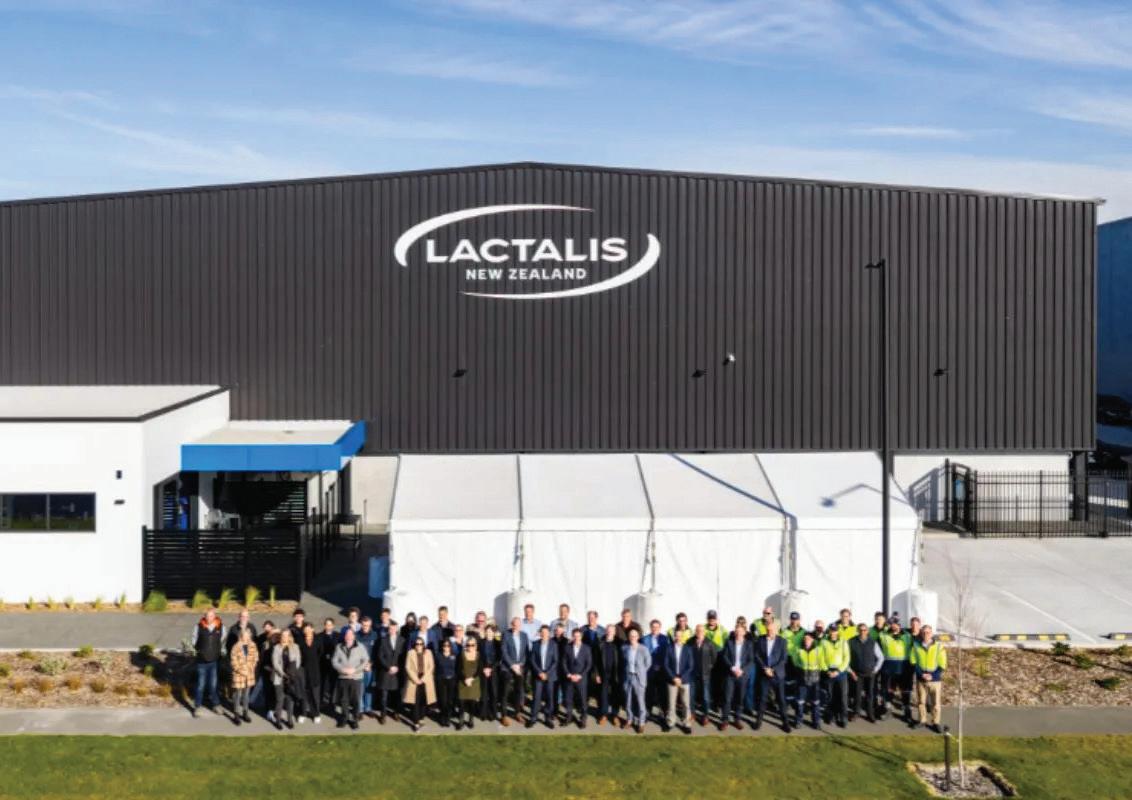
Lactalis-Mainland Dairy in New Zealand has officially opened its new Distribution Centre in Christchurch, marking a significant investment in its South Island supply chain capability.
Following Lactalis’ recent expansion in New Zealand and a carefully managed transition, operations have successfully moved from the former site to the new facility, with customer deliveries continuing without disruption from day one.
⮞ READ MORE ONLINE
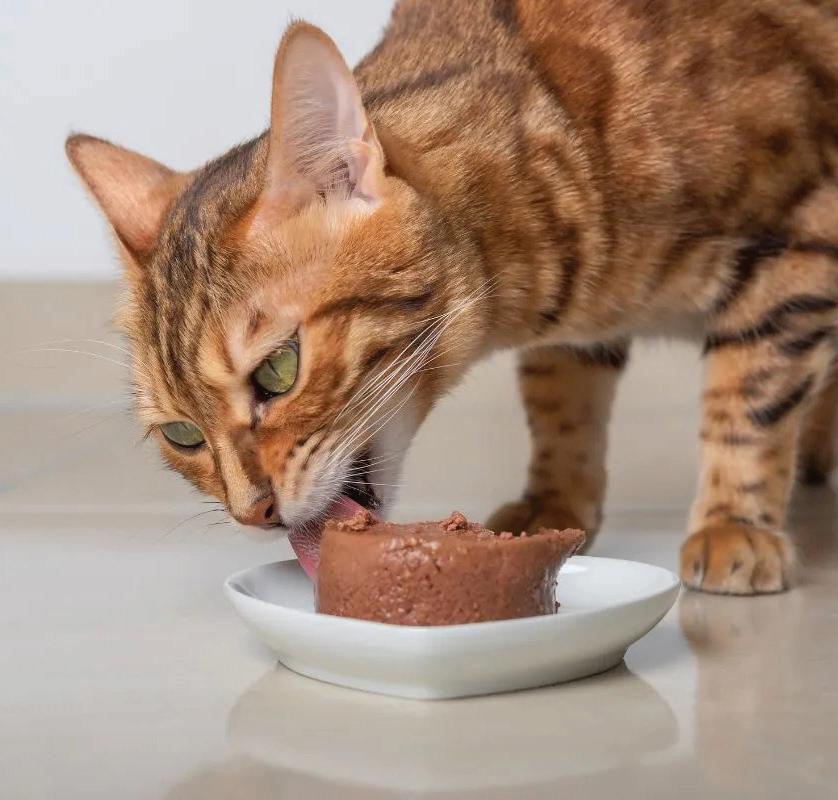
Nestlé Purina will see a significant capacity investment with a new CHF 520 million plant in Mantova, Italy, as the company looks to meet continued demand growth for pet food.
The facility will combine a wet pet food plant with a highly efficient logistics platform serving Purina as well as other Nestlé brands. The plant will produce super-premium wet pet food for cats and dogs for key Purina brands.

Messe Frankfurt Inc. has announced the launch of the Food Production Solutions Show, a new trade show designed to help food manufacturers navigate the challenges of bringing products to market and growing production successfully.
Coca-Cola Europacific Partners (CCEP) Director of Logistics, Phillip Parsons, has been awarded the 2026 Australian Logistics Council (ALC) Industry Champion Award and inducted as an ALC Fellow.
The ALC Industry Champion Award has continued to celebrate outstanding leadership, advocacy and expertise in advancing Australia’s logistics and supply chain sector, while Fellowship has been reserved for individuals who have made an enduring impact on the industry.
⮞ READ MORE ONLINE
⮞ READ MORE ONLINE
Smart sensors have helped F&B manufacturers shift from reactive maintenance to data-driven asset management, improving reliability and reducing downtime.
According to ifm electronic New Zealand managing director
Mark Jones, dairy companies have increasingly specified smart sensors in new and expansion projects this decade.
Using the IO-Link communication standard, IO-Link sensors provide far more than simple process measurements. They continuously deliver operational data, diagnostics and device health information, giving maintenance teams real-time visibility into equipment condition.
“One of the biggest advantages is condition-based maintenance,” said Jones.
“Instead of servicing equipment at fixed intervals, maintenance can be scheduled when sensor data indicates deterioration.”
For example, vibration sensors can identify early bearing wear, valve position sensors can detect seal degradation, and flow sensors can reveal fouling or developing blockages. This allows maintenance teams to intervene before failures occur while avoiding unnecessary component replacement.
The continuous collection of sensor data also supports predictive maintenance trends such as increasing vibration, pump cavitation, and motor misalignment. Declining heat exchanger performance can be detected early, enabling repairs to be planned during scheduled shutdowns rather than emergency callouts.
Data from multiple sensors is consolidated through IO-Link masters and I/O expansion modules, transferred to higher-level systems such as SCADA, MES, ERP platforms, or MONEO. This enables maintenance managers to monitor asset condition across an entire facility from a central dashboard.
Now used in most New Zealand F&B plants to some degree, IO-Link is a game-changer, resulting in improved maintenance planning, higher equipment availability, and lower operating costs. KPI’s in most manufacturing plants.
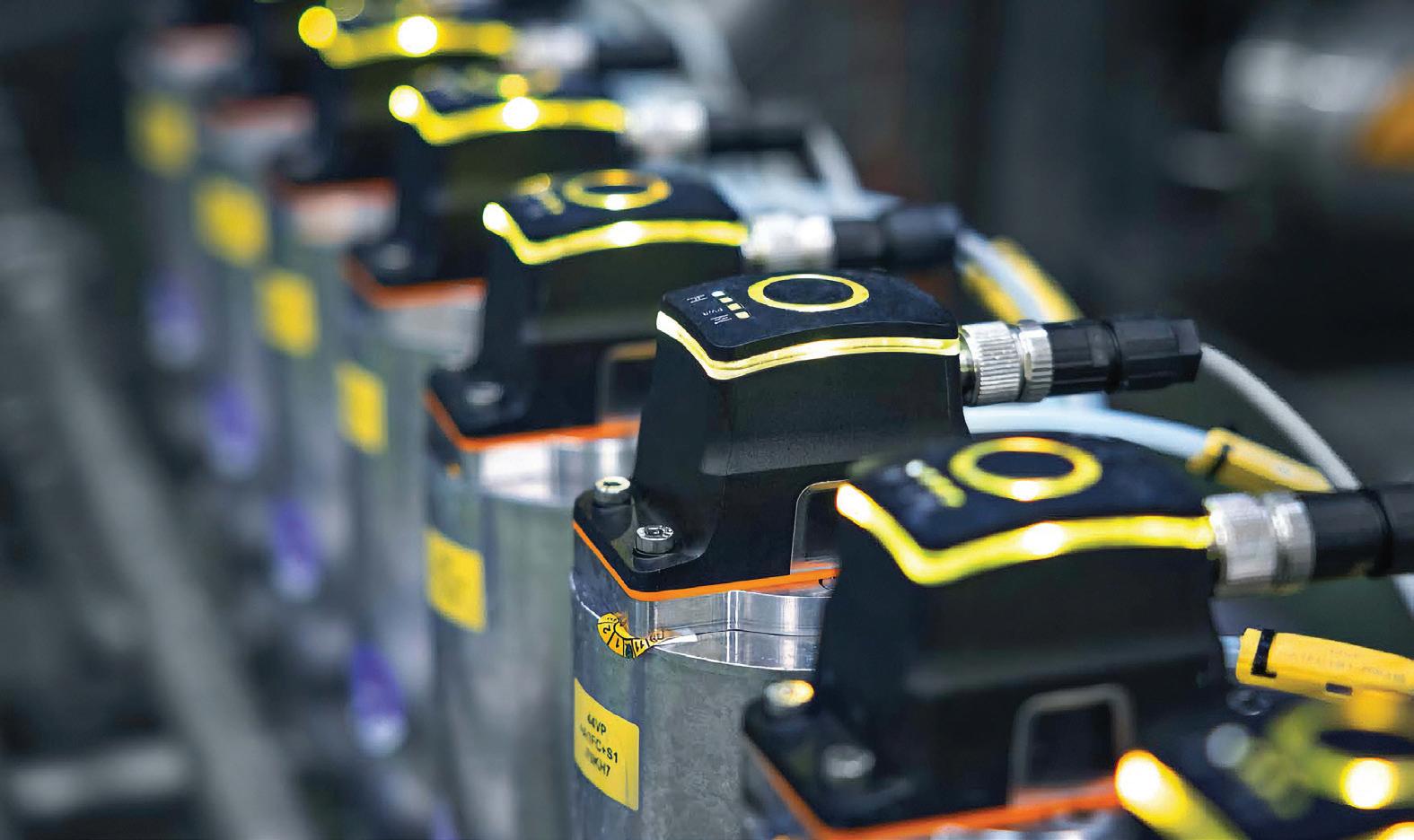

“IO-Link provides the foundation for Industry 4.0 because it creates highquality data at the point where it is generated. Instead of simply reporting what is happening, intelligent sensors can indicate what is deteriorating and when corrective action should be taken.”
ifm’s modern hygienic flow meters give flow rate, total flow, no-flow, media temperature, and conductivity measurements over the IO-Link communication protocol. New Zealand’s most advanced F&B production plants employ IO-Link Masters and sensors to monitor and diagnose the health of their machines continuously.


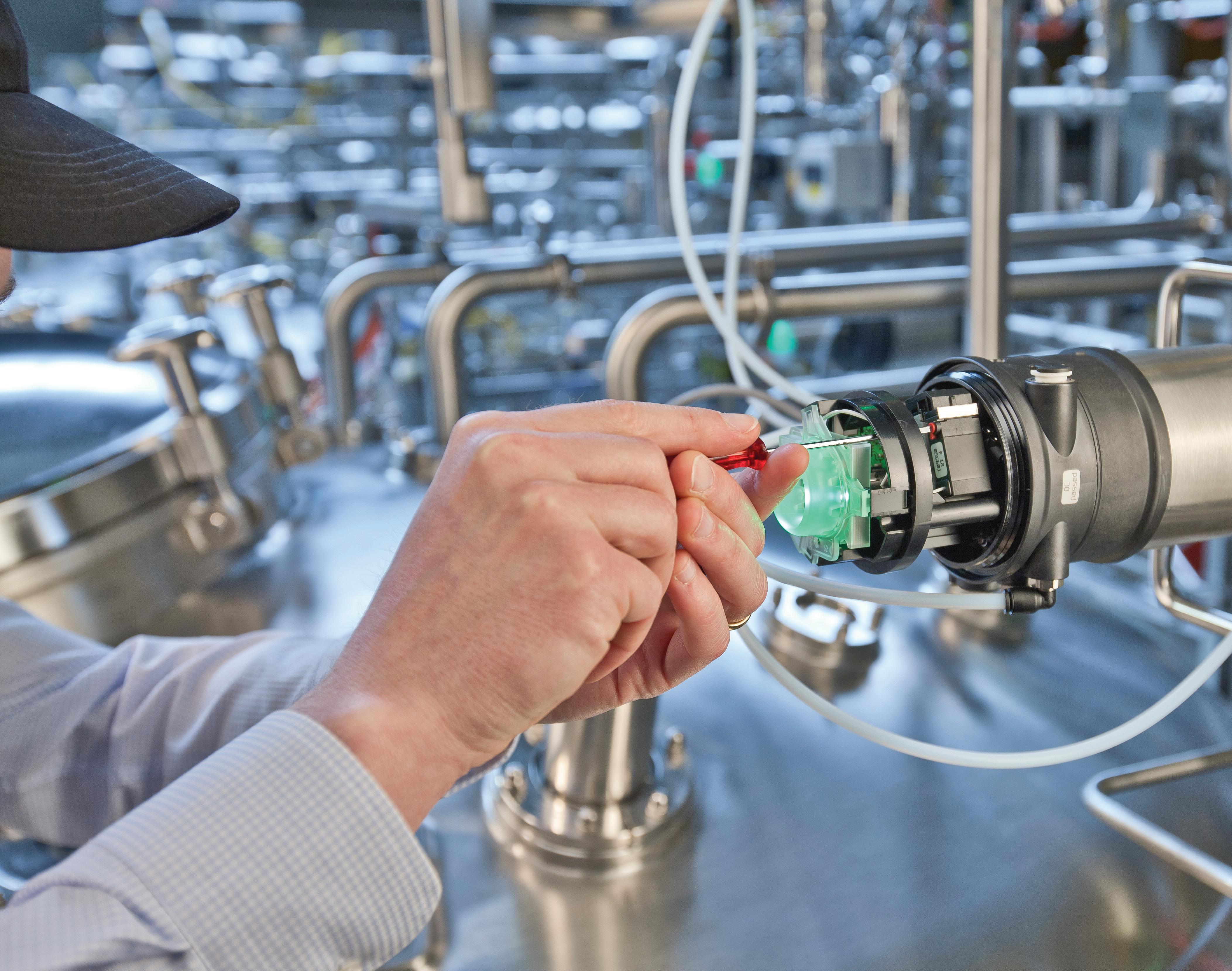
New Zealand food and beverage manufacturing is shaped by distance: from export markets, between regional plants and specialist support, and between premium product ambitions and the realities of labour, cost and compliance pressure.
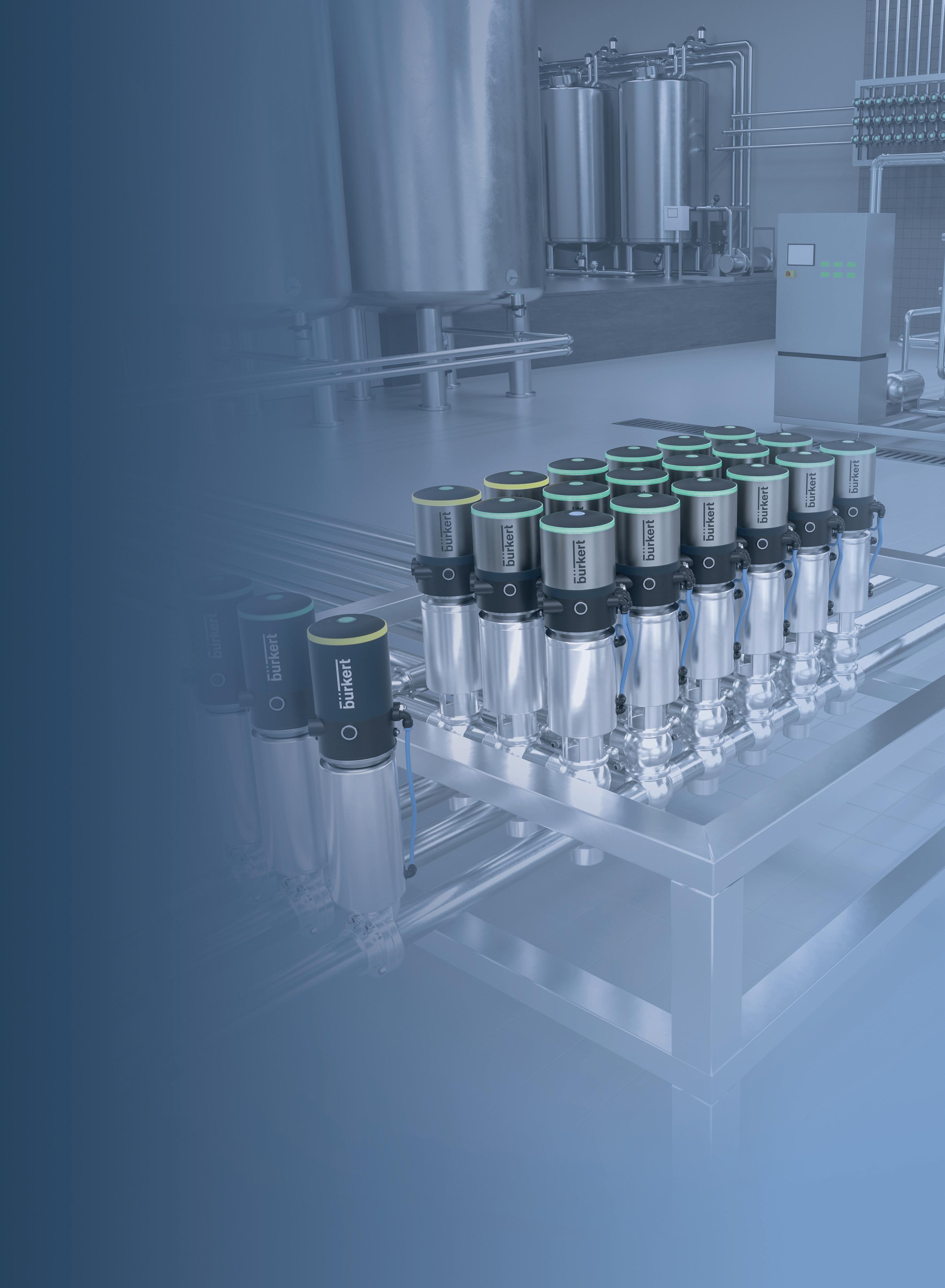
That distance has made the sector disciplined and resilient, while sharpening the need for operational confidence. As plants become more automated, weak points are often the repeated control points that determine whether a process is clean, safe, stable and ready to run. Valves sit at the centre of that challenge. They direct product, cleaning chemicals, steam, air, water and utilities, influencing food safety, changeover speed, energy use, maintenance effort, and production continuity. Yet valve-layer information often remains limited.
For manufacturers, digitalisation is not about more data. It is about knowing whether a critical valve reached position, identifying a slow actuator before downtime, replacing a device with the right parameters, and strengthening evidence around hygiene, traceability, and control.
These questions matter because New Zealand processors compete on trust, consistency, and premium products, not volume alone. In dairy, beverage, brewing and value-added processing, a minor valve-level failure can have consequences beyond the component itself.
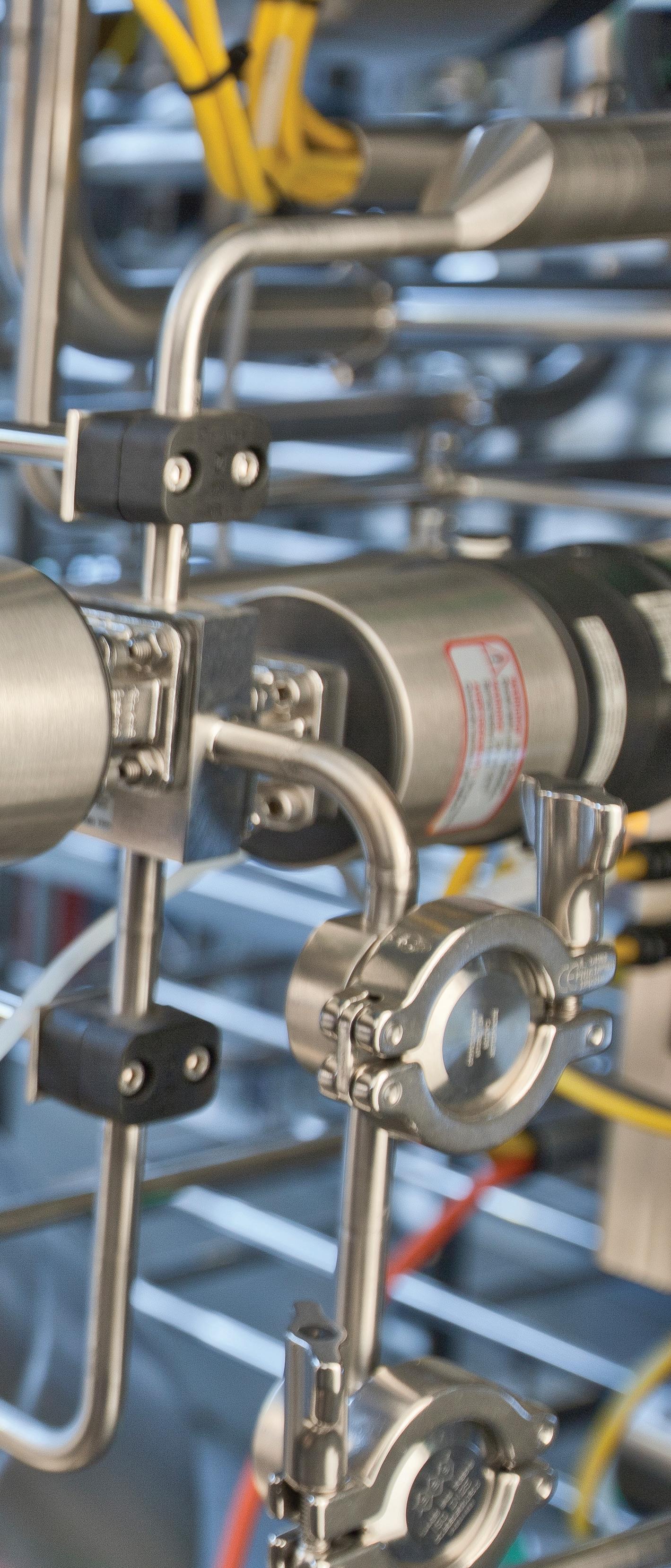
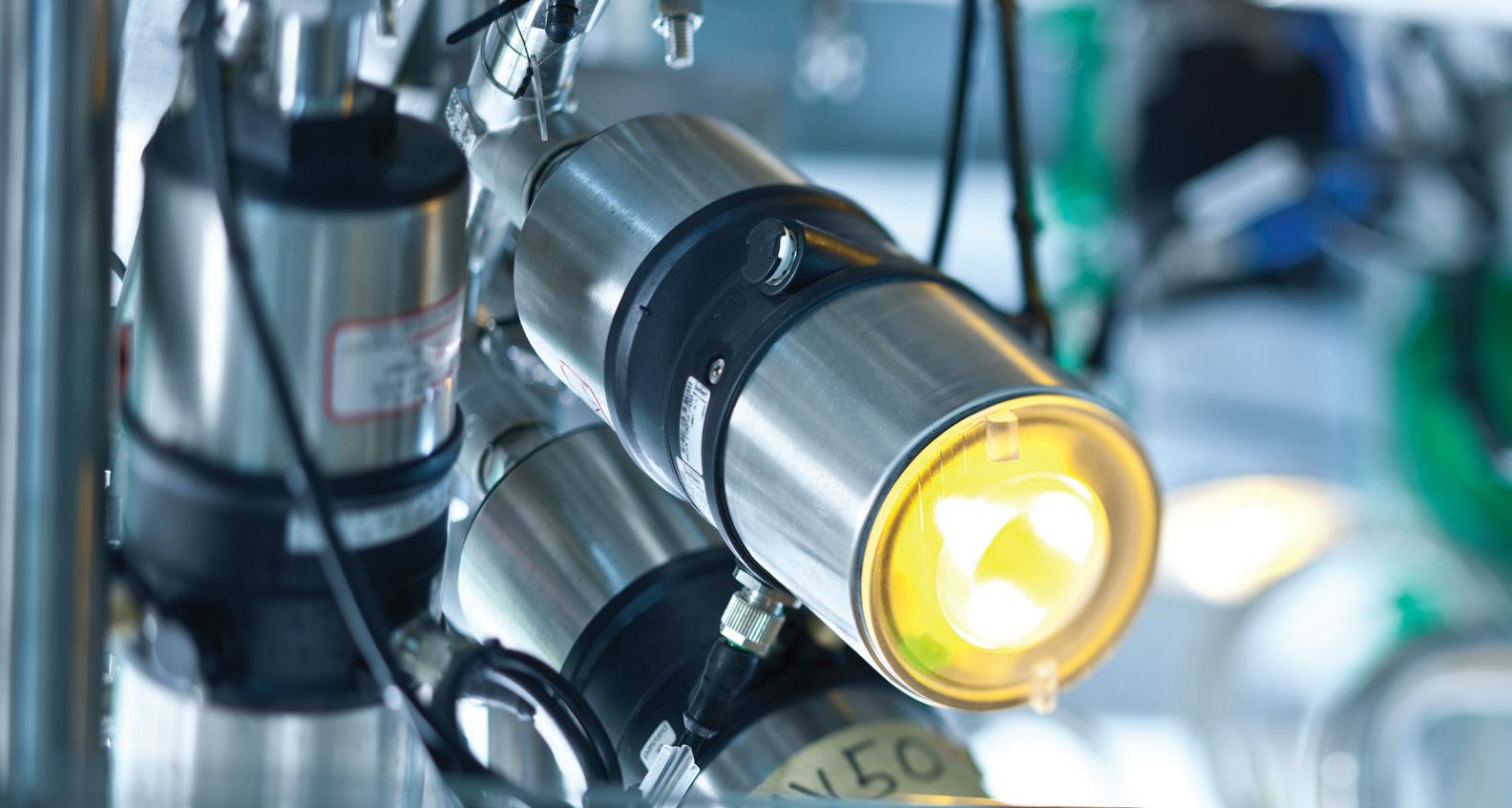
For food and beverage plants, that distinction matters. Many sites need targeted improvements that can be introduced on critical assets, proven in operation and scaled. IO-Link fits that logic by improving visibility while keeping adoption manageable.
IO-Link enabled valve control can support faster commissioning, simpler device replacement, consistent parameter management and better diagnostics. Maintenance teams can move beyond whether a valve is open or closed to whether it is behaving normally and configured correctly.
The strongest digital strategies are selective. They start where better information will reduce risk, improve uptime or strengthen process assurance.
connected to the wider automation environment. The company’s new universal control heads extend that thinking to mixed-valve environments, with a range of variants that can be configured for different valve types, signal concepts and communication needs. From angle-seat and globe valves to diaphragm, ball and butterfly valves, including third-party hygienic bodies, the same control-head family can be specified as a simple on/off unit, a feedback-rich control head or a fully-fledged positioner, and can be ordered with IO-Link and other digital interfaces to match the surrounding automation.
Much of the smart manufacturing conversation focuses on dashboards, analytics and enterprise systems. These are valuable, but only if the field layer provides reliable information. If it still relies on limited signals, the broader digital strategy is limited too.
“Food and beverage manufacturers want more certainty from the equipment they rely on every day,” says Steve Richardson, Sales Manager at Burkert New Zealand. “They want valves that perform mechanically but also show what they are doing and whether they are healthy before an issue becomes downtime.”
IO-Link is gaining relevance because it offers a pragmatic route into connected manufacturing. Rather than replacing existing architecture, it provides an open, standardised way for sensors and actuators to exchange digital information with the control system.
For many plants, that means CIP and SIP circuits, changeover manifolds, allergen separation, filling and dosing systems, steam and utilities, and any valve position that can compromise product quality or availability.
Brownfield reality should shape adoption. New Zealand manufacturers often operate proven equipment across different valve brands, control philosophies and upgrade histories. The practical question is how to improve intelligence without unnecessary disruption.
That requires decisions about alert priorities, diagnostics, parameter management, maintenance training and how data will connect with PLC, SCADA, maintenance and quality systems.
Bürkert’s ELEMENT platform reflects the direction of travel for hygienic valve automation: robust stainless-steel hardware, compact integrated actuation and control, and valve-level information
For plants with hygienic valves from multiple manufacturers, this breadth of options makes it possible to standardise the automation interface and diagnostic philosophy while retaining existing mechanical assets, supporting consistent feedback, diagnostics and configuration without wholesale replacement.
“The universal control heads are about meeting plants where they are,” Richardson concludes. “You can retain existing hygienic valve assets while choosing the level of feedback and control you need, from basic indication through to IO-Link-enabled diagnostics and apply the same head concept across different valve types.”
For New Zealand food and beverage manufacturers, the opportunity is not to digitise everything at once. It is to make the most important parts of the plant more visible, reliable and manageable: one critical control point at a time.
For decades, New Zealand’s food and beverage sector has built an enviable international reputation on quality, safety and provenance. Around the world, consumers associate our products with trusted farming practices, rigorous standards and premium production.

But trust is changing. Increasingly, overseas buyers, retailers and regulators are not simply taking a producer’s word for it - they expect that trust to be digitally verifiable.
The humble QR code is evolving into something far more significant than a marketing tool. Across global supply chains, it is becoming the gateway to a product’s digital identity, connecting consumers and trading partners with verified information about origin, ingredients, certifications, sustainability credentials, allergens, recycling information and more.
For New Zealand exporters, this shift represents more than another compliance requirement. It is an opportunity to strengthen the premium value of our products in international markets.
Consumers already scan QR codes instinctively. The next generation of product packaging will allow them to see where a product came from, how it was produced and why they can trust it - all from a single scan. Retailers and regulators are moving in the same direction, seeking richer product information that improves traceability, transparency and supply chain confidence.
For many manufacturers, particularly small and medium-sized exporters, this transition can appear daunting. New regulations, emerging standards and multiple customer requirements create understandable uncertainty. Yet the underlying objective is remarkably simple: create one trusted digital source of truth for every product, and keep it current.
When product information - origin, ingredients, certifications, batch data
and sustainability claims - is structured and maintained in one place, compliance becomes easier, customer confidence grows and businesses are better prepared for changing international requirements. You set it up once and update it whenever the rules, or anything else change, rather than rebuilding the same story in different formats every time someone asks.
New Zealand has always competed on trust rather than scale. As global markets become increasingly digital, that competitive advantage will depend not only on producing exceptional food and beverages, but also on making the information behind those products just as accessible and trustworthy.
The businesses that embrace digital product identity today will not simply be preparing for future regulations. They will be positioning themselves to tell richer product stories, build stronger relationships with customers and reinforce the reputation that New Zealand exporters have spent generations earning.
Digital trust is rapidly becoming part of the product itself. For New Zealand’s food and beverage industry, that is an opportunity worth embracing – not only because regulators are asking for it, but because customers increasingly expect it.

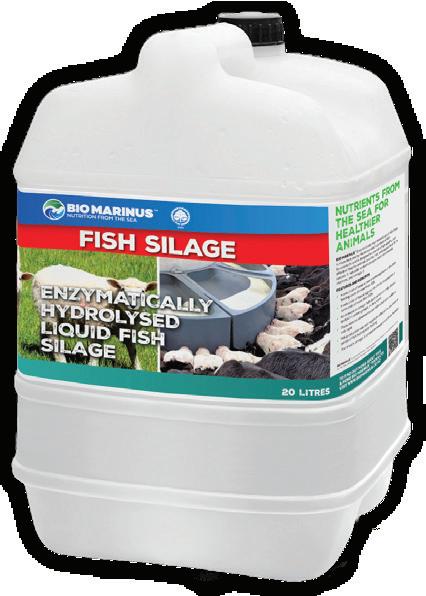
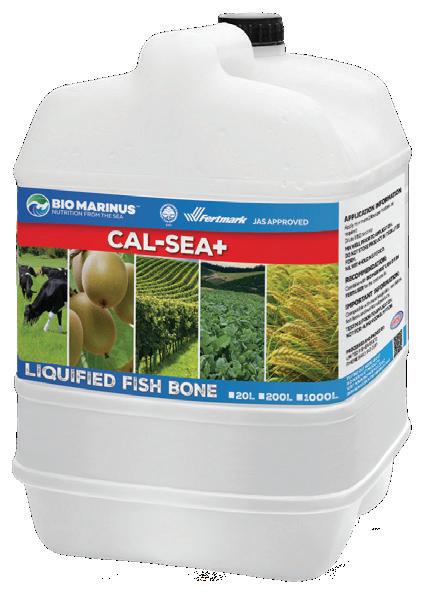
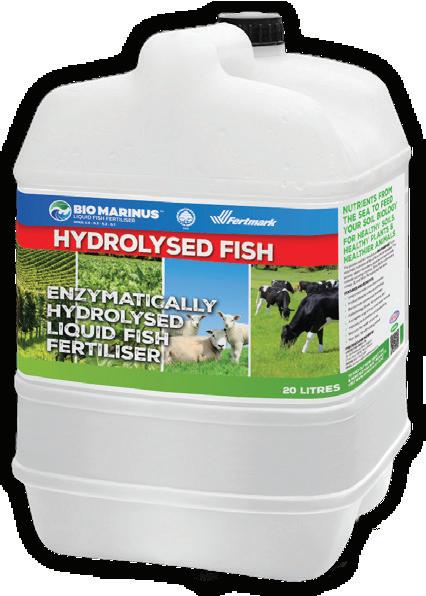
Unlike most conventional fertilisers, which are synthetic and chemically manufactured, Bio Marinus is a natural, nutrient-rich fertiliser that supports healthier soils, stronger plants, and healthier animals.
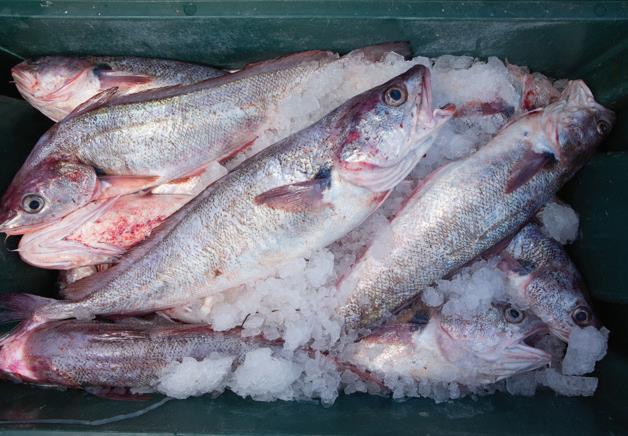
Produced through enzymatic hydrolysis of fish, it delivers a high-quality, cost-effective source of nutrition that optimises growth and performance. This unique low-temperature process helps preserve a wide range of nutrients, resulting in a complex fertiliser containing both macro- and micronutrients that are essential for healthy plant growth.
Sustainably made in New Zealand, Bio Marinus has been derived from a responsibly managed fishing resource under the NZ Quota Management System. The process makes full use of fish processing by-products, ensuring an environmentally responsible solution from start to finish.
“We’re demonstrating how fish processing by-products can be transformed into a valuable resource,” said Kyp Kotzikas, Bio Marinus.
“By converting what would otherwise be a waste product into a natural fertiliser, we’re helping reduce environmental waste while giving farmers an effective way to improve soil and plant health, reduce
reliance on synthetic chemicals, and lower farming costs.”
Kotzikas further highlighted that biological fertilisers have played a vital role in improving soil health by supporting beneficial soil microorganisms, including nitrogen-fixing bacteria and mycorrhizal fungi. They also increase earthworm populations, improving soil structure and function.
“Customers are seeing increased earthworm populations, healthier soils, more productive pastures with significantly higher clover content, and healthier crops, while reducing their use of urea, insecticides, and fungicides.”
Additionally, increased biological activity and deeper root systems can improve nutrient availability and uptake, resulting in healthier plants and livestock.
Produced locally, using Bio Marinus also reduces reliance on imported fertilisers, for which demand has continued to grow as farmers face increasing pressure to reduce their environmental footprint while managing rising costs. At the same time, greater awareness of the long-
term impacts of synthetic fertilisers and chemical sprays has driven the search for more sustainable alternatives.
As an effective solution for a wide range of farming systems across the country, Bio Marinus will focus on improving its existing range and maintaining its reputation as a leader in fish-based fertilisers.
Kotzikas mentioned that growth was expected to come from the expanding dairy sector in Canterbury, where farms have been converted from cropping, sheep, and beef to dairy and dairy support operations.
“We are well-positioned to help these farmers reduce input costs, improve soil health, and meet environmental compliance requirements.”
United Fisheries Limited is a familyowned New Zealand seafood company, based in Christchurch, since 1953. At the centre of United Fisheries is a very deliberate system: United Fisheries catch and farm marine resources, processing them on-site so that no part goes to waste: fish byproducts are transformed into fertiliser through Bio Marinus.
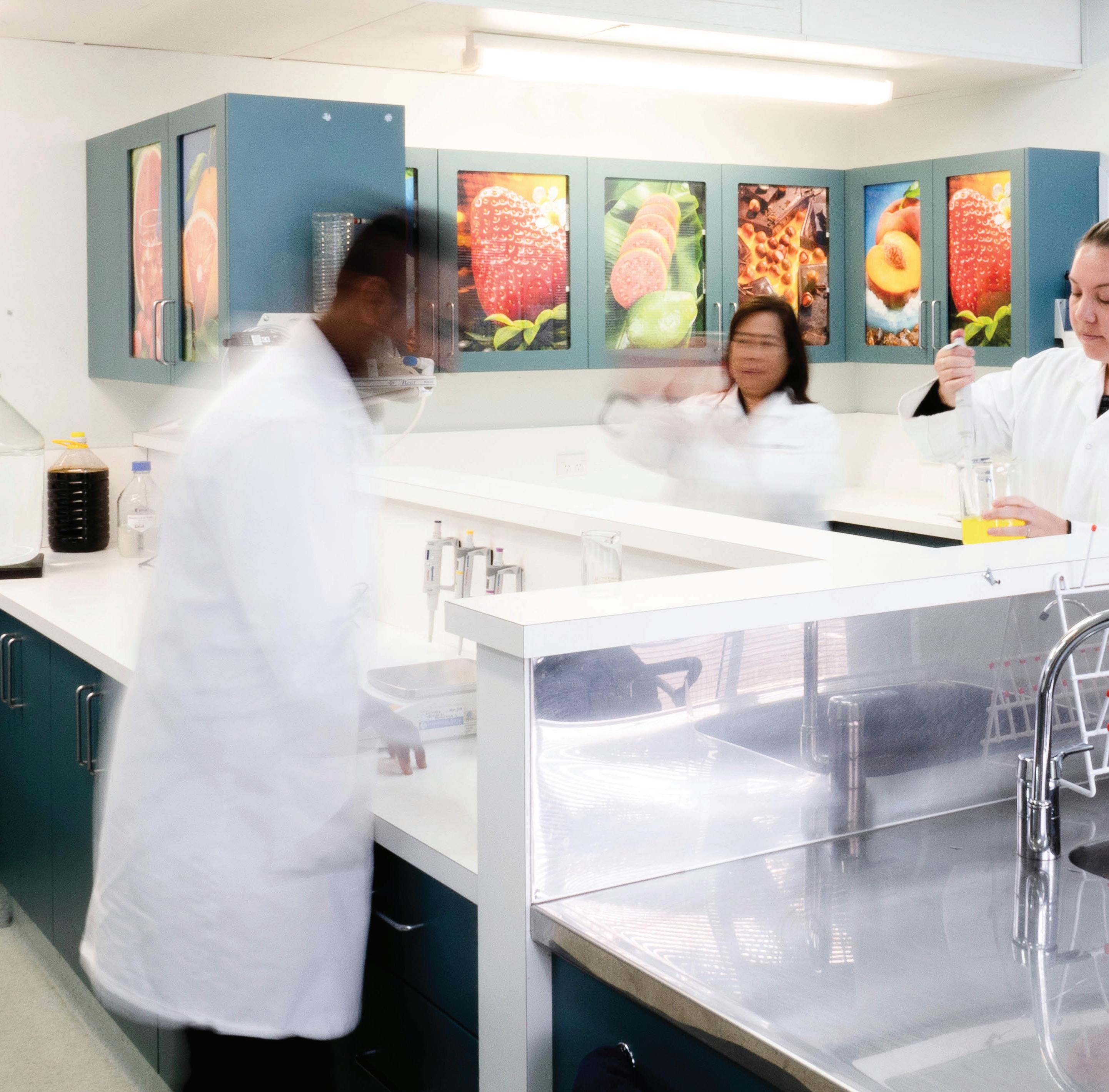
Today’s consumers are increasingly seeking products that align with their lifestyles and values without compromising on taste. Zymus has introduced the ZymSelect range, a new line of flavours developed by its in-house flavourists and manufactured at a custom-built on-site plant in Auckland, New Zealand.

The ZymSelect range has been developed to help manufacturers meet evolving consumer expectations by offering a broad selection of natural flavour solutions, alongside options suitable for vegan, kosher, halal and organic-focused product development where applicable.
This range allows all-sized businesses to access high-quality New Zealandmade flavour offerings, both natural and synthetic, on either an ethanol or PG base.
Carla Dagger, Operations Manager, said the team identified a customer requirement for flexibility in small pack sizes for trials and small production runs, and developed a flavour range to meet these requirements, offering pack sizes from as little as 1 Kg through to the standard 20 Kg Pails, Drums and IBCs.
“Flexibility and working to meet our customers’ needs are at the forefront of everything we do at Zymus. Our technical team works closely with customers to recommend flavour solutions that suit both their formulation requirements and desired product claims,” said Dagger.
“Allowing all-sized businesses, not just the big guys but startups, the ability to access high-quality New Zealand-made flavours, reflects our Zymus motto: we see a world where all people have access to products and services that enrich their lives.”
As product formulators, Zymus has observed significant growth in products that deliver both flavour and functionality. Dagger highlighted that consumers have been looking for beverages and foods that not only taste great but also offer additional health and wellness benefits. This has driven strong demand for sugar reduction and natural sweetening solutions, with manufacturers seeking ways to reduce sugar without compromising on flavour or mouthfeel.
Alongside this, functional ingredients such as collagen, natural energy sources, electrolytes, vitamins, and other wellnessfocused ingredients have continued to gain momentum as consumers seek products that support active, healthier lifestyles.
Within the beverage sector, low and no-alcohol drinks, premium mixers, functional beverages, flavoured sparkling waters, energy drinks and ready-to-drink cocktails also continue to experience strong growth. Tropical fruits, citrus combinations, botanical notes and globally inspired flavours have remained popular, while nostalgic flavours with a modern twist have made a comeback. According to Dagger, consumers have become more adventurous, seeking layered, authentic flavour experiences that differentiate brands in a crowded marketplace.
Across the broader industry, manufacturers have been looking for
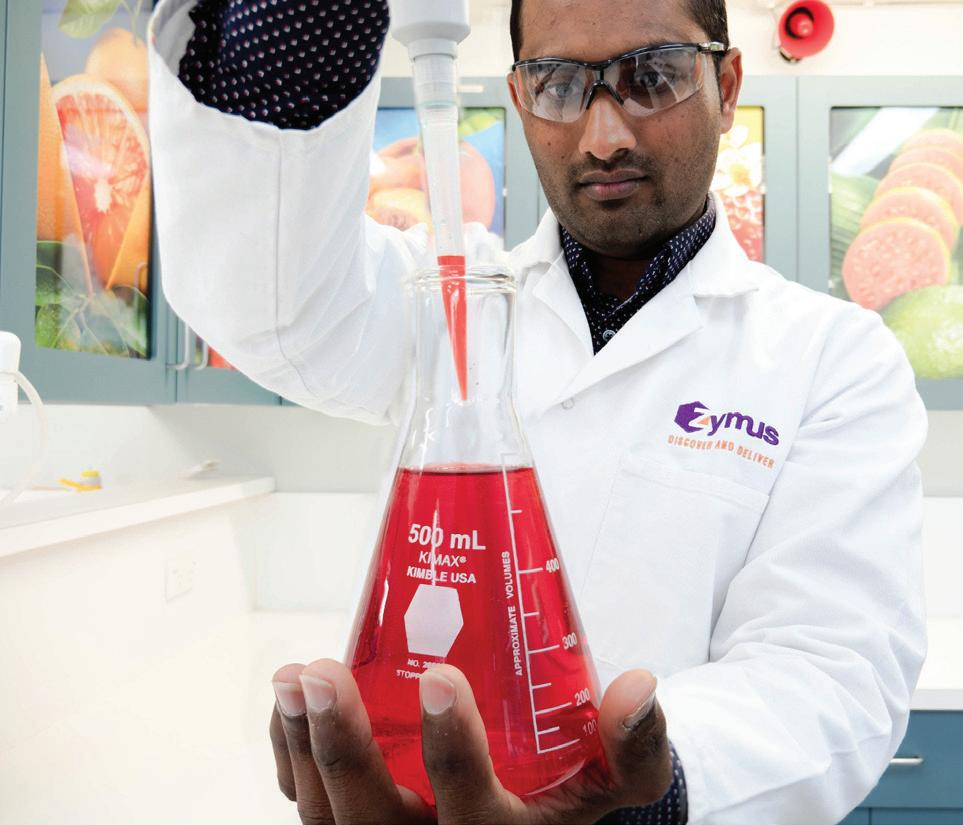
flavour solutions that support cleaner ingredient declarations, premium positioning, and products that align with evolving consumer expectations. There has also been increasing demand for customised flavour development, enabling brands to create a unique point of difference and respond quickly to emerging market trends.
Looking ahead, Dagger mentioned the ZymSelect range will continue to explore growth opportunities, with its newest flavours being herb-inspired, reflecting the growing demand for more sophisticated and versatile flavour profiles.
The team has aimed to evolve by identifying the strongest-performing flavours from its broader flavour portfolio and incorporating them into the ZymSelect range, where they add customer value and remain relevant, on trend, and aligned with changing consumer preferences.
“Our focus is to provide all customers with a comprehensive portfolio of highquality, readily available flavours that enable faster innovation, greater flexibility and the ability to respond quickly to evolving market trends.”
New Zealand is on the cusp of its biggest overhaul of waste and litter laws in nearly 20 years.
Following extensive public consultation, the Government has announced plans to modernise the country’s waste framework by amending the Waste Minimisation Act 2008 and replacing the Litter Act 1979 with new legislation designed to reduce waste, improve resource efficiency, strengthen enforcement, and support the transition to a circular economy.
The reforms are expected to be passed before the 2026 General Election and could have significant implications for businesses across a wide range of industries.
The proposed reforms focus on five key areas:
• Changes to waste levy funding, including how levy revenue is distributed to local authorities and expanding the purposes for which levy funds can be used.
• A new extended producer responsibility (EPR) framework, which would allow industry-led product stewardship schemes and pave the way for a future container return scheme.
• Stronger compliance and enforcement powers, including a wider range of penalties and sanctions that can be applied based on the seriousness of an offence.
• Tougher controls on litter and mismanaged waste, including new powers to issue notices for escaped waste on both public and private land and recover clean-up costs.
• Greater clarity around the roles and responsibilities of central government, local government, and the waste sector.
For many organisations, these reforms represent a fundamental shift in how waste is regulated.
Traditionally, waste has largely been treated as a disposal issue. Under the proposed framework, businesses may increasingly be expected to take responsibility for the full lifecycle of the products and packaging they place on the market.
The proposed EPR framework is likely to have the greatest impact on businesses.
Under an EPR model, producers, importers, brand owners and retailers can be required to take responsibility for the environmental impacts of their products and packaging. Depending on the scheme, this may include obligations relating to:
• Collection and recycling;
• Product stewardship funding;
• Reporting and record-keeping; and
• Meeting prescribed recovery or recycling targets.
Importantly, consultation submissions showed overwhelming support for the proposal, with 95 percent of submitters backing the introduction of an EPR framework. This suggests future regulation may extend beyond end-of-life management and place greater emphasis on product design, packaging choices, durability, reuse and recyclability.
The reforms are also expected to significantly strengthen regulators’ oversight powers.
Proposals include enhanced information-gathering powers, compliance inspections, information sharing between agencies, and a broader range of enforcement options. Businesses may face increased scrutiny of how waste is generated, managed and reported.
Another clear theme emerging from consultation was support for improved transparency and traceability across waste and recycling systems.
As a result, businesses should expect greater expectations around data collection, record-keeping and reporting. Robust systems
for tracking waste streams, recycling outcomes and product stewardship activities may become essential for demonstrating compliance.
While the reforms are likely to increase compliance obligations and associated costs, they also present opportunities. Consumers, investors and trading partners are increasingly favouring businesses that can demonstrate strong environmental performance. In the long run, improving resource efficiency can reduce material costs, strengthen supply chain resilience and create new opportunities in emerging circular economy markets. Businesses that act early may be better positioned to meet future requirements while also gaining a competitive advantage.
Although draft legislation has not yet been released, businesses can begin taking practical steps today.
1. Understand your waste footprint
Review your current waste generation, packaging practices, recycling processes and disposal costs. Understanding your baseline will help identify areas of risk and improvement.
2. Assess stewardship exposure
Consider which products or packaging could potentially become subject to stewardship requirements and evaluate how those products are managed at the end of their life.
3. Reassess packaging decisions
Identify opportunities to reduce packaging, eliminate unnecessary materials and improve recyclability. Product and packaging design decisions made today may have future compliance implications.
4. Strengthen data collection
Invest in systems that can accurately capture and report information about waste generation, recovery and recycling
5. Engage with industry initiatives
Participation in existing stewardship schemes or recycling programmes can provide valuable experience and help businesses stay ahead of emerging regulatory developments.
6. Stay informed
Monitor government announcements and industry developments closely. Early visibility of proposed requirements will give businesses more time to assess impacts and plan their response.
The direction of travel is clear. New Zealand’s waste and litter laws are moving towards greater accountability, stronger stewardship obligations and a more circular economy. Businesses that begin preparing now will be better placed not only to meet future regulatory requirements, but also to unlock the commercial opportunities that come with a lower-waste, more resource-efficient future.

Associate Simpson Grierson

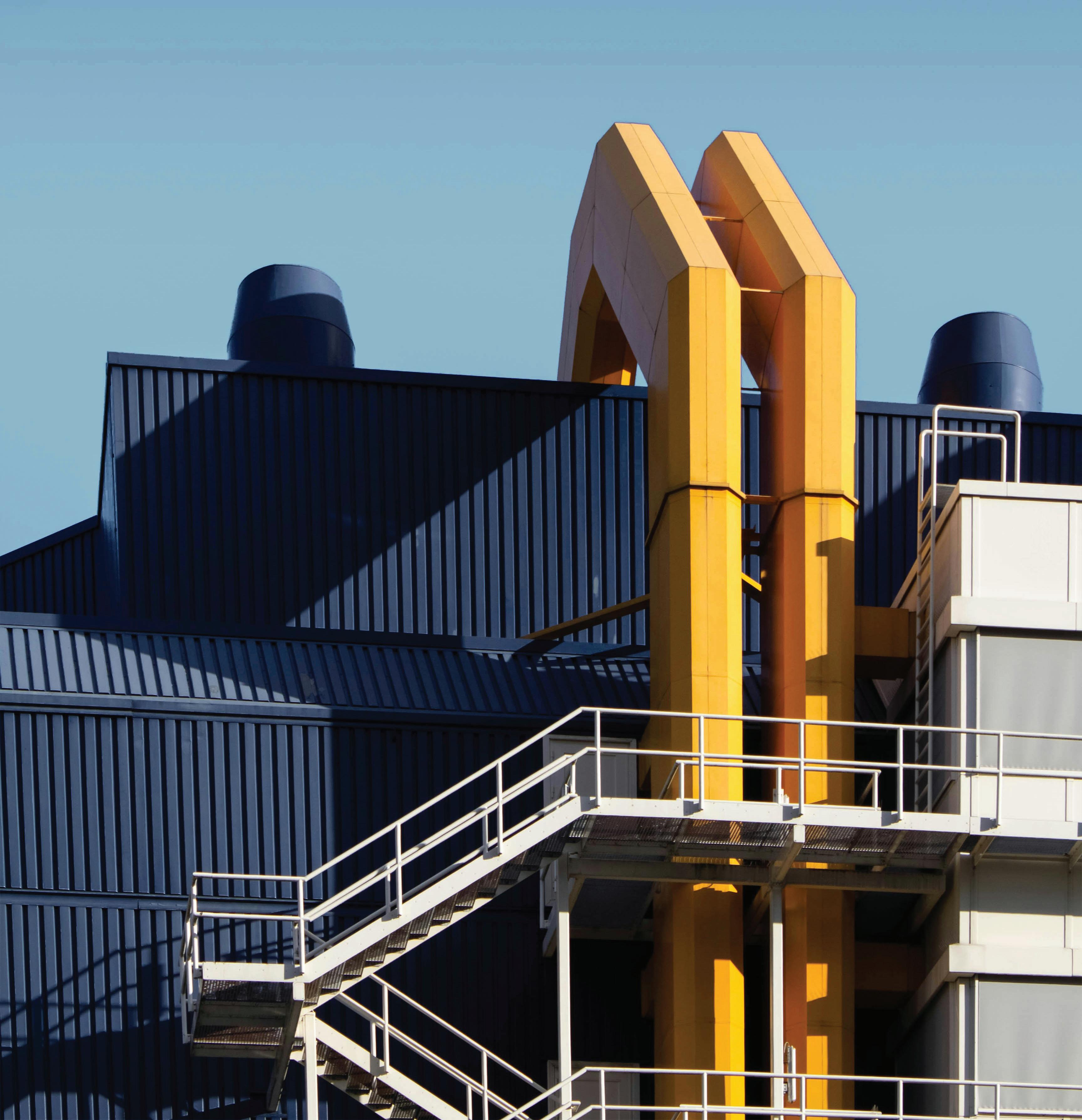
Oji Fibre Solutions (OjiFS) has collaborated with the Energy Efficiency and Conservation Authority (EECA) and the Wood Processors and Manufacturers Association (WPMA) on a case study highlighting opportunities in the industry to reduce energy costs and fuel use.
As part of its ongoing programme to embed efficiency and sustainability into OjiFS’ long-term business model, EECA have implemented a data-driven optimisation platform at its corrugated packaging plant in Christchurch.
The system analyses operational data in real time, enabling the site to fine-tune performance and automatically adjust boiler operations. Through this approach, the plant has reduced LPG consumption by 18 percent, cutting both emissions and cost.
Andrew Bavis, National Operations Improvement Manager for OjiFS Packaging, said the initiative was one example of the company’s embrace of innovation to support sustainable growth.
“We’re committed to leaving the environment in as good - or bettercondition than we found it. This work has built a learning culture within our operations, allowing us to continually refine our processes and deliver more with the same or fewer inputs.”
WPMA has highlighted that the wood processing and manufacturing sector has significant opportunities to reduce emissions and operating costs by improving energy use.
Mark Ross, WPMA Chief Executive, noted that energy represents a substantial share of the sector’s emissions profile and ongoing costs, and that more companies have recognised that reducing energy use is “a win-win; lower bills and lower emissions.”
EECA shared this view, emphasising that volatile energy prices and supply uncertainties make it more important than ever for businesses to act.
“Many businesses can save 10 to 30 percent on their energy bills through straightforward efficiency improvements such as boiler tuning or fixing leaky valves,” said Paul Bull, Manager, Regional and Sector Partnerships at EECA.
WPMA has pointed to OjiFS’s progress as a leading example of what the wider industry can achieve through efficiency-focused innovation.
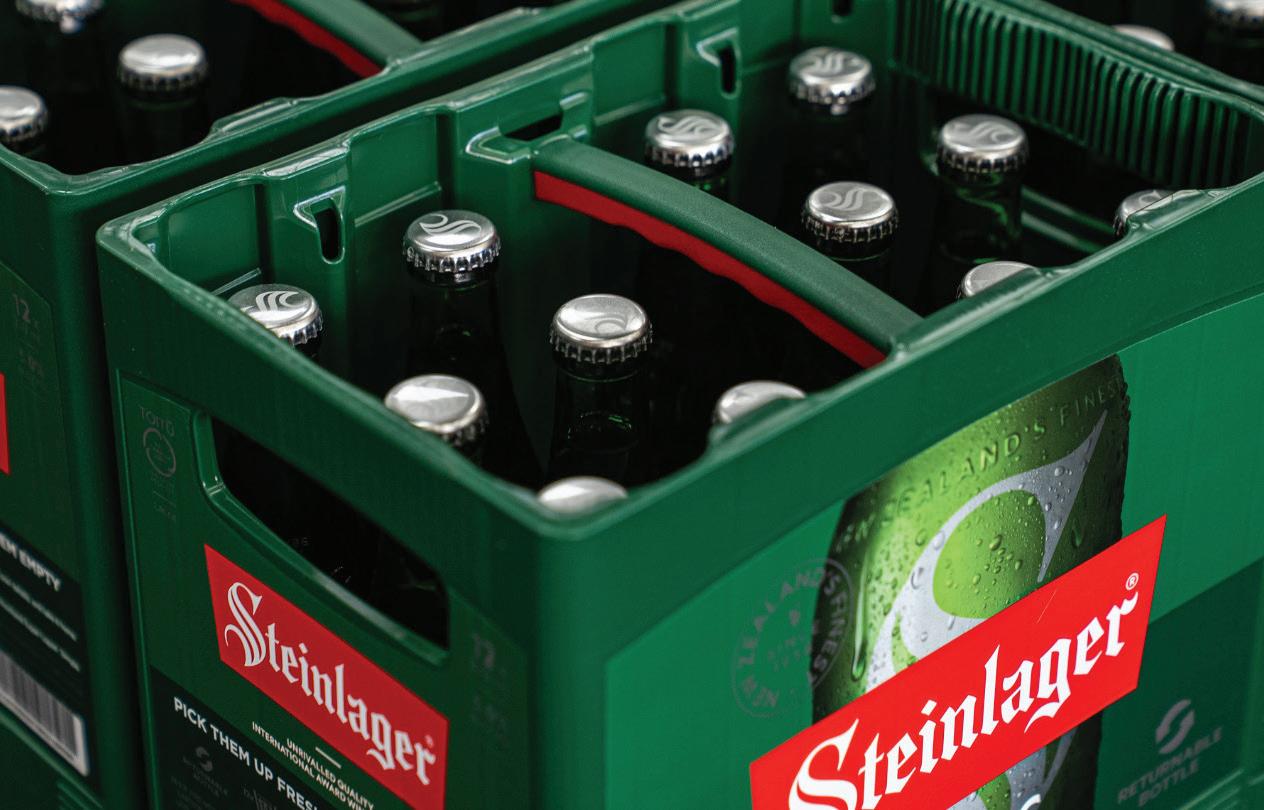
LION has launched a returnable crate-and-bottle system for iconic New Zealand beer Steinlager. Modernising the classic Kiwi Swappa Crate, the pilot has used digital tracing to make it easier than ever. The project formed part of LION’s broader sustainability ambitions as a B Corp-certified business.
Available at 48 Super Liquor stores across Auckland, the pilot has modernised the classic Kiwi Swappa Crate by removing the deposit and adding digital tracking to make the consumer experience of reusable bottles easier than ever.
While circular beer bottles and digital tracking exist separately, LION has become the first in the world to successfully combine them. This integrated system makes the return process seamless, moving beyond traditional models to create a smarter way to reuse glass.
The system also introduces a smaller 330mL bottle format, a key differentiator from traditional 745mL swappa beer bottles, designed to suit modern drinking occasions and consumer preferences better.
LION said the Auckland pilot has been intentionally being treated as a “test and learn” phase, designed to understand how consumers engage with the system in real-world conditions before considering broader expansion.
LION Strategy Director John Steiner added that the pilot had been more than four years in the making, involving extensive consumer research, packaging development and technological innovation.
“We know Kiwis increasingly want sustainable options, but only if they’re genuinely easy to use,” said Steiner.
“To scale and modernise the traditional circular beer bottle model, we had to tackle several challenges. By digitising and simplifying borrowing and returns, removing the need to pay a deposit, and updating the format to 330mL bottles, we’ve completely reimagined the experience for consumers.”
Evaluated by Toitū Envirocare, at scale, the new returnable glass system has the potential to slash overall carbon emissions by 64 percent over its entire lifecycle, compared with LION’s existing single-use
cans and bottles. This would offer people a genuinely sustainable choice with the same quality and convenience.
LION’s new returnables scheme works like a library system for beer. Instead of buying the crate and the bottles, you simply borrow and return them.
“It’s a simple checkout system. You borrow the packaging, return it when you’re done. You buy the beer, not the bottles.”
Consumers register once in-store with their name and phone number, then use a unique barcode to check crates out and back in when finished. Digital tracking enables LION to keep tabs on circulating crates while maintaining a fast, seamless checkout experience.
The project has been in development for more than four years and forms part of LION’s broader sustainability ambitions and Force for Good strategy, as an already certified B Corp business.
LION partnered with Datacom to
help develop the technology platform underpinning the pilot, following an intensive innovation sprint focused on creating a seamless consumer experience.
The initiative also required the development of entirely new packaging.
LION has developed a purpose-built returnable bottle designed to better withstand multiple reuse cycles, alongside durable crates made from 100 percent recycled plastic.
Early signs have been encouraging, with strong initial sales and positive customer feedback.
“We’re collecting data, understanding behaviours, and continuing to refine the experience. The long-term ambition is to understand how a system like this will work at scale across New Zealand,” said Steiner.
Steinlager was selected for the trial due to its broad consumer appeal and strong sustainability credentials, with Steinlager already certified Toitū Carbon Zero.

Extended Producer Responsibility (EPR) changes the question businesses need to ask about packaging. Instead of simply asking, “What happens to our packaging after someone uses it?”, businesses need to consider, “What responsibility do we have for the packaging we put on the market in the first place?”

EPR policies make producers, importers and retailers more responsible for products and packaging throughout their life cycle, including when they become waste. The aim is to shift more of the cost and responsibility away from councils and communities and towards the businesses making packaging decisions.
New Zealand already has a product stewardship framework under the Waste Minimisation Act 2008. Plastic packaging has been declared a priority product and the Government has consulted on a broader EPR framework.
The final requirements and timing are still developing, but the direction is clear: businesses will need to understand and account for the packaging they place on
the market. For many food and beverage businesses, regulation may not be the first challenge. The first challenge will be data.
Most businesses know what their packaging costs and whether it protects their product. Fewer have one reliable source showing every packaging format, material and component across their product range.
A single product may include a bottle, lid, seal, label, adhesive, sleeve, carton and transport packaging. These components may come from different suppliers and use several materials. Information may sit across procurement systems, spreadsheets, emails and supplier documents.
That makes seemingly simple questions difficult to answer. How much packaging did your business place on the New Zealand market last year? How much was plastic? What proportion contained recycled material? Which components can be collected and recycled in New Zealand? If finding the answers would take weeks, now is the time to improve your data.
Businesses do not need to wait for final EPR rules to start preparing. A packaging data audit can establish a useful baseline. Start by recording:
• Each packaging format and component
• The material or combination of materials used
• The weight of each component
• Recycled content
• Recyclability or compostability
• Whether the packaging can be reused
• The supplier and country of manufacture
• Annual sales or import volumes
• The markets where the packaging is sold
• Likely collection, recovery and end-of-life pathways.
The detail matters. Different types of plastic are used, collected and recycled in different ways. Similarly, technically recyclable packaging may not be accepted through kerbside collections or have a viable end market in New Zealand.
Compostable packaging also needs scrutiny. Where will it be composted? Is suitable collection and processing available? Will customers know what to do with it? A claim based on what is technically possible can be misleading if the right system does not exist in practice.
This work is not only about regulation. Good packaging data can help businesses remove unnecessary components, use less material, increase recycled content and explore reuse. It can also prevent unintended consequences. Packaging protects food and extends shelf life, so using less may increase product damage or food waste.
Recyclable does not automatically mean low impact. Glass can be energy-intensive to produce and heavy to transport, while compostable packaging may release emissions if it ends up in landfill. Life Cycle Assessment (LCA) helps businesses compare these trade-offs across raw materials, production, transport, use and end of life.
At thinkstep-anz, we often find packaging data scattered across teams and suppliers. Bringing it together reveals gaps, supports better decisions and helps businesses substantiate claims such as “recyclable”, “made with recycled content” and “compostable”.
Your suppliers will hold much of the information you need, but asking whether packaging is “sustainable” will not produce useful data.
Ask specific questions. What materials are present? What does each component weigh? How was recycled content calculated? Do you have an Environment Product Declaration (EPD)? Which standards support a compostability claim? Has the packaging been assessed against New Zealand’s collection and processing systems?
Agree on consistent definitions and what evidence you need. Where possible, build these fields into procurement processes and product specifications so the information stays current when packaging changes.
EPR may bring new reporting and financial responsibilities. But waiting for every detail to be confirmed creates its own risk. Start with what you use, how much you use and what happens to it. Before EPR becomes a reporting issue, make sure it is no longer a data issue.

Food and beverage manufacturers sit at the heart of New Zealand’s economy, but like many of our key industries, they face no shortage of challenges in the face of today’s complex operating environment.
Rising energy costs, persistent labour shortages, increasing international competition and shifting customer expectations are all putting pressure on businesses to find new ways to remain productive and competitive.
The encouraging news is that many of the solutions available today can not only deliver commercial benefits but offer a sustainability and environmental dividend at the same time.
Our recent report, Driving Sustainable Growth: Opportunities for New Zealand’s Economy, found that New Zealand has an opportunity to pursue an economic growth pathway that simultaneously improves productivity, strengthens international competitiveness, enhances energy security and reduces emissions.
The economic potential is significantcontributing an additional $22 billion in GDP annually by 2035, rising to more than $33 billion a year by 2050 compared with a future that relies solely on current
carbon price settings. At the same time, emissions would fall further and faster.
For food and beverage manufacturers, this finding should be particularly compelling. The sector is energyintensive by nature, exposed to volatile input costs and heavily reliant on international markets. That means it is also uniquely well placed to benefit from the productivity, resilience and competitiveness gains identified in the report.
Few opportunities are more significant than process heat. Heating, drying, cooking and steam generation are fundamental to many production processes, but they are also major sources of cost and emissions. The report identifies affordable and plentiful renewable energy as one of New Zealand’s greatest competitive advantages. Businesses that can successfully electrify process heat stand to benefit not only from lower emissions, but from greater energy security and reduced exposure to volatile
international fuel markets.
The same principle applies to refrigeration and cold-chain operations. Smarter energy management systems, automation and digital technologies can help businesses optimise energy use, reduce waste and improve operational efficiency. These investments are often viewed through a sustainability lens (which we of course believe is important), but their commercial value lies in improving productivity, reducing operating costs and strengthening competitiveness over time. Our report highlights innovation, technology uptake and productivity growth as central drivers of a prosperous future for New Zealand. Packing provides yet another example of how sustainability and competitiveness increasingly overlap. Reducing material use, designing for recyclability and improving resource efficiency can lower costs, reduce waste and respond to growing customer expectations in both domestic and export markets. As
New Zealand consumers (as evidenced in the annual Kantar and SBC Better Futures report) and international buyers place greater scrutiny on environmental performance across supply chains, packing innovation is becoming a source of commercial advantage, not simply a compliance exercise.
And that international dimension matters more than ever. As a tradedependent nation, New Zealand’s longterm prosperity depends on our ability to compete in global markets. Our report argues that productivity, innovation and access to renewable energy will be critical to maintaining that competitiveness. For food and beverage businesses, demonstrating efficiency, resilience and sustainable production practices is increasingly becoming part of securing market access, meeting buyer expectations and strengthening consumer preference in premium export markets.
But it’s important to note that technology alone won’t deliver these outcomes, and the
future we are working to secure.
One of the strongest messages from the Driving Sustainable Growth report is that productivity growth ultimately depends on people. Building workforce capability, supporting new skills and ensuring employees can work confidently alongside new technologies will be essential to capturing the full value of investment. Companies that combine technological innovation with workforce development are likely to be best positioned to succeed.
One of the most encouraging findings from the report is that New Zealand does not need to wait for breakthrough technologies to emerge. Many of the solutions required to strengthen productivity and competitiveness already exist today. The challenge is not a lack of innovation, ambition or investment appetite. It is about creating the creating the stable conditions that allow businesses to invest with confidence and focus on long-term value creation.
The central message of Driving
Sustainable Growth is simple: New Zealand can be more prosperous and more sustainable at the same time – and the economic prize in doing so is significant. For food and beverage manufacturers, that opportunity is already within reach. The opportunity has been quantified. The technology largely exists. The economic case is compelling.
The question now isn’t whether these changes will shape the future of the sector, but which businesses will be the first to capture the advantages.

I often say that if companies aren’t having focused discussions and making smart decisions about the sustainability of the packaging they are manufacturing and using, then public policymakers might make those sustainability decisions for them, and the companies might not like some of those decisions.
Flexible packaging is in a unique situation as it is one of the most environmentally sustainable packaging types for product-to-package ratio and source reduction; transportation efficiency; water and energy consumption; and food waste and greenhouse gas emissions reductions. But circularity options for flexible packaging currently remain limited. There is no single solution that can be applied to all communities when it comes to the best way to collect, sort, and process flexible packaging. Viability is influenced by existing equipment and infrastructure; material collection methods and rates; volume and mix; and demand for recovered materials. Mono-material flexible packaging, which is approximately
half of the flexible packaging waste generated, can be mechanically recycled, primarily through store drop-off programs. The other half of flexible packaging waste can be used to generate new feedstock through non-mechanical recycling technologies such as pyrolysis and gasification.
Developing end-of-life solutions for flexible packaging is a work in progress, and FPA is partnering with manufacturers, recyclers, retailers, waste management companies, brand owners, and other organisations to continue making strides toward total packaging recovery. Some examples include our work with The Recycling Partnership (TRP), the Hefty® ReNew® Program, and the Flexible Film Recycling Alliance

(FFRA). These entities and others are actively seeking to increase the complete circularity of flexible packaging. Also, increasing the recycled content in packaging and other new products will create markets for those products and can serve as a policy driver for the creation of new collection, sortation, and processing infrastructure for valuable materials to be recycled.
FPA believes that properly constructed and executed extended producer responsibility (EPR) laws for packaging are another public policy mechanism that could significantly assist with increasing flexible packaging recycling in the U.S. through additional funding and infrastructure. Seven such laws have now been enacted in California, Colorado,

Maine, Maryland, Minnesota, Oregon, and Washington State. While these laws are not all created equal and some are arguably overreaching in their goals and requirements, FPA is proud to have publicly supported the enabling legislation in Maryland and Minnesota as vehicles we believe have real potential to promote a critical and necessary shift in flexible packaging recycling in the U.S., while not placing overburdensome requirements or restrictions on flexible packaging manufacturers and users. With the Colorado and Oregon laws now in effect and programs in the other states going into effect over the next several years, time will tell how well these packaging EPR laws in the U.S. will increase flexible packaging recycling.
But again, the key is to avoid overburdensome requirements or restrictions on flexible packaging in the name of “sustainability,” including potential sales bans like we currently face under the California packaging EPR law. Flexible packaging manufacturers and brand owners are partnering to make amazing advances towards even more circular and sustainable packaging, including more fibre-based, monomaterial, and recycle-ready formats, and significant increases in the use of postconsumer recycled (PCR) content. FPA will take every opportunity to continue to work with our industry and public policymakers to ensure these sustainability advances are supported by sound, strong, and sustainable laws and regulations.
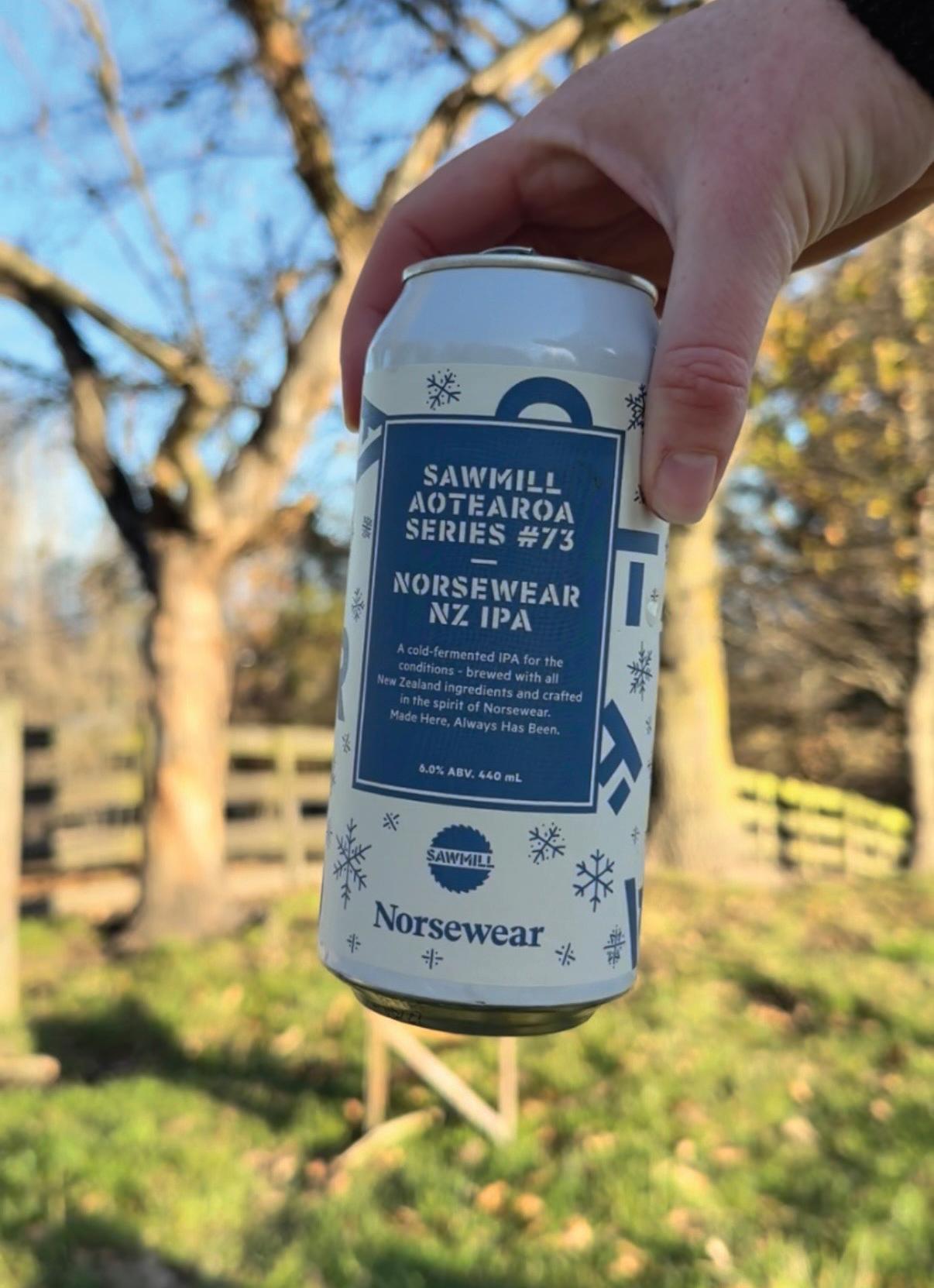
In arguably one of the most Kiwi partnerships, Norsewear has partnered with Sawmill Brewery to release a limited-edition cold-fermented IPA.
Tim Deane from Norsewear said the company loved a good collaboration and felt it was the right time for this partnership.
Norsewear has had relationships with a few key partners that have been kept a bit more under the radar, such as manufacturing co-branded socks for Fat Freddy’s Drop to wear and sell on their winter tours to Europe. It has also just signed a deal with Secondary School Sport NZ that takes 10 percent of the sale price off its Wool Blacks beanies to support grassroots sport.
“We were thrilled to be asked to collaborate on this project. It’s another nice fit for us, and we could instantly picture someone sitting by the fire in their Farm Flecks sipping on an ice-cold IPA,” he said.
Deane added that Sawmill Pilsner is his favourite beer, and the brewery is just down the road from where he lives. He first met the brewery’s owners, Kirsty and Mike McKay, several years ago, and discovered they were big supporters of New Zealand wool.
“I really like how they’ve found some cool, novel ways to incorporate wool into the fit-out at the brewery and in the gifts and other gear they sell on-site.”
After chatting about trialling some brewer’s socks, they focused on crafting something to keep beers cold that weren’t made from synthetic neoprene, which was how the koozies were born.
Kirsty McKay said that making beer with Norsewear was the natural next step. IPA was chosen because of its broad appeal. She added that it’s crisp, refreshing, and easy to drink, and that it’s made with all New Zealand ingredients.
“There wasn’t a beer series that focused on the innovation happening here. We wanted to showcase and celebrate this, and the hard work of New Zealand farmers, what they produce is world-class, and our
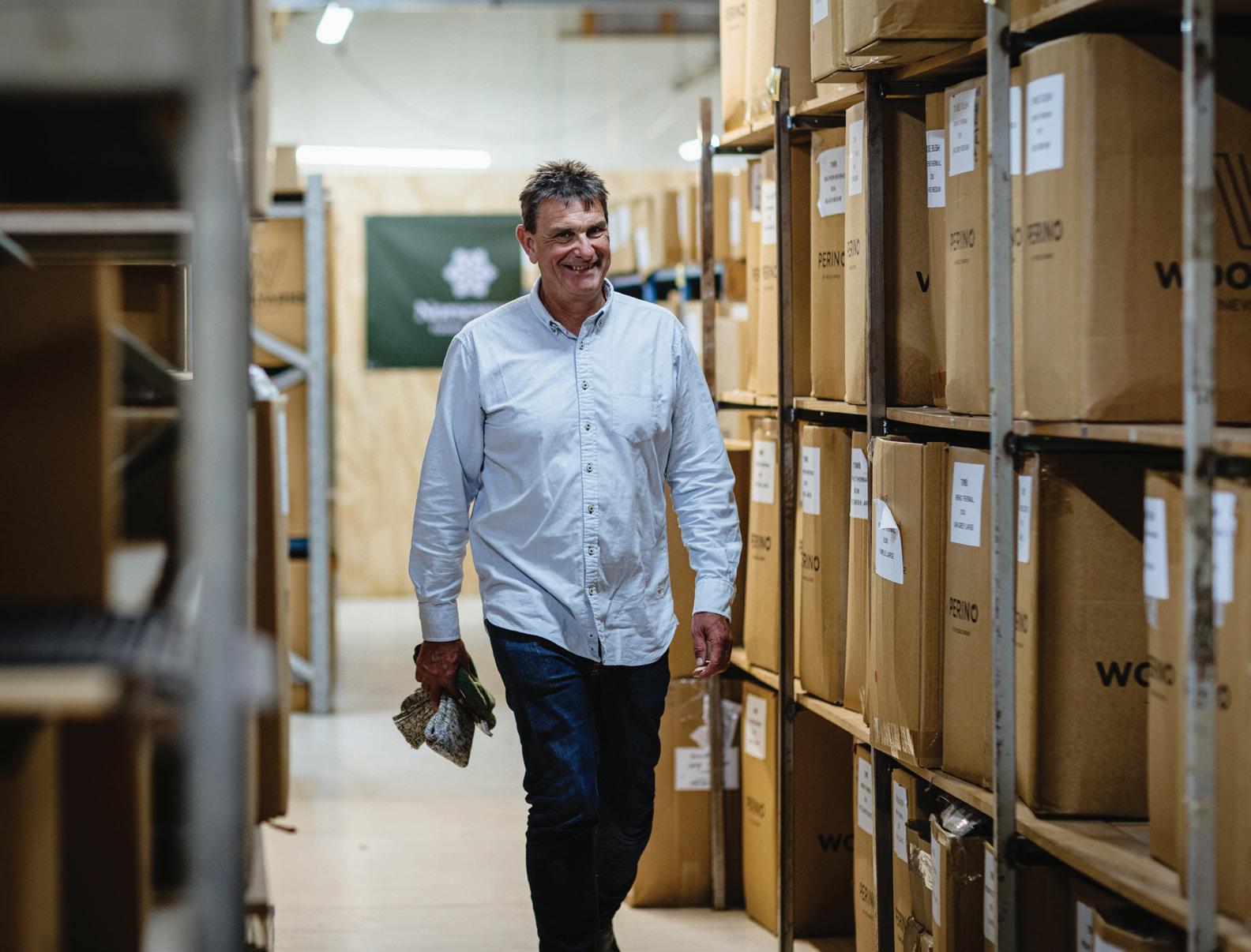
beer wouldn’t be what it is without them,” she said.
McKay added that both Sawmill and Norsewear have a lot in common and have specifically focused on quality and innovation. Both companies also recognised the immense value of producing goods here and keeping profits in the local economy.
“We are both completely reliant on the primary industry and have immense appreciation for New Zealand farmers and growers. Both Sawmill and Norsewear have come straight from the efforts of New Zealand farmers.”
Deane added that while manufacturing offshore might sound like a more economically viable business decision on face value, for him it was not, as no matter where something is made, there is the cost of doing business offshore.
In Norsewear’s case, it can effectively
grow, design, produce and distribute locally.
“We control the quality of wool we buy and know who it’s from, then make the product we want to make, employing local talent, supporting a regional economy and lowering the carbon impact by keeping the supply chain short.”
Deane wanted Kiwis to look carefully at the people and products they support, such as buying locally brewed beer made from locally grown ingredients or choosing woollen apparel crafted and manufactured in New Zealand.
McKay added that Sawmill, like Norsewear, has heritage and tradition and, at the same time, wants to be around for a long time, making innovation an important part of its operations.
“We think a lot of Kiwis see the value in supporting locally owned businesses, it makes for stronger communities and a more resilient economy.”
The Institute of Food Technologists (IFT) has focused on the future of artificial intelligence in food, particularly how AI has been advancing health-driven food innovation while also addressing sustainability and food security.
IFT FIRST Annual Event and Expo, the leading food science and innovation expo, returned to McCormick Place in Chicago this month, featuring extensive programming and exhibitions focused on the next generation of AI-supported food innovation.
“IFT FIRST attendees will get to experience first-hand what comes next with AI and how they can better leverage it for product development, technical problem solving, insights and operations,” said Jay Gilbert, IFT Director of CoDeveloper & Digital Products.
The Artificial Intelligence Keynote, “Designing with Intelligence: Practical AI for Faster, Smarter, Safer Food Innovation,” featured Alon Chen, Chief Executive Officer and Co-Founder of Tastewise, sharing real-world use cases where AI is converting consumer signals into science-based decisions for product developers and R&D leaders.
The keynote provided valuable insights around product development, course design, research, policy, and environmental health, hosted by Jay Gilbert, PhD, the visionary behind CoDeveloper, IFT’s proprietary AIpowered, science-backed R&D platform.
CoDeveloper was created by food scientists to deliver proven considerations into the product development process,
accelerating formula development and overcoming technical roadblocks. It’s the only R&D solution that seamlessly pairs AI’s computational speed with IFT’s 85plus years of peer-reviewed research and published content.
Since its debut at IFT FIRST 2025, companies across the food industry have discovered how CoDeveloper supports their teams by accelerating R&D through trusted science. This year, the CoDeveloper booth will be located in the AI and Technology Pavilion.
“AI is already reshaping nearly every part of the food ecosystem, and it’s here to stay. The advantage will go to teams that use it to amplify expertise, not replace it. AI can speed formulation, strengthen quality and consistency with predictive tools, and turn consumer signals into better decisions, but only when it’s built on trusted data, validated by humans, and guided by strong governance,” said Jay Gilbert, IFT Director of CoDeveloper and Digital Products.
“IFT FIRST attendees will get to experience first-hand what comes next with AI and how they can better leverage it for product development, technical problem solving, insights and operations.”
IFT FIRST Annual Event and Expo has become one of the most influential food technology events in the world, uniting instrumental leaders across the global food
system to help shape the future of food.
It featured a dynamic expo hall that connected many of the top global food and wellness companies with buyers and those with purchasing influence, and offered cutting-edge scientific programming exploring the hottest topics in food science.
It also offered valuable networking opportunities, unique food competitions, and engaging interactive experiences to connect, enrich, and empower attendees in their missions to transform the global food system.

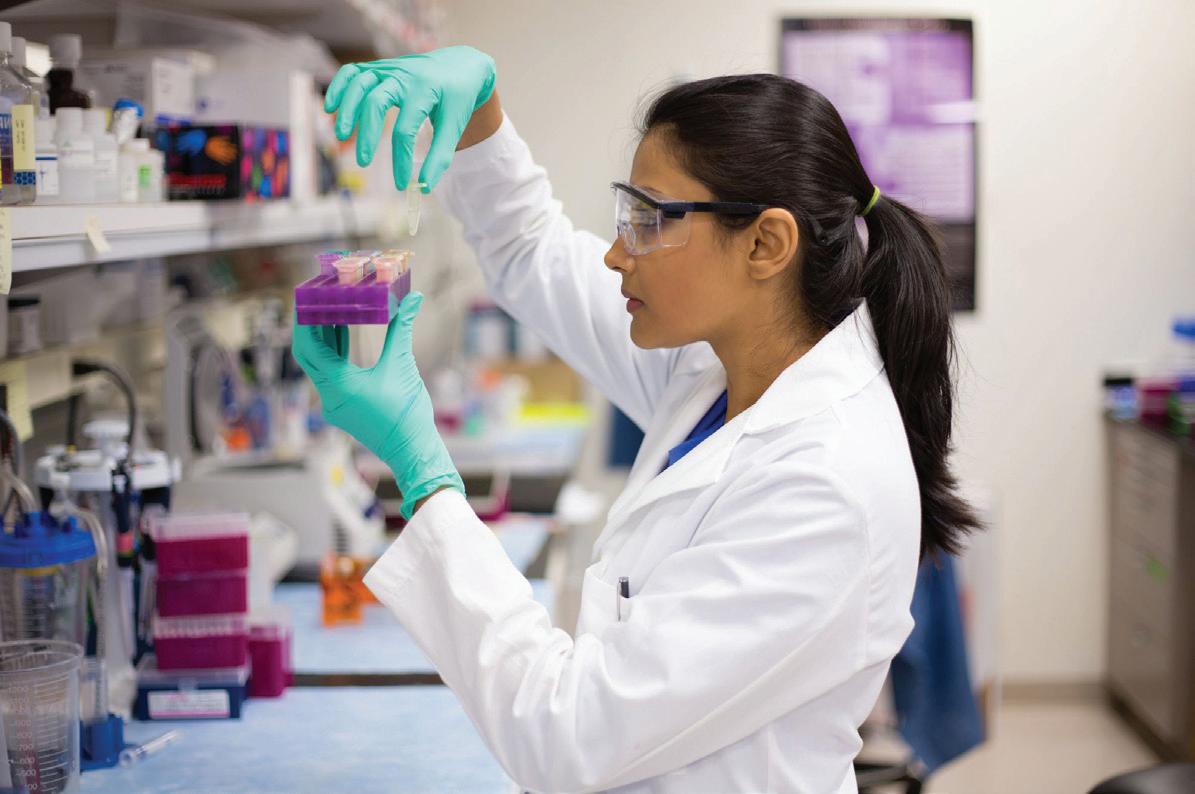


GRA Nutra AG has introduced AuraBC, a natural, clean-label, beta-carotene food colour derived via non-GMO fermentation technology.
AuraBC provides warm yellow-to-orange tones to a broad spectrum of food and beverage applications. The company is set to operate its vertically integrated production facility with minimal ecological footprint.
GRA Nutra’s proprietary fermentation and formulation technologies deliver natural beta-carotene-derived food colourants to food and beverage manufacturers, positioning them for broad market adoption.
Lynda Doyle, CEO of GRA Nutra Corp, explained that the food colour market has rapidly shifted away from FD&C petroleumbased and other synthetic dyes toward natural, clean-label pigments. This is driven by consumer distrust of artificial colours, retailer and regulatory pressure, and aggressive reformulation by major brands.
“Our fermentation-based colours break through the cost barrier of delivering natural alternatives that are environmentally sound,” said Doyle.
In the U.S., the transition from synthetic dyes has been accelerated by the FDA’s revocation of Red No. 3, as well as a broader initiative to phase out petroleum-based certified colours in the coming years. This comes alongside state-level restrictions, especially as applied to school food service.
In Europe, the ban against titanium dioxide and certain FD&C dyes reinforced a global pivot toward reducing synthetic additives.
“Our proprietary fermentation technology is the key to optimising beta-carotene yields from naturally occurring strains,” said Guido Schaer, co-founder and Chairman of GRA Nutra AG.
“The process is vertically integrated, combining ingredient production, extraction, purification, and formulation within a single facility. This integrated model reduces transport, minimises energy use, and improves overall efficiency and sustainability.”
AuraBC is available in versatile formats, including spray-dried
powders, beadlets, granulations, oil suspensions, and emulsions. The beadlet formulation provides consistent performance and exceptional stability across diverse applications and conditions, while delivering excellent solubility, dispersibility, bioavailability, and organoleptic properties.
These formats help to maintain colour vibrancy and to reduce processing losses. AuraBC natural beta-carotene can be standardised to concentrations ranging from one percent to 30 percent.
Sustainability by definition
GRA Nutra’s manufacturing process relies heavily on renewable energy, either generated on-site using solar panels or through certified renewable PPAs.
“Our commitment to sustainability extends beyond energy use to the very materials we work with,” added Doyle.
“Unlike petrochemical-based production, our colourant sources are renewable, fermentation-based and algae-derived active ingredients. We prioritise short, efficient supply chains and partner only with suppliers who share our vision of achieving a zerocarbon footprint.”
AuraBC natural beta-carotene delivers a range of attractive yellow-orange shades to beverages, including flavoured waters, sparkling refreshers, energy drinks, juices, or dairy-based beverages.
Natural colours are now both a regulatory necessity and a branding asset for manufacturers, but limitations in shade range, stability, processing performance, and capacity make scaling to meet growing demand increasingly challenging. This is prompting intensive R&D into fermentation-based and algae-derived pigments, as well as bolstering supply chain resilience, reducing costs, and addressing variability.
Schaer added that GRA Nutra provides food manufacturers with a viable means to reformulate products that align with clean-label, wellness, and environmental ideals, while giving brand owners a practical, sustainable alternative to synthetic colourants in flexible formats, with robust supplies and competitive prices.


The sports nutrition and functional beverage categories have evolved rapidly, driven by consumer demand for clean-label, plant-based nutrition and refreshing formats that support active lifestyles.
Between 2020 and 2024, the number of high-protein drinks grew by 122 percent, with consumers preferring natural options.
One of the most promising developments has been the rise of clear protein beverages. However, the category has historically been constrained by challenges in taste, clarity, and solubility, particularly for formulators working with plant-based proteins.
Advances in ingredient technology have made clear pea protein a viable and compelling solution for both ready-todrink (RTD) and ready-to-mix (RTM) applications. It offers several advantages over many other proteins, including a cleaner taste profile at lower dosages (15g or less), reduced foaming, and favourable cost-in-use.
Prinova, a leading provider of ingredients, nutrient premixes, and
contract manufacturing solutions for nutrition, food, and beverage brands, shared its expert insights on the functionality and commercial potential of clear proteins at IFT FIRST.
Its R&D experts hosted a session and demonstrated how it can be integrated into hydration, energy, and performance beverages, and attendees were invited to sample a clear protein beverage.
“Clear proteins offer a perfect solution for high-quality protein-based beverages that meet a range of consumer expectations,” said Tim Gran, Specialty Development Manager at Prinova USA.
“As well as clean-label and natural credentials, clear protein beverages can deliver functionality, convenience and refreshment across both RTD and RTM platforms. At IFT, we’re inviting attendees to discover how our experts can help you accelerate innovation and shape the next generation of functional beverages.”

Balchem, a leading global manufacturer of specialty ingredients for human nutrition and health, returned to IFT FIRST to showcase better-for-you food and beverage concepts and share expert insights on elevating formulation.
Visitors could sample new functional beverages and high-protein snack prototypes powered by Balchem’s range of food and beverage solutions, including its new Milk Protein Z-Crisps.
The portfolio included customisable beverage systems, advanced microencapsulated ingredients, and functional powders designed to meet the growing demand for products that support a healthy, balanced lifestyle without compromising taste.
Experts also hosted two presentations demonstrating innovative approaches to better-for-you formulation.
“Current market trends are driving demand for convenient, on-the-go options that support wellness while still delivering
the flavours and textures consumers expect,” said Andrew Hart, Director of Strategic Marketing & Business Development at Balchem.
“Healthy snacking has become a daily ritual for most Americans, with 70 percent actively seeking more protein, while functional beverages are redefining the drinks category. At IFT, we are excited to showcase concepts that demonstrate how our ingredient technologies can help brands meet these demands with products that deliver real health benefits and strong sensory appeal.”
Visitors could connect with Balchem experts to learn how MeatShure, an advanced microencapsulation technology, enables efficient production of premium meat snack sticks by eliminating
fermentation time and added sugars.
In beverages, Balchem presented its INjoy beverage systems, designed to deliver tailored functionality and consistent sensory appeal across applications such as functional waters, ready-to-drink beverages and energy drinks.
VitalBlend rounded out the portfolio with fully customisable lipid-based powders enhanced with macro and micronutrients to support applicationspecific nutrition needs.
Balchem’s capabilities were showcased through product concepts, including Dubai-inspired chocolate clusters featuring Milk Protein Z-Crisps. This high-protein concept demonstrated how brands can create nutrient-dense products without sacrificing taste or texture.
Today’s consumers have embraced a more proactive approach to health, seeking products that support active lifestyles, healthy ageing, weight management, and overall well-being.
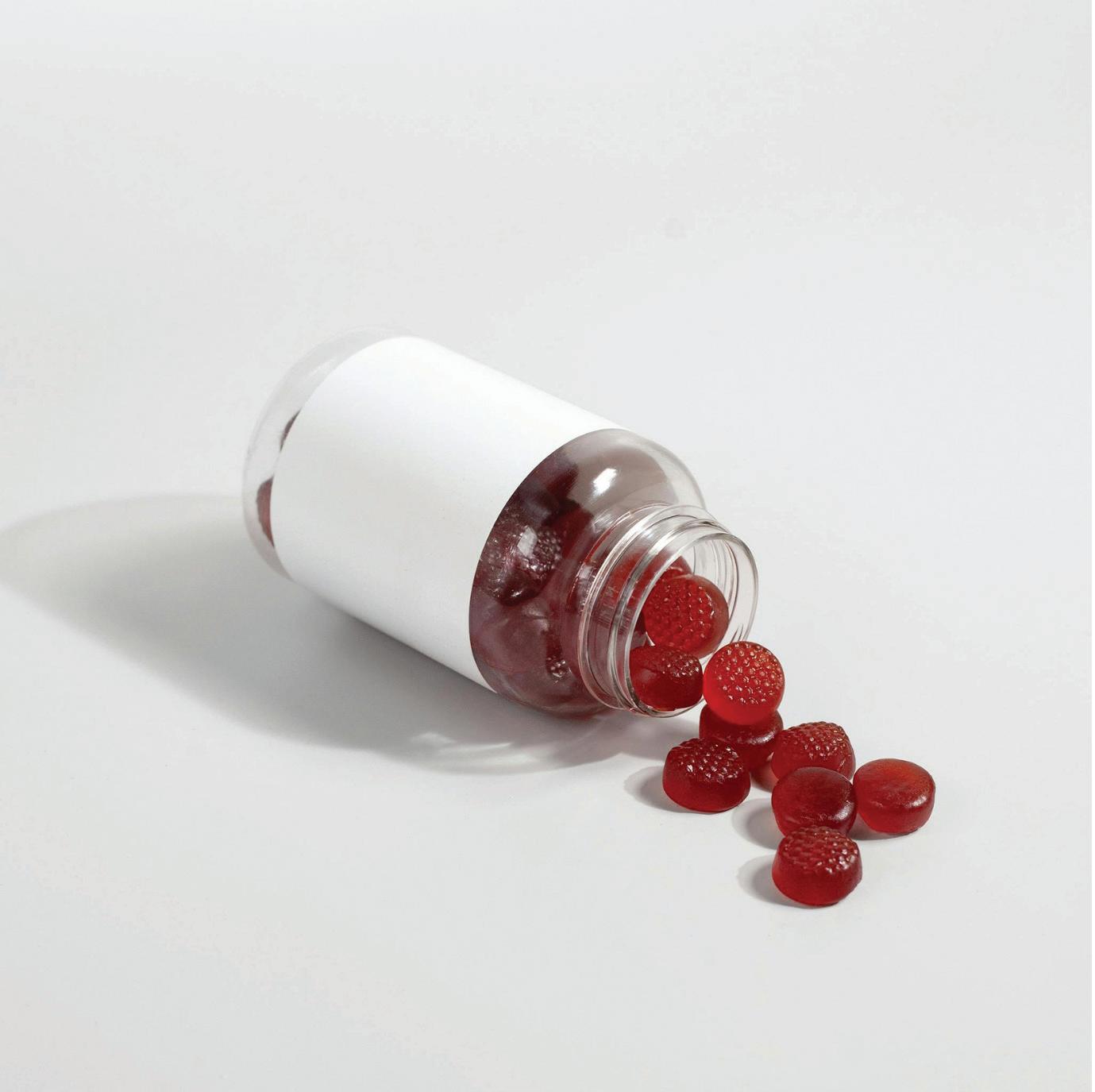
At the same time, emerging GLP-1 behaviours have increased demand for nutrientdense foods and beverages that deliver greater nutritional value in smaller portions. As a result, brands have been challenged to create products that are not only protein-rich and functional but also enjoyable to eat and drink.
GELITA invited food and beverage innovators to visit and discover how collagen proteins can help brands meet evolving consumer expectations for wellness-driven, protein-powered products.
Under the theme “Be Active! Rethink Protein. Elevate Active Nutrition with Collagen Peptides,” GELITA showcased science-backed ingredient solutions that enable manufacturers to create foods
and beverages that deliver nutritional value, satisfying taste and texture, and consumer-desired health benefits.
“GELITA helps manufacturers rethink what protein can do,” said Angie Rimel, Marketing Communications Manager –North America.
“Our collagen peptides and gelatin solutions enable developers to create wellness-driven foods and beverages that provide functional benefits while delivering the taste, texture, and eating experience consumers expect.”
From protein bars and functional beverages to gummies and healthy snacks, GELITA’s collagen proteins help manufacturers develop products that align with today’s most important consumer trends:
Wellness-Driven: science-backed ingredients that support active lifestyles, healthy ageing, beauty-from-within, and mobility.
Protein-Powered: innovative collagen solutions that enable protein enrichment while maintaining appealing texture and sensory quality.
Sugar-Smart: ingredient technologies that support reduced-sugar formulations without sacrificing consumer enjoyment.
Healthy Indulgence: products that combine nutrition and functionality with the taste and texture consumers crave.
Visitors discovered how collagen peptides and gelatin can help unlock new opportunities across the functional food and beverage landscape while meeting consumers’ growing demand for convenient, nutrient-dense products.
As demand for convenient, protein-rich snacks has continued to grow, developers have faced ongoing challenges with texture, binding, and sensory appeal.
GELITA’s OPTIBAR collagen protein solution helps brands rethink protein formulation by supporting protein enrichment while improving mouthfeel, structure, and overall product quality.
For cereal, granola, and high-protein bars, OPTIBAR helped overcome common formulation issues such as stickiness, brittleness, and off-flavours, enabling manufacturers to deliver active nutrition products consumers will enjoy purchasing again.
Consumer interest in active nutrition beverages has also continued to expand as shoppers seek convenient ways to support wellness goals throughout the day.
GELITA’s Bioactive Collagen Peptides (BCP) enable beverage manufacturers to create functional drinks that support beauty-from-within, mobility, and active lifestyles while offering clean-label appeal and formulation flexibility.