Music sets the tone. A music licence gives peace of mind.
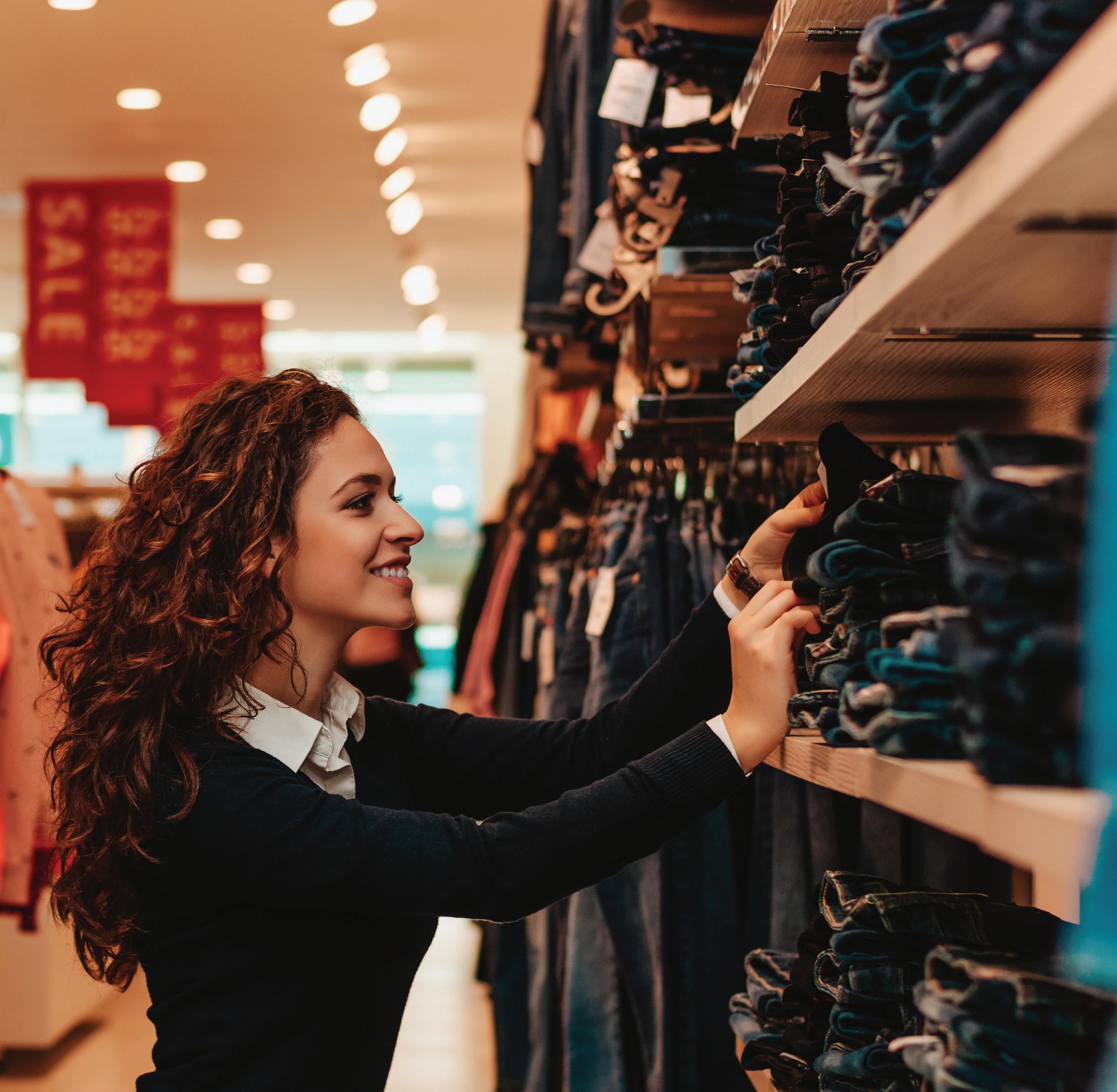
From the moment your customers walk in, music sets the tone. It creates energy, reflects your brand. When you play music in your store, a OneMusic licence ensures you’re doing it the right way - simply, legally, and fairly.
ESSENTIAL FOR FASHION RETAILERS, BOUTIQUES
& APPAREL STORES
Playing music in a business is different from listening at home. A OneMusic licence covers the rights you need to play music across your premises - helping you avoid compliance risks while supporting the artists who make the music you and your customers love.
Create atmosphere
Define the vibe and energise the shopping experience. Music makes spaces feel welcoming, vibrant, and memorable.
Stay compliant
Avoid legal risks and protect your brand with the permissions to play music in public spaces. No guesswork, no gaps.
Support artists
Your licence helps ensure songwriters, composers, and recording artists are paid for their work. Royalties. That’s what we do.
Get licensed in minutes
Scan the QR code for more info or visit:
SHARING SPACE, SHARING SURVIVAL
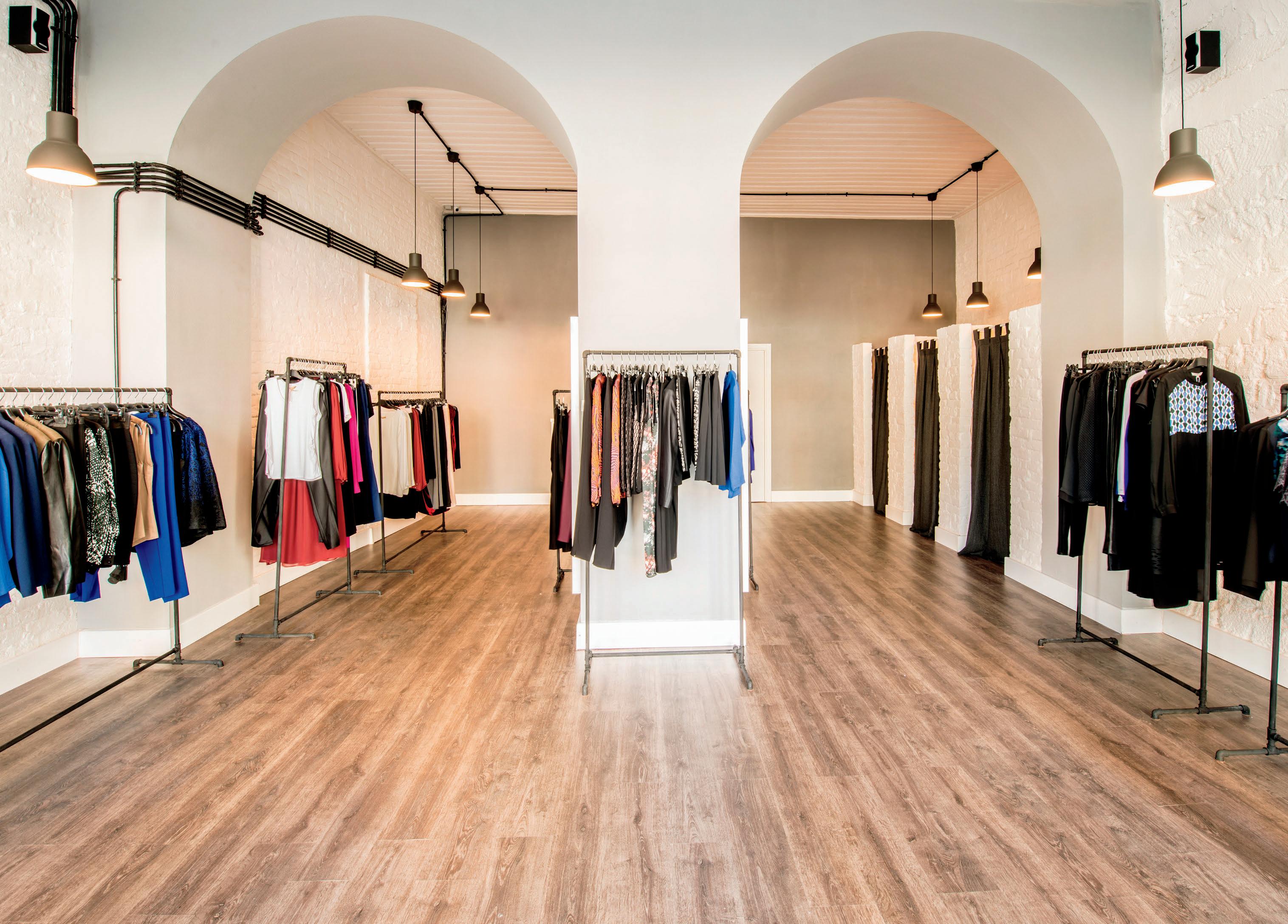
There was a time when sharing a retail space may have been seen as a compromise. A temporary solution. A sign that a brand had not quite “made it” on its own yet. But in 2026, that thinking feels increasingly outdated. In fact, some of the smartest businesses right now are the ones choosing collaboration over isolation.
With rent, wages, insurance, freight, fit-outs, and operational costs continuing to climb, many retailers are starting to look sideways rather than upwards. Instead of chasing bigger spaces or carrying the burden alone, brands are beginning to ask a different question: what if we shared the load?
Across New Zealand and internationally, we are seeing more businesses partner together under one roof. Fashion labels operating alongside cafés. Homeware stores sharing space with florists. Jewellery brands are setting up within salons or concept stores. Even office and studio spaces are becoming hybrid retail environments that encourage cross-pollination between audiences.
And honestly, it makes sense.
Retail has changed. Consumers no longer shop with tunnel vision. They want experiences. They want discovery. They want spaces that feel layered, interesting, and human. A customer may walk in for a coffee and leave with a new pair of earrings. Someone browsing fashion may stay longer
because there is somewhere to sit, eat, and spend time. Shared spaces create natural opportunities for connection and impulse.
More importantly, they create financial breathing room.
Splitting rent and overheads can be the difference between surviving and shutting the doors. For emerging brands especially, it can allow access to locations and foot traffic that may otherwise feel impossible. Rather than pouring every dollar into securing a standalone storefront, businesses can invest more strategically into product, marketing, staffing, or customer experience.
But successful partnerships are about more than just money. The best shared spaces feel aligned in identity and energy. They complement rather than compete. A thoughtfully curated mix of businesses can strengthen the appeal of the entire space and turn it into a destination rather than just a shop.
It also reflects a broader shift happening across the industry. Fashion and retail have become increasingly community-driven. We are seeing more openness, more collaboration, and a greater willingness to work together rather than guard territory. In difficult economic periods, industries often become either fiercely competitive or surprisingly collaborative. Right now, there are encouraging signs of the latter.
Of course, shared spaces are not without challenges. Different operating
styles, branding decisions, staffing expectations, and financial arrangements all need careful communication. But for many businesses, the rewards outweigh the risks.
Perhaps most importantly, sharing a space no longer feels like “settling.” In many cases, it actually feels smarter, more modern, and better aligned with how people want to shop today.
The romantic idea of the standalone boutique with endless overheads and one business carrying everything alone may no longer be the dream for everyone. And maybe that is okay.
Because if the past few years have taught the retail industry anything, it is that survival increasingly belongs to the adaptable.
NIKE INTRODUCES AI-POWERED SHOPPING
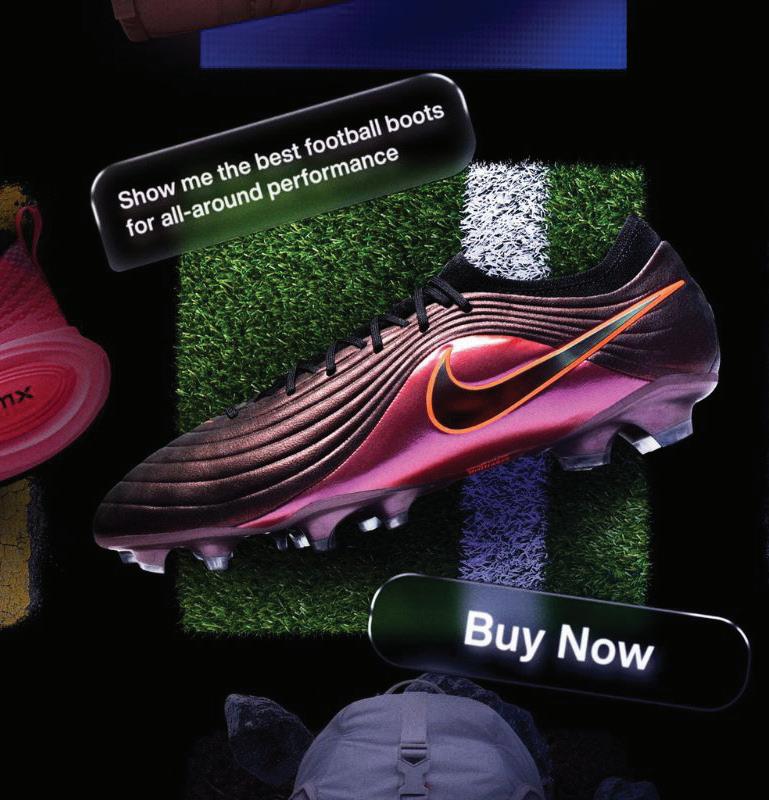
Nike has expanded on its vision to elevate and integrate the marketplace through more seamless AI-powered consumer experiences.
Moving at the speed of evolving consumer behaviour, Nike has integrated the Universal Commerce Protocolpowered multi-item checkout on Google. This capability advances how consumers shop through AI-powered technology, delivering a seamless experience from product discovery to purchase, checkout, and beyond.
Nike will integrate this new multi-item cart shopping capability at launch in early June in the U.S. Consumers will be able to explore and purchase Nike products simply and directly in the Gemini app and in AI Mode on Search.
MARIMEKKO TAPS INTO COCOON CORE FOR WINTER
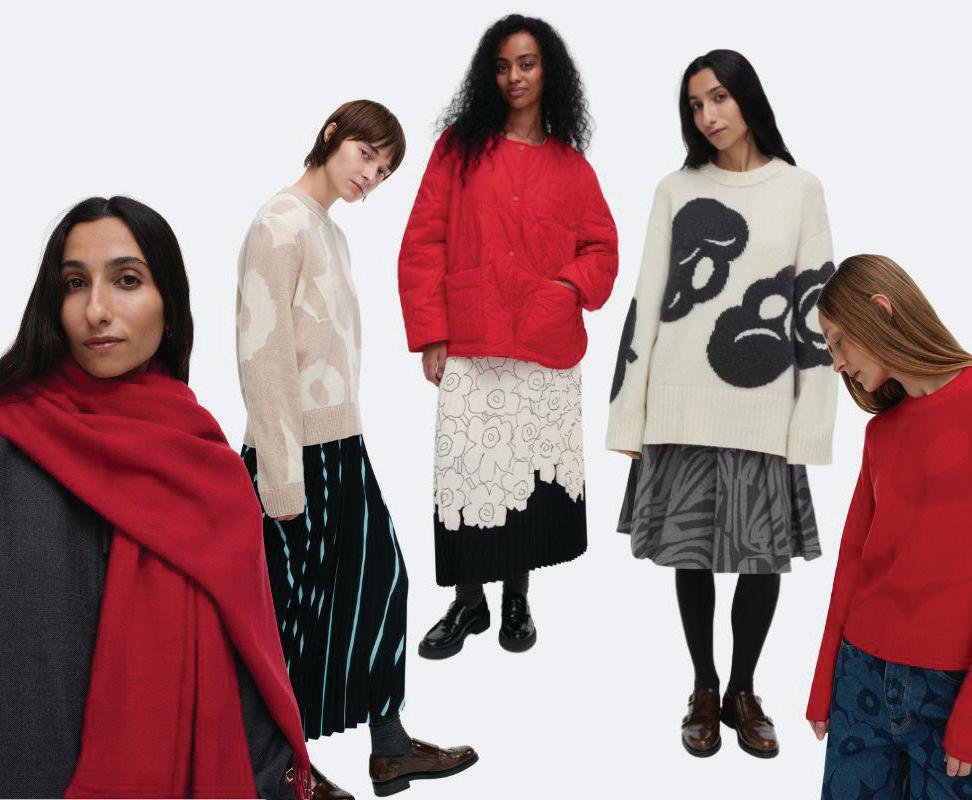
As fashion continues to embrace comfort-led dressing, Marimekko’s Winter Edit has tapped into one of 2026’s biggest style movements: Cocoon Core.
Defined by oversized silhouettes, tactile textures, and softened takes on the iconic Unikko print, the collection has captured the growing demand for wardrobes that feel both comforting and expressive.
DENIM CRAFTED FOR COMFORT
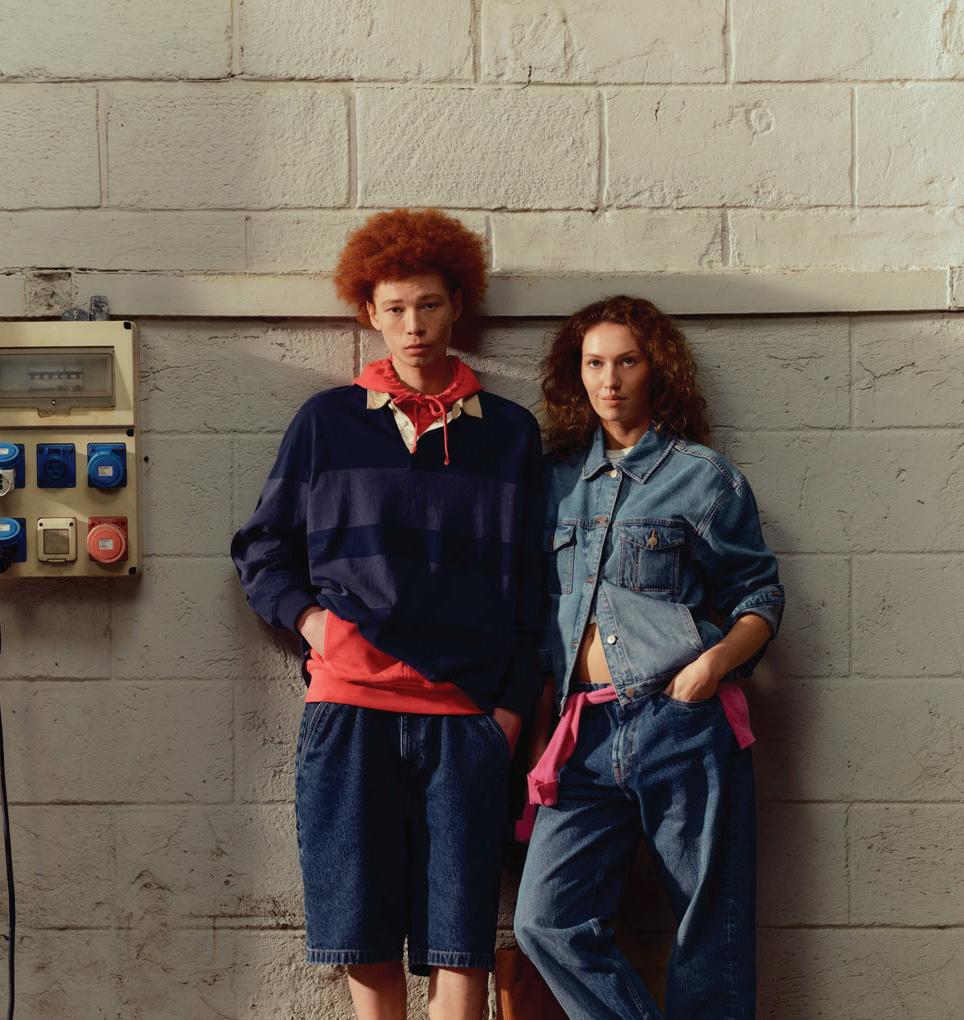
Timberland’s iconic 6-inch boot has long been a defining symbol of rugged style and durability, but the brand’s denim collection is proving equally worthy of attention.
Designed with premium craftsmanship and high-quality fabrics, Timberland’s denim range reflects the same utilitarian heritage that has shaped the brand for decades.
The collection has combined practical design with an artisan-inspired aesthetic, delivering versatile wardrobe staples that balance durability, comfort, and everyday wearability.
ANALYSIS
ZURU Group has accelerated its ability to identify consumer trends and bring products to market, using an AI-powered trend intelligence system built on Amazon Web Services. READ THE
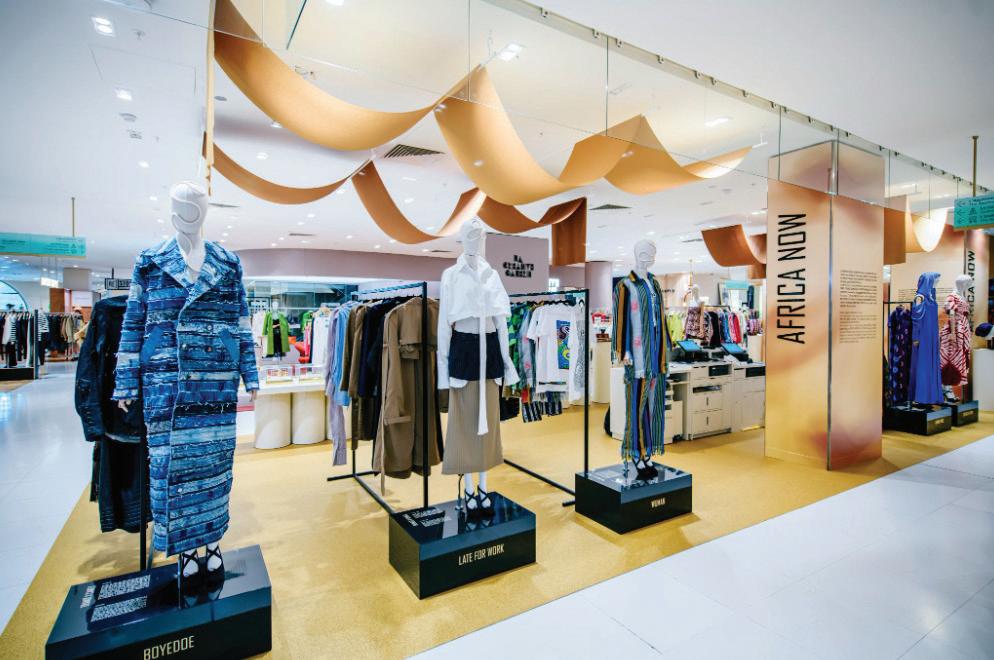
THE BEST OF AFRICAN FASHION AT LAFAYETTE PARIS
Galeries Lafayette is celebrating African fashion. Building on last year's success with brands featured in the pop-up, which was acclaimed by customers and the media alike, the event is making a comeback.
Make life easier with one integrated software solution to help you manage all the moving parts of your retail business. Purpose-built for the fashion industry, Apparel helps you monitor, manage and find efficiencies to help you grow.
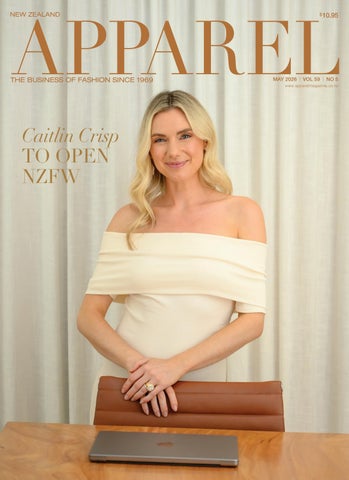
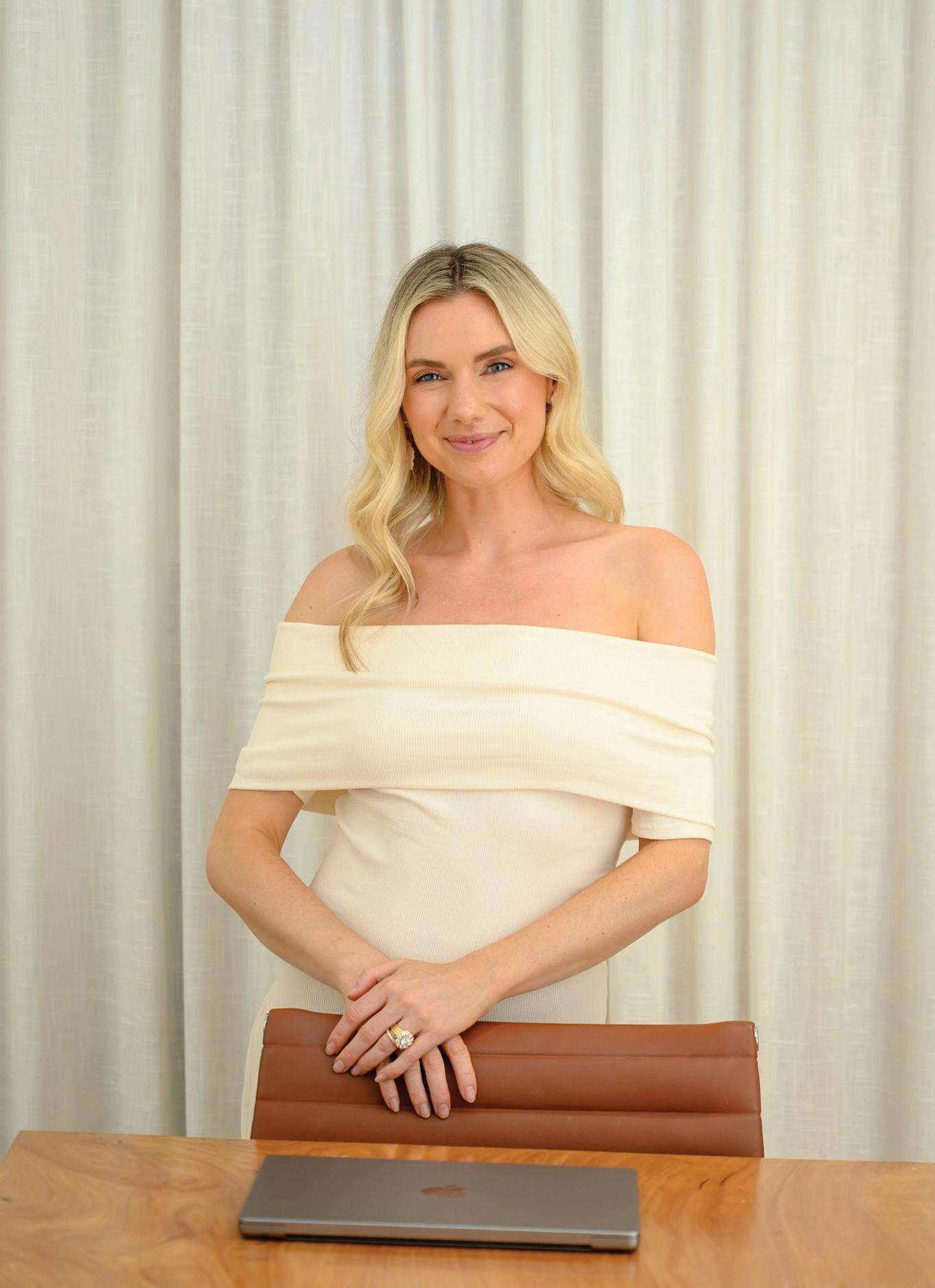
CAITLIN CRISP TO OPEN NZFW
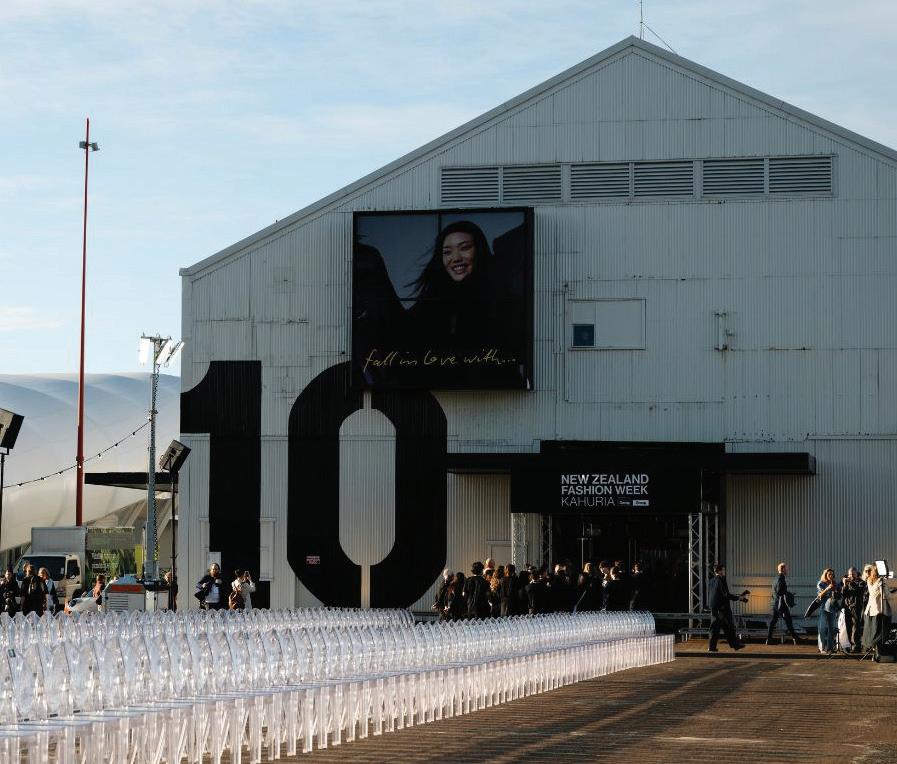
New Zealand Fashion Week is set to take place this August at Shed 10 on Auckland’s Queen’s Wharf.
As this year's opening designer, Caitlin Crisp will set the tone for the entire week with a bit of sparkle, aiming to put a smile on the audience’s faces.
"NZFW is where it all started for me. Eight years ago, I was part of a graduate show, and this year we are the opening designers. Somebody pinch me,” said Crisp.
“The years have flown by, and part of me feels like it was only last year that I was part of the graduate show. It makes a great measure of time, it reminds me of how far I've come and how hard we have worked as a team to get the brand and business to where it is now.”
Crisp added that she still felt like a young girl, with the butterflies and the dream still there, making the magic happen outside the comfort zone.
She was a headline designer at the inaugural 2025 Christchurch Spring Fashion Festival presented by NZFW, so making the leap to a larger-format show was a natural progression.
Her son was only four months old when she presented at the Christchurch Spring Fashion Festival, so that was a huge moment. Plus, the energy was incredible, and Crisp truly loved bringing the collection to life on the runway.
Crisp has already been planning for the NZFW’26 show and is in the early days of working with an organisation very close to her heart to integrate the arts on another level, in a way that has always inspired her design and work.
"Summer is always a strong season for us, and I cannot wait to bring the collection to life on the NZFW runway."
The upcoming collection will bring Crisp’s signature sense of femininity and refinement to the runway, with a twist of nostalgia shining through in reimagined iconic prints and silhouettes.
Her advice to emerging designers who would love to see themselves on the runway was to work hard, dream big and accept every opportunity.
“It takes much more hard work than many people think. I didn't sleep at all in my early twenties, sewing the runway looks at midnight on the dining room table after a day of working retail, while also being a nanny,” she added.
“They have been finding feathers in random places of the flat I lived in for years after.”
Caitlin Crisp’s opening show at New Zealand Fashion Week will be held on Tuesday, the 18th of August at Shed 10.
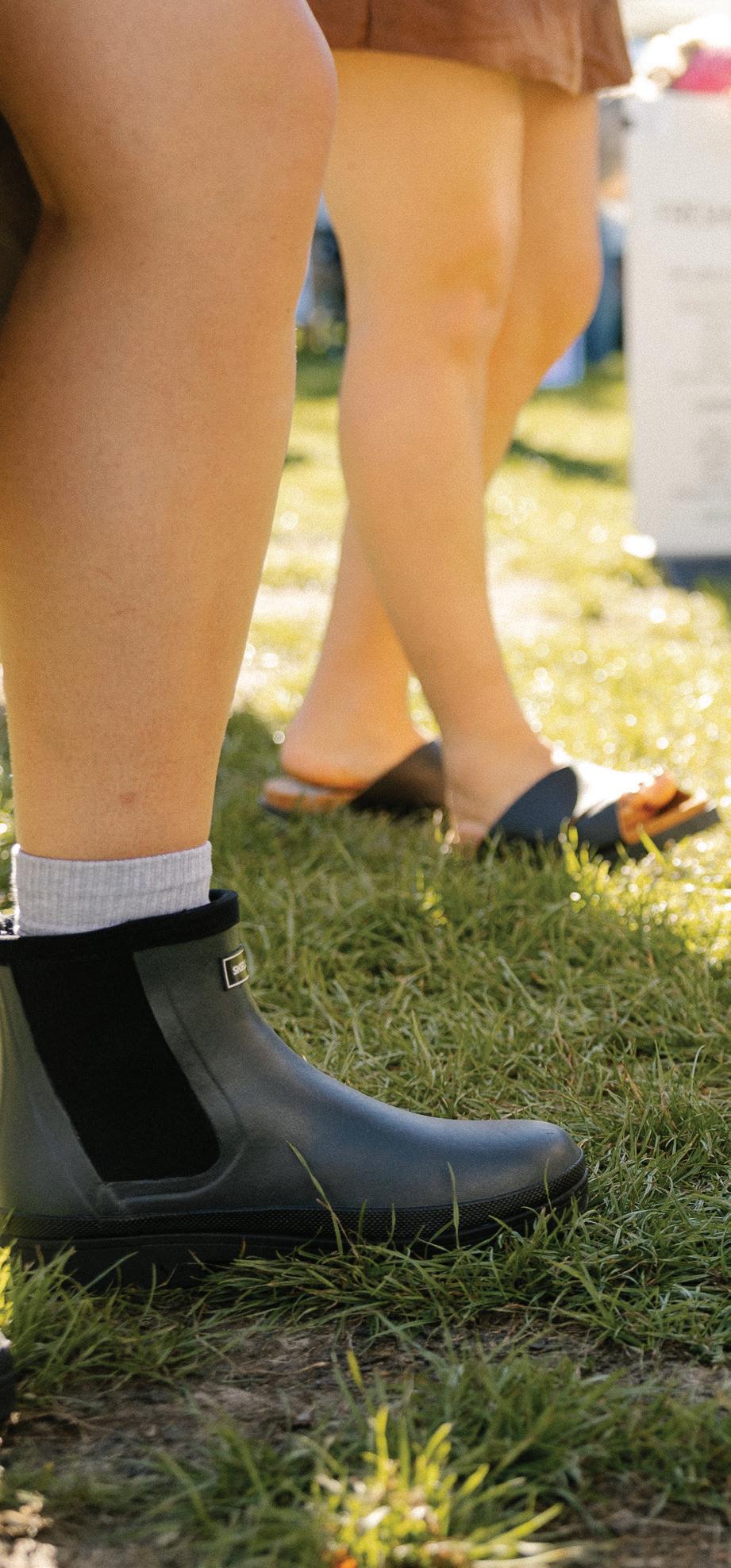
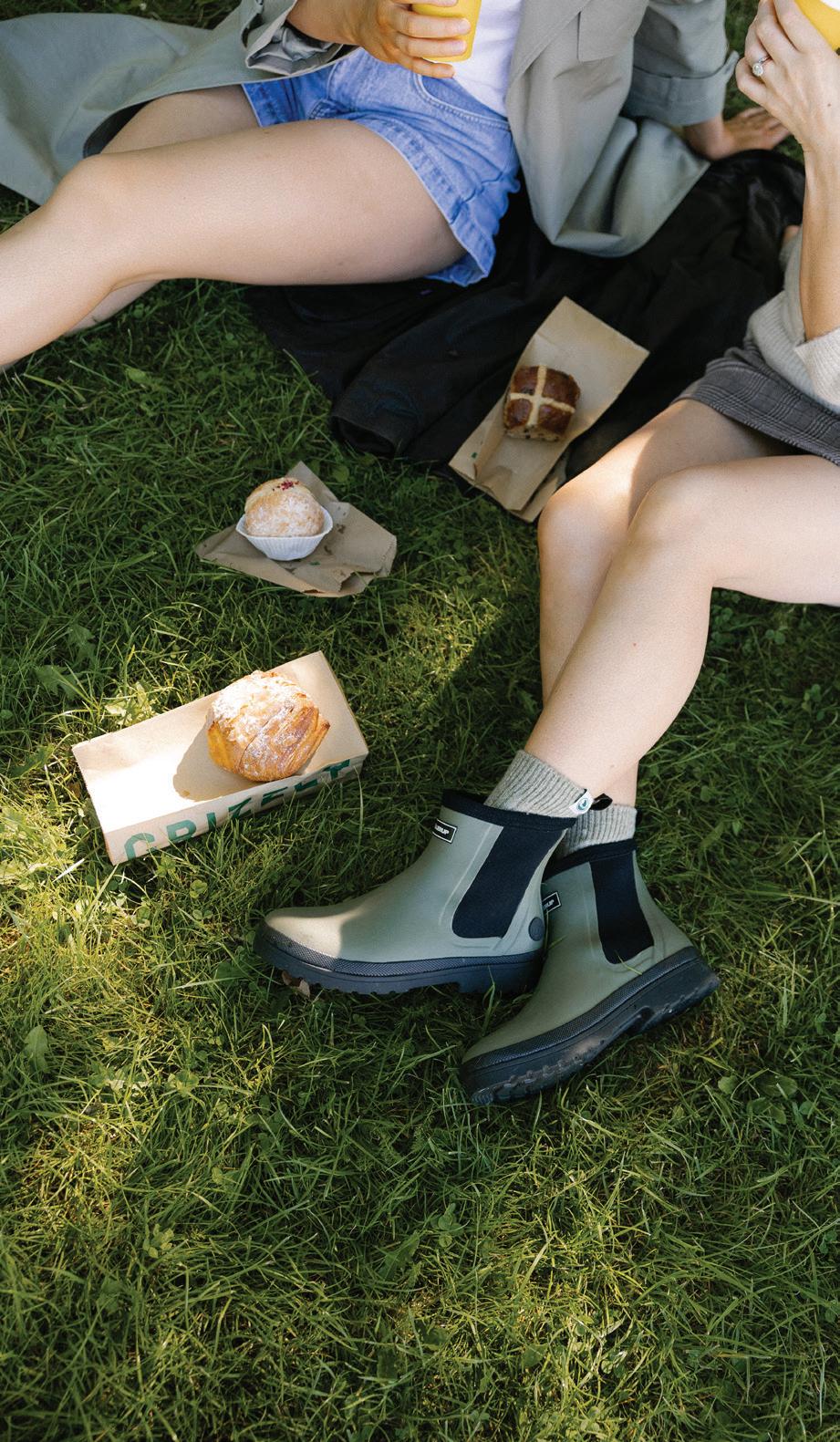
SKELLERUP STEPS INTO LIFESTYLE WITH MEADOW
For generations, Skellerup has been trusted for footwear built with purpose — designed to perform in demanding environments. With Skellerup Lifestyle, the brand brings that same craftsmanship to a broader brief: rubber footwear made for everyday life, not just work or weather.
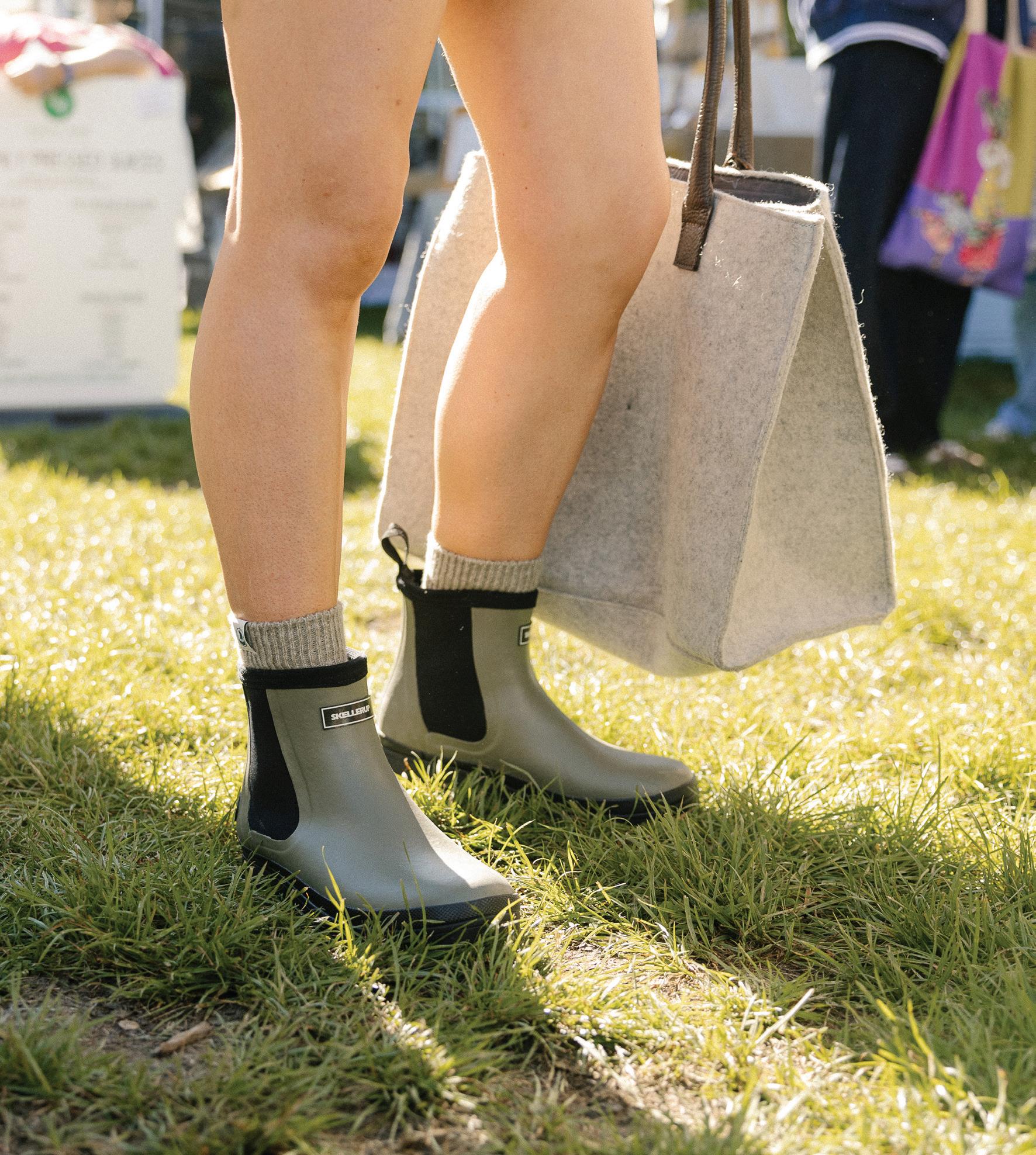
That shift begins with Meadow, an ankle-height boot designed as a considered entry point into lifestyle footwear. It signals a change in silhouette and setting - expanding where and how Skellerup footwear belongs, while remaining grounded in the expertise that defines the brand.
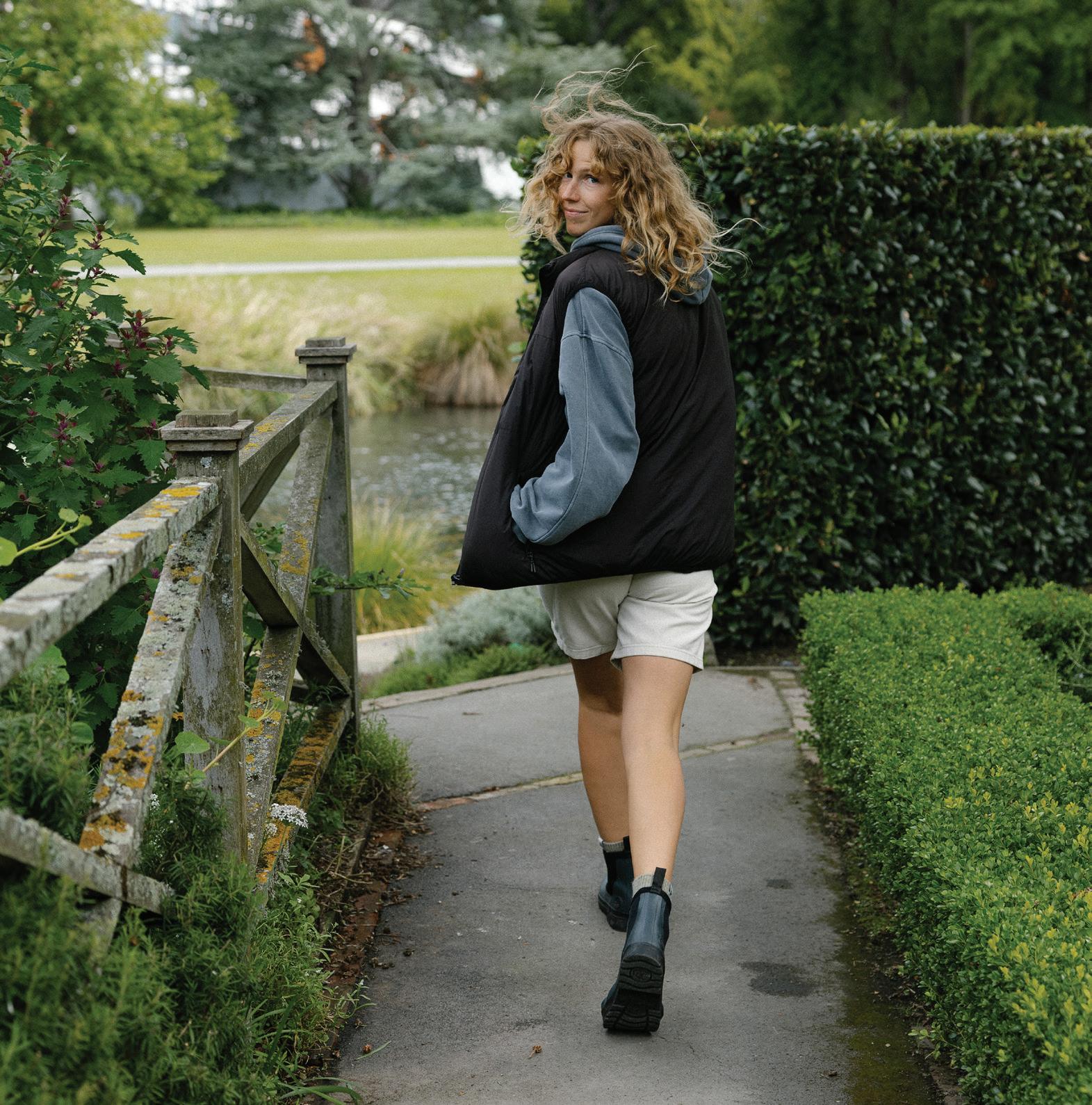
Across global markets, there is growing demand for footwear that balances thoughtful design with genuine practicality. Women are increasingly drawn to pieces that move fluidly across the day - from garden paths to café stops, running errands to navigating city streetswithout asking them to trade comfort, durability, or personal style. Meadow has been shaped around that rhythm of real life.
Central to the design is Skellerup’s long-standing expertise in rubber. As a material, rubber is often associated with pure function, but in Meadow it is refined through craft. Each pair is handcrafted, allowing control over
fit, finish, and form - a process that prioritises longevity and comfort over speed or volume. Natural rubber brings flexibility, resilience and weather protection, while staying soft underfoot and responsive in wear. It’s practicality, elevated.
The aesthetic is intentionally restrained. A clean ankle profile, subtle shaping, and refined detailing create a form that feels confident rather than expressive - resolved rather than trend-led. Nothing is decorative for its own sake. Instead, design decisions are made to ensure the boot integrates easily into a wardrobe, sitting comfortably alongside clothing rather than competing with it.
This design philosophy reflects a broader perspective on lifestyle. Meadow is not built around aspiration or seasonal fashion cycles, but observation. It acknowledges familiar routines and familiar places - muddy walks, weekend markets, short commutes, long days - and is designed to feel appropriate across them all.
The result is a boot that earns its place through use, becoming more familiar over time rather than feeling tied to a single moment.
Stepping into lifestyle footwear also brings a degree of tension for a brand known so strongly for utility. Skellerup doesn’t smooth over that contrast—it uses it. Meadow retains the sensibility of functional footwear - grounded, reliable, handcrafted to last - while answering a more everyday set of demands. It is a measured progression, defined by consistency rather than reinvention.
For Skellerup, Meadow is a move toward daily relevance - not away from heritage, but outward from it. It reflects confidence that the brand’s expertise in rubber and handcrafted footwear can translate into new contexts.
For the wearer, Meadow is simple: a boot designed to move comfortably through the moments that make up your day - practical where it needs to be, refined where it counts.
For more information, visit www.skellerupfootwear.com. To enquire about stocking Meadow, email info@skellerupfootwear.com.
SKINCARE ALIGNED WITH NOCTURNAL RHYTHM
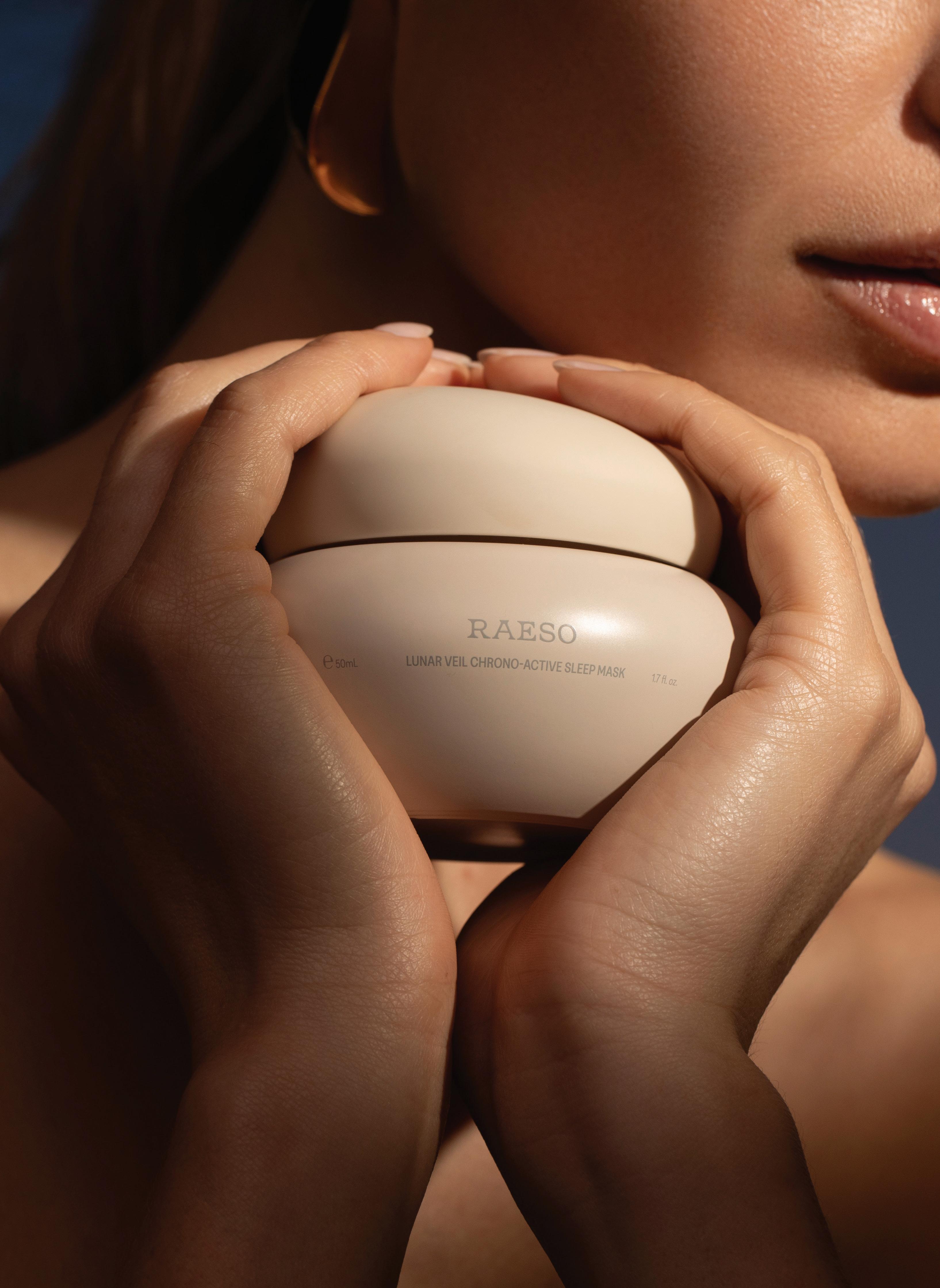
Harnessing a new wave of chrono-formulas, New Zealand skincare brand RAESO has launched the Lunar Veil Chrono-Active Sleep Mask.
This innovative three-phase overnight treatment aligns with the skin’s natural repair window and is built on RAESO’s philosophy of delivering ingredients as the skin needs them.
A cushion-soft, whipped cream with a natural pale-blue hue derived from fermented chamomile, Lunar Veil melts into the skin without residue. It is lightly scented with wild New Zealand botanicals and intentionally designed to fade as skin settles into rest.
Applied during the ‘Power Hour’ between 8-10 pm, the sleep mask’s three-phase formula is timed to this nocturnal rhythm, releasing ingredients in stages to support each phase.
By letting the skin call on active ingredients only when it needs them, RAESO’s innovative delivery technology boosts results while reducing the risk
of irritation, so skin looks smoother, clearer, and plumper by morning.
“The human skin doesn’t sleep passively. It moves through a precise biological rhythm every night.”
“We formulated with the skin’s night pattern in mind. Rather than flooding the skin with actives at once, our formula is engineered to release in precise phases,” said Founder Katey Mandy.
“This allows us to support the skin at what it’s already trying to do, for skin that almost looks as though it’s had the best sleep of its life. Think of it almost as eight hours of sleep in a jar.”
Science-led and biologically aligned, each RAESO formula is designed to strengthen skin defence by day and accelerate renewal at night, reflecting the belief that skincare works in harmony with the body’s internal rhythm and the planet’s natural cycles.
THE FIRST WAVE OF DESIGNERS AT NZFW
New Zealand Fashion Week has revealed the first look at the 2026 schedule, set to take place from August 17–22 at Shed 10 on Auckland’s Queen’s Wharf.
New Zealand womenswear
designer Caitlin Crisp will be the opening designer this year. Crisp was a headline designer at the inaugural 2025 Christchurch Spring Fashion Festival presented by NZFW, so making the leap into a larger format show at NZFW 2026 was a natural progression.
"NZFW is where it all started for me," said designer Caitlin Crisp. "Eight years ago, I was part of a graduate show, and this year we are the opening designers. Somebody pinch me. Summer is always a strong season for us, and I cannot wait to bring the collection to life on the NZFW runway."
Also making their debut at NZFW
is cashmere brand Elle & Riley, celebrating their 10-year anniversary by bringing their signature warmth and refined comfort to the schedule.
Returning to the 2026 schedule are Kiwi designers Juliette Hogan, Kathryn Wilson, taylor, and The Shelter. Also joining the lineup are Kāhui Collective and Pacific Fusion, two shows that have become celebrations of Māori and Pasifika excellence in fashion design.
Wellington cult favourite brand twenty-seven names has confirmed a solo show. Marking their return, the brand will celebrate 20 years in business.
Australian and New Zealand fashion platform THE ICONIC will present a
group show, building on its runway debut at the Christchurch Spring Fashion Festival in 2025.
Childrenswear label Sonnie returns for a second year, following last year’s high-energy performance style presentation at Shed 10.
Walk The Line has secured its place on the schedule, continuing its role as a youth-led showcase of secondary school design talent.
Emerging label Tough Auto will present a ‘food and fashion’ event open to the public. Chefs from Christchurch's Londo restaurant will collaborate with those from Auckland's No. 7, creating an immersive experience designed to engage all the senses.
A new group runway show titled The Studio will showcase designers shaping the next chapter of New Zealand fashion, including Harris Tapper, REBE, Longform, Penny Sage, Fringes, Rhoda Nunn, and Bronwyn Footwear.
"We are so excited to share the first look at our schedule this year," added NZFW Executive Director Liam Taylor. "Off the back of last year’s event, we’ve had an incredible response from designers looking to present collections on the runway, which shows us that New Zealand Fashion Week remains an incredibly important platform for them."
"With the support of central government via the Events Boost Fund,
New Zealand Fashion Week 2026 is placing a focus on increased visitation from both domestic and international guests, media, designers and industry. Hosting thousands of fashion fans and industry guests on our magnificent Auckland waterfront is a privilege, and we are grateful for the ongoing support of Tataki Auckland Unlimited who help us make this a reality. With the backing of key partners and sponsors, NZFW 2026 will be a step up from our already established and proven new format for the event. Expect more activations from your favourite brands, interactive pop-ups and even more ways to stay and play in Auckland during NZFW."
THERE ARE NO MISTAKES IN FASHION
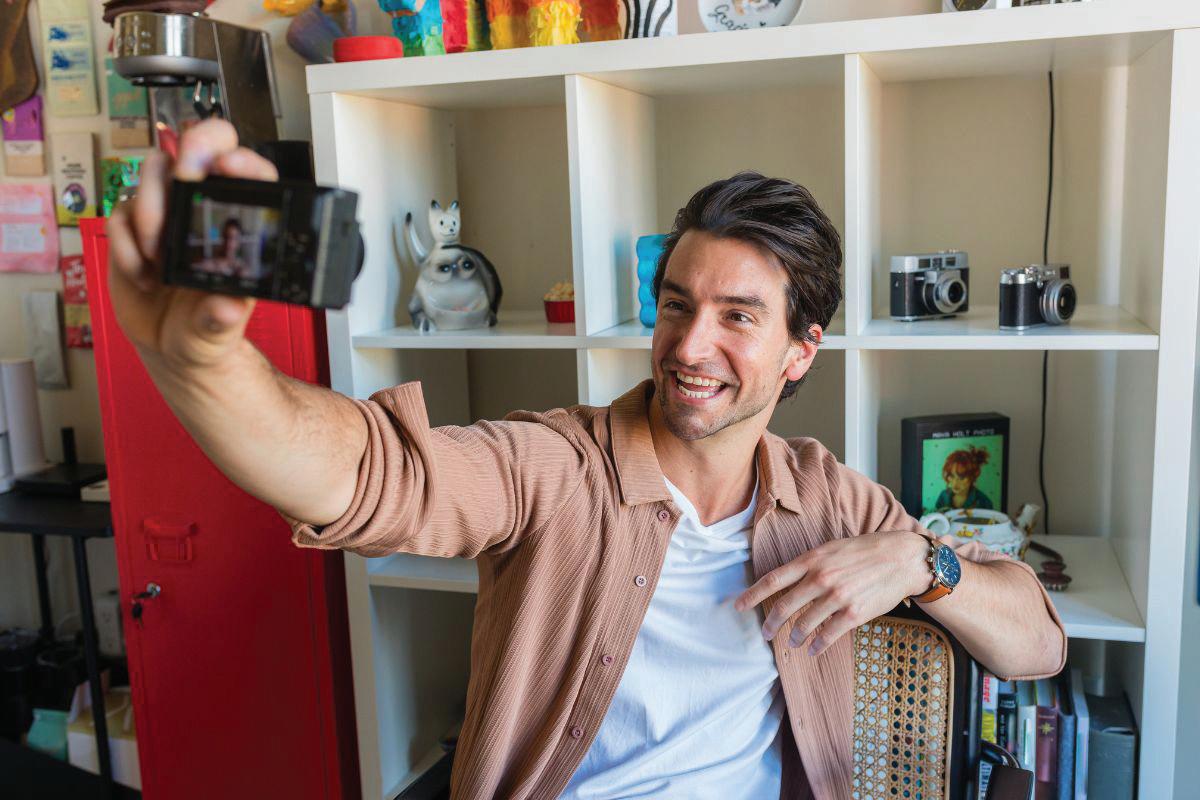
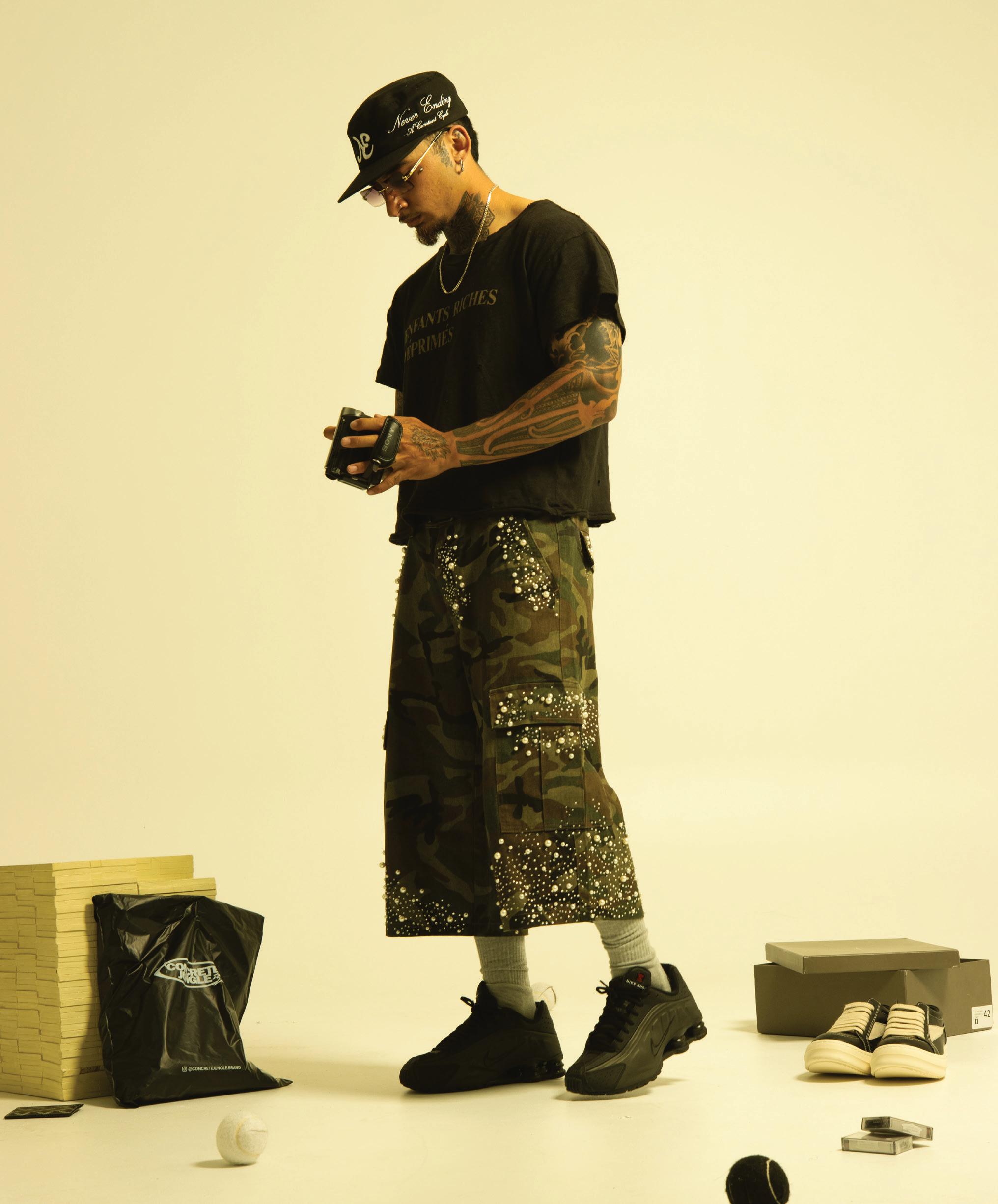
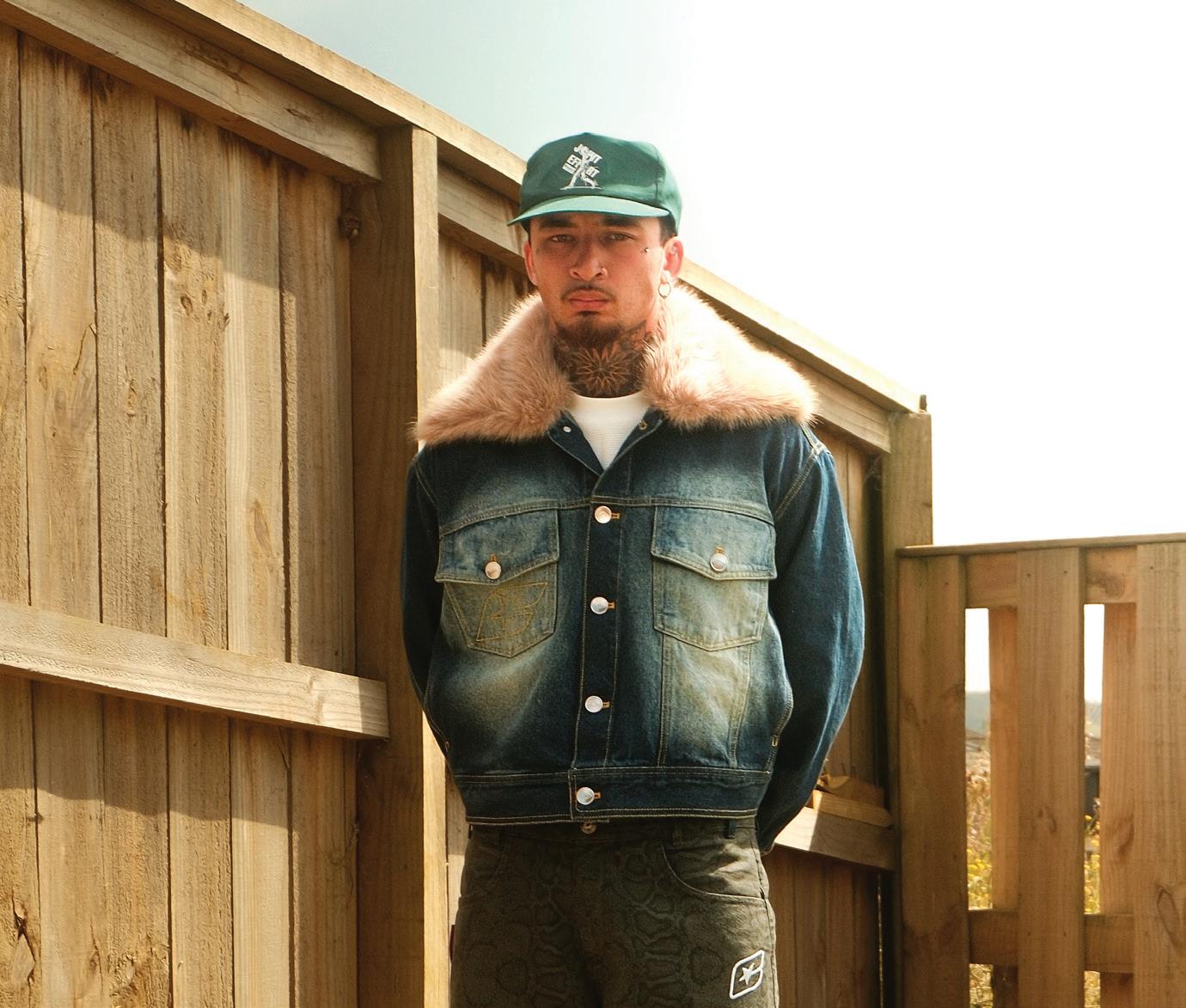
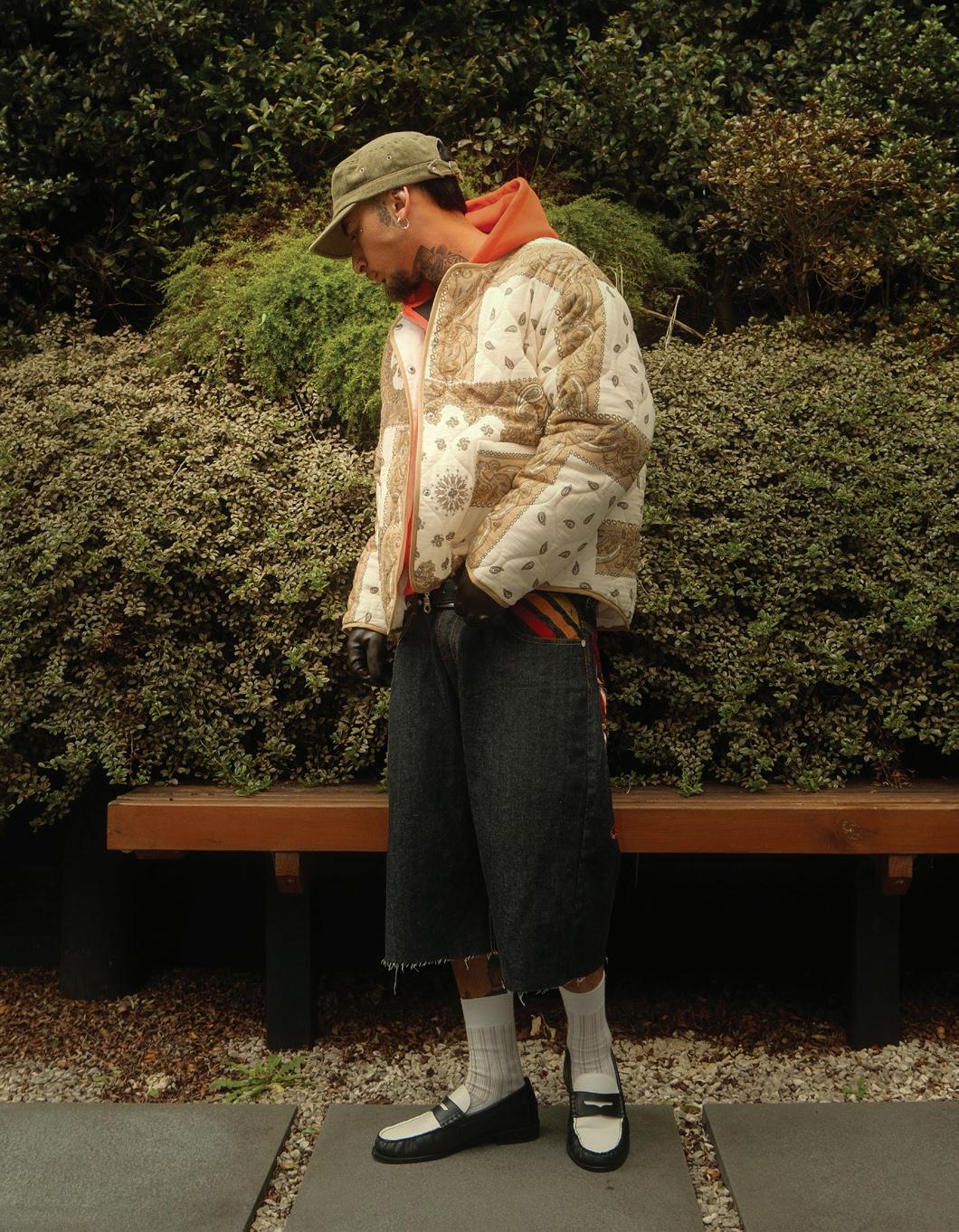
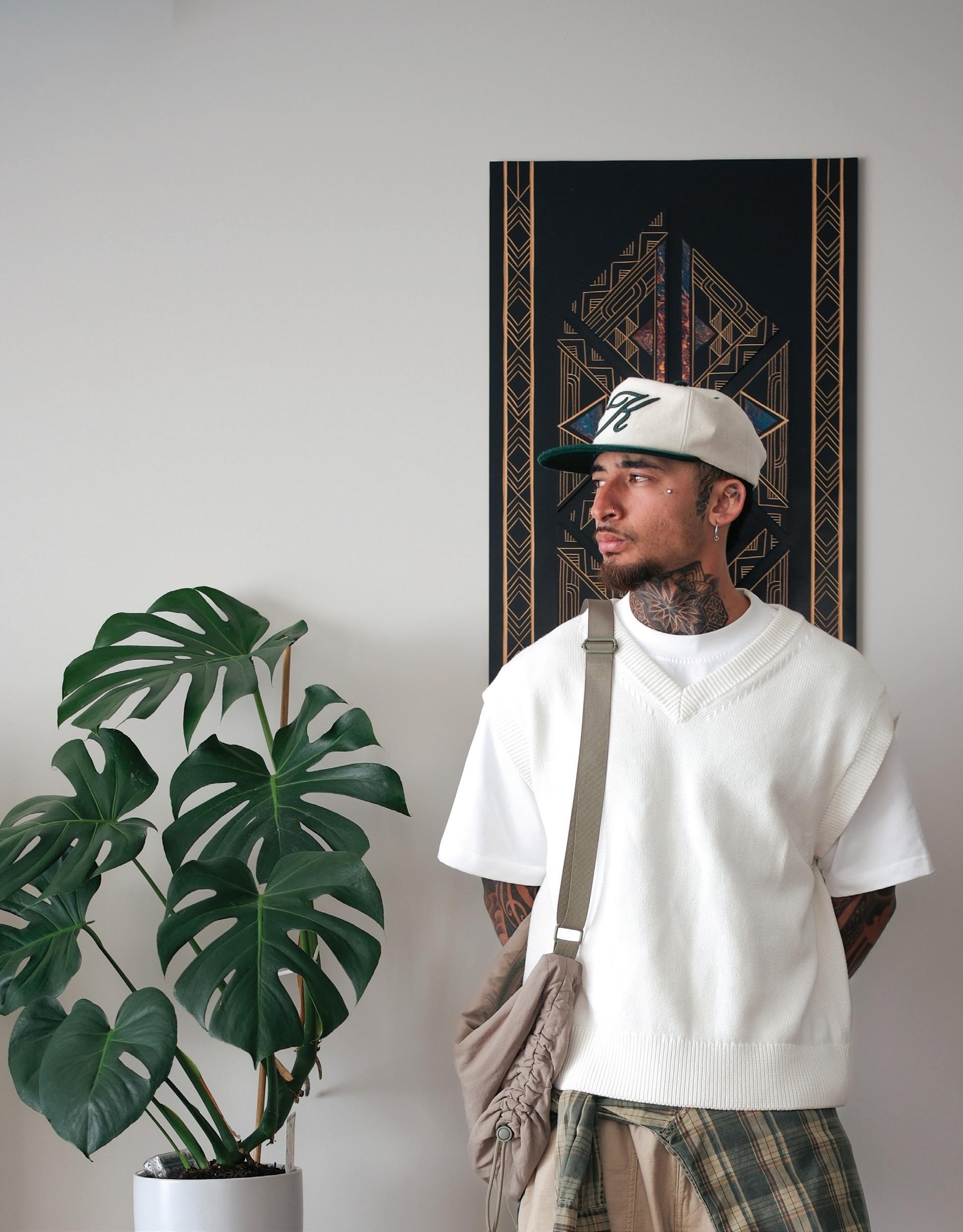
“I don’t necessarily think you can make mistakes in fashion; it’s more a matter of constant refinement.” Auckland-based creator Saan Iese produces fashion-led TikTok content centred on outfit styling, “fits of the day,” and wardrobe curation.
His videos focus on wearable, street-inspired looks with a strong sense of aesthetic consistency and detail.
Iese described his style as versatile and did not commit to one aesthetic every day. However, this took time, confidence, and experimentation as he initially found himself wanting to fit in with the crowd.
“It’s definitely been a slow build; good things take time. It’s been great taking to TikTok to build my community and experiment with this,” said Iese.
“I feel that building your style slowly allows you to figure out what you like, which items work for you, what makes you feel best, and even what makes you feel most comfortable and confident.”
When Iese first got into fashion, the era was heavily influenced by hype with a ‘brand-first, outfit-second’ approach, featuring Supreme, Bape, Yeezy, and Off-White. He was also a sneakerhead and had given little thought to the rest of his outfit.
In search of his identity, Iese stepped out of his comfort zone to find what worked well for him by exploring different silhouettes and learning about proportions.
“These phases helped me lean into where I believe I’m at now, in a more curated phase. My style feels a lot more intentional.”
For Iese, personal style is a mix of confidence and curation. He said curation was about taste, including returning silhouettes and colour patterns, while confidence made the outfit believable.
To help build both, he suggested curating a fit intentionally and wearing it out.
Saan Iese Fashion Content Creator
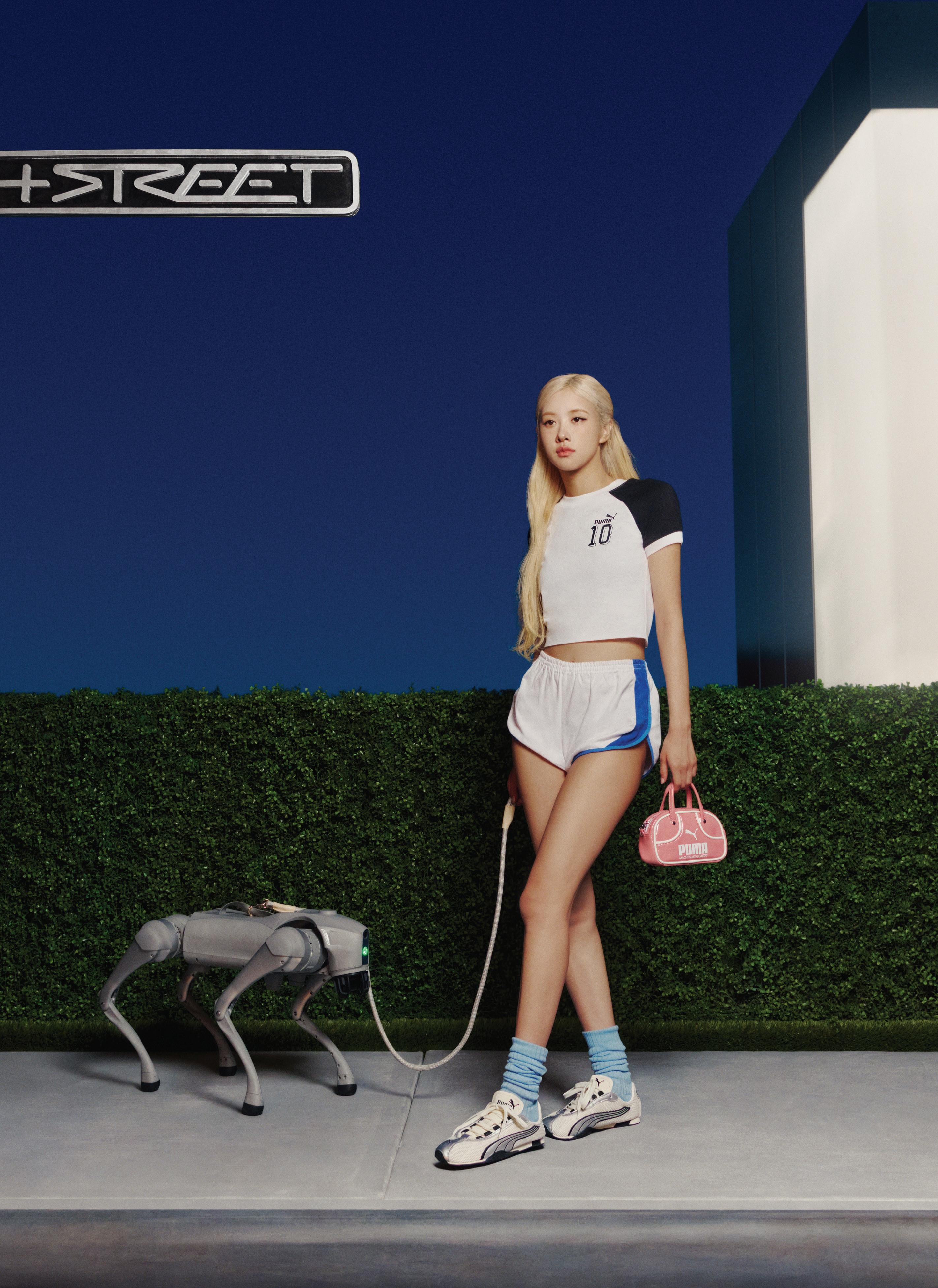
ROSÉ IS BACK ON H-STREET
Founded in 2023 by designer Amanda Cheng, ARCUS Paris is an independent eyewear brand redefining sunglasses at the intersection of fashion, jewellery and art.
Rooted in speed and reimagined for the street, the H-Street drew from PUMA’s early 2000s running spikes, carrying forward a legacy of lightweight construction and raceready design.
Originally inspired by an archival running spike, it found its origins in PUMA’s late 90s Harambee silhouette, a lightweight racing model named after the Swahili expression for “pull together.
The silhouette’s low-profile shape and breathable mesh upper stay true to its track origins, while subtle updates position it firmly in a modern context.
This latest release has arrived in an “Ivory” colourway with metallic accents, balancing understated tones with flashes of shine. The streamlined form, T-shaped toe box, and sprint-inspired proportions remain intact, reinforcing the shoe’s identity as a track icon adapted for everyday wear.
First introduced as a lifestyle model in 2003, the H-Street has continued its evolution for a new generation. With Rosé at the centre, the silhouette has found fresh relevance, fusing performance heritage with contemporary style and culture.
The PUMA H-Street is available starting on the 7th of May 2026.
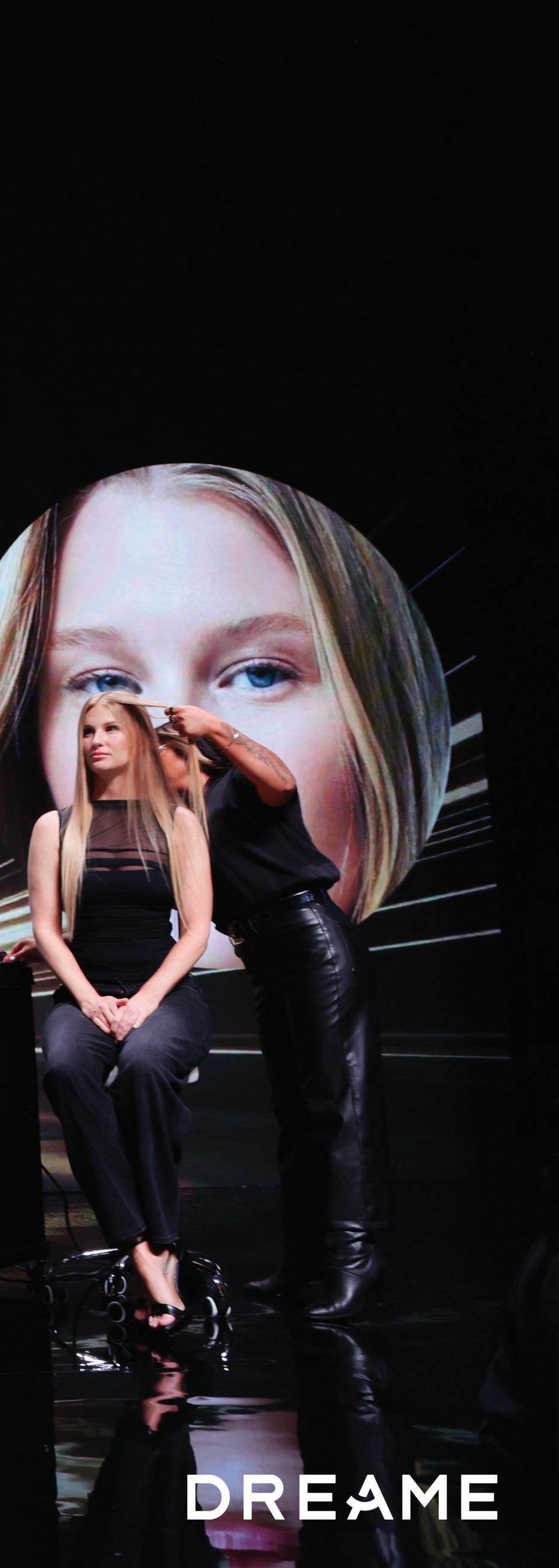
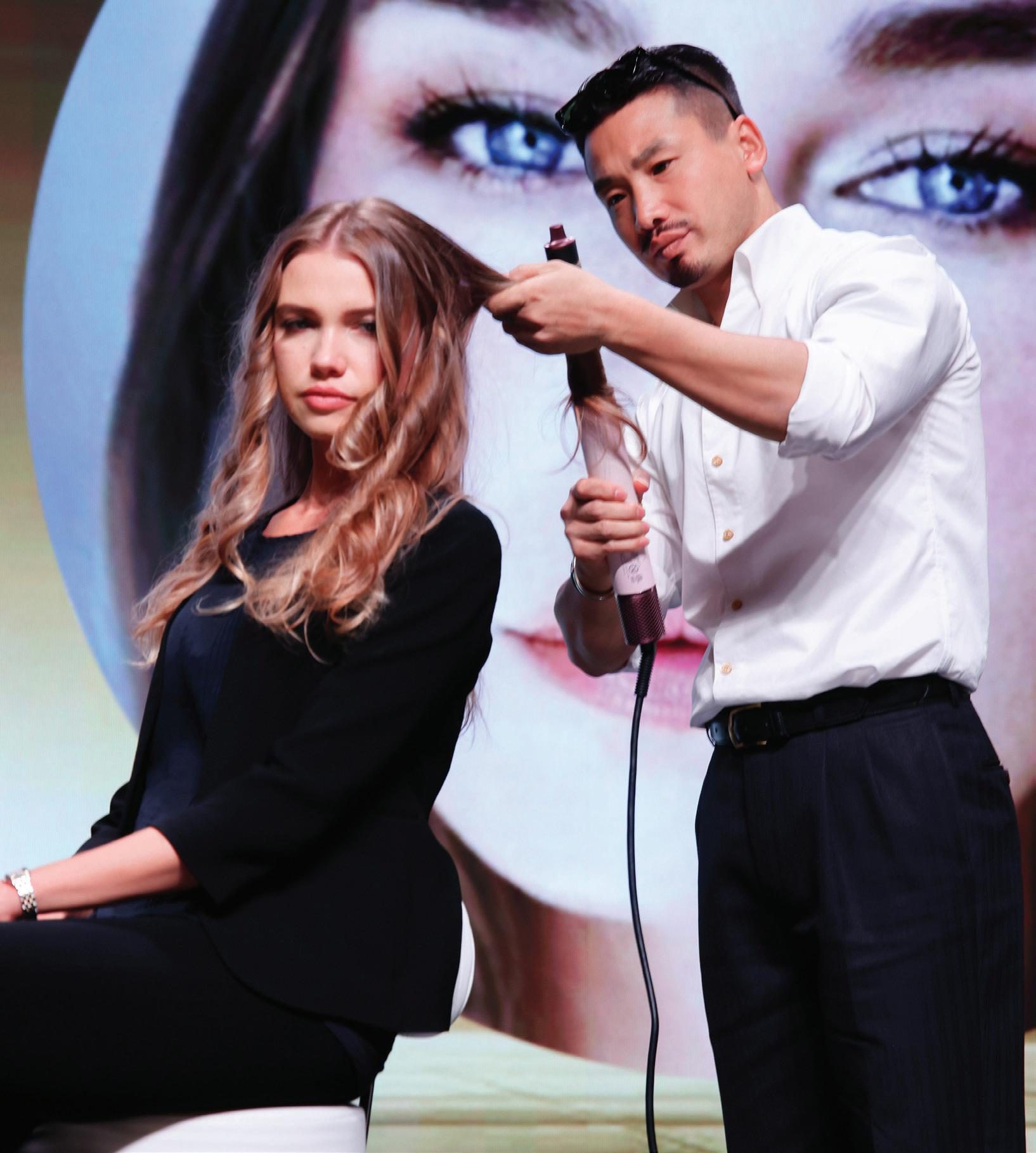
LUXURY RUNWAY-STYLE LAUNCH FOR DREAME PERSONAL CARE
Dreame Technology has unveiled its full lineup of personal care products at the Self Next segment of DREAME NEXT in San Francisco.
Staged as a luxury runway-style event and joined by industry pioneers, Dreame introduced the next era of personal styling technology, featuring live styling showcases and men’s grooming demonstrations.
An intelligent companion, the Self Next lineup spans hair care, skincare, hair removal, men’s grooming, and oral care, each category anchored by in-housedeveloped proprietary technology.
Dreame’s hair dryer range is built around the principle that drying should improve hair health. The Miracle Pro uses micron-scale serum automation
technology to infuse haircare oils directly into the airflow during drying, while dual-band red light therapy promotes scalp health.
The Pilot model features smart scalp protection for high- speed drying without heat damage. Additional models include the Airstyle Pro HI for multifunction styling and the Aero Straight Pro, which combines blow-drying and straightening in a single device.
In skincare, the Chrona Pro Max utilises five high-precision light spectra (630nm, 850nm, 465nm, 530nm, and 1070nm) to enhance skin texture and firmness across the face and neck, featuring integrated zone-specific cooling for added comfort.
Complementing this, in hair removal, Dreame’s hair removal system employs intelligent skin-tone recognition with four specialised modes and an expanded 5.4 cm² treatment window. With a 35J energy output targeting the hair follicle, it completes a full-body session in six minutes while maintaining a 15°C surface temperature for a gentle, soothing experience.
For men’s grooming, Dreame introduced the S9 Pro electric
shaver, which features a suspended bionic robotic arm for intelligent skin care and a premium smart active water-separation cleaning system, representing two standout technological breakthroughs in the industry. The T3 salon-grade trimmer rounds out the grooming lineup.
In oral care, NB01 features a buttonfree design, 72,000 vibrations per minute, and 98.32 percent plaque removal, proven by third-party tests.
The X1000 is the next flagship. Unlike NB01’s auto convenience, it equips the toothbrush with smart perception; the design is conceptual and subject to change.
“Personal care is where technology meets something deeply personal,” said Chang Xinwei, Global President of Dreame Technology.
“Every product in this lineup started with an engineering problem. The result is a range that performs at a professional level but is designed for daily use at home.”
Several of the new personal care products will be officially launched at Dreame’s upcoming event in Melbourne later this month.
HARRIS TAPPER SEES BEAUTY IN MORBIDITY
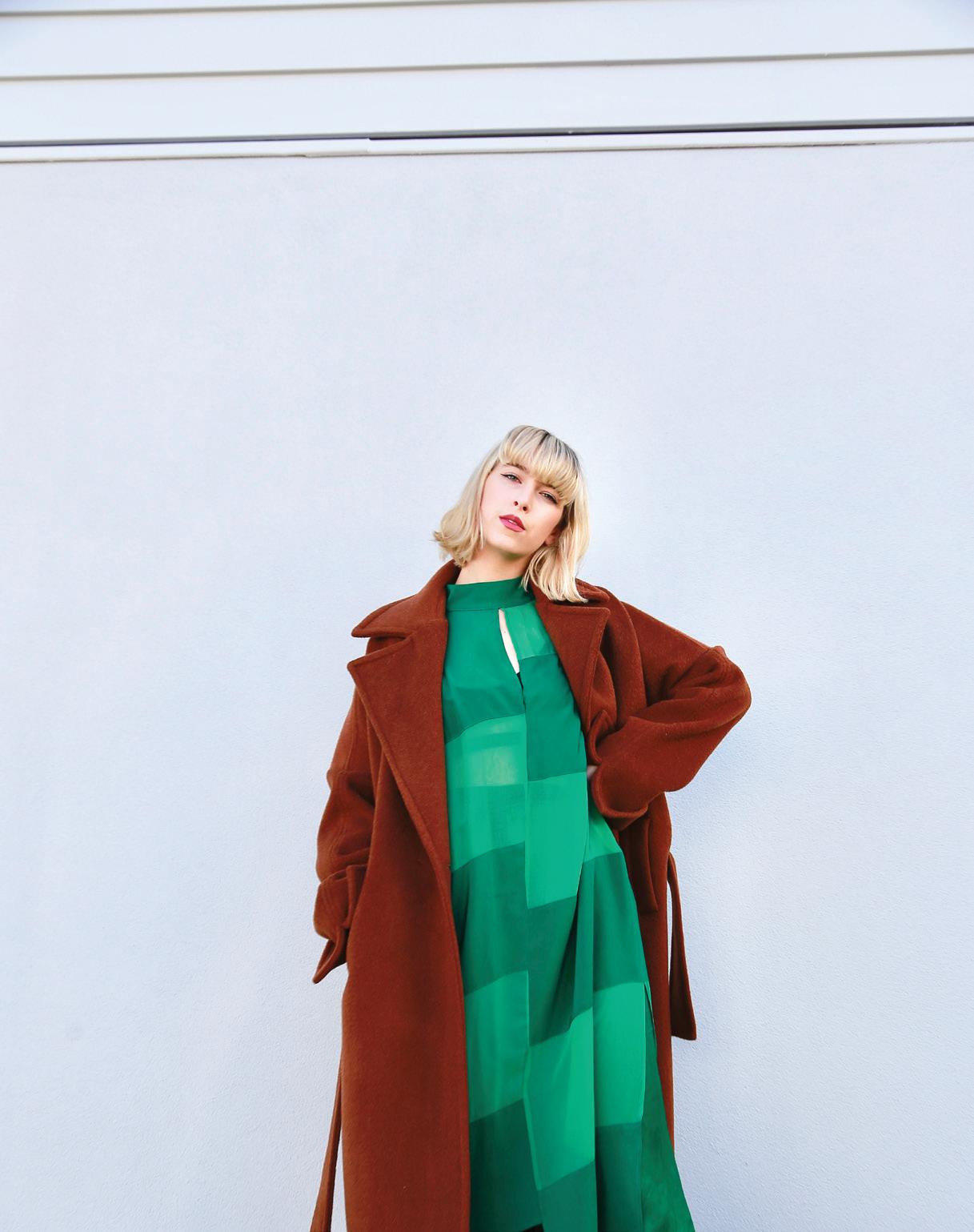
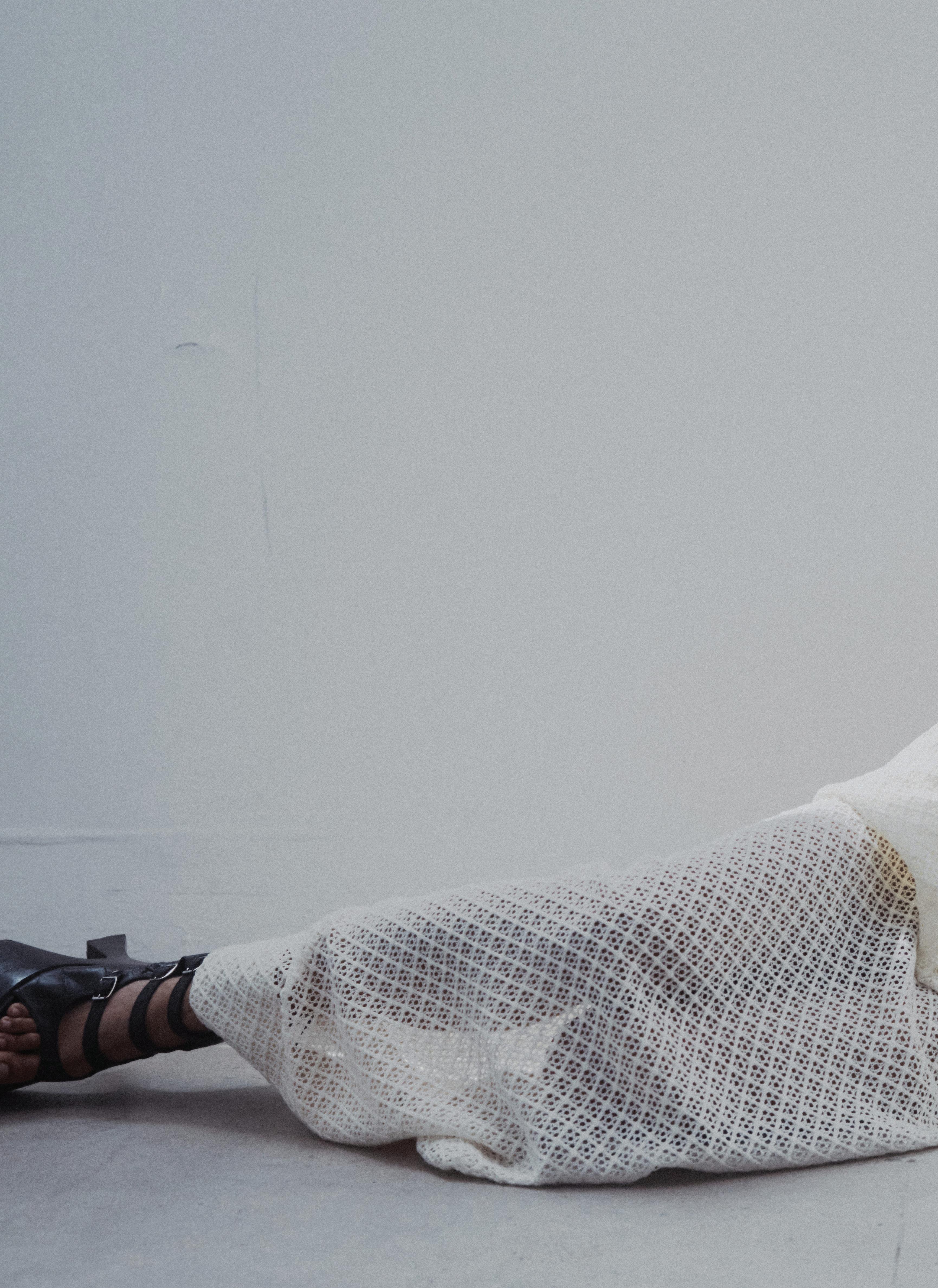
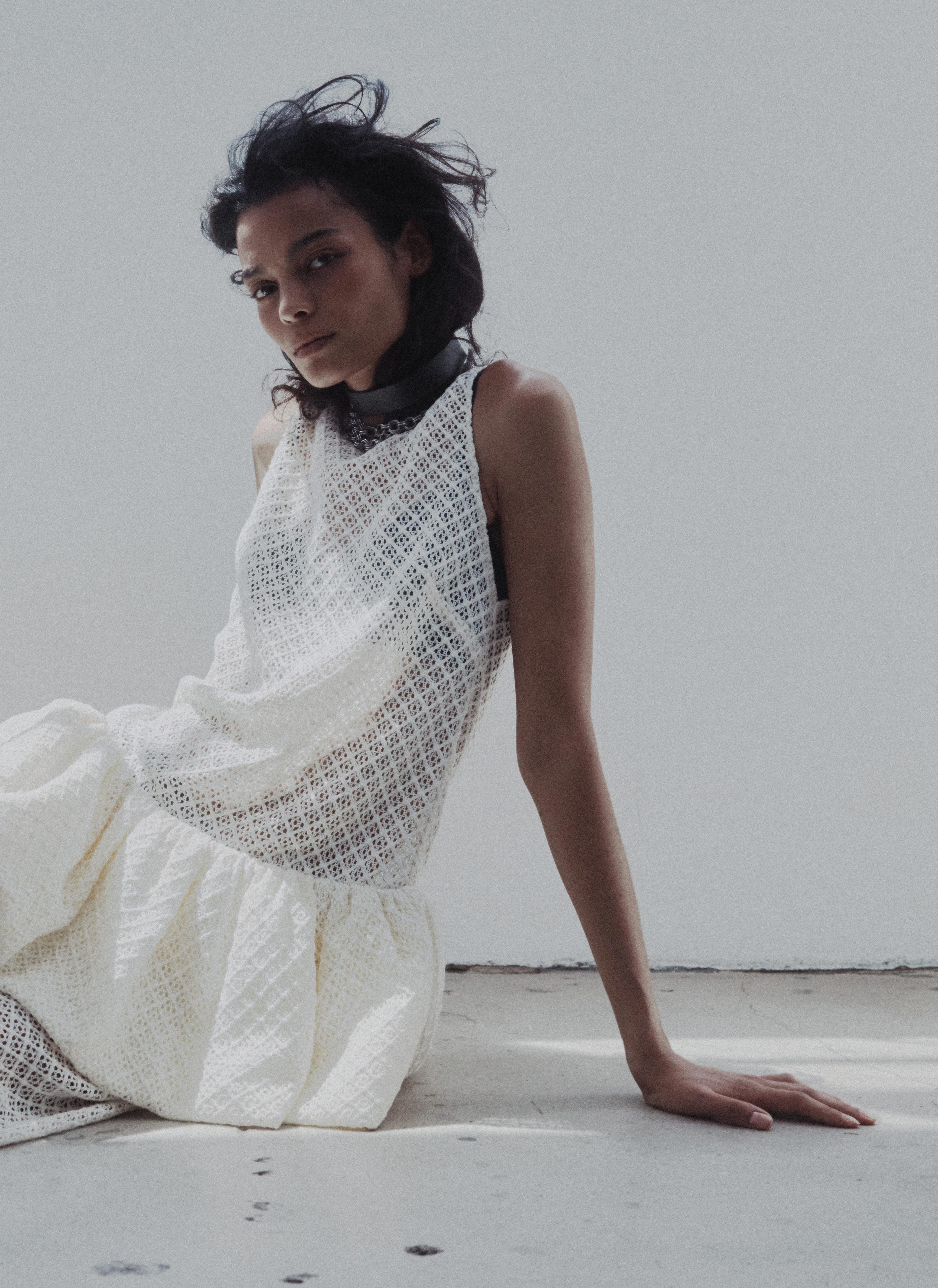
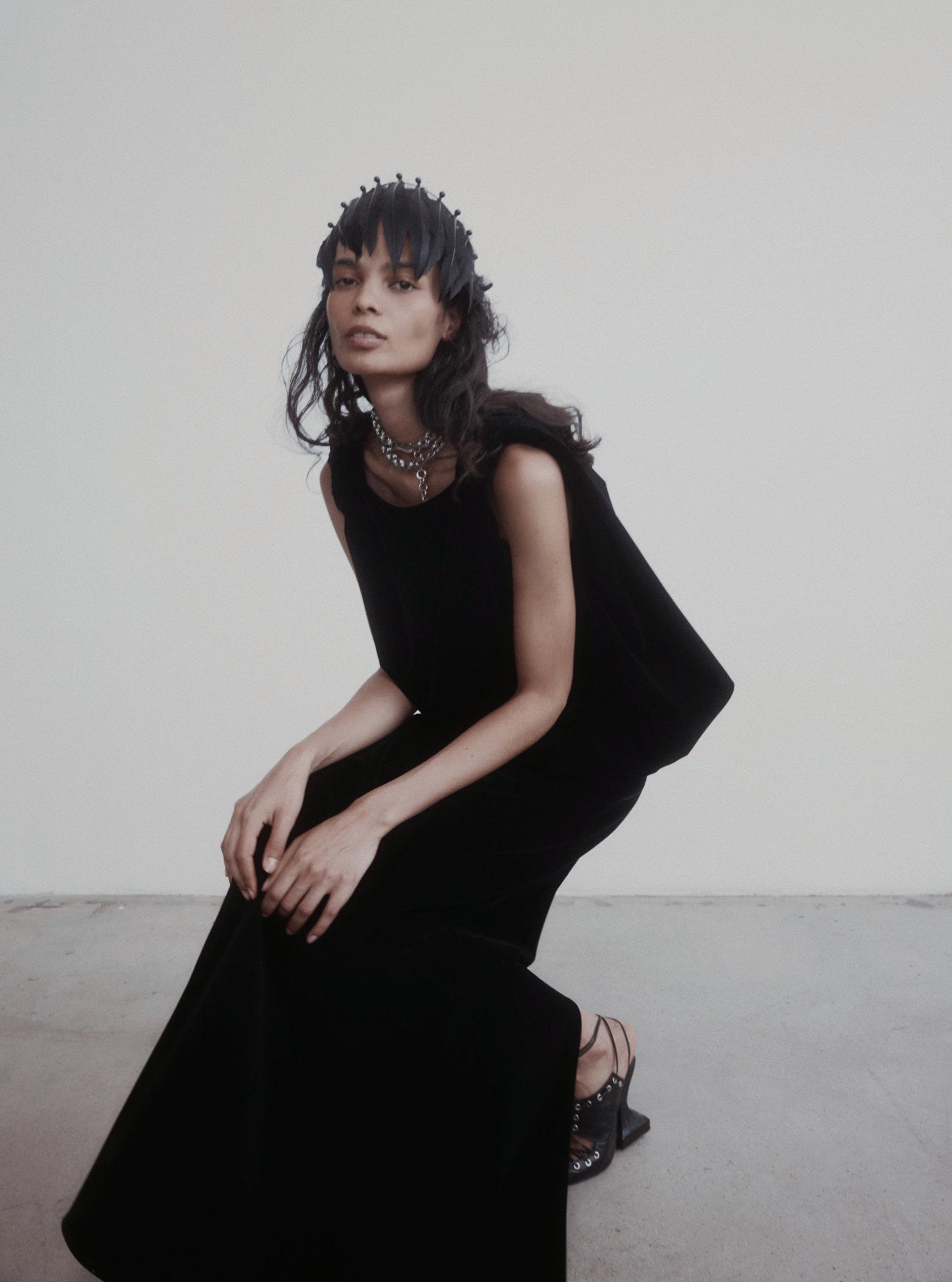
Drawing on themes of Victorian morbidity, Harris Tapper’s sixty-piece Pre-Fall 2026 collection explored the rituals and visual codes of mourning dresses and sleepwear, where restraint, ornament, and intimacy converge in a delicate tension.
Lauren Tapper, creative director/co-founder of Harris Tapper, was inspired by the painting For Such is the Kingdom by Frank Bramley. She found the custom of wearing white to funerals, along with the interplay of white and black during that era, quite interesting.
Famously, Queen Victoria wore full mourning dress for forty years after the death of her husband. For Tapper, that act of dressing in mourning was expressive, as the wearer showcased the private intimacy of grief.
“Something about the ritual of adorning the body in emotions was compelling,” said Tapper.
At the heart of the collection are rich textures, including heavy velvet, set against washed cotton and featherweight apple silk. Customembroidered Victorian motifs reference wrought-iron architecture, while sheer knit lace hangs in an antique hue from the silhouette.
Featuring velvet, wool and cashmere blends, a tobacco-coloured wool suiting, as well as acidy, sheer silk georgette, particularly the supple richness of dark, inky velvet and the fresh punchiness of apple silk georgette, brought a sort of harmony together.
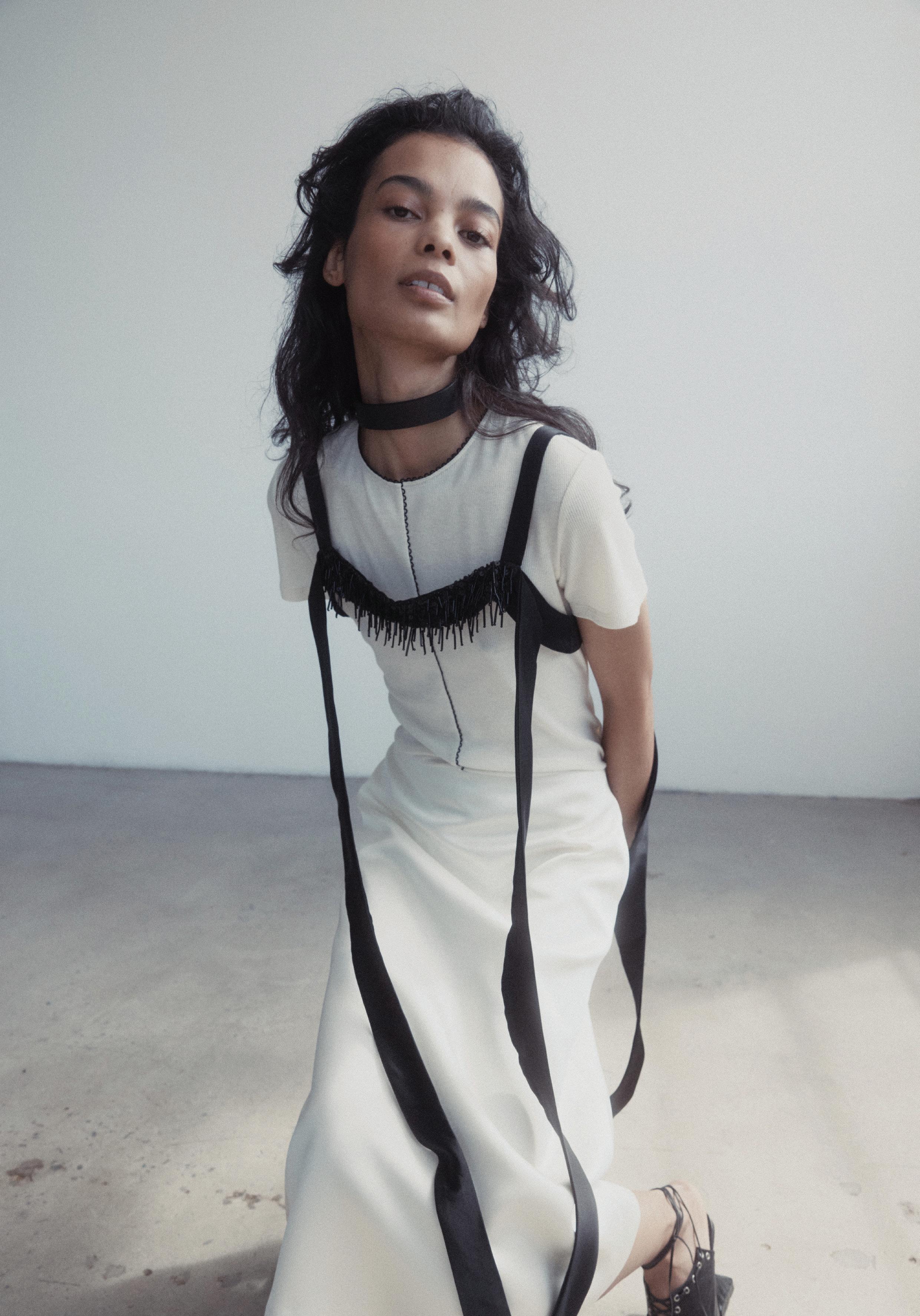
Tapper added that the direct contrast of the apple silk, finished with black picot detailing and a velvet ribbon, on the Loin Top created an interesting play.
The embroidered viridis velvet emerges as a standout statement across silhouettes like the Irving Trouser and Graff Jacket. This can also be seen in the Plum Top and Pairo Dress, echoing one another in form, each anchored with black velvet trim.
Developing that textile became such a defining element this season for Tapper, and she credited Babe Paely’s 1944 essay in Vogue, 'I like the sudden shock of non-sequitur colour’.
Tapper admired Paely’s sense of style, and she said that seeing that vibrant green gave such a visceral reaction. The satin finish on velvet paired with such an unexpected colour felt fresh, especially with something quite dainty and feminine like embroidery. Together, they felt fresh and new, particularly in quite casual pieces like a soft, throw-on jacket and elasticated waist trousers.
“We love making everyday pieces in interesting, often dressier fabrications. You get more wear that way.”
The collection also balances structure and softness throughout, particularly through satin faille tailoring and relaxed knitwear. Structure persists in satin faille, imagined in new seasonal hues.
Affinities with adornment have been rearticulated in hand-beaded frames that frame the chest and cascade down the body. At the same time, contrast velvet ties and loose, slipping straps endure, reinterpreted for the season’s silhouettes.
Additionally, knitwear tempers the collection with blends of wool and cashmere drape from dropped
shoulders, lending a soft hand feel. Offered in three tonalities to ground the palette: elderflower, mull and speckled Neptune create a quiet cohesion between form and softness.
The collection aimed to provide wearers with a range of everyday pieces suitable for many environments, from soft cashmere pieces for evening wear with dressy pants, to satin faille tailored tops with denim.
“We want to make the wearer’s life easier, serving her with pieces that can be worn throughout the day.”
Harris Tapper Pre-Fall 2026 is a balance of beauty in morbidity with richness in texture and fabrication, where shadow and softness join in a study of restraint, intimacy and quiet opulence.
“We hope people feel like themselves. We don’t want to dictate trends or tell our woman what to wear; she's already decisive. We hope the wearer feels that real thought, emotion and energy go into every piece we make, culminating in a collection which celebrates the public and private moments of their life.”
FOR PLAYGROUND EARTH
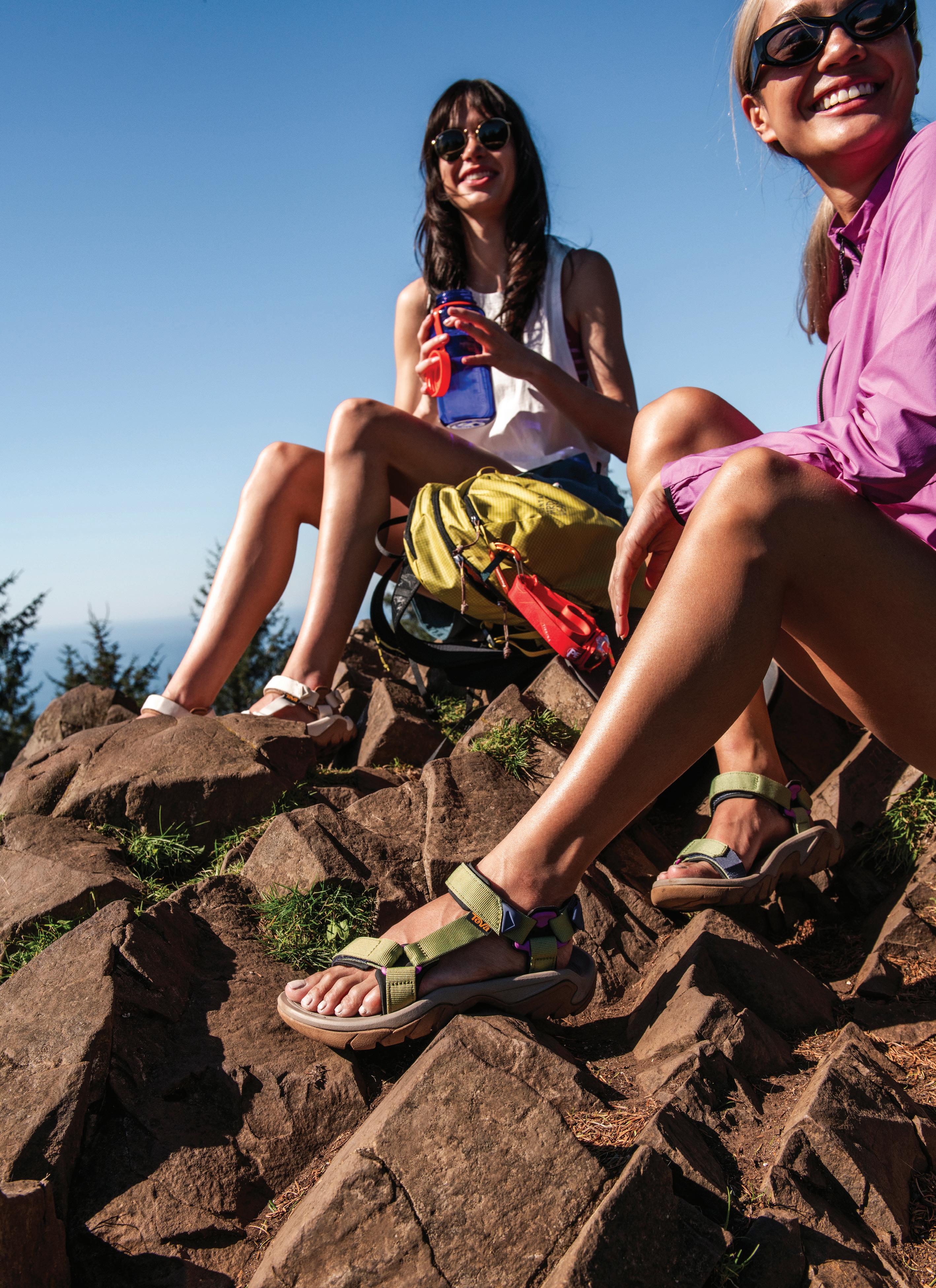
Outdoor exploration continues to shape the future of performance footwear, and Teva is leaning further into that momentum with the unveiling of its Autumn/Winter 2026 collection.
Built around the brand’s evolving “For Playground Earth” platform, the latest range blends technical functionality with lifestyle appeal, positioning Teva firmly at the intersection of outdoor performance and everyday wear.
The AW26 collection reflects a growing consumer appetite for versatile footwear that can move seamlessly between urban environments and nature driven experiences. Across sandals, trail silhouettes and amphibious styles, the collection places emphasis on adaptability, comfort and durability while continuing to reinforce Teva’s heritage roots in outdoor adventure.
Lee Cox, Global VP/GM of Teva, said the collection represents a return to the brand’s core identity as an outdoor footwear specialist for the modern adventurer.
“Since launching For Playground Earth, Teva has come full circle to our outdoor roots as a heritage brand providing footwear solutions for the modern-day adventurer,” Cox explained. “The 2026 collection celebrates that mission — creating functional, performance-driven
footwear that empowers people to move freely and explore nature’s diverse playgrounds with curiosity and joy.”
At the centre of the collection is the refreshed Hurricane family, one of Teva’s most recognisable product lines. Originally launched in 2002, the Hurricane sandal has long been a staple within the outdoor category, and the latest evolution introduces upgraded cushioning, enhanced grip and more secure fastening systems. New additions also expand the offering into closed-toe and trail-focused territory, signalling Teva’s continued push toward more technical outdoor applications while retaining the casual versatility the franchise is known for.
Trail performance also remains a key focus through the returning Aventrail collection. Inspired by trail running and high-output movement, the range combines lightweight cushioning, traction and adjustable support systems with a more fashion-forward colour direction. The continued development of hybrid footwear capable of transitioning between road and trail environments reflects broader industry demand for multifunctional product that suits increasingly fluid lifestyles.
Meanwhile, the Hydratrek collection reinforces Teva’s expertise in waterready footwear. Designed for wet terrain and amphibious adventures, the range incorporates specialised outsole technology inspired by tree frog grip patterns, delivering traction across slippery surfaces while maintaining lightweight comfort.
Teva has also revisited one of its most recognisable women’s silhouettes with the return of the Tirra Sport. The updated version modernises the original design with improvements to fit, comfort and durability, while maintaining the adventure-focused positioning that made the franchise successful.
As outdoor and gorpcore aesthetics continue to influence mainstream fashion, Teva’s AW26 collection demonstrates how technical performance footwear is increasingly being designed with both functionality and lifestyle versatility in mind. The range not only reinforces the brand’s outdoor credentials but also reflects the broader evolution of the category, where consumers are seeking product capable of supporting movement, travel and exploration across every environment.
THE INSPIRED UNEMPLOYED X KATHMANDU
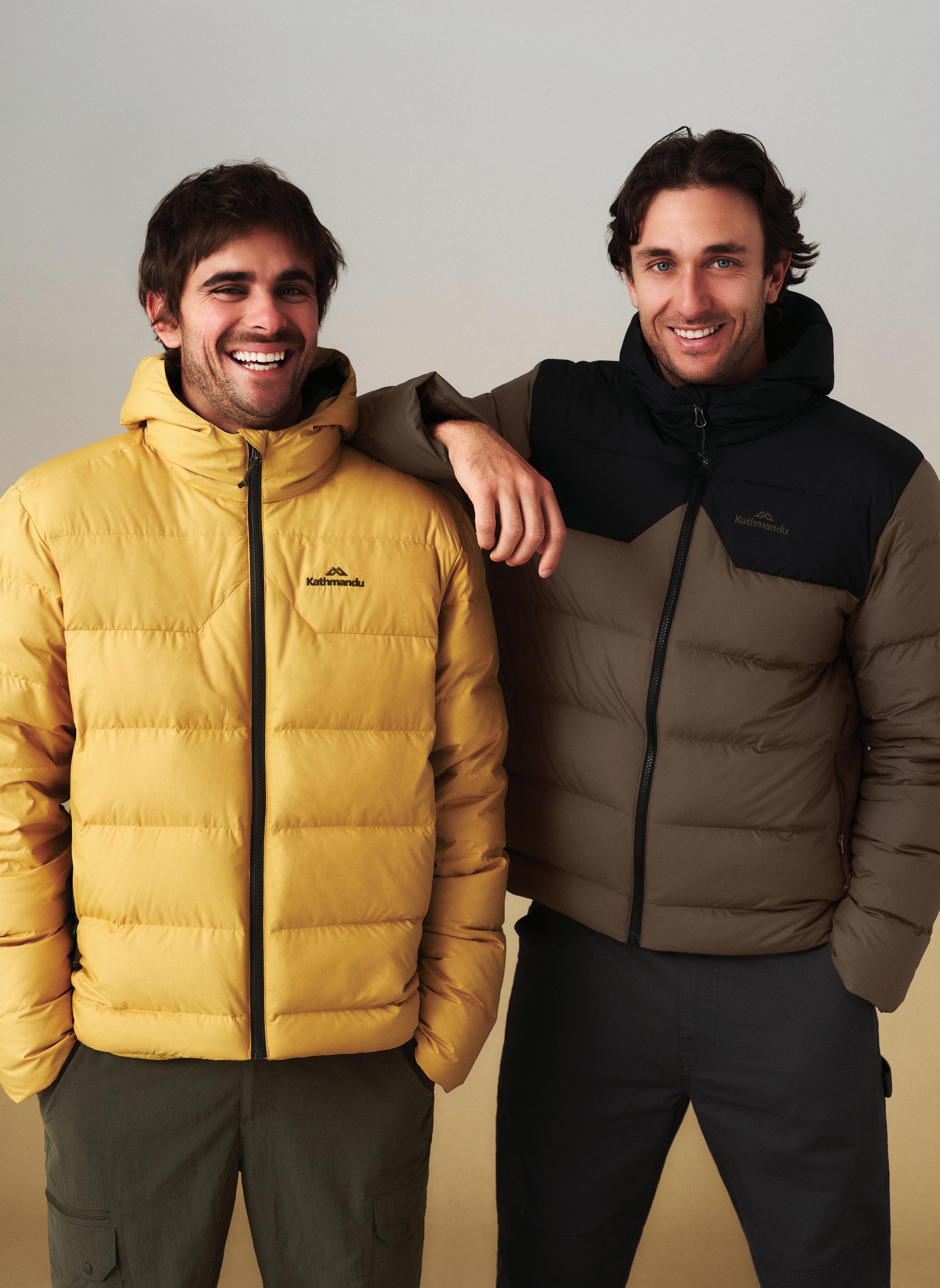
Kathmandu has teamed up with Australia’s favourite duo, The Inspired Unemployed, in a trans-Tasman collaboration that sees the pair step into fashion design for the very first time.
In their latest chapter as Kathmandu Brand Ambassadors, Matt Ford and Jack Steele go beyond simply wearing the gear, launching two limited-edition Kathmandu Epiq puffer jackets, designed by the duo themselves and built for winter adventure.
Created in close collaboration with Kathmandu’s Head of Design and Head of Product Management, the jackets were developed over a seven-month journey from design workshops and prototyping through to final production.
Using Kathmandu’s new boxy, slouchy Epiq silhouette as the base, Ford and Steele shaped every detail of their dream down jacket, from fabric and lining colours to zips, pockets, patches and embroidery, before putting their own names to the final designs.
The Epiq Falcon marked Ford's firstever product design, and his bold choice of a bright yellow main fabric was intentional. The standout feature of the Falcon is its carefully curated patches.
“I love colour, and I love wearing colour. It’s fun, it’s vibrant, and it makes me feel happy,” said Ford.
“There’s a fine line between too much and just right. The patches make the jacket feel unique and individual, and that’s exactly how I want people to feel when they’re wearing it.”
Launching alongside it is the Epiq Steele, designed by Steele, who has worn Kathmandu puffers for over 14 years and never thought something like this would happen.
In contrast to Ford's bold approach, Steele opted for something more understated, creating a timeless colourblocked design in trail brown and black, with a cold-brew lining and subtle icy blue detailing on the zip pullers.
He also chose to embroider the phrase “life is rare, don’t waste it” across the back, a reminder that adventure, curiosity and good times should never be put on hold. An ethos that aligns closely with Kathmandu’s purpose of inspiring people to get out there.
While visually distinct, both jackets share the same technical credentials. Each is made with 100 percent recycled outer fabric and lining, filled with 600 fill power duck down, and exists to inspire a new generation to get out there and experience the world.
Kathmandu’s Head of Design, April Burrows, was proud to celebrate the personalities through their creative direction, while maintaining Epiq’s technical performance, durability and quality.
“Matt and Jack were extremely thoughtful and took the time to dig into what represents them best,” said Burrows.
“As product experts, our role was to support them through the process and provide guidance. A true collaboration that we’re excited to bring to our consumers.”
The limited-edition Epiq Falcon and Epiq Steele will be available online and in select Kathmandu stores across New Zealand from the 12th of May 2026.
retail intelligence:
THE CONNECTOR BETWEEN FORECASTING AND REAL-WORLD PERFORMANCE
FROM TREND DIRECTION TO MARKET VALIDATION
Retail planning has traditionally relied on two core inputs: historical performance and forward-looking forecasts.
Historical data explains what worked, after the fact. Forecasts suggest what might work before the market has validated it.
The challenge is that neither reflects the market as it is today. By the time historical insights are available, markets have already shifted. And at the time of forecasts, their commercial impact is still unknown.
Retail intelligence addresses this
gap by introducing a real-time layer that connects prediction with actual market behavior. It enables teams to see how trends are being executed commercially, how competitors are responding, and how demand is evolving in-season, bringing decisions closer to the reality of the market.
RETAIL INTELLIGENCE ACROSS THE STRATEGIC PLANNING CYCLE
Trend forecasting sets the direction 12–18 months ahead, defining themes, colors, and product concepts for early creative decisions, while historical data analyzes past performance to understand what worked and what
didn’t, to inform future strategy. But as products move closer to market, the real question is whether those trends are being executed effectively and delivering results.
Utilizing retail intelligence gives visibility into how trends are being translated across the competitive landscape in real time, enabling teams to understand:
• Which trends and product variations are gaining traction across competitors
• How those trends are being executed across assortments, including depth, structure, and investment
• Which price points and attributes are driving conversion and sell-through
Instead of relying solely on past performance or forward-looking assumptions, retail teams can assess current market execution and make more commercially informed decisions around pricing and promotional strategy as well as assortment optimization.
Pricing and Promotional Strategy
Forecasting and historical data can provide a foundation for pricing strategy but in-season agility depends on real-time visibility.
Retail intelligence exposes live competitor pricing and promotional activity, allowing teams to understand:
• Where they sit in the market today
• How competitors are discounting
• How pricing evolves throughout the season
• How price positioning varies by category
Assortment Optimization
Trend forecasting solutions highlight emerging opportunities, while historical data confirms their eventual performance.
Retail intelligence connects both to show how those opportunities are being executed in practice and whether a trend is working or not and why:
• How competitors are allocating range to trends
• The number of styles and colorways introduced per category
• The price architecture used to support a trend
• The attributes that correlate to fullprice sell-through
WHY REAL-TIME MATTERS
Understanding what is happening in the market as it unfolds is critical as it allows teams to act with greater speed and confidence. Rather than relying on
lagging indicators or periodic reports, retailers can make informed decisions in-season.
EDITED’s Retail Intelligence Platform complements both ends, bridging forecast and historical measurement with live market execution to help retailers:
• Identifying opportunities earlier by surfacing emerging trends and competitive activity as they happen
• Acting in real-time with visibility into competitor pricing, assortment, and promotional strategies
• Validating assumptions by comparing forecasts and historical performance against current market behaviour
• Grounding decisions in reality by reducing reliance on delayed or incomplete data
• Continuously refining strategy using live market signals rather than periodic reporting cycles
CONCLUSION
To compete effectively in today’s environment, retailers must invest in a real-time connective layer across their decision-making. Without it, teams are forced to rely on hindsight or assumptions—neither of which reflects how the market is actually behaving.
This is why investing in retail intelligence has never been so important as organizations gain a continuously updated view of the market: not just where it has been or where it is expected to go, but where it is right now. This enables faster, more confident, and more informed decisions when planning and investing for your future assortment.
Book a demo to learn more about how EDITED can help.