Music sets the tone. A music licence gives peace of mind.
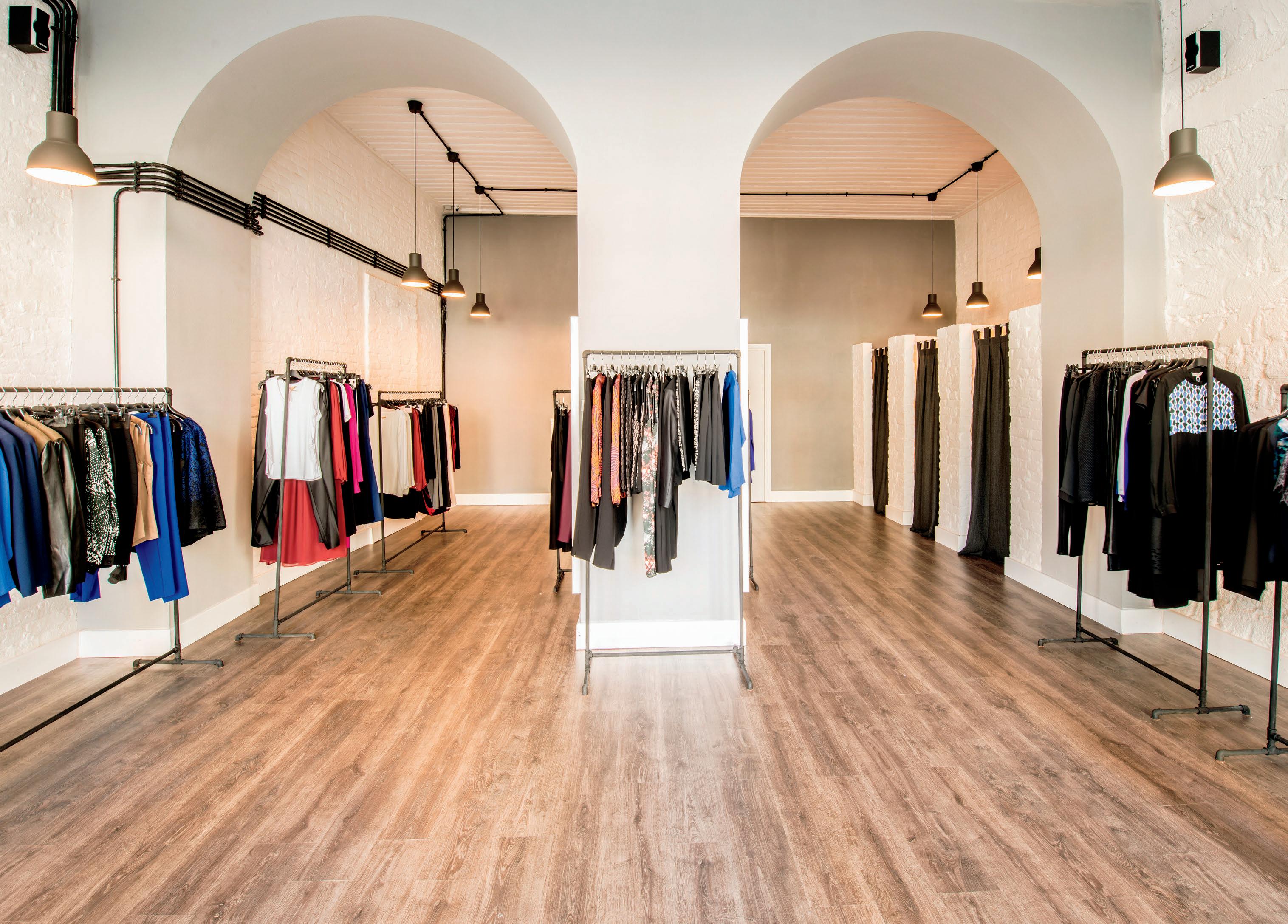
From the moment your customers walk in, music sets the tone. It creates energy, reflects your brand. When you play music in your store, a OneMusic licence ensures you’re doing it the right way - simply, legally, and fairly.
ESSENTIAL FOR FASHION RETAILERS, BOUTIQUES
& APPAREL STORES
Playing music in a business is different from listening at home. A OneMusic licence covers the rights you need to play music across your premises - helping you avoid compliance risks while supporting the artists who make the music you and your customers love.
Create atmosphere
Define the vibe and energise the shopping experience. Music makes spaces feel welcoming, vibrant, and memorable.
Stay compliant
Avoid legal risks and protect your brand with the permissions to play music in public spaces. No guesswork, no gaps.
Support artists
Your licence helps ensure songwriters, composers, and recording artists are paid for their work. Royalties. That’s what we do.
Get licensed in minutes
Scan the QR code for more info or visit:
WHERE FASHION DRAWS THE LINE
The reality is that AI is already woven into fashion businesses in ways many consumers never see. Brands use it to support product descriptions, customer service, audience targeting, forecasting and marketing. Manufacturers are integrating AIpowered quality control systems. Designers are experimenting with new digital tools. Retailers are analysing customer behaviour with increasing sophistication.
Few industries balance creativity and technology as closely as fashion.
From industrial sewing machines to ecommerce, CAD software to automated cutting tables, the industry has consistently adopted tools that improve efficiency, increase productivity and create new opportunities. Artificial intelligence is simply the latest chapter in that story.
Yet unlike many technologies that came before it, AI has arrived with the potential to challenge the very thing fashion values most: creativity.
Recent debate surrounding the alleged use of AI-generated models in a local fashion campaign has sparked discussion across New Zealand's industry. For some, it represents innovation and efficiency. For others, it raises concerns about authenticity, transparency and the future role of creative professionals. The reaction alone demonstrates that AI is no longer a future issue. It is here, and the industry is being forced to decide where it sits.
During visits to footwear manufacturers in Portugal last year, I saw this first-hand. One side of the factory floor was powered by automated machinery producing thousands of pairs of shoes each day. The other by skilled craftspeople. Cameras monitored production, AI software identified potential flaws, and 3D printing accelerated product development. Technology and human expertise worked side by side.
In many ways, this is no different from the introduction of ComputerAided Design. CAD has been part of fashion for decades, replacing much of the manual drafting and patternmaking process while still allowing room for craftsmanship. Few would argue that CAD diminished creativity. Instead, it became another tool in the designer's toolkit.
The question is not whether AI belongs in fashion. It already does.
The more challenging question is how far it should be allowed into the creative process that underpins successful brands.
Fashion is built on originality, storytelling and human connection. Consumers buy into brands because of their vision, values and creative identity. When AI is used to generate imagery,
design concepts or creative work that closely resembles the output of others, concerns around ownership, attribution and intellectual property quickly emerge. Equally important is the impact on the people who bring fashion campaigns to life. Models, photographers, stylists, makeup artists and content creators all contribute to a brand's value. As AI capabilities expand, the industry must ensure that rights, consent and fair compensation remain at the centre of the conversation.
Transparency will be critical. Consumers are becoming increasingly aware of AI-generated content, while platforms are beginning to label content that may contain AI-generated elements. Advertising regulations are also evolving, requiring brands to ensure AI-generated marketing remains truthful and does not mislead consumers.
For New Zealand fashion, the opportunity is significant. AI has the potential to improve productivity, reduce waste, streamline operations and support business growth. However, adoption must keep pace with governance.
I do not believe AI can be banned from fashion, nor should it be. The technology is already embedded across every stage of the supply chain and will continue to evolve. The focus instead should be on responsible adoption. We need frameworks that protect creative ownership, uphold transparency and ensure the people behind our industry continue to be valued.
While AI may become one of the most powerful tools fashion has ever seen, it is still only a tool.
The creativity, judgement and vision that build great fashion brands remain distinctly human.
ASIAN BEAUTY BRANDS CHALLENGE WESTERN PLAYERS MARKET DOMINANCE
ASEAN skin care is expected to grow 11 percent in 2026, almost triple the growth rate of the rest of Asia, powered by digital-first strategies and AI-driven discovery reshaping beauty buying behaviour.
According to Euromonitor International, technology has transformed discovery and decision-making, reshaping the beauty path to purchase, as Asian beauty’s continued expansion globally challenges the market dominance of Western players.
ADIDAS X NEW ZEALAND RUGBY DROP LIFESTYLE COLLECTION
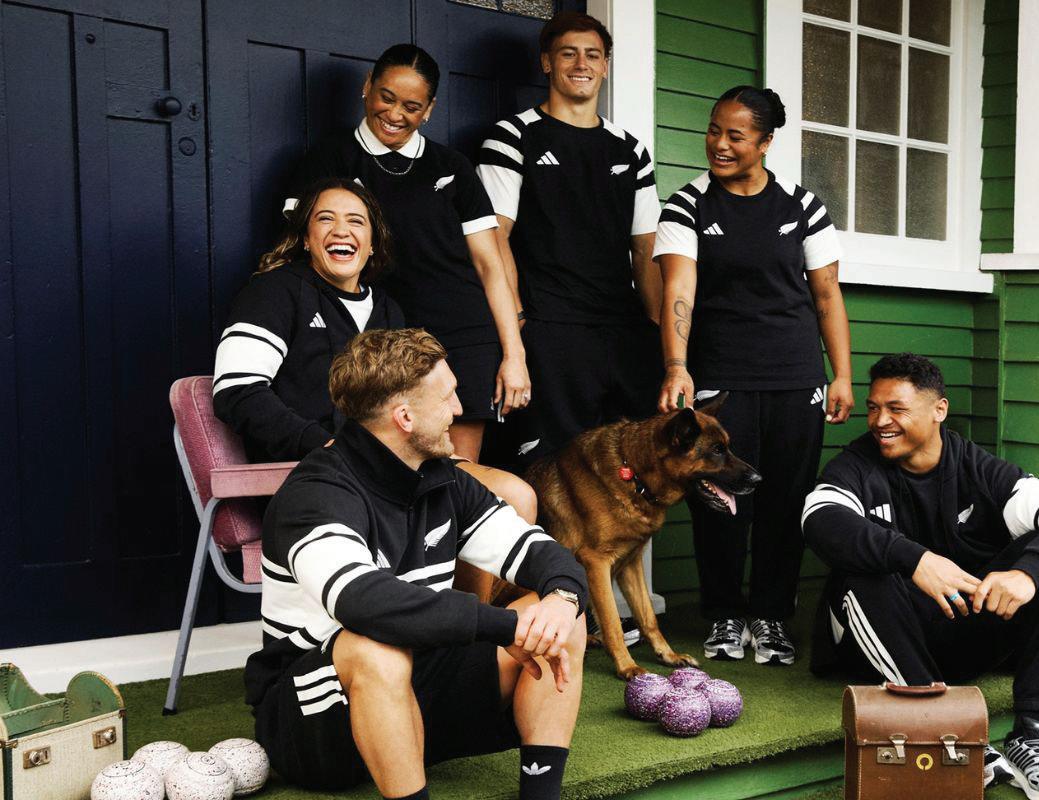
adidas and New Zealand Rugby have unveiled a lifestyle collection designed to help fans express their fandom in the stadium and beyond.
Reimagining classic rugby codes through modern silhouettes and patterns, the capsule honours the sport’s timeless place in style.
Preserved through traditional design elements like structured collars and horizontal stripes, the capsule is reinterpreted through a contemporary lens, celebrating lifelong fans while engaging a new generation through bold colour blocking, creating a fresh visual identity.
PUMA X SALEHE BEMBURY TRVL WEAR COLLECTION
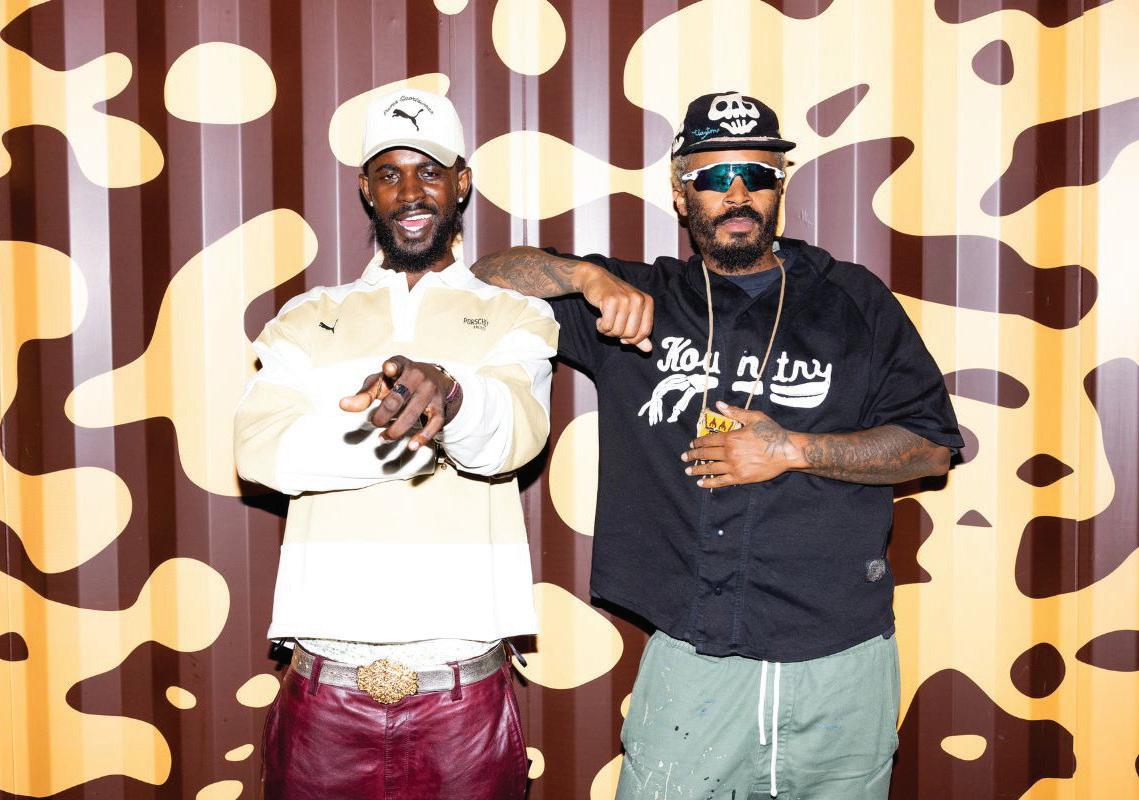
PUMA and visionary designer Salehe Bembury hosted an immersive experience at The Row DTLA, celebrating their collaboration ahead of football's biggest global tournament. The activation transformed the historic venue into a series of interactive environments, offering guests an inside look into the creative world behind the partnership. Set against the backdrop of Los Angeles, the event brought football beyond the pitch and into everyday life through the lens of sound and design.
USEDFULLY EXPANDS TO BRIGHTLANDS CHEMELOT
UsedFULLY, a New Zealand-based textile cleantech innovator, has been accepted onto Brightlands Chemelot Campus in Limburg. The female-led and majority-owned startup is one of just 12 companies worldwide accepted this year onto the state-of-the-art campus, joining an elite ecosystem of over 130 companies working at the forefront of circular materials and sustainable chemistry.
ADIDAS CELEBRATES MESSI
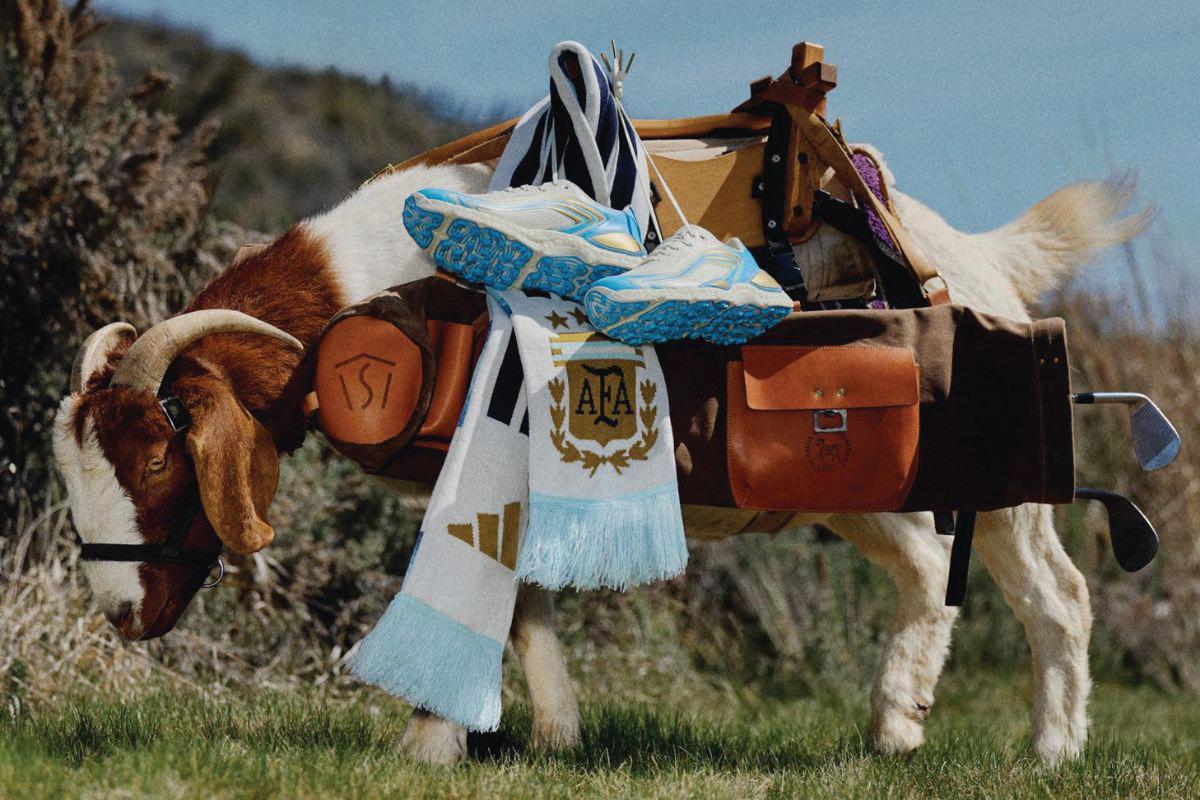
To celebrate adidas football icon Lionel Messi and the start of Argentina’s title defence at the FIFA World Cup 2026, adidas has released CODECHAOS Messi.
Make life easier with one integrated software solution to help you manage all the moving parts of your retail business. Purpose-built for the fashion industry, Apparel helps you monitor, manage and find efficiencies to help you grow.
A QUIETER SHIFT INTO LIFESTYLE.
As modern wardrobes continue to favour versatility, quality, and longevity, consumers are increasingly investing in pieces that move effortlessly between different parts of their day. Footwear is no exception.
Designed for women who balance work, family, community, and leisure, the Skellerup Meadow ankle boot is crafted for the moments in between. From weekend markets and café catch-ups to garden projects and sideline support, Meadow is designed to feel at home wherever the day leads.
Handcrafted from natural rubber and thoughtfully designed in New Zealand, Meadow brings together understated style and everyday practicality. Its refined ankle-height silhouette pairs easily with any outfit, while a considered palette of wearable tones ensures it integrates seamlessly into a modern wardrobe.
Comfort is equally important. A cushioned 4mm sock and orthotic innersole provide support throughout the day, creating a boot that feels as good as it looks.
The first steps of the new Skellerup Lifestyle collection, Meadow draws on decades of footwear craftsmanship while embracing a more contemporary expression of everyday style.
Made for the moments that matter.
FASHION AS A FORCE FOR CHANGE
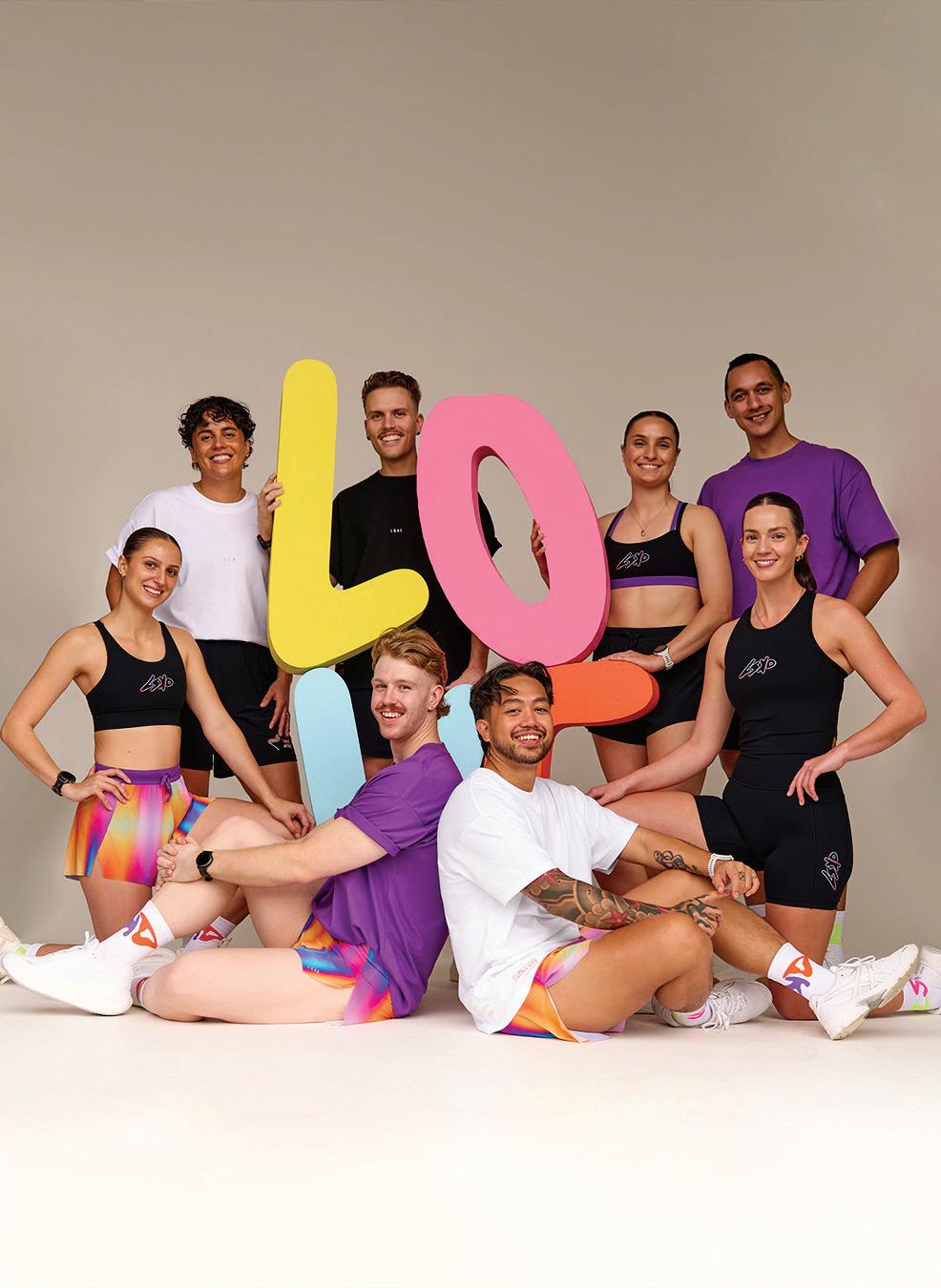
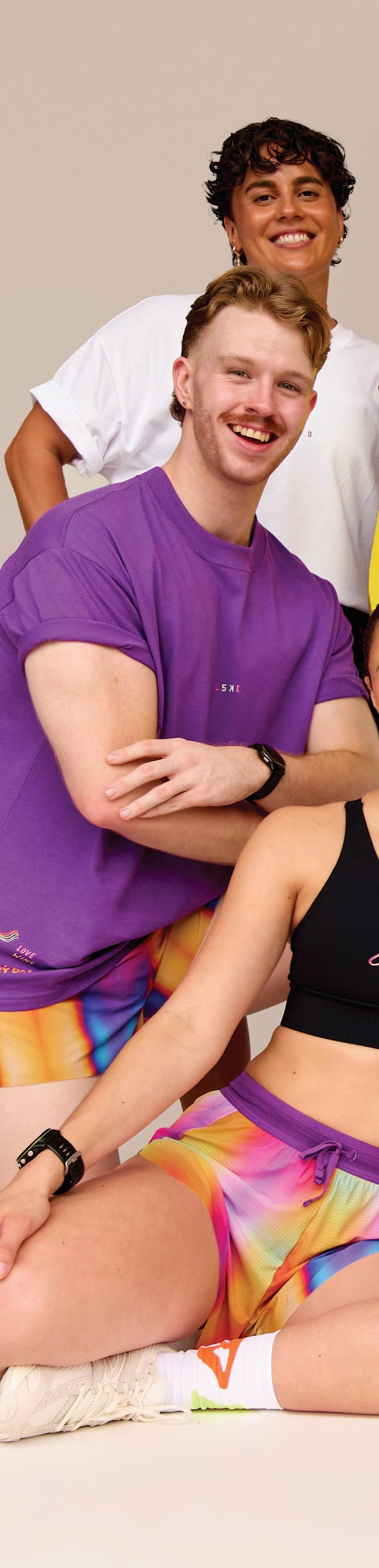
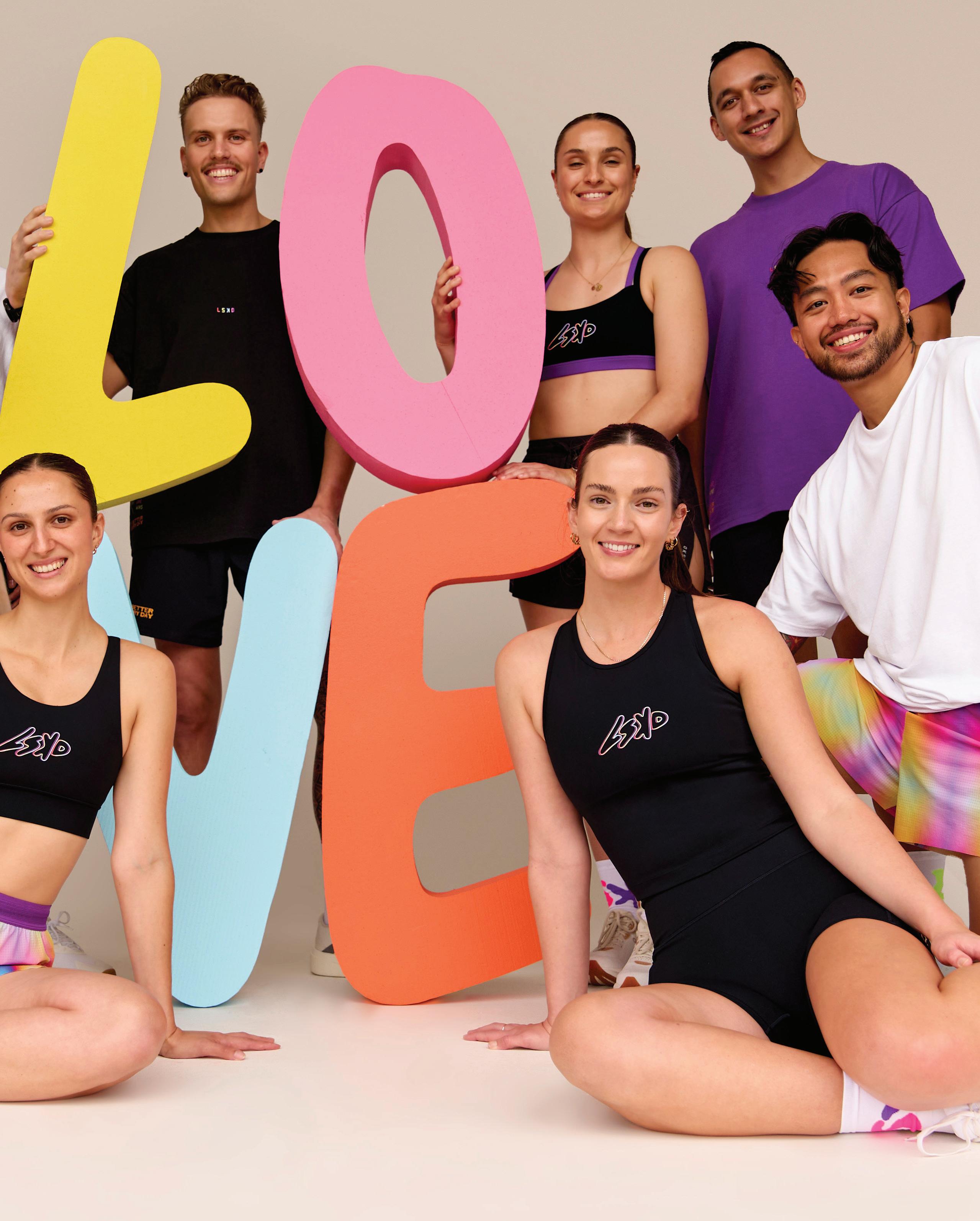
Activewear brand LSKD is celebrating Pride Month with the launch of its Pride 2026 Collection.
Reaffirming its commitment to equality, inclusion and community through apparel designed to be worn with purpose, the collection has combined bold, wearable designs with a meaningful commitment to giving back.
Built around the message that "Pride is a movement, not a moment," the limited-edition collection is inspired by the strength, resilience and vibrancy of the LGBTQ+ community.
Every piece is designed to encourage self-expression while supporting meaningful change beyond Pride Month.
In line with its ongoing commitment to giving back, LSKD will donate five percent of all Pride Collection sales to Wear it Purple, helping the organisation continue its work creating safer, more visible and inclusive environments for
LGBTQ+ young people.
The collection reflects LSKD's belief that movement extends beyond sport and fitness and that it also means moving society forward through acceptance, visibility and allyship.
"Community isn't just something you find; it's something you build," said Jason Daniel, LSKD CEO and Founder.
"Every purchase from the Pride Collection contributes to creating greater visibility and support for LGBTQ+ communities, while reminding us that Pride is an ongoing movement, not just a single moment on the calendar."
The Pride 2026 Collection is now available at LSKD stores and online, inviting the community to wear their pride proudly while supporting an important cause.
NUOCEANS X BLECKMANN BSCALE
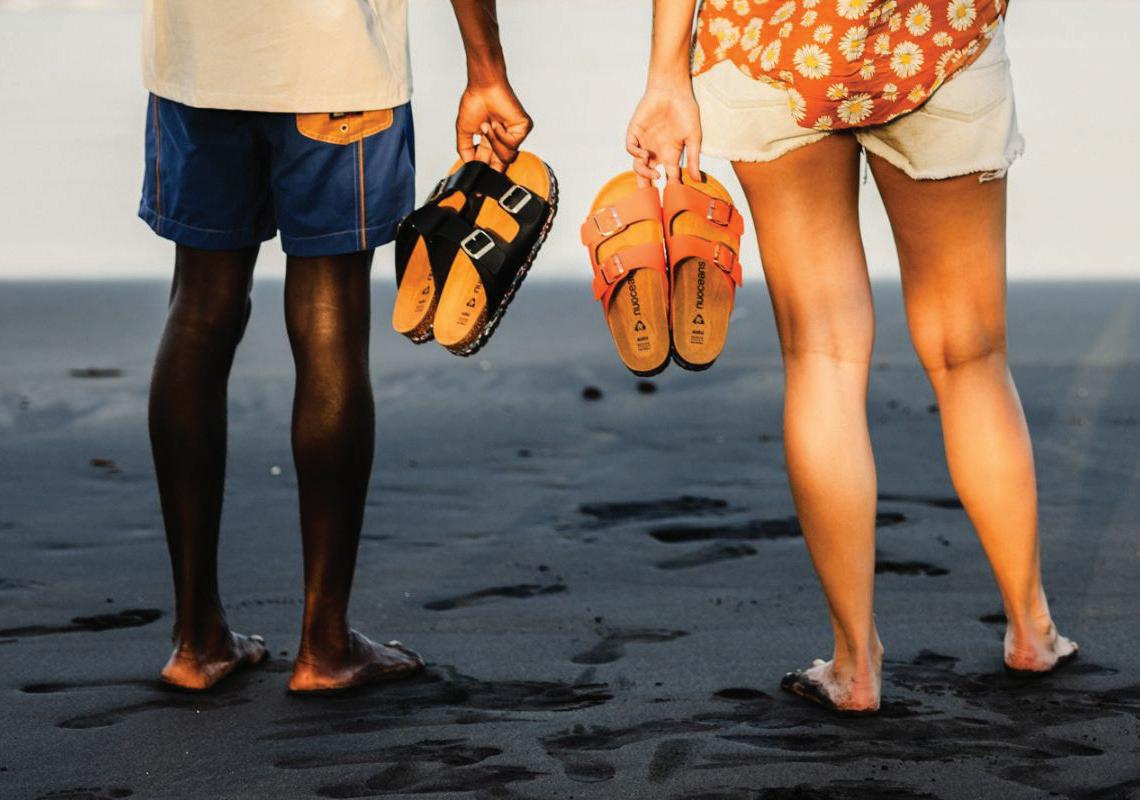
Nuoceans, a Belgian-British sustainable footwear brand, has chosen Bleckmann, a specialist in supply chain management for fashion and lifestyle brands, as its new Bscale partner.
The automated, plug-and-play fulfilment platform enables Nuoceans to manage its entire supply chain without complex or costly set-ups. As of the end of May, Bleckmann has fully taken over Nuoceans’ operations.
GREATER FOCUS ON OPERATIONAL ACTIVITIES
Nuoceans faced a challenge familiar to many fast-growing start-ups in the fashion and lifestyle sector: processing orders in-house had ceased to be merely an operational task and had become a time-consuming burden.
At the same time, demand was
rising across Europe, meaning the team could not afford to let logistics act as a brake on growth. There was a need for a third-party logistics (3PL) solution with specialised omnichannel capabilities and sufficient flexibility to optimise fulfilment. This allowed the team to focus on the next phase of growth without losing sight of the customer.
Since February, they have been working with Bleckmann and have opted for Bscale: an ideal end-to-end logistics solution for scaling up businesses. The plug-and-play Bscale solution offers a ‘pay-as-you-grow’ model, giving Nuoceans the speed, scale and flexibility
to expand its reach cost-effectively across Europe and beyond.
All of Nuoceans’ orders are processed from the distribution centre in Grobbendonk, reducing processing times and enabling flexible stock management. The system proved not only to be user-friendly but also a better choice for Nuoceans in terms of price.
Thanks to Bscale, Nuoceans can focus more effectively on other operational activities, whilst still conducting around 70 percent of its business in Germany and France.
In the future, the ambition is to expand the partnership with Bleckmann to cover multiple regions in which the brand operates.
TURNING POLLUTION INTO A FINISHED PRODUCT
Around three billion pairs of flipflops are produced every year: these are non-recyclable and often end up in landfill sites and, in Asia, on beaches. The founders of Nuocean were shocked by the amount of waste on the beaches and started working with a local university professor to press the flip-flops together into a single flexible mass.
That moment was the starting point and inspired them to think further and develop the concept step by step into what it is today.
Every year, the three founders of Nuocean work with Trash Hero to collect thousands of flip-flops from
beaches across Southeast Asia. They are sorted by colour and thoroughly cleaned. This preparatory work is the first step in transforming discarded flip-flops into colourful materials for Nuocean’s unique creations.
The multicoloured sole is made from 100 percent ocean waste, primarily discarded flip-flops. The insole is made from recycled cork and natural latex; the outsole is made from leftover materials from the shoe industry; and the straps are vegan leather. There are around 300 grams of ocean waste in each pair.
To further expand its sustainability standards, Nuocean’s packaging is also sustainable and fully recyclable.
JOIN A LEGACY OF NEW ZEALAND-MADE LUXURY
Founded in 1972, BONZ is one of New Zealand’s longest-standing luxury apparel brands.
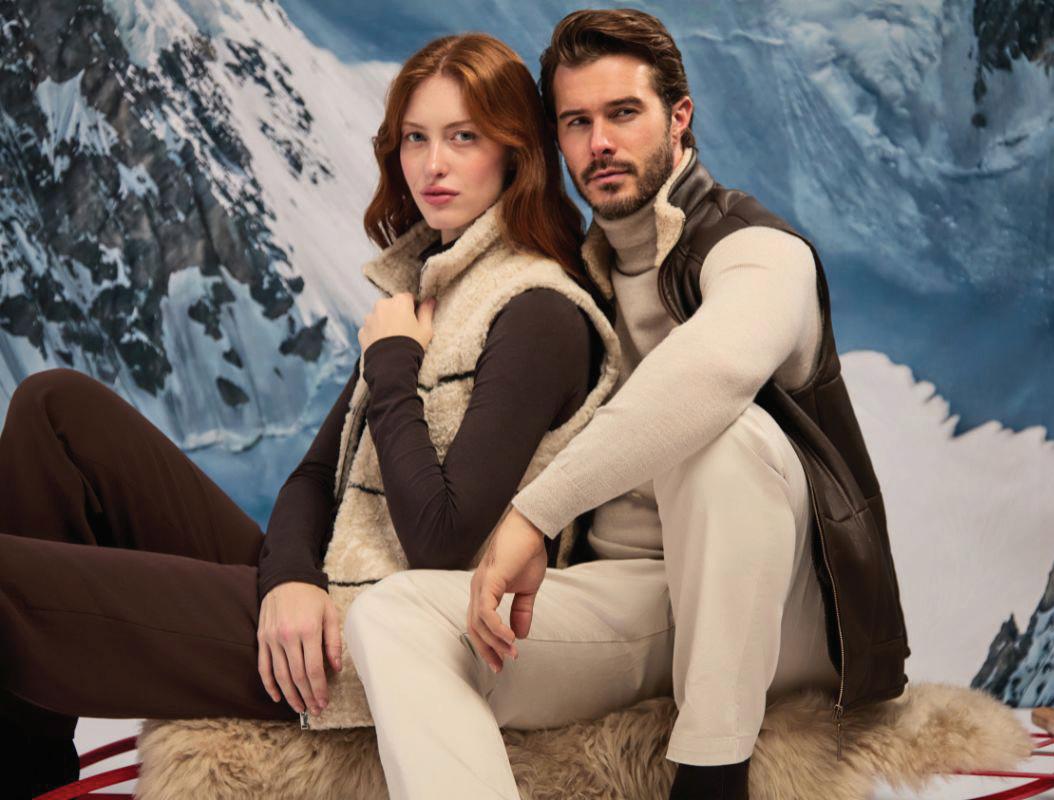
We create premium garments and products from rare, high-quality materials, including slink lambskin, shearling, leather and possum.
Our products are made in New Zealand and sold through our own BONZ stores and selected luxury retailers. To learn more about BONZ, please visit www.bonz.com
We are looking for an experienced Senior Machinist to join our factory team in Invercargill.
This is a hands-on role for someone with strong industrial machining experience who takes real pride in quality and workmanship. The role will involve working on the machining floor as part of our production team, while also assisting with sampling, development work, and helping bring new products and styles into production.
This is a great opportunity for someone who enjoys working with premium materials, understands construction, and wants to be part of a business that values craftsmanship and beautiful product.
We are open to speaking with applicants from outside Southland and would consider relocation support for the right person.
ABOUT THE ROLE
This is a senior role within our factory team. You will work across day-to-day production while also supporting the development of new products and helping maintain a high standard across the machining floor.
Key responsibilities include:
• Machining premium garments and products to a consistently high standard
• Working with heavier and more complex materials including leather, shearling, lambskin and other specialty fabrics
• Operating a range of industrial sewing machinery, including walking foot and overlocking machines
• Assisting with samples, prototypes and first runs for new products and styles
• Helping translate designs and patterns into well-made finished product
• Supporting problem-solving around construction, machining methods and production flow
• Maintaining a high level of accuracy, finish and consistency
• Assisting and supporting other machinists where needed across the floor
• Contributing positively to a tidy, professional and efficient workroom environment
What we are looking for:
• Strong industrial machining experience
• Experience working with heavier fabrics, leather, upholstery-weight materials, shearling or similar would be highly regarded
• Excellent attention to detail and high personal standards
• Good understanding of garment construction and how products come together
• Experience with sampling or development work would be an advantage
• A practical, calm and solutionsfocused approach
• Someone reliable, steady and capable who takes pride in producing beautiful work
• A team player with a positive attitude and willingness to help where needed
What we offer:
• Full-time, permanent role
• Competitive hourly rate based on experience
• No weekend work
• Friday afternoons off
• A clean, bright and recently renovated work environment
• High-quality machinery and equipment
• The chance to work with beautiful premium materials and product
• A long-term opportunity within an established New Zealand luxury brand
Email Ryan ryan@bonz.com to apply - send CV and Cover Letter
GLASSHOUSE’S SCENT OF SELF-EXPRESSION
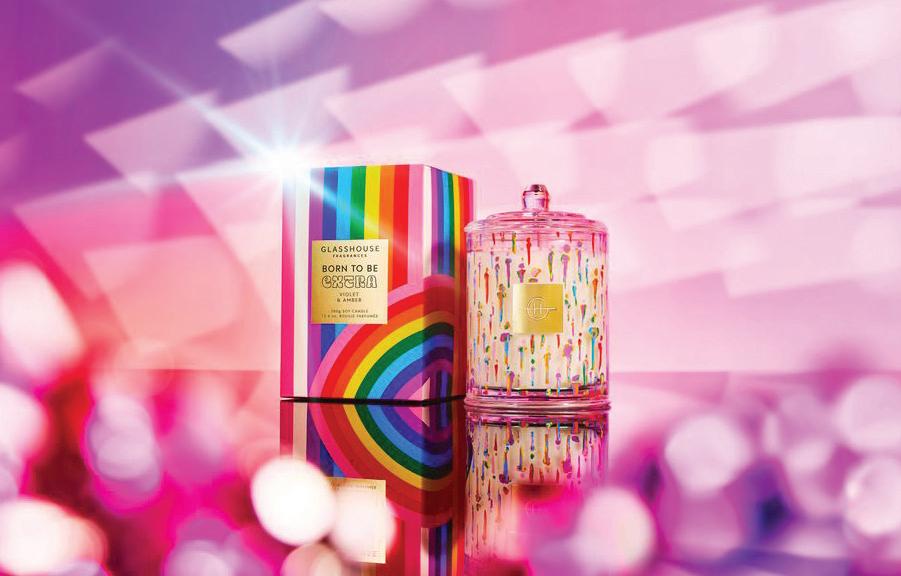
Glasshouse Fragrances has honoured Global Pride Month with Born to Be Extra, a limited-edition candle designed for bold self-expression.
Glasshouse Fragrances has honoured Global Pride Month with Born to Be Extra, a limited-edition candle designed for bold self-expression. Pride Month celebrates love, identity and community in full colour and Born to Be Extra has channelled that energy of being bold, expressive and unafraid to stand out.
Designed to make an impression, the fragrance opens with bright, aromatic notes of thyme and eucalyptus, delivering freshness and lift.
A floral heart of rose and violet follows, before settling into a warm, enveloping base of amber, patchouli,
tonka bean and vanilla.
Colour sits at the heart of the design. A long-standing symbol of Pride, it represents diversity, unity and visibility, reflected in a rainbow-wrapped box and a vessel detailed with colourful humanlike forms. It also serves as a reminder that no one was ever meant to fit into one shade.
As part of the launch, Glasshouse Fragrances will support organisations doing vital work within the LGBTQIA+ community.
A percentage of sales from Born to Be Extra will be donated to The Trevor Project in the United States and Qtopia Sydney in Australia, helping
fund ongoing advocacy, education and support services.
Bold, layered and full of personality, Born to Be Extra is a celebration of living loudly, loving freely, and embracing every part of yourself, because the most powerful thing you can be is exactly who you are.
The Glasshouse Fragrances Born to be Extra candle is available exclusively online.
All Glasshouse Fragrances candles are Australian-made and hand-poured with love, using the highest-quality soy-blend wax and all-natural, leadfree cotton wicks for a pure, intensely fragrant burn.
LORNA JANE CLARKSON’S NEW ERA OF WELLNESS
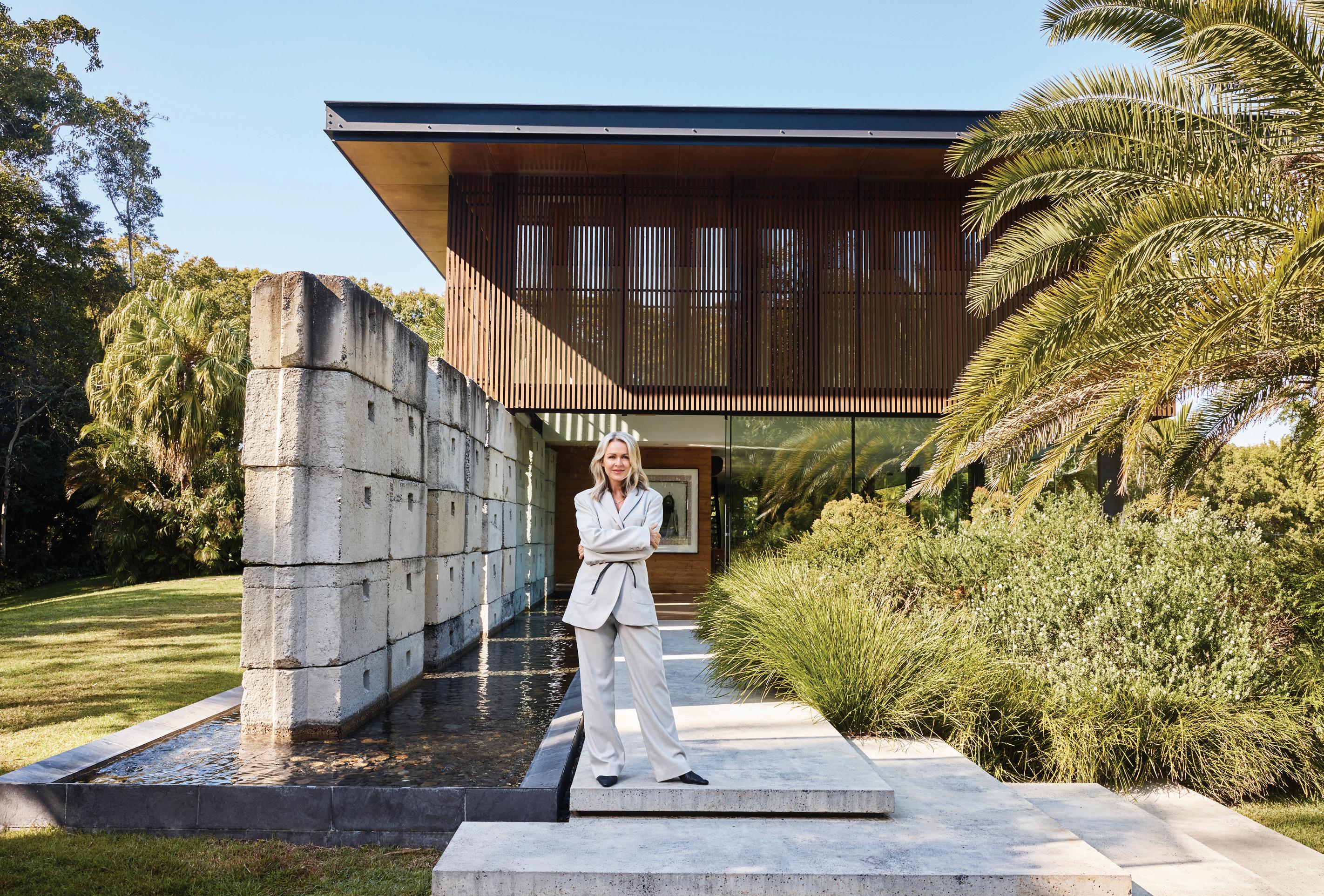
One year after acquiring the renowned Byron Bay retreat SOMA, Lorna Jane Clarkson has unveiled the next chapter of one of Australia's most recognised wellness destinations.
Officially launching its first retreat season in September 2026, SOMA Lorna Jane is the evolution of Clarkson's Active Living philosophy, extending beyond product into practice.
More than a wellness retreat, it represents the culmination of a 37-year mission dedicated to helping women live healthier, more fulfilling lives.
Long before wellness became a global industry, Clarkson was encouraging women to move their bodies, prioritise their wellbeing and invest in themselves. Through activewear, books, events, and education, she built one of Australia's most influential wellness brands around a simple yet enduring belief: when women feel their best, they live differently.
Over the past year, Clarkson has reimagined SOMA around the conversations women are having today - navigating changing hormones, building habits that last, managing burnout, redefining success, supporting longevity and finding greater balance in increasingly demanding lives.
While the wellness industry has no shortage of quick fixes and fleeting trends, Clarkson believes women are searching for something more substantial: credible education, practical tools, and meaningful support that extends beyond a weekend away. That philosophy sits at the heart of SOMA Lorna Jane.
Designed as an immersive destination for personal growth and transformation,
the retreat has been created to help women reconnect with themselves while gaining the knowledge, confidence and practical strategies required to create lasting change.
Every aspect of the experience has been carefully considered through the lens of Clarkson's Active Living philosophy, with a focus on ensuring guests leave not only feeling restored but equipped to make meaningful changes once they return home.
At a time when wellness is increasingly becoming synonymous with luxury travel, Clarkson believes the true value of a retreat lies in what happens after guests leave. For her, wellness has never been about stepping away from life. It has always been about
learning how to live it better.
Through a series of expert-led retreats, guests can explore everything from behaviour change with Dr Gina Cleo to nervous system health with Tracy Whitton, to hormonal wellbeing through traditional Chinese medicine with Dr Keri Krieger and Aiko Neligan, among others.
Guests are immersed in programs designed to educate, challenge and inspire. The experience combines evidence-informed learning with practical application, ensuring that insights gained during the retreat can be integrated into everyday life long after the experience concludes.
With just 10 guest suites, SOMA Lorna Jane has been intentionally designed
to offer a level of intimacy rarely found within larger wellness destinations.
The smaller scale allows for deeper engagement with facilitators, personalised support throughout the experience and meaningful connection among guests, creating an environment where true transformation can occur. This commitment to depth over scale extends to the calibre of experts leading each retreat.
Clarkson has assembled a carefully curated collective of respected practitioners, educators and specialists whose work sits at the forefront of modern wellbeing.
leadership and performance, facilitators have been selected not only for their expertise but for their ability to translate complex ideas into practical tools that can be applied in everyday life.
While each retreat explores a different area of wellbeing, every program shares a common objective - helping women bridge the gap between inspiration and action. Guests leave with personalised frameworks, greater self-awareness and practical strategies designed to support sustainable change, ensuring the experience continues to resonate long after they return home.
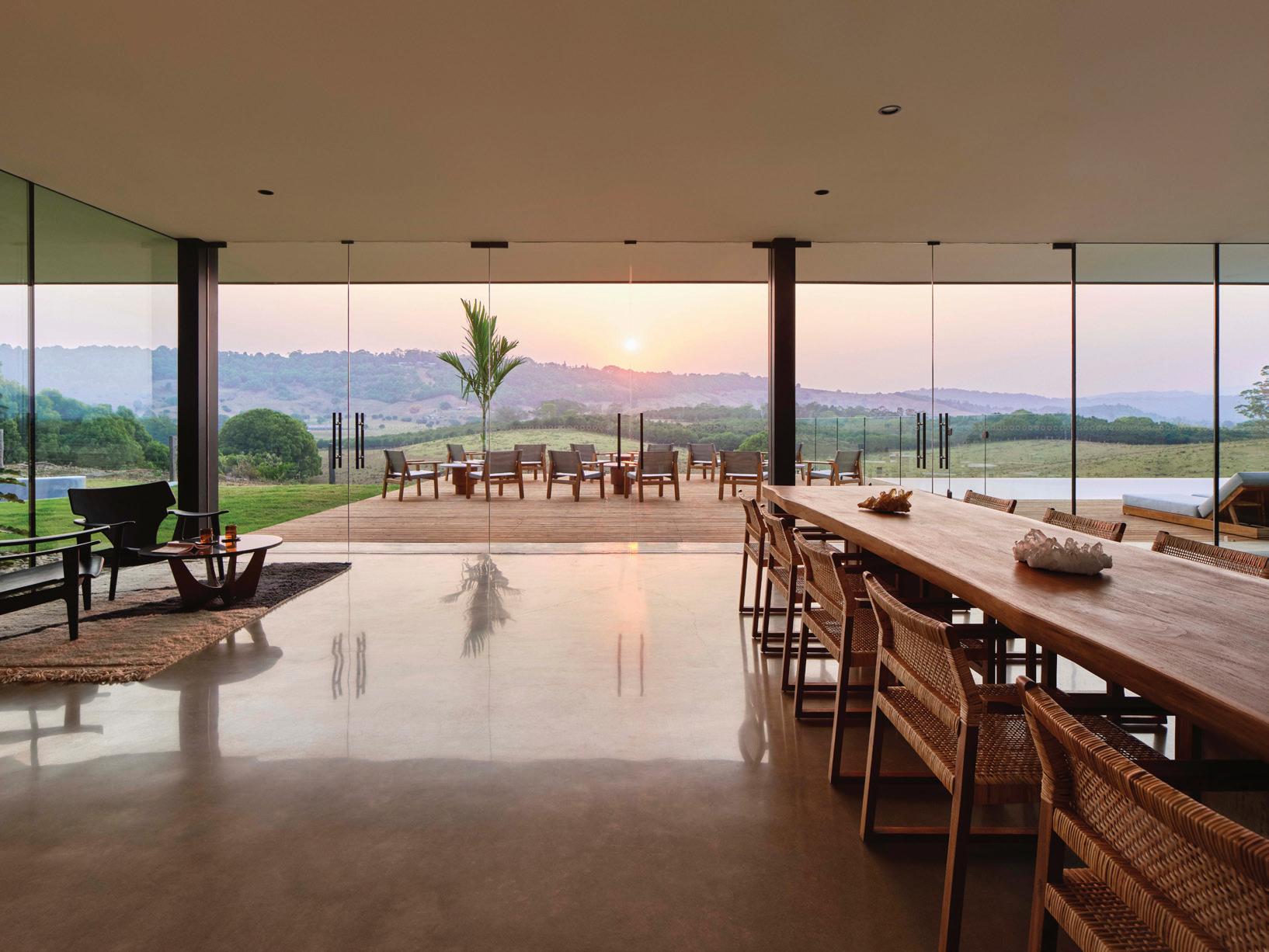
Set across 22 acres of lush Byron Bay hinterland, the property itself has undergone extensive enhancements under Clarkson's direction. Thoughtfully redesigned to reflect a softer and more feminine aesthetic, the retreat balances understated luxury with the natural beauty of its surroundings.
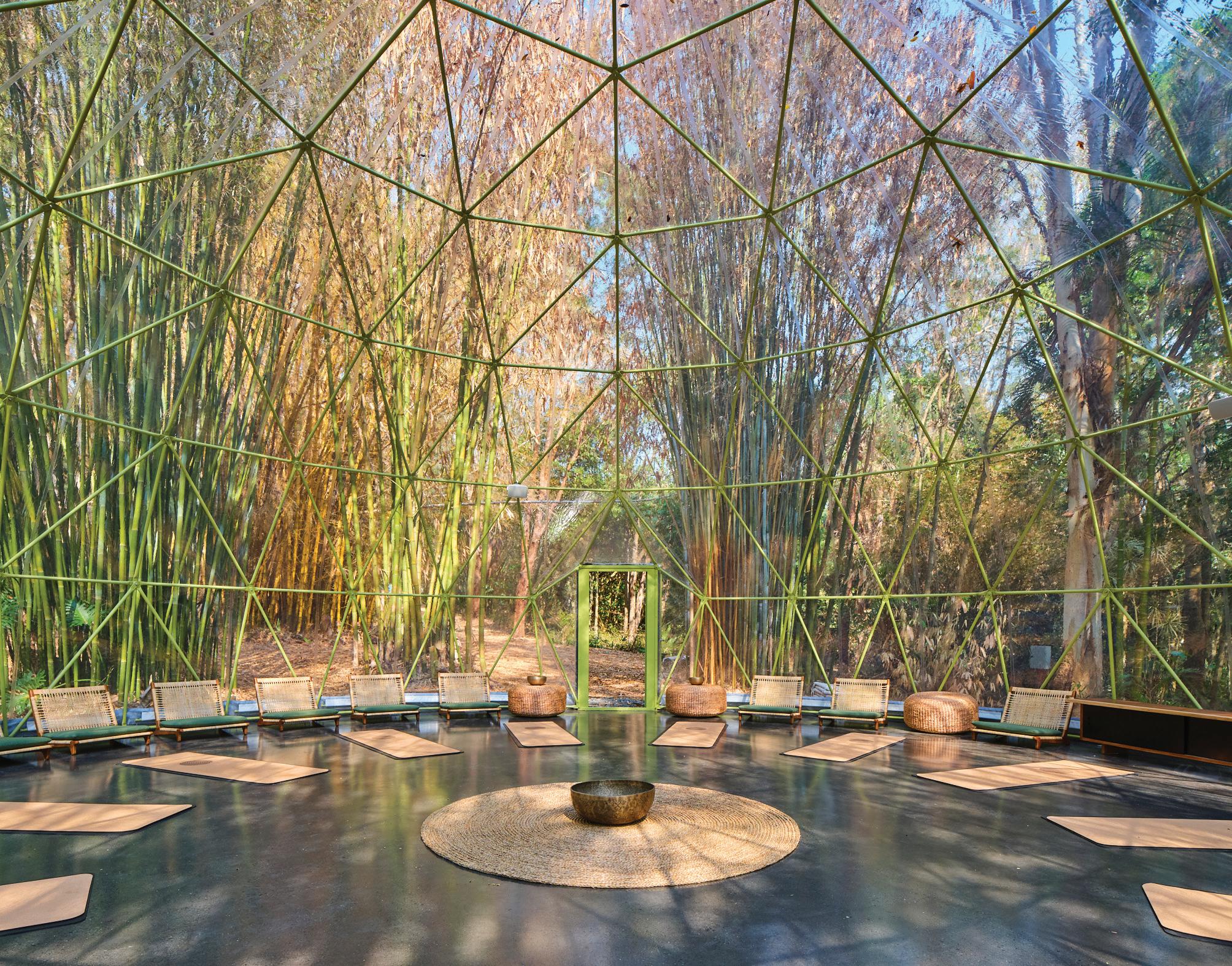
Guests can spend their days exploring newly landscaped walking trails, unwinding in the dedicated bathhouse and sauna, relaxing in the saltwater pool, enjoying restorative treatments, or gathering within one of two purposebuilt wellness domes designed for movement, education, and reflection.
Alongside its consumer retreat offering, SOMA Lorna Jane will also introduce a corporate wellbeing program designed for leaders and executive teams seeking healthier, more sustainable approaches to performance. The program combines leadership development with wellbeing practices that recognise the growing connection between personal wellbeing and professional success.
As wellness tourism continues to evolve globally, SOMA Lorna Jane reflects a broader shift taking place across the industry.
KATHMANDU TURNS FABRIC OFF-CUTS
INTO
LIMITED-EDITION JACKETS
A limited run of Kathmandu’s flagship Epiq down jacket will be released using leftover fabric from previous production runs, as the brand seeks to put surplus materials to practical use.
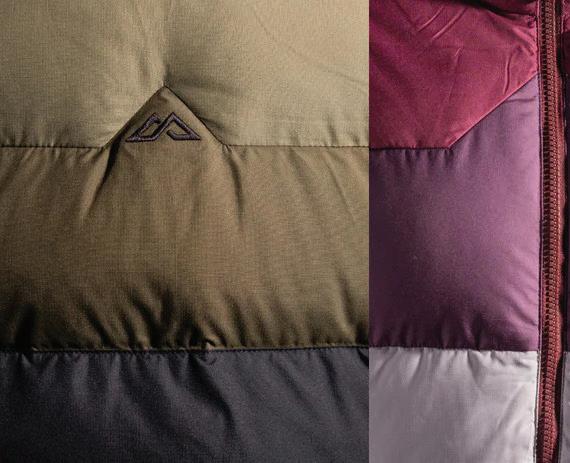
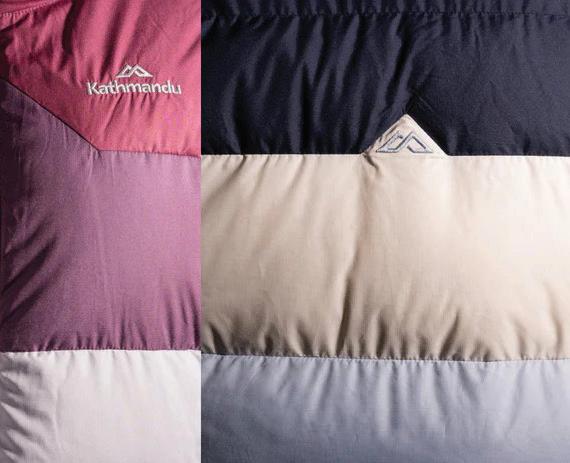
The Epiq Colour Block Limited Down Jacket has been made from unused off-cuts from past product manufacturing, including materials from previous winter seasons. These, combined with seasonal and core colours, have created contrast panel designs.
Reflecting Kathmandu’s commitment to conscious material use, surplus fabric has been minimised. Where needed, it has been distributed for prototyping, repairs, or smaller product runs, or donated to local community groups for cross-stitching and design work. In this case, the surplus fabric has been reimagined into a new garment.
“This was about finding a purposeful use for fabric that already exists,” said
April-Joanna Burrows, Kathmandu’s Head of Design.
“We wanted to use the off-cuts meaningfully. Instead of treating it as leftover, we approached it as a bold design decision from the outset.”
The product release is constrained by the availability of surplus fabric, with only a limited number of units produced. Each colourway uses different combinations of off-cuts, limiting volumes and preventing scaling beyond the available materials.
The range includes men’s styles in Dark Sapphire Block and Black Block, and women’s styles in Tech Blue Block, Alloy Block and Pinot, with each colourway combining leftover fabrics with seasonal tones to create the
contrast panels.
The jackets have maintained the same construction, performance and insulation as the core Epiq range, with the difference primarily visible in the panelled colour-blocking created by mixed fabrics.
“This project shows how constraints can shape the outcome in a positive way. When you work with what is already available, it pushes you toward more considered and often more interesting design solutions.”
The Epiq Colour Block range will be available from the 10th of June in selected Kathmandu stores in New Zealand and Australia, including Queenstown, Queen Street, Chatswood and Chadstone, as well as online.
KATHMANDU’S MOST ADVANCED TECHNICAL HIKING SYSTEM
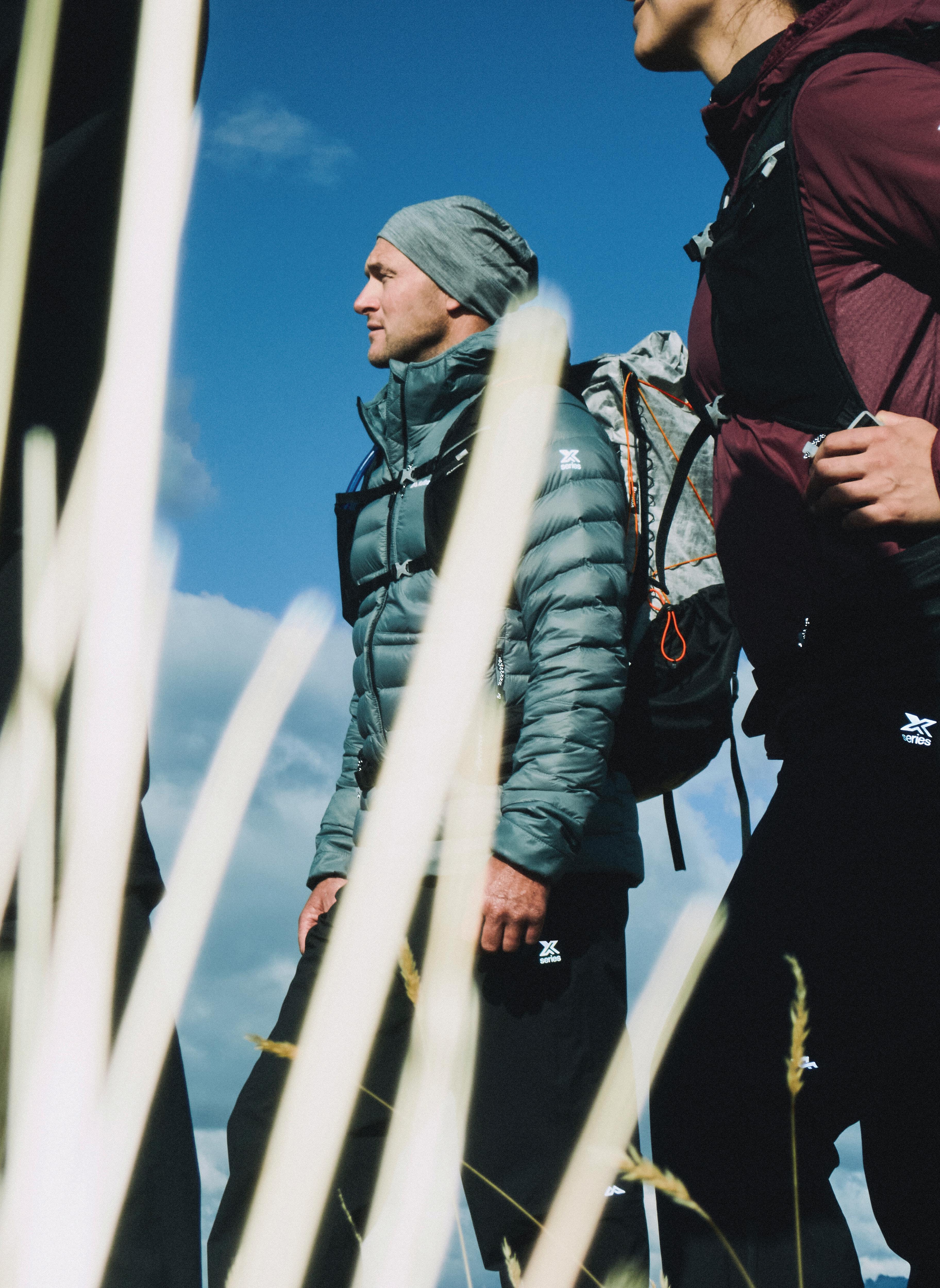
Kathmandu has built its most advanced technical hiking system to date, the XT Series. Built on nearly four decades of outdoor experience, the modular range has been engineered to move fast while being tough enough to go the distance.
Within reach of the lightest systems on the market, the XT Series arrives with two products already recognised with ISPO Awards.
The five-category range spans base layers, a hybrid mid-layer, down insulation, rainwear and a 40-litre XT Pack. The system and each product have been engineered with minimal weight for maximum performance.
According to Chad Leeder, Kathmandu’s Head of Materials, the balance between lightweight design and serious durability was nonnegotiable.
"Every gram saved had to earn its place, without giving up any of the durability that allows hikers to go further, lighter and faster,” he said.
The XT Series is the system we've always wanted to make.
"It brings together the most advanced materials, the lightest construction, and the highest level of testing we have ever applied.”
Each product fulfils a specific role across temperature regulation, weather protection, insulation and load carrying,
and layering has been engineered to remove overlap, redundant insulation, and unnecessary bulk.
Designed for trail and multi-day hiking, backcountry hut trips, long ridgelines and extended days, the focus is on the conditions most hikers face: sustained movement, wet weather, and the need to keep going day after day. Each material in the XT Series was chosen with purpose, then pushed further.
• Recycled Cordura is used where abrasion resistance and longevity matter most, across rainwear, down jackets and the hybrid mid-layer. The fabric has been custom-developed for Kathmandu, which is now an official Cordura partner.
• Octa fleece is used across base and mid layers. Its open fibre structure allows heat and moisture to escape quickly. Delivering warmth without bulk, Octa fleece is 50 percent less weight than traditional fleece.
In the XT Series hybrid mid-layer, that precision works harder, with Octa and recycled Cordura stretch panels
strategically zoned for airflow, wind protection, and pack-contact points.
Leeder added that Octa panels sit where heat builds and airflow is needed most: the back, underarms, and areas where your pack sits against. Cordura stretch delivers structure, wind resistance, and durability without restricting movement. Together, these create a jacket that actively regulates temperature.
Field testing of the entire XT Series took place across New Zealand’s backcountry, where gear is exposed to prolonged wet weather, abrasive terrain and repeated wear and tear.
Additional lab testing covered abrasion resistance, tear strength, pilling and snag resistance, and benchmarks for waterproofness and breathability. As a certified B Corp, sustainability was engineered into the XT Series from the start, with a focus on longevity, repairability, and responsible materials.
The XT Series is available in selected New Zealand and Australian stores, as well as online. Further products are expected to be added to the Kathmandu XT Series in 2027.
INSIDE THE SEARCH FOR NEW ZEALAND FASHION'S NEXT SUCCESS STORY
What does it take to stand out in New Zealand fashion today? With Future of Fashion returning to New Zealand Fashion Week for 2026, Apparel Magazine sat down with the judging panel to find out what they are looking for in the Future of Fashion.
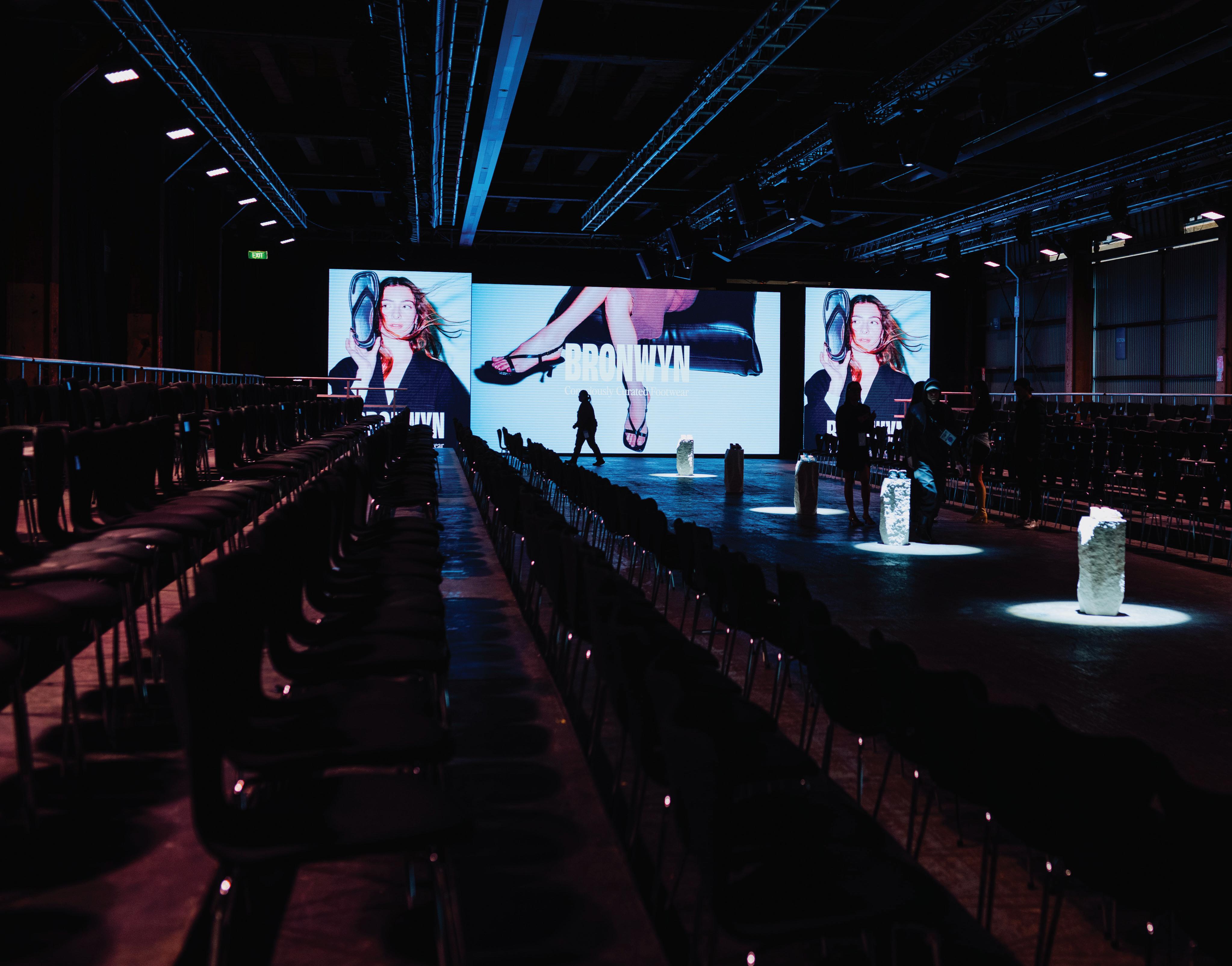
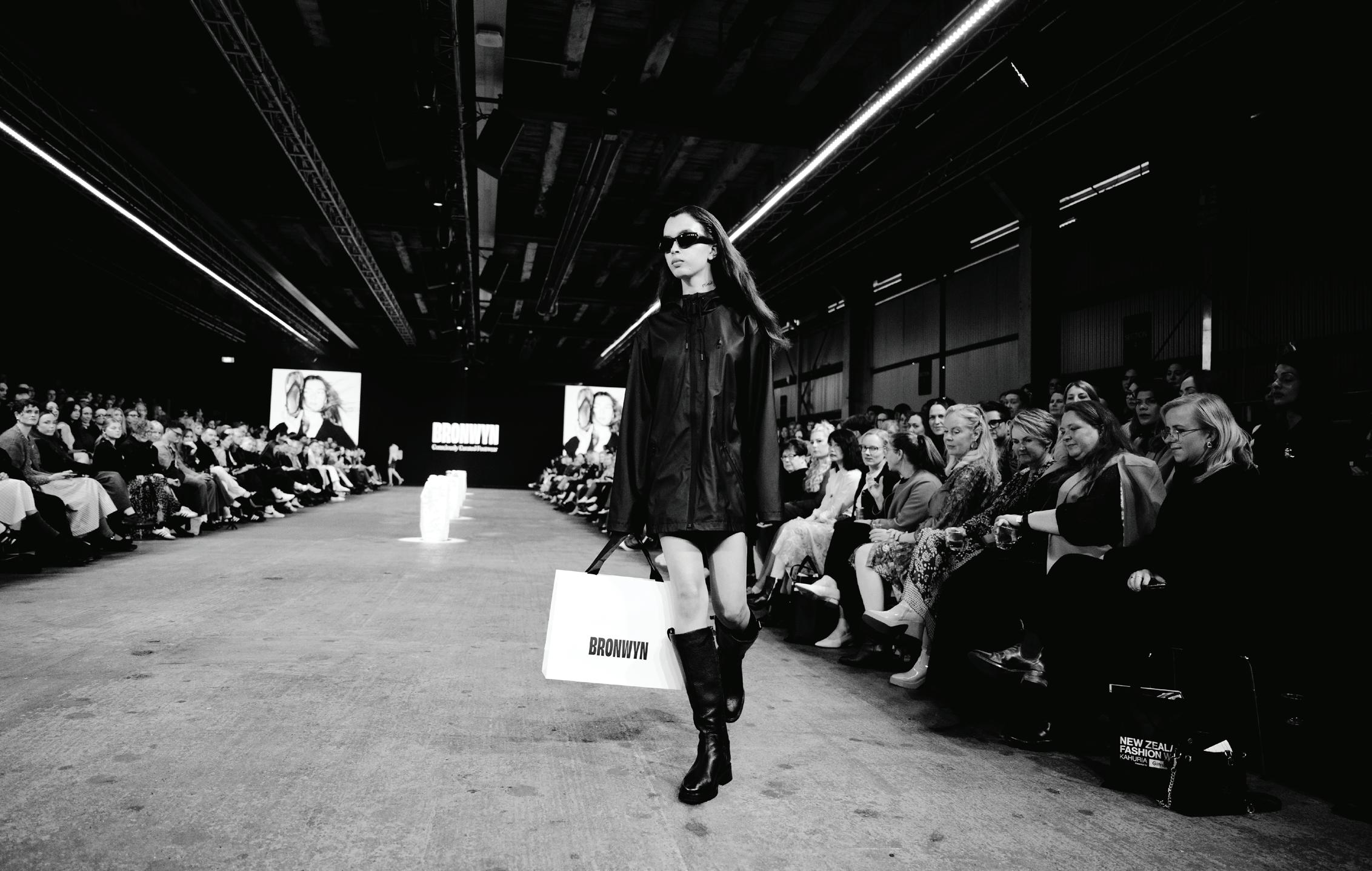
Created to spotlight emerging designers, the programme offers eight designers the opportunity to present their collections on the New Zealand Fashion Week runway while gaining invaluable industry exposure, mentorship and support. The initiative was awarded to Bronwyn Footwear in 2025 and returns this year with an expanded prize package for emerging designers.
For 2026, the programme merges the Future of Fashion with the Giltrap Group Helping Kiwis Fly Award: Fashion Edition, which was awarded to REBE in 2025. The combined prize package will provide one winning designer with financial support, industry mentorship, media opportunities, and a 12-month ŠKODA vehicle sponsorship.
The judging panel brings together expertise spanning design, retail, media and business, including Giltrap Group CEO Steve Kenchington, NZFW creative director Dan Ahwa, Taylor founder and creative director Vicki Taylor, and Wynn
Hamlyn founder Wynn Crawshaw. While creativity remains at the heart of the competition, judges are united in their belief that successful fashion businesses require far more than strong design alone.
Ahwa said he is looking for earlycareer designers already demonstrating both commercial awareness and a distinctive creative vision.
"The purpose of these awards is to help shape and support the future of New Zealand fashion," he explained. "I'm looking for someone who understands that broader opportunity and responsibility."
For Ahwa, a standout applicant is someone who knows exactly who they are designing for and where their brand sits within the market. He believes emerging designers must be able to confidently communicate both their creative vision and their business ambitions.
“I’m looking for someone who has a clear understanding of their audience
and target customer, and who has thoughtfully considered where their brand sits within the market. They should be committed to building a sustainable business and creating fashion of genuine quality, with a strong point of view and a long-term vision for growth.”
Commercial viability is a recurring theme among the judges. While the panel remains committed to supporting innovative and experimental design, there is a shared understanding that longevity requires a clear pathway to market.
Kenchington said designers need to balance creativity with practical business thinking.
"Creativity and outside-thesquare thinking should absolutely be applauded," he said. "But for any emerging designer looking to build a label and enjoy a successful career, commercial viability is essential."
He added that designers who can effectively tell their story and communicate their vision often have an advantage.
“Kiwis ‘box above their weight’ on the world stage and from a fashion perspective we have a proud heritage of great kiwi designers who have gone out and built global fashion labels,” said Kenchington.
“I like a good story, so understanding a designer’s journey, their inspirations, and aspirations and what/if any hurdles they’ve encountered, and how they’ve
navigated these challenges. All those things will resonate with me.”
Wynn Crawshaw, whose Wynn Hamlyn label has been celebrated as one of New Zealand's most successful contemporary fashion brands, will also be looking for originality.
“Collections with a point of difference, an aesthetic and a story that separates the brand from all the others."
While commercial viability remains important, Crawshaw believes emerging designers should never dilute what makes them unique. “Be your true self. Lean into that. Don’t bend your label or collection to what you think we want.”
The judges also see a growing shift towards craftsmanship, individuality and purpose-driven design. Crawshaw pointed to the rise of artisanal, handmade, and custom work, while Ahwa highlighted the increasing importance of sustainability being embedded into business practices rather than existing as a marketing message.
For Vicki Taylor, the future of New Zealand fashion is particularly exciting because of the unique perspective local designers bring to the global stage.
"I strongly believe our upbringing in Aotearoa gives designers a perspective unlike anywhere else in the world," Taylor said. "We are encouraged to think independently, challenge convention and approach creativity with freedom."
Taylor has also been encouraged by the collaborative culture emerging
among the next generation of creatives.
"There is a growing culture of collaboration between fashion, art, music, technology and other creative industries. That openness is creating fresh ideas and exciting opportunities."
Asked what quality every emerging designer needs to succeed, the panel's responses varied slightly but shared a common thread. Resilience, adaptability, hard work and a willingness to keep learning were repeatedly identified as critical traits for long-term success.
"Fashion is constantly evolving," Taylor said. "The most successful designers understand that growth never stops."
Ahwa echoed that sentiment, encouraging applicants to remain open to feedback and leave their ego behind.
"The designers who tend to succeed are those who can accept constructive criticism and view challenges as opportunities for growth."
Applications for Future of Fashion Driven by Giltrap Group opened on 11 June and close on 3 July 2026. Eight finalists will be selected to present their collections during New Zealand Fashion Week on 20 August 2026, with one designer ultimately receiving a prize package designed to help take their business to the next level.
As New Zealand fashion continues to evolve, the programme offers more than a runway opportunity. It represents an investment in the future of the industry and the designers who will help shape its next chapter.
REGULATED TEXTILE STEWARDSHIP COULD BOOST NEW ZEALAND
New research released by the Textile Advisory Group shows that regulated product stewardship (RPS) for textiles could add NZD 602 million to the economy and deliver significant environmental, social, and sector benefits for New Zealand.
According to Textile Advisory Group spokesperson Bernadette Casey, regulated product stewardship is the foundation of a resilient, fair and thriving textile industry, especially important in times of economic uncertainty.
"Beyond the economic and environmental gains, this research shows that the numbers stack up for the evolution of the sector to one in which there is a level playing field for New Zealand businesses, affordable clothing remains accessible for everyone, and circular design practices create more jobs," said Casey.
RPS is a system that allows the endof-life costs of a product to be paid at
the point of market entry, usually via a small fee paid by the producer. The report by global consultancy Eunomia outlines two RPS pathways, a modest and a high-ambition option.
Findings include:
• NZD 98 million net benefit under the modest RPS scenario and a NZD 602 million net benefit for the high ambition scenario.
• Employment could grow by up to 6 percent by 2038. With opportunities across repair, reuse, recycling, research, innovation, and consumer engagement.
• Currently, 78 percent of textiles end up in landfill (107,000 tonnes/year), with just 6 percent reused or recycled
in New Zealand.
• Under a high ambition RPS scheme, landfill could fall to just 4 percent by 2038, with a 23 percent reduction in consumption, and 8 6percent of what is bought, reused or recycled.
• For regular (mid-price) fashion items, price would increase by 1.8 percent on a modest ambition scenario and 2.9 percent for high ambition RPS.
• For super fast-fashion, the retail price would increase 7 percent and 11 percent under the different scenarios (for a NZD 25 top, this would be a NZD 1.80 or NZD 2.90 increase, respectively). Properly funded reuse (e.g., hire/lease) and repair initiatives, meanwhile, would improve access to high-quality clothing.
• Carbon emissions could be reduced by up to 10.8 million tonnes by 2038, with carbon reduction benefits valued at NZD 900 million under the low ambition scenario and NZD 1.6 billion under the high ambition.
“Retail price increases for clothing under RPS would likely be small, and while purchasing lower quality clothing costs the consumer more in the longer run, price is important with cost-of-living pressures. Consumers would benefit from higher quality products that deliver better value for money over time.”
Fast fashion is costing New Zealand charities too, with increasing reports of high volumes of unsellable, low-
quality clothing donations that have to be sent to landfill.
RPS for textiles would generate funding for research and circular design, infrastructure and systems for reuse and recycling, and consumer education campaigns. A high ambition scheme would go further with kerbside textile collection and digital product passports, resulting in significantly higher reuse and recycling.
A well-designed RPS would introduce compliance and funding obligations for producers, with most costs falling on low-quality imports. The research shows that the overall benefits outweigh the costs. Including the reduced pressure on local councils’
waste systems, increasing the value of recycled materials, and creating new revenue streams for New Zealand businesses.
Eco-modulated incentives are a key part of RPS and encourage better product design. Rewarding producers for improving durability, repairability and recyclability in textiles aims to encourage investment in better products.
“This research shows it is possible to have a strong local textile industry where businesses compete on quality rather than volume; and responsible production supports investment in innovation, textile recycling and circular business models, resulting in increased value for all.”
FASHION DECONSTRUCTED AT SOURCE FASHION
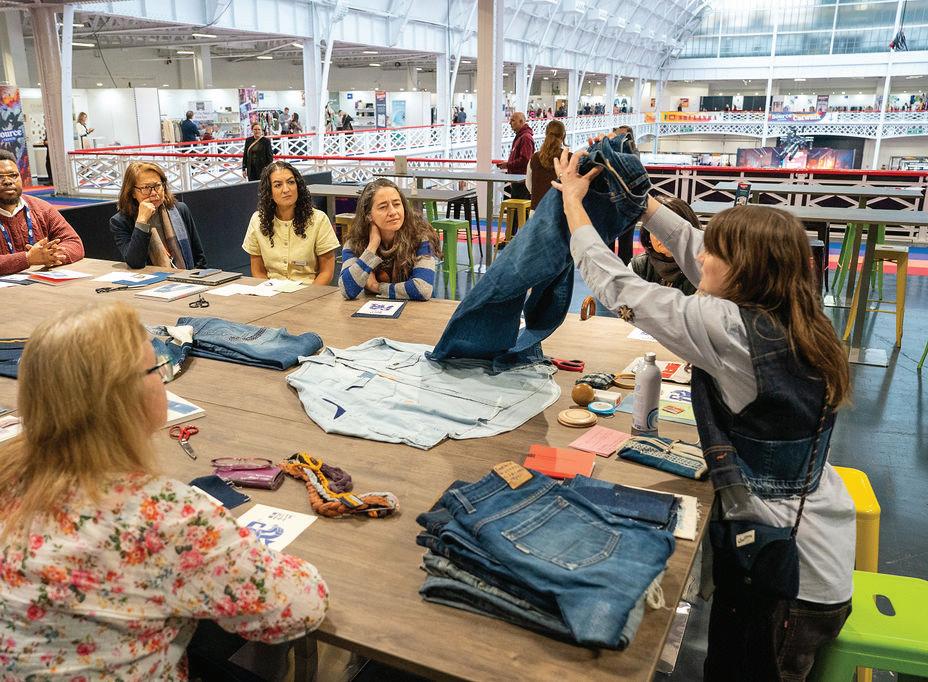
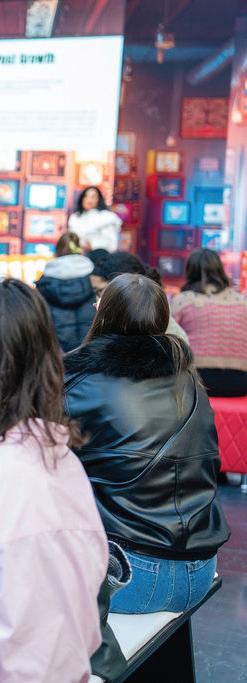
Source Fashion’s interactive destination, Fashion Deconstructed, is set to return with an expanded programme of live demonstrations, practical workshops and educational sessions.
Taking place from the 7th to the 9th of July at Excel London, Fashion Deconstructed will bring together experts in garment repair, textile craftsmanship, ethical fashion design and manufacturing to provide buyers, brands and sourcing professionals with hands-on insight into how products are made, repaired and valued throughout their lifecycle.
The programme has been developed to support the wider Source Fashion content agenda, which explores the realities shaping modern sourcing, from circularity and responsible production to material innovation, supply chain resilience and regulatory change.
While the Catwalk and Debate stages examine the strategic challenges facing the industry, Fashion Deconstructed brings those conversations to life through practical, tactile experiences that help visitors better understand the products and processes behind the supply chains they work with.
Across the three-day programme, visitors will have the opportunity to engage directly with specialists working across repair, garment construction, textile development and manufacturing, gaining valuable insight into the craftsmanship and technical expertise that underpin responsible fashion production.
HIGHLIGHTS INCLUDE:
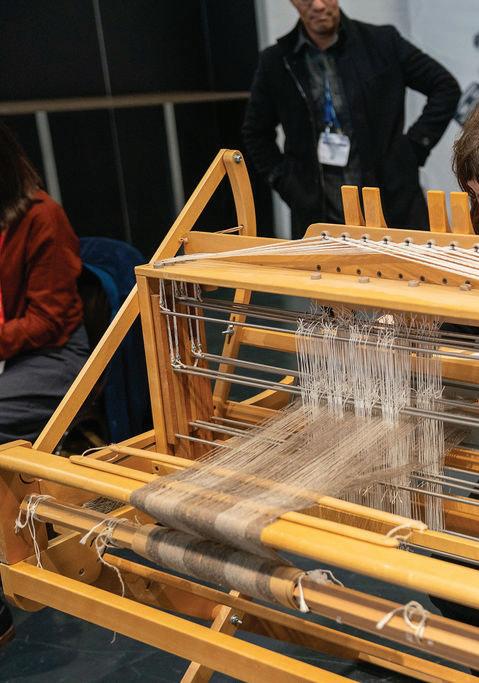
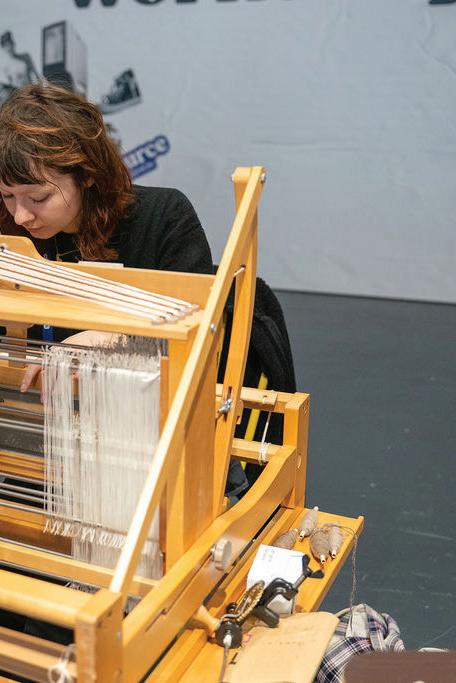
• Back to the Loom – Handweaving and Spinning with textile artist Ruby Webster, exploring the craft of spinning and handweaving while demonstrating the skill, time and decision-making embedded within every fibre and fabric. Through
live demonstrations and tactile learning, attendees will gain a deeper understanding of material construction, craftsmanship and the value of reconnecting with traditional textile knowledge.
• The Craft Behind Ethical Fashion Making with ethical fashion designer and PETA Designer of the Year 2022 Sarah Regensburger. This practical session will guide attendees through sewing and garment construction techniques while examining how sustainability can be embedded into the design process from the very beginning.
• Fabric Manipulation and Textile Embellishment Workshop with renowned fashion educator and textile specialist John Herrera from the Fashion Technology Academy. The interactive workshop will explore innovative techniques for transforming fabrics into unique, visually impactful surfaces, offering participants hands-on experience in creative textile development.
• Fashion Enter Repair Centre live demonstrations, providing practical insight into garment repair, product longevity and the growing importance of circular business models, resale and extending the life of clothing.
As buyers and brands navigate increasing pressure around sustainability, compliance, transparency and commercial performance, Fashion Deconstructed offers a unique opportunity to engage directly with the people, materials and techniques shaping the future of responsible fashion production.
MECCA REIMAGINES ICONIC PONSONBY LOCATION
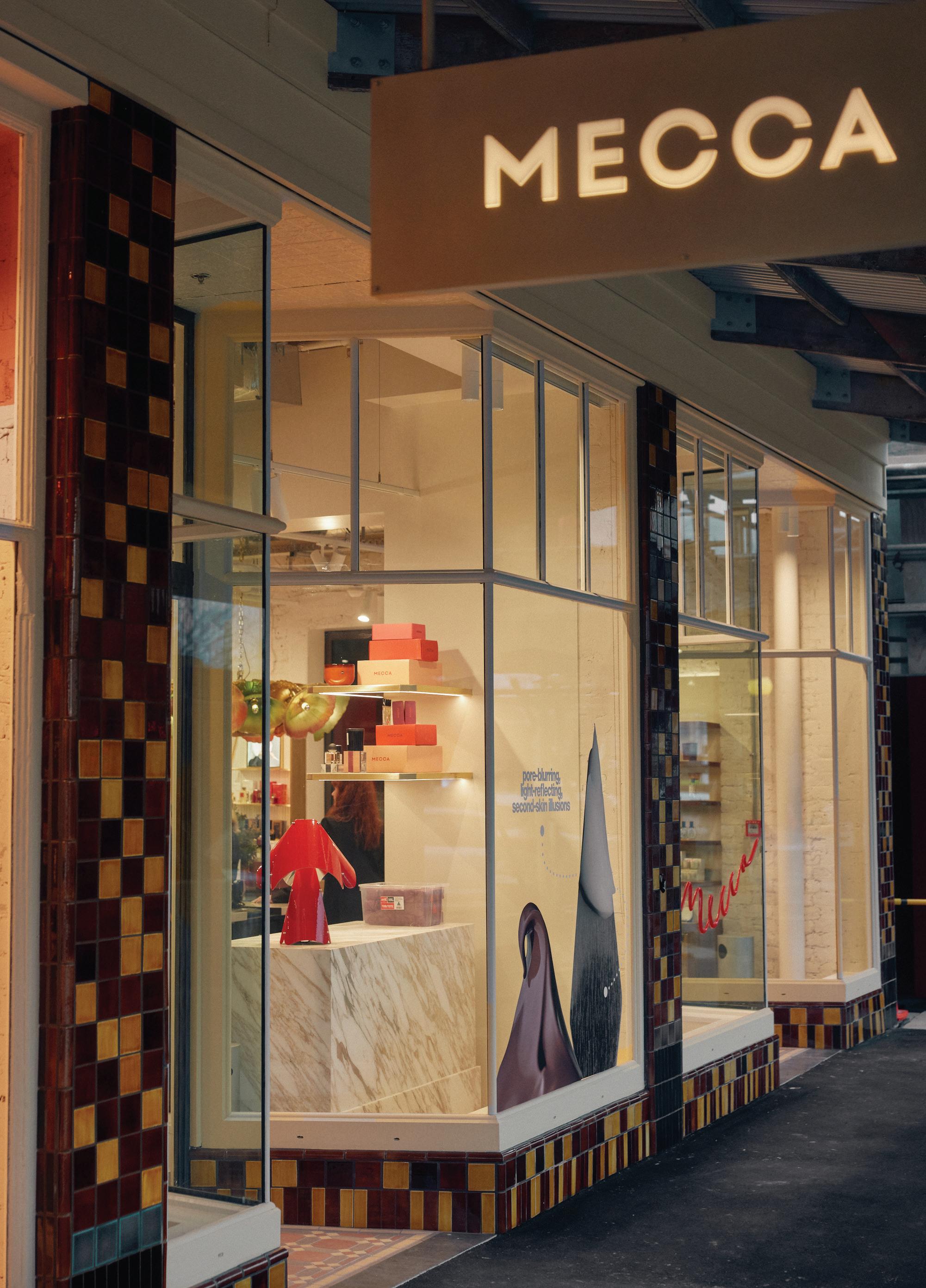
MECCA has unveiled an elevated new store in the heart of Auckland’s Ponsonby, marking the next chapter of the brand’s nearly two -decade journey in New Zealand.
Opened on Friday, the 12th of June, the new MECCA Ponsonby store spans 323sqm, almost triple the size of the original store opened in the neighbourhood in July 2007 as MECCA’s very first location in New Zealand.
Located on the iconic Ponsonby Road within a beautifully restored 1908 heritage building, the new store, designed by Hecker Guthrie, thoughtfully preserves the building’s original architectural character, including its pressed-metal ceilings, while introducing a refined and contemporary retail experience.
The opening marked the evolution of a longstanding local favourite into an expanded full-service beauty destination, with customers now able to explore over 95 brands, including 31 new ones, alongside an elevated service offering tailored to the Ponsonby community.
New additions to the store include globally recognised brands such as rhode, Charlotte Tilbury, Glossier, Le Labo, Maison Francis Kurkdjian and By Terry, alongside a curated fragrance offering featuring niche fragrance houses including DS &
Durga, Escentric Molecules, Vilhelm Parfumerie and DedCool.
Customers can also experience an elevated suite of services, including dedicated makeup artistry stations, a semi-private skin bed, and personalised fragrance consultations, within the store’s expanded Perfumeria offering.
MECCA New Zealand Country
Manager Nicky Shore said the new Ponsonby store marked a beautiful chapter in MECCA's evolution in New Zealand.
“Ponsonby has always held a special place in our heart and MECCA’s story as the home of our very first MECCA store in New Zealand nearly 20 years ago," said Shore.
“This new space allows us to honour that history while creating a more immersive experience for our loyal customers in one of Auckland’s most vibrant and creative neighbourhoods.”
Shore added that as beauty becomes increasingly intertwined with lifestyle and self-expression, he was excited to bring an expanded offering of brands, services and experiences to a community that has been part of the MECCA journey from the very beginning.
To celebrate the opening, MECCA hosted a series of culturally meaningful moments, premium customer experiences and exclusive offers.
The opening began with a blessing ceremony conducted in partnership with local iwi, followed by an official ribbon-cutting alongside the Ponsonby store team.
The first customers to shop in store enjoyed pastries from local bakery Daily Bread, alongside exclusive opening offers and complimentary gifts with purchase, including Emma Lewisham’s Illuminating Body Oil and a limitededition MECCA Ponsonby keyring.
To introduce customers to the store’s expanded fragrance offering, complimentary fragrance engraving was available across the opening weekend on all full-size home and personal fragrance purchases. Customers also had access to a curated schedule of bookable launch services.
The opening of MECCA Ponsonby is part of MECCA’s continued investment in New Zealand, where the retailer has expanded from a single store in 2007 to a network of 15 locations across the country, as well as online.
ARC’TERYX MAKES NZ RETAIL DEBUT
Auckland’s Commercial Bay is set to welcome globally renowned outdoor Canadian high-performance brand Arc’teryx, marking a significant milestone for the New Zealand retail precinct.
Opening later this year, the new Arc’teryx store at Commercial Bay will be the first-to-market store in New Zealand for the brand, bringing its globally recognised retail experience to the heart of downtown Auckland.
The arrival signalled a continued shift in consumer appetite toward premium performance and technical innovation, while also demonstrating international brands' continued confidence in the precinct as a destination for premium retail investment and long-term growth.
Founded in the Coast Mountains of British Columbia, Arc’teryx is internationally recognised for its technical innovation, precision design and uncompromising performance standards.
Originally established within the alpine climbing community, the brand has evolved into a global leader at the intersection of technical outdoor apparel, design excellence and contemporary culture.
The new store will introduce Arc’teryx’s full premium offering to the New Zealand market, providing customers with access to its globally recognised product range within a highly considered retail environment designed to reflect the brand’s commitment to craftsmanship, functionality and innovation.
“We’re excited to officially enter the New Zealand market with our first retail store at Commercial Bay,” said Bianca Bernadi, Arc’teryx Country Director ANZ.
“New Zealand has a strong outdoor culture and an increasingly engaged customer base seeking premium technical apparel. Commercial Bay is a natural fit for the brand as we continue to expand our global retail presence.”
The announcement comes as Commercial Bay continues to strengthen its position as a destination for premium international retail, following the arrival of several globally recognised fashion and lifestyle brands to the precinct.
Since opening in 2020, Commercial Bay has played a key role in the revitalisation of downtown Auckland, delivering a precinct that integrates premium retail, dining, workplace, and public spaces into a single, connected waterfront destination.
Arc’teryx is scheduled to open at Commercial Bay in Spring 2026.
beyond the dress:
WHY BRIDAL IS BECOMING A MAJOR GROWTH CATEGORY FOR RETAILERS
BRIDAL IS NO LONGER A NICHE CATEGORY. IT’S A MAJOR COMMERCIAL GROWTH OPPORTUNITY FOR RETAILERS
Retailers still treating it as one are already behind.
A third of engaged couples in the UK are now Gen Z consumers expecting multiple looks across multi-day wedding celebrations and moving away from traditional bridal norms.
The bridal wear market is valued at $71 billion (USD) in 2026 and is projected to reach 83 billion (USD) by 2030. The driver isn’t more weddingsit’s higher spend per wedding, from a more fashion-literate consumer across more occasions.
Data Shows:
• 71% of weddings now span multiple dates.
• Destination weddings are forecast to grow at a 14.7% CAGR through 2030, pulling demand into occasionwear, resortwear, and swim.
For buying and merchandising teams, this is no longer a single-SKU category. The retailers treating bridal as a fulloccasion wardrobe opportunity are already seeing it in sell-through, basket size, and category expansion.
THE BRIDAL CUSTOMER HAS CHANGED
Today’s bridal customer is older, more financially established, and more fashion-literate than previous generations,prioritizing quality, craftsmanship, and individuality over traditional bridal conventions.
The result is a K-shaped bridal market, where premium spending continues to rise while more price-sensitive consumers pull back. Higher earners are doubling down on discretionary bridal spend on bespoke commissions, destination weddings, multi-event wardrobes, and luxury accessories. Lower earners are pulling back.
For buying teams, the market is experiencing a shift. The mid-market
bridal offer is thinning out, and the strongest commercial opportunity sits at the premium and entry-accessible ends of the market.
The aesthetic has shifted. According to Vogue Business, TikTok posts containing #WeddingDress were up 50% year-on-year in April, according to TikTok UK’s head of luxury. They’re not browsing. They’re converting.
The question for merchandising teams is whether the range is there to meet them.
2026 BRIDAL RETAIL TRENDS: WHAT’S SELLING, WHAT’S GROWING, AND WHAT RETAILERS SHOULD BUY NOW
Using data from EDITED’s 2026 Trend Forecast: Bridal retail report, retailers are accelerating investment in bridal, and the strongest growth is concentrated around a handful of commercially proven trends.
Bridal dress arrivals are up 30% yearon-year in SS26, led by ASOS, Karen
Millen, and Debenhams across mass and premium retail markets. The category is expanding fast, but growth isn’t evenly distributed.
The strongest investment is concentrating on a handful of silhouettes already proving commercial traction.
Minis are Leading Growth
EDITED market data shows mini bridal dresses are up 79% year-on-year in SS26 and now account for 21% of all new bridal dress arrivals, vs 16% the year previous.
For retailers outside traditional bridalwear, market data points to minis as the clearest entry opportunity: lower commitment, proven demand, and relevance across hen, civil ceremony, reception, and honeymoon wardrobes.
Drop Waists Have Moved Beyond Trend Status
Drop waist dress intake is up 44% year-on-year and 21 new options arriving so far in SS26 but the key signal is where the silhouette is appearing.
The Insights:
• The silhouette has already crossed from runway into mainstream occasionwear, reducing the risk of short-term trend volatility.
• Pinterest search growth and early retailer marketing activity suggest brands are accelerating ahead of the usual bridal calendar.
the traditional January bridal push, signalling competitive urgency earlier in the season.
Corsetry is Driving Basket Growth
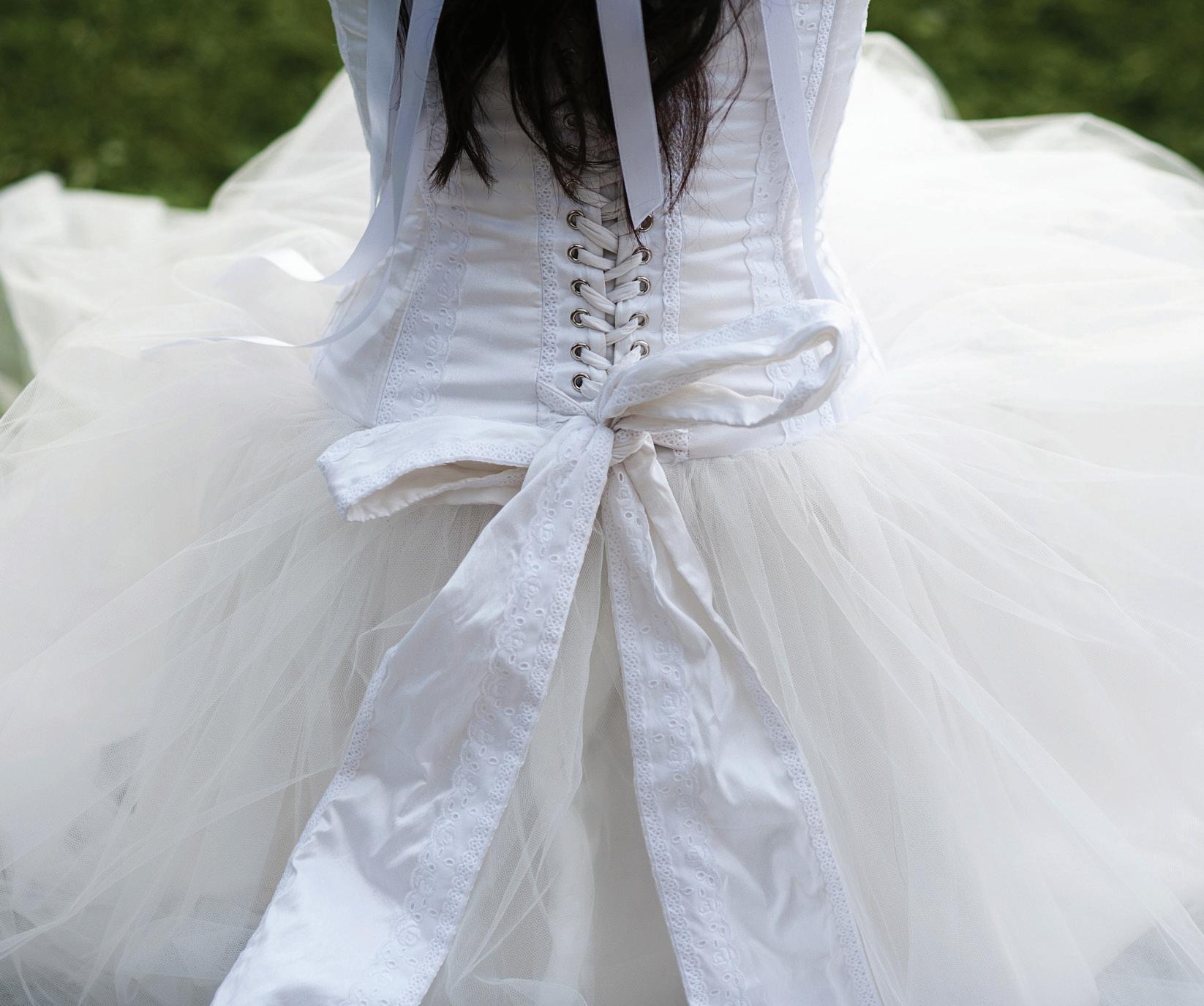
Corset bridal arrivals are up 90% year-on-year, driven by the influence of Vivienne Westwood and rapidly adopted across mass market retailers.
What Makes Corsetry
Commercially Strong is Versatility:
• Detachable corsets
• Separates
• Mix-and-match styling
These features are expanding spending beyond a single dress purchase into multi-look bridal wardrobes.
Accessories are Becoming the Margin Driver
The biggest whitespace opportunity may not be dresses at all. Bridal accessory sell-outs increased from 2pt s to 19pts MoM, showing clear acceleration in full-look bridal purchasing behaviour, with jewellery and bags leading growth.
Brands including NA-KD, Accessorize, and Cult Gaia have already launched bridal-focused social campaigns this month, positioning accessories as part of the broader wedding wardrobe rather than an addon category.
For buying teams, accessories offer one of the lowest-risk ways to capture incremental bridal spend across multiple price points.
The
Commercial Takeaway
The bridal opportunity is no longer confined to traditional bridal retailers.
Market data from EDITED reveals surging consumer interest in multi-look outfitting, versatile silhouettes, and accessory-focused styling categories that offer lower barriers to entry and faster trading opportunities. Retailers seeing early success are those committing to category depth rather than simply testing limited selections.
BRIDAL IS NOW A YEAR-ROUND VISIBILITY ENGINE
The commercial logic of bridal has shifted in another important way, as it’s no longer seasonal.
From engagement through honeymoon, the bridal journey has become an extended content cycle, and brands are benefiting from sustained visibility long after the wedding day itself.
Today’s bridal customer is no longer shopping for a single event. She is building a wardrobe across multiple moments, each generating its own wave of search, social engagement, and purchase intent.
The Categories Benefiting Most Extend Well Beyond the Dress itself:
• Veils and bridal accessories
• Occasion separates
• Resort and swimwear
• Lingerie
• Embellished outerwear
• Day-two and honeymoon dressing
Bridal messaging remains a key focus during the post-festive period, with retailers such as Anthropologie and Nobody’s Child launching dedicated “Wedding Shops” on January 1st. For retailers, this extends the demand cycle and creates additional opportunities for category cross-sell. Brands’ positioning of products within the broader bridal wardrobe is driving greater visibility and conversion than a traditional bridal edit alone would typically achieve.
For buying teams, the question is whether your assortment is broad enough to capture the full occasion wardrobe and whether inventory is landing early enough to meet spikes in search demand.
THE ENTRY STRATEGY: LOWER RISK THAN YOU THINK
The opportunity in bridal doesn’t require building a dedicated category from scratch. For non-bridal retailers, the starting point is straightforward: update bestselling mini dress styles in ivory and white. The silhouette already converts. The only shift is colorway and positioning, and the customer is already searching for it.
From there, the category expands naturally into adjacent occasions and complementary categories:
• Occasions separates for multi-event dressing
• Bridal accessories
• Resort and swimwear for destination weddings
• Honeymoon wardrobes
Each layer creates additional margin opportunity while extending the customer relationship across what has become, for many brides, a 12-to-18month spending journey.
The retailers winning in bridal are not necessarily the ones with the largest assortment. They are the ones that:
• Spotted demand signals early
• Invested in the right categories before peak search volume arrived
• Built depth in commercially proven silhouettes
• Priced competitively for a customer who has already done her research
THE BRIDAL MARKET IS MOVING FASTER THAN MOST BUYING TEAMS
The signals are already there- in sellout rates, search behavior, and in the assortments of the retailers that moved first. The question is no longer whether bridal is a commercial opportunity for retailers. It’s whether your assortment strategy reflects how consumers are shopping in 2026.
The retailers outperforming in bridal are identifying emerging silhouettes before saturation, understanding where competitors are investing depth, and spotting pricing white space before the market shifts.
That is where market intelligence becomes a competitive advantage. EDITED helps buying and merchandising teams track demand in real time, benchmark assortments against the market, and build bridal strategies grounded in commercial insight – not hindsight.