Music sets the tone. A music licence gives peace of mind.
From the moment your customers walk in, music sets the tone. It creates energy, reflects your brand. When you play music in your store, a OneMusic licence ensures you’re doing it the right way - simply, legally, and fairly.
ESSENTIAL FOR FASHION RETAILERS, BOUTIQUES
& APPAREL STORES
Playing music in a business is different from listening at home. A OneMusic licence covers the rights you need to play music across your premises - helping you avoid compliance risks while supporting the artists who make the music you and your customers love.
Create atmosphere
Define the vibe and energise the shopping experience. Music makes spaces feel welcoming, vibrant, and memorable.
Stay compliant
Avoid legal risks and protect your brand with the permissions to play music in public spaces. No guesswork, no gaps.
Support artists
Your licence helps ensure songwriters, composers, and recording artists are paid for their work. Royalties. That’s what we do.
Get licensed in minutes
Scan the QR code for more info or visit:
YOUR REPUTATION PRECEDES YOU
As New Zealand Fashion Week approaches, our industry once again turns its attention to creativity, craftsmanship, and the incredible talent in our very own backyard. But it is also an opportunity to reflect on the kind of industry we want to build behind the scenes.
New Zealand fashion is different. We are a small island and a small industry. Everyone knows everyone. Designers, retailers, manufacturers, suppliers, buyers, and media cross paths constantly, and your reputation follows you wherever you go. Someone is a neighbour, a brother, a wife, a friend of someone.
Being known for exceptional work is important, but being known as someone people genuinely enjoy working with is even more valuable. Kindness, humility and professionalism will open more doors than ego ever will. For business owners, there is real skin in the game. Every collection, every payroll run and every difficult decision carries financial and emotional weight. At the same time, we have to let the next generation earn their own skin in the game. Give them opportunities to take responsibility, make decisions and grow. Ownership cannot be learned if it is never given.
But responsibility works both ways. One challenge I hear repeatedly across our industry is finding people who genuinely want to build a career,
not simply finish at five o'clock and switch off. Curiosity, accountability and initiative still matter. The people who volunteer for projects, ask questions and care about the outcome will always stand out.
When you find those people, reward them. Recognition is not always about money. Sometimes it is trust, greater responsibility, or simply acknowledging that their effort has been noticed. Likewise, leaders set the tone every day. If you are having a bad day, sometimes the best thing you can do is step away rather than let frustration ripple through your team. Pizza lunches and snack drawers are nice, but they are not culture. Don’t roll your eyes just yet. Culture is built through respect, consistency and creating an environment where talented people want to stay for three, five or even ten years.
As we lean into another New Zealand Fashion Week, let's remember that our industry is built on more than beautiful collections. It is built on people. In a country as small as ours, talent gets you noticed, but your reputation is what people remember.
THE BEER BUILT ON WOOL
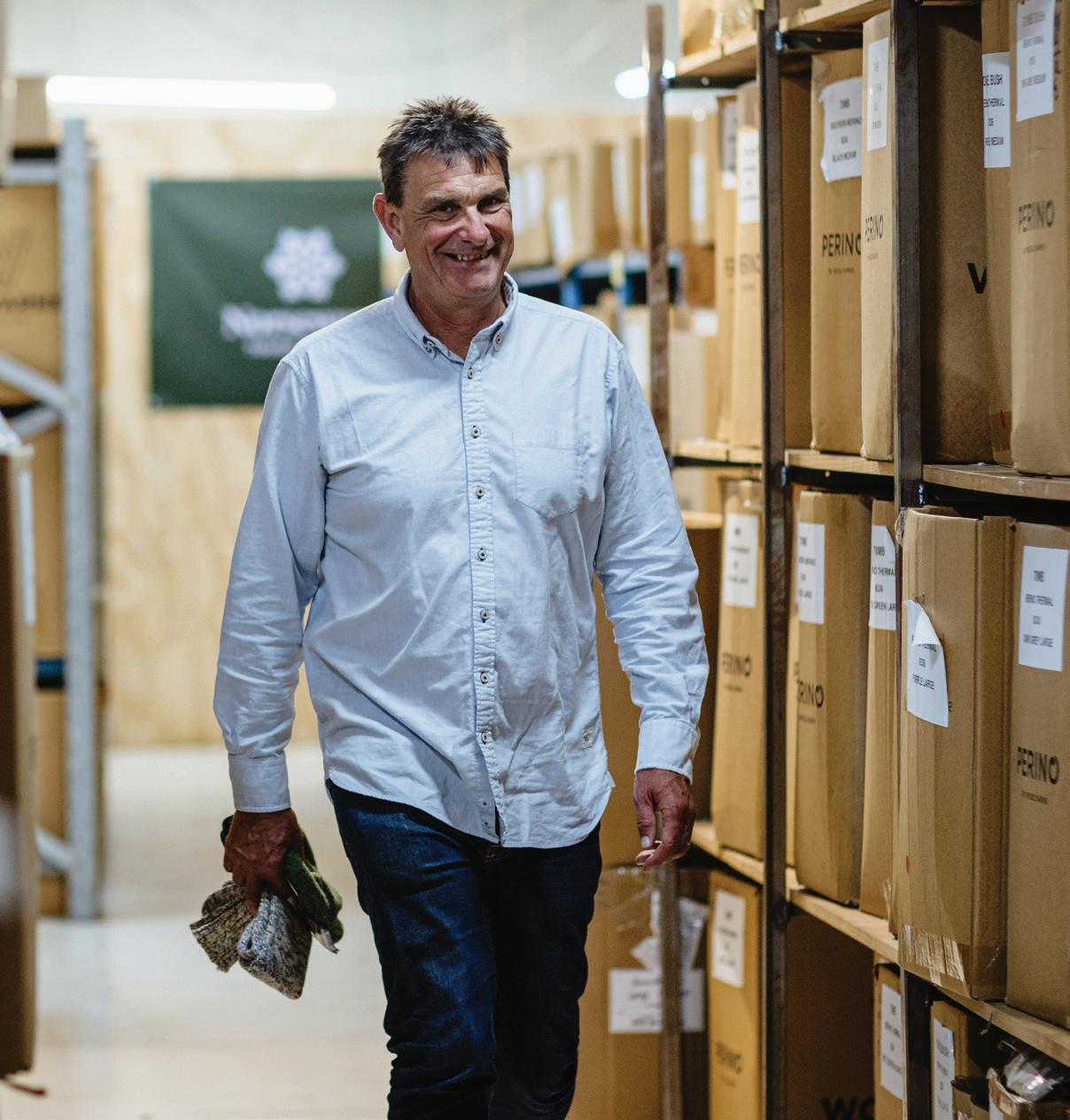
In arguably one of the most Kiwi partnerships, Norsewear has partnered with Sawmill Brewery to release a limited-edition cold-fermented IPA.
Tim Deane from Norsewear said the company loves a good collaboration, and it felt like the right time for this partnership.
Norsewear has had relationships with a few key partners that have been kept a bit more under the radar, such as manufacturing co-branded socks for Fat Freddy's Drop to wear and sell on their winter tours to Europe. It has also just signed a deal with Secondary School Sport NZ that takes 10 percent of the sale price off its Wool Blacks beanies to support grassroots sport.
READ THE FULL STORY ONLINE
PLAYERS CHOOSE CHAOS VS CONTROL AT FIFA
adidas has unveiled the ‘Chaos vs Control’ pack, reigniting the on-pitch rivalry between the speed-driven F50 and the precision-engineered Predator.
Designed for football’s biggest moments, the pack will take centre stage during the closing stages of the FIFA World Cup 2026.
The boots will be worn on-pitch by the likes of Lamine Yamal and Ousmane Demebele for F50, and Jude Bellingham and Pedri for Predator, during the closing stages of the FIFA World Cup, as the world’s best players compete on football’s biggest stage.
READ THE FULL STORY ONLINE
H&M RETURNS TO LONDON FASHION WEEK WITH NICK KNIGHT
H&M will present a bold reconceptualisation in collaboration with the legendary British photographer Nick Knight and his fashion film platform SHOWstudio for a special London Fashion Week event.
According to Ann-Sofie Johansson, Creative Advisor and Head of Design, Women's Wear, H&M, the 2025 London Fashion Week event was a defining moment for the brand, and she was excited to be returning to the schedule to shake things up again.
READ THE FULL STORY ONLINE
A$AP ROCKY BUILDS THE NEXT CHAPTER OF PUMA SUEDE
Over the decades, the PUMA Suede has moved through scenes, styles, and generations, constantly redefined by the people who wore it.
PUMA's first-ever lifestyle shoe was the Crack, launched in 1968 for the Olympics in Mexico City, where it was famously held aloft by track and field athlete Tommie Smith.
DIGITAL LOGISTICS SOLUTIONS FOR START-UPS ENTERS SPAIN
BScale had already been successfully introduced in Belgium, the UK, and across Europe to help growing brands benefit from Bleckmann’s fully digital logistics solution.
Make life easier with one integrated software solution to help you manage all the moving parts of your retail business. Purpose-built for the fashion industry, Apparel helps you monitor, manage and find efficiencies to help you grow.
MINUTES WITH
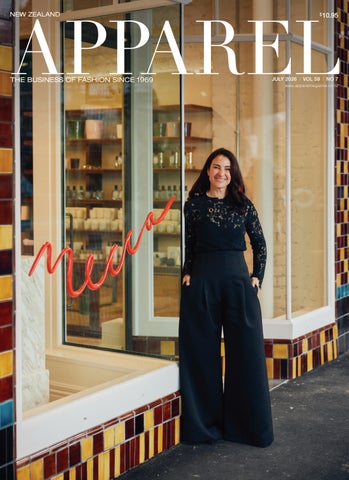
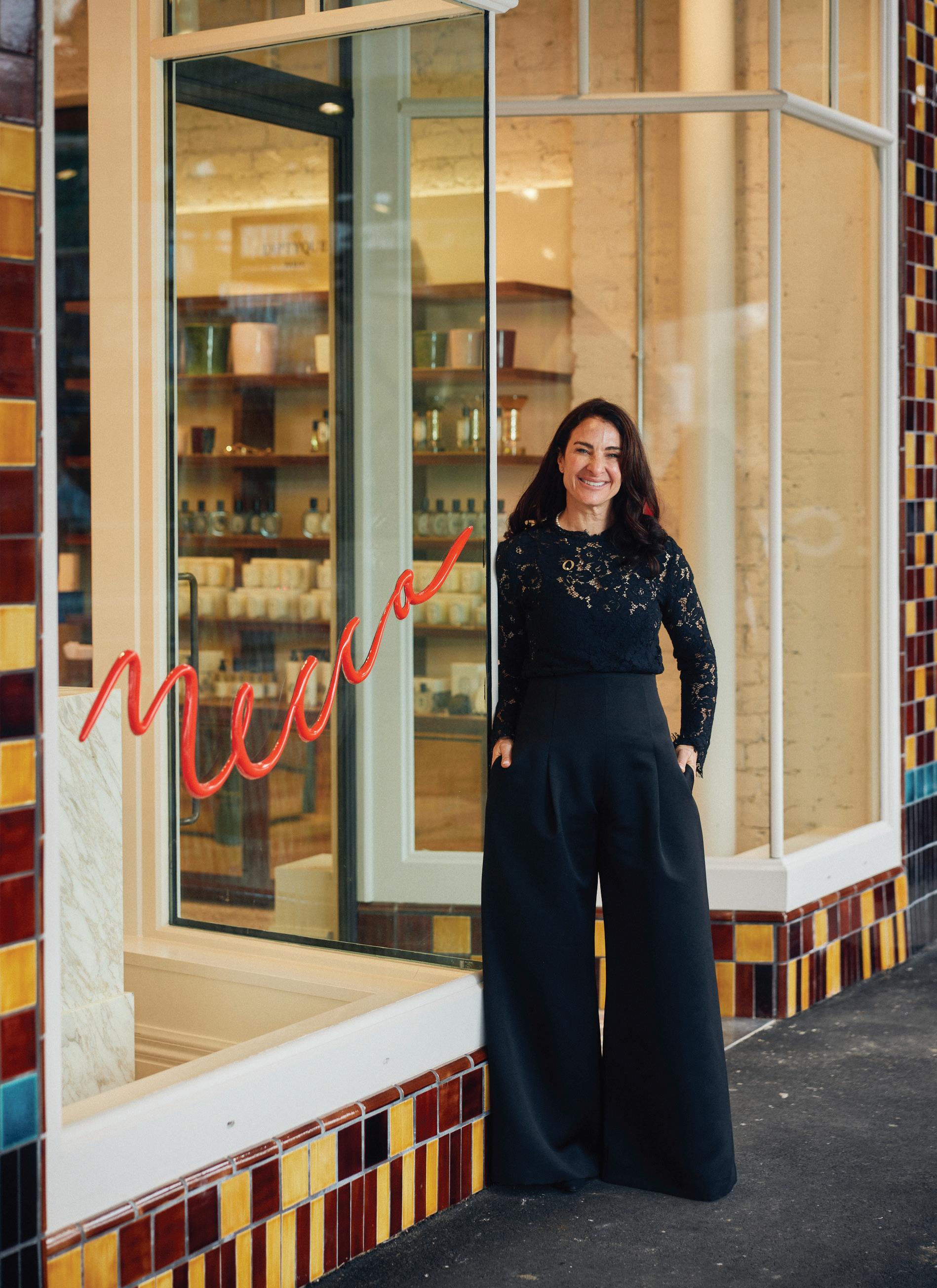
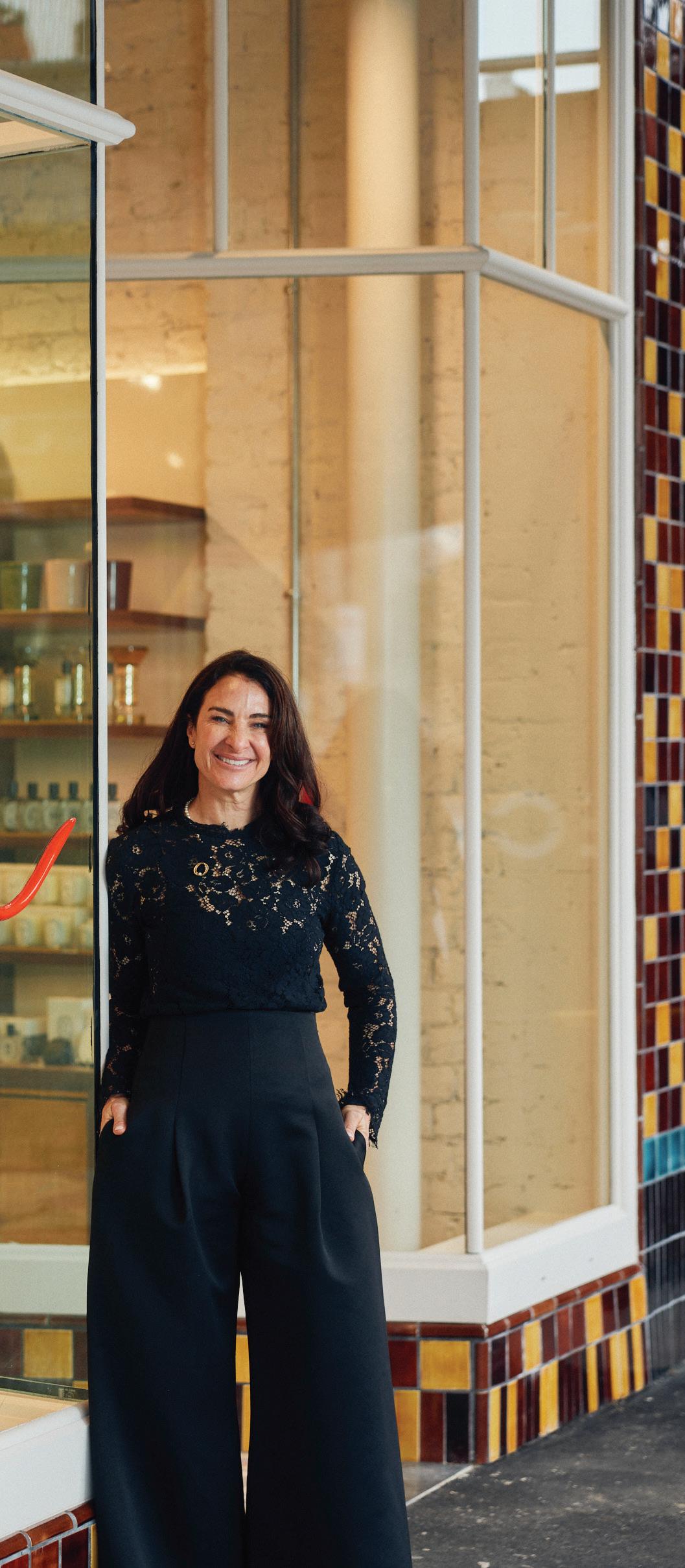
Mecca’s New Zealand Country Manager, Nicky Shore, said perceptions of beauty, how customers shop, and the categories that dominate the market have changed over time.
The makeup outlet recently opened its second Ponsonby store and has expanded into a full-service beauty destination.
Shore expressed that when Mecca opened its first Ponsonby store, beauty was largely about aspiration. That meant looking a certain way and following a rule book.
Since then, there has been a fundamental shift in understanding, and customers now use beauty as a form of self-expression.
“It’s become much more personal,” noted Shore.
Now, the New Zealand beauty customer was incredibly knowledgeable. They understood ingredients, had a point of view and did their research before shopping.
As a result of social media, customers were coming into the store more informed than ever. They had watched reviews, seen the results and read ingredients for products. However, that did not always create confidence and often created more questions. The role of the team at Mecca had shifted from introducing products to helping customers make sense of what they already know.
Shore loved that people were curious and liked to experiment.
“They’ll ask questions and try something completely new,” added Shore. “They’re confident in what
they know, but they’re still open to discovering something new. That combination is what makes New Zealand one of the most exciting beauty markets I’ve worked in.”
Presently, one of the biggest trends among New Zealand consumers is in fragrances. It used to be a gift category, but now, customers were building a wardrobe of scents that reflected different moods, moments and occasions.
“It’s become a genuine form of self-expression, which is why we’ve significantly expanded our fragrance offering in Ponsonby,” explained Shore. There had been a major shift in the Skin category as well. New Zealanders have always had a “wellness-first” mindset, and an interest in skincare has grown organically out of that, said
Nicky Shore
New Zealand Country Manager Mecca
Shore. Customers sought consultation and education, and were proactively thinking more about their long-term skin health.
New Zealand customers were also looking for in-person beauty experiences. They wanted to go into the store, try new things, learn new things and be looked after.
The secret to keeping returning customers has been building trust in Mecca, its products, and its service.
“When you consistently deliver that kind of experience, customers come back because they know they’ll be looked after,” explained Shore.
The new Ponsobly Store introduced about 30 new brands to the make-up retailer’s catalogue.
The process of curating the products
began with the customer and their needs, and with partnering with brands that deserved to be known. Mecca was always listening to what customers wanted from the global market, but never chasing what was trending.
Skincare brands like Hailey Bieber’s rhode and Glossier had a lot of cultural momentum, and fragrance houses like DS & Durga, Ormaie, and DedCool offered a personal experience that customers wanted.
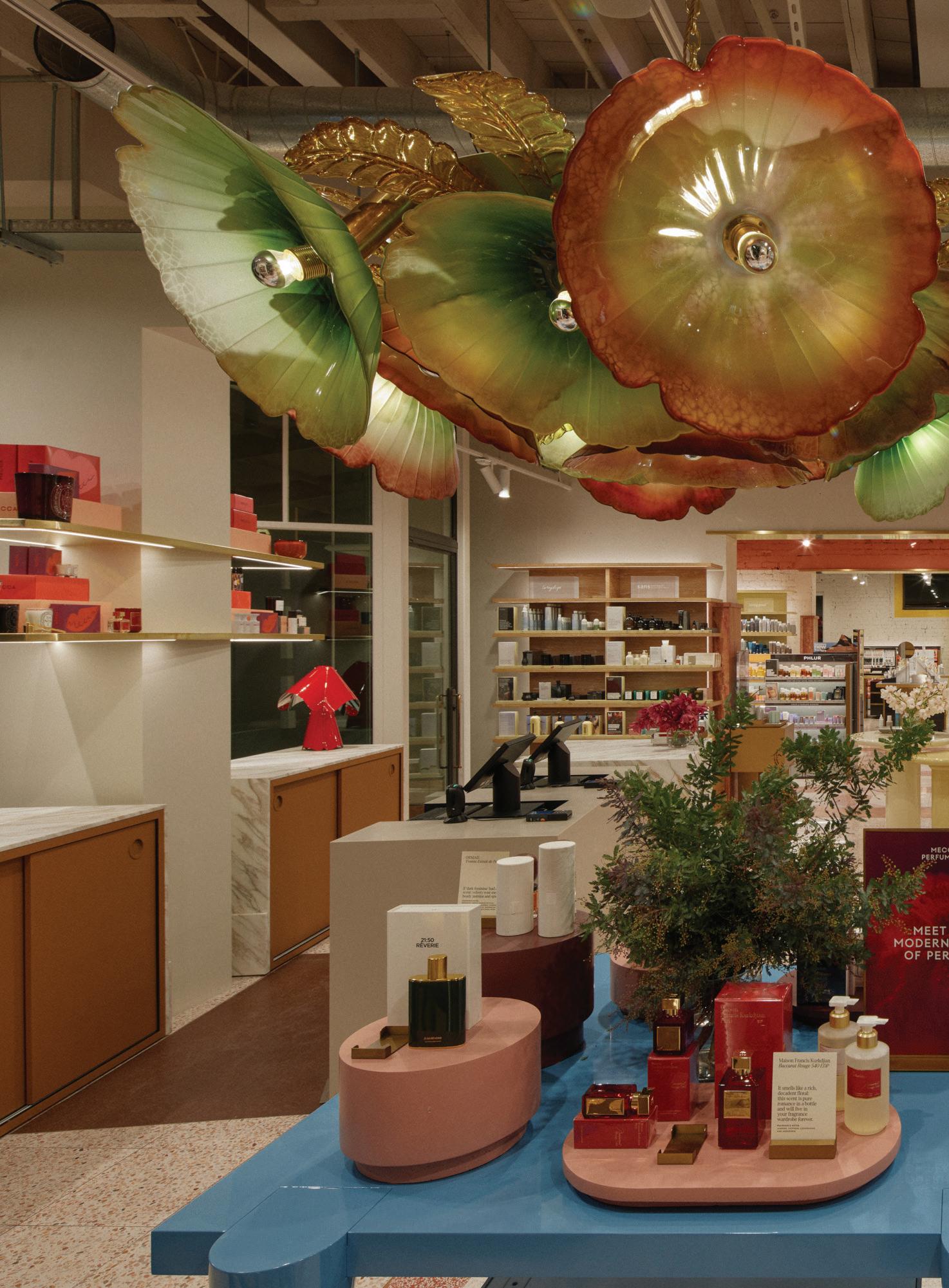
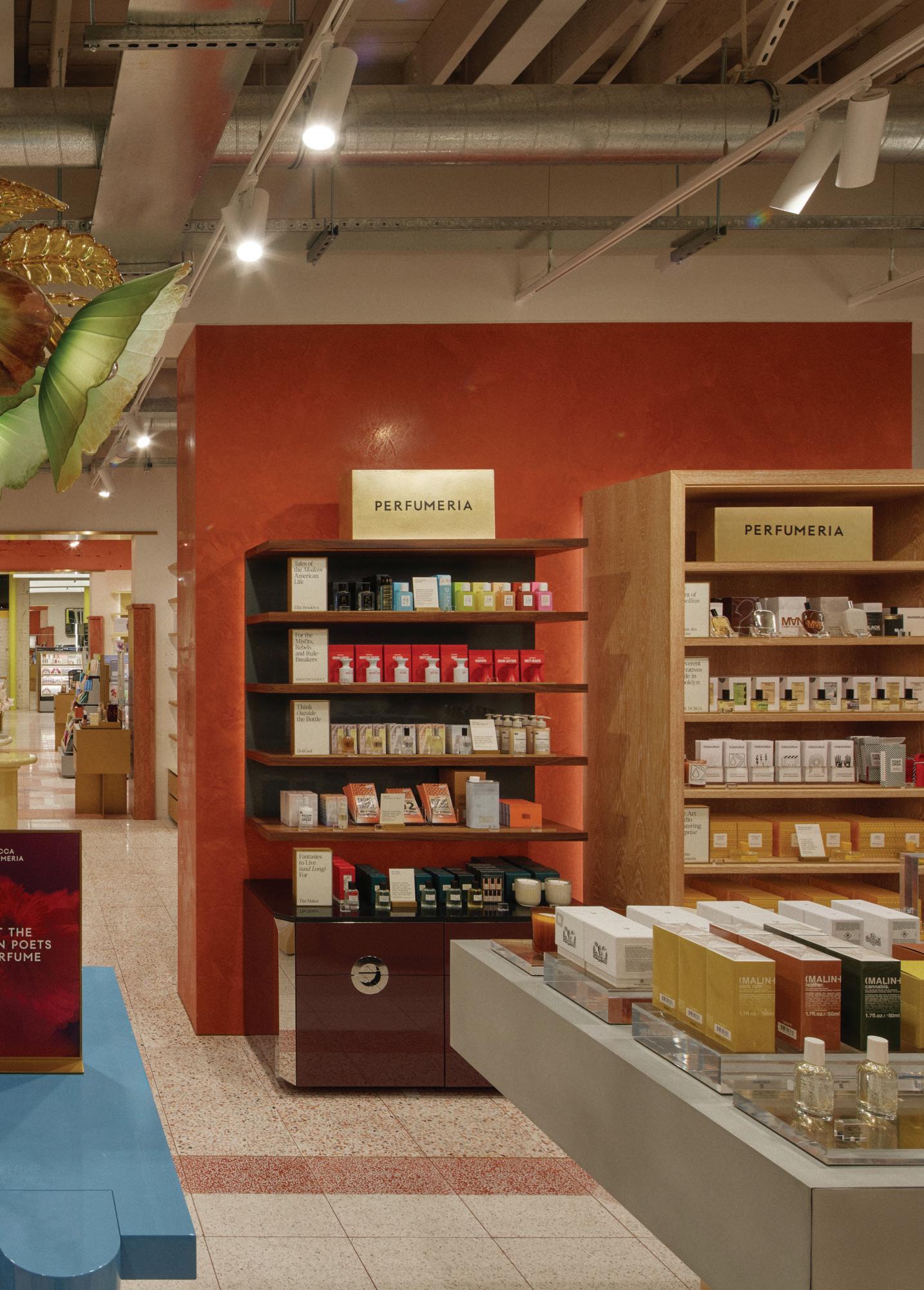
The new Ponsobly Mecca store, designed by Hecker Gutherie, preserved the building's features, including its original tiles and pressedmetal ceilings. Shore said the layout felt less like a retail store and more like a beautiful house. The standout area was the perfumeria, lit by a chandelier that set the tone for a fragrance experience.
Fragrance was a major focus of the store. Shore suggested that fragrance was having a moment with customers because it was deeply personal.
“There’s something extraordinary about the connection between scent and memory,” contended Shore. “A fragrance can take you straight back to a moment, a person or a place.”
Mecca had grown from one New Zealand store to 15 locations nationwide. It had opened and expanded seven stores since 2020 alone, and the staff had doubled in size. Shore said the response from customers in new locations, including Dunedin, Hamilton, and Queenstown, had been fantastic.
Looking ahead, Shore believed customers would continue to expect more from beauty retail; they’ll want expertise, experience and connection. She also thought the line between beauty and wellness would continue to blur, and that skin and health would merge into a single category. Finally, physical retail will become more local, and stores will reflect what the community wants. Mecca’s Ponsonby store was an example of that.
“We’re not just on Ponsonby Road. We’re part of it.”
New Zealand Fashion Week presented by Giltrap Group (NZFW) has revealed further additions to its 2026 schedule.
As New Zealand’s premier fashion event, NZFW is celebrating 25 years of bringing the industry together to showcase the best of local creativity and excellence.
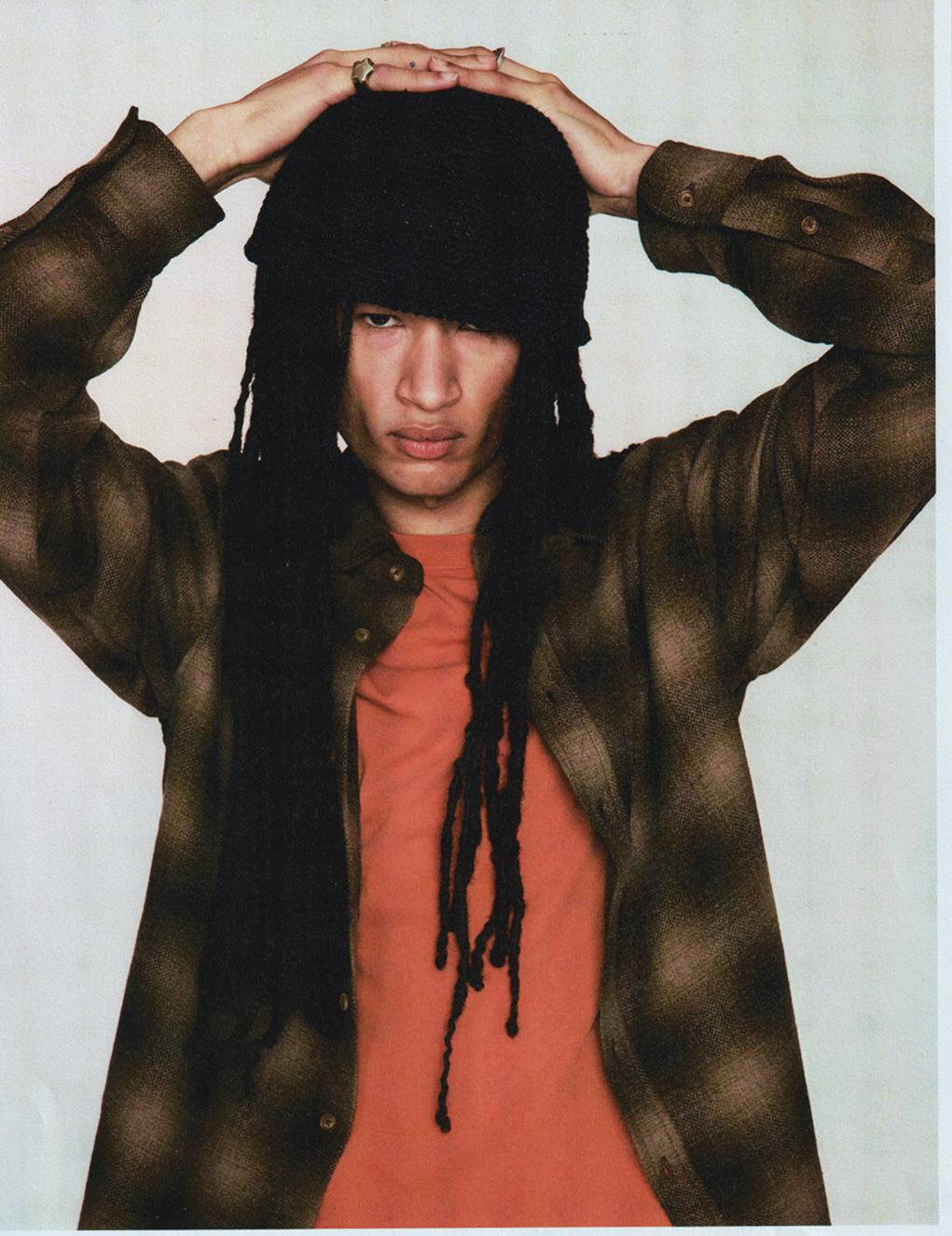
Exploring the tension between urban living and an instinctive connection to the outdoors, Beach Brains will present NZFW’s only dedicated menswear show, with a late-night slot on Thursday, the 20th of August.
Coming off an incredibly successful selling period at Paris Fashion Week, Beach Brains is now stocked by more than 30 premium retailers worldwide, making it one of the country’s most successful young menswear brands.
Makaira Lee’s contemporary label BY KAI will make its runway debut at NZFW 2026, showcasing relaxed tailoring, elevated occasion pieces and timeless wardrobe staples.
This will be Lee’s first solo venture with BY KAI after a decade in stylist and art director roles. She will draw on her Fijian heritage in this debut collection, exploring modern resort
dressing through refined silhouettes and considered construction.
A mainstay on the NZFW schedule and one of New Zealand’s most established and loved labels, Zambesi will present an offsite show on Friday, the 21st of August.
The Keep by Lela Jacobs will also be curating an offsite installation titled COLLAR, exhibiting a collection of bespoke collars by select makers from across the country, and Claudia Li will present an offsite event following a successful New Zealand runway debut last year.
Curating an invite-only salonstyle event, Margi Robertson’s label NOM*d and boutique PLUME will come together to present a blend of new season NOM*d with the best of PLUME’s international labels. The handpicked global selection will include Ann Demeulemeester, Comme des Garçons Mainline, Melitta Baumeister, and Undercover.
Set to take place from the 17th to the 22nd of August, tickets to NZFW 2026 shows are on sale now.
INTERNATIONAL DESIGNER LINEUP ANNOUNCED FOR NZFW
THE ICONIC has announced a lineup of local and international designers to be featured in their headline NZFW show, aptly titled The Front Row.
Known as a popular fashion and lifestyle platform, THE ICONIC is a proud partner of New Zealand Fashion Week.
THE ICONIC made its international runway debut at Christchurch's Spring Fashion Festival in 2025. This year, they will be showcasing a seasonal edit of local and international designers at their NZFW show.
The highly anticipated runway experience will include shoppable looks from Australian labels Christopher Esber, BLANCA, CLEA, One of Others, The Tales, Cendre, as well as one-off pre-loved pieces from The Real Deal.
New Zealand labels Paris Georgia and Deadly Ponies will also take to the runway alongside exclusive looks from THE ICONIC’s labels AERE and mínima esenciales Spring/Summer 2027 collections.
The Front Row show will mark the first time Christopher Esber, One of Others, Blanca, CLEA, The Tales and The Real Deal have shown on a New Zealand runway.
THE ICONIC continues to expand its New Zealand presence, with a growing roster of local brands including Harris Tapper, Paris Georgia, Marle, Karen Walker, Yu Mei, Rodd & Gunn, Deadly Ponies, Kowtow, Stolen Girlfriends Club, and more.
"It’s wonderful to be back at New Zealand Fashion Week for the second year running, celebrating the creativity shaping fashion in Aotearoa," said Gayle Burchell, THE ICONIC’s Chief Commercial and Sustainability Officer.
"It’s an opportunity to showcase our inspiring assortment to highly engaged Kiwi customers while discovering local designers we can support to build their brands and grow with us," she added.
"Our investment in a more seamless New Zealand customer experience is really resonating. Since rolling out overnight delivery across metropolitan areas last year, we’ve seen strong customer uptake contributing to healthy growth of 35 percent of our Kiwi customer base in 2026 alone."
PANDORA X DREAMGIRLS ART COLLECTIVE
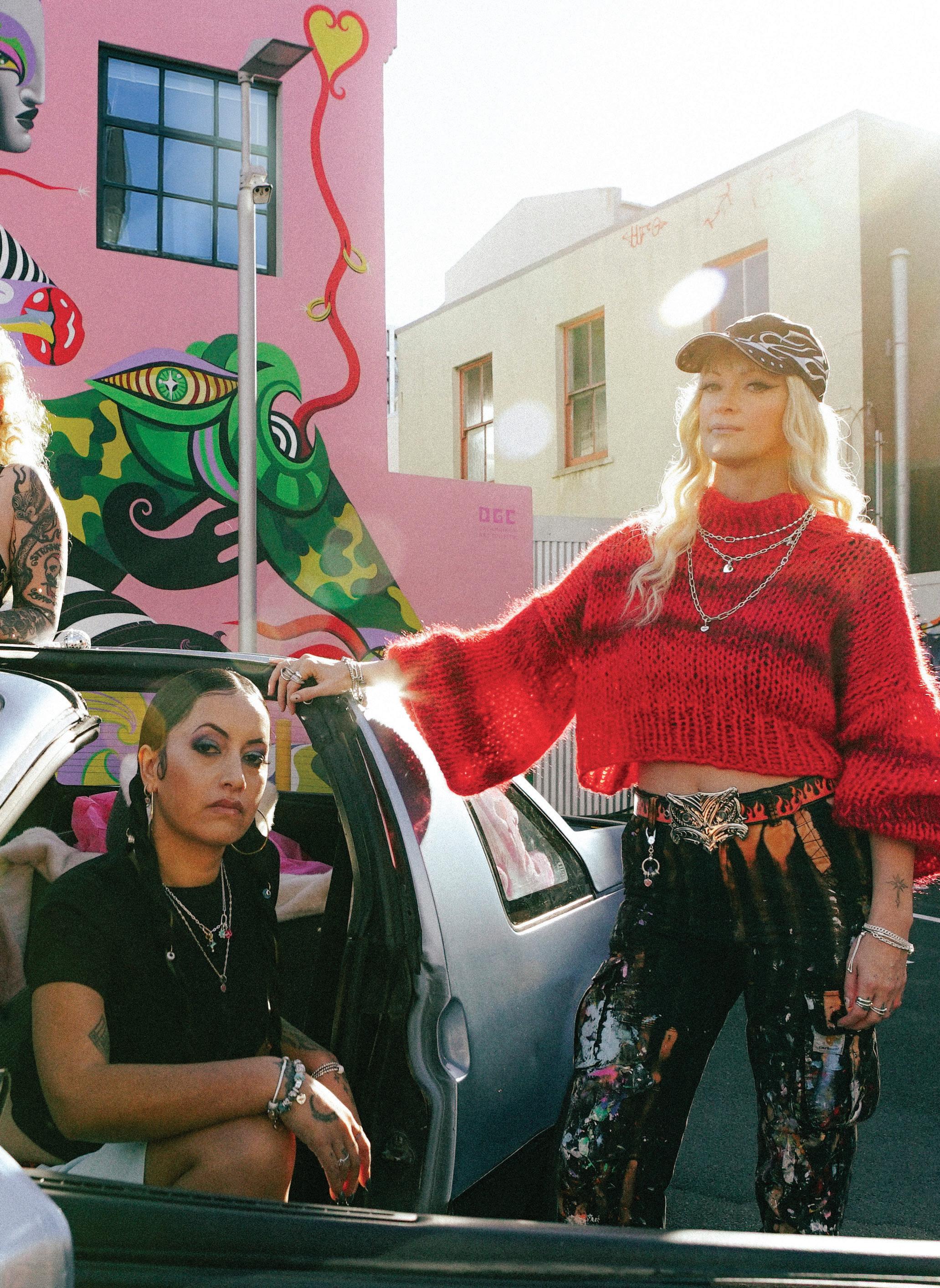
Pandora has partnered with one of New Zealand’s most celebrated art collectives, the Dreamgirls Art Collective, on a collaboration spanning art and jewellery design.
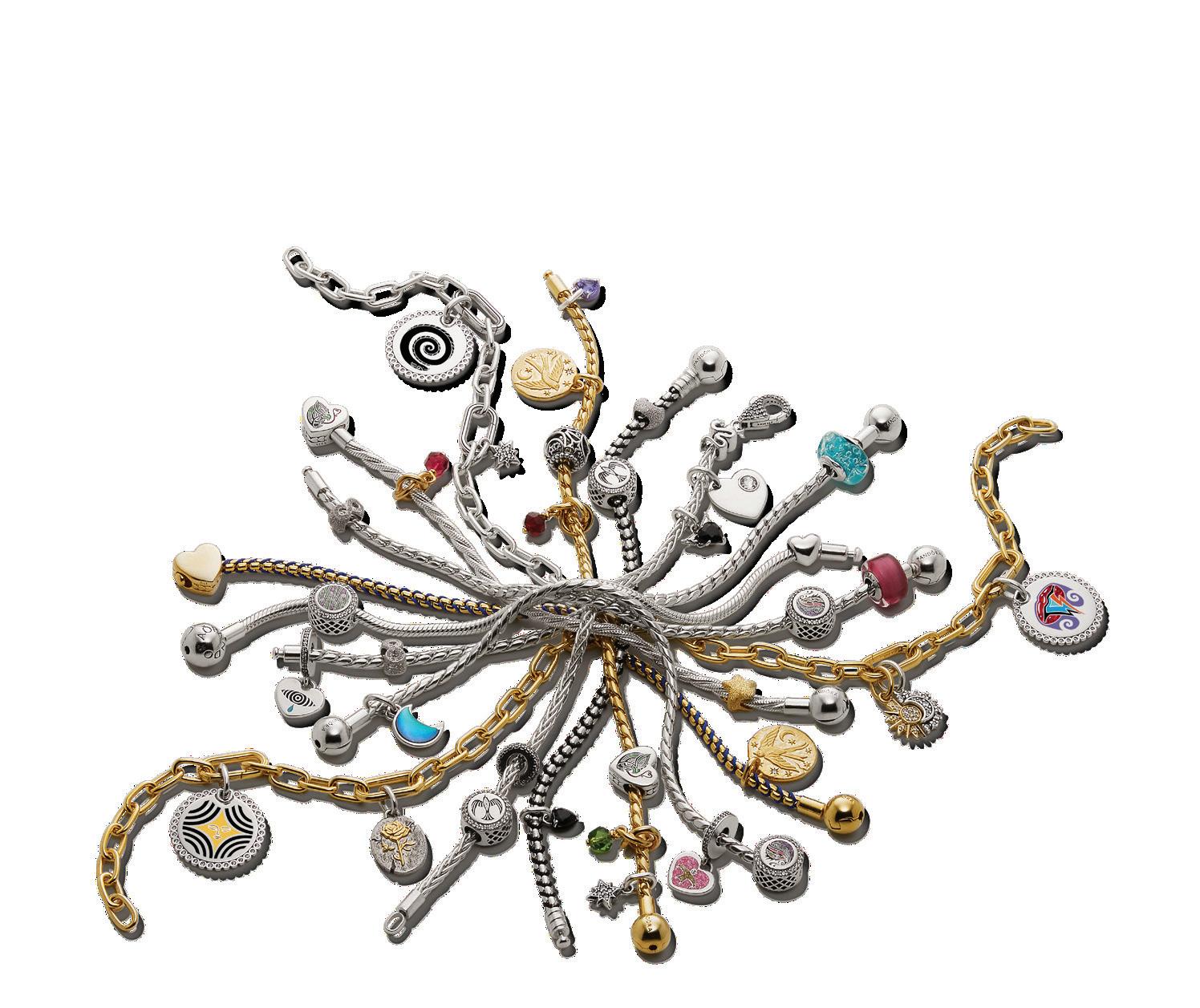
The partnership has brought together a large-scale public mural and a New Zealandexclusive collection of charms inspired by the nine stars of the Matariki cluster, combining storytelling, selfexpression and female empowerment.
For Dreamgirls Art Collective, the project provided an opportunity to celebrate women, creativity and cultural storytelling through both public art and design.
Marketing Director Pandora ANZ, Jess Donovan, said the collaboration reflected a shared commitment to creativity, storytelling and empowering self-expression.
"The Dreamgirls trio has created something incredibly special, a body of work that honours stories deeply connected to New Zealand while
speaking to universal themes of identity, connection and hope,” said Donovan.
"We're proud to partner with artists who use their platform to inspire and empower others and are honoured to help bring their vision to life through both public art and jewellery."
The partnership marked Pandora's first New Zealand artist partnership of its kind and will come to life through a public mural, in-store experiences, and an exclusive charm collection available nationwide at select stores and online for a limited time.
Inspired by the stars of remembrance, abundance, dreams and new beginnings, the collection has invited New Zealanders to connect with the stories behind the artwork and celebrate the values that Matariki represents.
KITWAN STUDIOS
COMBINES ART & FASHION
AT CENTRESTAGE ELITES
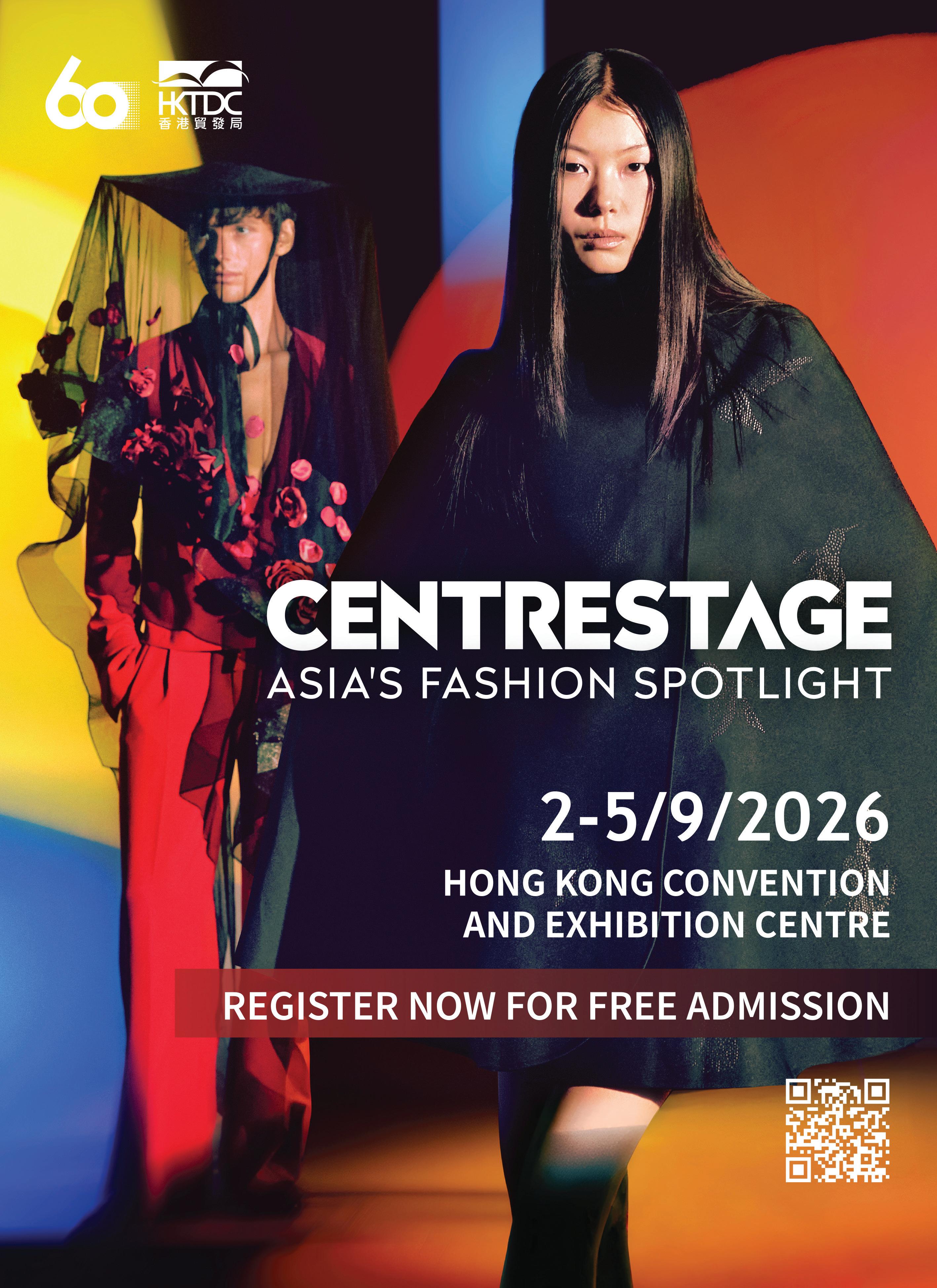
Marking its 11th edition this September, CENTRESTAGE has continued to reinforce Hong Kong’s position as Asia’s fashion hub with a fresh international outlook and cross-cultural perspectives.
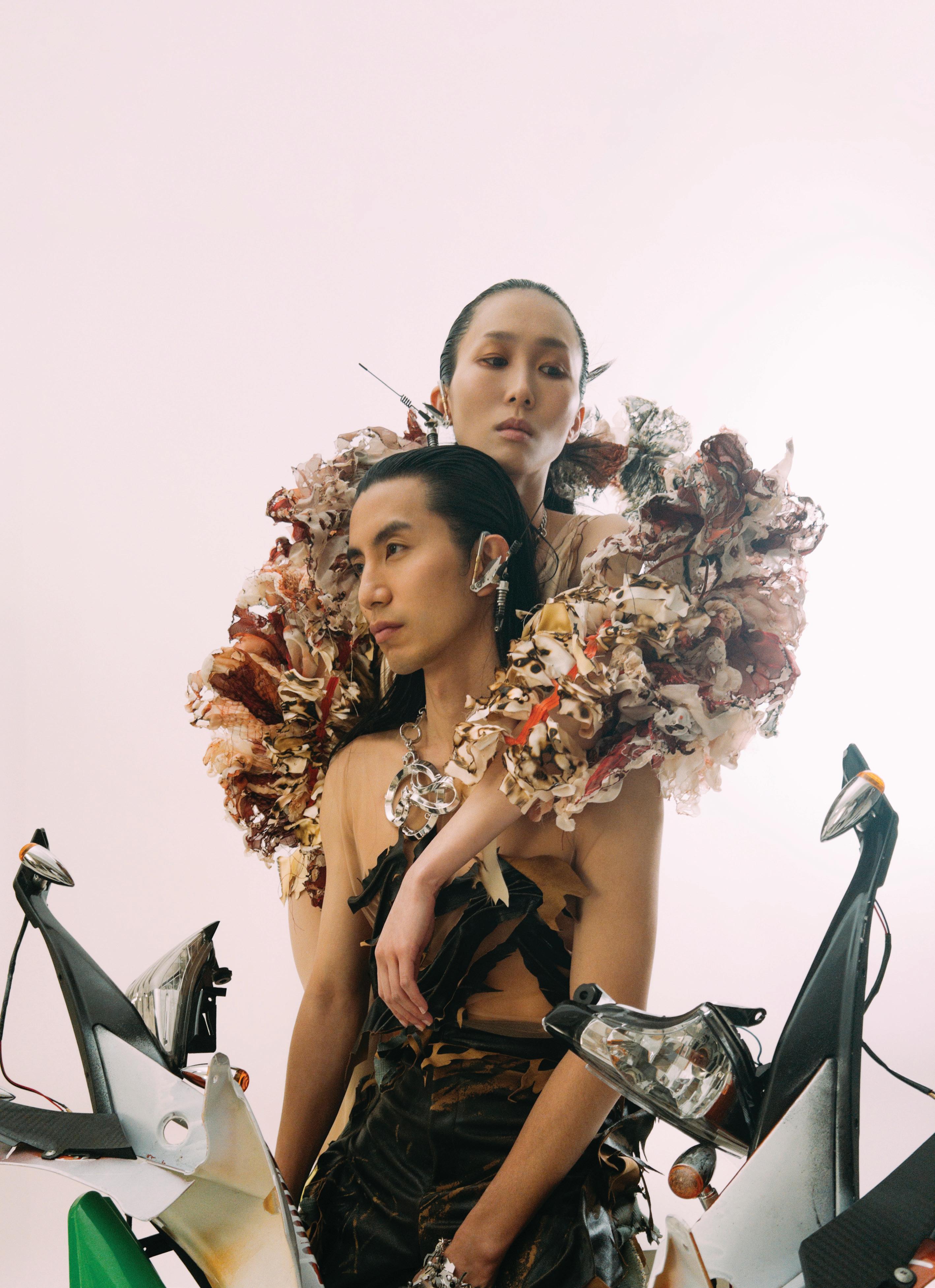
At its grand opening show, CENTRESTAGE ELITES will spotlight KIT WAN STUDIOS, a multidisciplinary design and visual art studio led by Hong Kongborn creative director and visual artist Kit Wan.
Hong Kong has actively promoted a “Mega Events Economy” in recent years, with large-scale concerts and live performances becoming an increasingly important component of the city’s cultural and creative landscape.
Stage design and performance costumes have been integral elements of the audience experience at such events, and this year’s CENTRESTAGE ELITES has been acclaimed for merging manga and mythology with bespoke, highly detailed metalwork, multimedia installations and cinematic garment design.
As a performative costume designer
and scenographer navigating the global entertainment industry, Wan has treated sets and lighting as collaborative canvases, seamlessly interweaving music, mood, and entertainment elements.
Designing stage armour for artists at the Grammy Awards in Los Angeles and Eurovision in the United Kingdom has allowed Hong Kong design to shine on top-tier global stages.
KITWAN Studios will present its forthcoming collection fusing scifi inspirations with mechanical aesthetics, blurring the boundaries between collectable and wearable fashion. Its unique “abstract reality” approach has spanned everything from one-of-a-kind costume design to permanent museum exhibits. The studio has also been deeply rooted in Cantopop, injecting a vibrant vitality into Hong Kong’s entertainment and
performing arts industry.
By infusing pop culture with avant-garde, bold and experimental aesthetics, Wan has pioneered a new visual dimension. He had first majored in knitwear design at The Hong Kong Polytechnic University before expanding his footprint to Amsterdam, after a short stint in London.
He then relocated to Norway, where he completed his MA in fashion design and became the first fashion designer to be honoured with the Norwegian government's “Young Artist Award”. His creations have been enshrined in the National Museum of Norway's permanent collection, elevating them to the status of timeless art.
Wan will lead a sharing session during CENTRESTAGE, offering insights into his creative journey and the studio's work, alongside a showcase of their innovative designs.
MINUTES WITH
Sara Byblow
Costume Designer ELLE
TThere are few wardrobes in film and television as instantly recognisable as Elle Woods’.
wenty-five years after audiences first fell in love with the pink-loving law student, the new series ELLE returns to tell her origin story, and costume designer Sara Byblow had the enormous task of dressing one of pop culture’s most iconic fashion characters.
“It’s a dream come true. I saw this character on screen 25 years ago and absolutely fell in love with her,” said Byblow.
“There’s this beautiful sense that Reese is passing the torch to the next generation. Those are big shoes to fill, wardrobe-wise and costume designwise.”
Rather than simply recreating what audiences already knew from Legally Blonde, Byblow approached teenage Elle as someone still discovering her confidence.
“No person is the same at 16 as they are later in life,” she explained.
Instead, the costumes become part of Elle’s emotional journey, using colour to quietly tell the story long before the dialogue does.
“I always say I’m a visual storyteller. I can take a script and pull out the emotions, and my goal is for the audience to feel that through colour and texture.”
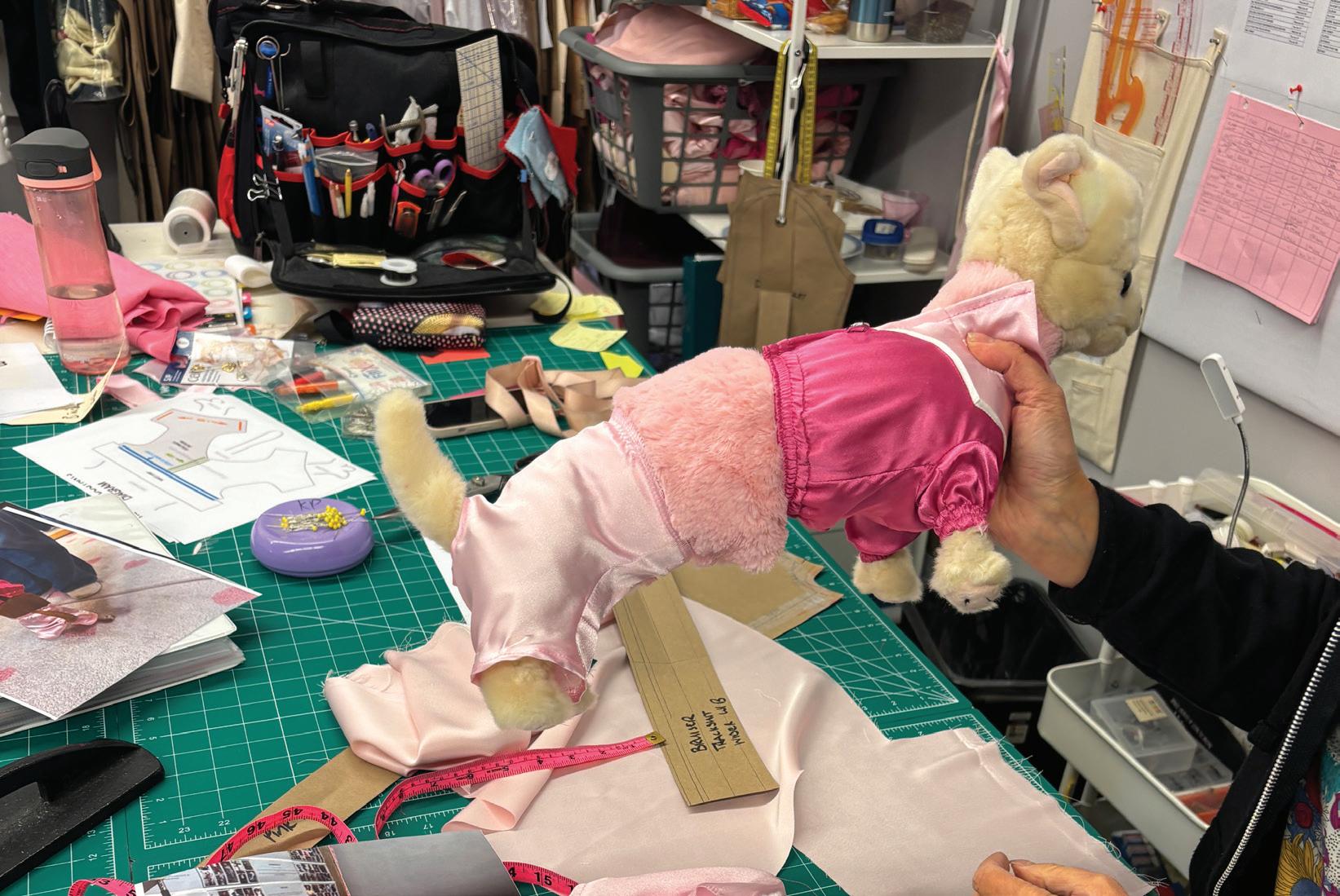
That philosophy shaped every shade of pink seen throughout the series.
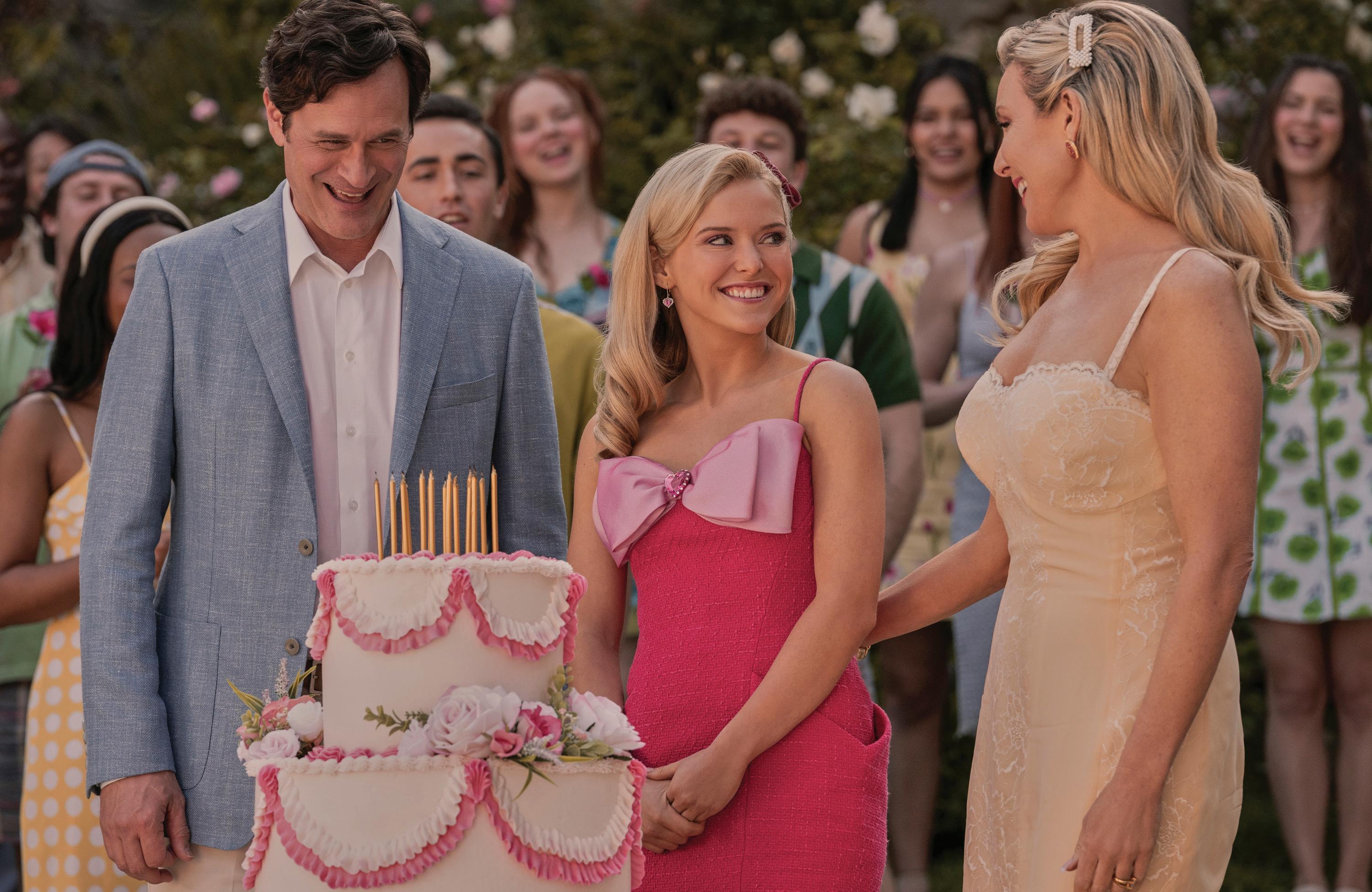
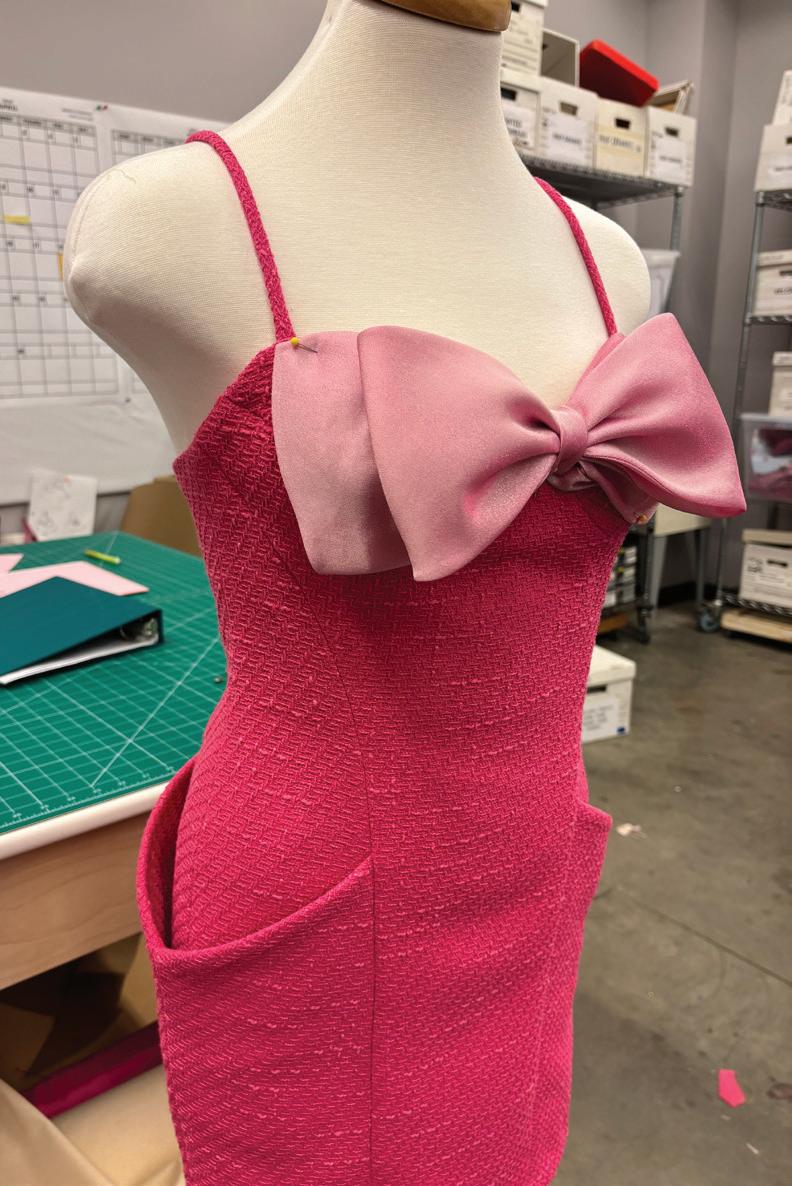
At Elle’s Sweet 16 party, she’s completely at ease, surrounded by family, friends and confidence, so Byblow dressed her in an unapologetically vibrant hot pink.
As the story progresses and Elle moves away from home to Seattle, those colours soften.
“When she’s saying goodbye, she’s wearing this light pink sweater with soft pink cuffs. Even on her first day of school, she’s feeling her most vulnerable, so she’s in this soft satin pink.”
The intention was never for viewers to consciously analyse the wardrobe.
“My goal is never for the audience to watch and think she’s wearing that because of this,” she said. “I want them to feel the sadness or the vulnerability because of that colour journey.”
Finding those colours turned out to be a project in itself.
“I didn’t even realise how many pinks there were in the world until I started this show,” Byblow laughed. “Pink is a spectrum. There are so many different tones that we could play with.”
The attention to detail extended well beyond clothing.
Elle’s shoes were sourced from around the world, combining vintage finds, contemporary styles and custommade pieces.
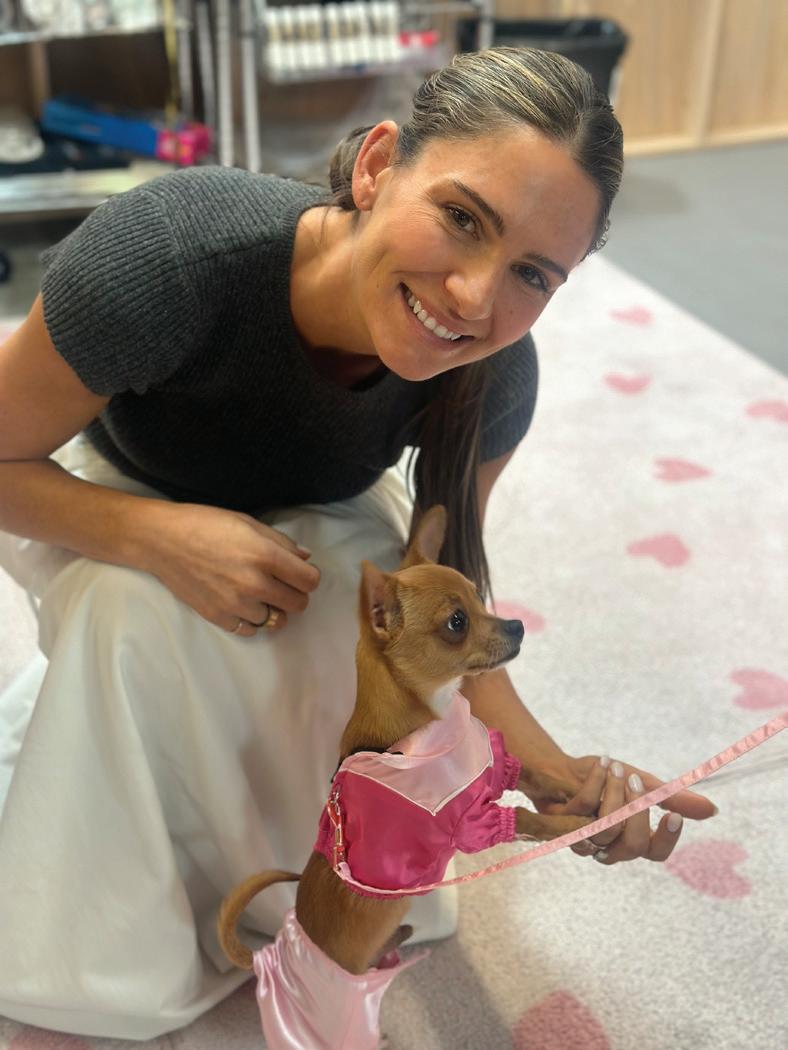
Some designs were completely transformed by the costume department. For the Sweet 16 outfit, the team created miniature versions of the heart featured on Elle’s dress and hand-poured multiple resin moulds until they achieved exactly the right shade and clarity of pink before attaching them to the shoes.
“There was a lot of consideration that went into every single piece,” Byblow said.
That level of craftsmanship required an equally impressive team.
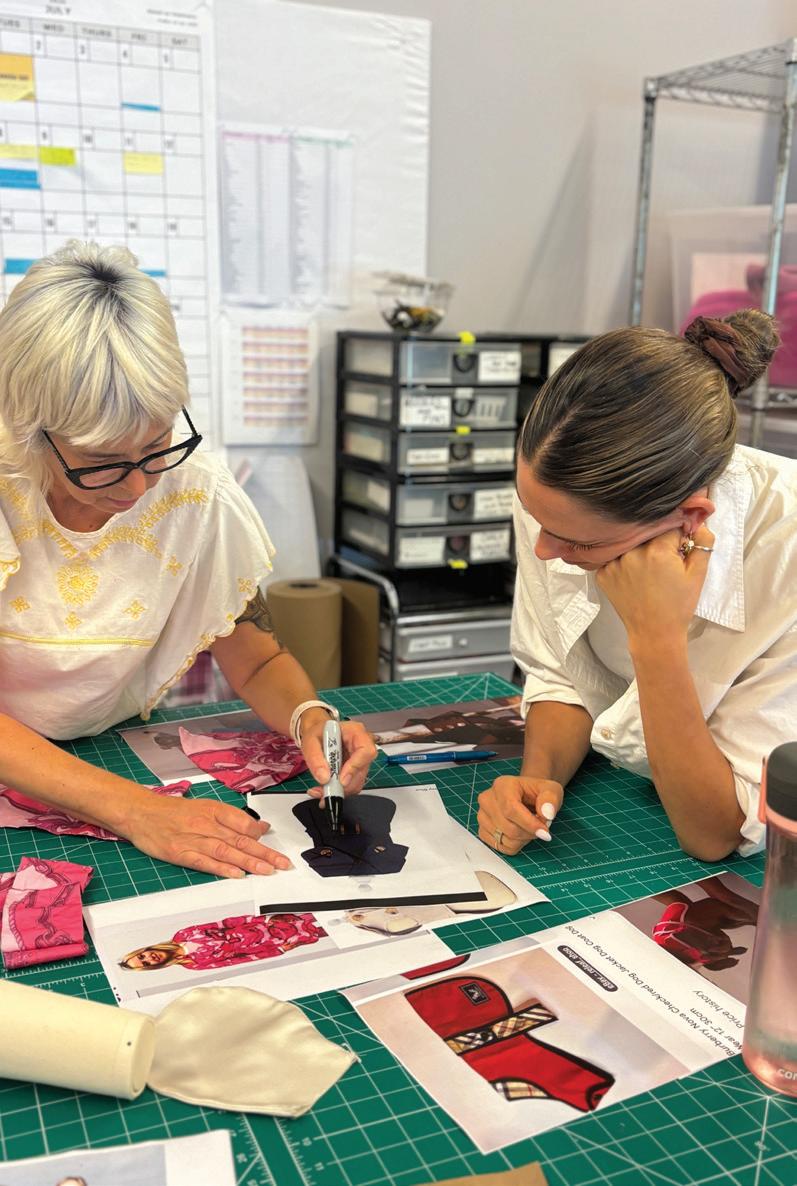
Between 25 and 30 people worked in the costume department full-time, with numbers growing depending on each episode. The team included assistant costume designers, specialist buyers, archive hunters, seamstresses, cutters, coordinators, shipping staff and an onset costume crew.
“It really takes a village,” Byblow said. She also credits the wider production for helping shape ELLE’s visual identity.
“Our producers, showrunners and writers were all incredibly collaborative. Everyone worked together to tell the story we wanted to tell.”
One of the biggest surprises came from Reese Witherspoon herself. According to Byblow, the actor has carefully kept the original costumes from Legally Blonde, something she describes as almost unheard of.
“She shipped over a ton of pieces for us to look at,” Byblow said. “I got to hold these pieces from the original movie.”
Rather than simply placing them back on screen, the creative team looked for more meaningful ways to acknowledge the films.
One of those subtle nods involves the famous Bottega red handbag seen in Legally Blonde. Instead of giving it directly to young Elle, they gave it to her mother, Eva Woods, played by June Diane Raphael, treating it as an heirloom to be passed down.
“There are a few little Easter eggs throughout the series for people who are watching closely,” Byblow said.
Asked which look she believes could become as iconic as the famous bunny costume from Legally Blonde, Byblow didn’t hesitate.
The elaborate Sweet 16 dress remains her personal favourite after the enormous amount of work that went into creating it.
“That’s the dress where we meet young Elle Woods for the first time, so it’s incredibly special to me.”
But she suspects audiences will have another favourite.
“I think if anyone recreates an outfit, it’ll be the Nirvana T-shirt.”
The costume department produced seven separate versions before landing on the final design, complete with pink hearts replacing the eyes.
“As soon as we put the hearts on the eyes, we knew. This is it.”
ELLE is out now and can be streamed on Prime Video.
OROTON’S FIRST VENTURE BEYOND AUSTRALIA
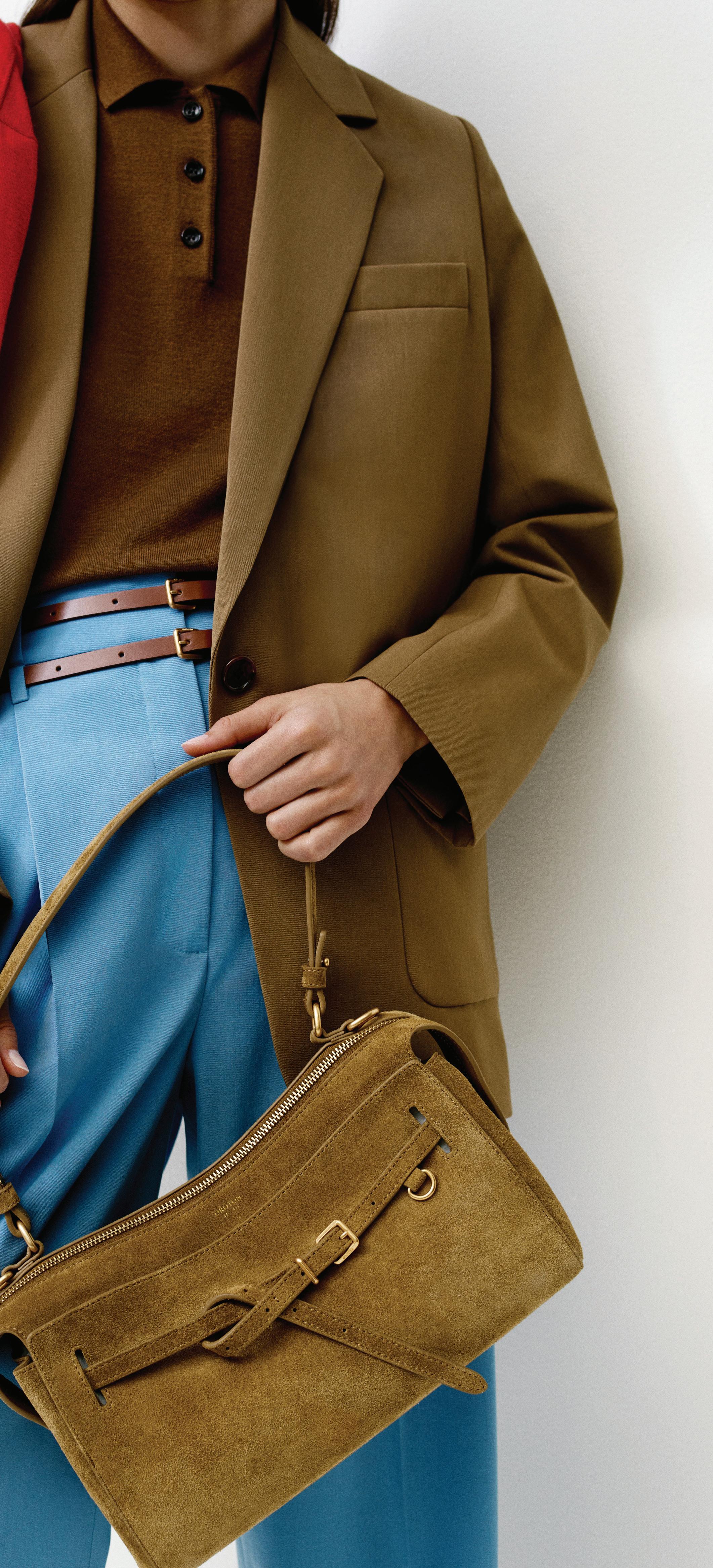
Australian lifestyle brand Oroton has opened its first store in New Zealand at Commercial Bay, marking the brand's first venture beyond Australia.
The store represents a deliberate and considered first step into New Zealand, a market with a long affinity for considered design, quality craft and heritage brands with a point of view.
The opening has signalled the next chapter in Oroton's growth, building on sustained momentum in Australia and a clear commitment to physical retail and the local community.
Oroton's CEO, Peter Halkett, said that the move across the Tasman was in response to the significant number of New Zealand customers shopping in its Australian stores.
“Opening our first store in New Zealand is an exciting milestone for the business, providing the Oroton store experience for our New Zealand customers. We chose Commercial Bay due to its central location, premium brand offering and its connection to the city. It will be a great home for Oroton
in Auckland and New Zealand,” said Halkett.
“Oroton is a luxury heritage Australian brand established in 1938, with a reputation for quality, craftsmanship and timeless design, which are qualities that resonate strongly with New Zealand customers. Commercial Bay is the first of several stores we will be opening over the next 12 to 24 months in this market, and we look forward to growing our presence in New Zealandbringing Australian luxury heritage to a new generation of customers.”
Designed under the vision of Oroton Creative Director Sophie Holt, the Commercial Bay store has carried the brand's distinctive design language into a new setting, with a deliberate focus on New Zealand artistry and craft.
The space features handmade decor and accessories from local makers, including ceramics by Gidon Bing and original pencil drawings by Mark
Alsweiler, grounding Oroton's first New Zealand store firmly in its place.
Since Holt wanted the space to feel more like a home than a shop, it is warm and material-driven, with timber, brass, soft leather and light.
“There's a calm confidence in the room, and that really reflects where we are as a brand and how we want New Zealand customers to experience it."
The launch has also introduced New Zealand shoppers to Oroton's full world, from its signature accessories and leather goods to its growing apparel and men's accessories offering, capturing a new generation of customers while remaining true to the brand's ethos.
As it marks 88 years of design, craft and reinvention, Oroton has proven that heritage doesn't mean standing still, and that Australian fashion, when reimagined with conviction, can travel well and lead with both heart and strength.
KOWTOW TURNS 20
Celebrating 20 years of a slower, more intentional path through fashion, Kowtow has announced a limited-edition birthday capsule, alongside the release of The Unmaking Of, a 120-page coffee-table book.
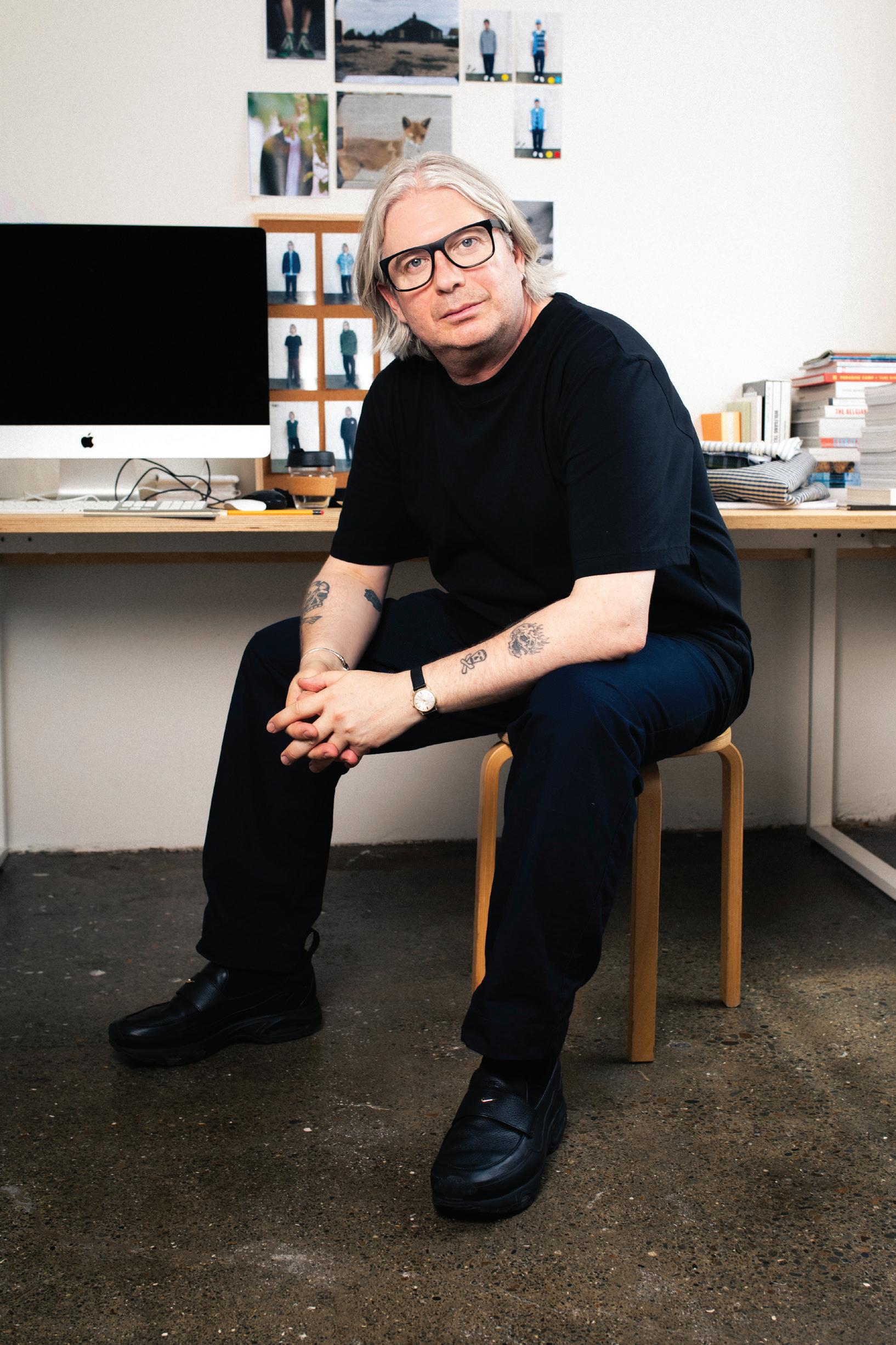
Dayne Johnston, head designer at Kowtow, still remembered his first day at Kowtow in 2023, walking through the archives at Tory Street headquarters. He was immediately struck by the sense of history and care that had gone into preserving the brand's evolution, and was inspired to see years of design in one place.
Johnston said he still felt as fresh and excited as he did on his first day, and truly valued the studio's collaborative nature, working closely with patternmakers Marie and Megan.
“There is a real openness in the way we challenge and support one another, and I believe the garments are stronger because of that shared thinking and care,” he said.
Johnston mentioned that the design process at Kowtow was unique, as the team worked 18 months ahead of each collection, which begins with a creative starting point, often an artist or creative practitioner whose work sparked a wider conversation.
For SS26, the team looked to filmmaker, artist and gardener Derek Jarman, his home at Prospect Cottage in Dungeness, and the extraordinary garden he cultivated from a barren landscape.
“There is something deeply moving about the way he created beauty in such a harsh environment through resilience, creativity and care. That spirit felt closely aligned with Kowtow's own journey, growing with intention, remaining true to its values, and continually finding new ways to create something meaningful.”
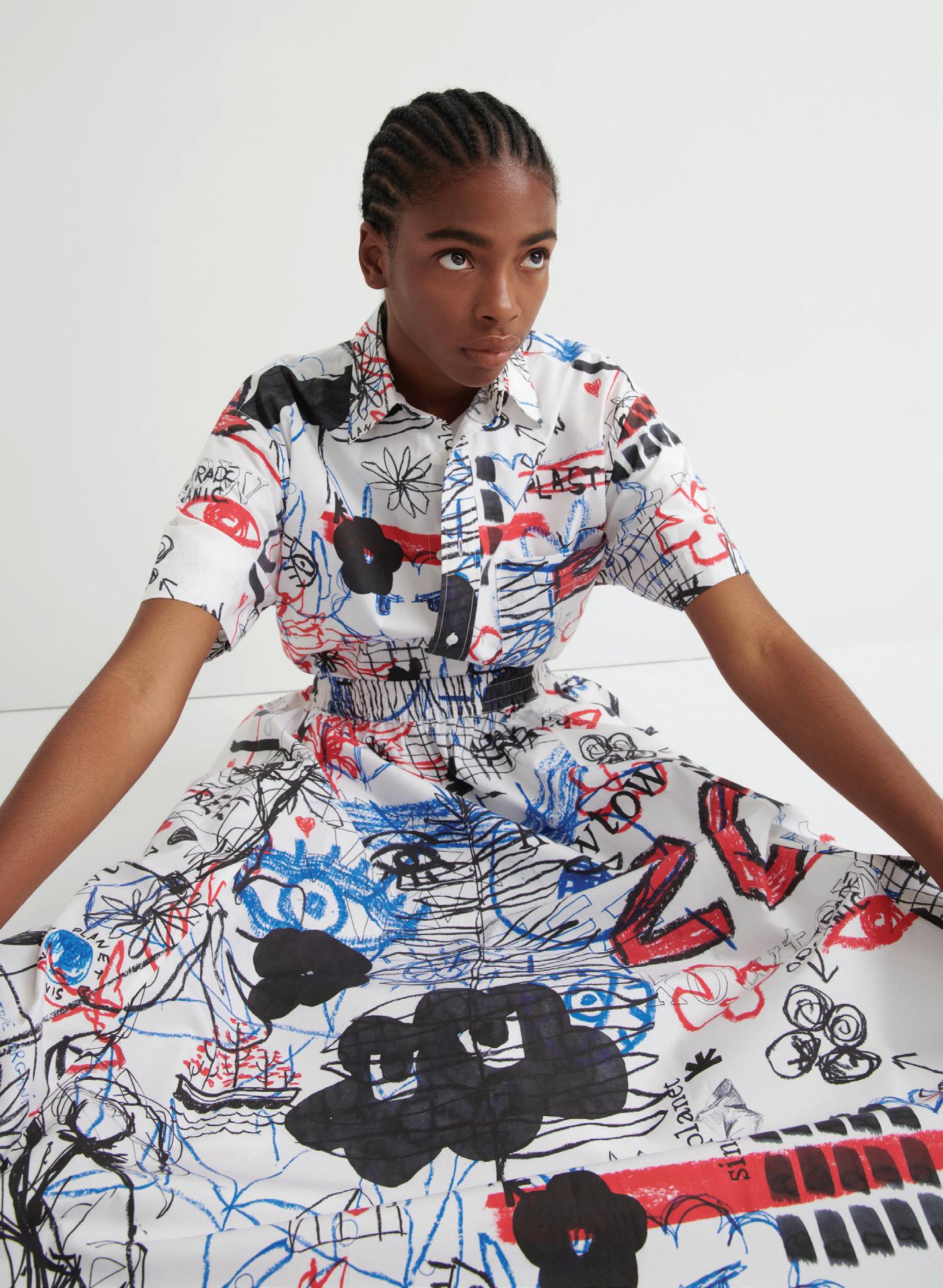
As he began designing the collection, one of his goals was to celebrate Kowtow authentically, which led to the capsule being centred on a limitededition mash-up print created by multidisciplinary French artist and Kowtow’s first Art Director, Yoan Jolly.
Layering twenty years of textile archives into a punk-like collage, the print has acted as a rebellious visual history honouring the evolution, experimentation and persistence behind the brand’s creative journey.
“I invited Yoan back to collaborate on a new graffiti-inspired print that celebrates this legacy. The design brings together elements from his iconic archive prints and reimagines them across crisp organic cotton poplin and soft jersey,” said Johnston.
As a designer, Johnston aims to explore the possibilities of organic cotton through fabric innovation, thoughtful design and a strong creative point of view. He also found it exciting that new retailers and a growing community of customers in the USA have welcomed the brand.
One of the biggest opportunities he saw for Kowtow was to continue building its ever-growing fabric library while collaborating closely with its Fairtrade partners in India.
Similarly, Emma Wallace, Managing Director at Kowtow, mentioned that the brand had quietly influenced the industry through its strong commitment to ethical practices, its unwavering and exclusive use of certified organic cotton, and its decades-long pursuit of transparency.
The moment that resonated with her most was in February 2024, when all of its collections went 100 percent Plastic Free, including replacing the synthetic thread used to sew the garments with organic cotton.
Wallace added that this year, Kowtow’s Regenerate programme closed the loop, from seed to garment to soil, by creating organic cotton biochar from take-back garments.
Looking ahead, Wallace aims to stay curious, keep growing the business with its values intact, without letting perfection stand in the way of progress, and to embrace innovation and problem-solving together.
“Our journey hasn’t been perfect, but it has been authentic and honest,” said Wallace, who, also through The Unmaking Of, wanted to reflect the curiosity, conversations and collaborations that have driven and inspired everyone at Kowtow over time.
“We ask many questions through the book: decisions on material choice, designing out waste, ethical manufacture
and product stewardship in the context of fashion, and these questions are relevant across many industries.”
If someone picks up The Unmaking Of having never heard of Kowtow before, Wallace hoped they would understand that the industry can provide clothing for the world without continuing to wreak havoc.
She highlighted that regulations in Europe have already forced brands to consider the full life cycle of their products and how they market them, and that communities have also been looking for better clothing that is made to last and that also adds to their wellbeing for more than just a moment.
“Looking to the next 20 years, fast trashy plastic fashion is on the way out, regenerative, natural, and individual is in.”
COCKTAIL DRESSES & WINTER ESSENTIALS IN MARIMEKKO’S LATEST
For Fall/Winter 2026, Marimekko has embraced the spirit of joyful transformation through bold patterns, unexpected artistic elements, layered compositions, and sculptural silhouettes.
Rhythmic and expressive, the collection has created a dialogue between structure and spontaneity, delivering standout pieces designed to carry seamlessly through the season.
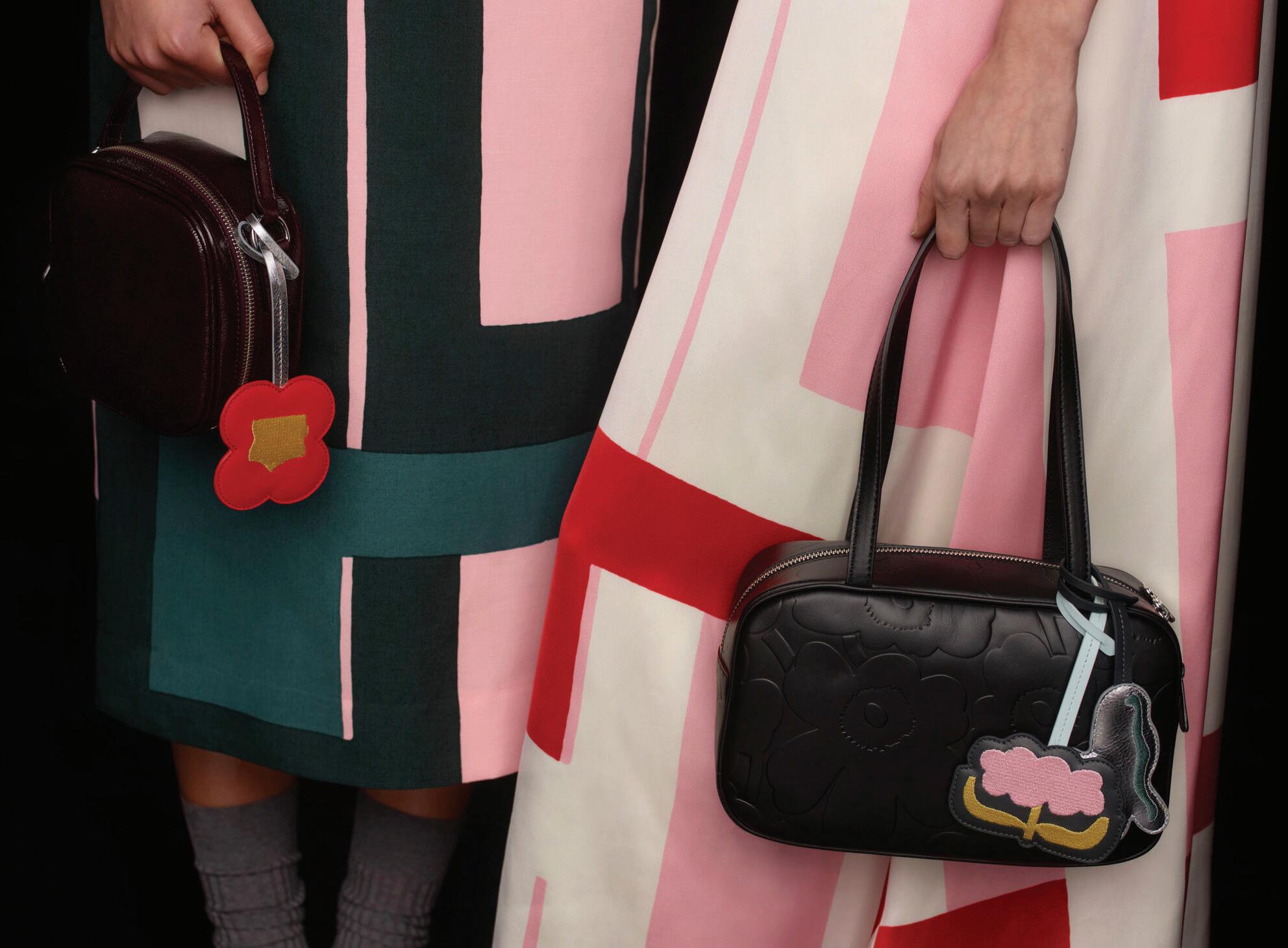
Key themes include graphic compositions, beautifully exemplified by Maija Isola’s architectural Attika pattern in key silhouettes, including mini and maxi dresses and playful co-ords. Fluid fabrications, including silk, cupro, viscose and triacetate, pair movement and ease with the season’s architectural patterns.
The collection has played with scale in fresh and unexpected ways, for instance, seen in the dialogue between Lotta Maija’s miniature-scale floral print Tuulahdus and Unikko by Maija Isola, both presented in a vivid cobalt-blue accent.
Hero prints in the collection include Maija Isola’s bold diagonal Basso stripe, Antti Kekki’s abstract floral print Lossi, Masaru Suzuki’s ornamental Kukkahattu, and Annika Rimala’s polka-dot Pallo print.
The palette of the season explored pinks, reds, and burgundies alongside mineral sage, pastel mint, and dense, dark pine green. Warm browns and surprising accent hues complete the colour story.
“The Fall/Winter 2026 collection presents more unfamiliar Marimekko prints as new interpretations and entirely new prints in familiar interpretations, resulting in a sense of both novelty and heritage,” said Rebekka Bay, Creative Director at Marimekko.
“A perfect example is the ornamental Kukkahattu floral print by Masaru Suzuki that is featured in our ready-towear collection for the first time in silk dresses, skirts and shirts in a stunning and festive colourway of bright red, gold and orange.”
For party season, Marimekko has presented a capsule of refined tonal black-on-black prints across dresses and separates, complemented by bold yet understated jacquard-woven cocktail pieces, jackets, skirts, and dresses designed for elegant evening wear.
To complete the party look, Marimekko introduced metallic patterned purses,
new 3D hair accessories and an elevated double-breasted wool jacket with a sculptural neckline, available in red and black colourways.
As a final flourish, Marimekko’s new satin pouches become the perfect companion to hold all party essentials.
As part of the Fall/Winter 2026 launch, Marimekko also released fleece jackets made from 100 percent recycled polyester, enhanced with CiCLO textile technology additive that tackles microplastic pollution by helping
polyester break down like natural fibres. Available in three colourways, each fleece style has been finished with a distinctive Marimekko pattern, logo detail, and contrasting zipper pulls.
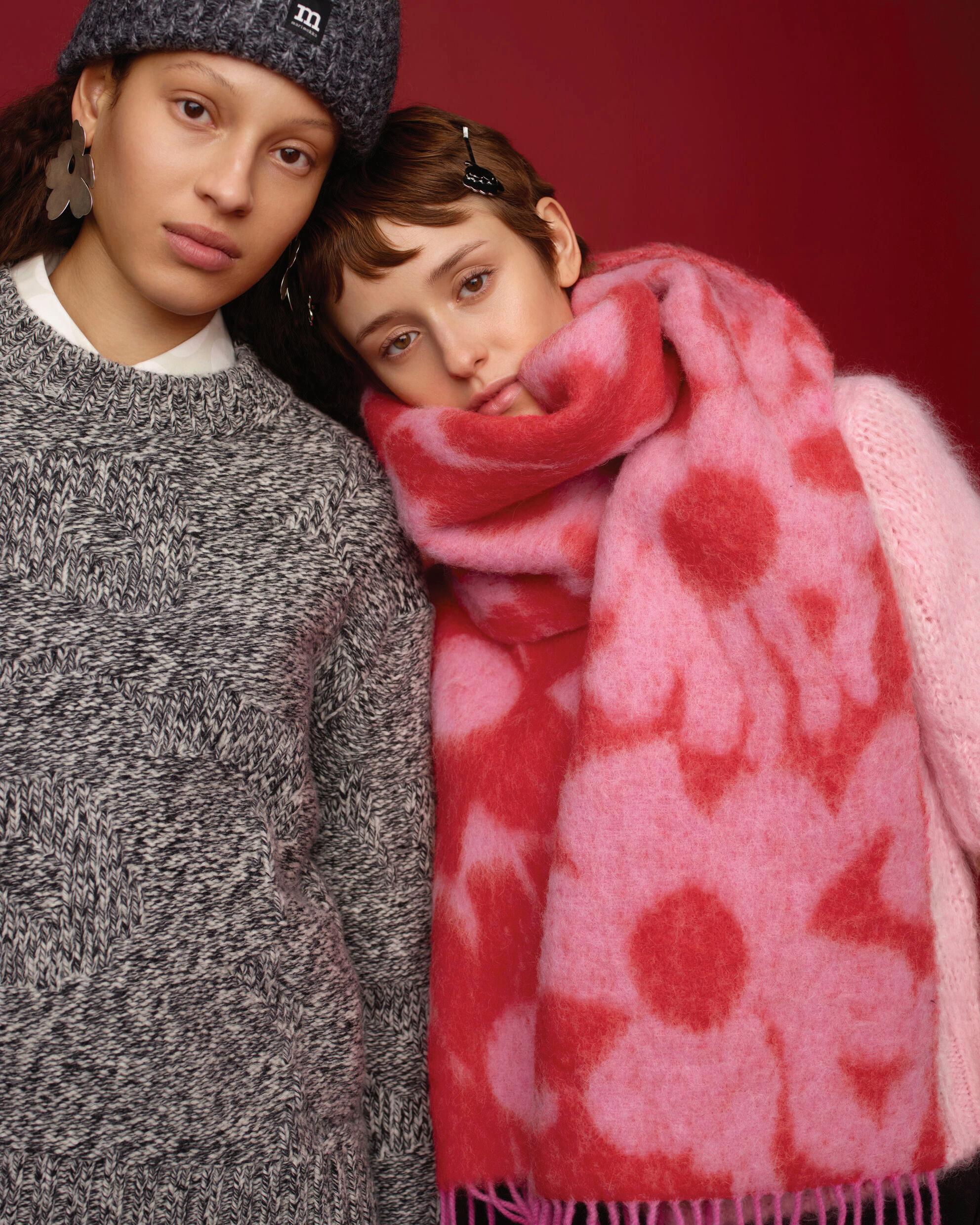
For cosy winter days, the collection added plush bubblegum-pink mohairblend knits, a black-and-white Basso stripe puffer coat, and an assortment of comfy winter accessories, from sumptuous scarves to stylish balaclavas, setting the tone for a warm and expressive cold-weather wardrobe.
CELEBRATING 25 YEARS BY USHERING IN THE NEXT GENERATION
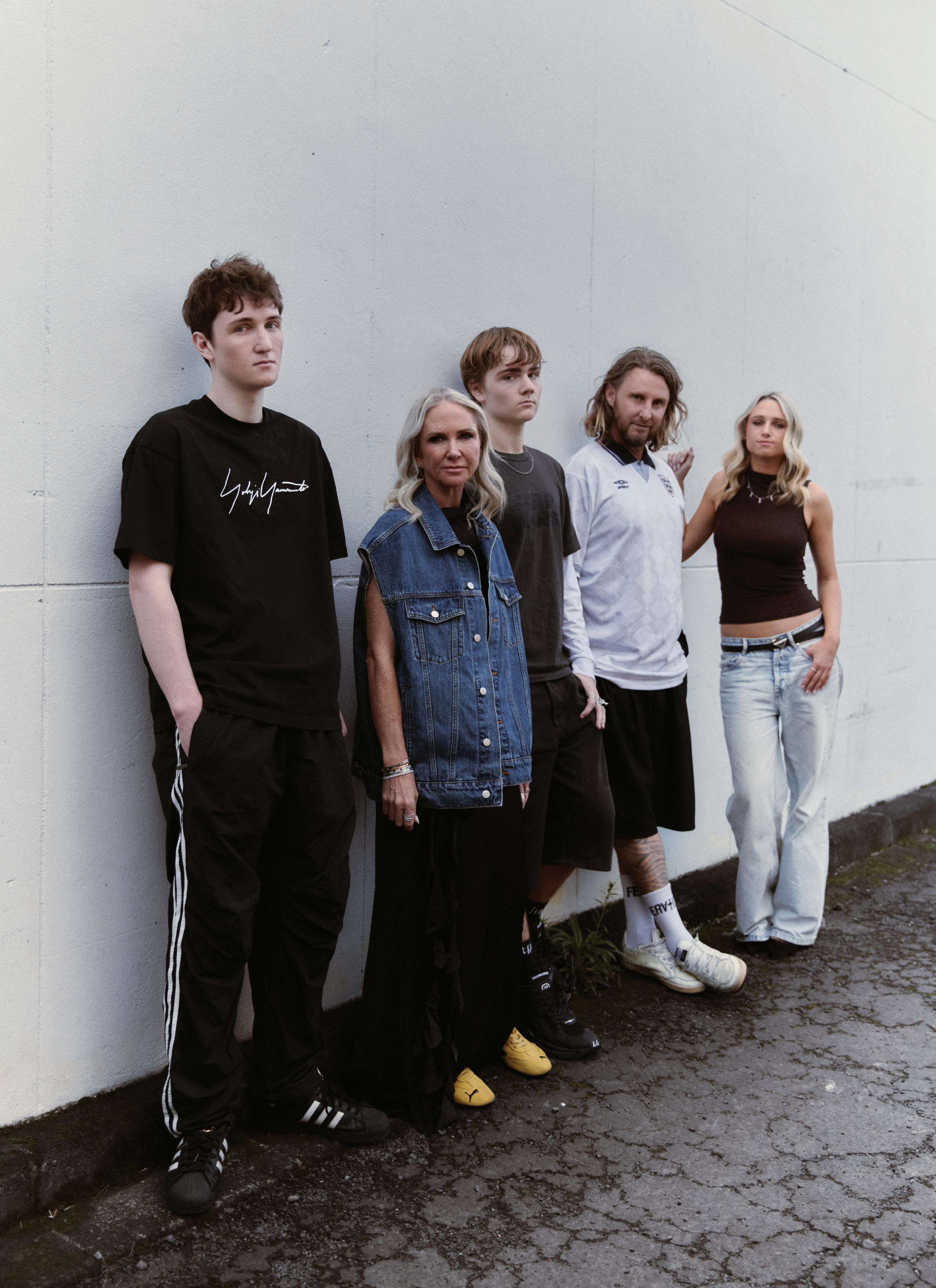
A willingness to reinvent itself is the secret to the Kiwi streetwear brand Federation's longevity. The brand is celebrating its 25th anniversary by ushering in a new era of design, innovation and family leadership.
Founded by Jenny Joblin in the early 2000s, it quickly established itself as a premium skatewear label.
Since then, it had weathered industry upheaval, international expansion, liquidation, reinvention and the rapid transformation of retail.
Joblin said reaching the milestone felt especially significant given the many challenges facing the New Zealand fashion industry.
"It's such a special moment to stop and celebrate everything we've built, but for us it's also about looking ahead,” explained Joblin.
“Federation has always evolved, and this anniversary is really about the next chapter."
Joblin attributed the brand's longevity to its willingness to continually reinvent itself.
"Fashion has changed enormously since we started, and so have we,” noted Joblin.
Federation has stayed true to its roots in premium denim, hoodies and tees, but the brand has naturally grown up alongside its customers.
Federation launched in 2001 with a vision of blending fashion with streetwear, calling it high skate.
The brand now describes its aesthetic
as stylewear, a blend of elevated fashion and streetwear that reflects how its customers live and dress.
After debuting at New Zealand Fashion Week in 2004, the label was picked up in hundreds of boutiques across Europe, the US and Australia, but Joblin said its true value came from focusing closer to home.
Overseas opportunities were exciting but not sustainable. The brand did not even break even on overseas exports after factoring in logistics.
Rather than chasing global scale at any cost, Federation deliberately pivoted to strengthen its online business and serve local customers.
Nonetheless, the business went into voluntary liquidation in 2014. Liquidators sought purchasers, but Joblin chose to buy it back and rebuild it from the ground up.
Looking back, she said the experience ultimately reshaped both the company and her approach to business.
"When we stepped back, we realised just how iconic Federation had become to New Zealanders,” explained Joblin.
“People didn't want to see it disappear, and that gave us the confidence to rebuild it properly."
Her business partner and husband, Ben Dundas said those years changed
how they define success.
They learned that sustainable growth was more important than chasing scale.
Twenty-five years later, Federation is evolving again.
Joblin's children Ryder, Monte, and Dusty, all 21 and under, were poised to take the reins.
They were already involved across creative design, product development and business operations.
"We've got multiple products that have come from the kids' ideas," said Joblin.
"They've grown up around the brand, and now they're genuinely excited to be part of it."
Federation now had a nationwide footprint, a flagship store in Takapuna and a thriving online business. The label has grown beyond clothing into a lifestyle brand, also encompassing premium leather goods, jewellery, fragrance and accessories.
It now had returning customers from 20 years ago, shopping alongside their children.
"When I look at Federation now, I don't see a brand that's reached 25 years. I see one that still has so much future,” concluded Joblin.
"We just want to keep doing cool things, doing what we love and doing it well."
ESSANO EVOLVES THROUGH CONSUMER-LED
REDESIGN
New Zealanders have become increasingly intentional about the haircare products they buy, seeking formulas that deliver visible results while still aligning with growing demand for natural ingredients and solutions tailored to their specific hair type.
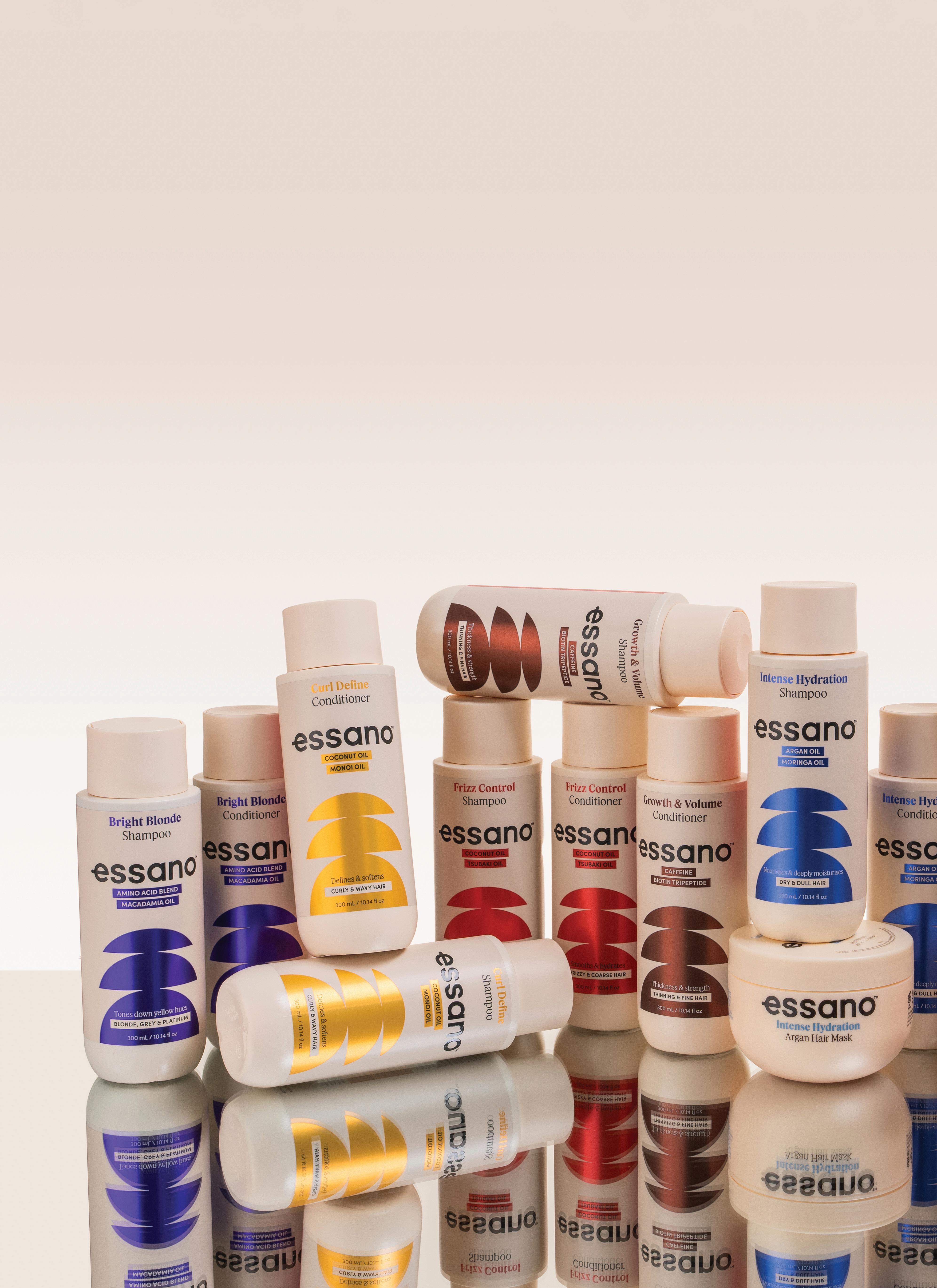
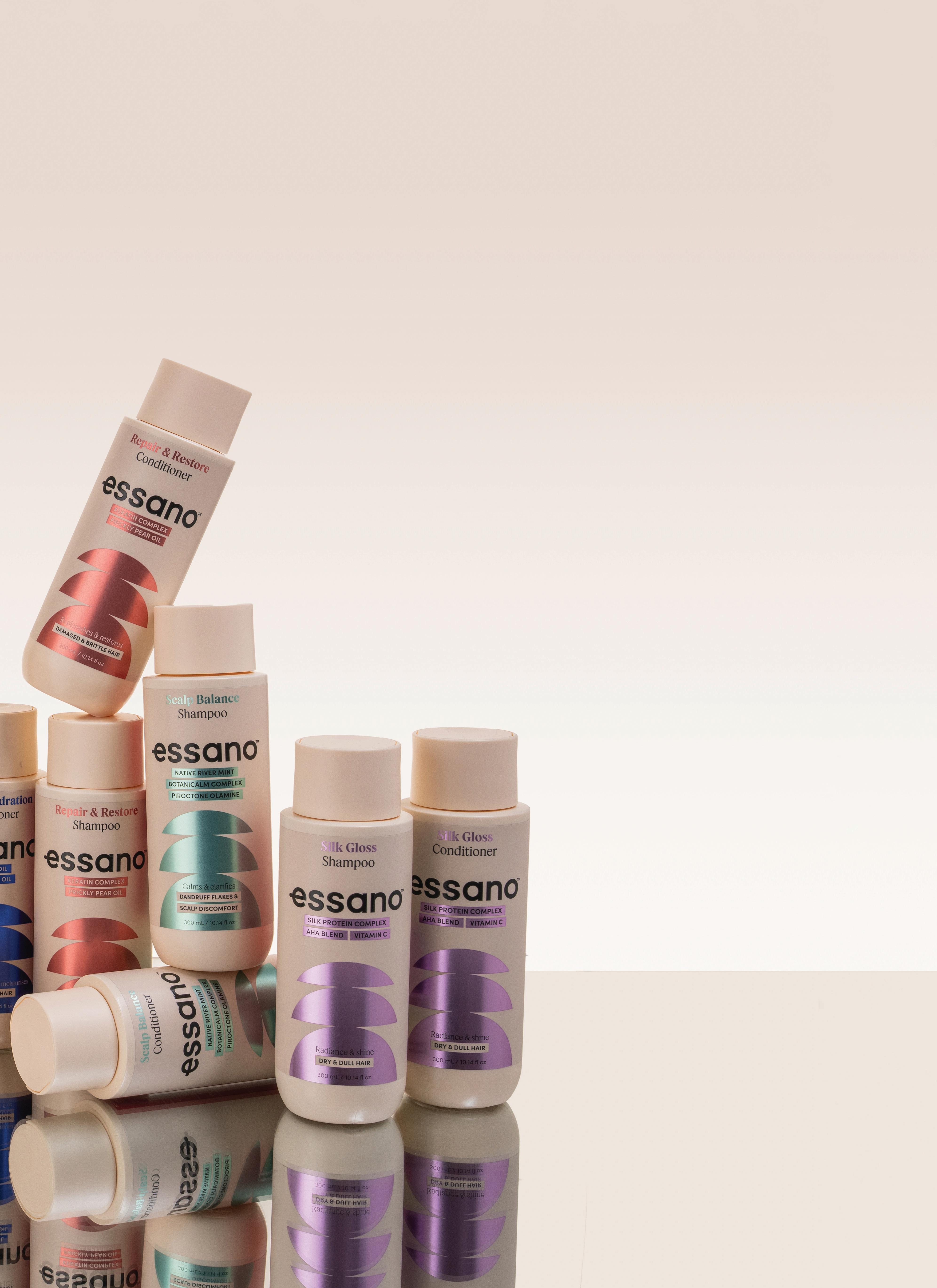
In response, essano has rolled out a major evolution of its haircare range. The updated lineup features two new collections, new additions across existing ranges and redesigned packaging with clearer category naming to make the range easier to shop and navigate.
The update followed extensive research undertaken by essano with more than 500 New Zealand haircare shoppers, which found:
• 88 percent purchase based on proven results
• 82 percent purchase based on what suits their hair type
• 60 percent actively seek natural ingredients
• Product claims are the most influential packaging element at shelf
“Our research showed that New Zealanders want haircare that feels tailored to their individual hair type and delivers visible results, but they also want to be able to quickly and confidently navigate the shelf,” said Lucinda Sabo, GM Marketing & Digital at essano.
“We’re always looking at how we can create better products and a simpler shopping experience for consumers. We filter all decisions through a customerfirst lens, and the redesign was no different.”
These findings helped shape every aspect of the redesign, from clearer packaging to benefit and key ingredient communication, through to a more intuitive navigation process, making it easier than ever for consumers to find the right products for their hair type and concerns.
With more than 115,000 essano shampoo and conditioner units sold annually through New Zealand grocery channels, and an essano haircare product purchased every four minutes, the brand has remained a leading, trusted choice for Kiwi consumers.
Two brand new ranges will also join the essano haircare lineup: Silk Gloss and Growth & Volume. Created by expert formulators in essano’s South Auckland innovation hub, the brand has combined proven actives with naturally derived ingredients to deliver real results without compromise.
“Every formula has been carefully crafted, and every ingredient has earned its place. The result is clean, conscious products powered by naturally effective ingredients that perform,” said Marissa Kan, Head of Innovation at essano.
With the full range now available, essano offers targeted solutions for every hair type and concern. All essano products are cruelty-free and made without parabens, sulphates, PEGs or phthalates.
TEKLA’S NEW COLLECTION IS MADE FOR THE SCANDANAVIAN SUMMER
Inspired by the Scandinavian summer, Tekla has launched its new capsule collection comprising versatile and classic pieces for long days in Copenhagen by the water.
The swim collection named Marstrand is a functional addition, designed for fluid days in and out of the water. Alongside a sailor stripes collection, comprising of crew and boat-neck Breton tops and a beach bag in the classic motif.
In addition, new colourways have been added to the core beach towel collection.
The Marstrand collection features beach towels, bags, t-shirts and accessories in Sun Bleached Fuchsia, Sun Bleached Navy and Sun Bleached Taupe colourways, made using a dying effect that evokes vintage textiles faded by sun and salt.
The beach towels were crafted with a 330 GSM compact weave that reduces pulls and ensures greater durability when used outside, whilst improving drying times even in humid conditions. The lighter quality and complementary functional, organic cotton canvas bag
ensures towels can be carried with ease. All beach towels were designed to be gentle on the skin and cut to a larger 100 x 180cm size for shoreside lounging.
Marstand’s utilitarian beach bags were crafted from heavyweight 390 GSM canvas that’s woven using 100 percent organic cotton and garmentdyed to finish. The bags’ spacious design features a large inner pocket with a zip closure that holds everything needed for long days by the sea, plus hand and shoulder straps for comfort when carrying.
Jersey cotton t-shirts with an elegant drape were introduced in three colourways.
Bucket hats were brought back for the season, crafted from heavyweight 390 GSM canvas that’s woven using 100 percent organic cotton and garmentdyed to finish. Each hat has been finished with embroidered eyelets, topstitching details and a branded flag label.
Women’s swimsuits take a clean, sport cut while men’s swim shorts offer a relaxed, functional silhouette designed for the water and beyond. Both styles were produced in Portugal. The collection featured Sarongs in two colourways, Taupe and Claret. They were crafted from lightweight 150 GSM cotton with fringed edges. Their versatile design works as a transitional piece for beach and poolside use.
Men’s crew-neck and women’s boatneck Breton tops are introduced as part of a sailor stripes collection. Made from organic cotton in a 350 GSM jersey knit, they provide a warm layer against sea winds, bringing home comfort.
Finally, the collection came with beach bags in sailor stripes, alongside updates to the core beach towel collection with a new green deck stripes colourway.
The campaign was captured by Philip Messmann and split into two chapters showcasing the collection’s utility next to the water and in town.
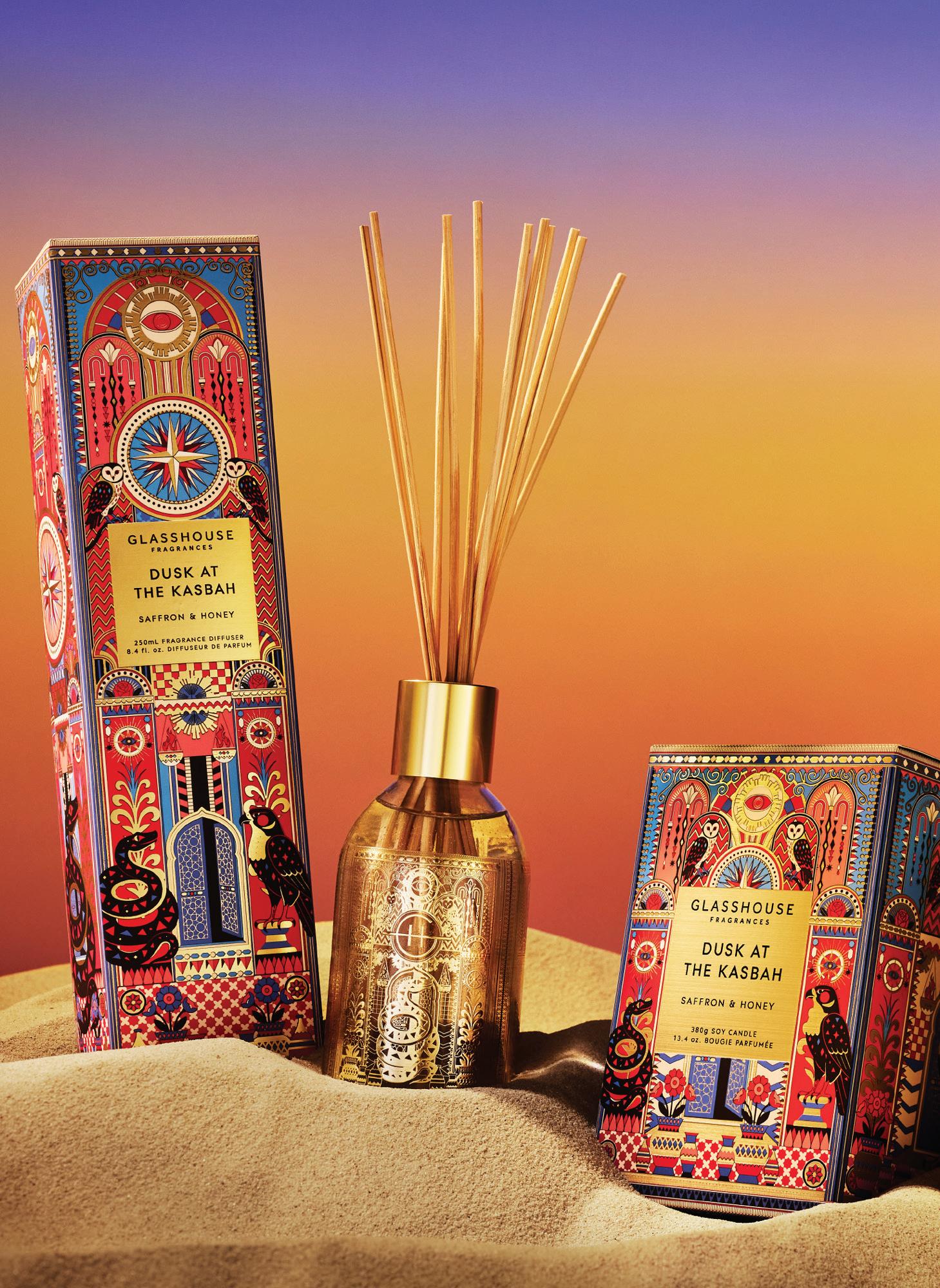
GLASSHOUSE’S DESERT-INSPIRED WINTER COLLECTION
Glasshouse has launched Tales of the Desert, a limited-edition collection of rich, warming scents designed to bring depth, atmosphere and a touch of indulgence to the colder months.
The collection has introduced three new fragrances across five limited-edition products, including their signature Soy Candles, a Fragrance Diffuser, Eau de Parfum and Body Lotion.
From golden Honey and Tobacco Leaf to Cardamom, Saffron and creamy Woods, each fragrance has unfolded in layers, revealing a rich and sophisticated scent experience with every wear, burn and spritz.
Presented in intricately illustrated packaging inspired by ornate craftsmanship and rich decorative detail, each piece is designed to be as visually captivating as the fragrance within.
Vibrant jewel tones, gilded accents and intricate motifs transform every product into a collector-worthy object for the home or vanity.
At the heart of the collection is Citadel Secrets, available as a 30ml Eau de Parfum and 150ml Body Lotion.
A deeply layered woody fragrance, it opens with Bergamot and Citrus before revealing notes of Honey, Rose, Tobacco Flower and Clove, settling into
a luxurious base of Sandalwood, Amber, Vanilla and Tonka Bean. The result is a warm, enveloping fragrance that lingers beautifully on the skin.
For candle lovers, Oasis Mirage has delivered a sophisticated blend of Cardamom, Ginger and Pepper layered over Violet, Amber, Suede and Creamy Woods. Bold yet elegant, it is a modern woody fragrance that feels perfectly suited to winter evenings.
Completing the collection is Dusk at the Kasbah, available as both a 380g Candle and a 250ml Fragrance Diffuser.
Combining Honey, Clove and Bergamot with Tobacco, Tonka Bean, Saffron and Creamy Sandalwood, this gourmand-inspired fragrance creates a rich, comforting atmosphere throughout the home.
Whether layered on the skin or filling the home with fragrance, Tales of the Desert has been created to bring warmth, mood and sensory richness to winter rituals.
As with all Glasshouse products, the Tales of the Desert collection is free from parabens, silicones, and sulphates and available now.
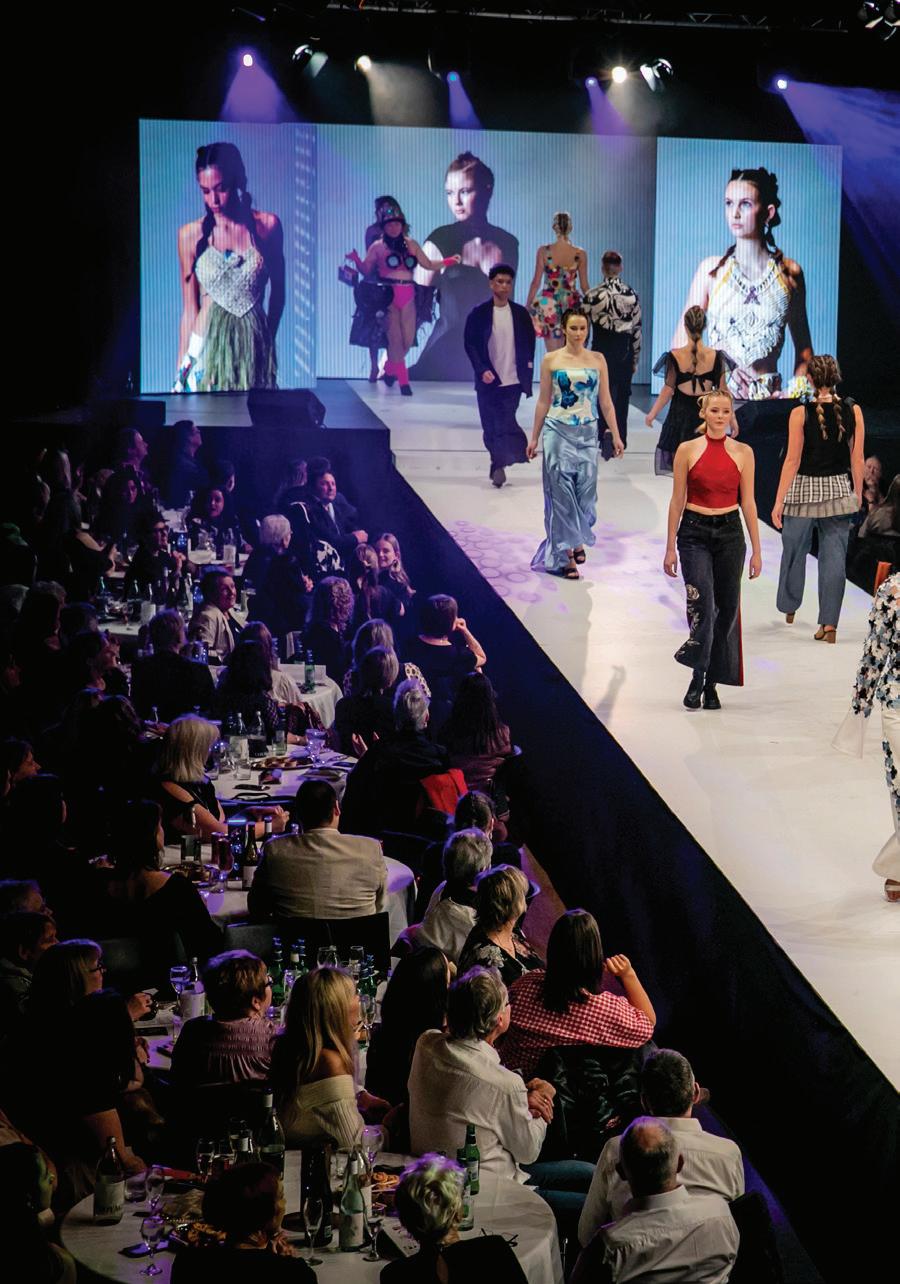
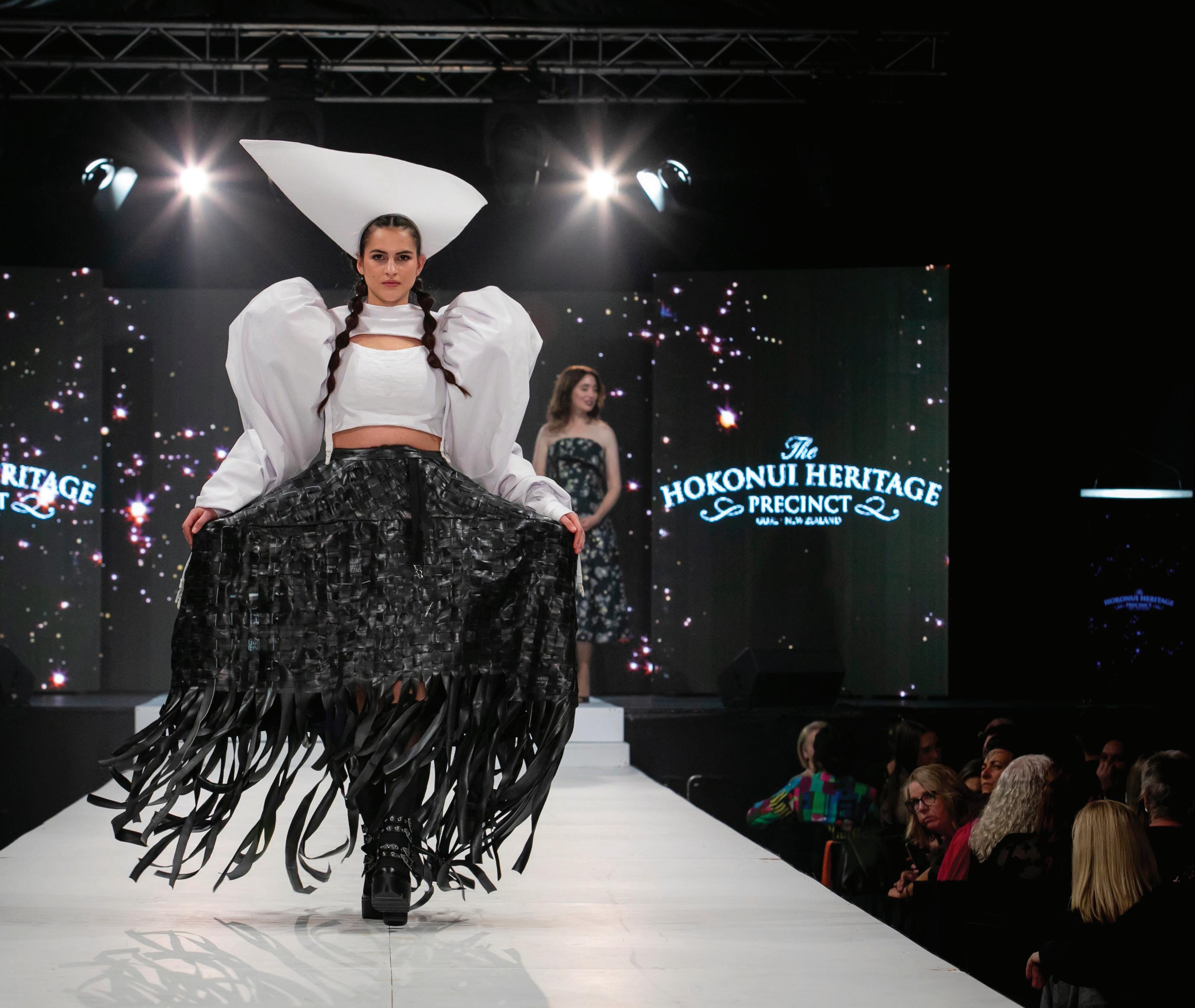
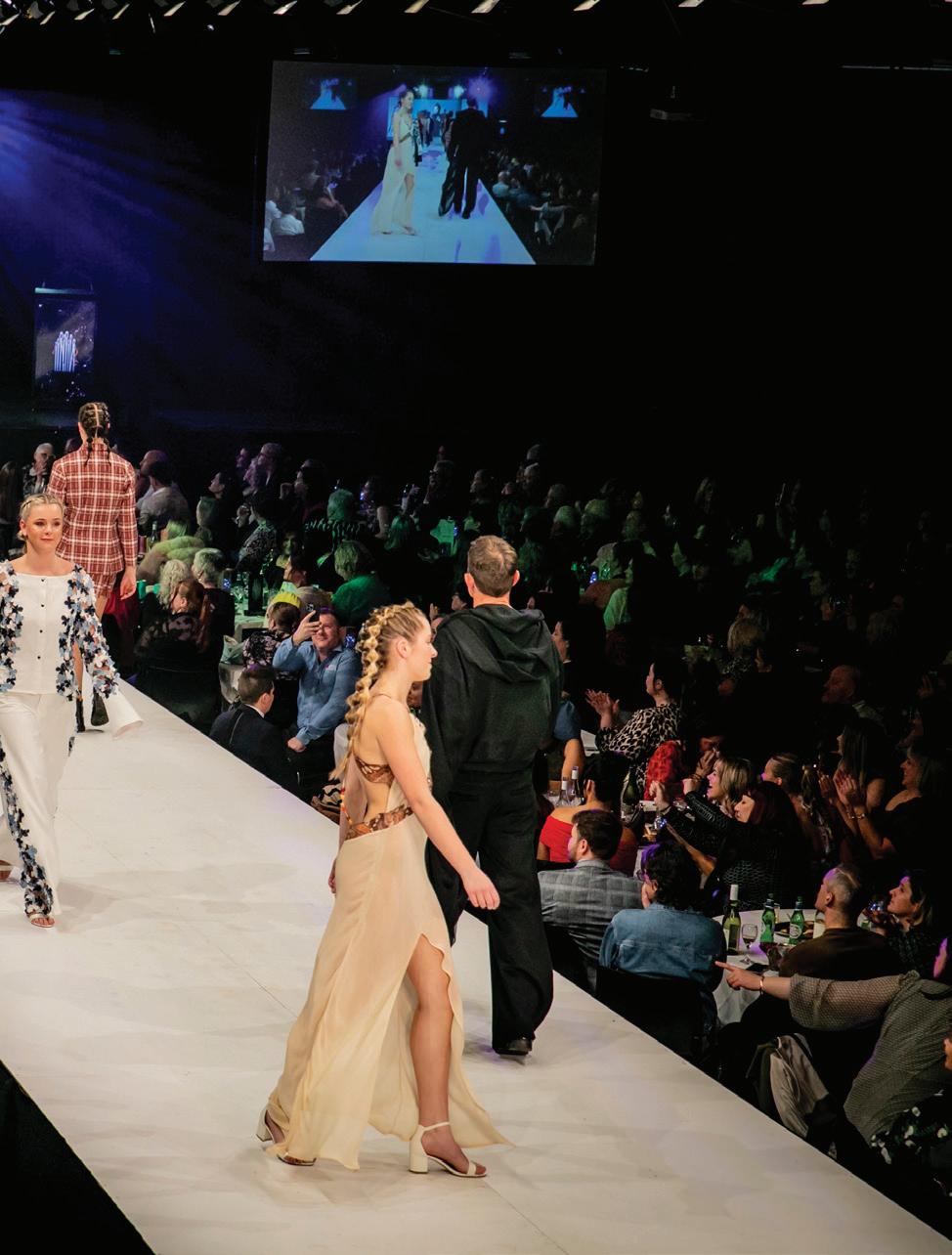
EXCITEMENT BUILDS FOR 2026 MLT HOKONUI FASHION DESIGN AWARDS
The MLT Hokonui Fashion Design Awards have become an exciting celebration of creativity, innovation and emerging talent.
Held annually in Gore, the awards have cemented their place as a key event on the New Zealand fashion calendar, attracting both emerging and established designers from across the country.
Since 1988, the awards have provided a platform for designers to present their work to influential industry figures and gain national recognition.
This year's judging panel has brought together an exceptional breadth of expertise, with returning judge Dan Ahwa, Creative Director of New Zealand Fashion Week and Contributing Fashion Editor-at-Large for Fashion Quarterly, joined by Dayne Johnston, Head of Design at Kowtow, and Sara Aspinall, Founder and Creative Director of Company of Strangers.
Together, they represent some of New Zealand’s most respected fashion creatives, offering a dynamic mix of experience across design, media, craftsmanship and fashion leadership.
The awards also announced Sharyn Casey as MC for the 2026 Awards. With over 20 years’ experience in radio, she
has become one of New Zealand’s most recognisable media personalities and will bring energy, humour and warmth to the MLT Hokonui Fashion Design Awards Gala Evening.
"Once again, it's shaping up to be an incredible show thanks to our amazing team working behind the scenes,” said Tyla Routhan, Co-Chair of the MLT Hokonui Fashion Design Awards.
“We're honoured to welcome such a talented and highly recognisable judging panel and excited for our designers to showcase their creations to them. We're also lucky to have Sharyn Casey joining us as MC and know she will bring plenty of energy to this year's awards."
The School section winners will be announced at the Strawberry Sound Strictly Fashion Show on Friday, the 24th of July, followed by the MLT Hokonui Fashion Awards Gala Evening on Saturday, the 25th of July, where the Open section winners will be announced.
Tickets for this year's awards are going on sale from Friday, the 10th of July, on iTicket.
Image Credits: Jackie Gay - Still Vision Photography
Photography
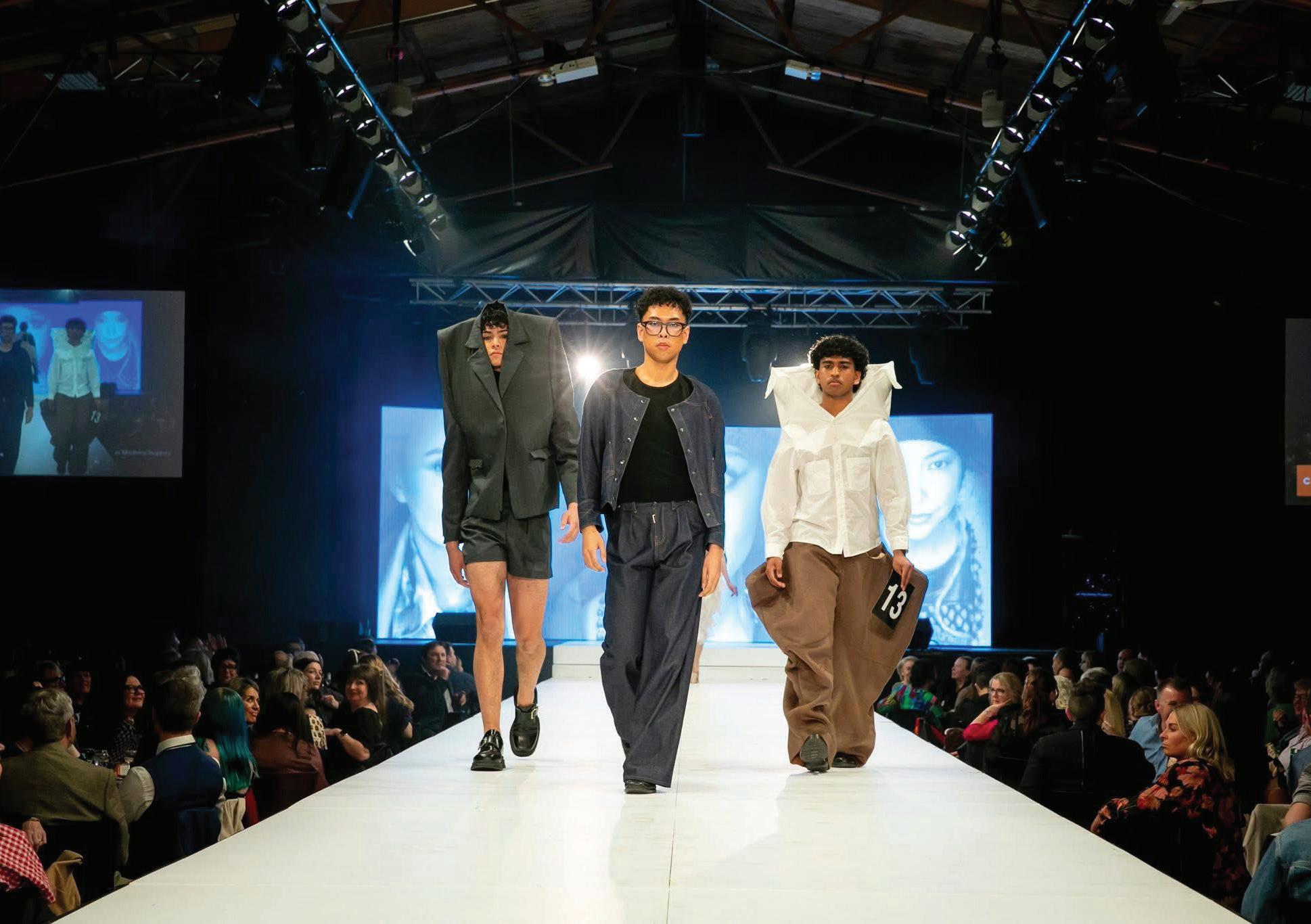
Mataura Licensing Trust Award of Excellence Winner - Vicki Taylor-Blair & Chris Reeve, Dunedin (Open Avant Garde).
SOURCE FASHION BOASTS LARGEST EDITION YET
Source Fashion has opened its biggest responsible sourcing show yet in London with exhibitors from around the world embracing new ways of sourcing, collaborating and growing.
The event marked a new chapter for the United Kingdom’s leading responsible sourcing show at Excel London.
According to the organisers, this edition of the show reflects the changing priorities of the global fashion industry. Buyers and manufacturers were seeking more resilient, transparent and commercially agile supply chains.
A variety of UK-based and international retailers, brands and buyers attended the show. Buyers from Burberry, Caroline Gardiner, and French Connection, non-retail buying organisations including Abbey Road Studio, British Airways, and Marriot. International visitors from Zalando, EJ Menswear and Main Rose among others were registered to attend the event.
More than 300 exhibitors from 19 countries were showcasing their apparel at the show. Buyers had access to an expanded network of audited
suppliers offering apparel, textiles, trims, manufacturing services and material innovation, all under one roof.
This season marked the arrival of several new countries to broaden buyer’s manufacturing options. The first Vietnamese Pavillion joined the show alongside representation from Mauritius, Indonesia, Jordan and Eygpt. The introduction of the countries met buyer demand for more diverse and resilient sourcing strategies.
Highlights included premium knitwear manufacturing businesses through Egypt's partnership with the UN Women's programme and expanded sourcing opportunities across Southeast Asia and the Middle East. Source organisers said rather than relying on traditonal sourcing markets, buyers were increasingly building more balanced supplier networks that combine established manufacturing regions with emerging production destinations offering specialist capability, flexibility and resilience.
The show also had guest speakers to discuss the challenges that were reshaping fashion sourcing including OMNES Chief Executive Jordan Razavi, Sourcing Journal Editor-in-Chief Jasmin Malik Chua, and Euromonitor International Senior Global Insight Manager Maguerite Le Rolland. They discussed how artificial intelligence, nearshoring, supply chain resilience, regulation, and British manufacturing were reshaping sourcing decisions, giving buyers practical insight into commercial challenges and opportunities facing the industry today.
Live features at the show included Fashion Deconstructed and award-winning charity Neuthread demonstrated responsible sourcing.
Source Fashion Event Director Suzanne Ellingham said buyers were looking for trusted partners, greater flexibility and the confidence to build supply chains that were resilient, responsible and commercially sustainable for the long term.
why resale is booming in 2026
AND WHAT IT REVEALS ABOUT YOUR ASSORTMENT AND PRICING STRATEGY
Today, secondhand has become a structural part of how fashion gets bought and sold. ThredUp’s 2026 resale report puts the global secondhand apparel market on track to reach $393 billion by 2030, growing roughly twice as fast as the overall apparel market.
60% of Americans have bought a secondhand item, and the shift is being driven by a new circular-economy mindset, where consumers weigh a product’s future resale value before they’ve even bought it.
For the conscious consumer in 2026, resale checks two boxes at once: it’s cheaper, and it feels like the responsible choice. That combination
is hard for any promotional calendar to compete with.
What Does Resale Value Reveal About Brand Health?
A product’s resale value is one of the clearest signals of the decisions made in its first life. Products that retain value were often priced with discipline, built to last, and protected from excessive discounting. Products that flood the market through constant markdowns rarely recover that value later. Put simply, the resale market functions as a delayed report card on pricing strategy. This is becoming more measurable. As Vogue Business reported, the average garment is worn just seven to ten times
before being discarded, and emerging tools like the EU’s Digital Product Passports, due by 2030 are starting to let consumers see ownership history, care, and repair records directly on a garment. “Quality over quantity” is no longer a slogan. It’s becoming a data point a shopper can check before they buy.
If you want to know which of your categories are genuinely strong versus which only look strong because of promotional support, resale demand is a useful tell. It tends to concentrate in the same categories that hold full price longest in the primary market, and that overlap is no coincidence – the data makes the connection clear.
How Does Discount Cadence Fuel the Resale Market?
Conscious consumers aren’t only shopping secondhand for sustainability points. They’re shopping it because the math works, and economic pressure is making secondhand more attractive. ThredUp’s data shows 36% of retailers now view resale as a hedge against inventory and supply-chain volatility, a telling admission that this trend runs in both directions: resale is a release valve for retailers’ own pricing and inventory discipline as much as it is a consumerdriven shift.
If your promotional rhythm is deep and predictable, you’ve already taught your customer to wait for 30–40% off. That’s a short step from teaching them to skip “new” altogether and buy a barely worn version for the same price. Every markdown cycle that trains a customer to wait quietly trains them toward resale too.
This is where knowing your own promotional depth and frequency against competitors matters, not as a retrospective report, but as a live signal. Rules-based pricing built on real-time competitor benchmarks breaks reflexive discount cycles before they harden into habits – yours, and your customer’s.
Why Do Commoditized Assortments Make Resale an Easy Substitute?
Resale is only a real substitute for “new” when the new item isn’t meaningfully different from what’s already circulating secondhand. A brand with a genuinely distinctive, hard-to-
replicate assortment doesn’t compete with a five-year-old version of itself on a resale platform, because there isn’t one.
This is where “value vs. sustainability” framing misses the point. The conscious consumer isn’t rejecting newness outright; what they’re rejecting is redundant newness. If your range looks like everyone else’s range, secondhand becomes a rational, cheaper way to get the same look.
Proving differentiation means seeing where your assortment overlaps with competitors and where the whitespace actually sits. That’s the difference between a brand that can say with confidence “there’s no version of this anywhere else” and one that’s quietly flooding the market with things that are easy to find used.
Why Aren’t Most Retailers Ready to Compete in Resale?
There’s a widening gap between intent and capability: 58% of retailers agree that lacking a resale presence creates a permanent structural disadvantage, and 42% say the biggest risk of not scaling resale is losing Gen Z and Millennial market share.
That gap rarely comes down to resale technology — white-label resale platforms already exist to handle listings, authentication, and logistics. The real gap is market understanding. Brands don’t have a clear enough picture of their own pricing architecture, quality positioning, and competitive standing to design a resale or trade-in program with any
confidence. You can’t price a credible buyback program if you don’t already know how your products are priced and positioned against competitors in the primary market.
The loyalty upside is real once that foundation is in place. Brand-owned resale and trade-in programs are already showing measurable effects: shoppers are 47% more likely to make a firsttime purchase when trade-in credit is offered, and 60% of Gen Z and Millennial shoppers say integrated resale features directly increase their trust in a brand. That upside, though, is only reachable from a pricing and positioning base that a brand actually understands.
What Retailers Need Before They Build a Resale Strategy
EDITED provides the market and pricing intelligence layer that needs to exist before a resale or trade-in program can be built with confidence – it’s a foundation for that work, not a resale-pricing tool itself:
• Price benchmarking: See your markdown depth and cadence against competitors, category by category, so you know which parts of your range are disciplined and which are training customers to wait.
• Assortment intelligence: Identify genuine whitespace versus competitive overlap, so you know whether your range is differentiated enough to resist resale substitution.
• Full-price sell-through tracking: Pinpoint which categories are earning their keep at full price – the same categories most likely to hold value in resale.
Real-time competitive context: Every recommendation is traceable to the underlying market data, so pricing and positioning decisions for a resale program are grounded rather than guessed at.
The Takeaway
Resale isn’t an external threat that needs a separate defensive strategy; it functions more like a mirror, reflecting back exactly how disciplined a brand’s pricing and assortment decisions already are, and increasingly, how durable its products actually are.
The brands that handle 2026’s resale boom best won’t be the ones spending energy competing with secondhand marketplaces. They’ll be the ones using their own market and pricing data to ensure full-price products never need a second life to prove their worth, and using that same data as the groundwork for their own resale programs.