
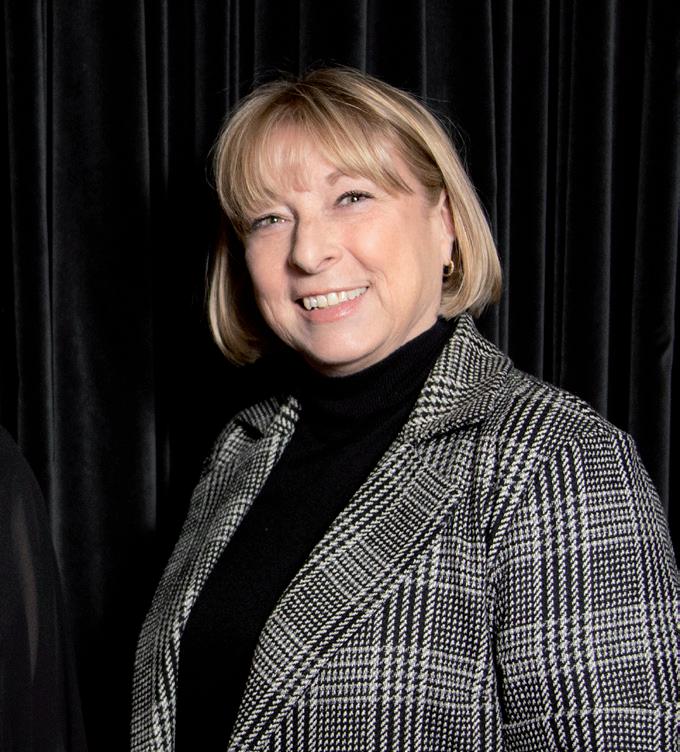
Tania Walters Aged Plus Magazine Publisher
The current state of New Zealand’s aged care sector in April 2026 feels less like a managed transition and more like a system hitting a wall. While we have long been warned of an aging tsunami, the reality on the ground suggests the wave has already crashed, leaving a stark divide between those who can afford to keep the doors open and those who cannot.
The financial landscape of the sector has become increasingly paradoxical. On one hand, major providers like Bupa have recently reported a 52 percent jump in operating profit, largely fueled by property revaluations.
On the other, nearly 56 percent of the country’s care centres are reportedly operating at a net loss. This suggests the current funding model is no longer fit for purpose, particularly for the smaller and charitable providers that make up nearly half the sector. When facilities lose upwards of $10 per bed per day, the inevitable result is the closure of beds. This is a terrifying prospect given that we are already staring down a projected shortfall of 12,000 beds by 2032.
This isn't just a balance sheet problem; it is a human one. The recent Care in Crisis report offers a sobering look at what happens when the workforce is stretched to a breaking point. It is a haunting indictment of our priorities when 43 percent of care workers admit they no longer have the time to take residents to the toilet. When 96 percent of staff report being understaffed, the very definition of care begins to erode, shifting from a mission of dignity to one of mere survival.
The government’s response, centered on the Ministerial Advisory Group established this past January, finally acknowledges that the old piecemeal approach is broken. However, there is a legitimate question of whether the timeline matches the urgency of the situation.
With the group currently weighing controversial cost-sharing options, such as unsubsidised fees for those with higher assets, the final recommendations aren't due until mid-2026, with implementation slated for 2027. For the families on the West Coast currently facing 219-day wait times, or those in the South Island navigating the newly rolled-out restorative home care model, help may arrive far too late.
Ultimately, we have to decide if aged care is a core pillar of our health system or merely a byproduct of the retirement property market. As New Zealand enters this hyper-ageing phase, the conversation needs to move past temporary funding freezes and toward a fundamental commitment to what we owe our elders. Dignity in one's final years should be a guarantee, not a luxury dictated by a facility's location or its corporate parentage.
PUBLISHER: Tania Walters
GENERAL MANAGER: Kieran Mitchell
EDITOR-IN-CHIEF: Caitlan Mitchell
EDITORIAL ASSOCIATES: Sam Francks, Jenelle Sequeira
ADVERTISING SALES: Caroline Boe
GRAPHIC DESIGNER: Raymund Santos Retail 6, Heards Bldg, 2 Ruskin St, Parnell, Auckland New Zealand P: +64 3040142 Email: edit@reviewmags.com

“Careerforce assessments are practical and relevant to our workplace. This positively affects the learner, their workplace and the residents.”
When training is embedded in the workplace, capability grows without disrupting care delivery. Staff learn and apply skills in real time, aligned to your systems, standards, and residents’ needs. The result is faster competency, more consistent practice, and a workforce that performs with confidence - all while maintaining staffing levels and quality of care. Talk to us about how we can help upskill your team.

10
Lifelong learner, Marchie Rose Morillo-Pagtanac’s journey is a powerful example of growth, resilience, and giving back.
Beginning with a Level 2 Health and Wellbeing programme, she has progressed through a Dementia Limited Credit Programme, and completed an Apprenticeship in Diversional Therapy.
The Infrastructure Commission has declared that health investment is New Zealand’s number one infrastructure priority, driven by our ageing population.
Luxury senior living developments have reshaped how New Zealanders plan later life as demand grows for lifestyle-led communities with builtin care and security.
At Metlifecare, quality care is not only about how it delivers care today, but how it has continuously looked ahead, innovating, expanding its skills and knowledge, and contributing to new initiatives that improve care for the future.
Taking part in the development of a new national initiative called the Deterioration Early Warning System (DEWS) is a great example of that.
Personalised healthcare in aged care refers to tailoring clinical care, daily support and wellbeing services around the specific needs of each resident.


20 13 14 16


20 The Power of Solar Solar panels have been installed across five of Bupa's villages across the country, elevating its renewable energy footprint and commitment.
22 Connection from the Heart
This leader at Bruce McLaren Village puts Ryman’s ‘Good enough for Mum and Dad’ ethos into practice by building connection, trust and personalised, dignified care for every resident.
24 Carer to Manager
From student nurse to Village Manager, Ruben Kumar’s journey at Ryman reflects years of dedication, growth, and a passion for caring for others.
26 Investing in Education
As New Zealand shifts into an unprecedented era where declining cognitive ability will affect one in every four Kiwis, there is a strong need for dementia education within the community.
28 Tone Deaf Testing Gap
Older New Zealanders in residential care have inadequate access to vision and hearing tests, according to new research conducted by the University of Otago.
30 A Touch of Nature
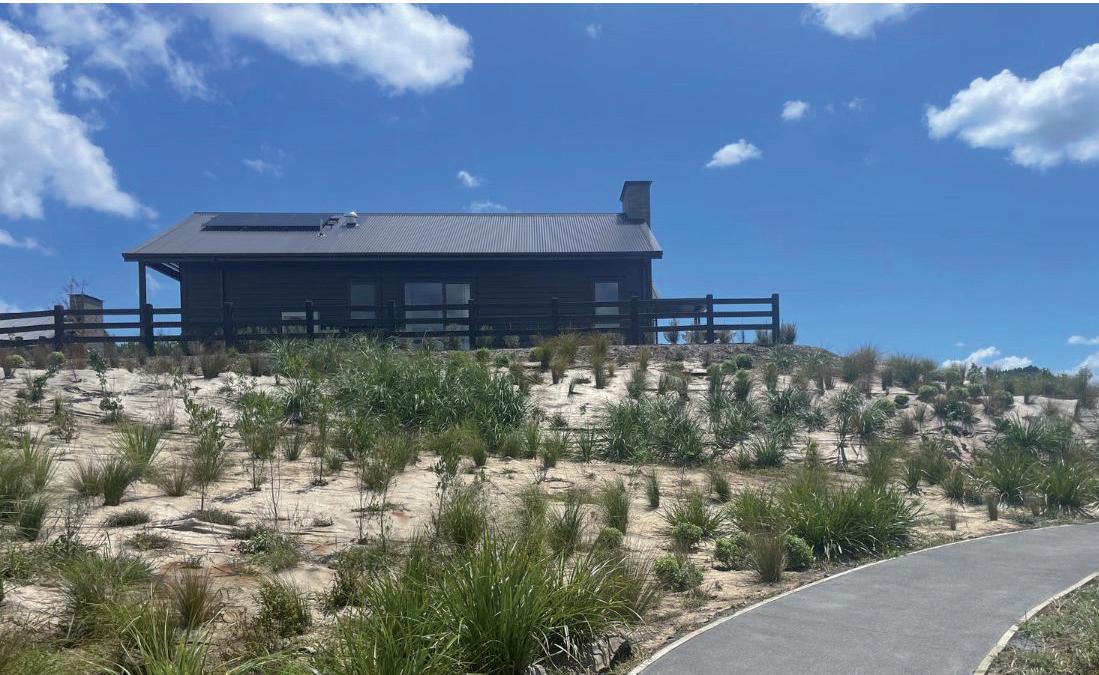
When residents at Ōtau Ridge take a stroll around their recently-opened native walking track and pass the Wairoa River, they’re surrounded by more than just beautiful landscaping; they’re immersed in a carefully designed, sustainable ecosystem.

Pharmac's NZD 1.69 billion medicines budget has funded 66 new medicines in what has been a record year, yet gaps still drive health insurance purchases.
New Zealand’s medicine-buying agency Pharmac managed a NZD 1.69 billion budget in 2024/25 and funded 66 new medicines, 33 for cancer and 33 for other conditions, in the largest investment programme in its history, according to a comprehensive new guide published by personal finance research website MoneyHub.

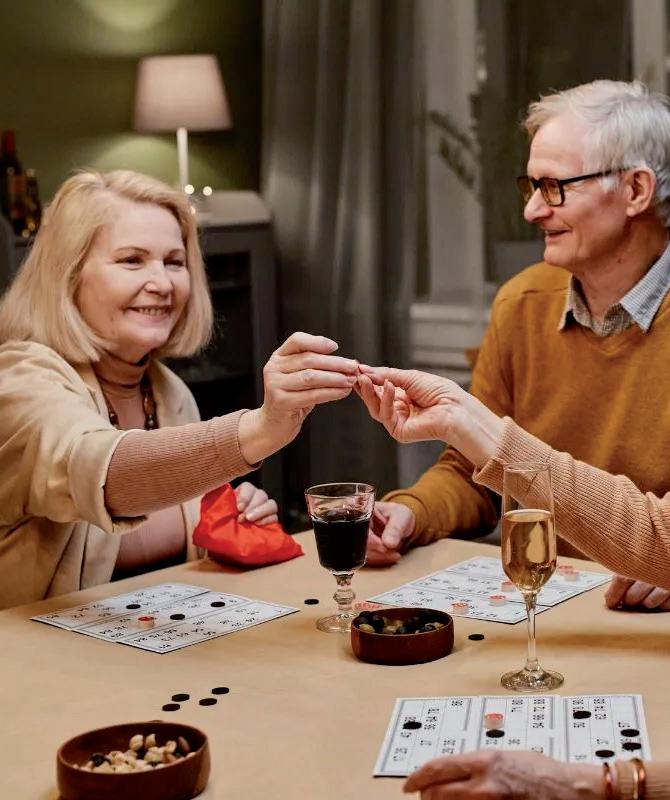
Luxury senior living developments are reshaping how New Zealanders plan later life as demand grows for lifestyle led communities with built-in care and security.
Scott Lester, Executive Director of Senior Trust Retirement Village Income Generator Limited, which provides secured lending to the senior living sector, said the shift reflects changing expectations about retirement.








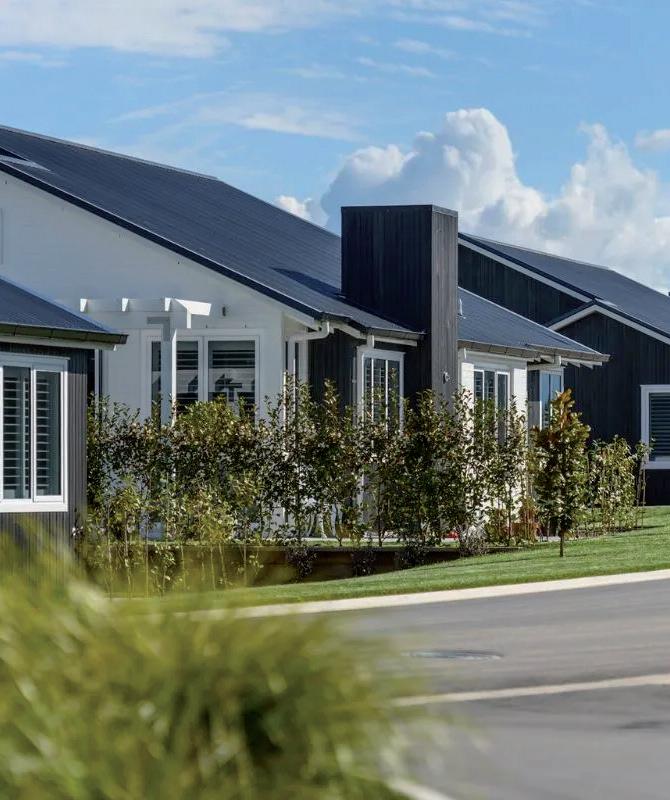
Classic has announced plans for a new lifestyle retirement village to first tranche of development at Tauriko West.
As earthworks on the Riverside Tauriko community development go past a significant milestone, Classic Developments (part of the Classic Group) has announced the inclusion of a new 200-unit lifestyle village that will help meet the ever-growing demand for quality retirement living in the Western Bay of Plenty.


Summerset Retirement Villages will be the only company in New Zealand to have an exclusive Building Consenting Authority with FarSightNZ.
Summerset Retirement Villages celebrates the registration of Farsight NZ LP as a private Building Consenting Authority (BCA) as a significant step forward for the delivery of future retirement village developments.
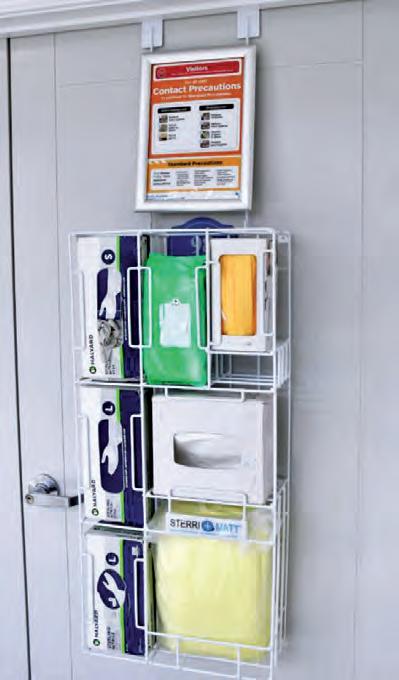
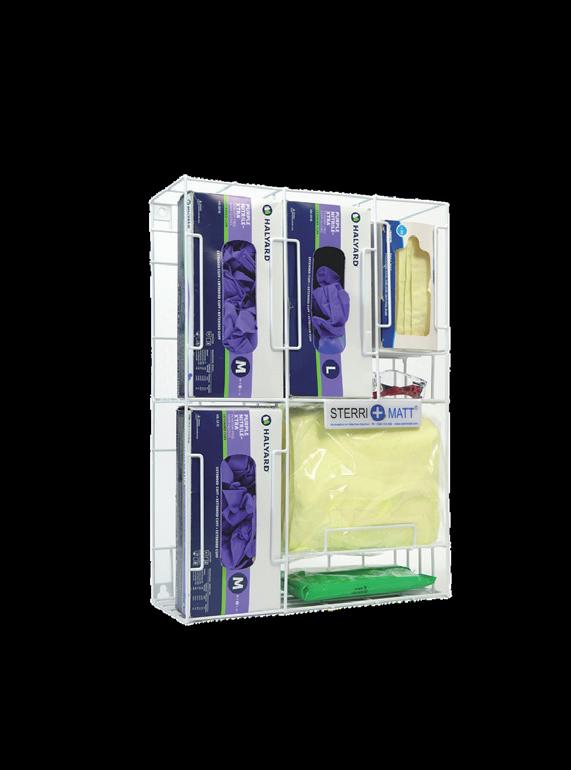
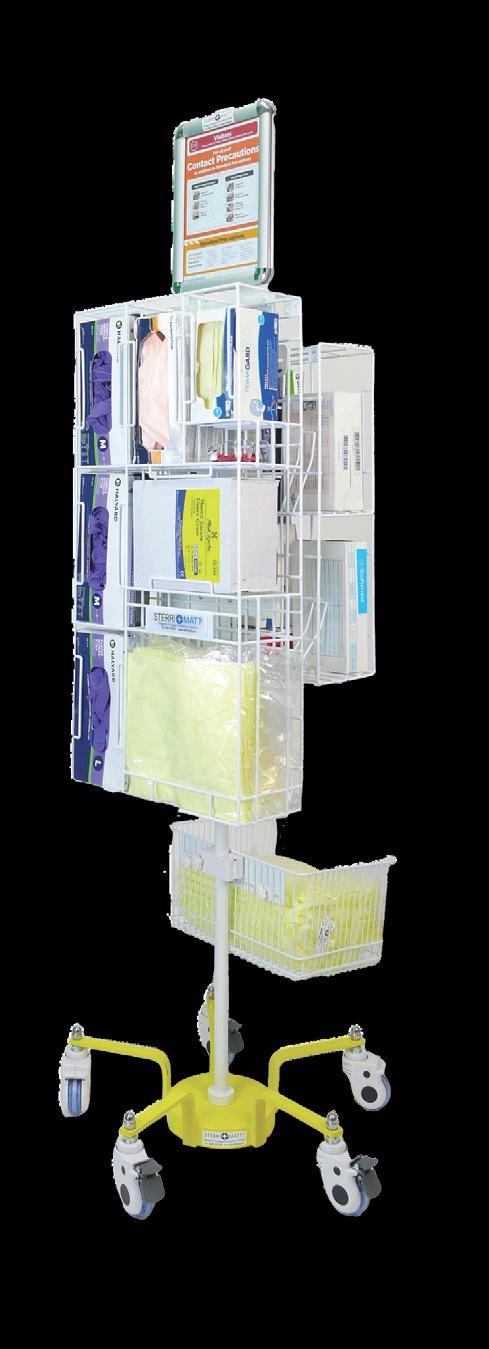
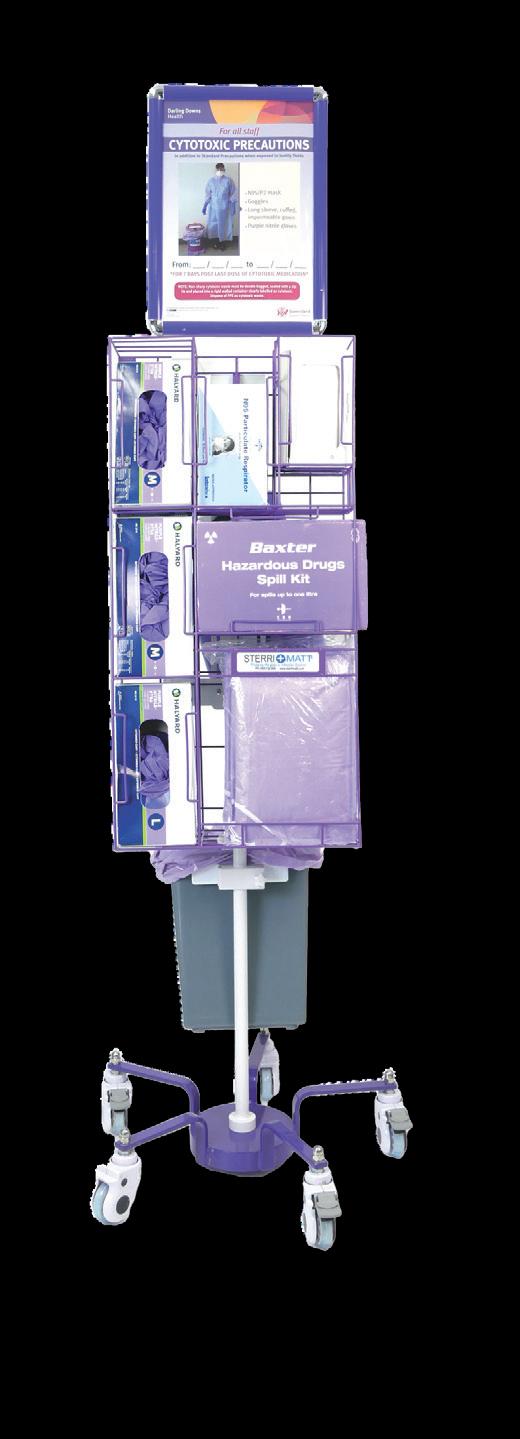
Sterri-Matt® PPE Stations & Dispensers are the ultimate IPC solution with over a 100 versatile combinations to enhance your infection control programs
also offer a wide range of Quad Glove
www.sterrimatt.com




Lifelong learner, Marchie Rose Morillo-Pagtanac’s journey is a powerful example of growth, resilience, and giving back. Beginning with a Level 2 Health and Wellbeing programme, she has progressed through a Dementia Limited Credit Programme, and completed an Apprenticeship in Diversional Therapy.
And now the learner has become the assessor. Having recently completed her Assessor training through work-based learning provider Careerforce, Marchie is now shaping the next generation of health and wellbeing professionals as a registered workplace assessor.
Currently, Marchie holds dual leadership roles as Facility Manager and Clinical Manager at Lexis Care, a provider of hospital, rest home, and psychogeriatric services in Auckland. She stepped into the Clinical Manager role in 2022 and, just twelve months ago, took on the additional responsibility of Facility Manager. Her role is complex and demanding, combining clinical excellence with operational oversight.
she worked as a Health Care Assistant at Lexis Care (then known as Anne Maree Gardens). Driven to grow, she completed her Diversional Therapy qualification and, as a registered nurse in the Philippines, went on to secure New Zealand nursing registration. This opened the door to valuable experience at Auckland City Hospital before she returned to Lexis Care in a leadership capacity. Following the sale of Anne Maree Gardens to new owners, her responsibilities expanded further, cementing her position as a trusted leader within the organisation.
What fuels her every day is a deep commitment to the people she serves.
“I’m passionate about caring for the elderly and some of the most vulnerable members of our community,” she said.
Marchie Rose Morillo-Pagtanac Facility & Clinical Manager Lexis Care

“Clinically, I’m responsible for providing safe, effective, and evidence-based care while maintaining professional standards,” she explained.
“That includes leading registered nurses and healthcare assistants, ensuring appropriate supervision, delegation, competence, and compliance with best practice. Operationally, I make sure services run efficiently, documentation is accurate, and regulatory requirements are met. This integrated approach supports both high-quality care and strong organisational performance.”
“I’m passionate about caring for the elderly and some of the most vulnerable members of our community.”
Marchie’s professional journey in New Zealand began on a student visa, where she studied Diploma in Health Services Management Level 7. Later,
“Supporting their dignity, wellbeing, and quality of life, and knowing my work positively impacts residents and their families keeps me motivated to lead with compassion and integrity.”
“Being an assessor is about so much more than marking assessments, it’s about guidance, feedback, cultural responsiveness, and truly supporting learners.”
Her decision to become an assessor was entirely self-driven. At the time, Lexis Care had no qualified assessor in their team, limiting staff access to structured work-based training and development. Seeing this gap, Marchie stepped forward.
“I wanted to be able to properly mentor, assess, and support our staff, and to make sure assessments were fair, consistent, and evidence-based,” she said.
Completing the qualification

through Careerforce broadened her perspective and strengthened her confidence. “Being an assessor is about so much more than marking assessments, it’s about guidance, feedback, cultural responsiveness, and truly supporting learners.”
Careerforce’s flexible, online, selfdirected learning model worked perfectly for her. She also credits the strong support she received along the way in her training to become a registered assessor.
“Each learner is assigned a Careerforce advisor, and Korelli (Mulitalo) was amazing. He really excelled in how he trained us as future assessors and made sure we were
continuously supported, even after the workshop day.”
For Marchie, lifelong learning isn’t just a philosophy, it’s a way of life.
Now, Marchie is putting her new qualification straight into action. She is currently assessing staff across Dementia LCP and Levels 2, 3, and 4, with nine staff members actively training through Careerforce under her guidance.
“We’ll be supporting them with workshops and rewards to keep them motivated and progressing,” she said..
And she’s not stopping there. Always thinking ahead, Marchie has already taken her next step.
“I’m currently completing
postgraduate studies at the University of Auckland.”
For Marchie, lifelong learning isn’t just a philosophy, it’s a way of life.
For more information about Careerforce work-based learning programmes and becoming an assessor, please visit www.careerforce.org.nz.

The Infrastructure Commission has declared that health investment is New Zealand’s number one infrastructure priority, driven by our ageing population. They are right.
But if we continue to define “health infrastructure” as hospitals alone, we will failfiscally, clinically and morally. Hospitals are essential. But they are not the whole system. And aged residential care is not optional. It is the bridge between hospital and home. Right now, that bridge is cracking and it is New Zealand families and seniors who are taking the weight.
A day in a public hospital medical ward costs approximately NZD 1,800. A day of hospital-level care in aged residential care is funded at around NZD 372.
But NZD 372 does not cover the true cost of delivering care. To ensure providers at least break even - let alone reinvest in buildings, equipment and workforce - the rate would need to be closer to NZD 600 per day.

Even at NZD 600, aged residential care remains roughly two-thirds cheaper than a hospital bed.
Yet we routinely keep older New Zealanders in acute hospital beds because there is nowhere appropriate for them to go. North Shore Hospital recently created a 20-bed ward for patients who were medically discharged but had no lower-level care option available.
That is not a clinical failure. It is an infrastructure failure. And it is costing us dearly.
By 2043, projections show that nine out of ten hospital beds could be occupied by someone aged 65plus. The average 80-year-old uses ten times more hospital bed days per year than the average 45-year-old. In the next 15 years, the 65+ population will grow by 44 percent, and the 85+ population will double.
This is not a distant challenge. It is a structural shift already underway.
Yet 89 percent of aged care facilities are more than 20 years old. Standard beds are closing. Psychogeriatric beds have disappeared from entire regions. Wairoa has had no residential care since Cyclone Gabrielle. Reefton has been without aged residential care since April 2024.
We are shrinking capacity in the very part of the system designed to relieve hospital pressure.
An efficient health system for older people is straightforward. A person becomes acutely unwell and is stabilised in hospital. They move into residential care to recover and receive specialist geriatric support. Once stable, they transition home with appropriate community supports.
Without that middle step, discharge cannot happen safely and hospitals become gridlocked.

Aged residential care is not in competition with home care or hospitals. It is the bridge between them. When that bridge is weak, the entire system stalls.
We have a member ready to restore aged residential care to Wairoa. They have the workforce, the expertise and community backing. They are a charity that reinvests every margin back into services and buildings. What they do not have is capital.
Under the current funding model, there is insufficient return on capital to make borrowing viable. Banks will not lend into a sector that cannot demonstrate sustainable margins. If a targeted infrastructure grant fund existed, that provider would apply tomorrow.
Instead, older people must leave their community. Families travel long distances. Hospitals hold patients longer than clinically necessary. This is not inevitable. It is a policy choice.
We recently applied to the Infrastructure Priorities Programme seeking consideration of an Aged Residential Care Infrastructure Grant Fund, modelled on Australia’s capital assistance programme.
Our proposal did not proceed beyond triage. We were told it did not demonstrate sufficient alternative options and did not meet national cost thresholds. Technically, that may satisfy process. Strategically, it misses the point.
Aged residential care is not a niche service. It is core health infrastructure.
It determines whether hospitals function. It determines whether the Government can achieve its target of reducing 200,000 hospital bed nights. It determines whether we pay NZD 600 a day or NZD 1,800 a day.
That is nationally important.
Australia understood this. Following its Royal Commission into Aged Care, it established a capital assistance programme worth nearly a billion dollars over four years, with ongoing funding thereafter - including targeted streams for urgent regional gaps.
We are not calling for a Royal Commission. We are calling for urgency.
A NZD 150 million aged residential care infrastructure fund over four years - with an additional targeted regional stream - is modest compared to hospital expansion costs. It is prudent compared to the cost of system inefficiency. And it is essential if we are serious about keeping older New Zealanders close to their communities.
Very expensive hospitals are the crisis response. Aged residential care is the stabilisation platform.
It is where older New Zealanders recover with dignity. It is where hospital beds are freed. It is where families regain breathing room. Without it, the system jams.
We can continue to pour capital into acute capacity and wonder why pressure never eases or we can strengthen the bridge that allows flow from hospital to home.
The demographic wave is not coming. It is already here. The question is no longer whether we need to act.
It is whether we will act before the strain becomes a crisis that forces us to.
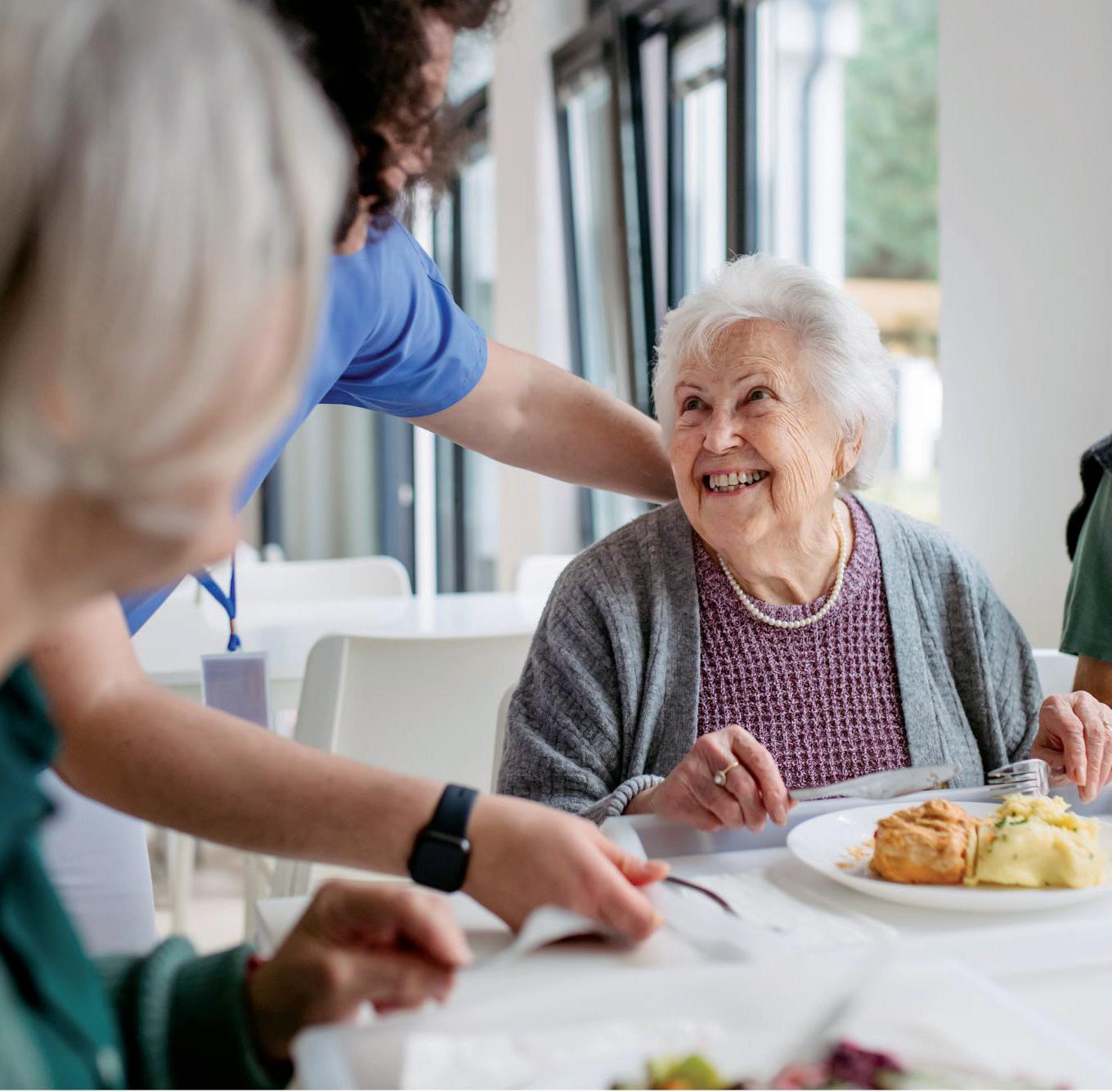
Luxury senior living developments have reshaped how New Zealanders plan later life as demand grows for lifestyleled communities with built-in care and security.
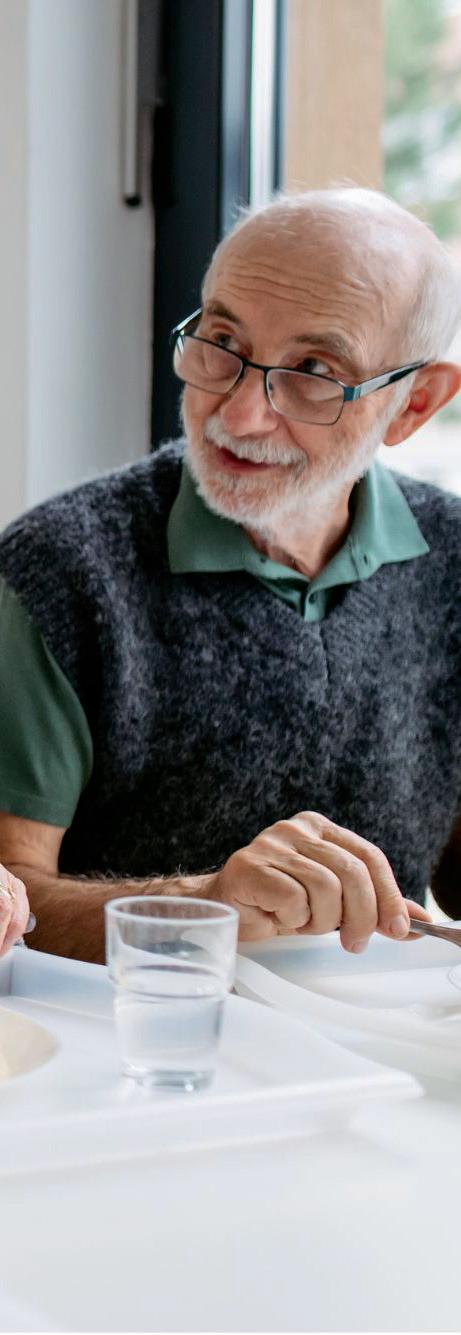
Scott Lester, Executive Director of Senior Trust Retirement Village Income Generator Limited, which provides secured lending to the senior living sector, said the shift reflects changing expectations about retirement.
“Retirement is no longer viewed as withdrawal from life,” Lester said.
“People want security and support, but they also want access to facilities, services and community.”
Senior Trust Retirement Village Income Generator finances operators developing senior living communities
Retirement is no longer viewed as withdrawal from life. People want security and support, but they also want access to facilities, services and community.
across New Zealand. Lester added that funding plays a role in enabling new village supply at a time when demographic demand is increasing.
Financial markets and demographic trends are influencing how village operators design and fund new projects.
“New Zealand’s population is ageing, and that creates pressure on housing and care infrastructure,” he said.
“Secured lending into established operators helps fund developments that meet that need.”
Premium senior living villages embed lifestyle amenities within the community. These can include apartments with balconies, shared dining facilities, fitness spaces, libraries, cinemas, art studios and landscaped grounds.
Security systems, emergency call services and maintenance support are often included, allowing residents to adopt what is commonly described as a lock-and-leave lifestyle.
“The attraction is convenience,” Lester said.
“Residents can access services and activities on site rather than travelling and paying separately for them.”
He added that the appeal also lies in predictable support structures as residents age, particularly in villages that offer a continuum of care.
While marketing often focuses on resort-style amenities, Lester said the underlying value proposition remains practical.
“Security, community and access to
care are the core drivers. Amenities support quality of life, but the foundation is stability.”
A clear pattern is that the most common forms of activity are accessible and repeatable. In New Zealand, Sport NZ reporting showed walking as a leading activity, alongside swimming, cycling and jogging or running. Australia’s participation data told a similar story, with walking as the top activity and gym or weight training also ranking high among adults.
Recent AusPlay reporting likewise listed walking, fitness or gym, bush walking, running or jogging and swimming among the most popular activities for Australians.
This matters for retirement living because these activities translate into demand for practical infrastructure: safe walking routes, nearby parks and beaches, pools, small gyms, and spaces that can host classes. It also supports the case for programming that is light-touch but consistent, such as guided walking groups, aqua classes, mobility and strength sessions, and balance-focused formats.
At the lifestyle end of the market, newer hobby lists also leaned towards “active, social, and learnable” activities. One recent senior living example included tai chi, golf, kayaking, paddleboarding, swimming, and yoga. The direction aligned with what is appearing in New Zealand marketing and amenity sets, including gyms, pools and wellness spaces.

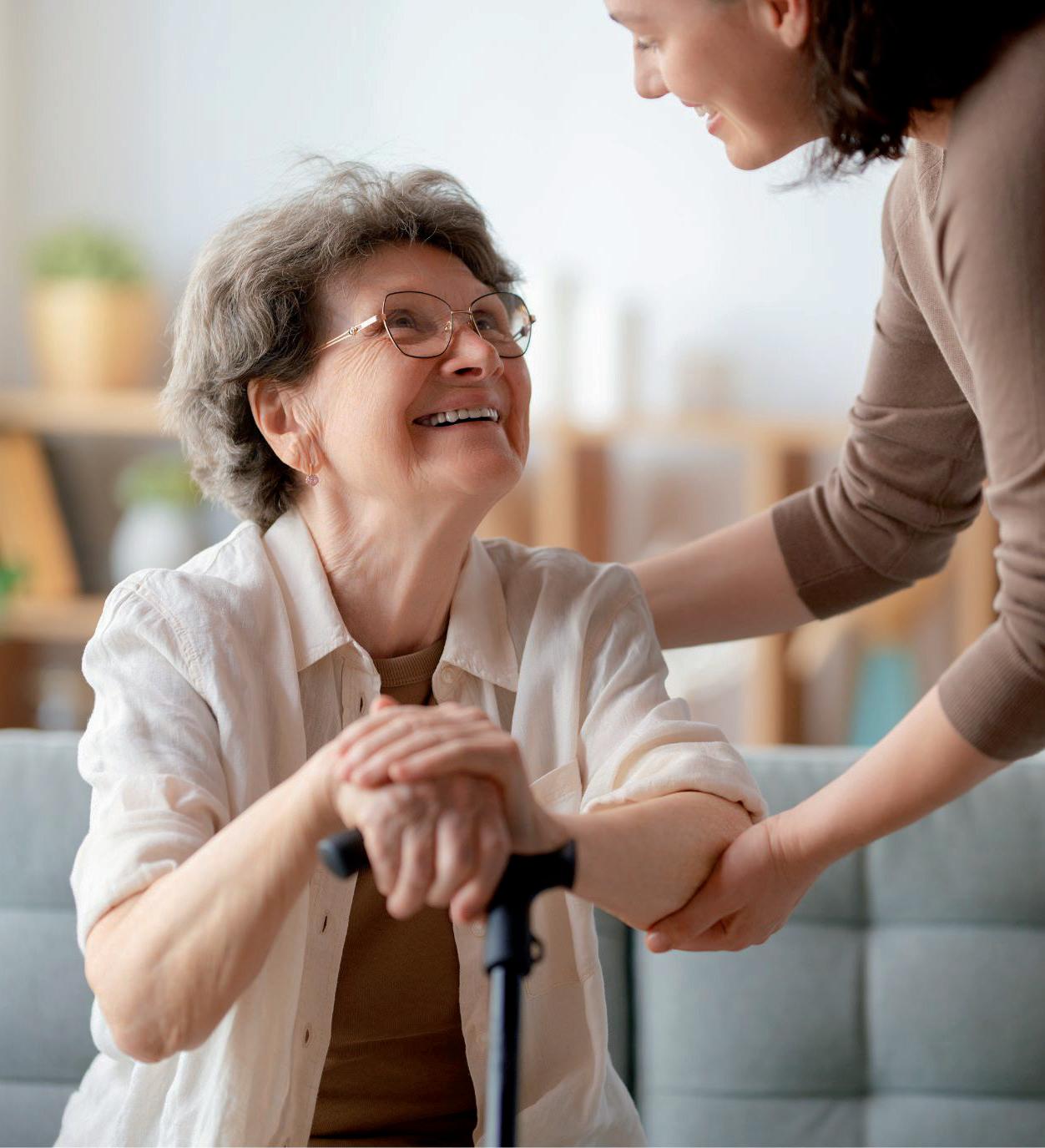
At Metlifecare, quality care is not only about how it delivers care today, but how it has continuously looked ahead, innovating, expanding its skills and knowledge, and contributing to new initiatives that improve care for the future. Taking part in the development of a new national initiative called the Deterioration Early Warning System (DEWS) is a great example of that.
Equivalents of DEWS have been used in public hospitals in New Zealand for many years to help clinicians detect early signs that someone may be becoming unwell and prevent further deterioration by triggering alerts.
Now, thanks to two years of research and real-life trials, it’s being adapted specifically for aged residential care, and Metlifecare has proudly been part of the journey from the very beginning.
Parkside Village was one of seven care homes nationwide that volunteered to be part of the original research trial. Care team members worked closely with researchers to test a new, more holistic approach that looks beyond vital signs alone. Alongside physical indicators, DEWS also allows carers to capture subtle ‘soft signs’, such as a resident seeming to be more tired than usual, eating less, or an instinctive sense by the carer that something just isn’t quite right.
“Often it’s not one dramatic change, sometimes it’s a feeling that a resident isn’t their usual character,” said Parkside Nurse

Manager, Joseph Ramos, who was actively involved in the trial.
“DEWS gives our teams the confidence to trust those early instincts and a clear pathway to act before a resident becomes unwell.”
In practice, the system works in two simple steps. During each shift, caregivers record any soft signs in a short checklist. If anything raises concerns, a Registered Nurse is alerted and, using the tool and their clinical judgement, decides the best next step, whether that’s ongoing monitoring, calling the GP or Nurse Practitioner or hospital treatment, while also keeping the family informed. The system can also be tailored for residents with stable longterm conditions, so it avoids unnecessary alarms.
The trial results were encouraging, with research showing fewer hospital transfers and more timely primary healthcare support delivered into the care home setting – where residents are most comfortable.
Feedback from those care homes taking part in the trial has ensured that DEWS will be practical and easy for care teams to use.
“What really stood out for me was how DEWS strengthened the way we already work together,” Joseph added.
“It gave our team an enhanced framework, helping us all notice any resident behaviour changes earlier so we can respond quickly and appropriately.”
“This project has been incredibly meaningful for me. DEWS has been shaped through genuine industry codesign. With close collaboration between providers, we’ve created a digital tool that’s practical, clinically sound and designed with our care teams in mind. It’s been a privilege to be part of something that will make a real difference,” said Lucia Zidich, a Regional Clinical Manager, who has been involved in the trial from the beginning.
The Health Quality and Safety Commission has endorsed DEWS for deployment in the aged residential care environment and is planning a national rollout in 2026. Metlifecare is fully engaged in this process and is excited to bring this to life across the country over the next 12 months and embed DEWS to support its clinicians.
Personalised healthcare in aged care refers to tailoring clinical care, daily support and wellbeing services around the specific needs of each resident. In practical terms, this means using data, monitoring tools and targeted interventions to improve health outcomes, reduce risk events such as falls or pressure injuries and support independence for longer.
For aged care operators, personalised care is becoming central to quality standards, occupancy performance and regulatory confidence. As resident acuity increases and staffing models remain under pressure, providers are investing in solutions that help teams identify deterioration earlier and make faster clinical decisions. This includes digital care planning platforms, early warning systems, medication management tools and sensor-based monitoring technologies.
For suppliers to the aged care and retirement sector, the shift towards personalised healthcare is reshaping procurement expectations. Operators are no longer focused solely on product compliance or upfront cost. They are prioritising measurable outcomes such as reduced hospital transfers, improved medication safety, lower falls incidence and stronger resident satisfaction scores. Suppliers who can clearly demonstrate how their solutions contribute to these outcomes are more likely to secure long-term contracts.
Technologies driving personalised care in aged residential settings
Globally, several innovation categories are gaining traction in residential aged care. Falls prevention technology is a major focus. This includes wearable devices that track movement patterns, room sensors that detect changes in mobility and predictive analytics tools that assess individual risk profiles. These systems enable providers to tailor supervision levels, physiotherapy programmes and environmental adjustments based on real-time insights. Pressure injury prevention is another fast-evolving area. Continuous monitoring solutions that track pressure distribution or detect early tissue stress are being positioned as proactive care tools rather than reactive treatment products. For suppliers, this creates opportunities to move from commodity equipment supply towards data-enabled prevention strategies that support clinical documentation and quality reporting.
Medication management technology is also expanding.
Electronic medication administration records, automated dispensing cabinets and integrated pharmacy platforms are helping reduce errors and improve workflow efficiency. Providers are increasingly looking for suppliers who can offer implementation support, staff training and system integration alongside the core product.
Resident wellbeing technology is becoming part of the personalised healthcare landscape as well. Companion devices, cognitive engagement platforms and resident communication apps are being introduced to support daily routines, reduce social isolation and improve family visibility of care. In retirement village settings, digital tools that enhance the resident experience before higher-acuity care is required are gaining strategic importance.
Commercial implications for aged care suppliers
Personalised healthcare is changing how aged care operators evaluate value. Procurement teams are asking more detailed questions about interoperability, scalability and evidence of outcome improvement. Suppliers need to present clear use cases, quantified benefits and alignment with workforce realities. Solutions that reduce staff time, simplify reporting requirements or support safer care delivery are particularly relevant.
Service models are evolving alongside technology adoption. Providers expect suppliers to act as partners in change, offering onboarding support, data interpretation and continuous optimisation rather than one-off product delivery. Subscription-based technology models, outcomelinked pricing and integrated service bundles are becoming more common.
The direction of travel is clear. Personalised healthcare in aged care is moving from pilot projects to operational expectation. Suppliers that invest in innovation, integration capability and outcome measurement will be better positioned to support major retirement and aged care providers as they adapt to a more data-driven, residentcentred future.


Solar panels have been installed across five of Bupa's villages across the country, elevating its renewable energy footprint and commitment.
This solar farm gives us a stable, renewable and long-term energy source to help power our villages across New Zealand. It reduces our emissions, supports the national grid, and helps us manage energy costs at a time when energy supply and costs are volatile.
Bupa New Zealand has boosted its renewable energy footprint with the installation of more than 1,100 solar panels at five Villages and Care Homes across the North Island, reducing emissions and strengthening energy resilience across its operations.
The installations at Merrivale and Totara Gardens (Northland), Tararu (Thames), St Kilda (Cambridge) and Riverstone (Palmerston North) will deliver a combined capacity of 566 kW of solar electricity and generate around 750,000 kWh per year, enough to power approximately 100 New Zealand households for an entire year.
This significantly reduces reliance on grid electricity while supporting more sustainable care and retirement village environments for Bupa’s residents.
The solar rollout complements Bupa New Zealand’s procurement of 100 percent renewable electricity and forms part of a broader programme to increase on-site renewable generation across villages and care homes.
The installations are projected to deliver annual energy cost savings of approximately NZD 112,000, reinforcing the commercial benefits of on-site renewable generation. Managing Director Pedro Sanchez said the investment reflects both responsibility and rising expectations of Bupa’s customers.
“This is a practical step to further lower our emissions, build resilience into our sites, and respond to what our residents and communities expect from us. With solar panels being installed on another five sites this year, we expect to surpass 1,000 kW of solar power capacity by the end of 2026,” he said.
NuGreen, which worked with Bupa
to deliver the installations, said the projects demonstrate how healthcare providers can take meaningful action on sustainability.
“The aged care and retirement living sector is increasingly looking for practical pathways to decarbonisation,” said Mark Mathieson at NuGreen.
“This installation demonstrates how distributed solar can play a meaningful role in reducing emissions while strengthening energy resilience across essential services.”
The Ryman Healthcare Solar Farm officially went live in December, making Ryman the first retirement operator in New Zealand to secure a dedicated commercial-scale renewable energy source for its villages.
Located in Maungatūroto, the solar farm generates around 32GWh of renewable electricity each year, with 100 percent of its output contracted for Ryman via the national grid.
The energy generated is equivalent to powering about 4,000 homes annually and will remove approximately 3,200 tonnes of emissions each year.
Ryman’s Chief Operating Officer, Marsha Cadman, said the milestone reflected the organisation’s continued progress towards its science-based emission reduction targets.
“We’re thrilled to see the solar farm up and running. This solar farm gives us a stable, renewable and long-term energy source to help power our villages across New Zealand.
It reduces our emissions, supports the national grid, and helps us manage energy costs at a time when energy supply and costs are volatile.”
The NZD 35 million project has been
enabled through a sleeved power purchase agreement with Mercury, which will ensure a reliable supply to villages by supplementing solar output when generation is low.
Electricity usage across Ryman’s New Zealand villages was approximately 53GWh in FY25, meaning the solar farm could supply around 66 percent of near-term future needs.
Cadman said residents increasingly expected providers to take meaningful action on climate change.
“Our residents want to know we’re doing our part for the future. This partnership is leadership in action, moving beyond rooftop panels to a purpose-built solar farm that delivers renewable energy at scale.”
The farm was born out of a joint venture between Tupu Tonu, Harbour Infrastructure and Purpose Capital. The three parties have come together under a limited partnership called Maungatūroto Solar Farm Project Limited Partnership.
A spokesperson for the Partnership said Ryman’s commitment was crucial to the project proceeding.
“We are delighted to see the Ryman Healthcare Solar Farm come to life. This partnership shows what’s possible when organisations commit to long-term renewable energy solutions.”
Cadman acknowledged the support of local landowners, hapū Te Uri O Hau Settlement Trust, engineering partners and the Maungatūroto community.
“This solar farm is the culmination of hapū, communities, landowners and industry working together towards one goal. We’re proud to be powering our villages, and the national grid with cleaner, more resilient energy.”
This leader at Bruce McLaren Village puts Ryman’s ‘Good enough for Mum and Dad’ ethos into practice by building connection, trust and personalised, dignified care for every resident.
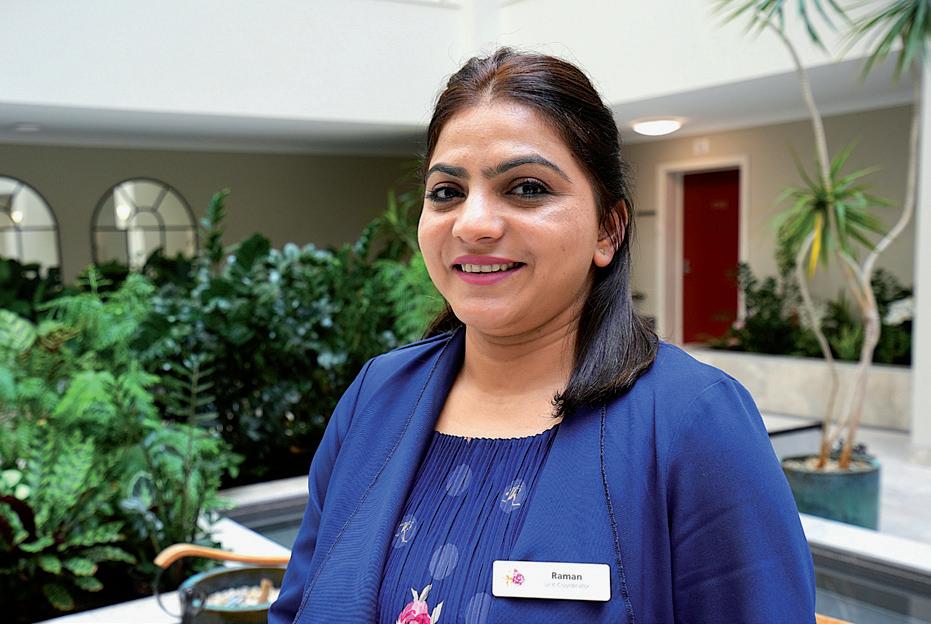
Raman Kaur Special Care Unit Coordinator Bruce McLaren Village
At Ryman Healthcare, person-centred care isn’t just a policy, it’s a long-held belief that everything we do should be ‘good enough for Mum and Dad’.
That idea still shapes how residents are cared for across Ryman villages today. At Bruce McLaren Village, Special Care Unit Coordinator Raman Kaur brings that philosophy to life through genuine connection, empathy, and a deep respect for each individual.
Raman began her Ryman career seven years ago as a caregiver, completing her registered nurse training in 2020 before being promoted to Unit Coordinator. It didn’t take long for her to realise that truly
good care starts with understanding the whole person.
As leader of the Special Care Unit, Kaur’s known for shaping routines around residents’ preferences, rather than asking residents to slot into the routine of the unit. If someone feels like sleeping in, playing the piano to entertain others or prefers their lunch a little later, Raman’s team simply makes it happen.
To her, these aren’t small gestures; they’re essential to making sure residents feel seen, valued, and respected.
“We all work together for one goal: providing person-centred care,” Kaur said. This flexible, personalised approach reflects Ryman’s wider commitment to tailored care planning.
Every resident has a care plan built around their own needs, habits, and preferences, right down to how they like their tea.
In dementia care, these plans are developed through detailed assessments and reviewed every six months to keep them accurate and meaningful. Supporting residents living with dementia is something Raman feels especially passionate about.
Kaur believes that all behaviour communicates something important.
“Distressed behaviour is always an expression of unmet needs,” Kaur explains. Her approach aligns closely with Ryman’s myRyman Life model,

which was shaped with insights from people living with dementia, their families, and experts to help staff understand each resident’s identity and life story. Raman keeps in close contact with families, gathering the details that help maintain each person’s sense of self.
“Good communication with a resident’s loved ones helps us understand the person and preserve their identity,” Kaur said.
The dementia friendly layout of Ryman villages supports this way of working too. Spaces are designed to be calm, easy to navigate, and filled with familiar cues that help with memory and orientation.
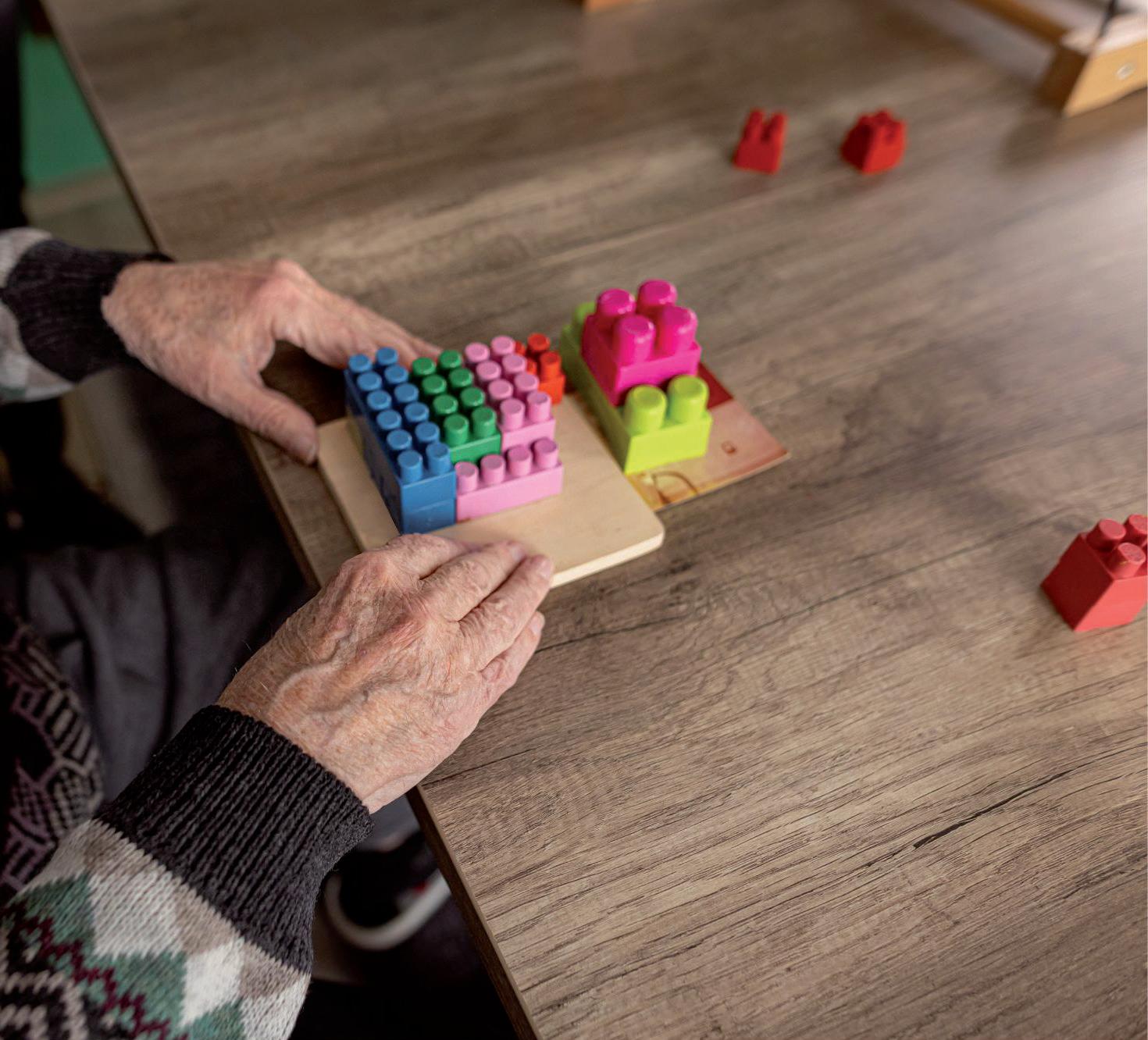
Whenever possible, residents are supported by the same caregivers each day, a relationship-based model that builds trust and provides comfort.
Her work reflects the strengths Ryman is known for: compassionate staff, innovative care systems, and a focus on community and wellbeing.
Good communication with a resident’s loved ones helps us understand the person and preserve their identity,
Raman also plays a key role in training new staff, encouraging them to bring patience, calmness, confidence, and a solid understanding of every care plan. Kaur laughs when people call her a ‘resident whisperer’, insisting that what she does is simply about slowing down, listening, and earning trust.
“Making a connection with the resident and earning their trust is the key,” she said. “Number one is person-centred care. That’s the most important.”
These qualities help explain why Ryman has achieved more four-year Ministry of Health certifications - the gold standard in aged residential care - than any other large provider in New Zealand.
At Bruce McLaren Village, Raman brings heart and humanity to every part of the care experience.
Through empathy, flexibility, and authentic connection, Kaur helps create a place where residents and their families feel supported, understood, and truly at home.
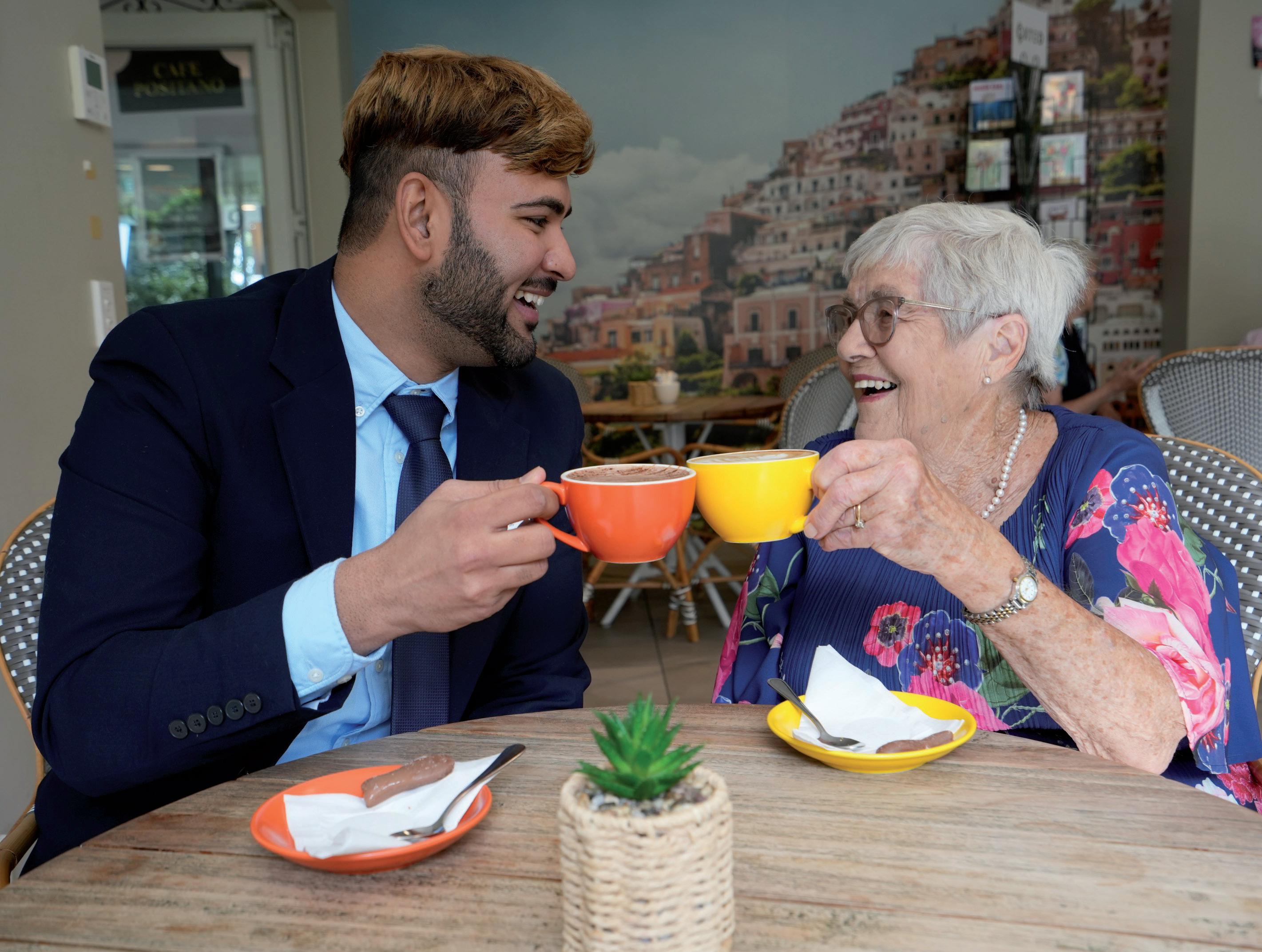
From student nurse to Village Manager, Ruben Kumar’s journey at Ryman reflects years of dedication, growth, and a passion for caring for others.
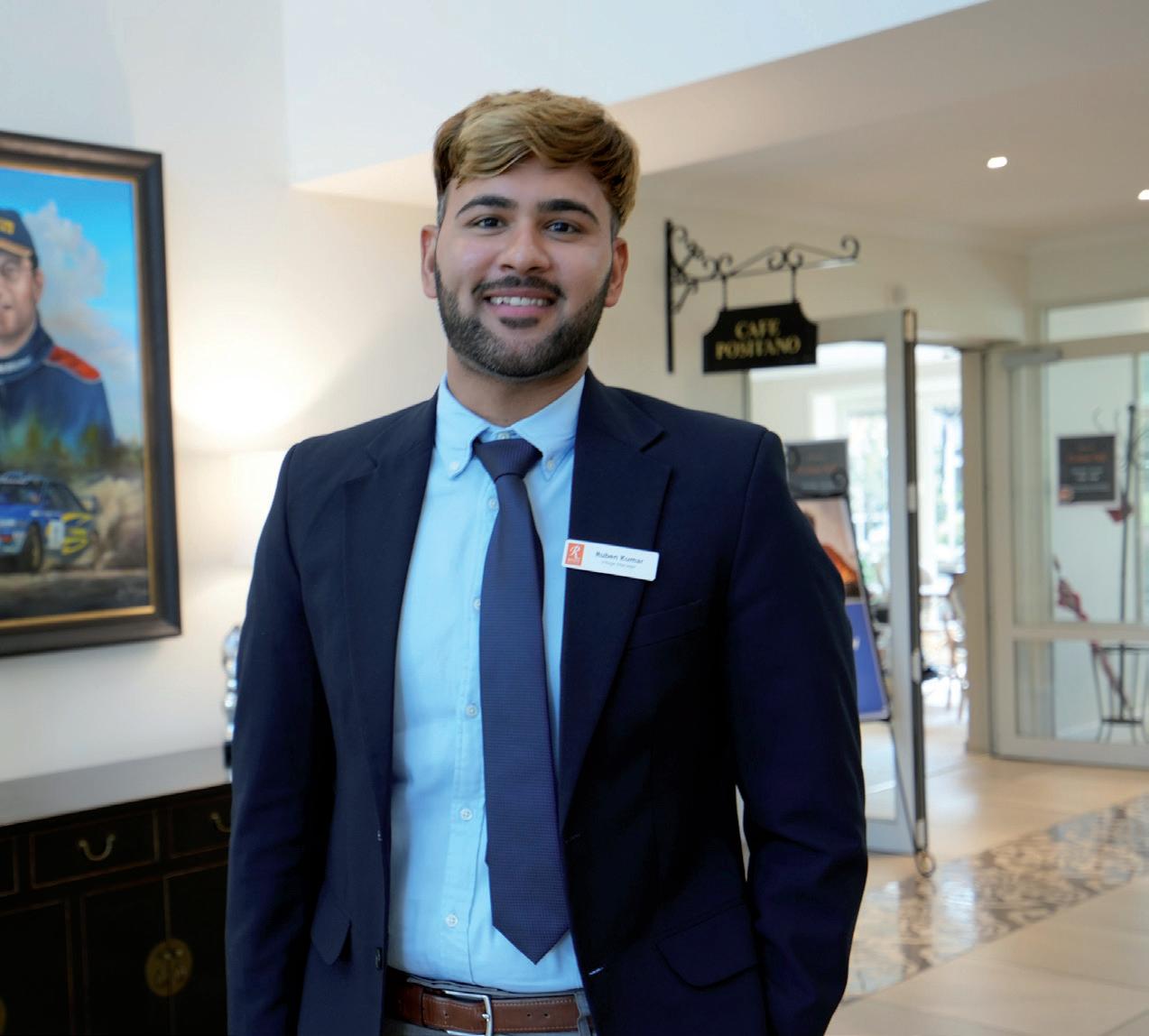
Ruben Kumar Village Manager Possum Bourne Village
oday, as Village Manager at Possum Bourne Village, Kumar leads the community with the experience gained from progressing through multiple roles across the organisation.
Born and raised in Fiji, Kumar moved to New Zealand to complete his nursing qualifications, motivated by a desire to make a meaningful difference in people’s lives.
“My first placement was in aged care at Ryman’s Malvina Major Village, getting experience in the rest home and hospital. I found it very interesting as back home there are not many care facilities as people live in their
homes and get support from family members,” Kumar said.
“Seeing how Ryman team members cared for residents really made me want to be a caregiver.”
He progressed into nursing roles before stepping into a Unit Coordinator position and going on to lead as a Resident Services Manager (RSM) across several villages. As his leadership responsibilities grew, so too did his interest in the operational side of care.
“I’ve always had an interest in village operations and with the RSM role I learned at pace,” he said.
“It made me think that I could be a
I wanted to continue with Ryman because at Ryman we never stop, we always look at ways to better care for our residents.
Village Manager. I wanted to continue with Ryman because at Ryman we never stop, we always look at ways to better care for our residents.”
In 2025, Kumar took pole position at Possum Bourne Village as Village Manager.
“The role at Possum Bourne came up and I thought ‘I’m ready’ and I am very appreciative to get this opportunity,” He said.
“I’m definitely a people person, so it’s a good fit for me.”
Kumar’s favourite thing about the role is working with his team and he believes strong leadership is about helping others grow. He empowers his leaders to make tough decisions and have honest conversations, while knowing he is there to support them when they need it.
“I am someone who likes to empower my leaders to reach their full potential. And this trickles down to everyone in the team. I always tell them we’re like swans, calm on top of the water, but underneath we’re always paddling!”
Kumar knows that he has grown immensely during his time at Ryman.
“I have become a good listener and a problem solver. Reacting in the moment is not always the best way to go forward. Having an approach that is empathetic and sympathetic is my first step.”
For Kumar, the village has become his second home, and being a Village Manager has fulfilled his goals.
"Making a difference in people’s lives is incredible. Having the residents flourishing after moving in, nothing beats that.”
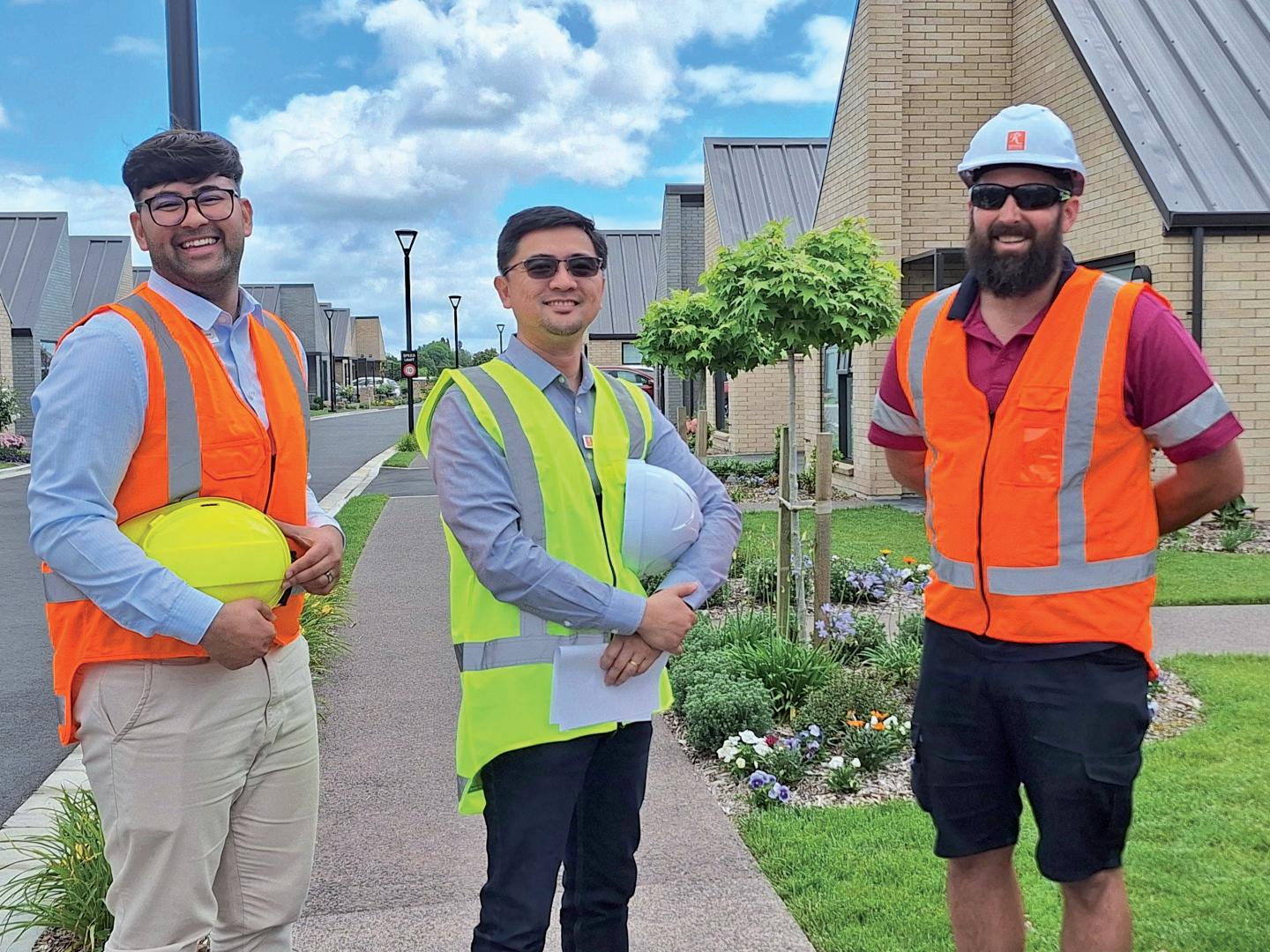
As
New Zealand shifts into an unprecedented era where declining cognitive ability will affect one in every four Kiwis, there is a strong need for dementia education within the community.
The effects of dementia can impact friends and families, as well as the dedicated staff throughout aged care providers.
Aged Care Association Chief Executive, Hon.Tracey Martin, said that dementia has long been a complex and often misunderstood condition, which can bring a sense of guilt, frustration and helplessness and manifest as misguided anger towards care facilities.
“I hear from families regularly about the emotional turmoil they face when placing a loved one in care. They question whether they’ve done the right thing, whether they should have tried harder to manage at home, or whether the care facility will be able to provide the compassionate, individualised care their loved one deserves,” said Martin.
“This guilt, while understandable, can be minimised with better education and awareness across the entire country. The more we can elevate understanding about dementia - its progression, its inevitable impact, and the role that expert care can play - the more we can ease the burden on whanau.”
Almost 90 percent of residents in care facilities in New Zealand will experience some sort of cognitive decline. Although this is statistically alarming, Martin urged the importance of noting that the majority of residents are managed well within standard care facilities without any need for secure units. She said that this has challenged
the dated idea that residents with dementia need to be locked down or separated from other residents.
Martin added that this is a valid reason why the future of dementia care in New Zealand is in need of a refreshed approach. Although she said that secure units have a place within the sector for some residents with acute needs, she argued they were not the future for everyone living with dementia. She believed in providing a more integrated and holistic environment that can be individualised to their unique needs, which will better support people battling cognitive decline.
The Aged Care Association has a vision to elevate the training and resources available to the local workforce, which will further empower them to confidently manage the complicated tasks associated with dementia care. Martin said that education will help the sector ensure that its carers not only understand the clinical responsibilities of caring for dementia, but also how to interact with empathy, understanding and patience.
“Dementia education needs to go beyond the physical tasks of care; it should encompass communication skills, emotional intelligence, and the ability to engage with residents in a way that honours their individuality and past experiences.”
Martin reiterated how vital it is to bring families and communities into the fold of dementia education.
“Whanau need to be supported with accurate information about what dementia is, how it progresses, and how they can continue to be involved in their loved one’s life while navigating the emotional challenges it brings,” she said.
“It is equally important for whanau to understand the model of care at the facility their loved ones are in, as care models can vary between providers.”
The goal of the New Zealand Aged Care Association is not just to care for those with dementia, but to transform the way dementia is approached across the sector. Martin added that by investing in education, it can be reinforced that people with cognitive decline are still part of families and the community.



Older New Zealanders in residential care have inadequate access to vision and hearing tests, according to new research conducted by the University of Otago.

Dr Francesc March de Ribot Ophthalmologist Department of Medicine
Studies have shown that hearing tests are undertaken by 31 percent of older adults living at home, and dropping to 21 percent in care facilities, whereas regular vision testing decreased from 55 percent to 32 percent among those living in care facilities.
Lead author Dr Francesc March de Ribot, an ophthalmologist from the Department of Medicine, said the research is critical because it highlights how common vision and hearing impairments are among older adults in New Zealand, and reveals significant inequities in access to care.
He said older New Zealanders should receive these examinations annually in 100 per cent of cases.
Around one in 10 older adults live with vision impairment and nearly one
in five with hearing impairment, and about seven per cent experience both.
“This is relevant because it can severely affect quality of life, communication, independence, wellbeing and cognitive function.”
The research has indicated that many older adults, particularly in aged residential care, are not receiving sufficient tests that could significantly improve daily life.
“Sensory loss has a profound impact on quality of life, increasing the risk of social isolation, depression, falls, and accelerating cognitive decline and dementia,” he said.
“Because many causes of vision and hearing impairment are preventable or treatable, increasing access to regular check-ups should be considered in healthy ageing to improve health outcomes.”
The researchers used up-to-date official data from across the country, collected between 2019 and 2020, to examine almost 50,000 hearing and vision assessments of older adults either living at home, or in aged residential care.
They found that generally, vision tests were more common than hearing tests, but that access to both tests dropped in residential care, especially in Māori and Pacific people, who had lower rates of testing compared to New Zealand Europeans.
“By quantifying these gaps, we provide evidence needed to improve early detection and quality of life for
older people. Eye checks can make a big difference as early detection of visual diseases can reduce 80 percent of vision loss.”
Older adults should make sure they are getting their vision and hearing checked regularly, Dr March de Ribot said.
“Increasing awareness may encourage older adults, families, and caregivers, to prioritise routine checks.”
Vision loss can often be managed effectively, particularly through highly successful interventions such as cataract surgery, and treatments that preserve sight in conditions like macular degeneration and glaucoma, he said.
“In many cases, access to timely ophthalmic care and simple visual aids can substantially improve functioning.”
Visual correction is generally easier and more successful to implement than hearing, explaining why hearing aid use is low despite hearing impairment being more common, he said.
For health care professionals, the results highlight the importance of proactively screening for sensory loss, especially in patients in residential care, and ensuring timely referrals for ophthalmology and audiology, he said.
“The findings also point to clear opportunities for policymakers to promote routine sensory assessments and orientate visits as soon as there is a complaint. This research provides a strong foundation to have more efficient services for the needs of older adults across New Zealand.”
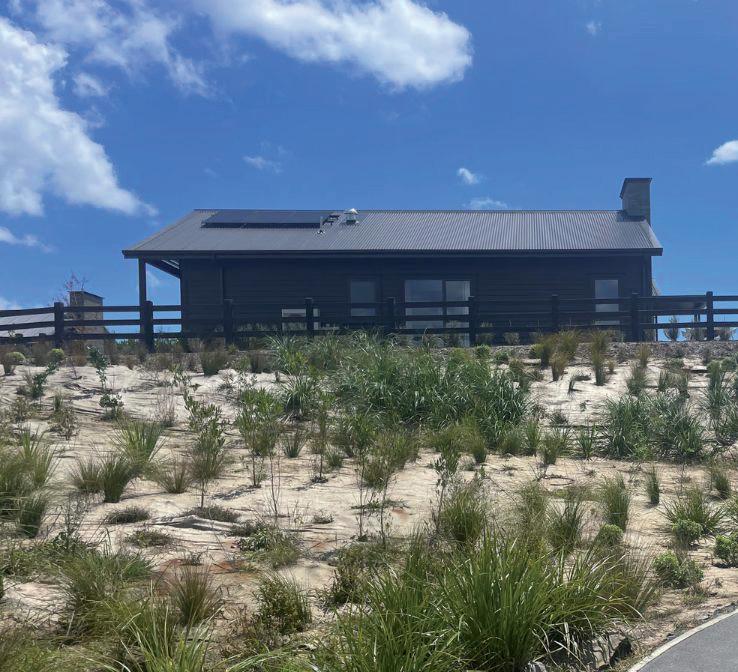
When residents at Ōtau Ridge take a stroll around their recently-opened native walking track and pass the Wairoa River, they’re surrounded by more than just beautiful landscaping; they’re immersed in a carefully designed, sustainable ecosystem.
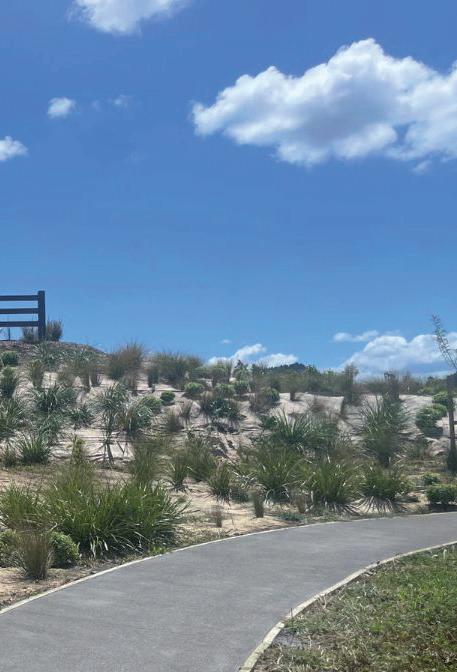
More than 26,000 trees, shrubs and plants are being established along the river terrace embankment, riverbank and natural wetland areas. Once planting is completed, all of these natives will have been eco-sourced predominantly from the Hunua Ecological Region, ensuring the landscape is not only stunning, but also resilient, lowmaintenance and water-wise.
“It’s about working with nature,
not against it,” said Metlifecare Development Manager, Cam Roberts, who oversaw the eco-sourcing programme at Ōtau Ridge.
“These plants have been growing in the area forever, so they’re right at home here. Our job was simply to give them the space to do what they do best.”
Eco-sourcing is the practice of collecting seeds from plants growing naturally in a local area and then propagating them for use nearby.
Unlike nursery-grown ‘natives’ that may come from another region, ecosourced plants are endemic to the area and genetically suited to local soils, climate and rainfall.
“At Ōtau Ridge, eco-sourced plants make a big difference to how well they establish and how resilient they are over time,” explained Roberts.
The riparian planting along the Wairoa River is a great example of eco-sourcing in action and community collaboration.
“Since purchasing the land, we’ve worked closely with local environmental group, Friends of the Wairoa, to ensure the right native species were selected for the site.”
Carefully chosen plants such as kōwhai, cabbage trees and kawakawa help stabilise riverbanks, filter stormwater, and improve the river’s overall health.
“Over time, these plantings will provide food and shelter for native birdlife, insects, and fish, helping bring the river corridor back to life,” said Roberts.
“Once fully established along the trail, native shrubs and trees create a green environment that will double as a sanctuary for kererū, tūī, and piwakawaka. For residents, this means every walk is a connection with nature and the story of restoration,” Roberts added.
By sourcing and planting locally endemic natives, Ōtau Ridge is setting a new standard for sustainable village living. The eco-sourced approach means residents enjoy lush green spaces that are also easy to care for and resilient in the face of changing climate conditions.
But perhaps most importantly, every plant tells a story: of the river being restored, of biodiversity returning, and of a community that is choosing to live in harmony with its environment.
These plants are naturally suited to local rainfall and drought cycles, meaning they thrive without extra irrigation once established. That keeps gardens lush while conserving water.
Being “at home” in the environment, eco-sourced plants are hardy and more resistant to pests and diseases. This means fewer replacements, less spraying, and landscaping that looks after itself.
Because the plants are genetically tuned to the area, they grow stronger and survive at higher rates, ensuring Otau Ridge stays green and vibrant year-round.