Prioritizing reuse
The reuse of products and packaging is a circular economy model in which products or their parts are used again for the same purpose for which they were originally made. Expectations for the increased adoption of reuse are growing, and legislation is also creating pressure toward it. Short‑lived plastic products cause environmental problems, but reusing products and packaging can help reduce them. Our current way of packaging, purchasing, using, and disposing of goods — both at home and in the workplace — is facing a major transformation if we want to put reuse first.
A systemic transition to reuse requires many kinds of changes:
• Reuse is an opportunity, not a threat. Dialogue is needed to resolve conflicts of interest.
• Impacts of reuse: Solutions based on environmental, economic, safety‑related, and social impacts must be sought through multidisciplinary and cross‑sectoral collaboration. The reuse of plastics requires knowledge and guidelines.
• Pilots and innovations: Developing take back systems and industrial‑scale reuse requires pilot projects carried out in cooperation among producers, retailers, logistics, the public and third sectors, reuse service providers, and waste management.
• The central role of citizens: Household participation must be supported through incentives, services, communication, education and reusable products and packaging.
• Incentives and regulation: Tax incentives, financial instruments, ambitious target‑setting, and data are needed to strengthen reuse. The attractiveness of new and single use products should be reduced through regulation and by influencing attitudes.
syke.fi/en | environment.fi
This publication is based on the outcomes of a transition arena process organized in 2024 within the PlastLIFE project. A transition arena is a co‑creation method in which stakeholders form a shared goal and identify the medium‑term transformation pathways and measures leading toward it. The PlastLIFE transition arena focused on reducing the use of single‑use plastic packaging and increasing the efficient use of plastic products through reuse. The transition arena was carried out with a broad group of experts in collaboration between the Finnish Environment Institute and Aalto University.
The national cooperation project PlastLIFE (2022–2029), coordinated by the Finnish Environment Institute and funded by the EU LIFE Programme, promotes the objectives of Finland’s Plastics Roadmap: reducing and avoiding unneces sary consumption of plastics, increasing plastic recycling, and replacing fossil raw materials in plastic production.
Reuse is regulated by product and waste legislation
Waste legislation contains general require ments for the reuse of products. The reuse of food packaging is regulated by food contact material legislation. The EU Packaging and Packaging Waste Regulation sets quantitative reuse targets particularly for transport, group, and beverage packaging. The EU Ecodesign Regulation will also affect the reusability of products.
► Reuse begins with product design. Between manu facturing, storage, retail, and the hospitality sector, products can be packaged in reusable packaging. Ultimately, products are passed from one user to another either directly or through various services.
Steps toward increasing the reuse of consumer packaging
Dialogue and knowledge
Strengthening the reuse of consumer packaging requires dialogue among key stakeholders about how to guide the direction of packaging reuse within the packaging sector. To support this dialogue and reduce con flicts of interest, information is needed on the environmental, economic, and social impacts of reuse. Conducting sustain ability assessments requires baseline data, methodological development, and collaboration between companies and researchers.
Policy instruments to support progress
Mainstreaming reuse will not take place without public policy support. The introduction and expan sion of incentives for the reuse of consumer packaging — such as taxation measures and bans, producer responsibility fees that steer toward reuse and recycling, and investment and research funding — should be explored. Monitoring and data collection on reuse and its volumes must be strengthened.
Consumers as part of the transition
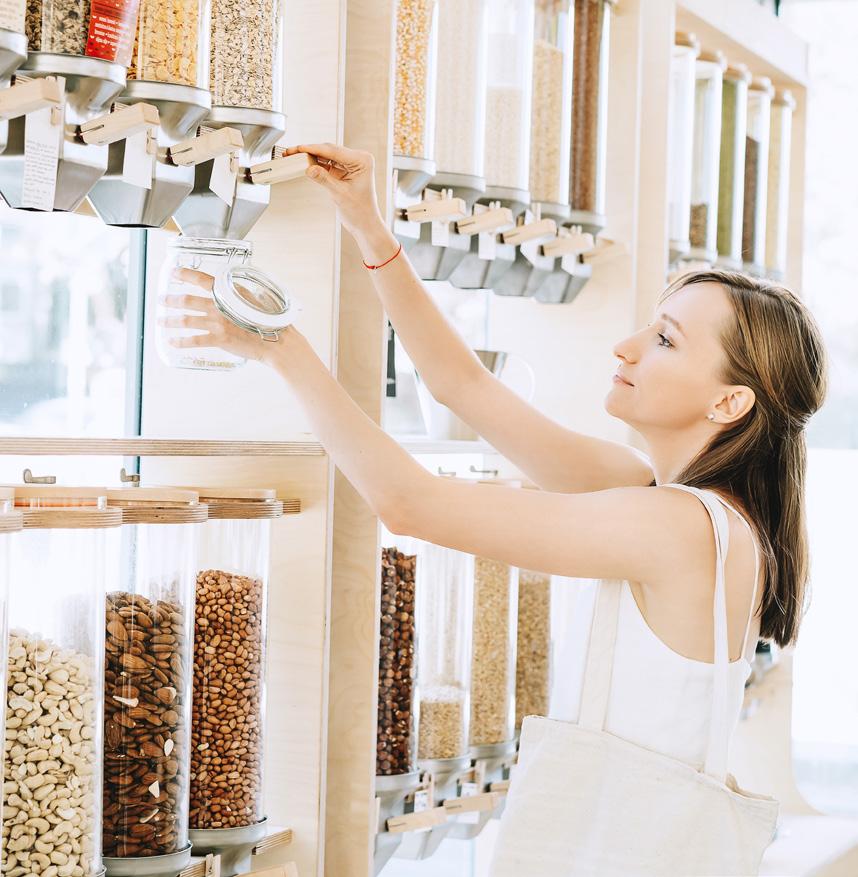
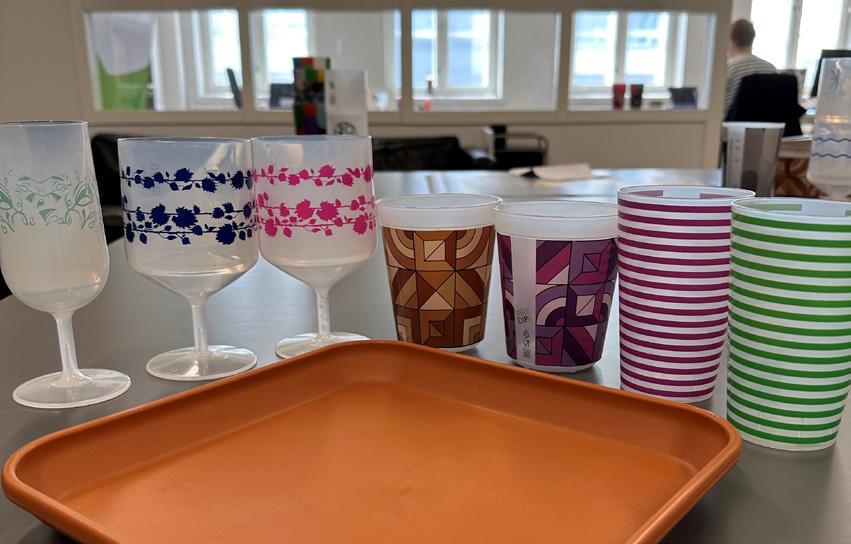
Consumers and their habits play a key role in pack aging reuse. As a first step, consumers need to be willing to try refillable packaging and new return systems. Reusing and refilling packaging must be easy and appeal ing for consumers. The transition will happen gradually, and
consumers’ learning experiences — for example when returning takeaway packaging — should be utilized in other product groups as well.
Building return and refill systems
Developing these systems requires the ability and courage to draw on operational models for which experience already exists. Digitalization, in
novative concepts, and cooperation — even among competing companies — are essential for establish ing a new system. During the transition period, the introduction of new models requires adaptation and resources from operators. Public procurement can support the strengthening of reuse systems. Safety and liability issues related to reuse must be carefully addressed and clearly guided.
Steps toward increasing the reuse of transport packaging
Engaging companies with effective incentives
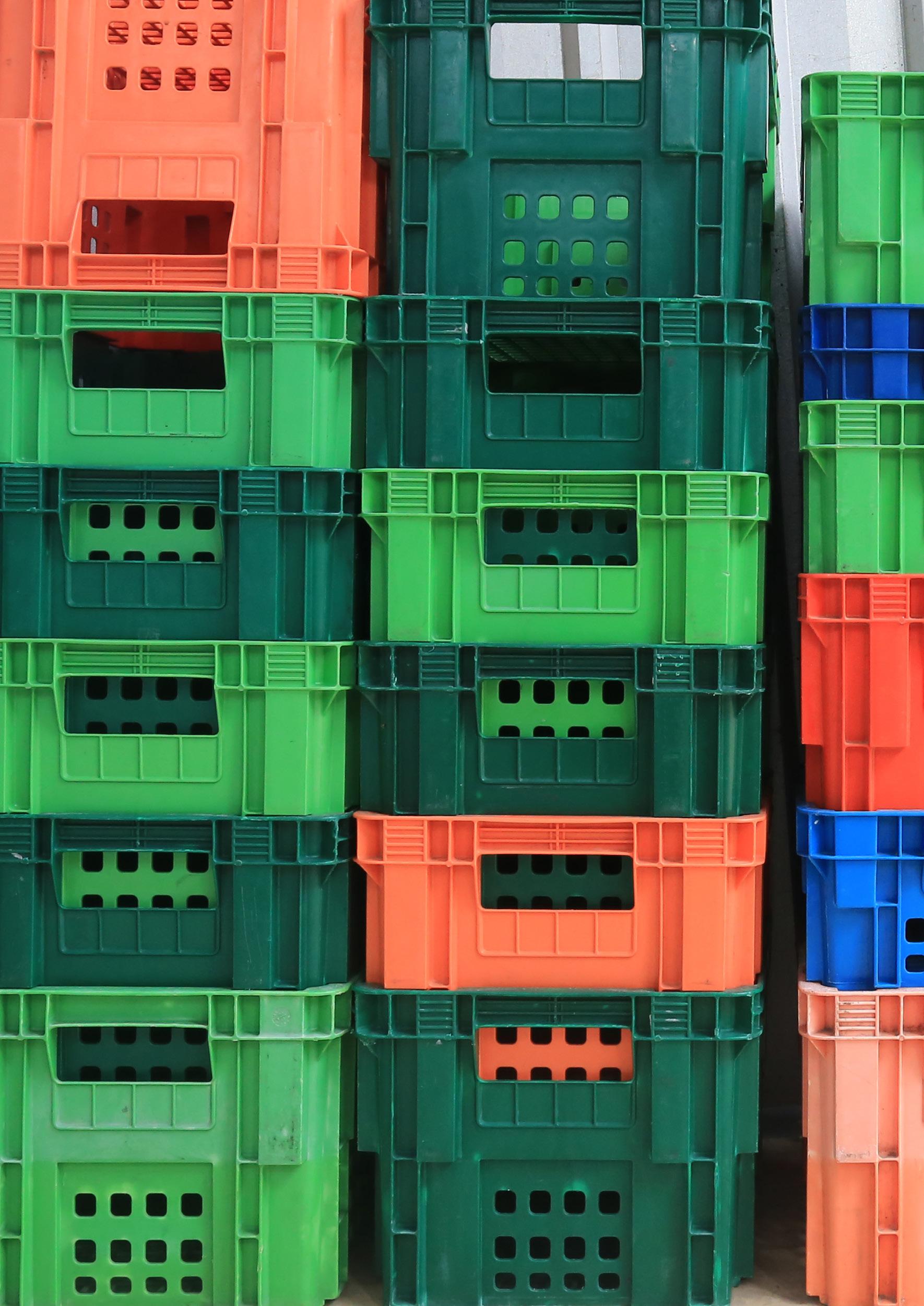
Increasing the reuse of transport packaging in business‑to‑business trade requires broad collab oration among companies, research institutes, poli cymakers, and authorities. Research data is needed on the costs of reuse, the quantities and qualities of transport packaging, and the requirements they must meet. Companies developing reuse solutions should receive regulatory support so that, for exam ple, competition rules allow co‑creation and testing of alternatives, environmentally harmful subsidies are phased out, and incentives — such as tax benefits — are introduced. Impact assessment for the circular economy and methods for calculating reuse must be developed. Procurement criteria should enable reuse options. Research, development, and innova tion activities for reuse require new types of public funding instruments that prioritize reuse and enable, for example, testing domestic alternatives.
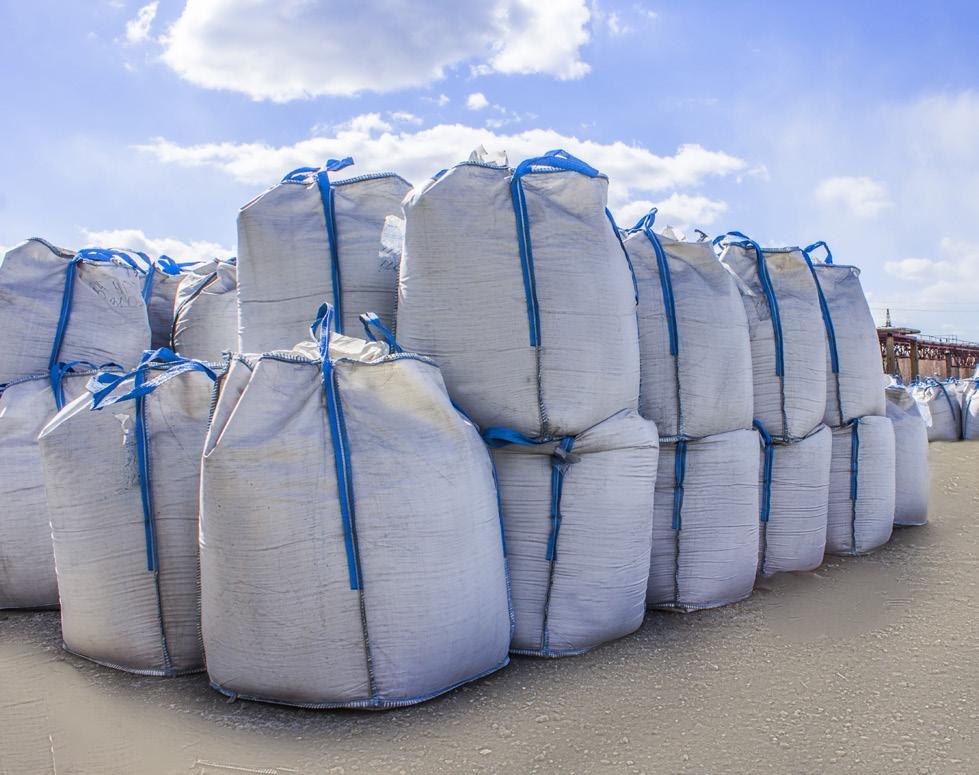
Large sacks (“big bags”) are reused internally within companies. Expanding reuse between companies would require clear labeling and traceability, as well as new washing and repair facilities.
New solutions and regulatory support
New solutions, pilots, and marketing efforts are needed for transport packaging, lo gistics, washing systems, business models, and for the end‑of‑use phase. Progress must be measured and monitored. EU‑wide standardization of trans port packaging is needed to create a unified market across the Union. Transport packaging entering the EU market should be subject to the same requirements. The Circular Economy Green Deal should be used to accelerate the transition.
Company investments are key
Companies need to invest in new transport packaging solutions as well as facilities where packaging is stored, washed, and maintained. This also presents an opportunity to develop an en tirely new network of service providers across Finland. Services from the planning and construction sectors will be needed both for building new facilities and for adapting existing buildings to new needs.
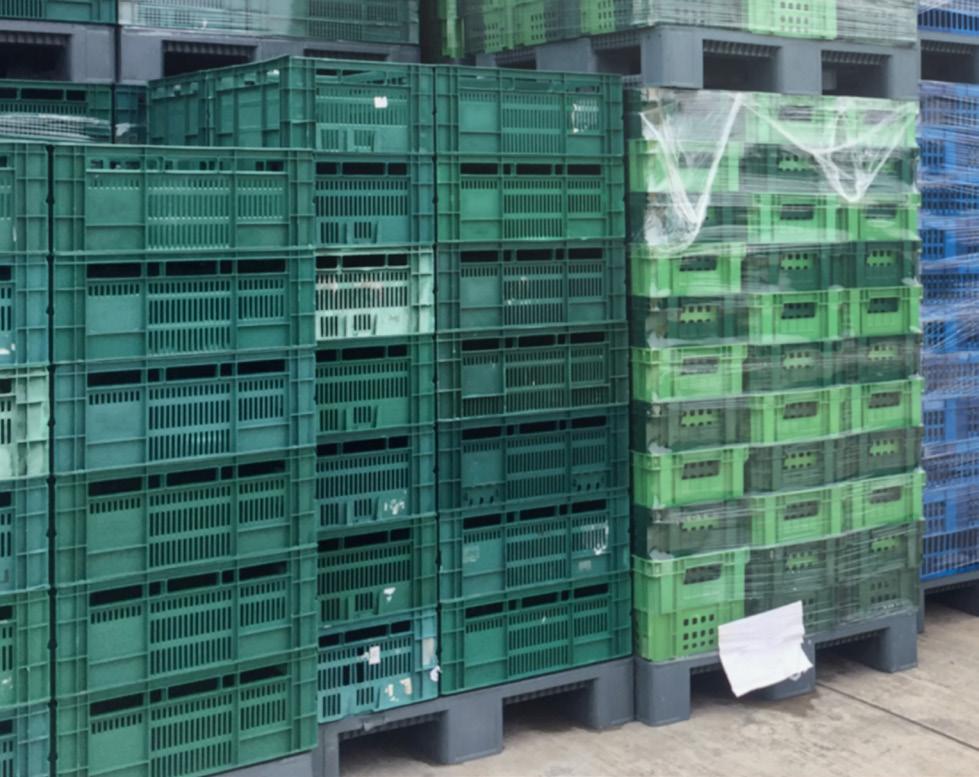
In addition to being reusable, the packaging should also be recyclable at the end of its life cycle.