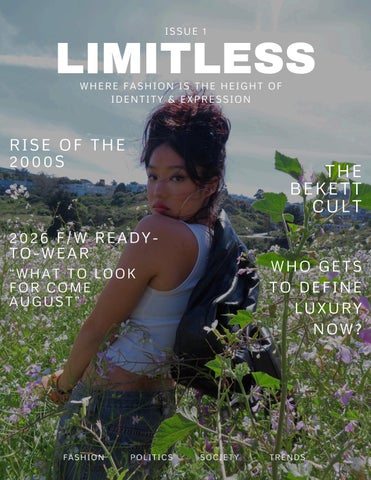
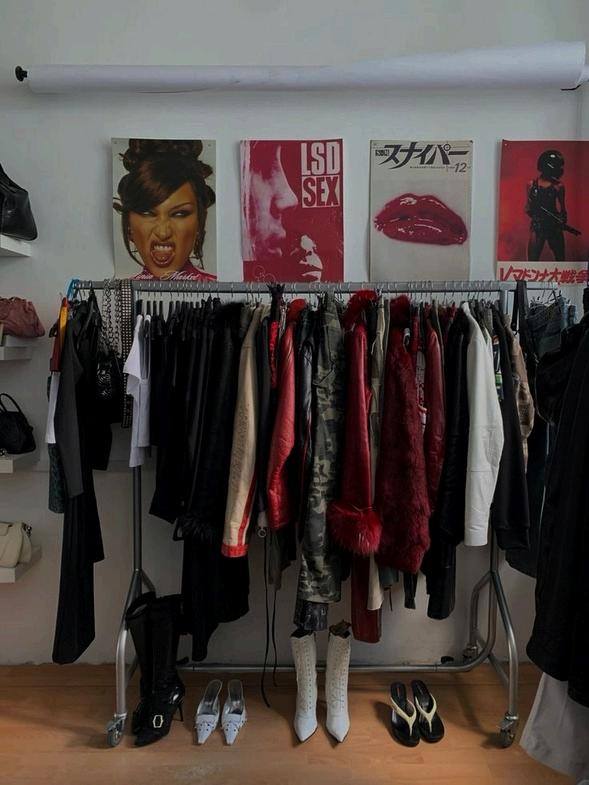
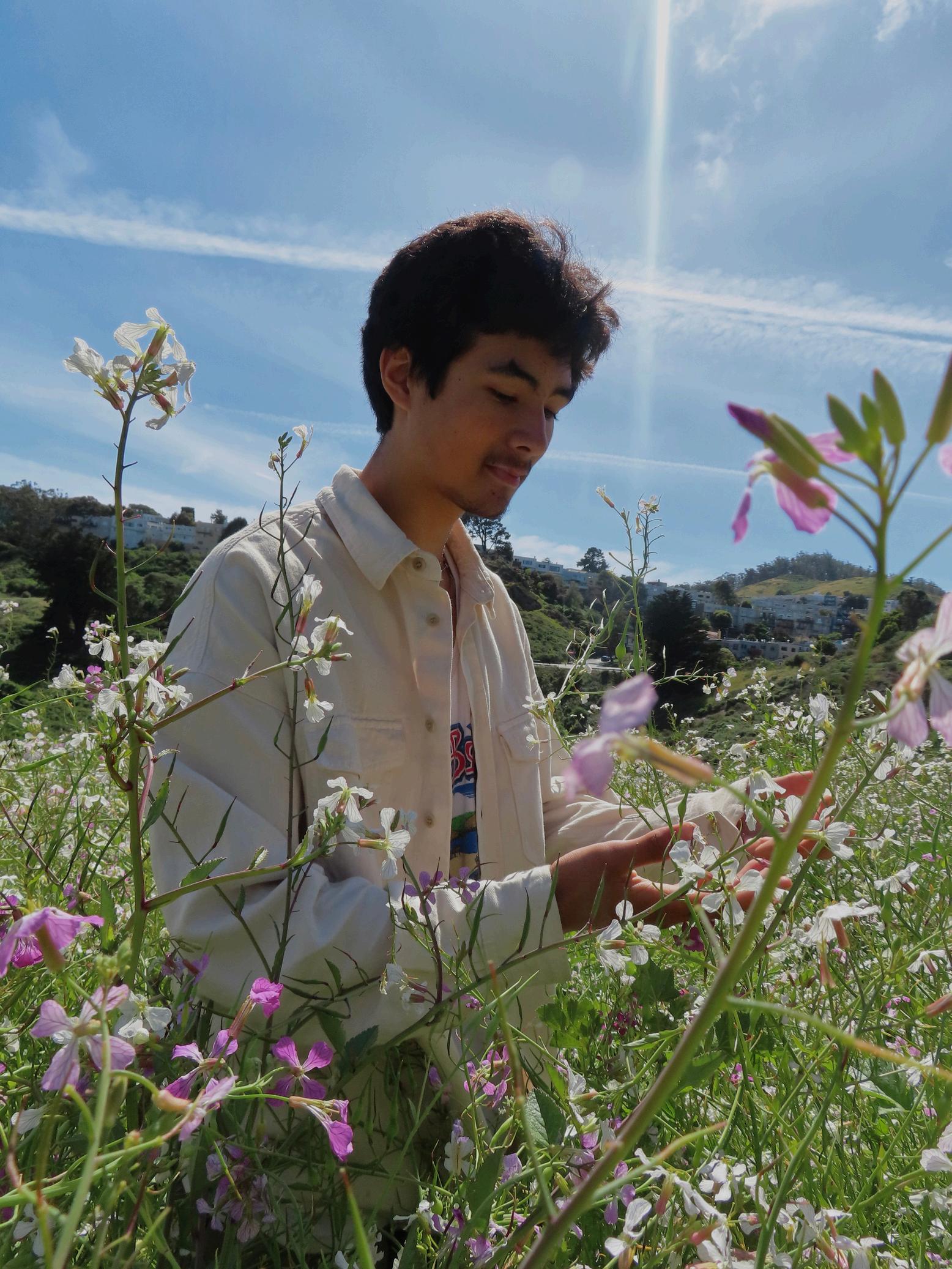
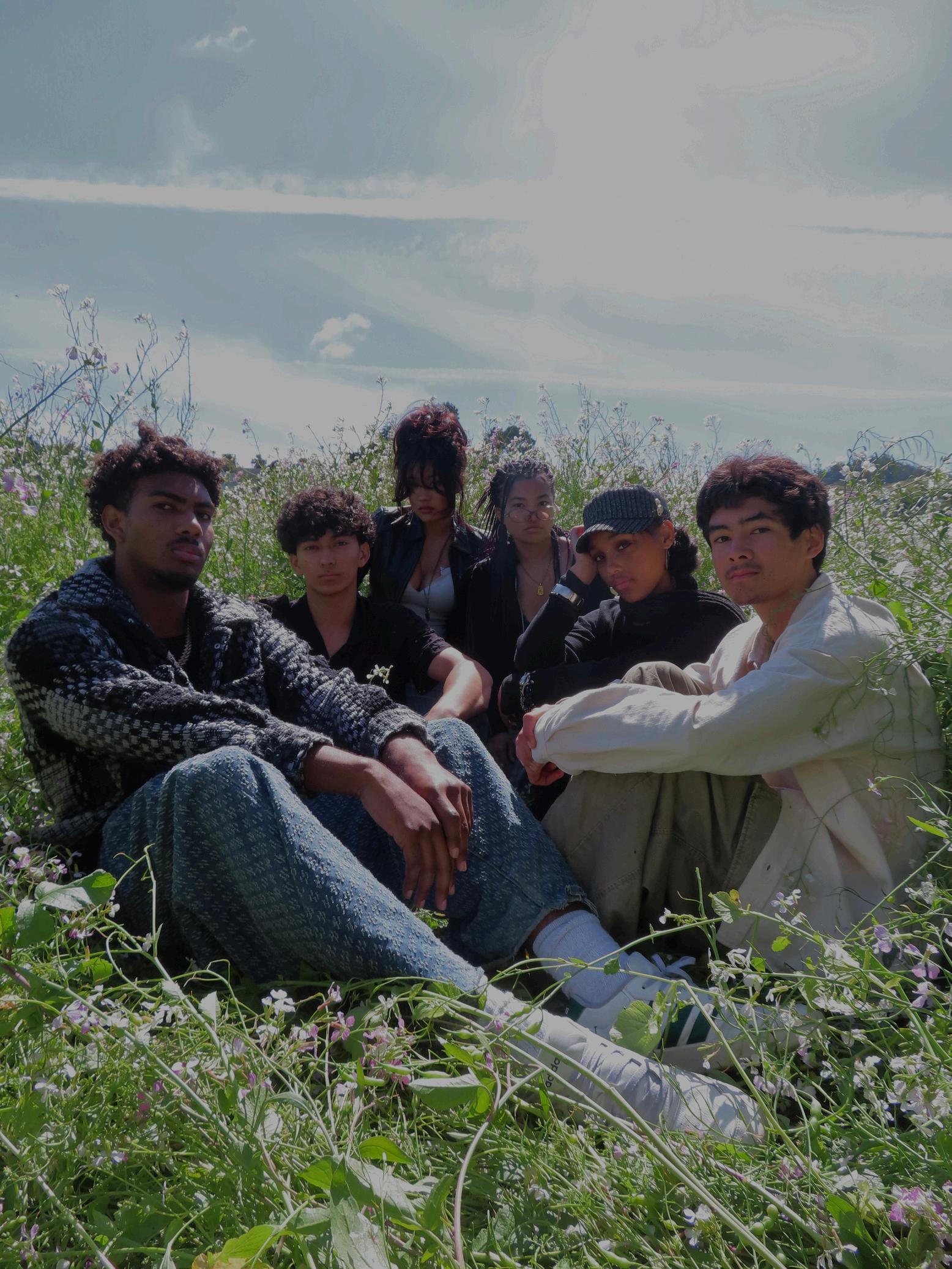
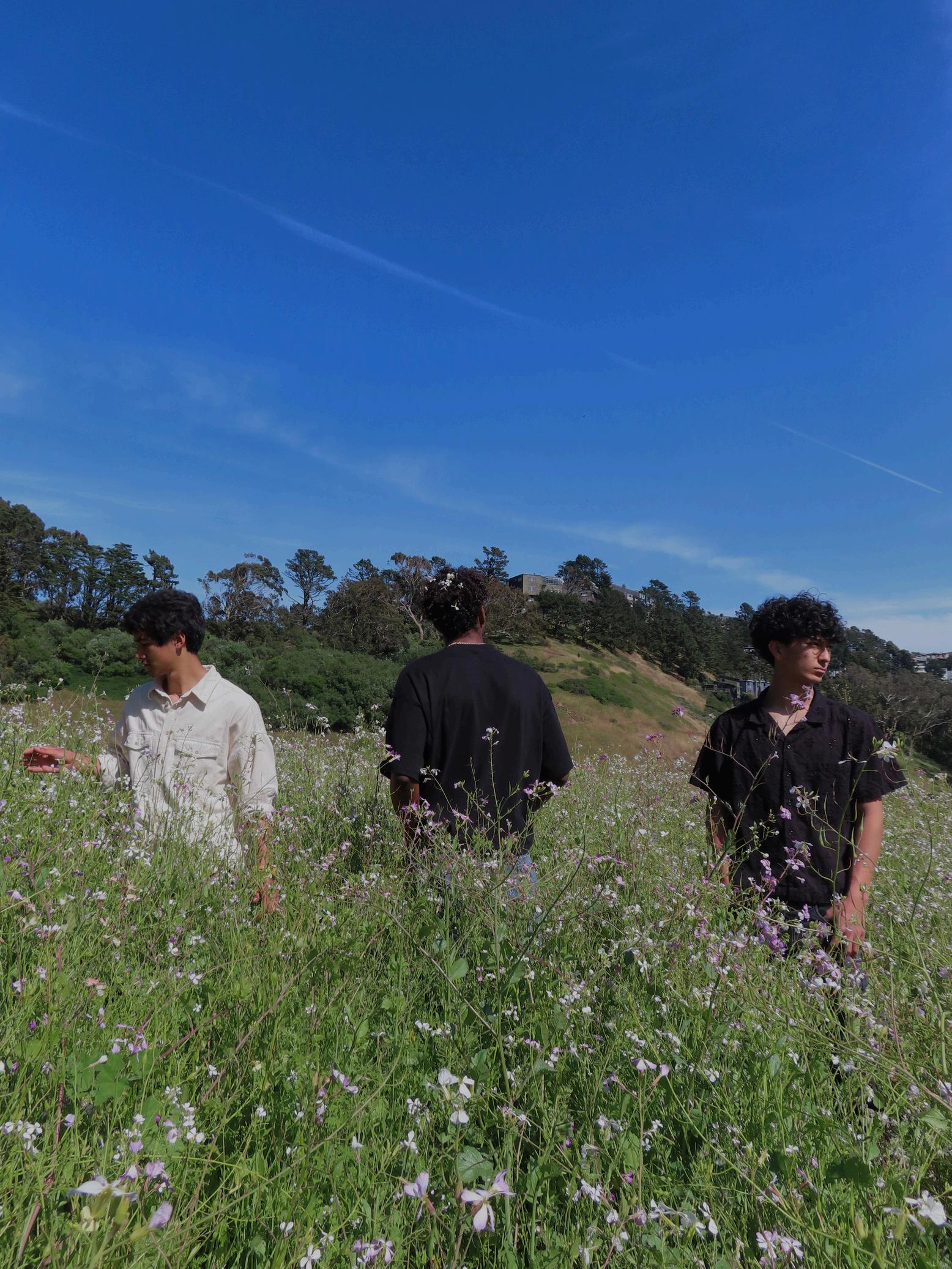
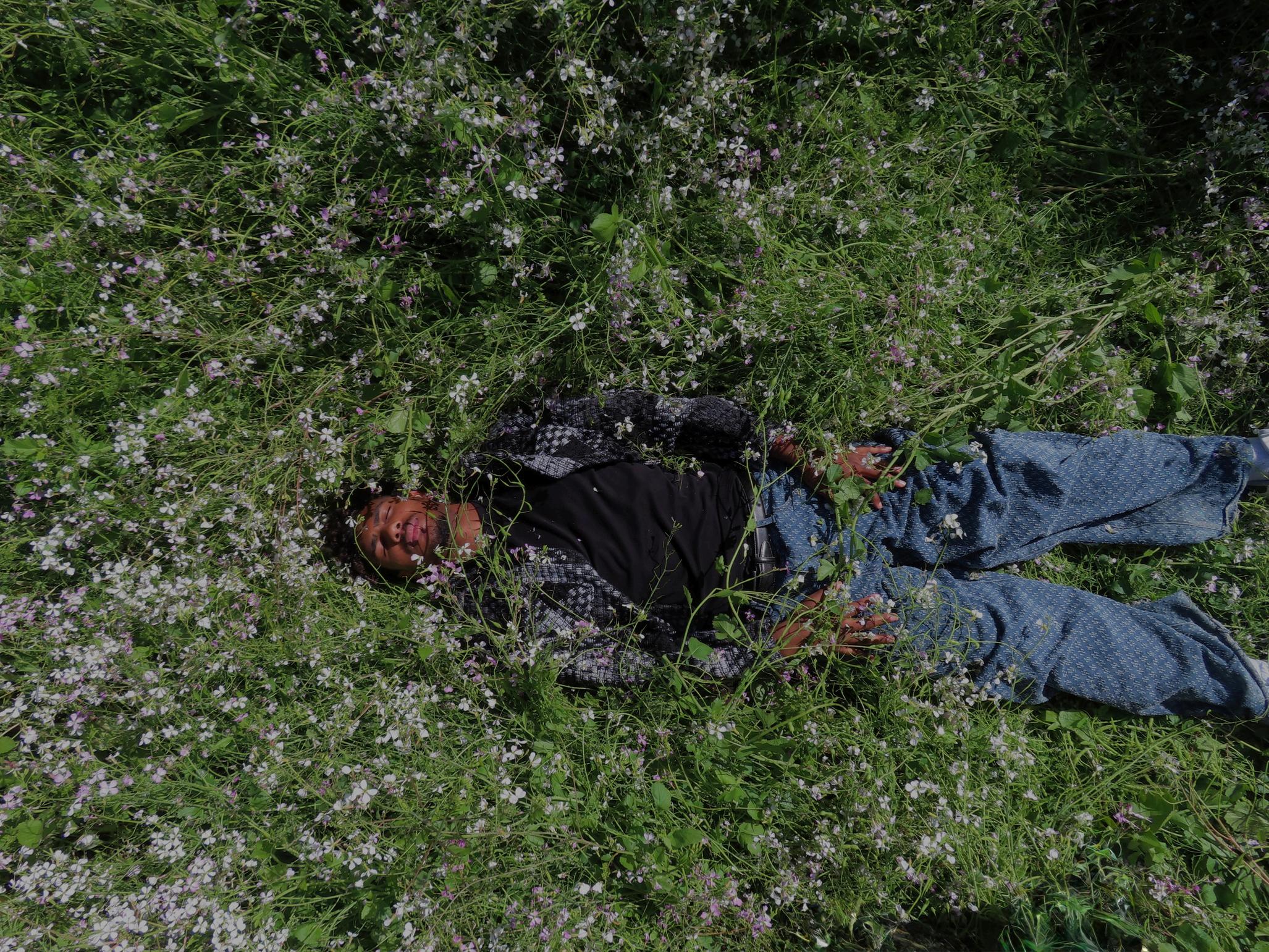
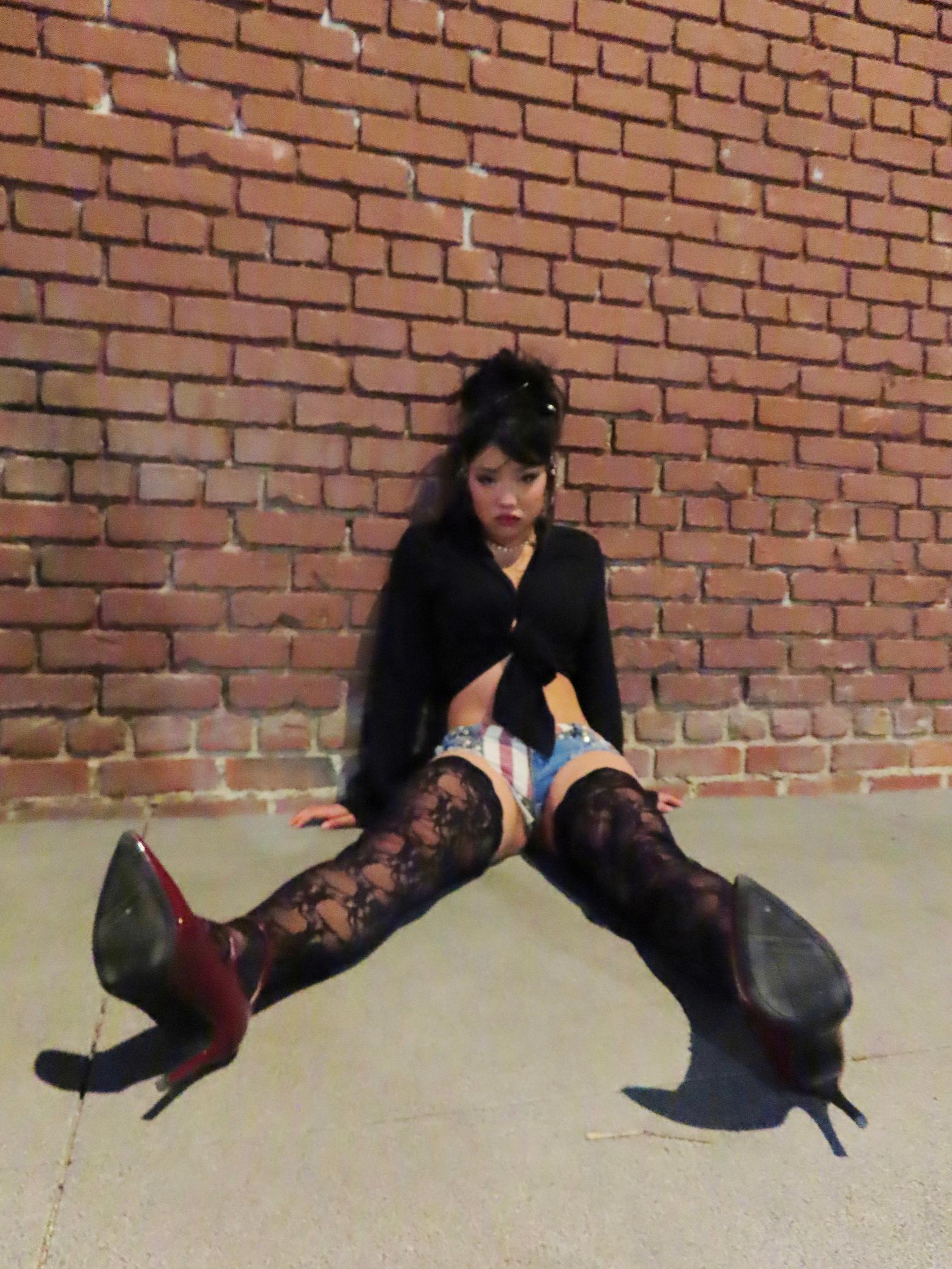
WHERE FASHION IS THE HEIGHT OF IDENTITY & EXPRESSION
RISE OF THE 2000S
2026 F/W READYTO-WEAR “WHAT TO LOOK FOR COME AUGUST”
W E L C O M E : )
2026 F/W READY-TOWEAR THE BEKETT CULT POLITICS+FASHION
MESSAGE FROM LIMITLESS THE RISE OF THE 2000S POLKA DOTS AND STRIPES? BAGGY VS. SKINNY WHO GETS TO DEFINE LUXURY NOW?
HOW TO SHOP SUSTAINABLY STAPLES IN YOUR CLOSET
TOP PIECES IN MY CLOSET WHAT’S IN MY BAG?
MESSAGE FROM LIMITLESS
Welcome to the First Edition of Limitless! The Magazine where fashion intertwines with everything: politics, everyday life, and most importantly self-expression. Here at Limitless, we embrace the energy that comes off of every person when they put on a piece that makes them feel confident and complete. This is for all the people who are curious to find out how fashion affects the people in the industry and how it affects society as a whole I decided to name the magazine “Limitless” based on the feeling I get when I think about fashion and feeling. In my eyes, the two are inseparable. There’s almost an electricity in the air when you put on a good outfit and you ’ re confident in who you are. You can do anything. Be anyone. Face the world and all of its good and bad. As fashion Icon Blair Waldorf says “Fashion is the most powerful art there is. It’s movement, design, and architecture all in one. It shows the world who we are and who we’d like to be.”
YOUR LIMITLESS CREATOR, MARLEY
TOP PIECES IN MY WARDROBE
MY STYLE AND HOW IT FITS MY LIFE
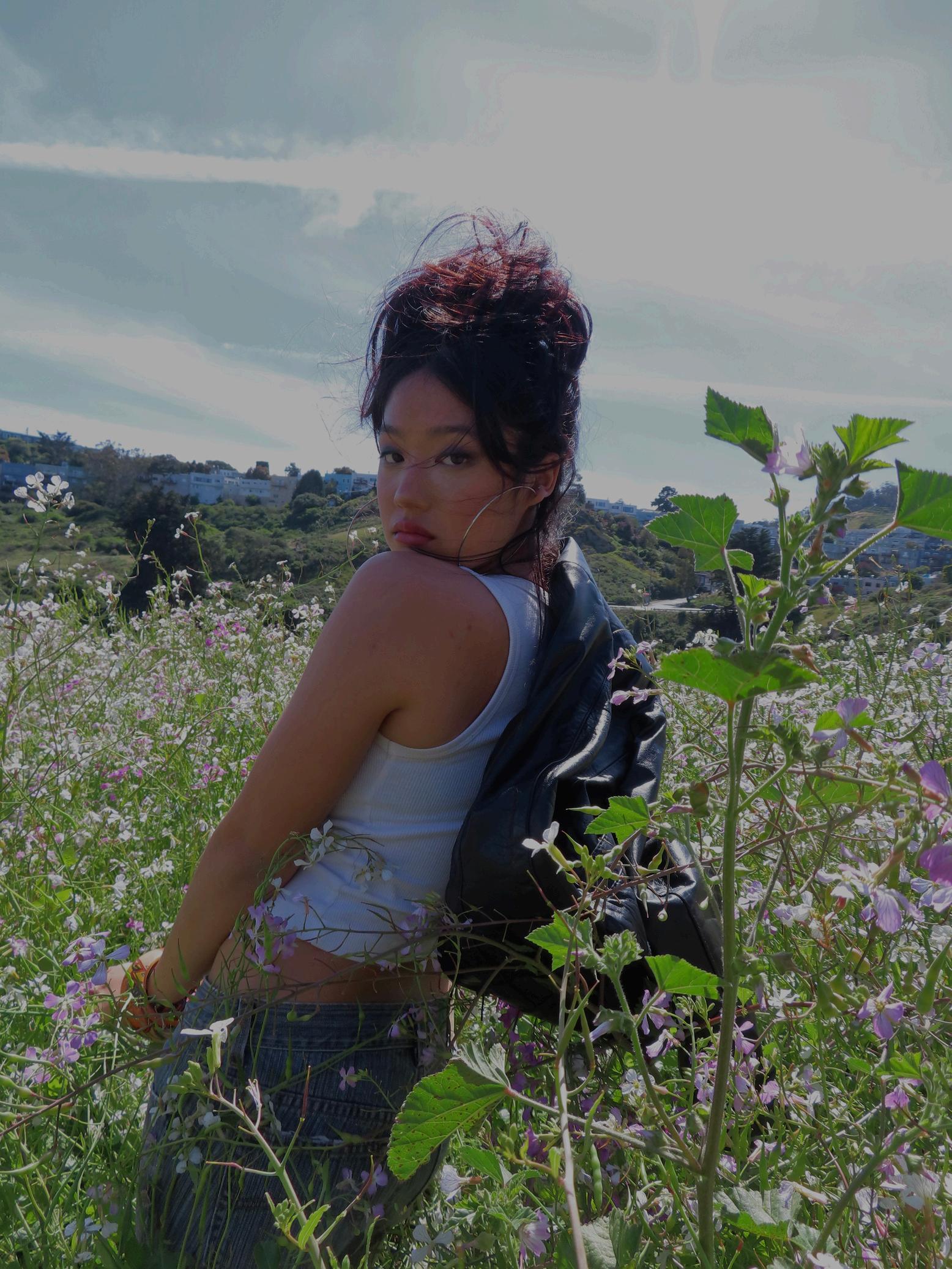
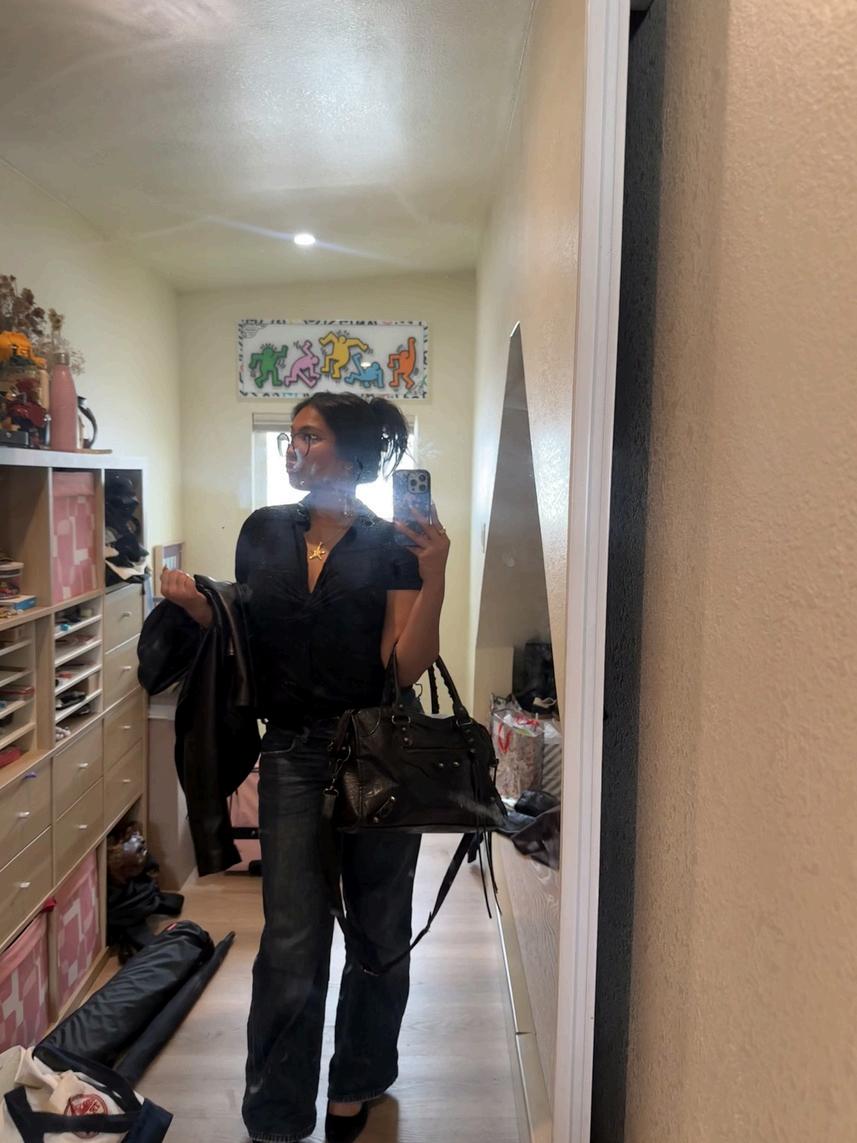
My closet isn’t built around one aesthetic, it’s built around what I reach for the most There are pieces I wear because they’re trendy, and then there are pieces that make sense for my life. The ones that stay are usually hitting both marks.
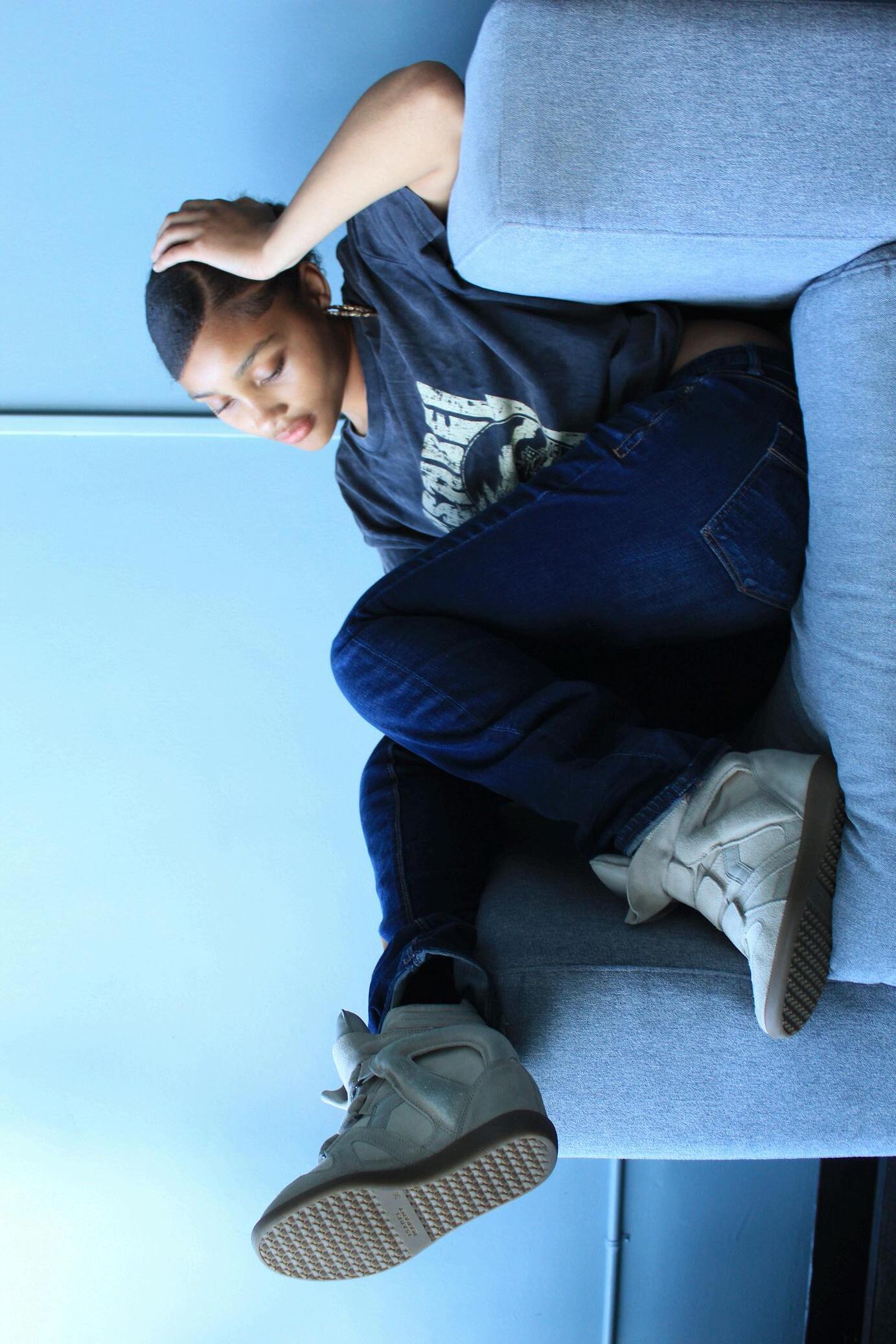
My favorite jeans at the moment: a pair of Hollister dark-wash, straight-cut, low-rise jeans with embroidery on the pockets They’re easy, they hold memories, and work with almost everything I own. They don’t try too hard, which makes everything else feel more effortless.
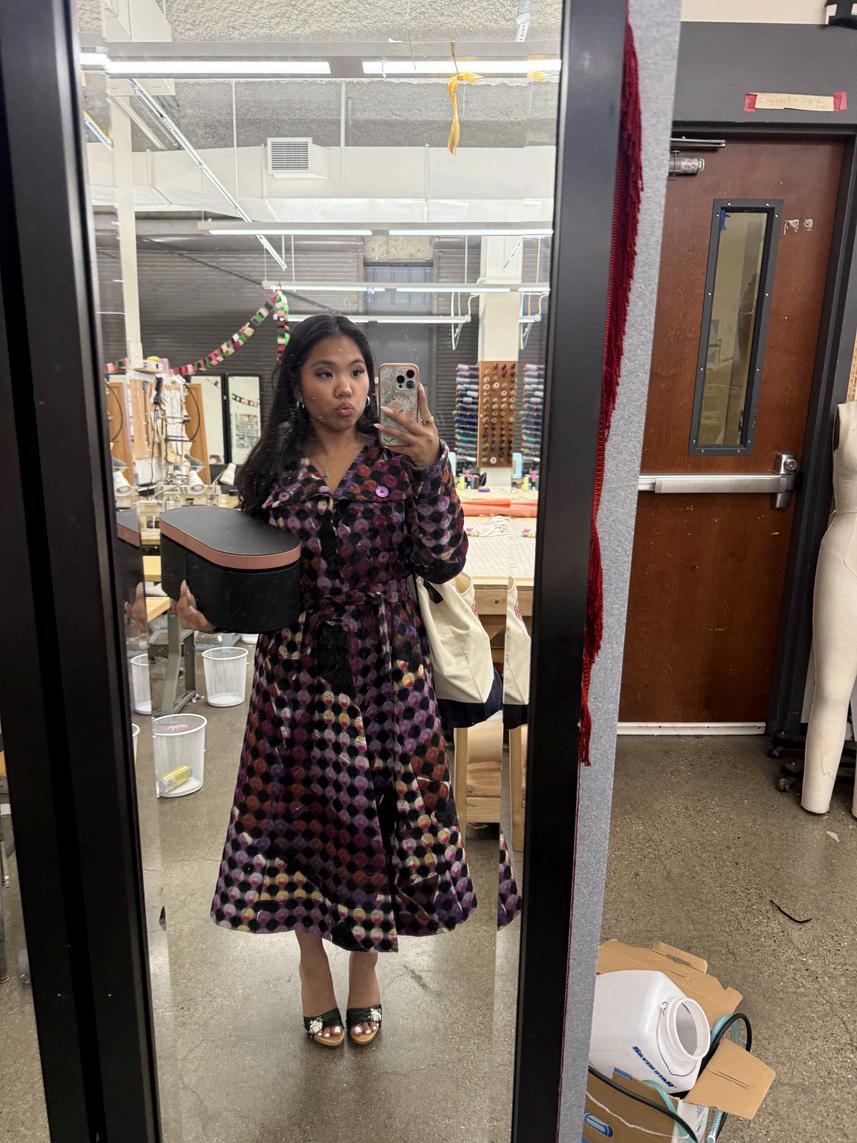
Outerwear is where things get more personal. A worn-in Levi’s leather jacket adds structure to almost any outfit, while a vintage Emilio Pucci coat does the opposite; it stands out with its print, provides focus, and doesn’t really need anything else to work.
Then there’s comfort My Stüssy hoodies are probably the most worn pieces I own They’re consistent, easy, and don’t require much thought which, realistically, is how I get dressed most days.
HOLLISTER JEANS
EMILIO PUCCI COAT
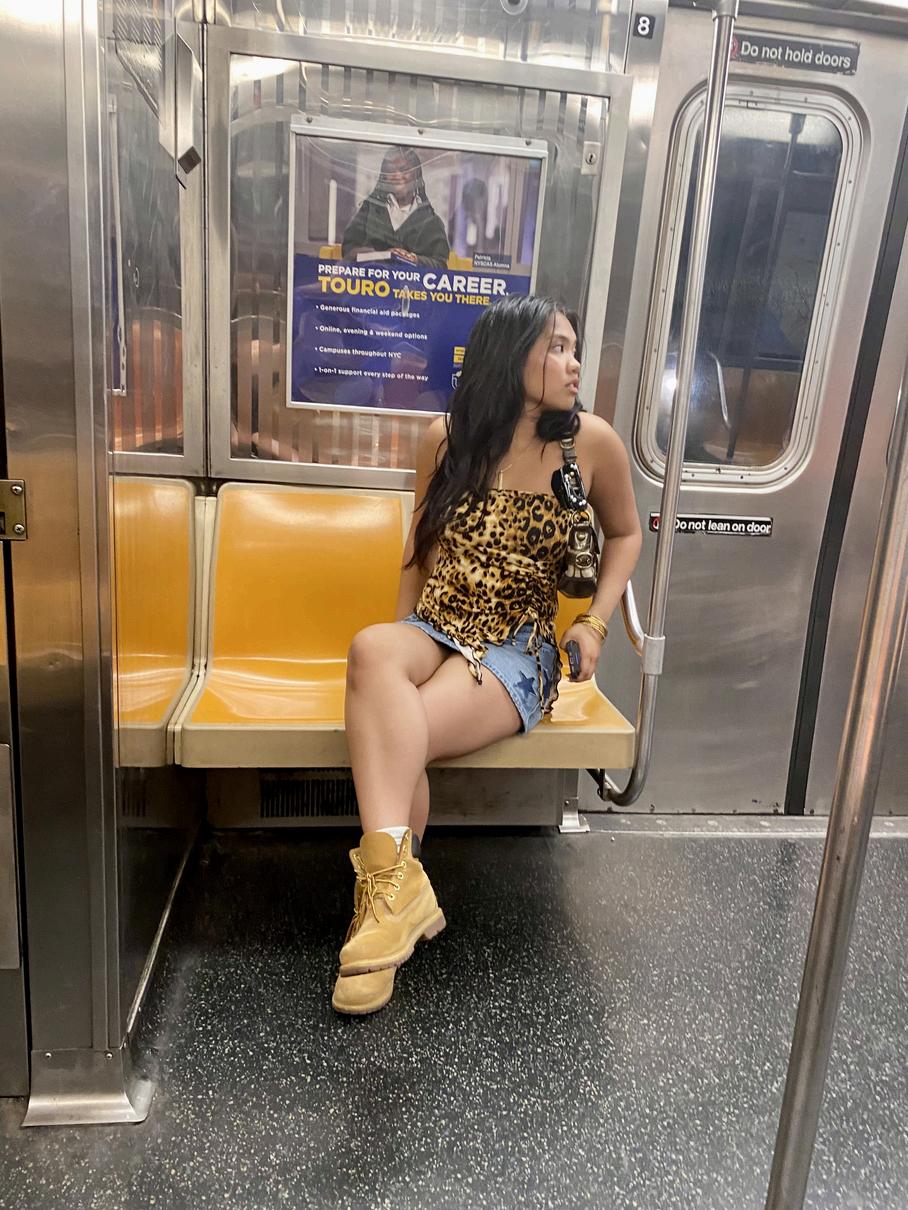
TIBMBERLANDS
None of these pieces are groundbreaking on their own. But together, they make getting dressed feel straightforward They reflect different sides of how I want to show up: comfortable, puttogether, a little nostalgic, but still current.
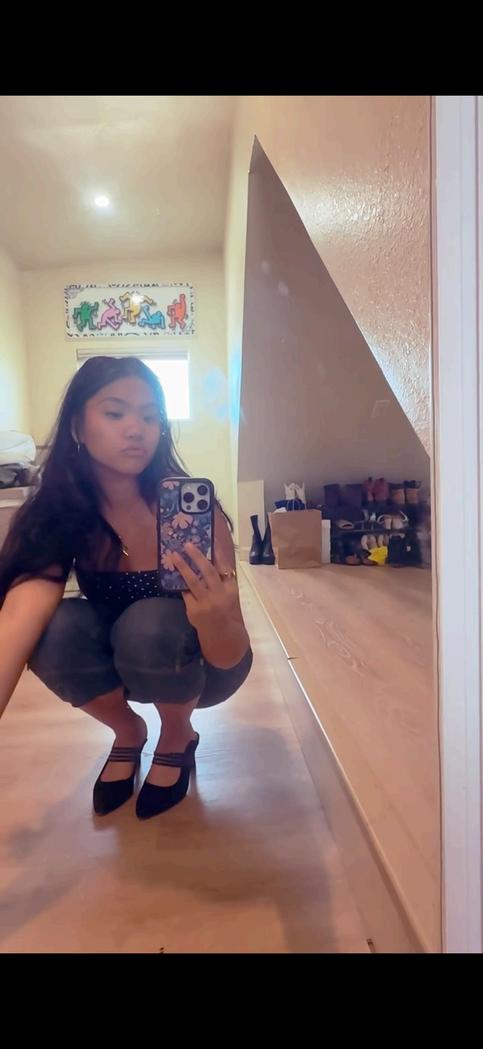
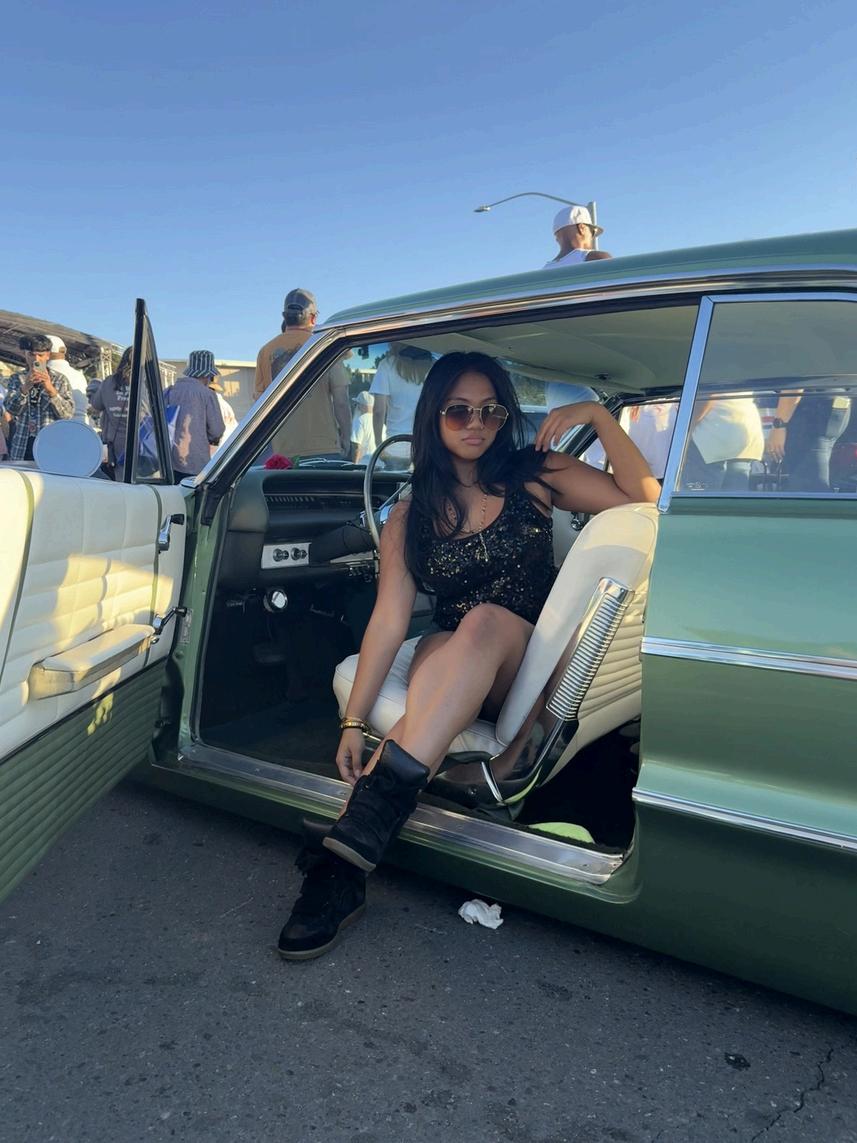
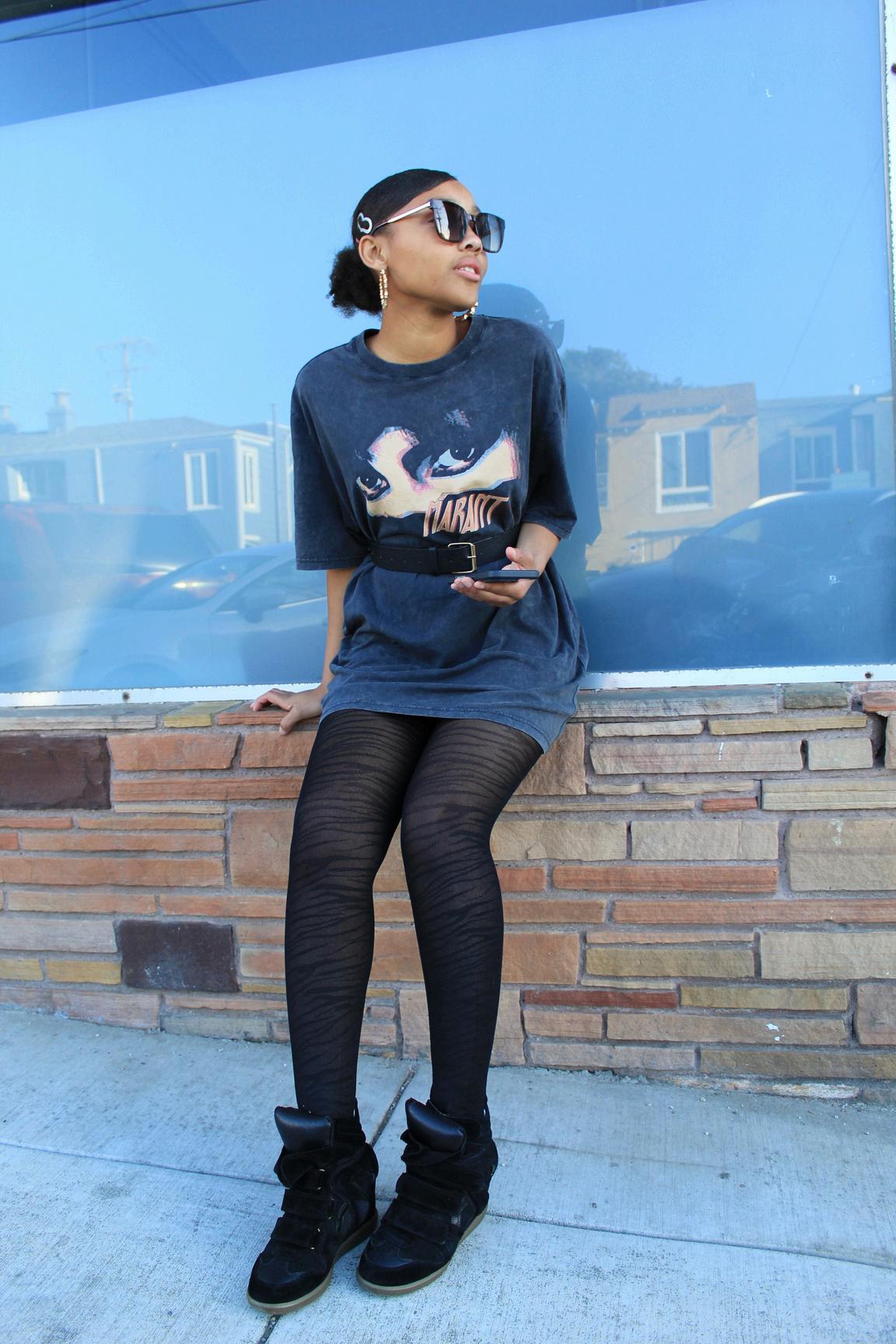
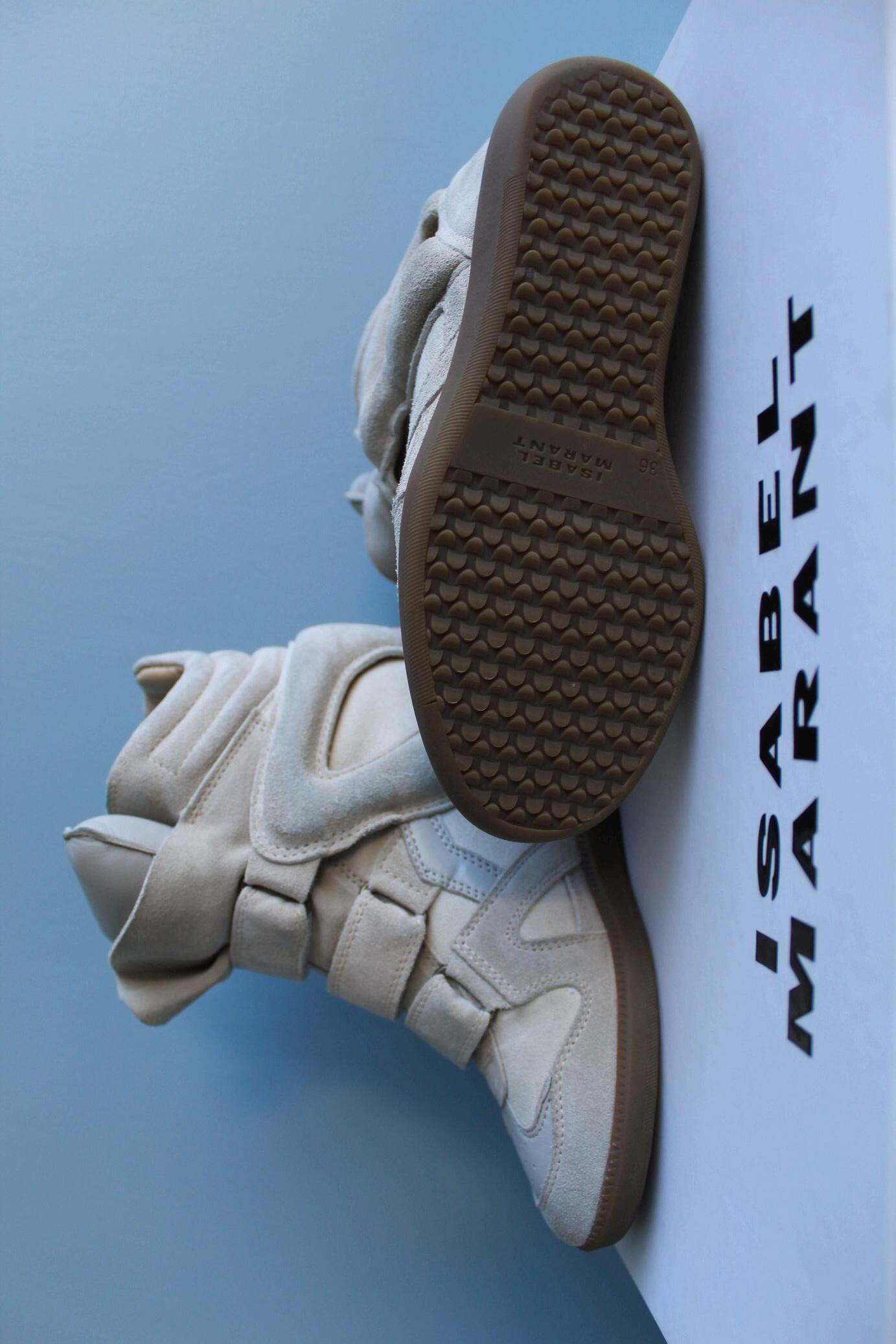
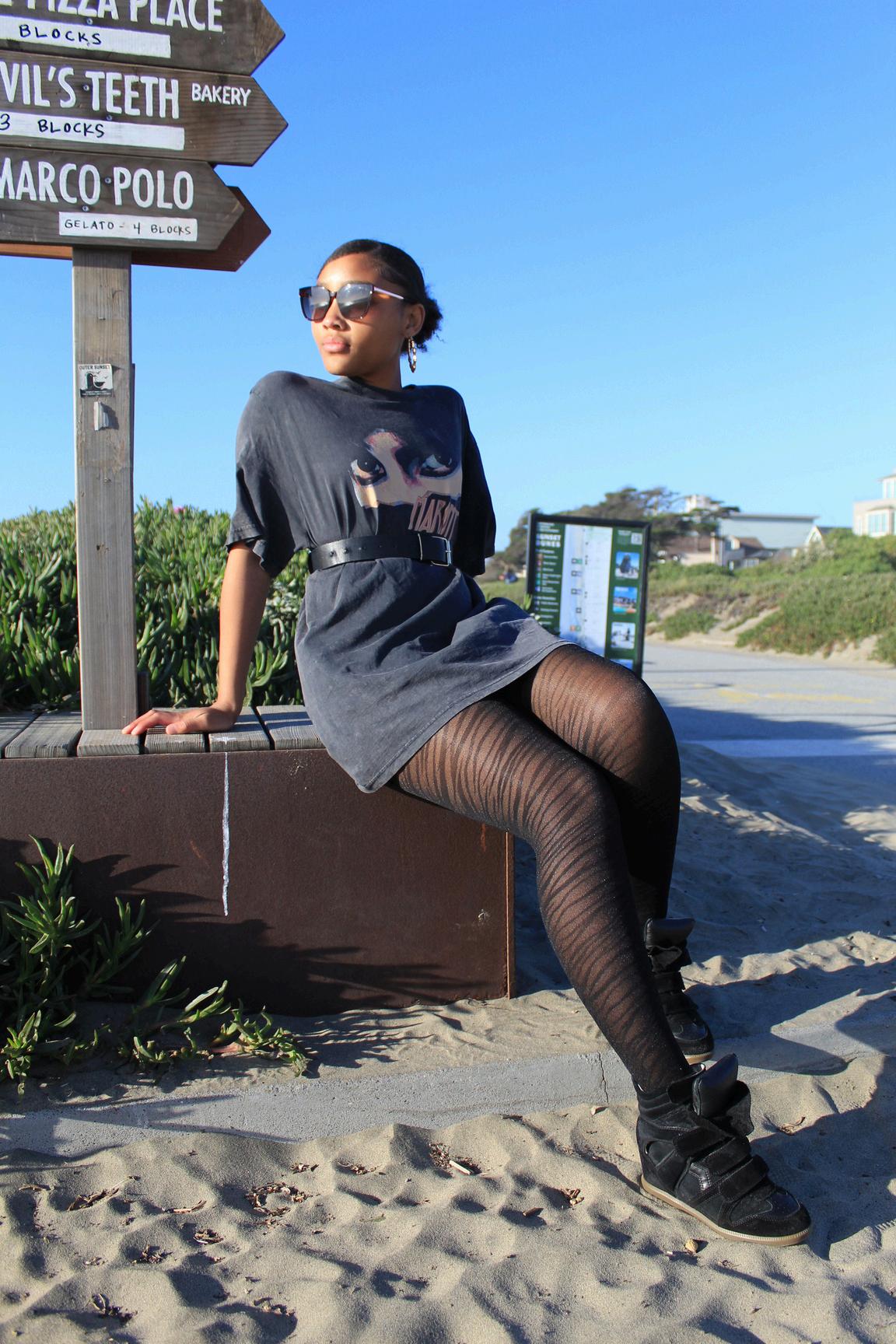
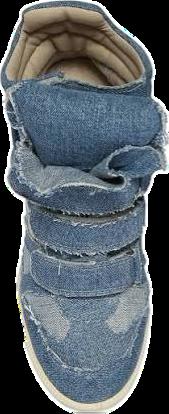
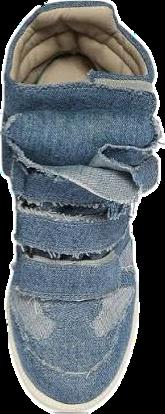
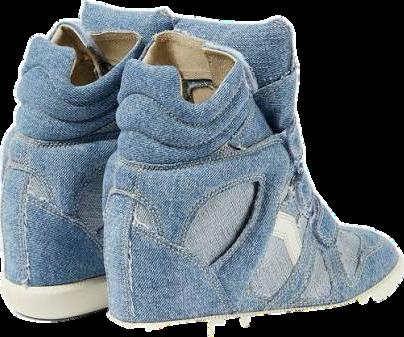
And finally, the shoes. For a casual, more streetwear inspired look, I reach for my Timberlands. They add comfort and a bit of swag to every outfit Or the complete opposite: a black suede pointed-toe kitten heel. Perfect for looking business casual and feeling ready for the day. Finally, my Isabel Marant Bekett wedge sneakers sit somewhere between practical and statement They add height, change proportions, and tie back to the kind of early 2010s influence I keep coming back to.
KITTEN HEELS BEKETT WEDGES
My style doesn’t exist in a vacuum. It moves with my schedule, my mood, and where I’m going. And the pieces that last are the ones that can keep up.
BROOKLYN YOKELY OLIVIA BRODY
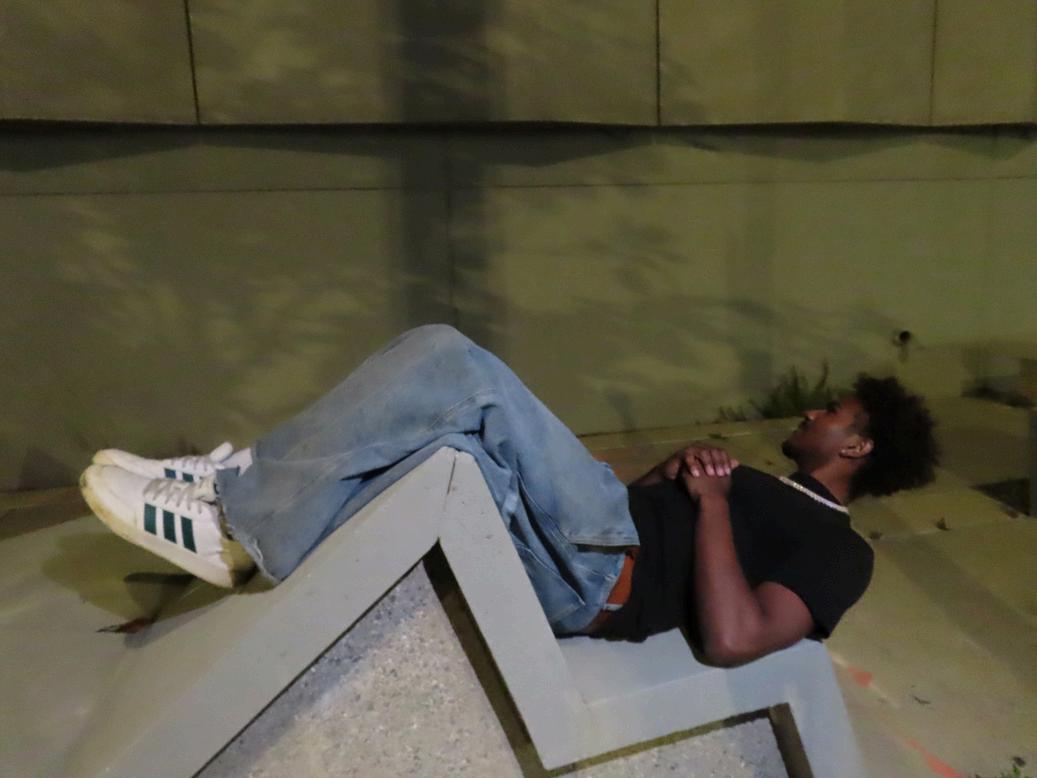
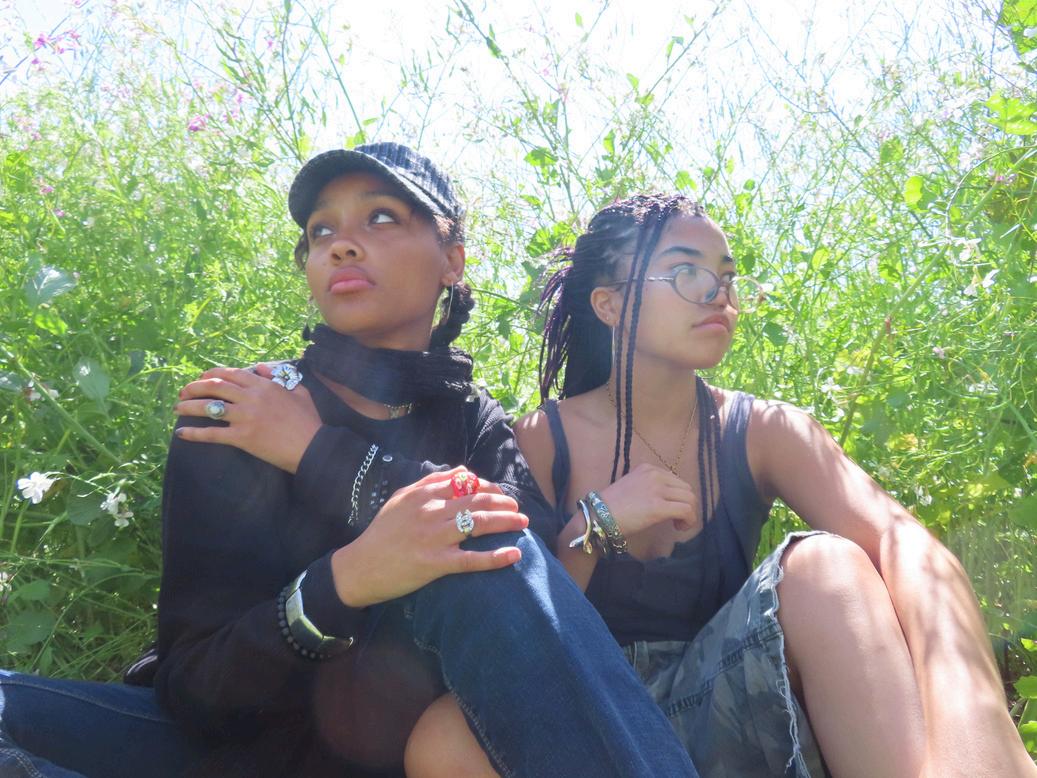
THE RISE OF THE 2000S AND 2010S
IS THIS A SIGN OF RECESSION?
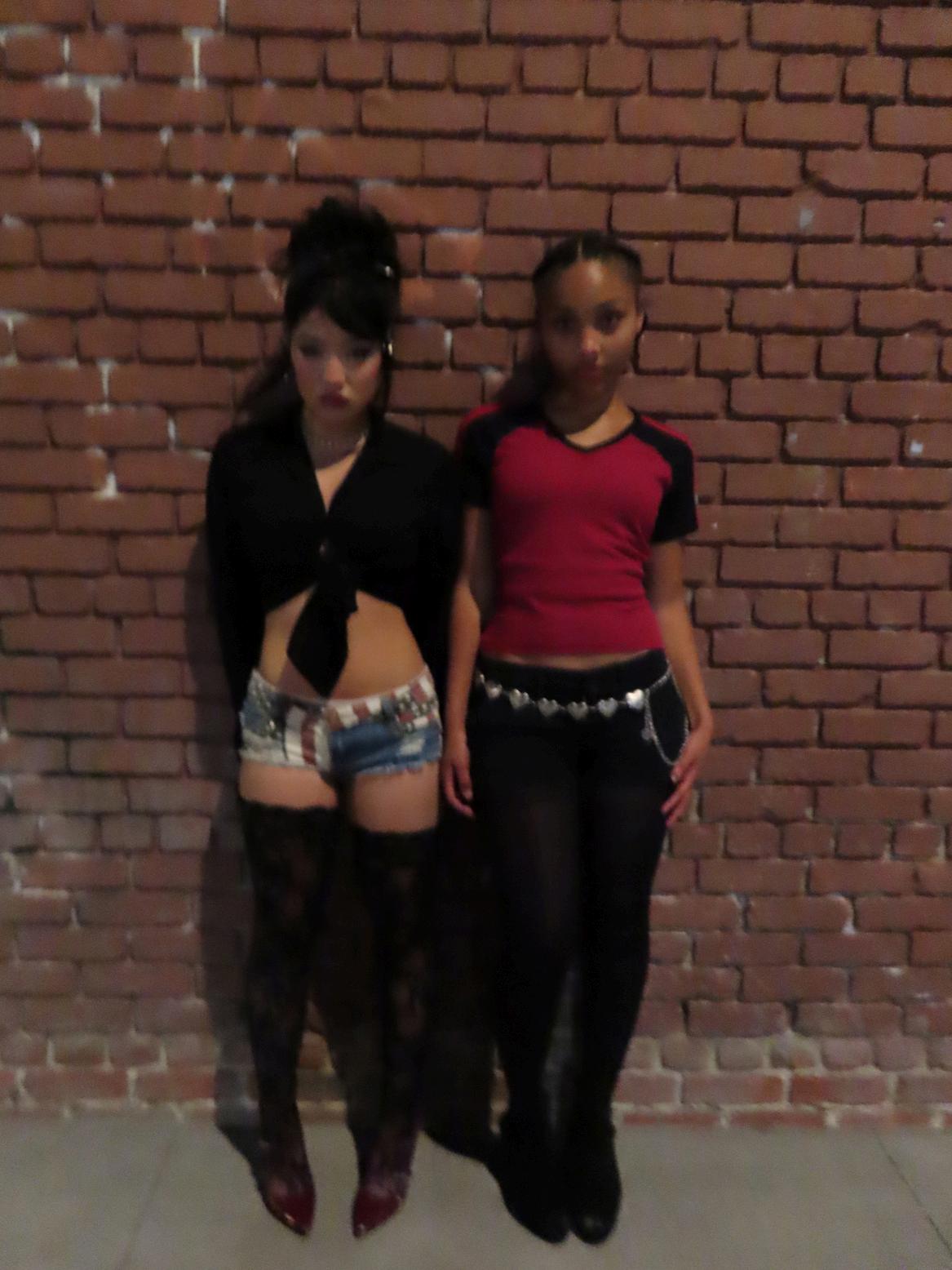
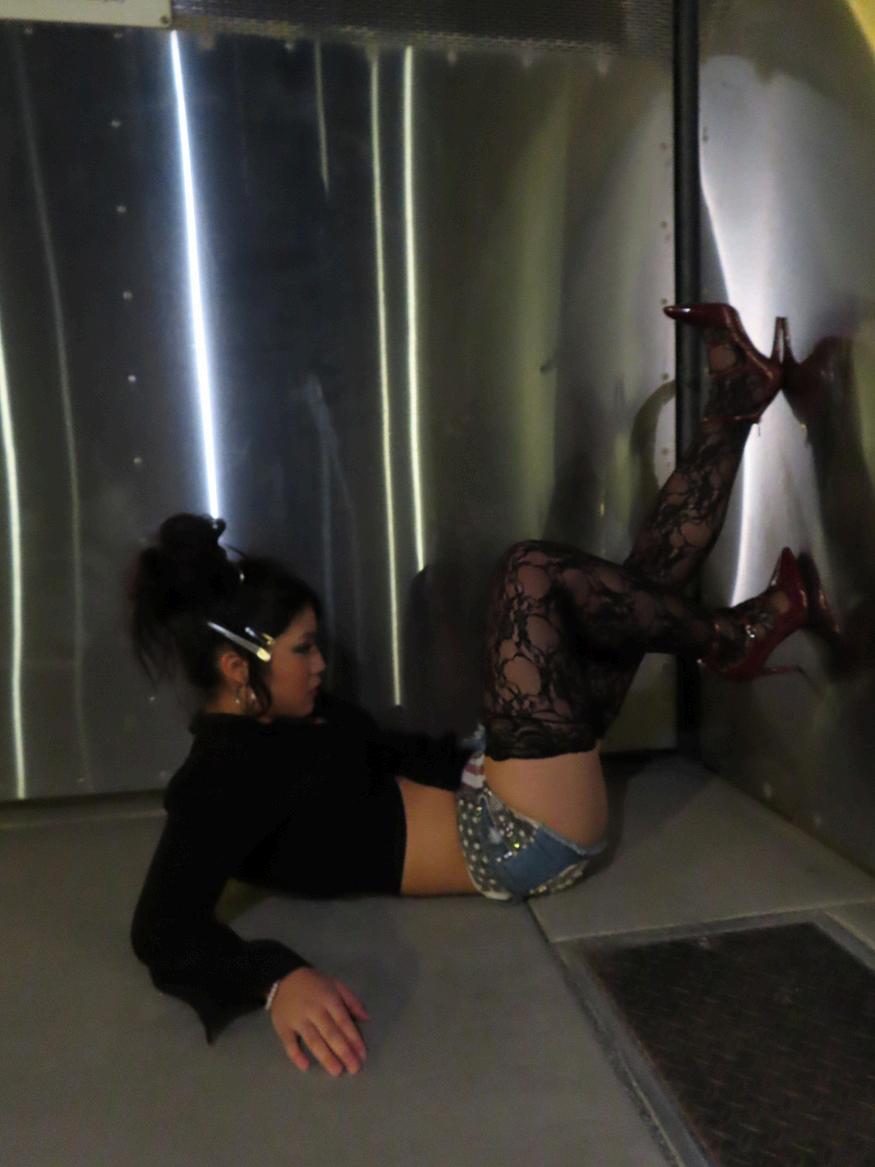
Low-rise jeans Studded belts
Peplum tops Wedge sneakers
Things that once felt irrelevant have reemerged, taking over everyone's feeds, runways, and everyday style. The return of early 2000s and 2010s fashion isn’t subtle, it’s everywhere. But beneath the surface of nostalgia and trend cycles, a more prominent question lingers: why now?
Fashion has always moved in cycles, revisiting past decades with a new perspective The industry’s unofficial “20-year rule” suggests that trends reappear when enough time has passed for them to feel fresh again. By that logic, the reappearance of Y2K and early 2010s style makes sense But this revival feels different It’s faster, more saturated, and more culturally loaded than a typical cycle. Historically, fashion has mirrored economic and social conditions. During times of uncertainty, people tend to gravitate toward familiarity. Clothing becomes less about innovation and more about reassurance; it becomes about something recognizable in moments that feel unstable. This pattern has been observed in various forms, from the practical silhouettes that followed periods of economic downturn to the resurgence of nostalgic styles during moments of collective anxiety.
The current revival of 2000s and 2010s fashion exists within the same context. Rising living costs, economic instability, and a general sense of unpredictability have shaped the way people consume and engage with fashion In this environment, nostalgia offers a kind of comfort. It allows people to return to aesthetics that feel known, even if they rejected them BUT THERE’S ANOTHER LAYER TO THIS RESURGENCE WHICH IS DRIVEN BY THE MEDIA
Platforms like TikTok and Pinterest have accelerated trend cycles to an insane speed What may have taken years to come back, now happens in months, or even weeks. Recently, microtrends surface, peak, and fade almost instantly, often pulling from highly specific moments. Early 2010’s Tumblr aesthetics, indie sleaze, and “2016 style” are no longer memories. They’re actively being reinterpreted by a generation that didn’t experience them the first time
This creates a strange overlap between nostalgia and novelty. For some, these trends are a return. For others, they’re entirely new.
At the same time, the way these styles are being worn today reflects a shift in values. Early 2000s and 2010s fashion was often tied to ideas of perfection: tight silhouettes, highly curated outfits, and a strong emphasis on body image. Today’s reinterpretation feels looser both literally and conceptually. Pieces are styles with less rigidity, mixed across aesthetics, and worm with a sense of selfawareness that wasn’t always present before.
BROOKLYN YOKELY KENDRICK AVILA-JOYLES
OLIVIA BRODY
SO IS THIS A SIGN OF RECESSION?
To an extent, yes. Not just because fashion is turning to nostalgia, but because it’s turning to a very specific kind of nostalgia
The early 2000s and 2010s weren’t just stylistic eras, they were shaped by the last major economic downturn. In the wake of the 2008 financial crisis, fashion leaned heavily into accessibility, branding, and mass appeal. Mall culture dominated. Brands like Abercrombie, Hollister, and JuicyCouture weren’t just popular, they defined what it meant to be stylish within a more financially constrained environment.
And now, the same aesthetics are returning.
From logo-heavy basics to fitted silhouettes and “mall brand” energy, the comeback of this era feels like less of a coincidence and more like a pattern Brands are reintroducing styles that once thrived during economic limitations and consumers are gravitating towards looks that feel familiar and attainable. It’s not just that people remember these trends, they remember them as workable.
That accessibility matters, especially now. In a moment where spending feels more restricted, fashion tends to fall back on what has already been successful
POLKA DOTS AND STRIPES:
WHY ARE THEY EVERYWHERE NOW?
w a s i n i t i a l l y u s e d i n “ D o t t e d - S w i s s ” F a b r i c T h e n a g a i n i n t h e 1 8 5 0 s , a n d a n o t h e r b o o m i n t h e m i d
s . B u t i n t o d a y ’ s c o n t e x t , t h e y ’ r e s t y l e d w i t h a t w i s t : o v e r s i z e d , s h e e r , o r p a i r e d w i t h u n e x p e c t e d t e x t u r e s t h a t
s t r i p a w a y t h e i r s u r f a c e v a l u e s w e e t n e s s , a n d m a k e t h e m f e e l m o r e
s e l f - a w a r e . T h e y ’ r e n o l o n g e r j u s t c u t e , t h e y ’ r e c l a s s i c .
S t r i p e s , t r a d i t i o n a l l y a s s o c i a t e d w i t h s t r u c t u r e a n d u n i f o r m i t y , a r e
u n d e r g o i n g a s i m i l a r c h a n g e . I n s t e a d o f c l e a n p r e d i c t a b l e l i n e s , t h e y ’ r e
b e i n g w a r p e d , c l a s h e d , a n d e x a g g e r a t e d D e s i g n e r s a r e e x p e r i m e n t i n g
w i t h d i r e c t i o n a n d s c a l e , t u r n i n g w h a t w a s o n c e o r d e r l y i n t o s o m e t h i n g
m o r e e x p r e s s i v e . T h e r e s u l t s f e e l l e s s c o n t r o l l e d a n d m o r e p e r s o n a l , r e f l e c t i n g a b r o a d e r m o v e a w a y f r o m f r i g i d d r e s s i n g .
T o g e t h e r t h e s e p r i n t s r e f l e c t a b r o a d e r s h i f t i n h o w p e o p l e a r e d r e s s i n g . T h e r e ’ s l e s s e m p h a s i s o n c o h e s i o n a n d m o r e a b o u t w h a t
p e o p l e f e e l l i k e w e a r i n g . O u t f i t s d o n ’ t h a v e t o “ m a k e s e n s e ” i n t h e
t r a d i t i o n a l s e n s e , t h e y j u s t h a v e t o f e e l i n t e n t i o n a l , a n d a v a l i d e x p r e s
OLIVIA BRODY
BAGGY VS. SKINNY JEANS?
THE GENERATIONAL FASHION WAR.
Only a few pieces of clothing have sparked as much debate as the simple pair of jeans. And yet, the question of baggy versus skinny has somehow turned into a full-blown generational divide,that goes well beyond denim.
Skinny jeans, once the defining silhouette of the late 2000s and early 2010s, were built on the idea of control They were tight, streamlined, and intentional, designed to follow the body closely and created a polished, put-together look For millennials especially, they became a staple, easy to style, universally flattering (at least in theory), and adaptable to everything from casual outfits to nights out.
Then things started to feel different
Baggy jeans took over, not just as a trend, but as a kind of rejection. Looser fits, low-rise waists, and oversized silhouettes pulled directly from ‘90s and early 2000s fashion began flooding both runways and social media. What started as a nostalgic revival quickly turned into something more symbolic. Where skinny jeans emphasized structure, baggy jeans prioritize ease They don’t cling, they don’t restrict, and they don't try to shape the body into anything specific
That difference is where the generational tension lies.
For many younger people, especially Gen Z, baggy jeans represent a move away from the idea that clothing should define or constrain the body The appeal isn’t just aesthetic, it’s ideological Comfort, fluidity, and a sense of effortlessness have become more important than looking ‘perfect.’ On platforms like TikTok, skinny jeans are often framed as outdated, while baggy silhouettes signal trend awareness and cultural relevance.
At the same time, the resistance to letting go of the skinny jeans isn’t just about stubbornness It’s about familiarity For those who grew up styling them, they represent a kind of reliability, an outfit formula that worked, and still does. The backlash against them can feel less like a fashion shift and more like a cultural dismissal
But like most fashion debates, the reality is less absolute than the internet makes it seem Trends move in cycles and silhouettes aren’t permanent What feels outdated now often returns, made new for a new generation with a different perspective.
WHO GETS TO DEFINE LUXURY NOW?
THE UPRISE OF BLACK AND BROWN DESIGNERS.
THE DESIGNERS
THE HISTORY
Luxury has never been just about price, it’s about perception Who’s seen? Who’s valued? Ultimately, who gets to decide what’s worth wanting?
For years, that definition has been tightly controlled European fashion houses were the pinnacle of luxury, shaping the industry through heritage, exclusivity, and tradition Brands like Chanel and Dior became synonymous with status and it made a version of fashion that felt aspirational, if not distant and almost untouchable. Luxury was supposed to be something inherited, not redefined.
But now there’s a shift in control.
In recent years, Black and Brown designers have begun to reshape what luxury looks like and more importantly what it means. Brands like Telfar, created by Telfar Clemens have challenged the idea that exclusivity equals higher value. The now iconic “Bushwick Birkin” isn’t about scarcity or gatekeeping, it’s about accessibility and community. It’s slogan, “Not for you for everyone, ” directly contradicts traditional luxury messaging.
Similarly, designers like Kerby JeanRaymond of Pyer Moss have used fashion as a platform for storytelling, embedding history, politics, and identity into their work. In doing so, they expand luxury beyond aesthetics into something cultural and deeply intentional.
This shift is also being shaped by Asian designers who are redefining luxury through craft and narrative Designers like Peter Do bring a minimalist, sharply tailored approach,challenging the idea that luxury must come from legacy European houses. His work focuses on precision, restraint, and modern identity; quiet but powerful
At the same time, Filipino designers are carving out space in global fashion in ways that feel both personal and expansive Monique Lhuiller has long been associated with traditional luxury through bridal and red carpet looks, while newer voices like Rajo Laurel are pushing Filipino design into more experimental and contemporary territory. Together, they reflect a wider range ofwhat luxury can look like, both established and evolving.
This shift isn’t just happening on the runway, it’s happening in how people define value.
THE SHIFT
Luxury is no longer only about craftsmanship or legacy (though those still matter). It’s also about perspective. Whose stories are being told? Whose experiences are being reflected? And who is finally being recognized as a tastemaker, rather than just a consumer?
For a long time, Black and Brown communities have influenced fashion without receiving credit. Trends, silhouettes, and styling choices often originated before being rebranded, appropriated and stolen for mainstream or high-fashion spaces. What’s changing now is visibility, identity and ownership.
Designers are no longer just contributing to the industry They’re leading it
THE IMPACT
At the same time, this shift raises important questions. As Black and Brown designers gain recognition, how does this industry respond? Is it genuine support, or is it another cycle of trend-based inclusion? And can luxury truly evolve if its structures remain the same?
There isn’t a simple answer, but what’s clear is that the definition of luxury is expanding. It’s becoming less about exclusion and more about expression. Less about tradition for tradition’s sake, and more about meaning. Luxury can still be beautiful, crafted, and aspirational, but it can also be personal, political, and rooted in identity
So who gets to define luxury now? Finally, people who were once left out of the conversation are shaping style and receiving credit for their vision.
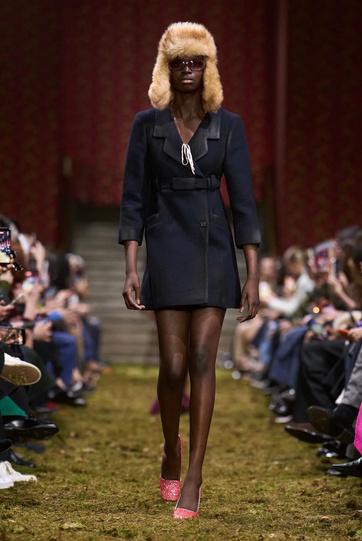
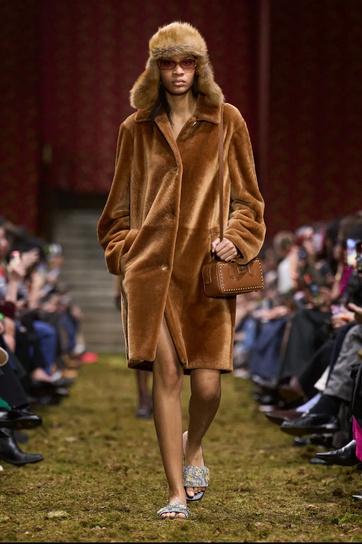
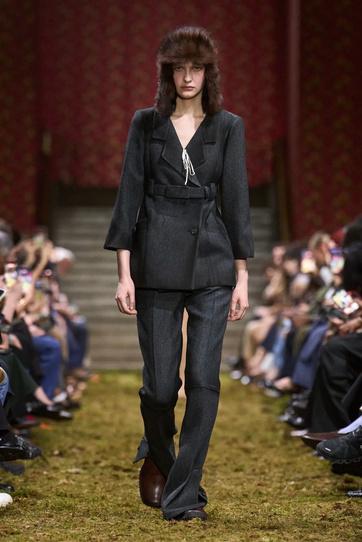
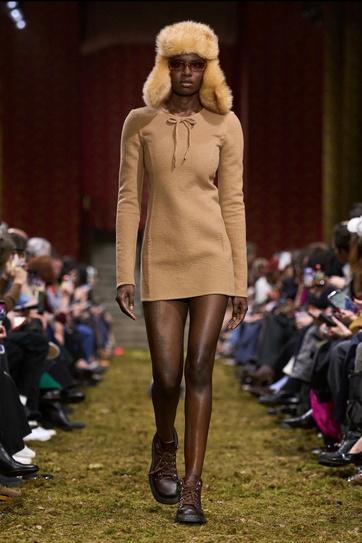
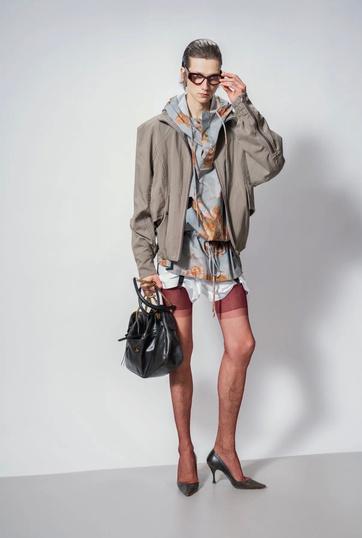
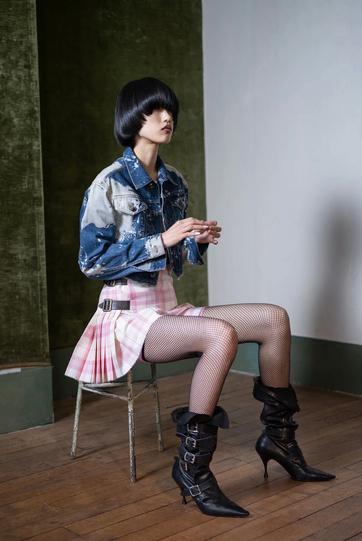
Fall always arrives before you ’ re ready and so do the trends that help shape it By the time the weather actually cools down, the best pieces are already gone. So the real question becomes, what to wear in winter..
This season, ready-to-wear is leaning into contrast. Structure meets softness and tradition meets distortion. Classic staples are being remade into something a bit sharper, moodier, and a little more intentional.
THE COAT ISN’T OPTIONAL; IT’S THE OUTFIT
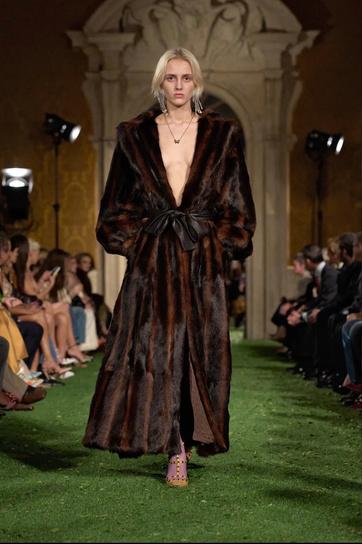
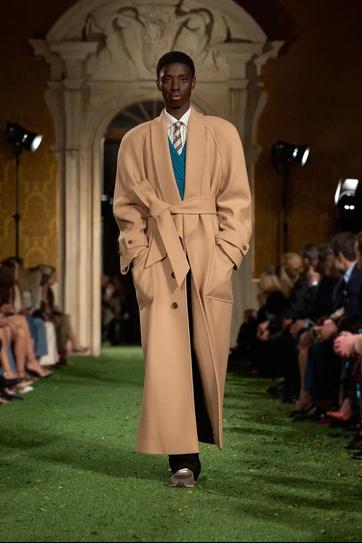
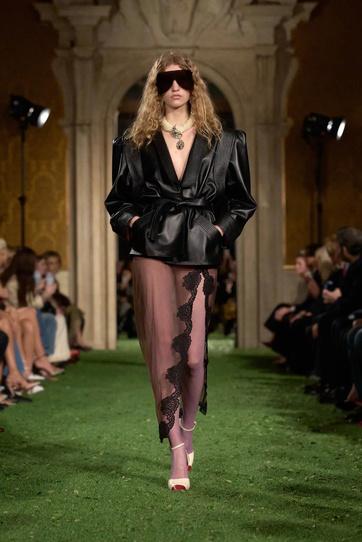
Outerwear is taking center stage. Longline coats, oversized trenches, and sharply tailored wool pieces are less about layering and more about presence Designers like Valentino are pushing dramatic silhouettes, strong shoulders, sweeping lengths, and rich textures that turn a coat into the entire look. We love a good coat that gives less, throw-on’and more ‘statement piece.’
VALENTINO FALL 2026 READY-TO-WEAR
TWEED, BUT NOT AS YOU KNOW IT
Traditionally tied to heritage dressing, tweed is being reworked into something younger and less predictable. Miu Miu in particular has leaned into this shift, with cropped jackets, raw edges, and slightly undone styling that makes the fabric feel less polished and more lived-in. Still classic, just less controlled.
MIU MIU FALL 2026 READY-TO-WEAR
FUR (AND FAUX) MAKES ITS RETURN
Whether real or faux, fur is coming back into focus, but with a different energy. Instead of ultra-glam, it’s being styled more casually: thrown over basics, paired with denim, or used as texture rather than for status It adds weight, both visually and physically, for outfits that might otherwise feel a bit too minimal or simple.
PRINTS THAT DISRUPT
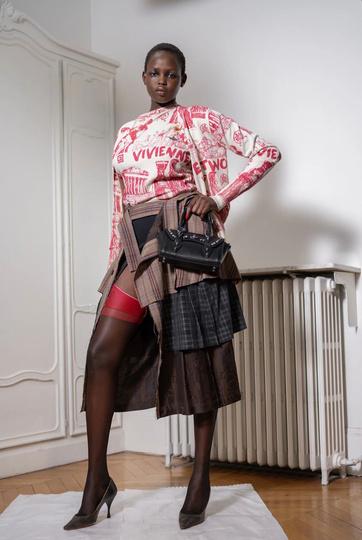
Fall prints are moving away from safe and predictable Plaids are being distorted, florals are darker, and patterns feel more layered than matched. Vivienne Westwood has long played with this kind of controlled chaos, and that influence is alive and well; nothing feels perfectly aligned, and that’s the point
THE RETURN OF INTENTIONAL DRESSING
More than a single piece, what defines this season is a shift in attitude Outfits feel more considered and more focused on personal expression There’s a move away from purely effortless dressing toward more deliberate approaches, where texture, proportion, and layering matters.
That doesn’t mean overcomplicating things. It just means choosing pieces that hold their own When August hits and the fall collections start filtering into stores, look for the items that call to you Look for the items that feel like they could carry an entire outfit on its own. The coat you don’t need to layer under, or the print that makes your outfit pop, or the texture that catches your eye before anything else.
This coming season, the best pieces aren’t the background They’re the point
VIVIENNE WESTWOOD FALL 2026 READY-TO-WEAR
THE BEKETT CULT
HOW OTHER BRANDS HAVE HOPPED ON THE WEDGE SNEAKER BANDWAGON
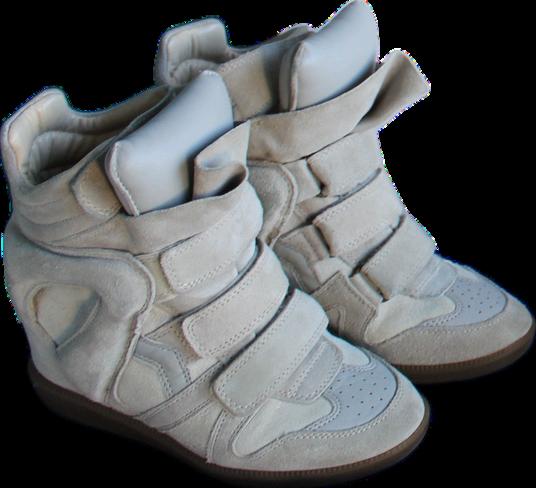
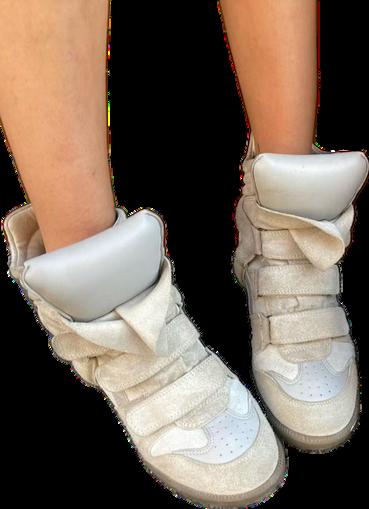
The suede The leather The velcro Wedge sneakers are back and honestly better than ever.
THE HISTORY
Originally released in 2011 by designer Isabel Marant, the ‘Bekket Sneaker’ bridged the gap between dressy and sporty, making it more acceptable to wear heels casually (though people should honestly wear whatever they want regardless. After icons like Beyonce and Gisele Bündchen started rocking the wedge look, it blew up everywhere. Brands from Giuseppe Zanotti to Nike had their own spin on the wedge sneaker, coming out with items such as the ‘Coby Wedge’ and the ‘Nike Dunk Sky Hi Hidden Wedge.’ Eventually after a few years of fame, the wedge sneaker became just another shoe on the market. Due to market saturation, Isabel Marant herself labeled the shoes as 'super-vulgar” because of the cheap knock-offs it inspiredShe insisted that it was not her intention for her art to be taken to this extreme. Also, since it was the first style of its kind in the early 2000s, the quality was not nearly as high as it is today; instead, it was labeled as uncomfortable, and eventually (as most trends do) it was found ugly and cycled its way out.
WHY IT’S BACK
In 2021, Marant released a new updated version called the ‘Balskee Sneaker’ for the Bekett’s tenth anniversary. It caught people’s eye with the wider sole, extra inches, and brighter colors. The shoe gained popularity and traction and led to more sales for the Balskee and eventually the Bekett.
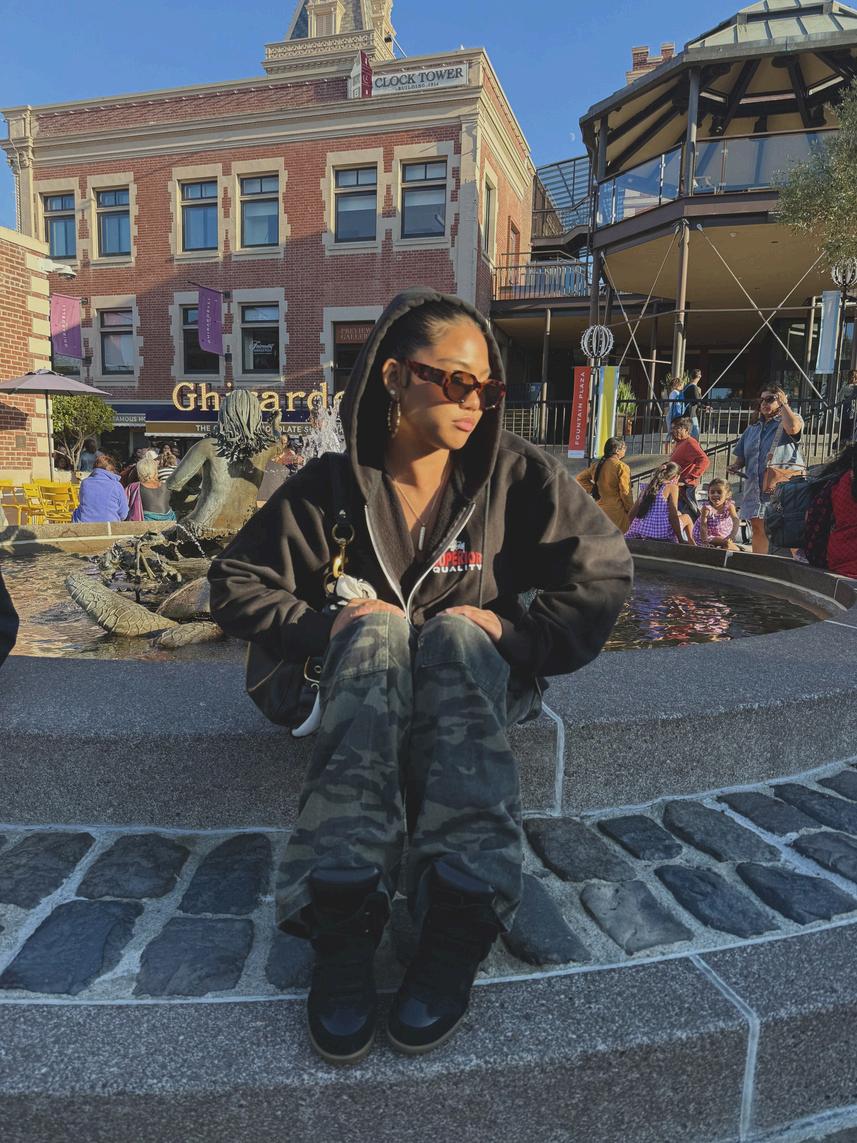
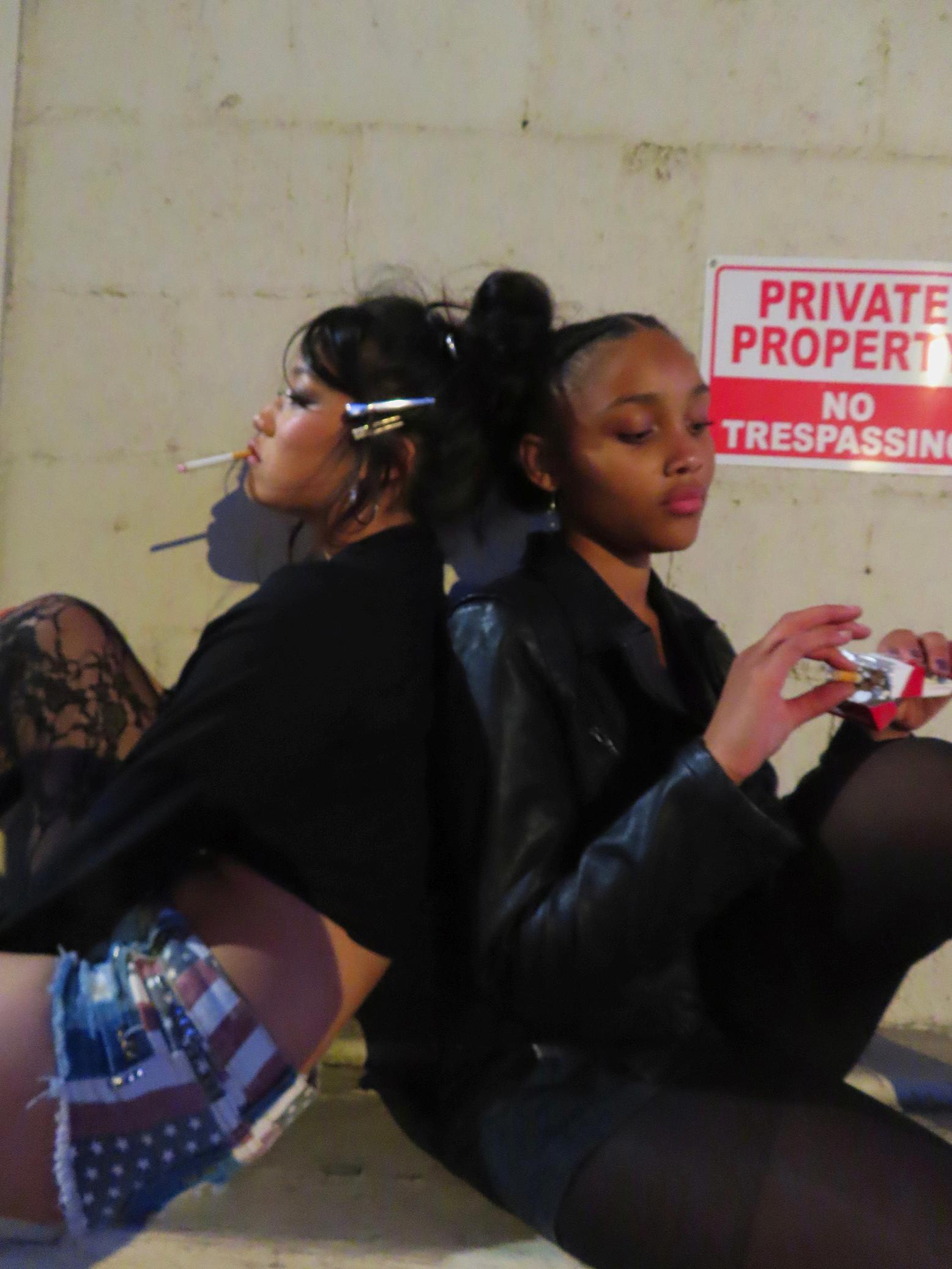
Fast-forward to 2025 and the rise of the early 2010s resurgence; we see trends such as cut out shirts, fringe, studs, and obviously the Bekett, coming back into the mix. Indie sleaze is in and it seems like everyone is running with it. With platforms like TikTok, Pinterest, and OG Tumblr, people are showing off their hidden inches and everyone seems to be gunning for the Bekett or something of the sorts.
OTHER BRANDS AND THE BANDWAGON
It’s also as if everyone wants their own iteration of the wedge. Since the blow up of the Bekett, many brands have dropped their own version of the shoe, some subtly inspired, and others nearly identical. Labels like Steve Madden have long leaned into accessible versions of high-fashion trends, and the wedge sneaker is no exception. At the same time, sportier silhouettes like the Puma Speedcat Wedge reflect a similar return to the early 2000s, low profile footwear showing how multiple lanes of nostalgia are moving at once.
From luxury houses to fast fashion, the silhouette has been reworked again and again, proving just how quickly a single design can move from niche to mainstream. But this repetition raises a familiar question: at what point does influence become imitation?
What once felt like a distinct, almost polarizing shoe has now been flattened into trend. The details that made the Bekett stand out: the hidden heel, the mix of sport and elevation, the slightly offbeat silhouette, are not widely reproduced often without the same level of intention or quality. In many ways, this mirrors what happened during its first rise in the early 2010s when oversaturation ultimately led to its decline.
WHY IT STILL WORKS
Despite the cycle of hype and overexposure, the wedge sneaker continues to resonate. Part of its appeal is practical, offering height without sacrificing comfort. But more than that, it sits perfectly within the current fashion moment: slightly controversial, a little nostalgic, and just unfamiliar enough to feel new again.
In a landscape dominated by reworked trends, the Bekett thrives on contradiction. It’s both sporty and elevated, dated and current, widely copied yet still recognizable. That tension keeps it relevant.
THE CULT OF IT ALL
Maybe that’s why it feels less like a trend and more like a cult following? People aren’t just wearing wedge sneakers, they’re seeking out the wedge sneaker. The original still holds weight, even as alternatives flood the market.
Because at the end of the day, not every version carries the same energy.
The Bekett isn’t just back because it looks good, it’s back because it represents a specific moment in fashion, one that people are both revisiting and reworking in real time. And while the bandwagon may be crowded, there’s still a difference between riding the trend and defining it.
BROOKLYN YOKELY OLIVIA BRODY
POLITICS + FASHION:
PERFORMANCE OR POWER?
Fashion has always been political, whether it admits it or not. What we wear reflects identity, values, and sometimes, resistance. But recently, the relationship between politics and fashion feels more visible than ever. Slogans on T-shirts, statement runway collections, viral protest outfits. This raises a question that’s hard to ignore: is this real influence, or just performance?
On one hand, fashion has long been a tool for expression and change. Designers like Vivienne Westwood built entire careers around activism, using clothing to challenge systems of power and push cultural conversations forward. In more recent years, figures like Kerby Jean- Raymond of Pyer Moss have continued that legacy, creating collections that center Black history, identity, and social justice in ways that extend far beyond aesthetics.
Moments like these suggest that fashion can hold real power. It can amplify voices, bring attention to issues and make political ideas more visible, especially in a digital age where images travel faster than words.
But visibility isn’t the same as impact.
As political messaging becomes more common in fashion, it also becomes easer to commodify. Slogans that once signaled resistance can quickly turn into trends, printed onto mass produced garments and sold without context. What starts as a statement can lose its meaning when it’s repeated enough times, worn more for the look than the message itself.
Social media only complicates things further. Outfits that reference activism can go viral overnight, but the line between awareness and aesthetic often blurs. Is the goal to support a cause, or to be seen supporting it?
That doesn’t mean these expressions are meaningless. For many, fashion is one of the most immediate ways to communicate beliefs, especially when other forms of power feel out of reach? What you wear can still be intentional, even if the system around it isn’t.
So the question isn’t whether fashion can be political, because it always has been. The question is how that politics functions now. Is it creating real change, or just virtue signaling Maybe it’s both.
Fashion operates in a space where image and meaning constantly overlap. It has the ability to bring attention to issues, but it can also dilute them. It can empower or it can perform. And in an era where being seen often feels as important as being heard, that tension isn’t going away anytime soon.
OLIVIA BRODY
GABRIEL KANG
OCTAVIO PACIFICO DUNN
GABRIEL
KENDRICK AVILA-JOYLES
KANG
OLIVIA BRODY
RISA HAILE BROOKLYN YOKELY OCTAVIO PACIFICO DUNN
HOW TO SHOP SUSTAINABLY AND AFFORDABLY
HOW A COUPLE PIECES CAN LAST A LIFETIME
Sustainable fashion is sometimes framed as expensive, exclusive and out of reach. Many associate it with words like ‘ethical’ and ‘slow fashion’ and are attached to high price points, making it seem like conscious shopping is only accessible to a certain kind of consumer. But in reality, sustainability isn’t about buying more, it’s about buying better And sometimes, buying less. At its core, sustainable shopping is less about where you shop and more about how you think. It’s choosing pieces that can move with you, across the seasons, trends, versions of yourself, rather than the ones that only exist for a single moment.
That doesn’t require a full closet reset. It starts with a few intentional choices
BUY WHAT YOU’LL ACTUALLY WEAR
It sounds obvious, but it’s where most overconsumption happens. Trends move fast, and it’s easy to buy into something that feels exciting in the moment but it doesn’t fit into your real life. A sustainable piece isn’t just well made, it’s also worn often. If you can picture at least three different ways to style it, it’s more likely to last.
USE WHAT ALREADY EXISTS
Thrifting, vintage shopping, and resale platforms extend the life of clothing that’s already been made. It’s one of the most accessible ways to shop sustainably, and it naturally limits overproduction. More importantly, it allows you to find pieces that feel personal, not massproduced.
THINK IS TERMS OF LIFESPAN, NOT PRICE
A higher price tag can feel like a barrier, but cost per wear tells a different story. A jacket you wear for years becomes cheaper over time than something you replace every few months. That doesn’t mean everything has to be expensive, it just means prioritizing durability where it matters.
BUILD AROUND STAPLES, NOT TRENDS
Trends aren’t the enemy, but they also shouldn’t be the foundation. A few new wellfitting jeans, a jacket, a go-to pair of shoes, can anchor your closet, making it easier to experiment without constantly replacing everything. These are the pieces that stay when everything else changes. In the end, sustainability isn’t about perfection. It’s about awareness.
A couple of good pieces won’t actually last a lifetime, but they can last long enough to matter. Long enough to help chip at reducing waste, carry memories, and to outlive the trends they were bought in.
OCTAVIO PACIFICO DUNN KENDRICK AVILAJOYLES
GABRIEL KANG
KENDRICK AVILA-JOYLES
WHAT’S IN MY BAG
A SURVIVAL GUIDE TO LIVING IN A BUSY LIFE AND CITY
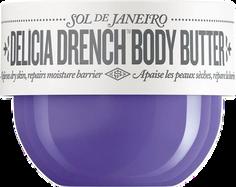
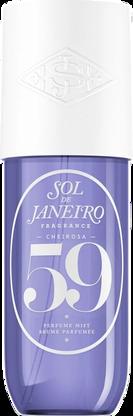
PERFUME + LOTION
As someone who deeply cares about hygiene, taking care of your skin and smelling nice is always a must. My favorite brand is Sol De Janeiro, what’s yours?
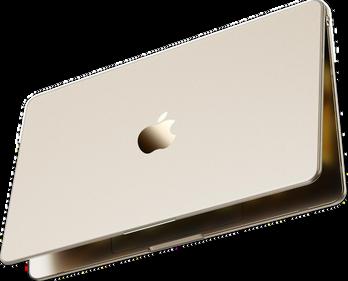
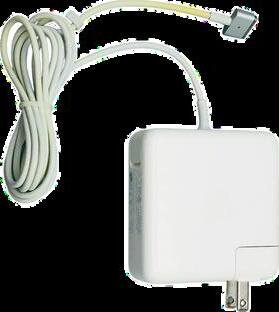
MACBOOK + CHARGER
My computer, my baby: for someone who’s always on the go, always booked and busy. A computer is perfect for staying on top of your work, and keeping things in order.
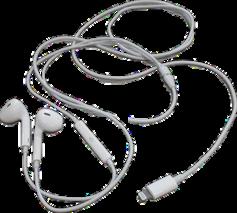
WIRED EARBUDS
Music on the bus, train, or walking down the street is what helps me through my day.It resets my brain, changes my mood, and
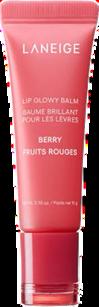
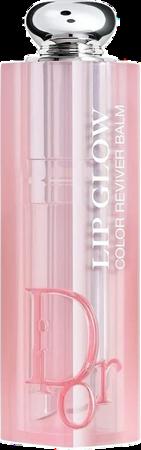
LIP PRODUCT/ MOISTURIZER
My go-to is the Laniege Lip Mask and the Dior Addict Lip Balm. Both moisurizing, different colors but working so well together. I love a good chapstick too; no one likes crusty lips.
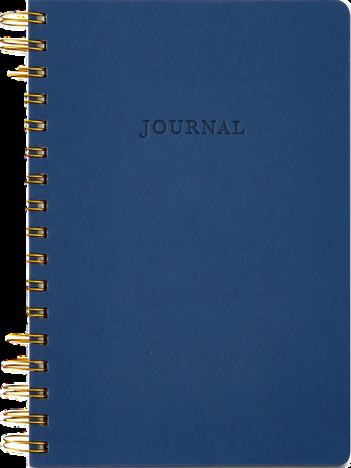
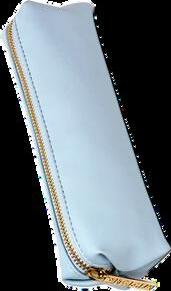
JOURNAL + PENS
I’m a deep thinker, and as a deep thinker, I need to write it all out. Every feeling, every thought, plans, schedules, sketches. A journal and pens helps with all of that! A must.
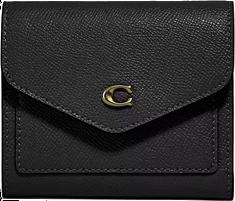
WALLET + CASH
Hard MUST, always carry cash for emergencies in a big city. My coach wallet is my everything but any wallet is perf!!
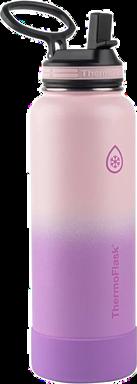
WATERBOTTLE
Gotta stay strapped and hydrated. Water is the best thing on planet earth for your body, even more points if it’s reusable!
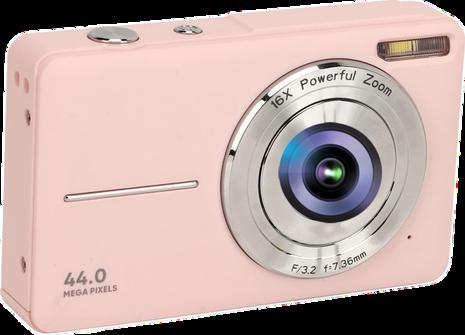
DIGITAL CAMERA
Perfect for going out days or nights and remembering the big and small moments.