









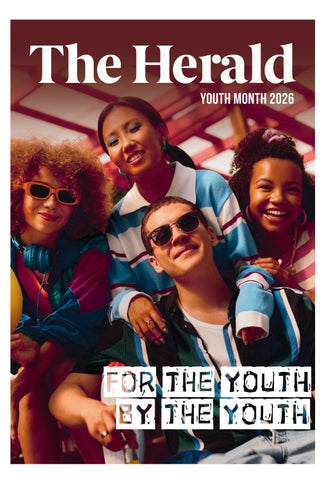
As South Africa commemorates Youth Month, the spotlight falls on initiatives driving economic inclusion and opportunity for the youth. Coca-Cola Beverages South Africa (CCBSA) highlights its significant contributions to job creation, enterprise development, and skills development.
Q1:Couldyouexplainthe relationshipbetweenCoca-Cola BeveragesAfrica(CCBA)andCocaColaBeveragesSouthAfrica (CCBSA)?
Coca-ColaBeveragesAfrica(CCBA) istheeighthlargestCoca-Colaauthorisedbottlerintheworldbyrevenue,andthelargestonthecontinent,operatingin14countriesand accountingforover40%ofallCocaColaready-to-drinkbeveragessold inAfricabyvolume.CCBAgroup operatesin14countries:South Africa,Kenya,Ethiopia,Uganda, Mozambique,Namibia,Tanzania, Botswana,Zambia,Eswatini, Lesotho,Malawiandtheislandsof ComorosandMayotte.
Coca-ColaBeveragesSouth Africa(CCBSA)isaproudlySouth African,level2Broad-BasedBlack EconomicEmpowered(B-BBEE) company.Asthelargestmarketin theCCBAgroup,SouthAfricais hometo11CCBSAproduction plantsacrosssixprovincesandsevensalesterritories-employing morethan5,600people.Thecompanyisresponsibleforproducing anddistributingthemajorityofCoca-ColaproductsinSouthAfrica,offeringawiderangeofglobalandlocalbeveragebrands.
Q2:AsanauthorisedbottlerofThe Coca-ColaCompany,Coca-Cola BeveragesSouthAfricaclearlyhasa connectionwithawell-recognised globalbrand.Howdoesthatwork?
Weareindeedpartofwhatwecall theCoca-ColasysteminSouth Africa,andwearebestknownfor globalbrands.AsCoca-ColaBeveragesSouthAfrica,weareembedded inthecommunitiesinwhichwe operate.Ourmissionistorefresh SouthAfricaeverydayandcreate sharedvalue.Weachievethis throughalocalapproach:wehire locally,producelocally,distributelocally,andwherepossible,sourcelocally.
Ouraspirationisnotonlytoreflectthediversityofthecommunitieswhereweoperatebuttoalso leadandadvocateforabetter sharedfuture.WebelieveinSouth Africa’spotential,andwearehere tohelpharnessSouthAfrica’s growth,forallofus.
Peopleareatthecentreofeverythingwedo,fromourvaluedemployeestothosewhotouchour business-ourpartners,suppliers,to thecommunitieswecallhome.
Communityinvolvementand partnerships,allowustobringpositive,measurablechangetoboththe communitiesinwhichweoperate andtoourbusiness.Thisextendsto howweapproachsustainability.
Q3:HowdoesCCBSA’spresence contributetojobcreationand economicopportunitiesforSouth Africa’syouth?
TogiveyouasenseofourcontributionandcommitmenttoSouth
Africa,acomprehensivesocio-economicimpactstudybyglobalconsultingfirmStewardRedqueen showedthatin2024,theCoca-Cola systeminSouthAfricacontributed R51.2billioninvalue-addedeconomicactivityacrossitsvaluechain. Wesupportedover87,000direct andindirectjobsinSouthAfricain sectorsincludingretail,agriculture, manufacturing,transportandservices.
Q4:CCBSAachievedaLevel2BBBEErating.Whatdoesthissignify foreconomictransformationand theadvancementofblack-owned businesses,includingthoseledby youth?
In2025,wereaffirmedourcommitmenttotransformationbyachievingaLevel2Broad-BasedBlackEconomicEmpowermentrating.This ratingreflectsourongoingeffortsto embedtransformationacrossallareasofourbusiness.Weprioritise PreferentialProcurement,directing over50%ofadjustedspendto black-ownedsuppliersandmore than30%toblackwomen-owned businesses.
Q5:Pleasedescribethe‘Bizniz-in-aBox’initiativeanditsrolein promotingentrepreneurship amongyouthinlocal communities?
Werecognisetheimportanceofcreatingeconomicopportunitiesfor theyouth.
Wehaveadoptedthepillarsof employability,educationandentrepreneurshipasaframeworkfor oureconomicinclusionstrategy.
Ouraimistoboostincome,provide sustainableearningpotentialand improveskillsandbusinessknowledgeforyouth,resultinginthemaccessingadditionalopportunities.
OneofourkeyinitiativesincludesBizniz-in-a-Box,established in2016.Bypartneringwiththese entrepreneursandprovidingthem withaccesstoCoca-Colaproducts, wecreatedistributionreach,access toourmostlovedbrandsandfurtherhelpcreateeconomicagencyat thesametime.
TherationalebehindBiznizina Boxistocreateanecosystemofviablemicro-businessesofferingcomplementaryproductsandservicesin acommunity,usingaspazashopas theanchor.Eachbusinessoperates outofacustom-designedcontainer. Thesebusinessescovervarious needsofthelocalcommunity,includingabusinesscentreorinternet café,acarwash,afast-foodshop,or aminibaker.
Forthelastnineyears,Biznizina Boxhaspartneredwithnational andprovincialgovernment,local municipalities,anddevelopmentfinanceinstitutionstohelpentrepreneurstodevelopbusinesses, improvetheirskills,accesscapital, managesupply,andprovidejobsto others.
Q6:Whattrainingand developmentprogrammesdoes CCBSAprovidetohelpSouth Africanyouthgainessentialskills forfuturecareers?
OurLevel2B-BBEEratingreflects improvementsinskillsdevelopment.Thisincludeslearnershipsfor
peoplelivingwithdisabilitiesand targetedtrainingprogrammesthat delivereda94%learneremploymentrate.CCBAalsolauncheda LeadersinTrainingprogramme, calledAscend,targetedathighpotentialyouthacrossourmarkets, with14ofthe60+fromCCBSA.The programmeisaimedatequipping themwithleadershipandbusiness skillstoenabletheirsuccessand contributetowardsshapingthefutureofourbusiness.
Additionally,CCBSApartnered withHenleyBusinessSchoolona programmetailoredtosupportour suppliers.
Fifty unefiveofoursuppliersgraduatedinJuly2024and2025,earning advanceddiplomasdesignedtoenhancebusinessleadershipandoperationalexcellence.
Q7:WhatisCCBSA’scommitment tocontributingtoamoreinclusive andprosperousfutureforallSouth Africans,particularlyitsyouth? Sinceourestablishmentin2016, transformationwasneveracheckboxexercise,butrather,itwasa strategicimperativeatthecoreof whoweareasCCBSA.
Ourongoingtransformationjourneyisatestamenttowhat’spossible whenpurpose,partnershipandperseveranceunite.
Webelievethat,asCoca-Cola BeveragesSouthAfrica,wehave builtastrongtransformationfoundation,andweremaincommitted tohelpbuildafuturethatismore inclusiveandprosperousforall SouthAfricans.
BySeanArthurJacobs,Eduvos
One of the greatest concerns raised by employers, educators and relationship experts is the perceived decline in communication skills among younger generations.
Despite living in an age of impressive technological advancement, many critics argue that face-to-face interaction is suffering as a result. However, while the way young people communicate has changed dramatically, experts suggest this does not necessarily mean they are becoming less social.
Technology has transformed the way people connect. Social media platforms such as Discord and Instagram have made it easier than ever to maintain relationships and interact with others across the world. While this shift has reduced the amount of in-person communication outside of school or work environments, experts caution against viewing the change as inherently harmful.
“Changes in communications amongst the youth is nothing new. It's been happening for decades. Each new generation develops their own language system; this is usually a response to rigid social structures. The youth develop their own codes to circumvent the power structures, so that they can communicate with one another in a way that connects them and their struggles. With the advancements of technologies, these codes become pervasive and global,” said psychology lecturer Jessica Kable.
According to experts, the perception that young people are becoming less conversational may stem from broader societal changes rather than a lack of social ability. Fewer recreational spaces and growing concerns over safety in public areas have reduced opportunities for young people to build relationships and interact in person.
For many young people, social media has become a primary space for connection. Whether through content creation, live streams or online communities, digital platforms provide countless opportunities to engage with others.
Third-year student Allison van Rensberg believes differences in communication styles between generations often lead to misunderstandings.
“Different generations often communicate with different expectations. Younger people may prioritise speed and convenience, while older generations may place greater value on direct conversation and long-form discussion and matters such as respect. Neither is inherently wrong, but misunderstandings for sure arise when those expectations clash,” she said.
Rather than questioning why communication has changed, experts argue society should focus on adapting to these evolving forms of interaction. As technology continues to shape daily life, expectations surrounding communication must evolve alongside it.
Face-to-face interaction remains important and cannot be entirely replaced by digital communication. Creating safer and more welcoming public spaces could encourage more opportunities for people to connect in person while still embracing the benefits of online communities.
Communication is not disappearing; it is evolving. Understanding these changes, rather than resisting them, may help society strengthen relationships and create a better future for younger generations.
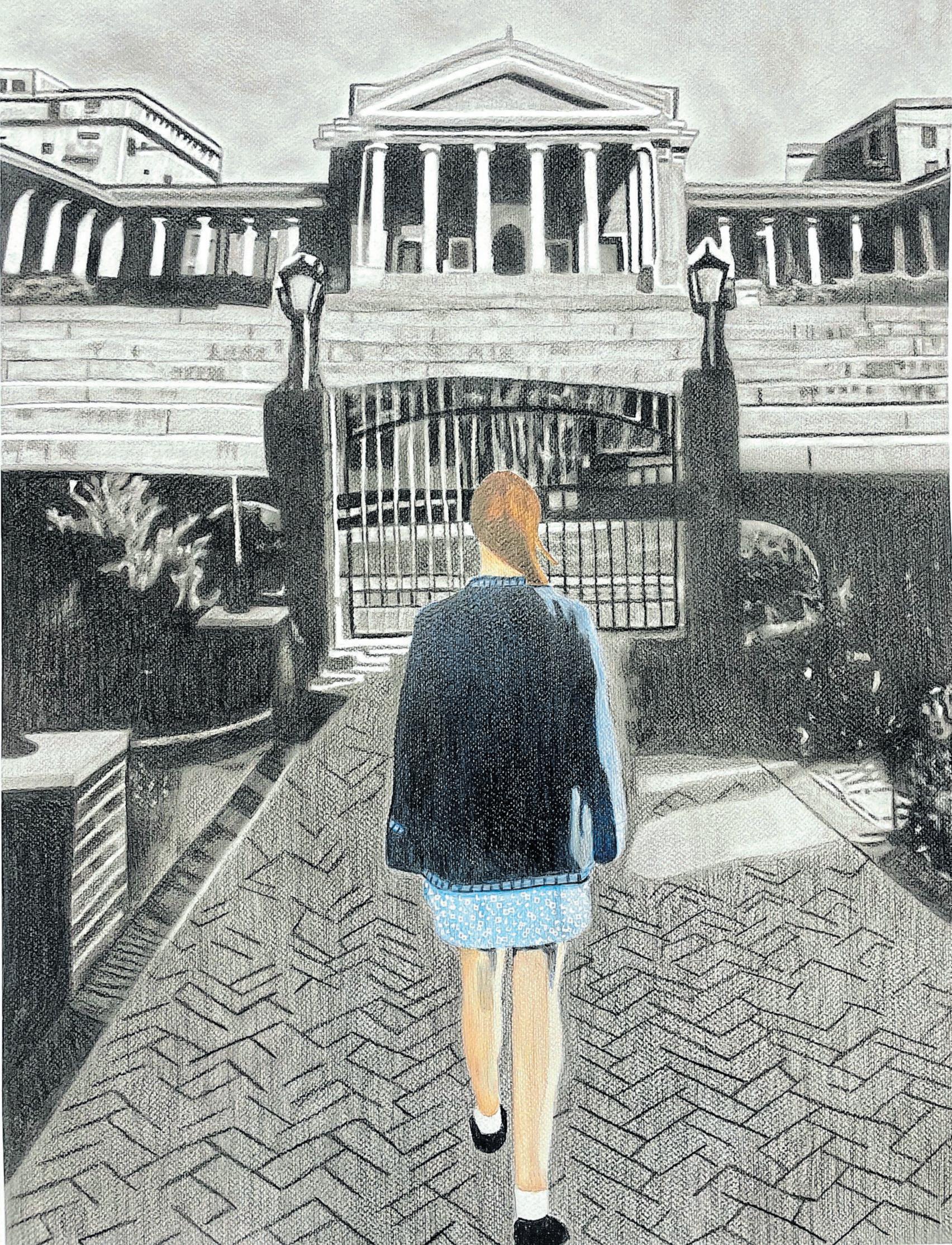

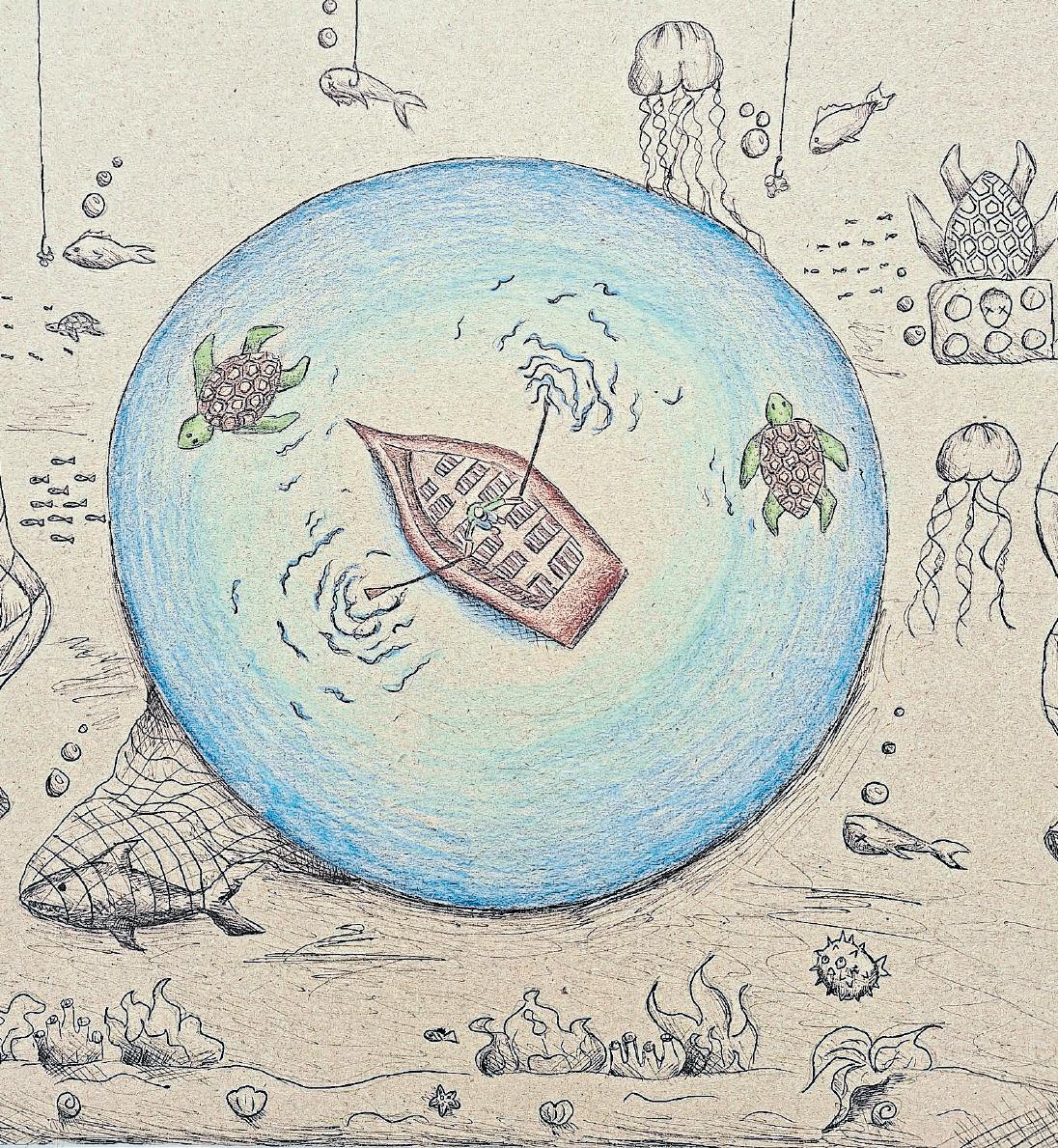
ByInganathiWilliams,Nelson MandelaUniversity
Nelson Mandela University First year, BA Media, Culture & Communication
Zinhle Mabuya thought her matric results would open the door to university. She completed Grade 12 in 2025 with a bachelor’s pass and three distinctions. But by early 2026, she had not received an admission offer from any of the universities she applied to.
For Zinhle, the disappointment was not only academic. It affected her mood, confidence and sense of direction. Later she says she struggled to concentrate and felt increasingly hopeless as friends moved on to new stages of life while she remained at home, uncertain about what would come next.
Her story reflects a wider postmatric crisis, where thousands of young people leave school each year hoping to study, train or work, but find that the system cannot absorb them all.
In 2025, about 901 000 candidates wrote the matric exams. The national pass rate reached 88%.
A record 656 000 learners passed, with more than 345 000 qualifying for university entrance with a Bachelor’s pass. But university places are limited. South Africa’s


public post-school university system can take about 230 000 new first-year university students, while total funded spaces across universities, TVET colleges and skills programmes are estimated at about 535 000.
This leaves many young people competing for limited opportunities. A Bachelor’s pass may make a learner eligible to study for a university degree, but it does not guarantee admission. Applicants still compete for space in specific programmes.
Universities don’t just consider your Bachelor pass but also subject combinations, APS scores, capacity and selection criteria.
Zinhle applied to only three universities. When no offer came, she realised how narrow her options had been. For many young people, being out of study and work can create emotional strain. Major life transitions, such as completing matric, are often periods of uncertainty for 18- to 25year-olds. Research and public guidance from organisations such as the South African Depression and Anxiety Group and the South African Medical Research Council point to the mental health pressures young people may face when they are uncertain about study, work or income.
Zinhle says the disappointment
of not being accepted into university affected her deeply. She says that within four months of finishing matric, she found it difficult to cope with the reality of being at home after working hard for her results. She also says she sometimes used alcohol to escape her situation because it gave her temporary relief.
In 2026, the main post-matric pathways for South African schoolleavers remain NSFAS-funded study, TVET colleges, universities and SETA-registered learnerships. Each has different entry requirements, funding rules and deadlines set by institutions and government bodies such as the Department of Higher Education and Training, NSFAS and SAQA.
For learners from low-income households, public universities remain especially important because they offer degrees that may not be available locally through other post-school institutions. But the demand for university places is far greater than the available space.
By the end of February 2026, Zinhle says she had lost hope of getting into university and joined Lass, network marketing company that sells skincare products through independent distribution. She says she struggled to secure customer funding to buy stock and
eventually stopped participating. She still has the products couldn’t sell.After that, she applied for entry-level and general work opportunities. She is still unemployed.
Zinhle’s reflects South Africa’s economic development, unemployment and higher education problem. Statistics South Africa’s Quarterly Labour Force Survey for the fourth quarter of 2025 reported that the country’s unemployment rate remained above 30%, with youth unemployment among those aged 15 to 34 even higher. The figures point to a labour market where there are far more job seekers than available jobs with the economy growing by a paltry 0.5% in the last quarter.
Her experience shows how a hopeful post-matric year can become a period of uncertainty –even with three distinctions. For many young South Africans, life after matric is a critical crossroads.
A National Senior Certificate remains important for accessing formal employment, further education and training. But not all matriculants gain admission to university or find work immediately. Some turn to TVET colleges, learnerships, secondchance matric programmes, community internships or informal
work to build experience.
These alternative pathways are important, but many learners do not receive enough guidance before matric about how to apply widely, compare options, understand deadlines or prepare backup plans. For young people from disadvantaged households, the pressure can be even greater because education is often seen as the main route to improving family circumstances.
Mabuya now advises the Class of 2026 to apply more widely and not rely only on their first-choice institutions.
“Class of 2026 must ensure that they apply to every institution because that is one of the mistakes I made,” she says. “I applied to the universities of my choice, which were three. That is why I did not get admission. I’m sure that if I had applied to many varsities, I would’ve been in school by now.”
She also encourages current matric learners to stay focused on their studies, but her story suggests that hard work alone is not enough. Learners also need early career guidance, realistic information about admission competition, and support in applying for multiple study, training and work pathways.
For Mabuya, the lesson came painfully late. For the next group of matriculants, it does not have to.










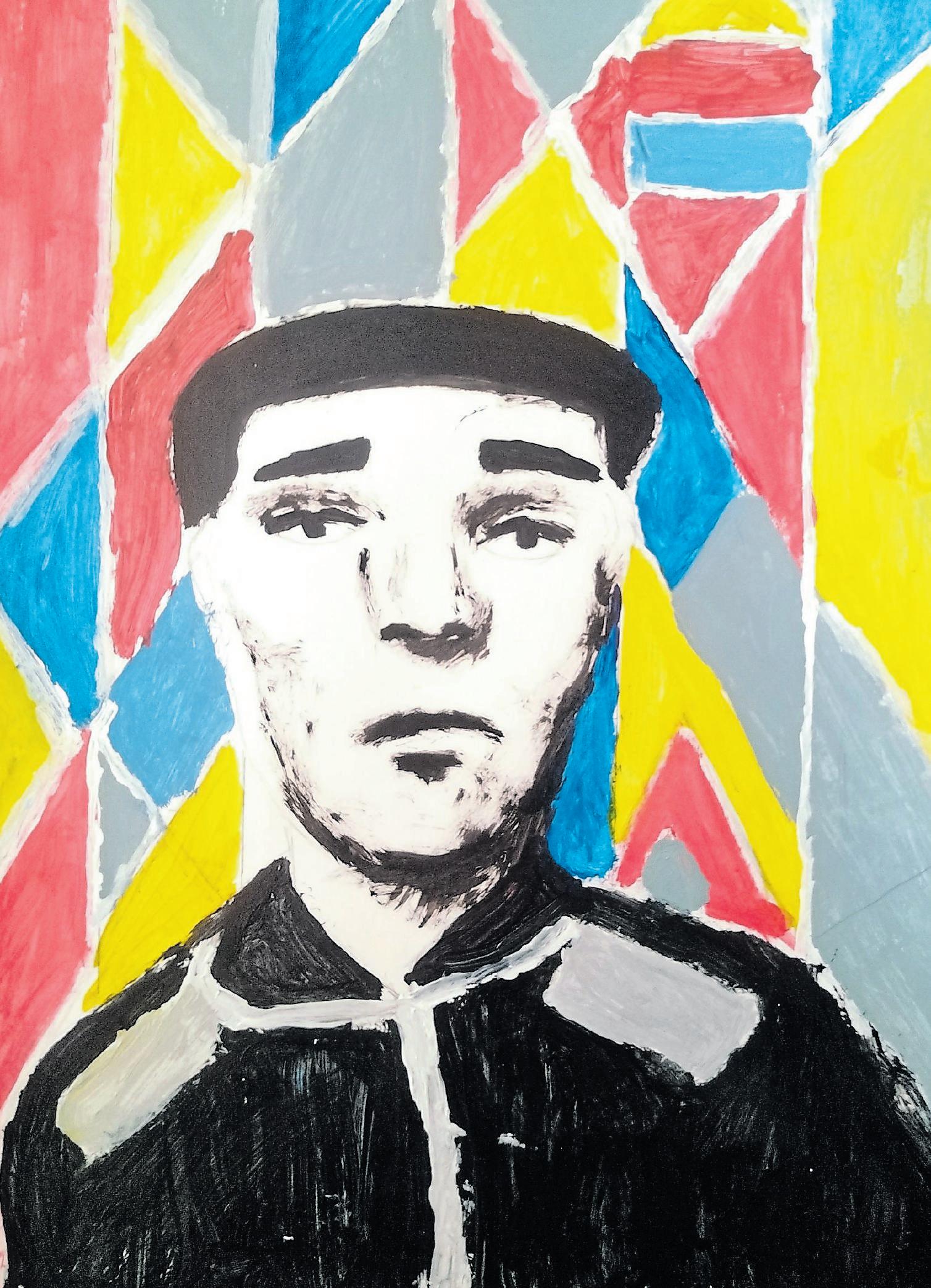
RijaAltaf,Grade8,Theodor HerzlHighSchool
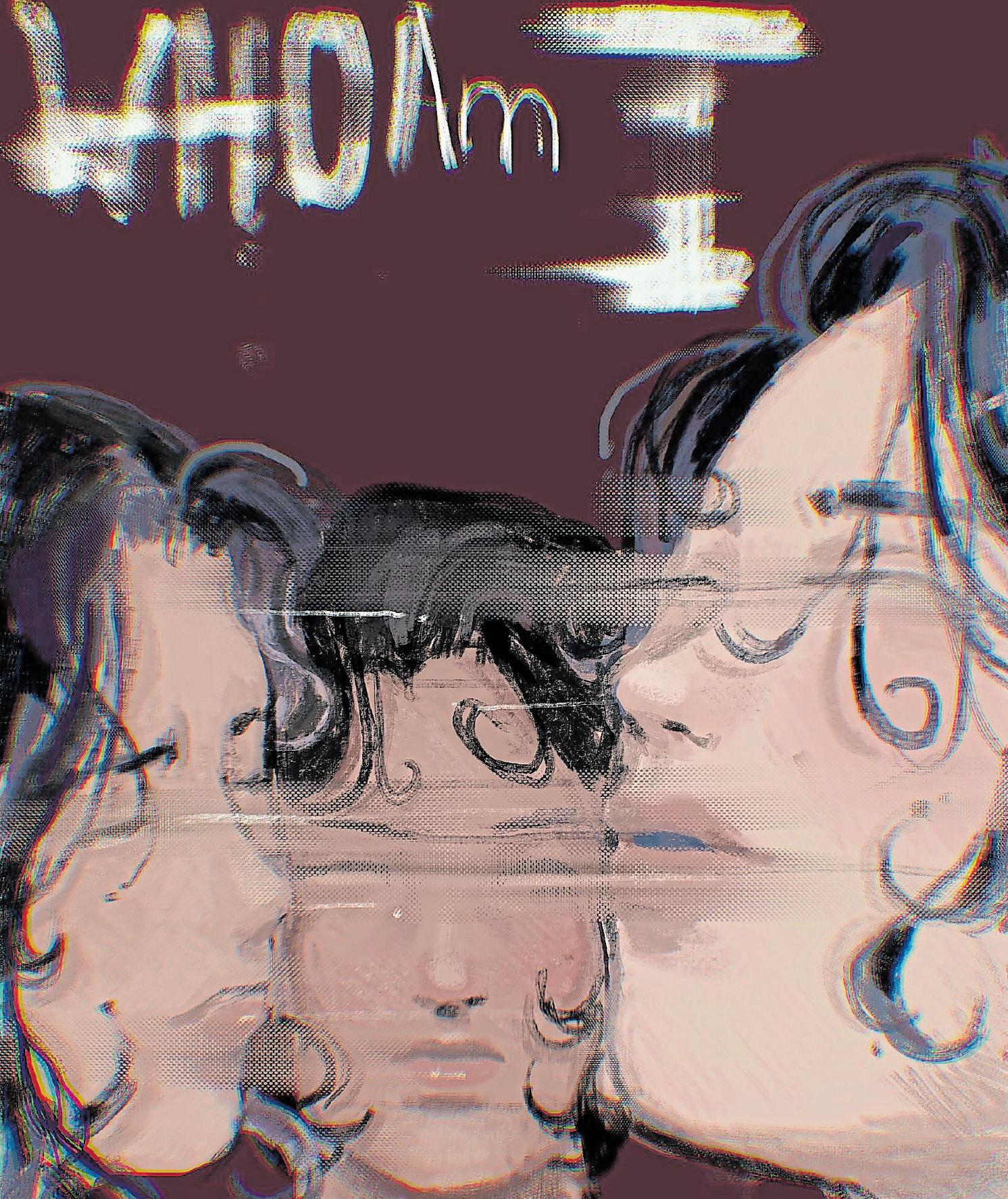
Confusion lies within this ephemeral body
Where thoughts are divided by its speaker
Two lands united by one puny vessel
That vessel is I
United by a body, yet divided by our sweet notes.
The notes of my piano carry more than just thoughts
The strokes of paint on my canvas know where their soul will go, but I don’t know where mine will wander to.
Piles of multiple identities make up this crowded vessel
Where thoughts are divided by more than just its speaker
I am synthetic, and so are the words written down on this page
Written in a language handed over to me
Translated into a language where my blood seeps in its land’s rivers
I await a land made for me, where other vessels don’t understand where they truly lie
Such a dream lies under my skin
Where thoughts are divided by its land.
Everts,
I close my eyes,
Its dark, I hear faint noises in the back of my mind, then a heaviness comes over me,
And it's not the heaviness of a restful mind but rather one filled with agitation.
Not knowing what I'm going to do with my life or who I’m becoming,
So many undecided decisions.
Homework due, tests, orals, projects, assignments,
And along with a weekend of no physical break but rather a break from reality.
The cold, fresh air of a Saturday morning.
The sound of rugby boots clacking on the concrete,
Bodies colliding, whistles, shouting, cheering.
An indescribable atmosphere created with the only stress being the numbers on the score board.
My eyes open and I'm staring face-to-face with a stranger I’ve never met.
We shove, argue, and fight,
And just for that moment in time...
Reality is forgotten.
Our minds are clear from the stress, pressure and noise of school.
We are united through something far greater than the game.
And as the final whistle blows, we return to reality stronger than before,
Not because that heaviness disappeared,
But because for those few minutes on the field,
We remembered who we are beyond it.
They tell us youth is meant for dreaming, for laughter and late-night drives, for finding pieces of ourselves inside other people’s eyes
But nobody really talks about how deeply young people love how love at this age never feels ordinary, it stays with us almost like a memory
They say teenage love is temporary, as if youth makes what we feel less real
It’s staying awake over messages left unanswered, replaying moments in your head, and finding comfort in music when nothing else is said
Sometimes it’s soft, sometimes it hurts, but most times it teaches us things no one should have to learn
And even when you think you’ve let it go, it still moves through you quietly, like the tide that won’t let go like Dory and Nemo, always drawn back to what they know
My dream about you was never just a song it became a feeling I did not know how to name, and maybe that is the strange thing about growing up. People enter your life so quickly, yet leave traces that never really fade.
Maybe youth is not just about exams, careers, or figuring out the future, but also about learning how to love, how to lose, and how to keep going
Because youth ends, people leave your life quietly, but you don’t move on, you just move forward....
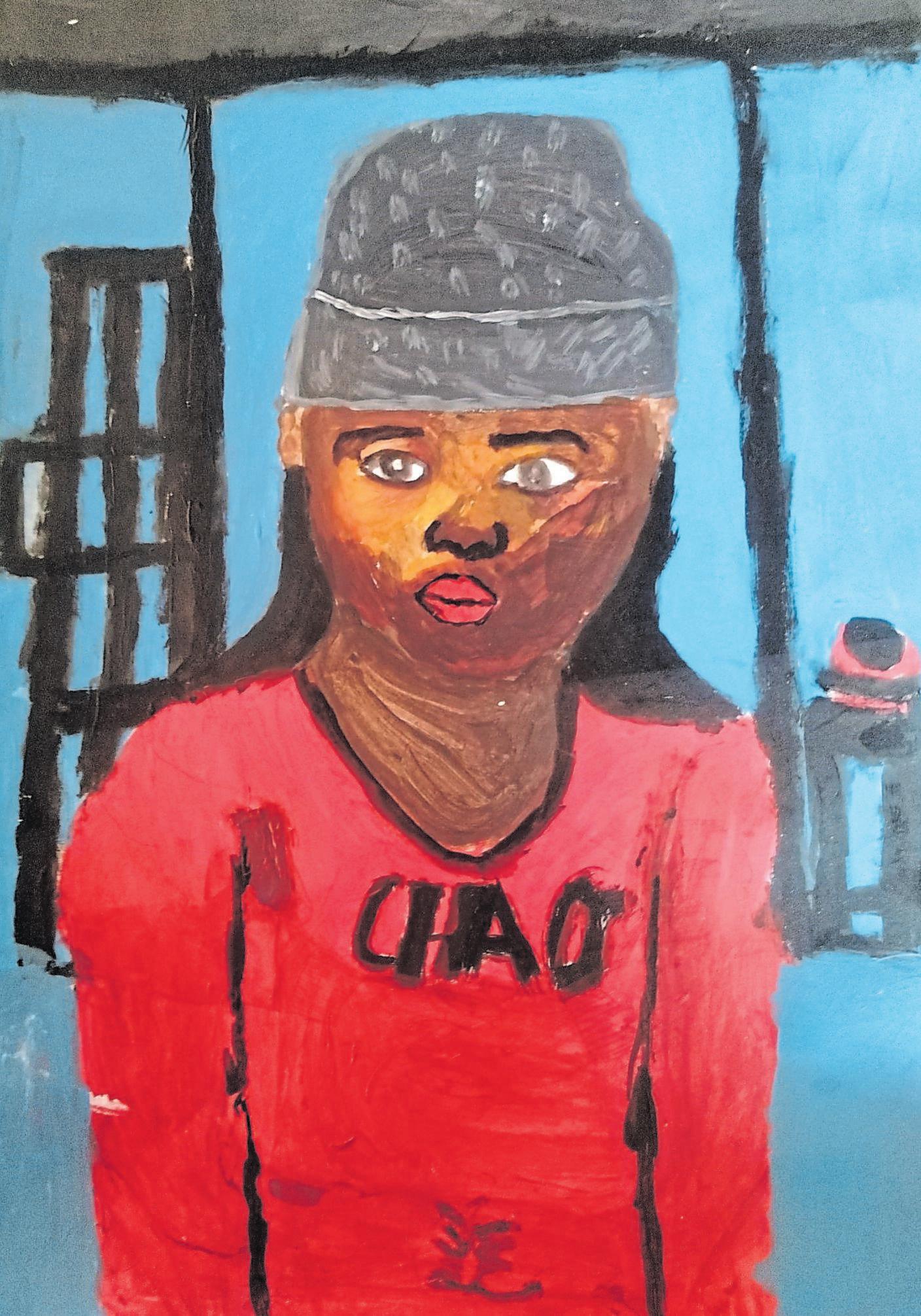
FarrenSimon,Grade11,Educ8SA
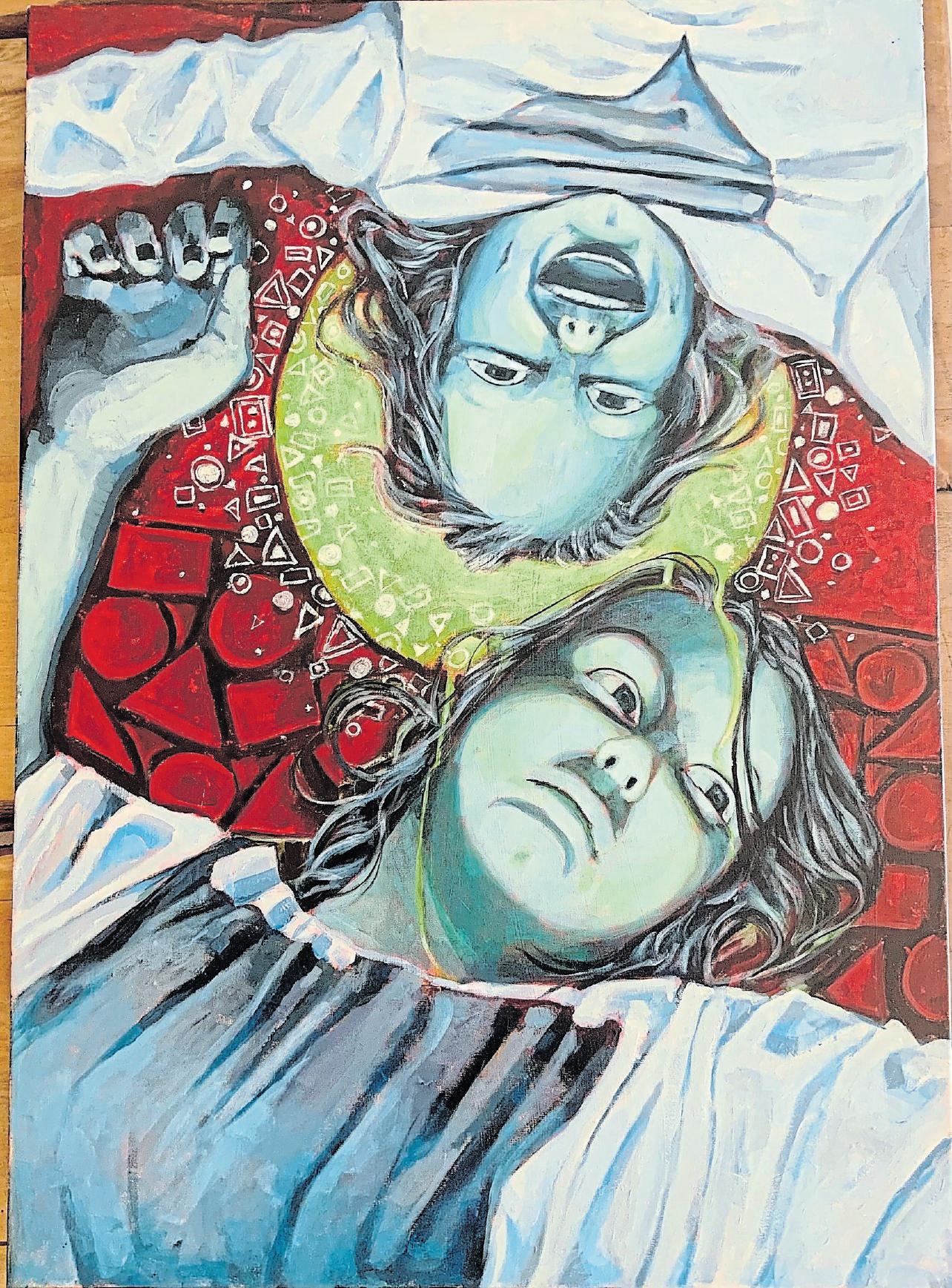
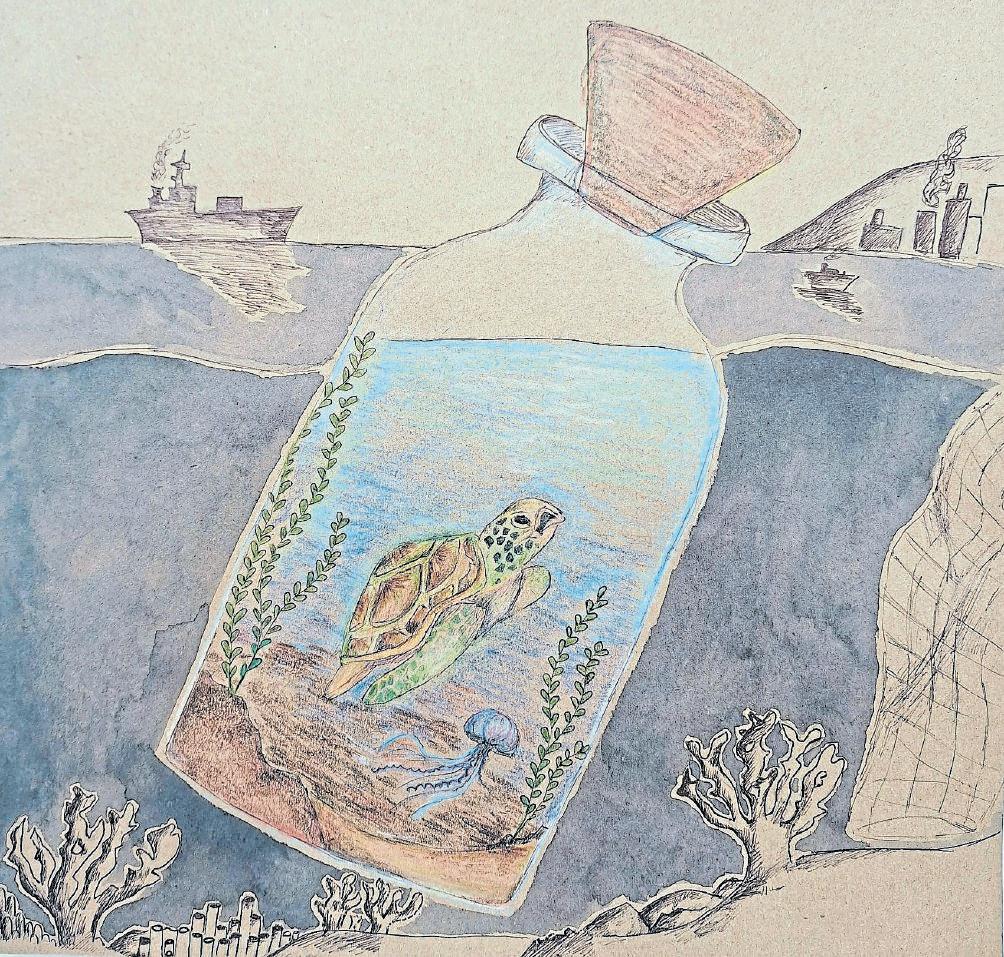
Let me tell u a story about a butterfly .
There’s this butterfly I keep thinking about. She’s not the “perfect” kind people imagine. She doesn’t always feel beautiful or confident. Most of the time, she just feels unsure.
She struggles to see her own wings.
And that’s the thing everyone else seems to see them so clearly. They talk about her like she’s something amazing already. But she doesn’t feel like that inside.
So when other butterflies say things about her, she believes them easily. Even the negative stuff. Even when it’s not fair.
Because when you don’t really see your own worth, other people’s words start to feel like truth.
She starts asking herself questions like why would they lie? Why would they say something just to hurt me?
And slowly, without even noticing, she starts holding herself back. Like maybe she’s not meant to fly after all.
I used to think this was just a story I made up.
But the more I sit with it, the more I realize it’s not just about a butterfly.
A lot of teenagers feel like this. We hear so many voices every day, and not all of them are kind. Some of them stick to us more than they should.
And in all of that noise, it’s really easy to forget what’s actually true about yourself.
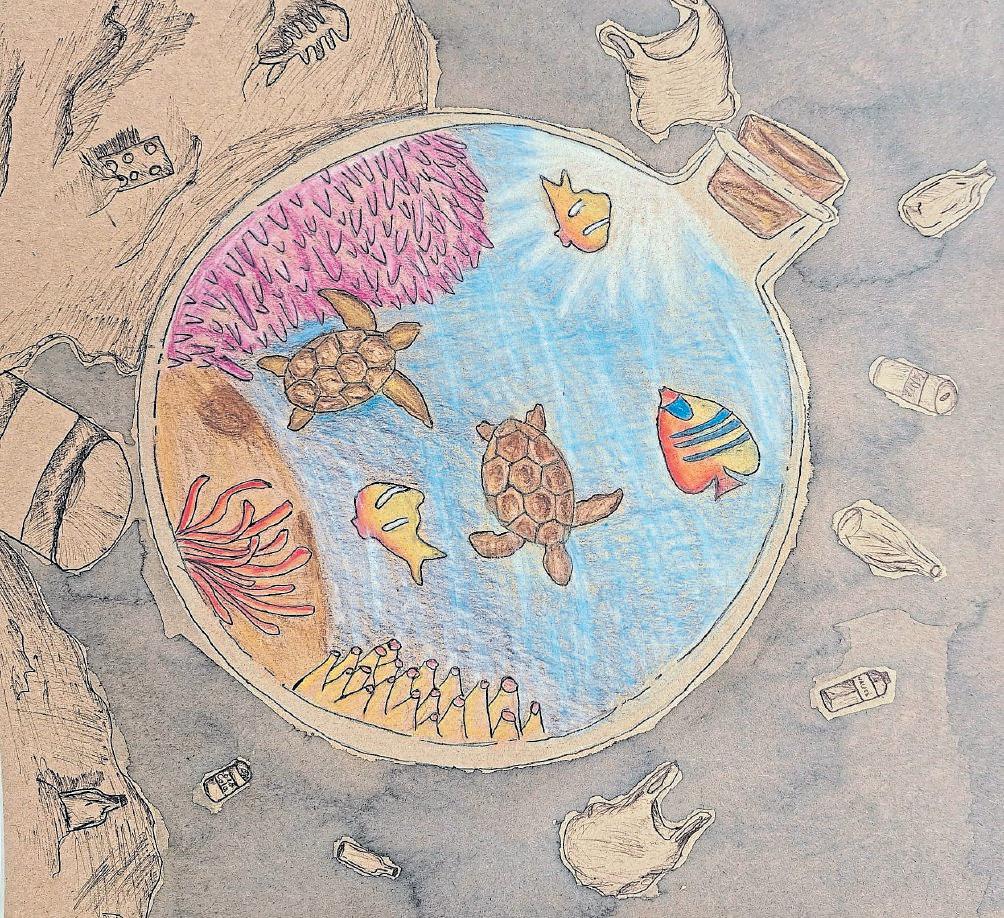
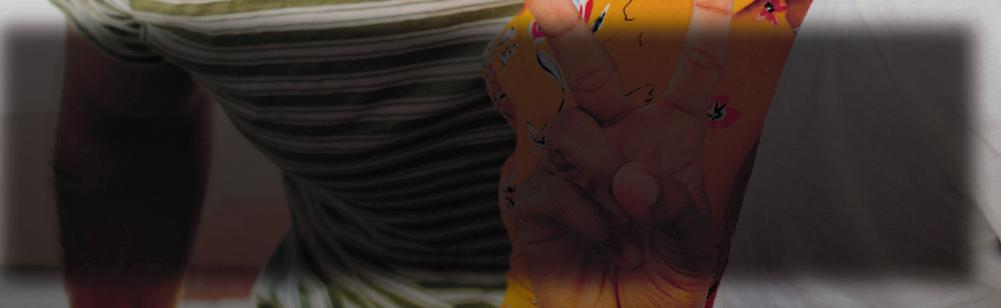
That’s what my artwork is about.
A reminder that even if you can’t see your wings yet it doesn’t mean they’re not there. You’re still becoming. Still growing. Still learning to fly in your own way.
And maybe that’s enough.
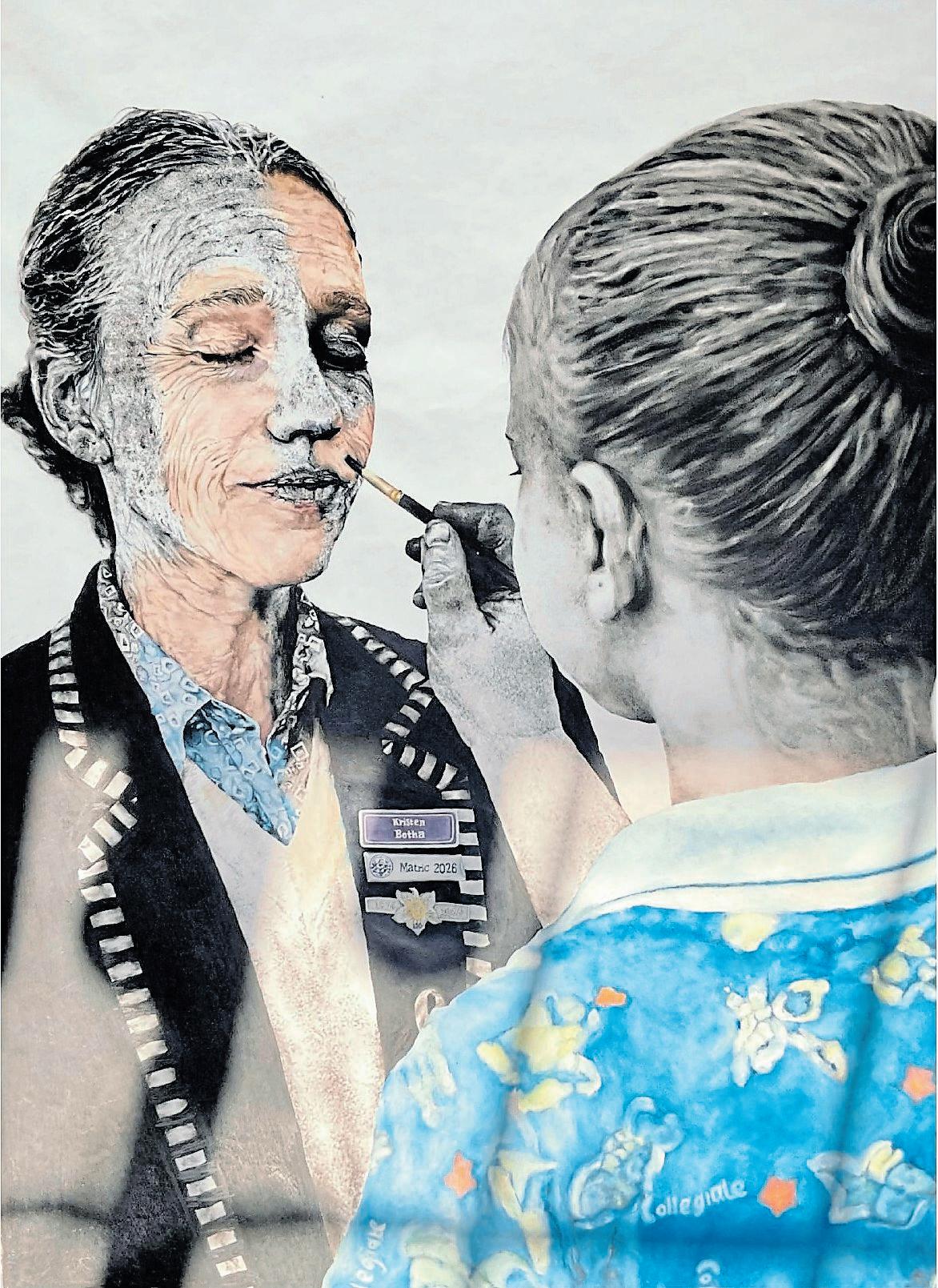
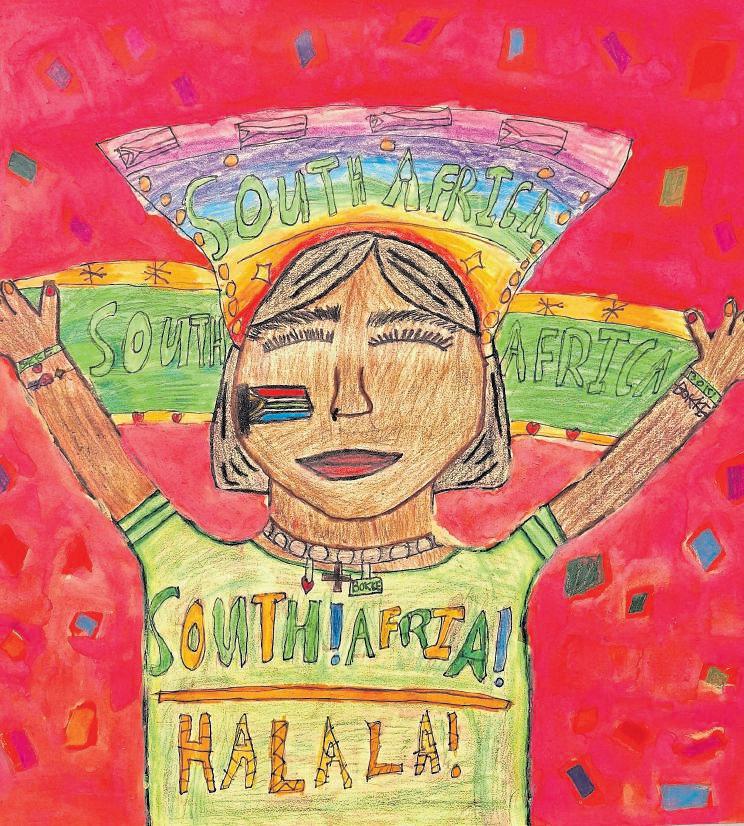
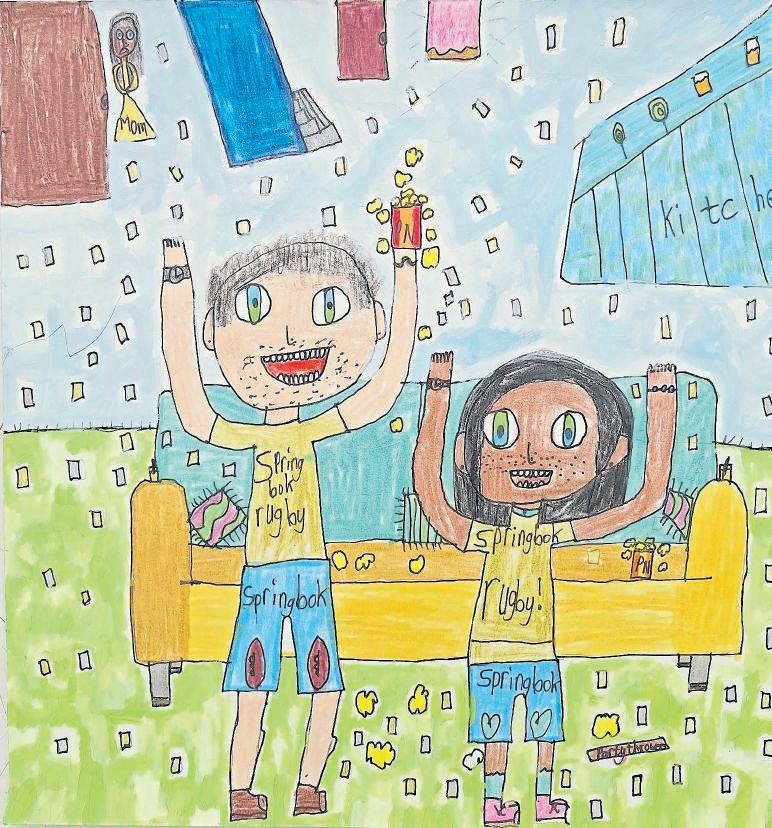
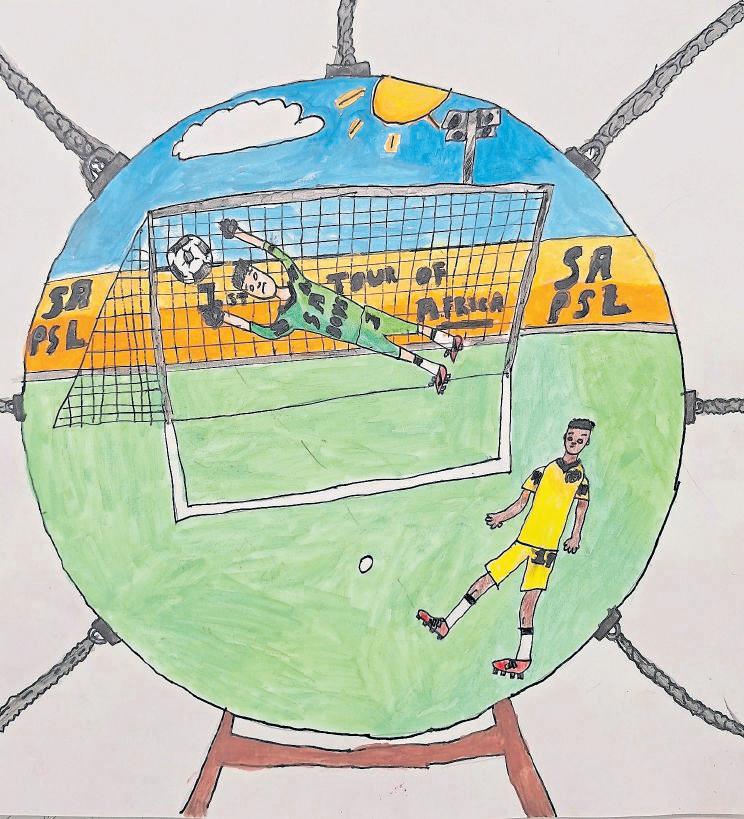

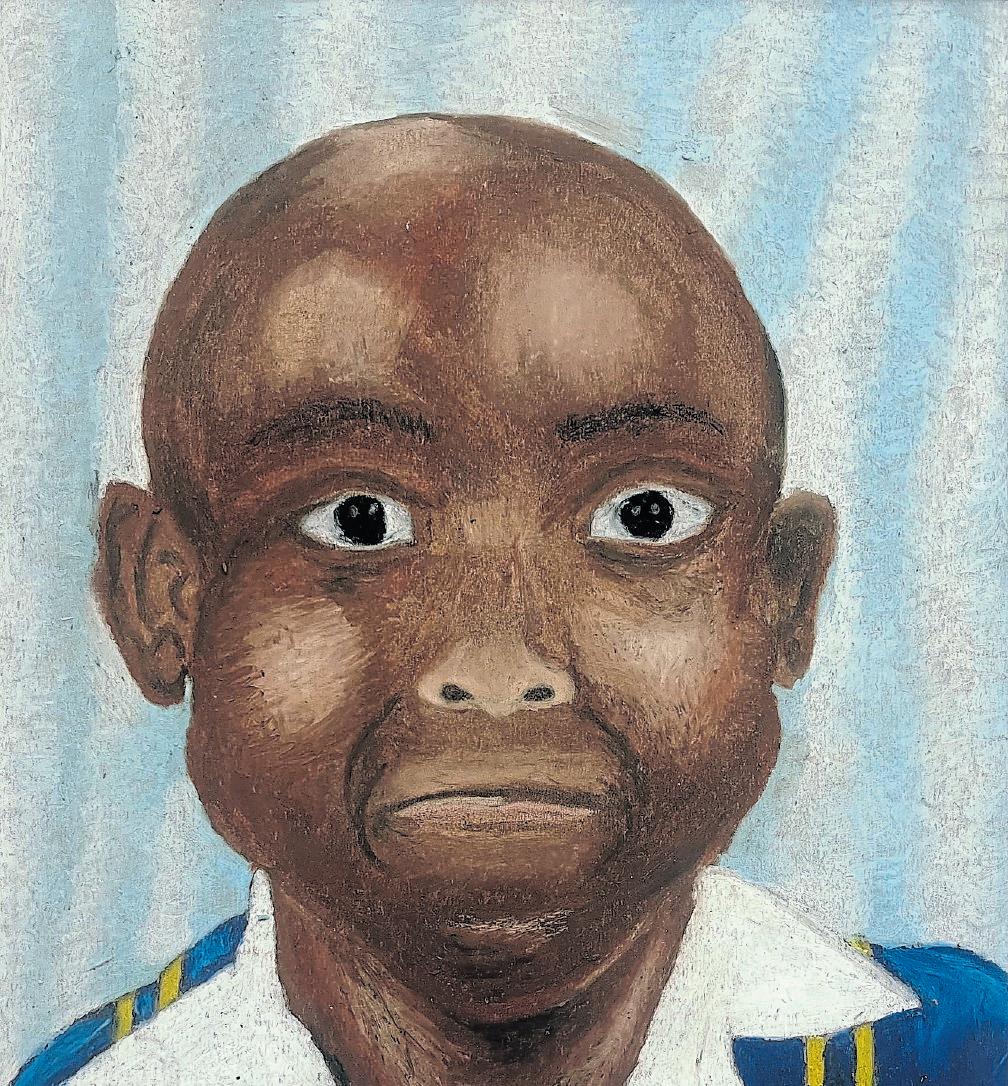
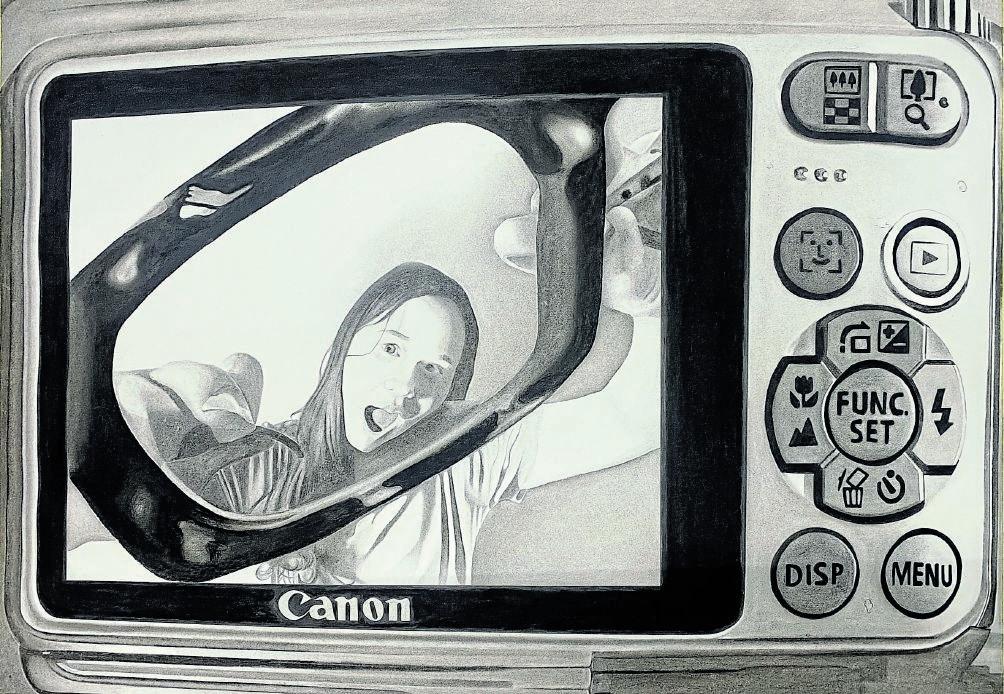
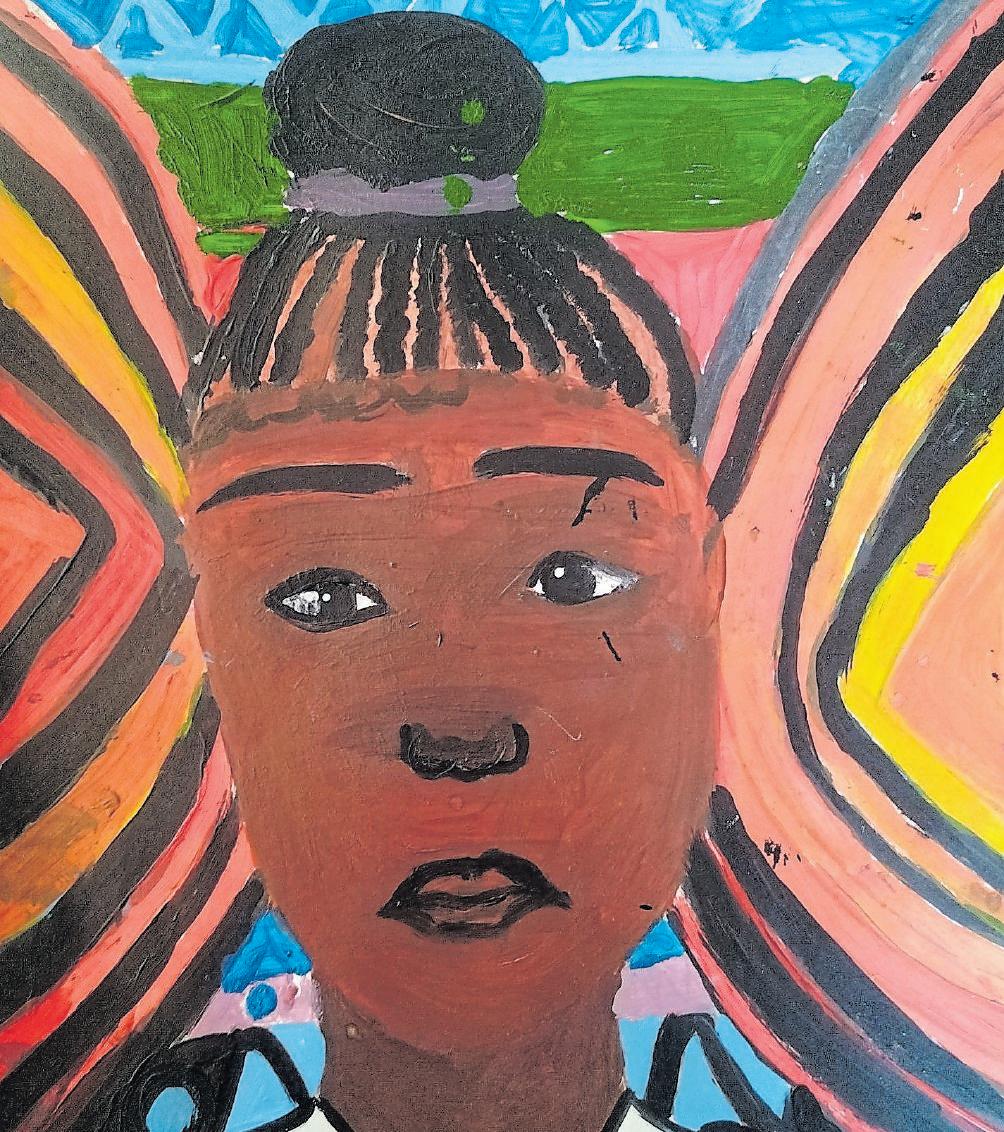
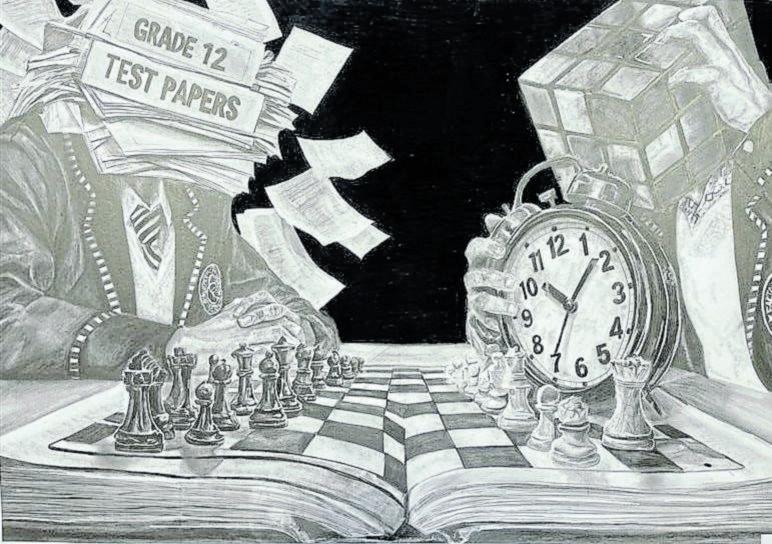





ByTshegofatsoVilakazi,Nelson MandelaUniversity
When I was sixteen years old, my mother and grandmother sat with me for “the talk”. My mother told me that I should guard my virginity, while my grandmother emphasised being careful with boys. Throughout that conversation, neither of us mentioned that sex could be something I might want for myself. The silence about my pleasure as a woman revealed what has been taught to generations of girls: sex was about protecting myself from men, not claiming my pleasure as a woman.
This silence was not unusual in my family. It echoed through generations of girls being taught that sex was not for them but for men. Parents, often unconsciously, teach girls that sex is something to guard against, something men pursue and women endure.
This is not only a product of patriarchal conditioning, but it also erases women’s joy from the conversation. By not mentioning women’s pleasure, desire and agency, we reinforce a malecentred definition of sexuality. This leaves daughters unprepared to claim their sexual well-being.
As we progress into a more socially and culturally aware
society, our approach to sex education should also progress from shameful to shameless. This begins with how parents approach conversations about sexuality with their children.
Parents need to shift from teaching daughters only to protect themselves from sex, to helping them navigate their sexuality in a healthy and informed way. Instead of teaching daughters that their worth is tied to the number of people they have sex with, parents can consciously reshape the narrative to centre dignity, agency and pleasure as part of healthy sexuality.
By having open and honest conversations with both boys and girls, we encourage healthy relationships built on respect and equality.
Movements like the Escape the Corset Movement challenge traditional beauty norms that reinforce patriarchal definitions of femininity, which limit women to the body, objectivity, exteriority and materiality. Sex education can help dismantle these ideas by teaching girls that their bodies are theirs, their choices matter, and pleasure is normal. When we teach girls that their bodies are theirs, we should also teach boys that those
bodies are not theirs to take and that pleasure is mutual.
The Optimus Study South Africa on childhood sexual abuse found that 35.4% of teens between the ages of 15 and 17 have experienced sexual abuse in their lifetime. Boys were subject to more non-contact abuse, such as exposure to pornography, while girls had a greater risk of penetrative abuse.
Children who have body literacy can express abuse clearly, while those who do not might have trouble describing what has happened to them.
Comprehensive sexuality education influences children’s ability to recognise, resist and report abuse of any kind.
It is important to teach children consent from a very young age. Let girls practise saying “no” to hugs, tickles or play when they do not want them. Respecting their choices lets them know that their boundaries matter. This also opens a platform for parents to explicitly challenge views that encourage boys to “take” or “earn” access to girls’ bodies.
“Sex education has never been an easy topic,” says Lorraine Vilikazi, a nursing professional and mother of a boy and a girl.
“I feel it’s easier addressing the
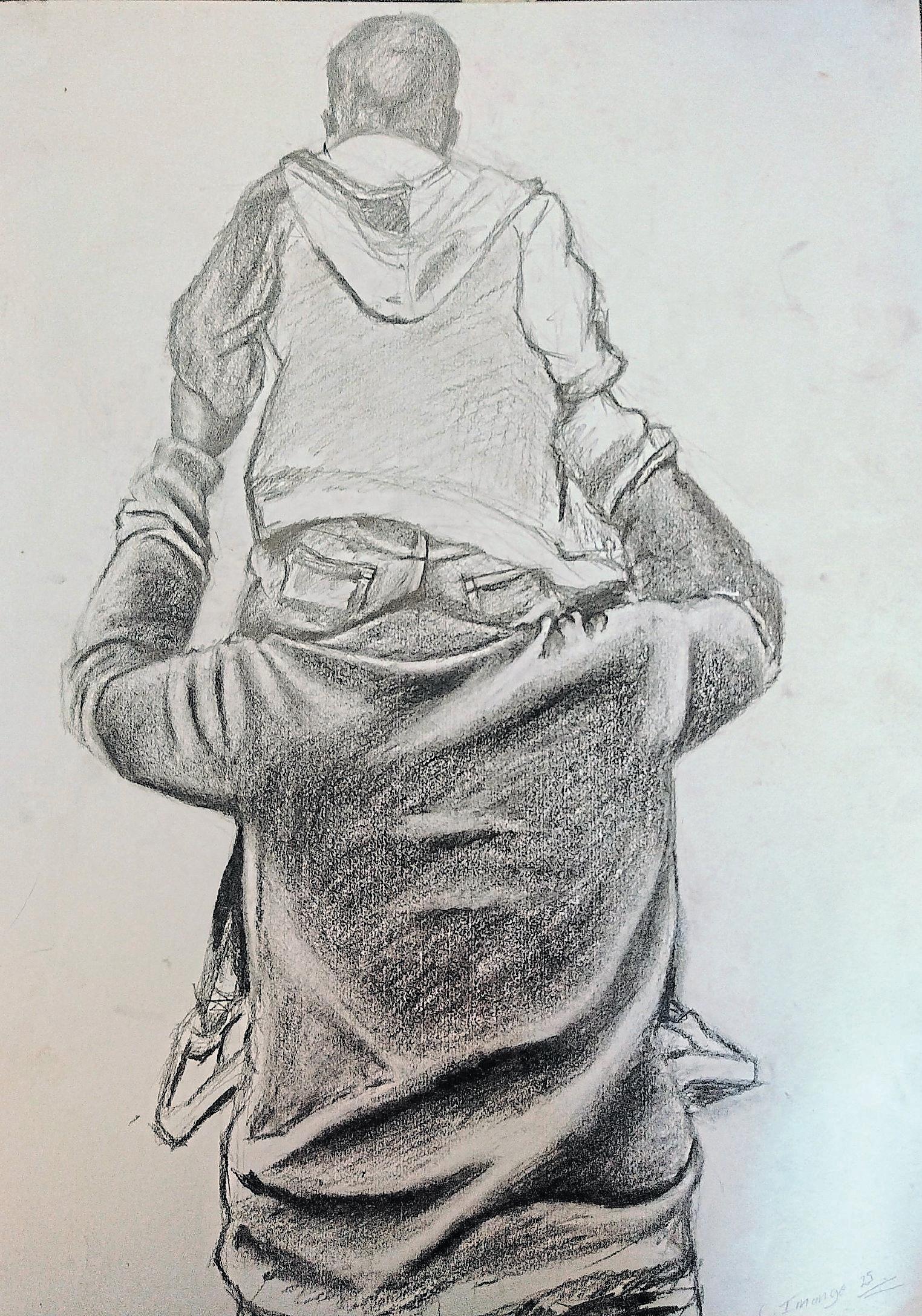
topic with girls, as most of what girls go through, I have also been through those situations.”
Her response shows how generations of girls often did not receive proper sexuality conversations, only warnings about romantic life. Gender studies research explores how cultural scripts often frame sex as something women “give” and “endure”
These scripts influence how women understand sex, desire and their own bodily sensations.
Silence around pleasure does not only harm girls. It also undermines relationship satisfaction for everyone. In a 2025 study, researchers examined how different types of intimacy emotional, sexual, intellectual, recreational and conventional predict marital satisfaction. The key findings were that emotional, intellectual, conventional and recreational intimacy were significant predictors of marital satisfaction for both men and women. Sexual intimacy was most predictive in relationships under three years.
This matters because sexual intimacy is often important early in relationships, while emotional and intellectual intimacy become
increasingly important over time. This supports the need to teach girls agency and pleasure from the start, while also teaching boys respect, communication and accountability.
Research shows that cultural sexual scripts often cast women as duty-bound responders rather than subjects of desire.
This framing erases pleasure and reinforces patriarchal conditioning. To unlearn silence, sex education must explicitly challenge these scripts and teach girls that sex is not something they simply “give” but something they can understand, choose, enjoy or refuse. We need to stop only warning girls about boys. Girls are taught to protect themselves from sex and boys, while also being expected to one day find a husband and have children. This reinforces the idea that sex for girls is a duty to be fulfilled, not something they can understand or enjoy for themselves.
We are the next generation of adults, and we must make conscious decisions because we will influence the next generation. Openness is not enabling. It is informing. It is encouraging healthy decisions that align with self, dignity, respect and agency.
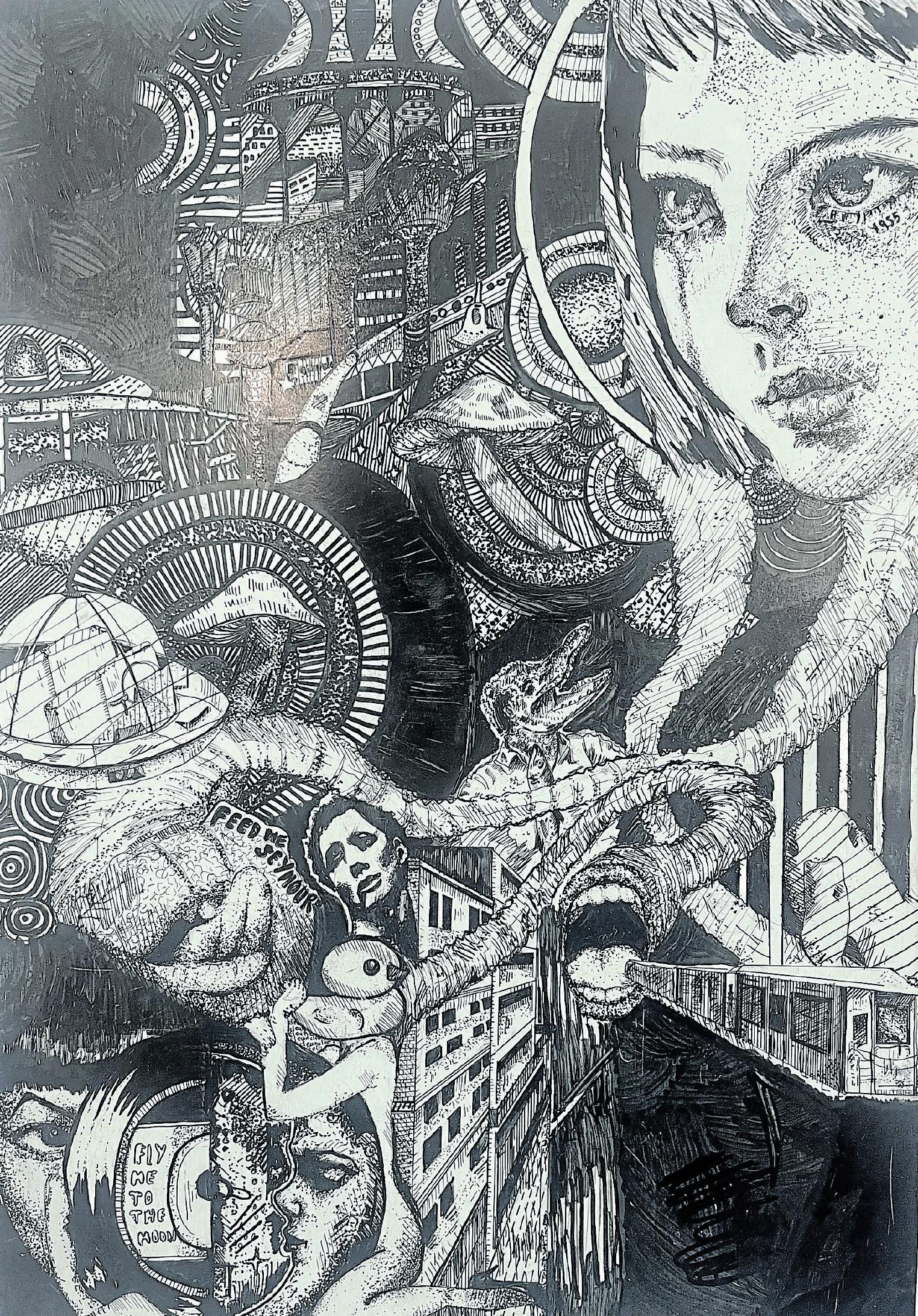
Environmental issues:Aletter fromtheyouth TheNativeTree
ThatoMokoetla,Grade11,Brylin ILC
Dear world
We are the youth, the children who grew up hearing that the Earth is dying slowly, while smoke climbs into the sky like a warning nobody answers. We walk through streets filled with plastic, watch rivers carry pain instead of life, and breathe air that feels heavier each year.
Sometimes it feels like nature is crying, but people are too busy to listen. We did not create these problems, yet we are the generation that will inherit the storms, the droughts, the burning forests, and the silence of animals disappearing forever.
Still, we have hope.
We believe the Earth can heal, if people finally choose care over greed.
Plant more trees, protect the oceans, stop treating nature like it is something endless and unbreakable.
As young people, we may not hold power yet, but we hold voices, dreams, and the courage to speak before it is too late. The future should not be covered in smoke.
It should smell like rain, sound like birds in the morning, and feel safe for every child still growing up.
Please hear us now, because we are not only fighting for ourselves, we are fighting for tomorrow.
Sincerely, From the youth
You would think that a tree could not think for itself or that a person “lesser than” could not form a thought in their head, but a tree like myself, and a person such as them, can only think, and not speak, of how you do harm us till we’ve bled.
You have made me into shelter, my corpse becomes your home.
They have sheltered you on their land, yet you claim it is now yours.
You demolish all that is in your path, like a stampede of wild things, because you do not think of turning when you tread upon ours.
Is my bark too dark for your liking?
Is their skin not as fare as you’d bare?
Shall you shred my flesh for your decrees that bar them from having a share?
My home is torn down to build your own where you abuse and mistreat those with the same blood.
You’d rather exist far out in my forest, far from your recreated home, than amongst others whom you would not recognise in your mirror.
Tell me, do you enjoy the oxygen that I give?
Do you not relish in their many traditions? Do you not pluck the many fruits that I have nurtured?
Do you not force them into submission?
I have watched for years, wrinkles not yet shown, as they worshiped our roots, as they respected and loved all things.
I have watched, wrinkled and worn, as you came on your ships, as you burned and killed all things. My branches do not differ from the strength of those that you claim. The first to break the soil of the land should not be broken just the same.
One day you shall meet a fate that sprouts only from revenge. Beware, or you next shall suffer. Our homeland we shall avenge.
AmeerahBaatjies,Grade4,Gelvandale PrimarySchool
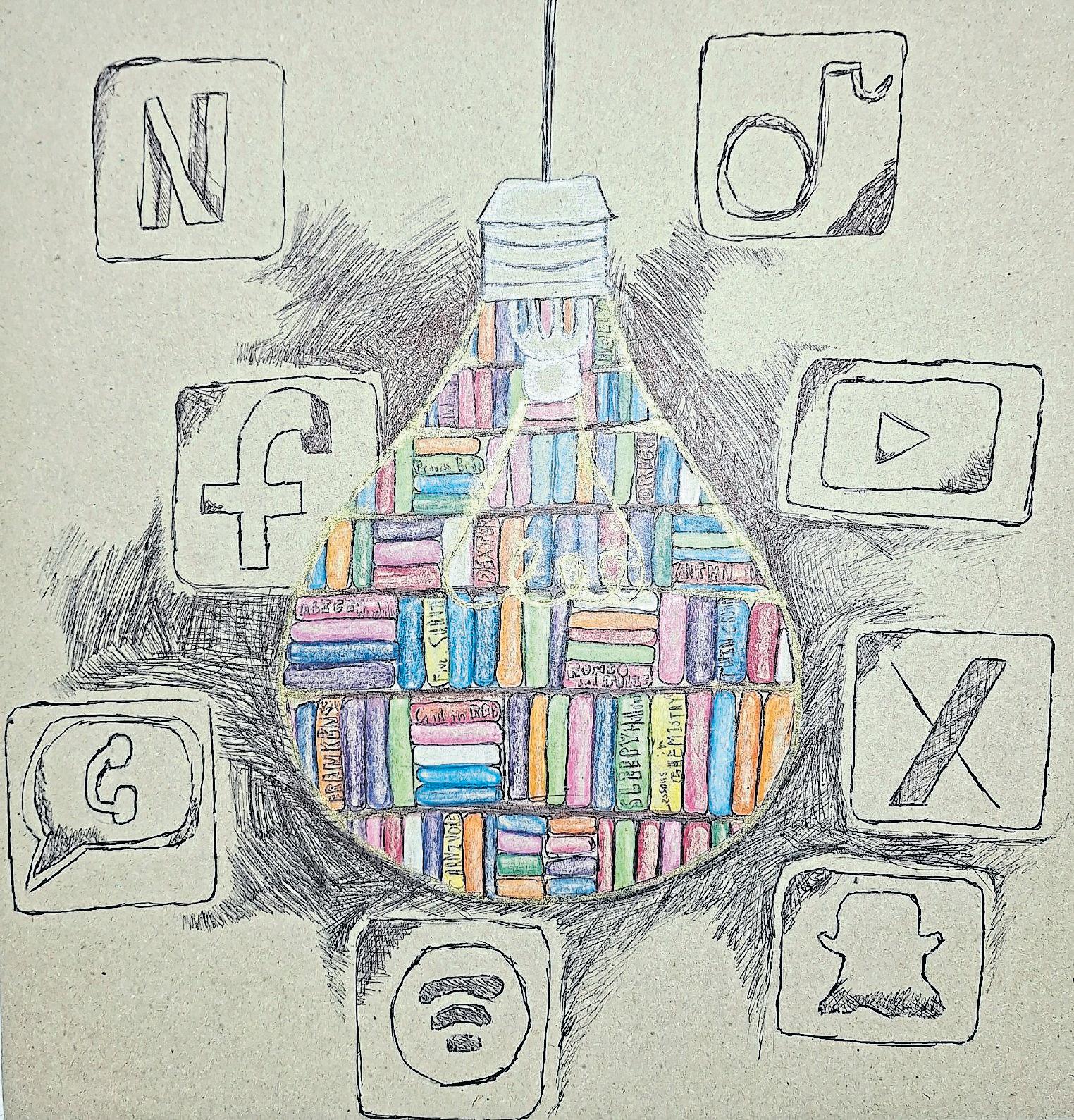
Sometimes I come to school, And I feel a little sad. Some children say mean things, And it makes me feel bad.
I smile but inside I cry, And I ask myself why. Why do they laugh at me?
Why can't they just be kind to me?
I am a person too, I have feelings just like you. My heart can break and hurt, Even if I don't say a word.
So please think before you speak, Kind words are what we need.
A smile can make someone's day, And chase their sad thoughts away. Let's stop bullying today, And choose kindness every day.
ByRaniaYon,Grade11, CollegiateGirlsHighSchool
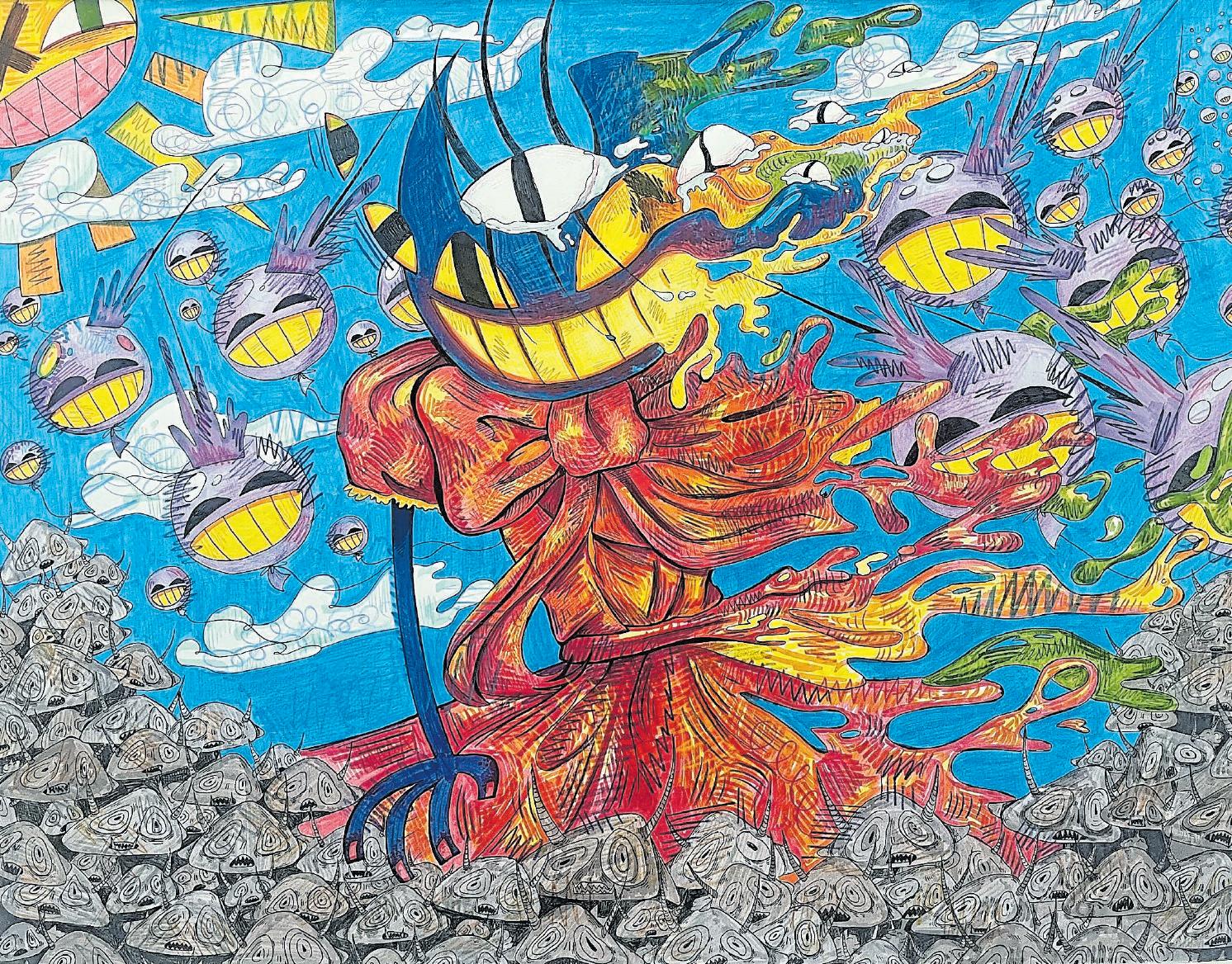
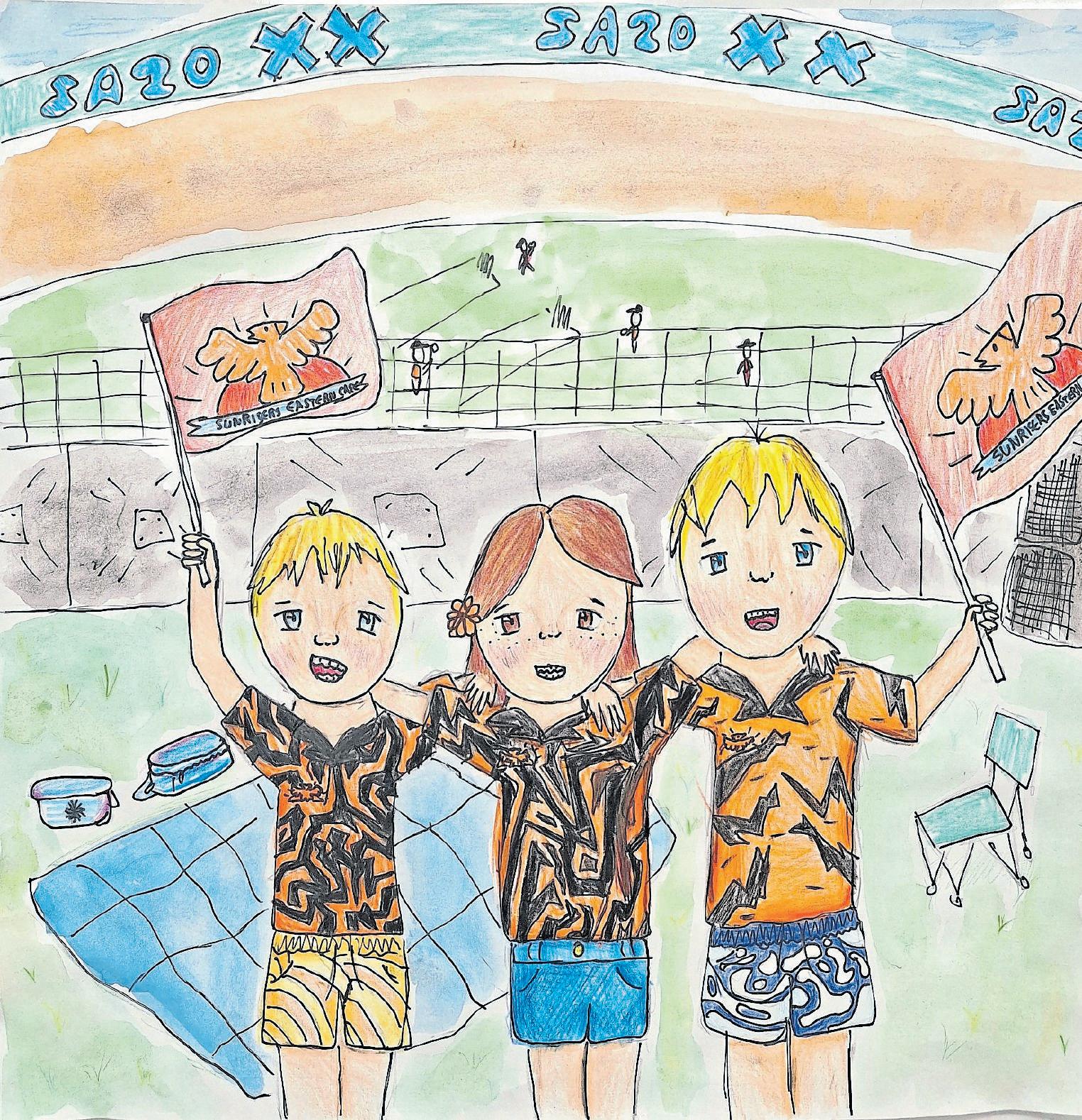
Perfectly round letters turn crooked, beginning to slur and suffer.
Bleeding dry those highlighters and pens. Gone, the brightest yellow, My perfect blue. Temporary numbers, words and cues building houses upon my brain out of sticks and glue. And then comes the waves of positive red or, maybe, definitive dread.
ZoeyErasmus,Grade12,UitenhageHighSchool
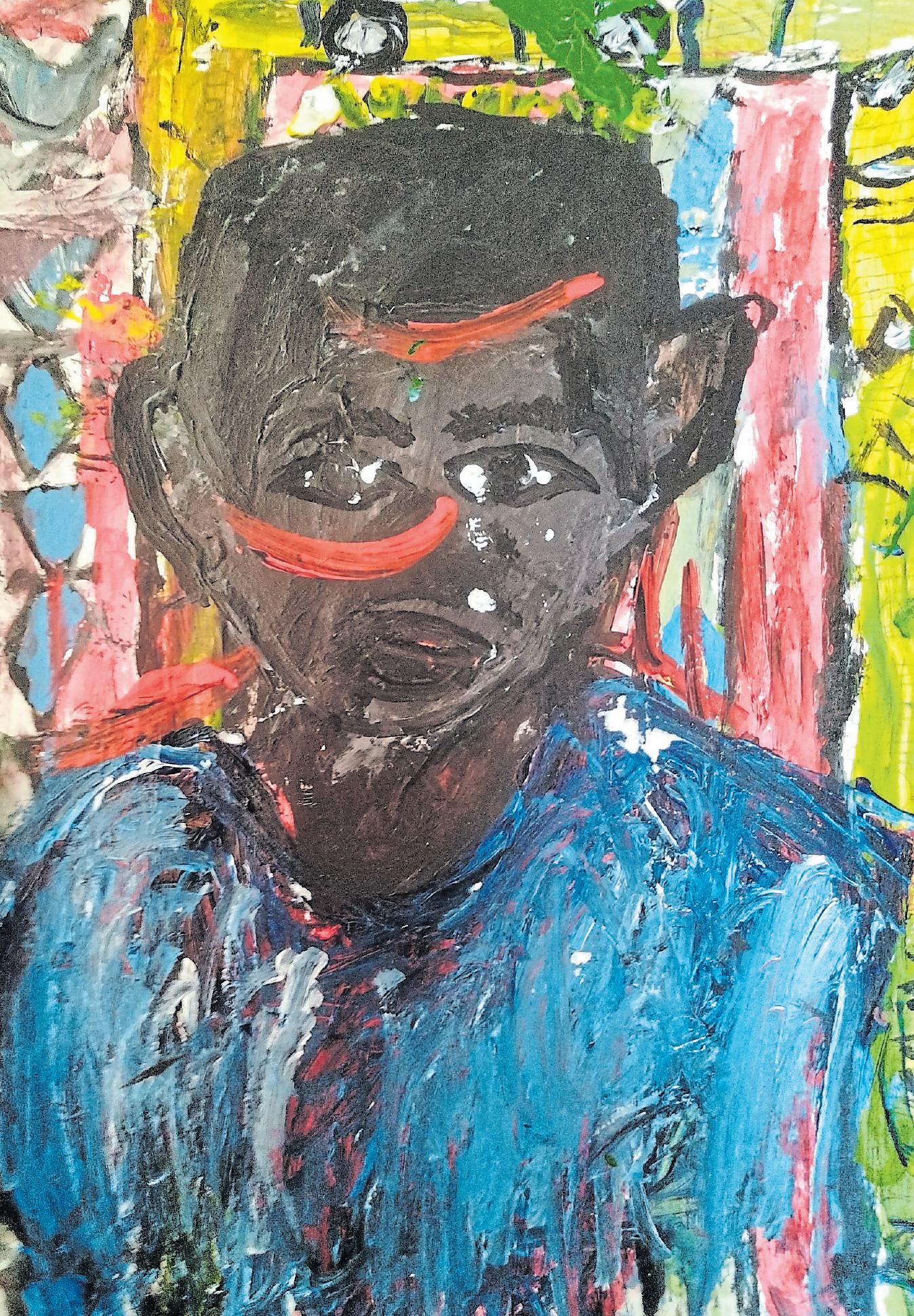
My name is just one among millions of young South Africans, but my story is rooted in a place that has shaped every part of my being.
I come from Kariega, known to many as Uitenhage.
I began my journey at Uitenhage Primary School (UPS), where teachers did more than just educate me. They laid the foundation for the person I am becoming. They taught me discipline, resilience, and the importance of believing in myself long before I fully understood what those lessons meant. Those classrooms prepared me for the next chapter of my life at Hoërskool Uitenhage High School, where I am continuing to grow, evolve, and discover who I am. But my education did not only happen within school walls.
I learned life in the streets of Thomas Gamble.
I learned what community means from neighbours who looked out for one another. I learned what perseverance looks like from families who continued to smile despite carrying burdens most people could never imagine. I learned that strength is not measured by what you have, but by how you keep going when you have very little.
I played hockey on a field in Jubilee Park that was never really designed for hockey. The grass was imperfect, the facilities were limited, and sometimes we had to make do with what we had. Yet to us, my team and I, that field was more than just grass. It was a place where friendships were formed, where victories were celebrated, and where dreams were born. It taught us that passion does not depend on perfect circumstances but on our desire to grow the tallest tree from the soil we were dealt and the roots we intend to repair.
I have also stood in the Gerald Smith Cemetery and watched people I love be laid to rest. I have felt the weight of loss and the heartbreak that so many families in our community know all too well. Those moments reminded me how precious life is and
how quickly it can change.
That is why when people speak about Uitenhage as if it is only a town struggling with unemployment, poverty, crime, or social challenges, I wish they could see what I see. The beauty that lies within my pupils. This is not just a town. It is the place that taught me how to dream. It is the place that taught me how to survive. It is the place that taught me how to care. It is the place that made me.
South Africa, young people like me are trying every single day. We are trying to rise above circumstances we did not create. We are trying to honour the sacrifices our parents and grandparents made for us. We are trying to build futures that seem increasingly difficult to reach. We study because we believe education can change the trajectory our lives.
We volunteer because we care about our communities. We participate in sport, culture, leadership, and service because we want to make a difference. We continue to hope even when hope feels fragile.
Yet many of us are afraid.
We are afraid of graduating into unemployment. We are afraid of becoming just another statistic. We are afraid that our dreams will remain dreams because opportunities are becoming harder and harder to locate.
But despite those fears, we continue. We continue because we love this country. We continue because we believe South Africa can be better. We continue because places like Uitenhage have taught us resilience.
So when I say, “Dear South Africa, we are trying,” I do not say it out of frustration alone. I say it with love. I say it with hope. I say it with potential gratitude. I say it on behalf of every learner studying late at night, every young person searching for an opportunity, and every dreamer refusing to give up.
We are trying. Please do not stop trying with us. Because this country is our home. And just like Uitenhage, it is part of who we are. It is what we are made of. And it is what made us.
SahanaKisten,14,Westering highschool,Grade8
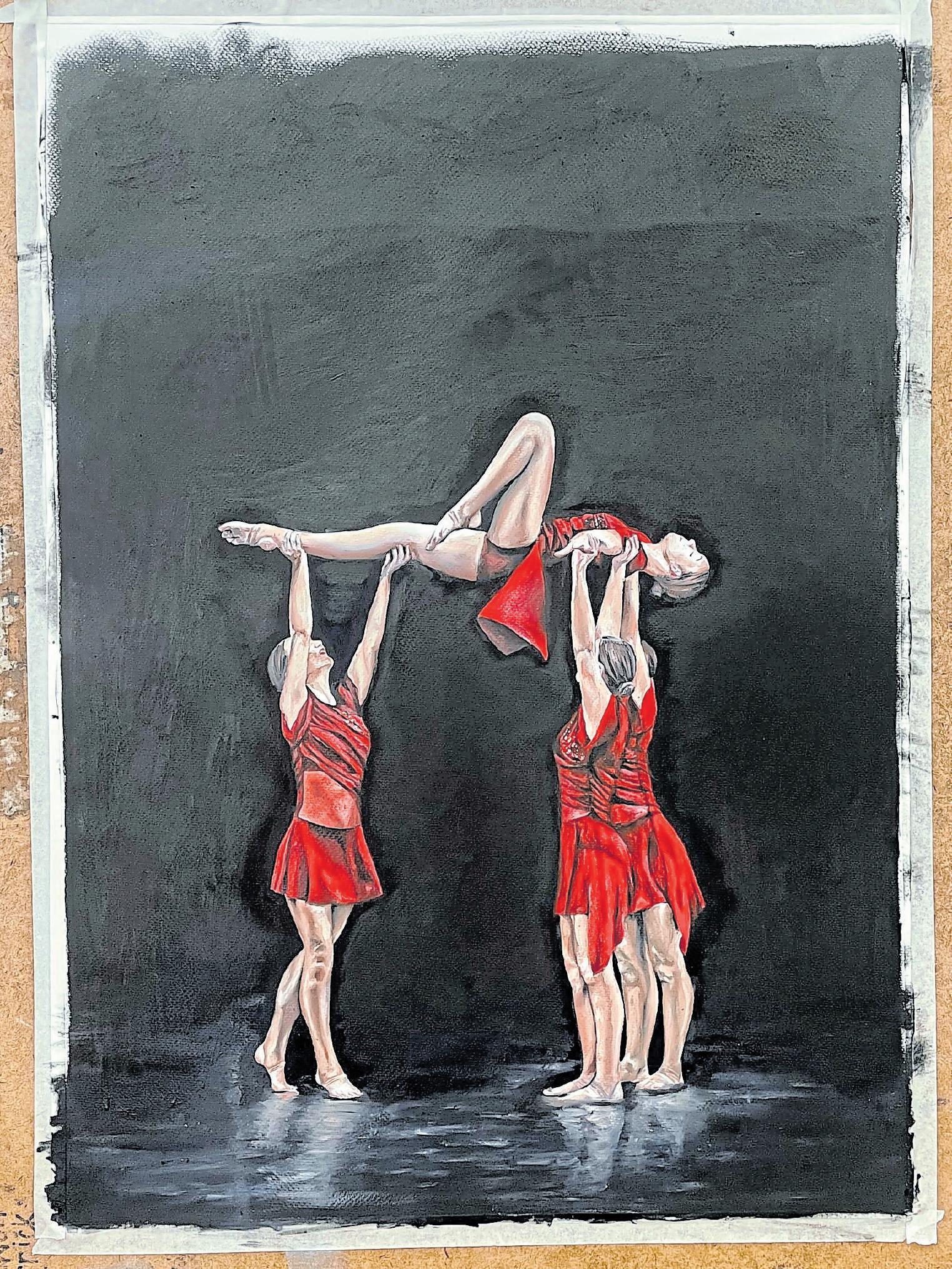
The first thing almost every teenager does when they wake up is reach out for their modern morning fix, which is not coffee but rather their phone. We open TikTok and Instagram to see everybody’s so called “perfect life”. We scroll through endless reels of vacation photos, perfect bodies and smiling faces. But what if their life isn’t as pictureperfect as you think? The truth is you only get to see a glimpse of their life behind the click of a button.
From the outside an influencers life looks straight out of a movie. They get free products and clothes, get to travel to amazing places and get paid to look perfect, but then why is it that you always hear influencers saying, “you shouldn’t wish to be me”. It’s so hard to believe them when their lives look straight out a movie. However, what we don’t see is the constant pressure of living under a microscope.to keep that “movie” going. They must treat their entire life like a product, one flaw and their influential career could potentially be ruined forever.
The biggest problem with social media is that “pretty privilege” is definitely a real thing. Social media algorithms are
literally programmed to push people who fit a very specific beauty standard onto your screens. It is unfair that creators who genuinely have raw talent and are funny don’t get the same opportunities to grow just because they don’t look a certain way. Looks often beat hard work on social media, leaving everyone else feeling like they aren’t good enough
This inequality is even worse for creators with disabilities. Sure, some manage to build large followings, but often for the wrong reasons. Instead of being treated with respect for their actual talents, they get trapped in a wave of pity. The comment sections are always filled with over-sympathetic comments rather than genuine respect. they never get treated with the same dignity or given the same, equal opportunities as everyone else. Proving that social media has a long way to go when it comes to equality.
At the end of the day, social media is great for staying connected, but we must be mindful of replicating someone else’s life. Which is a facade. We need to come to a realisation that the internet isn't real life. It’sa filter that distorts how we see ourselves and everyone else. Taking breaks from our phones and just living in the moment is honestly much more peaceful
ByAdrienneMortimer
Described as a city “crumbling under the weight of neglect and mismanagement”, Gqeberha is forcing its young people to make an important decision; to stay in their hometown, or leave to seek opportunities elsewhere?
The coastal city is renowned for its welcoming people, vibrant culture and rich heritage. But for many students, this sense of home is now replaced with uncertainty about their future. For Kelly Murphy (21), a second-year student at Emeris Nelson Mandela Bay, the question is no longer what to specialize in but rather what happens after her graduation.
“I think if it was easy to get a job in PE,” she added, “I would probably stay.”
With the Eastern Cape youth unemployment rate being among the highest in the country, many students and graduates are struggling with whether to stay in the city they call home or leave in search of better prospects.
The Push to Leave
Aphiwe Mashiya (21) is a finalyear law and politics student at Eduvos, Nelson Mandela Bay, and among those who feel that their options in the city are limited. Hoping to pursue a career in diplomacy, she believes her local opportunities are scarce.
“On a scale from 1 to 10, I'd say two,” said Mashiya when asked about the opportunities for her career, “I feel like there's not much
to offer this side.”
According to Mashiya, bigger cities such as Cape Town or Johannesburg offer more opportunities; making it a good starting point for her career. The student noticed that relocation to those cities offers larger exposure and access to industries. While Mashiya’s first career choice was accountancy, she knew that leaving her hometown was the better option.
“I always thought that becoming an accountant or getting the opportunity to become one, was to leave Port Elizabeth,” she further added.
It is this perception that has motivated her to relocate after graduation.
Under Pressure
It is not only perceptions that are pushing the youth, but the overall economy of the province.
According to Stats SA, the country’s youth unemployment sits at 45.8% in the beginning of 2026.
However, an early article by the Herald highlights that the Eastern Cape youth unemployment is estimated to be much higher, at around 54%.
The local economy of Gqeberha is largely dominated by the automotive and logistics sectors, with Volkswagen being a central company. While sectors like tourism and renewable energy are growing, the economy remains focused on historic sectors, which reduces diverse job opportunities.
This limitation continues to impede the range of job opportunities available to the youth and may be why thousands of people leave the Eastern Cape in search of better opportunities.
Politics and Economics
This was echoed by Tyler Handley, a political science lecturer at Eduvos Nelson Mandela Bay, who pointed to poor service delivery and infrastructure as a key driver for youth migration.
“One of the biggest causes for youth in particular leaving smaller cities it's to do with service delivery,” stated the lecturer. “It also relates to infrastructure. How often do we not have water? How often do we not have electricity?”
According to Handley, these factors exhaust and frustrate the young people of Gqeberha, which makes it difficult to envision their future in the city, and push them to more economically stable cities.
For South African youth, making a living means relying on multiple streams of income – from casual jobs to family support systems. This is a sign of how scarce stable jobs are in a country where economic insecurity is rising.
It may be why youth move to cities such as Cape Town and Johannesburg.
Despite a higher cost of living, these cities attract young job seekers due to lower unemployment rates and better access to professional industries.
“In our small town there's
limited career progression,” added Handley. “We don't have new, diverse economic hubs and infrastructure that can support the graduates.”
A Double-Edge Sword
Limited job opportunities affect more than the career possibilities of the youth, but their self-esteem and mental health as well.
Jessica Kable, a psychology lecturer at Eduvos, highlights that prolonged unemployment in youth can lead to feelings of hopelessness among graduates.
“It's absolutely devastating,” noted the lecturer, “They have worked really hard, they have ticked all the boxes, but that's just not the reality of the situation, especially not in Port Elizabeth.”
According to Kable, what starts off as short-term stress can develop into more serious disorders such as depression, anxiety, anger and in extreme cases, substance abuse.
On the other hand, the decision to leave one’s city can bring its own emotional strain. Relocation in pursuit of opportunity is often accompanied by fear of the unknown, while leaving one’s home can create feelings of guilt, stress or anxiety.
Despite this, Kable still encourages young people to consider their options beyond their hometown.
“My advice to students is go; PE [Port Elizabeth] is not going anywhere,” advised the lecturer.
“Go and explore your options, because it gets harder to take these opportunities, when you're older.”
Caught in The Middle
But the decision for some students and graduates is not as simple as it seems. Kelly Murphy (21), a Strategic Management student, hopes to pursue a career in lecturing. Despite being undecided on whether to remain in Gqeberha, she feels that opportunities do exist in the city and can be found anywhere.
“I think there's still a chance,” she added, “You can make opportunity anywhere, even in a small city like PE.”
Even with this hope for opportunities, she also recognizes the limitations facing the other young people of the town in their search for employment.
“There's not enough opportunities here,” furthered Murphy, “I think a lot of people look to other cities because they have to.”
Growth vs Hope
As youth unemployment becomes more of a trial for youth all over South Africa, the decision to stay or leave will never be simple. Leaving may offer security and growth, while staying is choosing to remain committed to building a future in Gqeberha. Beyond the blue flag beaches, museums and memorials, there is a generation stuck between limited opportunities and the search for a stable future. FIRST
LiyahBaatjies,Grade6,Gelvandale PrimarySchool
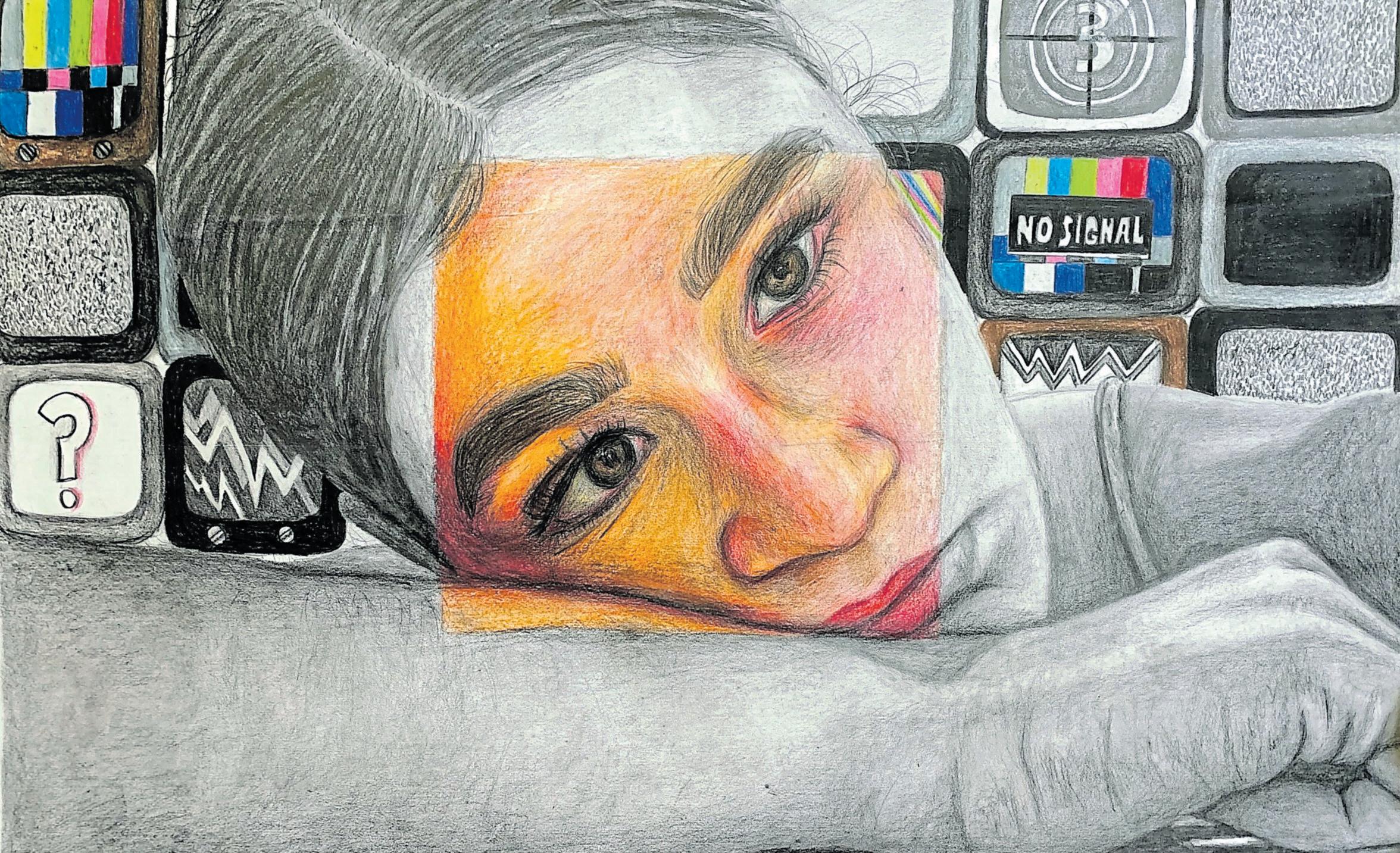
The price of being me
Since Grade 1 I worked so hard, I gave my best and reached for the stars.
Every test, every task, every day, I tried my best in every way.
I thought my achievements would make people proud,
But sometimes it just made me stand out in the crowd.
Instead of smiles, I heard hurtful words,
And felt like my voice was never heard.
"You're a nerd," they would say,
"Why do you always act this way?"
They laughed at my dreams and my goals,
Not knowing they were hurting my soul.
Sometimes I wished I could hide,
Or be someone else just to fit inside.
I felt disappointed and alone,
Like I had to carry my pain on my own.
Peer pressure made me question me,
Made me wonder who I should be.
But deep inside I know it is true, I should never change for you.
My marks are part of my story,
My hard work is part of my glory.
I will not let bullying take away my light, I will keep going and continue my fight.
Being different is not a shame, I will be proud of my name.
One day they will see and understand,
Being myself was always the best plan.
MlindiLneto,Grade10,Brylin
You managed, all with the same words to make me feel so big and yet SO small
And everyday I wait to be alone before I can finally eat
Because the insecurity you planted within me is a monster that refuses to accept defeat
Instead, each day it grows more powerful
So much so that I forget I once believed I was beautiful
You passed it all off as "just a joke"
You've forgotten all the words you once spoke
Words that make every bite feel like a confession
And taught me to hide the hurt behind expression
Made me stare at my reflection
And start to question
Question all that I see
Slowly, I realize that I'll never be free
Not from your words or what used to be
Over the years, my mirror became a witness
It watched me measure my worth against fitness
Or rather my lack of which made me worthless
And with no one to tell me otherwise, I became helpless
And so I started to conform to your ideal
Even if it meant skipping every meal
Maybe I should've learnt to heal
Instead, my pain is something I thought I had to conceal
But now, the pain slowly starts to show
Because your voices never leave, they echo
And this is a feeling I hope none of you ever get to know
Because once you do, it's very hard to let go
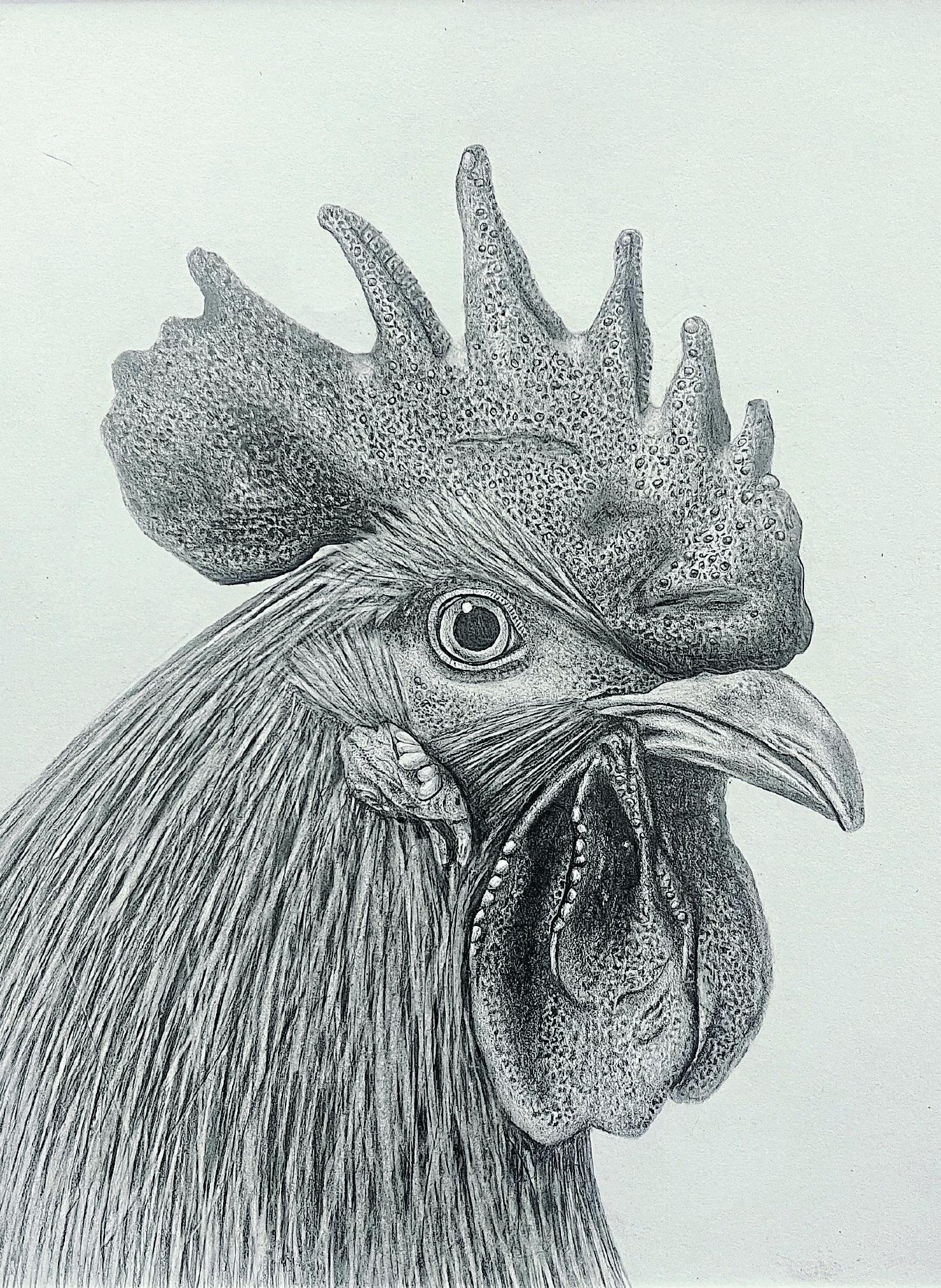
what's apolarbear?
ElizabethDeKock,Grade11, CollegiateGirlsHighSchool
Mommy, what's a polar bear? I stare into her big, curious eyes a picture held up for me.
I cough into my sleeve with words I don’t trust
The thought too much to bear
“They were white and fluffy, big and so ambitious Now only fictitious”
“But why aren’t they here?”
The sky is grey
The ground choking on trash
The trees burnt to ash
“Because of us.”
ChloeBotha,Grade10,DF Malherbe
It was the second-last day I would ever call this place home.
The sun was brutal that afternoon, hanging over our little town like it refused to move.
Days like these, my ouma scolded us when we'd go outside without hats covering us from the heat beating down on our faces. But down at the river, we still ran like heat couldn't touch us.
My sisters ran ahead of me, laughing as they raced down the dusty bank. My older sister, Zinhle, didn't hesitate as she dived into the deep water, rising again with a laugh that echoed across the river like she wasn't afraid of anything in the world.
My younger sister, Thandi, stayed close to the edge. She was only five, still unaware of her own balance. She didn't swim.
She just sat on a rock and dipped her feet into the water. Every time it moved too fast around her ankles, she pulled back quickly, staring at the sparkling water like it might reach up and take her if she stayed too long.
I remember standing between them, the sun burning the back of my neck, feeling something quiet and heavy settle in my chest. Not sadness exactly. More like missing a moment I was still busy living.
That evening my ouma and oupa told me I would be going away. School.
A hostel.
A better future, they said, as if it was something simple to carry.
My ouma's voice was soft when she spoke.
"You must go, Liam," she said gently. "So you can come back with something better."
I didn't argue. I just nodded.
At the bus stop the next morning, Thandi held onto my shirt for a moment too long before letting go.
Tears streaked her cheeks as she stood beside Zinhle, who refused to look at me.
"I'll visit every summer," I whispered. "I promise."
It sounded less like a promise to them and more like something I was trying to convince myself of.
As the bus pulled away, I took one last look at the river, shining brighter than ever.
Like it didn't know it was already becoming a memory.
Far ahead, the road stretched towards the city, towards the place they said would build my future.
OneYearLater
The next summer I returned, like promised.
The road felt familiar, but something about it didn't.
Everything was quieter, like the town had slowed down without me noticing.
At home, Ouma cooked dinner like she always did. Fresh vegetables from Oupa's farm. Zinhle had started working there after I left.
The food made me feel like I was home again.
Like nothing had changed.
But Zinhle and Thandi were different. They didn't talk much
anymore. The laughter and noise that once filled the house we shared had faded into silence.
The next morning I went down to the river.
A factory was being built near the bank.
Machines stood where trees used to be. Dust hung in the air. The water wasn't as clear anymore. It was darker, muddy around the edges.
I told myself it wasn't a big deal.
TwoYearsLater
Summer came again, and so did I.
But something already felt wrong.
The air was dry enough to sting my throat, and the river looked worse. Plastic covered the banks. The water sat lower than ever before.
The factory was bigger now.
It’s noise never stopped. Thandi was sick.
Zinhle said it started after they swam in the river. The water wasn't normal anymore, but they had nowhere else to escape the heat.
I had brought money home from working at a restaurant in the city. We used it for food, but most of it disappeared into medicine and expenses. Poverty had a way of taking more than you expected.
The farm was struggling too.
The drought had turned fields that were once green into dry, brittle earth. Crops failed. Every harvest seemed smaller than the last.
That night I couldn't sleep.
I kept thinking about the river.
ThreeYearsLater
Another year had gone by without me noticing.
School was getting better. I had
finally started making friends. I was learning how to belong somewhere else.
But coming back felt like stepping into something that was fading.
I avoided the river.
At home, my ouma and oupa looked older than I remembered. Oupa moved slower, and Ouma's hands shook more when she cooked.
The house itself felt tired.
Walls cracked.
Paint peeled.
The silence felt heavier than before.
Zinhle didn't speak much. She just kept working, like there was no time for anything else.
Nothing felt the same anymore.
Guilt ate at me when I felt relieved it was time to leave for school again.
FourYearsLater
I didn't realise how much time had changed things until I returned.
Thandiwassick.
Zinhlesaidit startedafterthey swamintheriver. Thewaterwasn't normalanymore, buttheyhad nowhereelseto escapetheheat.I hadbrought moneyhomefrom workingata restaurantinthe city.Weuseditfor food,butmostof itdisappearedinto medicineand expenses.Poverty hadawayof takingmorethan youexpected
It was dead quiet. Not peaceful. Just empty.
I went down to the river.
Or what was left of it.
The river no longer flowed. It coughed through the land.
Filthy water crawled slowly between cracked earth. Plastic bottles and rubbish clung to the banks, like the river had stopped trying to push anything away. The smell reached me before the water did.
The factory stood close now, louder than the wind itself, like it had swallowed everything around it.
Even the town felt different.
Crime had taken over. People locked themselves inside before sunset. Zinhle said nobody walked alone anymore, not even during the day. She kept what little we had hidden away, afraid that one breakin could leave us with nothing.
Poverty sat in every corner of the town.
Empty shops. Broken fences.
Families leaving when they could.
Families struggling when they couldn't.
Time pressed harder on my grandparents each year. Zinhle worked longer hours just to keep food on the table, and even Thandi was no longer watching from the side. She was beginning to understand that she would soon have to help too.
My heart ached for my sisters. I stood there, looking at the river and everything it once held together.
The river had been our playground.
Our escape from the heat.
The heart of our town.
Now it reflected everything that was falling apart.
And for the first time, I wasn't sure if there would be a river-or anything else, to return to next summer.
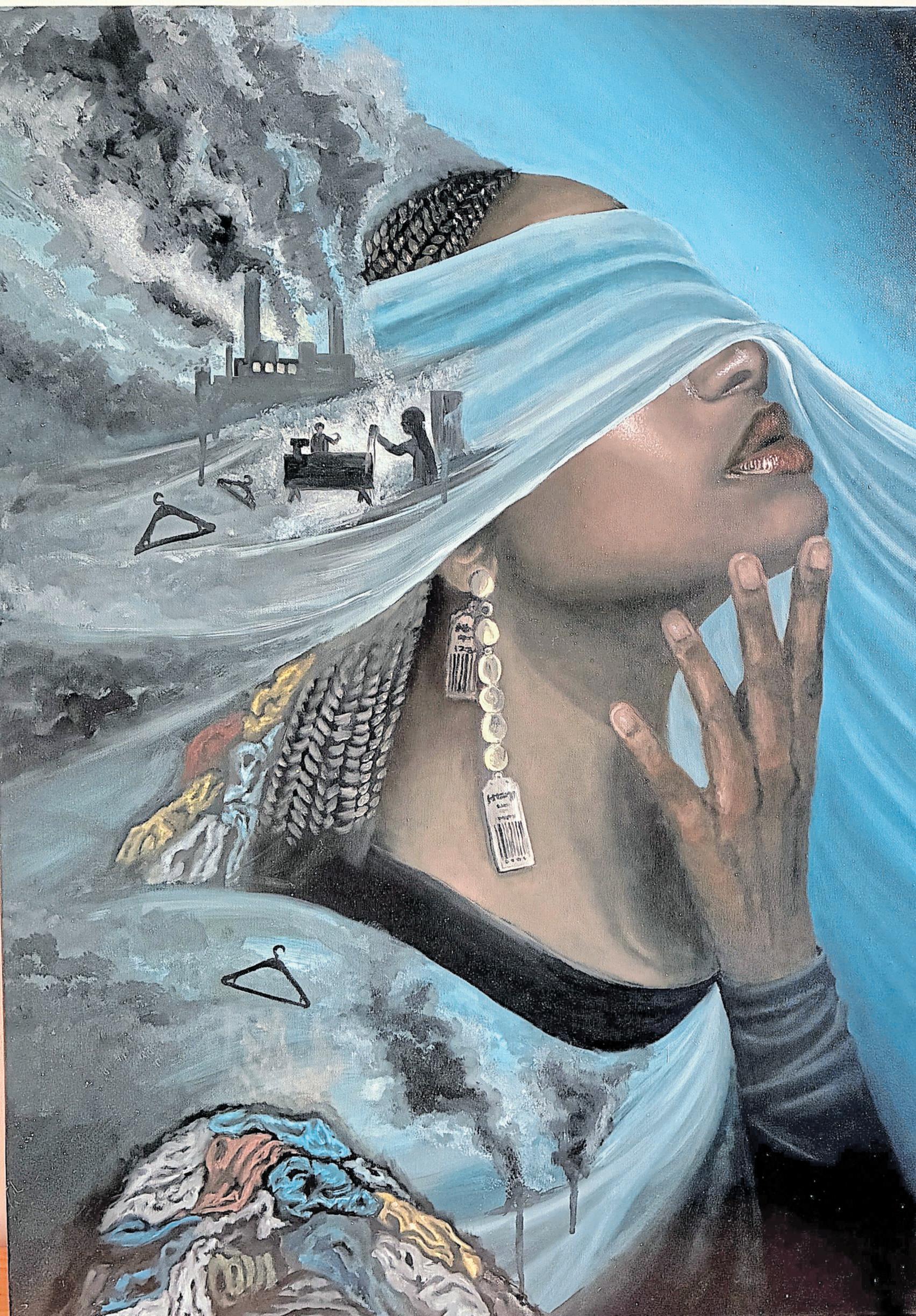
BySimphiweMphoZondani
It is morning. I am in an Uber, and the radio is on, playing a breakfast show I cannot quite place.
The presenter is doing what broadcasters do building a shorthand from complex matters and spanking-new statistics, smoothing them into a radiofriendly refrain any listener can catch. One in two young South Africans is unemployed.
One in two. Just like that, the decimals disappear. Swiftly after her soundbite comes the question: what will it take for the South African government to declare youth unemployment a national disaster?
She inquires like it is an award. As if disaster status were an accolade we were trying so hard to attain a small, gleaming statuette to be placed on the mantle among the others. She has forgotten, or chosen not to remember, that our young democracy already has a few of those. The reading crisis. The water crisis. The governance crisis. The energy crisis. The deindustrialisation crisis. The student debt crisis. We know them all, intimately. We know them by name and have learned to live
alongside them.
As I listen to her, I think back to a piece I wrote almost ten years ago. I was 20, writing about graduate unemployment. I pitched freelancing as the reprieve.
In the article, I wrote about the blistering context, conjured the uncanny but lived-in image of students in the Eastern Cape dressed in their graduation regalia, holding placards that read: HIRE A GRADUATE. I wrote of the hours, the deadlines, the toil, the hopes dashed in the face of inopportunity. Against such odds, I proposed freelancing as a kind of shop window for one’s skillset.
A training ground to hone one’s craft, and, in doing so, command a higher rate. Drawing on the experiences of industry professionals, I illustrated how one builds rapport and networks.
How one can go from designing newsletters for their church to planning and executing a corporate campaign.
In my unfounded wisdom, I echoed the importance of time management, self-motivation and accountability. How you are your own boss and ultimately answer to yourself. How this could be your salvation or the siren song that steers you towards the
waiting rocks. Yes, I used that specific metaphor. I went on to affirm the importance of discipline, of attention to detail and continual exposure.
The crackle of the radio draws me back to the present. We stop briefly, yielding to another driver. Through the window, a group of men sit on the corner keenly looking at the passing cars with hopes that one of them will call them over and hire them for the day. The presenter has now moved on to a giveaway.
I think to the 20-year-old who wrote the article. Fresh from #RhodesMustFall and deep in the throes of #FeesMustFall. The undying pragmatism and invincible optimism fuelling the piece. The sense of survival at all costs. I think to the present day, almost ten years on; a direct mirror. 2017: General Motors’ exit, the plummeting rand, Zuma’s midnight cabinet shuffle. 2026: Phala Phala probe and impending impeachment, the Madlanga Commission, the first interest rate hike in years.
Almost ten years on, and I had followed the kid’s advice to a tee. Almost 30. I freelanced in multiple sectors. First in journalism, then in translation and copywriting. I have
honed my skills. Cut my teeth on paragraphs, before writing awardwinning website copy. I went back to school. Got my honours and then my Master’s degree. I even got the chance to teach the next generation of journalists and hustlers bound for their very own digital pavement.
I did it. And it worked for me. But this will not be the case for all. In fact, it almost wasn’t for me either. I remember the years inbetween the doubt, the debilitating sense of fear. The seeming lack of direction. I remember the years of applications. The politely worded rejections. The countless hours and days of bracing, only to have a false start.
As the Uber finally pulls away, merging back into the traffic, some feel-good pop song blares out of the car speaker. I immediately feel like I am in an H&M or a Zara. I turn the presenter’s question over in my mind once more: what will it take for the South African government to declare youth unemployment a national disaster?
My answer: nothing will. The silence is enough. In fact, the silence is louder. It is a deafening reminder of the cost incurred by
our youth for a social contract they did not draft.
Online, employers complain that young graduates and jobseekers do not have enough experience when applying for roles. Yet, these same jobseekers are good enough to be exploited by international companies looking for cheaper labour in the ‘Developing World’
The same young graduates are paid little in comparison to their colleagues from the ‘First World’ and offered no benefits or health insurance.
The silence is heavy like a neat little statuette, sitting on the mantle. An accolade to celebrate the undying spirit of our youth, their admirable hustle and overflowing resistance. How valiantly we continue to outwork systemic collapse, covering it with platitudes and plans to ‘do more’
Faced with such odds, I cannot offer much. No speech to the young, no speech to the progresstoward. Gwendolyn Brooks gave those already, and better. Only this: We do not need another award for enduring. We need leaders and a government that will ensure that we do not have to.
And until then, we hustle and hope.

#MandelaUni welcomes students to study in more than housed in faculties and offered across campuses – six in Gqeberha and one in George.
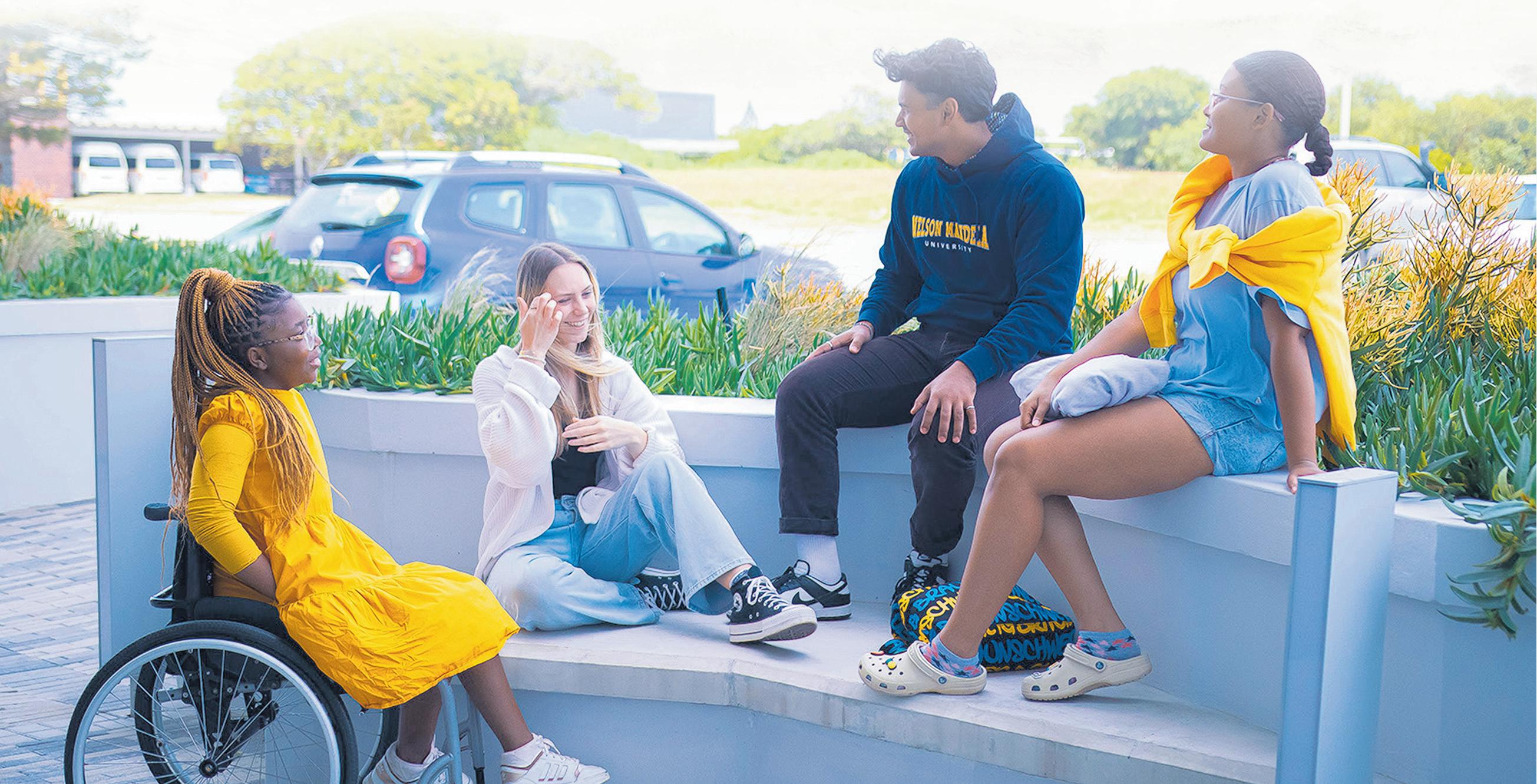
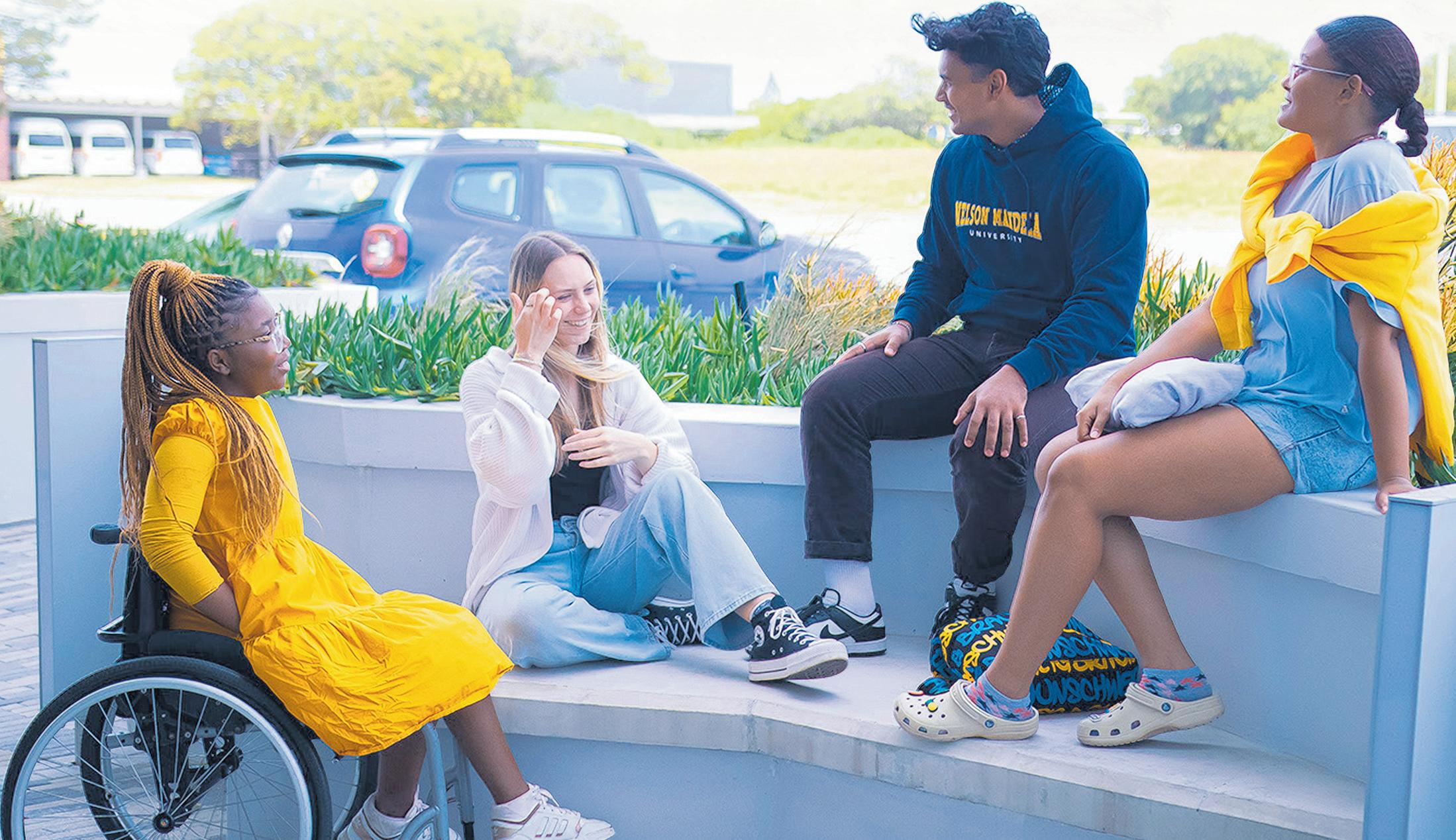

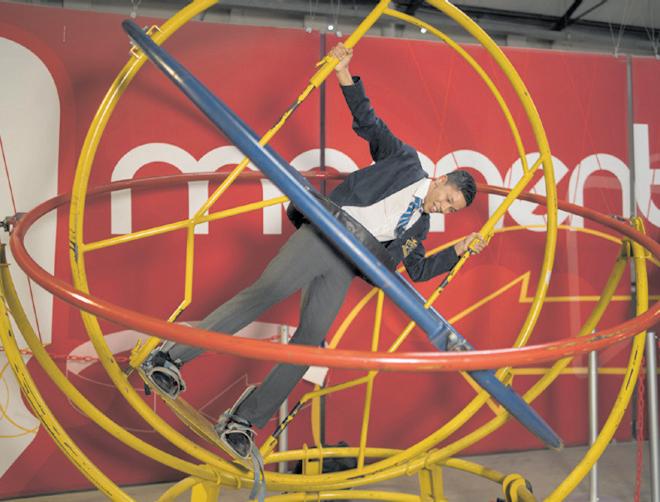
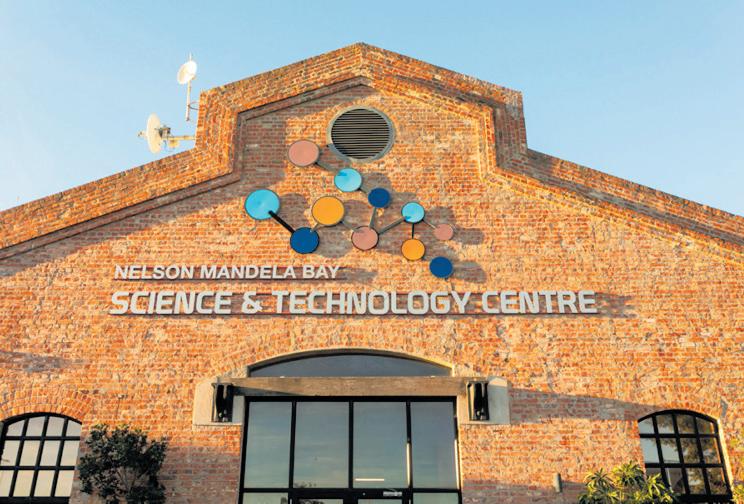
A letter to the young people of Nelson Mandela Bay Dear young people of Nelson Mandela Bay, The Nelson Mandela Bay Science and Technology Centre in Kariega exists for YOU. It’s a place where you can study in peace and safety, explore new ideas, and discover how science, maths, and technology connect to YOUR future. The Centre is here to remind you that your curiosity, your questions, and your dreams matter, and that you are the innovators who will create tomorrow.
If you need a quiet place to focus, the Nelson Mandela Bay Science and Technology Centre welcomes you. Every weekday, learners from Grade 6 to Grade 12 can join our supervised study hall. Here, you’ll find a structured environment where you can complete your homework, prepare for exams, and start building strong study habits. It’s your space to grow, supported by people who believe in your potential.
Hours: 14h00 – 16h00 (Weekdays)
Contact: 041 991 5000
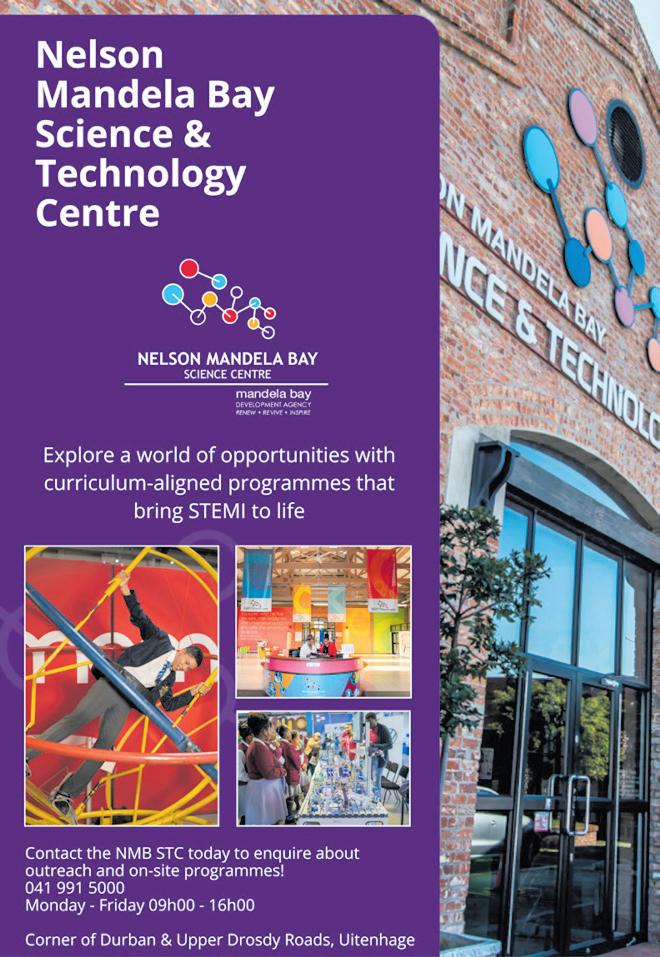
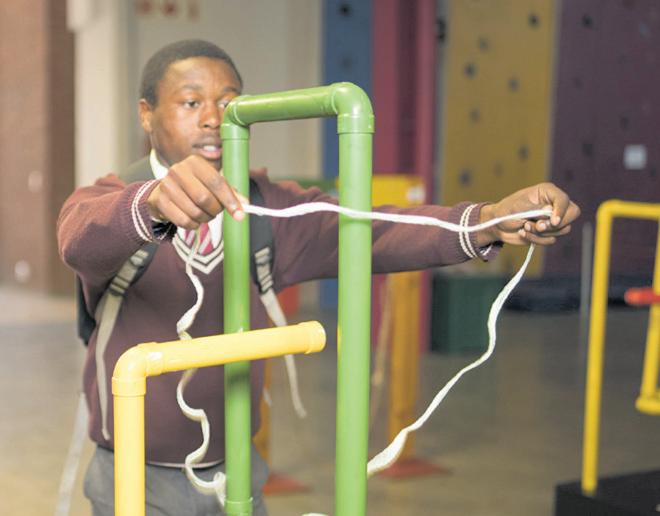
We know that science can sometimes feel abstract or distant. That’s why our team brings it to life through curriculum-aligned support sessions and outreach programmes. You’ll be encouraged to experiment, ask questions, and see how maths and science connect to everyday life in South Africa. These sessions are designed to make your learning engaging, practical, and fun.
If you want your school to enjoy a session with the Nelson Mandela Bay Science and Technology Centre team, ask your teachers to reach out on 041 991 5000.
As we commemorate 50 years of Youth Day, remember that your voice, your ideas, and your dreams are powerful. Step into the Centre, make use of what it offers, and take your place as the innovators who will carry Nelson Mandela Bay and South Africa forward into the future!
The Nelson Mandela Bay Science and Technology Centre is operated by the Mandela Bay Development Agency, an entity of the Nelson Mandela Bay Municipality.
Address: Corner of Durban Road and Upper Drostdy Road, Uitenhage
Operating Hours: 09h00 – 16h00, Monday to Friday
Contact Us: 041 991 5000
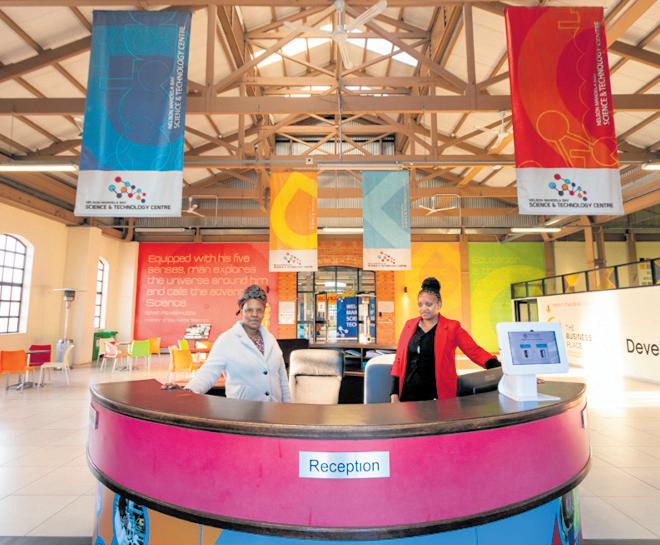
Centre are ready to welcome you in. If you bring your curiosity and determination, we’ll help you connect your learning to the kind of future that you want to build.
businesses of all
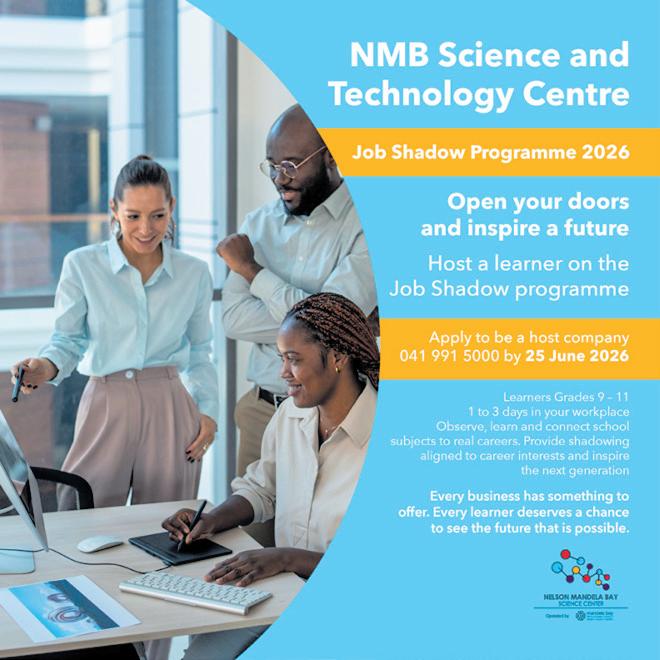
to take part in
be
Learners in Grades 9 -11 have applied to join the programme, sharing the careers they hope to explore. The Centre matches them with host companies, where they spend one to three days observing, learning, and experiencing the real workplace.
To indicate your interest in becoming a host company, please contact Outreach Practitioner Pumza Tshebe on pumza.tshebe@mbda.co.za or call 041 991 5000
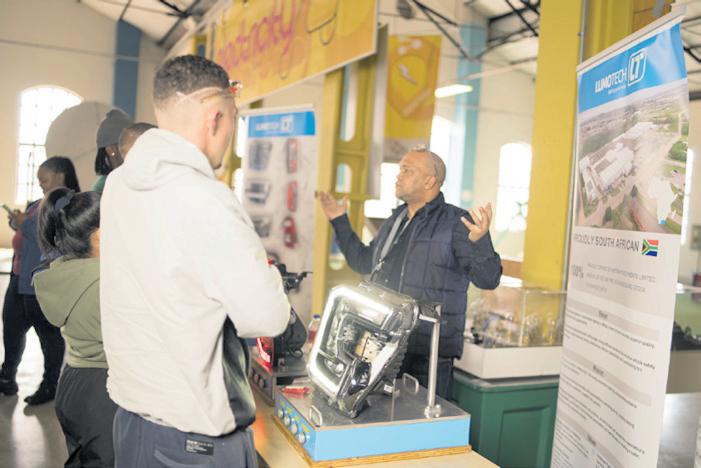
South Africa faces a tough reality: youth unemployment is among the highest in the world. Too many young people finish school without clear direction, and without knowing how to take the next step toward a career. The Nelson Mandela Bay Science and Technology Centre Career Summit gives learners a chance to see what’s out there, to meet people working in different fields, and to connect their education to real opportunities.
The NMB STC Career Expo bridges the gap between school and the workplace. For a Grade 10 learner who has only imagined what an engineer, nurse, or entrepreneur does, the expo makes those possibilities real and shows the path forward.
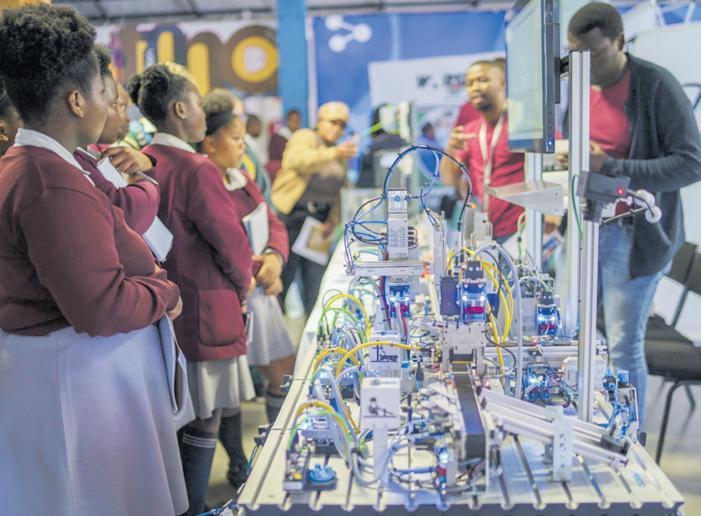
WHY YOU SHOULD JOIN THE NMB STC CAREER SUMMIT IN 2026!
Walking into the summit is exciting! Booths from universities, training colleges, industry leaders, small business owners and organizations designed to help you make the right choices for your career.
You’ll leave with a real understanding of the opportunities that await you, and what you need to do to make it happen for yourself. With the right support, you can do anything you put your mind to.
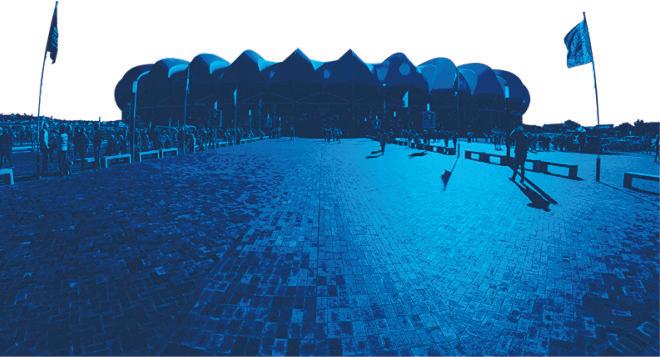
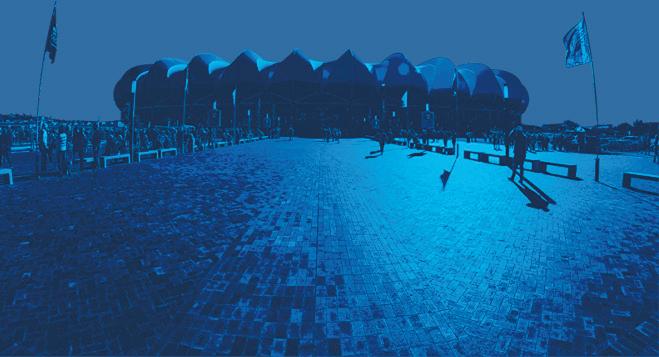
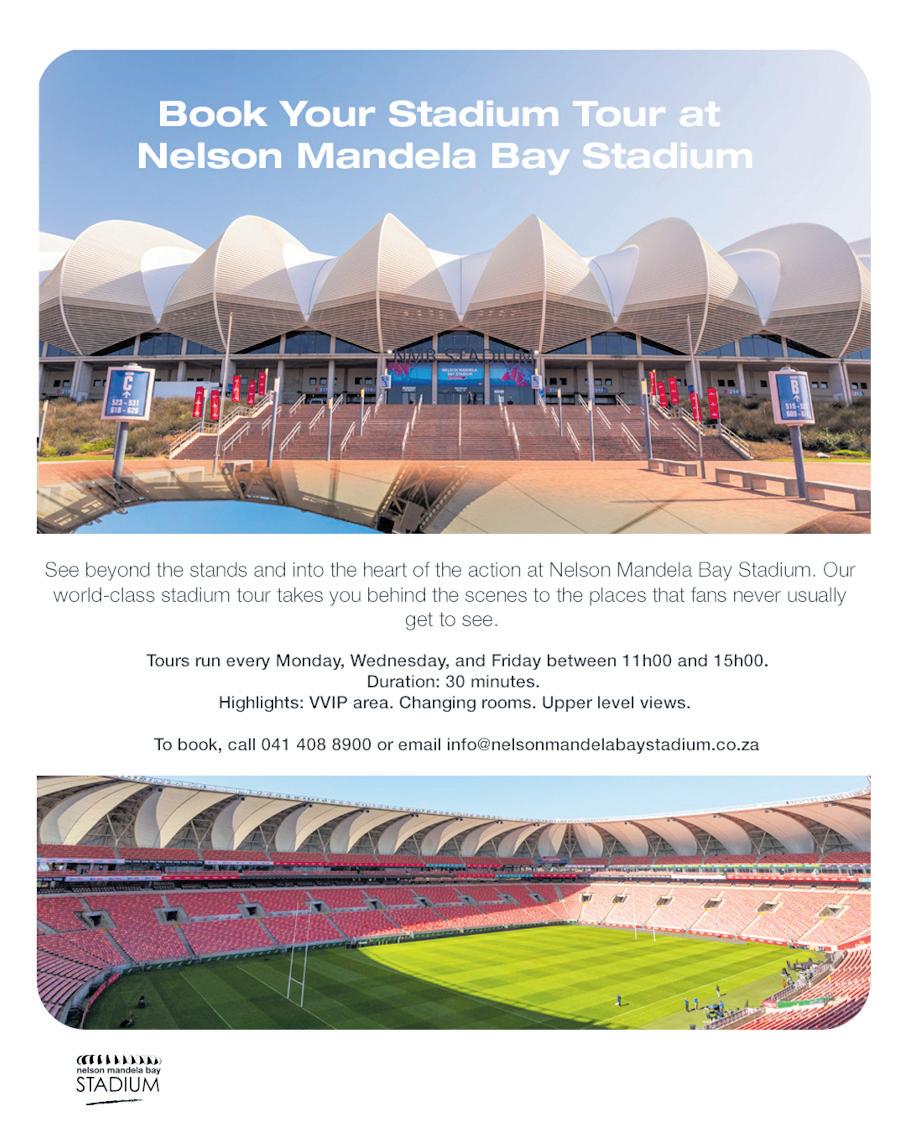
At the Nelson Mandela Bay Stadium, a new bronze statue is taking shape. It captures a defining moment in South Africa’s sporting and social history: Nelson Mandela, wearing the Springbok jersey, stands alongside Francois Pienaar as he lifts the Rugby World Cup in 1995. That moment of unity and joy is now being celebrated through a collaboration between the Mandela Bay Development Agency (MBDA) and Nelson Mandela University.
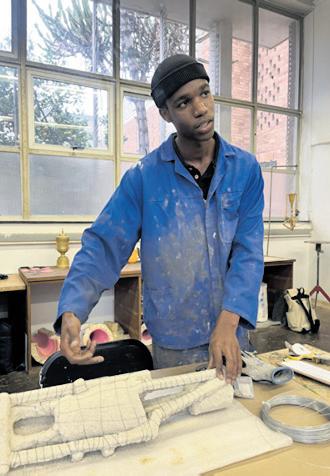
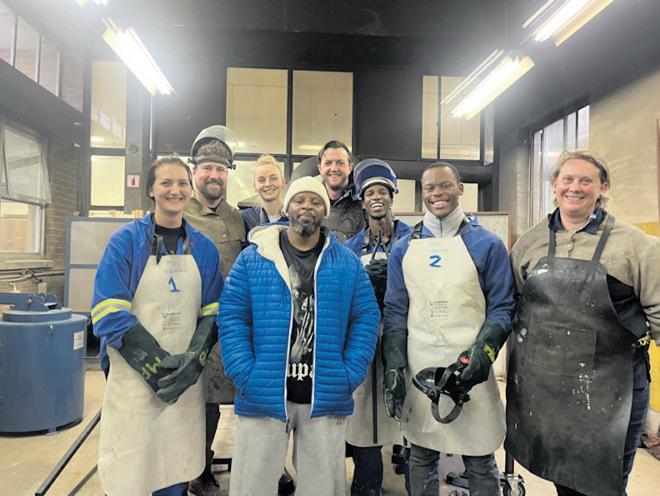
Oyama Vanto leads the MBDA’s efforts in the creative industry. He has worked closely with the NMU team to bring the project to life: “The MBDA and NMU have a long-standing relationship built on supporting and empowering young creatives in Nelson Mandela Bay,” he says. “This project was designed as a significant public artwork and a skills transfer initiative. Graduates, current students, and alumni from NMU’s Fine Arts programme were given the chance to work on every stage of the process.”
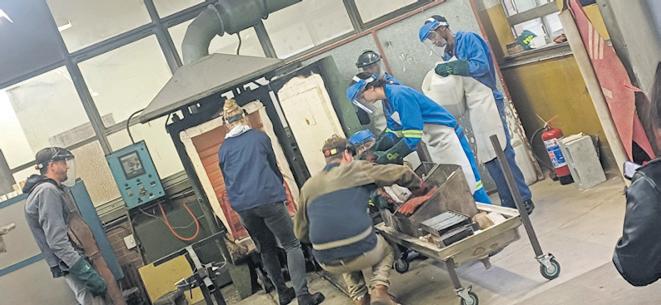
NMU’s Visual Arts Department is one of the few in South Africa that still teaches bronze casting as part of its Fine Arts degree, and one of the only with the facilities capable of producing large-scale bronze sculptures. This unique capacity made it possible to keep the entire production local.
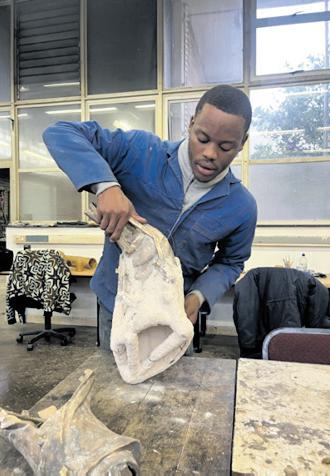
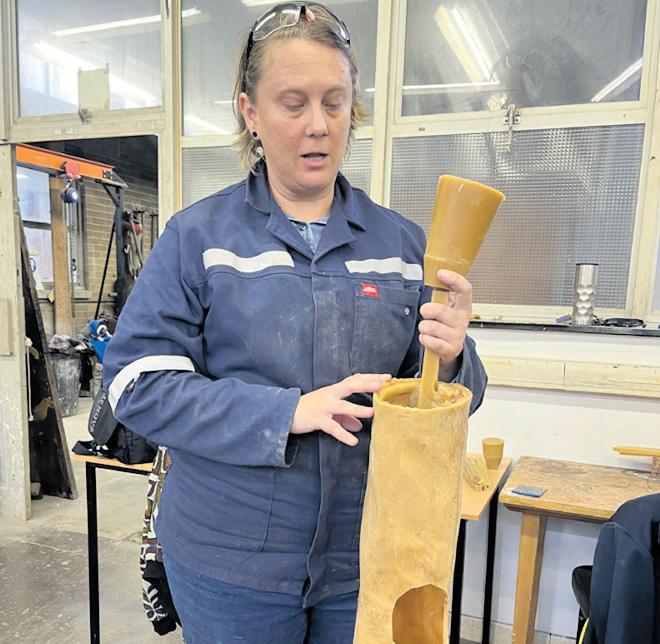
The statues were created through a traditional bronze casting process. Life-size clay figures are sculpted over steel armatures, which are then sectioned and moulded in silicon. Wax replicas of each part are produced, coated in ceramic shells, and reinforced with wire. Once the wax is burned out, molten bronze is poured into the shells. After cooling, the ceramic is broken away and the bronze pieces are cleaned and welded together.
The team worked collectively to decide which moment to memorialise. After reviewing archival footage, they chose the moment when Pienaar lifts the trophy to the crowd, with Mandela beside him. The figures are designed to draw viewers into the
powerful scene, allowing them to feel part of this historic moment of national unity.
NMU’s project facilitator, Isabel Mertz, describes the approach the university’s team took: “Rather than being led by a single artist, the project was facilitated to encourage teamwork and collective learning. For many of the students, this was their first experience of large-scale foundry work; for others, it was a chance to lead processes and teach peers.”
The team has described the experience as transformative. They highlighted how the project taught them to trust one another, problemsolve under pressure, and grow in confidence. Across the board, the project was seen as both challenging and deeply rewarding, presenting a rare opportunity to learn by doing, while contributing to a piece of national heritage.
The Team Behind the work are: Michael Wedderburn (Team lead), Isabel Mertz (Project facilitator), Abigail Brown, Hlumelo Mayekiso, Anathi Jacobs, Jeanie Steyn and Jeff Allan. Additional contributors included Emily Peasnell, Andrieta Wentzel, Asavela Rono, Drew Minter, Taryn Noppe and Michael Kolbe.
For the MBDA, this project reflects a broader vision of development rooted in people, culture, and ideas. By working with NMU, the Agency ensures that young people are not only part of commemorating history, but that they are also equipped with the skills to shape the future.
Oyama Vanto reflected on the broader meaning of the work: “Public art anchors memory in place and turns history and heritage into something we can walk past, touch, and carry forward together.”
The statues will be installed at Nelson Mandela Bay Stadium as an attraction for visitors and to create an iconic site for Nelson Mandela Bay.