




































6 SALGA FOREWORD
Charting a path to excellence in local government.
14 THE DEVOLUTION OF POWER
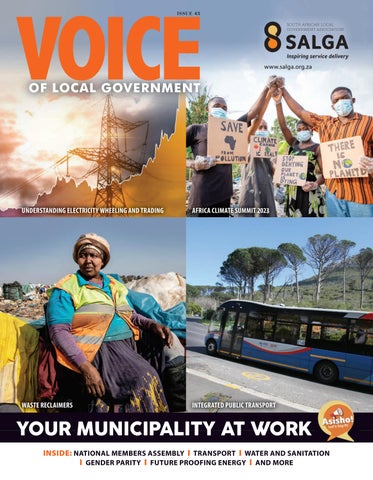
7 AFRICA’S CLIMATE SUMMIT 2023
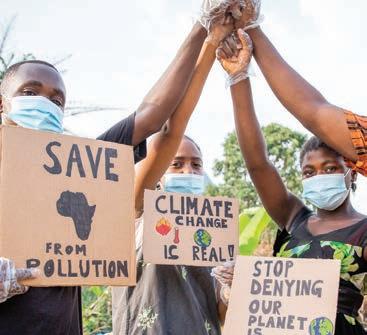
At this year’s Africa Climate Summit, African leaders were emphatic in their demand for the developed economies to deliver on their promise to provide $100-billion annually in climate nance for an overhaul of global nancial architecture so it better meets Africa’s needs, and for doubling of climate adaptation nancing by 2025.
8 IN BRIEF – a roundup of global news.
9 POLICY MATTERS – New water policy calls for all hands on deck.
13 DRIVING AFRICA’S INDUSTRIALISATION
Special Economic Zones (SEZs) can accelerate Africa’s industrialisation and increase economic growth. Through using designated SEZs and collaborations, such as the African Continental Free Trade Agreement, opportunities exist to boost trade, investment, infrastructure, employment and entrepreneurship, and to remove barriers to doing business. Transport has a vital role to play.

The recent chaos caused by the taxi strike in Cape Town has thrust the issues of public transport and the devolution of power into the spotlight.
16 REA VAYA – READY TO SERVE
Completion of the Rea Vaya BRT Phase 1C trunk route in the Sandton CBD is expected in the next year.




WASTE MANAGEMENT
22 THE EXTRAORDINARY ACHIEVEMENTS OF JOBURG’S WASTE RECLAIMERS
Luyanda Hlatshwayo shares how South Africa is nally winning in the recycling space.
23 eWASTE
South Africa’s proposed Household Hazardous Waste programme is set for implementation in the current nancial year, we unpack the details.
24 SAFER SANITATION SOLUTIONS
Robert Erasmus explains why eradicating pit latrines in South Africa is a dire human rights issue.
28 THE KWANOVUKA CATCHMENT-SENSITIVE FARMING PILOT PROJECT


18 THE RIGHTS OF THE LGBTQIA+ COMMUNITY IN THE PUBLIC SECTOR
The City of Johannesburg Municipality asks if these rights are protected simply by the constitution or if public sector departments have their own inclusivity policies.
20 REIMAGINING NEIGHBOURHOODS
Crystal West talks about working within a space that o ers dignity and safety to communities and people.
Heather Dugmore shares that catchment conservation is key to South Africa’s water supply.
30 “FUTURE-PROOFING” ENERGY
James Beatty shares what electricity wheeling and trading is in the context of South Africa’s municipalities.
TOWNSHIP ECONOMY
32 ECONOMIC POWERHOUSES
Understanding the spending habits, shopper preferences and economic dynamics of township residents will help to harness the billions of rands these vibrant communities represent.


34 BUILDING AN INCLUSIVE ECONOMY
Duma Gqubule unpacks Gauteng’s township revitalisation strategy.
37 ESTABLISHING GREENER ENERGY DISTRIBUTION
Drakenstein Municipality is one of the rst distribution utilities globally to implement Schneider Electric’s green, SF6-free RM AirSeT switchgear with pure air technology and native digital connectivity.
39 GAUTENG
Infrastructure development and refurbishment at the Kaalfontein Multipurpose Centre and Tur ontein Clinic, and the Diepsloot Public Environment upgrade.






Director, Marketing & Communication: Tebogo Mosala
Communication & Marketing Officer: Marelda Boshielo
Marketing Officer: Valerie Setshedi
PICASSO EDITORIAL & PRODUCTION TEAM
Content Manager: Raina Julies, rainaj@picasso.co.za
Contributors: James Beatty, Trevor Crighton, Heather Dugmore, Robert Erasmus, Duma Gqubule, Matthew Hirsch, Luyanda Hlatshwayo, Loyiso Masuku, Busani Moyo, Mongezi Mtati, Lindsay Shand, Rodney Weidemann

40 ILEMBE
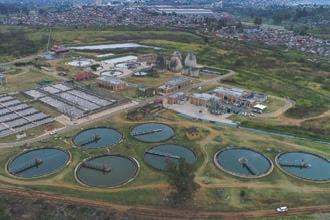
Earlier this year, stakeholders gathered in Ballito, KwaZulu-Natal, to o cially launch the e-waste recycling partnership initiative, WEEE are iLembe.
41
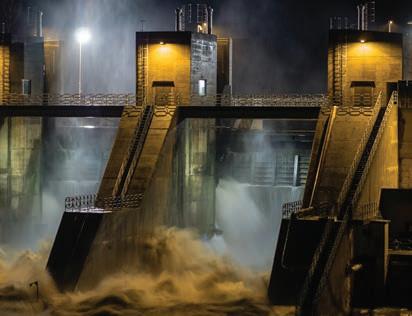
South Africa’s Water and Sanitation Department and uMngeni-uThukela Water upgrade the bulk water scheme to augment the water supply and improve power generation.
Copy Editor: Brenda Bryden
Content Co-ordinator: Natasha Maneveldt
Head of Design: Jayne Macé-Ferguson
Senior Designer: Mfundo Archie Ndzo
Advert Designer: Bulelwa Sotashe
Cover Images: Media Lens King/istockphoto.com, privetik/istockphoto.com, supplied, Ruvan Boshoff. © Sunday Times
Sales Project Manager: Jerome van der Merwe, jeromem@picasso.co.za
Sales Team: Jacqueline Bezuidenhout, Natasha Hendricks, Frank Simons
Production Editor: Shamiela Brenner
Subscriptions and Distribution: Fatima Dramat, fatimad@picasso.co.za
Business Manager: Lodewyk van der Walt Lodewykv@picasso.co.za
Management Accountant: Deidre Musha
General Manager, Magazines: Jocelyne Bayer
Published by Picasso Headline, a proud division of Arena Holdings

Hill on Empire, 16 Empire Road (cnr Hillside Road), Parktown, Johannesburg, 2193 Postal Address: PO Box 12500, Mill Street, Cape Town, 8010 www.businessmediamags.co.za



46 PROVINCIAL MEMBERS ASSEMBLY
Looking at the challenges identi ed, the complexities noted, and the e orts to be made by local government across the various provinces during next year.
48 NATIONAL MEMBERS ASSEMBLY
The 2023 SALGA National Members Assembly, held recently in Gauteng, highlights the critical challenges and possible solutions facing South African municipalities.
Printing: CTP Printers, Cape Town
Follow and like us to keep up to date with SALGA news.


Copyright: Picasso Headline and SALGA. No portion of this magazine may be reproduced in any form without written consent of the publisher. The publisher is not responsible for unsolicited material. Voice of Local Government is published quarterly by Picasso Headline. The opinions expressed are not necessarily those of SALGA or Picasso Headline. All advertisements/advertorials and promotions have been paid for and therefore do not carry any endorsement by SALGA or the publisher.

Bonitas Medical Fund, one of the leading medical schemes in South Africa, has announced its 2024 product line. LEE CALLAKOPPEN, principal officer shares the details
We appreciate that many of our members and South Africans in general are faced with increasing financial pressures. We have taken great care to balance our benefit enhancements to provide value while ensuring that contributions remain affordable.
The percentage increase required is methodically worked out by our actuaries, who determine the minimum increase against ensuring the financial sustainability of the Scheme while meeting regulatory guidelines and requirements. It’s a delicate balancing act. For 2024, the weighted increase is 6.9 per cent, with the average increase across nine of our plans at 6 per cent – the lowest contribution increases across the large open medical schemes. This means that over 227 000 members –around 65 per cent of our membership –will have an increase below CPI.
We conducted in-depth research over the last year so we could stay true to our ultimate commitment of giving more value to our members by reducing out-of-pocket expenses, enhancing benefits and providing additional preventative and managed care.
The Scheme is financially sound and, despite investing over R1.4-billion back to members in 2021 and 2022, our reserves increased to the highest in the industry – R8.8-billion, unmatched by any other open scheme.
Membership grew by 62 000 principal members in a declining industry. New members are 13 years younger than the average, meaning we have attracted a younger healthier profile, which is coveted
across our industry. We attribute this to offering a diversified product range.
Our solution to unregulated healthcare costs
In South Africa, providers are free to charge patients any tariff they see fit. We implemented networks at the most favourable tariffs for our members, so they can avoid out-of-pocket expenses and get more value from their medical aid. This applies to GPs, medication, dentistry, optical, specialists and hospitals.
For 2024, we considered the input from specialists regarding the cost of services and enhanced our specialist reimbursement rates. This allows 85 per cent of our members to have full cover, wallet-free specialist visits.
We have seen a 25 per cent increase in the number of mental health hospital admissions, indicating a need for additional support.
We have included the Bonitas Mental Healthcare Programme across all plans for 2024 and included depression as a chronic condition. We also offer access to Panda, a digital platform available through the Bonitas app, giving members easy access to expert help, mental health information and community support.
We recognised that not all members have access to the DBC back and neck facilities so, apart from adding a digital version of the programme, we have established a network of physiotherapists in more remote areas.
Be Better Benefit
Funded completely from risk, this unique benefit provides a range of screening tests
Please note: Contributions and bene ts subject to approval by the Council for Medical Schemes.
and benefits to ensure members have access to the necessary screenings to allow for early detection and be put onto a path to wellness. The Be Better Benefit is available on all options except BonCap.
We’ve taken great care to expand our preventative care benefits by including the human papillomavirus (HPV) vaccine in all plans to help prevent cervical cancers.
We have increased the child-dependant age to 24 years – whether or not they are studying.
The Benefit Booster, which provides members with access to additional funds for out-of-hospital expenses, has been increased significantly.
In 2024, we have added two emergency room consultations and treatment per family on all options. Members can also book and track an ambulance online.
The information hub has shown a 65 per cent increase on the website and is the number one page accessed. It is part of our drive for member education and understanding the steps they need to take to access benefits.
We believe our focus for 2024 stays true to our ethos of providing quality healthcare to South Africans. We have enhanced benefits, improved preventative care and screening, and expanded our Managed Care programmes while ensuring financial sustainability, competitiveness and an attractive price point.




As SALGA, its member municipalities and the local government sector approach the third year of the municipal councils’ five-year terms, we provide an overview of what has been and what is to come
The local government landscape in South Africa has been changing since the November 2021 municipal elections, bringing both new opportunities and challenges.
Official data analysing the water, electricity, solid waste management, sewerage and sanitation services provided by municipalities shows that local government continues to improve both the quantity and quality of municipal services.
Municipal audits conducted by the Auditor-General of South Africa (AGSA) often find that although there are pockets of exceptional municipal financial performance, much more work is needed to spread and widen this excellence.
Municipal coalition governments are becoming more common, but they also present several challenges, such as a high rate of municipal leadership turnover, administrative instability and a lack of co-operation among coalition partners, all of which compromise service delivery.
Finally, energy reforms are being implemented to break down the barriers to increased generation capacity and unlock energy from a variety of sources, including municipalities.The interventions will continue until the tide turns. These interventions range from SALGA’s advocacy for legislative reforms to enable municipalities to generate their own electricity and procure it from independent power producers and the organisation’s Coalition Governance Framework, which addresses instability issues and encourages coalition cooperation, to the various governance and capacity-building programmes SALGA provides to municipalities.
This road forward will be guided by a profound appreciation for the significance of
solid organisational performance, especially regarding audit outcomes. These outcomes reflect not only our financial responsibility, but also our dedication to transparency, accountability and efficient resource management. They serve as a foundation upon which we can facilitate continuous improvement in municipal audit outcomes across the country.
The recent SALGA National Members Assembly, held on 5–6 September 2023, was a testament to the collective commitment of municipal leaders from all 257 municipalities across South Africa. Under the theme, “25 years since the advent of the 1998 White Paper on Local Government: are we on course and driven in building a sustainable, responsive and people-centred local government”, we engaged in thoughtful dialogue and shared insights that will guide us towards a brighter future for local governance.
The theme both challenges us to assess whether we are on track to make it a reality and reminds us of the progress we have made over the past 25 years. It also encourages us to reflect on the evolving needs of our communities and the dynamic governance landscape.
As we move forward, SALGA’s vision is clear: to strengthen local government and empower municipalities to accelerate service delivery, ultimately improving the lives of our fellow South Africans. This vision hinges on several key pillars:
• Transparency and Accountability: we will continue to uphold the highest standards of transparency and accountability in our operations, setting a shining example for all municipalities to follow.
• Capacity Building: we will invest in the capacity building of municipalities, ensuring they have the skills and resources necessary to meet their developmental mandates effectively.
• Innovation: we will encourage innovation in local governance, embracing new technologies and approaches that enhance service delivery and responsiveness.
• Collaboration: we will foster collaboration between municipalities, government entities, civil society and communities, recognising that together we are stronger.
• Continuous Improvement: we will continuously strive for improvement, learning from our past experiences and adapting to the changing needs and challenges of our society.
SALGA will reflect on the current developing local government landscape with regard to municipal coalition governments, policy changes in the energy sector, climate change and technological innovations aimed at improving service delivery.
We will continue to support, lobby for and equip our member municipalities in all of this so they can seize present and future opportunities for enhanced service delivery.


We are excited to embark on this journey with all of you. We are confident that together we can build on local government’s strong foundation and work tirelessly towards a future where the sector truly serves as a beacon of sustainability, responsiveness and people-centred excellence.
Let us remain dedicated to our mission and continue to deliver on the promise of a better South Africa for all.
SALGA editorial team
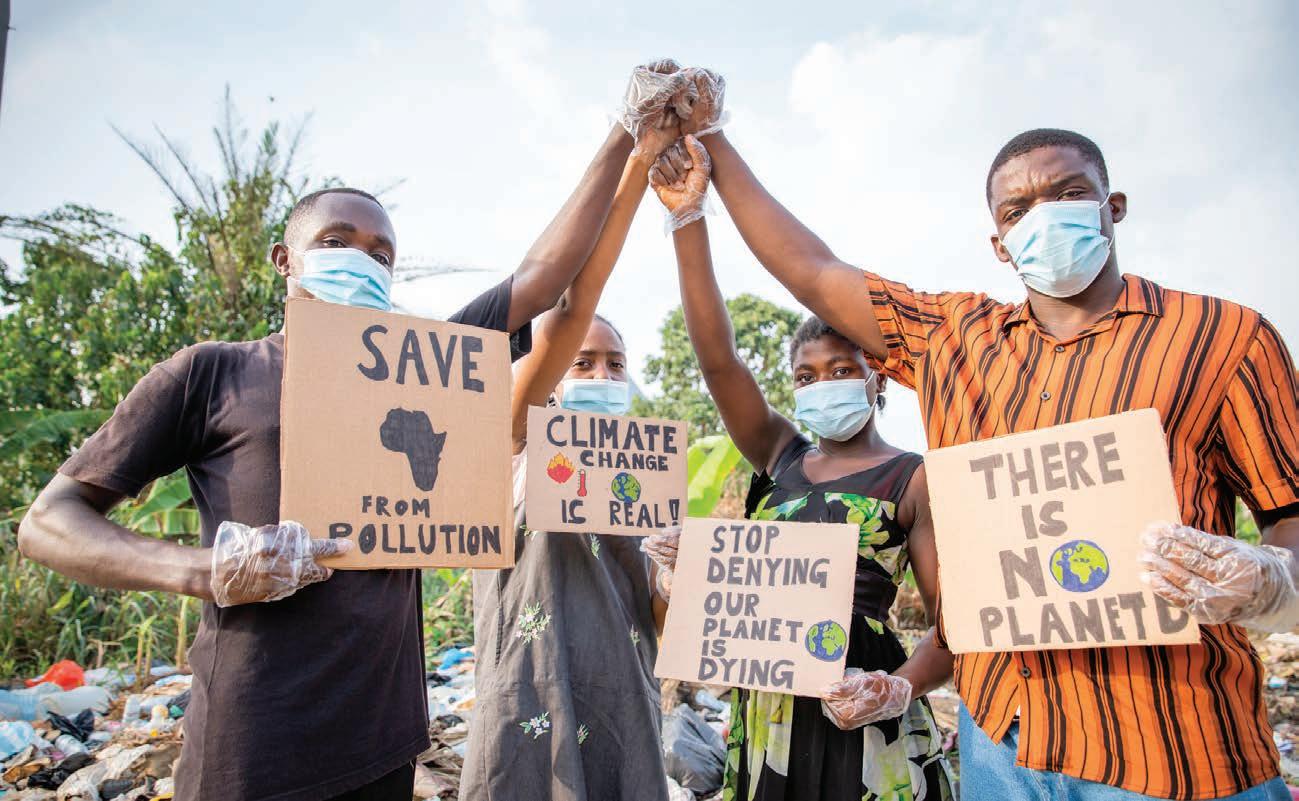
At this year’s Africa Climate Summit, African leaders were emphatic in their demand for the developed economies to deliver on their promise to provide $100-billion annually in climate finance for an overhaul of global financial architecture so it better meets Africa’s needs, and for doubling of climate adaptation financing by 2025.
They said it is time for the continent to unlock its vast renewable energy potential and develop and properly price its carbon assets to generate new sources of enormous wealth.
The three-day event, hosted by the government of Kenya and the African Union, has brought together heads of government and international organisations, nongovernmental organisations, civil society and hundreds of African youths to discuss ways to deliver innovative green growth and climate finance solutions.
Kenya’s President William Ruto listed several reasons why the continent is well-placed to lead in tackling climate change. “Africa is the continent with 60 per cent of the world’s renewable energy assets,” he said, “including solar, wind, geothermal and hydropower.”
Africa is projected to have 40 per cent of the world’s workforce by 2100, he said. “We have two-thirds of the world’s uncultivated arable land that can transform smart agriculture into the production store of the world.” Ruto added: “We have the largest carbon sequestration infrastructure in the world.”
Source: afdb.org/en/news

REFELA President Lord Mayor Rohey Lowe highlights the importance of involving mayors, especially women mayors, in the ght against climate change.
REFELA (Réseau des Femmes Elues Locales d’Afrique) is the network for locally elected women of Africa.


Youths aged 18 to 35 from BRICS countries will take part in the skills challenge in aircraft maintenance, agri-internet of things, building information modelling, cybersecurity, data science and digital twin. They will be tested in drone technologies, internet marketing, manufacturing robotics, renewable energy and robotic process automation, according to the organiser, South Africa’s BRICS Business Council.
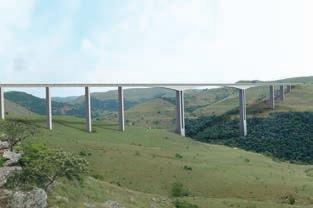
Construction has started on the mega R4.05-billion Mtentu Bridge.
According to road agency Sanral, the China Communications Construction Company and MECSA Construction joint venture will build the bridge, which is expected to take 50 months and should be completed by the end of 2027.
The Mtentu Bridge is set to be the highest bridge in Africa with a maximum height of roughly 223 metres.
It will also be one of the longest main-span balanced cantilever bridges in the world with a main span of 260 metres.
CoGTA’s approved budget allocation for the 2023/24 financial year.

The World Bank reports that the world is in the midst of a global food crisis with projections showing that as many as 670 million people will still face hunger by 2030. Shocks from climate change, a global water crisis, loss of biodiversity, and other challenges continue to weaken food security and force more people into hunger.
While the current approach of responding to food crises through short-term measures – coupled with resilience-building efforts – makes a difference, it is not sufficient to fully address all underlying factors causing the crisis. The report states: “ It is critical to transform global food systems so that they are conducive to healthy and resilient people, planet and economies.”
The World Bank is taking a multipronged approach to these challenges, supporting production and producers, increasing trade in food and agriculture inputs, supporting vulnerable households and investing in sustainable food and nutrition to help countries not simply address food-related emergencies, but also create sustainable solutions so that the next emergency is avoided.
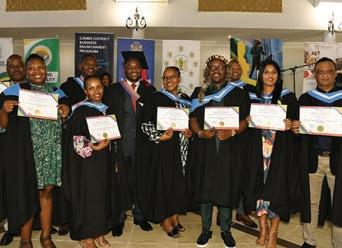
Managers from the municipalities were trained in the management of public finances.
Councillors and senior managers from municipalities in the iLembe district have completed extensive training to improve the management of public finances and strengthen the oversight role expected of councillors.
The 35 councillors and managers received their certificates of competence at an awards ceremony recently after successfully completing Local Government SETA-accredited training.
The ceremony was attended by the mayor and speaker of iLembe District Municipality, the speaker and chief whip of KwaDukuza Local Municipality, and the mayor of Maphumulo Local Municipality.
The training was offered by the Vuthela iLembe LED Support Programme as part of its mandate to create an enabling business environment for inclusive economic growth and job creation in the district. The Vuthela programme is funded by the Swiss State Secretariat for Economic Affairs and implemented in partnership with the KwaZulu-Natal Department of Economic Affairs, Tourism and Environmental Affairs, the iLembe District Municipality and the local municipalities of KwaDukuza and Mandeni.
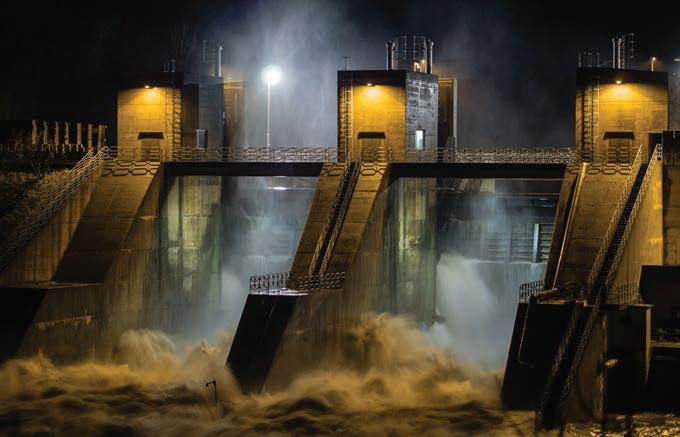
We can no longer rely on a water licence or contract with a water provider to be certain of receiving water of an appropriate quality. Furthermore, water quality compliance monitoring is no longer just a tick-box exercise; it is a necessary measure to ensure that all water users within a catchment receive usable water – or understand the water quality risk and utilise the water for a suitable purpose.
The draft Integrated Water Quality Management (IWQM) policy, published by the Department of Water and Sanitation (DWS), follows a risk-based approach and emphasises catchment management, which aligns with water stewardship, making it more relevant and necessary than ever to ensure that businesses, industries and mines are more cognisant of their water management. Water stewardship, through the associated standards of the Alliance for Water Stewardship (AWS), guides companies in managing aspects such as water governance, metrics, site risks, catchment risks, quality targets, strategies and performance.
The draft IWQM policy is significant for its recognition of the multifaceted water challenges facing the country. The DWS has said that deteriorating water quality in rivers, streams, dams, wetlands, estuaries
The draft policy on Integrated Water Quality Management – published by the Department of Water and Sanitation in March 2023 – signals that a new age of partnership is called for if South Africans are to have sustainable access to water. The draft policy recognises how the country’s water quality is deteriorating and having consequences for human health and the economy. It places increased responsibility on all water users to take responsibility for their water use and water quality management to preserve this precious resource for the current as well as future generations.
and aquifers is reducing water availability – as more water must be retained in the river systems to dilute polluted streams to acceptable standards.
In light of these challenges, the draft policy aims to enable government to partner with civil society and the private sector in addressing the issue of water quality across the country.
The draft IWQM policy recognises that managing water quality is complex and
The draft IWQM policy is significant for its recognition of the multifaceted water challenges facing the country.
requires an integrated and sector-wide approach. The DWS also emphasises that the success of this approach is highly reliant on co-operation and collaboration with a broad range of stakeholders.
We must all (at home and in the workplace) carefully manage water use and quality. If we do not all take care of this finite resource through responsible use and pollution management, we will suffer the consequences of our actions.
The United Nations Sustainable Development Goal 6 “Ensure availability and sustainable management of water and sanitation for all” is an important indicator of the effect society is having on water systems and the environment.

This SDG includes the monitoring of our water resources, which provides a tool for tracking and understanding the changes that are occurring. However, data takes time to be captured and to provide an indication of that change – and may often come too late for the required action.
SRK’s water stewardship team of AWS-credentialed specialists has been working with clients to help them better understand their water use and management needs. This has created a foundation for businesses to build more resilience into their operations, ensuring that they can continue to operate in the knowledge that shared water resources are well managed.





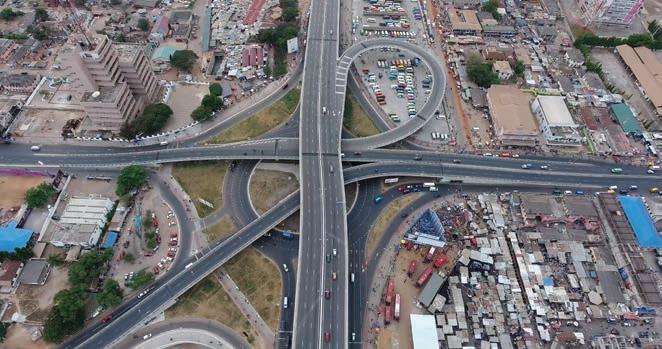
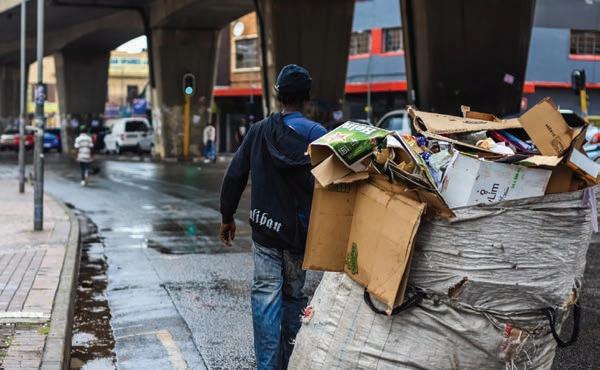
Special Economic Zones (SEZs) can accelerate Africa’s industrialisation and increase economic growth. Through using designated SEZs and collaborations, such as the African Continental Free Trade Agreement (AfCFTA), there are opportunities to boost trade, investment, infrastructure, employment and entrepreneurship, and remove barriers to doing business. Transport has a vital role to play.
The continent requires a unique approach to see progress in industrialisation, including harmonising trade policies and facilitating the free movement of goods and services as the AfCFTA envisions.
With a prosperous future in mind, the 11th Transport Evolution Africa Forum & Expo, that took place from 20 to 22 September at the Inkosi Albert Luthuli ICC Complex in Durban, served as a platform for global, public and private participants to engage in advancing and upholding Africa’s port, rail, and road infrastructure. These need to function to see Africa thrive.
Transport is one of five priority services under the AfCFTA. “This sector should be immediately liberalised to increase intra-African trade,” says HE Wamkele Mene, secretary-general, AfCFTA Secretariat.
The event featured a packed agenda to inspire and ignite the way towards a thriving transport and logistics industry across an integrated Africa.

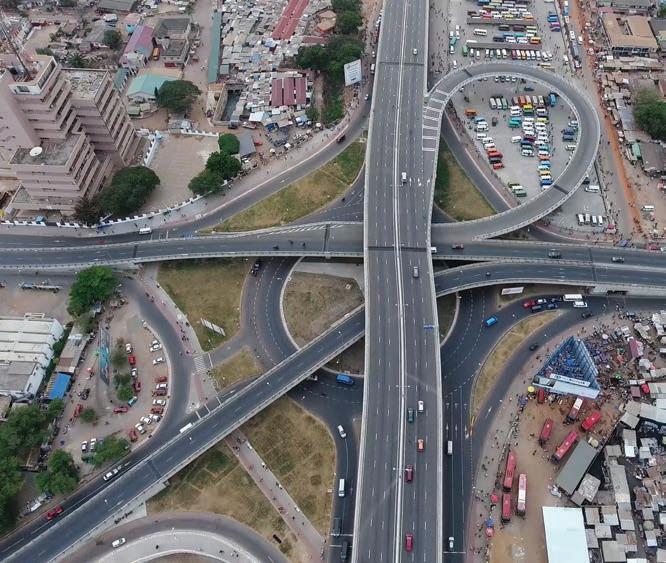
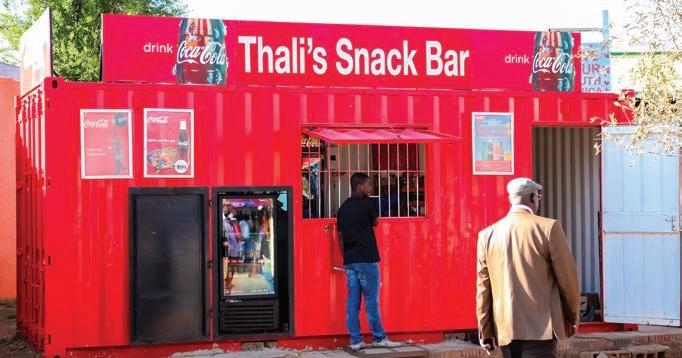
The chaos caused by the taxi strike in Cape Town last month has thrust the issues of public transport and the devolution of power into the spotlight, writes
MATTHEW HIRSCH
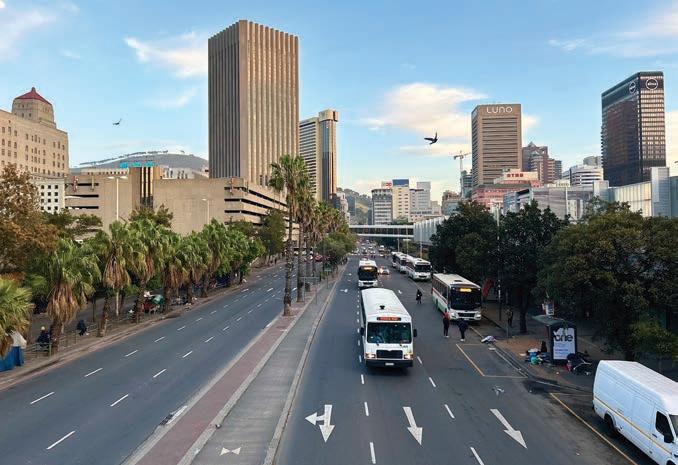
The minibus-taxi strike that brought the City of Cape Town to a virtual standstill earlier this year was announced without notice by the South African National Taxi Council (Santaco). It not only left hundreds of thousands of commuters stranded, but many were unable to get to work for the duration of the eight-day stayaway. The strike was also marred by violent incidents.
In a debate during a City of Cape Town Council meeting in August, Cape Town mayor Geordin Hill-Lewis said the biggest elephant in the room was the dysfunctionality of the rail system. The City of Cape Town said it plans to lodge an intergovernmental dispute to dissolve rail.
“If trains had been running, the taxi industry would not have been able to hold Capetonians to ransom. It is imperative that the running of Metrorail be devolved from national government to the city,” he said during the debate.
Stats SA’s Land and Transport Survey highlighted his concerns. It showed there were 46 million fewer train trips in June 2023 compared to a decade ago. Although, in an effort to reopen lines across the country, trips have tripled since last year. The rail network has largely collapsed due to mismanagement and infrastructure theft.
Responding to questions, the City of Cape Town confirmed that it is preparing to lodge an intergovernmental dispute as its calls for rail to be devolved have fallen on deaf ears. It says taxis will continue to play an important role in what it hopes will be an integrated transport system.
According to the City of Cape Town’s recently approved Comprehensive Integrated Transport Plan (CITP), 2 per cent of commuters use passenger rail (a decline of over 95 per cent from 2012 to 2022; 22 per cent use minibus-taxi services; 9 per cent use bus services, such as Golden Arrow busses and MyCiTi; and 58 per cent use private transport.
The city’s intention is to facilitate and promote an integrated public transport system with passenger rail as its backbone.
Rob Quintas, the city’s mayoral committee member for urban mobility, said the city’s intention is to facilitate and promote an integrated public transport system with passenger rail as its backbone. “We would like to see a shift from private vehicle use to public transport and, ideally, once passenger rail has been restored, to passenger rail as this is the most efficient and cost-effective mode of public transport. Given the state of passenger rail, this will take some time.”
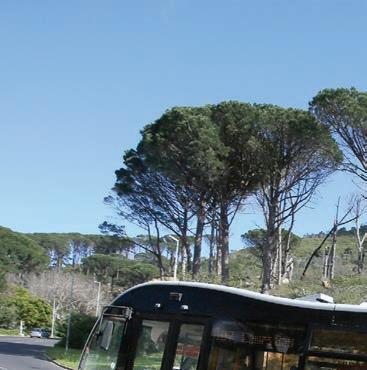
The city also plans to expand the MyCITi network in the next three years. “For the Phase 2A (expansion) of the MyCiTi bus service, the city intends to pursue a ‘hybrid’ approach in which, rather than attempting to fully replace minibus-taxis, we are looking at a model where the new MyCiTi service and transformed minibus-taxis can complement each other on the network,” said Quintas.
Some progress has been made with the Minibus Taxi Task Team (comprising officials from local government and Santaco). A joint statement between the City, Santaco and the province on 31 August said that all parties had committed to ongoing discussions over the next four weeks. They have also signed a commuter safety agreement.
Quintas added that the most important part of the agreement with Santaco was that it gives certainty to all stakeholders about “how we intend to address and resolve disputes; and importantly, that we all work together on matters ensuring commuter safety and security”.
Hill-Lewis said his office had not yet received a response from the president to a request to devolve passenger rail despite public promises to do so. “We remain hopeful that we can join hands on a simple working committee to get devolution done in line with national policy and set targets and timelines for service improvement together with Prasa.
“We should not have to resort to intergovernmental dispute mediation.
According to the Cape Chamber of Commerce, the taxi industry transports the majority of the province’s commuters, about 70 per cent.
Jacques Moolman, president of the Cape Chamber of Commerce, said that the taxi industry is misrepresented rather than misunderstood.
“If workers do not get to work, the business sector cannot function and our economy will collapse. As we saw during the strike, one of the consequences of this scale of disruption is that food producers can’t get food to stores.
“Poor driver behaviour makes most other road users angry and resentful and generally hogs the headlines. But a good driver delivers an elderly person close to home in dark dangerous townships. This behaviour is not exceptional and is a feature of the taxi service. Ignorant generalisation by citizens leads to the assumption that all taxi drivers and owners are bad.”
But we are preparing to declare a formal dispute because we have an obligation to commuters. Section 42(1) of the Intergovernmental Relations Framework Act mandates formal dispute mediation must commence ‘promptly’ once declared,” he added.
Hill-Lewis said that the city’s ongoing Rail Feasibility Study, which aims to chart the way to devolution, has so far found that lower-income households will save up to R932-million annually with an efficient passenger rail service in Cape Town. The research also shows that functional rail will sustain over 51 000 jobs and add R11-billion to the local economy each year.
Quintas added that the next phase of the MyCiTi roll-out aims to connect Mitchells Plain and Khayelitsha with Wynberg and Claremont. In addition, construction is planned for a new MyCiTi station in Maitland that will form part of route extensions between Dunoon, Maitland and Century City in coming years.
“We remain hopeful that we can join hands on a simple working committee to get devolution done in line with national policy and set targets and timelines for service improvement together with Prasa.” – Geordin Hill-Lews
“We all know that better living conditions are closely linked to a person’s ability to find a job and provide for their families. Economic growth, employment and productivity go hand in hand. Residents must be able to get to work and school within the shortest possible time, using reliable, safe and affordable transport. This is why we are setting aside budget to, over the next three years, create new infrastructure for those who rely on public transport,” said Quintas.
The topic of devolution came up in Parliament in September during a Q&A with President Cyril Ramaphosa. He said that the white paper on national rail policy approved by Cabinet in March 2022 specifies certain implementation priorities and timeframes in the devolution of passenger rail.
“The Department of Transport has undertaken consultations with key stakeholders. These include all provincial departments responsible for transport, transport authorities, National Treasury, all affected metros, the South African Local Government Association, the Gautrain, PRASA, Transnet, the Railway Safety Regulator, commuter forums in all the regions, unions in the railway environment, and business chambers in the affected provinces.
“A National Steering Committee has been established to guide all major deliverables of the project,” Ramaphosa told Parliament.
Jacques Moolman, president of the Cape Chamber of Commerce, said the city’s call for devolution of rail is possibly a last resort after years of Metrorail dysfunction. “One suspects the city would rather concentrate on other aspects of service delivery, but Prasa’s inability to deliver a safe and reliable commuter service forced the city’s hand to press for devolution. The state of passenger rail had reached the point where the city had little choice but to try and manage the system itself.
“In the same way that Transnet is now signing partnership agreements with private companies to manage some of
its commercial port operations, it is not inconceivable that national government will ultimately support the city’s move to take control of urban transport. However, we do not foresee this happening in the short term,” he said.
Moolman added that the recent taxi strike had a devastating effect on the economy. “A survey of our members revealed widespread staff absenteeism and associated operational disruption. The retail motor industry sector reported a 50 per cent workforce impact, while FishSA said 80 per cent of its workforce was absent during the strike.”
Public transport and mobility expert, Gail Jennings, said it was essential that all the forms of public transport work together and not in competition with each other. “As with public transport struggling for financial viability, it makes little sense for all public transport to be looking for the same trade.
“The model that started emerging, with mini-bus taxis serving as feeders to the BRT, has real potential. Among the reasons for public transport (subsidised state-funded public transport) is that because it is not profit-driven, it can travel unprofitable routes and offer subsidies. Profit-driven services cannot easily do this.”
Jennings added that the customer-centric language of the signed agreement between the city, Santaco and the province was a good sign.

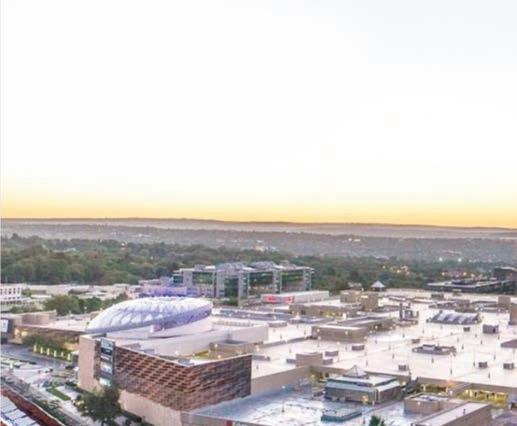
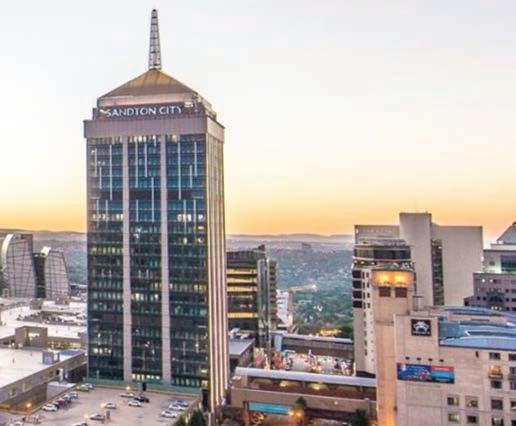
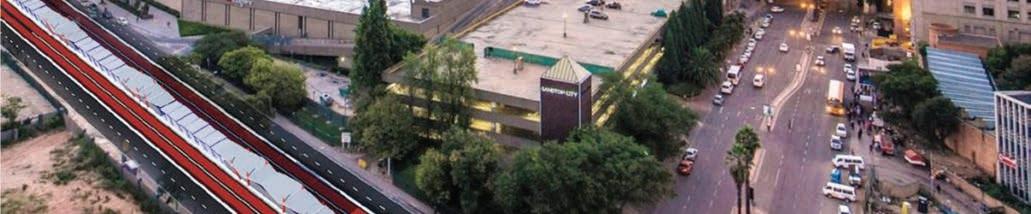
The long-delayed construction of Phase 1C of the Rea Vaya Bus BRT in Sandton CBD is finally underway, writes TREVOR CRIGHTON
The Rea Vaya BRT Phase 1C trunk route in the Sandton CBD is set to be completed in the next year. The 17km trunk route, developed at a cost of more than R2.2-billion, comprises 13 low-flow stations, five interchanges and improved bridges, as well as cycle routes and pedestrian walkways as part of the quest to migrate to eco-mobility. The truck route will apparently provide safe, convenient and affordable integrated public transport and also reduce traffic congestion.
“Once the station between Sandton Drive and Katherine Street intersection south and Fifth Street on the north is complete, the line will be able to accommodate a total of 141 Rea Vaya buses,” says JDA acting chief executive officer Siyabonga Genu.
“Each bus will have a carrying capacity of
110 passengers, and the route will be able to transport an average of 57 000 passengers daily. It is anticipated that the phase 1C route will reduce an estimated 250 vehicles, including minibus taxis.”
The station on Katherine Street in front of Atholl Square – long established but standing vacant for years – will form part of the route and be operational soon. The station between Sandton Drive and Katherine Street involves the erection of the BRT Station building in the road median with two station modules – in much the same style as the existing Katherine Street station. The new stations
“Once the station between Sandton Drive and Katherine Street intersection south and Fifth Street on the north is complete, the line will be able to accommodate a total of 141 Rea Vaya buses.” – Siyabonga Genu
will have dedicated BRT bus docking and bypass lanes in the road median on either side of the station and two outer mixed traffic lanes to maintain traffic around the station and facilitate pedestrian crossing to and from Sandton City.
Phase 1C works also saw the widening of the Sandspruit Bridge from two to six lanes, relieving traffic bottlenecks, with its two centre lanes reserved for Rea Vaya buses. Rea Vaya infrastructure also features a 30.5km walking and cycling path, a section of which connects Sandton and Alexandra.
The Rea Vaya Phase 1C operations will stretch from Sandton to Alexandra, along Rivonia Road and Katherine Drive and the trunk route from the Johannesburg central business district (CBD), along Louis Botha Avenue. “It will bring safe, affordable and reliable transport to the residents of Berea, Yeoville, Orange Grove, Cheldondale, Norwood, Balfour Park,
Bramley, Wynberg, Alexandra, Marlboro, Athol, Sandton, Sandown, Longmeadow and Greenstone,” says Genu.
Phase 1C is the third BRT trunk route to be implemented since 2009 – Phase 1A between Thokoza Park in Rockville, Soweto and Ellis Park Park, near Emirates Airline Park, came on stream in time for the FIFA Confederations Cup in 2009 and Phase 1B was implemented in 2013 to link Soweto to the Johannesburg CBD via the Noordgesig-Westbury-Melville-Auckland Park Corridor.
The main station’s proximity to the Sandton Gautrain station and its bus and taxi services – as well as e-hailing service hubs – mean it will meet the JDA’s aim of integrating Rea Vaya with other modes of transport available in the city. Rea Vaya BRT stations feature public art displays, and the new station will be no different. “Rea Vaya public art celebrates the diverse stories that define Joburg and its residents. Each Rea Vaya station
The new stations will have dedicated BRT bus docking and bypass lanes in the road median on either side of the station and two outer mixed tra c lanes to maintain tra c around the station.
features glass-engraved, original artwork that reflects Joburg’s diverse population, echoes its vibrant energy, and mirrors and refracts its unique architecture, colours, shapes and textures,” says Genu.
An agreement signed in 2022 between the City of Joburg Transport Department, the Alexandra, Randburg, Midrand, Sandton Taxi Association (Armsta) and the Alexandra Taxi Association (Ata) opened the way for the formation of a new bus operating company that will oversee the day-to-day management, service and operations of the buses that will run on Phase 1C. The agreements include compensation for economic loss, bus operating company
formation and participation agreements. As a result, Armsta and Ata will be compensated for removing their minibus taxis from operation and no longer providing any type of taxi-related service along the new route.
Construction of the Sandton/Katherine Street station got underway on 7 August, with southbound lanes on Rivonia Road reduced to two lanes to allow for works that will ultimately widen the road. That reduction is set to last three months, with the middle lane in both directions closed for seven months to facilitate the building of the stations. Overall, construction is expected to take 12 months.
The Road Traffic Infringement Agency (RTIA) is now ready to roll out the Administrative Adjudication of Road Traffic Offences Act 46 of 1998 (AARTO) Act and the Administrative Adjudication of Road Traffic Offences Amendment Act 4 of 2019 after the Constitutional Court (ConCourt) confirmed the legality and validity of the two acts on 12 July 2013.
The ruling effectively gave RTIA the mandate to continue with the implementation of the AARTO Act. “All uncertainties about the AARTO Act and its Amendment Act of 2019 have finally been settled after being challenged and declared unconstitutional by the North Gauteng High Court in January 2022. We can now confidently proceed with its implementation to enhance the safety of our road users,” says Matsemela Moloi, the CEO and registrar of the RTIA.
The RTIA is satisfied with the affirmation by the highest court in the land that the AARTO Act falls within the ambit of “road traffic regulation” and that Parliament has the power to pass
this legislation. Furthermore, the RTIA is also pleased with the ConCourt’s decision to dismiss OUTA’s contention that the AARTO usurped certain powers and functions of municipalities and gave them to national organs of state.
“We are pleased with the final decision made by the apex court in the land. As the RTIA, we will revisit and review existing plans and make the necessary adjustments in implementation timelines, and prepare for the phased national roll-out. We have always believed that South Africa needed a piece of legislation that would effectively enforce compliance with all road traffic regulations while also enhancing the safety of road users in general – the AARTO Act will achieve exactly that,” says Moloi.
The RTIA will continue to constructively engage with all the relevant stakeholders to ensure they have a thorough understanding of how the AARTO Act and its amendment will work. The RTIA will also continue educating road users about the benefits of AARTO and the
implications for those who do not comply. One of the benefits of the act and its amendment is the removal of the burden of adjudicating road traffic offences from our courts and placing it within one central agency. Furthermore, the AARTO Act and its amendment will also create a points demerit system designed to ensure that serial traffic offenders are removed from South Africa’s roads.
The current reality is that South Africa’s road crashes and fatalities are unacceptably high, hence the need for a very effective legal instrument that will enforce compliance and improve road safety. It will help the government achieve its critical objective of reducing road crashes and fatalities and ensure that habitual infringers face appropriate consequences for their actions.
“We have too many road crashes in South Africa, costing the economy billions of rands annually. This piece of legislation will enable us to protect law-abiding road users from serial and dangerous offenders”, concludes Moloi.

LOYISO MASUKU, member of the mayoral committee for Group Corporate and Shared Services at the City of Johannesburg Municipality, asks if LGBTQIA+ rights are protected simply by the Constitution or if public sector departments have their own inclusivity policies
In South Africa, August (Women’s Month) is reserved for the commemoration of the sacrifices made by more than 20 000 courageous women who marched to the Union Buildings on 9 August 1956, protesting the extension of pass laws to women.
Women’s Month is about remembering and honouring the heroics of women who protested against the atrocious pass laws, and the struggle they waged against the patriarchal, classist and racist society. Their selfless actions, which led to many people ending up in jail or forced into exile,
nudged us closer to achieving the freedom we enjoy today.
We celebrate their bravery and honour their sacrifices.
Despite the successes in respect of women, we continue to witness the unfortunate and regrettable violation of human rights of the LGBTQIA+ community.


The City of Johannesburg has a long history of being home to many LGBTQIA+ activists at the forefront of the struggle for inclusivity and equality, including the late larger-than-life Soweto-born Simon Tseko
Our transformation mandate is to ensure that our workplace comprises diverse employees irrespective of their sexual orientation or sexual preference.



Nkoli, whose impact and work on the rights of the LGBQTIA+ community was so significant. As the City of Johannesburg, we honoured his memory by renaming a street in Hillbrow after him.
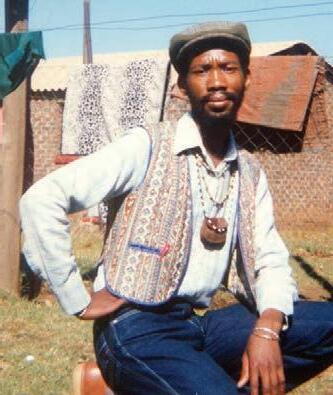
Nkoli was also the founder of the Gay and Lesbian Organisation of the Witwatersrand (GLOW) and the organiser of Johannesburg and Africa’s first gay parade in 1990. The parade, which normally takes place around October, is a highlight on the Johannesburg social and cultural calendar. Nkoli and fellow GLOW founder Beverly Palesa Ditsie had a major influence on how South Africa’s Constitution protects, defends and embraces the rights of the LGBTQIA+ community.
Through their efforts, South Africa became one of the first countries worldwide to outlaw discrimination based on gender and sexual orientation. Our Constitution prohibits unfair discrimination based on sexual orientation in the workplace. The Employment Equity Act (EEA), makes unfair discrimination on various grounds, including sexual orientation, unlawful. The EEA also requires employers to take steps to promote equality in the workplace.
The past three decades have seen numerous progressive gains for the LGBQTIA+ community in South Africa, including the legalisation of same-sex marriages in 2006 and the provision of transgender healthcare services, among others.
We are currently working on a diversity and inclusion awareness programme in partnership with the Commission for Gender Equality to create a tolerant and a conducive work environment.
While those gains are noted, the LGBTQIA+ community remains a vulnerable group, facing daily discrimination, stigmatisation and exclusion in society and the workplace. What then should be done to counter the discrimination, stigmatisation and exclusion? If we all collaborate with stakeholders and partners in our sectors, more can be achieved to promote equality and inclusivity for the LGBQTIA+ community.
As stakeholders in the public sector, we also need to ask whether we are doing enough to promote the rights of the LGBQTIA+ community within state institutions, such as departments, parastatals and agencies. Should members of the LGBTQTIA+ community within the public sector rely on the Constitution alone for the protection of their rights, or should we, as the public sector, develop and advocate our own inclusivity and equality policies? The public sector, with its huge influence and reach, can make a big difference if we also pursue developing our own policies in response to the realities we face daily
The City of Johannesburg has already gone further than what the Constitution demands in terms of promoting the rights of the LGBQTIA+ community. We take pride in being one of the leading municipalities in the country to champion and advocate for the rights of the LGBTQIA+ community and their inclusion in the workplace.
We ensure that equitable and fair opportunities are created when vacancies are advertised, and all suitably qualified LGBTQIA+ community members are always encouraged to apply. Our human resources policies are clear that it is illegal to unfairly discriminate against employees or job applicants on the grounds of their sexual orientation in any employment policy or practice, including recruitment,
promotion, training, benefits and termination. Employers are required to create a discrimination- and harassment-free workplace that provides equal opportunities for all employees.
Our transformation mandate is to ensure that our workplace comprises diverse employees irrespective of their sexual orientation or sexual preference as well as ensuring there is diversity and implementation of inclusion in the workplace through education and awareness creation.
We are currently working on a diversity and inclusion awareness programme in partnership with the Commission for Gender Equality to create a tolerant and conducive work environment and promote social cohesion among the city’s employees. This awareness programme will also bridge the gap around the lack of education on and understanding and tolerance of the LGBQTIA+ community.
The city is also working on a Group Anti-Harassment Policy Framework to institutionalise our fight against various forms of harassment, including gender-based harassment or harassment relating to sexual orientation. Further, the Talent Acquisition Subdirectorate is currently training officials who are eligible to sit in the recruitment panels on interview etiquette, including gender sensitivity. The aim is to address subtle exclusion and side-lining of candidates due to sexual orientation or gender identity.
We need to ensure that our society becomes more inclusive and accepting of the diversity in our country. Sadly, we still hear horror stories about body-shaming, stigmatisation and ostracisation of people simply because they choose to love and live differently from how mainstream society lives and loves.
Undoubtedly, we need to do more to raise public awareness about the rights of the LGBTQIA+ community and to normalise acceptance and inclusivity.
MATTHEW HIRSCH chats to Crystal West about working within a space that offers dignity and safety to communities and people
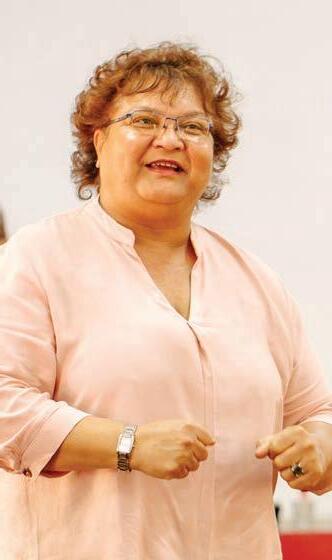
Being a housing activist was always in Development Action Group’s (DAG) programme manager Crystal West’s DNA.
Born and bred in Cape Town, West’s mom was active in the United Democratic Front and the Church’s Urban Planning Commission. Her mom was also the director of a nongovernmental organisation (NGO) in Hanover Park called Alpha Community Projects.
“I’ve always been a keen activist in the community development space. I grew up in a household where my mom was an activist and a development practitioner. It’s always been part of my DNA to organise and strengthen capacity in communities,” West says.
The projects she is involved in include “Reimagining Neighbourhoods” programmatic area, which includes DAG’s informal settlement upgrading projects, Active Citizen’s Training Course, Socio-technical Support, Woodstock/ Salt River and Asivikelane Western Cape projects.
Having initially studied social work, West became more interested in human settlements after joining DAG in 2002. “The reality of communities needing access to affordable accommodation sparked my interest and I’m committed to the work we do trying to enable communities to access these opportunities.”
PROGRAMMES TO ASSIST THE HOUSING CRISIS
She says the housing backlog is a massive and growing problem, with 90 000 households added to the waiting list every year in the Western Cape. “Our delivery rate at the moment is minuscule in terms of what government is offering. We have a problem that is not going to go away anytime soon. We need to find alternative
solutions, that’s one of the reasons I enjoy working at DAG because we have different programmes that deal with this specifically.”
West says one of DAG’s programmes looks specifically at a contractor and development academy, where the organisation works with small and medium enterprises, local builders and contractors to strengthen their ability. She explains that in many cases people are doing things for themselves rather than waiting for government. She called on government to enable organisations, such as DAG, which has a nearly 40-year track record, to do the work.
“The poor are developing housing, if you go through Delft, Du Noon and many of our townships, you will see a lot of backyard rental stock being developed.
“The housing backlog is a massive and growing problem, with 90 000 households added to the waiting list every year in the Western Cape.” – Crystal West
It’s not always compliant, and it doesn’t always meet building regulations. We are trying to assist those local builders and contractors by giving them the skills and offering them technical support to enable them to have building plans approved.”
West says they have also been working in Woodstock and Salt River since 2015 on a project that looks at reimagining what inner-city affordable could look like. As a result of a partnership with the City of Cape Town, they’ve identified 11 sites that could be used for this purpose.
“While building on these sites has been slow, this is not due to a lack of political will,” West explains. “Over the past three years, we have seen a greater sophistication in the way officials are preparing and packaging land for social and affordable housing, including dealing with some very unique site-specific challenges.
“In the last 18 months, the political support from the City of Cape Town mayor for municipal land for social and affordable housing bodes well for several projects that have been in the pipeline for development in the next year.”
According to Stats SA, informal settlements had grown from 300 in 1994 to well over 2 700 by 2019 nationally. Before the onset of COVID-19, informal settlements grew to 683 in Cape Town alone, housing more than 270 000 households or 890 000 people.
The recent tragedy of the fire in a derelict building in Johannesburg that killed more than 70 people has highlighted the housing crisis South Africa is facing. But, West says they’ve been taken aback by some of the attacks on the NGOs by government officials.
She reiterated that government needs to work with civil society. “Nobody advocates for people to live in derelict buildings. Our advocacy message has always been that there are buildings available, let us sit around the table and co-produce solutions for how to use these buildings.”

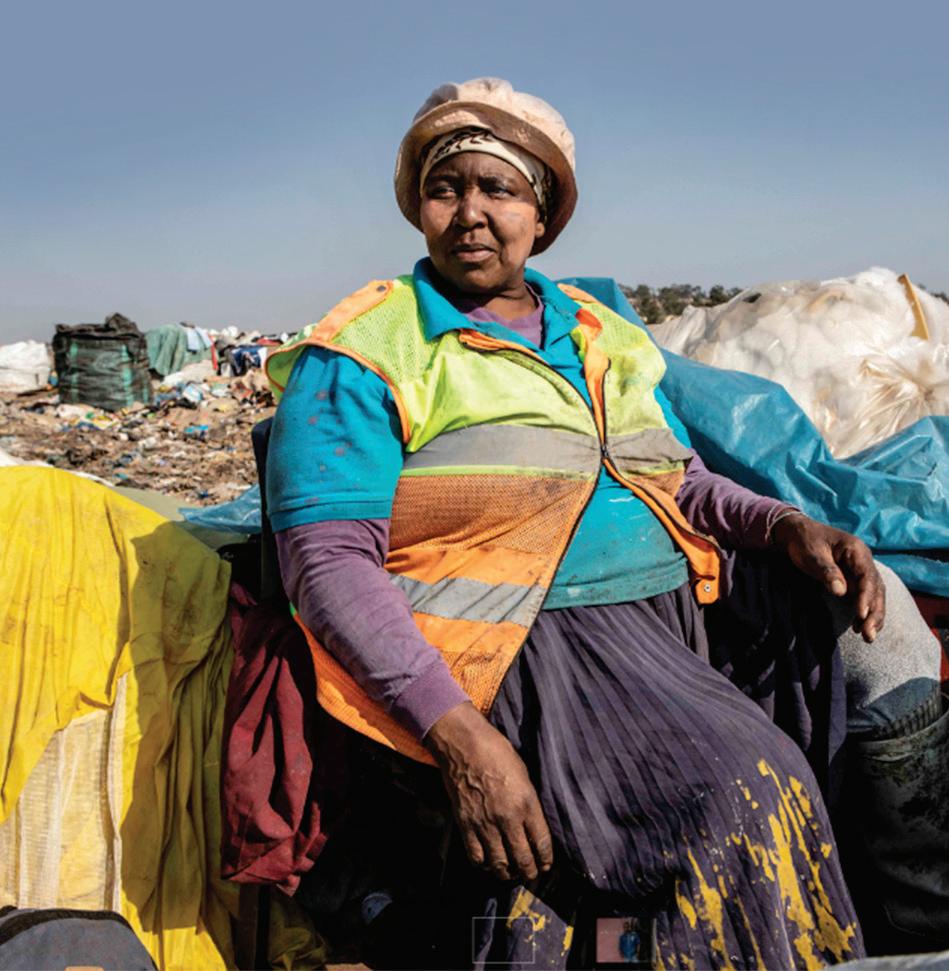
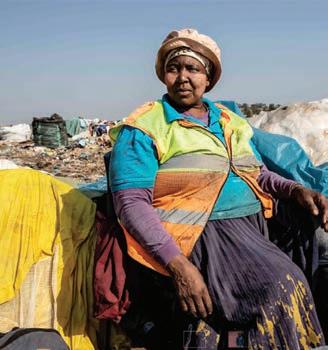
Due to its efforts in the recycling industry, South Africa is now on par in the recycling arena with European countries – 80 to 90 per cent (by weight) of paper and packaging material recycled in South Africa is entirely due to the efforts of these green champions.
These reclaimers fill a critical gap in waste management in South Africa, where, in some parts, waste management services are often nonexistent. Many are members of the African Reclaimers Organisation (ARO), founded in 2018 and the first organisation of recyclers that united those who work in landfills and streets.
It now has more than 6 000 members and is focused on Johannesburg’s northern suburbs (Saxonwold to Midrand) plus the central areas of Braamfontein, Parktown, Auckland Park and Brixton.
The difference these recyclers have made to our environment is astounding, so it is hardly surprising that the ARO became the first winners of the World Wildlife Fund’s (WWF) Living Planet Award for Organisations in 2021.
Research by the Council for Scientific and Industrial Research has shown that close to 90 000 South Africans work as informal recyclers, collecting close to 90 per cent of all materials that are recycled. This has led to South Africa being ranked third behind countries, such as Sweden, on recycling rates.
Informal waste reclaimers collect discarded items that would normally end up in landfills and the environment and sell these to buy-back centres for recycling.
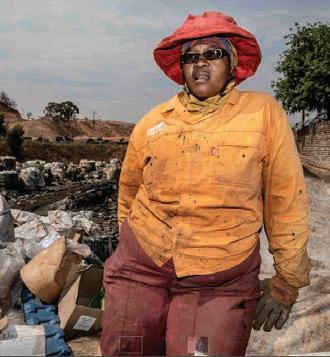
Their work saves municipalities R780-million in landfill space alone, and that saving does not include the savings in waste removal trucking and fuel.
What can Johannesburg businesses and residents do to help create a cleaner environment and improved livelihoods for those collecting the waste?
The ARO is promoting the use of its ARO Gereza recycling bag (or any clear plastic bag or boxes) to place recyclable waste. This includes materials such as clear polyethylene terephthalate (PET) bottles, plastic milk containers, Kreepy Krauly pipes, plastic plant pots, large yoghurt containers, aluminium cold drink tins, aluminium pie plates, electronic waste, cardboard and paper.
Some guidelines to follow when recycling:
• Place that which has value to waste reclaimers in boxes or clear packets on the pavements on collection day.
Close to 90 000 South Africans work as informal recyclers, collecting close to 90 per cent of all materials that are recycled. This has led to South Africa being ranked third behind countries, such as Sweden, on recycling rates.
• Rinse soiled containers so they are clean for collection.
• Remove bottle tops and labels, as reclaimers cannot resell these.
• Be mindful of reclaimers on the road while driving.
• Encourage other reclaimers to join ARO.
• Get to know your local reclaimers and learn how you can help them.
When informal reclaimers were first seen on our streets, they were often stigmatised, but people are beginning to understand the essential role reclaimers play when it comes to recycling. It is important for citizens to value reclaimers and for reclaimers to be proud of the contribution they make.
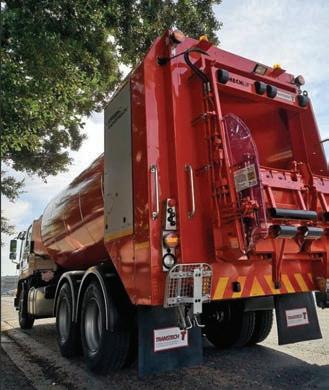
South Africa’s proposed Household Hazardous Waste programme is set for implementation in the current financial year, writes TREVOR CRIGHTON
Having worked together for eight years on a solid waste management strategy for the country, the Swedish Environmental Protection Agency (SEPA) and South Africa’s Department of Forestry, Fisheries and the Environment (DFFE) have now turned their attention to formulating a national strategy for household hazardous waste (HHW). Gazetted for public comment, the Hazardous Waste Management Strategy’s main purpose is to establish the framework for municipalities in the country to build new and improved waste management programmes with a focus on establishing systems to manage the disposal of electronic and electrical equipment and light sources such as fluorescent tubes, bulbs and LEDs.
SECTOR SNAPSHOT
The waste sector in South Africa contributes R24.3-billion to gross domestic product, according to the GreenCape 2020 Waste Market Intelligence Report – the most recent figure available. The Western Cape alone is estimated to have generated between 43 290 and 68 501 tonnes of e-waste in 2020. The market value is estimated at between R55.2- and R109.8-million annually.
An array of innovative solutions, along with deregulation and large public and private investments are expected to help organics, plastics and e-waste add between R320-million and R5-billion to the Cape Town economy each year.
Minister of Forestry, Fisheries and Environmental Affairs Barbara Creecy says HHW is generated in small quantities, constituting one per cent of waste generated by households. “This is because hazardous products are less frequently used and discarded. HHW fractions can include paints, oil, lamps, batteries, electronics or pesticides,” she explains. “Hazardous waste is, however, a problem and the department is working on developing the Household
Hazardous Waste Management Strategy to respond to this problem.”
The HHW strategy will provide a model for municipalities to develop their own HHW management strategies for collection and management of such waste. The HHW strategy guides municipalities on how to start implementing the separation and collection of HHW. “The implementation plan requires that the collection of general waste be available as a foundation and offers three add-on packages as options that can be implemented consecutively: mobile collection, collection event and permanent collection point,” says Creecy.
“The HHW strategy does not exist in isolation and must be implemented within the broader ambit of the existing guidelines for waste separation at source. The Department of Forestry, Fisheries and Environmental Affairs provides existing support in the development of Integrated Waste Management Plans (IWMPs) at municipal level. This ensures that the implementation of HHW is included so that necessary resources can be allocated and mobilised.”
A HHW handbook and costing models are also available to provide guidance. Support in terms of awareness and capacity building can also be provided.
The gazetted plan makes provision for public-private partnerships (PPP) and the informal sector, such as waste pickers, to form part of the strategy in tackling HHW as the plan progresses.
“Public comments have been considered and included in the revision of the strategy, which also provides for public-private partnerships and informal sector participation,” says Creecy. “Working with municipalities, waste pickers can separate the HHW from other recyclables they collect and drop it off at designated
municipal collection points within their area of operation. The working arrangements for waste pickers and PPP are based on existing frameworks, such as the Guidelines for Waste Picker Integration and the Extended Producer Responsibility (EPR) Regulations requirements.”
There is a challenge in implementing the plan nationally, as most HHW treatment and management facilities are mostly located in Gauteng, KwaZulu-Natal and the Western Cape, with few in other provinces. Creecy advises that municipalities can leverage partnerships with business and private sector role players in their jurisdictions to increase capacity and ensure the offtake of waste to save on logistics costs for residual waste requiring treatment and disposal in other provinces.
“The waste streams that cannot be recycled will be treated and/or disposed of at hazardous waste management facilities. EPR-identified products can be collected and treated through EPR arrangements. This will save costs for municipalities. The waste type determines the treatment option or technology that is involved.”
The final HHW strategy is due to be implemented in the current financial year.
The HHW strategy guides municipalities on how to start implementing the separation and collection of HHW.
ROBERT ERASMUS, managing director at Sanitech, shares why eradicating pit latrines in South Africa is a dire human rights issue
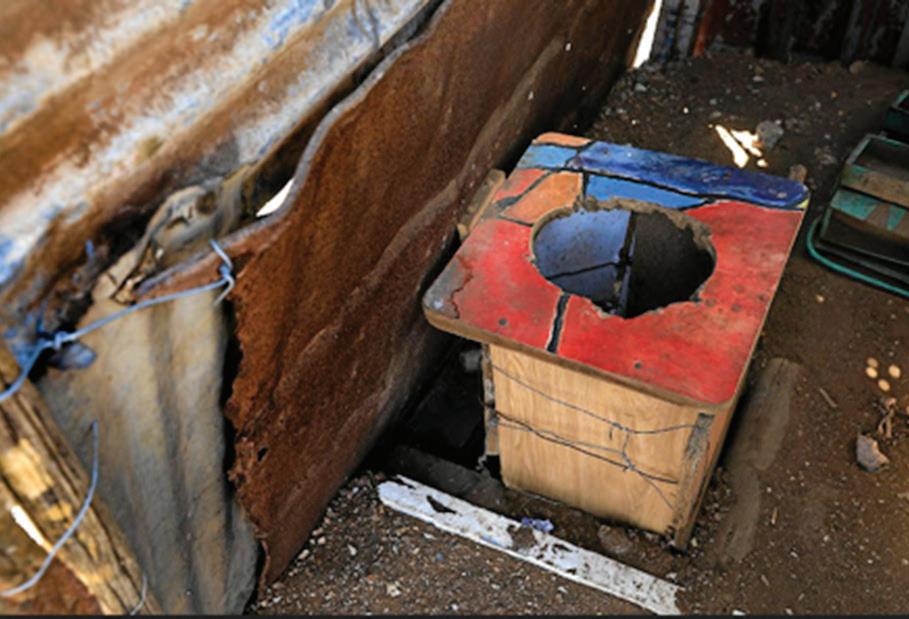
In South Africa, the use of pit latrines remains a prevalent human rights issue, infringing on every person’s right to life, dignity and health, as well as their right to access water and adequate basic sanitation. Despite their unavoidable application in certain contexts, pit latrines pose numerous risks to life, health and safety, particularly in schools and areas lacking proper sanitation infrastructure, such as informal settlements, prompting efforts to eliminate their presence in the country.
As far back as 2019, the Department of Water and Sanitation (DWS) launched a campaign called Khusela (“to eradicate” in isiZulu) to abolish pit latrines by 2030. Given the extensive challenges related to sanitation infrastructure, eradicating pit latrines will take time, particularly in rural areas. Nonetheless, this human rights issue must be squarely addressed and functional, sustainable alternatives to open pit latrines given the proper prioritisation.
From a sanitation perspective, there are 380 schools in South Africa with no running water. Some 3 392 schools still use pit latrines, affecting 34 489 teachers and 1 042 698 learners. While it is difficult to ascertain exact population figures, it is estimated that there are still four million pit latrines in use by communities throughout the country, of which only two million are ventilated-improved pit (VIP) latrines, the remainder are ordinary pits with or without covers. VIP latrines are a type of pit latrine with a ventilation pipe that allows air to circulate through the pit, which helps to reduce odours and the breeding of flies. These latrines are also typically constructed with a more substantial exterior structure than ordinary pit latrines.
Using pit latrines can be perilous, posing a safety risk, particularly for young children, females, and vulnerable
Using pit latrines can be perilous, posing a safety risk, particularly for young children, females, and vulnerable individuals.
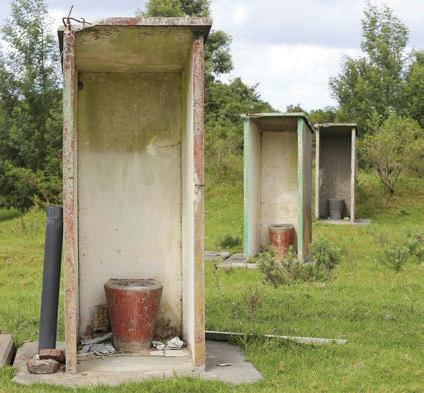
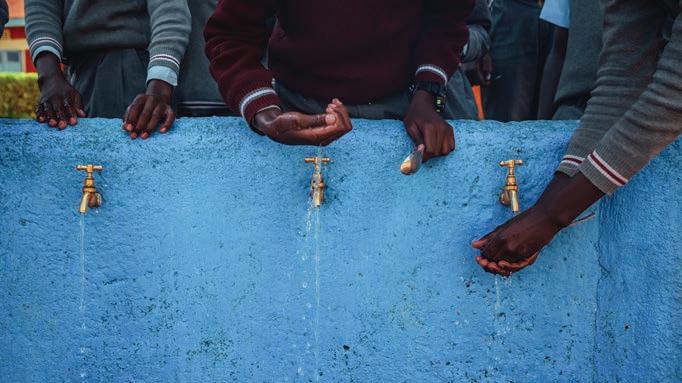
Pit latrines are unhygienic and hazardous.
individuals. Without proper maintenance or safety precautions, accidents such as falls, injuries, and even drownings occur. Pit latrines contribute to the spread of disease, posing a major health hazard to users and nearby residents, as inadequate waste management and poor sanitation practices contaminate the groundwater and soil, as well as nearby water sources, which lead to the transmission of waterborne diseases such as cholera diarrhoea and dysentery. Pit latrines often lack essential sanitation facilities, such as handwashing stations or proper waste disposal systems, which results in unhygienic environments, poor personal hygiene practices, and an elevated risk of infections and diseases.
For the affected communities, lack of access to clean water and proper sanitation significantly impacts health and wellbeing. The lack of access to safe and hygienic sanitation facilities can lead to health problems, making it difficult for people to work and earn a living. The correlation between adequate sanitation and poverty is a complex issue with several contributing factors. As such, it is important to address these factors to improve sanitation and ultimately reduce poverty.
Pit latrines are used primarily in areas that do not have access to water. These gradually fill up over time, primarily with solid waste as most liquid waste evaporates or is absorbed into the soil. Originally estimated to last seven to ten years, these latrines often require maintenance in two to three years due to the significant amount of additional waste they receive. Decisions must then be taken to either close the latrine and dig a new hole or seek servicing – a challenging task involving treating the solid waste to create a more liquid environment before using a honey sucker or vacuum tanker to extract and dispose of the waste in a treatment plant. The remote locations of many facilities add to the complexity of the process.
This highlights the urgent need for practical solutions when addressing the challenges posed by pit latrines. To illustrate the practicalities, consider the sheer number of pit latrines – four million, with two million being VIPs and two million standards. Replacing all of these with waterborne sanitation is simply unfeasible in the short term, as this would require
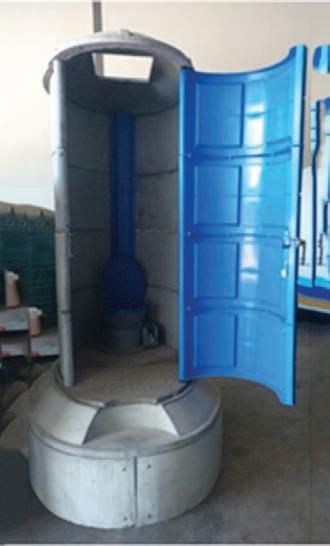
A safer alternative to pit latrines has been developed and tested extensively and is ready for implementation in communities.
an additional one billion litres of water daily for flushing alone. This is currently an insurmountable obstacle in terms of water supply and treatment, considering the condition of existing waste treatment plants. The South African private sector has sought to find the most practical and effective way to address the critical issues of safety, environmental impact, and serviceability of these facilities. To make a tangible difference, it is necessary first to acknowledge that an immediate conversion to waterborne solutions is not practical in the short and medium term.
A safer alternative to pit latrines has been developed and tested extensively and is ready for implementation in communities. It is a cost-effective, dry sanitation unit that addresses health and safety shortfalls, installation difficulties and servicing problems with pit latrines while ensuring that environmental and underground water contamination cannot occur. The main structure consists of concrete and the door is made of injection moulding plastic,
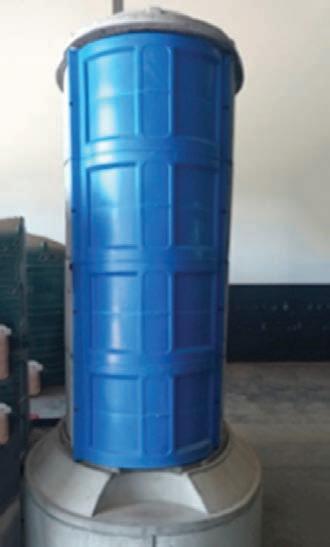
with a ventilation pipe to limit odours. The waste containment unit has a 1 500-litre bladder with a three-to five-year guaranteed life cycle, which can be removed without disabling the unit. The units are mobile, and no pit must be dug, which reduces installation costs and limits the abandonment of land. The unit itself is shaped in an ellipse to maximise space utilisation and waste containment, using a rotating bowl to dispose of waste, which prevents contact with faecal matter. The unit is sealed to prevent insects from entering or exiting the system and uses environmentally friendly products to treat waste, all of which address environmental concerns.
The need to eliminate pit latrines in South Africa is clear, given the multitude of risks they pose to the health, safety, and environment of communities. While an immediate conversion to waterborne sanitation may not be practical due to water supply and treatment limitations, the development of safer alternatives, such as the dry sanitation unit, offers promising possibilities. By prioritising the implementation of such practical and effective solutions, South Africa can significantly enhance the wellbeing and quality of life of its communities, making strides towards a future where pit latrines are replaced with safe, sustainable and healthier sanitation options for all citizens.

Getting a water storage tank to the top of a mountain to enable a secure water supply to the residents of Victoria West was all in a day’s work for SBS TANKS
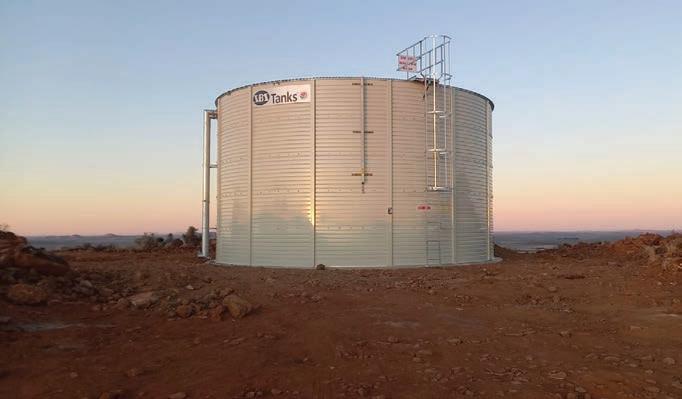
Residents of the central Karoo town of Victoria West are assured of a secure water supply following SBS Tanks® recent installation of a bulk water storage tank. The tank installation was funded by the Department of Cooperative Governance and Traditional Affairs as part of the Municipal Infrastructure Grant.
Victoria West, located along the N12 route between George and Kimberley in the Northern Cape, is the seat of the Ubuntu Local Municipality within the Pixley ka Seme District Municipality.
“Most Karoo towns rely on boreholes as their main water source,” says Mava Gwagwa, director: SBS Tanks. “This is also the case for the town of Victoria West, but the route from the water source to the town requires the water to be pumped to the top of a mountain before flowing down the other side to the existing water storage reservoirs and fed to the town.”
Under the direction of the implementing agent, Ubuntu Local Municipality, SBS Tanks installed an ST14/05 tank from its Standard Tank range at the top of the mountain. The tank, powder-coated in “Sahara”, blends seamlessly with the
shrublands of the terrain. Water from boreholes is pumped up the side of the mountain to the tank, which acts as a balancing tank and delivers an effective 350 000 litres of water storage. The water is then piped down to the existing reservoirs that feed the town water supply system.
“The elevated nature of the site, with no access roadway and a steep incline, did pose some challenges, but nothing that the experienced SBS Tanks installation and project management team could not handle,” says Gwagwa. “This is one of the strengths that SBS Tanks is known for –the ability to install water storage tanks in even the most challenging terrain. The steel panels of our tanks are lightweight and can be carried by hand, but once installed, create a strong and durable structure that offers a long-term water storage solution. The option to powder coat in any colour enables the tank to blend into the natural surroundings.
“The Standard Tank range has a wind rating of up to 43 metres per second or 140 kilometres per hour and can be installed
rapidly and commissioned immediately. Water is stored within a liner or bladder fitted inside the tank, which prevents contact with the tank structure and adds to its longevity.”
Gwaga explains.
Regional sales consultant for the Eastern and Northern Cape Jacob Rheeder says that while the town of Victoria may not be well-known to people living in other provinces, the distinct history and legacy of this Karoo settlement lives on in the words and fame of those who have called it home.
“Victoria West is the birthplace of many legends, including one of South Africa’s most gifted poets, newspaper and radio journalist Sandile Dikeni, whose collection of works written from the heart is aptly entitled “Planting Water.” Renown sculptor Jaco Johannes Sieberhagen and many rugby legends including the 27 times capped Mannetjies Roux were also born in Victoria West. It is also where Standard Bank opened one of its first branches,” Rheeder says. “Victoria West can now add another legend to its legacy – an attractive SBS Tanks bulk water storage tank that will deliver on its promise for many years.”
Terrain challenges need not stall the delivery of water to rural settlements in your district, SBS Tanks in-house engineering, project management and installation team can help you to meet your targets.




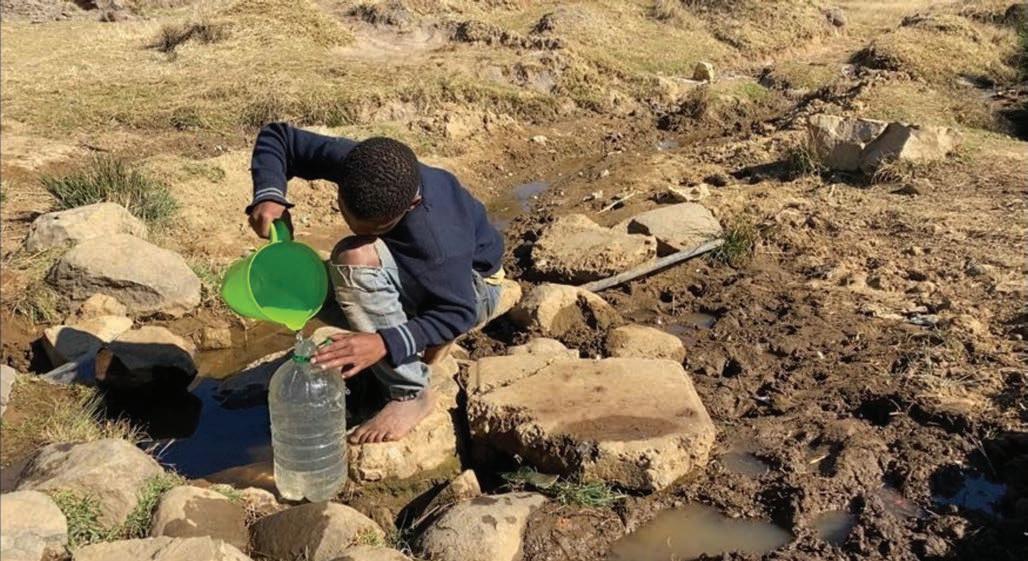
HEATHER DUGMORE writes that catchment conservation is key to South Africa’s water supply
An avid flyfisherman and author of a novel on flyfishing, Andrew Fowler has spent a lifetime exploring the Drakensberg rivers.
“Over the years, I have witnessed the degradation in the formerly pristine waters of catchments, such as the uMngeni and iNzinga, with an insidious increase in dirty water and agricultural pollution,” explains Fowler, a business manager with a degree in agricultural management from the University of KwaZulu-Natal, who was born, raised and lives in the KwaZulu-Natal (KZN) Midlands.
In 2013, Fowler started focusing on catchment and river conservation, and to add to his knowledge, a few years ago, he attended the Rivers Trust Conference in the United Kingdom and visited a number of associated organisations there.
In 2020, he established a nonprofit organisation called Upland River Conservation and drew up a catchment management plan for the 16 000ha upper uMngeni catchment, on which 45 per cent of KZN’s population, including millions of people in Pietermaritzburg and Durban, rely for water. Fowler applied to the WWF Nedbank Green Trust, which
“The importance of conserving our catchments is that they are able to free up more water. For every two drops of water in South Africa’s rivers, one originates in only eight per cent of our country’s land area.” – Andrew Fowler
has a number of projects in South Africa’s Strategic Water Source Areas (SWSAs), and has received three years of funding for his project, KwaNovuka, which started in March 2023.
“The importance of conserving our catchments is that they are able to free up more water. For every two drops of water in South Africa’s rivers, one originates in only eight per cent of our country’s land area, mostly in the SWSAs’ high mountain catchments, including the uMngeni and iNzinga.
“All catchment rehabilitation efforts need to start at the top of the catchment at the headwaters to slow down the water flow, coupled with improving the grass cover,” Fowler says. Both the uMngeni and iNzinga catchments flow down through wetland-rich grasslands grazed by cattle.
The project will focus on partnering with the communal and commercial cattle farmers in both catchments to create a shared learning platform for optimal grassland management and catchment-sensitive farming. It will look at grazing methods that are proving to be very successful in the communally grazed areas of the SWSA in the Matatiele region of the Eastern Cape.
The KwaNovuka project underpins existing current grassland and catchment management projects in the two catchments, such as Meat Naturally’s Herding for Health project and Umgeni’s Water’s stewardship project, both of which are being implemented by the Institute of Natural Resources (INR).
“Cattle are the currency in both the commercial and communal farming sectors in the two catchments, and many families are entirely dependent on cattle for their livelihoods,” says Fowler. “The project will facilitate and fund a joint learning study group, with communal and commercial cattle farmers representing all beef farming interests in the twinned upper catchments of the uMngeni and iNzinga. Approximately 78 per cent of the overall land use in this area comprises beef farming.”
The study group will work together to agree on grazing approaches that help restore and maintain healthy, resilient grasslands. They will also look at developing a best practice manual for current and future landowners, perhaps with joint management co-ordination in respect of burning and other practices.
“Good grazing practices combined with prudent burning schedules contribute to the health of the grasslands that are directly connected to the health of the catchments as the grasslands serve as a giant rainwater sponge that feeds water into the rivers throughout the year,” Fowler explains. Degraded landscapes lead to significant soil erosion, undermining their water provision to the rivers and washing vast amounts of topsoil downriver, which would, currently, cause a major silting issue in the planned Smithfield Dam – a concern for the dam engineers.
As part of the project, Fowler would like to draw up a catchment management plan for the upper iNzinga catchment – a tributary of the uMkhomazi River – that will feed into the Smithfield Dam and help service Durban and Pietermaritzburg’s water needs within the next two decades.
For the most part, the grasslands in the project region used to be devoid of trees, except for the steep south-facing slopes where small patches of beautiful
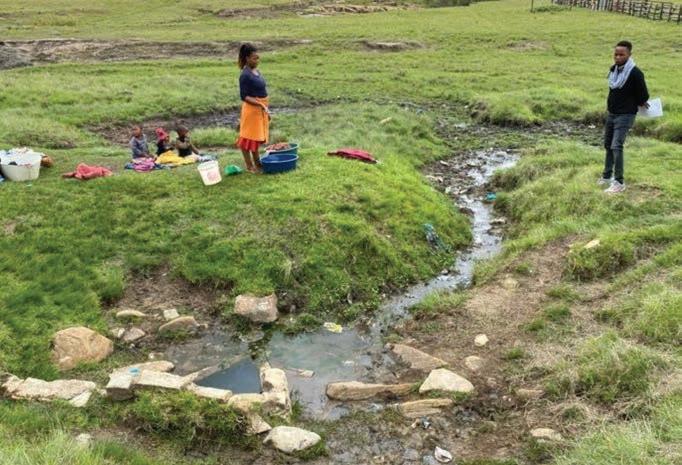
The central geographic point of the KwaNovuka project’s focus is the village of KwaNovuka, which is situated within the wetland-rich uMngeni catchment.
indigenous forests are found. However, alien invasive plants, predominantly black wattle, but also eucalyptus and bramble, have invaded the landscape. Organisations such as Working for Water and the Institute of Natural Resources need to use their resources to tackle the alien invasive species. In both catchments, black wattle infestations use millions of kilolitres of water.
“Our grassland management work will help to prevent further invasion of the grasslands by alien invasive trees,” says Fowler. “Down the line, we would like to formalise water resource governance in the region through the establishment of a local water resource management institution.”
The central geographic point of the KwaNovuka project’s focus is the village of KwaNovuka, which is situated within the wetland-rich uMngeni catchment, but straddles the watershed, with drainage to the uMkhomazi via the iNnzinga tributary. This is communally farmed land within the Impendle Municipality, which includes a pristine 260ha wetland called the Impendle Vlei.
“We are aligning the KwaNovuka project with the offset work emanating from the
Smithfield Dam project, in keeping with the ambitions of the proposed eThekwini Water Fund and the Biodiversity Stewardship model of expanding protected areas on private and communal land within the two adjacent catchments,” Fowler says.
Money from uMngeni Water has been invested in a trial project in the area in three sites – they are removing alien invasive wattle trees and using the brushwood material to build erosion control berms and have planted grass in soil eroded areas, coupled with well-managed grazing.
“If farmers can experience improved livelihoods from the project, given that well-managed, healthy grasslands can achieve higher profitability from improved cattle herds and calving percentages, it will create a long-term incentive to adopt the best practices established by the project,” explains Fowler. “The cattle farmers there are getting more money for their cattle on auction because the animals are in good condition, and there is opportunity for younger people to stay in the area and make a living from cattle. We are aware that improved livelihoods and opportunities are key to the success of the project and we believe we can achieve this.”
JAMES BEATTY, CEO of Enpower Trading and an energy trader with over 16 years of industry experience, explains electricity wheeling and trading

The South African landscape and electricity supply industry is changing rapidly. As the market evolves, the incentive for municipalities and businesses to procure their own power has become more evident. Decarbonisation, owing to climate change, is a key motivation for a transition to green energy, but as electricity costs accelerate and load shedding increases, municipalities are also forced to future-proof their strategies to provide access to affordable, sustainable energy for all.

James Beatty
Enpower Trading, a NERSA-licenced electricity trader, hosted a symposium in Johannesburg in June this year in an effort to collaborate with municipalities and businesses alike. The aim was to accelerate the enablement of energy wheeling and trading as a municipal service, including ways the private sector can further support the transition.
Speaking at the symposium, I explained that Enpower Trading sets out to transform the South African electricity supply industry through wheeling, which is the transportation of electricity on behalf of independent power producers (IPPs) to customers, business and government. This business model is premised on ensuring municipalities operating on the local distribution grids retain their profits (revenue surplus neutral) while providing customers with cheaper and cleaner electricity.
Trading will help municipalities to meet a share of their customers’ energy needs from renewable sources and generation projects located within the municipal grid, and more importantly, a trading solution ensures that a municipality does not lose its customers, but rather enables them to purchase cheaper and cleaner electricity – ensuring the municipal income from these customers is retained. Wheeling and trading is also a means to mitigate “off-grid flight”, which threatens the municipality’s
electricity income, traditionally accounting for more than half of municipal revenues.
Furthermore, through this model, municipalities can increase their energy autonomy and reduce their dependence on the national utility as the sole supplier of electricity without exposure to complex generation construction or onerous purchase contracting. Additionally, this provides a bankable solution for generation located within the municipal and Eskom network grids, allowing municipalities to increase their share of renewable energy and reduce their reliance on Eskom, resulting in a sustainable municipal power mix.
George Municipality already has a successful pilot project up and running, with Enpower Trading wheeling electricity directly through the municipal grid to four of its own low-voltage customers. The project involves the connected customers and one independent power producer (SolarAfrica Energy) and is based on a single 1.8MWp solar project installed on the premises.
“Our goal here is to further explore available energy sources, guiding them towards the municipal grid while at the same time lowering the cost of electricity in our region,” said Bongani Mandla, George Municipality’s electrotechnical director and speaker at the symposium. “And with all the privately generated energy coming into the grid, we hope to reduce load shedding by lessening our reliance on Eskom.”
In addition to mitigating load shedding over time, I believe that energy wheeling and trading will assist in driving economic growth and enable community upliftment to address energy poverty by ensuring rate-paying customers remain connected to the grid. Inclusive economic growth is the single most effective means of reducing poverty and boosting prosperity. However, most economic activity is impossible without adequate, reliable and competitively priced modern energy.
Understanding the spending habits, shopper preferences and economic dynamics of township residents will help to harness the billions of rands these vibrant communities represent. By MONGEZI MTATI, senior brand strategist, Rogerwilco
Many South African businesses are not harnessing the potential of South Africa’s township economies. They are home to nearly 12 million people and, despite facing numerous challenges, including high unemployment, poor service delivery and low household income, South African townships possess immense spending power, representing billions of rands. How do brands and marketers access these markets, if at all? Understanding township spending habits, shopper preferences and economic dynamics is crucial for unlocking their potential.
And that potential lies partially in the deep-rooted community support for one’s own – a neighbour or friend. Loyalty for local is growing across townships, from where people shop to what they buy.
But local is only really lekker if it can be trusted by shoppers, which comes down to offering real value, an essential factor for shoppers with a tight budget. While trust relates to consumers’ confidence in a brand’s ability to deliver on a promise, value refers to the perceived worth or usefulness of a product or service relative to its price. In the township economy, where price sensitivity is high, value often holds greater significance than brand affinity. Spaza shops, of which there are approximately 200 000 in South Africa, continue to play a vital role in meeting the daily needs of township residents.
Last year’s Township CX Report (customer experience), produced by Rogerwilco in conjunction with market research company Survey54, showed an 11 per cent increase in respondents shopping at spazas, as opposed to established retailers, compared to the previous year. In 2023, the third edition of this research, 51 per cent of respondents reported shopping at spaza shops daily. The convenience, affordability, and familiarity of spaza shops make them the go-to option for everyday purchases.
In comparison, supermarkets only garner 28 per cent of daily shoppers, with 48 per cent of respondents saying they shop once a week at supermarkets and 18 per cent
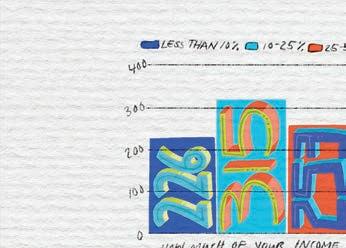





Township-based delivery services are also seeing a rise in traction by users, with residents embracing online shopping.
saying they do so once a month. More and more, both trust and value are being created by spaza owners who consistently work to meet the needs of their customers – whether by repackaged products outside of their original sizes to make them more affordable, offering a weigh-and-pay option or even buy-now-pay-later solutions for regular customers.
The desire to support local goes beyond the daily shop.
Township-based delivery services are also seeing a rise in traction by users, with residents embracing online shopping.
Delivery giants, such as Uber Eats, Checkers Sixty60 and Mr D, dominate the market nationally, but we are seeing the emergence of local platforms, such as eKasi delivery and Hammanskraal-based


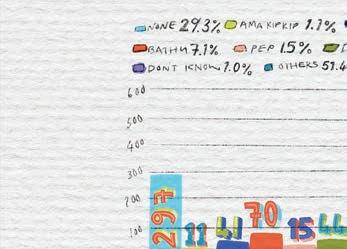

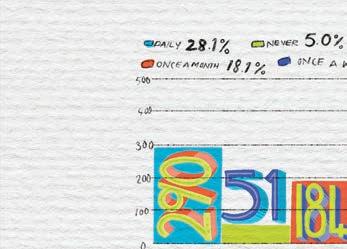


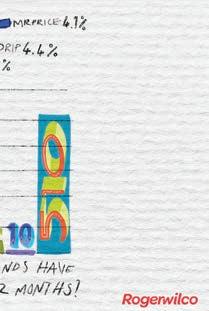
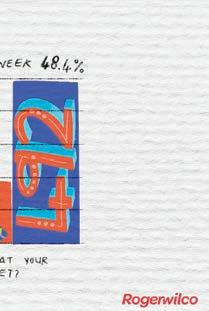
Delivery Ka Speed, especially where more prominent brands are not equipped or able due to mapping issues, for example, to provide services in the township.
Other local platforms, such as Zulzi and YeboFresh, are catering specifically to the needs of township residents to add that value the consumer craves. Zulzi has expanded its offerings beyond groceries to include pharmaceuticals and instant loan options. YeboFresh now also serves spazas and community organisations by offering bulk-buying power and convenient order placement via WhatsApp. These platforms are reshaping the dynamics of local township delivery and addressing the unique challenges these communities face while
introducing competition to more established players in the online delivery market.
Where we are seeing local support for specific brands over value is in the strong preference for local fashion. The popularity of homegrown brands is on the rise among township consumers. Three-quarters of respondents in 2022 expressed a greater likelihood of buying local fashion brands if they were easily accessible on a store card at the stores they frequent. This year, we interrogated how much they actually spent on local fashion. Nearly 17 per cent of respondents told us they spent between R1 000 and R2 000 in the past year, with nearly 6 per cent spending over R3 000 on local fashion – a significant number if you consider annual salaries.
Bathu, Drip and Amakipkip are among the top brands that resonate within township communities. The data suggests that local brands are perceived as premium, and township residents are not only expressing a desire for them, but also demonstrating their willingness to spend the necessary money to own their preferred local fashion choices.
Digitalisation isn’t only fuelling township spending, but also boosting income. The internet empowers township residents by offering access to education, information and income-generating opportunities, with over 60 per cent of respondents, or people they know, using the internet to sell products, offer services or work online.
Among the self-employed (70 per cent) and students (67 per cent), internet connectivity was most commonly used for earning money. Surprisingly, even among the unemployed, 57 per cent were involved in online hustles or knew someone who was.
Companies, such as Vumatel and isizwe.com, are playing a role in bringing affordable and high-speed internet to townships. Initiatives, such as Isizwe’s Kayamandi Fibre Project, have connected nearly 1 000 households to fibre internet for just R5 a day. If more telcos would innovate like this, we could see townships becoming economic powerhouses internally and nationally.
Recognising the potential of townships and their residents and fostering their development is crucial. By investing in infrastructure, improving service delivery and supporting local businesses, we can unlock the untapped potential of these communities. Policymakers, entrepreneurs and investors should work together to create an enabling environment that promotes economic growth, job creation and sustainable development within South African townships.
By investing in local brands, supporting entrepreneurship and addressing the unique needs of township communities, we can drive sustainable growth, uplift lives, and create a brighter future for all South Africans. It is time to recognise and embrace South African townships’ immense economic potential.










GQUBULE unpacks Gauteng’s township revitalisation strategy

Nine years after it first launched a township economy revitalisation (TER) strategy, the Gauteng provincial government has a new law and updated strategy that could serve as a template for the roll out of similar initiatives in other provinces. Gauteng has hosted many delegations from all provinces that want to learn about its strategy. Some have developed their own township economy policies and strategies. From an economy and jobs war room in Johannesburg, Gauteng government officials are co-ordinating efforts to direct billions of rands of procurement and loans to township enterprises and development projects. They hope to create thousands of jobs.

The Gauteng Township Economic Development Act, which the provincial legislature ratified on 29 April 2022, sets out regulatory and policy interventions to grow township economies and businesses. In his 2023 State of the Province Address, Gauteng premier Panyaza Lesufi said: “We are of the strong view that townships are our new gold. With new malls and filling stations rapidly going up in our townships, we must ensure that these investments benefit our people. As of



1 April, we will use 60 per cent of the R34-billion goods and services budget to support township initiatives.”
Mathopane Masha, Gauteng’s chief director for inclusive economy, says the province has already done an in-depth analysis of department procurement plans and matched them against commodities already purchased from township enterprises. Departments have received a circular explaining how they must report and that there will be quarterly monitoring of their performance against the target. “We have also developed mechanisms to cluster procurement and award contracts to multiple small township enterprises,” Masha explains. “The immediate focus is available spending, after excluding transversal contracts purchased centrally by National Treasury and long-term contracts. We are confident that we will achieve the target.”
The province has established a Township Economy Partnership Fund (TEPF), which has mobilised almost R1-billion. It is a joint venture between the Gauteng Department of Economic Development, the Gauteng Enterprise Propeller, and the Industrial Development Corporation. In his 2023



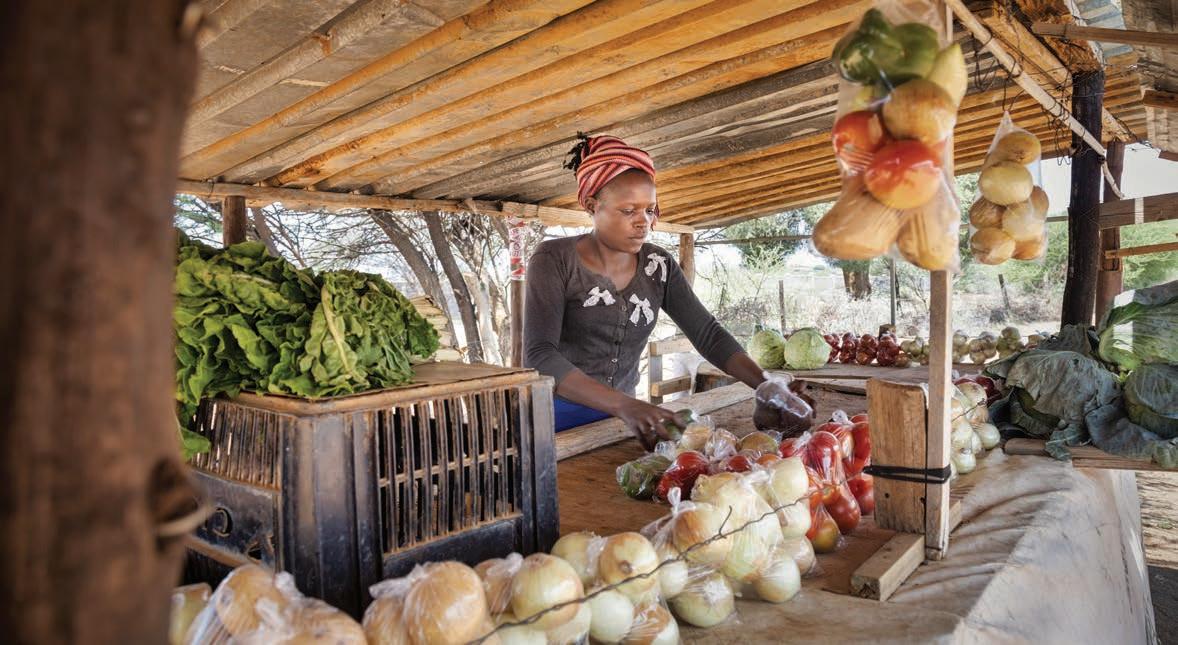

budget speech, MEC for Finance Jacob Mamabolo said the province also planned to establish a state bank to increase access to finance for township enterprises and residents and support infrastructure development. “We have now completed the legal due diligence of the state-owned bank and, in the 2023/2024 financial year, we will be moving ahead with plans to develop the business case for the bank,” he said.
The province says its township economy interventions will create 180 000 jobs during the three years from 2023 to 2026. During the first quarter of 2023, there were 3.3 million unemployed people in Gauteng. In an interview, MEC for economic development Tasneem Motara said the province had provided funding of R250-million for the TEPF, following criticism from potential partners that it must show its commitment to the fund. With the support of a guarantee from the Gauteng Provincial Treasury, she said there was scope to mobilise
Gauteng government o cials are co-ordinating e orts to direct billions of rands of procurement and loans to township enterprises and development projects.
“Our vision is to transform townships, where more than 70 per cent of the province’s population lives, into vibrant communities where people can live, work and play.” – Mathopane Masha
more funding and match commitments from future partners if the TEPF exhausts its R1-billion war chest and demonstrates that it can make a meaningful impact. Gauteng will have to mobilise significantly more resources to shift the dial in its R2-trillion-plus economy and reduce the province’s unacceptably high unemployment rate of 39.6 per cent.
The new act provides for the designation of township enterprise zones, licensing of township-based enterprises, promotion and development of township enterprises, establishment of a township enterprise fund and a set of principles that must inform municipal bylaws. There are two types of zones. Township enterprise zones are at a regional scale and can include a group of bordering townships, a whole township or a significant portion of the township. Township enterprise precincts are at a neighbourhood scale and could include high streets, taxi ranks, retail strips or retail malls. In the township enterprise zones, the provincial government will stack benefits for entrepreneurs, including cutting red tape by introducing model standard bylaws and targeted tax incentives, funding and procurement opportunities.
Masha says: “Under apartheid, townships were created as dormitories for labour. Our vision is to transform townships, where more than 70 per cent of the province’s population lives, into vibrant communities where people can live, work and play.” The plan is to change the face of three industries, taxis, property and retail, which account for the bulk of township enterprises. There will also be a roll out of enabling broadband infrastructure and the creation of township cloud zones. In Gauteng, according to SANTACO, there are 126 000 taxis. The industry employs 600 000 people directly and indirectly. Each year, it spends R51-billion on fuel, R7.2-billion on finance instalments and R2.4-billion on tyres. The province has established a R20-million fund to help associations raise more money.
Masha says taxi ranks of the future will be nodes of economic activity, not just transit points, with owners participating throughout the industry value chain. Taxi associations and enterprises will own banks and insurance companies, fuel stations and depots, panel-beating operations, automotive repair shops and tyre companies. The ranks will be transformed into safe spaces with retail developments, including restaurants, where customers can shop on their way to and from work. They will participate in the broader transport and logistics value chain and bid for bus routes. Outside peak hours, they will participate in the ride-hailing industry and food delivery to township consumers. The province will enable this transition with updated regulations and bylaws that zoning overlays for rank development projects.
In property, there are plans to develop high streets, micro central business districts (CBDs) and office parks and amend laws to allow rapid release of publicly owned land for township businesses. Masha says there is huge potential for infill residential projects to develop vacant land with housing projects. Infill projects can also refer to refurbishing existing homes or backroom properties so that owners can maximise rentals from accommodation and retail establishments. The new act will create a legal framework for backyard real estate upgrades by introducing double-storey permits so that people can earn more rental income. The province has already validated 2 000 funding loans for aboMastandi (township landlords) and approved 40 loans worth R50-million.
Masha says Gauteng will use the growth of township retail to stimulate local manufacturing production. The province has targeted 200 consumer products produced in townships and selected companies to be supported to expand production. It has partnered with Family Tree Holdings, which is working with 22 township chambers representing 20 000 small and medium enterprises
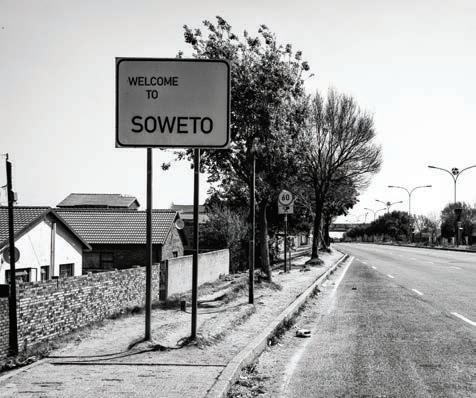
(SMEs). It has finalised a bulk buying mechanism for SMEs through the establishment of township-based warehouses and distribution centres, such as the ones already launched in Katlehong and Mamelodi. It has developed manufacturing and industrial clusters linked to 22 of the most-purchased products. The Kasi Umnotho programme has identified 15 000 township retailers to receive support, including the refurbishment of stores.
Two major impediments to the development of township entrepreneurs are the energy crisis and crime. Motara says National Treasury must increase rebates and other incentives for township entrepreneurs to invest in alternative energy sources. “The existing rebate of up to R15 000 does not go very far. The province is also looking at what it can do directly to address the crisis. For example, we can install solar in our facilities and invest in new generation capacity together with municipalities.” In her previous job as Infrastructure MEC, she witnessed construction mafias demanding a share of projects. “The private sector must call the police and not agree to extortion by criminals. Addressing crime is the top priority for this administration. In the recent budget, we announced a large increase in spending on people, cars, helicopters and drones to fight crime. There is also a programme to help township entrepreneurs reduce the use of cash. We must not normalise this state of lawlessness.”
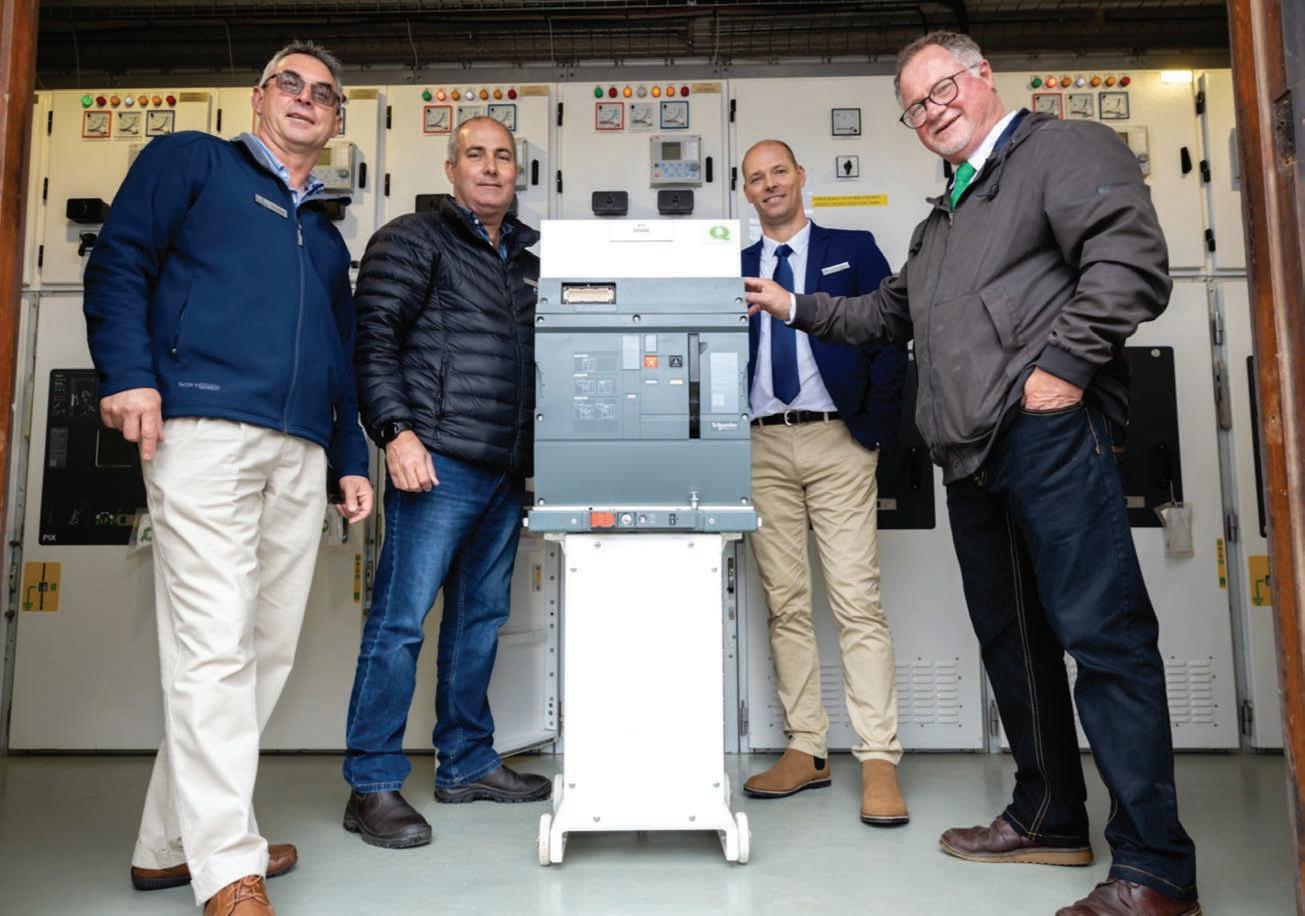
39 Infrastructure development and refurbishment in Joburg.
40 WEEE are iLembe.
42 Upgrading the bulk water scheme in KwaZulu-Natal.
44 SALGA’s Provincial Members Assembly.
48 Salga’s National Members Assembly.
Drakenstein Municipality, situated in Paarl in the Western Cape, is one of the first distribution utilities globally to implement Schneider Electric’s green, SF6-free RM AirSeT switchgear with pure air technology and native digital connectivity.
The RM AirSeT switchgear project, installed in February 2023 at the Dalwes substation, was unveiled at an official launch event on 14 September 2023.
The project sees Drakenstein Municipality taking proactive steps towards alleviating the harmful greenhouse gas emissions (GHG) produced by SF6 gas (sulphur hexafluoride) found in traditional gas-insulated switchgear. SF6 is 23 500 times more potent than CO2.
The RM AirSeT pure air switchgear installation, enabled by its native connectivity, also forms part of the Drakenstein Municipality’s upgrade of its 25-year-old SCADA (supervisory
control and data acquisition) system to ETAP, a model-driven electrical SCADA software solution. The project, currently underway, is rolled out in partnership with Schneider Electric and system integrator partner Altek.
“We are extremely proud and excited to embark on this journey with Schneider Electric,” says Conrad Poole, executive mayor of Drakenstein Municipality. “Sustainability is in the DNA of our organisation and our community, and this project is a perfect fit for our sustainability vision and best practices. It underscores our ongoing commitment to excellent service delivery while ensuring a sustainable future and protected environment for coming generations. Being an early adopter of this pioneering technology will enable us to share learned lessons with our peers. As the largest Western Cape municipality (outside Cape Town), and one of the most financially
sound, well-governed and stable municipalities in South Africa, we are honoured to now also be setting the pace in this regard.”
“Drakenstein Municipality is undoubtedly leading the way in establishing a modern, digitised infrastructure that enables it to remotely monitor equipment such as the RM AirSeT switchgear, which, in turn, allows for expanded network visibility and preventative and proactive maintenance and problem-solving,” explains Vladimir Milovanovic, vice president, power systems for Schneider Electric Anglophone Africa.
“Furthermore, by implementing green technology, such as our SF6-free switchgear, the municipality is undoubtedly showing its commitment to mitigating its environmental footprint while benefitting from improved operational performance and efficiency.”
Member of the mayoral committee Eunice Mgcina recently undertook an oversight visit to three projects being undertaken by the Johannesburg Development Agency
he Johannesburg Development Agency (JDA) is the infrastructure development arm of the City of Johannesburg. The agency has managed over 1 300 capital expenditure projects in Johannesburg. Infrastructure development and refurbishment is one of the 11 mayoral priorities to achieve a better Joburg. Member of the mayoral committee Eunice Mgcina, accompanied by the JDA project implementation team, shares the progress made at the Kaalfontein Multipurpose Centre, Turffontein Clinic and the Diepsloot Public Environment Upgrade (PEU).
“We are happy that there is progress despite the challenges. Today, we have made a commitment that when the deadline for the delivery of these projects arrives, we will have completed them,” Mgcina says.
“We have also made a commitment to the residents and to the councillors in these areas that the projects will be completed and the community will be happy with the developments,” she explains.
The scope of works for phase one entailed the construction of the platforms, perimeter fence, service reticulations (water, sanitation, stormwater, electrical power) and the construction of a guardhouse. Phase two of the project involves the construction of the main building works.
Following the completion of phase two, the Kaalfontein Multipurpose Centre development will consist of a new double-storey administration and office building, community hall and sports facilities that include a gymnasium, pool, library, offices, a hall and soccer fields.

precinct node to the north and Peach Road to the west, as well as the extension of the wetland promenade to the future pedestrian bridge.
Phase two of the project, currently ongoing, entails the upgrading of a 1.1km route along JB Marks, the upgrading of a 2.15km route along Percy Qoboza, Gateside Ave and Peach Road, and the extension of School Road to create a grid network.
DIEPSLOOT PUBLIC ENVIRONMENT UPGRADE (PEU)
This project is intended to promote pedestrian mobility and connectivity.
The scope of works of the project entails paving upgrades and new sidewalks, upgrading of intersections, traffic accommodation, bins and bollards, and landscaping and street furniture.
Phase one of the Diepsloot PEU, now complete, entailed the extension of a pedestrian network along the government
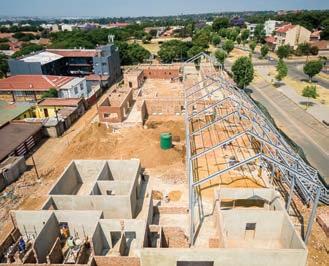
The two-storey, 1 870m² clinic is aimed at providing improved healthcare for the communities of Turffontein, Rosettenville, Kenilworth and neighbouring suburbs in Johannesburg south.
Once completed, the clinic will be equipped with a 120-seat waiting area, 18 consulting rooms, an emergency and stabilisation unit, a mother-and-child section, counselling rooms, a group room for ARV treatment and TB therapy, a testing facility, and an antenatal care facility.
The clinic will also have an isolation room, a central pharmacy, social work counselling rooms and ablution facilities.
“We are happy that there is progress despite the challenges. Today, we have made a commitment that when the deadline for the delivery of these projects arrives, we will have completed them.” – Eunice Mgcina
Earlier this year, stakeholders gathered in Ballito, KwaZulu-Natal, to officially launch the e-waste recycling partnership initiative, WEEE are iLembe. Representatives from the Swiss State Secretariat for Economic Affairs, provincial and local government, producer responsibility organisations, e-waste recyclers, waste management companies and local media attended the event
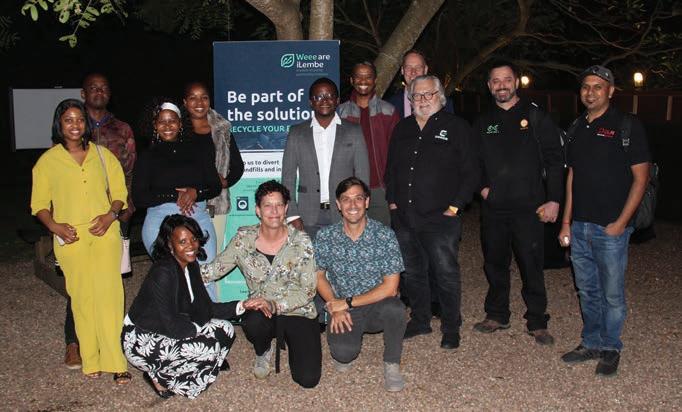
WEEE are iLembe is an initiative established as part of the South African country project of the Sustainable Recycling Industries (SRI) programme.
The programme aims to create an enabling environment for developing sustainable recycling industries for e-waste and related types of waste.
The SRI Programme is funded by the Swiss State Secretariat for Economic Affairs and jointly implemented by the World Resources Forum and the Institute for Materials Science and Technology.
WEEE are iLembe was created to educate individuals and businesses on waste electronic and electrical equipment (WEEE), also called e-waste or electronic waste. WEEE includes any devices (TVs, phones, laptops, fridges, appliances, lighting, power tools, and so forth) that use
either batteries or electricity that are no longer needed or wanted and have been discarded as waste. These products are made from various materials, including precious metals, plastics and glass, and even include harmful chemicals and heavy metals such as lead and mercury.
The WEEE are iLembe initiative informs government, businesses and the public on the importance of recycling WEEE and furthers the creation of partnerships between critical stakeholders to grow the local WEEE recycling industry. This is vital given that on 23 August 2021, the South African government banned WEEE from entering landfills. Currently, only about 10 per cent of all e-waste is recycled.
WEEE are iLembe aims to educate all types of WEEE generators about the safe and proper disposal of e-waste, encouraging increased release of this waste stream from current stockpiles
The WEEE are iLembe initiative informs government, businesses and the public on the importance of recycling WEEE and furthers the creation of partnerships between critical stakeholders to grow the local WEEE recycling industry.



and diversion of WEEE from landfill into recycling and related activities. Awareness and education will increase e-waste recycling in iLembe and surrounding areas, resulting in a healthier and safer environment and new opportunities for small, medium, and micro enterprises (SMMEs). By sharing knowledge, information, and resources, WEEE are iLembe aims to promote sustainable practices and reduce the negative impact of WEEE on the environment while harnessing potential business development opportunities from WEEE.
WEEE are iLembe has launched a website to drive awareness. The website provides information about the types of e-waste, how and where to dispose of WEEE safely, and a range of other links and publications to inform and learn more about this growing waste stream.
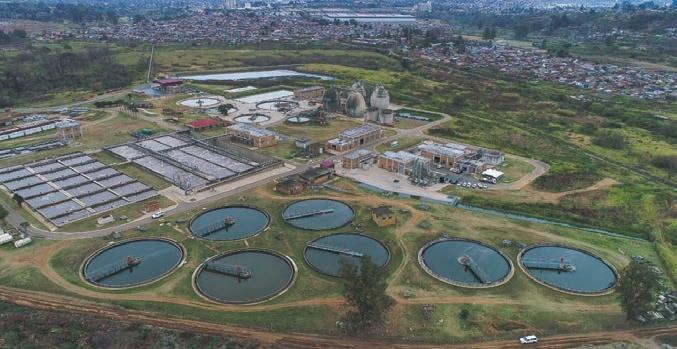
The Water and Sanitation Department and uMngeni-uThukela Water’s upgrade of the Vulindlela Bulk Water Supply Scheme will augment water supply and improve power generation
The Department of Water and Sanitation and its recently merged water utility, uMngeni-uThukela Water, has set the wheels in motion to address water challenges in the uMgungundlovu District Municipality in KwaZulu-Natal.
This is through the upgrade of phase 1 of the Vulindlela Bulk Water Supply Scheme to improve the availability and supply of drinking water to various communities in the uMgungundlovu District, including Msunduzi and the uMngeni local municipalities.
The Vulindlela Bulk Water Supply Scheme, one of government’s successful projects post-1994, is situated in Vulindlela, west of Pietermaritzburg. The initial bulk water supply scheme was constructed in 1998 and became fully operational following its adoption as a National Presidential Lead Project.
The upgrading of the bulk water scheme is due to the population growth of Vulindlela over the past decade and the increased municipal demand for water. One of the key components of the phase 1 upgrade is the construction of a new reservoir to increase drinking water storage by an additional 20 mega litres daily to
reach 35 mega litres per day so that more water will be available for distribution to communities within the Vulindlela region.
The upgrades will also include the installation of new pipelines between different reservoirs and the construction of a new pump station to increase the supply of water and augmentation of power supply.
In addition, the Department of Water and Sanitation, through its uMngeni-uThukela Water entity, has recently completed an upgrade of the Darvill Wastewater Treatment Works (Darvill WWTW). This facility treats domestic and industrial sewage from areas within the Msunduzi Local Municipality’s jurisdiction, and the upgrade has seen an increase in the treatment capacity from 65 mega litres to 100 mega litres per day.
The Darvill WWTW is an innovative and groundbreaking project that encompasses
a pilot wastewater recycling plant. It can treat two mega litres of wastewater water daily to drinking water quality standards and also has an electricity cogeneration capacity element.
The water treated to drinking standards is currently used mainly for cleaning and sanitation purposes at the wastewater treatment site.
The department is exploring the infrastructure further for the cogeneration of electricity at the same plant, using waste being treated there. This has the potential for the plant to become self-sufficient for its electricity needs.
During the upgrade, significant benefits for the locals were realised, with close to 400 jobs created, as well as economic stimulation for Pietermaritzburg and parts of the KwaZulu-Natal Midlands. Of significance is the improvement brought about by the works of the treatment plant, which has increased its capacity to treat wastewater to improve the quality of discharges into the river system, particularly the Msunduzi River, resulting in reduced levels of pollution.
The estimated number of people set to benefit directly from the upgrade of the Darvill WWTW is 700 000 through proper and effective effluent treatment.
President Cyril Ramaphosa and Senzo Mchunu, Minister of Water and Sanitation, along with several senior government officials in the province will conduct oversight inspections of the Vulindlela Bulk Water Supply Scheme and the Darvill Wastewater Treatment Works to see the work being carried out and provide progress reports to the public through a public engagement programme at the Vulindlela Sports Ground at Taylor’s Halt in Vulindlela.
The department and its entities across the country have reiterated their commitment to improving the provision of bulk water across the country and the maintenance of bulk water infrastructure.
The upgrades will also include the installation of new pipelines between di erent reservoirs and the construction of a new pump station to increase the supply of water and augmentation of power supply.
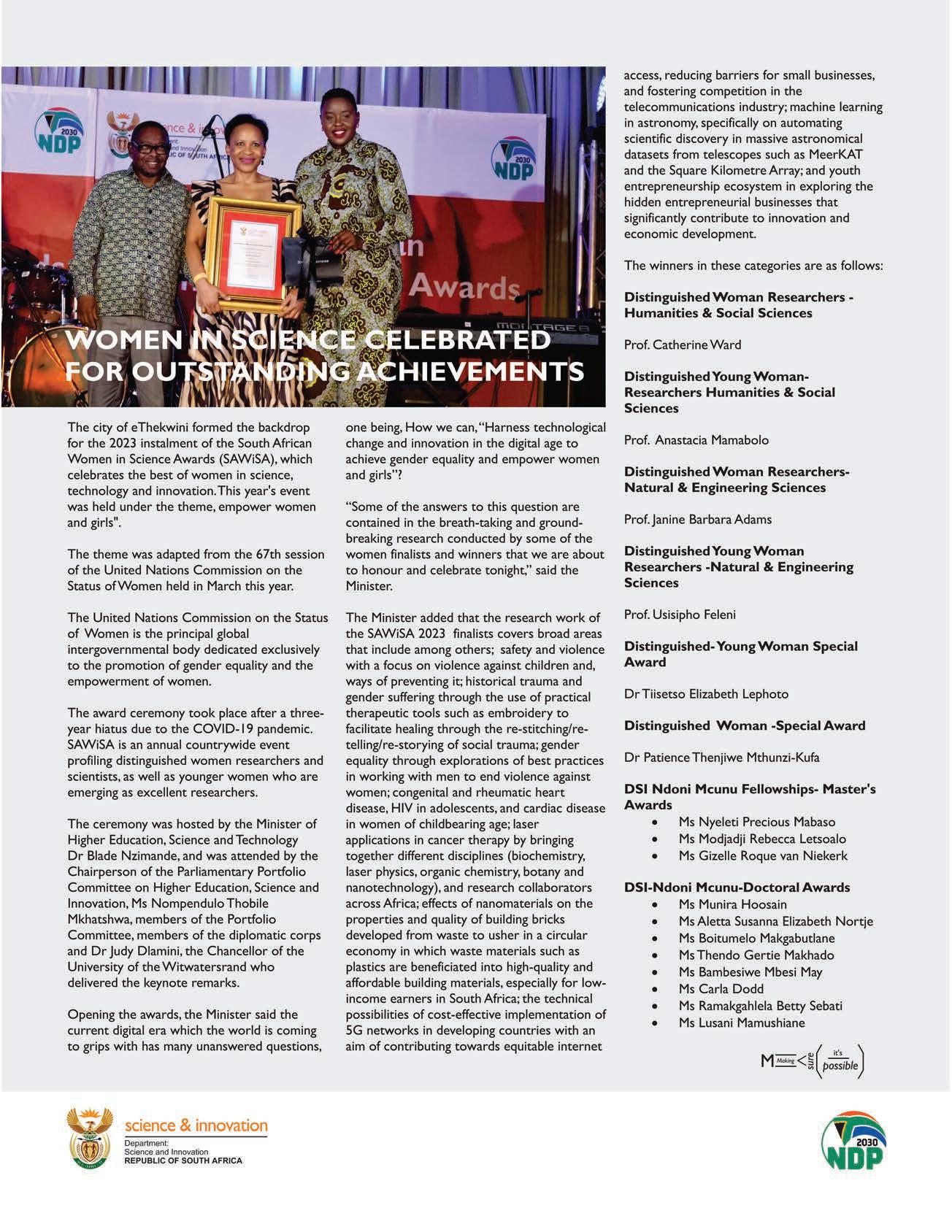
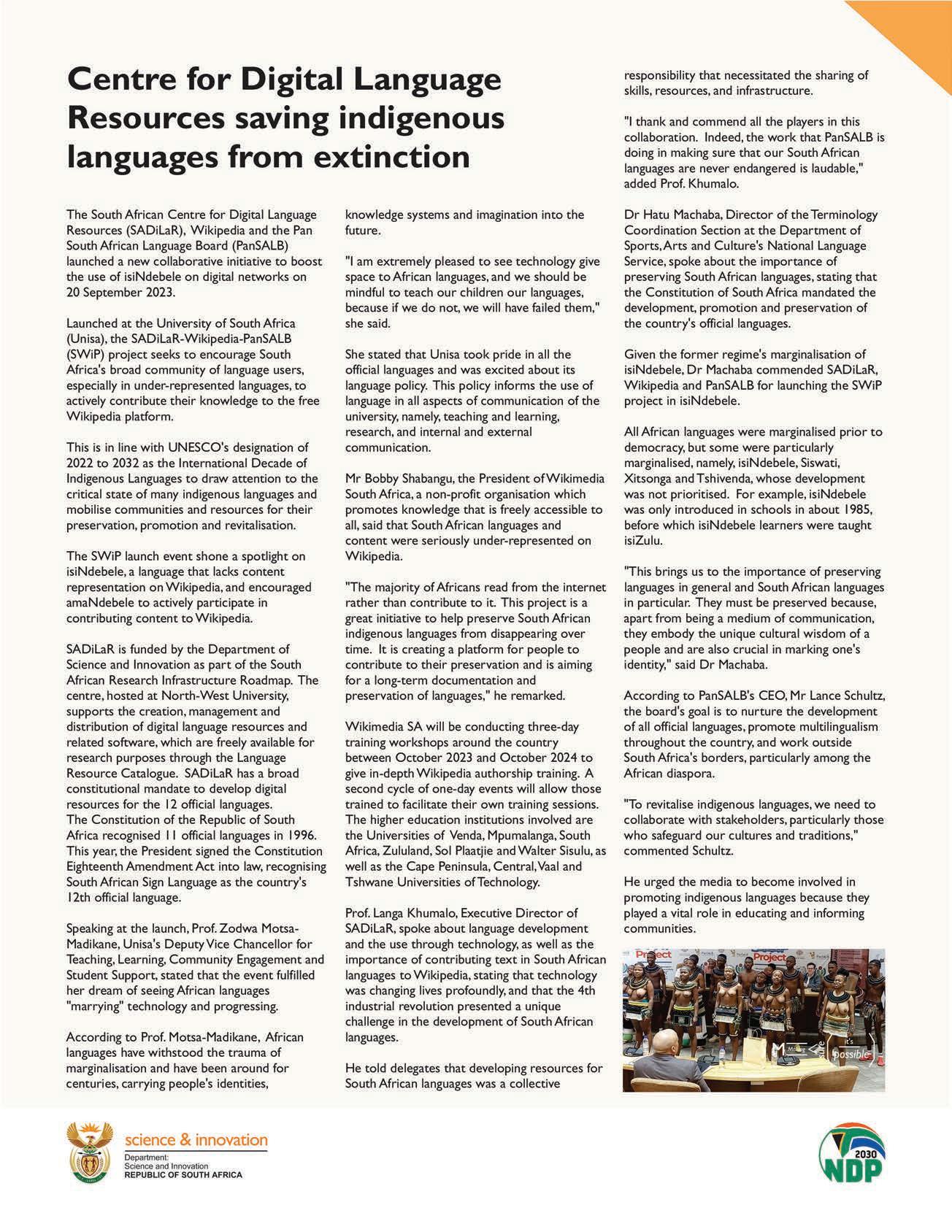

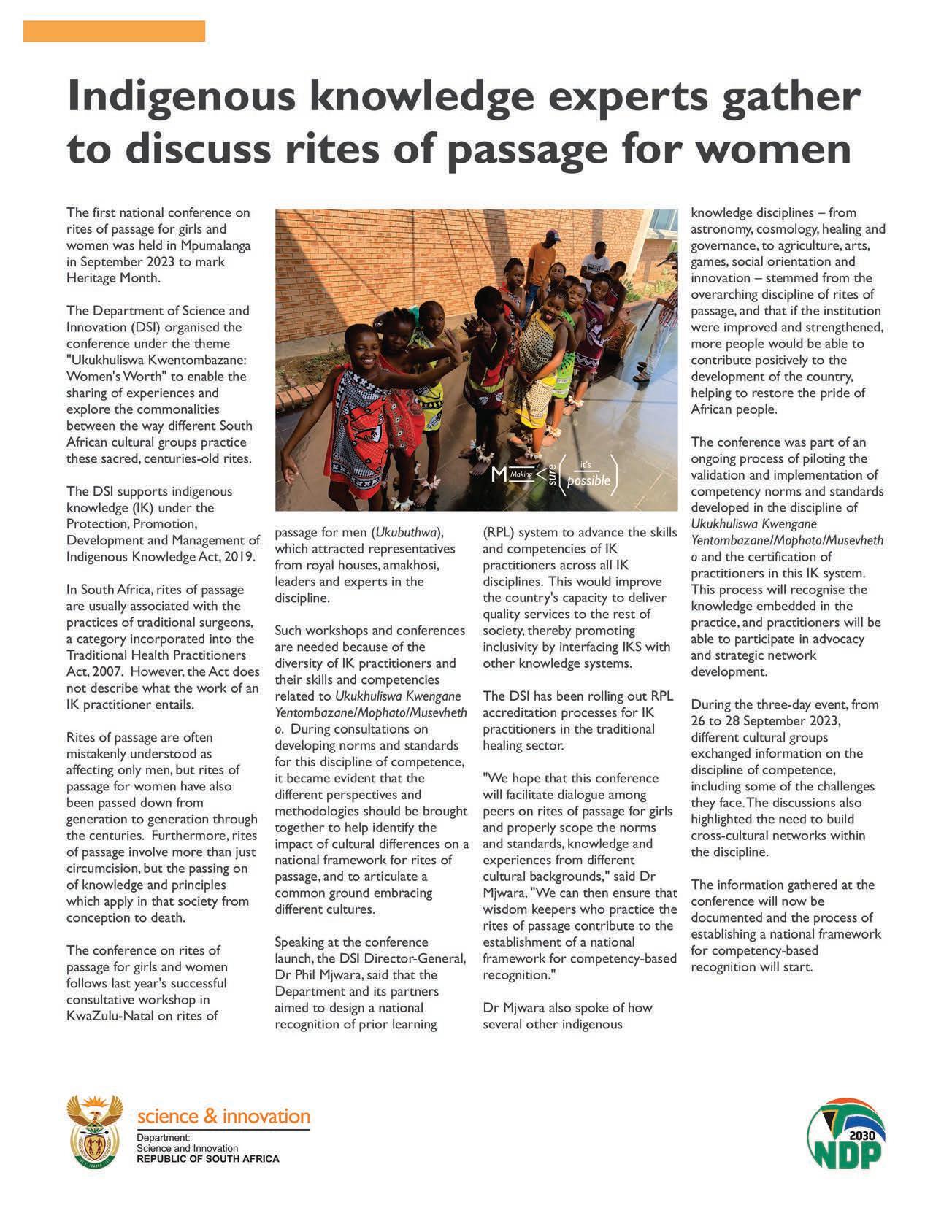
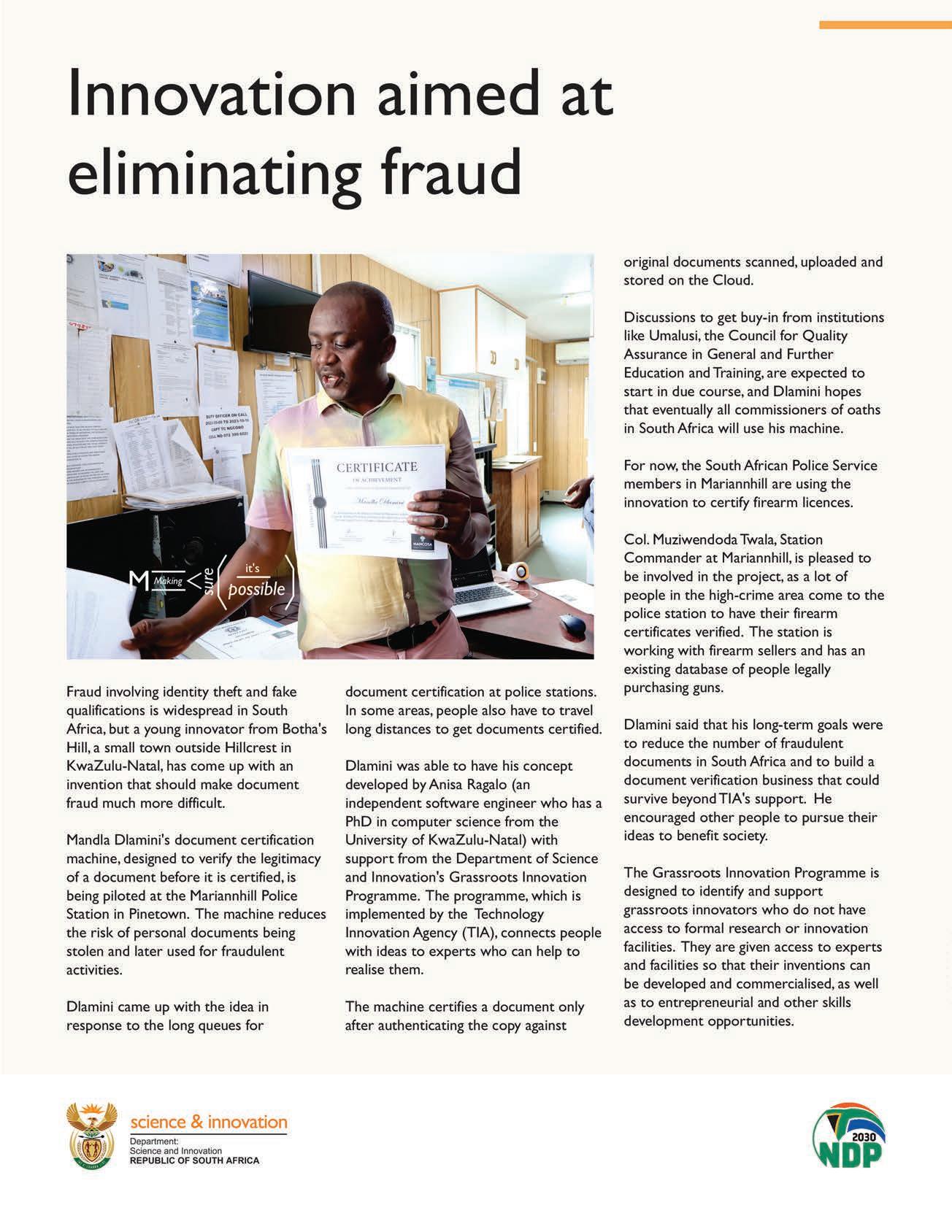
A roundup of the annual Provincial Members Assembly, looking at the challenges identified, the complexities noted, and the efforts to be made by local government across the provinces during next year.
By RODNEY WEIDEMANN
SALGA’s nine provincial chapters recently held their annual Provincial Members Assembly (PMA), which serves as a platform for in-depth discussions on critical issues that significantly impact local government and the communities they serve.
The PMAs are an opportunity for local government to collectively address challenges, share best practices and explore innovative solutions to achieve sustainable development in the nation’s municipalities. In this way, they can help meet their goals of enhancing service delivery, strengthening governance and ensuring responsible fiscal management for the betterment of the lives of citizens.
We look at each province that has completed and reported on its Provincial Members Assembly.
The Western Cape PMA focused on the challenges facing local government and the municipal efforts to address these challenges, as well as the complexities associated with managing public-private partnerships at local government level, and the progress made with the development of local government legislation around several key bills. These included the Intergovernmental Monitoring, Support and Intervention Bill; the Independent Municipal Demarcation Authority Bill; and the General Laws Amendment Bill to deal with the challenges of coalition governments.
Other important focuses included the need for a review of the powers
and functions of local government and the allocation of adequate resources and funding, a discussion of municipal compensation benefits, and a study of the devastating impact of disasters in municipalities, complete with a review of the Disaster Management Framework in local government.
Among the Western Cape’s resolutions were to support the Department of Cooperative Governance and Traditional Affairs (CoGTA) and government in addressing local government challenges and to submit consolidated provincial input on the holistic review of local government legislation.
Furthermore, the province will advocate for the review of the powers and functions of local government, the review of the equitable share formula and funding of local government and the review of the funding model of district municipalities, and support the recommendations on the review of municipal compensation benefits.
Among the most important areas of focus for Gauteng was the need to advance a common programme to improve performance on service delivery in municipalities, a desire to improve both the next audit outcomes and overall councillor welfare, and to ensure stability in coalition arrangements or governments.
The PMA also indicated the need to support traditional leadership for meaningful participation in local government, address the current energy challenges in municipalities, and recognise infrastructure damage that
The PMAs are an opportunity for local government to collectively address challenges, share best practices and explore innovative solutions to achieve sustainable development in the nation’s municipalities.
is linked to the ongoing challenges associated with load shedding.



infrastructure, as well as to assist
The assembly resolved to develop a programme for the enhancement of capacity and skills to manage and implement municipal infrastructure, as well as to assist municipalities in establishing structures with civil society and business to protect local government infrastructure.
Further, proper guidelines will be created for capacity development and improvement of the credit ratings of municipalities and mainstream the concept of pool financing in these municipalities. Local government in the province will also continue with education on water management issues and lobby for the engagement of local government in national government forums on water and sanitation.
Lastly, it was resolved to ensure that meaningful partnerships are fostered with civil society and business. This will improve economic development and enable continued research and data analysis to advance such collaborations.
In Mpumalanga, it was decided that SALGA and CoGTA must assist municipalities with the professionalisation of councillors’ duties, and also that municipalities should report back to communities, capacitate them on the three spheres of government, and convene quarterly meetings with local traditional leaders.
Municipalities further agreed to establish a task team comprising technical, finance and communications to oversee the implementation of the Standard Transfer Specification (STS) prepaid electricity meter software in South Africa, which must

be updated to prepare for a Token ID (TID) rollover on 24 November 2024. In addition, SALGA’s marketing and communications must engage in a campaign to raise awareness within municipalities of this STS TID rollover.
SALGA also announced it will lobby for a review of the Municipal System Act, and encourage municipalities to develop strategies to allocate land to citizens to reduce land invasion incidents.
Lastly, and perhaps somewhat controversially, Mpumalanga municipalities chose to reject the Just Energy Transition proposal by the Presidential Climate Commission and to abstain from the decommission of coal power stations, as these pose a threat to Mpumalanga’s economy.
Of concern to this province is the high debt owed to Eskom by government, households and businesses. This debt, coupled with the lack of support from Eskom in debt collection, poses a significant burden on municipalities. Thus there was a call for immediate measures to reduce Eskom’s debt, ensure equal pay for equal work through job evaluation processes, and introduce performance management for every employee.
The province restated its commitment to promoting grassroots sports development, calling for a national effort to revive these programmes. A good example is the SALGA Games, a centrepiece of mayoral efforts to promote sports in the province, which will soon be reinstated. Sports have a positive impact on youth development and serve as a catalyst for social change, so municipalities must prioritise the revival of grassroots sports and provide hope to rural youth.
One issue noted was the concern around the funding of municipal infrastructure and the need for a review, in light of extreme weather events and flooding that have caused significant damage to infrastructure. The current Municipal Infrastructure Grant (MIG) framework is insufficient to address the maintenance demands of existing infrastructure. Thus, National Treasury and the Financial and Fiscal Commission are being urged to reconsider how municipal
Mpumalanga municipalities chose to reject the Just Energy Transition proposal by the Presidential Climate Commission and to abstain from the decommission of coal power stations, as these pose a threat to Mpumalanga’s economy.
infrastructure is funded and explore options to prioritise maintenance.
Lastly, concerns were raised about how certain municipalities are performing poorly and regressing in their audit outcomes. SALGA urges these municipalities to prioritise good governance, transparency and accountability to regain public trust and deliver effective services to their communities. On a positive note, congratulations were extended to the City of uMhlathuze and uKhahlamba and King Cetshwayo district municipalities, for their exceptional achievement of receiving consecutive clean audits for the 2021/2022 financial year.
SALGA Free State reflected on municipal audit outcomes – appealing for basic financial discipline – along with urging the filling of vacancies in municipalities, and that various trainings are rolled out, pushing for collective bargaining processes, and raising concerns about ongoing electricity challenges.
The PMA also outlined key policy advances, such as structured engagements with CoGTA and the SALGA presidency, where there was consensus that more efforts in supporting municipalities in terms of section 154 of the constitution were necessary.
Furthermore, a key discussion was had around the issue of Eskom debt, with the
Free State Treasury indicating that several engagements were held with municipalities around this matter. The result is that 14 conditions have to be met for any municipality to be able to be considered for the Eskom debt write-off.
The Free State PMA also considered the municipal demarcation process and its impacts on good governance and financial sustainability for local government and issues around building resilient communities through sustainable infrastructure. It also undertook a review of the Local Government Funding Framework and the Municipal Compensation Benefits Managed Service for Municipal Employees.
With the theme of this year’s PMA being “Building a Capable Local Government”, SALGA Limpopo focused on key issues affecting municipalities, including the professionalisation of local government and capacity-building initiatives through partnerships with institutions of higher learning.
In addition, it unpacked the Division of Revenue Act (DORA) and Municipal Infrastructure Grant (MIG) allocation formulae, as well as looking into the need for digital transformation and skills development, the desire to enhance relationships between local government and traditional leaders, and the ongoing challenges of energy transformation and social cohesion.
Heavily discussed were the equitable share methodology, DORA and its possible impacts, and the MIG allocation. SALGA experts presented several papers and frameworks for the above.
This included a framework for collaboration between municipalities and traditional authorities and suggested revisions to local government legislation. Lastly, it was highlighted how important it is to increase capacity supporting partnerships and to continue developing digital skills, as these will be essential to revolutionising local government.
The 2023 SALGA National Members Assembly, held recently in Gauteng, highlights the critical challenges and possible solutions facing South African municipalities.
By BUSANI MOYO
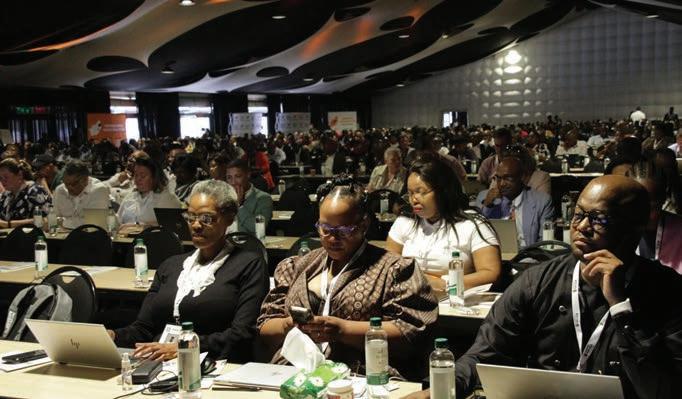
Between 5 and 6 September 2023, the Birchwood Hotel and Conference Centre in Ekurhuleni, Gauteng, was a hive of activity, as about 1 000 delegates attended what could yet be the biggest political gathering in South Africa this year. The 2023 SALGA National Members Assembly (NMA) is significant not just because of the number and calibre of delegates that attended, but also because it took place 25 years after the adoption of the 1998 White Paper on Local Government. Add this to the fact that the challenges municipalities face today are well documented, and you will understand why this was not just another talk show.
The NMA attracted public representatives from all three spheres of government: cabinet ministers, municipal leadership in the form of executive mayors, speakers, members
of the mayoral committees (MMCs), chief whips and councillors and municipal managers, and chief financial officers from the 257 municipalities across the country.
Some noteworthy delegates at the NMA included the Minister of Cooperative Governance and Traditional Affairs (CoGTA), Thembi Nkadimeng and her deputy, Parks Tau (the former mayor of Johannesburg), Xolile George, secretary of Parliament, and chairperson of the National House of Traditional and Khoi-San leaders Kgosi Seatlholo. SALGA deputy president Xola Phakathi and SALGA Women Commissioner Ntandokazi Capa also attended.
The theme of the 2023 NMA was “25 years since the advent of the 1998 White Paper on Local Government: Are we on course and driven in building a sustainable, responsive and people-centred
One of the main themes of the SALGA 2023 NMA was that municipalities do not have su cient funds to meet the service delivery needs of communities.
local government?” Therefore, revisiting the ideals envisaged by the 1998 document is vital. From here, it becomes possible to take stock of the wins while also determining what needs to be done to improve the failures.
In his foreword, written in 1998 when the white paper was published, the then-Minister for Provincial Affairs and Constitutional Development, Valli Moosa, started by saying: “South Africa has been given a rare and historic opportunity to transform local government to meet the challenges of the next century.” At that time, the new century’s challenges could only be discussed theoretically. However, everyone was clear about what these challenges looked like when the delegates met in Ekurhuleni for the 2023 NMA.
It is in the words of Valli Moosa again that the ideals promised by the white paper became clear. He wrote: “This white paper spells out the framework and programme in terms of which the existing local government system will be radically transformed.” He adds: “It establishes the basis for a system of local government that is centrally concerned with working with local citizens and communities to find sustainable ways to meet their needs and improve the quality of their lives.”
Twenty-five years later, in his opening address at the NMA, SALGA president Bheke Stofile indicated that he understood the source of the challenges facing municipalities today. He said: “The current reality is that municipalities are under extreme cash flow constraints.”
The delegates pondered how far South African municipalities have lived up to the wishes of the 1998 white paper. Stofile summed things up saying: “While mindful and appreciative of the progress made by the sector, we should, however, remind ourselves that, at the time of the development of the new democratic system of local government, certain policy assumptions were made as to what the system will focus on and how the system will be resourced and supported.” He lamented that some of these assumptions were not accurate.
Delivering her ministerial address, Nkadimeng recognised the challenges around the decline in existing infrastructure. She noted that while the deterioration in infrastructure may be looked at negatively, it also shows how the new democratic government has extended services to a bigger population that was previously overlooked.
Nkadimeng said: “As a government, we continue to redress the evils of the past by prioritising the elimination of backlogs to provide basic services, such as water, sanitation, roads, electricity, low-cost housing, schools, primary healthcare facilities and telecommunications, in areas where access was not provided before.
“There is, therefore, greater need and urgency for economic infrastructure investment while continuing to address the apartheid-era backlogs.” For the delegates, this was a clear indication that the government is aware of the challenges the municipalities face as they find themselves, against a backdrop of shrinking budgets, at the forefront of delivering services and ensuring that they lift millions of South Africans out of poverty.
The 1998 white paper called for restructuring the municipal fiscal and financial systems so municipalities could access certain and sufficient revenues from their own sources, private investments and intergovernmental transfers.
This ideal has not been lived up to because one of the main themes of the 2023 NMA was that municipalities do not have sufficient funds to meet the service delivery needs of communities. Admitting this is the case leads to a pertinent question: Are South African municipalities financially sustainable today?
Based on the report from the NMA’s Commission 1 focusing on municipal financial sustainability to achieve local government objectives, things have not worked out as envisaged. The commission concluded: “Although there are year-on-year annual increases to the intergovernmental transfers (equitable share), the revenue-raising capacity of municipalities from their own source
Commission 1 emphasised that the solution to the financial challenges in municipalities lies in accountability, transparency and good governance.
has not been growing in line with the assumptions made.”
In her views, provided on the sidelines of the NMA, Jean de la Harpe, SALGA’s portfolio head for trading services (water, sanitation, energy and waste management), made it clear that the financial situation in municipalities is so severe “that it cannot be business as usual”. She said: “The water and electricity sectors are facing a vicious downward spiral with increasing debt, low revenue collection, in some cases poorly performing institutions, low investment, and overall declining services.”
Commission 1’s report agrees with de la Harpe’s view that the financial situation in municipalities is severe. It noted that the problems relating to the lack of financial sustainability among municipalities result from the escalating consumer debt that has risen to challenging levels for municipalities. The commission also noted that the revenue collection and management mechanisms and implementing systems for controlling credit are “ineffective and inconsistent, and nonpayment of municipal accounts persist even beyond the apartheid boycotts”.
Commission 1 also noted that the financial challenges in municipalities are exacerbated
by the stagnating South African economy, rising levels of unemployment, erosion of incomes due to the rising cost of living, geopolitical/economic impacts, and the remnants of the COVID-19 impact.
From whichever angle one looks at the discussions that took place at the NMA, it becomes clear that many municipalities in South Africa are not financially sustainable. This is certainly not news for those living in communities where potholed roads, rising piles of garbage, crime-ridden inner cities and neighbourhoods, power outages and water supply disruptions are becoming the order of the day.
Commission 1 emphasised that the solution to the financial challenges in municipalities lies in accountability, transparency and good governance. Specifically, the consolidated document from the commission’s deliberations highlights the need for a system to encourage accountability. The document states: “An important policy principle in ensuring accountability in municipal finances is the submission of annual financial statements to an external body such as the Auditor-General.”
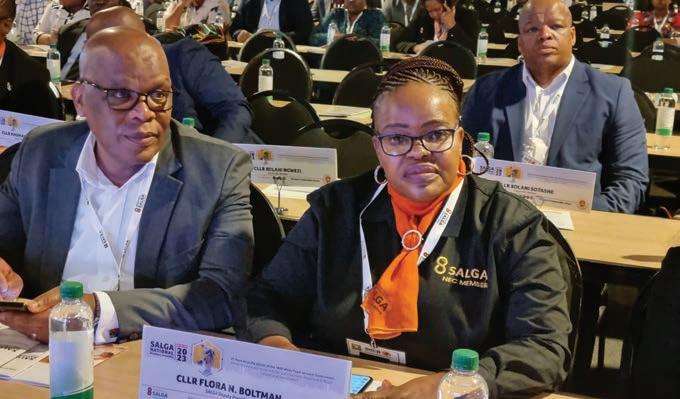
South Africa is now in the age of coalition governments, which present many challenges that could lead to instability, particularly for residents of cities in Gauteng, such as Johannesburg, Tshwane and Ekurhuleni.
A panel discussion in Commission 11 of the NMA noted the main challenges emanating from the increasing number of hung municipalities produced by elections in South Africa since 2000. The commission noted “policy fragmentation, ideological clashes and the potential for political deadlock” as some practical challenges associated with coalition governments.
The problems noted by the commission go against the ideals of the 1998 white paper, which was clear that “local government has a critical role to play in rebuilding local communities and environments as the basis for a democratic, integrated, prosperous and truly nonracial society”.
Commission 12 concluded that even though the concerns relating to coalition governments have been noted, with the realisation that such governments will become more common, not much debate has gone into finding solutions for these problems.
• 9 provinces
• 257 municipalities
• 902 delegates
• 20 exhibitors.
From the deliberations in Commission 11, members agreed that SALGA will be at the forefront of finding short- and long-term solutions. The commission’s report indicates that the ball is already rolling. SALGA has partnered with the Dullah Omar Institute to “develop a framework for coalition governments that can be used as a guide by political parties in structuring their coalitions in practice”.
The SALGA Coalition Framework requires voluntary adoption by political parties. The framework seeks to provide guiding principles when coalitions are formed and during the life of such arrangements. In showing the framework’s value, the NMA consolidated report states: “It should also be noted that many of the 53 stable coalitions are following key principles outlined in the SALGA Coalitions Framework.”
SALGA has partnered with the Dullah Omar Institute to “develop a framework for coalition governments that can be used as a guide by political parties in structuring their coalitions in practice”.
If there were a plenary session in the 2023 NMA that gave valuable insights into the state of service delivery in South African municipalities, it would be the discussions that took place in the energy and water services commissions focusing on sustainable energy and water service mechanisms. The panels for these discussions included Sean Phillips, director general in the Department of Water and Sanitation; Phil Mashoko, chief engineer at the Municipal Infrastructure Support Agent; Sicelo Xulu, chairperson of the South African National Energy Development Institute; Khwezi Windvoel from the Presidential Climate Commission; and Josh Dipenaar of Sustainable Energy Africa, among others.
Mashoko shared some interesting insights and noted the fallacy with the reasoning that the same skills that solved challenges in the past are still relevant today. He emphasised the need for municipalities to access specific skills. “The technology changes and the movement of time are making some of the previously useful skills redundant,” Mashoko said.
The water commission emphasised the need for institutional solutions to professionalise water service providers. De la Harpe explained that this should be done by assessing existing providers, identifying viable options and building new water services provider capacity over the longer term.
Commission 7 focused on accelerating the adoption of digital products, data solutions and innovations to enhance municipal performance. The commission reports: “The current landscape reveals challenges, such as a digital skills deficit, underfunded ICT departments and a lack of specific grant funding for digital programmes.” This indicates the need to provide municipalities with resources to enhance their digital skills and resources, and SALGA indicates that it is dedicated to being part of this solution.
De la Harpe introduced the role of underlying structural challenges. In an interview on the sidelines of the NMA, she provided examples of these structural challenges: “poverty in the service area, lack of affordability, lack of economies of scale and resources to cross-subsidise,
fragmentation where there are too many service providers too small to attract and retain critical technical skills or to raise the necessary revenues and investment to create the required infrastructure”.
Asked to suggest solutions to the service delivery challenges, de la Harpe quickly said: “These challenges require a review of powers and functions between districts and local municipalities, which the commission (Commission 7) urged the national government to consult on.
“The energy and electricity commission proposed resolutions for the national government to pronounce a policy position on the envisaged future of the electricity distribution industry (EDI) recognising local government’s constitutional authority for electricity reticulation.”
In her review of the energy and water services commission deliberations, de la Harpe notes: “SALGA is leading a review of the EDI to come up with a local government vision and approach for reform of the industry. The resolutions also called for national and provincial governments to sponsor energy solutions to be implemented in municipalities in the shortto medium-term to improve security of supply amid the energy crisis and enable a shift in the current business model to keep the municipalities competitive.”
The energy and water services commission’s deliberations noted that the solution lies in making available dedicated funds to deal with the revenue and other losses related to load shedding. Additionally, funds should be availed to invest in refurbishing, strengthening and capacitating municipal infrastructure to enable increased generation at the municipal level.
The deliberations in Commission 5 dealing with just inclusive and sustainable energy models for municipalities agreed that “the electricity supply and distribution
Municipalities will need to find new and sustainable business models for providing electricity services at the local municipal level.
industry in its current form is no longer viable for local and national government, state-owned institutions and society as a whole”. Therefore, it concluded, “embracing the energy transition is no longer a choice but a necessity if our energy sector is to survive”. The commission noted that “municipalities will need to find new and sustainable business models for providing electricity services at local municipal level”.
The commissions emphasised the shifts and challenges brought about by the energy transition and the need for ongoing capacity building for municipalities to implement the transition. This will call for new skills, particularly related to digital transformation.
That both the CoGTA minister and her deputy participated actively in the 2023 NMA indicates the close relationship between national and local governments.
Regarding interventions by her department, Nkadimeng said the review work CoGTA and SALGA was engaging in would make proposals on an ideal local government fiscal framework, emphasising the formula for the equitable share to achieve the developmental goals of local government. She said another important question to be addressed is the ideal way to allocate other operating grants from sector departments to local government. Related to this is a clear understanding of the cost of running an ideal municipality, among other issues.
In terms of the erosion of municipal revenue, Nkadimeng told the delegates that CoGTA and SALGA were in consultation with National Treasury to come up with a solution.
South Africa is still a long way from meeting the ideals of the 1998 white paper.
As the SALGA 2023 NMA ended, one of the organisation’s deputy presidents, Flora Maboa-Boltman, told delegates: “The
future of South Africa is in your hands.” She emphasised that every individual who attended the conference should walk away with a renewed vigour to better the future of the people of South Africa. Maboa-Boltman reminded delegates that local government is the sphere closest to the people. For that reason, communities will always seek solutions from their local government representatives.
Stofile said that although change is often approached with trepidation, it is time to turn the corner. He brought the NMA to a close with the words of the founding father of South Africa’s democracy, former president Nelson Mandela, who said: “Our departure point is to save our people wholeheartedly.”
Minister Thembi Nkadimeng referred to the Stats SA 2021 General House Survey to show the progress made. Here are some numbers from the survey:
• The percentage of South African households connected to the grid electricity supply has increased from 76.7 per cent in 2002 to 89.3 per cent in 2021.
• Since 2002, the percentage of households in the Eastern Cape with access to water in the dwelling, on- or off-site, increased by 14.9 per cent, and those in KwaZulu-Natal by 11.6 per cent.
• Nationally, the percentage of households with access to tap water in their dwellings, off-site or on-site, increased by 4.3 per cent.
• The percentage of households with access to an improved water source increased from 84.4 per cent to 88.7 per cent between 2002 and 2021.
• Even though improvements were noted, access to water decreased in six provinces, with the largest decline in Limpopo.