INSIGHTS



































• Treasury stands firm, gives parastatals wide berth
Thando Maeko Political Reporter
Transnet
otheroverly
no bailouts
was
asthe Treasury continues its tough love approach and moves to reduce government debt and stabilise borrowing
The entity will have to rely on theR47bn guaranteethatthe government allocated to it in 2023 to meetits debt obligations and to support its recovery plan. As with Eskom,the guarantees areattached tovarious conditions whichrequire Transnetto focuson itscore activities,and alsorequirethe entity to introduce private sector partnerships. This will improve Transnet s sustainabilityand supportthe implementationof the[freight logistics group s] road map, Godongwana said during his speech.
Transnethas beengranted approval to use only R14bn of the guarantee between December 2023 andMarch 2024to payoff maturing debt.
Government and Transnet haveagreed onconditions requiredto improvesustainabilityatTransnet andinthesector, encapsulated in Transnet s recovery plan.
Transnet is required to divest noncore assets,reduce its current coststructure and explore alternativefunding models forinfrastructure and maintenance, includingproject finance, third-party access, concessions andjoint ventures, theTreasurysaid intheBudget Review Eskom, arms maker Denel, SAA and thePost Office were alsonot allocatedanynew bailouts for the year. The Treasury saidno new moneywould bemadeavailable for theentities asthey had become a drain on the fiscus.
State-owned companies havefailed toimplementtheir turnaround plans.
This has resultedin deterioratingprofitability, anincreased need for guarantees to borrow and morerequests forbailouts, said the Treasury.
State-owned companies are struggling to access capital marketswithout governmentguarantees and, increasingly, request bailoutsto servicedebt andfund turnaroundplans which is unsustainable
Thesebailouts erodepolicy space,as theyrequire theredirection of resources from key public service priorities, such as education,public safetyand criminaljustice, toentitiesthat are meantto befinancially self sufficient.
Denel wasallocated R3.4bn in2022to funditsturnaround plan, andto datedrew down R2.2bn from the package.
TheTreasury saysthebalance ofR1.2bn hasbeen ringfencedand willbeaccessible once Denel makesprogress on theimplementation ofthe turnaround plan.
Eskom received adebt relief package of R254bnin 2022, of which R44bn hasalready been transferred.
Eskom continues to be a key role player in the electricity sector. Andthe debtrelief plan allows the entity to focus on its core business, said Godongwana. We will release the report on theindependent reviewof Eskom scoal-fired powerstations in the coming week.
Thereview wasdoneto inform partof theconditions attached to the debt relief plan. maekot@businesslive.coza
SALARY INCREASES
Katharine Child
Planned cutsto theprovincial budgets outlinedin November have beenreversed. Instead, billions are now being allocated to payfor salaryincreases of essentialpersonnel suchas policemen, teachers,nurses and prosecutors.
Despite the reversal, the 2.6% increasein theequitableshare budget, which constitutes the lion’s share of provincial revenue,stillfalls belowtheinflationrate. Thismeansthat inreal terms, thereis nogrowth even as provinces continue to provide critical socialservices suchas education, health and policing. Thesituation isstillmuch improved considering provinces were facingstringent budget cuts whenthe medium-term budget policy statement (MTBPS)was announcedin October. Overallfunding for provinces of R729.5mis above what had beenestimated in the MTBPS (R706.4m).
Even better, the public sector wage increases,which provinceshad tofund outof theirbudget, willnow befunded withan additionalR105.5bn fromtheTreasury overthenext three years. This meansR57.6bn has effectively beenadded backto the provincial budgets,with a focus ondepartments thathave high numbers of employees. This isbecause moneywas going to be diverted from spending ongoods andservices such astextbooks ormedicines,to salaries afterpublic sector salaries increased by7.5% in 2023/24,with aconsumerprice index (CPI) linked increase for 2024/25and aslittle wasallo-

stopped using the Red Sea which typically sees about 15% of global seaborne trade pass through it and are instead using the longer and more expensive route around southern Africa.
In January 2024, Danish shipping and logistics company Maersk, which originally continued to sail through the Red Sea, albeit under naval escort, suspended its Red Sea operations for its US-flagged vessels after two ships came under attack. The company said a third of its container volumes were impacted by Red Sea disruptions.
Shipping freight through the Suez Canal had dropped by 45% by January 2024, according to the UN Conference on Trade and Development (Unctad). The organisation reported that 39% fewer ships were transiting the Suez Canal. Reuters reported that freight container volumes through the Red Sea region had fallen by about 78% from
is the threat of Houthi attacks on container ships in the Red Sea. The Iranaligned Houthi movement in Yemen began attacking vessels in November 2023 in support of Palestinians in Gaza. As a result, many shipping companies have
expected values in January.
In total, three global trade routes are now disrupted with the Red Sea disruptions adding to disruptions to the flows of grain and oil from Russia and Ukraine and low water levels in the Panama Canal which saw shipping reductions of more than a third. Not surprisingly, longer sailing rates have raised freight prices.
The International Monetary Fund (IMF) says commercial seaborne traffic around the Cape is up by 70%.
Dr Greg Cline, head of corporate accounts at Investec Business Banking, estimates that roughly $200bn of trade has been diverted from the Red Sea alone. The cost of these diversions, coupled with increased fuel costs and higher insurance premiums, will potentially have a knock-on effect on consumers in the months to come. The diversions via southern Africa, says Cline, offer an opportunity to southern African ports. The big question is whether South African ports can improve their efficiencies in time to benefit from these opportunities. In November 2023, backlogs outside the Port of Durban reached a crisis point when about 79 vessels carrying more than 61,000 containers waited for up to two weeks to dock as a result of operational challenges, equipment failures and bad weather. The Port of Cape Town reported similar logistical constraints at its
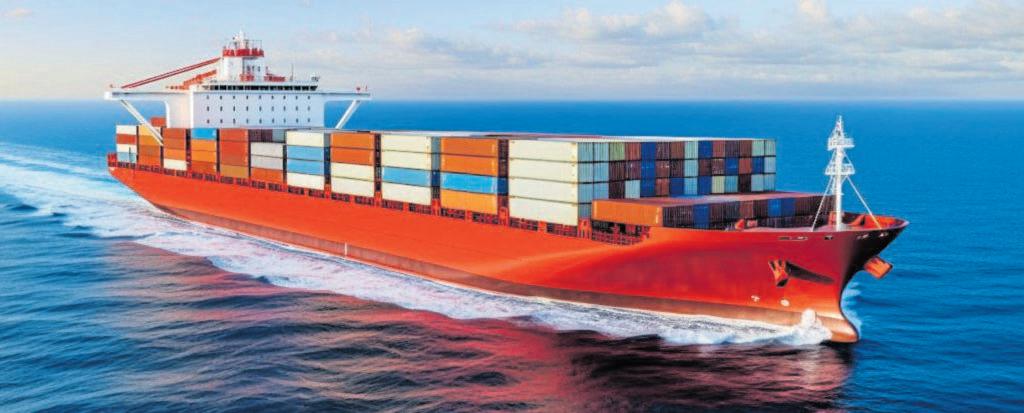
Container Terminal.
SAs ports are consistently ranked as among the most inefficient ports globally by the World Bank s Container Port Performance Index. These inefficiencies come at a significant cost to the economy. Fruit exports in November and December 2023 were 35% down from the same period in 2022. Neighbouring countries are stepping in to the breach left by SA’s inefficient ports with both Walvis Bay and Maputo reporting increased volumes of ships. The Maputo Port Development Company reported that volumes were up 16% in 2023, compared to 2022. It is planning a $2bn expansion project to boost port capacity in response to growing volumes of exports from SA. The Namibian Ports Authority is planning a $2.1bn port investment programme which includes expanding the port at Walvis Bay and establishing a port at Luderitz to service SAs Northern Cape mining industry. SA urgently needs to make the necessary investments into its ports to ensure they improve their efficiencies to handle increased ship and container volumes, says Cline. South African importers have tended to hold higher inventory levels ever since the Covid-19 pandemic disrupted supply chains. More recently, constraints and delays at SAs ports have held up the delivery of imported stock. These delays, says Cline, are having an impact on importers with a greater proportion of their cash flow tied up in stock for longer. This tends to impact their cash flow requiring
cated for this.
Treasury director-general DuncanPieterse saidtheTreasury was “still onthesame broad pathto achievingfiscal consolidationas wewerein November, but critical resources are being made to fully implement the wage bill Additionally, R3.9bn that had previously been allocated to help with the increaseshas been shifted towards grants in the education and health sector. However, the increases are still below inflation. The equitableshare grantto provinces,of R600.5m has increasedat way below the4.9% estimatedconsumer price inflationthat the
Treasury predictsfor the2024 financialyear, andwaybelow increases in waterand power thatmany schoolsandhospitals need to pay for.
To ensure service delivery is not negatively affected by this, theTreasury saysin itsBudget Review thatprovinces and municipalities need to embark on strategicplanning, structural reforms androbust financial management
Theequitable shareportion
allocated toeach provinceis based on aformula, which the Treasury says takes into account both theneed forpoverty alleviation and population numbers. Butevenas theWesternCape has hadgrowth insemigration from Gauteng and the Eastern Cape, its equitableshare budget increased just 2.4%. The Gautengbudget increased 2.8% and the Northern Cape s budget 3.6%, butit is a substantially lower amount. Provincial budgets also cover the provision of education to 13.4-million learners and how this iscalculated iscurrently under review, the Treasury said. Both the WesternCape and
Gauteng keephaving toexpand facilities as familiesfrom rural provinces flock to urban schools ina bidto improveeducational prospects.
The provinces have questioned whether theyare allocatedsufficient fundsbasedon actual pupil numbers. Provincial andNational Treasurytask teamshavebeen reviewing howfunding foreducationisallocated, andachange to thisbudget taking into account enrolment figures is expectedin 2025,accordingto the Budget Review. The government also increased fundingfor conditional grantsby 6.3%to