There wassignificant backlash tothe signingof theNationalHealth Insurance(NHI) Bill in mid-May from the medical fraternity, trade unionsandevensomepolitical parties who called it an electioneering ploy given that the schemeis unworkableand unaffordable inits current format.
Both the IFP and the DA rejected the bill, with the IFP callingit “a recipe for disaster”
Oneofthebiggestissuescritics havewith theNHI Billis the futurerole of medical schemes andprivate healthcareonce thescheme isfully implemented.
Theact states medical schemeswillnot beableto provide coverfor servicesthat arepaidforbytheNHI.
There area numberof organisations who have announced thatthey planto challengethe billincourt includingthe HealthFunders Association,the SAMedical Association, the SA Health Professionals Collaboration, SolidarityandtheDA.
Speaking on behalfof medicalschemesatarecentsymposium, the Health Funders Association stressed that schemes were notagainst universal healthcare,but rather thesingle-payer systemNHI planstoimplement.
Chairof theassociation’s NHI steeringcommittee, CharlotteMbewu,saidthereis notacountryaroundtheworld that has implemented a similar model thathas improved the country’s healthcare system.
Medical aid cover continues despite NHI being enacted
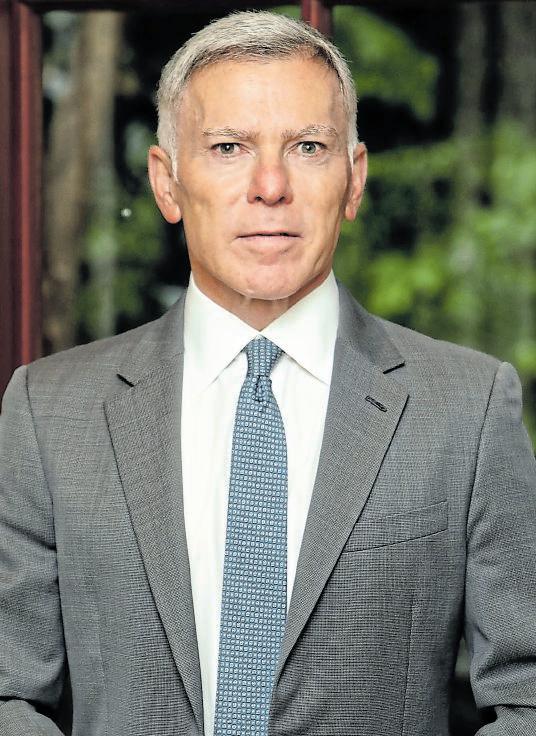
members that their medical scheme cover and benefit won’t be affected by the new lawfor“alongtimetocome”
Gore said thisis because “NHIis aninordinatelylarge andcomplex initiativethat proposes extraordinary changeandrestructuretopublicand privatehealthcaresystems. This is unprecedented and will be incredibly difficult toachieve”
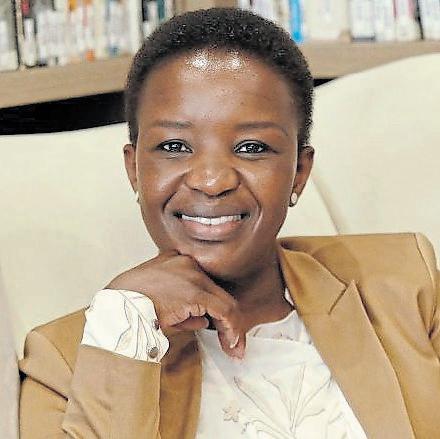
Business Leadership SA CEOBusiMavusoisoneofthe many critics ofthe NHI Bill. Sheaccused thegovernment ofrushing populistpolicy through parliament aspart of an“electioneeringploy”
She said thesigning of the act was “destructive for many stakeholders andrelationships at a timewhen partnerships between governmentand businesses are critical to building confidence globally thatSA isaninvestable destination”.
Mavuso has written that, “the lawwill neverwork, simplybecause thereis nocapacity to implement it, and as soon itissigned itwillbeembroiled in litigationon severalfronts, including itsconstitutionality”
BusinessUnitySACEOCas
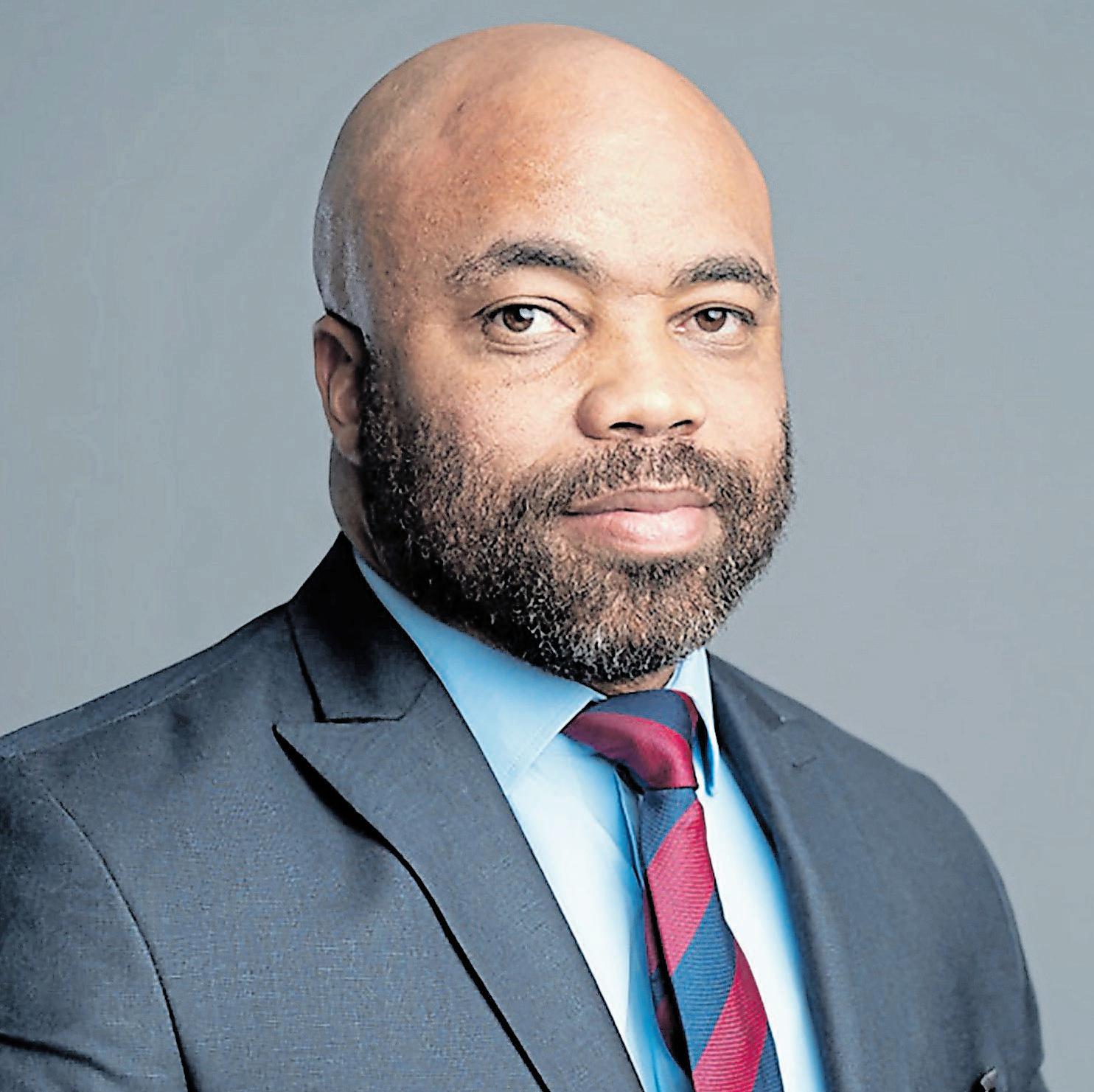
Coovadia has also called the legislationin itscurrentform “unworkable, unaffordable andnotin linewiththeconstitution”. Coovadia said the unfortunate consequence of the current NHI version was that it “willhamper, rather
The law will never work ... there is no capacity to implement it
Medical schemeshave argued that limitingtheir role is counterproductiveto theidea of providing universalhealthcarebecausethepublichealthcare sector does not have the resources to meet the needs of allSouthAfricans.
Thehealth ombudhas previouslytoldparliamentthat most public hospitals will not meet the standards required by NHI.Forcing current medicalaid membersontothe NHI system will increase the burdenonpublicfunding.
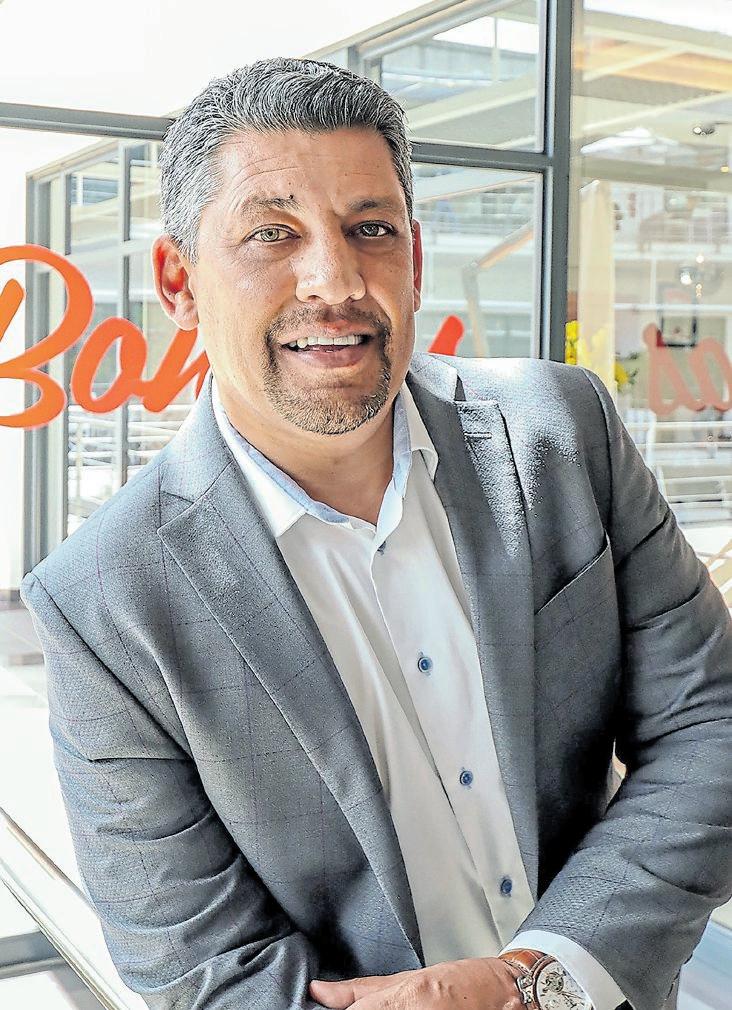
Lee Callakoppen, principal officer ofBonitas Medical Fund, the second largest open medical aid scheme in SA, confirmed that itwill take years to clarifyNHI and ad-
vised medical aidmembersto retaintheirmembership.
“There arenumerous concerns surroundingthe act, particularly aroundfunding, administrationandtherightto freedom of choice asset out in theBillofRights.
“There is no detail on how NHI willbe funded.The most likely option is additional taxes. Currently taxpayers, including private medical scheme members, fund75% of the publichealth budget,” he said.
He isalso concernedabout how NHI will be governed. Medicalschemes arestrictly
[NH]I
will hamper, rather than promote, access to quality healthcare
Cas Coovadia BUSINESS UNITY SA CEO
regulated, closely scrutinised and undergo publicaudits. In thesameway, NHIwillbea not-for-profit organisation owned by itsmembers and strict oversight will be required.
The NHI whitepaper states that NHI will berolled out in priority areasfirst including healthcare atschools, childhood cancer,women’s health (including pregnancy, cervical cancerand breast cancer),disabilityandrehabilitationservicesas wellaship, knee and cataractsurgery for theelderly.
“IftheNHIistoberolledout to specific targetgroups first, what becomes of other people inneed?”askedCallakoppen. He believedpublic and private healthcare should coexistand thatmedical schemes need to be able to work in tandemwith the NHI topreventduplicationofcosts.
“Universal healthcare is in everybody’s best interest. We needtofocus onpublicand private enterpriseworking together, strongleadership, accountability anddealing with social-economicissues as anintegralpartoftheprocess,” saidCallakoppen.
The NHI Bill faces court challenges from various organisations, including political parties. /123RF
Discovery CEO Adrian Gore.
Lee Callakoppen, Bonitas Medical Fund principal officer.
Affordable healthcare
Dis-Chem Health offers medical insurance and gap cover products
The risingcost of healthcareis becoming akeyconcernformanySouthAfricans. Healthcareinflation,whichreferstothe rateat whichmedical costsincrease, tendstobe3%to5%higherthanconsumer inflation.
There are a number of reasons for this, includinghigh levelsof youthunemployment which makesmembership of medicalaidunaffordable.
Given thatvery few youngand healthy individualsjoinmedicalaids,theriskpool of schemesis increasing.As theaverage age ofmedical aid membersincreases, so toodoschemecosts.
A shortageof medicalprofessionals means that demand often exceeds supply, putting upward pressure on the cost of medical servicesincluding specialistservices.Other reasonsfor highhealthcare inflation include advancesin medical technologies that have resultedinhigher inputcosts.
At the same time,the higher cost of medicines as a resultof global market dynamicsandpatentprotectionlawsismaking itmore expensiveto diagnoseand treat patients.Add inthe factthat many peopleareliving longer,sometimeswith expensive chronic conditions such as diabetes and cardiovascular disease, it is no surprise that medicalschemes are increasing the contributions they require frommembers.
tors andnurse consultations;financial services products likemedical insurance and gapcover that assistswith funding these productsand services;and complimentaryproductsandservicesthat aredifferentiated fromtherest ofthe marketsuch aslifeinsurancethat usesan individual’shealth datafor moreefficient signupandaccuratereducedpricing.”
Dis-Chem Health has branded medical insurance and gap coverthrough its partnershipswithKaeloandCentriq.
Medicalinsurancehelpsindividualspay fortheirday-to-day medicalcare,like medication; doctor, nurseand dentist visits; and other primary healthcare prod-
uctsandservices.
Policyholders pay a low monthly fee to enableaccess toDis-Chemand thePrime Cure network of healthcare providers, to manage theirday-to-day health.Gap cover,on theother hand,pays forin-hospitalcostsnotcoveredbymedicalaid.
“Affordable premiums onthese products, combined with the savings from the extraRewards programme policyholders can saveupto R600per month when shoppingat Dis-Chem helps customersafford preventativeproducts andservices to managetheir health and access clinical treatment when they needit,”saidBates.
schemes,insurers andotherstakeholders in the healthcare ecosystem have introduced a variety of initiatives aimed at savingtheirmembersmoney.
Jessica Bates, the executive for IntegratedHealthatDis-Chem,saidthereareseveralwaysthat Dis-Chemisreducing healthcarecostsforitscustomers.
“As anintegrated healthpartner and pharmacyretailerwithawidegeographic footprint,we canprocure productsand servicesat lowcost andpass thesesavings onto our customersand patients across SA.Ourambitionistointegrateacrossthe health valuechain, allowing usto unlock furtherefficienciesandsavings,andshare these withour customers,reducing the costofhealthcare.”
Helpingcustomersto maintainandimprove their health meanspeople get sick less often,requiring clinicalintervention lessoften,which furtherreducesthecost ofhealthcare,shesaid
“Ourpreventative andprimaryhealthcare servicestarts withDis-Chem pharmacists, followed by nurse-ledcare in our clinicswhereweareabletodirectpatients into the healthcare system in an appropriateandcost-effectiveway.”
Jessica Bates
Dis-Chem Health offers branded medical insurance and gap cover. /OGILVY GO ADVERTISING
Tackling women’s health holistically
Often women put their own health needs aside to care for others
The UN’sPartnership forMaternal, NewbornandChildHealth(PMNCH)has avisionofaworldinwhicheverywoman, childandadolescentisabletorealisetheir rightto healthandwellbeing, leaving noonebehind.
The organisation offers an inclusive platform for dialogue,advocacy and alignment among diversepartners to advancethe 2030SustainableDevelopment Goals.
PMNCH’svisionisparticularlyrelevant inSA,wherewomen continuetofacea range of healthcarechallenges influenced by socio-economic, culturaland environmentaldynamics.
Dr Themba Hadebe, clinical executive at Bonitas Medical Fund,said it’s common knowledge thatwomen often put their ownhealth needsaside tocare for theirfamilies.
Amongtheleading healthissuesfacing women inSA arenon-communicable diseases such ascardiovascular disease, diabetes, breast andcervical cancer, HIV/Aidsandmentalhealth.
Hadebe said diabetes is the second deadliest diseasein SA andthe leading causeofdeathamongwomen.
“Obesity isa strong risk factorfor Type 2diabetes, and68% ofwomenin SAare obese. Inaddition, it’s estimatedthat 10% of pregnant women inSA have gestationaldiabetes,whichmaygoundiagnosed.
“This evidences the urgent need for screeninganddiagnosis,”hesaid
When it comes tobreast and cervical cancer, the statistics arestark: One in six women worldwide is estimated to develop cancerduringtheirlifetime.
Screening servicesare encouragedfor early human papillomavirus detection andbreastcancerdiagnosis.
SA has one ofthe highest HIV prevalenceratesin theworld – with women, especially youngwomen, being disproportionately affected. Ofthe 7.3 millionadultslivingwithHIV,64%arewomen.
“Earlydisease detectionandappropriate care programmes are proven key factorsinimprovingtreatmentoutcomesand prognosis,”saidHadebe.
Bonitas hasteamed upwith CareWorks to bolsterits motherand childcarebenefits, andintroduced a Female HealthCare Programmeinabidtoshinealightonthe importance ofpreventative careand empower women to prioritise their health.
“Theprogramme proactivelyassists women and provides them with support toensure thattheyaccess preventionservices whenthey need to,as wellas treatmentplans,”hesaid.
Theprogrammealsoencouragesfemale membersof Bonitastoaccess theirfund benefitsto promotepreventativecare strategies for bothwomen and toddlers; detectnon-communicable diseasessuch as hypertension, diabetes, mental disorders, cancers, etc; help women plan appropriatelyduring theirreproductive ages;helpexpectingmotherstodetectand manageanyrisks andcomplicationsas early aspossible intheir pregnancy; improve accessfor womenand toddlersto essential care; andimprove parent education andawareness abouttoddler care.
Thecomprehensive maternityprogrammeincludessupport fornewparents with milestonereminders forchildren underthree, immunisationreminders and online screenings forinfant and toddlerhealth.
Clinical service manager at CareWorks, DrMizpahMoru,said:“Theprogrammeis focused on educatingand empowering womento takecontrol oftheir healthand toaddress any barriers that may stopthem accessinghealthservices.
“We havea highly skilled femaleteam of clinicians who understand thespecific healthcare needsof women. ”
The programme is focused on educating and empowering women
Dr Mizpah Moru
The programme includes anonline assessment and preventative screening.
Other modules dealwith cancers, mental health,pregnancy andcommunicable diseases, as well as screening questions for TB and sexually transmitted infections.
“We’ve taken proactivesteps to address women’s unique healthcare needs,” Hadebe said. “Our aim is toprovide inclusive,tailoredhealthcare solutionsatevery stageoflife.
“SHE and riskidentification, for example, enablestargeted messagingto members.Screening resultswill triggera supportprocess toassist membersin accessingappropriate, targetedcare programmes.”
Bonitas’ enhancedsupport forexpecting mothersincludes earlyidentification of highrisk pregnancies; weekly engagement for high-risk pregnancies; post-childbirth follow-upcalls; online assessments for pregnancy andmental health; midwives and nursing sisterswho provide nurturing and caring support to women whohave suffereda miscarriage and assist them in working throughboth the physical andmental issues associatedwith the loss oftheir baby; and supportfor parents ofneonatalbabies.
The programme also includes a library offemalespecific healthtopics,witha monthly focus – including screening reminders andsupport, allcommunicated throughSMS, WhatsApp,e-mails,calls andotherexistingdigitalplatforms.”
The aim of the programme is to raise awarenessandpromoteeducationaround healthandwellness,”saidHadebe.
“It’s about influencing behaviour positively andencouraging earlyscreening and preventativeservices. Importantly, it’salso about providinginclusive, tailored healthcaresolutions at allstages of life to helpmemberslive theirhealthiest life.”
Dr Themba Hadebe, clinical executive at Bonitas Medical Fund.