




















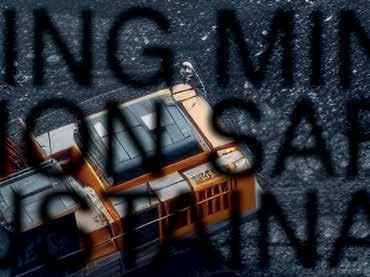



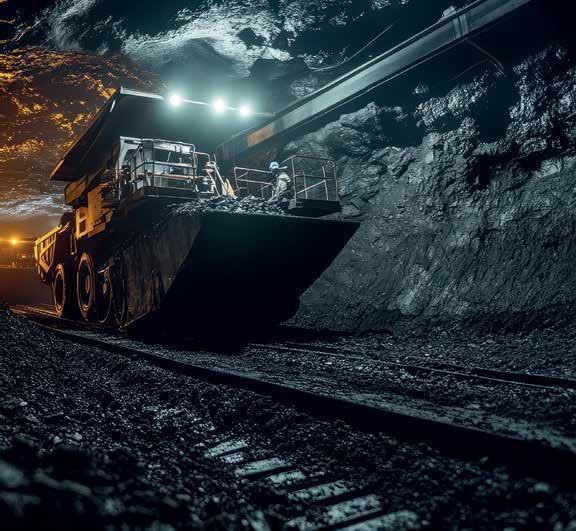
Serious mining insurance requires meaningful capacity, backed by technical depth, fi eld-based risk insight and a long-term view of operational continuity.
Mining operations depend on the ability to manage largescale operational risk without compromising production continuity, infrastructure continuity or longterm operational performance.
To achieve this, insurers assess exposures such as machinery breakdown, environmental damage, infrastructure dependency and supply chain disruption, before determining appropriate insurance structures and risk transfer solutions that support long-term operational stability.
Alpha’s underwriting philosophy is built around technical understanding, field engagement and disciplined decisionmaking, says company founder and CEO Antonio Iozzo.
“Mining is not a sector that should be approached through generic underwriting or desktop assessment alone. The assets are too large, the operations too complex and the consequences of a major incident too severe.
“What di erentiates Alpha is that we underwrite mining risk by understanding the operation in detail. We assess the mine’s infrastructure, production processes, critical machinery, fire protection systems, maintenance practices, continuity planning, risk controls and overall management culture.
“This provides a more accurate understanding of the exposure on site and allows us to support mining clients with capacity aligned to the realities of the operation.”
Alpha’s mining capability, including underground mining, is supported by a practical underwriting philosophy: understand the risk properly, engage with the broker and client, assess the operation in the field, and make informed underwriting decisions.
“In mining, downtime escalation o en becomes more damaging than the original incident itself. A fire, machinery breakdown, flood event or infrastructure failure can rapidly disrupt production activity, interrupt processing operations, a ect revenue generation and place pressure on the broader mining operation.
“This specialist underwriting model helps reduce uncertainty, improves the quality of the risk over time and creates a more stable long-term relationship between the mine, broker and insurance market.”
Alpha o ers dedicated mining capacity of up to R3.5-billion for opencast mining and up to R575-million for underground mining environments. This allows the business
“RISK MANAGEMENT IS MORE THAN JUST AN ADMINISTRATIVE REQUIREMENT OR A POST-PLACEMENT FORMALITY; IT IS CENTRAL TO HOW WE UNDERSTAND, SUPPORT AND IMPROVE MINING RISKS.”
– ANTONIO IOZZO

to support substantial mining operations ranging from large surface mining assets and processing infrastructure to more technically complex underground environments.
“Alpha has extensive experience across both opencast and underground mining environments. This includes large-scale surface operations, processing plants, conveyors, crushers, concentrators, workshops, substations and associated mining infrastructure.
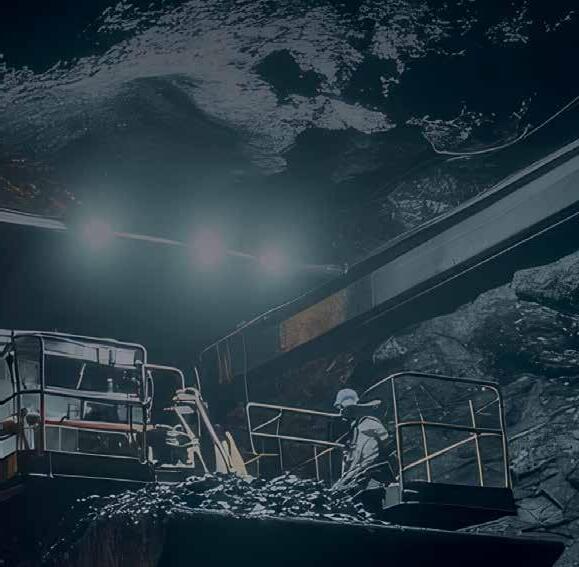
“Underground mining requires a more technical and operationally detailed underwriting process, because the environment is inherently more complex. Restricted access, ventilation dependency, fire and smoke behaviour, water ingress, machinery concentration, refrigeration systems, emergency response capability and recovery planning all require careful assessment.
“Alpha’s role is therefore not simply to provide capacity. It is to provide meaningful capacity supported by field-based mining insight, technical depth and a long-term view of infrastructure continuity. Mining clients require a partner that understands the distinction between opencast and underground exposures and can engage with both in a practical and informed manner.”
“Risk management is one of the strongest parts of our mining proposition. We do not view it as an administrative requirement or a post-placement formality, it is central to how we understand, support and improve mining risks.”
Alpha’s internal risk management capability includes 20 in-house risk surveyors, four full-time quantity surveyors and three fire engineers. Alpha conducts detailed mining risk surveys, disaster recovery planning and technical

“IN MINING, A MAJOR INCIDENT RARELY REMAINS ISOLATED.
PRESSURE ESCALATES FAST.”
– ANTONIO IOZZO


assessments across both opencast and underground mining environments.
This capability assists mines to better understand infrastructure dependency, critical production areas, fire protection systems, asset values, infrastructure vulnerabilities, crisis response readiness and practical risk improvement opportunities following a major incident.
For mining clients, this is particularly valuable because mines operate in highvalue, high-consequence environments where a single incident can rapidly disrupt production activity, place pressure on supply commitments and a ect the broader stability of the business.
Practical risk management helps reduce the likelihood of major incidents, limit downtime escalation, improve recovery readiness and support faster operational recovery following a major incident.
Alpha takes a practical and regionally relevant view of environmental, social and governance (ESG) principles in the mining sector. ESG is important, but in South Africa and across Sub-Saharan Africa it must be considered against the realities of energy security, employment, infrastructure development and economic growth.
“A key point for Alpha is that we do not impose blanket thermal coal exclusions. Thermal coal remains an important part of the energy mix in South Africa and several Sub-Saharan African economies, and Alpha continues to consider and underwrite thermal coal risks. Our focus is not to withdraw from these sectors, but to engage with them through specialist underwriting, detailed risk assessment and practical risk management,” says Iozzo.
“For Alpha, ESG is not simply about
excluding certain industries. In mining, ESG must also consider how responsibly and sustainably an operation is managed. That includes governance standards, environmental controls, water management, maintenance practices, emergency response capability, community impact, infrastructure resilience and continuity planning.”
In simple terms, Alpha supports the ESG journey, but views it through a practical and regionally relevant lens. The company believes meaningful progress is best achieved through responsible engagement, technical risk assessment and practical risk management, rather than blanket withdrawal from sectors that remain essential to regional economies.
“We must remember that mining is a regional industry, not merely a South African one. Many mining groups operate across multiple countries, and their risk profile o en extends beyond a single jurisdiction. Alpha’s capability across Sub-Saharan Africa allows us to support clients with a broader and more practical understanding of their operations.”
This is important because mining risks can di er significantly between regions. Infrastructure quality, fire protection standards, emergency response capability, weather exposure, regulatory requirements and supply chain dependency can vary materially from one operating environment to another.
The mining industry continues to face pressure to operate more safely, more sustainably and more e iciently, while still managing significant operational and financial risk. These pressures are not limited to one
In mining environments, downtime pressure escalates rapidly once production activity is interrupted. This is particularly relevant in complex mining environments where infrastructure dependency, machinery concentration and operational interconnectivity can significantly increase downtime exposure following a major incident. E ective disaster recovery planning, recovery preparedness and coordinated response structures play an important role in helping mines reduce downtime escalation and improve recovery stability following operational disruption.
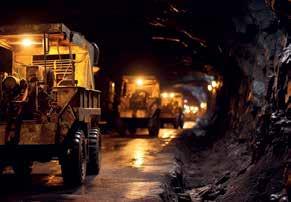



country, they are being experienced across the region, particularly where mines operate in remote environments, depend on critical infrastructure and form an important part of local economies.
“Alpha’s role is to support that environment through specialist mining capacity, fieldbased risk surveying, fire engineering, disaster recovery planning and practical risk management support.
“Serious mining environments require specialist underwriting, field-based risk insight and disciplined recovery-focused thinking. Alpha believes that is what long-term mining partnerships are built on,” says Iozzo.



• Hands-on risk management built around mining operations
• Real-world underwriting built around operational mining realities
• Disaster recovery planning for mining operations
• Decisive claims response when mining operations are under pressure
• Largest underwriting capacity in the country at R3.5 billion
• More than 22 years supporting large-scale mining operations

6 New appointments, infrastructure and electrification solutions
8 Cover Story
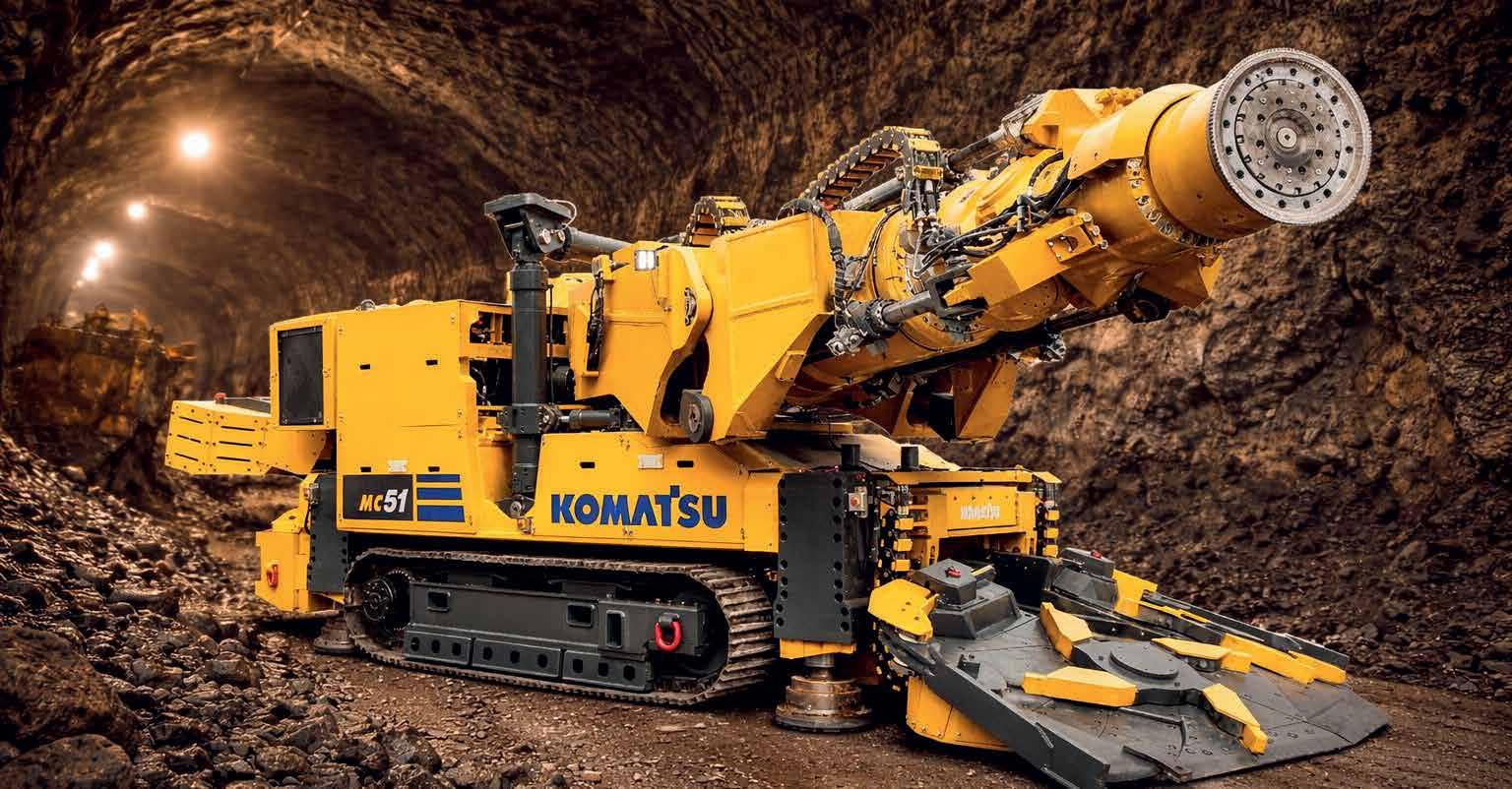
Komatsu’s new MC51 continuous miner brings continuous mechanical cutting to hard rock mining, a task traditionally dominated by the drill-and-blast method.
12 Safety, Health & Environment
Considered one of the most serious hazards in mining, falls of ground can be tamed through the implementation of technology, standards and processes.
21 Green Mining
Rare earth elements are critical components of wind turbines, electronics and more. Therefore, finding new sources for these –beyond China – is crucial for global diversification.
22 Energy
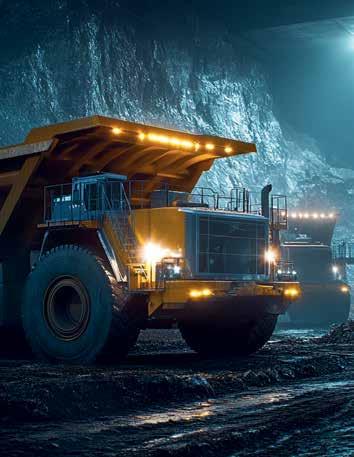
As the Strait of Hormuz remains closed and diesel and petrol prices skyrocket, we look at how this will impact the mining sector.
31 Pumps, Pipes & Valves
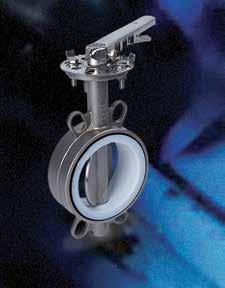
E ective pump care remains a critical, if o en overlooked, aspect of mining. These are the top tips for pump maintenance.
32 The Digital Mine
Those mines that leverage the latest technology developments – AI, digital twins and predictive analytics – will be best positioned for ongoing improvement and growth.
34 Minerals Processing
Industry voices continue to call for South Africa to beneficiate its own minerals. As demand for green minerals soars, SA must learn from those nations already doing this.

36 ESG
The Global Industry Standard on Tailings Management is driving a shi in tailings management that embeds social, environmental and governance accountability into every stage of a facility’s lifecycle.
12 78%: drop in fall-of-ground incidents
34 3%: platinum beneficiated locally
4 Out of Africa
On the cover of our last issue, we captioned the image incorrectly. The correct name is Emile Fourie, CEO
■ Consulting & project management
■ Crushing, screening & milling
■ Blasting & explosives
■ Engineering
■ Mining equipment
■ Mineral exploration
■ Women in mining


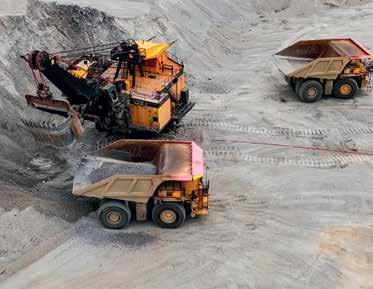




he entire globe has been thrown into turmoil since the 28 February US-Israeli attacks on Iran and the closure of the Strait of Hormuz – which typically accounts for roughly 20% to 25% of the world’s seaborne oil trade.
South Africans have been impacted by the spiralling costs of petrol and diesel, and few industries have felt the brunt of this more than the mining sector, which is heavily reliant on such fuels for operation. With skyrocketing prices significantly reducing profit margins, while also leading to increasing operational costs, stalling projects, and logistics disruptions, we look at how mines are handling this challenge, and what mitigation strategies they can employ.
This is not the only challenge facing the sector. Fall of ground remains one of the most serious hazards in underground hardrock mining because it can occur suddenly and with limited warning. In this issue, we consider how these incidents can be tamed through the implementation of technology, standards and processes.
Further challenges faced by the sector include declining ore grades, deeper and
increased volatility in global demand. To this end, we look at how artificial intelligence and advanced analytics allow operators to move from retrospective reporting to predictive and prescriptive decisionmaking, which is critical in a 24/7, capital-intensive environment.
Regulators, investors and mining communities have also reached a point where they are demanding tighter governance of tailings storage facilities, with greater emphasis on evidence and accountability. We consider how the Global Industry Standard on Tailings Management is driving a shi in tailings management that embeds social, environmental and governance accountability into every stage of a facility’s lifecycle.
It is also worth noting that in the mining industry, few systems are as critical – or as unforgiving – as those needed for dewatering. In fact, dewatering pumps are o en the first and last line of defence against production disruptions. With this in mind, we look at some of the top tips for e ective pump care.
EDITOR
Rodney Weidemann
Tel: 062 447 7803
Email: rodneyw@samining.co.za
ART DIRECTOR
Shailendra Bhagwandin
Tel: 011 280 5946
Email: bhagwandinsh@arena.africa
ADVERTISING CONSULTANTS
Ilonka Moolman
Tel: 011 280 3120
Email: moolmani@samining.co.za
Tshepo Monyamane
Tel: 011 280 3110
Email: tshepom@samining.co.za
PRODUCTION COORDINATOR
Neesha Klaaste
Tel: 011 280 5063
Email: neeshak@sahomeowner.co.za
DIGITAL EDITOR
Stacey Visser
Email: vissers@businessmediamags.co.za
SUB-EDITOR
Andrea Bryce
BUSINESS MANAGER
Lodewyk van der Walt





With a multitude of industry voices continuing to call for South Africa to beneficiate its own minerals, particularly as demand for green minerals soars, SA should make beneficiation a national imperative, and when doing so, the country must learn from those nations already doing this.
On the materials handling front, electrification, digitalisation, and flexible haulage systems are fast becoming the next frontier for sustainable, e icient mine operations. In a Q&A with Reinhardt Transport Group, we find out why this is the case. Meanwhile, rare earth elements (REEs) are critical components of wind turbines, electronics and more, but with the majority of REEs coming from a single nation – leaving the supply open to price and political manipulation – we consider new sources for these that may help improve global diversification.
Finally, in our cover story, Komatsu’s new MC51 continuous miner brings continuous mechanical cutting to hard rock mining, a task traditionally dominated by the “drill and blast” method.


Email: lodewykv@picasso.co.za
CONTENT MANAGER
Raina Julies
Email: rainaj@picasso.co.za
GENERAL MANAGER MAGAZINES
Jocelyne Bayer
SWITCHBOARD
Tel: 011 280 3000
SUBSCRIPTIONS
Neesha Klaaste
Tel: 011 280 5063
Email: neeshak@sahomeowner.co.za
PRINTING
CTP Printers, Cape Town



LH Marthinusen (LHM) is completing the manufacture of two 30 MVA transformers for a mining house in Botswana, a er the company faced several challenges with its existing power infrastructure. This was deemed no longer able to meet the demands of increased production capacity and operational reliability.
Chris Thoka, divisional sales and marketing manager at LHM, explains that ageing equipment, coupled with the growing need for stable, high-capacity power to support critical mining operations, prompted the company to seek a more robust solution that could ensure uninterrupted performance and long-term e iciency.
The project required LHM to deliver two 30 MVA transformers, engineered to handle high-voltage demand with exceptional reliability and e iciency. The transformers needed to integrate seamlessly with the mine’s existing infrastructure, comply with stringent safety and environmental standards, and support long-term operational sustainability. The solution had to be delivered within a strict timeline to ensure alignment with the company’s production targets.
“We are now in the final stages of manufacturing, with the transformers fully built and only a few minor tasks remaining before factory acceptance testing. Our team is working closely with the mining house to ensure full alignment with their operational timelines,” says Thoka.
The transformers are expected to bring various benefits to the mine, including enhanced power reliability, reduced risk of downtime, and improved energy e iciency, all of which will support the mining house’s operational goals. Once fully operational, the new transformers are expected to deliver significant cost savings through lowered maintenance requirements and optimised performance, ultimately boosting productivity across the site.
When Masimong Mine and Joel Mine went live on Syncromine simultaneously, it was not just a technology milestone. It was a test of operational readiness, team commitment, and what integrated mine management actually looks like in practice.
Simultaneous multi-site implementations are uncommon in mine management so ware for good reason. Bringing two distinct operations online at the same time - with separate teams, separate configurations, and separate operational contexts - compounds the risk at every stage.
Mineware Consulting, now part of the global Datamine Group, recently completed an implementation at the two mines, covering four Syncromine modules that sit at the operational core of underground survey and geology work: Pegs, Survey Measure, Geology Mapping, and Sampling. At both sites, these modules are now live and replacing paper-based capture
Individually, each module addresses a known pain point in underground data management. The practical consequence is that technical sta at both operations are no longer spending time on data reconciliation and version control between systems. That time and expertise can be redirected toward the interpretation and decisionmaking those roles are intended to deliver.
“The integration between Syncromine and the broader technology ecosystem at these operations is what transforms a so ware implementation into an operational upgrade,” says Werner Minnie, Head of Business Development at Mineware Consulting. “When data moves automatically between validated systems, the quality of every decision made downstream improves.”
TO MITIGATE POTENTIAL LOGISTICAL COMPLEXITIES, LHM HAS IMPLEMENTED A ROBUST SUPPLY CHAIN PROTOCOL AND IS LEVERAGING ITS LOCAL EXPERTISE TO ENSURE SMOOTH DELIVERY AND INSTALLATION.
The Wits Mining Institute (WMI) – a multidisciplinary research and training hub at the University of the Witwatersrand (Wits) – has appointed Dr Pontsho Twala as its new director.
Twala brings over a decade of experience in mining research, education and stakeholder engagement, underpinned by a doctorate from the School of Mining Engineering at Wits. She is the second black South African female to obtain her PhD in Mining Engineering, having earned her BSc (Honours) and master’s degrees from Wits before beginning her career at Mintek, South Africa’s national mineral research and development organisation.
Her research portfolio includes projects on artisanal and small-scale mining, beneficiation, skills development, community development, and environmental sustainability – areas that are critical in supporting the transformative role of the mining sector in society.
She is passionate about empowering mining communities to actively participate in the industry, fostering inclusive growth and shared value. Her work involves collaboration with multiple stakeholders, including mining companies, government departments, civil society organisations, and local communities.
Twala believes there is a significant opportunity for WMI to extend its impact beyond the borders of South Africa. “There is an opportunity for the WMI to be a central hub for knowledge creation and coordination to support Africa’s mining agenda,” she says.
Steenkampskraal Monazite Mine (SMM) has held a ceremonial soil-turning event to mark the o icial start of construction on its new monazite processing plant. The milestone advances the mine’s phased development plan and positions South Africa to become a producer of high-grade monazite concentrate, a critical feedstock for rare earth elements essential to renewable energy, electronics, medical and defence technologies, among numerous others.
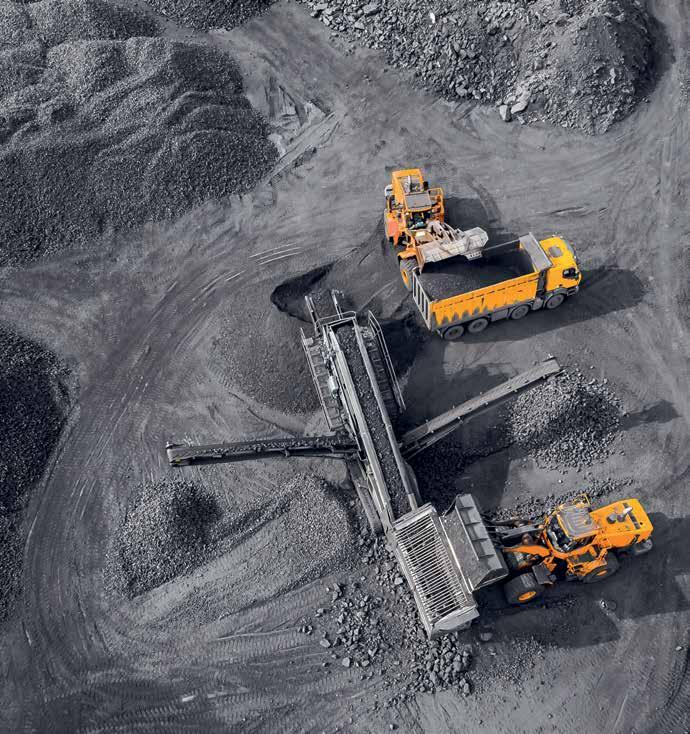
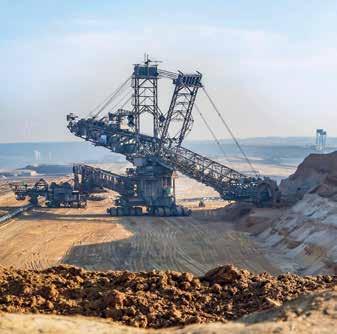

Epiroc is launching a new generation of charging solutions tailored to the specific challenges of underground mining and heavy-duty electrification. The new chargers deliver a breakthrough combination of ruggedised reliability, original equipment manufacturer agnostic standardisation, and dynamic power distribution, to ensure safe and e icient charging where operations demand it.
The monazite processing plant facility, located close to the existing underground decline sha exit, will receive monaziterich ore directly via a purpose-built conveyor belt system. Ore will be transported from underground workings to the surface plant for initial concentration using a proven gravity separation and flotation technology.
The monazite processing plant has been designed to achieve an annual steady-state output of about 13 400 tonnes per annum of monazite concentrate, containing more than 50% total rare earth oxides. During the initial ramp-up period, production will start at around 6 600tpa, increasing to full capacity towards the end of the first year.
The processing plant will receive feedstock from both historic surface stockpiles and underground ore, minimising initial capital expenditure and operational risk. This approach provides early revenue generation while refurbishment of underground infrastructure continues in parallel.
The design also includes a front-end comminution and milling circuit, ensuring consistent feed quality to the concentrator and allowing for optimal grade control.
Engineered for the toughest underground conditions and protected by an IP65-classified design, the new chargers withstand dust, humidity, and continuous heavy-duty use. With the ability to place remote charge posts up to 300m from the central cabinet, mines gain significantly more freedom in employing decentralised charging strategies to reduce tramming, minimise queues, and keep power close to active faces. Charge posts can both be pedestal-mounted or wall-mounted, giving operations the possibility to place them where they’re most e ective.
Key benefits include telematics support for tracking charge sessions, along with plug-and-play power electronics that simplify serviceability, installation, and configuration. All combined, they create a unified “one charging solution” for mixed battery-electric fleets. The new charging solutions are now available globally.
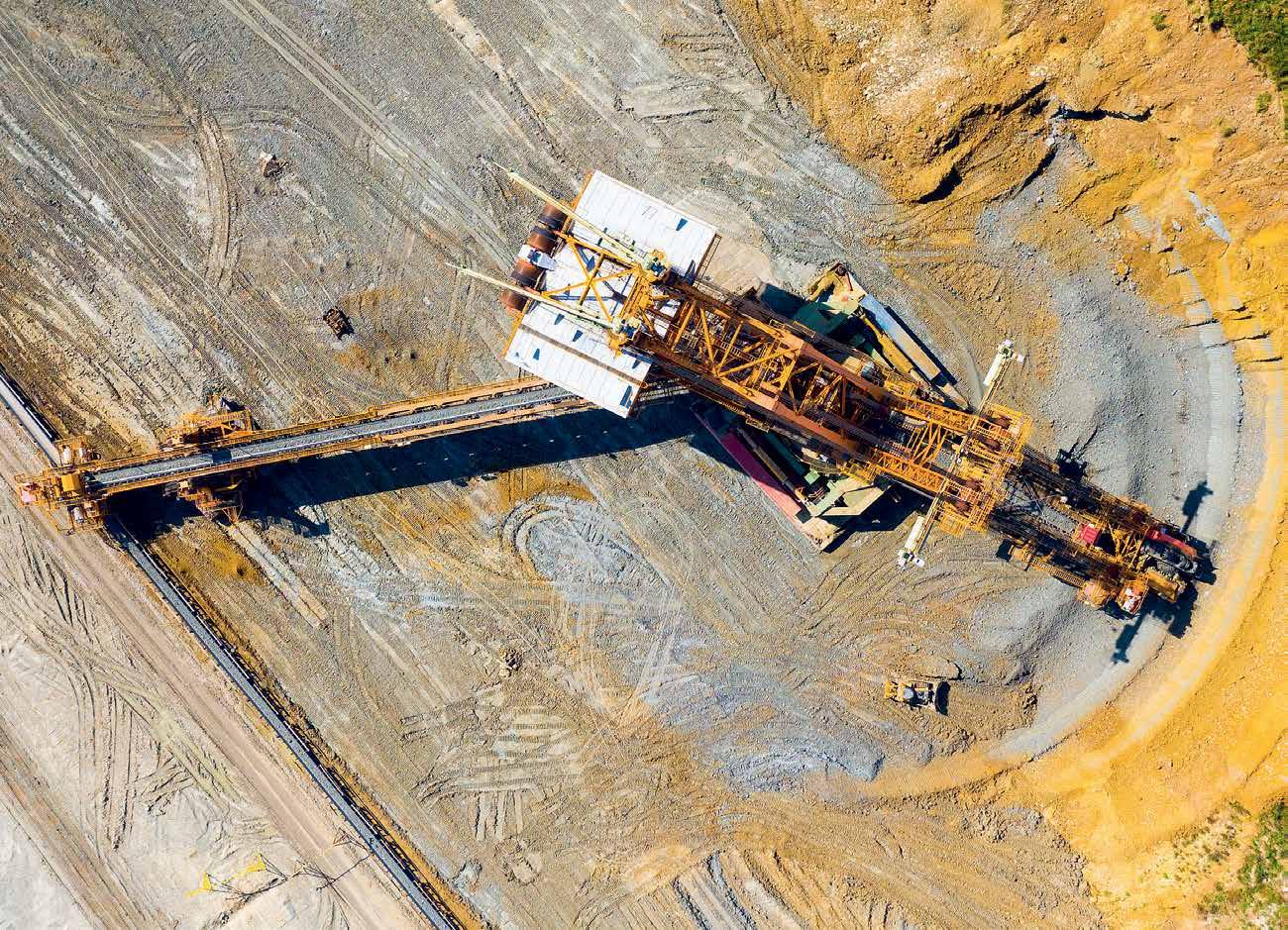


Proactive protection safeguards output, assets and people
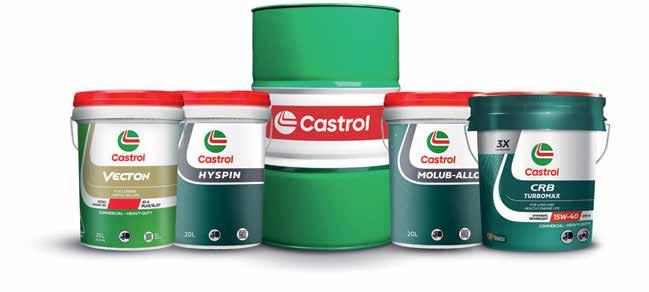
Mining is a zero-failure environment. Every breakdown carries cost, risk and consequence. Castrol protects the operation with an end-to-end lubrication and services portfolio designed for extreme conditions.
From engine and hydraulic oils to advanced fluid monitoring and specialist technical support, Castrol helps safeguard productivity, asset life and safety across the entire site. Delivering certainty where performance must hold under pressure.
Visit castrol.co.za for more information.
Complete lubrication solutions for engines, hydraulics and critical systems
Oils engineered to perform under extreme load, heat and pressure
Fluid condition monitoring to reduce risk and extend asset life
Global mining expertise applied to local operational challenges







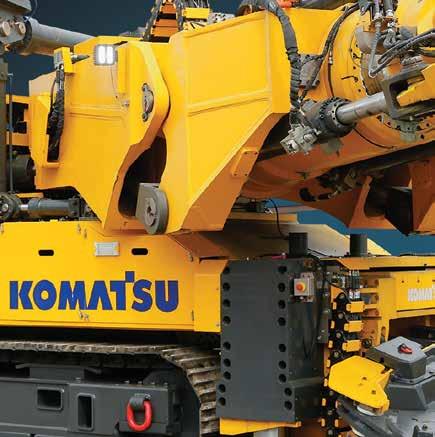
Between the ‘zero harm’ principle and the growing need for sustainability, Komatsu’s new MC51 continuous miner hits the sweet spot for underground excavation.


BY RODNEY WEIDEMANN
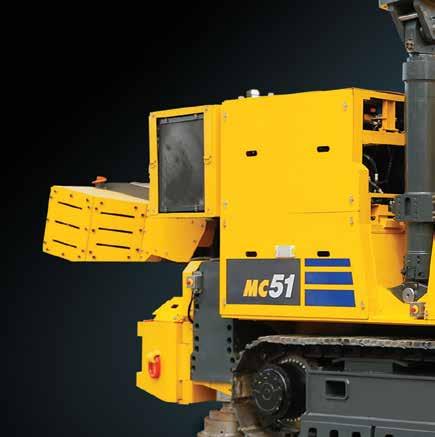
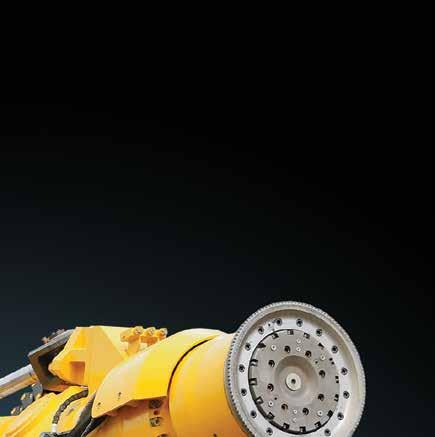
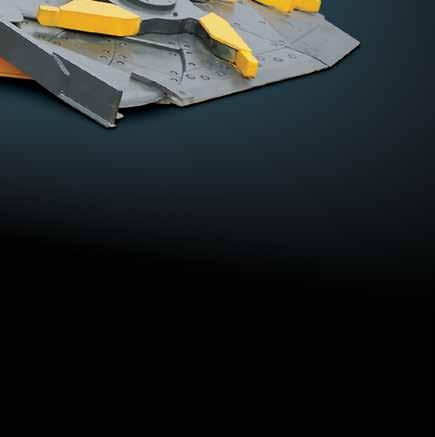
Komatsu brings continuous mechanical cutting to hard rock mining, a task traditionally dominated by the drill-and-blast method, thanks to its newly released MC51 continuous miner. The new miner is designed to enable safer, more precise excavation in challenging rock conditions, while at the same time reducing the amount of machinery required.
Vanessa Hardy, Komatsu’s business development manager, points out that the MC51 represents a fundamental shi in how hard rock development is approached.
“This new machine is much more than a typical incremental improvement; it challenges the dominance of the more traditional methods like drill-and-blast and tunnel boring,” she says.
As the MC51 is focused on mechanical cutting, it can eliminate the requirement for using explosives – not to mention many of



the associated risks, including fumes and the cyclical nature of blasting. At the same time, says Hardy, it can deliver far greater flexibility than tunnel boring, making it a versatile and viable alternative for modern underground operations.
“Perhaps the most compelling advantage it provides is [safety]. This is because it o ers remote operation, an approach that allows a mine to remove sta from the most hazardous areas of the mine – such as unsupported ground and active cutting zones.”
Instead, operators can remotely operate the MC51 either from within line of sight of the machine or from a dedicated operating station, thanks to the use of camera systems and real-time feedback, she says.
“Not only does this approach significantly reduce exposure to dust, heat, and noise, but it also minimises employee fatigue. A er all, the cutting cycle is highly automated,
“THE MC51 IS DESIGNED TO CHALLENGE THE DOMINANCE OF THE MORE TRADITIONAL METHODS LIKE DRILL-AND-BLAST AND TUNNEL BORING.”
– VANESSA HARDY
meaning that operators are primarily le to focus on managing material flow –something that both simplifies their role and helps to improve safety outcomes,” she says.
Hardy says continuous cutting eliminates the stop-start rhythm that defines conventional mining, thereby helping to massively improve productivity.
“With no need for blasting or fume clearance, it ensures that operations can proceed immediately and without interruption, playing a major role in reducing downtime. This, in turn, improves equipment utilisation, enables more consistent advance rates, and reduces the mine’s reliance on tightly coordinated shi cycles,” she says.
“Crucially, many other mining activities can also continue alongside the cutting, which has a positive impact on both productivity and overall e iciency. Furthermore, because the excavation itself is of high quality, it helps to improve ventilation, reduce road maintenance, and support long-term structural integrity.”
She notes the additional advantages conveyed by the machine’s fully electric design, explaining that electrification has a profound impact on both cost and mine




design, particularly in deep operations.
“Essentially, the electric MC51 eliminates diesel emissions, which in turn helps to reduce heat, exhaust gases, and airborne particulates,” she says.
“Reducing these means that the mine itself has lower ventilation requirements – something that can save a lot of money, since ventilation needs are often one of the most significant cost drivers in underground mining. Reduced airflow requirements translate into a need for less infrastructure, not to mention lower energy consumption, thus transforming the mine into a more efficient and sustainable operation.”
Explaining the machine’s DynaCut technology, she states that this helps to improve tunnel accuracy, through an approach that combines dynamic undercutting with a high-speed control system, allowing for exceptional precision. This technology can cut a tunnel to within 20mm of the desired profile.
“This level of accuracy eliminates overbreak and prevents damage to surrounding rock, something that is a far more common issue with drill-and-blast methods. The result is a cleaner tunnel profile, where the excavated surface actually doubles as the operational roadway. Doing this eliminates the need for additional road base, once again materially reducing maintenance requirements.”
“Dynamic undercutting essentially exploits the rock’s weakest property, namely its
tensile strength, which helps ensure the cutting process is more energy-efficient than conventional mechanical methods,” she explains.
Moreover, it can produce consistent, manageable rock fragments, thereby making material handling less complex, and reducing the need for secondary crushing. The excavated material can also, in some cases, be repurposed as backfill, further enhancing operational efficiency.
“Unlike batch processes, which involve multiple sequential steps and inherent downtime, the nature of continuous mining is such that it is able to streamline the entire development cycle. Its ability to maintain constant production at the face places the MC51 in a position to consistently improve efficiency, reduce delays, and simplify coordination between crews. The result is a more predictable, productive, and costeffective operation,” she says.
“The MC51 eliminates non-productive steps, maintains continuous operation, and delivers highly accurate tunnel profiles. At the same time, it has a positive impact on environmental considerations, thanks to electrification, lower ventilation demand, and the removal of blasting. More pointedly, less waste, reduced energy consumption, and improved material utilisation all contribute to a more sustainable mining approach.”
Hardy suggests that the industry is increasingly focused on removing people from high-risk environments – a key part of the “zero harm” principle – which means that the MC51 aligns perfectly with this goal.
“Although automation has advanced in areas like haulage, numerous challenges remain when it comes to automating processes like explosive charging and ground support. Continuous mining helps bridge this gap.”
At the same time, says Hardy, mining is going deeper and transitioning from surface to underground operations, bringing challenges like heat, ventilation constraints, and ground stress. The MC51 is well suited to these
OPERATIONAL EFFICIENCY AND DESIGN
Continuous mining vs batch: Enables a continuous mining method, reducing the need for multiple equipment pieces required in drill-and-blast, potentially cutting equipment needs by up to 50%.
Dimensions: It is a compact machine, measuring 12.5m long, allowing it to turn on its centre axis within approximately 6m.
Material handling: Features a conveyor system that offers 100% clean-up, eliminating the need for secondary material removal.
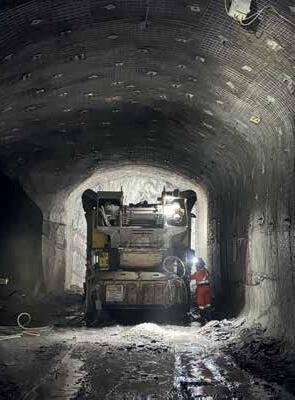

evolving conditions, and can integrate into a wide range of applications. As far as we are concerned, the MC51 represents a practical, forward-looking solution that is ready to reshape the future of underground mining,” says Hardy.




Considered



BY RODNEY WEIDEMANN

one of the most serious hazards in mining, fall of ground can be tamed through the implementation of technology, standards and processes.
Fall of ground (FoG) remains one of the most serious hazards in underground hard-rock mining because it can occur suddenly and with limited warning. Once a rockfall begins, there is o en little opportunity to intervene, which is why the consequences can be severe.
Lerato Tsele, deputy head: safety and sustainable development at the Minerals Council South Africa, suggests that the failure mechanisms leading to FoG incidents vary depending on geology and mining method.
“Common contributing factors include stress-related fracturing near the face, changing ground conditions, and progressive deterioration of rock support over time,” she says.
“Seismic events can also dislodge already fractured ground, particularly at depth. Importantly, ground conditions can evolve between inspections, meaning areas that initially appear stable may change as work progresses.”
Dr Richard Masethe, senior lecturer: rock engineering and rock mechanics at the
University of KwaZulu-Natal and a council member of the South African National Institute of Rock Engineering, notes that since 2009 there has been a marked and consistent decline in FoG-related serious injuries and fatalities.
“We believe this is the result of a combination of targeted initiatives, such as increased monitoring in underground excavations and the advancement of skilled rock engineering personnel at all levels. Furthermore, increased measurement of deformation, strain and stress changes in the rock mass,” he says.
“Making use of predictive 3D elastic and inelastic numerical models can improve understanding of possible mechanisms of rock mass failure.”
He notes that artificial intelligence (AI) in particular o ers strong potential to support this transition, by enabling predictive risk management, improving decision-making, and advancing the industry into a more proactive, data-driven era of mining.
“FoG, which is gravity-driven, and rock bursts (otherwise called dynamic
“FoG, WHICH IS GRAVITY-DRIVEN, AND ROCK BURSTS (OTHERWISE CALLED DYNAMIC FAILURE), REMAIN THE MOST HAZARDOUS RISKS IN UNDERGROUND MINING.”
– DR RICHARD MASETHE
failure), remain the most hazardous risks in underground mining. This is because they may occur anywhere in underground excavations – o -reef tunnels, inclined travelling ways and stope panels – and in surface excavations.”
Here, large open-pit slope failures could result in the displacement of millions of tonnes of rock and soil. The danger is amplified by the fact that these failures can be sudden, energetic, and occur in confined spaces, leaving little opportunity for escape, he says.
The number of FoG incidents increased in 2025, despite overall mining fatalities declining, notes Tsele, explaining that this trend needs to be understood in context.
“The overall reduction in mining fatalities reflects long-term industry focus and improvement across multiple risk categories. At the same time, FoG incidents remain highly dependent on local geological and groundcontrol conditions, which can vary or fluctuate over time.
“Available industry data from 2025 indicates that nine of the 15 FoG-related fatal incidents were associated with gravity-driven ground failures, while six were linked to seismic activity.”
This suggests that the increase does not reflect a broad decline in safety performance, but rather highlights the persistent and

“DATA ANALYTICS AND AIBASED TOOLS MAY HELP IDENTIFY TRENDS IN GROUND BEHAVIOUR, WHEN SUPPORTED BY RELIABLE DATA AND GEOTECHNICAL EXPERTISE.”

– LERATO TSELE

evolving nature of ground-related risks, she says.
She adds that as industry reduces fatalities in more controllable categories – such as transport, explosives, and machinery – FoG events naturally receive greater attention, reinforcing the need for ongoing focus, particularly in deeper and more geologically complex environments.
Tsele points out that several recurring themes are seen across the industry, including the natural variability of geology. She explains that rock mass behaviour can change over time, requiring continuous observation, regular reassessment of support design, and e ective use of geotechnical information at the workplace.
“Human factors in dynamic environments are always challenging. Mining involves balancing safety and production in complex settings. Therefore, ensuring consistent adherence to standards – such as inspections, re-entry protocols, and support installation – requires sustained supervision, training, and reinforcement.”
Mines should also embed leading
IN THE 2016-2020 FIVE-YEAR PERIOD, THE NUMBER OF FoG-RELATED FATALITIES FELL BY 78% – TO AN AVERAGE OF 24 A YEAR, FROM AN AVERAGE OF 111 A YEAR IN 2001-2005.
practices at scale, she says. “Such practices and standards are available and well understood, but achieving consistent application across di erent sites and workforces takes time, leadership commitment, and ongoing engagement.”
The good news is that a range of established technologies is helping the industry to manage ground risk more proactively.
“Improved underground lighting, for one, enhances visibility and hazard identification at the face. Also, access control and proximity systems now support exclusion zones and controlled re-entry a er blasting, or under changing ground conditions.”
She says enhanced support strategies, including mechanised installation, permanent netting, and remote drilling approaches, help to reduce exposure to unsupported ground, while groundpenetrating radars or similar technologies can detect potential structures in the hanging wall of the excavation.
Masethe points out that advanced rock support systems, with yielding bolts, dynamic support, and energy-absorbing systems, are designed for seismic conditions.
“Seismic monitoring systems also o er real-time micro-seismic networks that detect and locate rock mass activity, enabling hazard assessment, while
The apparent paradox of increased incidents but reduced fatalities suggests improved risk mitigation rather than increased hazard. MCSA’s Lerato Tsele notes that several factors likely contribute:
■ Enhanced safety systems: Improved support design, entry examination practices, and workplace monitoring reduce the severity of incidents even when they occur.
■ Better visibility and reporting: Technologies and leading indicators may be capturing more minor or non-injury FoG events that previously went unrecorded.
■ Reduced exposure: Mechanisation, remote operation, and improved workplace design limit the number of workers in high-risk zones.
■ Proactive interventions: Systems such as Trigger Action Response Plans ensure earlier withdrawal of personnel before conditions become critical.
ground control management systems have integrated frameworks combining standards, procedures, and monitoring.”
Finally, he says, there are workplace monitoring and visibility tools that deliver improved inspection systems and digital reporting platforms.
Tsele says there are also several emerging tools that show promise, although most are still developing in terms of maturity and widespread application.
“Data analytics and AI-based tools may help identify trends in ground behaviour, when supported by reliable data and geotechnical expertise. LiDAR [Light Detection and Ranging] scanning and drone-enabled mapping in suitable and accessible areas, meanwhile, allows detailed geotechnical assessments while reducing personnel exposure.”
Wearable technologies that may enhance situational awareness and support exclusion-zone management also show promise, says Tsele, “as do integrated digital platforms, which bring monitoring, seismic, access control, and geotechnical data into clearer, real-time decision-making tools for supervisors and engineers”.
As for the future, Masethe indicates the importance of future mine design, using predictive 3D numerical models.
“The risk should be managed from a macro or regional level to a micro or local level, for example a number of mining sequences may be modelled to determine which is the lowest risk option for implementation.
“Furthermore, stabilising pillars are still being designed using empirical methods – rather than being technically assessed through numerical modelling – to support the regional overburden weight, with smaller in-stope pillars supporting the hanging wall immediately above the reef in platinum mines.
“Another noteworthy point is that too much focus is put on local stability during
the production phase, and the regional stability is not continuously assessed,” he says.
“Surface-underground interaction will also be critical moving forward. Surface plans are not always considered when mining underground, in close proximity to the ground surface, as part of continuous assessment during planning meetings. This should form part of the monthly risk assessment, and must become a standard practice across all shallow mines.”
Lastly, he outlines the need for systems approaches. Progress is never due to a single intervention, but rather to a layered approach that encompasses research, standards, technology, and behavioural change.
Tsele adds that proactive risk management is important, so it is vital to recognise and act on leading indicators before conditions deteriorate.
“Safety culture must also remain central. Long-term risk reduction depends on a workforce that understands ground hazards, respects Trigger Action Response Plans, and feels empowered to pause work when conditions change.”
Robust ground-control guidance and leading practices already exist and are
According to the MCSA, eliminating FoG incidents remains difficult due to several persistent challenges:
■ Geological uncertainty: Rock masses are inherently variable and difficult to fully characterise, especially at depth.
■ Stress complexity at depth: Increasing mining depth (extending to more than 3km) introduces extreme stress conditions.
■ Operational pressures: Production demands can lead to deviations from ideal layouts, resulting in increased risk.
■ Human factors: Compliance with support standards, entry examination quality, and decision-making under pressure remain variable.
■ Inappropriate mine and support designs: Applying historical designs without understanding the impact of changing rock mass or loading conditions.
accessible to the industry. Continued focus on consistent implementation and learning is therefore key to making lasting progress, she says.
Masethe says while the industry has made substantial progress, particularly in reducing fatalities, the persistence of FoG incidents highlights that zero harm will require a shift from control to prediction and ultimately prevention.
“This will ultimately depend on integrating advanced technologies with disciplined mining practices, coupled with a deepening understanding of rock mass behaviour at extreme depths,” he says.


nancial
Aexibility.

A new mining rehabilitation guarantee from Credeq Africa and Access Bank meets local rules while delivering mining companies greater
s Africa’s mining landscape shi s towards stricter environmental stewardship and more rigorous mine-closure obligations, a new partnership is reshaping how the continent approaches financial assurance.
Credeq Africa (Pty) Ltd, an authorised financial services provider underwritten by Lombard Insurance Company, has partnered with Access Bank to deliver a pioneering, mining rehabilitation guarantee, designed for Africa’s evolving regulatory environment.
With its heritage rooted in Lombard and more than two decades of specialised experience in South Africa’s mining sector, Credeq Africa identified a growing challenge: many African jurisdictions now require rehabilitation guarantees to be issued strictly by banks, placing pressure on mining companies’ credit facilities.
To address this, the company has engineered a solution that blends underwriting expertise with Access Bank’s extensive African footprint, to support responsible mine closure across diverse markets.
As mining expands, regulators across the continent are tightening governance frameworks around mine closure and rehabilitation funding. Countries such as Botswana and Zambia now require mining companies to furnish financial guarantees to ensure su icient funds are preserved for mining rehabilitation.
While these guarantees support environmental protection and responsible mine closure, they also create financial strain: traditional bank-issued guarantees consume valuable credit lines that mining companies would prefer to reserve for operational growth or capital projects.
By partnering with Access Bank, which has an extensive local footprint, regulatory insight and relationships across key mining jurisdictions in Africa, Credeq Africa can o er a compliant, insurance-backed solution that meets local rules while delivering mining companies greater financial flexibility.
“Access Bank brings the in-depth local knowledge and relationships needed to navigate regulatory requirements, and we bring the underwriting expertise developed over more than two decades. Together, we o er mining companies a solution that provides compliance and financial flexibility,” says Juanita Putter, manager: mining guarantees at Credeq Africa.
Peter Ford, subsidiaries: mining at Access Bank, says his company believes that Credeq helps foster a partnership that delivers a more capital-e icient format for mining companies and regulators, strengthening compliance, while supporting a critical aspect of the licence to operate for Access Bank’s clients.
The solution follows a clear and aligned structure. The mining company enters a facility with Lombard Insurance, with Credeq Africa responsible for the underwriting,
“THIS IS A SOLUTION THAT ALLOWS CLIENTS TO KEEP THEIR BANKING LINES AVAILABLE FOR WORKING CAPITAL AND GROWTH, RATHER THAN LOCKING THEM INTO LONG-TERM COMPLIANCE OBLIGATIONS.”
– JUANITA PUTTER


structuring and management of the rehabilitation guarantee. Access Bank then issues the guarantee to the relevant authorities in countries where only a bank is permitted to do so, or where it is accepted.
Most of the risk sits with Lombard as the insurer, allowing Access Bank to issue the guarantee without drawing on the mining company’s credit facilities. The result is a compliant, bank-issued mining rehabilitation guarantee that behaves like an insurance-backed solution, freeing the mining company’s banking lines for operational use.
“Mining rehabilitation guarantees can tie up credit facilities for years,” Putter notes. “Our solution allows clients to keep their banking lines available for working capital and growth rather than locking them into long-term compliance obligations.”
Ford says: “Access Bank operates in 16 African countries with full wholesale banking capabilities. Mining is a strategic pillar across our subsidiaries, and this partnership enhances our product suite, reinforcing our ability to support clients across the sector’s entire ecosystem.”
With Africa’s mining sector poised for continued expansion, particularly in green energy metals, the partnership between Credeq Africa and Access Bank o ers a timely and innovative alternative to traditional rehabilitation funding mechanisms.
“It delivers compliance, protects environmental priorities and gives mining companies the financial flexibility they need to invest and grow without compromising their closure obligations,” Putter says.





















health programmes, regular screenings and sustained preventive care are vital for early detection, consistent treatment and protecting long-term community health.



TBY DR NTANDO MAKATINI, BUSINESS UNIT MANAGER AT PLATINUM HEALTH MEDICAL SCHEME



he progress made in reducing tuberculosis (TB) in mining communities illustrates the practical impact of an integrated health maintenance organisation and occupational health model. Using the integrated model and leveraging the deep understanding of the daily realities of mineworkers, Platinum Health clinic teams can appropriately and holistically respond to symptoms immediately, instead of treating issues in isolation.
This means illnesses like TB are caught earlier, treatment starts sooner and families face less disruption from prolonged sickness. Over time, this practical, context-aware care has helped shi TB from being a dominant threat in mining communities to a condition that can be actively managed – protecting livelihoods, strengthening households and supporting a healthier mining industry and its communities.
Mining environments have traditionally been linked to high TB risk, for several reasons. For one, if somebody has HIV, this weakens the immune system and can create a breeding ground for opportunistic infections

like TB. Furthermore, underground working environments are confined and have limited ventilation, which easily facilitates transmission of the TB bacteria.
Meanwhile, long-term exposure to silica, platinum or coal dust can make the lungs more vulnerable, increasing the susceptibility of contracting TB, and since mineworkers generally live in high-density environments, this too can accelerate the community spread of TB.
Platinum Health has taken a proactive approach in managing the risk factors associated with TB, implementing an aggressive anti-retroviral therapy programme for e ective and successful management of HIV. It also works closely with the mines to ensure that dust exposures are minimised and that there are su icient controls to improve the ventilations underground.
If it is not controlled and the correct preventive measures are not in place, TB can have a major impact for medical schemes. Platinum Health ensures that all sta are screened e ectively, employees who are at risk of contracting TB are identified and
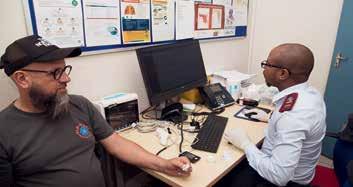
“PLATINUM HEALTH MEDICAL SCHEME ENSURES EFFECTIVE CHRONIC DISEASE MANAGEMENT, TO PREVENT THE WEAKENING OF IMMUNE SYSTEMS AND REDUCE THE POTENTIAL FOR CONTRACTING OPPORTUNISTIC DISEASES.”
NTANDO MAKATINI
treated early, and that they continuously monitor the progress of the treatment.
Mining operations work closely with Platinum Health in its e orts, as they benefit too – these programmes reduce absenteeism, help increase productivity and ensure that the mineworkers are healthy and safe in the workplace.
Screening plays a crucial role as a frontline defence in the management of TB. This includes using screening tools to interrogate the symptoms associated with TB; taking chest X-rays and spirometry assessments during a mandatory annual medical surveillance programme and continuous health promotion to the employees, to help them understand and identify symptoms early. Platinum Health also encourages screening during all consultations at its clinics.
Continuous monitoring of members infected with TB allows the scheme to keep track of members to limit the spread of the disease.
It ensures e ective chronic disease management, to prevent the weakening of immune systems and reduce the potential for contracting opportunistic diseases. It is proud of the successes, but it is always studying what’s new in this arena and working closely with other agencies that operate within the mining communities to constantly improve education around the topic.
Platinum Health Medical Scheme’s model is designed to combine on-site care, continuous screening and coordinated disease management to deliver measurable outcomes for both mineworkers and mining operations. As the industry works towards national targets, it remains committed to partnering with mines and communities to drive down TB rates year on year – helping to set a new benchmark for occupational healthcare in South Africa’s mining sector.


















The journey to ‘zero harm’ is built on effective leadership, risk visibility, clear accountability, strong company culture and a focus on continuous learning.
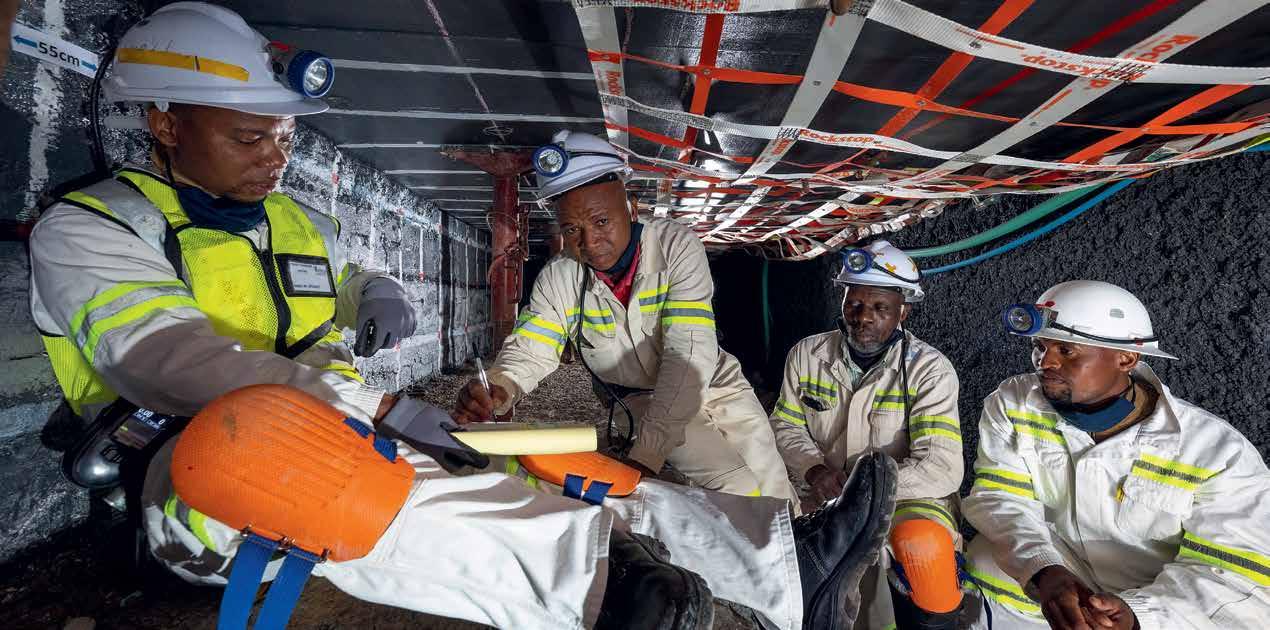
At Impala Platinum Holdings Limited (Implats), safe production is the company’s foremost priority and the foundation of its commitment to achieving zero harm. While Implats continues to make meaningful progress, its journey is defined by how e ectively it understands and manages both its most critical risks and the everyday hazards that shape its operations.
The three most significant fatal risks remain fall of ground, scraping and rigging and underground mobile equipment. These risks are well understood and supported by clearly defined standards, procedures and critical controls. Compliance is nonnegotiable. Critical controls exist to prevent predictable, high-consequence events, and no task should proceed if these controls are absent or ine ective. Simply put, these controls save lives.
Encouragingly, Implats has strengthened its ability to manage these major risks through improved data systems, targeted interventions and enhanced leadership visibility in highrisk areas. Over the past three years, the implementation of advanced digital safety systems has transformed how the company collects and analyses safety information.
Physical inspections are now scanned into an integrated platform, enabling real-time analysis of trends and deviations. When inconsistencies are identified, they are investigated and addressed promptly through structured escalation processes that ensure accountability at every level.
At the same time, Implats’ focus has expanded to include everyday risks that can

erode its safety gains. The business has observed an increase in slip-and-fall and material-handling incidents. While these may not always result in severe injury, they highlight gaps in attention, workplace conditions and task execution.
Preventing such incidents requires discipline in maintaining tidy work areas, using the correct equipment and remaining fully present in the task at hand. It is in these daily actions that safety culture is either strengthened or undermined.
A key insight from incident investigations over recent years is the consistent role of systemic factors. Incidents are frequently rooted in execution outside planned work controls, breakdowns in communication or non-compliance with critical rules. These findings continue to shape Implats’ zero harm strategy, with a strong emphasis on frontline risk identification, clear accountability and reinforced supervision.
Equally important is the role of organisational culture. In the company’s operating environment, individuals are required to make sound decisions in dynamic conditions. This demands both technical competence and the confidence to act when something is not right.
Implats is therefore advancing a culture that prioritises psychological safety, where employees feel empowered to speak up, challenge unsafe conditions and contribute to continuous improvement. When people raise concerns, the organisation gains valuable insights that strengthen its systems and prevent harm.
“INDIVIDUALS ARE REQUIRED TO MAKE SOUND DECISIONS IN DYNAMIC CONDITIONS. THIS DEMANDS BOTH TECHNICAL COMPETENCE AND THE CONFIDENCE TO ACT WHEN SOMETHING IS NOT RIGHT.”

Learning is central to this approach. Findings from investigations are systematically integrated into risk assessments, procedures and training programmes. Through risk-based input and change management systems, every new process or modification is carefully evaluated to ensure it enhances safety outcomes. This closed-loop approach ensures that lessons are identified and embedded across the organisation.
At this company, the commitment to zero harm is unwavering. By addressing both critical and everyday risks, strengthening its systems and fostering a culture where safety is owned by everyone, Implats is building a safer, more resilient organisation.
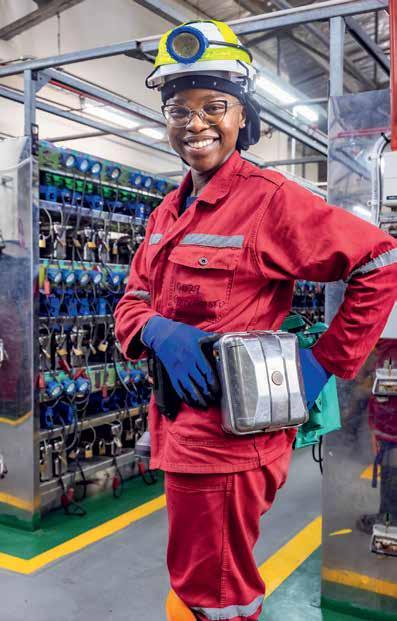















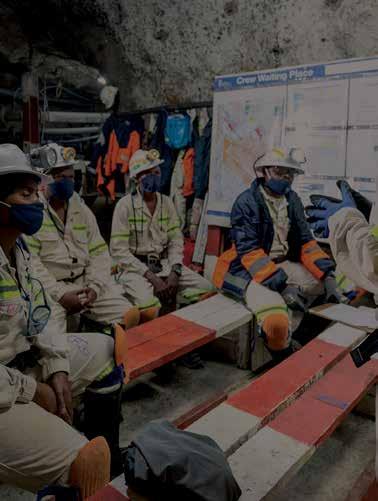




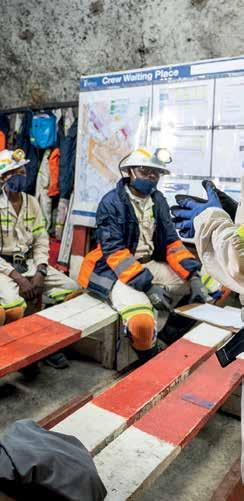

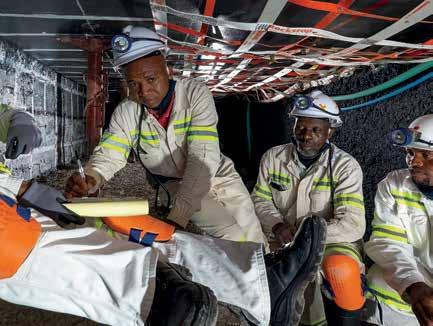


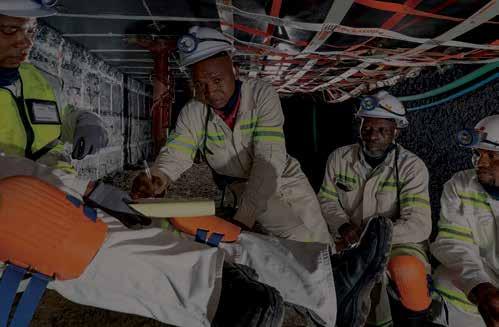











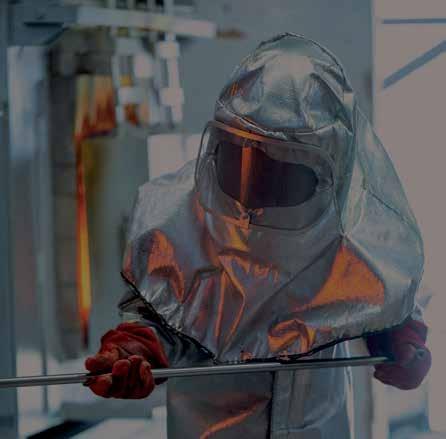
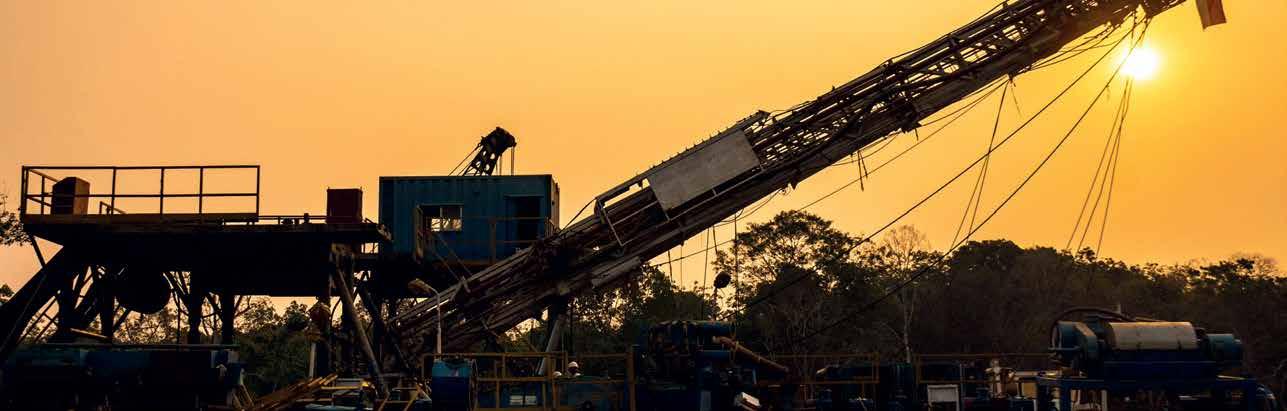




Safety training is moving away from the books and onto the fl oor, with gamifi ed approaches turning high-risk scenarios into hands-on experiences.
BY SIAN THURTELL, COMMERCIAL DIRECTOR
AT KBC HEALTH & SAFETY
No matter how much safety performance improves year on year, mining in South Africa remains a highrisk environment. Fatality numbers may be trending downward, but the reality on site has not changed: one lapse, one shortcut, or one misunderstood procedure can have irreversible consequences.
This is why fatal-risk training cannot be treated as a compliance exercise. It needs to be deliberate, practical, and engineered to influence safety behaviour in the moments that matter most. Across industries, serious incidents rarely occur because risks are unknown. They happen when known risks are not consistently controlled, reinforced, or escalated.


That is why fatal-risk management is not only a safety priority, but also a leadership responsibility.
Most mines already have strong safety systems. Policies, procedures, and standard operating protocols are clearly documented and regularly updated – so the real test is making sure that this knowledge is consistently applied on site, every shi .
Long classroom sessions, heavy manuals, and one-o inductions rarely engage workers who are dealing with fatigue, production pressures, and physically demanding work. Over time, important safety messages can be forgotten or overlooked.
The result is familiar: workers know the rules but may not follow them under pressure. To address this, training must reflect the realities of the job, meaning that it must be practical, hands-on, and focused on enabling workers to act safely and instinctively in real-life situations.
Safety training is moving away from the books and onto the floor, with gamified approaches turning high-risk scenarios into handson experiences. South African mines are seeing real results from this shi .
The Riski Diski – World Cup Zero Harm Championship programme is a great example. This football-themed programme transforms fatal-risk training into fast-paced, team-based stations. Workers tackle real hazards such as working at heights, isolation procedures, confined space entry, and mobile equipment interaction. Points are earned for safe decisions and lost for unsafe ones, giving immediate feedback and reinforcing the consequences of choices.
The programme is immersive and repeatable. Teams practise critical tasks in a safe environment, build confidence, and develop muscle memory. They learn by doing, make mistakes in a controlled setting, and repeat tasks until they become instinctive. This combination of repetition, realism, and teamwork ensures that when they return to site, safe actions are second nature.
Just as football teams prepare deliberately, training for predictable scenarios, defending consistently, and knowing that one lapse can change the outcome, so the same principle applies to fatal risks.
Once could say that being match-ready for this means:
■ Fatal risks are clearly defined and understood.
■ Compliance expectations are simple and visible.
■ Hazards are identified early.
■ Gaps are addressed constructively and decisively.
Active participation is the backbone of e ective safety training. If workers are not actively involved, lessons will not stick. Interactive, team-based formats encourage collaboration, discussion, and problem-solving. In a mining environment where teamwork is critical, training actively reinforces these skills.
Simulated near misses and hazard scenarios make learning personal and memorable. The scenarios create emotional and practical connections to real-world risks. Workers are not just listening; they are experiencing, making the lessons far more likely to be applied on site.
Modern safety programmes also shi the focus from attendance to demonstrated competence. Digital tools allow companies to track who can perform critical tasks and who is ready for high-risk zones. This visibility strengthens accountability, reduces exposure, and ensures that every worker is prepared before entering dangerous areas.
Digital tools are increasingly used to support this, providing clear records of training completion and competency. For mining companies, this creates better visibility and accountability across the workforce. It also ensures that workers are not deployed into high-risk areas without the necessary preparation, reducing exposure, and strengthening overall risk management.
There is a direct link between e ective safety training and operational performance. Fewer incidents mean less disruption, improved morale, and more consistent production. When workers feel confident in their ability to manage risk, it also changes how they approach their work. Safety becomes part of the job, not an additional requirement.
Fatal-risk training needs to do more than inform. It needs to prepare people for real-world situations where decisions are made quickly and o en under pressure.
For South African mining, the priority remains clear. Every person on site must go home safely at the end of their shi . Keeping fatalrisk training focused, practical, and embedded in daily operations is one of the most e ective ways to make that happen.





is crucial for global diversifi cation.
Rare earth elements are critical components of wind turbines, electronics and more; and fi nding new sources for these – beyond China –

BY RODNEY WEIDEMANN
We are at a moment where every government and technology manufacturer is scrambling to find secure, ethical sources of rare earth elements (REE) – the minerals that power electric vehicles (EVs), wind turbines, and modern electronics. Yet almost all global supply still runs through China, creating a vulnerability that’s becoming impossible to ignore.
According to Dr Elmar Muller, executive manager for Hydrometallurgy at Mintek, REEs are critical aspects of the components in many devices used daily, such as the screens of smart phones, computers, and flat panel televisions, the motors of computer drives, and more.
“REEs are required for the ‘green energy transition’ because they are essential to many green energy products, including wind turbines, catalytic converters, energy-e icient light bulbs, hybrid cars, and rechargeable batteries. Then there are also the defence and space technology applications,” he says.
“The global reliance on the supply of such critical materials from one region or country is therefore very high risk, as it is quite clearly open to price and political
manipulation. With the global growth in demand, supply must be diversified, not only for the above reasons, but also because it stimulates research and development and, in future, should lead to better prices.”
He says various countries worldwide have primary ore deposits. But it takes time and money to develop these deposits.
“There are also secondary sources. Some are classified as waste, like phosphogypsum, from the phosphoric acid and fertiliser industry, as well as fly-ash from coal-fired power stations,” says Muller. Rainbow Rare Earths CEO George Bennett says his company o ers one of the few genuinely disruptive alternatives.
“Our approach isn’t about opening another environmentally damaging mine. Instead, we have developed a way to extract high-value rare earth oxides from phosphogypsum. With billions of tonnes stacked worldwide, this represents a largely untapped source of rare earths,” he says.
Noting why this matters, he explains that Rainbow Rare Earths’ flagship project in South Africa could become one of the world’s highest-grade rare earth operations – without digging a new mine.
Moreover, it is a sustainability
“THE GLOBAL RELIANCE ON THE SUPPLY OF SUCH CRITICAL MATERIALS FROM ONE REGION OR COUNTRY IS THEREFORE VERY HIGH RISK, AS IT IS QUITE CLEARLY OPEN TO PRICE AND POLITICAL MANIPULATION.”
– ELMAR MULLER
Over the past few years, China has demonstrated its ability to restrict access to certain critical minerals, including graphite, gallium, germanium and antimony.
In April 2025, China exerted export controls on seven REEs, including dysprosium and terbium, and rare earth permanent magnets including these REEs. These restrictions particularly impacted the supply chains for EVs, wind turbines and defence applications.
China’s actions have accelerated the need to develop alternative sources of supply. IMPORTANCE
breakthrough, as they will be turning an industrial waste stream into a critical mineral source, one that could cut the environmental footprint of rare earth production dramatically.
It will also impact geopolitics, as the process could give Western manufacturers in the EV, wind, defence, and technology sectors a new non-Chinese supply of neodymium-praseodymium – which is essential for permanent magnets.
Finally, he suggests that it is also a timing breakthrough, considering that so many governments and original equipment manufacturers are urgently seeking alternative critical mineral sources, that Rainbow’s model is at the centre of a huge strategic shi .
Muller adds that reprocessing waste has some advantages, as the material is already mined, laying on the surface and already processed to some extent – which can significantly reduce the upfront costs.
It can also solve some environmental issues and, as these waste dumps are scattered across the globe, increase the security of supply as the reliance on one country or region to supply a critical material is reduced, he says.
“Depending on the process used and e iciencies obtained, the reworking of waste dumps could be an economical alternative to mining REEs.”
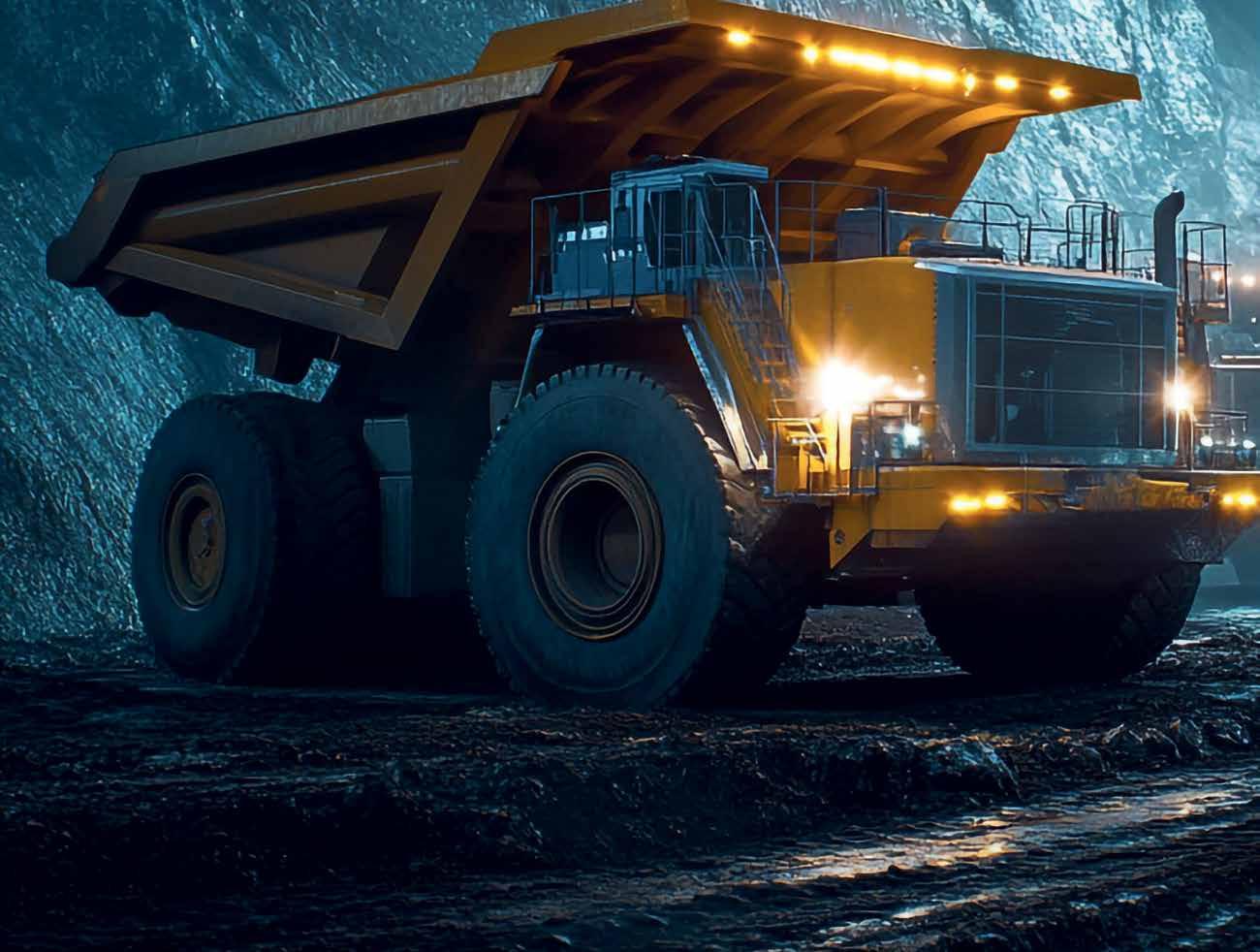


As the Strait of Hormuz remains closed and diesel and petrol prices skyrocket, we look at how this will impact the mining sector.
BY RODNEY WEIDEMANN

The America-Iran war has created a global fuel crisis, leading to worldwide supply disruptions –thanks to the closure of the Strait of Hormuz; and it is disproportionately a ecting South Africa, thanks to the country’s high dependency on imported refined fuel.
The crisis is characterised by record price hikes, panic-buying that is creating localised shortages, and logistical bottlenecks, as retailers anticipate higher prices.
In particular, the disruption to the global diesel supply has severely impacted South African mining, as the sector relies heavily on diesel for both extraction and road transport. Skyrocketing prices are significantly reducing profit margins, while also leading to increasing operational costs, stalling projects, and logistics disruptions.
According to Shane Jegels, CEO and chairman of Gulfstream Energy, both petrol and diesel are essential to e ective mining operations.
“Diesel is particularly vital because most mining equipment runs on it. In some remote areas, mines even rely on diesel to generate power for the mine itself. So, without diesel, mining operations simply stop. However, mines will continue to incur fixed costs, due to labour etc., which will quickly become unsustainable. So this will eventually lead to sta layo s and mines potentially being formally shut down,” he says.
“The surge in fuel prices – where fuel is available – has made mining operations more expensive, to the point where the economic viability of some mines will come into question. Simply put, the prices mines are able to fetch for the commodities they
“THE SURGE IN FUEL PRICES – WHERE FUEL IS AVAILABLE – HAS MADE MINING OPERATIONS MORE EXPENSIVE, TO THE POINT WHERE THE ECONOMIC VIABILITY OF SOME MINES WILL COME INTO QUESTION.”
– SHANE JEGELS
NAVIGATING THE CRISIS
Many South African mines are finding ways to navigate the 2026 fuel crisis, by diversifying fuel sourcing away from the Gulf to West Africa and the Atlantic Basin, while implementing strict stockpile management.
Rising diesel costs, one of the key inputs for mining operations and transport, are being mitigated through increased adoption of self-generation renewable energy projects (aiming for a 30% consumption reduction) to reduce dependence on grid power.
sell need to su iciently over-recover the costs mining operations incur for fuel. When resource prices or demand cannot keep up with fuel costs, it naturally threatens a mine’s viability.”
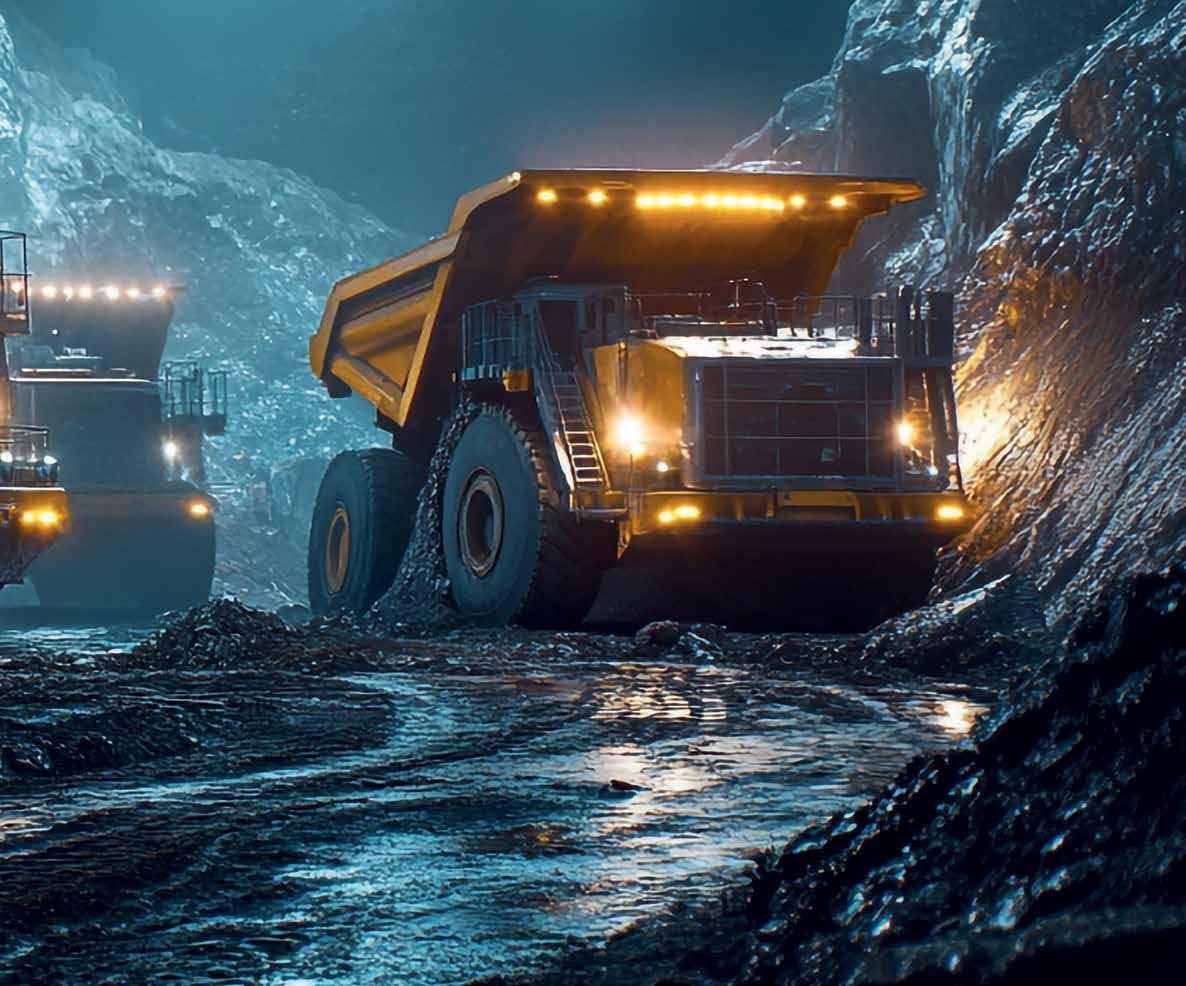
He notes that numerous types of mining equipment will be severely impacted by any fuel shortages. Excavators and haul trucks are examples of the types of equipment that will be impacted. This type of equipment is obviously key to mining operations for the purposes of earth-moving, he says.
Asked what mines – or their suppliers – can do to mitigate the impact, Jegels suggests that this is a tough one that is always di icult to answer, particularly under circumstances like this, where the shortage is a global one.
■ Operational cost surges: High diesel costs have made mining operations significantly more expensive, affecting profitability.
■ Logistics bottlenecks: Due to rail inefficiencies, many bulk commodities are transported by road, resulting in 20% to 50% higher transportation costs.
■ Project delays: Capital projects are being put on hold or stalled due to cost unpredictability.
“As Gulfstream, we have supply agreements or arrangements with all major importers, thereby enabling us to access fuel from a variety of sources at any given time. This has proven to be a super reliable model over time, but it is not perfect.”
Having some backup storage in place can help, but the rate at which mines generally consume fuel can render almost any level of backup storage null and void within a few days, he says.
“This demonstrates how important it is to have a super reliable supply chain – nonetheless, global disruptions of the scale we are currently seeing will undoubtedly cause some degree of unavoidable disruption.”
A spokesperson for Kumba Iron Ore notes that Kumba’s operations rely on a range of power sources, including diesel. While global diesel prices have increased due to the situation in the Middle East and will impact costs, the extent of this impact will depend on the duration of elevated global prices.
“We continue to work closely with our suppliers and partners to secure efficient and reliable fuel supply. Our electricity needs, meanwhile, are met by power from Eskom and our partnership with Envusa Energy,” says the spokesperson.
This combination provides greater flexibility and security of supply for Kumba, while supporting its efforts to decarbonise operations and reduce reliance on carbonintensive grid electricity. To date, while the conflict in the Middle East has affected global supply chains, Kumba’s export routes to Europe and Asia remain operational and have not been impacted by shipping disruptions related to the conflict.
“In line with industry peers, we are closely monitoring the situation and continuously assessing the impact it has on our operations.”
Jegels says because diesel is a non-regulated product, to some extent price increases can be slightly delayed – but not entirely avoided – where suppliers have extensive storage.
“However, we seldom see this and we are not able to give effect to this ourselves. Outside of financial hedging instruments, there is really no way to mitigate against rapidly increasing fuel prices, because our benchmarked pricing formula is mostly impacted on by crude oil pricing and the rand/dollar exchange rate, and these remain outside our control,” he says.
One thing that could help the situation
■ Production risks: Continued energy gaps, paired with rising diesel prices, risk reducing production of key exports like platinum group metals.
in the longer term, he says, is a stronger South African economy that properly encourages investment.
“Looking at a worst-case scenario, we will likely witness the closure of several mines. The best-case perspective, under current circumstances, is for mines to be able to fetch higher commodity prices, while lowering operating costs. Efficiency will remain the key to these entities remaining viable.”
Despite these best- and worst-case views, Jegels will not be drawn on the most likely outcome.
“I prefer to not try to predict this as I’m not a mining expert, but merely a servant to the sector. Suffice it to say that these are trying times for us all,” he says.

GAs

the South African energy transition proceeds apace, can coal mines leverage this transition and convert it into opportunities
to benefi t the local communities?
BY DR ANDRIES VAN DER LINDE PHD UH, UK, DIRECTOR AT FINDEV (PTY) LTD
iven coal’s central role in South Africa’s economy and energy landscape, the envisaged transition will have profound impacts on coal mines, power stations, their workers, and surrounding communities. All of these will face major challenges in respect of localised job losses, energy security, and environmental rehabilitation.
To put matters into perspective, phasing out coal is driven by a push towards net-zero emissions by 2050, by decommissioning 23GW of coal power by 2042. To achieve this, the Integrated Resources Plan (IRP) targets the retirement of an initial 8GW of coal capacity, with another 15GW planned to go o line between 2034 and 2042.
Current data is unfortunately in short supply, but conservative estimates suggest it would directly a ect more than 100 000 people, which is 19% of people employed in the mining sector, with approximately 87% of these jobs situated in Mpumalanga.
Sudden or unplanned plant shutdowns, such as the 2022 closure of the Komati power station, have sparked further local economic fears. This is because delays in planning have le surrounding communities vulnerable and having to face the challenge of transitioning into alternative employment.
The South African coal value chain is massive, and as a result, the economic benefits derived from it are all-embracing. The country has about 108 coal mines and processing facilities, with coal transported on an ongoing basis by fleets of trucks supplying 14 coal-fired power plants in the country.
Then there are the Richards Bay Coal Terminal and Sasol, all adding up to an additional approximately 300 000 people, although –considering how large the supporting industries’ footprint is – this is likely also an extremely conservative estimate.
Sasol’s energy transition strategy centres on decarbonising its massive coal-to-liquids footprint at Secunda. The company aims to reduce Scope 1 and 2 greenhouse gas emissions by 30% by 2030, and achieve net-zero operations by 2050. Sasol is expanding its renewable energy capacity target to more than 2GW to displace coal-based power at its operations.
It has secured hundreds of megawatts through renewable energy power purchase agreements across the country, and established an integrated energy business to meet internal demand and potentially supply surplus power to the South African grid. A further move is to rely on extended Southern Mozambique gas fields and methane-rich gas, before transitioning towards liquefied natural gas imports.
At the heart of Sasol’s future is the use of green hydrogen and sustainable carbon to produce green fuels and specialty chemicals and – using its Fischer-Tropsch capabilities – to pilot green fuel production facilities.
Decommissioning coal-fired plants will significantly reduce sulphur dioxide, nitrogen oxides, and particulate matter, while closing mines
would eliminate coal dust, all of which are linked to thousands of premature deaths annually. Lower pollution rates will directly reduce localised health burdens and cut public healthcare costs.
However, in real terms this is scant comfort to the most vulnerable communities, from an economic perspective.
There are ways and means to prevent communities from losing their economic base entirely, and an innovative, comprehensive and far-reaching approach must be arrived at. At least there is the benefit of time, although it is a finite commodity that should not be squandered. From what can be ascertained, the focus has been on the local communities and their issues.
However, it should be borne in mind that the mining companies would be equally a ected when the rug is being pulled out from under them. So, what are the alternatives and could pivoting opportunities help the local communities as well?
In other words, how can their investments add to the $148-million in community level grant funding, earmarked for local community development initiatives?
A term that is commonly used is “repurposing coal assets”. Historically, South African legislation placed little focus on mine rehabilitation. Key challenges therefore include weak enforcement and monitoring the growing number of small “junior” mines, as well as poor stakeholder engagement.
There are also di iculties obtaining mine-closure certificates and securing rehabilitation funds, resulting in companies selling o assets just before closures, or placing mines on maintenance and care to avoid closure processes. All of this has resulted in at least 400 abandoned coal mines.
Then there are the discard and du coal dumps – which are byproducts of coal mining and beneficiation. As per a 2001 inventory, this amounted to approximately one billion tonnes, with about 60 million tonnes annually. Rehabilitation alone can create a number of business opportunities and a significant work force.
An additional challenge is ash produced by the power stations which, through innovation, can become an opportunity via a circular economy approach. Coal ash can be used to produce a range of building products and road aggregate, as a start.
Investigations are already underway on how rehabilitated land and treated mine wastewater can be used to grow various crops. Agricultural activities are labour-intensive, while at the same time, such initiatives can create investment opportunities. This includes crop cultivation beneath raised solar panels, and climate-controlled centres to produce high-value crops. The Komati power plant, for example, is transformed into a hub for 370MW solar and battery storage.
In closing, it is worth noting that existing energy infrastructure can be adapted to produce green hydrogen and ammonia, and further developed as a green technology innovation cluster, thereby pivoting the region from coal to high-tech green manufacturing.










Hikvision South Africa (Pty) Ltd
Call Center: +27 (0)10 085 8300

Sales Support Whatsapp: +27 (0)60 441 3111
Sales Support Email: wangqi7@hikvision.com
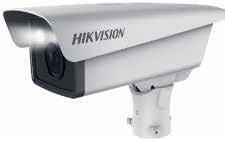
• AI-powered analytics for personnel protection
• Ensuring Operational Efficiency and Productivity
• Remote anomaly detection with thermography
• Transportation monitoring
• Visualizing Data for Better Insights
Website: www.hikvision.com





9 Eden Road, Waverley Office Park Building 2, Bramley Johannesburg 2090, South Africa
Social Media: Facebook, LinkedIn, Twitter, Youtube and TikTok @HikvisionSouthAfrica
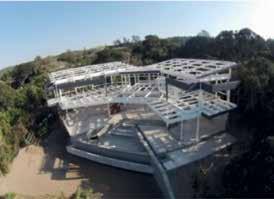
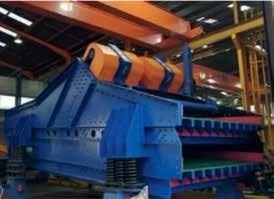
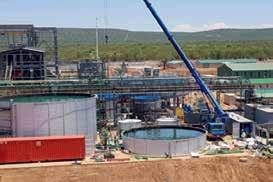
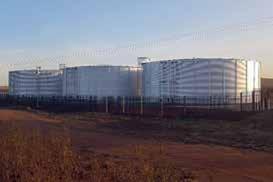
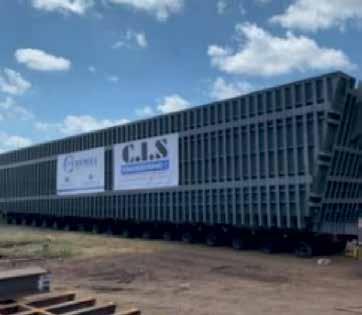
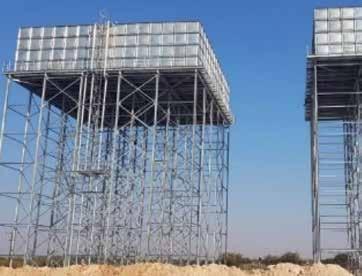
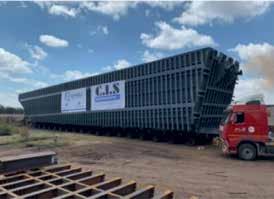
C.I.S INDUSTRIAL STRUCTURES was formed in 2018-2019 as a separate division of C.I.S Engineering, with the focus on fabrication of industrial structures for the mining, mineral beneficiation, petrochemical and chemical, water and wastewater industries.
PRODUCTS INCLUDE: • Building Structure • Process Support Structures • Process Tanks & Vats • Mechanical Equipment Structures • Piping and Ducting
This division is housed in the C.I.S Engineering complex and the plant houses modern automated and semi-automated steel processing equipment for welding, fabrication, bending, rolling, beam drilling and angle working.
The division has full access to laser and plasma cutting facilities and hosts one of the most advanced, state-of-the-art CNC Fiber Laser Cutting facilities in South Africa. A full complement of associated design services which include draughting, CAD modelling and structural analysis are offered.
The division operates under the C.I.S Engineering Quality system, which is certified to ISO 9001:2015 and Level 1 BBBEE compliant. C.I.S Engineering is part of the Structa Group of Companies.
Tel: +27 (0)16 986 1135 • E-mail: info@cisindustrialstructures.co.za Website: www.cisindustrialstructures.co.za
Physical address: 8 Firestone Street, Vanderbijlpark, Gauteng

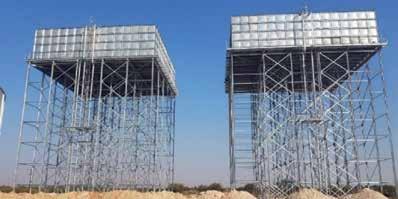
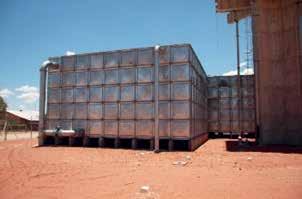
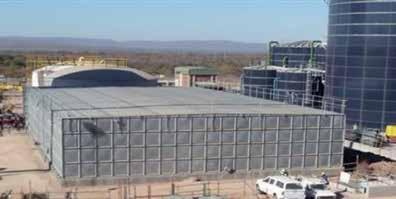
Prestanks, manufactured by STRUCTA TECHNOLOGY, offers sectional water storage tanks that are hygienically safe, cost effective and a reliable way to store water for commercial sectors, private sectors and even for personalised storage. Pre-manufactured storage facilities can be provided for a vast variety of applications and are used extensively by the mining industry and municipal authorities and range from 1,500 litres to 4,2 million litres. Choose from temporary or permanent installations.
Prestanks are fully customizable, high quality water storage solutions that are manufactured according to SANS guidelines and meet South African Hot Dipped Galvanizing requirements. A major advantage is that it facilitates easier handling and transportation over long distances to remote areas. Assembly on site is quickly achieved without the need for sophisticated tooling methods. Minimum maintenance is required because the galvanized steel panels resist weathering from the elements, while maintaining the integrity of the water within from contamination of most forms.
Structa Technology is a Level 1 BBBEE contributor.
Tel: +27 (0)16 362 9100 / +27 (0)79 035 6997
E-mail: contracts@structatech.co.za / watertanks1@structatech.co.za
Website: www.prestank.co.za / www.structatech.co.za
Physical address: 2 Dutton Road, Meyerton, Gauteng

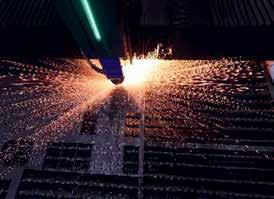
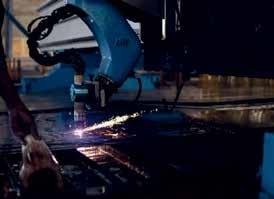
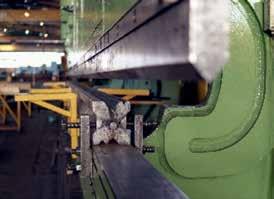
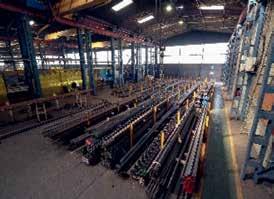
STRUCTA PROFILE established in 2009 as an internal plasma profile cutting service centre within the Structa Group, now boasts the following state-of-the-art equipment:
• 6kW, 20kW and 30kW Laser Cutters with cutting beds measuring up to 13 300mm x 3 000mm that can process Carbon Steel up to 70mm and Stainless Steel up to 50mm thick.
• 20kW Beam/Pipe Laser processes sections from 70–540mm x 13 000mm, including round or square tubes, I-beams, channels and angles, cut to size, holes, notching, etc.
• Three HD Plasma Cutters with a combined bed size of 54 x 3.2m which can cut stainless and carbon steels up to 35mm thick with a tolerance of ±1mm or less. Oxy fuel cutting options are available up to 300mm thick.
• Other Services: bending, welding, assembly, beam drilling, angle punching and cropping.
Housed adjacent to our sister company C.I.S Engineering, allows STRUCTA PROFILE to offer a one-stop metals processing service from advanced designing and engineering up to the final product.
Tel: +27 (0)16 986 1135
E-mail: info@structaprofile.co.za
Website: www.structaprofile.co.za
Physical address: 8 Firestone Street, Vanderbijlpark, Gauteng

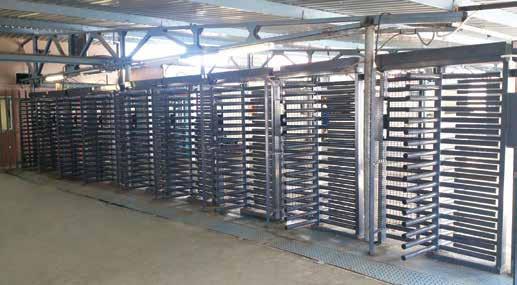
Established in 1975, Flow Systems Manufacturers (Pty) Ltd designed the first locally manufactured turnstile in South Africa for the South African mining environment. Today, the company manufactures and installs an extensive range of high-quality access control barriers from revolving doors and high-security booths to robust industrial turnstiles. It also manufactures a range of vehicle access control barriers – namely manual and automatic boom barriers, with and without spike control, as well as fixed and movable bollards. For the mines, they also supply Alcohol Detection Turnstiles, Biometric Quarter Lock Turnstiles, Sanitiser Turnstiles, etc.
CONTACT:
Tel: 011 762 2453
Email: info@flowsystems.co.za
Web: www.flowsystems.co.za



We know the drill!
• Refurbishment of hydraulic drifters
• Management of GET products via app
• Complete refurbishment of hammers on site
• Resharpening of drill bits on site
• Rand/USD contracts per meter on drilling tools

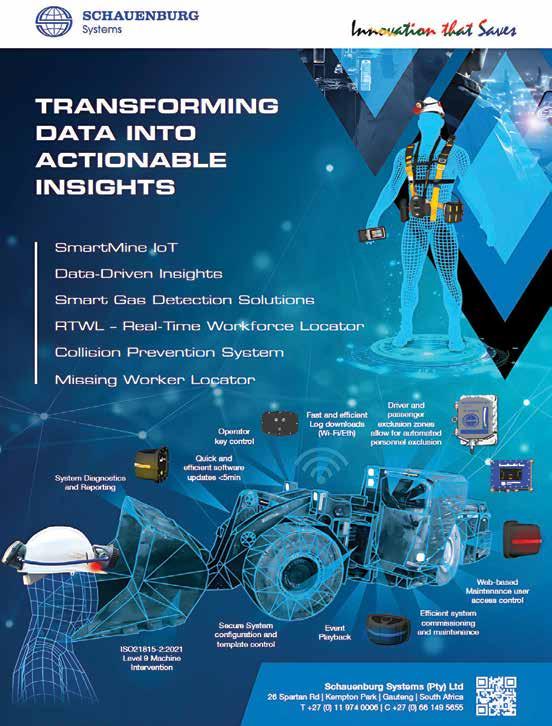


ENERGY-SAVING ECONOMICAL EFFICIENT

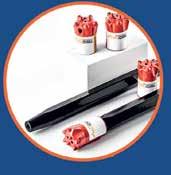
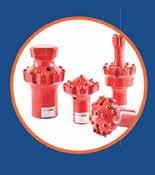
MAXDRILL ROCK TOOLS “GLOBAL DRILLING INDUSTRY EXPERTS
Email: riaan@beowolfmining.co.za
Cell: +27 82-576-6349
Website: www.beowolfmining.co.za
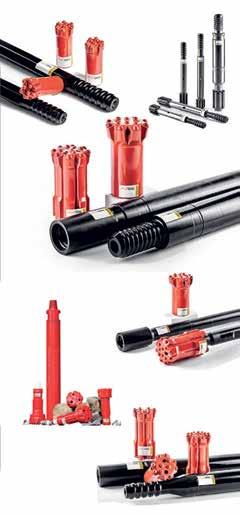
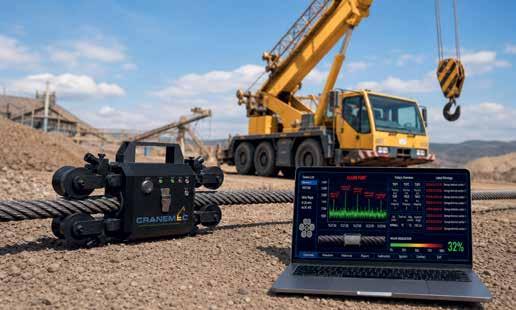
Established in 1993, Cranemec Group SA is a highly respected partner to the Mining, Construction, and Lifting industries. We offer a complete range of specialized services to ensure your equipment operates safely, efficiently, and in full compliance with industry standards.
Our expertise includes professional registered crane inspection and certification, advanced wire rope NDT testing, sales, and training. We also provide cutting-edge safety systems, lifting machine maintenance training, premium wire ropes and OEM spare parts.
Partner with Cranemec today to secure your operations.
CONTACT:
Phone: +27 82 322 6835 / + 27 83 268 4857
Email: info@cranemec.co.za www.cranemec.co.za


LME: 178 LMI: 2007120013
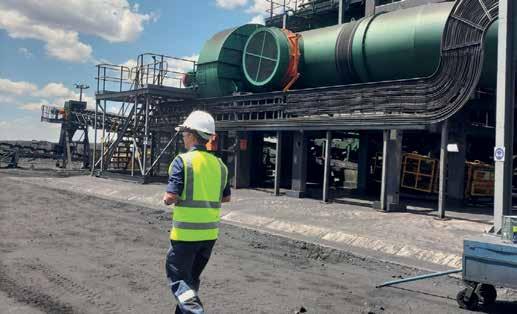
ENVASS Group of Companies specializes in Mine Closure Assessments and Financial Provisioning, delivering practical environmental solutions across South Africa and SADC countries. Our services include Environmental Impact Assessments (EIAs), Environmental Management Plans (EMPs), Compliance Monitoring, Audits, Water Use Authorisations, Aquatic Assessments, Specialist Studies, and Sustainable Land Management. With a clientfocused and science-based approach, we help industries achieve environmental compliance, reduce long-term liability, and support sustainable development through reliable guidance and tailored environmental solutions.
CONTACT:
Tel: +27 12 460 9768
Email: info@envass.co.za
Web: www.envass.co.za
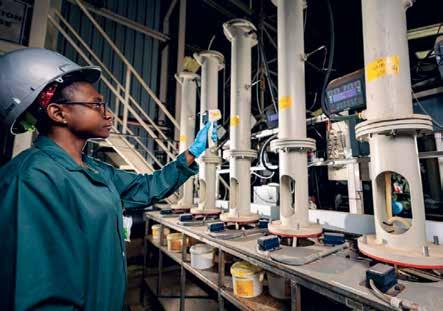
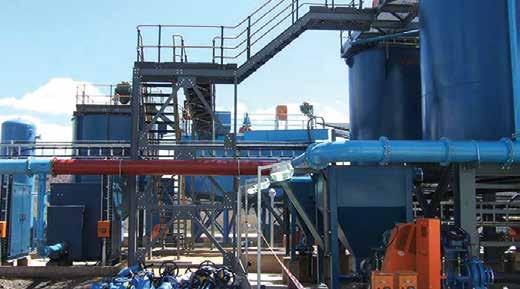
40 years of service excellence to our esteemed customers around the globe
Invincible Valves offers a wide range of industrial valves locally manufactured and or imported, including the Inval range and ancillary equipment, as per client requirements. In conjunction with the new valve sales, we also offer in-house rubber lining and reconditioning of all valve types.
As a Level 1 BBBEE service provider with our head office in Germiston, Gauteng, we have satellite offices and/or agents countrywide. We also ship globally to mining, petro-chemical, power generation and all other industrial sites.
CONTACT: Tel: 011 822 1777
Email: sales@invalve.co.za
Web: www.invalve.co.za

Mintek’s Biometallurgy division delivers innovative, environmentally responsible solutions for metal recovery using naturally occurring microorganisms. With over 35 years of expertise, the division supports the full mining value chain, from laboratory testing to commercial implementation. Services include heap and tank bioleaching, mine water treatment, and recovery of metals from waste streams. Mintek has proven capabilities across copper, cobalt, nickel, zinc, uranium and precious metals, supported by state of the art facilities and multidisciplinary expertise
CONTACT: Dr Thanos Kotsiopoulos
Email: ThanoK@mintek.co.za
Tel: 011 709 4358
Web: www.mintek.co.za


+27 (0) 11 607 1700 | support@mandc.co.za
53 Hospital Street, Cleveland 2094, JHB www.mandc.co.za
Repairs, maintenance and customised manufacture of all electrical and mechanical rotating machines.
ELECTRICAL SERVICES
Medium and low voltage, Ex certified, AC and DC motors, transformers, generators, alternators and ancillary power generation equipment up to 373 MVA.
MECHANICAL SERVICES
Full range of rotating machinery mechanical services. Machine shop capabilities including dynamic balancing up to 32 tons, large machining up to 40 tons, micro welding and hydraulic presses up to 1000 tons.
24 HOUR ON-SITE SERVICES
Breakdown repairs, removal, re-installation, on-site testing, dynamic balancing, alignment, vibration analysis, root cause analysis, condition monitoring, preventative and predictive maintenance, motor management programmes and maintenance contracts.
CUSTOMISED ELECTRICAL AND MECHANICAL DESIGN
Reliability improvements/enhancements, efficiency improvements, performance upgrades and root cause analyses.
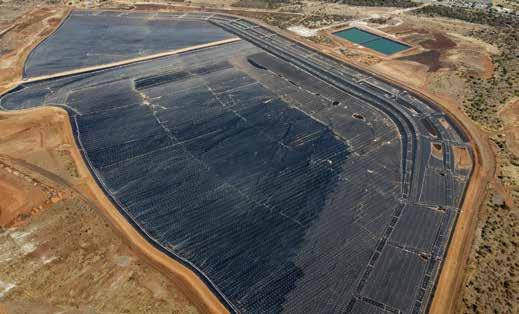
Specialist manufacturer of geomembrane and corrosion protection liners
Based in Cape Town, AKS Lining Systems, has been manufacturing quality thermoplastic products and operates within a very specialised, yet expanding market in manufacturing quality Corrosion Protection Liners (CPLs) and geomembrane liners. Supplying the entire SADC region, and exporting to more than 30 countries worldwide, its products are installed in diverse applications, including mining, water and waste treatment, landfill, ponds, dams, construction and general infrastructure. Geomembrane can be manufactured according to GRI-GM 13 (HDPE), GRI-GM17 (LLDPE) and the SA industry standard, SANS 1526. As an ISO 9001:2015 certified company, AKS follows a strict code of conduct to ensure top-quality products and custom solutions for clients.
CONTACT:
Tel: +27(0)21 983 2700
Email: aksmarketing@aks.co.za
Web: www.aks.co.za
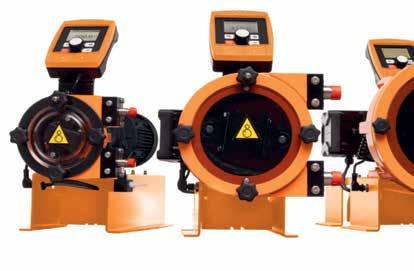
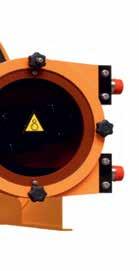
Mining processes place extreme demands on chemical dosing equipment, requiring pumps that can reliably handle abrasive, viscous and shear-sensitive fluids.
Prominent Fluid Controls DULCO®Flex peristaltic pumps are designed for these harsh conditions, eliminating common seal and valve failures that cause unplanned downtime.
Our automated powder preparation systems improve dosing accuracy, reduce chemical consumption and enhance thickener performance. Backed by our Johannesburg-based team, we provide expert support, commissioning and maintenance services for complete dosing and water treatment systems across Sub-Saharan Africa.
CONTACT: za-sales@prominent.com 011 – 323 – 5000 www.prominent.co.za


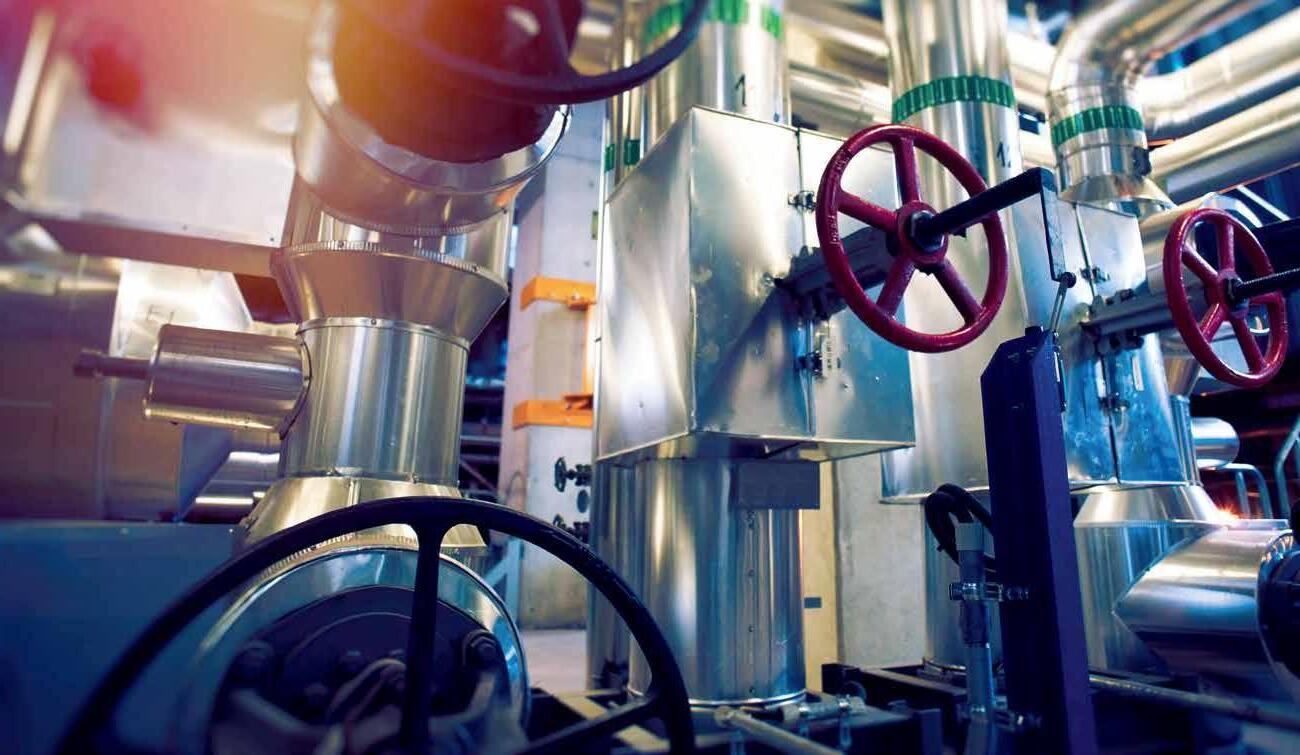


BY RODNEY WEIDEMANN

Effective pump care remains key to the mining sector maintaining safe operating conditions and avoiding production and other disruptions.
In the mining industry, few systems are as critical – or as unforgiving – as those needed for dewatering. Whether managing groundwater ingress in an open pit, or maintaining safe operating conditions underground, dewatering pumps are o en the first and last line of defence against production disruptions.
When these systems fail, the consequences can be immediate: flooded workings, inaccessible haul roads, equipment damage and costly downtime.
According to Jordan Marsh, Integrated Pump Technology managing director, e ective pump care is not only about extending equipment life, but also about ensuring consistent performance in o en unpredictable and harsh operating environments. Here are some of his top tips.
“Start with basic routine inspections, as a structured inspection routine remains the cornerstone of pump reliability. Daily visual checks should include fuel levels, oil condition, coolant levels and any signs of leaks or abnormal vibration. Air filters should also be inspected regularly.”
Secondly, notes Marsh, mines should keep fluids clean and within specification. In diesel-driven pump sets, fuel quality is critical, so regular draining of water separators and scheduled fuel filter changes are essential.
“Monitoring performance trends by tracking parameters such as flow rate, discharge pressure, fuel consumption and power draw can also provide early warning signs of wear, blockages or ine iciencies. Manage abrasive wear by regular inspection of wear parts – particularly impellers, casings and other critical components.
Timely replacement here is essential to maintaining e iciency.”
He says ensuring correct installation and operation is critical. For diesel-driven units, this includes ensuring proper suction conditions, avoiding excessive li and preventing air ingress in suction lines.
“It’s key to plan for preventive maintenance, rather than reactive repairs. Such plans should encompass routine servicing, parts replacement and performance testing at defined intervals. Keeping critical spares on hand, such as seals, filters and wear components, is also advisable.
“Finally, leverage specialist support by partnering with experienced pump specialists. This enhances reliability and performance, as they can provide advice on pump selection, system design and maintenance strategies,” he says.
When it comes to looking a er slurry pumps, Martin Fourie, senior projects engineer at KSB Pumps, o ers the following advice: “Firstly, control impeller clearance. Impellerto-liner clearance is a critical e iciency driver. As this gap increases with wear, internal recirculation rises and it reduces pump e iciency and increases power draw. Resetting clearances during planned maintenance can quickly recover lost e iciency without replacing parts.
“You should also operate at near best e iciency point (BEP). Many pumps dri o -curve over time, due to system changes or lack of monitoring. You should thus track pressure and flow against the pump curve. Where possible, adjust speed or system
resistance to keep the pump operating close to BEP, for optimal performance and longevity.”
Fourie suggests managing wear proactively, as components like impellers, liners, and throat bushes gradually lose hydraulic e iciency. Implement simple inspection routines and track trends (flow, pressure, power) and replace wear components based on condition – not failure.
“Remember too that many failures attributed to ‘pump issues’ are actually mechanical. Poor lubrication or misalignment leads to bearing damage, sha stress, and premature breakdowns. Follow original equipment manufacturers lubrication intervals carefully and avoid over-greasing. Check alignment a er installation or maintenance to ensure smooth, reliable operation.”
Finally, he says, the gland seal system is essential for protecting the pump from contamination and preventing leakage. “You should ensure gland water pressure is correctly set, confirm continuous flow, and routinely inspect for blockages or dry running conditions.”
In a sector where water management directly impacts safety, productivity and cost, notes Marsh, dewatering pumps cannot be treated as an a erthought, as these systems require consistent care, informed operation and a proactive maintenance mindset.
“By implementing structured maintenance practices and leveraging specialist expertise, mining operations can significantly reduce the risk of failure, extend equipment life and maintain the continuity of their dewatering strategies – even in the most demanding conditions,” he says.
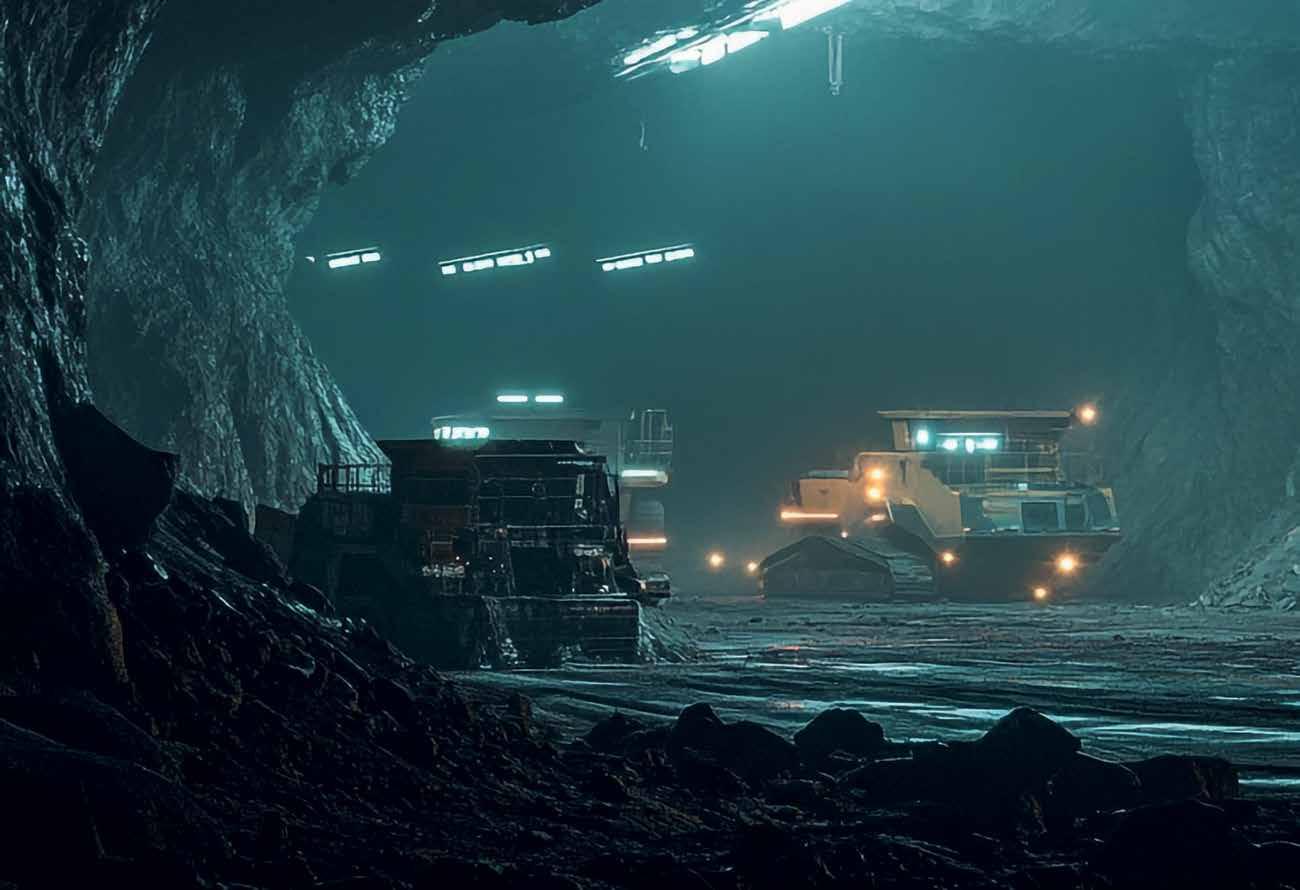

Those mines that leverage the
latest technology developments –AI, digital twins and predictive analytics
– will be best positioned for ongoing improvement and growth.
BY RODNEY WEIDEMANN
Mining today faces declining ore grades, deeper and more complex ore bodies, rising safety and environmental, social and governance (ESG) expectations, cost pressure, and increased volatility in global demand. Traditional, experience-based and reactive operating models simply cannot keep pace with this level of complexity.
This is why artificial intelligence (AI) and advanced analytics have shi ed from being “nice-to-have innovations” to becoming core operational requirements. AI and advanced analytics allow operators to move from retrospective reporting to predictive and prescriptive decision-making, which is critical in a 24/7, capital-intensive environment.
Johan Potgieter, cluster industrial so ware lead at Schneider Electric, explains that the real value lies not in the technology itself, but in how data is operationalised.
“Advanced analytics enable mines to connect geological, operational, maintenance, energy, and logistics data into a single decision context. This allows leaders to understand trade-o s before actions are taken – whether that is adjusting mine plans, changing processing strategies, or prioritising maintenance activities,” he says.
“What has made these technologies game-changing now is their maturity and scalability. Mines are no longer experimenting with isolated pilots; they are
embedding analytics into daily workflows to anticipate failures, optimise throughput, and manage variability proactively.”
At this point, he says, the question for most operators is no longer if they should adopt AI, but how they do so in a way that delivers sustained operational value.
Furthermore, notes Potgieter, the most important impact of AI is not automation, but decision augmentation.
“AI enables experienced engineers, metallurgists, and planners to make better decisions faster, by highlighting patterns and risks that would otherwise remain hidden.”
Glen Nwaila, Associate Professor of Geometallurgy and Machine Learning at the School of Geosciences, adds that as AI, automation and digital systems reimagine mining worldwide and the industry undergoes a promising reinvigoration, South Africa is positioning itself as an engine for 21st-century economic growth.
“It is becoming increasingly evident that the global economy is reorganising around resilient supply chains for metals essential to power systems, defence technologies, digital infrastructure, mobility and manufacturing,” he says.
“Crucially, South Africa is well placed to benefit from this shi – provided that mineral development is integrated with robust industrial policy, infrastructure investment and human capital strategy.”
Potgieter says digital twins are also gaining importance, because they provide a shared, continuously updated view of reality across complex mining systems.
“Mines are highly interconnected environments. Decisions taken in one area – such as mine planning, maintenance, or energy management – can have unintended consequences elsewhere. Digital twins allow operators to see and test those interdependencies virtually before acting in the physical world.”
The power of digital twins, he says, lies in their ability to move organisations away from static models and disconnected spreadsheets towards living operational representations.
“These models combine engineering logic, real-time operational data, and historical performance to support scenario testing, risk assessment, and long-term planning.”
He indicates further that digital twins provide the analytical backbone that allows organisations to demonstrate, rather than merely assume, that decisions are sound and defensible.
“In practice, digital twins become the foundation upon which analytics, AI, and human expertise interact in a structured and repeatable way, supporting both operational control and strategic planning,” he continues.
Potgieter also says robotics and remote operations are fundamentally changing where and how work is performed in mining.
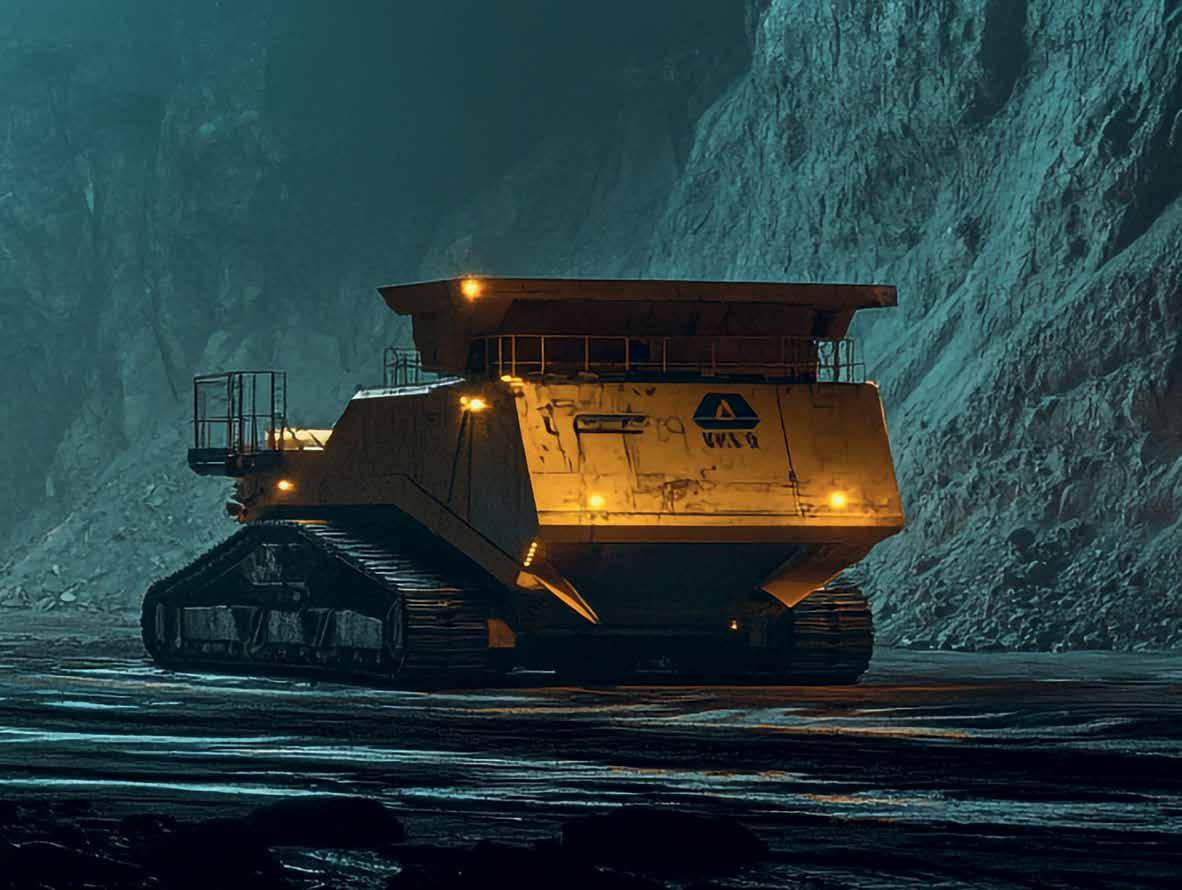
“The most immediate impact is improved safety. Remote and autonomous operations reduce human exposure to high-risk environments, such as unstable ground, confined spaces, and heavy mobile equipment. Over time, this shi s safety management from procedural controls to system-level risk elimination.”
Operationally, robotics and remote control enable more consistent performance, he says. “Machines do not fatigue, and autonomous systems operate within defined parameters, which can stabilise production and reduce variability. Remote operations also make it possible to manage sites in extreme or inaccessible locations more e ectively,” he says.
According to Leonidas Vonopartis, a lecturer at the Wits School of Geosciences, South Africa faces a paradox: the country has immense mineral wealth but lacks the highlevel technical and digital skills required to extract it sustainably.
“To match the needs of future jobs, we must adapt the talent pipeline. Today’s graduates possess a ‘gaming mindset’, making them ideal candidates for training via gamification and simulation. Personalised, virtualised training frameworks, such as driver simulations, allow workers to master complex machinery in risk-free environments, before stepping onto a site,” he says.
“AT THIS POINT, THE QUESTION FOR MOST OPERATORS IS NO LONGER IF THEY SHOULD ADOPT AI, BUT HOW THEY DO SO IN A WAY THAT DELIVERS SUSTAINED OPERATIONAL VALUE.”
– JOHAN POTIGETER
AI is impacting mining most e ectively in decision-intensive, high-variability areas where human judgement alone struggles to process the volume and speed of data required.
Key areas of impact:
■ Predictive maintenance: AI models anticipate failures before they occur, reducing unplanned downtime and improving asset reliability.
■ Production optimisation: AI balances competing constraints across drilling, blasting, hauling, and processing to maximise overall system throughput.
■ Safety and risk management: through computer vision, pattern recognition, and anomaly detection that can identify hazardous conditions earlier and remove people from high-risk environments.
■ Ore quality and recovery: Advanced analytics supports better blending, process control, and recovery optimisation in the face of increasingly variable ore bodies.
Meanwhile, Gobona Lizzie Tau, geologist and visiting researcher at the African Research Centre for Ore Systems Science (CORES), insists that smart collaboration is the way forward. To sustain the momentum, the mining industry must view social legitimacy as an economic imperative.
“This requires localised talent pipelines where mining houses should invest in community skills development centres to create local expertise that serves the mine’s specific technological needs,” she says.
“Increased research and development funding is also vital, so development finance institutions should view academic infrastructure as a high-yield investment – since funding research in geometallurgy and AI-enabled mining will produce more future-fit professionals.”
Collaborative governance will also ensure that the strongest project models are those that align host governments, operators, technical partners and researchers early in the lifecycle, she notes.
“If we successfully integrate our vast mineral reserves with cutting-edge AI and a future-ready workforce, South Africa’s mining sector has the potential to become a leader in the global energy transition,” she says.
■ Precision exploration: AI models ensure targeted exploration, minimising “blind” drilling. This drastically reduces water consumption, time-to-market and capital expenditure.
■ Remote operations and robotics: This enables the monitoring and operation of underground machinery from the surface, or even from di erent continents, vastly improving safety and real-time decision-making.
■ Digital twins and “tech sandboxes”: Universities such as Wits are increasingly serving as experimental environments or “sandboxes”, allowing mining houses to “fail faster” and avoid costly errors in live environments.
If mining regions successfully combine their mineral endowment with AI-enabled operations and a digitally capable workforce, Potgieter feels that the impact will extend far beyond individual mine sites.
“At an industry level, this creates more resilient, competitive, and sustainable operations that are able to produce more, with less environmental impact, while maintaining high safety standards. Nationally, it positions mining regions as strategic contributors to global supply chains for critical minerals needed for energy transition and digital infrastructure.”
The most powerful outcome is the transition of mining from a resourceextraction industry to a knowledgeenabled industrial ecosystem. Mines become centres of data-driven decisionmaking, advanced engineering, and local capability development.
“This not only increases productivity, but also creates higher-quality jobs, stronger local economies, and long-term economic sovereignty. In essence, the integration of AI, digital twins, and skilled people allows mining to remain relevant, responsible, and competitive in a rapidly changing global landscape,” says Potgieter.





Industry voices continue to call for South Africa to benefi ciate its own minerals. As demand for green minerals soars, SA must learn from those nations already doing this.
BY RODNEY WEIDEMANN

South Africa’s mineral wealth encompasses many of the key minerals required for the green transition. Not only are these minerals abundant in our geology; they are central to industrialisation, energy security, and global competitiveness. However, they also raise the question of how we move beyond extraction into beneficiation, creating jobs, industries, and domestic demand.
Bongani Motsa, acting chief economist at the Minerals Council South Africa (MCSA), told delegates at the recent Mining Indaba that the fundamental question of why we beneficiate was usually half answered.
“Typically, you hear that we should beneficiate to create jobs, or so that we can industrialise. Most o en, we hear policymakers talk about how we cannot export our minerals raw and that’s where things end,” he says.
“While there are numerous challenges to overcome to implement e ective beneficiation, that should not stop us from learning from other global attempts and applying this knowledge to our own e orts.”
Some of the challenges he outlines include capital inadequacy, since beneficiation plants require billions in upfront investment, which may be beyond local financing capacity. Also, there are the high energy costs for an energy-intensive process – and South Africa’s electricity tari s clearly undermine competitiveness.
“Infrastructure bottlenecks related to rail, ports, and logistics also raise costs and reduces reliability, while a lack of skills development may impact the numbers of engineers, metallurgists, and technicians required to sustain beneficiation industries.
“Policy uncertainty, driven by frequent
regulatory changes, is another thing that discourages long-term investment, while we also face global competition from the likes of China, which dominates mineral processing, thereby making entry into markets di icult.”
While there is plenty of international competition, notes Motsa, there is also much that can be gleaned from studying these other players from a best-practice perspective.
“One of the countries we can learn from when it comes to beneficiation is Finland, which has pursued a deliberate strategy of mineral value addition, anchored in its National Mineral Strategy. The country recognised the value in investing heavily in downstream processing, research, and innovation,” he says.
“Finland’s approach emphasises aligning mineral development with the European Union’s critical raw materials agenda, while also building domestic industrial capacity. This has meant fostering strong linkages between mining companies, technology developers, and universities, ensuring that minerals are not only extracted, but also transformed into advanced products for batteries, clean energy systems, and hightech manufacturing.
“The strategy also integrates sustainability, circular economy principles, and environmental safeguards, positioning Finland as a responsible supplier in global mineral chains.”
According to the International Energy Agency (IEA), it is imperative that Africa focuses on local processing and refining to retain value, create jobs, and promote industrial diversification.
Focus should also be placed on cross-
HOW MUCH DO WE BENEFICIATE?
Using local sales volumes as a proxy of the proportion we beneficiate locally between 2020 and 2024:
■ Platinum: 3% or 4 tonnes of total production
■ Iron ore: 11% or 6.9 million tonnes of total production
■ Manganese: 14% or 2.7 million tonnes of total production
■ Coal: 69% or 163 million tonnes of total production
SCAN
border infrastructure investment, including energy, logistics, and transportation systems, for the continent to unlock mining corridors and mineral-processing hubs.
“Africa is a critical engine of the global energy transition,” says the IEA. “As demand for minerals soars, the continent stands at a historic crossroads: remain a raw-material exporter or move boldly into industrialisation, beneficiation, and advanced manufacturing.”
South Africa’s mineral wealth is undeniable, says Motsa, but wealth in the ground is not prosperity in society.
“By focusing on beneficiation – turning platinum into hydrogen fuel cells, manganese into battery materials, iron ore into steel, coal into chemicals, and chrome into stainless steel – we can transform our economy in a way that solves our problems; then we will be beneficiating for the right reasons.
“The choice before us is clear: remain a supplier of raw commodities or become a global leader in mineral-based industries. Beneficiation is not just an economic strategy – it is a national imperative,” he says.
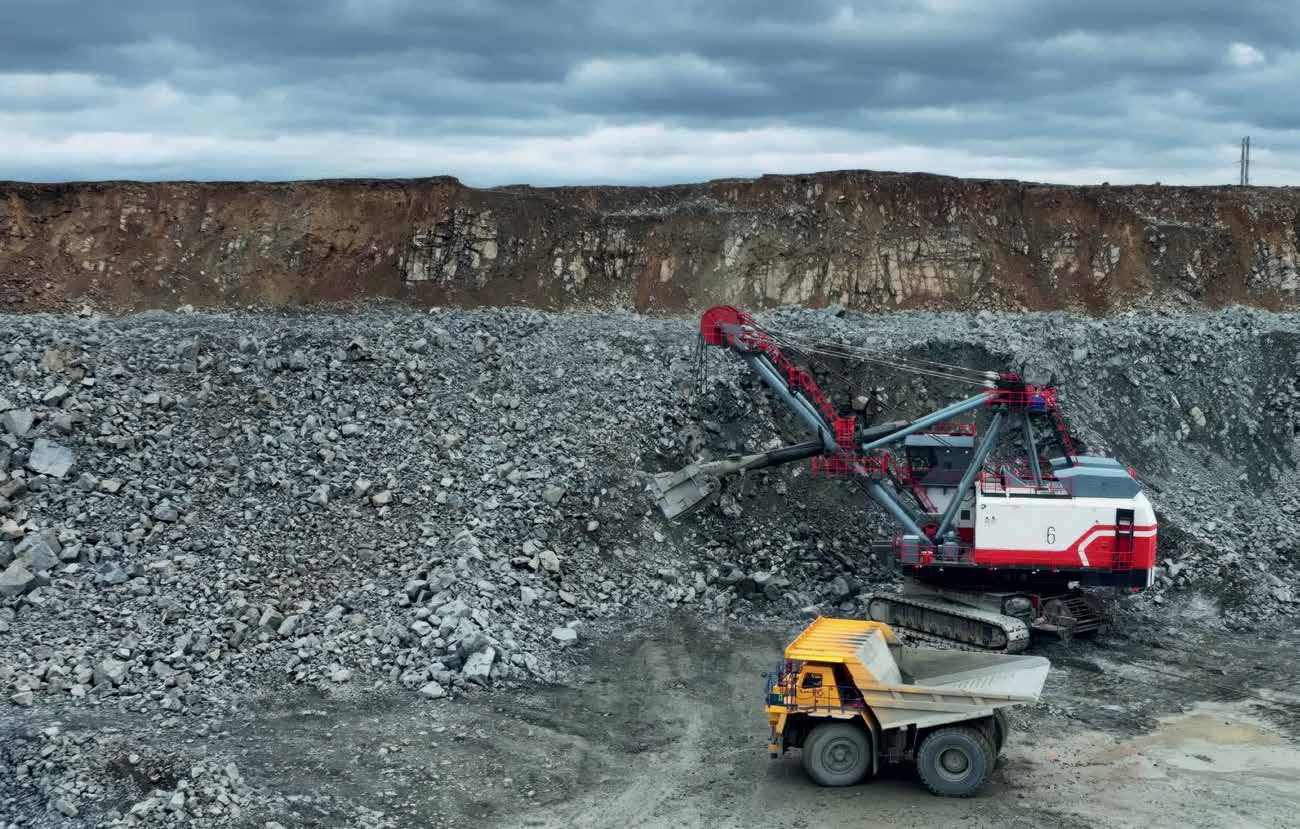



Q: WHY ARE TRADITIONAL METHODS OF MOVING MATERIAL FROM PIT TO PLANT BEING RE-EVALUATED?
A: This really reflects a broader shi across the mining value chain, largely being driven by costs and operational complexity. It has prompted operators to look, quite critically, at the e iciency of moving material across every stage.
O en the focus is on extraction and in-pit processes, but in reality, these pressures extend across the full logistics chain. If there’s fragmented or reactive coordination and execution across the transport and port operations, it’s going to increase the time and costs involved.
To remove these ine iciencies, operators need integrated and wellstructured logistics partnerships that align with mine operations from the get-go.
Q: HOW VITAL IS IT FOR MINES TO REDUCE BOTH COSTS AND CARBON FOOTPRINT IN THIS SPACE?
A: Prioritising e iciency is important across the entire mining value chain, with transport logistics a meaningful part of this equation. Everything has a bearing on operational performance, from the coordination of loading and scheduling, through to the consistency of execution across the corridor. As a logistics partner, our focus is always on well-managed service delivery so that our clients benefit from reliable export operations.

SA Mining spoke to Reinhardt Transport Group’s Duhan du Plessis to fi nd out why electrifi cation, digitalisation, and fl exible haulage systems are fast becoming the next frontier for sustainable, effi cient mine operations.
Q: WHAT ARE THE NEWER METHODS BEING EXPLORED OR IMPLEMENTED TO REDUCE BOTH OF THE ABOVE?
A: In the bulk road transport sector, performance-based standards (PBS) vehicles have significantly impacted how commodities are moved across longhaul corridors.
We operate a fleet of over 1 000 specialised vehicles, including PBSapproved units that are engineered to carry higher payloads within approved configurations. This means that fewer trips are now needed to move the same volume of material, resulting in improved operational capacity and throughput of the transport chain.
The result of the reduced trip volume is lower tra ic congestion on key freight routes, with the advanced vehicle configurations improving stability and braking performance, thereby making the roads safer. Additionally, PBS optimises axle load distribution, reducing road wear and infrastructure strain over time.
Alongside RTG’s PBS vehicles, integrated corridor planning and centralised fleet management have improved scheduling and coordination from mine to port. Greater visibility across transport operations supports more e icient route planning, improved driver oversight, reduced idle time, and better responsiveness to changing corridor conditions. The result is safer and more e icient freight movement across the supply chain.
Q: HOW IMPORTANT IS ELECTRIFICATION IN THIS ARENA, AND HOW DO YOU SEE ELECTRIFICATION IMPACTING THIS SPACE AS WE MOVE FORWARD?
A: Electrification is evolving across various industries – transport and logistics among them. In the heavy bulk haulage segment, decisions are complex and dependent on operational, infrastructural, and commercial factors, all of which are specific to each route and operating environment.
We’re continually monitoring this space, with operational decisions informed by what is practically viable for the routes and services we provide. Our primary focus is always to deliver well-managed transport operations for our clients.
Q: GIVEN THE GROWING PRESSURE TO DECARBONISE AND CONTROL COSTS, SHOULD NEW, GREENFIELD OPERATIONS ESSENTIALLY BE DESIGNED AROUND HAULAGE AND MATERIALS HANDLING SYSTEMS?
A: There’s a strong case for designing new operations with the full logistics chain considered from the outset. Any infrastructure decisions made at the planning stage –including loadout point design, road access, and logistics partner – have long-term implications for how reliably material moves from the mine to the export point.
In our experience, logistics that are integrated into project planning from the start result in better operational outcomes than those added as an a erthought, once production is already underway.
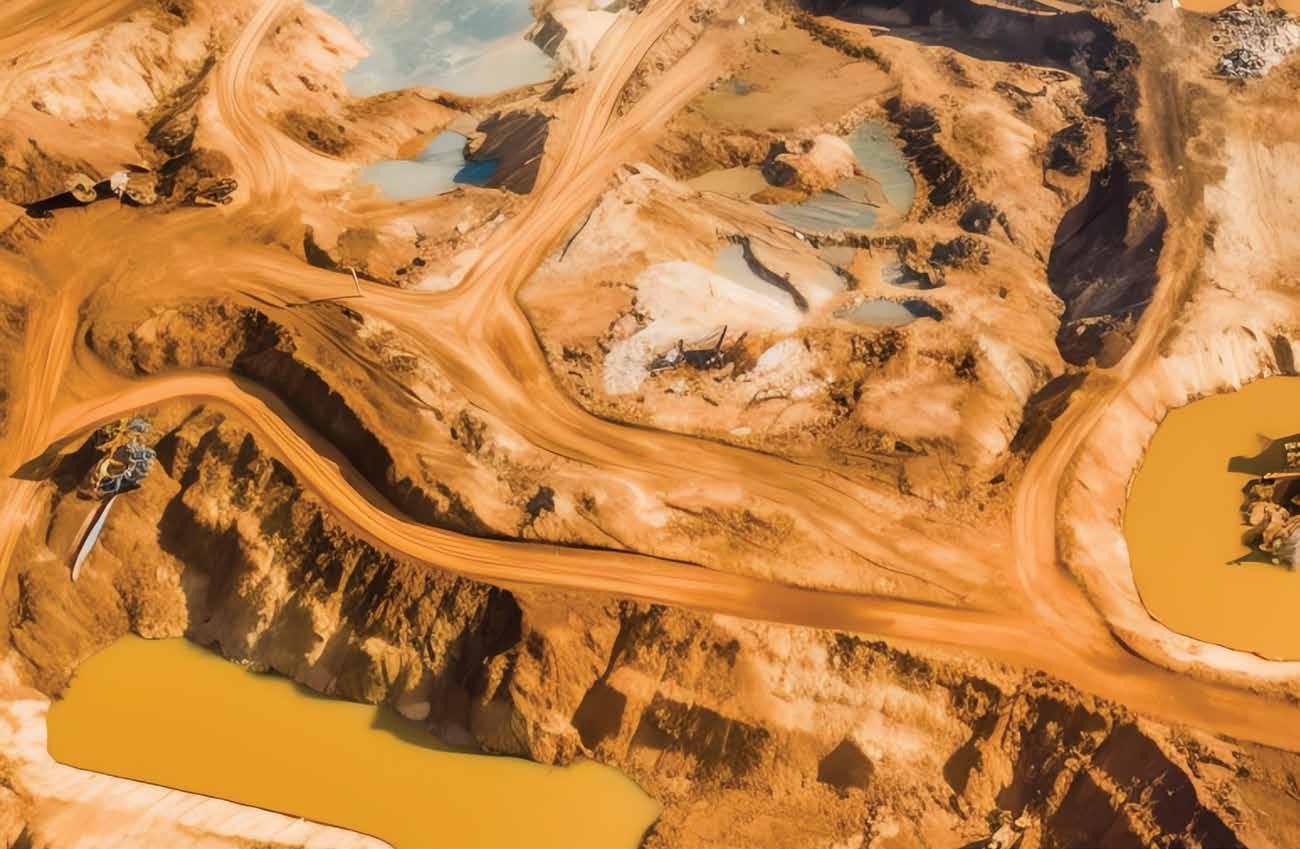

The GISTM is driving a shift in tailings management that embeds social, environmental and governance accountability into every stage of a facility’s lifecycle.
BY RODNEY WEIDEMANN
Regulators, investors and mining communities have reached a point where they are demanding tighter governance of tailings storage facilities (TSFs), with greater emphasis on evidence and accountability.
To this end, the Global Industry Standard on Tailings Management (GISTM), introduced in 2020, has set a new global benchmark. Its requirements make clear that tailings safety is as much about governance and social responsibility as it is about engineering.
Alastair Bovim, CEO and co-founder of environmental intelligence platform company Insight Terra, recent tailings failures in the region have made the stakes clear.
“The industry has moved from talking about standards to testing whether they are actually being met on the ground. This requires clear governance, professional judgement, and reliable data that can support day-to-day decisions,” he says.
While technology alone will not fix governance, notes Bovim, without it, many good intentions remain unverifiable. Therefore, organisations that make that shi will not only reduce risk, they will also rebuild trust.
“Working together, these laws require and provide enforcement mechanisms for owners/operators to be accountable for their TSFs. These requirements span across the entire lifecycle of TSFs, from planning and design to construction, deposition, management, and responsible closure,” he says.
“As such, TSFs are well regulated in South Africa, and this enables the respective regulators to enforce such regulations to ensure that accountability is obtained.
“Furthermore, where there are non-compliances, and/or adverse environmental impacts occur, the legislation enables regulators to issue directives and – in serious cases – pursue criminal charges against the operators of the TSFs.”
“THE INDUSTRY HAS MOVED FROM TALKING ABOUT STANDARDS TO TESTING WHETHER THEY ARE ACTUALLY BEING MET ON THE GROUND.”
– ALASTAIR BOVIM
“Frameworks and best practice are essential, but outcomes ultimately depend on how consistently they are applied. The real challenge is translating global principles into practical decisions at site level.”
Luca Maraschin, director for Mining & Environmental at NSDV Law, explains that South Africa has robust legislation and regulations that govern TSFs. These include, among others, the National Environmental Management: Waste Act, 2008; the National Water Act, 1998; the Regulations regarding the Planning and Management of Residue Stockpiles and Residue Deposits, 2015; and the Regulations regarding the Safety of Dams, 2012.
By way of example, he says, criminal proceedings have been instituted following the Jagersfontein TSF failure.
Maraschin says increased pressure and requirements are being placed upon TSF owners through shareholder, investor and community activism. This in turn impacts the TSF owners’ licence to operate, and is thus another avenue to obtain accountability.
When it comes to GISTM compliance, Bovim notes that 67% of International Council on Mining and Metals members report full compliance, and the highest consequence sites show strong uptake.
“However, we must remember that conforming on paper is not the same as proving compliance continuously across a facility lifecycle. This distinction is now being tested, as the Global Tailings Management Institute (GTMI) has begun independent auditing work from its Johannesburg headquarters, which shi s the burden from voluntary reporting to auditable evidence,” he says.
“Tailings facilities are living systems. Water levels fluctuate, pore pressures evolve, deposition patterns shi , and extreme weather increasingly tests original design assumptions.”
Without continuous, integrated monitoring, even well-designed
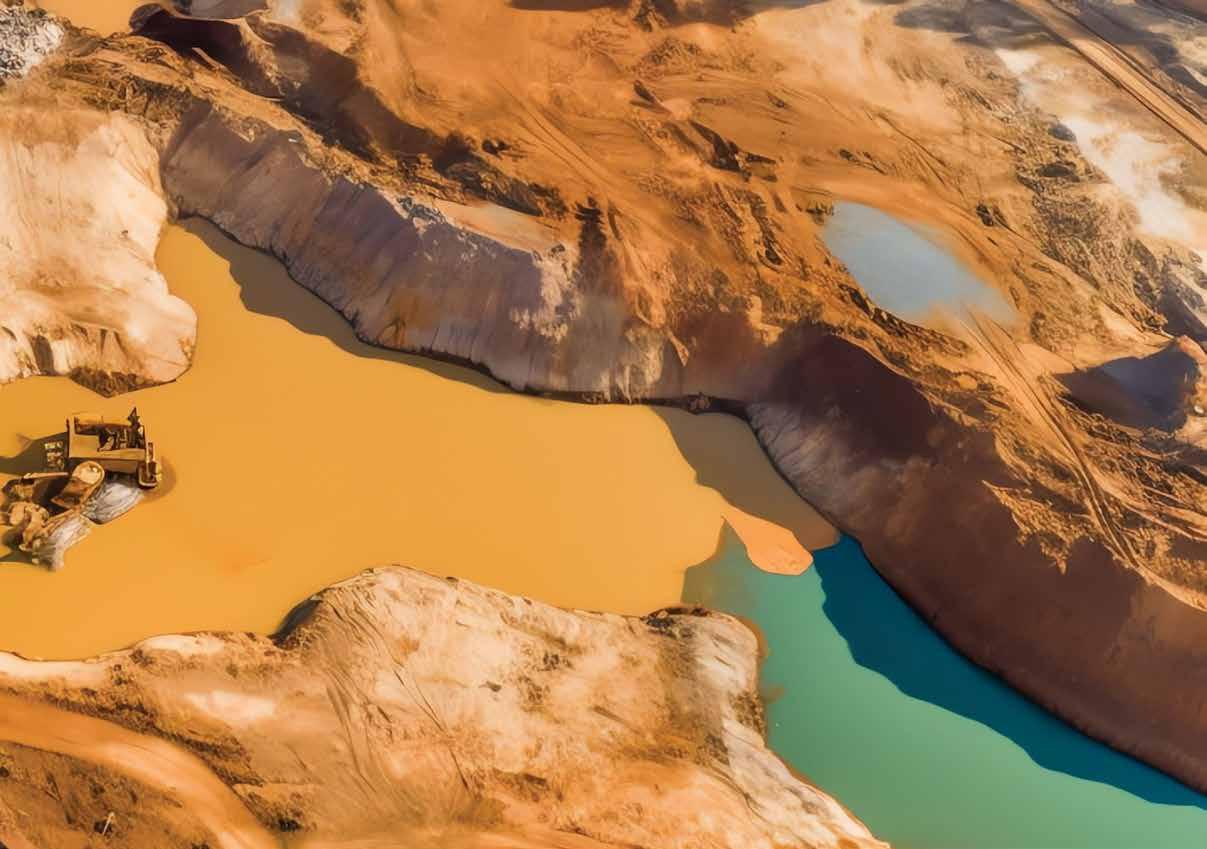
“TECHNOLOGY, COUPLED WITH THE CORRECT POLICIES, STANDARDS AND REGULATIONS, IS A CRITICAL TOOL FOR ENSURING ACCOUNTABILITY FOR TSFS. ULTIMATELY, THE PHRASE ‘THE DATA DOESN’T LIE’ CAN BE APPLIED HERE.”
– LUCA MARASCHIN
facilities can dri into risk without obvious warning, he says. This means static, retrospective reporting is no longer enough. The critical step lies in making monitoring actionable by turning signals into clear decisions, and these decisions into documented, accountable actions, says Bovim.
“Operators must be able to show the chain of evidence from sensor, to trigger, to action, and to outcome. That chain of custody is what separates compliance from credible assurance.”
Maraschin agrees, pointing out that active TSFs are not static structures, but are consistently being deposited on, thereby increasing in height and volume, and need to be continuously monitored and understood within the dynamic environment in which they are situated.
“For example, major floods can cause stability and structural issues to TSFs that are not properly designed, monitored and managed. This, therefore, means that day-to-day compliance is a non-negotiable for operators of TSFs.
“Moreover, the information/data that informs such compliance needs to be accurate and up to date to reflect the performance and management of the TSF within the prevailing circumstances.”
Furthermore, from an operator perspective, he suggests that day-today compliance is a necessary risk-prevention and mitigation strategy that can ensure that the TSF can remain safe and operational, which, in turn, means that its business can continue.
“Remember that investors and communities that are well-informed of the compliance of a TSF can also understand any risks associated with same, meaning that they are provided the information necessary to understand how the TSF may impact their interests and safety.”
This further enhances the transparency and public participation aspect of TSF operation and management, which are cornerstones of good practice and going beyond compliance, he says.
Maraschin adds that from a global standards point of view, the GISTM – which is increasingly being adopted and applied by mines in South Africa – provides valuable means of ensuring that its principles are applied in practical decision-making at site level. For example, the
GISTM provides for the following which influence site level decisions:
■ The design, implementation and operation of monitoring systems to manage risk at all phases of the TSF lifecycle, including closure.
■ The establishment of policies, systems and accountabilities to support the safety and integrity of the TSF.
■ The development of an organisational culture that promotes learning, communication and early problem recognition.
He says the GISTM places significant focus on monitoring, governance, public disclosure and access to information, all of which are important tenets of auditing and ensuring that the required information, evidence and data is available for audit processes.
“The GISTM itself was prepared to be auditable throughout, and, as such, allows mines to be audited against its principles and requirements. In this regard, the GTMI has been established to manage the assurance framework through which tailings facilities will be independently audited and certified against the GISTM, by qualified third-party assessors,” he says.
Bovim notes further that digital continuity matters more than novelty. Platforms that bring together instrument feeds, satellite observations, geotechnical models and governance workflows make it possible to present a single, auditable record of a facility’s state and the decisions made in response.
“Crucial to this credible evidence is disciplined data governance – fixed records of sensor readings, time-stamped triggers, and a clear audit trail that links an alert to the action taken. At their best, these systems do not replace professional judgement; they support it by making the rationale behind actions transparent and traceable.”
He says Insight Terra is working with Dassault Systèmes GEOVIA to shi tailings management from reactive monitoring to proactive, lifecycle-based governance through virtual twin technology.
“The system integrates water, geotechnical, and climate risk monitoring with pre-planned steps to be taken in response to
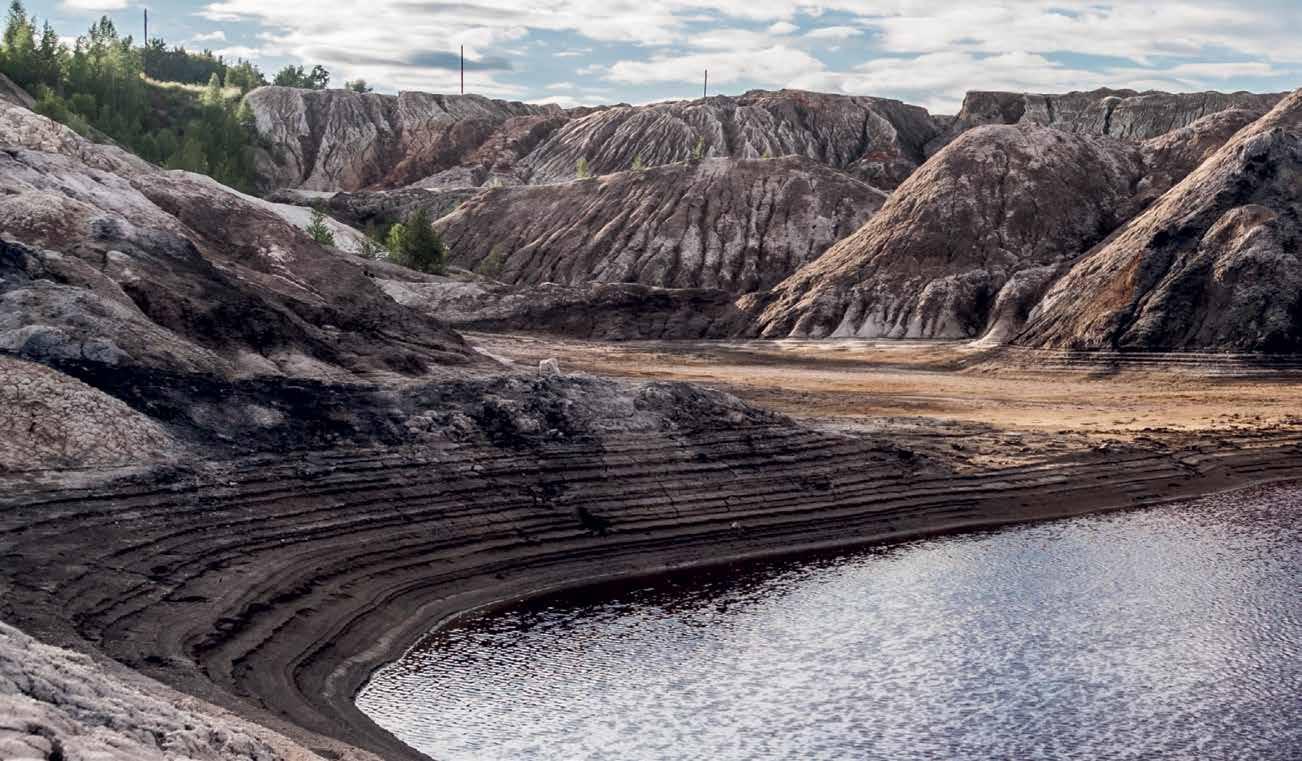
specific alerts, meeting GISTM Principle 7’s requirement to design, implement and operate monitoring systems to manage risk.
“The practical benefits are straightforward: earlier warnings, faster and better targeted interventions, and a defensible audit trail that reassures communities, boards, insurers and regulators.”
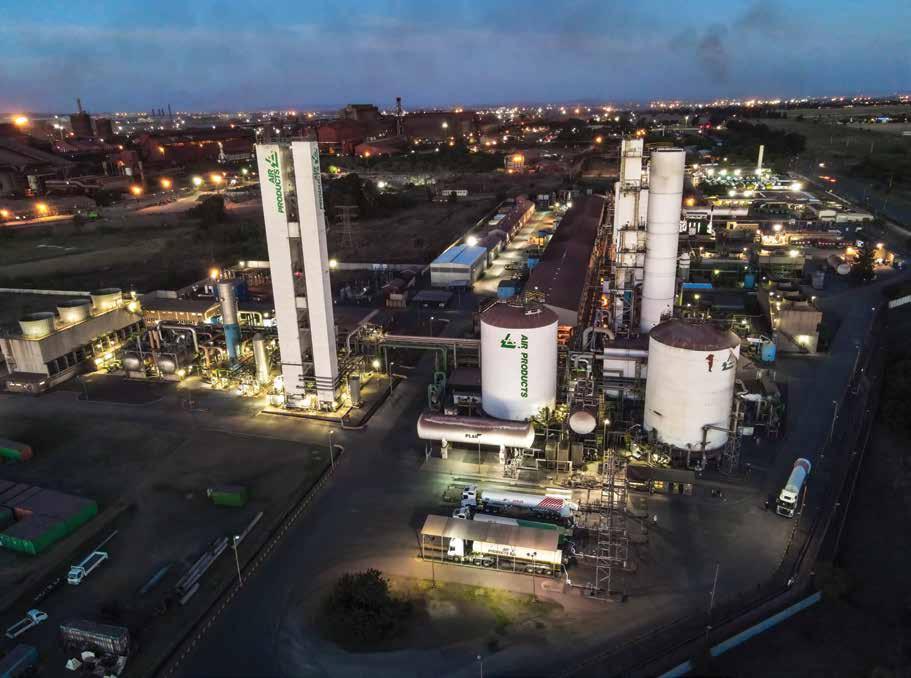
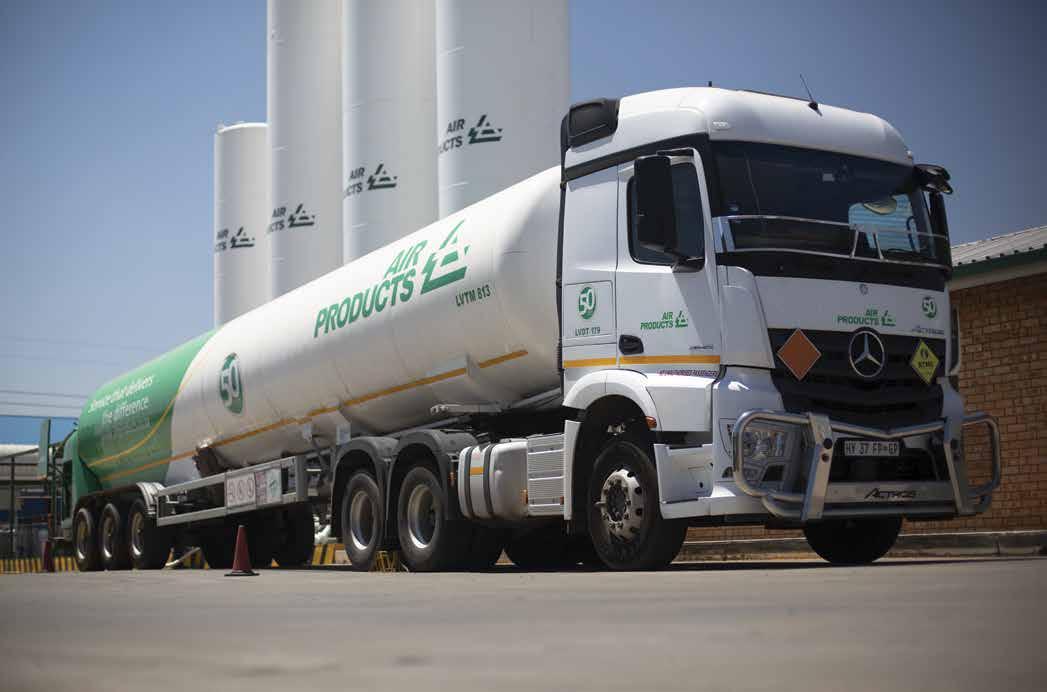
South Africa’s SANS 10286, the national code for tailing and residue facilities, is being revised to align more closely with global practice, reflecting a broader shift towards demonstrable governance. Many jurisdictions in Southern Africa look to South African standards and professional practice when updating their own frameworks, so the regional impact will be significant.
Maraschin says to bring monitoring “to life” and ensure it is actionable, robust monitoring programmes and systems must be in place. Mines must ensure that monitoring is undertaken on a regular basis, with any exceedance of acceptable thresholds from sensors requiring immediate consideration and action by the responsible executive and engineer.
“Additionally, once the action/intervention has been undertaken, the same must be documented and reviewed to show the chain of evidence; the outcome of the action must also be subject to a full review and recorded; and the mine must be transparent to all stakeholders and auditors regarding the event and make the above documentation available for consideration.”
“Technology coupled with the correct policies, standards and regulations is a critical tool for ensuring accountability for TSFs. Ultimately, the phrase ‘the data doesn’t lie’ can be applied here.”
By using the correct construction equipment, latest barrier systems, sensors, programmes, modelling and data collection technologies, a mine will be able to establish accountability for the TSF throughout its lifecycle, he says. In this way, it can ensure that it is being constructed, managed and operated in a safe and compliant manner.
Ultimately, standards do not prevent failures on their own, says Bovim. “People do, supported by systems that make risks visible early, and actions possible in time. If the sector is serious about zero harm, it must be prepared to show how it achieves that, every day.”
Electra Mining Africa connects potential clients directly with industry leaders, and allows them to explore equipment, technologies and solutions in one location.
Industrial sectors form the backbone of the South African economy. Mining, power, electrical, automation, transport and local manufacturing each play a distinct yet interconnected role in driving economic growth, employment, exports and industrial development.
However, capital equipment purchases in these sectors are complex, high-cost and long-term investments that rely heavily on trust and strong supplier relationships.
Electra Mining Africa brings together all levels of the capital equipment decisionmaking chain in one environment, making it a powerful platform for building those relationships. This ability to facilitate
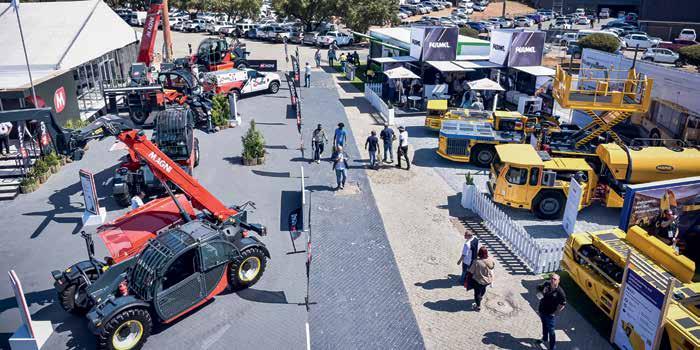
meaningful, face-to-face engagement positions the show as a key driver of growth across South Africa’s industrial landscape.
The event connects potential clients directly with industry leaders, engineers, technical specialists and local partners, enabling side-by-side comparison of suppliers and brands. Visitors can explore equipment, technologies and solutions in one location, making it easier to assess specifications, localisation levels and support models.
As part of its commitment to delivering high-value, free-to-attend content, the Southern African Institute of Mining and Metallurgy will host the Seminar Theatre at
Electra Mining Africa, creating opportunities for professional engagement around key industry themes.
The Society for Automation, Instrumentation, Mechatronics and Computer Engineering will present industry workshops on the second day, while the SA Institution of Mechanical Engineering (SAIMechE) will host the SAIMechE Skills and Career Hub throughout the event.
Electra Mining Africa will take place at Nasrec, Johannesburg, from 7-11 September 2026.
Visitors can register at www.electramining.co.za


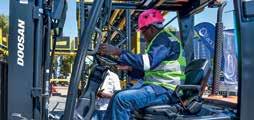










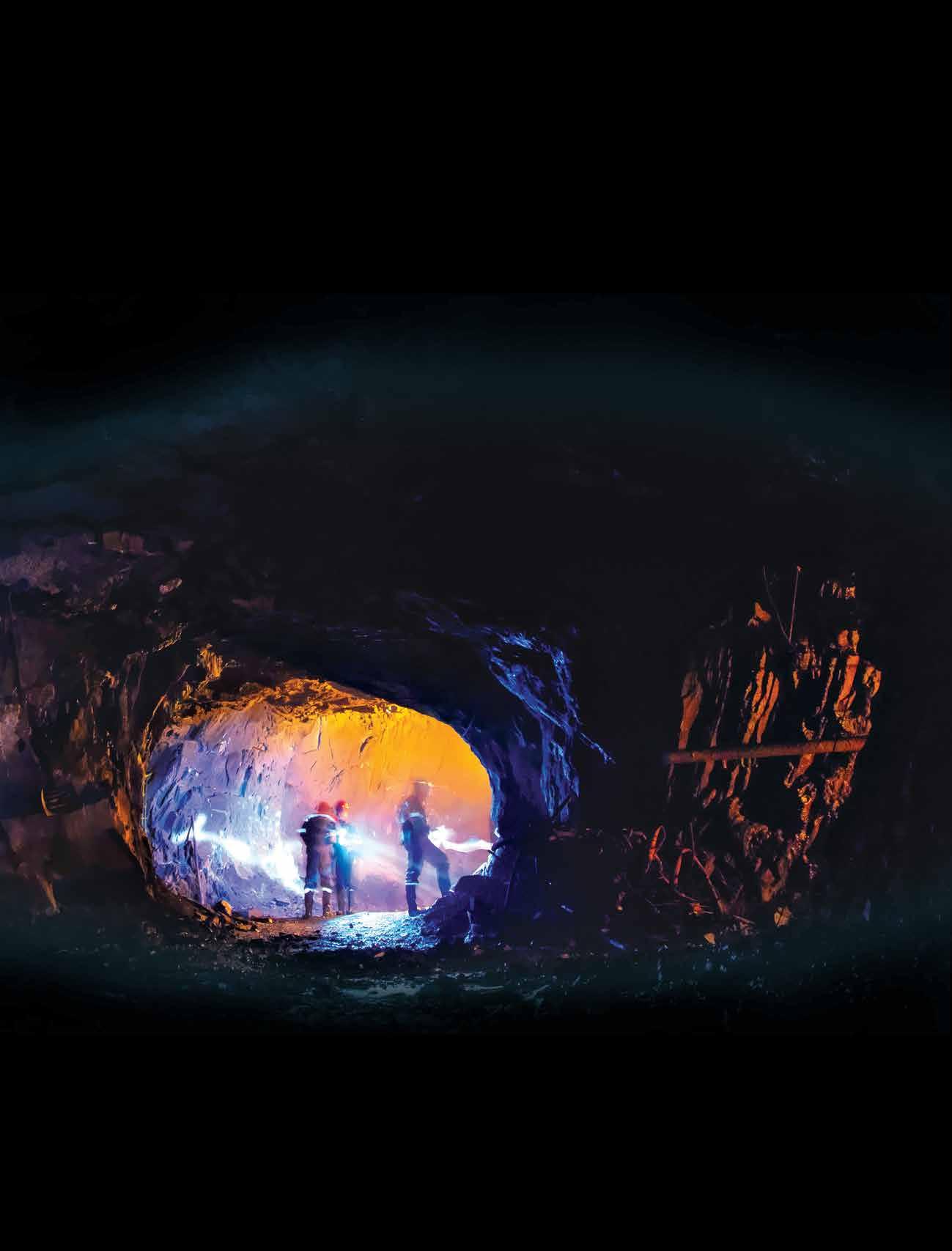
● ADDED VALUE/EXPOSURE TO YOUR BUSINESS VIA ONLINE CONTENT.
● Help build/strengthen your company’s brand.
● DRIVE TRAFFIC TO YOUR COMPANY’S WEBSITE.
● Expand your reach with various packaged o erings suited to your company’s needs, such as bundling your advertising with news/corporate pro les and/or a video online.
SA Mining, South Africa’s oldest mining magazine, has been providing insight into the local, Southern African and African mining space for 125 years.











Infocus International Group’s highly rated Mastering Solar Power online training is now open for registration, with the live sessions scheduled for 29 June.
Throughout these five sessions, attendees will gain a good understanding of the key factors from an integrated, multidisciplinary and commercial viewpoint. This includes target market analysis; economic competitiveness and channels-tomarket; financing influences and risk; project development processes; and best practices and emerging technologies.
The course schedule includes illustrations of key project development considerations, including energy yield, financial and other simple calculations, along with the chance to discuss key planning and market environment considerations.
In keeping with the business-focused theme of the course, these illustrative exercises are designed to provide time-e icient clarification of the key course takeaways, aimed at commercially focused business developers and investors. They are therefore accessible to non-experts, not designed to replicate the complex or in-depth detailed planning undertaken – over much longer periods –by engineers and technical teams.
The course will prepare attendees to learn the terminology and concepts, understand the key variables determining the economics of solar PV projects, and review current and emerging market opportunities for solar PV, including integrations such as energy storage.
In addition, they will learn how to navigate the typical project development requirements, processes and risks, learn how financial returns and risks arise in PV projects, understand what to look for when evaluating PV project opportunities, and identify key investment and project performance risks.
Infocus will also be presenting its Renewable Energy Power Purchase Agreements (RE PPA) online masterclass, which is scheduled to go live on 7 July.
This interactive five-session workshop will provide clear explanations of the new models of RE PPA risk allocation, of ensuring project bankability, of allowing RE generators to compete in energy markets and power pools.
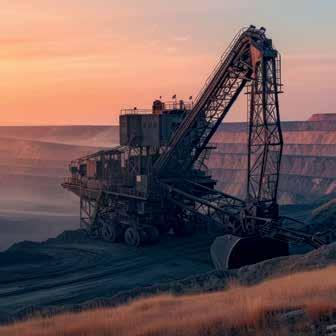
The practical models for RE investment credit enhancements will be demonstrated through a series of real case examples of RE PPA contracts, renewable project finance transactions, and competitive energy markets. Case studies will include real examples from Southeast Asia, South Asia, the Middle East, Europe, and North America.
Attendees will be exposed to best practices from international case studies of successful RE PPAs to avoid common pitfalls; learn how to direct the legal design of RE PPAs, based on their own company’s risk profile and corporate goals; lead strategies for the design and regulation of new competitive electricity markets to attract renewable private power investments; develop clear incentives for bankable private investments in renewable energy generation; and ultimately, manage successful renewable power project finance transactions.
Also set to go live on 7 July 2026 is the Environmental, Social, and Governance (ESG) and Sustainability virtual workshop. This has never been more critical, as increasing value is placed on responsible and ethical business practices.
This course provides a comprehensive exploration of ESG principles alongside practical approaches to sustainability. Over six sessions, delegates will gain a full picture on how business models can define their purpose and legitimacy through a social and environmental lens.
Delegates will also examine the main sustainable finance instruments, the International Capital Market Association principles and standards established to promote transparency and integrity in the market, with a deep dive into each instrument’s features, benefits, and applications.
Through case studies and expert-led discussions, delegates will learn how to structure and evaluate ESG frameworks, integrate governance policies, adapt business models that prioritise social and environmental legitimacy, and design portfolio management aligned with net-zero principles.
Upon completing this course, participants will be well equipped with the knowledge and skills to incorporate ESG values and sustainable practices to the global drive towards sustainability. The course is ideal for business leaders, policymakers, investors, and anyone committed to developing sustainable strategies and implementing responsible practices in their fields.
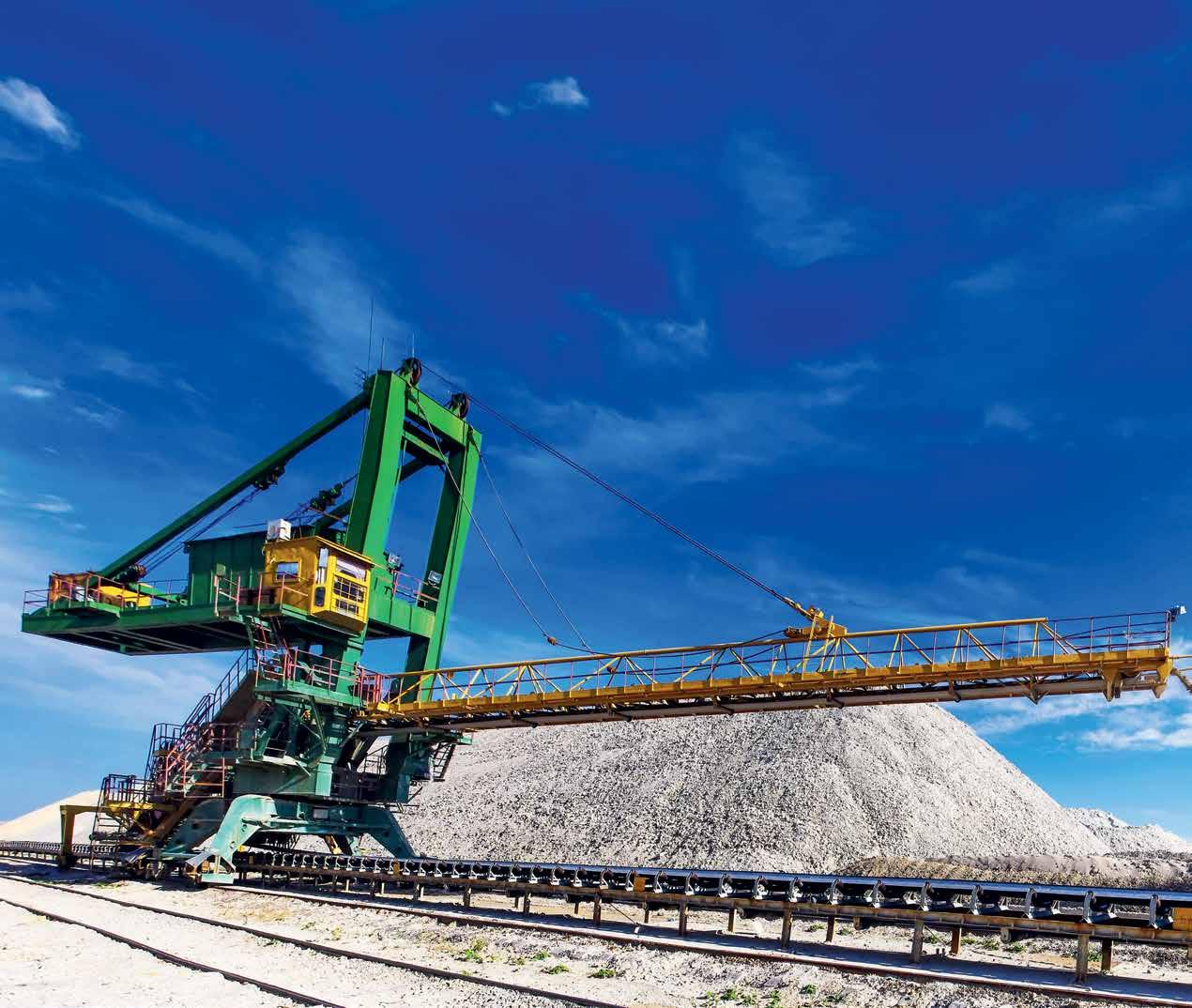



Mineware Consulting has entered into a strategic agreement to join the Datamine Group, enabling the global expansion of its operational mine management so ware and consulting capabilities. The transaction positions Mineware to scale its systems internationally, while maintaining a strong focus on production-ready, operationally proven solutions.
Founded in South Africa, Mineware Consulting develops operational mine management systems designed for complex, high-pressure mining environments. Its so ware is used by operations that require accurate, real-time operational data to support production control, safety, compliance and cost management.
The integration with Datamine brings together operational mine management with mine planning and value chain-wide mining technology. Datamine operates in more than 20 countries and provides so ware and services across exploration, resource modelling, mine planning, operations, logistics, fleet management,
and sustainability to over 6 000 mining companies worldwide.
“We are excited by this development, as the acquisition allows us to scale Africadeveloped operational mining systems globally,” says Mineware Consulting CEO Ian Saker.
“Our so ware has been built in demanding operating environments where reliability, discipline, and real-time control are essential. Joining Datamine gives us the reach and platform to deliver this capability internationally.”
As part of its continued innovation focus, Mineware has recently implemented an AI-driven verification agent for a major South African mining customer. The solution enhances data accuracy, reduces reporting backlogs, and ensures that critical safety information reaches operational teams faster, enabling more responsive decision-making.
By automating repetitive validation processes, the system allows skilled personnel to focus on higher value analysis and operational improvement, while

■ Exploration
■ Resource modelling
■ Mine planning
■ Operations
■ Logistics
■ Fleet management
■ Sustainability
strengthening overall data integrity.
Mineware’s development, consulting, and support teams will continue to deliver and support Syncromine solutions, working alongside Datamine to expand functionality, integration, and global deployment. Existing customers will retain continuity of service, while also gaining access to a broader mining technology ecosystem and international support capability.
“The transaction reflects a shared focus on enabling digitally mature mining operations through integrated systems, trusted data, and operational clarity,” he says.

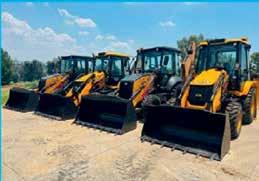
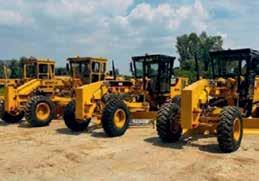
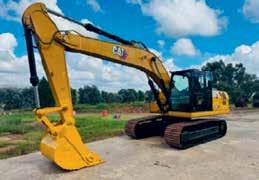
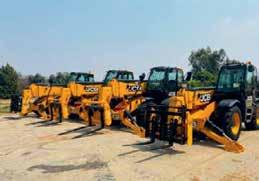
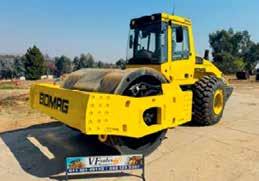
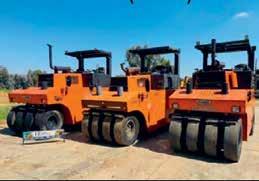
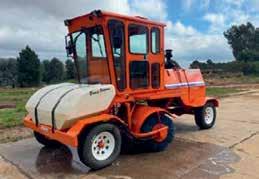
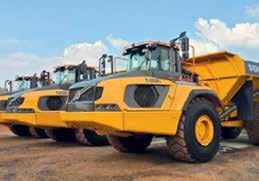
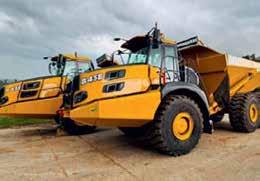
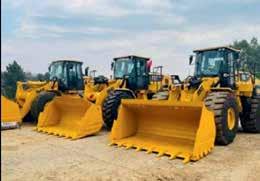
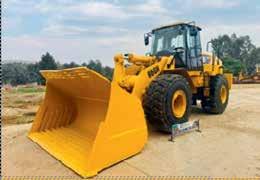
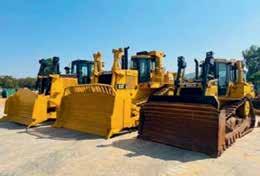
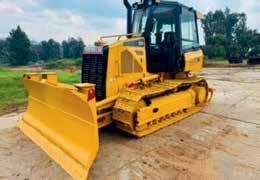
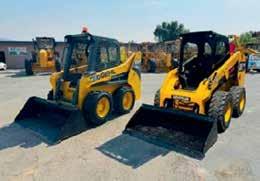
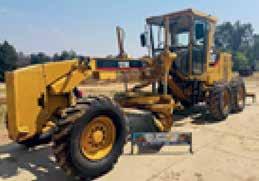
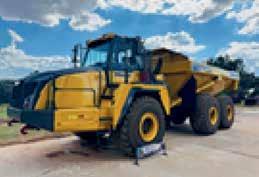
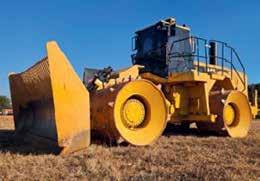




Ilonka Moolman
011 280 3120
moolmani@samining.co.za
Tshepo Monyamane 011 280 3110
tshepom@samining.co.za
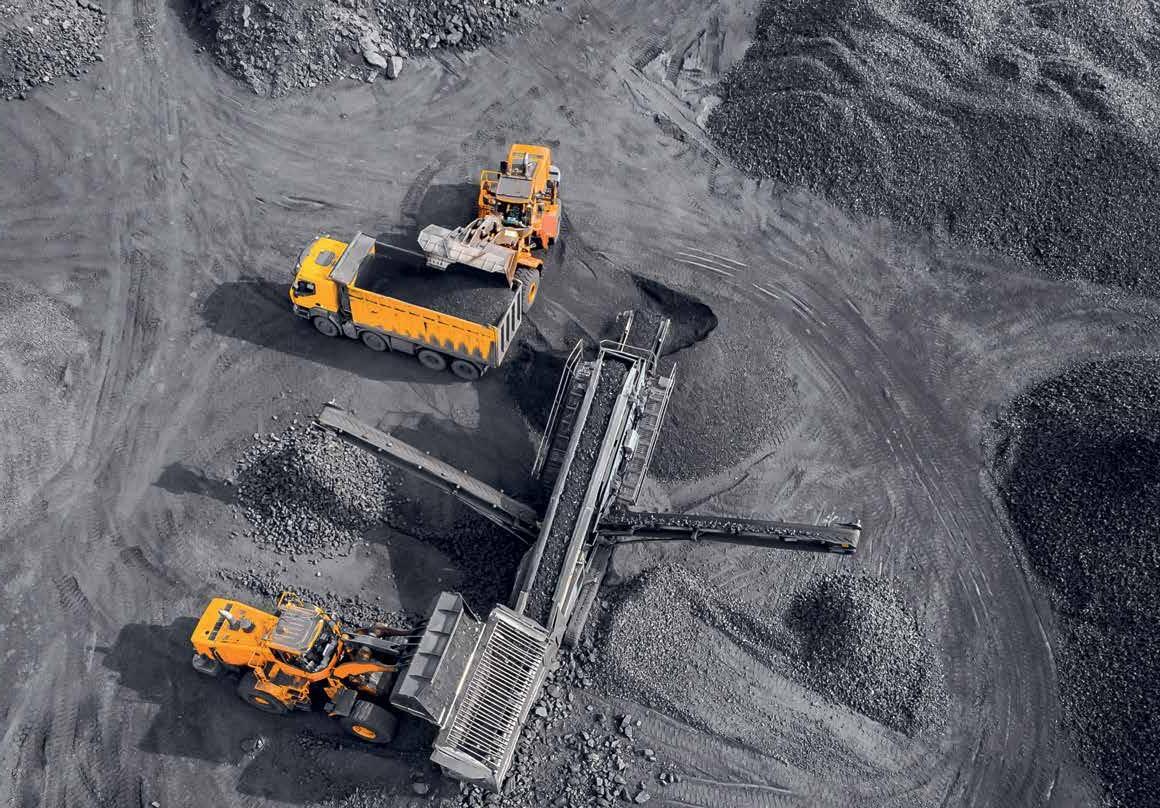

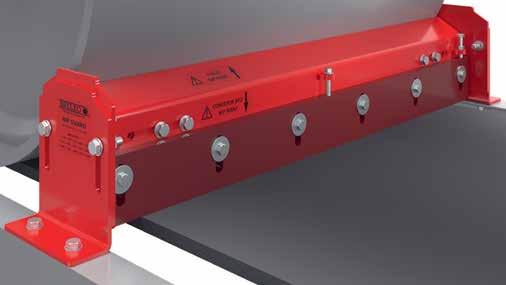




APPLICATIONS
• Nip Guards improve worker safety around head, tail, and drive pulleys and prevents worker exposure to conveyor pulley nip points and pinch point hazards.
FEATURES
• Easy installation.
• Low maintenance.
• Simple design.
• Operates in all conditions.
• Manufactured according to SABS, CEMA, Australian and PROK mounting standards.
• Unique adjustable guard maintains a constant gap between the conveyor belt and guard, even when the conveyor belt is tensioned.
• Robust construction for longer life.
• Can be installed on bi-directional conveyor belts.



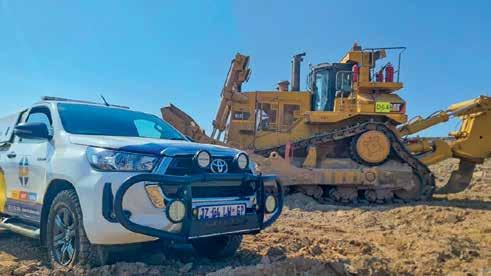



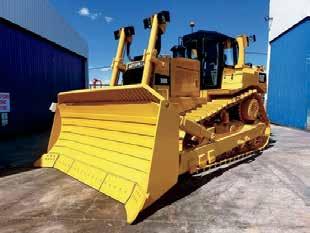
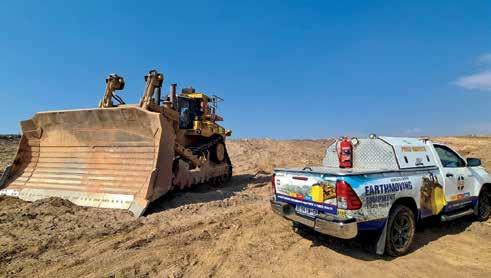


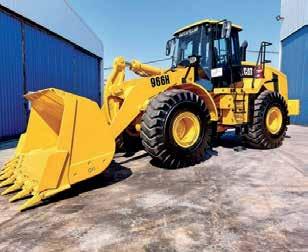
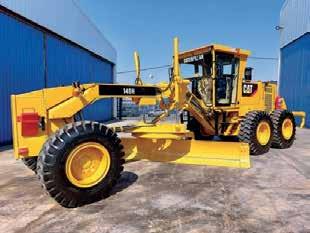
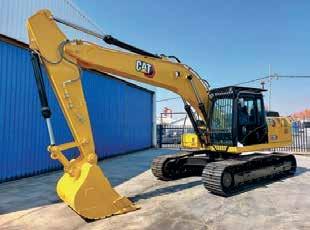
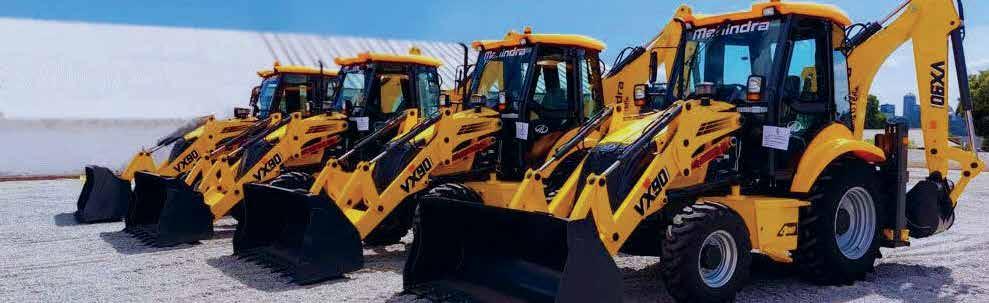










Global businesses rely heavily on Invincible Valves for exceptional products, proven expertise, and as Africa’s largest stockist of Saunders & Insamcor valves, our reputation for reliability and excellence has earned us recognition on the world stage, making Invincible Valves the trusted partner across industries. Driven by technology and innovation, we continue to expand into emerging markets, delivering smarter solutions and building lasting partnerships.
There is only one trusted name in valves – INVINCIBLE VALVES.