


















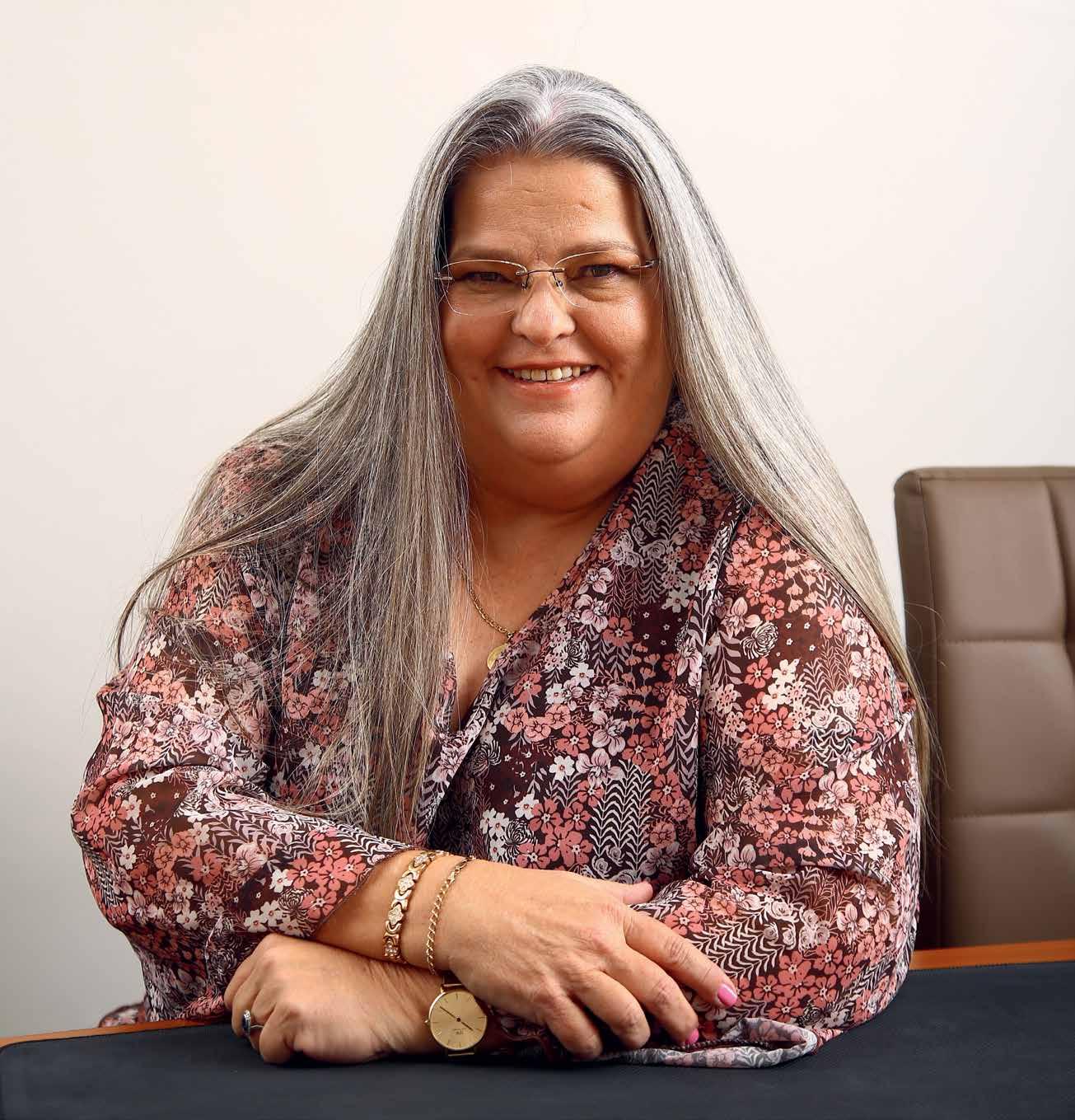
Invincible Valves managing director and CEO Pam du Plessis



Let Alpha safeguard your production continuity with our protection cover built specifically for the mining industry:
• Designed to protect production-critical mining operations
• Integrated insurance solutions combining Property Damage, Engineering Breakdown and Business Interruption in a single framework
• Supported by specialist underwriting, claims, technical support and risk management expertise
• Largest underwriting capacity in the country at R3.5 billion




6 Women in mining, metals and engineering
8 Cover Story
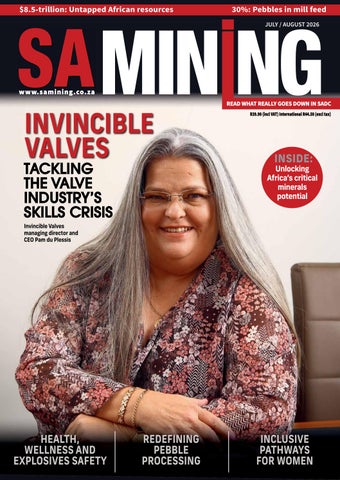
With an ongoing skills shortage in the valve industry, the launch of a series of specialised online training programmes designed to address this has come at a critical time.
12 Mineral Exploration
In order for Africa to unlock trillions in untapped mineral resources, the African banking sector needs to bridge the capital gap required to develop large-scale mining projects.
18 Women in mining
While diversity e orts are increasing women’s presence in mining, organisations still need to overcome the systemic and cultural barriers limiting their advancement.
businessmediamags.co.za/bmm-subscribe/


www.linkedin.com/company/samining/ www.samining.co.za
22 Energy
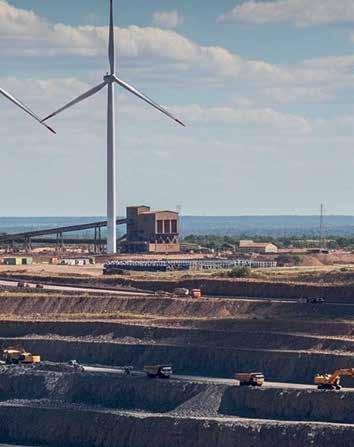
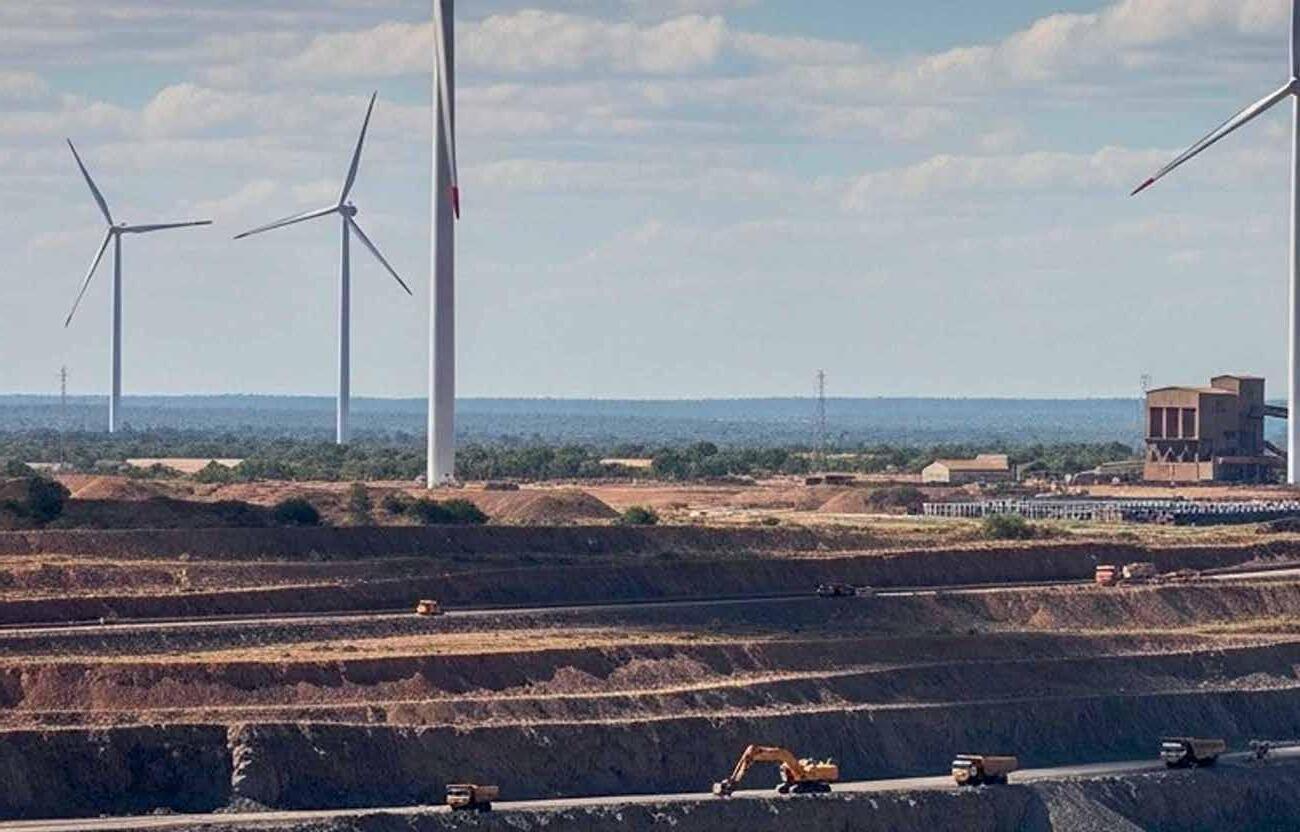
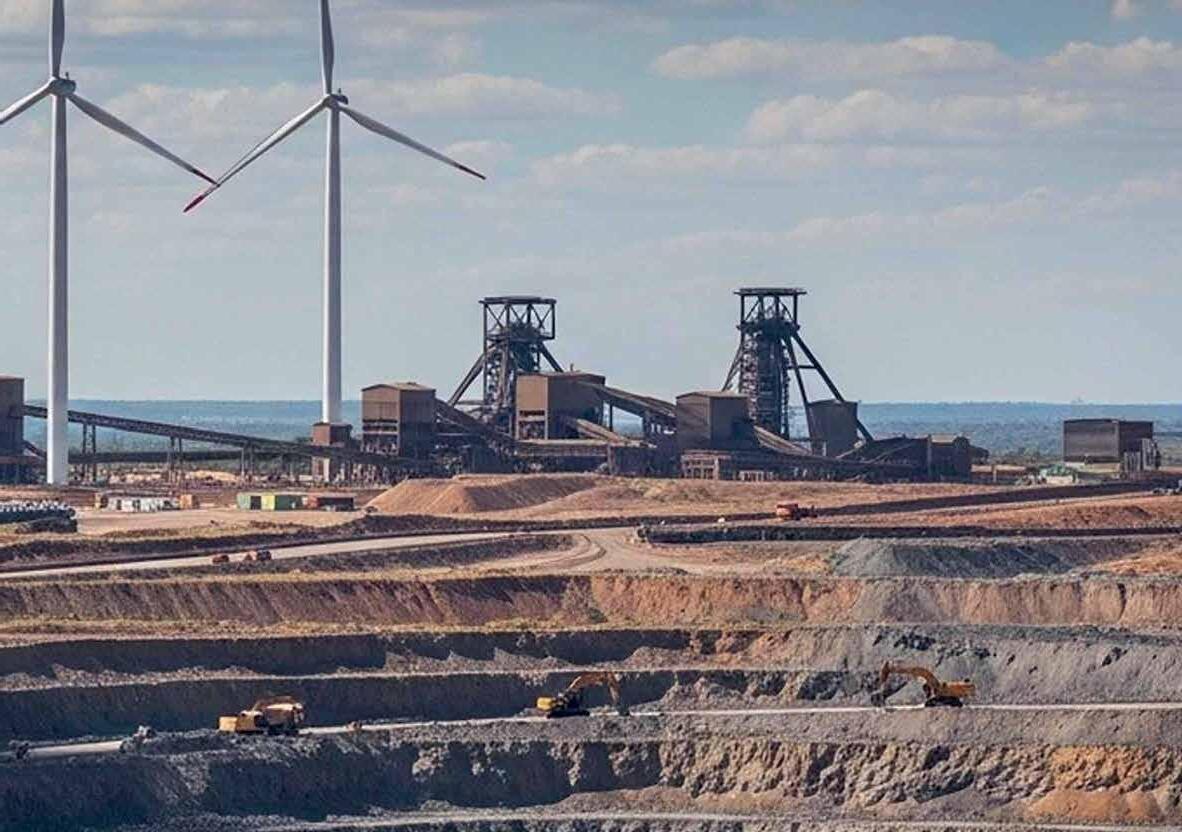
In emerging markets, renewable energy – a fast and cheap way to add capacity – is evolving into a strategic economic development strategy.
30 Crushing, screening & milling Pebble recirculation in mills is a challenge that impacts grinding e iciency, energy usage and increases costs.
32 Blasting & explosives
The health and wellbeing of employees is vital when operating with explosives, as inhibited concentration and physical performance may lead to an elevated risk of accidents.
47 Mining equipment
In an increasingly competitive mining environment, success will come to those that view equipment as a strategic enabler of productivity, safety and growth, rather than an expense.

48 Engineering
The engineering field has long been dominated by men, but things are changing, albeit slowly, as the industry recognises how it can benefit from the full spectrum of available talent.
12 $8.5-trillion: Untapped African resources
30 30%: Pebbles in mill feed
4 Out of Africa
■ Finance & legal
■ Gold
■ Projects in SADC
■ Safety, health & environment
■ Sha -sinking, drilling & tunnelling
■ Transport & earthmoving equipment
■ Innovations
■ Pumps, pipes & valves


A range of key mining issues are dealt with in this issue, from the importance of health and wellness in explosives safety, to the challenges the industry faces in shaping inclusive pathways for women in mining and engineering.
RODNEY WEIDEMANN
xplosives play a critical role in the mining sector, and it goes without saying that safety is of paramount importance when using such dangerous materials. Whether we are talking about the manufacture, transport, storage or use of explosives, good safety practices are crucial.
However, there is now a growing recognition that sustainable safety performance requires a deeper, more integrated understanding of the human factors that influence risk. Research indicates the need for a critical evolution in safety thinking: from reactive incident response to preventive, systems-based risk management that places human health at its core. This is because research indicates that physical and psychological wellness can significantly influence behaviour and decisionmaking and therefore play a role in the occurrence of unsafe acts.
When it comes to milling, a di erent challenge raises its head: pebble recirculation, which is standard practice in mining operations, remains an approach that is both costly and energy-intensive, given that pebbles can represent up to 30% of the mill feed.
We look at how pebble formation relates to
grinding, and which may be better diverted, selectively treated, or rejected, before it consumes additional circuit capacity.
August is also Women’s Month, and SA Mining looks at how, although increasing diversity e orts are seeing more women take their places in the mining sector, organisations still need to overcome the systemic and cultural barriers limiting their advancement. In this issue, we consider how the industry should be shaping inclusive pathways for women in mining.
We also undertake a Q&A with Dr Adwoa Boaduo, group head of safety at Rosond –and a professional engineer with over 14 years’ experience in mining – about the specific challenges women engineers still face.
On the exploration front, Africa has an estimated $8.5-trillion worth of untapped mineral resources, and accessing these assets will require massive funding to ensure mining projects remain viable for their entire life.
To this end, it is imperative for the African banking sector to play a role in helping to bridge the capital gap required to develop such large-scale mining projects.


division of Arena Holdings (Pty) Ltd, Hill on Empire, 16 Empire Road (cnr Hillside Road), Parktown, Johannesburg, 2193 PO Box 12500, Mill Street, Cape Town, 8010 www.businessmediamags.co.za
EDITOR
Rodney Weidemann Tel: 062 447 7803
Email: rodneyw@samining.co.za
ART DIRECTOR
Shailendra Bhagwandin Tel: 011 280 5946
Email: bhagwandinsh@arena.africa
ADVERTISING CONSULTANTS
Ilonka Moolman
Tel: 011 280 3120
Email: moolmani@samining.co.za
Tshepo Monyamane Tel: 011 280 3110
Email: tshepom@samining.co.za
PRODUCTION COORDINATOR
Neesha Klaaste
Tel: 011 280 5063
Email: neeshak@sahomeowner.co.za
DIGITAL EDITOR
Stacey Visser
Email: vissers@businessmediamags.co.za
SUB-EDITOR
Andrea Bryce
BUSINESS MANAGER
Lodewyk van der Walt
Email: lodewykv@picasso.co.za





While there may still be certain funding issues, mining across Africa remains a growth industry, and as such it is raising the bar on productivity, safety, sustainability and operational e iciency. In our Mining Equipment feature, we consider how, as a result, equipment strategy has become a long-term business decision rather than a simple capital replacement exercise.
Meanwhile, on the energy front, we take a look at how developers and investors are shi ing attention towards high-growth emerging markets, where renewable deployment can simultaneously expand energy access and support economic growth.

Finally, in our cover story, an ongoing skills shortage in the valve industry is presenting significant challenges, with Invincible Valves explaining how the launch of a series of specialised online training programmes designed to address this has come at a critical time.
CONTENT MANAGER
Raina Julies
Email: rainaj@picasso.co.za
GENERAL MANAGER MAGAZINES
Jocelyne Bayer
SWITCHBOARD
Tel: 011 280 3000
SUBSCRIPTIONS
Neesha Klaaste
Tel: 011 280 5063
Email: neeshak@sahomeowner.co.za
PRINTING
CTP Printers, Cape Town



The Ghana Gold Board and Ghana Geological Survey Authority state agencies have signed an agreement to co-conduct geological surveys in the Funsi, Atuna and Bensere East regions.
The initiative aims to expand national gold reserves, increase output and support the formalisation of artisanal mining operations.
The agreement is part of a growing trend across Africa, with mineralrich countries embarking on national geo-mapping programmes to strengthen mineral production, de-risk exploration projects and position the continent as a key player in the global mineral supply chain.
Recent examples include Burundi’s partnership with Lifezone Metals and KoBold Metals to assess the Musongati Nickel Project, the Democratic Republic of the Congo engaging Xcalibur Smart Mapping to survey an area spanning 700 000km2, Zambia completing 55% of its national geo-mapping project, and Nigeria advancing its own geomapping e orts following approval of a ₦1 trillion budget for 2026.
Several other countries, including Tanzania, are also implementing similar initiatives, while South Africa is providing technical support to nations such as Gabon, South Sudan and Nigeria.
The surge in geo-mapping initiatives highlights Africa’s commitment to unlocking its mining sector growth and presents lucrative opportunities for global exploration, drilling and geophysical technology providers.
As Egypt increases mining’s contribution to GDP from about 1% today to 6% by 2030, the country is revamping its policies and infrastructure to create attractive opportunities for global partners.
The country will showcase investment opportunities within its upstream sector at African Mining Week (AMW) in October, as the country focuses on improving its geological insights to unlock untapped mineral resources.
E orts are underway to unlock Egypt’s new drilling hotspots, with exploration activity – particularly in gold and silver – already accelerating investment flows into Egypt’s upstream mining sector. The government’s approval of 53 exploration and exploitation licences in late 2025 further highlights its commitment to unlocking new investment opportunities in the exploration segment.
Another major initiative is the planned launch of a digital mining platform and cadastre system, to enable investors to access geological data, evaluate exploration prospects and submit permit applications through a streamlined digital process, reducing administrative bottlenecks and accelerating project development timelines.
Beyond exploration and extraction, Egypt is prioritising the development of downstream mineral processing infrastructure to capture greater value from its resources. Several projects are already underway, including a financing agreement with the African Export-Import Bank to establish an integrated gold value chain that supports domestic gold processing.
In April, multinational commodities company Trafigura signed an o take agreement with Ghana’s Heath Goldfields for the BogosoPrestea Gold Mine, committing to purchase around 700 000 ounces of gold.
This move reflects a broader trend across Africa’s mineral sector, where o take agreements are emerging as an e ective tool to unlock financing and de-risk projects. By reducing demand risk, o take agreements help unlock debt and equity financing that would otherwise be di icult to secure in early-stage or restart projects.
Such structures are being replicated across the continent. In the battery minerals space, NextSource Materials extended its o take agreement with Mitsubishi Chemical Corporation to supply graphite from the Molo project in Madagascar. Similarly, Bannerman Energy has secured o take agreements with North American utilities for uranium from its Etango project, providing multi-year revenue visibility from 2029 to 2033 and strengthening the project’s longterm investment case.
These transactions reflect a broader structural shi in African mining finance: o take agreements are no longer just sales contracts, but core instruments of project development, risk allocation and capital mobilisation.
For other markets seeking finance and longterm buyers, these examples demonstrate the viability of o take contracts – not only for project commissioning phases but as tools for earlystage development.

Advanced materials for maximum wear resistance.
WEIGHT REDUCTION IMPROVED THROUGHPUT
Optimized mill performance for better productivity.
Lighter components for easier handling and safety.
LOWER TOTAL COST OF OWNERSHIP
Reduced maintenance, less downtime, more output.
TRUSTED BY MINING OPERATIONS ACROSS MULTIPLE CONTINENTS
50+ YEARS OF MINING SOLUTIONS EXCELLENCE
Date: 7 - 11 September 2026
Africa
If anything unites the finalists of the Steel and Engineering Industries Federation of Southern Africa 2025 Businesswoman of the Year Award, it’s their resilience, high EQ and willingness to learn from mistakes.
Nicolette Skjoldhammer, Betterect chief executive o icer (CEO); Pam du Plessis, Invincible Valves CEO; Moore Montsha, senior manager at Eskom Holdings SOC Limited; Tazneem Sadan, RiseUp Management director; Shocky Seloane, managing director of Tembo Engineering Services; Rowena Pillay, general manager of TROX South Africa; and Pulane Tshabalala Kingston, Voestalpine VAE executive manager, were chosen because they have redefined what leadership means in this arena.
One thing they agree on is that embracing failure as an opportunity for growth strengthens decision-making and resilience, especially in male-dominated environments where women leaders o en face added scrutiny.
“Mistakes have taught me the importance of humility and accountability in leadership. Recognising and acknowledging errors – whether my own or those I observe – creates an environment where learning is prioritised over blame,” says Montsha.
Ultimately, leaders must recognise they are role models and their attitudes and behaviours will have far-reaching e ects on their team. Therefore a key lesson to learn is that how a leader reacts matters more than the mistake itself.
“Calm, solution-focused responses build trust and lead to learning, while emotional reactions lead to blame and repeat errors,” says Pillay.
WOMEN
University of Johannesburg Chancellor Dr Phumzile Mlambo-Ngcuka, in a recent address at the Mining Skills Lekgotla, focused on opportunities for women in mining and the future of transformation in the sector.
Her message moved beyond representation to a deeper call for capability, strategic positioning, and continental self-determination, highlighting that the pathway to meaningful transformation in mining begins and ends with skills.
“Poverty persists across much of the continent, and women disproportionately bear its burden. This disconnect underscores the urgency of placing skilled African women at the centre of the mining value chain,” she said.
She challenged young women to see themselves in every dimension of the structures including ownership, engineering, finance, law, policy, and environmental management.
Mining requires formidable engineers, financially literate leaders, legal experts, and policy specialists who understand both domestic regulatory frameworks and the complexities of international trade. Transformation must therefore be anchored in deep technical competence, she said.
“If Africa is to avoid repeating the patterns of its past where vast mineral wealth coexisted with poverty and limited local beneficiation, it will do so not through rhetoric, but through a generation of highly skilled women and men who are prepared to shape the mining industry on their own terms.”
IN ITS FIRST YEAR, KUMBA IRON ORE’S WOMEN IN MINING (WIM) INITIATIVE REACHED MORE THAN 200 GIRLS AND YOUNG WOMEN IN KATHU THROUGH THREE FLAGSHIP PROGRAMMES.

SCAN TO SUBSCRIBE TO THE SA MINING NEWSLETTER
A partnership between Kumba Iron Ore’s Women in Mining (WiM) initiative and innovation ecosystem WomHub is helping young women in the Northern Cape imagine – and prepare for – futures in engineering and technology.
Launched in 2025, the three-year collaboration focuses on creating a stronger pipeline of young female talent in science, technology, engineering and mathematics (STEM). Through a structured set of programmes, the initiative supports participants from early career exposure through to industry-recognised technical skills.
In its first year, the partnership reached more than 200 girls and young women in Kathu through three flagship programmes designed to inspire interest in STEM, build confidence and develop practical capabilities.
Dr Pranill Ramchander, executive head of corporate a airs at Kumba Iron Ore and the company’s Women in Mining sponsor, says the initiative is about expanding opportunity and strengthening the future talent pipeline.
“Through our partnership with WomHub and WomEng, we are not only increasing exposure to STEM careers – we are creating meaningful access to skills, confidence and real opportunities.
“By investing in young women from our host communities, we are helping build a stronger, more inclusive pipeline for the future of mining and technology,” he says.

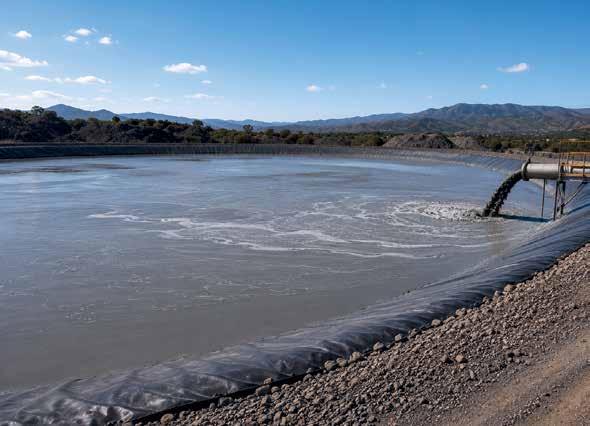
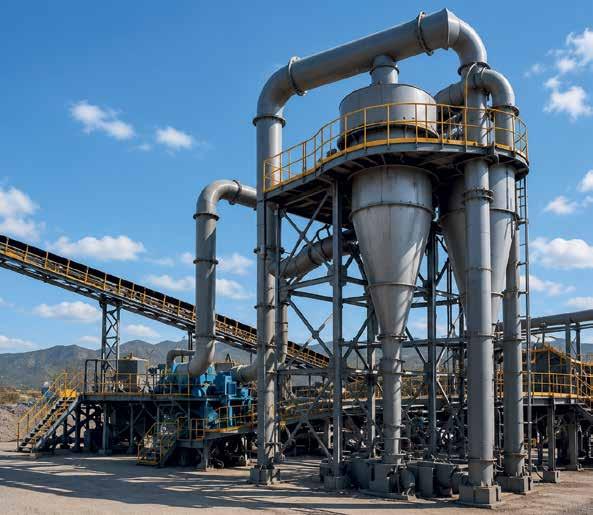
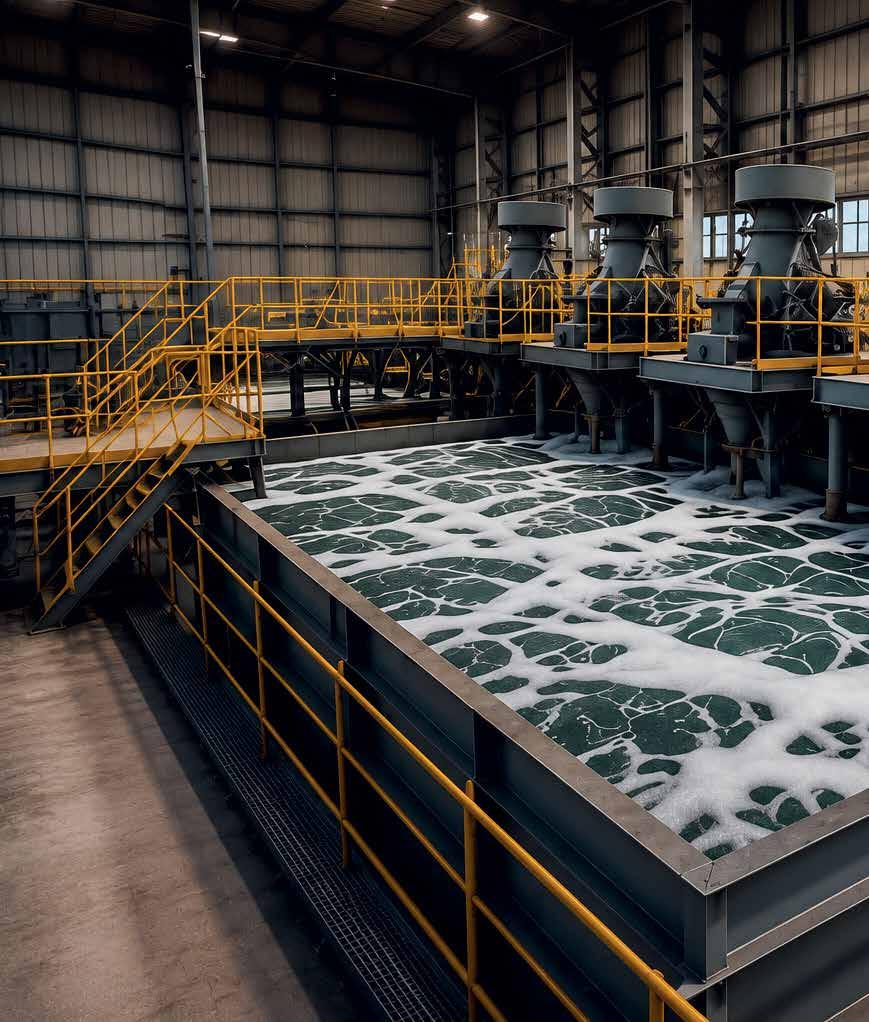
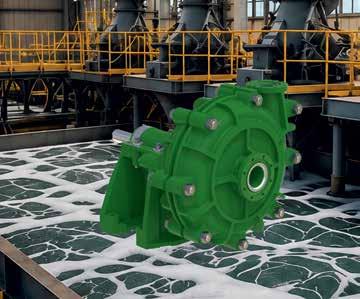



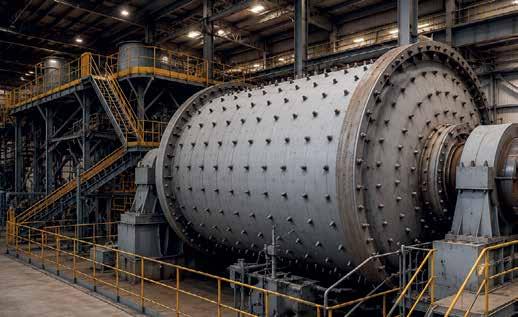
From crushing and milling to flotation, thickening and tailings disposal...Every stage depends on reliable slurry transport.
















An ongoing skills shortage in the valve industry presents signifi cant challenges, so the launch of a series of specialised online training programmes designed to address this has come at a critical time.
BY RODNEY WEIDEMANN

South Africa’s valve industry is facing a growing skills crisis that mirrors challenges experienced across the broader engineering, manufacturing, mining, and process industries.
As valve businesses increasingly rely on a blend of mechanical, electrical, instrumentation, machining, welding, maintenance, and application engineering expertise, the shortage of qualified personnel has become a significant concern for employers throughout the sector.
According to Pam du Plessis, managing director and CEO at Invincible Valves, one of the primary contributors to the skills shortage is the country’s inability to produce enough qualified artisans to meet industry demand.
“Current estimates indicate that South Africa requires approximately 30 000 artisans annually, which is significantly more than the numbers presently being produced per year by training institutions, which sits closer to 20 000,” she says.
This gap continues to place pressure on
manufacturing and industrial maintenance operations, including those operating within the valve sector.
MULTIPLE CHALLENGES
“Engineering professionals remain among the most di icult skills categories to recruit. Employers across the country report increasing di iculties in attracting and retaining suitably qualified engineers, technicians, and artisans.
“At the same time, many experienced professionals are approaching retirement age, creating a further loss of institutional knowledge and technical expertise,” she says.
The industry is also evolving rapidly. Modern valve systems increasingly incorporate sophisticated actuators, positioners, digital controls, and smart monitoring technologies, says Du Plessis.
“As a result, today’s workforce requires competencies that extend well beyond traditional mechanical maintenance practices.”
Adding to the challenge, many employers
“THE INDUSTRY IS ALSO EVOLVING RAPIDLY. AS A RESULT, TODAY’S WORKFORCE REQUIRES COMPETENCIES THAT EXTEND WELL BEYOND TRADITIONAL MECHANICAL MAINTENANCE PRACTICES.”
DU PLESSIS
report that graduates entering the workforce o en lack su icient practical experience. Workplace training opportunities have not expanded at the same pace as industry requirements, she says, leaving many young professionals underprepared for the demands of real-world applications.
“While the skills shortage presents significant challenges, we have noted that there are also encouraging opportunities for skills development within the valve industry. Training initiatives are helping both existing industry professionals to enhance their capabilities, and newcomers to build the knowledge required to enter the sector.”
To this end, says Du Plessis, the South African Valve and Actuator Manufacturers Association (SAVAMA) has developed a series of specialised online training programmes designed to address these needs.
“The courses cater to varying levels of experience and provide structured learning pathways for those seeking to deepen their understanding of valves and related technologies.”
The first one, the “Introduction to Valves” course, provides approximately 20 hours of online learning, serving as an ideal starting point for newcomers to the industry or experienced personnel seeking a refresher. The programme, notes Du Plessis, covers fundamental valve concepts, valve selection










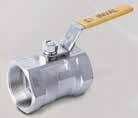
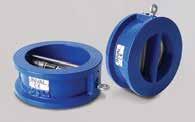
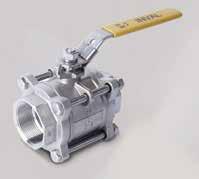
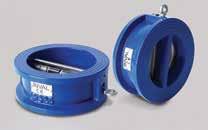
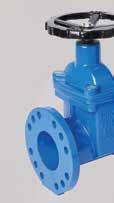
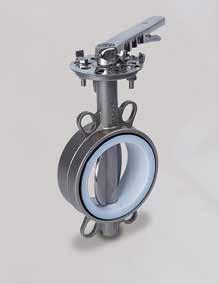
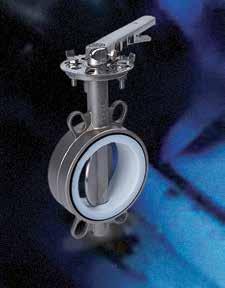
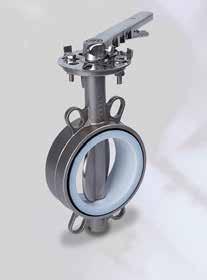
Global businesses rely heavily on Invincible Valves for exceptional products, proven expertise, and as Africa’s largest stock of Saunders & Insamcor valves, our reputation for reliability and excellence has earned us recognition on the world stage, making Invincible Valves the trusted partner across industries. Driven by technology and innovation, we continue to expand into emerging markets, delivering smarter solutions and building lasting partnerships.
There is only one trusted name in valves – INVINCIBLE VALVES.








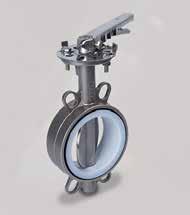






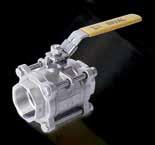
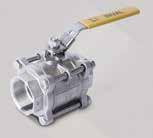











principles, linear and rotary valves, flexible movement valves, and other common valve types.
“Learners complete guided modules, quizzes, and self-assessment exercises – with a minimum pass mark of 75% required – before progressing to more advanced studies. While no specialist knowledge is required, a technical background is beneficial.”
For those seeking a more comprehensive understanding, she says, the “Working with Valves” programme offers a six-month online learning experience that covers 10 detailed modules.
“Participants explore valve selection, valve and actuator technologies, installation practices, pressure and temperature considerations, sizing principles, and numerous valve categories used throughout industry. The course includes assignments, self-assessment activities, and a final examination, requiring a minimum 75% pass rate for successful completion.”
The programme is designed to provide learners with practical knowledge applicable across a wide range of industrial environments, she says.
“Lastly, SAVAMA’s advanced ‘Control Valves’ course is aimed at individuals who already possess a solid foundation in valve technology and a strong technical background.
“Completed over six months, the course examines fluid mechanics, cavitation, flashing, valve sizing, trim selection, materials of construction, actuators, positioners, accessories, desuperheaters, attemperators, and troubleshooting techniques.”
Learners gain a detailed understanding of control valve dynamics and their application in complex industrial processes, says Du Plessis.
Recognising the need for hands-on skills development, SAVAMA is expanding its training offering with the introduction of a five-day practical training course hosted at the Steel and Engineering Industries Federation of Southern Africa (SEIFSA) training centre in Benoni.
She points out that the programme – which launched at the end of June 2026 – has been designed to provide learners with direct exposure to valve equipment and maintenance procedures. Participants will strip, assemble, inspect, and test a variety of valve types, while gaining practical insight into component interaction, assembly techniques, and operational performance.
“The course aims to bridge the gap between theoretical learning and workplace application, giving participants valuable experience that can be immediately applied in workshops, maintenance environments, and technical support roles.”
She believes that addressing South Africa’s valve sector skills shortage will require a collaborative effort between industry, training institutions, employers, and professional associations.
“By investing in quality education, practical training, and continuous professional development, the industry can help ensure a sustainable pipeline of skilled artisans, technicians, and engineers for the future.”
Training initiatives such as those offered by SAVAMA represent an important step towards developing the next generation of valve specialists, while supporting the ongoing professional growth of those already working within the industry, says Du Plessis.
In recent years, Invincible Valves has established a second facility, with its own machine shop. This has created the opportunity to upskill staff, as the company needs people with the relevant skills to work within the new facility, says CEO Pam du Plessis.
“Skills development has always been a critical part of what we do, hence our involvement with various technical high schools, as well as SEIFSA and various Gauteng training centres. Internships also play a huge role for us, bringing in students to learn, who will then go on to become full-time employees.”
It is, however, about more than simply bringing younger minds into the business, she notes. Invincible focuses on ensuring that its employees are all multi-skilled.
“We don’t feel it’s enough to only know how to do one thing, which is why we teach all employees the various aspects related to the business. So even if your intention is to be a machine operator, we will still provide training around other areas, such as valves and switch boxes, so you are able to understand the full process of the organisation, and how your specific component fits into the broader whole.”
This offers the added benefit to the company that if someone critical to a project is unavailable, someone else has the skills to step up and fill the gap, she says.
“It is also beneficial to the individual, as – should they move on to another organisation – they will have a range of skills and experience to draw on, to ensure they can continue to grow and expand their career path.”

For additional information on course content, schedules, and pricing, interested parties can contact SAVAMA through Sam Trollip at info@workingwithvalves.co.za




























In order for Africa to unlock trillions in untapped mineral resources, the African banking sector needs to bridge the capital gap required to develop large-scale mining projects.
BY RODNEY WEIDEMANN

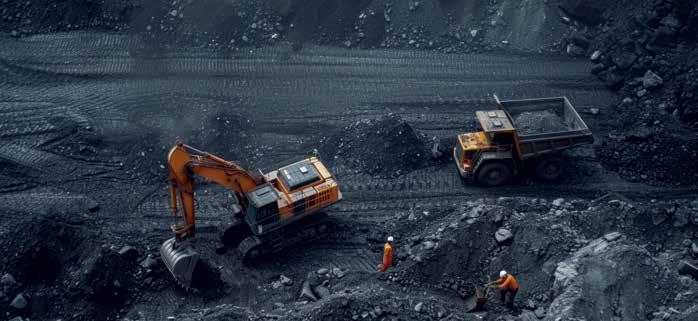
Africa has an estimated $8.5-trillion worth of untapped mineral resources. Accessing these assets will require massive funding to ensure mining projects remain viable for their entire life. In particular, there is a growing role for South Africa’s banking sector in bridging the capital gap required to develop large-scale mining projects.
According to Daniel Bodewig, partner: corporate finance at Deloitte, local banks and independent capital advisers play a crucial role in arranging and executing complete financing packages.“These entities are key to advising project owners around what their holistic financing package looks like. There are not one-size-fits-all o erings because there are di erent risk profiles for greenfields, brownfields or established operations and the funding solution is about assembling the right capital stack to match the stage and risk of the asset,” he says.
“Commercial banks are important, but they rarely provide all the capital required. Modern mining projects increasingly combine commercial banks, development finance institutions, export credit agencies, private capital, royalty and streaming instruments and o take partners. The key is matching the source of capital to the risks being funded.
“It is also about providing a level of debt that is structured to suit the best capital providers. Remember, a bank won’t provide all the capital, but will serve as a lead adviser – as will an entity like Deloitte – and help facilitate the necessary capital based on risk from other providers as well.”
Bodewig adds that the big challenge in African mining is not a lack of access to capital, but rather certainty around executable projects.. Africa does not have a geology problem; increasingly it does not have a capital problem either. The challenge is creating bankable, executable projects because capital follows certainty. In Africa infrastructure is always key. Investors increasingly assess the entire ecosystem (power, rail, water to name a few) around a project, not just the orebody itself. Logistics becomes a major determinant of project economics. Margins ride rail and fall o trucks
“They also demand policy and permanency. Capital lenders obviously don’t like uncertainty, so are less likely to fund in a region where regulations are unclear, or rules are opaque. ESG is increasingly a financing requirement rather than simply a reporting requirement, influencing who provides capital and on what terms. A project’s impact on local communities, the environment, and the project’s ability to create jobs and upli ment are considered.”
Another consideration is the drive from African nations to see beneficiation in their home country, he says. “The traditional ‘dig-and-ship’ model is increasingly being challenged by governments and investors seeking greater in-country value addition through downstream activities like building and powering a smelter.”
Ultimately, to obtain funding for a project, the plan presented to lenders needs to be a holistic one.. Ultimately, the projects that succeed are not necessarily those with the best geology, but those that create the greatest certainty around infrastructure, logistics, policy, communities and route-to-market.”
Absa CIB’s Shirley Webber notes that increasingly, mining developments are financed through a combination of debt, equity and alternative funding solutions, with South African banks playing a central role in structuring and coordinating these multi-source financing packages.

TO
Karolina Wylie, a transactor in the energy and infrastructure resources team at Investec Bank, says foreign banks may join a funding initiative alongside local banks, but because local players understand the context of operating in South Africa better, they should take the lead, and then bring in the international funders that can traditionally write bigger cheques.
“Furthermore, I think non-bank institutional funding is also very important, as traditionally, bank balance sheets aren’t necessarily big enough to fund a project on the scale of a mine, by themselves,” she says. “Such projects always need capital pools beyond the more traditional lending base.”
One of the key resources in this area is royalty funds, alongside streaming companies, private equity and development finance institutions (DFIs), she says.

“IT REMAINS CRITICAL FOR DFIS TO COME IN ALONGSIDE LOCAL BANKS, BECAUSE OF THE SCALE OF FUNDING THEY CAN PROVIDE.”
– WYLIE
“The latter, especially, have a mandate to go into jurisdictions that commercial lenders may yet be wary of. By combining the funding from these players with that of the bank, a more complementary funding plan can be prepared.”
She believes there remains a huge need for local banks to develop the capability to fund long-term projects of this nature, especially in the mining, energy and core infrastructure arenas.
“I think banks in Africa are alive to this understanding. Nonetheless, it remains critical for DFIs to come in alongside them, because of the scale of funding they can provide, and the fact that by taking a leading role, they can significantly de-risk these projects.”
Matthew Stretch, principal of mining and critical minerals at Nedbank Corporate and Investment Banking (CIB), agrees – noting that the mechanisms seen most in mining are streaming and royalty financing. He says these have become so widely used that they are arguably no longer “innovative” in the strictest sense.
“What makes this powerful is its ability to monetise a project’s by-product stream. A base-metals mine with precious metal byproducts can e ectively highlight the value of those by-products and use that capital to fund drilling, feasibility work, or plant construction – well before traditional bank debt becomes available. That makes it a bridge to bankability,” he says.
“Streaming and royalty providers also bring a di erent risk appetite. They are o en prepared to commit capital much earlier in the project cycle than commercial banks, which means they are frequently in the capital
structure before bank debt is in place.”
That creates a structuring challenge, but it also reflects a broader reality: modern mining projects are carrying larger capital requirements, and alternative pools of capital are becoming increasingly important in getting them funded, he says.
Shirley Webber, coverage head: resources and energy at Absa CIB, suggests that local financiers are better positioned to understand the country’s operating environments, regulatory frameworks, political dynamics, infrastructure limitations and monetary and fiscal policies.
By expanding the role of African financial institutions, pension funds and insurance companies, she says the continent’s growth will be enhanced, the domestic capital and equity markets will deepen, and industrialisation will become a reality.
“This is a very important growth opportunity in the resources and energy sector going forward, whereby banks’ roles can transition from just being lenders to becoming strategic developers of economies,” she says.
“Successful investment in the sector has the potential to drive industrialisation, create employment, develop critical infrastructure, increase export earnings and strengthen fiscal revenues across the continent.
“As global demand for critical minerals continues to rise, Africa has a unique opportunity to position itself as a strategic supplier to the energy transition, while capturing more value through local processing and beneficiation.”
Nedbank CIB’s Stretch feels there is more international focus on Africa’s mineral
■ Project finance debt structured around the future cash flows of the project ringfencing it from the sponsor’s balance sheet.
■ Corporate and reserve-based lending to support acquisitions, expansions and operational requirements.
■ Equity capital for exploration and early development phases.
■ Royalty and streaming finance, which o ers upfront capital in exchange for future revenues or production.
■ Debt capital markets, including bonds, commercial paper and sustainability-linked instruments, which broaden access to longterm institutional investors.
■ Development finance institution funding, which supports projects with strong developmental, infrastructure, energy transition or beneficiation outcomes.
■ Export Credit Agency financing, which provides long-tenor funding, guarantees and political risk cover for imported equipment and technology.
opportunities today than there has been for many years. Governments and investors in Europe, North America and elsewhere are increasingly focused on securing long-term mineral supply chains, which should support greater investment in African mining.
The real constraint he identifies is not simply a shortage of capital. “In many cases, it is regulatory uncertainty, jurisdictional risk and, increasingly, infrastructure. Many of the minerals that matter most to Africa’s future are found in projects that depend heavily on power, rail, ports, and water.”
Mining capital can only go so far without coordinated investment in that broader infrastructure ecosystem, he says.
“At the same time, governments are rightly seeking ways to capture more value from their mineral resources through beneficiation and local-content requirements. The principle is sound.”
The key is sequencing. If those requirements are introduced in a phased and practical way, suggests Stretch, they can help build domestic capability and deepen the long-term economic impact of mining. If they are imposed too aggressively, before the necessary infrastructure, service providers and processing capacity are in place, they risk pushing capital elsewhere.
“In the end, Africa does not need to choose between attracting capital and capturing more value from its minerals. It can do both. But this will require pragmatic regulation, stronger local capability and the infrastructure needed to bring these resources to market competitively,” he says.
There are certain governance questions that every board of directors should know to ask, before they give their approval for an insurance programme.
Every year, boards approve insurance programmes designed to protect organisations against losses that may amount to hundreds of millions, and o en billions, of rand. Those decisions are rarely made lightly.
Yet, unlike acquisitions, financing arrangements and major capital investments, insurance programmes do not always receive the same level of governance scrutiny.
That distinction matters, because an insurance programme is considerably more than an insurance policy. It is a legal, contractual, financial and operational structure that determines who ultimately carries the insurance risk, how contractual obligations are allocated, how claims decisions are made and – where claims become disputed – how those disputes may ultimately be resolved.
Those outcomes are largely determined when the programme is designed, not when a claim is submitted.
Modern insurance programmes may involve multiple participating insurers, international insurance and reinsurance markets, fronting arrangements and other sophisticated structures designed

to assemble the insurance protection organisations require.
Each structure may represent the most appropriate commercial solution, depending on the organisation’s risk profile and insurance requirements.
The governance responsibility of the board is therefore not to determine whether one structure is inherently better than another. It is to understand the governance consequences of the structure it is being asked to approve.
Those consequences may influence which legal system governs di erent parts of the programme, who ultimately carries the insurance risk, and whether participating insurers have accepted the same contractual obligations.
It may also influence how claims decisions are made, whether a disputed claim may give rise to multiple legal proceedings, and how increasing structural complexity may a ect governance oversight.
Many boards assume that because an insurance programme is arranged through a
“MODERN INSURANCE PROGRAMMES MAY INVOLVE MULTIPLE PARTICIPATING INSURERS, INTERNATIONAL INSURANCE AND REINSURANCE MARKETS, FRONTING ARRANGEMENTS AND OTHER SOPHISTICATED STRUCTURES.”
– IOZZO



South African broker and issued in the country, any dispute arising from that programme will be governed exclusively by South African law. In many cases that assumption will be correct. In others, it will not.
Large corporate insurance programmes frequently involve international insurers through coinsurance arrangements, fronting structures and other internationally supported placements. Depending on the contractual arrangements, di erent participating insurers may be subject to di erent governing laws and jurisdictions.
A disputed claim could therefore require an organisation to pursue or defend di erent aspects of the same dispute in multiple countries, before di erent courts or arbitration forums.
International insurers play an essential role in providing the insurance capacity required for many of South Africa’s largest and most complex risks. The issue is not their participation. It is whether the board understands the legal implications of the structure it has approved before a claim ever arises.
Many boards assume that the insurer named in the policy is the organisation ultimately carrying the insurance risk. While in many insurance programmes that assumption will be correct, in others it will not.
Large corporate insurance programmes are frequently structured using fronting

arrangements. Under these arrangements, the South African insurer issues and administers the policy, while the underlying insurance risk is transferred to an international insurer or reinsurer.
The insurer named in the policy may not represent the organisation ultimately carrying the financial exposure.
This distinction becomes even more significant because many South African fronting arrangements incorporate a Pay-AsPaid clause. Under these arrangements, the South African insurer’s contractual obligation to indemnify the insured is linked to its recovery from the insurer or reinsurer that ultimately carries the insurance risk.
Boards should therefore undertake appropriate due diligence on the organisation ultimately carrying the


insurance risk, rather than assuming the insurer issuing the policy necessarily bears that responsibility.
A master policy wording creates the understandable impression that every participating insurer has accepted exactly the same contractual obligations. Although this is o en the case, it is not always correct.
Large corporate insurance programmes are o en built around a master policy wording. However, each participating insurer will typically issue its own individual placing slip, setting out the basis on which it has agreed to participate. Those placing slips may contain insurer-specific exclusions, warranties, endorsements, subjectivities and other contractual conditions that apply only
“GOOD GOVERNANCE REQUIRES BOARDS TO UNDERSTAND NOT ONLY THE MASTER POLICY WORDING, BUT ALSO THE CONTRACTUAL QUALIFICATIONS CONTAINED WITHIN EACH PARTICIPATING INSURER’S INDIVIDUAL PLACING SLIP.”

– IOZZO
to that insurer’s participation.
The practical consequence is that a board may believe it has approved one insurance programme governed by one contractual framework when participating insurers have, in reality, accepted di erent contractual obligations. Those di erences may only become apparent when a claim is submitted and each insurer begins assessing its own contractual position.
Good governance therefore requires boards to understand not only the master policy wording, but also the contractual qualifications contained in each participating insurer’s individual placing slip before approving the programme.
Many organisations also assume that purchasing one insurance programme means they will receive one coordinated claims decision. In some programme structures that assumption will be correct, but it is not always the case.
Many large corporate insurance programmes involve multiple participating insurers. Unless the contractual arrangements expressly provide otherwise, each insurer generally retains responsibility for assessing its own participation and is not contractually bound by the claims’ decisions of the lead insurer – or any other participating insurer.
Although insurers will typically appoint a single loss adjuster to investigate the claim, each participating insurer independently


evaluates the findings, applies the master policy wording – together with its own individual placing slip – and determines whether it will accept or reject liability for its own share of the risk.
The governance issue is not whether this approach is appropriate. It is whether the board understands that one insurance programme does not necessarily produce one claims decision.
Many organisations assume that if an insurance claim becomes disputed, the organisation will become involved in a single legal dispute. While such an assumption is generally correct, there are instances where this will not be the case.
Where an insurance programme involves multiple participating insurers, each retaining its own contractual rights and independent claims authority, di erent insurers may reach di erent conclusions on the same claim. If those di erences cannot be resolved, a single disputed claim may ultimately give rise to multiple legal proceedings.
Where international insurers participate in the programme, the complexity may increase further. Depending on the governing law and jurisdiction applicable to each participating insurer, an organisation could find itself pursuing or defending di erent aspects of the same dispute in di erent countries, and before di erent courts or arbitration forums.
Good governance requires boards to understand those potential consequences before approving the programme, rather than discovering them only a er a major claim has become disputed.
Many of South Africa’s largest and most complex risks exceed the appetite of any single insurer, making coinsurance arrangements the only practical means of assembling su icient insurance capacity. These structures o en represent the most appropriate commercial solution.
However, every additional participating insurer also introduces another independent contractual relationship, another decision maker and, depending on the structure, potentially another governing law or legal jurisdiction. Individually, these di erences may appear insignificant. Collectively they may materially increase the complexity of the insurance programme.
The governance issue is not whether a programme contains one insurer or many. It is whether the board understands why every participating insurer forms part of the programme, what value each contributes, and whether the resulting complexity has been fully understood before the programme is approved.
Ultimately, the most e ective insurance programme is not necessarily the one involving the greatest number of participating insurers. It is the one that achieves the most appropriate balance between e ective risk transfer, contractual certainty, operational simplicity and sound governance.
Boards routinely undertake extensive due diligence before approving acquisitions, financing arrangements and major capital investments, because they recognise that those decisions may materially a ect the future of the organisation. Insurance programmes deserve the same level of governance.




“MANY OF SOUTH AFRICA’S LARGEST AND MOST COMPLEX RISKS EXCEED THE APPETITE OF ANY SINGLE INSURER, MAKING COINSURANCE ARRANGEMENTS THE ONLY PRACTICAL MEANS OF ASSEMBLING SUFFICIENT INSURANCE CAPACITY.”

– IOZZO

The structure of an insurance programme may influence which legal system governs a dispute, who ultimately carries the insurance risk, whether participating insurers have accepted the same contractual obligations, and how claims decisions are made.
It may also influence whether one disputed claim may become multiple legal proceedings and how increasing structural complexity a ects governance oversight. These are not flaws in insurance programme design – they are governance considerations that boards should understand before approving the programme.
The governance question is not whether one insurance structure is inherently better than another. Di erent structures exist for legitimate commercial reasons and may each represent the most appropriate solution, depending on the organisation’s risk profile and insurance requirements.
The governance responsibility of the board is to understand the implications of the structure it approves and to undertake the same level of due diligence expected of every other significant corporate decision.
The greatest governance risk is not the insurance programme a board deliberately approves; it is the insurance programme the board believes it has approved, but does not fully understand.



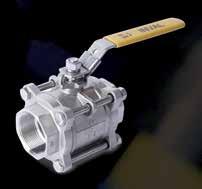
Global businesses rely heavily on Invincible Valves for exceptional products, proven expertise, and as Africa’s largest stockist of Saunders & Insamcor valves, our reputation for reliability and excellence has earned us recognition on the world stage, making Invincible Valves the trusted partner across industries. Driven by technology and innovation, we continue to expand into emerging markets, delivering smarter solutions and building lasting partnerships.
There is only one trusted name in valves – INVINCIBLE VALVES.




















While diversity efforts are seeing more women take their places in the mining sector, organisations still need to overcome the systemic and cultural barriers limiting their advancement.
BY RODNEY WEIDEMANN
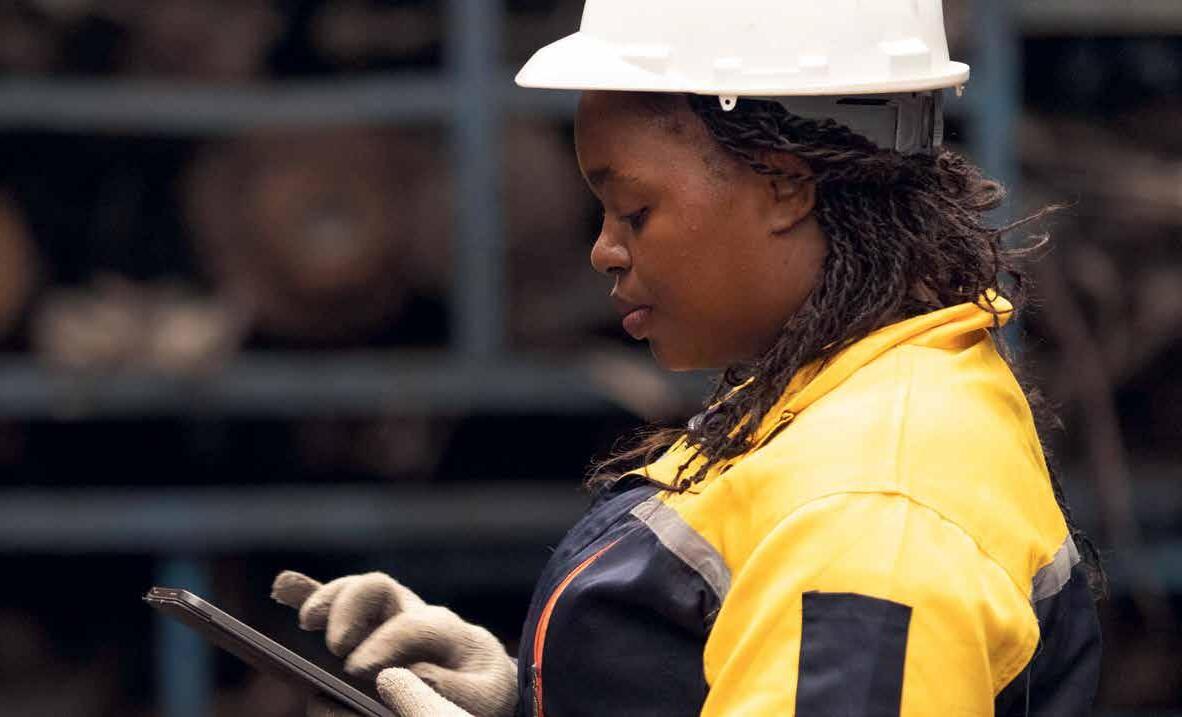
Women are increasingly taking their spots in what has long been viewed as the traditionally male-dominated mining sector, but they still face numerous challenges. It is therefore important for mining companies to understand the best methods of supporting women in this arena, how to overcome the systemic and cultural barriers limiting their advancement, and how best to build inclusive pathways for women to lead and thrive in the industry.
According to Mogaleadi Seabela, president of Women in Mining SA (WiMSA), the advancement of women in mining and engineering cannot rest with a single stakeholder.
“True advancement requires deep collaboration between businesses, nongovernmental organisations (NGOs), industry bodies, educational institutions and the government,” she says.
“Individual private companies have the greatest influence over workplace culture and must ensure that their policies, leadership behaviours and operational environments encourage and enable inclusion.
“This includes creating safe workplaces, addressing barriers to advancement, and holding leaders accountable for culture, diversity and inclusion outcomes.”
A CONVERGENCE OF CHALLENGES
Tshidi Mndzebele, CEO of AvenirHoldings, suggests that the mining and engineering sectors cannot a ord not to invest aggressively in the next generation of women, as they face a convergence of challenges that threaten their long-term viability and competitiveness.
“Firstly, both sectors are facing a major



skills deficit and an ageing workforce. Many mature engineers, mining experts, and technical specialists are approaching retirement, but the influx of young professionals entering and staying in these fields is insu icient to replace them,” she says.
“WOMEN CONTINUE TO BE UNDERREPRESENTED IN CERTAIN TECHNICAL DISCIPLINES, CORE OPERATIONAL FUNCTIONS AND SENIOR LEADERSHIP POSITIONS.”
– DR TSHABALALA
“This is a tangible issue, because if you don’t successfully develop and retain women, you are intentionally limiting what is an already constricted pool of talent.”
Secondly, says Mndzebele, modern industries are working in a more complex context. Mining and engineering firms are required to do all this while enhancing e iciency, embracing digital transformation, decarbonising operations, strengthening environmental, social and governance (ESG) performance, improving safety and delivering infrastructure at scale.
“These issues demand di erent views and new, innovative ways of thinking. Organisations that do not attract and develop diverse people are at risk of falling behind in an increasingly competitive global environment.”
Thirdly, South Africa faces massive infrastructure and development needs, she says.
“Whether it’s energy security, water resilience, transport infrastructure or mining expansion, the country needs more – not fewer – engineers, scientists, project managers and technical leaders. Every talented woman who leaves the profession is a loss of technical capacity at a time when the country can least a ord it.”
ROLE OF THE MINING CHARTER
Mining Charter targets have played an important role in driving accountability and accelerating progress, says Dr Busi Tshabalala, human resources group executive at African Rainbow Minerals (ARM).
“The charter’s targets have encouraged organisations to examine representation more intentionally and establish measurable transformation objectives,” she says.
“However, targets alone cannot deliver lasting change. Sustainable transformation requires organisations to move beyond compliance and address the cultural, structural and developmental barriers that a ect women’s progression and leadership opportunities.”
Tshabalala says ARM views Mining Charter targets as an important catalyst, rather than the end goal. Their longterm value lies in encouraging deeper organisational transformation that addresses leadership, culture, succession planning and talent development.
“The mining industry has made meaningful progress over the past decade. Greater regulatory focus, increased visibility of women, stronger representation targets and organisational commitment have all contributed to improved participation across
“WHEN YOU BRING DIFFERENT LIVED EXPERIENCES INTO ENVIRONMENTS LIKE MINING, YOU GET MORE ROBUST THINKING. THE REAL VALUE LIES IN DIVERSITY ITSELF – DIFFERENT WAYS OF SEEING PROBLEMS AND CHALLENGING LEGACY WAYS OF WORKING.”
– SAMUEL
technical, operational and leadership roles.”
However, progress remains uneven, she says, and women continue to be underrepresented in certain technical disciplines, core operational functions and senior leadership positions. She says legacy workplace cultures, limited succession pipelines and unconscious bias also continue to present challenges.
Crucially, one of the most significant implementation challenges lies in bridging the gap between policy commitment and practical execution. Sustainable progress requires more than recruitment, she notes.
“It requires retention, development and advancement. Organisations must build inclusive cultures, where women have equal access to opportunities and are supported throughout their careers.”
Compliance is therefore necessary, but insu icient, she says. “Regulatory requirements establish a minimum standard and create accountability, but meaningful transformation only occurs when organisations treat gender inclusion as a strategic business priority rather than a reporting obligation.”
Lee-Ann Samuel, group executive for people at Impala Platinum (Implats), says when discussing the benefits women can bring to the sector, it is less about fixed attributes, and more about perspective.
“When you bring di erent lived experiences into environments like mining, you get more robust thinking. We’ve seen, for example, that more inclusive teams tend to communicate risk earlier and more openly, which has real safety benefits.
“There’s o en a stronger focus on collaboration and situational awareness too,
though that’s not exclusive to women. The real value lies in diversity itself – di erent ways of seeing problems and challenging legacy ways of working,” she says.
“Support also has to be practical and systemic. It starts with getting the basics right: properly designed personal protective equipment, appropriate facilities, and safe working environments. Neglecting the basics inevitably creates barriers.”
Beyond this, she says, structured development is vital – bursaries in maths and science, targeted graduate programmes, mentoring and clear career pathways into technical and leadership roles.
Retention is also important, meaning flexible work arrangements where possible, supportive maternity policies, and safe reporting channels for harassment, she says. These all contribute to an environment where women can stay and grow, rather than cycle out of the industry.
“Of course, no single player can shi something this structural. Individual organisations need to lead from the front, redesigning workplaces, setting measurable targets and investing in talent pipelines. Industry bodies play a critical role in setting standards, sharing data and creating alignment, which helps ensure progress isn’t isolated or inconsistent.”
Furthermore, NGOs and education partners are o en closest to communities and early-stage talent, she says. They can help build the pipeline long before candidates enter the workplace, especially for young women who may not yet see mining as an accessible career.
“When these pieces connect – from school outreach through to leadership development – you start to see real movement,” she says.
According to WiMSA, creating pathways for women to lead requires visibility, opportunity and intentional development. Young women need to see examples of successful women working as engineers, geologists, operators, metallurgists, mine managers and executives.
“Representation matters, because it helps transform the belief of what is possible. Organisations should ensure that women have equal access to challenging assignments, operational experience, leadership development programmes and strategic openings, that position them for opportunities into senior roles,” says Seabela.
“This will require honest recognition of the barriers that remain hindrances to women thriving in mining, and an intentional focus on removing them, so that every woman who chooses to work in mining is able to do so.
“Inclusion should be measured not by the number of women entering the industry, but by how many remain, progress and ultimately influence decision-making.”
To encourage more women to join mining and engineering, she adds, we must tell a new story about these industries and their contribution to the upli ment of society – one that reflects their innovation, purpose and the diverse career opportunities.
“Young women should not have to wonder whether they will fit into the industry; they should know that they belong. This means creating workplaces where they can bring their full selves to work, where their contributions are welcomed, valued, and where their ambitions are supported.
“Our responsibility is to ensure that we move beyond opening the door for women, by building an environment where they are empowered to walk through it, stay, lead and contribute fully to the future of the industry,” says Seabela.
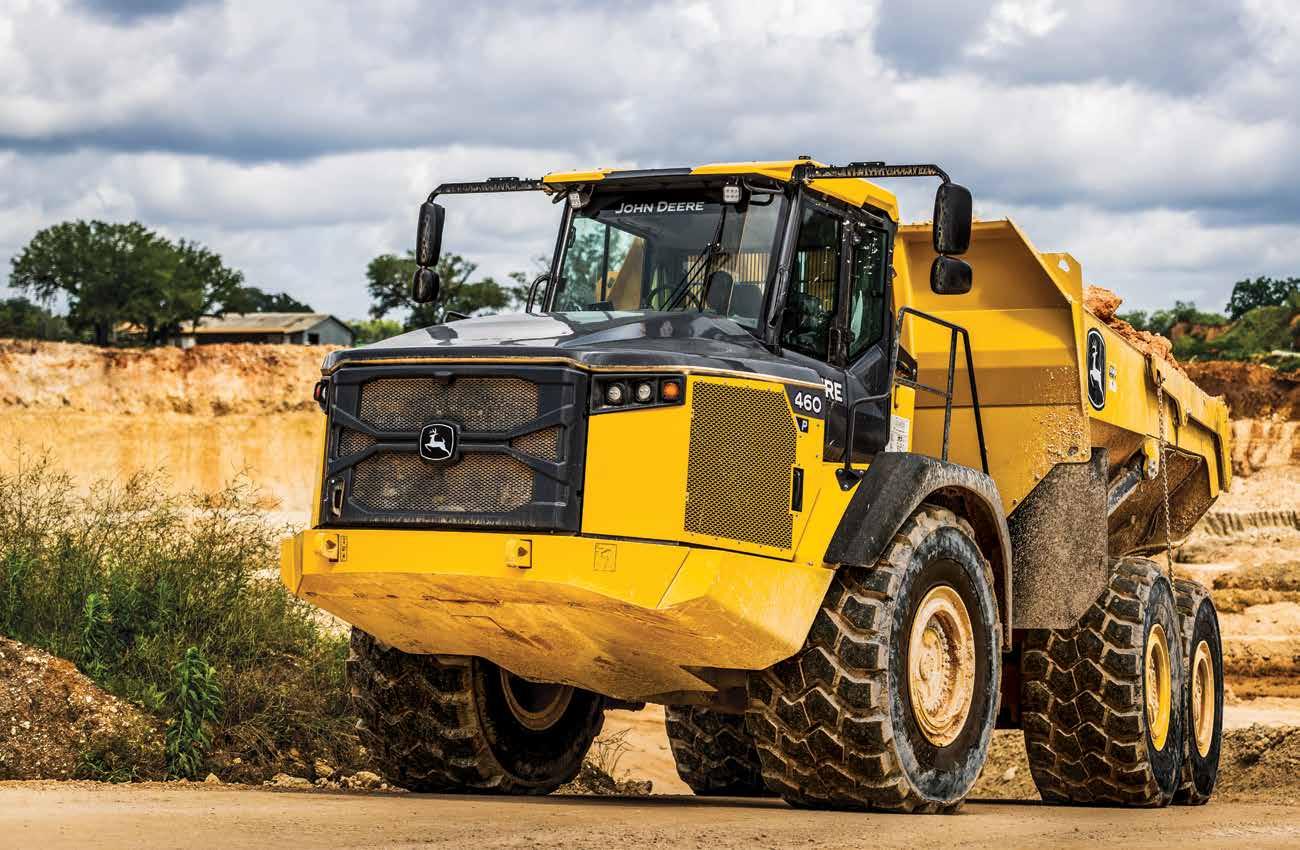












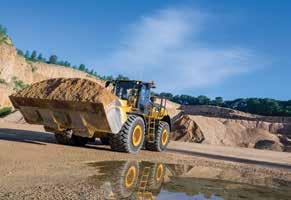
In mining, every second matters. Whether it’s loading blasted rock, moving overburden or hauling aggregate, production shouldn’t slow down when conditions become tougher. Which is why equipment is expected to perform during long shi s, on di icult terrain, and under demanding production schedules.
It is for this reason that today’s mining operations are looking beyond specifications. They want equipment that delivers reliable performance, practical technology and the support needed to keep production moving.
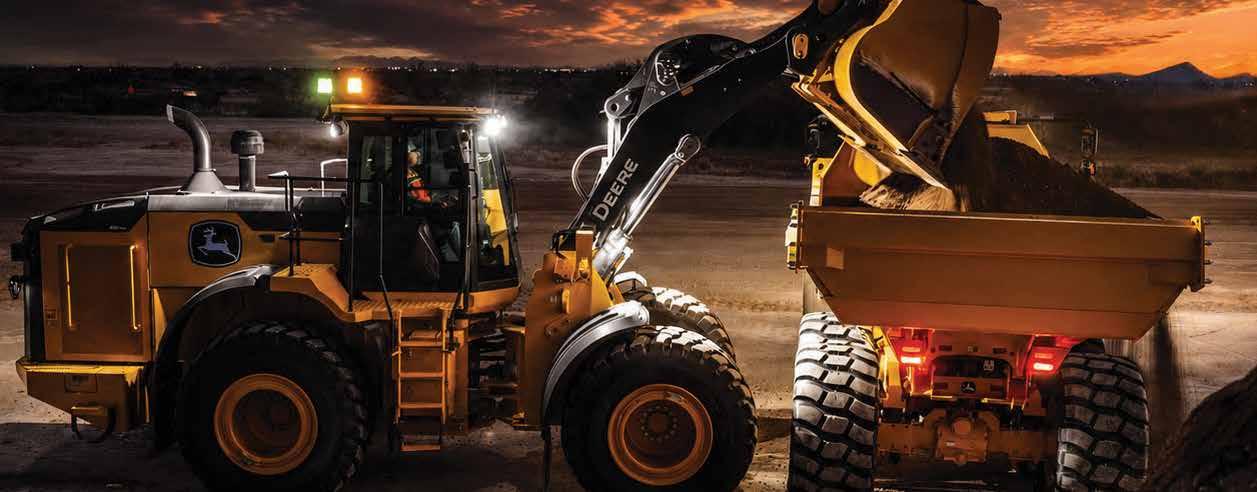
Understanding these requirements, both the John Deere 824 P-Tier Wheel Loader and the 460 P-Tier Articulated Dump Truck –backed by Senwes Equipment – are designed with exactly that in mind.
The 824 P-Tier Wheel Loader has been built to move more material with every cycle. Powered by the proven JD9 engine, it combines high-capacity li ing with SmartWeigh™ payload technology, enabling operators to weigh loads without interrupting workflow.
Furthermore, ground-level service points, intuitive controls and simplified maintenance help maximise machine availability and reduce downtime.
Paired with the 460 P-Tier Articulated Dump Truck, this equipment forms an e icient loading and hauling solution for mining applications. The truck’s redesigned dump body improves material retention, while onboard weighing, advanced driver

Modern mines have tough expectations regarding the machinery they use. This is why they demand equipment with reliable performance, technology that is practical and the support needed to keep production moving.

assistance and productivity features help operators move more tonnes, doing so with greater consistency.
The result is a combination focused on one thing: moving material e iciently and keeping production on schedule.
It must be remembered that productivity in mining is no longer measured by engine output alone. Visibility, connectivity, onboard diagnostics, and predictive maintenance all play important roles in reducing downtime and improving fleet performance.
Both the 824 P-Tier and 460 P-Tier feature John Deere Operations Centre™ connectivity, allowing machine performance, utilisation and diagnostics to be monitored remotely. In addition, with Connected Support™, potential issues can o en be identified before they lead to costly downtime, helping improve machine availability.
Safety is equally important. Advanced vision systems, onboard cameras and operator-assistance technologies improve visibility around the machine, helping operators work confidently in busy mining environments.
Of course, a machine is only as reliable as the support behind it, and for mining operations, uptime depends on experienced technicians, readily available genuine parts and service teams that understand the cost of unplanned downtime.
This is what Senwes Equipment brings to the construction and mining sectors. Alongside John Deere’s proven construction equipment, customers benefit enormously
KEY SPECIFICATIONS –824 P-TIER WHEEL LOADER
■ Engine: JD9 / PowerTech™ PSS 6090
■ Net power: 256kW (343hp) at 1 600rpm
■ Operating weight: 26 460kg28 101kg
■ Bucket capacity: 3.8m3-5.2m3
KEY SPECIFICATIONS – 460 P-TIER ARTICULATED DUMP TRUCK
■ Engine: John Deere PowerTech™ 6135 (13.5L)
■ Net power: 359kW (481hp) @ 1 700rpm
■ Transmission: Fully automatic ZF 8-speed forward / 4-speed reverse
■ Drive configuration: 6x6 with automatic traction control
■ Top speed: 55km/h SCAN



from local expertise, technical support and a growing footprint across South Africa. Ultimately, when it comes to mining, performance isn’t measured by how a machine starts the day – it’s measured by how reliably it performs until the work is done, and when it comes to John Deere equipment, backed by Senwes, you are guaranteed performance that doesn’t clock out.




































































Electricity demand is surging in emerging markets, and renewable energy – a fast and cheap way to add capacity – is evolving into a strategic economic development strategy.
BY RODNEY WEIDEMANN
Renewable energy growth in some more mature markets may be slowing, but in emerging markets – particularly in Africa and parts of Asia – we are witnessing the next wave of energy investment being driven.
While the developed world has dominated the renewable energy transition in recent years, it is expected that the next decade could belong to emerging markets, where electricity demand is surging and renewable energy is o en the fastest and cheapest way to add capacity.
Moreover, in these regions, renewable energy is increasingly being viewed not just as a climate solution, but as an economic development strategy.
Matt Tilleard, CEO of CrossBoundary Energy, suggests that energy is closely coupled with economic growth. Where energy is abundant and reliable, industrial sectors can thrive and support down- and upstream value chains, as we’ve seen in China.
“However, in places like Africa, with the second largest global population, inhibited
access to energy leaves vast potential for economic growth locked. If consistent, cheap, and clean power is provided, economic growth opportunities in Africa are boundless,” he states.
Liesel Kassier, senior business developer at Lyra Energy, points out that energy access isn’t a social metric in isolation; it’s the precondition for everything else.
“Agriculture, manufacturing, healthcare, education – none of it functions at the level it needs to without reliable power. When it comes to renewables, what has changed the conversation is cost,” she notes.
“Today, solar and storage are competitive on their own terms, without needing tari architecture to make the numbers work.
That fundamentally changes renewable energy’s role in economic development, as it shi s it from a donor-supported or policydriven initiative into a genuine private sector investment story.”
VERSUS MODULAR
Tilleard adds that historically, electrification has tended to come from centralised utilities,
“THE PROJECTS THAT COME TOGETHER MOST SMOOTHLY ARE THOSE WHERE THE REGULATORY FRAMEWORK IS STABLE, THE PROCUREMENT PROCESS IS TRANSPARENT, AND LOCAL INSTITUTIONS PARTICIPATE ALONGSIDE
CAPITAL.”
which served mostly urban populations from just a few generation sources. This meant that electrification was previously dependent on proximity to the grid, or building new transmission infrastructure to connect communities and businesses.
“Solar and batteries, on the other hand, are fundamentally di erent [to] previous energy technologies. They are extremely modular, and a small on-site system has a similar unit cost to a large centralised system,” he says.
“Moreover, that on-site system doesn’t need to pay for transmission and distribution. This means that small-scale solar and batteries installed at the point of consumption are o en the cheapest source of power.”
Distributed energy infrastructure assets like mini-grids and o -grid industrial solar and battery solutions can thus bring cheaper and more reliable electricity to underserved communities and businesses, he says.
“This in turn unlocks opportunities for both small and large businesses to thrive, makes business investments more bankable, creates jobs and entrepreneurs and, ultimately, bolsters economic activity.”
Kassier suggests that even in some of Africa’s most challenging markets, the risks related to renewables are manageable, although they undoubtedly require structured thinking and the right partners.
“Currency risk is an obvious issue. Projects are typically financed in hard currency against local currency revenue streams, and in markets with volatile
exchange rates, that mismatch can erode returns significantly.
“For this reason,” she says, “development finance institutions play a critical role in bridging that gap through guarantees, concessional tranches and risk instruments that commercial banks won’t provide on their own.”
She says o taker creditworthiness is an additional structural pressure point. Where state utilities are the primary customer, lenders need to be comfortable with a credit that, in many cases, carries sovereign risk rather than commercial risk.
The third factor to consider is regulatory consistency, as capital will follow where the rules are clear and enforced.
CrossBoundary Energy indicates that solar and storage are already the cheapest forms of power. In frontier markets like Africa, baseload renewable energy has emerged as a serious contender to thermal baseload supply, both in terms of reliability and economics, over recent years.
“Even with the solar and battery oversizing needed to ensure reliable baseload power, these systems are now significantly cheaper, per kWh, than diesel generation,” says Tilleard.
“In Africa, the Copperbelt has attracted global attention, and the sector is poised for significant growth due to global copper demand.
“Nonetheless, investors remain cautious about operational factors that could
“IF CONSISTENT, CHEAP, AND CLEAN POWER IS PROVIDED, ECONOMIC GROWTH OPPORTUNITIES IN AFRICA ARE BOUNDLESS.”
– TILLEARD
Battery energy storage systems (BESS) are becoming a critical enabler of renewable energy growth in emerging markets. As solar and wind deployment accelerates, storage provides the flexibility needed to balance supply and demand, improve grid stability and maximise the value of renewable generation.
Rajat Mathur, business development leader for new energy solutions at Cummins, explains that BESS assists in overcoming the inherent intermittency of renewable energy, while reducing curtailment and reliance on conventional generation.
“For businesses, utilities and communities, this translates into greater energy resilience, improved power quality and better returns on renewable energy investments,” he says.
South Africa’s renewable energy sector continues to face several challenges, including grid constraints, rising electricity demand, renewable
undermine sustainable and profitable mining production in the region. To this end, solving the electricity challenge takes at least one large hurdle away.”
Lyra Energy adds that private developers are key to a rapid energy transition. These players exist, explains Kassier, to move faster, absorb commercial risk, and deploy capital e iciently in response to real demand. The private developer role in this context, she says, is to carry the complexity so that the customer can focus on their core business.
“The enabling condition for all of this, though, is a regulatory environment that makes private infrastructure investment viable. Where governments have built that – and South Africa, for all its challenges, has shown it’s possible – private developers have demonstrated they can close the infrastructure gap at scale.”
Tilleard agrees that in reality, investment and regulations are the only tangible barriers standing between the current energy deficits and an e ective energy ecosystem.
“This would be one that includes distributed mini-grids for communities, ogrid baseload renewable power for mining operations, large-scale utility solar projects for wheeling, and utility battery storage projects for grid stability.”
energy curtailment and the variable nature of solar and wind generation.
“BESS addresses these challenges by storing surplus renewable energy that would otherwise go unused and making it available when demand is highest.
“For sectors such as mining, where operational continuity is critical, BESS also enhances resilience by providing fast-response power, improving power quality and optimising the interaction between renewable energy, conventional generation and the grid.”
As part of an integrated energy strategy, battery storage strengthens project economics, extends the life of existing generation assets and helps unlock the full potential of renewable energy, he says.
If Africa can seize this opportunity, it has the same potential as China or other leading emerging economies, he says.
“Expanding clean, a ordable energy to key economic sectors like mining through distributed, renewable baseload power will not only bolster local and regional growth, it will also provide opportunities for new investment globally.”
Kassier believes the longer-term picture depends on two things coming together: policy consistency and a deepening local financing ecosystem.
“The projects that come together most smoothly are those where the regulatory framework is stable, the procurement process is transparent, and there are local institutions – banks, insurers, equity investors – who can participate alongside international capital.
“That ecosystem is developing, but it takes time, and it requires governments to make credible, consistent commitments.”
In the end, she says, renewable energy is the right answer for Africa’s energy future – “not because it’s the green choice, but because it’s the cheapest, most scalable, and most appropriate option for the continent’s resource base and infrastructure realities”.
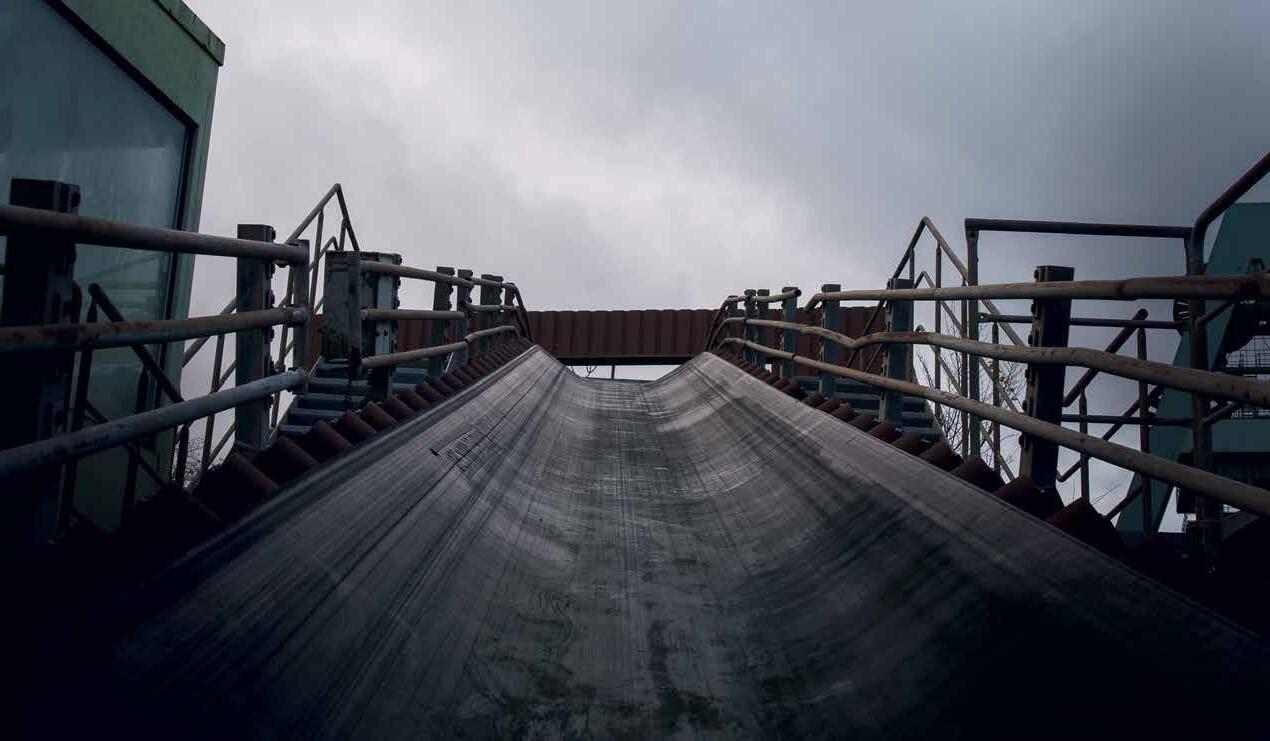


Leveraging its 40-year heritage has enabled CGI Controlgear to deliver a unique value proposition that is engineered specifi cally for the robust, demanding, and often harsh African environment.
In an industry where reliability is measured over decades, 40 years of uninterrupted service is a profound milestone. Founded to meet South Africa’s critical demand for accessible, high-quality electrical, control, and instrumentation componentry, CGI Controlgear has evolved from a local answer into an industrial cornerstone.
Today, the group’s strategic direction remains anchored by a simple, nonnegotiable mantra: putting the customer first. Beyond marketing catchphrases, CGI Controlgear has built a reputation synonymous with trust, integrity, and tangible value. By introducing a unique, tailor-made product distribution model, the company has consistently redefined what it means to support modern industrial infrastructure across the continent.
The company has worked side by side with Eaton for over 30 years, creating a formidable pipeline of innovation and product distribution across Africa. This partnership combines Eaton’s world-class technological innovation with CGI Controlgear’s deep operational prowess, resulting in a unique value proposition engineered specifically for the robust, demanding, and o en harsh African environment.
CGI Controlgear keeps local industries moving with Eaton’s premier, specialised portfolios, including:
■ The NEMA range: Engineered for the punishing conditions of heavy industrial and mining environments, this durable, built-to-last range includes contactors, starters, control relays, heavy-duty push buttons, pilot devices, and industrial switches.
■ The International Electrotechnical Commission (IEC) range: Provides
tailored applications for modern control panels and automation systems. This range features advanced contactors, circuit breakers, variable frequency drives, so starters, motor protection, and power supplies.
■ Power quality: Designed to ensure reliable, clean electrical power in a volatile energy landscape, this includes heavy-duty UPS systems, backup power architecture, surge protection, and advanced power distribution monitoring.
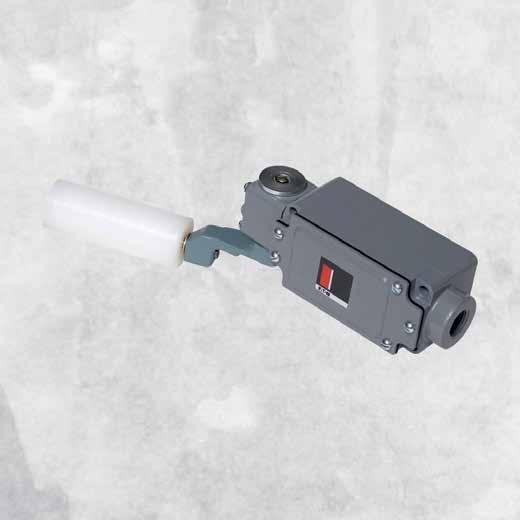
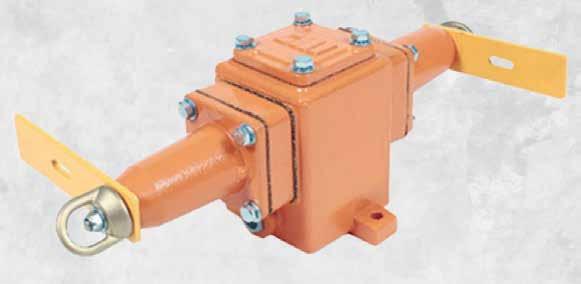
■ Conveyor safety systems: This is a dedicated safety o ering engineered for emergency stopping, belt alignment, speed monitoring, and rip detection across mining, quarrying, and bulk-handling industrial conveyor systems.
The company indicates that it is built for a constantly evolving African landscape, meaning it can o er on-demand agility, by providing deliveries for both stocked and non-stocked items in the case of an emergency breakdown, thereby minimising operational downtime.
Furthermore, it provides a strategic inventory that ensures not only deep stock
holding, but also delivers tailored, clientspecific special request stock reserves, while also making sure that industry-leading engineering expertise is always just a phone call away, providing direct technical access for customers.
Moreover, CGI Controlgear can o er clients large-scale order consolidation and seamless cross-border supply services for pan-African projects, as well as a specialised inhouse delivery fleet that can be operated by specially trained sta capable of handling delicate plant and mine-site deliveries.
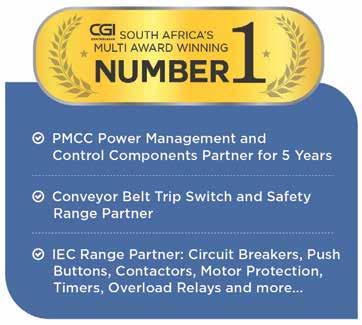
The company has won multiple awards since 1996, and its focus on execution has positioned it as the number one power management control components (PMCC) partner for the past five years. Furthermore, CGI Controlgear proudly holds the top market position as the number one conveyor belt trip switch and safety partner and the number one IEC range partner for Eaton.
The organisation says its 40th anniversary milestone represents more than just a look backward – it is also a launchpad for the future. In partnership with Eaton, the company remains dedicated to pioneering smarter, safer, and more sustainable energy management solutions driving Africa’s next industrial awakening.
Just as CGI Controlgear has helped to power mining’s progress over the past four decades, so the company continues to look forward to engineering the next 40 years with its clients.









IMT helps mining operations strengthen safety and compliance through continuous real-time environmental monitoring.

As the industry faces increasingly tighter regulations under the Mine Health and Safety Act, the shi from periodic manual checks to continuous, real-time environmental monitoring has become a compliance imperative.
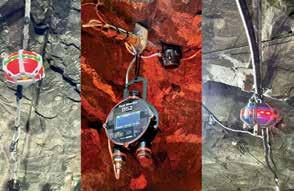
IMT, a leader in integrated mining solutions, is deploying a suite of advanced M3SH Technology continuous real-time environmental monitors that are raising safety standards and productivity across the sector.
“As part of the Occupational Health Programme and Mandatory Code of Practice, mines are now required to establish rigorous systems for measuring and monitoring exposure to airborne pollutants, noise, toxic gases, and thermal stress in order to identify, assess, monitor, record, and control employee exposure to workplace health hazards,” says Tsepiso Taole of IMT.
Traditional methods, o en reliant on manual, periodic sampling, simply cannot keep pace with these requirements. These only o er a snapshot in time, leaving dangerous gaps in exposure visibility and delaying risk detection.
“They further create an administrative

burden in maintaining continuous compliance records. What mines need today is a continuous real-time, uninterrupted stream of data that allows for immediate intervention.”
This is where M3SH Technology innovations bridge the gap between regulatory expectation and operational reality, he says. M3SH enables continuous real-time identification of significant health risks and exposure trends, as well as automated reporting and record keeping aligned with COP climate change requirements.
While the benefits of real-time monitoring are clear, South African mines want to see proof of concept – in the form of solid, tested implementations – before wide-scale adoption.
IMT is currently demonstrating that capability through several major implementations, he says. A Northern Cape mining operation recently concluded a successful six-month pilot of the M3SH sensor suite in order to establish a continuous real-time environmental monitoring system to track hazards such as toxic gases and thermal stress.
The deployment of these sensors goes beyond compliance, he notes. It is about building the foundation for the intelligent mine of the future. The M3SH Technology solutions provided by IMT o er centralised data visibility and seamless integration with existing supervisory control and data acquisition (SCADA) technology and mine management systems.
This automated reporting capability alleviates the administrative burden of compliance records, allowing safety o icers to focus on risk management, rather than data entry.
“An important di erentiator of the M3SH monitoring solution is the availability of an optional private 5G communication layer.
This network o ers self-connecting and self-healing mesh capabilities, allowing connected devices to maintain reliable communications both underground and on surface.”
For safety-critical monitoring applications, this creates valuable redundancy and resilience, helping to ensure that environmental data continues to flow, even if part of the network path is disrupted.
Beyond three successful major implementations in the Northern Cape, IMT’s footprint extends to the platinum belt. Taole was part of the expert team that installed a secure 5G network and a range of M3SH real-time sensors at the Impala Bafokeng mine in Rustenburg.
This project, part of a collaboration with the Mandela Mining Precinct, serves as a blueprint for the modern digital mine, proving that high-speed connectivity and robust sensor technology can work in tandem to improve safety and productivity.
“By enabling the continuous identification of significant health risks and exposure trends, mines can transition from reactive compliance measurement to proactive occupational health risk management,” says Taole.
Mine managers are able to implement e ective controls immediately when an exposure trend is detected, ensuring they are not just meeting compliance imperatives, but truly safeguarding employee health.
“As the Department of Mineral and Petroleum Resources recognises realtime monitoring as an essential tool for compliance, IMT stands ready to support the industry and demonstrate that with the right technology and implementation partners, real-time sensor technology can move South African mines towards a safer, smarter, and more compliant future,” he says.






















The advantages of leveraging digital twins to understand ventilation requirements in real time are numerous, particularly when it comes to safety underground.
BY CHRISTO VISAGIE, MANAGING DIRECTOR AT VUMA SOFTWARE
The concept of digital twins can sound abstract, but in mine ventilation, it has already become a practical tool. When detailed simulation models are paired with live sensor data, operators gain a reliable, realtime picture of underground conditions, such as airflow shi ing, temperatures changing, contaminants moving, and equipment relocating.
Instead of snapshots or intuition, they see how the mine behaves moment to moment, with a clear view of expected versus actual performance.


This visibility sharpens decision-making, as anomalies surface earlier, scenarios can be tested before anything is physically adjusted, and emergency responses become faster and more informed. Fan and cooling settings, schedules, and maintenance windows move from educated guesswork to model-supported, data-driven choices.
Critically, a digital twin delivers a reliable, real-time view of what the ventilation system is actually delivering underground, rather than isolated sensor readings or a static model. It blends a calibrated simulation with live measurements of airflow, temperature, and air quality, allowing engineers to compare expected and actual performance and understand the impact of any adjustment before it is implemented.
In a ventilation-on-demand (VoD) environment, the value of a digital twin extends beyond optimisation. It supports active ventilation management by helping to optimise the supply, routing, and distribution of air within safe limits, rather than forcing primary fans to chase a theoretical “optimal” setpoint continuously.
A common early detected anomaly is an unexpected shi in the ventilation balance, caused by a fan trip, a door le open, or a fan starting or stopping elsewhere in the network. Manual VoD, set once at the start of a shi , will not detect this quickly, but real-time monitoring flags the deviation immediately, enabling faster intervention.
Beyond sudden shi s, slow-burning risks also demand attention – air quality dri ing the wrong way, rising dust or gas levels, and increasing heat load. Realtime VoD or VUMA (ventilation simulation so ware) surfaces these patterns early, highlighting potential compliance or safety risks before they escalate. The real value comes from linking alerts to a clear control philosophy, especially where stagnant air or gas ingress is a risk.
E ective digital twins start with instrumentation; smart sensors, actuators, and remote starters to measure and adjust airflow in real time. Without reliable data, nothing can be automated or controlled.
The second requirement is a robust communications network so that every underground device feeds into a central control layer
without gaps. You can’t control what you can’t measure, so this makes instrumentation and connectivity the foundation of any successful system.
Because this infrastructure takes time to build, most VoD and ventilation control systems start small and scale as capability grows. Once the foundations are in place, operators can simulate the impact of a damper or fan change minutes or hours ahead, shi ing from reactive adjustments to proactive ventilation management and avoiding fixes that simply move the problem elsewhere.
In an emergency, the advantage is speed and shared situational awareness. A digital twin or real-time VoD system gives teams an immediate view of airflow distribution and air-quality conditions, so decisions about evacuation routes, isolation zones or re-entry can be made with far greater confidence. This shared visibility improves coordination across teams during high-pressure scenarios.
It also allows operators to verify the consequences of any intervention, such as changing a fan setting, adjusting a damper, or isolating an area, before acting. That prevents well-intentioned fixes from starving another zone, creating stagnant air or worsening gas ingress risks.
The same capability improves day-to-day operational decisions, as teams can see the likely impact of changes in advance, reducing guesswork and avoiding unintended knock-on e ects.
Digital twins are not di icult because the technology is exotic; they are di icult because the foundations matter. Three things are required: a surveyed mine, a calibrated network model, and trusted data.
Operations already using VUMA have this groundwork in place, which makes it far easier to layer in real-time monitoring, add instrumentation and communications, and scale towards full digital twin capability.
Once those basics are established, the benefits come quickly, with clearer “expected vs actual” insight, more predictable control, and a shi from reactive ventilation adjustments to proactive, model-based management. Mines that start without this foundation can still get there, but the journey is longer, because the models and baseline data must be built first.
The direction, either way, is unmistakable. As mines strengthen their data, skills and systems, digital twins will become the backbone of safer, more e icient, and more predictable ventilation management underground. Ultimately, the goal remains simple: delivering the right air to the right place at the right time – and doing so safely.

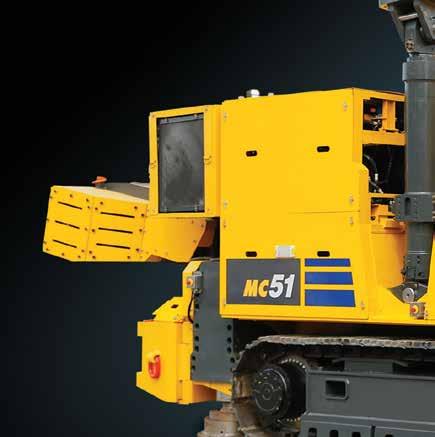


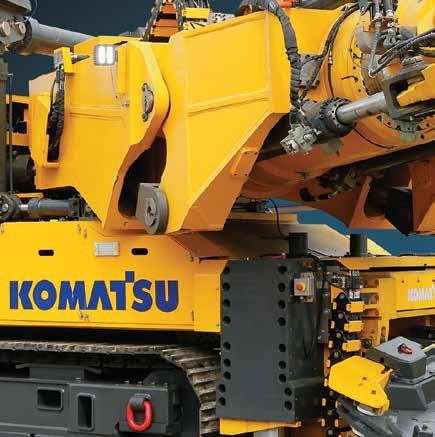

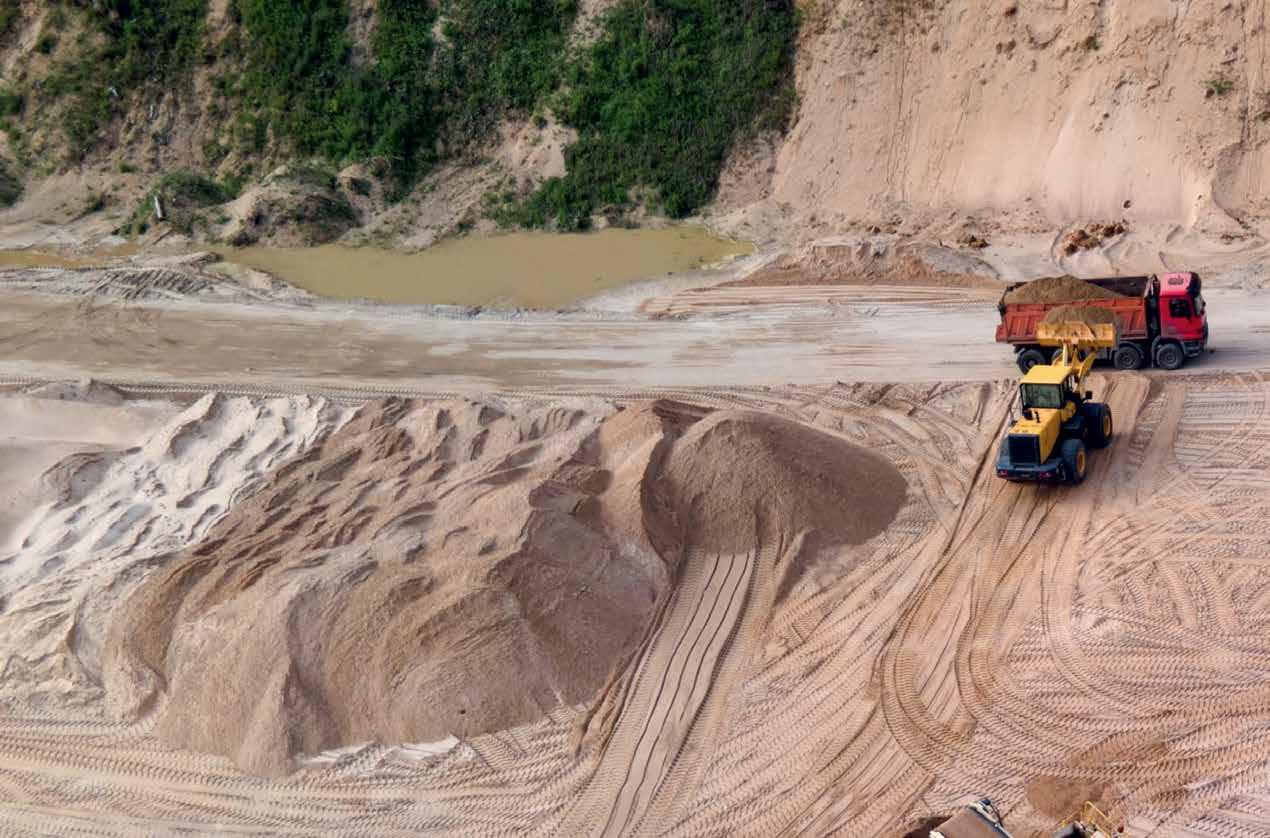
Pebbles
form because certain rock fragments
cannot be broken down
further and instead recirculate
within
the
mill. This impacts grinding effi ciency, energy usage and increases costs.

BY RODNEY WEIDEMANN
In mining operations, a percentage of the material entering a mill reports back as larger, hard pieces known as “pebbles”.
These are particles that do not break easily and are recirculated within the process, either directly or a er crushing –creating significant ine iciencies.
While pebble recirculation remains standard practice in mining operations, it is an approach that is both costly and energy-intensive, given that pebbles can represent up to 30% of the mill feed. This leads to increased complexity and reduced e iciency, ultimately limiting overall plant performance.
Fernando Romero-Lage, area sales manager at TOMRA Mining, explains that pebbles form because certain rock fragments reach a size where the mills cannot reduce the rock by impact. “This is known as the critical size behaviour. Instead of breaking, these particles tend to absorb energy and circulate within the mill, reducing grinding e iciency.”
Dr Lawrence Bbosa, executive manager at Mintek’s mineral processing division, says such pebbles tend to be made up of the harder, more competent component of the orebody, meaning it is material that requires disproportionate energy to break and can circulate repeatedly through the crushing and grinding circuit.
towards the hardest, most competent material in the orebody. That material may be high-value, low-value, or barren waste.
“Sensor-based sorting can show that pebble streams can contain strong grade variability, meaning one pebble may be valuable ore while the next may be hard waste. This is why mines are starting to see pebbles not as a nuisance stream, but as a controllable metallurgical opportunity.”
If a mine understands which pebbles are valuable, which are barren, and why they recirculate, it can improve the entire grinding circuit, he says.
According to Mintek, the pebble size range varies with ore type and mill design, but commonly falls within around 20mm to 70mm. Pebble generation is strongly influenced by ore competency, feed size, lithology, gangue content and mineral texture.
Harder ores, more silicarich material, strongly locked mineralisation and competent waste lithologies will generally produce a larger and more persistent pebble fraction. The pebble stream can therefore di er significantly from the original feed, both mineralogically and mechanically.
“This creates a substantial handling burden through screens, conveyors, crushers, bins and pumps, while also occupying mill volume that could otherwise be used for fresh feed. The consequence is not only additional wear and logistical complexity; it is also an energy and throughput issue,” he says.
“The practical implication is that not every pebble should automatically be treated in the same way. Understanding how pebble formation relates to lithology, hardness and mineral value gives mines the basis to decide which material warrants further crushing and grinding, and which may be better diverted, selectively treated, or rejected, before it consumes additional circuit capacity.”
Romero-Lage says the assumption is that pebble streams have roughly the same grade and value as semi-autogenous grinding mill feed. In reality, pebbles are o en biased
“The benefits include higher SAG throughput, lower recirculating load, less pebble crusher duty, lower energy consumption, reduced liner and crusher wear, and improved mill stability.”
According to Tega business development manager Vamumusa Manyathi, the pebbles are generally of some value, but usually less than the feed, and most times like the tails.
“If there is value, then it depends on the grade and quantity that is produced as to whether it is economical to regrind or not; otherwise, these are generally stockpiled or sold,” he says.
“Most of the time the pebbles can’t be ground any further, yet they still occupy a volume of the valuable material and if they have reached critical size, this may cause pebble buildup, leading to feed rate reductions.”
TOMRA believes the best approach is to treat the pebble stream as a separate, measurable ore stream before it returns to the mill.
“That means screening it into a sortable size fraction, which is relatively easy, because the size distribution of the pebbles falls within the sortable size range. A er this, the mine presents clean individual particles to a sensor-based sorter, identifying high-value and lowvalue particles, rejecting barren material, and returning only valuable pebbles to the crusher or mill.
“This reduces the amount of hard waste that keeps circulating and consuming energy,” says Romero-Lage.
Bbosa indicates that technologies such as X-ray transmission, X-ray fluorescence, laser-based sensing and other sensor sorting approaches can identify contrasts in density, elemental composition, mineralogy or internal structure.
“Where the ore exhibits su icient coarse scale heterogeneity, this makes it possible to separate valuable pebbles for further treatment from low-value material that would otherwise circulate repeatedly,” he says.
Asked whether there is a way to turn the low-value pebbles that are
ADDITIONAL CRUSHER CHALLENGES
TOMRA Mining notes that as steel balls wear, deform, and occasionally break, they can escape the semiautogenous grinding (SAG) mill and report to the pebblecrushing circuit. Because SAG mill grate openings tend to increase as wear progresses, the likelihood of worn or broken steel media entering the pebble stream also increases over time.
Area sales manager Fernando Romero-Lage notes that sensor-based sorting systems can identify and reject barren rock particles even when steel media are present, while selectively directing valuable material back into the process.
“This significantly reduces the amount of waste reporting to the pebble crusher and helps mitigate one of the major operational risks associated with pebble crushing: the presence of incompressible and uncrushable steel balls.
“These steel fragments can cause severe crusher damage, unplanned downtime, excessive wear, and costly maintenance events. By removing barren material upstream and minimising the exposure of the crusher to steel contamination, sensor-based sorting improves both circuit reliability and overall operating e iciency.”
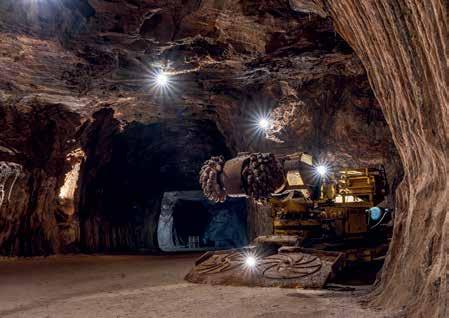
removed into an additional revenue stream, Manyathi says there are options here for mines.
“There are ways to turn a profit from these otherwise worthless pebbles. Many mines and quarries sell this to companies that use it for road maintenance and other, similar purposes. Alternatively, it can be leveraged as mine backfill,” he says.
Bbosa believes the decision to leverage low-value pebbles in such ways depends on three main considerations.
“First, the material must be mechanically suitable. In other words, it needs adequate strength, durability, size distribution and resistance to break down for the intended application. Second, it must be environmentally acceptable. Geochemical testing is required to confirm that it is non-acid-generating and will not create problematic leachate or contamination risks.”
Lastly, he says, the logistics and economics must make sense. This means the material must be close enough to the point of use, and the avoided handling, disposal or purchased aggregate cost must justify the processing and qualification e ort.
Romero-Lage agrees, suggesting these pebbles must meet geochemical, environmental and geotechnical requirements. To this end, he says sensor-based sorting can separate mineralised pebbles from non-mineralised pebbles, where the latter can then be used as an aggregate, since it will have a low- or zero-value acid footprint.
“Proper pebble valuation changes the question from: ‘How do we crush and return this material?’ to ‘Should this material go back into the mill at all?’, and this is where the key shi lies.”
Every barren pebble returned to the circuit consumes power, capacity, steel, liners, crusher life, and operating attention – without adding value, he says.
“By identifying and removing low-value pebbles before recirculation, mines can increase e ective mill capacity, improve feed
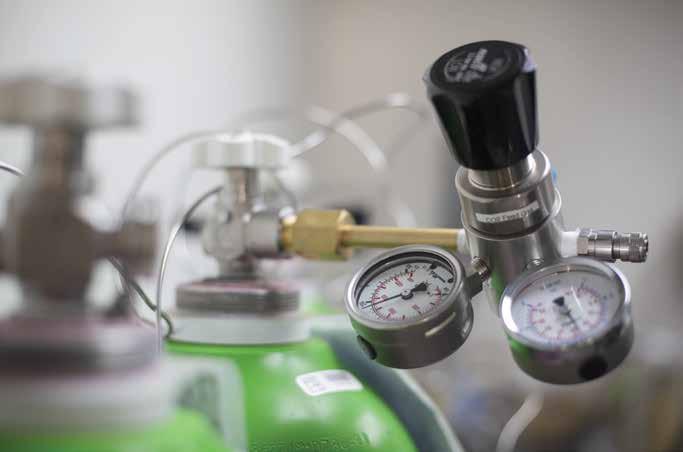
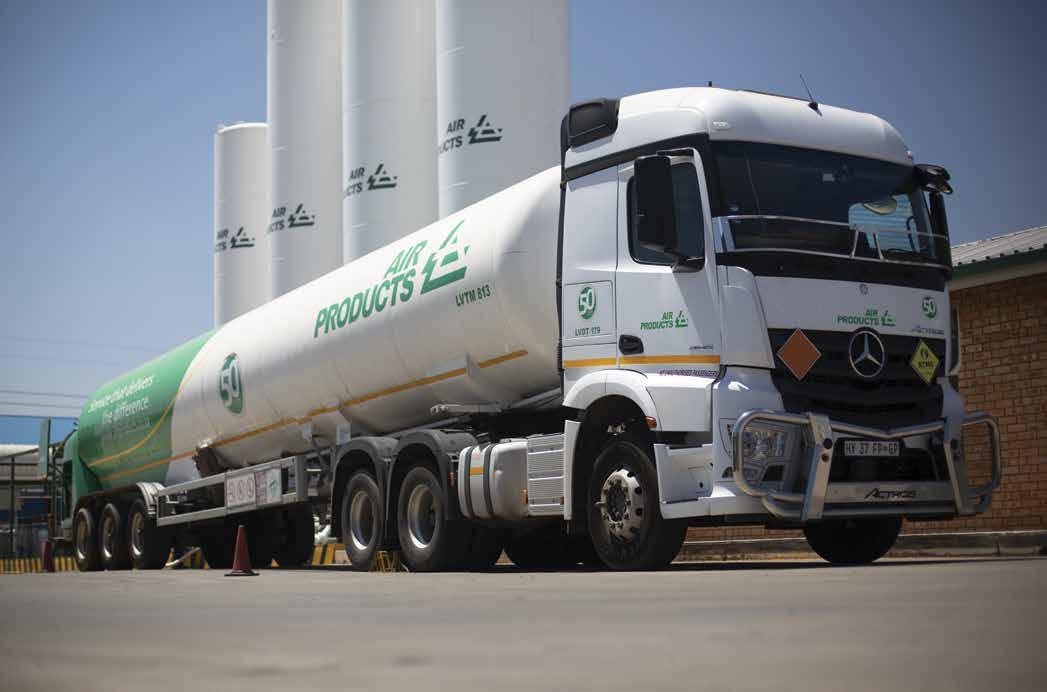
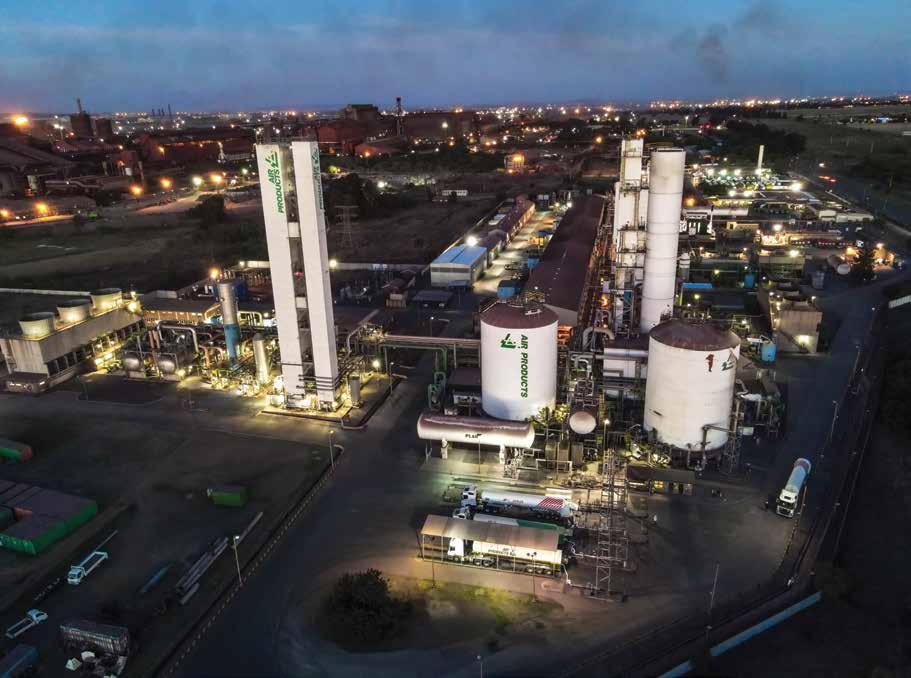
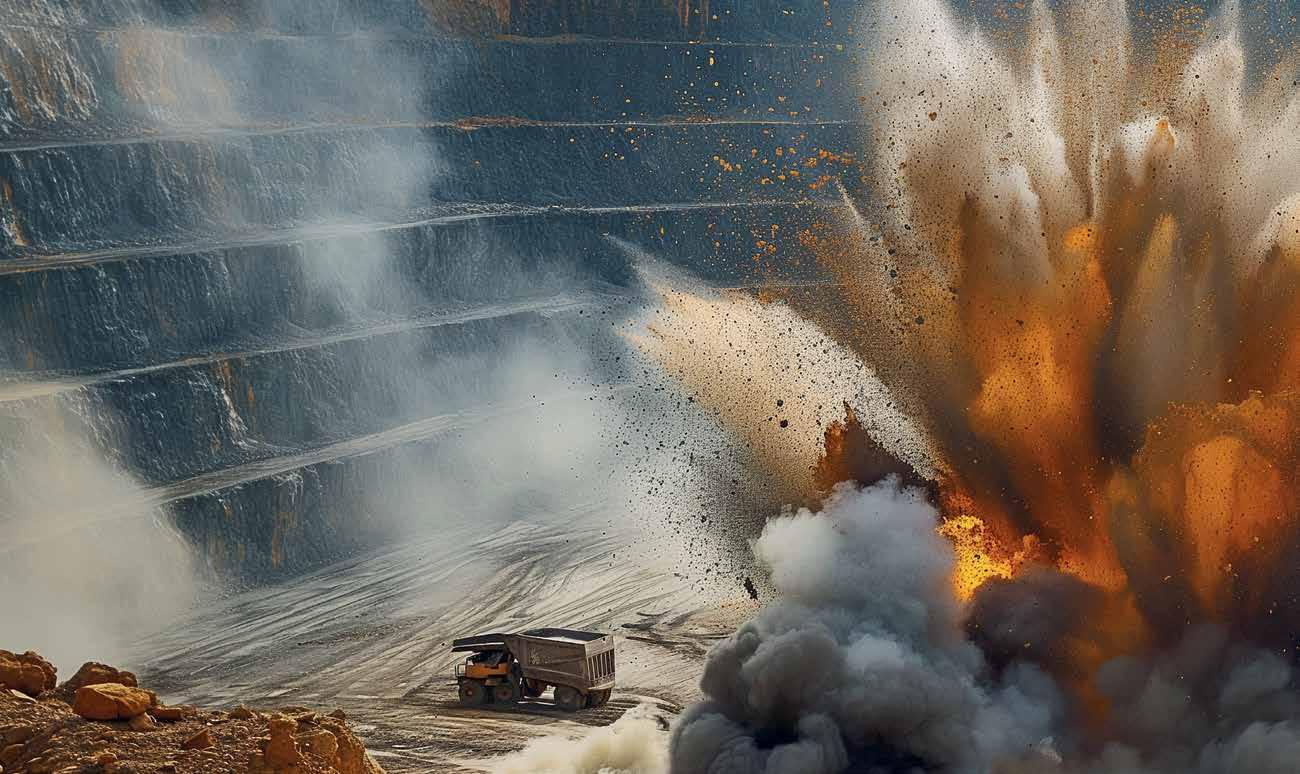




The health and wellbeing of employees is vital when operating with explosives, as any conditions that diminish concentration and physical performance may lead to an elevated risk of accidents.
BY RODNEY WEIDEMANN



When it comes to mine safety and the issue of explosives use, there is growing recognition that sustainable safety performance requires a deeper, more integrated understanding of the human factors that influence risk.
Research indicates the need for a critical evolution in safety thinking: from reactive incident response to preventive, systems-based risk management that places human health at its core, according to Dr Ramesh Dhoorgapersadh, general manager: operational excellence and safety, health, environment, risk and quality at BME.
He notes that mining incident investigations have historically focused primarily on unsafe acts and hazardous conditions as the main causes of accidents.
“While this emphasis remains important, it overlooks a critical dimension: the health and wellbeing of employees. Increasingly, research recognises that physical and psychological wellness can significantly influence behaviour and decision-making and therefore play a role in the occurrence of unsafe acts,” says Dhoorgapersadh.
“Conditions such as chronic illnesses, stress, and fatigue have the potential to diminish concentration and physical performance, leading to an elevated risk of accidents.”
KEEPING PEOPLE AT THE CENTRE He suggests that this omission not only weakens the e ectiveness of safety management, but also introduces avoidable financial, operational, legal, and reputational risks for mines.
From a technical standpoint, human health directly a ects the integrity of critical control management systems. Degraded human performance introduces variability into otherwise controlled processes, weakening barriers such as procedural compliance, blast design verification, charging and timing accuracy, and safe initiation practices.
“Embedding human health into risk models ensures that latent conditions – like fatigue, cognitive overload, and chronic health conditions – are treated as precursors to active failures.
“This aligns with bow-tie analysis, Swiss cheese models, and ISO 45001 risk frameworks, where human factors are explicitly considered in both preventive and mitigative controls,” he notes.
Enaex Africa CEO Francisco Baudrand points out that while technology, engineering expertise and robust operational processes are critical, people remain at the centre of every safe operation.
“At Enaex, our value of life reminds us that human health and wellbeing are fundamental to e ective risk management. An employee who is physically fit, mentally alert, and emotionally supported is better equipped to make sound decisions, maintain situational awareness, and respond appropriately in high-risk environments,” he says.
Phumzile Buthelezi, people and sustainability director at Enaex Africa, adds that physical health, mental wellbeing, and emotional resilience directly influence how individuals perceive risk, make decisions, and respond to the dynamic environments in which they operate.
“We understand that excellence in operational performance is only possible when our people are empowered to perform at their best. Factors such as fatigue, stress, chronic illness, burnout, or personal challenges can a ect concentration, judgement, situational awareness, and reaction times – all of which are critical elements in environments where safety is non-negotiable,” she says.
By fostering a culture that supports the holistic wellbeing of our employees on a physical, mental, and emotional basis, “we strengthen our ability to make safe decisions, build resilient teams, and create workplaces where people can thrive”.
“Ultimately, when we invest in the wellbeing of our people, we create stronger bonds, safer operations, and more sustainable outcomes for our customers, communities, and business.”
BME’s Dhoorgapersadh suggests that research demonstrates the need to proactively address health risks, rigorously control fatigue, and analyse the broader costs of occupational incidents, in order to foster a safer and more productive work environment.
“This methodology also advocates for a deeper understanding of the costs associated with occupational incidents, which have their own impacts on a company’s mining operations,” he says.
“These include motor vehicle accidents, slips, trips and falls, as well as machineryrelated incidents. This urges a shi from a purely financial assessment, to a more holistic one encompassing employee wellbeing and
“CREATING SAFER, HEALTHIER WORKPLACES REQUIRES ORGANISATIONS TO MOVE BEYOND VIEWING SAFETY, HEALTH, AND WELLNESS AS SEPARATE FUNCTIONS.”
– BUTHELEZI
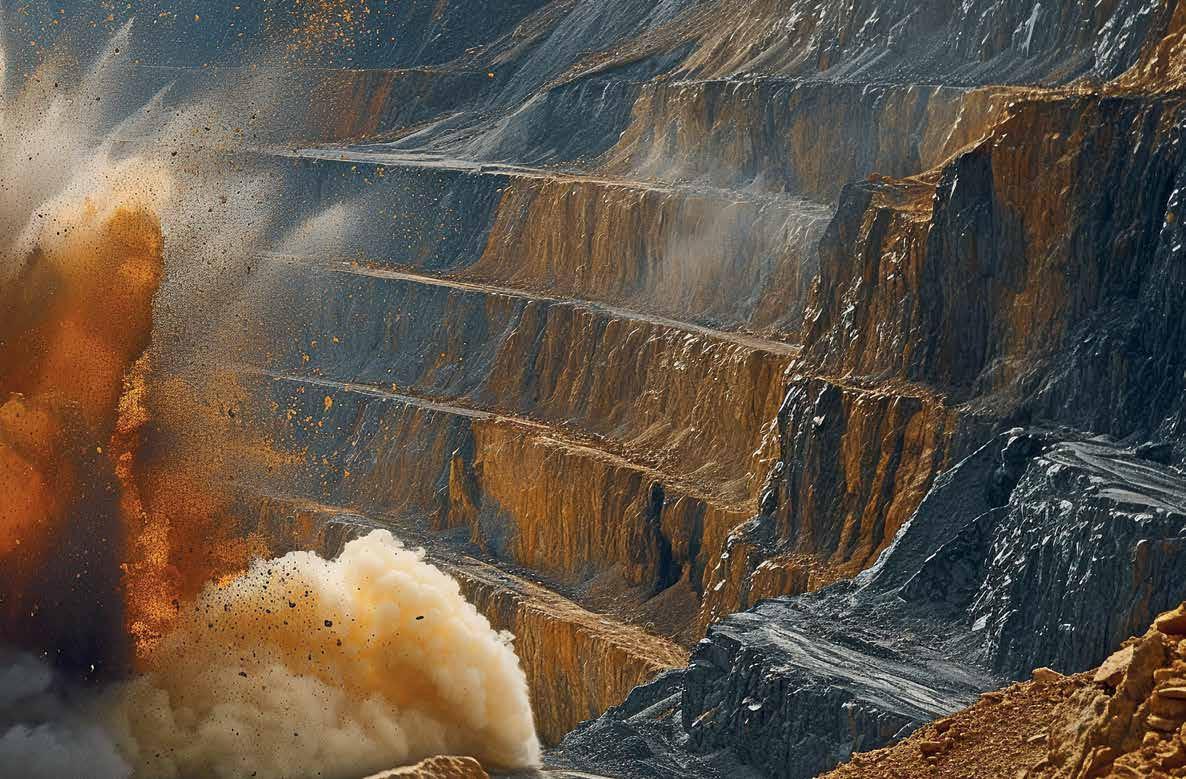
social development impacts.”
Enaex Africa’s sales and mining services director Fabián Jadue points out that when health and wellness factors such as fatigue, stress, chronic illness, or mental strain begin to affect employee performance, the risks extend far beyond the individual.
In high-risk environments like mining and blasting operations, weakened safety management can have significant financial, operational, legal, and reputational consequences.
“There are also important legal implications. Mining companies have a responsibility to provide a safe working environment and to actively manage risks that could affect employee wellbeing and safety. Failure to do so can result in regulatory action, litigation, and increased scrutiny from stakeholders and authorities,” he notes.
“Equally important is the impact on reputation. Trust is one of the mining industry’s most valuable assets. Safety incidents can undermine confidence among employees, customers, investors, regulators, and host communities – often creating consequences that persist long after the immediate event has been resolved.”
BME adds that a thorough incident investigation methodology that encapsulates health and wellness will detect and temper risks before they culminate in workplace incidents.
“Key elements of this integrated approach include fitness-for-duty assessments, health-informed job design and training, the use of medical surveillance data, wellness programmes, and ongoing monitoring of health outcomes,” says Dhoorgapersadh.
“Managing workplace fatigue through regular breaks, wellness initiatives, and targeted training is also essential. In addition, proactive health risk identification tools provide a strategic way to anticipate and mitigate emerging risks before they escalate.”
Buthelezi adds that creating safer, healthier workplaces requires organisations to move beyond viewing safety, health, and wellness as separate functions.
“The most effective strategies recognise that people, processes, leadership, and technology are interconnected and must work together to support both employee wellbeing and operational performance.
“It is also necessary to ensure that roles are aligned with the physical and cognitive demands of the job, leaders are equipped to recognise and address wellbeing concerns, and [that] employees feel empowered to speak up when they are not fit for work.”
This also requires comprehensive job evaluations that clearly define responsibilities, competency requirements, and fitness-for-duty standards. Conducting appropriate medical assessments before employees are placed into operational roles helps ensure individuals are physically capable of safely performing the demands of their positions.
“Equally important is creating meaningful wellness programmes that support employees holistically. Access to healthcare, mental health support, employee assistance programmes, and initiatives that promote physical wellbeing all contribute to a
BME notes that in explosives operations, weakened safety management introduces multilayered risk exposures: Financial
■ Increased total recordable injury frequency rate costs
■ Blast misfires, rework, and equipment damage
■ Escalation in insurance and compensation liabilities
Operational
■ Instability in drilling and blasting cycles
■ Increased variability in fragmentation outcomes
■ Reduced process reliability and throughput
Legal and regulatory
■ Non-compliance with MHSA, ISO 45001, and explosives regulations
■ Heightened exposure to statutory penalties and legal claims
■ Reputational and ESG impacts
■ Negative safety performance affecting investor confidence
■ Reduced social licence to operate
healthier, more resilient workforce,” she says.
BME says sustainable improvement requires embedding health and wellness into organisational governance structures. This means leadership accountability for health-related risk indicators, integration of contractors into health and fatigue management systems, adoption of digital transformation strategies to enhance monitoring and control, and continuous improvement through benchmarking and audits.
A mature organisation treats health and wellness as a core component of process safety, rather than an auxiliary function.
“In high-hazard environments such as explosives operations, safety performance is fundamentally constrained by human capability. A technically integrated approach – incorporating human factors, engineering, predictive analytics, and system-based risk management – is essential to ensure that health and wellness are actively managed as critical determinants of safety,” says Dhoorgapersadh.
Enaex Africa’s Baudrand says: “As the mining industry continues to evolve, organisations must recognise that sustainable performance is built on a strong foundation of safety, wellbeing, operational discipline, and leadership.”
Ultimately, he says, success is measured by more than operational outcomes. It is reflected in workplaces where “people return home safely, customers achieve their objectives with confidence, and communities trust that mining activities are being conducted responsibly and with care”.













The biennial Electra Mining Africa show is set to unveil several exciting additions in 2026 as it brings a multitude of key industries together in a single, dynamic trade show.
As industries across Southern Africa navigate technological change, sustainability imperatives and increasing pressure to improve productivity and competitiveness, opportunities for collaboration and business growth have never been more important.
It is against this backdrop that Electra Mining Africa returns in 2026 under the theme “A world of opportunity”.
South Africa’s mining, power, electrical, automation, industrial, transport, and manufacturing sectors are the engine of the nation’s economy, notes Montgomery Group Africa portfolio director Charlene Hefer. Together, she says, they drive growth, create jobs, and turn raw materials into valueadded products that fuel trade and exports.
“Electra Mining Africa brings these industries together in one dynamic trade show, o ering a platform for buyers, sellers, and decision-makers to connect, explore innovations, and forge partnerships. With in-person networking and cutting-edge exhibitor content, this is the event where industry collaboration meets business growth,” says Hefer.
“VISITORS CAN LOOK FORWARD TO A WIDE RANGE OF INNOVATIONS REFLECTING THE ONGOING TRANSFORMATION OF THE MINING, INDUSTRIAL, MANUFACTURING AND AUTOMATION SECTORS.”
Electra Mining Africa has established itself as a meeting place where suppliers, manufacturers, technology providers, decision-makers and end users come together to connect, share knowledge and do business.
For many exhibitors, the value of participation extends well beyond the exhibition itself, with relationships formed during the event o en developing into partnerships, projects and commercial opportunities over the months that follow.
The biennial show is set to unveil several exciting additions in 2026, among them a new outside exhibit area located in the Arena at the Johannesburg Expo Centre, with Hefer suggesting that the introduction of the new Orange Zone comes in direct response to exhibitor demand.
“The new Orange Zone provides the additional space needed to accommodate more companies that want to showcase their equipment and innovations outside. There will therefore be more original-equipment manufacturers than at previous shows.”
“In addition, visitors can look forward to a wide range of innovations reflecting the ongoing transformation of the mining, industrial, manufacturing and automation sectors,” she says.
Across the exhibition floor, leading exhibitors will showcase next-generation equipment and systems designed to improve productivity, e iciency and operational
performance. These include advances in automation, smart control systems, and datadriven technologies that are reshaping how industrial operations are monitored, managed and optimised in real time.
A key focus will be on practical, applicationled innovation. Visitors will be able to see many live demonstrations, compare technologies side by side, and engage directly with engineers and technical specialists to gain insight into product capabilities, applications, and system integration.
Some of the key seminars/workshops that are scheduled to take place at the event include those by the Southern African Institute of Mining and Metallurgy, Society for Automation Instrumentation Mechatronics and Computer Engineering, Women in Mining South Africa and Li ing Equipment Engineering Association of SA.
Noting that Electra Mining Africa 2024 was the biggest show to date – with 950 exhibitors across six exhibition halls and four extensive outside areas, and just under 40 000 visitors in attendance – Hefer says this year’s Electra Mining Africa exhibition is already on track to surpass these milestones.
“Taking place at the Johannesburg Expo Centre, Nasrec, Johannesburg between 7 and 11 September 2026, Electra Mining Africa is a six-in-one trade show, incorporating Electra Mining Africa, Automation Expo, Elenex Africa, PowerEx, Transport Expo and the Local Southern African Manufacturing Expo. It is the largest show of its kind in Southern Africa, and one of the largest mining and industrial shows globally,” she says.
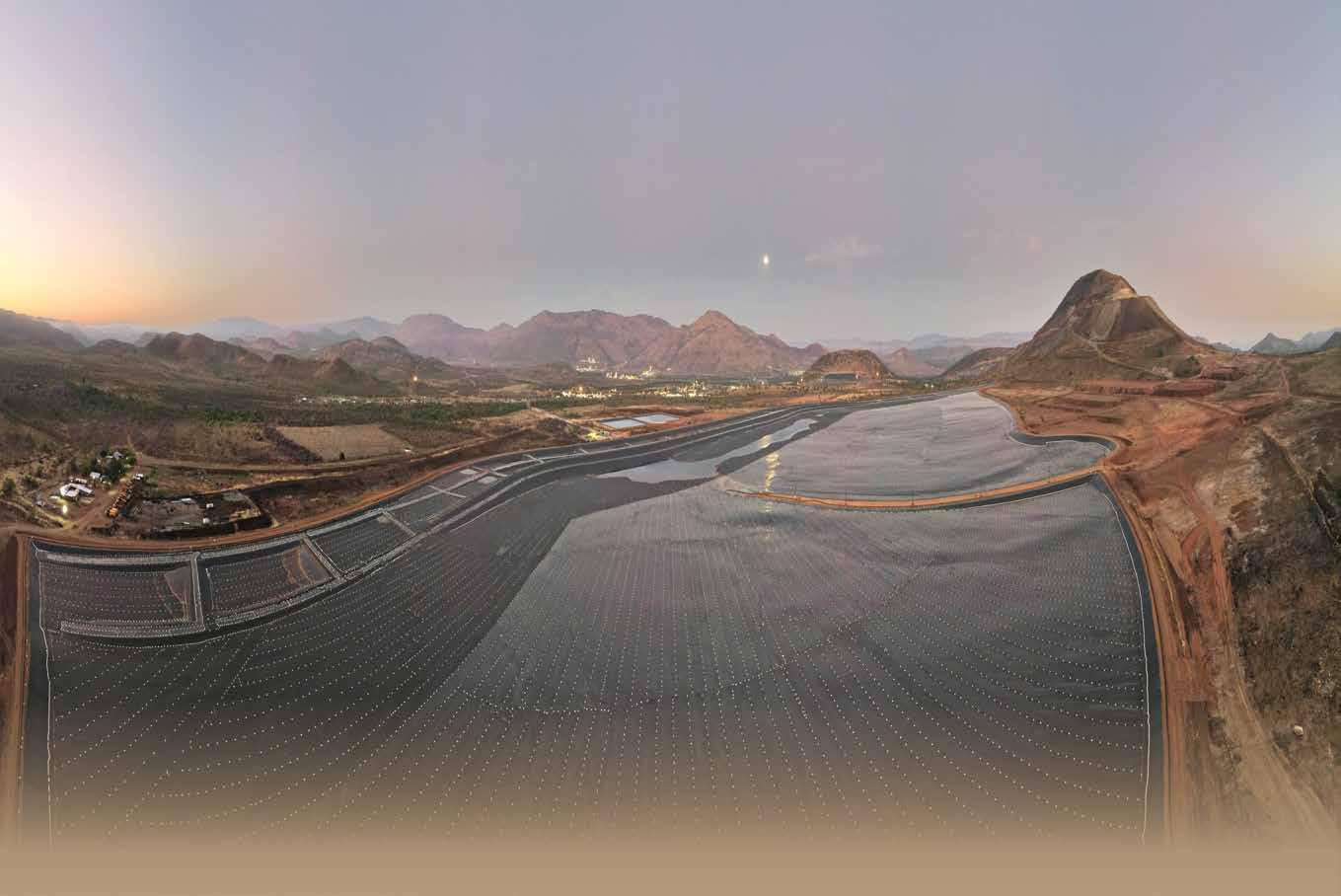


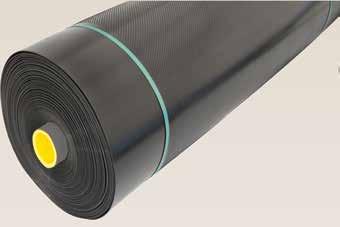
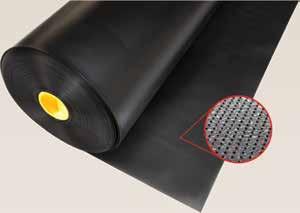


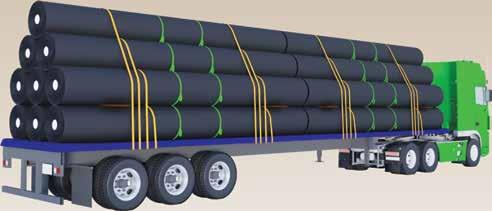







Modern mining environments are becoming increasingly connected and data-driven. This is allowing proximity detection technology to evolve into one that provides intelligent, context-aware safety management.
For many years, the mining industry has relied on collision-prevention systems (CPS) to reduce vehicleto-pedestrian and vehicle-tovehicle incidents underground. These technologies have played a critical role in improving safety and operational awareness across mining environments.
However, as mining operations become increasingly connected and data-driven, the role of proximity detection technology is evolving beyond simple alarms and intervention systems.
Schauenburg Systems has introduced its next-generation collision-prevention technology – the ProXYmus CPS.
ProXYmus is an advanced collisionprevention solution, designed to enhance realtime awareness between vehicles, personnel, and infrastructure in underground and surface mining environments. Developed specifically for the demanding conditions of modern mining operations, ProXYmus enables mines to move beyond conventional proximity alerts and towards intelligent, context-aware safety management.
AS DIGITAL TRANSFORMATION
ACCELERATES ACROSS THE MINING SECTOR, PROXIMITY DETECTION SYSTEMS ARE INCREASINGLY BECOMING PART OF LARGER CONNECTED OPERATIONAL PLATFORMS.

Built on Schauenburg Systems’ extensive experience within the mining industry, ProXYmus has been developed to support a wide range of mining applications, including underground coal, hard-rock, and surface mining operations. The system has been designed to address the unique operational challenges presented by each environment, while providing mines with a scalable and adaptable safety solution aligned to modern operational requirements.
Today’s mining environments are highly dynamic and complex. Trackless mobile machines, pedestrians, infrastructure, restricted zones, and environmental conditions all operate simultaneously within confined and o en high-risk spaces. In these conditions, safety requires more than isolated warning systems; it requires intelligent situational awareness, and this is where ProXYmus is redefining the future of mining safety.
Rather than simply reacting to imminent hazards, ProXYmus continuously monitors interactions between people, machines, and infrastructure to provide real-time operational visibility across mining activities. The system forms part of a connected safety ecosystem, allowing mines to gain a clearer understanding of operational activity and potential risk areas as they develop.
By integrating proximity detection with operational awareness and data-driven insights, mines can begin identifying unsafe interactions, operational blind spots, and risk patterns – before incidents occur. This shi represents an important evolution in mining safety philosophy, from reactive safety systems to proactive risk management.
ProXYmus has also been developed with Level 9 readiness in mind, supporting the mining industry’s ongoing drive towards advanced intervention and automated safety
response capabilities. With regulatory expectations and operational safety standards constantly evolving, mines require systems that can support both current compliance requirements and future technological advancement.
As digital transformation accelerates across the mining sector, proximity detection systems are increasingly becoming part of larger connected operational platforms. Integration with intelligent digital ecosystems such as SmartMine IoT allows operational teams to gain greater visibility into mining activity, enabling faster decisionmaking, improved responsiveness, and enhanced situational awareness.
The value of this connectivity extends beyond compliance. It supports safer production, improved e iciency, and a more informed operational environment, where safety and productivity work together.
Importantly, modern mining operations require configurable, adaptable solutions that accommodate unique operational conditions. No two mines are the same, and e ective proximity detection technology must accommodate varying layouts, vehicle types, workflows, and environmental challenges. ProXYmus has been designed with this operational flexibility in mind, helping mines tailor safety functionality to their specific operational requirements.
Ultimately, the future of proximity detection in mining will depend less on isolated alarms and more on intelligent, connected systems capable of predicting, interpreting, and preventing risk.
As mines continue their journey towards digitalisation and smarter operations, technologies like ProXYmus are helping shape a future where safety is not only monitored, but also continuously understood.









































































































































































































































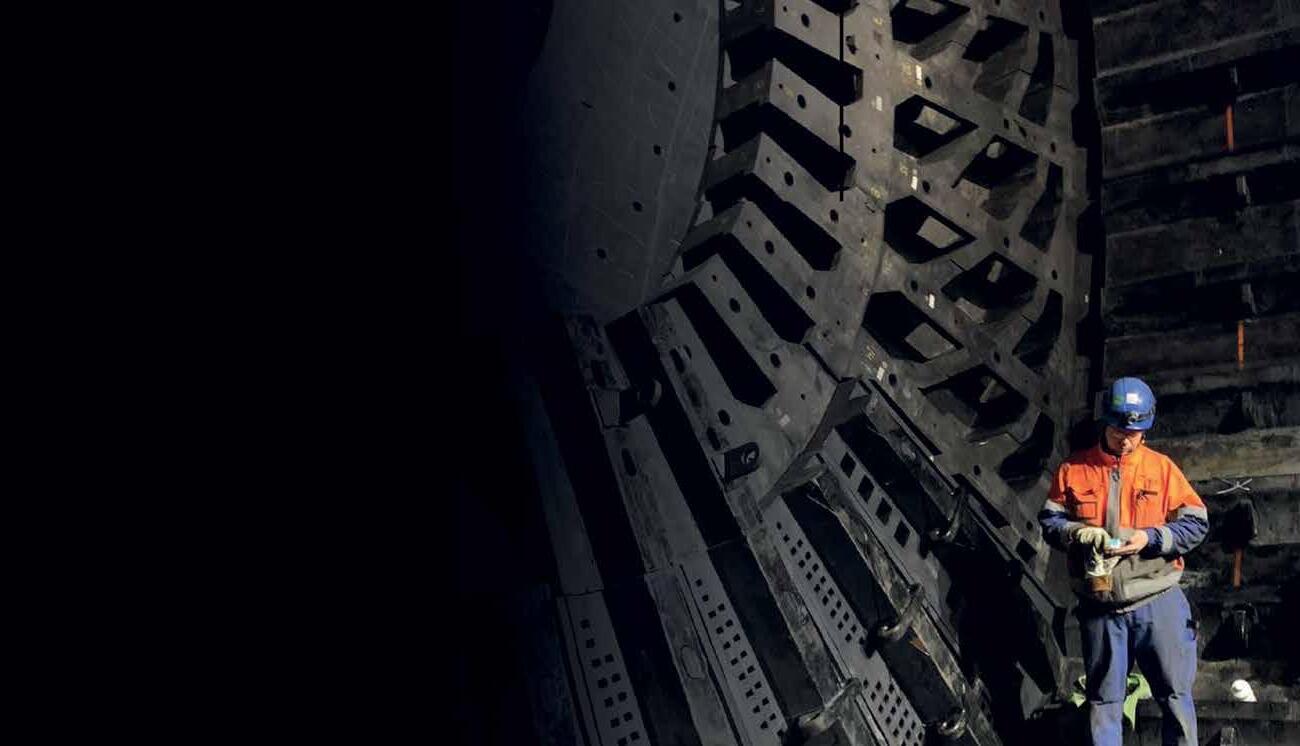



By prioritising maximum availability and safety during installation, Tega Industries has moved from supporting Africa’s secondary mill lining market, to also include primary mills up to 12m.


Mining equipment and linings manufacturer Tega Industries has taken the African mining market by storm, growing from a small local supply base in the early 2000s to become one of the dominant forces in the mill lining industry.
With steady growth in sales orders as well as market share, the company has quietly gone about securing a major slice of the country’s secondary mill lining market and has taken the same successful recipe into other important African markets to do the same. Now, with its proven history, the company is steadily increasing its share in the larger and more complex primary mill liner market, where its DynaPrime o ering is proving to be an unbeatable proposition.
On the back of these successes, the company’s business development manager, Vamumusa Manyathi, is in constant contact with new and existing mines to assist in improving throughput and streamlining maintenance of mills in a growing number of plants.
“Our liners have proven themselves over decades in the field and the industry has come to realise the advantages. Through the years we have shi ed focus from South African mine milling operations and secondary mills – of about 6m in diameter – to include primary mills up to 12m in diameter,” he says.
“There are a number of these large primary mills across the region in countries like Zambia and the Democratic Republic of the Congo, where our DynaPrime range of liners is in high demand. Word of mouth and trials are proving our abilities in these regions, and as a result, there is huge potential for growth for us.”
He explains that Tega DynaPrime liners are lighter and quicker to install when compared to traditional steel liners, contributing to significantly enhanced operational e iciency and reduced downtime.
They are designed for larger mills –specifically semi-autogenous grinding (SAG) mills – and are engineered to reduce installation downtime by minimising the number of individual sections inside the mill. This ensures maximum availability and prioritises safety during installation, with external bolting helping to reduce risks associated with liner installation.
“For customers, reliability is key. They do not care about pricing if downtime costs them more. Our reliability of product, delivery and support is what has earned client trust. We are able to deliver consistently and can operate in markets where others struggle,” he says.
Local manufacturing reinforces this reliability. Tega maintains production facilities in South Africa, while leveraging global manufacturing capacity in India and China to meet urgent demand. Thanks to strong supply lines, it can get products delivered to Vulcania or directly to a mine within two weeks.
Tega echoes its global counterparts with an approach that is intensely customercentric, maintaining consistent contact, and spending around 80% of its time with clients.
“We are more than a sales company and prefer to collaborate with customers to find the right solutions and understand throughput challenges, advise on technology adoption and provide solutions proactively,” Manyathi says.
“What we achieve today becomes
TEGA DYNAPRIME LINERS ARE LIGHTER AND QUICKER TO INSTALL, COMPARED TO TRADITIONAL STEEL LINERS. THIS HELPS TO ENHANCE OPERATIONAL EFFICIENCY AND REDUCE DOWNTIME.





tomorrow’s baseline. Our biggest challenge now is achieving 20% year-on-year growth, while maintaining the same levels of service and quality customers are accustomed to.”
Globally Tega is also exploring new avenues through strategic acquisitions of equipment companies and related products, but for now its local focus remains on core products and the provision of top-class mill liners. The company aims to be a full-service supplier eventually, but, he says, it is pacing itself to build the market correctly.
“Opportunities in Africa are vast. Commodities like gold, copper and palladium are rising, which is having a positive e ect on revitalising mines across the region. We are now seeing clients reopening operations, which will further drive demand for our solutions,” says Manyathi.
Longer
Lower maintenance and change-out frequency HIGHER
Consistent performance for better throughput
Lighter components for safer handling
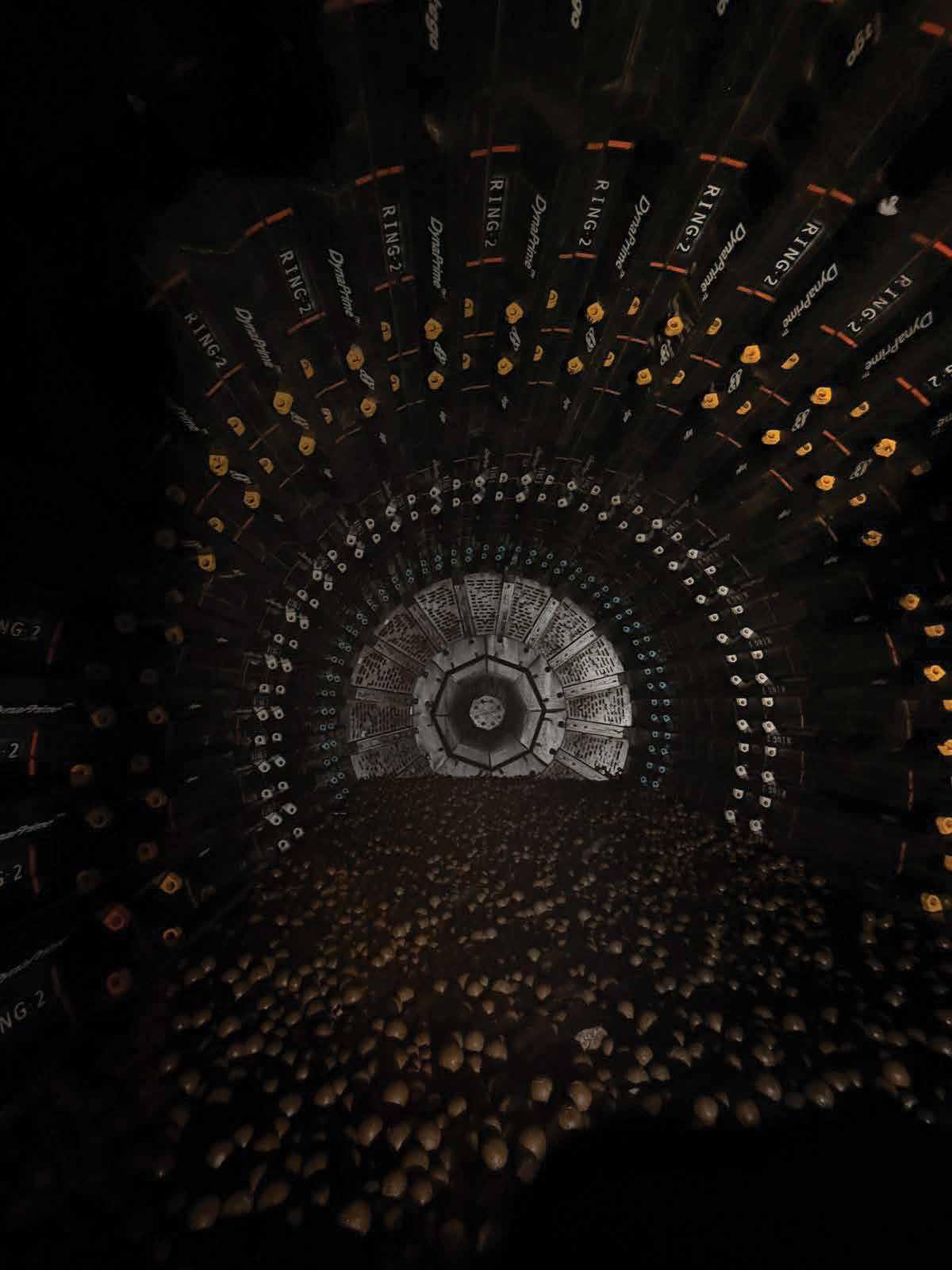
As SA’s mining industry evolves, selecting the right pumping solution is critical to improving operational effi ciency, reducing total cost of ownership and ensuring consistent production.
South Africa is recognised as one of the world’s most mineral-rich countries, producing more than 50 di erent minerals across commodities including platinum group metals, coal, chrome, manganese, iron ore, diamonds, copper and gold.
Each commodity presents unique processing challenges, but one requirement remains constant throughout the value chain: reliable slurry pumping.
From the moment ore leaves the pit, notes Donovan Higginson, process and technical specialist at Schurco Slurry South Africa, until tailings are deposited and process water is recycled, pumps play a vital role in keeping mining operations running safely and e iciently.
“While pumps are o en considered supporting equipment, they are fundamental to almost every stage of mineral processing. A er extraction, many ores undergo crushing and milling to liberate valuable minerals from the surrounding gangue,” he says.
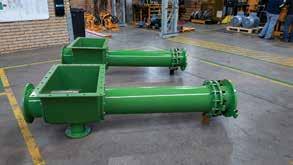
MODERN SLURRY PUMPING IS ABOUT MORE THAN SUPPLYING EQUIPMENT. EFFECTIVE PUMPING SYSTEMS REQUIRE CAREFUL HYDRAULIC CALCULATIONS, PIPELINE DESIGN, WEAR ANALYSIS AND ONGOING PERFORMANCE OPTIMISATION.

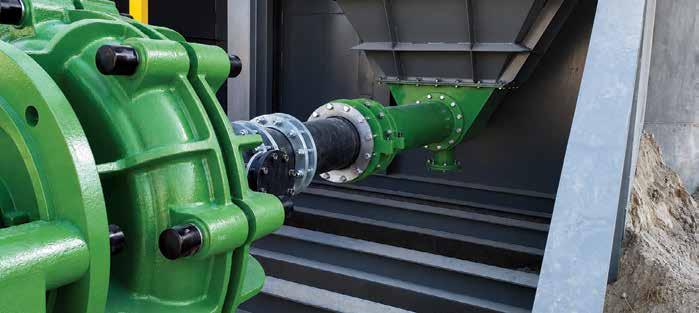

“Once this process begins, slurry pumps become the backbone of material transport, moving abrasive slurries between mills, cyclones, flotation cells, thickeners and tailings facilities. For operations such as dredging or alluvial mining, pumping begins directly at the mining face.”
Whether the process involves dense media separation, flotation, leaching, spiral concentration or other beneficiation methods, each stage relies on dependable pumping solutions designed to withstand abrasive materials, varying particle sizes and demanding operating conditions.
No two mineral processing plants are identical, says Higginson. Coal, platinum, chrome, copper and gold operations all present di erent slurry characteristics. Factors such as particle size, density, pH, temperature and wear rates influence pump performance and component life. This is why selecting the correct pump is only part of the solution.
“Equally important is choosing the appropriate hydraulic design, wear materials and liner configuration to suit each application,” he says. “A pump operating in a fine coal circuit requires di erent material considerations from one handling coarse chrome concentrate or highly abrasive copper tailings.”
Schurco Slurry’s pump range has been engineered to accommodate these varying conditions through interchangeable wet-end components and application-specific wear materials, he says, allowing customers to optimise performance without redesigning the entire pumping system.
Modern slurry pumping is about more than supplying equipment, says Higginson, pointing out that e ective pumping systems require careful hydraulic calculations, pipeline design, wear analysis and ongoing
performance optimisation. By considering the complete pumping circuit, rather than individual components, mines can reduce maintenance costs, improve energy e iciency and extend equipment life.
“Schurco Slurry works alongside mine operators and consulting engineers to verify pump performance calculations, assist with pipeline design and sizing, and optimise slurry transport systems throughout the life of the operation.”
“Although developed for demanding slurry applications, centrifugal slurry pumps have proven their value across numerous industries, including chemical processing, power generation, sugar production, pulp and paper, and industrial wastewater management,” he says.
For specialised applications where conventional rotating equipment is not suitable, jet pump technology provides an alternative solution, operating without moving parts or external electric or hydraulic drive systems.
“With more than 50 years of manufacturing experience and a combined engineering knowledge base spanning over 120 years, Schurco Slurry continues to help mining operations improve reliability, reduce downtime and maximise the life of critical pumping equipment.”
As South Africa’s mining industry continues to evolve, he says, selecting the right pumping solution is no longer simply about moving slurry from one point to another.
“It is about improving operational e iciency, reducing total cost of ownership and ensuring consistent production in some of the world’s most demanding operating environments – because wherever minerals are processed, reliable pumping performance remains one of the foundations of successful mining,” says Higginson.










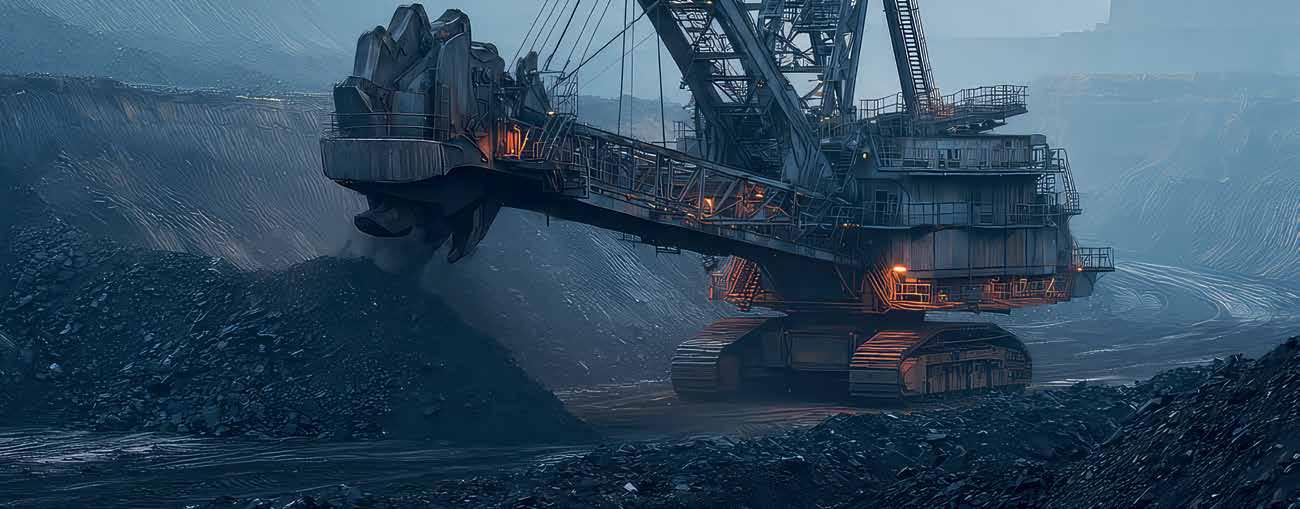
The
recent Junior Mining Indaba once again highlighted the importance of juniors in helping to broaden Africa’s mining economies through new projects, supply chains and employment pathways.
BY DR ANDRIES VAN DER LINDE PHD UH, UK, DIRECTOR AT FINDEV (PTY) LTD
The 12th annual Junior Mining Indaba took place on 9 and 10 June at the Country Club Johannesburg in Auckland Park, and brought together a strong lineup of speakers. These represented industry, investment, government, exploration and mining services, creating a forum for frank and practical debate on the future of junior mining in Africa.
Bernard Swanepoel, who chaired the event and opened the programme, helped set an optimistic yet realistic tone: the sector faces persistent challenges around funding, policy certainty, infrastructure and execution. However, the quality of ideas, entrepreneurial energy and commitment in the room nonetheless pointed to real momentum.
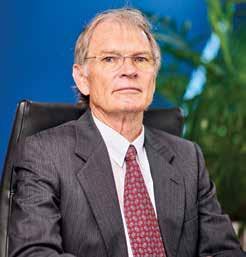
His reflections underscored a clear message from the speakers: Africa’s mineral potential is substantial, but converting that potential into growth will depend on credible projects, capable teams, disciplined capital and stable policy environments.
The opening address by Nevashnee Naicker, senior vice president corporate a airs SA at Anglo American, set the scene in a particularly striking manner, focusing on the strategic role of junior mining in Africa’s mining environment.
His address positioned junior mining as more than a small-scale segment of the industry, in that it is central to discovering and developing the next generation of mineral projects, with each viable project stimulating demand for skills, services, logistics and local enterprise.
He also stressed that junior mining could help broaden Africa’s mining economies by creating new projects, new supply chains, new employment pathways and future mid-tier or major mining businesses, while at the same time emphasising the role of both government in creating an enabling environment, and that of investor confidence.
the best regional opportunities – emphasising the creation of an enabling environment.
A major panel explored regulatory reforms and government support for junior mining in South Africa, featuring leaders from the Department of Mineral and Petroleum Resources, Council for Geoscience, and Minerals Council South Africa. Exploration and funding were debated in terms of strategies to overcome the chronic shortage of exploration funding and to capitalise on the growing global demand for critical minerals and metals. This was complemented with project highlights where junior mining and exploration companies operating across South Africa, Namibia, Botswana, Tanzania, Cameroon, Malawi, and Madagascar had the opportunity to present their success stories.
At the 2026 Junior Indaba in Johannesburg, industry leaders also warned that South Africa could not build tomorrow’s mines using yesterday’s outdated systems and policies. Speakers highlighted that persistent red tape, policy uncertainty, and funding shortfalls were stalling the junior exploration sector.
■ Strategic role of junior mining in African economies
■ The best opportunities for African juniors
■ Funding junior mining projects
■ Creating an enabling environment to support juniors
■ Overcoming the challenges of small-scale/illegal mining in South Africa
■ Taking advantage of the growing demand for critical minerals and metals
■ Technology and digital transformation in junior mining and exploration
The programme was structured over two days and featured more than 30 speakers discussing critical issues a ecting junior miners in Africa. Key highlights from the programme agenda included strategic role and opportunities, while there were debates on the strategic importance of junior mining in African economies and on identifying
While the country holds massive critical mineral reserves, unlocking them requires a modernised mining cadastre, faster licensing, and de-risking early-stage exploration. James Kenny of Frontier Rare Earths delivered a particularly interesting insight into the future of battery technology, discussing the Zandkopsdri magnet rare earth and battery-grade manganese sulphate project in the Northern Cape.
The central question posed during a panel discussion was both simple and significant: how do we create an enabling environment that supports junior mining in South Africa? For the author, it also recalled the importance of events such as the Junior Mining Indaba.
Such questions need to and should be asked, and it is here where the organisers promote the stimulation of thought processes around such issues. Even in instances where there is no assurance that the answers will be forthcoming, the seeds of solutions, or the steps towards these, are sure to be planted – and this, more than anything, is the true value delivered by events like the Junior Mining Indaba.









The Precious Metals Act 37 of 2005 has not been substantively amended since its regulations took effect in 2007 – representing a structural failure with measurable consequences for the fi scus.
BY YUSHANTA RUNGASAMMY, DIRECTOR, CO-HEAD OF CORPORATE & COMMERCIAL PRACTICE AT
South Africa sits atop one of the most extraordinary concentrations of mineral wealth on Earth. Its gold and platinum group metal deposits have shaped the country’s economic identity for more than a century, contributing significantly to export earnings, employment and foreign direct investment.
However, the legislative architecture meant to govern that wealth, the Precious Metals Act 37 of 2005, has not been substantively amended since its regulations took e ect in 2007. That is not a matter of administrative delay, but rather a structural failure with measurable consequences for the fiscus, for organised crime and for South Africa’s credibility with global regulators.

Administered by the South African Diamond and Precious Metals Regulator, the act covers the acquisition, possession, smelting, refining, beneficiation and disposal of precious metals.
WHEN LAWS STAND STILL, CRIME MOVES FORWARD
Sector-specific regulations are fundamentally di erent from constitutional or foundational law. They govern industries that are defined by technological change, shi ing commodity dynamics and evolving international compliance standards.
The Precious Metals Act was designed for the market conditions of 2005. Since then, refining technology has changed substantially, digital trading has transformed how gold moves across borders, and global anti-money laundering standards have been significantly upgraded through successive rounds of Financial Action Task Force (FATF) methodology revision.
A legislative framework that predates these shi s by nearly two decades cannot hope to regulate them e ectively. In the absence of regular review, ideally every few years for sectors this dynamic, the act has calcified into something closer to an obstacle than a tool.
The financial cost is substantial and well documented. The Department of Mineral and Petroleum Resources (DMPR) has stated that the South African economy lost an estimated R60-billion to illicit precious metal trade in 2024 alone.
The Minerals Council South Africa, which represents approximately 80% of the domestic mining industry, has documented that illicit mining costs the sector R21bn in lost sales and taxes annually. This is a documented haemorrhage of public revenue through a gap that a properly updated legislative framework should be closing. The mechanism through which this haemorrhage occurs is precisely where the act’s inadequacies bite hardest.
The DPMR’s own strategic planning documents acknowledge that illegal mining is “linked to serious crimes, including illicit financial flows, high levels of violence and the smuggling of weapons and explosives”.
Illegally extracted metal enters the formal economy most commonly through two channels: refinery licences, which the act’s
current provisions do not restrict with su icient rigour, and the scrap jewellery trade, which the act does not regulate at all.
Gold stolen from operational mines or extracted without a permit can be melted into scrap, presented to a jeweller or small refiner, and re-enter the formal supply chain with apparent legitimacy. In a country losing tens of billions of rand a year to this trade, the persistence of those two loopholes is not acceptable.
South Africa’s FATF grey-listing in February 2023 was one of the more consequential regulatory events in the country’s recent economic history. The listing reflected longstanding concerns about weak anti-money laundering supervision across multiple sectors, inadequate beneficial ownership transparency and insu icient prosecutions of financial crime.
South Africa was removed from the grey list in October 2025, following a significant whole-of-government e ort to address 22 action items. This was a significant and genuine achievement as the cost of that listing, in investor confidence, in elevated compliance costs and in reputational damage, was real and enduring.
South Africa worked for nearly three years to exit the grey list. Maintaining that progress in future evaluation cycles will require continued alignment with the standards that enabled the exit, including ensuring that sector-specific laws are appropriately updated and implemented to support sustained compliance.
The path forward is neither obscure nor technically complex in principle: the act requires amendment to tighten licensing criteria for refiners, establish regulatory oversight of the scrap jewellery trade, align reporting obligations with current international anti-money laundering standards and introduce supply chain transparency requirements in line with global best practice, including guidelines from the Organisation for Economic Co-operation and Development.
These are achievable reforms. What they require is political prioritisation and the recognition that regulatory modernisation in this sector is a fiscal and governance imperative, not a background administrative task.
South Africa’s mineral endowment remains a genuine competitive advantage in a world increasingly focused on critical resource security. The Precious Metals Act was designed to govern that advantage responsibly and in the interests of all South Africans.
As it stands, the act is doing the opposite. It provides cover, however unintentionally, for the organised criminal networks and illicit financial flows that drain public wealth and corrode institutional trust.
South Africa has spent years, and considerable political capital, rebuilding its financial integrity credentials. Updating this legislation is a prerequisite for protecting what has been earned and for ensuring that the next FATF evaluation reflects the country’s genuine commitment to sustainable reform.
While many private citizens and businesses are struggling under debt, legislation does provide structured
With South Africa’s 2026 tax filing season underway, the scale of its outstanding tax debt is driving a more assertive approach from the South African Revenue Service (SARS). With an undisputed debt book now exceeding half-a-trillion rand, SARS is intensifying its focus to recover outstanding tax debt.
Recent data, particularly the marked increase in personal income tax debt, points to mounting pressure at an individual level. These liabilities, typically less complex than corporate structures, present a clear and e icient starting point for SARS’s accelerated debt recovery e orts.
The legislative framework a ords SARS extensive collection powers which commence with a formal Letter of Final Demand, a ording taxpayers 10 business days to settle their debt or enter into a compromise/payment arrangement. Failing this, collections can rapidly escalate to include third-party appointments on bank
accounts, salary garnishments, civil judgments and the attachment of assets.
Conversely, per recent statistics, numerous businesses are closing their doors and going into liquidation due to substantial debt, which o en includes SARS as a creditor. This is not the only option however, as while SARS’s collection powers are far-reaching, companies are not without legal recourse to write o their tax debt.
Legislation provides structured legal avenues for tax debt relief, which includes negotiating a deferral of payment arrangement to settle liabilities over time, or, where appropriate, entering into a Compromise of Tax Debt, to reduce the overall burden and write o a portion of the debt.
In all these matters, timing is critical. Early, informed engagement allows for greater flexibility and control, whereas a delayed response results in greater interest and penalties accruing.













At Tax Consulting South Africa, this approach entails a specialist focus, protecting taxpayers’ rights, preventing collections and implementing an a ordable SARS tax debt solution that resolves matters e iciently and legally, in an increasingly rigorous enforcement landscape.












Mining success today is no longer measured solely by tonnes extracted, but by the ability to maximise uptime, minimise risk, and deliver consistent performance.
South Africa’s mining industry operates in an increasingly demanding environment.
Rising operational costs, ageing infrastructure, energy reliability challenges, evolving sustainability requirements, and the growing complexity of mining equipment are placing unprecedented pressure on operators to maintain safe, productive, and profitable operations.
In this landscape, success is no longer measured solely by tonnes extracted, but by the ability to maximise uptime, minimise risk, and deliver consistent performance.
At Castrol, our mining customer value proposition is simple yet powerful: protect the operation. This philosophy recognises that every component, every machine, and every maintenance decision contributes to operational success. Protecting the operation means safeguarding critical assets, reducing unplanned downtime, improving productivity, and enabling long-term operational resilience.
Every hour of downtime impacts production targets, maintenance costs, workforce efficiency, and ultimately, profitability. Whether it is a haul truck, excavator, dragline, crusher, or conveyor system, equipment reliability has become one of the most important drivers of mining performance.
As a result, leading mining companies are shifting from reactive maintenance to proactive strategies that identify potential issues before they become costly failures.
Castrol’s “protect the operation” approach is built around three key pillars: protecting equipment, protecting productivity, and protecting the future.
Protecting equipment begins with ensuring critical assets can perform under some of the harshest operating conditions on Earth. Mining equipment is routinely exposed to extreme temperatures, dust
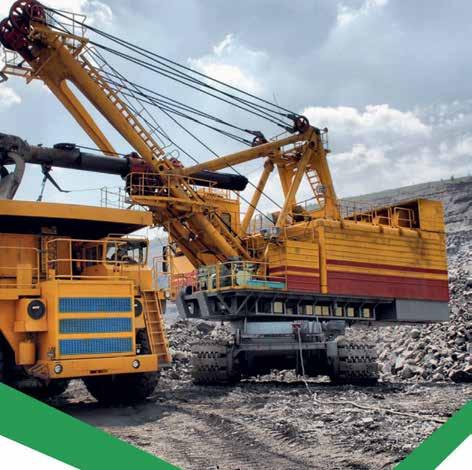
contamination, heavy loads, shock loading, and continuous operating cycles. Castrol’s advanced lubrication technologies are designed to help reduce wear, extend component life, and protect equipment reliability in these demanding environments.
Innovation remains central to this commitment. Castrol continues to develop advanced mining lubrication solutions, including the Molub-Alloy™ range, engineered to withstand extreme pressures and heavy-duty mining applications.
These lubricants incorporate specialised lubricating solids that help prevent metalto-metal contact, absorb shock loads, and provide an additional layer of protection for critical components such as open gears, draglines, shovels, bearings, and conveyors. The result is enhanced equipment protection and reduced risk of mechanical failure.
Protecting productivity goes beyond products alone. Modern mining operations require partners who can help optimise asset performance and maintenance strategies. Castrol combines advanced lubricants with technical services, oil analysis, condition monitoring, and reliability-focused support to help identify equipment health issues before they impact production.
This proactive approach enables improved uptime, longer maintenance intervals, and greater operational efficiency.
At the same time, protecting the future means supporting sustainable mining operations. Well-maintained equipment is more energy-efficient, generates less waste, and delivers longer service life. By helping customers reduce unnecessary maintenance interventions and maximise asset use, Castrol supports both productivity goals and sustainability ambitions.
As the mining sector continues to evolve, reliability will remain a critical
Castrol protects operations and machinery performance through advanced liquid engineering, specialized lubricants, and proactive diagnostic services. These solutions minimize friction, reduce unexpected downtime, and extend equipment lifespans across automotive, commercial fleet, and industrial sectors.


SCAN TO VIEW COMPANY PROFILE CASTROL
enabler of success. At Castrol, we believe every maintenance decision should contribute to one overarching objective: protect the operation.
Because when equipment is protected, productivity is protected. When productivity is protected, profitability is protected. And when operations are protected, mines are better positioned to achieve sustainable growth for years to come.
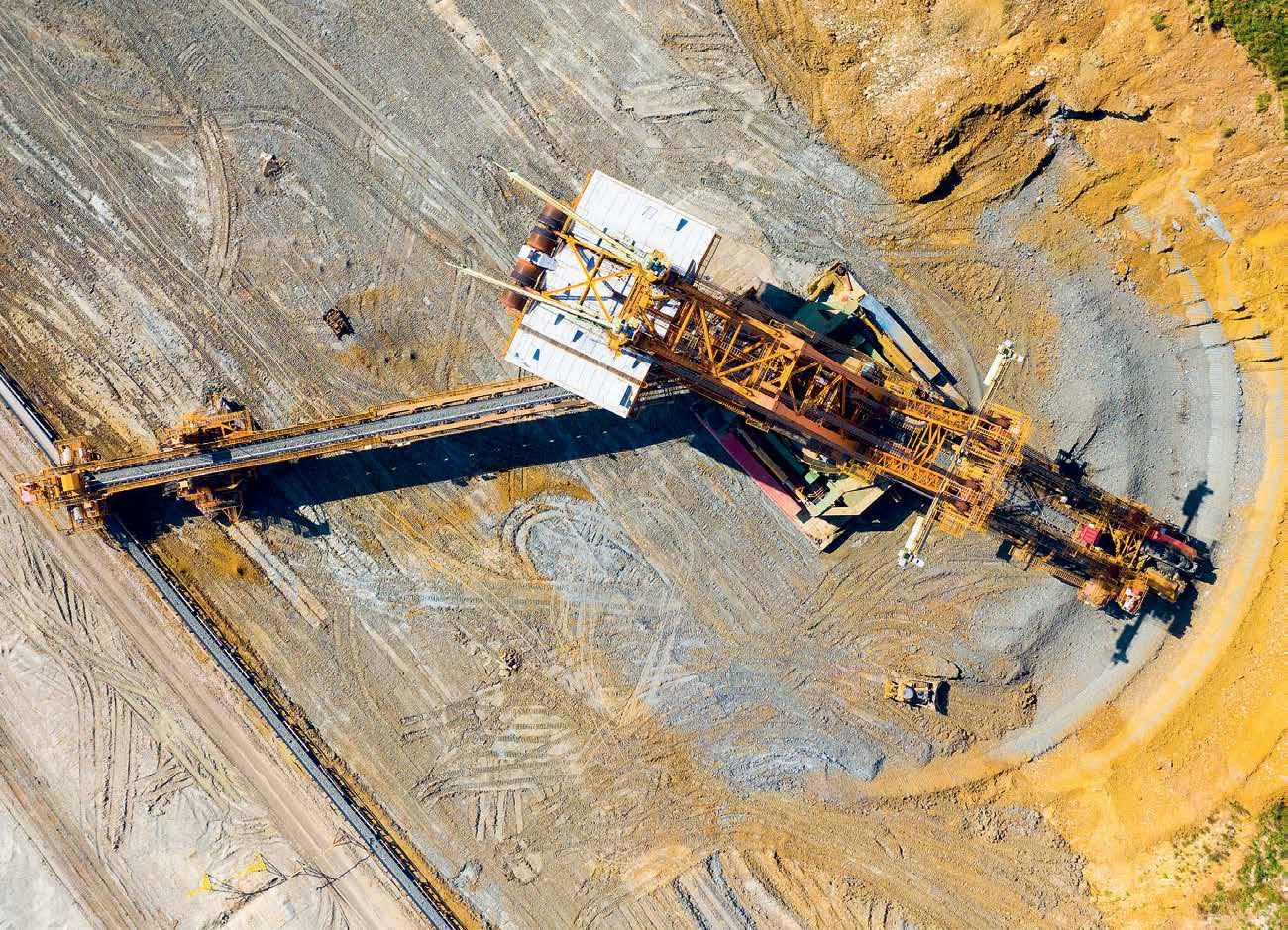


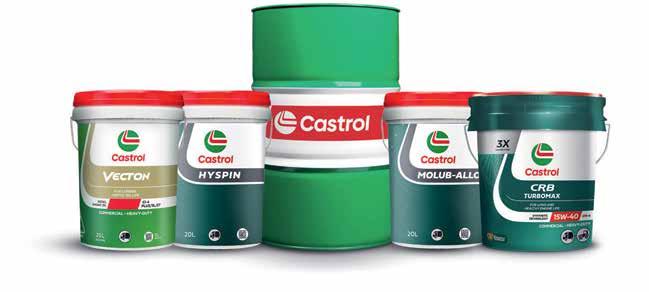
Proactive protection safeguards output, assets and people
Mining is a zero-failure environment. Every breakdown carries cost, risk and consequence. Castrol protects the operation with an end-to-end lubrication and services portfolio designed for extreme conditions.
From engine and hydraulic oils to advanced fluid monitoring and specialist technical support, Castrol helps safeguard productivity, asset life and safety across the entire site. Delivering certainty where performance must hold under pressure.
Visit castrol.co.za for more information.
Complete lubrication solutions for engines, hydraulics and critical systems
Oils engineered to perform under extreme load, heat and pressure
Fluid condition monitoring to reduce risk and extend asset life
Global mining expertise applied to local operational challenges
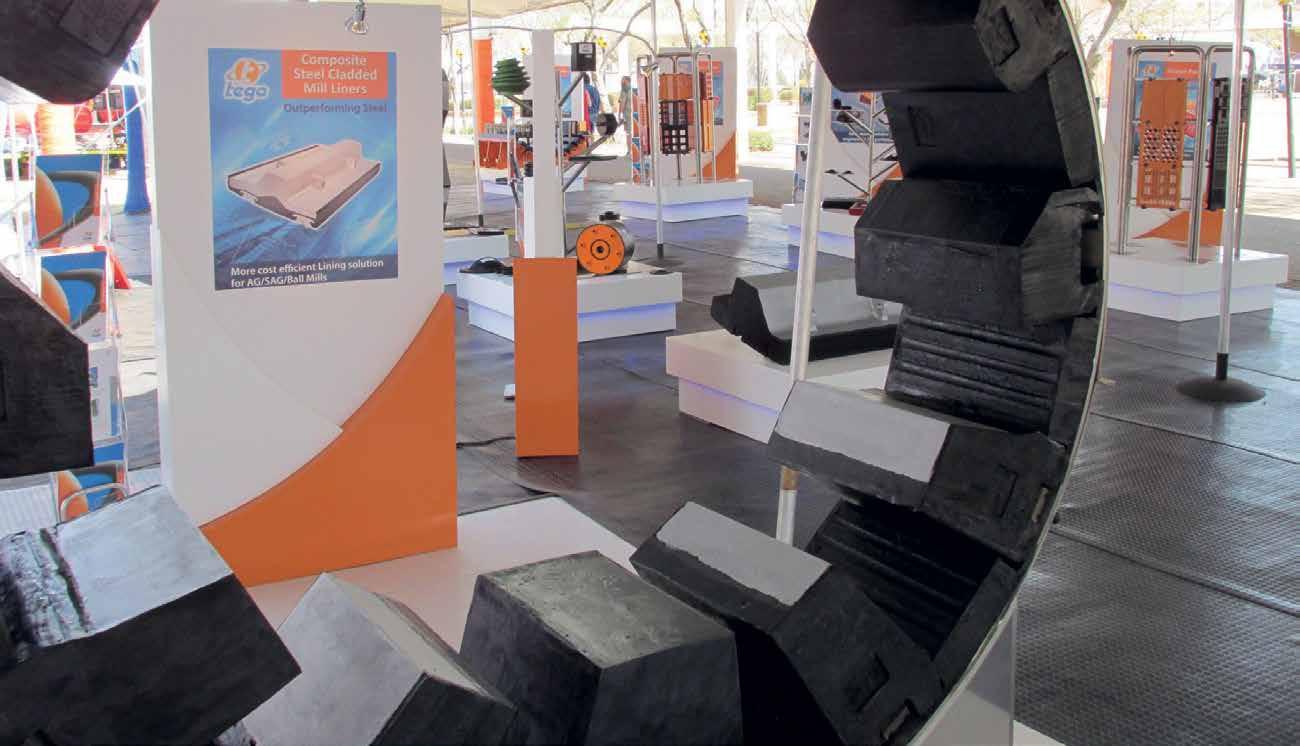



Each mining project in Africa has its own unique demands. Tega Industries supports these by focusing on delivering quality products, skilled support, and high levels of availability.
The profitability of mines across Africa hinges on carefully specified equipment and processes, with little tolerance for extended downtimes that can directly impact the profitability and sustainability of operations.
In meeting these demands, specialist companies like Tega Industries Africa in Johannesburg have overtaken the market with product and supply processes tailored to meet the unique demands of each of its customers across the continent.
Its formula has proven to be just what the local market requires, and in the two decades since it established its South African manufacturing plant, the company has grown exponentially to become one of the largest suppliers of mill liners in Africa.
Tega Industries head of operations
Jitendra Vijay says the company has executed a carefully planned path that relies on three pillars of excellence in order to steadily win over a market that had been dominated by established traditional suppliers who were well entrenched in the market.
“By focusing nearly all of its resources on producing quality products, supported by highly skilled sta and the highest levels of availability, Tega has excelled where others have faltered,” he says.
Vijay oversees operations, production, quality and logistics across the region.
“Globally, our focus is on our customers and their unique requirements for technical advice, design assistance, products and support. We don’t want anyone to leave without the right product, delivered on time and at the quality they expect. Every order is a project. That’s why planning, flexibility and close coordination are critical for us.”
He notes that Tega’s project-oriented model ensures that even highly customised products reach clients reliably. A er all, di erent mills and processing plants have di erent designs, feed varying ore types and are required to meet di erent throughputs.
“As a result, none of our products are ‘o -the-shelf solutions’, which means each product is made and delivered according to specific customer needs. To make sure that customers’ plants run at peak performance at all times, we maintain safety stocks of raw materials and keep our suppliers aligned with our standards, so that even urgent requests can be accommodated without compromising quality.”
He explains that the company’s operational success is underpinned by advanced planning systems. Tega combines global enterprise resource planning solutions with proprietary systems developed locally, to monitor inventory and manage production schedules or order to respond quickly to changes.
The system has been developed to dehumanise errors with robust procedures that reduce mistakes and ensure consistent delivery. It allows for continuous development of processes and upskilling of people.
“This type of development is the cornerstone of Tega Industries Africa, which has developed at a steady pace to allow infrastructure and human resources development to be established at a similar pace to its growth.
“This extends to employees, suppliers, customers and the environment. If operations aren’t sustainable, growth isn’t real. We focus on processes that can scale without burning out our people or our resources,” says Vijay.
TEGA’S DESIGN, QUALITY AND SERVICE PILLARS IS WHAT SETS IT APART, ALONG WITH ITS CONSISTENT VALUE AND TRUSTED SUPPORT WHEREVER MINING TAKES PLACE IN AFRICA.


Innovation is another cornerstone. Through customer data-driven design and rigorous testing, Tega is continually enhancing product life and performance. Data gathered from customer experience and field services, along with simulations that can be supported by its global research and development e orts, allows the company to continually improve its o erings and help customers avoid costly downtime and maximise operational e iciency.
“It is not a surprise to us that we are overtaking the rest of the market for both primary and secondary mills. The results speak for themselves. We now have hundreds of projects that we manage annually, and have built an exceptionally strong track record of zero product failures in recent years.”
From the newcomer two decades ago, Tega has become a benchmark for reliability in the African mining and materials sector, he says.
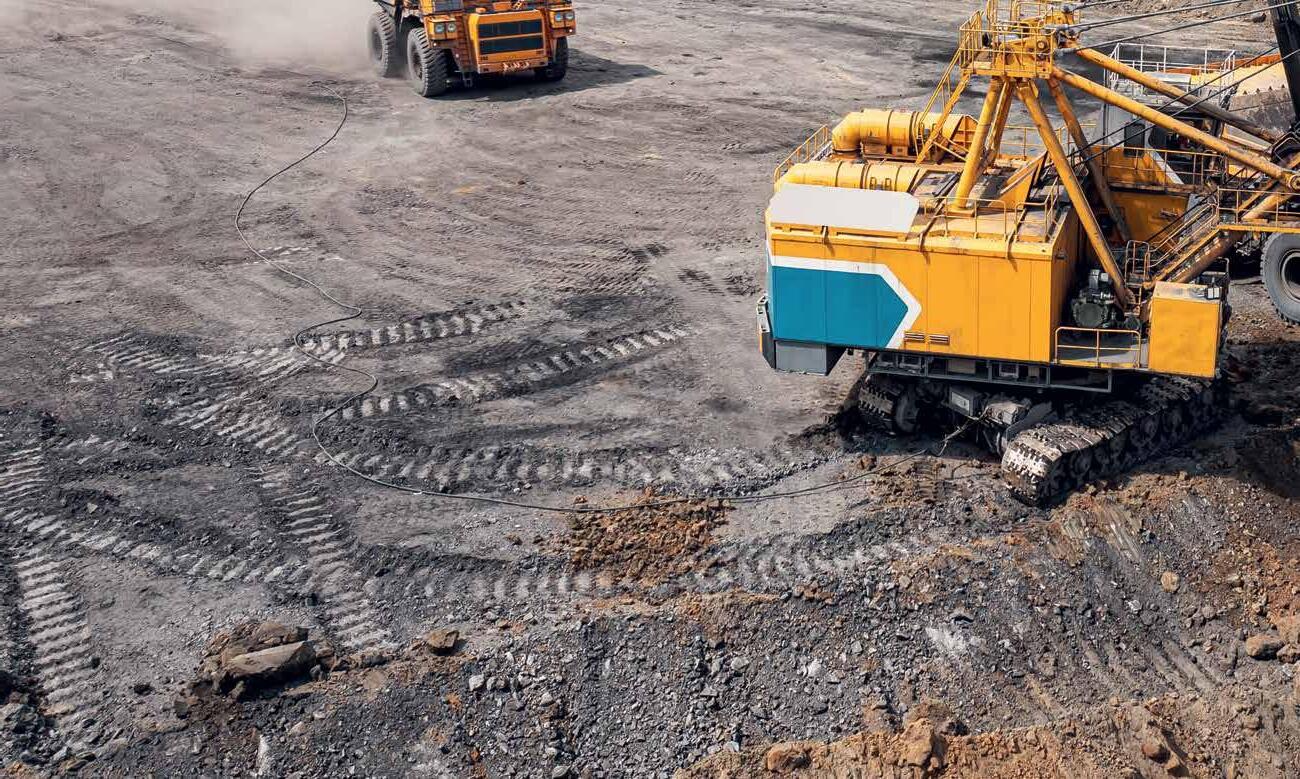






Equipment strategy is becoming a long-term business decision rather than a routine capital upgrade.
BY RODNEY WEIDEMANN


The growth of mining across Africa is raising the bar on productivity, safety, sustainability and operational e iciency. As a result, equipment strategy has become a longterm business decision rather than a simple capital replacement exercise.
To this end, mines are increasingly investing in technologies that deliver lifecycle value through data, automation, lower energy consumption and improved reliability, notes Sue Breckenridge, marketing and cluster support for the Mining Equipment Manufacturers of South Africa (MEMSA) and South African Mineral Processing Equipment Cluster.
“African mining companies are operating in an increasingly competitive environment. The mines that will succeed are those that view equipment not as an expense, but as a strategic enabler of productivity, safety and growth.
“The equipment decisions made today will determine a mine’s ability to compete five, 10 and even 15 years from now,” she says.
“That is why we are seeing a shi from asking, ‘What does this equipment cost?’ to asking, ‘What competitive advantage does this equipment create?’ And that turns it into a fundamentally long-term business decision, rather than a simple capital upgrade.”
Mark Peters, business development manager at MMD Mineral Sizing Africa, says traditional mobile equipment typically maxes out at 600 to 800 tonnes per hour, a ceiling that increasingly constrains operations seeking to optimise production.
“Advanced mobile crushing and screening systems now push these boundaries significantly, with some units achieving throughputs of 1 000 to 1 500 tonnes per hour, depending on material type, crusher settings and end product required,” he says.
“Environmental responsibility has become a competitive di erentiator in global mining, with African operations increasingly competing for investment on the basis of environmental, social and governance (ESG) credentials. African operators must match European and North American mining standards to attract international capital and maintain export markets.”
Breckenridge agrees, stating that future equipment investments will play a significant role in helping African mines meet increasingly demanding ESG requirements. Today, ESG is no longer a compliance exercise – it is directly linked to access to capital, customer requirements, investor confidence and long-term competitiveness.
“Ultimately, the most successful ESG investments are those that align environmental responsibility with business performance.
“The technologies gaining traction are reducing water consumption, lowering energy intensity, improving safety, recovering more value from existing resources and reducing waste, all while strengthening the mine’s bottom line. That is where South African innovation is delivering tangible ESG value.
“Our advice would be to view equipment procurement as a strategic partnership decision, rather than simply a purchasing
According to MEMSA, one of the strongest themes emerging from the recent Innovation for Mining Awards is that the biggest savings are o en no longer coming from larger equipment. They are coming from:
■ Recovering more value from existing resources
■ Reducing energy and water consumption
■ Improving asset utilisation
■ Eliminating waste and ine iciencies
■ Using digital tools to optimise operations
■ Extending equipment life and reducing downtime
choice. The equipment you invest in today will influence your productivity, safety performance, operating costs and competitiveness for many years to come.”
MEMSA also encourages mining companies to engage with local manufacturers wherever possible, she says.
“South African original equipment manufacturers and suppliers understand African mining conditions, are closer to market, provide responsive support, and continue to develop world-class technologies that compete globally.”
The projected market growth through 2030 suggests sustained investment in mineral extraction across Africa, says Peters.
“Global demand for copper, cobalt, platinum group metals and other critical minerals shows no sign of decreasing. The energy transition requires enormous quantities of these materials, much of which will come from African sources.”
Therefore, as African mining matures, equipment selection represents one of the most significant factors determining competitive advantage, he says.
“The machinery and mineral sizing technology deployed today will shape mining outcomes well into the next decade.”
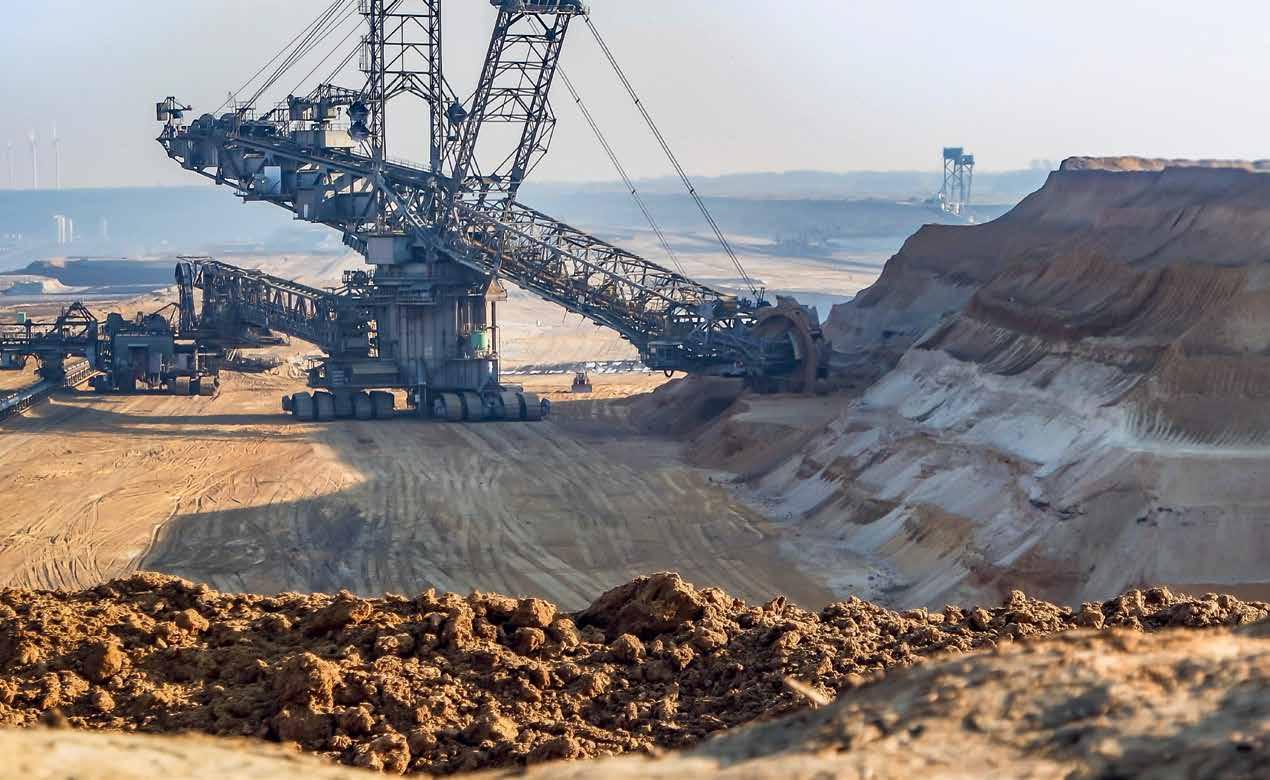





The question shouldn’t be whether women belong in the industry – but rather how the industry can benefi t from the full spectrum of available talent.
BY RODNEY WEIDEMANN


Like much of the mining industry, the engineering field has long been dominated by men, but things are changing, albeit slowly. SA Mining spoke to Dr Adwoa Boaduo, group head of safety at Rosond – and a professional engineer with over 14 years’ experience in mining – about the challenges faced by women in this sector, and the benefits diversity can bring.
Q: WHAT ARE SOME OUTDATED PERCEPTIONS ABOUT WOMEN IN THIS SECTOR?
A: One of the most persistent is that mining and engineering are primarily about physical strength and therefore are not suitable careers for women. The reality is that modern mining and engineering are increasingly knowledgeintensive industries.
Automation, digital technologies, advanced equipment, data analytics, and systems thinking are transforming the way we work. Success today depends far more on problem solving, critical thinking, innovation, collaboration, adaptability, and leadership than on physical strength alone. Another outdated perception is that women are better suited to support functions than technical or leadership roles. Experience shows that women excel across the full value chain, from technical specialists and operational leaders to executives and innovators. The question should never be whether women belong in engineering or mining, but rather how we ensure that the industry benefits from the full spectrum of available talent.
Q: WHAT ARE SOME OF THE BIGGEST INDUSTRY CHALLENGES WOMEN MUST NAVIGATE?
A: Ensuring fairness, rather than simply pursuing equality in a simplistic sense. Fairness means recognising that people have di erent needs, strengths, experiences, and circumstances, and in creating environments where everyone has an equitable opportunity to succeed.
Women also o en face challenges related to representation, access to networks, unconscious bias, balancing professional and family responsibilities, and sometimes a lack of visible role models. In environments where women remain underrepresented, there can also be additional pressure to constantly prove competence.
Q: HOW DO GENDER-RELATED BIASES IMPACT THIS FIELD?
A: Gender-related biases can be both intentional and unintentional. Sometimes they are obvious, and sometimes they are embedded within organisational systems, assumptions, or everyday behaviours.
The greatest impact of bias is that it limits talent. It can discourage capable individuals from entering or remaining in the profession, reduce confidence, limit opportunities, and create environments where people focus more on survival than on innovation and excellence.
It is thus vital for women to feel safe, valued, and respected. If someone is constantly having to prove their competence, defend their credibility, or protect their wellbeing, they are expending energy on survival rather than excellence.
Q: WHY DO YOU FEEL DIVERSITY IS CRITICAL TO BETTER ENGINEERING OUTCOMES?
A: Engineering is fundamentally about solving complex problems, and complex problems require diverse perspectives. Teams composed of people with di erent backgrounds, experiences, genders, cultures, and ways of thinking are more likely to challenge assumptions, identify risks, generate innovative ideas, and develop robust solutions. Diversity reduces the risk of groupthink and strengthens decision-making.
In mining and engineering, where the consequences of poor decisions can a ect safety, productivity, communities, and the environment, diverse thinking is not simply a social imperative; it is a business imperative. Better diversity leads to better conversations, better decisions, and better outcomes.
Q: AND YOUR FINAL WORDS OF ADVICE TO YOUNG WOMEN CONSIDERING CAREERS IN ENGINEERING?
A: Bring your authentic self to the profession. Diversity is valuable precisely because we are di erent, and those di erences strengthen engineering and mining for the better. Be curious, work hard and smart, continuously build your competence, and never underestimate the value of your unique contribution.
Furthermore, find mentors, seek sponsors, remain resilient, and remember that competence builds confidence. There will be challenges, but do not allow setbacks or biases to define your potential.
Marthinusen & Coutts has completed a
massive stator and rotor rewind project with full compliance and complete transparency.
M&C has successfully demonstrated its ability to design innovative solutions that enhance reliability and prolong the lifespan of customers’ electrical rotating machines.
MMarthinusen & Coutts (M&C) recently completed a challenging platinum mine 15MW stator and rotor rewind project, one that represents a significant achievement in motor refurbishment and showcases meticulous attention to detail and adherence to industry standards.
arthinusen & Coutts (M&C) – a division of ACTOM (Pty) Ltd –has over several years refined the technique and process of treating windings of large alternator stators affected by partial discharge, developing teams and equipment to perform this work on-site, rather than move the equipment to a workshop.
The project involved a comprehensive overhaul of a motor that had been in service for over 18 years, with the aim of restoring the motor to the same high standards as when it was initially manufactured.
In 2023, following initial inspections and tests of a customer’s alternator, M&C found that the windings showed excessive partial discharge, leading to complete slot-length erosion in several cases and posing a risk of catastrophic damage.
According to M&C, the rewind process proved challenging, especially concerning the use of steel binders on the rotor. The company engaged an expert craftsman with 35 years of experience in fitting these complex components. The project’s complexity required precautionary measures during critical stages, including the burnout, coil manufacturing, vacuum pressure
M&C Marketing Executive Mike Chamberlain notes that in 2024, the same customer requested that M&C complete the stator winding rehabilitation works on 17
impregnation, and curing cycles.
In selecting materials for the rewind, M&C chose a comprehensive insulation solution in consultation with the company’s international insulation experts.
other identical generators and address any issues they might encounter.
The project management methodology included clearly defined hold points, as requested by the customer. M&C’s quality control department regularly communicated with the customer, providing updates when hold points were ready for inspection.
Two factors make this a unique and proprietary M&C process. First, it is a new, original procedure devised by M&C engineers and the technical team, using existing materials, but in a manner that has not – to M&C’s knowledge – been applied previously.
Safety was the highest priority throughout the rewind process. Senior operators and technicians carefully supervised testing and lifting procedures, ensuring compliance with industry standards and regulations.
Second, the method has now been successfully applied to over 35 machines and validated, as each stator has completed a full one-minute High Potential Voltage Test at 23kV RMS (root mean square), demonstrating the process’s effectiveness.
Effective coordination with the customer was maintained by compiling weekly progress reports and holding regular meetings that adhered to the outlined project timeline. Notably, the customer engaged an independent third-party specialist to verify
M&C has once again successfully demonstrated its ability to design innovative solutions that enhance reliability and prolong the lifespan of customers’ electrical rotating machines under tight time constraints.
Repairs, maintenance and customised manufacture of all electrical and mechanical rotating machines.
ELECTRICAL SERVICES
Medium and low voltage, Ex certified, AC and DC motors, transformers, generators, alternators and ancillary power generation equipment up to 373 MVA.
MECHANICAL SERVICES
Full range of rotating machinery mechanical services. Machine shop capabilities including dynamic balancing up to 32 tons, large machining up to 40 tons, micro welding and hydraulic presses up to 1000 tons.
24 HOUR ON-SITE SERVICES
Breakdown repairs, removal, re-installation, on-site testing, dynamic balancing, alignment, vibration analysis, root cause analysis, condition monitoring, preventative and predictive maintenance, motor management programmes and maintenance contracts.
CUSTOMISED ELECTRICAL AND MECHANICAL DESIGN
Reliability improvements/enhancements, efficiency improvements, performance upgrades and root cause analyses.


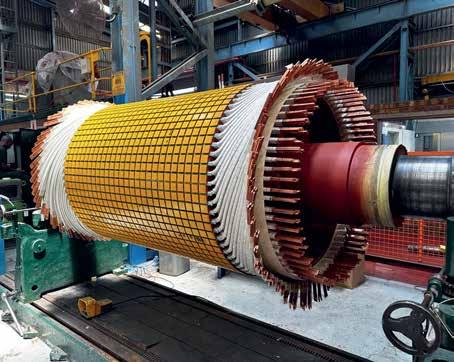
and sign off on all hold points, further enhancing the project’s transparency and credibility.
Looking ahead, M&C expects major advancements in the repair and maintenance of motor components. Key enhancements will likely focus on improving mechanical conditions and reconditioning motor and pedestal bases, thereby increasing the lifespan and efficiency of vital equipment.
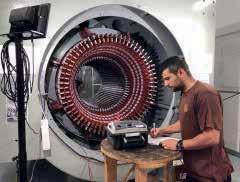
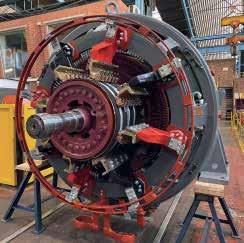
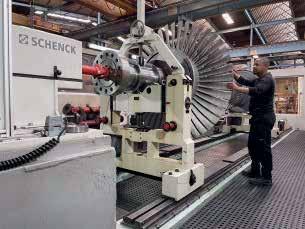
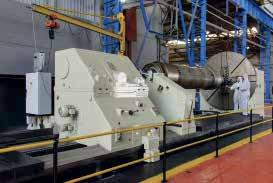

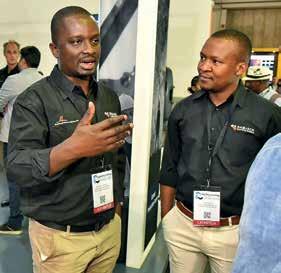





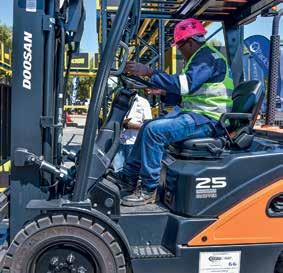









































































































































































































































● ADDED VALUE/EXPOSURE TO YOUR BUSINESS VIA ONLINE CONTENT.
● Help build/strengthen your company’s brand.
● DRIVE TRAFFIC TO YOUR COMPANY’S WEBSITE.
● Expand your reach with various packaged o erings suited to your company’s needs, such as bundling your advertising with news/corporate pro les and/or a video online.
SA Mining, South Africa’s oldest mining magazine, has been providing insight into the local, Southern African and African mining space for 125 years.











Pirtek Africa offers fast, expert, mobile or on-site support – on a 24/7 basis – that gets African mines’ equipment back into operation, and keeps it there.
Africa is not short of opportunity; however, it is short of reliability. Across mining operations, construction sites, manufacturing plants and more, one of the greatest threats to productivity – alongside market conditions or commodity prices – is unplanned equipment failure and the hours lost waiting for someone to fix it.
Pirtek Africa has built its business around this reality. As one of the continent’s leading hydraulic hose and fitting service providers, the company exists to keep Africa’s industries moving – not by simply selling a product, but by delivering a solution.
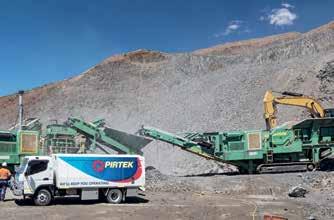
This comes in the form of fast, expert, mobile or on-site support that gets equipment back into operation and keeps it there.
“Africa’s industrial sectors are growing, and they need partners who can grow with them. Partners who show up, who understand the operating environment, and who take responsibility for keeping equipment running. That is what Pirtek Africa has always done, and it is what we will continue to do as we expand our footprint,” says MD Matt Pennefather.
Pirtek Africa has over 23 service centres, covering every major province in South Africa and a further two in Namibia. Its network is also actively growing, with an
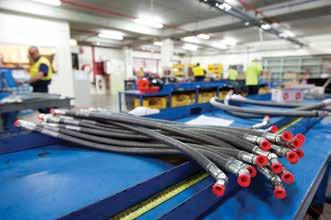
expanding presence in countries like Ghana, Ivory Coast, Mali, Nigeria, Burkina Faso, Tanzania, Kenya, Uganda, Zambia, the Democratic Republic of the Congo, Zimbabwe, Botswana, Angola and Mozambique.
Each centre is supported by mobile service and sales units that provide a 24/7 response. The distinction between being a business solutions partner, rather than a supplier, really matters, notes Pennefather.
“Pirtek Africa is more than just a parts distributor or a repair contractor. It is a long-term operational partner that helps businesses audit their equipment, manage their hose and fitting inventory, train their teams, and build preventive maintenance programmes that reduce the likelihood of failure in the first place.
“Our relationship with customers doesn’t start when something breaks. It starts well before that, with an understanding of their operations, their equipment, their risk points. The goal is always to reduce their exposure to unplanned downtime, not just to respond to it,” he says.
By combining specialist technical expertise with an integrated service offering, mining companies can reduce complexity, improve operational resilience and maximise their return on investment.
Many mining and industrial operations are managing infrastructure that has been in service for decades. Silos, water storage facilities, thickeners and concrete structures are increasingly showing signs of ageing, making preventive rehabilitation an essential component of long-term operational planning.
Rather than engaging separate contractors to clean, inspect and repair these assets, clients increasingly see value in working with a single specialist partner capable of delivering integrated solutions.
Bongela Mining & Industrial Services has established its reputation through specialised silo cleaning and maintenance. It has seen first-hand how client requirements have evolved considerably over the past few years.
“The objective is not simply to complete individual maintenance tasks,” notes
Raymond Graham, the company’s CEO.
“It is about helping clients maximise the performance, reliability and longevity of their assets, while reducing unnecessary downtime and improving operational efficiency.”
This integrated approach also creates opportunities for earlier intervention. Cleaning and inspection activities often reveal wear, corrosion or structural deterioration that would otherwise remain hidden beneath accumulated material. Identifying these issues before they become major failures allows maintenance to be planned proactively, reducing operational risk and avoiding costly emergency repairs.
As industrial operations continue to focus on productivity, sustainability and asset optimisation, demand for integrated specialist services is likely to grow.
“We see ourselves as far more than a contractor carrying out individual maintenance activities. Our role is to work
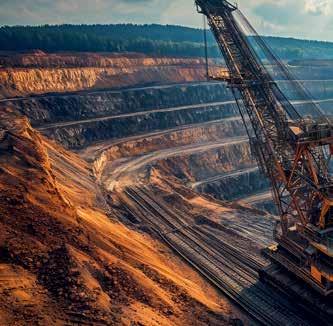
alongside clients to improve operational reliability, protect critical infrastructure and help ensure their assets continue delivering value throughout their operational life,” says Graham.
Ultimately, successful mining and industrial operations depend not only on extracting resources efficiently, but also on maintaining the infrastructure that makes production possible.
By combining specialist technical expertise with an integrated service offering, mining companies can reduce complexity, improve operational resilience and maximise the return on their infrastructure investment.
LHigh-performance linear guides eliminate friction-related wear and ensure maintenance-free operation, even under extreme conditions. guides with its drylin polymer technology. This vastly improves machine reliability and no lubrication means it contributes to safer, cleaner usage with no risk of contamination.
inear guides are essential in machines that move along fixed axes where traditional systems rely on grease and oil. Friction at the bearing-guide interface of these systems is the leading cause of premature failure, while lubricants themselves o en introduce contamination risks in sensitive sectors such as food processing and pharmaceuticals.
Advanced polymer manufacturer igus continues to innovate in its ongoing quest to replace traditional lubricated linear
According to igus South Africa’s Juan-Eric Davidtz, the drylin linear guides address these issues by employing tribo-optimised iglidur polymers that glide smoothly across corrosion-free surfaces without lubrication. The principle of “gliding instead of rolling” in these circumstances eliminates frictionrelated wear and ensures maintenance-free

operation, even under extreme conditions including dirty environments, submersion, chemical and temperature extremes.
“Locally we have many customers in the packing, mining and heavy industries that require good mechanical and corrosion-resistance, while industries like medical laboratories, as well as food and beverage users, can adopt hygienic-certified systems aligned with international standards. We also assemble locally which means that lead times and delivery are shortened and technical assistance is available where necessary,” says Davidtz.
“The combination of corrosion-free materials and tribo-optimised polymers dramatically improves durability and contributes to lower noise performance in environments where quiet operation is essential. The modular design of the systems also allows for flexible installation across di erent rail profiles and pillow blocks, which ensures that it can be used in diverse applications.”
Pirtek Africa’s head offi
ce
team
undertakes the critical behind-the-scenes work that allows the company’s network to focus on what it does best .
For over 25 years, Pirtek Africa has built its reputation on a simple commitment to keep its customers across the continent operating. That promise begins at Pirtek Africa’s Waterfall head o ice and distribution centre, where the team is responsible for making sure every Pirtek franchise centre and customer across South Africa and the wider continent has what they need to deliver on that commitment.
The team consists of several departments – spanning strategic management, commercial (sales and product development), finance, technical, logistics and administration – that ensure the business remains at the forefront of the market and its demands.
The team strives to provide a financially stable and supportive head o ice structure, with readily available product, technical product support, and the logistical infrastructure to ensure the needs of its franchise centres, OEM customers and partners across the continent are met without compromise.
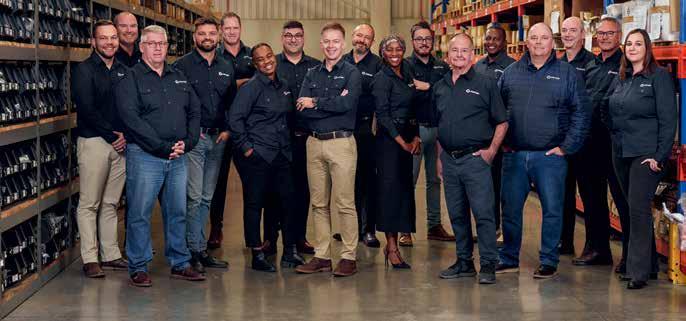

Whatever the role, the priority is the same, and head o ice is always there, undertaking the critical behind-the-scenes work – o en unseen by the customers Pirtek serves – that allows the company’s network to focus on what it does best: getting equipment back into operation, as fast as possible.
As Pirtek Africa continues to grow its footprint across the continent, the strength of this team becomes more important, and
is built daily, by people who show up, adapt to changing conditions, and keep the support structure solid under a growing network of centres and customers.
The Pirtek Africa team works diligently together with one shared purpose: supporting the Pirtek franchise centres and their joint customers who support Africa’s industries.
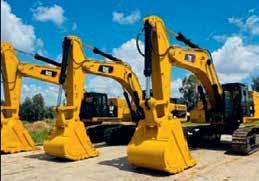
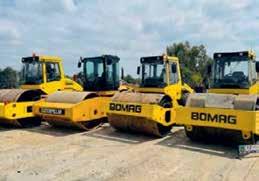
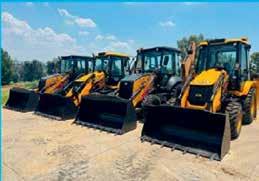
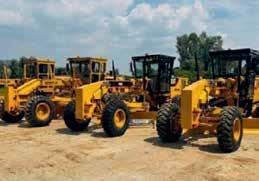
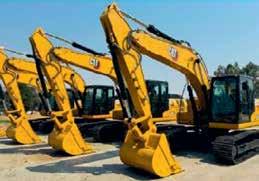
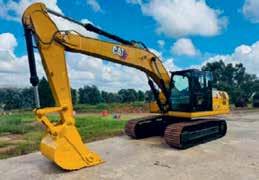
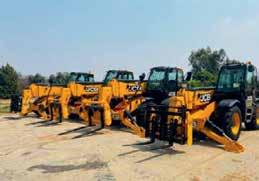
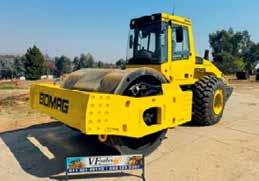
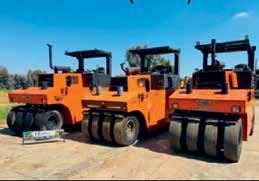
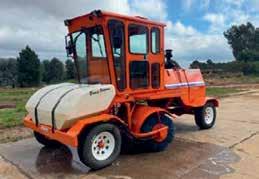
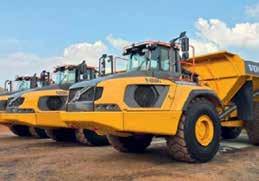
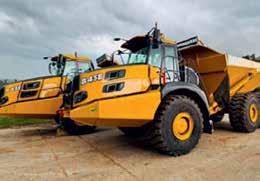
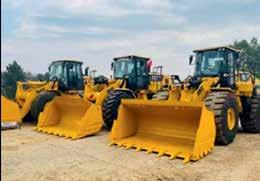
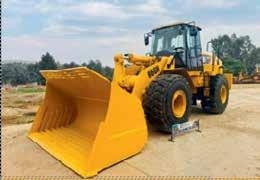
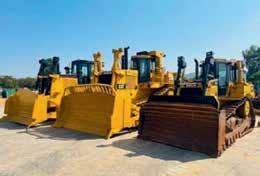
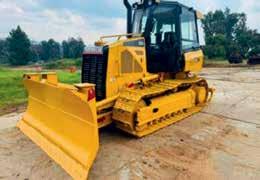
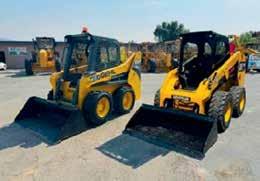
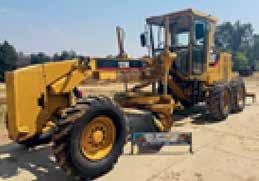
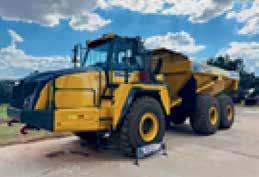
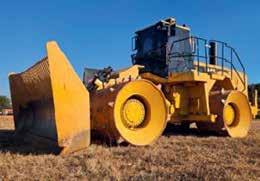



Ilonka Moolman
011 280 3120
moolmani@samining.co.za
Tshepo Monyamane 011 280 3110

tshepom@samining.co.za

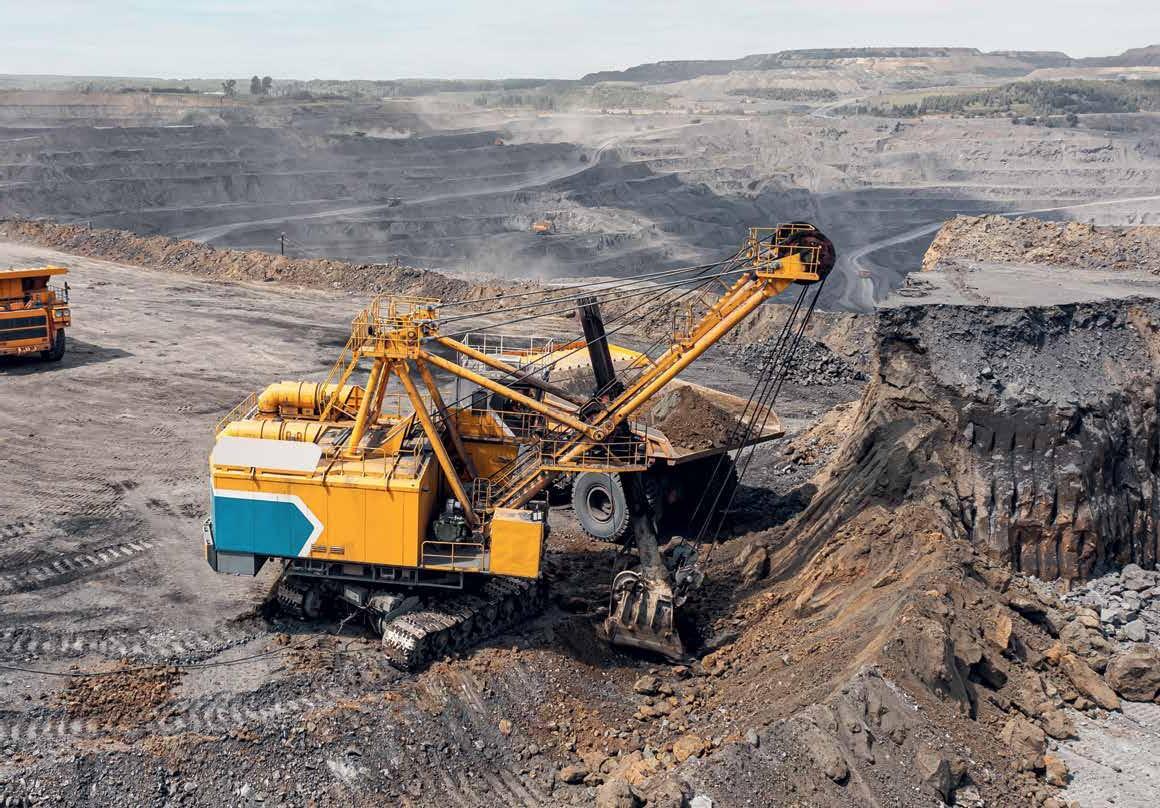











Gary Alfonso speaks to the CEO of Enaex Africa, Francisco Baudrand, about the company’s plans to embrace artificial intelligence, while also looking into incorporating sustainability within the organisation’s strategic objective. https://youtu.be/2U0RMa_6bko
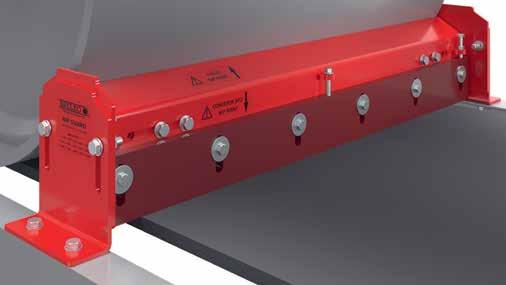
• Easy installation.
• Low maintenance.
• Simple design.
• Operates in all conditions.
• Manufactured according to SABS, CEMA, Australian and PROK mounting standards.
• Unique adjustable guard maintains a constant gap between the conveyor belt and guard, even when the conveyor belt is tensioned.
• Nip Guards improve worker safety around head, tail, and drive pulleys and prevents worker exposure to conveyor pulley nip points and pinch point hazards.
• Robust construction for longer life.
• Can be installed on bi-directional conveyor belts.


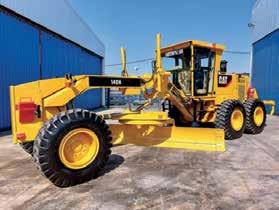
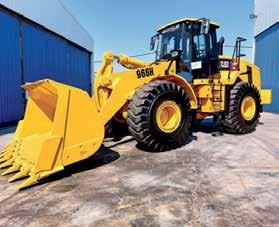
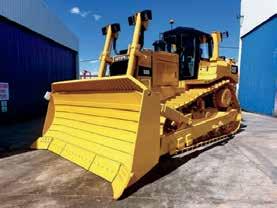
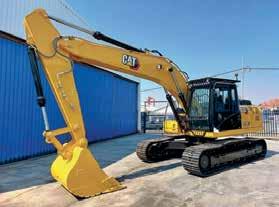
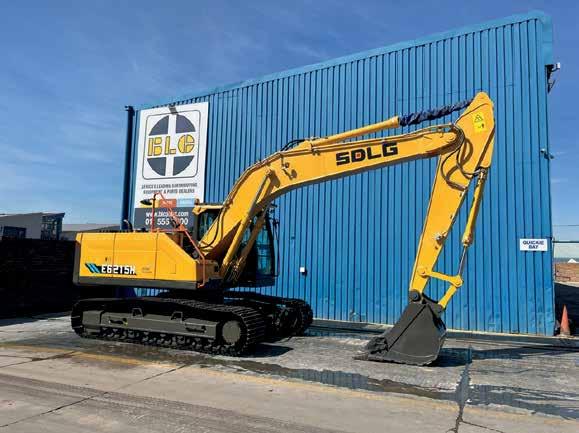

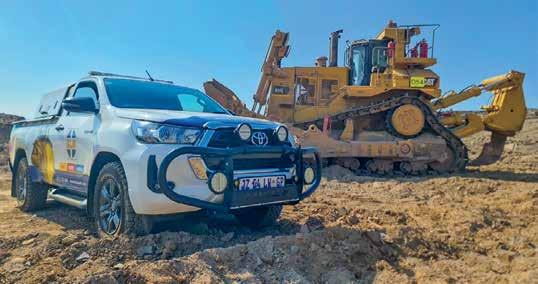



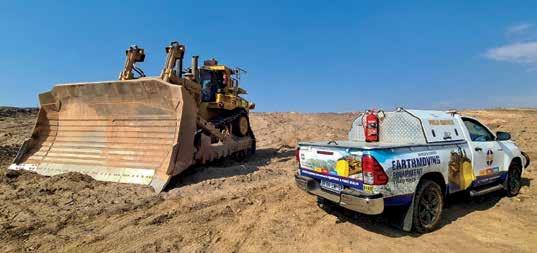


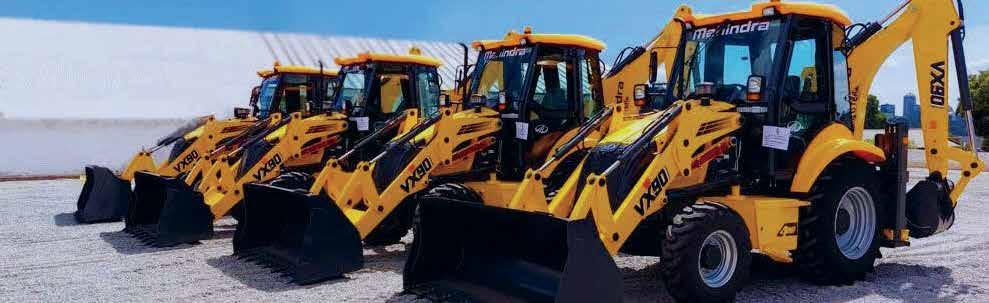





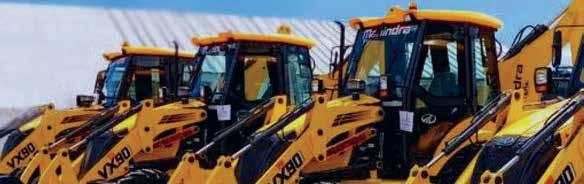
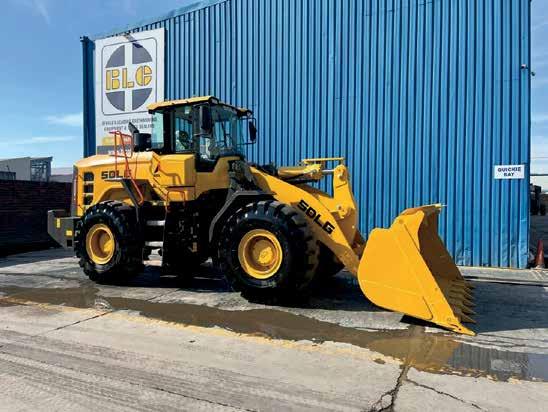
Mining sites face complex water treatment challenges from Total Suspended Solids (TSS), particulateassociated Biochemical Oxygen Demand (BOD), and Fats, Oils and Greases (FOG). Xylem’s rental DAF systems provide a proven, effective solution for treating industrial wastewater and helping operations meet site discharge requirements.
Designed for rental or short-term treatment needs, our DAF systems can be rapidly deployed on site when capacity, compliance or process conditions change.
Built for demanding environments
Xylem’s RT Rental DAF systems feature rugged, heavy-gauge stainless-steel tank construction, integral flocculation, automated float handling and no plate-packing, helping reduce clogging risk and support increased uptime.
Ideal for mining applications where you need to:
• Remove Total Suspended Solids (TSS), particulate-associated Biochemical Oxygen Demand (BOD), and Fats, Oils and Greases (FOG).
• Reduce overloading on downstream treatment systems.
• Support discharge limit requirements.
• Pilot a future permanent solution.
They are single-source support for smarter mine water treatment.
Don’t let water challenges slow your operations down. Contact our experts today to secure your integrated mine water solution.

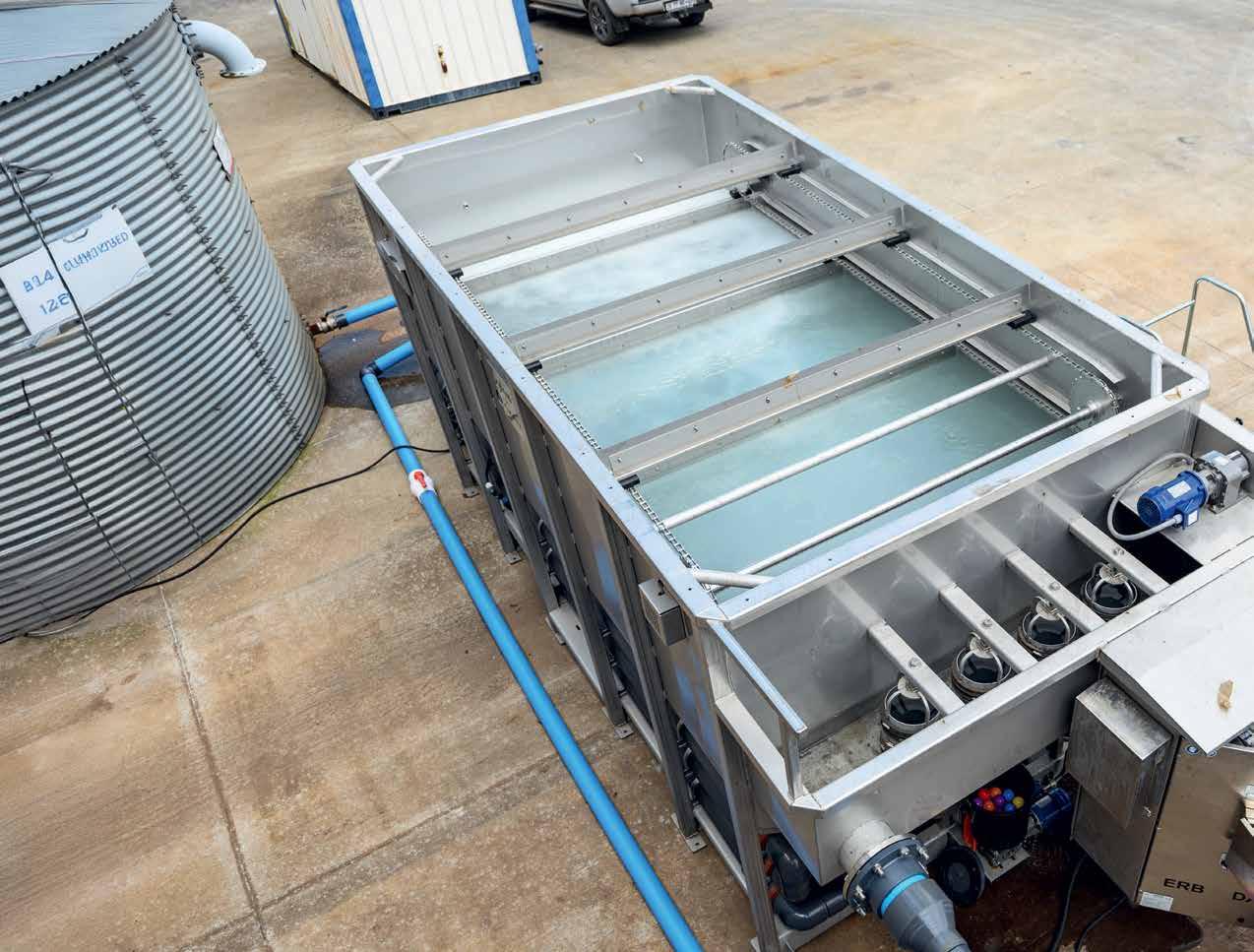
xylem.com