
Awareness among consumers is key
• Separation at source is vital to successful paper recycling, writes Lynette Dicey

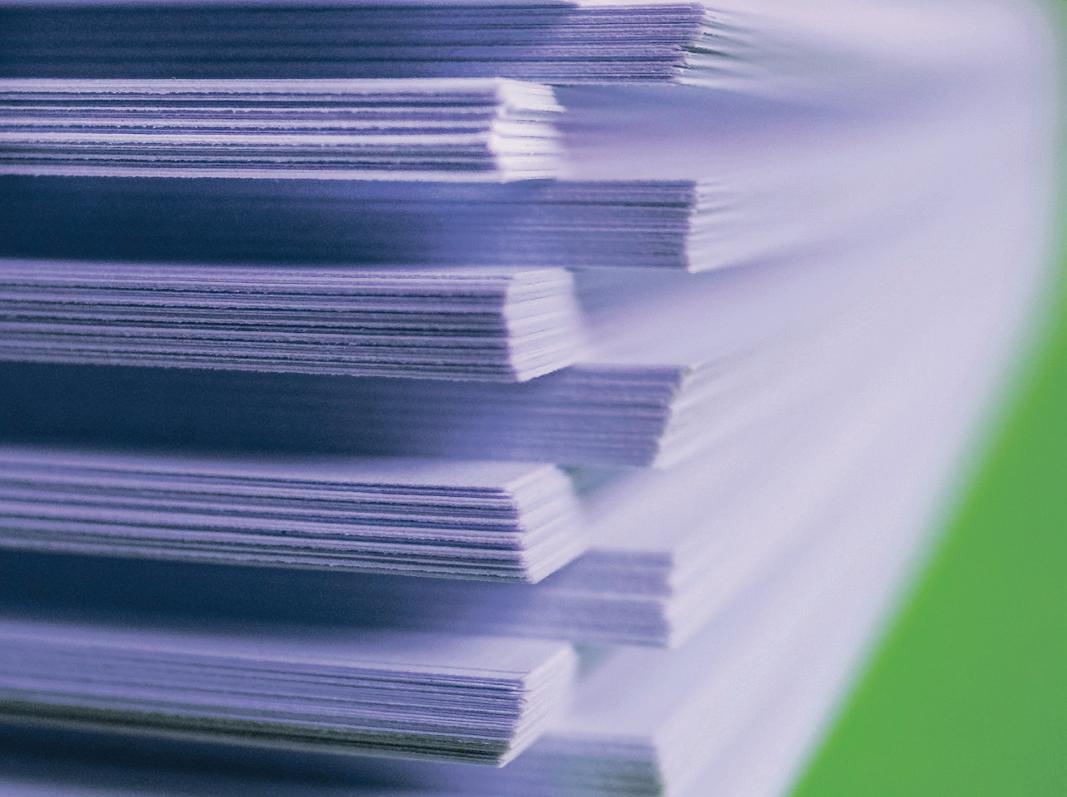
SA has been using recycled paper as a raw material in tissue and packaging products for more than a century. The country has a largely successful paper recycling economy with a five-year average of paper recovery rate of about 70%, says Jane Molony, executive director of the Paper Manufacturers Association of SA (Pamsa). About 77% of the paper products recovered for recycling in 2021 was paper packaging. In 2021, SA recycled 1.15-tonnes of paper and paper packaging, representing a paper recovery rate of 61.4%. Since 2003, the local paper industry has diverted more than 20-million tonnes of paper and paper packaging from landfill. This has saved 62-million cubic metres of landfill space. If baled, that amount of paper would go around the Equator 1.5 times. Despite the long-term success of SAs paper recycling efforts, the sector is not immune to economic fluctuations and societal shifts. In2021 the paper recovery rate reflected a 9% drop compared to 2020, primarily as a result of disrupted supply chains due to the pandemic as well as a shift in the economy and buying trends.
The drop, explains Molony, doesn t mean SA is recycling
less paper. In fact, there was marginally more paper collected in 2021 compared to 2020. In addition, the consumption of paper and paper packaging increased year on year by 17% which knocked the percentage out.
Last year also saw more paper products in the market as brands shifted from plastic to paper packaging and businesses and schools opened up again. Most paper does not end up in landfills and is instead still within the system as paper stock, says Molony.
Recoverable paper excludes paper unsuited for recovery such as tissue products and cigarette papers, and paper packaging that accompanies exported products. In 2021 SA exported about 574,000-tonnes of packaging.
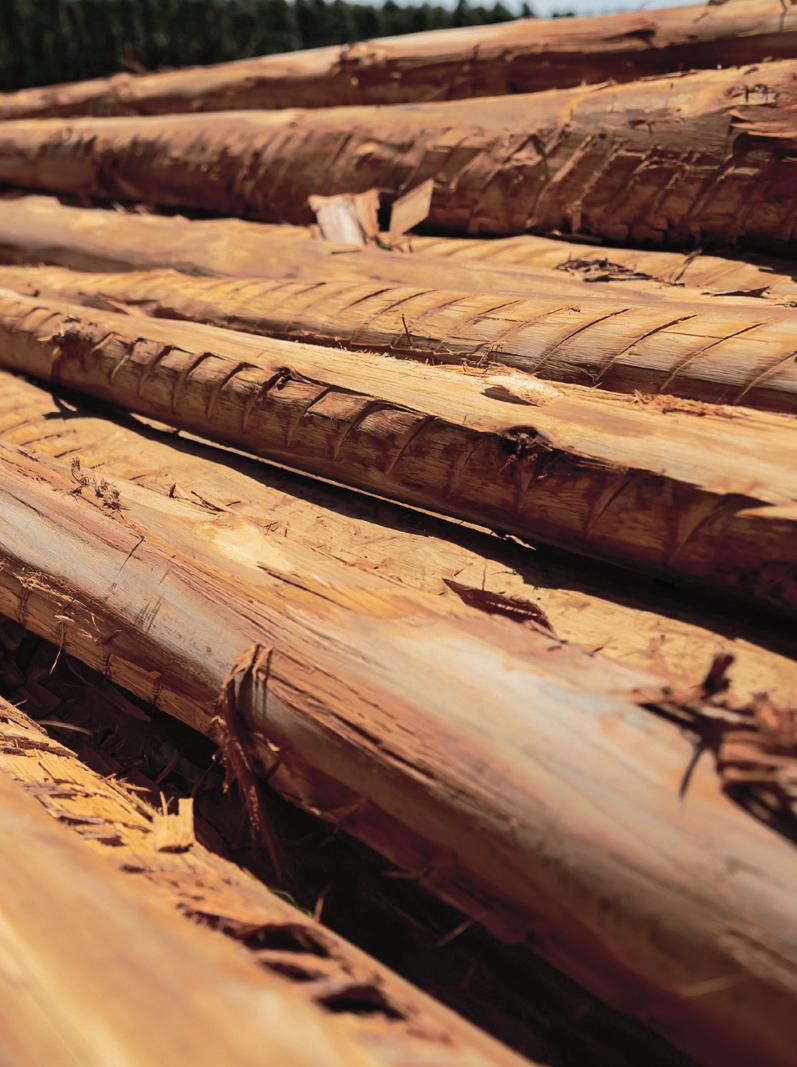
She explains that the use of more pulp, paper and paper packaging is neither a cause of deforestation nor bad for the environment because South African pulp and paper mills only use wood fibre from sustainably managed
plantations. After mature trees have been harvested, new trees are planted which ensures a sustainable supply and increased carbon uptake and, of course, storage of carbon in harvested wood products, including paper.
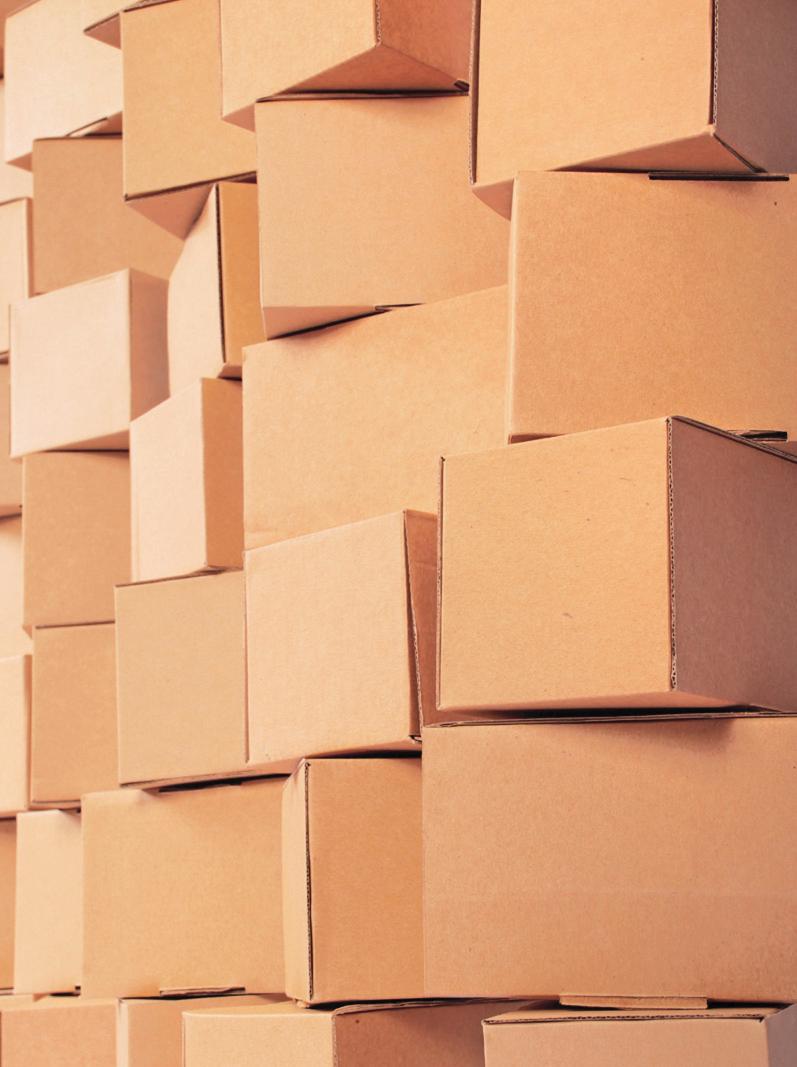
Key to the success of paper recycling in SA is separation at source by consumers, including businesses, schools and academic institutions, and the necessary infrastructure to support the collection from consumers. Cardboard boxes and paper packaging used for dry foods such as cereals and paper grocery bags are sought after by waste traders. Clean, dry paper is essential for successful recycling, says Molony, explaining that informal recycling collectors earn a better rate if the paper is of good quality. She concedes that there is a need to close the gap between the technical capacity to recycle, infrastructure to recover and collect and, vitally, awareness, education and behaviour change among consumers.
PVC industry rejects ‘problem plastics’ list



‘We need to fix SA’s broken waste management system’
A frequently visible pollutant, plastics have developed a bad rap over the years. Despite its bad reputation, it s hard to imagine a world and a life without plastics given that almost every sector and industry relies on plastics to make life easier, safer and more convenient at an affordable price. In SA, there has been a notable increase in the consumption of plastic packaging products which can be partly attributed to the high demand for health and hygiene products during the Covid-19 pandemic. The per capita consumption of plastic products now is about 24kg per citizen in SA and 29kg per person when adding recycled content. However, to imagine the solution to our country s waste crisis is as easy as simply banning the use of plastics is an uninformed, irrational argument, says Anton Hanekom, executive director of Plastics SA. More and more of the plastics used in the healthcare environment, automotive industry, technology, building and construction, and mining sectors is recyclable or is being manufactured with a percentage of recycled plastic contents as product designers and developers grasp the enormous benefits and savings afforded to them by supporting the circular economy, he says. Numerous independent scientific studies conducted in the past few years have compared the environmental footprint of plastics versus other packaging materials such as glass, paper or biodegradable packaging. Time and again, these life cycle analyses have proven that plastics require less energy, reduce waste and have lower carbon emissions. Earlier this year the World Economic Forum conceded that in trying to solve the challenge of plastic pollution, it may have created another problem: replacing plastic with materials that have a carbon footprint up to three times higher than plastics themselves, some of which are not biodegradable in real-life conditions. In 2020 the CSIR released findings showing that locally produced, reusable plastic shopping
have
environmental
compared to carrier bags made from alternative materials or biodegradable bags provided that they are re-used.




Jane Molony societal shifts.