
Technology transforming operations of SA’s miners
• Boost for safety, efficiency and productivity, writes Pedro van Gaalen
Despite the challenging global macroeconomic climate, mine operators continue to invest in technological advancements to improve operations
We consider technological advancements among the most influential disruptions impacting the mining industry as it has the potential to address numerous challenges, says Stewart Nupen, Technical Mining Advisory Lead at Deloitte.
Dr Heinrich Jantzen, Senior Mining Advisor at Zutari, explains that mining companies are creating technology maps to facilitate mine modernisation throughout the mining life cycle. Physical and digital technologies can add value to the exploration, project evaluation, mine design, operations, closure and postclosure phases. If applied or modified for application, these technologies should increase production, productivity, efficiency, safety and reduce the

risk of human error.
In exploration, Nupen says new technologies like parametric planning tools, cloud-based data storage and machine learning (ML) can accelerate orebody model creation and planning.
“These could streamline previously siloed strategic, medium and short-term planning into a more rapid, continuous and potentially selfdirecting process.
Mine operators can also apply technology in exploration for digital scanning to determine the available ore grades and type says Shirley Webber, Coverage Head Resource & Energy at Absa CIB.
Addressing challenges encountered during extraction is another area where technology can deliver significant returns. Jantzen
states that, given the magnitude of extraction challenges, it is extraordinary that the global mining industry underspends on innovation and business improvement programmes. On a revenue-to-revenue basis, the industry spends 80% less on technology and innovation than the petroleum sector. However, operating costs are increasing three times faster than consumer inflation rates and could double within five years.”
With industry margins squeezed, Jantzen recommends embracing innovation to find more productive, efficient and sustainable extraction methods.
Within the operational sphere, mine operators are deploying various intelligent technologies to support production, including internet of things (IoT) solutions, robotic process automation (RPA), cloud computing and renewable energy generation and storage. Technologies such as automation and robotics increase efficiency and reduce downtime and human resource requirements, resulting in improved mine all-in sustaining costs in production, and boosting margins and returns for mining companies, says Webber.
In addition, RPA can improve mine safety by decreasing mineworker exposure to
dangerous conditions.
Advanced analytics can foresee and mitigate potential hazards before they materialise, ensuring a safer and more predictable working environment and more costeffective operations for extraction
Mining companies are also deploying IoT sensors and drones to improve safety, with additional applications that can enhance operational efficiencies and environmental monitoring, says Servaas Kranhold, Head of Natural Resources at BDO Johannesburg. Drone technology can streamline operations by measuring and monitoring mine dumps in a fraction of the time it takes physical reconnaissance, which can reduce costs and enhance human resource utilisation.”
Kranhold adds that connected mines use smart sensors on vehicles and mine workers to enhance safety by ensuring they maintain a safe proximity from each other while offering mine operators the ability to conduct remote operations using unmanned autonomous vehicles in highrisk conditions or areas.
Furthermore, IoT devices and increased computing power enable mining and metals companies to leverage data for real-time insights that augment decision-making on
various fronts, says Nupen. This data supports more robust and quicker designs, while advanced analytics and ML make predictive maintenance a reality.”
However, artificial intelligence (AI) is arguably the most hyped technology in the sector at present. We already see AI deployed in autonomous mining equipment, and there is experimentation with it in other activities, but the mining industry is probably on the lower left quadrant of the AI maturity curve, says Peter Clearkin, MD and Partner at BCG Johannesburg.
Metallurgical processing is one area where AI is already starting to drive greater efficiencies, according to Clearkin. AI and advanced analytics could help inform processes and steer parameters to increase recoveries and improve profit margins. When properly applied, AI could also address funding for exploration, explains Chris Green, Office Managing Partner at Hogan Lovells Johannesburg.
By significantly reducing the cost of large-scale geological and historical data analysis, AI could support global investment and close the funding gap in exploration activities due to concerns by traditional funders around ESG requirements and global economic uncertainties.
Indaba embraces disruption
The Cape Town International Convention Centre will again host the world s largest African mining investment event when industry stakeholders from across the continent gather from February 5-8 for the 30th Investing in African Mining Indaba. The conference aims to encourage and support constructive changes needed in the sector under the theme: Embracing the power of positive disruption: A bold new future for African mining” According to organisers, the industry finds itself in the early
Sector has challenges to overcome
Progress. Together. www.glencore.com/south-africa

Dr Heinrich Jantzen innovation.
INSIGHTS: INVESTING IN AFRICAN MINING INDABA
A fresh perspective
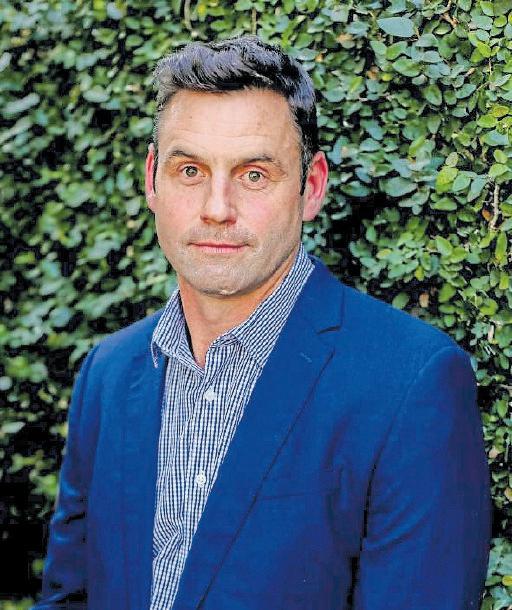
Tinfrastructure required to export bulk commodities, says Lili Nupen, NSDV co-founder and Head of Mining and Environmental. The result is that junior miners looking to enter the space do not necessarily have the capital reserves to weather the preoperational phase obstacles.
The challenges in accessing finance to fund exploration and development and bureaucratic red tape discourage investment and constrain greenfield developments.
Investing
they provide a high-risk, high-reward chance in the early-stage exploration and development niche, says Dr Heinrich Jantzen, Senior Mining Advisor at Zutari. This diversification reduces dependence on a select basket of commodities and makes the industry more resilient to price fluctuations.
Junior miners are also open to adopting new technologies to develop more efficient mining practices during the mine establishment and extraction phases, which can help revitalise a sector that fuels economic growth and job creation, says Kranhold. Despite the sector’s importance, junior miners face several challenges. The major obstacles include a lack of access to capital, delays in obtaining licences and permits, and adequate port and rail
“Most operational challenges are, directly or indirectly, attributable to the lack of scale in the junior mining sector, says Miller. The resultant lack of capital or balance sheet capacity, resource or life-ofmine limitations, and access to economically viable logistics solutions or reputable off-take makes investing in and managing a junior mining operation extremely difficult.
Unlocking the full potential of the junior mining sector will require targeted support from the government and other stakeholders to streamline regulations and permitting processes and improve the infrastructure that supports the

sector. Nupen says the government can accommodate junior miners through regulatory reforms, as existing legislation currently places excessive financial and administrative burdens on junior miners. A flexible regulatory structure that enables junior miners to compete with larger operations would go a long way toward encouraging activity in the sector.
Regarding the logistics problem, Nupen says the government should consider partnerships with the private sector to assist at ports and railways to improve operations and attract investment.
The government also needs to create a platform that derisks investments to attract capital from the private sector to bolster exploration among junior miners, and policymakers should focus on optimising tax and rebate incentives to promote these investments, adds Miller. Junior miners can also leverage numerous innovative funding models to fund growth throughout their life cycle, says Jantzen.
“Production-based financing, where junior miners sell a right to future production to secure funding, has become an increasingly common option. Other creative financing strategies highlighted by Jantzen include hybrid financial instruments, such as earn-in and funding-related joint venture arrangements or convertible notes, and flowthrough shares, which are issued to taxpayers as part of an agreement in which the company agrees to incur a certain value of eligible expenses
Players await new cadastre system
Among the various challenges constraining the local mining sector, the ongoing delays in launching a functional and efficient online cadastre system by the department of mineral resources & energy (DMRE) continue to dampen output, growth and investment. An open online electronic system for registering and managing prospecting and mining licences and other permits is vital to support` exploration and a thriving junior mining sector.
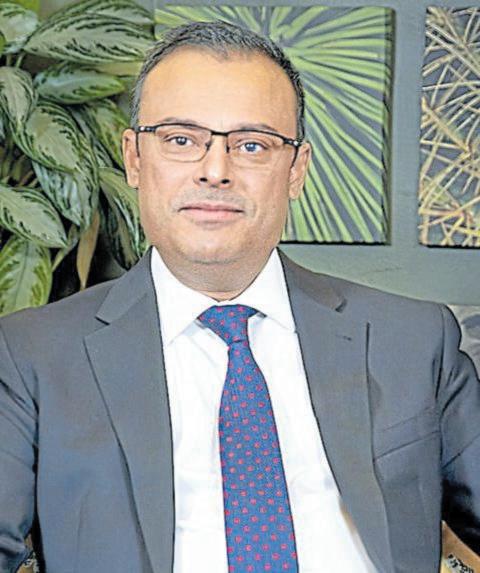
SA is one of the last countries in Africa to adopt a mining cadastre, yet it is imperative for any developed mining country to attract international investment, says Nivaash
Decarbonising operations a top priority
The mining sector plays a dual role in the just energy transition (JET), acting as an enabler and contributor to the shift towards a low-carbon future.
and reusing
Kate Stubbs, Marketing Director at Interwaste, says miners can use waste to tackle the energy
“Demand for critical minerals to develop the infrastructure that can decarbonise energy systems, such as lithium, nickel, cobalt, and copper, has led to significant investments in mineral exploration and mining says Dominic Varrie, Candidate Attorney at NSDV. However, the mining sector is not just responsible for extracting and supplying these resources. The industry is also actively adopting practices that minimise its environmental impact and footprint. Huge investments in renewable energy aim to lower greenhouse gas emissions, decrease operational costs and improve energy security, says Varrie. These investments also positively impact mine operations by improving energy security and reducing costs. For example, Glencore is taking steps to reduce carbon emissions at its Rhovan operation, one of the largest producers and processors of vanadium products, which will play a role in supporting a lowcarbon future. Rhovan has commenced with the construction of a 25MW solar photovoltaic plant and this supports Glencore s broader climate change strategy aimed at reducing Scope 1 and 2 emissions from its industrial operations in line with its shortand medium-term targets. Once completed, Rhovan will integrate the project into its electrical network, which is expected to supply more than 30% of the mine’s annual power requirements. Glencore expects the reduction in grid-supplied electricity to save more than 48,000 tpa

Nivaash Singh
Mike Miller lack of scale.
Lili Nupen challenges