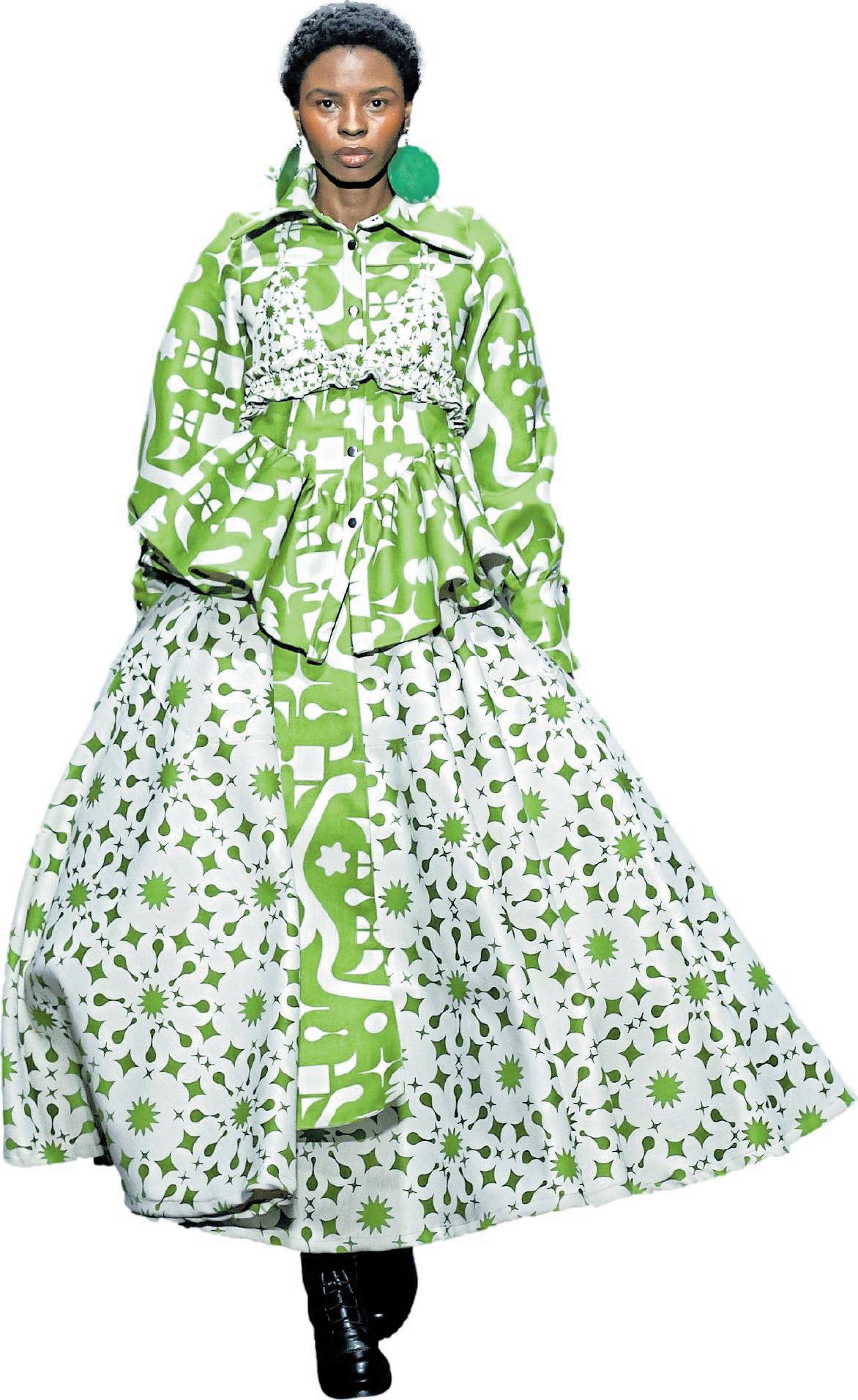
Fashion designers, part of the clothing and textile sector, contributed about R1bn to SA’s GDP in 2019, according to a study led by the department of trade, industry & competition and the South African Cotton Cluster. Research found “the sector’s contribution to the local economy, as well as identified potential impact, positions the designer apparel sector as a key investment opportunity”
This is clear evidence fashion graduates can create viable careers and, in turn, support the development of SA’s economic ecosystem, says Leonardo Snyman, head of the Johannesburg and Pretoria campuses at Stadio School of Fashion, the largest and only internationally accredited fashion school in SA. Previously known as Lisof, Stadio School of Fashion offers qualifications that produce graduates for every element of the fashion value chain. Its programmes include higher certificates, BA and BCom degrees, an honours degree and, from next year, a diploma in clothing production that aligns with the growing needs of the local fashion manufacturing sector.
Snyman is particularly excited about this new offering. “The local fashion industry is about to boom. The pandemic forced consumers to explore locally made products. Clothing that is locally designed, manufactured and sold creates jobs, with the added benefit of providing apparel that is more affordable and sustainable.”
He believes Africa can leapfrog into the fifth industrial revolution by focusing on human-centred skills and abilities that will drive employment creation and economic growth. “There is a growing awareness globally of human-centred skills given the rise of artificial intelligence and machine learning. The School of Fashion and the programmes we offer focus on nurturing and transferring these skills,” he says, adding that the institution understands its graduates need to have these skills to be ready for the jobs of the future.
The Art of Making Knowledge Work
Our current, dynamic, cutting-edge teaching and learning curricula allow students to practice what they are taught, producing future-ready creatives.
industry legs
“We take a long view on the development of programmes and revising of content, cognisant of where the industry is going and taking into consideration the fashion value chain to produce graduates for every sector. This ensures we offer qualifications that will ensure our graduates are employable and can contribute to the development of our country.”
Teaching critical thinking and creative problem-solving starts with providing a safe space for students on campus.
“We encourage our students to expand their creative problem-solving abilities and become comfortable and confident in their skills. This is achieved with the help of top-quality lecturers with excellent teaching and technical skills, and relevant industry experience. In addition, our curriculum is filled with localised content to make learning more relevant and to enable students to get absorbed into the workforce faster.”
Students are exposed to industry stakeholders and partners to obtain real-world experience through internship programmes as part of degrees. The majority of its graduates are employed by the fashion industry locally and internationally. Collaborations will be key to growing the local clothing and textile industries, says Snyman.
“Creatives collaborate by nature and this is one of the most important skills in the future world of work. As a country, we urgently need to plot out the SA fashion value chain to determine where shortages exist, from a human-capital perspective, so we can develop those skills and abilities. We also need to start sharing knowledge and insights with other role players to ensure the localisation and development of the value chain.”
The ‘creative
Lynette Dicey
economy’ is the 21st century’s fuel
Creative industries and the careers they offer are an important part of the job market and play a key role in the local economy. A frequently quoted maxim, attributed to John Newbigin, a member of the UK government s Creative Industries Council, is that where oil was the primary fuel of the 20th-century economy, creativity is considered by many to be the fuel of the 21st century.
Creative careers span a range of industries, from advertising, architecture, fine arts, design and fashion design, to music, performing arts, publishing, TV and radio, amongothers. Digital technologies have given rise to even more careers, fusing arts and creative industries.
A 2008 UN report pointed to the potential of what it called the creative economy to boost economic growth and revealed that the rapid rate of creative and cultural industries was being felt globally.
So where do those looking for a creative career find training? For those interested in advertising and marketing, the AAA School
of Advertising, Vega School and Red & Yellow offer a variety of degree, diploma and certificate courses. AAA, which was established by the Association of Advertising Agencies to train young talent, offers courses in marketing communication, creative brand communication, visual communication and digital marketing at its campuses in Johannesburg and Cape Town.
Vega, with campuses in Johannesburg, Durban, Cape Town and Pretoria, and an online option, has a similar but extended offering, providing courses in brand communication and brand management; interior design; copywriting; video and photography; and graphic, digital and game design. Cape Town-based Red & Yellow offers a similar line-up to Vega.
Budding chefs also have a number of options, including Capsicum Culinary Studio, which has campuses in Boksburg, Pretoria, Rosebank, Nelson Mandela Bay, Durban and Cape Town, or Silwood School of Cookery in Cape Town. Lynette Dicey
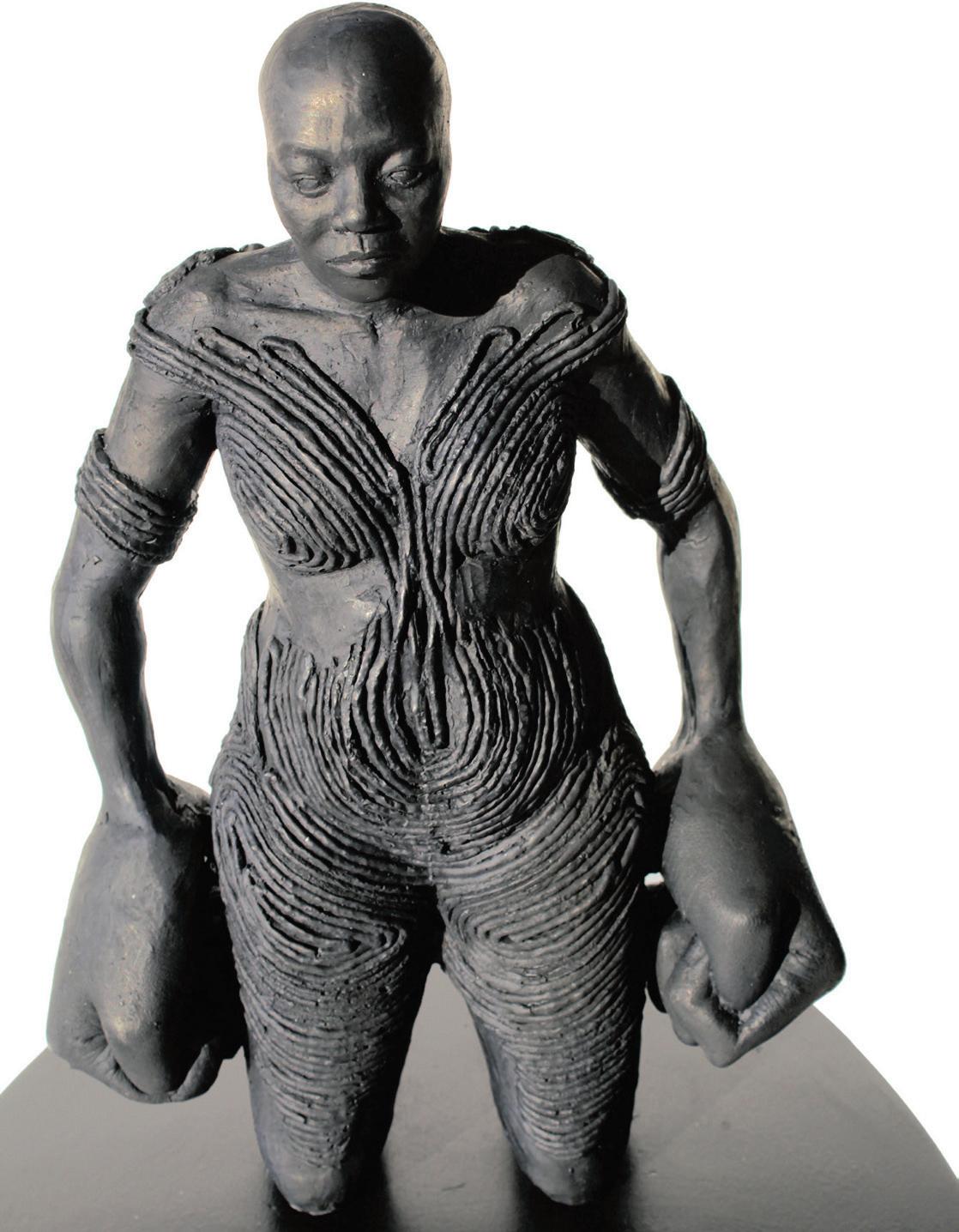
Tiisa Sculpture by Cow Mash
Leonardo Snyman, head of the Johannesburg and Pretoria campuses at Stadio School of Fashion.
Munkus
An increasing demand for creativity and innovation
Creativity is becoming one of the most sought-after skills. According to the World Economic Forum’s Future of Jobs report, there will be increasing demand for skills related to innovation and creativity. Of the top five skills listed in the report as having growing importance and demand for the future, creativity and innovation are related to the top four.
School leavers intent on creative careers are spoilt for choice in SA, with a number of tertiary education institutions, including six universities of technology, offering a variety of options.
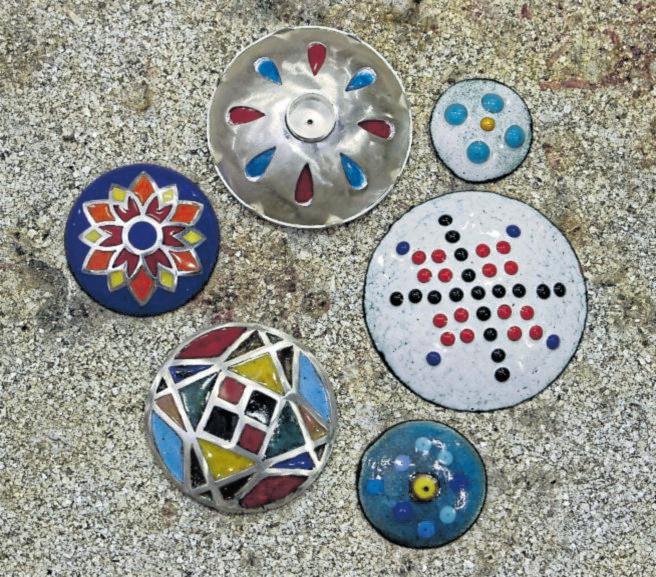
Tshwane University of Technology’s (TUT) faculty of arts and design, for example, offers a wide range of qualifications in design, performing and visual arts disciplines. The faculty consists of five departments: design studies, which focuses on fashion design and technology, and jewellery design and manufacture; fine & studio arts; interior design; performing arts, which includes dance, music, and theatre arts; and visual communication, which includes commercial photography, integrated communication design and motion-picture production.
All of TUT’s programmes have career-focused progression possibilities, from diplomas at entry level to advanced diplomas, postgraduate diplomas, master’s and doctoral degrees.
“Entrepreneurship, decolonisation and the Africanisation of education in the creative industries are key and central aims of our programmes,” says Professor Nalini Moodley, executive dean of the faculty
The faculty is one of only four institutions of higher
learning in SA endorsed as a member of the Cumulus Association, a global group of art and design education and research.
For students in KwaZulu-Natal, the Durban University of Technology’s (DUT) faculty of arts and design is another option, offering a range of undergraduate and postgraduate qualifications in drama, education, fashion design, fine art, visual communication design, interior design, jewellery design and manufacture, journalism, language practice and applied arts in commercial photography, screen arts and
SCHOOL OF FASHION QUALIFICATIONS
technology. The faculty also offers a range of short courses. The facultyhas developed a reputation for producing artists of national and international stature.
“We excel in training students to unlock their expressive and artistic talents,” says Andile Dube, information and communications officer at the institution.
“From arts and design to education and humanities disciplines, our philosophy is cocreating a future with our students.”
DUT second-year fashion and textiles student Ismael Mchunu made the university proud by winning the sought-after 2022 Hollywoodbets Durban July Young Designer Award, presented by the Durban Fashion Fair.
Executive dean of the faculty, Professor Runette Kruger, says fashion students are supported and mentored by a dedicated team of lecturers.
“The talent in the department is next level.”
Later this year the faculty will host the annual Arts and Design Digital Festival (Digifest), a celebration of the arts and technology. It aims to facilitate interdisciplinary teaching and learning practices in design, creative and performing arts, as well as to highlight student and staff work. Simultaneously, the festival aims to promote collaboration and partnerships in the integration of technology and digital media in the arts.
Lynette Dicey
DESIGN IN FASHION
BA In Fashion: Specialisation: Design
Diploma In Clothing Production
HC In Fashion: Design Specialisation
CAREERS: Fashion designer | Brand owner | Clothing production manager