
LAW&TAX
A REVIEW OF DEVELOPMENTS IN CORPORATE AND TAX LAW
VAT audits a taxing process
• Vendors are often the victims of Sars’s random time frames
Annelie Giles ENSafrica
The SA Revenue Service (Sars)has set itssights on noncompliant taxpayers through an active andfocused compliance programme. It seemsthat Sarshas realised theenormous powersitenjoys undertheTax Administration Act,2011 (TAA) toadminister taxlaws and enforcecompliance and it hasbeen goingfrom strength tostrength ever since. This is particularly evident when itcomes to the audit and verification of VAT refunds.
Butis thelawallowing Sars perhapstoo much power whenviewed against taxpayers’ rightsto conduct business?
ENTITLEMENT VS ENFORCEMENT
ThedesignoftheSAVATsystem is such thatit entitles a vendor to claimVAT on expenses thathave been incurred in the course or furtheranceof itstaxableenterprise. Avendor’s entitlement toa VATrefundclaim issubject tocertain requirements and thevendor bearsthe burden of proof.
On the otherhand, Sars’s rightto conductanaudit ofa taxpayer’s taxaffairs is embeddedinChapter5ofthe TAA, whichcontains various enforcement toolsranging from verification toaudit to criminal investigation. In practice, however, there seems to bedifficulty in distinguishing betweenerrant compliant taxpayers and errant criminal taxpayers. The resultis thata broadbrush approachto enforcement is emerging that is affecting the timing of VAT refundpayments,withtrends reminiscent ofthe findings from theerstwhile Nugent Commission.
MUSTS VS NEED NOTS
Section190(1) oftheTAA requiresthat Sars “must” pay arefund ifaperson isentitled toit togetherwithinterest thereon. However,section 190(2) providesthat Sars “need not” authorise a refund untilsuchtimethataverification, inspection,audit or criminal investigationof the refund hasbeen finalised.In other words,the subsection preserves Sars’sright toinitiate and finalise anaudit of a refundbefore therefundis paid out.
The troubleis thatthere is no prescribedtime period

withinwhichSarsisrequired to finaliseany suchaudit activities.The TAAis silenton this aspect andthe ValueAdded Tax Act,1991 (VAT Act) merely providesthat interest startsaccruing ontheoutstandingrefundifitisnotpaid within 21 business days from the date onwhich the particular VAT return was received by Sars.
Evenso, interestmaybe suspended incertain prescribed instances(for example, if avendorhas anyoutstanding tax returnsor has not furnishedits banking
details to Sars).
GENERAL AUDIT VS AUDIT OF THE REFUND
Notwithstanding thatthe audit mustbe “ofthe refund” before Sars is entitled to withhold payment thereof, section 190(2)of theTAA is often (erroneously)interpreted to mean that Sars is not required topay a VAT refund if anyaspect of that person’s tax affairsis under audit, until such time that the audit has been finalised.
Thispractice hascoincided with a recent increase in
the use ofspecial “stoppers” onthe Sarssystem that block the payment of any VAT refund claimsmade bythe vendor after the date on whichanaudithasbeeninitiated, evenif suchsubsequent VATrefundclaimsfalloutside the period that is under audit.
This notion has also had the effectthat VATrefunds arebeing withheldon alarge scale where Sars is conducting an industry-wideaudit as opposed toan audit “of the refund”
Recenttrends notedthat support this notion include:
● Vendors whose VAT returnsarefrequentlyinanet VAT refundposition will receive averification request each and every time they submita VATreturn toSars. TheVAT refundwill notbe paidout untiltheverification isfinalised.Thiscarriesonfor multiple taxperiods without anyindicationthatthevendor is able to buildup a good compliancehistorythatcould relieveit fromconstantSars scrutiny.
● Theinitiation ofaVAT refund auditwill inall likelihood mean payment of any subsequent VAT refund claims willautomatically be withheld until the audit of the initial VAT refundis finalised. Whena vendorinquires with the Sars call centre,it is usually informed thata stopper has beenplaced onthe systemwithno indicationasto when the stopperwill be
lifted or when the audit will be finalised.
● It has also been noted that a vendorwill receivea notificationofaudit andarelated request forrelevant material in respectof thesame VAT returns thatwere previously subjected to verification requests, eventhough the verifications werefinalised and noadjustments were made.
IN SOME INSTANCES, AN AUDIT WILL BE CONTINUOUSLY EXTENTEND
● Insomeinstances,anaudit willbe continuouslyextendedto includeanadditional taxperiod eachtime thevendorsubmits aVAT returnto Sars (forexample, anaudit maystart offas relatingto VAT refund “A toE” but will be extended toinclude VAT refund “F” themoment this VAT return is submitted).
DELAYED VAT REFUND CLAIMS
But VATis atax onthe final consumer. By design, VAT is not intendedto be acost to business.Itmerelyhasacash flow impactwhere goodsor services are acquiredby the vendorfor taxablebusiness
BEAR THE BURDEN
/123RF RUDALL30
VAT audits a taxing process
purposes asthe vendoris entitledtoclaimtheVATback from Sars.VAT refundpayments are neededto stimulate businessactivity, but where VATrefunds arecontinuously lockedup inaudit activities, themuch-needed cash flow to business is delayed, sometimes for months on end. Itis not surprising vendorfrustration is mounting whereVAT refund claims areconstantly met with suspicionand intensely scrutinised at length.
The current lack of timeframeswithin whichanaudit must beconcluded creates the impression of a lack of commitment to finalise audits,evenwherenoindicationof wrongdoinghasbeen advanced (audits canbe kept in abeyanceseemingly for years withoutprogression to any kind of end).
Itseems a taxpayer’s only option is toseek recourse from the courtsto compel Sarstofinaliseitsauditwithin areasonableperiodoftimeor to pay out any VAT refunds that donot fallwithin the scope of the audit.
In therecent matterof Rappa Resources (Pty)Ltd v C:Sars, thehigh court cautionedthat “Sars cannot be allowedan indefinitetimeto complete anaudit” and, accordingly, directedSars to conclude the audits by no later than a particular date. TheSupremeCourtofAppeal reinforced thisjudgment by declining Sars’s application for leave to appeal.
BALANCE OF AUDITS AND BUSINESS
The taxpayer mayhave won this round, but litigation is costly,lengthy andnotwithout risk.It simply is nota feasible option availableto all and, insome instances,vendors maynot emergeintact on the other side. What is needed insteadis abalance, inlaw,betweenSars’srightto conductanaudit andataxpayer’s constitutionalright to conduct business.Clear and reasonable timeframes need to be outlined and extensions should bethe exception and only invoked when warranted.
Itis welcomingtonote that variousstakeholders are currently engagingwith the National Treasury andSars in this regard. Butuntil Sars’s powersinthis areaarecurtailed andthe balance restored, therewill continue tobe atugof warbetween Sars and taxpayerson the paymentofVATrefunds,with thevendoratadistinctdisadvantage.
BUSINESS LAW & TAX
What’s needed for boom in African power projects
• IPP procurement can succeed if certain conditions are fulfilled
Shamilah Grimwood-Norley Bowmans
SA businessesthat have enduredonoff rollingblackouts for the past 12 years arenot alone in their power supply woes.
Nearly80% ofbusinesses acrossAfrica sufferedupto nine interruptions amonth to their powersupply between 2006 and 2016,according to the AfricanDevelopment Bank. Almosthalf ofbusinesses maintaintheir own generation equipment to keep operatingduring blackouts, whichoccur foran averageof90daysayear,the World Bank says.
Addinginsult toinjuryis thehigh costof electricityfor industry inSub-Saharan Africa,at about$0.20per kilowatthour, whichisfour times higherthan industrial rates in the developed world.
While Africangovernments are acutelyaware of theimpact ofenergyinsecurity oneconomic growth, they lack sufficie nt capital to invest innew powergeneration andnetwork capacity. The Programmefor Infrastructure Developmentin Africa estimatesthe power sector inAfrica needsan annual investmentof $42bn across thesupply chain, generation, transmissionand distribution.
Asa result,governments are increasinglylooking to private sectorinvestment in independentpowerproducer (IPP) projects.
IPPs vs PPPs IPPs areoften referredto as “public private partnerships” (PPPs) giventhe offtake arrangements between the IPPs andthe powerutility, which isusually stateowned or hassignificant state ownership.
Interestingly,recentlargescale IPPprocurement programmes havebeen procured outside theformal PPP regulatory frameworks, which generallyentail the handover ofthe infrastructureassetsbuiltforthePPPto the procuringstate authority at the end of the PPP term. PPPs entailingsignificant private investmentin capital assets aretypically structured as buildown operate transfer (BOOT),build operate transfer (BOT)or build transfer operate(BTO) concessions (orvariations of these concessiontypes), with
the mandatory handover of these assets occurring on expiry of the PPP term.
In countrieswhere the power supplychain isstill largely verticallyintegrated and the private sector is seeking reform that will ultimately see widespread privatisation of power generation assets and end-consumer choice of generation supply,thestructuringofIPPs as PPPswhere theIPP assets are transferred to the state does not make much sense.
Power generationis naturally competitivebusiness and the ownership thereof should ideally bewidely distributed, not monopolised by the state.
MISSED OPPORTUNITY
Transmission anddistribution ofelectricity isa natural monopoly.Privateownership ofnetworkassets,particularly in developing economies which requireexpansive building out and strengthening of networkcapacity and improved interconnection,is notoptimal giventhatthe interconnected network system is a nationally strategic asset.
Where publicfunds are constrained, though, private investment in the network systemundertaken onaPPP basis should be considered. Although many governments across Sub-Saharan Africa
THE LITMUS TEST FOR INVESTMENT IS BANKABILITY, MEANING THE ABILITY OF THE PROJECT TO RAISE THIRD-PARTY DEBT
havepaidconsiderableattention to utility-scale IPP procurement in thepast decade, no procurement of private sector investment in national network systems has been undertaken by governments in the region.
To myknowledge, no African jurisdiction has pursuedthe procurementofprivate sector investment in network services,through PPPsor otherwise,savevery recentlyfor Kenya,andthis seemsto bea missedopportunity.
Although Kenyalaunched the first of its IPP procurement programmes two decadesago, beingthefirst
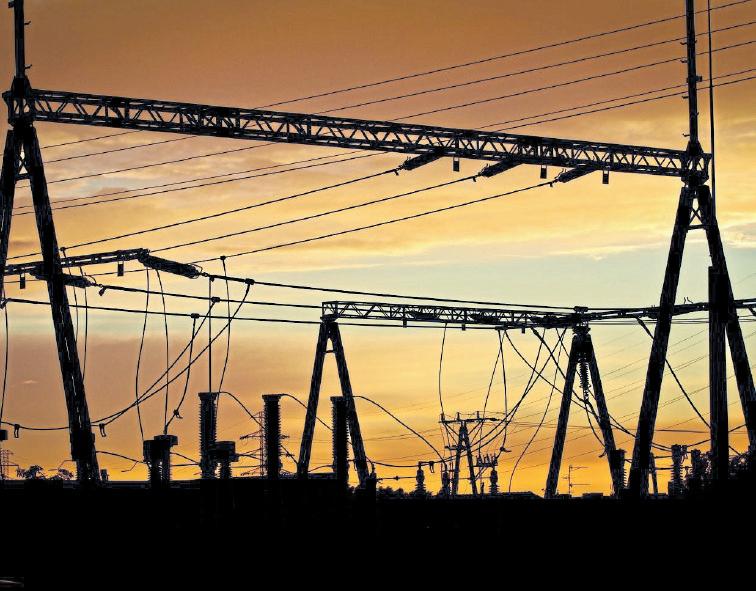
country inSub-Saharan Africa todo so,it hasonly now commenced its first competitive procurementfor theupgrade ofitstransmission system. If Kenya succeeds in banking the Kenya Transmission Project, it may bea gamechange fornew investment in the African power sector.
BANKABILITY IS KEY
Given thecapital-intensive nature of utility-scale infrastructure investment, private developers will be heavily reliant on third-party debt funding from financial institutions.
It isclear fromthe utilityscale IPPprojects thathave achieved “commercial close” in single buyer markets (being markets for utilityscalesupply onlytostateowned off-takers), that privateinvestmentintheformof shareholder equity and thirdparty debtcan beleveraged for new power generation.
The litmus test for investment is bankability, meaning theabilityof theprojectto raise third-party debt.
Third-party lenders want to besure thatthe cashflows generated by the project (in the case of an IPP, the paymentsreceived fortheelectricity delivered or available to bedelivered byit) fromthe utility off-taker will be sufficient topay theircosts, and thatthesecashflowsareadequately protected against all project risks.
In the case of a transmissionPPP, thecashflows will principallybe theunitary chargesreceived bytheprivate transmission contractor for the network services made availableby itto the
transmission system owner.
In IPP projectswith state utility off-takers, a prerequisite for raising third-party debt is forhost governments to protect IPPsfrom credit risk, specifically the risk of nonpayment by the off-taker. Creditrisk isa challengefor many African jurisdictions, where state utilities often have credit ratingsthat are subinvestment grade or close to subinvestment grade.
STRUCTURED APPROACH
Apart fromgovernment creditsupport wherethereis aclearorpotentialcreditrisk, host governments also need to pay attention to other criticalfactors forasuccessful IPP or PPP procurement.
These includea properly structured planningprocess (which requiresunequivocal statesponsorship),awell-run and timely procurement process (adequatelyresourced) and a commercially reasonable pricing approach that allows forthe recoveryof the investment costs plusa reasonable return.
The procurementprocess must incorporatestrict discipline aroundtimelines and evaluation criteria, consistent and open engagement with bidders, and welldeveloped procurement documentation.
THE PROCUREMENT PROCESS MUST INCORPORATE STRICT DISCIPLINE AROUND TIMELINES AND EVALUATION CRITERIA
REASONABLE RATES OF RETURN AND RISK ALLOCATION
Pricing is crucial for successful implementationof IPPsor PPPsinsinglebuyermarkets. The pricingparameters inthe request for proposal document need to be aligned with pricing policy that supports rate-of-return orcost-ofservice tariffs to allow investorsto covertheircosts and earn areasonable return. In suchmarkets, anIPP or PPP onlyworks ifthe tariff methodology of the regulator supports rate-of-return or cost-of-service tariffs. Most importantly,the regulator should notbe allowed to reopen and review tariffs oncethe contracthasbeen awarded. Tobe bankable,the off-take agreement should lock ina fixedterm, fixed price and fixed price escalation, aswell ascommercially balanced risk allocation. A rule of thumb for governments, inmy view,is that anIPPshouldnotberequired to assume any risk the utility off-taker’sowngeneratorsdo not bearin theirown generation businesses.
IPPs shouldgenerally not be required to take on costs a state generatoris entitledto recover from its customers. ThatisakeyprincipleAfrican governments andinvestors should consider. IPPs canbe effectively leveraged in the African power generationlandscape if they areproperly planned, well run, transparent, properly priced and bankable. Governments should consider exploringPPPs fortransmission and distribution networks,whichareatpresenta missed opportunity.







heavyweight firm with a highly acclaimed tax practice, offering a broad range of expertise










BUSINESS LAW & TAX
Customs and excise disputes
• The
ins and outs of Sars and alternative dispute resolution
Rudi Katzke Webber Wentzel
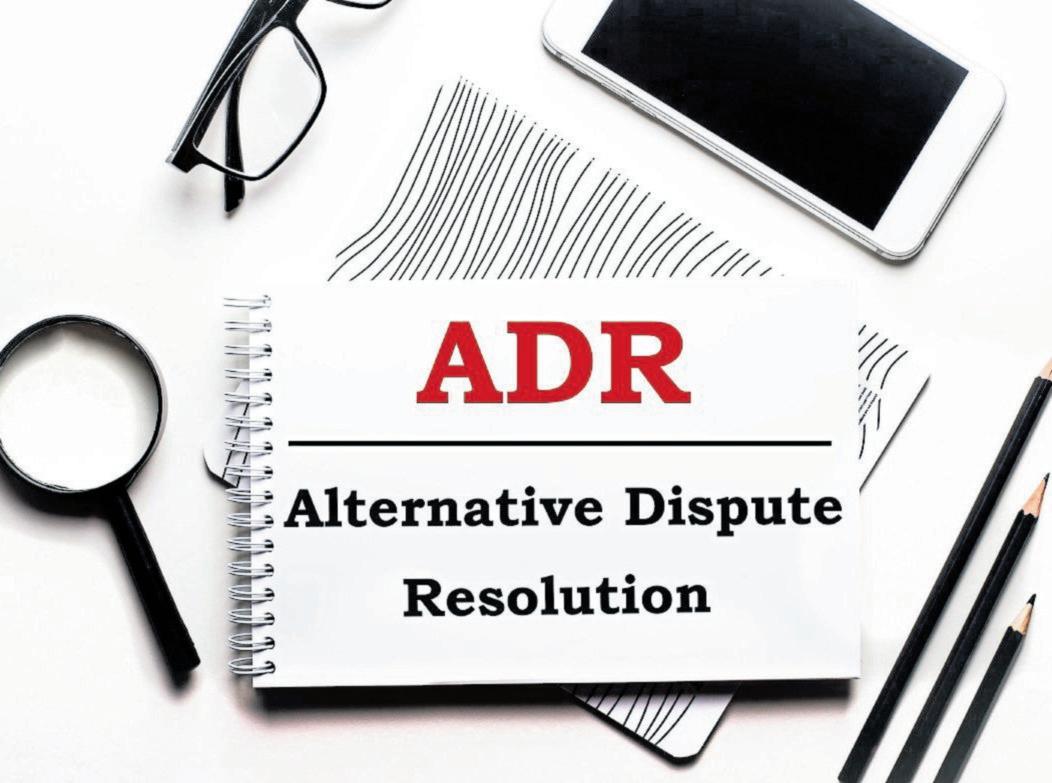
There are various mechanisms to resolve disputes with thecustoms and excisedivisions of the SA Revenue Service(Sars).Here,weconsider the alternativedispute resolution (ADR) procedure.
ADRisaformalprocedure provided for in terms of chapter XAof theact, read with the rulesfor section 77I. Sarshas discretion to decide whether or nota matter is appropriate for ADR.
A potentialapplicant should carefullyconsider, in consultation witha customs and exciselegal expert, whether tospend thenecessarytimeandmoneytoapply for ADR at all.
It requires a formal ADR applicationtobemadetoSars within30 daysof beingnotified of theoutcome of the appeal. Sars must,within 20 days of receiving the ADR application, informthe applicantwhether thematteris appropriate for ADRand may be resolved byway of the procedures contemplated in therulesforsection77I.(Note that allreferences to “days” have a similarmeaning to the ordinary conceptof business days,but thereis anexcluded periodbetweenmid-December of one year and mid-Januaryofthenextyear,asinthe definition of “day” in section 77A of the act.)
Theaggrieved person is not obliged tosubmit an internal administrative appealandmaydirectlyinstitute judicialproceedings against Sars, subject to the prescribed timeframes. (We willconsiderthismechanism in the finalinstalment of this series.)If theaggrievedpersonappealed,buttheirappeal was disallowed,they may also institutejudicial proceedings against Sars.
Ineither case,Sarsmay
notifythemthatthedisputeis appropriate forADR within 10daysof receivingtherelevant litigationnotice. After that, theaggrieved person must advise Sars within 10 dayswhether theyagreeto proceeding with ADR. Whether an unsuccessful appellant appliesfor ADR,or a prospectivelitigant agrees with Sars tofirst proceed with ADR,the relevant aggrieved personmust submitan ADRapplicationto Sars undercover ofform DA 52.Thisis notonlyrequired by law butis administratively important, becausethe reverse sideof theDA 52 form containsthe termsgoverning theADR procedure. Signing thatform indicates the ADRapplicant’s acceptanceof thoseterms,so itis importanttotakecarefulnote of them.
Thoseterms arealsoset out in Schedule Ato Rule 77I. Theycover aspectssuchas the distinctionbetween ADR following thedisallowance of an internal administrative
AN APPLICANT SHOULD CAREFULLY CONSIDER WHETHER TO SPEND THE TIME AND MONEY TO APPLY FOR ADR AT ALL
appeal and ADR as an alternativetojudicialproceedings; theobligations, objectiveand authority ofthe Sarsfacilitator appointed tomanage the ADR process;and therules for the ADR meeting.
Itiscrucial toensurethe ADRapplication isproperly drafted andcompleted, including asupporting schedulesetting outthe detailedgrounds forapplying forADR. Thesegrounds shouldinclude therelevant background facts, an
AGREE TO DISAGREE
overviewof theapplicable statutoryprovisions orcase law,and theapplicant’s motivation whyADR isappropriate.The ADRapplication shouldalso besupportedby the relevant background documentation, includingthe Sars “decision” at issue (for examplethe appealcommittee’swritten disallowanceof theappeal)and themostpertinent correspondencewith Sars on the dispute.
Given these complexities, itisadvisableforanaggrieved personin acustomsand excise disputeto briefa legal expert timeously to:
● Advisethem whetherSars is likely todeem the dispute to be appropriate for ADR; and
● Ifthere isareasonable prospect that Sars will deem it appropriate, to prepare the ADRapplicationandsubmitit to Sars.
If Sarsagrees toproceed with ADR, the legal expert shouldalso bebriefedto represent thesuccessful applicant at the ADR meeting. There they willhave the opportunityto makeoral submissionstotheADRfacilitator andrespond toany questions.
The Sars-appointed facili-
tator isin chargeof proceedings at the ADR meeting. The aggrievedperson mustbe personallypresent andmay beaccompanied bytheir chosen representatives (who shouldinclude theirappointed customsand exciselegal expert).Theaggrievedperson andthe Sarsrepresentatives may, ifthe facilitatoragrees, leadorbring witnessestothe ADR meeting.
Atthe conclusionofthe meeting,the facilitatormust record allissues thatwere resolvedthrough theADR process;any issueonwhich agreement orsettlement couldnotbereached;andany otherpoint theyconsider necessary. Thefacilitator must delivera reportto the aggrievedperson andthe Sarsrepresentative within10 days aftercompletion ofthe ADR process.
Thefacilitator mayalso,if requested at thestart of the ADR process, make a recommendationat theconclusion of proceedings, if no agreementorsettlementisreached between the parties.
From an evidentiary perspective, all representations madeinthe courseofthe ADRmeeting arewithout prejudice.Anyrepresentation
madeor documenttendered in thecourse ofthe proceedingsmaynot betenderedin any subsequentproceedings as evidenceby anyother party,subject tolimited exceptions.Also, noperson maysubpoena anyperson involved inthe ADRprocess to compel disclosureof any representationmade ordocumenttenderedinthecourse of the proceedings(subject to thesame limitedexceptions) or subpoena the facilitator of theADR proceedingsto compel themto discloseany suchrepresentation madeor document tendered.
The ADR procedure may havevarious outcomes.The first isthat thedispute is resolvedby agreement(Rule 77I.18), whereSars orthe aggrieved personaccepts, wholly orpartly, theother party’sinterpretation ofthe factsorthe lawapplicableto thefacts,or both.Thisisthe best possible outcome, as it delivers somelevel ofsatisfaction to bothparties and finalises the dispute.
The second iswhere the partiesare, despiteallreasonableefforts, unableto resolve the dispute by agreement,yetSars isoftheopinionthat thecircumstances
complywith therequirementsfor settlementinsection 77M of the act (Rule 77I.19).This presupposesthe aggrieved person has formally applied toSars for thedisputeto beresolvedby compromising the disputed liability.(This mechanismis known as a settlement application, and it will be dealt with in the next instalment.)
Inthat case,theparties will attempt to settle the matter in accordancewith the provisionsofpart Cofchapter XAof the act(sections 77J to 77P).
The third possible outcomeis noagreement orsettlement is reached, or the ADRproceedings areterminated by the Sars facilitator onthebasisofanyofthespecific grounds listedin paragraph 7(g)of ScheduleA to Rule77I. (Thosegrounds includethe failurebyany person to attend the ADR meetingor thatthefacilitator is ofthe opinion thatthe dispute cannot be resolved.)
If this third outcome arises, Sars mustinform the aggrievedperson oftheir furtherrights regardingthe institutionof judicialproceedingswithin10daysofthe conclusionor terminationof the ADR proceedings.
Any agreement or settlementreached throughthe ADR process hasno binding effecton anyothermatters relatingtothataggrievedperson that arenot actually coveredbytheagreementorsettlement, orany otherperson (Rule77I. 22).Though ithas no precedent-settingeffect, ADRisstill alesscostlyand time-consuming disputeresolutionmechanism thanlitigation against Sars.
An aggrievedperson shouldcarefully consider,in consultationwith a legal expert, whetherto applyfor ADRafter anunsuccessful appeal oras analternative to litigation. Ifthere isa reasonable likelihood thatSars will deemthematter tobeappropriateforADR(basedonprior experience of Sars’sstance in similar matters),it mightwell be worth pursuing it.
SA firms in China need to take note of new privacy law
Peter Grealy & Cindy Liebowitz Webber Wentzel
Alex Roberts Linklaters (Shanghai)
SAbusinesses withlinksto China need to be aware of the country’s recentlypassed Personal Information ProtectionLaw, whichcomesinto force in November 2021. SARevenue Service(Sars)
statistics showthat Chinais SA’s main trading partner. In July2021,importsfromChina accounted for the majority of SA’s imports(19.4%), while exports toChina fromSA accounted for the majority of SA’s exports (12.6%).
In addition, Chinese investmentin theSAeconomy hasbeen steadily increasing overthe years. Chinese organisationshave injected fundsinto someof
SA’s keyeconomic sectors suchasenergyandelectricity and otherinfrastructure development initiatives. The relationship betweenthe two countriesislikely tobefurther strengthenedin the immediate futureafter the China-SA Tradeand InvestmentRoundtable,whichtook place in China in July 2021.
China’s lawsand regulations areof significanceto SA organisations thatdo busi-
ness withorganisations in and fromChina. Ofparticular importance isa newprivacy lawwhichhasbeenpassedin China, thePersonal Information ProtectionLaw, which will come intoforce on November1 2021.Inmany respects, thePersonal Information ProtectionLaw is similarto theEU’s General Data Protection Regulation and SA’s Protectionof Personal InformationAct. How-
ever, thePersonal Information ProtectionLaw contains some unique features. SA organisationsthat fall in the categories below will needtoconsiderthePersonal Information ProtectionLaw. Wehave includedsomekey considerations, thoughthe list is not exhaustive.
● It is unclearwhat type of companies willbe classified as CIIoperators butthey may include, forexample, public
communication and information service providers; military suppliers and so on. SA organisations that engageintraderelationswith China or form partof a Chinesegroup ofcompaniesor have otherbusiness tieswith Chinashould bemindfulof thecompliancerequirements contained inthe Personal Information ProtectionLaw, in light ofthe impending compliance deadline.
BUSINESS LAW & TAX
What next if you have been slow on Popia
• The recent media attention helps to ensure it will not be easy to avoid liability once called out
Zamathiyane Mthiyane Werksmans
With the attention on complying with the Protectionof PersonalofPersonalInformationAct No4of 2013 (Popia) byJuly 1 2021 having subsidedand mostof us havingreceived and approvedour fairshareof consent notices,we consider the consequences, ifany, for responsiblepartiesasdefined intheact,whohavenotasyet heeded the adviceto comply with the act.
As afirst point ofcall one usually considersthe offences and penaltiessection of any legislationto ascertain the consequencesof noncompliance. Thisholds true for Popia. Inthis regard, section 100 listsspecific acts considered to be offences:
● Hindering orobstructing or unlawfullyinfluencing the information regulator;
● Failing to comply with an enforcement notice;
● Lying under oath or failing to attend hearings; and
● Unlawful actsby responsiblepartiesor thirdpartiesin connection with account numbers.
Theact, inour view,takes a peremptoryapproach in obliging responsibleparties toprotect adatasubject’s right to privacyby, inter alia, registering an information officer andprocessing personal information in terms of the eightconditions oflawful processing set out in the act.
However,on areviewof the offences listed in section 100,afailure oromissionto
THE NECESSITY OF AN INITIAL CONTRAVENTION OF THE ACTCREATES A LEGAL LACUNA FOR RESPONSIBLE PARTIES
comply with the substantive provisions ofthe act,includingthosethatrequireresponsible parties to collect personal informationdirectly fromadatasubjectornotifya data subject when collecting personal information, are not includedinthelistedoffences in section 100
The legislaturemay have identifiedtheabovegapinthe actandattempted torectifyit through the inclusion of section 109. Thissection empowers the information regulator to impose an administrative fine in instances where a “responsibleparty is alleged to havecommitted an offence interms ofthis act”
Assection 109does not,as opposed to section 100, refer tospecific sectionsin theact to which itapplies, in our view, section 109may be applicable to a contravention ofany sectionof theProtection of Personalof Personal Information Act.
Although section 109 appearstoprovideuswithan
SECURE SOURCES

appropriate answerin responseto thequery onthe consequences of noncompliance, section 109 is not without flaws. In this regard:
● Thepenalties setoutin section 100are criminalin natureand must,thus,be handed down by a court and are, in our view, more severe;
● The powersof theinformation Regulator are limited onlyto section109. Interms ofsection109theinformation regulatormay onlyimposea fine;
● However, to impose the fine oract inany mannerin termsof section109,the information regulatormust firstissue aresponsibleparty an infringement notice; and
● The aboveinfringement notice must “specify theparticulars of the alleged offence”
Thus, aresponsible party must first have contravened
CONSUMER BILLS
the actand adata subject must then bringthe contravention to theattention of the information regulator. The regulator may then deliver the infringement notice with thenecessary detailsofthe contravention andthen investigate the alleged offence and determine an appropriate fine.
Arguably, thenecessity of an initialcontravention of the act createsa legallacunafor responsible parties. In this regard,insofar asaresponsible party’s noncompliance withtheact isneverreported bya datasubject, theresponsible party may, arguably, escape theobligations imposed by theact and, in turn, the possibilityof being levied with a fine.
However, section89 of the actempowers theinformation regulator, at his/her own initiative, to assess whetheror nota personis
processing personal information in accordance with the act. Whether or not the information regulatoris resourced to conduct such investigations, dealwith reported alleged contraventions,as wellas initiateits own investigationswithout first receivinga requestfrom, inter alia,a datasubject todo so, remains to be seen. However, taking into account the recent media attentionthe acthasreceived andthatconsumersaremore awareof legislationaimedat protecting their rights, a responsible partywho intends toavoid liabilityon the basis that “I will never get caught” may find themselves onthereceiving endofan infringement notice,followed by an administrativefine but also apossible sentenceof imprisonment.
● Reviewed by Neil Kirby.
SA laws should not be made the IFRS way
As the financial affairs of corporations become increasingly complex and cross border, there is increasing reliance on international rules. The question is to what extent these rules can be imposed on an SA company.
A good, and bad, example is the IFRS Foundation.
According to itswebsite this is a not-for-profit, public interest organisation established to develop a single set of high-quality, understandable, enforceable and globally acceptable accounting standards. The IFRS standards are set by the International Accounting Standards Board. If you have read the IFRS standards you might vehemently disagree with the word “understandable”. IFRS 17 discussed below is 100 pages of arcane language. But what this article is about is the other word — “enforceable”
Publicly listed companies

PATRICK BRACHER
and many financial institutions are legally required to publish their financial reports according to the IFRS accounting standards. The Companies Act requires it. The Insurance Act requires insurers to prepare their annual financial statements in accordance with these standards. The Accounting Standards Board is a group of experts based in London said to have recent practical experience in setting accounting standards and broad geographical diversity. The standards are constantly under review but you are unlikely to know that a
revision is being undertaken until the amended standard is published.
Take for example IFRS 17 on insurance contracts, which was amended in June 2020 and is now being imposed on SA insurers. There are two difficulties here besides the worldwide problem of enormous overregulation.
DIFFICULTIES
SA is a consultative democracy and laws affecting the public are not supposed to be enacted without consultation. The IFRS standards have the force of law because they are introduced into SA legislation and they have tax consequences for those who are subject to the rules. There is no public consultation before any new or amended rule is introduced by the standards board. Even now, if you look for IFRS 17 you will find it
described as a “project in progress” but with no consultation involved.
Second is the problem of access to the law. If you want to read any particular standard you need to be registered on the IFRS site, provide an email address and sign in using a password. If you want the premier products in the form of IRFS books you need to buy them.
A set of the IFRS standards issued at January 1 2021 will cost you about R1,600. The major publication bundle costs about R6,000.
CONSTITUTION
We have already moved into a situation where law is no longer found in a gazette. Local regulatory standards are published on the website of the regulatory authorities. Although they are difficult to find (I was looking for a specific law recently and was offered 8,097 possibilities on the regulator’s website) they
are available free of charge and without being a subscriber.
No matter how geographically diverse the standards board is, they cannot know what is happening in the law of the many countries in which the rules are imposed.
For instance, in IFRS 17 the definition of what is an insurance contract differs from the more progressive definition in the SA Insurance Act. This leads to a tussle between insurers and auditors as to how to account for some of their insurance arrangements.
According to section 43 of
THERE IS NO PUBLIC CONSULTATION BEFORE ANY NEW OR AMENDED RULE IS INTRODUCED BY THE STANDARDS BOARD
the SAconstitution, the legislative authority of the national sphere of government (which includes laws governing financial institutions) is vested in parliament, which can assign legislative powers to another legislative body in SA but not to a committee in London. There is no doubt the IFRS standards promote international consistency and are valuable benchmarks for financial institutions, listed companies and others who rely on them. There needs to be a method, however, to ensure they are understandable, available without restriction or cost, subject to public comment and compatible with SA law if they create binding obligations here. That’s what the constitution demands.
● Patrick Bracher (@PBracher1) is a director at Norton Rose Fulbright.
Which court handles credit default issues?
• Appeal court clarifies forum of choice for legal proceedings against delinquent customers
Tracy-Lee Janse van Rensburg Werksmans Attorneys
Itis commonpracticefor consumers to take up mortgages andpurchase motor vehicles on credit from financial institutions.But whathappensif, somewherealong theline, theseconsumers defaulton their repayment obligations to such financial institutions?
Typically, legalproceedings willbe instituted,in termsof whichorders forthe repaymentof theoutstanding indebtedness or leaveto speciallyexecute themortgaged propertieswill besoughtby such institutions.
This all seems simple. However,the questionwhich hasrecently comeunder scrutinyis inwhichforum such legal proceedings should be instituted?
Ordinarily,it isthefinancial institution (as plaintiff or applicant, as thecase may be) who electsthe relevantcourt with competent jurisdiction within which to institute legal proceedings.
Our courts havehad to considerwhether incircumstanceswhere afinancial institutionhas electedto instituteproceedings ina highcourt, suchhighcourt mayrefusetohearthematter onthe basisthatanother courthas concurrentjurisdiction,specifically where(1) thehigh courtand amagistrate’s court both have jurisdictionin respectof thesame proceedings,or (2)wherethe mainseatof adivisionofthe highcourtand alocalseatof suchdivision bothhave jurisdiction inrespect ofthe same proceedings.
In addition,a questionhas been raised as to whether a financialinstitution hasan obligationtoconsiderthecost implicationandaccesstojusticeof financiallydistressed persons when electinga particularcourt ofcompetent jurisdictionwithin whichto institute proceedings.
These matters,among others, cameup forconsiderationby theSupreme Court of Appeal (SCA) in the judgmentof TheStandard Bank ofSA Ltd andOthers v Thobejaneand Othersand The Standard Bank of SA Ltd
v GqiranaNO andAnother. Giventhe outcomeofthis judgment, considerationof theabovefactors willbeof relevanceto financialinstitutionswhen institutinglegal proceedings againstdelinquent customers.
Relevant matters in issue beforetheGautengdivisionof the highcourt, Pretoria,and the Eastern Capedivision of thehighcourt,Grahamstown, meanwhile,related toclaims broughtby financialinstitutionsagainst customers(ie debtors)due tothenonpayment of their indebtedness.
The SCA unsurprisingly setaside theorders. First,the judgmentof theGauteng court,which heldthatthe highcourthastheauthorityto
A HIGH COURT HAS NO POWER TO REFUSE TO HEAR A MATTER BEFORE IT WHICH COULD HAVE BEEN BROUGHT IN THE MAGISTRATE’S COURT
decline to heara matter, despitesuch matterbeing withinits jurisdictionand having been properly brought before it, purely on thebasis thatanothercourt has concurrent jurisdiction is incorrect.
As correctly pointed out bytheSCA, thisfliesinthe face of establishedcase law authorityindicating thecontrary. A highcourt has no power to refuse to hear a matter before it which could have been broughtin the magistrate’s court.
Furthermore, theSCA confirmed that aplaintiff who initiates litigation proceedingshastheright,asdominus litis, to decide in which court he or shewishes to enforce his or herrights. There is simplyno principlepursuant towhich ahigh courtmay refusetohear alitigantorto entertainproceedings ina matterwithin itsjurisdiction and properly placed before it.
Thejudgment oftheEastern Cape court which sought to summarily oustthe high court’sjurisdiction tohear mattersrelating tothe
NationalCredit Actwasalso foundbythe SCAtobe wrong.The SCAstatedthere isa strongpresumption against an ouster of the high court’sjurisdiction andthe mere facta statutevests jurisdiction in one court is insufficientto createan implicationthe jurisdictionof another court is ousted.
With reference to the Gauteng Court’s judgment, the SCA held it is longstanding law thatwhen a high court has amatter before it whichcould havebeen broughtin am,agistrate’s court,thehigh courthasno power torefuse tohear such matter.The highcourtdoes not havethe inherentjurisdictiontorefuse tohearalitigantina matterwithinits jurisdiction, properly brought before it.
This similarlyapplies wherethereisajurisdictional overlap indivisions ofthe high court that have local seats andmain seats,and where concurrentjurisdiction isenjoyed by alocal seat withinits areaofjurisdiction, and the main seat, which has jurisdictionover itsentire province.
The SCA was further of theviewthere wasnoabuse of processwhen aplaintiff (includinga bank)instituted proceedings in the high court incircumstances wherethey deemed it morefavourable to sue out of such court.
The SCA accordingly confirmed it is beyond the reach ofacourt torefusetohear anymatter fallingwithinits jurisdiction.
In respect ofthe Eastern Cape Court’s judgment,the SCAfoundthat asthereisa strong presumption against the ousterof ahigh court’s jurisdiction,themerefactthat a statute vestsjurisdiction in one court isinsufficient to implythe jurisdictionof anothercourt isthereby expunged.
Following an analysis of the legislative provisions relied on by the Eastern Cape courtin findingthat themagistrate’s courtsenjoyed exclusivejurisdiction asthe court of first adjudication in respect ofNational CreditAct matters, theSCA foundthere is no indication of an implied ousterof jurisdictionwithin
COURTING SUCCESS

theconfinesof theactand thattherelevantprovisionsof theMagistrates CourtsAct arepremised onconcurrent jurisdiction andas suchdo notcarry withit animplicationthe jurisdictionofthe highcourt iscorrespondingly decreased.
The SCAfurther heldthat theNational CreditAct expressly recognised the concurrencyof thejurisdictionsofthehighcourtandthe magistrates’ courts andwas accordingly of theview that theEastern Capecourt’s judgment was wrongand fell to be set aside.
A PLAINTIFF WHO INITIATES LITIGATION PROCEEDINGS HAS THE RIGHT TO DECIDE IN WHICH COURT HE OR SHE WISHES TO ENFORCE HIS OR HER RIGHTS
In light ofthe SCA’s findings, theorders ofthe Gauteng courtand theEastern Capecourt werereplaced with the following orders: (1) Thehighcourtmustentertain
matterswithin itsterritorial jurisdictionthatfallwithinthe jurisdictionof amagistrate’s courtifbrought beforeit;(2) the highcourt isobliged to entertainmatters thatfall within thejurisdiction ofa magistrate’s courtbecause thehighcourthasconcurrent jurisdiction; (3) themain seat of adivision ofa highcourt is obligedto entertainmatters thatfallwithinthejurisdiction of alocal seat ofthat division becausethe mainseathas concurrent jurisdiction; and (4)thereis noobligationin lawonfinancialinstitutionsto considerthe costimplications and access to justice of financially distressedpeople when a particular court of competent jurisdictionis chosen in which to institute proceedings.
In view hereof,a high court may not decline to hear amatterwhich iswithinits jurisdictionand isproperly brought before it.
National Credit Act mattersare nottheexclusive purviewof themagistrate’s court asthe courtof first adjudication,asthehighcourt enjoys concurrentjurisdiction.The establishedposition that itis for theplaintiff (in legalproceedings) tochoose
acourtofcompetentjurisdiction remains intactand, as such, there isno abuse of process whereproceedings are institutedin thehigh court,where thealternative existsofsuingoutofamagistrate’s court. Importantly, financial institutionsare notsaddled
THE SCA CONFIRMED IT IS BEYOND THE REACH OF A COURT TO REFUSE TO HEAR ANY MATTER FALLING WITHIN ITS JURISDICTION
with a legalobligation to consider thecost implications and accessto justiceof financiallydistressedpeoplewhen determining the appropriate forumwithinwhichtoinitiate legal proceedings. Accordingly, the findings of the SCA goa long way in clearingup thepositionfor, inter alia,financial institutions,inrespectoftheinstitution of legal proceedings in the forumof theirchoice against defaulting customers.
BUSINESS LAW & TAX
Who will tax changes hurt?
• Agriculture and mining among those that will bear the brunt of proposal to limit assessed tax losses
Kristel van Rensburg & Simon Weber ENSafrica
The National Treasury publishedits draft Taxation Laws Amendment Billwithaccompanyingexplanatorymemorandum on July 28
By now itis well known that the draft bill contains a fairly radicalproposal: section20oftheIncomeTaxAct, 1962 will beamended to limit theamountofanassessedtax lossthatmay besetoff against taxable income.
Theproposalistolimitthe assessedloss to80% ofthe “taxable income” derived in anyone yearofassessment. Forexample,acorporatetaxpayer with taxableincome of R500 andan assessedtax loss carriedover fromprevious tax years, will only be ableto setoffa maximumof 80% ofthat lossagainst its taxableincome (thus,amaximumofR400willbeallowed as a set-off, regardless of whether theactual assessed taxlossis muchgreater).The effectivedate isproposedas April 1 2022. Treasury hasexplained the rationalefor theamendment as follows:
● Thetaxbasewillbebroadened and,concomitantly, the corporate taxrate reduced. Readers arereminded that thecorporate taxrate willbe reduced to 27% (from 28%) witheffectfrom April12022. The questionarises whether the plannedone percentage point reduction in the corporate income taxrate will sweeten the deal.
● Corporate income tax collection isvolatile. Thus, limiting assessedlosses will secure a steady stream of tax revenue for the fiscus.
● Theamendment willaidin curbing tax avoidance. Whathas notbeen analysedin detailis thespecific impactthis proposed amendment willhave on specific sectors of the economy. Theamendment will not result ina minimum tax for allcorporate taxpayers. However the changewill be material tomany cash-
THE AGRICULTURAL SECTOR IS PARTICULARLY SUSCEPTIBLE TO EXTERNAL FACTORS, SUCH AS DROUGHT
strapped businesses that have weatheredthe economic gloom.This proposal could beparticularly adverse to start-ups, microand small businesses,andcompaniesin the agriculturaland mining sectors.
IMPACT ON THE AGRICULTURAL SECTOR
The agricultural sectoris of particular concern. Agriculture is byits nature cyclical: yields spanover manyyears. For example,fruit orchards may take up toeight years to bearfruitand tostartgenerating income.The set-offof assessedtax lossesfromone year to thenext aids in financing much-needed investmentfor thenextcycle. Thus, limiting the set-off of assessed lossesagainst taxable incomeearned could severely impact further investments and exacerbate the cashflow constraints already experiencedin the development years. Thisis likelyto beparticularly harsh to new and emerging farmers. Asidefrom theseasonal nature of yields,the agricultural sectoris particularly susceptible toexternal factors, suchas thedrought that has plaguedthe Northern
OF FARM LABOURS

Cape for thepast couple of years. Weunderstand from our agriculturalclients that the proposed amendment willbe adverseto foodsecurity andmay leadto an increase in food inflation.
IMPACT ON THE MINING SECTOR
Not too dissimilarfrom agriculture, the volatility of the price ofcommodities also makes themining sector vulnerable tothe proposed limitation ofsetting off
assessed losses.The sharp increaseincommodityprices and exportsover thepast year, forexample, has secured awindfall forthe
THE CHANGE WILL BE MATERIAL TO CASH-STRAPPED BUSINESSES THAT HAVE WEATHERED THE ECONOMIC GLOOM
state’s coffers in both corporatetaxandmineralroyalties. The cycle won’t last forever. Asthe Treasuryrecognises, thecollection ofcorporate incometaxis volatile.Thisis especially thecase inSA, where theagricultural and mining sectors contribute significantly to the economy. Itwillbe interestingtosee what submissionsare made in relationto thisproposed amendment and whether it is enactedintolawinitscurrent form.
When CCMA commissioners go rogue
Johan Botes Baker McKenzie
Employers and employees rely onemployment tribunal commissioners todiscern between appropriateand inappropriate conduct,and to remedytheincorrectclassification and consequences attached toemployee conduct.
If anemployee committed misconduct, thecommission istaskedwithconsideringthe facts afreshand determining the appropriatesanction in deserving cases. Faith in thestatutory dispute resolution system hingeson thesoundexercise of judgmentby commissionersevery day.Our legalsystemeven toleratesthefact that acommissioner may occasionallyget itwrong.But what happenswhen the commissioner isthe one committing the misconduct?
This was theinteresting, if disturbing, questionposed to thelabour courtin therecent matter ofGlencore Operations SA (Pty) Ltdv CCMA & others (JR1963/19,delivered
June 28 2021).The employer implored the court to review and set aside an arbitration awardthatheldthatthecompany unfairlydismissed an employee, and thatit ought to reinstate him. Furthermore, thebusinesssoughttoreview theconduct ofanothercommissioner who became involved in the matter. While it is common to cite the tribunal commissioner who issuedthe awardor ruling in reviewproceedings, it is quite uncommon for other commissioners tofind themselves draggedbefore court inreviewapplications(where theydid notpreside overa matter).
The scene that played out at theemployment tribunal was the employeefailed to
FAITH IN THE STATUTORY DISPUTE RESOLUTION SYSTEM HINGES ON THE SOUND EXERCISE OF JUDGMENT BY COMMISSIONERS
arriveforthearbitrationatthe scheduled time.The presiding commissionerthen (correctlyandlawfully)dismissed thematter basedonthe employee’s absence.As the employer andtrade union representativesexitedthetribunal, dismissalruling in hand, the procrastinating employee arrivedfor the arbitration. Anothercommissioner, Commissioner N, overheard the employee remonstrating and then “ordered” theparties (including thepresiding commissioner) back into the venue. For reasons notclear to the casualobserver, thepresiding commissionerdisregarded hisdismissal ruling and proceeded with the arbitration!
The reviewcourt dealt with thelegal technicalities relating to thetribunal’s lack of jurisdictionto determine thematter afterthecommissioner hadissued aruling dismissing theemployee’s dispute. The judgment reflects onvarious higher court utteranceson this issue.
The high-watermark for theemployee appearstobe that,at best,he couldhave referredthemattertoarbitration again,with theruling havingtheeffectakintostrikingthe matteroffthe rollor having it withdrawn.
COMMISSIONERS SHOULD BE HELD IN HIGH REGARD BY USERS OF THE EMPLOYMENT
TRIBUNAL’S SERVICES
The vexedissue wasthe conduct ofCommissioner N who directed theparties to proceed withthe arbitration. Allowing partiesnot ceased with thedispute tointerfere undermines theintegrity of the statutorydispute resolution process.
Asfound inmostorganisations, the CCMA has various levelsof functionaries who exerciseoversight over thepresidingcommissioners.
Onecan acceptthereshould be a level of quality control to limit therisk ofa roguecommissioner going off-piste. But to allow a commissioner overhearing a discussion between parties to interfere and direct another commissioner toreconsider hisfindings smacks of misconduct.
Commissioners should be held in highregard by users of the employment tribunal’s services. While there will alwaysbewinnersandlosers in dispute resolution, the CCMA’s function is undermined by commissioners whoconductthemselvesasa law unto themselves.
Tribunal commissioners are bound bythe statutory Codeof ConductforCommissioners. Interfering in an already determined dispute that wasnot beforeyou, strikesme(and thecourt)as conductinconsistentwiththe code. Commissioners are required “… to act with honestyandconductinamanner that isfair toall CCMAusers and the public at large” Had Commissioner N, overhearing thematter,
advisedtheemployeetocontact the CCMA,his trade union or legal representative to seek advice on the matter, theemployer maynothave enjoyed such advice but would hardlyhave beenable tocryfoul. Onemayhave even understood ifthe commissioner advisedthe employee to bringa fresh application for arbitration.
But in directing another commissioner to rehear the matter under circumstances where the tribunal lacked jurisdiction, he clearly overstepped the mark.
The court ordered the director of theCCMA to investigate the conduct of Commissioner N. On these facts, one couldprobably also question whether the presiding commissioner should be reprimanded for allowing his colleagueto directhiminto rehearing the matter.
Ensuringthefunctionaries empowered to resolve our labour disputes act beyond reproach is criticalto our questforfairlabourpractices, labour peace and workplace stability in our jurisdiction.
FRUIT
/123RF AKSAKALKO
BUSINESS LAW & TAX
Remember the taxman when liquidating
• What taxes distressed businesses are liable for when they have begun liquidation proceedings
Ntebaleng Sekabate ENSafrica
In termsof thestatistical release on liquidations and insolvenciespublished by Stats SA in July, there wasa 21.5% increase inthe numberof liquidations in thefirst seven months of2021 compared with the firstseven months of 2020.This hasnot deterred theSA Revenue Service (Sars)from collecting outstanding taxdebts from defaulting taxpayers.
Generally,when abusiness isin financialdistress, it isnot uncommonthatthe first financialobligations that fall by the waysideare its tax obligations.Thisisunsurprising as owners likely prioritise paymentstoemployees,suppliers and other creditors to keep their operations afloat.
However, this is not an advisablestrategy,asdebtsto Sars accumulateinterest and, where applicable, administrativenoncompliancepenalties that accumulate monthly.
Inaddition, wherea taxpayer understatesits tax liabilities, Sarsmay impose understatement penalties thatrangefrom10%ofthetax debtin astandard case to 200%where thereisintentional tax evasion on the part of the taxpayer.
Thereare severaltax
considerations thatneed to be keptin mindby taxpayers when the businessis in financial distressand isno longerabletooperateoronce liquidation proceedings have commenced andcompromisesare enteredintowith creditors.
CESSATION OF TRADE
In the case of a taxpayer whosebusiness isindistress and is no longerable to operate,andwhere suchataxpayer hasan accumulated assessed losswhich would otherwise beavailable tobe carried forwardto subsequent yearsof assessment and be offset against any taxableincome insuchsubsequent yearsof assessment, the accumulatedassessed losswouldbe forfeitedinthe eventthat thebusinessdoes not trade for a tax year. Should ataxpayer fallon hard times andbe unable to carry on its tradefor a tax year, the taxpayerwould forfeititsaccumulatedtaxlosses
OWNERS PRIORITISE PAYMENTS TO EMPLOYEES, SUPPLIERS AND CREDITORS TO KEEP THEIR OPERATIONS AFLOAT
and should the taxpayer resume its tradeat a later date, any profits would be fully taxable.
SARS’S RIGHTS IN A LIQUIDATION
Once a taxpayer undergoes compulsory liquidation or a voluntary liquidation,Sars would be a preferent creditor in the liquidation proceedings and would be entitled to receive distributions in preference to concurrent creditors.
TAX IMPLICATIONS OF DEBT COMPROMISE
The process of liquidation itself may trigger adverse tax implications for the taxpayer undergoing liquidation. It is highly likely that most, if not all, of the debts of the taxpayer undergoing liquidation would be compromised, and creditors would receive only aportion oftheamounts owed tothem bythe taxpayer. The compromise of the debtswould triggerthe debt concession or compromise provisions setout in section19 andparagraph12A of the EighthSchedule of the Income Tax Act, 1962 Section 19 ofthe Income Tax Act providesfor the tax implications whichwould arisefora taxpayerwherea debt owed bysuch taxpayer is cancelled, waived, extin-
END OF THE ROAD

guished or capitalised as envisaged in thatsection, and such debt fundingwas used by thetaxpayer tofund taxdeductible expenditure(ie operational expenditure). Where ataxpayer is released from the obligation tomakepaymentofadebt(or partofsuch debt)thatwas used to fund tax deductible expenditure, the amount of the debtin respectof which the taxpayer has been relieved of the obligation to makepaymentwouldconstitute a recoupmentin the taxpayer’s hands. This would give rise to a tax obligation in the taxpayer’s hands where thetaxpayerdoesnothavean accumulated assessed loss.
Similarly, paragraph 12A of the EighthSchedule to the Income TaxAct providesfor the taximplications inthe instance where a taxpayer is relieved of the obligation to makepayment ofa debtor part ofa debt,and thedebt funding was utilised to acquire capital assets.
Paragraph 12Aof theEight Schedule to theIncome Tax Actmakes provisionforany amountof debtutilisedto fund capital or allowance assets, which isreduced or forgiven, to beapplied first to
reducethebase costofthe capital asset or allowance asset, and thereafter provides for the triggeringof capital gains tax once such base cost has been reduced to zero.
There areseveral exemptionsto theapplicationof section19 andparagraph12A of the EighthSchedule to the Income TaxAct, whichare set out insection 19(8) and paragraph 12A(6) of the Eighth Schedule. The exemptions provided by section 19(8) and paragraph12A(6) of the Eighth Schedule to the IncomeTaxActshouldthereforebe keptinmindby ataxpayerwho embarksonliquidation proceedings,whether voluntarily or compulsorily.
Where thedebt concession or compromise provisions set out in section 19 and paragraph 12A ofthe Eighth Schedule to theIncome Tax Act are applicableto debts thatare compromisedaspart oftheliquidationprocess,any additional tax obligations that arise asa resultof suchliquidationswouldbetriggeredon thedateofconfirmationofthe final liquidation and distribution account. Itmust betakeninto accountin thefinalliquidation and distribution account,
per Interpretation Note 91 published by Sars.
SARS’S RIGHTS IN TERMS OF THE TAA
Recently, Sars has exercised its powers in terms of section 177 ofthe TaxAdministration Act, 2011 (TAA),which provides thata seniorSars official may authorise the institution of proceedings for the sequestration, liquidation or windingup ofa personfor an outstanding taxdebt. The provisionsof section177of the TAA wereinvoked by Sars againsta taxpayerin the case of Commissionerfor the SA Revenue Service v Zikhulise Cleaning Maintenance and Transport Services.Inthiscase,thetaxpayer was indebted to Sars in an amountin excessofR122m and had repeatedlyfailed to honour its commitments to make payment of its outstanding tax debts, despite submitting returns reflecting its taxobligations andundertaking to make payment. Sars was grantedleave to institute liquidationproceedings against the taxpayer in terms of section 177 of the TAA. In a media release dated October 16 2020, Sars commented thatthe judgmentis precedent-setting and empowers Sarsto actdecisively against taxpayers who attempt to circumvent their fiscal obligations by using court processes to restrict Sars’sability tocollectoutstanding debt.
Sars commissioner EdwardKieswettersaid“Sars will actwithin thelaw and will pursuewithout fearor favourany taxpayerwhois bent on evading their legal obligations”
Sars is committed to collecting outstanding tax debts and will not be deterred from collecting such tax debts by instituting liquidation proceedings against defaulting taxpayers. Taxpayersshould keep in mind the applicable tax considerationsupon experiencing financial constraints and upon embarking on liquidation proceedings.
Property: environmental duties apply to all
Gary Rapson & Tendai Bonga Webber Wentzel
Landlords, landowners and property managers often overlook their environmental duty ofcare obligations, which attractssignificant environmental liability risks.
Operators inthe real estate sectorroutinely deal with a slew of challenges, related butnot limitedto construction defects or delays, injuriesto tenants and liabilityclaims dueto property damage.
Landlords, landowners, and propertymanagers, however, typicallyoverlook
their environmentalduty of care obligationsin this respect,whichattractsliability risks arising from environmental pollutionor noncompliance events at their owned and/or managed properties. A common misconception is that the statutory duty of careobligations, applicable in termsof boththe National Environmental Management Act107 of1998 andthe National Water Act 36 of 1998,do notextendto landowners, landlords and property managers,given thatnoneof thesepartiesis typicallyinvolved inthedayto-day runningof their tenants’ businessesand are
naturallynot involvedinthe management ofpotential and actual environmental pollution or noncompliance.
However, thereality is each of theseactors carries a degree oflegal responsibility, despitethearm’s-lengthrelationship with tenants,due to the notoriously wide scope of theduty ofcarestatutory framework.
Regulators frequently issue enforcement action, most commonlyin theform of directives,to landowners, landlords andproperty managers forbreach ofduty of care obligations,following an environmental contravention committed by a tenant.
Failureto complywitha directiveisacriminaloffence, in which case regulators may elect to remediatethe environmental harmand claim the relatedcosts proportionallyfromtherelevantpartyor parties. The material risk of (personal)director liabilityinthis contextpresentsaparticularly strongcase forlandowners, landlordsand property managers tocomply with their duty ofcareobligations, notto mentiontheassociated reputational impacts, among other considerations.
Landowners, landlords and propertymanagers must therefore takereasonable
steps todischarge their respective dutyof careobligations even more so in instances where tenants conduct high-riskbusiness activities.Thesecouldinclude theproductionandorstorage of hazardous substances, activities resultingin thegeneration ofnoxious discharges or atmosphericemissions, or the use oflarge quantities of harmful agrichemicals or fertilisers(in thecase ofagricultural tenants), all of which typicallycarryenvironmental pollution risks.
Themanner andextentof the measureswhich mustbe employed bylandowners, landlords andproperty man-
agers in this context must be determined ona case-bycase basis. In eachinstance, they should consider thenature of the relationship between eachofthese parties(andthe tenant),aswellasthemanner ofthebusinessactivitiesconductedat therelevantproperty. This requires taking a balanced approach, combining practicaland contractual measures that are tailored to ensure eachparty navigates and adequatelycomplies withtherelevant dutyofcare landscape, whileavoiding the associated andinherently significant environmental liability risks.
/123RF STEVANOVICIGOR








BUSINESS LAW & TAX
It takes two to tackle mental health trouble
Employers and employees both have responsibilities when workplace performance is affected
Justine Del Monte Caveat Legal Panel Member
There hasbeen a marked increase in employers seeking legal advice onhow to lawfully and fairly deal with employees sufferingfrom mental healthillness, which is negativelyimpacting on their behaviouror performance.
While mentalhealthrelatedissues intheworkplace are not new, the stressesof the pandemic and the isolation of working from home haveexacerbated existing conditions,and in other instancesresulted in new diagnosessuch as anxiety and depression
Employees suffering from mental healthissues oftendo not disclosethem totheir employers forfear ofdiscrimination. Oftenthe conditioncomestolightonlywhen the employer seeks to discipline the employee for misconduct or to address their poor performance.
It’soften notappreciated that, in theemployment law context, mentalillness can trigger the operation of a number of differentrules and procedures.Forexample,and depending onthe circumstancesofeach case,itcould trigger the rulesrelating to ill health or incapacity as a resultof illhealth,or eventhe rules relating to poor performance and misconduct. Because ofthis overlap,it is
A HEALTHY, HAPPY AND ULTIMATELY PRODUCTIVE WORKFORCE IS THE DESIRE OF ALL EMPLOYERS
not always clear how employers should proceed. Where anemployee alleges that their unsatisfactory performanceis dueto mental illness, the employer would not beacting unreasonably torequest proofof
this from the employee in instances wherethere isno evidence of the employee sufferingfromsuchcondition prior to the performance investigation.
If the employeefails to produceanyevidenceoftheir own whencalled onto doso, I propose that, unlike in instances ofmisconduct where the employer is permitted to proceed without further investigation, there is some obligation on the employer to initiate its own investigation into the existence of a mental illness.
Should this investigation fail toproduce anyreasonable evidence ofan existing condition, the employer would be justified in continuing withthe dismissalprocess provided that it has compliedwith Items8 and9 oftheCode ofGoodPractice: Dismissal, found at Schedule 8 to the Labour Relations Act 66 of 1995.
Where theinvestigation returns evidence of a psychological condition and that suchcondition hasaneffect
ON-THE-JOB OVERLOAD

on theemployee’s abilityto satisfactorily performthe functions for whichhe or she wasemployed, theemployer would beadvised tocontinue in accordance with Items 10 and 11 of the code.
Ahealthy, happyandultimately productiveworkforce isthe desireof allemployers, but thiscan beachieved only withthe commitmentand constructive participation of bothparties. Employerswill bewellservedbyinvestingin creatinga workculturethat doesnot promote “ presen-
THE STRESSES OF THE PANDEMIC AND THE ISOLATION OF WORKING FROM HOME HAVE EXACERBATED EXISTING CONDITIONS
teeism”, is devoid of the stigmaassociated withmental illness,is transparentinhow itdealswithcasesofpotential employee capacity,and maintainsthe strictestconfidentiality inrelation toan employee’spersonalormedical information. Employeeshaveanequally importantpart toplay, and thisincludes reportingdifficultiesassoon astheyarise as wellas activelyand constructively participating in anyinvestigation whichthe employer may initiate.
Comesa commission takes a stronger line
Burton Phillips & Elisha Bhugwandeen Webber Wentzel
OnSeptember 6 the Comesa Competition Commission issued itsfirst finefor failure to notifya transactionto the commission withinthe prescribed timeunder Article24 (1)oftheComesaCompetition Regulationsof2004
The fine was imposed in relationto theproposed acquisition byHelios Towers Ltdofthe sharesofMadagascar Towers SA and Malawi Towers Ltd.The Committee Responsible for Initial Determinations (CID)imposed a fine of 0.05% of the parties’ combinedturnover inthe common market inthe 2020 financialyear. Intermsoftheregulations, apartyto anotifiablemerger must notify the commission in writing ofthe proposed merger assoon as itis practicable butno laterthan 30

daysofthedecisiontomerge. Inthis instance,thecommissionconsidered thedecisiontomergeasoccurringon the date that the share sale andpurchaseagreementwas signed.The agreementswere
signedonMarch 23,butthe commissionwas onlynotifiedofthemergeronJuly2. Though thecommission hadissued anotice in2020 indicatingthat interim measureswereinplaceasaresult
of theCovid-19 pandemic, includingaslightrelaxationof the 30-dayrule ifthe merger parties engage with the commission timeously, itisnot clearifthesemeasuresareno longer inplace, or ifthe parties did notengage the commissionearlyenough.
It is important to note that theCIDconsideredmitigating factorswhendeterminingthe penalty.It notedthatthe maximum penaltyof 10% was not applicable since the breachdidnot resultinany lossor harmin themarket, and that the parties co-operatedwith thecommission andhadno recordofcontraveningthe regulations.The commission emphasisedthat this does not impact its review of the transaction, whichisongoing.
Earlier this year, in a podcast discussion with Webber Wentzel, acting directorandCEOofthecommission DrWillard Mwemba
signalled a warning to firms operating in the Comesa Common Marketthat the commission will adopt a stricter stanceto ensure compliance with competition lawsintheregion.
Since the commission beganits operationsalmost 10years ago,ithas followeda soft enforcement approach, focusingon advocacyand raising awarenesswithin the businesscommunity.
The imposition ofthis fine indicatesthe commissionis sharpening itsenforcement activitiesand thatbusinesses operating in the common
SINCE THE COMMISSION BEGAN OPERATIONS 10 YEARS AGO, IT HAS FOLLOWED A SOFT ENFORCEMENT APPROACH
market mustbe awareof, and apply,the applicable merger control and restrictivebusinesspracticelaws,or risk facingharsh enforcementaction.
The commission’s registrarsaid thecommission wishes toremind undertakingsin thecommon markettobe cautiousofthe prescribed timelinefor notifyingmergers.
In instances where parties wishtoacquirebusinessesor expand operationsin Africa, regulatory requirements, such as deadlines for submittingmerger filings,mustbe flagged in the early stages of a potentialtransactions. Such factors may impact several aspects including the suspensiveconditions, proposed closing dates and theconduct ofthemerger parties until suchtime as thetransaction hasbeen approvedby therelevant competitionregulator.
//123RF ANTARTIS
BUSINESS LAW & TAX
Can unjabbed be barred from venues?
•
The rights of the unvaccinated
must
be
weighed
against
the
Dario Milo, Lavanya Pillay & Bernadette Lotter Webber Wentzel
The SA government may introduce “vaccine passports”, following moves byauthorities in otherjurisdictions, and thelimitationofconstitutional rights is arguably justifiable.
OnSeptember 122021, President CyrilRamaphosa announced thatthe government will be “providing further informationon an approach tovaccine passports, which can be used as evidence ofvaccination for various purposes and events”
This followed an announcement bysport, arts & cultureminister Nathi Mthethwa, that South Africanswill haveto bevaccinated tobe allowed into sporting arenasand other entertainment venues.
know, ourCape TownJazz Festival,togobacktoMacufe, theJoy ofJazz, theDurban July”
Countries around the world havebeen grappling with the issueof whether access topublic amenities andvenues suchasrestaurants, bars,stadiums, cinemas and evenliquor stores can be restrictedfor the unvaccinated.
NewYork Cityrequires thatall peopleoverthe ageof 12 show proof ofat least one doseofa Covid-19vaccineto access indoordining, indoor fitness orindoor entertainment facilities.
OnSeptember 92021, President JoeBiden announced vaccinerequirements forfederal employees
NEEDLE OR NOT?
There had alsobeen an earlier statementby health minister JoePhaahla, speaking to the National Council of Provinces, thatthe useof public amenities may be limited tothose whohave been vaccinated.
Deputy President David Mabuza has alsosaid that “if we so desire toreturn to our stadiums, toour theatres,to our concerts, toour fashion shows,itlieswithustogoout and mobilise ourpeople, our communities, to vaccinate”
He also said “a vaccinated nationis whatitwill taketo again open the stadiums for thepopularSowetoderbywe
OUR COURTS USE TO BALANCE COMPETING INTERESTS AND RIGHTS
thatwouldaffect asmanyas 100-million people in the US, where mandatoryCovid-19 vaccinations have withstood thescrutinyofthecourtsinat least two cases.
In Indiana, the court refused toblock IndianaUniversityfrom implementinga vaccinemandate whenstudentsreturn thisyear.In Texas, the courtdismissed a challenge by hospital
employeesto apolicythat required them tobe vaccinatedas acondition ofcontinued employment. The court’sreasons includedthat vaccinemandatesdonotviolate public policy.
Francehasimplementeda Covid-19 pass, which demonstratesproof ofvaccinationor arecentnegative Covid-19test toallowentry intomovie theatres,museums,theme parks,restaurants, cafes, visitinga hospital andfor allpassengerson domesticflights andlongdistance trains. From the end ofSeptember, theserequirements willapply toall people over the age of 12.
Employees who are required toproduce a pass butfail todo socan besuspended without pay.
interests of public health amid pandemic PUBLIC INTEREST IS A CONSIDERATION
France’s Constitutional Councilhas acceptedthat Covid-19 regulations representa “balanced trade-off” betweenpublic healthconcernsand personalfreedoms.
Other countries have takena differentapproach. For example, UK secretary of state forhealth andsocial careSajid Javidannounced on September 12 2021 that plansfor anEnglandvaccine passporthave beenditched forthe timebeing.According toearlier proposals,people would have beenrequired to show proofof doublevaccinationor anegativeCovid-19 test to enter crowded events.
Restricting access to public spaces or employment to those who havebeen vaccinatedraises importantand

complex constitutionalquestions. Such a restriction may be imposed directlyon individuals bygovernment throughlegislation,orlegislation maybe enactedto empowerpublic venuesto lawfullyrestrict entranceto thosewho candemonstrate they have been fully jabbed
While the method of restrictionis stilluncertain,it is clear this restriction will infringe certain constitutional rights. These rights include:
● Therighttoequality,which includesthe rightnot tobe unfairly discriminated against;
● Therighttobodilyintegrity, which includes the right to security in andcontrol over one’s body;
● The right to privacy, which includes theright tohave one’spersonal medicalinformationremain privateand the right todecide whether to disclose such information; and
● Theright tofreedomof thought, belief and opinion. These rights are indeed important. But no right is absolute. Under section36 of theConstitution, rightsmay be limitedin terms of alaw of general application if it is reasonable andjustifiable inan
openand democraticsociety basedon humandignity, equality and freedom.
The test for determining whethera limitationisjustifiedrequires anoverall assessmentof theparticular circumstancesofacaseanda balancingexercise ofthe implicated rights.
Our constitutionprovides thatlimitations onconstitutional rights willpass constitutionalmusterif,considering the nature andimportance of the right and the extent to whichitis limited,thisisjustified inrelation tothe purpose,importance andeffect ofthe limitingprovision,taking into accountthe availabilityoflessrestrictivemeansto achieve this purpose.
Inthis instance,therights ofthosewhochoosenottobe vaccinatedmust beweighed against thegovernment’s obligationto takestepsto
THE TEST FOR DETERMINING WHETHER A LIMITATION IS JUSTIFIED REQUIRES AN OVERALL ASSESSMENT
protectits citizensfrom thecontinuous spreadof Covid-19.
Scientific evidence shows thatwhen morepeople ina communityare vaccinated,it isdifficultfor thediseaseto spread1
Restricting access to public venues forthe vaccinated could beargued to bea reasonableand justifiablelimitation of constitutionalrights as thislimitationwouldbeinthe broader public interest.
Public interest is a consideration our courtsuse to balancecompeting interestsand rights.What constitutesthe publicinterestisdecidedona case-by-case basis
Restrictions that are taken in theinterests ofpublic health andsafety arepatently in the publicinterest. The intentionof suchrestrictions would beto preventthe spread of Covid-19 and protect the health and safety of the public.In addition,the limitationon rightsinthis instancewould beproportionate in the circumstances.
The alternative (that is, restrictingaccess topublic entertainment and leisure venues entirelyto containthe spreadof thevirus) wouldbe a far more restrictive measure.
While the restriction of constitutional rights isa controversialtopic that rightly raisesconcern,theseemingly never-ending spread of Covid-19infections andthe developmentof newerand possibly more hazardous variants necessarily require drasticinterventions bygovernments to save lives.
Whenthe rightsofnonvaccinated individuals to access public entertainment venues are weighed against the publichealth considerationsat stake,these rightsmust,in our view, give way.
The seriousness of the pandemicfar outweighsthe interests ofunvaccinated personsin accessingpublic entertainment venuesand amenities.Thosewhochoose notto bevaccinatedshould be prepared to sacrifice their accessto suchamenitiesin theinterestsofsavinglives,as longasthe limitationontheir rightsisas minimalandproportionate as possible.
1 nicd.ac.za
SA’s gig workers suffer unfair labour practices
Jonathan Goldberg & Grant Wilkinson Global Business Solutions
Thegig economyis inthe spotlight againwith Fairwork’s which isan NPO focusedonupliftingtheglobal digital economy latest findingthat SA’sgig platformsdo notalwaysemployfairlabour practices.
Theplatform gigeconomy in other words, those platforms on which freelancers
are able toregister and individuals are able to peruse the selectionof serviceproviders who provide the skills they arelookingfor experienced a hugeupswing duringthe thick of the Covid-19 pandemic. This trend is set to continuetoexpandrapidly.
Owing to thescarcity of work andmass retrenchmentsduringtheheightofthe pandemic,the gigplatforms provided thoseunemployed witha meansto earnsome
income be itever sosmall. This isbacked upby Professor Jean-Paul vanBelle of the Department ofInformation Systems inUCT’s Facultyof Commerce.
“While platformshave longmarketed themselvesas facilitators ofsupplementary incomestreams,theCovid-19 crisishas exposedthecomplete dependencyof mostof SA’s gig workerson their platformsas thebasisfor theirlivelihood.
PRINCIPLES OF DECENT WORK
In its work,Fairwork rates thegig economyglobally according to thefive principles of decent work.
Theseare:
● Fairpay
● Fairconditions
● Faircontracts
● Fairmanagement
● Fairrepresentation
ItfoundonSA’smostpopular gig platforms workers experience poorpay levels,a
lack of job securityas well as poorworkingconditions.
So how doesa country solvethis? Youcannothave both situationsof anoverregulatedworkplace andone which is easyto access for thecustomer. Therearetwo extremes.The “true guy” workerwhotakes ajoband gets paid for that by the customer. This typeof worker needsto remaineasyto access butwith limitedto no protection of the contractor.
There seemsto beno easy solution to these types of simplejobcontracts. The ones whowe think are directlycatered forunder SA employment laware like theplatformdrivers.These,in our opinion, are already covered in the definition of employee in boththe Labour RelationsActandtheNational Minimum Wage Act. The real problem in SA for the second type ofwork is notthe protection,buttheenforcement.
Working from home and the legal factors
• What employers need to know as workplaces as we have known them evolve
Lusanda Raphulu & Sian Gaffney Bowmans
Judging fromwhat employees around the worldare saying insurveys, many wantto continue working from home, or remotelyatleast someofthe time, andare reluctantto go back to the office full time.
Therehave evenbeen reports ofemployee resistance toback-to-the-office callsby employersinsome countries where Covid-19 vaccination programmes have reachedan advanced stage andworkplaces are ready for pre-pandemic occupation numbers.
SAis stilldealing withthe pandemic, soit isunlikely employers ingeneral have made firmdecisions about whetherto goback tothe office, movepermanently to remoteworking oraimfor something inbetween, such as a hybrid working model.
If andwhen theydo make such decisions,employers would do wellto remember that anyworkplace changes they make(beyond those necessitated bythe pandemic) willhave tobe done withintheconfinesofthelaw.
The workplace aswe have knownit isevolvingand is,in
many instances,unlikely to exist in its previous form again, butthe fundamental legal principlesthat regulate employment relationships and employmentcontracts generally remain the same. Thismeans themethods or approachesan employer uses to bring about workplace changeswithin the confinesofthe laware,or ought tobe, thesame as those used inthe traditional workplace.
Althougha moveto remoteor homeworkingis generally considereda win
EMPLOYERS WILL ALSO NEED TO GRAPPLE WITH HOW TO DEAL WITH PERSONAL EXPENSES
by manyemployees, itcould have implications for traditionalemployeebenefitssuch ascar andtravelallowances, as wellas forinformation security, intellectualproperty, health and safety and other compliance matters.
Employers willalso need tograpplewith howtodeal withpersonalexpenses,such as internet access, incurred by employeesas aresult of
working remotely and how to deal with issues of equipmentthatemployeesmaynot readily have at home.
Thereare twomainlegal principles employerswould needto considerwhenmoving towards making remote working apermanent arrangement: any desired changes must be implemented fairly, and changes must be implemented in accordance with applicable laws which donot stopat the office door.
● The law reaches beyond the conventional workplace Employers need to consider their healthand safetyobligations towards employees in termsof theOccupational Health and Safety Act, which requires an employer to, among other things, do everything reasonablypracticable to protect employees’ healthand safetyinthe workplace.
Inthisregard,theemployer’s obligations to ensure the healthand safetyofits employees extend to where the employee is working outside of the convention workplace, including the homeoffice. Similarly,lossof vital data and intellectual property and breaches of security may have far-reaching consequences for a
SUIT AND TIE OPTIONAL

business whoseemployees work remotely.
There areadditional obligations with the Protection of Personal InformationAct nowin fullforce, andthere will be further obligations once the commencement dateoftheCybercrimesActis announced, both of which will be ofparticular importance for remote working
Then there’sthe Basic Conditions of Employment Act, regulating working hours, overtime, annual leave, sick leaveand the like, all of which need to be considered and applied whether employeeswork intheoffice or at home.
As a generalprinciple, a contract of employment, like anyothercontract,isconsensual and soany contractual changesmustbeagreedtoby thepartiesto thecontract.An employer movingtowards new post-pandemicworking modes would in most cases needto consultwithits employees beforemaking any changesto theiremployment contracts. There are, however, exceptions to this general rule and employers may not always be required to engage in extensive
consultationsinrespectofthe desired changes.
Thenature andextentof such consultationswould dependonfactorssuchasthe size ofthe workforcebeing impacted, thenature ofthe work the employees are doing and, most importantly, the natureand overallimpact the proposed changes would have on employees’ current terms and conditions of employment.
The overridingprinciple is that any changes ought to be implemented in a manner that is both substantively and procedurally fair.
ANY WORKPLACE CHANGES MADE WILL HAVE TO BE DONE WITHIN THE CONFINES OF THE LAW
If consultations are requiredin respectof changesto workingconditions, suchconsultations would eitherbe withthe employeesth1emselves or,if the employer’s workforceis unionised,with unionrepre-
sentatives.In aunionised working environment,an employer wouldalso needto ensure it complieswith its obligations in termsof any collective bargaining agreement regulatingworking conditions.
Whenit comestoimplementingthe desiredchanges, employers shouldensure these areimplemented fairlyacross theboardand that thereis nounfair discrimination.
If there isany differentiationof workingconditions, theemployer mustbe ableto justify thesebased onoperationalreasons (forexample, where onlysome areable to workremotely, andothers arerequiredto comeintothe workplace due tothe nature of the work being done).
Employers who wish to change their operationsto a remote workingstructure shouldalso bemindfulof employeeswho maynot havethe means,infrastructureor aconducive environment to effectively performtheir servicesfrom home (despitethat itis possible).
● Manage the challenges and reap the benefits Workingfromhomehaspros and consfor employersand employees alike and is likely tobecome aprominent working modelin apostpandemic world.
A goodplace tostart in bringingthe benefitsof remote working tothe fore whilemanaging thechallengesthatcomewiththemis foremployers tolookto makinganyrequiredchanges tothe employmentcontracts, aswell asdevelopinga remoteworking policyto regulate newworking arrangements.
Even if employees are overwhelminglyin favourof makingworking fromhome apermanent feature,any changes to terms and conditions ofemployment mustbe donein accordancewith applicable law.