NATIONAL CLEAN-UP & RECYCLE SA WEEK 2023

• Recyclability information empowers consumers to make better choices, writes Lynette Dicey
In a world increasingly aware of the environmental impact of our choices, consumers are beginning to pay more attention to the sustainability of product packaging, requiring that the product they purchase including its packaging aligns with their eco-friendly values.
This shift in consumer behaviour, says Edith Leeuta, CEO of Fibre Circle, underscores the importance of testing and knowing the recyclability of product packaging and why businesses should make this information readily available.

knowledge, consumers can opt for products that align with their commitment to sustainability, ultimately encouraging businesses to adopt more eco-friendly practices and packaging designs. For businesses and brands, providing recyclability information and ensuring their packaging is easy to recycle is no longer an option but a necessity, she says, explaining there are several compelling reasons for companies to take this matter seriously.
Fibre Circle is a producer responsibility organisation (PRO) responsible for keeping paper and paper packaging which are renewable and recyclable products out of SAs landfills. When individuals are aware of the recyclability of packaging, they can make choices that reduce waste and minimise their carbon footprint.”
Recyclability information, she says, empowers consumers to make environmentally responsible choices, allowing them to differentiate between products with packaging that can be collected and recycled and those that contribute to landfill waste. Armed with this
“The implementation of extended producer responsibility regulations represents a significant stride toward fostering a circular economy. These regulations are designed to compel producers to assume accountability for their products entire life cycle, from production to the management of post-consumer waste. By taking measures such as providing recyclability details and adopting environmentally friendly packaging, businesses can remain proactive in addressing potential legal obligations. In addition to regulations,
she says being transparent about the recyclability of packaging demonstrates a commitment to sustainability and can enhance a company s reputation Another compelling reason for businesses to take this issue seriously is the cost savings it s possible to achieve. Adopting sustainable packaging practices has, in many instances, led to cost savings, especially in the long run. Reducing material usage and streamlined recycling processes can result in lower operational expenses. Manufacturers must, however, keep in mind the likelihood of collection of these postconsumer products. Consumer demand is yet another good reason. Leeuta says it is expected there will be continued growth in consumer awareness about sustainability.
“Businesses that meet these demands should, in the long term, gain a competitive edge because customers are more likely to support and remain loyal to brands that share their values, she says. One of



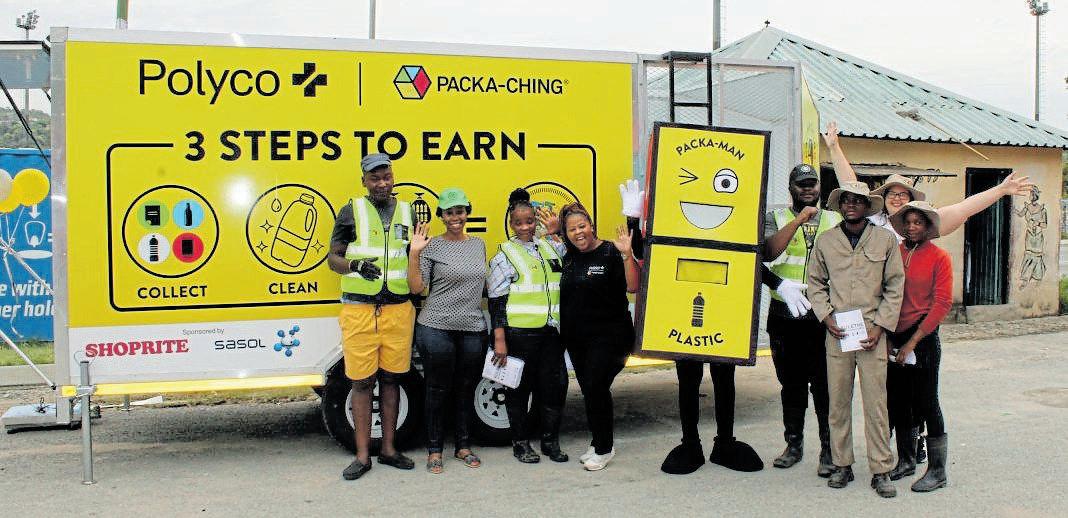

rewarded with essential cleanup tools including bags, gumboots, gloves, rakes and other equipment needed to clean roadsides and rivers on River Clean-up Day.

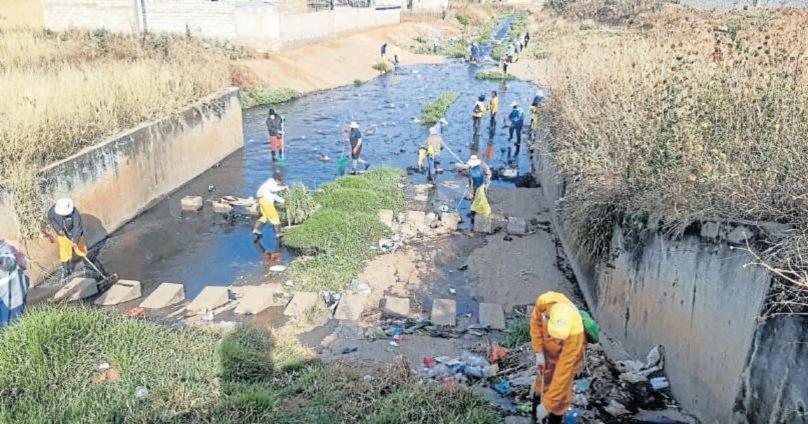
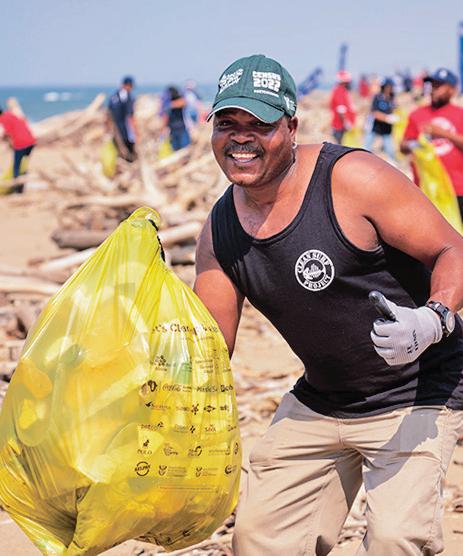
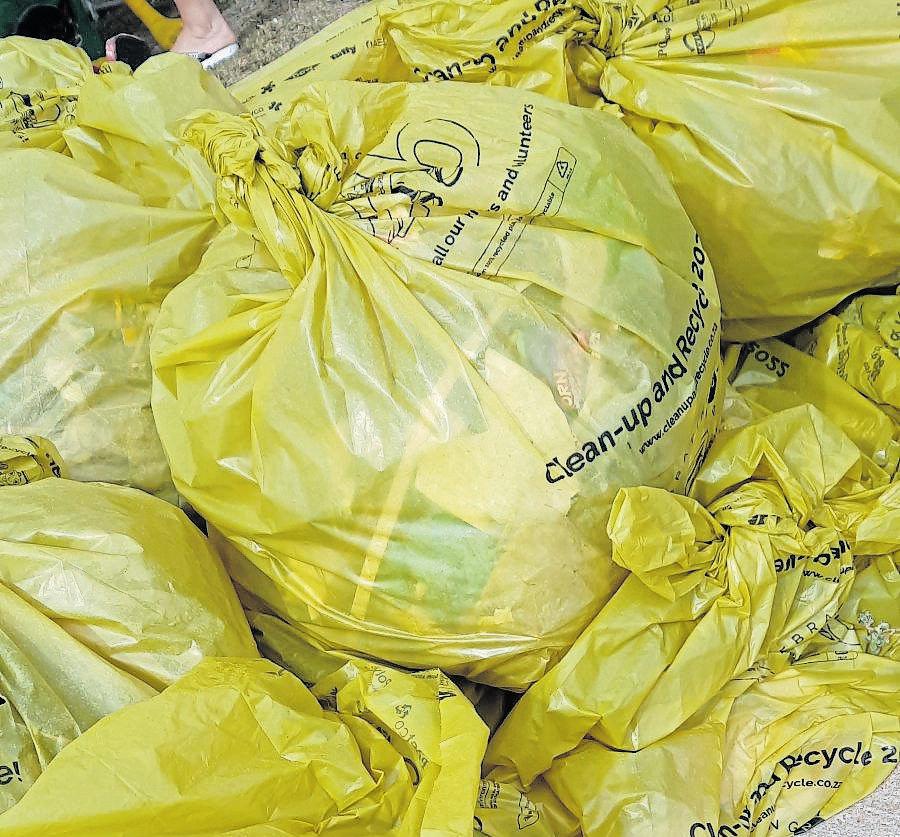
SA aims to minimise the environmental impact of plastics through education, innovation and effective waste management strategies. This year, the organisation has increased its donation of the number of yellow refuse bags used in clean-up activities to an impressive 700,000, ensuring that the industry and coordinators of clean-ups can make a substantial impact on cleaning up the country s beaches and rivers. Clean-up champions in Gauteng and Mpumalanga will also be recognised and







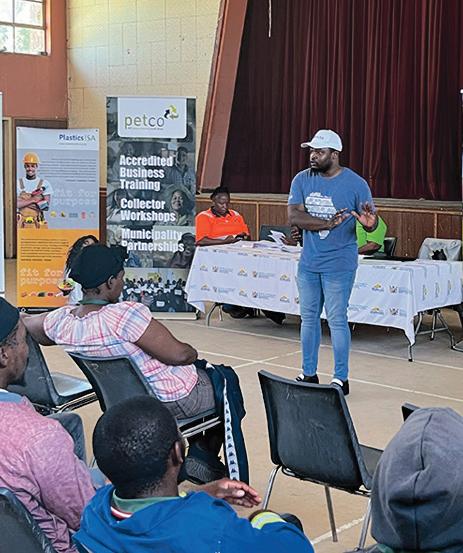
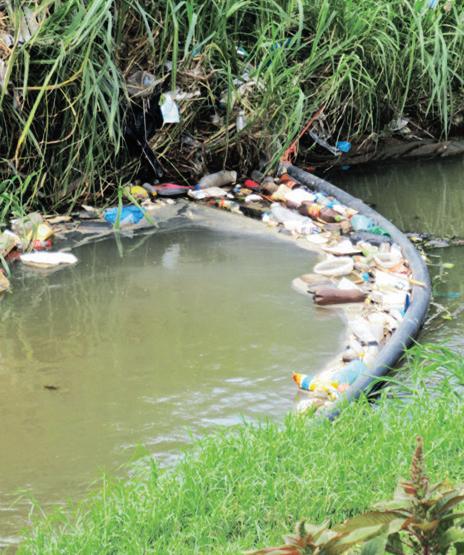
SA is facing a waste crisis, and every citizen can make a difference to reduce the amount of litter that pollutes our environment or ends up in landfill says Steyn. As far as possible, we try to ensure all the clean-ups we support are audited and that volunteers register online on our website (www.cleanupandrecycle.co.za). This allows us to build a detailed snapshot of the waste landscape in the country, the number of people who participated and how we as an industry can respond and provide support to community initiatives.” He reveals that for the month of September, Plastics SA with the support of all packaging streams, producer responsibility organisations (PROs), various sponsors, businesses and industries, as well as national and local government entities, community organisations and municipalities will be conducting clean-ups to raise awareness about the importance of effective waste management and recycling. Among the industry
associations involved in this year s Clean-Up & Recycle SA Week and River Clean-up Day initiatives is the Southern African Vinyls Association (SAVA), which has actively contributed to the annual sustainability event by supporting clean-up efforts across the region and promoting environmental awareness. SAVA is the leading industry association for the vinyls sector in Southern Africa.
Monique Holtzhausen, CEO of SAVA, explains that PVC or vinyl is primarily used in building and construction products such as pipes, gutters, windows and doors or flooring. All of these products have a long life span of 50 years or more. Less than 2% of PVC is used in packaging and is therefore not often found in the environment as litter or visible pollutants. However, as an industry we want to show our commitment to working towards a cleaner, healthier world she says.
Neptun Boot and BBF Safety, two of SAs leading manufacturers of PVC gumboots, donated muchneeded footwear to help keep clean-up crews safe and dry, while SAVA donated T-shirts and encouraged member companies to volunteer their





time and energy to participate in clean-ups around the country.
“Clean water is a precious resource and SAVA is dedicated to preserving and protecting it. As an industry we are actively participating not only to help ensure the safety and comfort of the volunteers, but also to serve as a symbol of unity in the fight against pollution. Encouragingly, the donated PVC gumboots are 100% recyclable once they have reached the end of their life span and are in high demand by recyclers says Holtzhausen. Steyn says this collective effort underscores the importance of collaborative action in addressing environmental challenges.
We encourage South Africans from all walks of life to make a difference where they work, live, learn or play this September by participating or coordinating a clean-up to create a cleaner, greener SA. Together, we can make a lasting difference.
700,000 is the number of yellow refuse bags Plastics SA has donated to be used in clean-up activities

Recyclables You Should Be Keeping Out Of Your Bin For Recycling Collectors
The growth of the informal recycling sector has grown over the years. Waste is not waste if it has value: value for people, the economy, and the environment.
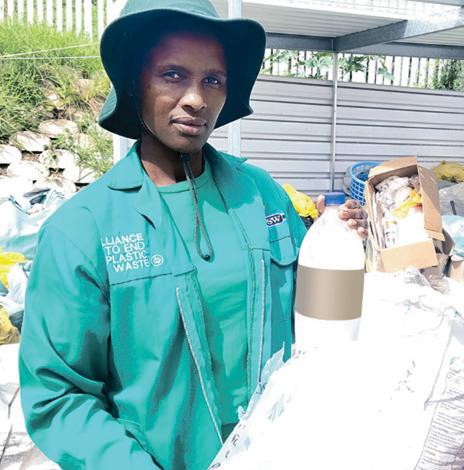
Covering significant distances on foot every day, collectors weave through suburbs, cities and communities to retrieve ‘waste’ in return for cash.
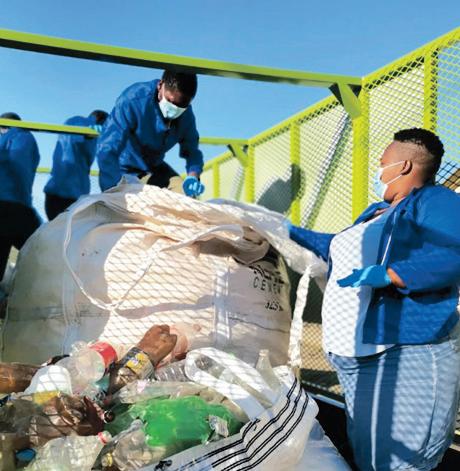
Recycling ensures that valuable materials are diverted away from landfills, which are rapidly reaching capacity. These materials are sorted and sent to recycling mills and factories for conversion into usable and commercially viable products.
Recycling collectors do not take all recyclables
Several recyclables are like gold for waste collectors, but unfortunately just because it’s recyclable or recycled in South Africa, does not mean a waste collector will take it. They will only take items for which they will earn money, and they will not take items that they cannot sell or which are too heavy to pull over long distances.
With a bit of kindness and thought about your own refuse habits, you can make their work a little quicker and easier.
Keeping recyclable paper clean and dry is paramount. As a raw material that can be used in new
products, it should not be contaminated by wet and rotting
or