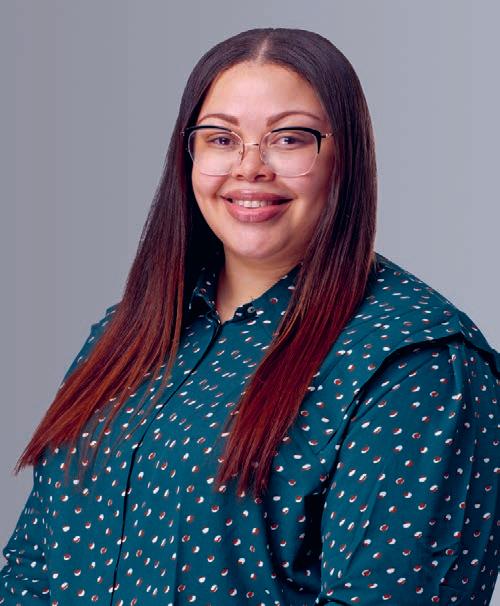
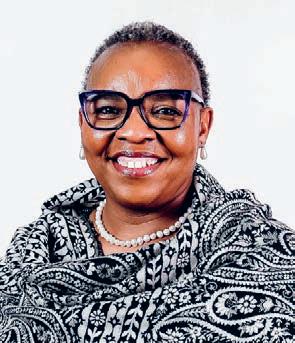
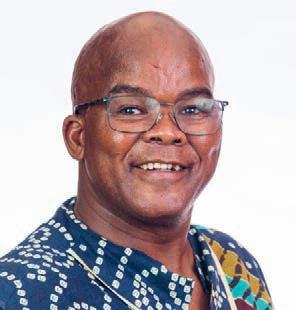
Business Manager: Lodewyk van der Walt General Manager, Magazines: Jocelyne Bayer
In defence of human rights 30+ years of struggle and progress
Human Rights Day in South Africa was born out of the day commemorating the shootings at Sharpeville on 21 March 1960, where 69 people were killed for protesting against the pass laws, which restricted the movement of African people in urban areas.
After we became a democracy in 1994, 21 March has been celebrated as Human Rights Day, providing us with an opportunity to focus on other human rights abuses that might have been overlooked.
The South African Human Rights Commission (SAHRC) was inaugurated in October 1995, but the rst commissioners were appointed on 21 March 1996. Since then, the commission has been responsible for monitoring and penalising human rights abuses in our country. We are pleased to feature an article specially written for us by the chairperson of the commission, Reverend Chris Nissen, re ecting on the major successes and challenges of the past 30 years.
Contents
3 REALISING OUR HUMAN RIGHTS, 30 YEARS ON
More than 30 years into democracy, the South African Human Rights Commission remains committed to defending, promoting and protecting human rights amid evolving social and economic challenges.
6 CREATING SAFE SPACES
As gender-based violence persists, we examine why current interventions are falling short and what reforms are needed to create safer, more responsive environments for survivors.
7 AN ONGOING FIGHT
Despite progressive policies and constitutional protections, persons with disabilities continue to face systemic barriers. Advocates are calling for accountability and meaningful change.
10
CHANGE DRIVERS
At the heart of today’s social justice movements lies a growing insistence that lived experiences matter more than rights guaranteed on paper.
Human rights abuses occur at many levels and in many areas of society. Gender-based violence is one of the abuses that disgust everyone, except the perpetrators. However, despite the outrage, not much has been done to ensure women in South Africa feel safe to live their lives. We examine what further measures can be taken to ensure the safety of women.
Human rights abuses also occur in municipalities where councils fail to deliver basic services to communities, including water, electricity or transport. We look at what municipalities must do to ensure proper service delivery and how the lack of service delivery will impact the local government elections scheduled for later this year.
Human rights abuses affecting young people, such as being denied the right to decent employment and having proper access to the internet and related digital technologies, climate change and its impact on our rights, and the rights of people with disabilities, are other focus areas of this publication.
Finally, we pay tribute to some of South Africa’s human rights champions, who daily tackle the abuse of our rights.
Ryland Fisher EDITOR
13
REIMAGINING INCLUSIVE LEARNING
For millions of South African learners, particularly those with disabilities and those in disadvantaged communities, the right to quality education remains a promise unful lled.
16 SERVICE DELIVERY AND HUMAN RIGHTS
Experts argue that when municipalities fail to provide basic services, such as water and electricity, they are violating residents’ fundamental human rights.
17
CLIMATE CHANGE IS RESHAPING FOOD SECURITY
Climate change is increasingly disrupting the country’s food system, driving up costs and deepening food insecurity for the poorest and most vulnerable households.
18
IN SEARCH OF DIGITAL DIGNITY
In an increasingly connected world, we examine whether access to digital infrastructure should be recognised as a human right – and how equal participation can be ensured for all.
REALISING OUR HUMAN RIGHTS, 30 YEARS ON
Thirty years later, the South African Human Rights Commission remains invested in defending and protecting human rights, writes REVEREND CHRIS NISSEN, chairperson of the commission
The South African Human Rights Commission (SAHRC) was inaugurated on 2 October 1995, with a mandate to support and strengthen constitutional democracy in South Africa.
There can be no doubt that positive strides have been made towards the realisation of a culture of human rights in South Africa. The levels of access to several basic servicesincluding water, sanitation and healthcare - have certainly improved from conditions under the deliberate and systemic violations of the apartheid dispensation.
However, great historical socioeconomic disparities continue to exist, and the gap between the rich and the poor has widened. Unemployment and inequality remain concerningly high. Corruption remains endemic. Local government continues to falter due to incompetence and malfeasance. Access to clean water, digni ed sanitation, food security, quality healthcare and quality education, to name a few, remains a distant dream for many. The SAHRC, therefore, remains an important independent state body for the realisation of human rights in South Africa.
Alive to South Africa’s unique and complex challenges, the commission has endeavoured to focus on systemic and root causes. For example, the commission’s current cohort of commissioners has each adopted focus areas that address some of the most pressing issues facing South Africa. They include social security, business and human rights, immigration, service delivery and equality.
The SAHRC has similarly adopted several initiatives and own-accord investigations, informed by its own on-the-ground data and issues of public interest. Most recently, in an unfortunate coincidence, the North West Provincial Of ce launched its report into scholar transport on the same day young lives were tragically lost in the Vaal scholar
THE SAHRC HAS BEEN AT THE FOREFRONT OF UTILISING EQUALITY COURTS FOR THE PROSECUTION OF CASES OF DISCRIMINATION, THE MAJORITY OF WHICH CONCERN RACISM.
transport crash. The commission has also held and will hold public hearings and discussions on artisanal mining, food security and emergency relief for vulnerable people, among others.
Addressing what many would consider South Africa’s “original sin”, the SAHRC has been at the forefront of utilising Equality Courts for the prosecution of cases of discrimination, the majority of which concern racism. Mediation has also been a mechanism used to seek a reconciliatory
solution to violations. Such initiatives serve to protect human rights by ensuring the administration of justice and the provision of redress.
LESSONS FROM THE PAST
Despite these achievements, the road towards a society wherein all rights are respected remains long and arduous. Strong partnerships are needed to expand the commission’s scope and reach. This is particularly important in the age of misinformation and disinformation. In the context of an apparent, calculated public assault on institutions defending human rights, solidarity is critical. The SAHRC also requires adequate resources, respect for its authority and co-operation from stakeholders to ful l its mandate. All state organs and private actors have a moral duty to implement the recommendations of the SAHRC.
LOOKING TOWARDS THE FUTURE
The commission’s successes are a result of the determination and commitment of all past and present commissioners, staff and stakeholders who have kept the ame of human rights burning. Looking to the future, I know the vista that surrounds us is lled with crisis. It is easy to become despondent and hopeless. However, I call on all of us to view this moment as a crisitunity – a window of opportunity in a crisis. It is an opportunity to put shoulder to the wheel and tackle inequality in all its forms and manifestations to undo poverty and injustice. I believe it can be done. Together we can realise a culture of human rights for all in South Africa.
Reverend Chris Nissen
CHAMPIONS FOR JUSTICE: THIS HUMAN RIGHTS MONTH AND BEYOND
Committed to protecting and enforcing basic human rights year-round.
By JACQUIE CASSETTE (head of the Pro Bono & Human Rights Practice), BRIGITTA MANGALE (director, Pro Bono & Human Rights), GIFT XABA (senior associate, Pro Bono & Human Rights) and ELGENE ROOS (senior associate, Pro Bono & Human Rights), at Cliffe Dekker Hofmeyr
Cliffe Dekker Hofmeyr’s (CDH) dedicated Pro Bono & Human Rights Practice protects and enforces basic human rights year-round by supporting vulnerable individuals and communities, holding institutions accountable and pursuing systemic reform. We pride ourselves on enforceable outcomes that strengthen legal protections.
The matters highlighted here re ect our ongoing impact and some of the ways we aim to promote access to justice.
UPHOLDING THE RIGHTS OF ASYLUM SEEKERS
When it comes to the protection of asylum seekers and refugees, our Constitution, together with international law instruments, unequivocally promotes, protects and upholds the principle of non-refoulement. This cardinal principle, accepted and embraced by all member states to the United Nations’ 1951 Refugee Convention (which South Africa acceded to in 1996), is the central protection for asylum seekers and refugees in South Africa and internationally, and requires that
no state should expel or return a person to a country where their life or freedom would be threatened.
It is against this backdrop that our practice recently assisted clients – Amnesty International, the Global Strategic Litigation Council for Refugees and the International Detention Coalition – to make submissions as amici curiae before the Constitutional Court. The application, brought by the Scalabrini Centre of Cape Town against the Department and Ministry of Home Affairs, sought the Court’s determination as to whether certain sections of the Refugees Act 130 of 1998 and its Regulations contravene the Constitution and international law in that they are contra the principle of non-refoulement.
The impugned provisions require asylum seekers who entered South Africa irregularly or failed to report to a refugee reception of ce within ve days to satisfy an immigration of cer that there are “compelling reasons” or “good cause” for the noncompliance – failing which they are disquali ed from applying for refugee status, irrespective of the merits of their asylum claim. Once denied the
WE PRIDE OURSELVES ON ENFORCEABLE OUTCOMES THAT STRENGTHEN LEGAL PROTECTIONS.
opportunity to apply, the asylum seeker is vulnerable to arrest, detention and eventually deportation to the country of origin – to almost certainly face persecution and threat to life.
Our clients submitted that the impugned provisions accordingly have the effect of impermissibly denying deserving asylum seekers access to asylum and are thus in contravention of the Constitution and at odds with South Africa’s international law obligations.
The impact of the impugned provisions cannot be overstated. If unchecked, their continued application will likely result in an increase in returning deserving asylum seekers to danger, increased undocumented asylum seekers and heightened vulnerability to gross human rights violations. The case was heard by the Constitutional Court on 12 February 2026, and judgement is reserved.
BEYOND CONSERVATION: ELEPHANTS AND THE CONSTITUTIONAL EVOLUTION OF ENVIRONMENTAL RIGHTS
South Africa’s animal welfare jurisprudence is entering a decisive new phase. Courts are increasingly being asked to reassess longaccepted practices regarding the treatment of animals against constitutional standards, informed by scienti c advances and global legal developments.
A court case, in which our practice is involved, concerning Lammie, Mopane and Ramadiba, three elephants held at the Johannesburg Zoo, has become a catalyst for this legal evolution. Lammie was born at the zoo in 1979 to wild-caught parents and lived for nearly four decades with a single companion, Kinkel. Following Kinkel’s death in 2018, the zoo acquired Mopane and Ramadiba in 2019, elephants previously used in tourism. Rather than alleviating concerns, their arrival intensi ed scrutiny of the elephants’ living conditions and welfare.
Jacquie Cassette
Brigitta Mangale
Independent expert assessments noted various indicators of stress and compromised welfare in the elephants and raised serious concerns about the size and quality of their enclosure, inadequate stimulation and enrichment and the elephants’ physical and psychological wellbeing. Their ndings align with a growing body of international research con rming that elephants’ complex social and cognitive needs cannot be met in con ned, arti cial environments.
Following sustained but unsuccessful engagement with the zoo, the City of Johannesburg and provincial authorities, litigation followed. The applicants, who include animal rights and welfare organisations, seek declaratory relief that the elephants’ continued con nement is unlawful and unconstitutional, together with an order for their phased relocation to more suitable environments. At the heart of the case lies section 24 of the Constitution, the right to an environment that is not harmful to health or wellbeing and that is protected for present and future generations. The litigation advances an important development in constitutional interpretation: that constitutional environmental protections extend to and encompass the treatment and wellbeing of sentient animals. It is in this context that our practice became involved, representing two academics from Harvard Law School’s Brooks McCormick Jr Animal Law and Policy Programme to intervene
as amici curiae to place comparative and international perspectives relevant to the development of South Africa’s environmental jurisprudence before the Court.
This matter presents an opportunity for South African courts to af rm the Constitution’s capacity to respond to evolving knowledge, ensuring the law continues to prevent harm, protect dignity and deliver justice, even beyond human boundaries.
A VOICE FOR QUEER, MIGRANT SEX WORKERS
In May 2024 in the Western Cape Division, S.H. and the Sex Workers Education and Advocacy Taskforce (SWEAT) launched a landmark legal challenge to decriminalise sex work. The founding af davit deposed to by S.H. chronicles the harassment, lack of protection, stigmatisation and discrimination she endures as a sex worker. In this groundbreaking and historic application, the applicants seek to have the legislation that criminalises sex work in South Africa declared unconstitutional and, as a consequence, to have sex work decriminalised.
The application has become one of the most closely watched constitutional cases in recent times and has caught the attention of numerous public interest organisations that have expressed their strong interest in the outcome of the application – some showing their support and others challenging the relief
WE REMAIN COMMITTED TO CHAMPIONING CHANGE, JUSTICE AND ACCOUNTABILITY IN 2026 AND BEYOND.
it seeks. That the application raises important constitutional and social issues of national import is without question. Our practice represents one of the 16 amici curiae – Access Chapter 2 (AC2), a nonpro t organisation with a particular focus on migration and sexual orientation, gender identity, gender expression and sex characteristics. Through its intervention as amicus curiae, AC2 will assist the Court by spotlighting how the criminalisation of sex work disproportionately affects LGBTQIA+ individuals, particularly transgender women and gender-diverse individuals, and how migrant sex workers face additional barriers, including policing practices, restricted access to healthcare and obstacles to legal protection.
AC2’s submissions also address how the criminalisation of sex work entrenches stigma and systemic disadvantage, undermining constitutional guarantees of dignity and equality. These layers of exclusion make such individuals more vulnerable to violence, extortion and exploitation, while also restricting their ability to access justice, protection and essential healthcare. In recognition of the important issues of public interest raised in the application, and in further recognition of the constitutional imperative for all voices and perspectives in matters such as these to be heard, all organisations that sought to intervene as amici curiae were successfully admitted to the proceedings in September 2025. The main application will be heard in September 2026.
Our Practice is privileged and honoured to have been entrusted to play an important role in these matters and many more. We remain committed to championing change, justice and accountability in 2026 and beyond.
Gift Xaba
Elgene Roos
CREATING SAFE SPACES
Strengthening support for GBV survivors
THANDO PATO reports on some of the reasons why the campaign against gender-based violence is failing, and the reforms required to create safer environments for survivors
South Africa’s targeted gender-based violence (GBV) legislation is widely regarded as progressive. Yet the incidence of GBV in South Africa is still among the highest in the world, driving civic society in 2025 to demand that government declare it a national disaster for the second time in ve years.
Some of the challenges fuelling the GBV crisis in South Africa, outside of socioeconomic factors, such as toxic gender norms, poverty, substance abuse, unemployment and economic inequality – which particularly affects black women – are the implementation of the law and the lack of proper protection of survivors’ rights, says Tandi Nzimande, CEO, GBVF Response Fund.
African Police Service (SAPS), also compounds the issue. “Despite clear legislative duties to protect, assist and inform survivors of their rights, the report outlines failures to open cases, delays in responding to incidents, reluctance to arrest perpetrators without warrants and the absence of victim-friendly rooms, especially in rural areas,” she says.
Patrick Godana, Eastern Cape provincial manager of Sonke Gender Justice, says survivors face secondary victimisation by either their families and friends or their community. “Survivors often hardly receive psychosocial support, especially in areas where there are no Thuthuzela Care Centres (TTCs).”
“Drawing on the Public Protector’s recent systemic investigation, the gap between South Africa’s progressive gender-based violence and femicide (GBVF) legislation and lived reality emerges most clearly at the point of implementation within state institutions that are meant to give effect to the law.
“While the Domestic Violence Act and its amendments place clear obligations on courts to provide urgent, accessible and survivor-centred protection, the report reveals widespread administrative failures within magistrates’ courts,” she explains.
Nzimande says the inconsistent and sometimes unlawful application of the law by frontline responders, particularly the South
“SURVIVORS FACE SECONDARY VICTIMISATION BY EITHER THEIR FAMILIES AND FRIENDS OR THEIR COMMUNITY.”
PATRICK GODANA
Both Nzimande and Godana say many survivors are unaware of the resources available to them and their legal rights, which leaves them uncertain and disempowered.
IMPROVING THE RESPONSE
Nzimande says while interventions such as the National Prosecuting Authority (NPA)-led TTCs programme do exist, there are only 66 centres nationwide.
“This is far from adequate to meet the demand, and some are at risk of closure due to funding cuts and limited operational support. This underscores the urgent need to scale up and sustain post-violence care and support services.”
Fast fact
In 2014, a KPMG report estimated that gender-based violence and femicide costs the South African economy between R28-billion and R42-billion annually, which adds up to 1.3 per cent of gross domestic product.
Tandi Nzimande, CEO, GVBF Response Fund, says: “In real terms, at the time, the cost was comparable to employing an additional 200 000 primary school teachers for a year or funding the National Health Insurance for millions of South Africans.”
integrated one-stop trauma centres like Thuthuzela Care Centres to provide medical care, forensic services, counselling and legal support.
• Shelters and safe houses for survivors and their children.
• Scaling specialised sexual offences courts.
• Eliminating the backlog in DNA and rape kit processing.
• Strengthening witness protection.
• Building a robust, integrated data system across SAPS, the NPA, courts and social services.
Nzimande says there are encouraging indications of the effectiveness in the prosecution of GBV cases, when handled by specialised units and co-ordinated services are involved.
“The NPA’s Sexual Offences and Community Affairs unit, tasked with handling sexual offences and GBV matters, over the period April 2021–March 2022, achieved an average conviction rate of about 71 per cent against a target of 70 per cent for sexual offences in matters that proceeded to trial.
What is needed to support survivors and tackle GBV effectively, she says, is:
• Dedicated GBV police units.
• Rapid expansion and full resourcing of
“More recent NPA reporting reports conviction rates of around 77 per cent for cases referred through TCCs, re ecting the value of integrated, trauma-informed support and prosecutorial co-ordination.”
Follow: Tandi Nzimande www.linkedin.com/in/tandi-nzimande-20b4744 Patrick Godana www.linkedin.com/in/patrick-godana-0642039
Tandi Nzimande
Patrick Godana
AN ONGOING FIGHT
Despite progressive policies, persons with disabilities continue to face systemic obstacles. Advocates are demanding accountability and genuine change, writes BUSANI MOYO
South Africa rati ed the United Nations Convention on the Rights of Persons with Disabilities in 2007 and boasts world-class constitutional protections. Yet for millions living with disabilities, the gap between policy and practice remains vast.
The right to education is constitutionally enshrined, yet thousands of children with disabilities remain outside the school system.
Therina Wentzel, national director at the National Council of and for Persons with Disabilities (NCPD), describes the crisis bluntly: “Very poor government systems do not place potential learners in either mainstream schools or special schools. There is a lack of political will, and of cials do not have to explain to anybody why they do not place children in schools that have space and the willingness to take children in.”
The NCPD offers workplace inclusivity services to support the creation of workable, diverse workplaces.
Dr Siva Moodley, a disability rights advocate who represented more than 1 600 persons with disabilities through the Disability 20 (D20) process, part of the G20 process, identi es the root of the challenges faced by learners with disabilities. He argues: “Diversi ed learning needs are often grouped into single, overcrowded classrooms. Without smaller class sizes and specialised attention, quality learning is impossible.”
THE EMPLOYMENT TRAP
The transition to employment presents equally daunting obstacles. Dr Moodley identi es a damaging pattern: the “learnership loop, recycling youth from one learnership to another without ever transitioning them into permanent, sustainable employment”.
Wentzel highlights broader failures: “There is no enforcement of employment targets.
The government is not willing to pay for the recruitment and placement of staff with disabilities. There is a lack of knowledge on reasonable accommodation and the misconception that persons with disabilities can only do certain jobs.”
Sandra Pretorius, general manager at Afri Training Institute, observes that “for many companies, disability inclusion can become a reporting exercise instead of an operational commitment”.
TECHNOLOGY AS EQUALISER
Assistive technology offers transformative potential when accessible. “The correct software can enable a blind employee to provide equal output to a colleague who is not blind,” explains Wentzel.
However, gaps in access and training persist. “Assistive technology devices are invariably very expensive as most need to be imported,” notes Dr Moodley. “A practical solution would be local production of many devices.”
Pretorius adds: “People are sometimes given a device without the coaching, troubleshooting or workplace integration needed to use it con dently.”
WHAT WORKS
Some interventions show promise. Pretorius points to successful models: “Skills development and learnerships can work when programmes are designed with employers and include real workplace exposure, supervision and accommodation.”
Afri Training Institute has partnered with a nongovernmental organisation in the “wood building sector where these learners have had the opportunity to design products digitally, build the products and market the products”.
“FOR
Wentzel highlights SARS as a government leader: “They do the best, not only in entry-level positions, but also in managerial positions, appointing people with a variety of impairments, including blindness, physical impairment and hearing loss.”
CLOSING THE GAP
Advocates agree on priorities for reform. Dr Moodley emphasises three areas: mandatory enforcement mechanisms with penalties for noncompliance; genuine consultation with disabled people’s organisations, following the principle “nothing about us, without us”; and integrated policies linking education and employment departments to track learners into the workforce.
“If the government consults with us, we can address many unemployment and training challenges,” Wentzel states.
The constitutional promise of equality remains unrealised for too many South Africans with disabilities. The policy frameworks exist. What is needed now is the political will to implement them and accountability to ensure they are done.
It is clear from advocates’ views that the question is no longer what needs to be done. It is whether there is the will to do it.
At the heart of today’s social justice movement is the simple belief that lived experiences matter more than declarations on paper, writes
VUKANI MAGUBANE
More than three decades into democracy, social justice in South Africa is measured not by constitutional ideals, but also by the daily lived realities of millions who continue to face hunger, poverty, exclusion and the loss of dignity – often compounded by bureaucratic mismanagement and red tape.
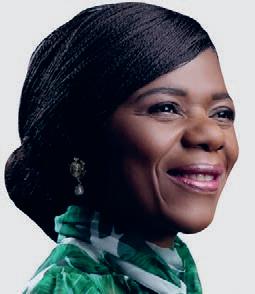
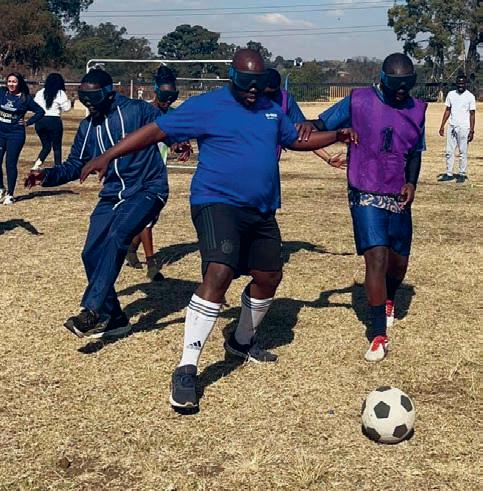
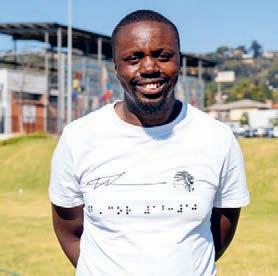
From Professor Thuli Madonsela, a lifelong champion of social justice confronting hunger and poverty as failures of accountability, and Rachel Bukasa, CEO of Black Sash, defending dignity within a dehumanising social grants system, to Mlungisi Jack Msibi, coach of SA Blind Football and founder of Corinthians Africa, using sport to drive economic inclusion for the visually impaired beyond charity, these change leaders work in the gap between rights promised on paper and justice lived every day.
“I am a bene ciary of those who fought for justice under circumstances even more dif cult than mine,”
says Professor Madonsela. “For the past eight years, my focus has been on reclaiming the concept of social justice and building scholarship around it.”
She cautions against narrow interpretations. “Too often, social justice is reduced to one dimension – social welfare or af rmative action. When that happens, we avoid confronting the structural causes of injustice and remain with an unequal society.”
Professor Madonsela’s work as director of the Centre for Social Justice at Stellenbosch University is grounded in the conviction that hunger and poverty are not inevitable, but the result of ethical failure and weak accountability.
After years of advocacy and agitation, the City of Johannesburg provided facilities, leading to the formation of Corinthians Africa. Today, the organisation offers a holistic safety net – combining sport with life skills, STEM training and competition – while also addressing drug abuse, human traf cking and exploitation.
Msibi’s work expanded further with Blind Football Africa when two visually impaired boys asked him to be their coach. “There are two million blind people in South Africa, and ninety per cent are unemployed,” he says. “We are advocating for economic justice so blind people can participate fully in the economy.”
Continuing Black Sash’s 70-year legacy of socioeconomic justice activism, Bukasa operates at the point where social policy meets lived experience. “People travel long distances to access grants and then encounter systemic red tape designed to make access dif cult,” she says.
“Any disruption pushes already vulnerable people into deeper crisis.”
Black Sash advocates for policy reform and litigates when necessary. “We are seeing attitude shifts among those in power,” Bukasa notes. “If people must stand in queues for hours, there should be disability access, seating and toilets. This is a dignity issue.”
Through the centre’s agship Social Justice M-Plan, she and her colleagues translate constitutional values into practical action by convening communities, institutions and leaders. “It is a Marshall Plan for achieving social justice in South Africa so that we can build a stable society.”
Msibi – known simply as “Coach Jack” – never intended to start a nongovernmental organisation. He began coaching street football to a handful of kids in South Hills, Johannesburg. What started informally grew into one of the largest grassroots football movements in Johannesburg South.
Blind football challenges assumptions with players guided by the sound of bells embedded in the ball. “If a blind person can play football, they can do anything,” Msibi says. The sport’s growth has already created employment opportunities, including visually impaired digital marketers, commentators and ve arti cial intelligence learnerships. In 2026, for the rst time, blind football league matches will be streamed on YouTube, TikTok and Twitch. Last year, Msibi’s project won project of the year at the inaugural Black Sash Human Rights Awards, which highlights the important work of people in local communities.
AWARDS FOR SOCIAL JUSTICE
Awards such as the Social Justice Champions of Stellenbosch University, the Vera Chirwa Awards at the University of Pretoria and the Black Sash Human Rights Awards play a critical role not only in recognising excellence, but also in amplifying unheard voices from the margins and pushing their struggles into national conversations.
The Vera Chirwa Awards, presented by the University of Pretoria, are inspired by the legacy of Vera Chirwa, a lawyer and human rights activist from Malawi. Chirwa boldly challenged the misuse of power, injustice and corruption, which are still endemic on the African continent. She successfully challenged stereotypes and the role of women in professional and power spaces, says Professor Nkatha Murungi, assistant director, Centre for Human Rights, Faculty of Law at the University of Pretoria.
Professor Thuli Madonsela
Rachel Bukasa
Mlungisi Jack Msibi
SA Blind Football
INVESTING IN CHILDREN AND YOUTH IS AN INVESTMENT IN SOUTH AFRICA’S FUTURE
Ensuring South Africa’s children and youth from all walks of life have a healthy start and the chance to be all they can be is SAVE THE CHILDREN SOUTH AFRICA’s mission
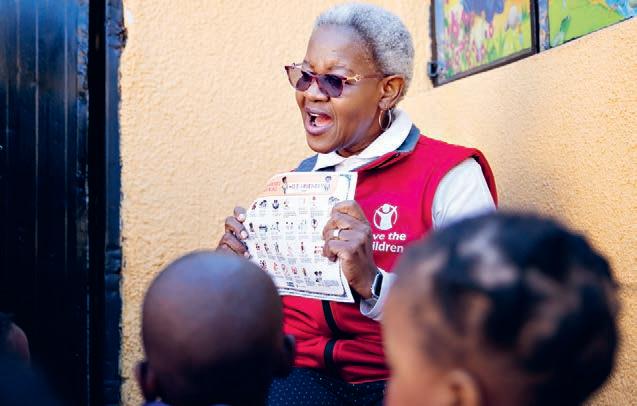
Save the Children South Africa (SCSA) champions the right of children to have a future, focusing on protecting them and giving them a healthy start and the chance to learn more effectively.
SCSA CEO Gugu Xaba says the entity works tirelessly to give children a good start in life, the opportunity to learn and be protected from violence or other damage, ensuring their speci c needs are met and their voices heard.
“I have been a social justice advocate for decades, having grown up in a semi-rural area in Eswatini and personally experiencing our divided society. On one side were children who didn’t have shoes or struggled to understand their teachers because of the language in which they were being taught. On the other side, privileged children had everything they needed. Living between these two worlds made me deeply aware of the inequalities that still exist today,” she explains.
“While every person has a purpose, many fail to see their purpose because of the multiple challenges in simply overcoming this divide. It is our goal to enable children to be who they want to be – it is all about respect for human dignity and compassion for one another.”
THE MULTIDIMENSIONAL POVERTY CHALLENGE
The key factors SCSA seeks to overcome in helping bridge this divide include the challenge of “multidimensional poverty”.
“Poverty in uences a child’s ability to remain healthy. It becomes multidimensional when such poverty leads to the malnourishment of, for example, a pregnant mother, as both she and her child are impacted,” explains Xaba.
“Malnourished children have weaker immune systems and are less able to ght off illnesses. It further impacts the child’s ability to grow, learn and become strong both physically and cognitively. This, in turn, leads to poorer educational outcomes.
“Poorer education and weaker health impact their productivity well into adulthood, ultimately in uencing the overall economy negatively while creating a vicious cycle that leads back to yet more poverty.
Other areas of focus are violence – whether physical, emotional or sexual – and the high unemployment rate. Violence today impacts at least 40 per cent of our nation’s children, with the potential to become ongoing: the abused often become abusers,” she says.
YOUTH DEVELOPMENT AND COMMUNITY EMPOWERMENT
“SCSA’s efforts, including programmes in early childhood development, health, nutrition and youth empowerment, have an enormous impact on the wellbeing of children and youth.”
SCSA nurtures young people as leaders and responsible citizens, teaching them their rights and responsibilities from an early age, so they understand their role in building resilient
“SCSA’S EFFORTS, INCLUDING PROGRAMMES IN EARLY CHILDHOOD DEVELOPMENT, HEALTH, NUTRITION AND YOUTH EMPOWERMENT, HAVE AN ENORMOUS IMPACT ON
communities. The organisation’s Skills to Succeed Programme, empowers youths to acquire employability and entrepreneurial skills, with over 60 per cent of them placed in jobs or starting businesses.
Additionally, the organisation empowers communities to continue leading the change they wish to see.
SCSA strengthens community-based organisations and unites local leaders and members, ensuring they drive and take ownership of their own development.
“Partnerships are vital to Save the Children South Africa. Corporations, trusts and foundations place their con dence in our strong governance, ethical standards and the proven impact of our programmes, which consistently attract corporate partners. We provide meaningful value from a social responsibility perspective, and they trust us to maximise their investments by delivering the best possible outcomes for our nation’s children and youth,” Xaba says.
“We invite our corporate partners to stand with us in tackling the urgent challenges facing our children and youth. Your partnership is not just support; it is an investment in the future of our nation. Together, we can place children and youth at the centre of change, ensuring they grow into the leaders and innovators who will shape a stronger, more resilient South Africa,” concludes Xaba.
For more information: www.savethechildren.org.za
ADVANCING FEMINIST FUTURES IN SOUTH AFRICA AND THE REGION
SOUL CITY INSTITUTE FOR SOCIAL JUSTICE is a leading South African intersectional feminist nongovernmental organisation recognised internationally for over 30 years of pioneering work in social and behaviour change communication, gender justice and young women’s empowerment
Founded in 1992 in Alexandra, Johannesburg, Soul City Institute for Social Justice (SCI) has evolved from a health promotion initiative into a major African social justice institution.
SCI’s programming is grounded in the lived realities of girls, young women and gender-diverse people, addressing structural and social drivers of inequality through community mobilisation, capacity building, feminist funding and national advocacy.
VISION, MISSION AND MODEL
• Vision: a just society where girls, young women and gender minorities fully realise their human rights and live with dignity.
• Mission: to resource, amplify and advocate for girls, young women and gender minorities to achieve self determination.
• Model: SCI’s model integrates mass media, community mobilisation and policy advocacy, shaping public discourse and driving feminist social change nationwide. This approach aligns with the South African Constitution, Maputo Protocol, Convention on the Elimination of All Forms of Discrimination against Women, SADC Protocol on Gender, the Sustainable Development Goals, and Agenda 2063.
CORE STRATEGIC PROGRAMMES
1. RISE young women’s clubs (since 2014) Community-based clubs for young women (ages 15–35) focused on feminist consciousness, sexual and reproductive health and rights (SRHR) knowledge, gender-based violence (GBV) resilience and leadership.
2. Feminist Leadership and Activism Centre
– FLAC (since 2022)
A dedicated centre supporting young women’s leadership, activism and movement-building.
3. Soul Buddyz clubs (since 2002)
Child-centred clubs (ages 8–14) promoting rights awareness, health literacy, gender-sensitive development and civic participation.
4. Edutainment and mass media
After many years of not being on TV, Soul City institute will be introducing a new TV drama –a 13-part series addressing Intimate partner violence among adolescents. The drama is scheduled to air in August 2026 on SABC 1. Edutainment is one of the proven models used by Soul City to promote behavior change aligned to issues such as HIV, GBV and overall norm shifting in communities.
5. GBV prevention and SRHR advocacy
National interventions addressing sexual and gender-based violence, harmful norms and technology-facilitated GBV, in partnership with government and civil society.
STRATEGIC FOCUS AREAS
• SRHR.
• GBV prevention and response.
• Feminist leadership and movement-building.
• Social and behaviour change communication edutainment.
• Policy advocacy.
• Child rights.
• Intersectional feminist praxis.
• Regional partnerships across SADC.
FLAGSHIP PROGRAMME AREAS
1. GBVF prevention in Sishen Iron Ore Company mining communities
Active in Thabazimbi (Limpopo) and the Northern Cape, SCI facilitates community dialogues, norm change interventions engaging men and boys, SRHR education, GBV response training, work with local leadership, survivor referral networks, and community-level evidence building.
2. Strengthening community-based organisations (CBOs) via the GBVF Response Fund
As a national grant implementation partner, SCI supports CBOs with grant funding, organisational development, technical support, compliance support and networking – ensuring grassroots organisations can effectively lead gender-based violence and femicide prevention and survivor support.
3. MEFF – Meaningful Engagement Feminist Fund (regional)
A exible, feminist funding mechanism supporting CBOs across ve countries: South Africa, Lesotho, Eswatini, Botswana and Malawi. MEFF prioritises exible core funding, participatory grant-making, long-term sustainability and feminist mentorship to organisations serving marginalised communities.
For more information: 1 Newtown Avenue, 3rd Floor, Killarney, Johannesburg +27 11 341 0360 www.soulcity.org.za
Phinah Kodisang
Education is not merely a pathway to economic opportunity, but a fundamental human right enshrined in our Constitution and international law. Yet in South Africa, the gap between this ideal and reality is staggering.
South Africa’s education system faces persistent systemic challenges. Our country ranks among the lowest in global literacy and numeracy assessments, with rural and township schools disproportionately affected. Infrastructure de cits, from broken windows and collapsing structures to inadequate sanitation, are creating inhumane learning environments.
WHY SOUTH AFRICA MUST REIMAGINE INCLUSIVE LEARNING
As we commemorate Human Rights Day and reflect on our nation’s progress since 1994, we must confront an uncomfortable truth. For millions of South African learners, particularly those with disabilities and those in disadvantaged communities, the right to quality education remains a promise unfulfilled. By
TAKI NETSHITENZHE , external affairs director for Vodacom South Africa
However, the crisis deepens when we consider learners with special needs. Learners with speech, hearing and visual impairments face compounded barriers, such as inadequate specialist support, limited assistive technology and schools that lack the infrastructure to accommodate their learning requirements. For these young people, the right to education becomes a privilege reserved for the few who can access adequately resourced institutions.
This isn’t about statistics alone. It’s about human dignity. It’s about a learner in Daveyton who deserves the same access to quality education, digital skills and future opportunity as a child in an af uent suburb. It’s about a young person with a visual impairment whose potential remains locked away because their school lacks basic assistive technology.
DIGITAL LITERACY
As South Africa navigates the fourth industrial revolution (4IR), digital skills have become non-negotiable. The economy is rapidly digitising. Jobs increasingly demand
digital literacy. Yet our most vulnerable learners, those with disabilities and who come from disadvantaged backgrounds, are being systematically excluded from this digital future.
This exclusion perpetuates inequality. Without digital skills training, access to technology, and infrastructure that supports their learning needs, these young people face a future of limited economic participation and deeper marginalisation. The human rights imperative is that education is not charity, but justice.
Technology, when deployed thoughtfully, is a powerful equaliser. A learner with hearing impairment can access visual learning tools. A student with a visual challenge can use screen readers and assistive technologies. A young person from a township can connect to resources and opportunities previously beyond reach. Digital inclusion is therefore an essential component of educational equity and human rights protection.
PARTNERSHIPS
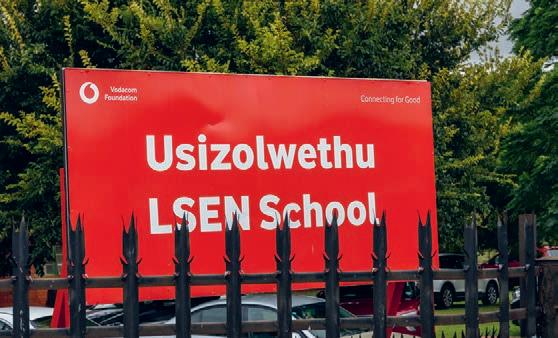
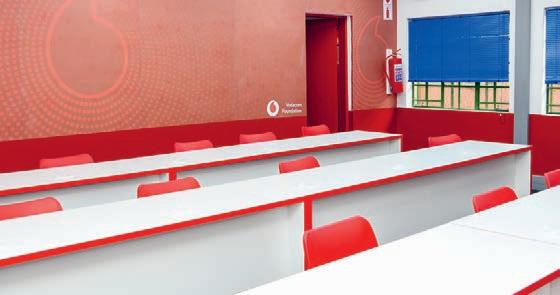
This is why Vodacom’s partnership with the Gauteng Department of Education at Usizolwethu Special Needs School in Daveyton matters. This isn’t an isolated charity initiative. It demonstrates what’s possible when we commit to reimagining inclusive education at scale.
The R2-million investment in Usizolwethu will provide specialised infrastructure and technology designed speci cally for learners with speech, hearing, visual and mental disabilities, reliable connectivity and digital equipment that enables meaningful participation in the digital economy, sustainable support systems, from solar power ensuring continuous learning to a vegetable garden
promoting nutrition and environmental stewardship. The offering also includes holistic development through psychosocial support services that address the social and emotional barriers to learning.
However, what makes this model truly signi cant is that it’s part of a comprehensive ecosystem, not a stand-alone intervention.
Vodacom’s School of Excellence model currently supports approximately 30 000 learners across 39 schools nationwide. Each school is strategically integrated into a broader support network that includes an Early Childhood Development Centre, Teacher Training Centre and a Vodacom ICT Youth Academy. This creates a system-level approach to education that addresses the root causes of inequality.
To date, Vodacom has invested more than R40-million in the ecosystem. This funding has
Taki Netshitenzhe
The Vodacom Foundation launches a special needs school in partnership with Gauteng Department of Education.
INCLUSIVE, QUALITY EDUCATION IS THE FOUNDATION OF A
SOCIETY,
OF SHARED PROSPERITY AND THE ULTIMATE EXPRESSION OF HUMAN RIGHTS IN PRACTICE.
facilitated the installation of fully equipped, connected centres, major infrastructure upgrades and enhanced safety and sanitation at bene ciary schools. Improvements include replacing broken windows and doors, repairing collapsing structures, eliminating pit latrines and installing adequate water and sanitation facilities.
Beyond infrastructure, Vodacom also provides ongoing ICT support, including digital skills training for educators and learners. Psychosocial support services are integrated into the programme to address social and emotional barriers to learning, ensuring development is holistic and transformative for every learner.
These interventions do not operate in isolation. They are deliberately aligned with South Africa’s Education Vision 2030 – the government’s comprehensive strategy to promote academic excellence and ensure equitable, inclusive access to quality education.
THE PUBLIC-PRIVATE PARTNERSHIP MODEL IS ESSENTIAL
Government brings policy direction, institutional reach and democratic legitimacy. The private sector brings resources, innovation and agility. This collaboration is not about replacing government responsibility. It’s about amplifying government’s impact and creating the conditions for sustainable, scalable change.
This Human Rights Day, we are reminded that inclusive, quality education is the foundation of a just society, the engine of shared prosperity and the ultimate expression of human rights in practice.
We need to recommit to this vision, ensuring every young South African, regardless of disability, geography or circumstance, has access to the quality education and digital skills that will allow them to participate fully in our
DIGITAL LITERACY
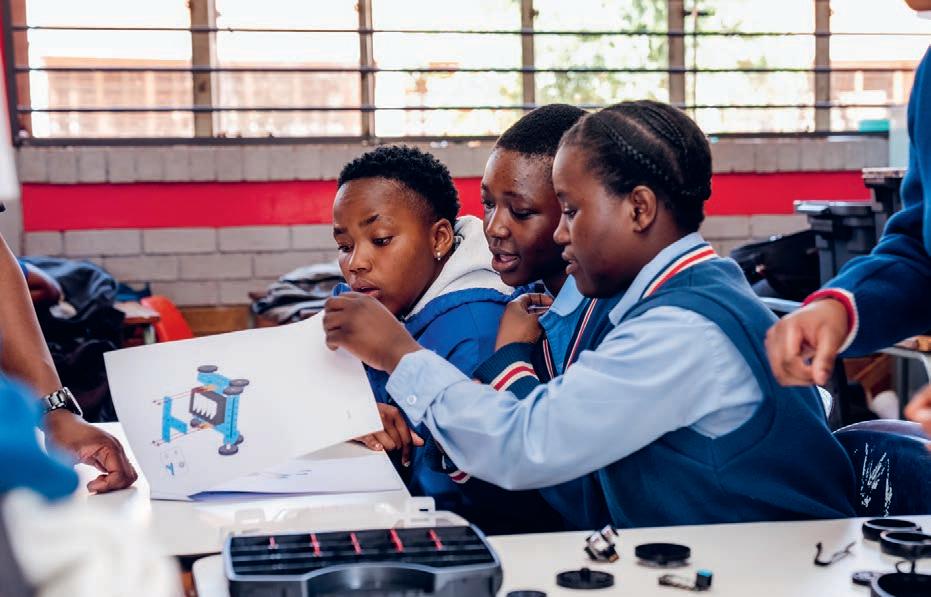
As the world accelerates toward a digital future, South African learners are speaking loudly: they want robotics and coding education – and they want it now.
A study conducted by Seseko during Youth Month 2025 has confirmed what educators have long suspected: South African learners are eager for robotics and coding education, but the national system is not keeping pace. The study was based on a Robotics & Coding Bootcamp run in partnership with Microsoft and the Gauteng Department of Education, which brought together 283 students from four schools in the Gauteng East District. Alongside this, Seseko ran a SACE-accredited teacher training programme, equipping 105 teachers from over 68 schools with the skills and confidence to begin teaching robotics and coding. The findings revealed high learner demand, strong teacher readiness and a widening gap between policy and 21st-century digital skills. The results highlight both student enthusiasm and the urgency of the skills gap.
Student engagement and readiness:
• 87.7 per cent of students want robotics and coding taught weekly or more.
• 94 per cent believe these skills are critical to their future careers.
• After just one bootcamp, 82 per cent felt confident or motivated to pursue further learning in robotics.
• More than half (52.7 per cent) were willing to study coding and robotics even beyond school hours.
Teacher transformation:
• Only 7 per cent of teachers felt confident teaching robotics before the training.
• That number jumped to 61 per cent after Seseko’s intervention.
• 86 per cent of teachers agreed robotics and coding should be part of the national curriculum.
• Teachers cited career opportunities (39 per cent) and future-ready digital skills (34 per cent) as top benefits for learners.
POLICY LAG THREATENS EQUITY
Despite rising demand, the Department of Basic Education’s 2025/26 Annual Performance Plan confirmed that coding and robotics will not be made compulsory soon, prioritising foundational literacy and numeracy instead.
“Making robotics and coding optional in our education system is effectively making them optional for the future of millions of South African learners. At Seseko, we’ve seen the transformation – students building their first robots, teachers leading their first coding classes. The momentum is here,” says Bradley Maseko, CEO of Seseko. “We invite government, corporates and community partners to act now. Together, we can ensure no learner, no school, and no province is left behind.”
Follow: Taki Netshitenzhe www.linkedin.com/in/takalani-takinetshitenzhe-ambassador-advocate-0bb85497
HOW MUNICIPAL SERVICE FAILURES UNDERMINE HUMAN RIGHTS
Experts agree that municipalities not providing water, electricity or other municipal services is an infringement of human rights.
By RYLAND FISHER
Every day, municipalities across South Africa undermine residents’ human rights through persistent failures in service delivery. Experts agree that denying access to basic services, such as water and electricity, constitutes a direct violation of human rights.
“Local government is supposed to promote social and economic development, a safe and healthy environment and community participation in our democracy. It has really failed in many respects, especially when it comes to service delivery,” says Dr Harlan Cloete, governance expert and research fellow at the Centre for Gender and Africa Studies at the University of the Free State.
“However, it is clear that there is not enough public participation, especially when it comes to matters of municipal budgets. We need to do more to ensure citizens effectively participate in matters that affect their lives.
“Those who are given the responsibility, as municipal councillors and administrators, should collaborate and partner with the larger spheres of government because, ultimately, at the end of the day, we have to render service.”
Dr Cloete adds that local government has also failed to promote participatory democracy meaningfully. “Ward committees are doing poorly, and they are supposed to be the functional arms and legs of participatory democracy.”
Dr Cloete believes the lack of service delivery will impact the outcome of the local government elections scheduled for later this year.
“You will see a rise in independents and local parties because people do not want to be ruled by the head of ces of the major political parties. You will probably see an increase in coalitions at a local government level,” he says.
Bheki Sto le, president of the South African Local Government Association (SALGA) and Speaker of Matjhabeng Local Municipality, says SALGA has been educating communities about their rights in terms of the Municipal Structures Act. “The Municipal Structures Act de nes a municipality as a three-legged pot: the community, the council and the administration. By law, communities are therefore meant to participate in matters of government.
Sto le says municipalities are expected to deliver a plateau of service, but their budgets are limited.
“Of the functions assigned to government by the Constitution, nearly half are performed at local government level. However, the quality of delivery varies signi cantly across municipalities.
“But the funding model does not help municipalities, and many also suffer from the weak economy, which often leads to residents not being able to pay for services. Municipalities are expected to raise 90 per cent of their funds from households, with only 10 per cent coming from national government.”
“THERE IS NOT ENOUGH PUBLIC PARTICIPATION, ESPECIALLY WHEN IT COMES TO MATTERS OF MUNICIPAL BUDGETS. WE NEED TO DO MORE TO ENSURE CITIZENS EFFECTIVELY PARTICIPATE IN MATTERS THAT AFFECT THEIR LIVES.”
– BHEKI STOFILE
“LOCAL
GOVERNMENT
IS
SUPPOSED
TO
PROMOTE SOCIAL AND ECONOMIC DEVELOPMENT, A SAFE AND HEALTHY ENVIRONMENT AND COMMUNITY PARTICIPATION IN OUR DEMOCRACY. IT HAS REALLY FAILED IN MANY RESPECTS, ESPECIALLY WHEN
IT
COMES TO SERVICE DELIVERY.”
– DR HARLAN CLOETE
Sto le believes that politicking and the lack of service delivery will dominate the local government elections.
“Service delivery will play a role in deciding how people will vote.”
Zolani Mkiva, general secretary of the Congress of Traditional Leaders (Contralesa), says the lack of service delivery impacted people in rural areas, especially.
“Often, people don’t wait for services to be delivered. They take it upon themselves in the spirit of communalism. For example, when roads are bad, people in the rural areas will collect stones, get some money together to buy cement, and then they will x the holes. Bad roads are a constant frustration, often bringing daily life to a standstill.
“The people are saying that this is our problem as a collective. We will deal with it and not wait for something that we don’t know when it will ever come.”
Mkiva believes government needs to empower the traditional leadership sector more so they can take more responsibility for xing some of the problems experienced at a local government level.
“My view is that money needs to be taken to the villages, to the traditional authorities, so traditional councils – the governing instruments of rural villages – can be empowered to make interventions.”
Follow: Dr Harlan Cloete www.linkedin.com/in/dr-harlan-cloete-84908324
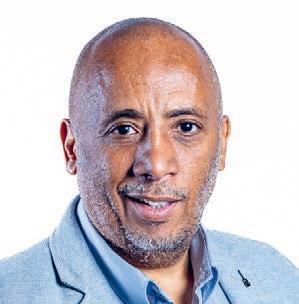
Dr Harlan Cloete
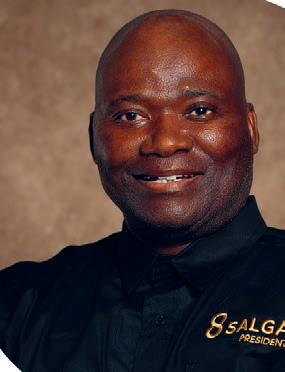
Bheki Stofile
Zolani Mkiva
CLIMATE CHANGE IS RESHAPING SOUTH AFRICA’S FOOD SECURITY
– AND THE POOR ARE PAYING THE PRICE
Climate change is increasingly disrupting South Africa’s food system, with the poorest households bearing the brunt, writes ELRIZA THERON
Climate change is no longer a distant threat to South Africa’s food system; it is a daily reality, with intensifying droughts, oods and heatwaves disrupting agricultural production, driving up food prices and deepening food insecurity for millions of households. As crops fail and farming costs rise, vulnerable communities are increasingly unable to access suf cient nutritious food, threatening both livelihoods and the constitutional right to food.
The lived experience of farmers over recent seasons illustrates how climate variability translates directly into food insecurity. Dr Godfrey Kgatle, research co-ordinator at Grain SA, says that the past two growing seasons have been marked by extreme contrasts. “The contrasting conditions of the past two seasons – drought in 2024/25 followed by prolonged heavy rainfall in 2025/26 – have signi cantly in uenced input costs and commodity prices,” he explains.
CLIMATE IMPACT
In Mpumalanga, maize farmers suffered yield losses due to northern corn leaf blight and grey leaf spot, while soybean producers faced quality downgrades caused by Cercospora leaf spot. In parts of North West, sun ower farmers experienced devastating Sclerotinia infestations, with up to 90 per cent of deliveries requiring sieving before silo intake.
These production shocks ripple through the food system. Lower yields and downgraded grain reduce farm income, while higher production costs contribute to rising food prices. For low-income households already grappling with unemployment, this means fewer meals, less dietary diversity and heightened vulnerability to malnutrition.
During the 2024/25 season, delayed rainfall and early drought forced many farmers to replant, increasing costs related to fuel, labour and seed. This was followed by excessive rainfall that limited eld access and fuelled disease outbreaks.
SAFEGUARDING
CLIMATE-SMART SYSTEMIC SOLUTIONS NEEDED
Against this backdrop, experts agree that climate-smart solutions are essential.
Dr Hennie Groenewald, executive manager at Biosafety South Africa, emphasises that climate-smart agriculture is not a single intervention, but a systems approach that links production, adaptation and sustainability.
“Climate-smart agriculture aims to address three interconnected challenges: helping farmers adapt to climate change, increasing agricultural productivity and food security and reducing greenhouse gas emissions from agriculture,” he notes. Crucially, it recognises that smallholder farmers are often on the front lines of climate impacts and require context-speci c solutions to build resilience.
One promising avenue is plant biotechnology. According to Dr Groenewald, scientists are developing crops “designed to withstand climate stress without sacri cing yield”. Examples include drought-tolerant wheat that can increase production by 10–20 per cent under water stress and ood-tolerant rice capable of maintaining yields even after prolonged submergence. In Africa, drought- and insect-resistant TELA maize is already being commercialised to support millions of maize-dependent households. However, technology alone is not enough. Early-warning systems that provide timely climate and pest forecasts can help farmers make informed planting and management decisions. Dr Kgatle highlights the role of co-ordinated research in this regard: “Research within Grain SA’s Climate Resilience and Plant Health programmes is aimed at strengthening farmer resilience and adaptive capacity.”
Beyond the farm gate, social protection measures – including food assistance, income support and public employment programmes – remain critical buffers for vulnerable households during climate shocks. Community food gardens and local food programmes can also improve access to nutritious food while strengthening social cohesion. Ultimately, safeguarding food security in a changing climate requires integrated action combining science, farmer support, social protection and policy coherence. As climate impacts intensify, the cost of inaction will be borne by those least able to absorb it. Acting now is not only an agricultural imperative; it’s a moral and constitutional one.
Follow: Dr Godfrey Kgatle www.linkedin.com/in/mahlane-godfrey-kgatle-426699151 Dr Hennie Groenewald www.linkedin.com/in/jan-hendrik-hennie-groenewald-654308b
Dr Godfrey Kgatle
Dr Hennie Groenewald
IN SEARCH OF DIGITAL DIGNITY
RODNEY WEIDEMANN asks if, in a world increasingly reliant on connectivity, data access should be considered a human right, and how equal participation for all can be ensured?
The digital divide in South Africa is far more complex than simply the gap between the physical presence or absence of network infrastructure. It is shaped by factors, such as affordability, digital literacy and relevance, and manifests in stark geographic and economic patterns. In urban centres, connectivity might be robust but costly, in townships, it’s often unreliable and unaffordable and in rural areas, it may be virtually nonexistent.
In a nation struggling with a multitude of human rights disparities, this particular gap is problematic when one considers that digital connectivity is increasingly considered a fundamental human right by the United Nations (UN).
“This means we can never truly close the divide, as there will always be some technology leaders and many followers who have less access to resources. Nonetheless, I believe we could signi cantly reduce the access gap through more collaborative efforts between local providers and government,” he says.
CG Selva Ganesh, vice president and CEO SA at In2IT Technologies, notes that for rural students, the absence of consistent connectivity limits exposure to modern learning tools, digital resources and collaborative platforms that are now integral to education, placing them at a long-term disadvantage.
“Small businesses in marginalised areas face equally serious constraints. Without connectivity, they cannot reach broader markets, adopt digital payments or leverage basic productivity tools,” he says.
“This restricts growth, keeps businesses informal and reduces their resilience. This demonstrates that connectivity is no longer an enabler; it is a prerequisite for participation in the modern economy.”
TACKLING THE DIGITAL DIVIDE
Dominic Cull, regulatory advisor to the Internet Service Providers Association (ISPA), adds that both end points of the digital divide are dynamic, as the leading edge is constantly expanding through the adoption of technologies like arti cial intelligence (AI).
Ant Brooks, a special advisor to ISPA, suggests that the real issue is not just about connectivity, but rather about ensuring meaningful connectivity – essentially, how to be online in a positive way, rather than simply doomscrolling.
“When teaching digital skills to the youth, we also need to focus beyond simply providing the basics. It is imperative they learn about issues like security and how to assess information obtained online critically,” he says.
So, what should be government’s role in delivering digital access to all to ensure everyone’s human rights are protected?
Ganesh described government’s role as enabling outcomes through policy clarity, infrastructure incentives and regulatory ef ciency. “This includes accelerating spectrum allocation, supporting rural deployment and ensuring digital inclusion is aligned with education and economic development strategies, while the private sector must be empowered to execute this,” he explains.
ENABLING CONNECTIVITY FOR ALL
fast fact
South Africa has 19 million households and, while 78 per cent of the population has some form of internet access, only 14.5 per cent of households enjoy internet connectivity from home.
roll out better connectivity. We also need to reduce compliance obligations, so it’s crucial for government to work closely with industry to facilitate making their operations easier.”
Brooks also feels government can best get involved by ‘getting out of the way.’ It needs to eliminate red tape impacting small businesses, reduce sti ing legislation and partner with industry to develop future-proofed digital laws – similar to how outstanding cybercrime legislation was developed for the country.
“Whether we choose to count connectivity itself as a human right or not, the fact is that with the world going digital, there is an increasing body of evidence that suggests citizens will soon only be able to properly exercise many of their other fundamental rights by being online.
Cull agrees that government’s role should be to optimise, rather than build, the digital environment.
“We need to x our municipalities for many reasons, but key among these is so we can
“In other words, connectivity will become increasingly vital to civic engagement and should thus be considered essential infrastructure, particularly in light of how, in the modern digital world, it is the key to enabling dignity, agency and equal participation in our society,” concludes Brooks.
CELEBRATING THE GRASSROOTS CHAMPIONS OF HUMAN RIGHTS
In recognition of Human Rights Month, the Hlanganisa Community Fund for Social and Gender Justice honours the organisations and community leaders who are working tirelessly on the frontline. By BONGIWE NDONDO, executive director, Hlanganisa Community Fund
Human rights are not defended rst in courtrooms or conference halls. They are defended in ooded streets, overcrowded clinics, police station queues and community halls where ordinary people organise for dignity and survival. These partners, mostly women-led and rooted in rural villages, informal settlements and small towns, are the real champions of justice. They are rst responders to disaster, violence and poverty, often long before formal systems arrive.
The struggle for human rights in Southern Africa has always been carried by women who organised boycotts, led marches and sustained communities through repression and transition. Today, that legacy continues not only in policy spaces, but also in grassroots organising. Women hold the line between constitutional promise and lived reality, translating rights into daily practice under conditions of scarcity and risk.
Hlanganisa’s partners embody this tradition through proximity and trust. They know which households have lost homes to oods, which families face hunger and which survivors of violence are too afraid to seek help through formal channels. When climate-related disasters strike, they mobilise immediately, opening their homes as shelters, co-ordinating food and clothing and ensuring assistance reaches those most often overlooked. This is climate justice
in practice: locally led, care-centred and responsive to the most vulnerable.
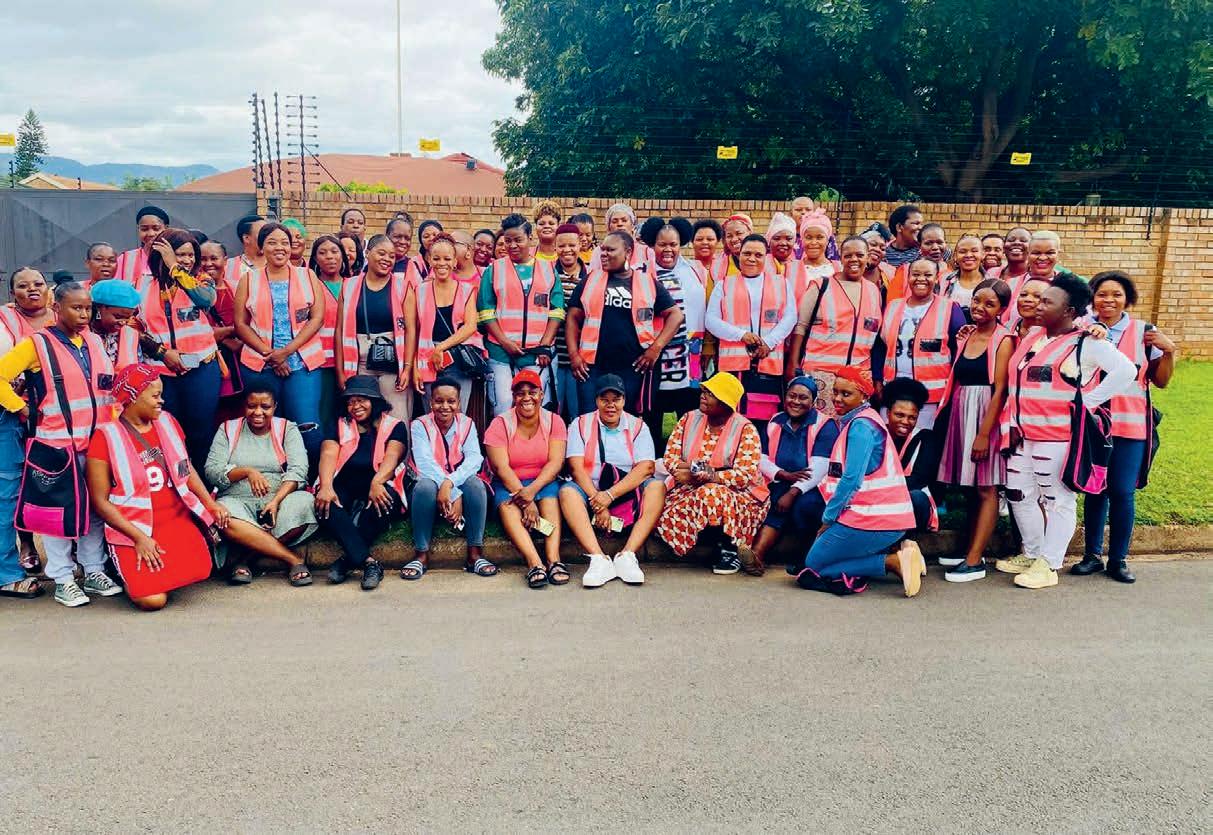
Their role in responding to gender-based violence is equally critical. Survivors turn rst to people they trust, not to institutions. Community activists accompany them to clinics and police stations, monitor cases, provide psychosocial support and create safe spaces for disclosure. Through initiatives such as the Sisterhood Advocates Project, community-based paralegals strengthen referral pathways and build networks of accountability that extend beyond individual cases into sustained community organising. In contexts where formal systems are overstretched, this presence often determines whether justice is pursued at all.
Economic justice is inseparable from this work. Poverty, unpaid care and lack of access to land and services deepen vulnerability to violence and displacement. Hlanganisa’s partners support savings groups, co-operative initiatives and skills development that enable women to rebuild livelihoods, leave abusive environments and keep children in school. These interventions shift power at household and community level, demonstrating that economic agency is central to human rights realisation.
Much of this labour remains invisible and under-resourced. The same women
who respond to crises are also caregivers, breadwinners and community organisers. Their work underpins local resilience yet is rarely recognised as part of democratic infrastructure. Recognising and redistributing unpaid care, expanding social protection and investing in community-based organisations are essential to sustaining participation and leadership.
THE HEARTBEAT OF JUSTICE
Hlanganisa’s role is to resource, accompany and amplify this ecosystem so grassroots organisations can in uence policy rather than remain con ned to implementation. Trustbased funding, organisational strengthening and regional feminist collaboration enable local leaders to move between community mobilisation and governance spaces without fragmenting their efforts. When donors align with these principles through exible, long-term support, grassroots leadership can thrive.
The signi cance of this model extends beyond individual programmes. Across the region, community organisations are generating locally grounded responses to climate displacement, informal labour precarity and access to justice. Their strategies inform broader advocacy and demonstrate that durable solutions emerge from those closest to the issues.
This Human Rights Month, Hlanganisa centres its partners as the heartbeat of social and gender justice. Their labour is often unseen, but it is decisive.
Celebrating these organisations is not symbolic. It is a call to shift recognition, resources and decision-making power toward grassroots leadership. Human rights are realised through daily acts of courage, care and collective organisation. The future of justice depends on strengthening those who respond rst, know their communities best and continue to turn rights into reality.
For more information: www.hlanganisa.org.za
Partner with Hlanganisa for impactful fiscal
HOSTING SERVICES
In today’s corporate landscape, social responsibility is no longer just a nice-to-have, it’s a necessity. Corporate Social Investment (CSI) programmes are vital for demonstrating an organization’s commitment to uplifting communities and addressing societal challenges. However, managing these initiatives can be complex, time-consuming, and often divert resources from your core business activities.
Turn to Hlanganisa Community Fund for Social and Gender Justice, the trusted name in scal hosting services. With over 20 years of experience, Hlanganisa is a pioneering grant-making organization committed to driving meaningful change at grassroots level. We bring expertise, transparency, and ef ciency to your CSI initiatives, ensuring that your social investments create tangible impact, while allowing you to focus on what matters most, your business. By partnering with Hlanganisa, you’re not just investing in a service provider; you’re aligning with an organization deeply committed to social change. We currently scal host funds totalling over $4.4-million from local and international funders, leveraging our extensive network of grassroots organizations and stakeholders to ensure your investments create lasting, meaningful change. Whether it’s a single project or a long-term partnership, Hlanganisa ensures your resources are used to their fullest potential.
Our services at a glance
• Financial management: complete fund oversight and management, ensuring transparency and ef ciency.
• Statutory and compliance support: full legal and regulatory adherence to minimise risks and safeguard your CSI programme.
• Fund disbursement and management: ef cient and streamlined processes for managing nancial resources.
• Monitoring, evaluation and reporting: In-depth reporting on the performance and impact of your social investment programmes.
Our services at a glance
• Streamlined nancial management managing: CSI funds can be overwhelming. We take this responsibility, ensuring that every cent is carefully allocated and tracked. We provide comprehensive nancial
oversight, allowing you to focus on your core operations while we ensure your social investments are used ef ciently to maximise impact.
• Tailored CSI solutions: no two organisations are the same, and neither are their CSI needs. At Hlanganisa, we understand that your objectives are unique. Our scal hosting services are highly adaptable and tailored to meet the speci c needs of your CSI programme. Whether you’re a large corporation or a smaller enterprise, we ensure your initiatives align with your overarching goals and social impact strategy.
• Compliance and risk management: in today’s regulatory environment, compliance is non-negotiable. Hlanganisa ensures that your CSI programme meets all legal and regulatory obligations, mitigating risks and safeguarding your reputation. Our scal hosting services include statutory compliance, making sure your programmes operate smoothly and legally, without the administrative headaches.
• Customised fee structures: we understand that corporate organisations come in all sizes, and so do their needs. Our fee structures are designed to be exible, based on the size of your organisation and the speci c work required. This ensures that you only pay for the services you need, providing maximum value and cost-ef ciency.
• Monitoring and evaluation: transparency is key to effective CSI management. We provide detailed monitoring, evaluation, and reporting services to help you track the progress and impact of your CSI programmes. With clear insights into your investment’s outcomes, you can optimise future efforts and demonstrate value to both internal and external stakeholders.
TAKE THE NEXT STEP
Hlanganisa acts as a scal host for projects, events, and organisations that may not meet traditional business requirements. We provide the legal and administrative infrastructure needed to ensure compliance and accountability. For corporate partners, this means peace of mind, knowing your funds are in safe hands and making the difference you envisioned. Corporate social investment is an essential part of good governance, but it doesn’t have to come at the cost of your operational focus. With Hlanganisa’s expert scal hosting services, you can ensure your social investments are impactful, ef cient, and aligned with your corporate values. Let us handle the complexity, while you concentrate on driving your business forward.
For more information on how we can help you maximise your CSI initiatives, contact us today at info@hlanganisa.org.za or call us at +27 (0)11 726 1090.