
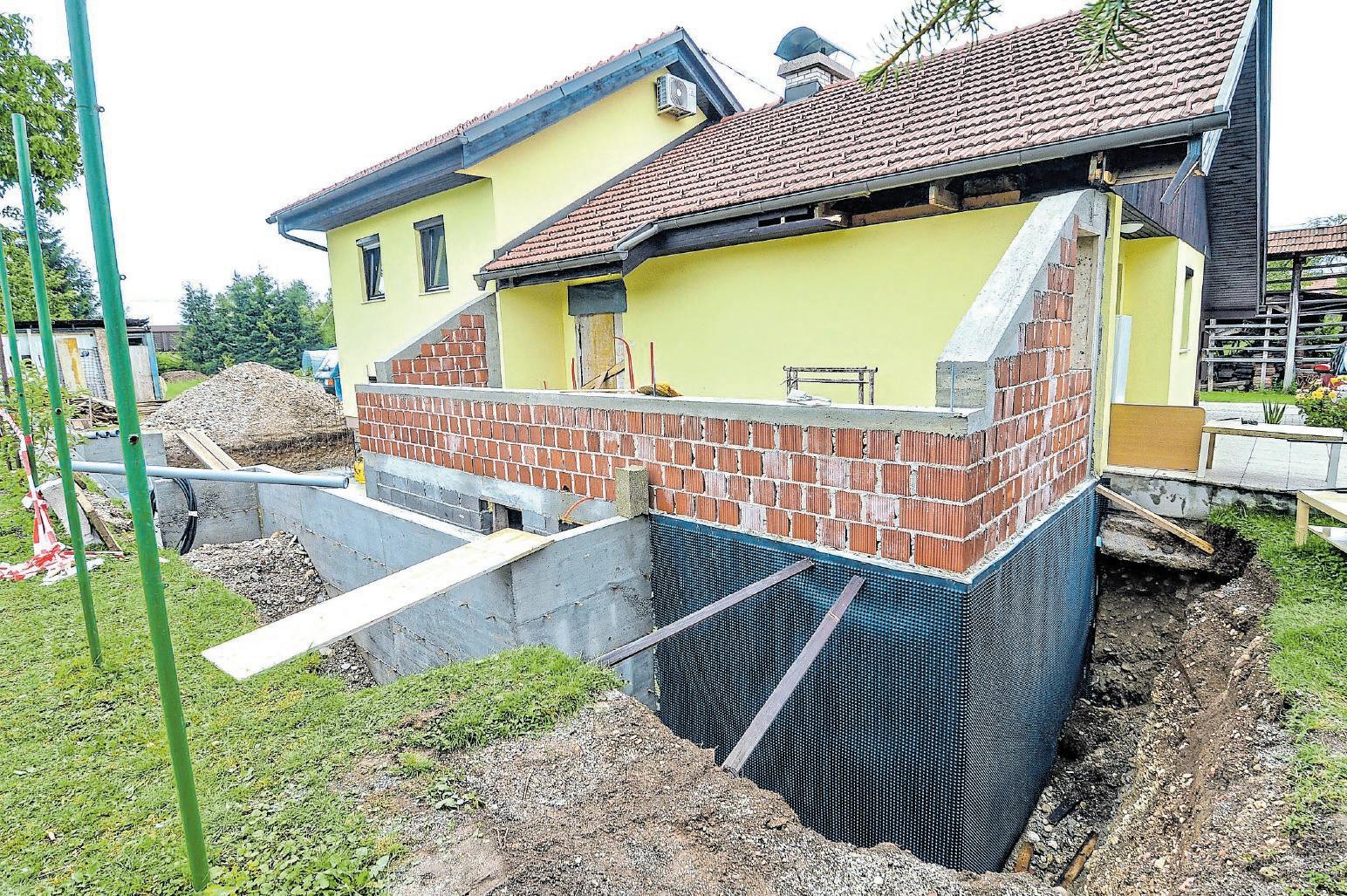
Make your home your castle
Forget fancy holidays, South Africans are splashing out on their homes
There are few things more satisfying than admiring one’s house when you have done something significant to shape it into your dream home. But home improvements bring many more tangible advantages than good feelings.
Buying a home is probably the biggest and one of the most important investments most of us make in our lives; property ownership is regarded as one of the cornerstones of wealth creation, which is one of the reasons the right to property was enshrined in the SA constitution.
Whilesome peoplewill trade up in property during theirworking lives,manyotherswillprobably ownonlyone home a humble dwelling bought when theywere young and limited in what they could put down assecurity and repay in mortgage instalments.
However, regardless of whether one is a one-time buyer or someone who puts their
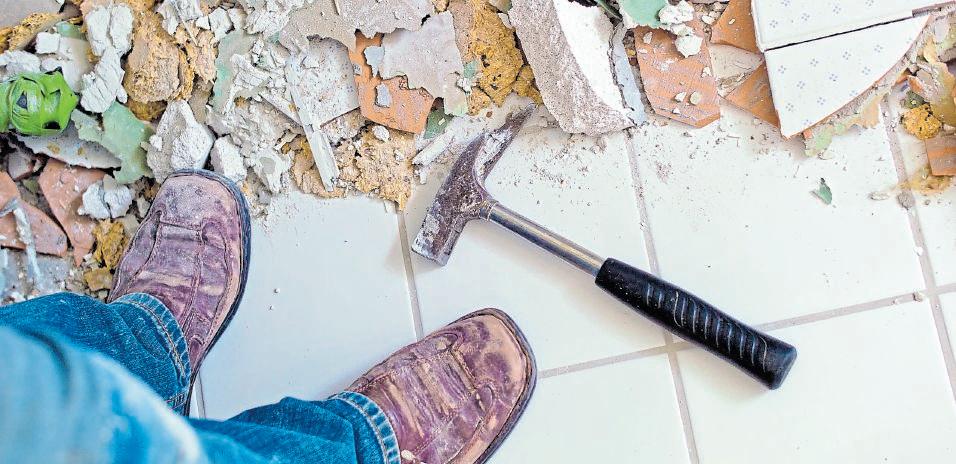
You don't need to spend a fortune to transform a room into something you've always dreamed of. / 123RF
property on the market every few years, one of the best and most cost-effective ways of accelerating the value-enhancement process is to make considered and well executed improvements to one’s home. And improvements come in all shapes and sizes, ranging from a simple lick of paint to transform a dilapidated home, to extending the house by adding a new room or garage or even turning a small house into a double storey.
‘‘ Property ownership is one of the cornerstone of wealth creation
Some astute investors even target rundown properties they can acquire cheaply and enhance the value substantially by spending a little time, effort and money on whipping them into shape.
Kalin Mudaly, growth head at FNB Private Bank lending, says there are many factors that influence the price of a property such as the economy, supply and demand, as well as the value of homes in a certain area. “The nature of the reno-
vation, along with these other factors, will determine whether value is added to the property and to what extent. This means when the property is sold, depending on these factors, the owner may be able to only recover a portion of the improvement costs or more than the cost.”
Many people have recognised this and during the Covid-19 pandemic there seems to have been a substantial increase in people doing home improvements.
This is confirmed by Build It MD Rob Lister, who says that since the end of the strict lockdown in May 2020, South Africans in both urban and rural areas have been putting their hard-earned cash into their homes.
Mudaly says that while timing is certainly one of the factors that influence the decision on whether to renovate, sell or do neither, there are many other issues to consider.
These include the location of the property, the length of time the owner intends keeping the property, the type of renovation and whether it is cost-effective or constitutes overcapitalisation, the quality of the home improvements, and how the work will be financed.
Lockdown inspired many South Africans to spend time and money on home improvements. / 123RF
Realistic budget is key to success
Don't be caught out by any expensive surprises
Money and budget is the beginning, middle and end of any successful home improvement project.
Insufficient funds will mean a project not being completed, or corners cut, so the result is either shoddy or dysfunctional. At the same time, improper budgeting and project planning can also result in too much money being spent on that dream kitchen or a room at the back of the house to earn rental income.
Preparing for a home improvement project should begin with estimating the cost of the project including planning, design, permissions, materials, billing and labour costs, finishing and painting and other special costs.
No discounts or special savings should be included.
The nature of renovation projects is that they tend to spring surprises and the unexpected will invariably escalate costs.
That means once the overall costs have been tallied, a contingency amount of between 5% and 10%, depending on the project complexity, should be added to the budget.
When preparing the estimates, it is well worth researching average building costs for the area in terms of rand per square metre and shopping around to find the most cost-effective sources of building materials.
A good place to start is your local builder’s merchant and
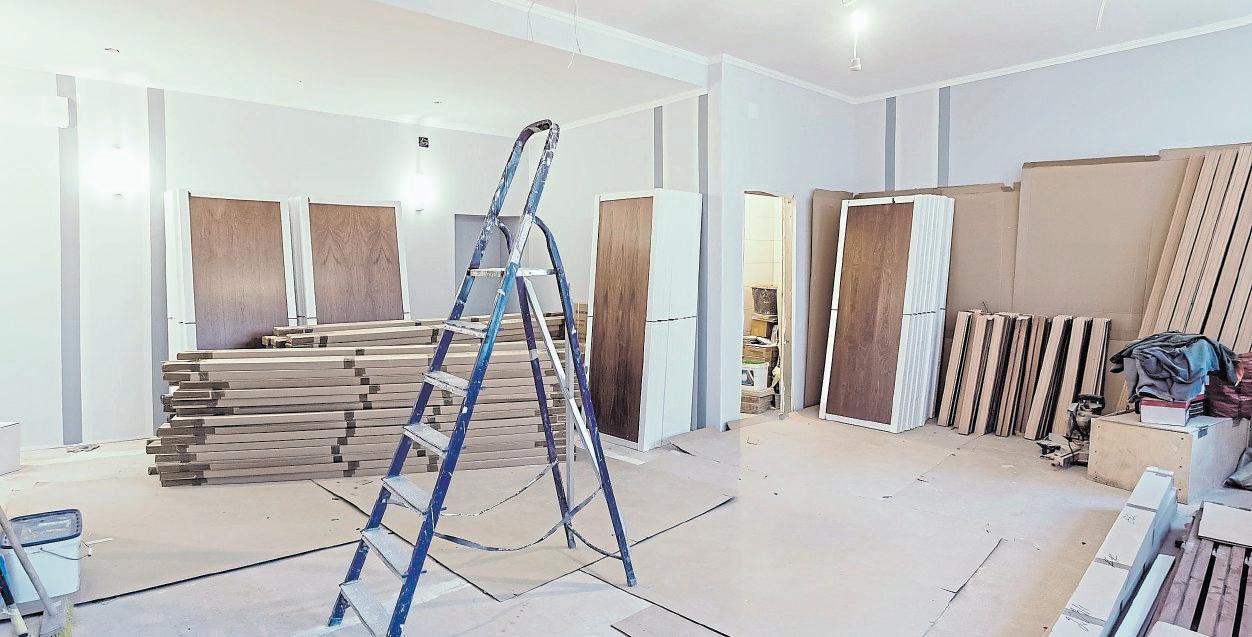
should be added to the budget. / 123RF
hardware store. They have a wealth of accumulated knowledge, and it is in their interests to help you.
Build it’s divisional marketing executive, Chris Quayle, says: “Our friendly staff are always on hand to offer advice and assistance with quotes and the reading of building plans if necessary. We understand the privilege of working with people on their homes and it is our responsibility to ensure that we deliver on expectations.
“Having achieved a realistic estimate, it is time to decide whether you can afford it and if so, how it is to be financed a windfall, savings under the
‘‘ Decide whether you can afford it and if so, how it is to be financed
Kalin Mudaly

mattress, or bank finance.
Kalin Mudaly, growth head at FNB Private Bank lending, says one popular source of funding is the home itself.
“Home improvements can be funded by unlocking any equity that may have accumulated in the property.
Clients will be able to approach their banks with regards to bonding bond-free property, or extending further lending on any bonded property.”
Mudaly says FNB has a diverse range of options to help clients with their mortgage finance requirements.
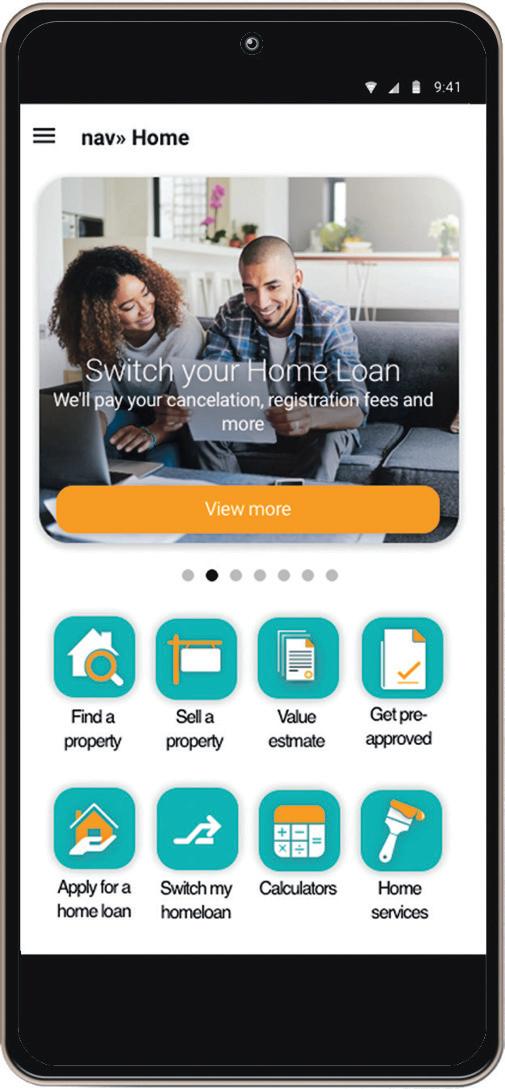
Applications can be made through the FNB app or on the
bank’s website.
Clients can also contact any FNB branch, lending specialists or its bankers to assist with a home loan application.
The bank would probably be the financier of choice for most people who want to leverage their investment.
Quayle says, however, that Build it, which has 340 outlets around the country (40 more in neighbouring countries), strives to work closely with customers, even helping with building loans where possible.
“This is done through partnerships with reputable banks. It is part of our policy of quality service.”
Stay and revamp, or sell and buy new?
Weighing up the pros and cons
Deciding whether to hang onto a home that doesn’t meet your needs and upgrade it, or sell it and use the proceeds to invest in one that does, may seem a bit like a poker game decision of hold or fold.
However, unlike gambling, there are some good pointers to help one make the correct choice. Property and owning a home has many advantages and SA has a stable and resilient residential property market.
Pam Golding Properties agent Sipho Nkosi says one is immediately struck by the positivity when it comes to property in Soweto, the diversity of what is available, why people sell and then often
move back. “The latest Lightstone Report, which provides information, valuations and market intelligence on properties in SA shows that the median price of properties in Protea North, for example, increased from R700,000 in 2019 to R800,000 in 2021,” says Nkosi.
He says the “sweet spot” for sales is between the R750,000 and R890,000 mark.
And it would seem from his analysis that there is no wrong decision over whether it makes sense to sell to buy a better property, or stay put and transform the home around you.
“Wherever you look, driving around Soweto, people are improving their properties.”
The most popular renovations relate to: increasing the number of bedrooms for a growing family; modernising
and kitchens and bathrooms; installing built-in cupboards; and a popular one is adding “rooms to let”. He says that while the Covid-19 pandemic may have boosted the level of renovations, he believes most of the people upgrading their homes would have ultimately done so anyway.
That is not to say a home upgrade does not have potential
‘‘ Wherever you look, driving around Soweto, people are improving their properties
problems. These can arise from poor workmanship or a project running out of funds, but one of the biggest problems, according to Nkosi, is noncompliant renovations that have taken place without planning permission.
When selling, unapproved alterations seriously jeopardise one’s ability to sell a house.
Kalin Mudaly, growth head at FNB Private Bank lending, believes a major advantage of upgrading rather than translocating is that the homeowner can change the home without changing the location.
“The home is an important place, particularly when its occupants are conveniently located in terms of connecting with work, friends, school, entertainment and other social support structures.
Adding a room can provide much-needed breathing space, and giving your kitchen a facelift will leave you with a more enjoyable home,” says Mudaly.
“However, sometimes it’s easier to find desired creature comforts in a new home. It is a matter of individual choice. The big issue is whether one can stomach the disruption of a home being in turmoil during its transformation.
“Against this one must also weigh up the impact of the new location on one’s lifestyle. Buying a home also includes certain transaction costs. Specifically transfer duties payable to the SA Reserve Bank and some attorney fees. And so, it’s important to weigh up these costs.”
Written by: Herb Payne
Sales Rep: Yvonne Botha
Once the overall costs have been tallied, a contingency amount of between 5% and 10%, depending on the project complexity,
FNB can help you keep the lights on.
Renewable Energy, also known as Clean or Green Energy, is energy generated from natural sources like wind, tides, sunlight etc., sources which aren’t depleted and have the ability to replenish themselves. It is the fastest growing source of energy in the world, take one look at the need it addresses, and it’s easy to see why this rapid growth is happening.
The pollution caused globally by fossil fuels has reached alarming levels, causing climate-altering greenhouse emissions, and the drive towards more sustainable energy has quickly become top-of-mind for anyone concerned about the health of the planet.
As part of this global drive towards a cleaner world, FNB has partnered with a number of companies providing green solutions to help their customers be better equipped during these energy-challenged times. These solutions are available on nav>>Marketplace as well as the eBucks Shop, giving their customers a variety of ways to purchase their preferred solution.
Through these partnerships, FNB is offering customers tailor-made &







incremental energy solutions for their households, at a discounted price. Homes equipped with energy solutions offer the
that is affected by load shedding and high electricity bills. Customers can use a variety of solutions available to them through their home loan from FNB which are tailored to their needs namely a Readvance or access to Prepaid funds. Customers banked these solutions.
With Erinite Energy, FNB customers can
• A hybrid gas and solar solution,
• reduced grid dependency by over 85%.
• Remote monitoring for quality of service.






FNB customers also get 10% discount on household energy packages, starting from as little as R5000.
Another solution as part of this initiative is aimed at the FNB Private Banking clientele. Here the bank has partnered with LTM Energy, an Energy Services Company (ESCO) which offers bespoke green solutions for their households, also at a discounted price.
• Packages ranging from R10 000 - R500 000, customised to suit your needs
• Up to 10% discount on selling price
• An energy calculator attached to help
your home
Customers can use available funds in their solutions, without registering another loan and no additional monthly repayment required.
FNB has made it easier than ever for customers to be part of this global shift towards a cleaner and healthier world. It’s just another way they are saying: How can we help you?











• We will pay cancellation fees (excl. penalties)
• Bond registration fees (up to original bond amount)

• Take your bond back to original term and use additional funds to purchase renewable energy solutions or renovate your home





• Get rewarded with up to R6100 back in eBucks
• Get a great interest rate and;
- further interest discount of 0.25% should you move your banking to FNB
- further interest discount on our ecoEnergy Home Loan should your property qualify Download the FNB App or visit any of our branches. Contact your Private Bankeror call us on 087 730 1144.