


Shifting the focus from weight to whole-body wellness

INSIDE: GLP-1 EXPLAINED CLEARLY | RETHINKING DETOX | MOVING BEYOND FITNESS FADS | REPRODUCTIVE HEALTH INSIGHTS





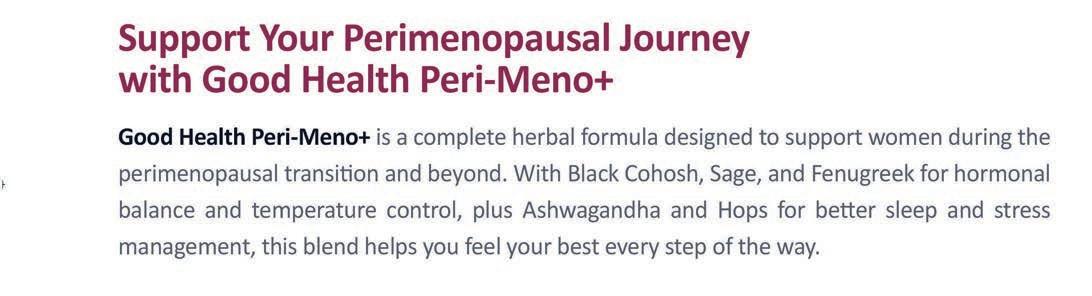

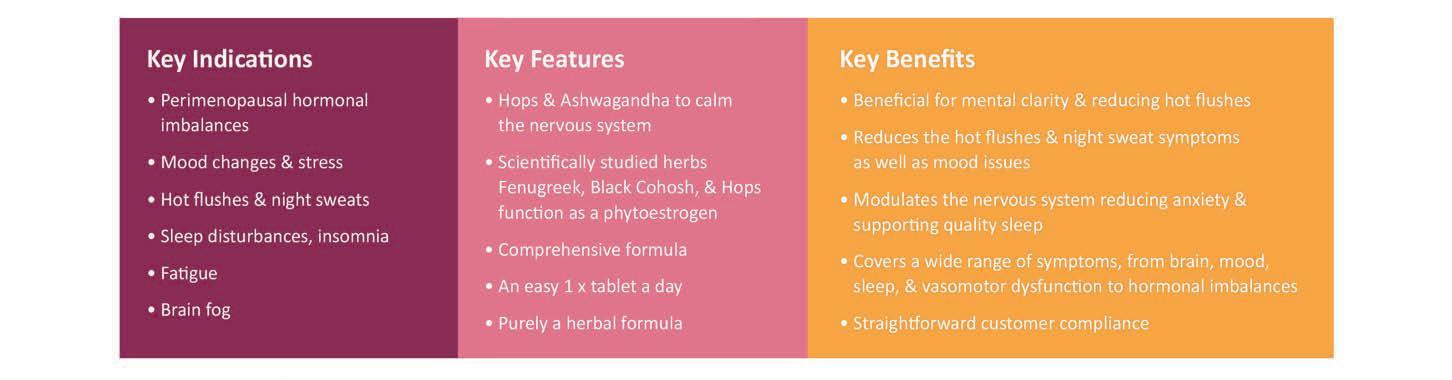
Available at stores: Weleda – Pineslopes/Bryanston, Health Works - Hyde Park, Thrive Kloof, Organic Living Constantia, Something Natural Stellenbosch, Knysna Health Knysna, Health & Living George, Lifestyle Health Ballito, Cotswold, Durban North, Faithful to Nature – Irene, Rosebank, Lynnridge, Sandton, V&A, Riverlands, Cavendish, Somerset, Wellness Warehouse – Kyalami, V&A, Menlyn, Sandton, 204 on Oxford, Bassonia, Cavendish, Lifestyle on Kloof, Constantia Emporium, Westville, La Lucia
On-line: www.faithfultonature.co.za I www.wellnesswarehouse.com I www.goodhealthsa.co.za
Busy lifestyles mean we don’t have as much time to dedicate to self-care. When you’re not feeling at your best, or you’ve been pushing the limits, can be relied upon for help. Our premium supplements incorporate quality ingredients needed to help support our demanding lifestyles - whilst being safe and compliant with our regulatory requirements.

has been a clean-green New Zealand premium supplement brand since 1987 and is one of Australasia’s leading producers. Brand strengths are fourfold:
• excellent high-strength formulations;
• using superior ingredient forms;
• pharma-grade manufacturing compliance to strict local and international standards; and
• our South African company is licensed by SAHPRA (the regulator) to import & distribute health supplements and complementary medicines. Products are formulated by our naturopathic team who strongly believe in the benefits of herbs and nutraceuticals. Herbal medicine has been practised for thousands of years and today’s science enables us to prove much of “old wisdom” as factually relevant. All our hero ingredients are clinically researched, meaning product claims can be substantiated. offers exciting supplement delivery forms – such as sublingual dissolving tablets, tasty chewables, easy-mix powders and direct-to-mouth granular sachets and liquids – making regular supplement taking easier and more enjoyable.
And our production facilities are GMP certified – the international recognition of quality manufacture with highly scrutinised raw ingredients. Our facilities are run along strictly pharmaceutical protocols by pharmacists and their quality assurance teams.
As proof of product quality and success, the brand supplies growth export markets such as Australia, China, Hong Kong, Indonesia, South Africa, South Korea and Vietnam.
Our quality management team and responsible pharmacist control our regulatory compliance and product quality.
In 2001, the brand was launched in South Africa with our head office and distribution located in Cape Town. Health supplement importation and distribution in South Africa requires approval and licensing by SAHPRA (South African Health Products Regulatory Authority), SAPC (South African Pharmacy Council) and NDOH (National Department of Health).
Our quality management team and responsible pharmacist control our regulatory compliance and product quality. Imported products are monitored during transit to South Africa and for temperature and humidity deviations while in our storage facility, ensuring what you buy in South Africa is the very same quality product manufactured in our New Zealand facility.
All products come with an attached Package Insert (called a PIL – the same as a pharmaceutical drug), outlining safety information, cautions and possible interactions.
In South Africa, we are a BEE compliant company offering high-level, professional service to our nationwide retailers and the public. Company representatives are qualified naturopaths, homeopaths or phytotherapists who understand the formulations and their application to the modern lifestyle. Reps visit retailers and practitioners on training calls, where on many occasions they interact with retail customers, helping them understand more about their own health and product choices. And 25 years on, can be found nationally at health shops, pharmacies, Wellness Warehouse, selected Dis-Chem and Medirite+ stores and from Faithful to Nature and other quality online health platforms
We applaud South Africans who take the day-to-day maintenance of their health into their own hands by supplementing their diet with quality products – leaving visits to the GP only for those serious or repetitive illnesses. But in a world where so many companies take shortcuts, use inferior ingredients and make outrageous claims, it’s important to be able to identify authentic companies and trustworthy products If you’re not happy with your purchase – for any reason – just contact us or your retailer and return it for a refund. This is how we stand behind our quality product range.

Let become your supplement range of choice and we’ll walk the path to better health together!

www.goodhealthsa.co.za www.instagram.com/goodhealthsa/


PUBLISHED BY
Picasso Headline, a proud division of Arena Holdings Pty (Ltd), Hill on Empire, 16 Empire Road (cnr Hillside Road), Parktown, Johannesburg, 2193, PO Box 12500, Mill Street, Cape Town, 8010 www.businessmediamags.co.za
EDITORIAL
Content Manager: Raina Julies, rainaj@picasso.co.za
Contributors: Murray Hewitt, Lisa Witepski
Copy Editor: Brenda Bryden
Content Co-ordinator: Natasha Maneveldt
DESIGN
Head of Design: Jayne Macé-Ferguson
Senior Designer: Mfundo Archie Ndzo
Cover Images: alphaspirit/123rf.com, millaf/123rf.com, derkien/123rf.com, citalliance/123rf.com, annastasiia7/123rf.com, supplied
SALES
Project Manager: Arnold Cruywagen, arnoldc@picasso.co.za +27 21 469 2508 / +27 71 012 5286
Sales: Stephen Crawford, Richard White
PRODUCTION
Production Editor: Shamiela Brenner
Advertising Co-ordinator: Fatima Dramat
Subscriptions and Distribution: Fatima Dramat fatimad@picasso.co.za
Online Editor: Stacey Visser
Printer: CTP Printers, Cape Town
MANAGEMENT
Management Accountant: Deidre Musha
Business Manager: Lodewyk van der Walt
General Manager, Magazines: Jocelyne Bayer

4
6
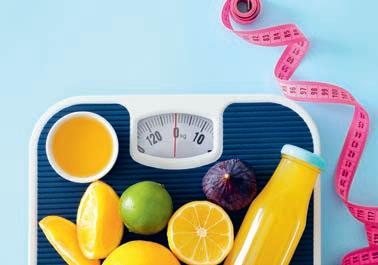
Beyond social media myths and body mass index charts, discover why women’s health is shaped by hormones, stress, genetics and lifestyle – not just the number on the scale.
The rise of injectable weight-loss treatments: what we need to know.
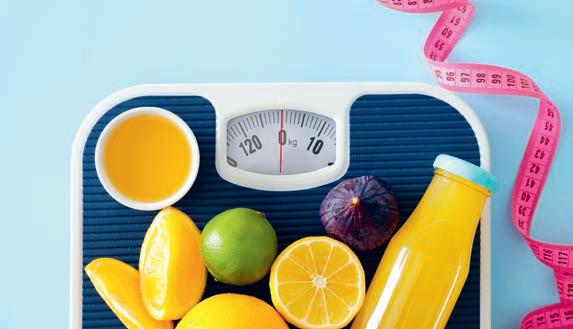
At the start of every new year, detox diets surge as part of the annual reset. However, experts caution against quick xes and fads, urging sustainable, long-term balance instead.
Practical tips to ease menopausal discomfort; and what to expect during active labour.












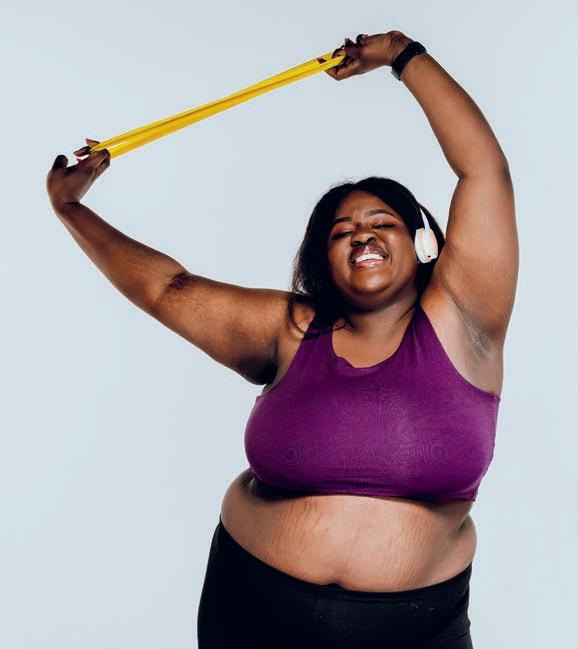
Beyond social media myths and body mass index charts, discover why women’s health is shaped by hormones, stress, genetics and lifestyle – not just the number on the scale.
By Lisa Witepski

aquick scan of most women’s Instagram feeds is more than likely to reveal a hyper-toned “fit-fluencer” enthusiastically discussing how to burn fat and build muscle to enjoy greater wellbeing now and into the future. However, here’s the problem: wellbeing comes down to more than weight.

That’s a counterintuitive insight for people who have long believed that the scale is the most reliable indicator of health, or for those who have counted on their body mass index (BMI) or height-to-weight ratio to assure them that they’re going to be fully mobile and free of disease long into their golden years. However, says Professor Tess van der Merwe, a registered endocrinologist and expert in the field of obesity, there is a lot that BMI does not tell us: “It cannot portray visceral fat, for example, which can be a state of pre-diabetes; nor does it portray the functional and psychological state of the patient.” In other words, it’s possible to have an enviable BMI while suffering from high blood pressure or cholesterol, severe joint pain or mental issues like depression and anxiety.
BMI also does not take into account factors, such as body composition (fat mass compared to lean mass), age or racial and genetic differences, which can affect how weight is distributed around the body.
The message is clear: if you want a more accurate picture of what is going on inside your body from a health perspective, ask your GP to screen for blood pressure, cholesterol and diabetes, and inquire which cancer screens may be appropriate for your age.
There’s another reason why you shouldn’t allow the number on your bathroom scale to determine how you feel about your health: hormones.
If you want a more accurate picture of what is going on inside your body from a health perspective, ask your GP to screen for blood pressure, cholesterol and diabetes.












The South African Medical Research Council released a study in early 2025 showing that obesity in children under 12 was linked to early onset of chronic health conditions such as high blood pressure, abnormal cholesterol levels and pre-diabetes – conditions typically seen in adults.
Professor van der Merwe explains that life stages such as puberty, pregnancy, postpartum and menopause are considered “high-risk periods” for women, as they coincide with changes in hormonal secretion patterns.
There is a lot going on at these times, she notes: “The normal finally tuned ratio of oestrogen to progesterone is altered. In addition, there may be an excessive secretion of androgens, prolactin or the tonic secretion of luteinising hormone and follicle-stimulating hormone.”
While that sounds highly scientific, the results are simple: changes in hormonal secretions can lead to a redistribution of fat tissue. That’s why your 13-year-old may suddenly go up a dress size, or why your stomach will not return to its pre-forty-fifth birthday state, no matter how many crunches you do.
It’s essential to realise that while you may not feel happy with your body’s changing appearance, it is entirely natural. For instance, weight gain during puberty, driven by an increase in body fat, is crucial because a girl will not have a regular menstrual cycle until her body reaches a minimal level of body fat. Similarly, weight gain during the first trimester of pregnancy is necessary to support the foetus’ healthy development. Meanwhile, weight gain during menopause is usually triggered by declining oestrogen and loss of muscle mass.


Shifting weight caused by hormonal changes isn’t as easy as, say, losing the kilos gained during a festive season binge, and may require the adoption of new habits. Quality sleep is a must at any age and life stage, as is eating a balanced diet. However, during menopause, it may be helpful to increase protein and fibre intake and lift weights to offset muscle loss.

Struggles with mental health may also trigger weight gain in what can fast become a vicious circle, says psychologist Agnes Jooste. “Weight changes can lead to shame and anxiety, which further intensify stress, emotional eating, fatigue and disrupted routines, perpetuating the very patterns that make weight regulation more difficult.”
Jooste notes that rather than writing off weight fluctuations as a “lack of willpower”, women must understand that their weight is affected by burnout, emotional depletion and limited capacity to meet their own needs.
At a biological level, stress stimulates the release of cortisol, a hormone that may promote weight gain and fat storage. This is especially true if the body is exposed to cortisol for long periods, as may be the case for women juggling deadlines, household responsibilities and the uncertainties of a volatile global environment. The effects of cortisol are manifold: it stimulates appetite, increases cravings (now you know why that chocolate becomes irresistible when you’re under pressure) and interferes with the production of insulin, disrupting the regulation of blood sugar – important because fat deposition is an inevitable outcome when your body isn’t processing blood sugar as it should. Cortisol also tends to make your body hang on to fat, storing it in the abdominal area.
That’s why stress management is a key part of any lifestyle management programme. However, says Jooste, it’s vital to look at your emotional life, too. “Supporting women’s wellbeing requires shifting the focus from weight alone to addressing stress regulation, emotional support, realistic expectations and meaningful opportunities for rest, recovery and mental health care. This means actively challenging perfectionism, people-pleasing, over-functioning and guilt-driven caregiving. Psychologically,


According to the Heart & Stroke Foundation South Africa, being overweight or obese increases your risk of heart attack, stroke, high blood pressure, diabetes and other chronic diseases. Even 2–5kg weight loss can produce measurable health benefits in blood pressure, cholesterol and blood sugar control.
this often involves boundary setting and deeper identity work – helping women redefine self-worth beyond productivity, performance, physical appearance or constant caretaking. When women are less emotionally overloaded, their bodies often become easier to care for – and easier to trust. Weight then becomes less of a problem. In a nutshell, instead of asking women to shrink their bodies, help them to shrink their burden!”
Professor van der Merwe notes that there is a yet another gremlin potentially involved in your struggle to maintain a healthy weight: genes. “Genetic susceptibility is quite high in overweight patients,” she says, adding that weight gain may also become an issue for patients with familial conditions like polycystic ovarian syndrome and autoimmune thyroid disease, which is associated with diabetes.
The good news? “Weight gain is not a given. Granted, you may require a more applied mindset, and you are more likely to require pharmacological or surgical intervention.”
If in any doubt, it is always best to consult your healthcare provider, she concludes.






With
ready accessibility of GLP-1 drugs, weight loss seems easier than ever before. But are these injectables really a practical solution, and what do you need to know before embarking on treatment?
By Lisa Witepski





irst things first: yes, GLP-1 medicines really do deliver impressive results (for most people), especially when compared to traditional weight loss methods like diet and exercise. Dr Ruchika Mehta, an endocrinologist specialising in obesity in practice at Tembisa Provincial and Tertiary Hospital as well as Midstream Mediclinic, says: “People taking GLP-1 meds in clinical trials typically lose in the range of around 12–20 per cent of body weight, and sometimes even more with newer dual-acting drugs like tirzepatide.” In contrast, diet and exercise alone tend to result in a loss of between 5 to10 per cent of body weight, says Dr Mehta, “even with dedicated effort”.
Also encouraging is the fact that weight loss with GLP-1 drugs tends to be quick and consistent: Dr Mehta describes it as meaningful drops over the first few months, continuing over the first year.
Dieters who have watched that needle on the scale moving ever so slowly over the course of weeks will wonder how this is possible. The answer is two-fold: firstly, the drugs mimic a natural hormone













(glucagon-like peptide-1, or GLP-1), which your body already makes. This is released from your gut after eating, and is responsible for regulating blood sugar and appetite. GLP-1 further slows the emptying of your stomach after meals, so you feel full for longer and your blood sugar rises more gradually. By acting on the brain’s appetite centre, the hypothalamus, GLP-1 also reduces appetite, hunger and cravings.
The drugs themselves offer benefits besides weight loss, and are often used in diabetes treatment. Moreover, they reduce the risk of heart attack and stroke in people with diabetes or obesity, or existing cardiovascular disease. Dr Mehta explains that this is partly because of the weight loss, as well as the effect of lowering blood pressure and improving cholesterol profiles. People with diabetes who take GLP-1 drugs have also shown slower progression of diabetic kidney disease.

In general, Dr Mehta says that by reducing visceral fat (the dangerous fat surrounding your organs), the drugs have improved markers for fatty liver disease in many patients. And, although research is still emerging, studies suggest potential benefits for reducing addictive behaviours like alcohol and tobacco use disorder and compulsive eating.
“Overall, these drugs are associated with lower all-cause mortality,” she says.
“GLP-1 drugs are not a replacement for a healthy lifestyle. These drugs are more effective when used in the treatment of people who are clinically obese, not merely overweight.”
– Dr Angela
Murphy


That said, there is no such thing as a wonder drug, and no medication is without side effects. With GLP-1 medications, side effects include nausea, vomiting, diarrhoea, constipation, bloating or early fullness, heartburn and abdominal discomfort. These typically lessen over time, however. More serious, but less common, side effects include pancreatitis, gallbladder stones and kidney dysfunction from excessive vomiting and dehydration.
It’s also important to note that, typically, weight loss continues only so long as you are taking the medication. Once it stops, the weight may return, often rapidly, pointing to the fact that it is best used as a chronic treatment.
What’s more, no two patients will have the same GLP-1 journey. Some may lose less weight than others, even if they are taking the correct dose regularly – perhaps because they do not have the right injection technique, are still eating the same amount of calories in spite of the drugs’ effects on appetite (calorie-dense foods will still lead to weight gain, even if served in small portions), or simply because their metabolism and appetite are not driven by GLP-1 pathways.

Specialist physician Dr Angela Murphy, who practices at Sunward Park Medical Centre’s Obesity and Diabetes clinics, emphasises that GLP-1 drugs are not a replacement for a healthy lifestyle.
“These drugs are more effective when used in the treatment of people who are clinically obese, not merely overweight,” she states. This means that to qualify for treatment, patients should have a body mass index of 30, or 27 if other co-morbidities are present, such as high blood pressure, sleep apnea or muscular-skeletal issues.
This is an important distinction because, unlike weight gain, obesity is a disease that usually does not respond to lifestyle changes, such as increased exercise or diet management. It is true, however, that many doctors are responding to requests for prescriptions from patients. Dr Murphy says the release of South Africa’s first guidelines for treating obesity last year should help to standardise the approach to treatment.
This is key, because losing weight with GLP-1 drugs is not, in fact, as simple as having an injection. “I personally will not prescribe the treatment unless I know that the patient has started their journey with a dietitian. This isn’t a simple treatment; it requires a holistic approach to lifestyle because patients don’t merely lose weight from fat. They lose muscle and bone mass, too, and so need to protect these tissues with diet and exercise,” Dr Murphy says.
She is also concerned with patients’ attitudes towards the medication. “The drugs don’t work if you don’t take them,” she says. In other words, you can’t stop the injections once you have reached your
Losing weight with GLP-1 drugs is not, in fact, as simple as having an injection.
goal weight. “You need to accept that this could, possibly, be a lifelong treatment.” It may be easier for patients like diabetics (who may be more accustomed to the idea of chronic medication) to get their heads around the idea of injecting themselves indefinitely, but doctors need to educate their patients about the potential harm they may do their bodies if they stop treatment.
Linked to the nature of long-term treatment is the reality of costs. GLP-1 drugs are not cheap: the smallest dose starts at R700 per month, with a high end of R7 000.
South Africa’s medical aids are not yet reimbursing costs, and while it is likely that more affordable generics will become available once the drugs’ patents expire, it is a hefty outlay, especially for a lifetime commitment.
These potential drawbacks aside, GLP-1 drugs have a vital role to play. “This is the first time we have had a clinically relevant treatment for obesity, but we need to make sure that people understand how it works,” Dr Murphy says.
At the start of every new year, detox diets across the globe surge as part of the annual post-holiday reset or weight-management trend. Experts caution against quick fixes and fads and say we should opt for sustainable, long-term balance
dietitian Aziwe Booi says that, despite their popularity, there is no credible scientific evidence that detox diets remove toxins or provide lasting health benefits.
“The human body is naturally equipped with highly efficient elimination systems – primarily the liver, kidneys, lungs and digestive tract – that continuously remove waste without the need for special regimes or products.”

Detox diets and cleanses, she warns, often promise rapid toxin elimination, weight loss and improved energy levels, but research shows that most lack strong clinical evidence. “Some protocols, such as juice-only cleanses, may even lead to nutrient deficiencies, blood sugar fluctuations and negative metabolic effects. The supplements industry is also largely unregulated, with no requirement for health claims to be verified. As a result, many products marketed for weight loss, cleansing or detoxification often contain ingredients with laxative effects. Long-term use of such substances can be dangerous and may lead to dehydration and, in severe cases, hospitalisation.”
As your body is already detoxifying around the clock, Booi adds that sustainable habits, not extreme regimes, support long-term wellbeing.
“Many popular detox programmes are overly restrictive, often excluding balanced protein, healthy fats or fibre sources essential for metabolic and digestive health. So, you may feel lighter or sharper during a cleanse, but that’s usually due to calorie restriction or cutting out alcohol and processed foods temporarily, not because you’ve eliminated toxins.”
Booi advocates for consistency and habits that truly support long-term health. Like rooibos.
“Rooibos doesn’t promise a quick fix, but it does support everyday hydration and balance, which is a far more sustainable health habit.” She adds that research has also linked rooibos consumption to improvements in cardiovascular and metabolic markers, while
emerging gut-health studies suggest it may help protect the intestinal barrier and reduce inflammation in gut cells.
Murray Hewlett, CEO of Affinity Health, adds that fibre-rich food is also critical for supporting long-term healthy weight management.
Fibre is a type of carbohydrate that the body can’t digest. Unlike sugars and starches, which are broken down into glucose, fibre passes through the digestive system largely intact. This process helps keep the gut healthy, slows digestion and creates a lasting feeling of fullness that helps prevent overeating.
Experts recommend that adults get 25–35 grams of fibre daily, but many people eat far less. Boosting your fibre intake doesn’t just help with weight management; it also lowers the risk of heart disease, type 2 diabetes and some cancers.
These 10 fibre-rich foods can make a big difference to your waistline and health:
1. Oats
Packed with soluble fibre, especially beta-glucan, which forms a gel in the stomach, oats help to slow digestion, control appetite and keep you full for longer.
2. Lentils
Full of protein, iron and fibre and naturally low in fat. Eating lentils regularly can help steady blood sugar levels and keep hunger at bay.
3. Apples
Rich in both soluble and insoluble fibre, the pectin inside helps manage appetite, while the skin supports healthy digestion. With high water content and few calories, apples make an easy, hydrating snack – just be sure to eat them whole rather than juiced for maximum benefit.
4. Chickpeas
Garbanzo beans (chickpeas) are rich in fibre and plant-based protein. They digest slowly and are an excellent choice for managing hunger and supporting weight goals.
5. Avocados
Known for their healthy fats, they are also surprisingly high in fibre. Adding half an avocado to your meal can help you feel full for longer and provide steady energy throughout the day.
6. Sweet potatoes
A fibre-rich carb, especially when eaten with the skin. They release energy more slowly than refined carbs, which helps reduce sudden hunger pangs and sugar cravings.
Other high-fibre foods include pears, beans, chia seeds and broccoli.



Hot flushes can be uncomfortable and even embarrassing. Affi nity Health shares eight practical tips that can help
1. Keep cool and stay hydrated
Staying cool helps reduce hot flush discomfort. Dress in layers so you can remove clothing quickly when a flush begins. Choose breathable fabrics and keep a portable fan or cooling spray at hand. Drink cold water throughout the day to help maintain a stable body temperature and regulate internal systems. Many women find that sipping chilled water during a flush shortens its duration.
2. Avoid triggers
Certain foods and habits can trigger or intensify hot flushes. Common culprits are caffeine, alcohol, spicy food and smoking.
3. Practise stress management
Relaxation techniques can calm the body’s stress response and reduce the frequency of hot flushes.


4. Exercise
Exercise helps balance hormones, reduce stress, manage weight and improve sleep – all of which may ease hot flushes. Aim for at least 30 minutes of moderate activity most days, and include strength training and stretching for bone and muscle health.
5. Healthy weight
Excess body fat can disrupt hormone balance, making it more challenging for the body to regulate its temperature. Eating a healthy diet can help alleviate symptoms.
6. Choose cooling foods
Fresh fruits, leafy greens and foods with high water content can have a cooling effect on the body.
7. Consider herbal and natural remedies
Some women find relief from herbal remedies or foods rich in phytoestrogens – plant compounds that mimic oestrogen in the body. Examples include black cohosh, sage, flaxseed and soy products.
8. Speak to your doctor
If hot flushes are frequent, severe or significantly affect your quality of life, seek professional advice.
Whether you’re planning to give birth in a hospital, at home or with a midwife, here are six things you can expect during this remarkable stage of labour.
1. Intensified contractions
Contractions that may have started as mild and irregular during early labour now become stronger, more rhythmic and closer together, usually lasting 45–60 seconds and coming every 3–5 minutes. Focus on your breathing, change positions frequently or use warm compresses or a birthing ball.
2. Your water breaks
At some point, your amniotic sac may rupture. You might feel a sudden gush of fluid or a slow trickle, both of which are normal. The amniotic fluid is usually clear or slightly pink. If it’s green, brown or has an unusual odour, tell your doctor or midwife immediately.
3. Physical and emotional shifts
As labour progresses, your body releases oxytocin to help you cope with pain. Having someone to provide support can make a big difference.
4. Regular monitoring
Your medical team will closely monitor both you and your baby. This may include:
• Checking your cervix for dilation and thinning.
• Monitoring your baby’s heart rate through a foetal monitor or Doppler.
• Tracking the frequency and intensity of your contractions.
• Taking your blood pressure and pulse at regular intervals.
5. The urge to push
As your baby moves lower into the pelvis, you may begin to feel pressure in your rectum and an urge to push, even before your cervix is fully dilated. Pushing too early can cause swelling of the cervix and delay progress. Follow your healthcare provider’s instructions as to when to start pushing.
6. A range of sensations as birth nears
As your baby moves through the birth canal, you may experience a burning or stretching sensation known as the “ring of fire”. This usually means your baby’s head is crowning. Your doctor or midwife may use gentle pressure or warm compresses to help the tissue stretch and prevent tearing. After your baby is born, the placenta follows within 5 to 30 minutes. During the final stage of labour, your uterus begins to contract to its normal size.