





• Kyiv hits back at US president’s claim that Ukraine is to blame for invasion
Olena Harmash
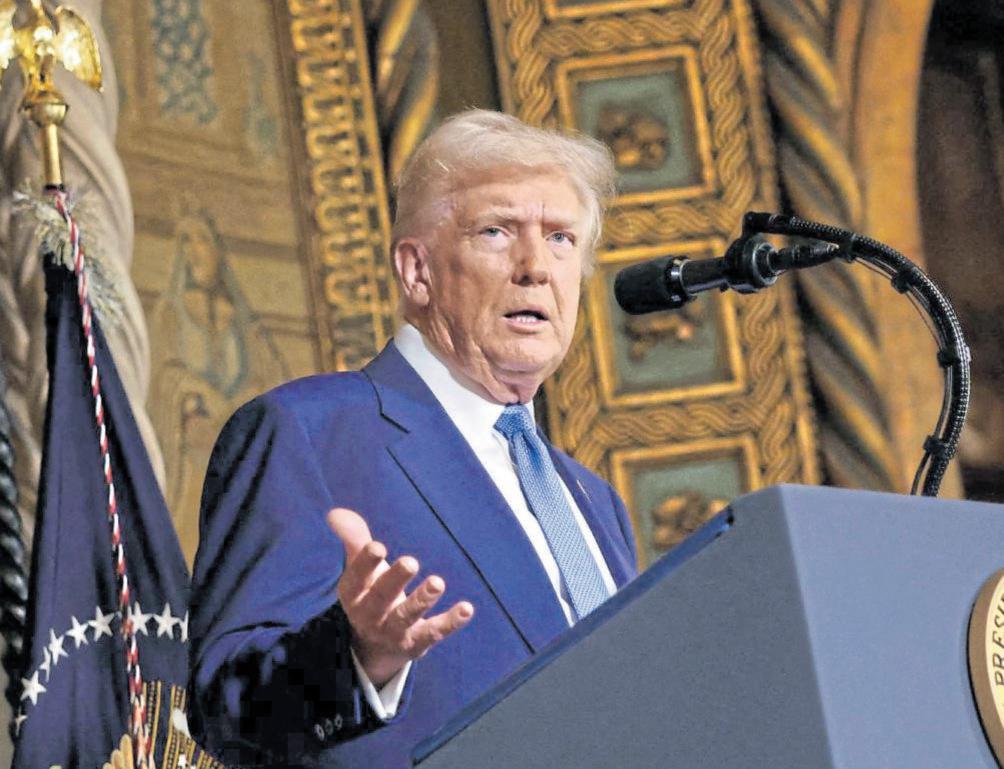
Ukrainian PresidentVolodymyr Zelensky hit backon Wednesday atUS PresidentDonald Trump sassertion thatUkraine was responsiblefor Russia s 2022 invasion, sayinghe was trapped in a Russian disinformation bubble. Speaking before talks with Trump s Ukraineenvoy aday afterTrump saidUkraine shouldnever havestarted the conflict, Zelensky saidhe would like Trump s team to have more truth about Ukraine.
The Ukrainianleader said Trump’s assertion that his approvalratingwas just4%was Russian disinformationand that any attemptto replacehim would fail. Wehave evidencethatthese figuresare beingdiscussed betweenAmerica andRussia. That is, President Trump ... unfortunately livesin thisdisinformation space,” Zelensky told Ukrainian TV.
Lessthana monthintohis presidency, Trump has upended USpolicy onUkraine andRussia, endingWashington s bidto isolate Russia over its invasion of Ukrainewitha phonecallto President VladimirPutin and talks between senior US and Kremlin officials.
Trumpsaid hemaymeet Putin this month. The Kremlin said such a meeting could take longerto preparebutRussia s sovereignwealth fundsaidit expecteda numberofUS
companies to return to Russia as early as the second quarter. The US-Russia talks on endingthe war have excluded Ukraine andEurope, which Trump says must step up to guarantee any ceasefire. Zelensky has suggested giving US companiesthe right to extract valuableminerals in Ukraine in return for US security guaranteesbut indicatedTrump was not offering that. Zelensky said theUS had given Ukraine$67bn in weaponsand $31.5bninbudget support. US demands for $500bninminerals are “not a serious conversation” and he could not sell his country.
THREE YEARS
He isexpected tomeet visiting USUkraine envoyKeithKellogg, who said on hisarrival in Kyiv that heexpected substantial talks as the war approaches its three-year mark.
“We understand the need for security guarantees, Kellogg, said, addingthat part ofhis mission would be to sit and listen Russian foreignminister Sergei Lavrovlauded Trumpfor saying that previousUS support of Ukraine sbid to jointhe Nato military alliancewas amajor cause of the war in Ukraine.
Trump s US policy reversal puts itat oddswith alliesin the 27-member EU, whose envoys on Wednesday agreed on a 16th package ofsanctions against Russia, including aluminium and vessels believedto becarrying
sanctioned Russian oil. Francesaid itdid notunderstand thelogic ofTrump s comments thatUkraine wasto blame for Russia s invasion.
French President Emmanuel Macron was set to have an informal meeting on Ukraine with some Europeanleaders and Nato ally Canada at 5pm SA time after a similar meeting with Britain, Italy,Germany, Spain, Denmark, theNetherlands and the EU on Monday.
Swedish Prime Minister Ulf Kristersson saidthat whilethere was no complete agreement in the EU on how to move forward, countrieshad managedto accomplish a lot. Weneed tokeepa coolhead
and continue to support Ukraine, he said.
Russiahas seizedcontrolof about one-fifth of Ukraine and regularly launches attacks on towns and citiesfar beyond the 1,000km frontline acrossthe country seast andsouth,where it is pushing hardto gain more territory.
Zelensky saidRussia launched abarrage ofdrones on thesoutherncity ofOdesaon Wednesday, injuringfour people, including a child, and hitting energy infrastructure.At least 160,000people wereleft withoutheating insub-zero temperatures, he said. Russia says its attacks on Ukraine senergy systemare
and R1.5bn, company profitability is closely aligned with GDP growth and consumer spend, making any uptick in growth positive says Cline. He cautions, however, that the shift away from SA by the new US administration is concerning. President Donald Trump s executive order cutting funding to SA is based on government s stance on expropriation of property without compensation, its backing of Palestine and reporting Israel, a long-time US ally, to the International Criminal Court. There is also uncertainty around the country’s continued participation in Agoa which provides South African exporters with preferential access to US markets.
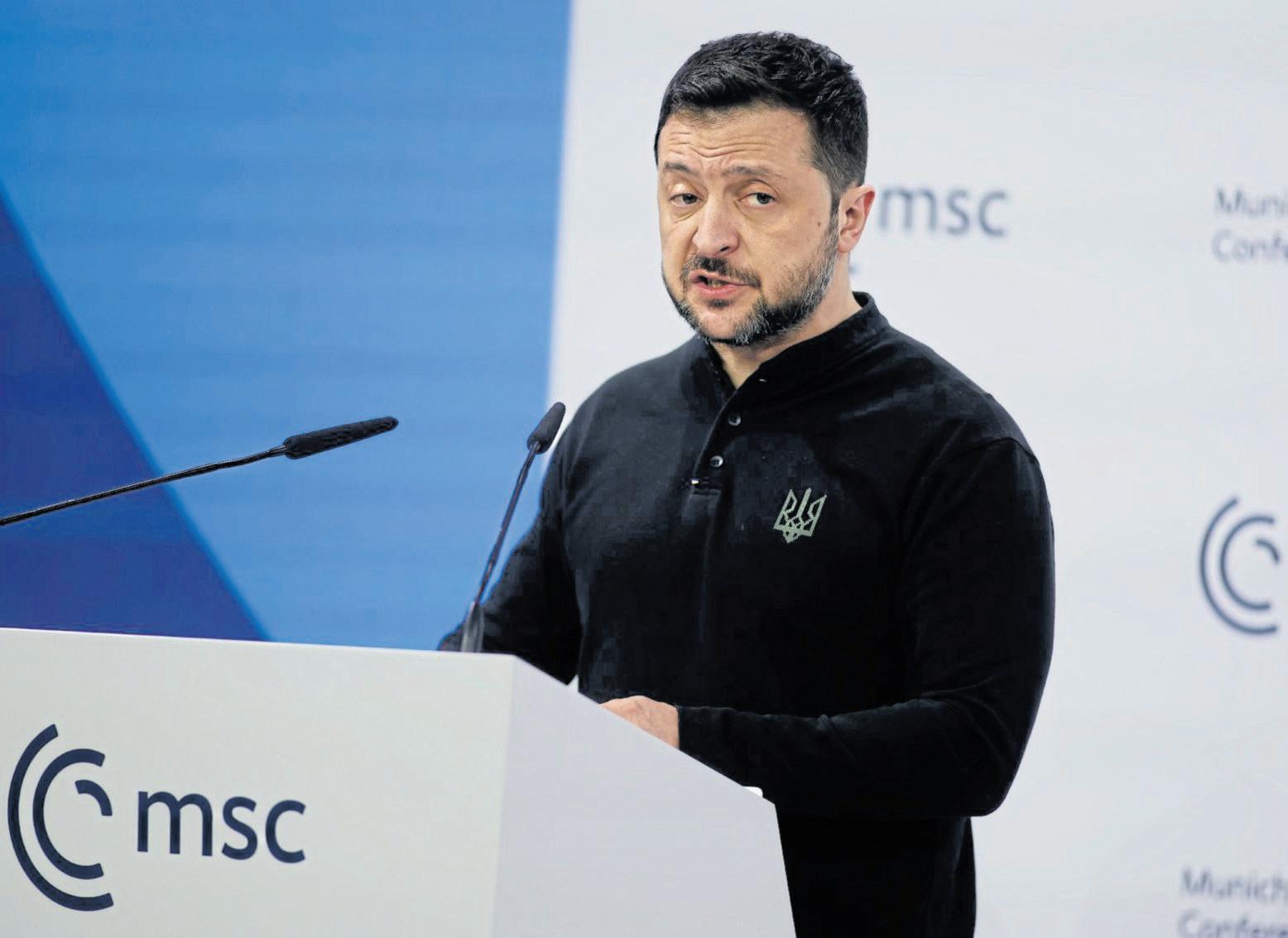
Not for sale: President of Ukraine Volodymyr
says US President Donald Trumps assertion that his approval rating is just 4% is Russian disinformation and any attempt to replace him will fail. /Johannes Simon/Getty
designedto underminethe country s military. It says it does notdeliberately targetcivilians, though thousandshave been killed in the conflict. In thevillage of
Novopavlivkianear thefront line, homesscarred byguided bombs lineonce-quiet streets that now serve askey routes for Ukrainian armoured vehicles. Helicoptersbuzz lowover-
head anda constantdin of explosionsand heavymachine gun fire can be heard. Former villagehead Mykola Havrylovsaid hewasdismayed that Ukraine s Westernpartners
hadnot providedmoreurgent militaryand diplomaticsupport as the Russians close in. I don t understandit, andI think I mnot the onlyone, he said. /Reuters
The most recent shift, he adds, has been a slowdown in sales. Although local interest rates have been cut, the cuts have not been significant enough to make a real impact on consumer discretionary spend. Combined with this, there has been a recalibration of shipping routes, both in response to more profitable trade lanes within Asia and the US, and also to attacks on vessels in the Red Sea which has disrupted global trade and the availability of vessels given much longer sailing times. These longer sailing times, combined with rand volatility, says Cline, are having a negative impact on importers.
financial decisions, have flexibility in their structured lending, can make quick inventory decisions and are ensuring that cash is not tied up in stock. As credit facilities become increasingly stretched, companies are being forced to put more of a focus on controlling foreign currency input costs.
Owner-managed businesses, he says, are wanting to understand how their financial partner can assist with debt funding to maximise earnings before interest and tax (ebit) and the valuation multiple of the business.
“The cash flow cycles for imported goods have increased significantly, putting pressure on their cash flows and increasing the total cost of landed goods. Uncertainty around the introduction of tariffs exacerbates the situation given that they will add to the total cost of landed goods.
Cline says to remain competitive importers need access to financiers who can quickly increase their credit facilities when necessary against the same level of security. Successful businesses in the current environment are those able to make rapid
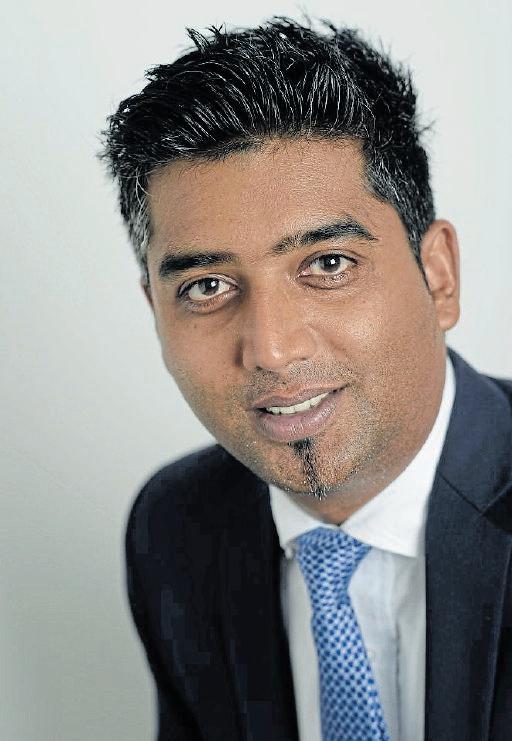
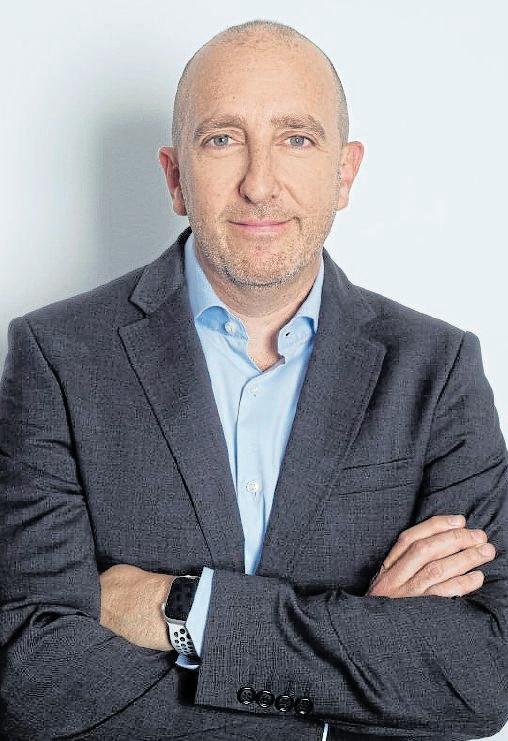
Dr Greg Cline recalibration of shipping routes. THE CASH FLOW CYCLES FOR IMPORTED GOODS HAVE INCREASED SIGNIFICANTLY, PUTTING PRESSURE ON CASH FLOWS AND INCREASING THE TOTAL COST OF LANDED GOODS
The trading environment has seen significant shifts in recent years, says Cline. During the Covid era when supply chains were under immense pressure, stock was king. Post Covid, cash was king with many companies approaching banks for funds and assistance with inventory management amid supply chain disruptions.
It s easy to understand what a listed business is worth by tracking certain metrics. However, it s less easy to understand when it’s an ownermanaged, nonlisted business, particularly in an environment where local companies are earning in rands in a primarily dollar-based world. International Monetary Fund MD Kristalina Georgieva says it is still too early to assess the impact of US tariffs on the global economy. The recently announced tariffs on steel and aluminium imports, while impacting SA to a lesser degree, will hit Canada the hardest. Cline says he expects a shift in SAs export partners and for the country to lean on its Brics partners to make up the trade deficits.
“To remain competitive, companies will need to learn to operate in a more sophisticated manner, including by investing in automation. They may also need to re-establish negotiations with suppliers. If business and government can align their interests there is an opportunity for government to provide tax benefits to help businesses remain competitive globally.