National clean-up event fosters a culture of accountability, writes Lynette Dicey
The annual Clean-Up & Recycle SA Week takes place this week. Highlights include National River Clean-Up Day which took place on Wednesday September 17, National Recycling Day South Africa, which takes place today and International Coastal Clean-Up Day/World Clean-Up Day which takes place tomorrow.
The event is once again being organised by Plastics SA, the umbrella body representing the plastics industry, and is supported by the packaging industry.
Douw Steyn, sustainability director at Plastics SA, says this inspiring initiative encourages all citizens to take pride in their environment by actively participating in clean-up and recycling activities, making a difference where they work, live and play.
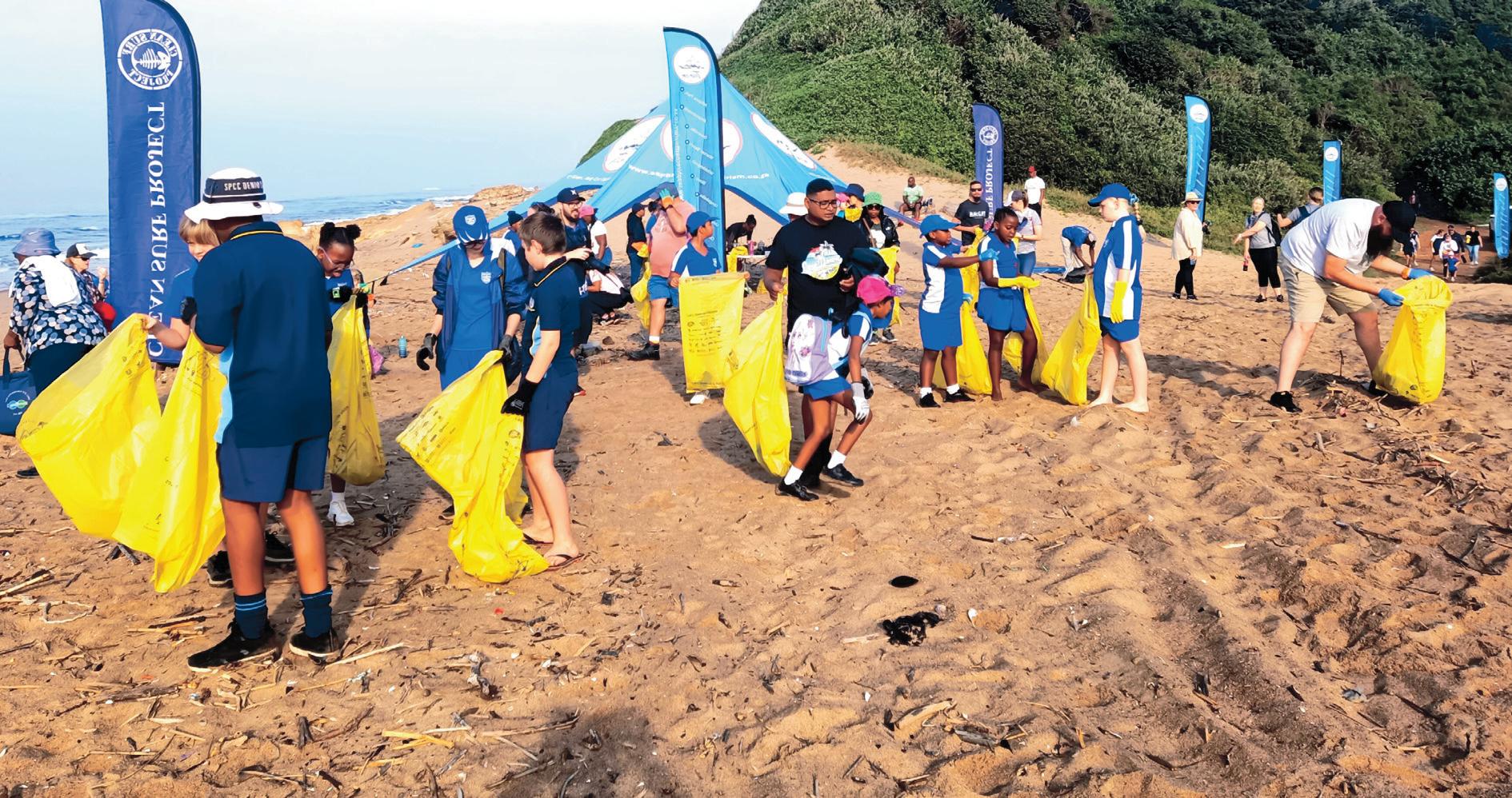
“September has become synonymous with ‘spring cleaning’ the environment, and this year promises to be no exception, says Steyn, revealing that throughout the month, various clean-ups will take place across the country, uniting communities, schools, businesses and individuals in the shared goal of protecting the environment.
He says the week highlights the importance of responsible plastic and packaging use ensuring that plastic and packaging products are reused and recycled after use and don’t pollute the country’s rivers, beaches or landscapes.
The responsible behaviour of citizens has
become ever more critical, particularly when you consider that about 39% of our population does not have access to any form of waste management services or infrastructure to deal with their waste. Instead, they need to rely on their own means to deal with their waste, which often leads to illegal dumping or open burning,” says Hanekom, adding that these materials could be recycled if they were collected and sorted.
We are preserving our natural resources and ensuring a healthier planet
He says SA must look at implementing separation at source where households separate their waste into two bags, wet waste (organic) and dry waste (all other waste) for collection, sorting and recycling.
Clean-Up & Recycle SA Week is more than just picking up litter; it’s about fostering a culture of accountability and respect for our environment, says Steyn. Plastics and packaging are valuable materials that should be recycled and kept in the circular economy. By working together to clean and recycle, we are preserving our natural resources and ensuring a healthier planet for generations to come.”
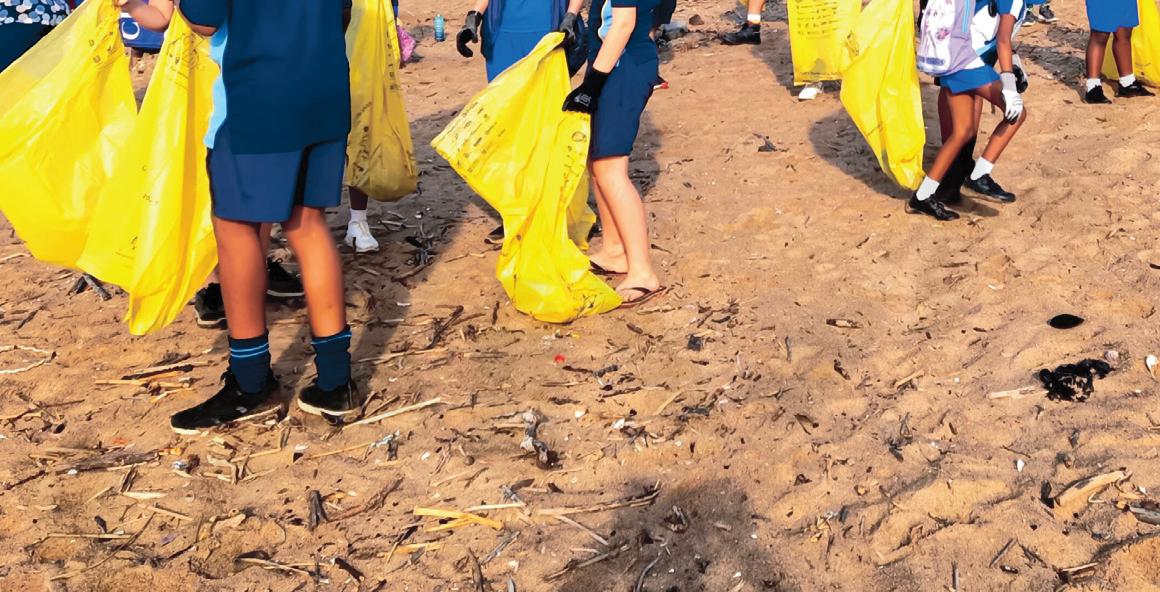
Plastics SA and its partners have once again sponsored thousands of bright yellow branded bags for volunteers to use when collecting and sorting the litter gathered during the clean-ups.
In addition to Plastics SA, various material streams, including paper, glass and metals, are also involved in Clean-Up & Recycle SA Week. Steyn says this showcases how collaboration between industries and citizens is key to tackling pollution.
Urging all citizens to join in clean-up efforts whether it s at a local beach, riverbank, park or neighbourhood he says each bag of litter collected and each bottle or bag recycled is a step towards a cleaner and more sustainable SA.
For more information on the initiative go to www.cleanupandrecycle.co.za
Circularity gap widening, says report
The latest Circularity Gap Report, a collaboration between global impact organisation Circle Economy and Deloitte, reveals that despite increased discussions and awareness about the circular economy, our world is becoming less circular, not more.
The report, first launched in 2018, analyses the circularity metric to offer insight into the global state of the circular economy transition. The latest edition, published in 2025, analyses the circularity gap for the first time, examining how the materials flowing into and out of the global economy are contributing to a circular economy or not.
It breaks global material flows down into three interconnected categories: circular, including secondary materials and carbon-neutral biomass; linear, which includes non-carbon-neutral biomass, fossil fuels combusted for energy and other virgin, nonrenewable materials designed for landfill; and potentially circular or linear materials such as buildings, infrastructure and machinery that can either be recycled or wasted at end-of-life.
One of the report’s most significant findings is that the global circularity rate the share of secondary materials consumed by the global economy has fallen from 9.1% in 2018 to 6.9% in the 2025 report. This means that out of all the materials we use, less than 7% are recycled or reused. The rest are virgin materials and their consumption continues to rise.
In just the past five to six years, humanity has consumed more than 500-billion tons of materials, a staggering amount nearly equal to all the materials consumed during the entire 20th century. While the use of recycled materials has increased, overall material consumption rose much faster, offsetting these improvements. The report finds that global material consumption is outpacing population growth and generating more waste than recycling systems can handle, highlighting the need for global circular economy targets, system-level transformation and multilateral collaboration.
If all recycled materials were recycled even without reducing consumption the report predicts global circularity could rise from 6.9% to 25%. Conceding this is unlikely to happen as some materials are too difficult or costly to recycle, it calls for measures to reduce overall material consumption alongside boosting recycling efforts.
Recycling systems must be improved and waste generation needs to be minimised
The report categorises countries into three groups: shift (high-income countries), grow (middle-income countries) and build (low-income countries), pointing out that the impacts of the linear economy are disproportionately felt. Wealthier shift countries are the biggest consumers of resources and the largest contributors to emissions, while grow and build countries, which need to increase material consumption for development, are left to deal with the environmental consequences.
The current recycling system, says the report, is not only inadequate in addressing the global waste crisis but is also inefficient.
Offering a clear roadmap for change, the report says that to accelerate progress, governments, businesses and individuals must work together to “change the rules of the game”. This includes incentivising circularity with governments introducing policies that make circular practices more attractive such as strengthening extended producer responsibility (EPR) schemes and implementing “Right to Repair” legislation to extend the lifespan of products. Recycling systems must be improved and waste generation needs to be minimised through circular design principles, investments in infrastructure and technologies to improve waste collection and exploring high-value applications for waste.
It suggests fiscal policies should be adjusted to penalise linear, resource-intensive activities and says this can be achieved through taxes on virgin materials and subsidies for recycled content.
In addition, it advocates for policy to shift subsidies away from polluting industries and towards regenerative practices, particularly in agriculture and manufacturing.
The financial sector, says the report, must be encouraged to invest in circular solutions. This will involve rethinking traditional accounting standards and creating financial mechanisms that support businesses adopting circular models.
Douw Steyn (yellow cap) and volunteers with forestry, fisheries & the environment deputy minister Narend Singh at Cutting Beach, KwaZulu-Natal.
Pilot recycling hub empowers Cape women
SA s extended producer responsibility (EPR) regulations, implemented in late 2021, make it mandatory for producers to join a producer responsibility organisation (PRO) or form one themselves.
The legislation requires that producers manage their products at end of life in order to grow their downstream reuse and recycling of their materials to achieve the published legislated targets.
Polyco is a PRO that promotes the collection and recycling of plastic packaging to reduce environmental waste. Its mergers with the Polystyrene Packaging Council and Vinyl Loop mean that it is a one-stop shop for all plastic packaging types.
Its primary focus areas are investments in recycling infrastructure and innovation, educating the public and the industry about responsible plastic use and facilitating industry collaboration to meet the EPR regulations. Its mission is to reduce the amount of plastic packaging going to landfill and ending plastic waste in the environment. Key to achieving these goals is to ensure that waste become a valuable resource.
The PRO has supported the establishment of Packa-Ching, a mobile separation at source collection business which develops business enterprises who collect used recyclable packaging material from the public in low income and informal areas. Each kilogramme of recyclable material brought to a Packa-Ching unit is weighed and paid for via a cashless payment system.
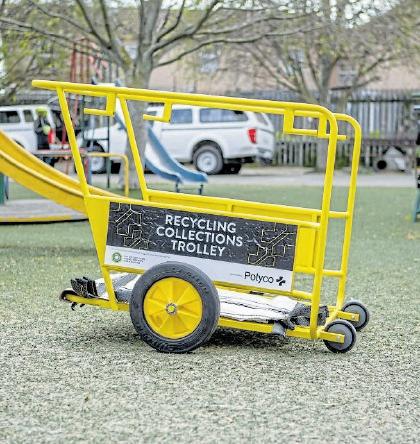
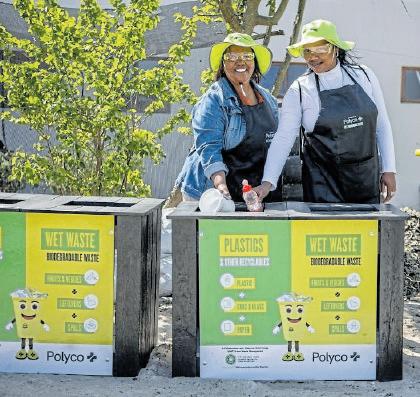
Polyco recently launched a new pilot recycling hub in partnership with the City of Cape Town urban waste management mayoral committee member, Alderman Grant Twigg. The hub, based at a local early childhood development (ECD) centre, is designed to empower community members with a strong focus on women by creating sustainable livelihoods in recycling. Polyco has provided a fully fitted container, protective clothing, recycling trolleys, household separation bags and branded materials to support the hub. Community members also received training on recycling skills, business development and safe collection practices.
Income generation
The hub will collect recyclables from households in Scottsdene, Northpine and surrounding areas in Ward 7 that currently have limited recycling services. The project will reduce pressure on municipal waste systems while enabling residents, particularly women, to generate income through recycling.
Lisl Doherty, enterprise development manager at Polyco, says the pilot is about more than just recycling; it is about dignity and opportunity.
By equipping local residents, especially women, with tools, training and support, we are helping to divert plastics away from municipal waste streams and ensure their recyclability. In doing so, we are building stronger, more inclusive communities and supporting SA s circular economy, she says.
Twigg says partnerships like these are vital, helping to reduce pressure on Cape Town’s services, create jobs and empower residents to protect the environment while strengthening the city s circular economy.
By equipping local residents with tools, training and support, we are helping to divert plastics away from municipal waste streams
Recycling on the increase in SA
In 2023, the country recycled more than 431,800-tons of plastic waste
It s estimated that South Africans produce about 122-million tons of waste each year in the form of building rubble, mining sludge, organic waste garden cuttings and packaging, among others, with about 10% of that waste recycled.
The good news is that the country is making positive strides in terms of recycling more of its plastic waste. In 2023, for example, SA recycled more than 431,800-tons of plastic waste, up from 260,930 in 2013.
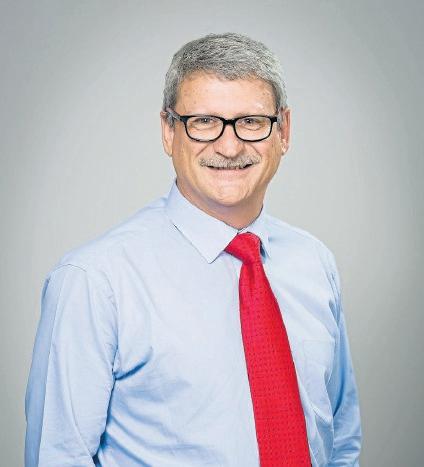
Anton Hanekom, executive director at Plastics SA, an industry body representing all sectors of the local plastics industry including polymer producers and importers, converters, machine suppliers, fabricators and recyclers, says SA has made significant progress in developing mechanical and advance recycling technologies, phasing out nonrecyclable products and promoting design for circularity. SA has also implemented extended producer responsibility (EPR) regulations that place accountability on producers for the life cycle of their products.
SA has established itself as a global leader in mechanical plastics recycling, particularly where thin polyethylene films and contaminated postconsumer plastics are concerned,” he says.
A key driver of this progress is the implementation of EPR regulations. Founded on the polluter pays principle, the EPR system holds producers accountable for the entire life cycle of their products. This policy has become a key pillar of SA’s recycling strategy, driving investment in recycling infrastructure, encouraging innovation in product design and strengthening collaboration between industry, government and consumers.
Hanekom says SA has already launched several targeted initiatives, including projects to promote the reuse of plastic packaging, improved sorting and beneficiation of all packaging, accredited training for waste pickers and river catchment programmes aimed at removing plastic waste from the environment to curb pollution.
The results are evident, says Hanekom.
Between 2014 and 2024, the use of recyclate or recycled plastic material increased by more than 67%. SA’s per capita plastic consumption remains relatively low and stable at about 27kg per person per year, well below the global average. Despite significant challenges in waste management infrastructure, with 39% of the population lacking access to formal waste collection, recycling continues to grow. In fact, SA recycled and reused 458,000 tons of plastic waste in new products, achieving a recycling output rate of 28.4%, more than double the world average. These measures show that we are not waiting for a global treaty to take action.”
Of all the locally manufactured plastics packaging, 46% has been successfully recycled turned back into raw materials used in the manufacturing of new products. Importantly, brand owners and retailers are increasingly incorporating recycled content into packaging
applications, with a particularly strong uptake of recycled material in the production of carrier bags.
Despite the recent setback at the Intergovernmental Negotiating Committee (INC5.2) session in Geneva where governments failed to reach agreement on securing a legally binding global treaty on plastic pollution, momentum continues in SA, says Hanekom.
The country is hosting the G20 Environment and Climate Sustainability Ministerial meeting in Cape Town on October 16 and 17, where plastics, waste and chemicals will be key items on the agenda. Hanekom says this event will provide another platform to press for solutions and strengthen international co-operation to end plastic pollution.
The local plastics industry, though small in global terms, is the largest of its kind in SubSaharan Africa. With 295 recycling operations recorded in the country, the industry has become a significant source of employment and economic value. It’s estimated that the waste collection industry sustains 95,900 informal jobs, contributing more than R4.7bn to the informal economy.
Hanekom says a global plastics treaty remains the best opportunity SA has to co-ordinate action, accelerate the circular economy and protect the environment for future generations. The Plastics industry, including Plastics SA, is ready to contribute expertise and innovation to ensure that when negotiations resume, they succeed. The stakes are simply too high to allow further delay, he says.
The waste collection industry sustains 95,900 informal jobs, contributing more than R4.7bn to the informal economy