Call for communities to wage war on litter
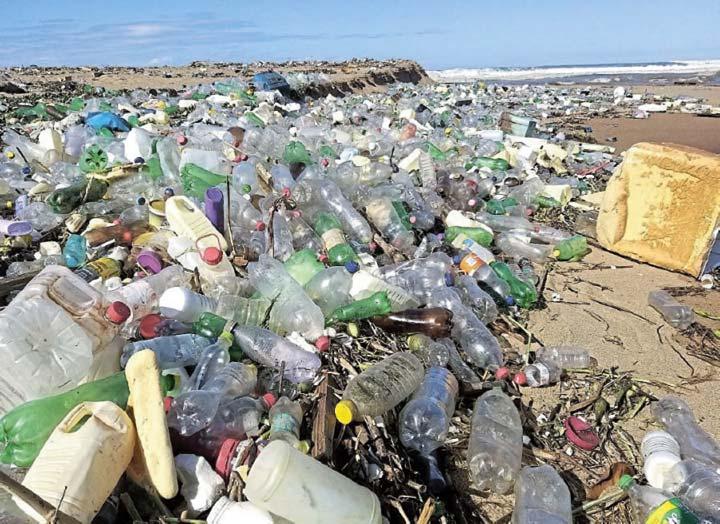


enable circular economies. Globally, reports Forbes, there is a trend towards the use of less “mixed material” packaging, ensuring that the same material is used for different parts of a product and therefore making it easier for packaging to be recycled. The drive to reduce nonrecyclable materials in packaging is a global trend, he adds, and is resulting in more and more alternative packaging solutions becoming mainstream. The use of flexible packaging and biodegradable or compostable packaging is bringing innovation to the marketplace. At the same time there is a trend towards simpler packaging and taking a more
minimalist approach.” One company that has taken heed of these trends is Sanitouch, the manufacturers of the Sani-touch sanitising trolley wipes as well as a range of medical grade wipes. Over the past two years the company has been on a journey to create a circular economy for its used wipes to save them from landfill. This journey has culminated in the recycling and repurposing of used wipes to manufacture outdoor furniture



including jungle gyms and outdoor benches. It has also adapted its wipes so they are biodegradable and compostable.
The company recently launched a fully biodegradable and compostable cleaning cloth made from plant fibre and hydroentangled using water pressure. The biggest benefit of the cloths are that they can be discarded into kitchen waste. Sani-touch has been working with growing medium and compost specialist 9Five Integrated Nutrient Systems to turn kitchen waste, including its biodegradable cloth wipes, into specialised growing mediums. Our products are all designed with the environment in mind and ensuring that they can become part of the value chain in a circular economy, says Sani-touch marketing director, Annette Devenish.
The opportunities to make a difference are endless, but the starting point is education, according to Shaun Bouwer, national sales and marketing at Extrupet, one of the largest and most advanced recyclers of PET (polyethylene terephthalate) bottle materials on the African continent. When it comes to recycling we need to instil a better understanding of what is relevant for a specific geography. Our reality in SA is that most of the raw materials we use originate from landfill. Brands need to understand how their product packaging will be collected from landfill and factor that into packaging design. It is only if there is a value chain in place that waste will actually be recycled,” he says. An example of poor product design, he reveals, are blue milk bottles. Blue high-density polyethylene (HDPE) cannot be




upcycled into white HDPE bottles and re-used for blow moulded HDPE bottle packaging. Instead, they can only be downcycled for lower cost HDPE pipe applications, which limits the recycler. Unless product packaging is designed well enough in advance, the packaging is doomed to an end of life in landfill or in our oceans, he explains, adding that it s important local recyclers are involved from the outset in terms of what is possible. Bouwer says not only should the entire value chain be considered from the outset but brands also need to conduct a life cycle analysis to ensure no part of the packaging design ends up in the ocean. He warns consumers to be wary of believing labelling claims of “100% recyclable” “A product might, in theory, be recyclable, but whether SA has the facilities in place to recycle that particular material is another question. Unfortunately, too many brands make false claims on their labelling. In a similar vein, consumers need to wary of believing claims of biodegradable or compostable, given the near perfect environmental conditions required for degradation to occur. Education, calling out brands who green wash and changing consumer buying behaviour is the only way forward, he insists. “As consumers we need to decide when to buy a product. Making good choices enables a cleaner, greener and more sustainable environment.
IT S IMPORTANT LOCAL RECYCLERS ARE INVOLVED FROM THE OUTSET













• Countries are putting in place winter emergency measures as Russia threatens to halt gas supplies Todd Gillespie and Francois De Beaupuy
It isDecember inEurope, and the temperatureis dropping. People have the heating on as theycook dinner,run thewashingmachine, watchtelevision. But inFrance, thegrid operator isrunningout ofoptionstokeep the lights on.
Theutilityhas issueda “red” alert, meaning suppliesare at their limit.It hasalready cutoff some big industrialusers and reduced voltage, andsent out a mass request to households to curb their electricity usage. Manycomply, butit s crunch time. The operatorneeds to take the drastic step of shutting down powerin someplacesto avoida total collapse of the system.
It s a dramaticscenario, but onethat governmentsacross Europearepreparing forasthe energy squeezethat hasgripped thecontinent getsworsewith each passing week.On Wednesday, France s Reseau de Transport d’Electricite said it will probably have to ask the country to cut consumption several times this winterto avoid rolling blackouts.Finland alsoramped up its warnings about outages. The heightenedalert follows Russia s move tohalt gas supplies throughthe keyNord Stream pipeline, further raising the prospectof a shortageof gas to heat homesand generate electricity. RussianPresident Vladimir Putin has repeatedly reduced flows to Europe in 2022, retaliationfor sanctions
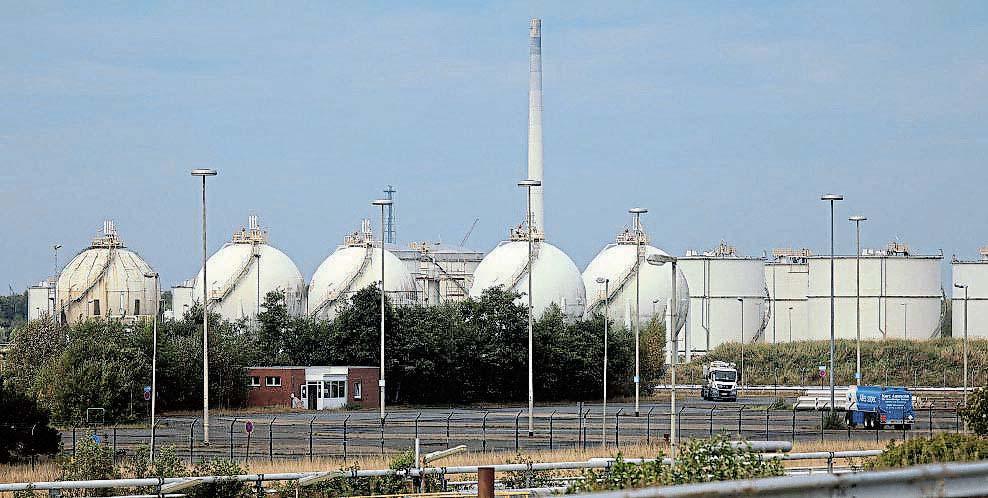
imposedafter hiscountry s invasion of Ukraine. The reality is that there is not enoughgasin Europe, said Ed Birkett, head of energy and climate at Onward, a Londonbased think-tank. If demand isn’treduced, thenbusinesses willbeforcedoff thegrid,andin an extreme scenario households could be forced off the grid.
PRECEDENTS
Thereare plentyofrecent precedents. Texas s grid went down in2021 duringcold weather,leaving millionswithoutpower fordays.California came closeto sucha situation earlierin Septemberduring extreme heat.
SA is nostranger to rolling blackouts, largely due to years of
underinvestment andmaintenanceneglect. Theyarescheduled indifferent areasat specific times when Eskom cannot guarantee enough power. ForEurope, muchwillhinge onthe weatherover thecoming months. Small swingsin temperature can radically change power needs. In France, a 1°C droptypically boostspower demandby about2,400MW,the output of about two of its 56 nuclear reactors.
If wehave areally extreme winter, it would have as deleterious an impact onour grid as it did forTexas,” said AdamBell, a consultant who previously led energy strategy atthe UK department forbusiness, energy and industrial strategy. Anything people can do now
to lowertheir demandwill help the overall cause.
The European Commission has proposeda regulationcalling on governments to cut overall electricity usageby 10%, as wellasa 5%mandatoryreduction during peak hours. Analysts atGoldman Sachs said in a reportthat the more reductionswe see,especiallyin summer,in gasconsumption, theless likelyEurope isto face blackouts
But some government aid measures may addto the problem. Price capsaimed at helping consumers and businesses cope with soaring prices reduce incentivesto lowerconsumption. Other factors are also at play. France, traditionally Europe s largestelectricity
exporter, mayhave toimport large amounts ofpower this winter asElectricite deFrance grapples withthe reducedreliability of its ageing nuclear fleet. A dry summerhas affectedhydro power acrossEurope, including inNorway, alsotraditionallya large exporter.
If thecrisis escalates,cutting powertohomes isalastresort, and thereare a rangeof options that authorities will take first.
The easiesthave already started. Governments have recommended turning down thermostats andtaking shorter showers, andare reducingtheir own consumptionby lowering temperatures in public pools and turningoff outsidelightingon public buildings at night.
UNPALATABLE
The usualnext step isfor large energy-intensive companies, many of whomalready have pre-arranged agreementswith governments, to reduce usage or shut down. Afterthat, choices become more unpalatable.
In France’s case, the EcoWatt system allows people to monitor forecasts forpower supplyand demand daysahead, withthree levels:green, orangeandred. If thegrid operatorexpects the situation tobecome critical,it willissue analert theevening before. Inrare caseswhereall electricity needs cannot be covered, local, controlled outages lasting a maximumof two hours could be organised, the EcoWatt website says. Scheduled power losses,
while bad, arestill better than uncontrolled blackouts because of unrelentingstrains onsupplies. Theyallow operatorsto limit outages,rather thanbe plunged intoa chaoticsituation where it takes days to get everything back up and running. There aresimilar processes in place elsewhere. If the emergency plan is triggered in the UK, it wouldfirst askhouseholds and industries totry to save energy.Thenext stepwouldbe for largeenergy-intensive companies to shut down. Evidence from California suggests such measures work.
On September 6, the state s office of emergency services declared its highest grid emergencylevel,then sentatext alert: Turn offor reduce nonessential power ifhealth allows, nowuntil 9pm. Within minutes, power usagedropped. The emergencywas latercancelled without any blackouts. France haspublished itsown estimates to encouragecompliance with such requests. If every household were to turn off one light bulb, that would save as much as600MW, theequivalent of theconsumption of 600,000 inhabitants. Overall, themessage to reduce demandacross Europe now doesn tseem tobehitting home yet, said SimoneTagliapietra,afellow atBruegelthinktank in Brussels. “Just walk aroundour cities you stillsee supermarkets closed at night with lights on. We are simply not there yet. /Bloomberg
Parisa Hafezi
Duba Iran has moveda step closer towards becominga permanent memberofa ChinaandRussiadominated Asiansecurity body, as Tehran seeksto overcome economic isolation imposed by US sanctions. Foreign ministerHossein Amir-Abdollahian said on ThursdayIran signedamemorandum of obligations to join the Shanghai Co-operationOrganisation (SCO), which is holding a summit in Uzbekistan. The body, formedin 2001 as atalkingshop forRussia,China and formerSoviet statesin CentralAsia, expandedfouryears agotoinclude IndiaandPakistan,with aviewto playinga bigger roleas counterweightto Western influence in the region. By signing the document for fullmembership oftheSCO nowIran hasentered anew stage of various economic, commercial, transit and energy cooperation, Amir-Abdollahian wrote on his Instagram page. Iranian PresidentEbrahim Raisi wasin theSilk Roadoasis ofSamarkand, Uzbekistanon Thursdayto attendthesummit. He held a bilateral meeting with Russian PresidentVladimir Putin, Iranian state TV reported. In2021, thecentralAsian security body approved Iran s application for accession, while Tehran s hardlinerulers called on members to helpit form a mechanism toavert sanctions imposedby theWest overits disputed nuclear programme. Iran will now be able to take partin thebody s meetings,
though itis likelyto takesome time to achieve full membership, deputy secretary-generalof the organisation Grigory Logvinov told Russian state TV, which also reported the signing. Iran s economyhas beenhit hard since 2018, when then-US PresidentDonald Trumpabandoned Tehran s nucleardeal with worldpowers, including Russia and China. Monthsof indirecttalks betweenIran andUSPresident Joe Biden’sadministration have hit adead endon several obstacles to reviving the nuclear pact,under whichTehran agreed tocurbs onits nuclear programme inreturn forthe lifting of sanctions and mounting concern about an emerging USbackedGulf Arab-Israelibloc thatcouldshift theMiddleEast balanceof powerfurtheraway fromTehran promptedIran s clericalrulers topursuecloser economic and strategic ties with Russia, itselfhit withsanctions over the invasion of Ukraine. Iran isdetermined toboost itsties withRussia, fromeconomic toaerospace andpolitical fields ” Raisisaid duringhis meetingwith Putin,accordingto Iranian state media. InJuly, daysafterBiden visited Israel andSaudi Arabia, Putin visitedTehran inhis first trip outside Russia since the start of the February24 invasion of Ukraine Putinsaid onThursday thata delegation of 80 large companies willvisit Irannext week, Russian state-owned news agency RIA reported, in another signof thegrowing tieswith Iran. /Reuters
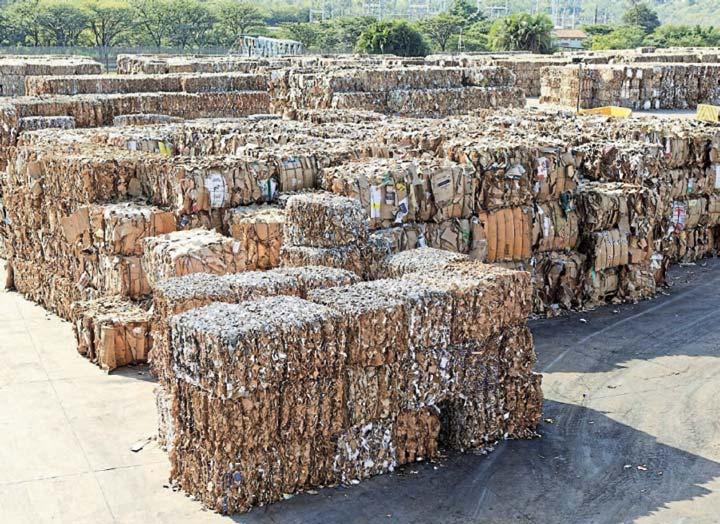
closer to its Felixton mill, Mpact invested R150m in developing a new property to handle recycling. The facility, completed earlier this year, bales recovered paper for Mpact s paper mills. In 2016 the company upgraded its Springs mill so that used milk and juice cartons could be processed. It has partnered with more than 45 buy-back centres which support about 1,000 waste collectors daily, as well as 150 independent dealers and close to 2,000 schools and communities who supply their
technical capacity to recycle it, while also growing awareness around paper recycling and handling wet waste, a nemesis for recyclable paper. Fibre Circle was established in 2019 with the aim of steering the paper and paper packaging industry s compliance to the extended producer responsibility (EPR) legislation which came into effect in
has been working with manufacturers and importers to find solutions to recover difficult-to-collect products and improve capacity to process difficult to recycle products such as liquid board packaging, label backing paper and even potato bags. There are a number of research and pilot projects in play, and we look forward to sharing the results, says Leeuta. For past few years, the PRO has partnered with the department of science and innovation to explore ways of using wood cellulose and reusing by-products from the paper-making and recycling processes to create high value and sustainable bio products. Local companies are also coming to the party. Over the past few years Mpact, the largest paper and plastics packaging and recycling business in Southern Africa, has made significant investments into the upgrade of its KwaZulu-Natal Felixton paper mill, increasing its capacity by 60,000 tonnes to 215,000 tonnes. The mill aims to increase its recycled containerboard capacity by 2023. In a bid to increase collection and processing of recyclables