We are the Southern Environmental Law Center, one of the nation’s most powerful defenders of the environment, rooted right here in the South. As lawyers, policy and issue experts, and community advocates and partners, we take on the toughest challenges to protect our air, water, land, wildlife and the people who live here. Together, we can solve the most complex environmental challenges right here in Virginia.

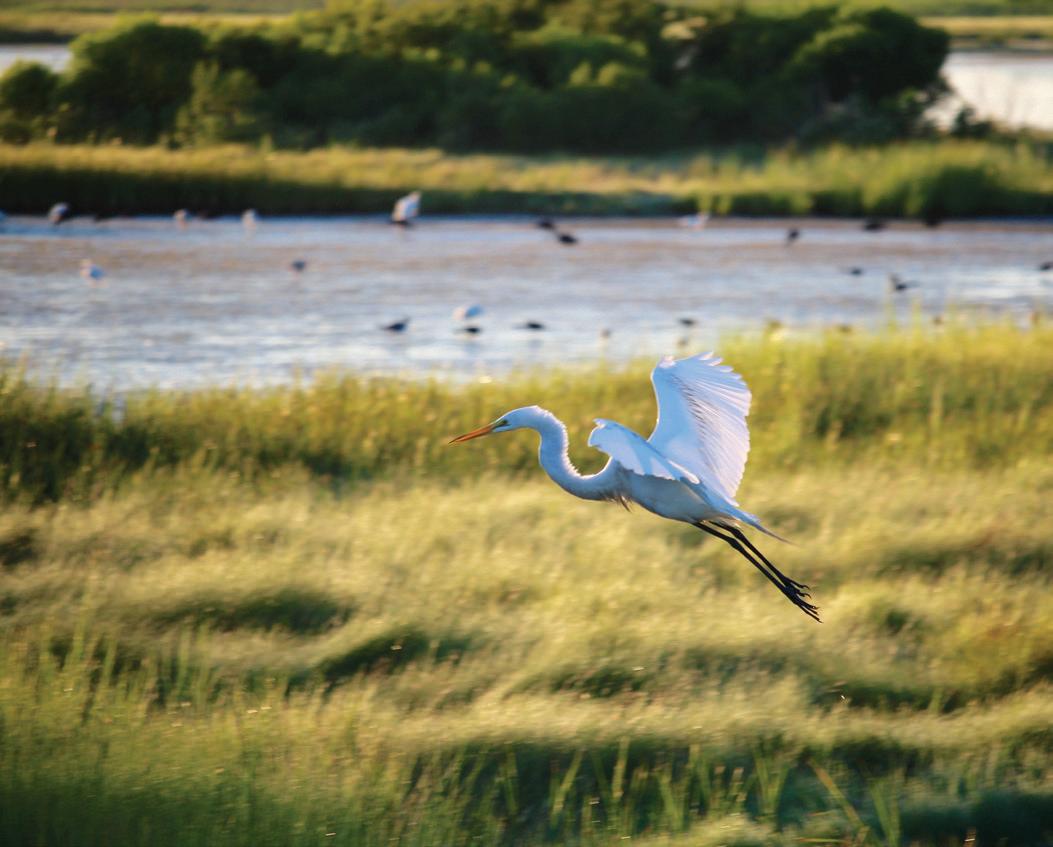


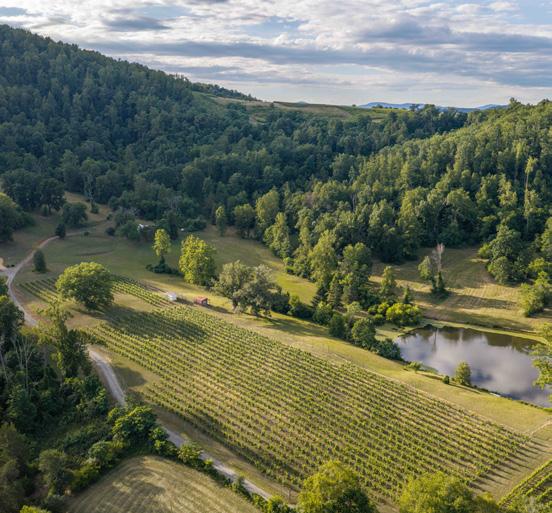
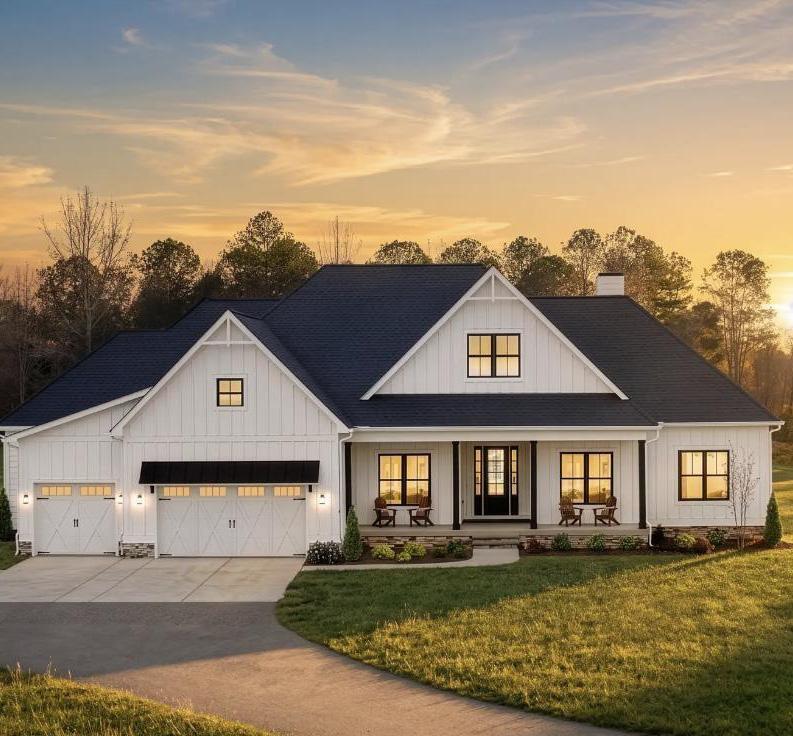
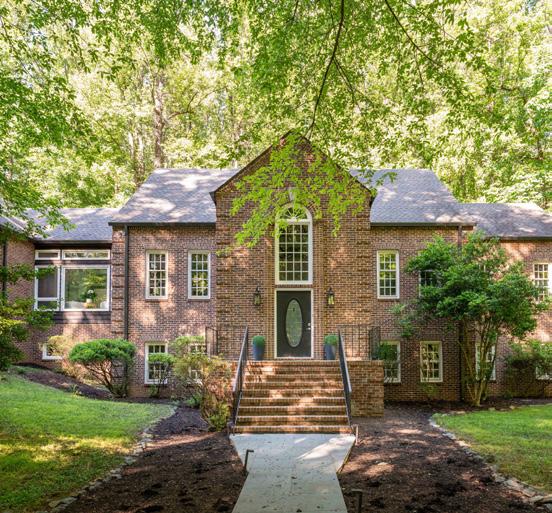
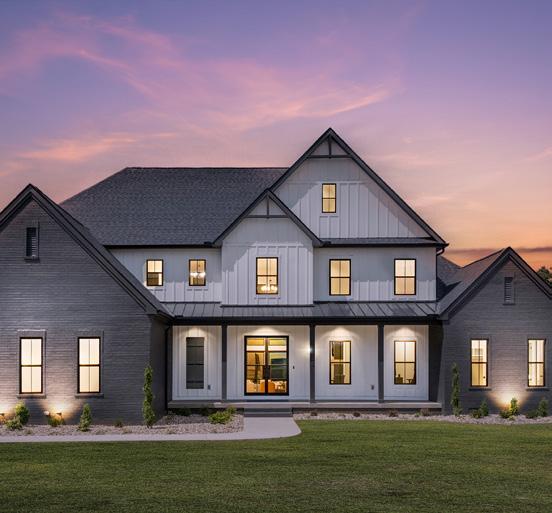
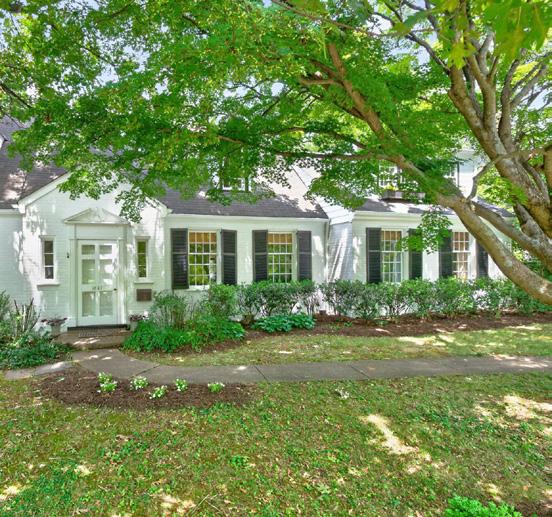
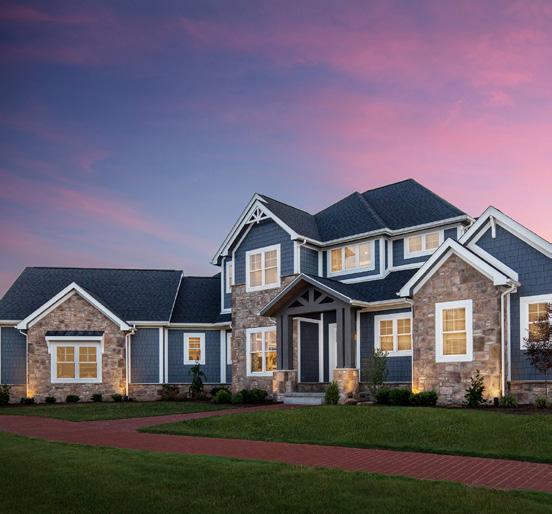
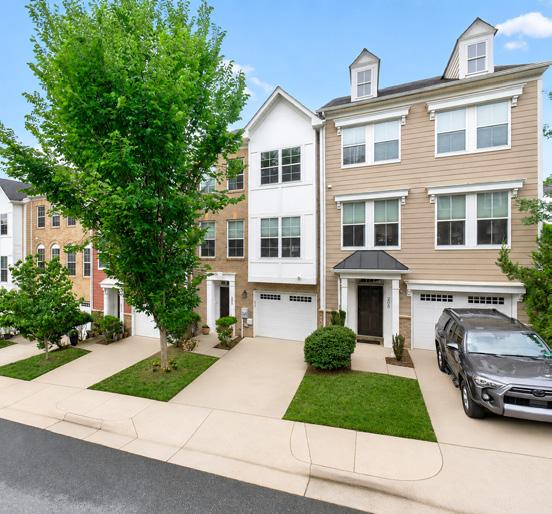
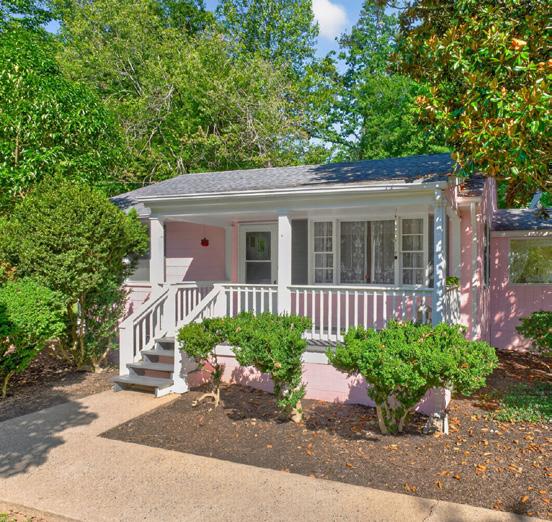
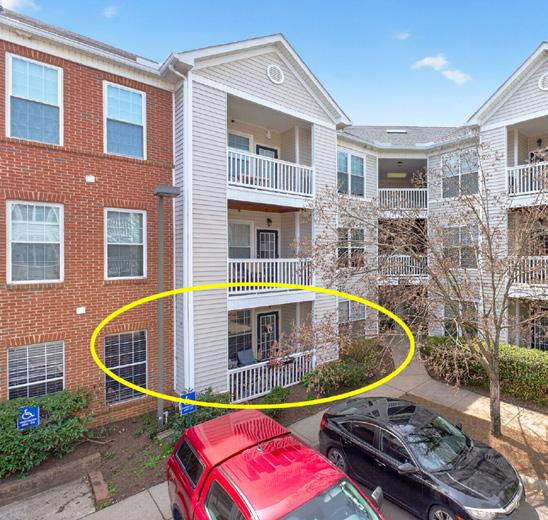
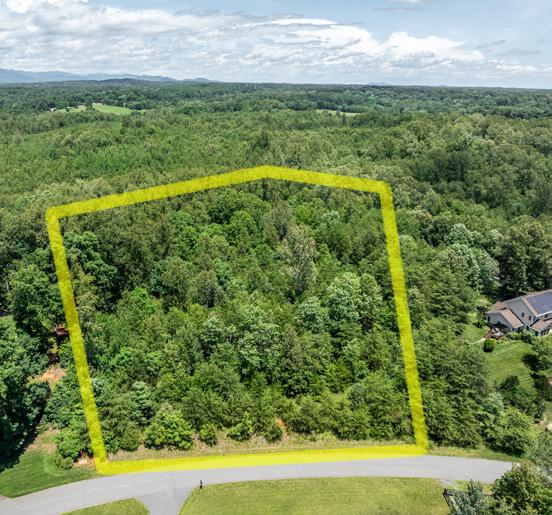
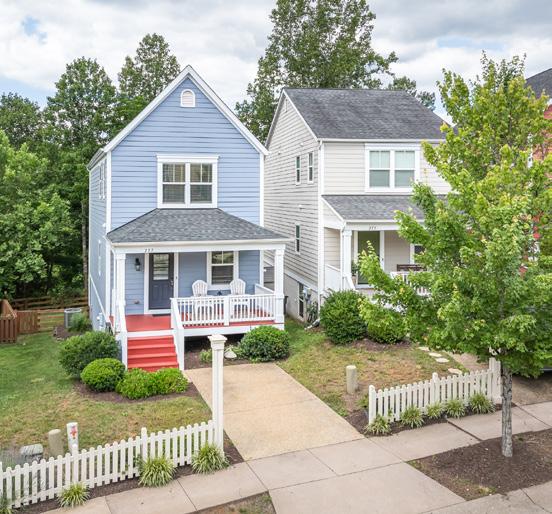
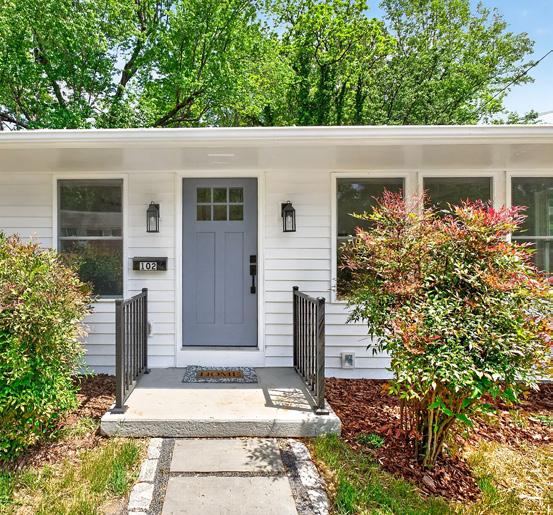




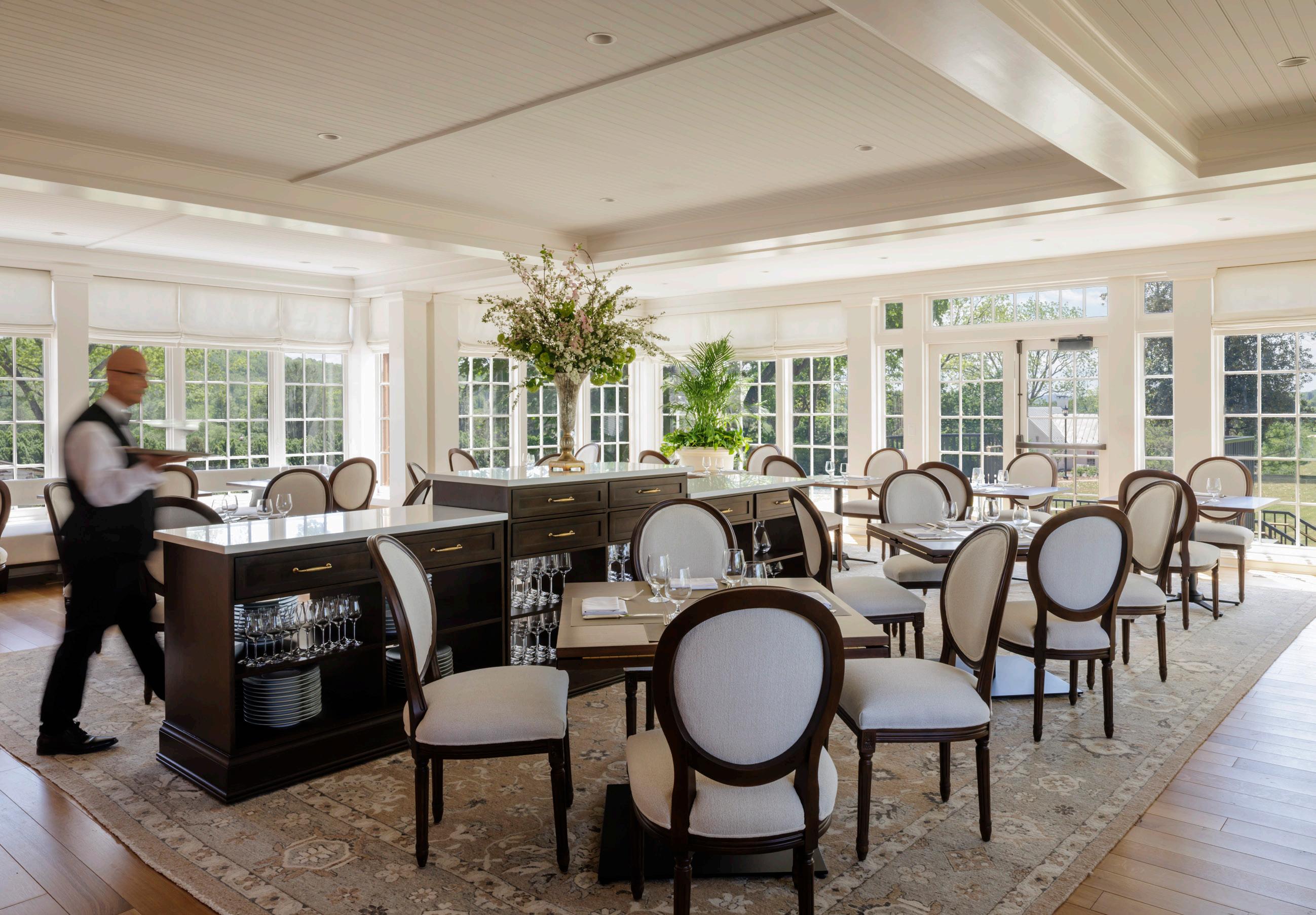
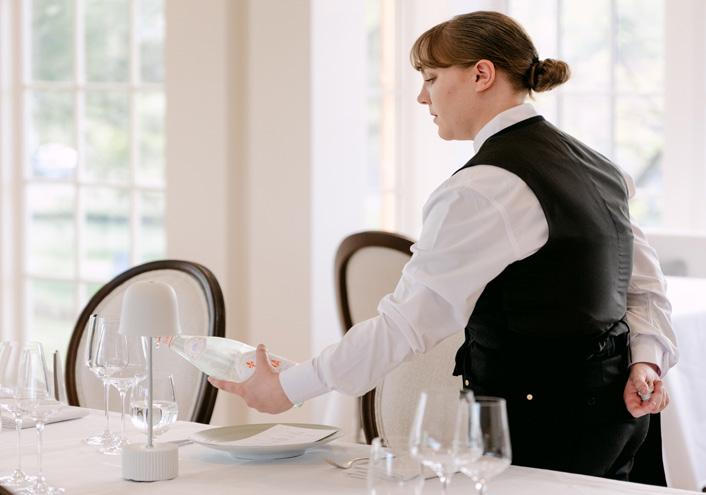
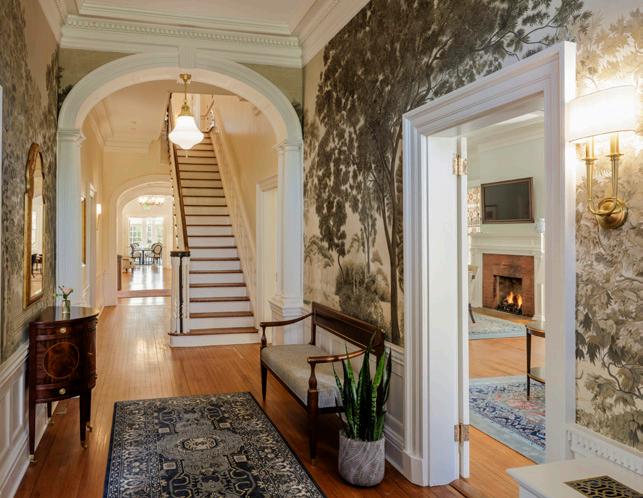
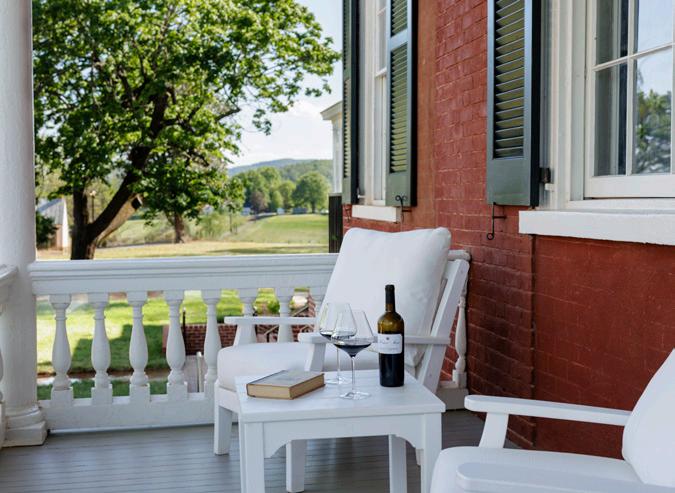
Step into Birdwood Mansion, where history blends with natural beauty and refined luxury. Recently restored to its former glory, this landmark invites guests to discover The Dining Room, a new chef-curated restaurant that is now taking reservations.
PRESIDENT BLAKE DEMASO blake@albemarlemagazine.com
EDITOR
ROBERT VICCELLIO robert@albemarlemagazine.com
SENIOR ACCOUNT MANAGERS LEAH WOODY leah@albemarlemagazine.com
KATIE HARTWELL katie@albemarlemagazine.com
BUCK BRICE buck@albemarlemagazine.com
SENIOR DESIGNER
REBECCA CENCEWIZKI rebecca@albemarlemagazine.com
CONTENT COORDINATOR AMANDA LIVERETTE
ONLINE DIRECTOR CRAIG SNODGRASS
CONTRIBUTING WRITERS & PHOTOGRAPHERS

Dan Addison Erin Edgerton Rob Garland Myles Mellor Sanjay Suchak Matt Riley PROVIDING TOP-QUALITY PAINTING SERVICES AND SHOP FINISHES SINCE 2007
SUBSCRIPTIONS & CIRCULATION albemarlemagazine.com/subscription-services business@albemarlemagazine.com 434-817-2755
ADVERTISING
blake@albemarlemagazine.com
COMMENTS & STORY IDEAS robert@albemarlemagazine.com www.albemarlemagazine.com
albemarlemagazine
albemarlemagazine 977 Seminole Trail PMB 294 Charlottesville, VA 22901
Albemarle magazine is published bimonthly by DeMaso Publishing, LLC, Copyright ©2026.
Subscription rates for the USA: 6 issues $18.00 Canada and all other countries: 6 issues $38.00 (US)
PAINT STORE • PAINT WORKSHOP • PAINTING SERVICES

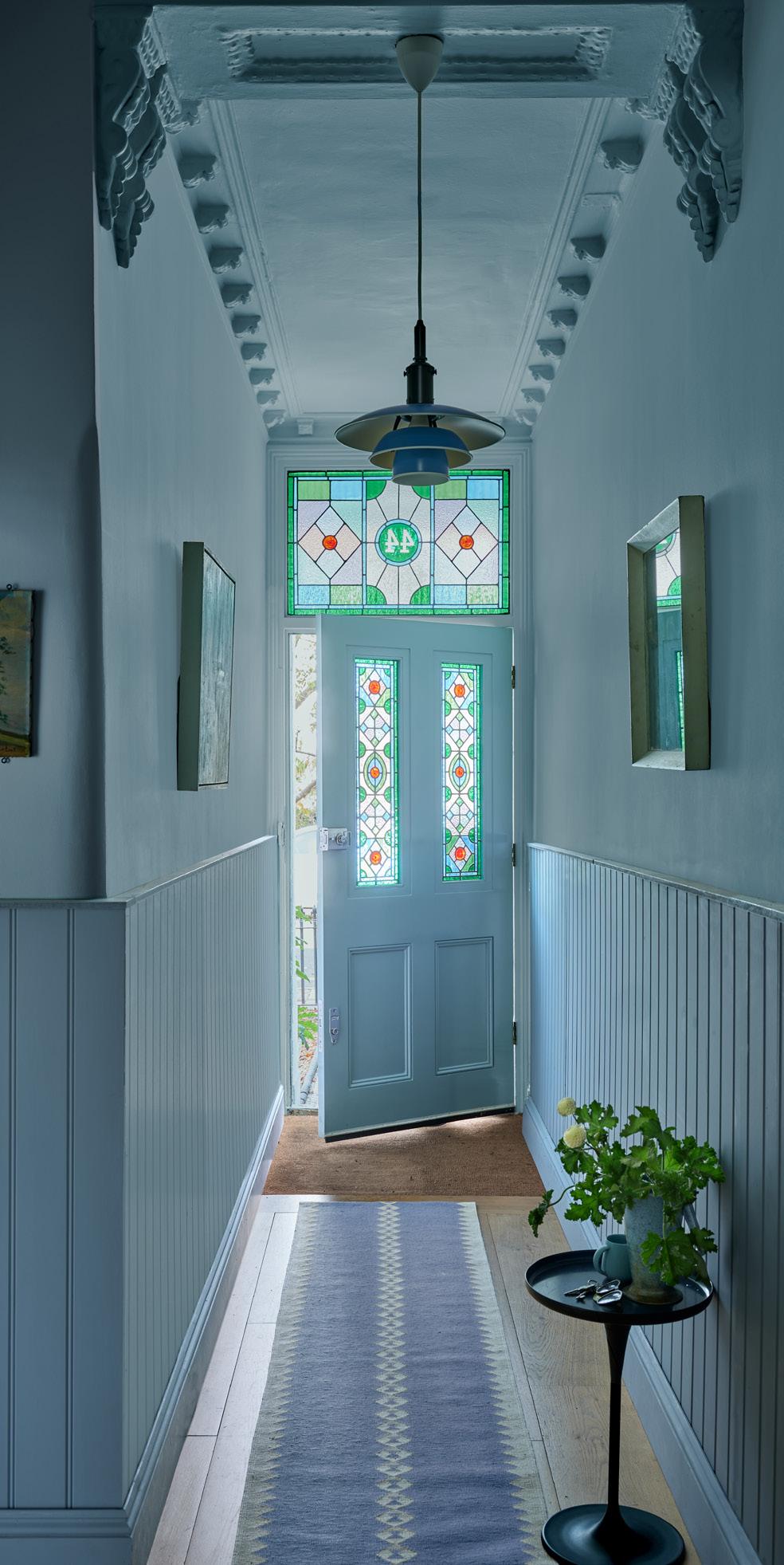
ANNOUNCING PROUD NEW PARTNERSHIP WITH FARROW AND BALL



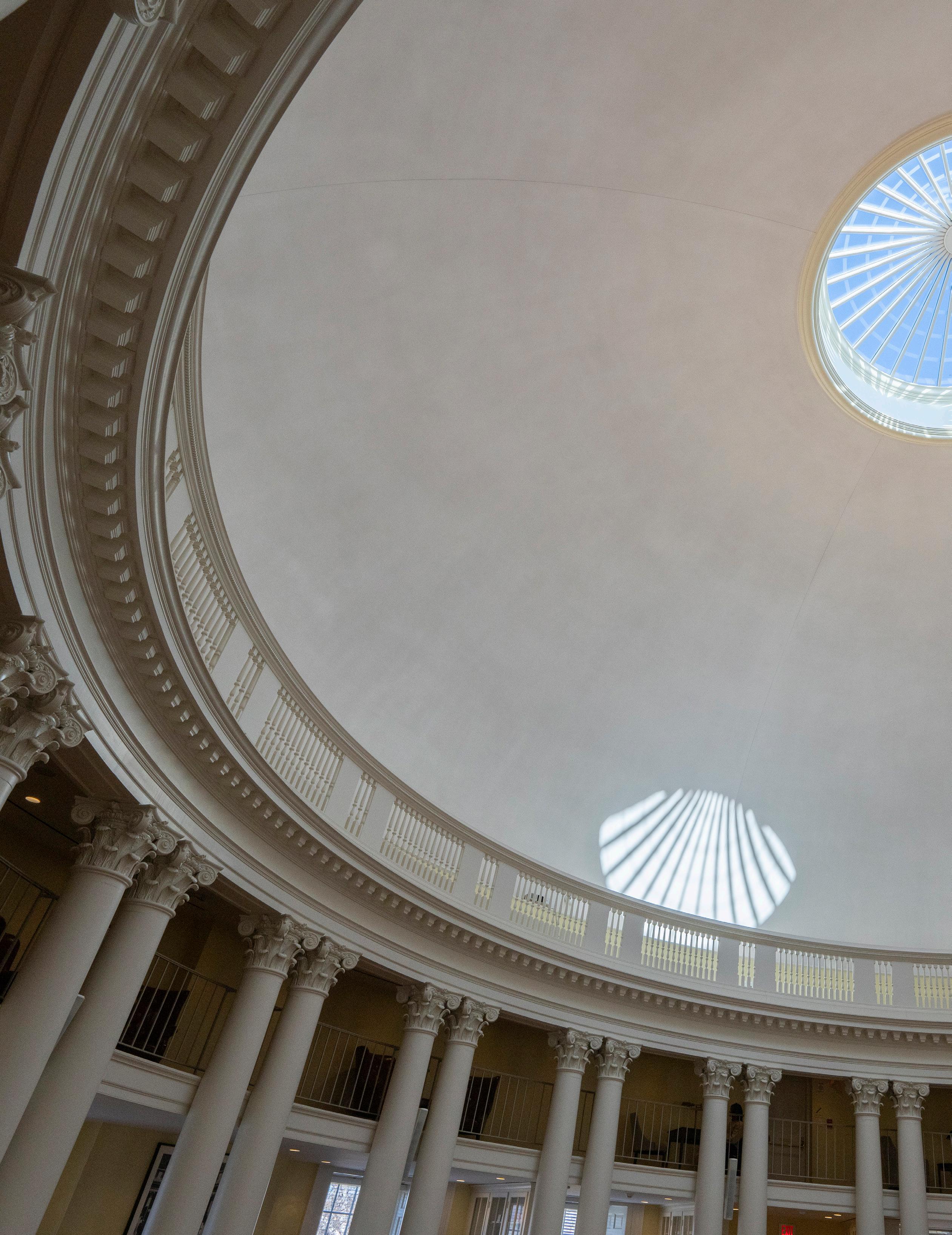
The University of Virginia’s influence reaches far beyond the Grounds, driving the region’s economy while strengthening healthcare, research, education, and community life.
For more than 50 years, Madison House has connected UVA students with meaningful volunteer opportunities that benefit both the Charlottesville community and the students themselves.
You don’t have to be a student to enjoy the University of Virginia. Explore some of the University's best public offerings, from championship athletics and world-class museums to historic gardens and lifelong learning opportunities.
From selling polos out of a handcrafted camper to building a national apparel brand, Rhoback's founders never lost sight of the customers and community that helped them succeed.
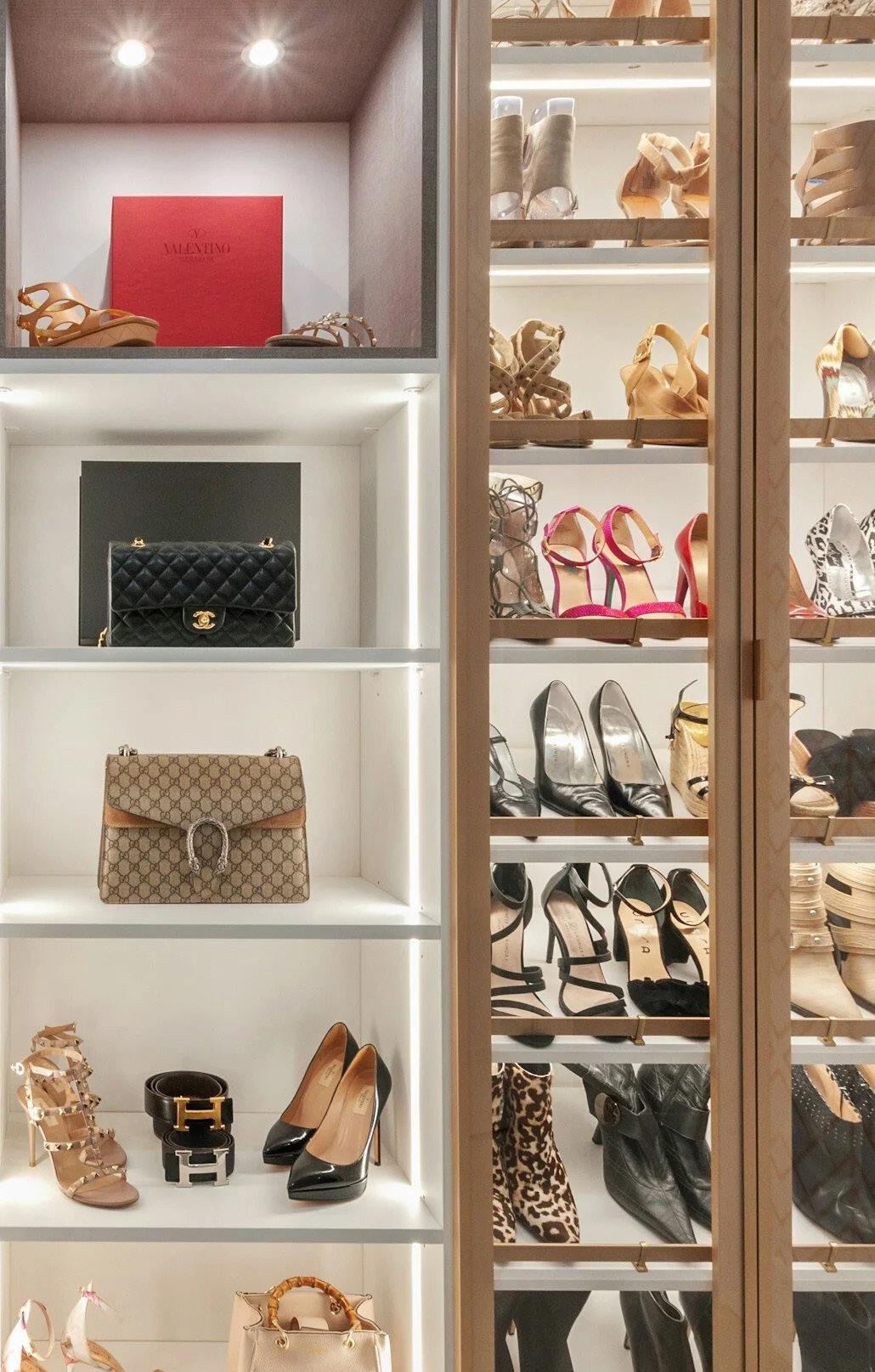
The team from Charlottesville Organizing shares practical strategies for reducing clutter, making better decisions about what to keep, and creating homes that work.
Botanical garden breaks ground, local organizations welcome new leadership, an art biography earns a prestigious award, and the Downtown Mall celebrates its 50th birthday.
Upcoming exhibitions at the Fralin Museum of Art, National Gallery of Art, Les Yeux Du Monde, New City Arts, and the Museum of the Shenandoah Valley.
ON THE COVER:
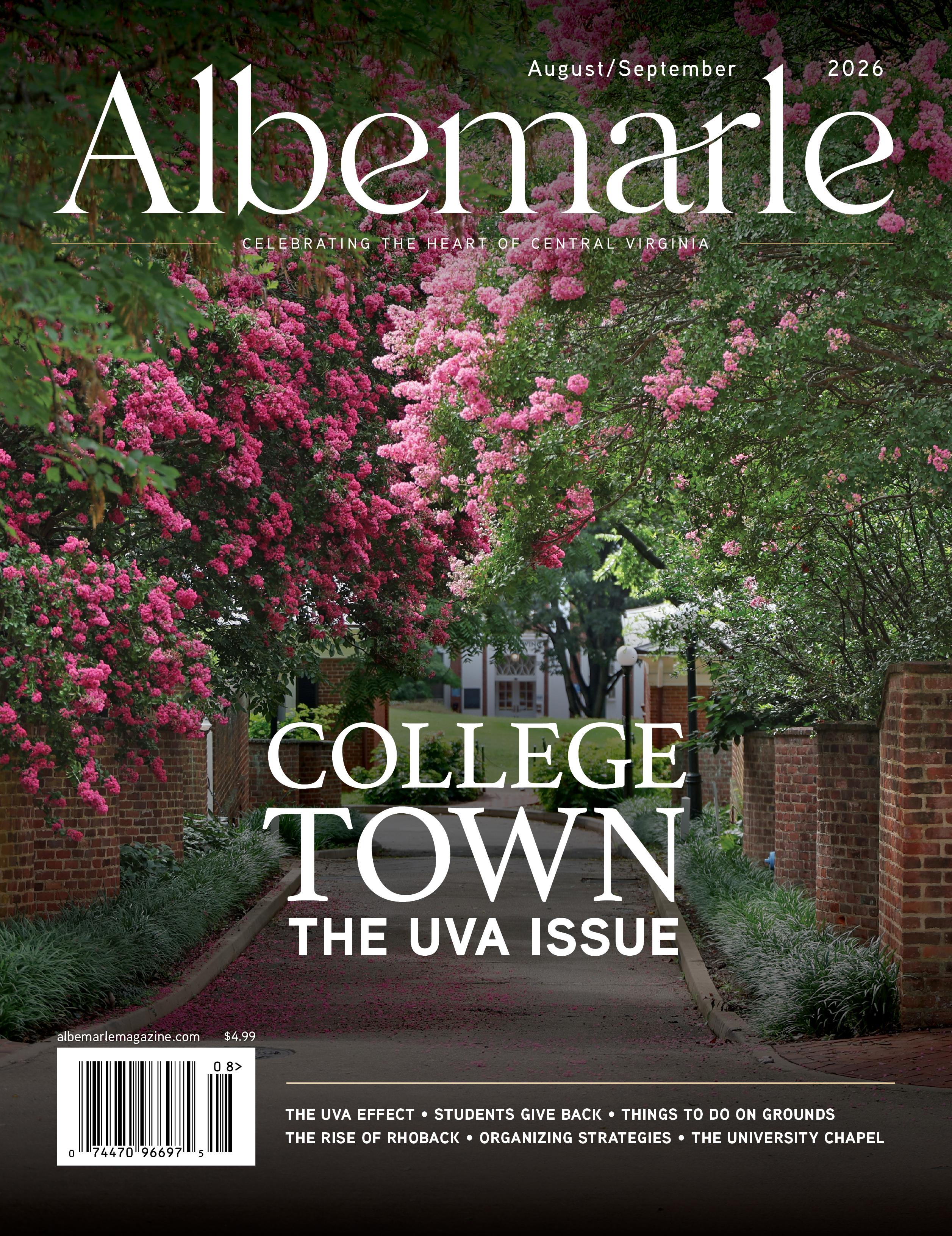
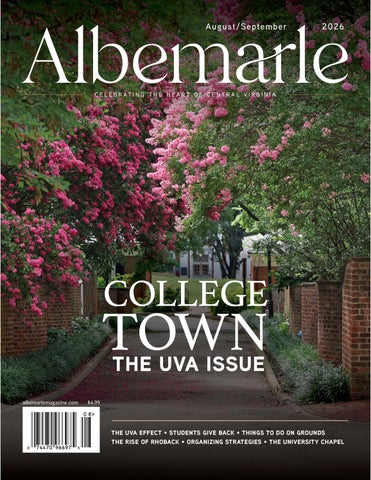
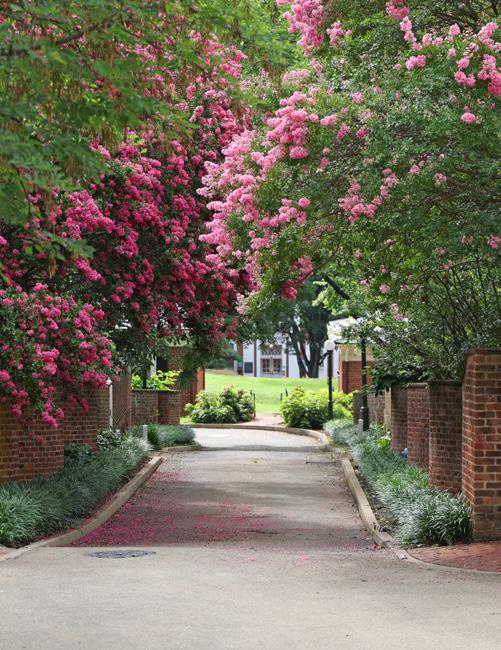
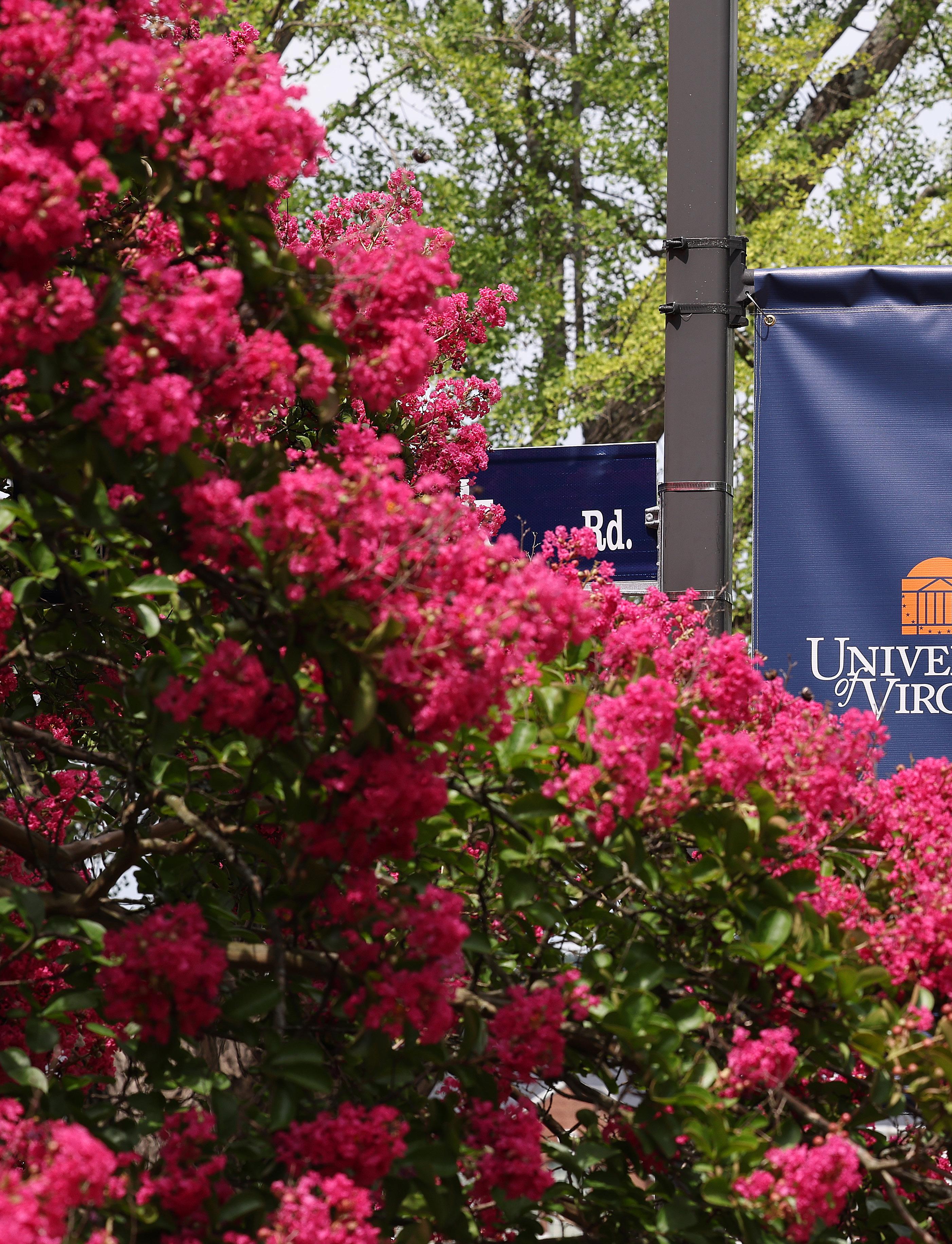
Crepe Myrtles frame serpentine walls at the University of Virginia. Photo by Matt Riley, UVA Communications.
Test your UVA knowledge with Cardinal Home Center’s crossword puzzle.
58 Icons
The UVA Chapel’s rich history and recent restoration.
The Robert Cray Band blends blues, soul, and R&B at The Paramount Theater.
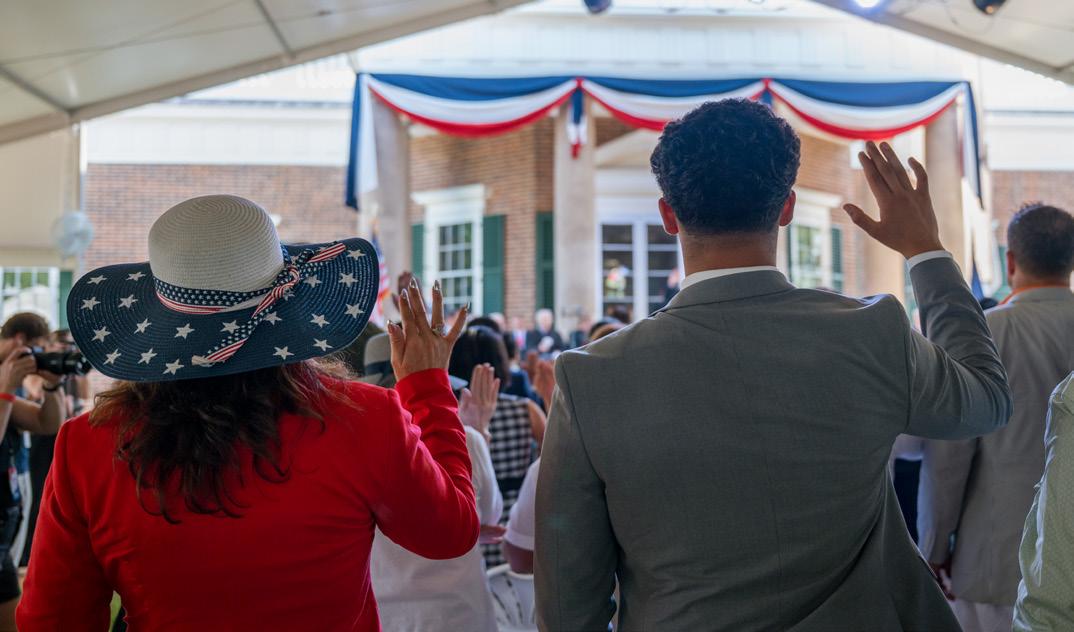
Monticello's Independence Day Celebration and Naturalization Ceremony, plus other Fourth of July events around town.
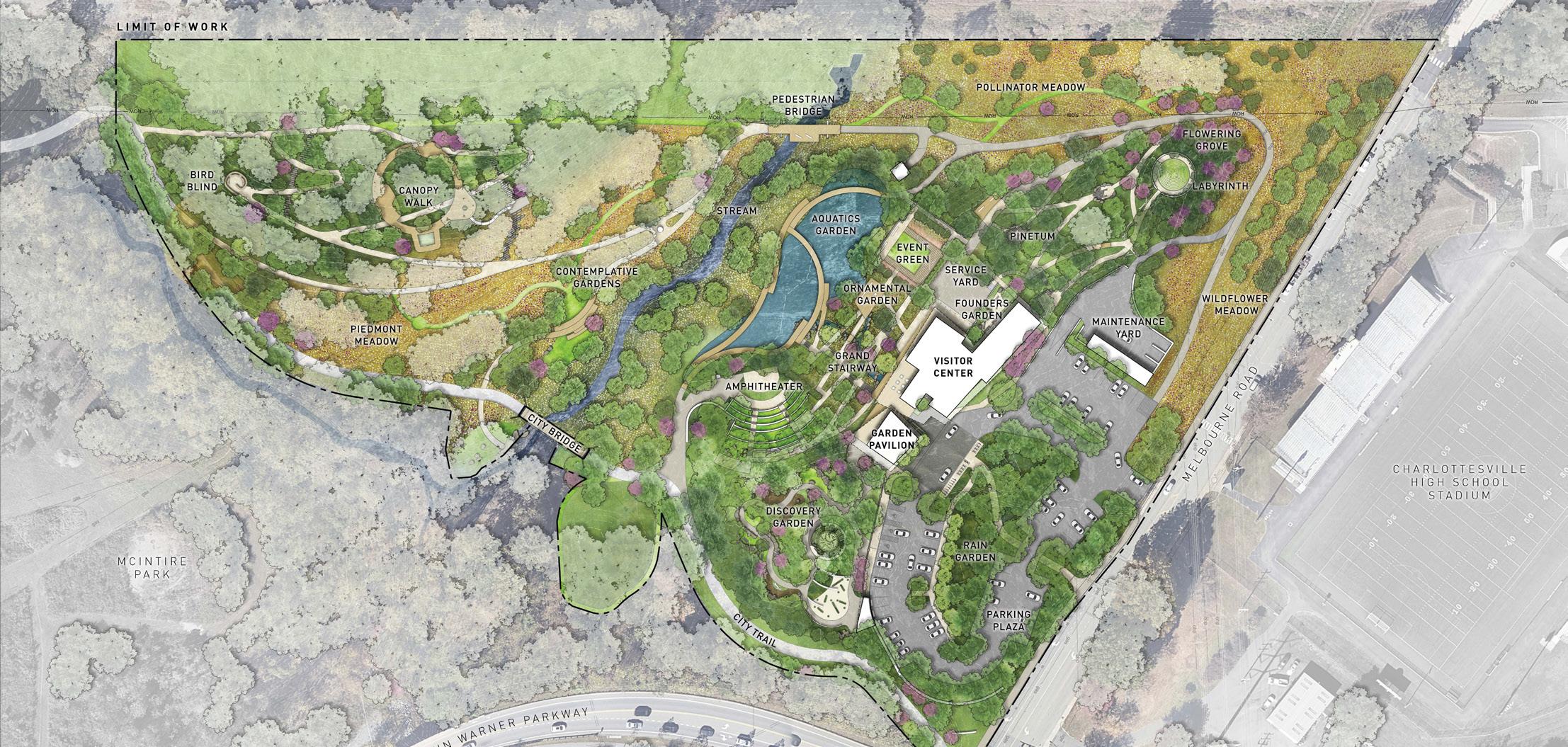
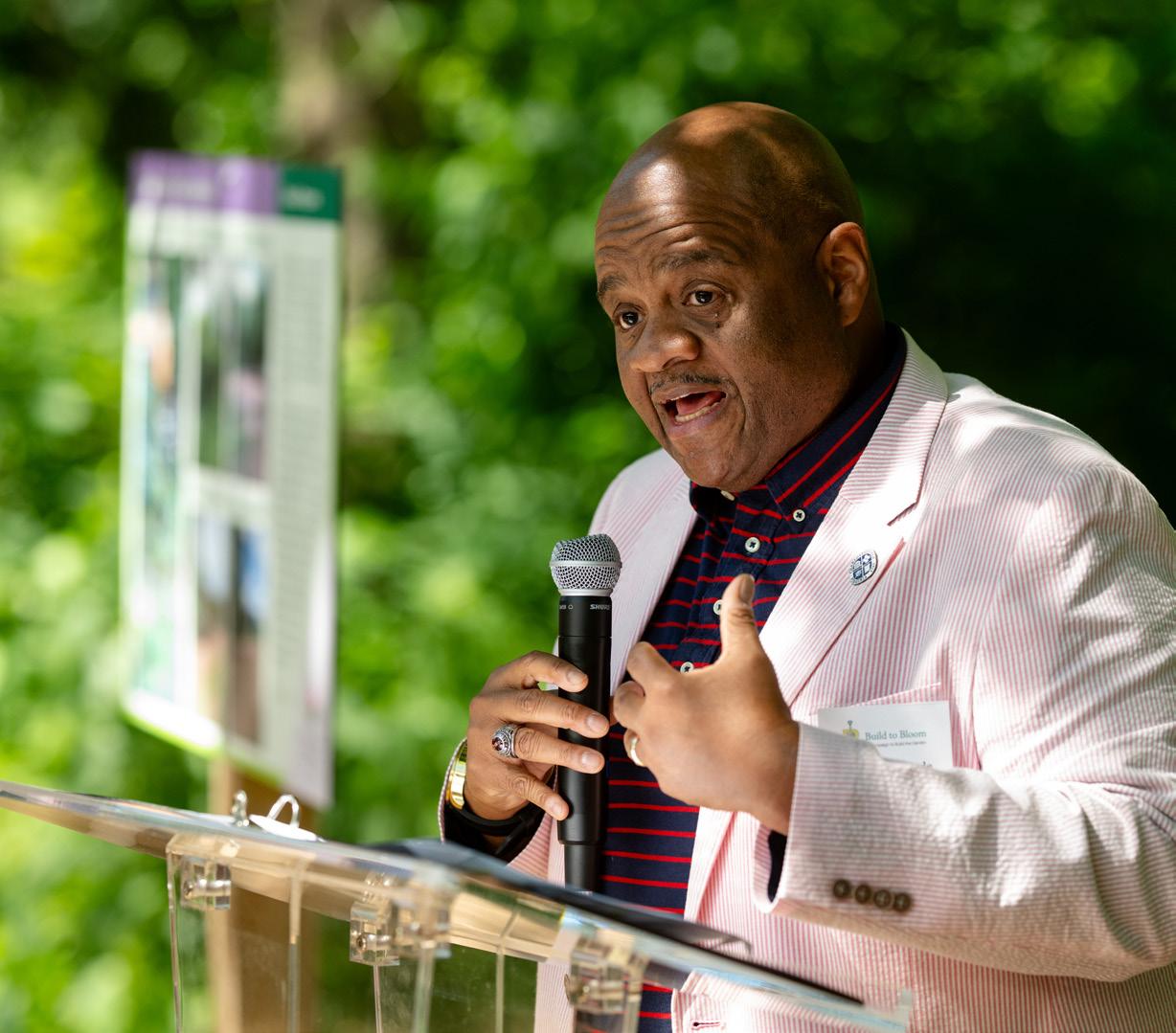
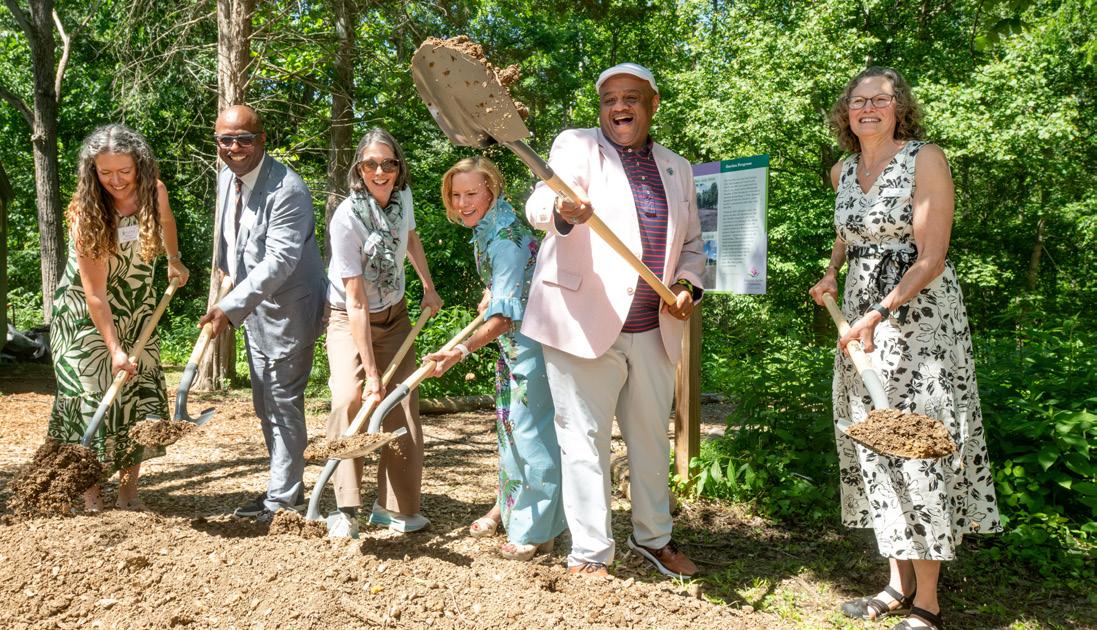
The Botanical Garden of the Piedmont reached a milestone on June 4 when supporters, community leaders, and project partners gathered in McIntire Park for a ceremonial groundbreaking, celebrating the start of construction on what will become Central Virginia’s first public botanical garden.
The event marked the culmination of nearly two decades of planning, fundraising, and environmental restoration. Executive
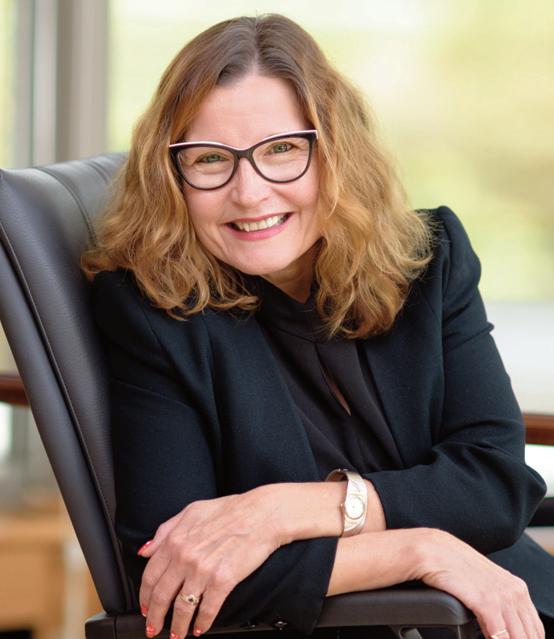
Director Jill Trischman-Marks told the crowd the project was moving “from vision to visible,” thanking donors, volunteers, designers, and community partners who helped transform years of planning into reality. “People will walk through it. Children will grow up with it,” Trischman-Marks said. “Generations from now, people will gather here and be grateful it was built.”
The 15-acre garden occupies a section of McIntire Park that once served as a municipal leaves-and-mulch dump. Since 2019, volunteers and staff have restored the landscape by removing invasive plants, improving stream health, and encouraging the return of native forests and meadows. When complete, the garden will feature walking trails, native plant collections, educational spaces, visitor amenities, and gathering areas designed to connect people with the natural world.
The first construction project will be a pedestrian bridge spanning the site’s restored stream, creating a new connection to the larger park while linking different areas of the garden.
Garden advocates have worked toward the project since 2008, and the City of Charlottesville formally incorporated it into plans for McIntire Park East before approving a long-term land lease in 2021.
To date, the Botanical Garden of the Piedmont has raised more than $12.5 million toward its first phase of development. During the groundbreaking ceremony, the Garden also announced a new partnership with the Dominion Energy Charitable Foundation to support its environmental stewardship and educational programs.
For more than two centuries, Montpelier has preserved the legacy of James Madison while encouraging visitors to explore the complexities of America’s founding. Beginning Aug. 1, historian and public scholar Dr. Kelley Fanto Deetz will lead that work as the estate’s new president and chief executive officer.
Deetz joined the Orange County historic site in 2025 as chief advancement officer, helping shape Montpelier’s strategic plan while strengthening partnerships and expanding public engagement. She succeeds Acting President and CEO Krista Costello, who guided the organization during its leadership transition. A graduate of the College of William & Mary, Deetz earned master’s and doctoral degrees in history from the University of California, Berkeley. Before arriving at Montpelier, she held leadership positions at several cultural institutions and built a national reputation as a historian, author, educator, and advocate for public history.
As president and CEO, Deetz will oversee one of Virginia’s most significant historic sites, continuing Montpelier’s efforts to preserve Madison’s home while expanding educational programs and encouraging dialogue about constitutional history and the lives of the enslaved community who lived and worked there.
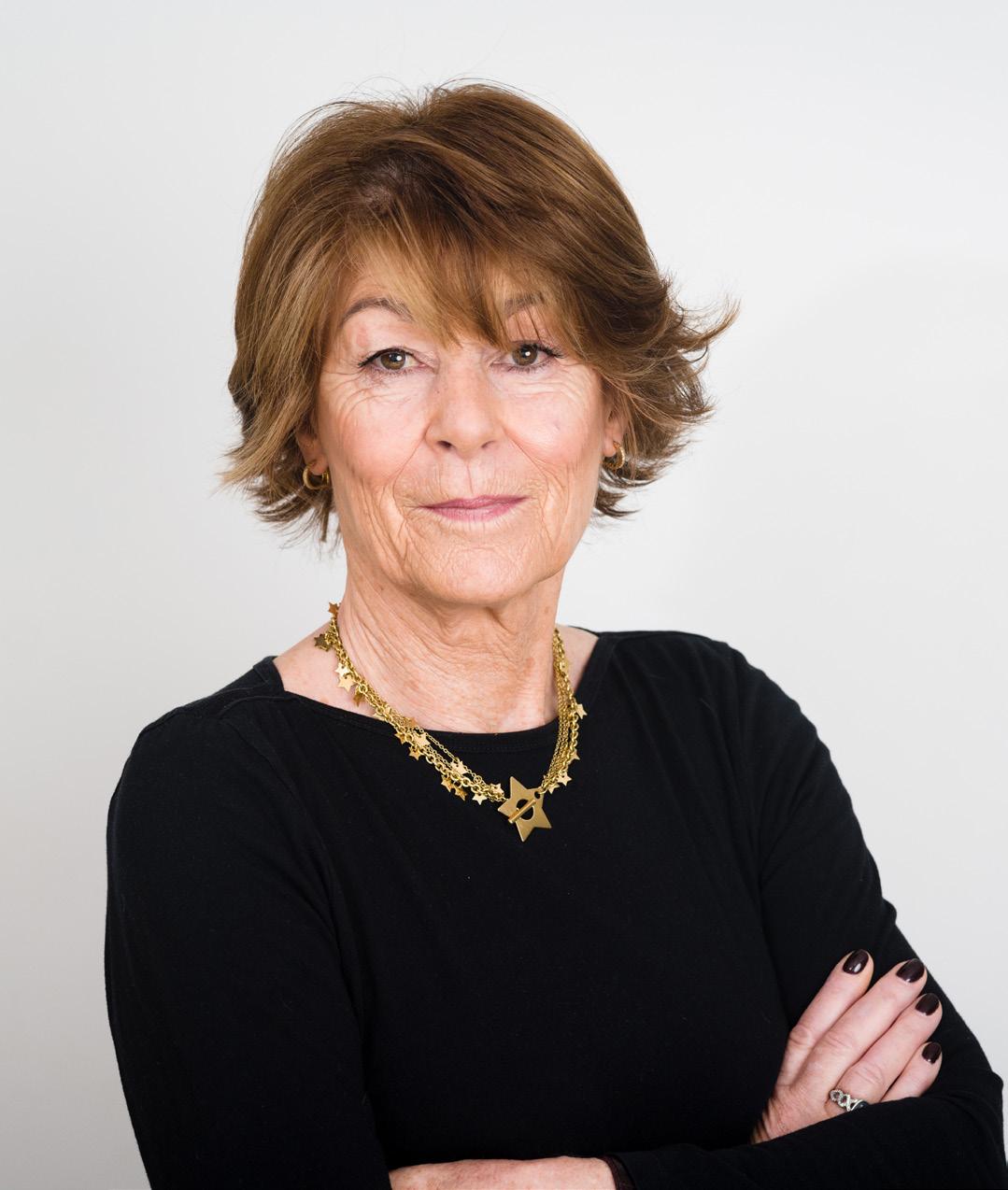







Paul Gauguin has long been celebrated as one of the pioneers of modern art, but his personal life has remained as controversial as his paintings are admired. In Wild Thing: A Life of Paul Gauguin, author Sue Prideaux revisits both, drawing on newly uncovered letters, archival documents, and fresh historical research to paint a more complete portrait of the French Post-Impressionist. Prideaux, an award-winning biographer known for her studies of artists and writers, offers a nuanced examination of Gauguin’s artistic achievements alongside the complexities of his life and legacy.
The book has earned the 2026 Mary Lynn Kotz Award, presented jointly by the Virginia Museum of Fine Arts and the Library of Virginia. Named for the late art historian and author, the award honors an outstanding book published during the previous year that responds to a work or body of art while demonstrating exceptional literary quality. The award is presented as part of the Library of Virginia’s annual Virginia Literary Awards program, which has recognized outstanding literary achievement since 1997.


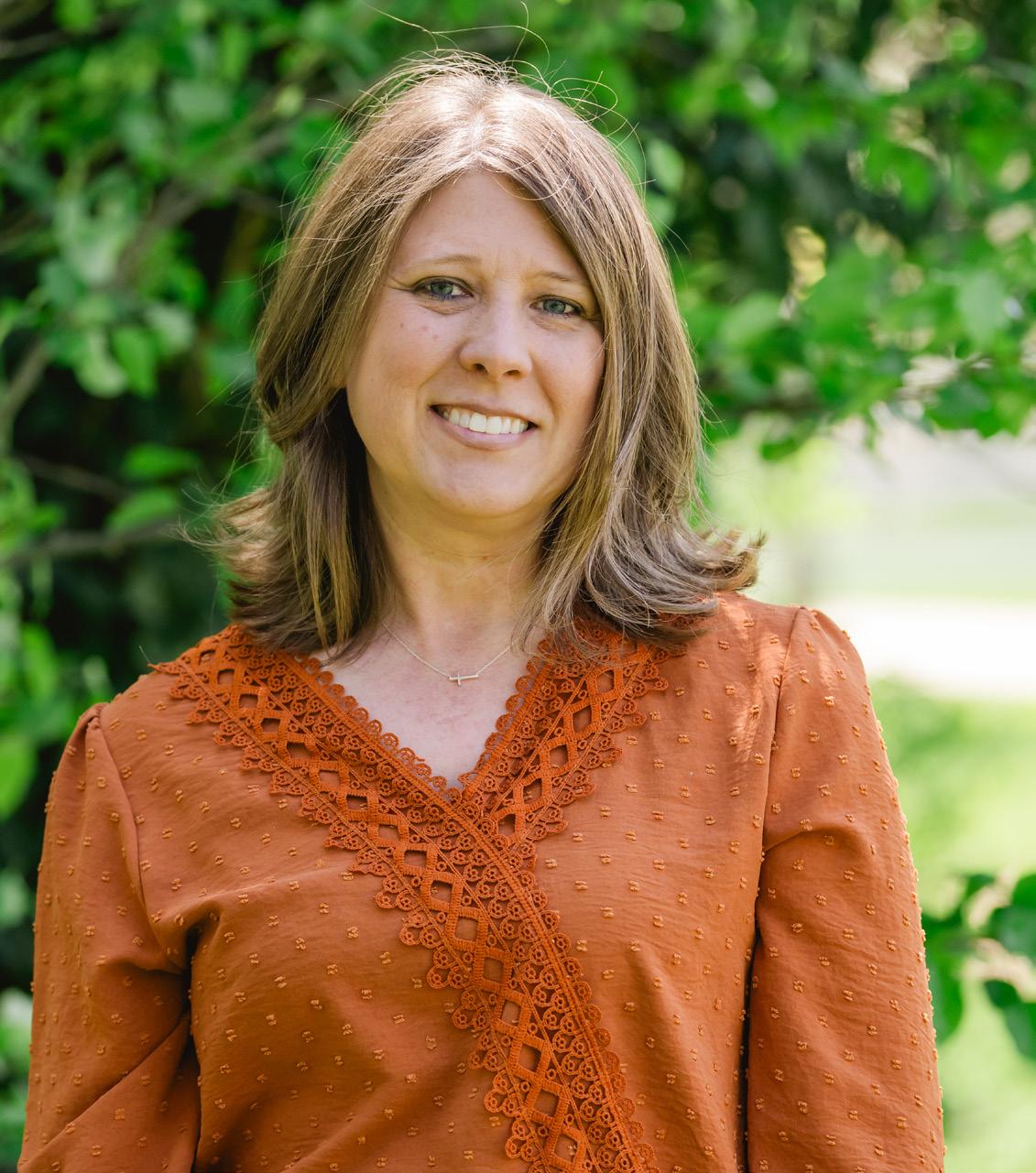
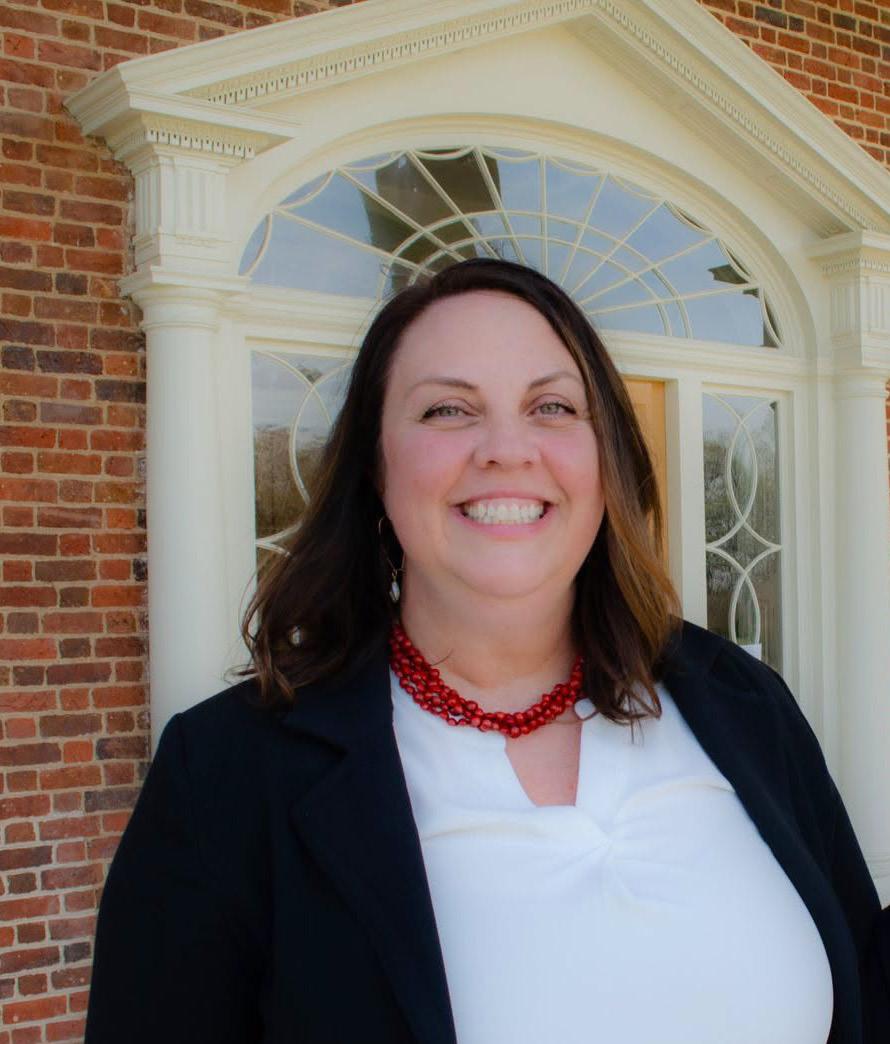
After 36 years leading Keswick School, Marc Columbus is stepping into a new role, handing leadership of the therapeutic boarding school to longtime administrator Jody Berkey. Berkey, who joined Keswick in 2013 and has served as assistant head of school, became head of school on July 1.
During her tenure, Berkey has also served as director of academic services and helped guide the school’s academic and therapeutic programs. She brings 25 years of experience in therapeutic boarding education, school administration, and special education. She earned bachelor’s degrees in Special Education and Elementary Education from Slippery Rock University and a master’s degree in Administration and Policy Studies from the University of Pittsburgh.
Columbus will remain with the school as Director of Institutional
Advancement, leading fundraising efforts and overseeing several planned capital projects, including a therapy pavilion, an independent living dormitory, an equine center, and a new technology and arts building.
Founded in 1963, Keswick School provides an integrated therapeutic, residential, and academic program for boys with complex learning and social-emotional needs.




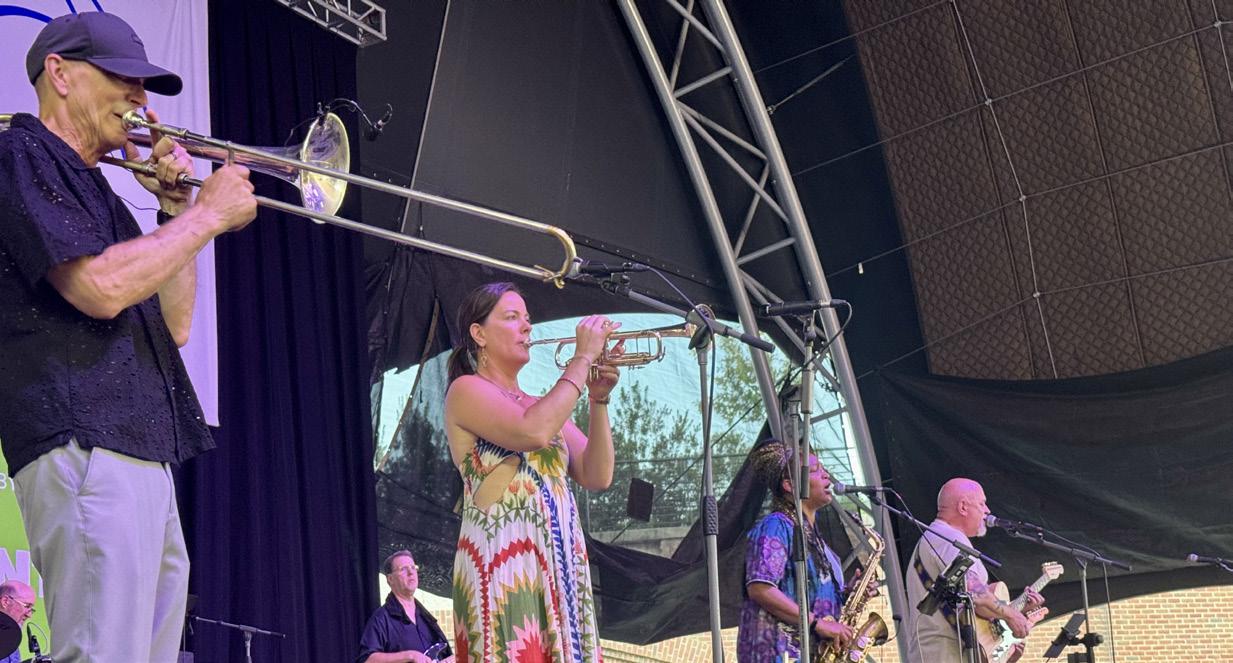
Longtime Charlottesville favorites Baaba Seth performed at Fridays after Five as part of the Downtown Mall’s 50th anniversary celebration.
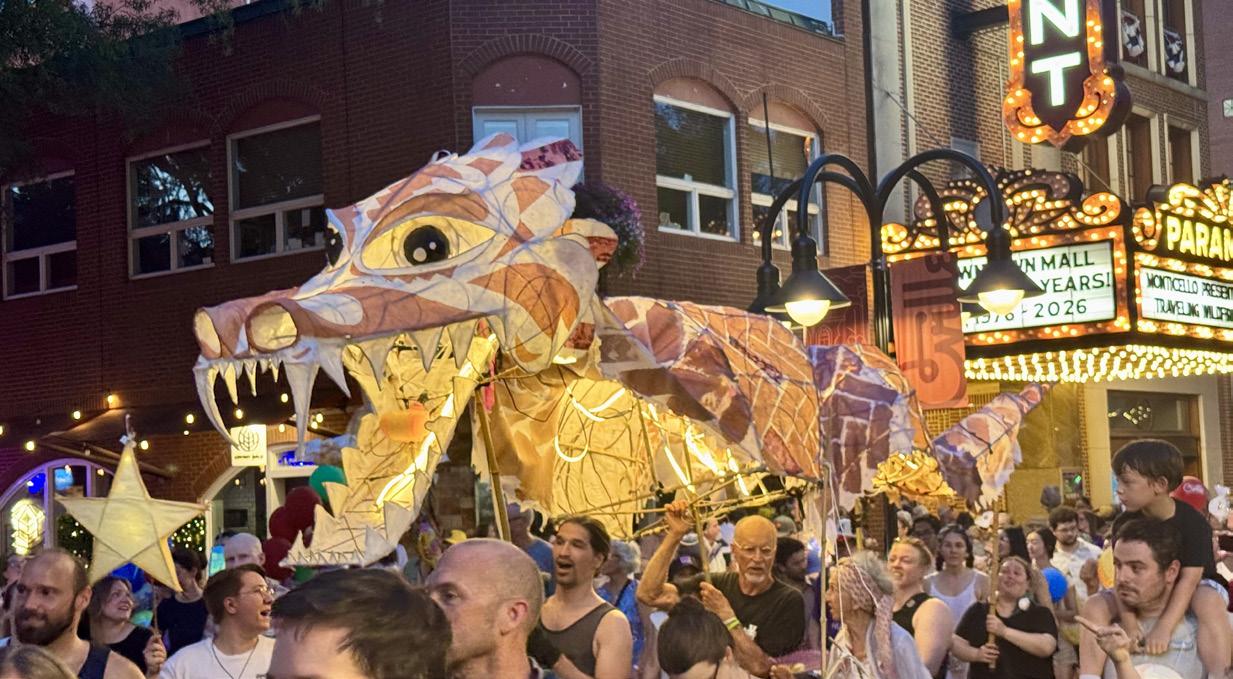
Charlottesville’s Downtown Mall celebrated its 50th anniversary on July 3, commemorating the brick-paved pedestrian corridor’s opening in 1976. What began as an ambitious downtown revitalization project has grown into the city’s gathering place, lined with restaurants, shops, offices, and cultural venues.
The daylong celebration featured history tours, exhibitions, live music, family activities, and a birthday party at Central Place, where visitors enjoyed free ice cream. A “then and now” exhibit at Vault Virginia highlighted the city’s transformation over the past half-century, while local historians shared stories of the mall’s origins and evolution.
As evening fell, a community lantern parade led by the Elby Brass Band wound through the mall before the celebration concluded with ECHOES, a light show projected onto the CODE Building, followed by a 1970s-themed dance party honoring the era when the Downtown Mall first opened.


THE FRALIN MUSEUM OF ART
155 Rugby Rd, Charlottesville
434-924-3592 • uvafralinartmuseum.virginia.edu
SKY HOPINKA: MNEMONICS OF SHAPE AND REASON
August 29 - January 3, 2027
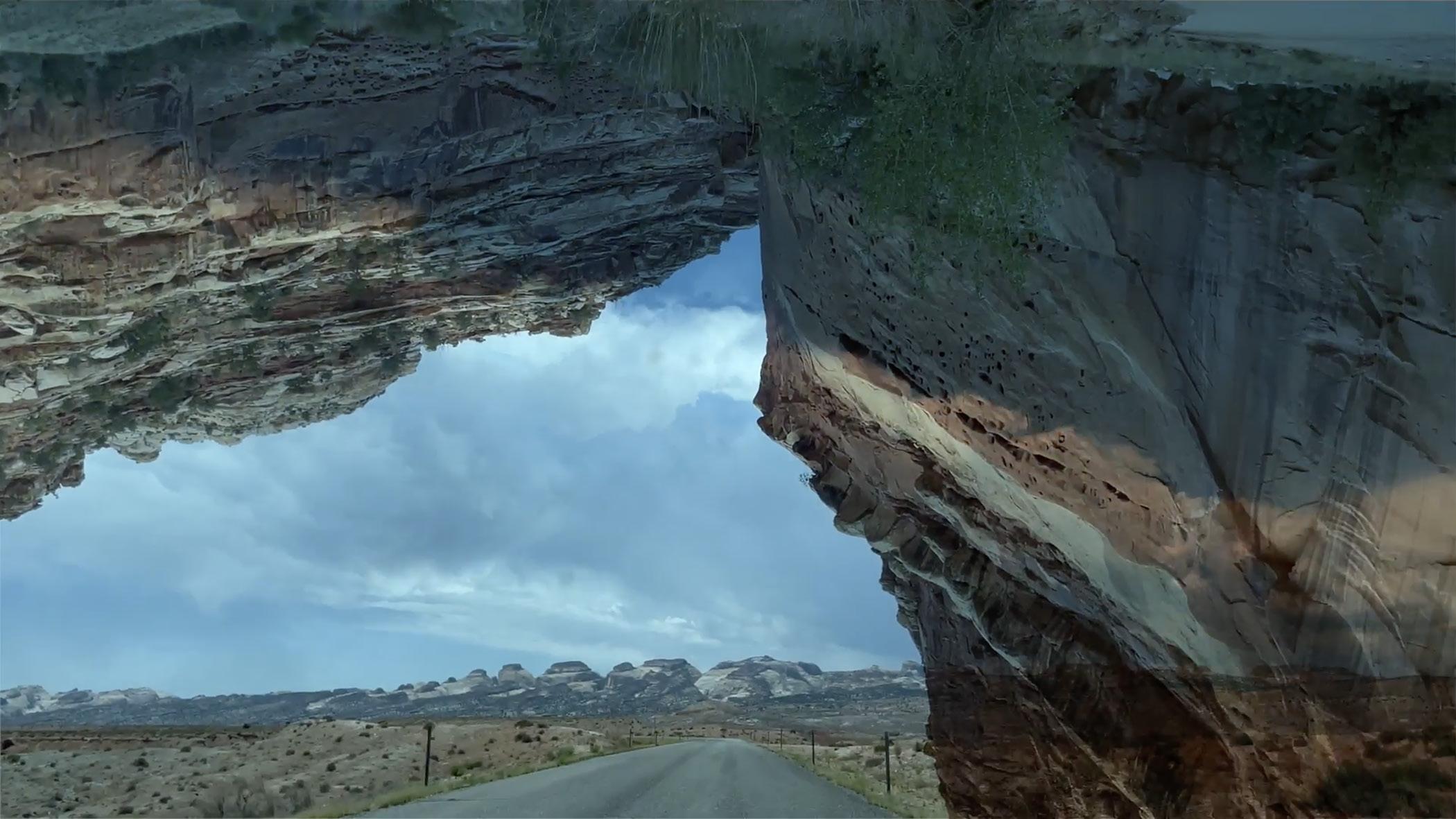
Opening Aug. 29, Sky Hopinka: Mnemonics of Shape and Reason presents a lyrical video installation by Indigenous filmmaker and artist Sky Hopinka. Through richly layered images of land, water, and sky, Hopinka explores memory, identity, and the enduring relationships between people and place. His work draws on Indigenous cultural perspectives to challenge conventional ideas about landscape and history, offering a poetic meditation on places that are inhabited, remembered, and imagined. Part of the museum’s exhibitions marking America’s 250th anniversary, the installation encourages viewers to consider how stories of place shape both personal and national identity.
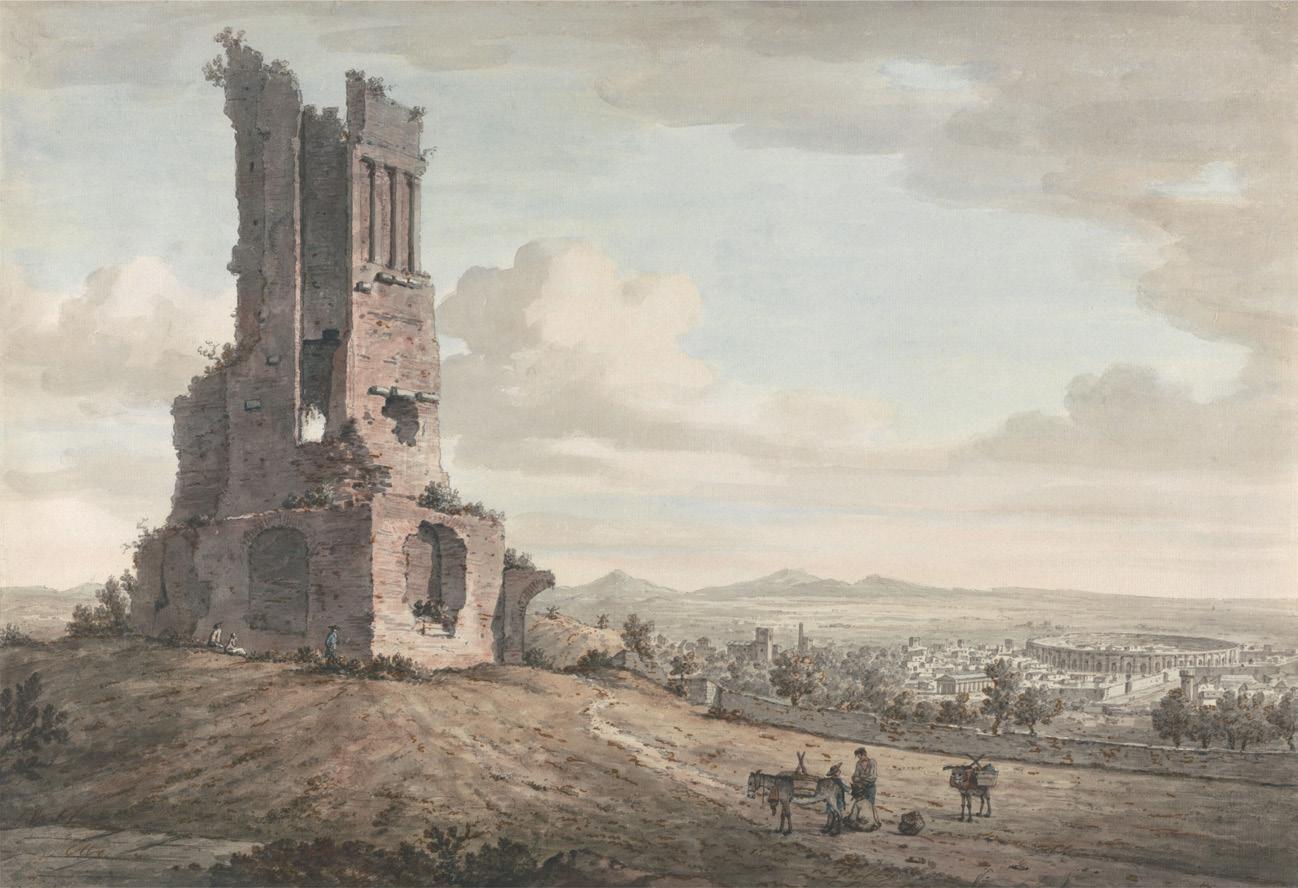
COLLECTION AND TRANSLATION: THOMAS JEFFERSON IN SOUTHERN FRANCE
August 29 - January 3, 2027
Collection and Translation: Thomas Jefferson in Southern France examines how Jefferson’s 1787 journey through southern France influenced the early American republic. Featuring prints, drawings, rare books, maps, and selections from Jefferson’s letters and journals, the exhibition explores how he adapted French ideas about architecture, agriculture, and labor to Virginia, including inspiration for the Virginia State Capitol. At the same time, the exhibition considers the limitations of Jefferson’s perspective, highlighting the histories and lived experiences that lay beyond his observations. The result is a nuanced look at cultural exchange, historical memory, and the complex origins of American identity.


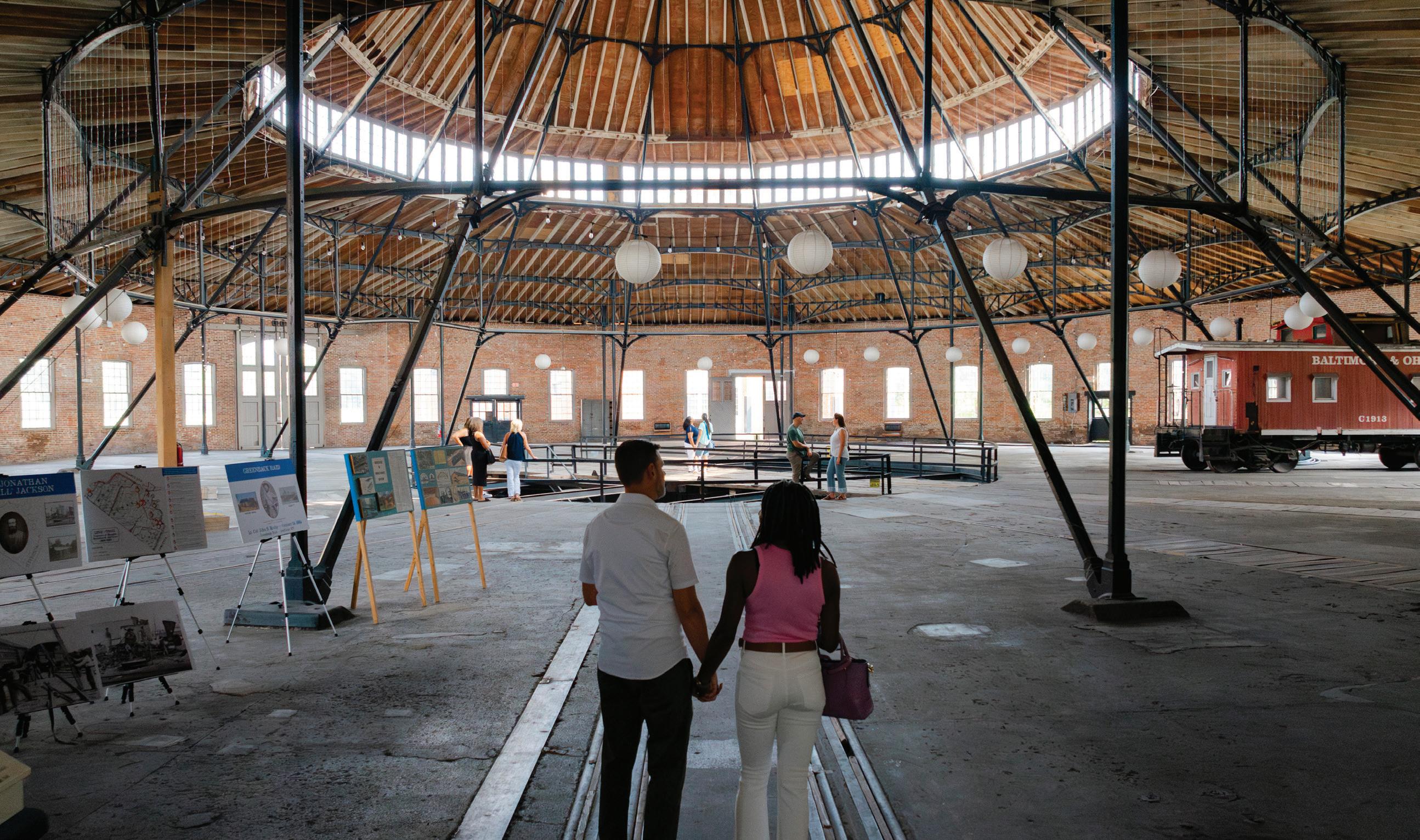
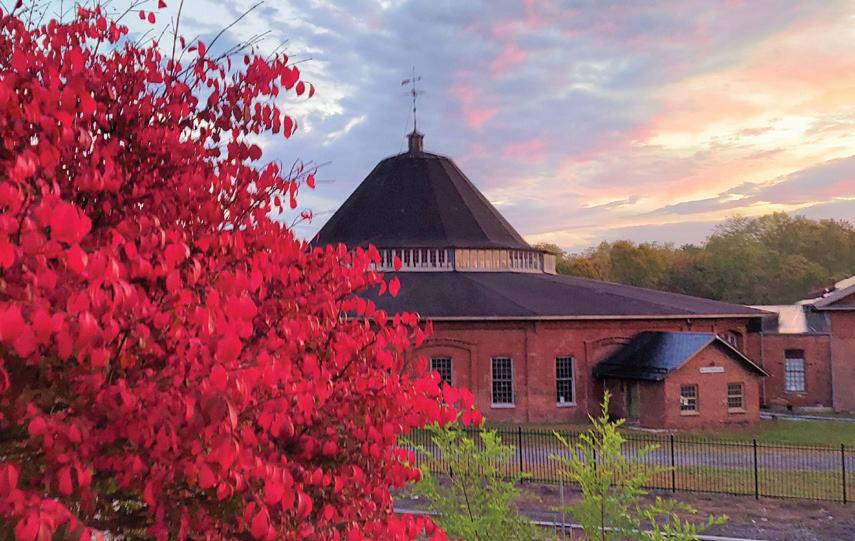
Time together becomes more precious everyday. Stroll our historic downtown or explore country roads full of lovingly preserved manors. Try a wine flight, a beer flight, or a spirits
flight prior to enjoying a delicious meal. Take in an outdoor concert or a live performance at our historic theater. All just a short drive away in Berkeley County, West Virginia.


Sixth and Constitution Avenue, NW, Washington, DC 202-737-4215 • nga.gov
Through January 3, 2027
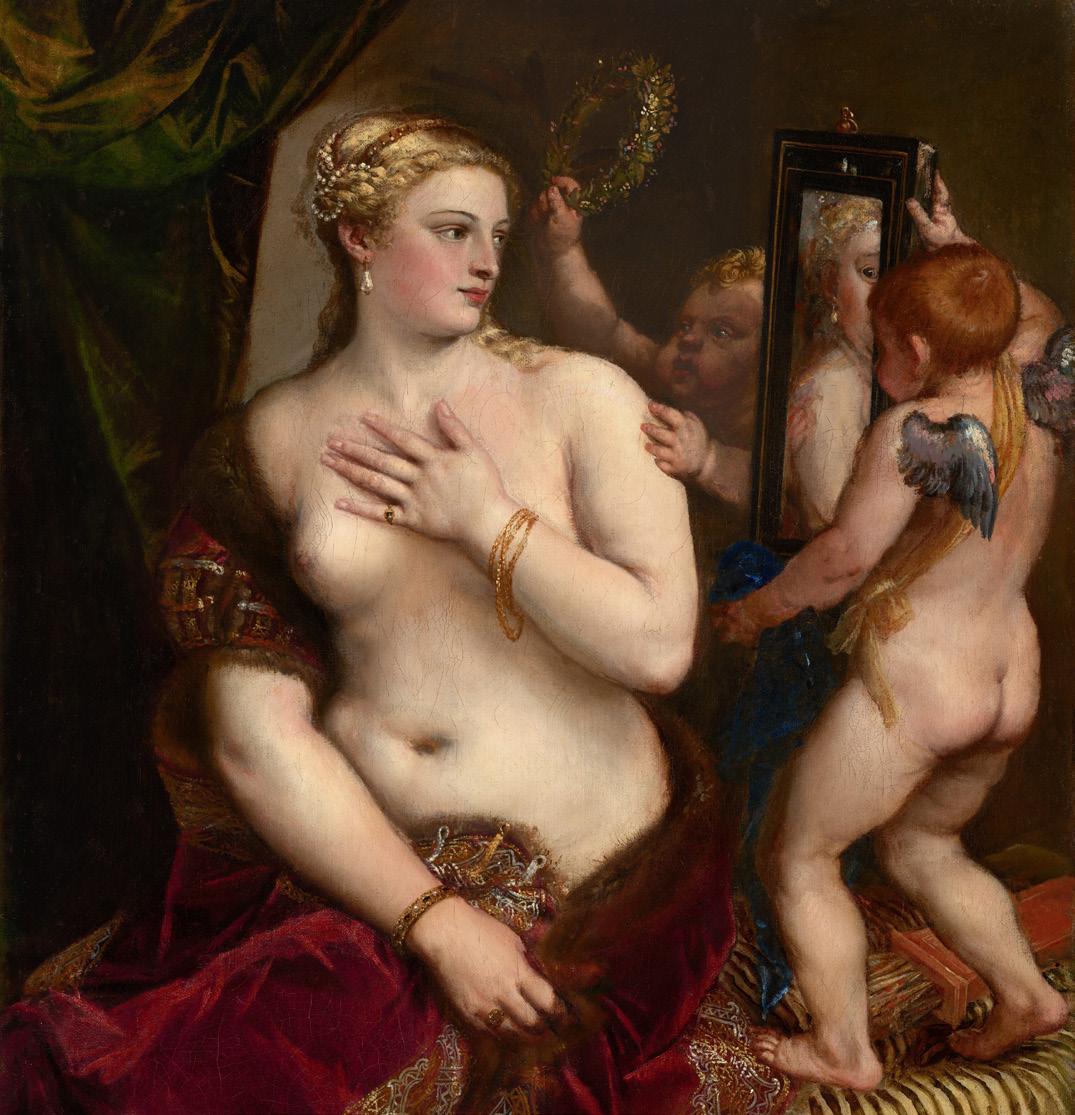
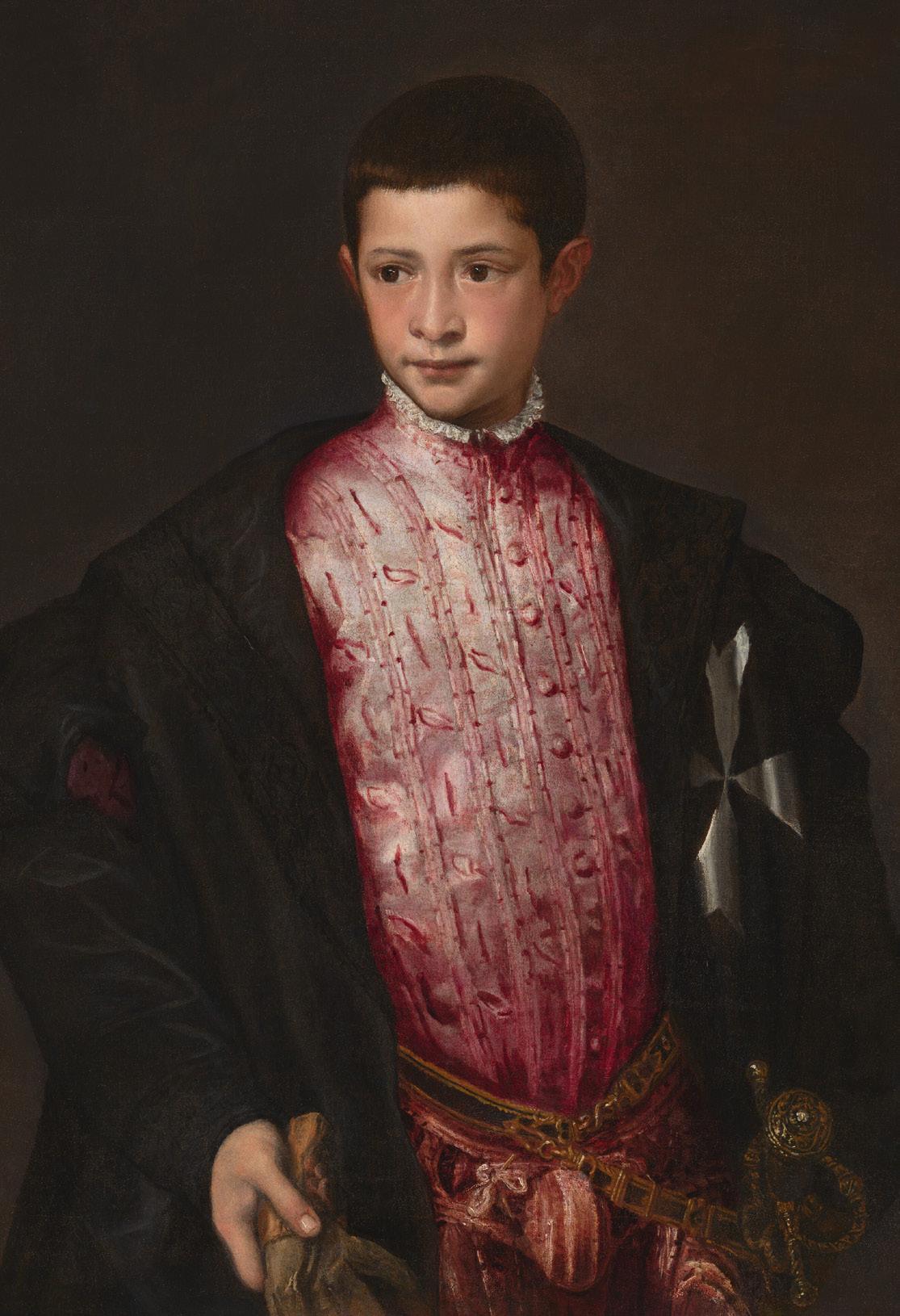
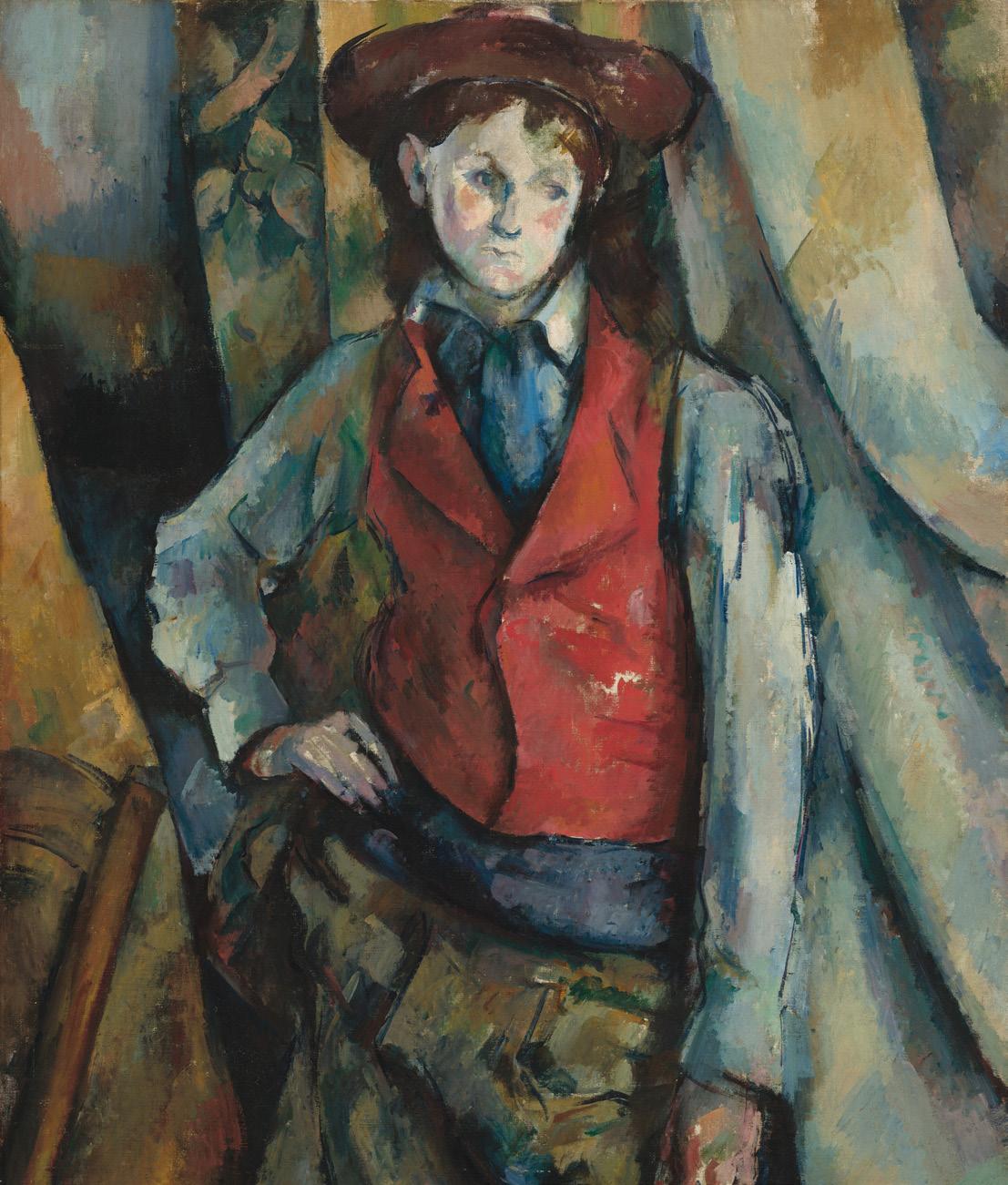
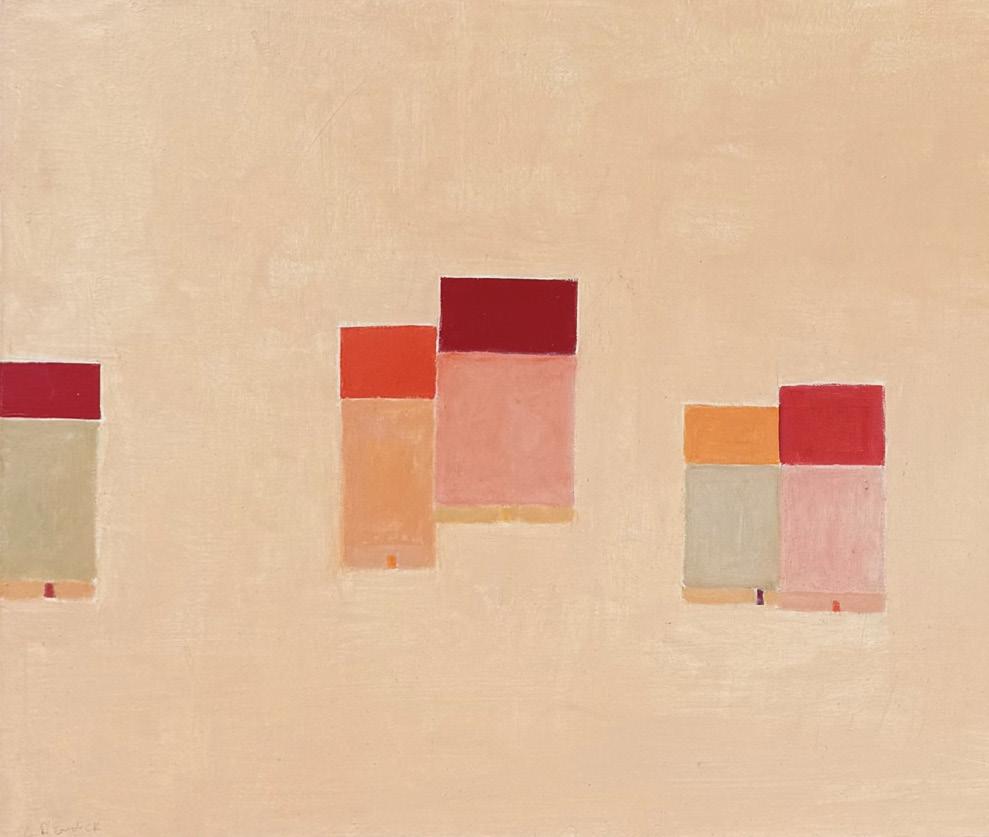
Back and Forth: Rozeal., Titian, Cézanne invites visitors to reconsider how artistic ideas evolve across time. Rather than presenting art history as a chronological progression, the exhibition suggests that artists continually revisit, reinterpret, and reinvent visual traditions, often in ways they may not even recognize themselves. Through just four paintings spanning nearly six centuries, the exhibition reveals how similar compositions, gestures, and themes can emerge in works created in vastly different eras and cultural contexts.
Works by Titian, Paul Cézanne, and contemporary artist Rozeal. are displayed side by side, encouraging visitors to make their own discoveries rather than follow a prescribed narrative. Instead of emphasizing direct influence, the exhibition explores the possibility that artists separated by centuries can arrive at remarkably similar visual solutions while responding to different questions and audiences.
Small in scale but rich in ideas, Back and Forth rewards careful observation. By slowing down to compare these paintings, visitors can see how works of art participate in an ongoing conversation that stretches across generations, reminding us that creativity is rarely isolated. Every artist inherits a visual language, reshapes it through personal experience, and leaves something new for future generations to rediscover.
Though separated by more than 300 years, Titian’s Ranuccio Farnese and Paul Cézanne’s Boy in a Red Waistcoat share striking similarities in pose and composition. Displayed together in Back and Forth, the paintings reveal how artists across centuries often revisit and reinvent the visual language of the past.

LES YEUX DU MONDE
841 Wolf Trap Road, Charlottesville 434-882-2622 · lydmgallery.com
August 8 – September 13
HOME: Eleven Artists on Heritage, Belonging, and Place explores the many meanings of home. Through painting, sculpture, and works on paper, these contemporary artists examine themes of heritage, family, migration, identity, memory, and the natural environment, revealing home as both a physical place and an emotional landscape. Rather than offering a single definition, the exhibition brings together diverse perspectives on belonging, displacement, and connection to place.
Richly textured works created in materials ranging from oil paint and clay
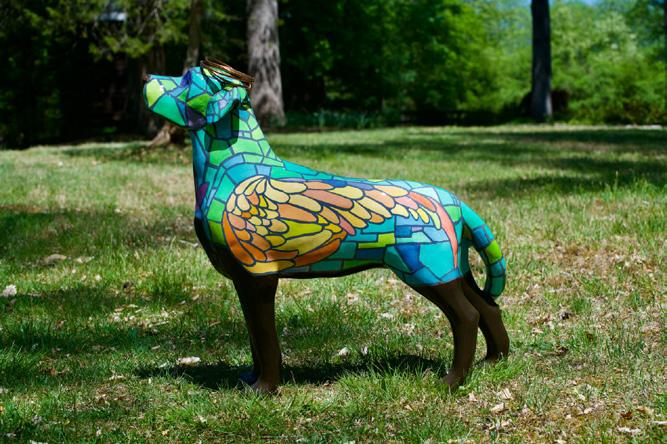

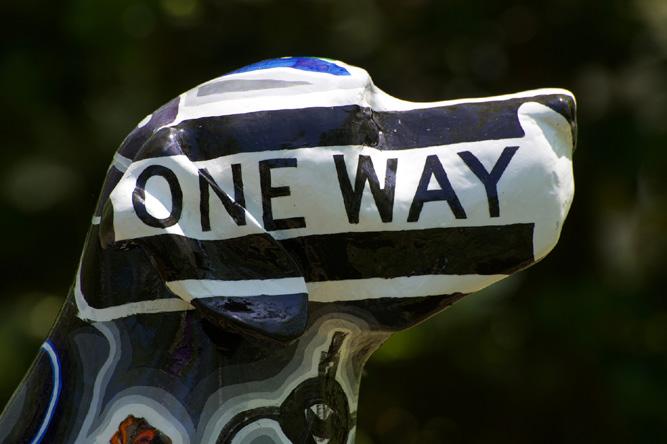
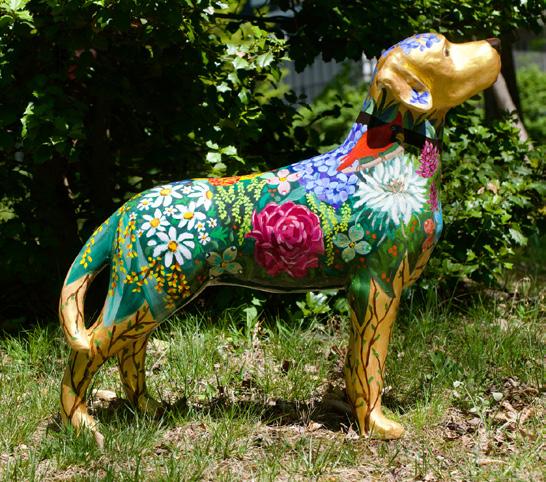
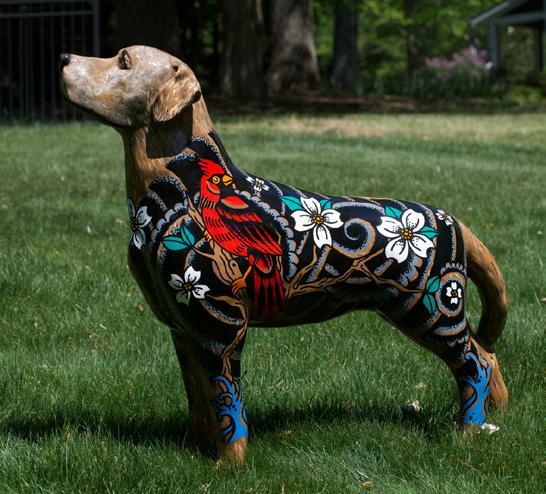
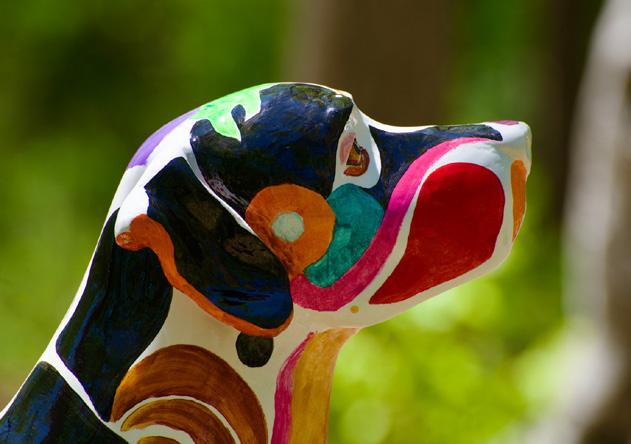
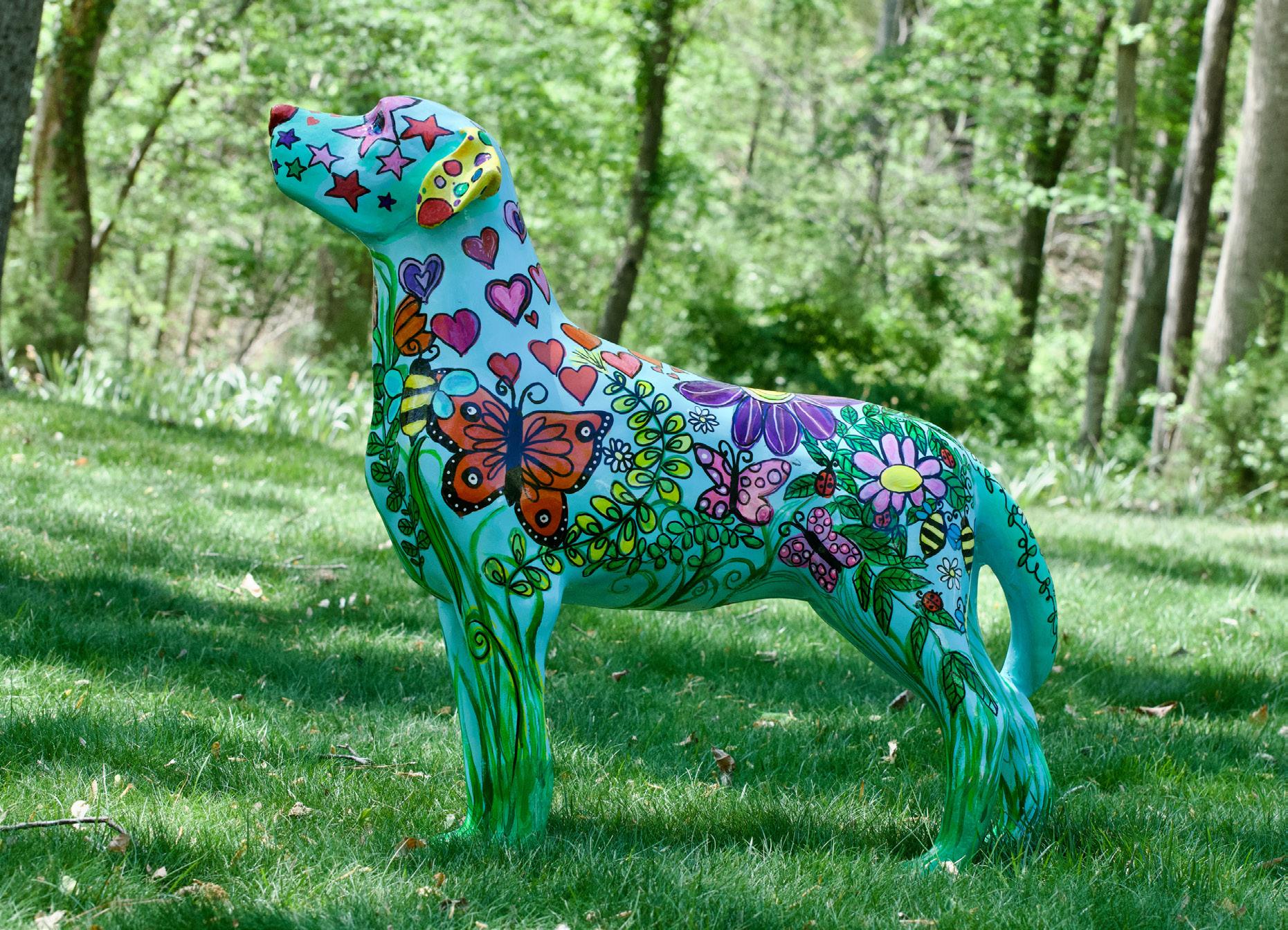
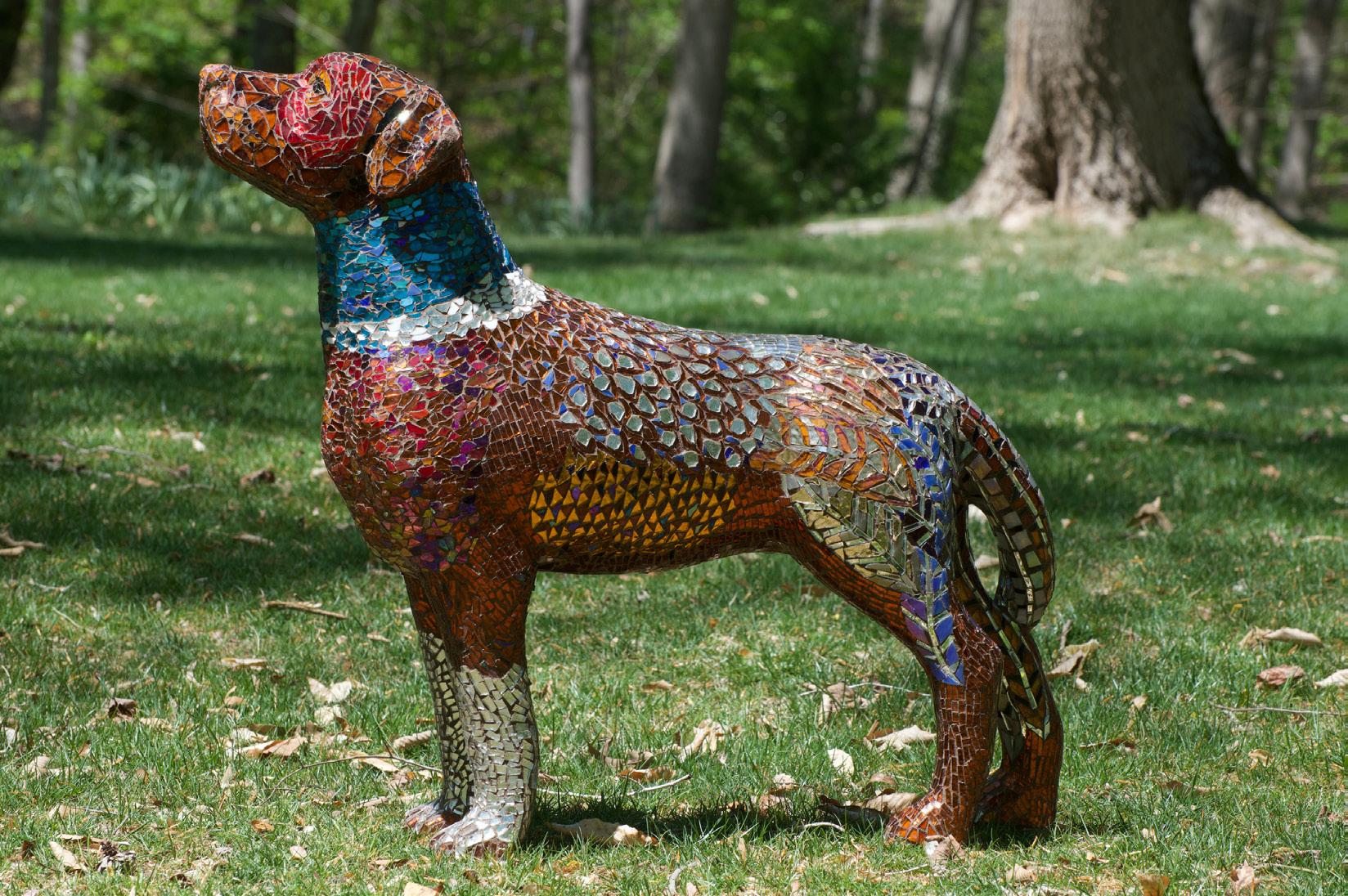
Twenty one-of-a-kind painted dog statues are up bid helps Service Dogs of Virginia build a permane
Art Unleashed Auction · October 24, 2026 · 6:30–9:30 PM · The
Purchase your ticket at servicedogsav.org/ar or by scanning the qr code


EMMA TERRY: KEEPERS OF WONDER August 7 - September 1 NEW CITY ARTS
New City Arts Initiative presents Keepers of Wonde solo exhibition by Charlottesville ceramic artist Emma Terry. Through whimsical creatures, miniature worlds, and intimate shrines, Terry transforms the gallery into a cabinet of curiosities that explores imagination, memory, and the creative process through the lens of aphantasia—the inability to form images in the mind’s eye. “I make objects as vessels for wonder: sculptural worlds and portals to places that exist just outside reality,” says Terry.
Drawing on a background in anthropology and folklore, along with her work as Programs and Communications Director at UVA Arts and as a ceramics instructor at City Clay, Terry creates sculptural works that celebrate curiosity, surprise, and the quiet beauty of everyday objects.
MUSEUM OF THE SHENANDOAH VALLEY
901 Amherst Street, Winchester 540-662-1473 • themsv.org
Through October 11
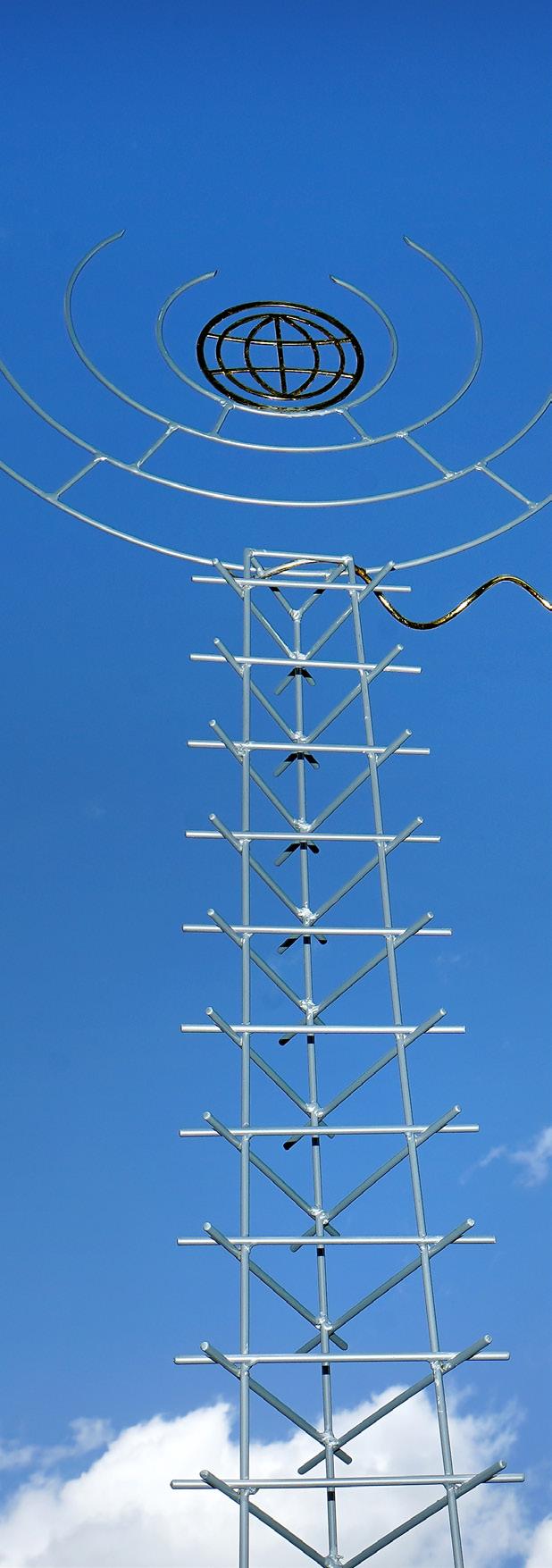
The Museum of the Shenandoah Valley presents Earth & Sky, an outdoor exhibition of 10 monumental sculptures and installations by Marguerite Elliot that explore humanity’s evolving relationship with the natural world. Installed throughout the museum’s seven-acre gardens, the exhibition invites visitors to encounter works that address environmental loss, resilience, and renewal while using the landscape itself as part of the experience.
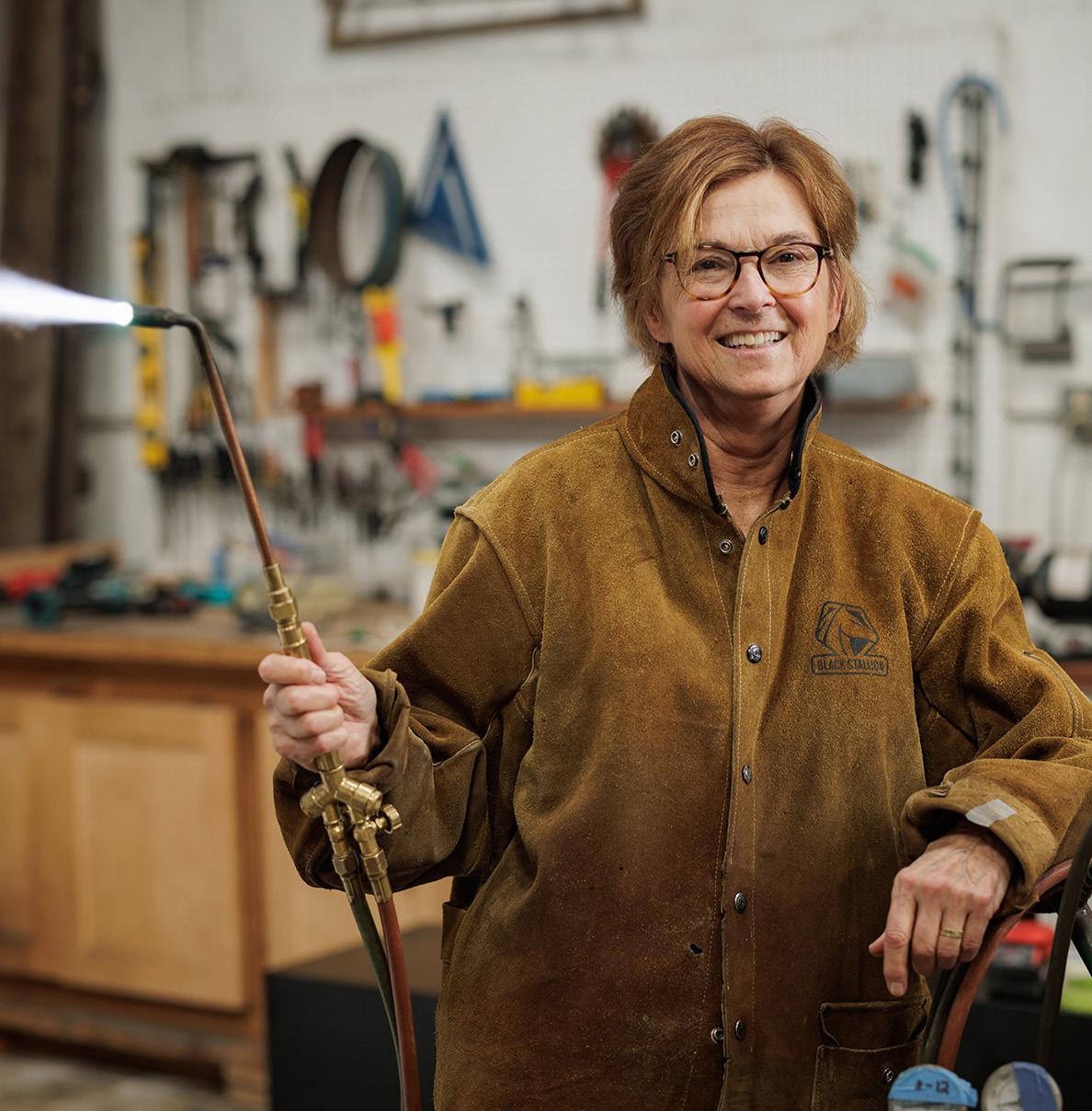
Although now based in San Francisco, artist Marguerite Elliot was raised on a farm in nearby Clarke County, making the exhibition a homecoming of sorts and the first public presentation of her work in the Mid-Atlantic. Elliot built a career in the traditionally male-dominated field of metal fabrication, creating sculptures that combine industrial materials with references to ecology, mythology, and cultural traditions.
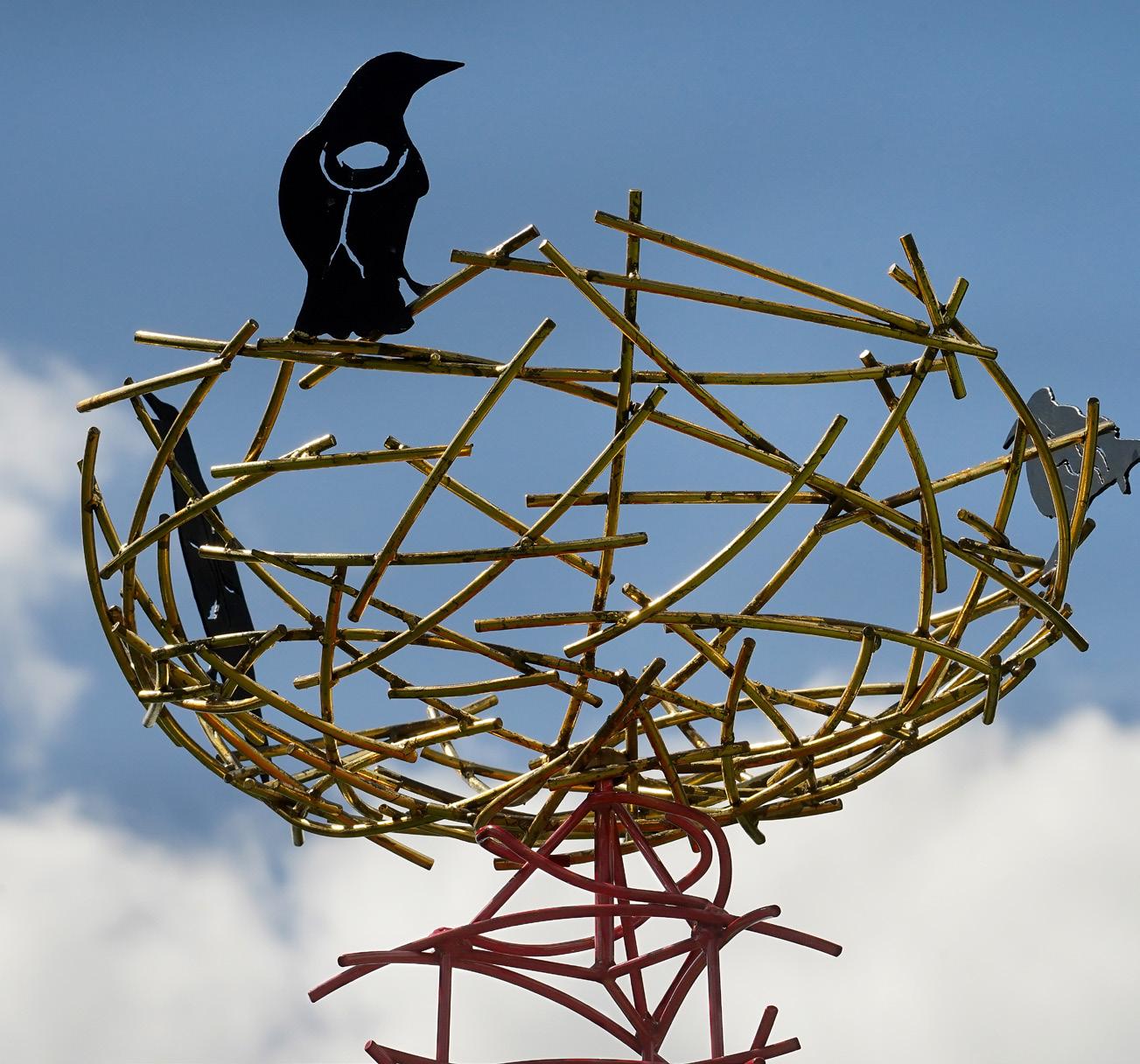
Several works confront the environmental challenges facing forests and wildlife. Where Have All the Birds Gone?, a 15-foot sculpture topped with a gold-leaf nest, reflects the steep decline in North American bird populations, while Medusa Tree #3 and Medusa Tree #4, fashioned from rebar and stainless steel, respond to the accelerating loss of trees from climate change and development.

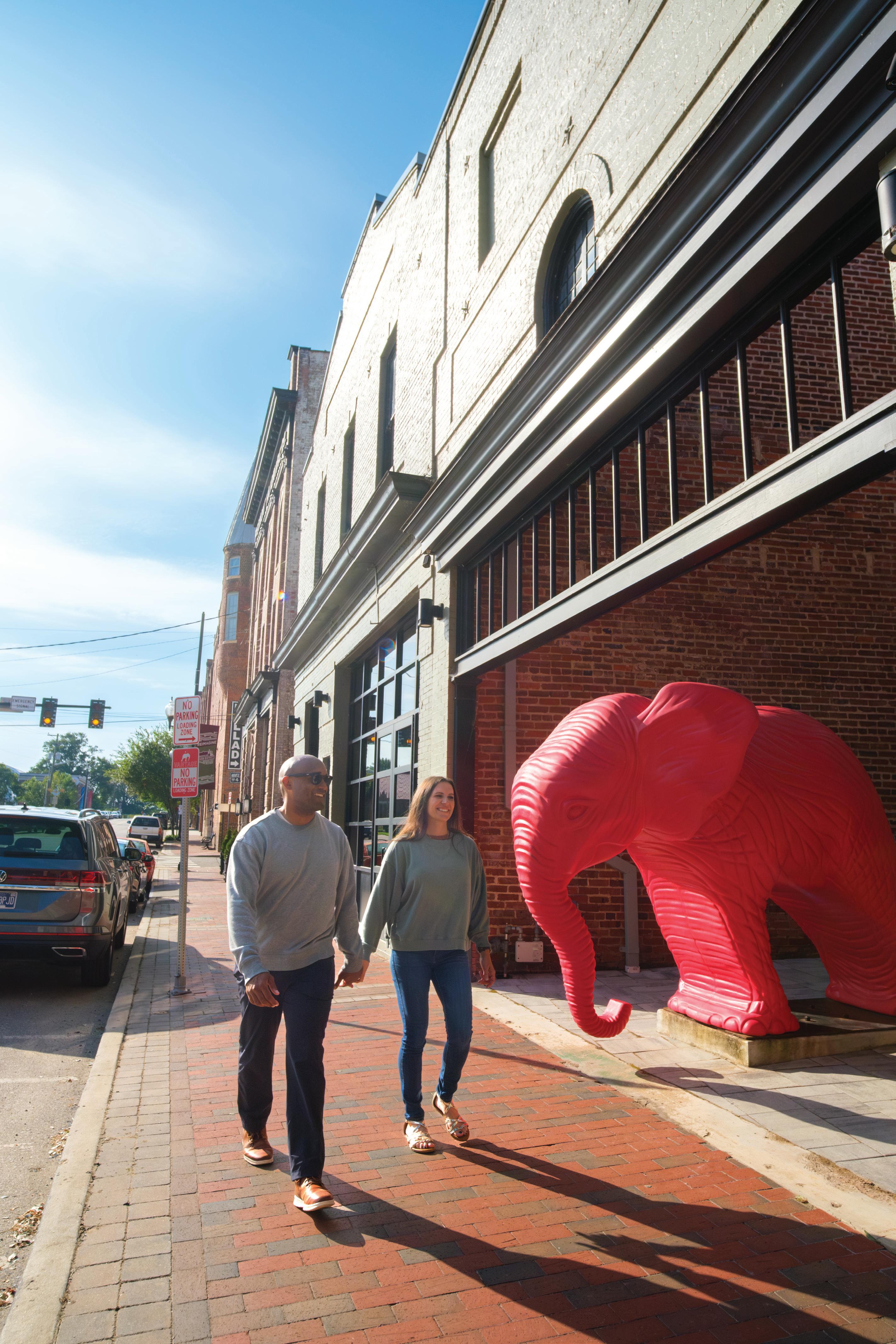

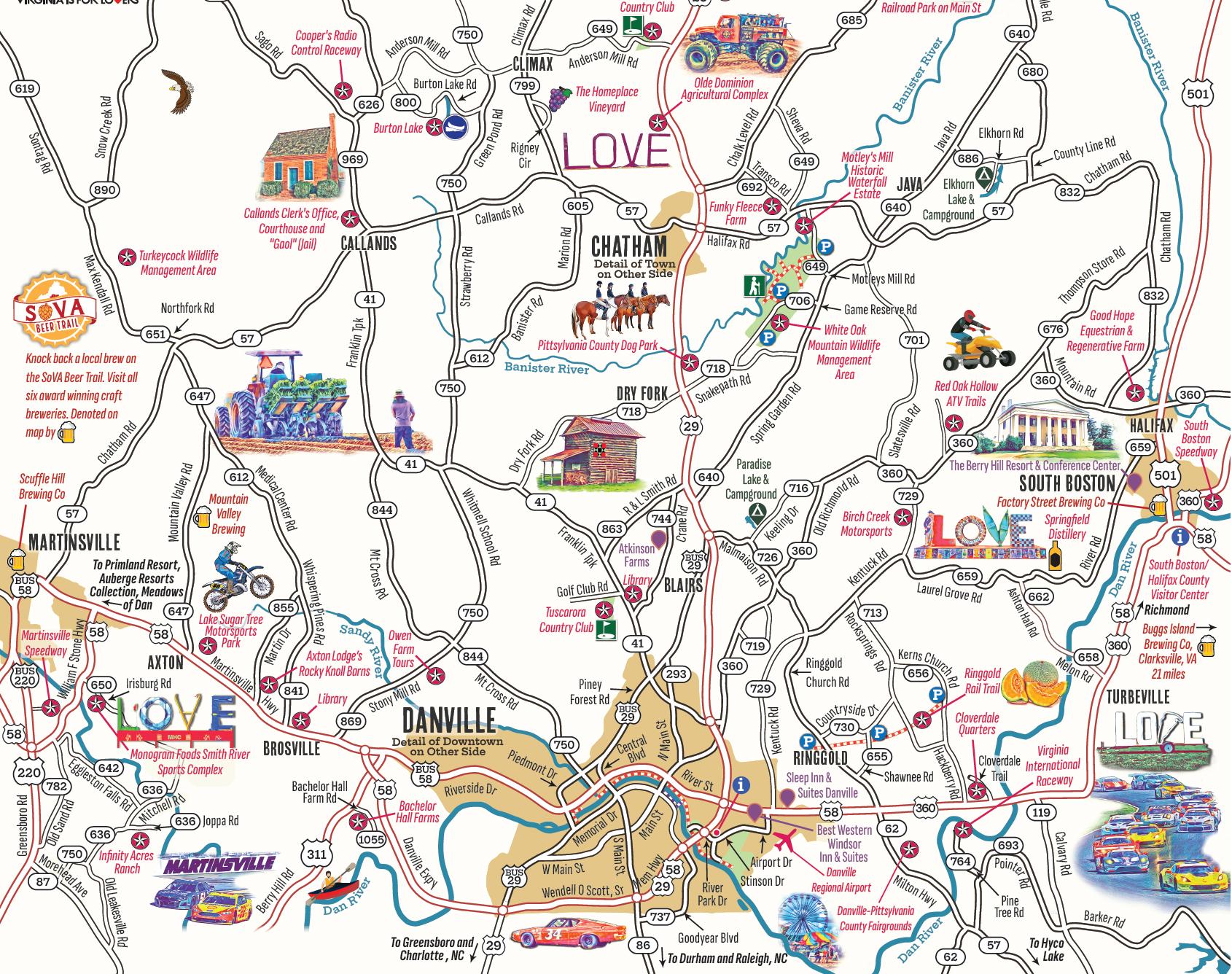
In SoSi� we specialize in vibrant experiences� unique delights� and warm� Southern hospitality. Nestled in Danville and Pittsylvania County� you will discover a charming destination� home to historic museums� award-winning trails� scenic downtowns� art galleries� farmers markets, and more. Savor fresh flavor at King Cropp Kitchen� wander through SoSi�s River District� or sip back and relax and Ramsay�s Kitchen. No matter the occasion� SoSi sets the stage for lasting memories.
See for yourself at VisitSoSi.com.
Jim Faulconer
434.981.0076
jfaulconer@mcleanfaulconer.com Court
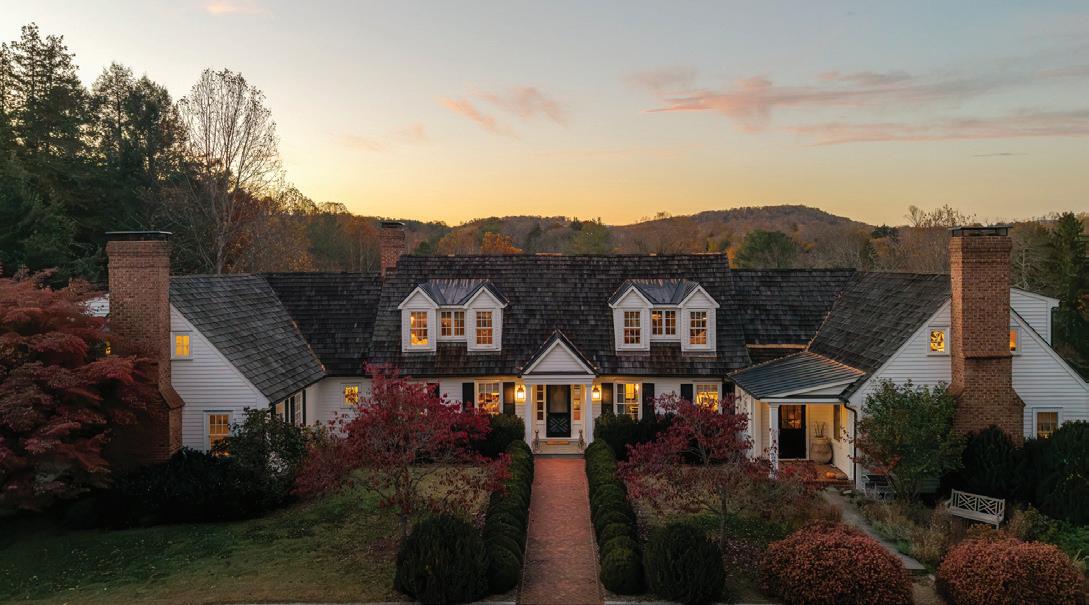
$4,450,000 | MLS 677366 | Madison Court Nexsen, 646.660.0700
$3,275,000
Jim Faulconer, 434.981.0076
Will Faulconer, 434.987.9455
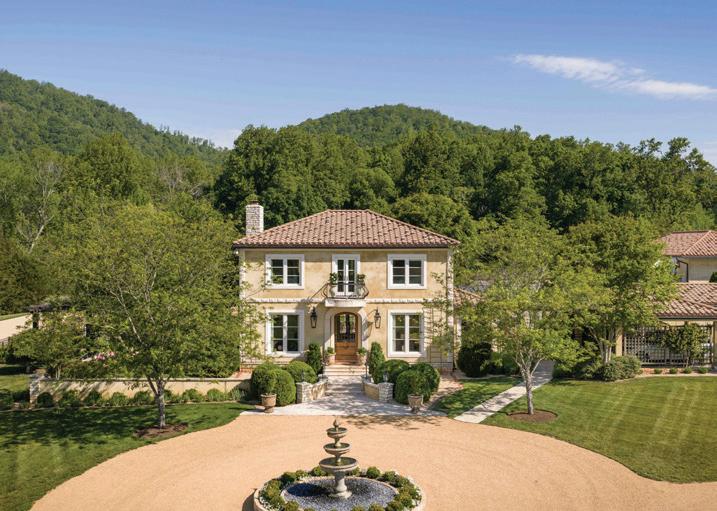
$4,275,000
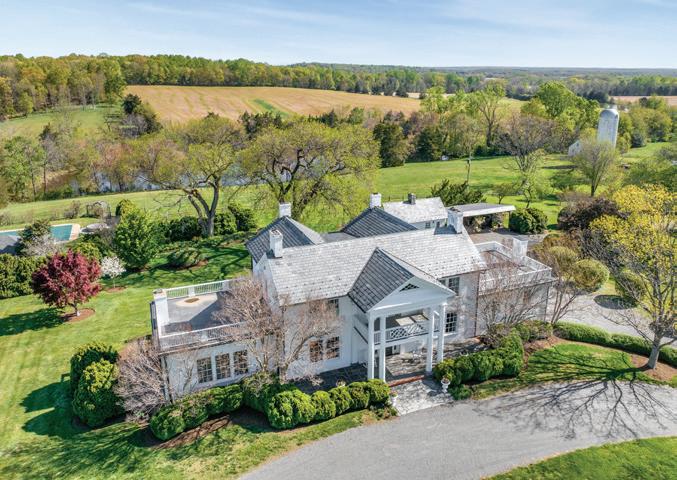
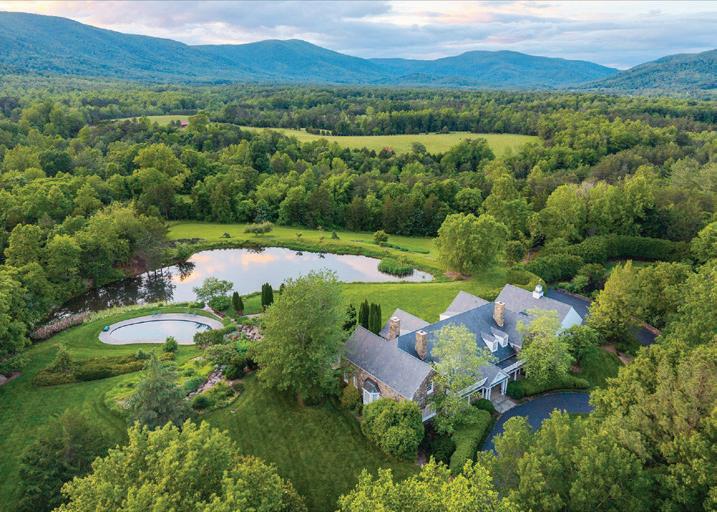
Timeless English country design meets modern livability on 6.67 private acres, moments from the village of Ivy and under 5 miles from Charlottesville. The 7,000+ sq.ft. residence features exquisite craftsmanship, a stunning library, and seamless indoor-outdoor flow to terraced lawns and Little Ivy Creek. A culinary garden, greenhouse, and 2-bedroom guest cottage complete this rare Albemarle offering.
$4,200,000
434.987.9455
$2,750,000

$4,000,000 | Staunton Jim Faulconer, 434.981.0076 Will Faulconer, 434.987.9455
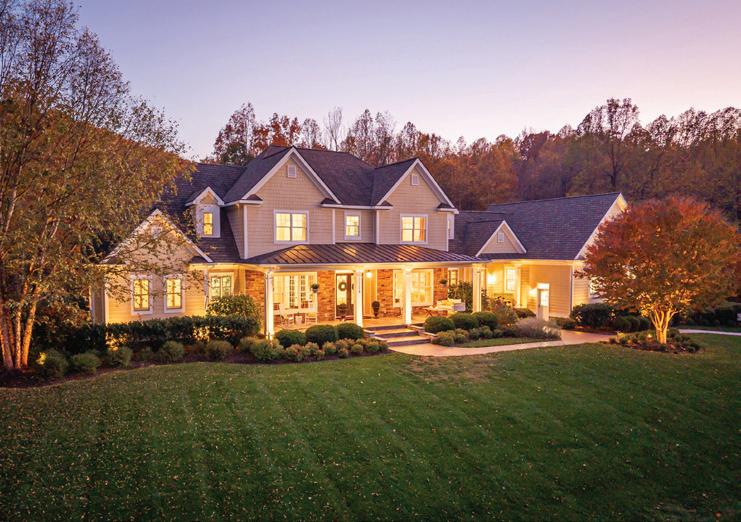
$2,575,000

Jim Faulconer
434.981.0076
jfaulconer@mcleanfaulconer.com
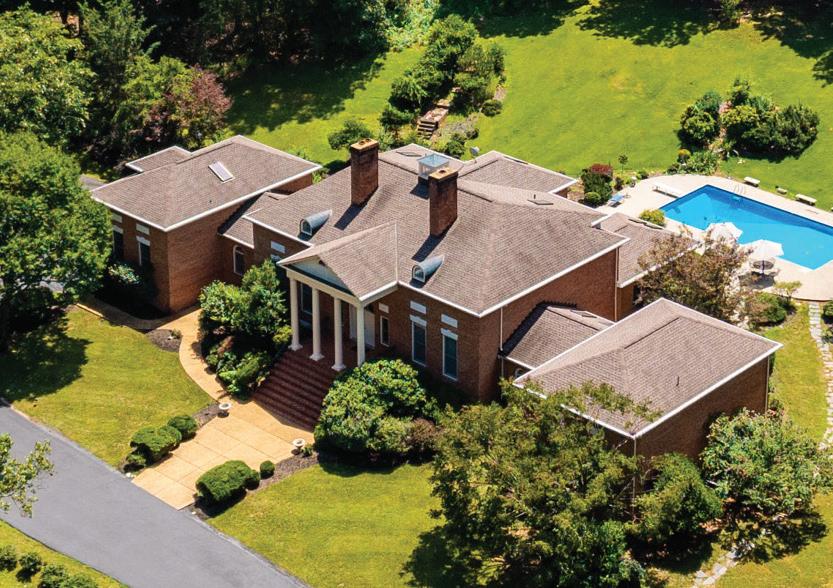
$2,450,000 | MLS 675511 | Charlottesville Court Nexsen, 646.660.0700
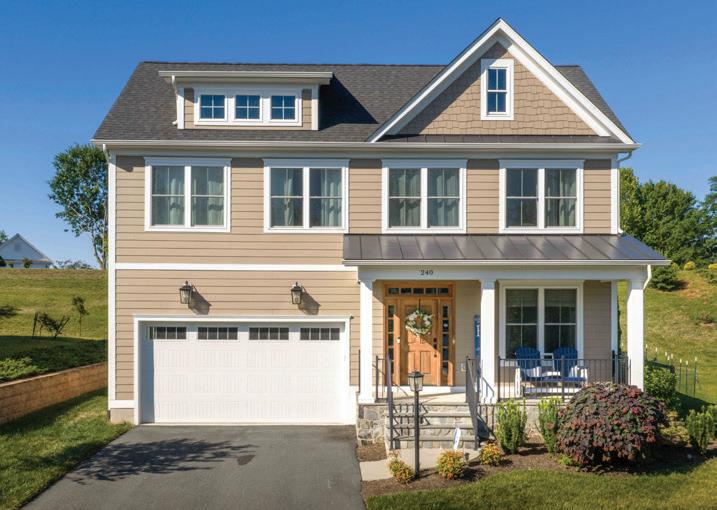
$1,195,000 | MLS 678613 | Charlottesville
Jim Faulconer, 434.981.0076
Will Faulconer, 434.987.9455
court@mcleanfaulconer.com
Court Nexsen, 646.660.0700
Mark Mascotte, 434.825.8610
$3,450,000
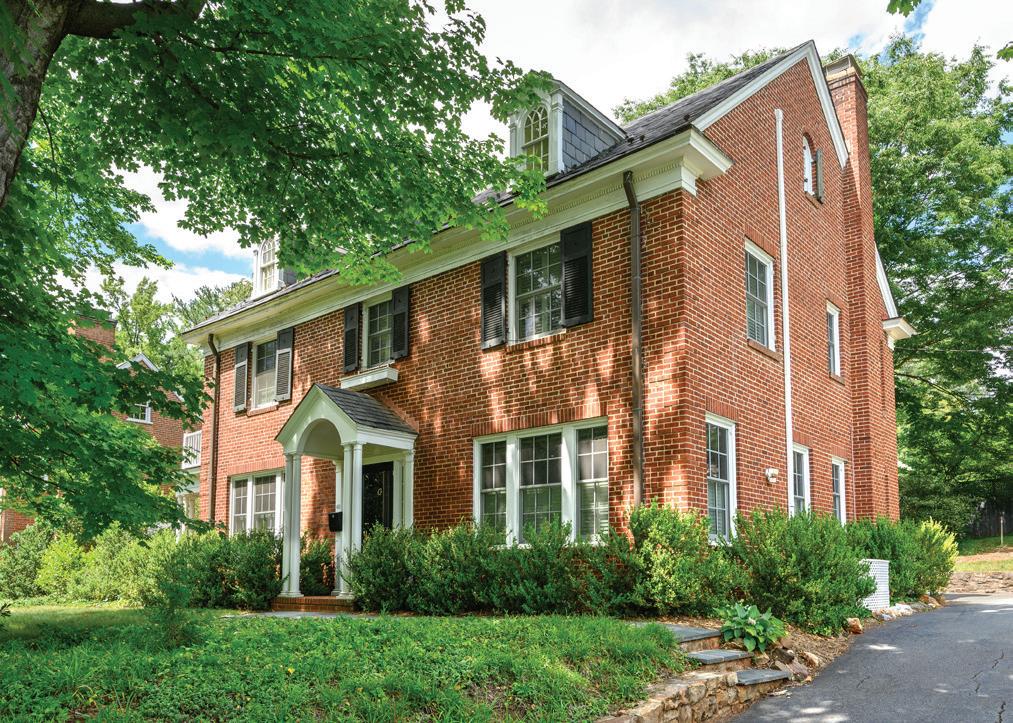
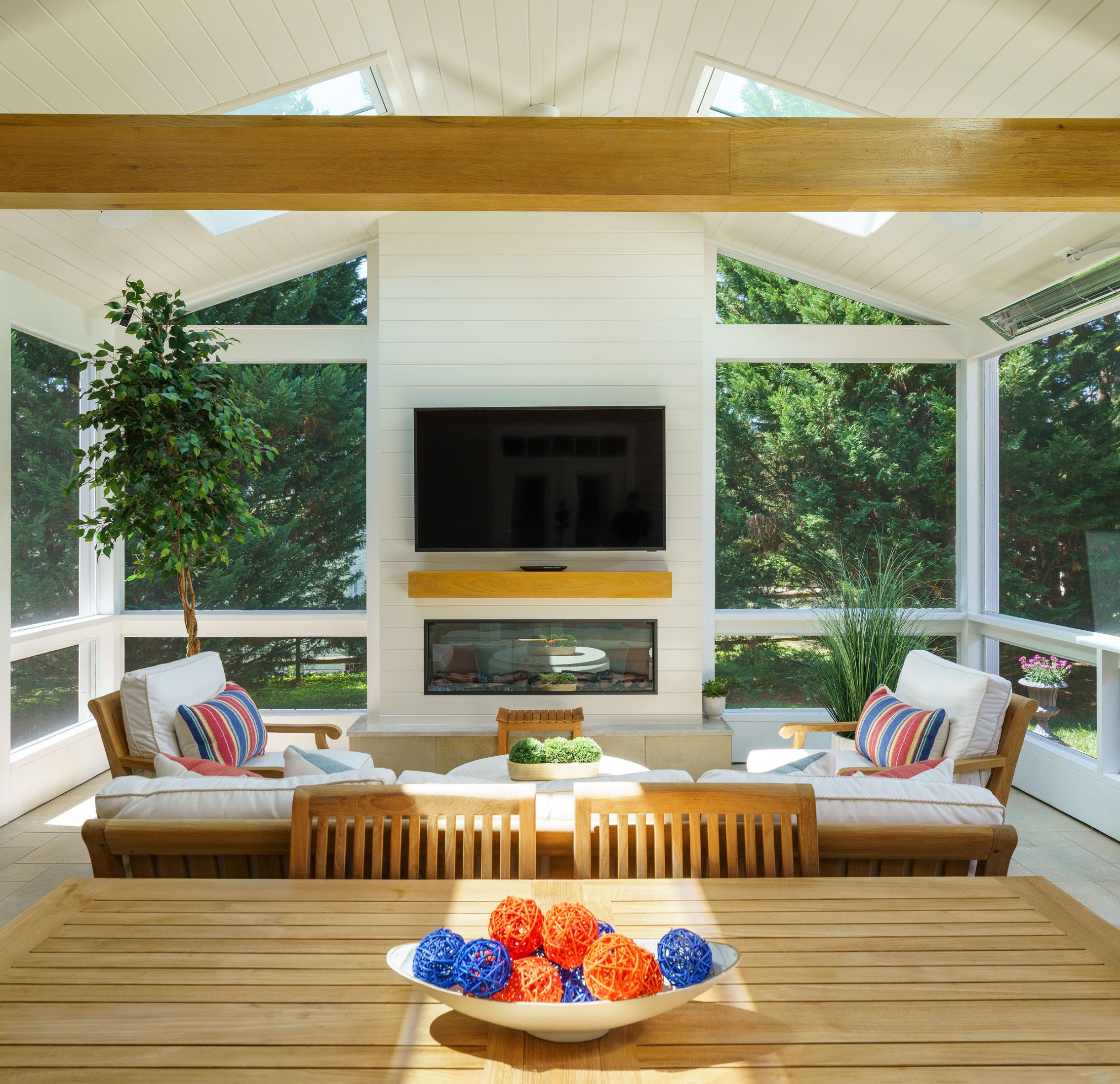
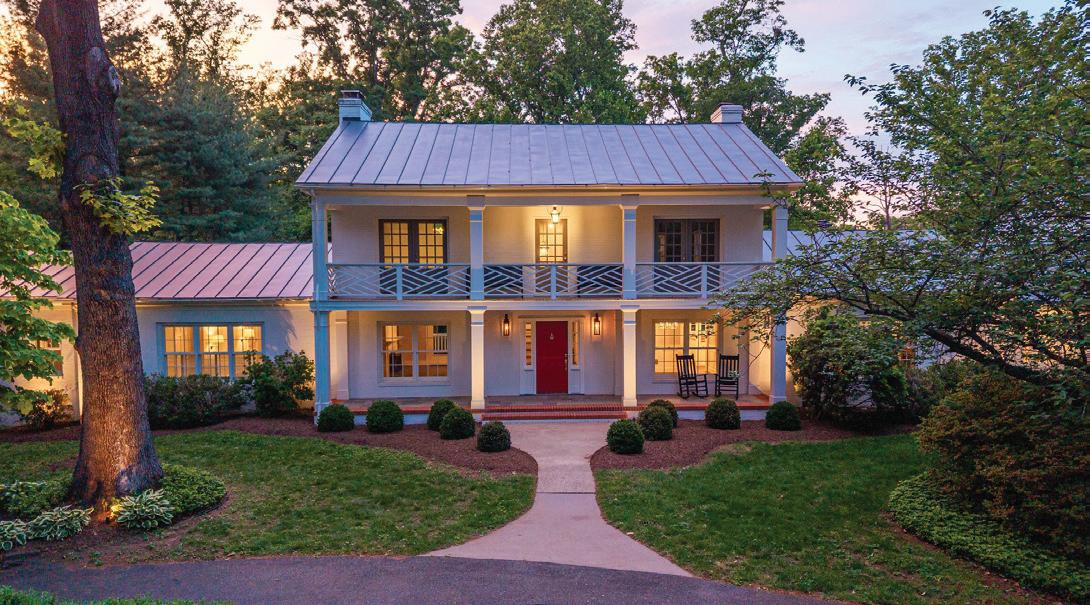
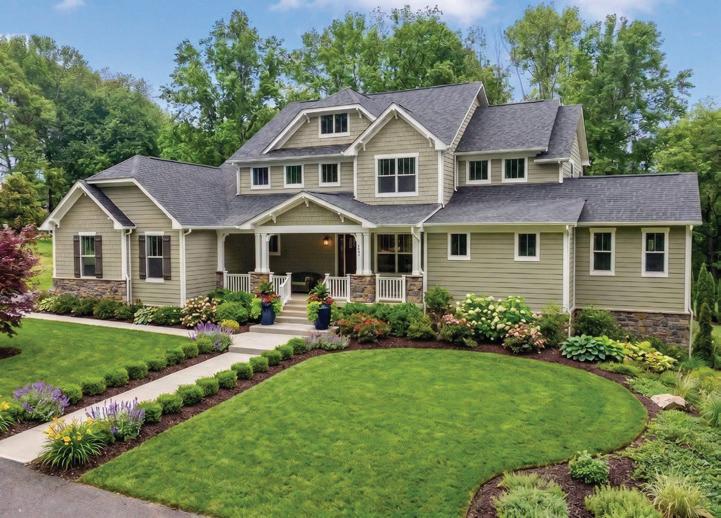
Set within the highly sought-after Farmington neighborhood, this beautifully renovated residence offers timeless appeal and thoughtful design. A first-floor primary suite, three additional ensuite bedrooms with private balconies, and a stunning screened porch with fireplace overlooking beautifully landscaped and illuminated grounds make this an exceptional offering. Expansive outdoor entertaining spaces extend the living area seamlessly.
EDNAM
$1,870,000 | MLS 672174 | Charlottesville Jeremy Fields, 434.270.1220
$949,500 | MLS 675547 | Keswick
Jim Faulconer, 434.981.0076
Will Faulconer, 434.987.9455
$1.450,000 | MLS 676081 | Charlottesville Katherine Leddington, 646.593.0333
LANGDON WOODS
$898,500 | MLS 678345 | Dyke
Liberty Kalergis, 434.962.9911
How the University shapes our community
The University of Virginia is so much a part of everyday life in Charlottesville that it can be easy to overlook the full scope of its massive influence on the area. Many people think first about students and professors, the Lawn, and football Saturdays. But UVA’s reach extends much further.
A study by UVA’s Weldon Cooper Center for Public Service examines the University’s role in employment, research, healthcare, entrepreneurship, tourism, and community partnerships. Among its findings, the report concludes that University-related activity supports more than 50,000 jobs across the Thomas Jefferson Planning District. That’s just one part of a much larger story.
THE HEADLINE NUMBERS — THOMAS JEFFERSON
$8.6B
Total economic output generated in the local region
$130.3M
Local government tax revenue generated annually
Jobs supported 5 0,098
Share of UVA's statewide output concentrated locally 75%
Jobs in the region tied to UVA’s employment impact 3 in 11
$35
Economic output for every $1 of state funding
Employment is the most visible way that UVA shapes the region. The University’s Academic Division and Health System directly employ more than 30,000 people, making UVA the area’s largest employer. Its economic footprint extends well beyond the Grounds. Construction firms build new facilities, while local companies provide food service, printing, maintenance, security, software, laboratory equipment, furniture, and professional services. Hotels, restaurants, and retailers benefit from a steady stream of visitors throughout the year. The Weldon Cooper study estimates that University-related activity supports more than 50,000 jobs across the region.
UVA also shapes the local workforce in another way. Thousands of students arrive in Charlottesville each year, many of whom choose to remain in Virginia after graduation. According to the report, over 85,000 working-age UVA alumni now reside in the Commonwealth. Charlottesville boasts the highest concentration of working-age UVA graduates of any locality in Virginia, which helps explain the continued expansion of employers in fields such as finance, engineering, law, technology, healthcare, and consulting within the region.
13,300+
17,000
30,900+
85,000
24,000+ Direct Academic Division employees
UVA Health employees
Total direct UVA employees
Working-age UVA alumni living in Virginia
Charlottesville working-age residents who are UVA graduates >27%
Albemarle County working-age residents who are UVA graduates 9%
Median earnings of UVA bachelor's graduates 10 years after graduation $109,662
Salary premium over U.S. average +53%
$474M
Students enrolled
Student spending added to local economy
Visitor spending generated by Academic Division $93M
• UVA Innovation Hub at Charlottesville Middle School: preparing local K–12 students for careers in technology
• President’s Council on UVA-Community Partnerships (est. 2020): advancing affordable housing, local procurement, career pipelines, and early childhood education
• Arts Mentors program: UVA students paired with K–12 pupils for arts engagement
• UVA is a founding member of the Virginia Business Roundtable for Early Education
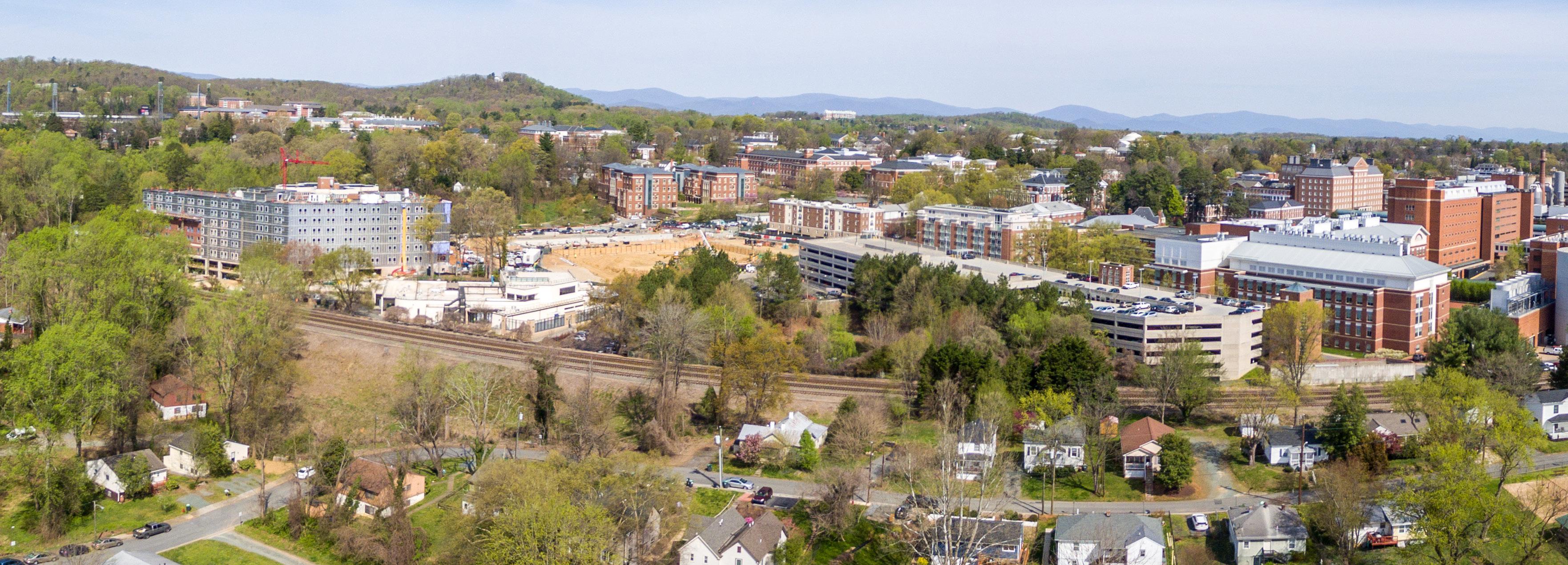
Research adds another layer of impact. UVA spent over $830 million on research in fiscal year 2024. While much of this work occurs within laboratories, clinics, and research centers, some projects extend beyond the Grounds through patents, startup companies, and partnerships with private industry.
Over the past decade, UVA-supported ventures have launched dozens of startup companies, most of which remain in the Charlottesville area. These businesses employ thousands and contribute to a growing biotechnology
and life sciences sector centered around Fontaine Research Park and North Fork Discovery Park.
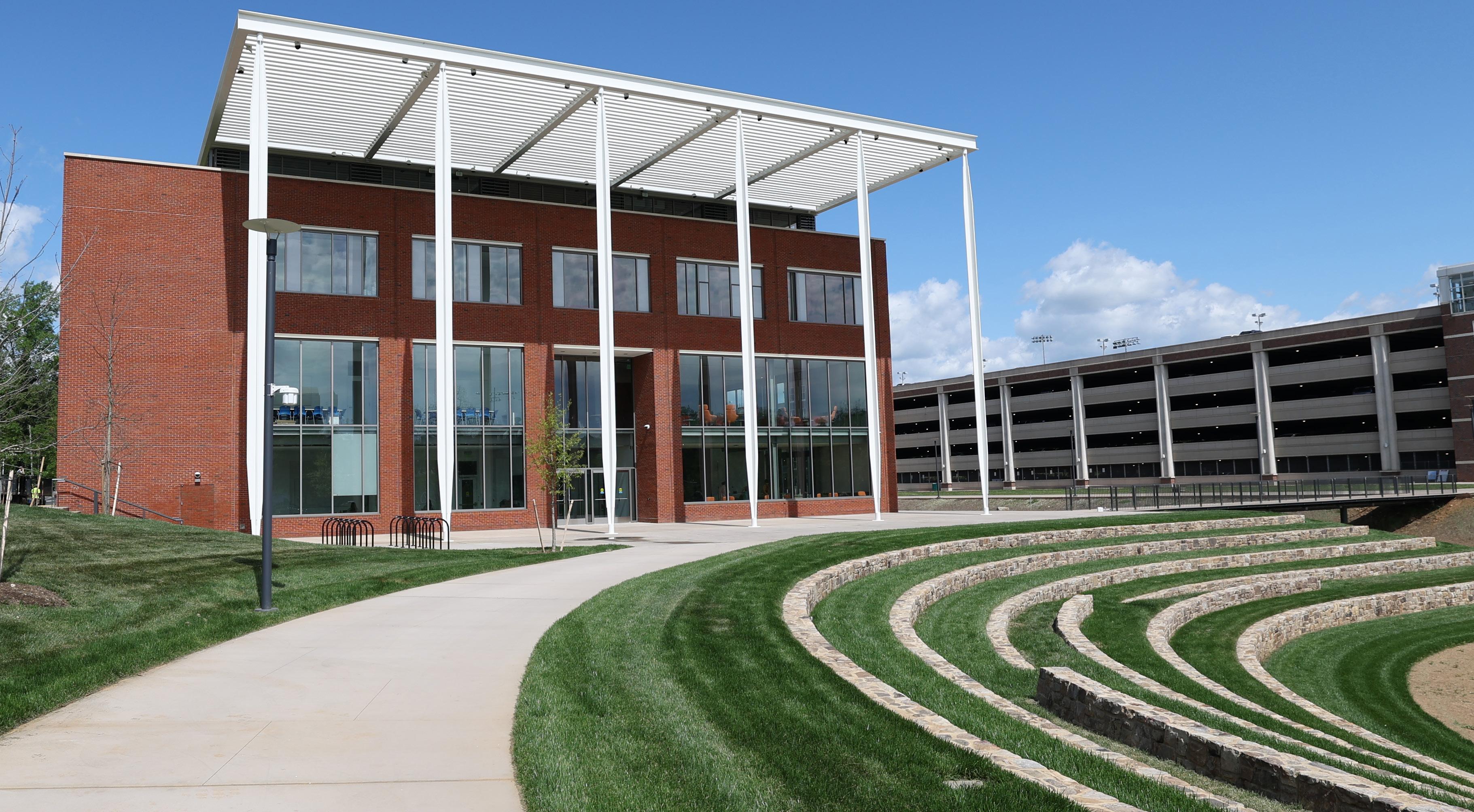
This momentum continues with ongoing or recently completed projects. The Manning Institute of Biotechnology is set to become a major center for translational medicine and biotechnology research. The Commonwealth BioAccelerator, located at North Fork Discovery Park, provides early-stage biotechnology companies with essential laboratory space and business support that was previously unavailable in the region.
• North Fork Discovery Park tenants include Booz Allen Hamilton, Leidos, MITRE Corporation, Adial Pharmaceuticals
• Regional Innovation Corridor: multi-jurisdictional biotech/IT/defense growth initiative along Route 29 North
• School of Data Science (established 2019): nation’s first standalone data science school
• Karsh Institute of Democracy: focuses on civic research and public engagement
• Manning Institute of Biotechnology opens 2027 at Fontaine Research Park.
• UVA is a partner at CvilleBioHub, supporting the regional biotechnology cluster. KEY INNOVATION INITIATIVES
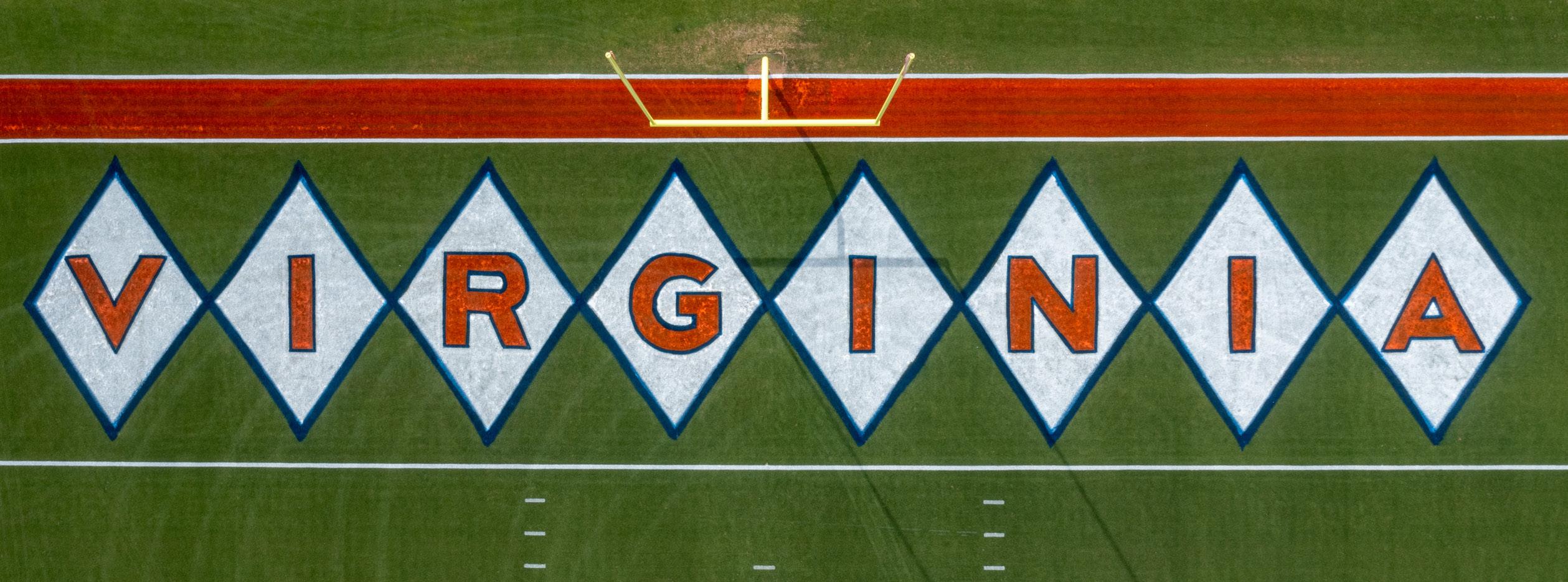
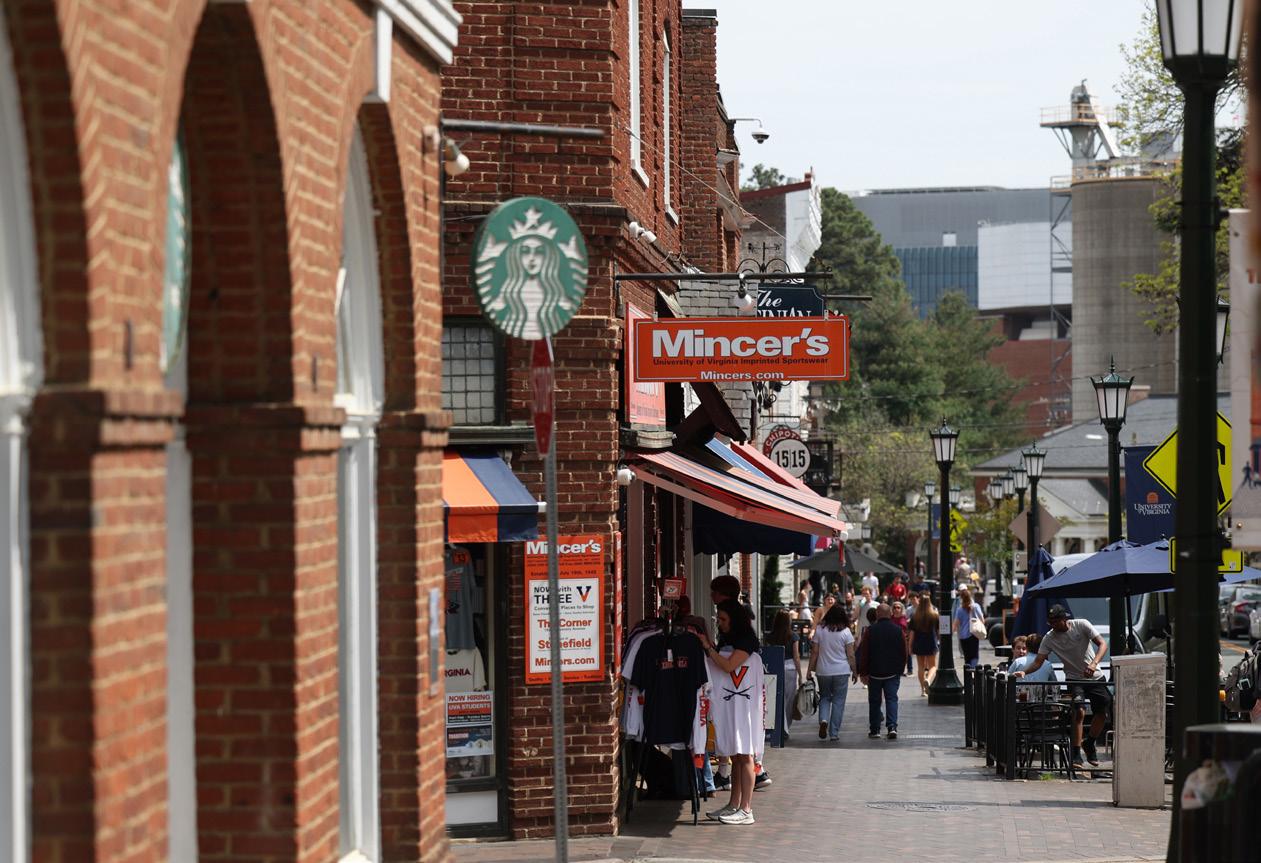
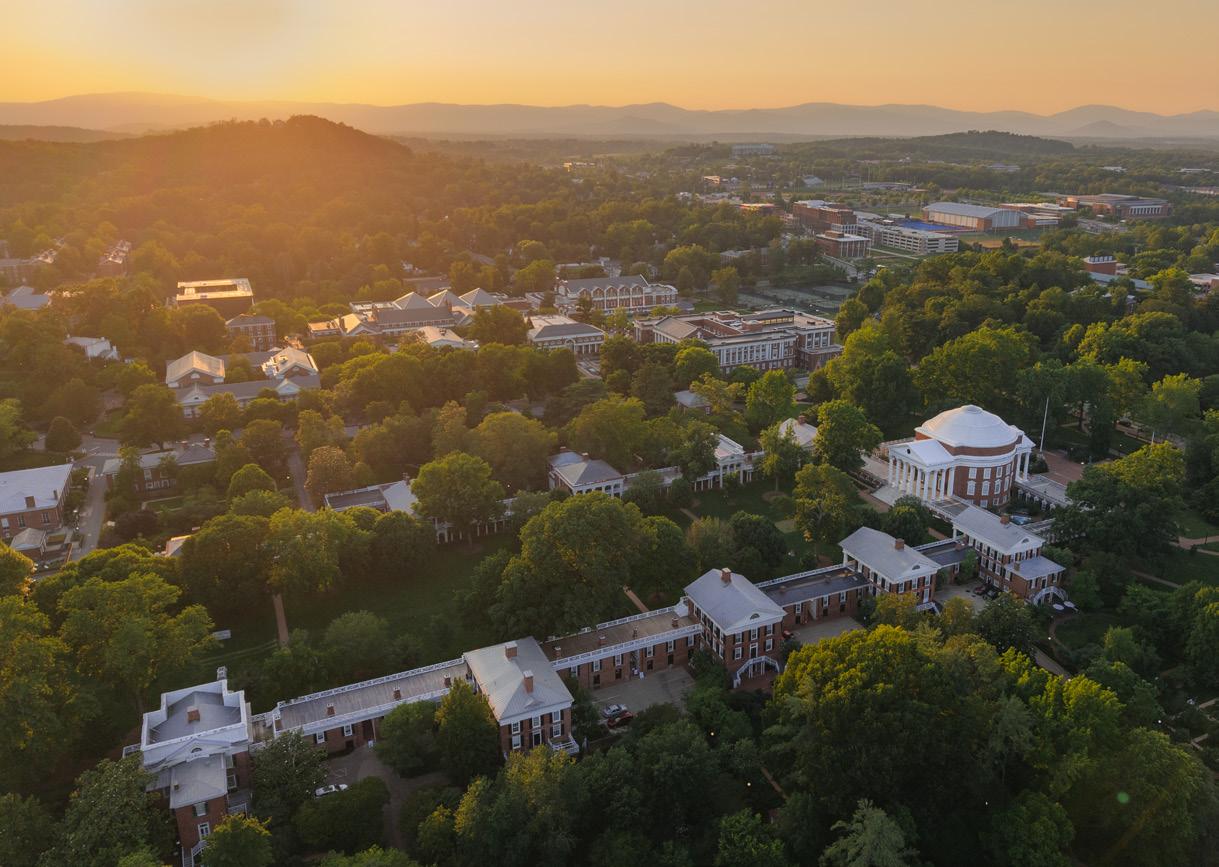
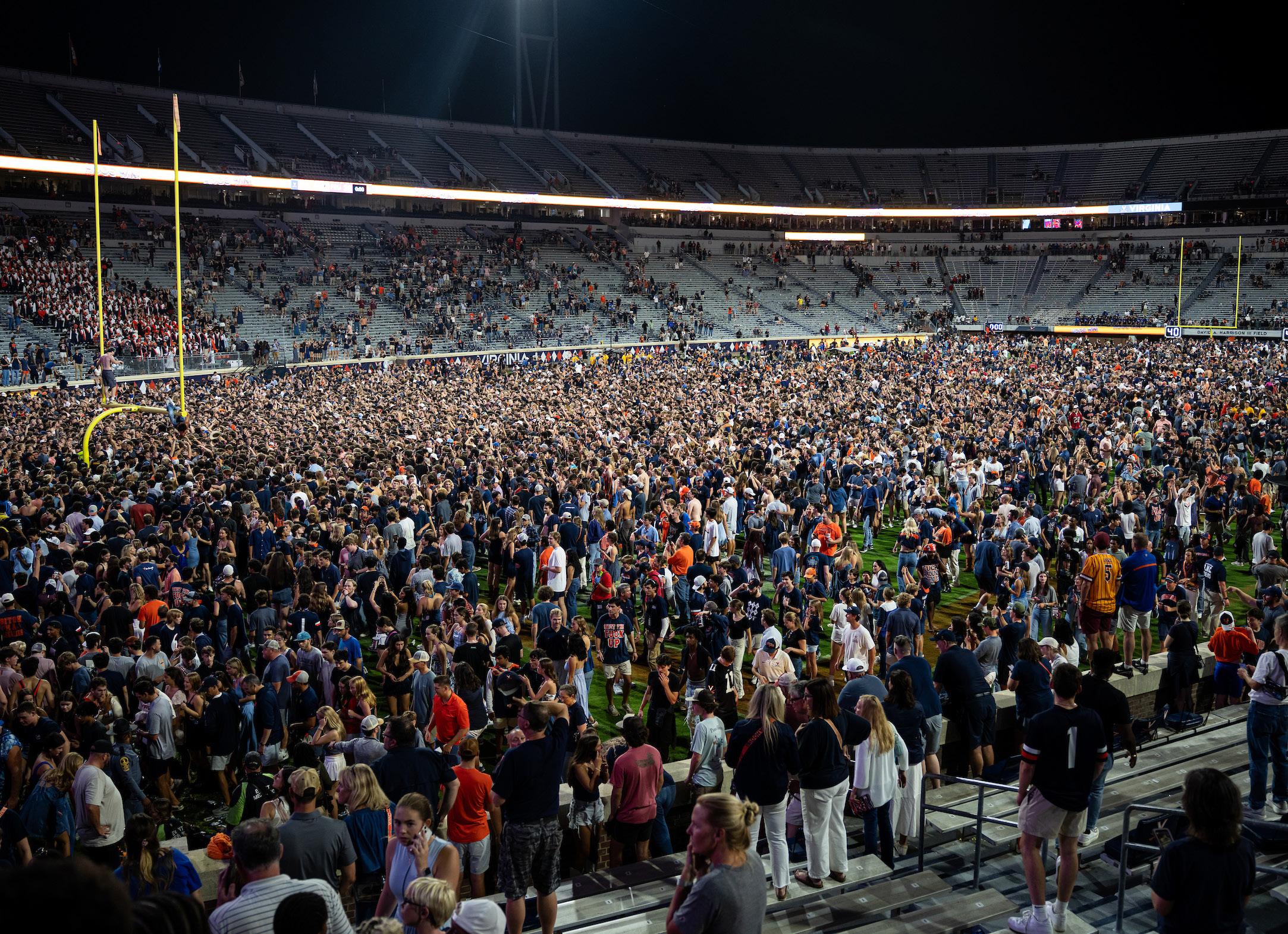
Visitors represent another often-overlooked aspect of the local economy. While football Saturdays garner significant attention, athletics account for only a portion of the picture. Families visit for admissions programs, alumni return for Reunions and Homecomings, and audiences attend performances at John Paul Jones Arena. The Virginia Film Festival and Virginia Festival of the Book annually draw visitors downtown, while public lectures, museum exhibitions, and concerts attract residents and guests throughout the year. Healthcare also generates its own visitor economy. Families accompany patients receiving specialized care at UVA Health, often staying in local hotels, dining at nearby restaurants, and spending several days in the community.
• UVA Academic Division: 652,004 total visitors to Grounds; 333,738 out-of-region visitors; $93.3M direct visitor spending
• UVA Health: 274,810 patient companions/visitors; 96,388 out-of-region visitors; $8.7M direct visitor spending
• More Visitation Highlights:
• Athletics: 445,894 attendees, with 245,491 coming from outside the region (spending $56.4M)
• John Paul Jones Arena (non-basketball events): 102,296 ($19.3M)
• Admissions events: 52,458
• Alumni events: 29,833
• Virginia Film Festival: 19,698
• Festival of the Book: 1,825
The University’s presence extends into the community in less visible ways. Madison House places students with dozens of local nonprofit organizations annually. UVA faculty, staff, and students volunteer throughout the region. Law students provide free legal assistance through clinical programs, and studentathletes participate in community service. The University also contributes to local emergency services and provides hundreds of millions of dollars in indigent care and unreimbursed Medicaid through UVA Health.
Some of UVA’s efforts focus on long-term community priorities. The President’s Council on UVA-Community Partnerships collaborates with local governments, schools, nonprofit organizations, and businesses on issues including workforce development, affordable housing, early childhood education, and economic opportunity. Programs such as the UVA Innovation Hub at Charlottesville Middle School introduce local students to technology and career pathways before they reach college.
The University of Virginia’s Weldon Cooper Center for Public Service is a nonpartisan research and training hub that helps governments and communities make better decisions across the Commonwealth. The Center’s demographers produce Virginia’s official population estimates and projections, which guide everything from school construction and transportation planning to funding allocations and local budgeting. Its economists and policy analysts study workforce trends, taxes, economic development, and energy issues, translating complex data into usable insights for public officials, nonprofits, and civic leaders. The Center also offers leadership development and practical training programs for state and local officials, helping to build effective, data - literate governance at every level in Virginia.
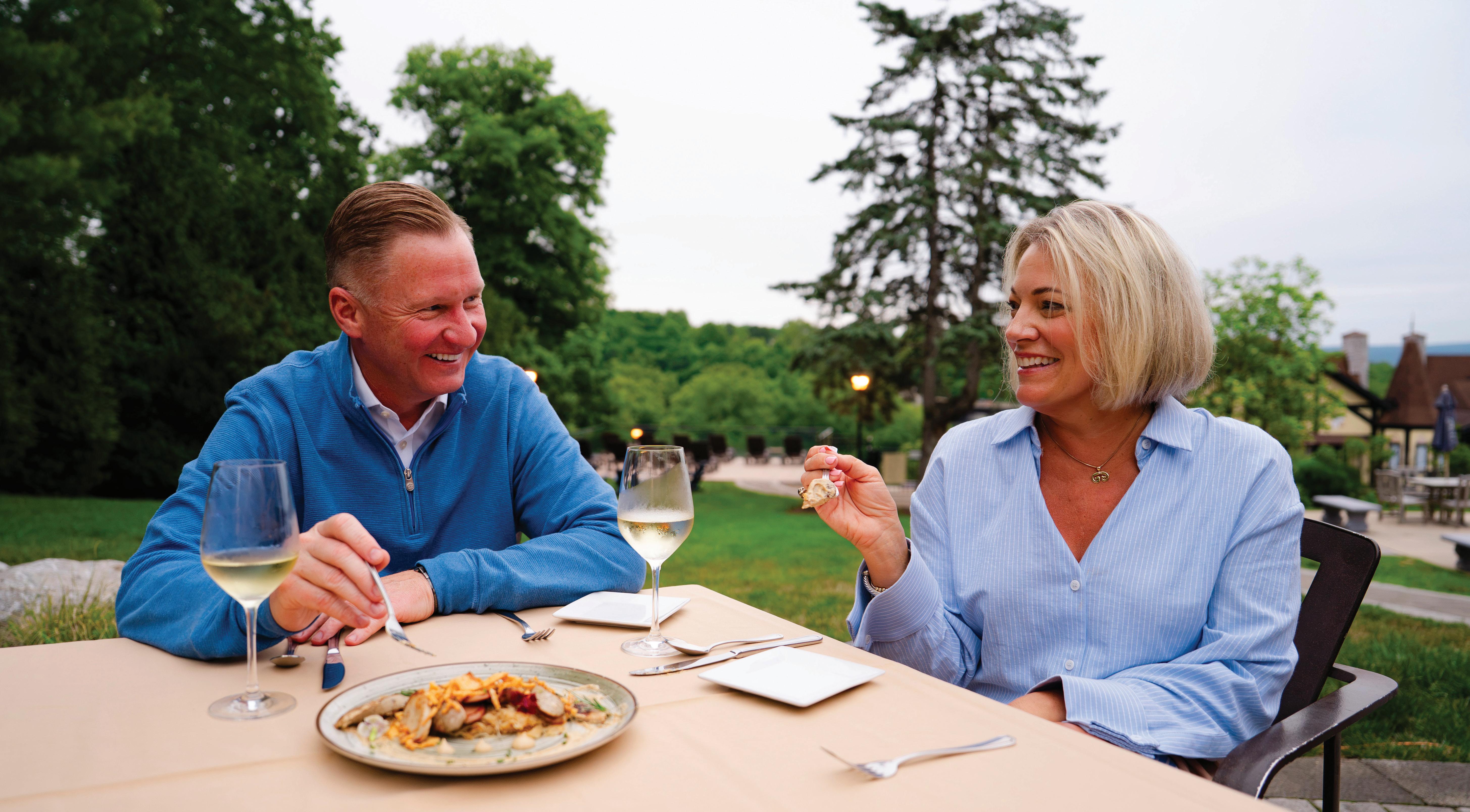
Discover a culinary scene where Appalachian heritage meets bold creativity. Small-town kitchens craft big-city avors—without the fuss, the crowds, or the price tag. Savor the unexpected in Je erson County, West Virginia.
HARPERS FERRY SHEPHERDSTOWN CHARLES TOWN RANSON BOLIVAR



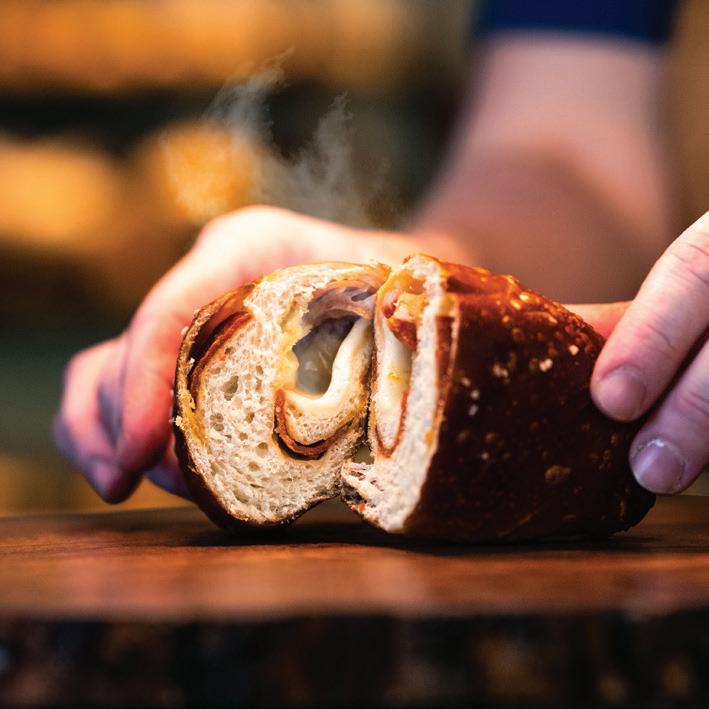

Bolivar Bread in Harpers Ferry is a woman-owned, artisan bakery famous for their daily, fresh baked bread and sweets. Voted best bakery in West Virginia by WV Living magazine, a customer favorite is the pepperoni roll made with a pretzel sourdough and double-stu ed pepperoni and cheese.





Discover more stories about the incredible culinary scene of Jefferson County at WHEREALMOSTHEAVENBEGINS.COM/DINING
“Chef Mary Ellen Diaz from Alma Bea in Shepherdstown was one of ve nalists as Best Chef in the Southeast by the 2026 James Beard Awards.”
—Charleston Gazette Mail
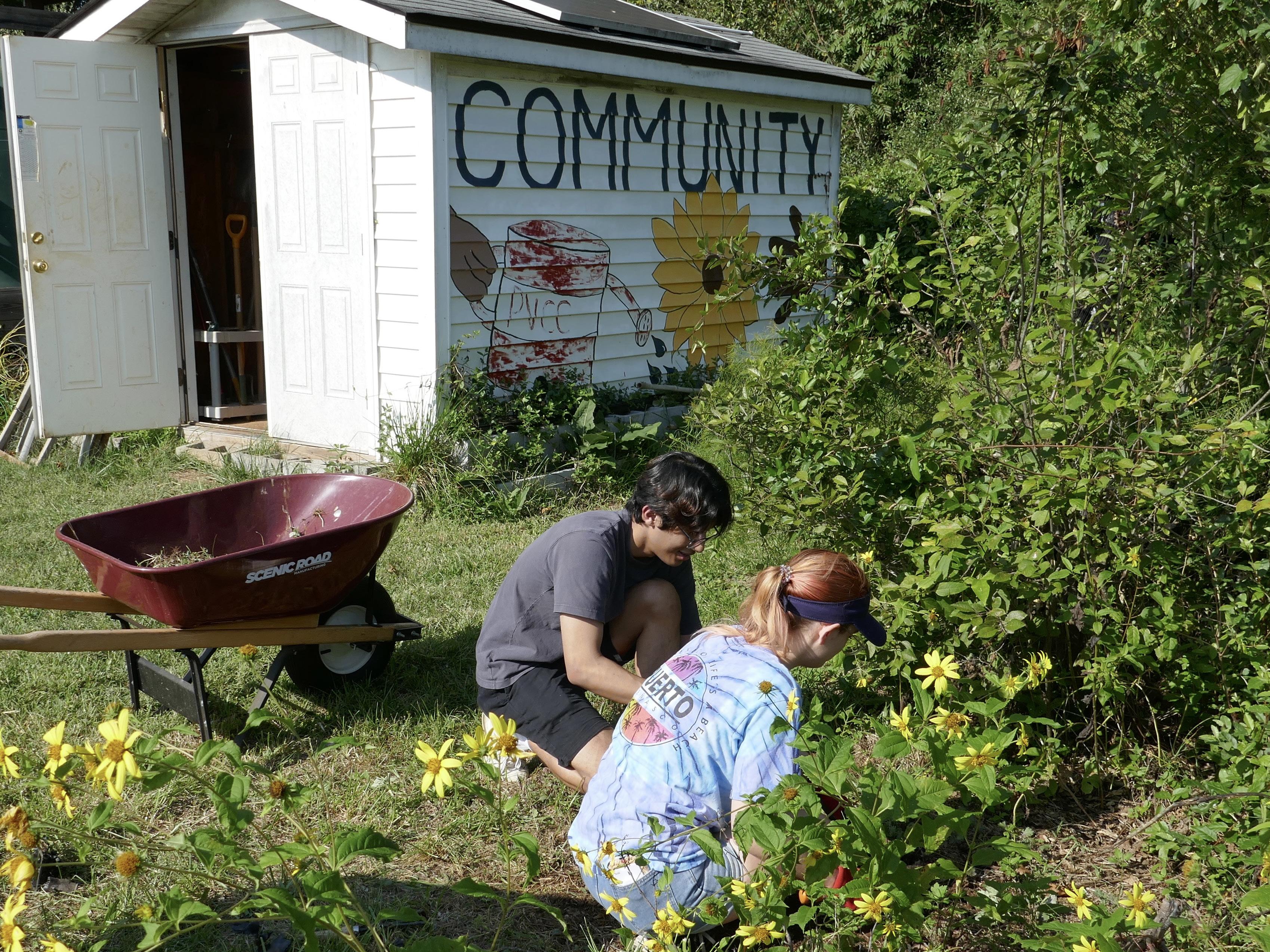
Every university leaves its mark on the surrounding community. Some impacts are easy to measure through jobs, research, healthcare, and economic activity, while others are built more quietly through relationships that develop over time. For more than half a century, Madison House has helped shape one of the University of Virginia’s most enduring connections with the Charlottesville area by connecting students with opportunities to volunteer with local schools, nonprofits, healthcare providers, and community organizations.
Founded in 1969 as UVA’s independent student volunteer center, Madison House has grown into one of the region’s largest organized networks of volunteers. Each year, nearly 2,000 students contribute tens of thousands of hours of service at more than 120 community sites, working everywhere from elementary schools and food pantries to hospitals, refugee assistance programs, animal
sanctuaries, and community gardens. Madison House acts as a bridge between the university and the community, matching student interests with community-identified priorities while providing local organizations with a dependable corps of trained volunteers.
The impact runs in both directions. Community organizations gain volunteers who expand their capacity to serve local residents, while students step beyond the classroom to engage with the people, neighborhoods, and challenges that define the place they call home during their years at UVA.
“Student leaders are the heart of Madison House,” says Mary Denlinger, Madison House’s executive director. “The scale of programming and the level of responsibility students take on are remarkable. Student leadership is central to every part of the organization, from our programs to our board.”
This student-led model distinguishes Madison House from many volunteer organizations. Students recruit volunteers, coordinate schedules, organize training, work with community partners, and oversee the organization’s four major service tracks. The experience extends far beyond volunteering itself. Students learn to manage teams, solve problems, build partnerships, and take responsibility for programs that serve thousands of people across the Charlottesville area.
Madison House traces its roots to the nation’s first collegiate YMCA, before students established the organization in 1969 to coordinate volunteer efforts throughout the community. More than 50,000 students have participated since then. “Madison House has a strong legacy of service,” Denlinger says. “We’re honored to carry it forward for the next generation of students.”
She believes this legacy reflects something fundamental about the university itself. “Madison House embodies UVA’s longstanding commitment to public service,” she says. “We provide hands-on opportunities for students to put those values into practice in partnership with the Charlottesville community.”
The breadth of Madison House’s work is remarkable. Students tutor children, mentor teenagers, assist patients in hospitals and clinics, coach youth sports, prepare tax returns for low-income families, support refugee resettlement, care for rescued animals, answer crisis helplines, and help address food insecurity. Although the programs address diverse community needs, they share a common philosophy. Madison House listens first, then recruits and prepares students to serve where they’re needed most.
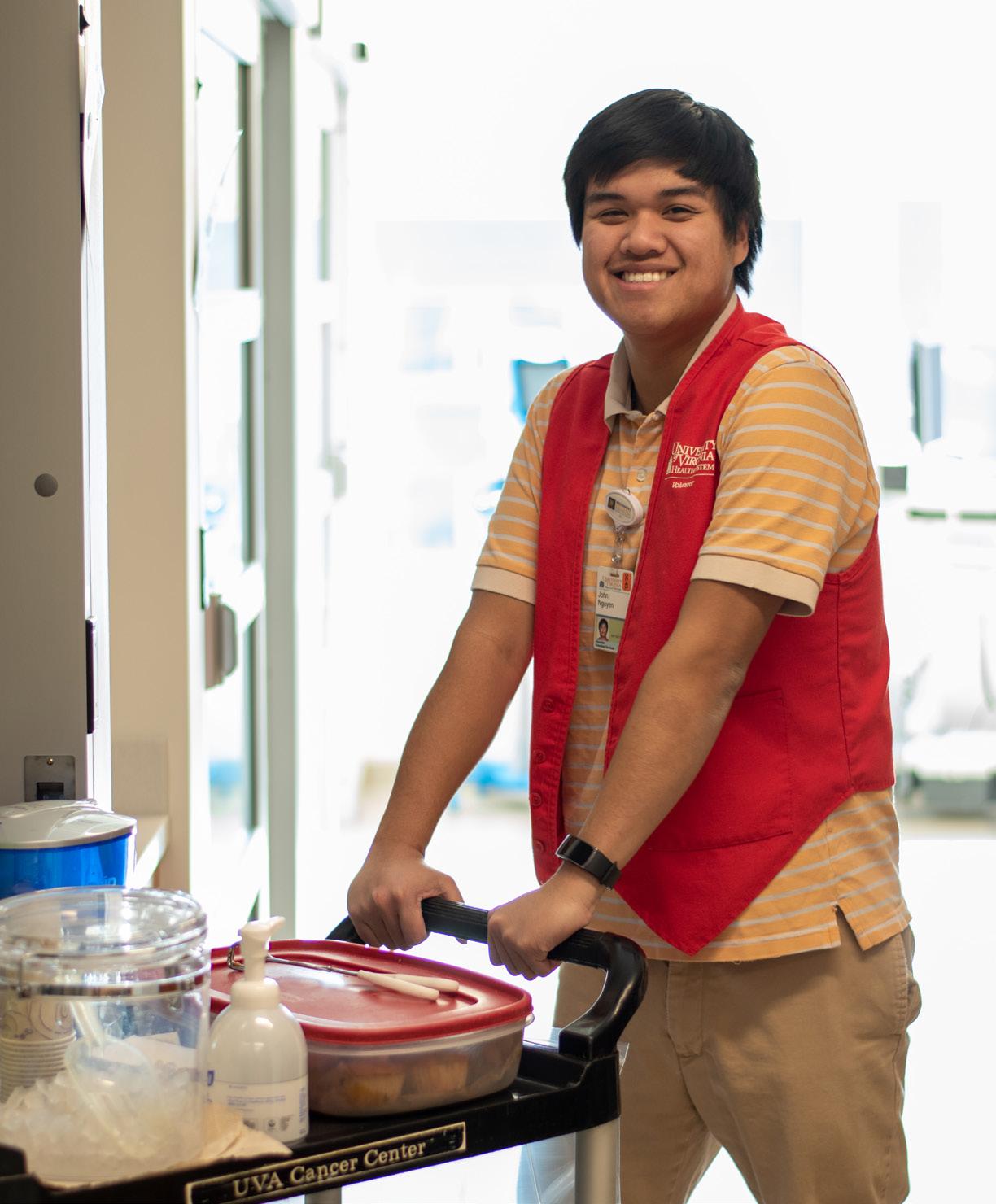
Those long-term commitments shape students as much as they strengthen community organizations. For Ellie Maruca, those weekly commitments became the defining experience of her time at UVA. Maruca, who graduated in May with degrees in public health and Spanish, spent three years volunteering through Madison House’s Adopt-a-Grandparent program, visiting residents in memory care at Commonwealth Senior Living and later at The Colonnades. The experience reshaped both her understanding of service and the direction of her career.
The experience also led her toward nursing. Through Madison House, Maruca volunteered on a telemetry unit at Martha Jefferson Hospital, where she worked alongside nurses and discovered how much she valued direct patient care. “Madison House gave me clinical experiences I wouldn’t have had otherwise,” she says. “Being in that environment helped me realize how important direct care is to me. That’s what makes nursing stand out—the caring aspect, being hands-on, and being the one who’s there for people’s needs.”
Her work in memory care left an equally lasting impression. Watching residents cope with isolation inspired her public health capstone on depression among older adults and reinforced her belief that simply showing up each week can make a meaningful difference. “What I’ll
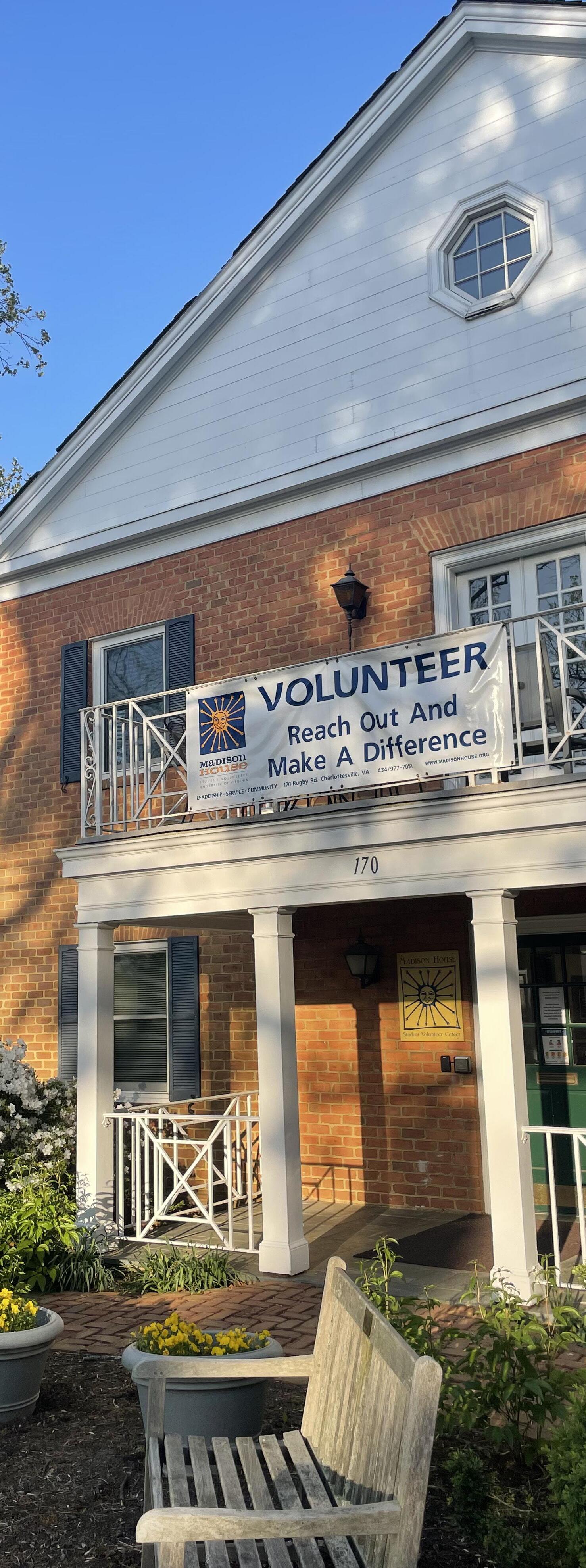
carry with me is the importance of getting to know the people around you when you’re serving and meeting them where they are,” she says. “Madison House changed my idea of what service really is. I’ve come to see it as fundamentally about building relationships.”
Denlinger sees stories like Maruca’s year after year. While Madison House exists to strengthen the community, she says students often discover that the experience changes them just as profoundly. “Students often tell us they get more out of their service than they give,” Denlinger says. “They’re building relationships with people they might not otherwise meet, gaining a deeper understanding of the Charlottesville community, and learning from community partners who are experts in their fields and serve as co-educators.”
Third-year student Mahir Parmar first volunteered at UVA Health through Madison House after arriving from Pittsburgh. Today, he directs Madison House’s Health and Medical Services track. “I grew up volunteering. My parents really instilled that in me,” he says. “When I got to UVA, I knew I wanted to keep serving, and the first name that came up was Madison House. I heard about it at orientation, and I signed up for a shift at UVA Health. I’ve loved it ever since.”
Over the past two years, Parmar has volunteered in the hospital’s gift shop and medical laboratory, helping family members who cannot be in Charlottesville send cards, flowers, balloons, and small gifts to loved ones receiving care. Delivering those simple gestures has shown him how much small acts of kindness can matter. “One of my favorite memories is bringing a small blue teddy bear to a newborn,” he says. “I still have my teddy bear from when I was born, so getting to carry that little gift up to a new baby felt really special. Moments like that stay with you.”
Those experiences have also changed the way he views healthcare. “From the outside, you might think you have one doctor taking care of you,” he says. “But what I see is a whole team—nurses, doctors, techs, and so many others—constantly coming in and checking on patients. Those small gestures of compassion, over and over, are beautiful to witness. It’s people coming together around one patient who’s going through something hard, and that’s what keeps me drawn to the medical field.”
Today, Parmar oversees one of Madison House’s largest service tracks, coordinating head program directors and dozens of student leaders who, in turn, manage volunteers serving throughout the region’s healthcare community. The responsibility has given him an appreciation for the scale of an organization that is almost entirely run by students. “What makes Madison House special is its sheer size and its long history,” Parmar says. “We’re able to place so many more students in hospitals and community organizations than would ever be possible if everyone had to figure it out on their own.”
That scale is felt most clearly by the organizations that welcome Madison House volunteers each week. For many nonprofits, the
students represent far more than extra hands. Their steady presence allows organizations to expand programs, serve more people, and devote more resources to fulfilling their missions.
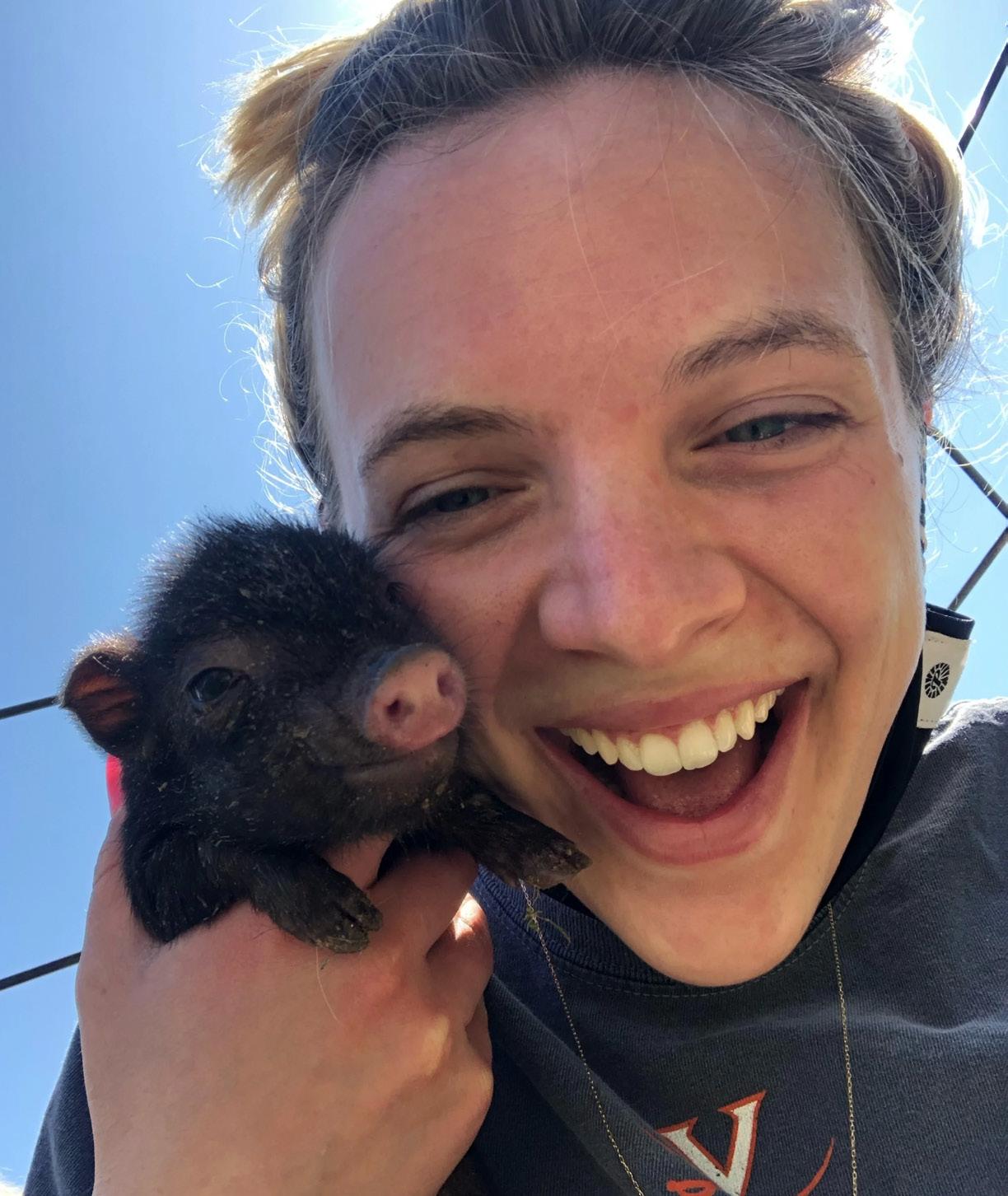
Ranger’s Refuge at Gallastar Farms in Esmont is one of those partners. The nonprofit animal sanctuary and equine-assisted therapy center relies on Madison House students to help care for rescued animals, maintain the property, and complete projects that keep the 68-acre farm operating.
“Our relationship with Madison House volunteers is a cornerstone of Gallastar,” says Lorelei Pulliam, who co-founded the organization with her husband, Ron. “We literally could not keep Gallastar up and running without Madison House. They are our only volunteers, and we depend on them to finish projects on the farm. They also perform many animal-related care activities.”
For Pulliam, the partnership extends well beyond the work itself.
“Just as importantly, they give us hope and inspiration,” she says. “We can rest assured that the future of our world is brighter with generous, genuinely kind and industrious young people at the helm.”
Jane Colony Mills has experienced Madison House from both sides of the partnership. As a UVA student, she volunteered through Madison House providing childcare at Trinity Episcopal Church. Today, as executive director of Loaves & Fishes Food Pantry, she depends on Madison House students to help feed thousands of families across the region.
“Volunteering connected me to the greater Charlottesville community and gave me an insight into who makes up this beautiful, welcoming area,” Mills says. “Madison House volunteering probably led to my eventually landing on a nonprofit career path. I could see what I had to offer, that made me feel good, and made me want to give back to support my community.”
Today, Madison House volunteers are integral to the daily operation of Loaves & Fishes, helping distribute food, organize donations, and assist visitors throughout the pantry. “Volunteers make up half of our organization’s labor force,” Mills says. “We could not feed so many people without community and student volunteers.”
Her experience illustrates one of Madison House’s greatest strengths. The organization provides nonprofits with students who become part of their regular operations, returning often enough to understand the work, build relationships, and earn the trust of the people they serve. Madison House encourages students to think beyond individual volunteer shifts and instead see themselves as partners in long-term community relationships.
“Part of our mission is to foster a lifelong commitment to service,” Denlinger says. “For many, that journey begins at Madison House, and we encourage them to explore how they'll continue contributing to the common good after graduation, regardless of their major or career.”

You don’t have to be a student to experience some of the best things that the University of Virginia has to offer. From concerts and championship athletics to public lectures, historic gardens, and museums, UVA offers area residents countless opportunities to learn, explore, and connect.
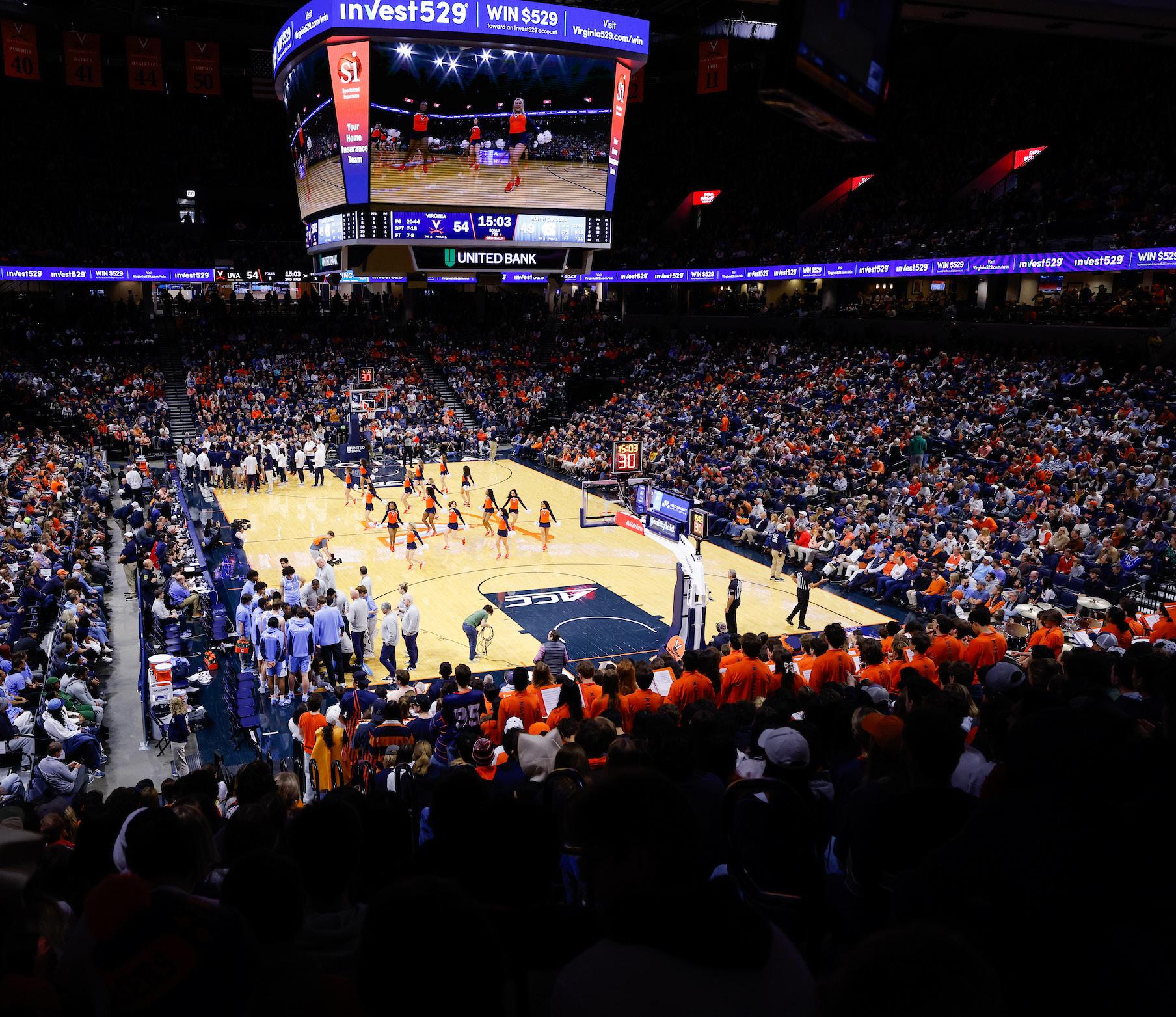
Tickets aren’t needed to attend games for most of UVA’s 27 varsity teams (13 men’s and 14 women’s). While football, men’s and women’s basketball, baseball, and men’s lacrosse require paid admission, more than 100 home sporting events each year are free. That includes men’s and women’s soccer, women’s lacrosse, volleyball, softball, field hockey, swimming and diving, wrestling, tennis, track and field, golf, rowing, and squash. Most offer open seating, making them an easy outing for families, youth sports teams, or anyone looking to experience college athletics.
The Cavaliers consistently rank among the nation’s elite programs. UVA teams have won 37 NCAA team national championships, with recent titles in women’s swimming and diving, men’s tennis, and men’s lacrosse, along with memorable championships in men’s basketball and baseball.
Schedules, tickets, and parking information are available at virginiasports.com.
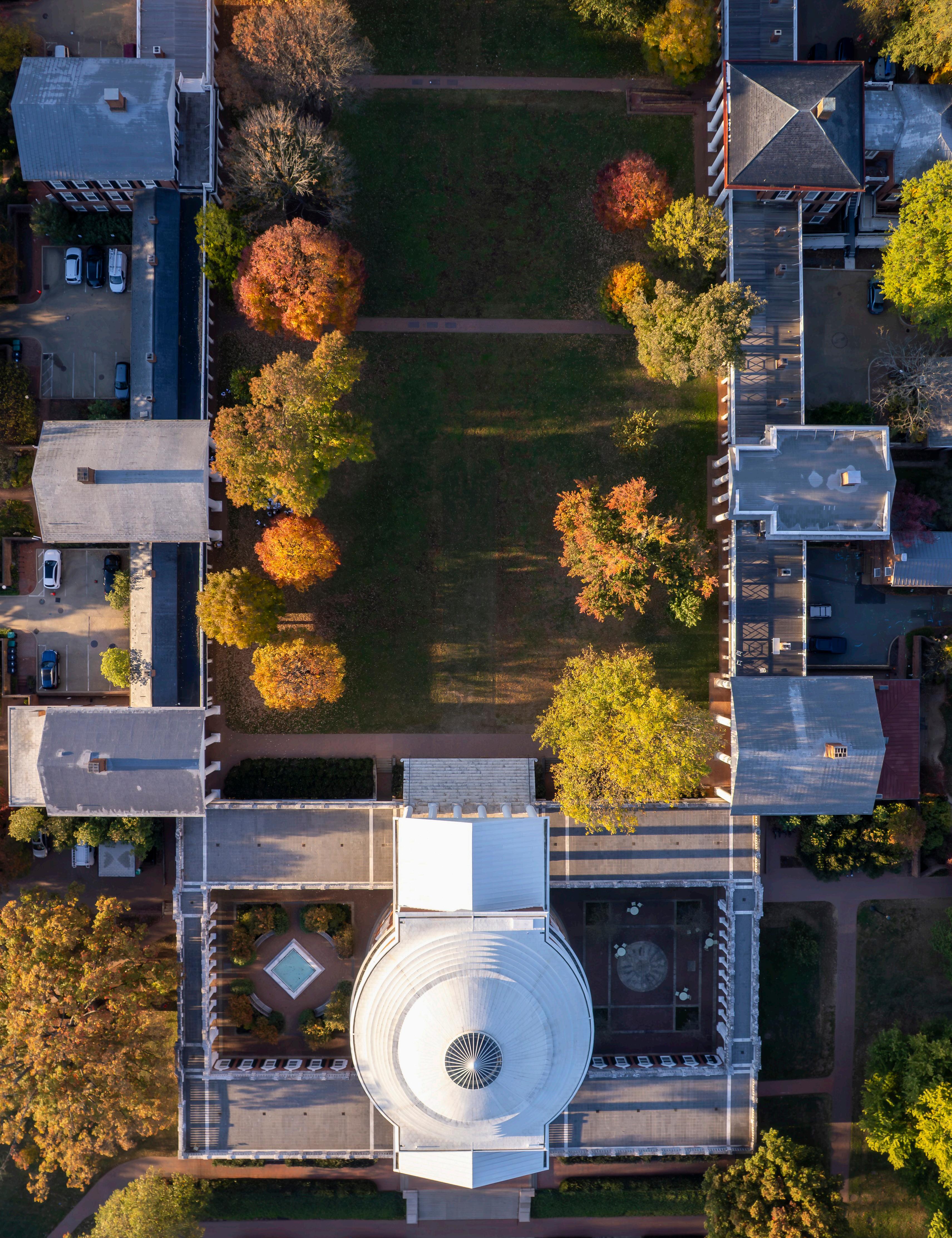
The Pavilion Gardens are among the most beautiful places on Grounds. Designed as part of Thomas Jefferson’s original Academical Village, these walled gardens once served as working yards for faculty homes and student boarding houses. In the mid-20th century, the Garden Club of Virginia helped transform the spaces into the formal gardens visitors enjoy today while preserving Jefferson’s distinctive serpentine brick walls. Each garden has its
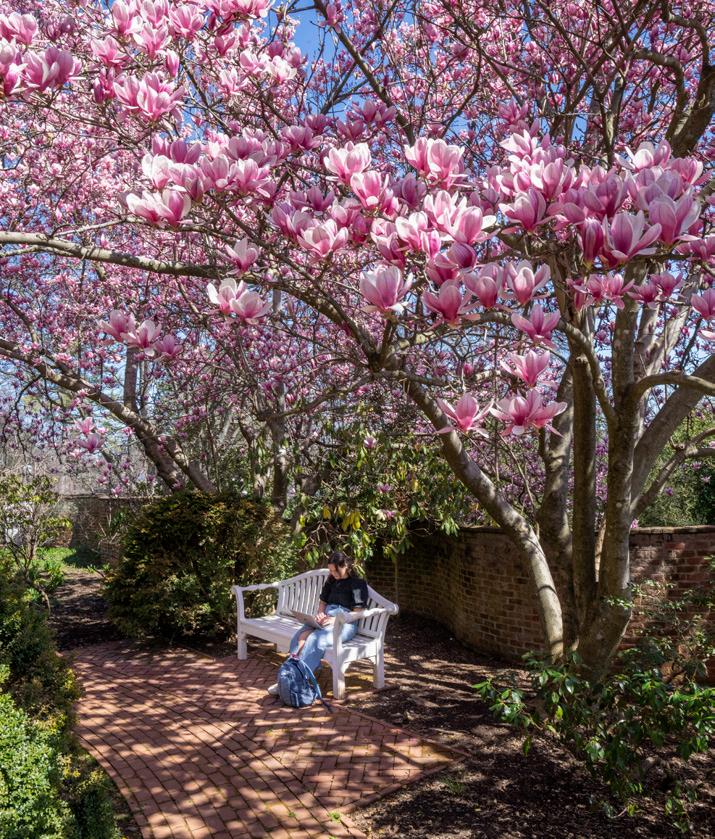
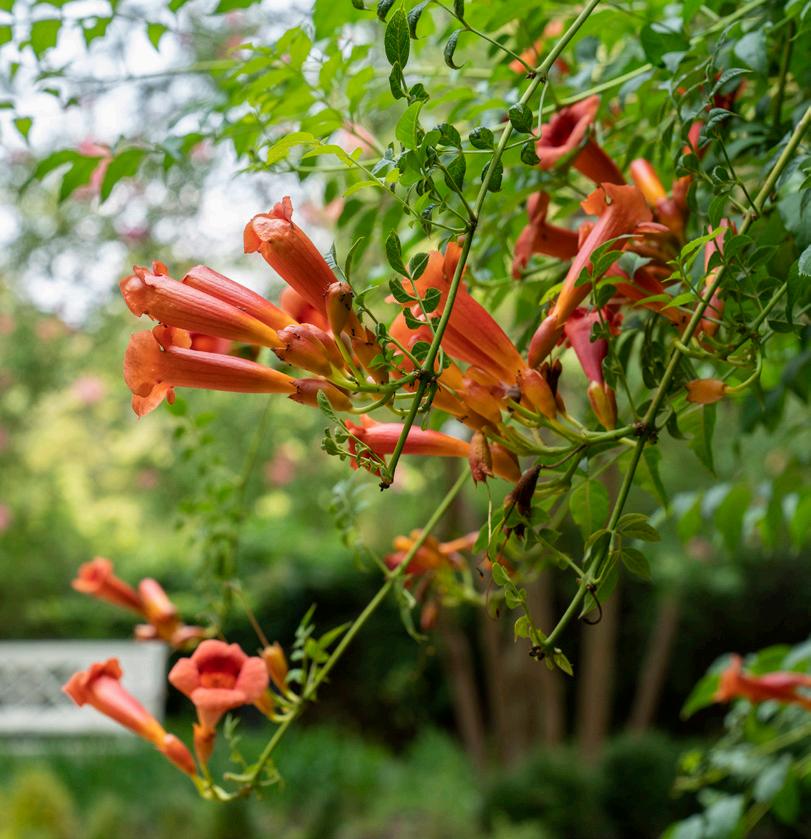
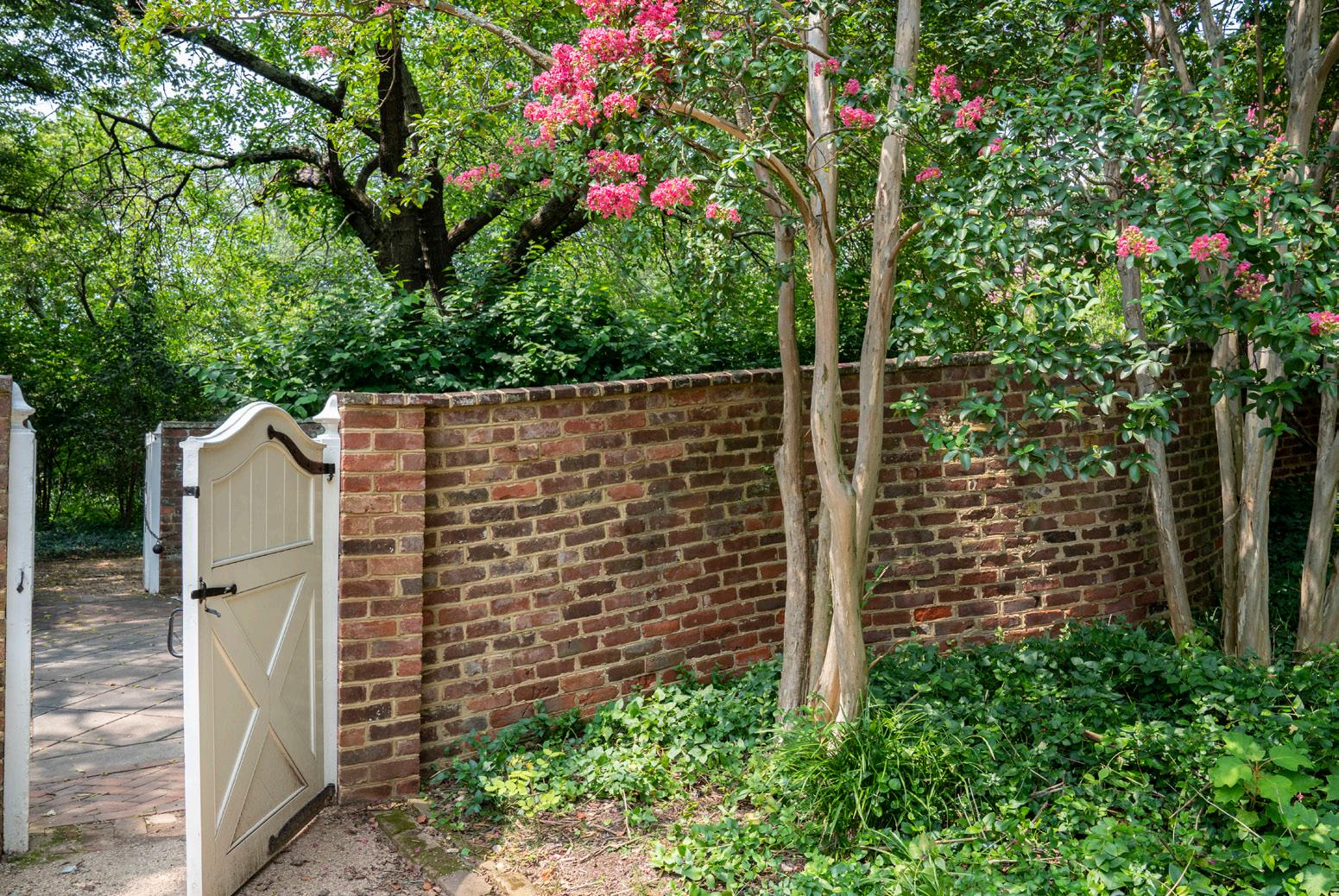

own character, with winding paths, flowering trees, boxwood, and seasonal plantings.
Six lower gardens, located behind Pavilions I, II, V, VIII, IX, and X, are open to the public whenever they aren’t reserved for weddings or other events. The upper terraces remain private, but the lower gardens are free to explore.
Explore the Pavilion Gardens for their history, landscape design, or simply as a peaceful place for a stroll or a quiet moment on a bench.
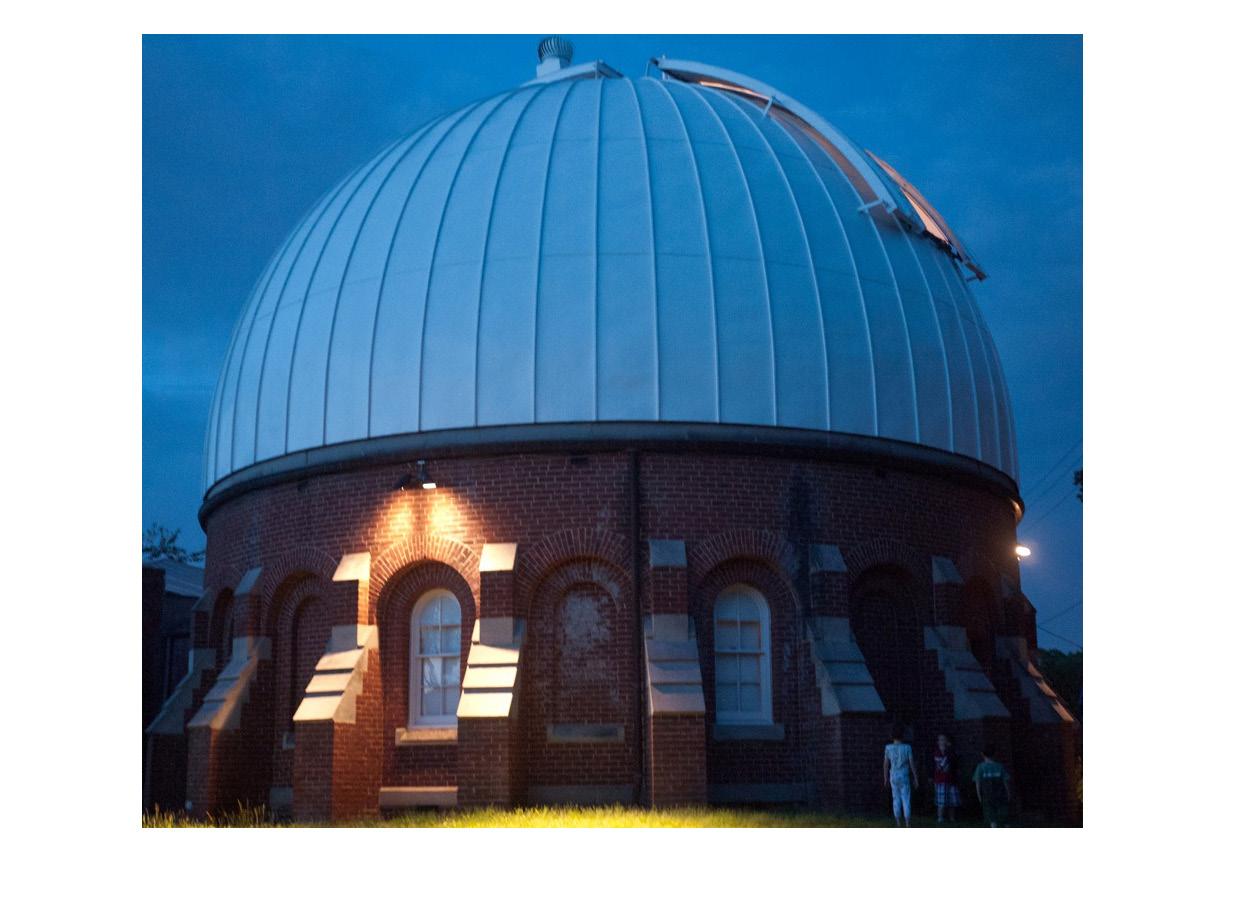
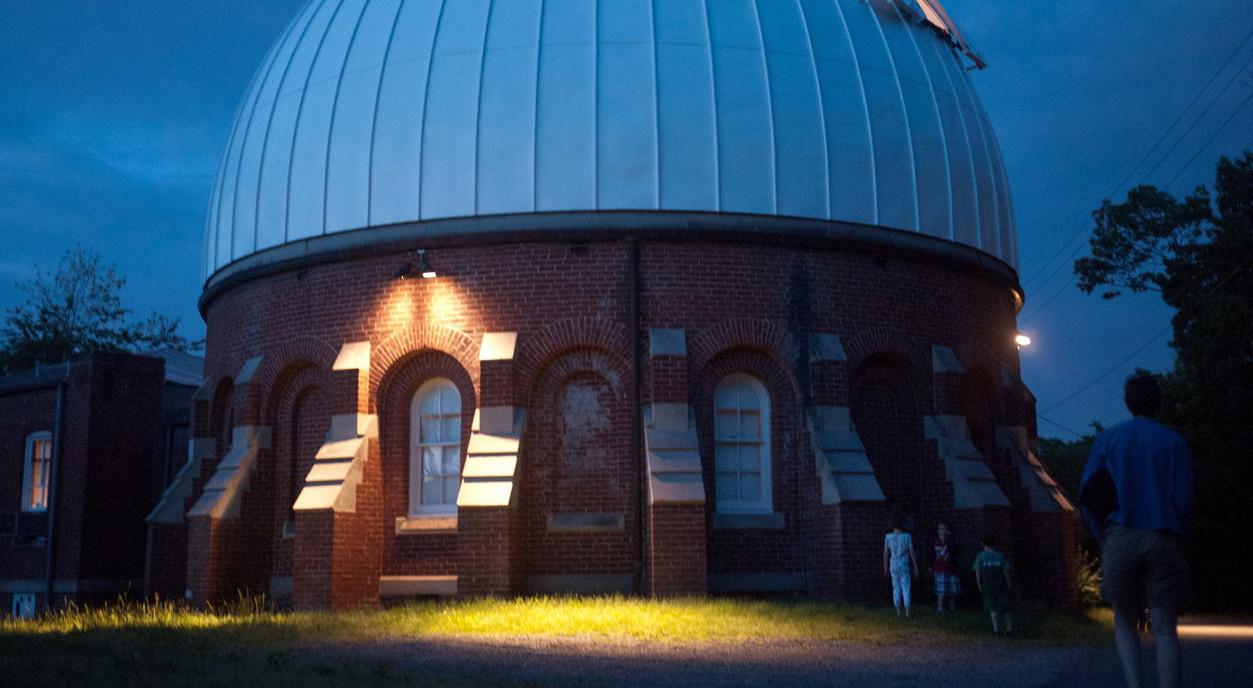
The Leander McCormick Observatory is home to one of the largest and oldest telescopes in the United States, a 26-inch refractor dating back to the 1880s. On the first and third Friday “Public Nights,” volunteers from the Department of Astronomy and local astronomy clubs host visitors for an evening that includes a brief introduction to the evening’s astronomical sights, a tour of the historic building, and, weather permitting, opportunities to view the night sky through the impressive refractor and smaller, modern telescopes set up on the grounds. Glimpse the rings of Saturn, the craters of the Moon, or star clusters and nebulae that are barely visible to the naked eye. This free program has limited space, and tickets are released online on the first business day of each month. Tickets are free, but they’re typically gone within hours, so mark your calendar. astronomy.as.virginia.edu/public-nightsmccormick-observatory
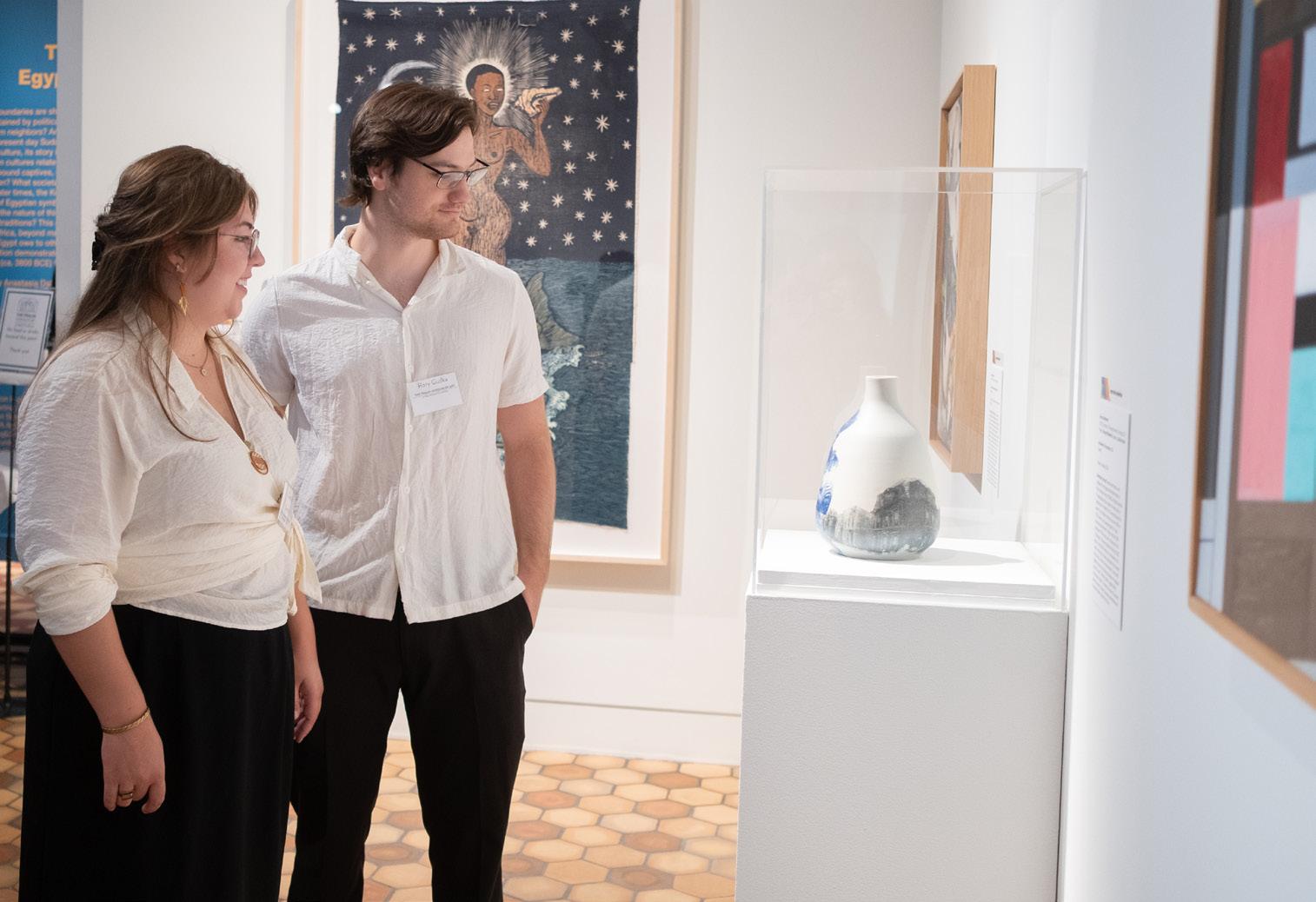
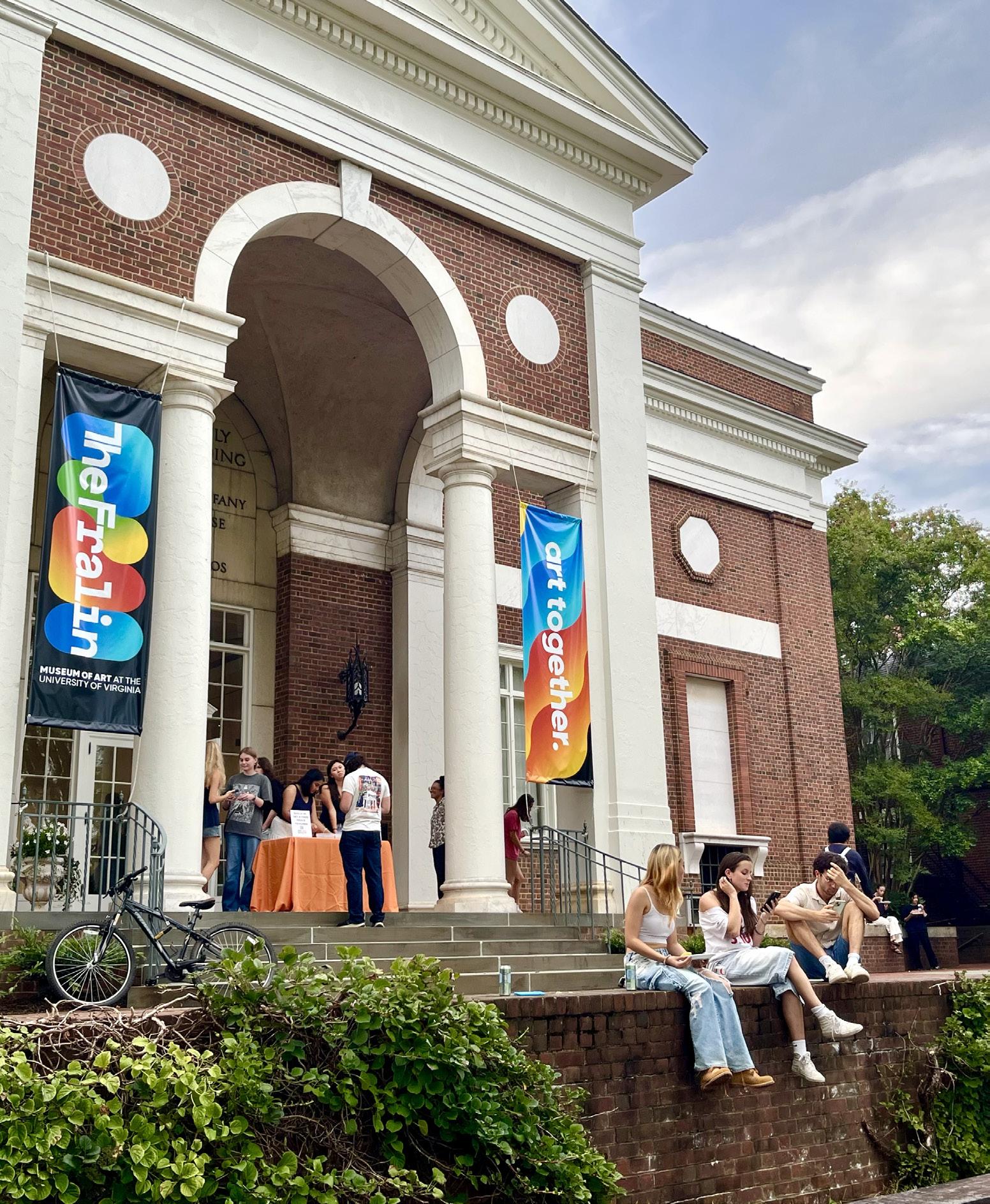
Admission to the Fralin Museum of Art is always free, making it easy to explore rotating exhibitions throughout the year. This fall, the museum presents Legacies of Independence (August 29 through January 3), featuring four exhibitions that examine Thomas Jefferson’s legacy through both historical and contemporary perspectives. Highlights include a site-specific installation by internationally acclaimed Beninese artist
Georges Adéagbo and a rare 19th-century Native American painting depicting Jefferson and his descendants.
Another popular way to experience the museum is during Final Fridays, a tradition that has welcomed students and the Charlottesville community for decades. Held on the last Friday of each month during the academic year, the free evening event features art, live music, food, hands-on artmaking, and student docent-led gallery talks. The museum remains open until 8 p.m. for Last Fridays, and everyone is welcome. uvafralinartmuseum.virginia.edu
Some of UVA’s best classrooms don’t require enrollment. Throughout the year, the University hosts free public lectures, panel discussions, and educational programs that bring leading scholars, physicians, scientists, historians, and policy experts together with the community.
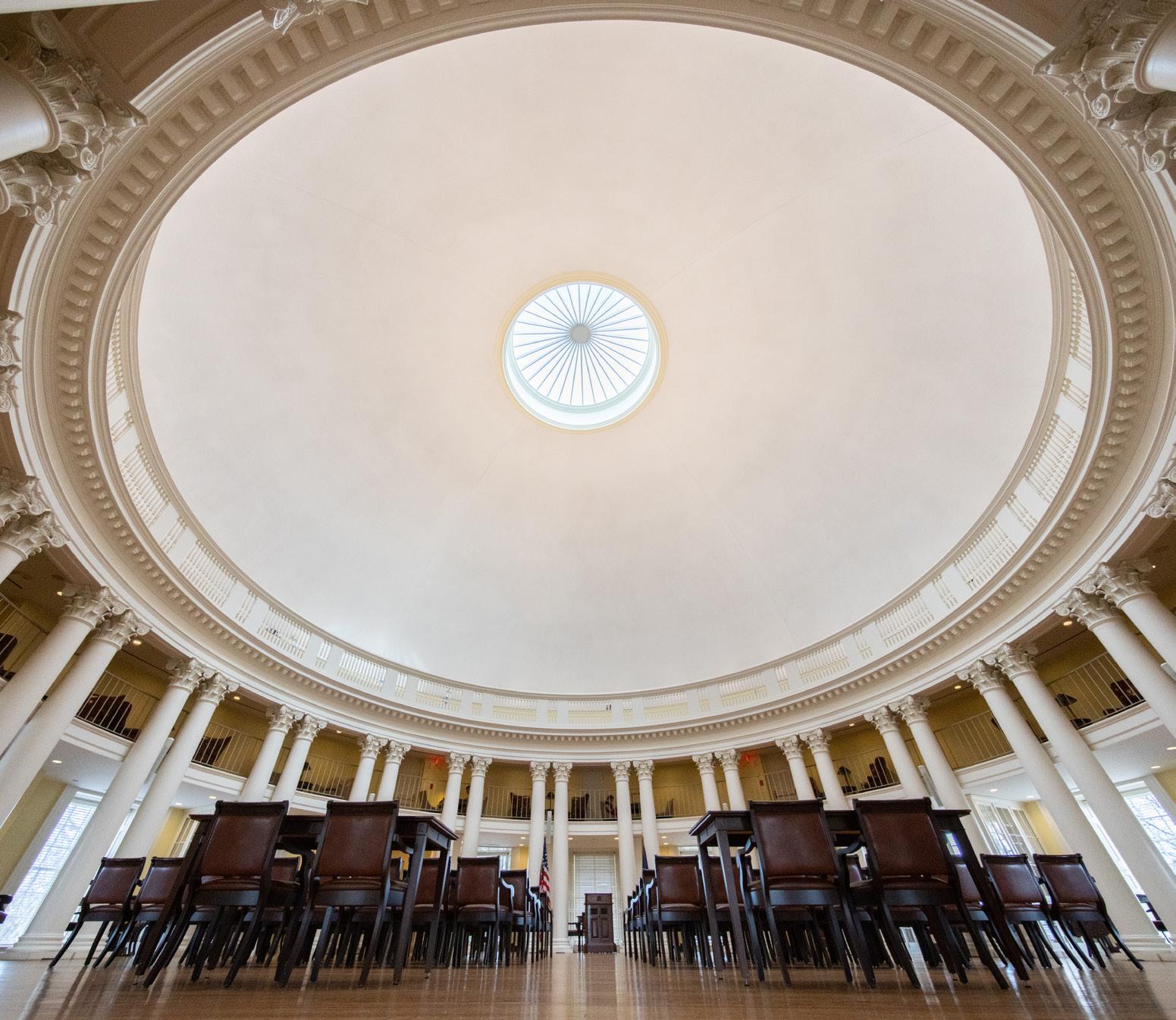
Among the most distinctive is the Last Lecture Series, now in its 33rd year, where accomplished faculty members gather in the Rotunda’s Dome Room to deliver the lecture they would choose if it were their last. The Lifetime Learning program also offers a steady calendar of talks, including the popular More Than the Score series before home football games, where professors share their research in engaging, accessible ways.
Other opportunities include public programs from the Karsh Institute of Democracy, the Center for Politics, and the Institute for Advanced Studies in Culture. Many events are free, open to the public, and livestreamed or recorded, making it easy to learn from some of the University’s leading thinkers.
Lifetime Learning: engagement.virginia.edu/learn
Karsh Institute of Democracy (Democracy360 and Touchstones): karshinstitute.virginia.edu
UVA Center for Politics / Sabatos Crystal Ball events: centerforpolitics.org
Institute for Advanced Studies in Culture public forums: iasculture.org/events
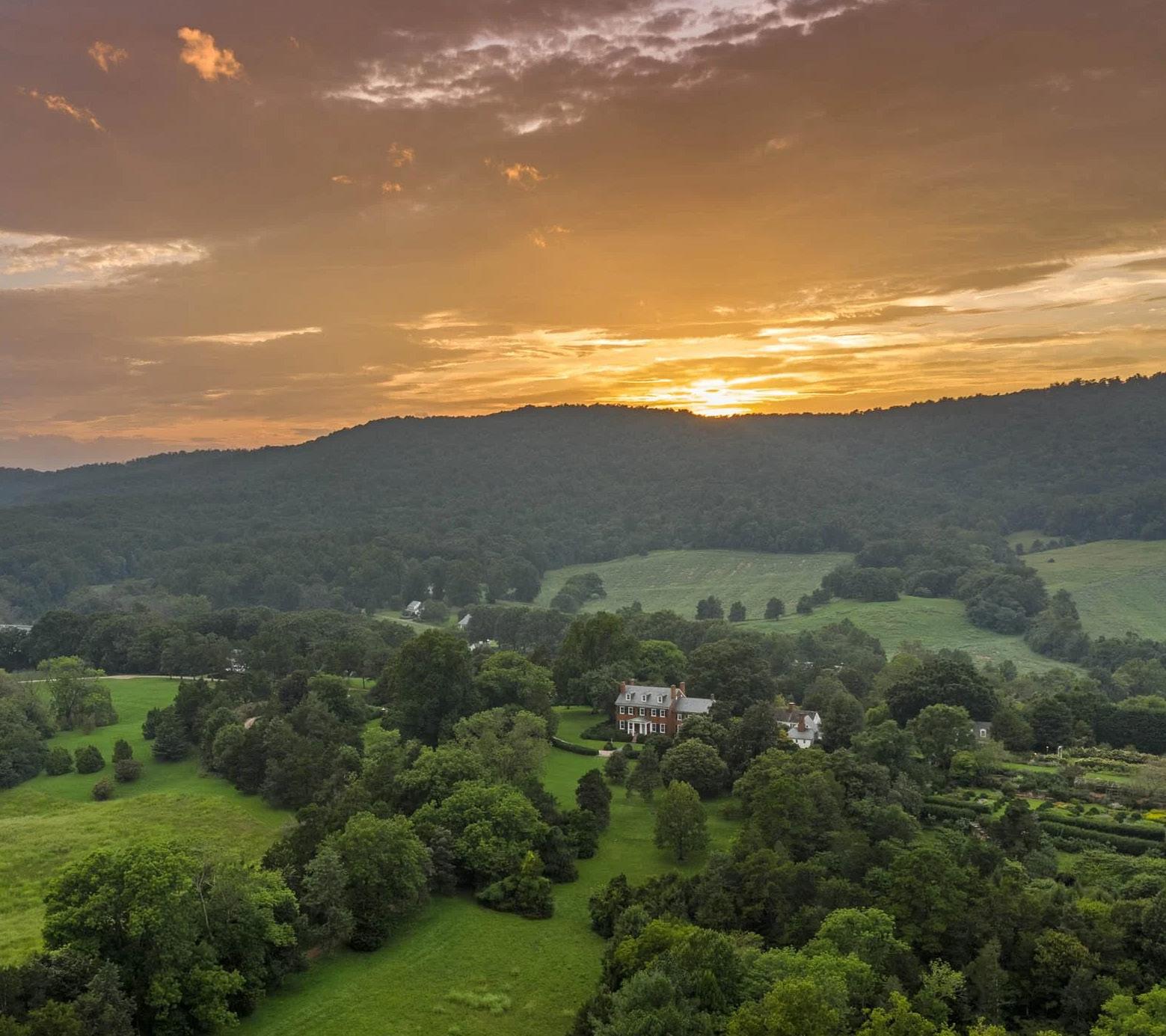
The University of Virginia’s Morven Sustainability Lab in southeastern Albemarle County offers students and locals a yearround escape. This former farm now serves as a living classroom, integrating historic gardens, forest trails, and a student-run kitchen garden to explore sustainability, wellness, and local history. Throughout the seasons, visitors come to walk the paths, reflect in the formal and Japanese-inspired gardens, or enjoy a quiet workday with views of the Blue Ridge foothills, a welcome alternative to a typical office environment.
On select Fridays, Morven hosts informal retreat-style days, allowing guests to roam, read, or work remotely in a peaceful 7,000acre rural setting. The Morven Kitchen Garden is central to many activities, providing seasonal produce shares and regular volunteer workdays where community members learn about regenerative agriculture while planting, weeding, and harvesting. Morven rewards repeat visits, with different corners of the property and new programs coming to life at different times of year.
morven.virginia.edu
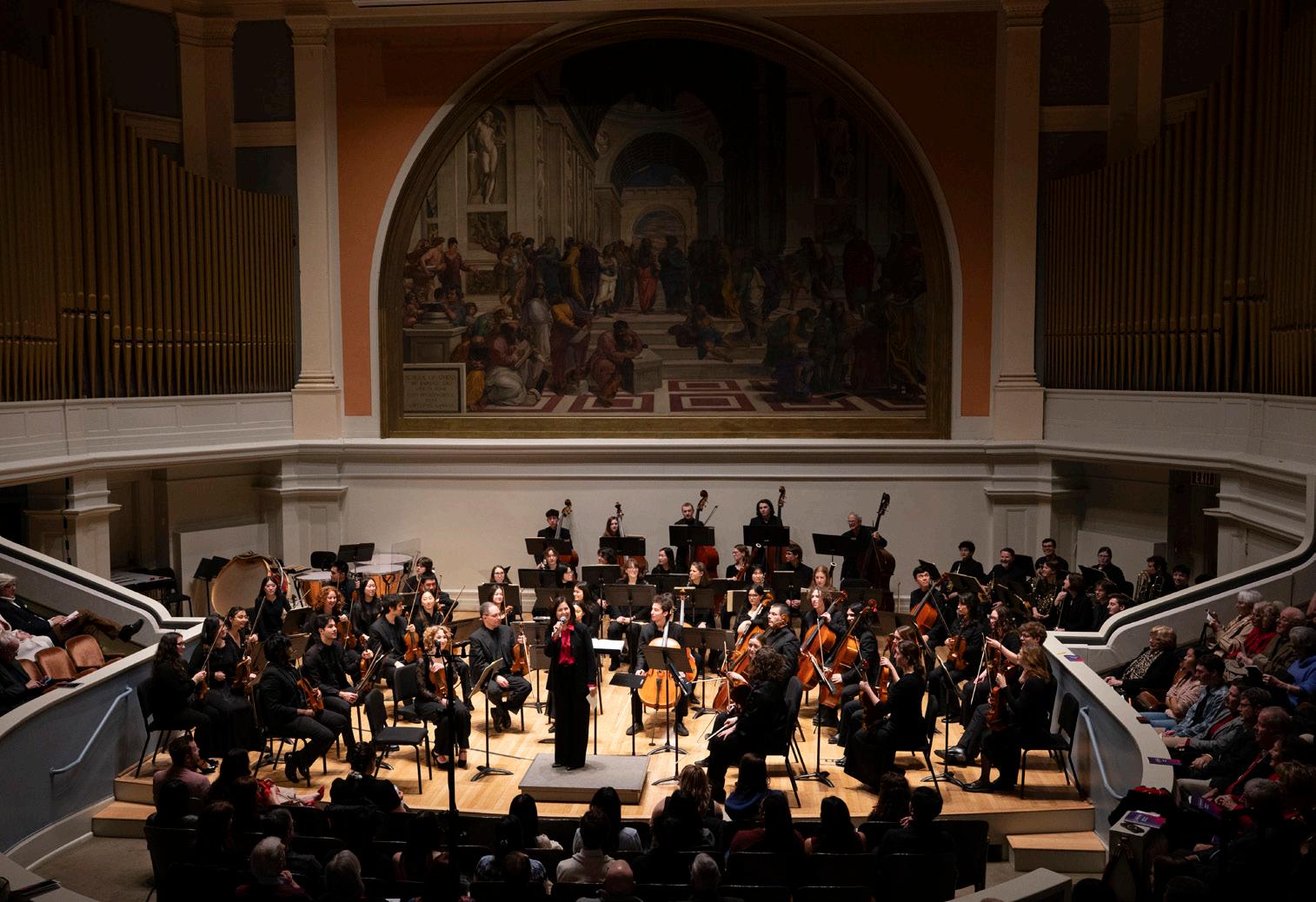
Some of Charlottesville’s best live performances take place on the Grounds. Throughout the year, the University presents hundreds of concerts, plays, musicals, dance performances, and student recitals, many of them free and others priced well below what you’d expect to pay for performances of this caliber.
Spend an evening with the Charlottesville Symphony at the University of Virginia in Old Cabell Hall, discover an emerging musician at a student recital, or catch a mainstage production in one of the Drama Department’s
theaters. Faculty artists, guest performers, and talented students share the stage, creating a lineup that ranges from classical music and jazz to Shakespeare, contemporary plays, and original works.
Whether you’re a regular arts patron or simply looking for an affordable night out, UVA’s performing arts calendar offers exceptional quality and remarkable variety throughout the year. Browse upcoming events through the UVA Arts calendar and Arts Box Office.
arts.virginia.edu/calendar artsboxoffice.virginia.edu
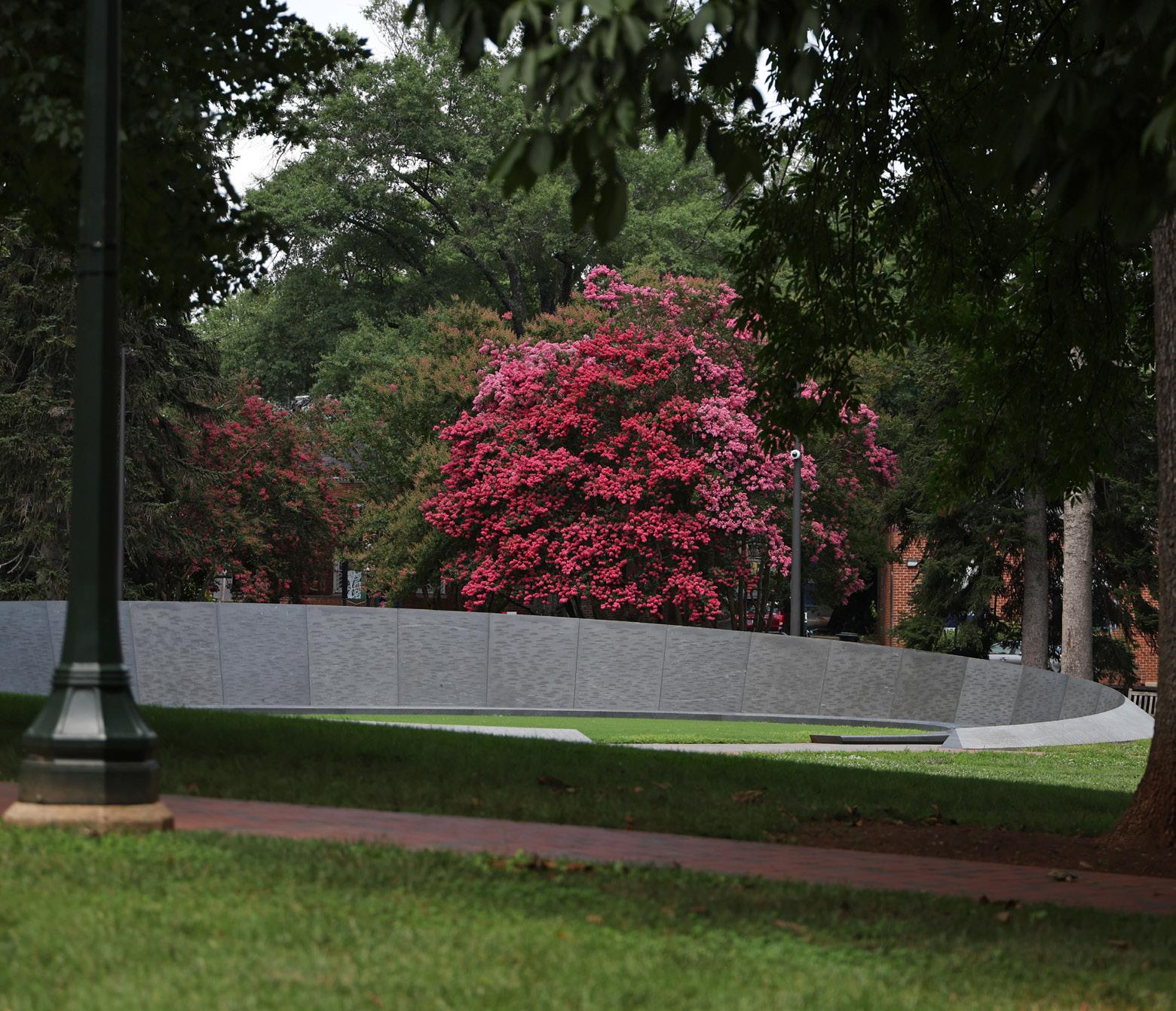
Just east of the Rotunda, the Memorial to Enslaved Laborers honors the estimated 4,000 to 5,000 enslaved African Americans whose labor built and sustained the University of Virginia from its founding through the Civil War. Completed in 2020 after years of collaboration among students, faculty, community members, and descendants, the memorial invites visitors to reflect on a vital part of UVA’s history.
The circular monument is formed from Virginia Mist granite and set into the landscape, creating a quiet space for walking, reading, and contemplation. Its smooth inner wall is inscribed with a timeline of slavery at UVA, the names and biographies of known enslaved individuals, and thousands of memory marks representing those whose identities have been lost to history. The memorial offers one of the University’s most meaningful places to honor the people whose work helped make UVA possible.
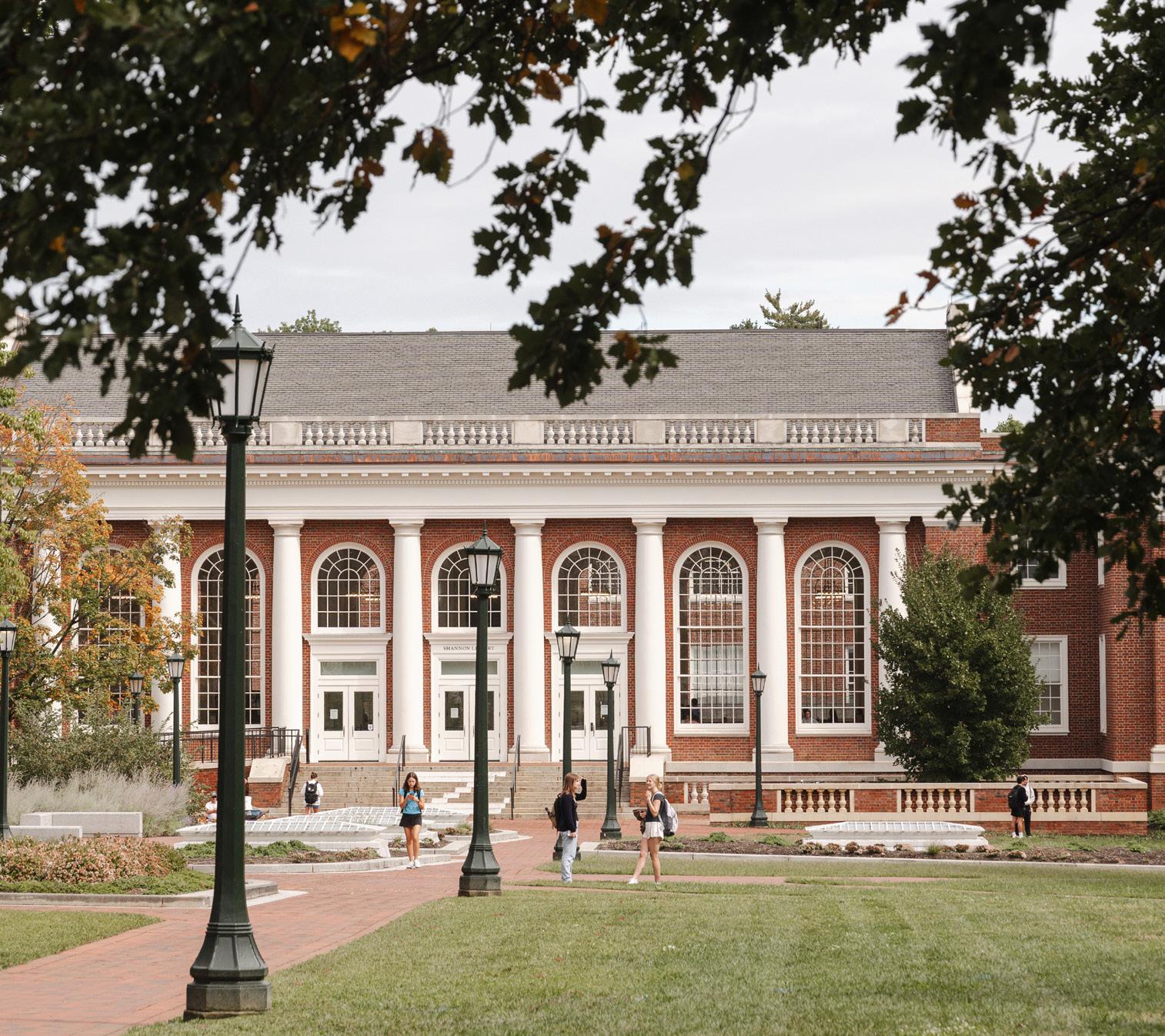
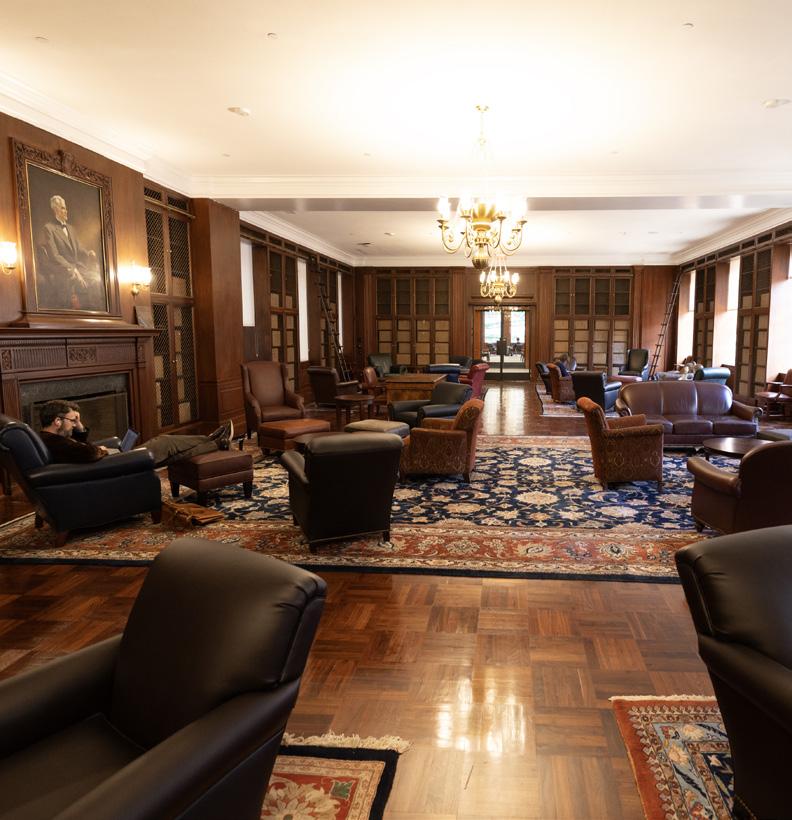
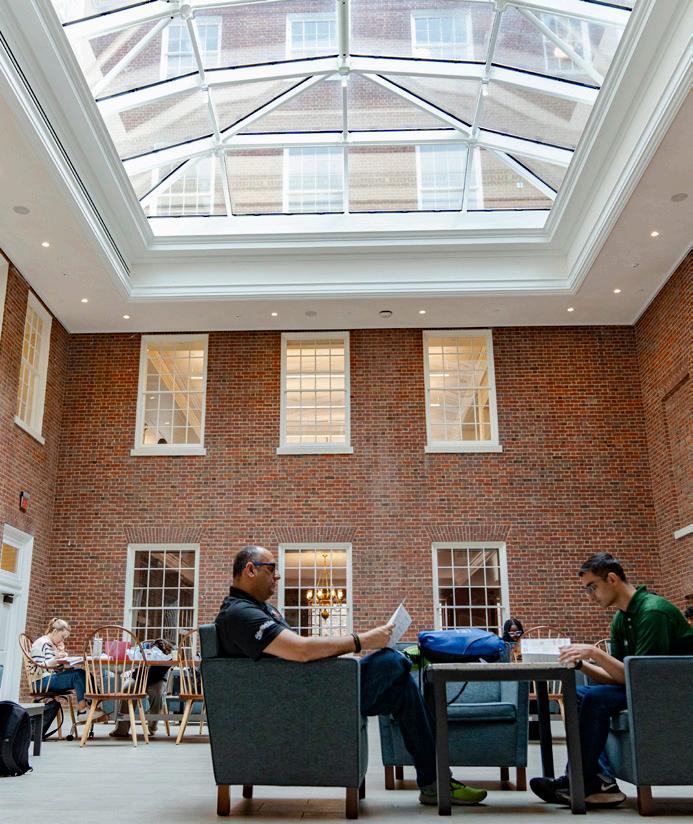
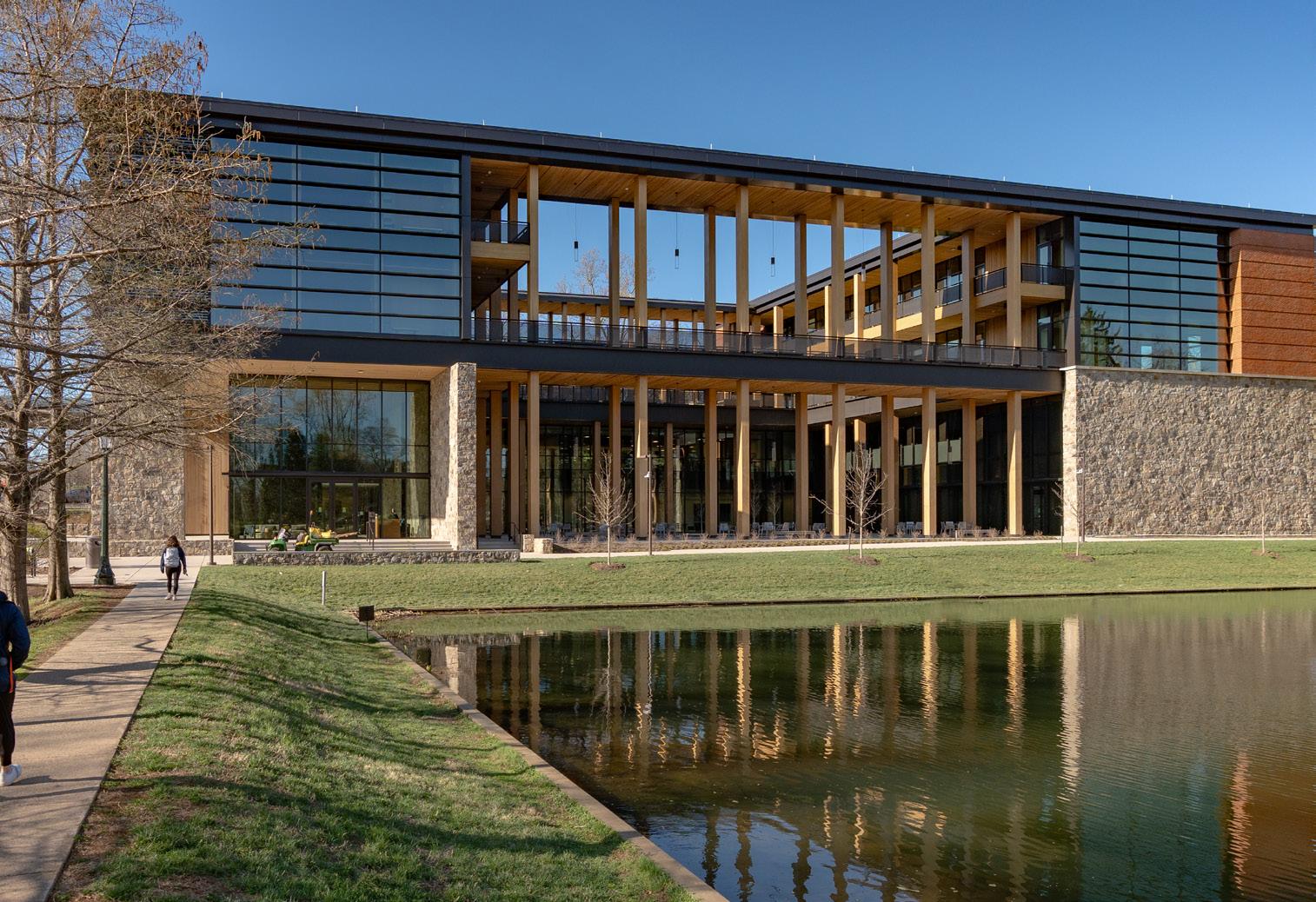
UVA Libraries are open to the community in more ways than many people realize. Local residents aged 16 and older can register for a free community library card, allowing them to borrow books and other materials, use library spaces, and access most research databases while on site.
The Albert and Shirley Small Special Collections Library is worth a visit even if you aren’t conducting research. Its free exhibitions change regularly, showcasing rare books, manuscripts, maps, photographs, artwork, and artifacts drawn from one of the nation’s premier university collections. The displays often explore Virginia history, literature, politics, science, and UVA’s past through materials rarely seen by the public.
Throughout the year, the libraries also host free lectures, tours, and special events tied to exhibitions and community celebrations.
From local history research to quiet reading spaces and rotating exhibits, UVA Libraries are some of Charlottesville’s richest cultural experiences.
library.virginia.edu
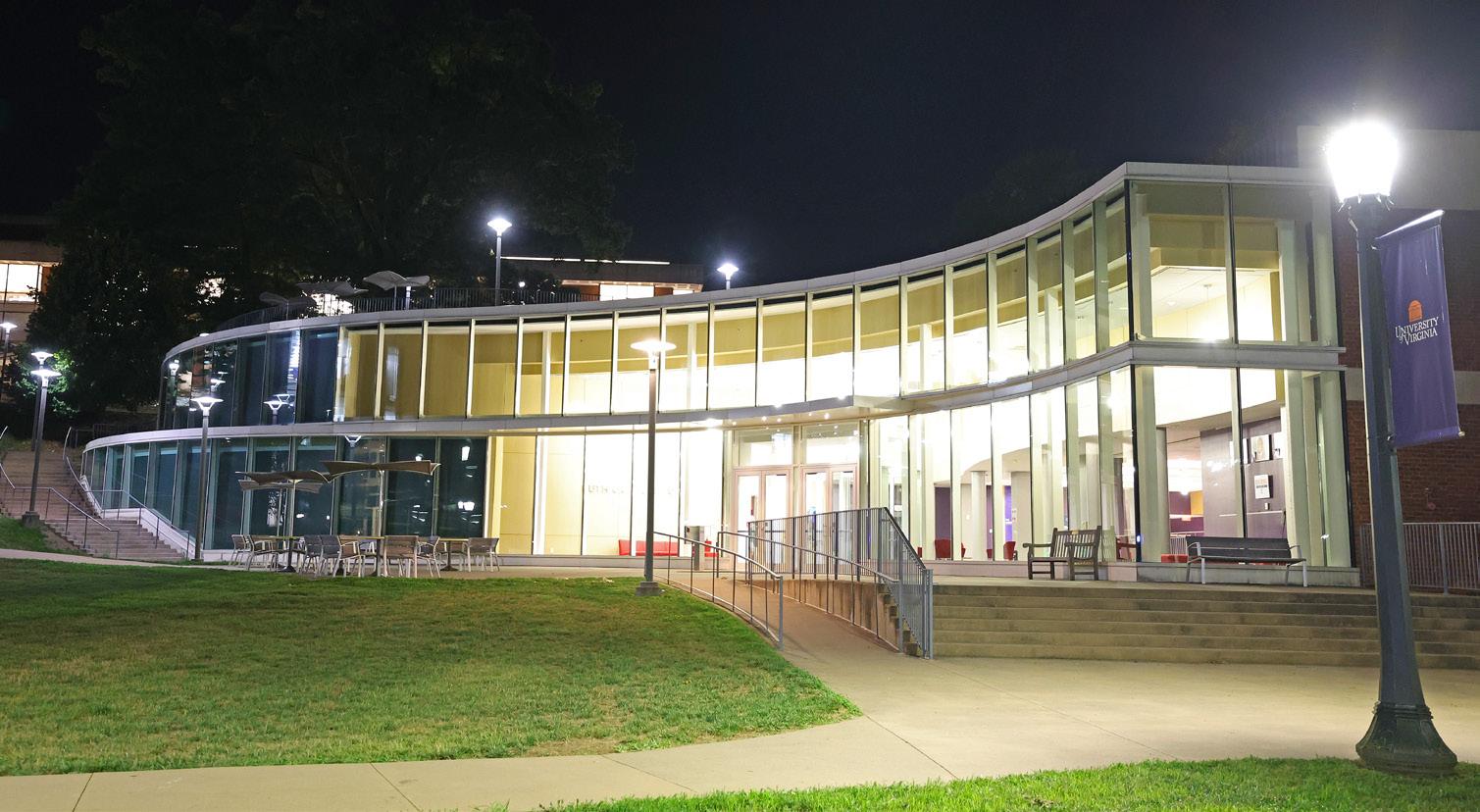
Opened in 2024, the Contemplative Commons is a collaborative effort between the Contemplative Sciences Center and other university partners. Dedicated to mindfulness, movement, and contemplative research, it offers a light-filled, flexible space with studios, classrooms, and informal gathering areas. These spaces support a wide range of activities, from yoga and meditation to interdisciplinary courses and public talks. The
Commons aims to integrate contemplative practices into the daily lives of students, faculty, staff, and Charlottesville residents, fostering new ways of learning, working, and relating to one another.
Beyond free drop-in sessions like Midday Mindfulness, Ashtanga classes, and Friday Rest Fest, the Commons regularly hosts courses in contemplative studies, teacher training, and research projects focusing on topics such as attention, compassion, and resilience. Monthly public salons also bring together scholars, artists, and scientists with the community. These accessible, conversational events explore the intersection of contemplative practices with science, education, and social issues.
csc.virginia.edu
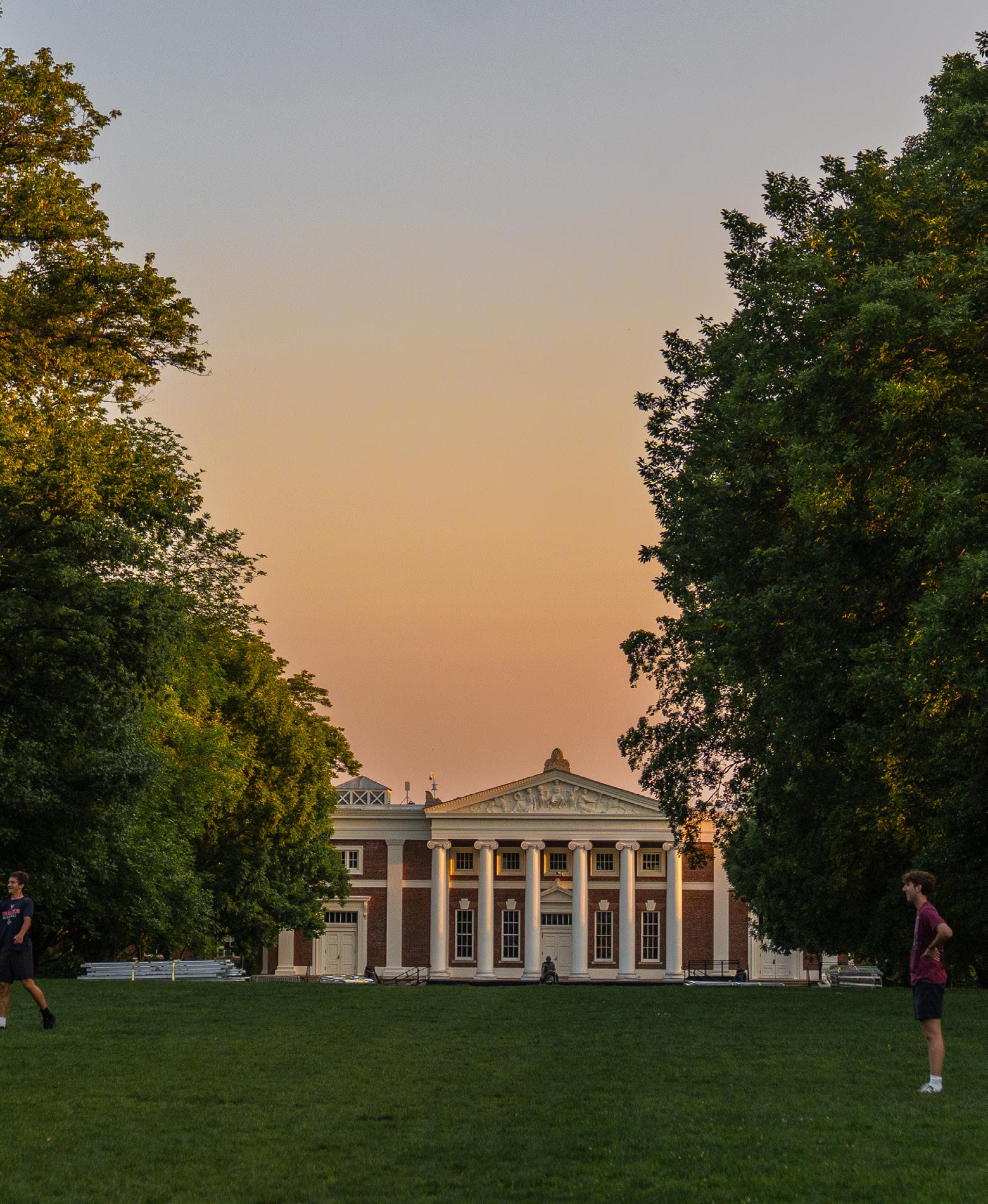
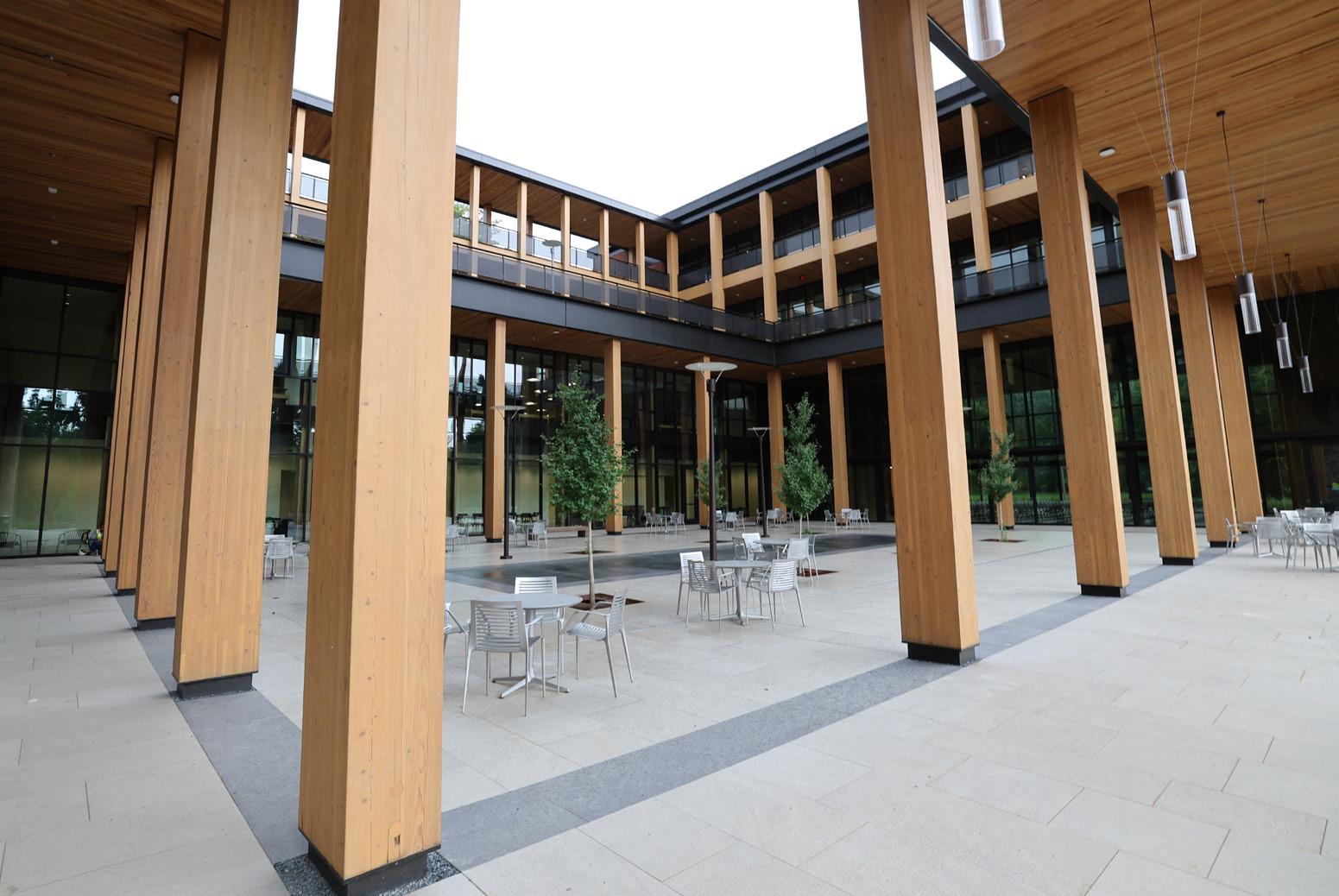
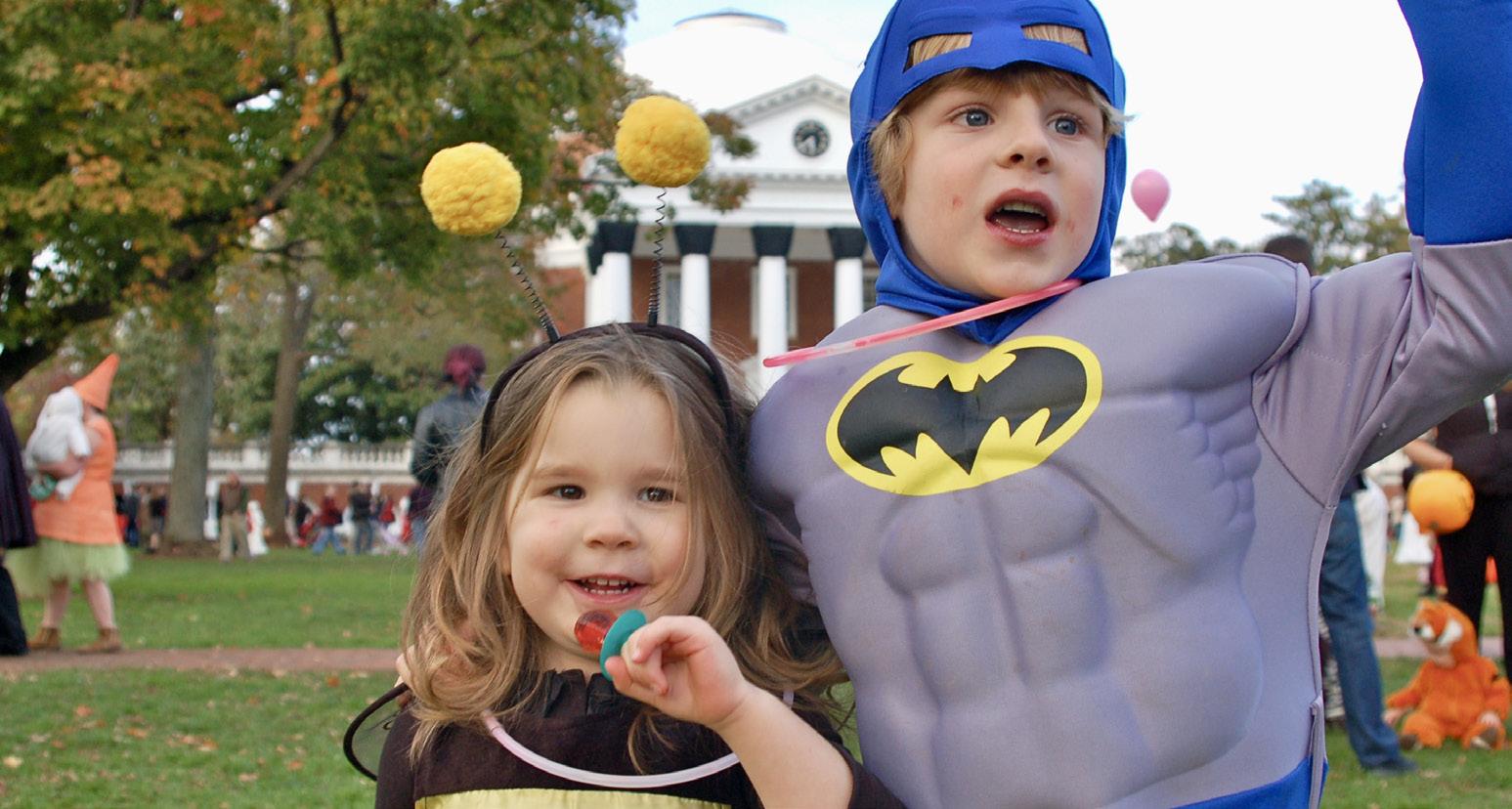
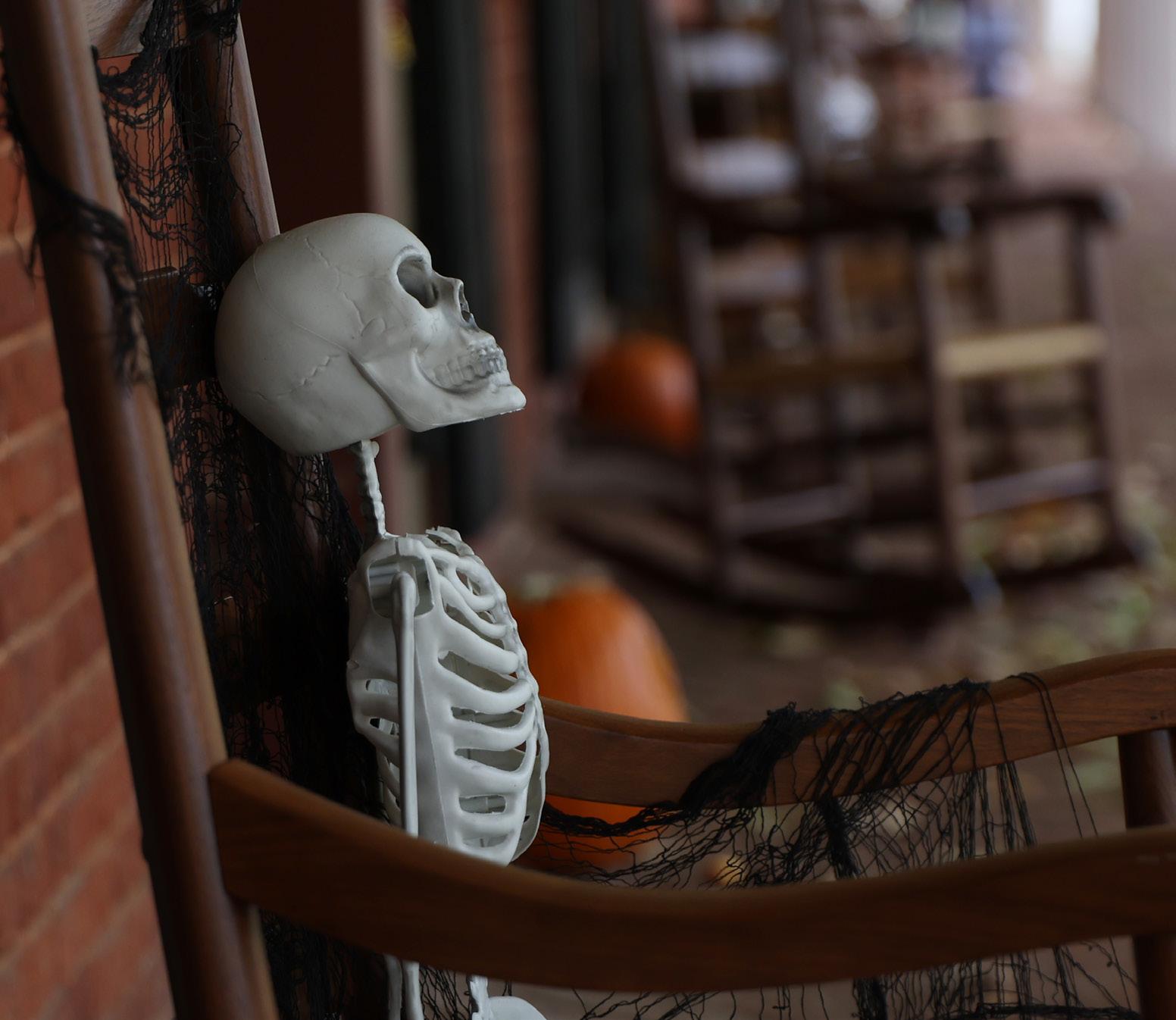
What began in the late 1980s as a Halloween outing for the children of UVA employees has grown into one of Charlottesville’s favorite family traditions. Each Halloween, thousands of children from across the region visit the University’s Lawn, where students in all 54 Lawn rooms greet trick-or-treaters with candy, costumes, and festive decorations.
The event is held during the late afternoon and early evening, making it especially welcoming for younger children. Student organizations donate thousands of pieces of candy, helping Lawn residents keep the treats flowing as families make their way from door to door beneath the Lawn’s iconic colonnades.
No registration is required, just arrive in costume and experience one of the University’s most beloved traditions. For many children, it’s their first chance to experience UVA, creating memories that last long after the candy is gone.
Inside Rhoback’s journey from a Darden startup to a national active lifestyle brand
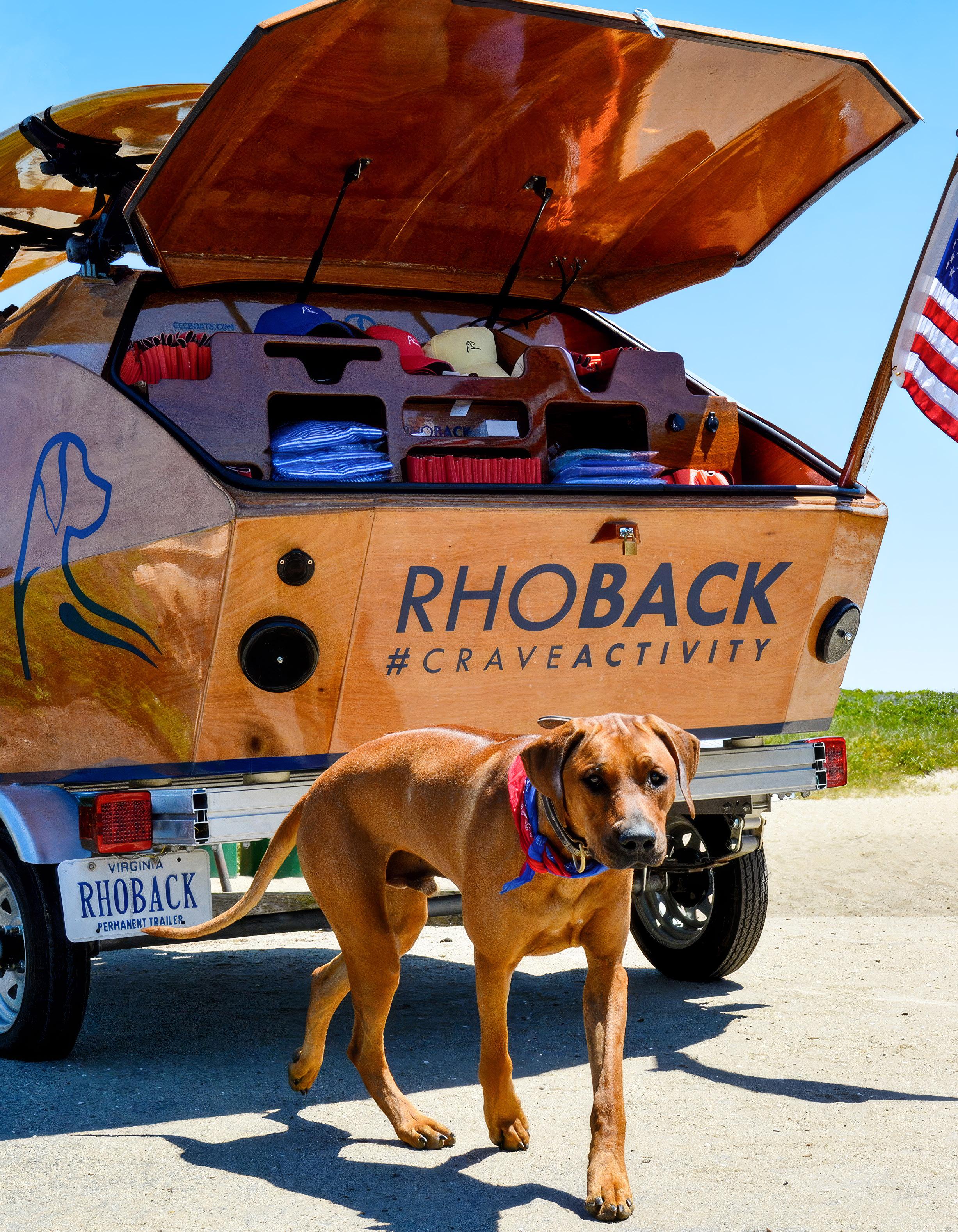
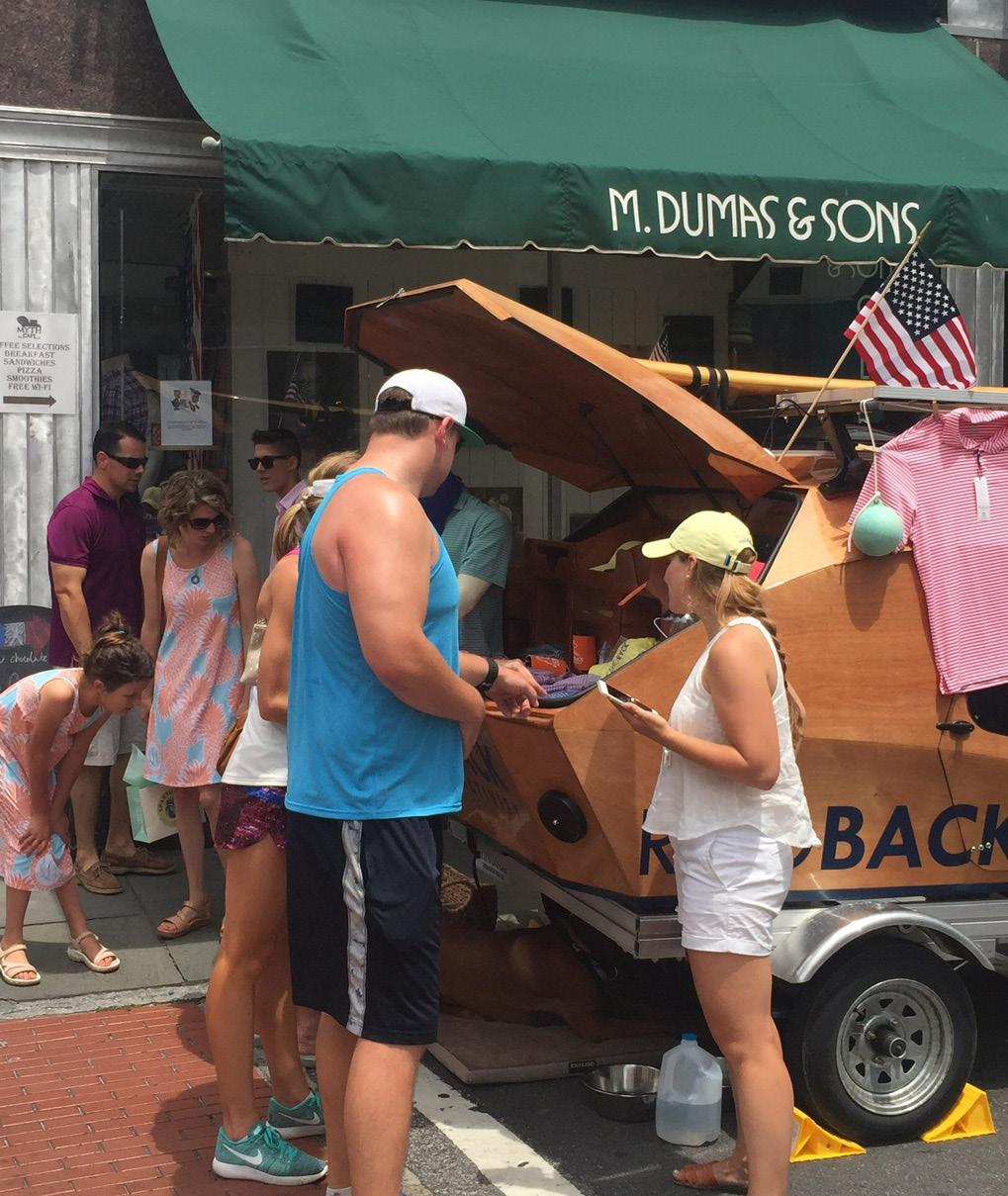
Parked outside coffee shops, shopping centers, and weekend festivals, a handcrafted wooden camper attracted curious shoppers who wandered over to investigate. Inside were performance polos, hats, and quarter-zips from a brand almost no one had heard of.
For Rhoback’s founding trio, Matt Loftus, Kristina Loftus, and Kevin Hubbard, conversations with these early customers became one of the company’s greatest advantages. As people picked up shirts and felt the fabric, the founders listened carefully to what they liked, what questions they had, and what ultimately convinced them to buy.
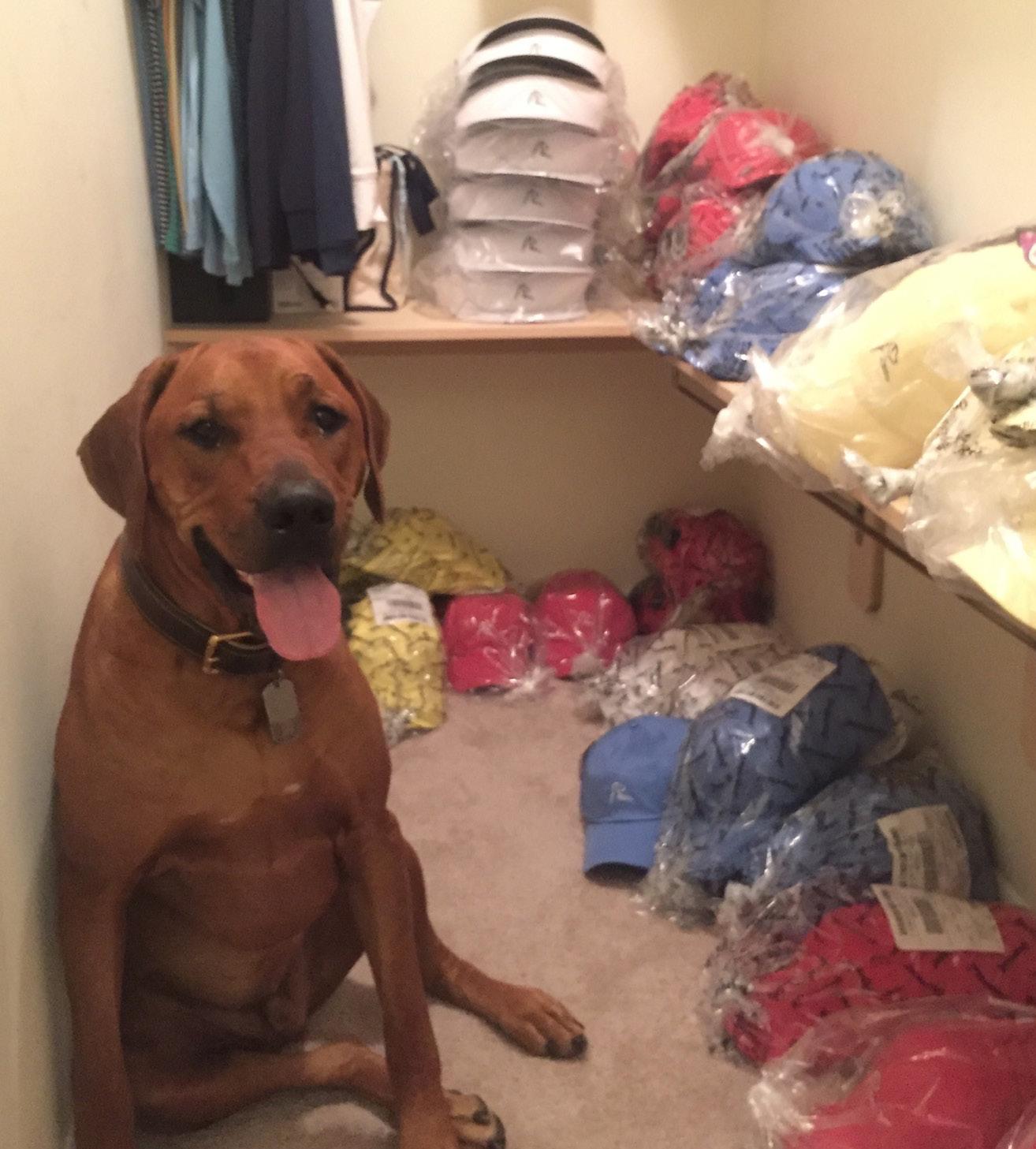
“The day after I graduated from Darden, we got in a camper with our dog, Bunker, and started selling hats and polos outside coffee shops and shopping centers,” Kristina recalls. “It sounded crazy, but it was the best way to meet customers, learn what they liked, and figure out how to talk about the product in a way that resonated.”
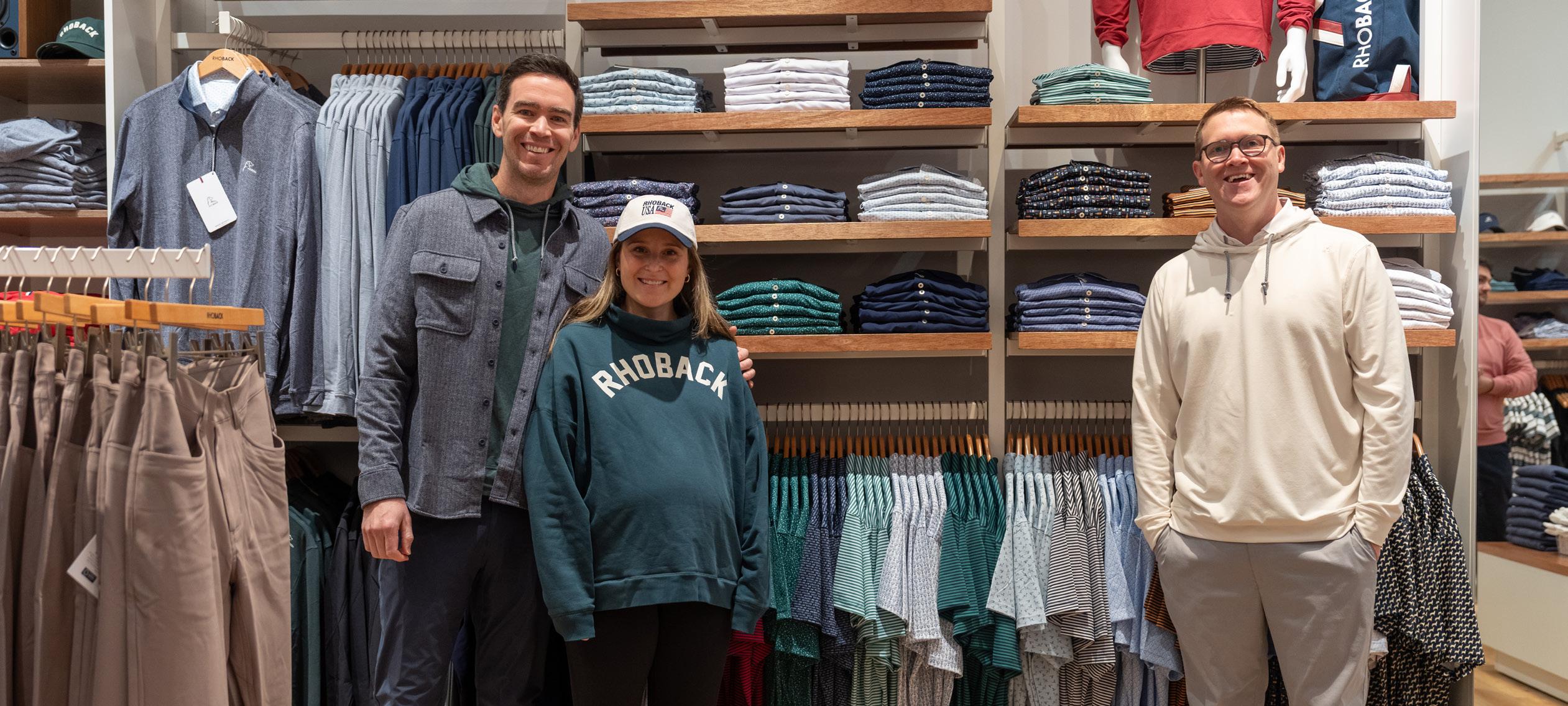
Today, Rhoback is one of the region’s fastest-growing companies. Founded in 2016, the active lifestyle brand has sold more than three million products, grown to more than 115 employees, expanded into a full line of men’s and women’s apparel, and recently opened its first retail store at Barracks Road Shopping Center. Earlier this year, the company announced its first outside investment, positioning itself for another stage of growth. The story behind that success begins long before the camper ever hit the road, with three friends who decided to build a company in an industry they knew almost nothing about.
Matt and Kevin had talked about starting a business together since their days as students at Davidson College. After graduation, Matt joined GE, where he met Kristina. The right idea never seemed to materialize until the summer of 2014, when they and some friends began running a social media influencer account that they used to raise scholarship funds in memory of a college friend who had passed away. It also introduced them to the apparel world as they collaborated with clothing brands like Vineyard Vines. “We had no idea that would
turn into any kind of business,” Matt says. “It was just a fun project. We were raising money for a good cause.”
The more they talked, the more they returned to the same idea. They wanted performance apparel that looked just as comfortable at a tailgate, on a golf course, or around town as it did during a workout.
Turning that idea into a company required an enormous leap of faith. Matt enrolled at Darden in 2014, and his wife Kristina left a high-paying finance job for Darden the following year. “I decided to invest all my time at Darden in learning business and building Rhoback with Matt and Kevin,” she says. “Darden gave me a license to take a huge risk.”
Rather than waiting until graduation, the founders used Darden as their startup laboratory. Class projects tested ideas, professors became advisors, and entrepreneurs and attorneys answered questions they hadn’t yet learned to ask.
“We tailored every class we could to starting this apparel business,” Matt says. “It was like having an incubator in every classroom, with some of the most talented people our age giving us live feedback.”
Some of the most valuable interactions often came during Darden’s First Coffee gatherings. While classmates stopped for coffee before class, Kristina spread fabric swatches across a table and invited people to compare them. “The UVA community, specifically the Darden student body, really helped us hone in on the fabrics and the fit of all of our first iterations of products,” she says. “We would have a bunch of fabrics just laid out, and we would ask all the students to feel the fabric. That helped us pick the fabric that we went with for our first shirts.”
Because none of them had worked in apparel, they sought advice wherever they could find it. A class budget helped pay a seamstress in UVA’s drama department to sew the company’s first prototype. The remaining funds covered the cost of the logo design for the dog that still appears on every Rhoback garment. Through the i.Lab accelerator,
they found mentors, grant funding, and introductions to entrepreneurs whose experience shortened their learning curve.
“Just because you don’t have experience in something, you shouldn’t shy away from it if you’re passionate about it,” Kristina says. “Our inexperience actually became a superpower because we didn’t know, and therefore weren’t afraid of the barriers or the challenges.”
Matt and Kristina took classes like “Starting New Ventures” with professor Saras Sarasvathy that helped shape their approach to building the company. “Saras really drilled into us that you don’t take no for an answer,” Matt says. “Every time we hit a roadblock, her attitude was, ’Figure it out.’ There were no excuses.”
By the spring of 2017, the founders had a product, a website, and their first shipment of inventory on the way. What they didn’t have were customers. That challenge would send Kristina, Bunker, and their handcrafted camper on the road.
Chesapeake Light Craft, a marine woodworking company, donated a teardrop camper kit in exchange for the exposure it would receive as the founders traveled the East Coast, and Matt’s father, an accomplished woodworker, built it by hand.
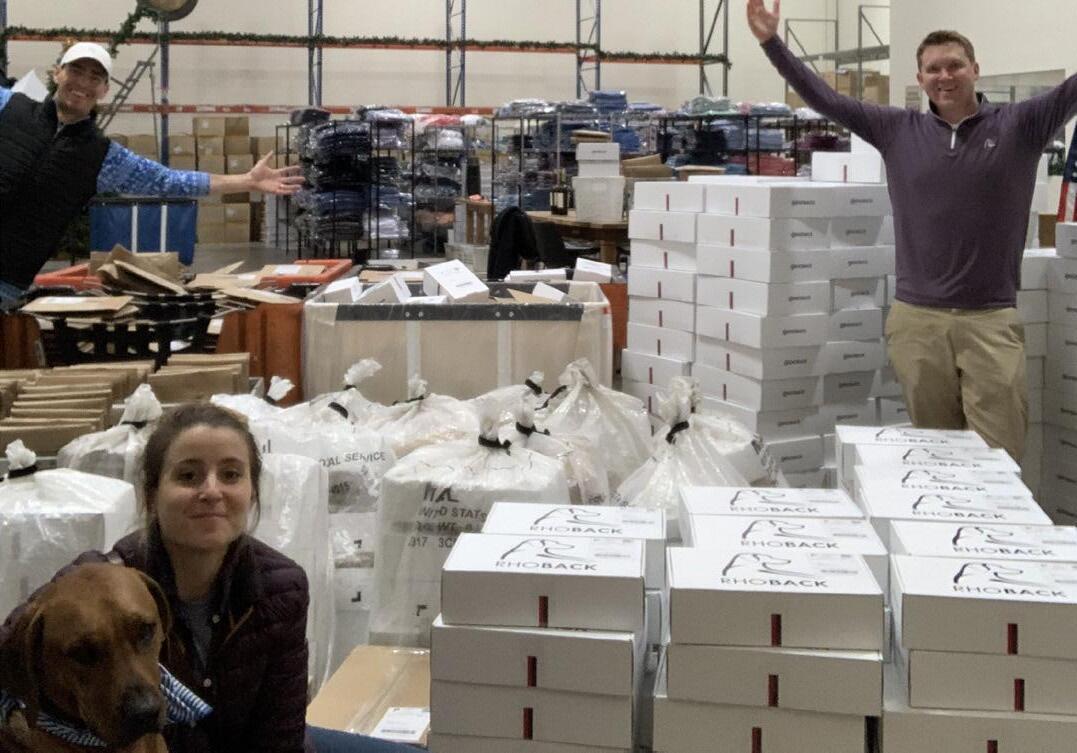
The founders were under pressure almost immediately. Their manufacturer had extended payment terms on the first production run, giving them only a short window to sell enough inventory to pay the invoice. “We had 30 days to sell enough product to pay for our inventory,” Kevin remembers. “The race was on.”
Kristina handled most of the travel while Matt continued working at Accenture and Kevin remained on Capitol Hill. During the week she packed online orders, organized inventory, and planned the next trip. On weekends, she towed the camper to shopping centers, festivals, golf events, and towns up and down the East Coast, with Matt and Kevin joining whenever their schedules allowed.
Kevin’s workdays in Washington often didn’t end until late evening. “I was working on Capitol Hill, often on the House floor late at night,” he says. “I’d get out around nine or ten, jump on the phone with Matt and Kristina, and we’d stay up until four or five in the morning working on the brand.” They often met at a McDonald’s located between Charlottesville and D.C. to try on prototypes.
Some weekends were discouraging, but others offered a glimpse of what Rhoback would become. On Nantucket, people swarmed the camper. In Boston, they drew crowds on Newbury Street until friendly police officers told them they couldn’t sell there without permission. More important than the individual sales was the realization that people who had never heard of Rhoback were willing to give the company a chance if they could touch the product and hear its story.
Whenever a new shipment arrived, they examined every detail, looking for ways to improve fabrics, collars, and fit. “We were so fixated on making the best product in the market, and that’s still the ethos of the brand today,”Kevin says. “We won’t release anything unless we believe it’s at least equal to—and ideally better than—the best on the market.”
Rhoback has since expanded into quarter-zips, hoodies, outerwear, and women’s apparel, applying the same product standards that guided its first polo. At the same time, the company continued to define itself around the phrase “Crave Activity,” a reflection of Bunker, Matt and Kristina’s Rhodesian Ridgeback, whose boundless energy inspired both the company’s name, logo, and spirit.
“We believe activities bring people together and create natural positivity,” Matt says. “We think about our products in three buckets— everyday lifestyle, activewear, and golf and tennis. All three are worlds where you can ’crave activity,’ and we want our customers ready to do anything in those worlds.”
As the business grew, the founders also wanted their impact to extend beyond clothing. “Our ethos from day one has been: how can we give back as we grow, instead of waiting until we’re big and then giving back?” Kevin says. “We’ve tried to weave that into everything we do as the brand scales.”
Locally, they have partnered with Chris Long’s Waterboys, contributed to Martha Jefferson Hospital through Martha’s Market and mask donations during COVID, and donated a portion of sales from their C’ville-themed polo to The Paramount Theater. Nationally, they have backed American Humane's Pups4Patriots program, which provides specially trained service dogs to veterans and retired first responders with post-traumatic stress or traumatic brain injury, as well as golfaccess initiatives including Rhoback’s own Drive Change Program and Stephen Curry’s Underrated Golf Tour.
Earlier this year, Rhoback reached another milestone when it accepted its first outside investment after nearly a decade of bootstrapped growth. The nearly $50 million minority investment came from Champ, a new fund created by L Catterton and backed by more than 200 professional athletes, including Jameis Winston, Justin Jefferson, Sophie Cunningham, Dak Prescott, Ja'Marr Chase, and Jayden Daniels. The partnership will accelerate Rhoback’s retail and wholesale expansion while supporting continued product innovation.
Even as the company enters its next phase of growth, the founders remain committed to keeping its headquarters in Charlottesville. “UVA and Charlottesville have been everything for us,” Matt says. “The community’s support has been instrumental, and it’s what pushes us to build something this town can be proud of.”
Looking back, the founders still talk less about milestones than the people who helped them reach them. They point to Darden mentors Damon DeVito, Saras Sarasvathy, Greg Fairchild, Meghan Murray, and accounting professor Luanne Lynch, along with advisors Josh Gordon and Cary Turner, EDENS retail property owner and developer, and attorney Patrick Asplin, who handled the company’s legal work before Rhoback could afford to pay him. The list comes easily because, in their minds, the company was never built by three people alone. “The biggest hurdles are usually the ones you put up in your own mind,” Kevin says. “Having a ‘why not us?’ mentality and a strong support network has made all the difference.”
Nearly a decade after Kristina began asking students to compare fabric swatches over coffee, Rhoback has grown into a nationally recognized brand. The products have evolved, the company has grown, and the camper no longer travels the East Coast every weekend. But the founders still tell their story the same way. They talk about the people who helped them build it.

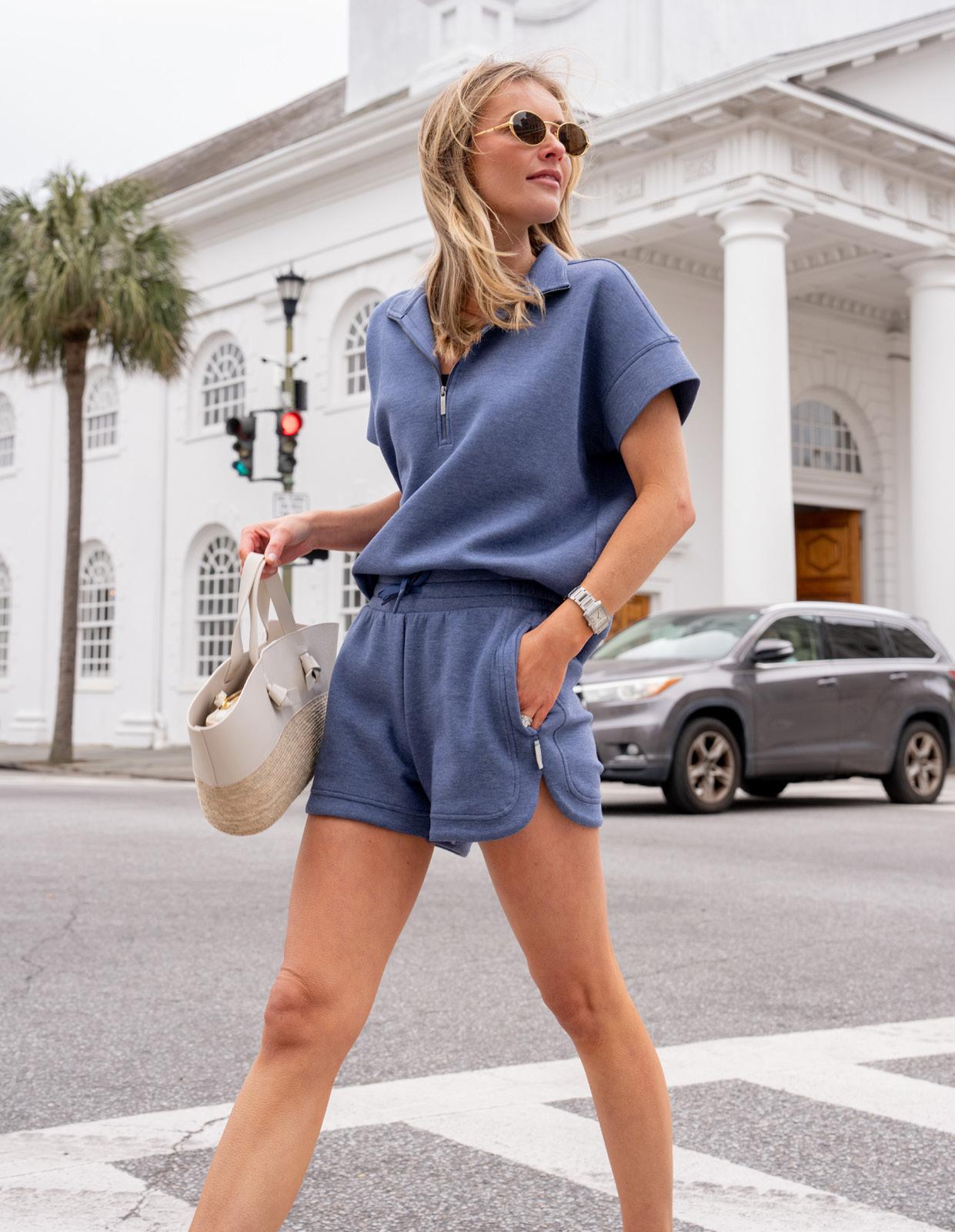

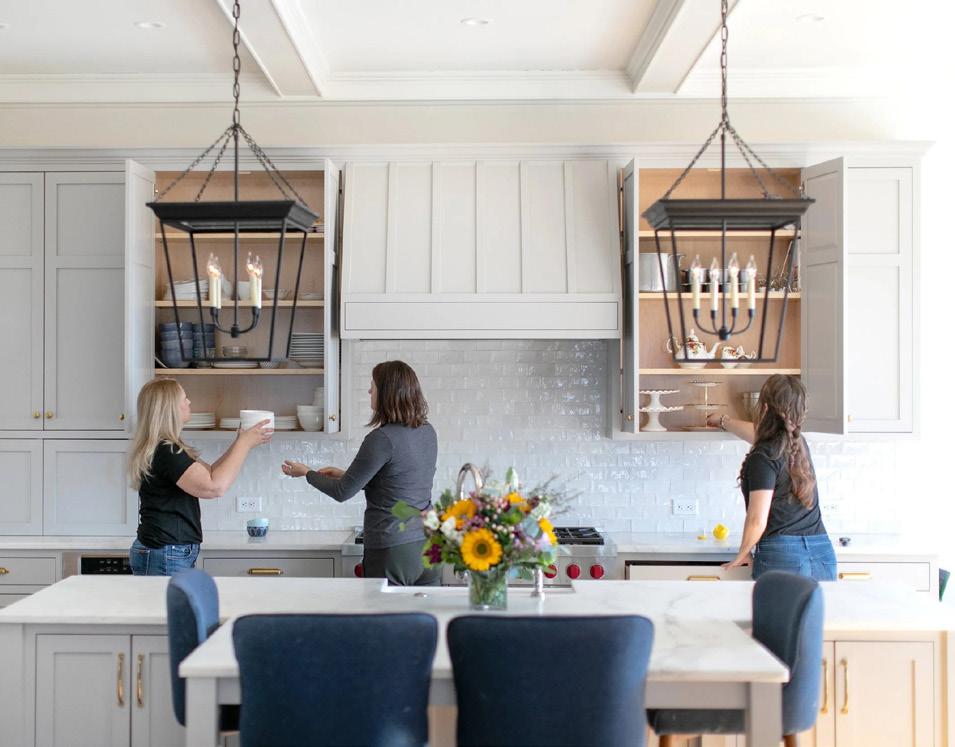
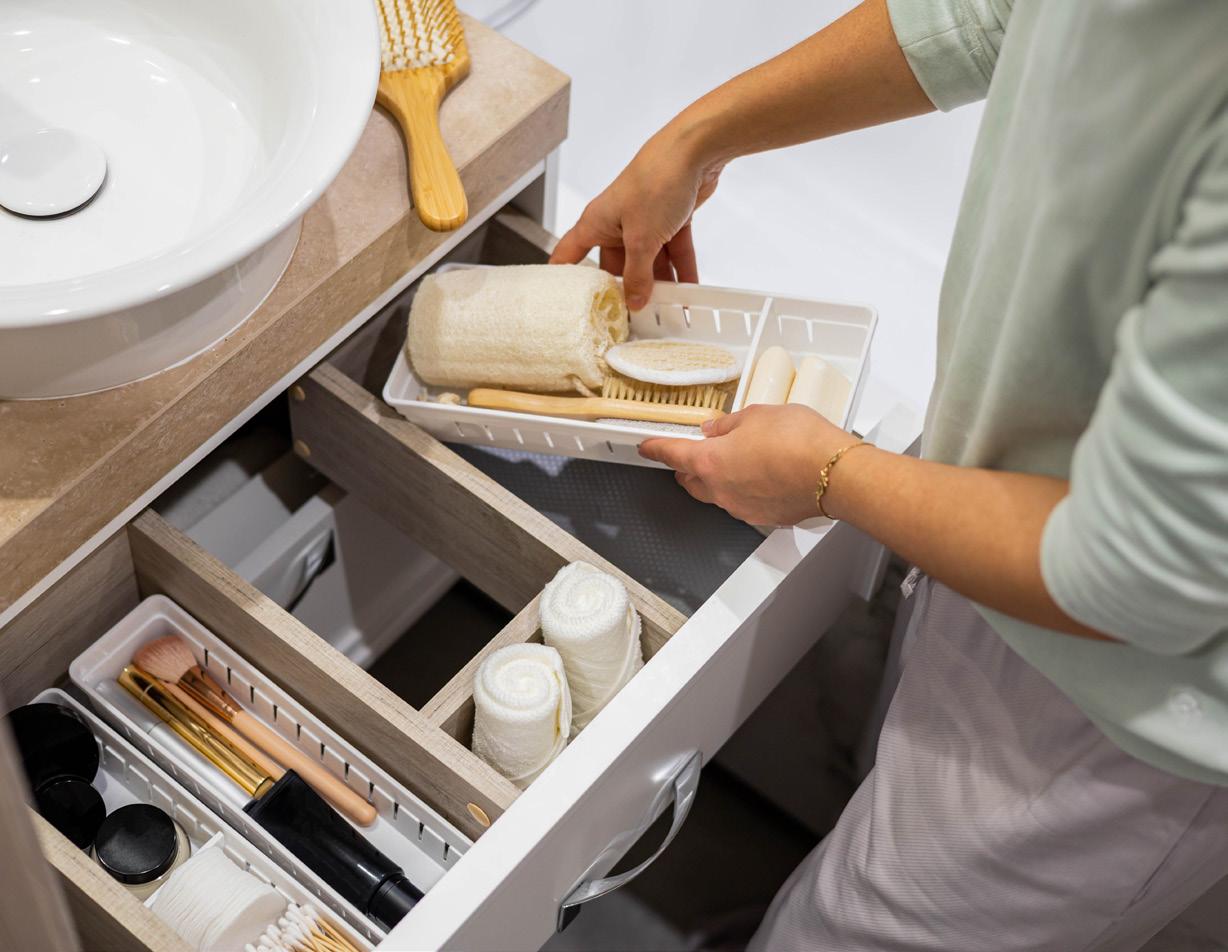
Homes rarely become dysfunctional overnight. More often, they fall out of sync with the people living in them. Families grow, careers change, children leave home, and new routines gradually replace old ones until a house becomes less functional. Counters collect clutter, closets become difficult to navigate, and everyday tasks take longer than they should.
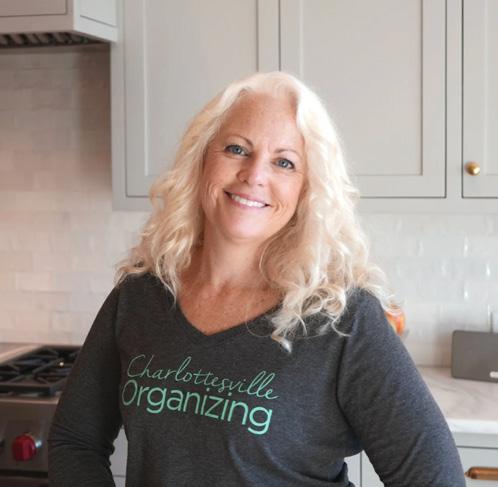
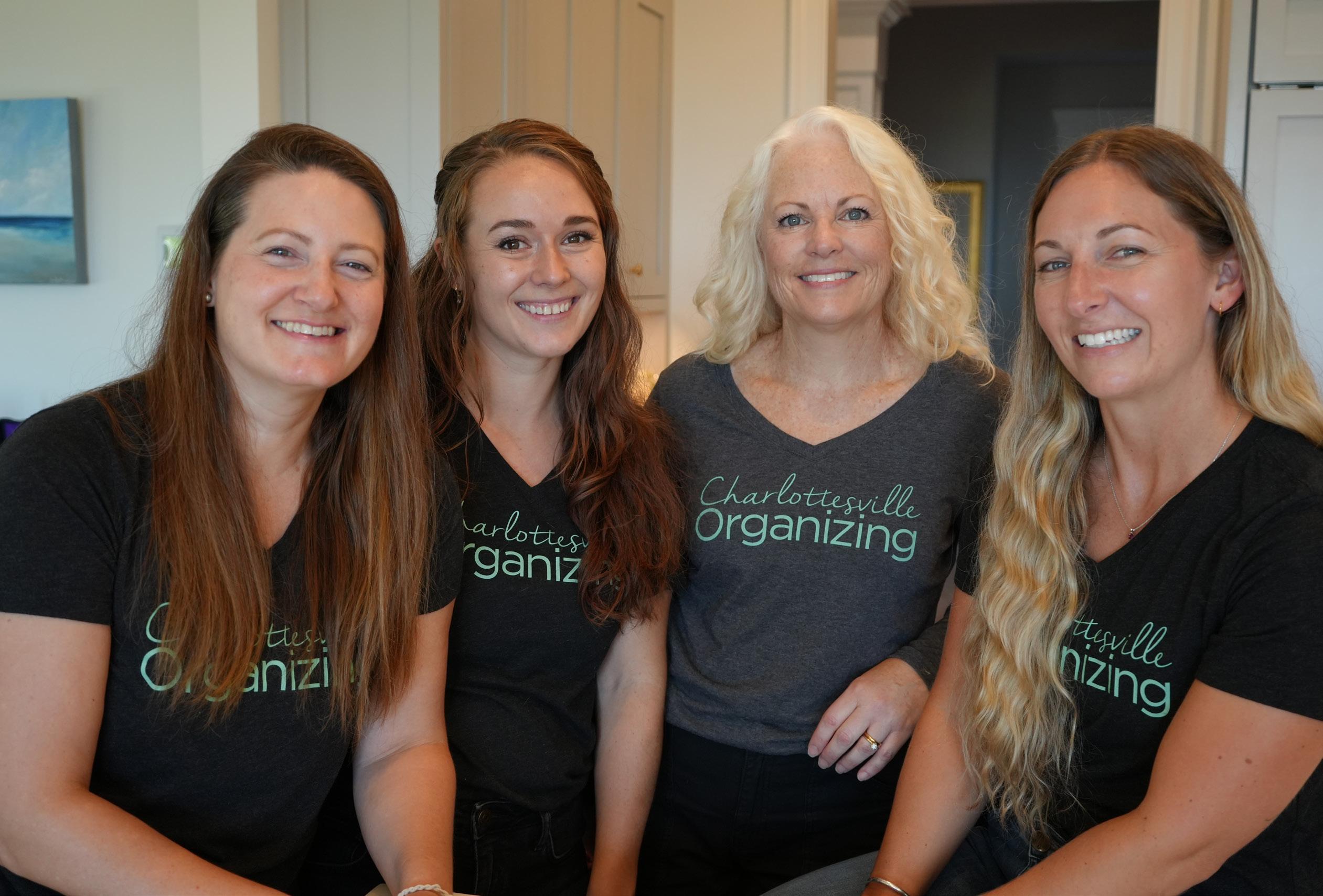
For Keri Byrne, founder of Charlottesville Organizing, that’s the story behind nearly every client she meets. People often seek help organizing a pantry, reclaiming a garage, or clearing out a spare bedroom. Byrne has learned those projects are rarely about the rooms themselves. Instead, they are opportunities to reshape a home around the way people live.
“The whole purpose of decluttering and organizing is to go through your spaces and make intentional decisions about everything,” Byrne explains. “Am I keeping this? Will I use it? Is this where it should live?”
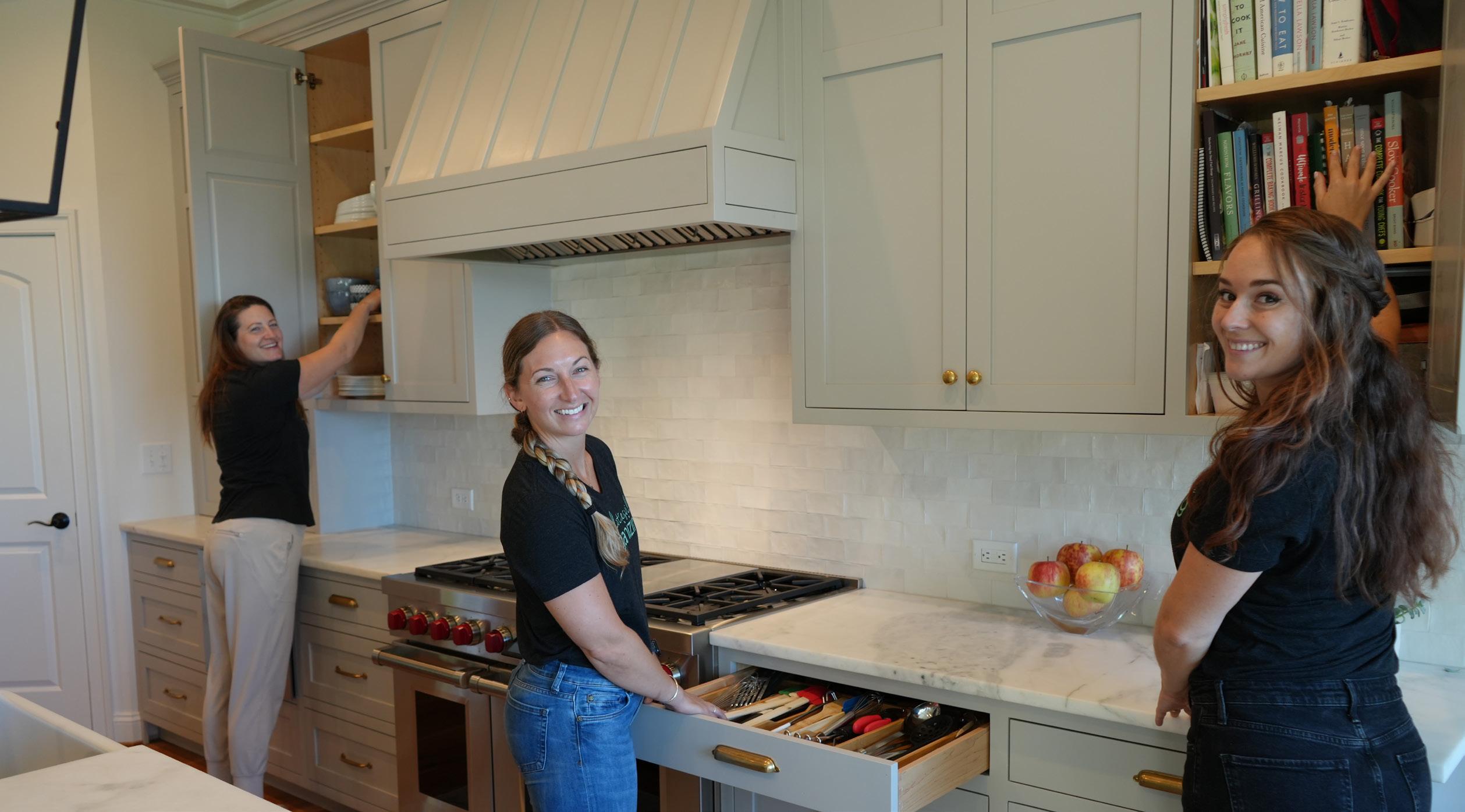
Those questions form the foundation of every project Byrne undertakes with fellow organizers Stephanie Kitchen, Rachael McCabe, and Devan Cooper. Before recommending storage containers or reorganizing a closet, they spend time understanding how a family moves through its day, where routines tend to break
down, and which possessions still serve a purpose. Professional organizing, they say, has far less to do with creating beautiful spaces than creating homes that function comfortably and naturally for their residents.
“When people accumulate clutter, it’s not always about being disorganized or lazy,” McCabe says. “It’s often the result of busy schedules and life’s changing seasons. Homes don’t evolve as fast as families do, and that’s where they get backlogged.”
Recognizing that pattern changes the way Byrne and her colleagues approach their work. Rather than focusing on what should be thrown away, they begin by helping clients think intentionally about the lives they’re living today. The question isn’t just where something belongs. It’s whether it still belongs at all and, if it does, whether it’s occupying the space that best reflects its importance in daily life.
“If an organizing system is too complicated, it will fail,” Kitchen says. “In a playroom, kids should be able to put the toys away on their own. If it takes more than ten minutes to clean up, you either have too much stuff or the system is too complex.”
While creating better systems is one part of organizing, deciding what belongs in those systems is the other. That’s the point where
many projects become less about shelves and storage bins and more about judgment. Clients who were eager to empty closets or sort through a garage often find themselves slowing down as they begin weighing the value of individual possessions.
One explanation frequently arises: “I might need it someday.” Rather than asking clients if they’re ready to let something go, Byrne encourages them to ask why they’re keeping it. That subtle shift moves the conversation away from imagined possibilities and back to present realities.
McCabe has found that a few carefully chosen questions often help clients answer that for themselves. She asks when they last used an item and whether they would have noticed if it had disappeared. The answers help people distinguish between possessions that actively support their daily lives and those that have quietly become part of the background.
Comparing similar items often reveals that a few favorites earn regular use while others remain simply because no one has questioned them. Byrne also asks clients to consider replacement costs. An inexpensive, easily replaceable item may not deserve years of valuable storage space. Conversations become more complicated when sentimental value enters the picture. Clothing from a previous career, keepsakes from a child’s early years, or belongings inherited from a parent carry meaning that has little to do with how often they’re used. Kitchen says those decisions require a different kind of conversation because they aren’t really about organization. They’re about acknowledging that people naturally attach memories to objects and that letting go of an item doesn’t necessarily mean letting go of a memory.
The same principle applies throughout the home. Organizing isn’t about erasing the past or stripping away reminders of meaningful moments. It’s about creating space for the life happening today while preserving the memories that matter
Before you decide where something belongs, decide if it belongs at all.
When did I last use it?
If you can’t remember, ask yourself whether you’ve actually missed it.
Would I choose this over something similar?
Most people have favorite coffee mugs, kitchen tools, and household items. If one is always your first choice, consider if you really need the others.
Would I even remember I owned it?
If you needed the item tomorrow, would you think to look for it?
How difficult would it be to replace?
An inexpensive item that’s easy to buy again may not deserve years of valuable storage space.
Do I have space to store it?
Sentimental items can be worth keeping without occupying the most accessible shelves, drawers, or closets in the house.
most. Byrne often reminds clients that sentimental items deserve thoughtful homes, too, but those homes don’t always need to be the shelves, drawers, and closets that support everyday living. Once people recognize this distinction, organizing becomes less about deciding what to get rid of and more about intentionally choosing what belongs at the center of their lives.
If practical decisions require careful thought, emotional ones demand patience. Many clients have lived with clutter for years seeking help, and by then the challenge often extends beyond overflowing closets or crowded countertops. Possessions often represent relationships, accomplishments, or seasons of life that people aren’t quite ready to leave behind. The organizers understand that their role isn’t to rush those decisions but to help clients navigate them without judgment.
“There’s a lot of communication involved in what we do,” Kitchen says. “Many clients are embarrassed that things have gotten to the point they have, and they’re struggling to reclaim their space and their time. Our job is to be supportive, not judgmental, and to help them move forward.”
That approach reflects another lesson the team has learned— people become overwhelmed not because they’re unwilling to make decisions, but because they’re asked to make too many at once. After hours of sorting, even the most motivated clients experience decision fatigue, which is why the organizers recommend focusing on one drawer, shelf, or cabinet at a time.
The same patience applies to sentimental belongings. McCabe says clients sometimes tell her they’re simply not ready to decide about a particular box or collection, and she believes that’s perfectly reasonable. Instead of forcing the issue, she encourages them to separate the decision about if something should remain in their lives from the decision about where it belongs. A thoughtfully assembled keepsake box can preserve family history without allowing every sentimental object to compete for space in the rooms people use every day.
McCabe recalls a powerful example of how a little reassurance can help. A mother struggled to part with a stack of her children’s artwork, worried that throwing away even one drawing somehow reflected on her as a parent. McCabe reminded her that the memories weren’t contained in the paper itself, and that choosing a few meaningful pieces didn’t diminish the love or care behind the rest.
Byrne says those moments often become turning points because clients realize they’re no longer just organizing possessions— they’re making peace with the expectations they’ve placed on themselves. As rooms become easier to maintain and daily routines require less effort, many people discover they feel
calmer, more capable, and less burdened by the constant sense of needing to catch up.
“I’ve had one client tell me she stopped seeing her therapist, started exercising, and now her friends ask her to help organize their homes,” Byrne recalls. “For some people it’s just a nicety that makes life smoother. For others, it really is life-changing.”
The organizers don’t suggest every project is life-changing, but they firmly believe every home should support the people who live there instead of demanding their constant attention. “We’re not aiming for picture-perfect,” Kitchen says. “We’re aiming for spaces that are good for people and realistic for their families.”
Ultimately, this may be the simplest way to understand what professional organizers really do. They don’t help people build perfect homes. They help them build homes that make everyday life a little easier, a little calmer, and a little more intentional. These are changes that don’t just clear a closet or organize a pantry—they create space for whatever comes next.
Since 2014, Charlottesville Organizing has helped homeowners throughout Central Virginia create homes that are easier to live in and maintain. Founder Keri Byrne leads a team of professional organizers who work with clients on projects ranging from individual rooms to whole-house organizing, downsizing, move management, and creating sustainable systems that evolve with changing families and lifestyles.
“I started this business because I thought it would be fun,” Byrne says. “Organizing comes naturally to me, and I love the immediate satisfaction. Over time I realized it can actually be life-changing for some people. For some, it’s just a nicety that makes life feel smoother; for others, it truly transforms the way they live in their homes.”
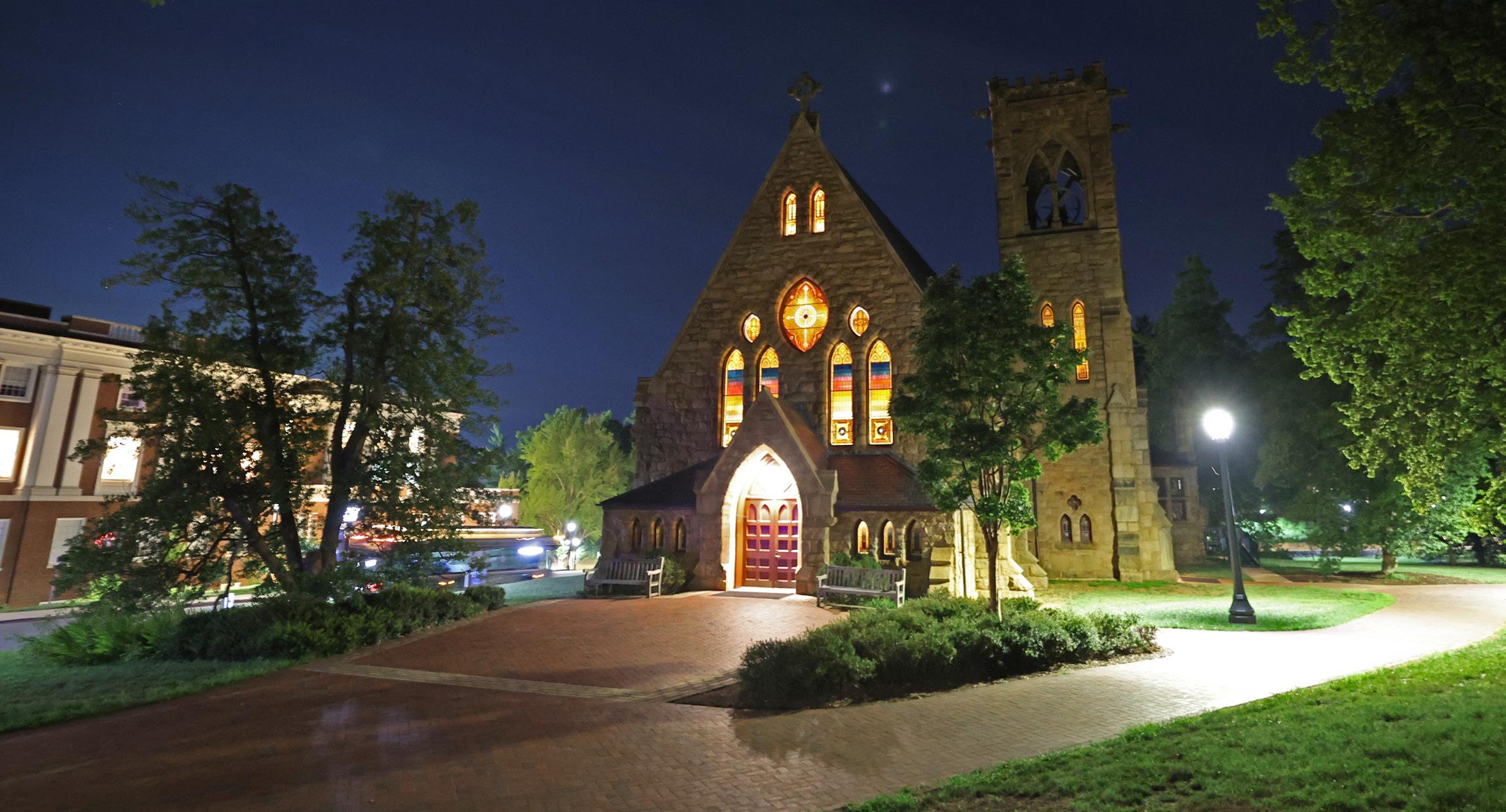
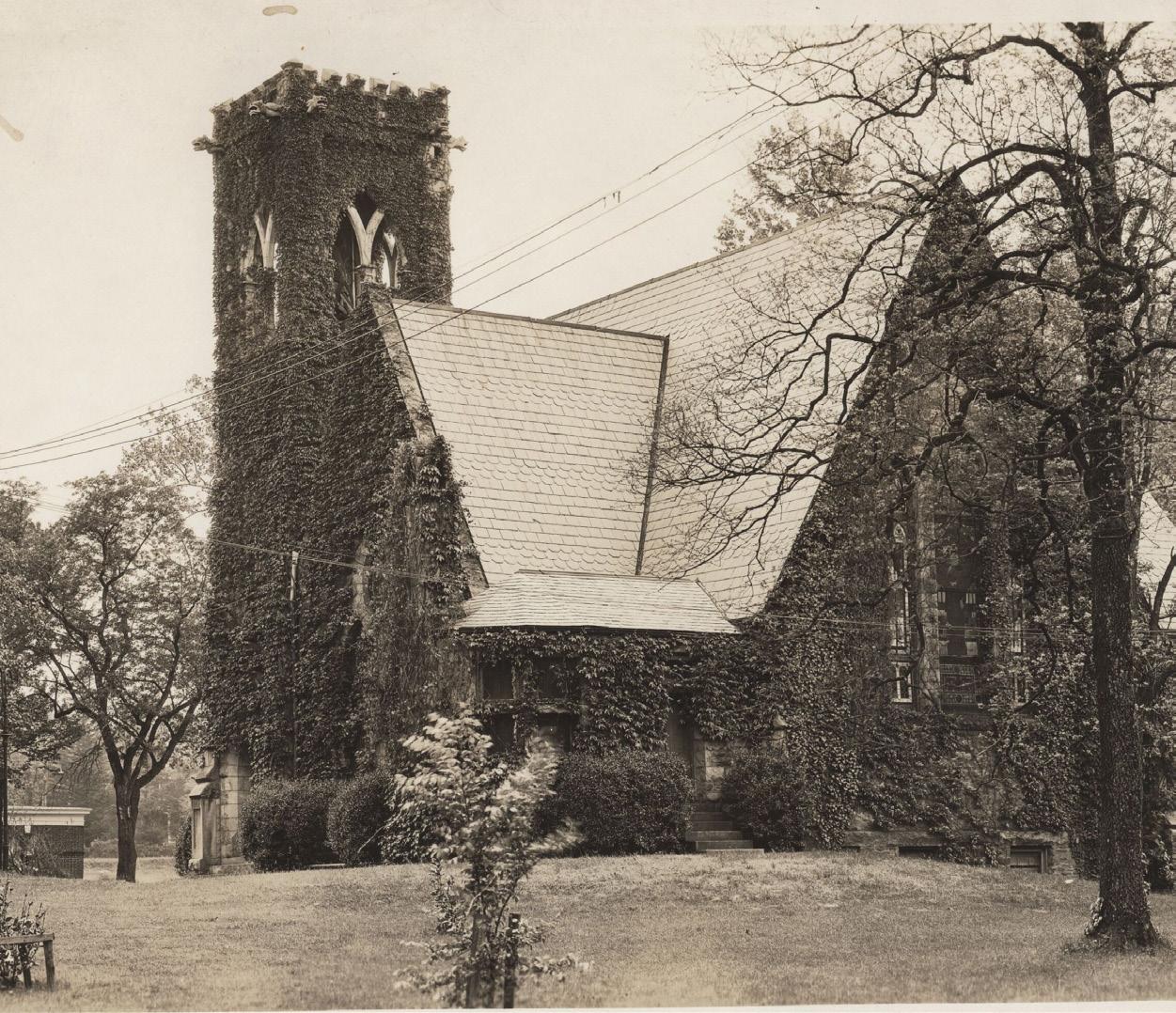
For more than 135 years, the University of Virginia Chapel has been an architectural outlier on Grounds. With its Gothic stone walls, stained-glass windows, and bell tower, the Chapel stands in striking contrast to Thomas Jefferson’s neoclassical Academical Village. Following a major restoration completed in 2024, the Chapel continues to serve as one of UVA’s most cherished gathering places for worship, music, celebration, remembrance, and quiet reflection.
When Jefferson founded the University in 1819, he deliberately omitted a chapel from his plans, believing public universities should not favor any religious denomination. Instead, he placed the Rotunda, a library rather than a church, at the head of the Lawn. Religious services were held on Grounds, but attendance was voluntary, reflecting Jefferson’s commitment to religious freedom.
As the University grew, however, so did calls for a dedicated place of worship. Several early fundraising efforts failed,
delayed by financial challenges and the Civil War. Finally, in the 1880s, private donations and the determination of the Ladies Chapel Aid Society made construction possible. The cornerstone was laid in 1885, and the Chapel was completed in 1890.
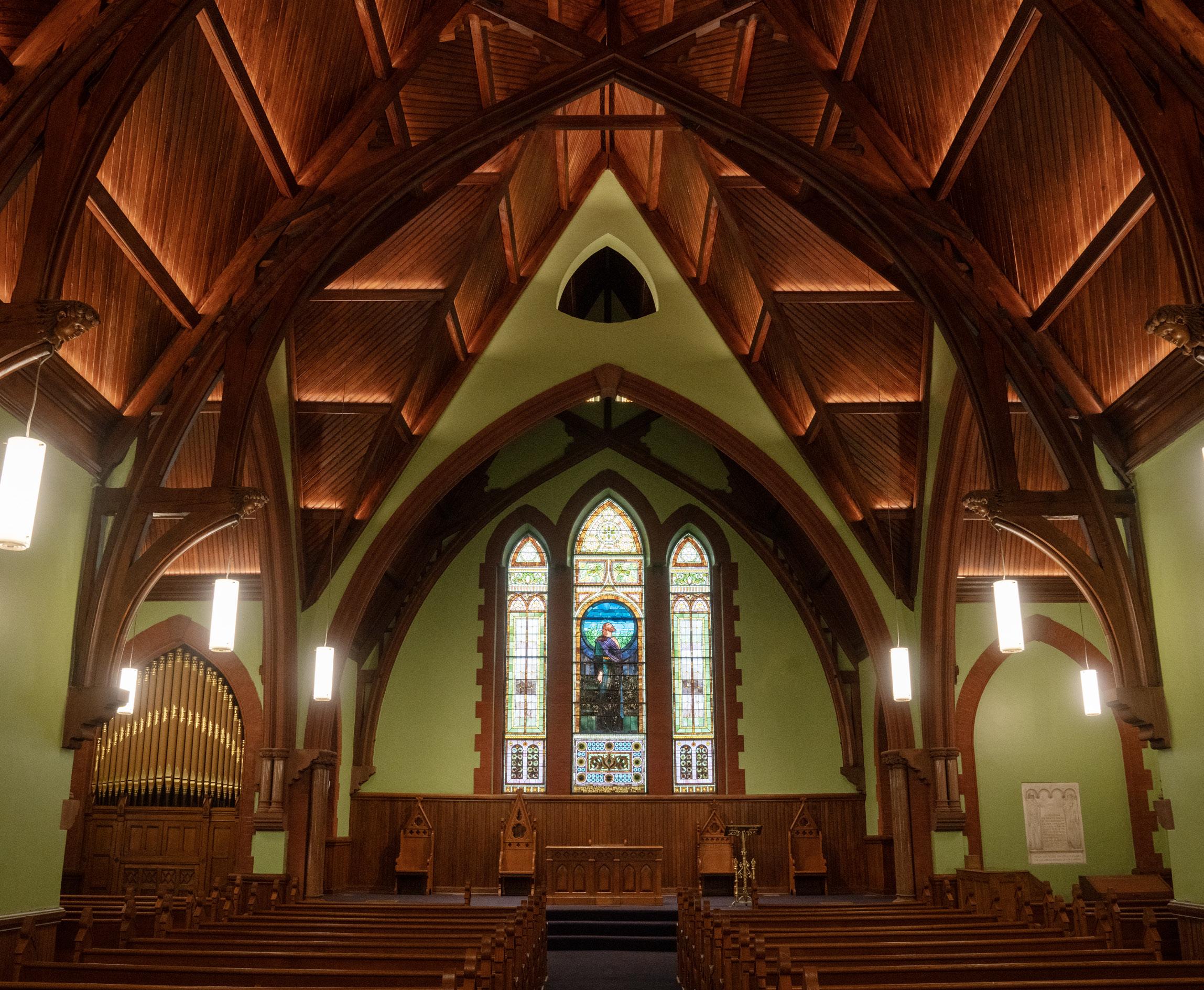
Designed by Baltimore architect and UVA graduate Charles Emmett Cassell, the Chapel holds numerous treasures. Much of the stained glass was created by J. & R. Lamb Studios of New York, while one small memorial window was produced by the famed Tiffany Studios. Exposed timber trusses, painstakingly carved woodwork, and warm natural materials give the sanctuary an intimate atmosphere that has welcomed generations of students, faculty, alumni, and local residents.
Unlike many university chapels, UVA’s has never belonged to a single denomination. Instead, it has long reflected the University’s commitment to serving people of many faiths and backgrounds. More than 350 events take place in the Chapel each year, including worship services, weddings, memorials, concerts, lectures, student performances, and other University ceremonies. The Chapel also
remains deeply connected to University traditions. The Chapel’s carillon, originally donated by the University’s secretive Seven Society in 1957, continues one of UVA’s most distinctive traditions. When a member of the society dies, the bells toll in a solemn sequence that publicly acknowledges the individual’s membership for the first time.
The Chapel has been revitalized by an extensive restoration completed in January 2024, the first major interior renovation since the 1950s. The 13-month, $2.5 million project recovered much of its original Victorian character while ensuring it could continue serving future generations. Conservators carefully stripped decades of darkened finishes from the woodwork, revealing lighter oak, pine, and chestnut beneath. Original heart pine floors hidden under mid-century cork tile were restored, and walls were repainted in a historically accurate green drawn from the building’s original color palette. Modern LED lighting now highlights the soaring timber ceiling, while upgraded audiovisual systems and a hearing loop improve accessibility for visitors.
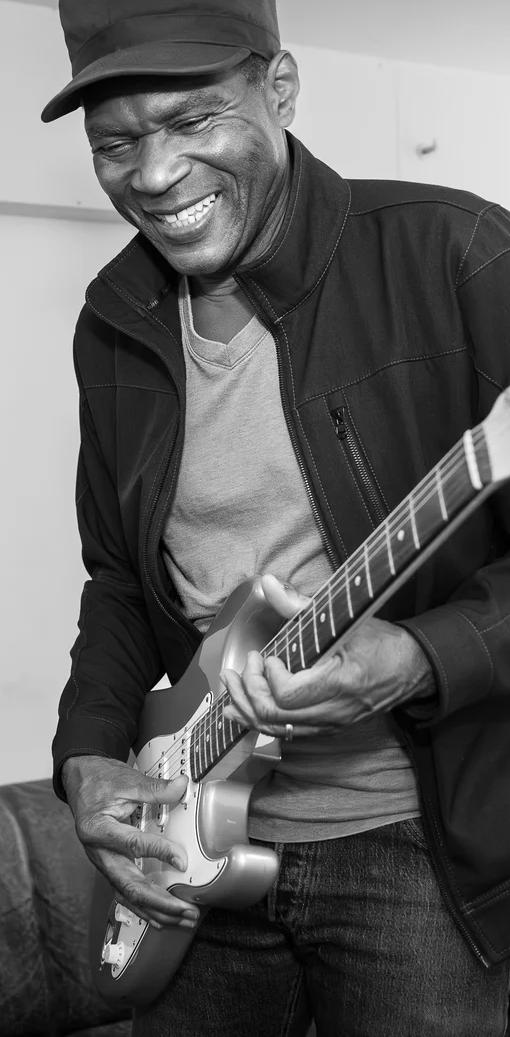
When Robert Cray emerged in the 1980s, he helped reshape contemporary blues. Rather than relying on familiar standards, he wrote original songs that blended blues with soul and R&B, an approach that has earned a broad audience, five Grammy Awards, and enduring respect from fellow musicians.
A member of the Blues Hall of Fame, he formed the Robert Cray Band in 1974, and more than 50 years later the group remains remarkably stable. Bassist Richard Cousins has been with Cray since the band's early years and is joined by keyboardist Dover Weinberg and drummer Les Falconer. Together, they continue to perform music that balances blues tradition with soul, R&B, and rock influences.
The quartet brings its All Amped Up tour to The Paramount Theater on September 12, drawing from a catalog of more than 20 albums, including the Grammy-winning Strong Persuader and Don't Be Afraid of the Dark. Cray has performed with artists including Muddy Waters, John Lee Hooker, Tina Turner, Eric Clapton, and the Rolling Stones, reinforcing his place as one of the musicians who helped carry the blues to new audiences while remaining rooted in its traditions.
434-977-5590 • thesoutherncville.com 103 South 1st Street, Charlottesville
AUG 11: Cordovas
AUG 14: Brisk - ’90/00s Alt Rock Tribute
AUG 15: Meraki with Work Wear
AUG 19: Happy Landing with The Band Solstice
AUG 27: Abbie Callahan
AUG 29: Mariana Bell
SEP 2: Johnny Mullenax and Bronwyn
SEP 4: Foxtide
SEP 9: Old Mervs
SEP 12: Two Runner
SEP 13: Parlor Greens
SEP 16: Horse Feathers
SEP 17: Jammy Buffet
SEP 19: Militarie Gun with Softcult, Shady Nasty, and Dazy
SEP 23: Damien Jurado with St. Yuma
SEP 25: Emo Night Karaoke
SEP 26: Bebe Stockwell with Gabrielle Hope
SEP 30: Ryan Davis & the Roadhouse Band
RIVANNA ROOTS CONCERT SERIES
PRESENTED BY THE FRONT PORCH AND RIVANNA RIVER COMPANY
434-218-2052 • rivannarivercompany.com 1520 East High Street, Charlottesville
AUG 11: Corey Harris Band with Jen Tal
AUG 22: Ramona & The Holy Smokes with Rebecca Porter
SEP 5: Theocles & The Muses and The Currys
SEP 19: Larry Keel Duo with Brennan Gilmore and Andy Thacker
OCT 3: Chamomile & Whiskey with Sweet Afton and Leah Grams Johnson
THE FRONT PORCH
434-806-7062 • frontporchcville.org
221 Water St. East, Charlottesville
AUG 14-15: Scott Miller
AUG 27: Larry & Joe
AUG 30: David Wimbish with Jesse James DeConto
SEP 11: Rebecca Frazier
SEP 16: Jake Blount Band (at Potter's Craft Cider)
SEP 24: Darrell Scott (at Potter's Craft Cider)
THE BATESVILLE MARKET
434-823-2001 • batesvillemarket.com
6624 Plank Road, Batesville
AUG 10: Fletcher Daniel
AUG 14: Scuffletown
AUG 15: The Pollocks
AUG 16: An Lar Traditional Irish Band
AUG 22: Mama Tried
SEP 4: The Inclinators
SEP 5: Buzzard Hollow Boys
SEP 11: Sweet Potatoes
SEP 12: The Gladstones
SEP 13: Second Sunday Bluegrass Jam
SEP 18: Blake Hunter & The Gatherers
SEP 19: The Pollocks
SEP 20: An Lar Traditional Irish Band
SEP 25: Brandon Wayne & His Lonesome Drifters
JOHN PAUL JONES ARENA
295 Massie Road, Charlottesville
434-243-4960 • johnpauljonesarena.com
SEP 20: Mumford & Sons
THE PARAMOUNT THEATER
434-979-1333 • theparamount.net
215 East Main Street, Charlottesville
AUG 8: Paramount on Screen - The Blues Brothers
AUG 9: Paramount on Screen - To Kill a Mockingbird
AUG 15: Paramount on Screen - Legally Blonde
AUG 16: Paramount on Screen - Return of the Jedi
AUG 20: National Theatre Live in HD - Les Liaisons Dangereuses
AUG 29: Her Sports Awards - Celebrating Women and Girls in Sports
SEP 12: The Robert Cray Band
SEP 13: Lighthouse Studio 25th Annual Youth Film Festival
SEP 28: Ann Wilson
SEP 29: The New Pornographers
OCT 1: David Foster & Katharine McPhee
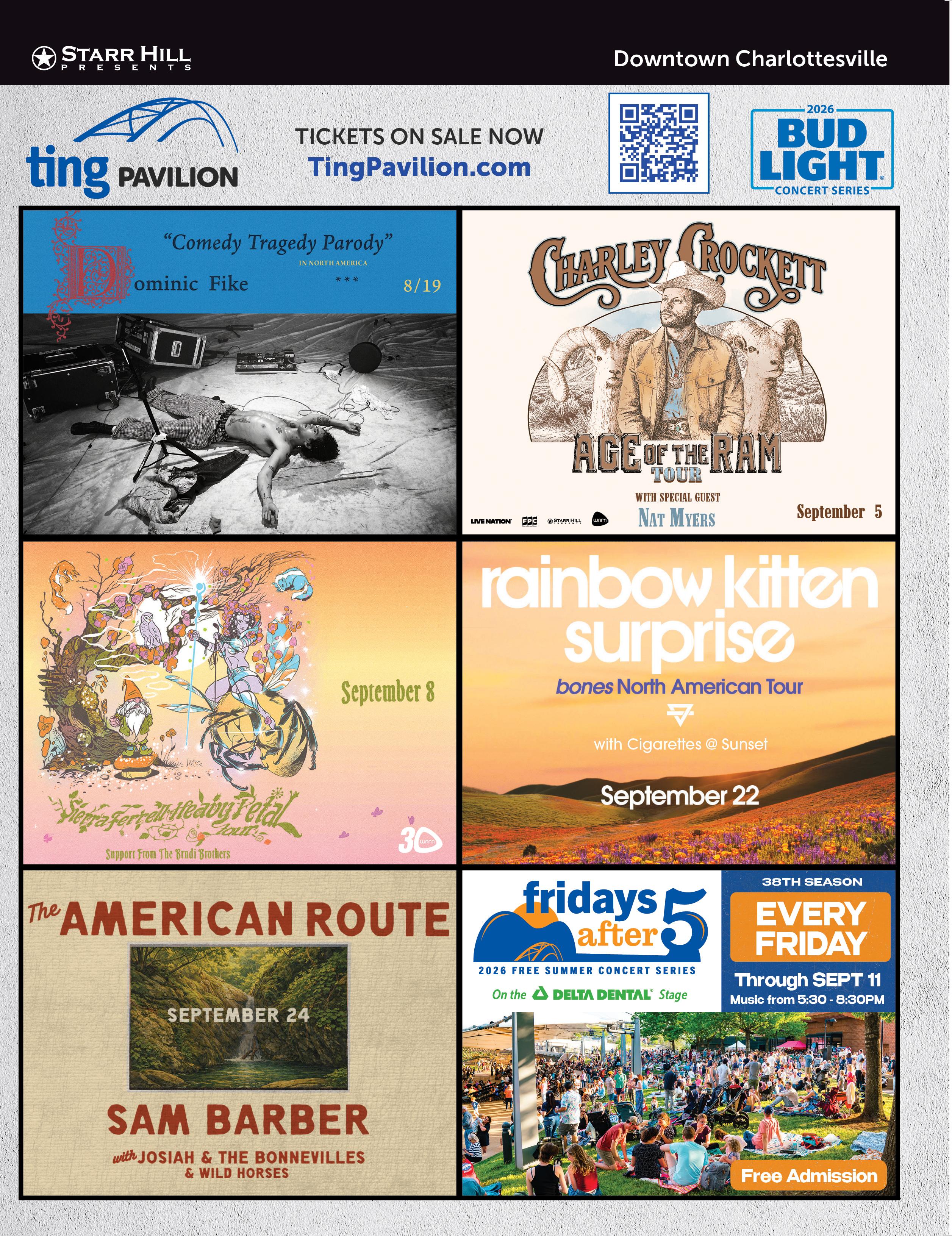
TING PAVILION
434-245-4910 • tingpavilion.com
700 E Main Street, Charlottesville
AUG 14: Fridays After Five – Mighty Joshua
AUG 19: Dominic Fike
AUG 21: Fridays After Five – Joslyn & The Sweet Compression.
AUG 28: Fridays After Five – Dreamsicle
SEP 4: Fridays After Five – Fireside Collective
SEP 5: Charley Crockett
SEP 8: Sierra Ferrell
SEP 10: Dark Star Orchestra
SEP 11: Fridays After Five – The Judy Chops
SEP 19: Cville Sabroso Festival
SEP 22: Rainbow Kitten Surprise
SEP 24: Sam Barber
SEP 26: Charlottesville Pride Festival
OCT 4: Whiskey Myers
THE JEFFERSON THEATER
800-594-TIXX • 434-245-4980
AUG 22: Bring Out Yer Dead
AUG 26: Winyah X Penelope Road
AUG 27: West 22nd
AUG 28: Emily Ann Roberts
AUG 29: The Calling
SEP 8: GoldFord
SEP 18: Ben Harper & The Innocent Criminals
SEP 19: Madison Cunningham
SEP 21: Cyril Neville Plays the Dead
SEP 22: Hazlett
SEP 25: The Steel Wheels
SEP 27: Glaive
SEP 30: Infinity Song
OCT 2: The California Honeydrops
THE FOUNDRY AT BASIC CITY BEER
540-943-1010 • thefoundrysound.com
1010 East Main Street, Waynesboro
AUG 8: Nonpoint with Spineshank and Hed Pe
AUG 19: Buckcherry & Black Stone Cherry
SEP 4: Kurt Crandall & True Story
SEP 11: Ugly Kid Joe, Wheatus, Platinum Moon
SEP 18: Leftover Salmon
SEP 26: Cody Parks and the Dirty South
AMERICAN SHAKESPEARE CENTER

877-682-4236 • americanshakespearecenter.com 10 South Market Street, Staunton The Tempest
THE CHARLOTTESVILLE BAND
434-295-9850 • cvilleband.org 1119 5th St SW, Charlottesville
AUG 20: Cville Cinco plays at The Colonnades
AUG 28: Cville Cinco plays at Piedmont Botanical Garden
ALLIANZ AMPHITHEATER AT RIVERFRONT
Allianzamp@livenation.com • allianzamphitheater.com 350 Tredegar St., Richmond
AUG 9: 5 Seconds of Summer
AUG 19: Chris Stapleton's All-American Roadshow
AUG 29: Kehlani
SEP 1: Goo Goo Dolls
SEP 3: Jerry Garcia Symphonic Celebration with the Richmond Symphony
SEP 10: Empire of the Sun
SEP 12: Billy Currington and Kip Moore
SEP 26: Brad Paisley
SEP 27: Ziggy Marley & Gov’t Mule
SEP 28: Mt. Joy




Keep in touch with Albemarle magazine and our loyal advertisers via Instagram, Facebook, and by visiting albemarlemagazine.com
Sponsored by Cardinal Home Center albemarlemagazine.com/crossword
Albemarle magazine frequently features ideas for buying, building, renovating, repurposing and redecorating the indoor and outdoor spaces that define our lives, and the resources to bring those ideas to fruition.
CARDINAL HOME CENTER HAS YOU COVERED.
Learn more about the services, premium brands, and products Cardinal Home Center offers at their stores in Madison, Charlottesville, and Crozet. Their dedicated staff provides expert advice for your next project, helping you pick out the right paint, hardware, lumber, cabinets, and more. The expansive showrooms also offer an array of electrical, plumbing, tools, and more for homeowners, DIYers, or contractors alike. cardinalhomecenter.com
HOME,
VACATION HOME,
DOWNSIZING, NEW BUSINESS, OR BUSINESS EXPANSION?
Albemarle magazine invites you to meet our Who’s Who of Realtors®, an exclusive listing of CAAR members on our website (albemarlemagazine.com/whos-who) dedicated to connecting potential buyers and sellers and building relationships in our community.
by Myles Mellor

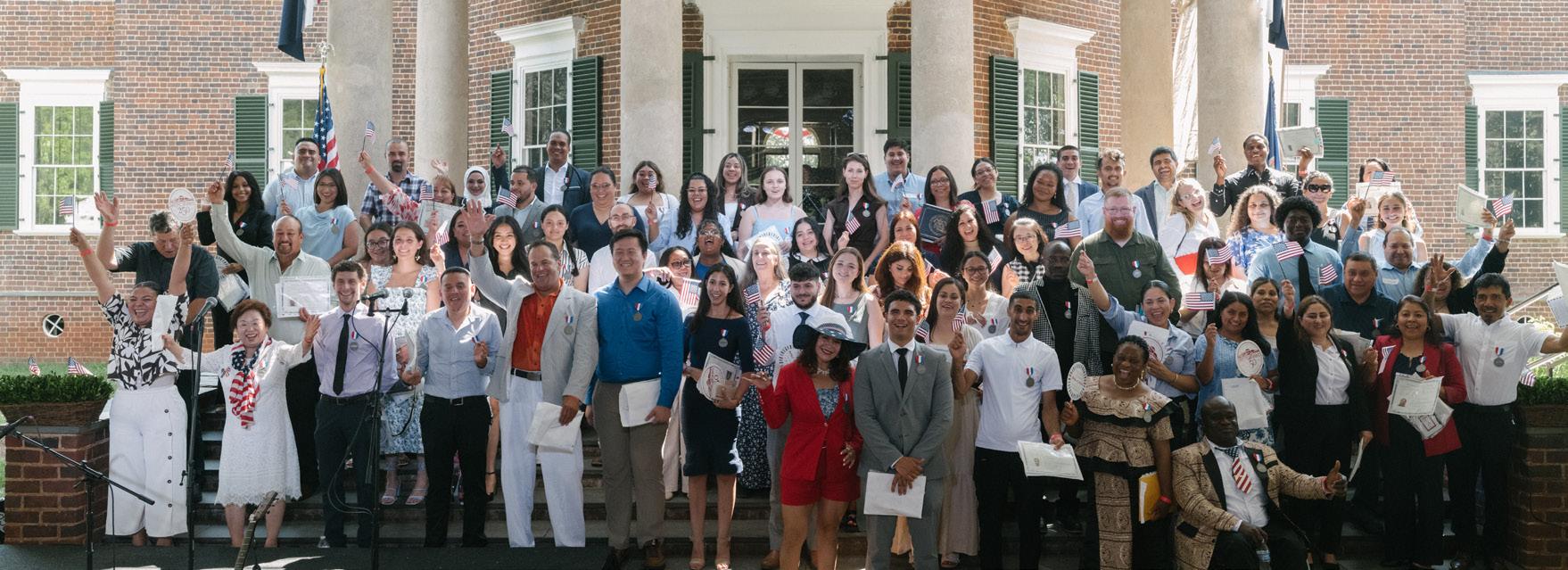
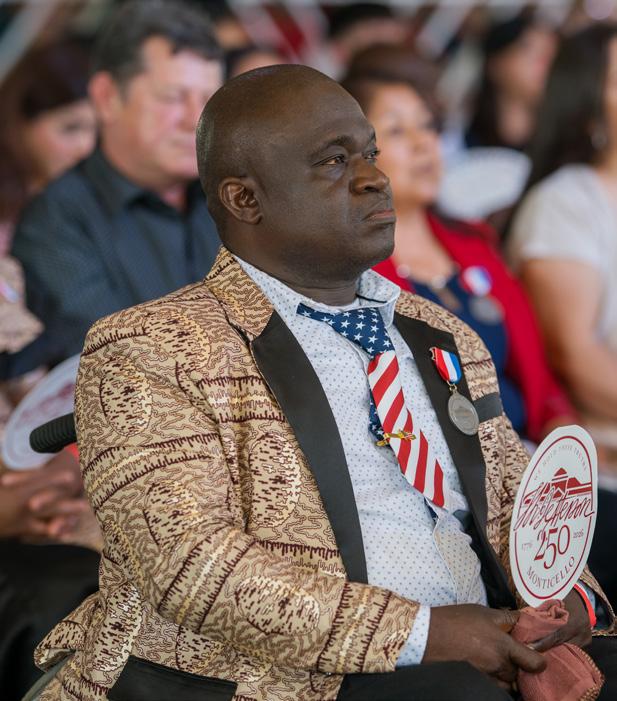
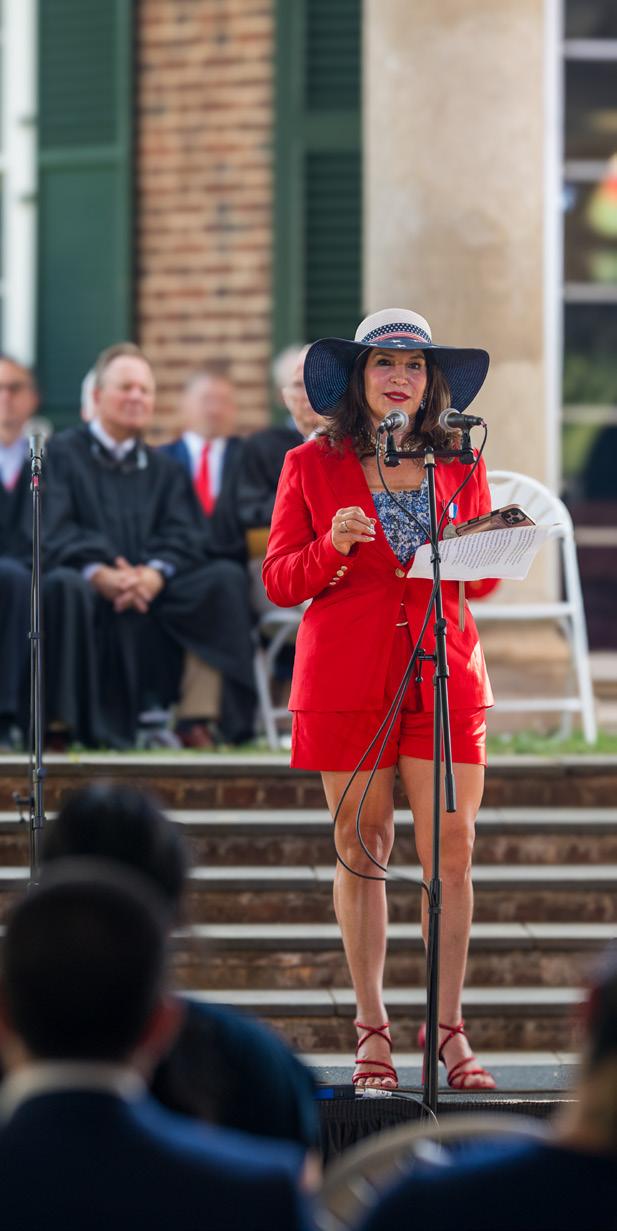
Independence Day Celebration and Naturalization Ceremony
On Monticello’s West Lawn, 250 years of independence were celebrated with the annual festivities at Thomas Jefferson’s home.
1. This year, 74 individuals took the Oath of Citizenship at Monticello.
2. Dom Flemons, Grammy-winning American folk musician and historian, performs the National Anthem.
3. A new citizen listens to remarks during the July Fourth ceremony.
4. Governor of Virginia Abigail D. Spanberger delivers the keynote address at Monticello’s 64th annual Independence Day Celebration.
5. Carly Fiorina, the National Honorary Chair of the Virginia American Revolution 250 Commission.
6. Taking the Oath of Citizenship.
7. Ellie Alvey and Jack McFadden, members of Monticello’s archaeology department, celebrate the 250th anniversary of the Declaration of Independence.
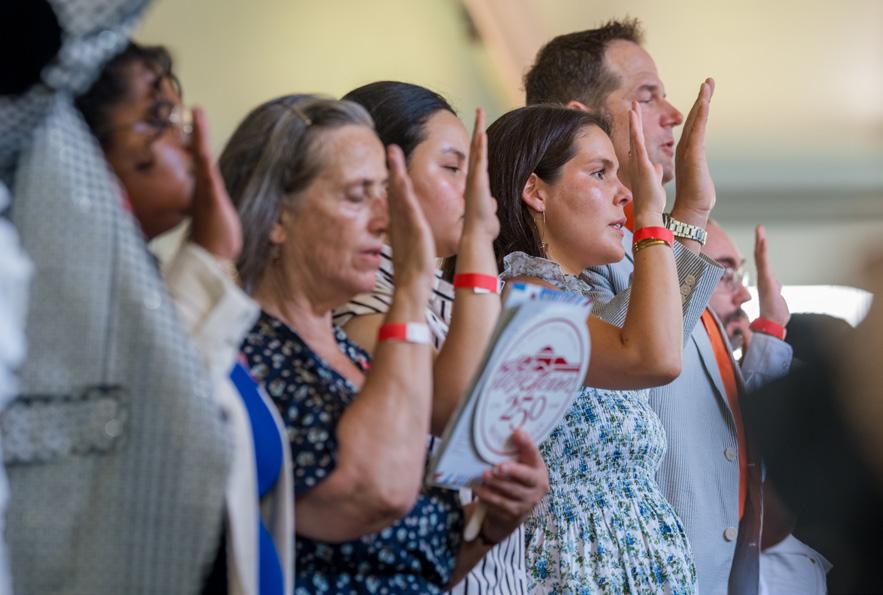
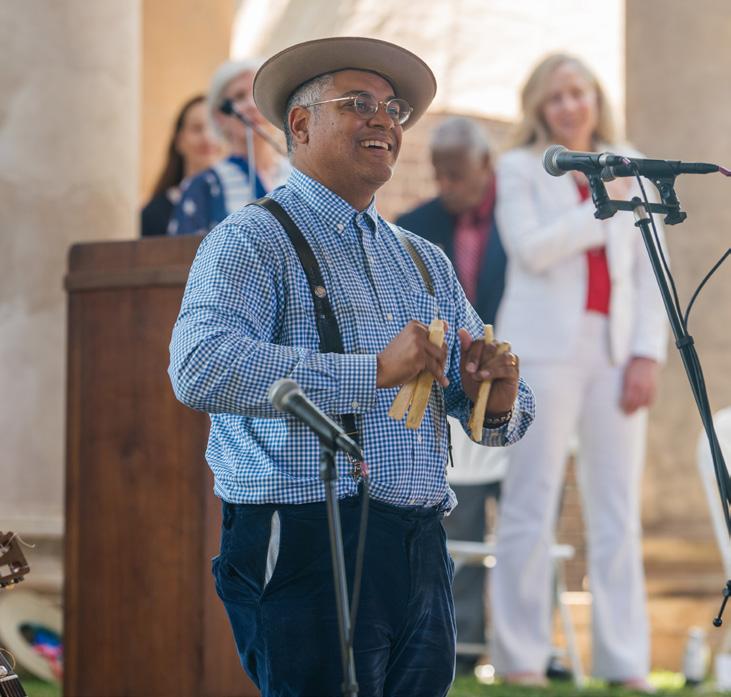
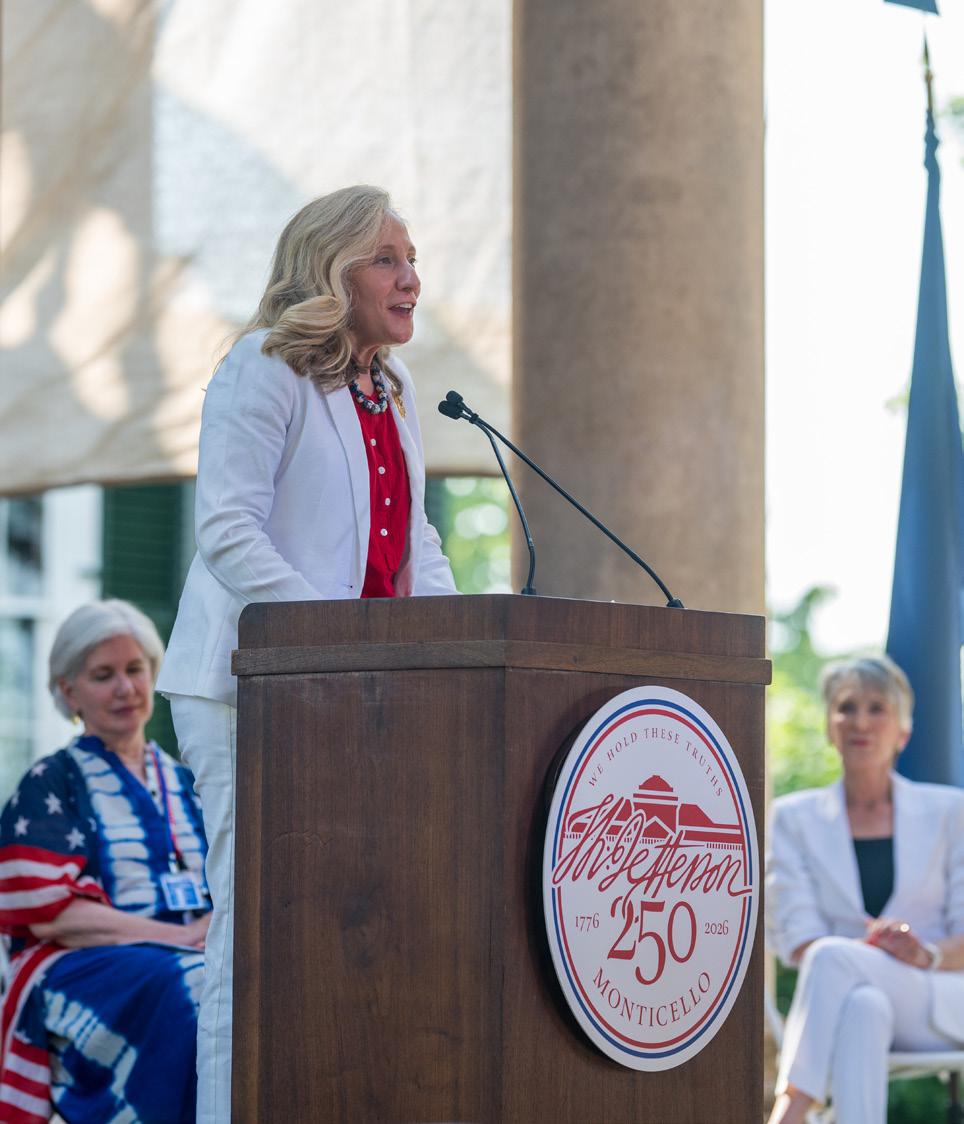
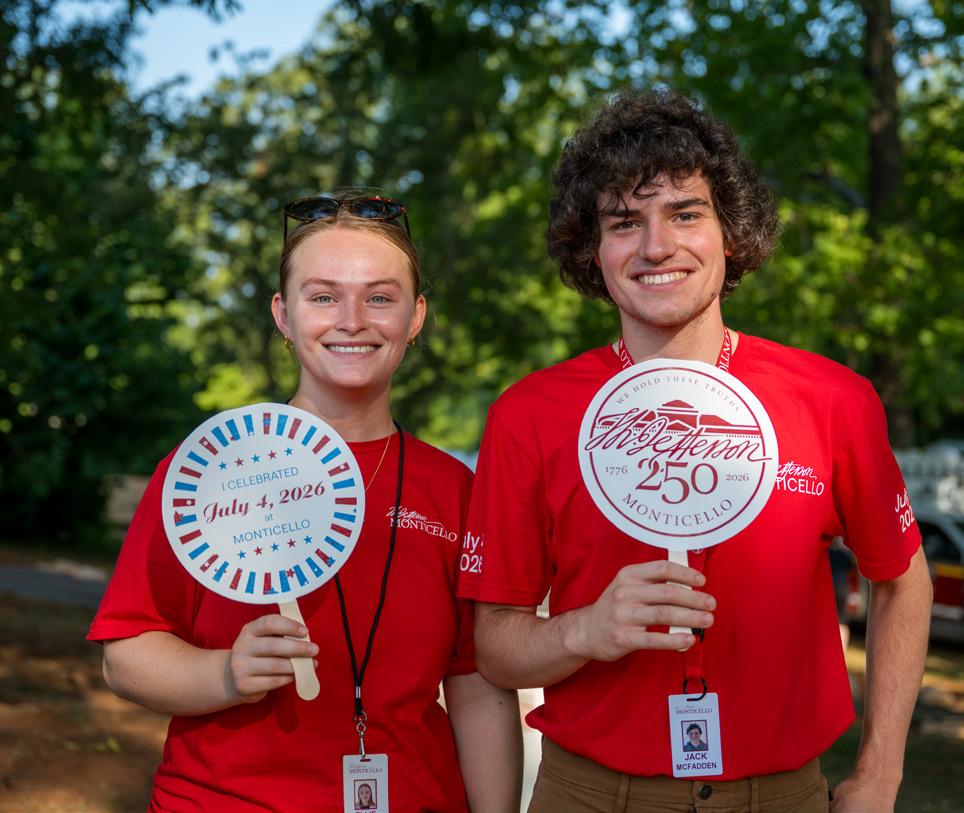
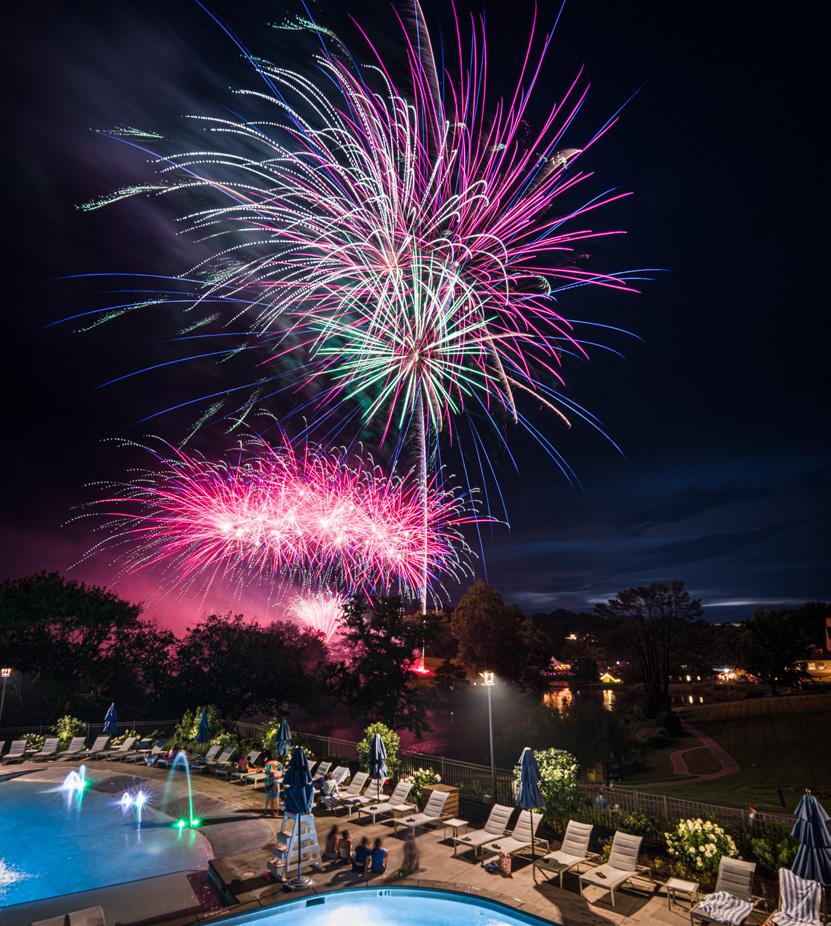
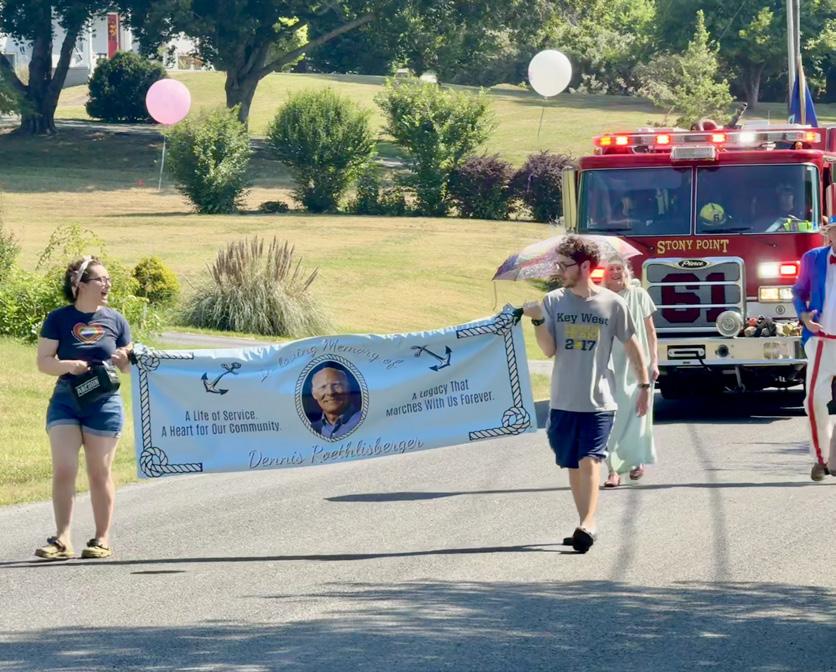
Boar’s Head Resort and Key West Parade
Events both large and small marked this year’s milestone Independence Day.
1. Fireworks at the Boar’s Head highlighted the resort’s Fourth of July celebration, capping off a day of food, music, and fun.
2. The Fourth of July parade is a favorite tradition in the Key West neighborhood. This year’s event also honored the late Dennis Roethlisberger, a beloved community pillar and tireless volunteer.
3. Wyatt Pritchard as George Washington captains a boat in the Key West parade, with Avery Pritchard in the bow and Caleb Stacey in the stern.
4. Emily Clark (left, foreground) and Olivia Ledue (right, foreground) roll through the parade.
Boar’s Head photo by Rob Garland