A Guide to Innovation, Collaboration, and Experimentation in Mobility Solutions
As a federally owned enterprise, GIZ supports the German Government in achieving its objectives in the field of international cooperation for sustainable development.
Published by Deutsche Gesellschaft für Internationale Zusammenarbeit (GIZ) GmbH.
GIZ: Mr Aravindakshan Ramanan, Ms Neetu Anna Joseph, Mr Vivekanand Kotikalapudi.
ENoLL: Ms Martina Desole.
CERTH/HIT: Dr Georgia Ayfantopoulou.
Deloitte Touche Tohmatsu India LLP: Mr Sumit Mishra.
Designed By Chitrapat Ideas Foundry Private Limited.
Contact
GIZ is responsible for the content of this publication.
On behalf of the German Federal Ministry for Economic Cooperation and Development (BMZ).
Reference
Mobility Living Labs Toolkit: A Guide to Innovation, Collaboration, and Experi-mentation in Mobility Solutions, Deutsche Gesellschaft für Internatio-nale Zusammenarbeit (GIZ) GmbH under the project No. 12.1003.8-285.01 titled “Capacity building of public sector stakeholders on Living Lab methodology contextualised for urban mobility”.
Acknowledgment
This publication has been prepared under the two projects “Green Urban Mobility Innovation Living Lab” implemented by GIZ and Bosch and Sustainable Urban Mobility-Air Quality, Climate action and Accessibility (SUM-ACA) implemented by GIZ and MoHUA. This is under the Green Urban Mobility Partnership (GUMP) between the Ministry of Housing and Urban Affairs (MoHUA), Government of India and the German Federal Ministry for Economic Cooperation and Development (BMZ). This publication has been co-authored by The European Network of Living Labs (ENoLL), The Centre for Research & Technology Hellas/Hellenic Institute of Transport (CERTH/HIT), and Deloitte Touche Tohmatsu India LLP (DTTILLP) and has been funded by the Deutsche Gesellschaft für Internationale Zusammenarbeit GmbH (GIZ) under the project titled “Capacity building of public sector stakeholders on Living Lab methodology contextualised for urban mobility” (2024).
Suggested Citation
GIZ, Mobility Living Labs Toolkit: A Guide to Innovation, Collaboration, and Experimentation in Mobility Solutions, 2024.
A Guide to Innovation, Collaboration, and Experimentation in Mobility Solutions Mbility
Toolkit
Preface
Over the last two decades, the growing cities and urban agglomerations in India have tried various solutions to meet their unique, some not so unique, challenges and requirements for improving mobility. Investments by way of infrastructural strengthening and capital assets have demanded bold decisions and solutions that evolved met with success in various degrees. Interventions in traffic management and policy implementations that proved effective in one city did not resonate as well in others; as cities grew, so too did complexities. The need for robust and adaptable frameworks to address overcrowded roads, inadequate public transport, and rising pollution levels could not be more acute, underscoring the need for depth and long range in planning and implementing solutions that would keep pace in a dynamic urban environment.
In this context, the concept of Living Labs offers a transformative approach. By placing citizens at the centre of innovation, Living Labs serve as platforms for real-world experimentation and user-driven co-creation, ensuring that mobility solutions are not only technically sound but also resonate with local needs and realities. These open innovation ecosystems foster collaboration across government, industry, academia, and civil society, making the journey from problem identification to practical, sustainable solutions both inclusive and effective.
A partner with the ministry of Housing and Urban Affairs, Deutsche Gesellschaft für Internationale Zusammenarbeit (GIZ) GmbH have tried at a limited scale in Indian cities, the living labs approach. GIZ is pleased to present this toolkit, MobilityLivingLab:AGuidetoInnovation,Collaboration,andExperimentation inMobilitySolutions,as part of its ongoing commitment to fostering sustainable development and innovation in urban mobility. This guide serves as a thorough resource for stakeholders involved in the mobility sector. It provides practical guidance on establishing and managing Mobility Living Labs, enabling cities and communities to develop mobility solutions that are not only innovative but also scalable and sustainable. The toolkit offers a roadmap, from understanding the fundamental concepts of Living Labs to conducting real-life experiments and evaluating their impact.
As cities work towards transforming the future of mobility in India, this guide will be a valuable asset for practitioners, policymakers, and innovators alike. It reflects the collective aspiration to make India’s cities not just more liveable, but also as thriving centres of mobility innovation. By harnessing the power of collaboration and experimentation, we can reimagine urban mobility and create sustainable, citizen-centric solutions for the challenges that lie ahead.
I invite you to explore the ideas, frameworks, and strategies laid out in this toolkit and to be part of this exciting journey towards a more connected and inclusive urban future
Manjunath Sekhar Head, Green Urban Mobility Innovation, Living Lab (GIZ)
Source: iStock
LIST OF FIGURES
Figure 1. Key mobility-related issues faced by urban areas in India. 18
Figure 2. Core Values of Key Methodologies in the Living Lab Approach. 21
Figure 3. Key characteristics of Living Labs. 23
Figure 4. Types of Living Labs and examples of Living Labs working on mobility. 24
Figure 5. Living Lab Integrative Process - LLIP. 25
Figure 6. Closed versus Open Innovation. 27
Figure 7. The three-layered Living Lab model. 29
Figure 8. Examples of actors in the different sectors of the QHM. 32
Figure 9. The Living Lab Mapping Canvas.
35
Figure 10. The Open Innovation Community approach in Mobility Living Lab context. 38
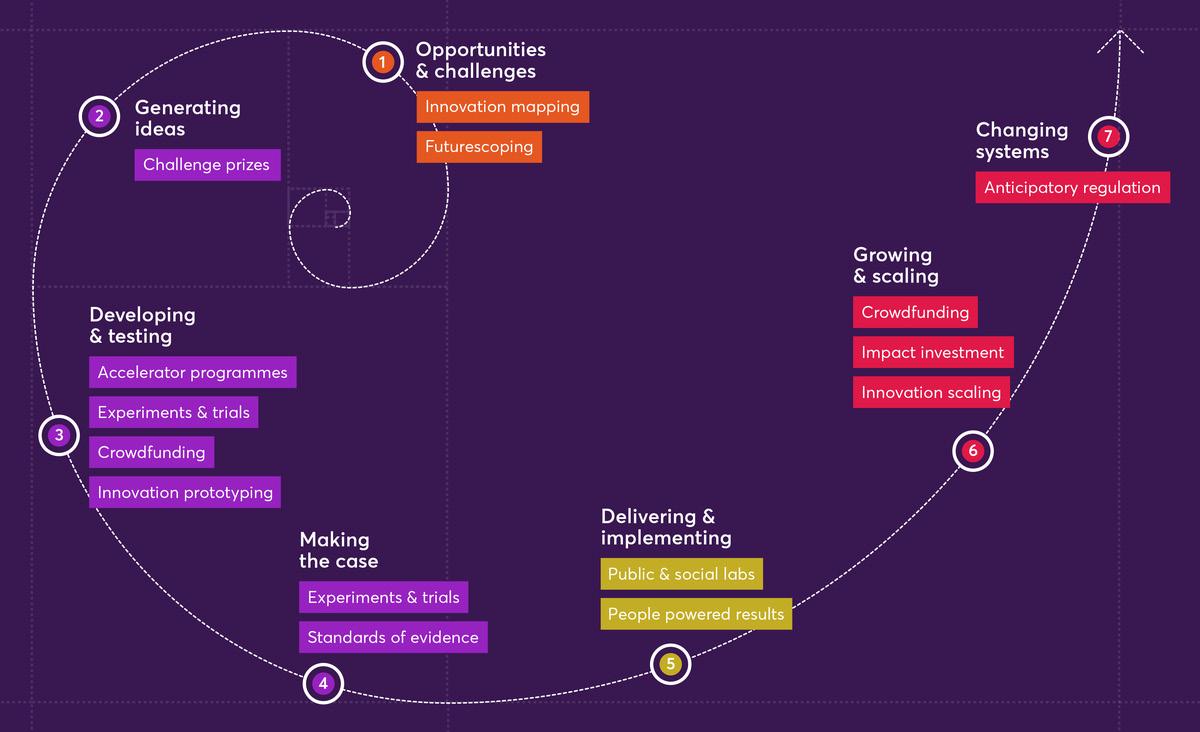
Figure 11. NESTA spiral. 39
Figure 12. Classification of Mobility Living Labs. 41
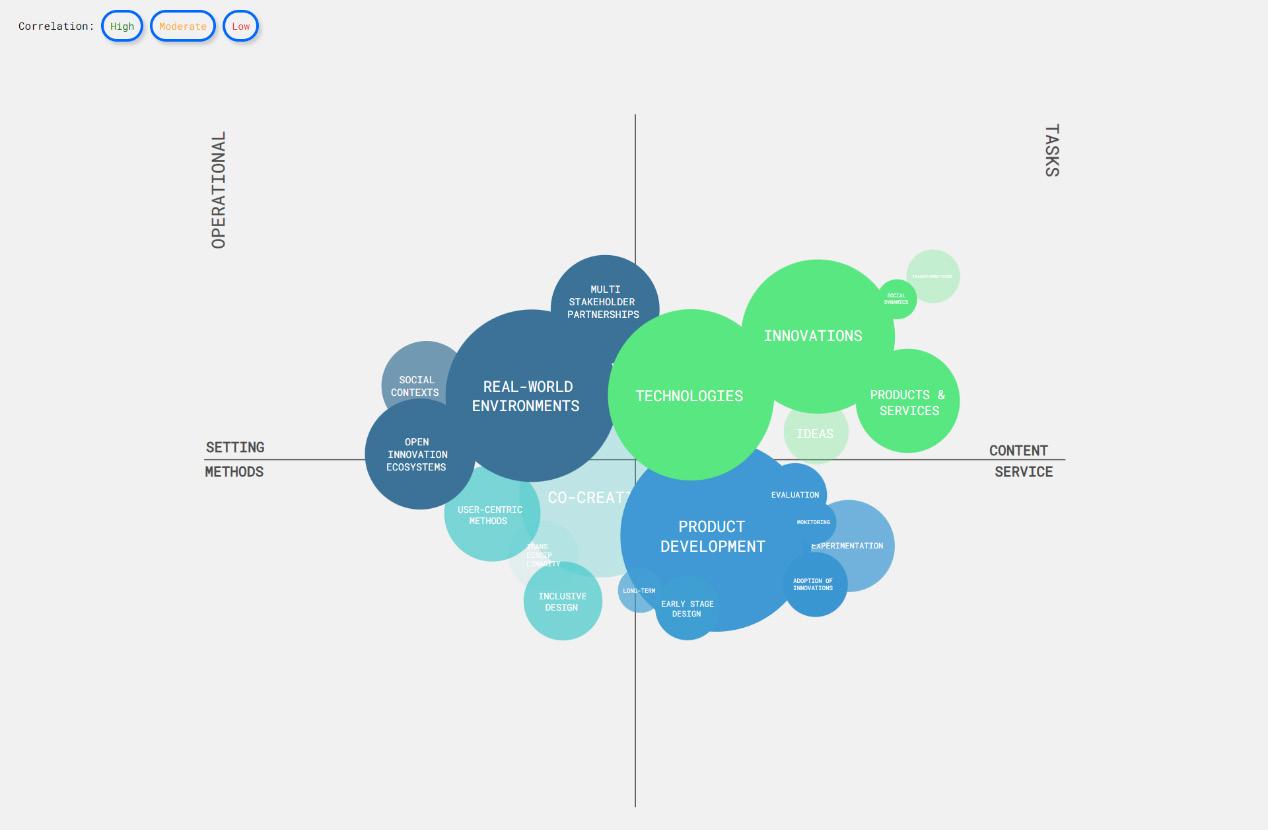
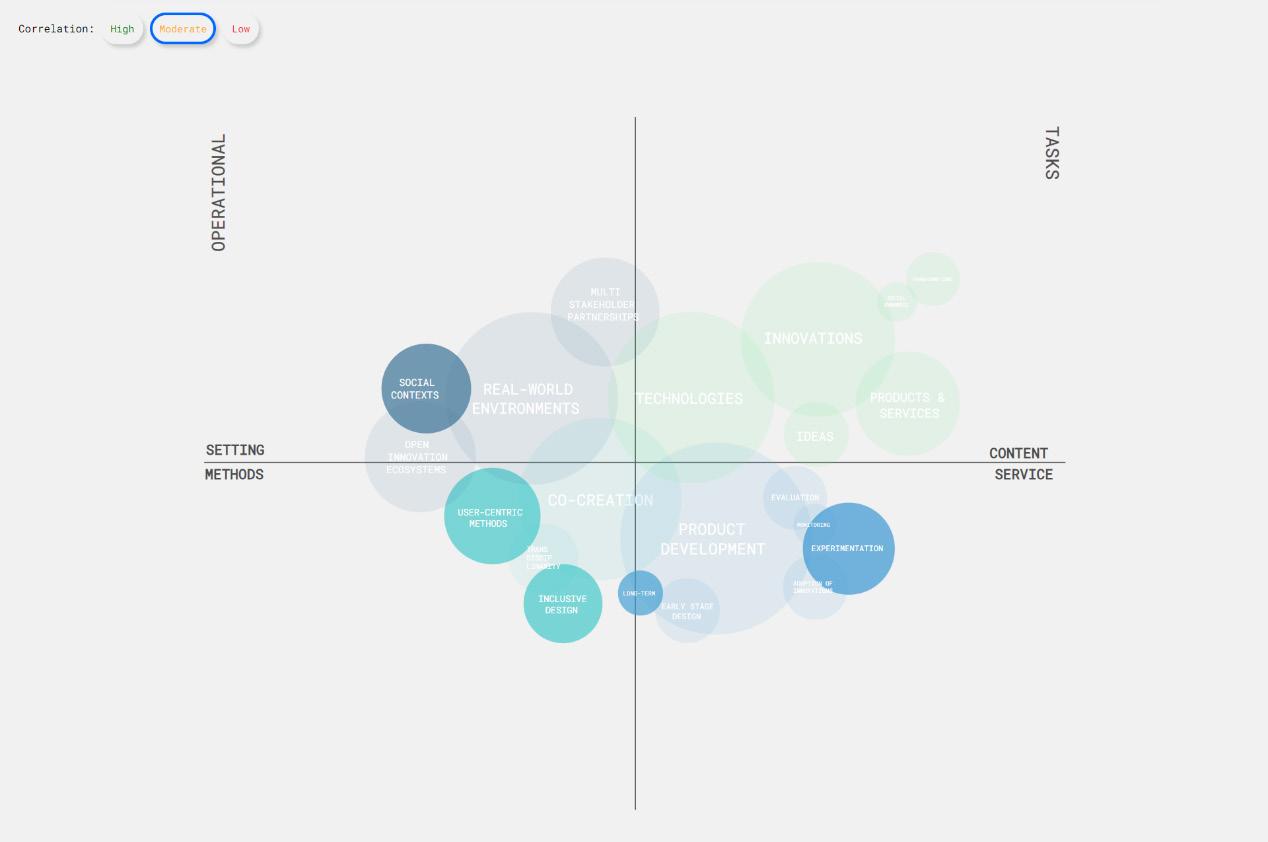
Figure 13. a) Initial view of the visualised results based on a given definition, b) Filtered results to show only those of moderate correlation. 42
Figure 14. The engagement model in urban mobility context. 43
Figure 15. High-power charging of the electric minibus at the municipal tram depot in Sofia. 45
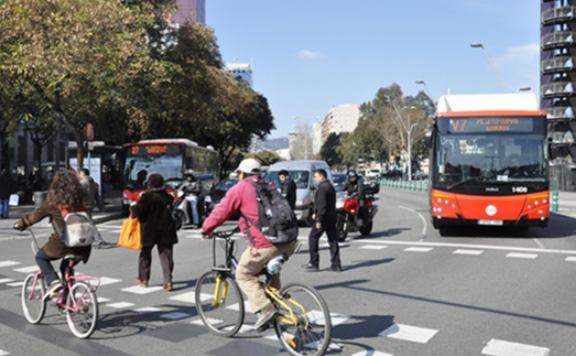
Figure 16. Sustainable Mobility modes use in Barcelona.
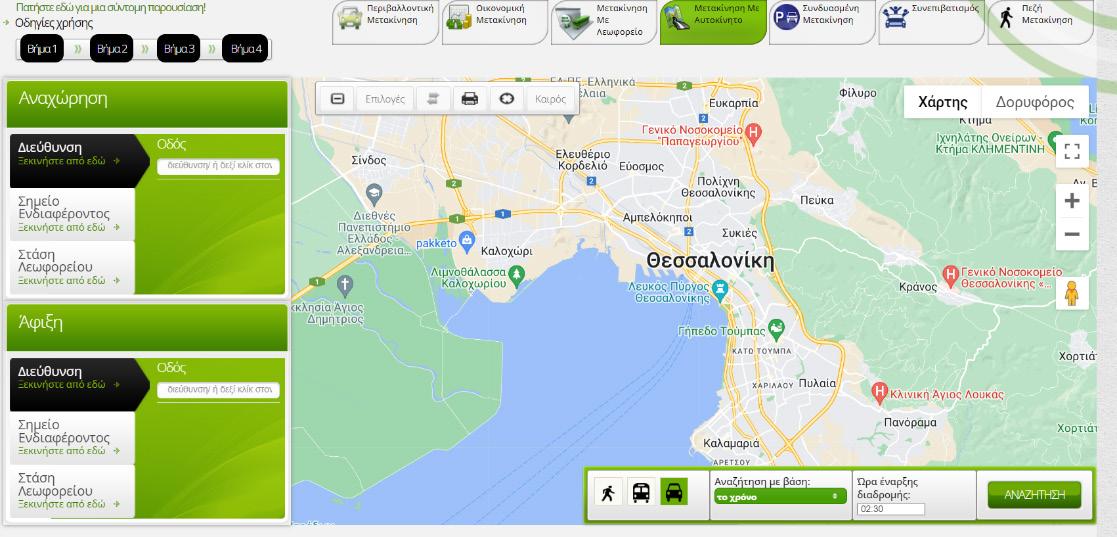
Figure 17. Mobithess platform for mobility services.
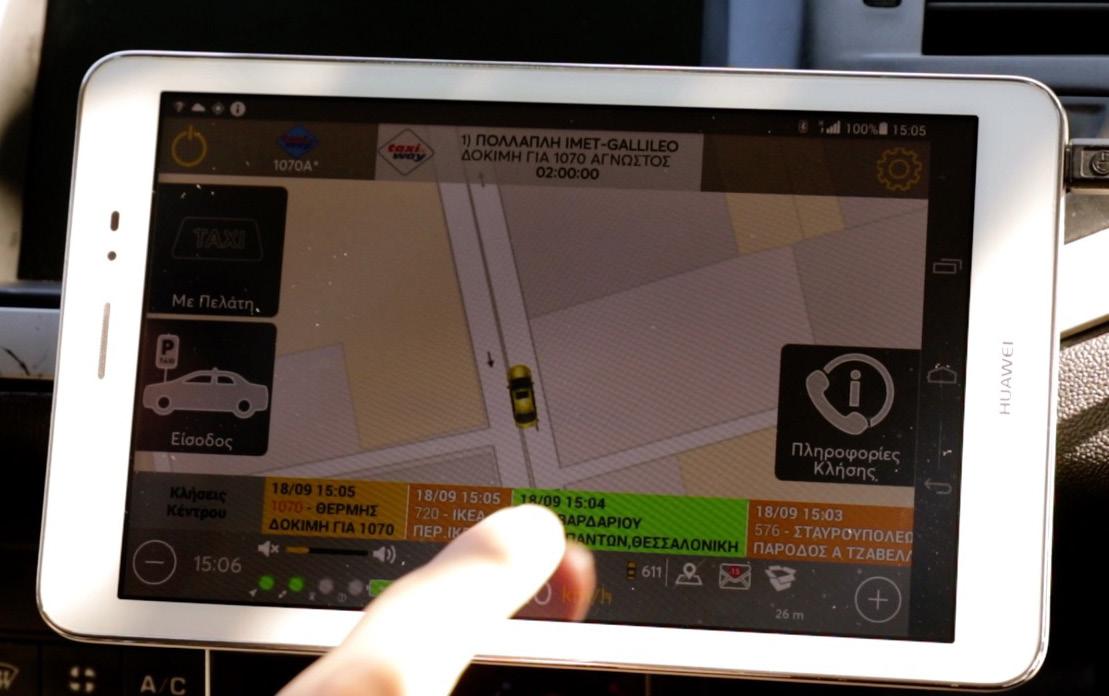
Figure 18. Galileo4Mobility application for taxi drivers.
46
47
47
Figure 19. Governance approaches in Mobility Living Labs. 52
Figure 20. Stakeholders and their roles in a Living Lab. 54
Figure 21. Phases for Governance and Management of Mobility Living Labs. 55
Figure 22. Governance Model Canvas. 55
Figure 23. Key stakeholders of Thessm@LL.
56
Figure 24. Governance model of Thessaloniki Smart Mobility Living Lab. 57
Figure 25. Living Lab LIAISON Business Model Canvas. 59
Figure 26. Action Plan of Thessaloniki Smart Mobility Living Lab. 60
Figure 27. Political, Economic, Social, Technological & Environmental Viability of Thessaloniki Smart Mobility Living Lab. 60
Figure 28. Mobility Living Lab Mapping Canvas. 62
Figure 29. Thessm@LL context. 64
Figure 30. ToMove project within TCL.
66
Figure 31. The approach of Future Mobility Solutions Living Lab. 67
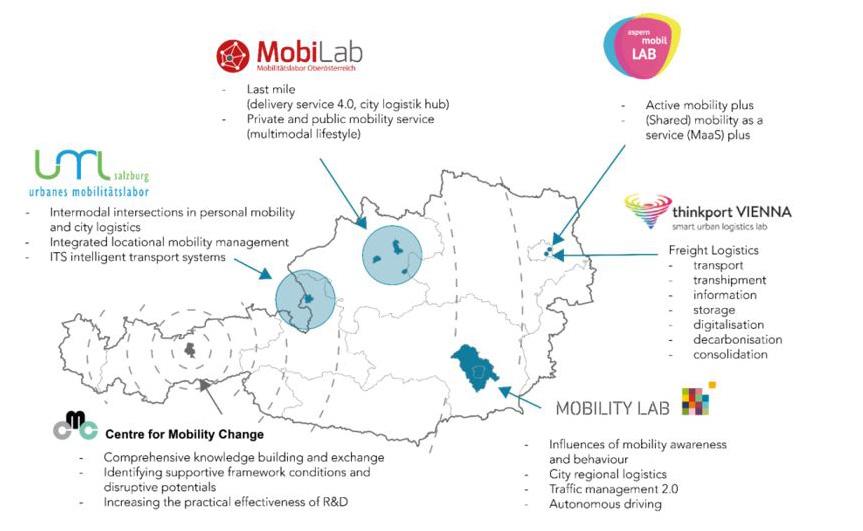
Figure 32. Austrian Urban Mobility Living Labs. 68
Figure 33. Iterative process in mobility innovation. 72
Figure 34. Serious game implementation in Thessaloniki, Greece. 77
Figure 35. ENoLL Labelling and Certification Procedure.
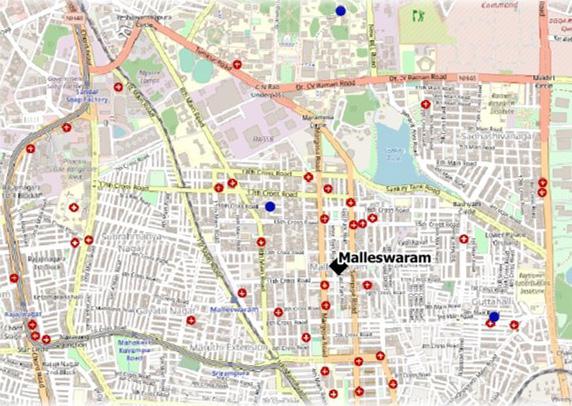
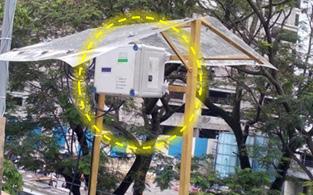
Figure 48. Malleswaram Test Bed with AQI Sensors Installed.
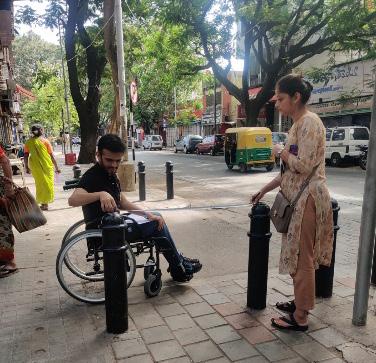
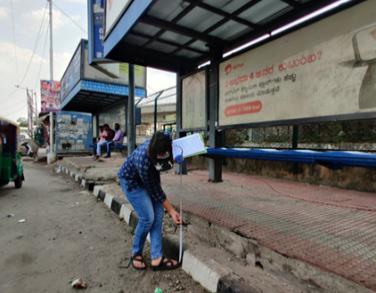
Figure 49. Auditing of selected locations.
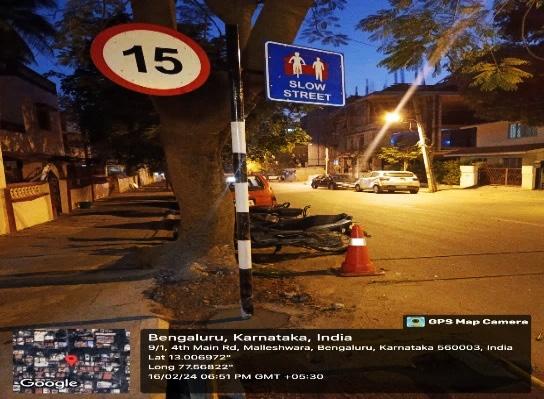
Figure 50. Slow Street.
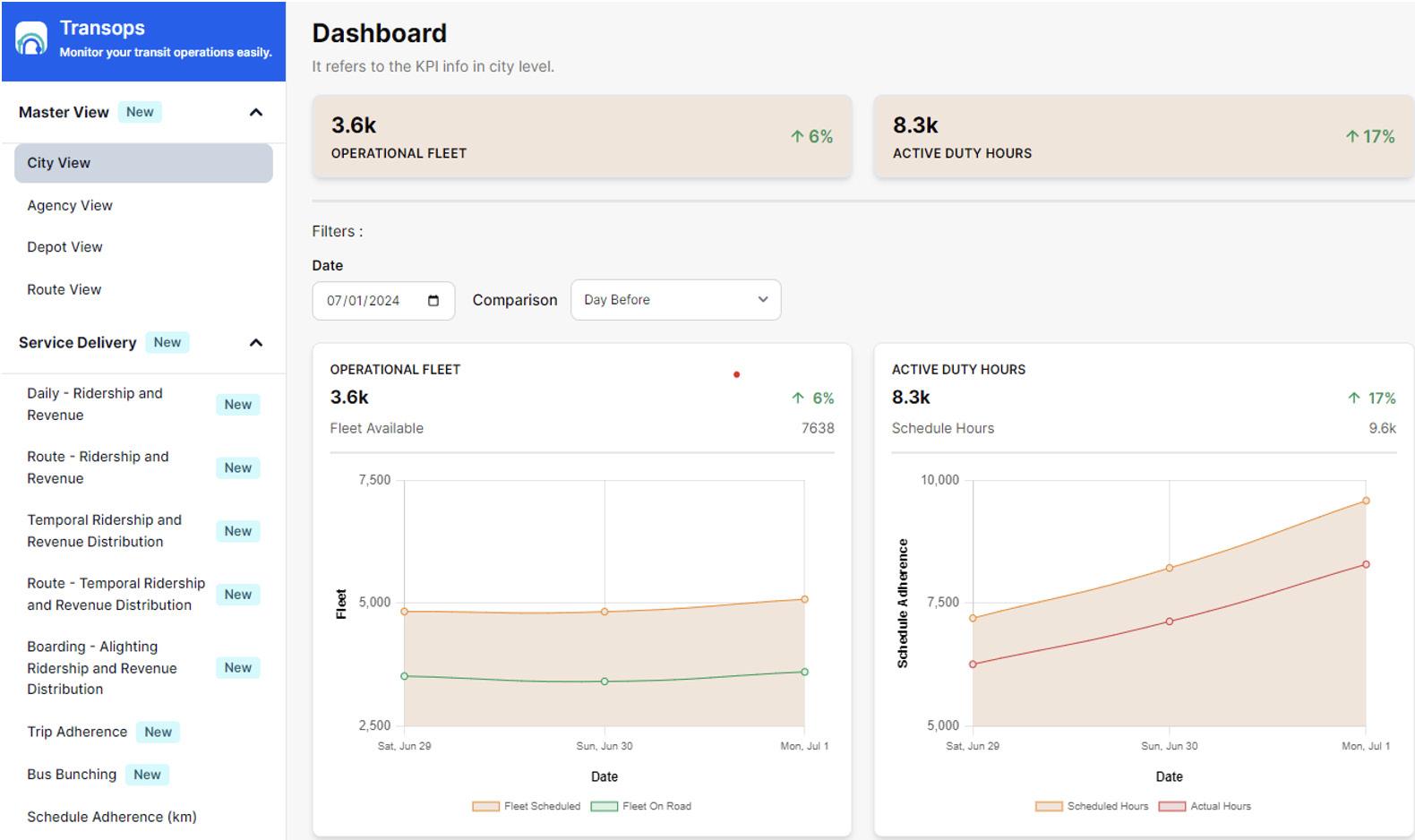
Figure 51. AI-based Dashboard.
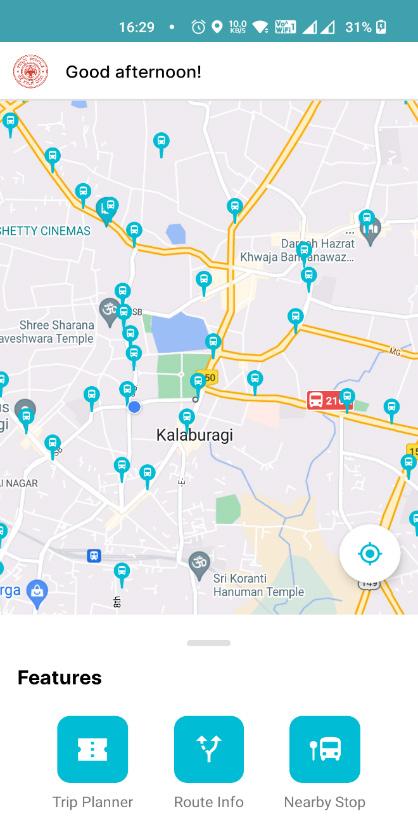
Figure 52. Mobile Application.
Figure 53. ThinkBike Workshop.
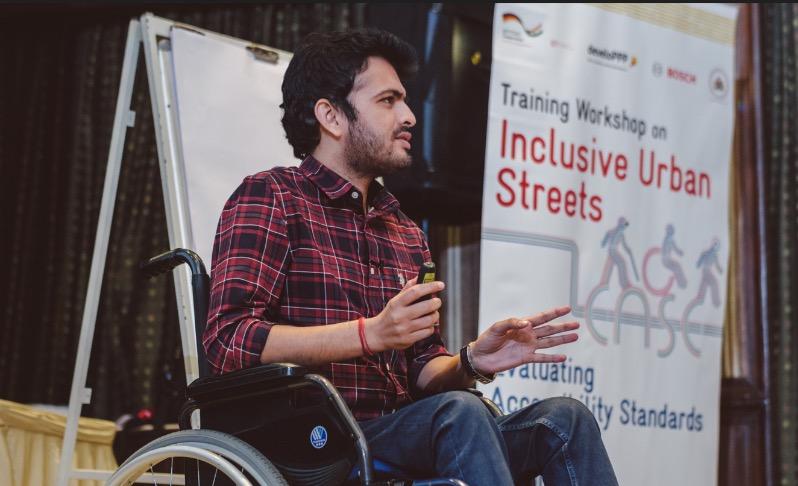
Figure 54. Training Workshop on Inclusive Urban Streets.
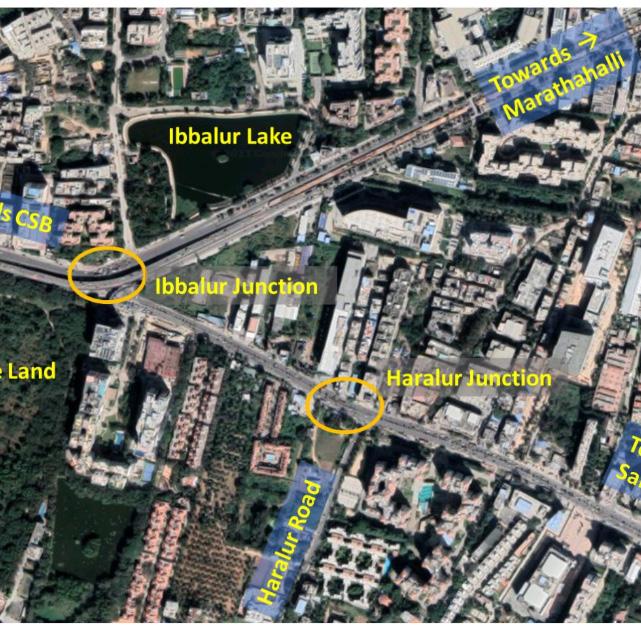
56. Ibbalur and Haralur Junction.
LIST OF TABLES
2. Roles within a Living Lab and their characteristics. Adapted from Ståhlbröst, et al. (2015).
LIST OF ABBREVIATIONS
AQI Air Quality Index
BBMP Bruhat Bengaluru Mahanagara Palike
BESCOM Bangalore Electricity Supply Company Limited
BMTC Bengaluru Metropolitan Transport Corporation
BMVIT Federal Ministry of Transport, Innovation and Technology
BMZ Federal Ministry for Economic Cooperation and Development of Germany
CERTH/HIT
CVC - UAB
The Centre for Research & Technology Hellas/ Hellenic Institute of Transport
Computer Vision Center - Universitat Autònoma de Barcelona
DCE Dutch Cycling Embassy
DRT Demand Responsive Transport
DTTILLP Deloitte Touche Tohmatsu India LLP
DULT Directorate of Urban Land Transport
ENoLL European Network of Living Labs
EU European Union
EV Electric Vehicle
FAME Faster Adoption and Manufacturing of Electric Vehicles
FMS-LAB Future Mobility Solutions Living Lab
GHG Green House Gas
GIZ Deutsche Gesellschaft für Internationale Zusammenarbeit GmbH
GPS Global Positioning System
GTFS General Transit Feed Specification
GUMILL Green Urban Mobility Innovation Living Lab
GUMP Green Urban Mobility Partnership
ICT Information and Communications Technology
IP Intellectual Property
ITS Intelligent Transport Systems
JRC European Commission’s Joint Research Centre
KKRTC Kalyana Karnataka Road Transport Corporation
KPI Key Performance Indicator
LL Living Lab
LLIP Living Lab Integrative Process
MS Malleswaram Social
MSI Malleswaram Swabhimana Initiative
MUV Mobility Urban Values
NEMMP National Electric Mobility Mission Plan
NMT Non-Motorized Transport
NURM National Urban Renewal Mission
OIC Open Innovation Community
PBSS Public Bicycle Sharing System
PPP Public-Private Partnerships
PPPP People-Public-Private Partnerships
PV Photovoltaic
QHM Quadruple Helix model
RWA Resident Welfare Associations
SDG Sustainable Development Goals
SLB Second-life battery
SME Small & Medium Enterprises
SUMP Sustainable Urban Mobility Plans
SWOT Strengths, Weaknesses, Opportunities, and Threats
TCL Turin City Labs
THM Triple Helix Model
Thessm@ll Thessaloniki Smart Mobility Living Lab
UCD User-Centred Design
ULL Urban Living Lab
UN United Nations
UX User Experience
WG Working Group
Source: iStock
Executive Summary
This document provides a comprehensive guide to understanding and implementing Living Labs, particularly focusing on Mobility Living Labs. It is structured into five chapters, each building on foundational concepts, practical applications, and advanced methodologies for fostering innovation in the mobility sector.
The Mobility Living Labs Toolkit is a comprehensive resource designed to guide stakeholders through the complexities of mobility innovation. It provides practical guidance on foundational principles of Living Labs and Open Innovation, establishing and conducting real-life experiments, and implementing effective governance structures and business models. Featuring best practices from initiatives like the Thessaloniki Smart Mobility Living Lab (Thessm@LL) established and leaded by CERTH/HIT, examples from the Green Urban Mobility Innovation Living Lab (GUMILL) in Bengaluru, established by GIZ and Bosch India in 2021 under the Green Urban Mobility Partnership, and tools such as the Living Lab Mapping Canvas designed by the European Network of Living Labs (ENoLL), the toolkit empowers users to drive collaboration and innovation in mobility solutions. Additionally, the toolkit guides its users through the foundational principles for setting up a Mobility Living Lab and finally, it offers insights into the harmonized evaluation of Living Labs, facilitated by ENoLL, ensuring continuous improvement, standardization, and quality assurance within the Living Lab community
Urban Mobility Context in India
Urban environments, characterised by dense populations within limited spaces, present unique opportunities, and challenges, particularly in the realm of urban mobility. This dynamic aspect of urban life is in constant flux, influenced by the actions of various stakeholders and rapid technological advancements such as automation and the shared economy. In India, the urban population has dramatically increased from 285 million in 2001 to 473 million in 2021, with projections reaching 820 million by 2051. This rapid urbanisation has led to several challenges, including overcrowded roads, poor infrastructure, inadequate public transport, and increased pollution. The National Urban Transport Policy highlights these issues, emphasising the need for effective planning and management to keep pace with these changes and meet the rising travel demand.
To address these challenges, innovative approaches such as Living Labs are essential. Living Labs are ecosystems of open innovation that integrate research and community involvement, placing citizens at the heart of the innovation process. This user-centric approach enhances the development of tailored solutions, fostering public engagement and responsibility. By leveraging principles of citizen science and user-centred design, Living Labs drive sustainable urban innovation, creating solutions that resonate with local contexts and cultures. Initiatives like the Jawaharlal Nehru National Urban Renewal Mission and the National Smart Cities Mission further support these efforts, aiming for comprehensive improvements in urban infrastructure to meet the mobility needs of India’s rapidly growing urban population.
Structure of Toolkit
To address the current challenges in the Mobility sector in India, this toolkit advocates a citizen-centric approach to urban mobility, emphasizing the implementation of Living Labs. These Labs, as ecosystems of Open Innovation, integrate research and innovation activities within communities, promoting systematic user co-creation and engagement. The Mobility Living Labs Toolkit, structured in five chapters, is introduced as a comprehensive resource for stakeholders, offering practical guidance on navigating mobility innovation.
Chapter 0: Living Lab Basics and Open Innovation introduces the fundamental concepts of Living Labs, explaining their role as collaborative platforms for user-driven innovation and experimentation. It discusses the principles of open innovation, highlighting the benefits of leveraging external ideas and resources. This chapter also contrasts Living Labs with other innovation platforms, focusing on real-world experimentation and interdisciplinary collaboration. Additionally, it introduces the quadruple helix model, emphasising collaboration among government, industry, academia, and civil society, along with the Living Lab Mapping Canvas designed by ENoLL, a tool for strategic decision-making and collaboration.
Building on these basics, Chapter 1: Understanding Mobility Living Labs provides an in-depth overview of Mobility Living Labs, highlighting their significance in the mobility sector and their role in fostering open innovation. This chapter differentiates Mobility Living Labs from other innovation models, discussing various typologies and engagement models. It emphasises the quadruple helix approach and articulates the value proposition of Mobility Living Labs through successful case studies, demonstrating their impact on enhancing mobility experiences and addressing societal needs.
With a solid understanding of Mobility Living Labs, Chapter 2: Establishing a Mobility Living Lab focuses on practical aspects of setting up such Infrastructures. It examines different governance structures, business models, and funding strategies. The chapter provides a step-by-step guide to initiating and establishing a Mobility Living Lab using the Living Lab Mapping Canvas. It highlights strategies for stakeholder mapping and engagement to ensure inclusivity and effectiveness. Drawing on real-world examples, the chapter also shares best practices and lessons learned, offering valuable recommendations for overcoming common challenges.
Transitioning from establishment to execution, Chapter 3: Conducting Real-Life Experiments delves into the principles and methodologies of conducting real-life experiments within Mobility Living Labs. It emphasises designing experiments that reflect real-world conditions and user experiences, discussing key methods and tools. The chapter outlines strategies for iteratively refining mobility solutions based on feedback and insights, highlighting the significance of user engagement in developing effective mobility solutions.
Finally, Chapter 4: Advancing Mobility Innovation through Evaluation and Collaboration explores advanced methodologies for evaluating and improving Mobility Living Labs. It demonstrates the use of mapping tools and self-assessment frameworks to gain insights into the strengths, weaknesses, opportunities and threats of Mobility Living Labs, fostering continuous improvement. The chapter showcases insights and outcomes from ongoing projects, illustrating the tangible impacts and benefits of collaborative mobility innovation. Successful case studies highlight the transformative potential of Mobility Living Labs in addressing complex mobility challenges and enhancing urban mobility ecosystems.
As a summary, this document aims to provide a thorough understanding of the Living Lab approach, particularly in the mobility sector, and offers practical guidance for establishing and sustaining Mobility Living Labs. Through real-world examples and strategic frameworks, it illustrates the potential of Living Labs to drive innovation and address complex societal challenges.
Eco-friendly, electric two-wheelers to promote sustainable urban mobility. Source: Shutterstock
Structure of Toolkit
Introduction
Cities represent dynamic environments, characterised by the dense concentration of people within limited spaces. This dynamic setting gives rise to various opportunities and challenges for urban societies, with urban mobility standing out as a particularly significant aspect. Urban mobility is far from static; rather, it undergoes constant evolution driven by the actions of various stakeholders involved. It serves not only as a market, offering diverse transportation options to citizens, but also as a tool for urban development, as it shapes the public space and influences the overall landscape of city areas.
The current era is characterised by disruptive changes in urban mobility. The emerging technological advancements, such as
automation, and societal transformations, like the shared economy, accelerate the pace of urban mobility changes. Consequently, there is a growing urgency for effective urban mobility planning and management to respond quickly to these changes.
In India, the urban population has been increased from 285 Mn in 2001 to 473 Mn in 2021 and it is expected to reach 820 Mn by 20511. Due to the rapid urbanisation, city administrations have to face several challenges, such as the provisioning of efficient and sustainable transport infrastructure in tandem with the rise in travel demand.
According to the National Urban Transport Policy1 some of the key mobility-related issues faced by urban areas in India are the following:
01 Traffic Congestion
Rapid urbanisation and increasing vehicle ownership leading to overcrowded roads
02 Road Safety
Poor road conditions, inadequate traffic management, and aggressive driving behaviours contributing to road accidents
03
Infrastructure
Lack of dedicated cycling lanes and pedestrian walkways discouraging non-motorised transport
04
Public Transport
Inadequate infrastructure (buses, trains, metros), unreliable schedules, and overcrowding
05
Social Equity
Lack of accessibility for people with disabilities, challenges for low-income residents, women, and marginalized groups in accessing affordable transportation
1 Ministry of Urban Development, (2006), National Urban Transport Policy, Available at: https://mohua.gov.in/upload/uploadfiles/ files/TransportPolicy.pdf
Figure 1. Key mobility-related issues faced by urban areas in India.
The Government of India had launched the Jawaharlal Nehru National Urban Renewal Mission (NURM)2 and National Smart Cities Mission to bring about comprehensive improvements in urban infrastructure as cities must meet the mobility needs of the rapidly growing urban population.
To achieve the objectives of this policy, new innovations in the urban mobility segment are needed with a citizen centric approach. The implementation of the Living Lab approach with a focus on co-creation and user-centred shall motivate all levels of stakeholders in India to actively participate in identifying, experimenting, validating and implementing innovations through Living Labs.
Living Labs stand as vibrant ecosystems of Open Innovation, uniquely positioned in reallife environments to foster systematic user cocreation. At the heart of the Living Lab approach lies the integration of research and innovation activities within communities, with citizens occupying a central role in shaping innovations tailored to their specific needs and aspirations. This user-centric approach not only enhances the development of innovative solutions but also cultivates a deeper sense of public engagement and responsibility in the innovation process. By leveraging citizen science and user-centred design principles, Living Labs propel urban innovation forward, driving sustainable solutions that resonate with local contexts and cultures.
Within the Mobility Living Labs Toolkit, stakeholders will find a comprehensive resource for navigating the complexities of mobility innovation. From understanding the foundational principles of Living Labs and Open Innovation to establishing and conducting real-life experiments in mobility solutions, this toolkit equips users with practical guidance and actionable insights at every stage of the innovation journey. By delving into governance
structures, business models, and best practices from successful Living Lab initiatives, such as the ENoLL Member, Thessaloniki Smart Mobility Living Lab (Thessm@LL)3 lead by CERTH/ HIT, stakeholders will gain valuable knowledge to foster collaboration, drive innovation, and advance mobility solutions in their respective contexts. With the Living Lab Mapping Canvas as a visual tool for strategic decision-making and collaboration, the toolkit empowers users to harness the transformative potential of Living Labs in shaping the future of mobility.
Furthermore, the Toolkit provides insights into the harmonised evaluation of Mobility Living Labs, facilitated by the European Network of Living Labs (ENoLL)4. ENoLL is an international, non-profit association, promotes and enhances user-driven innovation ecosystems known as Living Labs. These are real-life test and experimentation environments where various stakeholders - including citizens, government, industry, and academia - collaborate to co-create and innovate. ENoLL facilitates knowledge exchange, joint actions, and project partnerships among its members, which include about 450 Living Labs worldwide. As the only certification body and the largest network of Living Labs worldwide, ENoLL plays a pivotal role in driving standardization and quality assurance within the Living Lab community. The evaluation process focuses on the use of mapping tools and selfassessment frameworks to assess and improve Mobility Living Labs. These tools enable stakeholders to gain valuable insights into the strengths, weaknesses, and opportunities of their Living Lab initiatives, facilitating continuous improvement and fostering innovation. By adhering to ENoLL’s certification process, stakeholders can ensure the effectiveness and sustainability of their Mobility Living Labs, thereby driving positive change and transformation in the mobility sector.
2 Ministry of Urban Development (MoUD) and Government of India (GoI), 2005, Jawaharlal Nehru National Urban Renewal Mission Overview, Available at: https://mohua.gov.in/upload/uploadfiles/files/1Mission%20Overview%20English(1).pdf
3 Thessm@LL website available in: https://www.smartmlab.imet.gr/
4 ENoLL website available in: https://enoll.org/
Chapter Living Lab Basics and Open Innovation 0
This chapter serves as an introduction to Living Lab Basics and Open Innovation, offering a foundational understanding of these concepts. It begins by defining Living Labs and highlighting their role as collaborative platforms for user-driven innovation. Next, it explores the principles of Open Innovation and their relevance within the context of Living Labs, emphasising collaboration, knowledge sharing, and co-creation. Additionally, it discusses the distinguishing features of Living Labs compared to other innovation platforms, focusing on real-world experimentation and interdisciplinary collaboration. Building upon the concept of Open Innovation, the chapter introduces the quadruple helix model, emphasising stakeholder collaboration and effective communication within Living Labs. Lastly, it highlights the value proposition of Living Labs and introduces the Living Lab Mapping Canvas as a tool for strategic decision-making and collaboration. This chapter sets the stage for the exploration of mobility innovation within the Living Lab framework.
0.1 Introduction to Living Labs
The Living Lab approach5 is one of the most well-known and successful approaches for Open Innovation. Living Labs represent dynamic ecosystems of Open Innovation, characterised by their systematic approach to user cocreation within real-life environments. Unlike conventional project management or consulting, which often rely on structured methodologies and focus on predefined goals, Living Labs emphasize innovation and real-world the testing within complex, real-life settings. They bridge the gap between research and market launch by enabling the development, prototyping, validation, and testing of new technologies directly in the environments where they will be used, while adapting all methodologies according to the different co-created activities. Living Labs are user-centred, Open Innovation ecosystems fostering systemic user cocreation in public-private-people partnerships. Westerlund and Leminen6 define Living Labs
5 Ståhlbröst (2012). A Set of Key-Principles to Assess the Impact of Living Labs. International Journal of Product Development (IJPD), 17, 1/2. https://doi.org/10.1504/IJPD.2012.051154
6 Leminen, S. (2013). Coordination and Participation in Living Lab Networks. Technology Innovation Management Review, 3(11), 5–14. https://doi.org/10.22215/TIMREVIEW/740
Westerlund, M., & Leminen, S. (2011). Managing the Challenges of Becoming an Open Innovation Company: Experiences from Living Labs. Technology Innovation Management Review, 1(1), 19–25. https://doi.org/10.22215/TIMREVIEW/489
as physical regions or virtual realities where stakeholders collaborate to create, prototype, validate and test new technologies in real-life contexts.
Living Labs, functioning as Open Innovation ecosystems, facilitate transformative action research through quasi-experimentation in reallife environments7. Positioned at the intersection of research and community engagement, Living Labs place citizens at the forefront of innovation, addressing their specific needs and aspirations. This real-world, user-driven focus distinguishes Living Labs from the more controlled and linear processes typical of traditional project management or consulting, making them uniquely effective in driving meaningful, useroriented innovation.
Living Labs are Open Innovation ecosystems in real-life environments based on a systematic user cocreation approach that integrates research and innovation activities in communities, placing citizens at the centre of innovation.
ENoLL, 2023
This user-centric approach not only fosters the development of innovative solutions but also nurtures a deeper sense of public engagement and responsibility in the innovation process. Unlike traditional innovation models, Living Labs prioritise collaboration and experimentation, leveraging the collective expertise of diverse stakeholders to drive sustainable solutions tailored to local contexts. Living Lab ecosystems operate along a systematic co-creation approach, integrating research and innovation processes in real- life communities and settings. In practice, by placing the citizen and users at the centre of innovation, Living Labs have shown an ability to better mould the opportunities offered by new concepts and solutions to specific needs and aspirations of local contexts, cultures, and creative potentials.
Methodologies: Inspiring and Integrating the Living Lab Approach
Incorporating methodologies, such as cocreation, design thinking, citizen science, and user-centred design (UCD) enriches the Living Lab approach by fostering inclusive innovation ecosystems.
Co-creation is an integral part of Living Labs, as it aligns with the ethos of Open Innovation and
Living Lab Approach
Co-creation
Gathers diverse perspectives to generate ideas and solutions, making users active participants in developing products that meet market needs and preferences.
Design thinking
Develops user-centric, feasible, and viable solutions through iterative prototyping and interdisciplinary collaboration, enhancing the relevance of innovations.
Citizen Science
Redirects research agendas towards community issues, fostering public engagement and ownership, and contributing to Responsible Research and Innovation.
Figure 2. Core Values of Key Methodologies in the Living Lab Approach.
User-centred design (UCD)
Increases the functionality, quality, usability, and acceptability of designs by emphasizing collaboration and co-design with end-users, resulting in intuitive and accessible solutions.
7 Campbell, D. T., & Stanley, J. C. (2015). Experimental and Quasi-Experimental Designs for Research -. Ravenio Books. https://books.google.be/books/about/Experimental_and_Quasi_Experimental_Desi.html?id=KCTrCgAAQBAJ&redir_esc=y
Figure 1. Core Values of Key Methodologies in the Living Lab Approach Co-creation
user involvement8. In Living Labs, co-creation involves engaging various stakeholders, including citizens, researchers, businesses, and government entities, in the innovation process. Through collaborative efforts, diverse perspectives are gathered to generate new ideas, solutions, and services that address real-world challenges. Co-creation fosters an environment where users become active participants in the development and refinement of innovative solutions, ultimately leading to products and services that better meet market needs and preferences.
Design Thinking, another key methodology embraced by Living Labs, complements the co-creation process by providing a structured framework for problem-solving and innovation9. As a human-centred approach to problem-solving, Design Thinking encourages interdisciplinary collaboration and empathy with end-users to develop innovative solutions that address real needs. By adopting a humancentred approach, Living Labs integrate design thinking principles to empathise with end-users, understand their needs and experiences, and ideate creative solutions to address them. Through interdisciplinary collaboration and iterative prototyping, design thinking helps Living Labs develop solutions that are usercentric, feasible, and viable, enhancing the overall effectiveness and relevance of innovation initiatives.
Similarly, citizen science plays a significant role in Living Labs as it reinforces public engagement and can re-direct research agendas towards issues of concern to citizens and can thus contribute to the achievement of Responsible Research and Innovation10. The role of citizens as the driving force for urban innovation came
to the fore11, as Steiner et al. (2015)12 explain: “Combinations of both top-down interventions and citizen-driven innovations will likely lead to more sustainable crises resolution than either approach alone”. In Living Labs, citizen science initiatives involve actively involving citizens in research activities, data collection, and problem-solving processes. By empowering citizens to contribute their knowledge, skills, and insights, Living Labs can redirect research agendas towards issues that matter to communities, fostering a sense of ownership and responsibility among citizens towards the innovation process.
UCD is a development approach in which endusers influence and are involved in design; it is both a philosophy and variety of methods13. It is also integrated into Living Labs as it increases the functionality, quality, usability, and acceptability of resulting designs, products, and services. It typically involves identifying the final users then ascertaining and prioritising their needs and requirements; developing and testing prototypes; evaluating design alternatives; analysing and resolving usability problems; and testing the design and its features with users in an iterative manner. UCD principles emphasise collaboration and co-design between designers and end-users, resulting in solutions that are intuitive, accessible, and user-friendly.
By embracing these methodologies, Living Labs harness the collective intelligence and creativity of stakeholders, driving sustainable urban innovation forward.
Key characteristics of Living Labs
Living Labs, as dynamic innovation ecosystems,
8 Schuurman, D., et al (2015). Co-creation in Living Labs: exploring the role of user characteristics on innovation contribution. International Journal of Services Sciences. 5. 199. https://doi.org/10.1504/IJSSCI.2015.074218
9 Dam, R. F. (2024, March 1). The 5 Stages in the Design Thinking Process. Interaction Design Foundation - IxDF. https://www. interaction-design.org/literature/article/5-stages-in-the-design-thinking-process
10 European Commission, Directorate-General for Research and Innovation (2016). Open Innovation, Open Science, Open to the World – a vision for Europe. Brussels, Publications Office of the European Union. https://doi.org/10.2777/061652
11 Eskelinen, Holli & Winship, Kelley & Richardson, Jill. (2015). Sex, Age, and Individual Differences in Bottlenose Dolphins (Tursiops truncatus) in Response to Environmental Enrichment. Animal Behavior and Cognition. 2. 241-253. https://doi.org/10.12966/ abc.08.04.2015
12 Steiner, G., Risopoulos, F., & Mulej, M. (2015). Social responsibility and citizen driven innovation in sustainably mastering global socioeconomic crises. Systems Research and Behavioral Science, 32(2), 160-167. https://doi.org/10.1002/sres.2255
13 Interaction Design Foundation - IxDF. (2016, June 5). What is User Centered Design (UCD)?. Interaction Design Foundation - IxDF. https://www.interaction-design.org/literature/topics/user-centreed-design
exhibit six key characteristics that underpin their operations and impact.
Methodologically, Living Labs function as networks integrating user-centred research and Open Innovation, comprising heterogeneous actors, resources, and activities. This multimethod approach acknowledges the uniqueness of each Living Lab, necessitating tailored tools and methods aligned with specific contexts. Living Labs embrace this approach by selecting methodological strategies based on problem-driven objectives and stakeholder needs.
Utiliser driven Living Labs also known as Living Labs as a service
Offering tools and methodologies to companies to help them accelerate their innovation funnels focusing on new knowledge for products and business development.
e.g. Krakow Living Lab (Poland), imec.livinglabs (Belgium)
Enabler driven Living Labs, also known as Urban and Rural Living Labs
Opening the city/region as a site for experimentation and co-creation, active user involvement and multi-stakeholder engagement.
For instance, in a Mobility Living Lab, researchers might work with local commuters, transportation authorities and operators, and technology developers to co-create and test new innovative transportation solutions. By selecting methodological strategies based on problemdriven objectives and stakeholders’ needs—such as using real-time traffic data, conducting user surveys, and organizing collaborative design workshops—Mobility Living Labs can effectively address specific transportation challenges. This adaptive approach maximises the effectiveness and efficiency of Living Lab activities, driving impactful outcomes.
academia, public sector, and business. Through this holistic approach, Living Labs leverage the collective expertise and perspectives of various stakeholders, enriching the innovation process. Operating within real-life settings, whether physical or virtual, Living Labs enable intentional interactions to achieve desired goals. This emphasis on real-world contexts facilitates meaningful experimentation and collaboration, enhancing the relevance and applicability of innovations.
Provider driven Living Labs, also known as Research driven Living Labs
Focusing on the development of new technologies and their acceptance by society focusing on new knowledge to support operations.
User driven Living Labs, also known as Community driven Living Labs
Co-creating models for solving problems of concrete users from out different topics of research to create sustainable and societal impact.
Furthermore, Living Labs embody a bottom-up approach to innovation, where values are cocreated by stakeholders, ensuring a higher adoption rate and societal impact. By infusing innovations into the real-life settings of endusers, Living Labs promote seamless integration and user-centric design.
e.g. Thessaloniki Smart Mobility Living Lab (Greece) and City Lab Coventry (England), Energy Living Lab (Switzerland)
e.g. TAMK Living Lab (Finland), Mobility Lab CH (Switzerland)
e.g. Eindhoven Living Lab (The Netherlands), Taiwan Living Lab (Taiwan)
Finally, Living Lab operates as the orchestrator within the ecosystem to connect and partner up with relevant stakeholders. By infusing innovations into real-life settings and embracing a problem-driven, multi-method approach, Living Labs maximise their effectiveness in addressing complex challenges and driving sustainable innovation.
Figure 3. Types of Living Labs and examples of Living Labs working on mobility . Adapted from Leminen et al., 2012
Moreover, Living Labs prioritise active user engagement, actively involving users as coinnovators from the early stages of development. This emphasis on user involvement fosters authentic co-creation and ensures solutions resonate with real needs.
Additionally, multi-stakeholder participation is integral to Living Labs, engaging diverse actors representing the quadruple helix model: citizens,
Types of Living Labs
Living Labs represent a distinct category within Open Innovation networks, comprising a diverse array of actors, resources, and activities. Within the framework of Living Labs, Open Innovation is fostered through co-creation mechanisms and active user involvement, making them conducive environments for innovation. These platforms facilitate collaboration between users
Utiliser driven Living Labs also known as Living Labs as a service
Offering tools and methodologies to companies to help them accelerate their innovation funnels focusing on new knowledge for products and business development.
e.g. Krakow Living Lab (Poland), imec.livinglabs (Belgium)
Enabler driven Living Labs, also known as Urban and Rural Living Labs
Opening the city/region as a site for experimentation and co-creation, active user involvement and multi-stakeholder engagement.
e.g. Thessaloniki Smart Mobility Living Lab (Greece) and City Lab Coventry (England), Energy Living Lab (Switzerland)
and producers, creating a trusted and open ecosystem that drives innovation forward.
There exists a diverse spectrum of Living Labs, each falling into one of four primary types of Open Innovation networks, as delineated by Leminen et al. (2012) 14. These types include utiliser-driven, enabler-driven, provider-driven, and user-driven Living Labs. While many Living Labs may exhibit characteristics of multiple types, they typically focus predominantly on one category. Understanding the distinctions between these types enables stakeholders to identify the driving forces behind innovation within each Living Lab, anticipate potential outcomes, and determine the most suitable role for their involvement in the innovation process.
Living Lab Host Organisation
In a Living Lab, the host organisation serves as the central coordinating entity for the Living Lab, orchestrating its activities, while ensuring that it operates efficiently and attains its objectives. The host organisation furnishes the necessary infrastructure, resources, and leadership to
Provider driven Living Labs, also known as Research driven Living Labs
Focusing on the development of new technologies and their acceptance by society focusing on new knowledge to support operations.
e.g. TAMK Living Lab (Finland), Mobility Lab CH (Switzerland)
User driven Living Labs, also known as Community driven Living Labs
Co-creating models for solving problems of concrete users from out different topics of research to create sustainable and societal impact.
e.g. Eindhoven Living Lab (The Netherlands), Taiwan Living Lab (Taiwan)
facilitate the innovation journey. Also, as a neutral party, it fosters collaboration among diverse stakeholders, including citizens, researchers, companies, and government bodies.
Selecting an appropriate host organization is crucial for the success and sustainability of a Living Lab. The host organization must possess specific traits that enable it to effectively coordinate activities, foster collaboration, and support innovation. These essential characteristics ensure that the host can provide the necessary infrastructure, resources, and leadership to drive the Living Lab’s initiatives forward. Below are the key traits that a host organization should exhibit:
Innovation Focus: Demonstrates a strong commitment to Open Innovation and collaborative problem-solving.
Facilitation Skills: Possesses expertise in effective communication, collaboration, and knowledge sharing among stakeholders.
Resource Management: Adeptly manages resources such as physical space, equipment,
14 Leminen, Seppo & Westerlund, Mika & Nyström, Anna-Greta. (2012). Living Labs as Open-Innovation Networks. Technology Innovation Management Review. 2. 6-11. 10.22215/timreview/602.
** More examples of Living Labs for each type can be found in ENoLL’s 2024 Members Catalogue available in https://enoll.org/wpcontent/uploads/2024/09/ENoLL_Member_catalogue_2024_web.pdf
Figure 4. Types of Living Labs and examples of Living Labs working on mobility**. Adapted from Leminen et al., 2012.
Figure 3. Types of Living Labs and examples of Living Labs working on mobility . Adapted from Leminen et al., 2012
and funding to support Living Lab initiatives.
Network Building: Actively cultivates relationships with relevant stakeholders to ensure a robust network for collaboration and knowledge exchange.
Adaptability: Remains flexible and responsive to evolving project needs and user feedback in the dynamic environment of a Living Lab.
Moreover, to ensure the selection of an optimal host organization for a Living Lab, it is important to utilise a systematic framework. This framework should guide the evaluation process by focusing on critical aspects that align with the Living Lab’s objectives and requirements. By applying these criteria, stakeholders can objectively assess potential host organizations and make informed decisions:
Assess Innovation Commitment: Evaluate the organization’s past and present initiatives to gauge its commitment to innovation and collaborative approaches.
Evaluate Facilitation Expertise: Review the organization’s experience and success in facilitating multi-stakeholder projects and communication.
Examine Resource Management: Consider the organization’s capability in managing and allocating resources efficiently to support continuous innovation.
Review Networking Capabilities: Check the organization’s existing network and its ability to build and maintain strong relationships with various stakeholders.
Test Adaptability: Analyse how the organization has adapted to changes and managed feedback in previous projects to ensure it can thrive in a Living Lab environment.
By rigorously evaluating potential host organizations against these criteria, Living Labs can ensure they select a host that not only meets their immediate needs but also supports longterm sustainability and innovation. This strategic selection process is essential for establishing a thriving Living Lab environment that drives impactful, real-world solutions.
The Living Lab Integrative Process (LLIP)
The Living Lab Integrative Process (LLIP)15,
The context is researched to understand the socio-economic and cultural setting User behaviours and social practices are understood
Community based social marketing helps to uncover barriers
Co-Design plan
A common vision and shared goals enables mash up and then co-design with users and not for the users
Pilot an intervention
Real-life experimentation is carried- out in the field
Evaluate performance & impact assessment
Measurement, verification and performance scorecords enable scale up
Demonstarte the system
Actual system proven in operational environment
Exploit the solution
Test the solution outside the initial scope.
Enlarge the solution, pollinate it and replicate it in other settigs A People Public Private Partnership [pppp] Model is used to integrate stakeholders
15 Mastelic, J. (2019). Stakeholders’ engagement in the co-design of energy conservation interventions: The case of the Energy Living Lab. University of Lausanne. Doctorate Thesis.
developed by Joëlle Mastelic, President of Energy Living Lab in 2019, and further tailored by ENoLL, serves as a methodological blueprint for Living Lab initiatives, advocating for an iterative and participatory framework. Embedded in the principles of Design Thinking, the LLIP comprises three fundamental phases: Problem Space, Solution Space, and Deployment Space, encompassing different stages and steps, as depicted in Figure 5.
In the Problem Space phase, the focus is on understanding the context, users, and their needs. This initial phase lays the groundwork for effective problem-solving by comprehending the underlying challenges and opportunities. To illustrate, in urban mobility projects, researchers delve into the socioeconomic and cultural landscape, studying user behaviours and social practices to uncover specific pain points and preferences. By establishing peoplepublic-private partnerships (PPPP), diverse stakeholders are integrated, ensuring that the new solutions consider the needs of all parties involved.
Transitioning into the Solution Space, attention shifts towards exploring and co-designing potential solutions. This phase fosters creativity and innovation by engaging stakeholders and citizens in the collaborative development of actionable solutions. For instance, collaborative co-design sessions with commuters, urban planners, and environmental advocates generate innovative transportation solutions tailored to user needs and sustainability goals. Real-life experiments, such as pilot programs for new transportation initiatives, allow for the testing of feasibility and effectiveness, providing valuable insights for future deployment. Also, testing of different scenarios of innovative mobility schemes in simulation environments under real world conditions optimise the efficiency and resilience of the services and enables a prior implementation risk management reducing the investments uncertainty for the transport operators.
Finally, In the Deployment Space, the aim is to implement and scale up solutions beyond the Living Lab environment. This final phase focuses on realizing the impact of developed solutions by deploying them in real-world
settings and expanding their reach for broader societal benefits. By implementing solutions in operational environments and showcasing their viability, stakeholders can observe tangible benefits such as reduced congestion and improved safety. Scaling up successful interventions, such as expanding bike-sharing programs or pedestrian-friendly zones to other areas, addresses mobility challenges at a larger scale and replicates best practices for broader impact.
Throughout the LLIP process, multiple feedback loops are essential. These continuous user input channels allow for iterative refinement of the developed solutions and the methods used. By consistently implementing user insights, the Living Lab approach remains adaptable and responsive to evolving needs and challenges, fostering innovation, and maximising impact.
The LLIP provides a structured and user-centric approach to managing Living Lab projects, ensuring diverse stakeholder involvement and effective implementation and scaling of solutions. Particularly beneficial for addressing complex challenges, LLIP aligns projects with user needs, rendering them adaptable and impactful in various contexts.
0.2 Understanding
Open Innovation
As per the European Commission16, Open Innovation fundamentally entails opening up the innovation process to all relevant stakeholders, facilitating the free circulation of knowledge, and its transformation into sustainable products and services accessible to all. This shift signifies a departure from isolated, predefined innovation activities towards a collaborative co-creation process. This process involves fostering knowledge exchanges and enhancing absorptive capacities among all stakeholders engaged across the broader economic and social landscape.
Open innovation is often more advantageous as it leverages external expertise and insights, which can lead to significant competitive advantages. By involving a broader community, entities can
16 European Commission (2016). Open Innovation, Open Science, Open to the World – a vision for Europe. Directorate General for Research and Innovation. http://publications.europa.eu/resource/cellar/3213b335-1cbc-11e6-ba9a-01aa75ed71a1.0001.02/DOC_2
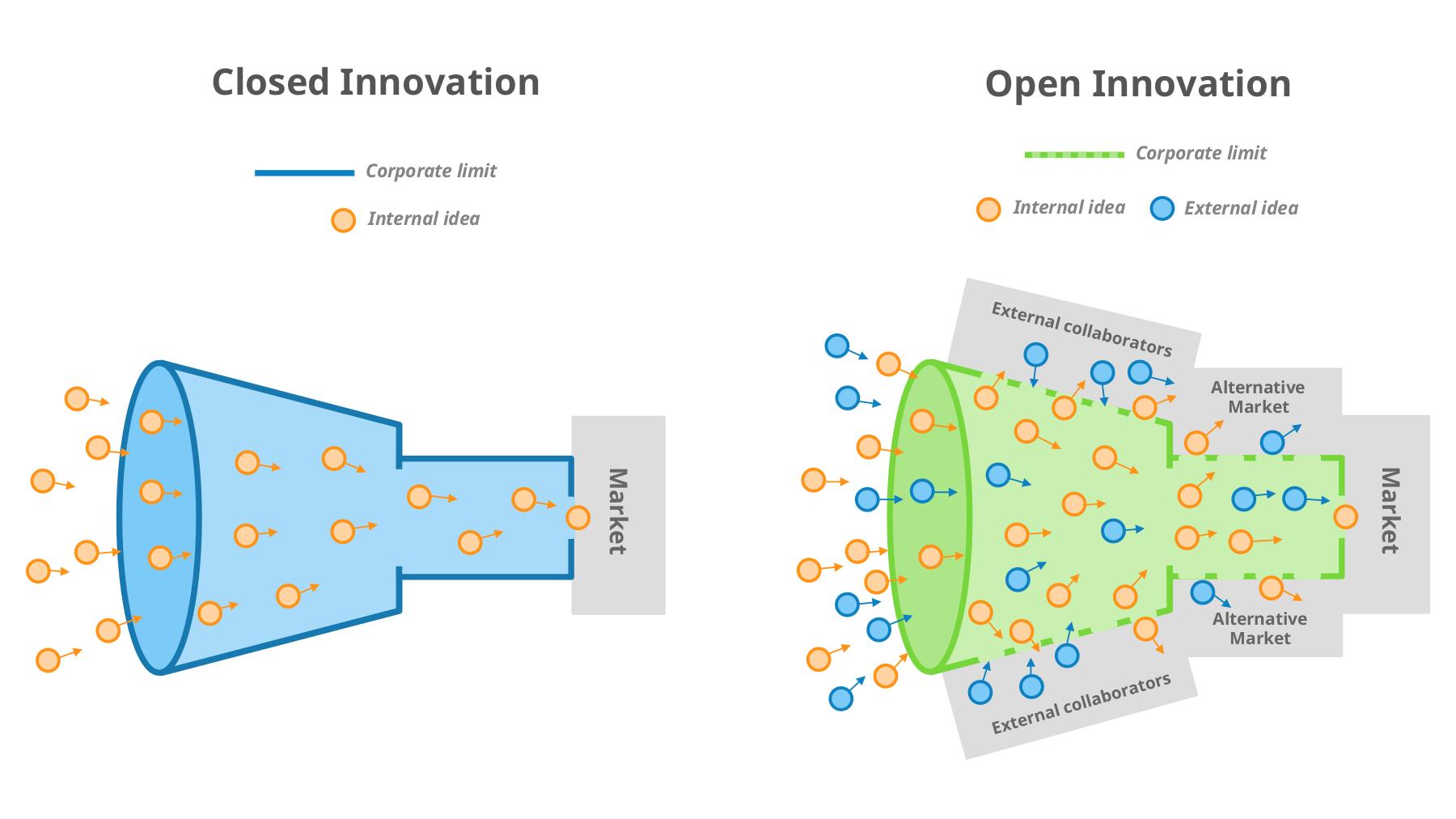
Figure 6. Closed versus Open Innovation Source: Isomäki, Atte (2018). Open Innovation - What It Is and How to Do It. VIIMA - A Hype Innovation Company. https://www.viima.com/blog/open-innovation (29 Nov 2018).
gather valuable information, scout for talent, and develop better products or services through collaborative efforts.
The figure below comparing open and closed innovation illustrates how these two approaches differ:
• Closed Innovation: Represented by a funnel with solid walls, closed innovation relies solely on internal ideas and expertise within a corporate limit. The development process is secure but limited within corporate boundaries, as it excludes external input, potentially limiting creativity and innovation.
• Open Innovation: Depicted as a hybrid between a sieve and a funnel, open innovation allows ideas to flow in and out freely. This openness encourages contributions from external individuals and entities, increasing the quantity and diversity of ideas.
Open innovation is often more advantageous because it leverages external expertise and insights, which can lead to significant competitive advantages. By involving a broader community, companies can gather valuable information, scout for talent, and develop better products or services through collaborative R&D.
Living Labs offer numerous benefits, including the co-creation of innovations and solutions,
comprehensive mastery of the project’s value chain, identification and understanding of key stakeholders and their businesses, recognition of the value generated for stakeholders, development of management capabilities aimed at value creation, provision of strategic intelligence to guide stakeholders in value creation efforts, and facilitation of knowledge transfer to enhance stakeholder value.
By embracing the principles of Open Innovation, Living Labs create dynamic environments where stakeholders collaborate, share knowledge, and co-create solutions to address complex challenges, ultimately driving sustainable innovation and societal impact.
0.3 Differences from Other
Innovation Platforms
A Living Lab has been commonly perceived as a testbed. However, Living Labs exceed the testing of products or services to a more inclusive dynamic where users become collaborators in the co-creation process. A Living Lab can boost the process of testing and upscaling a specific technology for example. However, a Living Lab will always promote the immersion of the
Living Lab Basics and Open Innovation
subjects as active actors rather than users for testing only17
In contrast to conventional laboratories or early testbeds, Living Labs represent a dynamic paradigm in innovation, operating within authentic, real-life settings while prioritising usercentric methodologies and active participation. Unlike the rigid structures and predefined processes often associated with traditional laboratories, Living Labs embody the principles of Open Innovation, fostering an environment where co-creation and exploration of emerging ideas thrive. Their boundaries, whether physical
Environment Authentic, reallife settings
User Involvement Active participants in co-creation process
Scope Broad and adaptable, diverse implementations
Flexibility Flexible boundaries, adaptable to context
Controlled laboratory environments
fostering an ecosystem of experimentation and learning.
Moreover, Living Labs extend beyond traditional notions of laboratory environments, offering policymakers, industry stakeholders, academics, and citizens a platform for designing, exploring, and experiencing new policies, regulations, and urban interventions in real-life scenarios. This enables the evaluation of potential impacts and outcomes before full-scale implementation, ensuring informed decision-making and enhancing the efficacy of innovation initiatives. In essence, Living Labs embody a holistic
Controlled or simulated environments
Passive subjects for experimentation Active involvement but limited to testing
Structured experiments, scientific methods
Narrow focus on specific research objectives
Fixed protocols, rigid procedures
or organizational, are flexible and adaptable, defined by purpose, scope, and context, allowing for a diverse array of implementations, from localised street-level initiatives to expansive city-wide projects.
Living Labs serve as experiential environments where users are not merely subjects but active participants in the innovation process. This transformative approach empowers users to contribute to value creation by engaging in the design, testing, and refinement of solutions, thereby driving the co-creation process forward. By leveraging the collective intelligence and creativity of diverse stakeholders, Living Labs facilitate the exploration of innovative concepts, breakthrough scenarios, and novel ideas,
approach to innovation, characterised by user involvement, real-world experimentation, and interdisciplinary collaboration. By prioritising user needs and aspirations, embracing iterative feedback loops, and fostering inclusive participation, Living Labs drive sustainable innovation, addressing complex societal challenges and shaping the future of urban development.
Distinguishing Living Lab Research, Projects, and Organisations: A Three-Layered Perspective
To enhance conceptual clarity, Schuurman
17 Rewaise D9.4 Living Lab Methodology and Online Handbook (2021). This project has received funding from the European Union’s Horizon 2020 research and innovation program under grant agreement No 869496
Table 1. Contrasting characteristics between Living Labs and other Innovation Platforms.
Living Lab organisational structure and context definition
Living Lab Projects and Methodologies
User-centred Living Lab activities and defined research steps
(2015)18 proposed a three-layered model, comprising a macro-level delineating the Living Lab organisational level, a meso-level representing Living Lab innovation projects, and a micro-level encompassing various methodological research steps. Open Innovation principles offer insights for analysing the macro level, while the User Innovation literature informs the micro level. The merging of both levels through co-creation facilitates valuable contributions to ongoing innovation efforts at the meso-level represented by specific projects implemented by the Living Lab.
Macro Level (Context & Organisational Structure):
At the macro level, the focus is wide, encompassing the overarching context, strategy, and stakeholders of the Living Lab. Here, the emphasis is on understanding the broader societal landscape in which the Living Lab operates. This includes considerations of relevant policies, regulations, and prevailing trends that may impact the lab’s activities. For instance, in an urban mobility-focused Living Lab, the macro level may involve considerations of relevant mobility policies such as Sustainable Urban Mobility Plans (SUMPs), regulations, and prevailing trends shaping transportation systems. Moreover, key stakeholders, spanning local government authorities, transport operators, urban planners, and community organizations, are identified, and their roles within the Mobility
Open Innovation: knowledge transfers between organisations
Open & User Innovation: real-life experimentation, active user ivolvement, multi-method and multi-stakeholder
User Innovation: user involvement & contribution for innovation
Living Lab ecosystem are delineated. Finally, the governance model and business model of the Living Lab is defined on this level, ensuring effective coordination and resource allocation for urban mobility innovation initiatives.
Meso Level (Innovation Projects & Methodologies):
The meso level delves into the specific innovation projects conducted within the Living Lab. Here, the methodologies employed as part of the LLIP are defined. In the context of urban mobility, meso-level projects may include initiatives such as implementing smart traffic management systems, developing mobilityas-a-service (MaaS) platforms, or designing pedestrian-friendly urban spaces. This layer scrutinises the intricacies of how innovation unfolds within the Living Lab environment, pinpointing the processes and methodologies that drive forward-thinking solutions and breakthroughs.
Furthermore, this level emphasises the adaptation of the Living Lab’s strategy, defined at the macro level, into the specificities of each project. This adaptation ensures alignment between overarching objectives and projectlevel activities, fostering coherence and effectiveness throughout the innovation process. For example, urban mobility projects may align with broader objectives such as reducing traffic congestion, improving air quality, and
18 Schuurman, D. (2015). Bridging the gap between Open and User Innovation?: exploring the value of Living Labs as a means to structure user contribution and manage distributed innovation.
promoting sustainable transportation modes, thus fostering coherence and effectiveness throughout the innovation process.
Micro Level (User Innovation & Contribution):
At the micro level, the focus is on the individual user level, prioritising active user involvement and contribution. In a Mobility Living Lab, this level explores the ways in which users engage with the innovation process, providing invaluable feedback, generating novel ideas, and actively participating in testing and experimentation activities. For instance, commuters may participate in pilot tests of new mobility solutions, provide feedback on usability and convenience, and contribute insights into their commuting preferences and pain points. By placing users at the heart of the innovation journey, this level ensures that the Living Lab benefits from real-world user experiences and insights, leading to the development of more usercentric and impactful urban mobility solutions. Overall, the three-layer model underscores the interconnected nature of different components
Role Characteristics
Living Lab Manager
Project Manager
within a Living Lab. It underscores the significance of considering the broader context and defining the organisational structure of the Living Lab, implementing specific methodologies for innovation, and fostering meaningful user involvement throughout the innovation lifecycle.
Key Roles in a Living Lab
Various key roles play integral parts in driving innovation, facilitating user engagement, and ensuring the success of projects implemented within a Living Lab. Here(table 2) are the key roles commonly found in a Living Lab initially identified by Ståhlbröst, et al (2015)19 and adapted by ENoLL, including the inclusion of a Communicator:
It is noteworthy that while some roles may overlap or be carried out by the same individual, depending on the scale and progression of the Living Lab, there are distinct roles that require specialised expertise. For example, in smaller or early-stage Living Labs, individuals may take on multiple roles due to resource constraints or the need for versatility. However, as Living Labs grow or become more advanced, the need of
• Manages the day-to-day operations of the Living Lab, ensuring its smooth functioning and serving and the main contact point for stakeholders
• Develops projects and ensures they align with the overarching goals and objectives of the Living Lab.
• Responsible for maintaining the Living Lab and ensuring it remains accessible to intended users.
• Ensures that the Living Lab generates tangible value for the stakeholders.
• Oversees the financial management and overall performance of the Living Lab.
In a Mobility Living Lab, the Living Lab Manager ensures the continuous support of the mobility related stakeholders by identifying their needs and creating added value for them through different projects and services.
• Manages specific projects within the Living Lab, from planning to execution, ensuring they stay on track and within scope.
• Responsible for project planning, procurement, and implementation, with clear start and finish dates.
In a Mobility Living Lab, the Project Manager ensures that the implementation of the different mobility projects is aligned with the overall mission and the objectives of the Mobility Living Lab.
19 Ståhlbröst, A., Bergvall-Kareborn, B. and Eriksson, C. I. (2015) ‘Stakeholders in Smart City Living Lab Processes’, Proceedings of the 21st Americas Conference on Information Systems (AMCIS 2015), Puerto Rico, pp. 1–11.
Table 2. Roles within a Living Lab and their characteristics. Adapted from Ståhlbröst et al., 2015
2 (continuation)
Role Characteristics
Pilot Manager
Panel Manager
• Facilitates the stages of testing, implementing and scaling up of innovations within the Living Lab environment in alignment with the Project Manager.
• Plans and coordinates real-world experimentation centred on user feedback and impact assessment.
• Acts as a liaison between innovators, users, problem owners, and project managers, ensuring smooth coordination and communication.
In a Mobility Living Lab, the Pilot Manager is in close cooperation with the Project Manager, and he/ she is responsible for the successful implementation of the mobility pilots.
• Recruits and interacts with a panel of citizens, users, and other stakeholders involved in co-creation and co-design activities.
• Determines the composition of the panel and manages their interactions, together with the Human Interaction Specialist and the Communicator.
• Responsible for direct communication, privacy protection, and distribution of information about experimental pilots following the guidance of the communicator.
• Works behind the scenes to coordinate stakeholder engagement, citizen outreach, and co-creation activities.
In a Mobility Living Lab, the Panel Manager is responsible for aspects related to citizens and stakeholders’ engagement in the mobility projects.
Human Interaction Specialist
Communicator
• Specialises in designing user-centred interactions and analysing results from various human interaction methods.
• Plans and designs the innovation process, including need-finding studies, concept development, and testing.
• With the support from the Panel Manager, tests solutions in real-world contexts prior to implementation, ensuring they meet user needs and preferences.
• Collaborates closely with the Panel Manager and Communicator to facilitate effective communication and engagement with stakeholders.
In a Mobility Living Lab, the Human Interaction Specialist ensures the effective engagement of the users and stakeholders in close collaboration with the Panel Manager.
• Creates and implements the communication strategy adapted to each stakeholder group in the Living Lab, ensuring clear and effective communication channels.
• Develops messaging that resonates with different stakeholders, including citizens, businesses, academia, and government agencies.
• Coordinates communication efforts to ensure consistent messaging and engagement across all levels of the Living Lab.
• Monitors feedback and adjusts communication strategies as needed to address stakeholder concerns and promote transparency.
In a Mobility Living Lab, the Communicator coordinates and implement the communication and dissemination actions of the Mobility Living Lab.
new roles may arise (e.g., IT responsible) and it becomes essential to separate certain roles to ensure efficiency and effectiveness. Therefore, while some roles may overlap initially, as Living Labs evolve, it is beneficial to have dedicated individuals for each role to maximise the impact and success of the projects.
Moreover, as Living Labs evolve, it becomes evident that certain roles, such as the Panel Manager and Human Interaction Specialist, are distinct and require different skill sets to fulfil
their respective functions effectively. The Panel Manager is primarily responsible for recruiting and managing a panel of participants, ensuring their engagement and privacy protection. In contrast, the Human Interaction Specialist focuses on conducting user-centred, and analysing results obtained from various human interaction methods. By recognising the unique requirements of each role, Living Labs can optimise their operations and enhance their impact on innovation and user engagement.
Living Lab Basics and Open Innovation
Table
0.4 Understanding the Quadruple Helix Model and Stakeholder Engagement
In the Quadruple Helix model (QHM), Industry, Academia, Public Authorities, and Citizens form the core actors, placing users at the centre of the innovation ecosystem. This paradigm recognises citizens/users as active participants, not merely passive elements, in the innovation process, each bringing their own knowledge, needs, and motivations to the table. Co-creation, consequently, encompasses the diverse levels of user involvement across various stages of service/product development. The QHM extends from the Triple Helix Model (THM), initially proposed by Carayannis and Campbell (2011)20, to incorporate civil society’s role in knowledge and innovation creation, facilitating unrestricted knowledge exchange.
According to Cavallini et al. (2016)21, both the
PUBLICSECTOR
Figure 8. Examples of actors in the different sectors of the QHM. Source: Rewaise D9.4 Living Lab Methodology and Online Handbook (2021).
THM and QHM are rooted in the concept of innovation as an interactive process involving distinct spheres of actors, each contributing based on their societal function.
Education and Research:
The academic sector has long been fundamental in knowledge production and increasingly contributes to innovation. Recognising the role of knowledge in developmental processes, academia has emerged as a key driver of economic and cultural growth. Through research, education, and innovation activities, universities play a crucial role in shaping innovative solutions to societal challenges. Collaboration between academia, industry, and public authorities facilitates the transfer of research findings into practical applications, fostering innovation and economic development.
Public Sector:
The government and public sector play a fundamental role in fostering innovation that benefits society. Through the development of policies, strategies, and initiatives, this sector addresses societal needs and challenges, creating value for communities. By facilitating collaboration between industry and academia, government institutions ensure the effective application of knowledge for societal advancement. Public-private partnerships (PPPs) and initiatives such as innovation grants or research funding further enhance collaboration and promote innovation-driven growth.
Business:
Industry and business, often termed the commercial market, are major drivers of technological and organizational innovation. With a focus on generating, producing, and distributing products and services, this sector leads innovation efforts, either independently or through collaborations. By leveraging marketdriven approaches, industry and business significantly contribute to economic development and prosperity. Collaboration with academia and government entities allows businesses to access cutting-edge research and expertise,
20 Carayannis, E. G. and Campbell, D. F. J. (2011) ‘Open Innovation Diplomacy and a 21st Century Fractal Research, Education and Innovation (FREIE) Ecosystem: Building on the Quadruple and Quintuple Helix Innovation Concepts and the “Mode 3” Knowledge Production System’, Journal of the Knowledge Economy, 2(3), pp. 327–372. doi: 10.1007/s13132-011-0058-3.
21 Cavallini, S. et al. (2016) Using the Quadruple Helix Approach to Accelerate the Transfer of Research and Innovation Results to Regional Growth - European Union Committee of the Regions. doi: 10.2863/408040.
accelerating innovation and market adoption.
Civil Society:
Civil society encompasses citizens and users who actively contribute knowledge based on their needs, experiences, and expectations. As stakeholders directly impacted by changes in their urban environment, civil society members offer invaluable insights relevant to innovation efforts. Integrating civil society into the innovation ecosystem expands the focus of innovation beyond technical aspects, addressing broader social issues and promoting inclusivity. Collaboration with academia, government, and industry enables civil society to influence policy decisions, advocate for societal needs, and co-create solutions that reflect diverse perspectives and priorities.
In essence, the Quadruple Helix Model embodies the spirit of collaborative innovation, where Industry, Academia, Public Authorities, and Citizens converge to address societal challenges and drive sustainable development. By recognizing the interactive nature of innovation, characterised by the exchange of knowledge, resources, and expertise among diverse stakeholders, the QHM fosters synergies that amplify the impact of collective efforts. Through strategic partnerships, interdisciplinary collaborations, and user-centric approaches, the QHM propels transformative change, unlocking new opportunities for economic growth, social progress, and environmental sustainability.
Fostering Effective Communication amongst stakeholders in a Living Lab
Communication within the QHM is fundamental for promoting the value and activities of a Living Lab. It involves engaging with a diverse array of stakeholders, each offering unique perspectives and feedback crucial for success.
Central to this communication strategy is the recognition that gathering feedback from all stakeholders is vital for continuous improvement. Every voice matter, especially those who may initially be hesitant to fully engage. Their input not only identifies areas for enhancement but also
ensures that the Living Lab delivers meaningful value to all participants.
When communicating with stakeholders, it is imperative to clearly articulate the benefits of their involvement. Understanding their motivations and demonstrating how participation aligns with their goals fosters engagement and collaboration. Emphasising the value proposition of the Living Lab ensures that stakeholders recognise what’s in it for them, enhancing their willingness to participate and contribute.
Effective communication within the QHM requires openness, empathy, and active listening to diverse perspectives. By engaging stakeholders, addressing their concerns, and showcasing the impact of their involvement, Living Labs can effectively promote their value and activities. This fosters a collaborative environment conducive to innovation and positive societal change, ultimately fulfilling the aim of successful promotion and communication within the Living Lab ecosystem.
In conclusion, establishing meaningful and effective communication with different stakeholders is not merely a means to an end, but the foundation upon which the success of Living Labs is built. By fostering meaningful dialogue, understanding stakeholders’ needs, and demonstrating the value of their participation, Living Labs can unleash the full potential of collaborative innovation, driving positive change and shaping a better future for all.
0.5 The Value of the Living Lab Approach
Living Labs present a unique value proposition in driving innovation and societal transformation, capitalising on their dynamic and user-centric approach. Through their distinctive approach, Living Labs provide fertile ground for collaborative problem-solving, facilitating the co-creation of solutions that resonate with end-users and address pressing societal challenges. The tangible benefits of Living Labs underscore their significance in contemporary innovation ecosystems22 23
In summary, Living Labs offer a compelling value proposition by fostering user engagement,
22 Hakkarainen, L., & Hyysalo, S. (2013). How Do We Keep the Living Laboratory Alive? Learning and Conflicts in Living Lab Collaboration. Technology Innovation Management Review, 3(12),16-22..
23 Schuurman, D., Baccarne, B., Marez, L. D., Veeckman, C., & Ballon, P. (2016). Living Labs as Open Innovation Systems for knowledge exchange: Solutions for Sustainable Innovation Development. International Journal of Business Innovation and Research, 10(2-3), 322- 340.
Box 1. Tangible benefits of Living Labs.
Enhanced User Engagement
Living Labs place users at the forefront of the innovation process, fostering active engagement and co-creation. By involving end-users from diverse backgrounds and perspectives, Living Labs ensure that solutions are tailored to meet real-world needs and preferences. This participatory approach not only enhances the relevance and usability of innovations but also promotes a sense of ownership and empowerment among stakeholders.
Accelerated Innovation Cycles
Leveraging iterative feedback loops and rapid prototyping, Living Labs enable swift experimentation and iteration. This agile approach shortens innovation cycles, allowing for the timely development and refinement of solutions. By providing a conducive environment for experimentation and learning, Living Labs facilitate the exploration of novel ideas and the identification of promising pathways for innovation.
Improved Solution Relevance and Adoption Rates
By co-creating solutions in real-life contexts, Living Labs ensure that innovations are aligned with the needs and aspirations of end-users. This results in solutions that are not only technically feasible but also socially and economically viable. Moreover, the active involvement of stakeholders throughout the innovation process enhances buy-in and acceptance, leading to higher adoption rates and sustainable impact.
accelerating innovation cycles, and improving solution relevance and adoption rates. As catalysts for change, Living Labs play a vital role in driving inclusive and sustainable innovation that addresses complex societal challenges and creates meaningful impact.
0.6 The concept of Living Lab Mapping Canvas
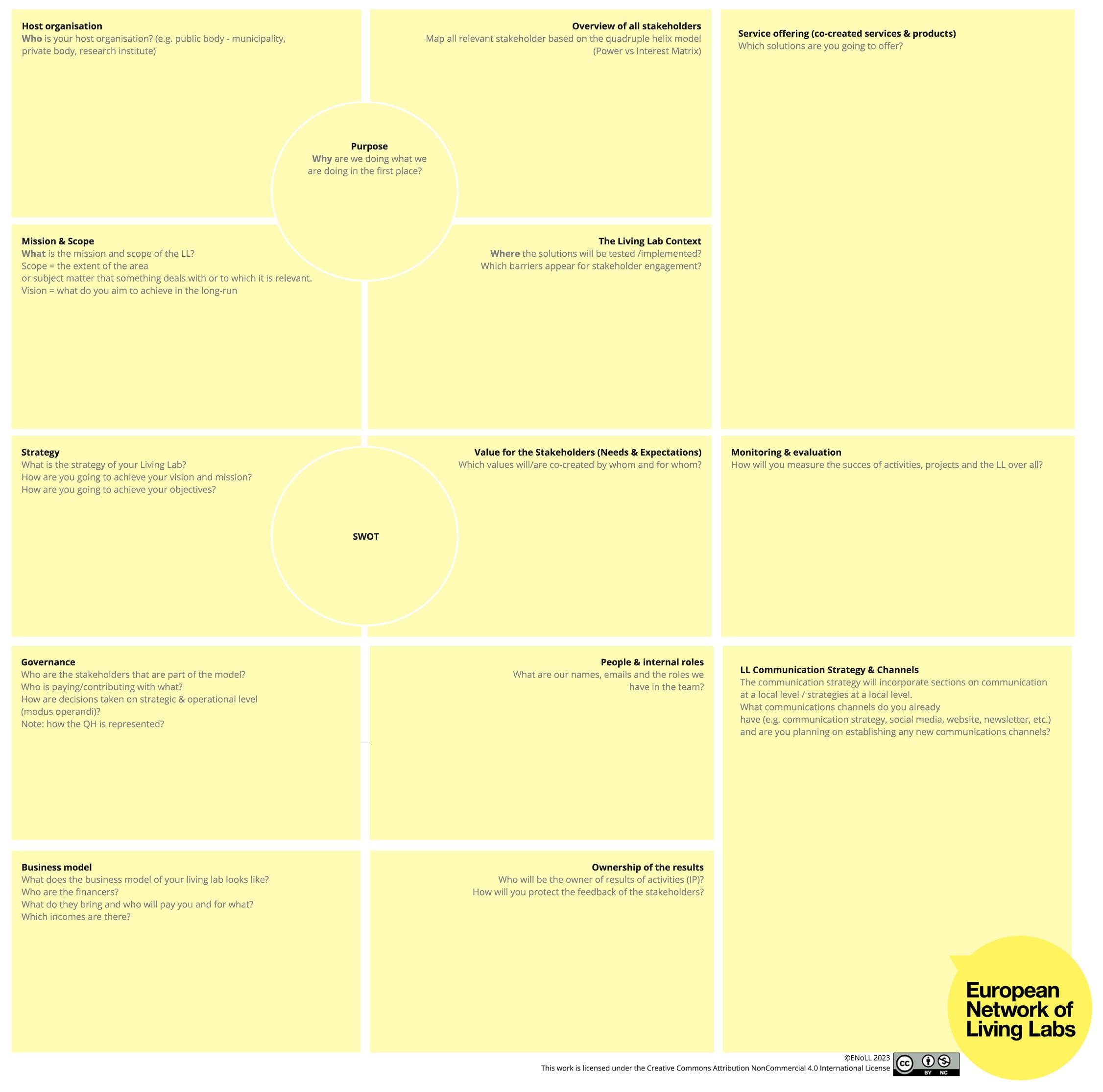
The Living Lab Mapping Canvas, developed by ENoLL, serves as a comprehensive tool for delineating essential components within Living Labs, providing insights into their maturity levels. Originally designed as part of Urbanome H2020 project24, the Living Lab Mapping Canvas has undergone iterative improvements and customization for various sectors. While the Canvas presented in Figure 9 is tailored for the macro level of Living Labs, capturing foundational elements crucial for their establishment, it can be further customised to encompass sections corresponding to the meso and micro levels25.
At its core, the Canvas encapsulates the essence of the Living Lab – its purpose, mission, vision, and scope. It outlines activities and longterm objectives, offering insights into the real-life experimentation space and potential barriers. Delving deeper, the canvas identifies key stakeholders, internal roles, and communication strategies, fostering effective collaboration while recognising the dynamic nature of roles within Living Labs.
Moreover, the Living Lab Mapping Canvas serves as a strategic planning guide, facilitating the detailing of the Living Lab’s strategy, value proposition, and SWOT analysis26. Each quadrant provides a holistic view of the Living Lab ecosystem, where Governance Models intersect with stakeholder values and Business
24 Urbanome D2.1. Good Practice guidelines for setting up and managing Urban Living Labs (2021). This project has received funding from the European Union’s Horizon 2020 research and innovation program under grant agreement No 945391.
25 For more details on the Three Layered Model, refer to Section 0.3.
Models align with resource needs. Additionally, it addresses services/products offered, result ownership, and feedback protection in co-creation activities, along with monitoring and evaluation details to promote iterative feedback loops and continuous improvement.
In summary, the Living Lab Mapping Canvas empowers Living Labs globally by providing invaluable guidance for a sustainable and
impactful future. This tool facilitates strategic planning and offers a holistic view of the ecosystem, fostering clarity, collaboration, and innovation. Through iterative reflection on activities and structure, Living Labs can tailor their approach to further enhance their evolution and effectiveness. An example of how the Living Lab Mapping Canvas is tailored for a Mobility Living Lab can be found in section 2.3.
This section provides a comprehensive overview of the concept of Mobility Living Labs, emphasizing their role as collaborative platforms for innovation in the mobility sector. It details the core principles and objectives behind Mobility Living Labs, highlighting their significance in fostering Open Innovation by balancing industryled and public-led innovation strengthening the ecosystem capacity to adopt innovation and address real-world mobility challenges related to climate neutrality, to urban space usage and to new needs and requirements of planning for sustainable mobility. Next, the chapter explores common misconceptions surrounding Mobility Living Labs and distinguishes them from other innovation models. It discusses various typologies as they are defined from different activities of the ENoLL Mobility Working Group (WG) (classification of Mobility Living Labs and Living Lab definition mapping tool) and engagement models, emphasizing the quadruple helix approach that involves collaboration among government, industry, academia, and civil society for effective mobility innovation. Additionally, it articulates the value proposition of Mobility Living Labs by showcasing their tangible benefits and outcomes. Drawing upon successful case studies from diverse
mobility sectors, it demonstrates how Mobility Living Labs have contributed to the common/ mutual understanding of mobility problems and the development and implementation of innovative solutions, operating as planning and innovation enablers, ultimately enhancing mobility experiences, accelerating transition, and addressing societal needs.
1.1 What are Mobility Living Labs?
There is a growing trend to involve citizens in city planning to make urban areas more sustainable and liveable in terms of mobility27. Mobility Living Labs operate as collaborative platforms to foster new collaborative, trans-disciplinary approaches of urban mobility planning and offer a real-world testing ground for innovation and transformative changes. Testing innovative mobility solutions in a Mobility Living Lab is a key stepping stone for the transformation processes that each city needs.
Mobility Living Labs can operate as a tool for governing the commons, addressing issues like the Tragedy of the Commons, which arises when a community has unrestricted access to a
27 Urban Europe- GUST-Governance of Urban Sustainability Transitions, (2017) The emerging Landscape of Urban Living Labs, Characteristics, practices and examples
shared resource28. In such situations, individuals often prioritise personal gain over collective wellbeing, leading to the depletion of resources and negative consequences for both people and the environment.
Urban areas and cities can be considered ‘’commons’’, where resources like space, air, and energy are shared. Overutilization of urban space can result in problems like congestion, air pollution, and climate change. Climate change itself exemplifies a collective action problem, where individuals may engage in environmentally harmful behaviours without facing immediate consequences.
Greenhouse gases emissions from transport, illustrates a reverse Tragedy of the Commons29 Instead of extracting from the commons, individuals contribute to it by emitting pollutants. This behaviour is often rationalised as a means to maximise personal gain, such as wealth or comfort, with little regard for the broader environmental impact.
Living Labs offer a platform to address such complex issues at a local level, highlighting the importance of individual actions and the outcomes of collective efforts. They provide an opportunity to explore alternative behaviours and solutions, ultimately contributing to sustainable development and climate resilience.
Mobility Living Labs are testing solutions focusing (but not limited) on:
• Integration of ICT with urban development to create smart, sustainable cities. Examples include smart lighting, waste management systems, and intelligent transportation solutions.
• E-Government and E-Participation that enhance public services and citizen engagement through digital platforms and tools.
• Sustainable Mobility promoting eco-friendly
transportation options, such as electric vehicle infrastructure, bike-sharing programs, and pedestrian-friendly urban designs.
Additionally, Living Labs can foster Open Innovation by balancing industry-led and public-led innovation, in which cities will drive innovation through more flexible policy making, and thus facilitating the introduction of disruptive technologies, but grounded on social criteria and as part of the execution of the city roadmap or sustainable mobility action plan. This will strengthen the ecosystem capacity to adopt innovation and address real-world mobility challenges related to climate neutrality, to urban space usage and to new needs and requirements of planning for sustainable mobility.
In the literature, Open Innovation is characterised as a strategy that allows organizations to tap into external expertise and technological capabilities that are not internally accessible30. The three main Open Innovation processes consist of: the outside‐in process, also known as technology exploration or inbound innovation31 32; the inside‐out process, also defined as technology exploitation or outbound innovation; and the combination of both.
Open Innovation Community (OIC) follows a crowdsourced participatory innovation approach that: (1) facilitate a debate generation and consensus building; and (2) validate the results of the examined innovation. The added value of OIC (in relation to other stakeholder platforms) stems from: (i) its explicit focus on urban policy issues and the policy requirements of emerging mobility solutions; (ii) the incorporation of international members, bringing together relevant experiences and insight. The OIC gathers stakeholders such as expert communities, local practitioners, and policymakers as well as innovators from the
28 Klautzer, L., Hong, S. Y. and Narayan, R. (2020), IOP Conference Series: Earth and Environmental Science, Vol 588, DOI 10.1088/1755-1315/588/3/032019
29 Dorj, D. (2011). The tragedy of commons and free mobility. Economics Bulletin. 31. 9-16.
30 Enkel, E., Gassmann, O. and Chesbrough, H. (2009), “Open R&D and Open Innovation: exploring the phenomenon”, R&D Management, Vol. 39 No. 4, pp. 311‐316.
31 Dahlander, L. and Gann, D.M. (2010), “How open is innovation?”, Research Policy, Vol. 39 No. 6, pp. 699‐709.
32 Van de Vrande, V., de Jong, J.P.J., Vanhaverbeke, W. and de Rochemont, M. (2009), “Open Innovation in SMEs: trends, motives and management challenges”, Technovation, Vol. 29 Nos 6‐7, pp. 423‐437.
STRENGTHENING MOBILITY INNOVATION
by consuming the capacities of the local ecosystem and by using common knowledge & understanding of the problems to be solved
GEARING MOBILITY INNOVATION
by learning from the achievements of the external innovators and by increasing mobility ecosystem capacity towards innovative sustainable mobility
private side. Also, networks and associations of these groups can be involved, given their inherent expertise and multiplicator capacity. The OIC adopts a Communities of Practice structured approach aimed at enhancement, transfer and take-up of innovation findings contributing. It also serves as a dissemination audience to maximise the innovation impacts. The OIC approach is successfully applied in
ACCELERATING INNOVATION
through collaboration in innovative solutions development and demonstration of mature innovative solutions in alleviating barriers
INTEGRATING INNOVATION
by securing innovative policy response to maximize implementation and impact of the solutions and achieve full adoption by the citizens
Mobility Living Labs (Figure 10) with an explicit focus on urban transport policy issues involving urban mobility policy makers, economic operators, and researchers in the form of an Open Innovation Community on Urban Mobility Policy.
The core principles and objectives of Mobility Living Labs are summarised below:
• Support the local eco-system and promote an Open Innovation landscape
• Attract funds and investments for the local eco-system
• Improve the mobility conditions in the city for the citizens
• Creating added value for the local eco-system with new solutions and services
• Support authorities in decision support and policy making
• Create the knowledge to prepare the right conditions in the ecosystem for embracing innovation and the arguments for the society and the industry ‘’fair’’ involvement
• Strengthen the capacity for developing mobility synergies and the policies that will stimulate & generalise mobility innovative solutions taken up for maximizing the impact of innovation.
• Provide to ecosystem the tools for achieving common understanding of challenges and mobility sectorial actors’ osmosis for easy and correct decision making
• Establish the organisation for monitoring efficiency and act in order to stimulate innovative solutions adoption and resilience to unexpected conditions
Figure 10. The Open Innovation Community approach in Mobility Living Lab context (source: CERTH/HIT’s own design).
Box 2. Core principles and objectives of Mobility Living Labs.
1.2 Differentiating Mobility Living Labs
As an innovation ecosystem, Mobility Living Labs are a complex and dynamic system that continuously evolves, and a need for shift from static and descriptive methods to more dynamic and forward-thinking ones has emerged. Towards this direction, over the last years various innovation models and frameworks emerged to drive and manage innovation process33 such as Design Thinking and the NESTA model.
Design Thinking as already described in section 0.3 primarily focuses on understanding and addressing users’ needs and challenges through a human-centred approach. It emphasises empathy, ideation, prototyping, and iteration to develop innovative solutions that are meaningful and feasible34
While each innovation is a complex narrative of feedback loops, the NESTA innovation spiral presents the structured phases that most innovations undergo. The NESTA approach is dedicated to discovering, examining, and validating new approaches, instruments, and procedures (collectively referred to as innovation methods) to foster innovation from diverse sectors and global sources35. The steps and the innovation methods to be engaged in each step are depicted in Figure 11. However, NESTA model doesn’t correspond to the complex and non-linear phases of the innovation creation.
In summary, while Design Thinking, Opening Innovation, the NESTA model and Mobility Living Labs share a user-centric and iterative approach to innovation, they differ in their scope, methodology, and scale. Design thinking and NESTA model are versatile approaches that can be applied to various contexts and challenges,
33 Meissner, D., Kotsemir, M. Conceptualizing the innovation process towards the ‘active innovation paradigm’—trends and outlook. J Innov Entrep 5, 14 (2016). https://doi.org/10.1186/s13731-016-0042-z
34 Bourgeois-Bougrine, S. (2021). Design Thinking. In: The Palgrave Encyclopedia of the Possible. Palgrave Macmillan, Cham. https:// doi.org/10.1007/978-3-319-98390-5_110-1
35 NESTA (2019), A compendium of innovation methods, Available at: https://media.nesta.org.uk/documents/Compendium-ofInnovation-Methods-March-2019.pdf
Figure 11. NESTA spiral. Source: Nesta Innovation Foundation (2024).
Understanding Mobility Living Labs
while Mobility Living Labs focus on real-world experimentation and co-creation within the specific mobility domain and community.
Mobility Living Labs differ from other innovation models as they combine all the characteristics mentioned above: User-Centric Approach, RealLife Environment, Open Innovation Ecosystem, Iterative and Agile Approach, and Focus on Socio-Technical Systems.
Additionally, Mobility Living Labs enhance their importance in creating effective mobility cocreated innovation through the use of several advance technologies such as digital twins. Although digital twins firstly appeared in the industries of product and manufacturing design, mobility digital twins have been quickly evolved based on the already existing city models and integrating technological advances such as Big data and Internet of things (IoT)36, cloud computing37 and artificial intelligence (AI)38,they replicate a real-world urban area/city, allowing the creator to determine the performance of its different systems39 and creating a digital environment in which different groups of stakeholders and policy makers can collaborate, to select the right mix of new mobility solutions to be implemented. This capability of conducting physical experimentation of services through simulation while optimising their efficiency under real world complex conditions provide to policy makers a valuable benefit of prior implementation risk management, reducing the uncertainty of the investments40
Classification of Mobility Living Labs
Within the ENoLL Mobility WG a mapping of the Mobility Living Labs and others mobility-related members of the ENoLL network was performed
based on specific characteristics of the Living Labs. The results of the mapping are shown in Table 4.
Table 3. Mapping of Mobility Living Labs within the ENoLL members.
Characteristics Mapping Results
Type
Environment
Governance
Ecosystem Composition
Main Activities
Funding
Results & Outputs
Data Policy
University
Living Lab
Open environment (under real world conditions)
Simulation
Research/academic partner
Public institution
Private manager
Private sector
Public sector
Research/academia
Technological implementations
Social experiments
Public Mix
Policy support Services
Open data
Restricted data to the testers
Based on the mapping results two clusters with different focus, offer and results/outputs were created. This classification was necessary for identifying how the Mobility Living Labs and others mobility-related members of the ENoLL network can contribute to the creation of innovation in mobility (Figure 12). It was concluded that the mobility living labs ENoLL WG had two types of participants:
• Cluster 1: Living labs with mediumlarge geographical definition (countries, Mediterranean area, Europe), led by
36 Kaur, M. J., Mishra, V. P., Maheshwari, P., 2020. The convergence of digital twin, IoT, and machine learning: transforming data into action. In: Digital twin technologies and smart cities. Springer International Publishing.
37 Khatib, M. M. E., Al-Nakeeb, A., & Ahmed, G. 2019. Integration of cloud computing with artificial intelligence and its impact on telecom sector—A case study. iBusiness, 11.1, 1–10.
38 Kharchenko, V., Illiashenko, O., Morozova, O., et al., 2020. Combination of digital twin and artificial intelligence in manufacturing using industrial IoT. In 2020 IEEE 11th international conference on dependable systems, services and technologies (DESSERT). IEEE.
39 Furst, J.; Cheng, B.; Hebgen, B.; Realising the Digital Twin Transition for Smart Cities. Open Journal of Internet of Things 24 (OJIOT). 2021 7.1, 32-42.
40 Wan, L.; Nochta, T.; Schooling, J.M. Developing a city-level digital twin –propositions and a case study, International Con-39 ference on Smart Infrastructure and Construction 2019 (ICSIC): Driving data-informed decision-making, 2019 187-1193.
University/ Research center
Offer: Expertise of professionals
Lab Content Focus: Policy design and monitoring
Results & outputs: Policy support
universities and research centres, offering expertise of professionals to support in policy design and monitoring.
• Cluster 2: Living labs with small-medium geographical definition (cities, regions), being entities themselves (not need to be legal entities), offering infrastructure to test new technologies and services and supporting citizens science experiments.
Definition Mapping Tool
Due to the high level of diversity of Living Lab definitions, the similarities among them and the confusion among definitions and elaborations, the attempt to include all Living Lab characteristics into one definition can be challenging. Also, the elaboration of a common definition needs a concrete knowledge not only of what a Living Lab is but also what a Living Lab is not.
Living Lab accommodates many different understandings and set ups, however within the wide variety of Living Labs, they all have common characteristics, but multiple different implementations. There are also other “labels” embracing very similar infrastructures such
Living lab
Lab Content Focus: Citizens science
Offer: Infrastructure to plug in and test new technologies/solution s with end users
Results & outputs: Services
as testbed, sandbox etc. Thus, Living Lab definitions share some common characteristics and inspired by the ‘’family resemblance’’ theory of Wittgenstein that argues that ‘’things which could be thought to be connected by one essential common feature may in fact be connected by a series of overlapping similarities, where no one feature is common to all of the things’’. Taking inspiration from this approach, CERTH/HIT, JRC-Ispra and AustriaTech as the core members of ENoLL Mobility WG collaborated for the development of a Living Lab definition mapping tool within ENoLL Mobility WG.
The Living Lab definition mapping tool is meant to understand the features that a Living Lab is strong at, and the ones that it has less emphasis on based on its definition. The tool can be used in co-creative sessions to collect features that the members of a Living Lab connect to their work and visualise them. Thus, it goes beyond the academic exercise of definition and create something that has practical relevance, further motivating pluralism, rather than setting boundaries. The tool is publicly available on the following website: https://livinglabmappingtool. imet.gr/
CLUSTER
Figure 12. Classification of Mobility Living Labs.
Understanding Mobility Living Labs
Figure 13. a) Initial view of the visualised results based on a given definition, b) Filtered results to show only those of moderate correlation.
https://livinglabmappingtool.imet.gr/
Understanding Mobility Living Labs
Engagement Models
Mobility Living Labs can become part of a transformative systemic change that combines both top-down and bottom-up strategies for sustainable mobility.41
For achieving this objective, the adoption of a Quadruple Helix approach is necessary as it promotes not only the collaboration between the different parties, but also encompasses user-oriented innovation. As they facilitate both collaborative learning and innovation by responding directly to the needs of the users42, Living Labs can bridge the gap between knowledge production and knowledge transfer
EXPLORATION:
Co-identifying mobility needs, ideas, and opportunities with all QH stakeholders.
CO-CREATION:
Collaborative design and development of mobility solutions involving all QH stakeholders.
IDEATION
(the so-called “European Paradox”43), by simulating the interaction between technological and socio-economic forces through the cocreation of knowledge, services, and products44 (Ideation phase).
Attracting Quadruple Helix representatives in the Living Labs’ activities of the ideation phase is relatively straightforward. However, actively involving and motivating them to participate long-term in the collaborative Living Lab phases of testing, refinement and scaling providing continuous feedback through iterative processes collaborative Living Lab efforts such as codesign is a more significant challenge.
From a broad perspective, the engagement
EXPERIMENTATION:
Testing and validating mobility solutions in real-life contexts
EVALUATION:
TESTING
Assessing the impact and effectiveness of the mobility innovative solutions
IMPLEMENTATION:
Deploying the validated mobility solutions in broader contexts.
SCALING
REFINEMENT
FEEDBACK LOOPS:
Continuous input and refinement of the mobility solutions based on QH stakeholders’ feedback and real-life testing.
41 Purcell, W.M. , Henriksen H. , Spengler, J.D. (2019), Universities as the engine of transformational sustainability toward delivering the sustainable development goals: “Living Labs” for sustainability, Int. J. Sustain. High Educ., 10.1108/IJSHE-02-2019-0103.
42 Van Geenhuizen, M., Applying an RRI filter in key learning on urban Living Labs’ performance, Sustainability, 11 (14) (2019), p. 3833.
43 Herranz, N., Ruiz-Castillo, J., 2013. The end of the “European Paradox. Scientometrics 95, 453e464. https://doi.org/10.1007/s11192012-0865-8.
44 Almirall, E., Wareham, J., 2011. Living Labs: arbiters of mid- and ground-level innovation. Technol. Anal. Strat. Manag. 23, 87e102. https://doi.org/10.1080/09537325.2011.537110.
Figure 14. The engagement model in urban mobility context.
models used in Living Labs remain consistent regardless of its focus area. Workshops and focus groups are utilised to engage a diverse range of quadruple helix representatives, including citizens, entrepreneurs, businesses, professionals, and economic entities in the different phases.
The adoption of tools associated with emerging digital technologies, such as collaborative online platforms and calls for proposals addressing local challenges, is a widespread method for engaging the stakeholders. They facilitate dissemination of Living Lab activities and benefits, and live demonstrations of prototypes and services, thus reaching a broader audience.
Directing attention towards promoting entrepreneurship and innovation activities presents a promising strategy for engaging various stakeholders and raising awareness of the benefits of their involvement. Entrepreneurship and innovation activities are increasingly becoming integral components of Living Lab initiatives. Depending on the thematic focus of each Living Lab, these laboratories offer interdisciplinary sessions, enabling the knowledge transfer and interaction among stakeholders with different expertise.45
While stakeholders can be incentivised by the prospect of knowledge transfer facilitated by a Living Lab, attracting the fourth actor (civil society) in the QHM poses greater difficulty. A deeper dive-in in users’ engagement methods Is presented in section 3.3.
1.3
The Value Proposition of Mobility Living Labs
Mobility Living Labs create added value not only for the ecosystem’s members but also for their external environment as their role is multifaceted:
• Mobility Living Labs as innovation enablers
• Mobility Living Labs as changers of urban mobility landscape
• Mobility Living Labs for efficient monitoring of transport systems (From data to knowledge)
• Mobility Living Labs as mobility observatories
• Mobility Living Labs for creating common understanding of mobility problems and solutions
• Mobility Living Labs as planning enablers
• Mobility Living Labs as transition accelerators
• Mobility Living Labs serve as powerful tools for addressing mobility challenges and fostering innovation across various aspects of transportation systems.
As innovation enablers, Mobility Living Labs provide a supportive ecosystem for testing and scaling up innovative solutions and technologies in the mobility sector. By connecting all the parties of the QHM, Living Labs foster collaboration and knowledge exchange, driving the development and commercialization of innovative mobility solutions.
One prominent example of their impact is in the development and implementation of Sustainable Urban Mobility Plans (SUMPs). Living Labs provide a platform for stakeholders, including local governments, transport operators, and community members, to collaboratively design and test strategies for changing and improving urban mobility landscape. By engaging diverse stakeholders in the planning process, Living Labs ensure that SUMPs reflect the needs and priorities of the community, leading to more effective and sustainable transportation solutions.
Additionally, Living Labs play a crucial role in efficiently monitoring transport systems serving as Mobility Observatories. By collecting, monitoring, and analysing real-time mobility data, Mobility Living Labs generate knowledge about the dynamics of urban mobility. Through regular monitoring activities, Mobility Living Labs help stakeholders to identify bottlenecks and make informed decisions to improve the overall performance of their services and anticipate future mobility needs. By harnessing the power of data analytics and visualization tools, Mobility Living Labs translate data into knowledge and useful insights for mobility trends, patterns, and user behaviours and enable stakeholders to make informed evidence-based decisions for proactively addressing emerging challenges in mobility.
45 Compagnucci, L., Spigarelli, F., Coelho, J., & Duarte, C. (2021). Living Labs and user engagement for innovation and sustainability. Journal of Cleaner Production, 289, 125721. https://doi.org/10.1016/j.jclepro.2020.125721.
By facilitating dialogue, collaboration, and knowledge sharing among stakeholders, Mobility Living Labs contribute to the creation of common understanding of mobility problems and solutions and promote consensus-building around shared mobility goals. This mutual understanding set the basis for collaborative actions and interventions. Furthermore, Living Labs function as planning enablers by providing a collaborative space for mobility related stakeholders to test and refine ideas, solutions, and services in real-world settings before scaling them up for broader implementation. Thus, operating as front runners in the cities for mobility topics, Mobility Living Labs highly contribute to the development of innovative mobility solutions towards the improvement of the quality of life.
Additionally, through capacity-building initiatives and stakeholder engagement activities, Living Labs promote the cross-sectorial collaboration and contribute to the shift from sectorial pilots to large systemic cross sectorial solutions (e.g. energy and mobility). Thus, Mobility Living Labs serve as transition accelerators accelerating communities’ transition towards more sustainable transportation modes and behaviours.
Successful case studies
The case studies included in this section were developed within Mobility Living Labs. In each of the case studies the main problem addressed, the actors/ stakeholders that are part of the engagement, the Living Lab approach adopted as well as the key success factors are elaborated:
INNOAIR, SofiaLab (Sofia, Bulgaria)
Figure 15. High-power charging of the electric minibus at the municipal tram depot in Sofia (Source: Meyer, G. (2024). INNOAIR Journal 3: Launching and scaling-up the green mobility services).
INNOAIR is the first Bulgarian project funded by the EU initiative Urban Innovative Actions to implement measures in the thematic area of “air quality”, in particular, “innovative green mobility solutions”. For tackling the air pollution problem in Sofia, an innovative on-demand public transport solution, which would operate in accordance with the requests of the citizens submitted through a mobile application, is developed. Different stakeholders from the 4druple helix including Sofia Development Association (an ENoLL member through SofiaLab), Sofia Municipality, Sofia University, Plovdiv University, Sofia Urban Mobility Centre, The National Association of Municipalities in the Republic of Bulgaria, Modeshift Europe Ltd and The National Institute of Meteorology and Hydrology collaborate for developing the on-demand solution. The unprecedented service starts with five electric buses with two missions: serve new areas of the city that are less connected with the rest of Sofia, and try out the new efficient, sustainable mobility model. In the framework of the project the app SofiaCoin was launched, which is an incentive for sustainable mobility patterns. The app encourages alternative ways of getting around like walking, riding a regular or electric bike, or riding a scooter by rewarding the citizens with virtual currency based on the kilometres they travelled on soft modes. The citizens are able to use the virtual rewards by buying products from various supporting companies and organisations.
Key Success factors
• Motivate citizens to shift from motorised vehicles to sustainable modes of transport by rewarding them appropriately.
• Promote awareness among citizens through dissemination campaigns, hackathons, innovative competitions, and the creation of communication materials.
Figure 16. Sustainable Mobility modes used in Barcelona, Source: City Council of Barcelona.
Mobility Urban Values, i2cat (Barcelona, Spain)
MUV (Mobility Urban Values) is a Research and Innovation Action funded by the European Commission under the call Horizon2020 MG-4.5-2016. As the increasing mobility challenges cannot be effectively addressed by conventional policies, the program focuses on raising citizen awareness on the quality of the urban environment of their neighborhoods in order to promote a shift towards more sustainable mobility choices. Mobility and environmental data were collected via MUV mobile app allowing policymakers to enhance planning processes and build new services for improving citizens’ quality of life. The City Council of Barcelona and i2cat Foundation participated in Barcelona pilot. The MUV Hackathon, a city-to-city competition illustrates real citizen engagement in favour of more sustainable urban mobility.
Key Success factors
• Assist in preventing zero pollution impacts both on human health and the environment by utilising the power of digitalization. It is desirable to move bits rather than atoms whenever possible.
Mobithess and GALILEO4MOBILITY, Thessaloniki Smart Mobility Living Lab (Thessaloniki, Greece)
Mobithess-a platform for mobility services
In 2012, Mobithess was one of the first attempts of the CERTH/HIT to create a platform of mobility services that provides a suite of services for travellers in order to help them move easily around the city, avoiding the traffic congested areas. By informing about the optimal mobility choices, Mobithess aims to raise the environmental awareness and consequently to improve the traffic and environmental conditions of the city. However, it was not a Mobility As a Service solution as functionalities related to booking and payment weren’t including in the platform. Although the system was a unified effort of the key mobility related players of the city that shared their data, it has low public appeal due to the unsuccessful publicity campaign and the difficulty to communicate through the mass communication channels.
Galileo4Mobility Taxi sharing service
Within the framework of the European project Galileo4Mobility, a Mobility as a Service (MaaS) and more specifically a taxi sharing service was tested in the city of Thessaloniki. The main goal of the service was to reduce the traffic congestion in the city centre.
In the framework of the project a workshop with all the involved stakeholders was organised, aiming to co-design a user engagement strategy. The target groups of potential users were identified and further actions on how to approach and engage these groups to participate in the taxi sharing pilot were designed with the contribution of local authorities.
Figure 17. Mobithess platform for mobility services.
Figure 18. Galileo4Mobility application for taxi drivers
The pilot was advertised through the websites, the social media of CERTH/HIT, taxi association and the municipalities involved, local newspapers, through interviews in local radio and TV channels. A platform was designed where the citizens could complete the necessary details in order to participate in the pilot service. Additionally, different surveys were delivered to the users for assessing the taxi sharing service. This created a feedback channel between the users and the service providers contributing to the improvement of the service.
Key Success factors
• Data from multiple sources (both from own infrastructure and from mobility ecosystem) are collected and combined to better understand any correlation and dependencies among them.
• Design efficient campaigns for citizens engagement creating a common understanding of the benefits and ensure communication through appropriate channels.
Source: iStock
Establishing a Mobility Living Lab 2
This chapter examines different governance models adopted by Mobility Living Labs, discussing their implications on decisionmaking processes, resource allocation, and stakeholder involvement. It emphasises the importance of collaborative governance frameworks that facilitate effective coordination and co-creation among diverse stakeholders and value proposition creation. Additionally, the chapter explores various funding models for Living Labs and offers strategies for accessing regional, national, and international funds. Participants will learn ethical approaches to managing Intellectual Property generated from co-creation and how to attract funding while dedicating resources effectively. Discussions will also cover building self-sustained Living Labs by optimising resource allocation for ongoing activities. Finally, the chapter gives insights on shifting from Research & Innovation (R&I) projects to Mobility Living Labs providing practical guidance on initiating and establishing a Mobility Living Lab. It outlines a step-by-step process derived from the Living Lab Mapping Canvas presented in section 0.6, including defining objectives, assembling stakeholders, securing resources, and designing governance structures. Strategies for stakeholder mapping and engagement are highlighted to ensure the inclusivity and effectiveness of the Mobility Living Lab. Drawing upon real-world examples and experiences, this section shares insights into best practices and lessons learned in setting
up Mobility Living Labs. It addresses common challenges and pitfalls encountered during the establishment phase, offering valuable recommendations and strategies for overcoming them effectively.
2.1 Governance Structures for Mobility Living Labs
The governance and management structure of Mobility Living Labs play a crucial role in shaping their strategic and operational activities and ensuring continuity. These structures must be supported by local governments, decisionmakers, and private entities to effectively drive domain-specific initiatives. Key considerations for the definition of a Governance Model include defining the Living Lab’s vision and scope, managing risks, operations, knowledge sharing, and dissemination activities.
A crucial aspect of governance involves providing decision-making opportunities to all stakeholders involved. This entails early involvement of representatives from each stakeholder group from the QHM to establish a Governance Model and determine the appropriate legal framework. The model should strive for inclusivity, ensuring that no single voice dominates the decisionmaking process.
Regarding the legal framework, each Living Lab may operate as an independent legal entity - such as a trust, non-profit organization, or foundation - or within a host organization, like a municipality or a department of an academic institution. When functioning as a standalone entity, a Living Lab can independently manage its finances, including handling grants, service revenues, licensing or membership fees. Alternatively, if the Living Lab operates under a host organization, that entity assumes the role of coordinating activities, providing necessary resources and infrastructure, including financial management, and ensuring efficient operations and leadership.
Mobility Living Labs allow stakeholders— ranging from local governments and industry players to research institutions and citizens— to collaboratively design, test, refine mobility solutions and work together in a form of participatory governance46. However, the collaboration between a Living Lab and a municipality can have challenges related to:
• Alignment of Goals: Ensuring that the objectives of the Living Lab align with the municipality’s policies and priorities can be challenging. Misalignment can lead to conflicts and inefficiencies.
• Funding and Resources: Securing adequate funding and resources from both the municipality and other stakeholders can be difficult. Budget constraints and differing priorities can impact the availability of necessary support.
• Bureaucracy and Red Tape: Navigating the bureaucratic processes of municipal governments can slow down the implementation of innovative solutions. Regulatory hurdles and lengthy approval processes can be frustrating.
• Stakeholder Engagement: Engaging all relevant stakeholders, including citizens, businesses, and government agencies, can be complex. Ensuring active participation and managing diverse interests requires effective communication and coordination.
• Data Sharing and Privacy: Sharing data
between the Living Lab and the municipality while ensuring data privacy and security can be a significant challenge. Establishing clear data governance policies is essential.
• Sustainability: Maintaining the long-term sustainability of the Living Lab, both in terms of funding and continued relevance, requires ongoing effort and adaptation to changing urban needs.
Thus, the success of Mobility Living Labs hinges not only on technological advancements but also on effective governance structures that foster cooperation, transparency, and shared decision-making ensuring the overcome of the above-mentioned challenges.
The governance of Mobility Living Labs is characterised by the coordination of interorganizational relationships and joint activities founded on interaction processes. This involves managing heterogeneous goals among different actors, each with their own objectives that contribute to the complexity and value of the platform. The Governance Model extends beyond traditional top-down approaches to embrace relational governance, emphasising continuous coordination and cooperation among stakeholders throughout the Living Lab’s evolution47. Mobility Living Labs, which integrate actors from academia, industry, and government agencies, require a dynamic governance structure that can accommodate diverse goals and facilitate collective decision-making.
Relational atmosphere and the nexus of goals play a critical role in Mobility Living Labs’ governance. The coordination of interorganizational relationships involves managing heterogeneous goals and fostering goal ambidexterity among actors to drive innovation and platform evolution. The university often acts as the platform activator, initiating ideation and driving various activities across all stages48. However, maintaining a collective goal can be challenging, as demonstrated by stagnation in some cases due to a lack of alignment among key actors. Effective governance requires
46 Voorwinden, A., Van Bueren, E., & Verhoef, L. (2023). Experimenting with collaboration in the Smart City: Legal and governance structures of Urban Living Labs. Government Information Quarterly, 40(4), 101875. https://doi.org/10.1016/j.giq.2023.101875
47 Colombelli, A., Paolucci, E., & Ughetto, E. (2019). Hierarchical and relational governance and the life cycle of entrepreneurial ecosystems. Small Business Economics, 52(2), 505–521. https://doi.org/10.1007/s11187-017-9957-4
48 Cantù, C. L., Schepis, D., Minunno, R., & Morrison, G. (2021). The role of relational governance in innovation platform growth: The context of Living Labs. Journal of Business & Industrial Marketing, 36(13), 236–249. https://doi.org/10.1108/JBIM-02-2020-0114
ongoing interaction processes to identify and realign collective goals through joint activities49.
Joint activities within Mobility Living Labs are essential components of relational governance. These activities include joint planning, problemsolving, and goal setting across different stages of platform evolution. While traditional topdown approaches have been observed, newer models emphasise peer-to-peer relationships and collaboration among diverse stakeholders. Joint actions, such as co-creation of platform configurations, project selection criteria, and research goals, facilitate innovation and Living Lab development.
Within Mobility Living Labs, distinct governance approaches can be employed, each with its own unique characteristics and implications. Centralised, decentralised, and collaborative governance models play a key role in shaping the strategic direction and operational activities of these innovative platforms.
CENTRALISED GOVERNANCE
Decision-making authority resides with a single entity.
Streamlined processes enable efficient resource allocation and project implementation.
Limited stakeholder input may restrict diverse perspectives and innovation opportunities.
Centralised Governance
DECENTRALISED GOVERNANCE
setting strategic direction, managing resources, and overseeing project implementation. However, limited stakeholder input can restrict the flow of diverse perspectives and potential mobility solutions. The rigidity of a centralised system may hinder adaptation to unforeseen challenges or emerging opportunities during the Mobility Living Labs’ operation. Furthermore, if the central entity has a pre-existing agenda, it can skew the focus of the Mobility Living Labs and limit innovation50
Decentralised Governance
Decentralised governance distributes decisionmaking power among various stakeholders within the Mobility Living Labs. This could involve research institutions, private companies, citizen groups, and government agencies. Each stakeholder plays a specific role and contributes to decision-making through pre-defined channels.
Decentralised structures leverage the knowledge
Decision-making power is distributed among various stakeholders.
Wide stakeholder involvement fosters innovation but may lead to lengthy decision-making processes.
Effective communication and collaboration among diverse stakeholders are crucial.
A centralised governance structure places decision-making authority with a single entity, typically a government agency or a leading research institution. This entity acts as the driving force behind the Mobility Living Labs,
COLLABORATIVE GOVERNANCE
A core group sets the direction, seeking input from diverse stakeholders.
Combining elements of centralised and decentralised approaches, collaborative governance promotes efficient decision-making and diverse perspectives.
Conflict resolution mechanisms are necessary for managing differences in stakeholders' priorities and agendas.
and experience of a wider group, fostering innovation and leading to more comprehensive solutions. Direct involvement in decisionmaking enhances a sense of ownership among stakeholders, promoting stronger commitment and participation. Additionally, decentralization
49 Nyström, A.-G., Leminen, S., Westerlund, M., & Kortelainen, M. (2014). Actor roles and role patterns influencing innovation in Living Labs. Industrial Marketing Management, 43(3), 483–495. https://doi.org/10.1016/j.indmarman.2013.12.016
50 Hadfield, P., Sharp, D., Zarea, M., Pigeon, J., Peng, X., Rye, S., & Raven, R. (2023). Governing University Living Labs for Sustainable Development: Lessons from International Case Studies (p. 31589985 Bytes). [object Object]. https://doi.org/10.26180/22138073
Figure 19. Governance approaches in Mobility Living Labs.
can cater to specific geographic areas within a city or region, addressing the unique mobility needs and challenges of each location. However, the involvement of multiple stakeholders can lead to lengthy decisionmaking processes, especially when consensus needs to be reached. Effectively managing communication and collaboration among diverse mobility-related stakeholders can be complex and require dedicated resources. Additionally, with distributed decision-making, identifying who is responsible for successes and failures can be challenging, potentially hindering accountability.
Collaborative Governance
Collaborative governance seeks a middle ground, combining elements of both centralised and decentralised approaches. Here, a core group, often led by a government agency or research institution, sets the overall direction and framework for the Mobility Living Labs. However, this group actively seeks input and participation from other stakeholders through dedicated forums, advisory boards, or cocreation workshops.
Collaborative governance avoids the extremes of the centralised and decentralised models, promoting efficient decision-making while incorporating diverse perspectives. By leveraging the expertise of diverse stakeholders, collaborative approaches can foster more
creative and adaptable mobility solutions. Additionally, active citizen participation increases public understanding and acceptance of the Mobility Living Labs’ initiatives, leading to stronger overall support.
However, managing a collaborative structure requires a strong emphasis on communication and facilitation skills to ensure productive interaction among stakeholders. Differences in priorities and agendas can lead to friction and conflict, requiring effective conflict resolution mechanisms. It is crucial to ensure a level playing field and prevent any one stakeholder group from dominating the decision-making process51.
Categories of Stakeholders in Mobility Living Labs
Living Labs are characterised by their diverse stakeholder ecosystem, comprising a wide range of actors from the QHM. The literature on Living Labs highlights the complex makeup of stakeholder interactions and emphasises the importance of collaboration among different entities in innovation processes. This section categorises stakeholders involved in Mobility Living Labs based on their roles and contributions52 53. Some actors may belong to more than one category contributing to multiple activities of a Living Lab.
51 Lucchesi, G. P., & Rutkowski, E. W. (2019). Living Labs: Science, Society and Co-creation. In W. Leal Filho, A. M. Azul, L. Brandli, P. G. Özuyar, & T. Wall (Eds.), Industry, Innovation and Infrastructure (pp. 1–10). Springer International Publishing. https://doi. org/10.1007/978-3-319-71059-4_74-1
52 Hossain, M., Leminen, S., & Westerlund, M. (2019). A systematic review of Living Lab literature. Journal of Cleaner Production, 213, 976–988. https://doi.org/10.1016/j.jclepro.2018.12.257
53 Mbatha, S. P., & Musango, J. K. (2022). A Systematic Review on the Application of the Living Lab Concept and Role of Stakeholders in the Energy Sector. Sustainability, 14(21), 14009. https://doi.org/10.3390/su142114009
Establishing a Mobility Living Lab
FINANCIERS & PROJECT MANAGERS
provide financial resources, overseeing project progress, and evaluating outcomes. They ensure the efficient implementation and management of Mobility Living Labs initiatives, supporting innovation and sustainability goals. Mobility-related Private Companies and Third Sector Organizations, Academia and Research Institutes, Industry Representatives and Government and Public Transport Sector Authorities can also cover the role of Financiers and project managers.
CIVIL SOCIETY (USERS & END-USERS)
are at the core of Mobility Living Labs providing valuable insights and feedback throughout the project lifecycle (e.g. identifying needs during the conceptual phase, testing and evaluating solutions in real-world settings) to co-create processes, influencing the design and development of mobility solutions.
GOVERNMENT & PUBLIC TRANSPORT AUTHORITIES
contribute contextual knowledge and problem-solving insights to Mobility Living Labs initiatives. They provide valuable input on local challenges and opportunities, shaping the direction of mobility projects within urban environments through the development of regulatory frameworks and mobility policies.
MOBILITY-RELATED PRIVATE COMPANIES & THIRD SECTOR
ORGANISATIONS
(e.g. mobility service providers and transport network operators) providing technical expertise, financial support, and strategic partnerships. They act as intermediaries, facilitating communication between stakeholders and coordinating resources necessary for Mobility Living Labs initiatives.
STAKEHOLDERS
INDUSTRY REPRESENTATIVES
(e.g. designers, manufacturers, and technology providers) are responsible for designing, developing, and implementing technical solutions within Mobility Living Labs (i.e. technical expertise for product design, testing, and commercialization processes).
Phases for Governance and Management of Mobility Living Labs
Establishing the governance and management framework for a Living Lab requires various activities and decision-making processes to devise the most suitable model. Therefore, to establish the governance and management structure of the ULL, the outlined steps below, initially outlined in the UNaLab Urban Living Lab
ACADEMIA & RESEARCH INSTITUTES
Researchers (private institutes or public universities) engage in pre-studies to identify user needs, collect data during testing phases, and develop innovative concepts. Researchers also support methodological processes, contributing valuable insights and academic rigor to Mobility Living Labs projects.
Framework54 are recommended to be thoroughly deliberated and elaborated upon.
The Governance Model Canvas for Living Labs
Implementing Governance Models poses several challenges to the performance and sustainability of Living Lab constellations55, including fostering multi-business collaboration while ensuring openness and transparency. Achieving visibility and disseminating Living
54 UNaLab D2.1. UNaLAB ULL Framework (2018). This project has received funding from the European Union’s Horizon 2020 research and innovation program under grant agreement No 730052.
55 Habibipour, A. (Research in Progress). A State-of-the-Art Review and Steps towards a Research Agenda. Luleå University of Technology, Sweden.
Figure 20. Stakeholders and their role in a Living Lab. Adapted from Mbatha & Musango, 2022.
01 02 03
INITIATING & SCOPING
This phase focuses on defining the aim, vision, and central actors of the Living Lab. It combines top-down and bottom-up approaches to develop internal visions and strategies while monitoring the wider environment. Innovative communication methods facilitate stakeholder engagement and agenda setting.
and
WHAT? Shared Motto
WHY? Needs & Opportunities
PROCESS DESIGN & EXPERIMENTING
In this phase the focus is on defining the approach and process supporting the innovation process. Key considerations include designing supporting structures, financing experiments, and engaging stakeholders. Stakeholders with diverse perspectives are involved to support learning and reflection processes.
REFLECTING & CLOSING
STRATEGIC LEVEL
WHO in the Living Lab?
WHO is paying or contributing?
HOW are decision taken?
This phase involves testing and incorporating experiences into forthcoming activities through scaling up, broadening, and deepening. Reflective learning drives societal integration and development, while active involvement of key stakeholders ensures dissemination of results and knowledge sharing.
Priorities Administration Who Modus operandi
OPERATIONAL LEVEL Who Modus operandi
INTERNALLY HOW is innovation communicated? Who Modus operandi
EXTERNALLY Who Modus operandi
Establishing a Mobility Living Lab ** Rewaise D9.4 Living Lab Methodology and Online Handbook (2021). This project has received funding from the European Union’s Horizon 2020 research and innovation program under grant agreement No 869496.
Figure 21. Phases for Governance
Management of Mobility Living Labs.
Figure 22. Governance Model Canvas. Developed by Fernando Vilariño from CVC-UAB**
Lab activities poses another hurdle, alongside adapting to fast-changing requirements and maintaining flexibility. Effective collaboration and communication with stakeholders, coupled with addressing financial constraints, are critical considerations.
Additionally, navigating technical and infrastructural challenges while integrating social and technical aspects of Living Lab activities presents complexities. Sustaining user motivation, balancing research, and development activities, and fostering mutual learning further compound the challenges of Governance Model implementation in Living Labs.
To support in addressing these challenges, a Governance Model Mapping Canvas has been developed by Fernando Vilariño from CVCUAB56 to assist Living Labs in defining suitable Governance Models tailored to their specific needs. This canvas guides stakeholders in addressing key questions related to participants, financial contributions, decision-making processes, communication strategies, and participant benefits.
In summary, the governance and management of Living Labs require careful consideration and iterative processes. By following these phases and addressing key challenges, Living Labs can effectively drive innovation and contribute to addressing complex societal challenges in urban contexts.
Case Study: Governance Model from Thessm@LL
Thessm@LL follows the principles of a collaborative governance model as described in section 2.1. The governance scheme is led by CERTH/HIT, and the key stakeholders are shown in Figure 23.
The Governance model of Thessaloniki Smart Mobility Living Lab Is illustrated in Figure 24 CERTH/HIT as host and leader of Thessm@ LL defines the vision and the agenda of the Living Lab while ensuring the support of the members of the ecosystem and Living Lab’s sustainability through different projects. Public administration supports the different activities of Thessm@LL and private sector participates in different projects providing technology but
56 CVC-UAB Website: https://www.cvc.uab.es/
KEY STAKE HOLDERS OF THESSM@LL
1 RESEARCH ACADEMIA
2 PUBLIC ADMINISTRATION
3 INDUSTRY & TECHNOLOGY PROVIDERS
4
TRANSPORT NETWORK OPERATORS
Open Knowledge Foundation Aristotle University of Thessaloniki
Region of Central Macedonia
Municipality of Thessaloniki
CERTH/HIT
Figure 23. Key stakeholders of Thessm@LL.
Establishing a Mobility Living Lab
also in other initiatives launched by Thessm@ LL like mobility related clusters. Finally, citizens participate in the pilot activities as end users
NEEDS & OPPORTUNITIES
Priorities: understanding citizens’ needs
Outcomes: provide solutions to citizens’ needs through innovative mobility services
1
WHO IS IN THE THSMLL
Priorities: research, provide technological solutions for smart sustainable mobility, support innovative enterprises
Outcomes: implementation of pilot services in real world conditions
of the developed solutions and services and provide their feedback for assessing and improving the mobility solutions.
Priorities: added valued to their services/products
Outcomes: increase in customers thanks to the updated provided services/products
ADMINISTRATION
Municipality of Thessaloniki, Region of Central Macedonia
2
WHO/HOW IS PAYING OR CONTRIBUTING
3
HOW ARE DECISIONS TAKEN
4
HOW IS INNOVATION COMMUNICATED
provision of data & support of the pilots implementation in terms of local context
In the decision making process the whole ecosystem participates.
Steering committee: Hellenic Institute of Transport as moderator and representatives from the key stakeholders.
Periodical meetings: discuss vision, provide overall guidance, inform about new projects, define strategic actions and monitor activities’ progress.
Internally
Organisation of discussions and meetings with the ecosystem, annual activity report
PRIVATE
Priorities: time and cost saving, safety and convenience
Outcomes: Improvement of life quality
Transport operators, industry & technology providers
Transport operators: data provision, reduction in operational costs
Industry & technology providers: technology provision
Operational level
CITIZENS
Citizens of Thessaloniki, pilots’ users
Participation & expression of needs & preferences
Management team including the HIT’s scientific ThSMLL team evaluate and negotiate terms of cooperation with the stakeholders.
Universal ΜοU between HIT and the whole ecosystem.
Periodical meetings: monitor progress of the ThSMLL and to the steering committee.
Leveraging communication channels of the ThSMLL’s ecosystem (internal social media, newsletters, websites), organisation of events (open days) to communicate the progress of the ThSMLL, citizen engagement campaigns, Open data portal (providing historical and real-time data), development of useful applications for the end users
Figure 24. Governance model of Thessaloniki Smart Mobility Living Lab.
2.2 Business Models for Mobility Living Labs
Establishing a robust Business Model forms the foundation for every Living Lab, providing a blueprint for sustainable operations and a diverse service portfolio tailored to innovation and collaboration. Unlike traditional corporate structures, Living Labs operate within a dynamic framework, prioritising the creation of value for all stakeholders involved, thus necessitating a strategic approach to crafting viable business models.
In addition, Intellectual Property (IP) plays a crucial role in the innovation ecosystem of a Living Lab. It helps protect the creations, innovations, and ideas generated by the stakeholders involved. Typically, any intellectual property created through a Living Lab project is owned by the partner organizations, unless otherwise agreed upon in advance. Many countries participate in international agreements such as the World Intellectual Property Organization (WIPO) treaties, which provide guidelines for crossborder IP protection. However, the enforcement and protection of IP rights (IPR) depend heavily on the national laws of the country where the Living Lab is based. Ensuring clear agreements on IP ownership and the strategic management of IP is key to maintaining trust and fostering long-term collaboration within the Living Lab.
Developing sustainable Business Models for Living Labs
Crafting a sustainable and impactful Business Model that delivers tangible value to a diverse array of stakeholders is indispensable for the enduring success of Living Labs. This multifaceted endeavour entails sourcing funding from diverse channels, refining the value proposition to resonate with stakeholders, adopting lean methodologies to ensure operational efficiency, assessing the broader impact of initiatives, defining a clear organizational purpose, and establishing key performance indicators to measure progress.
Importantly, the internal mechanisms of the organization must seamlessly align with the evolving needs and expectations of external stakeholders, fostering a symbiotic relationship57. In various regions and contexts globally, Living Labs commonly rely on a mosaic of funding sources, ranging from public grants and subsidies to governmental support mechanisms. However, a widespread challenge encountered by these innovative initiatives on a global scale lies in their limited ability to generate revenue from private markets. Overcoming this hurdle requires a strategic pivot and a start-up mindset, wherein Living Labs need to meticulously articulate their unique value proposition, intricately tailored to the local context.
This intricate process involves a deep dive into identifying the specific needs and challenges within the local innovation landscape, meticulously delineating avenues for realising the value proposition through strategic collaborations and partnerships with a diverse range of stakeholders. By comprehensively understanding the dynamics of their respective ecosystems and fostering seamless collaboration between public and private entities, Living Labs can effectively navigate the complexities of funding models, thereby driving innovation, and addressing societal challenges with efficacy.
The LIAISON Business model Canvas for Living Labs
A thoroughly designed Business Model is crucial for ensuring Living Lab’s sustainability, effectiveness, and societal impact. Serving as the foundation for operations, this model guides the Living Lab’s framework and responsiveness to stakeholders. It navigates partnership dynamics post-initial financing, fostering resilience and continued viability. Additionally, it analyses, stimulates, and safeguards intrinsic value within the partnership ecosystem, enhancing impact and relevance. Living Labs translate ideas into market-ready products/services, guided by robust business models identifying revenue streams, while facilitating scaling and diversification, and outlining pathways for ecosystem expansion and new opportunities.
57 Strategyzer (2024). Business models: the toolkit to design a disruptive company. https://www.strategyzer.com/business-models-thetoolkit-to-design-a-disruptive-company
Establishing a Mobility Living Lab
LIVINGLAB BUSINESS MODEL CANVAS(LIAISON)
PROBLEM
SOLUTIONS
COST STRUCTURE REVENUE STREAM KEY RESOURCES
LIVINGLAB BUSINESS MODEL CANVAS BY Juan A. Bertolin is licensed under a Creative Commons Attribution-NonCommercial-ShareAlike 4.0 International License. Based on a work at https://leanstack.com, https://strategyzer.com, https://socialleancanvas.com
The LIAISON Business Model Canvas, developed by Juan Antonio Bertolín from UJI.>LAB58, specifically for Living Labs, with the aim of making it as relevant and applicable as possible to their unique context. Widely used for Living Labs, including those affiliated with ENoLL, the LIAISON canvas is a valuable tool for structuring and strategizing Living Lab initiatives. Developed after careful analysis of existing business model canvases, LIAISON is tailored to the needs and objectives of Living Labs, facilitating their evaluation, implementation, and sustainability. LIAISON includes additional spaces for user segments, user engagement and key stakeholders which align with the human centric approach of Living Labs, while for the value proposition and impact sections, it is highlighted that they should include a social aspect.
In conclusion, Business Modelling offers a framework for sustainability, value creation, and expansion. Through strategic formulation, Living Labs navigate partnership complexities, ensuring long-term viability. Moreover, these models drive innovation, transforming ideas
into solutions for real-world needs, fostering economic growth and societal progress.
As Living Labs evolve, strategic Business Models will remain crucial, shaping their trajectory and unlocking new opportunities for collaboration, growth, and impact.
Case Study: Business Model from Thessm@LL
Thessm@LL is currently a project fed Living Lab. Its financial resources consist of EU and national/regional/local funded projects (80-90%) and private funds from industry (10-20%)
Thessm@LL needs a continuous flow of funded projects to ensure its financial sustainability. This is achieved through:
• Continuous update of the infrastructure & the equipment
• Core team that brings diverse, and interdisciplinary expertise, knowledge and experience.
• Enrichment and expansion of its network partners
Figure 25. Living Lab LIAISON Business Model Canvas. Developed by Juan Antonio Bertolin from UJI.>LAB.
SHORT-TERM HORIZON
Increase the availability of open data and services.
New tools to be used not only for data collection and processing but also for certification and validation.
B2B, B2H, H2B and H2H to be developed by the laboratory supporting the match between needs for transport sector and the transport services providers.
Signature of a joint agreement (MoU) with the LL ecosystem to replace the bilateral ones that exist between CERTH-HIT and each ecosystem’s member.
MID
TERM HORIZON
CERTH 2.0: state-of-the-art infrastructure, promotion of innovation & entrepreneurship, enrichment of funding sources & strengthening of extroversion & links with the quadruple helix ecosystem.
Ensure LL sustainability by its own resources through the value-added services offered to third parties at local, regional, national and international level.
Participation in funded projects operate as a channel of networking and creation of innovation.
LONG
TERM HORIZON
Benefit from the upcoming new research infrastructure for connected automated mobility test bed which will be developed in ThessINTEC
Attract important private investments and international leading companies to Thessaloniki for supporting their collaboration and colocation with research teams for new product & services development for mobility and logistics.
POLITICAL
Support from government entities and policymakers
Political stability and a conducive legal environment are necessary for long-term sustainability.
ECONOMIC
ThSMLL as driver of economic growth by fostering innovation, attracting investment, and creating job opportunities.
Sustainable funding models
SOCIAL
Community/stake holders engagement
Affordable and fair mobility solutions
ThSMLL bridges
bottom up and top down approach for mobility and logistics
TECHNOLOGICAL
Virtual incubator for innovative solutions
ThSMLL as a testbed and research infrastructure
ThSMLL as innovation enabler
ENVIRONMENTAL
Emphasis on solutions that promote resource efficiency, reduce emissions, & mitigate environmental impact.
Collaboration with environmental experts
Adherence to relevant standards/ guidelines
Success sustainability factors:
• Thessm@LL is hosted by CERTH/HIT that provides a ‘’security’’ of sustainability.
• Scale economies: Daily activities and maintenance are performed by CERTH/HIT personnel (either as projects’ actions or not)
The business plan of Thessaloniki Smart Mobility Living Lab is continuously updated based on new market trends and technological evolutions. Figure 26 illustrates the Action Plan of Thessm@LL and Figure 27 describes how its Political, Economic, Social, Technological & Environmental Viability is ensured.
Figure 26. Action Plan of Thessaloniki Smart Mobility Living Lab.
Figure 27. Political, Economic, Social, Technological & Environmental Viability of Thessaloniki Smart Mobility Living Lab.
Establishing a Mobility Living Lab
2.3 Setting Up Your Mobility Living Lab –
The Living Lab
Mapping Canvas
The Mobility Living Lab Mapping Canvas (Figure 28) is built upon the Mapping Canvas presented in section 0.6 following the same structure. However, it is tailored to Mobility Living Labs including additional parts such as the identification of strengths and weaknesses related to urban mobility that will be valuable input for the definition of the Living Lab mission and objectives. Also, the Mobility Living Lab Mapping Canvas goes beyond the ENoLL Mapping Canvas adding aspects related to the action plan of the Mobility Living Lab that complements the LL’s business model as well as to political, economic, social, technological and environmental viability of the Mobility Living Lab. The Mobility Living Lab Mapping Canvas is
Strengthening Local capacity
The Mobility Living Lab Context
divided into 5 sections integrated into 4 phases of developing and implementing a Mobility LL:
Phase 1: Strengthening Local Capacity:
• Section 1a ‘’Living Lab concept’’ is coloured yellow
• Section 1b ‘’Urban mobility context’’ is coloured green
Phase 2: Gearing Ecosystem Capacity:
• Section 2a ‘’ Stakeholders engagement and value for the ecosystem’’ is coloured purple
Phase 3: Accelerating innovation
• Section 3a ‘’Action Plan, Business Model and Funding’’ is coloured blue
Phase 4: Scaling-up innovation
• Section 4a ‘’Communication and Monitoring strategy’’ is coloured orange
An example of how the Mobility Living Lab Mapping Canvas can be used is shown through the case of Thessaloniki Smart Mobility Living Lab59
• Where the mobility solutions will be tested / implemented?
• What is the current transport situation in the city where the Mobility Living Lab is implemented?
Objectives
• What are Mobility LL objectives?
Mission and Scope
• What is the mission and scope of the Mobility LL?
Scope: the extent of the area or subject matter that something deals with or to which it is relevant.
Mission: what do you aim to achieve in the long- run
Strategy
• What is the strategy of your Mobility Living Lab?
• How are you going to achieve your mission?
• How are you going to achieve your objectives?
Strengths and Opportunities related to Urban Mobility Weaknesses and challenges related to Urban Mobility
• Map all mobility related stakeholders based on the QH model and their relationships (not only their current relationships but also their potential relationships in the context of achieving the LL’s mission and goals “Don’t think about what you are doing but also about what you will be able to do for achieving’’)
• How can they contribute to the achievement of Mobility LL goals? (contribution can be defined as following: Important to secure feasibility, involved at the implementation, veto stakeholder, impacted by the implementation, facilitator etc)
• What are their roles within the Mobility LL? (e.g. tools & data for building common understanding creation, capacity for conflict solving, implementer, conditions creator, one stakeholder mobilizing many other stakeholders in a field, etc).
Value for the Mobility-related Stakeholders
• Which values will/are co- created by whom and for whom?
Accelerating innovation
Action Plan
• What are the required actions for the Mobility LL implementation?
• What is the timeline?
• Who has to do what?
Needs and expectations
• What the mobility related stakeholders need in order to contribute towards the achievement of Mobility LL mission and objectives?
• What kind of support do they need?
• What are their expectations in terms of knowledge transfer, tools and methodologies?
Governance
• Who are the stakeholders that are part of the model?
• How are decisions taken on strategic & operational level (modus operandi)? Note: how the QH is represented?
Resources and Sustainability
• What are the resources (financial and human) to support long-term commitment?
• What does the business model of your Mobility LL look like?
• Who are the financers? In addition, what do they bring and who will pay you and for what?
• How the project will be sustained after the funding sources have depleted?
Scaling-up innovation
Political,
Economic, Social, Technological and Environmental Viability
• Why would there be political support for implementing the Mobility LL?
• How does the Mobility LL address the economic and technological viability?
• What are the benefits that the Mobility LL can have on economy, society and environment?
Monitoring & evaluation
• How will you measure the success of activities, projects and the Mobility LL over all?
LL Communication Strategy & Channels
• The communication strategy will incorporate sections on communication at a local level / strategies at a local level.
• What communications channels do you already have (e.g. communication strategy, social media, website, newsletter, etc.) and are you planning on establishing any new communications channels?
Figure 28. Mobility Living Lab Mapping Canvas.
2.4
Best Practices and Lessons Learned
The rapid rise of Living Labs signifies their growing importance in fostering innovation. However, several challenges threaten to hinder their long-term effectiveness. One key issue lies in their project-based nature. Many Living Labs disband once the initial project concludes (meso level), leading to a loss of valuable knowledge and expertise accumulated during their operation. This prevents the development of a long-lasting pool of knowledge that could guide future initiatives.
Another challenge emerges when a single industry partner spearheads a Living Lab. While such initiatives can provide crucial resources, they often prioritise their own research agenda or technology, limiting the potential for Open Innovation. This can lead to a lack of inclusivity, failing to engage all relevant stakeholders –a fundamental principle of Open Innovation models where diverse perspectives are crucial for successful co-creation.
Finally, the local and small-scale nature of many Living Labs presents limitations. While local solutions are valuable, attracting broader interest from larger companies often requires scalability. To achieve this, Living Labs need to establish national and international collaborations, fostering knowledge exchange and expanding their impact. Furthermore, a lack of dedicated research tools within Living Labs can hinder their capabilities, ranging from optimization tools to support decision making in planning and operation of mobility systems to simulation tools to execute ex-ante analyses and assess scenarios to support policy making.. Additionally, the absence of robust monitoring tools makes it difficult to execute ex-post impact assessment and measure the true success of implemented solutions, hindering the ability to learn and adapt moving forward.
Best Practices
This subchapter explores best practices of Living Labs in Thessaloniki, Greece, Turin and Ispra in Italy and Austrian Mobility Living Labs highlighting their unique approaches to urban challenges through collaboration.
Thessaloniki smart Mobility Living Lab (Greece)
Thessm@LL, an ENoLL member and leader of the ENoLL Mobility and Transition Super Living Labs Working Groups, fosters initiatives encouraging development in the transport sector and the sustainability of mobility schemes by the provision of novel technologies and innovation. Actively engaged with the end-users and relevant community stakeholders, the lab pursues a co-creation and co-design strategy of technological solutions to improve transport conditions and upgrade mobility services. The main goal is to facilitate the aim of speeding up innovation, collaboration, development and testing of new services under real-world conditions. Thus, Thessm@LL can be mainly characterised as enabler driven Living Lab, although it has characteristics also from both utilizer-driven and provider-driven Living Labs.
Thessm@LL is hosted by CERTH/HIT and lies at the centre of an ecosystem of mobility-related stakeholders not only in the city of Thessaloniki but also in the regional and national level, representing the quadruple helix model for innovation. It includes the Region of Central Macedonia, the Municipality of Thessaloniki, public and private transport and service providers, technology suppliers, universities, and research centres/labs. All the members of the eco-system participate in the collection of data and the cocreation and co-design processes of the mobility services, aiming to provide technological solutions for smart sustainable mobility and support innovative enterprises in issues related to smart mobility.
Thessm@LL collects, filters, processes, and analyses data related to the mobility of persons and goods, with a focus on Thessaloniki. It also ensures and validates data quality and provides value-added services to raw data combining multiple sources and contents in a modular and scalable way. This means that it has the ability to easily integrate new data sources and procedures and at the same time manage efficiently the big volume of data. Additionally, Thessaloniki Smart Mobility Living Lab creates Establishing
FROM DATA 2 KNOWLEDGE
Simulation environments
Digital content aggregator
Data spaces
SOCIAL INNOVATION
Openness
Cross-collaboration
Speed up urban transitioning
Living Lab infrastructure for transition acceleration Open Innovation Communities ecosystem enabler
Thessaloniki Mobility Living Lab is one example of the open innovation 2.0 ecosystem development (beyond traditional test beds that have usually been technology driven).
Since its start, the Living Lab has evolved from a space where technological innovations are tested directly by users to an innovation eco-system.
DEDICATED RESOURCES
Competence center
Decision theater
Testbeds
FACILITATING INNOVATION
Clusters & Regional hubs
Digital twins
OR, AI and BD toolboxes
appropriate algorithms and uses special software packages for facilitating the re-use of data as well as for supporting decision making at both the private and public sectors.
Following the principles of the “open data” movement, Living Lab’s data and services are available to public and private institutions as well as to the citizens aiming to facilitate every-day life.
Two things created the basis for the Thessaloniki mobility Living Lab:
• The opportunity provided early in 2005 to the Hellenic Institute of Transport for developing a research infrastructure offering electronic services for transport modelling and feasibility assessment of infrastructure and transport operations optimisation services (i.e. routing as a service).
• The “sensing the city” vision of the research team for making the city an open space lab able to monitor the transport and mobility system operation by using IoT smart city sensors. On 2009 the mobility portal was made available to the local ecosystem (consultants, researchers,
students, transport operators and planners) facilitating access to data, a basic set of mobility indicators and access to a suite of dedicated mobility software licenses and short list of tools. These tools were well selected to fulfil real and urgent needs of the local actors. This initial value proposition was appreciated by the community because the services were convincing and robust, the data sets were reliable, and the research team was much focused to create added value for all.
In the period until 2012 the Living Lab was recognised for its support in planning and justification of major transport infrastructure emerging to the agglomeration at that period and for its activities to stimulate the implementation of Intelligent Transport Systems in the city transport network and finally for its contribution in supporting political decisions to providing funding to companies in adopting ITS.
In 2012 the LL developed its second value proposition towards the ecosystem: DATA2KNOWKEDGE i.e. the companies and the public actors were invited to offer their data to the LL portal and receive in return added
Figure 29. Thessm@LL context.
value services on the top of these data. Thus, the Thessaloniki Smart Mobility Living Lab was born, and it supported the growth of its eco-system and assets by funded and internal projects, leveraging both funds and value from its activities. This phase delivered a mature ecosystem and mobility research infrastructure, recognized as a Living Lab by ENOLL in 2019. The growth phase ended in the labelling of the Living Lab, which was supported by extremely valuable feedback received from the ENOLL certification assessment.
Since 2015, CERTH is recognised as the neutral partner for all ecosystem and the living lab is operating in trust offering proactive answers to challenges and promoting innovation adoption to mobility. In this third phase of the living lab until now its role was substantiated as:
• Decision making supporter for public
• Innovation stimulator for business (cluster technology park funding)
• Orchestrator of innovative projects with public and private collaboration for large scale projects implementation
• Research excellence and innovation center in mobility and as
• itizens empowering partner of the ecosystem
All Major city agglomeration and region steps towards smart & resilience, sustainability climate neutrality are supported by the living lab.
Since 2020 the LL operated the decision theatre infrastructure supporting conflict resolution to major transition challenges supporting systemic transformation in urban space and the economy.
Based on this feedback, but also on the new vision of the local eco-system, a Roadmap towards the next generation of the Thessaloniki Smart Mobility Living Lab was set up and executed, enlarging the reach thanks to the cluster and regional hub, the capacities thanks to the competence centre and the decision theatre. Additionally, the multi-sector dimensions were enlarged including the energy and environmental domains, and new resources made available (digital twin, data space and ORAI-BD toolboxes). Nowadays, the Thessaloniki Smart Mobility Living Lab is a neutral partner having the trust of the mobility eco-system in sharing and hosting their datasets.
Turin City Labs (Italy)
The Turin City Labs (TCL), a member of ENoLL, exemplifies how municipalities can foster innovation through Living Labs. TCL is a utiliser driven Living Lab as it is an initiative promoted by the City of Torino to support companies (Startups, SMEs, Social Enterprises, Industry) in codevelopment and testing of frontier innovations on the territory of Torino.
In 2016, Turin launched its first Living Lab in the Campidoglio district. This initiative tackled 29 projects across various scientific fields, including mobility and sustainability. Following this success, the city partnered with entities to develop, test, and promote mobile payment solutions for public services.
Turin further expanded its offerings with the “Living Lab IoT”, dedicated to testing Internet of Things (IoT) and Internet of Data solutions for smart cities. This call to action attracted a significant number of companies, many of whom were selected for pilot projects.
Most recently, Turin launched a Living Lab focused on the circular and collaborative economy as part of the AXTO suburban development program. This initiative provides financial support for eight companies testing projects that address social challenges within target areas.
Turin’s commitment to innovation extends beyond technical advancements. In response to the global COVID-19 pandemic, TCL transformed into “Torino City Love”. This initiative, launched in collaboration with its partners, mobilised over ninety resources, actions, and skilled individuals. The program offered critical support to citizens, businesses, institutions, and schools as they navigated the difficulties brought on by the pandemic.
All participants gathered around TCL will work together with all available forces to research innovative technologies and services in certain parts of Turin and thus test in real circumstances that result in improving the quality of life of Turin citizen.
ToMove in Turin is a new project, operational until June 2026, that transversally pursues the objectives of energy and environmental sustainability in line with the commitments of the European Mission “100 Climate Neutral
Establishing a Mobility Living Lab
Cities” to which the City of Turin has joined. With TOMOVE, the City of Turin, together with key TCL partners in the area, wants to test technologies and new service scenarios that can make Turin a sustainable and safe area. To do this, TCL opens the doors to co-experimentation with local mobility operators, researchers and businesses.
The Future Mobility Solutions Living Lab (Italy)
In 2019, the European Commission’s Joint Research Centre (JRC) set up the Future Mobility Solutions Living Lab (FMS-Lab) in Ispra (Italy) in order to engage citizens and relevant public and private players in the co-creation of innovative mobility solutions by using the Living Lab approach.
The JRC Living Labs vision is to become a tool for designing people-centred policies in the EU, specifically focusing on smart cities. This vision aligns with the JRC’s mission of providing independent scientific advice and support for EU policies. The aim is to position the JRC Living Labs as a tool that supports regulations by testing various policy approaches in real-life settings. Achieving this ambitious vision requires a comprehensive, multi-stakeholder approach that can adapt to and anticipate evolving policy needs. Given the Commission’s emphasis on digital and green recovery, the JRC Living Labs serves as a concrete example of collaborative
efforts to develop innovative solutions for environmentally friendly and technologically advanced urban transformations. In 2022 YAPE company collaborated with JRC FMS-Lab to test a pilot program for real-world deliveries at the Ispra site. Embracing the principles of Open Innovation, the JRC Living Labs is opening its sites and expanding collaboration opportunities, allowing European SMEs to test and showcase new technologies at these sites. The results of these endeavours will be shared not only with Commission services but also with external actors.
In summary, the JRC FMS-Lab can be characterised as provider driver Living Lab that focuses on understanding and exploring the effects of introducing new mobility solutions, supporting innovative SMEs and start-ups, and providing valuable insights to policymakers regarding the socio-economic and regulatory aspects of these solutions.
Urban Mobility Living Labs (Austria)
The Federal Ministry of Transport, Innovation and Technology (BMVIT) started the Urban Mobility Living Labs initiative in 2014. It aims to unlock new potentials for research and innovation in urban areas. In particular, the lab structure facilitates exchange and coordination in multi-actor cooperation frameworks - with the aim of transferring research results into practice. AustriaTech as a federal agency owned by
Figure 30. ToMove project within TCL.
BMVIT is the neutral partner that accompanies the implementation process of five chosen Urban Mobility Labs (1. aspern.mobil LAB, Vienna, 2. MOBILITY LAB- Stadtregion Graz bewegt, Graz, 3. MobiLab OÖ, Linz/Steyr, 4. Thinkport VIENNA, Vienna, 5.UML Salzburg, Salzburg) and is the national and international contact point of the initiative coordinating between infrastructure operators, industry and governmental institutions. At the beginning of 2018, the national network of Mobility Labs was supplemented by a Mobility Transformation Lab on the subject of mobility behaviour change. The aspern.mobil LAB is mainly characterized as utiliser driven Living Lab while the MOBILITY LAB- Stadtregion Graz bewegt and the Thinkport VIENNA as enabler driven Living Labs. The MobiLab OÖ bridge the gap between research and applied sciences and thus it mainly matches with the characteristics of a provider driven Living Lab. Finally, Thinkport VIENNA can be considered as an enabler driven Living Lab and UML Salzburg as a User driven Living Lab.
Lessons Learnt
• Establish a stable network of reliable stakeholders that provide and receive data, services, and applications.
• Identify value propositions for everyone to keep active participation, engagement and interest.
• Invest in building long-term physical and digital infrastructure including hardware for sensing the city and software for creating value from the data.
• Engage a core group of stakeholders that brings diverse and interdisciplinary expertise, knowledge, and experience.
• Strong governance and role definition for everyone, with a clear support by public administrations (periodical meetings to be held with eco-system members and city stakeholders.
• Efficient policy making to ensure scalability of solutions and therefore impacts.
Figure 31. The approach of Future Mobility Solutions Living Lab.
Establishing a Mobility Living Lab
• Deploy a long-term strategy for ensuring Living Lab sustainability through its own resources in terms of infrastructure and staff, and additionally through its participation in funded projects.
• Facilitate knowledge generation through data fusion from heterogeneous sources and data exchange among stakeholders.
• Find effective ways to engage users in the Living Lab activities so that they find value in participation and remain engaged throughout the activities. Have in mind the questions, ‘what value does the Living Lab provide to them’, ‘what’s in it for them?’ and ‘how can we motivate them to participate?
• Use diverse forms of users’ engagement because not all activities provide the same level of interaction and inclusivity.
• Engage citizens in real-life demonstrations so that they gain a hands-on experience, instead
of staying in a theoretical discussion having limited knowledge on the topic.
• Being resilient in the face of unpredictable events, such as a pandemic or technical break downs. Switch to different engagement activities through online tools.
• Set up a Living Lab steering committee to support its strategic and operational activities.
• Develop communication strategy and tools to communicate properly and often, in honest ways, using dedicated channels. Keep update meetings between team members to be informed on various projects.
• Aligning stakeholders’ values within the Living Lab in order to achieve a common mission that balances the different interests and goals of each stakeholder.
• Apply an assessment and integration of ethics and data protection issues during the whole duration of the project.
Figure 32. Austrian Urban Mobility Living Labs.
• Keep divided the analysis levels in the Living Lab in macro (strategic), meso (implementation) and micro (practice).
• Use a tailor-made approach in the meso level in order to accommodate different types of
Living Lab projects.
• Think about the possibilities for transferability, scalability and replication of the obtained results and process, especially relying on collaborations with peer Living Labs.
Establishing a Mobility Living Lab
Conducting Real-Life Experiments 3
This chapter explores the fundamental principles and methodologies of conducting real-life experiments within Mobility Living Labs to shift from pilots to big implementations and local sustainable development and growth building the basis for developing innovative mega projects for mobility. It discusses the importance of designing experiments that reflect real-world conditions and user experiences, outlining key methods and tools utilised in the process. The chapter also emphasises the iterative nature of mobility innovation and the importance of continuous learning and adaptation. It outlines strategies for iteratively refining mobility solutions based on feedback and insights gathered from reallife experiments, ensuring their relevance and effectiveness in addressing evolving mobility challenges. Finally, the significance of user feedback in informing the development and refinement of affordable and fair mobility solutions is highlighted. It discusses best practices for engaging users throughout the experimentation process, fostering meaningful co-creation and collaboration between developers and end-users that ensures the viability of smart sustainable mobility solutions and highlight the role of Living Labs as drivers for behavioural change. The importance of tailored communication strategies is highlighted in this section.
3.1 Designing RealLife Experiments in Mobility Living Labs
Experiments in real-life conditions serve as a crucial step in the development and deployment of new initiatives and mobility services, by helping organizations to minimise risks, gathering feedback, and ultimately increasing the likelihood of success. More specifically, the value of reallife experiments is attributed to60:
• Testing Feasibility: real-life experiments allow organizations to assess whether a project or initiative is feasible before fully committing resources. It provides an opportunity to identify any logistical, technical, or operational challenges that may arise in the implementation process.
• Gathering Feedback: real-life experiments enable stakeholders to provide feedback on the proposed solution or intervention. This feedback can be invaluable in refining and improving the final product or service based on real-world usage and user experience.
• Risk Mitigation: real-life experiments help to mitigate risks associated with large-scale
60 Hertzum, M., Clemmensen, T., Campos, P., et al. (2023). A SWOT Analysis of Pilot Implementation. ACM Interactions, 30, 36-41.
implementations. By testing the solution on a smaller scale first, organizations can identify potential issues early on and make adjustments, accordingly, reducing the likelihood of failure or costly mistakes.
• Building Confidence: real-life experiments can build confidence among stakeholders, including investors, customers, and employees. Demonstrating successful results can help to generate support for the largerscale rollout of the initiative.
• Learning Opportunities: real-life experiments provide valuable learning opportunities for organizations. They can uncover insights into user behaviour, market dynamics, and operational processes that may not have been apparent during the planning stages.
• Iterative Development: real-life experiments support an iterative approach to development, where solutions are tested, refined, and improved over time. This iterative process can lead to more robust and effective final implementations. While introducing a pilot phase evaluated by a Living Lab increases short-term costs and time, it mitigates longterm risks, helps optimize the project for fullscale implementation, and can ultimately save resources in the later stages by ensuring a more refined and successful project outcome.
Conducting a successful real-life experiment involves careful planning, execution, and evaluation61. As a first step, the objectives of the experiment should be clearly defined. These objectives should be measurable and aligned with the overall goals of the project or initiative. Also, an essential initial step is the identification of the target audience or participants. For appropriately identifying the target audience, factors such as demographics, expertise, and willingness to participate need to be considered. As a next step, a detailed plan for the experiment implementation is needed. This plan shall outline the timeline, the required resources, the roles, and responsibilities, as well as the evaluation criteria that are aligned the measurable objectives. Related with the evaluation criteria, it should be defined how data
will be collected during the experiment and how they will be analysed. Once the detailed plan is defined, all necessary resources and materials must be developed. The resources, among others, include any required software, equipment, or facilities for testing.
Additionally, before starting the execution of the experiment, in many cases it is useful to contact experiment’s participants and if needed to provide training in order to make them familiar with the goals, procedures, and tools involved. During pilot execution, the progress needs to be closely monitored for addressing any issues or challenges that arise. Also, in this stage, data and feedback from participants need to be collected. The collected data will be used for the evaluation of the project/initiative, using the predefined objectives and evaluation criteria.
The collected data should ideally be both quantitative (for calculating key performance indicators - KPIs) and qualitative (for gathering more insights by the participants). Based on the evaluation results, areas for improvement are being identified for refining the solution considering stakeholders’ and end-users’ feedback. The findings and conclusions of the real-life experiment should be communicated to relevant stakeholders, including decision-makers and end-users. Successes should be highlighted, while lessons learned and recommendations for future implementation should be explicitly mentioned.
The successful implementation of the above mentioned process has many challenges. That is why currently many real-life experiments are being carried out, especially in the framework of research and innovation projects, but in the vast majority of the cases there are challenges during the scaling-up process. This is where Mobility Living Labs’ role becomes essential; Living Labs can greatly support the implementation of successful real-life experiments by providing the appropriate context for testing, iteration, and collaboration62 and they can therefore significantly contribute to upscaling innovative solutions63 Overall, Living Labs provide a supportive ecosystem for real-
61 Hertzum, M., Bansler, J., Havn, E., Simonsen, J. (2012). Pilot Implementation: Learning from Field Tests in IS Development. Communications of the Association for Information Systems, 30, 313-328.
62 Ballon, P., Van Hoed, M., Schuurman, D. (2018). The Effectiveness of Involving Users in Digital Innovation: Measuring the Impact of Living Labs. Telematics Informatics, 35, 1201-1214.
63 Kert, K., Vebrova, M., Schade, S. (2022). Regulatory learning in experimentation spaces, European Commission, JRC130458.
life experiments and bridge the gap between regulation and innovation64. Living Labs facilitate the whole experimental process in various ways, which can be summarised as following65:
• Real-world Testing Environment: Living Labs offer a realistic environment for testing solutions in a setting that closely resembles the actual context in which they will be implemented. This enables experiments to gather more accurate data and insights into how the solution performs in practice.
• User Engagement and Feedback: This engagement allows for direct feedback on the real-life experiment, helping to identify user needs, preferences, and pain points. Incorporating user feedback early on can lead to more user-centred and effective solutions.
• Co-creation and Collaboration: Living Labs encourage collaboration among diverse stakeholders, including researchers, businesses, government agencies, and end users. This collaborative approach fosters co-creation and co-design processes, where stakeholders work together to develop and refine solutions that meet everyone’s needs. By involving stakeholders in the real-life experiment, Living Labs can ensure that the solution is relevant, feasible, and sustainable.
• Iterative Testing and Improvement: Living Labs support iterative testing and improvement of experimented solutions. Through continuous feedback and evaluation, areas for improvement are identified and appropriate adjustments are made in real time. This iterative approach allows for rapid learning and adaptation, leading to more effective and successful experiments.
• Knowledge Sharing and Dissemination: Living Labs serve as platforms for knowledge sharing and dissemination of best practices. Lessons learned from real-lie experiments can be shared with other stakeholders, helping to inform future initiatives and foster innovation in the community. This knowledge exchange can
contribute to the scalability and sustainability of the experimented solutions.
3.2 The Iterative Process in Mobility Innovation
As mentioned in Section 3.1, the iterative process of testing and improving is one of the key benefits that Living Labs provide for shifting from real-life experiments to scaled-up mobility solutions that are sustainable and fair. This iterative process refers to the aspects that are presented in Figure 33.
IMPROVEMENT EXPERIMENTATION
RAPID LEARNING
FEEDBACK LOOP
ADAPTATION
Figure 33. Iterative process in mobility innovation.
Rather than following a linear path from idea generation to implementation, innovation often involves multiple iterations. Initially, mobility innovation requires experimentation to test hypotheses, explore different approaches, and gather data on what works and what doesn’t. During the experimentation phase, feedback is gained by users, stakeholders, or other relevant sources, with the aim to identify strengths and weaknesses, uncover unmet needs, and guide improvements. Based on feedback and insights
64 European Commission. (2023). Regulatory learning in the EU: Guidance on regulatory sandboxes, testbeds, and Living Labs in the EU, with a focus section on energy. SWD(2023) 277/2 final, Brussels.
65 Alonso Raposo, M., Mourtzouchou, A., Garus, A., Brinkhoff-Button, N., Kert, K., Ciuffo, B. (2021). JRC Future Mobility Solutions Living Lab (FMS-Lab): conceptual framework, state of play and way forward. EUR 30906 EN, Publications Office of the European Union, Luxembourg, doi: 10.2760/964269, JRC127272.
gained from experimentation, researchers and innovators adapt and refine their ideas and solutions. This adaptation may involve making incremental changes or pivoting to a different direction altogether. By quickly adapting, testing, and iterating on ideas, researchers and innovators can learn from failures and successes, refining and enhancing the innovative solution over time and accelerating the pace of innovation.
The above mentioned process becomes particularly important in such an ever-changing world, since iteration assists organizations to adapt, innovate, and thrive in dynamic environments66. This is mainly attributed to the continuous optimization of solutions and the enhanced adaptability that is being cultivated and allows researchers and innovators to respond to evolving needs, market conditions and technological advancements in a timely manner67.
Implementing an iterative process in mobility innovation requires careful planning and the adoption of specific strategies68. Clear goals and objectives need to be defined for each iteration, outlining what you aim to achieve and how success will be measured. Also, it is advised to begin with small, manageable iterations that focus on delivering minimum viable services or prototypes69. This allows for rapid testing and validation with minimal resources. Features and improvements should be prioritised based on their impact, feasibility, and alignment with strategic objectives. Focus should be placed on addressing high-priority items to maximise the value delivered with each iteration. Finally, all lessons learned from each iteration, including successes, failures, and areas for improvement, should be documented.
3.3 User Feedback and
Engagement
Traditionally, transport planning and development of mobility solutions was incorporating users’ feedback only in the initial stages of the process, by collecting information regarding users’ behaviour, attitudes, and needs. It was then engineers’ and researchers’ task to develop solutions, as well as to evaluate and scale them up. During the last years, it has become understood that for developing sustainable and fair mobility solutions the so-called “participatory approach” is needed. Various definitions are provided in the literature for this term. According to Hazard and Audouin (2022)70, “participatory approach means that the person in charge of solving a problem or designing an innovation involves people who are directly concerned by the result of his or her work”, while according to the University of Kansas (2020)71, “a participatory approach is one in which everyone who has a stake in the intervention has a voice, either in person or by representation”.
The abovementioned definitions are aligned with the Living Labs approach that implies that the involvement of users is continuous, for gathering feedback in the whole process, i.e., user-requirements, co-creation of solutions, evaluation and refinement of solutions, adoption of an innovative solution. In this way, in Mobility Living Labs it is secured that72:
• people’s needs, attitudes, aspirations, ability to pay, desires will be considered,
• a systematic evaluation of existing programs,
66 Miller, C., Thomas, B.C., Roeller, M. (2020). Innovation management processes and sustainable iterative circles: an applied integrative approach. Journal of Work-Applied Management, 12, 69-90.
67 Andriyani, Y., Suripto, Yohanitas, W.A., Kartika, R.S., Marsono. (2024). Adaptive innovation model design: Integrating agile and Open Innovation in regional areas innovation. Journal of Open Innovation: Technology, Market, and Complexity, 10, 100197.
68 Juvik, H.A., Schou, A. (2021). Demand-Responsive Transport to ensure accessibility, availability and reliability of rural public transport. Response Project, Interreg Baltic Sea Region.
69 Ek Aparicio, M. (2019). Why iterative innovation processes are superior. Available at: https://www.linkedin.com/pulse/why-iterativeinnovation-processes-superior-mario-ek-aparicio/
70 Hazard, L., Audouin, E. (2022). Participatory approach: Definition. Dictionary of Agroecology. Available at: https://dicoagroecologie. fr/en/dictionnaire/participatory-approach/
71 University of Kansas (2020). Participatory Approaches to Planning Community Interventions. Community Tool Box. Available at: https://ctb.ku.edu/en/table-of-contents/analyze/where-to-start/participatory-approaches/main
72 United Nations (2003). A guide to the application of public participation in planning and policy formulation towards sustainable transport development. Economic and Social Commission for Asia and the Pacific. New York.
policies, and services is provided,
• services provided and projects undertaken better reflect the needs and problems of the people,
• people’s experience is utilised,
• bias is avoided,
• people’s understanding of common problems is increasing,
• citizen support for public decisions is mobilised,
• development priorities are set,
• people are getting better informed and a greater understanding about public actions is being enhanced,
• a sense of belonging among all stakeholders is being promoted,
• social problems between different groups in society are being resolved,
• the poor and marginal groups in society are getting empowered,
• decision-making is being transparent. All of the above elements are required for
developing sustainable, fair and inclusive mobility solutions within Mobility Living Labs. However, the elements that are related with specific and marginal social groups should be highlighted, since in many cases traditional surveys neglect these groups and therefore a bias is being created in the decision-making process.
For efficiently engaging users in the development of mobility solutions within Mobility Living Labs various methods have been recently developed and utilised. An Interreg Europe project, e-smartec, made on extensive review on marketing techniques and engagement methods that are suitable for strengthening users’ engagement73 (e-smartec, 2020). These techniques and methods are presented in Table 5. Some of them are similar to methods that are frequently used for publicity and outreach as the first step to engage users in the development of mobility solutions in a Mobility Living Lab is to efficiently diffuse the relevant information to the public. Marketing
Word of Mouth a process of storytelling and knowledge spread
Raising Awareness Campaign a promotional campaign which uses several tools in order to reach as many individuals as possible increasing awareness
Public Event aims to raise awareness, as a means of stimulating interest and creating publicity increasing awareness
Digital Marketing the component of marketing that utilises online based digital technologies such as digital apps
e-Participation the utilization of information and communication technology in order to extend and deepen citizen’s participation (i.e. crowdsourcing)
co-planning
e-Engagement a similar method to Raising Awareness Campaign, but focuses on web-based channels and digital tools increasing awareness
73 e-smartec. (2020). Handbook for success tips on marketing techniques. European Union, European Regional Development Fund. https://projects2014-2020.interregeurope.eu/e-smartec/
Table 4. Summary of marketing techniques and engagement methods for users’ engagement.
Dialogue Marketing activities in which media is used with the intention of establishing an interactive relationship with individuals
Method Description
Survey a method used for the collection of information or opinions/preferences on a specific topic of interest from a predefined group of respondents
Public Consultation a regulatory process that invites citizens and stakeholders to provide their views and feedback on the current stage of the project
Focus Group a structured discussion among a small group of participants, facilitated by a skilled moderator
Experts Panel a specialised discussion among a variety of experts and active actors of a project
co-planning
increasing awareness co-planning
co-planning
co-planning
Relationship Marketing a form of marketing that emphasises in target audience retention and satisfaction rather than transactions
The Wheel of Persuasion the technique where scientific insights on the psychology of conversion are used for persuading the targeted audience
Guerrilla Marketing a promotion strategy which uses surprise and unconventional interactions in order to promote a concept
Undercover Marketing a technique that uses sublime messaging to promote a concept
Workshop an intensive planning session where citizens, stakeholders and experts collaborate on the development of a shared vision
Participatory Mapping Combines the tools of modern cartography with participatory approaches in order to represent the spatial knowledge of local communities
Capacity Building a method that develops further a certain range of skills and competencies of the participants
co-planning
co-planning
increasing awareness co-planning
Cause Marketing a technique that focuses on social or charity causes while promoting social responsibility
Pilot Intervention an approach where physical interventions of a temporary character are implemented on trial base
Gaming this approach masks learning technologies and pedagogical principles in game-based environment for engaging participants by offering joy
Gamification uses game-elements with the aim to increase engagement, motivation and participation
Ambassador Campaign a form of indirect promotion by collaborating with important public figures (e.g. celebrities)
Popular Event an indirect form of promotion where the popularity of a current event is capitalised in order to gather attention for an additional issue
Raising Awareness Campaign a promotional campaign which uses several tools in order to reach as many individuals as possible
Public Event aims to raise awareness, as a means of stimulating interest and creating publicity
increasing awareness co-planning
increasing awareness co-planning
increasing awareness co-planning
increasing awareness
increasing awareness
increasing awareness
increasing awareness
Some of the abovementioned engagement methods are already very popular (e.g. surveys, focus groups), while some others are getting more traction during the last years. The latter is the case for the approaches that incorporate game-elements. The entertainment and joy that these methods are providing to the users seems that has excellent outcomes in strengthening user engagement in the field of mobility74 75, but also in other fields 76 77
The so-called “serious game” approach is meant to complement other forms of methods for gathering user feedback in Mobility Living Labs. It can be beneficial for developing a more inclusive transport system, by focusing on social groups that are under-represented in other (more traditional) methods of engaging uses. Prior implementation of the serious-game approach in a European research project showed that it was an effective method for gathering input from vulnerable groups and can alert providers to specific details of infrastructure or user information78. The seriousgame approach incorporates key components that enhance inclusivity. Initially, it revolves around collaborative storytelling, facilitated by maps and visuals that inspire and facilitate discussions among participants79. Also, adhering to principles from co-creation literature, the serious game is designed for small groups, and therefore each participant has an opportunity to express their views, as they take turns and receive challenge cards for their input. Furthermore, the objective of the serious game is not solely to identify challenges but also to foster collective problem-
solving, accommodating diverse perspectives and needs.
The basic steps for developing and implementing a serious game in the field of mobility within a Mobility Living Lab are the following80:
1. Define the context of the game, by identifying the target groups and the required outcomes.
2. Identify challenges that users might face during their trip or during the usage of a mobility service. Emphasis should be given on identifying challenges that go deeper comparing with feedback that is commonly received by surveys.
3. Develop the physical game, which includes a game board, the challenge cards, and the game pieces. The game board can be a standard map, tourist maps, or can be more abstract and just show pictures depending on the target group and the scope.
4. Development of a brief presentation about the mobility service itself and the rules and scope of the serious game.
5. Implementation of the serious game with a small group of participants (3-6) per session. This range of participants is considered suitable for promoting discussion and providing to all participants the opportunity to express their thoughts. This approach does not require a random sample of participants, since each session usually focuses on a specific social group. During the session a moderator is needed for forming the appropriate environment for the users and keeping record of the participants’ ideas.
74 Roukouni, A., Lukosch, H., Verbaeck, A., Zuidwijk, R. (2020). Let the Game Begin: Enhancing Sustainable Collaboration among Actors in Innovation Ecosystems in a Playful Way. Sustainability, 12(20), 8494.
75 Raunig, K., Zeisel, L., Spiegel, N., Rieß, J., Bjurling, O. (2023). Target-group specific requirements for inclusive automated mobility. Transportation Research Procedia, 72, 3450-3457.
76 Wang, S., Vu, L.H. (2023). The integration of digital twin and serious game framework for new normal virtual urban exploration and social interaction. Journal of Urban Management, 12, 168-181.
77 Baranyi, R., Korber, Y., Galimov, P., Parandeh, Z., Grechenig, T. (2023). Rehafox – A therapeutical approach developing a serious game to support rehabilitation of stroke patients using a leap motion controller. Clinical eHealth, 6, 85-95.
78 CATAPULT. (2023). Available at: https://catapultproject.eu/results/
79 Panagiotidou, G., Görücü, S., Nofal, E., Akkar Ercan, M., Vande Moere, A. (2022). Co-gnito: a Participatory Physicalization Game for Urban Mental Mapping. Creativity and Cognition, 284–297.
80 Cooper, E., Steenberghen, T. (2023). D2.3 Gamified approach for cocreating inclusive PT solutions. UPPER Project. Available at: https://www.upperprojecteu.eu/wp-content/uploads/2023/10/UPPER-D2.3-Serious-Game-Report_pu_v1.0-1.pdf
Conducting Real-Life Experiments
Box 3. Co-creation workshop with citizens within UPPER project.
In the framework of the UPPER project a serious game was implemented at the Hellenic Institute of Transport (HIT) in Thessaloniki, Greece. The mobility measure that was discussed focused on an under-development demand responsive transport (DRT) system that is going to serve peri-urban areas of the city. The aim of the serious game session was to co-identify solutions with regards to challenging situations that could arise during the use of the DRT system and to understand the requirements of the various users’ categories. The session began with a short explanation of what the DRT system is and how it operates. Then, the twelve game participants, were divided into two groups which played simultaneously (figure above right). Also, there were three co-moderators for each game and a guest from the taxi association which supported the operation of the DRT system, who could answer questions related to the system as they arose. Each participant, in his/ her turn, was randomly selecting a challenge card, which was expressing an unpleasant or unexpected situation for the user. The participant was asked to propose a solution, i.e. what he/she would expect from the DRT system for minimizing the negative implications of the specific situation. A short discussion between the game participants was followed for jointly reaching optimal solutions. The serious-game session was very dynamic, and there was a lot of discussion among the participants, leading to essential requirements for the design and the operation of the DRT system that is under development in the peri-urban areas of Thessaloniki. The actual implementation and evaluation of the DRT system will start at the beginning of 2025.
Figure 34. Serious game implementation in Thessaloniki, Greece.
Advancing Mobility Innovation through Evaluation and Collaboration
The chapter explores the use of mapping tools and self-assessment frameworks for evaluating and improving Mobility Living Labs. It demonstrates how these tools can help stakeholders gain insights into the strengths, weaknesses, and opportunities of their Mobility Living Labs, ultimately fostering continuous improvement and innovation. Drawing upon insights and outcomes from ongoing Mobility Living Lab projects, this section showcases the tangible impacts and benefits generated through collaborative mobility innovation. It highlights successful case studies and initiatives, illustrating the transformative potential of Mobility Living Labs that act as virtual incubators for innovative solutions addressing complex mobility challenges by bridging bottom up and top-down approach for mobility and logistics and enhancing urban mobility ecosystems.
4.1 Harmonised
Evaluation of Living Labs
Key Performance Indicators to measure Impact of Mobility Living Labs
To measure the effectiveness of Mobility Living
Labs, it’s crucial to track various KPIs. The main KPIs are listed below:
• User Engagement: Quantify the level of user involvement in Mobility Living Labs activities, including testing new mobility solutions, providing feedback, and event attendance.
• Solution Adoption Rate: Measure how quickly solutions developed or tested within Mobility Living Labs are adopted by users or integrated into the mobility ecosystem.
• Innovation Output: Assess the number of innovative solutions, products, or services generated through the Mobility Living Labs process.
• Time to Market: Evaluate the speed at which mobility solutions move from ideation to implementation or commercialization within the Mobility Living Labs framework.
• Stakeholder Collaboration: Gauge the extent of collaboration and partnerships between stakeholders within the Mobility Living Labs ecosystem.
• Economic Impact: Determine the economic benefits generated by Mobility Living Labs activities, such as job creation, revenue generation, or cost savings for users and businesses.
• Environmental Impact: Measure the environmental benefits of Mobility Living Labs initiatives, such as reductions in carbon
emissions, congestion, or pollution levels.
• User Experience (UX): Assess user satisfaction with Mobility Living Labs-tested mobility solutions, considering factors like usability, accessibility, and overall satisfaction.
• Safety and Security: Track safety-related metrics, including accident rates, incidents, and user perceptions of safety for Mobility Living Labs-tested solutions.
• Data Insights Generated: Quantify the quantity and quality of data collected within Mobility Living Labs, along with the insights derived from this data to enhance mobility services and infrastructure.
• Policy Impact: Evaluate the influence of Mobility Living Labs initiatives on policymaking and regulations related to mobility, such as the introduction of new laws or guidelines.
• Community Impact: Measure the impact of Mobility Living Labs activities on the local community, including aspects like social inclusion, transportation access, and overall quality of life.
By monitoring these KPIs, stakeholders can gain valuable insights into the effectiveness and impact of Mobility Living Labs, enabling them to refine strategies, allocate resources efficiently, and drive continuous improvement in the mobility ecosystem.
Certification process of Living Labs
While acknowledging the relevance of the technical and scientific knowledge related to specific thematic, it is of outmost importance to harmonise approaches between Living Labs, regardless of their area of focus, in alignment with Living Lab principles.
ENoLL stands as a prominent authority in the Living Lab domain, offering the largest membership network globally and acting as the largest certification body for Living Labs. New candidate Living Labs members undergo rigorous quality assessments based on the ENoLL evaluation framework, ensuring adherence to Living Lab standards81
Advancing Mobility Innovation through Evaluation and Collaboration
Within the VITALISE project82, ENoLL addressed the need for a harmonised evaluation framework envisioning it as the foundation for a robust and sustainable Living Lab community worldwide. The proposed evaluation structure aims to identify macro-meso-micro levels, prioritising the macro level to foster sustainability. By emphasising the macro-level, ENoLL can better assess and support their members’ sustainability, focusing on long-term visions and approaches. It offers a framework for Living Lab evaluators and networks to understand Living Lab potential across all levels and supports individual Living Labs in self-evaluating their performance. While it is not mandatory to obtain the ENoLL certification to have an established Living Lab, this approach facilitates Living Lab professionalisation and recognition globally, aiding in sustainable Living Lab development.
Application process to become an ENoLL certified Living Lab
The application process for ENoLL membership involves several steps aimed at assessing the suitability and readiness of Living Labs to join the network. As the sole certifying body endorsed by the EU and recognized globally, ENoLL upholds high standards to ensure prospective members embody the core principles of Living Labs, as well as promoting the correct use of the term. Through a structured evaluation framework, ENoLL evaluates the potential of aspiring members to contribute meaningfully to the network and adhere to its standards of excellence in innovation and collaboration.
In the evaluation process, applications are reviewed during two specific Evaluation Blocks: March 15 to May 31 and October 15 to December 15. To ensure applications are considered, it is crucial for the new candidate Living Labs to complete it before the corresponding deadlines of the Evaluation Blocks.
Eligibility for evaluation hinges on meeting specific criteria: providing accurate and comprehensive information about your organization, including mandatory supplementary documents like
81 ENoLL (2024). How to become a member? https://enoll.org/enoll-labelling-and-certification/
82 Vitalise - Virtual health and wellbeing Living Lab Infrastructure. This project has received funding from the European Union’s Horizon 2020 research and innovation program under grant agreement No 101007990.
1 5 2 4 3
Contact the ENoLL Office* to receive application materials.
*Contact email: enollnetwork@ enoll.org
Complete the selfassessment tool available in the ENoLL application guidelines and qualitative application form within the given timeframe.
Submit all application materials including completed forms and proof of payment.
Living Lab stakeholder support letters, and ensuring timely submission of completed forms and payment of the evaluation fee before the specified deadline.
ENoLL’s Harmonised Evaluation Framework
The evaluation framework, developed by ENoLL consists of 15 evaluation criteria clustered into six ‘Evaluation Chapters’, namely: Strategy, Operations, Openness, Users & Reality, Impact & Value, Stability & Harmonisation.
The Strategy chapter of the Living Lab evaluation framework focuses on the macrolevel aspects, including multi-stakeholder participation and the Living Lab’s orchestration role. In this chapter, the evaluation framework is based on three key criteria:
Operations Human Resources Equipment & Infrastructure
Evaluates the experience in running projects, monitoring processes, partner agreements, and branding.
Examines the availability and assignment of qualified staff and role fluidity.
Considers access to and availability of necessary equipment and infrastructure.
The Operations chapter assesses how the Living Lab manages its operations, including equipment, infrastructure, and human resources. For this chapter of the evaluation framework, three criteria are defined:
The application is evaluated by three independent experts, and additional information may be requested during this period.
Receive feedback on evaluation outcomes, including recommendations for improvement.
Operations Human Resources Equipment & Infrastructure
Evaluates the experience in running projects, monitoring processes, partner agreements, and branding.
Examines the availability and assignment of qualified staff and role fluidity.
Considers access to and availability of necessary equipment and infrastructure.
Innovation Processes & Partnerships Ownership of Results
Assesses legal agreements, transparent data agreements, transparency level, and openness to new partners and investors.
Evaluates feedback protection, shared vs. formal ownership, and quality of IP processes supporting capability and openness.
The Openness chapter examines the Living Lab’s openness at macro, meso, and micro levels, focusing on processes, partnerships, feedback, and IP protection. In this chapter, the evaluation framework outlines two key criteria (see fig. 38).
The Users & Reality chapter examines user collaboration and engagement levels, focusing on real-life implementation of Living Lab processes and the quality of tools and methods used. In this chapter, the evaluation framework centres on three key criteria (see fig. 39).
Figure 35. ENoLL Labelling and Certification Procedure.
Evaluates user participation intensity, representativity of user panel, permanence of user panel, and overall user involvement.
Lifecycle & Real-life Tools & Methods
Assesses adoption of iterative processes based on lifecycle or integrative approaches, and user involvement in real-life settings.
Examines engagement strategies, range of tools and methods used, innovativeness of tools, and quality of external communication processes to attract new partners, stakeholders, and users.
Co-created Values Impact of the Living Lab Communication
Assesses user and stakeholder satisfaction, knowledge exchange among actors, academic validation, knowledge sharing among network actors, capacity building, Technology Readiness Level (TRL) of developed technologies, coverage of value chain entities, and degree of value capture strategies.
Evaluates the quality of external communication processes, channels, and tools to attract new partners, stakeholders, and users, as well as internal communication effectiveness within the Living Lab.
Stability of the Living Lab
Evaluates the level of achieved funding, new partnerships, network collaboration (local to international), SWOT analysis, and future business plans for financial balance.
Harmonization & Scaling-Up
Assesses the adoption of standardised Living Lab procedures, project management processes, tools, methods & technologies, replicability of the service offering/value proposition, quality of cross-sectoral and geographical collaboration, knowledge sharing, and capacity building in comparison with other Living Labs and Research Infrastructures.
Advancing Mobility Innovation through Evaluation and Collaboration
The Value & Impact chapter evaluates co-created values and impact aspects of the Living Lab. For this chapter of the evaluation framework, two criteria are outlined (see fig. 40).
Finally, the Stability & Harmonisation chapter assesses the financial stability of the Living Lab at a macro-level and examines harmonization with other entities beyond the Living Lab. Within this chapter of the evaluation framework, two criteria are delineated (see fig. 41).
ENoLL’s Evaluation Framework offers a structured approach to assess Living Lab performance across key dimensions. With 15 criteria organised into six chapters, it provides a comprehensive method for evaluating strategy, operations, openness, user engagement, value creation, and impact. Emphasising stability, harmonization, and scalability, the framework guides Living Labs in enhancing their strategic positioning and driving meaningful impact.
4.2 Insights from GUMILL Mobility Projects
The Ministry of Housing and Urban Affairs (MoHUA), Government of India and the Federal Ministry for Economic Cooperation and Development (BMZ) of Germany have entered into a Green Urban Mobility Partnership (GUMP). As part of a complimenting effort to this strategic partnership, Deutsche Gesellschaft für Internationale Zusammenarbeit (GIZ) and Bosch India have established Green Urban Mobility Innovation Living Lab (GUMILL) in Bengaluru (Karnataka, India) in 2021 with special focus on mobility innovations that have a high
Figure 40. ENoLL’s Harmonised Evaluation Framework: Key criteria on Value & Impact chapter.
social and environmental impact and provide accessible, affordable, safe, and convenient mobility solutions for all.
The key focus areas of GUMILL have been riveted on six major Sustainable Development Goals (SDGs) as shown below.
Based on the prioritised sustainable development goals, GUMILL, emphasises on:
• Improvement in Public Transport system to encourage a modal shift from private cars to public transportation.
• Improvement in road infrastructure to foster Non-Motorised Transport (NMT) including walking and cycling.
• Integration of disparate, disconnected public transport systems to make seamless and lucrative.
Application of technology for improving operational efficiency and user convenience.
• Reduction in Greenhouse gas (GHG) emissions through a strong focus on sustainability across all the initiatives.
• Focus on strengthening awareness programs across communities for a more pervasive impact of the initiatives.
• Strengthening of stakeholders’ capacity for scaling up of GUMILL initiatives.
GUMILL partnered with various stakeholders to implement projects which could help to achieve the SDGs prioritised in context of urban mobility in Karnataka, India.
Figure 42. SDG Goals aligned with GUMILL Focus.
Figure 43. Key Focus Areas of GUMILL.
Figure 44. GUMILL Ecosystem.
TEST BED PROJECTS PUBLIC TRANSPORT
Evaluating accessibility standrads effectively
Data analytics dashboardKKRTC
Slow streets Mobile appKKRTC
Air quality and signal optimization Bus schedule optimization tool
Loop services PT accessibility for visually impaired Safe route to school
Cycle stand infrastructure
Community bicycle sharing
Capacity building for cycling infrastructure
Training workshop on inclusive urban streets
GUMILL has undertaken many projects, and out of these some are completed, and others are in various stages of implementation. These projects can be classified in five categories as mentioned in the fig. 45.
Test Bed Projects: A test bed, also known as a real-world laboratory, where a hypothesis around possible solutions for real-world problems are tested and explored under realistic conditions, and outcomes of the project prototypes are collected and evaluated for validation of the hypothesis and scale-up potential.
In collaboration with Directorate of Urban Land Transport (DULT) and other city authorities, GUMILL chose the Malleswaram neighbourhood in Bengaluru (Karnataka, India), as a test bed to explore Living Lab projects. The idea was to identify a neighbourhood where projects can be implemented with relative ease, and it is a representation of other parts of the city, so that
Advancing Mobility Innovation through Evaluation and Collaboration
Congestion mitigation at Ibbalur and Haraluru intersections
Solar PV and secondlife batteries powered EV charging stations
Completed projects
if the pilot project is successful, it can be further scaled up across other parts of the city.
The Directorate of Urban Land Transport (DULT), the nodal agency responsible for planning, implementation, and funding sustainable mobility initiatives across cities in Karnataka, embarked on its community engagement journey through a citizengovernment collaborative effort called Cycle Day in Bengaluru, which commenced in October 2013. The Cycle Day initiative served as a catalyst, generating the necessary momentum for promoting sustainable transport modes within the city.
Recognizing the success of Cycle Day in fostering awareness and interest, DULT decided to take the initiative a step further by actively engaging with the communities in achieving specific outcomes related to sustainable mobility within their neighbourhoods over a defined timeframe.
Figure 45. Projects undertaken by GUMILL.
This evolved initiative, dubbed as Cycle Day 2.0 or the Sustainable Mobility Accords (SuMA), aimed to empower communities to play a proactive role in transforming their neighbourhoods into sustainable living spaces.
As part of the SuMA Cohort 2020-21, DULT invited applications from registered Resident Welfare Associations (RWAs), Societies, Trusts, and Section 8 Companies. After a rigorous two-stage evaluation process, nine community partners from across Bengaluru were selected to participate in the program. Seven of these partners have undertaken the responsibility of implementing the SuMA initiatives within their respective neighbourhoods.
Out of those seven communities, GUMILL and DULT decided to finalise Malleswaram as the testbed because of the following unique attributes:
• Malleswaram has an active and forthcoming community, with residents who are enthusiastic about sustainable mobility initiatives. The community had already demonstrated a keen interest in improving walkability and cyclability in their neighbourhood, aligning perfectly with GUMILLs focus area of sustainable development.
• The neighbourhood harbours one of the oldest Resident welfare societies (RWA) called Malleswaram Swabhimaana Initiative (MSI) in Bengaluru. It has been working towards a cleaner, greener and safer
Malleswaram for the more than 24 years. Additionally, another community group called Malleswaram Social (MS), primarily brings youth of the neighbourhood together, and it works towards knitting the community together, and works with residents to improve their neighbourhood.
• The RWAs enthusiasm towards GUMILL’s goals and vision was a strong advantage, i.e., involving these two RWAs for Living Lab projects made it possible to engage conveniently with wide array of citizens of the neighbourhood.
• Further, Malleswaram is one of the few planned neighbourhoods in Bengaluru, with a good mix of residential areas, commercial areas, and institutional zones.
• Malleswaram exhibited a strong sense of community ownership, as most of its residents have lived in the area for an extended period. This long-term residency fostered a deep connection and commitment to wellbeing of the neighbourhood.
Malleswaram, however, has begun experiencing increasing traffic congestion, highlighting the need for sustainable mobility solutions. The community recognises this change and is supportive towards piloting Living Lab projects for contributing towards a better neighbourhood.
Upon identification of Malleswaram as the testbed, GUMILL equipped the testbed with right set of instrumentation to ensure datadriven decision making for execution of the projects. The various project specific and overarching instruments that were installed are:
Air quality sensors, cameras, and pneumatic tubes were installed to monitor and measure improvements in air quality within the testbed.
Figure 47. Malleswaram Test Bed.
Figure 46. 7 Selected Neighbourhoods.
Others were more project-specific to monitor and audit the performance of projects.
GUMILL prototyped two projects in the Malleswaram test bed
The project aimed at undertaking accessibility audits for major streets and intersections in the testbed, major public transit stops and prominent government and private establishments including schools, colleges, banks, and hospitals. The audit covers Environmental Barriers: including physical infrastructural and communication/information barriers such as absence of ramps, lifts; space for wheelchair manoeuvring; inadequate light and signage and different information formats for persons with visual, hearing, and intellectual disabilities.
GUMILL partnered with the Directorate of Urban Land Transport (DULT), and Bruhat Bengaluru Mahanagara Palike (BBMP) to conduct the accessibility audit. GUMILL onboarded RampMyCity to conduct the accessibility audit. a startup that primarily focuses on making places more accessible and inclusive for all people.
Universal accessibility elements including footpath height, pelican signal duration, availability of ramps, footpath encroachments, level differences in footpaths, zebra crossings, and audio cues at crossings for persons with disability were mapped and audited in the testbed area from various accessibility dimensions and parameters. A comprehensive report was compiled and submitted to BBMP, as a reference, to aid in conducting accessibility audits in other regions.
Value Created: A comprehensive report was prepared, detailing the accessibility features of the audit location, and identifying existing accessibility gaps. The report includes recommendations for improving accessibility for persons with reduced mobility. Furthermore, GIZ organised a workshop for BBMP engineers to demonstrate inclusive principles and designs for individuals with reduced mobility. GUMILL is also planning to publish an accessibility audit checklist/ guidelines which would help standardise similar assessments.
Figure 48. Malleswaram Test Bed with AQI Sensors Installed.
Figure 49. Auditing of selected locations.
2. Slow Streets:
High vehicular speeds on busy streets create an unsafe environment for people adopting active mobility. The aim of this project was to implement safe and active mobility-friendly streets in the testbed area. The first step was to identify such stretches through community consultation, followed by mapping of relevant interventions, piloting the interventions, and monitoring its effectiveness. GUMILL, in collaboration with the community and the Urban Design Department of DULT, developed a conceptual plan and coordinated with the Bruhat Bengaluru Mahanagara Palike (BBMP)
and the Traffic Police on this initiative. GUMILL also conducted a co-creation exercise with the community to identify streets that could be designated as Slow Streets. On the identified street, i.e., 4th Main Road of Malleswaram, GUMILL, in consultation with DULT and BBMP, implemented and monitored the identified slow street interventions. The interventions included installing pneumatic tubes to capture traffic volumes and speeds, speed radars, cameras , signage boards indicating the slow street speed limit of 15 km/h thermoplastic paint rumble strips, and display unit screens to indicate the passing vehicle speeds.
Value Created: These interventions have already been implemented on the 4th Main Road of Malleswaram (Bengaluru, India). By reducing average vehicular speed from 25.84 kmph to 20.71 kmph and reducing the average
traffic volume on weekdays by 1,168 vehicles per day (10.43%), the safety and well-being of residents was significantly enhanced. The project also promotes a sense of community and ownership by actively involving community input during the preparation of the conceptual plan and throughout the implementation process.
GUMILL implemented two projects related to improvement of Public Transport
1. Data Analytics Dashboard for Kalaburagi City Bus Service:
GUMILL engaged with Directorate of Urban Land Transport (DULT), Kalyana Karnataka Road Transport Corporation (KKRTC), Chartr and IIIT Delhi to build a data analytics dashboard to monitor operations and driver performance for the Bus Service Company in Kalaburagi.
The Kalyana Karnataka Road Transport Corporation (KKRTC) provides bus services across seven districts, including Kalaburagi To enhance operations and meet evolving passenger demands, KKRTC had undertaken an initiative to integrate data analytics into its decision-making processes by developing a dashboard. The primary goal was to leverage data analytics to identify inefficiencies, optimise services based on demand, improve quality and reliability, reduce congestion and pollution, and promote sustainable urban mobility in Kalaburagi. Key components included analysing GTFS and ETM data, creating an AI-based chatbot dashboard, utilizing real-time GPS data for transit monitoring, and developing a commuter application with features like mobile ticketing and live tracking.
One major strength of this initiative was the collaboration and partnerships involved. By bringing together KKRTC, DULT, Chartr, and IIIT-Delhi, the project harnessed the collective expertise and strengths of each entity to develop a comprehensive solution for complex transportation challenge. Additionally, the emphasis on data-driven decision-making is a significant strength, as the data analytics dashboard provided real-time insights and predictive analytics capabilities, enabling
Figure 50. Slow Street.
informed decision-making and proactive operations management. Furthermore, the initiative’s adoption of cutting-edge technologies and innovative approaches, through collaborations with Chartr and IIITDelhi, demonstrates a commitment to innovation and leveraging advanced solutions to drive improvements in transportation services.
Value Created: Leveraged data analytics to identify operational inefficiencies, optimise services based on demand, improve service quality and reliability, reduce congestion and pollution, and promote sustainable urban mobility in Kalaburagi. By using advanced analytics techniques, KKRTC sought to extract actionable insights that empowers its management team to make informed decisions, optimise resource allocation, and enhance overall service delivery.
By using advanced analytics techniques, KKRTC sought to extract actionable insights that empowered its management team to make informed decisions. This led to more strategic resource allocation, optimized operations, and tangible improvements in overall service delivery. For example, the insights enabled better route planning, more efficient use of fleet resources, and enhanced
customer satisfaction through timely and reliable services.
2. Mobile Application for Commuters of Kalaburagi City Bus Service:
Kalaburagi, like many other Indian cities, experienced a decline in public transport usage due in part to urban sprawl and insufficient transit services. The reliability of these services further deterred the commuters from relying on buses for their travel. In order to address these challenges, the need for a tool to optimize bus operations in Kalaburagi was recognised.
It was decided to develop a mobile application for enhancing operational efficiency and improving commuter convenience. The app can play a crucial role in bridging the gap between passenger demand and available supply.
GUMILL collaborated with Kalyana Karnataka Road Transport Corporation (KKRTC) to design the mobile app, incorporating various features such as real-time bus tracking, trip-planner, bus schedules, route details, and estimated arrival times based on discussions with commuters, Chartr, and IIIT Delhi. Chartr and IIIT Delhi developed the mobile application. The app has been integrated with depot management
Advancing Mobility Innovation through Evaluation and Collaboration
Figure 51. AI-based Dashboard.
software to provide real-time bus schedules, arrival/departure times, and other relevant details. The mobile application is available on the Play Store for commuters to download and use.
Value Created: The introduction of mobile app for commuters aimed to enhance the customerexperience and strengthen reliability of KKRTC’s bus services. By providing users with access to accurate bus schedules and real-time tracking, the app enables more effective journey planning. This initiative is poised to catalyse a shift towards increase in the use of public transport system
GUMILL undertook two capacity building projects
1. Capacity Building on Cycling Infrastructure for Urban Environment:
The development of cycling infrastructure aligns well with India’s broader agenda of reducing carbon emissions and supports in the achievement of the UN’s Sustainable Development Goals (SDGs). It was recognized that Indian authorities responsible for implementing the cycling infrastructure requires training/ capacity building regarding the global best practices, standards, and solutions for promotion of cycling and development of cycling infrastructure. Hence, this project was conceptualised with an aim to train urban planners, engineers, and officers of local bodies in designing cycling infrastructure effectively. Equipping them with an understanding of global cycling infrastructure standards, it aimed to facilitate development of cycling infrastructure in their respective cities/ regions. This would promote shift towards cycling as a preferred mode of travel. A 5-day capacity-building workshop on urban cycling and its associated infrastructure was organized for 50 government officials from the Indian states of Karnataka, Gujarat, Odisha, and Kerala. The workshop was designed to be interactive, featuring a combination of classroom presentations, discussions, question-andanswer sessions, site visits, and group activities. The GUMILL team appointed Dutch Cycling Embassy (DCE) to deliver the training/ capacitybuilding program. Various themes of the program included infrastructure design, junction design, Figure 53. Inaugural Session
of the Cycling Infra workshop.
Figure 52. Mobile Application.
cycling network, integration of cycling with public transport, shared mobility solutions, etc. The training programme equipped participants with global cycling standards and its adaptation to Indian context.
Value Created: The workshop offered stakeholders a comprehensive understanding of global best practices in cycling infrastructure design, planning, and implementation, tailored to the Indian context. The aim of training/ capacity building program was to empower participants to create right set of infrastructure and formulate policies that support cycling and sustainable urban mobility.
2.Training Workshop on Inclusive Urban Streets
Transportation plays a crucial role in shaping the social, economic, and environmental landscape of communities. For the 26.8 million Indians living with disabilities, the lack of accessible transportation not only limits their mobility but also restricts access to education, healthcare, and economic opportunities. It is, therefore, essential to prioritize planning and investing in inclusive transport infrastructure that caters to the needs of all sections of society.
Recognizing this urgency, GUMILL, in partnership with the Directorate of Urban Land Transport (DULT), organized a training workshop for Bruhat Bengaluru Mahanagara Palike (BBMP) engineers on Universal Accessibility and Inclusive Streets. The workshop, delivered by RampMyCity, emphasized the necessity of inclusivity in urban street design, highlighting the importance of collaborative efforts and a comprehensive planning approach that accommodates diverse abilities, ages, and genders.
The workshop shared valuable insights from the Accessibility Audit conducted in the Malleswaram Testbed project “Evaluating Accessibility Audits Effectively - EASE,” serving as a guide for future inclusive urban spaces. During the workshop, BBMP engineers collaborated closely with peers and accessibility experts, discussing, and exchanging ideas to implement practical solutions for improving street accessibility.
The program also included site visits, allowing engineers to witness firsthand the impact of inclusive designs.
Value Created: The training workshop enhanced the capacity of BBMP engineers to implement practical solutions that improve mobility, access to essential services, and economic opportunities for people with diverse abilities. Additionally, the insights gained from the Accessibility Audit in the Malleswaram Testbed project provide a valuable framework for future urban planning, promoting sustainable and inclusive growth across communities.
GUMILL implemented a project related to E-Mobility
E-Mobility significantly reduces greenhouse gas emissions and dependence on fossil fuels, addressing the pressing issue of climate change. However, the production of EV batteries involves significant resource extraction and energy consumption. The Second-life battery systems provide a sustainable solution by repurposing used EV batteries for energy storage applications, extending their lifespan and reducing waste. Further the second-life battery coupled with renewable energy las a source for powering batteries fosters a cleaner and more resilient energy infrastructure for the future. Hence, GUMILL decided to focus on such an initiative.
Advancing Mobility Innovation through Evaluation and Collaboration
Figure 54. Training Workshop on Inclusive Urban Streets.
1. Solar PV and Second-Life Batteries Powered EV Charging Stations:
India has embarked on electrifying its transportation sector, particularly its roadways, through initiatives like the National Electric Mobility Mission Plan (NEMMP) 2020 and the FAME (Faster Adoption and Manufacturing of Electric Vehicles) schemes, aimed at promoting electric vehicles (EVs), including three-wheelers. However, achieving genuine decarbonization through EVs necessitates charging these vehicles using renewable energy sources. Based on this principle, GUMILL planned to set up a charging hub powered by Rooftop Solar PV and a Second-life battery (SLB) storage system. This is India’s first pilot project that utilises solar energy and repurposed batteries for charging EVs
GUMILL collaborated with Bangalore Electricity Supply Company Limited (BESCOM) to jointly develop solutions for implementing the charging station. The deliberation between GUMILL and BESCOM included planning aspects such as determining the quantity and power capacity of chargers, as well as assessing the solar panel capacity needed for the project. The pilot was proposed to be implemented in the upcoming charging station hub of BESCOM near Bengaluru International Airport. In the course of deliberation, it was decided to install five chargers, three of 3.3 kW and two of 7.5
kW chargers and a repurposed battery of 100 kWh. GUMILL has onboarded Roof-Top Solar PV Integrator, and a Repurposed battery vendor for the implementation of this project.
The charging hub will support two-wheelers (2Ws), three-wheelers (3Ws), and four-wheelers (4Ws). A total of 100 kWh of storage will be available and depending on the battery size of the vehicles in question, they could be powered accordingly. For example, a 2W requires around 2-4 kWh, a 3W auto approximately 10 kWh, and cars may vary from 17 to 40 kWh on average in India.
Inspired by the promising idea of this project, government officials from Surat City are keen to replicate this innovation. This model can be scaled up to other cities, depending on the willingness of the respective entities to afford the capital expenditure for Solar PV and second-life batteries. Solar PV systems receive various incentives from the Government of India and state governments, further facilitating the potential for scaling up.
Value Created: The project would accelerate the carbon neutrality of Electric Vehicles. This promotes trust and reliance among various stakeholders towards repurposed batteries. promotes It demonstrates that circular economy is possible to be established for the EV batteries thereby reducing the extraction of newer minerals.
Figure 55. Depiction of a Charging Station powered by Solar PV and SLB.
GUMILL implemented a project related to Technology Solutions for Urban Mobility
Advanced data science and algorithms are now indispensable for progressing urban mobility, enabling the assessment and simulation of solutions before their implementation. Sophisticated algorithms used in microsimulation provide critical insights into the effects of various interventions, facilitating data-driven decision-making to improve the efficiency and sustainability of urban transportation systems. Furthermore, expanding the scope of structured data collection and storage creates an ideal environment for nurturing innovations.
1. Congestion Mitigation at Ibbalur and Haraluru Intersections:
Ibbalur junction of Bengaluru (Karnataka, India) is an intersection at the Outer Ring Road and is one of the biggest IT hubs in Bengaluru. This junction experiences a high volume of vehicles, with an average of 12,000 vehicles passing every hour. As the flyover at Ibbalur Junction is unidirectional, i.e., towards Marathahalli, a high volume of traffic during peak hours builds up impacting traffic movement along Sarjapur Road and causing jams up to 2 km. GUMILL embarked on this project with an objective of suggesting improvements in mobility at these intersections by developing targeted proposals or interventions and assessing their effectiveness through microsimulation.
Two base scenarios were considered, viz., base scenario 2022 when metro construction on the stretch was ongoing and a future base scenario of 2025 when metro construction is expected to be completed and metro barricading will be removed. Five other scenarios were also created that involved combination of various interventions such as optimization of traffic signal, shifting of bus stand by 150m from the neck of the junction, blocking a U-turn and construction of 2-lane underpass. Traffic simulation models were created, and these five scenarios were compared against the Base scenario 2022 to test the mobility improvement as well as the feasibility of various interventions. Any new infrastructure coming up in 2025 at Ibbalur/Haralur intersections was compared only against the future base scenario. The
project concluded by presenting the results of simulations, which calculated the average travel time for various scenarios. The scenario that demonstrated the greatest improvement in mobility was recommended for implementation. Additionally, optimised signal plans for both intersections were proposed for each scenario.
Value Created: Congestion mitigation at Ibbalur and Haralur intersections would ensure shorter commutes and more predictable travel times Enhanced infrastructure design and improved traffic management will also reduce the number of accidents, ensuring safer travel for all road users. Further, optimized signal timing and improved vehicular speed on stretch would reduce idling time of vehicle, thus lowering GHG emissions.
GUMILL is further implementing projects in the Malleswaram Testbed as well as projects related to improvement in Public Transport
In addition to the projects discussed above, GUMILL is currently implementing around five test-bed-specific and three city-specific projects focused on enhancing urban mobility, the transport system, air quality, and connectivity.
One of the test-bed projects aims to improve
Advancing Mobility Innovation through Evaluation and Collaboration
Figure 56. Ibbalur and Haralur Junction.
air quality by reducing traffic congestion and vehicle idling time through the optimization of traffic signals . Another initiative, the Loop Services project, plans to connect major attraction centres and transit stops using e-autos, providing seamless and eco-friendly transportation options. The Safe Route to School project seeks to promote active mobility among students by ensuring safe and accessible pathways. Additionally, the installation of cycle stands aims to increase the availability of cycle parking spaces, supporting cycling as a viable transportation option. Lastly, a community-led Public Bicycle Sharing System (PBSS) is being implemented to encourage a behavioural shift towards cycling for daily commuters through a community-driven approach. Collectively, these projects aim to create a more sustainable and efficient urban mobility system in Malleswaram.
GUMILL is also advancing public transport in Bengaluru and other cities of Karnataka through a range of innovative initiatives. One such initiative includes implementing a Bus Schedule Optimization Tool for BMTC, aimed at automating scheduling processes to enhance bus route efficiency and optimize fleet utilization by minimizing overlaps in trips and fleet deployment. GUMILL is implementing a project that improves accessibility to Public Transport for visually impaired users . It involves installing modules on buses and distributing devices to the identified visually impaired individuals which could communicate with each other. This initiative aims to facilitate communication between buses and individuals, enhancing accessibility to public transportation . Together, these projects are geared towards establishing a more efficient, accessible, and integrated public transportation system.
Source: iStock
Deutsche Gesellschaft für Internationale Zusammenarbeit (GIZ) GmbH