EXECUTIVE SUMMARY
The House of Wellness Give Women Time campaign is borne out of the results of our survey of more than 1300 Australian women, which overwhelmingly show that women feel disadvantaged and ignored by the current health care system.
In our month-long campaign, we will explore how longer, more patient-centred consultations could improve women’s health outcomes.
Longer appointments are an equity issue: Women’s health issues often take more time to unpack, diagnose and manage. From reproductive issues to chronic pain, rushed consults mean missed diagnoses, delayed treatment and emotional exhaustion.
Our campaign advocates for patient-centred care, with time, attention and continuity at the core.
Women’s health is still full of gaps. Many areas remain underfunded and under-researched, leaving countless needs unmet. Conditions like chronic pain, mental health struggles, and perimenopause are often overlooked or dismissed, even though they affect millions of women every day.

OUR CAMPAIGN AMBASSADOR
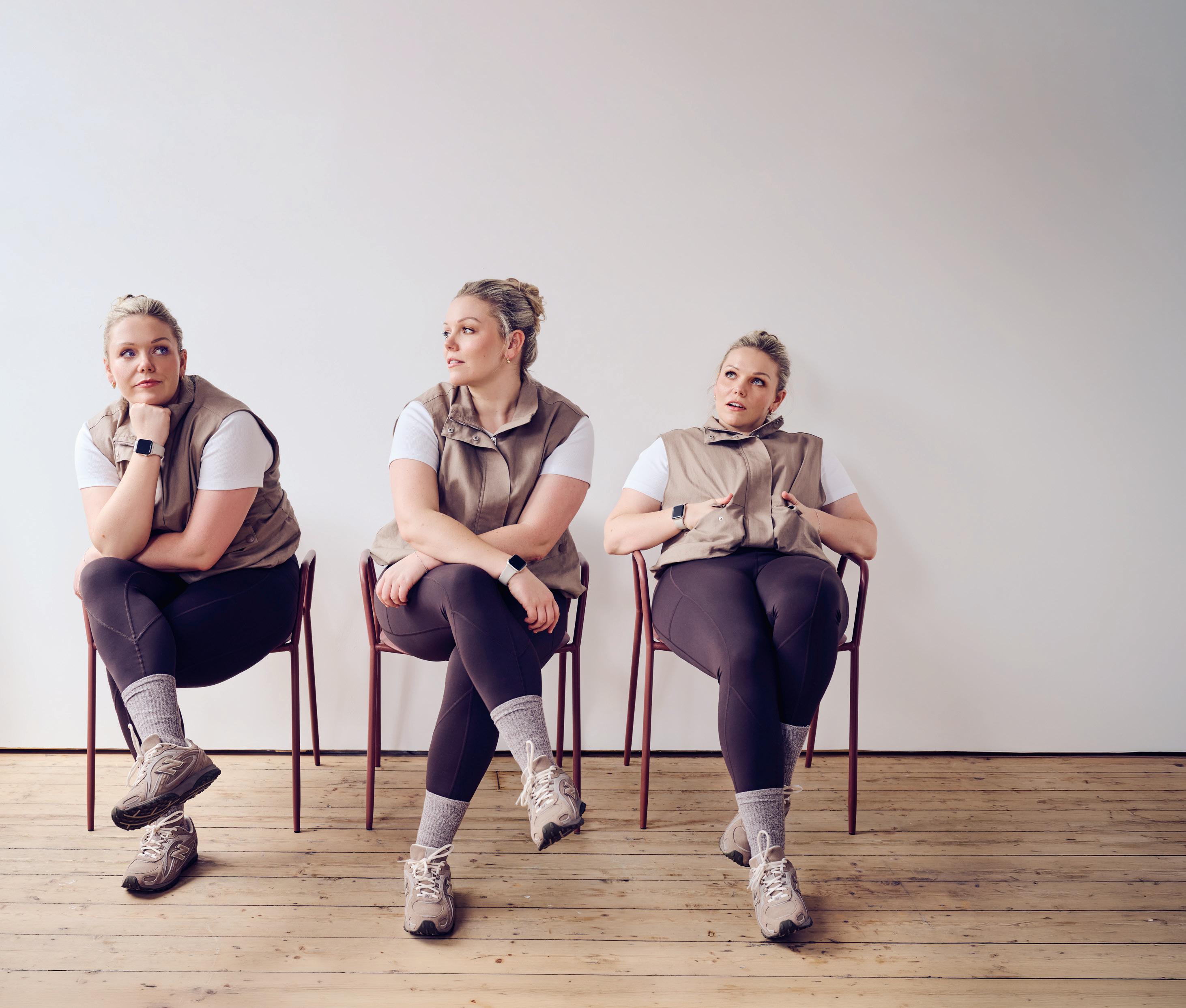
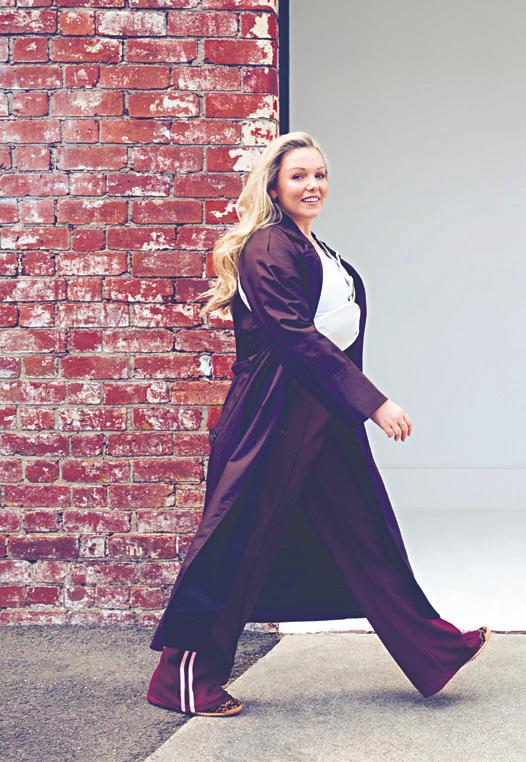
Our core message of Give Women Time resonates deeply with The House of Wellness radio co-host Sarah Maree Cameron.
The comedian, writer and MC has learned to become a fierce advocate for her own health through her challenges with endometriosis, ADHD, dyslexia and cervical cancer - and she’s passionate about improving other women’s experiences in health care settings, too.
“There’s a lot to celebrate in women’s health and the advances that we’re making, but there are very clearly deficits, and the Women’s Health Survey puts a lot of those deficits front and centre,” Sarah Maree says.
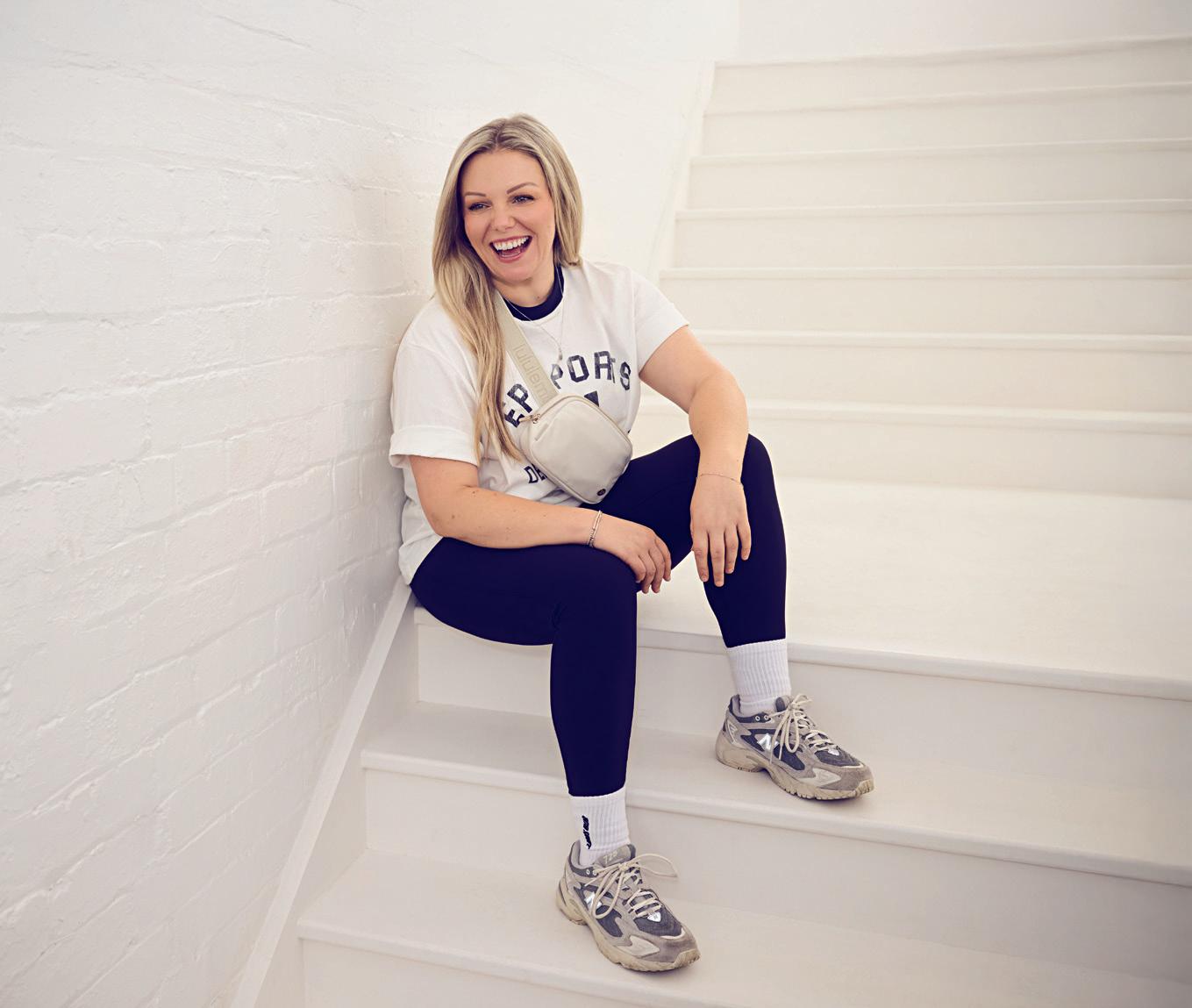

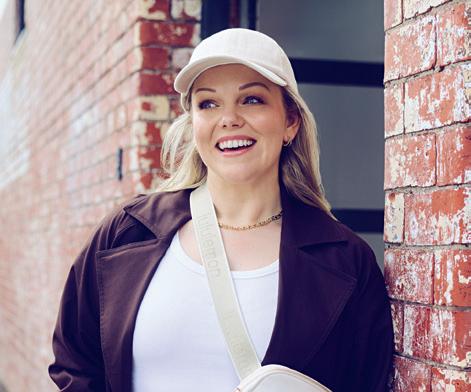
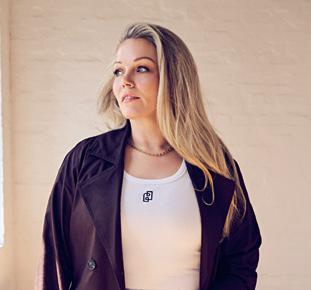
“If you don’t feel like you have properly been able to address everything that is affecting you in that moment, it can be really upsetting.”
Sarah Maree Cameron
THE WOMEN WHO SPOKE UP
BY AGE GROUP
INSIDE WOMEN’S GP VISITS
The top 5 reasons women have been to the GP in the past 12 months:
1 Reproductive and hormonal issues
2 Mental health issues
3 Chronic conditions
4 Temporary musculoskeletal issues
5 Gut & gastrointestinal issues
PER CENT of women said it was easy to get a GP appointment when they needed one 41% of women needed multiple visits to solve their issue, or a GP was unable to solve their issue
“It’s not OK to be told your pain is normal. You shouldn’t need to suffer in silence.”
Dr Elizabeth Deveny, Consumers Health Forum of Australia chief executive
PER CENT of women said more bulk billing would encourage them to visit a GP more often 74 76% OF WOMEN HAD A NEGATIVE EXPERIENCE AT A GP APPOINTMENT
Of those who had negative experiences at a GP appointment:
56% said an appointment felt rushed
46% said they felt ignored at a GP appointment
59% had sought advice from other practitioners (primarily a different GP/clinic)
WHY AREN’T WE GETTING CHECKED?
KEY THEMES
1WHAT WOMEN VALUE IN A GP
Women want to feel genuinely heard. They appreciate a GP who is friendly, empathetic and knows their medical history. Punctuality matters too; long waits at the doctor’s surgery are frustrating. Above all, they value a holistic approach, where the doctor looks at the whole person, not just isolated symptoms. Many describe finding a GP like this as “striking gold”.
“About eight years ago I went to my GP at the time with pain in my breast. I was 46 at the time. He didn't examine me nor send me to have an ultrasound or mammogram. He told me to take evening primrose capsules as it would just be hormonal. I trusted him as he was a doctor. 12 months later I had pain again in the same spot, felt a lump, went to a different GP who sent me to have a mammogram and ultrasound and discovered that I had breast cancer.”
(45-54, metro Vic)
3
COST IS A CONSISTENT BARRIER
Cost keeps coming up as a major challenge. High fees for consultations and treatments make it harder for women to access the care they need, even when they know it’s important. Even for respondents with aboveaverage incomes, the cost of a visit is prohibitive.
4
EXPERIENCES OF MEDICAL MISOGYNY AND INEQUALITY
Many women feel their concerns are dismissed or not taken seriously. This bias delays diagnosis and treatment, leaving women frustrated, overlooked, and often having to fight for their own health.
“At 47 I visited a female doctor asking if I could be in perimenopause. She brushed off my conversation, said I was too young (I'm not) and to get rid of my Implanon insert to find out if I was in perimenopause I left and then sat and cried in my car feeling like I was stupid for even asking”
(45-54, regional Qld)
“My new female GP asked questions and referred me to a specialist. My previous male GP didn't ask questions and he seemed uncomfortable discussing endometriosis symptoms.”
(35-44 single, metro SA)
2WHAT WOMEN WOULD CHANGE
The top request? Longer appointments. Women don’t want to feel rushed and need enough time to cover complex issues. They also want more bulk billing or lowercost options, shorter waiting times, and appointments that fit around their lives, including weekends or after hours.
“Most times, the male GP listens more to my husband and treats his issues whilst mine seem to be “brushed off” or not correctly assessedresults not properly read for me (but are for husband). Follow up not always offered for me”
(65+, married, retired, metro South Australia)
5
MAIN HEALTH CONCERNS
The most talkedabout issues were perimenopause, menopause, and endometriosis. These are areas where women feel their needs are frequently ignored, undersupported, or misunderstood.
SO NOW WHAT?
What this survey makes clear is that women aren’t disengaged from their health. They’re trying.
They’re booking appointments for hormonal changes, mental health concerns, chronic pain and the everyday things that don’t always have simple answers.
They know health checks matter. They want to stay on top of things. But too often they’re navigating long waits, short appointments, repeat visits and rising costs just to feel properly heard.
The issue isn’t that women need to care more. It’s that they need to be supported better. Clearer pathways for perimenopause and menopause care.
More visible information about preventative checks. Appointments that allow enough time for real conversations.
When women feel listened to and taken seriously, it changes more than just one health outcome. It builds confidence, trust and stability across families and communities. That’s not a small thing. That’s the foundation of better health for everyone.
GIVE HER TIME