HOT CHOCOLATE LOOKS HOW TO SCENT STACK UNLOCK YOUR JOYSPAN


HOT CHOCOLATE LOOKS HOW TO SCENT STACK UNLOCK YOUR JOYSPAN
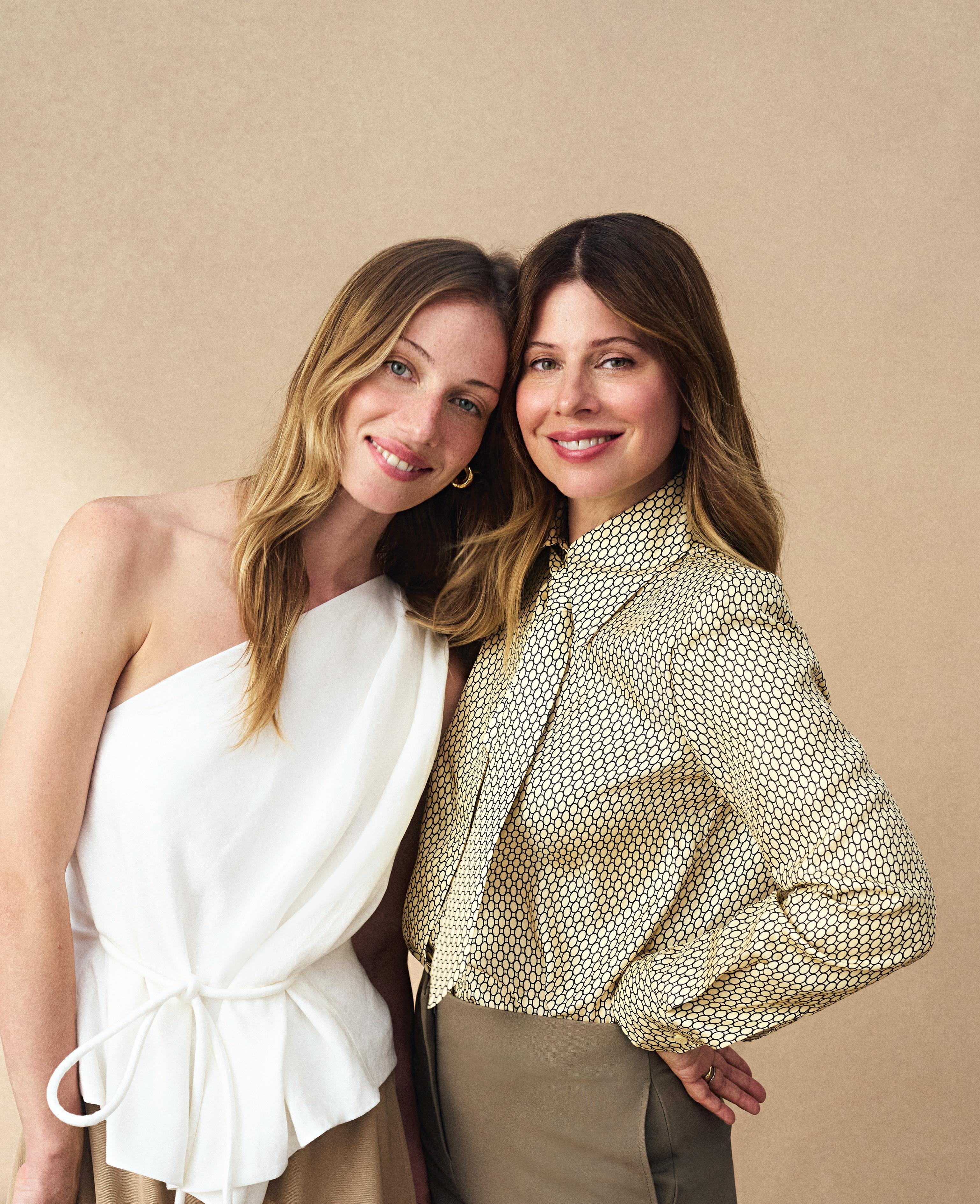
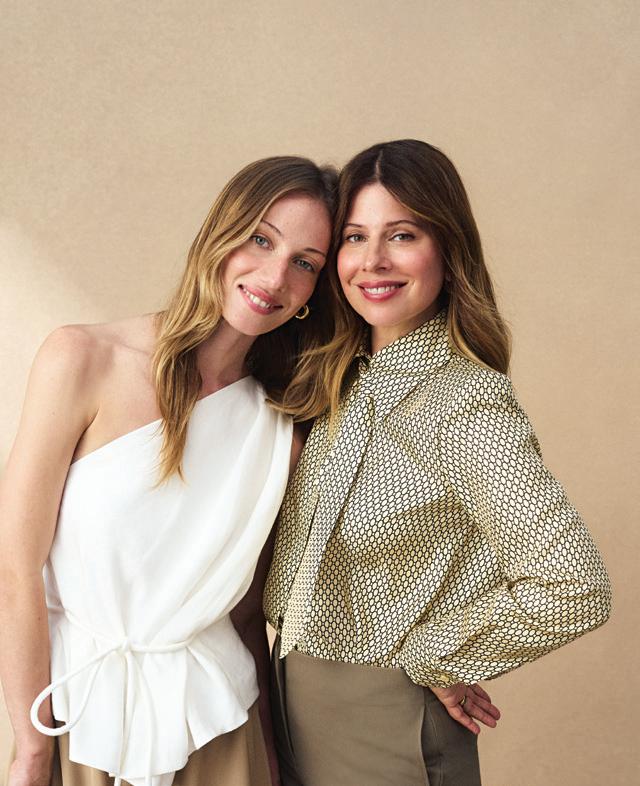
Mother-daughter duo Carla Oates and Jeet Pavlovic reveal the ties that bind them







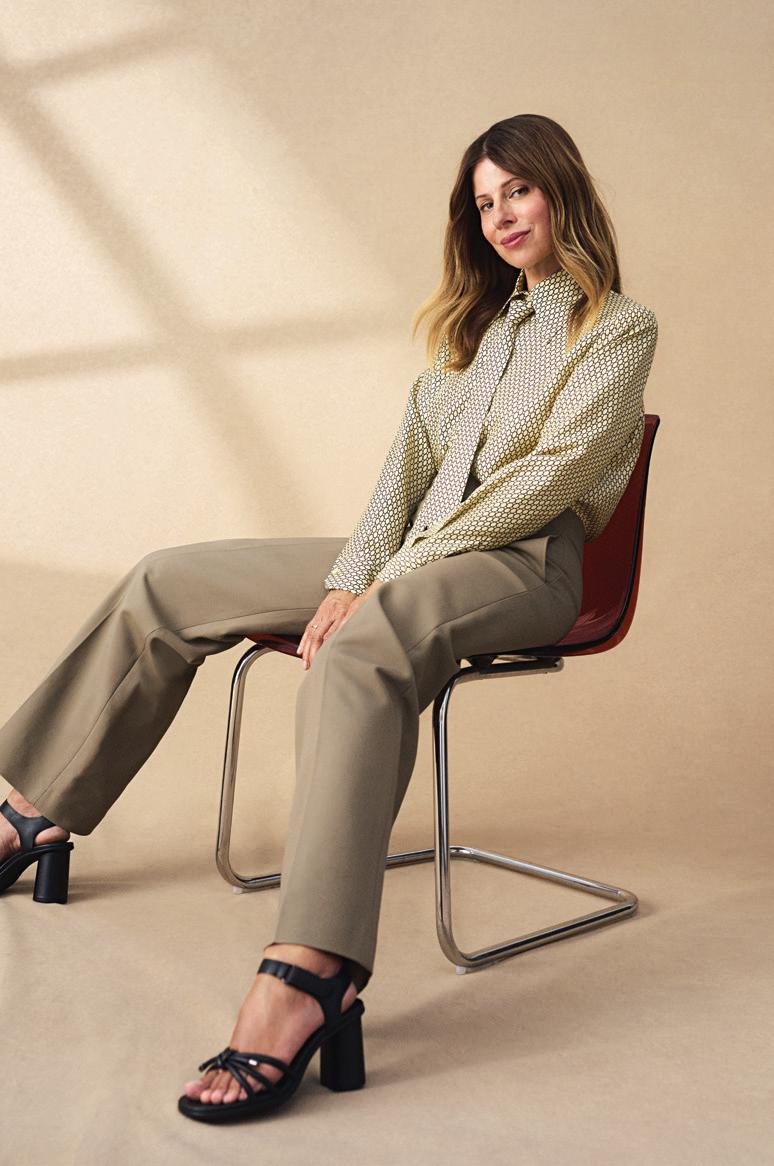
There is no doubting that family is the most important thing to Carla Oates.
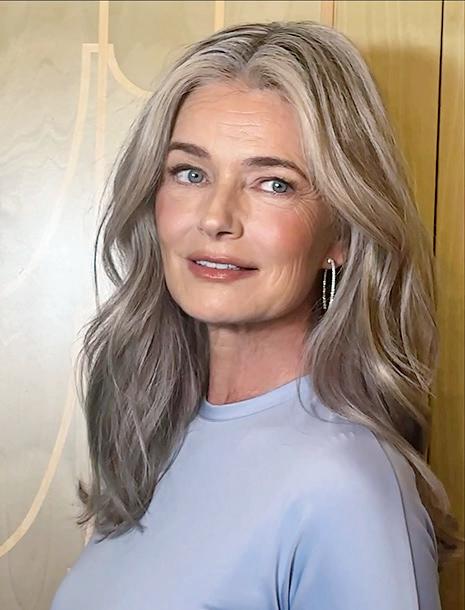
The Beauty Chef founder was positively glowing at our recent cover shoot with her daughter, model Jeet Pavlovic.
With Jeet based in the US, and her son Otis (of rock duo Royel Otis fame) constantly touring, the empty nester jumped at the chance to work with one of her adult children.
“Working with family feels special because there’s a natural trust and understanding,” Carla says. “It makes everything more relaxed, meaningful and fun.”
Actor Shane Jacobson reveals he is busier than ever with a new TV game show, a country pub (purchased on a whim) and a podcast talking to truckers and warehouse workers about mental health.
We chat to singer-songwriter Christine Anu about the importance of screening for lung cancer, explore pressing pause on our careers for a microretirement, and discover why it’s time to forget counting years and measure fulfilment instead.
Rich, brown hues are continuing to have a moment and we are all for it. We share how to update your make-up colour palette with a dash of hot chocolate and look at the art of scent stacking.
Plus, all our regular health and lifestyle features, too.
Stay well and enjoy!
From the team at The House of Wellness

8
We are loving Top picks for modern living BEAUTY
11
Rich in detail
Fresh fringes and mocha trends
14
Get the look DIY guide to chocolate glam
19
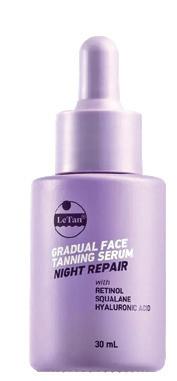
Gradual glow
Dialling down the fake tan e ect
20
Beauty forecast
Looks you need to know about
23
Touch of frost
Steps to perfect icy blonde hair
24
Seasonal flex
61 Pressure point Time for change in women’s health care 65 Be prepared Ways to keep ahead of the flu 68 Brain styles
Empowering your neurodivergent child

each
Layering up for comfort dressing 27
More than meds What pharmacies have to o er
Mix and mingle
Customise your signature scent
pause
Micro-retirements for the young
The write stu Letters make a comeback
Golden age
Creating a more joyful life 48 Harsh habits
Curbing your judgy side 52
Mastectomy reality 10 things Dilvin Yasa wants you to know 55 Sweet talk
Words that strengthen love 56 My life
Shane Jacobson’s drive to make a di erence
Under attack When your immune system goes rogue
Dr Sally Cockburn Why we need to talk about cancer
Grey divorce Behind the trend of later-life splits
Mastering mindset A triathlon champ shares resilience tips
Travel buddies Tales from age-gap getaways
Flour power Emelia Jackson’s foolproof cakes
Decor Choice picks
Books Page-turners for your next read
What’s on Events, podcasts, apps and quiz
word Christine Anu on music as her lifeline

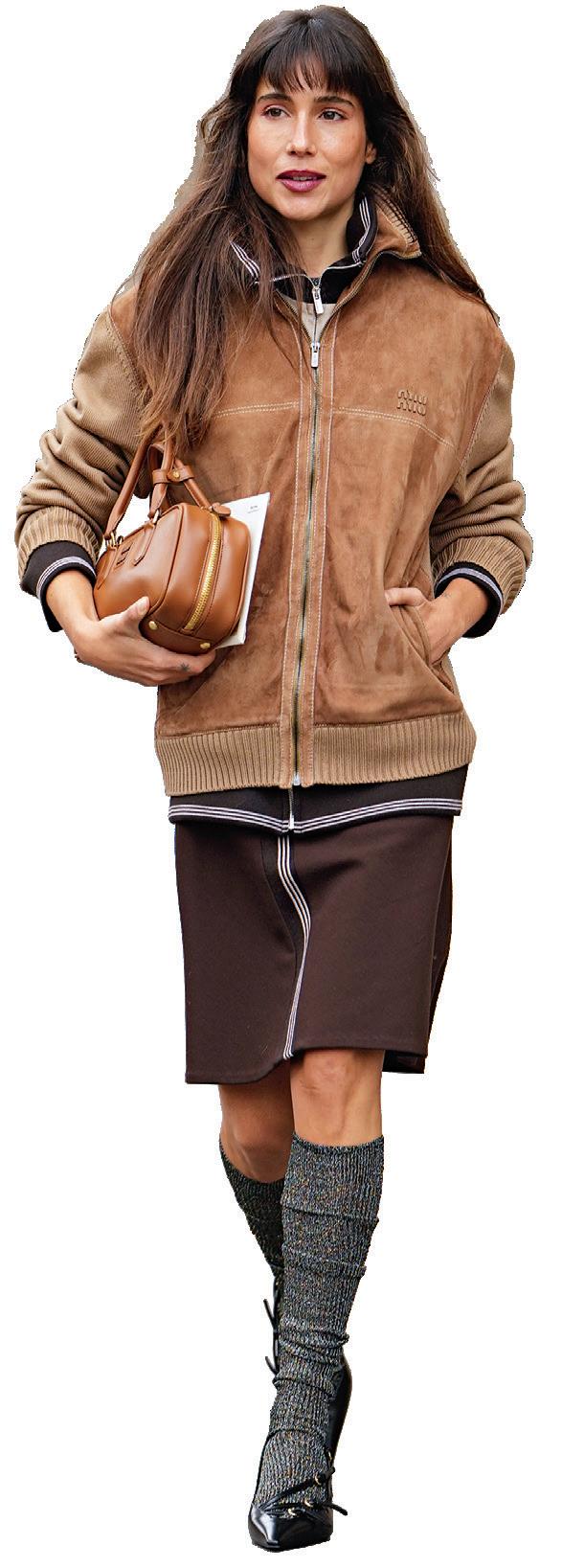
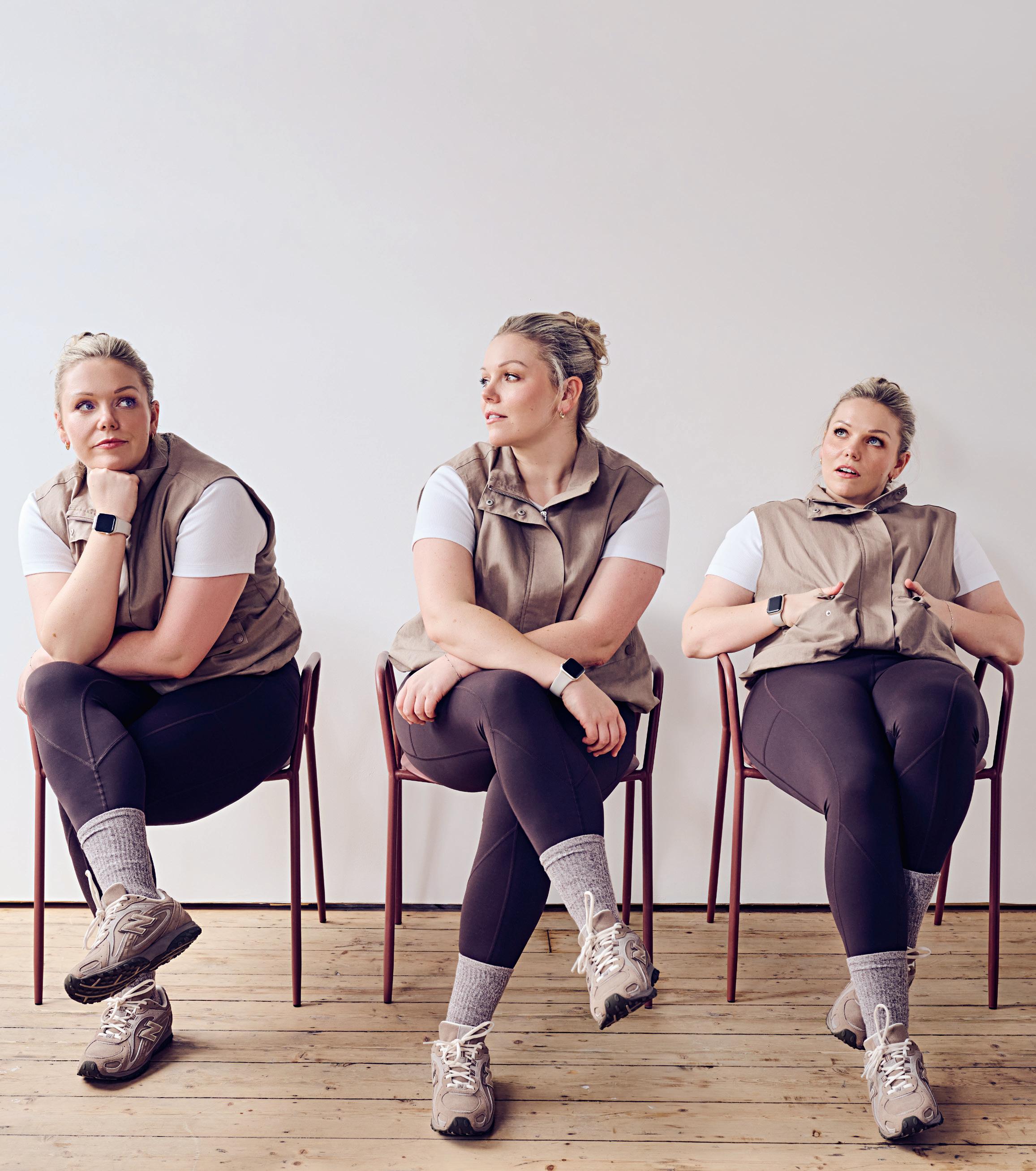
Comfort meets polish in warm neutrals and e ortless staples designed for everyday movement and modern life

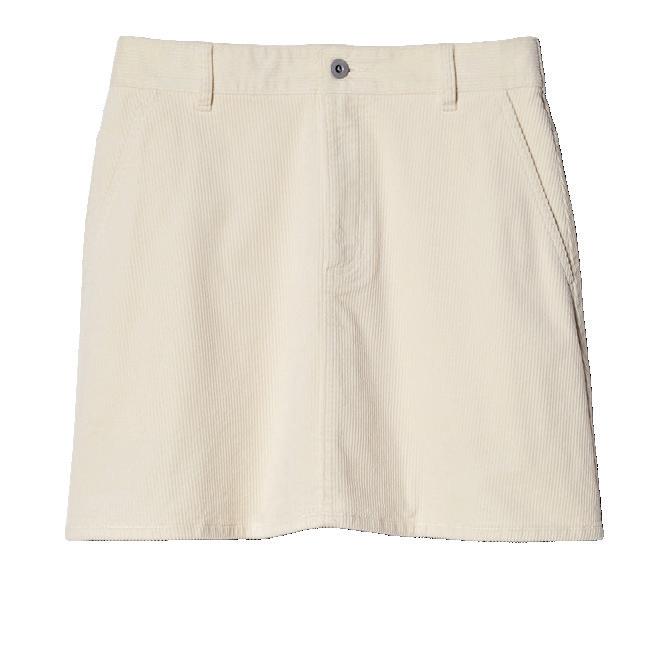

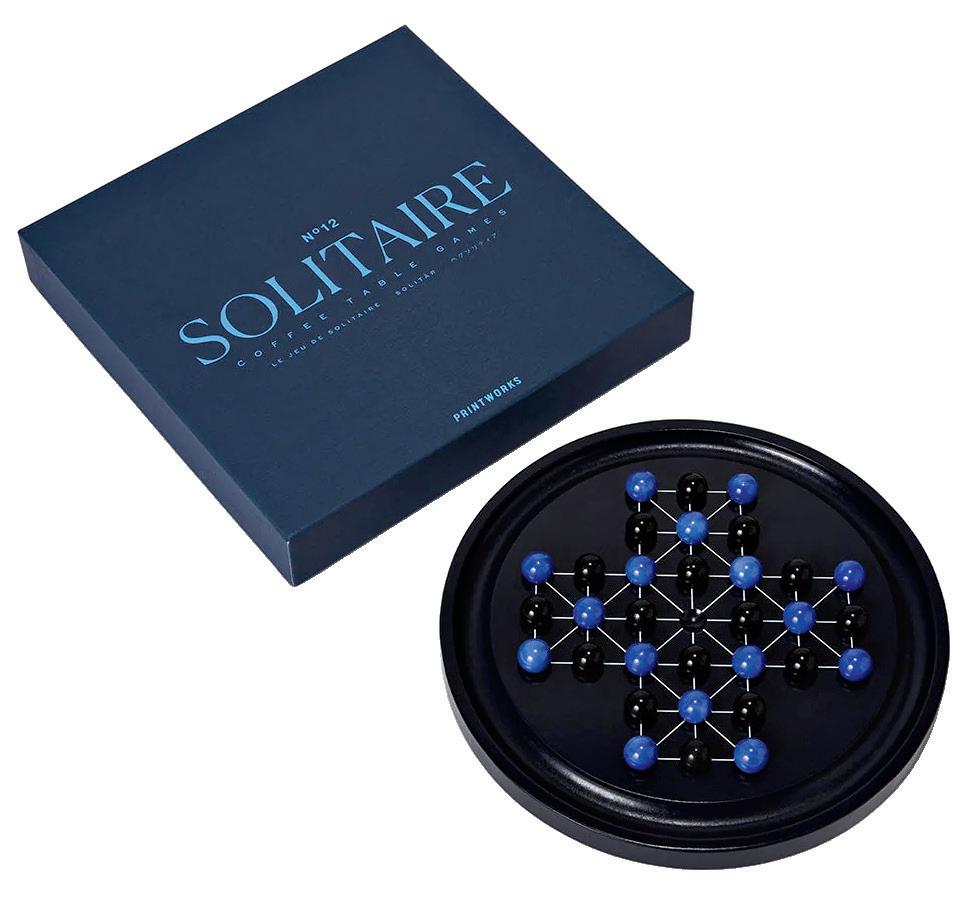
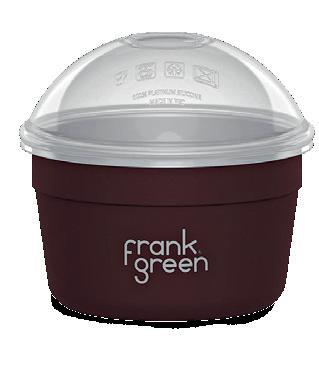
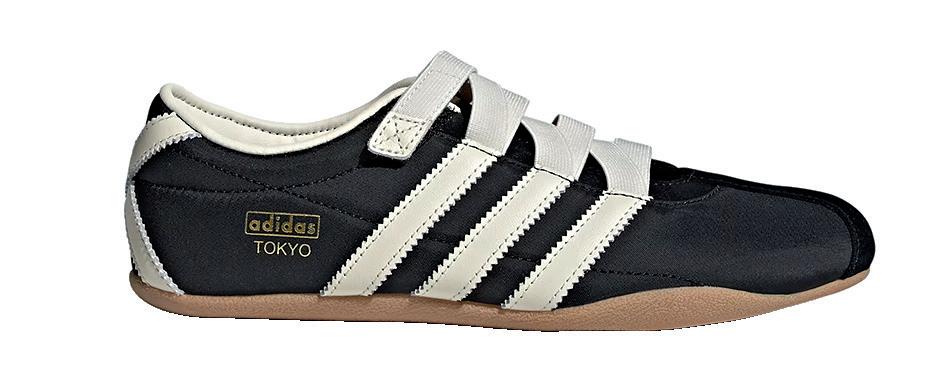
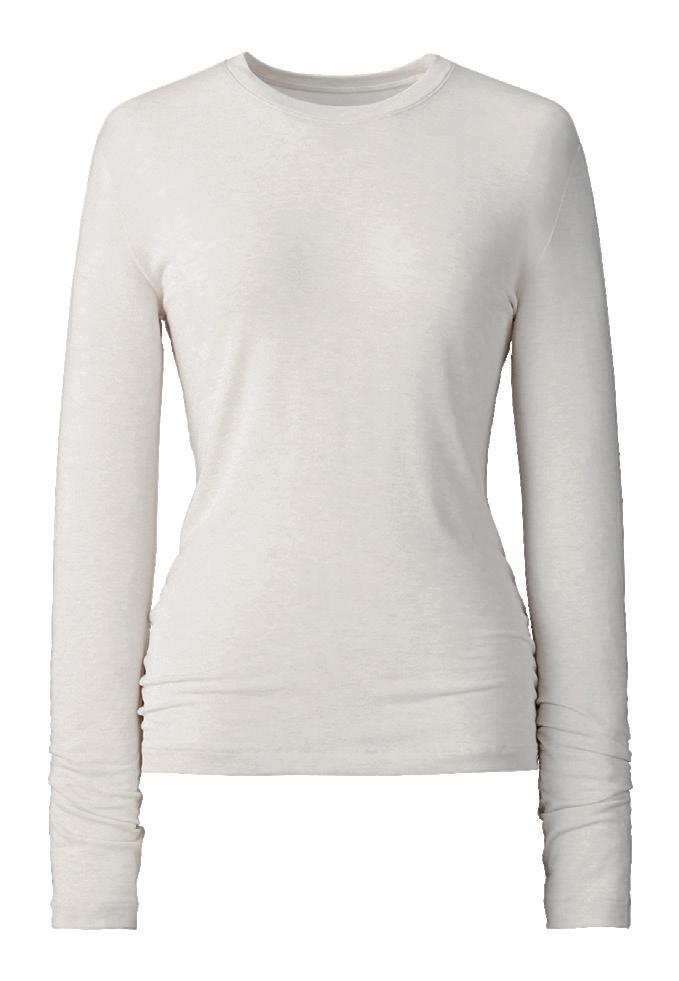


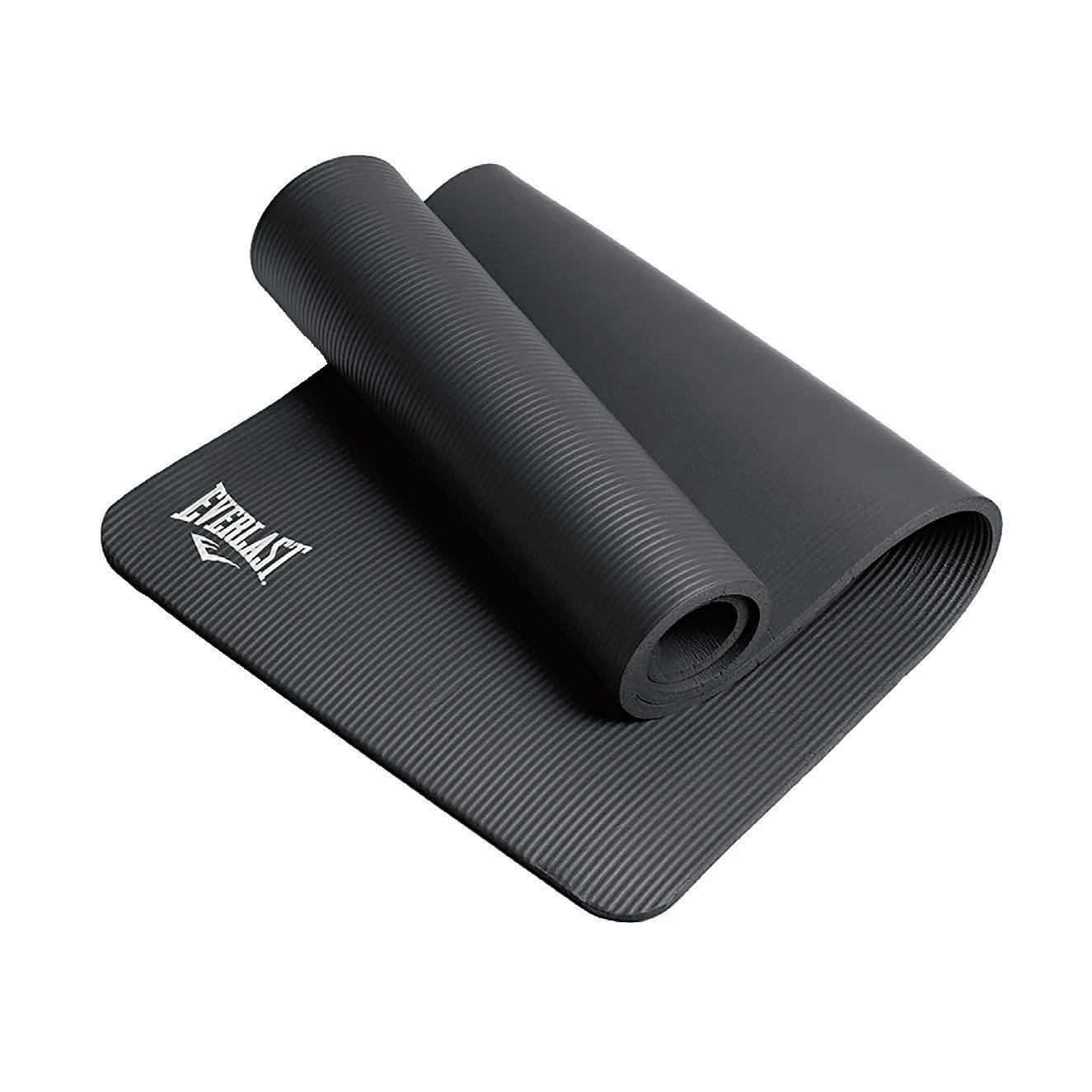
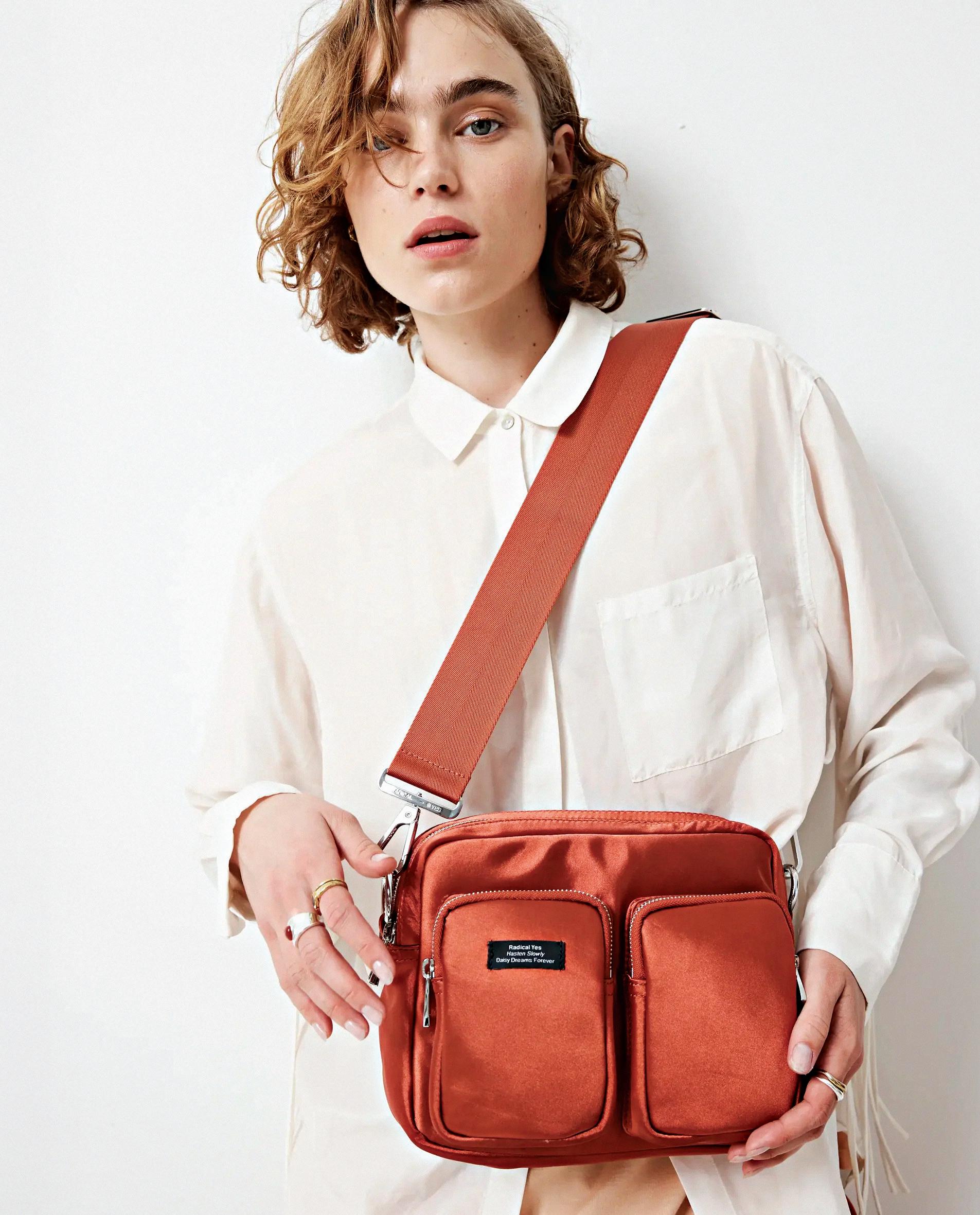
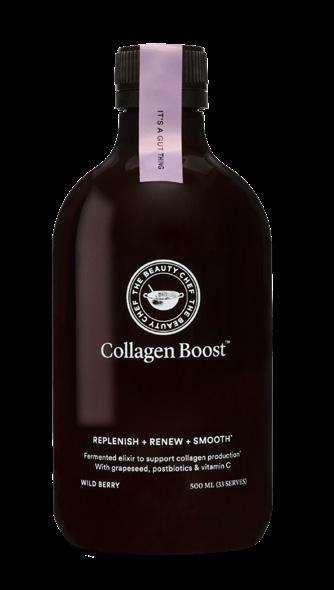
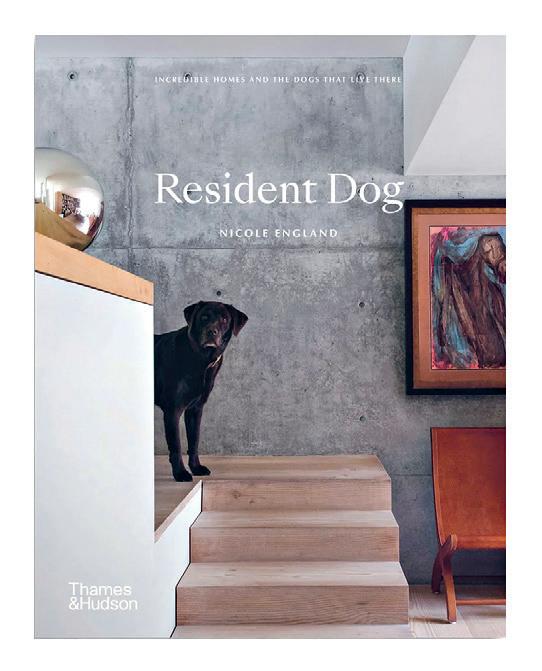
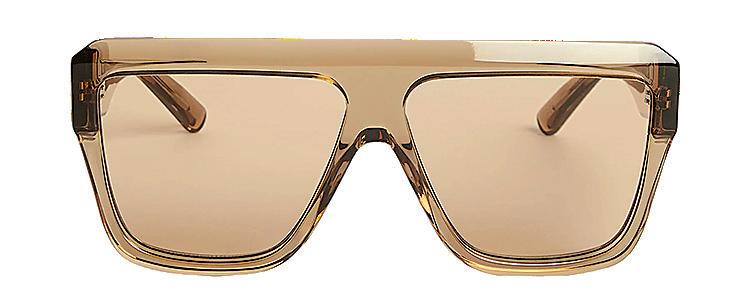
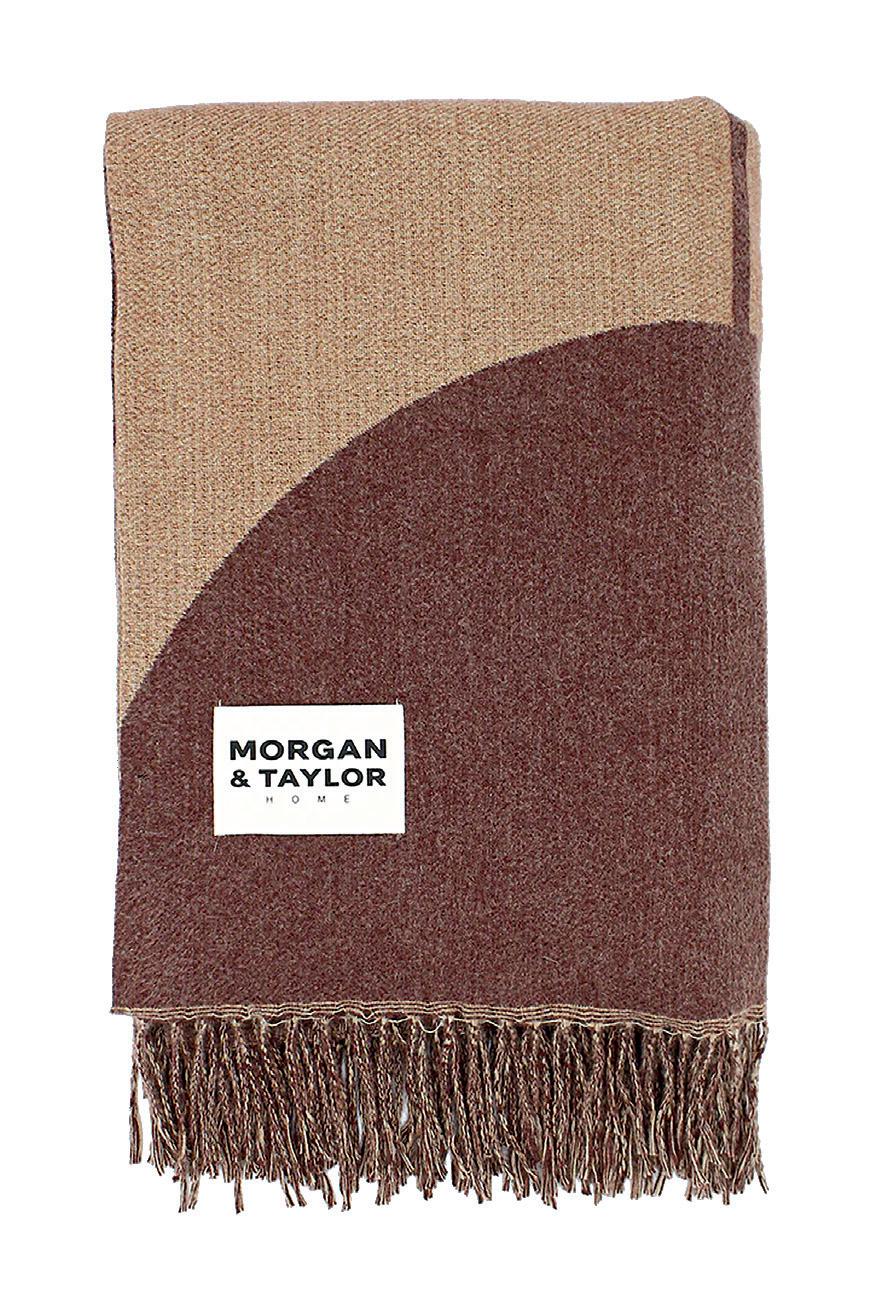
CLOCKWISE FROM TOP RIGHT W7 Lip Twister Lip Liner, $4.99; TGIF quartz analogue watch, $269, titanwatches.au; Stitch A5 blank notebook, $9.99, kikki-k.com; Pinch Provisions Work from Anywhere Kit, $67.73, revolveclothing.com.au; Bassike x Local Supply 06 Sunglasses, $280, bassike.com; Sonder throw blanket, $99.95, morganandtaylor.com.au; The Beauty Chef Collagen Boost Elixir, $36.75; Large carry-on luggage, $319, antler.com.au; Exercise mat, $54.99, everlastboxing.com.au; Tokyo MJ Shoes, $160, adidas.com.au; Noir aroma diffuser, $35, kmart.com.au; To Go bowl, $19.95, frankgreen.com.au; Classic Games Solitaire, $110, shop.until.au; Resident Dog book by Nicole England, $49.99, thamesandhudson.com.au; Blue pendant light, $21, lightingstyle.com.au; Bali Body Antioxidant Body Whip, $28.99; Companion Huggie hoop earrings, $39, obus.com.au; Corduroy mini skirt, $59.90, and C Heattech extra-warm cashmere-blend long-sleeve T-shirt, $39.90, uniqlo.com














































































































































Explore








































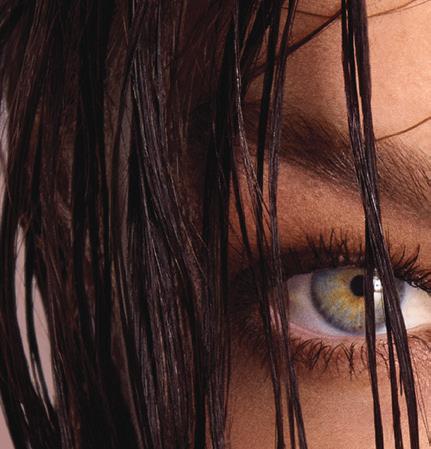





























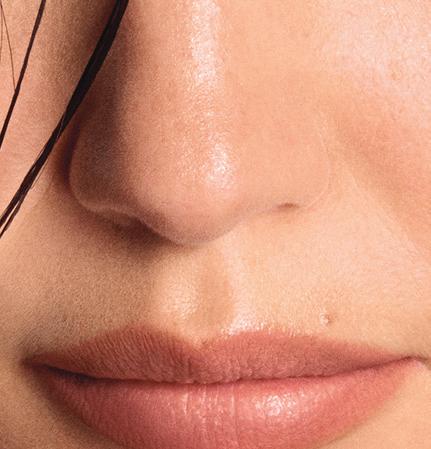
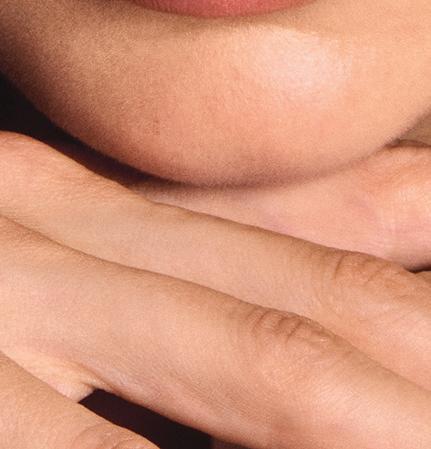
















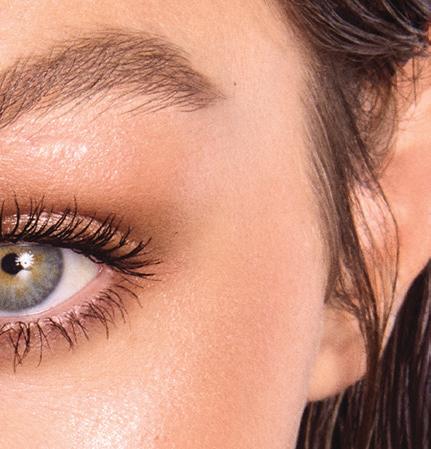
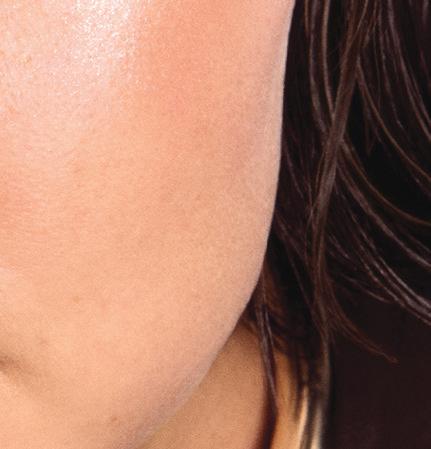



















































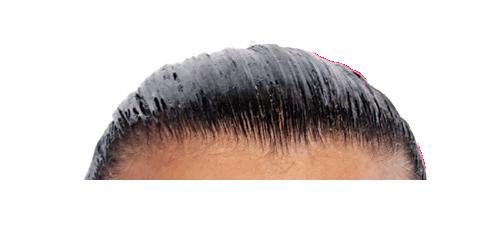
After years of bare foreheads, the fringe renaissance is upon us. From sweeping, longer layers to micro bangs, there’s a variety of fringe finishes to refresh your look, including low-maintenance styles for the ultimate bang for your buck.
Rich, brown hues have become the staple colour of the season, extending beyond fashion trends into hair, make-up and even homewares
It doesn’t take an observant eye to notice that brown has experienced a major rebrand of late, fast becoming the go-to neutral for wardrobe pieces, manis, statement lips and everything in between. The trending hue is also experiencing rising demand in salons, with buzzy terms such as expensive brunette, molten brown and rich espresso among the most requested hair shades.
While dimensional brunette can be as expensive to maintain as bleached blonde, the cost of living has become a catalyst for Australians to embrace deeper, brunette hues closer to their natural roots. But cost pressures and a growing desire for lowmaintenance hair aren’t the only factors amping up demand for chocolate hues. “I don’t think the rise of rich brunette shades is purely about low-maintenance or cost,” Studio Hair by Aleks owner Aleks Stefanovic says. “From my perspective, it reflects how far our techniques have evolved. We now understand tone, placement and balance well enough to create dimensional brunettes that enhance skin tone and natural depth without overprocessing.”
According to the Melbourne salon owner, the right technique can allow colour to grow out seamlessly while looking beautiful between appointments. “That longevity is what clients are responding to: polished, intentional colour that supports hair health and fits modern lifestyles,” Aleks says.
With brown shades trending across all facets of fashion and beauty, it makes sense to lean into a cohesive tone-on-tone look. Colour blocking was everywhere at Michael Kors SS26, and you can mimic the style by layering a chocolate brown suit with a matching bralet or crop top, plus clutch and heels. To complete the look, add some chocolate nails and a statement brown lip. The colour channels the defining ’90s lip, but if you prefer a more modern finish, Sydney make-up artist Shreya Pathak recommends incorporating warm brown tones.
“Most ’90s lips are a lot cooler, so I suggest lining your lips with a warm brown pencil for a modern finish,” Shreya says.
Flushed cheeks have been a firm fixture in beauty for years now, so it was only a matter of time before the classic make-up look started losing steam.
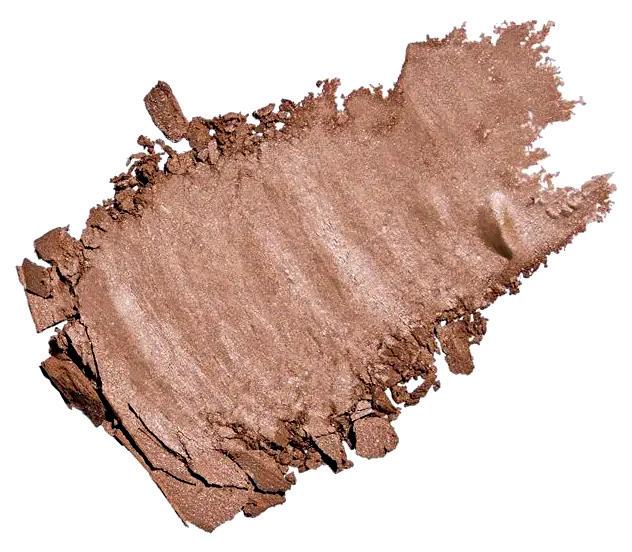
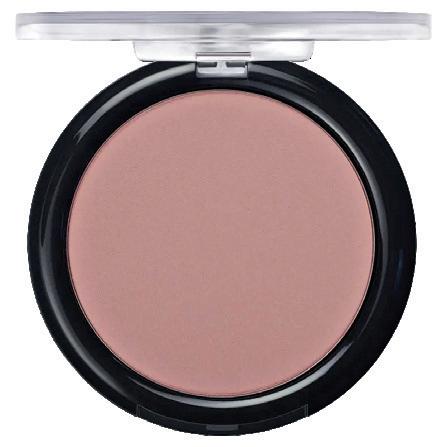
For chocolate-inspired beauty, the focus is on shades within the brown colour family, which explains why beige blush, contouring products and bronzer — otherwise known as “blonzer” — are making a comeback.
“There’s definitely been a shift,” Shreya says.
“Pink blush tones aren’t as popular anymore and there’s growing demand from clients for bronzer and subtle beige blush tones.”
The brown pencil theory
Multitasking make-up is trending on TikTok, with the “brown pencil theory” all about creating a complete make-up look with — you guessed it — a brown pencil. For blendability, take a creamy lip pencil and use it to contour your face, define eyes and lips and even act as a subtle “blonzer” on the cheeks.


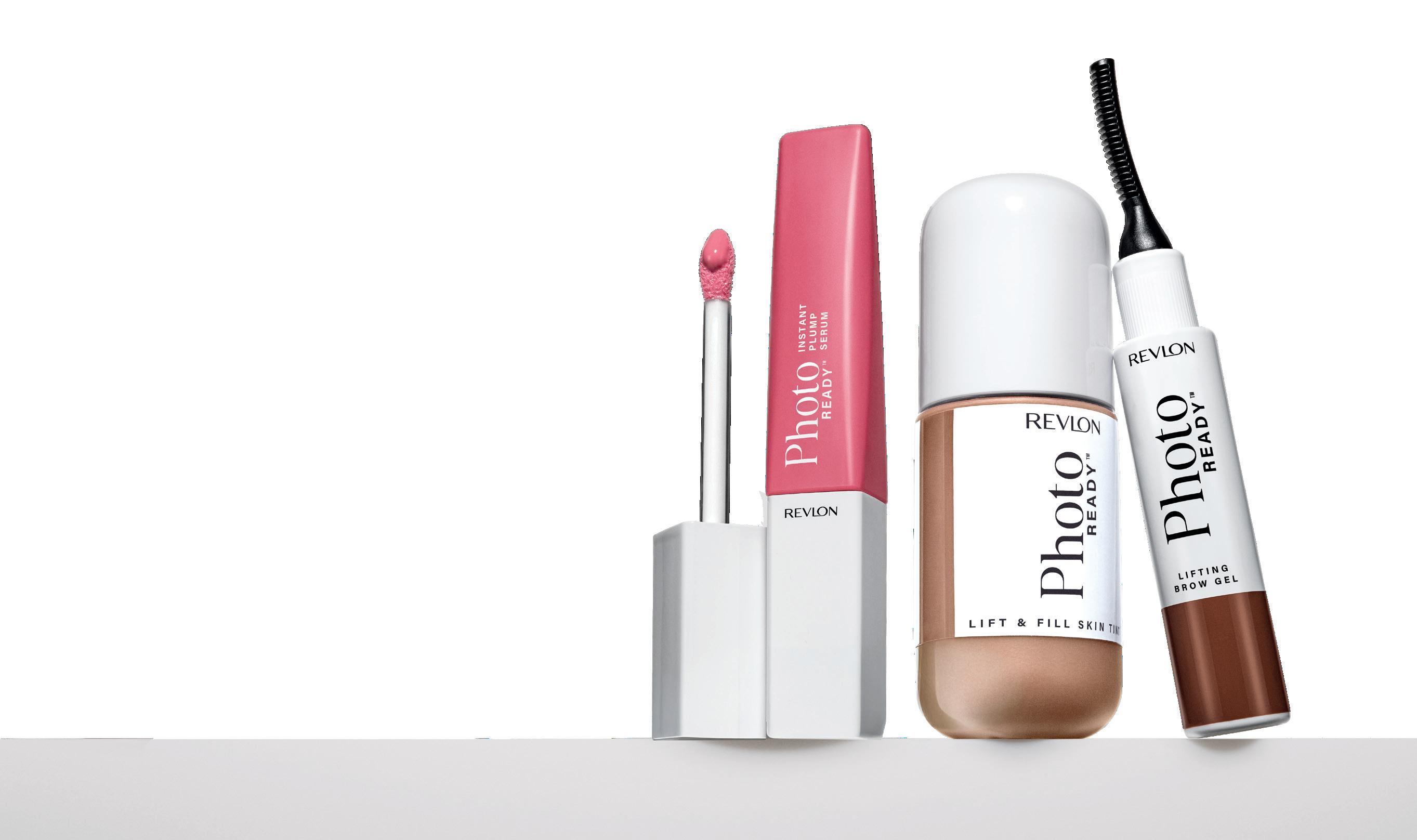
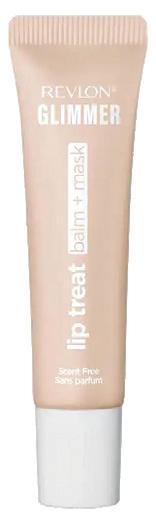
WE LIKE Revlon Illuminance

For the quintessential fall girl aesthetic, be inspired by Anne Hathaway in the original The Devil Wears Prada movie, with her dark, glossy locks and statement fringe. With the sequel of the cult classic out this May, consider this your cue to embrace a high-shine brunette look — Miranda Priestlyapproved, of course!
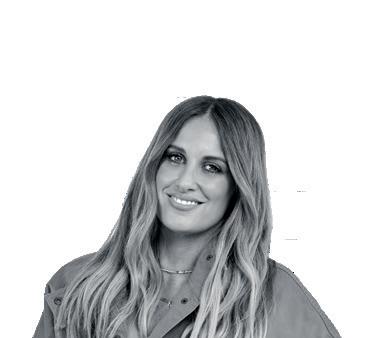
Jade Kisnorbo on
Warm, brown make-up is a must-have in my kit. Not only is it a softer, welcome alternative to black, it’s also universally flattering
Nail it
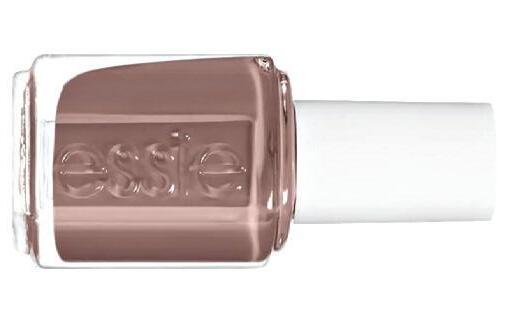
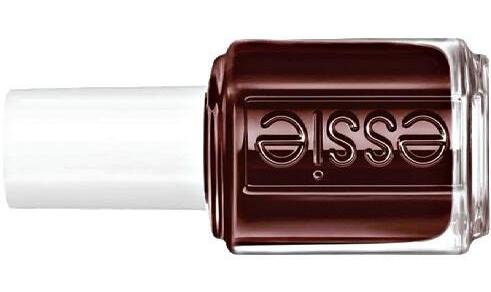
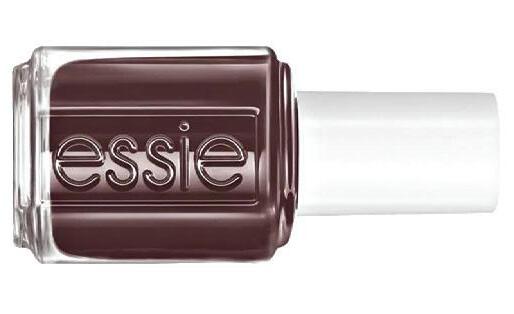
I always treat autumn as an opportunity to lean into deeper nail colours, and lately for me that’s involved a kaleidoscope of browns. If you want something more impactful than a nude, but not too dark, brown is the vibe.
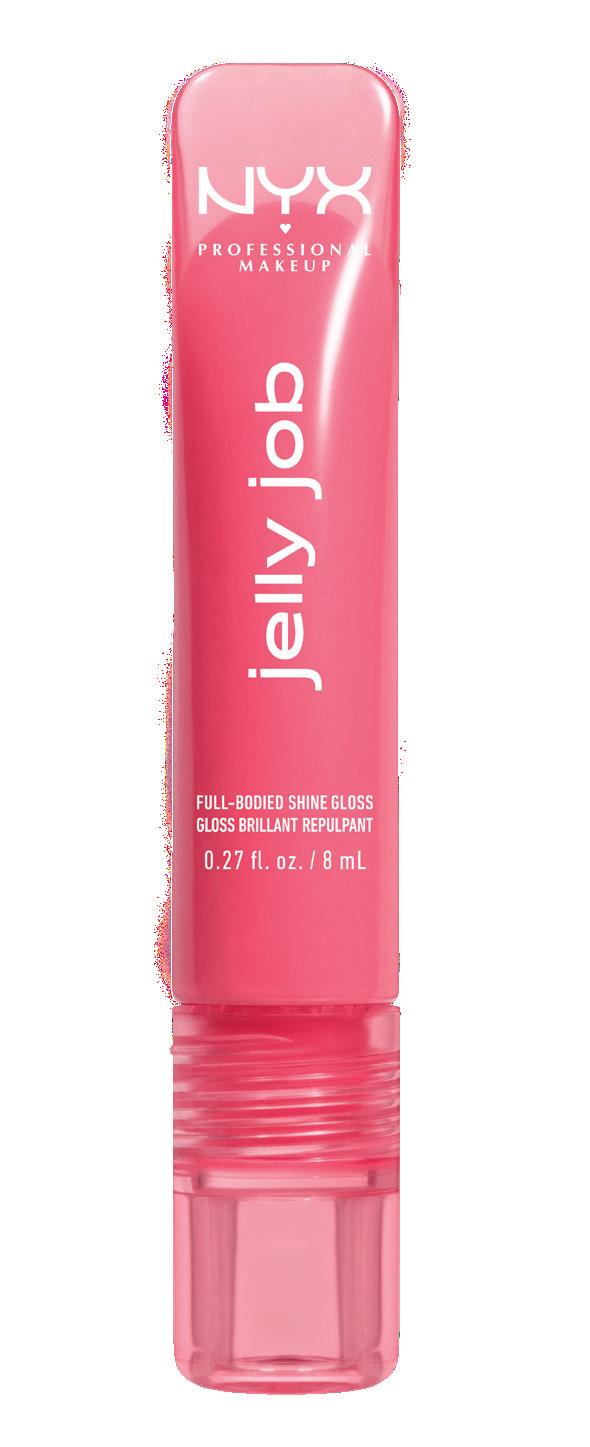
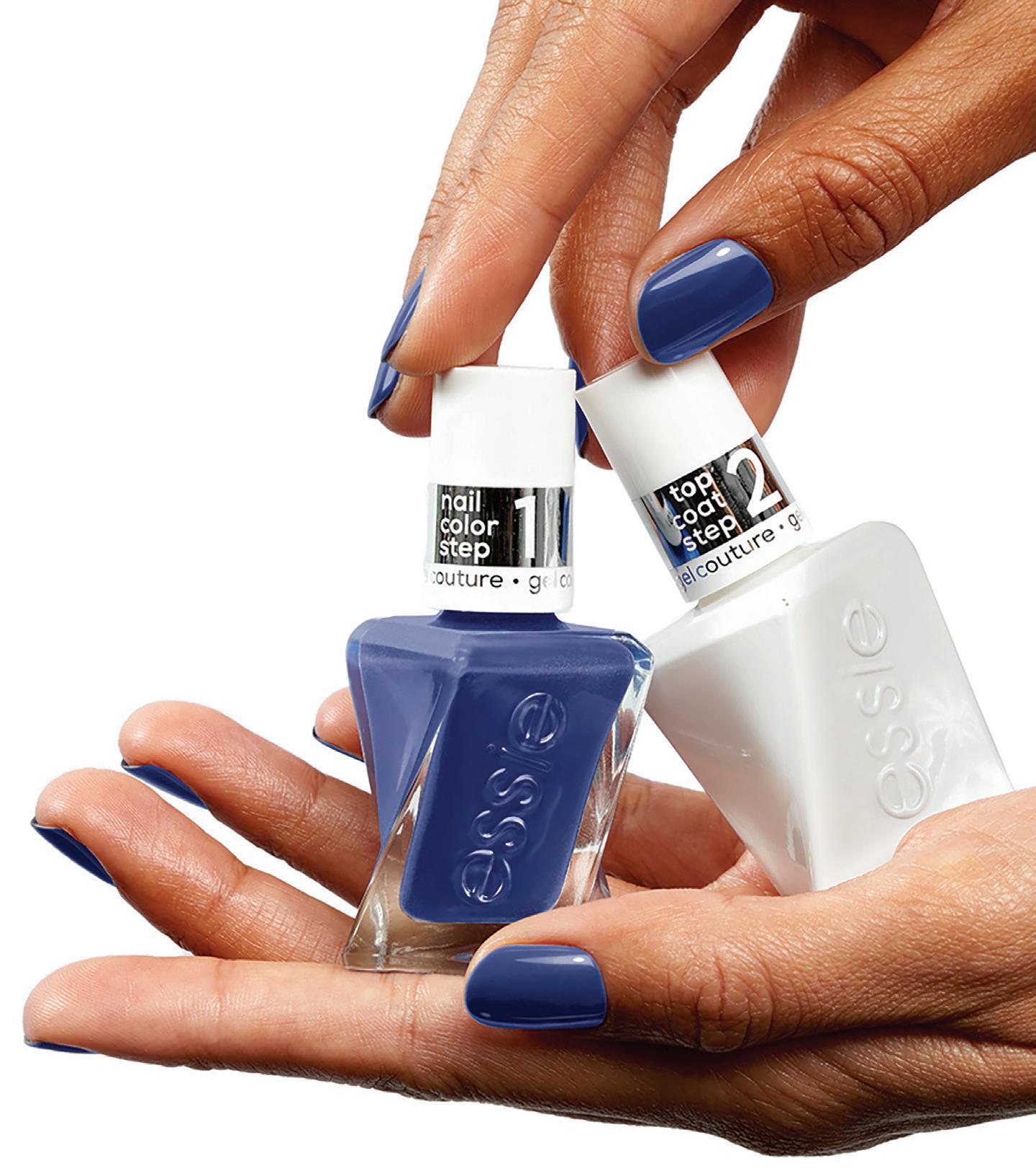
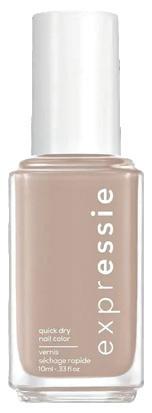
WE LIKE Essie Nail Polish in Clothing Optional, Odd Squad and No To-Do, $14.99 each
Since we’re building a look centred on statement make-up, start with a seamless base that you can build from. Personally, I think a satin or semimatte foundation finish is best for this look because a glowier base can leave reflections on the skin that draw attention away from the pops of brown. love keeping base products sheer and skin-like, but if you have redness in your skin, I recommend using a green colour corrector under your base to neutralise any unwanted redness. A fuller coverage foundation can also help. To set, take a small, fluffy detail brush and buff some translucent setting powder into the skin, but only where needed.
Nailing the eyes is key for this look. Enhance the eyes bit by bit to avoid overzealous application. also recommend considering the individual traits of your eyes and how you want to enhance them, since every eye shape is unique. For our model, Meg, wanted to enhance her doe eyes and make them pop, which is why I used a bronze eye pencil along her upper and lower waterlines, before smudging it out and creating a feline flick using a brown liquid liner to elongate her eyes. Next, coated the lashes with two layers of brown mascara. For further intensity, you can add some individual lashes, but this comes down to personal preference.
To complete the look, you will want to reintroduce colour and dimension into the face. Keeping with the theme of avoiding red tones, I would recommend skipping blush. However, contouring and bronzing are great ways to bring life back into the face. Use a light hand during application, ensuring you’re adequately buffing or pressing the product in for a seamless, natural-looking finish. For the lips, take a medium or deep-brown lip pencil and line the outer perimeters of your lips before filling them in entirely using the pencil. I find this technique is great for a long-wearing finish. For a modern touch, go over the lips with a clear gloss to complete the look.






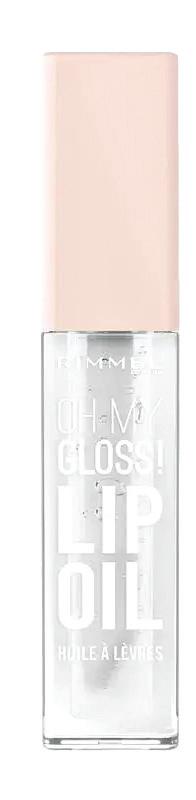
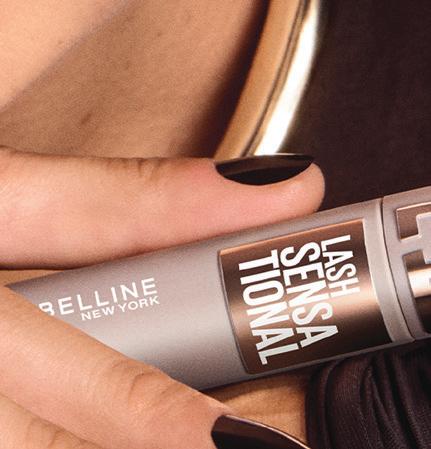
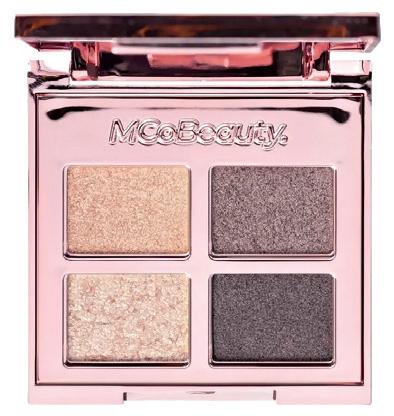
WE LIKE NYX Ultimate Shadow Palette in Warm Neutrals, $35.99; Maybelline Lash

Lash extensions are on the way out, but individual falsies are a great temporary alternative. Not only do they give a natural yet full finish to the eyes, they’re far less damaging to your existing lashes.
WE LIKE Glam By Manicare Remi Individual Lashes, $13.99






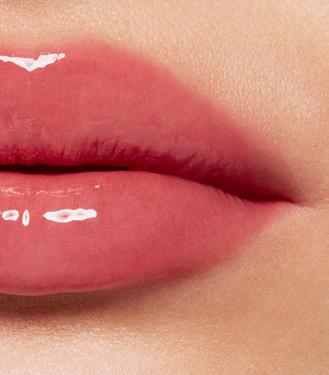





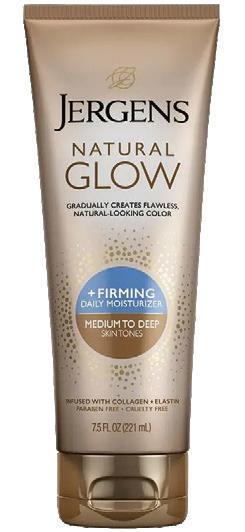
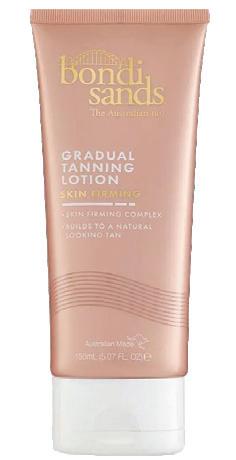
Unless you hop between hemispheres, a year-round tan isn’t convincing anyone. But that doesn’t mean you need to give up the sunless tan altogether
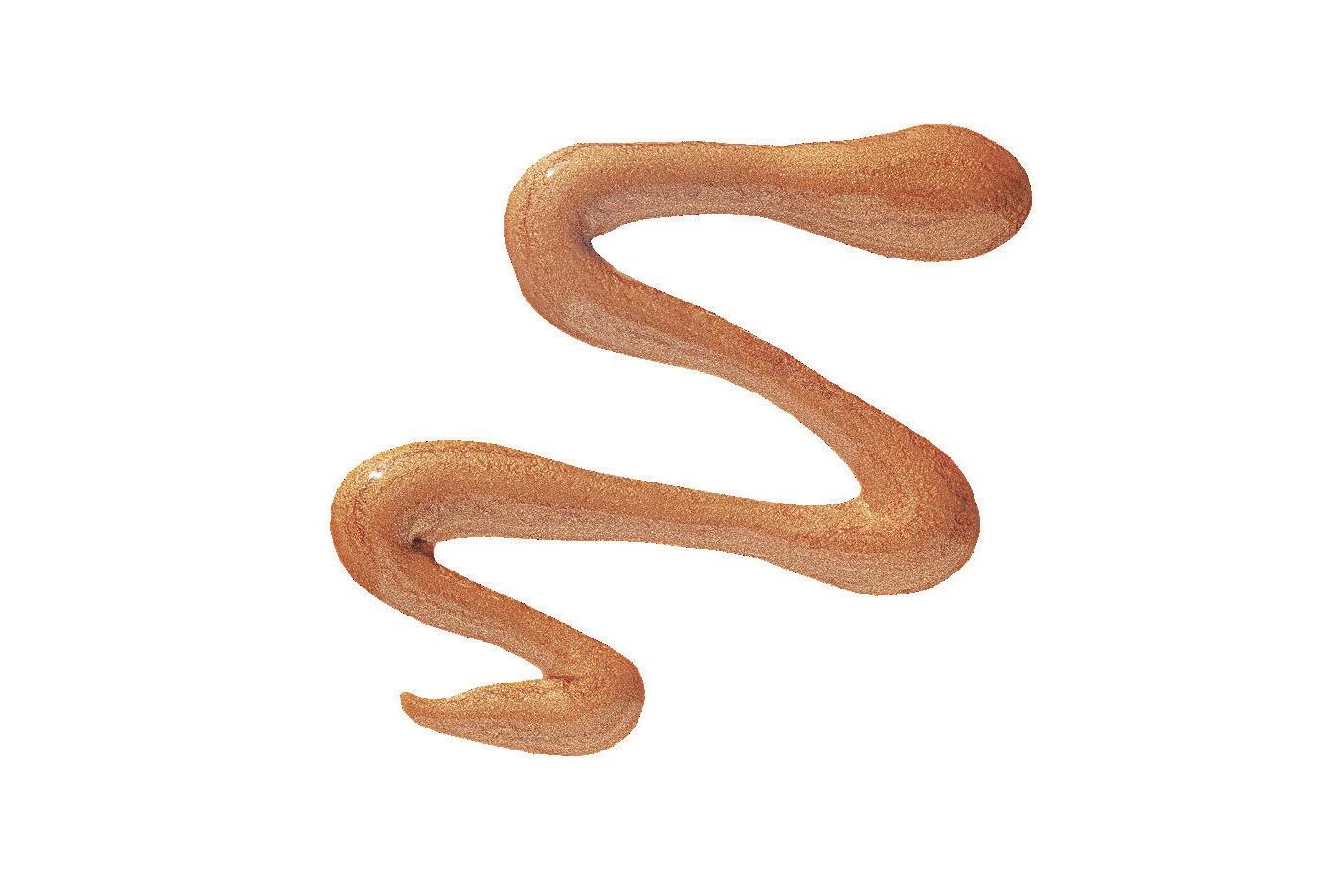
Long ago, fake tan aficionados cracked the code for maintaining a permanent glow, but lately people are shifting away from the super bronzed, artificial look and are instead turning to a more realistic glow, especially as the cooler weather sets in.
A complete tan detox isn’t necessary, especially if you dread the dull, lifeless effect a lack of sunlight can have on the complexion.
But with autumn in full swing, it’s the perfect time to tone down your tan routine and embrace a natural-looking, seasonally appropriate shade instead.
Gradual tans have come a long way in terms of formula advancements,



so now is a great time to get reacquainted.
From gradual tanning milks and mousses to skinnourishing ingredients, the buildable formulations are nothing like their orange, streaky heyday.
One benefit of gradual tans is they’re sheer enough for fake tan rookies, but also incredibly buildable for those who want a more pronounced colour.
That being said, some formulations are sheerer than others and can settle unevenly on dry parts of the skin.
To prevent streaks and overdeveloped patches, follow the fake tan rule: Moisturise your hands and dry spots before applying.




BEAUTY EDITOR Charlotte Brundrett forecasts
Forget about experimenting with colour this season. Instead, it’s all about reflective finishes that catch the eye

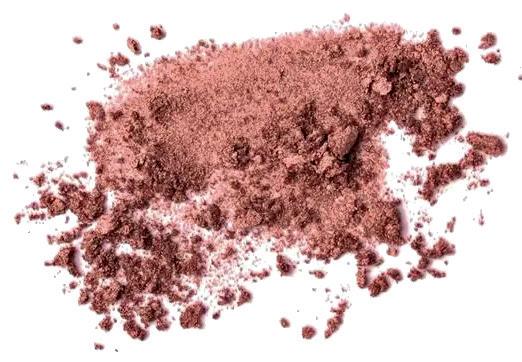
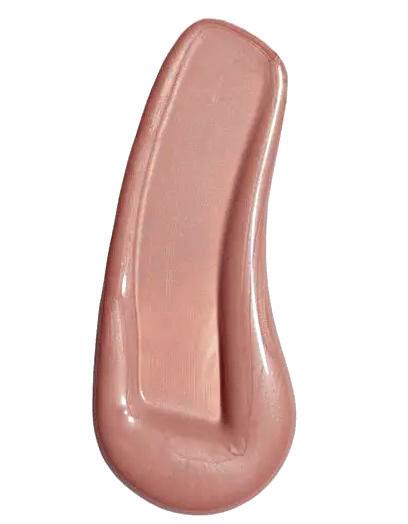
Beige blush
Maximalist make-up is everywhere at the moment, so it’s ironic that blush is leaning to a more subtle look. No longer the unsung hero, beige blush is gaining popularity for its ability to add soft colour to the face without being overpowering. Beige tones, in general, are on the rise as a way to offset the louder aspects of bold make-up.
WE
Nail

Essie
+

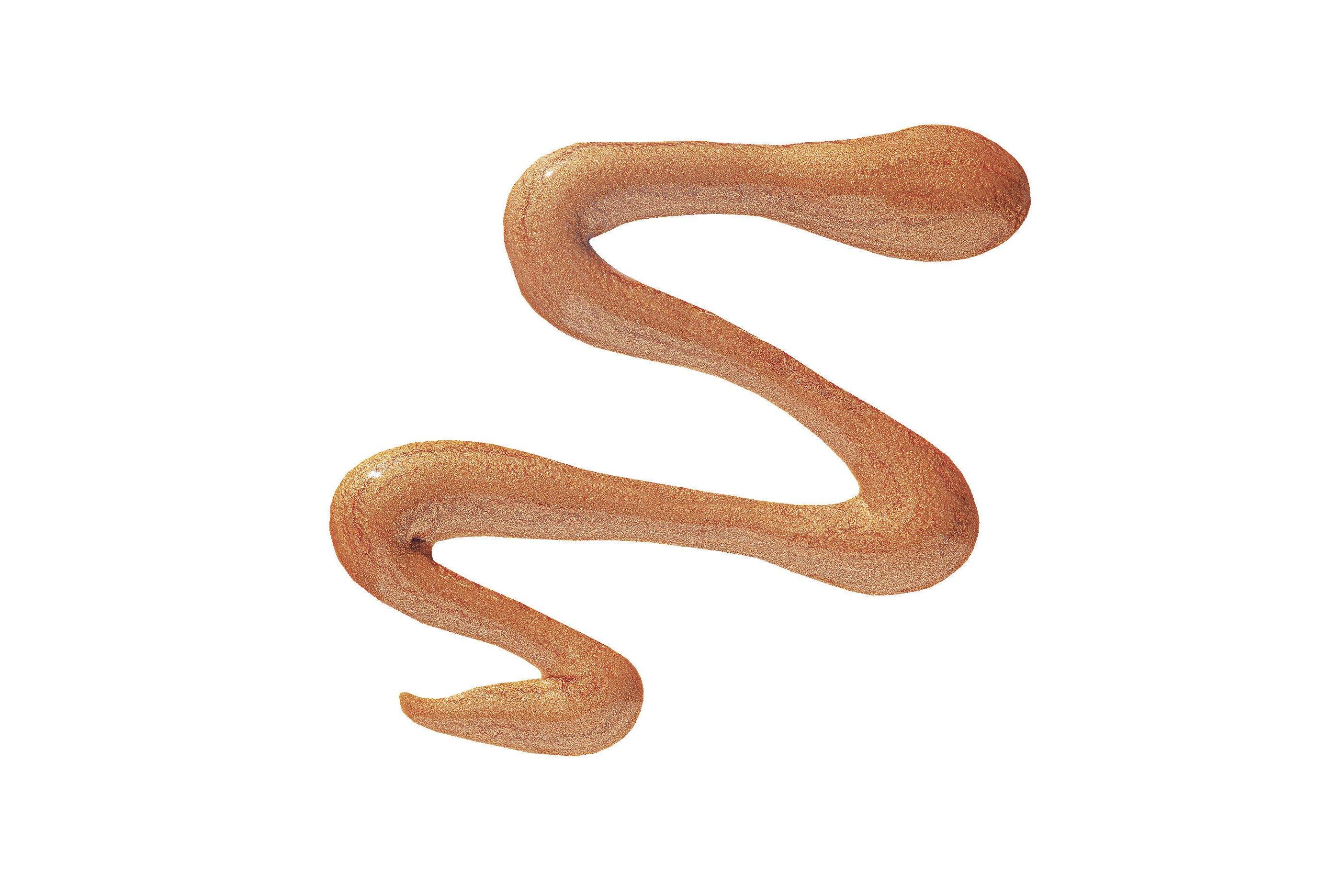

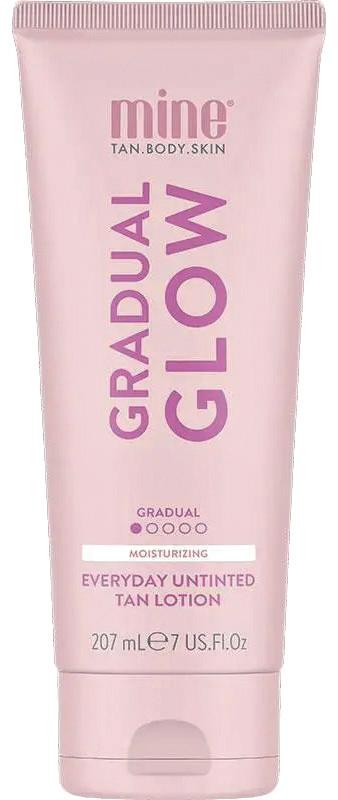
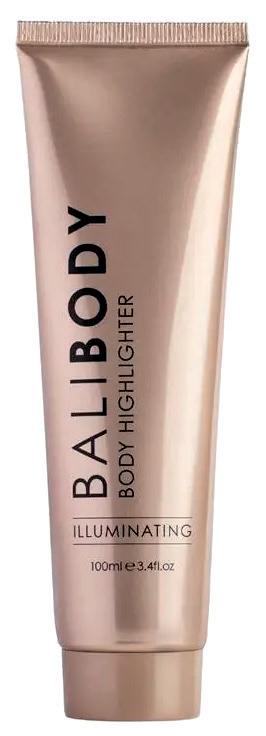
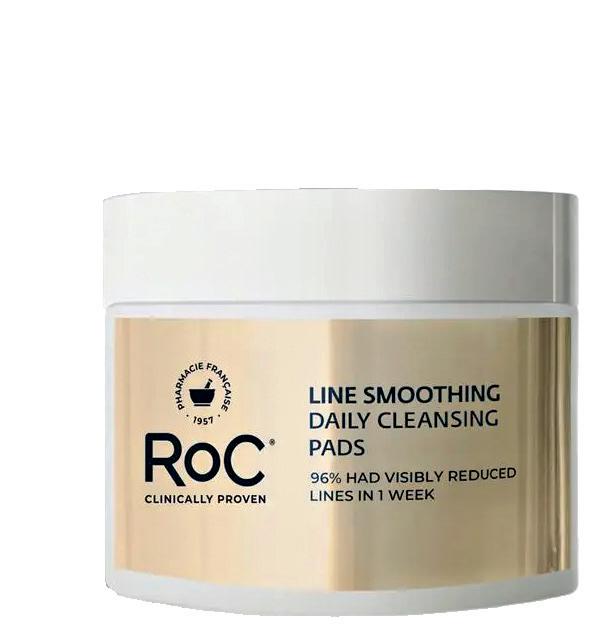
Deep cleansing, make-up removal and gentle exfoliation in one? Sign me up!
RoC Line Smoothing Cleansing Pads, $22.99



Shimmery tear ducts
This retro beauty hack is back and for good reason: It brightens eyes and is easy to do. “It’s time to be more adventurous with eye make-up,” British makeup artist Julia Edwards says. “I love seeing more expressive, immersive looks when the concept allows for it.”
WE LIKE L’Oréal
Le


LONG AND SHORT OF IT
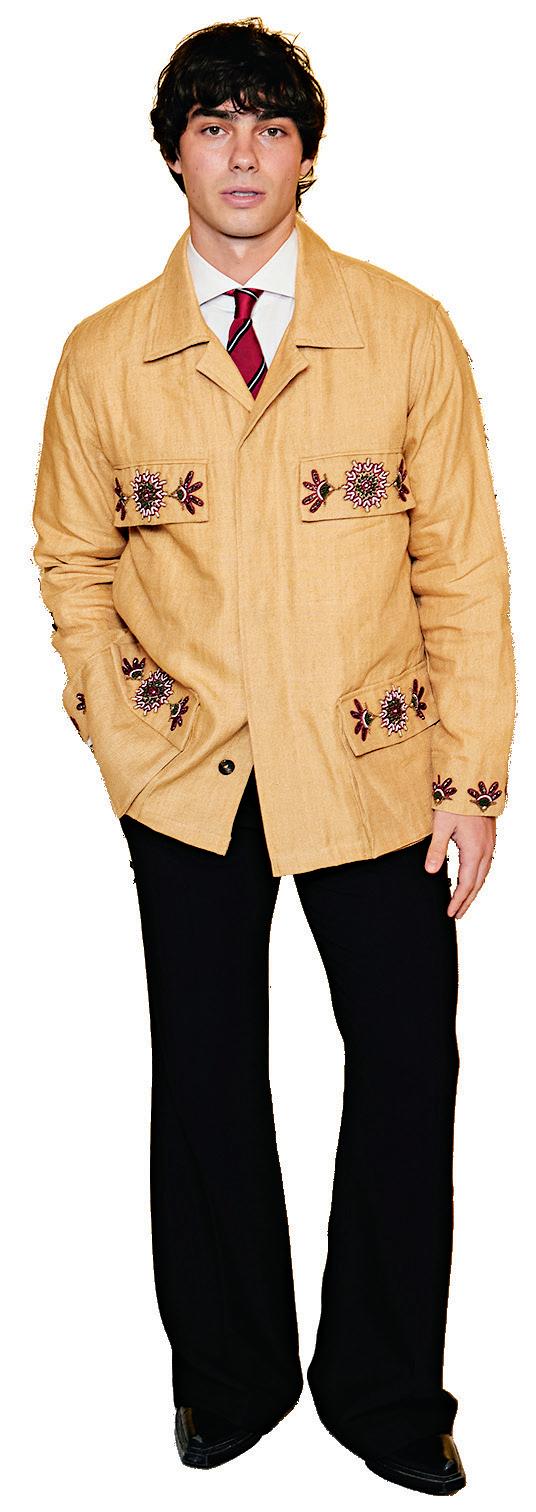
Shaggy pageboy styles have become the unisex haircut du jour. After years of fades dominating, it’s a welcome shift for men, while women are gravitating to both extremes when it comes to hair length. “Long hair isn’t going anywhere. Clients are still opting for longer, softer layers that move naturally. It’s all about shape that works with minimal styling,” EdwardsAndCo founder Jaye Edwards says.
WE LIKE Revlon Professional UniqOne Hair Treatment Curls 230ml, $20.99


The spotlight is back on blondes. But before going lighter, there are a few factors to consider
Just as warmer hair tones finally get some appreciation, the trend pendulum swings and we’re back to cool shades.
Trend experts are predicting icy, bright blondes will surge in popularity this year.
“Icy blonde shades can absolutely work, particularly for naturally high-level blondes, and they often suit fairer skin tones and eye colours,” hairstylist and make-up artist Renee Camilleri says.
But, Renee adds, there is also room for warm and neutral tones to flourish, and the focus should be on hair health and integrity.
“Looking ahead, see a strong focus on healthier hair overall,” she says.
“With the healthy, expensive hair trend continuing to rise, I believe we’ll still see a lot of buttermilk and warm dimensional blondes alongside cooler tones.
“I work as a key hairstylist on Love Island USA and we’re already moving away from overbleached, drylooking hair, so I would love to see that continue.”
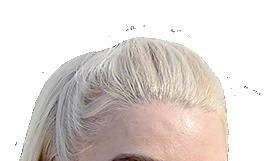

Many chase icy blonde without factoring in how flattering it is or how much colour lifting it requires.
While bonding treatments have made major colour lifts more feasible (see Kim Kardashian’s platinum blonde transformation), that’s not to say that hair is completely immune from bleach damage, especially after long-term use. If you find your hair tends to break from bleach, but don’t want to give up the bottle-blonde look, hair extensions are an option. They have come a long way, with options including invisible hand-tied wefts and



K-tips that tend to be less damaging on finer hair.
“The technology and quality of extensions have evolved massively: finer bonds, better adhesives and ethically sourced hair that behaves like natural hair,” says celebrity hair extensionist and Perlino hair extensions founder Priscilla Valles.
“I think the artistry is equally important. A great specialist understands placement, density and movement, and that’s really what makes extensions disappear on camera. You can have the best hair in the world but without expert installation, it won’t look seamless.”

For those who prefer a less bulky, more natural finish, K-tips could be your best bet.
“K-tips are loved because they mimic how natural hair grows. The bonds are tiny, lightweight and customisable, so you can place them precisely where you need fullness or length without bulk,” Priscilla says.
“They move beautifully, they’re long lasting and they’re incredibly discreet. For many clients — on set or in everyday life — they’re the closest thing to ‘your hair but better’.”
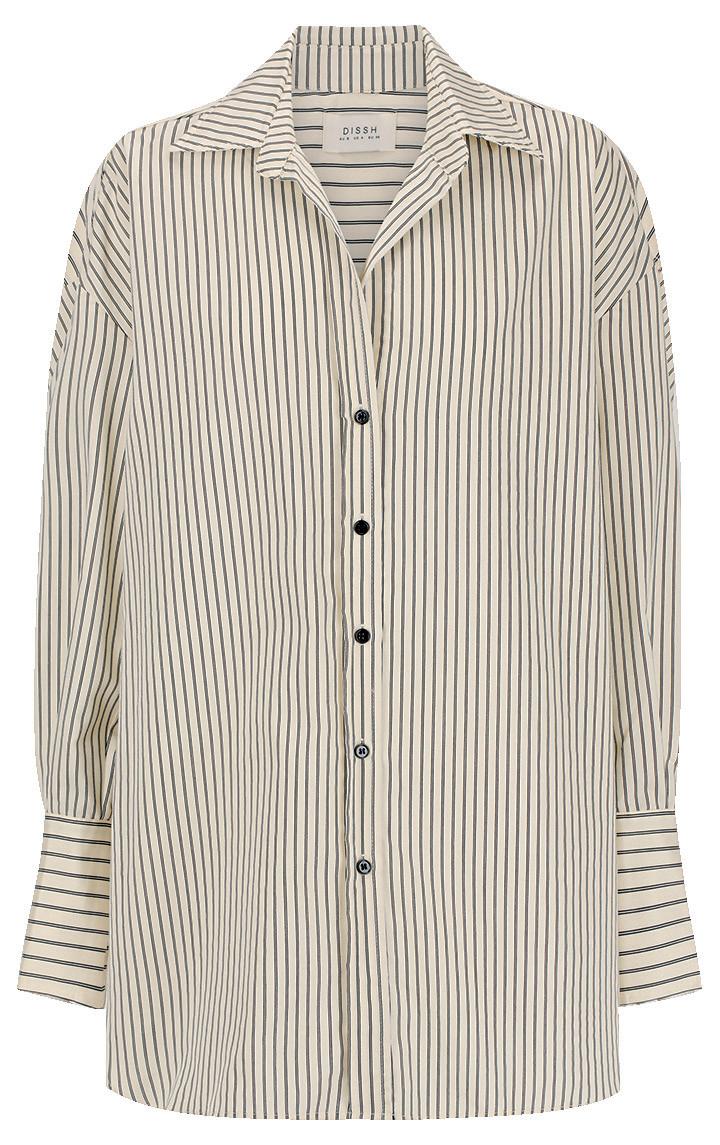
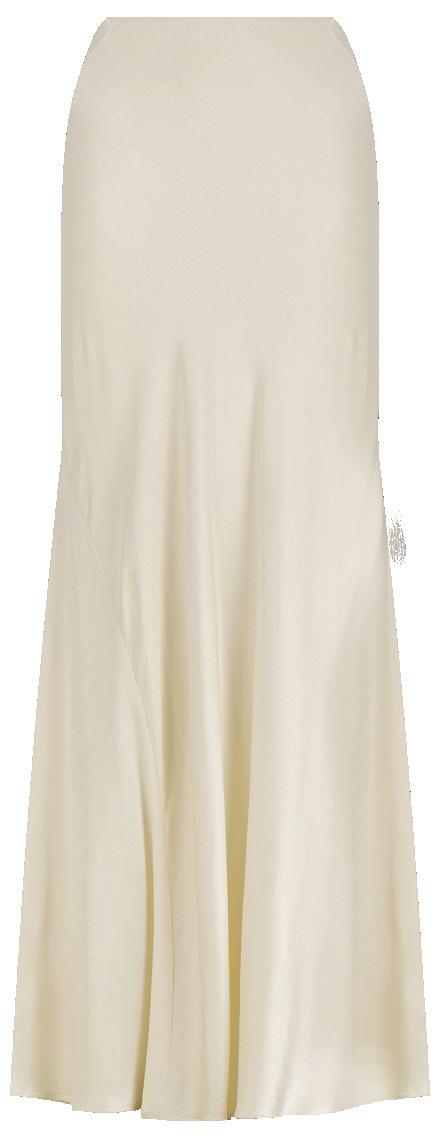

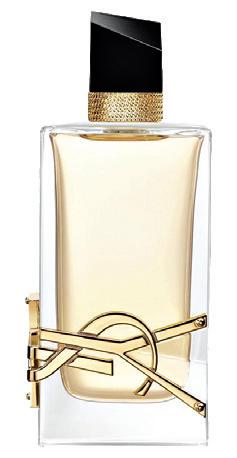
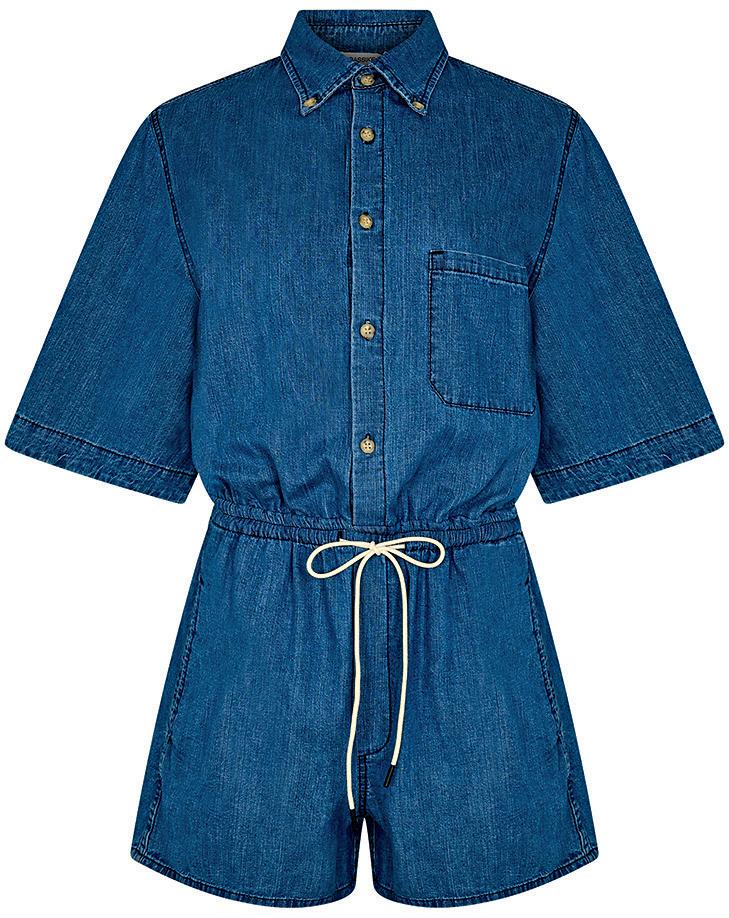
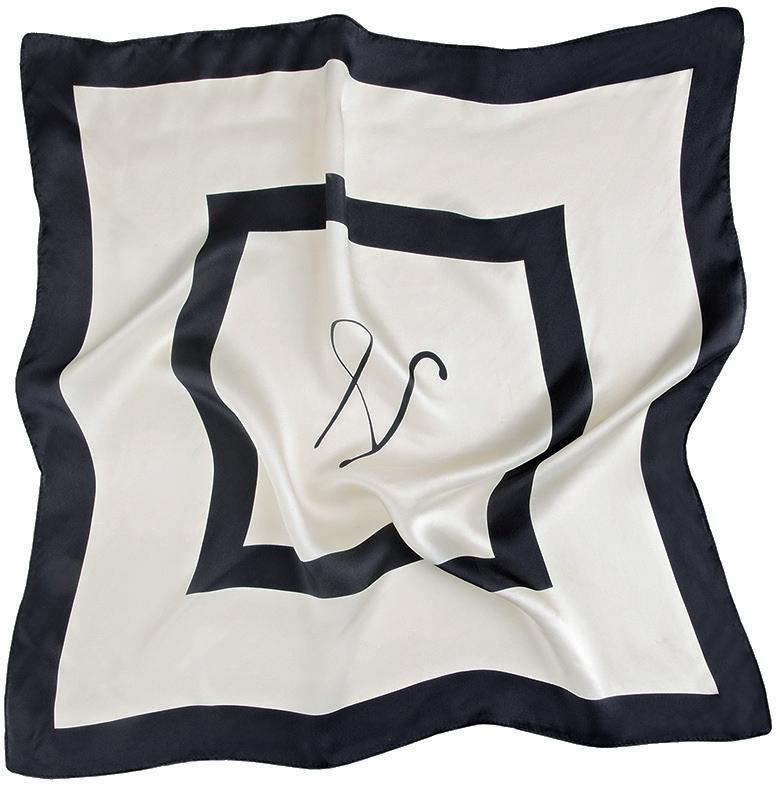
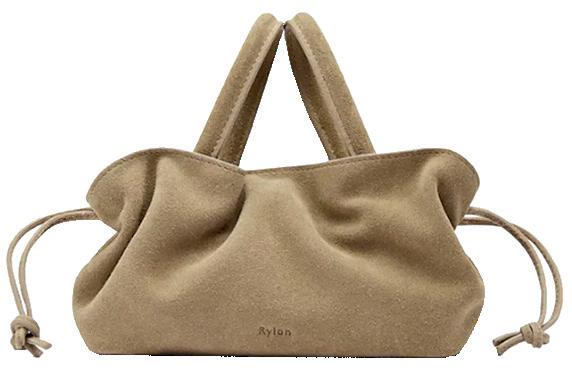
With this season’s weather often sporadic, opt for versatile pieces — think elevated comfort

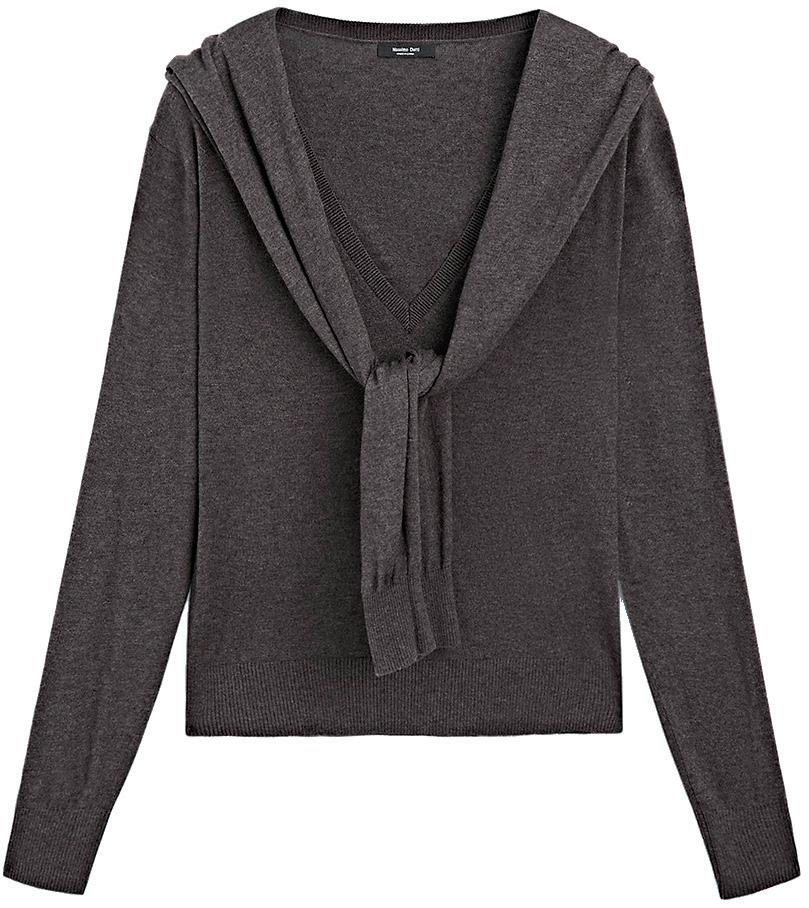
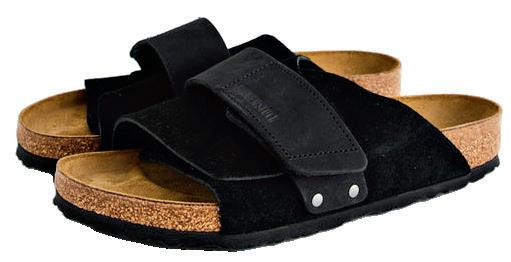
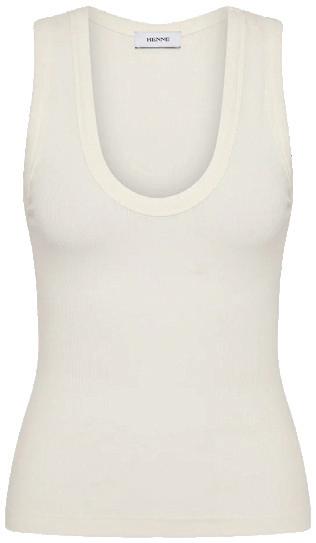
CLOCKWISE FROM TOP LEFT
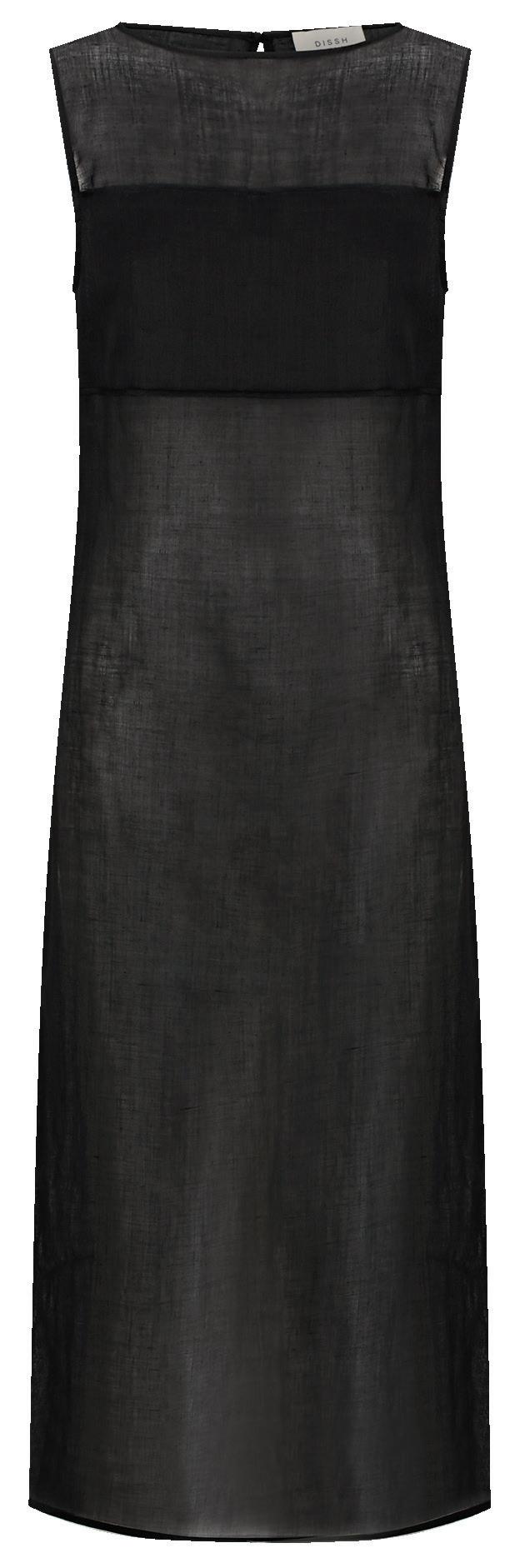
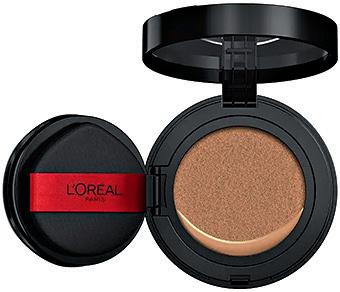
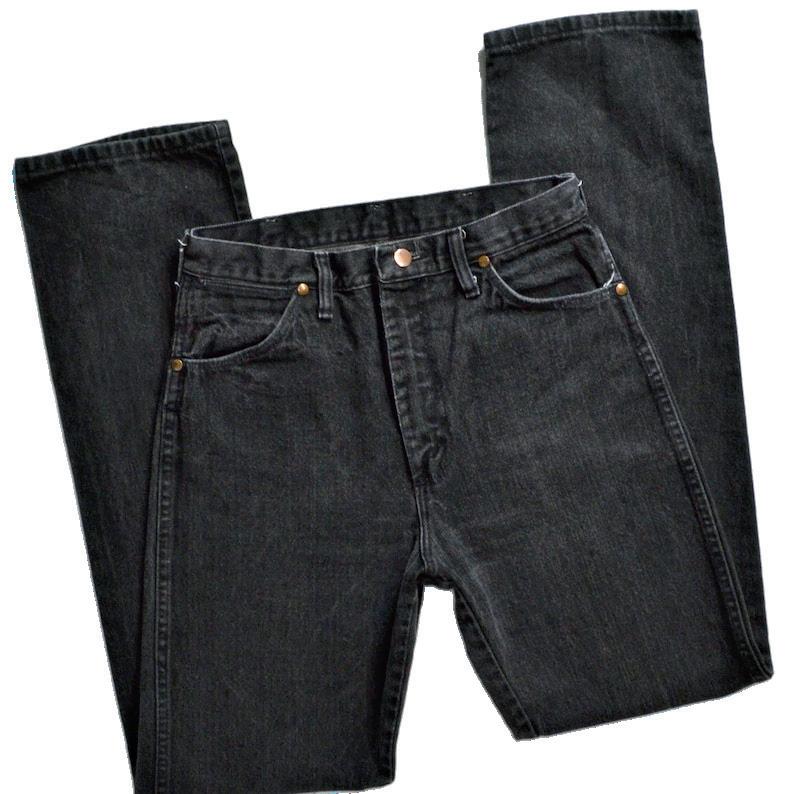
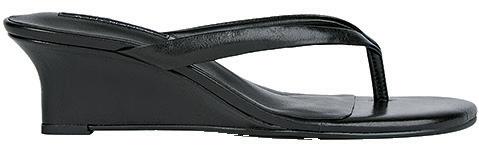
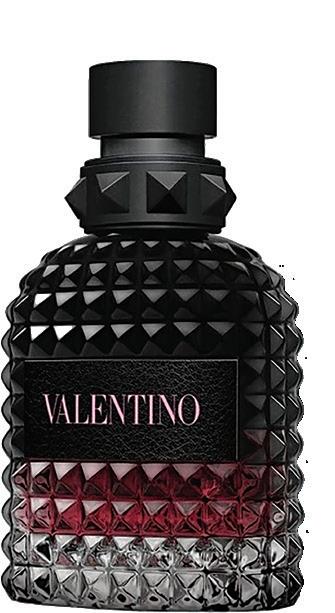
Sable oversized silk blend shirt, $159.99, dissh.com.au; Organic denim jumpsuit, $495, bassike.com; The Coco sunglasses, $408, thistles.nyc; Silk scarf, $69.90, wolff-studios.com; Kai ramie tunic top, $159.99, dissh.com.au; L’Oréal Paris Infallible 24H Cushion Foundation 20, $44.99; Rylan Mila mini tote, $399, thenewtrend.com.au; Vintage Wrangler jeans, $191.87, etsy.com/shop/shopdetourvintage; Edgy black vintage heels, $199.95, tonybianco.com.au; Orla tank, $89, henne.com.au; Pebble ring, $50, dinosaurdesigns.com.au; Knit sweater with multiway sleeves, $134.35, massimodutti.com; Birkenstock Kyoto narrow slides, $298, incu.com; Yves Saint Laurent Libre 90ml EDP, $209.99; SB Air Max 95 black and anthracite shoes, $250, nike.com/au; Charli satin maxi skirt, $139.99, dissh.com.au


Wool mini skirt, $179, countryroad.com.au


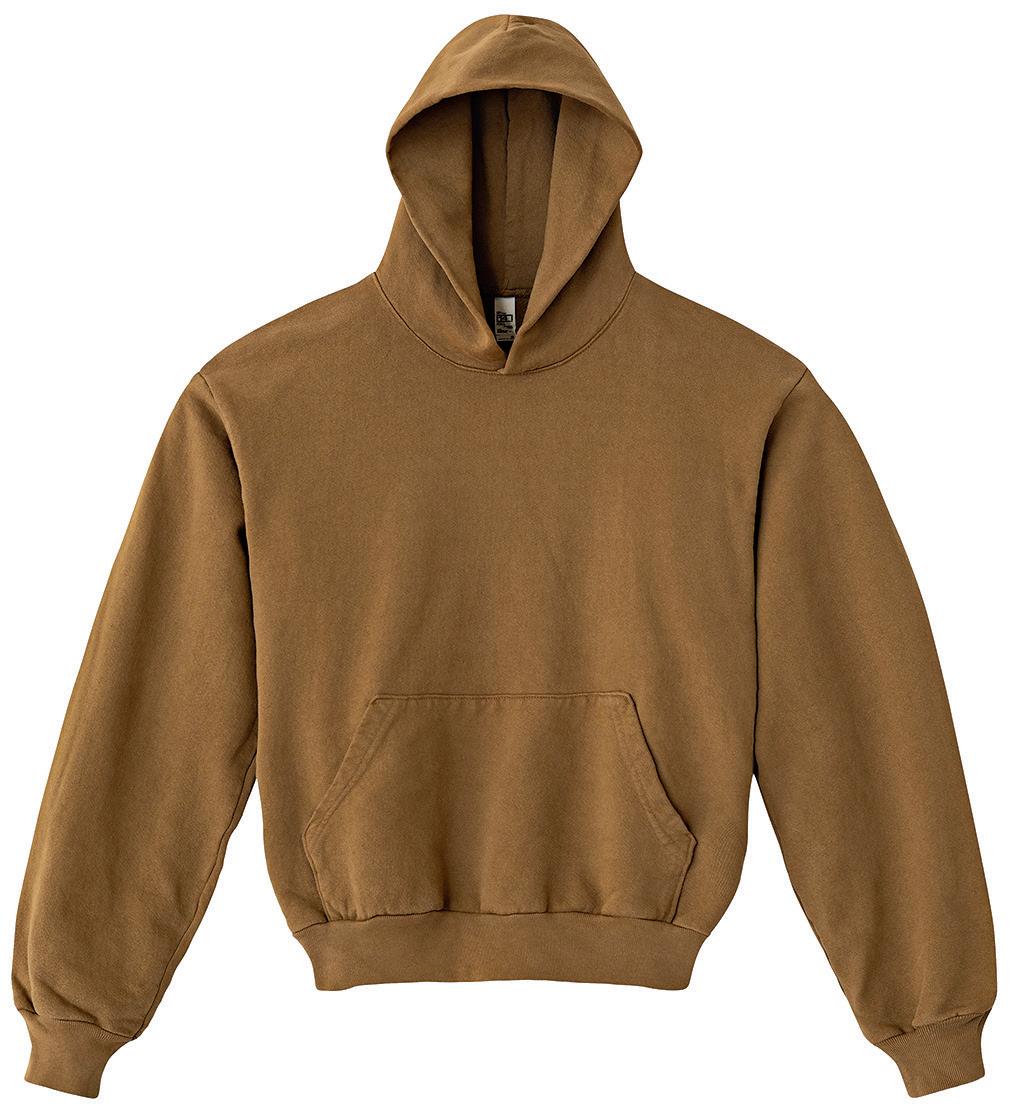

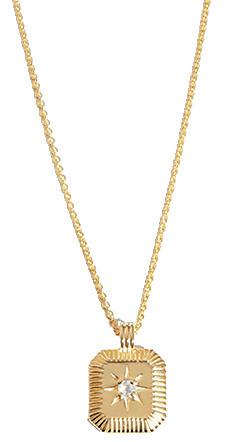

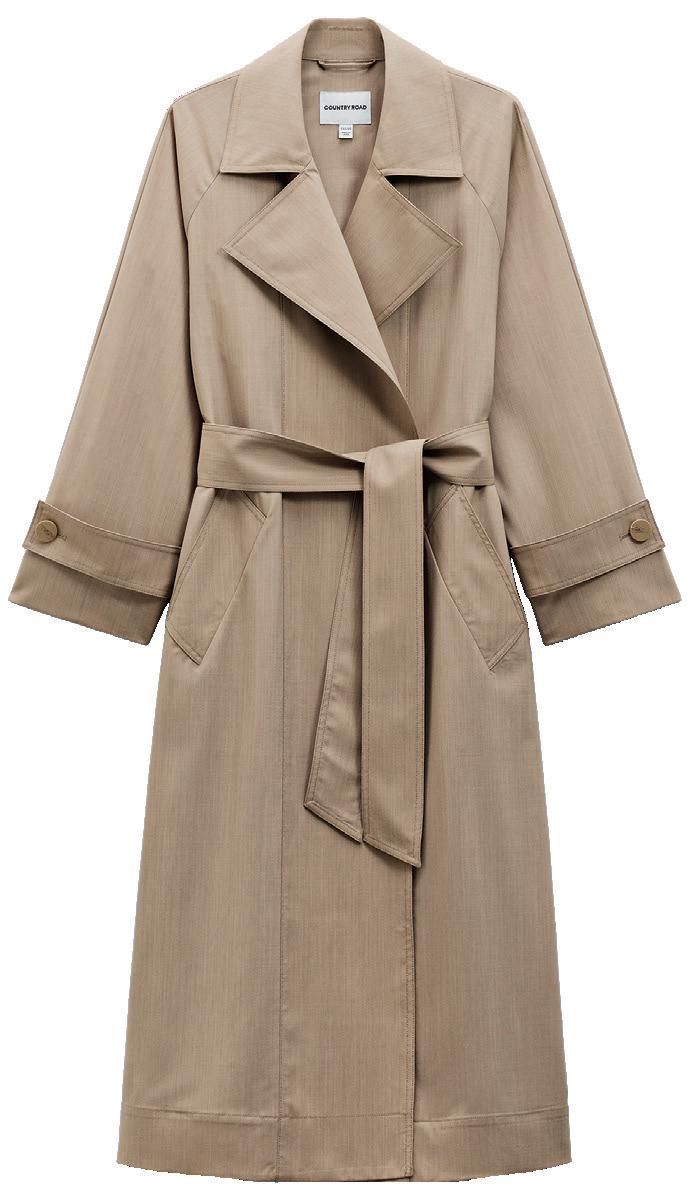

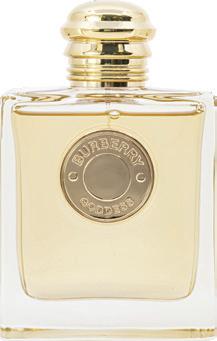
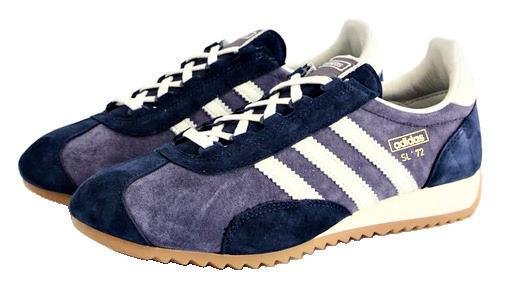

CLOCKWISE FROM TOP LEFT
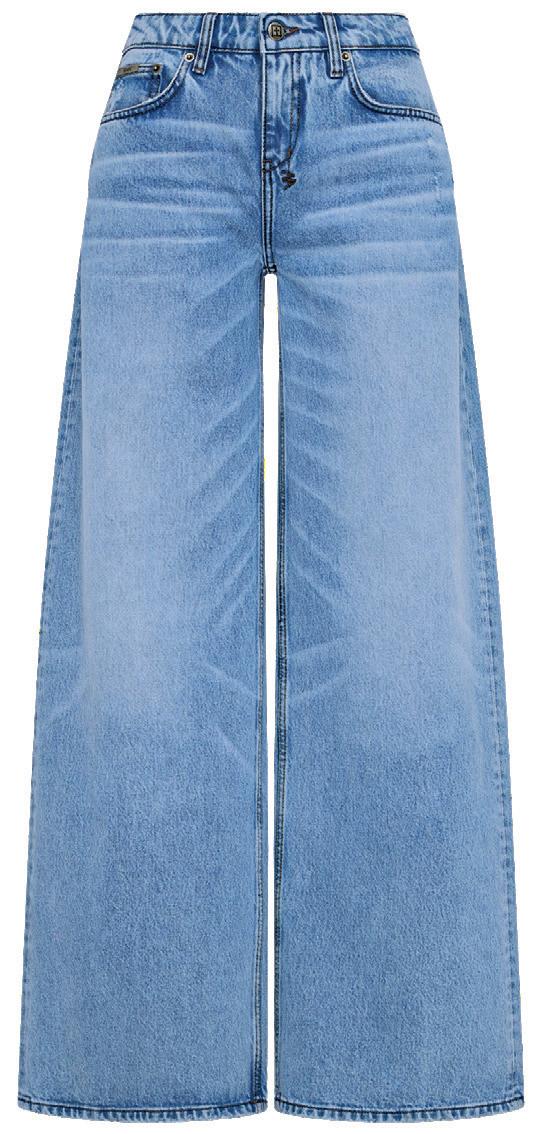
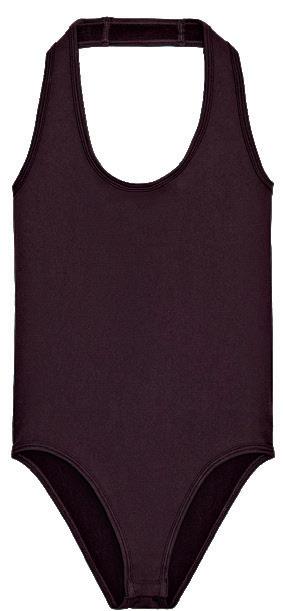
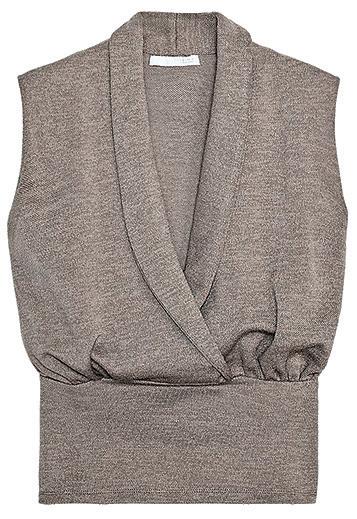
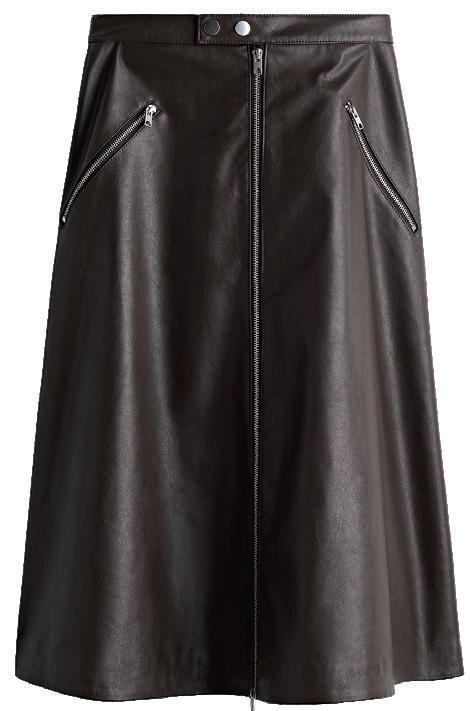
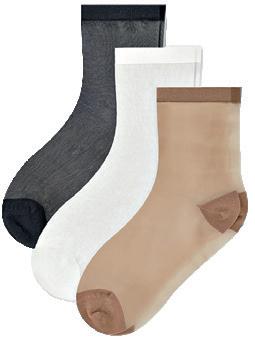
Revlon Glimmer Liquid Shadow Starstruck, $21.99; Lapel wrap top, $55.95, zara.com/au; Missoma engravable pendant necklace, $260, thenewtrend.com.au; Camo cap, $99.95, ksubi.com.au; Soft wrap trench, $449, countryroad.com.au; Adonis studs, $200, camillaandmarc.com; Burberry Goddess 100ml EDP, $159.99; Dropout jeans, $259.95, ksubi.com.au; Adidas SL 72 PT sneakers, $200, incu.com; Boston top handle bag, $429.90, wolff-studios.com; Marc Jacobs The Cluster charm, $160, revolveclothing.com.au; Leather riding boots, $500, massimodutti.com/ww; Unisex heavy fleece hoodie, $119, losangelesapparel.net; Negative Underwear fancy mesh sock three pack, $41, revolveclothing.com.au; Leather effect skirt, $69.99, and bag charm, $29.99, hm.com/au; Seamless halter bodysuit, $35.95, zara.com.au
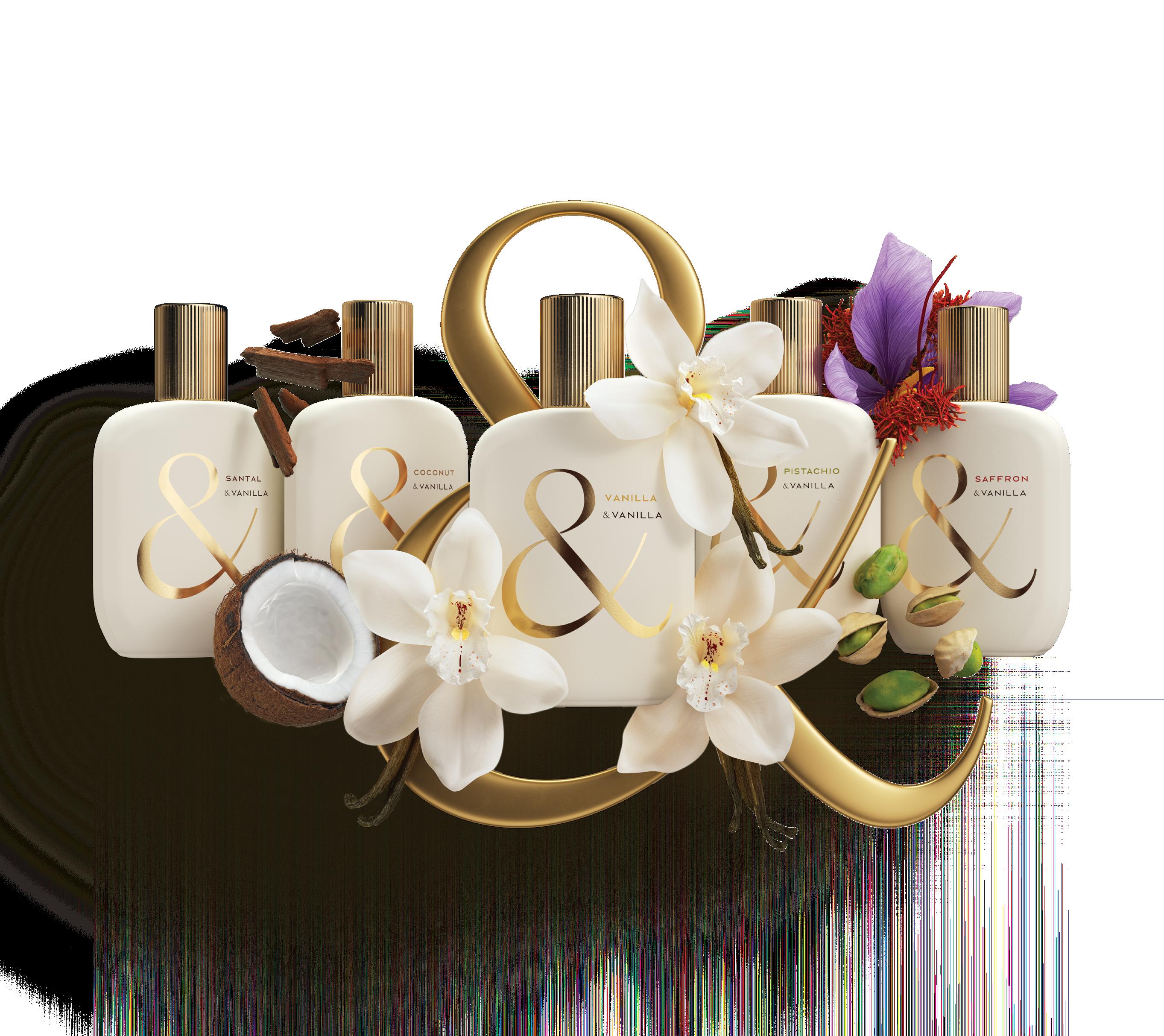

In the quest for individuality, fragrance enthusiasts are getting experimental with ways to define their signature aroma
When a beauty product goes viral, it doesn’t take long for dupes to materialise en masse. Up until now, this phenomenon has extended to fragrances. But a palpable shift towards individuality is influencing people’s habits, especially when it comes to signature scents. Fragrance expert and Lore Perfumery director Jess Tate notes consumer
habits have evolved in recent years. “(People are) looking for variety more than ever, especially Gen Z, and are opting for smaller sizes and discovery sets to layer, experiment (with) and explore scent,” Jess says. Despite newfound demand for scent stacking, the practice itself isn’t new, with deep historical roots in the Middle East. When layering fragrances, a good
rule to follow is to pair a strong, heavier scent with something much lighter and more subtle. For optimal results, Jess suggests pairing fragrances that either have very similar profiles or are in complete contrast. Scent stacking usually involves combining different fragrances, but it can also involve the sandwich stacking technique (layering a body wash, lotion, oil and
perfume from the same fragrance series for optimal potency and longevity). The trend shows no signs of slowing down, with Pinterest forecasting scent stacking to be one of the major beauty trends of 2026, driven not only by Millennials, but also Gen Z, who represent an increasingly large sector of fragrance buyers thanks to TikTok trends such as “smellmaxxing”.



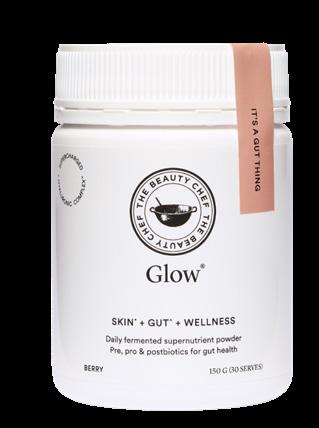
About 17 years ago, Carla Oates launched Glow powder, sowing the seeds to an ingestible beauty company that has become one of the world’s leading inner beauty brands.
But while The Beauty Chef founder is proud of her career accolades, when it comes to nominating her greatest accomplishment in life, she doesn’t hesitate.
“Family is the most important thing to me,” Carla says. “After having children, life stops being just about you — it becomes about living beyond yourself, about showing up better, being more patient, generous and grounded, because you’re no longer only doing it for yourself.”
Carla and husband Davor Pavlovic have two adult children who, like their mother, have found success in their fields.
Daughter Jeet is busy modelling in Los Angeles, while son Otis (of Royel Otis rock duo fame) is gearing up to perform at the Coachella festival in the US and support rock legends Foo Fighters.
It makes opportunities to work together on home soil (like our The House of Wellness cover shoot) all the more precious. “Working with family feels special because there’s a natural trust and understanding,” Carla says. “It makes everything more relaxed, meaningful and fun.”
Raised in a creative environment, it’s little wonder Jeet and Otis work in artistic fields. But when it comes to who learns from who, Carla notes it’s a pretty level playing field.
“Jeet has a very acute eye when it comes to fashion, design and art, as well as golden ears for music. She’s effortlessly cool, clever and perceptive and genuinely value her advice and opinions,” Carla says.
The talent pool among her relatives isn’t lost on Jeet either. “Not only my immediate family but my extended family are extremely successful in their own ventures,” Jeet says.

“Creativity, hard work, self-belief, support and following a path of passion are core values that feel hereditary.”
Given the family’s close-knit nature, Jeet finds living abroad doesn’t come without its bouts of homesickness.
“Home isn’t just a place, but a feeling.
To feel grounded while living abroad, I have to find home inside of me so that can take it anywhere and everywhere I go,” she says.
“At the same time, thank God for FaceTime and the Clock app so can stay across time zones.”
Moving to Los Angeles, one of the most competitive cities in the world, isn’t for the fainthearted.
But for Jeet, it’s become the ultimate learning curve. “Living overseas and travelling my entire career, you observe healthy ambition and collaboration, which really highlights Australia’s tall poppy syndrome,” she says.
“(My family) collectively acknowledges we don’t conventionally fit in, and why would we want to? We remind each other to keep going and growing — side blinkers on, like a horse in a race — and if someone falls, we’re all there to catch them.”
Carla’s other “child”, The Beauty Chef continues to go from strength to strength.
A current focus of the brand, which is stocked at Chemist Warehouse, is developing products to support women in perimenopause and menopause.
“Over the years, I’ve watched close friends, family members and our long-standing community move through perimenopause and menopause feeling under-supported,” Carla says.
“We’re perfectly primed to support women in this space because gut health sits at the centre of everything we do.”
She is always thinking ahead, an approach that hasn’t faltered since she founded her brand long before the gut-skin movement was even considered a beauty category.
“I love being in a phase of building that allows space for curiosity, innovation and purpose,” she reflects. “I feel a genuine responsibility to support women through the different stages of health.”
The importance of self-care and inner health are key messages behind The Beauty Chef, but for Jeet, they’re an ethos she was raised on.
“Forget Instagram sponsored ads — (Mum) is my biggest influencer,” she says.
“Everything she’s learned, she has taught me. used to snarl at her quinoa spirulina ‘porridge’; now I eat it. From emerging scientific studies, to understanding my biochemistry and environments, I implement her knowledge along with my own research to stay healthy and look after my wellbeing.”
With Mother’s Day approaching, Carla has a chance to reflect that parenthood is a big part of who she is — even as an empty nester.
“When my children are away, miss them deeply. Finding the balance between supporting them and letting them learn on their own has always been challenging for me, because my instinct is to help and to be close to them.
“But seeing them live overseas, chase their passions and build lives that feel true to them fills me with so much pride.”
For Jeet, Mother’s Day is about acknowledging the women who have helped shape her.
“I think about all of my mother figures: my mum, of course; my beautiful late nan; my Aunty Jay, Aunty Kerrie and even my best friends,” she says. “Womanhood is so beautiful and precious. To nurture and to love is something to be celebrated.”
As for the best lesson she’s learnt from her mum, Jeet says it’s hard to encapsulate.
“My mum is humble, graceful, kind, compassionate, passionate and treats everyone and everything with care. She’s also really, really funny,” she says.
“Carla in her entirety is my lesson.
I’m so lucky to be hers, and she mine.”



DERMATOLOGIST RECOMMENDED SKINCARE BRAND US^ IN THE

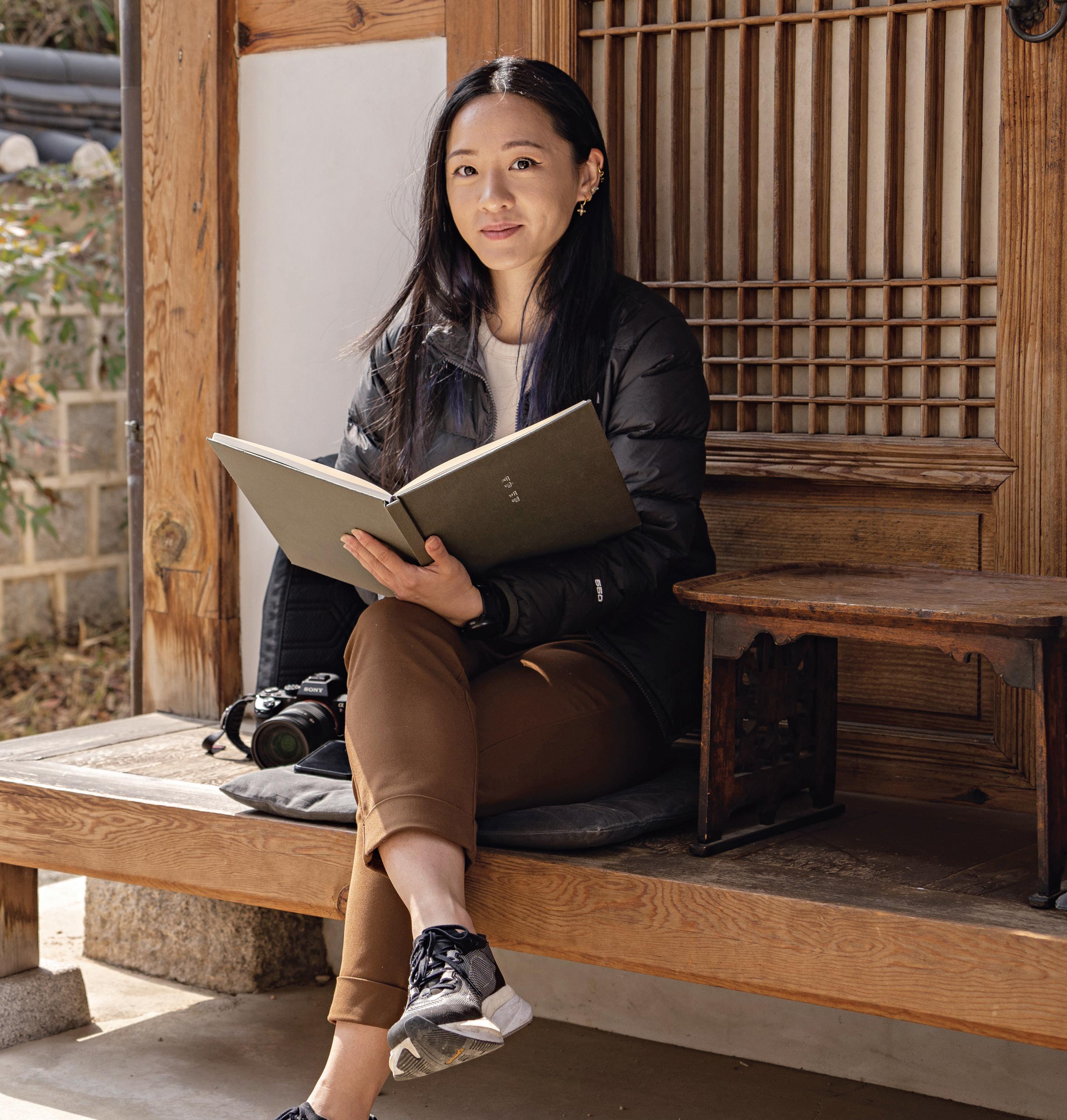
After working hard through her 20s and enduring Melbourne’s lengthy lockdowns during the Covid-19 pandemic, Zara Lim (pictured left) decided to retire — at least temporarily.
“My late 20s was the perfect intersection of having enough money saved to be able to afford not working for an extended period, as well as not having too many personal responsibilities,” Zara, 30, says.
“I didn’t have kids, a large home mortgage or the need to care for elderly parents, which meant I could have this freedom, and I feel very lucky to be able to do it.”
Zara, who had been working in digital marketing, spent her 18 months of not working slow-travelling and ticking off bucket list items.
“I climbed Mt Fuji, road-tripped through the Norwegian fjords, caught a glimpse of the Northern Lights and experienced cherry blossom season in Korea,” she says.
Zara is one of a growing number of Australians choosing a micro-retirement — an extended, self-funded break from their career. These aren’t holidays or employer-approved sabbaticals. They’re intentional pauses — usually lasting several months — designed to step away from paid work altogether.
Financial planner and micro-retirement specialist Fran Hughes says the old blueprint of working for four decades before finally enjoying life no longer cuts it in the modern work landscape, with younger Australians pushing back on that model.
“The younger generation embrace this idea of a bit more freedom while they’ve got their health, their vitality, the passion and energy to be able to travel,” Fran says.
The micro-retirement trend has gained visibility through social media, where Gen Z and Millennials document career breaks, slow travel and “time out” from work.
The phrase “DIFTP” (do it for the plot) has become shorthand for prioritising experience over convention.
“Gen Z and Millennials question the status quo far more than any previous generation. They have learnt the lesson that work is not everything and to genuinely live life,” says therapist and Burnout to Brilliance podcast host Sheena Schuy.
“Growing up with an abundance of research, media and advice online has taught Gen Z and Millennials about things like not getting time back with kids, pursuing your passions, not just money, and travelling while you’re still able.”
“Gen Z and Millennials question the status quo far more than any previous generation. They have learnt the lesson that work is not everything and to genuinely live life.”
SHEENA SCHUY, THERAPIST AND BURNOUT TO BRILLIANCE PODCAST HOST
“Returning to work, I have much better boundaries and chose a remote-first role so I can keep travelling.”
ZARA
LIM

The good news, according to Fran, is with the right planning, taking extended time off work can make financial sense.
Australia’s compulsory superannuation system means a planned break from work doesn’t necessarily derail longterm savings, but she says it’s important for anyone considering a microretirement to weigh three key factors.
“The first is to have a financial health check,” she says. “See a financial professional to help you factor your microretirement into your longterm goals.”
Sheena says taking extended time away from work can create space for self-evaluation — whether that’s around career, relationships or health.
“A micro-retirement can help realign with what it is you want to do and the trajectory of the next part of life,” she says.
“Sometimes it’s a realisation that it’s time to change careers. Sometimes it’s ‘right career, wrong role’, or ‘right role, wrong company’. And sometimes it’s ‘right career, right role but wrong support systems at home’.
“Whatever the case, this kind of clarity is hard to find when you’re caught in the monotony of daily life.”
That clarity can also benefit employers in the long run, Fran says. As demands on workers continue to rise, micro-retirements can offer a chance to step back and return to work better equipped to keep pace.

Second, make sure your micro-retirement fits your budget. Regardless of how time off is spent, practical costs such as insurance, rent or mortgage repayments still apply. As a guide, Fran recommends having savings to cover around 80 per cent of usual living expenses for the length of your break.
While a planned break can be financially viable, there are still trade-offs to consider — including the impact on career momentum.
To help combat this, Fran suggests using the time to upskill where possible.
“You could take a short online course to develop your expertise so that when you return, you have more to offer,’’ she says.
Lastly, Fran says you need to be mindful of a potential lower balance in your retirement fund due to lost compounding at the end of your career. “It all comes back to your individual goals, but modelling shows that taking a year off each decade could result in roughly $106,000 less super by retirement.”
“A micro-retirement can foster a more engaged workforce, rather than one taking more sick leave and operating below capacity,” she says.
For Zara, the impact was huge. “I was a workaholic in my early to mid-20s, so taking this micro-retirement forced me to slow down,” she says.
“It had a big impact on my mental health and happiness, and the experiences I had during that time were priceless.
“Returning to work, I have much better boundaries and chose a remote-first role so I can keep travelling.”

SWISSE BEAUTY COLLAGEN GLOW WITH COLLAGEN PEPTIDES
New to collagen & everyday glow
Collagen peptides + Vitamin C
Helps maintain skin firmness and supports skin repair
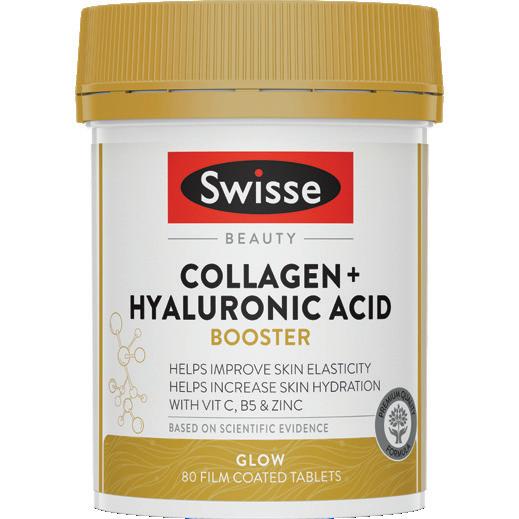
SWISSE BEAUTY COLLAGEN + HYALURONIC ACID BOOSTER
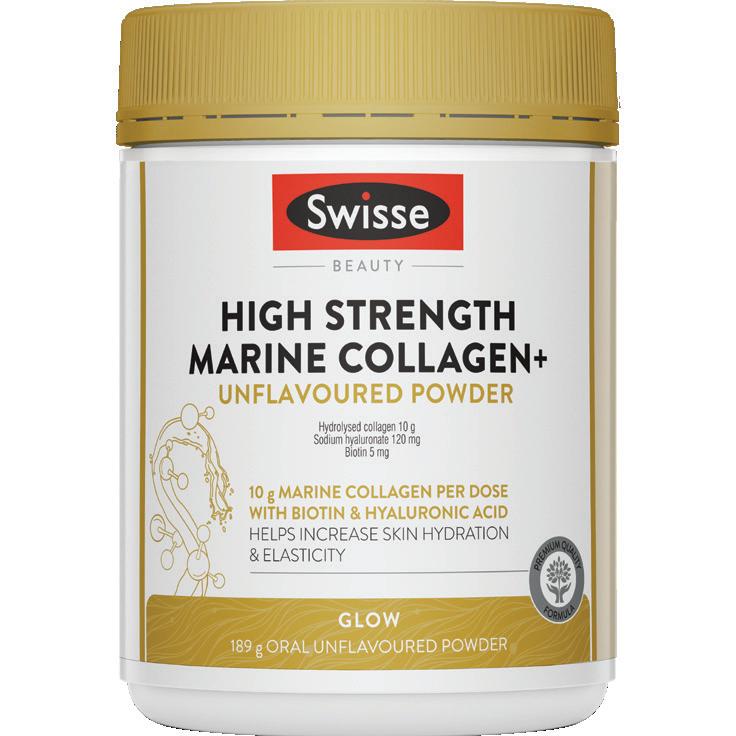
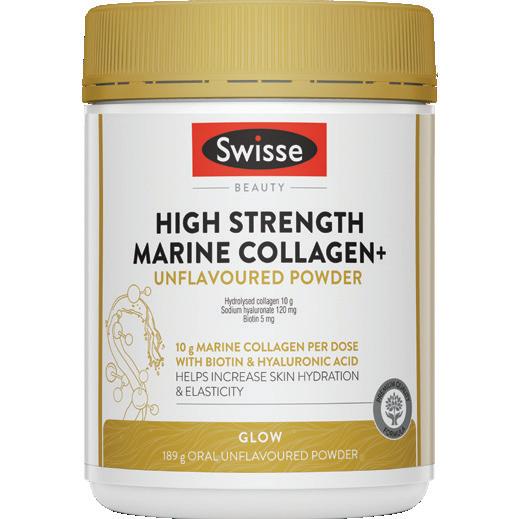
SWISSE BEAUTY HIGH STRENGTH MARINE COLLAGEN+ UNFLAVOURED POWDER
Dry or dehydrated skin
Collagen peptides + Hyaluronic Acid
Supports skin hydration and elasticity
Advanced collagen support beyond skin hydration
10 g Marine Collagen + Biotin + Hyaluronic Acid
Enhances skin hydration, elasticity and supports hair, scalp & nail health
Unflavoured powder









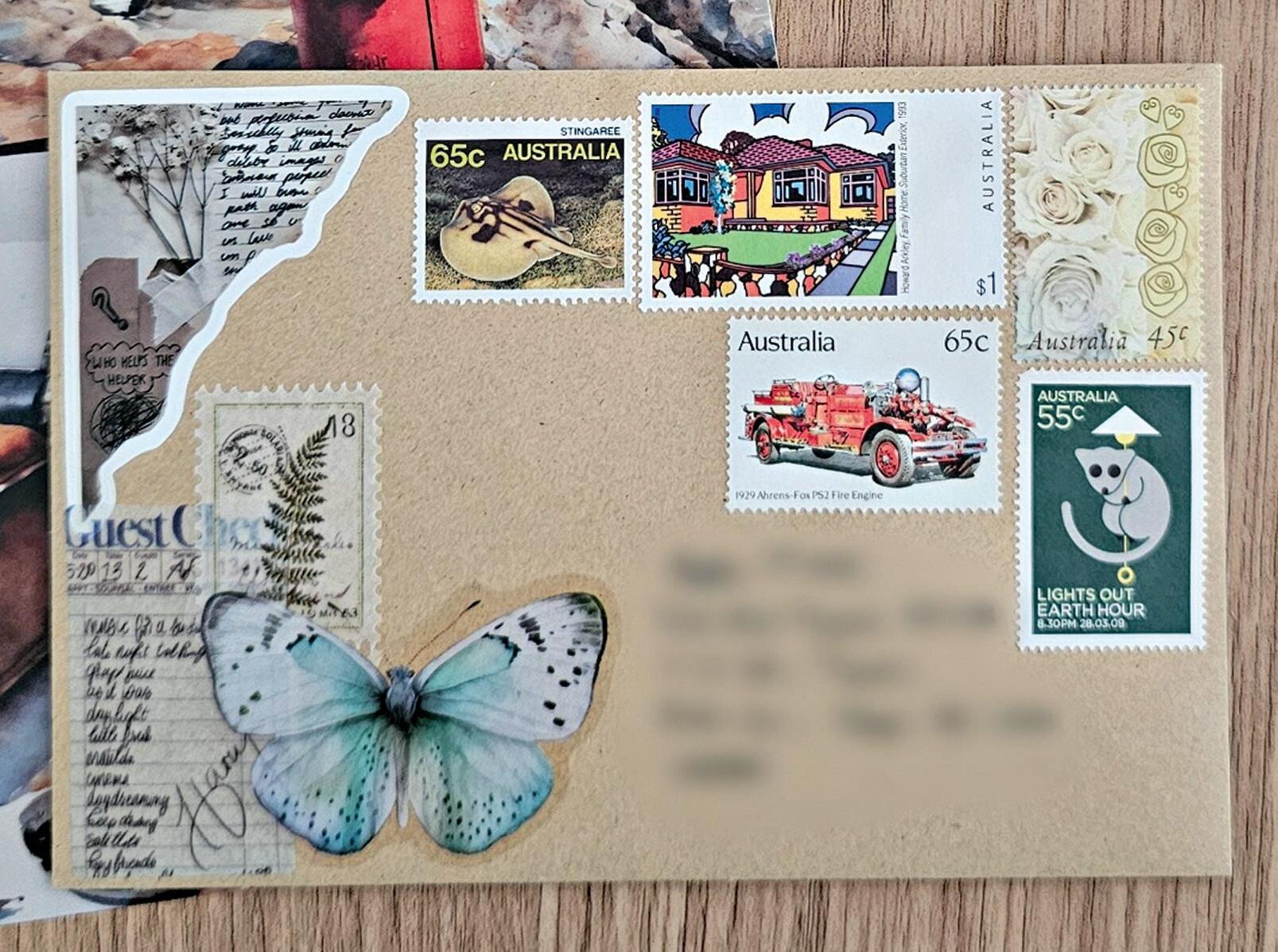
While older people may have quietly held on, snail mail is finding new fans.
“Having grown up through screens, younger generations are the most digitally immersed and possibly the most digitally fatigued,” says mindset coach Dr Simone Boer, who has a background in neuroscience.
“Pen pals offer something radically different: privacy, authenticity and presence. It’s analogue connection in a digital world.”
Clinical psychologist and Australian Association of Psychologists director Rachel Samson says letter writing slots into the slowliving revival, alongside record collecting and film photography.
“It’s an expression of a broader movement experimenting with more deliberate, embodied and meaningful ways to connect,” Rachel says.
While we communicate more than ever, our digital interactions often lack emotional depth.
“Writing has become tech-reliant, condensed and communicated in short form,” mindset coach and doctor of psychology Marny Lishman says.
Dr Boer adds that relentless pings and notifications contribute to shallow communication.
Deeper feelings can emerge when we slow things down, fostering more authentic connections.
According to Rachel, the pen pal movement reflects our need for belonging. The effort involved in selecting stationery and buying stamps “makes us feel important and cared for in a way that a quick emoji reaction can’t”.
Struggling with anxiety, loneliness or burnout? Like journalling, letter writing can reduce rumination and support mental health.
“For anxiety, writing externalises worries instead of looping them internally,” Dr Boer says.
“For loneliness, it creates a sense of being seen and remembered. For burnout, it reconnects people to meaning rather than productivity.”
Then there are the selfinsights of letter writing.
“Giving yourself the time to sit with your thoughts and feelings unlocks what’s behind those initial thoughts and allows something deeper to flow out,” Dr Lishman says.
Dr Boer dubs the pen pal movement a “quiet rebellion against immediacy culture”.
“Letter writing allows connection without pressure, without metrics, without the never-ending dopamine spikes and crashes,” she says.
Similar to fast food, social media is addictive and artificial, providing a shortlived buzz. Letter writing is the opposite, Rachel says.
“It allows less reactive and more nourishing exchanges.”
Time and distance can also increase our sense of emotional safety.
“With no expectation to respond immediately, no fear of being left on ‘read’, there’s space for people to be more honest and vulnerable,” Dr Boer says.
Dr Boer says handwriting’s more deliberate pace and sensory experience result in greater clarity, insight and emotional awareness.
“The brain engages in a much richer, more integrated process than when we type,” she says.
“Handwriting activates fine motor skills, sensory feedback (the feel of the pen and paper), visual processing and memory networks simultaneously. It supports exploration and reflection.
“Research shows that people who write by hand tend to remember information better, make stronger conceptual connections and engage more meaningfully with what they’re expressing.”
It also fosters creativity, which appeals to Kaye.
“You’re not limited to words alone — your handwriting, ink choices, paper, stamps, doodles, washi tape and little inserts
Remember the world before instant gratification?
Anticipatory pleasure is missing from modern life, and the pen pal revival suggests we want it back.
“The brain releases more dopamine through anticipation than reward itself, so the journey to receiving the letter becomes part of the joy,” Dr Boer says. Then there’s the impact on self-esteem.
“A handwritten letter is proof someone invested time and energy in you. It’s physical evidence that you matter,” Rachel says.
From the thrill of seeing a hand-addressed envelope to feeling the paper, letters engage the senses. “This can create a calming, almost nostalgic effect, which is especially comforting in an overstimulated





Forget counting years — measure fulfilment instead. This approach to ageing well is a daily practice you can start now
We have obsessed over lifespan and embraced healthspan, but what about joyspan?
Coined by American geriatric medicine expert Dr Kerry Burnight, it measures something more meaningful: how much joy and fulfilment you experience throughout your years.

“A long life, even a long life in good health, doesn’t mean much if you don’t like your life,”
Dr Burnight writes in her book Joyspan
Dr Burnight’s research reveals that ageing doesn’t have to be a period of decline. Instead, it can be a time of thriving, even amid health challenges or personal losses.
She writes that many strengths actually peak with age, including judgment, empathy, patience and appreciation.
The good news? You can extend your joyspan through everyday choices, regardless of age or physical condition.
Dr Burnight, who spent 18 years as a professor of geriatric medicine and gerontology at the University of California, has identified four core concepts that create a joyful life.
Here, two Australian psychologists share how we can embrace these ideas.
“Growth is the desire to explore and learn, and research consistently shows that curiosity helps maintain cognitive function and mental health in older adults,” says health and community psychologist Dr Marny Lishman.
“I tell people to practise change. Try new things. Be curious and try totally different things than you normally would do and sit in the discomfort of it — learn a new instrument, learn a language.”
Your move:
Write down anything that sparks your interest and set a “curiosity goal” to explore activities from your list.

Adaptability is crucial, Dr Lishman says.
“We live in such a fast-paced world where everything is moving really quickly,” she says.
“The ability to adapt and move with those changes is essential.”
Clinical psychologist Donna Stambulich agrees, using a water metaphor.
“When water is still and stagnant, it becomes toxic and bacteria starts to build up, but if we’re adapting and changing, then we see flow. That means growth and life and new beginnings,” Donna says.
Your move:
List what’s improved as you’ve aged, then brainstorm adaptive solutions for what still bothers you — like replacing long commutes with remote work or trading costly gym memberships for home workouts.
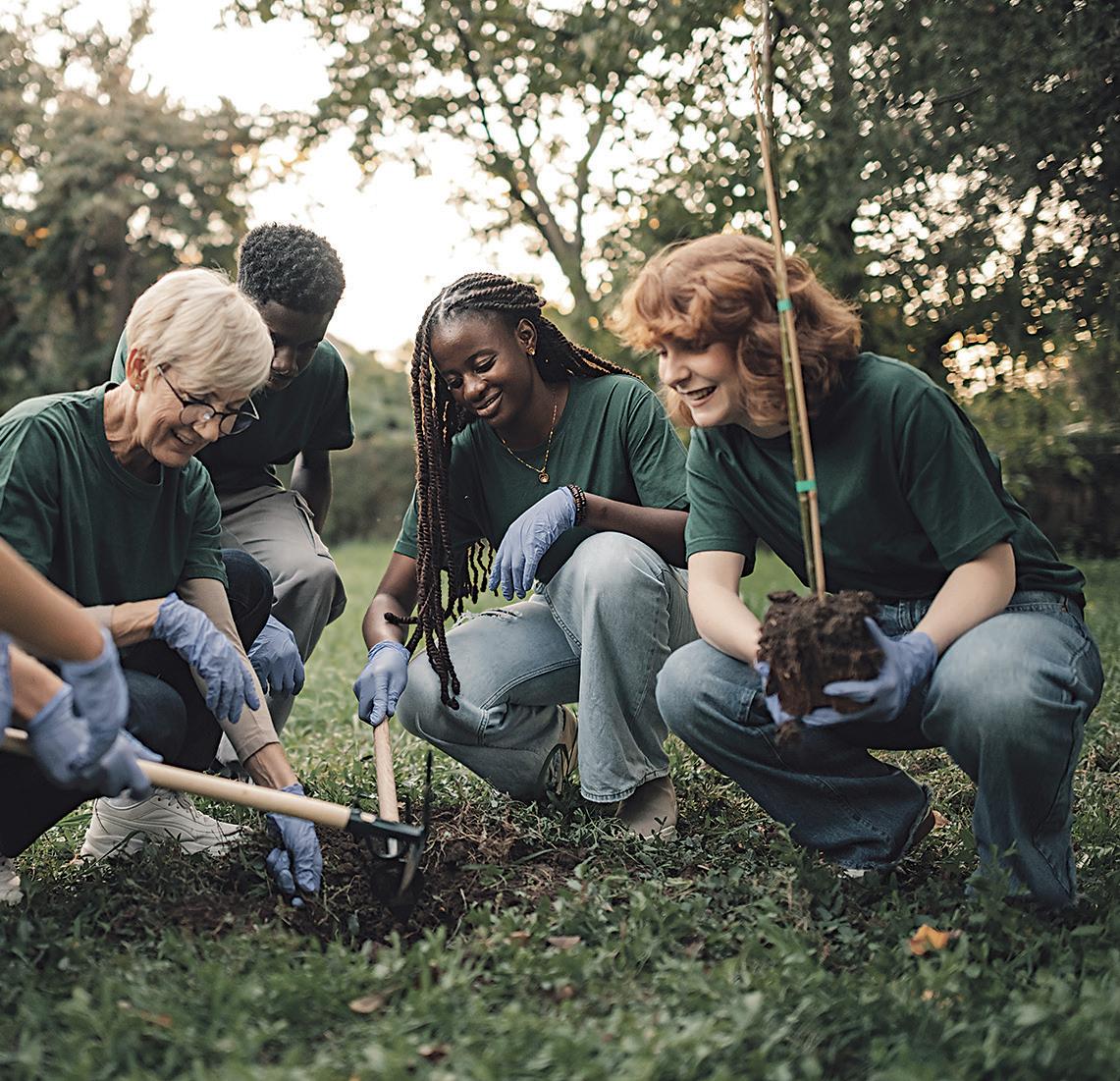
Research proves social connections are vital for wellbeing as we age.
“As humans we are fundamentally wired for connection,” Donna says.
“Our nervous system is literally regulated through relationships.
Chronic loneliness triggers inflammatory responses similar to physical trauma.”
Dr Lishman says humans are “pack animals” who need genuine connection.
“We might be more wired to technology these days, but really we’re becoming more disconnected,” she says.
“It requires genuine effort to remain connected in real life with real human beings.”
Your move:
Host real or virtual game nights, ask your kids or grandkids to teach you new skills, or ask people questions, which can build rapport.
“Everyone has something to offer, whether it’s time, expertise or kindness — it doesn’t have to be money,” Dr Lishman says.
“It’s actually psychologically beneficial for yourself to be a giver. There’s something that shifts inside of you and it facilitates your sense of belonging as well.”
Donna agrees, saying: “If you look at joy and happiness, they’re not actually feelings. They’re a set of things we have in our lives that create context — and that is having a life that has purpose and meaning.”
Your move: Match your skills to the needs around you. Organise meals or childcare support or a friendly cuppa for overwhelmed friends. Teach chess or knitting or volunteer.

“The opposite of being intolerant is being curious. So, you may be too judgmental when you are no longer interested in understanding why somebody believes what they believe,” says Professor Brock Bastian, of the Melbourne School of Psychological Sciences at the University of Melbourne. “Everyone has a logic behind their beliefs or a reason for acting the way they do. Try to understand what that is and what a belief or situation means to the other person.”
If someone disagrees with you, or a situation unfolds and you overreact, that can be a sign you’re overstepping the judgmental boundary.
“Quite often, a fair amount of emotion sits behind a judgment and there’s usually a quick gut-level response driven by our ingrained beliefs,” Prof Bastian says.
“In that moment, pause and put some distance between your reaction to that person or situation.
“Recognise that there’s something going on for you and that your strong

a monologue, with me telling her what was right and the ‘facts’,” Sarah-Jane, 55, of Melbourne, says.
“She said that always talked over the top of her and corrected her and that if anyone didn’t agree with me, I assumed they were wrong or stupid!
“That was pretty hard to hear and initially probably did the very thing my daughter was accusing me of — I told her she didn’t know what she was talking about!”
be black and white in her opinions and dismissive of those who didn’t see the world through her lens.
“It was uncomfortable to hear but it made me think, and I’ve made a conscious effort to listen more and to speak less. It’s hard after years of always being quick to step in and give my ‘verdict’ — I never realised I did that,” Sarah-Jane says.
“I still fall back into my old ‘judgy’ ways sometimes, but my daughter knows I’m trying. didn’t realise
Most people know someone who’s too judgmental. They’re the first to offer an opinion — and to state it over and over again. They’re probably not an expert in politics, finances, sport or the best way to get pasta sauce stains out of a white shirt, but they’ll tell you what they think anyway. They have no time for different perspectives and they’re quick to assess a person or situation and to believe that their assessment is right.
author Amy Jacobson.
“When we come across people who dress differently or who have different opinions and values, that sets off alarm bells.
“It’s normal for our mind to want to confirm that we are right, defaulting the other person to being wrong and there’s the judgment.”
So, what are the signs you could be overstepping the judgment line?
*Surname withheld
Judgmental people often surround themselves with people who think and act like they do and won’t challenge their worldview.
You may be too judgmental if you find it hard to make and maintain new relationships with partners, friends or colleagues who disagree with you.
“You might find yourself regularly caught up in conflict and confrontation,” Amy says. “And when you are judgmental, other people judge you and it becomes a vicious cycle.”
FEEL LIKE
Lurking behind our judgment can be a need for a self-worth boost. We want to feel that we know something other people don’t, Amy says.
Or a judgmental persona can be due to narcissism and putting ourselves above everyone around us.
“In every conversation, do you have an opinion that you feel needs to be heard? Are you waiting for a chance to talk, rather than listen? Do you want to feel like the smartest person in the room?” Amy says.

“Be self-aware and instead of thinking about you, check yourself and put the focus on other people.”
Another sign of being too judgmental is a tendency to use lots of “I” statements, such as “I think this” or “I do this” or “I wouldn’t have done that” or “This happened to me”.
“Even if you ‘comfort’ other people, you will always quickly go into stories about yourself,” Amy says.
Try to understand why someone thinks their belief is reasonable, Prof Bastian says.
“Look at the world through someone else’s eyes and you may start to see why they believe what they do,” he says.
“If we want to encourage someone to see things differently, the best way is to show them that we understand why they hold that belief, rather than simply telling them they’re wrong.”
DERMATOLOGIST RECOMMENDED
SKINCARE BRAND US^ IN THE

It can be 20C outside but you’ll be shivering in thermals as though you’ve just ice skated the Arctic nude. For months after the reconstruction, a vast sum of your money will be spent buying polar fleece vests and thick down jackets at adventure stores but it will be of little use since your new breasts lack insulating fat and internal blood flow to keep your chest warm. The good news? You eventually get used to your new ‘normal’ and warm up.
Fancy an icy drink? You’ll probably only make the mistake once or twice, as you experience a sensation that can only be described as someone punching fistfuls of icicles down your throat and settling them into your chest. You have to remember that nerves are cut during the mastectomy, which means your body can misinterpret or overreact to stimuli such as drinks cooler than body temperature. Make peace with the fact that tepid drinks will become your go-to in the immediate future.
According to Breast Cancer Network Australia’s Breast Reconstruction in Australia 2021 report, about 37 per cent of survey respondents who had completed their breast reconstruction in the private health system were out of pocket between $5000 and $10,000. And 10 to 12 per cent had outof-pocket costs of $15,000 or more. Only 16 per cent had out-of-pocket costs less than $2000. Be prepared to dig deep (and keep digging).
‘How are your breasts?’ It’s an awkward question to be asked at any other time in your life, yet people (close friends, work colleagues, even your barista) will think nothing of asking you questions about their size, shape, weight and general ‘vibe’. Will your new chest be the subject of much staring? You betcha.
Your surgeon may tell you to buy a wedge pillow, a bunch of surgical bras (psst, Kmart has the best ones), button-up pyjamas and shirts, as well as a good cream for scar tissue. What you may not realise is that whether due to a larger cup size or the appearance of rippling, you may also have to budget for new bras, swimsuits and a whole host of new tops (particularly those with a higher neckline).
It’s difficult to articulate the pain of looking down to see breasts that look and feel nothing like the pair you’ve had for decades. Showering in the dark — not to mention keeping your eyes focused on the ceiling while getting changed — may be your new normal for a while, but please rest assured that while these feelings are common, it will eventually get easier. Counselling helps.
Forget all the horror stories and terrifying ‘after’ photos on surgeons’ websites. Provided you find a solid surgeon, your breasts can look so great that you’ll put most of the top OnlyFans earners to shame. Nope, they still won’t feel like they’re yours and, yes, you’ll still feel sad when you consider what they represent. But the flipside is there’s a chance that you might (eventually) love how they look, so we’ll consider it a win.
In a perfect world, you could say ‘onwards and upwards’ as you walk out of the hospital, never to return. But the healing process is a highly individual journey filled with unexpected setbacks, emotional and physical ups and downs and, for many, further surgeries. A US study published in 2019 shows that among
patients who had no complications, about 40 per cent underwent elective revisions. Follow your surgeon’s medical advice, listen to your body and, if you can, continue to put money aside for potential future surgeries — just in case.
The recovery process after a mastectomy and reconstruction is as arduous as it is long, and everyone you hold dear to you will be tested. Who shows up for you? Who disappears? The aftermath will be messy but once the grief subsides, a process of recalibration — whether deliberate or unintentional — will begin and you will gain a better understanding of how you want to move forward (and with whom).
Mastectomy drastically reduces your risk of the cancer returning, but a comeback tour isn’t impossible. Continue to check your breasts for changes such as: a lump in the breast or armpit; redness or a rash on the skin or scar line; or a change in appearance, shape or skin of the reconstructed breast. While a mammogram is no longer required after a double mastectomy, consider having a yearly ultrasound of your chest wall and armpits, even if doctors insist otherwise. Advocating for yourself is essential.




Certain phrases you say to your partner can make you both feel better heard and understood. Try these for maximum impact
Our relationship is important to me — can we come to a decision together?
This statement signals to your partner that you recognise you’re in a partnership and it’s the foundation of everything in your life, says clinical psychologist and The 8 Love Links co-author Helen Robertson.
“It’s a couple’s base camp — it’s where you set agreed underlying foundations and principles so you each have a sense of trust and safety,” Helen says.
“You can be you and your partner can be themselves, you have your own opinions and pursue your own goals, but you come back together to make key decisions that respect both of you in a safe place.”
I see you are hurting — I can help take care of you
Understanding each other’s vulnerabilities and triggers means we can help each other heal old wounds.
“If something reopens an old emotional wound, acknowledging that your partner is hurting and asking how you can help them is very meaningful,” Helen says.
“(It is) reassuring and builds trust that you are
not going anywhere in the relationship and that you want to understand what is happening for them.”
What can we do differently next time?
If your relationship hits a rocky patch or an argument has festered for too long, this phrase can be a reset.
“Looking ahead to what you can change, without rehashing everything that has happened, has less of a blame focus,” relationship coach Nicole Koelewijn says.
“Focusing on what you can do differently is more empowering than looking backwards, and you’re more likely to get buy-in from your partner if they don’t feel they have to defend themselves.”
I can understand that, but my intention was …
During a misunderstanding, we may jump straight into telling our partner that upsetting them wasn’t our intention.
But first we need to validate the impact on them, Nicole says.
“Tell the other person you can see what has happened for them, but at the same time, clarify what was going on for you. Their experience and your intention are both true,” she says.
“You don’t just have to validate the other person and feel like the bad guy. You can understand why your partner interpreted what you said in a certain way while also acknowledging that wasn’t how you intended it to come across.”
Let’s talk about our sex life
This phrase is an opportunity to explore emotions and sexual intimacy and to work out how attraction and communication help form a fulfilling and lasting sexual connection, Helen explains.
“Sex is a pillar in a relationship but we often feel it’s taboo. This phrase is saying that our sex life is important and let’s give it the time and attention it deserves,” she says.
“It’s not judging or taking the approach that there is a problem in the bedroom — it’s an invitation to talk about interests, desire and how each of you feels about your sex life.”
It’s us as a team versus the problem
During an argument or rocky patch, it’s easy to fall into a “me versus you” mindset.
“This phrase reminds you and your partner that the problem is separate
to you both and you are experiencing this problem together,” Nicole says.
“It’s a good reframe — because if you stay in separate corners, that gradually creates a bigger divide and it can be harder to find your way back to each other.”
Address the issue with your partner first rather than turning to friends and family, Nicole adds. They have our best interests at heart but it can amplify the combative dynamic in your relationship if the feedback you get is that you’re right and your partner is wrong.
I love you
These three simple words create what Helen calls a “magic moment” — one of those small but powerful moments that occurs all the time between a couple. If your small moments remain positive, then you have a good relationship.
“But the opposite is also true. If your daily moments are negatively charged or even neutral, over time this can lead to disconnection,” Helen says.
So, create a habit of small magic moments — done with intention and presence of mind — that will bring more joy into your relationship.
He also hosts the How Ya Travellin’? podcast, talking to truckers and warehouse workers about mental health.
“The mental health of long-haul truckers is appalling. A lot of people take their own lives. Truck driving, by its very nature, is lonely. Every time they go to work it takes them away from their loved ones. Likewise, people working in big distribution centres walk in there in the morning and they’re inside these massive refrigerated warehouses all day (with headsets on and a computer telling them what to pack or unpack) until they leave at night. The effect of being inside all day, away from any natural light, is hard. We have heard some harrowing stories of people completely hitting rock bottom who have brought themselves back, or from those who lost loved ones before anyone could help.”
The award-winning podcast’s success lies in giving others the spotlight, Shane says.
“I really want to get it right because it makes a difference. It’s not often get to say this but we are saving lives or, at the very least, altering people’s lives in a positive way. When I’m talking to someone, I am just trying to make sure get all the information out of them that might help other people. Things like, ‘What were the signs (of depression) for you?’ And then, ‘How did you get out of that?’ If do my job properly, people listening can go, ‘I’ve heard three or four things here that connect with me and that make me realise I’m not alone’. Someone sent me a very personal message saying, ‘You have no idea how close I was to giving up on it all and your podcast turned it around’. It’s like: Hell, you don’t get that when you do a movie.”
For mental health support: Lifeline 131 114, Beyond Blue 1300 224 636



Interest in the mineral is growing — here is what to get across and support your overall wellbeing
Magnesium keeps popping up all over our social media feeds lately and it’s no surprise, because the humble mineral is known for its role in maintaining our overall wellbeing. It can play a role in supporting muscle health and energy production, relieve muscle cramps when dietary intake is inadequate and even support our nervous system health, often without us noticing. Despite all this behindthe-scenes work, many of
us are not getting enough magnesium. One in three Australians don’t meet the daily intake requirements for magnesium, according to the 2011-13 Australian National Nutrition and Physical Activity Survey. For those who find it difficult to get enough through diet alone, Nutra-Life’s Magnesium Glycinate range can help bridge the gap. While magnesium plays many roles in the body, levels can be influenced by a range of lifestyle and dietary factors.
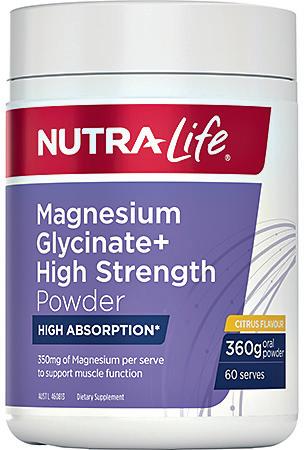
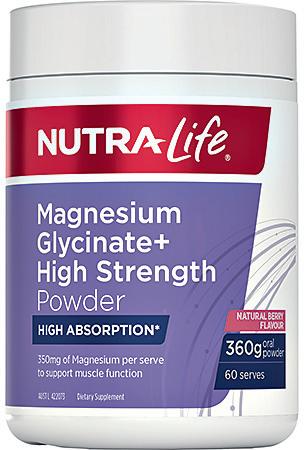



The Nutra-Life Magnesium Glycinate range can be taken with or without food. Some people prefer to take magnesium glycinate with meals. Taking it at bedtime may help support muscle function and relaxation.
Nutra-Life Magnesium Glycinate High Strength Powder Citrus or Berry 360g, $54.99 each; Nutra-Life Magnesium Glycinate 300 Capsules, $59.99; Nutra-Life Magnesium Glycinate 120 Capsules, $32.99; Nutra-Life Magnesium Glycinate 60 Capsules, $19.99

Here are four commonly discussed signs that are linked to inadequate dietary magnesium intake, and what they could mean for overall wellbeing.
1You experience mild muscle spasms When dietary intake of magnesium is inadequate, minor muscle spasms can occur. Magnesium can support muscle relaxation.
2 You have energy slumps Many of us find our routines can leave us feeling drained. Magnesium can help support energy production and energy levels.
3 Fatigue seems to creep up on you Fatigue can have many possible causes and, in some cases, may be influenced by dietary magnesium levels when your intake is inadequate.
4You get muscle cramps Muscle cramps are no fun for anyone. Magnesium plays a role in muscle relaxation.
Always read the label and follow the directions for use.
In addition to being able to get magnesium from a wide variety of foods, such as leafy greens and nuts, there are also different forms of magnesium supplements if your dietary intake is inadequate.
Magnesium glycinate, a form of magnesium bound to the amino acid glycine, is known for being gentle on the stomach. This form of magnesium can support muscle health and function, support muscle relaxation and contribute to overall wellbeing. Not all forms of magnesium absorb the same in the body. Magnesium glycinate has high absorption. Nutra-Life offers a high-potency magnesium glycinate range. Manufactured in New Zealand, it is available in two convenient formats: easy-to-swallow capsules or a powder in berry or citrus flavours that can be mixed with water. By choosing Nutra-Life Magnesium Glycinate, you can help support dietary intake when intake is inadequate, while supporting energy production, muscle health and nervous system function.
*This article is brought to you by Nutra-Life. Dietary supplements can only be of assistance if dietary intake is inadequate. If symptoms persist, talk to your health care professional.




For a happier, healthier you
“If you don’t feel like you have properly been able to address everything that is affecting you in that moment (at a doctor’s appointment), it can be really upsetting.”



For many women, medical appointments feel hurried and concerns are brushed aside. The consequences are real — and the call for change is growing louder
“Cancer doesn’t always look the way we expect it to and it doesn’t only happen to a certain ‘type’ of person. Education and selfadvocacy are everything.”
Now, as she lives with stage four cancer, Dakota channels everything she’s learnt into awareness, reminding women that early detection and self-advocacy can change outcomes.
She shares her message through her podcast, Bits and Boobs, co-hosted with Bianca Innes, and her social platforms. “I want people to know that just because you have cancer, you’re still you,” she says.
When Dakota Middleby (pictured right) first noticed a small lump in her breast in her early 20s, she went for a scan.
“I was told by the sonographer that it was nothing to worry about, particularly because of my age,” Dakota says.
“So that’s exactly what I did — I didn’t worry about it. Looking back now, if I’d been more educated as a young woman, probably would have gone back three months later for another check. But at the time, I trusted the reassurance completely.”
Eight years later, everything changed when Dakota noticed her lymph nodes were swollen.

“That experience has shaped how I advocate for myself now and why I’m so vocal about pushing for answers.”
A new GP in Melbourne took her concerns seriously and that persistence ultimately saved her life.
Dakota received her diagnosis of HER2-positive breast cancer (at the same site on her breast) last March, just before her 29th birthday. At the time, the cancer was classified as stage three.
HER2-positive breast cancer accounts for 15 to 20 per cent of all breast cancer cases and tends to spread faster than other breast cancers, according to the National Breast Cancer Foundation.
“Unfortunately, the swelling of the lymph nodes was a sign that the breast cancer had already spread and was no longer just in my breast tissue,”
Dakota says.
The cancer soon progressed to stage four and spread to her brain.
While her current treatment team has been overwhelmingly supportive, Dakota’s early experience of being dismissed reshaped how she approaches her health.
“That experience has shaped how I advocate for myself now and why I’m so vocal about pushing for answers,” she says.
“It has completely changed how I talk about early detection. try to educate people who don’t see themselves represented in cancer conversations, especially young women.
Wellness Give Women
Time campaign — include that nine in 10 women have a regular GP or clinic, yet just 15 per cent find it easy to secure an appointment when needed, and 41 per cent of women say they needed multiple visits to solve their issue, or a GP was unable to solve their issue.
chronic pain and life-stage changes frequently overlap.”
He says limited consultation time can lead to delayed diagnoses, fragmented care and women leaving appointments feeling dismissed or doubting themselves.
So, what makes a positive health care experience?
of women said more bulk billing would encourage them to visit a GP more often.
“I thought cancer meant your life was over. And, yes, it’s scary and life-changing but you can still live, still laugh, still be yourself.
“I don’t want people to let cancer steal their identity or their joy, and normalise it as much as possible.”
Her final message? Trust your instincts.
“If something feels off, it probably is. It’s OK to ask for further tests. It’s OK to push for peace of mind.”
THREAD Dakota’s feeling that her health concerns were minimised is not unusual for Australian women.
Our The House of Wellness Women’s Health Survey of more than 1300 women nationwide found many women report feeling rushed or unheard at medical appointments, with almost 60 per cent turning to other practitioners for support. The findings — a catalyst for The House of
Professor Louise Stone, a GP, says the current health care system works “poorly” for female patients. “Women’s health is inherently complex and women carry a high carer burden, with less resources to invest in their own care,” Prof Stone says.
“Bouncing around a dysfunctional system doesn’t help anyone.”
She says the current system disincentivises GPs from taking longer appointments. “The longer the consultation, the less Medicare pays per minute,” she explains.
Dr Joseph Sgroi, an obstetrician, gynaecologist and fertility specialist, agrees women’s health concerns are often complex.
“Women often present with symptoms that don’t fit neatly into a single diagnosis,” Dr Sgroi says.
“Reproductive health, hormones, mental health,
Survey respondents said feeling heard, having enough time and prompt attention to concerns.
Dr Sgroi says longer consultations allow doctors to understand the full picture, not just symptoms, including history, priorities and how health issues affect daily life.
“That leads to better diagnosis, clearer explanations and shared decision-making. It also builds trust, which is critical for long-term outcomes,” he says.
Dr Sgroi urges women to trust their instincts.
“If something doesn’t feel right, it’s OK to persist, ask questions or seek another opinion,” he says.
He recommends finding a doctor or clinic where you feel listened to and respected.
“Seeing the same doctor and the team around them over time can make an enormous difference,” he says. “It’s also reasonable to ask for a longer appointment if you have multiple or complex concerns.”
41% of women needed multiple visits to solve their issue, or a GP was unable to solve their issue.
The House of Wellness Give Women Time campaign advocates for patient-centred care, with time, attention and continuity at the core. The campaign was borne out of our survey results, which overwhelmingly showed that women feel disadvantaged and ignored by the current health care system. Longer appointments are an equity issue: Women’s health issues often take more time to unpack, diagnose and manage. From reproductive issues to chronic pain, rushed consults mean missed diagnoses, delayed treatment and emotional exhaustion.

Follow our campaign at houseofwellness.com.au

stay
Now’s the time to think about vaccination after last year’s record influenza season

The 2025 Australian flu season made headlines for all the wrong reasons.
It arrived early, lasted longer and brought with it a new H3N2 variant called subclade K that spread rapidly across the country.
First detected in Sydney and Melbourne in July, this variant extended what should have been a typical winter flu season well into summer.
There were nearly 500,000 notified flu cases across 2025, and flu claimed 1238 lives in the first 10 months of the year, according to the Australian Centre for Disease Control’s Australian Respiratory Surveillance Report.
It was a record flu season, the Royal Australian College of General Practitioners notes.
“I think the only thing that’s certain about the flu is how unpredictable it is and I think 2025 really showed us that,” says Mater Health Services infectious diseases director Professor Paul Griffin.
“We had unprecedented levels of flu over summer, still had a pretty big season and then truly unprecedented levels of flu even after the traditional season had concluded.”
The subclade K variant has proved particularly troublesome.
University of Sydney pediatrics and child health professor Robert Booy says it accumulated so many mutations that last year’s vaccine was less effective than usual.
“Normally, vaccination provides anywhere between 40 and 60 per cent protection, but this particular strain escapes some of the immunity provided by vaccination,” Prof Booy says.
However, there’s encouraging news.
“The vaccine we used in 2025 didn’t protect against that very well but the one we’re going to use this year will cover that specifically,” Prof Griffin says.
Australia has already updated the vaccine formulation to better match circulating strains.
While influenza can affect anyone, some groups may be more likely to experience more noticeable symptoms or complications. Young children, older Australians and Indigenous populations are often considered priority groups for prevention strategies. Influenza effects are particularly noticeable for those who may be more susceptible, which can include children, Prof Griffin advises.
Experts urge vulnerable groups to book their flu vaccination appointment as soon as possible.
“Given the flu is circulating already, it would be sensible for at-risk people like young children, elderly people or those with chronic disease to be vaccinated as soon as they can,” Prof Booy says.
For parents concerned about needle-anxious children, there’s promising news this year — a new intranasal vaccine.
With research showing many children have a needle phobia, Prof Griffin says “being able to give them an intranasal vaccine is hopefully going to help with uptake”.
The intranasal vaccine — a quick, painless spray into each nostril — is currently funded for children aged two to under five in Queensland, NSW and South Australia, and ages two to under 12 in Western Australia.
Free vaccination
Flu vaccines are free under the National Immunisation Program for:
Aboriginal and Torres Strait Islander people aged six months and older; children aged six months to under five years; people aged 65 years and older; pregnant women; and people aged six months and older with specific medical conditions.

“Given the flu is circulating already, it would be sensible for at-risk people like young children, elderly people or those with chronic disease to be vaccinated as soon as they can.”

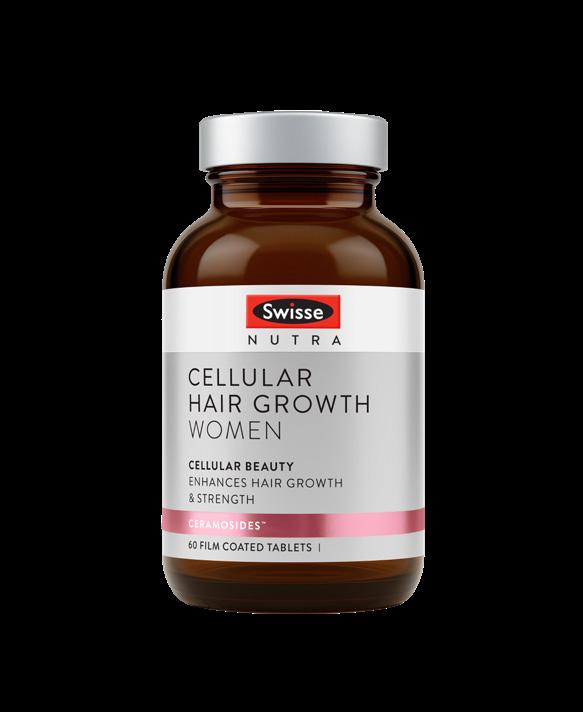
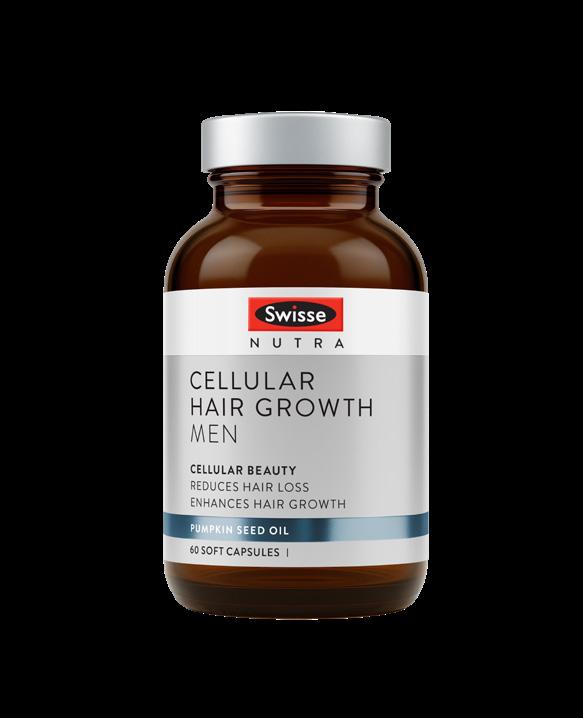
seed oil,

Key benefits
While vaccination remains the backbone of flu prevention, experts emphasise there are other crucial protective measures we can adopt as well.
The intranasal vaccine is now funded for children in several states.

“One of the main ones is staying home when you’re unwell,” Prof Griffin says.
“The basics of hygiene — including hand hygiene and cough and sneeze etiquette — are really important.
“Covid taught us a lot about air quality and mask wearing and I think we’ve forgotten some of those important lessons.”
A lot of people also aren’t aware that, particularly if you’re high risk or more unwell, you can get medication to treat the flu, he says. Consult your health care professional for advice.
Clinically Studied Ingredient Results
Decreases hair loss & thinning and maintains thyroid gland function
Ceramosides® has been clinically shown to increase hair growth in women after 12 weeks*
Helps maintain healthy hair follicles and supports hair strength and thickness
Pumpkin seed oil has been clinically shown to improve hair growth in men after 12 weeks**
Ceramosides® helps enhance firmness and relieves skin dryness in women
Ceramosides® has been clinically shown to improve skin hydration after 15 days***
When children learn they’re neurodivergent, it can be tricky to explain it to them. Here is how to share the diagnosis in a way that helps them thrive

Has your child received a neurodivergent diagnosis?
With early development screening on the rise, autism and ADHD (attention deficit hyperactivity disorder) are being diagnosed more often — and sooner. And now you may be wondering how to explain the diagnosis in a way your little one can understand and feel supported. Here are some ways to share the news in an affirming and empowering way.
Opening conversations from a young age helps children build a positive sense of identity and selfunderstanding as they grow, says La Trobe University associate professor and neurodiversity expert Josephine Barbaro.
“You don’t need a big, dramatic sit down,” Assoc Prof Barbaro says. “Short, gentle conversations over time help children understand themselves in age-appropriate ways.”
After a diagnosis, it’s normal for parents to need time to process and learn more about how to best support their child, psychologist Chloe Southern, of Inner Child Psychology, says.
“Once families feel ready, they can begin weaving in these conversations,” Chloe says.
“I usually suggest keeping the idea ‘on the radar’ and looking for natural openings.
Sometimes the most meaningful conversations happen in everyday moments.”
It can also be useful to read neuroaffirming children’s books to see which ones might resonate with your child.
“A few favourites of mine are Some Brains
“After reading a book together, you might casually ask, ‘What kind of brain style do you think you have?’ ”
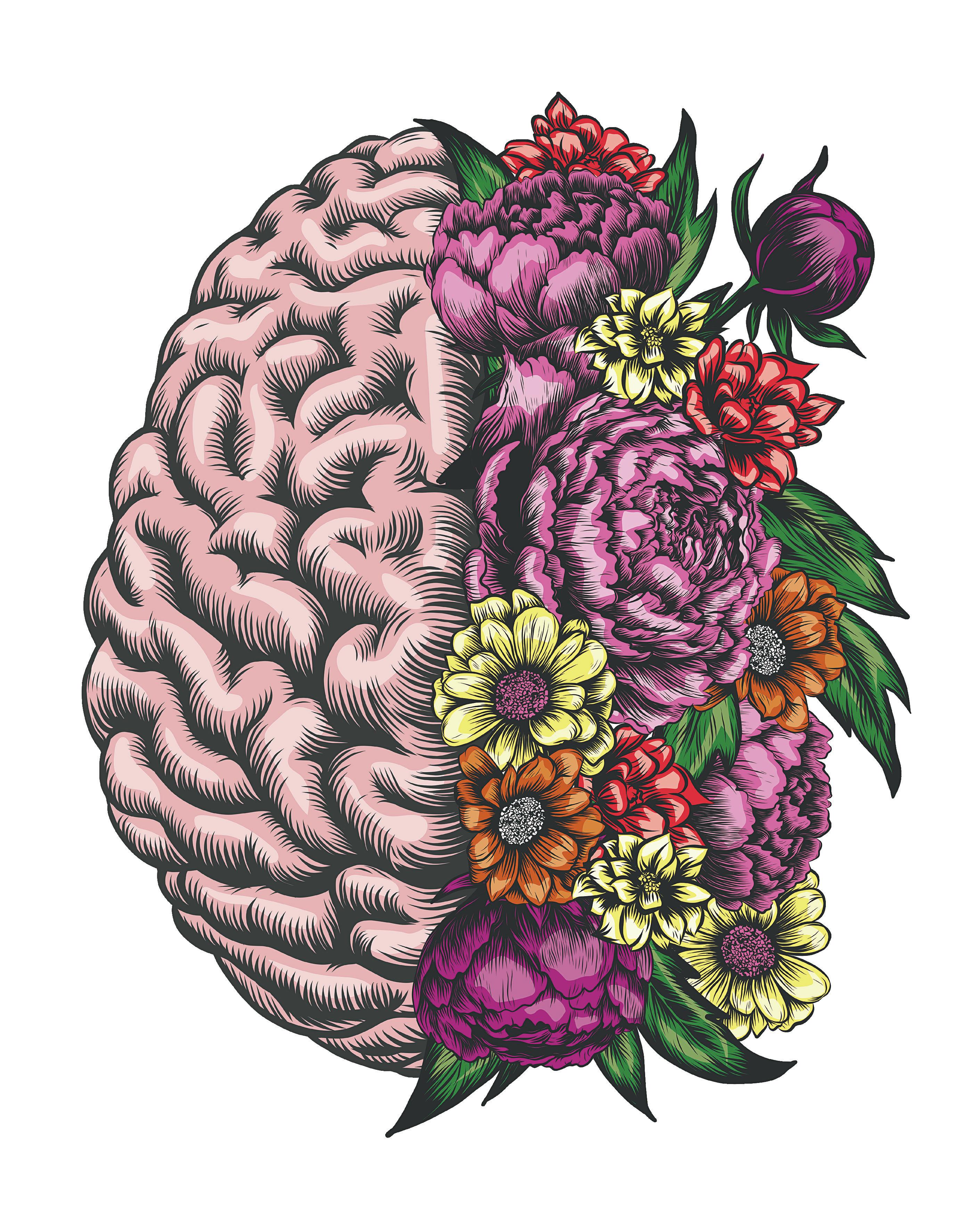
Emphasise to your child that their brain might “work a bit differently”, Assoc Prof Barbaro says.
“This supports acceptance rather than pathology, avoids shame and normalises neurodiversity as part of human variation,” she explains.
Avoid framing the diagnosis negatively or using clinical or deficitbased language such as “disorder”, “deficit” or “problem”.

Join your child in what they love and frame it as something to be proud of.
Every autistic child, for example, has particular abilities, Assoc Prof Barbaro notes.
“Framing it as a disorder to fix or cure undermines self-acceptance and reinforces stigma,” she says. “Stick with neutral or affirming language like ‘different ways of thinking’ and ‘different kinds of brains’.”
Chloe suggests speaking openly at home about your own brain style, whether you’re neurotypical or neurodivergent.
“This normalises difference and helps your child understand that everyone’s brain works in its own unique way.”
“Begin with those strengths,” she says. “You might say, ‘You remember so much about the things you care about’ or ‘The way you notice tiny details is something not everyone can do’. This anchors the discussion in pride and self-understanding.” It’s also important to strike a balance.
Chloe says while we want to celebrate the unique strengths of a neurodivergent brain, we also want to acknowledge that some things can be tough.
“Validation helps children feel seen and understood,” she says.
You don’t have to have all the answers. It’s likely you’re learning, too.
“If your child asks something you’re unsure about, you might say, ‘That’s such a great question; let’s find out together’,” Chloe suggests. “Children process information over time. Give them space and time to come back with more questions when they’re ready.”
The message they need most is simple: “This is a part of who you are and we love you exactly as you are,” Assoc Prof Barbaro says.
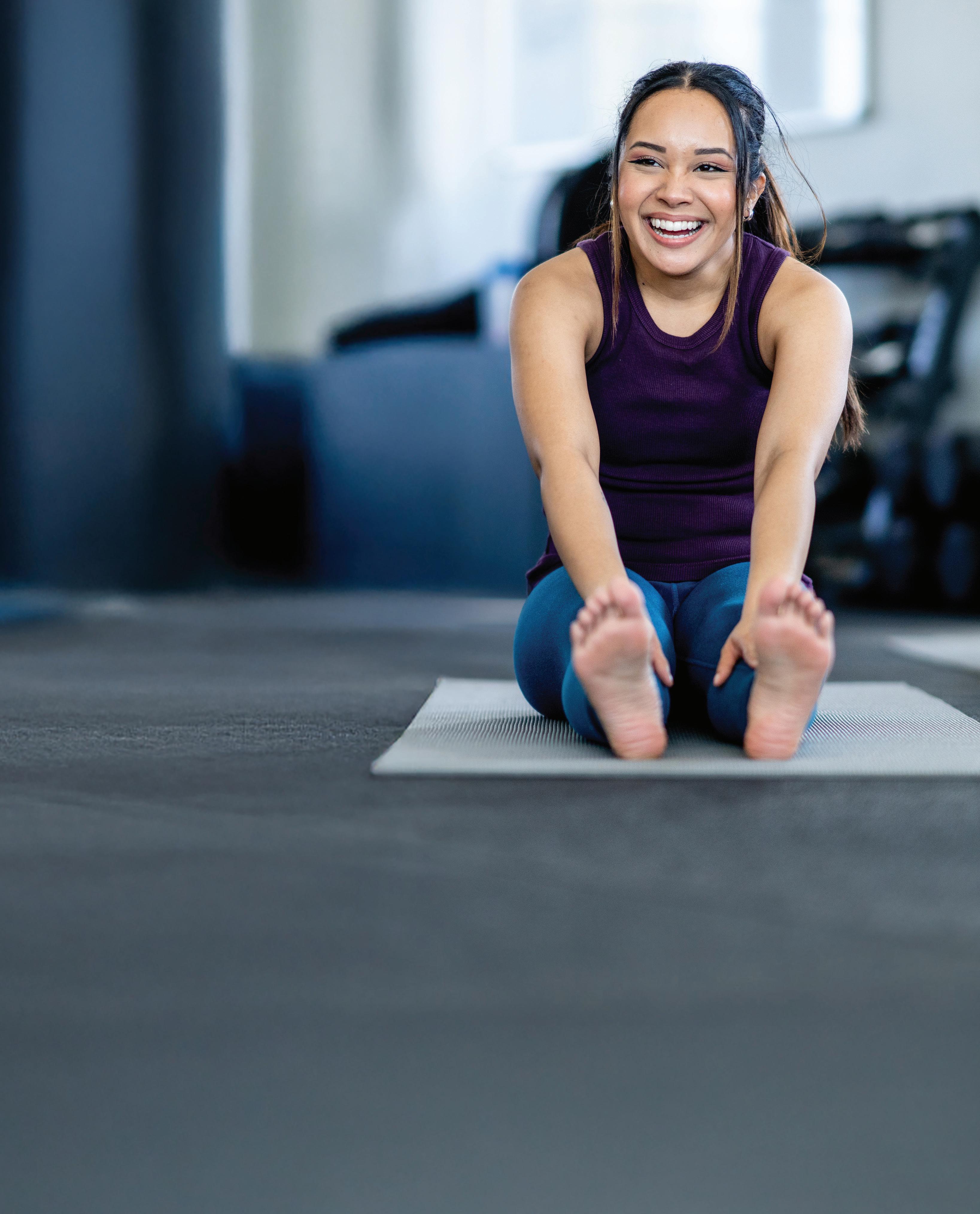
Whether you’re looking to better understand your health, start a new routine or prepare for travel, here are key services at many Australian pharmacies
The range of on-the-spot health checks offered in pharmacies is expanding. While these checks are not to diagnose you with a medical condition, they can raise awareness about your general health and help you notice trends over time and understand when to follow up with your GP. Common checks include:
• Blood pressure checks
• Blood glucose checks
• Cholesterol checks
Your pharmacist can help with everyday health concerns, including:
• Sleep hygiene
• Stress management
• Smoking cessation support
These services provide practical lifestyle advice and guidance on when to seek further medical care.
what to discuss with your GP before travelling. In some states and territories, pharmacists may also provide travel health consultations.




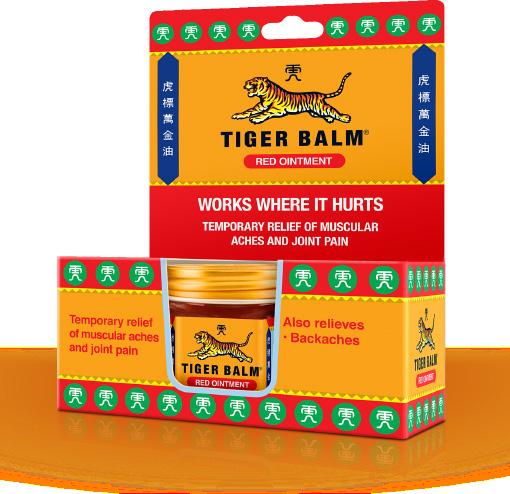




• Weight and BMI (body mass index) scans These services are a great way to stay proactive about your wellbeing.
Pharmacists are trained and accredited to provide a range of vaccinations for adults, adolescents and even children in some states and territories. Most pharmacies offer:
• Annual influenza vaccinations
• Covid-19 boosters
• Selected additional vaccinations, depending on your age and state or territory regulations Many can also provide certain travel vaccinations. Your local pharmacist can let you know exactly what they are authorised to administer.
If you use inhalers, glucose monitors or other health devices, pharmacists can help you use your device correctly and safely. This can help you get the most from your device and feel more confident day to day.
For people taking multiple medicines, or supporting someone who does, dose administration aids such as Webster-paks can make daily routines easier. Medicines are organised into clearly labelled compartments to reduce confusion and support consistent use.
Beyond vaccinations, pharmacists can offer general travel health advice, such as how to stay well overseas, what to pack and
In some states and territories, community pharmacies are evolving to offer an expanded range of health-support services. Depending on the pharmacy and local regulations, a trained pharmacist may be able to help with minor wound care, provide support for skin concerns or common ailments, and offer further medication management services. As always, the pharmacist acts as a first point of contact, helping you make informed choices and referring you to a GP or other health professional when needed. Your local pharmacist can be a partner in your everyday health. For any of the services mentioned in this article, ask your pharmacist what they offer. Your local pharmacy is more than a place to fill prescriptions, and you might be missing out on the accessibility and resourcefulness of your local pharmacist!
Understanding your medicines is essential for feeling confident in your health routine.
Beyond the general queries, you may be eligible for a MedsCheck with your local pharmacist, which is a one-on-one consultation to:
• Review what each medicine is for
• Establish a routine that suits your lifestyle
• Ask questions in plain language
• Identify topics to follow up with your GP Additionally, there is a more comprehensive version of a MedsCheck, called a Home Medicines Review, where a pharmacist visits you at home to thoroughly review your medications against many factors, and provides a report to your GP. These services are educational, supportive and designed to optimise your health care and ultimately enhance your understanding.
Your
immune
system is meant
to
protect you from viruses, bacteria and other nasties. But what happens when it turns on you instead?
For millions of people, feeling constantly exhausted, foggy or sore isn’t just “one of those things” — it’s a sign their immune system has gone rogue because of an autoimmune disease.
These diseases are surprisingly common and include rheumatoid arthritis, type 1 diabetes, lupus, inflammatory bowel disease, autoimmune thyroid disease, Sjogren’s syndrome and vasculitis.
They affect about 5 per cent of people, according to the Australasian Society of Clinical Immunology and Allergy.
About three quarters of people with autoimmune diseases are women, the Victorian government’s Better Health Channel website notes.
Often invisible, sometimes misunderstood and slow to be recognised, autoimmune diseases cause the body to attack itself, and the result can be symptoms ranging from persistent fatigue and brain fog to joint pain, rashes, bowel problems and organ inflammation.
In simple terms, autoimmune diseases develop when the immune system loses its ability to recognise what belongs to the body and what doesn’t.
“Your immune system … should normally keep you well and defend your body against foreign things like viruses and bacteria,” says Dr Jessica Day, a rheumatologist and clinician scientist at the Royal Melbourne Hospital’s rheumatology department and the Snow Centre for Immune Health.
“In autoimmune disease, however, the immune system has become confused or misdirected, and it’s starting to direct its attack against your own tissues.”
That confusion makes autoimmune disease fundamentally different from many other chronic conditions. “Your own immune system has become dysregulated and is seeing your own tissues as foreign and something that needs to be removed,” Dr Day says.
Depending on the condition, that attack might focus on a single organ, such as the thyroid, bowel or joints, or involve multiple organs across the body.


‘My journey with lupus’ Vu Nguyen’s struggle with lupus began at nine when she developed swollen ankles and aching joints.
While many people struggle for years to get a diagnosis, Vu’s GP figured out the complex condition surprisingly quickly, leading to a swift identification of lupus, a chronic autoimmune disease where the body’s immune system attacks its own tissues and organs.
“Everyone with lupus experiences it differently,” Vu explains. “A lot of us have more than one disease because the lupus is attacking different parts of the body.” Early treatment brought unwanted side effects, including stunted growth and a “moon face”, which Vu says was hard to navigate as a child.
Further treatments caused more side effects, including hair loss and skin problems. But Vu’s most profound challenge struck at 22 when a stroke led to multiple brain surgeries, an 11-month stay in hospital, seizures and short-term paralysis on her left side.
Despite these hurdles, Vu maintains a positive attitude, crediting the support of her family and friends.
And she is dedicated to helping others. She co-founded Lupus Victoria, a not-for-profit organisation that officially launched in 2016, with Rob Jolly, who tragically lost his daughter, Kim, to the condition. So far, they’ve raised almost $600,000 for the Kim Jolly Lupus Research Fund for vital research and advocacy at Monash Lupus Clinic. Vu is studying counselling to help others and runs a support group for Victorians living with lupus. “When you have something difficult in your life, you have to find a positive outlook on it. I am 40. For a while I thought I was going to be bed-bound, but I survived.”
For more details or to donate to the Kim Jolly Lupus Research Fund, visit lupusvictoria.com.au








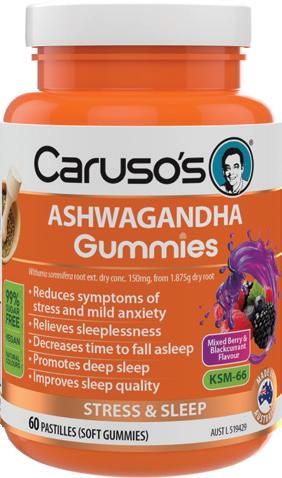
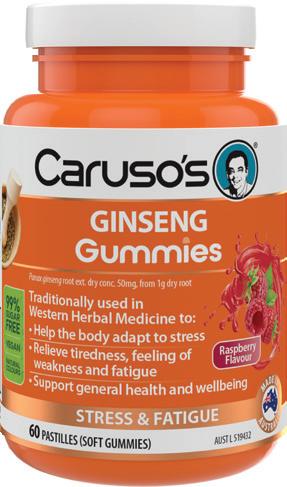
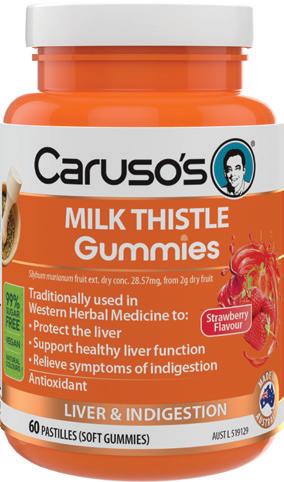

































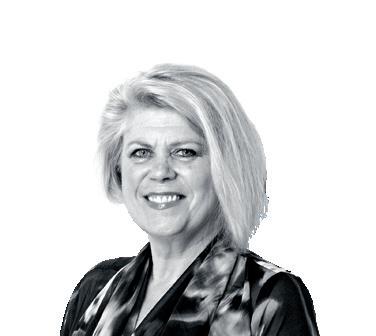
GENERAL PRACTITIONER Dr Sally Cockburn talks
It is a term that strikes fear into all of us. Indeed, as health professionals, we are taught to take care if using the term ‘cancer’ in a consultation for the first time, as the patient most likely won’t hear much after that
Iam concerned that people may fear the term ‘cancer’ so much that they avoid discussing symptoms or risks with their doctor. This is so counterproductive. I mean, if cancer is present, avoiding a diagnosis won’t make it go away — and while diagnosis allows consideration of treatment options, investigation may actually rule cancer out altogether. Phew! People often say to me that once they have a cancer diagnosis it frees them to consider options. Delays might reduce those options.
Cancer has been talked about by health professionals since the time of Hippocrates, and scientists have even isolated tumours in bones of animals many millions of years old, and enormous progress has been made in understanding and treatment.
Why then is there still confusion and myth surrounding cancer? Well, it’s not so long ago that cancer was a taboo subject, mainly because treatment options were scant. However, we need to pull it out from under the rug and talk about it.
For starters, ‘cancer’ is not one disease but rather an umbrella term for many conditions where the common factor is that cells have lost the ability to control replication. Abnormal cells may accumulate in an organ, possibly replacing or squashing normal tissue and interfering with the function of the organ. The term ‘tumour’ is commonly used for a solid growth, but doesn’t necessarily mean cancer. We tend to use the term ‘benign’ to describe a tumour that stays in one place and doesn’t cause much problem, whereas we usually use ‘cancer’ or ‘malignant’ (sometimes interchangeably) when cells are likely to, or have, spread (metastasised) to other parts of the body, seeding via the bloodstream or lymphatic system. This is often referred to as ‘stage 4 cancer’. Confusion reigns when too many terms are used. Cancer is generally categorised by the organ where it originates and then subcategorised by its microscopic cell type or genetic markers — for
example, small cell lung cancer or HER2-positive breast cancer.
This categorising helps tailor treatment plans and aids prediction of prognosis. Speaking of prognosis, everyone wants to know, ‘How long have I got, Doc?’ but it’s not that simple. While we can use statistics as a guide, each individual is different. An individual’s response to treatment is a better indicator. Not all cancers behave the same and the same cancer may behave differently in different people.
I like the saying, ‘Cancer is a word, not a sentence’. It spells out why we shouldn’t jump to conclusions and should learn about the specific cancer relevant to ourselves.
We’ve come a long way in diagnosis and treatment of cancer.
Even in my practising life there have been amazing leaps forward when it comes to various cancers, such as keyhole surgery, targeted chemo, refined radiotherapy and drugs that harness our own immune response to cancer.
While we haven’t conquered all cancers, with improved management many more people are ‘living with cancer’ way beyond expectations, and it may be seen as a chronic disease requiring monitoring and maybe ongoing treatment.
Early diagnosis and prompt treatment remain the mainstay for now. Cervical, breast and bowel cancer screening programs can be effective in identification of suspicious or precancerous lesions, and Australia has recently introduced a lung cancer screening program for those with a smoking history. Talk to your doctor about screening and ask about self-examination. Cancer prevention is the ultimate aim.
The discovery that human papillomavirus (HPV) causes cervical cancer led to the Australian development of an HPV vaccine. Promising research predicts that HPV related cancers may be eliminated within a few generations here. Get informed and change fear into hope.
For more information and support, visit cancer.org.au or call 131 120
More older couples are parting ways.
While the fall-out can be di cult, for some it can also be liberating
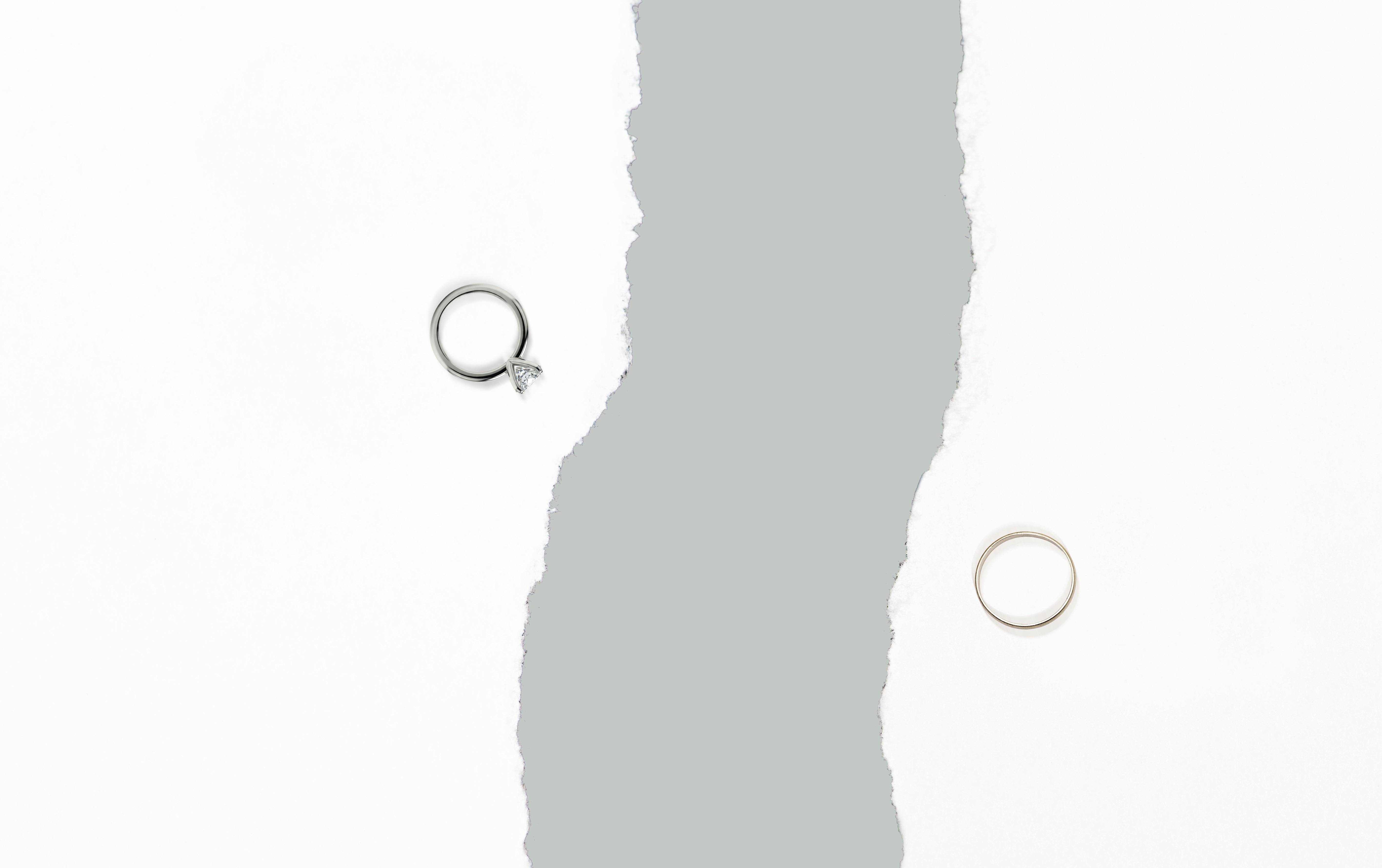
You might think divorce is something that happens to younger couples, but later-life separations are quietly reshaping Australia’s relationship landscape.
More older couples are seemingly looking back on decades together and asking, “Is this still the life I want?” — right at a time of life that is supposed to feel settled, familiar and secure.
The number of Australian couples splitting after being married for 20 years or more accounted for one in five divorces in the 1980s, according to the Australian Institute of Family Studies. By 2021, that figure had climbed to more than one in four divorces. So, what’s behind the trend?
RANGE OF REASONS
There’s no single factor driving grey divorce — it’s more a “constellation” of social, relational and demographic factors, says Dr Barbara Barbosa Neves, of the University of Sydney School of Social and Political Sciences.
“For many couples, this stage of life coincides with key transitions,” Dr Barbosa Neves explains.
“One common factor is the ‘empty nest’ period. Couples may discover they have little in common beyond parenting. Some reconnect, but others realise long-standing issues have simply been masked by a busy family life.”
Adjusting to retirement and changes in routines, finances and sense of self-identity can also lead people to reassess how happy — or not — they are in their marriage.
Enriching Lives Psychology principal psychologist Carly Dober says as we live longer, our romantic relationships are being stretched. As people change over the course of their lifetime, marriages stretch to snapping point.
“Women also have more rights now and don’t need to be tied to relationships in the same way their mothers or grandmothers were,” Carly says.
While men and women both face challenges navigating grey divorce, Dr Barbosa Neves says research indicates that women are usually hit harder.
They’ve often earned less money due to taking time out of work to raise children, they have less superannuation and they have fewer financial resources to help them restart.
“Financial strain, housing instability and reduced social support are all linked to poorer physical, mental and social health in mid and later life. This places women at greater risk of stress, anxiety and chronic health conditions following divorce,” Dr Barbosa Neves says.
The loss of decades-old routines, a shift in personal identity and the loss of joint friendships can also accompany later divorce.
“Relationships with children can be impacted because adult children often have strong opinions about what they believe their parents should do with their lives, or they may not agree with the separation,” Carly says.
“After decades of being a couple, you can feel like you’re starting from scratch and, for some people, that can be confronting and intimidating.”
But for some silver splitters, later divorce brings relief and signals the start of a period of liberation and personal discovery.
After years of putting family and work first, grey divorce creates space to discover new personal interests, build new social networks and find a new direction and sense of purpose.
“The key point is that divorce is not only a story of loss or difficulty,” Dr Barbosa Neves says.
“For many, it also represents an opportunity for growth, reinvention and living in a way that feels more aligned with who they are now and who they aspire to be.”
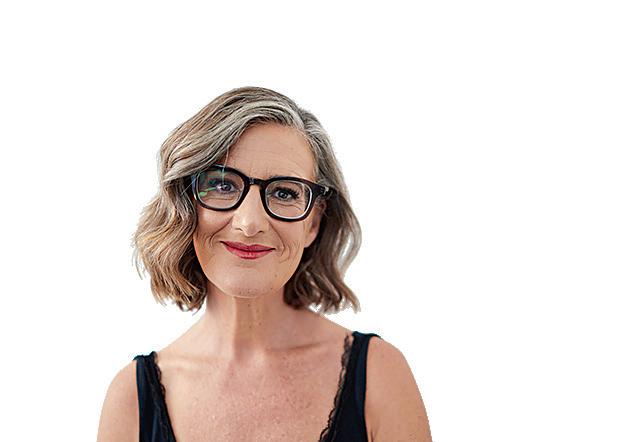
‘We simply fell out of alignment’ Kate Christie, 55, of Melbourne, separated from her husband, Dan, when she was in her late 40s. Two years later, he was diagnosed with pancreatic cancer and passed away
“Dan ended our marriage. He told me he didn’t love me anymore and wanted the chance to fall in love again.
I felt completely blindsided but I didn’t fight to save the marriage. After reflection, I was relieved he’d been brave enough to ‘call it’. I think we simply fell out of alignment.
Telling the kids and helping them navigate the separation was challenging and traumatic. No age is a good age for kids to feel the loss of the sense of family. The financial separation was consuming and damaging and the publicity of separation is
also difficult. Everyone in your community has a front row seat to the end of your marriage. But after getting my kids through the separation, secondary school and the illness and death of Dan at 54, my 50s have been a period of liberation. I finally get to do and be exactly what I want, without consultation.
I’ve hiked the Larapinta Trail, written my book The Life List: Master Every Moment and Live an Audacious Life and I moved to Bali for a while as a digital nomad.
I’ve fallen in love again, bought a palazzo in Sicily, which we’re renovating, moved into an apartment in the city and I’ve taken up surfing. I am living my absolute best life.”

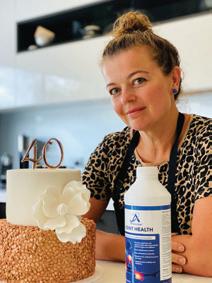










Olympian Natalie Van Coevorden knows the importance of mindset and what it means to have














Positive affirmations are more than just an aesthetic post on Instagram or a quote written in lipstick on the bathroom mirror — Wollongongbased Natalie says internal talk speaks volumes.
“Telling yourself to keep going or that you can do hard things is not as cheesy as it sounds.
“They are really handy terms to have in your back pocket,” Natalie says.













As a triathlete who competes around the globe in gruelling conditions, Natalie Van Coevorden is powered by a meticulous mental and physical approach. From adversity such as missing selection for
the Tokyo 2020 team to triumphs such as topping the Oceania rankings and competing in Paris in 2024, the 33-year-old has experienced the highs and lows of professional sport. Here are Natalie’s top five mindset and resilience tips.
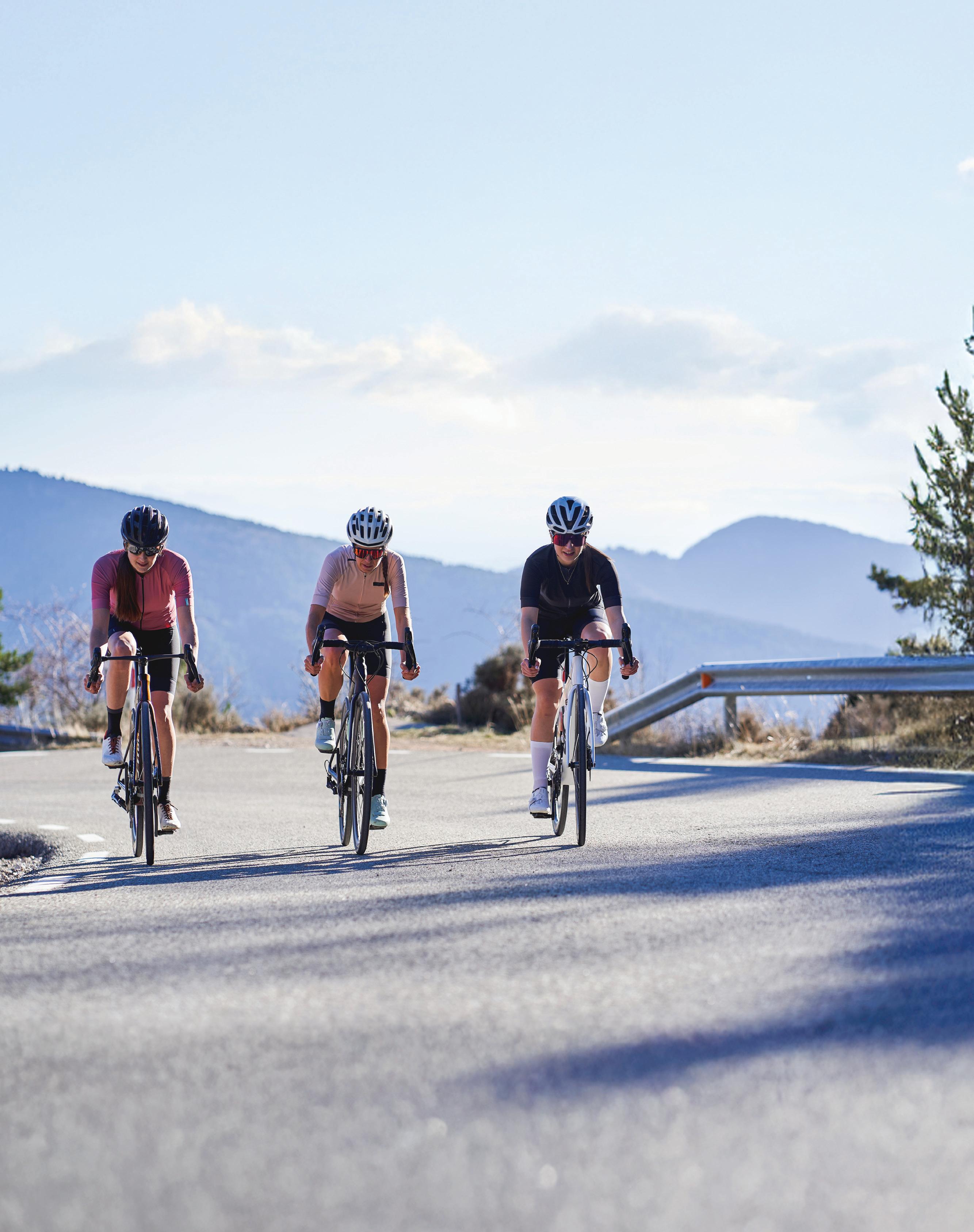
“Self-talk and self-belief are huge. When I’m tired, or when times get tough in a race and I’m under pressure or in pain, I come back to these key phrases and I think they’ve helped me become a better athlete.”
In sport, like life, things don’t always go to plan, so being adaptable and nimble makes pivoting easier, according to Natalie.
“Success is a moving target, so once we achieve a goal, that success does move and we have to grow on the journey and develop as people and athletes,” Natalie says.
“In an everyday environment, one day we might not be able to do a workout, so we can change up what we’re doing on the way to achieving the same outcome.
“Sometimes things don’t go to plan, but you can always come up with a really good plan B.”

Whether it’s disappointment, rejection or failure, Natalie believes feeling the feels and sitting in your emotions is an important part of bouncing back.
“Part of resilience is accepting what’s happened, taking a positive out of it and making plans to move forward,” she says.
“If have a bad race, give myself 48 hours to be angry, mad and accept the situation but then it’s time to move on. With sport and life, we can only control what we can control and a big part of sport is trying not to overcontrol the uncontrollables.
“A really great part of my journey of resilience is to try and move forward and find a new goal as quickly as possible.”
Teamwork makes the dream work and having people in your corner is key to chasing down your goals.
Natalie says that support team can include those in your personal circle as well as professionals who, with their expertise, can boost your physical and mental wellbeing.
“A strong support network is important to both mindset and resilience,” she explains.
“We all need that support from family, friends or professionals like a psychologist or nutritionist to help us be the best athletes and people we can be, to achieve our goals and for optimum wellbeing.”
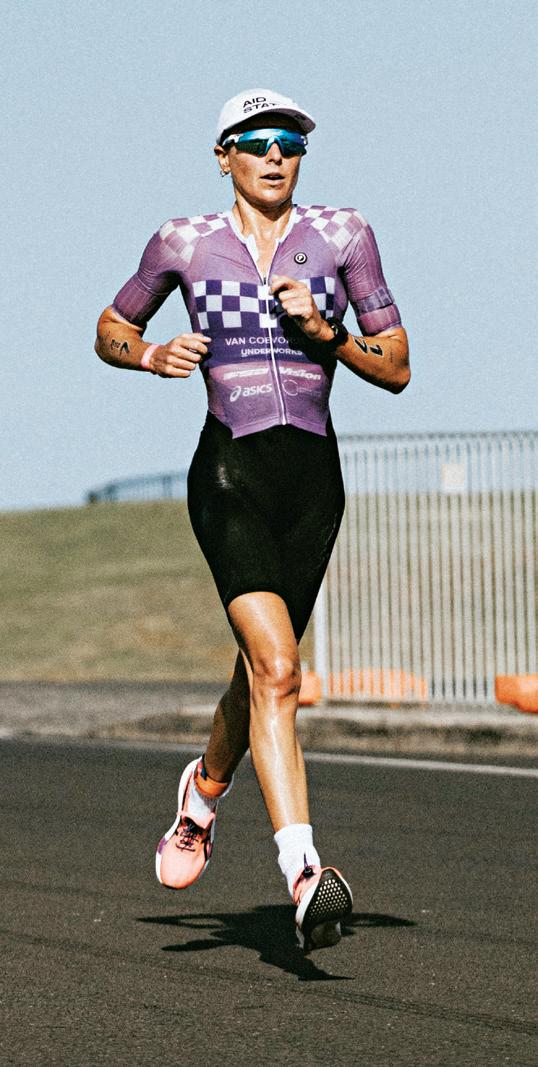
NATALIE SUGGESTS THESE WEEKLY TARGETS
SWIM: 8-10km total 2-3 times a week, try to incorporate:
• 1 x race pace efforts
• 1 x race simulation in an ocean or lake
As former US president Theodore Roosevelt is often quoted: “Comparison is the thief of joy.”
In today’s online world we can all experience moments of comparison while scrolling social media.
“We’re in this society of watching people on social media, seeing them achieve their goals or big dreams and I think we have to come back to what’s best for us and not get caught up in what everyone else is doing,” Natalie says.
“As an athlete, I know what I want to achieve and sometimes the best success is done in silence.”
“Your goal might be very different to someone else’s but you can both get to your own finish lines — the journey doesn’t have to be the same.”
• 1 x easy swim with focus on drills and technique
BIKE: 100-150km total 3-4 times a week, try to incorporate:
• 1 x brick session (bike to run)
• 1 x longer ride (an hour longer than your estimated race time)
• 1 x steady effort or a group ride
RUN: 30km total 3-4 times a week, try to incorporate:
• 1 x run off the bike
• 1 x longer run
• 1 x race pace intervals
• 1 x easy run at conversation pace






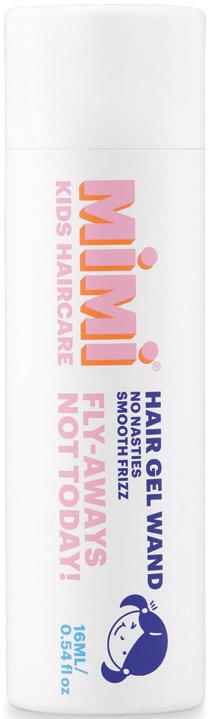
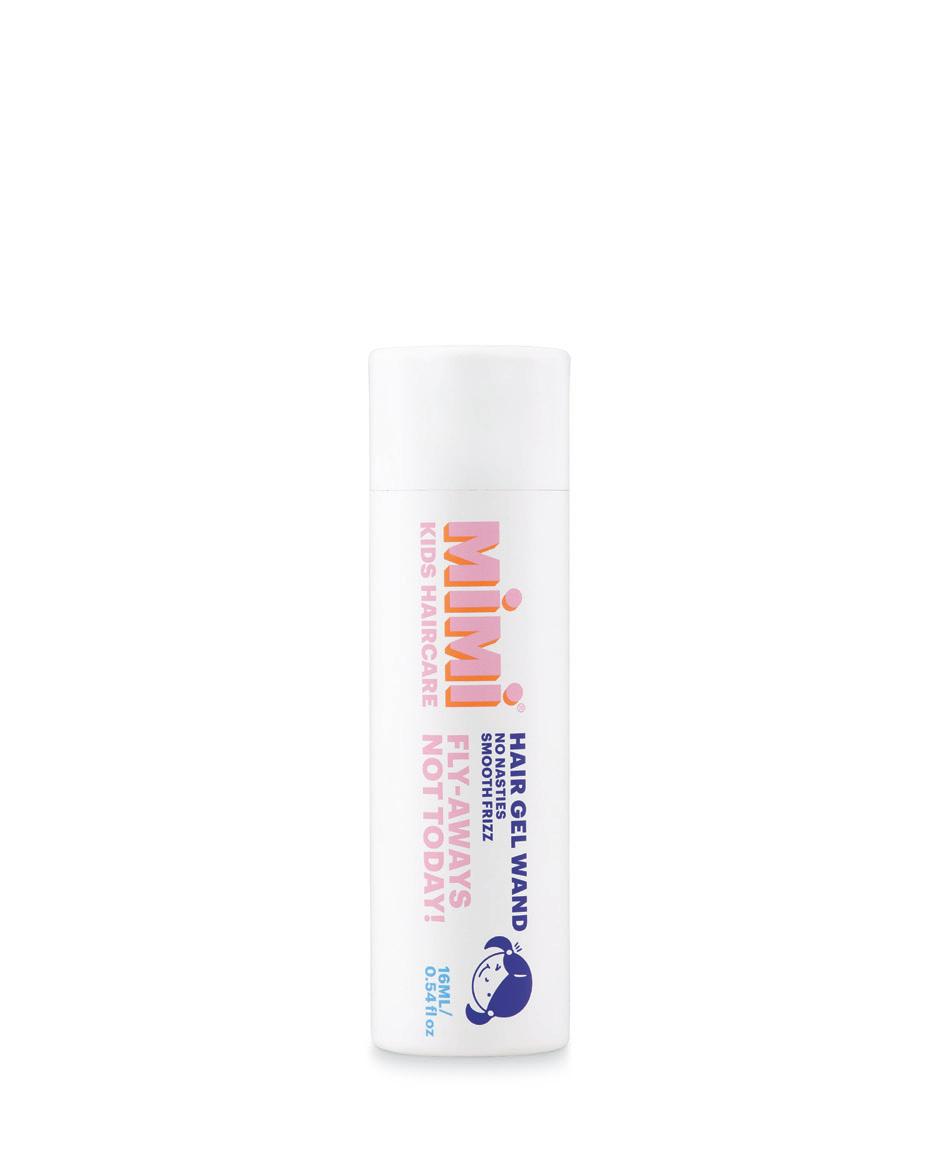




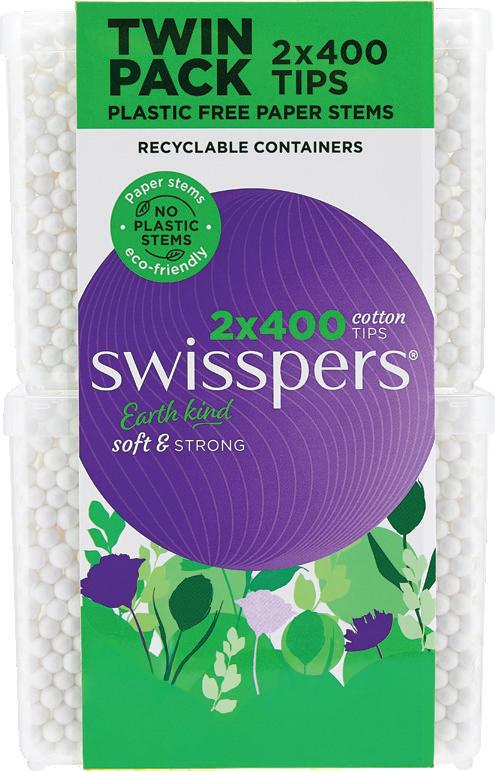



Here is a nourishing snack idea for little ones that you can enjoy at home or pack for a playful outing
These oatie bites are naturally sweetened with dates and Bellamy’s Organic Apple and Pear Fruit Snacks and contain fibre to keep babies and toddlers satisfied between meals. Another ingredient is ground flaxseeds, which are a source of omega-3 fatty acids, while oats can provide B vitamins, protein and sustained energy to support busy little bodies.
Store in an airtight container in the fridge for up to 1 week or freeze for up to 3 months.
PREP TIPS Make a double batch to have healthy snacks ready throughout the week.



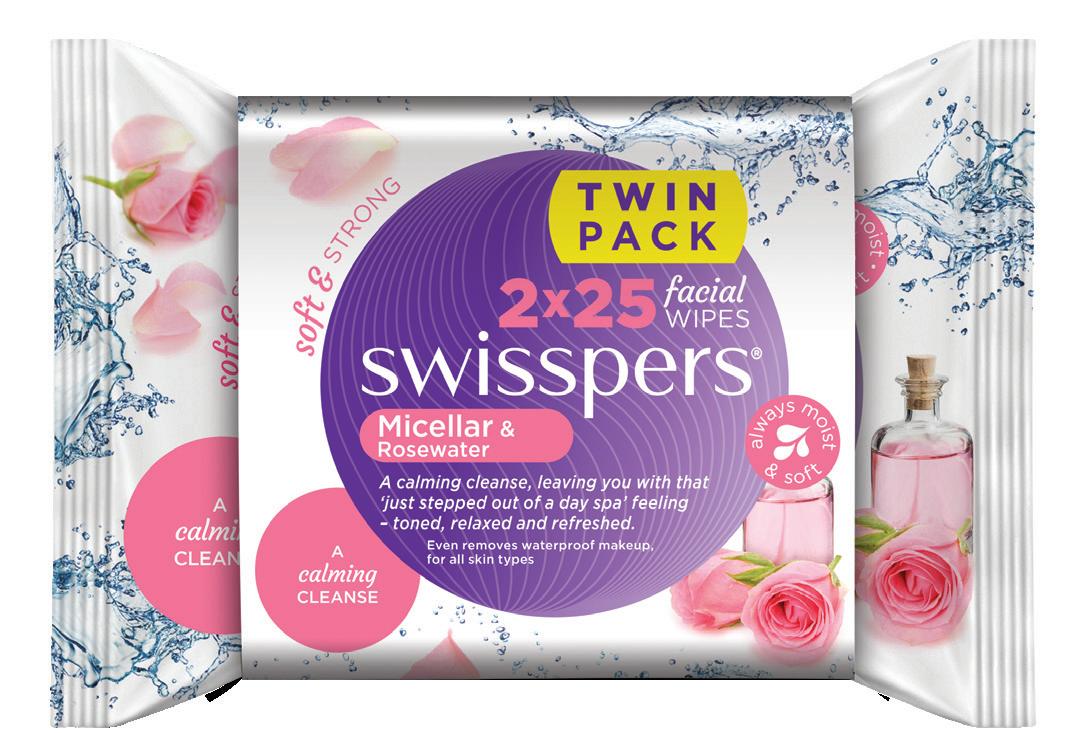
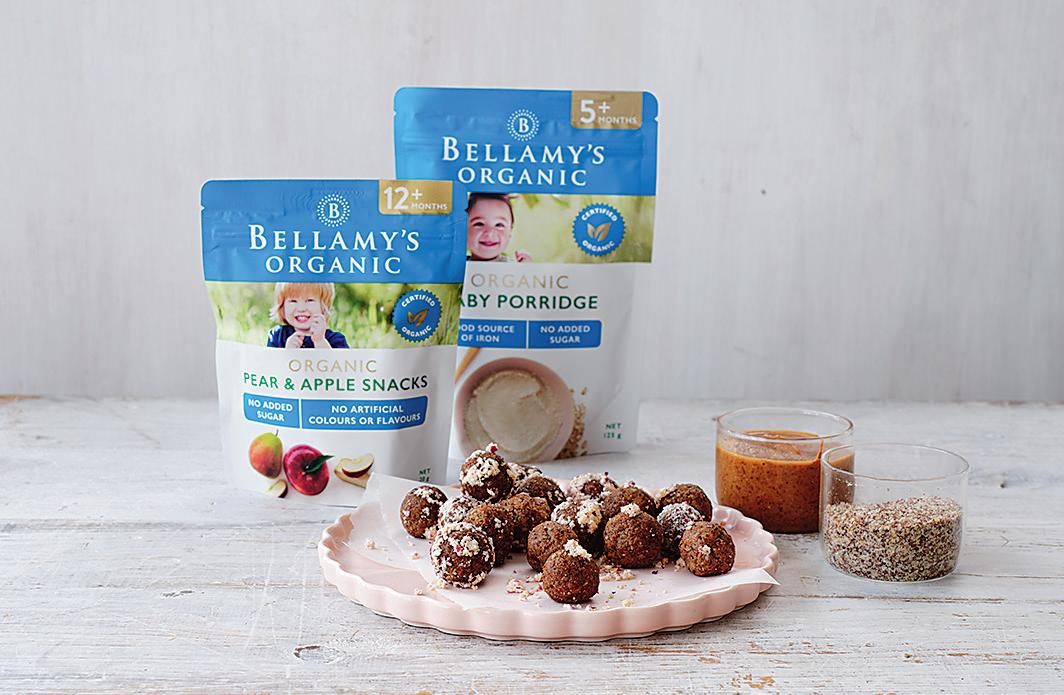
INGREDIENTS (Makes about 12 balls)
• ½ cup Bellamy’s Organic Baby Porridge or oats, finely processed
• 1 packet Bellamy’s Organic Apple and Pear Fruit Snacks, crushed into small flakes or powder. Set aside 2 tbsp for coating (or use
2 tbsp of nuts/seeds, finely chopped, for coating)
• 6 Medjool dates, soft, pitted
• 1 tbsp nut butter (almond, cashew or peanut) or seed butter (tahini or sunflower butter for nut-free)
• 2 tbsp coconut oil, melted
• ¼ cup ground flaxseeds or LSA
• ½ tsp cinnamon
Place the Bellamy’s Organic Baby Porridge and Apple and Pear Fruit Snacks into a high-speed processor and blend to a fine, smooth consistency. Add the dates, nut/seed butter and coconut oil. Blend until smooth and combined. Add ground flaxseeds (or LSA) and cinnamon and pulse until a sticky dough forms. Roll the mixture into small balls. Optionally, coat balls with extra crushed freezedried apples or finely chopped nuts/seeds. Refrigerate or freeze the balls for 30 minutes to firm up before serving. To serve, flatten or cut into small pieces or offer whole, depending on the baby’s age and stage.
INGREDIENT SWAPS Substitute dates with dried figs or apricots for a change of flavour.
For a nut-free version: Omit nuts and use seed butter instead of nut butter. For a gluten-free version: Replace oats (which are often cross-contaminated with wheat) with shredded coconut.
Cathy Laird didn’t know what to expect travelling with a relative almost 40 years her junior, but the trip delivered laughs, shared wisdom and an on-the-go tech coach

On face value it seemed a very odd match — me, a 60-year-old, on a travel adventure with a relative decades younger than me.
And as wearily slogged up a 900m ascent on Turkey’s Lycian Way behind 23-year-old Tara, my cousin’s daughter, it seemed like a very bad idea indeed.
But somewhere between Istanbul and Cappadocia, discovered it wasn’t about age — it was about openness.
When Tara invited me to join her travels, wondered how we would mesh. We had always got on well but a 37-year age gap travelling for three weeks, including some tough hiking — really?
Apparently she saw me as a positive combination of experienced and adventurous, but I was worried that at closer quarters, she might not be so sure!
The plan was three weeks in Turkey — one week hiking part of the 500km Lycian Way, on the southern Mediterranean coast, and two weeks exploring areas such as Selcuk/Ephesus, Konya, Cappadocia and Istanbul.
Armed with my basic Duolingo Turkish (of which Tara was gratifyingly appreciative), we learnt ‘aunt/hala’ and ‘niece/yegen’ (much easier than explaining first cousin once removed) and set out on our journey.
As a generally solo traveller, it was great to share the planning — and have someone lead the way. Tara was surprised and rather disappointed to find out that I, the supposed world hiker, could not navigate her way out of a paper bag. Google Maps lessons became part of the deal.
We grew into a pretty good team — from meeting new people to locating the correct bus and accommodation to becoming gozleme connoisseurs.
A few days into our adventure, we headed to the coastal town of Fethiye, where the generation gap became apparent; in a good way.
Tara said ‘paragliding’ and said ‘yes’. would never have thought of it if alone but it became one of my trip’s highlights — even as my legs turned to jelly before take-off.
Our adventure wove wonderful memories, sparked shared jokes and inspired my admiration for Tara’s infinite ability to captivate those she met, drink countless glasses of tea and never tire of meeting the local feline population.
I had a captive audience for my endless travel stories and she taught me the finer points of my iPhone and other tech tips. And who calmed me down when a bee crawled up my sleeve and stung me

THE JOURNEY, FROM THE OTHER SIDE
I loved our trip. Age gap or not, Cathy was the most wonderful travel buddy I could have asked for in Turkey. In fact, the difference in our ages honestly never crossed my mind as something to worry about.
Cathy is a very young 60 (questionable navigation skills aside), and I’m probably well described as an old soul, so we met somewhere in the middle.
What mattered far more was that, like me, she gets genuinely excited about the places she visits and the cultures she is surrounded by.
We spent the whole trip in awe of Turkish hospitality and cuisine, ancient ruins, fruit trees, the Mediterranean coastline and beautiful mosques.
I think a shared sense of wonder makes the experience much richer. When you are travelling with someone who says ‘yes’ to new things and approaches the world with curiosity and an open mind, that’s what makes a trip unforgettable, no matter their age.

‘Kerry not only brought wisdom, patience and peace, he also brought unconditional love’
When Laeta Crawford a road trip with four teenagers and their grandfather, precious memories were created amid a dash of chaos
It’s our second day in Yellowstone National Park in the US state of Wyoming and we’ve already seen herds of bison and elk, watched the famous Old Faithful geyser go off and stayed in the world’s largest log hotel. But today is special. We’re up super early to spot more wildlife — namely bears. Ahead of us, two cars have pulled over and then we spot them — a mother black bear with her cub. Looking around at my family of four teenagers, I see nothing but joy and excitement. It’s something we’d only ever dreamed of. This same sense of wonder is also reflected in my father-in-law’s face — he has joined our crazy family road trip for a couple of weeks. As we travelled across two more states, Kerry joined in our activities like an excited fifth teenager — from riding roller-coasters and go-kart driving in Los Angeles to pistol shooting at a range in Idaho. He even helped us set off fireworks to celebrate July 4 in
Salt Lake City, Utah.

My father-in-law has always loved travelling, but watching him share the experience with my husband (his son), Dean, and our children is something that I will always treasure. Kerry not only brought wisdom, patience and peace, he also brought unconditional love.
He never tried to parent my children, he was happy to go with the flow and he always gave them his time. And time is something we can never get back.
So, would I travel with him again? It’s an emphatic yes.
In fact, we are planning another trip with him this year for his 80th birthday — this time sans kids — to Italy, when there are even more amazing memories to be made.
Kerry’s perspective
Like many families, my two adult children have moved away from their childhood suburb to build their own lives, careers and adventures.
Opportunities to truly connect with them — and with the
grandchildren as they grow — don’t always come easily.
So when Dean and his family planned a threeweek holiday to the US before he reported for work at his head office there, I was fortunate enough to join them for two wonderful weeks across three states.
The joy and sense of connection I felt was immense. It was so different from the brief moments we usually get at birthdays, school events or the occasional football match.
Watching the grandchildren discover new sights, hearing their laughter and seeing the family come together so naturally was something I will always treasure.
Those days gave me memories I can look back on with deep gratitude.
They reminded me how fortunate I was to be part of their rhythm and to witness their family bond in such a genuine way. If the chance ever came again, I would say yes without hesitation.
Intergenerational travel is popular — a third of Aussie families holiday with three or more generations at least annually, Hilton’s 2026 Trends Report reveals. These kinds of holidays offer the chance to understand people of different generations, says psychologist and Psych for Life podcast host Dr Amanda Ferguson.
“And when differences arise, as they can during multigenerational holidays, it’s also an opportunity to foster mutual insights and respect,” Amanda notes.
Long before you book, discuss respective budgets for day tours, accommodation, meals and transport. Never assume your parents will “have it covered”.
Whether you opt for a cruise, resort or tour, choose a destination and experience that will have something for every age group. Consider mobility, too.
No need to live in each other’s pockets. Choose accommodation that gives everyone their own space for much-needed downtime.
Travelling as a large group can be stressful. Schedule blocks of time or whole days to relax or sightsee independently.
Planning is half the fun but it’s even better if everyone’s given a role that plays to their strengths, such as reading maps or researching restaurants.









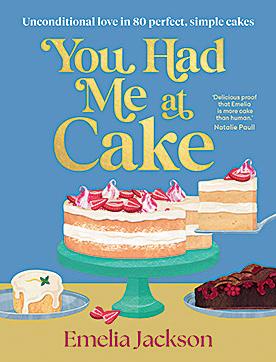
MasterChef winner and star baker Emelia Jackson

MAKES A 24CM BUNDT CAKE
• oil spray, for greasing CARAMEL
• 125g caster (superfine) sugar
• 75ml thickened (whipping) cream
• 30g unsalted butter, cubed
• pinch of salt
GINGERBREAD CAKE
• 120g unsalted butter, softened
• 120g brown sugar
• 100g caster (superfine) sugar
• 45g molasses or treacle
• 1 tsp vanilla extract or paste
• 2 eggs
• 235g plain flour
• 2 tsp ground ginger
• 2 tsp ground cinnamon
• ¼ tsp ground nutmeg
• ½ tsp baking powder
• ½ tsp bicarbonate of soda (baking soda)
• 180ml buttermilk
For the caramel, cook the sugar in a saucepan over medium heat until the edges begin to turn amber. As we are not adding water to the sugar, there is no risk of it crystallising, so you can stir as needed to achieve an evenly burnished golden brown.
Continue to cook the sugar until it is an even, deeply golden colour. Add the cream and butter — be careful, as it will splatter — and cook until the sugar has dissolved into the cream to make a smooth caramel sauce.
Stir in the salt and set aside in a heatproof container to cool while you bake the cake.
Preheat the oven to 150C fan-forced and generously spray a 24cm bundt tin with oil.
Using an electric mixer fitted with the paddle attachment, combine the butter, sugars, molasses or treacle and vanilla.
Mix on medium speed for 3-4 minutes, or until pale and fluffy, before adding the eggs, one at a time, and mixing until completely combined. Sift the flour, spices, baking powder and bicarbonate of soda over the egg mixture and mix until just combined. Finally, mix through the buttermilk.
Pour the batter into the bundt tin and use an offset spatula to spread it out into an even layer. Bake for 55-60 minutes or until a skewer inserted into the centre of the cake comes out clean.
Allow the cake to cool in the tin for 10 minutes before turning it out on to a wire rack to cool completely. Transfer to a serving plate and pour over the caramel sauce before serving.
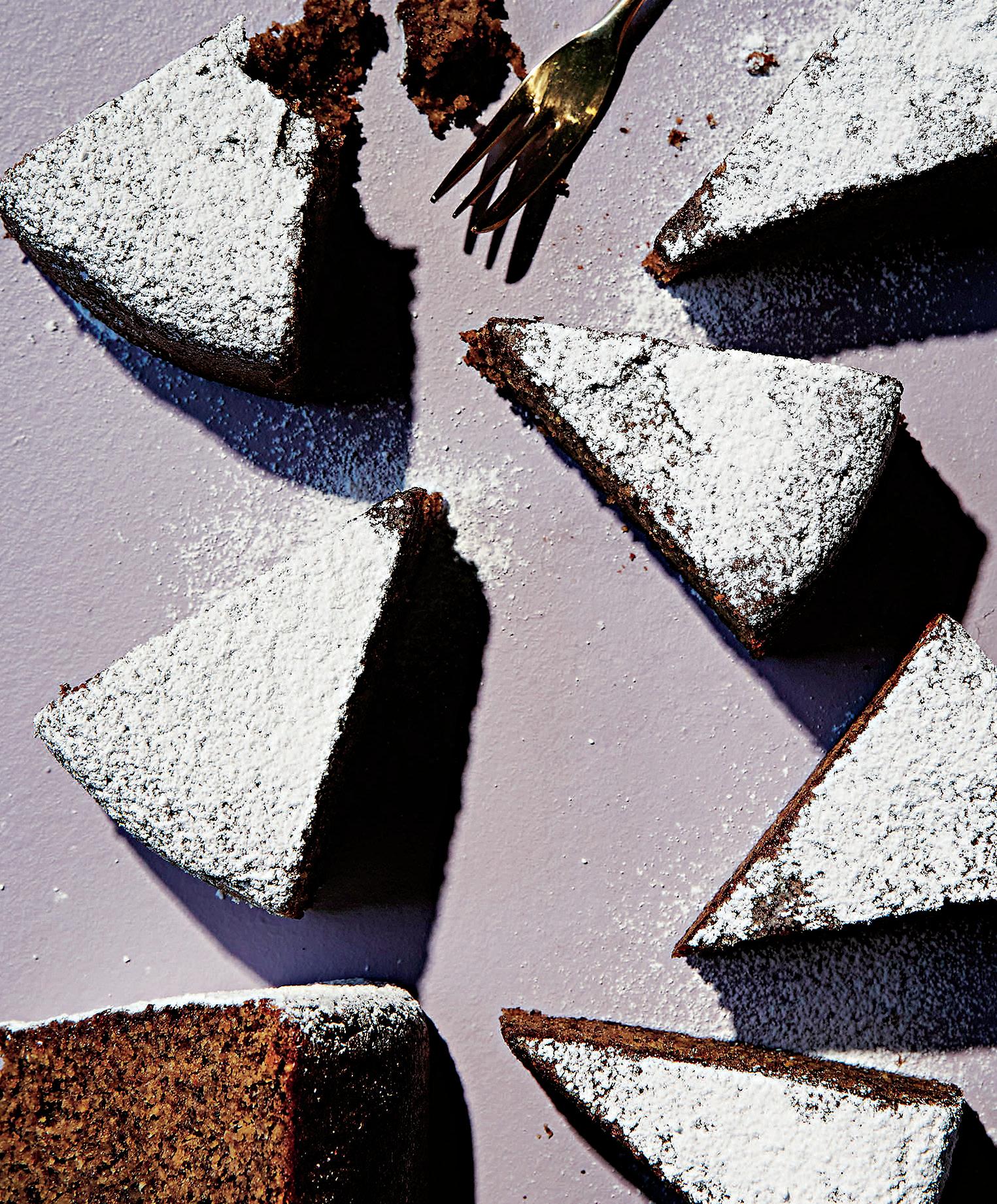
MAKES A 20CM CAKE
• 100g caster (superfine) sugar
• 100g muscovado sugar
• 3 eggs
• 100g buttermilk
• 250g hazelnut meal
• 50g plain flour
• 1 tsp baking powder
• ½ tsp bicarbonate of soda (baking soda)
• ½ tsp salt
• grated zest of 1 orange
• 1 tsp vanilla bean paste
• icing (confectioners’) sugar, for dusting
“This is a cake best eaten as is; no need to dress it up.”
Preheat the oven to 160C fan-forced. Line the base of a 20cm round cake tin with baking paper. In the bowl of an electric mixer fitted with the whisk attachment, combine the sugars and eggs and whisk on high speed for 3-4 minutes, or until aerated and doubled in volume. Whisk in the buttermilk. In a separate bowl, combine the hazelnut meal, plain flour, baking powder, bicarbonate of soda and salt and whisk together until there are no lumps remaining.
Add the dry ingredients into the wet, followed by the orange zest and vanilla, and give it all one final mix to combine. Pour the cake batter into the cake tin and bake for 30-35 minutes or until a skewer inserted into the centre comes out clean.
Allow to cool for 5 minutes in the tin before turning the cake out on to a wire rack to cool completely. Dust liberally with icing sugar to serve.
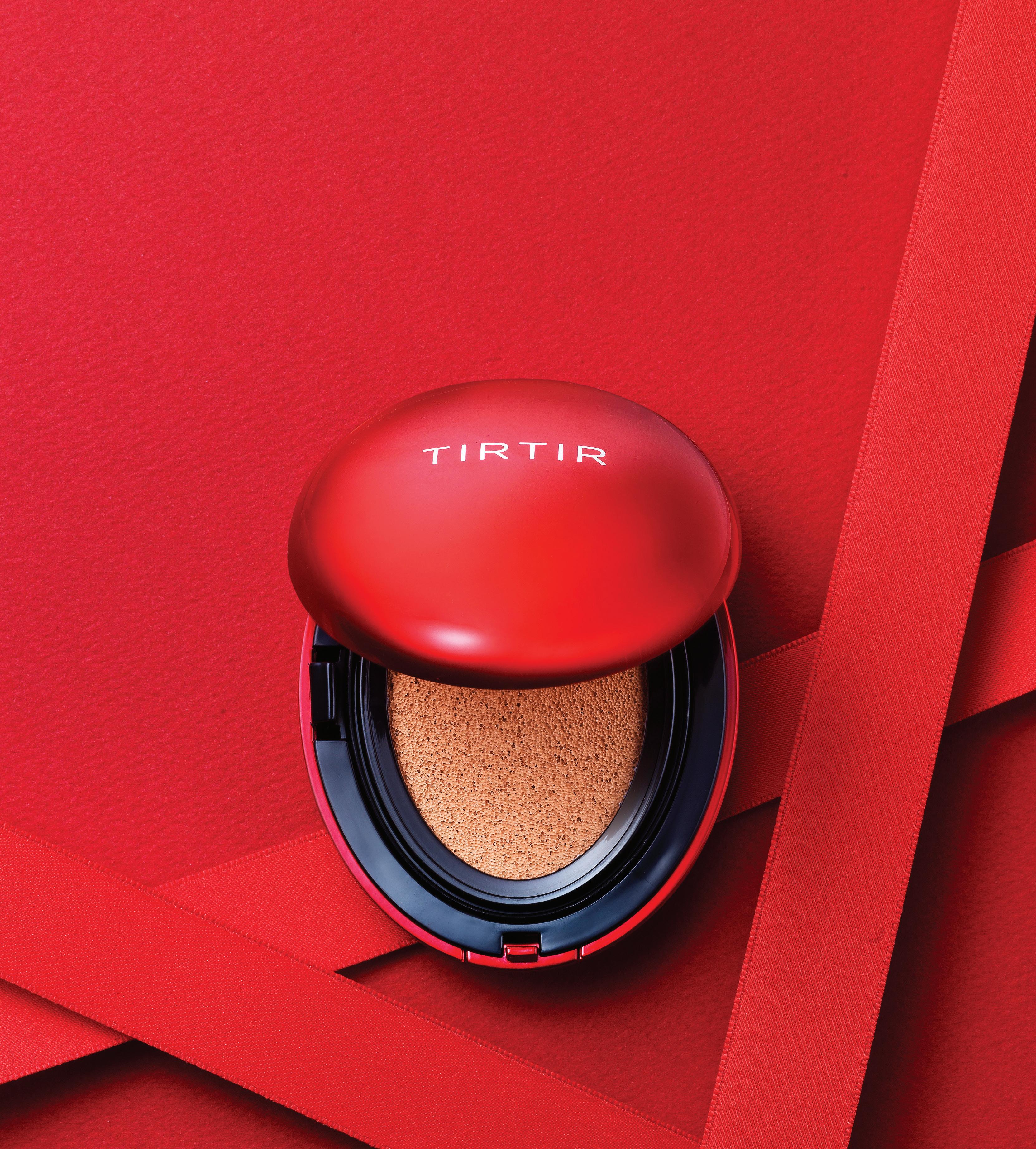


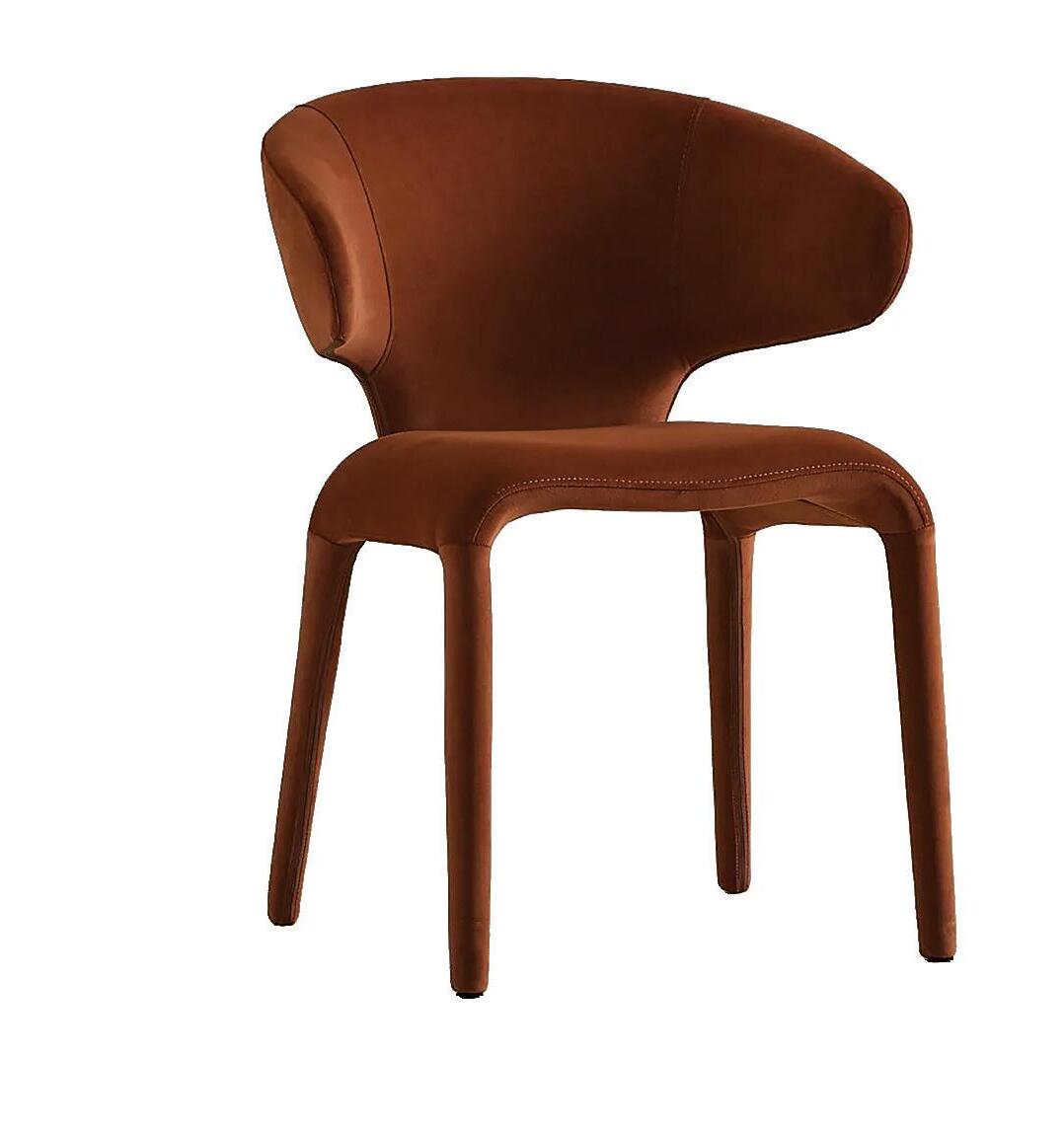
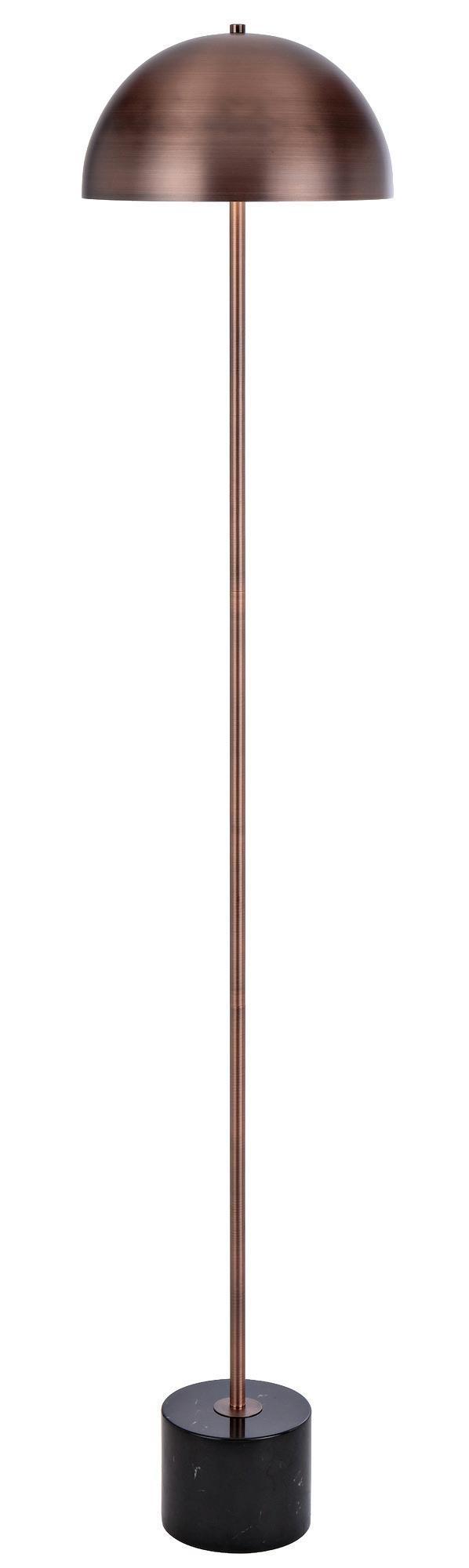


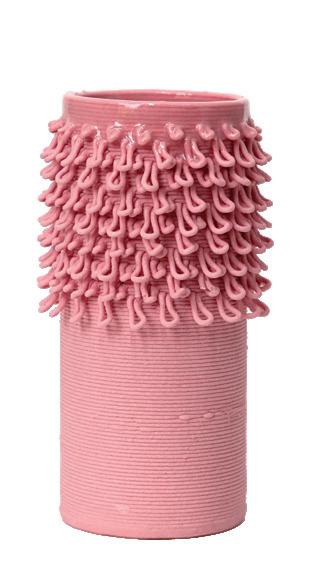
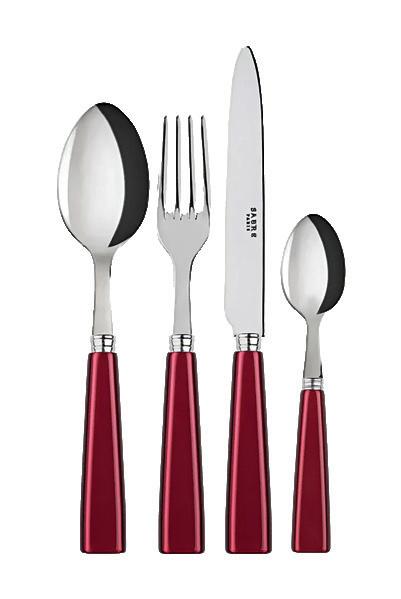
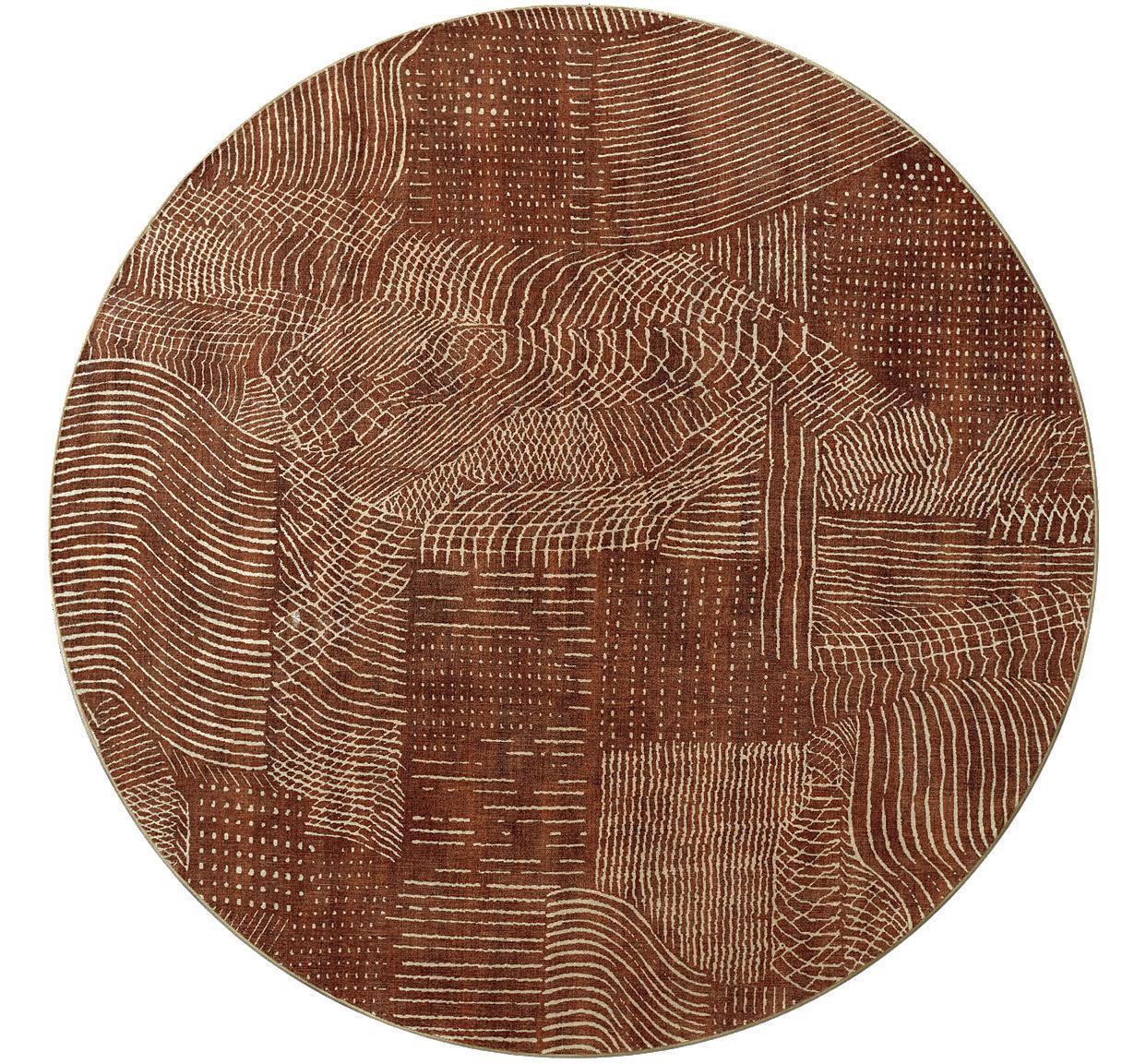


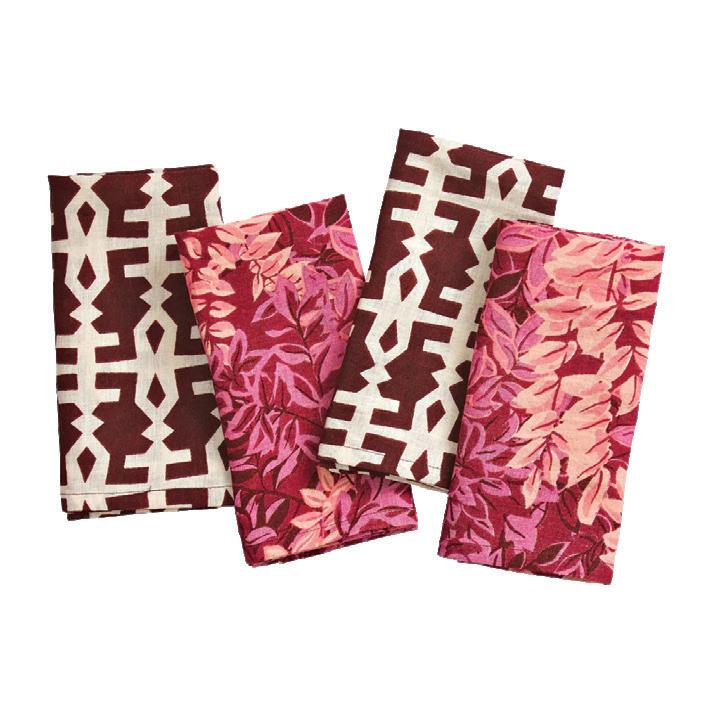

RRP $32.99
This wickedly funny and dark satire debut will leave you both gasping and laughing. At its heart is the unforgettable Lalla Rook, a sociopathic heroine who stops at nothing to secure her picture-perfect life. Her relentless pursuit of a grander home, more successful husband and prestigious prep school for her daughter drives a narrative brimming with chaotic twists and turns. Expect a delicious concoction of unhealthy friendships, scandalous trysts, blackmail, murder and lashings of generational wealth, all underpinned by a cleverly hidden past. This novel is a brilliant escape and a truly exhilarating ride!
The Couples Retreat MERCEDES MERCIER (PENGUIN)
RRP $34.99
What’s not to love about an all-expenses paid getaway with two other couples at a secluded beachfront mansion on Kangaroo Island? When Ash and Nick are invited to party with Nick’s ultra-rich and obnoxious university friends and their wives, the couple can’t afford to say no. Nick’s mate Hugh has invested in their fitness brand company and they are hoping to ask for more. Arriving on the island alongside them is new rookie police officer Emily Quinn, who has moved to a remote post to escape an overzealous exboyfriend. As the weekend unfolds, a brutal murder takes place. There’s plenty of twists and turns in this engaging thriller to keep you guessing to the end.
How Will I Ever Get Through This?
DR LUCY HONE (ALLEN & UNWIN)
RRP $34.99
This is a guide for those dealing with living loss — think divorce, illness, estrangement, redundancy and infertility — to help them survive and thrive.
SUSAN MCLEAN (ALLEN & UNWIN)
RRP $34.99
ALICE FEENEY (MACMILLAN)
RRP $34.99
Nothing and nobody are as they seem in Alice’s latest psychological thriller, which includes false identities, hidden pasts, family secrets and, of course, a body washed up on the beach. Eden Fox and her husband have recently moved into Spyhouse, a 16th-century mansion built into the cliffs near the village of Hope Falls. With her first art exhibition scheduled for that night, Eden returns from a run only to find her key doesn’t fit her front door. Instead, a stranger answers the door, insisting that she is, in fact, Eden Fox. This fast-paced tale, told from multiple points of view, sees secrets unravel and truths revealed right up to the very last page.
The Breath Reset Plan
BROOKE ELLISTON (AFFIRM PRESS)
RRP $36.99
Learn how your breath can help reset your nervous system with science-based methods and step-by-step guides to breathwork.
Confused about Australia’s new social media laws for kids and teens? Cyber safety guru Susan has all the answers to help families navigate the ever-changing landscape. The former Victoria Police officer delivers an easy-to-use guide to equip people to tackle the potentially dangerous online world children now live in. The book provides real-life examples as well as extensive, trusted resources for parents, children and educators. From teaching teens how to manage their digital reputation and social media to opening conversations about the toughest of issues, consider this your practical roadmap.
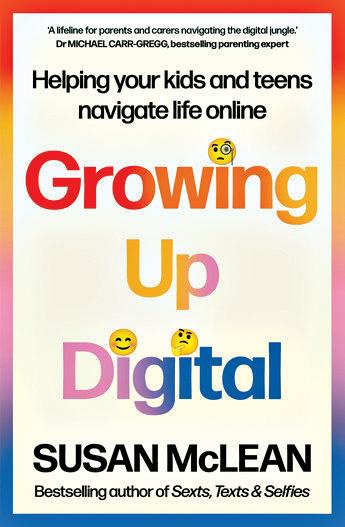
Get Growing
JESSICA BRADY (WILEY)
RRP $34.95
Get the knowledge, tools and motivation to build financial freedom. Ditch the shame and grow your wealth with this refreshingly honest book.
TASMANIAN AUTUMN FESTIVAL
Tasmania, April 1-30
The Derwent Valley and Central Highlands are showcased in this monthlong festival highlighting local produce, fine wine, artisan craft and tipple trails and the state’s oldest pubs. tasmanianautumnfestival. com.au
FREMANTLE INTERNATIONAL STREET ARTS FESTIVAL
WA, April 3-6
World-class street theatre comes to Freo’s historic heart as its streets and laneways become an open-air stage for visitors to sample the best of its food and hospitality. streetartsfestival. com.au
AFL GATHER ROUND
SA, April 9-12
South Australia hosts the fourth year of Gather Round with 18 teams and nine games showcased over four days of sport, combined with long lunches, live music and local flavour. afl.com.au/gather-round


VIVID SYDNEY
NSW, May 22-June 13
Light, music, food and conversation converge to create a magical, immersive experience. The award-winning festival transforms the Harbour City into a living canvas with stunning light installations, projections and interactive art. vividsydney.com


The Doggy Pod

Dr Rob Zammit, one of Australia’s leading vets, discusses all things canine with producer Stephen Peters. From vet tips to training tricks, the pod looks into the big questions such as: Do dogs really hate cats? And why does my pooch do zoomies?
The Cat Protection Society of Victoria’s vets, animal behaviourists and adoption shelter and foster care team host a podcast celebrating feline family members, covering everything from the chaos of kittens to entertaining your pet.
1What popular term is given to a group of crickets?
2What percentage of water content is found in a cucumber?
74 to 76 per cent
84 to 86 per cent
94 to 96 per cent
8
In which 1992 film does Jack Nicholson, starring as Colonel Nathan R. Jessep, say: “You can’t handle the truth”?
9Which organ in the human body produces insulin?
GRAMPIANS GRAPE ESCAPE
Vic, May 1-3
Enjoy a weekend of the area’s finest wines, regionally sourced produce and live music, all while soaking up the surrounding breathtaking landscape. grampiansgrapeescape. com.au
Skills on display at Gather Round in South Australia last year.
include more than 900 vehicles in the Show’N’Shine display, the Ultimate Elvis Tribute Artist contest and vintage markets. coolyrockson.com
NT, June 5-8
OPERA
Qld, May 19-25
Acclaimed New ZealandTongan tenor Filipe Manu will perform in Singing in the Night at Camden Park Station and Dark Sky Serenade at the Australian Age of Dinosaurs Museum. Other events include the Longreach Long Lunch and the Opera Ball. oq.com.au
COOLY ROCKS ON Qld, June 3-7
Celebrate motors, music and the lifestyle of yesteryear at this festival of nostalgia. Highlights
Help celebrate the race’s golden anniversary on the 460km off-road course from Alice Springs to the Aputula (Finke) community. The race, for bikes, cars and buggies, is said to be one of the world’s most difficult remote off-road courses. finkedesertrace.com.au
BIG FREEZE 12
MCG, Vic, June 8
Get your blue beanie ready for the annual Big Freeze, FightMND’s largest fundraising campaign to raise awareness and vital donations for motor neurone disease research. Watch celebrities
take the ice bath plunge before the blockbuster Collingwood versus Melbourne King’s Birthday clash at the MCG. Or wear a pair of Big Freeze 12 socks, host a DIY Freeze or play in a community round from May 29 to June 5. Through the annual Daniher’s Drive fundraising event, Chemist Warehouse has been a major partner of FightMND — last year raising more than $490,000. fightmnd.org.au/

My Dog: The Podcast Vet, behaviourist and trainer
Dr Tom Mitchell’s lessons are fun and accessible. He aims to give dog owners a clear path to achieve the life they dream of with their pets. Discover why some dogs dislike walks and how to stop dog doorbell drama.
Your dog won’t stop barking, your house is chaotic and your cat won’t stop peeing — long-time animal rescuer and pet advisor Amy Castro aims to provide solutions to enjoying your animals and life with some practical tips and tricks to maintain your sanity.
3What are the two main colours of the original Australian $1 bank note, first issued in 1966?
10 Is the viral illness measles contagious — yes or no?
4 What is the name of the passenger/ car vessel that crosses Bass Strait from Geelong to Devonport and back?
11 What is the protective layer of Earth’s atmosphere that shields/absorbs most of the sun’s harmful ultraviolet radiation?
12 Who directed, co-wrote and starred as Albert Einstein in the 1988 Australian comedy history film Young Einstein?


Play fun, bite-sized, science-based brain games designed to boost memory, problem-solving and processing speed. Think of it as your brain’s personal trainer: a gym for your mind, with daily challenges to strengthen cognitive skills.

This Dementia Australia app turns cognitive checks into fun, travelthemed games. Solve challenges such as reading maps, adding up expenses and collecting bags. Then share the data on your cognitive health with your GP.

Top international neuroscientists helped develop these engaging brain exercises, backed by 30 years of research in brain science. The specialised games target memory, focus, speed, decision-making and people skills, adapting to your level.
5Which Australian in 1987/88 became the first woman to sail solo, non-stop and unassisted in the circumnavigation of the world?
6Trypanophobia is the fear of what?
7Which is the only US state whose name can be typed using only one row of the standard (QWERTY) keyboard?
13In what country are the beachside towns of Folkestone, Greatstone and Ramsgate?
14Which ancient Greek physician and philosopher is universally recognised as the “Father of Medicine”?
The past two years have been huge for Christine, a nationally beloved singer, songwriter and actress of Torres Strait Islander heritage.
She released her first original album in 20 years, Waku:
Minaral A Minalay, received the 2025 Queensland Music Awards Lifetime Achievement Award and lost her aunt and mother in quick succession after relocating to Rockhampton to care for her mother.
“It’s been an emotional roller-coaster for me,”
Christine says. But, having come out the other side, she’s feeling “blessed”.
She attributes this in part to her 2025 return to the stage in smash-hit musical Hadestown
“The Hermes (character) was so huge it took me a long time to get my head around. And that learning and listening to music really fed, informed and inspired me. You’re alive when you know that you still can learn things and it still excites you.”
Music has always been her lifeline.
“(It) just makes you lose yourself for a moment. It’s escapism,” she says.
“Music is what do. I’ve been doing it for this long, so I trust in the process.
That’s the support — that’s how I support myself mentally and physically.”
She also credits walking with helping her find balance.
“When you’re stuck in a rut in your head, just go for a walk — get up and go,” she says.
“It’s the one way to clear your mind. To me, by the time I’ve come back, I’ve solved all the problems of the world — not the actual world, the world in my mind.”
In 2025, Christine took on an ambassador role close to her heart.
“We lost my aunty to lung cancer and that was just a shock because I didn’t know what that looks like,” she says.
The loss — and learning that more than 65 per cent of lung cancers can be successfully treated if caught early — prompted her to become an ambassador for the “It’s Good to Know” campaign, promoting awareness of the National Lung Cancer Screening Program (NLCSP), Australia’s first new national screening program in almost 20 years.
“I really wish that we had that for my aunty.
I asked myself, ‘Are we too remote? Is there not that much awareness?’
Hang on a second. I can bring awareness to this.
I can talk about this. So, here we are.”
The screening is free for people aged 50 to 70 with a history of smoking.
“The people who are around my age are my support community,” Christine notes.
“It’s important for me to encourage them to have the screening. I want to protect the people love.
“Take your health seriously. It’s a quick screening. And if you’ve screened for everything else, then why not add that to the health check? It’s just one extra thing to do. And
For Christine, this next chapter is all about family, work and community.
“I choose to be surrounded by things that make me happy,” she says.
That means spending more time with her grandson, being a support to her two adult children and continuing to do the work she loves.
Right now, that’s working on the album tour, a project she finds energising.
“When you’re excited and inspired by something, people really jump on to that energy,” she notes.

“You feel surrounded by like-minded people, and the outcome of that collaboration can be
She notes she has never had a fixed end point to her career — only a commitment
“Everything that has come along has been a wonderful opportunity to open up and expand. And to give the world an opportunity to listen to a Torres Strait Islander, celebrate her culture, her language, her people. feel profoundly privileged.”
National Lung Cancer Screening Program: lungcancerscreen.org.au