March 19 — April 20, 2026
Via Carlo Poerio, 116
Fabrizio Corneli
La misura della luce
Riviera di Chiaia, 215
March 19 — April 20, 2026
Via Carlo Poerio, 116
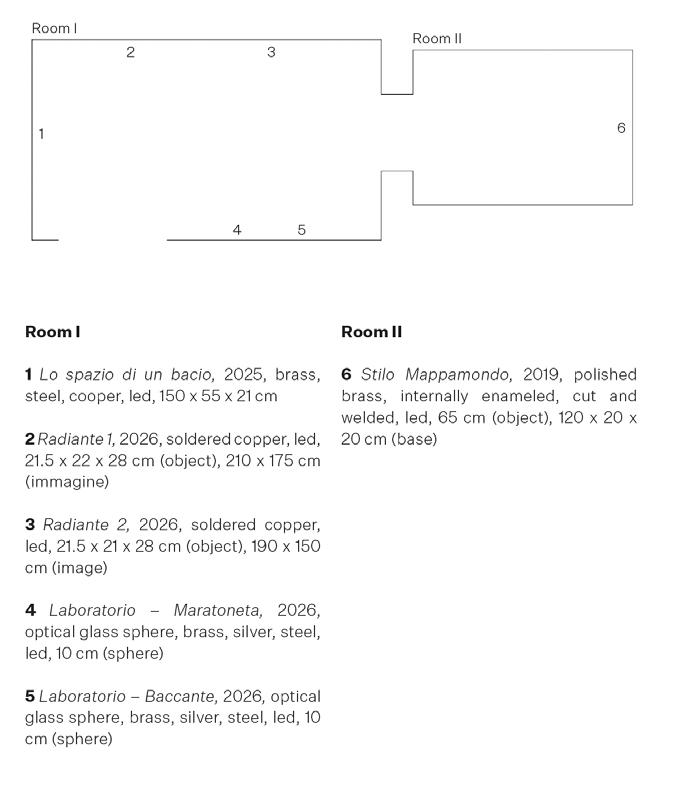
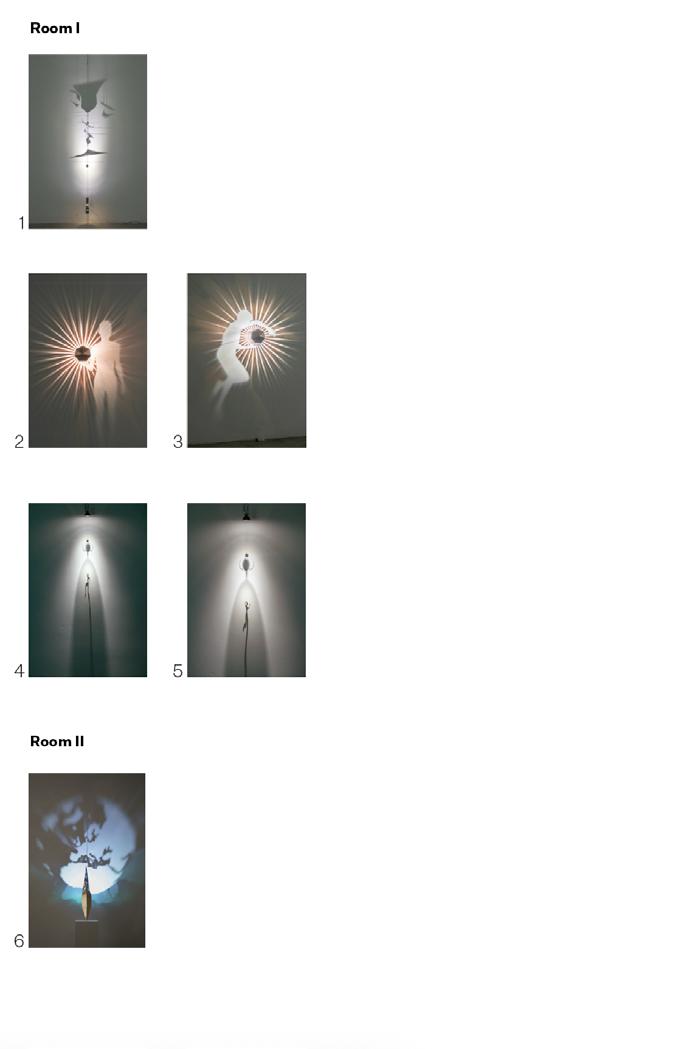
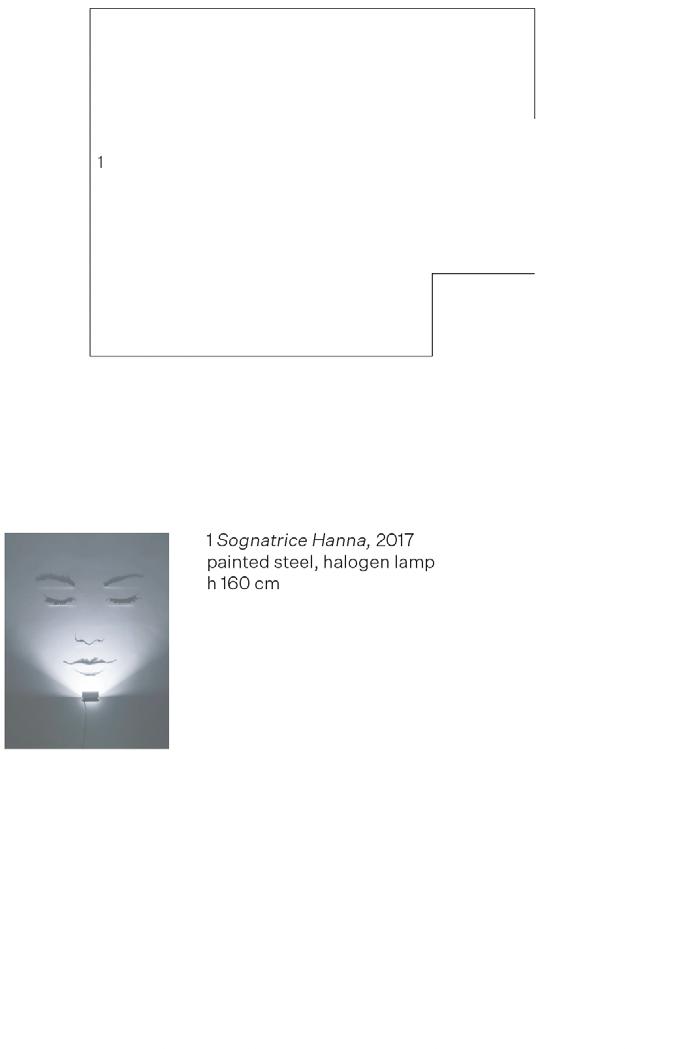
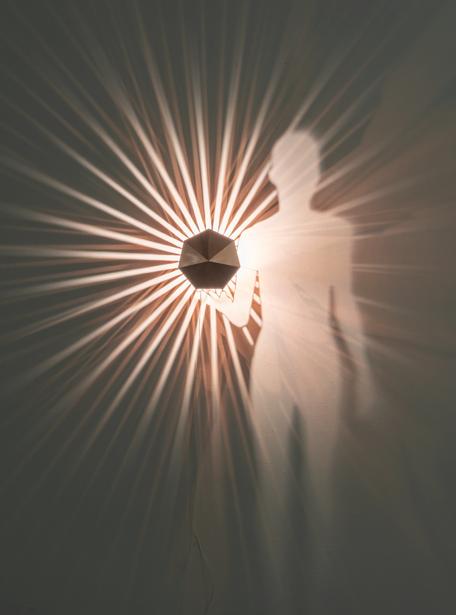
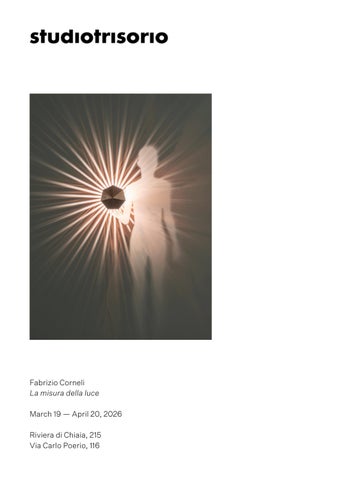
The expressive language of the Tuscan artist investigates the dialectical interplay between light and shadow through the study of optical, perceptual, and perspectival mechanisms.
Like Renaissance artists, Corneli combines art, mathematics, and the science of vision, recreating effects of refraction, decomposition, and anamorphosis that involve the viewer in a purely perceptual experience.
His works emerge as unpredictable luminous revelations from three-dimensional objects such as copper and brass prisms, or even from small carved eggs; alternatively, they are made of shadows and take shape through glass spheres or extremely thin metal sheets.
His images are never the result of a clear opposition between light and shadow, but rather are revealed within the continuum of nuances that exist between these two dimensions.
In our present reality, saturated with immediate, hyper-defined, and relentless images, his approach invites us to rediscover an awareness of vision.
Fabrizio Corneli (1958) lives and works in Florence. He has exhibited in numerous public and private venues in Italy and abroad, including: Palazzo delle Esposizioni, Rome (1979); Villa Romana, Florence; Maryland Institute, Baltimore; XI Quadriennale di Roma; P.A.C., Milan (1986); Villa Celle, Santomato, Pistoia (1988); Palau de la Generalitat Valenciana, Valencia (1990); Museo de Arte Contemporáneo Sofía Imber, Caracas (1992); Kunstverein Grafschaft Bentheim, Neuenhaus; Galleria Comunale d’Arte Moderna, Bologna; Rocca Paolina, Perugia (1997); Museum of Modern Art, Kamakura; Museum of Contemporary Art, Sapporo (1999); Palau de la Virreina, Barcelona (2000); Metropolitan Museum of Photography, Tokyo (2001); Villa Medicea La Màgia, Quarrata, Pistoia; Palazzo delle Papesse, Siena; MAN, Nuoro (2006); Archäologisches Museum Frankfurt (2012); Musée Granet, Aix-en-Provence (2013); Sharjah Art Museum, UAE (2014); Museo della Città, Rimini; Torre degli Zuccaro and Torre di Sant’Alò, Mantua (2016); Istituto Italiano di Cultura, Madrid (2017), curated by Studio Trisorio; Chimei Museum, Tainan, Taiwan (2020). He has created permanent installations in the cities of Cologne, Pistoia, Sélestat, Bonn, Brussels, Prato, Kobe, Munich, L’Aquila, Tainan, Doha, Catania, Traunstein, and Karlfeld. He has collaborated with Studio Trisorio since 2002.