ASSOCIATE EDITORS
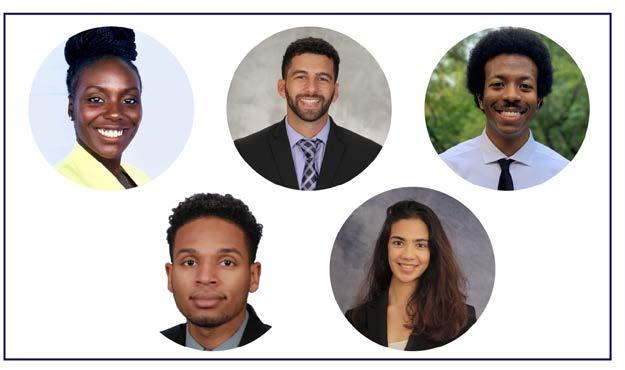
Chinwe Anyanwu
Arrianna Mohammed
Tori Owens
Imari Parham
ASSOCIATE EDITORS
Chinwe Anyanwu
Arrianna Mohammed
Tori Owens
Imari Parham

EDITOR-IN-CHIEF
Chinwe Anyanwu DO, Mph
GRAPHIC DESIGN
Megan Bourque-Stith
CONTRIBUTING AUTHORS
MANAGING EDITOR
Tori Owens
Kemi Alabi | Mariam Atobiloye | Zainab Balogun | Emmalee Barrett | Dr. Tsedey Biru Juka, DO
Sharon Casapulla, M.Ed., Ed.D, MPH | Trisha Chaua | Nirisha Commodore | B. Davis | H. Dorsey | A. Duerinckx
Aliah Fonteh | Winona Gbedey | A. Grayson | Niat Habtemariam | Amanpreet Kaurb | Mai Lea | Dr. Peter Moons
Chika Nwachukwu | Maureen Nwizu, MSII | K. Pais | Dr. Brian Park, MD, MPH | Tasha Phillips-Wilson, MS
Dr. Douglas Postels | Lindsay Powell | V. Powell | Giomilsy Ramos | Dr. Julie Reid | Vivianne Rutabingwa, MPH
G. Sidrak | Dr. Armika Tatum, DO, MS | Daniel Tshalaa | J. Watts Jr. | C. Williams | A. Wilson
INQUIRES
Advertising | publications@snma.org Other | jsnma@snma.org
DISTRIBUTION
The Journal of the Student National Medical Association is published quarterly by the SNMA. It is available online, digitally, and in print. For subscription information, please visit our website, www.snma.org, or send an e-mail to publications@snma.org.
REPRINTING
No articles, illustrations, photographs, and any other editorial matter herein may be reproduced without written permission of the JSNMA. To reprint articles appearing in this issue, reference the article using the following text: “This article was re-printed from the 2022 Double Issue of the Journal of the Student National Medical Association, first published April, 2022 by [AUTHOR].
COPYRIGHT
This JSNMA issue is copyrighted by the Student National Medical Association. All rights reserved. © 2022
MISSION
The Student National Medical Association (SNMA) is committed to supporting current and future underrepresented minority medical students, addressing the needs of underserved communities, and increasing the number of clinically excellent, culturally competent and socially conscious.
JOURNAL OF THE STUDENT NATIONAL MEDICAL ASSOCIATION 5113 Georgia Avenue, NW | Washington, DC 2001 T: 202-882-2881 | F: 202-882-2886 | www.JSNMA.org | JSNMA@snma.org
Born and Raised in Missouri City, Texas, serves as the Publications Co-Chair and Editor-in-Chief for the JSNMA. She received her Bachelor's in Public Health and Biology from the University of Houston and Master's degree in Epidemiology from the University of Texas Health Science Center at Houston. She will be graduating from the University of the Incarnate Word School of Osteopathic Medicine to become a PGY1 at Baylor Scott & White All Saints - Fort Worth where she will be training for residency in Emergency Medicine. She hopes to use her passion for medicine and leadership and love for design and art to find innovative and creative ways to contribute to the field of medicine.
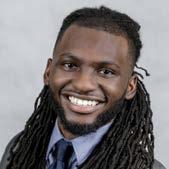
Born and raised in Dallas, Texas, he attended Xavier University of Louisiana for undergrad and is currently a rising 4th year medical student at Meharry Medical College. After graduating he plans to specialize in Physical Medicine and Rehabilitation. In his free time he enjoys soccer, working out, photography and chess.
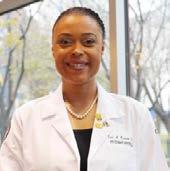
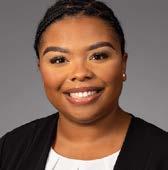
Originally from California, Tori is a rising 4th year medical student at the Philadelphia College of Osteopathic Medicine. She is interested in pursuing pediatrics for her specialty. In her free time, she loves to tend to her many plants, play with her kitties, & roller skate!
A rising 4th year medical student at Zucker School of Medicine at Hofstra/Northwell, currently serves as the SNMA Publications Vice Chair and FLP Co-director.
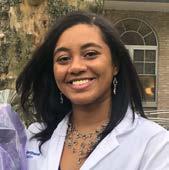
Breia White is a rising third-year medical student at the Brody School of Medicine. She is a 2021-2022 NFLP Fellow.
It is with great pleasure that I welcome you to the Journal of the Student National Medical Association Dual issue. As I wrap up my final year and transition from student to doctor, I feel gratitude and even more passion to create a world where the make-up of those who serve our communities reflect the diversity in that community. Many of us have faced so many challenges through this journey of becoming a physician but know that you are never alone. The SNMA has created an unmatched network that reminds us of that. Therefore, though many of us will be transitioning out of SNMA, this organization will always be family. So, as I transition, I leave you all with a brief excerpt of a poem I wrote:
For many of us, the mountain will be steep
But I assure you that the foundation with which we take each step is built with strength and coated in the audacity of our ancestors. So, climb, with your heads up, past the steps laid before you. Then, as you get closer to the peak of your destiny… And as the air thins and the pressure pushes you to quit, Remember we were stones before we became their blood diamonds. Forged in pressure and mined by men who fear what would happen if we learned just how precious we are. So now… knowing your true nature… Shine. Fearless and Bright. Because even if you break, you are still a diamond.
It’s been an honor serving the SNMA.
With gratitude,
Chinwe Anyanwu, DO, MPH




Although we as a society understand the value of diversity in medicine, both socially and scientifically, United States Census and Association of American Medical Colleges (AAMC) data support the claim that minorities remain underrepresented in medicine, including the specialty of radiology.
We reviewed the lack of diversity in radiology in the United States and how future studies and initiatives can begin to address this gap.
We used a review of the literature targeting articles addressing five themes:
1) recruitment, 2) exposure
3) policy and regulation, 4) levels of diversity, and 5) trainee and faculty perception of diversity.
We found that the reasons for this lack of diversity are multifactorial, including biases within policies and committees at medical institutions, a lack of role models and early exposure to radiology, and missed opportunities to secure the interest of underrepresented in medicine (URM) in radiology.
We summarized recommendations from eight studies that obtained the insight of specific populations, such as medical students, women, and URM faculty on matters of diversity as well as factors that influence their specialty choice via surveys. However, not many studies surveyed URM trainees on these matters. To address this gap, future studies may want to use surveys in collaboration with medical institutions that have diverse pools of students, such as historically black colleges/ universities, to inquire about their perspectives and use this to improve recruitment and retention of said students. Uncovering the attributes of programs/specialties that attract and deter prospective trainees is important for increasing inclusivity and therefore diversity within radiology.
By Aliah Fonteh, MD Candidate, Meharry Medical College

The purpose of this article is to provide commentary from areas of the book “Medical Apartheid” by Dr. Harriet Washington. I read this text with a cohort of students in Meharry’s “Center for Health Policy” certificate program in a class led by Professor Mia Keeys entitled “Race, Health, and Ethnicity” in fall 2019. Some of my reflections from core topics within this text are even more poignant for conversations amongst other pre-med and medical students. As I reflect on the history of gynecology, clinical research, and cadavers based on Dr. Washington’s book, I welcome you to formulate your own ideas on how you can fight to overcome racial bias, healthcare disparities, and discrimination amongst communities of color as you reflect on the unethical history associated with medical practice and clinical research in the United States.
Park in 2018 does not remove his unethical surgical gynecologic practices from history.3 His ability to make a difference in women’s gynecological health was performed in an inhumane way for black slave women, who were also humans and who deserved his utmost care and concern. Sims should never have practiced because he broke the tenets foundational for providers which include nonmaleficence, beneficence, and justice. As I endeavor to one day step into the field of obstetrics and gynecology, I think of the honor of this profession to be a part of some of my future patients’ most intimate moments, and reflect on how Sims disrespected Anarcha, Betsy and Lucy time and time again.
As I continued to read, I was inconsolable about the depiction of Sims during his blatant disregard of Anarcha, Betsy and Lucy in the painting by Robert Thom. The painting is profound because it showcases a woman on an operating table surrounded by three white men, and two other black women peering behind a curtain at her. My initial thoughts when viewing this painting were the strength in her posture but also the paradox that her body was not her own as she kneeled on a table to endure a surgery without anesthesia because of the thought that black people did not feel pain.
I cannot bring myself to call James Marion Sims “doctor or “Father of American Gynecology” because he defied the basic tenets in the Hippocratic Oath and the basic characteristics in my own definition of a physician. I believe that a physician should be a leader, healer, researcher, and educator who fights for the best for his/her patients without intentional harm. In light of Sims desire to help the “white world” in the care and cure of women’s gynecological disorders such as fistulas, he abused black slave women remembered as Anarcha, Betsy and Lucy in the process.2 Removal of his statue from Central
black women compared to white women. It showcases the importance of addressing racial bias’ in our healthcare system today to improve obstetric and gynecological care.
When I think of my own family members, confident and powerful women, I recall how they have struggled with disorders of abnormal menstrual bleeding (AUB) for years and were mainly told constantly that “hysterectomy” was their main option for management of their AUB. I am grateful today that there has now been more support for extensive research on abnormal menstrual bleeding, fibroids, and ovarian cancer in women of color.
AND CLINICAL
“Some whites took advantage of southern blacks by testing new techniques or remedies in the name of medical progress.” -Medical Apartheid1, pg. 57
Her body was also not her own because she was surrounded by men that had no respect for her body, her autonomy, and her healthcare.
Though physicians today may not be engaging in unethical surgeries without anesthesia on black women, there is still a cry for help in regards to post-pregnancy maternal health outcomes for
The history of certain areas of American medical research was built on and based on the exploitation of non-white subjects for the improvement of white Americans. When I reflect on the blatant distrust that African American communities may have for physicians, research studies, and even the hesitation with getting the COVID-19 vaccine, I recognize that there is a difficulty to render trust to a system that has centuries of deceit as well as current areas that reveal a lack of care for non-white Americans. To me this is another level of injustice- that the sins of the father could so harshly affect the ability of those in the present to be well because there are still bits’ that extend beyond the cruel and racist lips and hands of physicians like Sim. We should be aware about history so that it does not repeat itself, however history’s racist past and present influence have also contributed to worsened public health outcomes for all Americans as it has propagated racial disparities. Part of fixing this problem will require difficult conversations as early on as possible, but definitely should be taking place at medical schools, PA schools, nursing schools, OT/PT schools, across the country. Reading through this text also makes
me shudder because as I read of the history of medical care and clinical research in the United States, I see that black bodies sincerely did not matter, black wellness did not matter, and the racism that clouded the minds behind white owners and physicians was clearly outlined in journal submissions, research, and medical practices. As future physicians, we are taught in medical school about the importance of taking a comprehensive history and physical examination of our patients, of providing education on preventative care options, and of ethical conduct in research. I noted that even physical examination of slaves was done in a disrespectful manner. The motives of the physician were to conduct a thorough physical on the slave to make sure that the slave could be sold, so the assessment was not for “good health” of the slave because of compassion but because of greed and the profit paid to them for a “healthy” slave that could work. You also can see this lack of care for wellness through the denial of smallpox vaccinations to black slaves and through dying black beards on slave men to supply an illusion of strength and fitness to work, that these were not true intentions to the well-being and sustained wellness of a slave. Reading the description of the slave markets by Fredrick Gardiner, I also learned of the selfish motives behind the slave examination and how it was not conducive for diagnosing or treating illness.1
Another way that slaves were not looked at as humans was that they were esteemed with the ability to keep working and were assumed to falsely claim sickness. Even when a slave was clearly sick, a basic right to healthcare was denied to the slave due to the cost. And some physicians would provide “flour pills” to slaves which was not only placebo treatment, but it was again another sign that black slave health was not a concern but an easily disposable commodity.1
Second, reading about how racism continued to impact the administration of care to black slaves and to extend into research projects was challenging because “black diseases” relayed the connotation that black people were inferior and not worthy of the proper prevention, diagnosis, and treatment extended to white counterparts. White slave owner and white physicians together controlled the “well-being” of the slave and yet together did not fight to keep the slave well.
there is racial violence and white dominance that transpired off of the plantation and in the hospitals, research labs, and medical schools of early America.
I also see the irony that though the slave was a commodity used for the wealth of the plantation, the owner would only decide to call in a physician as a last resort due to physician expense.
A large contribution to the structure of American society was built not only by the hands of African Americans, not only by the blood shed by colored inhabitants of this continent, but also by the bodies of African Americans, slave or free. As a first-year medical student, the rite of passage for most medical schools (before becoming digital) was to take cadaver lab. Most medical schools will even host a ceremony to recognize the value of the donation of the human bodies to the institution to aid in our understanding of human anatomy. However, I wrestle with the reality that this educational objective is a remnant of a practice that did not authentically care for the sanctity in a human body, in a human body’s resting place, and in diseased people who were colored. Moreover, through Medical Apartheid I have learned of the lengths that “medical professionals” would go to collect bodies for “educational” purposes and “clinical studies”. I read of the metaphor comparing black skeletal display without permission to lynched black bodies flailing off of trees, and I agree that it is a accurate way to represent the signs that
Were black bodies even respected in death? It appears that whether dead or alive, the lack of consent for use of black bodies was a foundation in clinical medicine and research. Stealing black bodies from predominantly African American cemeteries, recruiting “resurrectionists”, and disposing of the bodies in a basement like the Medical College of Georgia did, were done in plain sight without controversy. Perhaps white onlookers turned away because they knew the “physician lust” for bodies had to be satisfied and did not want it to be done with their own body.1 However, studying bodies to improve health and wellness for blacks was not the point of medical journals. The journals were filled with extreme discrimination which allowed for the Negro body to be displayed anyhow but the white body was protected and discussed with dignity. No wonder many slaves shuddered at the idea of a physician, a hospital, or research because they could rightfully attribute medicine to lack of autonomy, humiliation, and dispensability.
In light of the “surgical theater” constructed by racist white physicians- I view this horrible and inhumane practice of surgical operation of black people in front of the medical trainees as a method that desensitized upcoming physicians to black value and worth as a people. For example, in the case of the slave Sam with osteosarcoma, you notice that the treatment bestowed upon Sam breaks ethical and moral standards required for health professionals.1 First, there was a blatant disrespect of patient’s rights. Second, there was a lack of respect for his well-being or pain tolerance through chaining him to the bed and administering surgery without anesthesia. Third, his autonomy was stripped since he did not have legal rights or representation. Fourth, the work done by on Sam was labelled
“practical” despite cruel deception and predatory use of Sam’s body for a surgical practice. Ironically, immobilization of Sam in the barber’s chair reminds me of how black men typically congregate in barber shops and here they aren’t immobilized or held down, they are free to laugh and enjoy conversation. Perhaps I am reading too much into it, but who knew that what was meant for evil and immobilization could end up being an important part of the black community today?
In conclusion, I am disappointed in the racist history that is associated with medicine in the United States. It is important to have texts like Medical Apartheid around as I launch into the realm of medicine so that I can be a healthcare professional working to fight against generationally established disparities in care, to fight to reduce physician mistrust, and to promote ethical clinical trials and research in minority communities. I urge fellow students interested in pursuing a field in
medicine to read Medical Apartheid, to hold discussions about the history of unethical care and the subtle impacts that may still be observable in our healthcare system. Lastly, I admonish future healthcare providers to ask themselves what they can and will choose as methods in their practice to fight for justice, to serve as advocates for underserved communities, and to improve efficient and quality care to all patients.
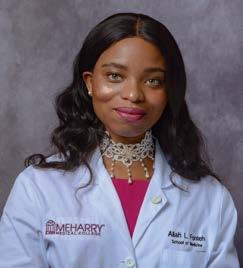
Aliah L. Fonteh is a third-year medical student at Meharry Medical College in Nashville, TN. She is a CameroonianAmerican with a passion for becoming an OB/GYN due to her interests in global women’s health, reproductive infectious disease, and health policy especially as it relates to reducing maternal/infant mortality in BIPOC. On her medical campus she engages in leadership by serving as the President of the Henry W. Foster OB/ GYN Interest Group. She is also pursuing her certificate in Health Policy at Meharry Medical College, and she is an Area Health Education scholar. Her research interests have afforded her the opportunity to work on a project as a scholar with the HIV Vaccine Trials Network (HVTN) Research and Mentorship (RAMP) program and also to work on a Meharry-Vanderbilt Community Engaged Research Core Scholars project. She is adamant to use her career to improve global women’s health and to engage in mentorship for youth interested in medicine. In her free time, she enjoys being active, fashion and photoshoots, and serving the surrounding community.
1. Washington, Harriet A. Medical Apartheid. Random House, 2019.
2. Reverby, Susan M. “Memory and Medicine: Perspectives on History: AHA.” Memory and Medicine Perspectives on History | AHA, www.historians.org/publications-and-directories/perspectives-on-history/september-2017/ memory-and-medicine-a-historians-perspective-on-commemorating-j-marion-sims
3. Waxman, Olivia B. “Why a J. Marion Sims Statue in NY’s Central Park Was Removed.” Time, Time, 17 Apr. 2018, time.com/5243443/nyc-statue-marion-sims/.
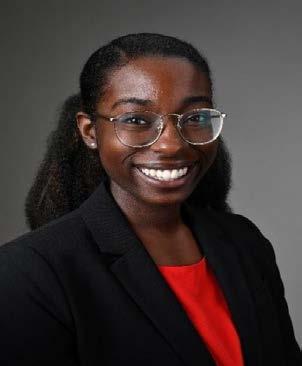
Name: Christle Nwora
Hometown: Murphy, Texas
Educational Background/Degrees Obtained: University of Texas at Austin, Bachelor of Arts. McGovern Medical School (UT Houston), Doctor of Medicine
Specialty: Internal Medicine – Pediatrics
Residency Location: Johns Hopkins
Favorite Quote: “Wisdom means to choose now what will make sense later. I am learning everyday to allow the space between where I am and where I want to be, to inspire me and not terrify me.”
― Tracee Ellis Ross
Social Media Handles or Contact Info/Email: Instagram (@ChristleNworaMD), Twitter (@ChristleNwora), Email: Christleknwora@gmail.com
Why medicine and why your specialty?
I choose medicine because I love to help people achieve their highest level of health. I choose Internal Medicine – Pediatrics as a specialty because I wanted to be able to the wide range of patients with all levels of medical complexity. I hope to be a great primary care physician one day!
Tell us a fun fact about yourself. I was a trained puppeteer!
Do you have any passions outside of medicine? If so, what are they? I’ve come to enjoy exercising in many forms. I picked up running in medical school and started boxing in my final year. I also found some of the stationary cycling classes to be great ways to let go of the day’s stress.
What is one of your biggest regrets? What would you do differently if you had the opportunity? I felt like I had to take a pretty rigid path to and through medical school. I went straight from high school, to college to medical school with no gaps and now I am in residency. There were times where I was considering taking time off to pursue an additional degree or spend time in more policy work, but I was too afraid to veer off course. I know now that there are many different pathways in medicine, and I need to choose what works best for me and aligns with my goals.
What advice would you give to someone looking to pursue a similar path as yours? Invest in your “board of directors.” I think most people know that they should have mentors and sponsors, but I like to think of certain people as my personal advisors. I look to some mentors for career and academic advice. Others I look to for guidance in personal matters. My relationship with each individual may vary, but all of them are crucial in my development.
By Winona Gbedey
UT Health San Antonio Long School of Medicine, Class of 2023
History of Present Illness: Your patient is a 78-year-old African American woman who presents today with a deep-seated mistrust in the American healthcare and justice systems. At first, she is hesitant to speak to you, wary of the white coat that adorns your body, but soon she realizes that you are here to help, not hurt.
“I don’t trust you.”
Her symptoms first began more than 400 years ago when the first enslaved Africans arrived at the new British colony of Virginia. Upon further questioning, she reveals she lives with a hereditary condition, passed down from generation to generation for centuries. After seeing the confusion still on your face, she clarifies further. Her condition, rooted in her ancestry, is the history shared among her people—Black friends, family, and stranger alike, both near and far, past and present. This history details the horrors and triumphs that have brought them to where they are today. It lives on through them. Slavery and the Emancipation Proclamation. Segregation and the Civil Rights Act of 1964. Systemic racism and Former President Barack Obama.
Suddenly, she stops. You glance up from your patient note only to see that caution has overtaken her once again. You urge her to continue; she shouldn’t have to mute herself to get the care that she needs, even if her physicians are less knowledgeable
on a subject than she is. She looks skeptical but ultimately continues. As of late, most things seem to aggravate her symptoms: the unjust murders of unarmed Black men and women by the very people who are supposed to protect them; the disproportionate numbers of black and brown bodies falling to COVID-19; the recent attack on her nation’s capital by domestic terrorists masquerading as patriots. However, the actions of the younger generations, publicly denouncing white supremacy, racism, sexism, homophobia, and the inhumane detainment of refugees make her feel better. But, still, it isn’t enough.
“People who look like you and me, we’re the ones dying. Have been for ages, but no one seems to care. Obviously, this place wasn’t made for us.”
Past Medical History
Curious to find out what else has elicited her symptoms in the past, you delve into her PMH. The
You wonder to yourself, have you ever felt a shame that burns as hot or as deep as this?
Social History
Without any prompting from you, your patient reveals that she often experiences casual acts of racism in her everyday life. Shop owners following her as she admires clothing items; curious hands grabbing at her afro without her consent. She’s encountered so many such acts during her time on this Earth that she has long grown accustomed to them.
Other instances, she will never get used to, no matter how hard she tries. Fearing for her life when getting pulled over for a “routine traffic stop”; fearing that she’ll end up like her kin if she visits the wrong hospital, sees the wrong doctor. She has feared so much over the years that it has become a permanent fixture in her life. Her eyes are glossy as she tells you her story. You reach out to offer a comforting touch, but she pulls away.
Genitourinary:
The collection of and experimentation on Henrietta Lacks’ cervical cancer cells without her knowledge or permission; Dr. J. Marion Sims, who created and perfected landmark gynecological procedures by mutilating the genitalia of countless Black women without even giving them anesthesia; the Tuskegee Syphilis experiment, which allowed the slow, painful decline of hundreds of Black men when treatment was readily available and easily accessible.
Dermatological:
A national 2016 study that revealed that nearly 40% of White first- and second-year medical students believe Black patients have “thicker skin” and “less sensitive nerve endings.”
Neurological:
room descends into yet another uncomfortable silence. Her leg bounces; her fingers tremble. You give her the space needed to decide whether to answer you.
Eventually she tells you that she herself has not experienced many negative outcomes in her limited interactions with the healthcare field.
“Limited,” though, because her family and friends have, from one physician misdiagnosing a friend with malaria when he actually had a DVT to another physician dismissing her sister’s cry for help as she entered into preterm labor.
“How many people must suffer because of their doctors’ incompetence? she demands. How many must die? And to be told that you’re “noncompliant” and “defiant” because you know you deserve better than what you’re getting? Truly reprehensible. But this isn’t new. Similar things happen all across the country every day and have been for a long time now.”
“I have been on this Earth for 78 years now, yet so little has changed. For every step forward, we take two steps back. With enough ‘progress,’ we’ll end up right back where we started. I’ve come to realize that maybe we weren’t meant to win this race.”
As mentioned in the PMH, black and brown bodies have historically been mistreated and abused. They have been used to make revolutionary medical discoveries in nearly every major specialty. But most of these studies were conducted without any regard for the person laying on the table. Though these experiments stretch as far back as colonial times, maybe even further, many are still being conducted today, contributing to the inherent mistrust racial and ethnic minorities feel when visiting healthcare establishments. Despite knowing numerous examples that could fall under each category of this ROS, your patient decides to focus on only a few during this appointment.
loathing, fear, and caution intrinsic to the very concept of medical distrust. Major systemic changes must occur to alleviate her symptoms.
“I’ll admit, I am prejudiced. For me, it’s always been us versus them. We fought for our freedom. They spat on us and screamed in our faces, dragged us through the streets and hung us from trees. They made it clear that we weren’t welcome here. I pray each day that your generation never knows what it’s like to hate and to be hated. It eats you up from the inside out.”
Although little can be done at this appointment to rectify implicit biases, institutional and systemic racism, and race-based mistreatment, you two work together to formulate a plan to address her most pressing concerns.
The problematic 1990s study that aimed to prove a genetic etiology for aggression in the Black population by only recruiting lowincome Black boys; depriving them of their medications, parents, and water; and pumping them full of Fenfloramine, a drug that, at the time, was suspected in inducing aggressive behaviors.
“I appreciate your kind words, but do you even know what I’m talking about?”
Physics exam findings
Your patient exhibits a significant degree of white coat hypertension and anxiety but otherwise is in NAD. General inspection reveals dark skin, full lips, and kinky hair, a list of physical features that labels her as “other” and tethers her to a blood-soaked history as old as this country.
Assessment
You return to your note. After talking with her, you now believe that her fears are justified. She has an extensive understanding of her condition, probably even more than you despite your medical training. The country’s record of inhumane treatment and experimentation on minorities, in addition to her PMH and SH, culminate in the resentment,
1 Recruit more people of color into the field of medicine and continue to support them once they matriculate.
2. Incorporate the history of medical experimentation and medical racism into medical school curricula to educate future physicians on the errors of the past (and present).
3. Include the dermatological manifestations of disease on both light and dark skin in lecture materials to reduce untimely or inappropriate diagnoses.
4. Encourage peaceful discourse on these and other challenging topics.
5. Patience is key, and therapy, too, if needed.
You assure her that steps will be taken to ameliorate the issue, hopefully long-term. She thanks you as you close your note. Before you leave the room, you tell her your truth: being Black isn’t a disease and it shouldn’t be treated as such. You tell her, I’m sorry you’ve had to carry this burden with you for so many years.
She finally relaxes.
“It was nice talking to you, sweetie. And—I’m proud of you. You don’t know how happy I am to see someone who looks like me where you are. You make me ... hopeful. I haven’t felt like this in a long time.”
Abstract:
Provision of adequate health care has a direct correlation with increased longevity and positive health care outcomes. There is a lack of published information about why medical students from urban areas decide to practice in urban areas post-graduation. In this study we interviewed current medical students who were raised in urban areas about their plans to return to urban underserved areas post graduation. Our goal was to understand factors that influenced these students to “Go Back Home”, back to the community where they were raised or a similar community to practice medicine. We identified six influential aspects: mentorship, spirituality, a desire to serve the community, a desire to serve the community as a physician, shadowing experiences and pipeline program involvement. Knowing this information could potentially inform the development of pre-medical programs and increase the number of students entering medical school and deciding to practice medicine in urban medically underserved areas. Ultimately, data of this nature can contribute to the decreasing health disparities in urban communities.
Key Terms:
Urban underserved, medical students in urban underserved areas, areas of practice
Authors: Armika Tatum, MS, OMS IVb, Tsedey Biru Juka, DO, Sharon Casapulla, M.Ed., Ed.D, MPHa
We, the two lead authors on this paper (AT and TJ), are Black females who were both born and raised in urban underserved areas and intend to return to urban underserved communities to practice. While shadowing a physician in an urban hospital as an undergraduate pre-medical student, one of us (AT) had an transformative experience that sparked the beginnings of this research study. During a visit, the neonatologist AT was shadowing recommended a specific surgical procedure for a newborn but the mother was highly skeptical, left the room and refused the treatment. A few minutes later, the mom, who was Black, returned and asked to speak to AT regarding the procedure. Although AT had no formal medical training, she welcomed and trusted AT’s advice over the non-Black physician. After this conversation, the mother agreed to the potentially life-changing procedure based on AT’s reiteration of what she was already told. This level of trust was astonishing to AT. AT witnessed firsthand, how mistrust of the medical system could potentially lead to poorer health outcomes. On the other hand, she realized that if physicians who are from the community return to urban underserved communities to practice, health outcomes could improve. This incident increased our curiosity of other factors, not limited to race, that can influence urban medical students to practice medicine in urban underserved areas. To understand this topic further we interviewed current medical students who indicated an interest in practicing in underserved urban communities.
Physician shortage has been a problem in the United States for decades.1
According to the United States Health and Resources Administration, there are currently 31.2 physicians for every
10,000 patients in urban areas. Medically Underserved Areas (MUAs) have too few primary care providers, high infant mortality rates, high poverty rates or high elderly populations. Communities with physician shortages experience lower health maintenance and ultimately poorer health outcomes.2 In 2017, about 40% of all primary care Health Professional Shortage Areas (HPSAs) were in urban metropolitan areas. Despite the need, few physicians choose to practice in underserved urban areas.3 In order to combat the shortage of physicians in urban communities we need to first better understand the factors involved in the recruiting and retaining physicians interested in these communities. The scant research on this topic suggests that creating positive urban experiences for medical students during their training can increase the number that decide to continue their careers in that area.4
Many medical schools across the United States aim to recruit and retain physicians to work in rural or urban underserved populations. The University of Wisconsin has an urban underserved track for medical students called TRIUMPH, Training in Urban and Public Health that encourages students to “become community-engaged physician leaders who are committed to providing health care for medically underserved urban populations and reducing inequities.”5 The University of Colorado has an Urban Underserved track that aims to “educate support and encourage health professional students who are passionate about caring for diverse, urban, underserved populations and who share a commitment to eliminating health inequities.” 6 Despite the existence of multiple medical school programs with an urban
underserved mission, we found scant literature describing the specific factors influencing medical students’ decision to pursue urban underserved medicine.
A qualitative research approach for this study was chosen because we aim to explore the research question through the lived experiences of the participants. Qualitative methods allow us to understand how our participants understand the study question i.e., the factors that have influenced them to serve in medically underserved urban areas post-graduation.
Medical students who have completed at least one semester of schooling were selected for this study. As the goal of the study was to understand the influences of students who 1) grew up in urban underserved communities 2) intention to go back and practice in similar communities upon graduation, it was imperative the students met these criteria.
We sent an email to all 850 enrolled students at Ohio University Heritage College of Osteopathic Medicine, years I- IV (See Appendix A) to which 16 participants responded with interest. Once potential participants were identified, we emailed the Informed Consent Form. From the 16 participants who qualified for this study, 15 were interviewed between January 26February 10, 2018. Of these interviews, 14 were used for this study. One of the interviews was recorded and accidentally deleted before transcription. Seven of the participants self identified as black while the other 7 identified as non-black.
In qualitative research, the role of the researcher is paramount. We recognize that since qualitative research requires interpretation, personal biases could be encountered. 7 Qualitative researchers adhere to the integrity of their work through trustworthiness, credibility and consistency. 8 To minimize personal bias,
both researchers were present during all interviews. The researchers were equally involved in analyzing the data and involved their faculty research mentor throughout the study. The researchers also relied on their mentor for guidance when coding the interviews, developing themes and relevant quotes from the study.
Semi-structured interviews were the primary method of data collection. Seven of the interviews were in person and the other seven via Zoom® video chat. The Zoom video interviews allowed participants on many different campuses and clinical rotation sites to participate in the study. They also allowed interviews to be conducted efficiently.
All interviews were recorded.
Participants of this study were not given the interview questions prior to their interview. We utilized a set of open-ended questions (See Figure 1) to understand the participants’ background and their reasons for going back to urban areas to practice medicine. The interviews were in depth and lasted anywhere from 35 minutes to 1.15 hours. The audio recordings of the interviews were then carefully transcribed in a Microsoft Word® document by a hired transcriptionist.
Analysis of the data collected took place in multiple phases. First the interview transcripts were reviewed by
Influences in choosing your practice setting
The following questions seek to answer the presented research question:
1- Where did you grow up?
2- Tell me about the area you grew up?
3- Do you consider the area you grew up to be medically underserved? Why?
4- What influenced your choice of Medicine as a career?
4.1- Tell us about the people that influenced this decision.
4.2- Tell us about the life experiences that influenced this decision.
5- What was your first choice for clinical education sites during 3th-4th years? Why?
7- Where are you completing your residency? Why?
8- Where do you plan to practice medicine after the residency? Why?
9- What area of medicine do you plan to practice?
9-1Has it changed since starting medical school? If so, what has influenced the change?
10- How Important is giving back to your community?
10.1-What does it mean for you?
11- Many students that grew up in underserved areas want to go back home and practice medicine upon graduation. We are trying to understand the notion of going back home, what does that mean to you?
12-Do you plan to go back and practice in the community you were raised?
12.1-Tell us your reasons?
13- How do you feel about living and practicing in the place you were raised?
both researchers’ multiple times. With the help of our research mentor, we separately open coded the transcripts, using NVivo® qualitative data analysis software, and came up with our own list of codes. Following this, we discussed our individual codebooks, reconciled our codes and came up with one master codebook. This ensured credibility and trustworthiness between the two researchers. We then organized the codes into four major categories and influential themes that were seen throughout the interviews.
Results
Of the 14 participants in the study, 12 were female and two were male. We found that ten participants were committed to going back to practice in the urban underserved area where they were raised. One of the participants did not want to go back for personal reasons but is committed to practice in a similar area. The remaining three were not fully committed to returning to their area but intended to practice in an urban area. We identified the following six themes that represent why the participants intend to go back home or to other urban underserved areas to practice.
Theme 1: “You need that person to help you, to propel you into success:”
All of the participants described the invaluable role of mentorship in their career choice and decision to pursue underserved medicine. All of the participants discussed influential people in their life that have helped them. These mentor-mentee relationships, in many instances, shaped the medical students into the people they are today. One participant stated that “mentorship is everything” and that the nurturing role and the guidance mentors have in recognizing the gift and drive of their mentees was essential. As one participant put it, “I think mentorship is by far, one of the most important things in life. I think everybody should have a form of mentorship.”
Theme 2: “I feel like it’s my purpose in life to go back and help where I was raised.”
There were key personal characteristics that we found to be shared among the participants of this study. One of the major ones is the influence of their spirituality and faith. It serves as the
driving force behind their decision to go back home or to other underserved areas. Ten of the 14 participants talked about their faith and that it is what sustains them and helps them push through the hard times during their medical school training. They view their choice in career as their calling. One participant described this as:
“I believe that God has a certain job and plan for you to be able carry out and do. And I definitely think that being a doctor is what I’m supposed to do and what He has determined for my life to be.”
Theme 3: “Because so many people helped me along the way…”
Eight of the 14 participants had a long history of giving back prior to starting medical school. They spoke about the importance of giving back to their community through mentoring others and volunteering. The participants described the importance of service, and that servitude is one of the main characteristics of a good physician.
“When you want to go into the medical profession, I think there’s a part of you that wants to be of service, that wants to help. I’m at my happiest when I feel like I’m volunteering or when I feel like I’m actually making a difference. That’s when I feel like, I’ve made it.”
Participants discussed that there were many people in their lives that helped them to get to where they are today and as such, they have always felt that they needed to do the same for those that come after them.
Theme 4: “Not giving back would be like, what’s the point of me even pursuing medicine.”
All of the participants agreed that they have intentions to give back to their community once they are physicians. A recurring theme during our interviews involved giving back to the community one was reared. Giving back, according to some students, also means showing future generations that they too can be successful. One of the participants went on to state that they too were in the same position as the younger generations.
“It’s going back home to my people, to my family, to show the boys and the girls that I live here. I went to school here. This is my teacher for fifth grade. I
sat in these seats. If I can do it, you can too.”
Theme 5: “..shadowing, I just really saw it [medicine] was for me..”
Majority (9 of 14) of the participants agreed that they had shadowed at least one physician prior to medical school. Some indicated that it was the way they determined if a career in medicine was right for them.
Theme 6: “...I think the younger the better. Yeah, exposure is key.”
was a statement of one participant. 10 of 14 students were previously involved in pre-medical and/or sciencebased programs before attending medical school. Some marked their own exposure as the first time they experienced new aspects of medicine. One student remarked “I got to see my first surgery when I was in seventh grade. It was amazing for me.”
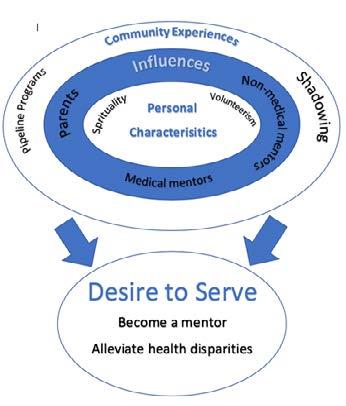
We identified six themes that represent the participants decision-making with respect to their future practice area. Inspired by Bronfrenbrenners ecological systems theory 9 , we organized these themes into three overarching categories; the participants’ personal characteristics, the influential people in their lives and other influential experiences (See Figure 2). These factors have influenced the participants in this study to serve in areas where they are needed the most.
Spirituality is part of an individual’s personal belief system and seems to be a factor in the participants motivation to serve. The other identified themes provide an opportunity to consider how we can encourage students from urban underserved areas to pursue medicine and ultimately practice in those areas. This is significant because studies have shown students raised in urban areas are more likely to return to and practice in urban areas compared to those raised in other areas.10 All participants discussed the role of mentorship on their career choice. Colleges should match students interested in medicine with physician mentors and structure mentoring programs to include helping the mentee recognize their gifts, and guidance in achieving their short and long-term
goals and with career development. Many sources speak to the importance of mentorship. Alpert (2009) states that “mentoring is a key component for career development and is, in fact, a critically important form of collaboration between successive generations in our profession.” 11
Many of our participants also described that service and volunteerism prior to medical school were influential in their decision to pursue urban underserved medicine. Colleges and medical schools should collaborate to create volunteer and other service opportunities for students in urban underserved areas.
Students made profound statements about the importance of giving back to their communities while serving as a physician. Such strong proclamations are a testament that giving back and serving in your community, for these students, was the primary motivation for becoming a doctor. Not only did students find it critically important to give back to these communities
in times past but they also felt it was of utmost importance to give back once they are physicians. A majority of the black participants interviewed agreed that a large part of the reason they are pursuing a career in medicine involves their own desire to show future generations that they too are smart and can become a doctor if they so choose. These students ranged from first generation college students to students that said they never saw a physician growing up that “looked like them”. According to a research done by a collaboration between Institute of Medicine and Association of American Medical Colleges, “more culturally competent care may also influence patient health care-seeking behavior and health care preferences by affecting patient familiarity with and trust in the health care system, thus widening the range of possible acceptable treatment options. The benefits may range from more thorough and accurate documentation of medical histories to greater adherence to treatment regimens by improving trust,
communication, and continuity of care.” 1 Going Back Home can mean giving hope to those who would otherwise not seek medical care.
The majority of the students expressed a desire to relate to their patients through shared lived experience, whether it be shared socio-economic status or the cultural ideas of when it is appropriate to see a physician. More specifically students noted that growing up they only saw a doctor when things had gotten really bad and were no longer manageable at home. For some this resulted in amputations. Students felt as though the shared lived experience they have with patients will build trust, dispel some of the common medical misconceptions and may ultimately result in improved health outcomes. Improved health outcomes through continuity of care can also address some of the inequalities often seen in underserved communities.
Shadowing a physician is a way for students to gain a realistic perspective of
medicine. Shadowing experiences range from everyday healthcare prevention and management with primary care physicians to being an observer in surgeries. The majority of students interviewed in this study shadowed before medical school and agreed that it played an influential role in their decision to become a medical doctor in an urban area.
As with shadowing, involvement in pre-medical and pipeline programs is what affirmed the participants decision to pursue a career as a physician. Some mentioned the need for these types of programs for potential future medical students as early as elementary school. States such as Virginia, Arkansas and South Dakota are implementing pathway programs starting as early as kindergarten to introduce students to health care careers. 12 Most participants in our study agreed that middle school was a better time frame as they begin to consider their future as an adult. According to the medical students, this is a great time to spark the interest of future physicians.
We found medical students from urban underserved areas are influenced to return home to practice medicine as a result of mentor guidance, deep rooted faith, past volunteering experiences and a desire to give back to their community. Shadowing and pipeline program participation also play a role. These findings can inform medical education and training to help alleviate the lack of physicians in urban underserved areas and achieve healthcare equity.
Figure 2: Factors that influence medical students to serve in urban underserved areas
1. Gudbranson E, Glickman A, Emanuel EJ. Reassessing the Data on Whether a Physician Shortage Exists. JAMA. 2017;317(19):1945–1946. hedoi:10.1001/jama.2017.2609
2. Shi, Leiyu. The Impact of Primary Care: A Focused Review. Scientifica. 2012. 2012: 432892.
3. Institute of Medicine. The Right Thing to Do, The Smart Thing to Do: Enhancing Diversity in Health Professions -Summary of the Symposium on Diversity in Health Professions in Honor of Herbert W. Nickens, M.D..2001. Washington, DC: The National Academies Press. https://doi.org/10.17226/10186.
4. Boscardin CK, Grbic D, Grumbach K, et al. Educational and individual factors associated with positive change in and reaffirmation of medical students’ intention to practice in underserved areas. Acad Med. 2014 November; 89(11) 1409–1406
5. Training In Urban Medicine and Public Health. The University of Wisconsin School of Medicine. https://www.med.wisc. edu/education/md-program/triumph/
6. Urban Underserved Track. University of Colorado School of Medicine. http://www.ucdenver.edu/academics/colleges/medicalschool/education/degree_pr ograms/MDProgram/longitudinal/tracks/urbantrack/Pages/default.aspx
7. Sandelowski M. The problem of rigor in qualitative research. Adv Nurs Sci 1986;8:27–3
8. Hammarberg K, Kirkman M, de Lacey S, Qualitative research methods: when to use them and how to judge them, Human Reproduction. 2016 March. 31(3): 498–501
9. Bronfenbrenner, U. (1979).The ecology of human development. Cambridge, MA: Harvard University Press
10. Gatell V, Nguyen T, Anderson E, McCarthy M, Hardt J. Characteristics of Medical Students Planning to Work in Medically Underserved Settings. Journal of Health Care for the Poor and Underserved. 2017 November, 28(4): 1409-1422
11. Alpert J. The Importance of Mentoring and of Being Mentored. The American Journal of Medicine. 2009 December 122 (12). 1070
12. Heller E, Enlund S, Blackman K. National conference of state legislatures, health issue.August 2017. Retrieved from https://www.ncsl.org/documents/health/WorkforceStrategies2017.pdf
Dr. Casapulla is the director of the Rural and Urban Scholars Pathways (RUSP) program in the Office of Rural and Underserved Programs at the Heritage College of Osteopathic Medicine at Ohio University. Her scholarly interests include how integration of art and narrative into medical school curricula can help students develop competencies for underserved practice. Dr. Casapulla serves as the faculty advisor for the Athens chapter of the HCOM Student National Medical Association. Dr. Casapulla has lived in Athens Ohio for 20 years.
Dr. Tatum is an intern at The Christ Hospital/University of Cincinnati Family Medicine Residency Program. She has always had a strong desire to serve in medically underserved urban communities and work towards decreasing health disparities. Although she had been interested in diabetes prevention and management for numerous years, her desire to educate communities about the detrimental disease grew after the untimely death of her mother while in medical school. As a primary care physician, she also plans to focus on increasing the overall well-being of the underserved with the hopes of changing the health trajectory for generations to come. In her spare time Armika enjoys boxing, pound fitness, various arts and crafts, traveling and spontaneous adventures such as zip lining and skydiving.
Dr. Biru Juka is a 2nd year neurology resident at Kettering Health Network. She is passionate about social medicine, health equity for all and global health. Tsedey was born and raised in Addis Ababa, Ethiopia and immigrated to the US as a teenager. She hopes to use her upbringing and life experiences to find ways to promote quality neurology care to underserved populations and find ways to give back to the community that helped raise her in Ethiopia.

The murder of numerous Black individuals – such as George Floyd, Ahmaud Arbery, Breonna Taylor – in the midst of the COVID-19 pandemic increased societal awareness of structural racism and police brutality in the United States.1-5 The trauma of racism perpetuated by organizations and institutions on Black, Indigenous, and people of color (BIPOC) has led to distrust of institutions, isolation, and deterioration of mental health.1,6-8 While several academic health centers (AHCs) have some form of unconscious bias and trauma-informed care training aimed at interpersonal racism, it was not until the recent acts of police violence that many AHCs revisited their mission, to implement actions to start dismantling institutional and structural racism.9
While AHCs are working on systemic changes, few studies exist to guide these efforts for an interprofessional audience, including the potential impact of anti-racism educational sessions on their members.10-13 Anti-racism training has been implemented and studied in specific educational areas of AHCs, such as Family Medicine residencies,
but not yet to an interprofessional, cross-generational audience inviting all AHCs members.14 Given Family Medicine’s countercultural history on integrating social and structural factors of health into healthcare delivery, the specialty is wellpositioned in AHCs to play a vital role nationally in leading institutional and organizational anti-oppression efforts. Recognizing the lack of conversation across disciplines and practices, an interprofessional group of health professional students at Oregon Health and Science University (OHSU) created a four-part webinar series for healthcare workers to start addressing racism at their own institution. The purpose of this paper is to describe this series, while evaluating its impacts on knowledge and behavior of anti-racism for webinar participants.
OHSU’s Student National Medical Association (SNMA) chapter and Physician Assistant Diversity in Medicine (PADiM) developed four weekly 90-minute webinar session. Each session had a specific theme
Corresponding Author:
SESSION #1:
BUILDING A FOUNDATION FOR ANTI-RACIST WORK
OBJECTIVES
1. Understand the vocabulary used in racial justice and social justice work
2. Define the different forms of racism, non-racism, and antiracism
3. Define and identify intersectionality
a. How is the concept of race linked to culture, ethnicity and nationality?
4. Uncover ways we’ve internalized white supremacy
5. Explore the realms of allyship
SESSION #2: HOW CAN I TALK TO MY FRIENDS AND FAMILIES ABOUT ANTI-RACISM
SESSION #3:
ALLYSHIP IN ACADEMIA
1. Know how to use nonjudgmental phrases in antiracist conversations
2. How to navigate discomfort or fear when talking to friends/families about racism
3. How to support those subjected to racial discrimination
4. How to prevent burnout when having difficult conversations
1. Define ally
2. Understand how students can show allyship in academia
3. Understand how colleagues can show allyship in academia
4. How white supremacy is integrated in academia
5. Learn how to respond when being called out by BIPOC
SESSION #4:
Long term ways people can tackle systemic racism
1. Define systemic racism
2. Understand the difference between systemic and systematic
3. Understand ways in which you may be complicit
that built upon content from the previous sessions, centering around shared language creation, selfawareness of power and identity, and action items to dismantle structural racism (Table 1). Learning objectives were outlined for each week’s session.
The sessions included blended learning models, including large group didactics, small group skill-building, and interactive engagement. The first hour was led by a community speaker, who addressed on the themes and learning objectives for that week’s session. After the first hour, small
ACTION ITEMS
1. Diversify news feed to amplify BIPOC voices and stories a. List of Instagrams or news sources to follow 2. Practice integrating vocabulary from this session into your daily conversations a. Reflect on what challenges you faced when doing this (leads into next session)
3. Apply a racialized lens to things you see on the media a. Three pop culture examples
1. Write down common phrases you can use to combat racist ideologies
a. Could also be an in class activity (presenter shows a typical racist comment, ppl submit responses)
2. Knowledge is power, be ready to be challenged on your anti-racism work.
1. Speak against encountered microaggression or racism
2. Reach out to and interact with BIPOC
3. Mentor pre-medical/pre-PA students to help them enter medical school/PA school
4. Sign up and be trained in the Implicit Bias Training Program
1. Understand the history you are not taught
2. Speak up publicly
3. Diversify your friend groups
4. Get involved in policy change on a local, community, student organizations, clinic or federal level
5. Offer to help with diversity related work
group discussions were facilitated by OHSU’s White/Non-Black POC Accomplices, a student-led advocacy group in which its mission statement is to dismantle anti-Black racism. The webinar was advertised through the institution’s internal channels and through listservs.
Pre- and post-surveys were designed with 7 items, including questions assessing self-confidence (3 items), knowledge (3 items), and selfperception (1 item). The questions used a 10-point Likert scale (1=strongly disagree, 10=strongly agree). Participants also self-reported their stage of training/career and
their race/ethnicity. The pre-survey was sent out at the beginning of the first webinar series to all attendees in the webinar to gather a baseline of attendees’ knowledge and behavior. Post-surveys were sent out at the end of each webinar series to attendees. Data from surveys were collected anonymously without any identifying data other than stage of training/career and race/ethnicity. OHSU’s institutional review board (IRB) approved this project as an exempt protocol, and the need for consent was thus waived. Descriptive analysis was used to analyze the pre- and post- surveys using SPSS Statistics.
2: DEMOGRAPHIC TABLE
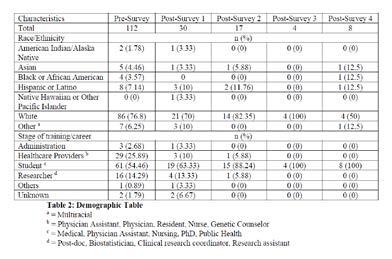
Prior to the beginning of the first webinar, 112 participants filled out a pre-session survey. In total, 291 people attended the fourpart webinar series, including 98 OHSU members for the first session, 69 for the second, 52 for the third, and 72 for the fourth. For each webinar, 28 (28%), 17 (25%), 4 (8%), and 8 (11%) people filled out the post-surveys (Table 2).
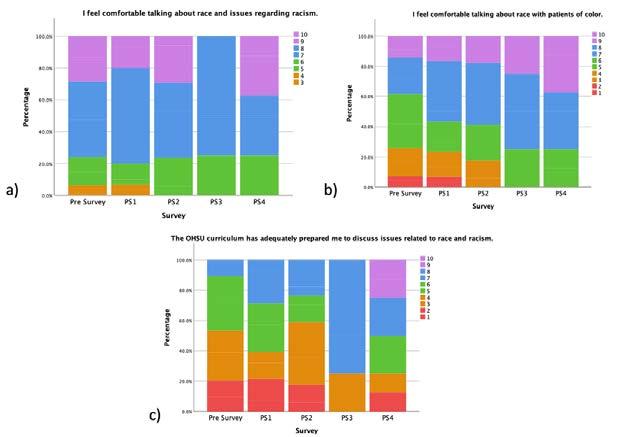
The pre-survey showed 69.6% and 61.6% of participants rated a 7 or higher on their understanding of how the Black Lives Matter movement and structural barriers affect their BIPOC peers, respectively. From the third post-survey, those percentages increased to 100% and 64.7%, respectively (Figures 1a, 1b). Participants’ comfort in talking
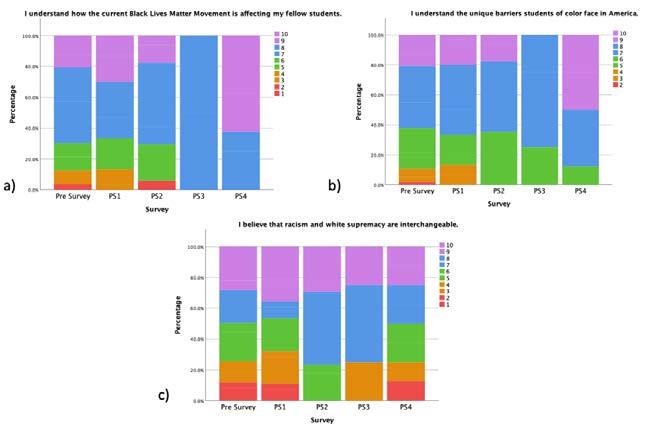
FIGURE 1
1. Alang S, McAlpine DD, Hardeman R. Police Brutality and Mistrust in Medical Institutions. J Racial Ethn Health Disparities. 2020;7(4):760-768.
2. Yaya S, Yeboah H, Charles CH, Otu A, Labonte R. Ethnic and racial disparities in COVID-19-related deaths: counting the trees, hiding the forest. BMJ Global Health. 2020;5(6):e002913.
3. Sawyer J, Gampa A. Implicit and Explicit Racial Attitudes Changed During Black Lives Matter. Pers Soc Psychol Bull. 2018;44(7):1039-1059.
4. Institute of Medicine Committee on U, Eliminating R, Ethnic Disparities in Health C. In: Smedley BD, Stith AY, Nelson AR, eds. Unequal Treatment: Confronting Racial and Ethnic Disparities in Health Care. Washington (DC): National Academies Press (US)
Copyright 2002 by the National Academy of Sciences. All rights reserved.; 2003.
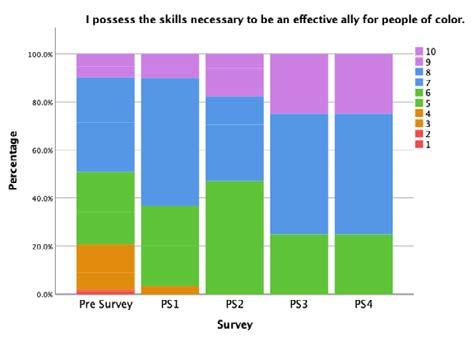
about racial issues remained the same throughout the series (Figure 2a). Their comfort in talking about race to BIPOCs and the skills needed to be an effective ally increased by 36.7% and 25.9% at the end of the third webinar, respectively (Figures 2b, 3). No trends were seen in regard to racism being equated with white supremacy or their institution helping them discuss racial issues (Figures 1c, 2c).
As medical providers, it is vital we dismantle structural racism, cultivate safer spaces for BIPOC colleagues, and equip team members skills to provide equitable care to our patients.7,15 In conclusion, by the end of the series, participants had a better understanding of how the
political environment affected BIPOCs and felt more comfortable talking about race to BIPOCs. However, participants still felt their institution was not providing them with the necessary resources to comfortably talk about race, indicating more work still needs to be done.
Study limitations include selection bias and non-response bias. Attendees who are more interested in racism may be more likely to stay for the entire session and take the post-surveys. Post-surveys were distributed at the end of the webinar and responses were voluntary, which may have contributed to a low response rate, especially towards the end of the series. Lastly, no identifiable information was collected other than race/ethnicity and career stage, therefore, statistical tests could not be used to assess individual
differences in pre- and post-session responses.
In the future, we intend to assess attendees’ knowledge and behaviors after a longer interval after the webinar series ends, to assess if behavior change and knowledge enhancements are sustained. We may also compare the attendees’ results with a matched cohort of individuals who did not attend. While the initial findings of this webinar series overall trended positive, we believe curricula is only one component to effectively address structural racism; it is critical we also work to implement antiracist practices on rounds, during students’ clinical rotations, and within our interprofessional care teams to enhance patient care and eliminate racial inequities.
5. Sobo EJ, Lambert H, Heath CD. More than a teachable moment: Black lives matter. Anthropol Med. 2020;27(3):243-248.
6. Crowell C, Mosley D, Falconer J, et al. Black Lives Matter: A Call to Action for Counseling Psychology Leaders. Couns Psychol. 2017;45(6):873-901.
7. The L. Medicine and medical science: Black lives must matter more. The Lancet. 2020;395(10240).
8. Rosenberg M, Ranapurwala SI, Townes A, Bengtson AM. Do black lives matter in public health research and training? PLoS One. 2017;12(10):e0185957.
9. Mosley DV, Hargons CN, Meiller C, et al. Critical consciousness of anti-Black racism: A practical model to prevent and resist racial trauma. J Couns Psychol. 2020.
10. Balls-Berry JE, Greene E, McCormick J, et al. An Academic Medical Center’s Learners’ Perceptions of Health Disparities. PRiMER. 2018;2:19.
11. Bright HR, Nokes K. Impact of a Discussion Series on Race on Medical Student Perceptions of Bias in Health Care. PRiMER. 2019;3:29.
12. Roberts JH, Sanders T, Wass V. Students’ perceptions of race, ethnicity and culture at two UK medical schools: a qualitative study. Med Educ. 2008;42(1):45-52.
13. Wu D, Saint-Hilaire L, Pineda A, et al. The Efficacy of an Antioppression Curriculum for Health Professionals. Fam Med. 2019;51(1):22-30.
14. Guh J, Harris CR, Martinez P, Chen FM, Gianutsos LP. Antiracism in Residency: A Multimethod Intervention to Increase Racial Diversity in a Community-Based Residency Program.
15. Ben J, Cormack D, Harris R, Paradies Y. Racism and health service utilisation: A systematic review and metaanalysis. PLoS One. 2017;12(12):e0189900.


By: Kemi Alabi & Giomilsy Ramos MS2 - Rutgers Robert Wood Johnson Medical School
“First, do no harm”.
As an important step in becoming a doctor, medical students must take the Hippocratic Oath and make this promise. The oath is the earliest expression of medical ethics in the Western world. This established several principles of medical practice which remain of paramount significance today.
Yet, the promise to “First, do no harm” was obsolete as the medical field exploited Black bodies for advancement in medicine. The medical community did inflict harm when medical schools relied on enslaved Black bodies as “anatomical material” for medical education across the South. 16 For several decades, medical education in the United States relied on the theft and dissection of Black bodies by recruiting “resurrectionists”. 13,16 For example, over a period of 39 years, the Virginia Medical College, employed a Black man named Chris Baker as its “resurrectionist” to steal freshly buried Black bodies that would then be used for dissections. 13,16 This explicitly shows that not only did the medical community exploit Black bodies, but they also forced other enslaved people to participate in these heinous acts. This is shown throughout history, but
especially with the Medical College of Georgia, which purchased an enslaved man, Grandison Harris, to work as the resurrectionist in 1852 and he remained in the position after emancipation.13,16 The compounded psychological effects of enslaved people being forced to endure the pain of being both victim and participant in these horrific acts spans generations within medicine and society.
Similar to dissection, some medical specialties relied on experimentation on enslaved peoples and their labor. James Marion Sims, who is widely regarded as the founder of American gynecology, came to many of his discoveries by experimenting on enslaved women, while also forcing them to perform domestic duties and serve as nurses in his clinic. 13
Like Black people, many other racial minority groups including Native American and Hispanic women were overwhelmingly targeted for involuntary and coercive sterilization under early 20th century eugenics laws.16 Even as states began to repeal these laws in the 1960s and 1970s, sterilization abuse continued through the 1980s.16
Like the United States’ history of policing and criminal law, it is very clear that the history of medicine is also deeply rooted in racial violence and injustice. Since 1619, Black enslaved people have endured acts of horror by the medical community, in the form of medical treatment and experimentation. This history cannot and should not be understated, but rather confronted by the medical community in order to begin a long process of healing and reconciliation.
With a widening gap of racial health disparities across all levels of healthcare including maternal mortality, infant mortality, cancer, cardiovascular and renal diseases, how do we heal?
How do we move forward to ensure the health and wellbeing of our patients of color are of paramount importance?
As we know, communities of color bear the physical burdens of centuries of injustice and racism. 6 As part of a larger effort to address the effects of structural racism in healthcare, many medical schools and healthcare professionals have made promises of dismantling racism in their institutions. However, the exact mechanism of implementing these changes has not always been clear, especially given that most Americans have very little experience discussing racism. 8 As medical students and future leaders in healthcare, we believe that in order to equip new clinicians with the knowledge and tools to form more trusting relationships with patients and avoid victim-blaming, we must begin by acknowledging and addressing structural racism earlier in our medical education.
Medical institutions must first evolve their curriculum to incorporate educating all trainees about this long history of structural violence and abuse towards people of color. For example, at our institution, the student leaders and members of organizations like White Coat for Black Lives (WC4BL) have partnered with faculty to develop a curriculum for all first and second year medical students. This new curricular change, developed by the students of our WC4BL chapter, focuses on the history of structural racism, its
role in racial health disparities, and the impacts of racism at all levels in the medical community, especially the health outcomes of patients of color. This firm educational foundation on the history of structural racism brings the medical community one step closer towards dismantling the effects of structural racism in medicine.
Trainees across all levels of the healthcare profession, must also master the health effects of structural racism as a professional competency throughout their healthcare career. 7,9,10,11 Such change requires that health professional schools, training programs, and medical institutions, teach trainees and clinicians across all specialties and roles to address racism. 7,9,10,11 To ensure the standards are met, these competencies must also be assessed during all licensing and accreditation procedures. 7,9,10,11 Secondly, as healthcare systems are often the largest employers within our communities, the medical community must work to desegregate our healthcare workforce at an institutional level. Despite our very diverse patient populations, the current healthcare staff, from students to medical directors, are predominantly white. 9 Given that health and economic status are inextricably linked, this lack of diversity often limits not only the health of patients of color, but also the economic mobility of minority healthcare professionals. As a result, healthcare institutions must aim to protect these populations and extend employment opportunities to underrepresented minorities in healthcare.
It is only through these systemic efforts that the medical community can finally begin to live up to the oath of “First do no harm”.
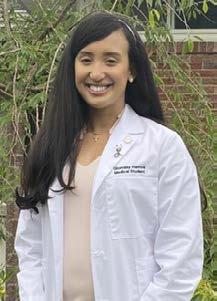
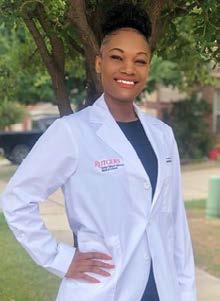
Giomilsy was born in the Dominican Republic and moved to New York at the age of 4. She obtained her undergraduate degree in Biochemistry from Boston College and went on to attain her Master’s degree through Drexel’s Pathway to Medical School Program. She is currently a rising second year medical student at Rutgers Robert Wood Johnson Medical School and serves as a Student Doctor and Co-Chair of the Communications committee at the student-led Promise Clinic. After being discouraged to pursue a career in medicine most of her life, she felt a need to share her story and empower young women to pursue careers in STEM. As a result, she and three other medical students founded the Girls Exploring Medicine and STEM (GEMS), a program designed to educate and increase exposure to STEM fields. During her free time she enjoys weightlifting, cooking, binge watching shows on netflix, and spending time with family.
Kemi J Alabi is a rising second year medical student at Rutgers Robert Wood Johnson Medical School. She was born and raised in Monrovia, Liberia. She currently serves as President of her school’s chapter of the Student National Medical Association (SNMA) and White Coats for Black Lives (WC4BL). Through these positions, Kemi strives to promote and support an inclusive and equitable learning environment for all. Through her leadership, the White Coats for Black Lives (WC4BL) at her institution have successfully developed curricular changes aimed at addressing structural racism and its role in perpetuating racial health disparities. For example, the RWJMS WC4BL chapter is organizing mandatory learning sessions for both first and second year medical students in August 2021 that will discuss the history of structural racism, the impact of racism at all levels on the health outcomes of People of Color, and the role of healthcare professionals in dismantling structural racism. Through the efforts of this WC4BL chapter, beginning in Fall 2021, Rutgers RWJMS will now require all incoming medical students to read Harriet Washington’s ‘Medical Apartheid’. Kemi, along with her WC4BL Eboard (Melanie Babi, Marissa Carranza, Veena Bhagavathi, Orett Burke, and Jessica Andersen), are committed to continuing their efforts to advocate for structural changes within the medical school curriculum that will begin to address the vast history of abuse and exploitation of People of Color throughout history.
In doing so, they can protect and advocate for their patients across all levels of health. This includes advocating for Black and Latinx communities that are often victims of preventable deaths secondary to police brutality across the U.S. As these racial groups are disproportionately targeted by law enforcement, it also results in worse outcomes; both psychologically and physically.
Similarly, these communities have also been disproportionately affected during the current COVID-19
pandemic. As of April 2020, in cases where race was specified, the Center for Disease Control reported that Black Americans made up 30% of COVID-19 cases, yet they only comprise 13% of the total U.S. population. 4 Similarly, Latinos made up 17% of COVID-19 cases despite being only 18% of the total U.S. population. 4 In states, like Louisiana, Black Americans make up 32% of the population, yet had a 70% mortality rate related to COVID-19. 4 The COVID-19 pandemic and rise in deaths related to police brutality reveal deep-seated systemic
inequities in communities of color, which can be largely attributed to the long history of systemic racism.
As such, the comprehensive health and treatment of Black and Latinx patients must no longer be inconsequential. By implementing the measures outlined, the medical community can begin to take accountability for this long history of abuse and exploitation and finally work towards earning back the respect and trust of communities of color across the nation.
1. Bor J, Venkataramani AS, Williams DR, Tsai AC. Police killings and their spillover effects on the mental health of black Americans: a population-based, quasi-experimental study. Lancet. 2018;392(10144):302–310. https://doi.org/10.1016/S0140-6736(18)31130-9
2. Braun L, Saunders B. Avoiding racial essentialism in medical science curricula. AMA J Ethics. 2017;19(6):518–527. https://doi.org/10.1001
3. DallaPiazza, M., Padilla-Register, M., Dwarakanath, M., Obamedo, E., Hill, J., & Soto-Greene, M. L. (2018). Exploring Racism and Health: An Intensive Interactive Session for Medical Students. MedEdPORTAL : the journal of teaching and learning resources, 14, 10783. https://doi.org/10.15766/ mep_2374-8265.10783
4. Double Jeopardy: COVID-19 and Behavioral Health Disparities for Black and Latino Communities in the U.S. . Substance Abuse and Mental Health Services Administration(SAMHSA). (n.d.). https://www. samhsa.gov/.
5. Hardeman RR, Medina EM, Kozhimannil KB. Structural racism and supporting black lives—the role of health professionals. N Engl J Med. 2016;375(22):2113-2115. https://doi.org/10.1056/NEJMp1609535
6. Hardeman RR, Murphy KA, Karbeah J, Kozhimannil KB. Naming institutionalized racism in the public health literature: A Systematic Literature Review. Public Health Rep. 2018;133(3):240-249. https://doi. org/10.1177/0033354918760574
7. Karani R, Varpio L, May W, et al. Racism and bias in health professions education: how educators, faculty developers, and researchers can make a difference. Acad Med. 2017;92(11S):S1–S6. https:// doi.org/10.1097/ACM.0000000000001928
8. Let’s Talk! Discussing Race, Racism and Other Difficult Topics with Students. 1991. http://www. tolerance.org/sites/default/files/general/TT%20Difficult%20Conversations%20web.pdf
9. Muntinga, M. E., Krajenbrink, V. Q., Peerdeman, S. M., Croiset, G., & Verdonk, P. (2016). Toward diversity-responsive medical education: taking an intersectionality-based approach to a curriculum evaluation. Advances in health sciences education : theory and practice, 21(3), 541–559. https://doi. org/10.1007/s10459-015-9650-9
10. Olayiwola J. N. (2016). Racism in Medicine: Shifting the Power. Annals of family medicine, 14(3), 267–269. https://doi.org/10.1370/afm.1932
11. Ona, F. F., Amutah-Onukagha, N. N., Asemamaw, R., & Schlaff, A. L. (2020). Struggles and Tensions in Antiracism Education in Medical School: Lessons Learned. Academic medicine: journal of the Association of American Medical Colleges, 95(12S Addressing Harmful Bias and Eliminating Discrimination in Health Professions Learning Environments), S163–S168. https://doi.org/10.1097/ ACM.0000000000003696
12. Perdomo, Joanna, et al. “Health equity rounds: an interdisciplinary case conference to address implicit bias and structural racism for faculty and trainees.” MedEdPORTAL 15 (2019): 10858.
13. Washington, H. A. (2019). Medical apartheid. Random House.
14. White S, Ojugbele O. “Addressing Racial Disparities in Medical Education.” AAMC, vol. 6, no. 2, 2019
15. Williams DR, Priest N, Anderson NB. Understanding associations among race, socioeconomic status, and health: patterns and prospects. Health Psychol. 2016;35(4):407–411. https://doi.org/10.1037/ hea0000242
16. Roberts, D. (2000). Killing the black body. Vintage Books.
A literature review and analysis of the issue.
Abstract:
Race is a social construct that exists in tandem with the dynamics of its present society and should be taught as such. Our understanding of race and genetics has developed to show that race is not a biological entity, rather an identity classification system developed to categorize people based on physical differences. Present-day medical education, however, is not reflective of this. Our literature review and analysis demonstrates that despite data to the contrary, there is a continued insistence within medical education on the understanding of race as a genetically bounded entity as well as other mis teachings of race. Although there have been advancements in medical curricula specifically to encourage staff and students to explore implicit biases and have discussions about personal experiences around racism, a mis teaching of race in medicine remains that is devoid of the historical legacy of racism in medicine and its present-day structural impact. We thus propose the following recommendations…
Every medical student remembers the clinical vignette about sickle cell anemia, where they were instructed that a typical patient presentation would be a young black child arriving to the E.R complaining of pain. Or, they may recall that when taught about diagnostic tools, race is factored into the algorithmic management of many pathologies including kidney, lung and obstetrics – all taught without a contextual understanding of why or discussion on the contention about this practice of race correction. Many students of
color have sat in classrooms feeling uncomfortable about this constant pathologizing of our race despite decades of evidence pointing to race solely as a social factor and not a biological or genetic one. Studies such as that conducted by Hoffman show this mislearning of race at the student level can translate into physicians who lack an accurate understanding of how race plays a part in their patient’s lives and may in turn lead to incorrect assumptions about disease presentations (Hoffman, Trawalter, Axt, & Oliver , 2016). Our research literature review and analysis fortify that this mis
examining 350 mandatory lectures (Tsai et al., 2016). The authors noted a conversation around hemolytic anemia that conflates the Black diaspora and African natives interchangeably despite the importance of geographic origin rather than race as a risk factor for this disease. Similarly, in a study by Amutah et al., which examined 880 lectures from 21 courses in one school’s basic science program, it was noted that learners were informed to view sickle cell disease as affecting people belonging to the black race and not as common in populations at risk for malaria (Amutah, et al., 2021). This emphasizes the need to take a more complex examination of how race is being defined to learners and how it is instructed in classroom environments.
teaching of race in medical school is still very prevalent in universities.
The sequencing of the human genome project was completed in 2003, from this point since there has been an agreement amongst experts that race should not be used as a proxy for genetics (Michael, Roberts, DeSalle & Tishkoff, 2016). Warren Alpert Medical School of Brown University, conducted a three and subsequent five-month study of material taught to medical students in their preclinical years
Medical student attendees of The University of Washington, surveyed by Bedolla et al., expressed that racial groupings were haphazardly and habitually utilized in their classroom lectures without appropriate contexualization of race in medicine. We see a similar analysis in the research conducted by Tsai et al. with Brown University medical students. Here they found that racial categories are often offered as risk factors for diseases such as hypertension, focal segmental glomerulonephritis, and sarcoidosis (Tsai, 2016). Research participants indicated that medical students were encouraged by their lecturers to make associations with race and diseases, especially in preparation for the standard United Stated Medical Licensing Exams, USMLE Step 1 and 2. A similar point was highlighted in the research by Olsen 2019., which sampled 37 different medical schools. One of the surveyed students noted that medical students were frequently encouraged to make race-todisease associations, supporting the point that anyone educated in our current medical system and has been prepped for Step 1 knows that a 30-year-old Black woman presenting with a cough and bilateral hilar lymphadenopathy on CXR in the question stem is textbook for the diseased condition of sarcoidosis (Olsen, 2019). This reliance on racial associations is

problematic in that it pathologizes race and leaves the learner with an inaccurate and myopic sense of how large a role race typically plays in disease, leading to delayed and missed diagnoses (Pope, et al., 2000) (Gwyn, et al., 2014).
TEACHING OF RACE CORRECTION WITHOUT CONVERSATIONS AROUND CONTENTIONS
The use of race correction in diagnostic tools is contentious and under debate in many professional societies and beyond (Darshali, Eisenstein, & Jones, 2020). Use of the eGFR, has been contested in many studies (Hsu , Johansen, Hsu , Kaysen, & Chertow, 2008) as being non-evidence based and supported by poor data. Of the 102 slides tagged with race in the study by Tsai et al., 42% were tagged as a risk, diagnostic, or treatment factor—all without any further context provided to students (Tsai et al., 2016). Similar examples are noted in the study by Amutah et al. where the authors showed that the negative consequences of the use of eGFR race correction is two pronged and includes both a system of
missed diagnoses resulting in late initiation onto the kidney transplant list as well as the continued use of contraindicated medications like metformin when patients have already reached the threshold for non-use. Continued teachings of race-based correction without providing a parallel discussion related to presentday contentious nature of their use can result in a misunderstanding of race as a factor that makes inherent differences in outcomes.
NO TEACHING ON HISTORICAL RACISM IN MEDICINE OR PRESENT-DAY STRUCTURAL RACISM
Race as a social factor should be presented to medical students as one part of patients’ lives within a holistic socio-ecological model of that individual person, community and society to explain that it is racism and systemic oppression that results in racial health disparities. That being said, racism has been acknowledged as a “threat to public health” by many bodies including the American Medical Association (AMA) (O’Reilly, 2020) and should thus be explored in medical teachings as a major contributing factor to our patient’s health and livelihood. This review and analysis proposes that this suggested
teaching modification is not being done in addition to pointing out the fact that there appears to be a lack of accuracy with regard to how race is being presented to medical students. Bedolla et al., notes a callousness with how race was discussed in their classrooms: stating, Latina women were only discussed during ethical discussions on illegal immigration and as a risk factor for specific diseases such as systemic lupus erythematosus. In addition, they revealed that Native American health was limited to class discussions on diabetes mellitus type 2, hypertension, and alcohol use disorder. All this without a contextualization on what systemic and historical issues have played a part in causing a higher prevalence of some diseases in some racial groups over others. This practice of presenting race as a contributing factor to a patient’s heath status without explaining the underlying associations regarding relevant social determinants of health and their relationship to systemic racism contributes to the pathologizing of race and racial essentialism.
In order to combat these pervasive and poorly aligned racial mis teachings in medical education, we must implement strategic curricula rooted in health equity and anti-racist best practices, such as those being recommended by the American College of Physicians (ACP) in collaboration with the American Medical Association (AMA). These professional medical organizations are two amongst many that have acknowledged and denounced systemic racism in medicine in 2020. Both the AMA and ACP have unveiled roadmaps geared toward forward movement and correction of past wrongs including a flawed medical education system, racial injustices in the healthcare setting practices and policies, and health inequities that persist in patient care, access and resources (ACPonline.org, 2021). This commitment was shared in a statement by ACP President, Dr. George M. Abraham, who said, “As physicians we know the harm that racism and discrimination bring to the well-being of our patients, and we have a moral imperative to combat that harm. It is time for organized medicine and all
physicians to work together to confront the issue and work toward greater health equity (ACPonline.org, 2021).”
Being consistent with these leading medical organizations, academic institutions should also widely acknowledge that systemic racism is being taught at the very core of medical education. This foundation must first be highlighted to bring awareness of the long taught and acted upon explicit and implicit biases of practicing and retired physicians and professors of medicine. After confession of such, necessary tactics must be implemented immediately to address and uproot past failures of medical education at the core.
Medical colleges and universities should consider imposing curricula that requires medical students to delve into issues regarding health disparities and social determinants of health other than race, for example: culture, gender, age, socioeconomic status, education and literacy, social and physical environment, and health services as this is a more comprehensive list of risk factors that contribute to declining health and disease. After studying such, perhaps then when students are asked for differential diagnosis of disease, one might look at the patient and see more than skin color when exploring other relevant avenues as the cause for health malfunction.
In addition to exploring health disparities and social determinants of health, health equity and advocacy courses spanning the range of antiracism studies, cultural competency, or diversity, equity and inclusion studies should also become commonplace in medical school as they are timely, relevant and necessary to prioritize and improve the medical care of underserved communities who’s health concerns have been neglected for far too long.
Lastly, provisions need to be placed on medical and scientific journals, newsletters and other forms of medical information disbursement as structural racism has been promoted through such forms of medical research. The production of harmful ignorance creates widespread opportunity for medial experts and novices alike
to indulge in and spread in future teachings of the material. A more stern screening and review process before publication ensures new scientific findings and opinions are factual or well intentioned thus disallowing continual perpetuation of stereotypes and racism in healthcare.
The above recommendations regarding medical educational reform just scratch the surface of what change is needed. Medical education needs to evolve in order to reflect the current historical understandings of race and its relationship to medicine and condition. Outdated frames of thought and applied curricula will perpetuate harmful practices and learned explicit and implicit bias in healthcare settings.
What students learn in the classroom and through research more often than not presents itself in the bedside manner of clinical year students who will eventually become residents and attending physicians. We must level with the fact that the future of healthcare starts with what we learn in basic anatomy, physiology, and pathology. Let’s ensure that this learning is done in proper context and that race isn’t systemically assigned to a disease or disorder; there are always other factors to consider. Eradication of such historical and egregious errors which have perpetuated numerous false beliefs and practices amongst medical providers will undoubtedly take time and continuous effort, but as medical students we realize that we are now at an opportune place and time in society. We must be vigilant and not let this moment pass us by.
AMA, ACP Take on Systemic Racism in Medicine. ACP Advocate Newsletter.
ACPonline.org, July 16, 2021.
Amutah, C., Greenridge, K.,Mante, A.,et. Al. Misrepresenting RaceThe Role of Medical Schools in Propogating Physician Bias. The New England Journal of Medicine - Medicine and Society. 384: 872878. 2021. https://doi.org/ 10.1056/ NEJMms2025768
Each year, the Annual Medical Education Conference (AMEC) attracts students from all levels of medical education and is consistently the largest gathering of underrepresented minority medical students in the nation. With a slate of workshops and programs focused on the academic and clinical success, development, and preparedness of our cohort of physicians-intraining, AMEC will not only prepare premed and medical students in their journey to become socially competent and clinically excellent physicians but will also provide a unique opportunity to network with students and physicians from all over the country.
AMEC 2022 will be held inperson in Orlando, Florida at the Rosen Shingle Creek Resort on April 13-17, 2022. We will address topics on leadership in healthcare, health policy, health disparities, and activism in underserved communities. The Covid-19 pandemic has highlighted what we have long known: that social determinants of health and disparities in healthcare impact our communities in the US and globally. It is important now more than ever to come together as social justice-minded emerging physicians to become refueled, rejuvenated, and ready to transform the future.
The conference program features several tracks for the general audience, premed students, medical students, 4th Year and Beyond (for our more senior medical students and residents), plus sessions focused on physician-researchers, advocacy, and pipeline programs. This program will bring you two dynamic plenary sessions, engaging breakout sessions, multiple networking opportunities, and an impressive exhibit hall, with more than 200 medical and educational organization exhibitors.

Greetings SNMA Family,
Welcome to the 2021-2022 Fall Edition of the Journal of the Student National Medical Association, entitled Healing H.E.A.R.T.S: Healing the History of Exploitation through Accountability, Respect, and Trust. As the oldest and largest student governed organization dedicated to the interests of underrepresented minorities in medicine, we are especially attuned to the historic and current climate of the relationship between the medical community and communities of color. Given the current COVID19 pandemic, there has been an abundance of media coverage regarding vaccine hesitancy and communities of color’s lack of trust in the medical field. We know that lack of trust stems from the historic exploitation and abuse of Black and Brown bodies for the pursuit of scientific knowledge. As a future OBGYN, I am particularly mindful of the abusive practices against enslaved women for which gynecology was said to be founded.
While recent conversations have focused on communities of color needing to regain trust in the medical community, we aim to flip the script to demonstrate that rectifying this relationship means that the onus of responsibility truly lies on the medical field to be accountable, lead with respect, and become an institution worthy of trust.
This edition of the JSNMA highlights the work of our members who serve as Healing Hearts in the medical community. SNMA aims to increase the number of clinically excellent, culturally competent, and socially conscious physicians, and we do so by keeping accountability, respect, and trust at the forefront. We invite those interested to learn more about the mission of the SNMA and opportunities to support our work by visiting www.snma.org.
A special thank you to all whose contributions have made this issue of the JSNMA possible.
Yours in SNMA,

National Chairperson of the Board of Directors | SNMA, 2021-22
MD Candidate | University of Colorado School of Medicine

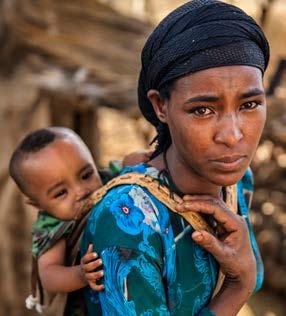
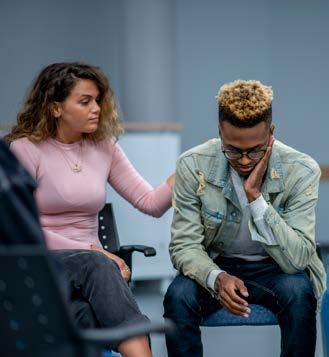
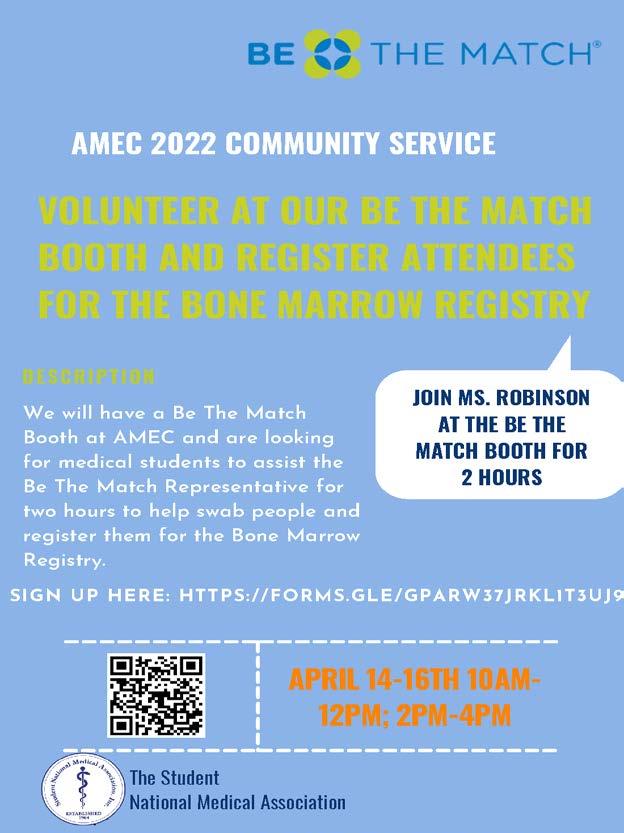
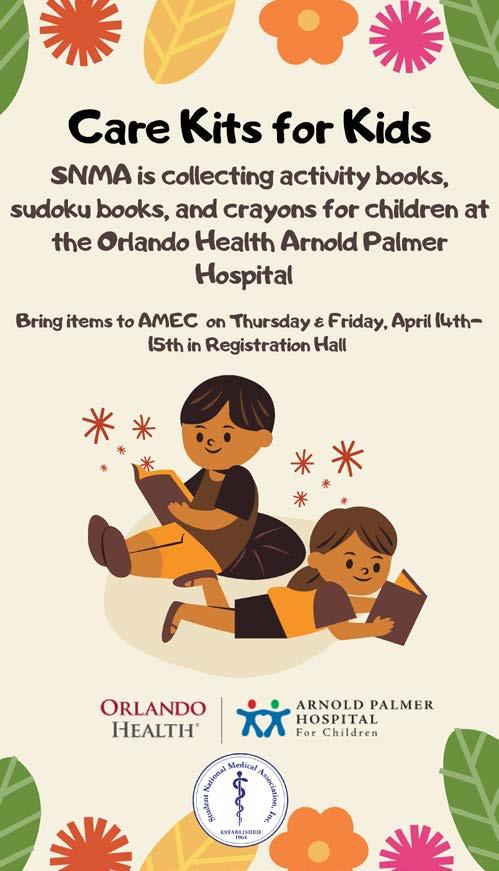
Nirisha Commodore
Fourth-year Medical Student, Boston University School of
Medicine
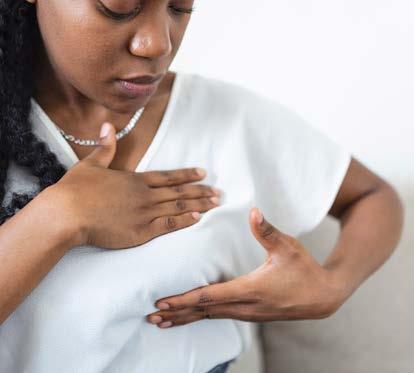
Life as we know it has changed in several ways in the last 19 months.
An enveloped RNA virus ~60-140 µm in diameter brought the world to its knees, and as we recover, the sequelae of delayed healthcare services, particularly related to preventive care, is emerging3. Within breast oncology, this is particularly concerning, as breast imaging is one of the cancer screening modalities that could not offer a remote alternative at the onset of the pandemic. Breast cancer screening services were most significantly affected by closures and the subsequent reduced operational capacity of imaging centers5. The predicted consequences of Covid-related delays on breast cancer outcomes are ominous. There is an urgent need to promote breast cancer awareness, remind the general public of the importance of early detection, and ensure equity in access to screening services as we return to a “new normal.”
Breast cancer is the second most common type of cancer among women in the United States, and periodic mammograms remain the standard imaging modality for screening1. However, recommendations regarding the start and frequency of screening are controversial as these differ among national expert organizations. The divergent opinions stem from the need to balance the risks of false positives and overdiagnosis with the well-established benefit of early detection, especially in more aggressive breast cancer types6. Additionally, while overall incidence rates for breast cancer are similar for Black and White women, Black women are more likely to be diagnosed with later stage, more aggressive breast cancers, and are more likely to die of their disease2. Several anecdotal reports and simulated predictions of more advanced breast cancer diagnoses due to pandemic-related delays in breast
imaging are emerging4. Even more disheartening is the possibility of worsening racial and socioeconomic disparities in breast cancer screening and outcomes7. Therefore, healthcare systems and policymakers must prioritize efforts to minimize further delays in services.
This October, I had the opportunity to contribute to such efforts by partnering with the Boston Breast Cancer Equity Coalition (BBCEC), a group of multidisciplinary volunteers, including breast health advocates, healthcare providers, city officials, patient navigators, and researchers, committed to promoting and achieving equity and excellence in breast cancer care among all women in Boston regardless of race, ethnicity or socioeconomic status. The coalition consists of three workgroups focused on community outreach, policy and advocacy, and quality care. During my elective, I collaborated on projects within each workgroup to advance breast health services in Boston, particularly in the pandemic era. I generated patient-facing educational materials on returning to regular breast cancer screening. Collated a written testimonial on behalf of the coalition in support of the H1110/S726 state bill-An Act Relative to Breast Cancer Equity and Early Detection that will ensure patients can access diagnostic breast imaging with no outof-pocket costs. Created a survey for distribution to local mammography facilities to learn about their efforts to encourage patients’ return to regular screening. I was also able to volunteer with the Women’s Health Network at Boston Medical Center in distributing educational materials and connecting patients to local resources to improve access to breast health services. I was challenged to communicate ideas to a broad audience of patients, policymakers, and healthcare providers and exercised critical reasoning in reviewing current literature on the impact of the pandemic on breast cancer screening and strategies to improve these practices moving forward.
References:
1. Breast cancer statistics. Centers for Disease Control and Prevention. https://www.cdc.gov/cancer/breast/statistics/index.htm. Published June 8, 2021. Accessed October 17, 2021.
2. Cancer disparities. National Cancer Institute. https://www.cancer.gov/about-cancer/understanding/disparities. Published 2020. Accessed October 17, 2021.
3. Cascella M, Rajnik M, Aleem A, et al. Features, Evaluation, and Treatment of Coronavirus (COVID-19) [Updated 2021 Sep 2]. In: StatPearls [Internet]. Treasure Island (FL): StatPearls Publishing; 2021 Jan-. Available from: https://www.ncbi.nlm.nih.gov/books/NBK554776/
4. Figueroa, J. D., Gray, E., Pashayan, N., Deandrea, S., Karch, A., Vale, D. B., … Nickson, C. (2021). The impact of the Covid-19 pandemic on breast cancer early detection and screening. Preventive Medicine, 151, 106585. https://doi.org/10.1016/j.ypmed.2021.106585
5. Sprague, B. L., O’Meara, E. S., Lee, C. I., Lee, J. M., Henderson, L. M., Buist, D. S. M., … Miglioretti, D. L. (2021). Prioritizing breast imaging services during the COVID pandemic: A survey of breast imaging facilities within the Breast Cancer Surveillance Consortium. Preventive Medicine, 151, 106540. https://doi.org/10.1016/j. ypmed.2021.106540
6. Suzanne W. Fletcher, Breast Cancer Screening: A 35-Year Perspective, Epidemiologic Reviews, Volume 33, Issue 1, July 2011, Pages 165-175 https://doi. org/10.1093/epirev/mxr003
7. Wang, G. X., Chen, J., Lamb, L., Testa, C., Waterman, P., Lehman, C. D., & Krieger, N. (2021). COVID-19 and exacerbation of screening mammography inequities. Journal of Clinical Oncology, 39(15\_suppl), 6543. https://doi.org/10.1200/JCO.2021.39.15\_suppl.6543
highlighted by local and international breast health experts include:
• Communicating to the public the overall benefit of breast cancer screening versus the risk of acquiring COVID-19, especially at this stage of the pandemic with the wide availability of vaccines and safety measures.
• Establishing policies that ensure continued access to preventative care for those left without jobs or insurance coverage.
• Prioritizing access to screening within underserved communities through modalities like mobile mammography buses.
Though not an exhaustive list, it is a step in the right direction on the road to recovery from the pandemic’s effects in this sphere. I am grateful for the opportunity to support the work of the BBCEC and other local community organizations in championing equity in breast health care and encourage others to identify and address existing barriers in their communities to encourage return to screening.
Learn how GoodRx is breaking down adherence barriers amid rising drug prices—advocating for future HCPs like you while helping patients save.
Scan the QR code or email students@GoodRx.com to host a free event.
Help your fellow students learn more about the GoodRx Effect, drug adherence and other important healthcare-specific topics. UCSF JOHN HOPKINS UNIVERSITY UNC USC
*https://assets.ctfassets.net/4f3rgqwzdznj/05eJWcTsWk42iquZEJx4r/36972eac7eccaece62cf34c6786b2f49/the_goodrx_effect.pdf
By Niat Habtemariam, Johns Hopkins University Alumna
Trigger Warning: mental health, depression, trauma, PTSD, loss.
Please be advised that if you are currently struggling with a mental health-related issue, in this article I will be discussing these topics within my communities with the goal of educating and enlightening from my experiences.
“I have been diagnosed with depression since I was 4 years old…I was left to die.”
“I have been in toxic relationships with my parents for as long as I can remember.”
“It feels like because I am black, that everyone is out to get me…it gets so depressing.”
These are merely a glimpse of the story submissions that my organization, HabeshaVenting1 receives on a daily basis.
I’ve been managing this organization for four months now since it has been passed down to me. I was inspired to take on this difficult yet meaningful role in my community. Somedays people reach out looking simply for a listening ear at that moment in their lives, others are looking for therapists that speak a native Eritrean or Ethiopian language for
led me to serve my community directly through HabeshaVenting.
What began as a space for the Eritrean and Ethiopian diaspora to share their story and mental health journey, has grown to become a resource, a community, a safe space, and to some—a home. We hope to break down the stigmas, misconceptions, and barriers in accessing mental health care within the Eritrean and Ethiopian diaspora. In managing this organization, I can’t help but wonder—if mental health care is this difficult to access amongst the diaspora, how does accessibility to mental health resources look like back home in Eritrea?
I scoured the internet and research journals to find my answer with little luck. Though there were several studies that explored the mental health of the Eritrean diaspora, I found only one article that spoke about mental health within Eritrea. The article unsurprisingly noted, “...mental health is a growing issue, although there have been few studies on the topic [in Eritrea].”2
Mental Health in the Eritrean community is often stigmatized and seen as taboo,3 resulting in barriers to accessing mental health care.4 I’ve witnessed this first-hand all too often. Mental health will, or perhaps it already has, become a public health crisis within the communities I belong to.
our family members who had given the ultimate sacrifice for independence. Veterans spoke about their personal experience in the struggle for independence. One conversation in particular stuck out to me.
“Eritrean veterans have not experienced trauma, we don’t have PTSD.”
I was shocked to hear this, but from everyone’s facial expressions it seemed everyone pretty much agreed with her.
But one person spoke up.
“Actually, some of us have.”
Na family member. Other days, the stories are so painful with layers of intergenerational and complex trauma that I am the first to hear them after decades of suppression. To me, every story heard and shared is a privilege. It’s meaningful to hear people’s raw, genuine stories that are often not discussed.
Every interaction with others is moving.
I’ve heard numerous stories that reveal the disparities of accessibility to mental health resources in my community. My personal experiences with mental health, as well as witnessing many people within my local Eritrean community who are suffering drove me to study Psychology when I was in undergrad. This eventually
It will take some time to break down these stigmas and misconceptions about mental health that have been hindering progress to improved mental health and wellbeing. My hope is to build a community that aims to do just that. With many in the Eritrean and general African and Black communities suffering in silence; why should we have to?
I remember attending an Eritrean memorial day event where we honored
This was a veteran who had been in active combat. He went on to share a vulnerable, genuine, heart-wrenching recollection of his experiences in battle. He shared his last moments with his closest comrade who gave his life for what he believed in.
This conversation he began was momentous. It gave me hope.
iat Habtemariam is a native of the central Ohio area, a diverse city with one of the highest populations of Eritreans living within the United States. She received a Bachelor of Arts degree in Psychological and Brain Sciences as well as Bachelor of Sciences degree in Molecular and Cellular Biology at Johns Hopkins University. Currently, Niat is an SNMA National Future Leadership Fellow and is the manager of HabeshaVenting in her bridge year to medical school. She plans on attending medical school in the year of 2023.
1. Habesha Anonymous Venting [@habeshaventing]. (n.d.). Posts [Instagram profile]. Retrieved December 21, 2021, from https://www. instagram.com/habeshaventing/
2. Amahazion F. (2021). Mental health in Eritrea: A brief overview and possible steps forward. Journal of Global Health, 11, 03018. https:// doi.org/10.7189/jogh.11.03018
3. Wallimann, C., & Balthasar, A. (2019). Primary Care Networks and Eritrean Immigrants’ Experiences with Health Care Professionals in Switzerland: A Qualitative Approach. International journal of environmental research and public health, 16(14), 2614. https://doi. org/10.3390/ijerph16142614
4. Brendler-Lindqvist, M., Norredam, M., & Hjern, A. (2014). Duration of residence and psychotropic drug use in recently settled refugees in Sweden--a register-based study. International journal for equity in health, 13, 122. https://doi.org/10.1186/s12939-014-0122-2

I was born and raised in Lagos, Nigeria. I completed my Pre-medical undergraduate degree at Thomas Jefferson University in Philadelphia with minors in Genetics and Psychology and my Biomedical Master’s degree at the University of Pittsburgh. My passion lies in closing healthcare disparities and advocating for health literacy for better outcomes in my country, Nigeria, and the United States
By: Zainab Balogun

In 1956, just four years before Nigeria’s independence from the British empire, oil was discovered. The discovery of an oil field in a small town of Oloibiri in Bayelsa state by Shell® marked the end of 50 years of futile oil exploration and began the further search for other oilfields in that region. This breakthrough served as a major turnaround for Nigeria, transforming the country from an agricultural-dominant entity into a petroleum state. The possibilities of wealth to be gained from petroleum export made the locals and country hopeful. Oil would make Nigeria an industrialized and economically-wealthy nation, that would put them on par with other wealthy westernized nations.
While the inception of the oil trade has made Nigeria a wealthy African power, it has not only worsened the incessant corruption of the nation but has also caused widespread and devastating pollution, especially in oil-rich communities. The constant
The disease burden and declining food security cannot be any better in a country that is already plagued with wealth inequality and health disparities.
The regions of Niger Delta where oil drilling is rampant are usually the poorest areas with little to no equitable health access making the situation worse than it already is.
oil spillage and gas flares from persistent oil drilling in the Niger Delta region have resulted in massive contamination that is poisoning both the human bodies, water bodies, and lands of the inhabitants. The health of the people has been complicated by respiratory problems such as asthma and bronchitis, lung disease, heart attack, miscarriage, and skin disease (Ovuakporaye et al., 2012). The contamination of soil has led to crops harboring known carcinogens such as polycyclic aromatic hydrocarbons, naturally occurring radioactive materials, and trace metals (Ordinioha B et al, 2013). Furthermore, the contamination of land has also led to a significant reduction in the nutrient profiles of food items such as the reduction of ascorbic acid content in the vegetables and protein content of cassava (a mainstay ingredient in the Niger delta). This has further contributed to the increasing prevalence of childhood malnutrition (Ordinioha B et al, 2013).
There is no easy way to solve this issue as it is a complex one interwoven with political and entrepreneurial greed. Nonetheless, this is a call to action to speak up for the residents who are marginalized in their lands. There needs to be a reduction in oil drilling to reduce the pollution to further prevent any damage to the soil and water, so the people don’t go hungry. This can be done by creating policies to limit the rates of oil drilling, with heavy fines given if those rules aren’t followed. There needs to be better access to healthcare so the people don’t go sick without significant help. Some of these solutions will require immense changes at the level of the government, something that’s incredibly difficult to do now as there’s so much corruption at this time. Nevertheless, there needs to be something done. Ken SaroWiwa, a famous Nigerian author, and environmentalist fought and campaigned against the environmental damage done by the oil companies in the 1950s, yet nothing significant has changed. Seventy-plus years later, the struggle continues. There needs to be something done.
References:
Ordinioha B, Brisibe S. The human health implications of crude oil spills in the Niger Delta, Nigeria: An interpretation of published studies. Niger Med J. 2013;54(1):10-16. doi:10.4103/0300-1652.108887
Ovuakporaye, SI, Aloamaka, CP, Ojieh, AE (2012) Effects of gas flaring on lung function among residents of ib Gas flaring community in Delta State, Nigeria. Research Journal of the Environmental Earth Sciences 4: 525–528.
By: Dr. Julie Reid and Mariam Atobiloye
Introduction
It is often said that the basic necessities of life are food, shelter, and clothing. Food is important because it provides the basic nutrients that all living things, not just humans, need to grow. Shelter is necessary as well because it provides protection. Psychologically, it also serves and gives the feeling of belonging. Finally, clothing is important too because it also provides protection as well as comfort. While all three of the basic necessities mentioned are of paramount importance, the list is incomplete. Healthcare should be added as a necessity of life that every human being should have the right to. I have always been interested in all-things healthcare and women related. I aspire to become a gynecologist one day, so it was natural for me to choose a topic close to this passion of mine. However, watching the documentary titled “A Walk to Beautiful” motivated me and helped streamline my research question. The documentary focused on the lives of some Ethiopian women who lived in a village and had been isolated due to their fistula conditions. They were all either oblivious to the fact that they could be cured or were incapable of traveling the far distance to get help. This made me think about all the other medical needs of women living in rural areas that could easily be fixed but are not due to how far hospitals are.
Healthcare encompasses various categories including physical and mental health. Our health determines our wellbeing. The healthier we are, the better we are at living, the more productive we are, and the better the progress we make. One cannot make a living if they
are not healthy, hence good health is important. In the United Nations Development Program’s (UNDP) Human Development Report of 2019, the human development index was defined as a composite index that measures the average achievement of humans in terms of living a healthy life, obtaining knowledge, and having a decent standard of living. One correlation we can see from this report is that countries with higher human development index have better health outcomes for their citizens as well as in all other ramifications. As important as health is in order to live a successful life, many people in developing countries do not have access to adequate healthcare and that halts their development.
It is of vital importance that we promote and protect the health of nations as this is essential to human welfare. The 2010 World Health Organization (WHO) World Health Report mentions that economic and social development comes from health care promotion and protection. In addition, this report explains that when we redress inequalities in things like education and employment, we also reduce inequalities in the health of the people as well. In the UNDP Report of 2019, we can see that the majority of the countries with low human development report lower numbers of women with socioeconomic power and higher numbers of poor economic planning. The reverse is the case for the countries ranked as having very high human development. This goes to show one reason why focusing on the health of women specifically is important. Over the years, we have discussed health in general but now is the time to talk about why we need health care facilities nearby in rural areas for the women specifically.
When discussing health care, women’s health is a subsection that is particularly of significant importance for several reasons. Despite the fact that life expectancy for women in both developed and underdeveloped countries is slightly higher than men’s, women are more prone to face more challenges than men when it comes to health care. About 4.3 million girls under 5 years die every year from preventable communicable diseases. Maternal mortality rates are alarmingly high in many low-income countries. Apart from diseases that have to do with the reproductive parts, women, in general, are also more prone to health issues like high blood pressure and in developing regions, they are more likely to contract HIV/AIDS. The elevated blood pressure can lead to the risk of heart attacks, stroke, and other diseases while HIV/AIDS stems from underlying causes such as practicing female genital mutilation. These diseases could be easily managed if the appropriate resources were around. Cervical cancer is another example of a disease specific to women. Globally, it has a survival rate of 66% but this number can be reduced. To eliminate it, screening and vaccination need to be carried out. Many of these diseases are preventable, however, if the proper health care services and facilities are not readily available, women will continue to suffer. For these reasons, the proximity of hospitals and health care facilities to rural areas will be most beneficial to women’s health.
According to the World Health Organization, women’s health, in particular, is of great concern because they are disadvantaged in many societies by discrimination rooted in
sociocultural factors. However, despite the fact that some sociocultural extremities lie within these rural areas, the distance exacerbates the effect, so that is the main issue we need to tackle right now. In the 2019 UNDP Human Development report, countries with lower human development showed a significantly higher ratio of maternal mortality ratio than countries with high human development. For example, Norway, which ranked number one reported 5 deaths per 100,000 live births while Sierra Leone, which ranked 181 reported 1,360 deaths per 100,000 live births. Compared to developed countries, developing countries have been shown to have a higher case of perinatal and maternal mortality when it comes to home births (Wagle et al. 2004). It seems as though those in the developed countries do it out of choice, but those in the developing countries usually do it out of necessity or lack of education. This necessity is in the sense that there might be some underlying ethnic connotations or lack of funds. In addition to this, the distance to hospitals plays a big role when it comes to choosing where to birth their children (Wagle et al. 2004). Women’s health issues such as maternal and child mortality, fistulas, and female genital mutilation have become a global worry.
As of 2010, the World Health organization recorded that about 800 women died due to birth complications in 2010. The estimated number of women living with fistulas, an easily curable disease, in Nigeria is between 400,000 to 1 million (Donnay and Ramsey 2006). It is estimated that up to a hundred million females currently have been subjected to genital mutilation, with many of them suffering from keloids and other forms of discomfort (Birge et al. 2017). The majority of these alarming numbers come from regions where the women have a difficult time accessing hospitals or healthcare type of settings. It goes to show how much having hospitals nearby will play a significant role in putting an end to these issues. In a study conducted on the women’s utilization of health care services in Northern India, it was found that the access that many women have to health care services in rural India is very little and the reason for this is their lack of educational resource, distance, cost, and transportation (Bredsen 2013). It is essential we understand the perspective of every woman if we want to break down the barriers that exist with their relationship with health care
(Bredsen 2013). If we do not, we might never achieve better well-being for women and girls living far away from hospitals and we may never get past the hurdle of gender inequalities.
The factor that distance to health care facilities brings is significant when it comes to the rural parts of developing countries (Stock 1983). In these places the health care facilities are usually low, and if present would require a journey that might require going as pedestrians (Stock 1983). In some areas, the people may have to walk as far as six hours to reach the closest road that takes them to the nearest hospital. If this was an emergency, the patient would be gone within the span of that time. If vehicular transport is required, it also is unfavorable for the residents costwise and so they choose to relatively unhealthier alternatives that are readily accessible to them (Stock 1983). Critical issues in women’s health that exist in developing countries include maternal mortality, obstetric fistulas, female genital mutilation, and even child mortality as research evidence from the United Nations shows that improving
the health of mothers directly plays a role in their children’s health. All these issues stunt the development of these countries and to eliminate them in order to further development, hospital/ healthcare facility proximity will be of great positive effect.
According to the World Health Organization (WHO), there are about 500,000 young women who die yearly due to childbirth and pregnancy complications (Bredesen 2013, WHO 2004). The majority of these cases come from developing countries such as India and Nigeria. To prove this, as of 2004, the U.S.’s maternal mortality rate was 8 per 100,000, while that of India was 540 per 100,000 (Bredesen 2013). This is almost ten times the other and research has shown that the reason it is this way in India is because of the inefficiency and inaccessibility to healthcare services (Bredesen 2013, WHO 2004).
As of 2003, the human development report mentioned that only 40% of the rural communities in India had access to primary health care centers (Bredesen 2013). In a country where 80% of the population lives in rural areas, this is
bad (Bredesen 2013). A lot of maternal deaths could be averted if pregnant women had proper access to skilled care (WHO 2004). It has also been shown in research that it is after the home resources have failed that the people seek medical attention (Bredesen 2013, Agarwal & Sarasua 2002). In Kenya, the majority of the home deliveries include unskilled attendants (Molina et al. 2016). Postnatal complications are more likely to arise when rural area mothers use unskilled and untrained personnel for their birthing process (Bredesen 2013, Nagdeve & Bharati 2003). In facilities that have trained healthcare providers together with essential supplies, the outcome of pregnant women’s lives and their newborns can be improved significantly (Molina et al. 2016). The presence of a hospital could also help with educating the residents of these areas on safer healthcare practices.
Maternal mortality is not just a human rights issue – it is an equity issue as well (Bredesen 2013, WHO 2004). Although villages and rural areas have midwives who have been involved in birthing practices for many years, there are sometimes complications during the birthing process that they may not be skilled enough to handle. When there is no nearby hospital or health facility, some of these complications that could be easily averted become out of hand, leading to the death of the mother and/ or child. Walraven et al. showed that in Tanzania, the home births done without a trained personnel had a 3 times higher perinatal rate than those found in hospitals (Wagle et al. 2004). Garner et al. (1994) say that similarly, there were high rates of obstetric complications in Papua New Guinea when home birth deliveries were done (Wagle et al. 2004).To provide a solution to the listed problems, it is essential that more villages have some type of health care facility with a trained doctor, nurse, or midwife in closer proximity to them.
From the 2019 UNDP report, we can see that there is a correlation between proper reproductive health, maternal mortality, and the level of human development in various countries. Countries ranked with higher human development reported significantly fewer deaths due to live births. In addition to this, they also reported a higher proportion of births that were attended by a skilled health personnel, as well as antenatal care coverage (at least one visit). For example, Australia, which ranks number 6, reported 98.3% of its women receiving at least one visit
for antenatal care coverage. Nigeria, which ranks 158 reported only 65.8% of its women receiving at least one visit for antenatal care and has only 43% of them having a skilled personnel present during birth. This explains why the mortality rate for Nigeria was as high as 814 out of 100,000 live births.
Internationally, one universal goal is to reduce the number of maternal deaths globally (Khalid et al. 2006), and to do this, we would have to look at the factors that cause it. Postpartum hemorrhage, infection, obstructed labor, and toxemia are the immediate causes of maternal death worldwide (Wagle et al. 2004). In developing countries, the two main issues leading to maternal death are hemorrhage and hypertensive disorder (Khalid et al. 2006). As opposed to the issues in developing countries, the maternal deaths in developed countries usually come from direct causes such as cesarean sections and anesthesia (Khalid et al. 2006). These are things that the women in the developing areas have no access to. This topic of maternal mortality level has long been collated together with the unavailability of proper health care services and also due to the substandard utilization of the health care services if present (Wagle et al. 2004).
In areas without healthcare facilities, there is also no availability for emergency obstetric care when it is needed (Wagle et al. 2004) so the consequence is the death of the mother. For example, Faundes et al. (1988) mentioned that up to ninety percent of maternal deaths can actually be avoided if there was appropriate healthcare available (Wagle et al. 2004). Imagine how many lives have been lost only because of inaccessibility to hospitals. This stresses the need to continue to have these hospitals in close proximity. In Nepal, the mortality ranges from 5151500 deaths per 100,000 (Wagle et al. 2004). Even in the US, it has been shown that there is a negative outcome when a pregnant mother is geographically inaccessible to obstetric care (Wagle et al. 2004). Many of the complications in the rural areas could have been averted if there was a thing such as antenatal care or if a skilled person was helping and in hygienic conditions, but since there are no services, the women suffer. The process of childbirth is such a risky one that needs to be acted upon quickly (Wagle et al. 2004). It should not be joked with at all.
A fistula is defined as an abnormal connection between organs and there are various types. Specifically, an obstetric fistula is one where a hole forms between the vagina and the rectum or the bladder in a woman. Some fistulas close without the need for surgery while others require surgical intervention (Donnay and Ramsey 2006). We often find this issue in places like sub-Saharan Africa and Asia (Donnay and Ramsey 2006), essentially developing regions. According to the World Health Organization, about two million women worldwide are currently suffering from this condition. Despite this large number, obstetric fistulas are usually overlooked by the developed world mainly because it is a problem that exists in developing countries (Donnay and Ramsey 2006). When the process of labor is prolonged or obstructed, fistulas are very likely to occur (Donnay and Ramsey 2006). Basically, the higher the maternal mortality rate, the higher the incidence of obstetric fistulas (Donnay and Ramsey 2006). The women who are affected by this condition are usually poor and have little to no access to proper obstetric care (Donnay and Ramsey 2006). This shows that the main way this issue can be combated is by having health facilities situated nearby. It has been estimated that obstructed labor occurs in 4.6% of pregnancies (Donnay and Ramsey 2006) and the dangers can be averted with skilled help. According to the WHO, with hospitals situated in close proximity, we can reduce the current annual incidence of obstetric fistulas, which is about 50,000100,000 by more than half. The hospitals nearby do not need to be state of the art or anything of such nature, they simply need skilled professionals and the proper work tools. Studies carried out in Nigerian and Ethiopian treatment centers have shown that even in low resource settings, efficient care for the fistula treatment can still be provided (Donnay and Ramsey 2006). It goes to show that all the women need to live a fulfilled life is a nearby reliable healthcare resource. A place where they know that they can get help quickly. In addition to the medical help that the availability of nearby hospitals will provide to the women who already have fistulas, the presence of hospitals nearby will prevent future fistulas from happening in accordance (Donnay and Ramsey 2006). For example, news spreads fast and so, if person A tells
person B about the hospital services, person B may mention it to person C, and when she is pregnant, she will remember to visit the hospital once she is in labor rather than waiting until her situation gets complicated to head over to the hospital. It is easier to make such decisions when the hospital is nearby.
As a consequence of this unfortunate illness called a fistula, some of the women who have been affected have faced both medical and social consequences (Donnay and Ramsey 2006). Because the fistula causes them to be incontinent, they are seen as pariahs and often isolated from daily activities. They are unable to work, socialize, or care for their families. They do not develop, neither are they motivated. They are simply living to die. This causes a lot of psychological effects on them (Donnay and Ramsey 2006), which have not even completely been explored yet. The goal is to better women’s health with the proximity of hospitals. We want women to be healthy enough to continue to carry out their normal daily activities and be productive. We want them to develop themselves, not sitting as outcasts and constantly feeling ashamed and selfblaming for the rest of their lives due to something that was not their fault.
Just as fistulas are rarely discussed in developed parts of the world, the concept of female genital mutilation is tossed to the side in developed regions because it is either too horrifying or people just do not know about it that well (Steele 1995) and have become ignorant. This process basically involves either the complete removal of the female
external genitalia or the entire clitoris of a young girl (Steele 1995). It leaves the female genitalia in a dysfunctional state (Birge et al. 2017). For those who engage in the practice, it is assumed that the female will grow up to become curious and chaste if she is not mutilated. FGM is currently still being practiced in many African and South-Eastern Asian countries, despite how much the World Health Organization, UNICEF and other governmental and non-governmental organizations have pushed for its eradication (Birge et al. 2017). On good days, the females are unaware of the trauma that this process caused in their youth (Steele 1995). On other days, the females stand the chance of facing complications such as keloids, excessive scar tissue, urinary tract infections, and even the transmission of HIV (Steele 1995). It can also lead to infertility and have adverse effects on the girl’s future sexual lives (Birge et al. 2017).
The majority of FGM procedures are done by untrained midwives or traditional surgeons (Steele 1995) and it increases the chances of deleterious events occurring. FGM is a human rights violation according to WHO because it deprives the girls of their sexuality before they even become sexually active (Birge et al. 2017). It is non-medical and simply unnecessary (Birge et al. 2017). Research has shown that to end the practice of FGM, education and a focus on women’s health are the two most important themes (Steele 1995). The 2019 UNDP report shows that countries with low human development have higher rates of violence against women. In this report, the prevalence of female genital mutilation in women between the ages of 15 and 49 was included amongst the violence against women clause. As it appears, these nations also have less reproductive healthcare and education. Obviously, the
majority of the people who are involved in this practice do not have complete knowledge about their own bodies or what they are doing biologically (Steele 1995). With hospitals and health care facilities in the areas where such traditions are being practiced, the mothers will eventually learn to put trust in the doctors and nurses and will return for advice when it comes to their babies’ health. The availability of nearby hospitals ensures education on health and it has been said that when both education and women’s health are made a top priority, the women will ultimately be able to choose if they want to continue with this practice or not (Steele 1995).
The United Nations reports that improving the health of pregnant women and new mothers plays a significant role in reducing the rate of child mortality worldwide. Today in subSaharan Africa, it has been reported that the child mortality rate is 142 per 1000 (Schoeps et al. 2011). This has reduced from what it used to be in 1990 as it was 182 per 1000 live births (Schoeps et al. 2011). Although this reduction is a good sign, it is not happening rapidly enough. It has also been reported that one of the key factors in reducing this rate is the universal accessibility of health care services (Schoeps et al. 2011). This accessibility is affected by several factors including travel distance to hospitals or healthcare centers (Schoeps et al. 2011). This distance ties into deteriorating other health issues such as vaccination and child mortality (Schoeps et al. 2011). With evidence showing that children without mothers are likely to die before the age of two compared to their counterparts with living mothers, it is essential that we keep mothers alive in order to keep the infants alive too.
In a research conducted in Burkina Faso, the average time it took for the children from the 39 villages surveyed to get to the nearest health center or hospital was 91 minutes (Schoeps et al. 2011). This same village reported for an infant mortality rate of 67.8 percent as of 1993 (Schoeps et al. 2011). Overall, the research showed that the risk for infant and child mortality increases with increasing distance to the health center (Schoeps et al. 2011). If a mother cannot
access something as simple as antenatal care, the chances that she and her child survive automatically become lower. Sanou et al. found that if a health facility was present in a village, the probability of the residents getting vaccinated is high (Schoeps et al. 2011) and vaccination is important in preventing many illnesses. Schoeps et al. (2011) conclude that there is a strong need for developing countries to improve spatial access to health care. There are lower mortality rates in urban cities as opposed to rural populations (Schoeps et al. 2011). Because mothers birth children, the health of children is usually tied to the topic of women’s health. This geographic accessibility of health care is of paramount importance, especially in sub-Saharan Africa.
To show that having hospitals or health centers near villages, a telemedicine program was launched in India where the villagers in Atagonda did not have to leave their premises to gain access to city doctors (Sharma 2000). This
program was very beneficial as the villagers would before have to travel as far as a hundred kilometers to the nearest teaching hospital (Sharma 2000). From this program, the organizers were able to provide medical services such as x-ray, CT scans, and laboratories to these remote villages and they were able to improve the patient’s care significantly (Sharma 2000). These are things that can come in very handy for pregnant women especially. If a telemedicine project could do so much without physically being present, one can only imagine how much can be done when an actual hospital with resources are readily available. When the Nouna town of Burkina Faso was looked at, although still very unfavorable, those in the southeastern region were at an edge because they were near the capital where they had higher chances of getting picked up by means such as a car or donkey carts to reach their closest hospital (Schoeps et al. 2011).
Sometimes there are cultural restrictions that prevent women from using the appropriate medical services. For example, it was said in an article that adult women of a village did not usually use bicycles, horses, or motorcycles for
traveling and these were the means that the men usually used (Stock 1983). In this situation, the motor mode of transportation was not available readily therefore the males were more mobile and had better access to health care than the women (Stock 1983). In this same study, the women of the area required the permission of their husbands before leaving their compounds, thereby requiring the husband’s permission before traveling long distances and for this reason, their reluctant husbands restricted them from traveling long distances alone (Stock 1983). This shows that a social norm like this can deter a woman from having a healthy life. Biologically, a process like childbirth is already dangerous, however, adding restrictions like these makes it worse. What this study that was carried out in the Hadejia region of Kano State in Nigeria shows is that the further the distance to the health care facilities, the lower the utilization of health care facilities in this area (Stock 1983).
In a research from UC Irvine, it was shown that even in urban regions like Los Angeles, the increase in distance to a hospital was positively correlated to

the increase in death from unintentional injuries (Buchmueller et al. 2006). In another research conducted using national data from 2003, it was found that the further away central city black children lived from a hospital, the less likely that they would have received the regular check-up (Buchmueller et al. 2006, Currie and Reagan 2003). The mothers in San Francisco who also require the use of public transportation were also sensitive to distance (Buchmueller et al. 2006). It was concluded that distance certainly does serve as a barrier to how much care the poor receive (Buchmueller et al. 2006). Therefore, this shows that the topic of distance usually affects poor women and children severely (Buchmueller et al. 2006), not just in developing countries but in countries such as the United States. In 12, it was said that it is very likely for increased distance to be translated into reduced access to care (Buchmueller et al. 2006). Those who live in urban areas have nearby hospitals with good facilities that they can often access with ease (Buchmueller et al. 2006), however, those in rural areas have less access.
As the World Health Organization, UNDP report, the United Nations, and several other evidence from research have shown, women’s health is of paramount importance in every nation. Unfortunately, due to the problem of the far distance of healthcare facilities with skilled personnel, many women in developing countries continue to suffer and die of health complications that could have easily been averted if the proper resources were available. Through research, it has been shown that there is a positive correlation between the distance and the duration of an illness (Stock 1983). We do not want women in developing regions traveling long distances when their situations become complicated when they could have received help ahead of time. We need hospitals to be nearby. Also, when these hospitals are created to be in close proximity to these regions, it has to be ensured that the staff is well trained and amiable. Some may mention that some women fear being mistreated at hospitals which is why they consider home births (Molina et al. 2016). They might think that they will be treated better by those that they know, however, with a hospital nearby, they will know the doctors, the nurses, they will know
the environment and this “modern” hospital/treatment method stops being the unknown. With the presence of these health centers in the vicinity of these villages, these women will begin to develop mutual trust with the hospital and choose to deliver there (Molina et al. 2016). This way, they are in safe, skilled hands and the likelihood of the mothers and newborns to survive even with complications rises. The goal is to encourage more women to take charge of their health and receive adequate care. If the staff are not well trained and are the opposite of friendly, it will only defeat the purpose.
The work of Hagerstrand says that there are limited resources that we as individuals need to access daily and time and space are two of this (Yantzi et al. 2001). To leave or travel, one has to make several decisions before leaving. For the women who have to leave their homes, they have a lot to consider and this is apart from the financial aspect. Who will take over their businesses when they are gone? Who will watch over their children while they are gone? Who will cook for their husbands and children while they are gone? Traveling to medical appointments requires time and energy (Yantzi et al. 2001) therefore they have a lot to consider. Some also think about having to come back home alone with their babies. Having walked such a long distance, how would a new mother be expected to walk such a far distance, or embark in such a strenuous journey back to her village? These are the types of decisions that make the women reconsider even going out to seek medical help. Placing helpful healthcare resources nearby will help with this.
We know that there are several ways that we can promote healthy nations such as improving conditions of education, employment, housing, and the likes. However, the 2010 WHO Health report suggests that it is important to note that timely access to health service plays a critical role in this part. With the knowledge in mind that the majority of these women living in villages cannot afford to travel far distances to make use of health care services because of lack of funding, it is important that when these facilities are created in proximity, that they are properly financed. Fajemilehin (1991) mentioned that there was a Nigerian study where 31 percent of the participants mentioned having inadequate transportation to deliver,
while another 41 percent said it was due to hospital bills not being able to pay (Wagle et al. 2004). If the issue of proximity is solved, financial hardship should not become another burden for them. The hospitals or health care facilities built in close proximity not only have to be accessible but also affordable.
Some other studies have shown that more affluent women are more receptive to immunization and vaccination because they are exposed to media messages (Raman 1989). Women who live in villages have no access to radio or newspapers. Some do not even have electricity. However, with the existence of hospitals nearby, they will be able to know more about these topics that will help live a longer and more fulfilling life (Raman 1989) which will benefit them and their families. With hospitals and hospital workers around, the female workers at hospitals could even encourage the girls and mothers who visit to know that they too can be educated and work in health care. As educational level is correlated with health, this will be a great positive secondary effect. Basically, the girls will know that they can aspire to achieve greater feats when they see other female doctors and nurses in their everyday lives.
To achieve gender equality in all nations, the health of women has to be improved. With proper access and closer proximity to health care in the rural areas of developing countries, women’s livelihood will be enhanced. Maternal mortality rates will decline drastically, the stigmatization of women with fistulas will no longer be present. In fact, fistulas may be so rare since the women will be educated, and eliminating this fistula will eliminate the occurrence of its consequences such as psychological issues. Practices that have no medical purpose on the woman’s health will also be stopped in the long run. We would see a rise in education of women as well as the economy. To sum it up, having hospitals or health care facilities in close proximity to rural areas in developing countries advocates for a healthier community, however, since women are more prone to medical issues and are often disadvantages, they specifically will benefit a great deal in all aspects if more hospitals are created nearby these communities.
1. Agarwal, Siddharth, and Irene Sarasua. “Community-based health financing: Care India’s experience in the maternal and infant survival project.” Research in Healthcare Financial Management no. 7(1) (2002):85-94.
2. Birge, O., E. G. Ozbey, D. Arslan, M. Adiyeke, F. Demir, and I. Kayar. “Clitoral keloids after female genital circumcision in early age.” Clinical and Experimental Obstetrics & Gynecology 44, no. 4 (2017): 511-514.
3. Bredesen, Joyce A. “Women’s use of healthcare services and their perspective on healthcare utilization during pregnancy and childbirth in a small village in Northern India.” American International Journal of Contemporary Research 3, no. 6 (2013): 1-9.
4. Buchmueller, Thomas C., Mireille Jacobson, and Cheryl Wold. “How far to the hospital?: The effect of hospital closures on access to care.” Journal of health economics 25, no. 4 (2006): 740- 761.
5. Currie, Janet, and Patricia B. Reagan. “Distance to hospital and children’s use of preventive care: is being closer better, and for whom?” Economic Inquiry 41, no. 3 (2003): 378-391.
6. Donnay, France, and K. Ramsey. “Eliminating obstetric fistula: progress in partnerships.” International Journal of Gynecology & Obstetrics 94, no. 3 (2006): 254-261.
7. Fajemilehin, Reuben Boluwaji. “Factors influencing high rate of ‘born-before-arrival’ babies in Nigeria—a case-control study in Ogbomosho.” International journal of nursing studies 28, no. 1 (1991): 13-18.
8. Faundes, A., A. Rosenfield, and J. A. Pinotti. “Maternity care in developing countries: relevance of new technological advances.” International Journal of Gynecology & Obstetrics 26, no. 3 (1988): 349-354.
9. Garner, Paul, Daina Lai, and Manasseh Baea. “Childbirth in rural areas: maternal deaths, village deliveries, and obstetric service use.” Papua and New Guinea medical journal 37, no. 3 (1994): 166-172.
10. Khan, Khalid S., Daniel Wojdyla, Lale Say, A. Metin Gülmezoglu, and Paul FA Van Look. “WHO analysis of causes of maternal death: a systematic review.” The lancet 367, no. 9516 (2006): 1066-1074.
11. Kutty, V. Raman. “Women’s education and its influence on attitudes to aspects of child-care in a village community in Kerala.” Social Science & Medicine 29, no. 11 (1989): 1299-1303.
12. Molina, Rose L., Suha J. Patel, Jennifer Scott, Julianna Schantz-Dunn, and Nawal M. Nour. “Striving for respectful maternity care everywhere.” Maternal and child health journal 20, no. 9 (2016): 1769-1773.
13. Nagdeve, Dewaram, and Dharnikota Bharati. “Urban-rural differentials in maternal and child health in Andhra Pradesh, India.” (2003).
14. Schoeps, Anja, Sabine Gabrysch, Louis Niamba, Ali Sié, and Heiko Becher. “The effect of distance to health-care facilities on childhood mortality in rural Burkina Faso.” American journal of epidemiology 173, no. 5 (2011): 492-498.
15. Sharma, Dinesh C. “Remote Indian villages to benefit from telemedicine project.” The Lancet 355, no. 9214 (2000): 1529.
16. Steele, Robbie D. “Silencing the deadly ritual: Efforts to end female genital mutilation.” Geo. Immigr. LJ 9 (1995): 105.
17. Stock, Robert. “Distance and the utilization of health facilities in rural Nigeria.” Social science & medicine 17, no. 9 (1983): 563-570.
18. Wagle, Rajendra Raj, Svend Sabroe, and Birgitte Bruun Nielsen. “Socioeconomic and physical distance to the maternity hospital as predictors for place of delivery: an observation study from Nepal.” BMC pregnancy and childbirth 4, no. 1 (2004): 8.
19. Walraven, G. E. L., R. J. B. Mkanje, J. Roosmalen, P. W. J. Van Dongen, and W. M. V. Dolmans. “Perinatal mortality in home births in rural Tanzania.” European Journal of Obstetrics & Gynecology and Reproductive Biology 58, no. 2 (1995): 131-134.
20. World Health Organization. “Beyond the Numbers: Reviewing maternal deaths and complications to make pregnancy safer.” World Health Organization: Geneva World Health Organization (2004): Retrieved from http://www.who.int/mediacentre/factsheets/fs276/en/
21. Yantzi, Nicole, Mark W. Rosenberg, Sharon O. Burke, and Margaret B. Harrison. “The impacts of distance to hospital on families with a child with a chronic condition.” Social science & medicine 52, no. 12 (2001): 1777-1791
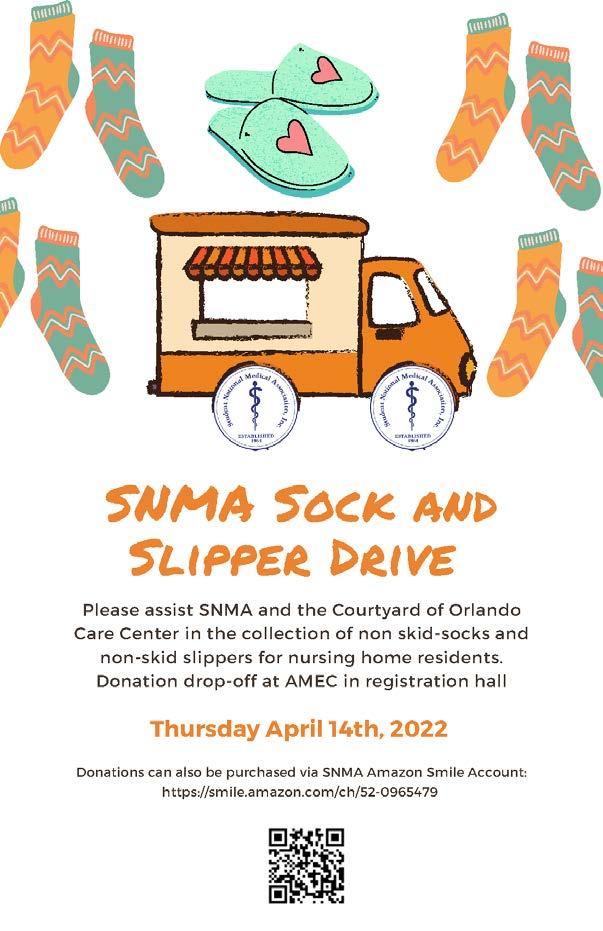
Hosted by the Community Service Committee
2022 Annual Medical Education Conference
Thursday, April 14th through Saturday, April 16th
Please join us in our community service efforts by signing up or donating, click HERE to view the flyers!
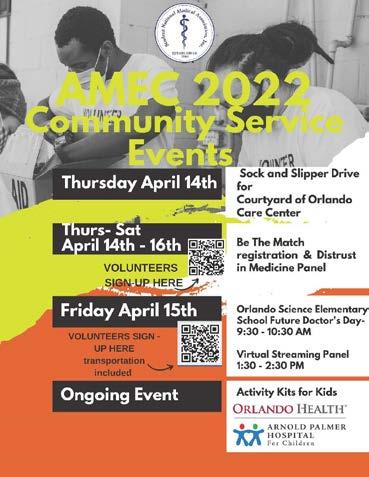
NM A D er m a t o l og y Reception
*April 15, 2022, 6:30pm - 8:30pm EST*
Attend Here. Meet and Greet Reception on Friday, April 15,2022, 6:30pm - 8:30pm for medical students.
*April 26, 2022, 6 – 8 pm EDT*
Register Here Please join us for the second annual AntiDiscrimination in Surgery Conference hosted by Penn Surgery! Dr. Erica Taylor is the keynote speaker which will be followed by an hour of breakout rooms!! Register now!!
*April 21, 2021, 5:00 - 6:00 PM EST*
Register Here. Enhance your future practice with a degree in Human Nutrition. The 1-year Columbia MS in Human Nutrition involves an intense year of study; thesis research with options in basic nutrition science, clinical nutrition, and public health nutrition; and preparation for medical school, as well as a broad range of new and important healthcare careers. The Institute of Human Nutrition is committed to creating a diverse community of learners where belonging and inclusion in our student body and in our courses are central to our academic mission. If you think this program may be right for you, please join our webinar and alumni panel Q&A.

*May 6-7, 2022*
Cambridge Health Alliance, a teaching hospital of Harvard Medical School, organizes continuing education courses in mental/behavioral health throughout the academic year. We are pleased to offer undergraduate medical students who are members of SNMA complimentary livestream access. Our culture is becoming increasingly polarized as systemic inequities reveal themselves and global problems intensify, resulting in elevated anger, hostility, hatred and aggression in our discourse. Clinicians and their patients alike are affected by these cultural trends and are seeking solutions to these problems. This course will deepen clinicians' understanding of the neural, psychological, social/historical, ecological, and political factors that foster polarization. Participants will become better equipped to address anger, hatred, and hostility in their therapy clients as well as themselves. Full course details are at www.cambridgecme.org If you are interested in attending, please email cme@challiance.org with the subject 'SNMA free access offer'. We hope you can join us in May!

*Apply by April 15, 2022*
*Apply by April 1, 2022 & October 1, 2022*
The Dermatology Foundation is excited to share an opportunity for eligible medical students interested in pursuing a career in dermatology. The Diversity Research Supplement Award (DRSA) was introduced in 2018 to increase diversity within the dermatology workforce. This award provides $5,000 to support medical student participation in a 6-12-week research project, mentored by a recent Dermatology Foundation award recipient. These project mentors are faculty members of dermatology departments across the country, with a variety of research interests in dermatology. The DRSA funds a stipend or other costs that directly support the medical student’s involvement in an existing project. Student participants gain research experience and exposure to academic dermatology, all before graduation. Past participants have shared that the DRSA experience was valuable, exciting, and important to them personally and professionally. Most have subsequently matched for dermatology residencies. Medical students must be identified as belonging to an underrepresented minority group. Applications are accepted through April 1, 2022, and October 1, 2022. Questions can be directed to DF staff at dfrap@dermatologyfoundation.org

2022 NASPGHAN/ Takeda URiM Medical Student Summer Mentored Summer Research Program Purpose To develop a program at multiple sites throughout the U.S. and Canada through which a medical student can have 10-week research experiences under the mentorship of basic or clinical scientists with a research focus in pediatric gastroenterology, hepatology, or nutrition. Special emphasis will be given to projects which involve research in short bowel syndrome. Candidates Students, who selfidentify as Underrepresented in Medicine (URIM), in good standing at accredited medical schools in the U.S. and Canada who have completed at minimum their first year of medical training. Preference will be given to students who are seeking a research experience between the first and second years of medical school, though applications from all currently enrolled students will be considered.
Deadline for submission is April 15, 2022.
*Apply by May 1, 2022*
The Department of Neurology at University of Washington in Seattle, WA is offering up to $2500 in reimbursement for travel and housing expenses to students from backgrounds that are historically underrepresented in medicine and are interested in a career in Neurology to complete a visiting rotation with us. Students will spend one month rotating on the inpatient or consult service and in outpatient subspecialty clinics at either the University of Washington Medical Center or Harborview Medical Center. Students who are interested in Pediatric Neurology will have the option to rotate at Seattle Children’s Hospital. The experience will also include attending student and resident didactics, attending various subspecialty conferences, and being paired with a faculty mentor and resident ambassador who will help you get to know more about our program and about the city of Seattle. We will also do our best to tailor your experience based upon your interests. Applications for the 2022-2023 academic year are due May 1, 2022. For additional information and instructions on how to apply please visit our website or contact us via email at uwneuroscholarships@uw.edu
*Apply by May 1, 2022*
Four-week Family Medicine Sub-Internships for eligible medical students in the following tracks: Care of Women and Children – One of the strongest draws to a career in family medicine is being able to care for the whole family, in all stages of life. In this elective, students will work with family medicine physicians caring for women on our labor and delivery unit (4-5 shifts, primarily night and weekend shifts for more 1-on-1 experience with our attendings), round on infants in the well-baby nursery and then follow up with families upon discharge in our Newborn Club (pending current COVID-19 protocols). ″ Family Medicine Inpatient and Outpatient – A combination elective providing family medicine in both inpatient and outpatient settings. You will spend 2 weeks working in our outpatient family medicine clinic alongside residents and faculty. Additionally, you will spend at least 2 weeks working on our family medicine resident adult hospital team caring for patients who are acutely ill in the hospital. A great way to know our residency and experience the ‘bread and butter’ of family medicine in our full-spectrum outpatient clinics and caring for hospitalized adults with our team of residents.
″′″ Community Health – At the heart of our residency training philosophy, is the development of an in-depth understanding of community health and the social determinants of health. The COVID-19 pandemic has changed much of the world, including how we as family physicians meet the needs of the community we serve. Students will have clinical and non-clinical opportunities to learn and practice community health. You will be providing clinical care and working on community projects at Kaiser Permanente in Vallejo and with our affiliated community partners.
*Apply by May 1, 2022*
Hea
( C M C )
Apply Here. Who? Fourth year medical school students who are underrepresented in medicine (URiM) and/or interested in learning about social determinants of health and healthcare disparities. A SLOE and stipend (up to $1000) per rotating student! What? Well established emergency medicine away rotation focused on health disparities where you will: Function as an intern under direct attending supervision in our busy level 1 trauma adult and level 1 trauma pediatric emergency departments; complete a healthcare disparities project of your choice with guidance from our passionate faculty; get to participate in healthcare disparities lectures just for you; tour local community resources; experience EMS ride along and off-shift learning; experience supportive community.
The goal of VSRP is to address the gap of underrepresented groups in the physician-scientist profession by providing mentorship, community, resources, and research opportunities. Students will 1) complete an 8-weeklong virtual research project (June 13Aug 5, 20 hours per week) 2) engage with physician- scientist leaders through a weekly mentorship speaker series 3) connect with members of biomedical student organizations 4) attend weekly journal club meetings 5) present a poster at regional APSA conferences at the conclusion of the program 5) form longitudinal mentorship relationships and a network of supportive likeminded peers Applications for mentees and mentors are open now and due May 1, 2022 at 11:59 pm EST. To support you as you prepare your application, we highly encourage you to watch the “What it means to be a physician- scientist” session recording. Please note that a match cannot be guaranteed due to the limited number of spots that are available. Furthermore, your work is likely to be on a volunteer basis as compensation is not a requirement for any given research opportunity. APSA also offers Interactive Series throughout the year.
Email Jose.Rodrigues@physicianscientists.org, Yentli.SotoAlbrecht@physicianscientists.org or Briana.Macedo@physicianscientists.org if you have any questions.
Learn more. We just went live with 1-on-1 mentorship appointments that are available to all pre-med students who identify as URM or disadvantaged. When booking on the website, they will meet with one of our participating medical students and receive help with practice medical school interviews, general pre-med advising, or medical school applications! If you have any questions, please contact region1maps@snma.org.
Chika Nwachukwu, MD Candidate Texas Tech University Health Sciences Center Paul L. Foster School of Medicine
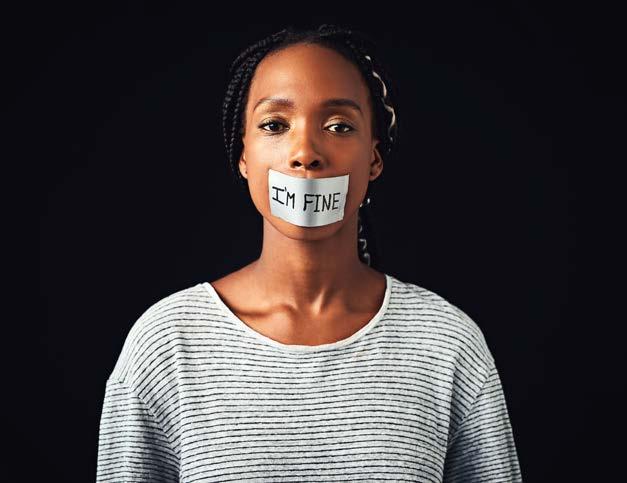
Growing up I felt an intense pressure to achieve my parents’ expectations of the ideal Nigerian child. My parents expected me to be a straight A student, and if I failed, I would receive comments such as “Not good enough.” I felt driven to participate in extracurricular activities to please my parents. Unfortunately, the stress overwhelmed me as I experienced my first panic attack during my sophomore year of high school. I told my parents about my anxiety and that I felt it was worsening. My parents’ placating, negating reactions to my panic attacks reflected the culture in which they were raised, which labeled
mental health issues as taboo. This meant medical or therapeutic treatments were not possible for me, only prayers. Unfortunately, their choices led by their own cultural upbringing forced me to keep my mental issues to myself. I continued to struggle with anxiety throughout high school and college and never sought professional help until my sophomore year of college. Based on my experiences with my parents, I realized that mental health is stigmatized in the Nigerian culture. The topic is not openly discussed as having a mental illness implies there is something “wrong” with that individual. I wanted to understand
to explain potential reasons why their parents may have reacted negatively.
From these interviews, I learned that I was not alone in feeling dismissed about my mental health struggles. These are some of the comments that personally resonated with me:
Mental health is a western disease.
If you suffer from mental health issues, they believe you are possessed by the devil.
I was often told to pray to God; He will fix it. Let’s go to see a priest; we will pray it away.
Based on the individual responses, the idea began to percolate of a cultural belief that mental illness is uniquely connected to an individual’s “spiritual” problem and this cultural bind contributed the most to the mental health stigma within the Nigerian culture.
As a highly spiritual country, many Nigerians believe that mental illnesses are due to evil spirits, witchcraft, and other supernatural causes (1). This supernatural component of mental illnesses causes many Nigerians to seek out help from traditional and spiritual healers who use unconventional methods to treat mental illness. My father stated during his childhood in Nigeria, he would occasionally see healers beat those with severe mental illnesses. Almost forty years later, there are still some healers who utilize beatings as treatment to drive away the evil spirits that cause mental afflictions (2). Traditional and spiritual healers also use methods such as sacrifices, holy water, potions, prayers, and fasting as treatment options (2,3). Due to the strong belief of supernatural causes,
psychiatric medications and therapy would be seen as futile for many Nigerians. Multiple studies have been done to understand the pathways to mental health care in Nigeria. These studies concluded that traditional and spiritual healers were the first point of contact for those who suffer from mental illnesses before these individuals receive help from a trained professional (3). The delay in professional care causes worse clinical outcomes, poorer response to treatment, and poorer quality of life (3).
More awareness needs to be available in Nigerian communities about the mechanisms behind mental disorders. To accomplish this, mental health providers should partner with spiritual and traditional healers to improve care and to decrease the stigma. Healers have an outdated understanding of mental illnesses and are not effective in changing the course of major psychiatric illnesses (4). However, healers could be effective in providing psychosocial interventions, facilitating social engagement, and improving coping strategies (4).
Partnering with spiritual figures have already been successful in Nigeria. The Healthy Beginning Initiative (HBI) in Nigeria trains clergy to perform mental health screenings and to connect people to care (5). HBI is successful in increasing the utilization of mental health services, decreasing the mental health stigma, and increasing the understanding of mental illnesses in churches that uses HBI (5). HBI was also successful in improving the knowledge of biological causes of mental illness for clergy (5).
Hopefully, partnering with traditional and spiritual healers could decrease
the stigma and increase the number of Nigerians seeking help from medical and mental health providers.

Chika Nwachukwu is a third-year medical student at Texas Tech University Health Sciences Center
Paul L. Foster School of Medicine in El Paso, Texas class of 2023. In 2018, she graduated from Texas A&M University with a Bachelor of Science in health. She enjoys reading, singing, and watching basketball. After graduating from medical school, Chika would like to pursue a career in psychiatry.
why my parents and other Nigerians view mental health negatively.
I believed I was on to a larger issue and I wanted to know if any other Nigerian Americans struggled with discussing their mental health issues with their immigrant parents. To gather data for my research, I interviewed five first-generation Nigerian Americans. My questions focused on comments they heard while growing up regarding mental health. I asked each participant to describe a time in childhood when they experienced a mental health struggle and how their parents responded. I also asked participants
1. Gureje O, Lasebikan VO, Ephraim-Oluwanuga O, Olley BO, Kola L. Community study of knowledge of and attitude to mental illness in Nigeria. Br J Psychiatry. 2005; 186:436–41
2. Agara AJ, Makanjuola AB, Morakinyo O. Management of perceived mental health problems by spiritual healers: a Nigerian study. Afr J Psychiatry (Johannesbg). 2008; 11(2):113–8
3. Adeosun II, Adegbohun AA, Adewumi TA, Jeje OO. The pathways to the first contact with mental health services among patients with schizophrenia in Lagos, Nigeria. Schizophr Res Treatment. 2013;2013:769161
4. Nortje G, Oladeji B, Gureje O, Seedat S. Effectiveness of traditional healers in treating mental disorders: a systematic review. Lancet Psychiatry. 2016;3(2):154–70
5. Iheanacho T, Nduanya UC, Slinkard S, Ogidi AG, Patel D, Itanyi IU, et al. Utilizing a church-based platform for mental health interventions: exploring the role of the clergy and the treatment preference of women with depression. Glob Ment Health (Camb). 2021;8:e5
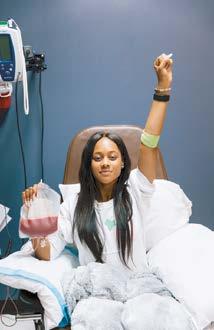
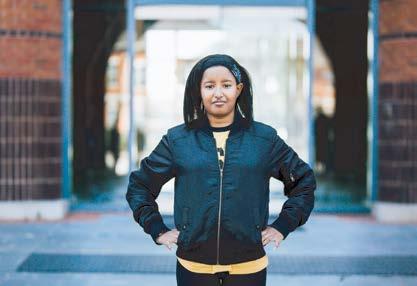


By: Maureen Nwizu, MSII
Co-Authors: Emmalee Barrett1, Dr. Douglas Postels,1,2 Dr. Peter Moons3
Advisor: Dr. Douglas Postels1,2
1 The George Washington University
2 Division of Neurology, Children’s National Medical Center
3 Department of Paediatrics, Queen Elizabeth Central Hospital, Blantyre, Malawi
Annually,
there are approximately 400,000 children born with sickle cell disease (SCD); 90% of them are in sub-Saharan Africa.1 Affected children are at risk for a range of health effects, most importantly silent or overt strokes that can cause cognitive and neurological impairments.2 Despite the high prevalence and incidence of SCD in sub-Saharan Africa, medical monitoring for disease status is frequently less than in highincome countries.2 Even if patients are found to be at high risk of adverse consequences of SCD, medical interventions are infrequently available.2 This is the case in Malawi, a country where 1 to 3% of all children are affected.1,3 Transcranial doppler (TCD), which has recently become available in Malawi, is reliably used to assess the risk of strokes in children with SCD. Because this technology is new to this region, there are concerns that families do not understand why TCD was being performed. In response, we created and validated an educational brochure for families of children with SCD who were enrolled in a TCD monitoring clinic at Queen Elizabeth Central Hospital in Blantyre, Malawi.
We reviewed educational brochures about SCD and other disease processes in use in other African countries. Following these models, we developed questions and answers related to SCD and TCD using simple language. The narrative was translated into Chichewa, a regional, native language. We obtained feedback on the pilot version after review by Malawian nurses and parents for content validity and ease of understanding. We then revised the brochure accordingly. The final product was illustrated and printed, creating a deliverable, educational brochure focused on Malawian families of children with SCD.
Future directions for this work may include interventional clinical trials to ascertain whether family education using this brochure improves compliance with medications, clinic attendance, and SCD outcomes.
REFERENCES:
1.) CHIMBATATA CS, CHISALE MR, KAYIRA AB, ET AL. PAEDIATRIC SICKLE CELL DISEASE AT A TERTIARY HOSPITAL IN MALAWI: A RETROSPECTIVE CROSS-SECTIONAL STUDY. BMJ PAEDIATR OPEN. 2021;5(1):E001097.
2.) MARKS LJ, MUNUBE D, KASIRYE P, ET AL. STROKE PREVALENCE IN CHILDREN WITH SICKLE CELL DISEASE IN SUB-SAHARAN AFRICA: A SYSTEMATIC REVIEW AND META-ANALYSIS. GLOB PEDIATR HEALTH. 2018;5:2333794X18774970.
Annually, there are approximately 400,000 children born with sickle cell disease (SCD); 90% of them are in sub-Saharan Africa.
Affected children are at risk for a range of health effects, most importantly silent or overt strokes that can cause cognitive and neurological impairments.
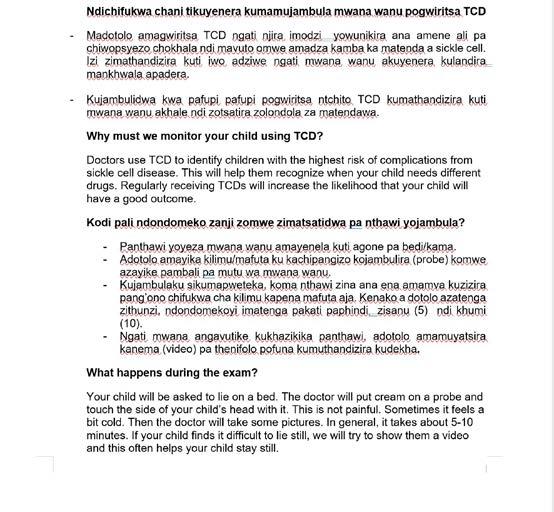
BY: LINDSAY POWELL
Commercial surrogacy has continued to grow in popularity across the world and is especially prominent in places including India and Russia. Surrogacy is achieved through the process of in-vitro fertilization and involves a surrogate donating her own egg and the pregnancy is usually achieved using the intended donor father’s sperm in a technique called intrauterine insemination. Since 2002, surrogacy in India has been legalized and numerous couples desperate for a child have visited the Akanksha Infertility Clinic, which is run by India’s “Surrogacy Queen,” Dr. Nayna Patel. Over the years, countless foreign couples would flock to India in the hopes of using the surrogacy services of India’s clinics and some couples would even commission more than one surrogate mother in India (Fontanella-Khan). In 2015, India’s government restricted commercial surrogacy to only Indian citizens and made it illegal for foreign couples to come to India to commission surrogates. Since then, several prominent Bollywood celebrities such as Shah Rukh Khan have commissioned surrogates. Some government officials in India including Prime Minister Narendra Modi believe that commercial surrogacy exploits low-income women in India and therefore have pushed to further regulate commercial surrogacy. Recently, more low-income women in India in wake of the devastating financial impact of the COVID-19 global pandemic have become more desperate and willing to volunteer as surrogate mothers in order to earn enough money to survive (Bagri). The boom of commercial
surrogacy in India might have initially seemed like a positive occurrence because it allowed childless couples to have a family and impoverished Indian women a chance to improve their financial situation by acting as surrogates. However, the main problem with the practice of commercial surrogacy prior to 2015 and even now in 2021 in India is the unfair treatment of surrogate mothers.
Many couples that are interested in having children have sought out the surrogacy services of Indian fertility clinics because of affordability and because they believe that commercial surrogacy is safe in India. Most Indian surrogate mothers typically abstain from any illegal drug usage during the pregnancy, have easy access to neonatal vitamins, and many Indian private hospitals are staffed by excellent doctors that speak English (Fontanella-Khan). Surrogacy in India in comparison to the United States is relatively cheap with couples only having to spend around $22,000 or less. In the United States, surrogacy can cost as much as $100,000. Doctors, lawyers, labs, and technicians in India usually receive a cut of the initial fee that is paid by the couples or the single person commissioning a surrogate. Unfortunately, some surrogate mothers in India do not receive the surrogacy fee they are initially promised and may unknowingly sign away their rights because they cannot read legal contracts in English (McCarthy). Despite this, a large portion of low-income women in India still choose to act as surrogates to childless couples because they have
been conditioned to believe that volunteering as a surrogate mother is the only way to improve their own family’s financial situation.
Although it may seem on the surface that the usage of India’s surrogacy services prior to 2015 and even now are unproblematic, there are still many serious issues with commercial surrogacy practices in India. Under the current practices in India, women that choose to act as surrogates receive around $7,000 as a surrogacy fee after the child is delivered, in addition to a monthly stipend that is around $150, and for many of the surrogate mothers, this is not nearly enough for them to get out of debt or to feed their own families (McCarthy). For this reason, Prime Minister Modi’s administration believes that low-income women in India are being exploited and that there is a serious need for India’s government to pass stricter regulations that limit commercial surrogacy (Bagri). Today, many of the women that volunteer to act as surrogate mothers are housed away from their families in “surrogacy homes’’ for the duration of the pregnancy and are only paid a surrogacy fee once they have given birth. However, it is still possible for some couples to ask a surrogate mother to abruptly terminate the pregnancy which means that the surrogate mother will not only receive zero compensation for her time but also in some circumstances terminating the pregnancy may put the surrogate mother in a position in which she has to compromise her religious or ethical beliefs. For example, a surrogate mother
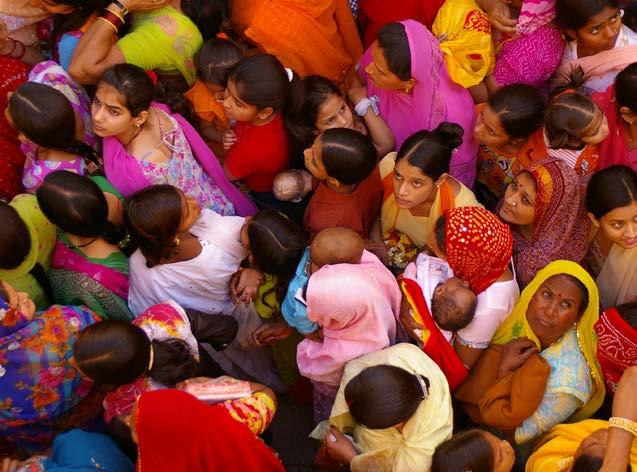
in India was accused by a wealthy client of stealing, and as a result, she was kicked out of the client’s home and informed to terminate the pregnancy. In some cases, surrogate mothers are unknowingly given pills that can induce a miscarriage and they are later told that they lost the baby due to their carelessness and are paid nothing for losing the baby (Fontanella-Khan). With this in mind, it is abundantly clear that surrogate mothers in India are being exploited and will continue to be grossly mistreated until India’s government puts in place stricter measures that will better regulate the country’s surrogacy practices.
In lieu of the growing outrage over commercial surrogacy in India, Prime Minister Modi’s administration has taken up more measures to regulate current commercial surrogacy practices. In particular, India’s government has sought to limit some couples’ ability to use a surrogate
and has proposed laws that prevent single people, unmarried couples, gay couples, and couples married less than five years from hiring a surrogate. The only exception is that it would be legal for a woman to volunteer as a surrogate for free to a childless heterosexual Indian couple that is within a certain age group and that has been married for at least five years. Nevertheless, there are still some surrogate mothers in India who would like the current surrogate practices to continue without any further regulation, but under one condition—they get paid more money (Bagri). Overall, it is important that India’s government further regulates the country’s surrogacy Powell 4 practices in order to prevent any form of exploitation, but it is also important that the Modi administration in some way is able to take into account the perspectives of the women that are being commissioned as surrogates.
BAGRI, NEHA THIRANI
“INDIA'S COMMERCIAL SURROGACY BAN COULD HURT LOW-INCOME WOMEN.” TIME, TIME, 30 JUNE 2021
WWW.TIME.COM/6075971/COMMERCIALSURROGACY-BAN-INDIA/ ACCESSED 9 JULY 2021
FONTANELLA-KHAN, AMANA “THE COUNTRY'S BOOMING MARKET FOR SURROGACY.”
SLATE MAGAZINE, SLATE, 22 AUG. 2010 WWW.SLATE.COM/HUMANINTEREST/2010/08/THE-COUNTRY-SBOOMING-MARKET-FOR-SURROGACY.HT ML. ACCESSED 9 JULY 20 21
MCCARTHY, JULIE
“WHY SOME OF INDIA'S SURROGATE MOMS ARE FULL OF REGRET.” NPR, NPR, 18 SEPT. 2016 WWW.NPR.ORG/SECTIONS/ GOATSANDSODA/2016/09/18/494451674/ WHY-SOME-OF-INDIAS-SURROGAT E-MOMSARE-FULL-OF-REGRET ACCESSED 9 JULY 2021