J SNMA |
Journal of the Student National Medical Association

ASSOCIATE EDITORS
JOURNAL OF THE STUDENT NATIONAL MEDICAL ASSOCIATION
ASSISTANT EDITORS ANGELA NWANKWO EDITOR-IN-CHIEF ARRIANNA MOHAMED LARISSA FOMUM-MUGRI CHINWE A. ANYANWU, MPH SHANTARA PROPST
GRAPHIC DESIGN
CHINWE A. ANYANWU, MPH
AE YOUSIF | AUTUMN L. SAIZAN, BS | BONZO K. REDDICK MD, MPH | CHRISTY NWANKWO | C AKPALA | CHINWE A. ANYANWU, MPH | EDWINA W. SMITH, BA, MA | E WALLACE | JOSEPHINE NWANKWO | JP BETTENCOURT | JUAN CARLOS ARMSTRONG, BS | KENDRA D. MOORE, BS | L PATTEN | MILAN SHETH | OSOSE OBOH, MPH | RASHEENA WRIGHT, BA | ROXIE Y. LAZO GONZALEZ, BS
INQUIRIES
ADVERTISING | PUBLICATIONS@SNMA.ORG OTHER JSNMA@SNMA.ORG
DISTRIBUTION
THE JOURNAL OF THE STUDENT NATIONAL MEDICAL ASSOCIATION IS PUBLISHED QUARTERLY BY THE SNMA. IT IS AVAILABLE ONLINE, DIGITALLY, AND IN PRINT. FOR SUBSCRIPTION INFORMATION, PLEASE VISIT OUR WEBSITE, WWW.SNMA.ORG, OR SEND AN E-MAIL TO PUBLICATIONS@SNMA.ORG
REPRINTING
NO ARTICLES, ILLUSTRATIONS, PHOTOGRAPHS, AND ANY OTHER EDITORIAL MATTER HEREIN MAY BE REPRODUCED WITHOUT WRITTEN PERMISSION OF THE JSNMA. TO REPRINT ARTICLES APPEARING IN THIS ISSUE, REFERENCE THE ARTICLE USING THE FOLLOWING TEXT: “THIS ARTICLE WAS RE-PRINTED FROM THE FALL 2020 ISSUE OF THE JOURNAL OF THE STUDENT NATIONAL MEDICAL ASSOCIATION, FIRST PUBLISHED OCTOBER 30, 2020 BY [AUTHOR].
COPYRIGHT
THIS JSNMA ISSUE IS COPYRIGHTED BY THE STUDENT NATIONAL MEDICAL ASSOCIATION. ALL RIGHTS RESERVED. © 2020
Journal of the Student National Medical Association 5113 Georgia Avenue, NW | Washington, DC 2001 T: 202-882-2881 | F: 202-882-2886 | www.JSNMA.org | JSNMA@snma.org
The Journal of the Student National Medical Association is published by the SNMA’s Publications Committee. Special thanks to our 2020-2021 Editorial Team!!

CHINWE ANYANWU, M.P.H is currently serving as the Editor-in-Chief for the JSNMA, as well as the AOA Liaison for SNMA. She recieved her Bachelor's in Public Health and Biology from the Univerity of Houston and Master's degree in Epidemiology from the Universiity of Texas Health Science Center at Houston. She is currently an OMS-III at University of the Incarnate Word School of Osteopathic Medicine. She has previously served as the UIWSOM SNMA Chapter President and National Liaison Officer for the Student Osteopathic Medical Association from 2019-2020, with a primary focus in leadership and advocacy. She hopes to use her background in publishing, graphic design , art and medicine to find new creative ways to contribute to the field of medicine and magnify the voices of those around her.
ANGELA NWANKWO is currently serving as the co-chairwoman for the SNMA’s National Publications Committee. She is currently a fifth year student at the University of Missouri at Kansas City School of Medicine Six Year B.A./M.D. She studied Biology and Chemistry for her undergraduate degree. This is her second year serving as a chair for the committee and she is a past fellow of the SNMA National Future Leadership project (’18-’19). She also serves as her chapter vice president and previously served as community service chair and secretary.

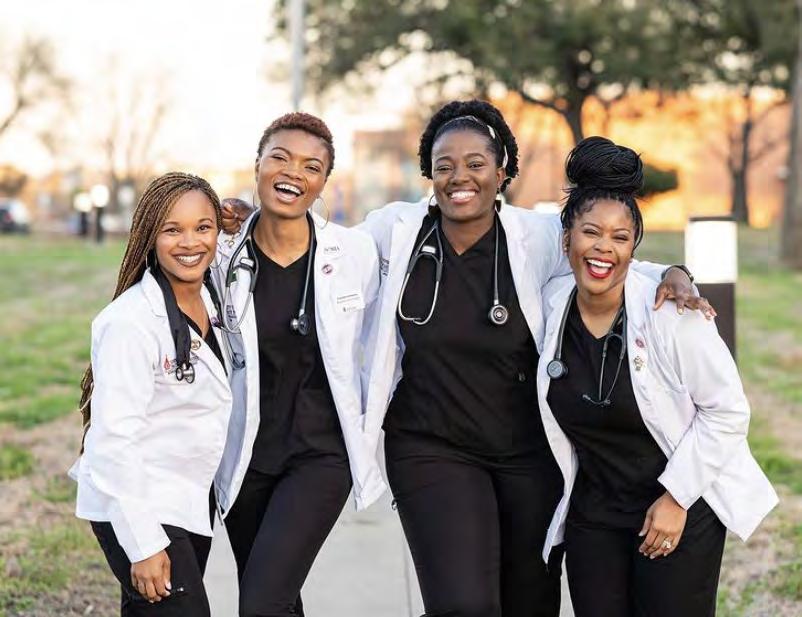
LARISSA FOMUM--MUGRI is serving as the Co-Chairwoman for the SNMA's National Publications Committe. She received her Bachelor's degree in Biology from St. Mary's College of Maryland. She then went on to pursue a Master in Public Health from University of Cincinnati College of Medicine. She is currently an MS4 at Michigan State University College of Human Medicine. She previously served as Mid Michigan Medical Society Liason for her SNMA chapter.
SHANTARA PROPST is serving as the Vice Chair for the SNMA’s National Publications Committee. She is a third-year medical student at Edward Via College of Osteopathic Medicine-Carolinas Campus. Prior to beginning medical school, she completed her bachelor’s degree at Florida State University and master’s degree at the University of South Florida. During this time, she was also able to gain extensive experience in branding, marketing, media, and design. She is extremely passionate about inspiring, empowering, and creating space for minorities in medicine and using her platform to create opportunities for others.

ARRIANNA MOHAMMED is currently the MAPS liaison for her SNMA chapter as well as an FLP Fellow for the 2020-2021 year. She has been a member of the Journal of the Student National Medical Association (JSNMA) Contributor Project since June 2020. She is an MS2 at the Zucker School of Medicine at Hofstra/Northwell. Her other leadership activities includes co-President of American Medical Women Association (AMWA), subcommittee member for the Committee on Anti-Racism (CARA) at the Zucker SOM, and mentor for the Medical Science Youth Program (MSYP).
I am delighted to welcome you to the 2021 Winter JSNMA. So much, yet so little, has changed in the world since we last spoke. As I reflect on how COVID 19 has manifested in many of our lives, I see a beautiful arrangement of pain, joy, anxiety, celebration, love, appreciation, loss and enlightenment. For some, you have experienced your lowest lows and for others, your highest highs. COVID came like a fire that couldn’t be extinguished, consuming our thoughts, news feeds and timelines. For me, it has manifested in the form of self-realization. It has forced me to be alone with myself and learn who I have become and decide who I want to be. I now understand just how important it is for our thoughts and actions to be in one accord. As a community, my hope is that we can all stand in one accord and that those who claim to stand with us do not lose sight of our mission. With this creates a doorway to the freedom we never were truly given. So, whichever way this virus has changed your life, remember, you are not alone. There is a lesson in the depths of every valley and at the peak of every mountain. Hang on to hope if you’re stuck in that valley and don’t be afraid to ask for help. And lend a helping hand if you’ve reached the top of the mountain. If COVID 19 has taught me anything, it is that we are all human first before we are anything else. And as such we are all connected and all responsible for helping each other as best as we can as we climb.
May the strength of your ancestors be with you.
Chinwe Anyanwu Editor-in-Chief
2020-2021 Board of Directors
Chairman of the Board BRITTANIE HAZZARD BIGBY
President OSOSE OBOH, MPH
President-Elect CHANTEL THOMPSON
Vice President REBA GILLIS, MBS
Pre-Medical Board Member NICHOLE DAVIS
Treasurer TINA A. SEIDU
Secretary ANDREA SINGLETON
Speaker of the House ONOME OBOH, MS
Parliamentarian ARIEL FRANCOIS
Immediate Past President OMONIVIE AGBOGHIDI
Region Director DARNELL GORDON
Region II Director NIYI SOETAN
Region III Director STEPHANIE NWAGWU
Region IV Director KALA HURST
Region V Director JASMINE HOLMES
Region VI Director JEANNE NWAGWU
Region VII Director TRENIKA J. WILLIAMS, MS
Region VIII Director OMOSHADE IDOWU
Region IX Director KRISTIN WILLIAMS
Region X Director ADAOBI OKOCHA
2020-2021 Board of Directors
Academic Affairs
Community Service
Convention Planning
Diversity Research
PRESTON IGWE
TIFFANY MORTON
MEGAN BADEJO
JEROME ARCENEAUX
COURTNEY BELL
NADIA ANDERSON
UMARU BARRIE
SARAH MARTINEZ
Election Chair CHANTEL THOMPSON
KAMILAH EVANS
External Affairs
Health Policy and Legislative Affairs
ADEIYEWUNMI OSINUBI
ELOHO AKPOVI
JUSTIN ANDERSON
Finance Chair TINA A. SEIDU
LAUREN BARON
Internal Affairs
International Affairs
SAHLIA JOSEPH-PAULINE
TEMA FODGE
DELIGHT MUNGOMA
MAPS Chair NICHOLE DAVIS
KIARA SMITH
Membership
Osteopathic
RUTH ST. FORT
ALDWIN SOUMARE
SABRI ZOOPER
JSNMA Editor-in-Chief CHINWE ANYANWU
LARISSA FOMUM MUGRI
Publications
ANGELA NWANKWO
PBM to Executive Comm. CHERECE GRIER SMITH, MD
ERIKA WALKER, MD
Professional Board Members (PBM)
JANICE M. JOHNSON, MD


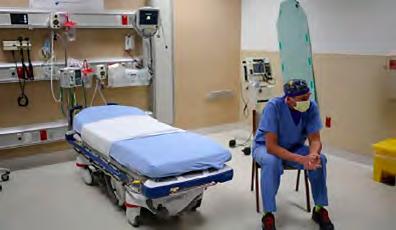
COVID-19. COVID-19. COVID-19. It's all we’ve been hearing about since the very beginning of 2020. Who would have thought that one little virus could cause so much pain, change plans set for years, and instill fear in even the fearless? I, for one, did not foresee the ramifications that this virus would have.
Nor was I prepared for the changes it would bring in my life academically and mentally. We can all say though that the virus hit us like a train. The virus blew our everyday lives to pieces. It has impacted our daily society in ways that will continue to haunt us for the near future.
Zoom, Google Hangouts, and Microsoft Teams became the paramount of our
educational sources in 2020. I think I'm speaking for all of us when I say that COVID-19 has put a damper on our educational experience. In January 2020, I started some of the hardest courses I have taken this far in my accelerated medical program, so when March hit, things only got worse. On top of stress, the biggest emotion that I felt during the pandemic was fear. Fear because I had to worry about my own safety as a long time asthmatic. Fear because I was worried for my parents’ safety, as they are both essential workers. Fear because people of color are dying at higher rates compared to our white counterparts. Fear that I would not be able to walk the stage

and get white coated in the following months, celebrating everything I had struggled for over the past couple of years. Surely many of us have experienced some sort of fear this year which may have manifested as stress, which started to deter our mental health, and thus impacted our education. With this in mind, you can only imagine the joy I felt getting white coated and starting my first year of medical school this past August.
Now there's a vaccine. This is another source of fear for some, but a sign of hope for many. Now, more than ever, lies the importance of doing your own research. Nelson Mandela said “Education is the most powerful weapon which you can use to change the world”. Right now, educating ourselves is one of the best things we can do to learn about not only the vaccine, but learn more about COVID-19. Social media became a key player in the role of information distribution. While some sources were reliable, others were not, and this became a big determent in the fight against COVID-19. Many in uproar against mask
mandates, citywide lockdowns, and enforced social distancing requirements. We all have a responsibility to learn more about this topic. In this way, we can help prevent the spread of fake information and hopefully the virus.
Those who have achieved success in the midst of a pandemic, be proud. With the social distancing COVID-19 has placed upon us, it has disconnected many of us physically and emotionally. It has connected us, however, in that we face a similar struggle of trying to find courage and light in a situation that manifests as failure and darkness. Do what you can now, to practice compassion towards yourself and others. If anything positive has come of this unprecedented event, we can say COVID-19 has made us resilient. We have faced adversity like no other and here we are, still thriving and surviving.
AE Yousif, (MD, CUSOM)
C Akpala, (MD, MUSOM
L Patten, (M.S. CoSPH)
E Wallace, Department of Medicine University of Colorado JP Bettencourt, Harvard Medical School, Boston, MA.
Abstract
COVID-19’s effects on the health of vulnerable populations are still emerging; however, current data suggest a disproportionate burden of illness and death among groups with substance use disorders (SUD), HIV, and transgender patients. Widening of healthcare disparities during COVID-19 justifies the exploration of barriers faced by vulnerable populations. We explored socioeconomic barriers by surveying healthcare providers about the impacts of COVID-19 on their patient’s healthcare access and investigated ways to mitigate the barriers which are widening the health disparities for vulnerable patients. 74 providers completed a cross-sectional survey administered in July 2020 at Fenway Health, a large multi-site community health center. Fisher’s exact tests were used to compare outcomes. The frequency of outcomes reported are associated with whether providers were asked about before versus during COVID-19. Providers reported that, during COVID-19, mental health concerns for patients were higher (p < 0.001) and more patients lacked access to transportation (p < 0.001). Most providers (88%) reported their patients were not informed of the resources available to them through the CARES Act, where providers identified financial barriers (66%) to be the most common and language barriers (22%) to be the least common. Evidence suggests that improvements can be made to better facilitate efficient transportation and provide mental health services. Most providers identified a lack of education and understanding of the CARES Act among their patients to access available resources. This indicates a need for providing an outreach and education department to ensure patients are aware of their resources. Financial barriers were the most common, which may require institutional and governmental resources to curb this disparity.
Telemedicine during COVID-19: Is it worsening health care disparities for racial and ethnic minorities?
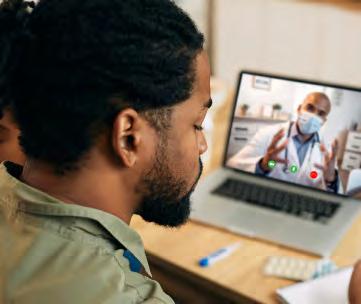
The COVID-19 pandemic has prompted immediate and necessary changes to health care delivery in the United States. In efforts to reduce viral exposure, telemedicine has proven essential to preserving and increasing health care access. However, for our most disadvantaged groups, the limitations of virtual health care can be significant. For individuals with poor internet access and limited technological literacy, telemedicine has the potential to worsen health care access inequity and health care disparities.1,2
Amongst our most vulnerable populations are racial and ethnic minorities. Years of systemic and structural racism have created and perpetuated health disparities within Black and brown communities, and the complex intersection of race and health has become even more visible during the current pandemic. The same disparities seen with in-person healthcare access exist, and are potentially worsened, with telemedicine access.1 Race is a known social determinant of occupation, income, zip code and education, all of which influence health-related behaviors and various comorbidities.3,4
C1DepartmentofDermatology,KeckSchoolofMedicineofUniversityofSouthernCalifornia
2UniversityofRochesterSchoolofMedicineandDentistry
NadaElbuluk,MD,MSc1
1DepartmentofDermatology,KeckSchoolofMedicineofUniversityofSouthernCalifornia

OVID-19 diagnoses are higher amongst Black telemedicine patients than white telemedicine patients.1 Racial and ethnic minorities are more AutumnL.Saizan,BS1,2
JulesLipoff,MD3
3DepartmentofDermatology,PerelmanSchoolofMedicine,UniversityofPennsylvania
PearlGrimes,MD4
4TheVitiligoandPigmentationInstituteofSouthernCalifornia
[Cont. page 22]
Dear SNMA Family,
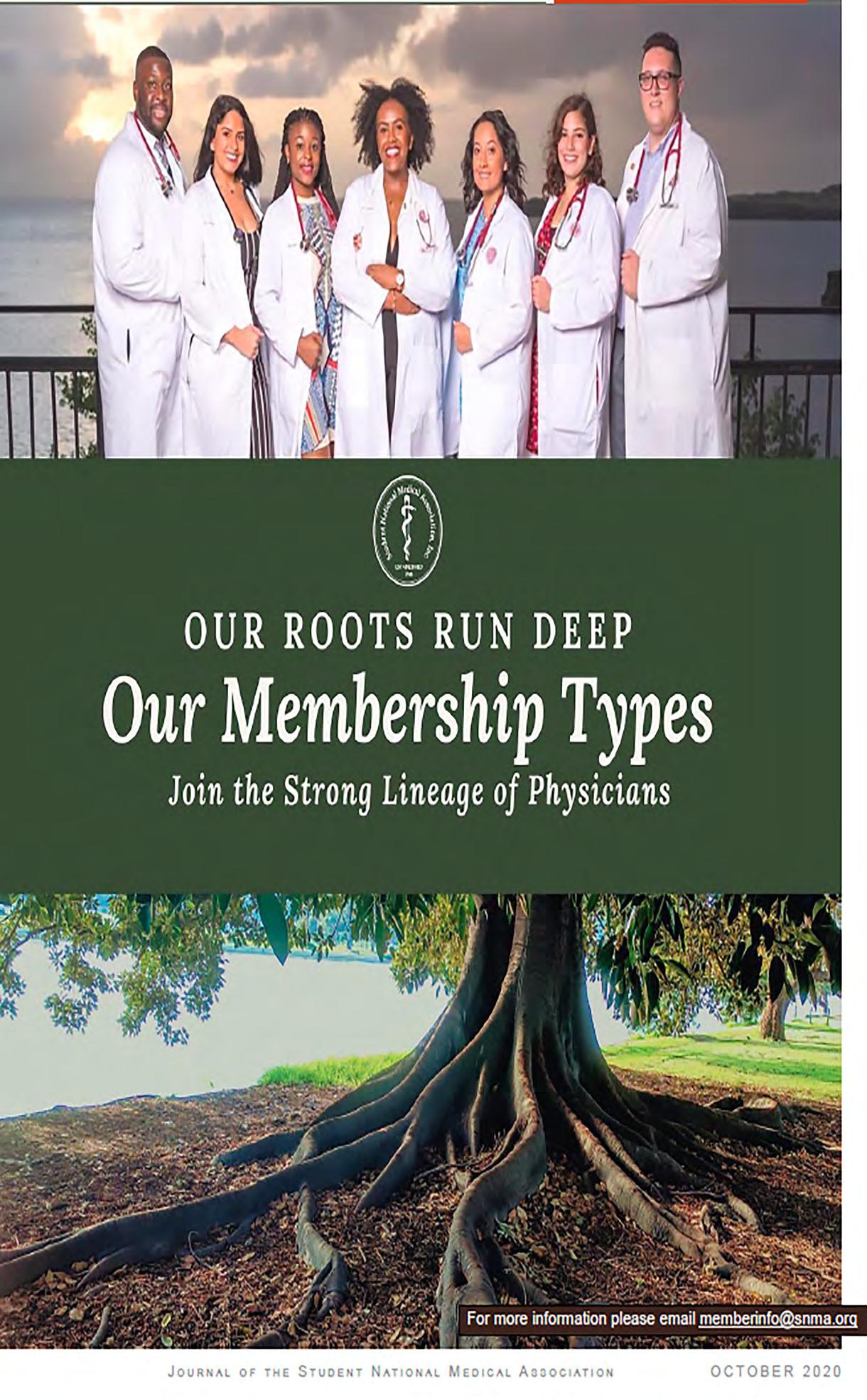
It is with great pride that I welcome you to the 2021 Winter Edition of the Journal of the Student National Medical Association, more commonly referred to as the JSNMA. The theme of this issue, “COVID-19,” is important for us to address as a community that has been greatly impacted by the pandemic. We have watched as the pandemic further highlighted the health disparities in this country, and we are living through the manifestations of historically based mistrust in the US Healthcare system as we try to provide vaccinations for the most vulnerable populations. The theme of this journal edition provides the space for students to share thought-provoking research and opinion pieces about a topic where Black medical students lie at the intersection yet again. It is imperative that we collectively advocate for the unwavering need address the issues that disproportionately affect communities of color especially as future physicians.
For over 50 years, the JSNMA has served as the premier written voice of the SNMA, reflecting our mission, goals, and members’ concerns. As we celebrated 57 years in 2021, we will continue to focus on ways to support current and future underrepresented students entering the field of medicine and continue to address disparities that affect underserved communities across our nation and beyond. As you read through this issue of the JSNMA, I urge you to reflect upon areas where you can participate in the mission of the SNMA. Consider the many ways that your voice could move medicine towards a more culturally inclusive field for both healthcare providers and patients.
I hope that you will continue to enjoy this issue and be inspired to share your written voice in the next edition. I want to thank all current and past SNMA members who continue to use their voice to diversify the face of medicine and advocate for health equity. Also, thank you to all those who made this edition possible and to those who continue to support the JSNMA
Yours in SNMA,

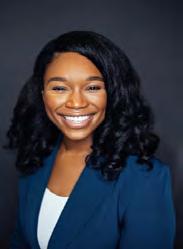
Osose Oboh, MPH
57th National President


likely to be essential workers in low income, high stress jobs.4 They are also more likely to be uninsured with lack of access to paid sick leave. Additionally, practicing safe social distancing is more difficult due to overcrowded housing conditions and reliance on public transportation.4 Compared to their white counterparts, Black, Latinx, indigenous, and other communities of color often bear a higher burden of chronic health conditions.5,6 This may be attributed to their inferior access to health care centers, healthy food options, and safe recreational facilities.7 Additionally, lower education levels may limit well informed health care decisions and health information comprehension, possibly contributing to delays in seeking medical care. Finally, implicit bias and unconscious racism within the health care system can lead to differences in medical treatment and further contribute to poor health outcomes in minority patient populations.4 Even when controlling for various socioeconomic factors, white impoverished populations do not experience the same level of disadvantages as black impoverished groups.5 As a result,
technological literacy, may limit successful implementation.10,11 This digital divide has previously been identified as a factor in exacerbating telecommunication access to quality health care.10,11,12,13 The recent forced transition to virtual care during the COVID-19 pandemic has only made rectifying these barriers more pressing.
racial minorities are at higher risk of exposure, infection, and mortality from COVID-19.3,4,8
During the pandemic, racial minorities have died at disproportionately high rates from COVID-19.4,6,8 Despite comprising 13% of the population, Black people represent 21% of COVID-19 deaths, with a roughly 2.4 times greater mortality rate compared to whites. Similar statistics have been reported for Hispanic and indigenous communities.8 Black patients are reported to use telemedicine less than white patients and are often sicker when seeking care.1
We must understand any factors that contribute to differences in telemedicine use and how these differences may worsen disparities and health outcomes. The same risk factors in minority populations that predispose to COVID-19 infection and mortality are also negatively associated with their telecommunication access, use, and knowledge.9,10Although telemedicine can bridge gaps between patients and providers, unaffordable internet services and devices, along with poor health and
Blacks and Hispanics are interested in receiving internet and device training, thus highlighting an opportunity for intervention.12
WTith respect to the digital divide, many poor racial and ethnic minorities are smartphone-dependent, meaning their only source of internet is their phones.14 Public internet and computer access via libraries or public spaces may help bridge this divide, but phone and video calls within these areas do not provide needed privacy for health care communication. Additionally, these public options have become more limited during this pandemic. Beyond broadband internet and device access, the digital divide extends to eHealth literacy, meaning the ability to search, understand and apply medical information online.12
eHealth literacy is important for obtaining medical information and knowing how to critically examine that information. Digitally literate individuals can connect with physicians and participate in shared decision making. Some research has even suggested that digitally literate patients report less chronic disease.12 Greater eHealth literacy is also directly associated with increased income, higher education level, white ethnicity, and younger age.11,12 Amongst racial minorities, nearly 50% of
elemedicine’s greater role in healthcare will likely continue for the short and longterm future. Therefore, we must proactively work on encouraging digital access and increasing technological competencies in minority populations to prevent the seemingly inevitable worsening of disparities. This approach requires more thoughtful consideration about access, implementation, utility and adherence of technology from physicians, patients, law makers, insurance companies, and technology companies.
Physicians and health care providers must also work to ensure they are providing culturally competent care which will aid the implementation and optimization of telemedicine amongst diverse communities. How patients experience illness and receive treatment is unique to their cultural and psychosocial background. Clinicians should be sensitive to various factors, such as language or belief systems, that may influence a patient’s ability to access and use telehealth (e.g. non-English speakers are less likely to use an English-centric telehealth platform). There should be greater efforts to develop user-centered technology. Previous reports have noted success in implementation and use of online systems that include cultural and linguistic adaptations.1 For example, more communities may benefit from different language integration options, including available interpreters for scheduled visits.
Targeted outreach is also imperative. Not only should there be greater effort in contacting, informing, and encouraging minority populations with regard to the availability and use of telemedicine; but there should be efforts to identify the sub-populations with the most difficulty accessing telehealth. This identification will help generate more targeted solutions, perhaps using this information to prioritize in-person health visits.1 Providers can also survey their own patients to identify who may benefit from additional assistance with telemedicine. Medical offices can
then call those patients prior to their visit and walk them through the steps to start a virtual visit. Other alternatives include texts or emails that contain a link to a video tutorial that will describe how to participate in a virtual visit. This strategy is especially useful for medical offices lacking both the time and staff support to educate patients. Some clinicians may even encourage the assistance of family members to be involved in the visit for those who are technologically challenged. Such solutions allow for both physicians and patients to become empowered and engaged in the telehealth visit.
Insurance companies can also play a role in helping to provide patient education. Some have argued for “universal precautions,” in which online systems automatically assume all participants need literacy support, thus removing the need to identify and support groups experiencing greater difficulty.15 With respect to access, programs could be established to rent devices or sell them, at reduced prices or with insurance company-partnered assistance.16 Devices may include smartphones, tablets, or laptops, preferably with camera access. For patients without broadband access, tablets or laptops with built-in mobile broadband may prove beneficial. Over the years, there has been an increase in the number of individuals exclusively using their cell phone network plan to access the internet.17 Such information offers insight on how we can better engage patients during this time. Patients with smartphones may not require devices with built-in mobile broadband, as they may use their cellular coverage to help access the internet from another device, such as a tablet or laptop. Those living in rural areas, however, with less cellular network coverage may experience more difficulty. Some patients may benefit from prepaid plans for cellular internet access to help mitigate the costs of long-term contracts. Insurance companies may also develop fee-assistance programs to help cover costs for temporary broadband access.
With respect to telehealth guidelines and regulations, policy changes during the pandemic have temporarily increased telemedicine access and reimbursement. For

example, flexibility on geographical constraints and HIPAA limitations, have allowed providers to conduct telehealth visits using multiple platforms, including Facetime and Zoom.18 Although these policies may prove durable, for now, they may only extend throughout the public health emergency, and longer-term policies will be needed, including greater reciprocity for state licensing.19
Although technological advances in health care have great potential in increasing access to care, poor internet access and limited digital literacy, particularly in marginalized and underserved minority communities, may negate this potential and must be addressed to avoid exacerbation of health disparities. Through recognition of these issues and addressing them prospectively, this challenging time period could have a silver lining in ultimately helping to improve innovation of health care delivery and health equity.
1. Chunara R, Zhao Y, Chen J, et al. Telemedicine and healthcare disparities: A cohort study in a large healthcare system in New York City during COVID-19. J Am Med Inform Assoc. Published online August 31, 2020. doi:10.1093/ jamia/ocaa217
2. Mitchell UA, Chebli PG, Ruggiero L, Muramatsu N. The digital divide in health-related technology use: The significance of Race/Ethnicity. Gerontologist. 2019;59(1):6-14. doi:10.1093/geront/gny138
3. Khalatbari-Soltani S, Cumming RG, Delpierre C, Kelly-Irving M. Importance of collecting data on socioeconomic determinants from the early stage of the COVID-19 outbreak onwards. J Epidemiol Community Health. Published online May 8, 2020:jech-2020-214297. doi:10.1136/jech-2020-214297
4. COVID-19 in Racial and Ethnic Minority Groups. Centers for Disease Control and Prevention. Published April 30, 2020. Accessed May 10, 2020. https://www.cdc.gov/coronavirus/2019-ncov/community/health-equity/raceethnicity.html
5. Kendi IX. Stop blaming black people for dying of the coronavirus. The Atlantic. Published April 14, 2020. Accessed September 2, 2020. https://www.theatlantic.com/ideas/archive/2020/04/race-and-blame/609946/
6. Dorn A van, Cooney RE, Sabin ML. COVID-19 exacerbating inequalities in the US. The Lancet. 2020;395(10232):1243-1244. doi:10.1016/S0140-6736(20)30893-X
7. Matthew DB. Introduction: The new normal. In: Just Medicine: A Cure for Racial Inequality in American Health Care. NYU Press; 2015:89.
8. The COVID Racial Data Tracker. The COVID Tracking Project Website. Accessed September 23, 2020. https:// covidtracking.com/race
9. Ramsetty A, Adams C. Impact of the digital divide in the age of COVID-19. J Am Med Inform Assoc. Published online April 4, 2020. doi:10.1093/jama/ocaa078.
10. Fang ML, Canham SL, Battersby L, Sixsmith J, Wada M, Sixsmith A. Exploring privilege in the digital divide: implications for theory, policy, and practice. Gerontologist. 2018;59(1):e1-e15. doi:10.1093/geront/gny037
11. Kontos E, Blake KD, Chou W-YS, Prestin A. Predictors of eHealth usage: insights on the digital divide from the health information national trends survey 2012. J Med Internet Res. 2014;16(7):e172. doi:10.2196/jmir.3117
12. Neter E, Brainin E. eHealth Literacy: Extending the digital divide to the realm of health information. J Med Internet Res. 2012;14(1):e19. doi:10.2196/jmir.1619
13. Bakhtiar M, Elbuluk N, Lipoff J. The digitial divide: How COVID-19’s telemedicine expansion could exacerbate disparities. J Am Acad Dermatol. Published online July 2020. doi:10.1016/j.jaad.2020.07.043
14. Anderson M. Mobile technology and home broadband 2019. Pew Research Center: Internet, Science & Tech. Published June 13, 2019. Accessed May 11, 2020. https://www.pewresearch.org/internet/2019/06/13/mobiletechnology-and-home-broadband-2019/
15. Veinot TC, Mitchell H, Ancker JS. Good intentions are not enough: How informatics interventions can worsen inequality. J Am Med Inform Assoc. 2018;25(8):1080-1088. doi:10.1093/jamia/ocy052
16. Rajasekaran K. Access to telemedicine—Are we doing all that we can during the COVID-19 pandemic? Otolaryngol Head Neck Surg. 2020;163(1):104-106. doi:10.1177/0194599820925049
17. Serrano KJ, Thai CL, Greenberg AJ, Blake KD, Moser RP, Hesse BW. Progress on broadband access to the internet and use of mobile devices in the United States. Public Health Rep. 2016;132(1):27-31. doi:10.1177/0033354916679365
18. Medicare Telemedcine Health Care Provider Fact Sheet. Centers for Medicare and Medicaid Services. Published March 17, 2020. Accessed May 16, 2020. https://www.cms.gov/newsroom/fact-sheets/medicare-telemedicinehealth-care-provider-fact-sheet
19. Chuchvara N, Patel R, Srivastava R, Reilly C, Rao BK. The growth of teledermatology: Expanding to reach the underserved. J Am Acad Dermatol. 2020;82(4):1025-1033. doi:10.1016/j.jaad.2019.11.055

The ongoing global COVID-19 pandemic has had an unprecedented impact on healthcare and medical education. The pandemic has challenged and disrupted traditional methods of education delivery and has required the medical education system to adapt and adjust both its structure and approach. Adaptations to the existing system include “social
distancing in medical education [by] creative uses of video conferencing software, social media platforms, and Free Open Access Medical education tools,” and “missed [in-person clinical] experiences present challenges for the training for those preparing to join the healthcare workforce.”1 While the delivery methods are changing, institutions are required to ensure that the integrity and quality of medical education are preserved. The impact the COVID-19 pandemic has had on medical education has also required students to build resilience as they manage a changing education and healthcare environment. This paper will provide a discussion on the impact of the COVID-19 pandemic on medical education and the importance of building resilience.
The ongoing COVID-19 pandemic has not only disrupted medical education but has also required it to undergo significant transformation. Emerging changes

include “the ability to address population and public health issues; design and continuously improve health care systems; incorporate data and technology in service to patient care, research, and education” and undergo significant transformation. Emerging changes include “the ability to address population and public health issues; design and continuously improve health care systems; incorporate data and technology in service to patient care, research, and education” and “medical schools have embarked on curricular redesign to ensure adequate physician training.”2 Perhaps one of the most significant changes is the shift from in-person learning and clinical experiences to online, distance education. This has required significant curriculum and examination re-design to ensure that medical students continue to receive quality education on time. The administration of exams such as the Medical College Admission Test (MCAT) have been postponed and the exam itself has been shortened to accommodate changes in administration.3 Changes to test preparation have been developed to accommodate the changes in exams.
Preliminary research has shown that “most preclinical experiences can be substituted with prerecorded lectures and video conferencing sessions” but “such replacements do not exist for in-person, clinical training.”1 Medical students have been required to discontinue in-person clinical rotations to
practice social distancing and help reduce the spread of viral transmission.

response to the pandemic. The first stage was marked by no disruption or changes to educational program activities. Stage two is demonstrated by “increased clinical demand [where] some residents/fellows shifted to patient care [with] some educational activities suspended.”1 Stage three is the pandemic emergency status where the “majority of residents/fellows shifted to patient care and most educational activities suspended.”1
developing resilience can be integrated.
“The ongoing COVID19 pandemic has not only disrupted medical education but has also required it to undergo significant transformation.”
Medical students have been required to discontinue in-person clinical rotations to practice social distancing and help reduce the spread of viral transmission. Due to this and persistent shortages of personal protective equipment (PPE), in-person clinical rotations and direct patient care were sidelined. This forced medical programs to find a way to bridge the gap left by the absence of in-person clinicals and patient care. It also raised critical questions regarding the qualifications of medical students in advancing.
Medical residents and fellows also experienced shifts in the progression of their medical education. The Accreditation Council for Graduate Medical Education (ACGME) developed a three-stage
Direct patient care was administered by the most advanced residents or fellows and many physicians in training were required to step outside of their selected specialties to meet critical care gaps.
These major changes and disruptions in medical education have emphasized the importance of developing resilience strategies to help students adapt. The uncertainties initiated by the ongoing COVID-19 pandemic have increased the stress associated with medical school, compounded by the external stressors of the pandemic itself. Multiple approaches to
“IT ALSO RAISED CRITICAL QUESTIONS REGARDING THE QUALIFICATION OF MEDICAL STUDENTS IN ADVANCING.”
One suggested strategy focuses on four core components: 1) Control; 2) Involvement; 3) Resourcefulness; and 4) Growth.4 Control develops a sense of composure that students can integrate when under stress, while involvement refers to the ability to remain involved in the change process and its subsequent adaptations.4 Resourcefulness refers to the ability to develop solutions from available resources while under stress, and growth refers to the ability to grow through adversity.2
1. Hilburg, Rachel, Niralee Patel, Sophia Ambruso, Mollie A. Biewald, and Samira S. Farouk. "Medical Education During the Coronavirus Disease 2019 Pandemic: Learning From a Distance." Advances in Chronic Kidney Disease 5 (June 2020), 1-6. doi:10.1053/j.ackd.202.05.017.
2. Lucey, Catherine R., and Clairborne Johnston. "The Transformational Effects of COVID-19 on Medical Education." JAMA 324, no. 11 (August 2020), 1033-1034. doi:10.1001/jama.2020.14136.
3. Murphy, Brendan. "COVID-19 Means a Shorter MCAT: What Aspiring Med Students Must Know." American Medical Association. Last modified May 15, 2020. https://www.ama-assn.org/residents-students/preparing-medical-school/ covid-19-means-shorter-mcat-what-aspiring-med-students.
4. Wadi, Majed M., Ahmad F. Abdul Rahim, and M. S. Bahri Yusoff. "Building Resilience in the Age of COVID-19." Malaysian Association of Education in Medicine and Health Sciences 12, no. 2 (2020), 1-2. https://doi.org/10.21315/ eimj2020.12.2.1.

Why You are more Likely to Die from Melanoma if You are Black
BY: Ogechuchwu Opaigbeogu
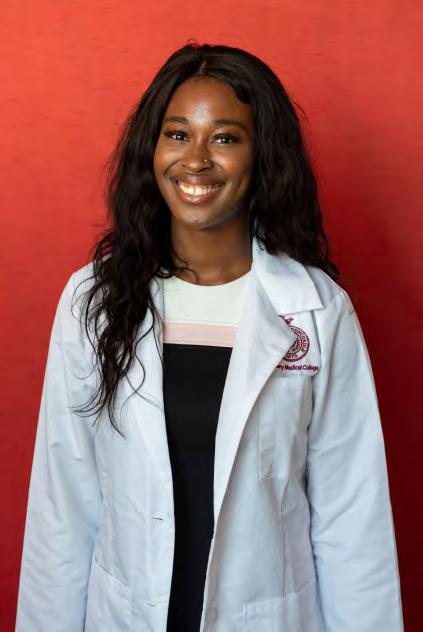
"As a future physician, I want to ensure that I am competent enough to treat every patient no matter their race. It is important for me to see how diseases present based on skin color."
“The COVID-19 pandemic has shed a light on many of the health disparities that plague our nation, and many have cried out for a call to action from healthcare providers and healthcare systems. ”
Research has shown that among all ethnic races, black patients have the lowest survival rates for melanoma despite having the lowest incidence rate of the disease.1 Lack of emphasis on melanoma screening and lack of awareness in non-white populations especially black populations has heavily contributed to this unfortunate disparity. Because black patients are less likely to develop melanoma, they do not receive the same information regarding self-checks and dermatologists might not think to check for melanoma moles and spots.2 Smaller moles might be dismissed or overlooked contributing to the reality that melanoma in black patients is often only diagnosed in later stages when the disease process is more aggressive and harder to manage. Melanoma screenings are performed at suboptimal rates on black patients. Black patients are also more likely to develop melanoma in uncharacteristic areas such as the trunk and lower extremities – Bob Marley developed and died from melanoma that started in his toenail – contributing to underdiagnosis.
Pictures of cancerous moles and bumps are often used to guide patients on what to look for during self-checks and to train dermatologists and medical students on what to look for in the early stages of melanoma. Unfortunately, pictures of the early stages of melanoma are few and far between, especially in the mainstay dermatology textbooks used in medical school curriculums and residency training programs. In order to see pictures of early-stage melanoma in patients of color, one often has to seek out a dermatology atlas specifically created for showcasing skin of color.
Research has also shown that black and Hispanic populations are more likely than their white counterparts to be uninsured.3 Out of pocket costs and copays for specialists such as a dermatologist might pose a barrier to access for patients and prevent them from being able to obtain a thorough skin exam once a year. At best, under-insured patients might only be able to afford to see their primary care provider, but the primary care provider might not be as trained as a licensed dermatologist when it comes to recognizing melanomas and the early stages of skin cancer might be overlooked. Also, lack of dermatologists,
specifically dermatologists who are adept at recognizing problems on skin of color, exacerbates this problem further.
The COVID-19 pandemic has shed a light on many of the health disparities that plague our nation, and many have cried out for a call to action from healthcare providers and healthcare systems. There needs to be more awareness and education about melanoma in skin of color, specifically darker skin – type 5 and 6 on the Hugh Fitzpatrick scale.5 Skin of color pictures should be in mainstream medical textbooks and not simply relegated to separate atlases. Visual Dx recently created an extension for their website which included more skin of color pictures which is definitely a step in the right direction.
The narrative surrounding patients with skin of color and skin cancer needs to be changed as well. Skin cancer should not be thought of as a “white people only” disease and patients of color should be encouraged to use skin protection and perform skin examinations. Dermatologists,
primary care providers, and other healthcare professionals should be aware of the presentation of melanoma in darker skin so that they can be prepared to catch it early and decrease mortality rates for patients of color who develop melanoma.
As a future physician, I want to ensure that I am competent enough to treat every patient no matter their race. It is important for me to see how diseases present based on skin color. Although we are all one human race, it is important to recognize the differences that make us all unique and to ensure that each patient is receiving tailored care. I hope that in the coming years the healthcare system continues to grow and evolve so that all persons are able to receive appropriate and quality care.
1. Dawes SM, Tsai S, Gittleman H, Barnholtz-Sloan JS, Bordeaux JS. Racial disparities in melano- ma survival. J Am Acad Dermatol. 2016 Nov;75(5):983-991. doi: 10.1016/j.jaad.2016.06.006. Epub 2016 Jul 28. PMID: 27476974.
2. P. Rouhani, S. Hu, R.S. Kirs-
ner. Melanoma in Hispanic and black Americans. Cancer Control, 15 (3) (2008), p. 248
3. E. Ward, M. Halpern, N. Schrag, et al.Association of insu- rance with cancer care utilization and outcomes. CA Cancer J Clin, 58 (1) (2009), pp. 9-31
4. Z.M. Myles, N. Buchanan, J.B. King, et al.Anatomic distribu- tion of malignant melanoma on the non-Hispanic black patient, 1998-2007. Arch Dermatol, 148 (7) (2012), pp. 797-801
5. Healthline. https://www.healthline.com/health/beauty-skin-care/fitzpatrick-skin-types
OGECHUKWU OPAIGBEOGU is a second-year medical student at Albany Medical College. She is originally from P.G. County Maryland and received her undergraduate degree from the University of Pittsburgh. At Albany Medical College, she serves as the president for the Class of 2023 and the treasurer for her school’s SNMA chapter. She loves being involved in the community and hopes to make access to healthcare more accessible when she begins working as a physician. She is pursuing a career in healthcare because she is passionate about patient education and affordable community-based healthcare. In her spare time, she loves to watch old movies and write.


Correlation One West Coast Terminal Event
Event Date: March 29 - April 5.
This March, we are hosting a virtual competition that we would love for University of California San Francisco students to compete in. The West Coast Terminal Live is a coding competition for undergraduate, graduate, and PhD students that will allow students to showcase their talent in a team-based setting. We are bringing together top schools across the West Coast, and we would love for Student National Medical Association students to apply. Participating students will compete for $25,000 in cash prizes and will also be eligible for exclusive recruiting opportunities with Citadel LLC and Citadel Securities.
Association of American Medical Colleges NIH Science Day for Students
*April 19, 2021 at 12:20 – 1:30 EST*
We Invite SNMA Members to join AAMC for NIH Science Day for Students. The event is focused on high school students and it will be held on April 19th. We ask for your participation on the “Hello, Future Physician!” panels hosted by AAMC from 12:20 – 1:30 EST. It will be an informal, talk show type session that will allow medical students to share their experience in medical school, and a Q&A. We are seeking gender diversity on the panel. If you are interested, please email Kimberly Bellamy at kbellamy@ aamc.org. For more info and an overview of the schedule, go here
This fund provides financial support of $3k for a medical student’s summer learning with the Palliative Research Center (PaRC) and the Section of Palliative Care and Medical Ethics at the University of Pittsburgh. Students will work with a faculty mentor on a research or scholarly project of their choice related to palliative care. Projects can be conducted remotely or students may choose to spend the summer in Pittsburgh. All medical students are eligible to apply. Candidates from underrepresented minority backgrounds and institutions that do not have a palliative care program will be given priority. Interested applicants should email Lindsay Bell to identify a faculty mentor and research project.
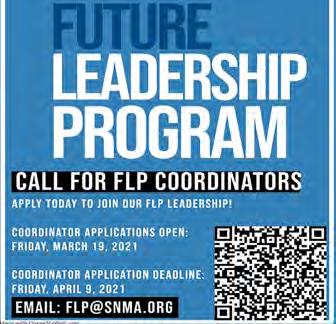
Recruiting Future Leadership CoordinatorsProject for 2021
The National Future Leadership Project (NFLP) is seeking interested SNMA members for FLP Coordinator positions. Coordinators work directly with the NFLP Directors to manage program components and support the Fellows. All SNMA members are eligible to apply for an NFLP Coordinator position. This year six (6) coordinators will be selected for the 2021-2022 NFLP Leadership team. Apply today, with applications due Friday, April 9, 2021.
Conference
Allied Glietsman Student Researchn Fund in Palliative Care 04/01 04/09 04/09-
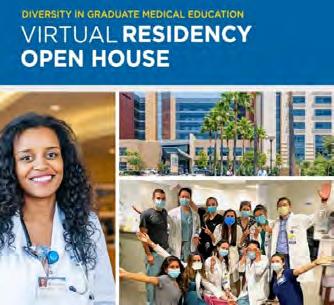

University of California, Irvine School of Medicine Graduate Medical Education Residency Open House
*Saturday, May 1, 2021 at 9:00am-12:00pm PST*
RSVP by April 17, 2021, 11:59 p.m. Pacific Time. This virtual event will provide a holistic look into our Graduate Medical Education experience through direct interactions with professionals from throughout our campus community. It is specifically designed for medical students seeking to begin residency in June/July 2022. Those from underrepresented or disadvantaged backgrounds are especially encouraged to apply. Students can find full program details, Open House schedule, RSVP form and frequently asked questions at the link. Zoom info will be emailed to registrants. For more info, contact Xavier Hernandez at xhernand@uci.edu. Click here for more info or to apply
National Medical Fellowships' Scholarships
Since inception, National Medical Fellowships’ scholarships and awards have been at the core of its programming. NMF scholarship programs recognize merit as well as financial need. Over the years, funding for scholarships has come from hundreds of foundations and from individuals. NMF actively seeks and welcomes partnerships to build the scholarship program.
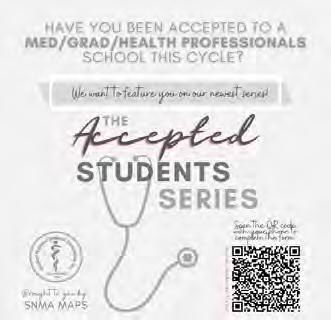
The Accepted Students Series
Here Hey, Future Docs! Have you been accepted to a graduate or health professions program (medical, PA, dental, research, OT, PT, nursing, pharm, etc.) during this application cycle? Let us know! We want to help inspire the next generation of docs by featuring you on our social media! Please fill out this brief form to let us know a bit about you & your new milestone! Share this opportunity with other SNMA/MAPS members! Email mapspublications@snma.org for questions.
POEM BY: DR. FRANK CLARK
White coat Black skeletons become dyspneic hearing status quo remarks.
A dim light illuminates the ancestral gown praying for the resurgence of Rosa Parks.
Name: Chike Nwokolo
Hometown: Oklahoma City, Oklahoma
Educational Background/Degrees Obtained:
-Bachelors of Science in Chemistry/Biochemistry and Psychology from University of Oklahoma
White coat Black skeletons toil for equitable care.
Famished stenotic hearts lamenting, “Do you see us White hare?”
White coat Black skeletons sow seeds for the trepidatious future.
Tenacious degrees face biased scrutiny like a defective suture.
White coat Black skeletons embrace their clinical skills.
Inscribed letters become nugatory when structural racism is the system’s COVID pill.
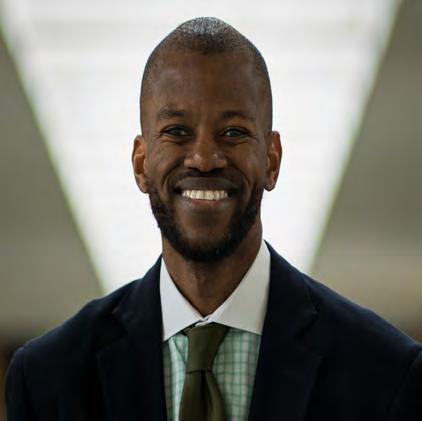
Dr. Frank Alexander Clark is a board-certified adult psychiatrist at Prisma HealthUpstate. He received a Bachelor of Arts degree from Monmouth College in Illinois and a Doctor of Medicine degree from Northwestern University. He then completed his residency in general psychiatry at the Prisma Health (formerly known as Palmetto Richland Hospital) in Columbia, South Carolina Dr. Clark serves as Clinical Assistant Professor at the University of South Carolina School of Medicine-Greenville and Medical Director & Division Chief for Adult Inpatient and Consult-Liaison Services for the Department of Psychiatry and Behavioral Medicine at Prisma Health-Upstate.
-Masters of Science in Interdisciplinary Health Science from Drexel University
-Doctor of Osteopathic Medicine from Philadelphia College of Osteopathic Medicine
Specialty: Internal Medicine
Residency Location: Olympia Fields, Illinois
Favorite Quote: “Never give up on a dream just because of the time it will take to accomplish it. The time will pass anyway” Earl Nightingale
Social Media Handles or Contact Info/Email: Facebook: Chike Nwokolo, Instagram: dr.olisaa Email: conwokolo@gmail.com
Why medicine and why your specialty?
I choose to pursue medicine because of the versatility of the field. There are so many facets to explore and make a difference in your community. I didn’t settle on medicine till after a mission trip I went to. I saw the huge impact it had first hand and that settle it for me.
Tell us a fun fact about yourself.
I love to brunch its my thing. People have told me I should make a podcast and name is Chike ‘n Waffles
Do you have any passions outside of medicine? If so, what are they?
As mentioned before I love to brunch, hang out with friends, go to the movies, enjoy the arts and do fitness.
What is one of your biggest regrets? What would you do differently if you had the opportunity? I may have taken a year off to work before going to medical school. I went straight through bachelors, masters, and then medical school. I had no break in between. I think it is good to take some time off because it allows you to mature a bit and see if medicine is really for you.
What advice would you give to someone looking to pursue a similar path as yours?
I would advise anyone going on this journey to find a mentor. Doesn’t necessarily have to be someon doing exactly what you want to do but someone in the field of medicine that will understand the struggles and help to settle you when times get hard.
Greetings!
On behalf of the SNMA Board of Directors, I want to thank you for your readership of our Winter 2021 issue of the JSNMA.
The JSNMA is a journal provided to the membership of SNMA as an opportunity to share their research, thoughts, and reflections. As we navigate the unscrupulous times in which we currently live, we have aptly titled this issue, “COVID 19: Its Manifestation in Our Lives and The Research Studies." As the nation’s oldest and largest student run organization dedicated to the interests of underrepresented groups in medicine, we would be remiss not to highlight the impact of our current climate on our members and the communities we represent.
Many have used the word ‘pivot’ to define the attitude needed to overcome the challenges of 2020. SNMA has not only found the strength to pivot, but with the help of our courageous leaders and members, we continue to progress in the spirit of perseverance and resilience. We invite those interested to learn more about the mission of the SNMA and opportunities to support our work by visiting www.snma.org.
A special thank you to all whose contributions have made this issue of the JSNMA possible.
Yours in SNMA,

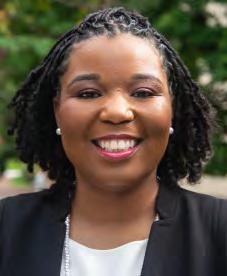
Brittanie D. Hazzard Bigby, MPH
National Chairperson of the Board of Directors, 2020-2021
--
Christy Nwankwo, University of Missouri-Kansas City School of Medicine --
Cutaneous lupus is a condition which can significantly impair one’s quality of life. Its impact often extends into the realm of mental health resulting in depression, low self-esteem, and insecurity about one’s physical appearance. Rituximab is a drug reserved for treatment resistant cutaneous lupus. Few case reports highlight remission of this condition with rituximab, and even fewer discuss its therapeutic results in African American patients. Post-inflammatory hyperpigmentation is a side effect previously documented in another case report. A 33-year-old African American woman was initially diagnosed with systemic lupus erythematosus at a primary care office visit for emergency department follow-up. She visited the emergency department for severe joint pain and was found to have a malar rash and skin manifestations suggestive of cutaneous lupus on extremities. At her primary care visit, labs for ANA were drawn and found to be positive with a titer of 1:1280. Proteinuria was appreciated on previously conducted labs with a 24 hour urine protein value of 1,188mg. She was then diagnosed with systemic lupus erythematosus and referrals for rheumatology and nephrology were sent. She was started on 10mg oral prednisone daily and 500mg oral naproxen twice daily for joint pain by the primary care physician. Once rheumatology was involved, the patient was started on Plaquenil 400mg daily, azathioprine 50mg daily, halobetasol topical 0.05% cream twice daily, triamcinolone cream 0.1% as needed, and prednisone 10mg daily. This regimen was continued for four years until the patient was unable to obtain medications due to insurance issues. She presented back to rheumatology and restarted azathioprine at 50mg twice daily, prednisone 10mg, hydroxychloroquine 400mg, and triamcinolone cream 0.1%. The patient continued this regimen for three more years then began following with dermatology. Seven years after her initial diagnosis, she had her first dermatology appointment and received Elidel 1% topical cream for lesions on face and clobetasol .05% topical for lesions on the body. She presented to rheumatology one week following this initial dermatology consultation where it was discussed to attempt a course of rituximab if current therapy given by dermatology was ineffective after six weeks. After six weeks, skin lesions were worsening so rituximab therapy was initiated; other medications were kept the same. The patient received rituximab 1000mg twice, two weeks apart, every six months. After two infusions, the patient had noticeable improvement of lesions on the skin. There was an observable reduction in hypertrophy of all lesions and mainly extensive hyperpigmentation remained where plaques previously were. This case illustrates the use of rituximab on African American skin for refractory cutaneous lupus. It also incites further consideration regarding whether earlier involvement of dermatology would have reduced the severity of cutaneous manifestations.
RASHEENA WRIGHT, BA
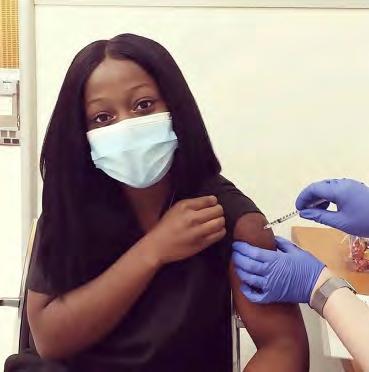
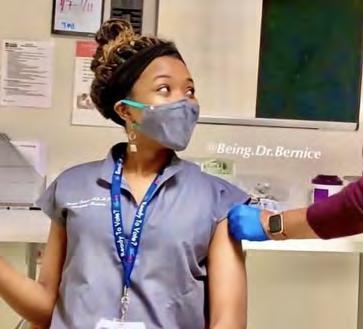
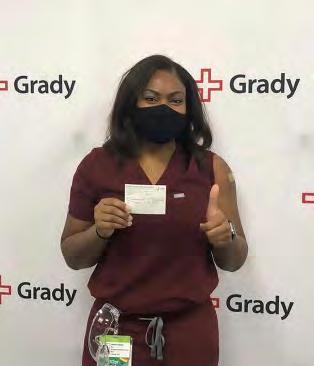
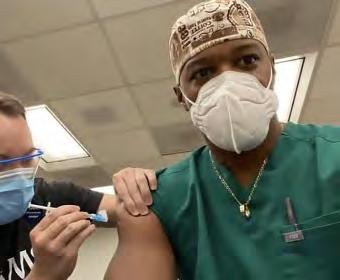
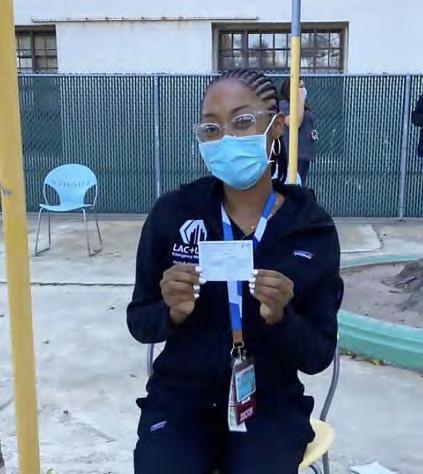
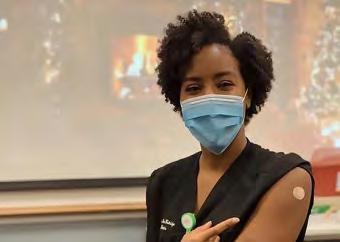
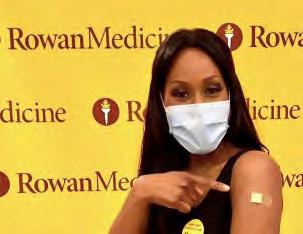
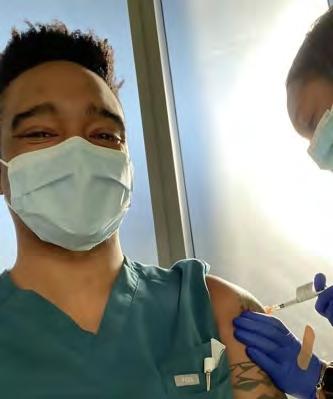
Since declaring the virus named COVID-19 a pandemic back in March of 2020, the world has been in a frenzy. Wearing masks, gloves, social distancing, closing restaurants and schools. SARS-CoV-2 took the world by storm. A virus that no one had ever seen before. Weeks after the severe acute respiratory syndrome coronavirus 2 emerged in late 2019, scientists in China had already determined the structure of its genome and the famous spike protein on its surface. Researchers then began creating a mRNA vaccine to combat this virus. Contrary to popular belief, mRNA vaccines are not new. They have been in development for 30 years. Companies like Pfizer and Moderna had built technology that could create a vaccine for any disease by inserting the right mRNA sequence.
The main goal of a vaccine is to introduce a particular infectious agent to the body to teach the immune system what the virus looks like. Vaccines rarely make you sick with the intended virus. Once the body has seen a part of the virus, it will vigorously attack if it comes in contact with the virus naturally. Some vaccines use a weakened version of the virus, others just use a critical or defining feature of the virus.
COVID-19 Vaccine
The COVID-19 vaccine uses a defining feature of the COVID-19 virus, the spiked protein on the surface. BNT162b2 (Pfizer’s COVID-19 vaccine)”is a lipid nanoparticle–formulated, nucleosidemodified RNA vaccine that encodes SARSCoV-2 full-length spike protein” (Polack, 2020). It does not contain live COVID-19 virus, so it cannot make you sick with COVID-19.
Pfizer and Biotech held a phase 1 clinical trial in adults to evaluate the safety of BNT162b2. The participants were individuals 16 years of age or older who received two injections of the vaccine 21 days apart. A placebo was used as a control. 43,548 participants were randomized and 21,720 received BNT162b2 and 21,728 received placebo. The participants were observed for 30 minutes after vaccination for any adverse reactions. Mild to moderate pain at the injection site was the most common local reaction. Fatigue and headache were the two most reported systemic events at 59% and 52% respectively. No COVID-19 related deaths were reported during this trial. The observed efficacy between dose one and two was reported to be 52% and 91% within 7 days of dose two. Full efficacy against COVID-19 was reached 7 days after dose 2.
Participants had a median follow up time of 2 months post 2nd dose of vaccine, therefore adverse reactions after two months and duration of protection are still to be determined. The study
does not include the prevention of COVID-19 in other populations, such as pregnant women, younger adolescents and children.
Pfizer’s COVID-19 (BNT162b2) vaccine provided safe and effective protection against COVID-19. Symptoms after injection may include fatigue, pain at the injection site and headaches. It has proven to be 52% effective after one dose and offer full protection 7days after the 2nd dose. Although there are limitations within the study, it provides hope for new and emergent mRNA vaccines. We then think further and ask, are mRNA the vaccines of the future? Can mRNA vaccines be used to cure cancer and HIV/AIDS? These mRNA vaccines are currently being tested for other infectious agents, such as Ebola, Zika virus, and influenza.
1. Jackson, Lisa A., et al. “An MRNA Vaccine against SARS-CoV-2 - Preliminary Report: NEJM.” New England Journal of Medicine, 12 Nov. 2020, www.nejm.org/doi/full/10.1056/nejmoa2022483.
2. Komaroff, Anthony. “Why Are MRNA Vaccines so Exciting?” Harvard Health Blog, Harvard.edu, 12 Dec. 2020, www.health.harvard.edu/blog/why-are-mrna-vaccines-so exciting-2020121021599.
3. Polack, Fernando P., et al. “Safety and Efficacy of the BNT162b2 MRNA Covid-19 Vaccine: NEJM.” New England Journal of Medicine, 10 Dec. 2020, www.nejm.org/doi/full/10.1056/ NEJMoa2034577.
4. “Understanding How Vaccines Work - Centers for Disease ...” CDC.gov, July 2018, www.cdc. gov/vaccines/hcp/conversations/downloads/vacsafe-understand-color-office.pdf.
KATHERINA TANSON
MD CANDIDATE AT DAVID GEFFEN SOM AT UCLA
Hometown: Old Bridge, New Jersey
Educational Background/Degrees Obtained: Bachelor of Science in Biological Sciences – Drexel University, 2018
Specialty Interests: Pediatrics – Neonatology; Anesthesiology
Medical School:
David Geffen School of Medicine at UCLA/Charles R. Drew University of Sciences & Medicine
Favorite Quote:
Act justly, love mercy, walk humbly – Micah 6:8
Social Media Handles or Contact Info/Email: Instagram: @kipkattt; Email: ktanson@gmail.com
Where are you currently at in your career path and why did you decide to pursue this career path? I am currently a second-year medical student (aka 1/4th a doctor!). I chose medicine due to my intimate experience with the healthcare system as a result of my own health issues growing up. The safety and comfort I felt from my providers inspired me to do the same for children and their families.
Tell us a fun fact about yourself.
I love to read and write. Journaling, poetry and short stories are my favorite things to write and I love reading everything and anything!
What is/are your biggest accomplishment(s) in medical school to date (academics, community service, leadership, research)?
My biggest accomplishments during my first year of medical school was becoming Co-President of my school’s SNMA chapter and becoming a MOSTe mentor. Having the ability to lead the SNMA alongside my friend and classmate has been such a great experience. [and I am very excited for all the initiatives we have planned for the upcoming academic year]. Additionally, becoming a MOSTe mentor was something I strived to achieve from the moment I learned about the organization. MOSTe provides longitudinal mentorship to young girls in middle and high school on their journey to higher education. [I really value my position as a mentor because I didn’t receive mentorship when I was younger, but I hope that my experiences and ability to navigate the educational and professional world can help girls similar to me.]
How has the SNMA impacted your medical school experience?
The SNMA has been such a breath of fresh air for me during my medical school experience. I can always turn to my SNMA family to remind me of my purpose and why I belong here. The students in SNMA are all inspiring in their own unique ways and I am constantly learning something new from them. I am so grateful to be surrounded by people who are equally as passionate about providing care to underserved populations, giving back to the communities that molded them, and helping the next generation of URM students enter the world of medicine. If you could go back and have a chat with your college freshman self, what would you tell them? I would tell my college freshman self that it’s okay that you didn’t do well on the Calculus final. Explore the city and have fun with your friends more – the studying will get done at some point! Speak your truth, hold on to your values (tightly!) and don’t let anyone convince you
be.
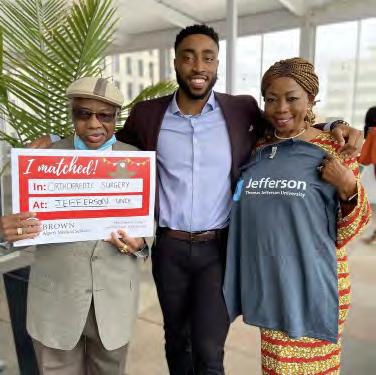
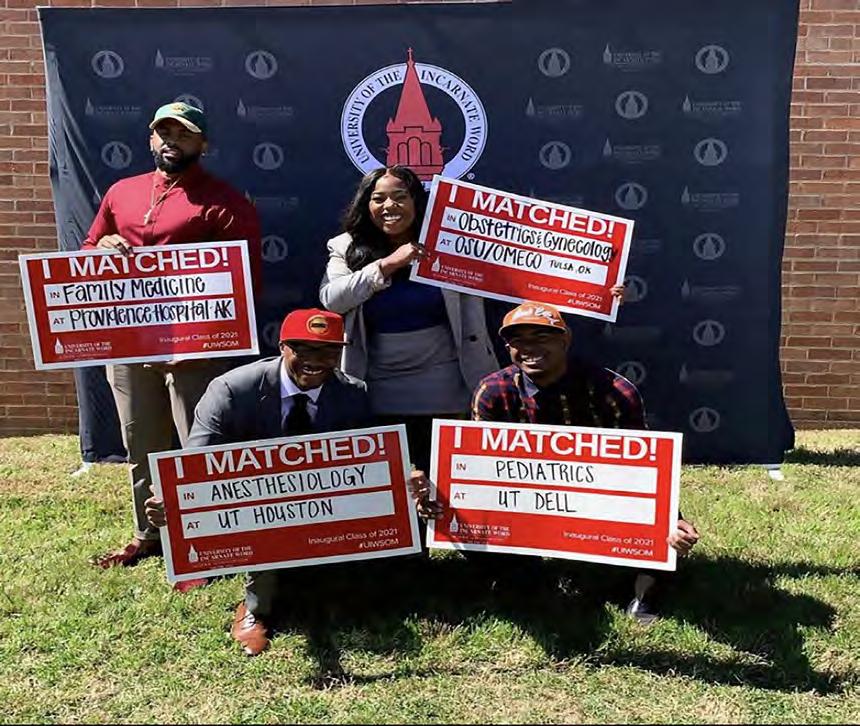
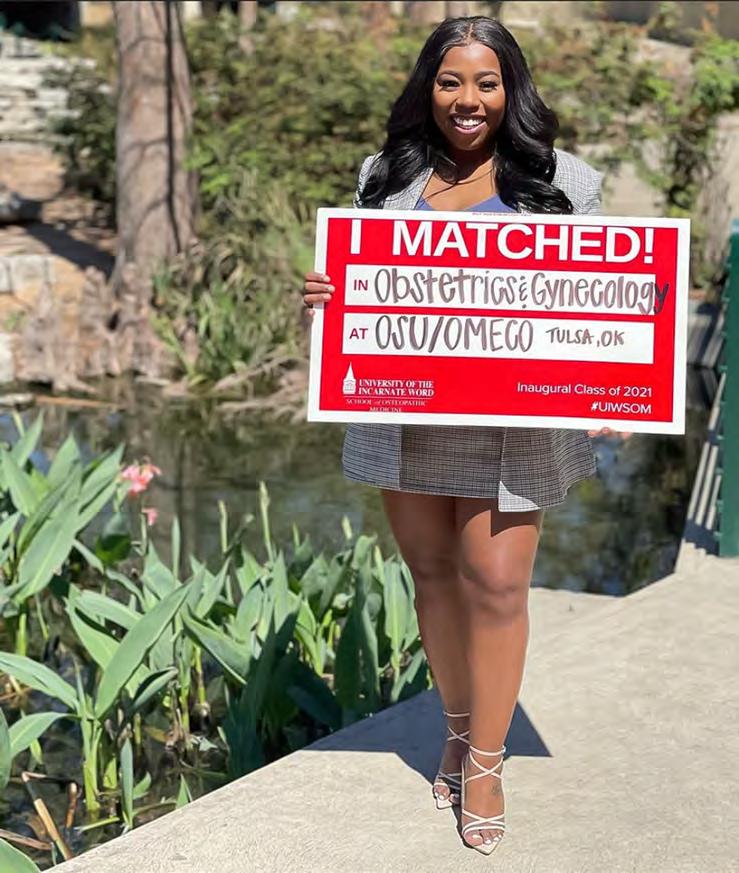
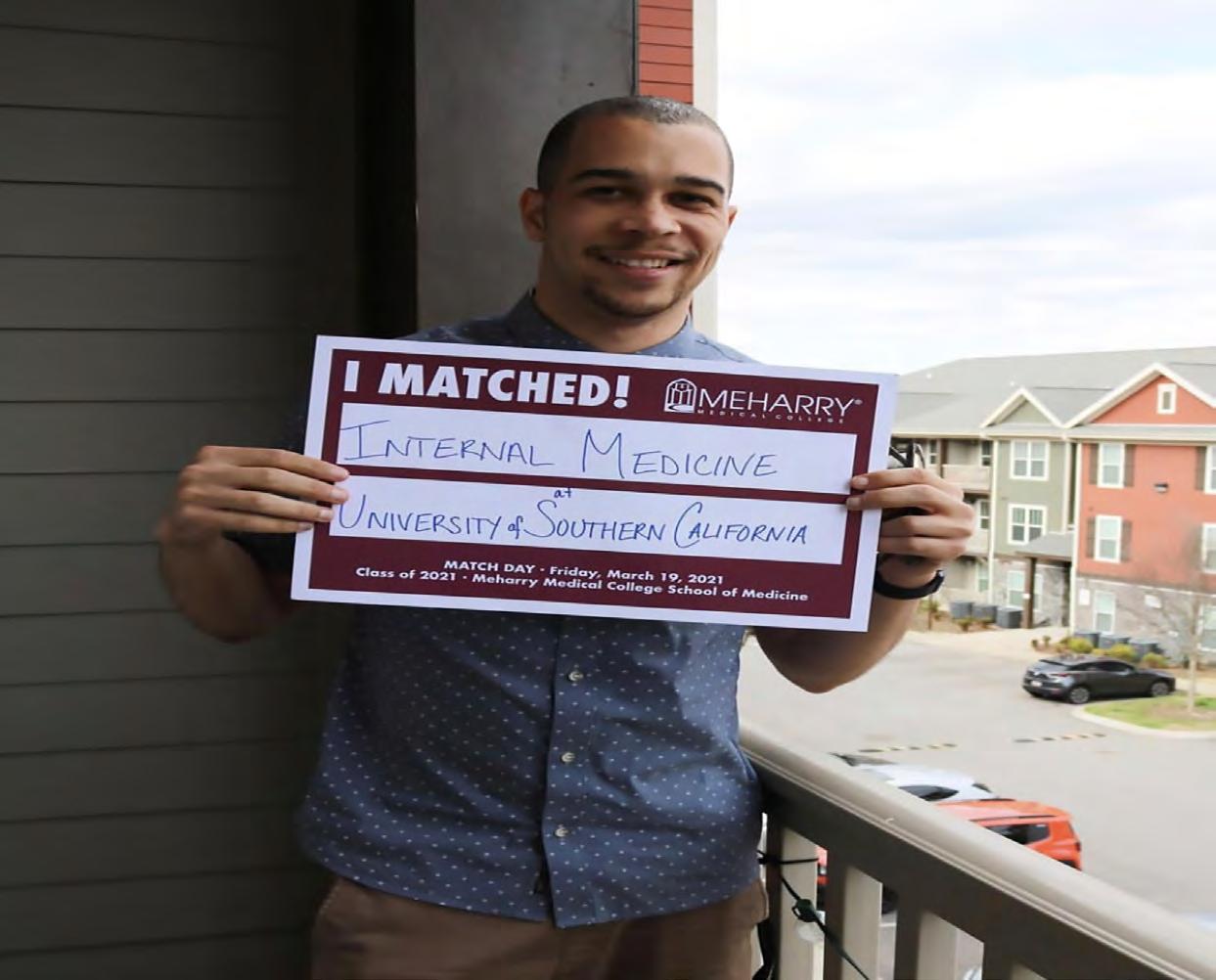
#MATCHDAY2021
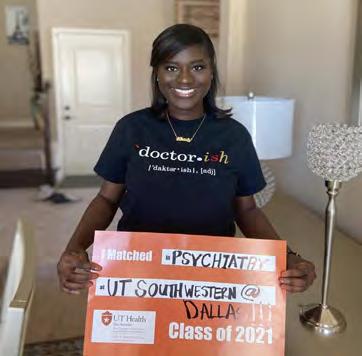

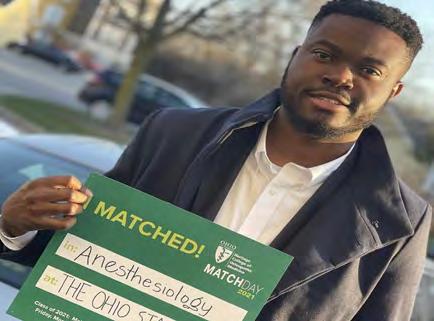
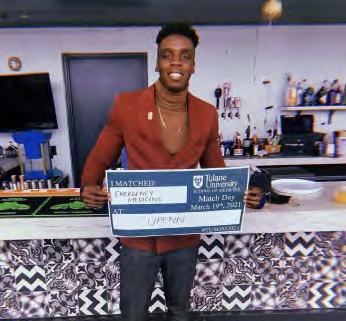
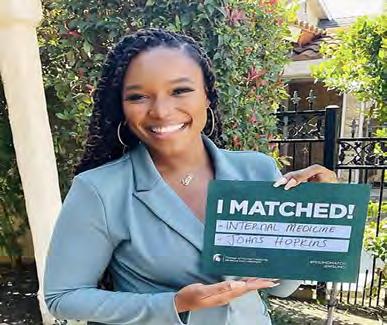
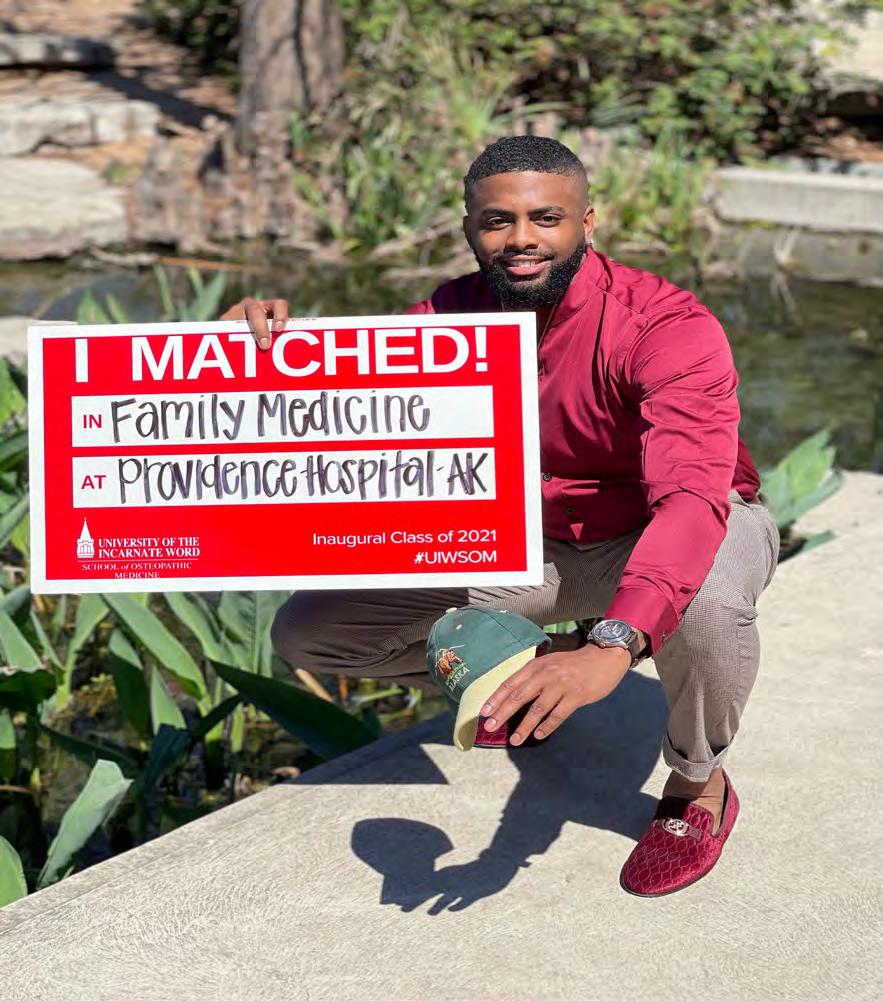

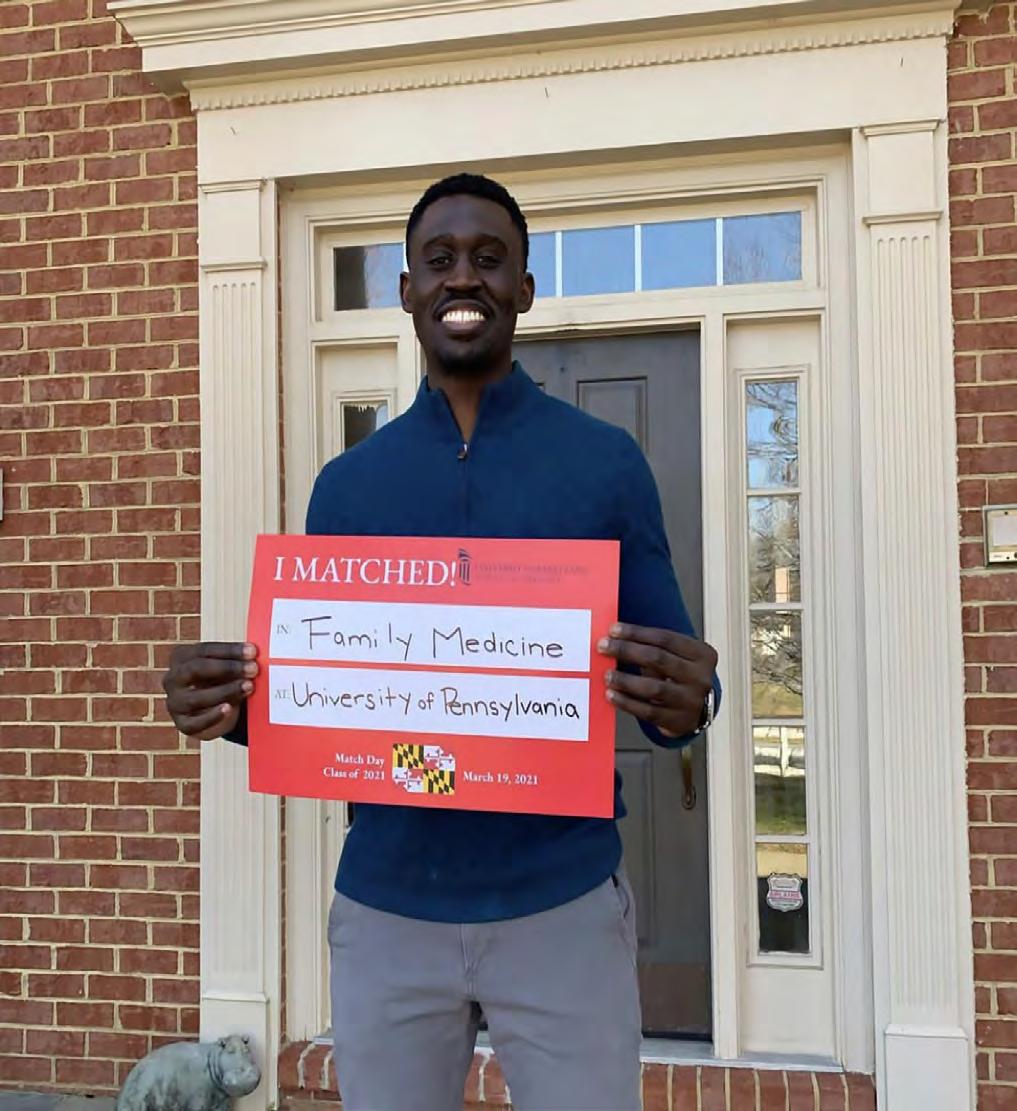
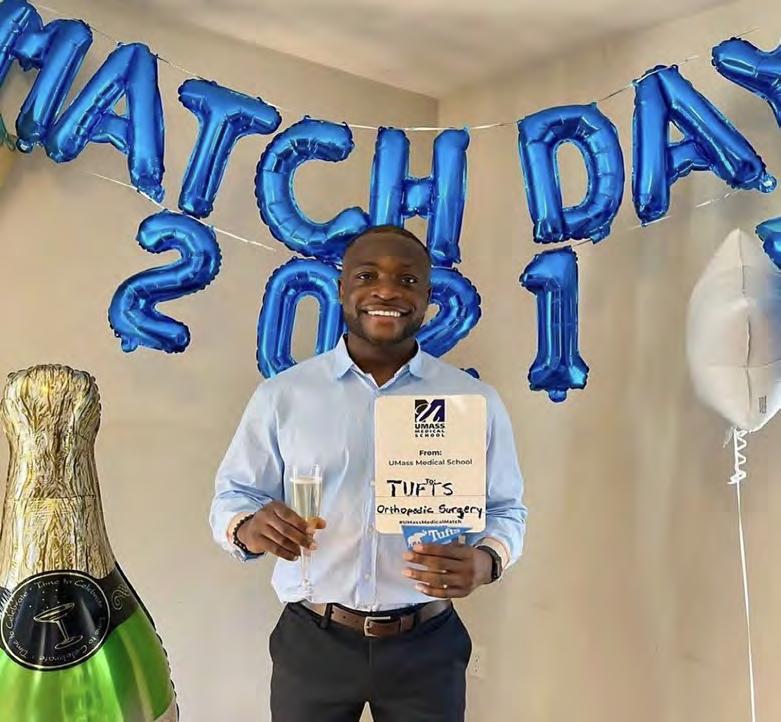
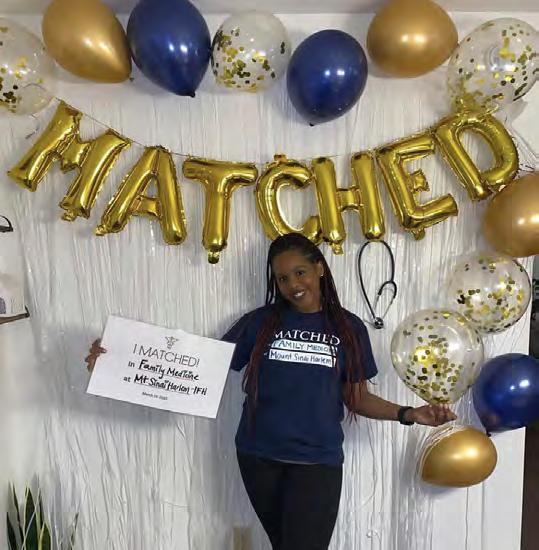

JUAN CARLOS ARMSTRONG, BS (MS-2, SNMA VICE PRESIDENT) – “ARMSTRONG JC”
KENDRA D. MOORE, BS (MS-2, SNMA PRESIDENT) – “MOORE KD”
EDWINA W. SMITH, BA, MA (MS-2, SNMA SECRETARY) – “SMITH EW”
ROXIE Y. LAZO GONZALEZ, BS (MS-2, SNMA TREASURER) – “LAZO GONZALEZ RY”
BONZO K. REDDICK MD, MPH (ASSOCIATE DEAN OF DIVERSITY & INCLUSION, SNMA LIFETIME MEMBER, NMA MEMBER) – “REDDICK BK”
in the spring semester of 2020, we found ourselves, like the rest of the world, facing the uncertainty of a global pandemic that would change our lives forever. The Severe Acute Respiratory Syndrome Coronavirus 2 (SARS-CoV-2), the virus that causes COVID-19, was spreading globally at a pace that our country had not seen since the Spanish Flu pandemic more than a century before. As COVID-19 reached the United States, it began to disproportionately take the lives of Black, Native American, and Hispanic/Latinx people. As this was occurring, three homicides of unarmed Black people and other events related to the pandemic further rocked our worlds:
February 23, 2020 – Ahmaud Arbery was shot to death by a group of vigilantes who wrongly accused him of burglarizing construction sites. This death occurred in Brunswick, GA, approximately an hour drive from our campus in Savannah, GA, where the authors currently live.
March 13, 2020 – While asleep in her bed, emergency medical technician Breonna Taylor was shot and killed by police officers serving a “no-knock” warrant while looking for someone who did not reside at Ms. Taylor’s home and who was already in custody.
March 16, 2020 – Mercer University School of Medicine converted to online learning after the COVID-19 pandemic reached Georgia; a week later, the local public schools would end in-person
learning on March 23, 2020.
April 7, 2020 – At a press conference Dr. Anthony Fauci, a leader of the White House Coronavirus Task Force, described how the pandemic was shining a light on weaknesses in our healthcare system. He said, “health disparities have always existed for the African American community, but here again with the crisis now, it’s shining a bright light on how unacceptable that is. Because yet again, when you have a situation like the coronavirus, they are suffering disproportionately.”
May 5, 2020 – The video of Ahmaud Arbery’s murder was released.
May 25, 2020 – George Floyd was killed on video by a police officer who knelt on his neck for 8 minutes and 46 seconds, the final 2 minutes of which he was completely motionless.
Amid the national outrage that ensued, our student leaders expressed disappointment that it took a pandemic to highlight the societal inequities in criminal justice and healthcare that have existed for years. Jerry Brewer of the Washington Post described a movement across the country caused by the “escalating pandemic combined with heightened tension and awareness of racism.”
The Student National Medical Association (SNMA) channeled this energy and helped implement an institutional Health Equity Action Plan that would change our institution forever.
Like many students from around the country, our medical students held White Coats for Black Lives demonstrations on all three of our campuses on June 5, 2020 to demand change in the way minority and marginalized communities are treated in this country. Our Latino Medical Student Association (LMSA) and Medical Student Pride Alliance (MSPA) joined SNMA to organize this event, which was also attended by faculty members, resident physicians, and associate deans. The medical school responded, and the Office of Student Affairs hosted a Student Town Hall on Race Relations with questions organized and presented by our SNMA members. This event was a success and led to a subsequent Faculty Town Hall on Race Relations two months later. The three themes that emerged from the town halls were the need for a more robust health equity curriculum, a desire for a more inclusive campus environment, and a plan to significantly bolster our pipeline for underrepresented minority (URM) students.
The mission of our medical school is to educate physicians to meet the primary care and health care needs of the rural and medically underserved people of our state. We utilized a health equity lens that demonstrated how our health equity action plan would help to achieve our school’s mission, thus allowing us to successfully obtain institutional buy-in for our plans.
For our incoming students, the SNMA leadership organized an AntiBias Curriculum that was held in August 2020 during our newstudent orientation week. This was inspired by Naomi Nkinsi and Elizabeth Stein, students at the University of Washington
who were gracious enough to share some elements of their Anti-Racism Curriculum with us. This was met with an overwhelmingly positive response from students of all racial and ethnic backgrounds, which led to increased student participation in the Curriculum & Instruction Committee (CIC) of our medical school. The CIC expressed a desire to integrate a longitudinal curriculum that focused on social determinants of health (SDoH), which was fast-tracked with institutional support so that it could be implemented during this academic year.
For the cardiovascular, pulmonary, and renal modules of our curriculum, there is now increasing focus on SDoH with less focus on racebased medicine. Our affiliated hospital organizations no longer use race-based equations to estimate kidney function, and our students learn that doing so leads to health inequities in outcomes for chronic kidney disease. When learning about the race corrections for calculating heart disease risk or lung function, our medical school instructors now teach that racial differences in health outcomes are caused by social factors, not by genetic or biological patterns. Our institution recently implemented a mandatory SDoH preparatory lecture for all basic sciences instructors who teach in our small group, problem-based learning settings.
Our medical school has embraced the opportunity to teach about the relation between social factors and health outcomes whenever possible, and we now integrate SDoH as a regular part of our Student Wellness Program lecture series. This is in line with the national movement,
as exemplified by the American Medical Association last month, to teach about race as a social construct, not as a biological one.
ENVIRONMENT Immediately following the aforementioned Student Town Hall on Race Relations, our SNMA students held their first ever “Wellness Check-In.” Because of the pandemic, this was held in a virtual format via Zoom; although this was done for safety reasons, it allowed for participation by students from all three campuses, which are several hours apart by road vehicle. This created a closer connection of our underrepresented students from different campuses and led to bimonthly wellness check-ins. In addition to support on dealing with social issues such as racism or impostor syndrome, these check-ins also supported our students academically by sharing advice on how to be successful in the classroom and on the wards.
Interestingly, the conclusion of our biennial Diversity & Inclusion Climate Survey coincided with our town halls, and this led to further discussion about how to create an inclusive environment for all students. Our Student Council assigned Diversity & Inclusion representatives who were formally recognized as members of our Diversity & Inclusion Committee, a standing committee of our medical school. Our student leaders serve as amplifiers for their classmates’ voices, and they are giving valuable input as the medical school creates an institutional action plan to continue to improve the climate on our three campuses.
URM PIPELINES In 2002, eighteen years before the COVID-19 pandemic, the Institute of Medicine detailed the benefits of a diverse physician workforce. Our students developed a combination of student and faculty pipelines that will serve to increase representation of URM learners and teachers in our institution. SNMA and LMSA formed the “Bear” Essentials program (a play on the name of our mascot, the Bear), which is a multi-level initiative to increase interest and preparedness in pursuing a career in medicine.
The Bear Essentials program has hosted free quarterly webinars for undergraduate or pre-med students throughout the state, organized by our medical students with technical support from our school’s Director of Marketing and Communications. Our SNMA regional director served as a guest speaker for our inaugural webinar meeting. Our medical students will also be hosting an in-person First Look event this upcoming calendar year that will include hands-on clinical simulations, panel discussions of medical students and Admissions Committee members, and mock interviews. This planning includes contingency arrangements that will allow for social distancing if it is still needed. In just a few months, the Bear Essentials program has expanded to include pipeline programs for high school students, and it is in the process of developing a program for a group of middle school (junior high school) students.
Following the student town hall, the dean of our medical school expressed a desire to recruit future URM faculty members from an early stage,
which led our SNMA secretary to develop a faculty pipeline program known as the Students as Teachers (SaT) program. This longitudinal, four-year curriculum was formed to increase interest in academic medicine while also reviewing evidence-based methods on how to be an effective teacher. The first two sessions received positive reviews, and the Office of Faculty Affairs has assembled a task force to expand the SaT pilot into a formal program with more widespread opportunities for teaching, research, and recognition.
CONCLUSION The events of the past ten months—from February 23, 2020 to December 23, 2020—include historical occurrences that we hope to never see repeated. We simultaneously acknowledge the silver lining that these events sparked the flame of a six-month movement between June to December of this year that created permanent, meaningful change in our medical school. Our institution has recognized that the same systemic racism that causes police brutality leads to structural racism in health outcomes. We have amplified the need to address health inequities and expeditiously integrated this into our medical student curriculum. We also have the infrastructure to build a culturally competent and diverse physician workforce through our various pipeline initiatives. Our institution has expanded its financial commitment to diversity initiatives and is “putting its money where its mouth is.”
In a peculiar way, the COVID19 pandemic could be a propelling event for getting closer to achieving health equity for our medical school and for our entire state. We are
proud of this progress, and we are particularly proud that this movement was spearheaded by our SNMA students.

Laurencin CT, Walker JM. A pandemic on a pandemic: Racism and COVID-19 in Blacks. Cell Syst 2020; 11(1): 9-10.
C-SPAN. Dr. Anthony Fauci on Health Disparities in African American Community. Dr. Anthony Fauci on Health Disparities in African American Community - Bing video (last accessed December 22, 2020).
American Medical Association. New AMA policies recognize race as a social, not biological, construct. New AMA policies recognize race as a social, not biological, construct | American Medical Association (amaassn.org) (last accessed December 22, 2020).
Smedley BD, Stith AY, Nelson AR (eds). Unequal treatment: confronting racial and ethnic disparities in healthcare. Washington, DC: National Academy Press, 2002.
snma.org/JSNMA