Land Acknowledgement
The Pennsylvania State University campuses are located on the original homelands of the Erie, Haudenosaunee (Seneca, Cayuga, Onondaga, Oneida, Mohawk, and Tuscarora), Lenape (Delaware Nation, Delaware Tribe, Stockbridge-Munsee), Monongahela, Shawnee (Absentee, Eastern, and Oklahoma), Susquehannock, and Wahzhazhe (Osage) Nations. As a land grant institution, we acknowledge and honor the traditional caretakers of these lands and strive to understand and model their responsible stewardship. We also acknowledge the longer history of these lands and our place in that history.
Stuckeman School Hamer Center for
Community Design
This publication is available in alternative media on request. The University is committed to equal access to programs, facilities, admission and employment for all persons. It is the policy of the University to maintain an environment free of harassment and free of discrimination against any person because of age, race, color, ancestry, national origin, religion, creed, service in the uniformed services (as defined in state and federal law), veteran status, sex, sexual orientation, marital or family status, pregnancy, pregnancy-related conditions, physical or mental disability, gender, perceived gender, gender identity, genetic information or political ideas. Discriminatory conduct and harassment, as well as sexual misconduct and relationship violence, violates the dignity of individuals, impedes the realization of the University’s educational mission, and will not be tolerated. Direct all inquiries regarding Penn State’s nondiscrimination policy to the Office of Equal Opportunity and Access, The Pennsylvania State University, 328 Boucke Building, University Park, PA 168025901, Email: oeoa@psu.edu, Tel (814) 863-0471.
Stuckeman School Symposium 2025 - 2026
Letter from the Organizers
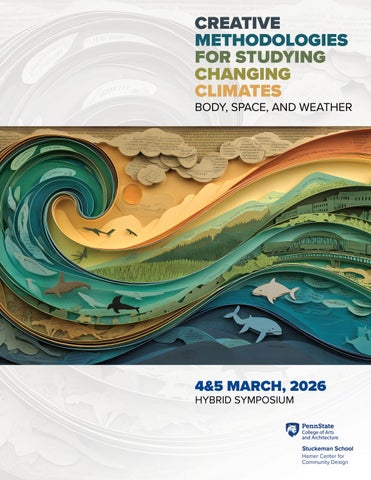
Thank you for attending the 2025-2026 Stuckeman Research Symposium—Creative Methodologies for Studying Changing Climates: Body, Space, and Weather! This two-day hybrid event explores diverse methods and knowledge forms about preparing for and living with extreme weather conditions and uncertain climate futures. Presenters, participants, and attendees represent many different disciplines from six (6) continents across the globe. Interdisciplinarity is an important aspect of this symposium. By bringing together different knowledge communities to challenge, converge, and rethink research methods, we begin to address pressing climate issues across scales, environmental threats, and livelihood domains— from combinations of more traditional methods to engagement with painting, poetry, and cosmograms, farming to flooding, and more!
Bridging the different disciplines of design, human geography, and the social sciences more broadly allows us to create a much richer understanding of how we can live with climate change. Questions surrounding knowledge, production, and ethics are central to how we can collectively address climate change—looking across methodological understandings and thinking carefully about potentially intended and unintended consequences of climate-related research.
Each day of the symposium opens with an invited keynote address. On March 4 and the morning of March 5, there will be four (4) moderated paper sessions. Day One of the symposium will also feature a poster session of lightning talks, lunch, and a hands-on workshop followed by an evening reception. The second day of the symposium includes a lunchtime panel discussion between invited guests. Symposium participants are invited to attend a featured workshop on the afternoon of March 5 to discuss future research and collaborative opportunities.
We hope you enjoy this event! We also invite you to save the date for a follow-up symposium at the University of Amsterdam on September 16-17, 2026.
Sincerely,
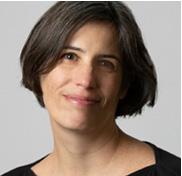
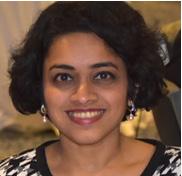
Lisa, Aparna, and Karen


and
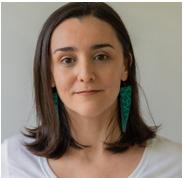

Assistant Professor of Human Geography, Planning, and International Development Studies, Co-Director of the Centre for Sustainable Development Studies, University of Amsterdam
Creative Methodologies for Studying Changing Climates: Body, Space, and Weather
Lisa D. Iulo
Director of the Hamer Center for Community Design, Professor of Architecture, Penn State
Aparna Parikh
Associate Teaching Professor of Women’s, Gender,
Sexuality Studies and Asian Studies, Penn State
Karen Paiva Henrique
Acknowledgements
The Stuckeman Research Symposium is an annual event hosted by one of the three (3) research centers in the Stuckeman School in The College of Arts and Architecture at Penn State:
• Ecology + Design (E+D)
• Hamer Center for Community Design (Hamer Center)
• Stuckeman Center for Design Computing (SCDC)
The 2025 – 2026 symposium, Creative Methodologies for Studying Changing Climates: Body, Space, and Weather, is hosted by the Hamer Center. The organizers would like to thank the research center directors; Penn State’s departments of architecture, graphic design and landscape architecture; the Stuckeman School; and The College of Arts and Architecture for their generous support of this symposium.
Special thanks also to the Hamer Center for Community Design Advisory Board and the Stuckeman School Advisory Board.
Symposium Organizers
Lisa D. Iulo
Director of the Hamer Center for Community Design, Professor of Architecture, Penn State
Aparna Parikh
Associate Teaching Professor of Women’s, Gender, and Sexuality Studies and Asian Studies, Penn State
Karen Paiva Henrique
Assistant Professor of Human Geography, Planning, and International Development Studies, Co-Director of the Centre for Sustainable Development Studies, University of Amsterdam
Keynote Speakers
Hannah Knox
Professor of Anthropology, University College London
Catherine Seavitt
Chair, Department of Landscape Architecture, Martin and Margy Meyerson Professor of Urbanism, University of Pennsylvania
Special Thanks To
Chingwen Cheng
Stuckeman School Director and Professor of Landscape Architecture, Penn State
Mallika Bose
Associate Dean for Research, Creative Activity, and Graduate Studies, Professor of Landscape Architecture, Penn State
Marketing and Communications
Brian Reed, Creative Director, Stuckeman School
Jeremy E. Lynn, B.Arch Student (2026), Penn State
Stuckeman School Symposium 2025 - 2026
Day One: March 4, 2026
Welcome Remarks and Introduction of Symposium
Keynote address by Hannah Knox, Professor of Anthropology, University College London (remote)
Coffee Break
Paper Session 1: Feeling, Sensing, and Embodying Climates
Lunch and Poster Session
Paper Session 2: Countering Epistemic Hierarchies in Climate Knowledge
Coffee Break
Paper Session 3: Bridging Environmental Knowledge in Research and Design Knowledge
Workshop: Planning for Water
Reception
Day Two: March 5, 2026
Coffee Break
Keynote address by Catherine Seavitt, Chair, Department of Landscape Architecture, Martin and Margy Meyerson Professor of Urbanism, University of Pennsylvania (in person)
Paper Session 4: Enunciating Climate Temporalities: Rhythms, Speculations, Futures
Lunch and Panel Discussion
Working Groups
Coffee and Registration 8:00-8:30AM 8:30-9:00AM 8:30-9:00AM 9:00-10:15AM 9:00-10:15AM 10:15-10:30AM 10:30AM-12:15PM 10:30AM-12:00PM 12:00-1:30PM 1:30PM 12:15-1:30PM 1:30-3:00PM 3:00-3:15PM 3:15-5:00PM 5:00-6:00PM 6:00PM
Creative Methodologies for Studying Changing Climates: Body, Space, and Weather


Day 1 - Wednesday, March 4
Keynote Address:
Hannah Knox Professor of Anthropology, University College London (remote)

Introduction of Keynote Speaker: Karen Paiva Henrique



Engaging Engagement: On the Relational Commitments of Creative Climate Interventions
In this talk, I reflect on the emerging centrality of ‘engagement’ to effective action on climate change. Rather than focusing on why public engagement on climate change is so important or why it often doesn’t work, my interest is in more fundamental questions about the relational commitments articulated by a turn to engagement in the first place. Building on recent research with community energy groups in the UK, I explore the link between the material challenges of climate change/energy decarbonization and the demands for engagement that this draws forth. I also reflect on my own entanglement in these dynamics, which have culminated in the production of a creative, co-designed engagement object called The Travelling Power Station. Drawing on both my research and the experience of bringing The Travelling Power Station into being, I propose a materially attentive approach to understanding engagement, that looks not only to questions of representation and voice but also to atmospheres, attunements and energies as a key part of what engagement is, and what it means for it to be realised.

Paper Session 1: Feeling, Sensing, and Embodying Climates
Moderator:
Danielle Zoe Rivera
Bodies and Disasters: Arts-Based Approaches to Disaster Anthropology in South Africa
Emily Ragus, University of Amsterdam (remote)
Disasters are occurring with increasing severity and frequency around the world. Yet, understanding their human impact remains difficult, since the trauma people experience often limits what can be expressed or shared. In my research following the catastrophic 2022 floods in Durban, South Africa, I used arts-based methods, specifically body-mapping, to reconsider positionality and power in disaster research. Body-mapping is a participatory method where individuals trace outlines of their bodies and fill them with images, colors, and words to represent how experiences live within and across their bodies. This approach provided participants with a creative way to paint their experiences of the floods, making space for stories that might otherwise remain unspoken. It showed that arts-based methodologies enable participants to tell the stories they want to tell, offering a way to decolonize knowledge production while avoiding retraumatization. I argue that such creative and situated methods expand how we study the relationship between body, space, and climate, allowing lesser-heard stories of disasters to emerge. For disaster anthropology, the implication is that more holistic and inclusive accounts of climate change and its human consequences can take shape.
Mudlines: Expressing Inter-tidal Edges through Sound Scores and Intuitive Singing
Kate Monson, UWE, Bristol (remote)
This paper shares reflections from a place-responsive participatory arts inquiry at the estuarial edge of the River Thames in Essex, England. Estuaries are some of the most ecologically and culturally rich landscapes on earth; they are also some of the most threatened. Land reclamation, pollution, urban development and flood defence engineering mean that over 50% of the world’s estuaries have been directly altered by humans; all are at risk from climate change and sea level rise. In response, mudlines pays attention to the shrinking edge of the wet-landscape around Canvey Island, surfacing local knowledges, practices, and stories through collaborative sound and intuitive singing.
The Thames Estuary is excessively muddy. Vital to estuarine, oceanic and terrestrial ecologies, the mud is also fundamental to the way communities local to estuaries have developed and endure. Yet, neither culturally nor ecologically valued, it is this same mud that legitimises their damage. Victim of an enduring logic of dredge-drain-reclaim, muddy places continue to be lost at a terrifying rate—three times faster than that of forests. In England alone, 90% of wetlands have been vanquished since the Industrial Revolution.
Neither wet-nor-land, this is a place of both-and-between where linear space and time dissolve into emergent multiplicity, tentative and evolving. Inspired by Neimanis’ concept of ‘weather writing’, where bodies become “sensitive interfaces with the weatherworld”, shifting our understanding of human entanglements in climate change, mudlines are situated place-songs that express the indeterminate encounters shaping this precarious environment and, we hope, support reshaped relationships within it.
Feeling the Climate
Yasmine Abbas, Penn State (in-person)
This paper discusses and argues for an architecture and design pedagogy that reconciliate aesthetics—from Greek aisthētikos, from aisthēta ‘perceptible things’, from aisthesthai ‘perceive’—and performance values to make more tangible the impact of climate change. It reflects on a decade-long embodied teaching practice that creatively explores how to ‘feel the climate,’ through an investigation of the poetics of ambiances/atmospheres, their effects on bodies and minds, and their potential for innovative spatial design. The paper introduces a ‘model of ambiances’ organized around the four drivers of an atmospheric design position and proposition: climate, material culture, performance, and physiology/psychology; meant to guide (young) designers to identify their atmospheric “banquet table” (Whiting, 2013). For example, the Blur building by Diller and Scofidio + Renfro (2002) is an instance of design informed by weather phenomena. The New Gourna village by Hassan Fathy represent design informed by the biotope, local material culture, social and spatial practices. The Gilardi House by Luis Barragán, (1977) is an instance of design informed by the manipulation of geometry, material phenomena and light. The “Reversible Destiny Lofts” project by Arakawa and Gin (2005) shows a design informed by an interest in the physiology and psychology of the experiencing subject. It goes without saying that these different orientations overlap—in the end, “climatic architecture” (Rahm, 2023) and the design of ambiances is a matter of engagement with and “attunement” (Pérez-Gómez , 2016) to the local context. The paper then details hybrid techniques of representations, from the ‘cartography of ambiance’ to the ‘atmospheric machine,’ a scaled architecture, engineering and science model and an art sculpture, meant for students to understand through sensing and making, fuzzy concepts such as “comfort” or “thermal delight” (Heschong, 1979) and wicked problems difficult to comprehend on one’s own. The ensemble of work discussed emerges from thematized atmospheric investigations that follow Bachelard’s teachings, whose interest in the four elements is at the crossing of “science and poetry, experiment and experience” (Oackman, 1998) and is a means to open our spatial imagination.
Enduring Absence: Piecing Climate Knowledges in Urban India and Brazil
Aparna Parikh, Penn State (in person) & Karen Paiva Henrique, University of Amsterdam (online)
Critical geographers have long highlighted persistent absences in how cities are studied and built and its implications for addressing global climate change. This work has called attention to voices consistently missing in climate policy and its associated effects on invisibilizing and further harming already marginalized groups and their embodied experiences of being and becoming with changing climates. Building on robust efforts to confront absences by prioritizing perspectives of those at the margins through mixed methods, this paper aims to stay with the absence and explore how we can do so methodologically.
We ask: What happens when we center and develop interdisciplinary methodological tools to address absence? We approach this question from cases in urban India and Brazil. Parikh addresses Mumbai’s mangrove conservation through a focus on approaches of state and nonstate institutions. Reading within the grain of these narratives, the author observes a persistent absence of indigenous Koli fisherwomen’s perspectives and embodied engagement with mangrove ecologies. Centering absences reorients us to observe unexpected alliances and constrained environmental imaginaries. Henrique focuses on efforts to trace infrastructural networks for flood control in Porto Alegre. Following attempts to locate historical infrastructural records and their associated epistemic gaps in the aftermath of the 2024 floods, the author examines how cross-disciplinary methodologies can be leveraged to (re)construct records otherwise. Embracing emerging absences in official records, she argues, provides opportunities to produce ‘thicker records’ that bridge technical and embodied (material) knowledges of living with urban flood risk.
Ultimately, we take absence seriously. We explore how mixing methods from distinct yet allied fields allows us to visualize, engage with, and confront enduring absences and the opportunities it generates in building more just urban climate futures.
Stuckeman School Symposium 2025 - 2026

Poster
Session and Lunch
Moderator: Lisa D. Iulo
Urban Forests Risk Under Future Climate Scenarios
Mingxuan Wan, Penn State (in-person)
Urban forests face growth and survival risks from climate change, threatening the essential ecosystem services they provide. In this study, we developed a novel framework to identify tree species and areas most vulnerable to climate impacts using Baltimore City, USA, as a case study. For 306 tree species recorded in Baltimore’s urban forest, we estimated realized climatic niches using global occurrence records and six climate variables (i.e., mean annual temperature, MAT; maximum temperature of the warmest month, MTWM; minimum temperature of the coldest month, MTCM; annual precipitation, AP; precipitation of the driest quarter, PWQ; and precipitation of the warmest quarter, PWQ) under baseline conditions (1970–2000). Integrating ecological data, spatial modeling, and climate projections, we mapped climate risk areas under multiple future scenarios (SSP126, SSP245, and SSP585) by 2050 and 2070. Our approach provides insights and actionable urban planning and management strategies by connecting scientific knowledge with community and municipal decision-making, guiding species selection, informing adaptive strategies, and highlighting areas that require monitoring and prioritized management. This work exemplifies the integration of interdisciplinary strategies, ecological knowledge, and practical action to strengthen urban ecosystem resilience in collaboration with community stakeholders.
Uneven Climate Adaptation and the Politics of Gender Mainstreaming in Sri Lanka’s dry zone: A feminist political ecology approach
Nethmi Bathige, Penn State (in-person)
Over the past two decades, gender mainstreaming has been adopted as a central component of climate change adaptation interventions around the world. Women farmers in Sri Lanka’s North Central dry zone region have been described as particularly vulnerable and in need of climate adaptation interventions due to rainfall variabilities which have had pronounced impact on agrarian communities. This paper draws upon insights from feminist political ecology and literature on the politics of climate change adaptation to develop an approach for understanding uneven adaptation through an intersectional lens. Here, I present findings on how adaptation programs frame ideal adaptation subjects, and how gender mainstreaming efforts produce uneven labor burdens for female farmers participating in the climate adaptation project. I use a combination of methods which includes mental maps and qualitative semi-structured interviews, to de-emphasize the so-called positivist stances which currently govern adaptation interventions. By focusing on a major climate change adaptation project in Sri Lanka’s dry zone, this paper demonstrates feminist political ecology is a useful approach to not only understand how social, economic and ecological differences are produced between farmers but also how pre-existing vulnerability may contribute to uneven adaptation outcomes.
School Symposium 2025 - 2026
Reconstructing Late Quaternary Hydroclimate and Vegetation Change in the South - Central Andean highlands: Evidence from Fossil Rodent Middens
Alejandra Domic, Penn State (in-person)
Drylands are ecologically and economically valuable, but these regions are particularly vulnerable to land use intensification and anthropogenic climate change. For instance, the semiarid Andes is projected to shift into a novel climate regime, conditions that have no past analogue in the region. The lack of a historical precedent critically undermines the reliability of ecological models, posing major challenges to formulate effective conservation strategies. In this study, we conducted a paleoenvironmental reconstruction using 29 radiocarbon-dated fossil rodent middens recovered from Sajama National Park (18°S), Bolivia. The fossil pollen record shows multi-centennial hydroclimatic anomalies during the last millennium, with drier than present phases at ~1,145-685, ~517, and 200-57 cal yrs BP. Drier conditions from the pollen record overlap with the Medieval Climate Anomaly (1050-600 years BP). An intensification of pastoralism is evidenced by an increase in fire activity and a rise in the abundance of larger herbivores during the last ~1,150 years. The precipitation reconstruction, supported by existing regional hydroclimatic records from the Altiplano and western Andes, confirms that vegetation turnover at Sajama during the last two millennia was primarily driven by human activity and long-term changes in the strength of the South American Summer Monsoon (SASM) and, to a lesser extent, by El Niño-like (ENSO) conditions.
Using Ethnography and Autoethnography to Design Inclusive and Accessible Wayfinding System
Rojina Azadi & Ting Yun Chern, Penn State (in-person)
The goal of this project was to help pedestrians in downtown State College navigate space safely and confidently during construction, while communicating that local stores were still operating. Collaborators included the State College Borough, Downtown State College, the Sustainable Communities Collaborative, and ART570 Graduate Studio, a graphic design course in the Stuckeman School at Penn State. We applied ethnography and autoethnography as our main research methods to discover how best to connect with the audience.
By conducting ethnographic observation downtown, we recorded how people moved through the construction area, their activity types, emotions, and levels of attention. We also reflected on our own embodied experiences, documenting moments of hesitation and anxiety, and identifying what triggered those emotions. In addition, we analyzed behavioral patterns such as group size, transportation type, and observed demographics.
We found that many pedestrians were not focused on navigation signage but on their phones. We also observed a large population of international students, and through autoethnography, we related to the challenge of navigating space when faced with language barriers. In response, we developed iconographic posters inspired by international signage to reduce reliance on text. Recognizing short attention spans, we incorporated humorous language and designed “Look Up” signage to re-engage pedestrians.
Drawing from feminist ethnography and feminist data visualization principles, we foreground power, consider emotion and context, and examine how pedestrians navigate around construction barriers and unclear detours. By centering marginalized users, including visually impaired pedestrians and non-native speakers, we informed design decisions such as highcontrast palettes and enlarged icons to enhance accessibility. This project was not only about designing for people but trying to design with people through observation that enables us to listen and respond to real needs.
Expanding the Boundaries of (Our) Lived Experiences: Storytelling as a Feminist Practice of Knowledge Sharing
Ariadna Romans i Torrent, University of Amsterdam (remote)
How many times have we heard that a paper, though necessary, is insufficient to communicate with a broader audience? While publishing academically remains essential, scholars increasingly explore alternative modes of engagement that honor social commitments and make knowledge production more reciprocal. I position myself within this movement as both learner and contributor.
Feminist scholars have long conceptualised storytelling as a political and epistemological practice. Gloria Anzaldúa conceives of storytelling as a border-crossing method that challenges colonial and patriarchal narratives (La Frontera, 1987). Audre Lorde insists that poetry is an act of survival that articulates what is often silenced (Sister Outsider, 1984). Sara Ahmed demonstrates how emotions circulate through stories, shaping experiences of belonging and exclusion (The Cultural Politics of Emotion, 2004), while bell hooks highlights the transformative potential of personal narratives (Talking Back, 1989). Similarly, Donna Haraway views storytelling as central to situated knowledge production, a way of “staying with the trouble” (Staying with the Trouble, 2016).
To embed storytelling within research, it is crucial to explore its material and sensory dimensions through artistic, craft-based, and other co-creative embodied methodologies. Drawing on these perspectives, I propose the use of zines as collaborative storytelling devices that mediate between embodied experience and research outputs. Through workshops such as ‘Storying Climate (Through) Mobilities’ (Amsterdam, 2024) and Liquid Entanglements (Makassar, 2025), I am to explore how zines have fostered relationships between body, space, and weather, contributing to more situated understandings of, for example, how communities live with climate change.
Community and Agricultural Design Solutions to Climate-Induced Food Insecurity in South-Central Tanzania
Julia Li, Penn State (in-person)
Residing between the highly biodiverse Udzungwa Mountains National Park to the east and the vast commercial sugarcane fields of the Kilombero Sugar Company Limited to the west, Mang’ula B is a rural village in the Kilombero Valley of south-central Tanzania. Local subsistence farmers in Mang’ula B focus heavily on rainfed production of rice, and they are increasingly competing with each other and with biodiversity conservation and commercial agriculture efforts for key resources, including water, which in the worst case is exacerbated in years of extreme drought or flooding. Farmers have sounded the alarm over increasingly irregular rainfall patterns that are putting themselves and their families at increased risk of food and income insecurity. However, few studies have sought to understand if and how local quantitative precipitation data supports farmer observations. The first part of this study analyzes Climate Hazards Group InfraRed Precipitation with Station data (CHIRPS) rainfall datasets for the 1981/1982 - 2021/2022 growing seasons in the Kilombero Valley. The results reveal that 1) precipitation is a hybrid of the unimodal and bimodal semi-arid rainfall regimes; and 2) rainfall is becoming more erratic. These problems inform the second part of this study, which aims to exemplify appropriate, costeffective spatial and temporal design solutions to combat food and livelihood insecurity while protecting biodiversity and replenishing ecosystem services in the face of climate change in Mang’ula B. These solutions for large-scale farms and small-scale gardens mobilize an integrative ecoagriculture lens by overlaying crop diversification strategies with enhanced traditional water management precedent.
Urban Vegetation and Microclimate Regulation under Future Climate Scenarios: A Case Study in Viçosa, Brazil
Saraline Silva, Federal University of Viçosa (remote) & Clarissa Albrecht, Penn State (in-person)
Cities are increasingly exposed to socio-environmental impacts from climate change, with projections indicating global temperature rises exceeding 2°C by the end of the 21st century. In this context, urban vegetation plays a crucial role in mitigation and thermal regulation. This study analyzed the influence of vegetation on the thermal field of a central urban area in Viçosa, Brazil under current microclimatic conditions (2023–2024) and future climate scenarios projected by the Intergovernmental Panel on Climate Change (IPCC). The research was conducted in two stages: (1) collection of climatic data using fixed instruments and mobile transects, and (2) ENVImet microclimate simulations incorporating future warming projections and three vegetation typologies—street trees, green roofs, and vegetated facades. Field measurements showed a marked increase in air temperature compared to National Institute of Meteorology (INMET) records, particularly in summer, when temperatures reached 32.34°C, 5.49°C above reference values. Relative humidity (RH) dropped to 47.05%, 18.45% below reference levels. Simulations projected intensification of warming, with average temperatures up to 43°C and RH around 32%. Thermographic images revealed the importance of ventilation in humidity distribution: airflows carried moisture from the nearby lagoon away from the urban core, while internal streams contributed more effectively to local regulation. Simulated interventions showed modest thermal benefits (<1°C variation), underscoring the need to refine vegetation type, density, and spatial distribution. Results highlight the importance of integrating vegetation design and ecological connectivity in urban climate adaptation strategies.

Paper Session 2: Countering Epistemic Hierarchies
in Climate Knowledge
Moderator: Nancy Tuana
Weathering Exclusion: Studying Climate Governance and Embodied Knowledge in Sri Lanka’s Mannar District
Thiruni Kelegama, Oxford School of Global and Area Studies (remote)
This paper examines how climate mitigation projects reconfigure embodied relations to weather, land, and sea, contributing to methodological discussions on how to study the lived experience of climate governance. Focusing on Tamil fishing communities in Sri Lanka’s Mannar district – a post-war coastal region transformed by wind energy development – I explore how national and international climate frameworks erase local ecological knowledge even as they claim to promote sustainability.
Drawing on ethnographic fieldwork, policy analysis, and engagement with community activism, I trace how state and corporate actors privilege quantifiable metrics, such as emission targets, wind-speed data, biodiversity indices, over situated understandings of wind, tide, and season. When community testimonies are dismissed as lacking ‘scientific validity’, this reveals the epistemic hierarchies that determine whose experiences of weather and environment are legible within climate action.
Methodologically, the paper approaches these dynamics through the sensory and spatial registers of everyday life – how people navigate winds, read sea currents, and embody weather as knowledge. By attending to these practices, I propose an approach to studying changing climates that bridges ethnographic attention to lived experience with critical analysis of how technocratic governance organises who can know, feel, and inhabit environmental change.
Towards a Place-Based Framework for Analyzing and Mapping Heat Vulnerability – A case study in Belém, Brazil
Lara Garcia, Penn State (in-person)
The state of the art in heat vulnerability assessments is rooted in the Intergovernmental Panel on Climate Change’s evolving definition of vulnerability as the interplay of heat exposure, socioeconomic sensitivity, and mitigation/adaptation capacities. Conventional heat vulnerability assessments often rely too heavily on generalized quantitative methods to capture the abstract nature of heat vulnerability. While aggregating land surface temperature estimates, demographic factors, and the availability and coverage of green spaces as mitigation capacities, such one-sizefits-all approaches often overlook how localized social, cultural, and built environment factors shape vulnerability on the ground and the capacity to adapt.
As a way forward, this study proposes integrating grounded theory methods that capture insights from local experts with geospatial techniques to develop a place-based heat vulnerability framework for Belém, Brazil, with a focus on comparing favelas and public housing communities. By embracing the subjectivity and contextuality of vulnerability, we propose a way to bridge residents’ accounts of extreme heat lived experiences with long-range climate planning. By conducting in-depth interviews with residents and professionals in health and environmental planning, we propose a locally informed mapping workflow.
Preliminary results highlight that adaptation is closely tied to preserving the indigenous riverine way of life of Belém’s favela residents. Vulnerability is driven by inadequate access to water and sanitation, as well as economic means to afford mechanical cooling. While such results are context-specific to Belém, the proposed framework demonstrates how in-depth interviews support the conceptualization and mapping of heat vulnerability that align with residents’ lived experiences.
Displacement and Disregard: Applying Frameworks of Historical Ecology and Decolonial Time to Understand Compounding Flood Risk in the Lower Pajaro Valley
Eliza Breder, University of California Berkeley (in-person)
The Town of Pajaro and the City of Watsonville in California’s Central Valley share a watershed and history of flooding but differ in patterns of settlement and land claims. A defining trait of the historical and socio-political production of flood risk in the Pájaro Valley is the jurisdictional divide between Santa Cruz and Monterey Counties. Following the Winter Storms and levee breaches of 2023, this research unearthed four eras of flood history using historical ecological frameworks to contextualize risk and vulnerability as produced by planning and governance resulting in a compounding disaster. Materials from eight different California archives were used to delineate four eras that reveal a historical trajectory of vulnerability. These eras include the Age of Disruption (Pre-1869), the Age of Persistent Flooding (1870–1949), the Age of Levee Failures (1950–1994), and the Age of Climate Extremes (1995–2023). Each era reveals how inequitable governance and jurisdictional fragmentation perpetuate disaster vulnerability. This research demonstrates how landscapes of risk reflect past and ongoing power dynamics, property regimes, conflicts, and inequalities that have led to an erasure of non-dominant narratives from the landscape. We have identified five recurrent dynamics including politicaleconomic disincentives for levee maintenance, historical neglect of the unincorporated town of Pájaro, agricultural influence on infrastructure design, omissions from vulnerability mapping, and climate change amplifying legacy risks. This paper details how an archival method was used to center oppressed narratives found in vulnerable landscapes to repair inter-county governance procedures, funding, and communication to prevent repetition of preventable disasters.
Radical Ruralism: Commoning in the Hudson Valley
Stephanie Lee, Carnegie Mellon University [in-person]
This project examines the resurgence of collective farms and radical food systems in New York’s Hudson Valley, reframing rural space as a site of resistance, renewal, and radical reclamation. Through archival research, counter-mapping, and a short film, it explores how BIPOC-led land stewardship and agrarian organizing reconfigure relationships between body, space, and climate: foregrounding rural life as central to climate resilience.
Engaging with collective intelligence and community knowledge, the project challenges dominant models of “intelligence” rooted in colonial, capitalist, and racist paradigms. It traces a lineage of abolitionist agrarian communities—from 19th-century experiments like Nashoba and Timbuctoo to contemporary movements such as Sweet Freedom Farm, Choy Commons, and Mumbet’s Freedom Farm. These initiatives foreground sustainable agriculture not as a technical fix, but as a practice of care, justice, and collective survival.
By recognizing the rural commons as both material and experiential, the project proposes alternative infrastructures grounded in reciprocity and resilience. In doing so, it disrupts extractive models of industrial farming and offers strategies for cultivating land-based practices that center racial justice and ecological sustainability.
Ultimately, “Radical Ruralism” contributes to a more holistic understanding of how embodied, place-based methods can inform just and livable futures in the face of climate change.
Creative Methodologies for Studying Changing Climates: Body, Space, and Weather

Paper Session 3: Bridging Environmental Knowledge in Research and Design
Moderator: Stephanie Lee
Indigenous understanding of PFAS Contamination and Climate Change: A Conversation with PSU Scientist
Belén Norona, Penn State (Unable to present)
This paper explores Kichwa understandings of PFAS contamination in the sensitive primary rainforest on the northern border of the Yasuní National Park in the Amazon of Ecuador in the context of a changing climate. The Park is considered one of the most biodiverse places on earth and a key carbon sink threatened by oil extraction. Residents who remain highly reliant on fishing and local agriculture have endured 25 years of oil extractive operations. The methodologies in this paper bridge environmental engineering with Indigenous epistemology, considering the intertwined relationship between residents and forest beings affected by contamination, also known as body-territory or body-forest. Such an exercise opens the door to understanding sociospatial overlapping experiences with climate change and contamination in sensitive ecosystems: contamination, survival, contestation, forest-human healing, and opportunities for co-becoming with chemically altered forests, along with coping with changing rainfall/drought patterns. Such an understanding is produced through a mixed-methods approach, enabling a conversation among scientific data on PFAS, rainfall change patterns, and Indigenous worldviews interested in understanding contamination and climate as experienced across scales and bodies.
Climate Relief Maps: A Mixed-methods Tool to Lived Experiences of Climate Change
Mar Coll Planell, Universitat Pompeu Fabra (in-person)
Climate change is already impacting people’s lives in tangible and intangible ways worldwide. Capturing everyday lived experiences of climate change requires methodologies that go beyond traditional approaches, combining robust theoretical foundations with innovative technological solutions, as well as creative and interdisciplinary approaches. We aim to address this gap by introducing Climate Relief Maps (CRM), an innovative methodology designed to capture, analyze, and visualize everyday climate experiences through an intersectional, emotional, and geographical lens. Grounded in qualitative and feminist approaches, CRM integrates mixedmethods techniques with digital tools and GIS technology, offering a multi-layered view that highlights social, emotional, and spatial dimensions of climate change. By centering lived experiences, this methodology enables a deeper understanding of how social positions and spaces shape climate vulnerabilities and adaptation and mitigation strategies from bodies to neighborhoods. CRM advances the study of climate change by bridging the gap between environmental science and social inquiry, informing design and planning practices attuned to changing conditions on the ground, and fostering new insights into the human dimensions of the climate crisis.
Monitoring Bioreceptivity and Biodiversity in Architectural Experiments: Hybrid Methods for Studying Biodiverse Walls
Delphine Lewandowski, Penn State [in-person]
Amid the global extinction of biodiversity—driven in large part by urban expansion and the construction sector—there remains a critical gap in architectural research regarding applied methodologies to monitor how built environments influence biodiversity and material bioreceptivity. This paper addresses that gap by reflecting on creative methods developed to study the ecological dynamics of architectural systems.
Drawing from experimental research conducted during my doctoral work on biodiverse walls— vertical greening systems designed to host living organisms—it presents two complementary approaches to monitor bioreceptivity and biodiversity across time and material scales.
First, a novel method was developed to evaluate bioreceptivity, defined as the ability of construction materials to host life. By crushing and sieving three types of concrete and one fired clay brick and mixing them with plant substrates, the surface of exchange between materials, soil, and roots was increased to accelerate ecological interactions. Two mural plant species with contrasting pH tolerances were cultivated under greenhouse conditions for a year, allowing plant growth to be used as a proxy for bioreceptivity.
Second, biodiversity was monitored in situ on six full-scale masonry prototypes in Paris, where plant individuals and species were recorded seasonally over two years. This longitudinal study revealed the influence of wall orientation, humidity gradients, and substrate composition on species establishment.
Together, these experiments reveal both the potential and the methodological challenges of studying bioreceptivity and biodiversity through design experimentation, opening new ways for the architectural field to engage with ecological research.
Integrating Computational Fluid Dynamics and Design Thinking for ClimateResponsive Green Stormwater Infrastructure
Mohammad Rezvan, Penn State (in-person)
This study investigates how Computational Fluid Dynamics (CFD) can function as both an analytical and creative methodology for advancing Green Stormwater Infrastructure (GSI) under extreme and uncertain climatic conditions. Focusing on bioretention cell configurations, the research couples CFD simulations with physical flow experiments to evaluate hydrodynamic performance, including flow patterns, pollutant capture efficiency, and system resilience during intense rainfall events. By positioning simulation as an exploratory and generative design tool rather than solely a predictive instrument, this work reveals the interplay of spatial form, material properties, and fluid dynamics in shaping adaptive stormwater solutions.
The findings demonstrate that CFD-informed workflows enable designers to visualize complex hydrodynamic interactions, anticipate potential vulnerabilities, and optimize system performance in site-specific and urban-scale contexts. By bridging rigorous engineering analysis and inventive design thinking, the study illustrates a methodology for creating climate-resilient infrastructure that is both functional and experientially engaging. Ultimately, this research reframes computational simulation as a medium for inquiry, linking environmental performance, spatial adaptation, and creative exploration, and offers novel pathways for interdisciplinary approaches to water-sensitive urban design in an era of intensified climate variability.
Stuckeman School Symposium 2025 - 2026
Creative Methodologies for Studying Changing Climates: Body, Space, and Weather

Workshop:
Planning for Water
Organizer: Leann Andrews, Assistant Professor of Landscape Architecture, Penn State
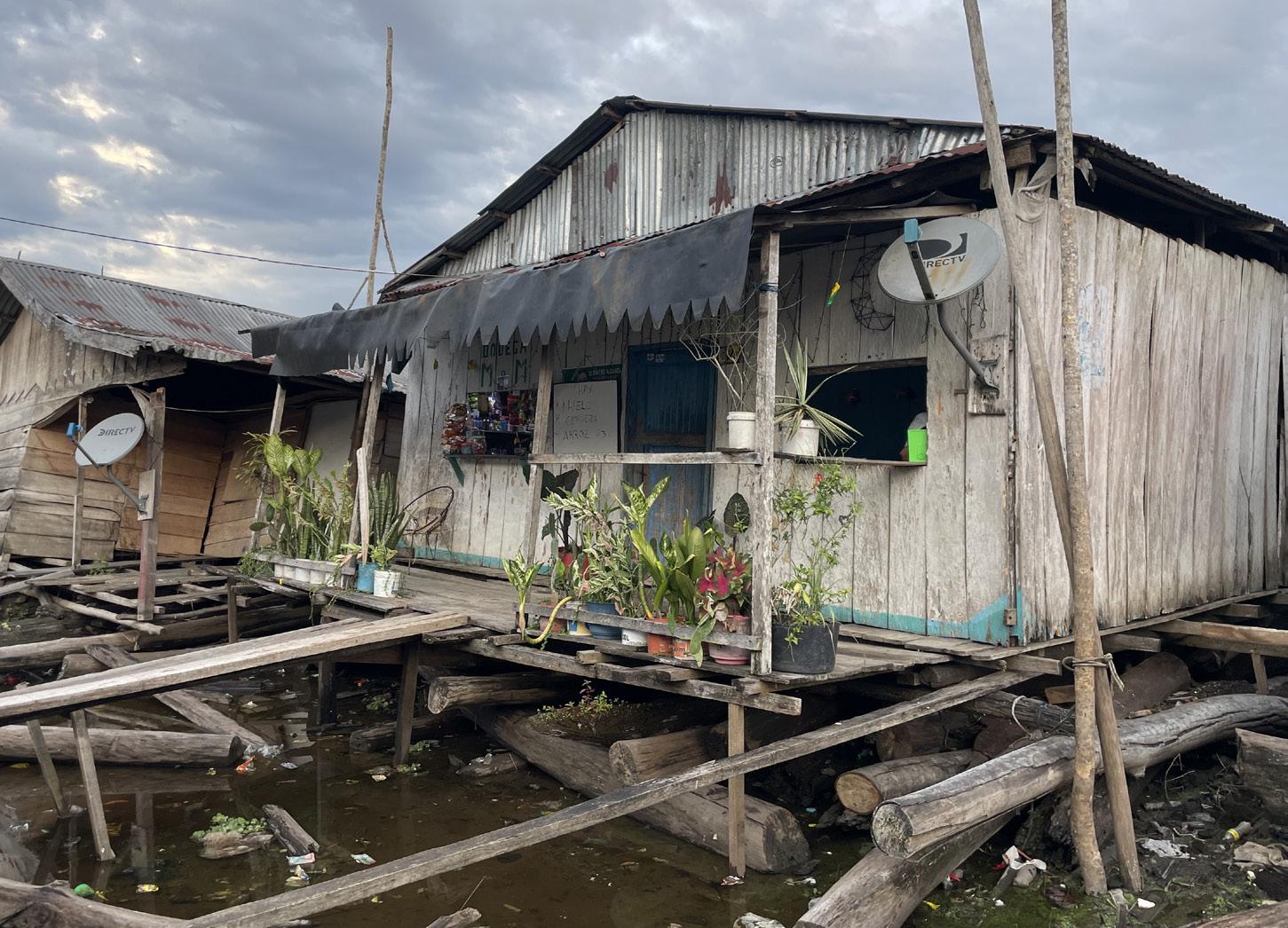

Planning for Water
Millions of people around the world live in self-built “amphibious” communities that have evolved over millennia to harmonize with dynamic floodplain ecosystems. While contemporary climate discourse often prioritizes high-tech interventions, there is also significant value in examining “Lo-TEK” approaches as resilient, sustainable responses to newfound environmental volatility.
This hands-on workshop introduces amphibious architecture and community design around the world and challenges participants to develop design solutions for everyday life scenarios using ancestral and vernacular knowledge for a changing climate.
Keynote Address:
Catherine Seavitt Chair, Department of Landscape Architecture, Martin and Margy Meyerson Professor of Urbanism, University of Pennsylvania (in-person)
Introduction of Keynote Speaker: Aparna Parikh
Plants as Inventors
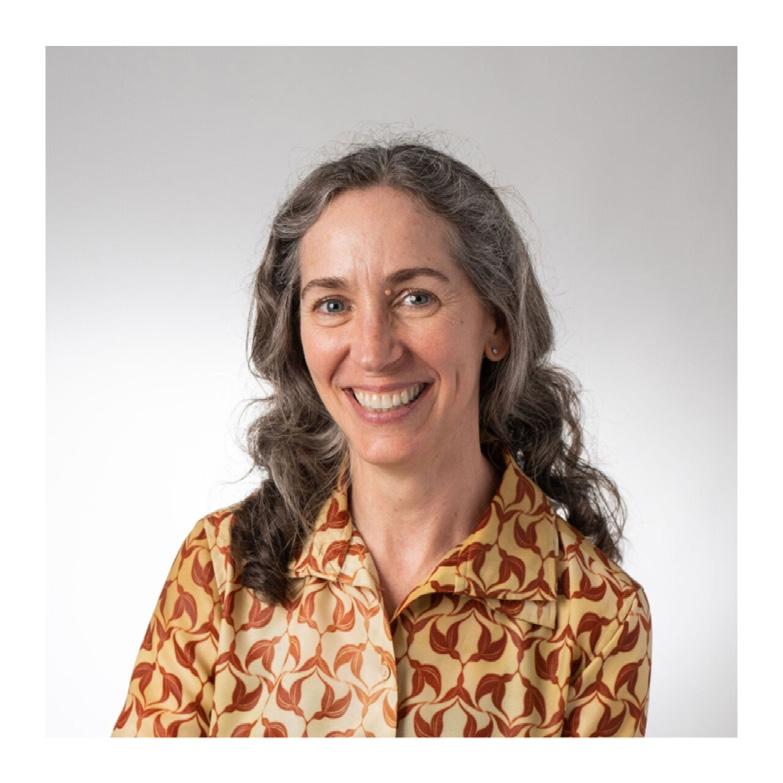
In 1863, Ralph Waldo Emerson described weeds as “plants whose virtues have not yet been discovered.” Indeed, weeds are political opportunists and inventors, more aptly described in botanical terms as “adventive” species, rather than as aliens, invasives, or exotics. The plasticity and resilience of adventive flora presents an exemplary model of new, non-normative assemblages for living in a climate-adaptive future. Plants as Inventors will explore plant parables from a group of nineteenth-century gentleman botanists from Philadelphia and New York, as well as those of the medicinal plant expert-turned-poet, the great twentieth-century Chinese writer and thinker Lu Xun.

Paper Session 4: Enunciating Climate
Temporalities: Rhythms, Speculations, Futures
Moderator: Catherine Seavitt
Worlding-as-Method: Diagnostic Drawings and Projective Models for Climate Practice
José Ibarra, Penn State (in-person)
This paper advances the cosmogram as a method that links retrospective analysis to forwardlooking speculation, without collapsing either into solutionism. Working from pre-industrial sites, the research distinguishes two outputs: (1) cosmogram drawings and (2) cosmogram models. The drawings are diagnostic and critical, consisting of layered sections that synthesize climate logics, seasonal and astronomical cues, and socio-technical practices. These drawings operate as critical instruments for assessing sites and reading how pre-industrial civilizations lived with extremes—heat swings, water scarcity, altitude—turning archives and field data into a transparent series of assumptions, measures, and interpretations. The models are projective and speculative, consisting of performative or simulation devices that translate insights from the drawings into embodied prototypes staging condensation, shadow drift, percolation, or wind shear through light, heat, air, water, and sound. Rather than propose fixes, these models create points of access to emergent tools and ancient techniques, testing how embodied encounters with weather might reorient design judgment and technological choice.
Methodologically, the paper details a four-part workflow: Baselining (ecological rhythms and cosmological calendars), Sectioning (relational drawing), Staging (performative model), and Situating (sources, limits, future uncertainties). Framed against ungrounded technological optimism, cosmograms cultivate imaginative discipline – practices that expand what design can responsibly consider while staying situated in place, time, and reciprocity. The results are shown through speculative student projects that operationalize the method in design courses. Case studies span sites in the South American Andes, Bangladesh, India, and Yemen, alongside speculative propositions for U.S. sites, illustrating portability across contexts without prescribing solutions.
Futures, Food, Flavors: How Erratic Water Shapes Plates from the Future
Heidi Mendoza, Vrije Universiteit Amsterdam, and Utrecht University (remote)
In the Peruvian Amazon, riverine communities live with constant river rhythmicity: periods when the river is low, and periods when the water rises. However, this rhythmicity can also turn into droughts and floods and disrupt communities’ ways of living and sources of livelihoods. As these events impact farming and fishing activities, riverine communities’ sources of food are also altered. In this paper, I explored drawing and storytelling sessions to foreground situated reimaginaries of the futures of food. Specifically, I worked with members of El Chino, a community along Tahuayo River in the Amazon basin. El Chino, like most Amazonian communities, is located far away from urban centers and rely on the river to access different resources. In our drawing and storytelling sessions, I asked what a plate from the future would look like and what types of food it would have. Their drawings and stories revealed intricate relationships between the river dynamics and their daily sustenance. While both droughts and floods are equally challenging for them, their drawings pointed to specific challenges for each extreme – during droughts, they expect better options for vegetables but less fish availability, while during floods they expect more fish, but lesser options for vegetables. From a methodological stance, this work illustrates how engaging in creative methods can allow a more affective and caring way of knowing: one that does not seek closure, but open possibilities.
Are Our Spatial Planning Policies and Practices Sufficient to Ensure the Resilience of Our Cities to Future Climate Change Events?
Obed Ankrah, University of South Australia (remote)
As climate change intensifies, the resilience of cities increasingly depends on how effectively spatial planning policies and practices anticipate and respond to future climatic risks. Assessing urban resilience must therefore move beyond retrospective evaluations of past responses toward forward-looking approaches that test whether current planning systems are fit-for-purpose in an uncertain climate future.
This paper explores creative methodological approaches for assessing the capacity of spatial planning systems to enable future climate resilience, using South Australia as a case study. It combines policy analysis, expert interviews, and focus group-style workshops to examine how resilience principles are embedded within planning frameworks and how these might perform under projected climatic conditions.
Drawing on human geography, planning theory, and design research, the paper advances a situated and anticipatory framework that fosters creative engagement with plausible future scenarios, institutional adaptability, and spatial experimentation. Rather than measuring resilience through past performance, the approach seeks to imagine and assess how planning practices can evolve to cope with the increasing frequency, scale, and unpredictability of climate events.
By emphasizing anticipatory planning, reflexivity, and co-creation, this research contributes a methodological pathway for evaluating the robustness and adaptability of spatial planning systems. It argues that forward-looking, cross-disciplinary inquiry is essential for transforming planning from a reactive process into a proactive, learning-oriented system capable of sustaining urban resilience in the face of escalating climate challenges.

Panel and Lunch
Reflections Looking Ahead
Moderator: Lisa D. Iulo
Panelists
Mustafa Selçuk Çidik
Associate Professor in Construction & Project Management, University College London
Brooke Hull
Assistant Professor of Graphic Design, Penn State
Karen Paiva Henrique
Assistant Professor of Human Geography, Planning, and International Development Studies, Co-director of the Centre for Sustainable Development Studies, University of Amsterdam
Lydia Kallipoliti
Associate Professor and Director, M.S. Advanced Architectural Design, Columbia University GSAPP
Aparna Parikh
Associate Teaching Professor of Women’s, Gender, and Sexuality Studies and Asian Studies, Penn State
Jaqueline Leite Riberiro Do Vale
Associate Professor in Architecture and Urbanism, Federal University of Federal University of Viçosa, Brazil.
Working Groups:
Symposium attendees are invited to discuss creative methods and outcomes through a series of workshops addressing various topics expanding holistic thinking about the role of design in collaborative research and across scales.
Creative Methodologies for Studying Changing Climates: Future Actions
Convenors: Karen Paiva Henrique, Lisa D. Iulo, & Aparna Parikh
Location: 102-103 Stuckeman Family Building
The intensification of extreme weather conditions due to anthropogenic climate change has significant, albeit uneven, impact on societies around the world. In the face of climatic threats and its multifarious effects across spatial scales, scholars and practitioners working in and across the humanities, social sciences, and design fields to advance methodological approaches to understand how individuals and societies experience environmental impacts and reshape their surrounding environments (social, cultural, material) in response to climate change. For example, individual disciplinary contributions focus on top-down and bottom-up decision-making, shape resistance movements, and catalyze transformational change; how emotions and social meaning shape engagement with environmental change; and how sensorial responses influence meaningmaking, knowledge sharing, attitudes and behaviors to avert or adapt to new climates. Yet, more work is needed to bridge these areas of knowledge and examine how diverse methodologies can reveal situated lessons of being, becoming and building with climate to offer new insights for living with exacerbated yet uncertain climate futures.
Join the symposium organizers to explore intersections of creative methods for studying changing climates and discuss a future outcomes and opportunities including a follow-up symposium at University of Amsterdam in September 2026 and a nascent publication.
Creative Methodologies for Studying Changing Climates: Body, Space, and Weather
Drawing the Unseen: Environmental Representation, Ethics, and Entanglement
Convenors: José Ibarra, Assistant Professor of Architecture, Penn State & Delphine Lenwandowski, Assistant Professor of Architecture, Penn State
Guest: Lydia Kallipoliti, Associate Professor Directing the MS in Advanced Architectural Design at Columbia University GSAPP
Location: South Forum, 2nd Floor Stuckeman Family Building & Rouse Gallery
Drawing the Unseen is a 3-hour workshop on environmental representation that treats air, light, water, sound, biological processes, and geological forces as active co-authors. The workshop investigates how drawing can function as a situated research method for engaging environmental uncertainty across scales of body, site, and territory. Following a guest lecture on the ethics and methodologies of representing environmental processes under conditions of uncertainty, participants engage in a cadavre-exquis drawing protocol. Each participant develops a distinct environmental layer – such as atmosphere, light, water, biology, or geology- which are then collectively assembled and subjected to controlled disturbances, including directed airflow, pigment flows, misting, and condensation. Through these interventions, environmental forces actively participate in shaping the drawing. The resulting composite is a co-authored “living drawing” that registers fluidity, impermanence, and transformation over time. Rather than aiming for stable depiction, the workshop foregrounds change and instability as representational logics appropriate to climate conditions, while articulating ethical positions toward human and nonhuman entanglements. Grounded in questions of cosmology and environmental values, the workshop seeds a curated, traveling exhibition drawing from workshop outputs and invited contributions.
Exploring the Use of Ethnography in the Design Research Lab: Speaking with Omari Souza and Shannon Doronio About Visual Culture, Positionality, and Ethnography as a Design Research Method
Convenor: Brooke Hull, Assistant Professor of Graphic Design, Penn State
Guests: Omari Souza, Assistant Professor, University of North Texas & Shannon Doronio, Professor and Chair, Graphic & Multimedia Design, College of the Canyons in Valencia, CA
Location: 102-103 Stuckeman Family Building
In this workshop, faculty member Brooke Hull will be joined virtually by Omari Souza and Shannon Doronio to discuss the use of ethnography and storytelling as design research methods that expand our ability to design for and with other cultures. The workshop plans to tackle the following five questions:
• How has ethnography been used in design to engage with oppressed communities?
• What the benefits and issues with the current use of ethnography within design?
• How is ethnography taught to design students, and how does this current way of teaching ethnography benefit and harm communities our students work with?
• How should the design research lab engage with ethnography as a method to benefit students and faculty in the Stuckeman School and across varying scales of community to advance the school’s community-driven mission?
• How can this workshop catalyze a lasting collaboration between scholars engaged with ethnography as a design research method?
The first hour will be spent in a hybrid panel discussion where all three designers will discuss their research and pedagogical practice, and an overall connection to ethnography as a research method. The next two hours will be virtually led by Shannon Doronio and Omari Souza. Each will use one hour to lead an activity related to their research practice and connecting to ethnography as a design research method. The workshop will conclude with a hybrid, group discussion of the panel and activities.
Regenerative architecture through earth, body & climate: creative methodologies for climate-responsive design in Brazil
Convenor: Clarissa Albrecht, Lecturer in Architecture, Penn State
Guest: Jaqueline Vale, Assistant Professor, Federal University of Viçosa, Brazil
Location: 101 Stuckeman Family Building
This workshop is an interdisciplinary, practice-based exploration of socially and climateresponsive design through embodied sensing, regenerative thinking, and experimentation with earthen materials. Grounded in the housing conditions of Nova Viçosa - a neighborhood in Viçosa, Minas Gerais, Brazil shaped by informal construction, limited infrastructure, and persistent climate challenges—the workshop focuses on both vulnerability and resilience. While the community experiences overheating, poor ventilation, and chronic moisture, it also exhibits strong social cohesion, adaptive building cultures, and longstanding familiarity with vernacular materials.
Two workshop leads with complementary expertise and shared foundations in communityengaged design will guide the experience. One, specializing in earthen construction and socio- environmental vulnerability, will introduce the broader context by presenting the housing, climatic, and material conditions of the Nova Viçosa, and by framing earth architecture as a social, atmospheric, and culturally grounded strategy. The other, focused on sustainability, ecological design, and regenerative frameworks, will lead the conceptual components, emphasizing climateresponsive design, social-ecological awareness, and regenerative design methodologies.
The workshop examines intersections and synergies across scales—body, space, weather— through the agency of soil, in the context of a vulnerable community in the Global South, aligning with the with the symposium theme “Creative Methodologies for Studying Changing Climates –Body, Space and Weather”.
Social Value in the Built Environment: ‘Within’ and ‘Through’ the Construction Project Lifecycle
Convenor: Alexandra Staub, Professor of Architecture, Penn State
Guests: Dr. Selçuk Çidik, Associate Professor in Construction & Project Management, UCL Barlett School of Sustainable Construction, University College of London & Dr. Daniella Troje, Senior Lecturer in Architecture and Civil Engineering, Chalmers University of Technology, Sweden
Location: Architecture and Landscape Architecture Library Duff Instructional Space, 111 Stuckeman Family Building
This workshop will serve to develop multidisciplinary manuscripts for a Special Issue of Construction Management and Economics, a leading academic Journal published by Routledge. The Special Issue frames construction projects as central to theorizing social value in the built environment across different scales and timeframes. Specifically, it explores social value ‘within’ construction projects—how it is understood, negotiated, and practiced by diverse project actors including planners, designers, contractors, project managers, clients, and local communities—and ‘through’ construction projects—how projects relate to, shape, and are shaped by broader spatial, societal, and institutional systems. Construction projects thus represent dynamic settings across their full lifecycles (i.e., from planning and design through to use, reuse, and decommissioning) where multiple professional, organizational, and community agendas converge and where ideas of value are contested, translated, and realized in material, economic, social, and institutional forms. To develop richer theoretical perspectives on social value in the built environment, the Special Issue positions construction projects as a meeting ground for inter- and multidisciplinary inquiry. It brings together scholars from architecture, urban studies, geography, labor and organization studies, political economy, real estate, and other fields alongside construction management. Contributions will move beyond current emphases on case-based social value practices or performance benchmarking with limited theorization. Papers will treat social value as a dynamic, contested, and generative concept, capable of deepening theoretical debates across the built environment and beyond.

Hamer Center for Community Design Stuckeman School
About Us:
The Hamer Center for Community Design (Hamer Center) is an endowed center that seeks to utilize the expertise of faculty and students in the Stuckeman School to address a range of issues impacting the quality of communities, with a focus on relevance to the Commonwealth of Pennsylvania. Hamer Center activities entail two distinct but related types of undertakings: 1) applied research; and 2) theoretical investigations on issues related to community design and planning. The Hamer Center’s work addresses community-engaged design in the public interest including, but not limited to, affordable housing, energy and community resilience, and healthful and sustainable environments.