
Lent Through Her Eyes
Reflections on Hope,
Repentance, & Humility
Welcome to the 2026 season of Lent!
For Christians, this is a time of year that calls us to sacrifice and reflection. Many of us will give up junk food or try to spend less time on social media. Those sacrifices help us acknowledge where we spend our time and energy, and consider how we might make better use of those opportunities. Perhaps we can make more time for community service, keep in touch with friends and family more often, or engage in more prayerful introspection. Lent is a perfect time to renew one’s prayer life; during this season, many Christians turn to prayer books to help guide them in this endeavor.
In theology this winter, students in Discovering Women of Faith have created such a prayer book for members of our Stuart community. The book contains reflections for each Sunday of Lent, as well as many of the special holy days throughout the season, culminating in Easter. Each student chose to research a woman of faith who inspired her. Each entry includes a bio, connection to the day’s scripture, and a prayer, often composed by the student. Their selections represent a diversity of faith traditions, as well as the various themes we associate with Lent and Easter: from suffering & humility to anticipation & hope.
Our class hopes that this prayer book will provide you with meaningful reflections to enrich your life, regardless of your faith background. We wish you a very blessed Lenten journey!
Meghan Kocar Humanities
TABLE OF CONTENTS

Ash Wednesday: Joan of Arc
Fernanda Martinez-Cambero
First Sunday: Aisha Bint Abu Bakr
Haylie Park
Second Sunday: Visakha
Angela Zhang
Third Sunday: Good Samaritan Collaboration
Fourth Sunday: Teresa of Avila Jimena Mora
Fifth Sunday: Rabia
Aurelia Lopez-Spencer
Annunciation: Rose of Lima
Hadelyn Martinez-Cambero
Palm Sunday: Catherine of Siena
Sophie Bogumil
Maundy Thursday: Mother Theresa
Sophie Vernon
Good Friday (Passion): Malala
Ellery Badros
Holy Saturday: Myokei
Anna Xu
Easter: Mary Magdalene
Julia Walker
-Ash Wednesday: Joan of Arc-
Matthew 6:16-18
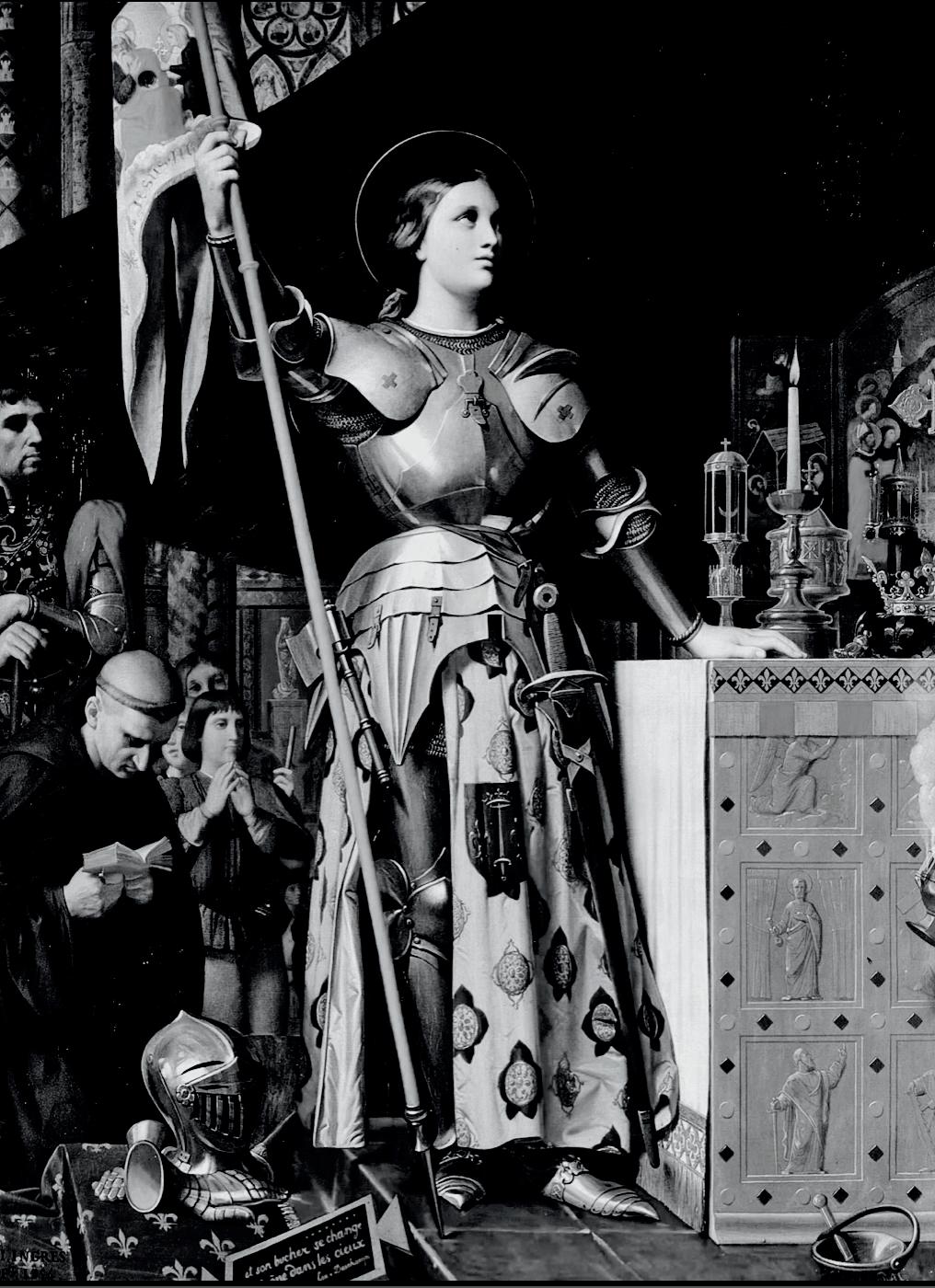
Joan of Arc was a French peasant girl from Domrémy who, convinced she was guided by divine forces St. Michael, St. Catherine, and St. Margaret, rose to lead the French to a decisive victory at Orléans in 1429 during the Hundred Years’ War. Her courage and faith helped repel English forces and later fueled the growth of French national consciousness, despite her humble origins as the daughter of a tenant farmer.
Yet Joan’s life is inseparable from the theme of mortality: her brief mission ended when she was captured by Burgundian allies of the English, tried by an ecclesiastical court, and burned at the stake at just nineteen years old.
Her death highlights the fragility of human life and brutal consequences of conflict, even for those believed to be divinely chosen. At the same time, Joan’s mortality contrasts sharply with her legacy. While her body was destroyed, her faith, sacrifice, and influence transcended death, ultimately leading to her canonization in 1920 and her lasting place in history.
Thanks and Gratitude
By Andrea Rau
Dear Patron Saint,
Thank you for accompanying me throughout the day.
And in the work that I did.
Thank you also for your guidance and your counsel.
Please help me to listen to God and to you, dear saint.
That I may do what I am called to do. Please intercede on my behalf and beg God to take all my faults and turn them into virtues.
I thank you for all you have done for me and all the things you have interceded for on my behalf. Please continue to pray for me and for all the souls who need it.
Amen.
-First Sunday: Aisha Bint Abu Bakr-
Matthew 4:1-11
Aisha bint Abu Bakr was born in 614 in Mecca Arabia (now in Saudi Arabia). She was raised in a very Islamic household with her father holding an important role in the early formation of the Muslim community. She later won over the admiration of the Prophet Muhammand (the founder of Islam) with her beauty, intelligence, and genuine warmth and became his third wife. During her marriage, several wars took place and she assisted in all of them by delivering water to Muslim fighters and caring for the injured. She even led an army at the Battle of Camel. Aisha was also known for her flawless memory and was one of the few who had the entire Qur’an memorized. This was helpful after her husband’s death as she played an essential role in helping to accurately preserve the Qur’an. Aisha will always be remembered for her contributions to the growth and development of Islam as a wife, scholar, and political leader.

In both 2025 and 2026, the Christian season of Lent largely overlaps with the Islamic month of Ramadan. During these spiritual periods, Christians and Muslims emphasize prayer, fasting, self-discipline, and reflection. The First Sunday of Lent, which marks the beginning of this reflective season, encourages Christians to prepare their hearts through intention. Similarly, Aisha bint Abu Bakr, a devout Muslim and important figure in early Islam, exemplified deep commitment to faith through prayer, learning, and adherence to Islamic traditions. Her life reflects values that closely parallel the purpose of the First Sunday of Lent.
Loving God,
During the sacred season of Lent, bring me closer to you. Prepare a place in my home and heart for silence and solitude, so that I may re-discover the grace of a prayer-full life.
Help me to fast from those things that threaten the well-being of body and soul and remind me of the grace of simplicity.
Enlarge my heart so that I give to those in need and, in so doing, re-discover the grace of gratitude and generosity. May this season be a grace-filled time to rekindle my love for and faith in you.
Amen.
-Written by Share Catholic
-Second Sunday: Viskha-
Matthew 17:1-9
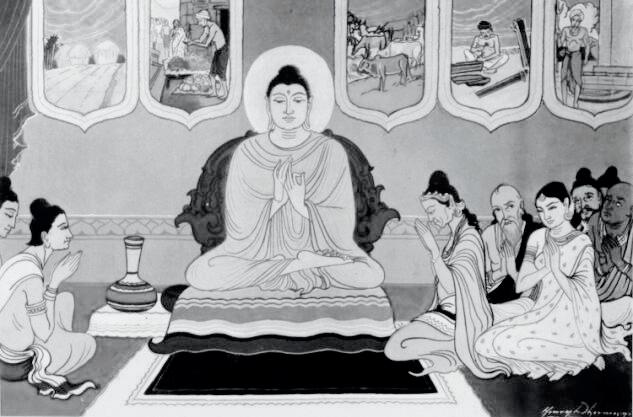
Visakha was one of the most influential women in early Buddhism and the chief female lay patron of the Buddha. She attained sotapanna, the first stage of enlightenment, at the age of seven, marking her as someone deeply grounded in wisdom and faith from a young age.
After marrying into a wealthy household, Visakha lived with her father-in-law, Migara, who was known for his greed and hostility toward Buddhist teachings. Rather than confronting him directly, Visakha chose patience and careful action. When Migara refused to offer food to monks, she invited them herself. When he mocked their presence, she responded with calm respect.
Over time, her generosity, restraint, and consistency softened his resistance. Eventually, Migara became a devoted follower of the Buddha and supported the building of the Migāramātupāsāda monastery, named in Visakha’s honor.
In the Transfiguration, Jesus is revealed not through force, but through a moment of clarity that changes how the disciples see him.
Visakha’s transformation of her father-in-law is similar to this quiet reveal. She did not pressure him into change. Instead, she allowed her faith to become visible through daily acts of generosity and patience, and his capacity for compassion slowly emerged. This Sunday of Lent invites us to consider how transformation often happens not through dramatic gestures. But through faith lived consistently, allowing others to be inspired through our actions.
Dear God,
Thank you for the gift of this day and the opportunity to make a positive impact.
I ask for the wisdom and courage to live in a way that inspires others.
Help me not just to speak of love, but to show it through my actions.
Let me be a source of encouragement, leading by example with integrity and kindness in all I do.
Let my deeds, both big and small, serve as a light to those around me.
Amen.
-Third Sunday: Samaritan Woman-
John 4: 5-42
The story of the Samaritan woman begins with Jesus’ physical need for water and ends with the Samaritan woman’s spiritual fulfillment. The context of the story, which Christians often read on the 3rd Sunday of Lent, is critical to understanding the passage: Jews and Samaritans have a centuries-old conflict. Many Jewish people of the time would have considered Samaritans outcasts. Jesus, however, stops at the well and asks the Samaritan woman for water, thereby bridging this social divide, as well as defying gender norms of the time. Jesus also brings up her sinful background and her many relationships with men. Thus, this interaction would have been uncomfortable and unexpected for the Samaritan woman. Yet, when Jesus offers her life-giving water, thereby extending the hope of salvation to someone who feels inadequate and unworthy, the Samaritan woman willingly embraces this offer. Jesus provides outreach to those who don’t feel included, while the Samaritan woman demonstrates openness to Christ. In fact, following her conversation with Jesus, she returns to town and brings others to listen to the Messiah. This passage calls us to examine our own acceptance of God’s love. The 3rd Sunday is a time when even those who do not feel worthy of God are called to thirst for him as Jesus thirsts for water at the well.

Dear God,
Help me to feel worthy of your grace.
Let me turn to you during times of hardship, and remind me that, with your unbounded forgiveness, I can move past my sins.
Inspire me to guide others to your goodness and to lift up those around me who are struggling.
Open my eyes to see the good in people, like how Jesus saw the Samaritan woman, looked past her wrong-doings, and offered her life-giving water.
Allow me to embrace your love during this Lenten season and spread it to all those around me.
In Jesus name I pray,
-Fourth Sunday: Teresa of Avila
John 9:1–41
Teresa of Avila was a Spanish nun, mystic, and one of the most important religious figures of the 16th century. She was born Teresa de Cepada y Ahumada in Avila, Spain, in 1515 and later joined the Carmelite Order despite her father’s objections. After struggling with illness early in her life, she experienced a powerful religious awakening in 1555 that deepened her spiritual commitment. Teresa believed that the Carmelite life needed to return to its original focus on poverty and contemplative prayer, so she began what became known as the Carmelite Reform. In 1562, with the approval from Pope Pius IV, she opened the first convent of this reformed order, insisting on austerity and dependence on alms rather than wealth. Even though she faced hostility and great physical hardship, Teresa founded many more convents throughout Spain and worked with St. John of the Cross to expand the reform. She also wrote influential spiritual works, including The Interior Castle and The Way of Perfection, which are still widely read today. In recognition of her impact, Teresa was canonized in 1622 and later became the first woman Doctor of the Church in 1970.
The Fourth Sunday of Lent represents spiritual renewal and strength, which reflects Teresa of Avila’s life and faith. The Fourth Sunday of Lent focuses on hope and perseverance during a challenging season, and Teresa’s journey shows how faith can grow even through struggle. As a woman who faced illness, opposition, and doubt, Teresa relied deeply on prayer to remain strong and committed to God. Her teachings encourage inner reflection and trust in God, which connect well to the purpose of Lent. Honoring her on this Sunday highlights the importance of women who lead through faith and courage. Teresa of Avila reminds readers that joy and spiritual growth are possible even in times of difficulty.
Guided by You
Lord, grant that I may always allow myself to be guided by You, always follow Your plans, and perfectly accomplish Your Holy Will. Grant that in all things, great and small, today and all the days of my life, I may do whatever You require of me. Help me respond to the slightest prompting of Your Grace, so that I may be Your trustworthy instrument for Your honour. May Your Will be done in time and in eternity by me, in me, and through me. Amen.
One of Rabia’s well-known poems, transcribed below, articulates one of her most prominent teachings. She taught about repentance and its motivation, how one should not worship God for fear of Hell or hope of Paradise, but for pure love of God Himself. To her, fear and hope hindered worship and clouded God from our hearts.
During the 5th Sunday of Lent, God calls us to remember the obedience and self-denial of Jesus and deepen our discipline and reflection in preparation for the Passion of Christ. The scriptures of this week remind us of Jesus’ power over death, hinting towards his crucifixion and resurrection in a spirit of hope and gratitude. Rabia’s deep devotion to God and expulsion of the material world serve as a model to prepare our hearts as we approach Christ’s Passion.
If I adore You out of fear of Hell, burn me in Hell!
If I adore you out of desire for Paradise, Lock me out of Paradise.
But if I adore you for Yourself alone, Do not deny to me Your eternal beauty.
-Rabia al Basri
-Annunciation: Rose of Lima-
Matthew 21:1-11
St. Rose of Lima was born in Peru. She was known for her remarkable beauty, but she did not like the attention she received from men and preferred to remain in her house in solitude. To flaw her beauty, she would rub pepper on her face and wear a silver headband with thorns on the inside. St. Rose of Lima wanted to enter a convent from an early age, but her parents would not allow it. This caused tension between her and her parents and confusion and distance from her friends. She decided to remain at home and live a secluded life, and decided not to marry. She spent her time doing needlework and gardening to earn money for her family. At the age of twenty, she joined The Third Order of St. Dominic, which converted a hut into a hermitage where she could go to pray in solitude. She made an infirmary in a room of her parents' house where she would care for the elderly and children struggling to gain access to basic needs. She died at the age of thirtyone on August 24, 1617, and was canonized by Pope Clement X in 1671. St. Rose of Lima is the first saint from the Americas. The Mass prayer on her feast day recalls her austerity of life and the fervor of her love of God.
Similar to Mary in the Annunciation, St. Rose of Lima responds to God’s call with humility and self-denial, choosing devotion and service over personal recognition. Mary and St. Rose of Lima demonstrate how accepting God’s will does not seek attention but is expressed through humble faith, personal sacrifice, and service to those in need.
We beseech thee, O Lord, pour thy grace into our hearts; that, as we have known the incarnation of thy Son Jesus Christ by the message of an angel, so by his cross and passion we may be brought unto the glory of his resurrection; through the same Jesus Christ our Lord. Amen.
-The Church of England
-Palm Sunday: Catherine of Sienna-
Matthew 21:1-11
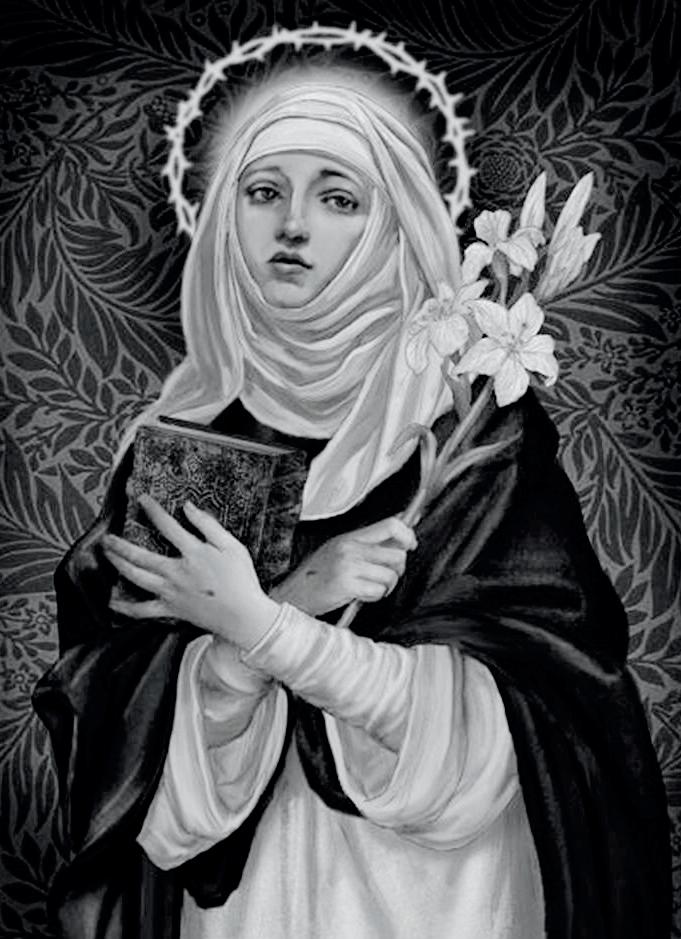
Catherine of Sienna, born 1347 and died 1380, dedicated her life to serving the poor, sick, and imprisoned. She engaged in religious conflict aiding religious leaders and priests in disagreements. She convinced Pope Gregory XI to return the papacy from Avignon to Rome. She joined the Dominican Third Order and wrote The Dialogue, a text about Christian mysticism. She fasted intensely and constantly put her life at risk when working with the sick. Catherine had many visions of Christ and miraculously healed people. She was canonized in 1461 by Pope Pius II and was declared doctor of the church, one of the first women to receive this title.
Palm Sunday is when Jesus entered Jerusalem on a donkey. The people laid palms under the donkey's feet as a symbol of honor and respect. Catherine of Sienna and Jesus embody similar values as she walked a life dedicated to God and as Jesus walked toward his crucifixion in this story. Catherine exhibited humility throughout her entire life similar to the donkey on palm sunday, representing Jesus’ humility. She also fought for peace among the religious leaders of the church like the palm branches laid under the donkey's feet, as a symbol of welcome. Catherine also brought a feeling of hope to the people she cared for, similar to what the crowd felt when they shouted “hosanna” for their savior.
-Maundy Thursday: Mother Teresa-
John 13:1-15, 34-35
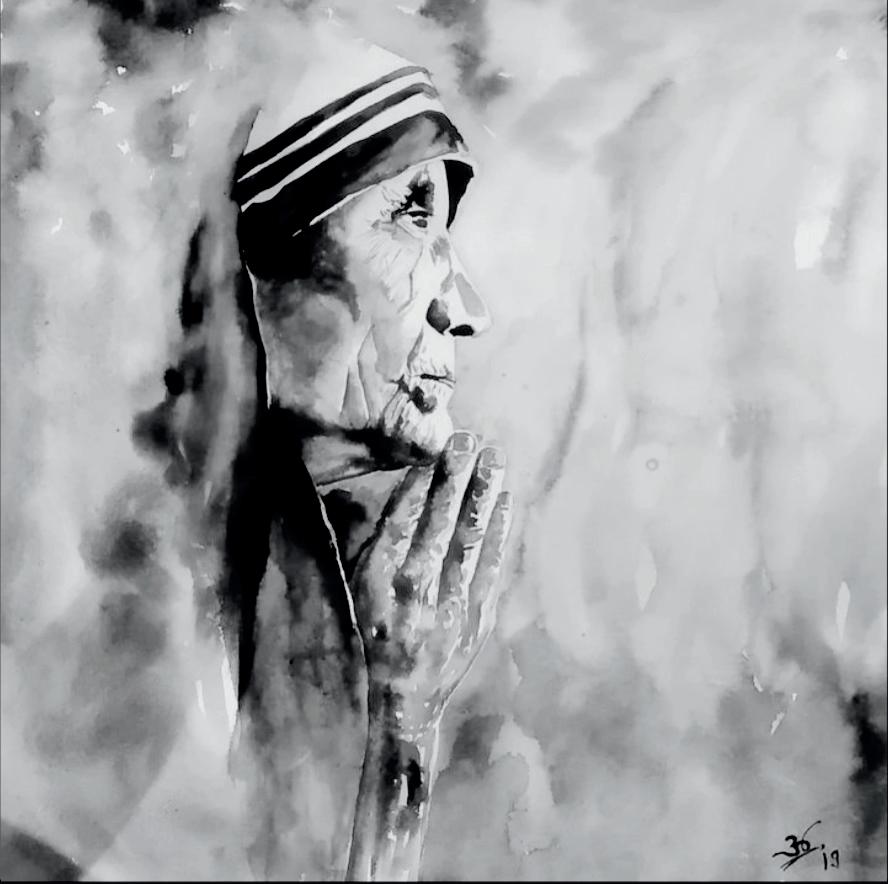
Mother Teresa was born on August 26, 1910, in Skopje, which is now in North Macedonia. From a young age, she felt a strong calling to serve God and help others. She became a Catholic nun and later moved to India, where she spent most of her life working among the poor. In 1950, she founded the Missionaries of Charity, an organization dedicated to serving people living in extreme poverty, the sick, the orphaned, and the dying. Through her dedication and compassion, she inspired people around the world. For her selfless service to humanity, she received the Nobel Peace Prize in 1979.
Maundy Thursday remembers Jesus’ actions of love, humility, and service during the Last Supper. Mother Teresa lived out these same values by serving the poorest and most neglected people in society. Just as Jesus washed his disciples’ feet as an act of humble service, she showed humility by caring for the sick, the dying, and those abandoned by others. She believed that serving the poor was a way of serving Christ himself. Her life reflected the message of Maundy Thursday through daily acts of compassion, sacrifice, and selfless love for others.
-Good Friday: Malala Yousafzai-
John 18:1–19:42
Malala Yousafzai (1997-present) is a Pakistani human rights advocate. After speaking out against the Taliban’s unjust restrictions on girls’ education in 2012, she was shot in the head, causing an international uproar. Malala quickly became a global symbol of the fight for justice and peace. As the youngest-ever Nobel laureate (2014), she actively campaigns against the systematic oppression of women and girls. Malala argues that Islamic faith emphasizes the need for knowledge on the part of both men and women, which she uses to motivate her fight for education. A core principle of Islam is that religion should not be used to justify harm; this tenant of Malala’s faith guides her “to know that it is wrong to deliberately and systematically oppress girls and women — not letting them get a haircut, see a doctor, or go for a walk in the park” (Yousafzai). Malala continues her public advocacy and social justice work, having published several books including I Am Malala and We Are Displaced and co-founding the Malala Fund.
“I do not even hate the Talib who shot me. Even if there is a gun in my hand and he stands in front of me. I would not shoot him. This is the compassion that I have learnt from Muhammad — the prophet of mercy, Jesus Christ and Lord Buddha.”
=Malala Yousafzai, 16th birthday speech at the United Nations
The story of the Passion of Christ recounts Jesus’ death, including his suffering and crucifixion. During Good Friday, we reflect on Jesus’ sacrifice, which served as a final act of obedience to God. Christianity teaches the importance of sacrifice in obeying God’s message; God calls us to suffer as Christ suffered. Like Jesus, Malala suffered for her beliefs and values with unwavering commitment. When confronted with unjust forces and violence, Malala did not react with hatred, instead choosing to respond with peace. During the Passion, Jesus also replied with compassion and mercy.
Dear God, I know You see everything, but there are so many things that maybe, sometimes, things get missed, particularly now with the bombing in Afghanistan. But I don’t think You would be happy if You saw the children on my road living on a rubbish dump. God, give me strength and courage and make me perfect because I want to make this world perfect.
Malala, letter to God
(This prayer comes from I Am Malala: The Story of the Girl Who Stood Up for Education and Was Shot by the Taliban)
-Holy Saturday: Myokei Caine-Barrett-
Matthew 27:62–66
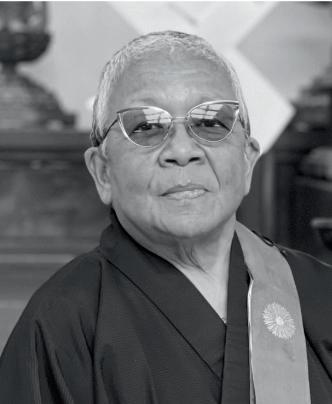
Myokei Caine-Barrett was born in 1951 in Texas to a military family. During her childhood, she lived in Okinawa, Germany, and El Paso, Texas. Growing up in different parts of the world gave her a broad perspective and influenced her spiritual path. She later became a minister in the Nichiren Shu Buddhist tradition. She is the first African-Japanese woman and the first American to hold the position of bishop in the Nichiren Order of North America. In this role, she provides leadership and guidance to Buddhist communities across the continent. She is especially active in prison ministry and community outreach programs. Her work focuses on service, compassion, and supporting others through Buddhist practice.
Myokei Caine-Barrett’s work connects to the themes of Holy Saturday, which are quiet, waiting, and hope. In Nichiren Shu Buddhism, meditation and chanting focus on silence and reflection, similar to the stillness of Holy Saturday. Her prison ministry shows how people can wait with hope while going through difficult situations. She helps others find inner peace even when they feel stuck or confined. The Buddhist idea of enlightenment is like the hopeful waiting before a new life and change. Her work reflects patience, reflection, and trust that better things can come.
O lord, I face hard things today, but I trust in you for what is coming my way. I pray for this perfect peace from you, peace that I can't even understand. Help me to let go of things that make my heart anxious.
In Jesus’ name, Amen
-Easter Sunday: Saint Mary Magalene-
Matthew 28:1-10
Saint Mary Magdalene, who probably received her name from Magdala, a fishing village on the western shore of the sea of Galilee, is well known for being the first person to see the risen Christ. Throughout her time knowing Jesus, Mary Magdalene was an avid and devoted follower. She was known to have lived a sinful life, and the Gospels describe Jesus healing her and freeing her from seven demons, after which she stayed faithful to him. She remained close to Jesus and supported his ministry in any way possible. She stood by him on Good Friday during his crucifixion, and followed as he was brought into the tomb. She stayed and cried by the tomb, mourning the death of her savior. On Sunday, she journeyed back to the tomb and saw the risen Christ. At first she didn’t recognize him, and asked where Jesus had gone, but then realized who she was talking to, and rejoiced that He had risen. Jesus sent Mary to tell his Disciples and followers that He had risen and would be returning to His Father in Heaven. After she was canonized, she was given the name “Apostle of Apostles” by Saint Thomas Aquinas, showing how devoted she was to Jesus and everything he taught. As we rejoice on the risen Christ on Easter Sunday, we should reflect and remember all of the people who followed him and stayed faithful to him throughout his ministry. Mary Magdalene, one of his many disciples, expresses that you don’t have to be perfect to follow Jesus, you have to be willing to repent and stay faithful to Him. When she saw him in the tomb, she didn’t doubt or question him, she eagerly shared the great news to everyone who loved and faithfully followed him.
Saint Mary Magdalene, woman of many sins, who by conversion became the beloved of Jesus and remained at His cross, thank you for your witness that Jesus forgives through the miracle of love. You, who already possess eternal happiness in His glorious presence, please intercede for me, so that one day I may share in the same everlasting joy. Amen.
(Traditional catholic prayer devoted to Saint Mary Magdalene)
WORKS CITED
"A Prayer for Lenten Grace." Share Catholic, sharecatholic.com/blog/ a-prayer-for-lenten-grace. Accessed 6 Feb. 2026.
Asfaruddin, Asma. "ʿĀʾishah." Britannica, www.britannica.com/biography/ Aishah. Accessed 6 Feb. 2026.
Blumberg, Naomi. "Malala Yousafzai". Encyclopedia Britannica, 22 Jan. 2026, https://www.britannica.com/biography/Malala-Yousafzai. Accessed 9 February 2026.
Britannica. “Saint Teresa of Avila Y Biography, Facts, R Works.” Encyclopædia Britannica, 30 Sept. 2018, www.britannica.com/biography/Saint-Teresa-of-Avila.
Crain, Alex. “What Is Maundy Thursday?” Christianity.com, 27 Mar. 2024, www.christianity.com/wiki/holidays/what-is-maundy-thursday-11628350.html. Accessed 6 Feb. 2026
Dirampaten, Famidah Mundir. "Aisha Bint Abu Bakr: A Trailblazer for Women's Rights – Part I." World Hijab Day, worldhijabday.com/ aisha-bint-abu-bakr-a-trailblazer-for-womens-rights-part-i/. Accessed 6 Feb. 2026.
"Hazrat Rabia Basri." Journey of a Seeker of Sacred Knowledge, seekerofthesacredknowledge.wordpress.com/biographies-of-awliyaallah/hazrat-rabia-basri/. Accessed 6 Feb. 2026.
Hope Filled Faith, editor. "Prayer for Patience While Waiting: 5 Great Options + Free Printable."
Hope Filled Faith Encouragement for Christian Women, Hope Filled Faith, hopefilledfaith.com/prayer-for-patience-while-waiting/. Accessed 6 Feb. 2026. Lion's Roar, editor. "Meet a Teacher: Myokei Caine-Barrett, Shonin." Lion's Roar, 4 July 2017, www.lionsroar.com/meet-a-teacher-myokei-caine-barrett-shonin/. Accessed 6 Feb. 2026.
"Malala's Story." Malala Fund, 2026, malala.org/malalas-story. Accessed 9 Feb. 2026. “Powerful Prayers of St. Teresa of Ávila.” Prayerful Path, 23 Mar. 2022, prayerfulpath.com/powerful-prayers-of-st-teresa-of-avila. Prakash, Nayaswami. "Malala: An Example of Boundless Courage." Ananda, Ananda Church of Self-Realization of Nevada County, 14 Dec. 2016, www.ananda.org/blog/malala-saint-making/. Accessed 9 Feb. 2026. "Rabia al Basri." All Poetry, allpoetry.com/Rabia-al-Basri. Accessed 6 Feb. 2026. "Saint Catherine of Sienna." Franciscan Media, www.franciscanmedia.org/saint-of-the-day/saint-catherine-of-siena/. Accessed 6 Feb. 2026.
WORKS CITED
"
"St. Mary Magdalene." Britannica, www.britannica.com/biography/Saint-MaryMagdalene. Accessed 8 Feb. 2026.
"St. Mary Magdalene, Disciple of the Lord." Vatican News, www.vaticannews.va/en/saints/07/22/st--mary-magdalene--disciple-of-thelord-.html. Accessed 8 Feb. 2026.
"St. Mary Magdalene - Feast Day, Prayers, Quotes, Patronage, and More." Hallow, hallow.com/saints/mary-magdalene/. Accessed 8 Feb. 2026.
Von Dohlen, Cate. "Good Friday 2025 – The Passion of Christ." Hallow, hallow.com/blog/good-friday-the-passion-of-christ/. Accessed 9 Feb. 2026.
"What's the significance of Lent's 5th Sunday?" Bible Hub, biblehub.com/q/what's_the_significance_of_lent's_5th_sunday.htm. Accessed 6 Feb. 2026.
Yousafzai, Malala, and Christina Lamb. I Am Malala : the Girl Who Stood up for Education and Was Shot by the Taliban. Back Bay Books, Little Brown and Company, 2015.
Yusifov, Amin. “Praying Hands Holding Cross Line and Glyph Icon, Christian And...” iStock, 30 Jan. 2022, www.istockphoto.com/vector/praying-hands-holdingcross-line-and-glyph-icon-gm1367665506-437852881.
Rau, Andrea. "Prayer to Joan of Arc." Daily Prayers, www.daily-prayers.org/ angels -and-saints/prayers-to-saint-joan-of-arc/. Accessed 6 Feb. 2026.
Lanhers, Yvonne, Vale, Malcolm G.A.. "St. Joan of Arc". Encyclopedia Britannica, 8 Jan. 2026, https://www.britannica.com/biography/Saint-Joan-of-Arc. Accessed 6 February 2026.
---. “The Nobel Peace Prize 1979.” NobelPrize.org, The Nobel Prize, www.nobelprize.org/prizes/peace/1979/teresa/biographical/. Accessed 6 Feb. 2026.
IMAGE SOURCES
Bin Aziz, Awais. “Water Well on Transparent Background.” Vecteezy (AI Generated Image). https://www.vecteezy.com/png/46553750-water-well-on-transparentbackground. Accessed 17 February 2026.
Bobnick, Dick. “Saint Mother Teresa.” Fine Art America, 2019, fineartamerica.com/featured/saint-mother-teresa-dick-bobnick.html. Accessed 10 Feb. 2026.
Gist, Shelley. "WHM: Malala Yousafzai." The University of North Carolina at Chapel Hill, 22 Mar. 2017, womenscenter.unc.edu/2017/03/whm-malala-yousafzai/. Accessed 10 Feb. 2026.
"Islamic Geometric Patterns - ARABIC ONLINE." Arabic Online, 24 Nov. 2019, arabiconline.eu/islamic-geometric-patterns/. Accessed 6 Feb. 2026.
"Islamic Art Patterns and Their Symbolic Meaning." invaluable, 8 Jan. 2020, www.invaluable.com/blog/islamic-art-patterns/?srsltid=AfmBOopzk_ sUdjMgK4m8wTMuNGagGxooQEzDe1FwJGK7wKgocp5DEddS. Accessed 12 Feb. 2026.
"Islam Symbols and Meanings." Symbolikon, symbolikon.com/meanings/islamsymbols-and-their-meanings/. Accessed 12 Feb. 2026. Ingres, Jean-Auguste-Dominique, and France. “Jeanne d’Arc Au Sacre Du Roi Charles VII, Dans La Cathédrale de Reims.” Musée Du Louvre, 1854, collections.louvre.fr/en/ark:/53355/cl010065747.
Lion's Roar, editor. "Meet a Teacher: Myokei Caine-Barrett, Shonin." Lion's Roar, 4 July 2017, www.lionsroar.com/meet-a-teacher-myokei-caine-barrett-shonin/. Accessed 6 Feb. 2026.
"Saint Catherine of Sienna." Franciscan Media, www.franciscanmedia.org/saint-of-the-day/saint-catherine-of-siena/. Accessed 6 Feb. 2026.
"Visakha: The Chief Female Lay Disciple of the Buddha." Phapnhan, phapnhan.org/en/visakha-the-chief-female-lay-disciple-of-thebuddha/."Visakha: The Chief Female Lay Disciple of the Buddha." Phapnhan, phapnhan.org/en/visakha-the-chief-female-lay-disciple-of-the-buddha/.
Cover Design: “Pastel and Floral.” Canva Designs, 2026.