JCB LINK OFFERS EARTHMOVING AND POWER GENERATION SOLUTIONS FOR MINING, CONSTRUCTION AND AGRICULTURE
BACKHOE LOADERS
COMPACTION EQUIPMENT
HYDRAULIC EXCAVATORS
TELESCOPIC HANDLERS
Welcome to the 20th edition of our magazine!
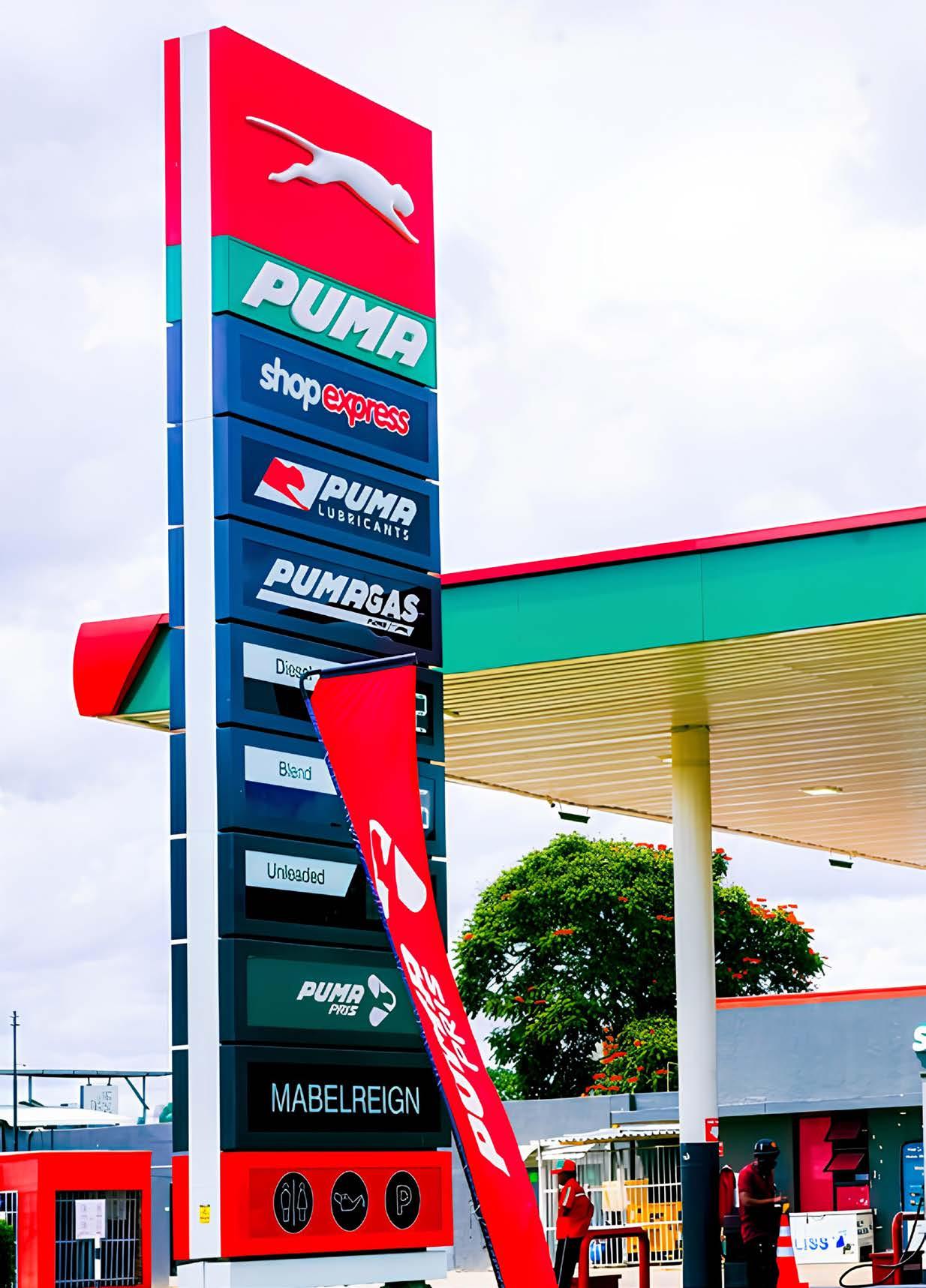
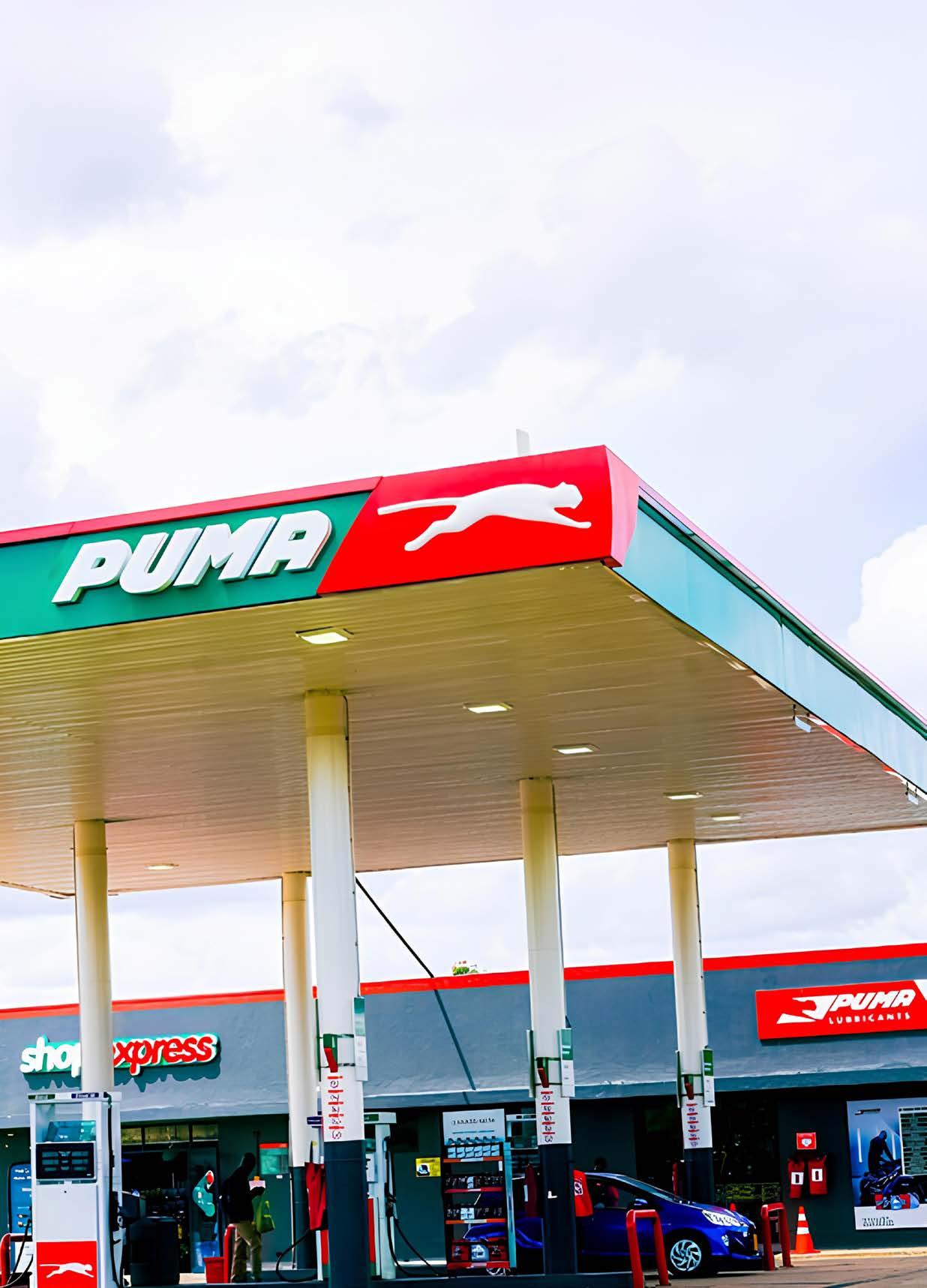
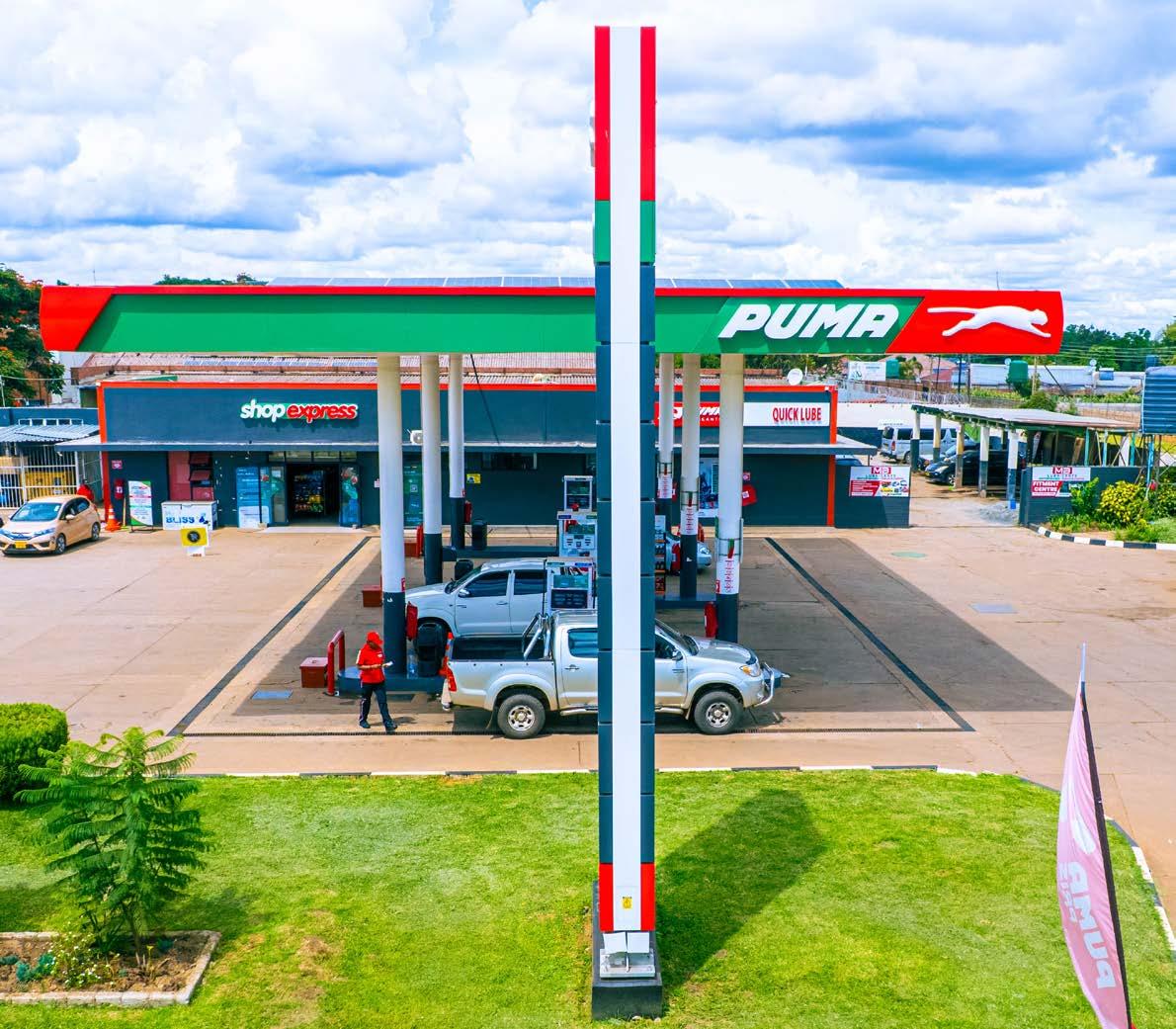
We begin this issue by highlighting the digital and physical infrastructure driving local efficiency. Puma Energy Zimbabwe has set a new benchmark for the petroleum industry with its Puma PRIS platform, a digital loyalty system that modernizes the consumer experience through mobile technology.
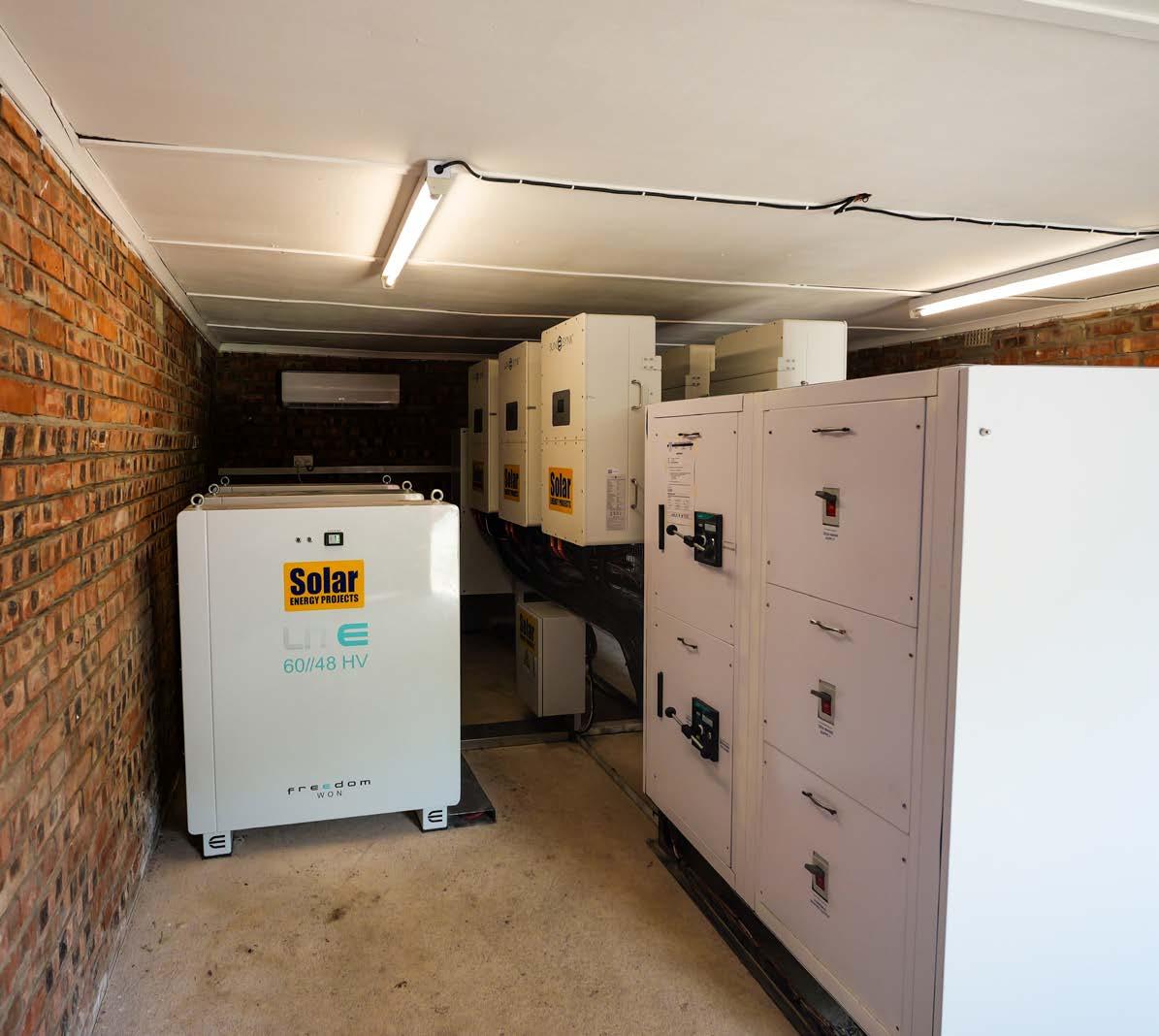
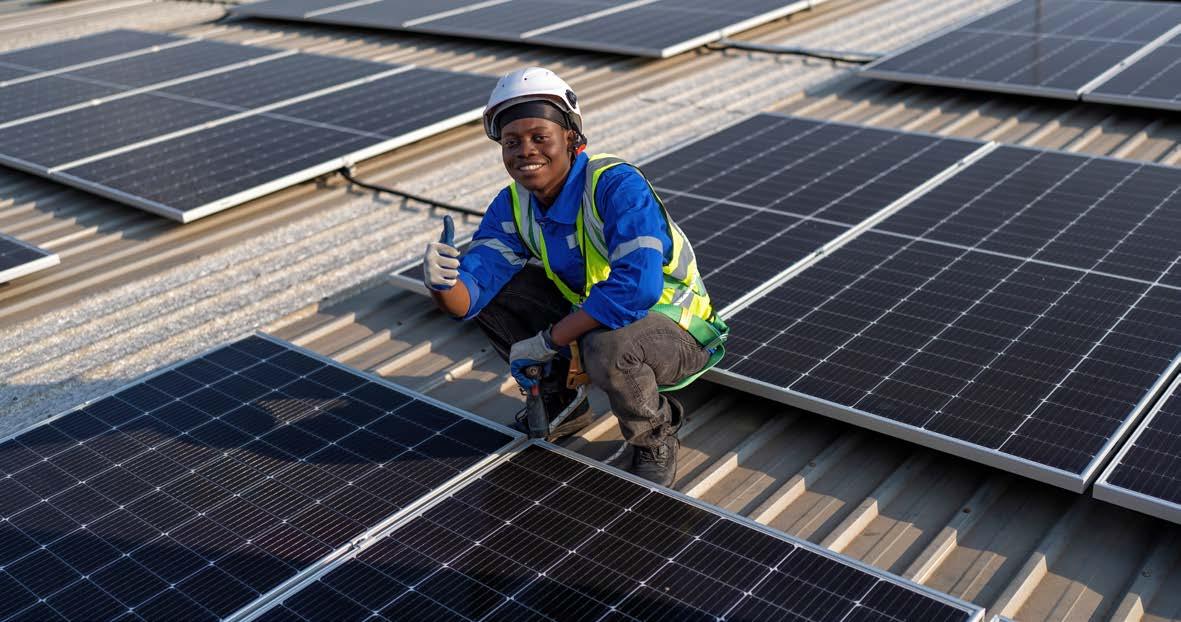
Moving from the pump to the classroom, Solar Energy Projects (SEP) has successfully commissioned a sophisticated solar installation for the Midlands Christian Group of Schools, proving that energy independence is now a prerequisite for educational excellence.
The physical movement of energy remains equally critical.
EDITOR’S LETTER
Dharwizi Transport continues to dominate the logistics sector, utilizing a high-capacity fleet to navigate the vital trade routes of the SADC region.
Supporting this industrial growth is JCB Link in Msasa; by providing the heavy machinery necessary for our evolution, they have transformed from a simple dealership into a cornerstone of national infrastructure.
These four entities represent the diverse front of Zimbabwe’s modernization.
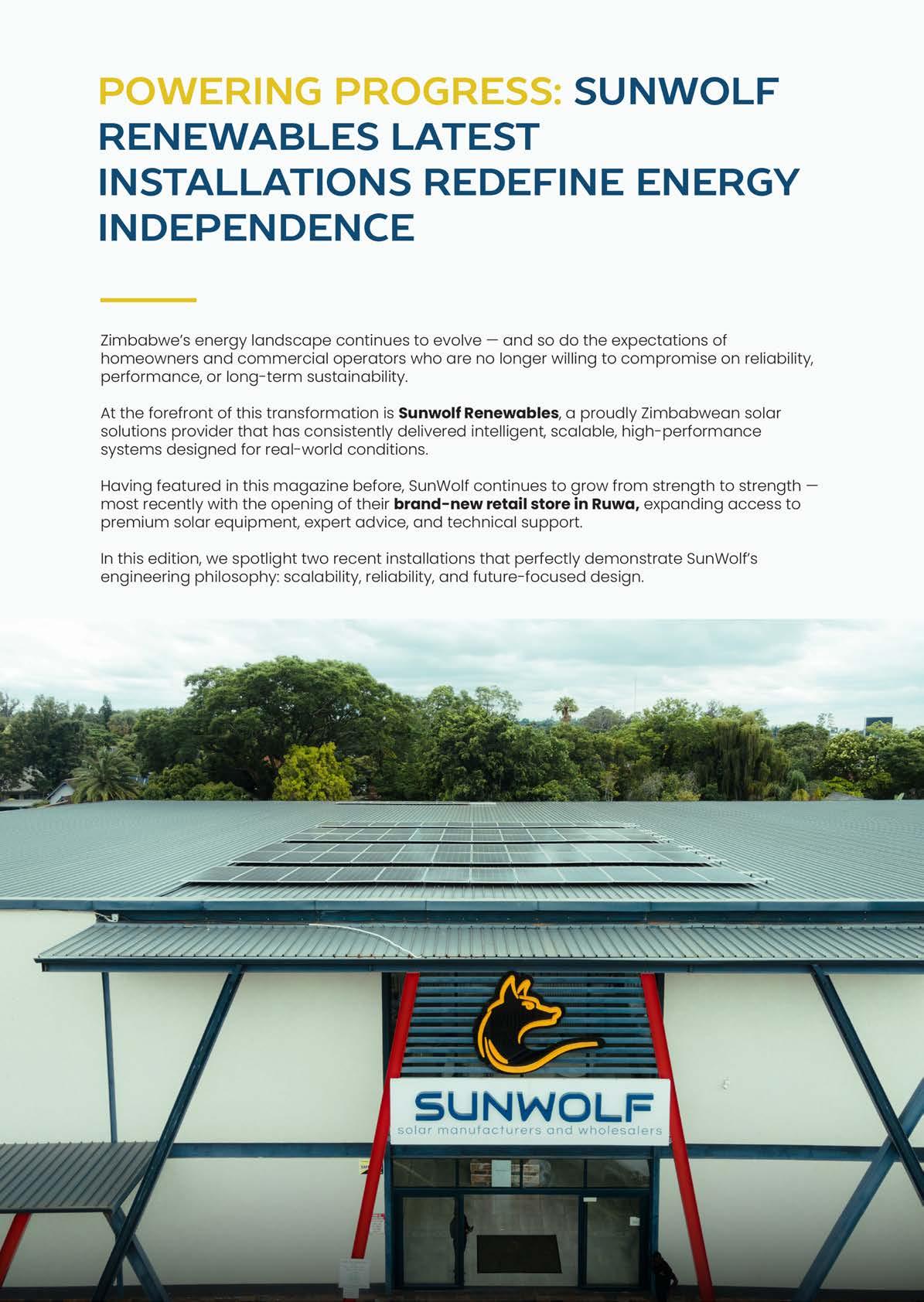
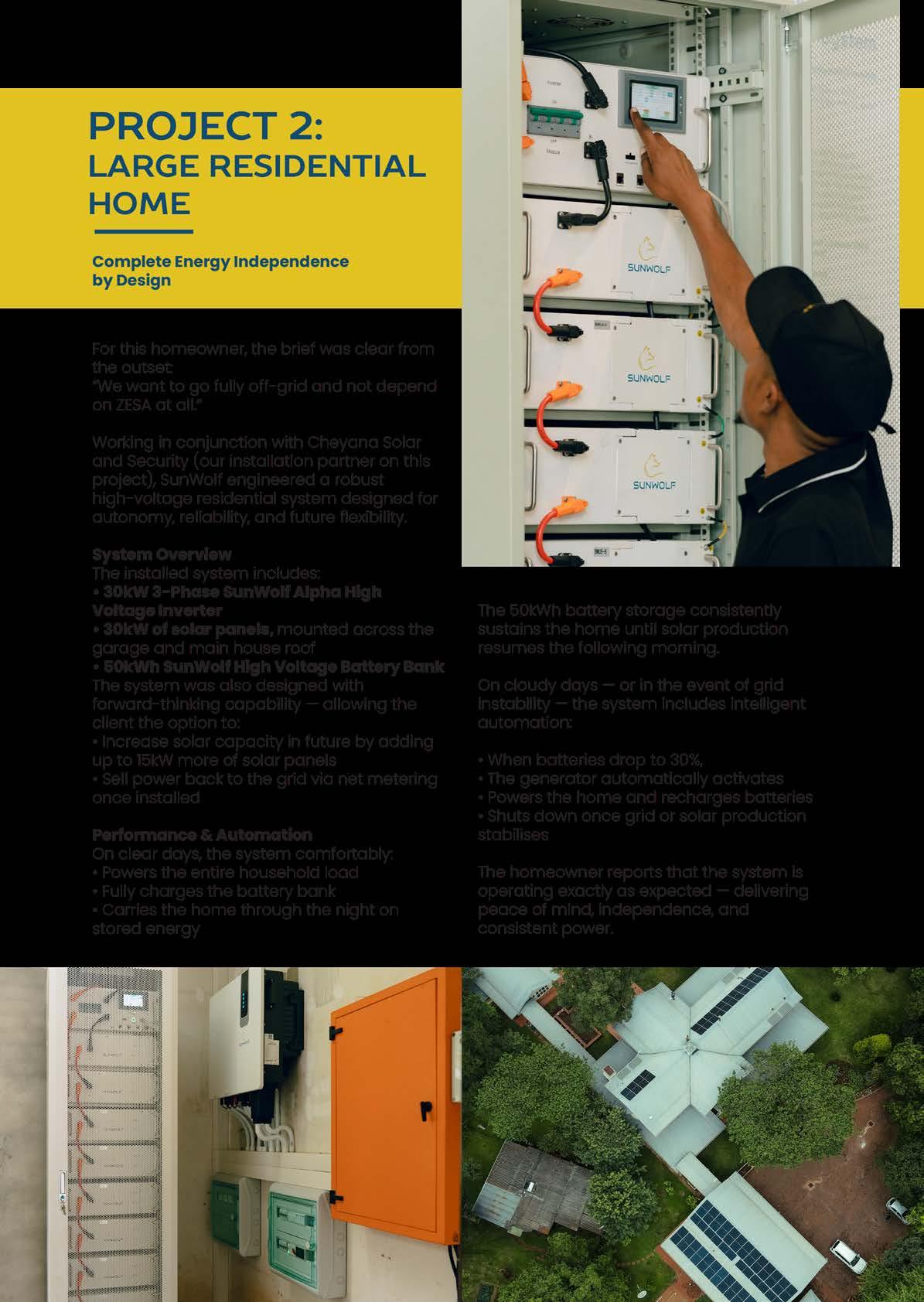
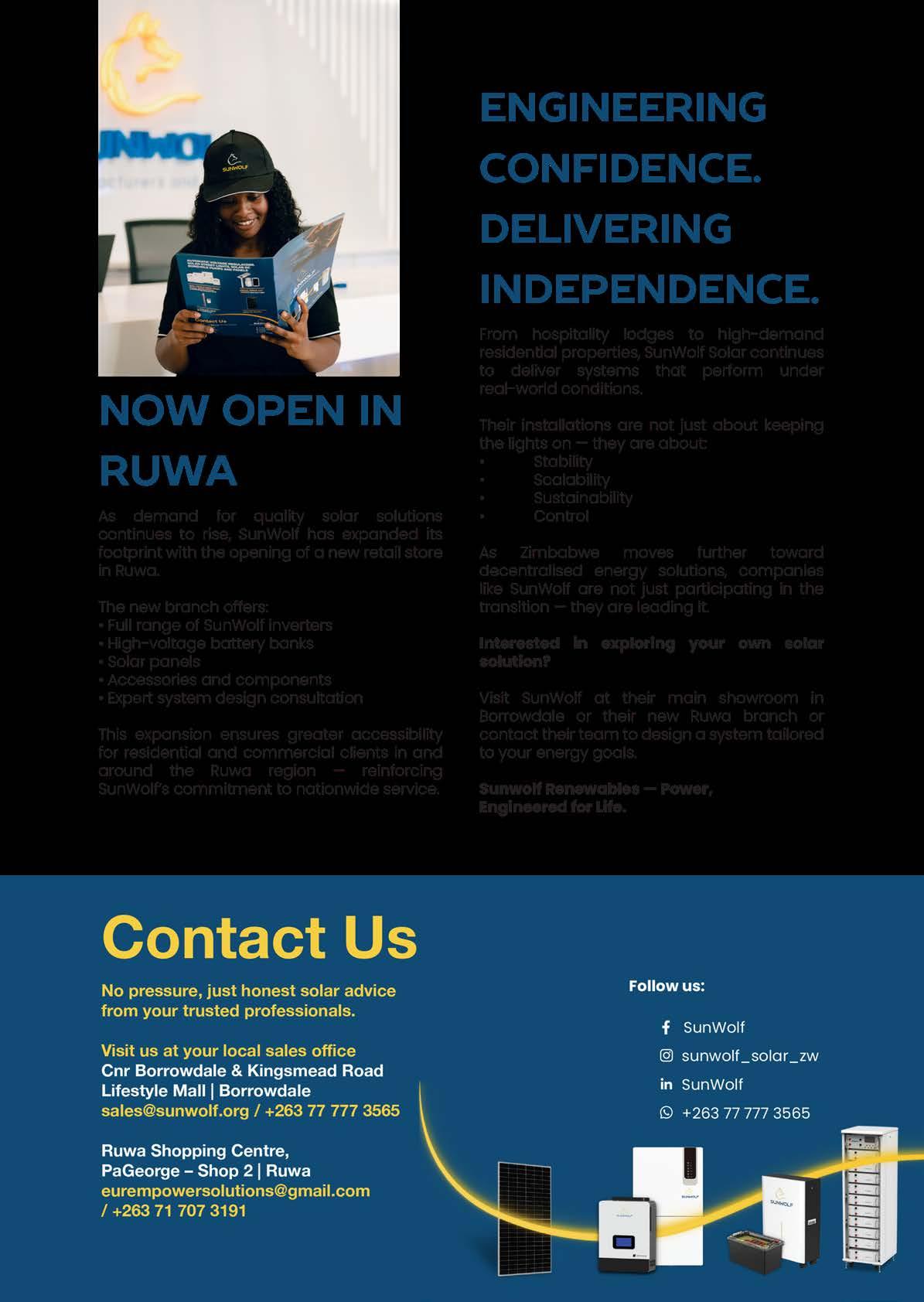
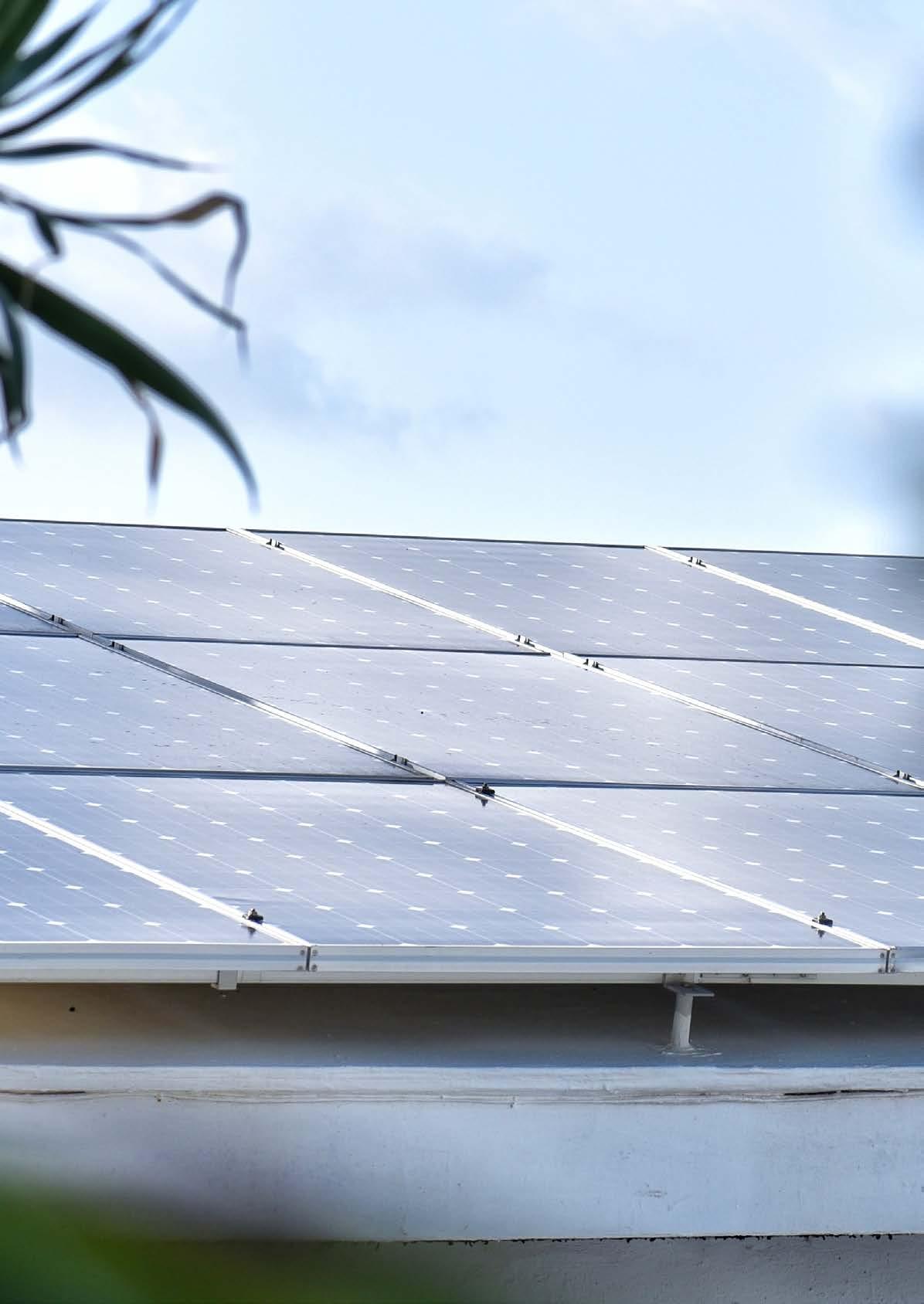
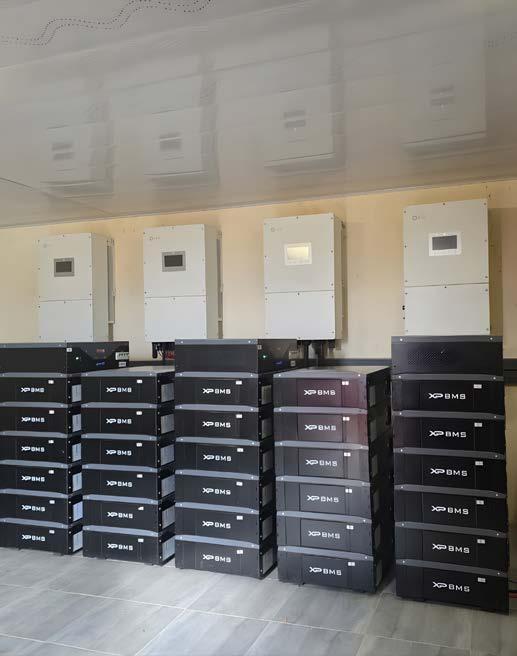
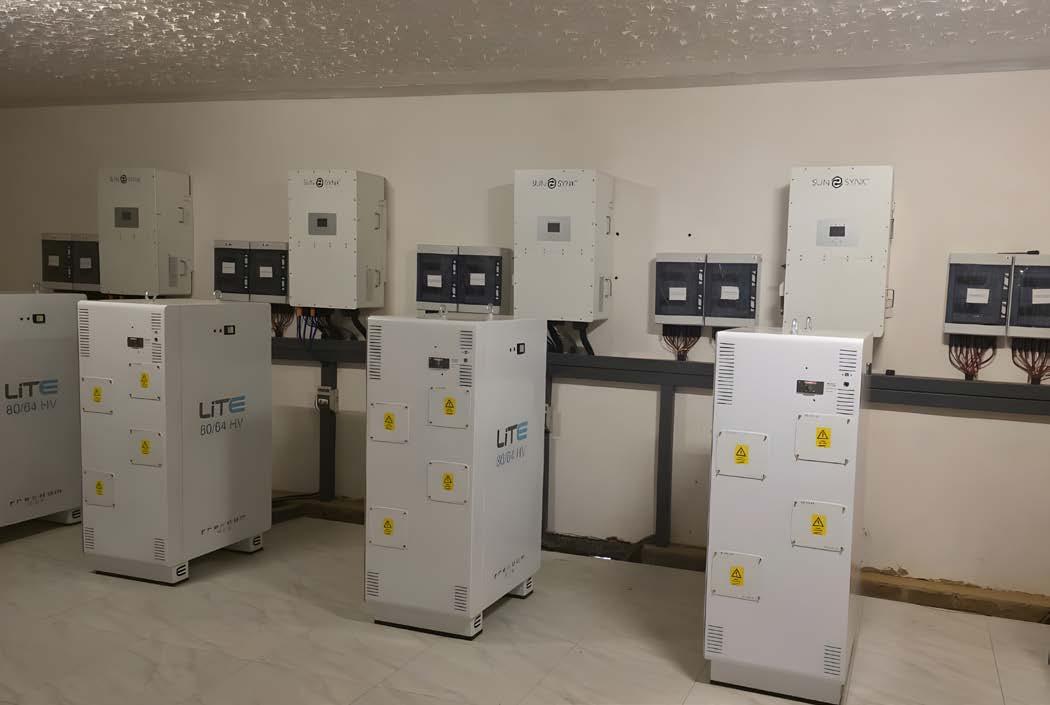
Sunwolf Renewables, a proudly Zimbabwean solar solutions provider, continues to grow from strength to strength.
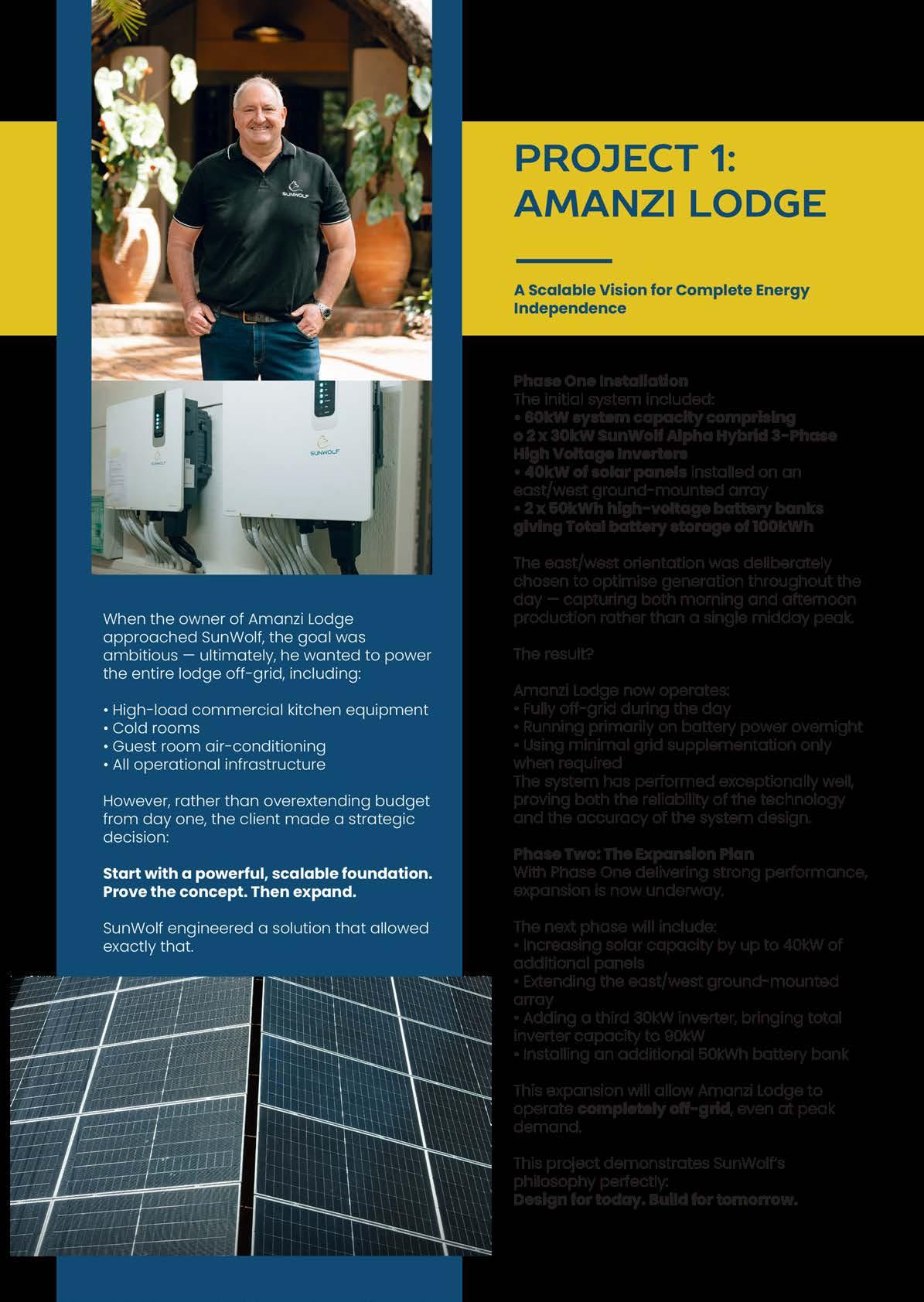
In this edition, we spotlight two recent installations that perfectly demonstrate Sunwolf’s engineering philosophy: scalability, reliability, and future-focused design.
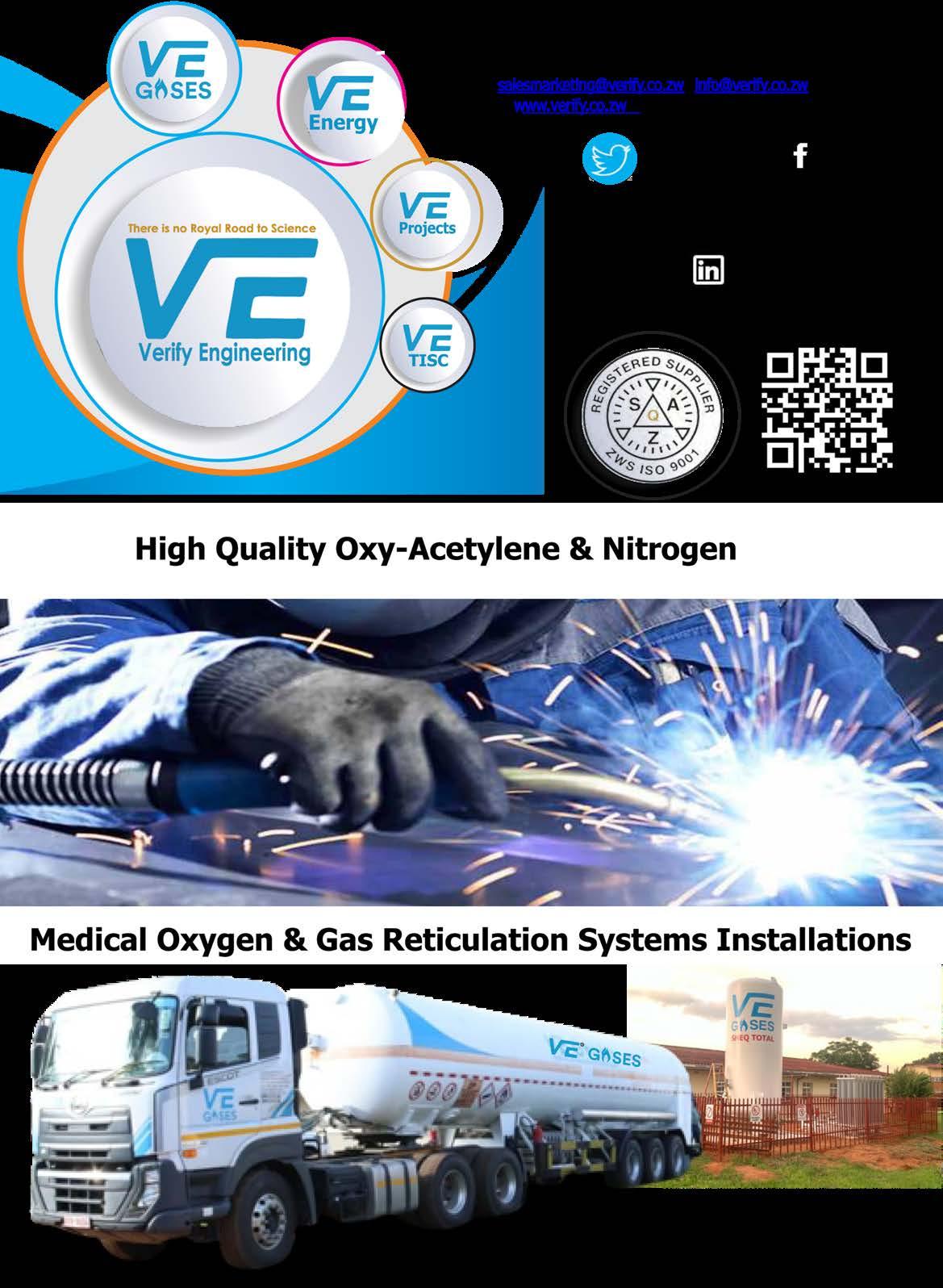
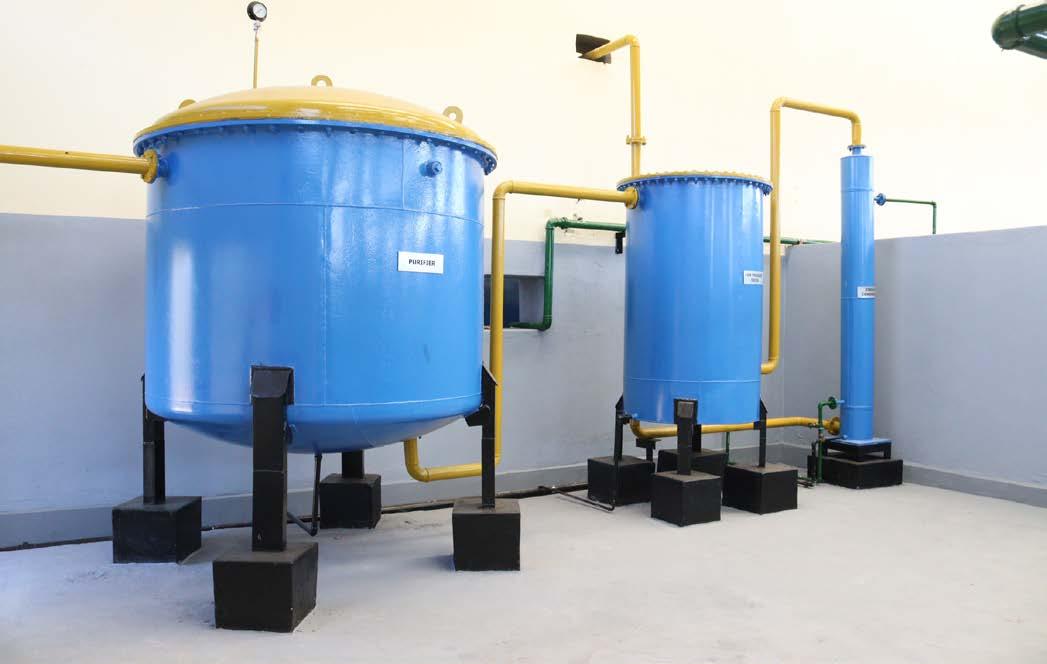
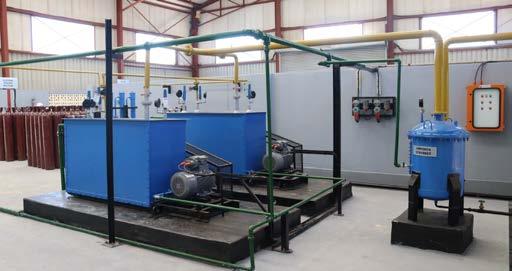
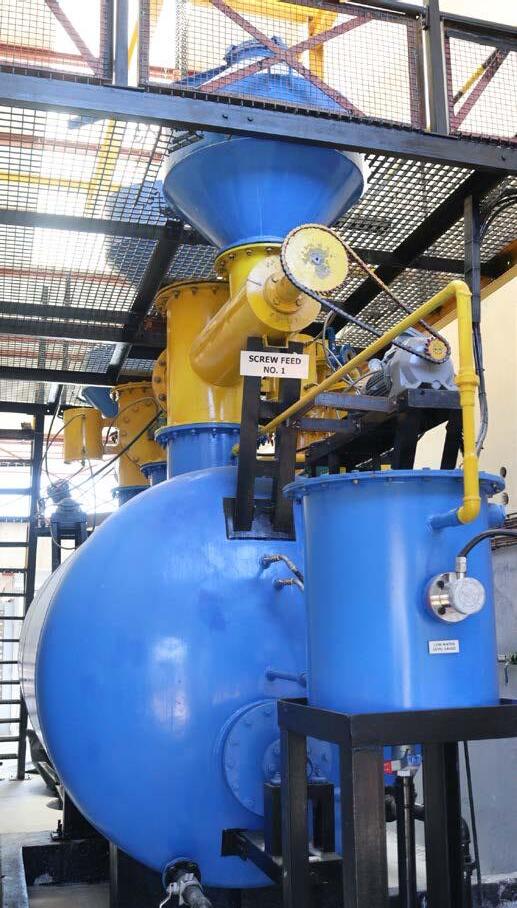
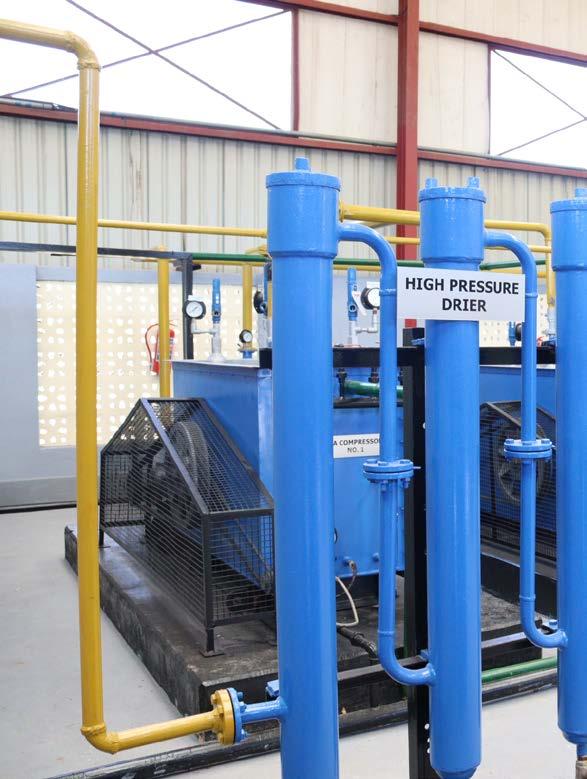
Verify Engineering (Pvt) Ltd has increasingly carved out a niche in the design, construction, procurement, and commissioning of manufacturing and power plants. In this edition, the focus is on VE Gases, the supreme producer and distributor of medical and industrial gases in Zimbabwe and beyond.
Aurora Energy views China’s solar rebate phase-out as the beginning of a structural shift. While the policy ends the era of ultra-low pricing, it prioritizes high-efficiency technology and environmental compliance, fundamentally reshaping Africa’s renewable energy competitive landscape.
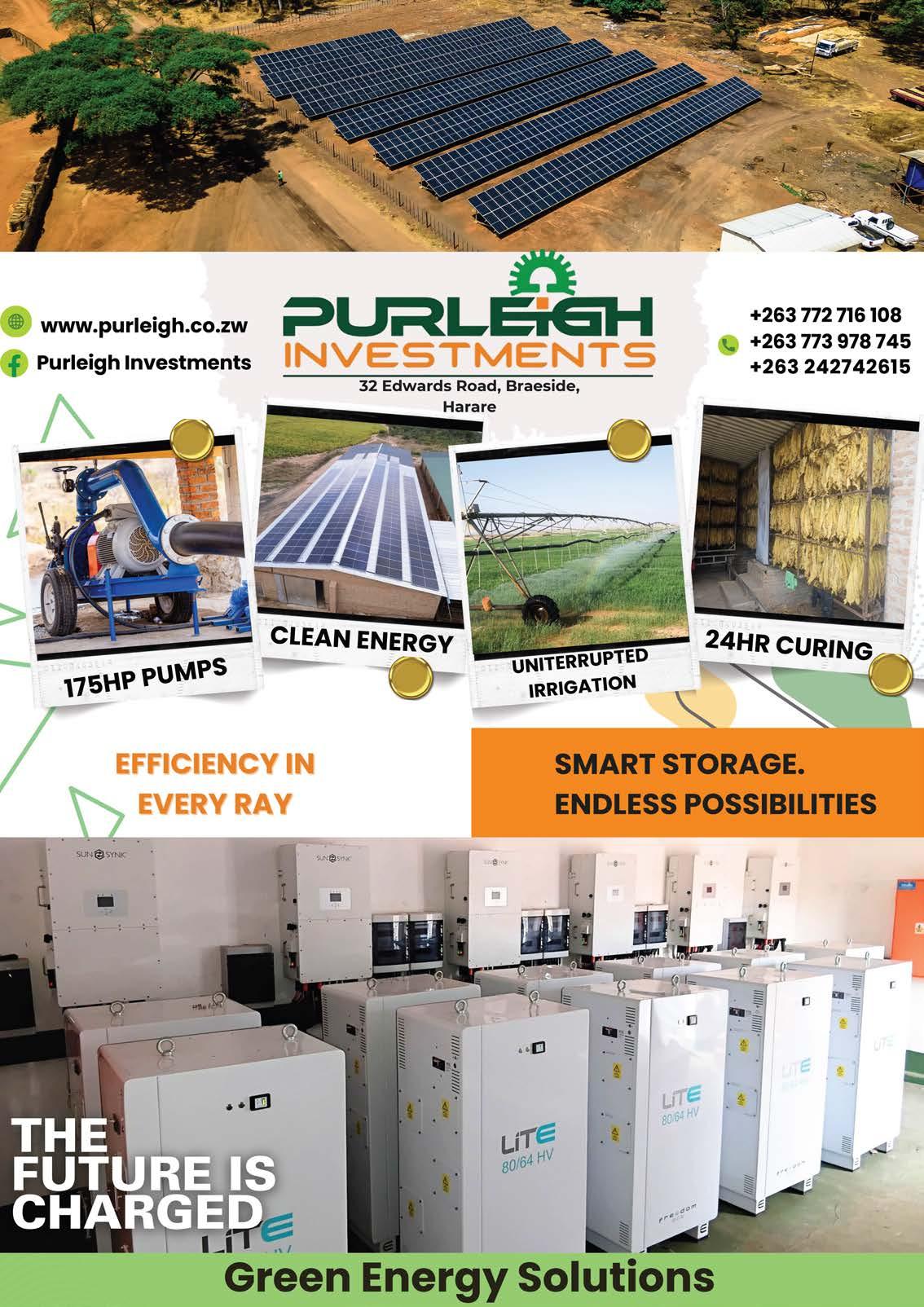
Purleigh Investments, a leading player in Zimbabwe’s sustainable electrical supply sector, is accelerating the nation’s energy independence drive by pioneering new investment models focused on solar power.
Lastly, we look at the regulatory and specialized sectors: ZERA has relocated to a world-class headquarters in Mount Pleasant, the REA is commissioning vital biogas projects in Mashonaland East, and ZESA’s National Training Centre is opening doors for new technical talent.
From Geo Pomona’s waste-toenergy milestones to Zimplats’ massive solar expansion, the message is clear: Zimbabwe is no longer waiting for a bright future—we are building it.
Enjoy the read.
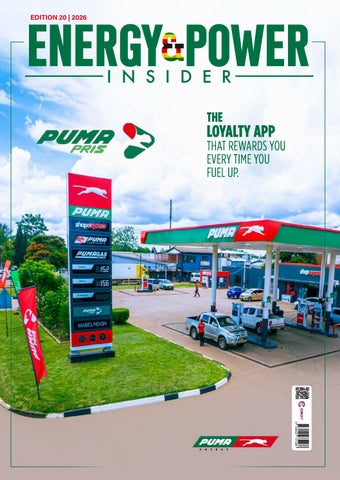
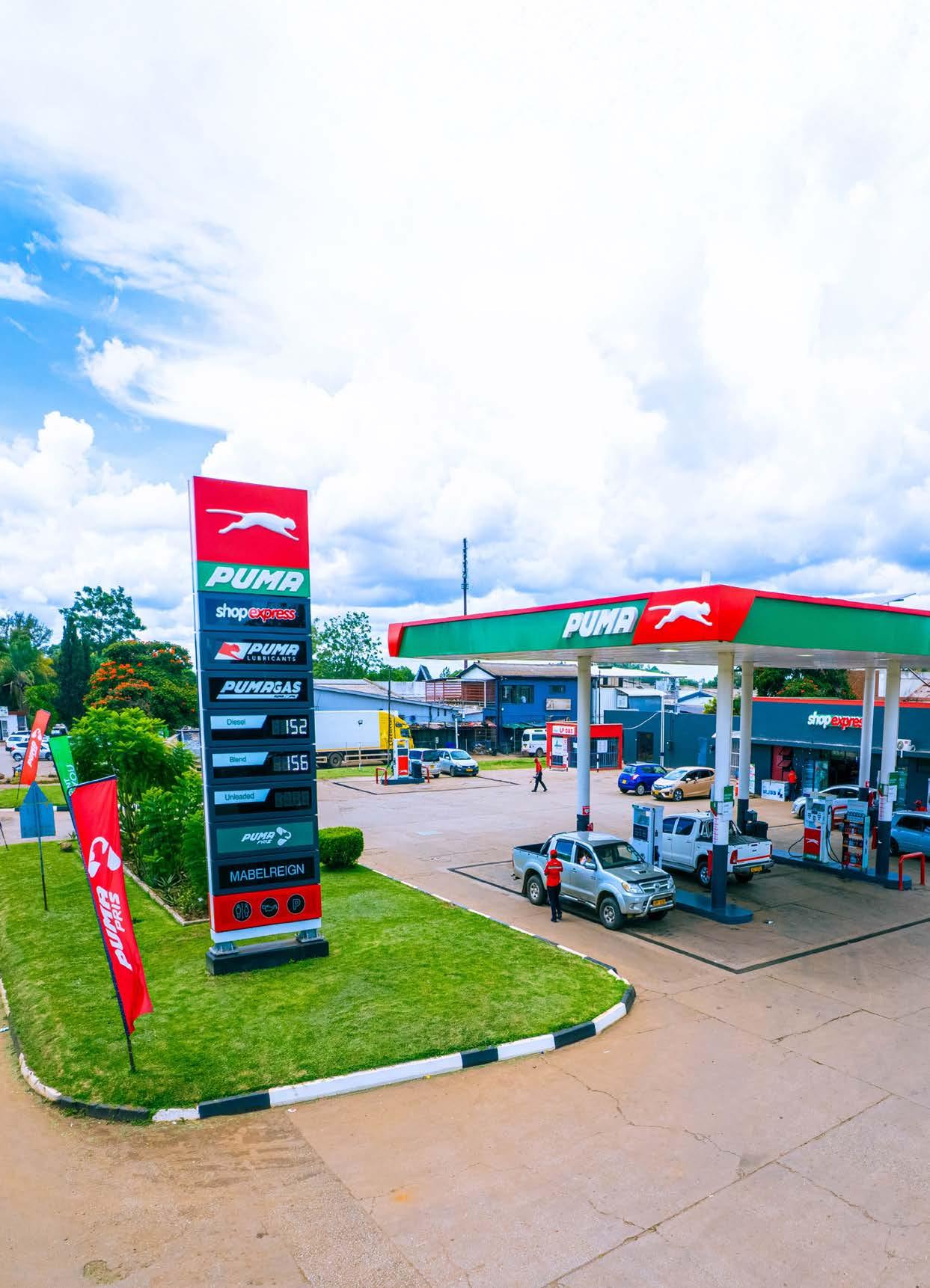
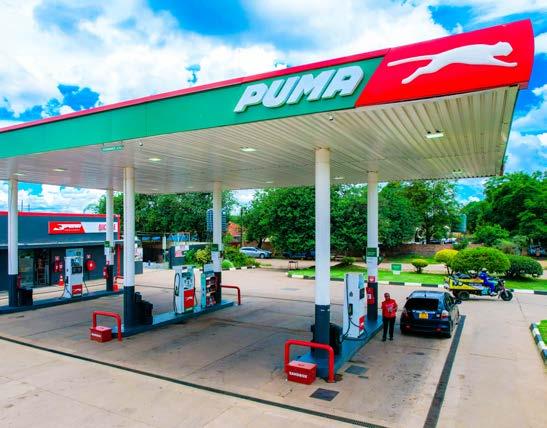
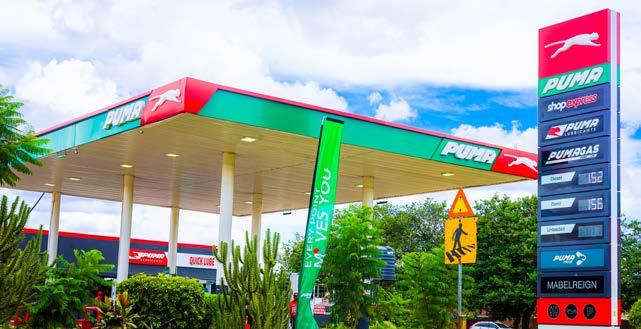
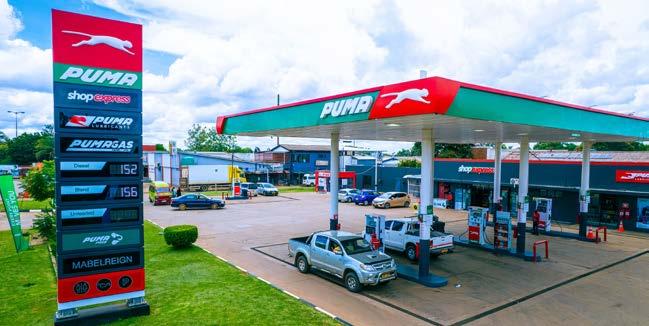
PUMA ENERGY REVEALS FIRST FUEL REWARDS APP FOR ZIMBABWE
SCAN ME
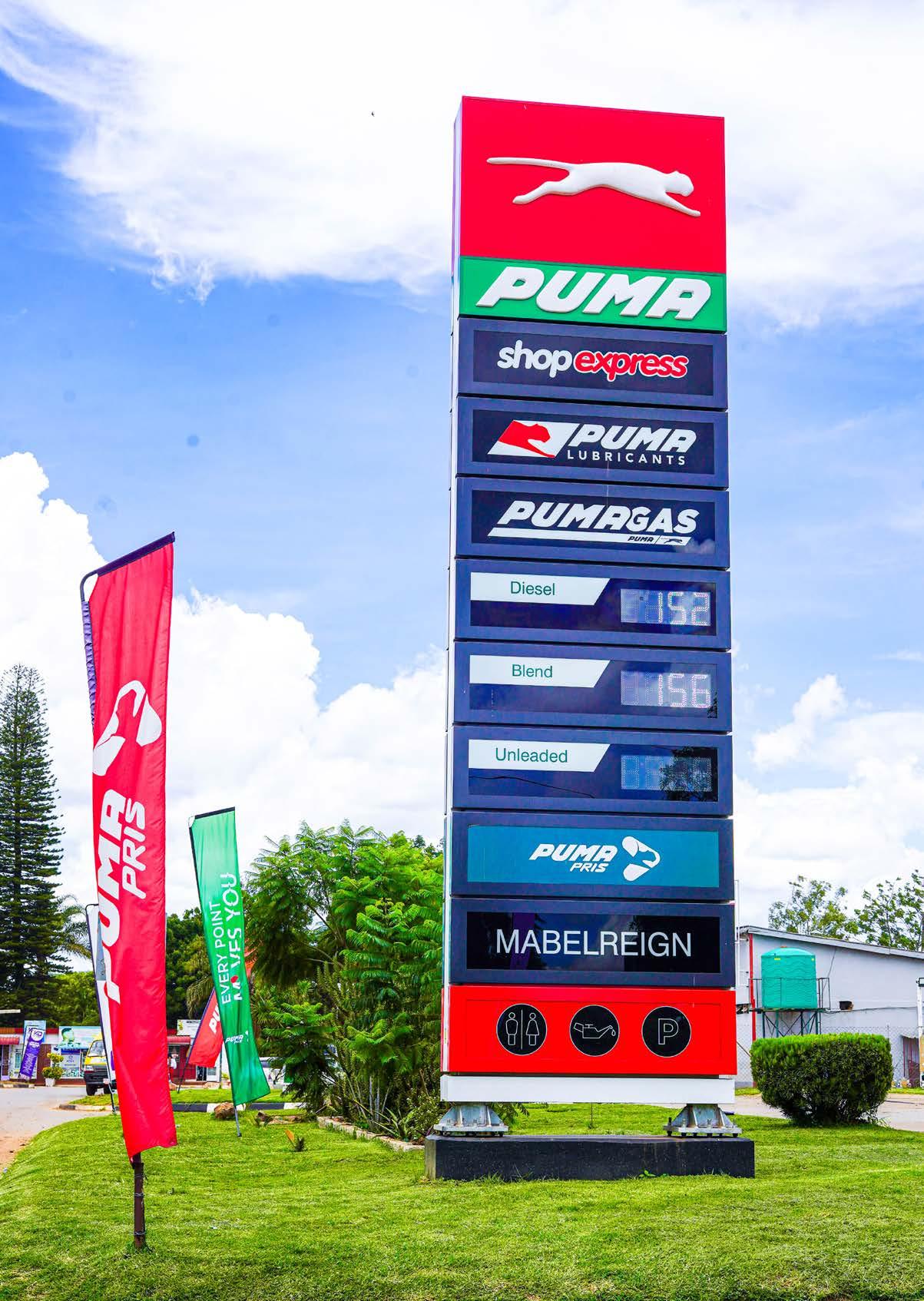
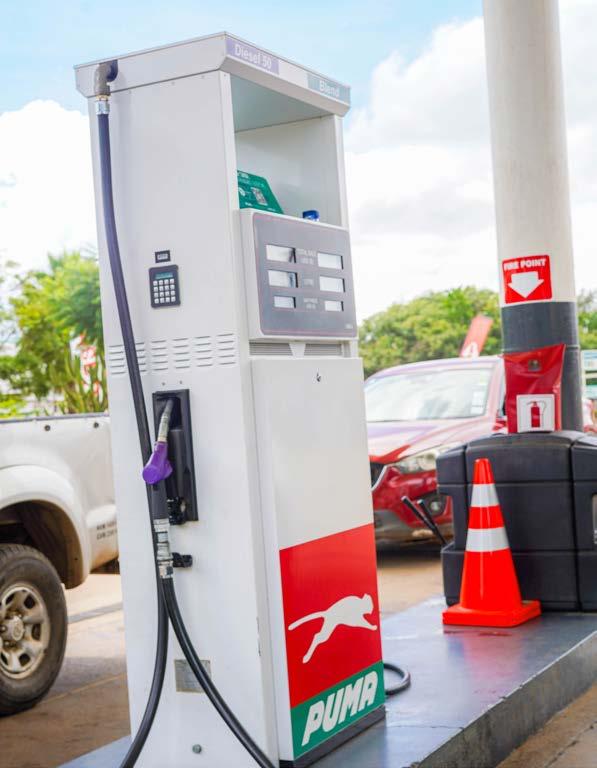
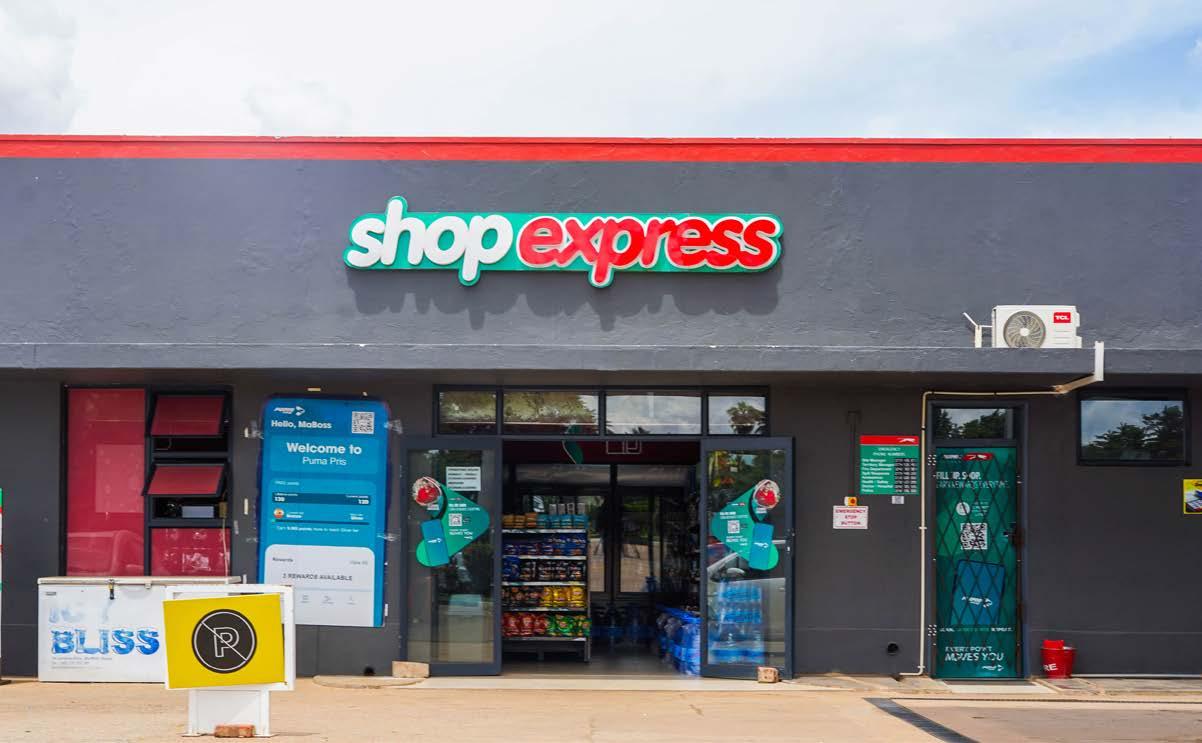
Puma Energy Zimbabwe has introduced a new digital loyalty platform, marking a significant first for the country’s petroleum industry.
The application, named Puma PRIS, was recently officially launched at a ceremony in Harare, where officials described it as a major step toward modernizing the local consumer experience through digital technology.
The new system moves away from traditional paper-based rewards, offering instead a multi-tiered mobile application that tracks and rewards every purchase made at Puma Energy Service Stations.
Text By Martin Chemhere
Images By Caast Media Group
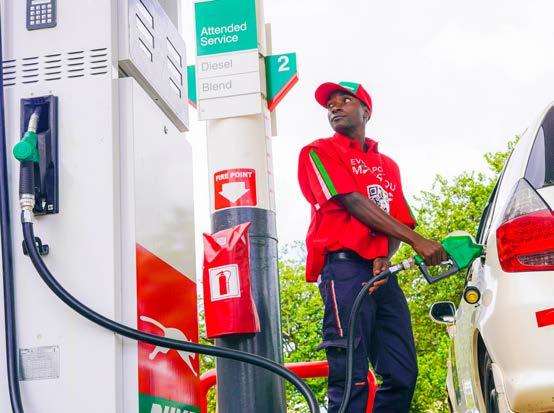
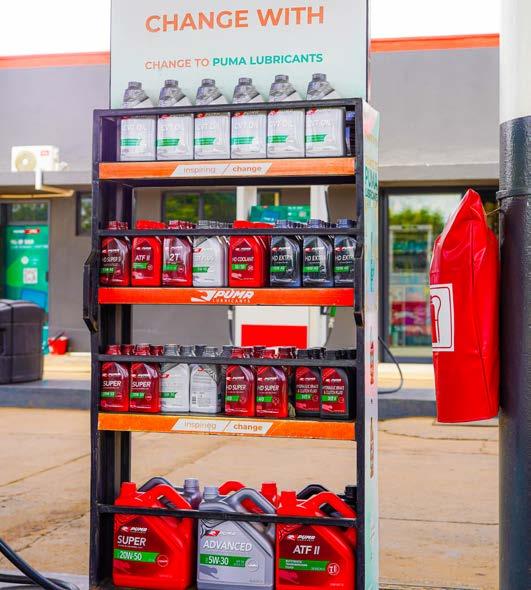
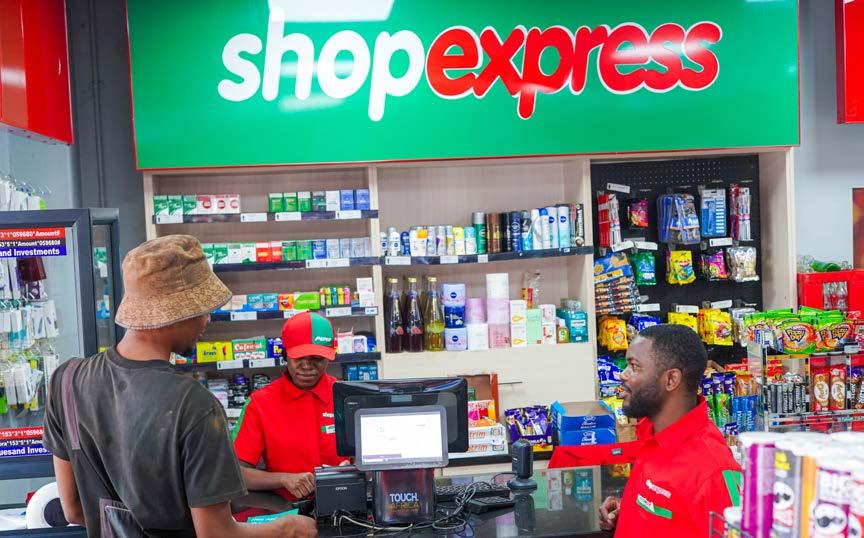
Motorists and shoppers can now earn points on fuel, lubricants, and items bought at convenience stores. These points can then be used to pay for a variety of essentials, including more fuel, groceries, airtime, and meals at participating outlets across the country.
Company representatives noted that the introduction of this platform is designed to promote a more secure and transparent way of transacting.
Through the use of a digital interface, the system encourages cashless payments, which aligns with the government’s broader Smart Zimbabwe 2030 Master Plan and the National Development Strategy 2 (NDS2).
The launch comes as internet usage in Zimbabwe continues to grow, providing a stable foundation for the expansion of mobile-based services.
Beyond simple rewards, the application includes features that act as a personal financial management tool for users.
It provides automated logs of all transactions and categories, offering drivers clear insights into their fuel consumption patterns and spending habits. This data is displayed through a dashboard that helps users make more informed decisions about their travel and maintenance budgets.
Under the tiered structure—Bronze awarding 10 points, Silver 10% more points, and Gold 20% more points— users can unlock higher earning rates as they use the app more frequently. For example, customers can earn up to12 points per litre on fuel & Shop Purchases and up to 24 points per dollar spent on lubricants.
This progressive system encourages long-term engagement while rewarding those who consolidate their household spending within the Puma network.
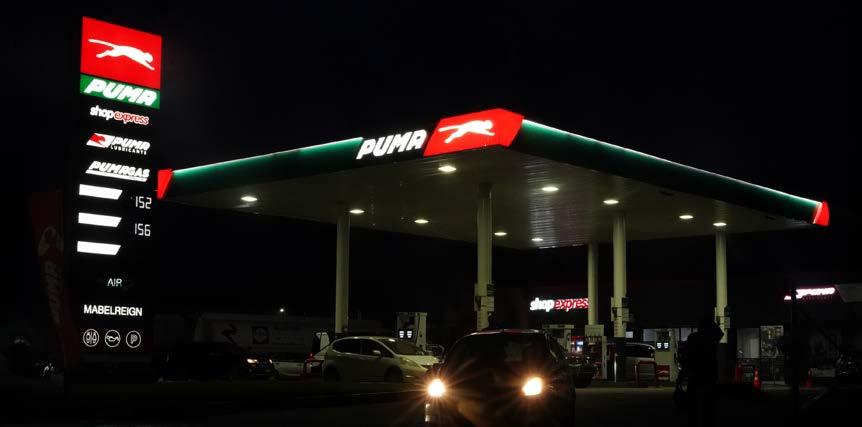
Puma Energy, which operates nearly 60 sites across Zimbabwe and serves five major airports, indicated that the PRIS app has already seen success in Latin American markets before its African debut here.
To ensure a robust experience, the company has partnered with local firms, including NMB Bank and a Econet Wireless, allowing the app’s ecosystem to integrate smoothly with existing airtime and banking services.
The rollout of the app is seen as a commitment to investing in the local economy through private-sector-led innovation.
As more motorists look for efficiency at the pump, this digital solution aims to provide a more convenient and rewarding experience for the modern Zimbabwean driver.
The application is currently available for download on both major mobile operating systems, ensuring broad accessibility for the public.
JCB LINK: NEVER RELAX AND BASK IN PAST SUCCESSES
Text By Martin Chemhere
Images By Caast Media Group
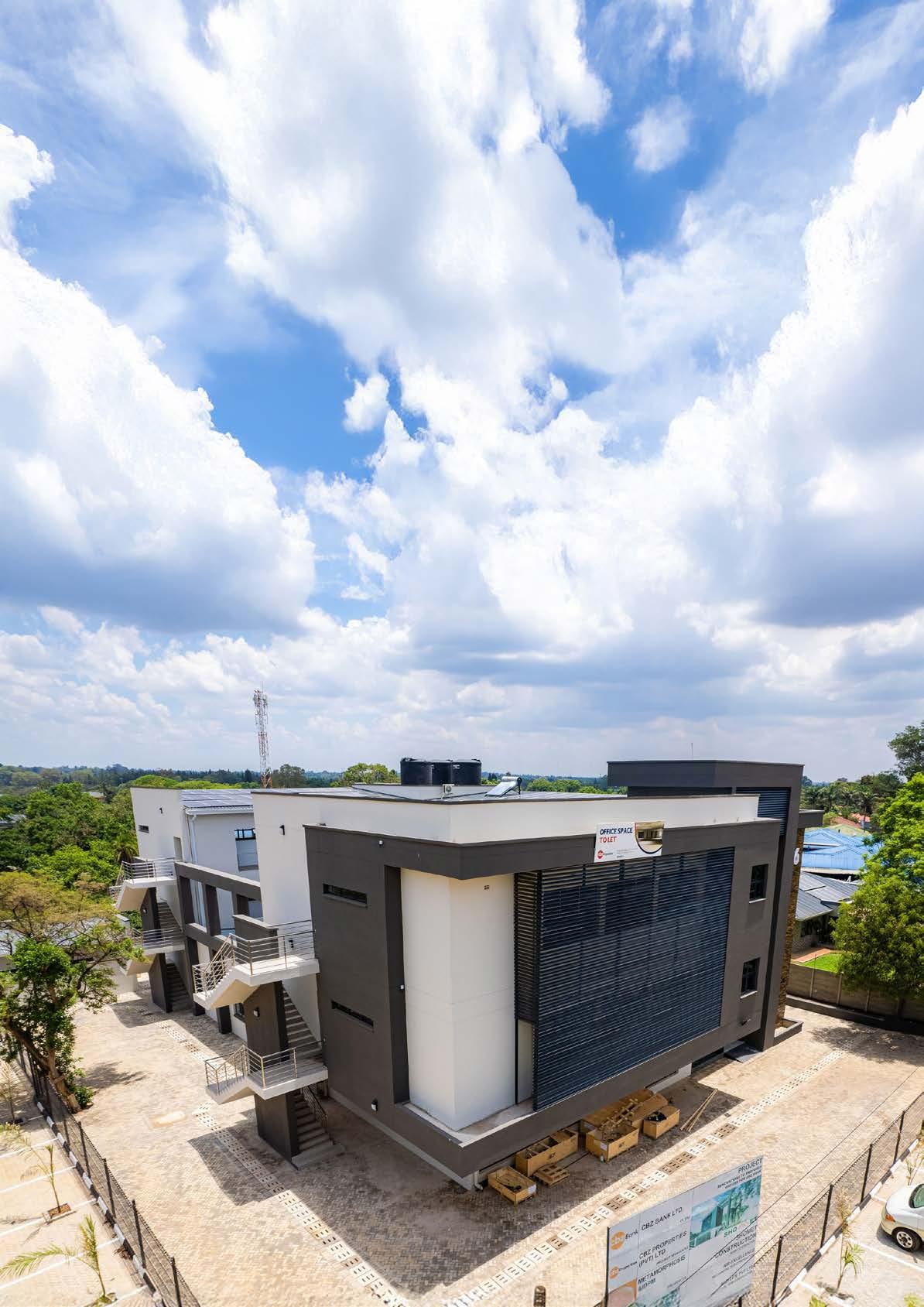
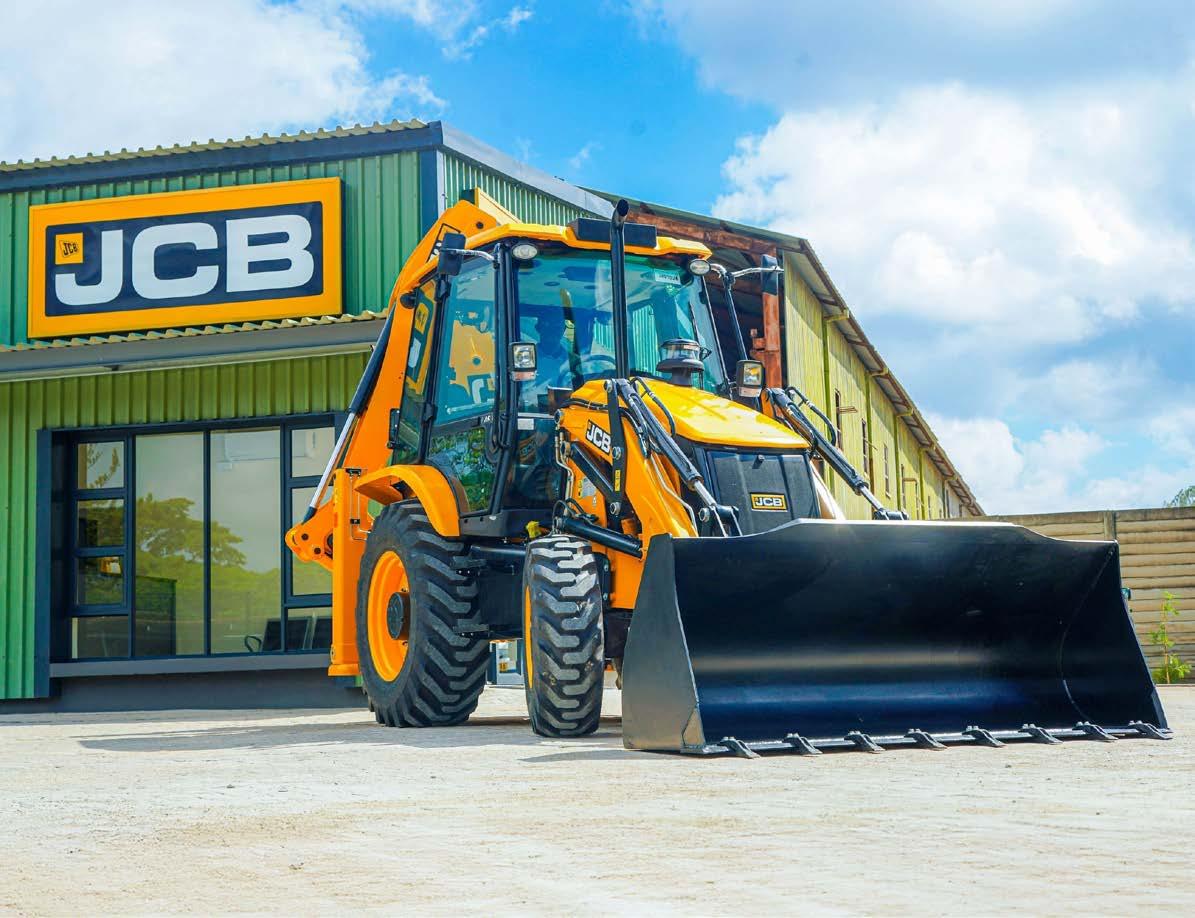
From the heart of Msasa’s industrial area, innovation is driving the future of Zimbabwean construction and mining. At the forefront of this encouraging reality is JCB Link, a company headquartered at 10 Harrow Road. From here, it has become more than just a machinery dealership, turning into a cornerstone of the nation’s infrastructural evolution.
According to Preece Dekune, General Manager at JCB Link, the secret to their success is a desire to always think outside the box. Guided by the global JCB motto of “Jamais Content” (never content), the team operates under a singular, driving belief: to never relax and bask in past successes, but to constantly seek a better way to serve the Zimbabwean market.
Strategic hub
The choice of 10 Harrow Road as a base of operations was no accident. Msasa is the pulse of Harare’s industrial sector, and JCB Link has leveraged this central location to enhance national reach. The improved visibility has led to a marked increase in customer traffic, providing the convenience that modern contractors demand.
“We enjoy healthy competition because we have good products,” says Preece Dekune. “Being in Msasa keeps us on our toes. In our nature of business, proximity to competitors is a strength—it pushes us to ensure our service delivery remains unmatched.”
Philosophy in action
For the Zimbabwean team, “Never Content” is not just a slogan; it is a daily operational standard. This philosophy manifests in a culture of continuous learning and adaptation. Because customer demands are dynamic, the team believes that resting on laurels is the quickest path to obsolescence.
“What is important to our customers is important to us,” the General Manager explains. “We must keep improving so that our customers can stay happy and, more importantly, profitable. Our sense of achievement rests in our ability to keep our doors open since 2013, standing by our customers through economic storms and keeping JCB machines running with the reliability they are known for.”
World-class machinery
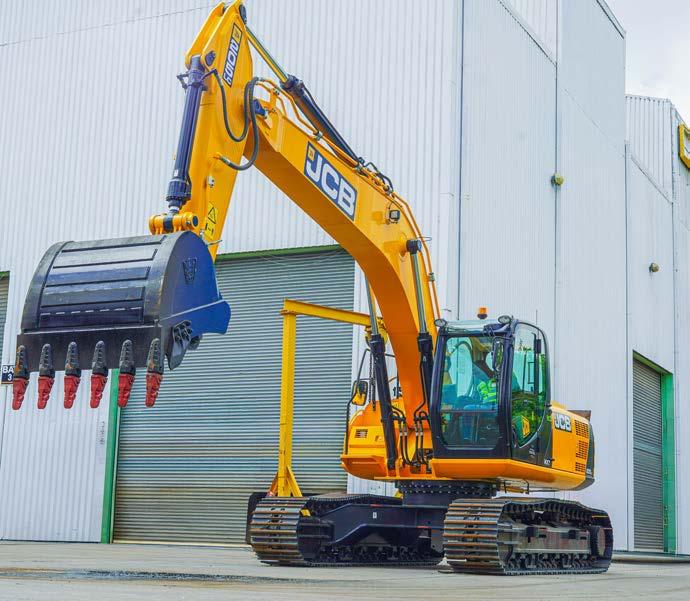
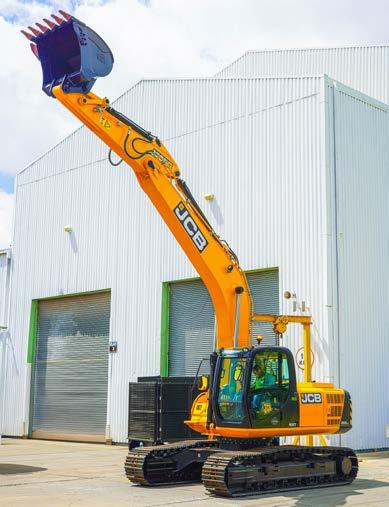
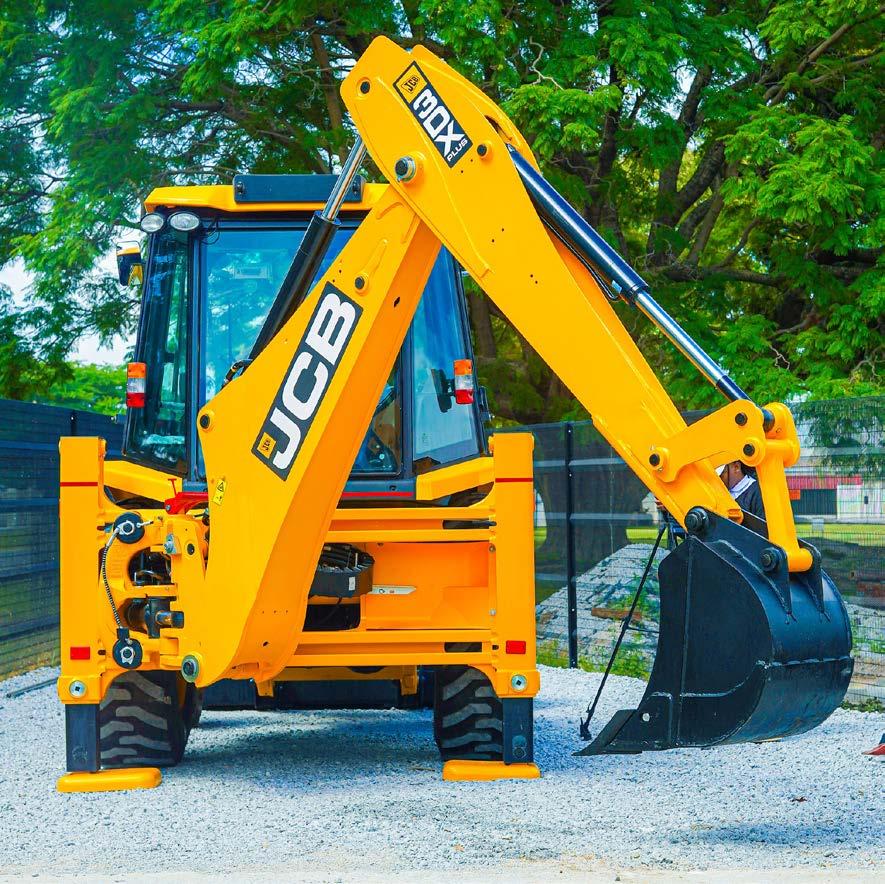
The partnership between the global JCB brand and the local entity has brought world-renowned technology to Zimbabwean soil. The 3DX and 3CX backhoe loaders, often cited as the world’s number one in their class, remain the preferred choice for local sites. These models are celebrated for their “simplicity of ownership”—a crucial factor in the local market. Constant upgrades based on the “voice of the customer” have transformed these machines into lowmaintenance, high-productivity workhorses that are perfectly suited for the rugged conditions of Zimbabwean construction and quarrying. Apart from backhoes, JCB excavators are supporting sectoral growth through an improved pricing structure that makes high-tier equipment accessible to emerging mining contractors.
Revolutionizing service and support
In an industry where a single day of downtime can result in massive financial losses, JCB Link’s “customer-at-the-heart” approach sets them apart. Eschewing rapid, impersonal expansion, the company has stayed tethered to organic growth to maintain a sense of “warm friendliness.”
This relationship-based model allows for collaborative inventory planning. Customers are often involved in the planning of genuine parts stock, working alongside qualified technicians to ensure that service delivery is tailored to specific fleet needs.
The digital and green frontier
As 2026 progresses, JCB Link is leaning heavily into the “phygital” trend—the intersection of physical machinery and digital diagnostics. While factory-installed telematics are already standard, the company is working on a tailored LiveLink application for mobile phones. This tool will simplify service scheduling and provide analytical feedback on machine performance, putting the power of a diagnostic lab in the palm of the customer’s hand.
Looking further ahead, the company is preparing for the green energy transition. With JCB’s recent unveiling of the first Mobile Hydrogen Refueler, the groundwork is being laid for zero-emission mining equipment in Zimbabwe.“Fossil fuels are not the future,” says Dekune, echoing the sentiments of Lord Bamford, the founder of the UK parent company. “Our mining community is very open-minded to sustainability. It begins with sowing the seed and finding the bold customers who see green technology as an investment in the future of our environment.”
Vision 2030 and beyond
As Zimbabwe targets upper-middle-income status by 2030, JCB Link is positioning itself as a key enabler of the megaprojects set for completion this year. Through supporting the construction sector day in and day out, the company shares in the nation’s broader success. When asked to define their impact on the industrial landscape over the next five years, the Dekune offered a powerful vision of partnership: “We aim to shape our industry by being the epitome of customer service—holding our customer’s hand, not their wallet.”
Text By Martin Chemhere
SOLAR POWER INSTALLATION RESHAPES HOW A MIDLANDS SCHOOL CAMPUS FUNCTIONS
One of Zimbabwe’s prominent institutions has made a bold shift toward a greener future, in a decisive move toward energy independence and educational advancement. The Midlands Christian Group of Schools (MCGS) has officially commissioned its own modern solar installation, marking a transformative era for the education sector in Zimbabwe.
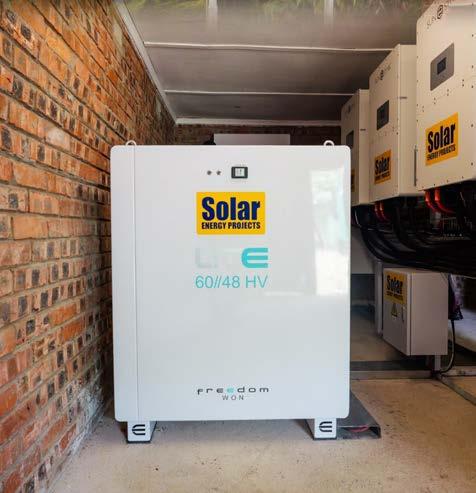
Executed by the specialized Harare-based firm Solar Energy Projects (SEP), this project proves that sustainability and reliability are now the two most critical drivers for successful Zimbabwean educational operations.
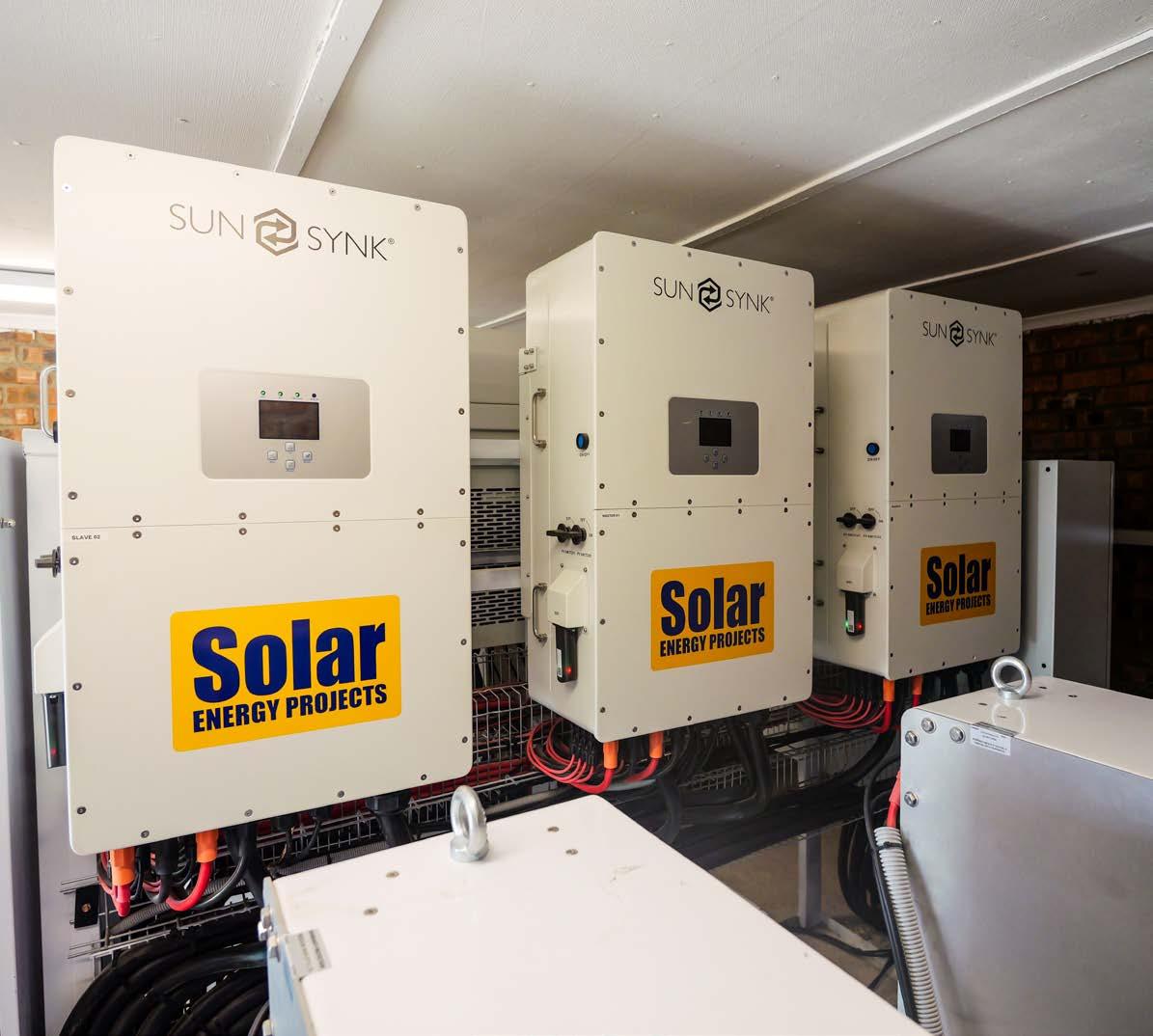
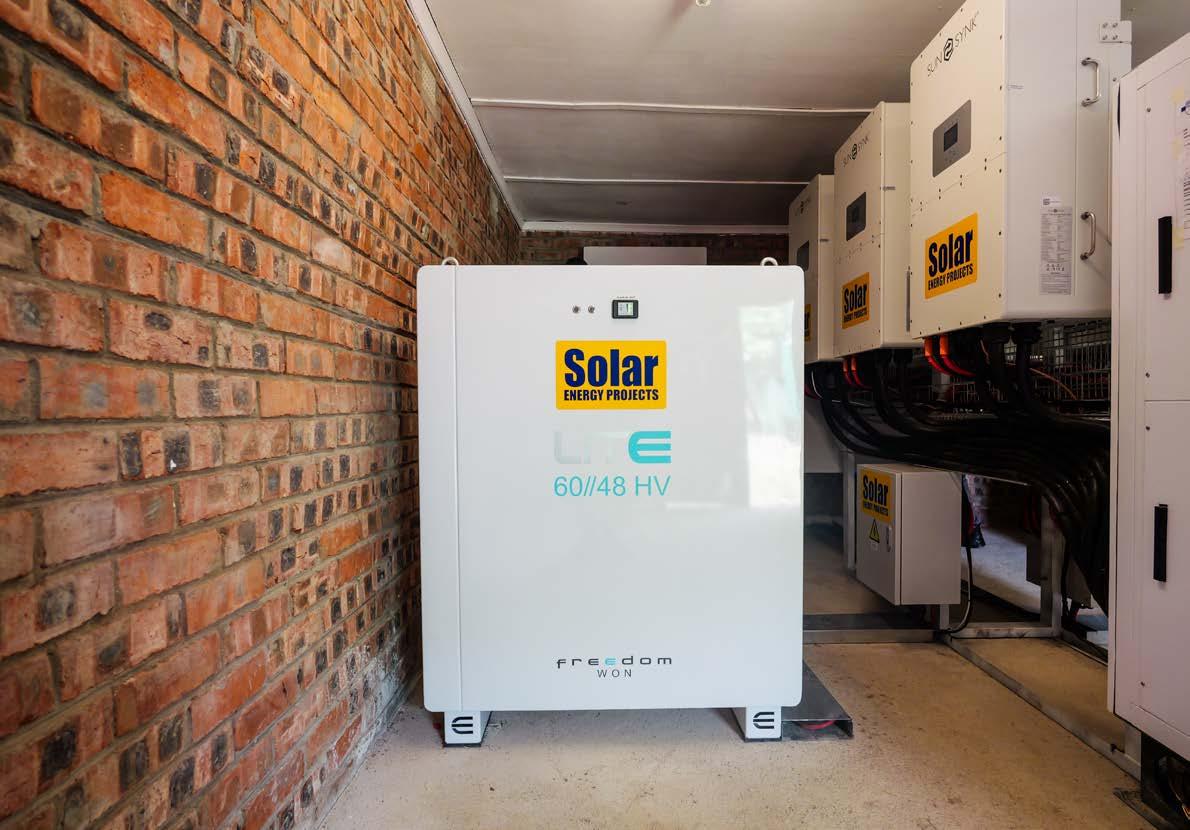
The schools’ 300kW solar power installation is fundamentally reshaping how the campus functions. For years, schools across the country have grappled with the unpredictability of the national grid, where frequent power outages interrupted digital tools, laboratory equipment, and administrative systems. The new system changes this narrative entirely by integrating high-efficiency photovoltaic panels with a robust battery storage solution to create a selfsustaining microgrid.
This ensures that from the first morning bell to late-night study sessions in the boarding facilities, the learning environment remains powered and productive without reliance on the municipal supply. The impact across the campus is felt in several key areas. Academic continuity is now guaranteed, with smart boards and high-speed Wi-Fi remaining operational around the clock. Furthermore, consistent lighting across walkways and residential areas has significantly enhanced security and peace of mind for staff and students after dark.
Beyond the technical benefits, the school is seeing significant operational savings by reducing the need for expensive diesel generators. These funds, previously lost to fuel and maintenance, can now be redirected back into educational resources and sports infrastructure.
Crucially, the transition to solar also serves as a “live classroom” for students. It provides a tangible example of renewable energy engineering and environmental stewardship in action, allowing students to see the real-world application of the physics and geography they study in their textbooks.
Midlands Christian Group of Schools has now become another blueprint for sustainable development in the education sector. The success of this 300kW milestone sends a clear message to other large-scale institutions: reliable, clean power is no longer a luxury of the future—it is a viable necessity for today.
The MCGS milestone proves that whether you are running a school, a farm, or a commercial factory, the right energy strategy can transform your operations. Every institution has unique load requirements, and the transition to energy independence should be a bespoke process tailored to specific consumption patterns.
Solar Energy Projects (SEP) specializes in these large, scalable, high-energy demand systems designed for remote and harsh environments. Their most recent projects span the commercial and farming sectors, consisting of large off-grid systems that have even been utilized for clinics.
Established in 2009, Solar Energy Projects has been setting the standard in solar engineering across Zimbabwe. With no project too large and a wealth of experience, clients can count on their teams to deliver professional results.
Their expertise lies in large-scale power solutions specifically designed for diverse market sectors. From farms and rural schools to hospitals, hotels, safari camps, and factories, SEP offers complete off-grid power solutions and reliable backup systems.
Through the application of the latest technology alongside extensive on-theground experience, they ensure each project is handled with a service standard expected from people passionate about their craft. Taking pride of themselves on facilitating the “corridors of power” and giving real, tangible meaning to the phrase “a brighter future.”
THE GIANTS OF SOUTHERN AFRICAN ROADS:
DHARWIZI’S HIGH-CAPACITY LOGISTICS FLEET
Text By Martin Chemhere
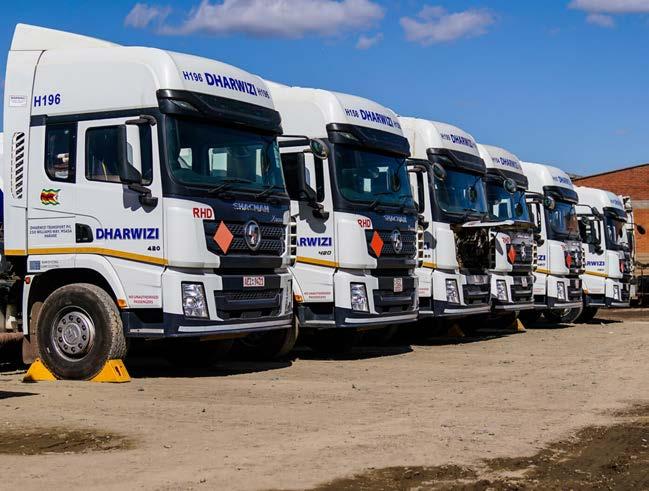
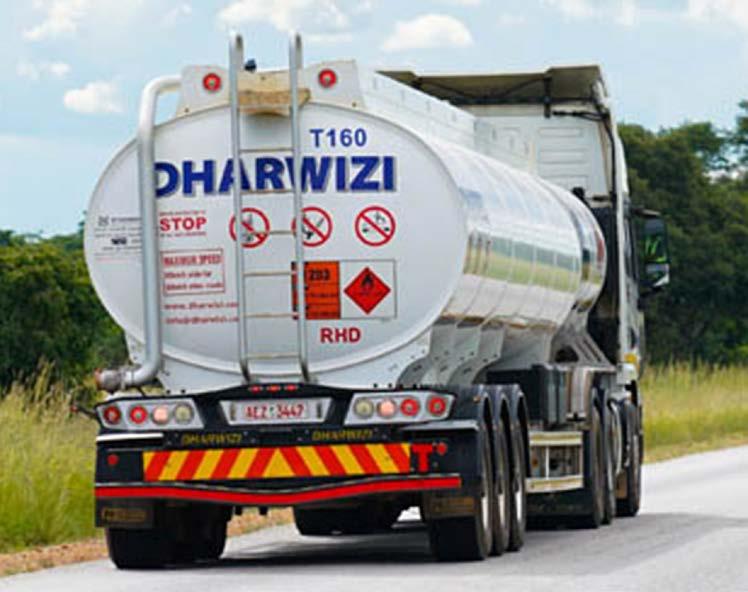
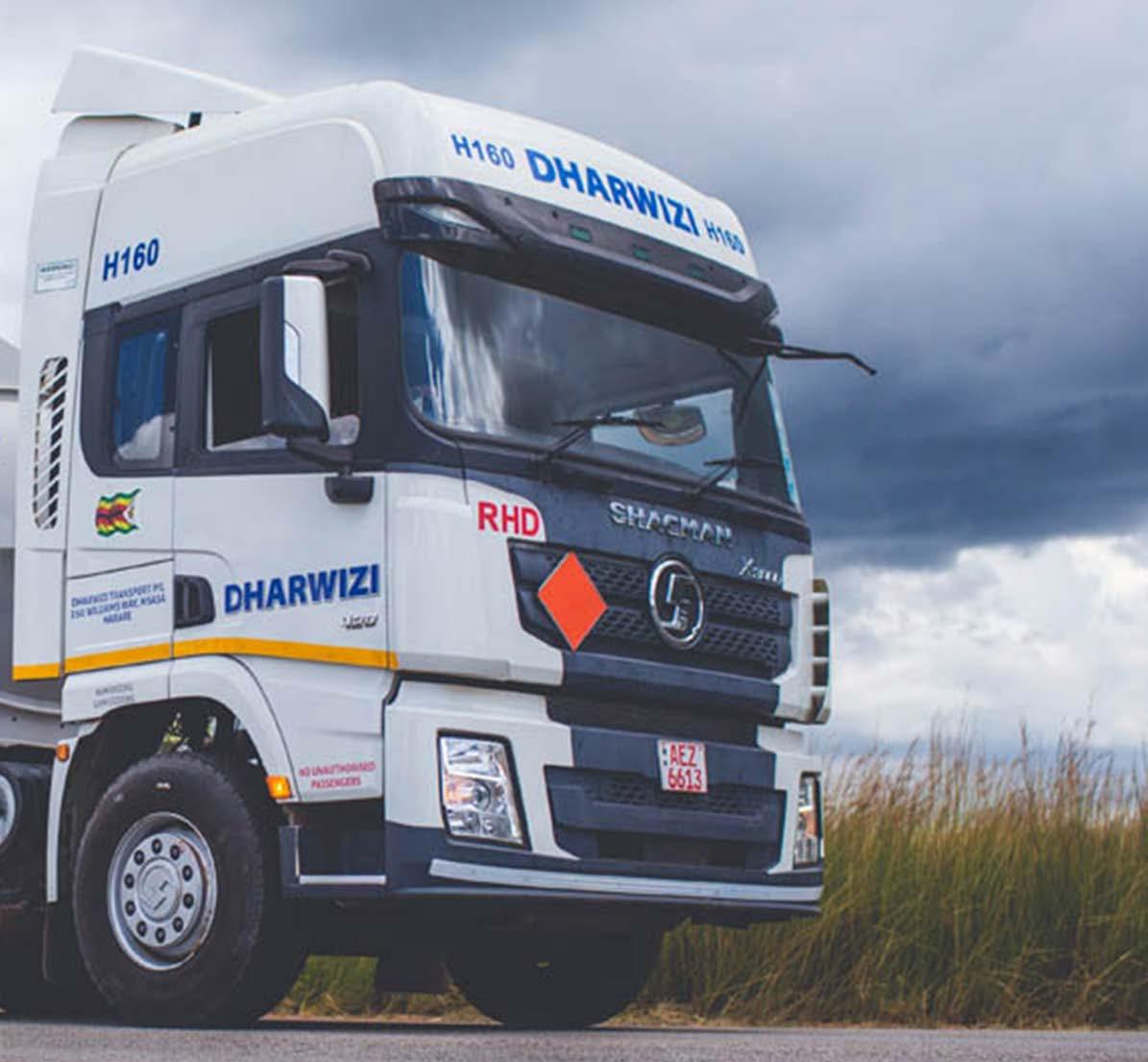
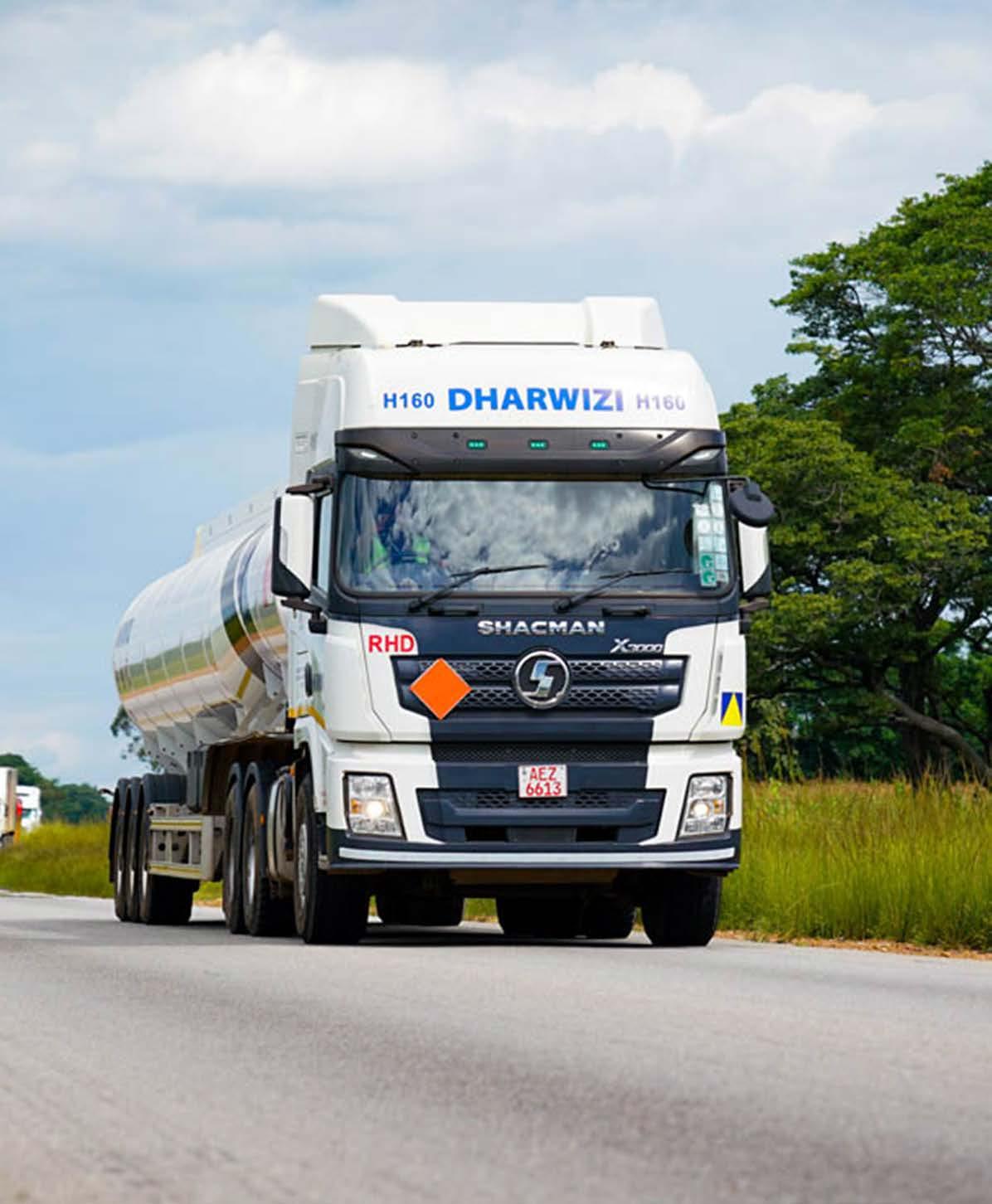
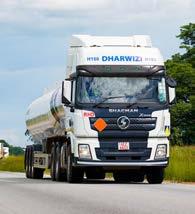
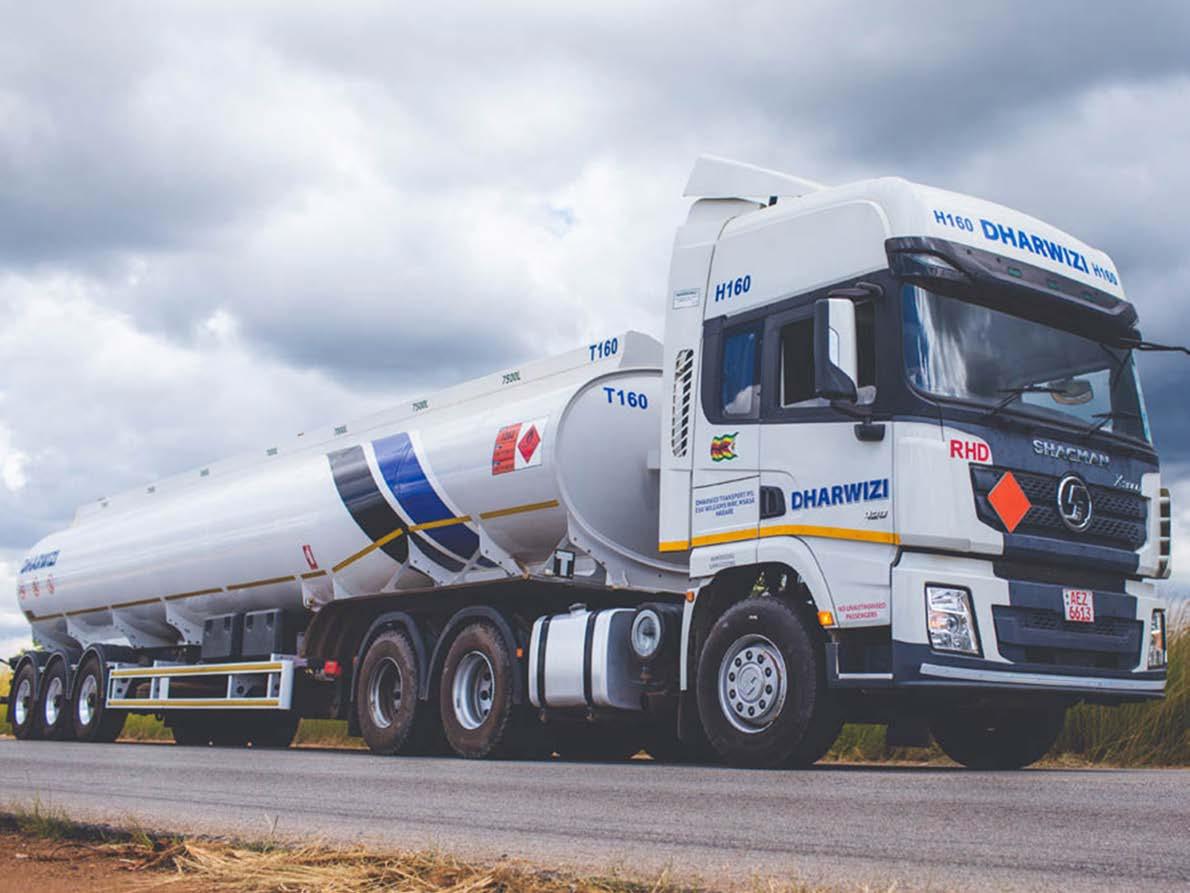
In the demanding world of Zimbabwean energy logistics, where fuel is the lifeblood of industry, Dharwizi Transport has established itself as giants of efficiency. Their fleet is built around "high-capacity" performance, specifically designed to navigate the long-haul trade routes connecting Zimbabwe to the broader SADC region.
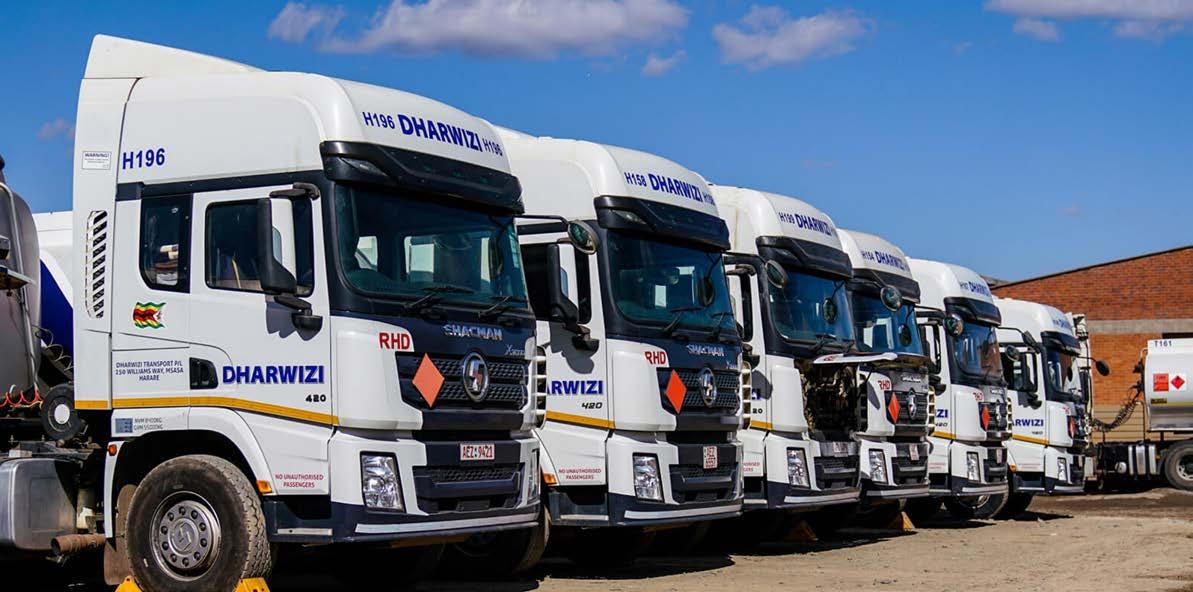
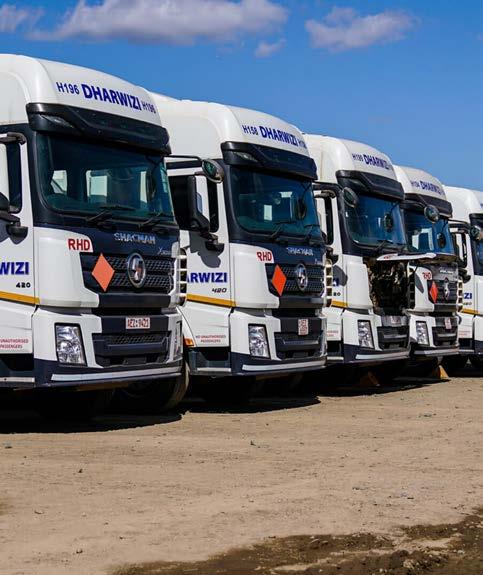
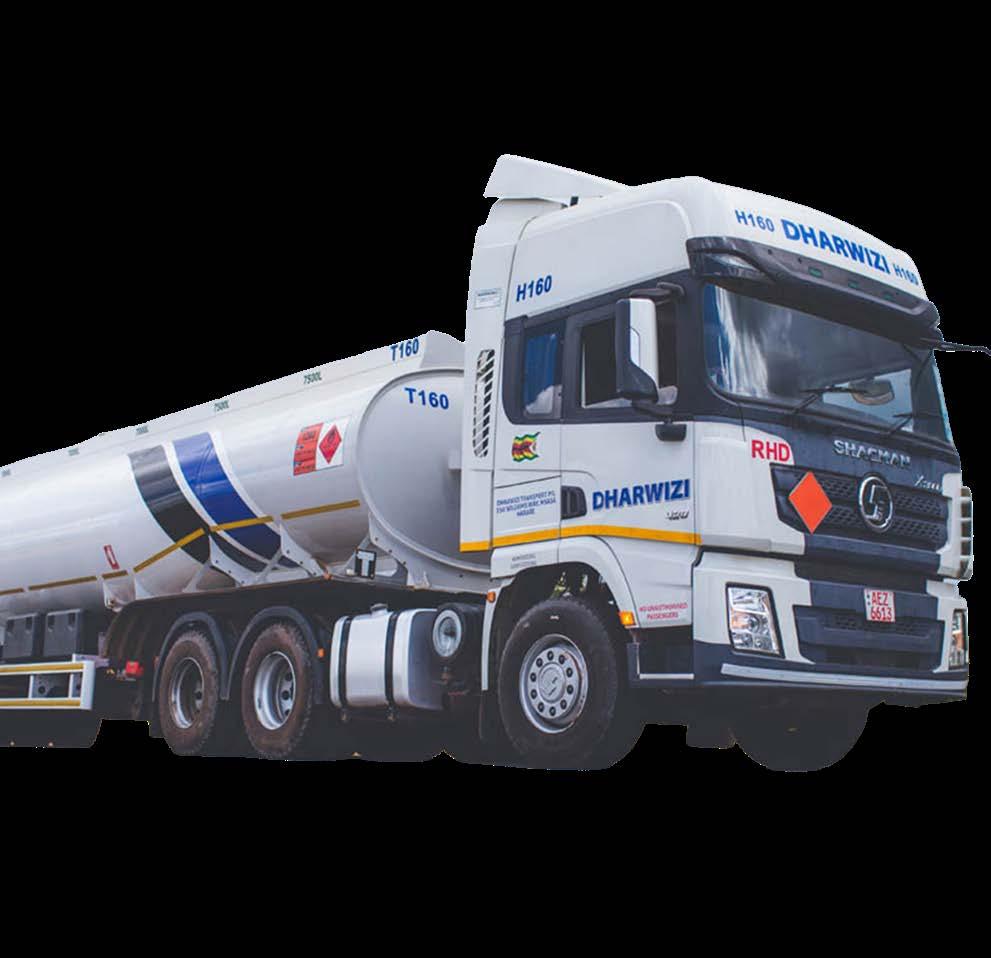
At the centre of this operation is a sophisticated fleet of over 60 truck tractors, paired with specialized aluminium tankers that maximize payload while ensuring safety. This strategic focus has positioned the company as a leader in cross-border transport from Mozambique and South Africa into Zimbabwe, Zambia, and the Democratic Republic of Congo (DRC).
The Workhorse:
Dharwizi Truck / Tractor fleet is selected and engineered for intensive, high-load operations across the North-South Corridor. Powered by Cummins Euro 3 engines it is built to handle the steep escarpments and winding roads typical of regional transit. Beyond raw power, these vehicles are equipped with onboard Mix Telematics Vision Cameras to monitor our driver’s behaviour and public safety.
The Truck Tractors also prioritizes economic and operational sustainability. The units are spec to help reduce fuel consumption even when hauling full loads. For the drivers, a four-point air suspension system and sound-insulated cabins cultivate a tranquil atmosphere. This is essential for maintaining alertness during the gruelling long-haul trips required to reach destinations like the DRC and Zambia.
Maximizing the Payload:
Efficiency in fuel delivery is defined by the amount of product moved in a single trip. Dharwizi utilizes specialized aluminium tankers because their lighter weight—compared to traditional carbon steel— allows for a higher "payload" without exceeding legal road weight limits. These tankers feature a massive capacity: 40,000 Liters (40m³) for Diesel and 42,000 Liters (42m³) for Petrol.
Each tanker is divided into multiple compartments, typically five, equipped with pneumatic emergency valves and API discharge valves. This design provides the flexibility to transport different fuel types, such as Diesel 50 and Petrol, in a single trip, significantly reducing the perunit transportation cost.
Reliability, Safety, and Monitoring:
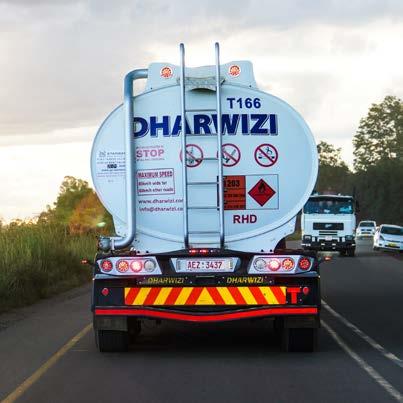
Transporting hazardous materials across borders requires more than just mechanical strength. There is the need for digital oversight and strict accreditation. Dharwizi voluntarily submits to SQAS (Safety & Quality Assessment for Sustainability) through the Chemical & Allied Industries Association in South Africa, maintaining accreditation since 2014.
Every vehicle is fitted with live satellite tracking via Mix Telematics, allowing a 24/7 dedicated team to locate cargo to within 2 meters. This is supported by Loginamix, a bespoke management system that enforces legal and operational compliance from the start to the close of every trip.
Safety is further reinforced through rigorous driver training. All drivers are fully compliant with the Occupational Health and Safety Act and the Transportation of Dangerous Goods Regulations. Before employment, and annually thereafter, they undergo in-house training to ensure they meet the highest standards of the National Environmental Management Act of Zimbabwe.
For each of Dharwizi’s client, this comprehensive approach means "Zero Hazards" and the absolute peace of mind that their cargo is being managed with professional precision across Southern Africa.
FUEL TRANSPORT & DELIVERY
VERIFY ENGINEERING: A HALLMARK OF EXCELLENCE
Text by: Samson Venge / Plant Superintendent
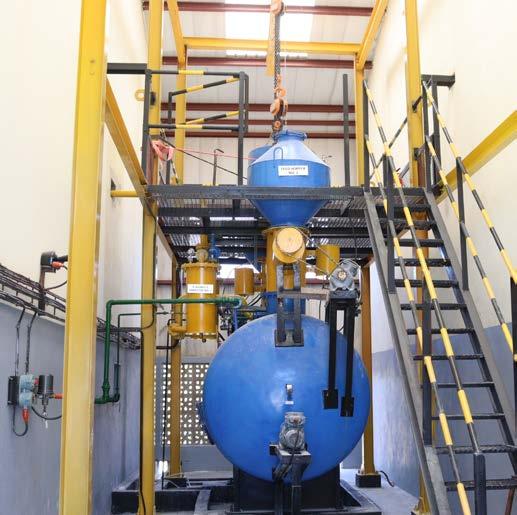
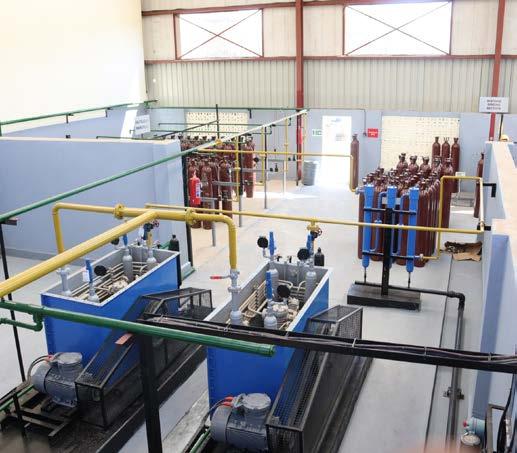
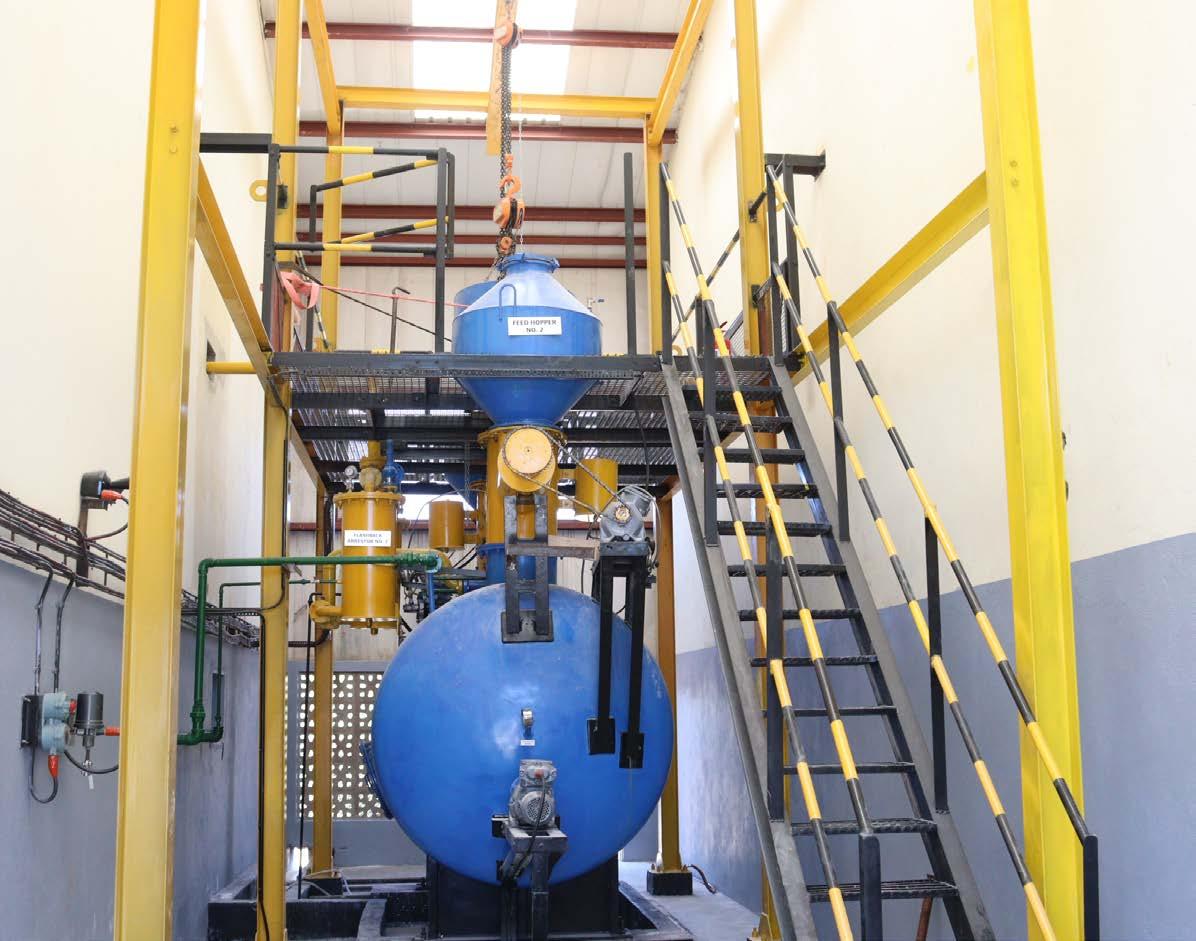
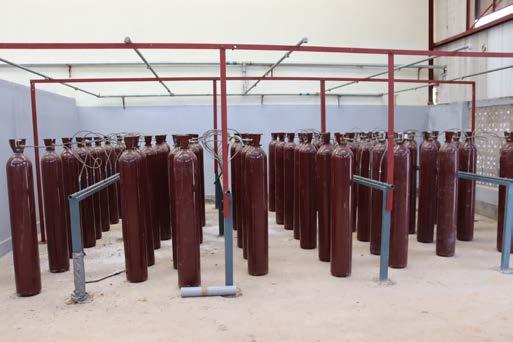
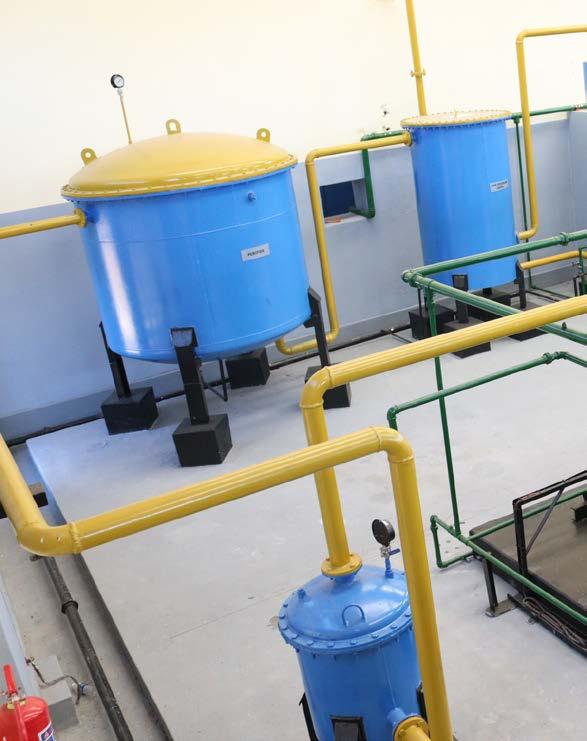
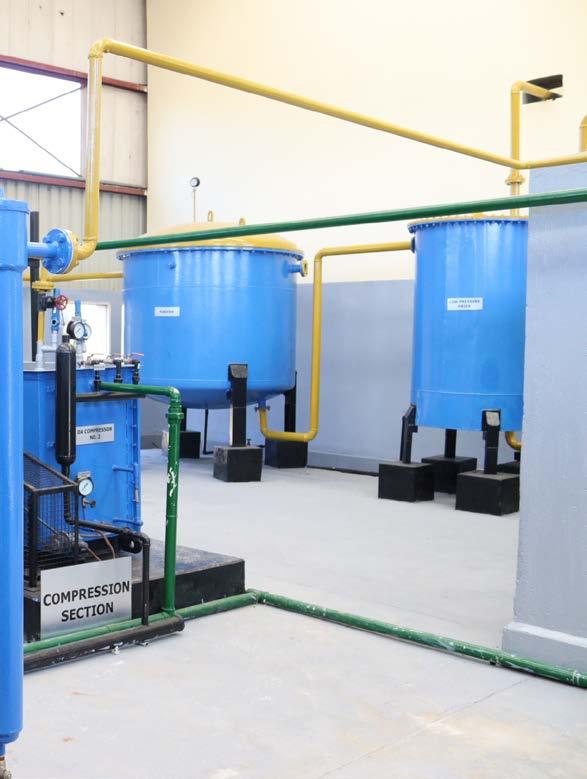
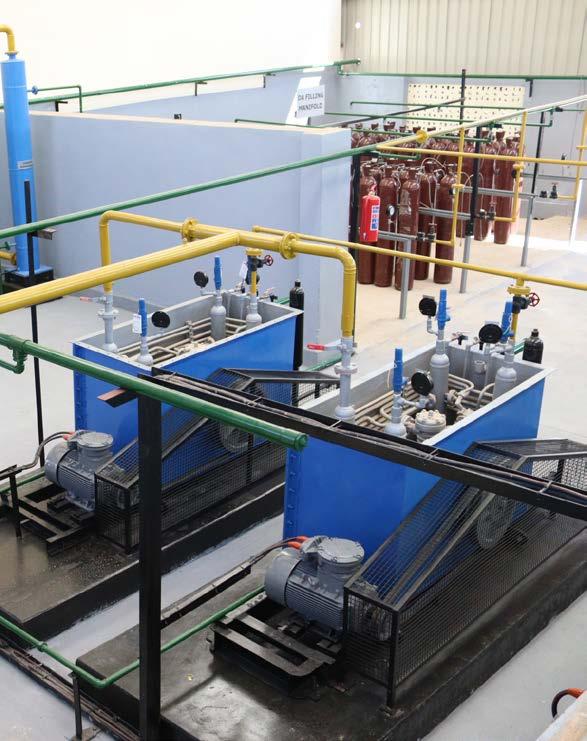
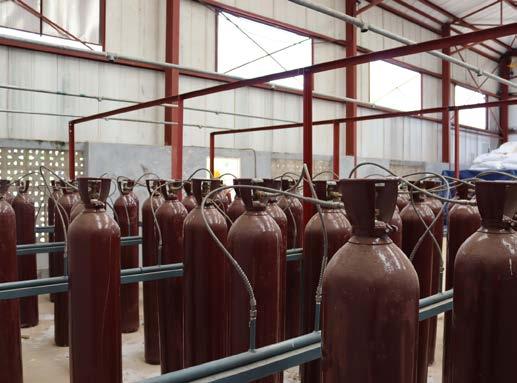
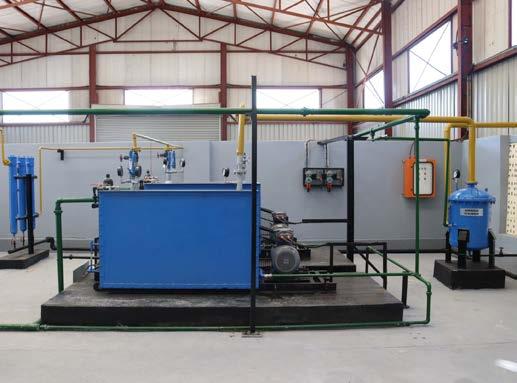
Since its formation more than seventeen years ago (in 2005), Verify Engineering (Pvt) Ltd has increasingly carved out a niche in the design, construction, Procurement, Commissioning of manufacturing and power plants market. It has begun to launch out its vast works through its Special Business Units (SBUs). Some of the launched SBUs include, VE Gases, VE Energy, and VE Projects. VE Projects and VE Energy are SBUs carrying out EPC Contracts on behalf of Verify Engineering (Pvt) Ltd in manufacturing and power plant markets, respectively. As an EPC company, we offer innovations coupled with world-class technology and best practices that provide efficient and cost-effective engineering solutions. Today we are going to focus more on VE Gases, which is the supreme producer and distributor of medical and industrial gases in Zimbabwe and beyond.
VE Gases is a strategic business unit (SBU) of Verify Engineering (Pvt) Ltd and has become Zimbabwe’s largest industrial gas producer by production capacity and is thriving to be the same by market share and revenue. VE Gases has disrupted the local gases industry markets, making history as the first Zimbabwean company to breach this niche market hitherto preserved for big conglomerates with headquarters in the first world.
It is serving customers in the healthcare, animal farming, petrochemical refining, manufacturing, food, beverage, fibre optics, steelmaking, aerospace, chemicals, and water treatment industries. The SBU’s primary business is the manufacturing and distribution of atmospheric gases, including oxygen, nitrogen, and acetylene. Current projects being implemented by the parent company are going to capacitate the SBU’s local production of nitrous oxide, argon, rare gases, and process gases, including carbon dioxide, helium, hydrogen, ammonia, liquid petroleum gas (LPG), etc.
With medical oxygen readily stocked by VE Gases, the Zimbabwean healthcare sector can safely and easily embark on treating respiratory illnesses like Covid-19, asthma, and pneumonia. Relief is now possible for emergency and critical care where medical oxygen is the difference between life and death, such as in delivery rooms (vital for pregnant women and newborns), in intensive care units, for patients with severe respiratory distress, and in emergency vehicles like ambulances. VE has the medical oxygen gas needed.
Verify Engineering, through its other SBU called VE Technical Services, has addressed that critical component by developing the capacity to install medical gas pipe systems in health facilities so that all medical gases are readily available by the patient’s bedside.
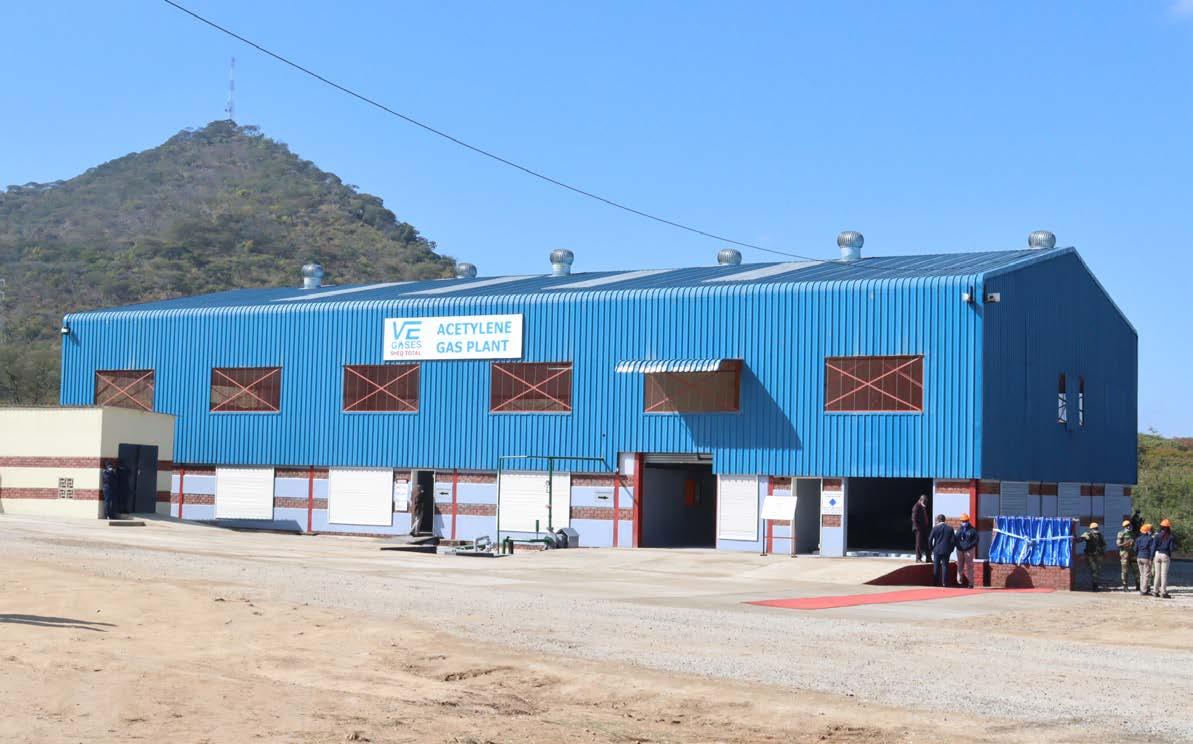
Dissolved acetylene completes the panoramic picture of VE Gases’ quality products, where DA’s exchange ratios with oxygen facilitate infrastructure development for an upper middle-income society. DA finds wide application in oxy-acetylene welding and cutting of metals, especially in infrastructure development exemplified by construction, manufacturing, and repair industries. DA is an active gas in metal fabrication’s three layers of brazing, soldering, and other metal working processes.
Today, VE Gases products represent a conversation in the corridors of health, in the workshops of agriculture breeding programs, and in the echelons of metal fabrication, like the class of laser stainless steel and aluminum metal cutting, where VE Gases’ high-pressure nitrogen serves as an assist gas. Nitrogen rises majestically and finds employment in the petroleum, oil, and gas sector, purging pipelines (the Beira-Feruka diesel-petrol interface is VE Gases Nitrogen, and the Feruka-Mabvuku diesel/petrol interface is Nitrogen), acting as an inert buffer, and maintaining safety in flammable environments.
These gases are manufactured within the framework of international standards, namely ISO 9001:2015 Quality Management Systems and Good Manufacturing Practice (GMP), and under the watchful eye and auspices of the Medicines Control Authority of Zimbabwe (MCAZ), all performed to meet ethical principles, quality requirements, and established professional practice benchmarks.
Products represent a sure and certain restructuring of the Zimbabwean economy, a physical embodiment of assured health for all Zimbabweans across the strata of society, and demographic sustainability.
Due to its inertness and cryogenic properties (-196°C), VE Gases Nitrogen enjoys wide application in agriculture, industry, medicine, and food preservation. It is the gas of choice for airplane tyres inflation because of its stability; it is also gaining traction and popular application in modern vehicle tyres inflation. To avoid oxidation of circuit boards and components, nitrogen is used during soldering in the electronics manufacturing industries. Food packaging and preservation rely on using nitrogen, which prevents spoilage, oxidation, and deterioration of food products, thereby extending food shelf life while maintaining flavour, texture, and colour. In beverages as 2030 is approached, nitrogen is being used as a preservative, replacing carbon dioxide in fizzy drinks.
For medical cryosurgery to destroy abnormal tissues, such as warts or precancerous cells, liquid nitrogen (-196°C) is the tool of choice that has a minimal damage footprint to surrounding tissue. It is also critical for cryogenic preservation of biological samples (bio-banks holding sperm, eggs, embryos, blood, and tissues).
Zimbabwe is known for its beef industry. The wealth of Zimbabweans translates to ownership of cattle, and this value in cattle is preserved and shown when paying roora, where a minimum of 8 beasts is charged, showing the value of cattle in Zimbabwean society and culture. This is why Zimbabwe has embarked on a nationwide cattle breeding programme spearheaded by Chinhoyi University of Technology.
Today and tomorrow are great places to be with VE Gases products and accessories. VE Gases has designed a health umbrella that started by hedging Zimbabwe from the impacts of Covid-19. During Covid-19, medical oxygen at 90% purity (WHO standard) was a strategic resource that every government in the world wanted preserved, as it meant survival of its citizens. The demand for medical oxygen meant that no jurisdiction exported this vital commodity outside its borders. In that crisis, VE Gases was thrown in and it came to the party by producing medical oxygen at 99.5% purity, and this has been tweaked to purity levels of 99.8% - 100%, raising the bar for industrial oxygen by default.
VE Gases products have triggered improved economic well-being and prosperity for both infrastructure development and healthy living, the hallmarks of Vision 2030 of being and living as an upper middle-income society. Its gaseous products and accessories can be supplied without resource exhaustion or depletion of product inventories. The positive effect is the realisation of a healthy population, a robust industrial base, and a thriving national cattle breeding drive.
WINNERS AND LOSERS
(The
Compiled by Melaine Kanyenze
For more than a decade China’s solar export rebate regime has been one of the most powerful forces shaping Africa’s renewable energy market. By effectively subsiding phovoltaic (PV) exports, China enabled an era of ultra-low solar equipment prices, accelerating global solar adoption while simultaneously reshaping competitive dynamics across the value chain.
That era is now ending. China’s decisions to phase out and ultimately eliminate export VAT rebates on solar modules and related technologies marks a structural turning point for the industry.
While the immediate narrative focuses on higher prices, the deeper reality is more complex.
The policy shifts will produce clear winners and losers.
Recent adjustments to manufacturing incentives and export rebates were aimed at reducing over capacity, improving environmental compliance and prioritising high efficiency technologies.
For Africa the shift is likely to:
➢ reduce dumping of low-grade solar product
➢ Improve product quality, consistency and warranty enforcement and credibility
While some consumers may face higher upfront cost, the overall effect is a more stable and credible market environment. Africa’s solar markets are moving from explosive growth toward structural maturity. Zimbabwe’s energy landscape has been long defined by persistent power shortages which created a solar power-driven crisis market; however, the market reveals deeper structural dynamics including price competition, skills gap and global policy spill overs, that are shaping its trajectory.
Zimbabwe’s experience shows that crisis-driven adoption must evolve into regulated, professionalised eco systems if solar power is to fulfil its promise and global policy shifts are accelerating this transition.
The future of Solar in Africa will not be defined by how cheap systems become but by who delivers quality, reliability and trust at scale.
As the solar markets recalibrates, outcomes are diverging. Informal dealers and untrained installers whose competitiveness relies solely on low pricing are likely to struggle.
In contrast trained installers, compliant distributors and reputable suppliers are positioned to benefit from rising demand for quality, reliability and accountability. Overtime end users emerge as winners, gaining access to systems that perform better, last longer and deliver real economic value rather than short term savings.
At a macro economic level, a more stable and professionalised solar sector reduces, enhances energy efficiency and strengthens the role of renewable energy as a reliable contributor to national productivity rather than shortterm copying mechanism.
REFRAMING ZIMBABWE AND AFRICA’S SOLAR MARKET
The policy changes by China are not only reshaping Zimbabwe’s market but redefining the competitive landscape across Africa.
For years, generous manufacturing incentives and export rebates enabled Chinese manufacturers to flood African markets with low cost solar components often without sufficient regard for product longevity, after sales service or local market suitability.
For markets like Zimbabwe, Kenya, Nigeria, Ghana and Zambia where solar demand is driven by grid-instability, the policy shift signals a transition from volume driven expansion to value driven growth.
While price sensitivity remains high, governments and consumers are becoming more aware that system failure costs often exceed initial savings from cheaper equipment.
SQUEEZED MARGINS AND STRATEGIC RESET
Distributors
Distributors will struggle to fully pass higher equipment costs to installers and end users, therefore compressing their margins. They sit uncomfortably in the middle of the value chain absorbing shocks from both ends as they face:
➢ Loss of ultra -low FOB pricing
➢ Reduced arbitrage opportunities
➢ Customer resistance to price increases in cost sensitive markets
PRICE
TAKERS TO MARKET WINNERS
Manufacturers
China’s export rebates artificially compressed global solar prices, forcing manufacturers into relentless price competition and razor thin margins. The removal of rebates reverses this dynamic. Large vertically integrated manufactures are best positioned to absorb short-term margin pressure while passing through control price increases.
The new policies filter out marginal producers and rewards operational excellence. The result is a smaller number of globally dominant manufacturers with greater market power and strong long-term profitability.
The policy thus does not weaken Chinese solar manufacturing but it strengthens it by enforcing consolidation around the most competitive players.
Africa doesn’t only need cheap panels it needs manufacturers bold enough to lead and smart enough to let everyone else follow. “If your Africa strategy ends when rebates do, you were never building a business rather just riding a discount.”
For established solar manufacturers with robust R&D (Research and Development) and credible product port folios this shift presents a strategic business opening rather than a threat, as weaker, opportunistic suppliers exist or scale back, high quality manufacturers can reposition themselves as long term energy partners rather than short-term product vendors.
Now manufacturers must change their approach by shifting the narrative “cheap solar to smart solar”. This strengthens their ability to shape downstream markets particularly in emerging economies.
KEY STRATEGIES
➢ Partnering with the right distributors-invest in distributor partnerships. Zimbabwe and a lot of other African markets favour long termrelationships. To ensure brand consistency, proper installation and effective after sales support. This is critical in African markets where trust and reputation strongly influence purchasing decisions.
➢ Market -Research Product Fit-success increasingly depends on localised market research
➢ Brand Building Beyond Price- suppliers have an opportunity to build brand equity based on reliability, performance guarantees and life-cycle value.
Over time this approach supports premium pricing, stronger customer loyalty and deeper market penetration.
THE BIGGER PICTURE
Historically the market has been extremely price sen sitive, favouring low-cost imported equipment however China’s rebate shift forces a recalibration.
For Zimbabwe this transition presents a choice, remain locked into a short-term price chasing or evolve toward a higher quality, more resilient solar market. Those who understand this shift and adapt their strategies accordingly can define the next phase of solar growth in Africa. China’s evolving rebate policies, combined with Africa’s growing demand for reliable power are accelerating the maturation of the continent’s solar markets.
This isn’t a setback for solar, it’s a sign of maturity. The rebate era rewarded volume, the next era rewards value and long-term thinking. Manufacturers, Suppliers, Distributors and installers who understand this shift each doing their part will shape Africa’s next phase for solar growth.
“The real question is not whether prices will rise cause surely they are rising but who adapts fastest setting the rules, strategizing while everyone else updates their playbook.”
PURLEIGH INVESTMENTS POWERS A GREEN REVOLUTION WITH SOLAR PLANTS AND MORE
Text By Martin Chemhere
Purleigh Investments, a leading player in Zimbabwe’s sustainable electrical supply sector, is gradually accelerating the nation’s energy independence drive by pioneering new investment models focused on solar power. Beyond meeting the immediate demand for sustainable electricity, the projects are engineered to drive Zimbabwe’s strategic ambitions—strengthening economic productivity, accelerating industrial growth, and supporting social development across the country. They are building more than power systems. They are building the energy foundation of Zimbabwe’s future. The company’s comprehensive, endto-end green energy solutions are not only mitigating the immediate challenges of power grid but are also creating high-impact investment opportunities for the public, linking financial growth directly to the country’s green energy transition.
The company has successfully positioned itself at the forefront of the agricultural revolution, showcasing how tailored solar solutions are transforming farming operations throughout the country. This impact was a major talking point at the recent ADMA 2025 event, where Purleigh exhibited its specialization in commercial solar irrigation systems and solar tobacco curing solutions.
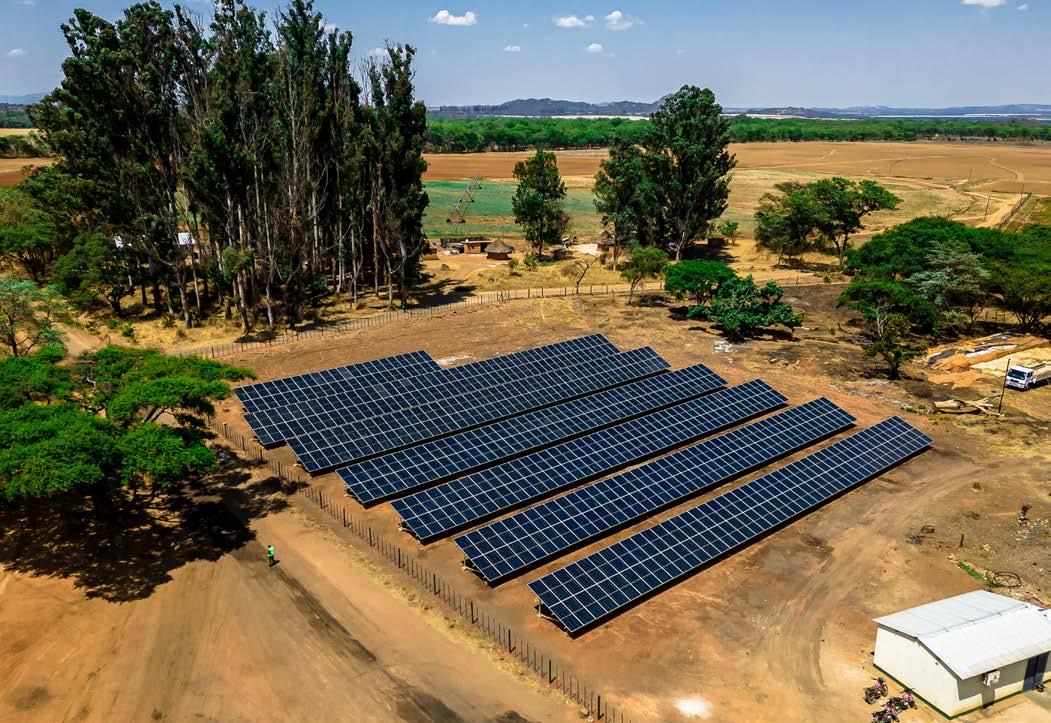
Further illustrating this agricultural focus, Purleigh recently completed the installation of a 1MWh Full Off-Grid Solar System in Headlands, which powers tobacco curing, water pumps, and centre pivots with clean energy. The company deploys an average of 5MW annually across the three sectors of the economy.
It is this proven capability that underpins the company’s ambitious vision. Susan Mawonawani, Managing Director of Purleigh Investments said her organisation’s vision is to revolutionalise the energy sector and establish solar power as the leading source of energy nationwide, contributing to a sustainable, carbon-neutral future.
The success of these projects is attracting significant attention, particularly the transformative work at Lone cow Farms in Mutorashanga. There, a robust 500kVA solar system, complete with battery energy storage and a net metering setup, is driving efficient irrigation critical for high-yield wheat production.
This project serves as a powerful model, having been financed through Stanbic Bank, demonstrating how strategic financial partnerships are making sustainable energy solutions accessible and, simultaneously transforming Zimbabwe’s agricultural landscape through the reduction of costs, increasing reliability, and supporting food security. Purleigh’s philosophy of “Excellence” is visible in every installation, from its high-tension line work up to 11kV, to its provision of a full suite of products including Lithium Batteries, Solar Inverters, and solar mounting racks, ensuring comprehensive end-to-end green energy solutions for every client.Having gained significant industry reputation over the years, Purleigh Investments is now extending this financial assistance opportunity to investors.
The company is offering investments through its solar plants, allowing both institutional and individual investors to partner directly in the future of the country’s energy infrastructure.
These investment vehicles provide a sustainable pathway for capital to generate returns while simultaneously mitigating national power challenges and supporting the long-term strategic ambitions for Zimbabwe’s economic and industrial development.
The company’s focus on solar plant investment is a direct outcome of its mission to provide reliable, affordable, and sustainable solar energy solutions that empower businesses and households to achieve energy independence.
The company’s MD further reinforces the investment appeal by stating, “The projects we undertake are not just about installing panels; they are about long-term strategic investment into power independence.
Through investments in our solar plants, partners are enabling critical infrastructure that guarantees energy security across key economic sectors, from mining to large-scale agriculture.”
Purleigh’s comprehensive solutions span mining, commercial, and agricultural sectors, offering hybrid, battery energy storage systems and off grid solar systems with net metering, ensuring every investment contributes to a functional and future-proof energy mix.
The company is not just a provider of electrical solutions, they are championing quality, integrity, and sustainability, as well as being a vital partner in the green revolution, offering a tangible opportunity to invest in a carbon-neutral future.
AFRICA ENERGY INDABA
2026 SETS THE STAGE FOR CONTINENTAL GROWTH
As the global spotlight intensifies on sustainable development and industrialization, the 18th edition of the Africa Energy Indaba is set to convene from March 3 to 5, 2026, at the Cape Town International Convention Centre.
Recognized as the continent’s flagship event for the energy sector, this premier gathering serves as a critical catalyst for the energy revolution currently sweeping through Africa.
The event is designed to move beyond mere discussion, acting as a high-stakes marketplace where CEOs, ministers, investors, and technical experts unite to transform ambitious policy into bankable reality.
The 2026 Indaba arrives at a pivotal moment when the continent is estimated to require nearly 3 trillion dollars in investment by 2050 to meet its energy goals. Attendees will have the opportunity to explore immense opportunities across a diverse energy landscape that includes renewables, green hydrogen, natural gas, and nuclear technology.
By hearing directly from industry leaders and government decision-makers, delegates gain firsthand insights into the regulatory shifts and infrastructure priorities that will define the coming decade.
The presence of numerous African Energy Ministers and representatives from the African Union reinforces the event’s status as the definitive platform for shaping the continent’s power future.
Beyond the high-level plenary sessions, the event features an extensive exhibition and specialized side forums such as the Africa Gas Forum and the IPP & PPA Conference.
These sessions allow participants to dive deep into technical solutions and project financing, fostering a unique environment where business is done on the spot.
Through these networking forums and B2B matchmaking programs, delegates exchange vital knowledge and collaborate on solutions designed to drive sustainable growth and energy security. The focus remains squarely on closing the energy access gap, which currently leaves over 600 million people without reliable electricity.
As a world-class platform for innovation and partnership, the Africa Energy Indaba 2026 is where the next generation of energy deals begins. It is a space where the private sector meets the public sector to address the challenges of transmission, distribution, and storage.
Through participating in this immersive in-person experience, stakeholders position themselves at the very centre of Africa’s energy evolution. Whether you are an investor looking for high-growth projects or a technology provider with a vision for a cleaner future, this is the essential event for anyone committed to powering Africa’s sustainable transformation.
IMAGINE UNINTERRUPTED POWER AT HOME WITHOUT PAYING EVERYTHING UPFRONT!
The dream of a home that never goes dark is becoming a reality for thousands of workers across Zimbabwe.
As the demand for reliable energy grows, the People’s Own Savings Bank (POSB) has stepped forward with a game-changing financial solution designed to make renewable energy accessible to the average household.
Through their newly launched Solar Facility Loan, civil servants and eligible POSB earners can now acquire complete solar kits immediately while spreading the cost over a manageable period.
This initiative represents a significant shift in how citizens can manage their energy needs, moving away from the burden of high upfront costs and toward a future of sustainable, uninterrupted power.
The core appeal of this facility lies in its remarkable accessibility and the sympathetic structure of its repayment terms.
Recognizing that the initial capital required for a quality solar installation is often the biggest barrier for families, POSB has designed a system where the kit is provided today, but the financial commitment is handled comfortably over time.
Specifically, the bank offers a twentyfour-month repayment period, giving borrowers two full years to settle their balance.
This long-term approach ensures that the monthly instalments remain affordable, allowing families to enjoy the benefits of solar energy— such as lighting, refrigeration, and entertainment—without straining their monthly budgets.
Speed and efficiency are at the heart of the POSB Microfinance mission.
The bank has promised a quick turnaround time for applicants, ensuring that the transition from a traditional power setup to a solar-powered home happens with minimal delay.
In addition to the quick processing, the loan features competitive interest rates that make it an attractive alternative to other high-cost credit options.
By making these loans easily accessible, POSB is effectively empowering civil servants and loyal bank earners to take control of their own utility security.
For those ready to make the switch to a cleaner, more reliable lifestyle, the bank has made the communication process as simple as possible.
Interested individuals can reach out via the toll-free number 223 for immediate assistance or connect with the bank through their dedicated digital channels.
With this facility, the promise of a bright, well-lit home is no longer a distant luxury but a simple, possible reality for the nation’s workforce.
CLEAN ENERGY: CHANGING LIVES AND FUTURES
According to the United Nations Development Programme (UNDP), the global transition to clean energy is far more than a technical upgrade or a shift in infrastructure. It represents a fundamental engine for human progress and a primary driver for a sustainable future.
By moving away from fossil fuels and toward sustainable, reliable power, the global community isn’t just protecting the atmosphere from the devastating effects of climate change. Instead, it is actively unlocking the economic and social potential of billions of people.
As the world moves closer to the 2030 deadline for the Sustainable Development Goals, the UNDP’s “Energy Moonshot” is proving that environmental sustainability and economic prosperity are two sides of the same coin.
A critical component of this transition is the massive potential for economic growth. Many people wonder if moving toward a green economy might hurt the job market, but the data suggests the opposite is true. Investing in clean energy, efficiency, and low-emissions technologies could create more than 30 million jobs by 2030.
These roles are not limited to hightech engineering; they span across the entire economic spectrum, from manufacturing solar panels and maintaining wind turbines to retrofitting old buildings for better energy efficiency and building the infrastructure for electric vehicles.
While traditional energy sectors may see a decline, the net gain in employment is staggering, offering a rare opportunity to upskill the global workforce and provide dignified, future-proof livelihoods for a new generation.
The UNDP emphasizes a core truth that should guide all global policy: investing in people pays the highest returns. When we invest in clean energy, we are actually investing in the health, education, and safety of local communities. For example, the Solar for Health initiative ensures that rural clinics have uninterrupted power, allowing for the cold storage of vaccines and the operation of life-saving equipment during emergencies.
Furthermore, providing access to clean cooking fuels reduces the millions of premature deaths caused annually by indoor air pollution, a burden that disproportionately affects women and children in developing nations.
By eliminating these environmental barriers, we allow individuals to thrive, innovate, and contribute to their local economies.
Ultimately, the transition to a green economy is about reducing inequality as much as it is about reducing carbon. Clean energy empowers marginalized communities by providing affordable, decentralized power in areas where traditional grids have failed.
Whether it is a solar mini-grid in a remote village or energy-efficient technology in a bustling urban centre, the result remains the same: increased productivity and a dramatically improved quality of life.
By prioritizing people-centred investments today, the global community ensures that the clean energy revolution leaves no one behind, creating a world that is not only cooler but far more prosperous for all.
AGREEMENT IGNITES A BRIGHT
FUTURE FOR NYANGA
The year 2026 has begun with a transformative milestone for the people of Nyanga as the Nyanga Rural District Council officially entered into a landmark hydroelectricity lease agreement with Nyangani Renewable Energy.
This historic signing marks a significant paradigm shift for the district, signalling the start of a deep and productive collaboration aimed at harnessing the natural power of the region’s water resources.
The partnership is a bold declaration of the community’s commitment to clean energy and sustainable development, setting a visionary standard for how local authorities can drive the national green energy agenda through strategic privatesector engagement.
At the heart of this agreement is the promise of reliable and sustainable power that will touch every facet of daily life in the district.
For years, the consistency of energy supply has been a critical factor for local growth, and this new hydroelectric initiative is set to stabilize the grid for homes, schools, and clinics.
This means that students will benefit from modern digital learning tools, medical facilities will operate with increased safety and efficiency, and local businesses will find the stability they need to expand their operations.
Through securing a localized source of renewable energy, Nyanga is effectively insulating its future from the volatilities of the broader energy market.
Beyond the immediate benefit of electricity, the project serves as a powerful engine for economic empowerment and industrialization within the province.
The development and maintenance of the hydroelectric infrastructure will create a wealth of local jobs and specialized training opportunities in the renewable energy sector.
This investment in human capital ensures that the youth of Nyanga are equipped with the technical skills required for the modern economy, fostering a new generation of energy experts right in their own backyard.
Furthermore, the collaboration is structured to ensure that energy revenues flow back into the community, providing a dedicated funding stream for improved infrastructure and essential community-driven projects.
This achievement is the result of tireless effort and coordination between local leadership, dedicated stakeholders, and the residents of Nyanga who have championed the vision of a greener future.
As the district moves forward into 2026, the success of this agreement stands as a testament to the power of unity and innovation.
The landscape of Nyanga is changing for the better, promising a thriving, electrified, and environmentally responsible future for all who call this beautiful region home.
Through this partnership, Nyanga is not just keeping pace with the world; it is leading the way toward a cleaner and more prosperous Africa.
NATIONAL RAILWAYS PENSION FUND EMBARKS ON GREEN REVOLUTION WITH SOLAR PROJECT
The National Railways of Zimbabwe Contributory Pension Fund is embarking on a pioneering rooftop solar photovoltaic project, marking a major milestone in the fund’s commitment to sustainable development.
Developed under the Gold Standard for the Global Goals, this initiative will see selected buildings owned by the fund across the country converted into renewable energy hubs.
The primary aim is to reduce heavy reliance on the national grid and fossil fuels, moving toward a more environmentally responsible operational model.
This ground-breaking step serves as a significant model for other institutional investors within the country.
By harnessing solar power, the fund aims to produce clean electricity onsite, which will lead to a substantial reduction in greenhouse gas emissions.
Furthermore, the project is designed to generate certified carbon credits, creating a modern financial framework that supports global climate goals while simultaneously strengthening the fund’s internal sustainability.
Beyond the environmental advantages, the project offers clear economic benefits for the fund’s members.
Generating renewable energy on-site will significantly lower maintenance and operational costs across the extensive property portfolio.
These savings are expected to improve overall efficiency, allowing more resources to be redirected toward enhancing payouts for pensioners.
This innovative approach demonstrates how responsible investment can balance fiduciary duties with the urgent need for climate action.
The initiative also aligns with national development priorities by fostering local job creation and capacity building in the renewable energy sector.
To ensure transparency and inclusivity, a local stakeholder consultation is scheduled for early March in Harare. This forum will provide a platform for communities, tenants, regulatory bodies, and civil society to engage with the technical and social dimensions of the project.
Participants will be able to evaluate the expected impacts, such as emissions reductions and potential revenue from carbon credits, while offering suggestions or mitigation measures.
All feedback from these sessions will be documented in a formal report to show how stakeholder input has influenced the project’s planning.
This strategic move into green energy not only opens a new revenue stream through carbon markets but also reinforces the fund’s long-term financial stability.
By leading the way in environmentally conscious investment, the organization is setting a new precedent for the pension sector, proving that technical innovation and reliable energy management are key to fuelling economic growth.
MAJORPROJECTSBIOGAS
AT GOROMONZI AND ST PAUL’S MUSAMI HIGH SCHOOLS
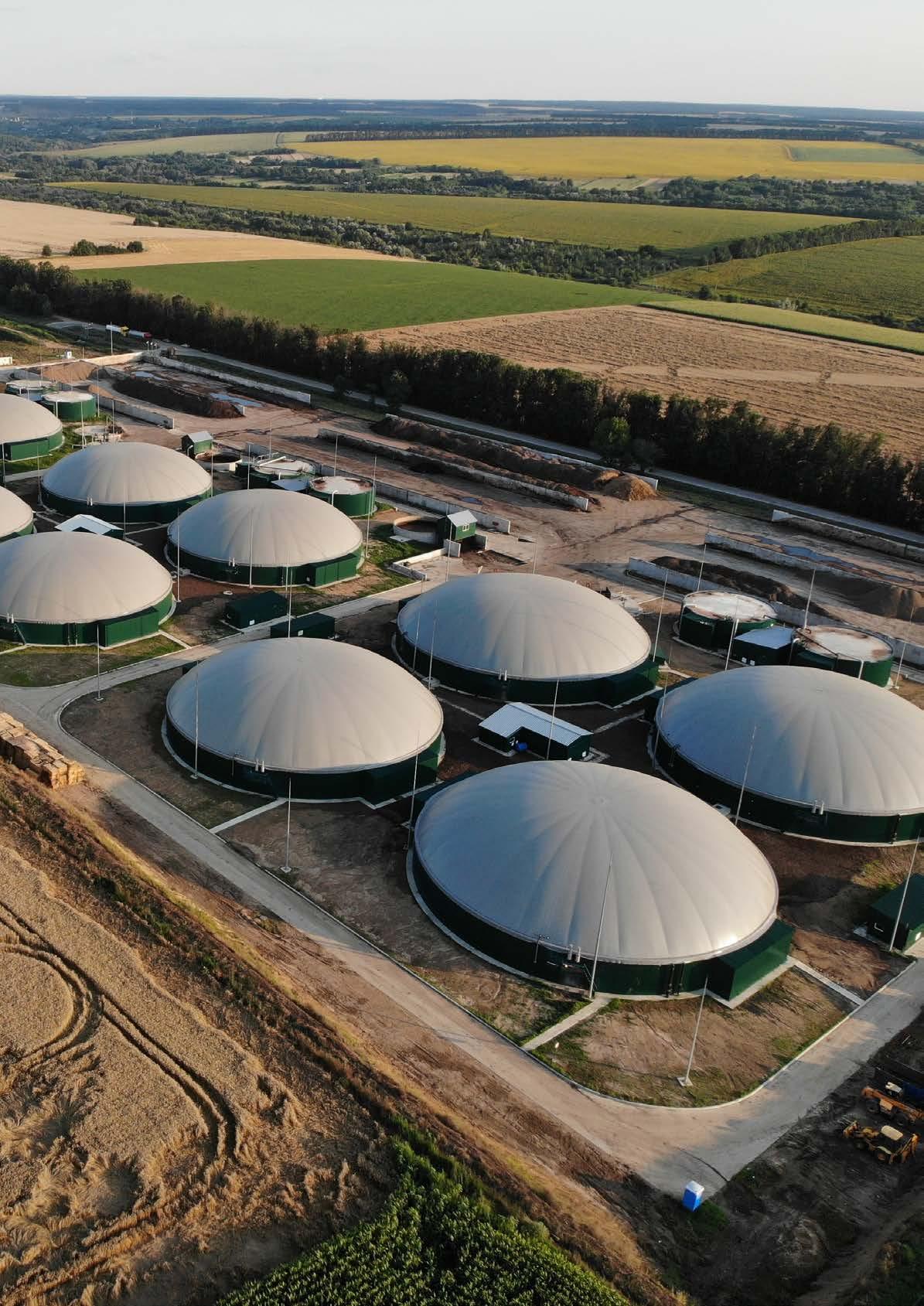
The Government of Zimbabwe has officially commissioned two major biogas projects in Mashonaland East Province. Goromonzi High School and St Paul’s Musami High School have become the latest beneficiaries of the Rural Electrification Programme, following the installation of 50-cubic-metre institutional biogas digesters by the Rural Electrification Agency (REA).
The move is part of a broader national strategy to diversify the energy mix and reduce the heavy reliance on traditional biomass and the national grid. These industrial-scale digesters are designed to convert organic waste—including kitchen remains, cow dung, and human excreta—into clean, combustible methane gas.
This transition is expected to revolutionize the way these boarding schools manage their daily operations, particularly in the areas of cooking and waste management.
Transformation through green energy
The introduction of biogas technology at these high-profile schools brings immediate relief to administrative budgets. Historically, large boarding schools in Zimbabwe have relied on significant quantities of firewood or expensive electricity for industrial kitchens. By switching to biogas, Goromonzi and St Paul’s Musami are set to drastically reduce their carbon footprint while curbing deforestation in the surrounding areas.
Beyond the energy benefits, the byproduct of the digestion process, known as bio-slurry, serves as a high-quality organic fertilizer. This will be utilized in the schools' agricultural departments, enhancing food security for the students and promoting modern, climate-smart farming techniques within the curriculum.
The commissioning of these projects reflects the latest trends in the regional energy trade, where there is a marked shift toward decentralized renewable energy (DRE) solutions. In 2026, the industry is moving away from a "gridonly" mindset toward a more resilient, multi-tiered energy framework.
High-capacity biogas digesters are now viewed as a critical component of "Smart Schools," providing a reliable energy backup that is immune to grid load-shedding or infrastructure vandalism.
Professional signage and awareness campaigns play a vital role in this transition. REA has increasingly focused on using clear, instructional signage at project sites to educate students and staff on the safe operation of the digesters.
In the modern trade, this visual communication is essential for demystifying renewable technology and fostering a sense of community ownership.
Looking toward 2030
As the Rural Electrification Fund continues its mandate to achieve universal access by 2030, the success of the Goromonzi and St Paul’s Musami projects serves as a blueprint for other provinces.
By prioritizing large institutions, the government ensures that the benefits of clean energy reach thousands of students simultaneously, preparing the next generation for a low-carbon future.
The Agency remains committed to identifying more schools and hospitals for similar installations, ensuring that rural industrialization is powered by innovation and environmental stewardship.
The evolution of the rural electrification trade
ZERA HEAD OFFICE IS RELOCATING
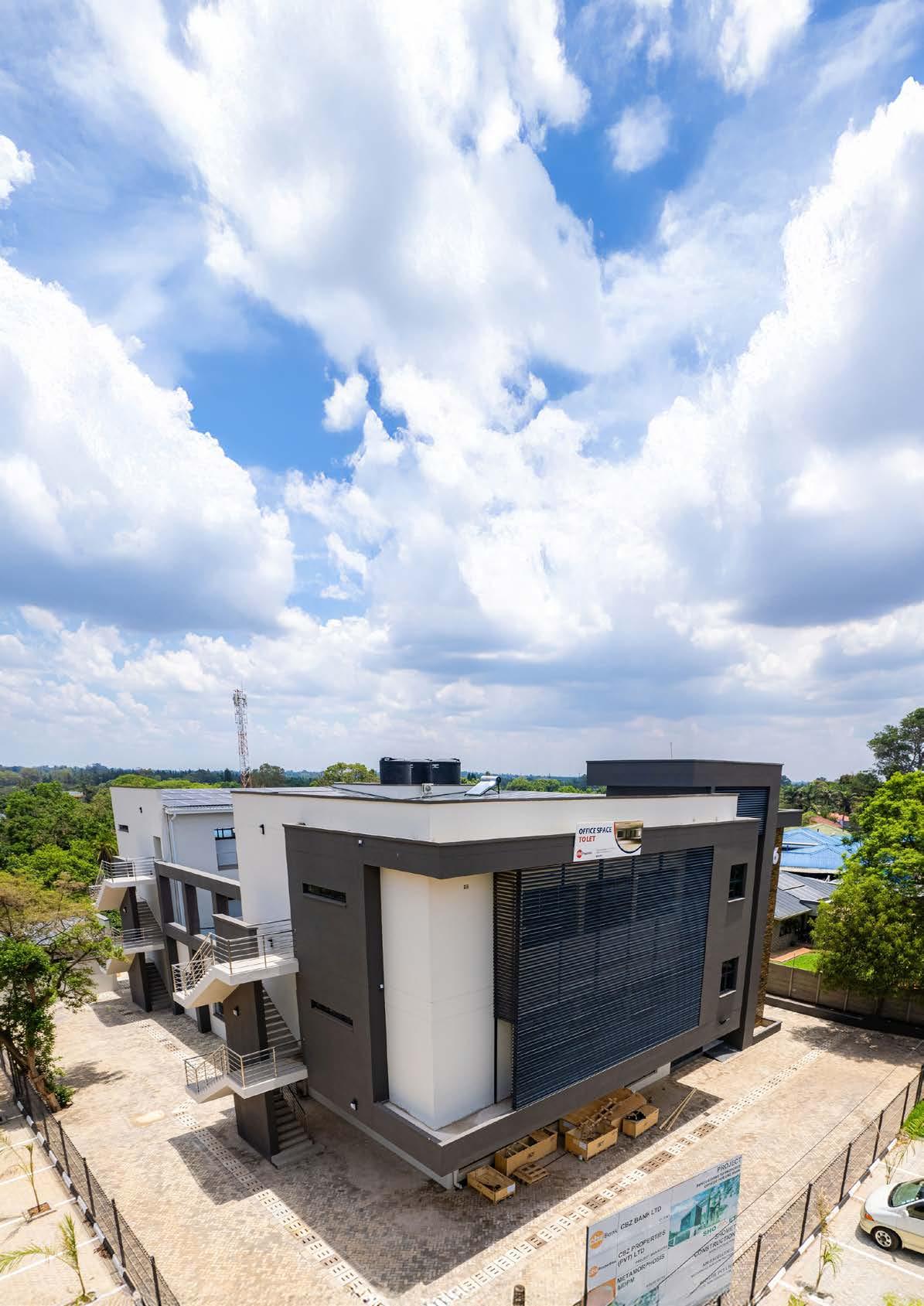
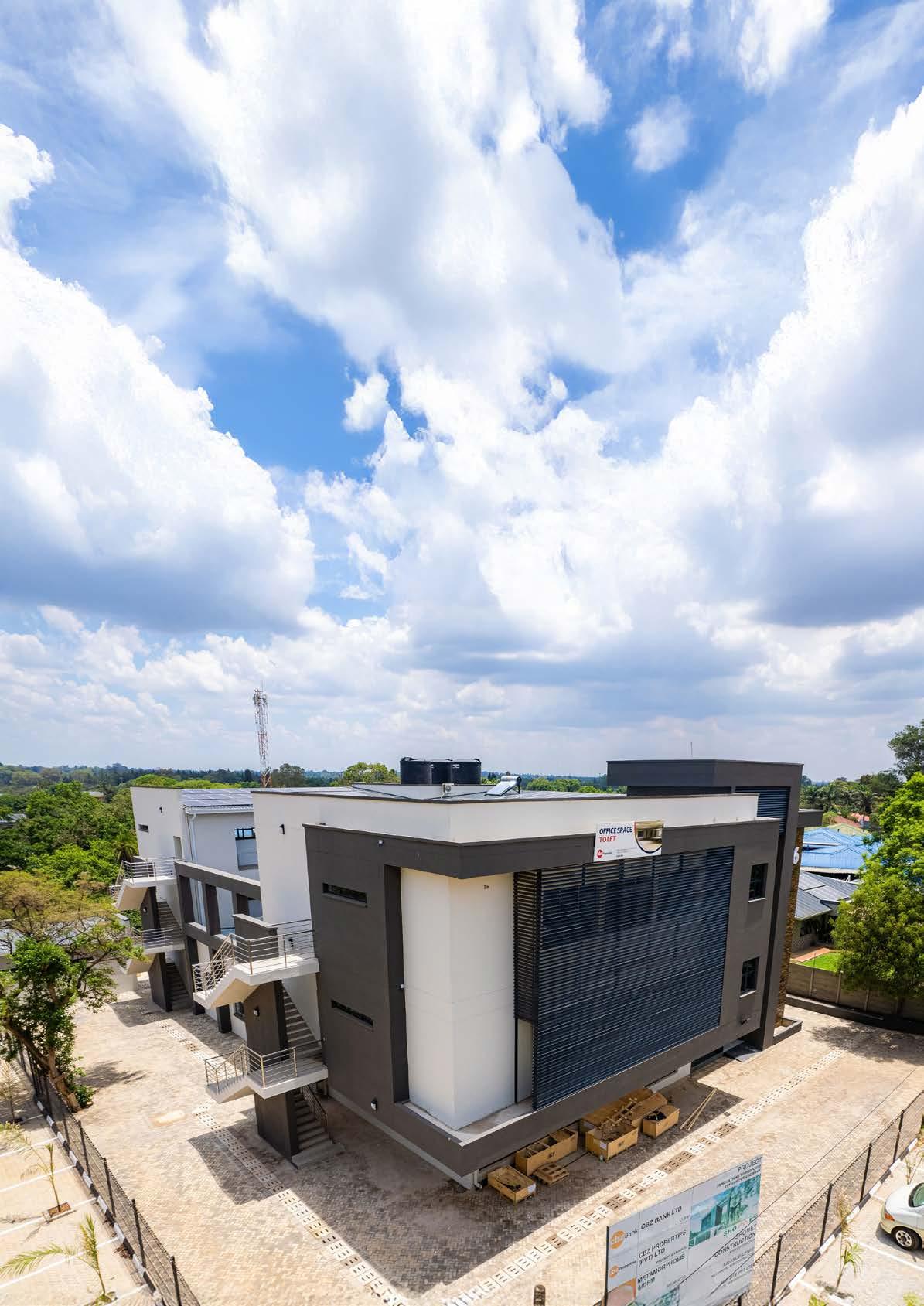
The Zimbabwe Energy Regulatory Authority (ZERA) has officially announced the relocation of its Head Office to a newly constructed office complex in Harare.
This strategic move, effective February 13, 2026, marks a significant milestone in the authority’s mission to enhance operational efficiency and provide a world-class regulatory environment for the nation's energy sector. The new headquarters is situated within the prestigious Mount Pleasant Business Park.
Despite the transition to this modern facility, ZERA has assured all valued stakeholders— including licensed operators, consumers, and the general public—that it remains fully operational.
The authority emphasized its commitment to service continuity, confirming that all regulatory functions, licensing processes, and consumer protection services will proceed without interruption.
For stakeholders in Harare who require walk-in services during this relocation period, ZERA has designated its Harare Regional Office to handle such inquiries. This office is located at 2 Frank Johnson Avenue in Eastlea, Harare.
The Eastlea branch operates from Monday to Friday, between 0800 and 1700 hours, and can be reached via telephone at 0242-797576 or 0242-762837. Additionally, regional offices in Bulawayo, Gweru, and Mutare remain fully staffed and ready to assist stakeholders across the country.
ZERA further noted that its primary contact details remain unchanged to ensure ease of communication. Inquiries and applications can still be directed through their standard telephone lines at 0242-780010, via email at admin@zera.co.zw, or through their official website.
This move represents a new chapter of service excellence for the regulator as it continues to oversee sustainable energy solutions for Zimbabwe.
For those preferring mobile communication, the authority remains accessible via WhatsApp at 0772 161 966.
NUST SPEARHEADS RENEWABLE ENERGY TRAINING FOR NATIONAL POWER UTILITY TECHNICIANS
The National University of Science and Technology (NUST) has significantly bolstered Zimbabwe’s energy sector by training more than 800 technicians from the national power utility in specialized renewable energy disciplines. This large-scale human capital development initiative focuses on modernizing the country's technical workforce with expertise in rural and urban electrification, solar installations, and advanced energy management.
This achievement was highlighted during a regional sustainable energy conference, where the university’s contributions to the nation's energy revolution were detailed. The training program is part of a broader commitment to align higher education with national industrialization goals, specifically supporting the transition toward a greener and more sustainable economy.
By equipping technical staff with the skills needed to manage decentralized energy systems, the university is helping to ensure that the national grid remains resilient as more renewable sources are integrated.
Beyond workforce training, the university has established an extensive footprint in the renewable energy sector through various pioneering initiatives. Since 2013, the institution has been a key partner in a regional solar thermal heating and cooling demonstration initiative, working to advance these technologies across Southern Africa.
In collaboration with environmental regulatory bodies, research is also being conducted on electronic waste management and the digitalization of energy education to ensure that the shift to green technology does not result in unintended environmental harm.
A major upcoming milestone for the institution is the planned establishment of a 5 MW Solar PV Farm at its main campus in Bulawayo. This project is intended to serve as both a power generation site and a practical laboratory for students and researchers.
Private sector players and independent power producers have been invited to collaborate on this vision, reflecting a push for public-private partnerships in the energy transition.
The university's strategy involves an interdisciplinary approach, embedding energy efficiency and sustainable building design across various faculties, including engineering, applied sciences, and the built environment. By fostering regional and global collaborations, the institution aims to accelerate progress toward providing affordable, reliable, and modern energy for all.
This comprehensive focus on research, practical training, and infrastructure development positions the university as a central catalyst in the national drive toward achieving a net-zero future and total energy sovereignty.
RELIABLE POWER IS ESSENTIAL FOR CONTINUITY, EFFICIENCY, AND LONG-TERM GROWTH
The stability of the power grid has become the ultimate determinant of business success, In an increasingly digital and industrializing economy.
For Zimbabwean enterprises, the conversation has shifted from merely surviving load shedding to thriving through energy independence.
As the nation targets a transition where renewable energy accounts for over 26% of the national mix by 2030, a new guard of sustainable energy providers is stepping up to ensure that “the lights stay on” for the country’s commercial and industrial (C&I) giants.
At the heart of this energy revolution is Econet InfraCo, which provides high-performance infrastructure through an integrated portfolio including Econet Towers and Econet Properties.
Within this ecosystem, Distributed Power Zimbabwe (DPZ) has emerged as a critical catalyst for the digital economy. DPZ designs, installs, and manages bespoke clean energy and battery storage systems, allowing businesses to operate with 24/7 reliability while drastically reducing their environmental footprint.
A Collaborative Ecosystem of Power
DPZ is not alone in this mission. Zimbabwe’s renewable energy landscape is enriched by a variety of specialized players, each contributing to national resilience. Nyangani Renewable Energy (NRE), for instance, has been a pioneer in the “run-of-river” hydroelectric sector, operating schemes that deliver over 50MW of generation capacity into the national grid. Meanwhile, firms like Solar Energy Solutions and Sona Solar Zimbabwe have become household names for their ability to deliver rapid-deployment solar kits and Tier-1 hardware to SMEs and residential clusters.
This collective effort is essential. Whether it is Nyangani’s grid-scale hydro projects or DPZ’s specialized C&I hybrid systems, the goal is to secure power supply so that operations keep running even when the national grid falters.
Innovation Through the Zero-Capex Model
One of the most significant barriers to going green has traditionally been the high initial cost. DPZ has dismantled this hurdle through its Zero-Capex (Capital Expenditure) model. Under this arrangement, customers do not pay for the system itself; instead, they only pay for the power they consume. DPZ covers the total cost of installation, equipment, and ongoing maintenance. This makes clean energy adoption frictionless and cash-flow positive from the very first day.
Impact in Action: Key Projects
The effectiveness of DPZ’s approach is visible across Zimbabwe’s most vital sectors:
· Schweppes Willowvale (Harare): Commissioned in 2019, this 1MW roof-mount hybrid system utilizes over 2,000 panels. By integrating solar with diesel generators, it ensures 100% uptime for manufacturing processes.
Tanganda Ratelshoek Estate (Chipinge): At 1.8MW, this was once the largest self-consumption PV plant in the country’s C&I sector. It powers tea processing and irrigation, proving that even remote agricultural hubs can achieve energy stability.
Luxaflor Roses Farm (Mazowe): A 118kW ground-mount system that powers cold storage and greenhouse equipment. This hybrid solution has delivered a 30% saving on blended power costs by maximizing daytime sunlight.
Why it Matters
Zimbabwe’s power challenges demand solutions that are clean, local, and built to last. By moving away from a heavy reliance on diesel and the aging central grid, businesses are not just protecting their bottom line; they are embracing global sustainability standards. As DPZ and its peers continue to scale, they are building a more resilient, sustainable, and productive Zimbabwe.
ZIMBABWE ADVANCES REGIONAL RESILIENCE THROUGH GREEN ENERGY VISION
During the recent SADC Sustainable Energy Week, the Minister of Skills Audit and Development, Honourable July Moyo, articulated Zimbabwe’s strategic role in advancing the regional transition toward sustainable and accessible energy. Speaking within the broader SADC framework, the Minister emphasized that Zimbabwe’s energy roadmap is not merely about industrial power but about enhancing the quality of life for every citizen through innovative and eco-friendly solutions.
A primary focus of his address was the remarkable transformation of domestic energy consumption through the promotion of Liquefied Petroleum Gas (LPG). Once a luxury or a niche alternative, LPG has now become a foundational clean-cooking solution across Zimbabwe’s urban landscapes, drastically reducing the reliance on the national grid and traditional biomass.
Minister Moyo noted that the government is now aggressively extending this LPG footprint into rural communities. This move is designed to curb deforestation and provide rural households with a modern, efficient, and healthy alternative to wood fuel. By shifting the national cooking culture toward LPG, Zimbabwe is taking a significant step in reducing carbon emissions while simultaneously protecting the nation’s vital forest reserves. The Minister’s remarks underscored a holistic approach to the “energy mix,” where transition fuels play a critical role alongside
renewable infrastructure.
Furthering this vision of decentralised energy, Honourable Moyo issued a call to action for the nation’s agricultural sector. He encouraged farmers to adopt biogas technology, utilizing organic waste to generate power for their operations. By integrating biogas as a supplement to traditional electricity, farmers can achieve greater energy independence and operational resilience.
This initiative aligns with Zimbabwe’s broader commitment to renewable energy and clean cooking solutions, positioning the country as a proactive leader in the SADC region’s quest for environmental sustainability. Ultimately, the Minister’s message was clear: through a combination of rural gasification, biogas adoption, and regional cooperation, Zimbabwe is building a sustainable energy legacy that supports both economic growth and environmental preservation.
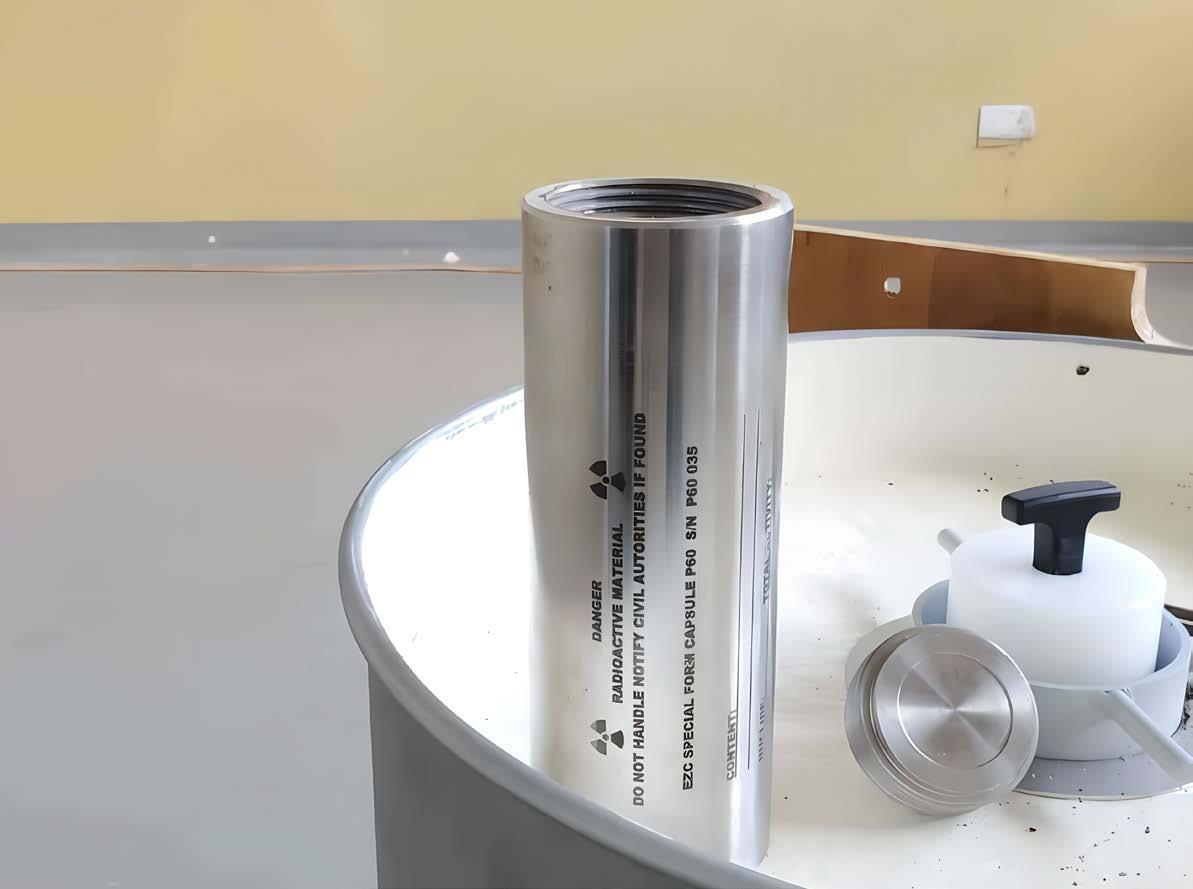
During his tour, Vice President Mohadi highlighted the facility’s critical role in protecting both the public and the environment from the potential hazards of radioactive waste. The centre is engineered to receive and securely house materials originating from the mining industry, heavy manufacturing, medical institutions, and research laboratories.
As these sectors grow in line with Zimbabwe’s industrialization goals, the volume of disused sources inevitably increases. The Hatcliffe facility ensures that these materials do not become a
REGIONAL RADIOACTIVE MANAGEMENT HUB COMMISSIONED
Zimbabwe has solidified its position as a regional leader in specialized waste management with the official tour and commissioning of the Disused Radioactive Sources Management Facility in Hatcliffe by Vice President Colonel (Rtd) Dr. K.C.D. Mohadi. This state-of-the-art centre represents a historic milestone, serving as the first facility of its kind in Southern Africa specifically designed to handle the secure storage of disused radioactive sources.
The project, which was initiated in 2018, is the culmination of years of meticulous planning and international collaboration, aimed at addressing the complex challenges posed by radioactive materials used in various industrial and social sectors.
safety liability, but are instead managed through a rigorous protocol that aligns with national regulations and the high safety standards set by the International Atomic Energy Agency.
The establishment of this facility, empowers Zimbabwe to not only secure its own borders but also position itself as a regional hub for excellence in radioactive waste management. This development reflects a sophisticated shift in national infrastructure, where high-tech safety measures are integrated into the broader economic strategy.
Vice President Mohadi emphasized that the facility is a testament to Zimbabwe’s commitment to international best practices, ensuring that the country’s progress in medicine and mining is supported by a robust and safe environmental framework. The successful operationalization of this centre sends a powerful message to the international community regarding Zimbabwe’s capacity to manage sensitive technologies responsibly, paving the way for further research, development, and regional cooperation in the nuclear science and safety sectors.
RJ Corporation, the diversified multinational and parent entity of Varun Beverages Limited, has officially announced its strategic entry into the energy sector, marking a significant milestone in its long-standing partnership with the Republic of Zimbabwe. In a bold move that underscores the group’s commitment to the nation’s industrialization, the first phase of this ambitious foray will involve the development of a massive 500-megawatt (MW) power project. This investment is set to become a cornerstone of Zimbabwe’s energy infrastructure, providing the necessary capacity to drive both industrial growth and domestic stability.
The initiative represents a natural evolution for RJ Corporation, which has already established a dominant presence in the country through its subsidiary, Varun Beverages. As the exclusive bottler for PepsiCo in the region, Varun Beverages has consistently demonstrated its confidence in the local economy through multi-phase expansions in the beverage and snack sectors. By pivoting toward energy, the group is addressing one of the most critical enablers of economic development, ensuring that the wheels of industry remain in motion. In line with global shifts toward sustainability and energy security, this 500MW
project is designed to bolster the national grid, reducing reliance on power imports and mitigating the impact of regional energy deficits. The project is expected to utilize cutting-edge technology to ensure efficient and reliable power generation. This aligns perfectly with the Zimbabwean government’s Vision 2030, which seeks to transform the nation into an upper-middle-income economy. By securing a stable energy supply, the government and its private-sector partners are creating a more conducive environment for foreign direct investment and local entrepreneurship.
Beyond the technical and industrial implications, this partnership highlights a deep-seated commitment to the prosperity of the Zimbabwean people. The project is poised to create thousands of jobs during the construction phase and hundreds of permanent technical positions once operational. Furthermore, it serves as a testament to the successful collaboration between the government and international investors who view Zimbabwe as a prime destination for long-term capital.
As Varun Beverages continues to expand its manufacturing footprint—most recently through the commissioning of its new snacks and beverage lines—this energy venture ensures that its operations, and those of the broader Zimbabwean manufacturing sector, are supported by a resilient power base. RJ Corporation’s entry into the energy sector is not merely a business expansion; it is a pledge of confidence in Zimbabwe’s future, proving once again that when global expertise meets government vision, the result is a powerful engine for national prosperity.