EDITION 19 | 2025
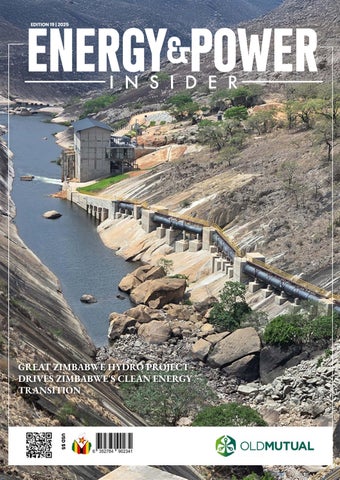
GREAT ZIMBABWE HYDRO PROJECT DRIVES ZIMBABWE'S CLEAN ENERGY TRANSITION
USD $5
Scalable Power: From 100kW to 1MW inverters and up to 1.2MWh storage, with parallel connection for larger projects. Complete Solution: All-in-one 20ft container with inverter, batteries, BMS, EMS, cooling, fire safety, and distribution. Proven Reliability: 5-year inverter warranty, 10-year/7,000-cycle battery warranty, plus remote and on-site support.
Need more info?
+263 77 777 3565 | sales@sunwolf.org | www.sunwolf.org Head Office: Lifestyle Mall, Corner Borrowdale and Kingsmead Road, Borrowdale, Harare, Zimbabwe
TURNING
MYSTERY INTO
CLARITY
ZAB Forensic Services is an independent consultancy dedicated to advancing justice through scientific expertise and evidence-based investigation. It delivers a comprehensive range of forensic
solutions to the prosecution, police, and other law enforcement agencies, and provides expert witness services for both criminal and civil litigation. +263 71 855 9783
info@zabforensicservices.com
www.zabforensicservices.com
EDITOR’S LETTER The stories in this issue underscore a crucial fact: the momentum in the nation's energy sector is being driven by a blend of pioneering clean energy initiatives, robust infrastructure development, and, fundamentally, the strengthening of national institutions that provide a secure environment for investment. A standout development this quarter is the successful commissioning of the Great Zimbabwe Hydropower Project, a landmark achievement that represents one of the country’s pioneering Independent Power Producer (IPP) schemes. Located in the Masvingo Province, this project holds historic significance as it was among the very first IPPs to be licensed in Zimbabwe's nascent private energy market and the first to be successfully commissioned under wholly private sector leadership following recent regulatory reforms. This 5 MW facility achieved its operational milestone in November 2024, marking a critical moment in Zimbabwe’s clean energy transition. The project harnesses the dependable
hydro potential of the Mutirikwi River, situated adjacent to the vast Lake Mutirikwi dam, historically the nation’s second-largest inland water body. By transforming this latent water resource into a consistent source of electricity, the Great Zimbabwe Hydropower Project not only contributes to national grid stability but also sets a powerful precedent for future private-sector investment in renewable energy generation across the country. Its success validates the government’s efforts to create a conducive regulatory environment for private energy development, demonstrating how strategic natural resources can be leveraged to accelerate energy independence. While new generation projects capture headlines, the backbone of any reliable power system is the quality and maintenance of its transmission and distribution infrastructure. Uniscott Investments (Private) Limited has established itself as a leader in this critical area, operating
a strong, reliable legal system. ZAB Forensic Services (Pvt) Zimbabwe, the nation’s sole independent forensic science provider, is spearheading a critical effort to enhance the country’s legal system and restore public faith in its institutions.
from its hub at 30 McGowan, Milton Park, Harare, and recognized as "The High Voltage People." Incorporated in 2006, Uniscott has spent nearly two decades delivering projects across various sectors, resulting in remarkable business growth and a tangible contribution to the nation's economic development.
Founded in 2018, the firm has positioned itself as an essential partner to both the defence and the prosecution, providing unbiased, objective, and reliable forensic science services that meet international standards. Their mission—"Strengthening Our Legal System & Reinforcing Zimbabwean Trust in Our Institutions"—is profoundly relevant to our sector.
The company specializes in the sourcing, distribution, construction, and maintenance of high and low voltage electrical materials and power infrastructure. Uniscott is guided by the central tenet that the customer is king and operates on principles of efficient customer service. In a world where competition drives quality, this Zimbabwean electrical engineering company’s high-voltage expertise ensures that new power generation, like the Masvingo hydro project, can be reliably integrated into and delivered across the grid, safeguarding the efficiency of the entire electrical supply chain.
A robust, predictable, and fair rule of law is the ultimate foundation for securing the large, long-term capital investments required by energy and power projects. This issue, therefore, is a celebration of interconnected progress: the innovators building the grid, the entrepreneurs commissioning the power, and the dedicated professionals ensuring the institutional stability necessary to keep the lights on and the investment flowing.
Finally, while not directly focused on electrons and megawatts, we recognise an essential element for sustainable growth in the energy sector:
About Us What We Do
Es
ca
pe
Hw Sa ange Lo fari dg e
$5 $5
73
le
on
Pa
ge
6
Ex safa perie ri lo nce dg our e w ne Fe here wly re el Sp every furb ec ial. gue ished st wil l
5
tic
D$
W
u kk Z co arr and Pa ns yP rggystatio r e ne l EEn fue
g
e Ar
US
Se
in nt
Call Us Anytime:
Printing Graphic Design Photography Video Production
We’re a creative media house located in the heart of Zimbabwe. Our team of experienced professionals specialize in creating meaningful digital experiences through design and emerging technologies publishing
14 ED
ITI
ON
.
Ex
+263 78 953 2918 +263 78 142 1866
pl
or
e.
Ex
pe
ri
en
ce
Our Partners PUBLISHER Caast Media Group MARKETING Newton Musara Lynn Shati
Republic of Zimbabwe MINISTRY OF ENERGY AND POWER DEVELOPMENT
Contents
06. GREAT ZIMBABWE HYDRO PROJECT DRIVES ZIMBABWE’S CLEAN ENERGY TRANSITION
16
ZIMBABWE’S ONLY FORENSIC AND CRIMINOLOGY SCIENCE LABORATORY DRIVES RELIABLE JUSTICE
+263 789 532 918 +263 781 678 105 DESIGN, WEBSITE &SOCIAL MEDIA Saul Chidakwa Zimiso Geoffrey Nyamande Olga Gertrude Dzingo Princess Kuvengurwa Tinaani Francis Garikayi Albert Chitumba JOURNALISTS Martin Chemhere PHOTOGRAPHY CAAST Media Group DISTRIBUTION Itai Kanyemba Gift Sepi EMAIL marketing1@structure-zera.com newton@structure-zera.com
12.
HIGH-VOLTAGE EXPERTISE POWERS ECONOMIC GROWTH AS UNISCOTT INVESTMENTS EXPANDS FOOTPRINT
62.
SONA SOLAR LEADS ENERGY REVOLUTION WITH SMART HYBRID SYSTEMS ACROSS ZIMBABWE
FIND US AT 31 Alexander Rd, Highlands, Harare Zimbabwe www.energyandpowerinsider.com
While every effort has been made to ensure the accuracy of its content, neither editor nor publisher can be held responsible for any omissions or errors: or for any misfortune, injury, or damages which may arise there-from. All rights reserved. Copyright 2025 Energy & Power Magazine: No Part of this magazine may be reproduced or transmitted in any form or by any means electric or mechanical, including photocopying or recording.
GREAT ZIMBABWE HYDRO PROJECT DRIVES ZIMBABWE’S CLEAN ENERGY TRANSITION The Great Zimbabwe Hydropower Project is highly significant for Zimbabwe as it represents one of the country’s largest (Top 10) Independent Power Producer (IPP) schemes. Located in the Masvingo Province, the project utilizes the dependable hydro potential of the Mutirikwi River, situated adjacent to the vast Lake Mutirikwi dam, historically Zimbabwe’s second-largest inland water body. This 5 MW facility achieved its operational milestone in November 2024. The project is not just notable for its crucial power generation capacity but also for setting a vital technical and legal precedent. It is the first hydropower plant in Zimbabwe to be built adjacent to an existing, publicly owned dam infrastructure managed by the Zimbabwe National Water Authority (ZINWA). This reservoir-based hydropower station was designed to minimize environmental disruption while maximizing efficiency, as the plant generates electricity primarily using water released downstream for mandated purposes, such as irrigation for the vast Lowveld sugarcane estates, without consuming the resource itself. This innovative arrangement established a necessary regulatory framework for non-consumptive water use tariffs and land lease agreements with ZINWA and ZimParks, opening the door for future public-private collaborations across Zimbabwe’s extensive water infrastructure network.
Project timeline, challenges, and capacity The journey from the project’s initial conception in 2010 to its successful commissioning in November 2024 spanned a rigorous 14 years, underscoring the immense resilience and dedication required to navigate the complex regulatory and financial landscape for IPPs in Zimbabwe. The development phase alone took over a decade, marked by significant hurdles characteristic of being a “forerunner” in the sector. These challenges included negotiating novel agreements with state entities like ZINWA, grappling with changes in ZINWA’s management and board composition over several years, and securing land tenure. The project reached financial close in December 2021, and the construction phase, which began in March 2022, was not without incident. The site proved more challenging than initially anticipated, and construction efforts were temporarily disrupted by two major cyclones and unusually heavy rainfall. Furthermore, necessary releases of water downstream for cane plantations caused delays, requiring careful coordination with ZINWA. Despite these setbacks, the construction successfully culminated in the US$14.5 million mini-hydro station beginning commercial operations in November 2024. With a total firm power output of 5.4 MW, the plant feeds into the Zimbabwe national grid via a dedicated 24km high-voltage powerline connecting the power station to the Kyle sub-station. While 5.4 MW may seem modest, it represents a significant contribution to localized energy security. The national installed electricity generation capacity is approximately 2,962 MW, but the reliable or “dependable” capacity often fluctuates between 1,200 MW and 1,600 MW, failing to meet the peak demand of around 2,000 MW.
Technical specifications and equipment expertise The technical heart of the plant features precision equipment supplied by GUGLER Water Turbines GmbH, a leading Austrian firm renowned for specializing in comprehensive water-to-wire solutions for small and mediumsized hydro projects. GUGLER supplied the two Francis turbines, which are ideally suited for the project’s operational parameters. Each turbine is designed to operate at a flow rate of 6.25 m³/s, utilizing an impressive gross head of water of 47.5 meters generated by the pipeline from the dam’s release point. With a runner diameter of 980mm, these highefficiency Francis turbines drive generators that collectively produce the 5.4 MW output. The scope of supply was comprehensive, covering not only the core hydraulic machinery (turbines and generators) but also critical components essential for seamless grid integration and reliable operation, including the inlet valve, hydraulic power units, auxiliary systems, switchgears, control systems, and transformers. GUGLER Water Turbines GmbH is renowned globally for supplying Francis, Kaplan, and Pelton turbines up to 40 MW per unit, ensuring the Great Zimbabwe facility benefits from world-class engineering and long-term operational reliability.
Robust financing and collaborative partnerships The project’s successful execution relied on a robust and diverse financing structure, which is a testament to the collaborative power of public-private partnerships and the renewed confidence of institutional investors in Zimbabwe’s infrastructure sector.
The primary financial backing came from a consortium of foreign and local investors.The initial development phase saw the exit of original co-developers, including South Africa’s Industrial Development Cooperation (IDC) and NuPlanet, which necessitated bringing in new partners. Frontier Energy II, a Danish investment fund, stepped forward as the codeveloper and lead foreign equity provider, playing a significant role in both the later development and construction phases. The British International Investment (BII), the UK’s development finance arm, also participated indirectly, supporting the project through its backing of Frontier Energy. This foreign funding was strategically vital, primarily financing the importation of key electromechanical equipment from suppliers like GUGLER, ensuring construction was not delayed by foreign currency shortages. Locally, the project was financially anchored by powerful Zimbabwean institutional investors, notably several pension funds. This included Old Mutual Zimbabwe, the Public Service Pension Fund (PSPF), ZB Financial Holdings Pension Fund, and MOL Power.
The involvement of these pension funds was crucial, as they provided significant local currency backing for domestic expenses and signified a growing trend of institutional capital being mobilized for long-term national infrastructure. Old Mutual, in particular, has emerged as a key financier of IPP projects in the country. The construction phase leveraged local expertise, with respected Zimbabwean companies, such as Masimba Holdings, being instrumental in executing the civils work, including the construction of the powerhouse and associated infrastructure.
Socio-economic and environmental benefits The socio-economic and environmental benefits of the Great Zimbabwe Hydro Project are extensive and immediate, fundamentally transforming the Masvingo area.
The project provided a substantial economic boost to the region during its 32-month construction phase, creating significant local employment opportunities. It drew over 150 unskilled workers directly from the surrounding communities of Murinye and Chikwanda communal lands, providing essential incomes and skills training. Operationally, the generated power has had a transformative impact on energy stability. The reliable 5.4 MW supply is critical to the local grid, reportedly minimizing or virtually eliminating load-shedding in Masvingo urban and surrounding growth points. This improved supply of reliable electricity directly supports local businesses, healthcare facilities, and domestic consumers, contributing to broader socio-economic growth and attracting investment into the province. Environmentally, the project is a key contributor to Zimbabwe’s clean energy transition. As a source of renewable electricity, it is expected to reduce CO₂ emissions by between 11,100 and 15,000 tons of CO₂ equivalent annually, a significant step toward decarbonization. This reduction directly enhances the nation’s climate commitments outlined in the National Development Strategy 1 (NDS1), which seeks to expand the share of non-hydro renewable energy in the power mix and improve climate resilience.
Future outlook and national strategy The Great Zimbabwe Hydro Project has established a vital and repeatable model for utilizing existing dam infrastructure for power generation in Zimbabwe, providing a clear blueprint for IPP developers. This success has encouraged the government to commit to further development along the Mutirikwi River system. Plans have been announced for a second 5MW plant further downstream, aiming for a total generation output of 10MW from this single river system. Furthermore, building on the regulatory pathways established by this pioneering project, feasibility studies have been completed for a much larger 17MW hydropower plant at the colossal Tugwi-Mukosi Dam, Zimbabwe’s largest dam. This momentum demonstrates a strong and decisive commitment from the government and local investors to expanding clean energy and driving Zimbabwe toward greater energy self-sufficiency in the coming years. This focus on decentralized, renewable energy is central to the national goal of achieving 100% household electricity access by 2030, with the Great Zimbabwe Hydro Project serving as a foundational case study for sustainable power sector growth.
HIGH-VOLTAGE EXPERTISE POWERS ECONOMIC GROWTH AS UNISCOTT INVESTMENTS EXPANDS FOOTPRINT
In a world where competition drives quality and commitment, one Zimbabwean electrical engineering company has been delivering projects across various sectors, achieving growth of its business and contributing to the nation's economic development. One company, Uniscott Investments (Private) Limited, incorporated under Zimbabwean laws on July 18, 2006, and operating from its hub at 30 McGowan, Milton Park, Harare, has established itself as "The High Voltage People". The company specializes in the sourcing, distribution, construction, and maintenance of high and low voltage electrical materials and power infrastructure, driven by principles of efficient customer service and guided by the central tenet that the customer is king. The founder of this fast growing electrical engineering enterprise is Knowledge Sekeramai, an accomplished electrical engineer known for his hands-on expertise in electrical systems and technology. His professional background includes extensive experience across residential, commercial, and industrial electrical work, covering a wide array of skills from new installation and maintenance to complex troubleshooting of existing electrical systems.
In his current role, he remains actively involved in projects that require electrical installations and repairs, personally contributing to the efficiency and safety of electrical systems supplied and serviced by the company. Uniscott’s broad objective, beyond determining the needs of target markets and increasing profitability, is to diversify forward within the engineering and hardware space. In line with this, the company's offering is extensive, covering everything from core electrical materials (electric cables, HT and HRC fuses, MCBs, lighting equipment, and cable jointing kits) to High Voltage (HV) line materials (disc insulators, shackles, lightning arrestors, diffuse mounts, and conductors) and large infrastructure items like transformers and transmission poles. They further supply general construction and safety items, including protective clothing (gumboots, safety shoes, rainsuits), general hardware, building, plumbing materials, and tools. The firm takes pride in its comprehensive project portfolio, which demonstrates its capacity across various sectors of the Zimbabwean economy. The core of its operations involves extensive work with national power utilities, including collaborating with all ZESA Regions (Eastern, Southern, Northern, and Harare) on critical assignments such as supplying transformers and line accessories, performing power line maintenance, and conducting copper recovery efforts.
Furthermore, they supports ZESA Enterprises through the supply of high-voltage electrical materials, transformers, and essential line reconstruction services. The company also plays a pivotal role in rural development, supplying transformers and line materials to the Rural Electrification Agency (REA). In the mining sector, it has executed power line and substation installations, and material supply for major clients, including Dinson Mine Chivhu and Afrochine Mine Ngezi. Beyond the energy utilities, the firm's portfolio features key projects with NetOne (electrification and material supply for communication boosters), ZMDC (installing 33KV power lines and supplying transformers in Mount Darwin and Mutoko), Fidelity Southview Park (line construction and transformer supply), and ZINWA (supplying transformers, line accessories, and cables).
Uniscott also specializes in new installations and maintenance services for High Voltage Power Line and Substation Construction, committing to clean, reliable work across residential, commercial, and industrial sectors. This focus on the power sector is timely, as Zimbabwe works to alleviate its energy deficit and achieve universal electricity access by 2030. The power generation sector, which still relies heavily on coal and large hydro, is undergoing a major transition, creating immense opportunities for local suppliers like Uniscott. The government is actively promoting private sector participation, targeting over $9 billion in investments across generation, transmission, and distribution, with much of this expected from private capital.
Efforts to expand the share of renewable energy (excluding large hydro) from a current low percentage to over 30% by 2030, with a focus on solar, mini-hydro, and biomass, mean a constant demand for HV line materials, transformers, and electrical accessories, precisely Uniscott’s specialty. Projects like the Deka pipeline and the increasing number of new Independent Power Producer (IPP) schemes provide a strong pipeline of work for domestic engineering firms, ensuring that the company’s expertise in high-voltage construction and materials distribution is central to the nation's energy future and the continuous development of its key economic drivers: mining, manufacturing, and agriculture.
Forensic Services ZIMBABWE’S ONLY FORENSIC AND CRIMINOLOGY SCIENCE LABORATORY DRIVES RELIABLE JUSTICE
ZAB Forensic Services (Pvt) Zimbabwe, the nation’s sole independent forensic science provider, is spearheading a critical effort to enhance the country’s legal system and restore public faith in its institutions. Founded in 2018 after recognising a distinct need for an independent forensic science provider in Zimbabwe, it has positioned itself as an essential partner to both the defence and the prosecution, providing unbiased, objective, and reliable forensic science services that meet international standards. The firm’s dedication is encapsulated in its mission: "Strengthening Our Legal System & Reinforcing Zimbabwean Trust in Our Institutions."
The company is led by its founder, Dr. Paul Jira, a distinguished Forensic Scientist and Criminologist. Dr. Jira’s academic background includes a BSc (Hons) in Forensic Science and Criminology obtained in 2013, followed by a PhD in Forensic Science from Staffordshire University (UK) in 2019. After completing his postgraduate studies, he practiced as a university lecturer, teaching a wide range of forensic science subjects. Dr. Jira also worked as a forensic science technical skills specialist in criminalistics, training crime scene first responders in vital areas such as crime scene documentation (including photography and sketching), recovery of biological evidence, finger-marks examination, drugs recovery and analysis, document analysis, tool marks analysis, and wildlife crime. His extensive expertise in both academic theory and practical application forms the core of ZAB’s specialised capabilities. ZAB Forensic Services is currently the only independent forensic science provider in Zimbabwe offering a wide range of ISO-17025:2017 accredited forensic science services. This accreditation is a globally recognised benchmark that confirms the laboratory's technical competence, ensuring the firm’s reports are trustworthy and defensible in court.
The company’s team comprises highly qualified experts, crime scene investigators, and forensic analysts who apply advanced techniques and state-of-the-art equipment. ZAB specialises in criminalistics and offers a wide range of services, including Crime Scene, Burglary, Suspicious Death, Missing Person, and Cold Case Investigations, as well as Forensic Archaeology, Forensic Taphonomy, Sexual Violence, Wildlife, and Environmental Crime Investigations.
Its broader forensic portfolio covers Digital Forensics, Questioned Document Examination, Accident-Damaged Tyre Analysis, Tool Mark Analysis, Ballistics, Fire and Vehicle Collision Investigations, Expert Witness Services, and Forensic Database Design.
This comprehensive capability underscores ZAB’s commitment to scientific excellence and professionalism, earning it the trust of clients across prosecution, law enforcement, and private sectors. Crucially, ZAB Forensic Services is deeply committed to professional training for first responders, recognising that the integrity of evidence begins the moment a crime scene is secured. The training focuses on critical skills in meticulous crime scene documentation and the recovery of evidence like hairs, fibres, and glass. The company extends their vital training focus beyond traditional law enforcement and private security officers to include professions often first on the scene of an incident, specifically nurses and teachers.
Equipping these diverse groups with basic forensic awareness ensures that critical evidence is correctly handled, the chain of custody is maintained, and initial scene management is flawless, factors that are paramount to successful prosecution and reinforcing confidence in Zimbabwe's legal process. Choose ZAB Forensic Services for prompt, accurate, and reliable forensic science services.
Forensic Services
VAST ROOFTOP SPACE OFFERS PATH TO ENERGY INDEPENDENCE FOR THE COMMERCIAL SECTOR Amidst recurring energy challenges and a national drive towards a resilient power infrastructure, a strong call is being made to Zimbabwe’s commercial and industrial sectors to fully embrace solar energy.
Experts point out a compelling, often underutilized resource: the vast, unshaded rooftop space available on most corporate and factory buildings across the country. Companies have more than enough physical capacity to install proper solar photovoltaic systems, creating an immediate and sustainable solution to grid instability and rising operational costs. The adoption of commercial solar is quickly moving from being a luxury to a critical operational necessity. For Zimbabwean businesses, the benefits are compelling and numerous. Firstly, switching to solar provides unmatched energy resilience. With load shedding continuing to be a daily challenge, on-site solar systems, often coupled with battery storage, ensure that business operations— from lighting and computing to heavy machinery—remain uninterrupted, effectively eliminating loss of productivity.
Secondly, the long-term financial advantages are substantial. Solar generation significantly reduces reliance on the national utility (ZESA), protecting firms from fluctuating power tariffs and increasing electricity costs, leading to a massive reduction in overhead expenses. Although the initial investment can seem high, solar systems pay for themselves over time, offering longterm business savings and predictable cash flows for years, especially since solar panels have a lifespan of 25 to 30 years and require minimal maintenance. Beyond energy security, the Zimbabwean government has introduced incentives to spur this transition. Under the Income Tax Act, taxpayers can claim a 100% deduction of the total cost of a solar installation from their taxable income in the first year of use, provided the system produces less than one megawatt of power. This substantial tax incentive drastically improves the return on investment for companies choosing to go green. Furthermore, by embracing solar, businesses contribute to the nation's climate resilience goals and enhance their Corporate Social Responsibility (CSR) profile by reducing their carbon footprint, an increasingly vital factor in global business standards. With Zimbabwe being geographically situated in a region that receives ample sunlight (high solar irradiation) for most of the year, the technical potential for solar power is vast. The message to local companies is clear: The physical space is there, the financial incentives are in place, and the operational necessity is driven by the power crisis. Investing in solar is not just an expense; it is a smart investment in uninterrupted production, lower costs, and a more sustainable future for the Zimbabwean economy.
PREMIUM TOBACCO LAUNCHES ROOFTOP SOLAR IN HARARE Premium Tobacco, one of Zimbabwe’s largest tobacco merchants, recently set a new national benchmark for commercial renewable energy by installing a massive 7.3 Megawatt (MW) rooftop solar system at its facility in Harare. This installation is poised to be the largest rooftop solar system in the country and one of the biggest of its type across the Southern African Development Community (SADC) region, showcasing the private sector’s aggressive strategy to secure reliable power. The move by a major player like Premium Tobacco underscores a critical trend in Zimbabwe’s energy landscape: a widespread corporate flight from reliance on the often-unreliable power supply provided by the national utility, ZESA.
The Zimbabwe Energy Regulatory Authority (ZERA) confirms this growing momentum, reporting a rising demand for generation licenses from companies seeking to produce their own power. Companies generating above 100 kilowatts (kW) for own use or commercial activity typically require a license from ZERA, and the authority has noted a significant increase in applications as businesses prioritize energy independence. This shift is driven by a clear economic imperative.
Frequent and prolonged power outages translate directly into lost production, damaged equipment, and high diesel costs associated with running backup generators. By investing in a large-scale, grid-tied rooftop system, Premium Tobacco will significantly reduce its operating costs, secure a stable energy supply for its processing operations, and enhance its environmental, social, and governance (ESG) compliance by minimizing its carbon footprint. The sheer scale of the 7.3MW project indicates a substantial investment that will generate enough clean electricity to cover a significant portion, if not all, of the company's daytime power needs. The national regulator is actively attempting to accommodate this surge in private power generation. ZERA’s efforts include streamlining the licensing processes and promoting initiatives like net metering, which allows commercial consumers with solar installations to feed excess power back into the national grid for credits. This framework encourages larger private sector investments by providing an avenue for monetizing surplus generation, ultimately contributing to the national power supply and enhancing grid stability. The commitment demonstrated by Premium Tobacco is a powerful indicator that the future of Zimbabwe’s industrial power supply will increasingly be clean, decentralized, and driven by large commercial and industrial players determined to achieve energy selfsufficiency.
SOLAR-FOR-HEALTH AT GWANDA AND UNITED BULAWAYO HOSPITAL UNDP, the government of Zimbabwe — coordinated by the Finance, Economic Development and Investment Promotion ministry, with the participation from the Office of the President and Cabinet (M and E Directorate), the Health and Child Care ministry, Energy and Power Development ministry, the Department of Public Works and the Global Fund — conducted joint monitoring visits at Gwanda Provincial Hospital and United Bulawayo Hospital, which confirmed progress on solar-for-health investment that keeps essential clinical services running.
Focus on critical care reliability The visits highlighted dependable power for maternity wards, theatres, ICUs and cold-chain facilities. Partners verified priority circuits endto-end and aligned to enhancements that further secured uninterrupted power for life-saving services.
Gwanda Provincial Hospital: Systems optimised Gwanda’s installation — approximately 120 photovoltaic panels, a 30-kW inverter and 24 batteries — already prioritises the maternity and pharmacy blocks through clearly designated clinical loads. Partners affirmed a set of rapid upgrades that will even further elevate performance: Clinical-circuit prioritisation is completed through electrical segregation, Seamless power continuity via automatic transfer switching across grid, solar/battery, and generator, Real-time visibility with digital dashboards tracking generation, state-of-charge, utilisation and alarms, Sustained asset health through inverter-room cooling, site-level O and M procedures and reactivated remote monitoring, and Water security advances are also underway, with a planned purification plant to safely integrate borehole water into hospital mains and reinforce infection prevention and control.
United Bulawayo Hospital commissioning on track At UBH, the grid-tied solar plant — estimated at 300kW — is on a clear commissioning pathway focused on patient safety: Reserved capacity for theatres, ICU and wards through completed load-splitting; andNo-gap changeovers with an automatic transfer switch. Procurement is well advanced — about 70% of electrical-integration materials are at hand — with remaining works scheduled within a concise installation window once clearances are aligned. Remote monitoring is being set up so that hospital teams can visualise performance and respond proactively from day one. Financing coordination is progressing to leverage on available Health ministry budget space and accelerate final commissioning. Tangible health gains The programme’s impact is direct and measurable. Purpose-built solar capacity — 30kW inverter with 24 batteries at Gwanda and 300kW generation at UBH — supports safer procedures in theatres, steady ICU operations and reliable vaccine and medicine cold-chain. With dashboards live and roles formalised, hospital teams gain the data and governance to plan maintenance, manage energy use, and protect equipment over the long term. Clear path to completion Joint field reviews concluded with a unified, time-bound checklist: clinical-circuit prioritisation, automated changeover, monitoring dashboards and robust O and M procedures — all backed by procurement already in place and short installation timelines. As these final integration steps are executed, Solar-for-health at Gwanda Provincial Hospital and United Bulawayo Hospital is poised to deliver resilient, sustained gains in-patient safety and service reliability.
ZERA FORTIFIES ENERGY SECTOR OVERSIGHT WITH KEY APPOINTMENTS The Zimbabwe Energy Regulatory Authority (ZERA) has announced a significant restructuring of its top-tier technical and operational departments, bringing on board a team of experienced engineers to drive regulatory compliance and spearhead the nation's push towards sustainable energy. The appointments highlight ZERA's commitment to enhancing its capacity to effectively manage Zimbabwe's evolving energy landscape. The most notable appointment is that of Engineer Man'arai Ndovorwi as the new Technical Services Director. Eng. Ndovorwi, a seasoned energy expert with over 18 years in the sector, is expected to play a crucial role in shaping the technical direction of ZERA. His portfolio will encompass the crucial tasks of developing, monitoring, and enforcing technical regulations, standards, and codes across the electricity, petroleum, and renewable energy sub-sectors. Ndovorwi’s expertise is particularly timely as the Authority focuses on integrating more renewable energy sources and enhancing energy efficiency nationally. A key immediate focus will be addressing the proliferation of non-compliant retail fuel stations and driving the adoption of safer, modern energy infrastructure.
To decentralize its regulatory mandate and ensure robust enforcement at the provincial level, ZERA also unveiled appointments for four key Regional Operations Managers: Eng. Gladmore Rongai takes the helm as the Senior Regional Operations Manager for Harare. With his background in Chemical Engineering and a Business Administration qualification, he is tasked with overseeing regulatory compliance across the capital, a critical area for fuel quality and energy efficiency initiatives. • In the southern region, Eng. Josiah Ncube has been appointed Regional Operations Manager for Bulawayo. His extensive two decades of experience in both power generation and distribution positions him well to manage the energy infrastructure and address compliance challenges in the country's second-largest city. • Eng. Tinomudaishe Hove assumes the role of Regional Operations Manager (Central/Regional Hub), bringing specialized expertise in renewable energy and quality control. His mandate will be to drive the uptake of modern energy solutions and uphold strict asset management standards in his operational area. • Eng. Keith Chikomo will serve as the Regional Operations Manager for Mutare. With a strong background as a highlyqualified electrical engineer, Chikomo’s decade-long experience will be instrumental in overseeing regulatory matters and promoting energy security in the Eastern Highlands. These strategic appointments are viewed as a critical step in ZERA’s organizational development, providing the necessary professional depth to navigate the complexities of regulating the energy sector. The new team is set to prioritize consumer protection, quality assurance, and the implementation of national policies aimed at creating a stable, efficient, and sustainable energy future for Zimbabwe.
SOLAR-POWERED MOBILE CLINICS REVOLUTIONIZE RURAL HEALTHCARE IN ZIMBABWE
A groundbreaking initiative is leveraging solar power and mobile technology to fundamentally transform access to healthcare in Zimbabwe’s most remote areas. ZimbosAbantu Healthcare on Wheels, a social enterprise founded in 2021 by visionary entrepreneur Chiedza Mushawedu, is tackling the rural healthcare crisis head-on by deploying solar-powered, tech-enabled mobile clinic vans. The solution directly addresses the reality faced by many rural Zimbabweans, who often walk distances of 15 to 20 kilometres to reach the nearest medical facility. Mushawedu, whose experience working in private hospitals revealed the tragic frequency of preventable deaths and untreated chronic illnesses in remote communities, designed the model to bridge this vast distance and bring primary care directly to the people. The heart of the project lies in repurposing standard vans into fully functional mobile clinics. Integrating solar photovoltaic (PV) systems, these clinics achieve complete energy independence. This reliable, clean power source is critical for running essential medical equipment, refrigerating vaccines and medicines, powering diagnostic tools, and maintaining internal lighting, ensuring quality services can be delivered consistently, regardless of grid access.
ZimbosAbantu’s core mission is centred on improving access to quality healthcare for women and children, the most vulnerable demographics in rural settings. The mobile units deliver a comprehensive suite of services, including vital Maternal and Child Health Services and an Expanded Program on Immunization. Beyond immediate treatment, the clinics are focused on long-term wellness through Health Education and Nutrition Education, even incorporating guidance on local food production to tackle malnutrition at its source. Moreover, the mobile model extends specialty care that is virtually non-existent in remote areas, with dedicated services for mobile eye care and mobile dental care. Operating with a zero-carbon energy footprint, ZimbosAbantu Healthcare on Wheels demonstrates how sustainable innovation can be effectively married with social impact, creating a powerful solution that promotes health equity and saves lives across rural Zimbabwe.
NEW SAHARA VENTURES COMMISSIONS SOLAR PARK FOR DAIRIBORD'S PLANT IN CHIPINGE Zimbabwe’s industrial energy transition received a major boost this week with the successful commissioning of the 1.2MW Greenagric Solar Park in Chipinge. The landmark facility, developed and constructed by New Sahara Ventures (NSV), is now supplying clean, renewable power directly to Dairibord Zimbabwe Limited’s local processing plant, which specializes in the production of Steri milk. This project is a crucial step for Dairibord, one of Zimbabwe’s leading dairy producers, as it seeks to de-risk its operations from national grid instability and reduce its environmental impact. By shifting its energy consumption to the 1.2MW solar park, the Chipinge plant ensures reliable power for its intensive milk processing operations, guaranteeing consistent product quality and supply, which is critical for the long shelf life of its Steri milk brand. New Sahara Ventures, a recognized leader in off-grid and power infrastructure solutions across Zimbabwe and the SADC region, managed the project as the turn-key developer and contractor. The successful delivery of the Greenagric Solar Park underscores NSV's expertise in handling large-scale commercial and industrial (C&I) renewable energy solutions, from initial concept and financing through to construction and commissioning.
As the region’s reliance on decentralized and green energy grows, NSV is actively demonstrating how solar power can be integrated seamlessly into the supply chains of even the most demanding manufacturing sectors. The firm’s comprehensive portfolio, which spans the development of off-grid and grid-tied solar systems, solar farms, and robust power infrastructure networks, is driving this transition across multiple countries. The Greenagric Solar Park serves as a powerful model for other companies looking to achieve energy security and sustainability goals. It represents a significant private-sector investment in renewable infrastructure and solidifies Chipinge’s position as a hub for climate-smart industrial activity. For professionals in the renewable energy sector, NSV's continuous pipeline of impactful regional projects offers exciting opportunities to contribute to Africa's green energy future. This commissioning not only enhances Dairibord’s competitive edge but also contributes directly to Zimbabwe’s national goal of achieving a cleaner and more reliable energy mix.
RENEWABLE AFRICA ZIMBABWE POWERING AFRICA’S GREEN FUTURE
Renewable Africa Zimbabwe (RAZ) is solidifying its position as a trailblazer in sustainable energy, driving the energy revolution across the Southern African Development Community and Central Africa. Since its founding in 2014, RAZ has been dedicated to a powerful mission: providing clean, reliable, and affordable energy solutions to catalyse socio-economic development and environmental stewardship across the continent.
RAZ’s comprehensive portfolio is designed to meet Africa’s unique and abundant electrification challenges by selecting and modifying the most suitable technologies. Leading this technical excellence is Managing Director Eng T Chifamba, whose 33 years of experience underpin the firm’s commitment to highquality work and long-lasting performance. The firm offers a diverse range of renewable energy solutions, from the initial assessment and analysis to design and proposal, and finally installation and support. Their technical services include: • Solar PV designs and construction supervision • Biogas designs and construction supervision • Small wind resource assessment and designs • Hybrid renewable energy technologies
Furthermore, RAZ is committed to scaling up Africa's energy supply through major investment facilitation. They specialise in large projects financing solutions for projects ranging from 5MW to over 100MW solar farms. This focus on large-scale development is crucial for turning the vision of an electrified SADC region into reality. Beyond large-scale projects, RAZ actively champions community-focused initiatives, including the deployment of remote off-grid power supplies for vulnerable communities using solar PV micro and mini-grids. This directly addresses the ‘dark continent’ status by promoting active citizenry and ensuring that energy benefits reach even the most remote areas. The firm’s recent successes, such as the Solar Barn 20MW/50MWH Solar Project with BESS (Battery Energy Storage System), the Yellow Africa 50MW Solar Project, and various installations for institutions like UNICEF, CureChem, and LabelFlex, underscore its proven expertise and capacity to deliver excellence. With a robust focus on energy efficiency and a comprehensive Trust & Warranty guarantee, RAZ continues to be the partner of choice for a sustainable and brightly-lit African future
ZESA AND KAFUE DEEPEN PARTNERSHIP TO FAST-TRACK ENERGY SKILLS The Zimbabwe Electricity Supply Authority (ZESA) is intensifying its focus on human capital development through a crucial cross-border partnership with Zambia’s Kafue Regional Training Centre (KGRTC), signalling a concerted effort to equip its technical staff with the skills necessary to navigate the modern energy landscape. In a recent address, Eng. Cletus Nyachowe, the Acting Group Chief Executive Officer of ZESA, underscored the critical importance of collaboration between the ZESA National Training Centre (NTC) and its Zambian counterpart. He highlighted the urgent need for skills development and comprehensive training of technical personnel, particularly in the realm of new and emerging technologies. This push for enhanced technical capacity is not merely an internal goal, but a strategic imperative designed to propel the nation toward achieving universal access to energy. This emphasis on upskilling is timely, given the accelerating transition towards renewable energy sources and grid modernization across the Southern African Development Community (SADC) region. Eng. Nyachowe’s comments align with a formal Memorandum of Agreement (MOA) signed between ZESA and KGRTC, the training arm of Zambia’s power utility, ZESCO. The agreement establishes a robust framework for skills exchange and knowledge sharing, aiming to improve the efficiency and effectiveness of the energy sector in both countries. The collaboration allows ZESA’s NTC to benefit from KGRTC’s latest training technologies and established expertise, particularly in areas critical to the future of the power sector. In return, ZESA is also poised to assist KGRTC, sharing its own strengths in areas such as drone technology training for infrastructure inspection and maintenance, as well as experience in thermal power generation.
The broader strategy behind this initiative is to address the severe impact of skills flight that has plagued the local energy sector. By becoming a regional “Centre of Excellence” in renewable energy and climate change, ZESA aims to not only retain local talent but also attract trainees from across Southern Africa. The partnership with Kafue, a long-established regional hub for power utility training, is seen as a fast-track mechanism to bridge the existing skills gap and ensure that ZESA’s workforce is ready to manage new assets—including solar and smart grid infrastructure—required to meet Zimbabwe’s ambitious national electrification targets. The commitment from ZESA’s top leadership to invest in its people and foster regional cooperation indicates that securing a stable and technologically advanced energy future is directly linked to the quality and preparedness of its technical staff.
CICADA SOLAR POWERS NATPAK SACKS WITH NEW 1.5 MWP SYSTEM IN HARARE Cicada Solar, a leading renewable energy provider, has proudly announced the successful commissioning of a 1.5 megawatt-peak (MWp) solar photovoltaic (PV) system at the NatPak Sacks facility in Harare. This significant project marks a major step forward in advancing Zimbabwe’s national shift towards sustainable energy and highlights a growing trend of industrial players adopting clean power solutions.
NatPak, a premier provider of packaging solutions in Zimbabwe, will now power a substantial portion of its production operations with clean, renewable energy. The new solar plant is set to deliver significant benefits, including a drastic reduction in the company’s carbon footprint and enhanced operational stability. By harnessing solar power, NatPak can mitigate the impacts of an inconsistent national grid and hedge against rising electricity tariffs, ensuring cost-effective and reliable energy for its manufacturing processes. This move not only supports the company’s sustainability goals but also boosts its overall production efficiency. This commissioning reflects the strong and ongoing partnership between the two companies. It marks Cicada Solar’s second major solar installation for NatPak, reinforcing a shared dedication to pioneering sustainable industrial growth in the region. This repeated collaboration underscores NatPak’s confidence in Cicada Solar’s expertise and the tangible benefits delivered by their renewable energy solutions. A key aspect of this landmark project is its innovative financing model. Cicada Solar has fully financed the 1.5 MWp asset and will continue to operate and maintain it throughout its lifespan. This “energy-as-a-service” model removes the significant upfront capital barrier for large-scale industrial clients like NatPak, making the transition to solar power more accessible and financially viable. It allows companies to immediately benefit from cheaper, cleaner power without the complexities of system ownership and management. The NatPak Sacks project serves as a powerful example for Zimbabwe’s industrial sector, demonstrating that green energy is not just environmentally responsible but also a smart economic decision. As Cicada Solar continues to expand its portfolio of high-impact renewable energy assets, it solidifies its role as a crucial driver of Zimbabwe’s sustainable energy future.
ZERA DRIVES MAJOR ENERGY REFORMS TO ATTRACT INVESTMENT AND ACHIEVE UNIVERSAL ACCESS BY 2030 The Zimbabwe Energy Regulatory Authority (ZERA) is making a powerful statement on the country’s energy trajectory by participating in the ARIS 2025 event. The Authority is using the platform to highlight Zimbabwe’s critical energy sector reforms and the compelling investment opportunities designed to accelerate the goal of achieving universal access to energy by 2030. This drive is firmly in line with the ambitious commitments outlined in the Zimbabwe Energy Compact. A central and transformative element of the reform agenda is the decision to open electricity retail and distribution to private players. This major policy shift, worked on by ZERA and the Zimbabwe Electricity Transmission and Distribution Company (ZETDC), marks a partial liberalisation of the retail market. Licensed private entities will now be allowed to build distribution infrastructure, install meters, and sell power to consumers within designated geographic zones, complementing the work of ZETDC. This move is designed to attract much-needed private capital, improve supply reliability, and expand the grid’s reach into underserved and newly developed areas, directly contributing to the Compact’s target of electrifying 3.1 million households by 2030.
Another key focus area is the acceleration of universal access to energy, which heavily leans on the growth in renewable energy and mini-grid deployment. ZERA is actively supporting Independent Power Producers (IPPs) and decentralized solutions. The National Energy Compact targets increasing the share of non-large hydro renewable energy in the power mix from a current low figure to 31% by 2030. The deployment of mini-grids, especially in remote rural areas where grid extension is not financially viable, is being prioritized as a sustainable and effective solution for electrification. This aligns with the national goal of increasing clean cooking access to 70% by the end of the decade. Through these strategic reforms, the Authority continues to foster a transparent, fair, and investor-friendly regulatory environment that prioritizes sustainability and improved service delivery for all Zimbabweans. ZERA’s presence at ARIS 2025 is a clear invitation to local and international investors to partner with the government in lighting up Zimbabwe and strengthening its energy security for economic growth.
ZIMBABWE BECOMES STRATEGIC HUB FOR DRC’S 40,000 MW INGA POWER
The Zimbabwean Cabinet has formally approved a landmark InterGovernmental Memorandum of Understanding (MoU) for cooperation on the development of the Inga Transmission Lines Project. This decision strategically positions Zimbabwe at the heart of what could become the continent’s most transformative energy infrastructure initiative. The project is centred on facilitating the massive potential of the Inga Hydropower Project on the Congo River in the Democratic Republic of Congo (DRC). What is the Inga 3 Project? This is a monumental initiative centred on the development and implementation of transmission lines for the Inga 3 Hydropower Project, which is the first phase of the wider Inga scheme. With an estimated potential capacity exceeding 40,000 Mega Watts (MW), Inga represents a staggering reservoir of clean, renewable energy capable of powering the industrial and residential needs of multiple nations across Southern Africa. The primary objective of the MoU is the development and implementation of dedicated high-voltage transmission lines to carry power from the first phase, Inga 3 Hydropower Project, to the main intended off-taker, South Africa. This is where Zimbabwe’s role becomes indispensable. Zimbabwe
is designated as a crucial and strategic Transit Country for the scheme. The proposed transmission corridor will traverse through Zimbabwe, alongside potential routes through Zambia and/or Botswana, to deliver power southwards. As a transit nation, Zimbabwe’s cooperation—cemented by this newly approved MoU—is essential for securing the route and ensuring the successful delivery of this immense volume of clean energy across the region. The approved Memorandum of Understanding establishes the necessary legal and collaborative framework between all partner countries. Its core objectives include developing and implementing the dedicated transmission lines for the Inga 3 power, reinforcing existing interconnectors between the DRC, South Africa, and all partner nations to ensure grid stability and resilience, and facilitating the large-scale energy trading of the clean power generated by Inga 3 within the Southern African Power Pool (SAPP). The unanimous Cabinet approval signifies that Zimbabwe is aligned with its regional neighbours on the collaborative development and implementation of this immense infrastructure project.
The opportunity presented by the Inga Transmission Lines Project extends far beyond mere transit fees. As a transit country, Zimbabwe will secure the right and opportunity to draw power directly from the scheme. This promises to be a game-changer for the country’s persistent energy deficit. Access to stable,
SOLAR SURGE POWERS PROGRESS IN UNDP’S HEALTH AND WATER ACCESS PROJECTS The United Nations Development Programme (UNDP) in Zimbabwe has been a critical partner to the Government since 2009, translating significant resources into tangible services, particularly in the health and climate resilience sectors. This long-term commitment, focused on pioneering innovative solutions, has profoundly impacted communities nationwide. “Since 2009, @UNDPZimbabwe has worked with the Government to ensure resources translate into real services for those who need them most. From solar-for-health to 500+ solar-powered boreholes, innovation is transforming access to care,” stated Dr. Ayodele Odusola, UNDP Zimbabwe Resident Representative. He emphasized that leveraging innovation and strengthening partnerships is key to driving inclusive growth and sustainable livelihoods in the country. At the core of this transformation is the acclaimed Solar for Health (S4H) initiative, largely funded by the Global Fund to Fight AIDS, Tuberculosis and Malaria. Beginning in 2017, the programme addressed the severe challenge of unreliable power supply at health facilities, where many rural clinics only had electricity for a few hours a day. To date, UNDP has installed solar photovoltaic (PV) systems at over 1,072 health facilities across the country, providing 24/7 uninterrupted power. This dramatic improvement has directly impacted the quality of medical services: deliveries no longer take place by candlelight, and essential, life-saving procedures are not denied due to power shortages. Crucially, reliable solar power ensures refrigerators maintain temperature control for vital vaccines and medicines, preserving their potency, while consistent electricity enables the use of digital patient records and supply chain systems, enhancing data management and ensuring clinics are adequately stocked. The solar installations are estimated to reduce operational electricity bills for some facilities by up to 60%, allowing the savings to be reinvested into other priority health programmes. By the end of 2025, 188 more facilities are slated for upgrades, bringing green energy to 70% of national health facilities.
In conjunction with the S4H initiative, UNDP has made a concerted effort to ensure access to clean water—a pivotal achievement in a country where water-borne diseases are a major concern. The organization has installed 447 solar-powered boreholes at health facilities alone. These boreholes provide a reliable source of safe water for staff and patients, tackling the intertwined challenges of energy poverty and water scarcity simultaneously. Beyond health, UNDP’s work on climate resilience has been monumental. Since 2009, its programs have been instrumental in managing $1 billion in Global Fund grants to combat HIV, TB, and Malaria. They have also successfully revitalized 572 hectares of idle land into climate-proofed irrigation, directly benefiting over 421,500 people, and empowered 761 women- and youth-led MSMEs through export-readiness training. Furthermore, the provision of over 180,000 people with timely weather advisories via SMS in local languages has enhanced preparedness against climate shocks. Dr. Odusola’s sentiments highlight that UNDP’s model in Zimbabwe is not just about funding, but about fostering sustainable infrastructure and leveraging local capacity to ensure that every dollar invested translates into a tangible improvement for the nation’s most vulnerable citizens.
UNDP, GLOBAL FUND HANDS OVER SOLAR SYSTEMS TO MINISTRY OF HEALTH AND CHILD CARE In a significant step toward bolstering Zimbabwe’s healthcare system and promoting sustainable energy solutions, the United Nations Development Programme (UNDP) today officially handed over a state-of-the-art 450 kWp solar system to the Ministry of Health and Child Care (MoHCC) and the National Pharmaceutical Company (NatPharm). Additionally, 1,044 solar systems have been installed across health facilities nationwide, with a combined generation capacity exceeding 11 MW, further reinforcing the country’s health infrastructure. The on-going Solar for Health (S4H) initiative, launched in 2016, is designed to address frequent power outages that severely affect public health facilities. These solar systems provide uninterrupted and reliable electricity, ensuring that essential services, such as cold chains for medical supplies and life-saving equipment, can operate without disruption.
Together, the solar systems commissioned to date have required an investment of approximately US$19 million. Of this, US$18.5 million was dedicated to the 1,044 solar systems installed across health facilities, while the solar system installed at NatPharm’s Harare facility cost US$555,000. In total, the Global Fund has invested US$28 million in Zimbabwe's solar energy initiatives, which include ongoing installations and those yet to be commissioned and transferred.
UNDP Resident Representative in Zimbabwe, Dr. Ayodele Odusola, highlighted the importance of the project, stating, "Today marks a significant achievement in our collective efforts to deliver sustainable healthcare solutions in Zimbabwe. These solar systems are not only improving healthcare services but also contributing to Zimbabwe’s renewable energy and climate change mitigation goals." Linden Morrison, Head of High Impact Africa at the Global Fund, remarked, "The Solar for Health initiative aligns fully with the Global Fund's strategy, which seeks to address the impact of climate change on health systems. By supporting projects like this, we are not only building a stronger health system but also contributing to the global fight against climate change."
Dr. Douglas Mombeshora, Minister of Health and Child Care, emphasized the critical role that solar energy plays in healthcare delivery, stating, "Frequent power outages disrupt critical operations, delay medical procedures, and compromise the quality of care that we strive to provide. The Solar for Health initiative directly addresses these challenges. With reliable energy, our health facilities can maintain continuous operations, ensuring that essential services are available even during power outages." This latest milestone aligns with Zimbabwe’s National Health Strategy, National Development Strategy, and the Zimbabwe United Nations Sustainable Development Cooperation Framework (ZUNSDCF). It also supports global goals, including the Sustainable Development Goals (SDGs) on health (SDG 3), renewable energy (SDG 7), climate action (SDG 13), and partnerships (SDG 17).
Key Benefits of the Solar for Health Project: 1. 2. 3. 4.
Energy Efficiency: Solar systems provide up to 70% of electricity needs, reducing reliance on the grid. Environmental Impact: Over 11,447 tons of CO2 emissions will be avoided annually. Cost Savings: Reduced electricity and diesel costs allow resources to be redirected to healthcare services. Strengthened Medical Supply Chain: Reliable power ensures consistent storage of medicines and vaccines.
Solar for Health is a Ministry of Health and Child Care initiative made possible through funding from the Global Fund, managed by UNDP, and with strong partnerships between the Ministry of Energy and other key stakeholders. Capacity-building initiatives are ongoing to train local personnel in the maintenance of these systems, ensuring their sustainability. The solar installations serve as a model for integrating renewable energy into public infrastructure, supporting Zimbabwe's Renewable Energy Policy and the Zimbabwe National Electrification Program.
SAVINGS CLUBS BOOST ENTERPRISE FOLLOWING CHIPINGE ELECTRIFICATION
The economic landscape of Hakwata Village in Chipinge District has undergone a dramatic transformation, driven by a powerful synergy between new infrastructure and community-led financial initiatives. A year after the commissioning of a 200-kilowatt solar mini-grid, which delivered electricity to the community for the first time since independence, a local savings and lending initiative has become a key catalyst for improved livelihoods among both women and men. The establishment of the mini-grid was implemented through a partnership between the government and the United Nations Development Programme (UNDP), with financial support from the United Kingdom’s Foreign, Commonwealth and Development Office. This crucial infrastructure provided the necessary power foundation for local enterprise. The informal savings scheme, locally known as Mukando—meaning "contribution" or "to pool money"—operates as an Internal Savings and Lending Association (ISLA). Members contribute funds regularly and take turns accessing loans for investment in income-generating activities. Women in Hakwata credit the Mukando initiative with helping them start and expand small businesses, significantly reducing financial dependence and fostering entrepreneurship. One beneficiary, who started a grocery business, noted that the funds received allowed her to become financially independent, enabling her to support her family and save for the future.
Similarly, a local tailor shared that the scheme allowed her to purchase an extra sewing machine using a loan. With electricity now available for operation, this expansion allowed her to take more orders and train other young women, profoundly changing lives in the community. While traditionally dominated by women, men in Hakwata have also joined and benefited from the system. A builder secured a loan through Mukando which enabled the purchase of essential construction tools and cement, leading to business growth and the employment of young people from the community. A welder noted the scheme was instrumental in maintaining his business after the arrival of electricity made welding possible, allowing him to acquire necessary materials and equipment. A representative from the Chipinge Rural District Council commended the community for embracing these collective empowerment initiatives. As stated, the solar mini-grid brought power to the village, and Mukando brought economic power to the people, resulting in tangible improvement in livelihoods. This initiative practically supports national goals to promote financial inclusion and rural industrialisation, demonstrating how villagers are using their own resources to uplift themselves. The Mukando initiative has become an essential model for rural development, empowering residents, creating jobs, and enhancing financial stability in the oncemarginalised community.
MASSIVE POWER SURGE FORECAST: MINING BOOM TO PUSH ZIMBABWE’S POWER DEMAND
Zimbabwe is on the verge of a significant energy transition, with national grid power demand projected to skyrocket from the current 2,200 megawatts (MW) to an estimated 5,000 MW by 2030. This anticipated surge is primarily driven by the exponential growth and expansion of the country's mining sector, according to recent analysis from a leading stockbroking and equities research firm. The firm’s report highlighted that the local mining sector has experienced remarkable growth under the government’s National Development Strategy 1 (NDS1), which covers the period from 2020 to 2025. This strategy has focused broadly on enhancing investment in exploration, value addition, and beneficiation, as well as creating a more inclusive environment for small-scale miners. The government expects ongoing and new mining projects to lay the foundation for achieving Vision 2030 of an upper middle-income economy, with a strong emphasis on processing raw materials locally before export.
The nation is mineral-rich, boasting over 40 different minerals, predominantly including platinum group metals (PGM), chrome, gold, coal, lithium, and diamonds. Notably, Zimbabwe hosts the second-largest PGMs deposits and high-grade chromium ores globally, estimated at approximately 2.8 billion tonnes of PGM and 10 billion tonnes of chromium ore. The sector currently forms a crucial pillar of the economy, accounting for about 12 percent of the country’s Gross Domestic Product (GDP) and a substantial 80 percent of national exports. Data from the Ministry of Finance indicates that the sector's contribution to GDP has recently grown from a historical average of 12.8 percent to a new base of 14.5 percent. Despite the strong overall contribution, the report noted mixed performance across different mineral markets. While gold exports have performed relatively well, the global appetite for palladium has slowed due to shifts in the automotive industry and emerging technologies. This slowdown contributed to a production slide, with palladium output contracting by 9 percent and platinum by 7 percent in the first half of 2025.
Output contraction was also observed in base metals, with nickel and copper retreating by 21 percent and 25 percent, respectively. However, gold remains a powerhouse, with deliveries to Fidelity Gold Refiners for the nine months to September 2025 increasing by a significant 37 percent to 32.98 tonnes. The value of gold exported during that period was up by 98.7 percent compared to the prior comparable period, reaching US$3.2 billion. Looking ahead, the expectation is that prices for PGMs and base metals may remain depressed, while gold prices are likely to remain favourable. Consequently, overall sector growth is now expected at a slower 2.9 percent from the initial forecast of 5.3 percent, before recovering to 5.5 percent in 2026.
This growth will be underpinned by capacity expansions in the platinum sector, including major projects by Zimplats and Karo Mining, which are expected to ensure continuous growth in the production of platinum group metals and contribute an estimated US$2 billion to total mining output. The need for the energy sector to keep pace with this rapidly expanding, power-hungry industry is now the country's paramount infrastructural challenge.
BULAWAYO COUNCIL EMBRACES SOLAR POWER TO COMBAT WATER CRISIS AND POWER CUTS The Bulawayo City Council (BCC) is initiating a crucial shift in its water supply strategy, turning to solar power to ensure the continuous operation of its essential water pumps. This decisive move is aimed at building resilience against the crippling impact of frequent power outages, which have consistently disrupted water pumping and exacerbated the city's persistent water shortages. The Council is advancing plans to install dedicated solar mini-grids at key waterworks facilities. These independent power generation systems are designed to provide a stable, uninterrupted energy supply to drive the high-capacity pumps responsible for drawing water from the city's main supply dams.
The instability of the national grid, often characterized by severe load shedding, has created a detrimental cycle where the municipality cannot pump sufficient water, even when reservoir levels permit. This solar initiative is a direct response to this infrastructural vulnerability. The initial phase of this sustainable energy project will focus on the most critical pumping stations, prioritizing those responsible for bulk water conveyance. The solar installations will be hybrid systems, meaning they will integrate photovoltaic panels with smart battery storage. This configuration allows the pumps to run seamlessly during daylight hours using solar energy and to continue operating after sunset or during cloudy periods using stored power.
The primary objective is to maintain 24/7 pumping capability, regardless of the national power utility's supply schedule.Beyond guaranteeing water availability, the adoption of solar power is projected to yield significant cost savings for the municipality. The city council currently incurs massive operational expenses on electricity tariffs and diesel generators used as backup. Transitioning to solar energy will drastically reduce these costs, freeing up municipal funds for other essential services, such as upgrading aging pipeline infrastructure and investing in further water resource development. This strategic investment in renewable energy is a major step towards making Bulawayo a more climate-resilient and self-sufficient urban centre. By securing the energy supply for its water lifeline, the BCC is establishing a robust and sustainable solution to a decades-long challenge, ultimately improving public health outcomes and enhancing the reliability of service delivery across the city. The project represents a fundamental commitment to leveraging green technology for essential public welfare.
ZIMPLATS ACCELERATES GREEN ENERGY TRANSITION WITH MAJOR SOLAR EXPANSION
A leading platinum group metals producer has significantly advanced its commitment to sustainable energy and operational efficiency by recently commencing the implementation of its Phase 2A 45MW solar project. This move follows the successful commissioning of the Phase 1A 35MW solar plant in August 2024, marking a key milestone in the company’s multi-phased solar rollout plan. The ambitious solar initiative is fundamentally aimed at reducing reliance on the national grid and strengthening energy security across all mining and processing operations. The Phase 2A project, with an estimated budget of $54 million, is expected to be completed in the first half of the 2027 financial year. Upon completion, this will increase the company’s total solar power generation capacity to a significant 80MW. As of the close of the reporting period on September 30, 2025, $12 million had been spent on this new phase, with an additional $36 million committed. This substantial renewable energy investment forms a central part of the company’s broader strategy to align with national development goals and global decarbonisation efforts by integrating clean energy solutions into its operational model. The firm simultaneously maintained strong momentum on several other strategic infrastructure and beneficiation projects designed to ensure long-term sustainability and local value addition.Progress continued on the Selous Metallurgical Complex Concentrator tailings storage facility (TSF) extension project. This expanded facility, covering over 30 hectares, is critical for sustaining concentrator operations well into the 2049 financial year. The project has seen $4 million spent against a total budget of $18 million.
Significant advancement was also recorded on the Selous Metallurgical Complex Base Metal Refinery refurbishment. This project is a key component of the company’s beneficiation drive, aimed at processing minerals locally. Expenditures on the refinery reached $35 million against an overall budget of $190 million. Furthermore, the Mupani Mine development, which is designed to replace depleted mines, remains firmly on schedule. The Mupani Mine is expected to deliver full-scale production of 3.6 million tonnes per annum in the 2029 financial year, with cumulative spending reaching $352 million against a total project budget of $386 million. Finally, work continued on the smelter expansion and SO2 abatement plant project, demonstrating the firm’s commitment to both increasing processing capacity and improving environmental performance. This large-scale project had seen $461 million spent out of a total budget of $544 million. These strategic and integrated investments underscore the company's long-term commitment to operational excellence, sustainability, and industrial growth, contributing significantly to both the local economy and Zimbabwe’s green energy transition.
SONA SOLAR LEADS ENERGY REVOLUTION WITH SMART HYBRID SYSTEMS ACROSS ZIMBABWE
Zimbabwe’s economy and daily life have been continuously hampered by persistent, scheduled power cuts, making the quest for reliable and cost-effective energy solutions more critical than ever before. Stepping into this gap, Sona Solar Zimbabwe is spearheading the transition to energy independence by delivering intelligent hybrid solar systems designed to drastically reduce reliance on the struggling national grid and alleviate the burden of load shedding for homes and businesses nationwide.
The core of Sona Solar’s offering is its advanced hybrid technology, engineered to provide a truly uninterrupted power supply. These sophisticated systems are designed to seamlessly integrate and switch between three primary power sources: solar panels, battery storage, and the local utility grid. During a power interruption from the national provider, the system automatically transitions to its smart battery storage, making the power cut virtually unnoticeable to the user and ensuring essential operations continue without disruption. The reliability of these installations is firmly built upon the use of high-quality, high-efficiency components. Sona Solar exclusively utilizes Tier-1 solar panels, which are the result of a rigorous manufacturing process that guarantees maximum energy conversion and long-term durability. The meticulous selection of premium raw materials for these panels is paramount to their performance, ensuring that clients capture the most energy possible from every ray of sunshine. This relentless focus on component quality secures long-term energy independence and a solid return on the client's investment, moving beyond short-term fixes toward sustainable energy autonomy. Sona Solar understands that energy needs are diverse, and therefore offers a range of customized solutions for all sectors. For residential clients, a 3kVA system often provides sufficient power for essential household loads, ensuring lights, refrigeration, and communication remain operational. For commercial users or larger homes with higher demand, 5kVA systems and up are installed to handle more demanding applications, such as powering industrial equipment or essential farm infrastructure like solar-powered borehole pumps.
By championing these tailored and dependable solar systems, Sona Solar is not just selling equipment; it is actively contributing to the nation's energy resilience and promoting widespread adoption of sustainable power practices. The company’s efforts are pivotal in helping Zimbabwe move towards a brighter, more stable energy future where power access is no longer a constraint on business growth or quality of life.
POWERING PROJECTS, • • • • • • •
ENERGIZING THE FUTURE POWER LINES (MV 11KV & 33KV ARMOURED CABLES • TRANSFORMERS SUBSTATION CONSTRUCTION RING MAIN UNITS • ISOLATORS ALUMINIUM CONDUCTORS AUTO RECLOSERS • BOQ CULCULATIONS OVERHEAD LINE ACCESSORIES
CONTACT US: 0773 479 781 / 0773 045 373 / 0717 171 170 / 0242 257 999. 0242 710 128 sales@uniscott.co.zw | marketing@uniscott.co.zw | uniscottinvestments@gmail.com
RELIABLE COOLING FOR EVERY INDUSTRY
Diaries Abattoirs Horticulture
Supermarkets Pharmaceuticals Start-Up Poutry Projects
Cold Room Refridgeration Freezer Room Refridgeration
The Danfoss Optyma Slim Pack from ALTURAS offers optimised Refrigeration for a wide range of applications across various industries
Unreliable cooling eats your profit Upgrade your convenience store cooling with a safe refrigeration condensing unit and reduce your energy bill.
3 Coldrac Road, Msasa, Harare
(0242) 442790 +263 78 560 0163
www.alturas.co.zw sales@alturas.co.zw