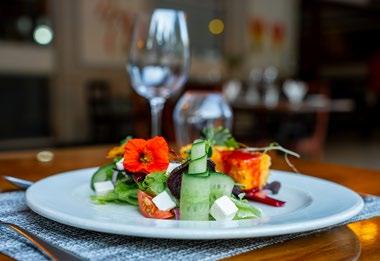
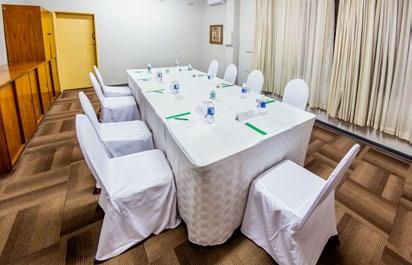
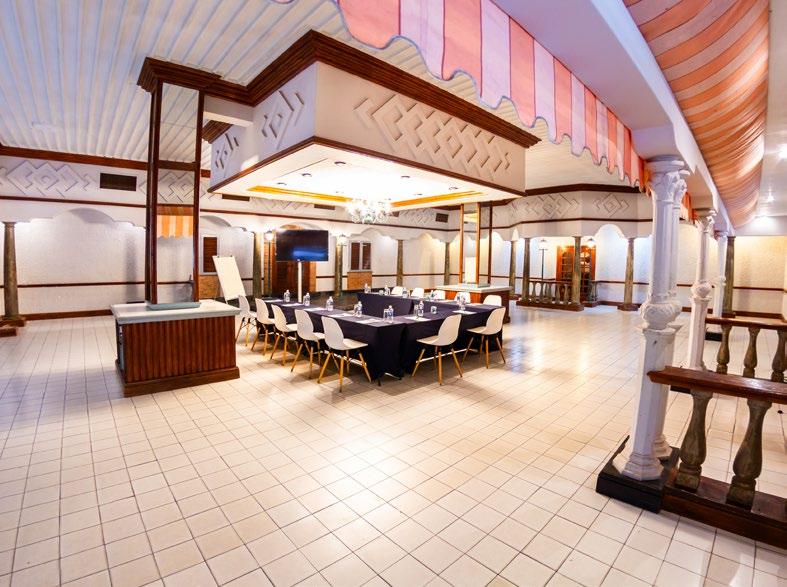
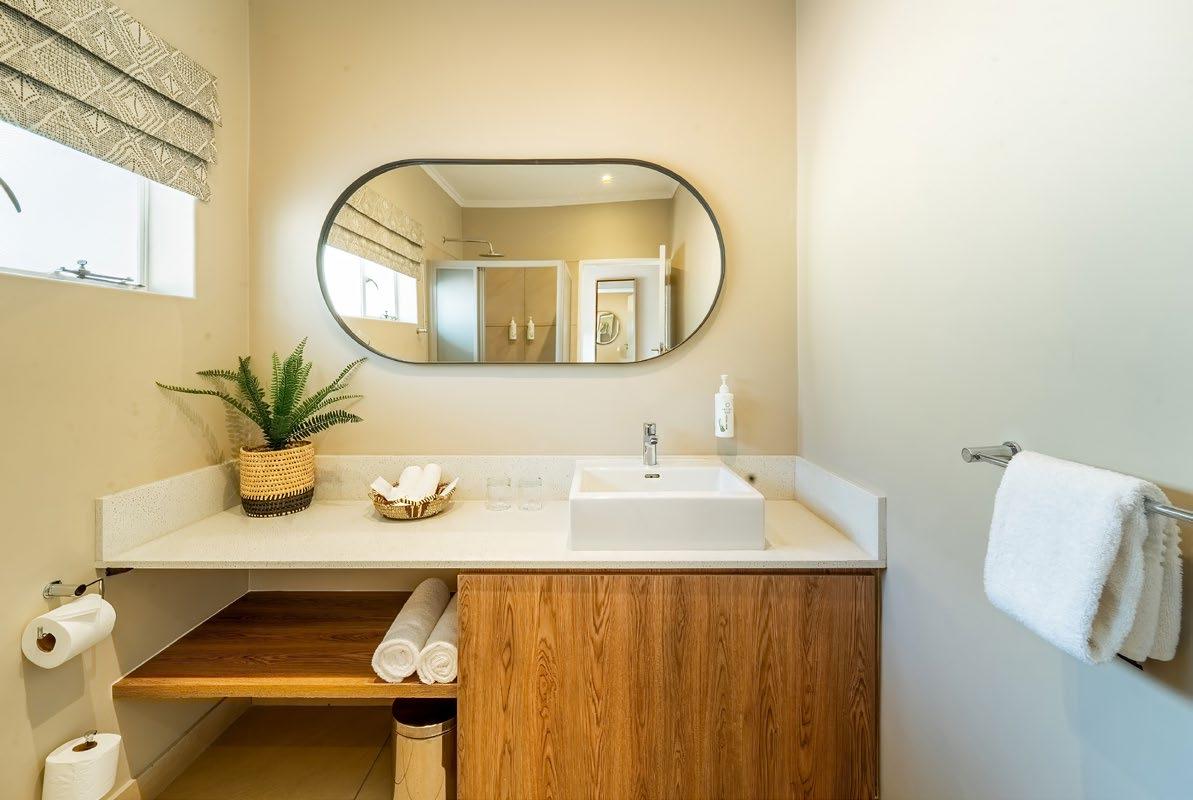
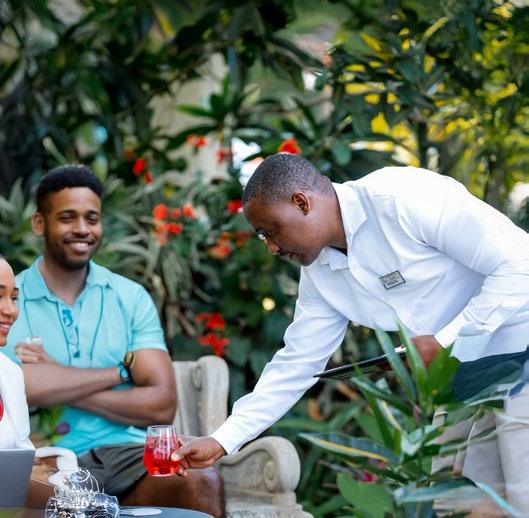
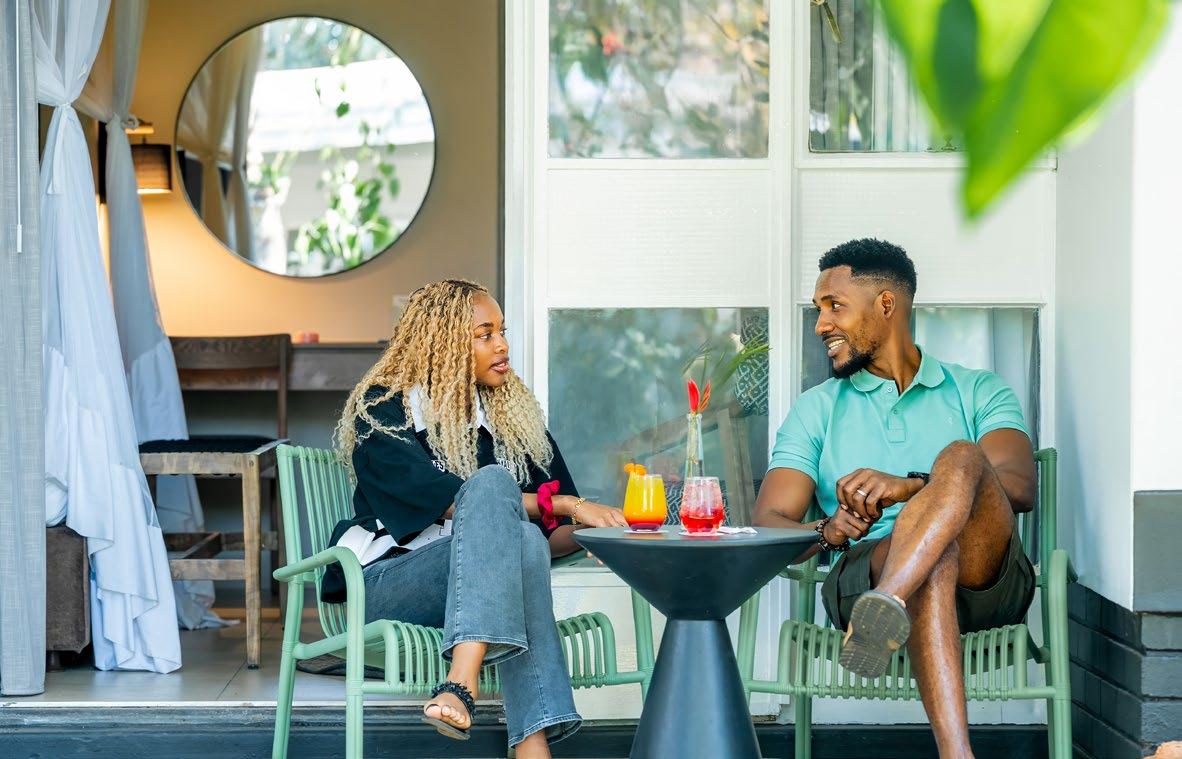
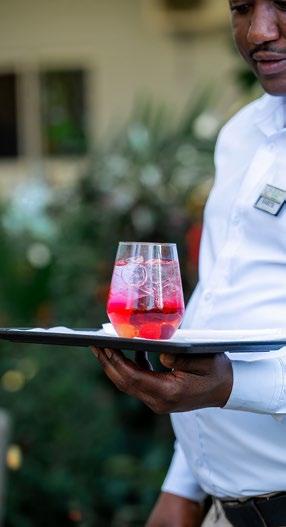
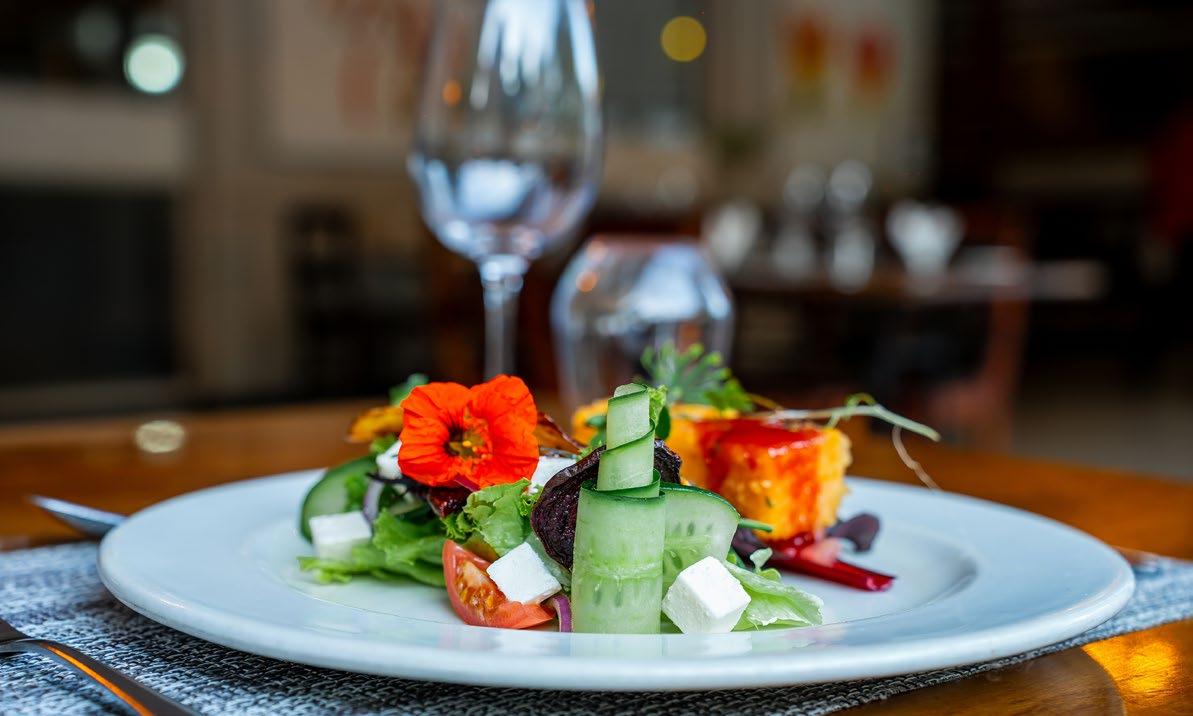
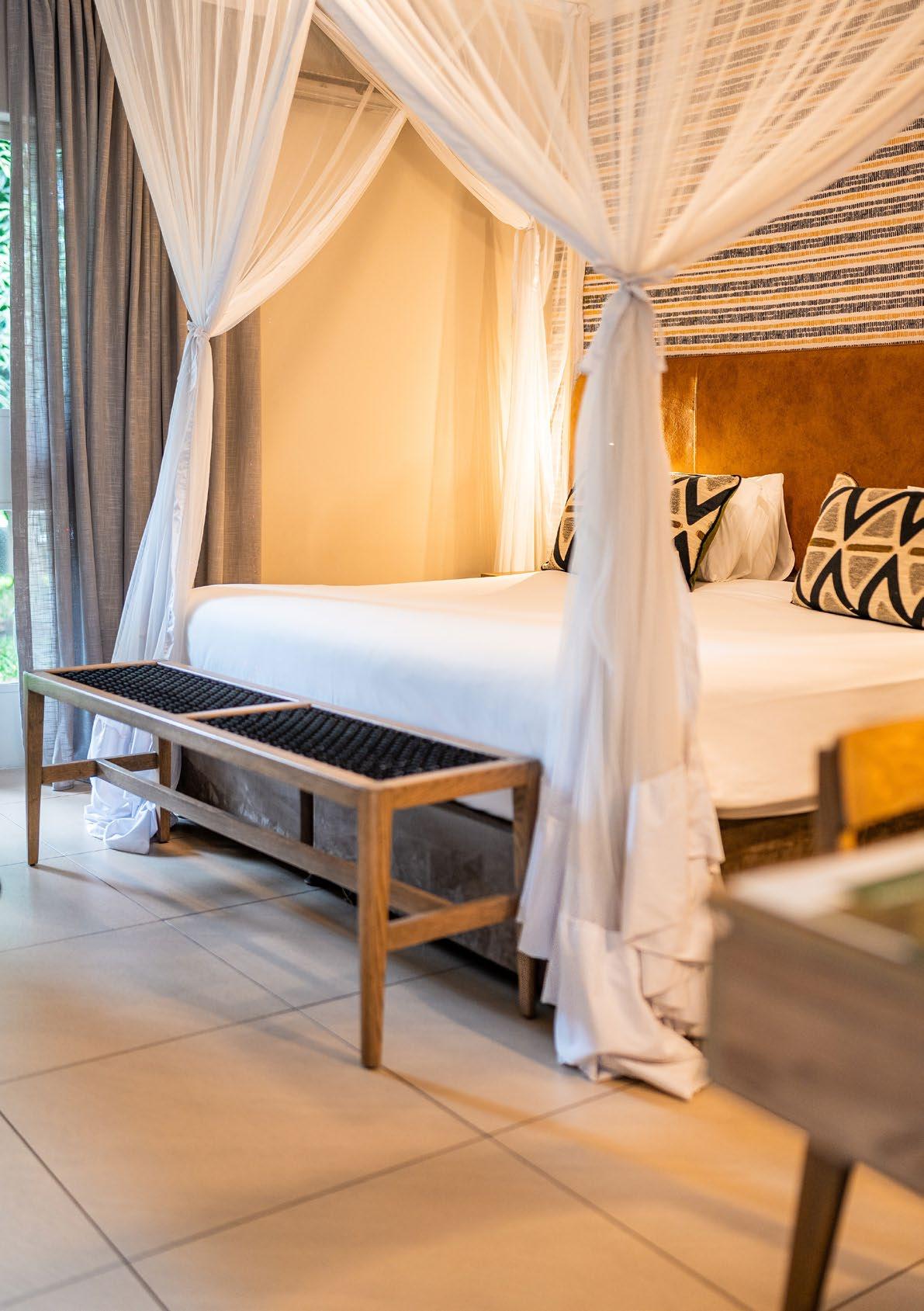
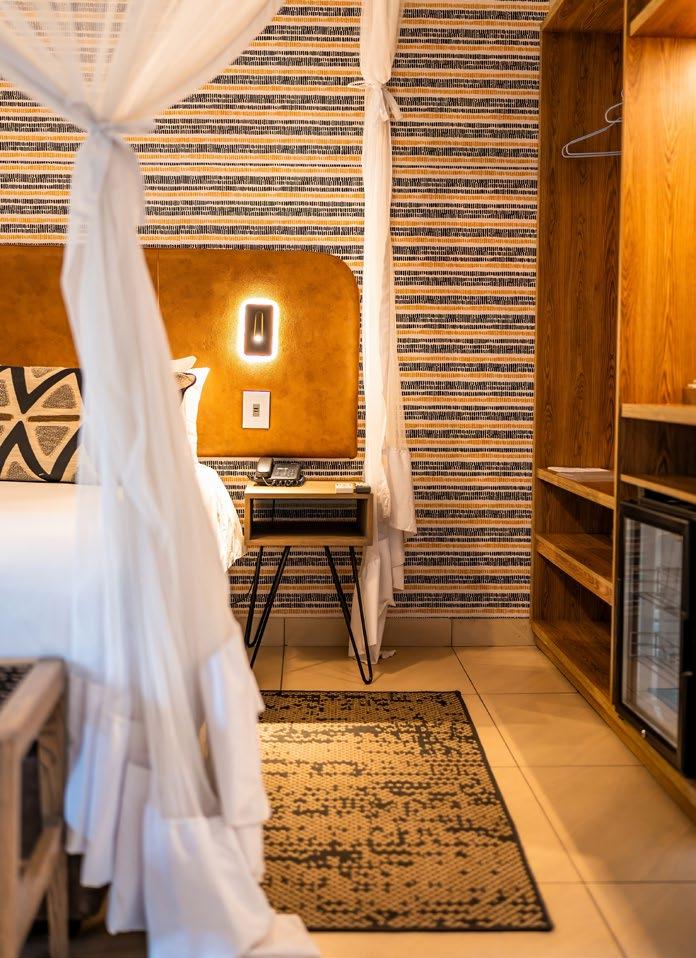
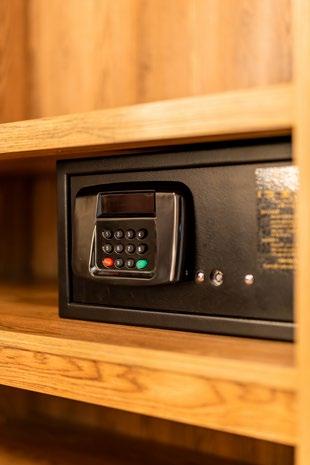
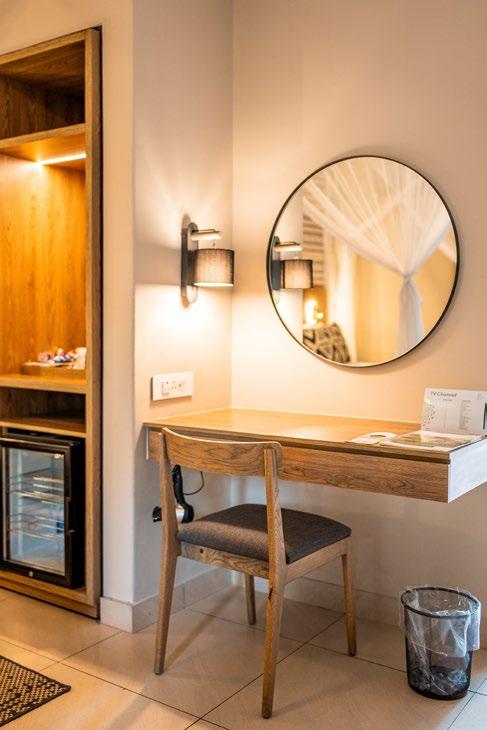
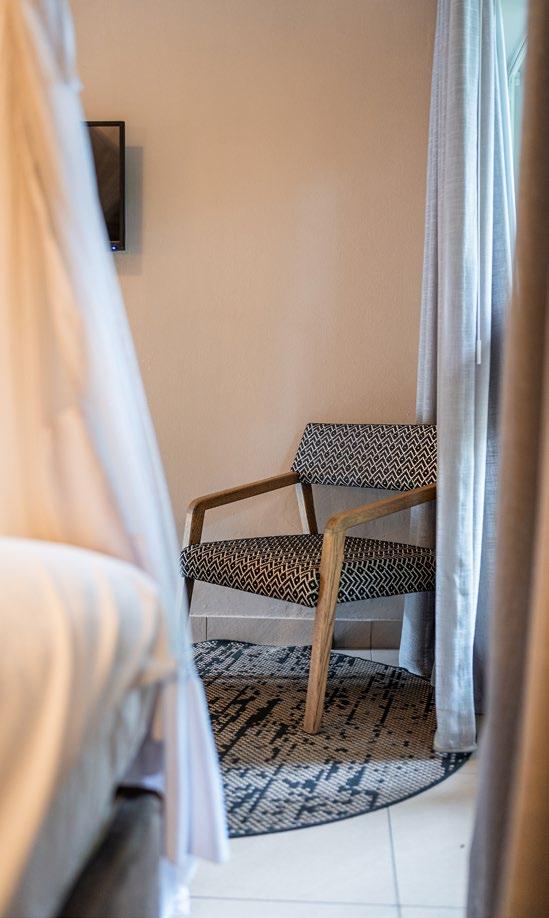
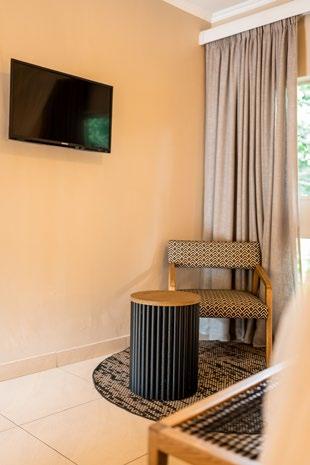
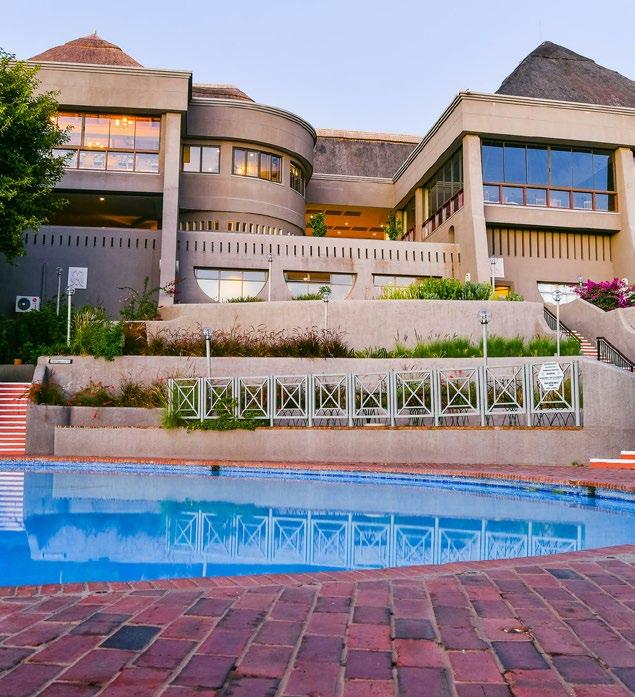
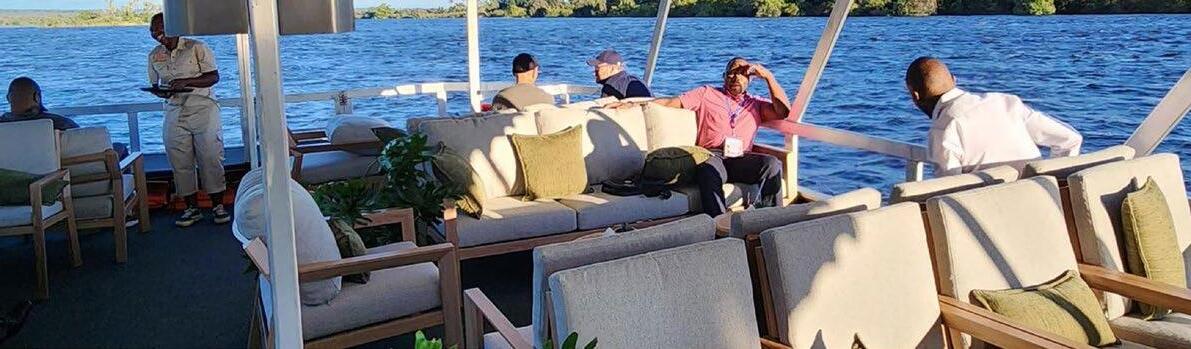
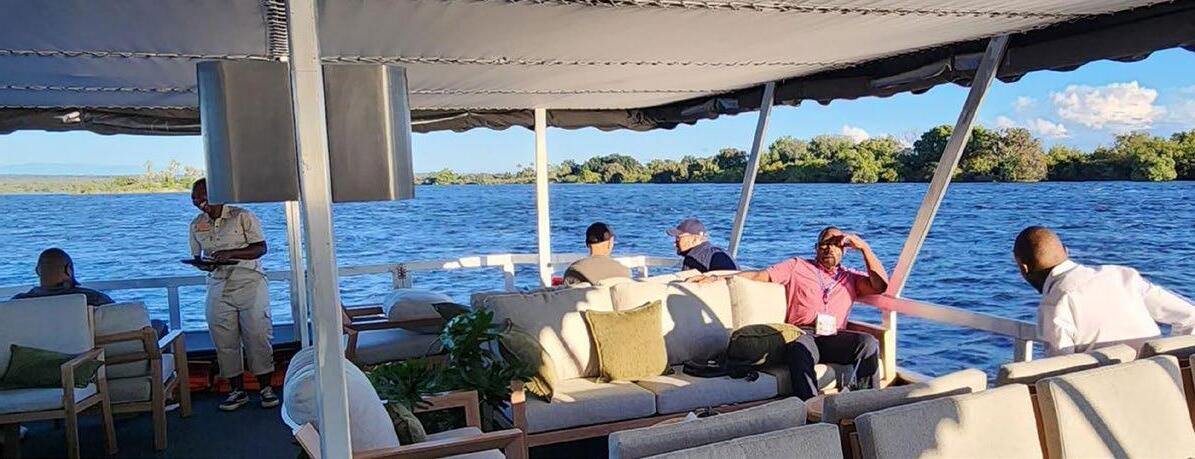
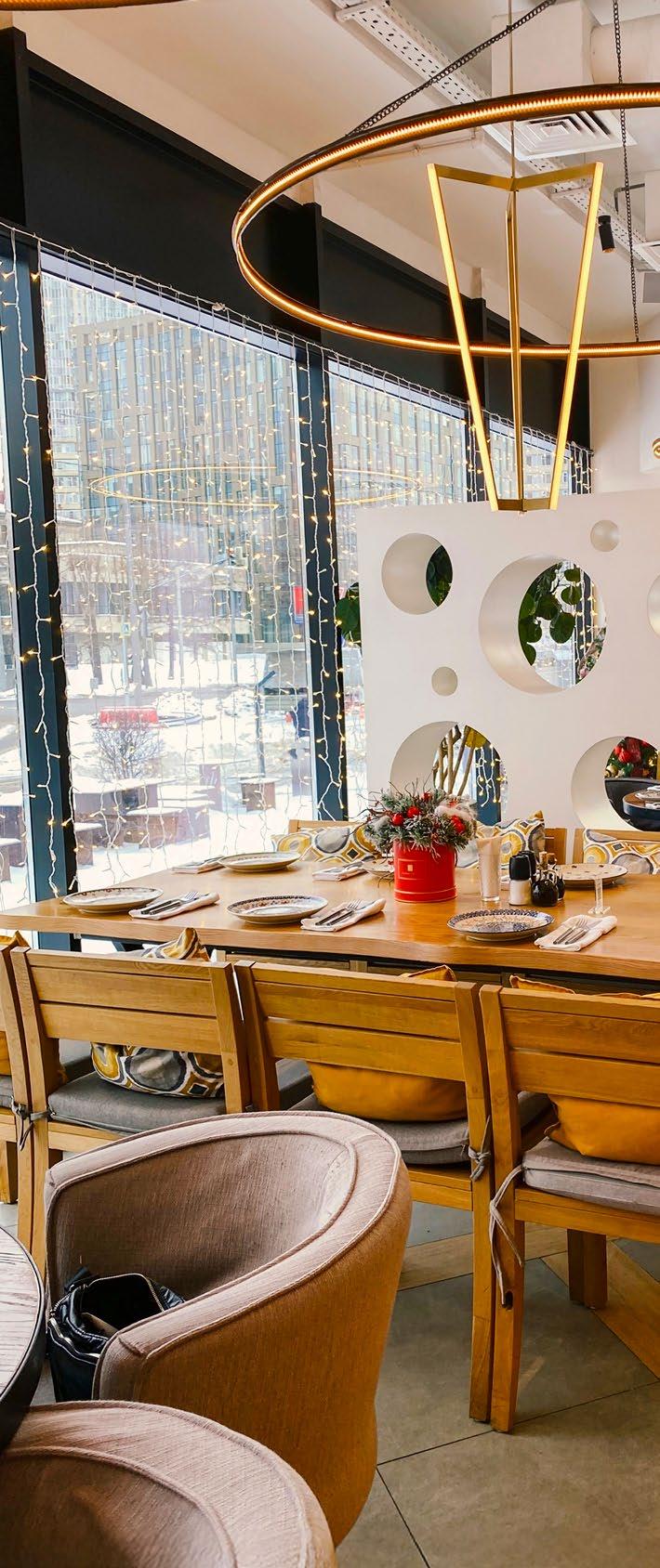
Rediscover luxury. Rediscover comfort. This is the Cresta Experience.
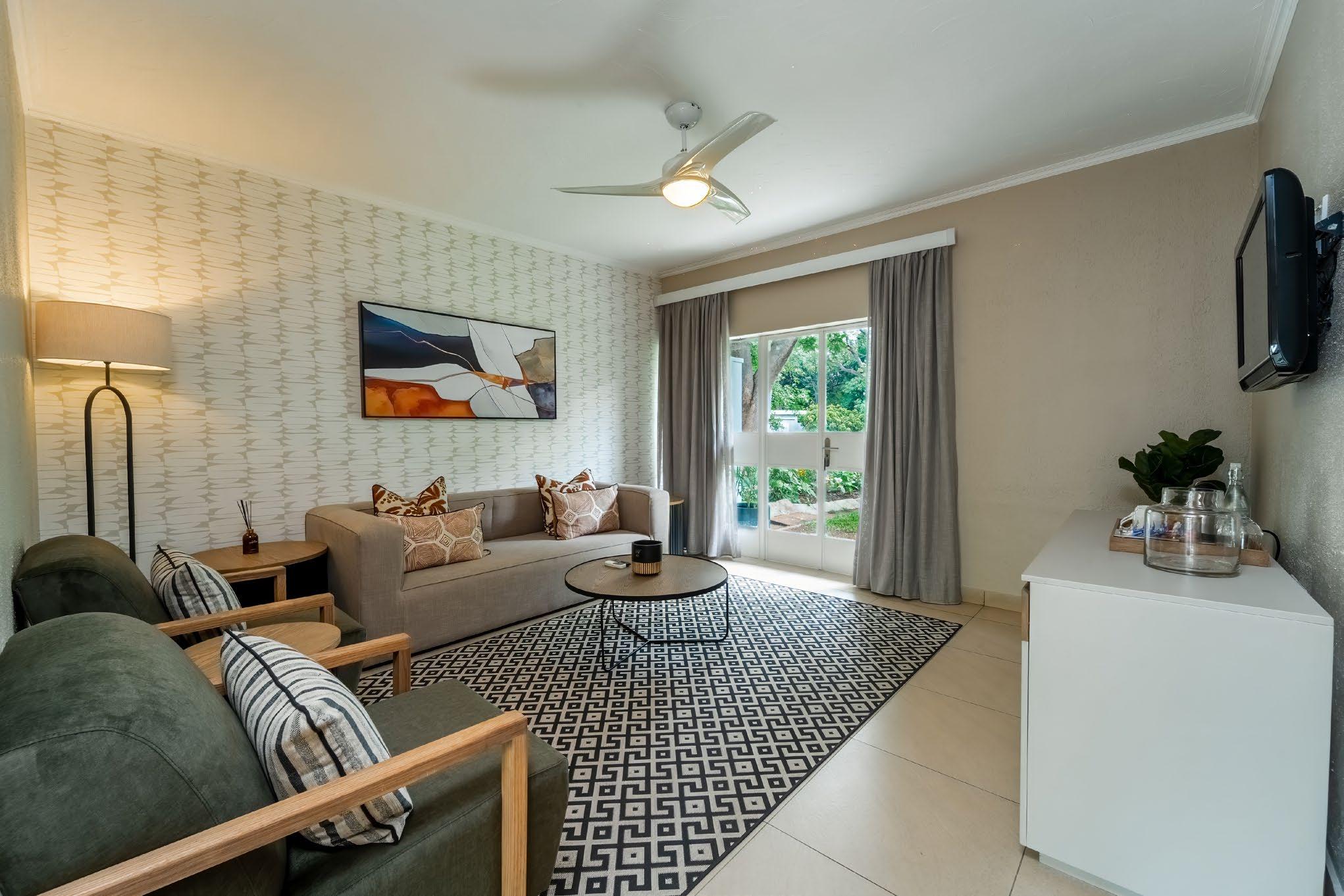
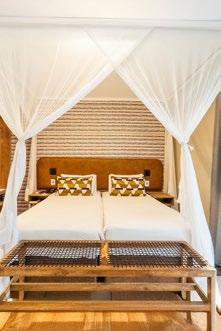
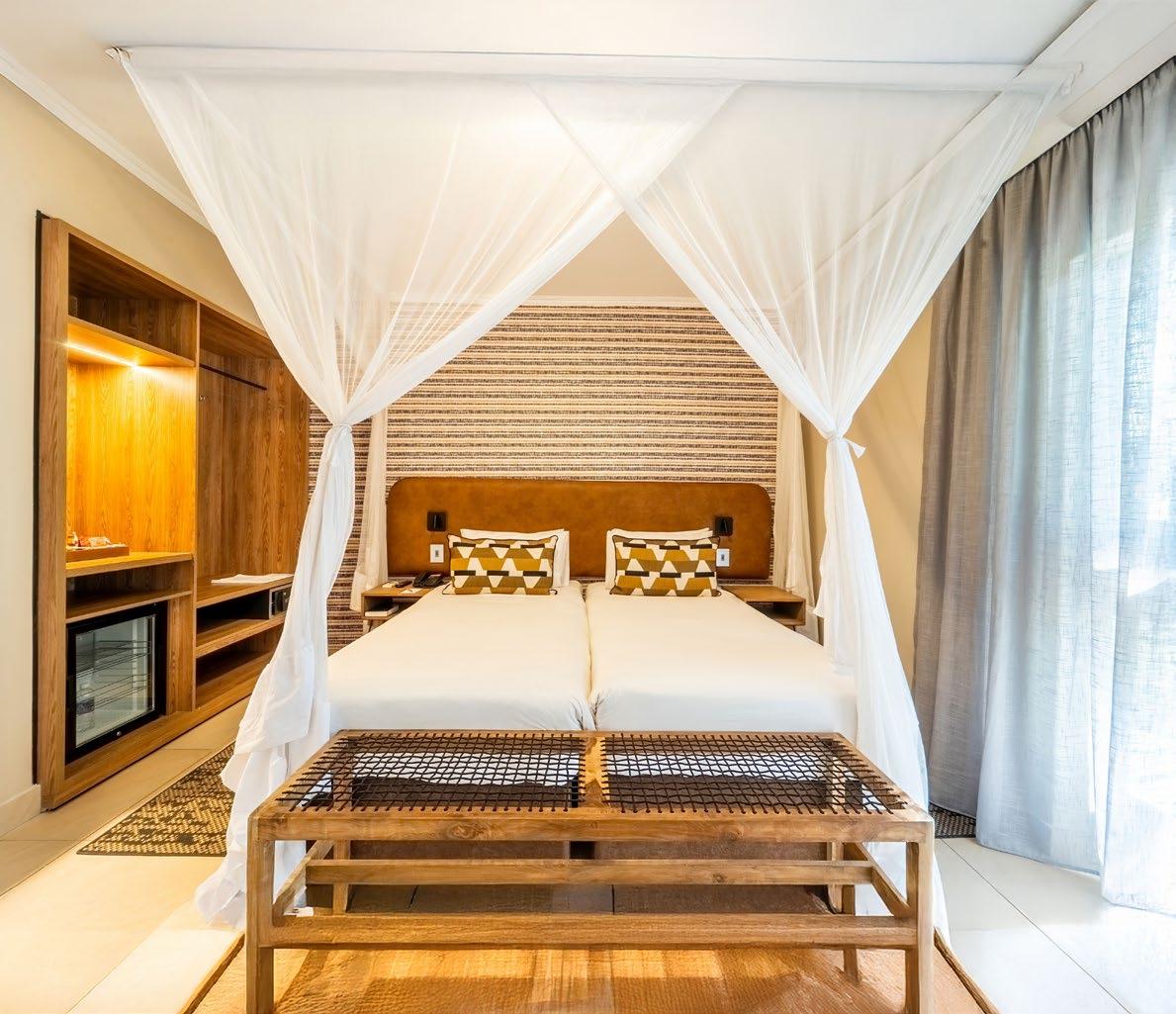
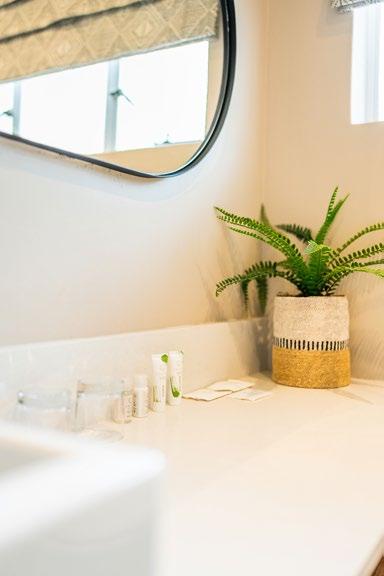
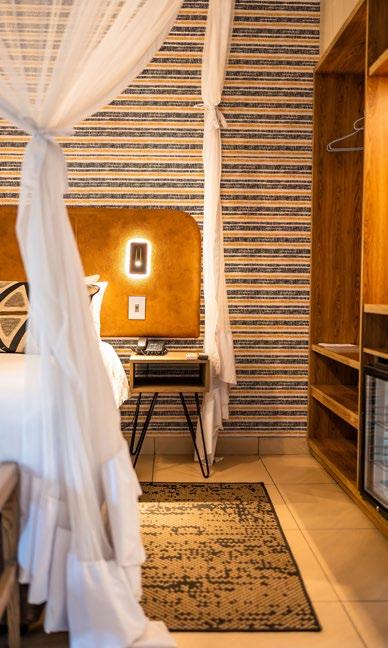
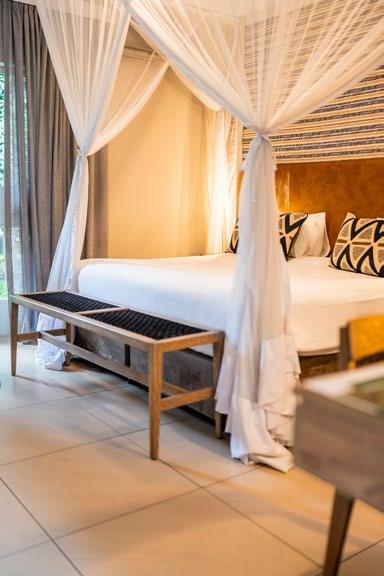
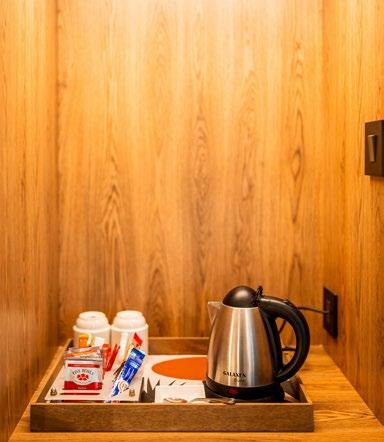
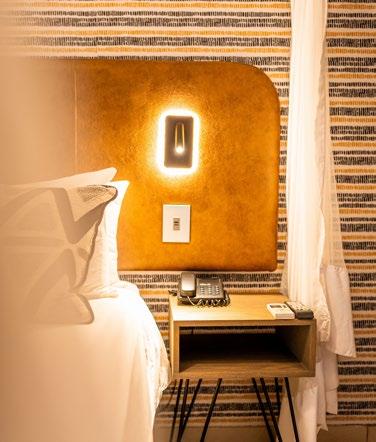
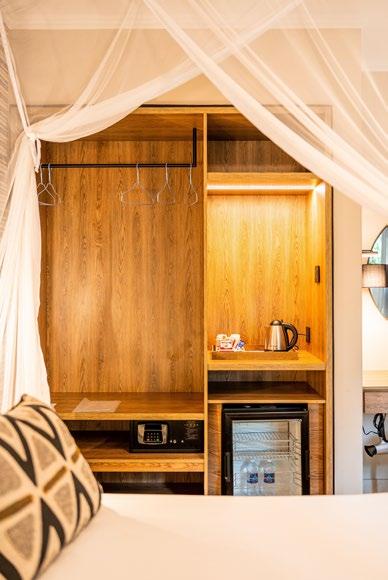
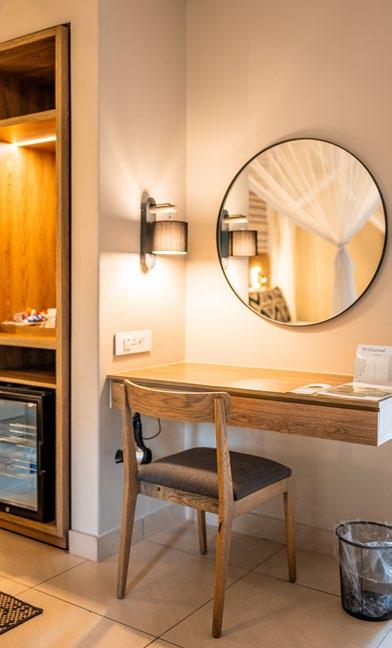
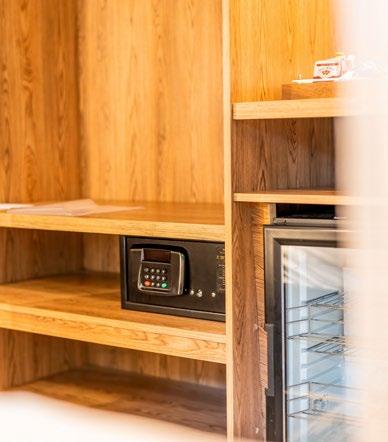
Our newly refurbished rooms at Cresta Sprayview Hotel blend modern comfort with sophisticated serenity, creating the ultimate backdrop for your holiday memories.
This month, we witness a convergence of world class hospitality, pioneering conservation, and technological advancement that signals a bright future for the nation.
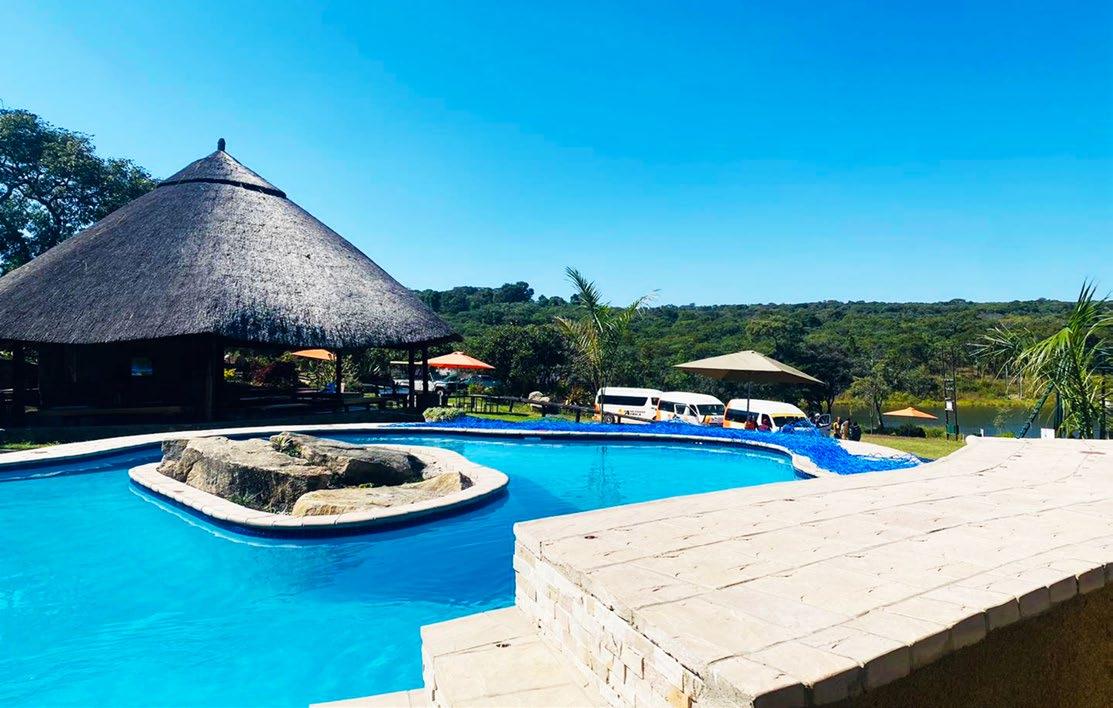
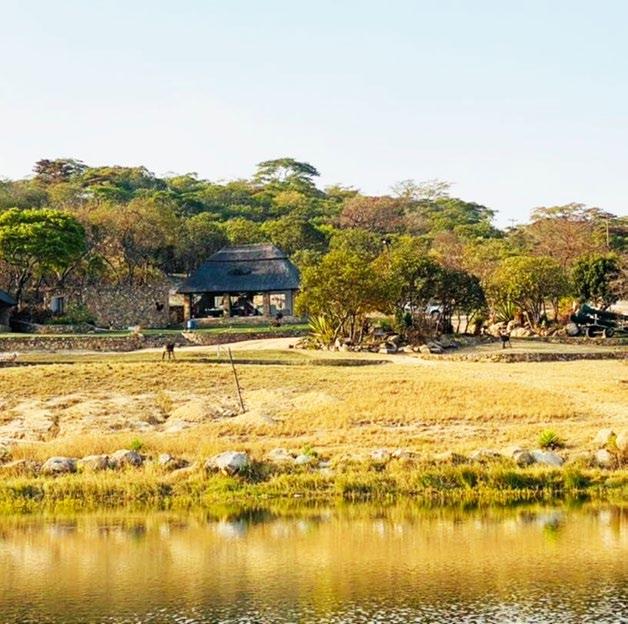
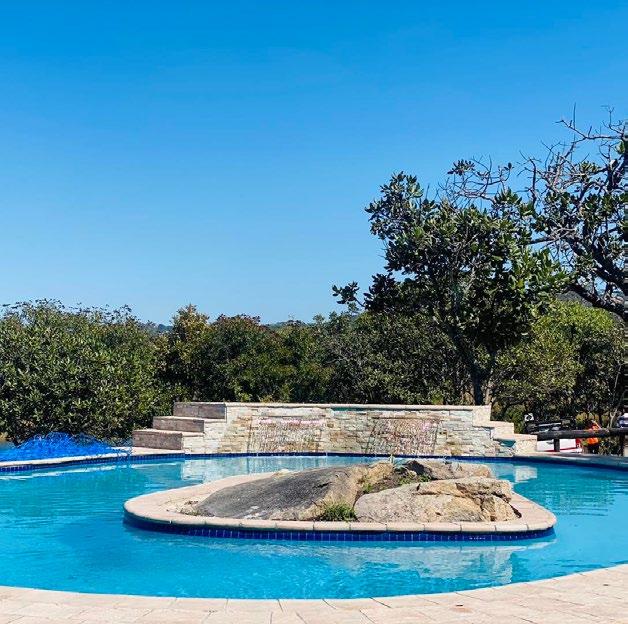
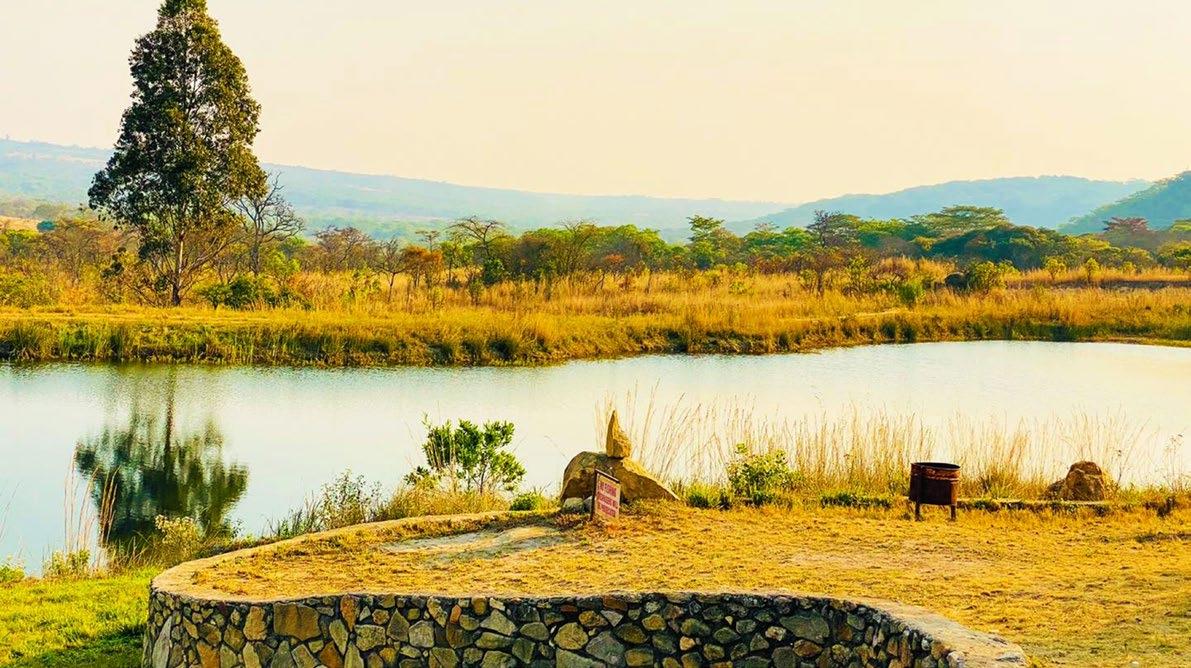
Amanzi Lodge, a tranquil retreat of 16 thatched en-suite units, currently boasts a 4.7-star rating on TripAdvisor and is consistently ranked the number one lodge in its category.
Having spent over two decades perfecting the art of hospitality, the lodge sits within lush, landscaped grounds and features an acclaimed restaurant open to both residents and the public.
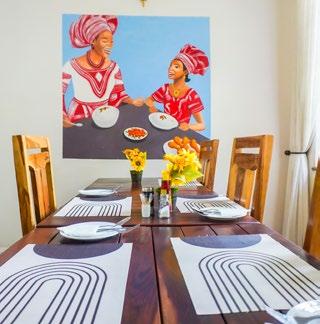
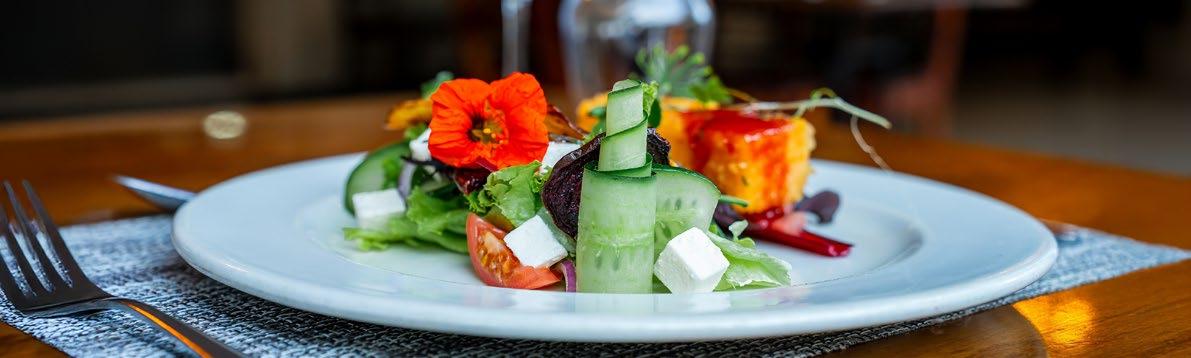
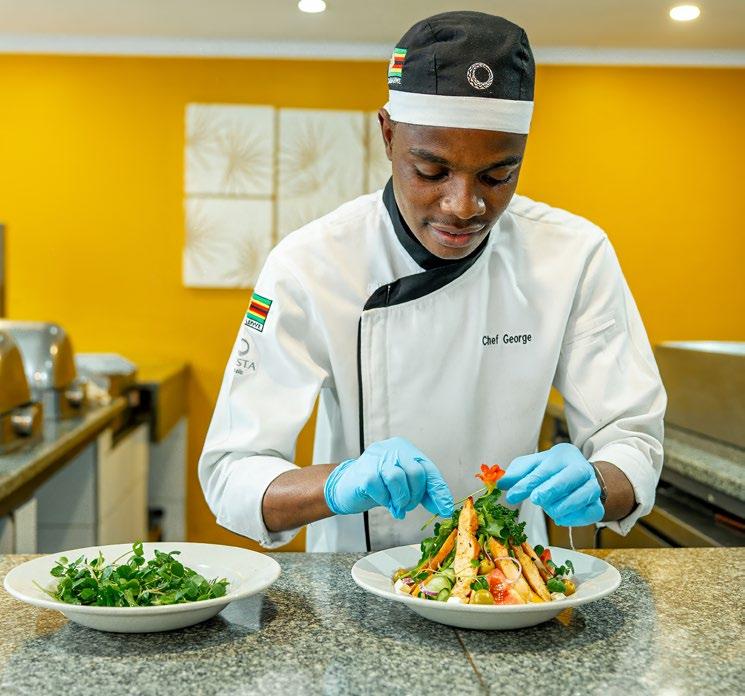
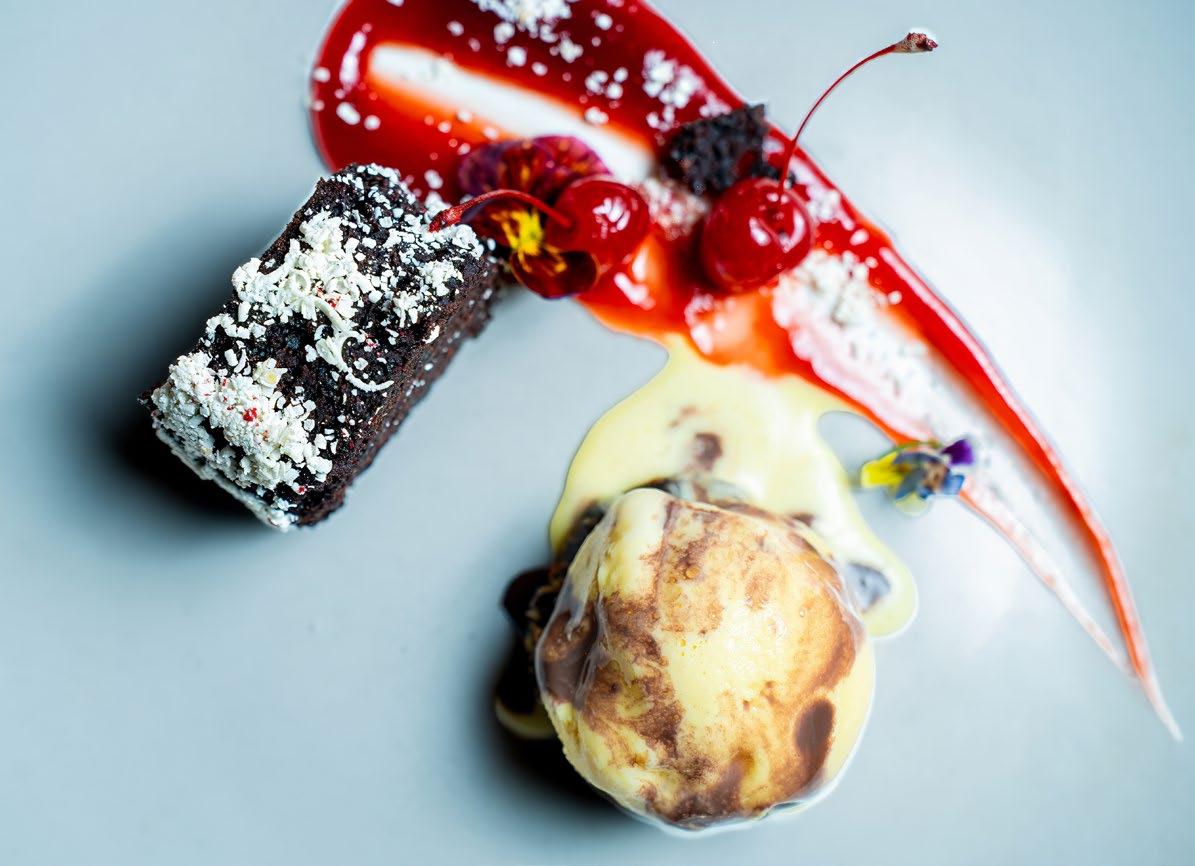
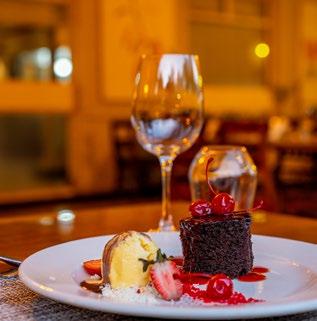
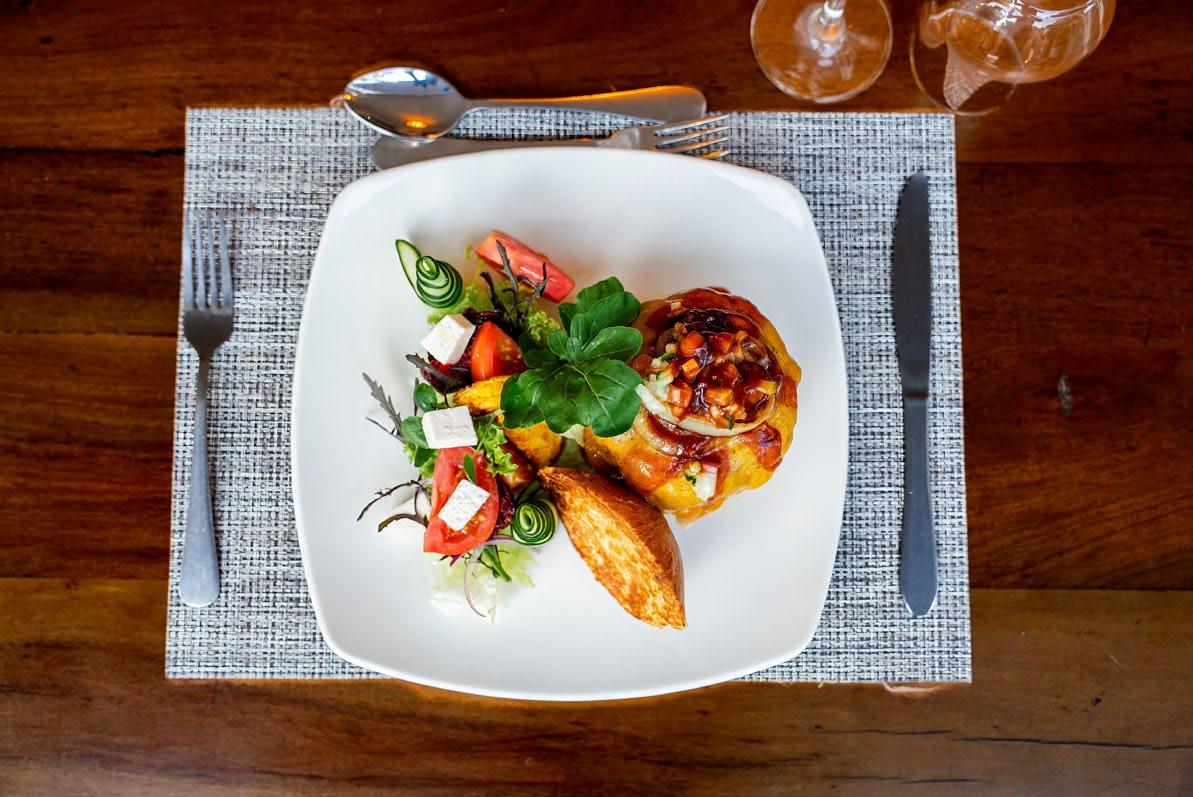
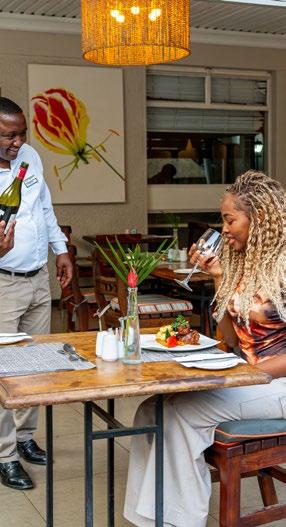
The restaurant serves as an invitation to experience fusion cuisine in a serene ambiance, characterized by warm décor and beautifully curated gardens.
While the hospitality sector celebrates excellence, the delicate balance of wildlife rescue has also received national acclaim.
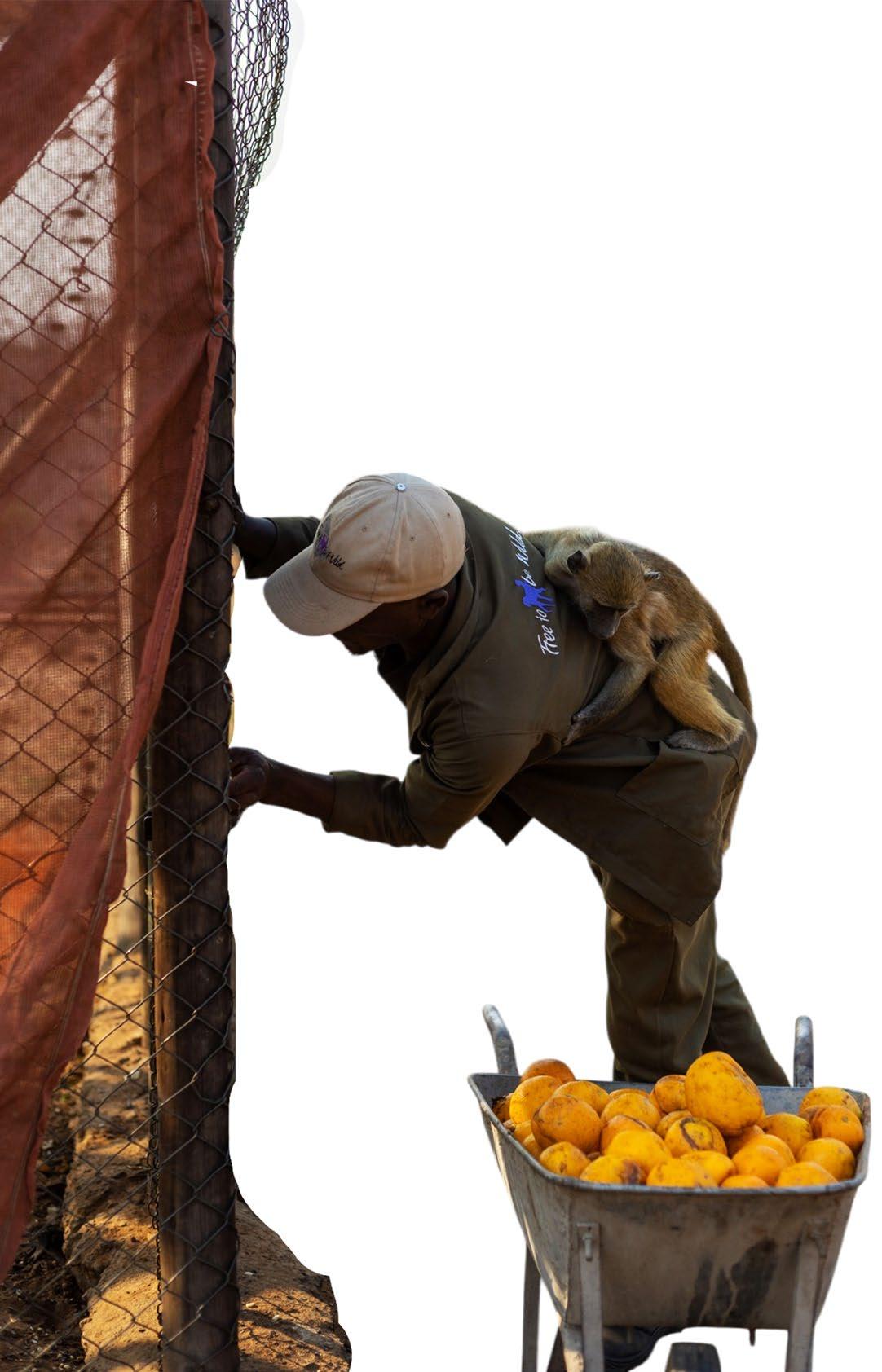
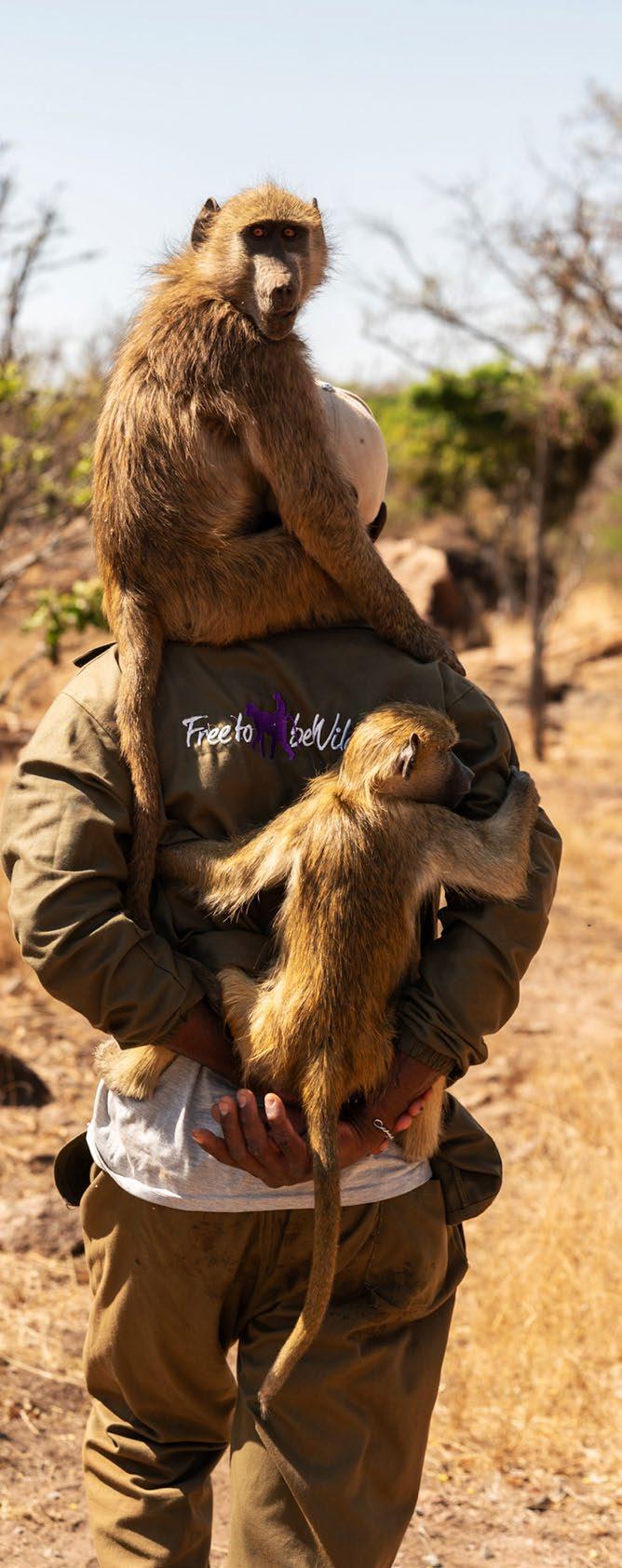
The call of national prestige was bridged when Free To Be Wild (FTBW) was officially inducted into the National Hall of Fame on 14 March in Harare.
This honour, awarded for Excellence in Wildlife Rehabilitation and Conservation, recognizes the sanctuary’s decade-long commitment to the rescue, treatment, and release of Zimbabwe’s injured and orphaned wildlife, cementing its role as a guardian of the country’s natural heritage.
For years, patients seeking advanced weight-loss procedures and regenerative therapies travelled abroad to destinations such as Türkiye and India. Today, that is no longer necessary.
For over thirty years, a quiet revolution in conservation and recreation has unfolded just off the Mutare Road, providing a vital green lung for the capital.
Behind every successful lodge, resort, and hospitality destination lies a critical challenge: reliable power. As the country’s energy landscape continues to evolve, both homeowners and commercial operators are no longer willing to compromise on reliability, performance, or long-term sustainability.
Increasingly, the shift is toward energy independence—solutions that are not only resilient but intelligently designed for growth.
At the forefront of this transformation is SunWolf Renewables, a proudly Zimbabwean solar solutions provider delivering high-performance, scalable systems engineered for real-world conditions.
The healthcare sector has reached a similar level of international competitiveness.
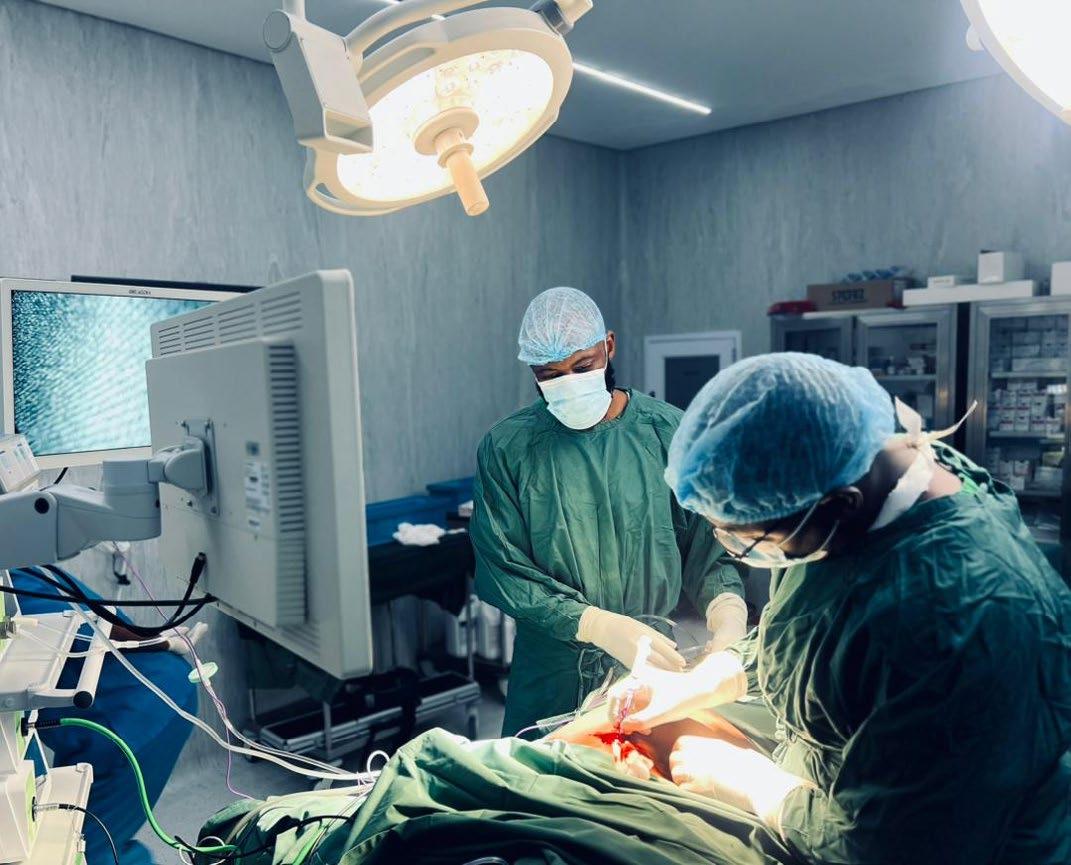
At Trauma Centre Borrowdale & Critical Care Hospital, Zimbabwe now offers world-class laparoscopic gastric sleeve surgery alongside a full spectrum of regenerative medicine services.
Delivered in a specialist-led, fully equipped environment, this advancement is rapidly positioning the country as an emerging hub for regional medical tourism.
Ensuring the stability of these growing sectors is Firstlink Insurance Brokers. We recently met with Firstlink’s General Manager of Business Development, Mr. T. Chihambakwe, to understand the solutions they offer for players in the Tourism and Hospitality sector.
Firstlink stands as a leading broker, providing bespoke risk management and insurance solutions designed to protect the investments that drive our economy.
The spirit of preservation continues at Haka Game Park in Msasa.
Simultaneously, the Aviation Training Academy of Zimbabwe (ATAZ) officially attained status as an ICAO TRAINAIR PLUS Bronze Member, a prestigious recognition that aligns Zimbabwe’s aviation training with global safety and operational standards.
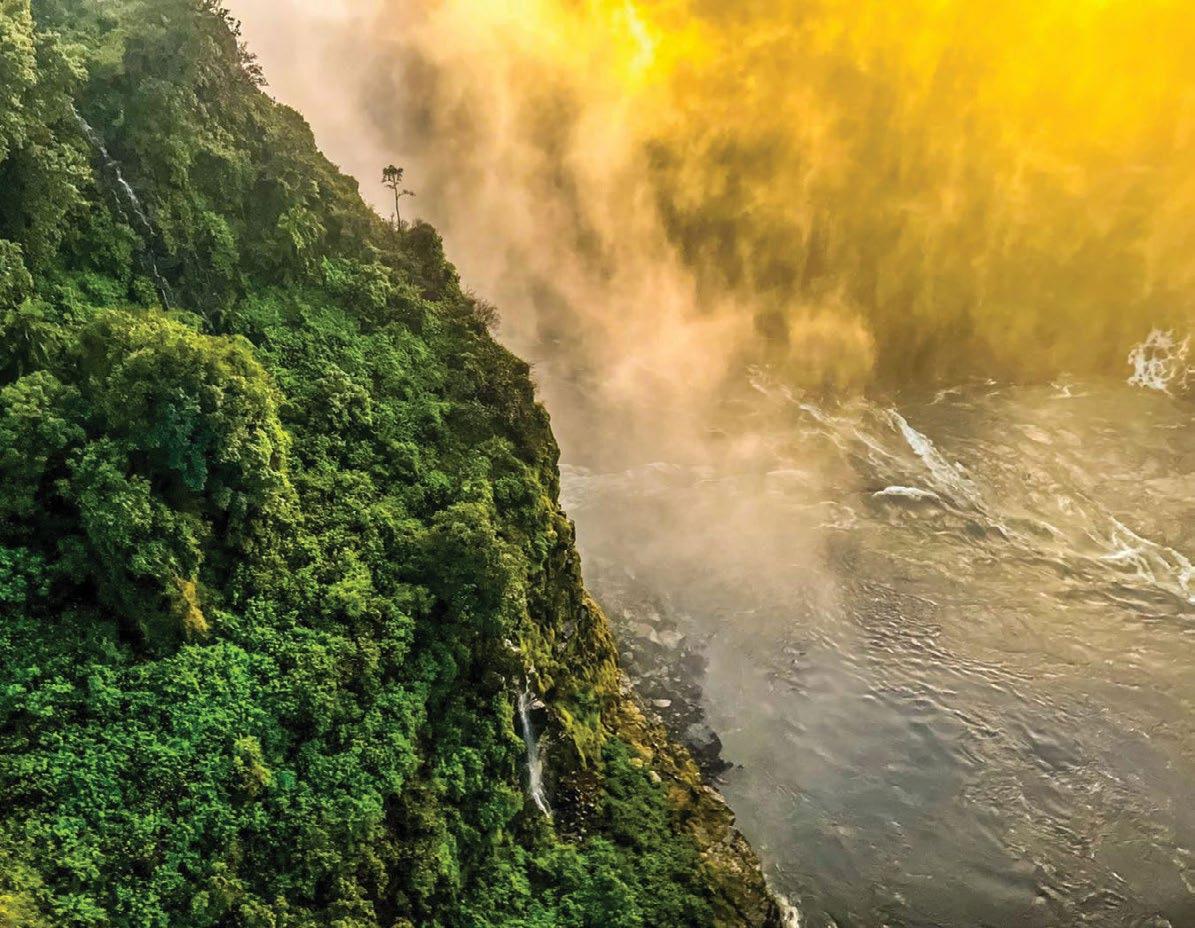
As seasonal rains transform the landscape, the Save and Runde Rivers have converged in a spectacular display of natural power, reminding us of the raw beauty that defines our wilderness.
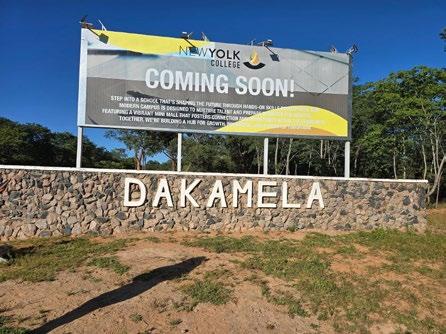
Meanwhile, in the rural heartlands, a delegation of German guests recently joined local organizers for a preview of the Dakamela Camping Village in Nkayi.
This immersive road trip signalled that the district is ready for the global stage ahead of iMiklomelo 2026, proving that Zimbabwe’s tourism appeal reaches into every corner of the country.
DESIGN,
Saul
Albert
Olga Gertrude Dzingo
Tinaani
Kudiwanashe Venge
JOURNALISTS
Martin Chemhere
Michael Nott
CONTRIBUTORS
Cresta Sprayview Hotel Sunwolf
Free to be Wild Amanzi Lodge Trauma Centre FirstLink
PHOTOGRAPHY
Caast Media Group
DISTRIBUTION
Kudzaishe Mugonamanji Gift Sepi
EMAIL
newton@destinationzw.biz admin@destinationzw.biz
FIND US AT 31 Alexander Rd, Highlands, Harare DESTINATION.ZW MAGAZINE: No part of this magazine may be reproduced or transmitted in any form or by any means electronic including photocopying or recording.
While every effort has been made to ensure the accuracy of its content, neither editor nor publisher can be held responsible for any omissions or errors: or for any misfortune, injury, or damages which may arise thereof.
Moroccan Magic in Harare
Text by Michael Nott
Pics courtesy of Michele Fortmann
Pevensey Studio forms part of the Amanzi collection—an inspired hospitality portfolio comprising four private houses, a 16-bedroom lodge, and a restaurant, run by husband-and-wife team Andrew and Julia Mama.
Each of them brings a distinct creative strength. Andrew has a passion for good food and landscape design, and Julia has a refined eye for interiors and a deep appreciation of African art.
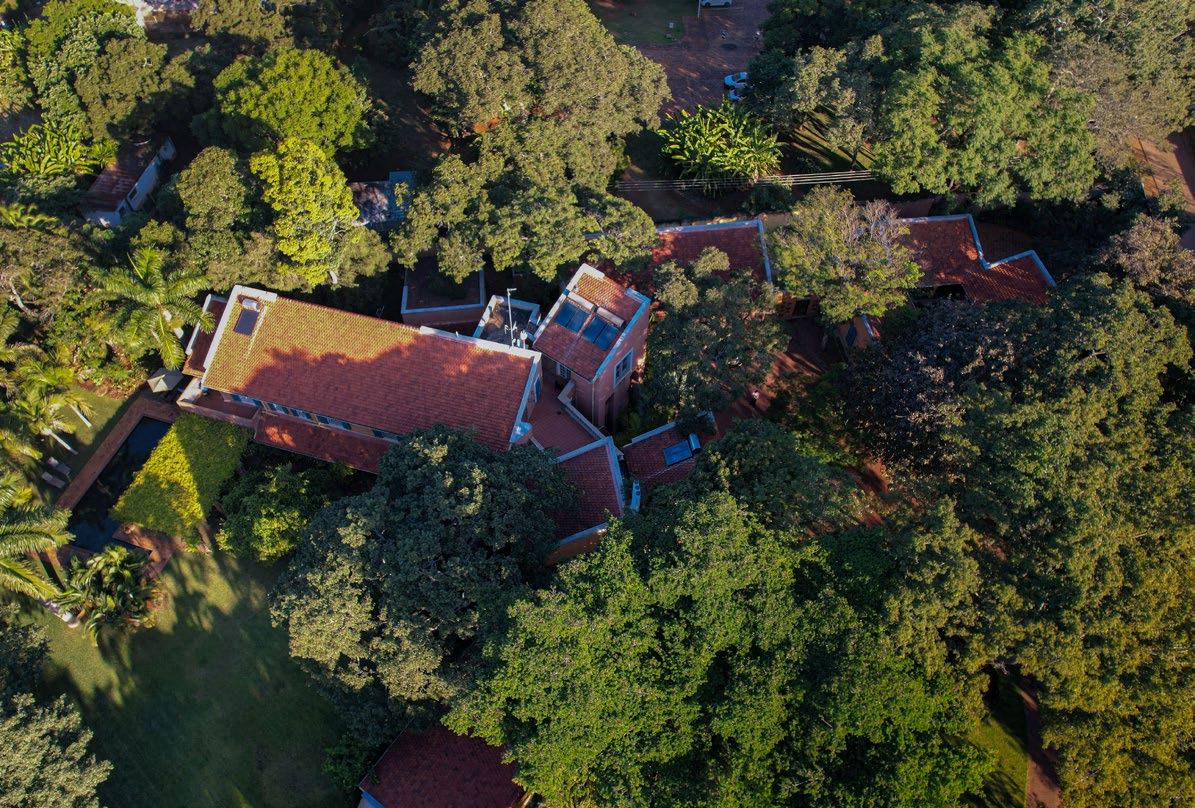
At the heart of the offering is Amanzi Lodge, a tranquil retreat of 16 thatched en-suite units. With a 4.7-star rating on TripAdvisor and consistently ranked the No. 1 lodge in its category, Amanzi has spent over two decades perfecting the art of hospitality.
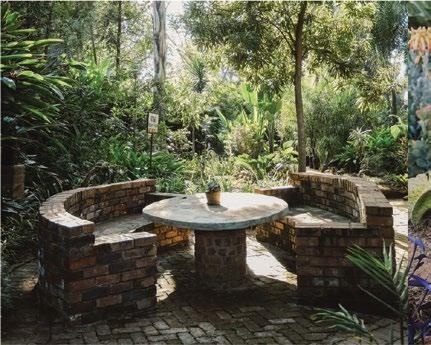
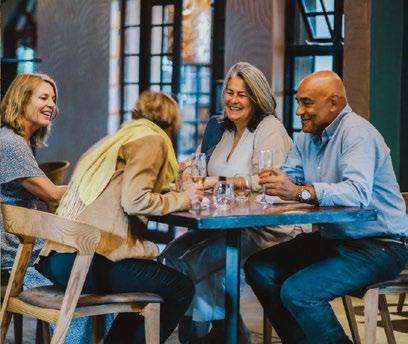
Within its lush, landscaped grounds sits the acclaimed Amanzi@Amanzi restaurant, open to both residents and the public. The restaurant is an invitation to experience fusion food, in a serene ambiance, with warm décor, and beautifully curated gardens.
At its heart lies an intimate courtyard with a mosaic-tiled plunge pool designed by Ingrid Tucker, flowing seamlessly into a Moroccan-inspired outdoor fireplace and barbecue area.
It is perfect for private entertaining with an atmosphere of quiet escape: African soul meets North African romance.
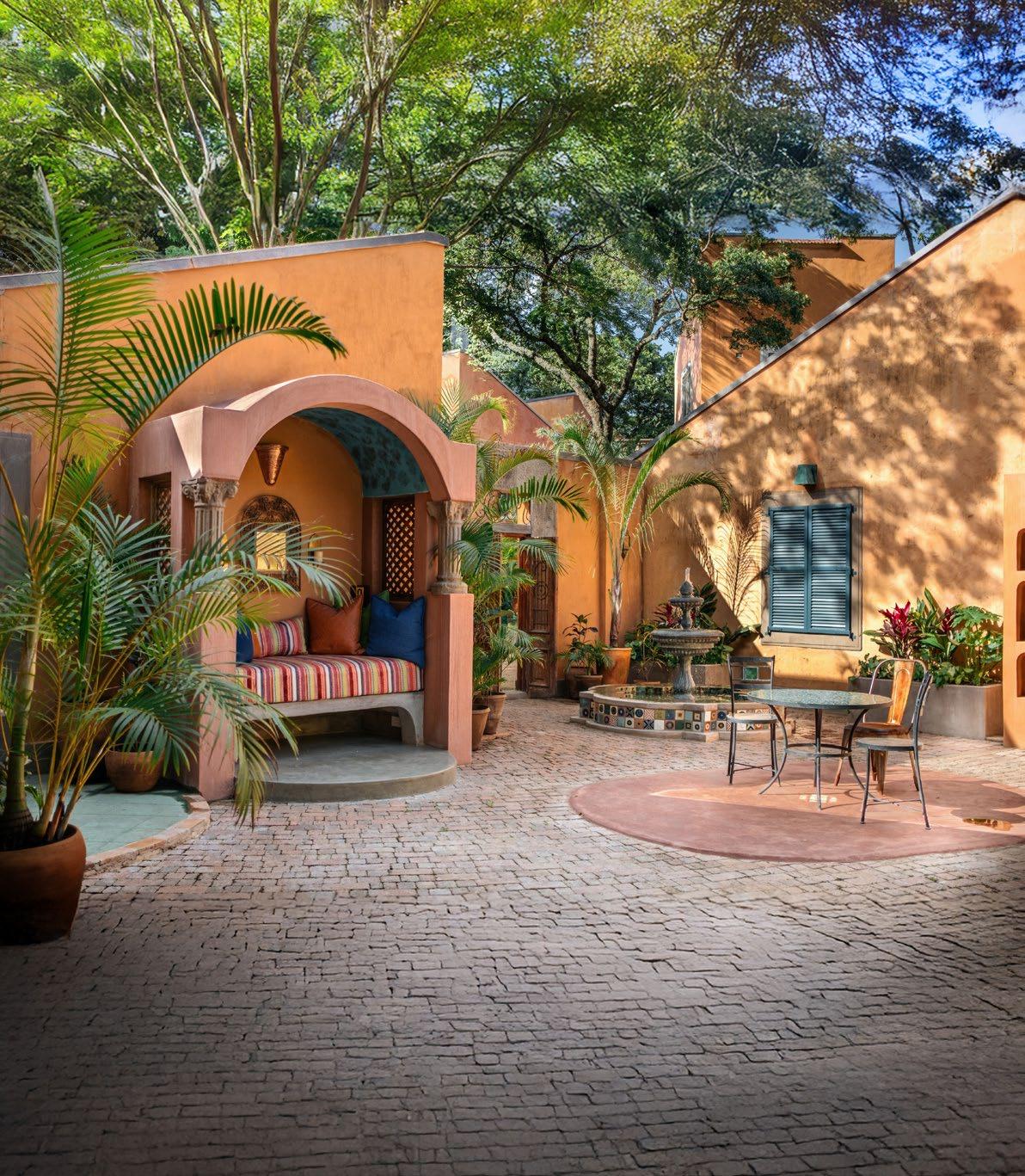
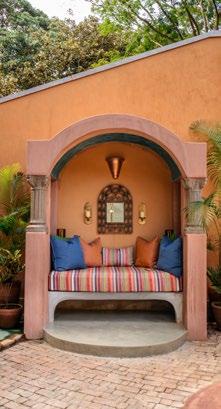
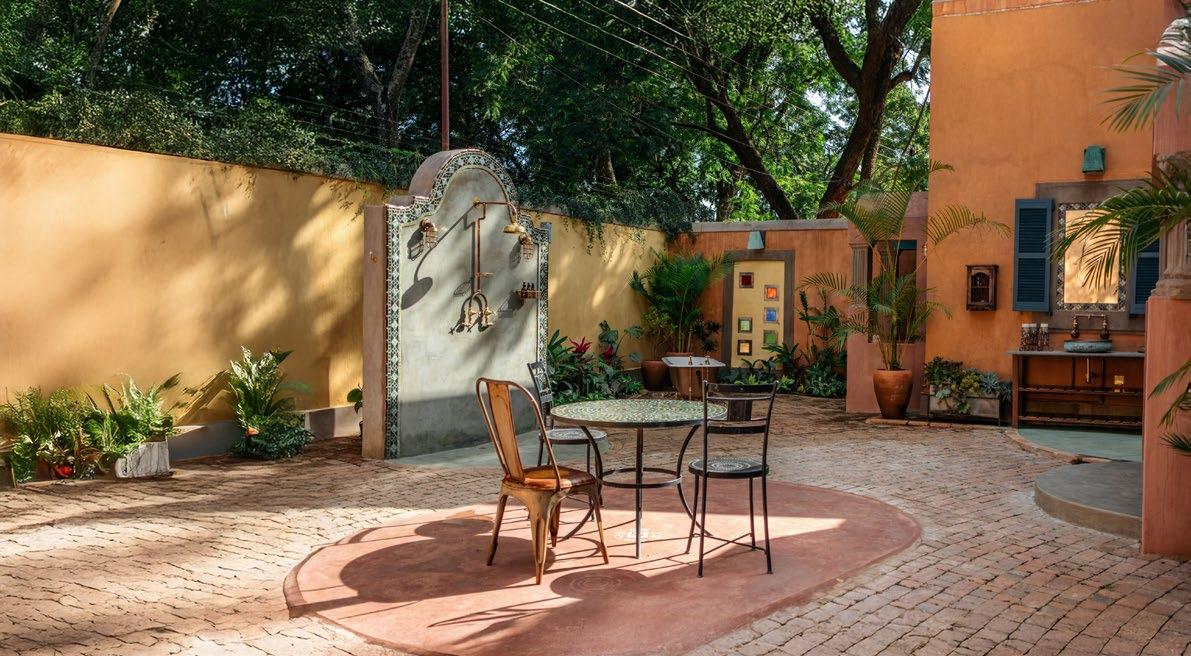
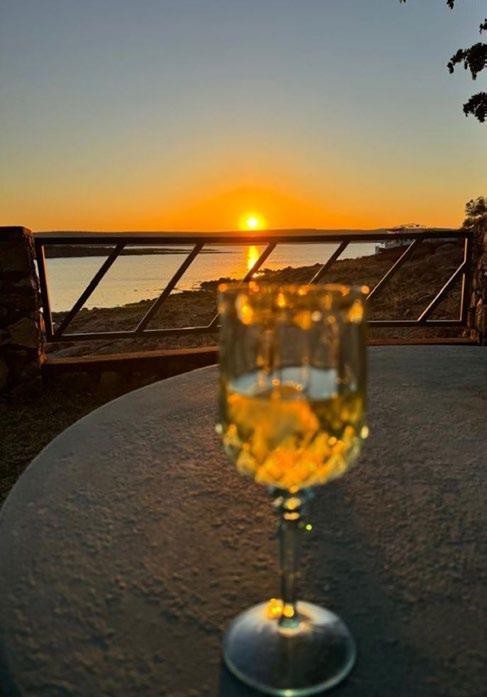
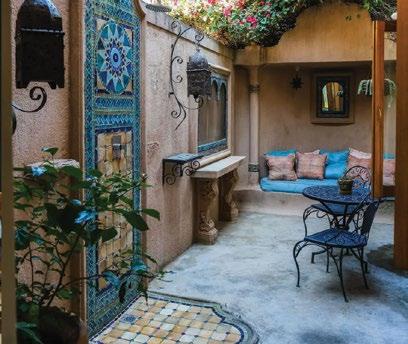
Yet the true showpiece is the second courtyard - a secluded Moroccan sanctuary that captures both the first light of dawn and the last golden glow of evening.
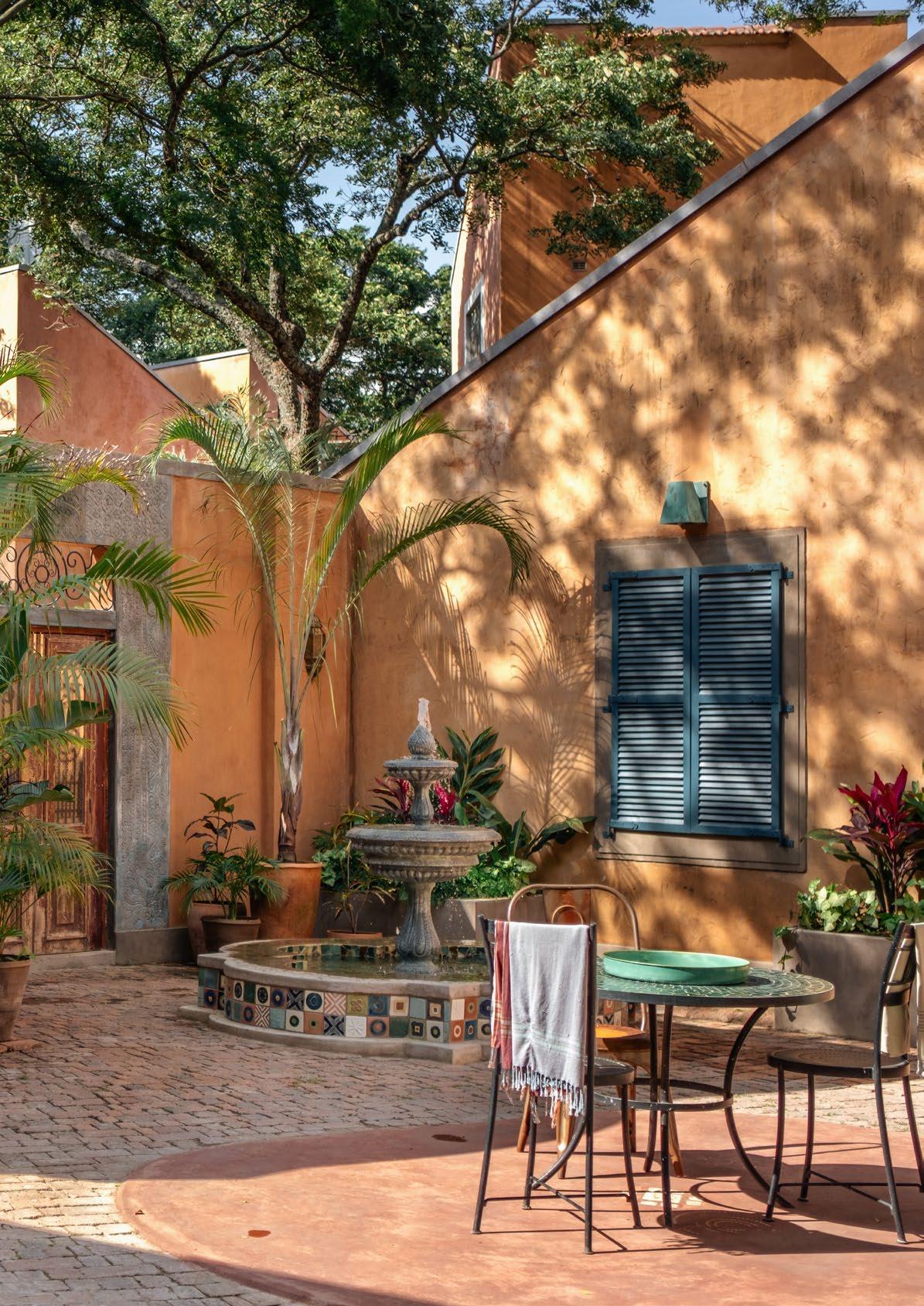
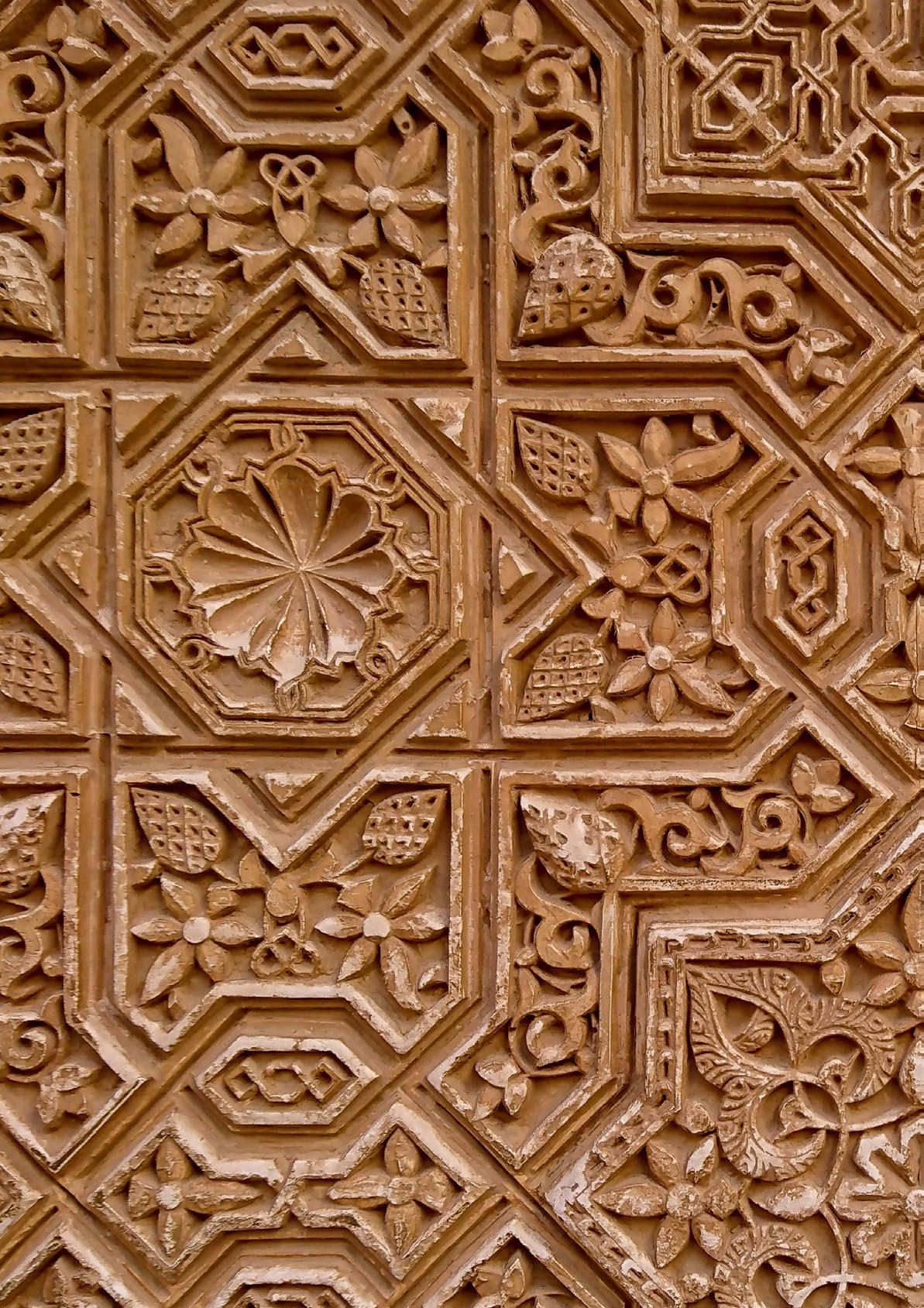
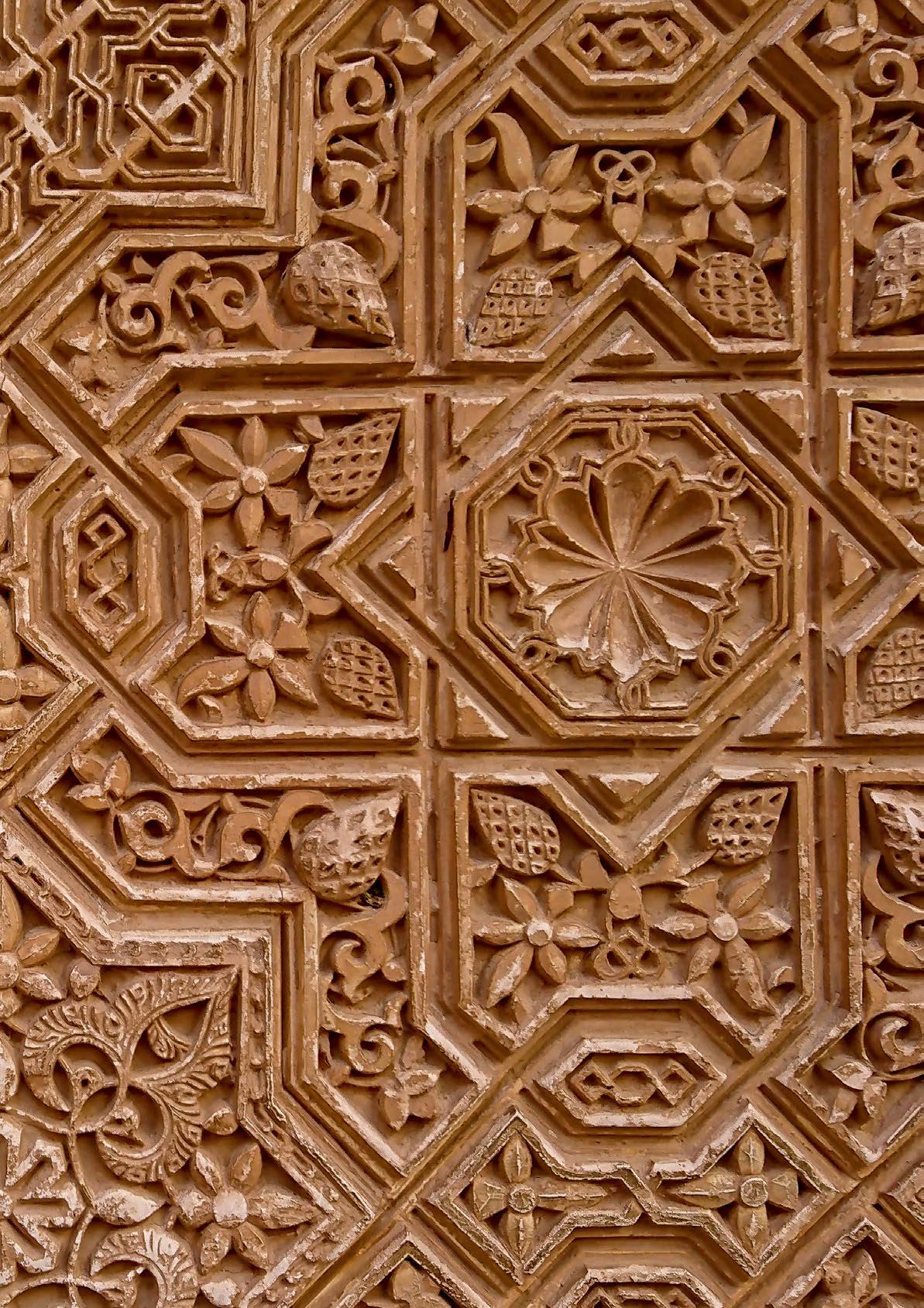
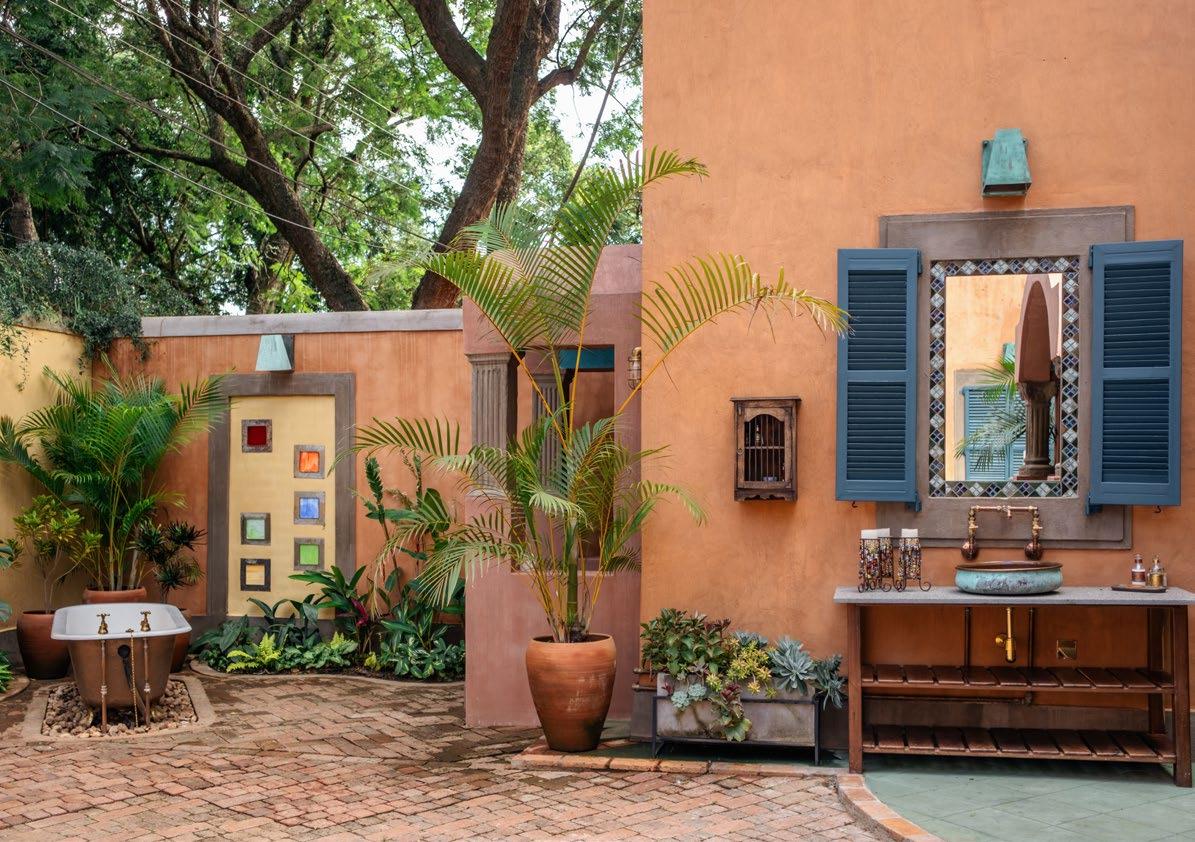
Finished in softly textured Cemwash tones of ochre, pale yellow, and terracotta, the walls carry a gentle patina, evoking the timeless beauty of Zanzibar and Marrakech. Underfoot, brick cobbles lend a rustic charm while enhancing the indoor-outdoor connection.
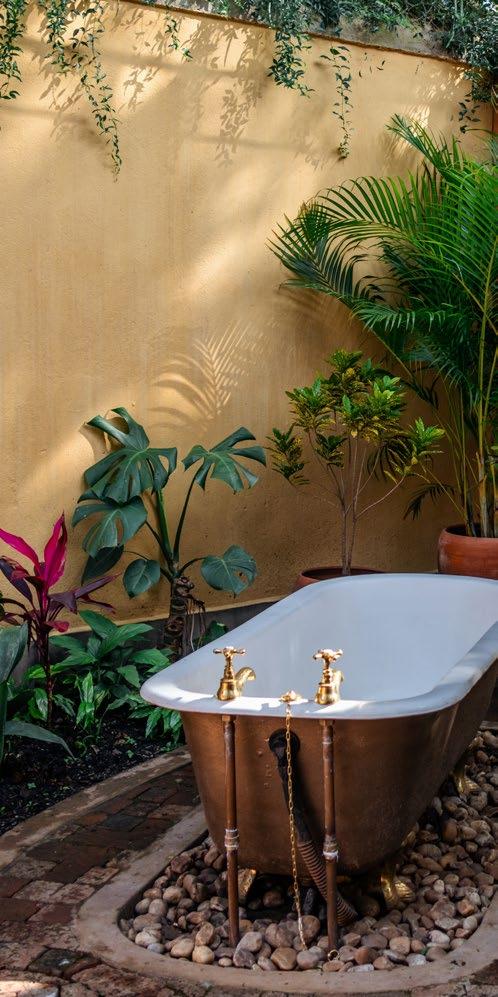
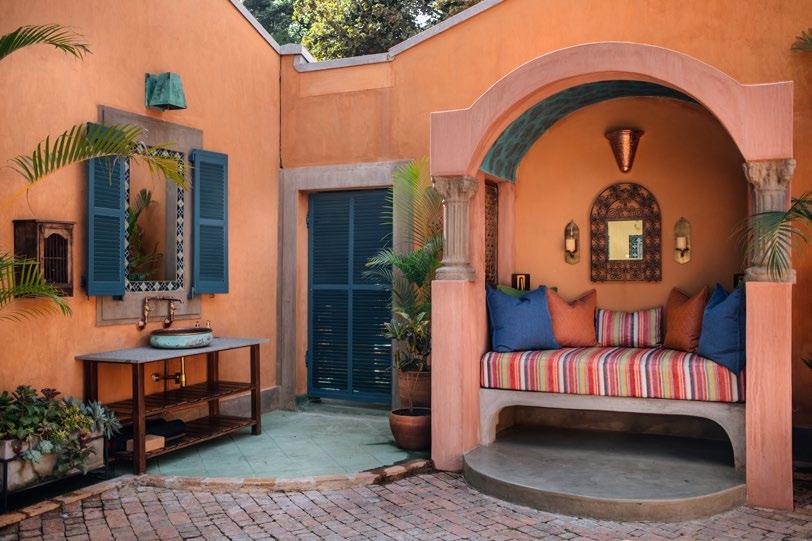
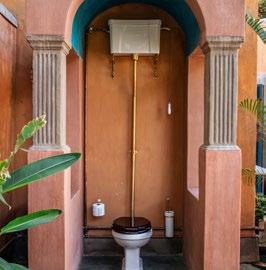
More than a courtyard, this space reveals itself as a fully realised outdoor bathroom suite. A built-in daybed, seating areas, and a discreet open-air loo, complete with high cistern and a brass pull chain, recall the romance of 1930s travel, reminiscent of Death on the Nile.
While the lodge is the flagship, Amanzi’s private residences offer something equally compelling.
These homes can be booked in their entirety, making them ideal for families, groups of friends, or business travelers. Among them, Pevensey House stands out as the jewel in the crown, sleeping up to 16 guests, with Pevensey Studio accommodating an additional 7 in the same grounds.
Orange Grove and Lewisam, located in Highlands and Chisipite, provide stylish, homely alternatives all conveniently close to Harare’s CBD and key business hubs.
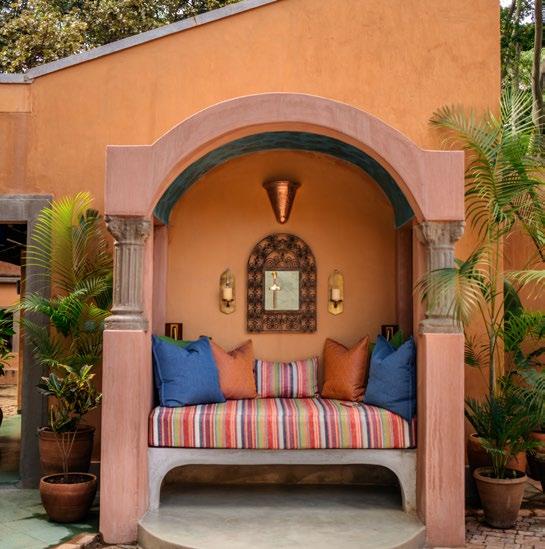
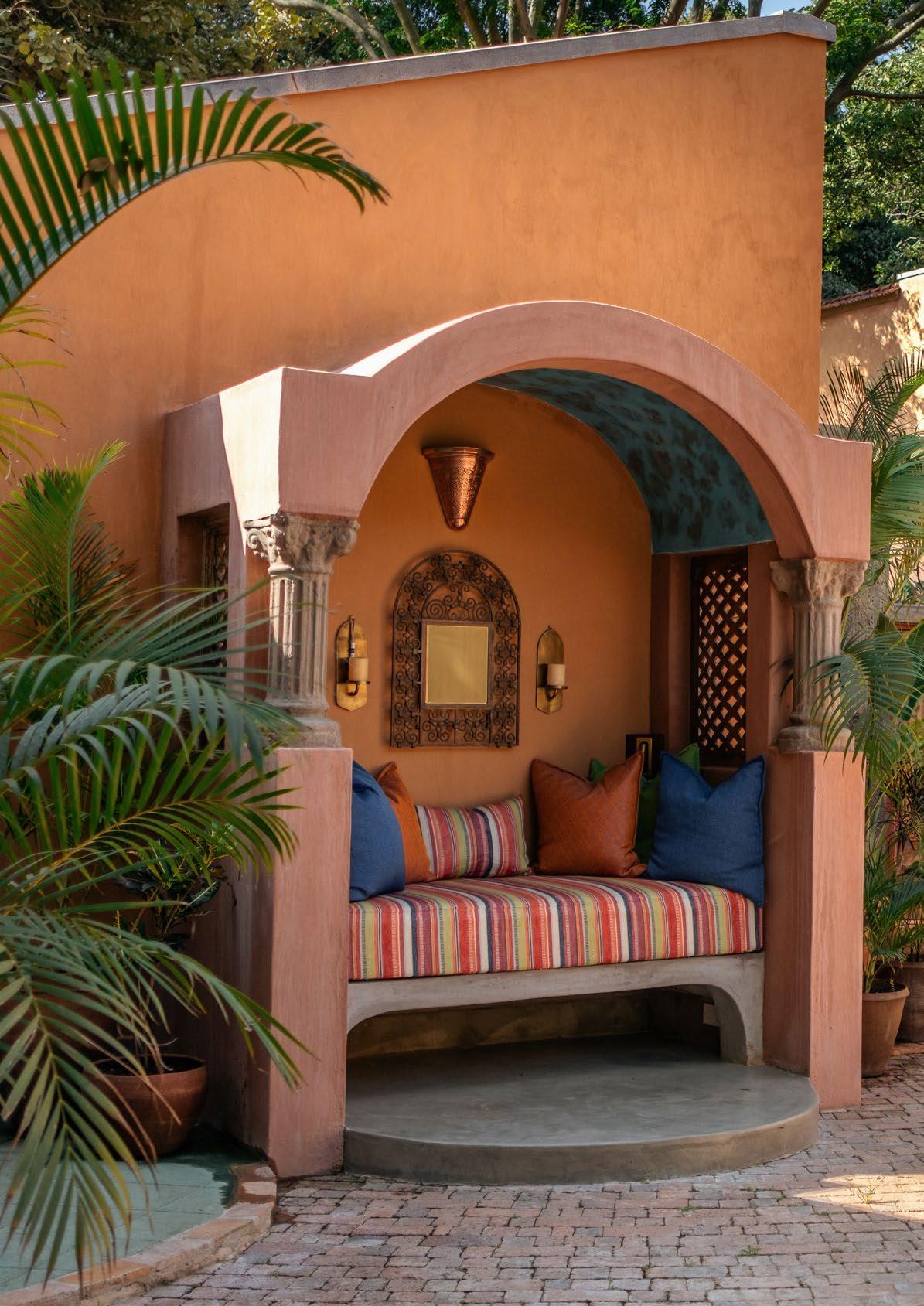
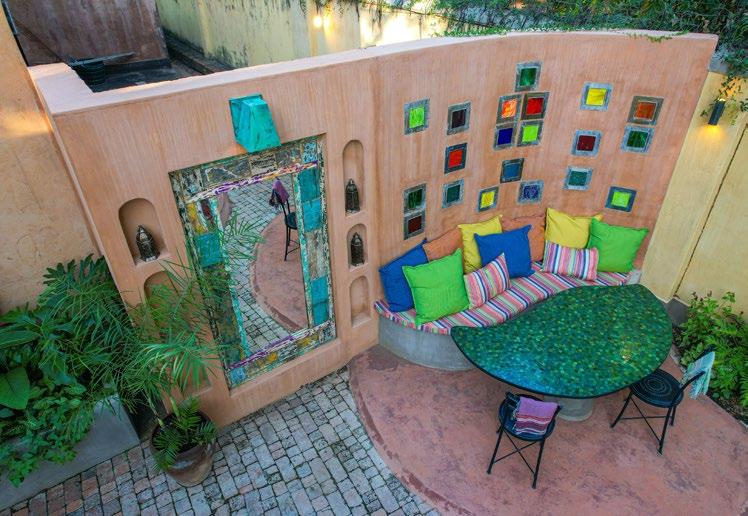
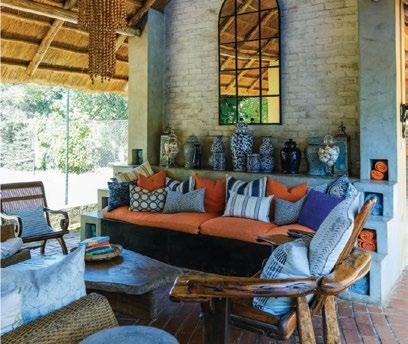
Pevensey Studio is perhaps the most whimsical of them all. In an era dominated by muted greys, its bold embrace of colour is both refreshing and different.
The studio features four bedrooms: a master en suite, a guest room and two single rooms sharing a bathroom. Interiors are richly layered with North African influences and built-in alcoves with ambient lighting, vibrant batiks, and a curated mix of Zimbabwean art.
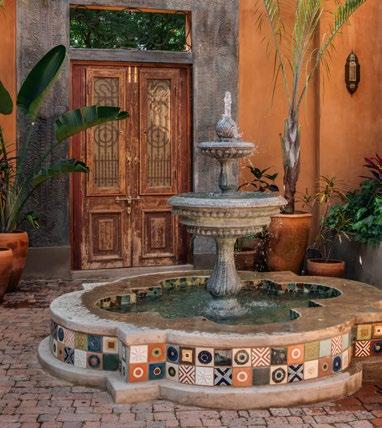
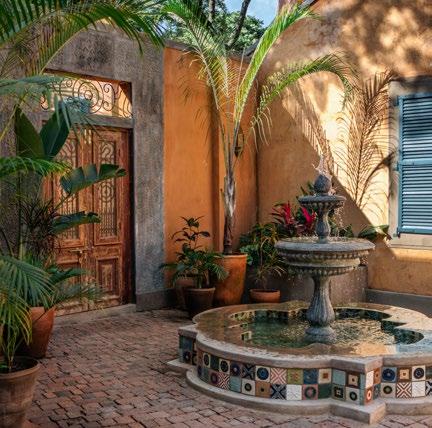
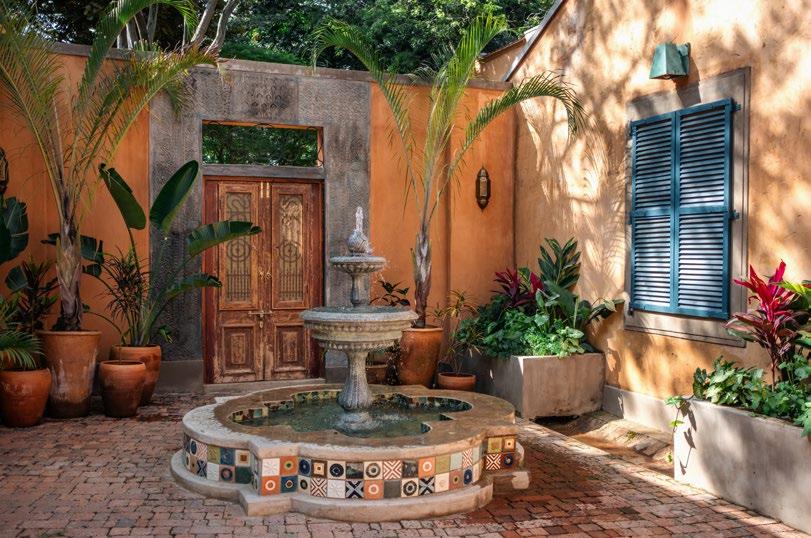
Originally a simple gap between the house and the studio, the space was transformed through a collaboration between Julia Mama and designer Brigette Lotter into an enchanting Moroccan courtyard bathroom. It was inspired by an antique door and an ornate mirror sourced from Pieta Du Toit at Living Space.
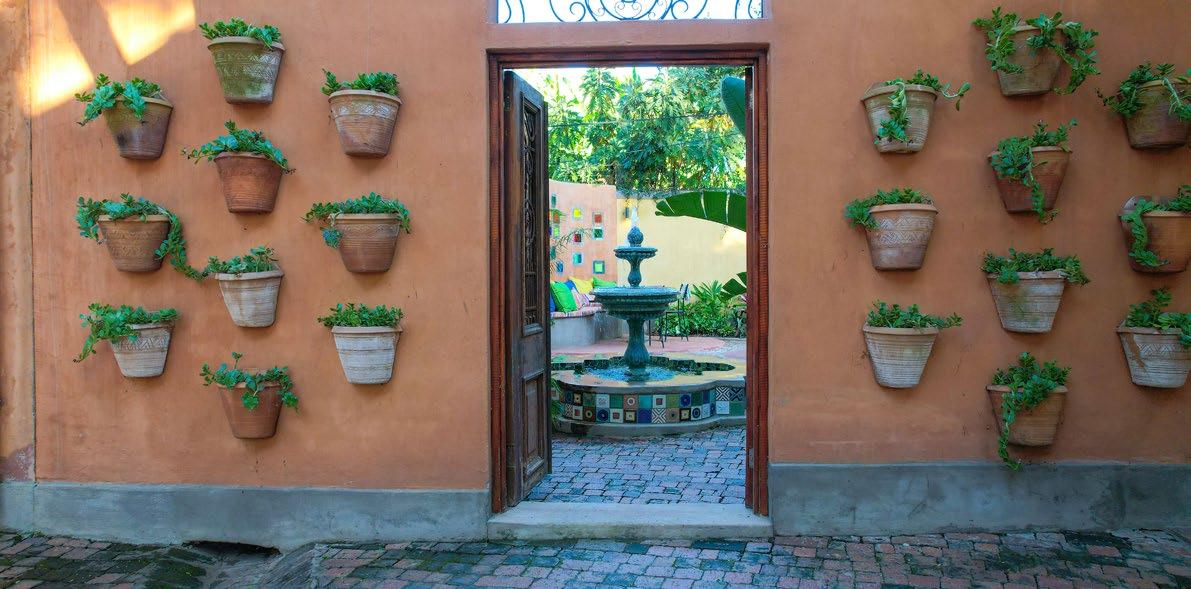
The courtyard plan took on a whole new life of its own when Brigette boldly suggested designs for the outdoor bathroom and it developed significantly. As a result, an exotic courtyard with a fountain and seating areas surrounded by palms and tropical beds was created.
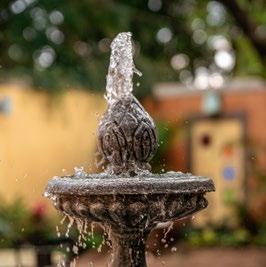
The softly burbling fountain sets the tone, its base crafted by Brigette in brick and cement and finished with mosaic tiles from Burnt Earth. Julia completed the vision with lighting and brass fittings sourced from Morocco.
In one corner, a freestanding oval tub with a copper exterior invites indulgent evenings under the stars.
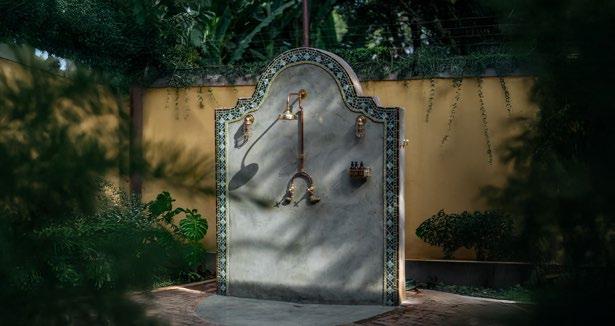
An oversized outdoor shower that is framed by an arched wall with mosaic detailing, offers a rainforest shower experience enhanced by brass fittings and soft lighting.
Quiet seating corners invite reflection, while a raised central plinth doubles as a yoga platform or casual gathering space.
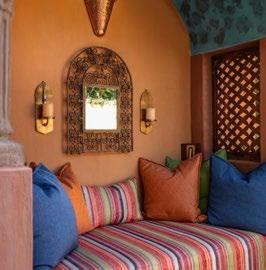
The domed daybed, with its arched ceiling, soft fabrics, and ambient lighting, offers a dreamy retreat for afternoon naps or even a night under the stars.
The final flourish is the landscaping: terracotta pots brimming with tropical greenery frame the space. Large palms give it grandeur. All in all, the lush greenery completes the garden designed by Andrew Mama at Amanzi Landscapes.
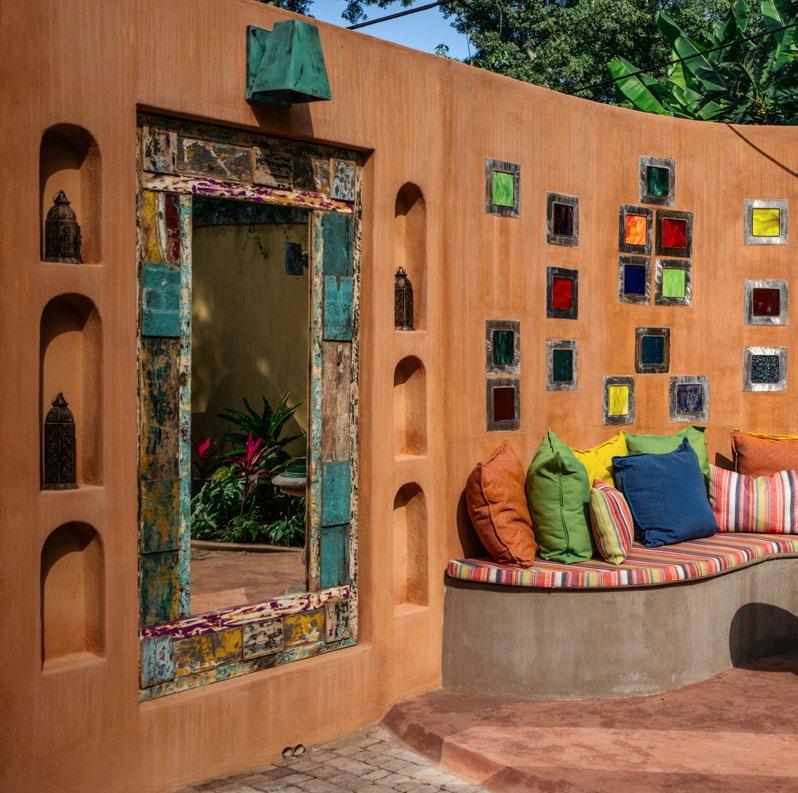
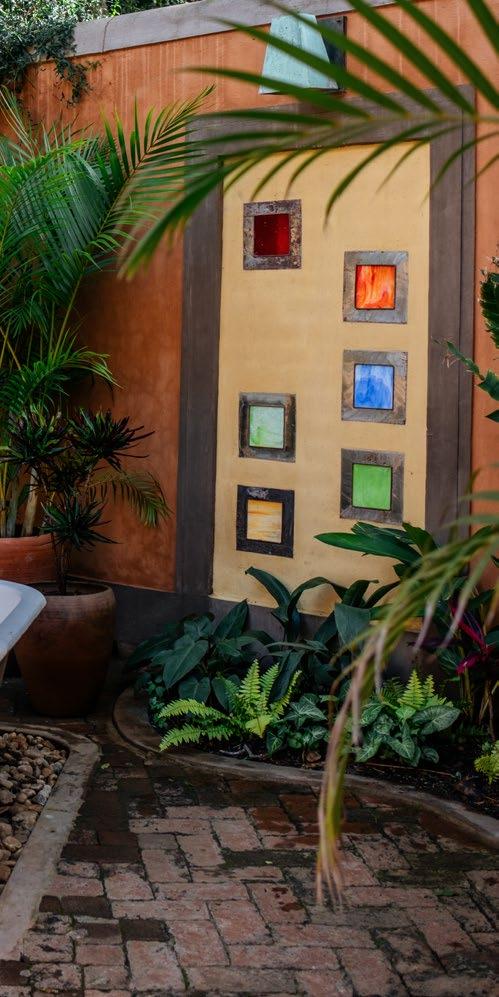
Stained glass panels, recycled from the original Amanzi restaurant and supplied by artist Annalie Maartens, glow warmly at night, adding a magical dimension.
A bespoke wood en vanity with a verdigris copper basin is framed by blue shuttered panels, evoking the illusion of a window into another world. Beyond, softly curved walls, inset with coloured glass and Mediterranean-style shutters draw the space together giving it a sense of quiet escape.
Comfort is never overlooked.
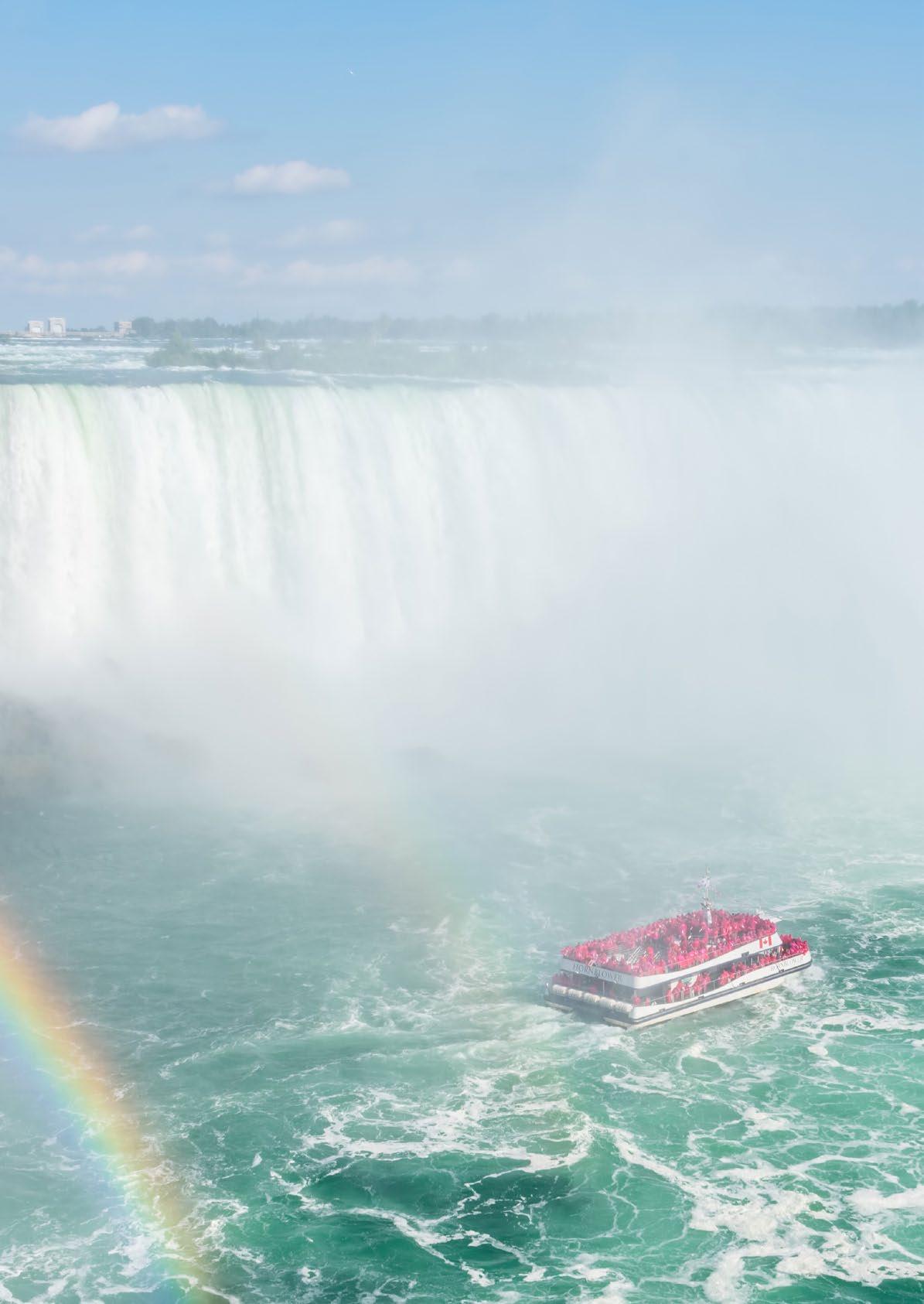
On 10 April 2026, one of Victoria Falls’ most iconic landmarks will pull back the curtain on a transformative new chapter.
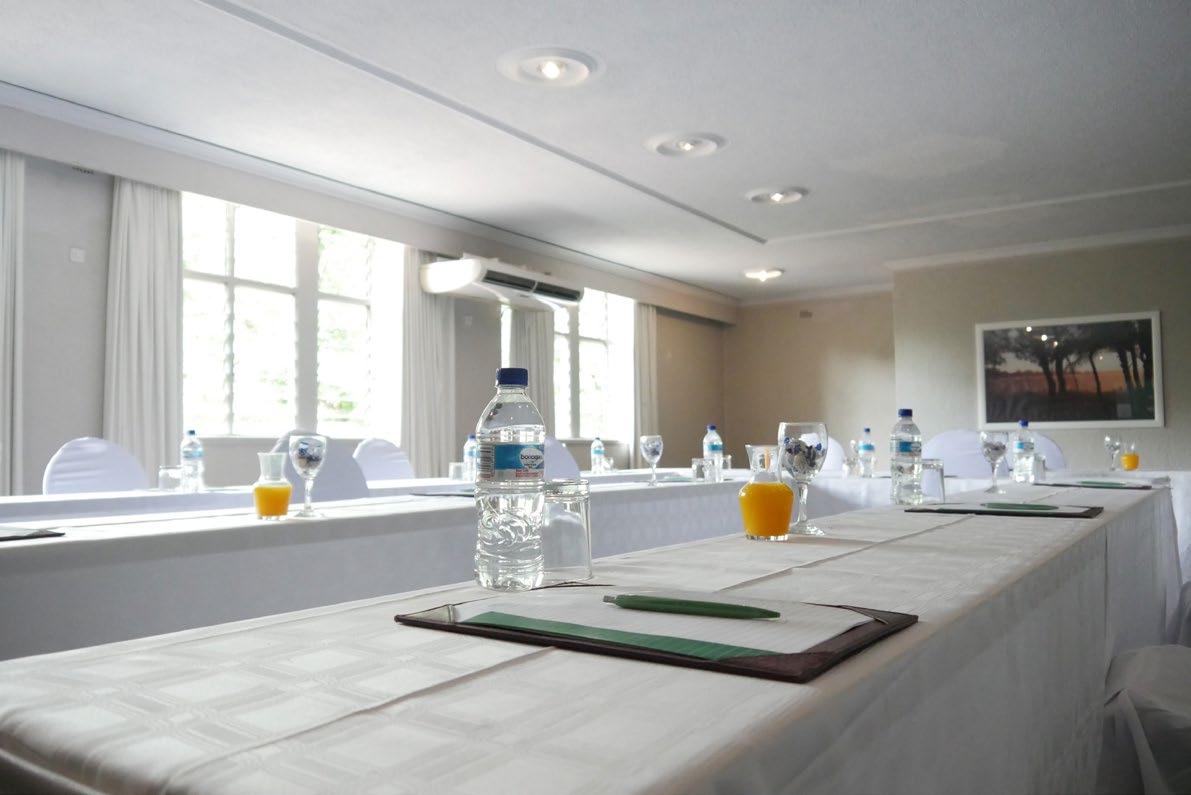
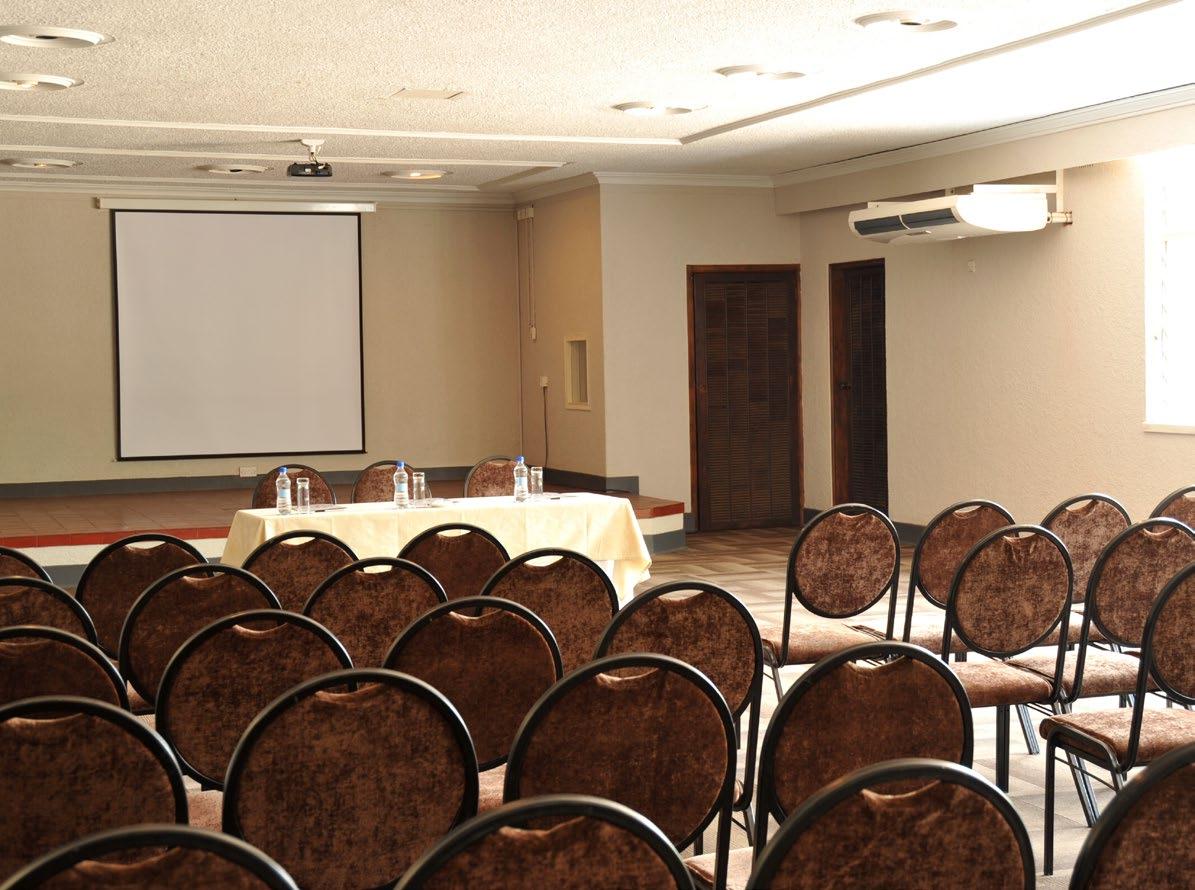
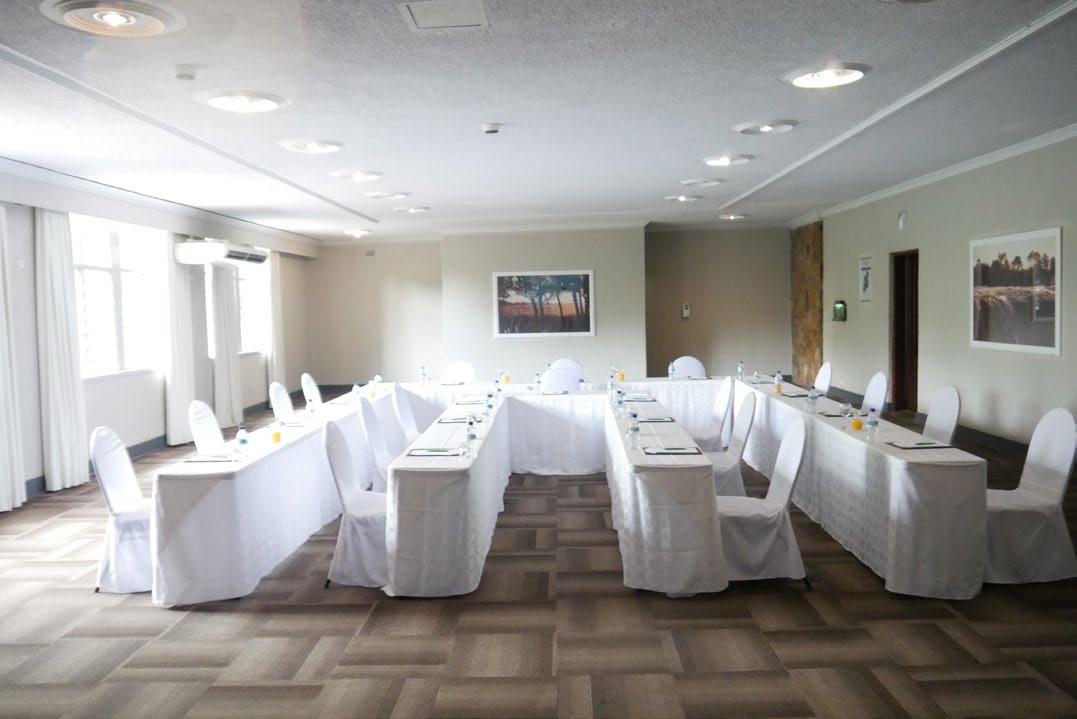
The Cresta Sprayview Hotel is set to wow its guests with its recently completed extensive refurbishment that redefines the guest experience for the modern era, positioned strategically to capture the surge of international travel ahead of the 2026 peak season.
EVOLUTION ROOTED IN DESIGN
At the heart of this ambitious project is the creation of an "African Contemporary" sanctuary. Far from a complete departure from its roots, the renovation serves as a modernisation of the hotel’s existing heritage.
The design team has successfully elevated the property’s identity by blending the raw, untamed beauty of the African bush with the lush, immersive energy of the nearby Victoria Falls. The result is a light-filled, sophisticated environment that remains authentically local while meeting the high expectations of global travellers.
Returning guests who last visited five years ago will find a space that has shifted from simple comfort to an emotionally engaging, sensory-led environment.
The interior palette is firmly grounded in a "safariluxe" aesthetic, characterised by blonde natural timbers, earthy ochre and ivory tones, and tactile finishes such as tan leather and woven textures.
While subtle nods to the region’s industrial history—such as the Victoria Falls Bridge and railway heritage—are present, the dominant atmosphere is one of a warm, organic forest oasis inspired by the surrounding rainforest and bushveld.
The Cresta Sprayview Hotel’s gardens have been thoughtfully integrated into the guest experience, drawing inspiration from the lush, immersive energy of the nearby Victoria Falls rainforest.
Large-scale murals of local greenery and birdlife further echo the “Falls Forest” environment, making the gardens not just a visual extension of the hotel, but a living, sensory bridge to the rainforest itself.
REIMAGINING THE GUEST JOURNEY
The outdoor spaces—including room, patios, and eight acres of manicured gardens which have been upgraded to create clearer sight-lines and comfortable seating, allowing guests to feel closely linked to the natural beauty of the region.
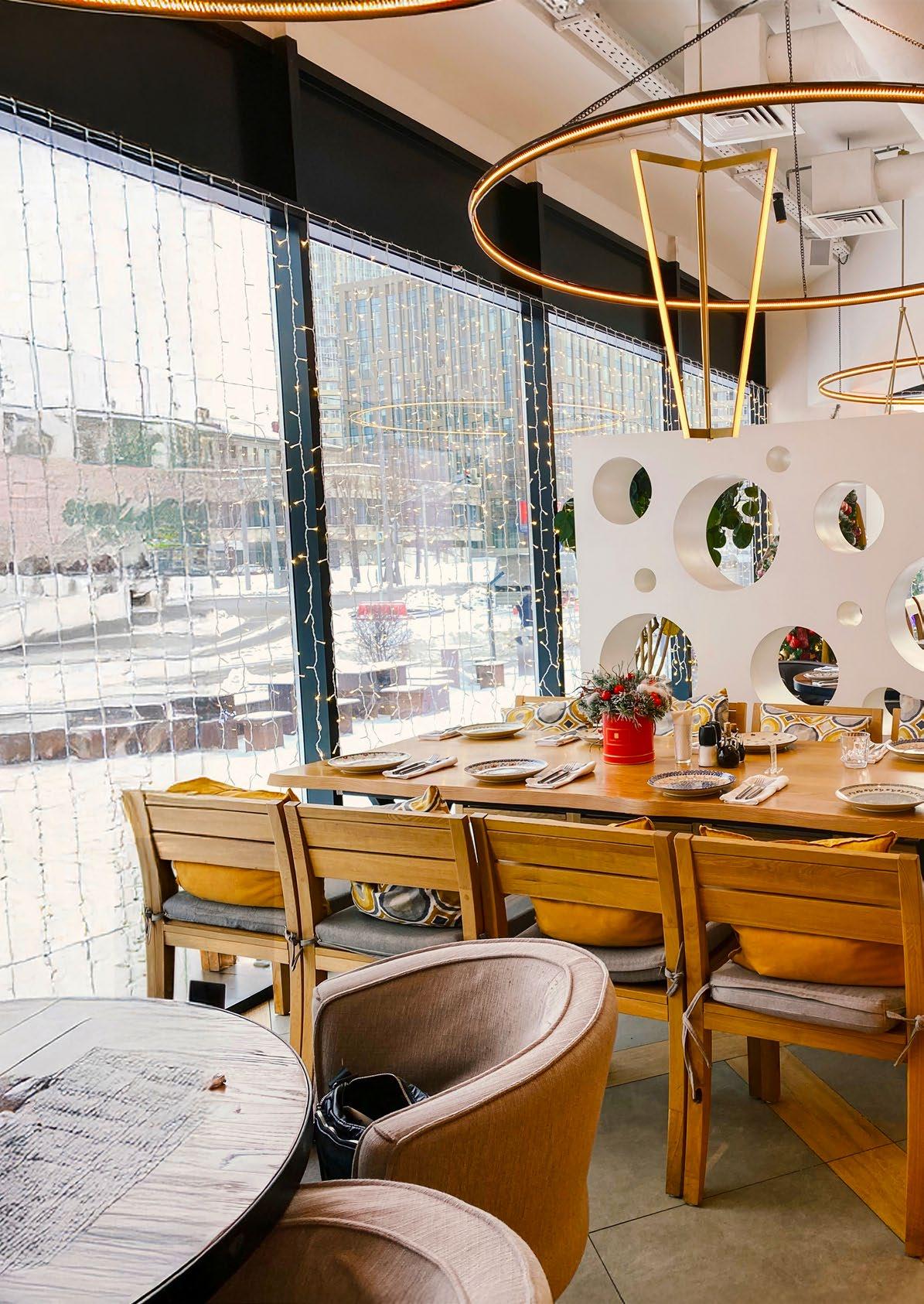
The refurbishment has seen a structural reimagining of the hotel’s most popular public areas. The Sango Restaurant has been opened up to create a seamless indoor-outdoor connection, improving both the flow of movement and the overall atmosphere.
Large-scale murals of local greenery and birdlife echo the "Falls Forest" environment, while optimised seating arrangements maximise views and encourage guest interaction.
The hotel’s iconic "motel-style" layout, featuring parking directly outside rooms, has been intentionally preserved as a unique architectural differentiator.
This feature has been significantly enhanced through improved landscaping, better lighting, and increased privacy measures.
This ensures the convenience of direct room access is maintained while elevating the luxury feel of the stay.
Outdoor spaces, including room and patios, have also been upgraded with comfortable seating and clearer sightlines to better integrate the hotel’s eight acres of manicured gardens into the living space.
CATERING TO THE "BLEISURE" BOOM
Recognising the rise of Victoria Falls as a global hub for Meetings, Incentives, Conferences, and Exhibitions (MICE), Cresta has specifically tailored its Executive Suites for the growing "bleisure" market.
These suites now integrate dedicated workspaces, high-speed connectivity, and comfortable lounge areas within flexible layouts. This allows guests to transition seamlessly between business tasks and relaxation without ever leaving their room.
The central swimming pool area has also been upgraded to serve as a lifestyle hub. With new loungers, and shaded relaxation zones, the space functions as both a quiet retreat and a vibrant social setting for alfresco dining.
SUSTAINABILITY AND LOCAL SOUL
In an era of conscious travel, the new Sprayview incorporates practical eco-friendly features. Beyond the shift to energy-efficient lighting, the hotel has digitised the guest journey with QR-based service access to significantly reduce paper usage.
Zimbabwean craftsmanship is a key feature of the redesign, reflected in handmade furniture and custom décor elements that add a strong sense of place throughout the property.
The refurbishment project also contributes to the local economy through intensive staff training on new service standards.
From the careful management of the environment during construction to the integration of local artisans, the new Cresta Sprayview Hotel showcases sustainable growth in Zimbabwe’s adventure capital.
For the visitor, this exclusive destination is no longer just a place to stay; it is a curated, modern gateway to the smoke that thunders.
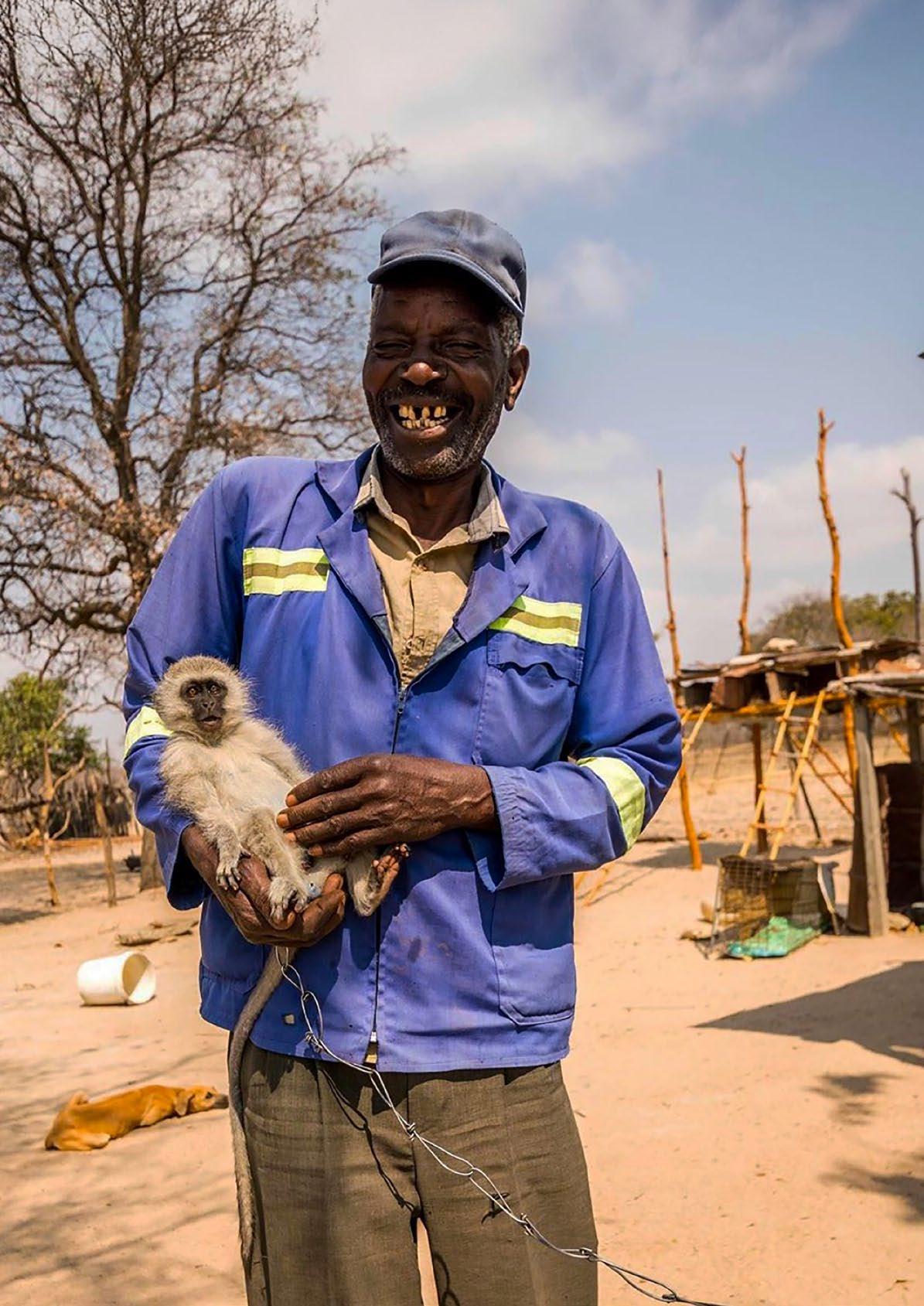
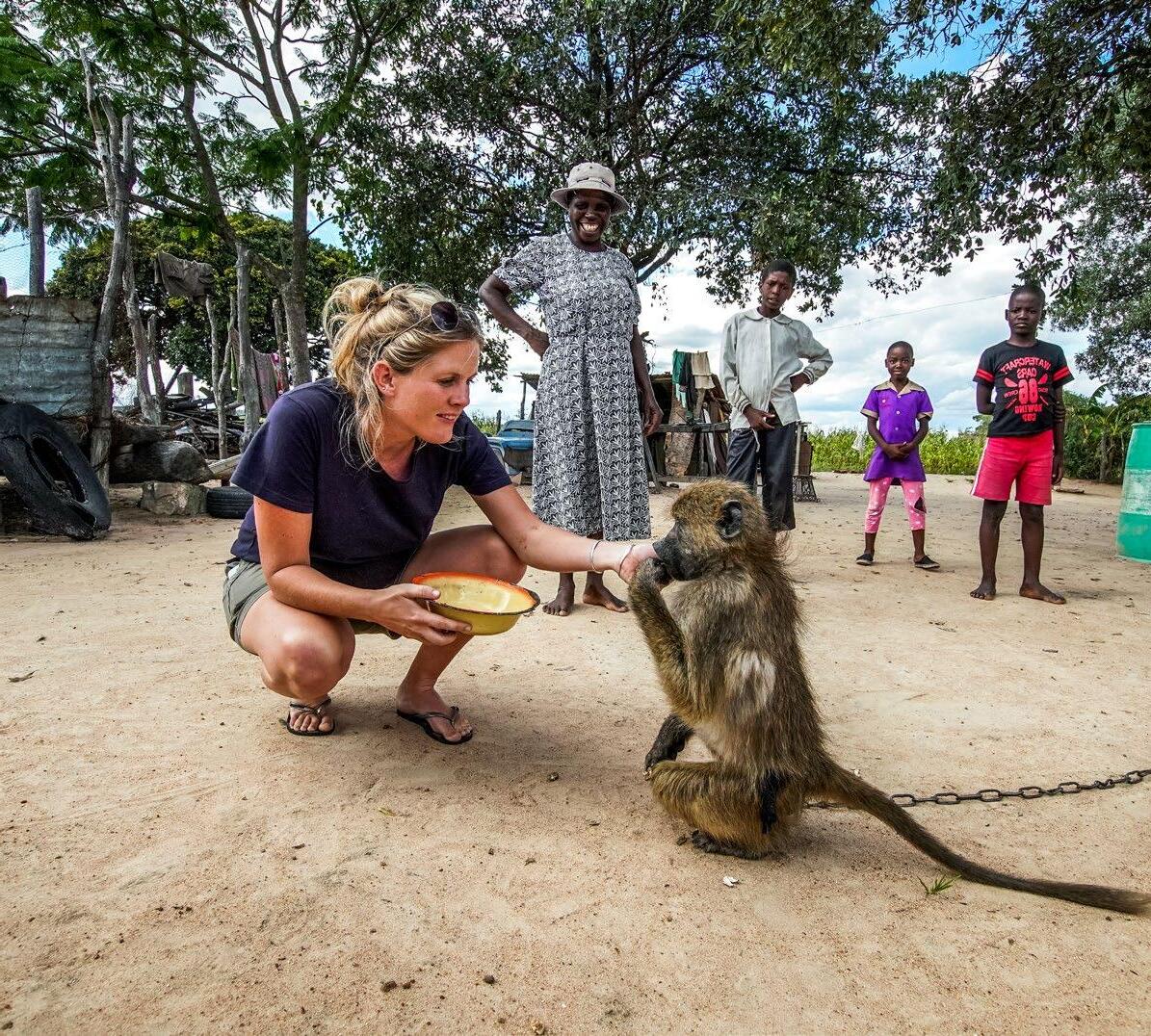
FREE TO BE WILD INDUCTED INTO THE NATIONAL HALL OF FAME
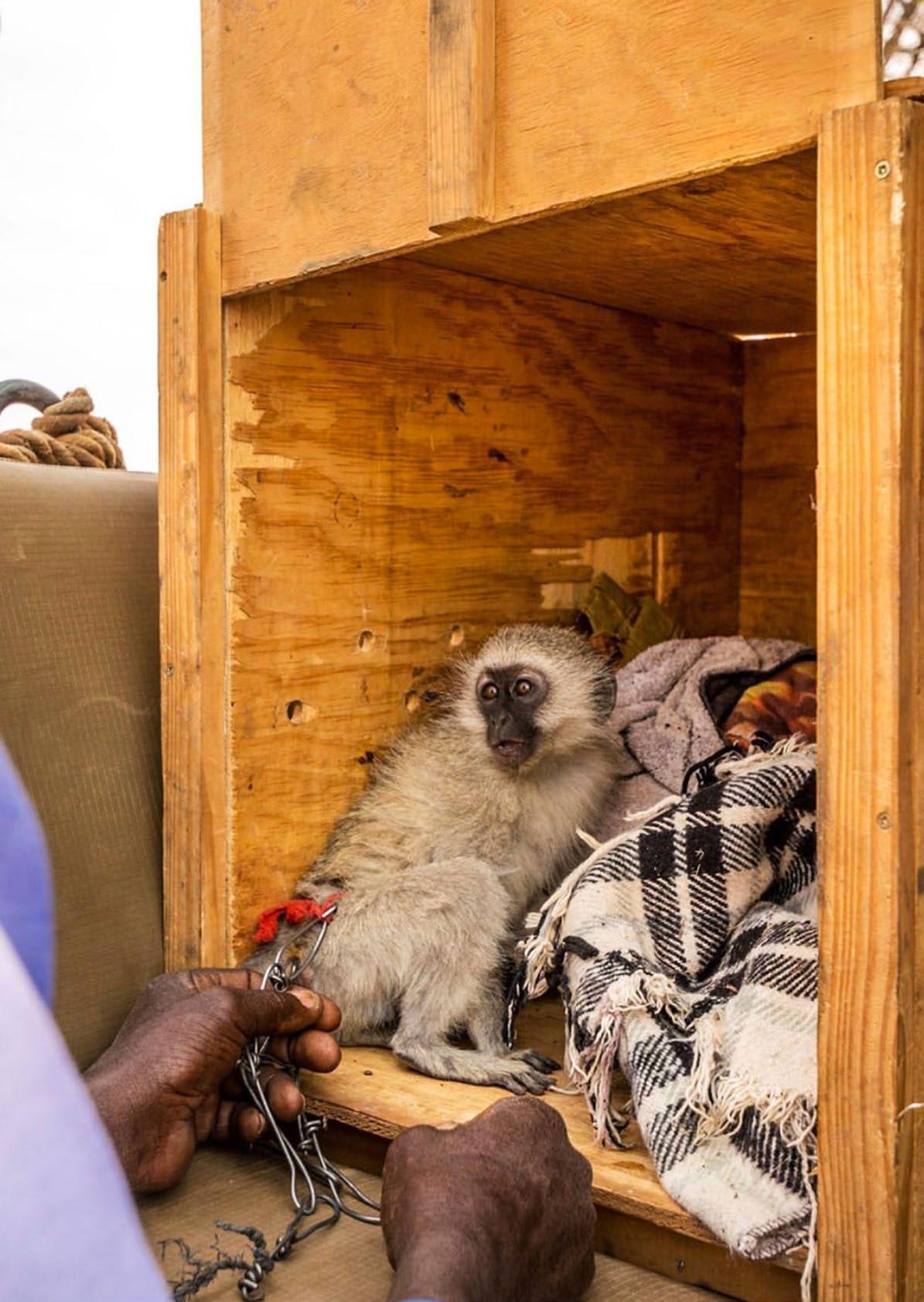
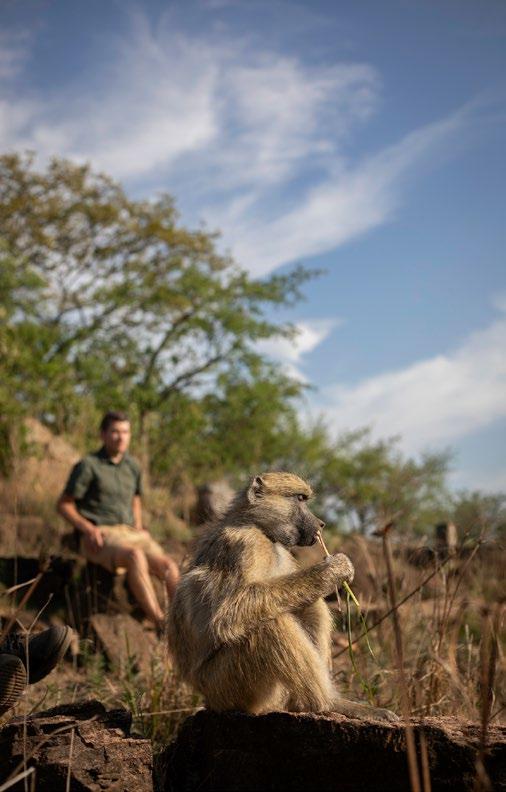
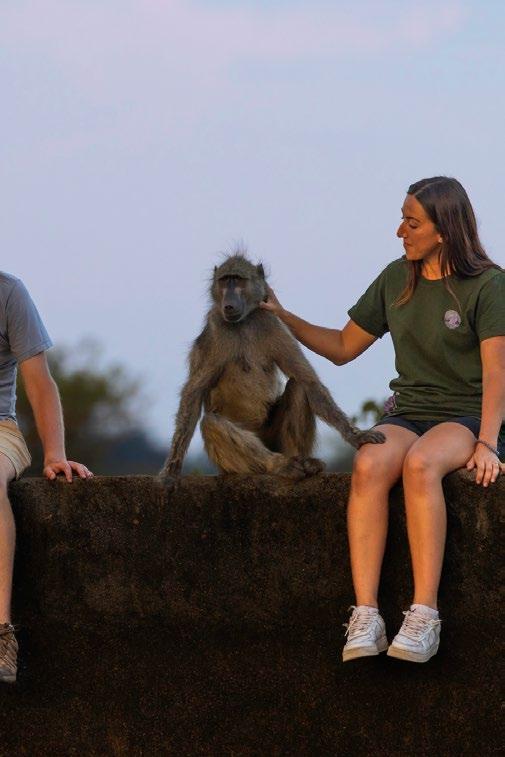
The challenges of wildlife rescue and the call of national prestige were recently bridged when Free To Be Wild (FTBW) was officially inducted into the National Hall of Fame, held on 14 March in Harare.
The honour, awarded for Excellence in Wildlife Rehabilitation and Conservation, recognizes the sanctuary’s decade-long commitment to the rescue, treatment, and release of Zimbabwe’s injured and orphaned wildlife.
For Founder Baye Pigors, the induction marks a surreal milestone for an organization that began not as a bid for fame, but as a desperate response to animals in crisis.
Reflecting on the journey from the award podium in Harare, Pigors noted that the early days were defined by instinct rather than a roadmap.
"When Free To Be Wild began, it wasn’t a vision of recognition or legacy.
It was survival," Pigors stated. "It was responding to one animal, one emergency, one moment at a time. The work was never done to be seen. It was done because it mattered."
The ceremony provided a rare moment of stillness for a team accustomed to the challenges of field operations.
While the evening was a celebration of success, Pigors remained grounded in the emotional reality of conservation, where the "rescues that don’t make it" leave lasting scars.
She emphasized that while an award cannot erase the trauma of loss, it validates the sleepless nights and the difficult, often invisible, decisions made in the interest of ethical care.
One such memory that surfaced during the induction was that of Peggy, a zebra whose gruelling recovery embodied the sanctuary’s mission.
"Her journey was not clean or simple. It was long, complicated, and uncertain," Pigors recalled. "And yet, she stood. In that moment, standing in a formal room in Harare, I wasn’t thinking about the stage. I was thinking about her. About all of them. Because they are the reason any of this exists."
A core theme of the induction was the transition of FTBW from a reactive rescue unit into a professionalized "family" of experts, volunteers, and supporters. Pigors was adamant that the Hall of Fame recognition belongs to the entire collective, citing the deep trust and shared ethical standards that now define the organization.
This synergy has allowed FTBW to tackle one of the hardest aspects of conservation: the discipline of non-interference.
Pigors highlighted that the most difficult decisions often involve choosing not to intervene, allowing nature to take its course even when it feels like failure. "Being ‘free to be wild’ doesn’t always mean survival," she explained. "It means allowing nature to exist without unnecessary human interference."
Looking toward the future, the Hall of Fame status is expected to provide the credibility needed to move FTBW from a state of constant urgency to long-term sustainability. The organization’s next "impossible" goal is the completion of their land acquisition campaign, a move that will provide a permanent, stable foundation for their operations.
As the gala concluded and the lights dimmed in Harare, the focus immediately shifted back to the sanctuary. For the next generation of conservationists, Pigors offered a message of persistence, urging them to stay grounded in purpose even when the work feels unseen.
Upon her return to the sanctuary, her message to her team was simple and inclusive: "WE did it." With the award now part of their history, the rhythm of the sanctuary remains unchanged. As Pigors aptly concluded, "The moment passes. The responsibility remains. And in many ways, that is exactly how it should be."
GASTRIC SLEEVE SURGERY & REGENERATIVE MEDICINE:
NOW IN ZIMBABWE
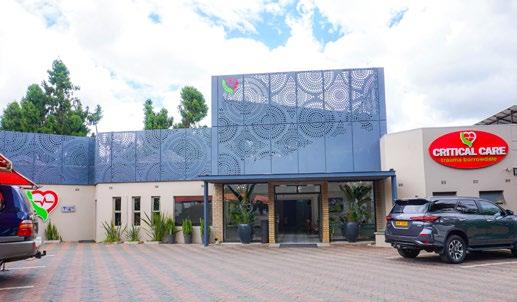
For years, patients seeking advanced weight-loss procedures and regenerative therapies travelled abroad to destinations such as Türkiye and India. Today, that is no longer necessary. At Trauma Centre Borrowdale & Critical Care Hospital, Zimbabwe now offers world-class laparoscopic gastric sleeve surgery alongside a full spectrum of regenerative medicine services, delivered in a specialist-led, fully equipped environment. This advancement is positioning the country as an emerging hub for regional medical tourism.
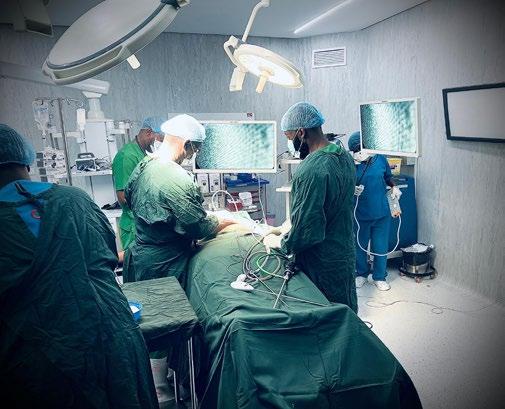
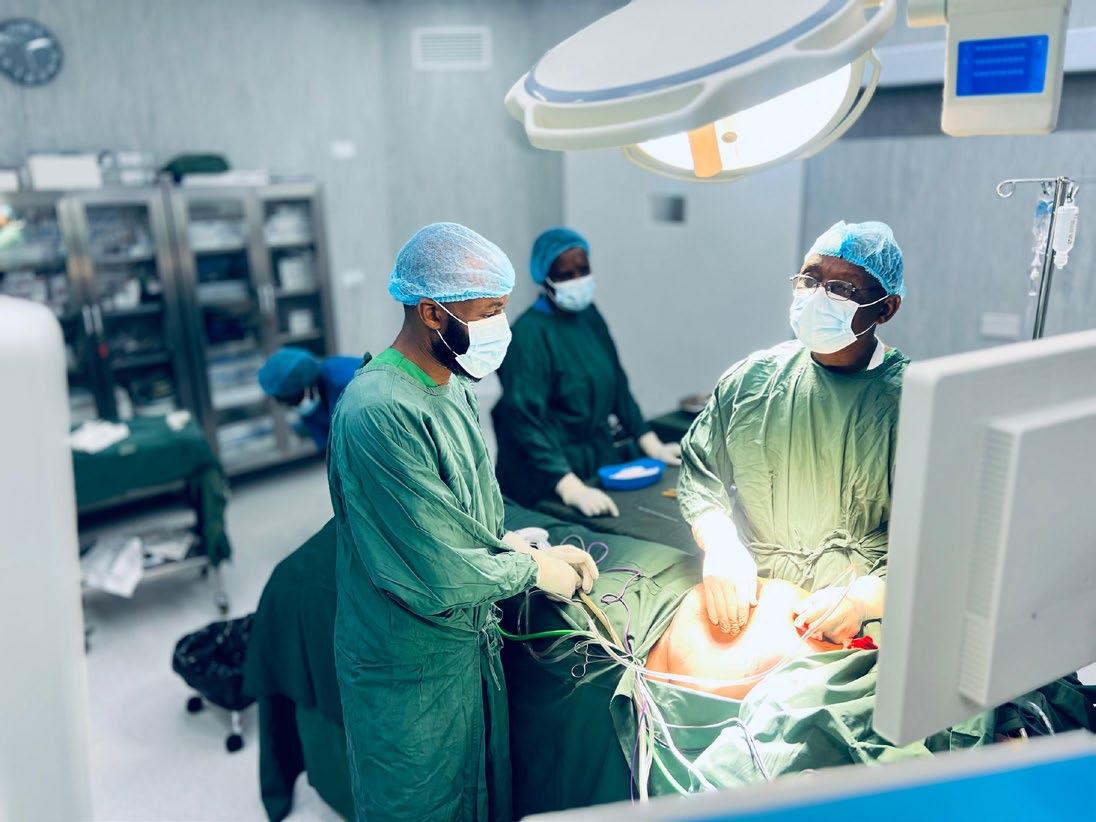
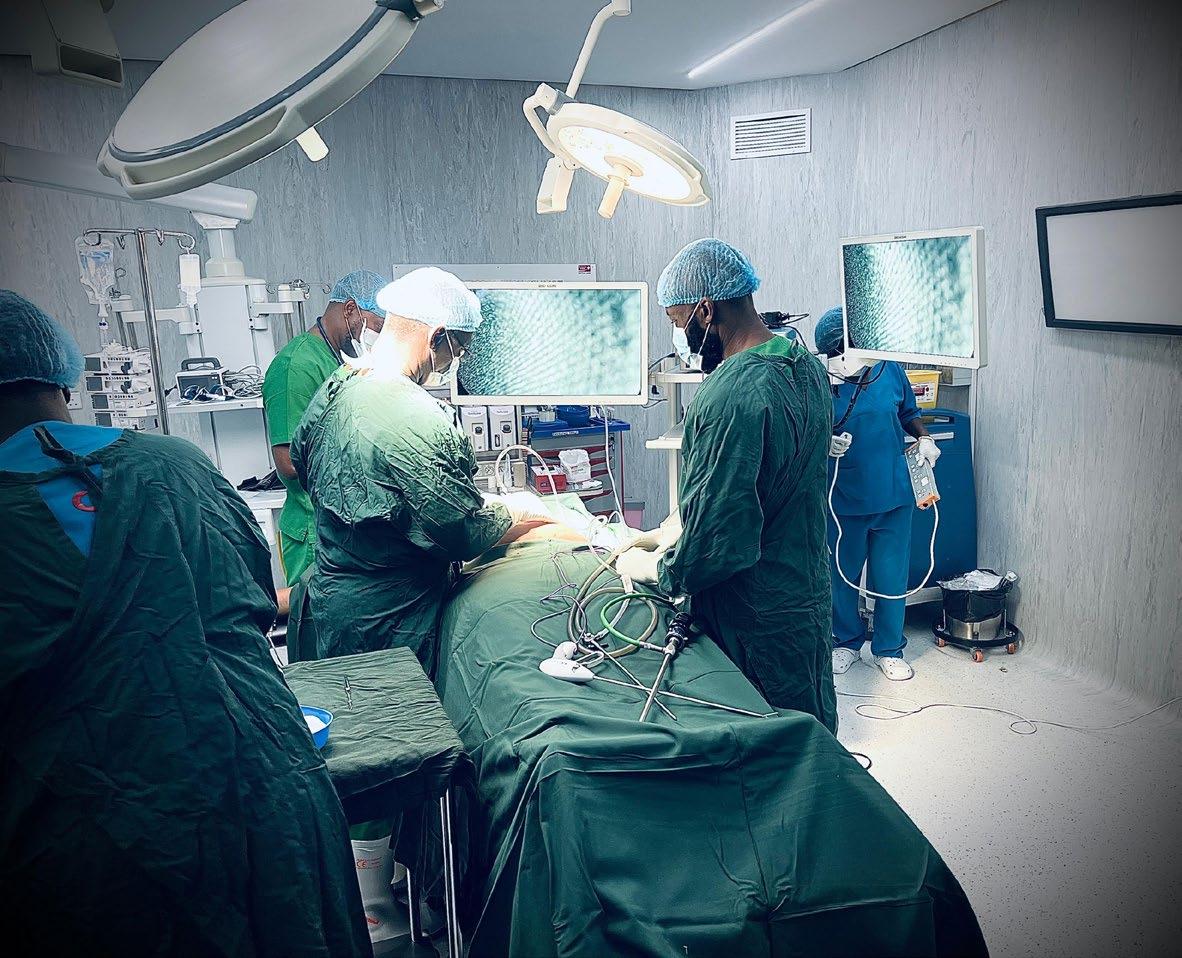
The hospital recently achieved a major milestone by performing its first laparoscopic sleeve gastrectomy. The procedure was successfully carried out by a multidisciplinary team of surgeons and anaesthetists, demonstrating the institution’s ability to deliver advanced, minimally invasive surgery locally.
Laparoscopic sleeve gastrectomy is a highly effective weight-loss procedure performed through small abdominal incisions using a high-definition camera and specialised instruments. During surgery, approximately 75–80% of the stomach is removed, leaving a narrow, sleeve-shaped structure. This significantly reduces stomach capacity while also lowering the production of hunger-related hormones. As a result, patients feel full sooner, eat less, and are better able to sustain long-term weight loss.
The benefits extend beyond weight reduction. Patients typically experience improvements in obesity-related conditions such as hypertension, diabetes, joint pain, and reduced mobility. Recovery is faster compared to open surgery, with most patients discharged within one to two days. Post-operative care includes monitored recovery, early mobilisation, and structured dietary progression from liquids to solid foods, supported by nutritional guidance and lifestyle management.
The success of this procedure reflects the hospital’s comprehensive perioperative care, including high dependency and intensive care support, ensuring patient safety and optimal recovery outcomes.
In addition to bariatric surgery, the hospital offers an extensive regenerative medicine programme designed to support healing, recovery, and overall wellness. These therapies include the Jet Fuel™ drip bar, hyperbaric oxygen therapy, cryotherapy, ozone therapy, stem cell treatments, platelet-rich plasma (PRP) with or without Goldic®, exosome therapy, acupuncture, physiotherapy, and occupational therapy. These treatments stimulate the body’s natural repair processes and are increasingly used for joint conditions, soft tissue injuries, chronic pain, and cellular rejuvenation.
The facility operates as a comprehensive, one-stop medical centre with more than 30 resident specialists. Services include emergency and trauma care, a 24-hour pharmacy, radiology, laboratory services, ophthalmology, dentistry, maternity care with neonatal intensive care (NICU), cosmetic medicine, neurosurgery, orthopaedics, cardiac care, and minimally invasive surgery. Advanced procedures now available include laparoscopic surgery, cardiac interventions, and specialised neonatal care, with future plans for kidney and liver transplant programmes.
This integrated model ensures that patients receive seamless care—from diagnosis and surgery to rehabilitation and follow-up—within a single facility. Modern operating theatres, advanced imaging, intensive care units, and specialised rehabilitation services all contribute to high standards of clinical outcomes.
These developments are already driving growth in medical tourism. Patients from across Africa, including Zambia, Malawi, Mozambique, Tanzania, Nigeria, and the Democratic Republic of Congo, as well as parts of Europe, are travelling to Harare for procedures ranging from bariatric surgery and orthopaedics to neurosurgery, regenerative treatments, and cardiac care. Zimbabwe’s combination of affordability, expertise, and advanced infrastructure makes it a compelling alternative to overseas treatment.
By bringing together gastric sleeve surgery, regenerative medicine, and a full spectrum of specialist services under one roof, Trauma Centre Borrowdale & Critical Care Hospital is redefining healthcare delivery in Zimbabwe. Patients can now access cutting-edge treatments, achieve meaningful health improvements, and receive world-class care—without leaving the country. This marks a significant step forward in establishing Zimbabwe as a destination for high-quality, accessible medical care.
INTERVIEW WITH FIRSTLINK INSURANCE BROKERS GENERAL MANAGER BUSINESS DEVELOPMENT
INTERVIEW WITH FIRSTLINK INSURANCE BROKERS GENERAL MANAGER BUSINESS DEVELOPMENT
We recently met with Firstlink Insurance Brokers General Manager – Business Development Mr T. Chihambakwe to understand the solutions they offer for players in the Tourism and Hospitality sector.
Who is Firstlink Insurance Brokers?
Firstlink Insurance Brokers is the leading broker in Zimbabwe providing bespoke risk management and insurance solutions to clients. We are celebrating 19 years of operation since 2007 when we began as an insurance and risk consultancy business.
Over the years we have experienced rapid growth in clientele underpinned by service excellence, innovation and our unique market leading 360° risk management approach. Our team is made up of seasoned insurance professionals who have all honed their skills across different players in the industry before joining Firstlink.
How do you see the Tourism and Hospitality Sector?
The tourism and hospitality sector (hotels, resorts, lodges, restaurants, tour operators, travel agencies, conference venues, and entertainment facilities) is one of the most dynamic segments of our Zimbabwean economy.
The stellar work being done by Minister Rwodzi and her team, ZTA, and players to put Zimbabwe on the global map of leading destinations is paying off with us being named the World’s Best Country to Visit in 2025 (Forbes). So at Firstlink, we forsee more investment (local and external), new players and facilities coming up, and increased tourist arrivals in 2026 and beyond.
What are some of the risks faced by the Tourism and Hospitality sector?
Businesses in the sector interact with thousands of guests, suppliers, and employees daily. The nature of these interactions exposes operators to numerous risks, including property damage, liability claims, operational disruptions, and cyber threats.
Common risks include:
• Property damage from fire, storms, floods, or electrical faults
• Guest injury or illness leading to liability claims
• Operational interruption due to disasters or equipment failure
• Workplace injuries among staff
• Cyberattacks and data breaches affecting reservation and payment systems
These risks can lead to a wide range of operational, financial, legal, and reputational damages. Insurance plays a critical role in safeguarding the assets, operations, and long-term sustainability of businesses by deali9ng with the impact of the risks that they face.
What are some of the insurance and risk management solutions that Firstlink offers to the sector?
We design bespoke risk management and insurance packages based on our 360° risk management approach. No two companies are the same in terms of their risk profiling so the solutions we proffer are often unique to the operations of our client.
However, some of the more common types of insurance solutions we offer include (but are not limited to):
a. Business All Risks Insurance - protection for the physical assets of the business including hotel buildings, guest rooms, furniture, kitchen equipment, pools, spas, and recreational facilities.
b. Business Interruption Insurance - protects the income stream of a hospitality business when operations are temporarily halted due to an insured event such as fire, flood, or machinery breakdown.
c. Public Liability Insurance - protection against legal claims arising from injuries or property damage suffered by guests or third parties. We can tailor it to Lloyds of London or other nominated speciality coverage requirements that the business is required to have.
d. Employer’s Liability and Group Personal Accident covers – protection for employees for accidental injuries and also protects the business against claims made by employees against the business.
e. Fidelity Guarantee – protects against theft and fraudulent acts of employees. Cyber Liability, Event Cancellation Insurance, Machinery Breakdown Insurance and many more.
One place you want to visit locally in 2026? I’ll name 2 instead which I haven’t visited in a while. Mana Pools and Matusadonha.
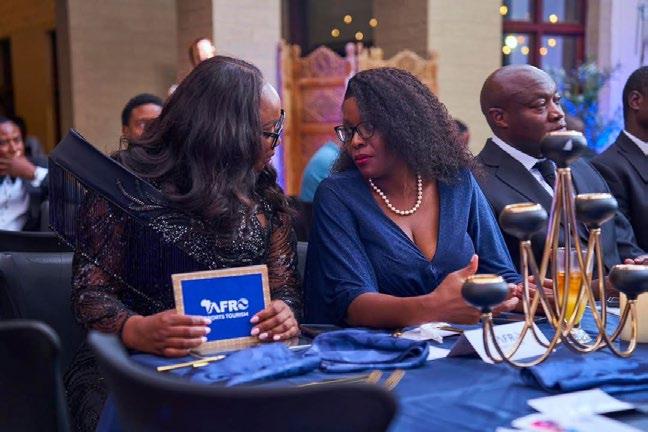
REGISTRATIONS OPEN FOR AFRO SPORTS TOURISM SHOWCASE
The intersection of athletic excellence and economic development takes centre stage this year as official registrations open for the Sports Tourism Leaders Investments Forum and Afro Sports Tourism Showcase.
Scheduled to run from September 2nd to 5th, 2026, at the iconic Elephant Hills Resort in Victoria Falls, this landmark event is positioned as the premier platform for bridging the gap between global capital and Africa’s vast, untapped sports potential. As the continent seeks to diversify its tourism products, the forum serves as a critical catalyst for high-level dialogue and cross-border investment.
The choice of Victoria Falls as the host destination underscores the synergy between natural heritage and infrastructure development. Delegates will gather at the Elephant Hills Resort to explore a comprehensive agenda focused on the commercialization of sports assets, the development of world-class facilities, and the integration of technology in sports management.
The showcase aims to move beyond traditional tourism models by highlighting how sports can drive year-round travel, stimulate local hospitality sectors, and create sustainable employment opportunities across the African continent.
This initiative is not merely about hosting events but about building the underlying infrastructure that allows African athletes to train and compete on home soil while attracting international sports enthusiasts.
The Afro Sports Tourism Showcase will run concurrently with the investment forum, providing a vibrant marketplace for stakeholders to exhibit innovative products and services. From cutting-edge sports technology to eco-friendly sports tourism packages, the showcase celebrates the diversity and creativity of the African sports industry.
By bringing together government officials, international sports federations, private equity investors, and tourism boards, the forum facilitates a unique ecosystem for deal-making. Investors will have direct access to bankable projects ranging from multi-purpose stadium developments to high-performance training centres and sports-centric hospitality ventures.
It offers a rare opportunity for networking among industry titans and emerging entrepreneurs who are redefining the continent's sports narrative.
Prospective delegates, exhibitors, and corporate partners are encouraged to secure their participation early, as the event is expected to draw a significant international audience. Participation offers more than just a seat at the table; itprovides a strategic vantage point to witness the transformation of Africa into a global sports tourism powerhouse.
Interested parties can now complete their registrations through the official event portal to join this transformative journey in Zimbabwe’s resort capital this September.
German Guests Get A First Look
Dakamela Camping Village
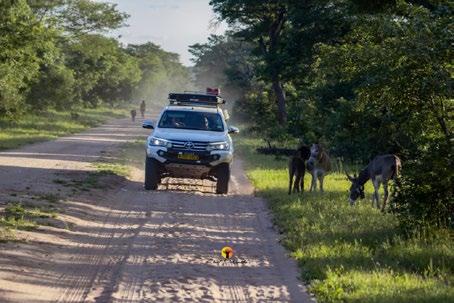
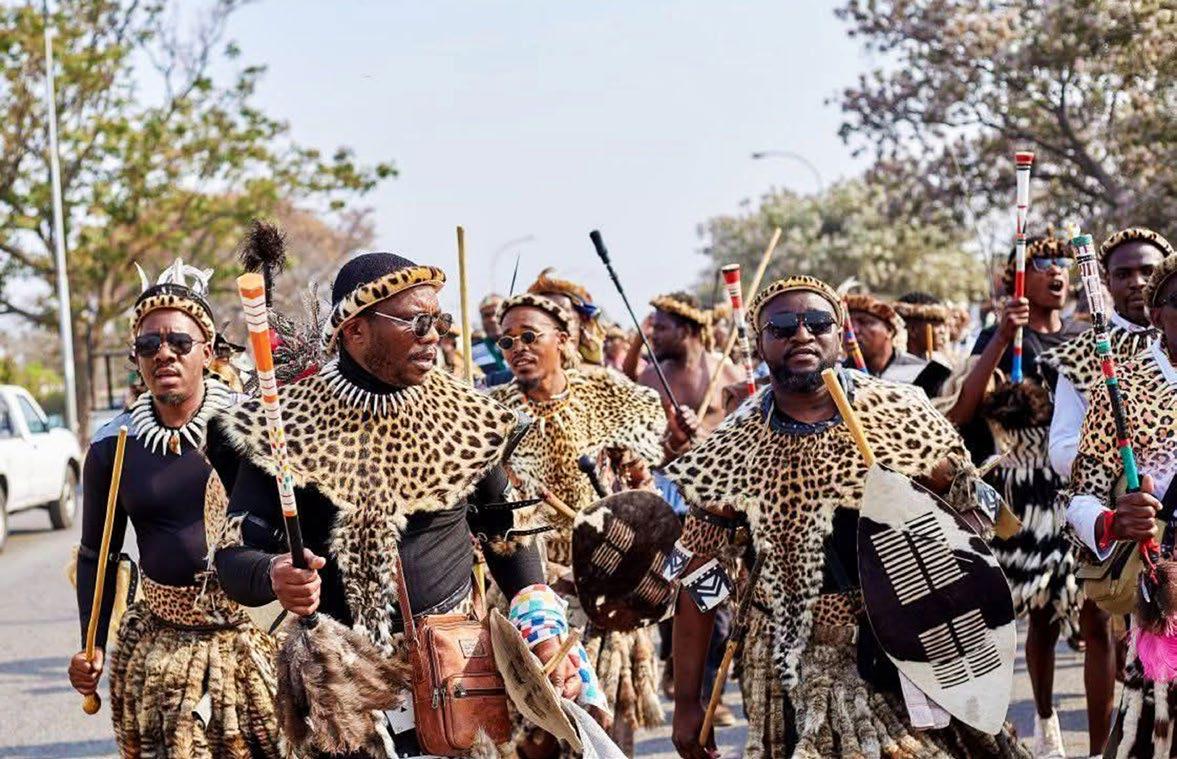
The dusty highways of rural Matabeleland recently played host to a group of intrepid international travellers as a delegation of German guests joined local organizers for an exclusive preview of the Dakamela Camping Village. This immersive road trip offered a first-hand look at the preparations underway for iMiklomelo 2026, signalling that Nkayi District is ready to step onto the global stage. As the vehicle tires transitioned from the asphalt of the main roads to the characteristic red earth of the rural interior, the journey shifted from a simple tour into a deep dive into living heritage.
The visit served as a critical "dry run" for the upcoming festival, scheduled totake place from 3 to 6 April 2026. For the German visitors, the appeal was round in the sheer authenticity of the experience—a stark and refreshing contrast to the curated nature of traditional luxury safaris. By traveling the long road to koDakamela, these guests validated the growing global demand for tourism that prioritizes cultural connection and rural empowerment. Their presence suggests that if travellers are willing to cross continents for this experience, the upcoming iMiklomelo 2026 is set to be something truly extraordinary.
At the heart of this experience is the Dakamela Camping Village. Designed to offer festival-goers a way to stay "at the heart of the action," the village provides a unique blend of safety and raw natural beauty. During the preview,the guests experienced the magic of starlit nights far from the light pollution of the city, gathered around crackling bonfires that serve as the traditional communal hub of Zimbabwean village life.
The setup ensures that while guests are living the full festival experience, they have access to essential amenities including secure camping areas and clean ablutions. Waking up to the sounds of a village coming to life offers a sensory connection to Nkayi that no hotel can replicate.
The Dakamela Camping Village isn't just aplace to sleep; it is a gateway to the iMiklomelo festival, which celebrates the resilience, art, and heritage of the local people. As April approaches, thexcitement in Nkayi is palpable. The successful visit by the German delegation has set the tone for what promises to be a landmark event in Zimbabwean cultural tourism, proving that the road to Dakamela leads to the very soul of the country.
As the African tourism sector looks toward a future defined by sustainable growth and ethical responsibility, a powerful new synergy is taking root. The nominations for the prestigious Community and Conservation initiatives are officially in, marking a significant milestone in the partnership between the virtual trade show, OurAfrica.Travel, and the regional tourism organization, Africa’s Eden.
This collaboration represents a shared commitment to ensuring that the heartbeat of African tourism—its people and its wildlife—remains protected and empowered through documented, measurable impact.
Throughout the nomination period, the response from the industry has been nothing short of extraordinary. Buyers and exhibitors from across the globe have come together to identify and champion initiatives that are performing vital work on the ground. These projects represent the diverse tapestry of the continent, from grassroots community development programs to cutting-edge wildlife conservation efforts.
By shifting the focus from mere popularity to verified results, the partnership with Africa’s Eden ensures that the selected initiatives are those making a tangible difference in the landscapes and lives they touch.
The vetting process, managed through Africa’s Eden’s established Community and Conservation network, guarantees a level of transparency and accountability that modern travellers and businesses now demand.
To qualify, organizations must be locally led, legally registered non-profits, and able to provide clear evidence of their impact through annual reports. This rigorous approach ensures that the eventual recipients are not just “good causes” in name, but proven pillars of their respective regions, capable of utilizing support to create long-term, sustainable change.
The stakes are high, as the selected community and conservation initiatives will each receive a donation of R20,000 (approximately USD 1,200).
These funds are intended to bolster their ongoing efforts, providing a critical boost to projects that often operate on the front lines of the continent’s most pressing social and environmental challenges.
Over the years, this initiative has already distributed over R100,000 to various deserving causes, cementing its role as a vital contributor to the African “Ubuntu” spirit of giving back. As the industry waits with bated breath, the focus remains on the incredible work being done by these nominees.
Stay tuned for the upcoming announcement of the selected initiatives, as we celebrate the projects that are truly shaping the future of Africa’s Eden.
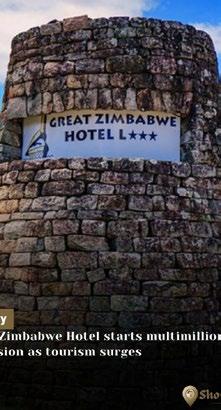
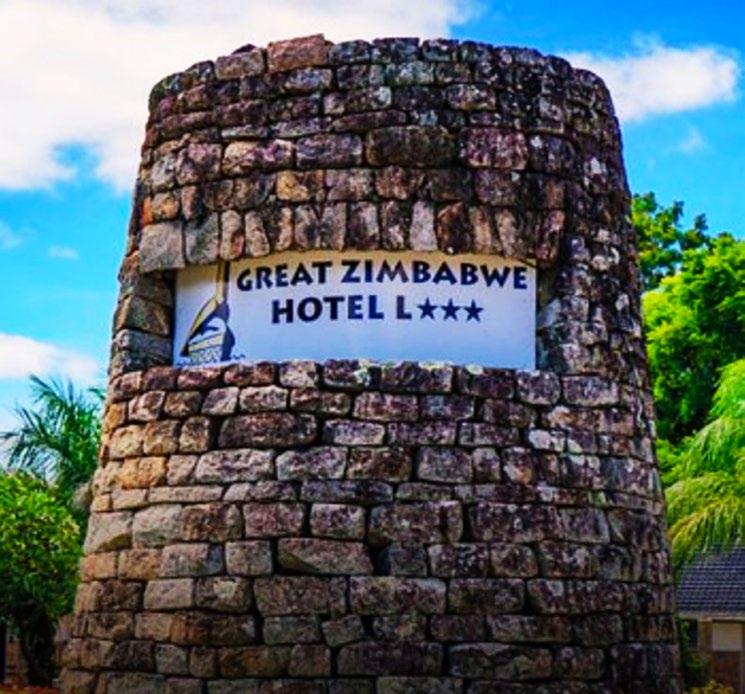
GREAT ZIMBABWE HOTEL ANNOUNCES EXPANSION
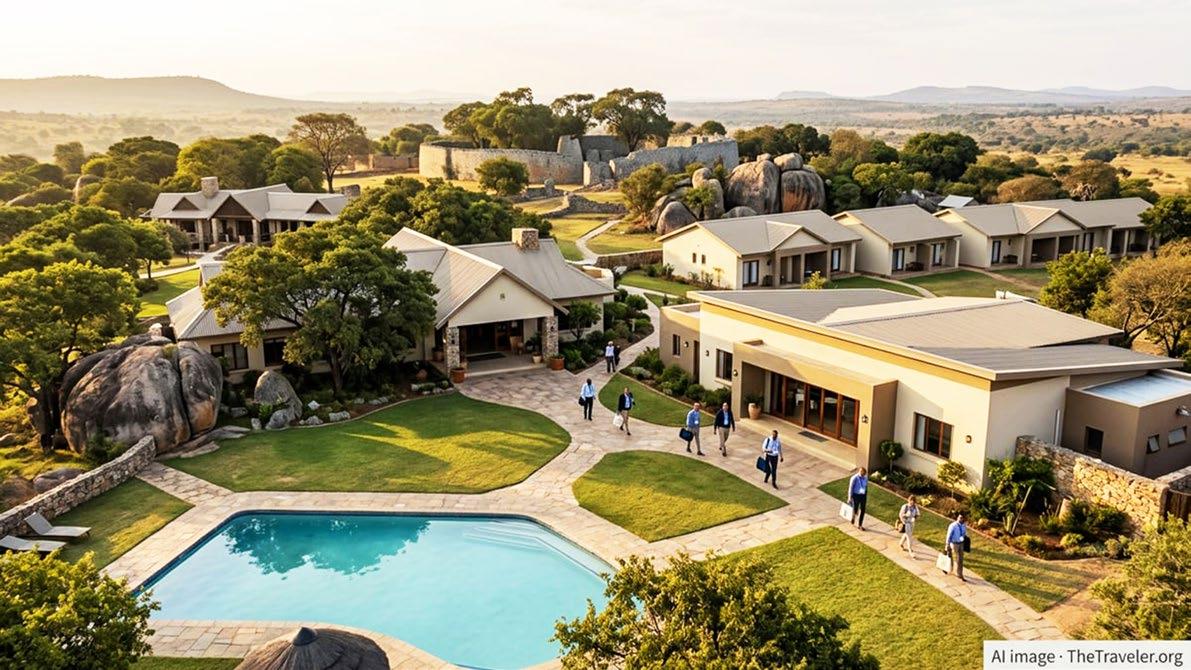
The landscape of Zimbabwean hospitality is set for a significant transformation as the iconic Great Zimbabwe Hotel prepares to unveil a major evolution of its facilities.
According to media reports, the hotel has officially embarked on a multi-million-dollar expansion project designed to redefine luxury and capacity in the ancient city of Masvingo.
Driven by a consistent surge in demand for premium accommodation and hightier corporate hosting facilities, this ambitious investment represents a bold commitment to the region's growing status as a primary hub for both international tourism and domestic business travel.
The project is not merely an incremental update but a comprehensive evolution of theproperty, ensuring thatit remains the premier choice for travellers seeking a blend of historical proximity and modern sophistication.
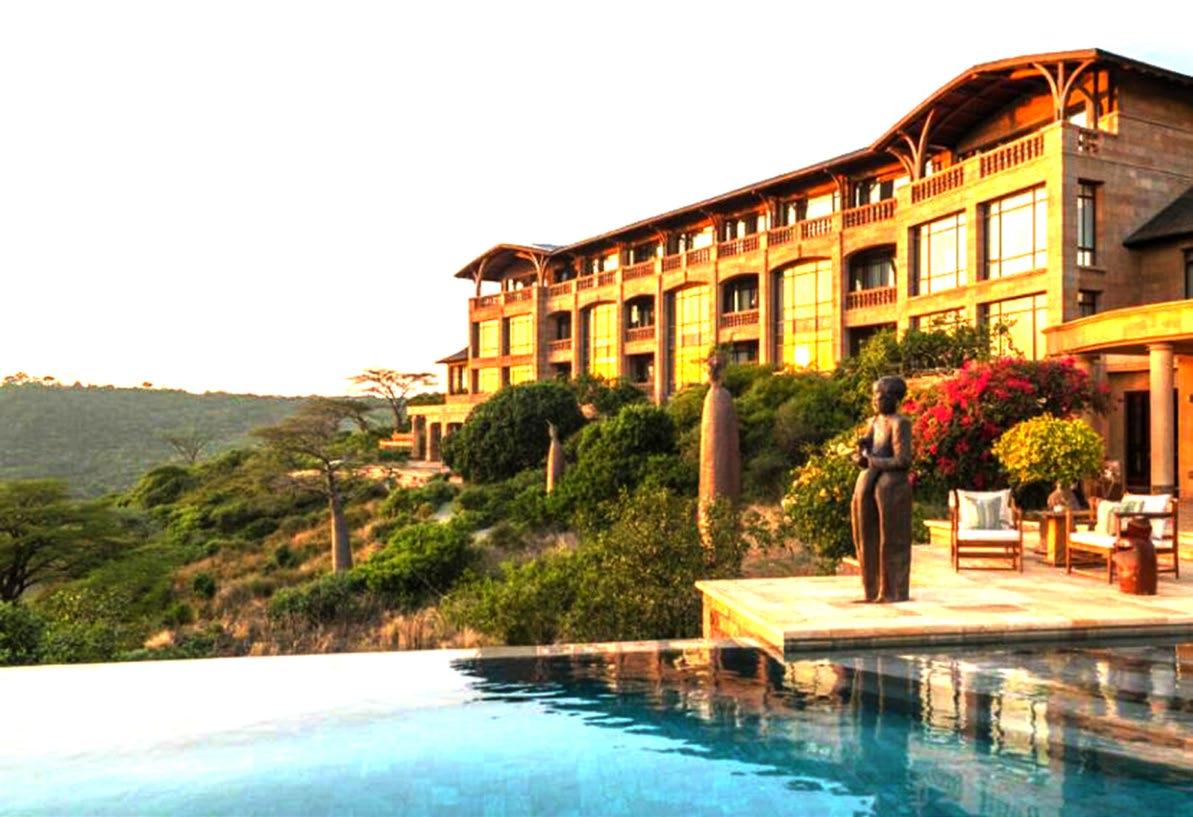
At the heart of this expansion is a dramatic increase in lodging capacity, with the hotel set to debut seventy-one brand-new rooms.
According to media reports, this addition has been meticulously curated to cater to a diverse range of clientele, offering a sophisticated mix of presidential suites for high-level dignitaries, executive rooms tailored for the discerning corporate traveller, and elegantly appointed standard rooms.
This strategic diversification ensures that the hotel can accommodate the increasing volume of visitors drawn to the nearby UNESCO World Heritage site while providing the comfort and technological amenities expected of a world-class establishment in the twentyfirst century.
Beyond luxury lodging, the expansion addresses a critical gap in the regional market by introducing a state-of-the-art, self-contained conference centre capable of seating five hundred delegates.
This facility is poised to become a cornerstone for national conventions and regional summits, providing a seamless, high-capacity environment for professional gatherings.
By integrating advanced audiovisual technology and dedicated service areas within this new wing, the hotel is positioning itself as a powerhouse in the MICE (Meetings, Incentives, Conferences, and Exhibitions) sector, effectively turning Masvingo into a competitive alternative to traditional hubs like Harare or Victoria Falls. Timing is central to this development, with a rigorous construction schedule targeting completion by the first of September
According to media reports, this deadline is strategically aligned with the commencement of the prestigious Sanganai/Hlanganani World Tourism Expo, which is scheduled to take place in Masvingo from September 9 to 12. By unveiling these upgraded facilities just days before the expo begins, the Great Zimbabwe Hotel will serve as a flagship showcase for the country’s revitalized tourism infrastructure.
This expansion stands as a testament to the resilience and growth of the local hospitality industry, promising to leave a lasting legacy on the economic and social fabric of Masvingo for years to come.
ZTA Launches Major Drive to boost domestic tourism
The Zimbabwe Tourism Authority has launched a comprehensive national campaign designed to reposition domestic travel as the primary engine of the country’s tourism industry. The initiative calls upon citizens to take an active role in exploring and supporting local destinations, asserting that the long-term sustainability of the sector depends on Zimbabweans embracing their own heritage, culture, and world-class attractions. This strategic shift moves away from a traditional reliance on international arrivals, instead placing the local traveller at the very centre of the nation’s tourism growth strategy.
During the official launch of the campaign, leadership from the tourism authority highlighted that while progress has been made in promoting local travel, there remains a significant opportunity to deepen the connection between citizens and their country’s historical and natural assets. The new drive is anchored on the celebration of a unique Zimbabwean identity, encouraging a sense of national pride that translates into visits to local monuments, museums, and areas of natural interest. Through fostering a culture where citizens prioritize their own authentic experiences—from traditional cuisine to indigenous arts and languages—the country can build a more resilient industry capable of weathering global travel uncertainties.
The economic implications of this domestic focus are extensive. Increasing the volume of local travellers creates a stabilized revenue stream for the hospitality, transport, and retail sectors. Government officials noted that a robust domestic tourism base provides a critical safety net for businesses across the entire value chain, particularly for community-based tourism initiatives that rely on consistent foot traffic. Furthermore, the campaign is expected to have a significant multiplier effect on the creative industries and small-to-medium enterprises, ensuring that the financial benefits of tourism are felt directly within local communities rather than remaining concentrated in major metropolitan hubs.
The authority emphasized that heritage remains the nation’s greatest asset and that the sector can only reach its full potential when the people of Zimbabwe lead the way in celebrating who they are. This involves a conscious effort to make local travel more accessible and appealing to a broader demographic of the population. As the government continues to prioritize tourism as a key contributor to the Gross Domestic Product and a vital source of foreign currency earnings, the success of these policy reforms hinges on a shift in public perception. As the campaign rolls out across the country’s provinces, stakeholders remain optimistic that a renewed focus on local participation will drive significant revenue growth. The goal is to create a tourism landscape where the first and most passionate ambassadors for Zimbabwe are its own people.
By strengthening national identity through travel, the initiative seeks to ensure that the beauty and cultural richness of the nation are valued internally first. Ultimately, this movement aims to reinforce Zimbabwe’s status as a premier destination by showcasing a vibrant, selfsustaining tourism culture that is deeply rooted in national appreciation and economic self-reliance.
PAKANAKA RESORT REDEFINES LUXURY AND CULTURE IN THE HEART OF GOROMONZI
A new standard for Zimbabwean hospitality is being set at Pakanaka Resort, where the private luxurious villas offer an unparalleled escape from the franticpace of modern life. Combining high-end architectural elegance with the raw, untamed beauty of the surrounding environment, this destination has emerged as a premier sanctuary for those seeking to reconnect with nature without sacrificing the comforts of world-class luxury.
The estate, which overlooks a tranquil lake and distant mountain ranges, serves as a poignant reflection of a unique Zimbabwean culture that values both warmth and sophisticated craftsmanship. The centrepiece of this retreat is the collection of Private Luxurious Villas, designed to cater to large families, executive retreats, or groups of friends exploring the nearby peninsulas. Each villa boasts five meticulously appointed bedrooms, all featuring king-sized beds that offer the flexibility of being converted into twin configurations.
The design philosophy of the interior is centred on the concept of "light and volume," with expansive windows that invite the golden Zimbabwean sun to fill every corner of the living space. The aesthetic is one of understated elegance, where neutral tones and organic textures create a comfortable atmosphere that complements the panoramic views of the water and the rugged terrain beyond.
Beyond the individual villas, Pakanaka has established itself as a versatile hub for both leisure and professional gatherings. The estate houses a lush, modern events and conference venue that seamlessly integrates indoor sophistication with the outdoor splendour of Goromonzi.
What sets this venue apart is its inhabitancy; the grounds are populated by a fascinating blend of exotic and indigenous wildlife, allowing delegates and wedding guests to experience the thrill of nature just steps away from their meeting rooms.
This integration of wildlife into a professional setting provides a refreshing backdrop for high-level decision-making or celebratory milestones.
The true essence of the Pakanaka experience, however, lies in the quality of service that defines each stay. Guests are treated to a personalized level of care that ensures every need is met, from gourmet dining to guided explorations of the estate’s natural wonders.
As a quiet place to slow down and reflect, Pakanaka aptly reflects the "Pakanaka" name—a Shona term signifying that which is good and beautiful.
Whether one is watching the sunset over the lake from a private terrace or hosting a worldclass seminar amidst the trees, the resort offers a definitive Zimbabwean experience that is as restorative as it is luxurious.
For those looking to escape the city, this Goromonzi gem remains a beacon of comfort and cultural pride.
Haka Game Park Celebrates Three Decades in the Heart Of Harare
For over thirty years, a quiet revolution in conservation and recreation has been unfolding just off the Mutare Road in Msasa. Haka Game Park, a sanctuary nestled within the Cleveland Dam catchment area, has evolved from a local hidden gem into a cornerstone of Harare’s natural heritage.
Since its inception, the park has served as a vital green lung for the capital, offering a rare and immediate escape from the urban hustle into a world where the rhythmic sounds of the city are replaced by the call of the wild and the gentle rustle of the savannah.
The park’s enduring success is built on a foundation of emotional connection and a commitment to creating lasting memories. For more than three decades, visitors passing through the gates have shared a common sentiment that transcends simple sightseeing.
Many have described their time within the park as some of the happiest moments of their lives, a feeling that the management strives to cultivate daily. This isn't just about the proximity to nature, but the atmosphere of peace and belonging that has been carefully preserved since the park first opened its doors to the public.
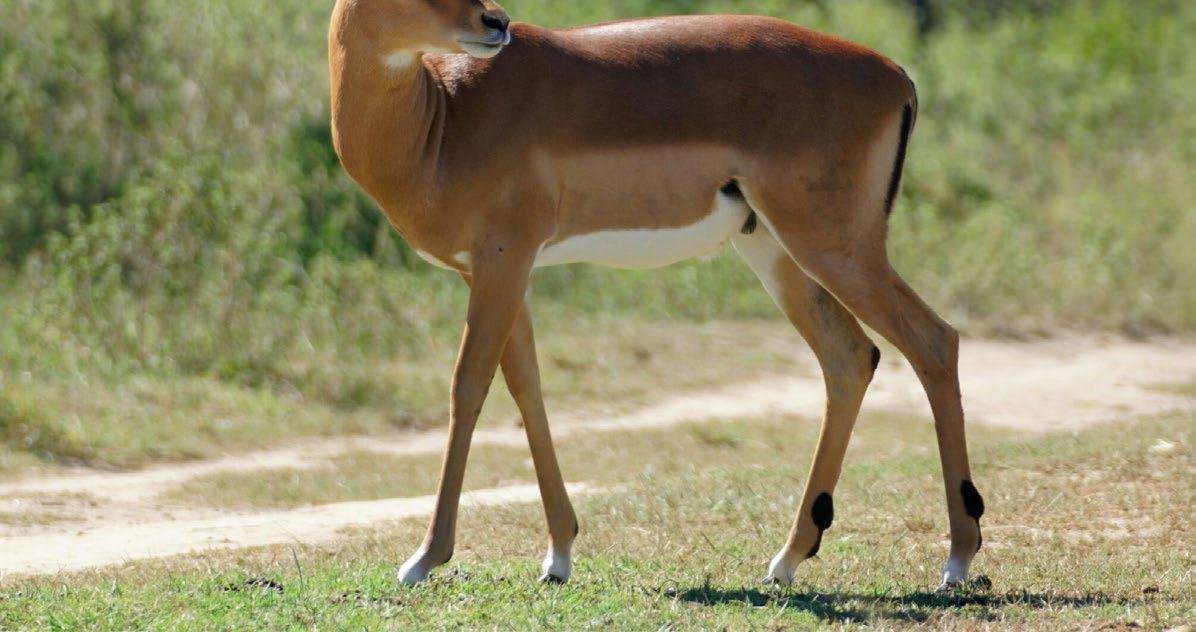
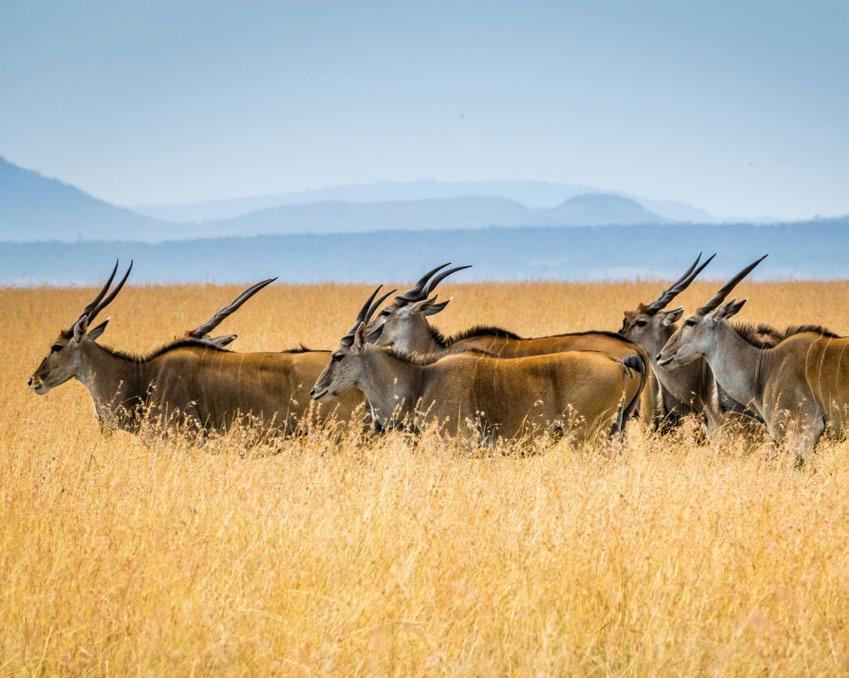
From young families laying out their first picnic blankets under the sprawling msasa trees to returning visitors who once explored these trails as children and now bring their own offspring, Haka Game Park has become a multi-generational landmark. The park offers an extensive suite of activities that cater to every type of nature enthusiast. Whether it is the thrill of a game drive spotting giraffe, zebra, and eland, the quiet patience required for fishing at Cleveland Dam, or the physical engagement of hiking and horse riding, the park remains a versatile destination for leisure and adventure alike.
As a designated Ramsar site, the park also plays a critical role in wetland conservation, ensuring that the biodiversity of the region is protected for future generations. The integration of canoeing and camping allows for an even deeper immersion into this ecosystem, providing a sense of wilderness that feels remarkably distant from the nearby industrial hub of Msasa. As Haka Game Park looks toward the next thirty years, the mission remains unchanged: to remain a place where nature lives in the heart of Harare and where every visit contributes to a lifetime of happy memories.
The Sprout Restaurant Connects Visitors To SustainableTourismSports
In Harare
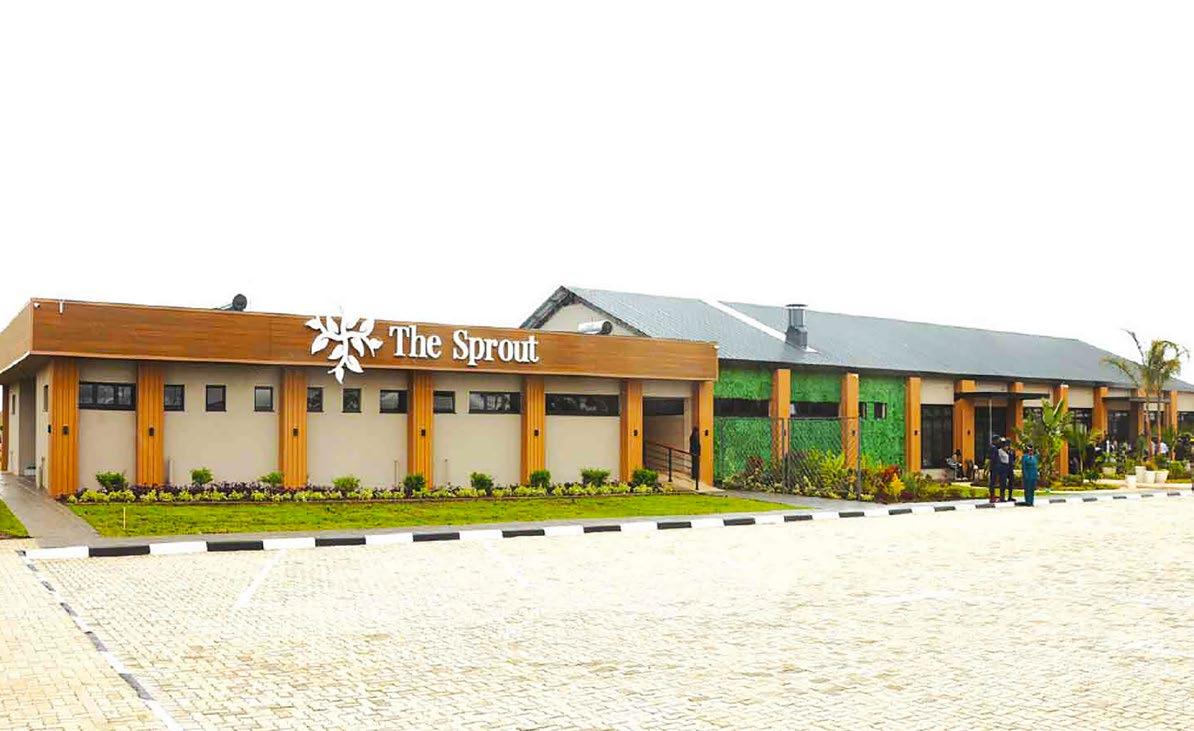
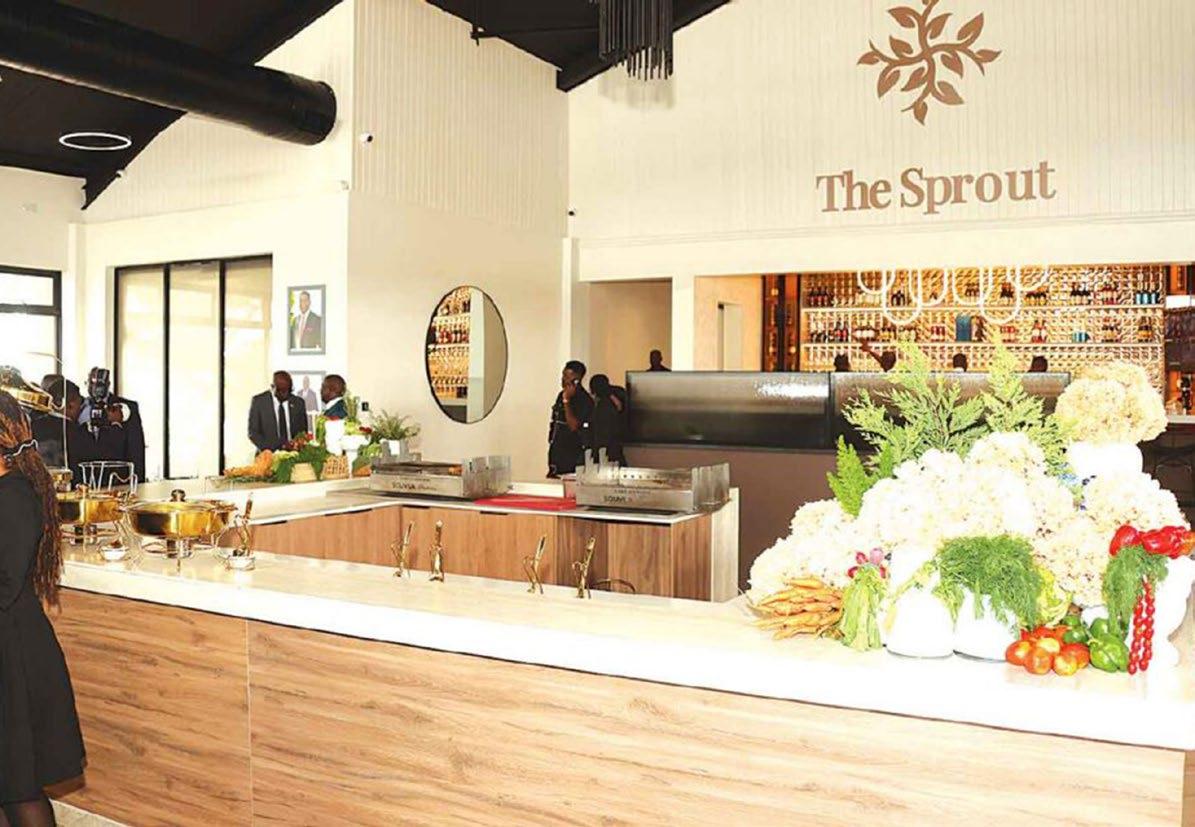
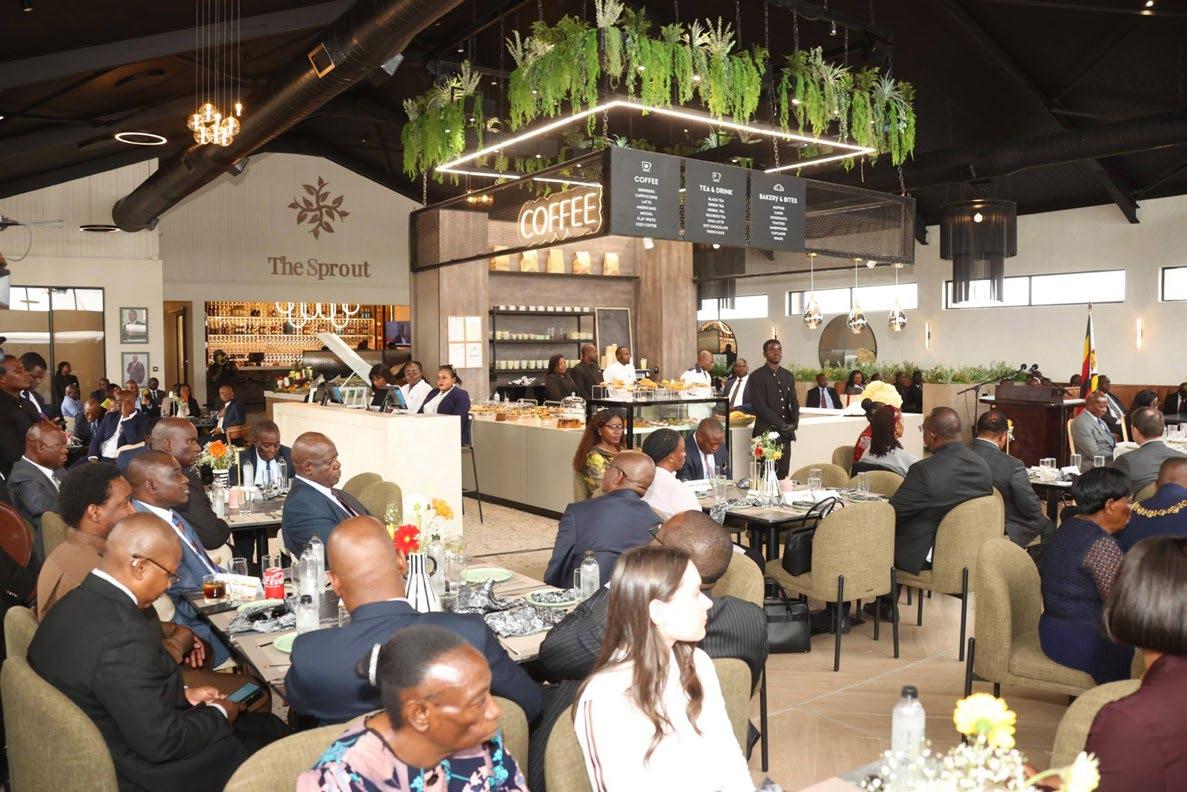
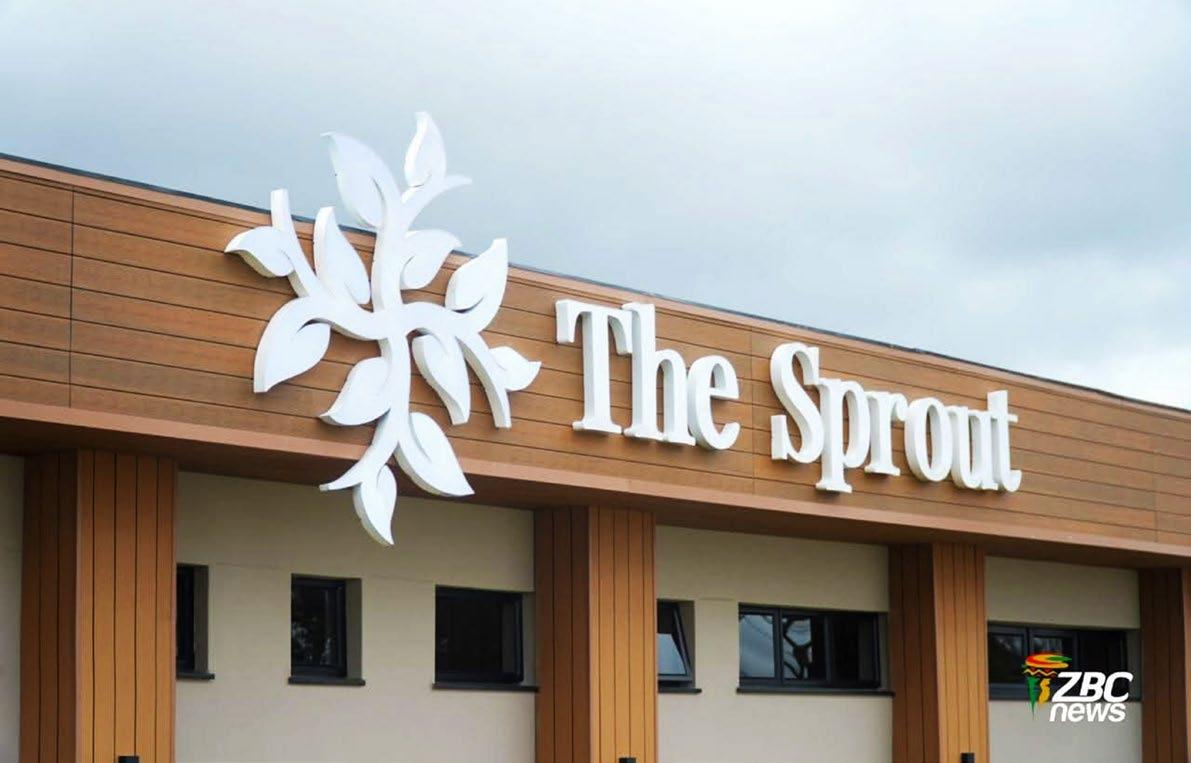
Zimbabwe’s travel and hospitality landscape witnessed a historic evolution today as His Excellency President Emmerson Mnangagwa officially opened The Sprout, a premier restaurant at the Geo Pomona Waste Management site. The opening signals the birth of a unique “green” tourism hub, proving that environmental restoration can create a world-class destination for both domestic and international visitors.
A NEW FRONTIER IN SPORTS AND ECO-TOURISM
The Sprout is far more than a dining venue; it is the centrepiece of a revolutionary recreational precinct. Flanked by a FIFA-certified football pitch—the only one in Zimbabwe built to such international standards—and professional tennis courts, the site is now a flagship for Sports Tourism.
Minister of Tourism and Hospitality Industry, Hon. Barbara Rwodzi, emphasized that this integration is key to the sector’s growth.
“When people come to enjoy sports activities, they always want to eat. The interjoining of the two is what we call sports tourism,” she explained. Minister Rwodzi noted that such facilities are essential for growing domestic tourism, encouraging Harare residents and visitors to explore local hospitality gems that contribute directly to the national GDP.
REDEFINING THE “LEISURE VISIT”
During the official luncheon, President Mnangagwa highlighted the site’s transformation from an environmental hazard to a scenic leisure destination. Recalling his previous visit, he spoke of the site’s newfound charm as a place for families and couples:
“I previously said this place is so beautiful you could bring your loved one here... Today we are here to have a luncheon at this beautiful restaurant.
I have no doubt that The Sprout will serve as a symbol of progress and adds another feather in the hat of our well-performing tourism and hospitality industry.”
The President noted that the 115-seat capacity restaurant, now open to the public, offers a “modern ambience” that rivals top-tier international establishments.
He urged the hospitality sector to continue this momentum by sourcing fresh produce from local farmers, ensuring a truly authentic Zimbabwean culinary experience for tourists.
THE FUTURE OF SUSTAINABLE TRAVEL
The transformation of the Pomona Industrial Development Corridor into a tourism-friendly zone aligns with Vision 2030, turning what was once a “fly-infested” dumpsite into a clean, modern landmark. Geo Pomona CEO Delish Nguwaya remarked that the project restores the dignity of the community by unlocking socio-economic value from spaces once written off as unusable.
By blending environmental responsibility with high-end hospitality, The Sprout stands as a testament to Zimbabwe’s innovative approach to tourism—where sustainability and leisure meet to create a vibrant new experience for the modern traveller.
Conservation In Zimbabwe’ s Hwange Landscape FUNDING BOOST FOR
Zimbabwe’s wildlife conservation efforts have received a major uplift this week, following the announcement of a €1 million grant from the Postcode Loterij to the International Fund for Animal Welfare (IFAW). This significant financial injection is earmarked to support habitat protection and wildlife conservation across the vast Hwange–Matetsi–Zambezi landscape, one of the most ecologically significant regions on the African continent.
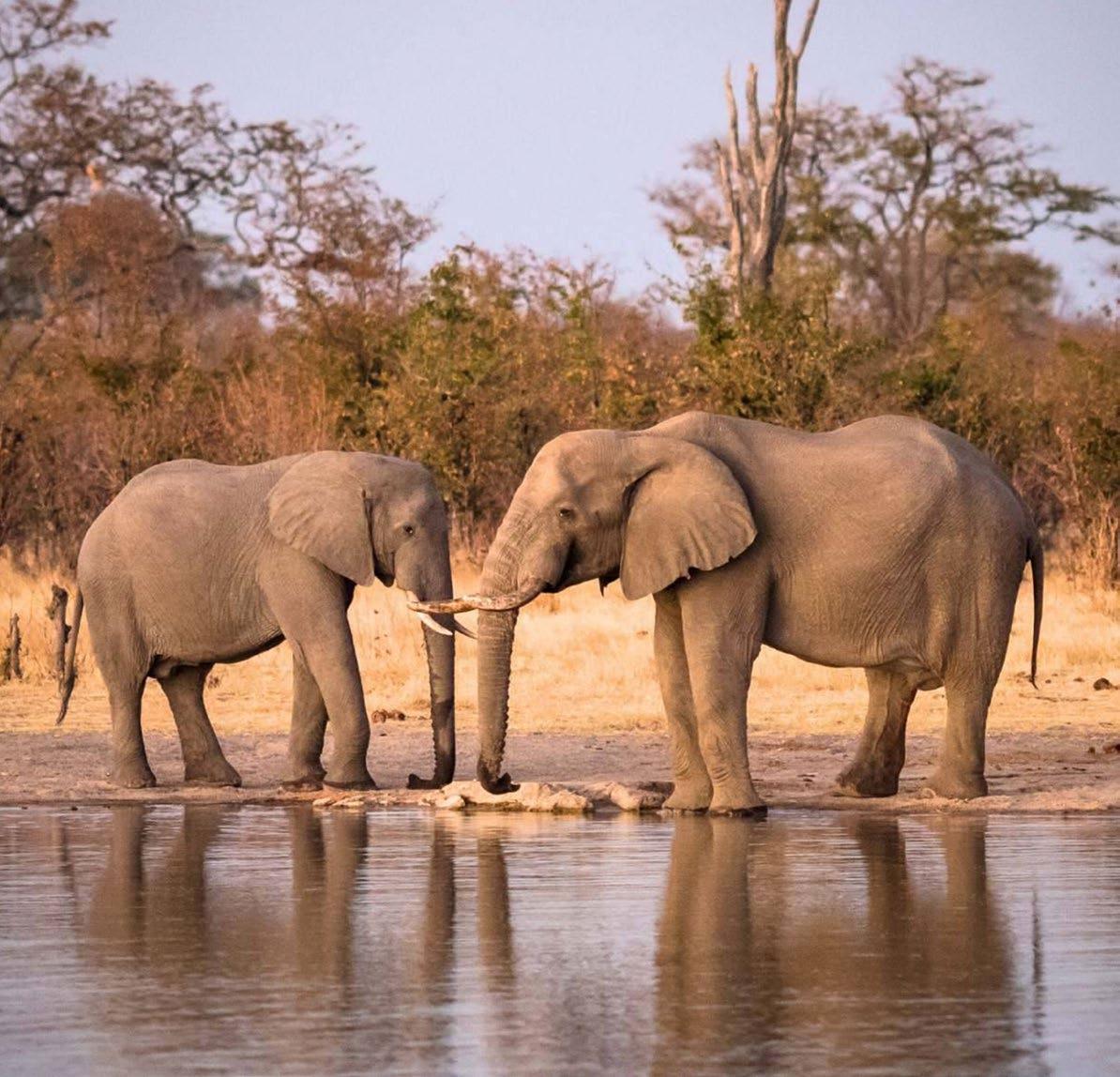
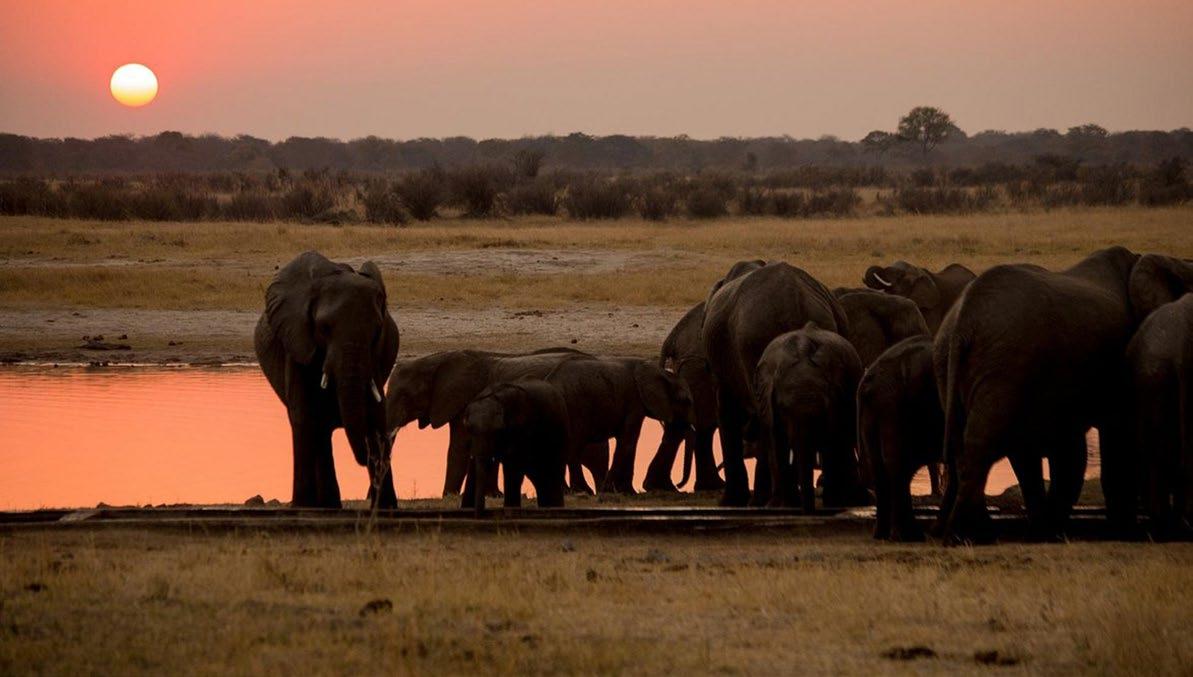
The funding is set to strengthen IFAW’s ongoing operations in and around Hwange National Park, a wilderness sanctuary that serves as a home to more than 45,000 African savannah elephants. As the park faces increasing pressure from climate change-induced droughts and the encroaching threat of habitat loss, this investment arrives at a critical juncture. The grant will specifically target key focus areas including wildlife rescue operations, the improvement of ranger capacity and welfare, and the securing of vital migration corridors that allow animals to move safely between protected areas.
Since 2019, IFAW has maintained a robust partnership with the Zimbabwe Parks and Wildlife Management Authority (Zimparks) and local communities under the visionary #RoomtoRoam initiative. This conservation philosophy seeks to protect and reconnect fragmented ecosystems, ensuring that wildlife can move freely across international borders while simultaneously supporting the livelihoods of the people living alongside these wilderness areas. By securing these landscapes, the initiative helps mitigate human-wildlife conflict, which remains a pressing challenge in the Matabeleland North province.
Alleta Nyahuye, the IFAW Zimbabwe Country Director, expressed deep gratitude for the funding, noting that the incredible support of the Postcode Lottery allows the organization to expand its field work and build a sustainable future where people and nature coexist. She emphasized that the grant is not just an investment in animals, but an investment in the resilience of the entire ecosystem. As Zimbabwe continues to navigate the complexities of environmental preservation in the 21st century, this €1 million boost ensures that the Hwange–Matetsi–Zambezi landscape remains a thriving stronghold for biodiversity.
The collaborative effort between international donors, conservation agencies, and local authorities underscores a global commitment to safeguarding Africa’s natural heritage for generations to come. Through enhanced ranger patrols and better-equipped rescue units, the “Room to Roam” vision is now closer to becoming a permanent reality for Zimbabwe’s iconic elephant herds.
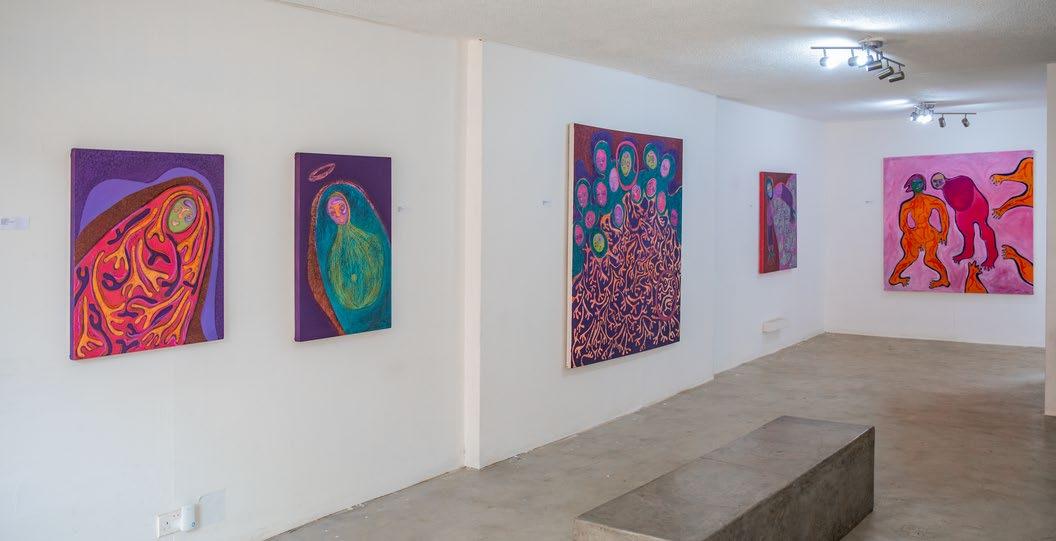
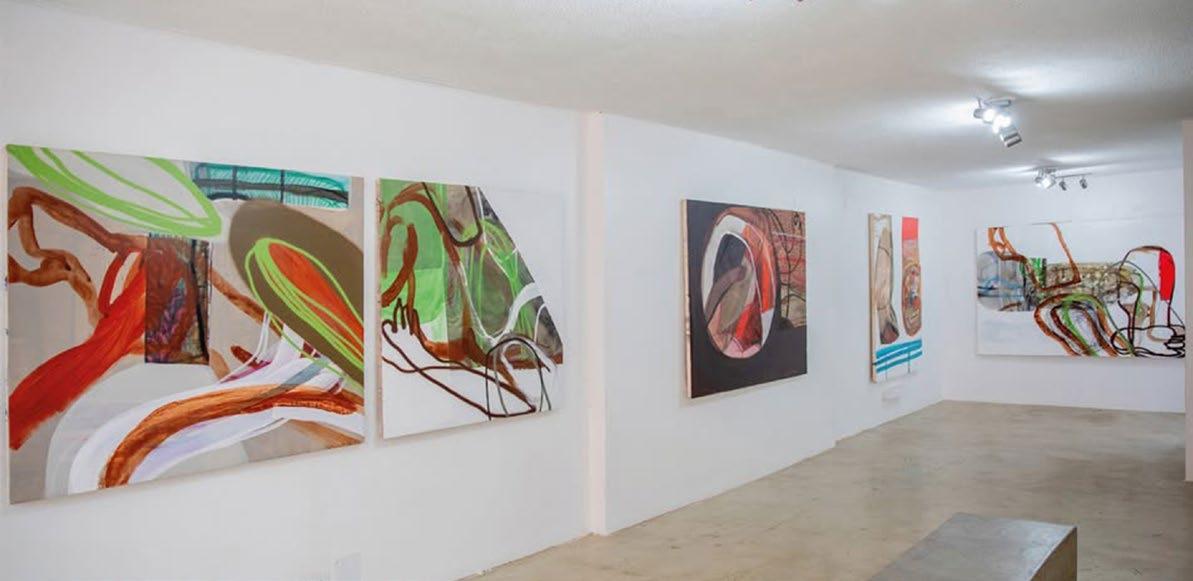
Helen Teede Unveils Captivating New Solo Exhibition In Harare
The cultural landscape of Harare has received a vibrant jolt of energy as the renowned First Floor Gallery Harare officially opened its doors to “Relics,” a highly anticipated solo exhibition by the acclaimed Zimbabwean artist Helen Teede. This latest body of work represents a profound evolution in Teede’s practice, inviting viewers into a tactile exploration of history, geography, and the delicate relationship between the human touch and the natural world.
Teede has long been recognized for her ability to translate the physical essence of the Zimbabwean landscape onto canvas, but “Relics” pushes this investigation into more intimate territory. The exhibition features a series of works that feel both ancient and immediate, utilizing a palette of deep ochres, charred blacks, and striking crimsons that mirror the geological richness of the earth itself. At the heart of the show is the concept of the object as a vessel of memory. Central imagery in the collection, such as the evocative, deeply pigmented bowls, serves as a metaphor for the way we contain, preserve, and eventually lose the fragments of our past.
The exhibition space at First Floor Gallery, located at 3 Castille Court on Josiah Tongogara Avenue, provides a stark, minimalist backdrop that allows the raw texture of Teede’s canvases to resonate. Her technique involves a sophisticated layering process where paint is often applied, scraped away, and reapplied, mimicking the natural erosion of stone or the slow accumulation of dust over centuries. This physical engagement with the medium gives the “Relics” collection a sculptural quality, making each piece feel like an artifact unearthed from a significant, albeit mysterious, archaeological site.
Beyond the aesthetic allure, “Relics” challenges the audience to consider the permanence of our contemporary existence. In a world increasingly dominated by the digital and the ephemeral, Teede’s focus on the “relic” reminds us of the weight of the physical and the enduring stories held within the land. Art critics and local enthusiasts have already hailed the exhibition as a masterclass in atmospheric abstraction, noting that Teede successfully captures a sense of quiet reverence and historical gravity.
The exhibition is currently open to the public and runs from Monday to Friday, between 10 AM and 5 PM. For those navigating the city, convenient parking is available on Mazoe Street, directly opposite the Exquisite Car Sale. As First Floor Gallery Harare continues to cement its reputation as a premier destination for contemporary African art, “Relics” stands out as a definitive highlight of the season. Visitors are encouraged to experience this remarkable collection firsthand to witness the evocative power of Helen Teede’s vision.
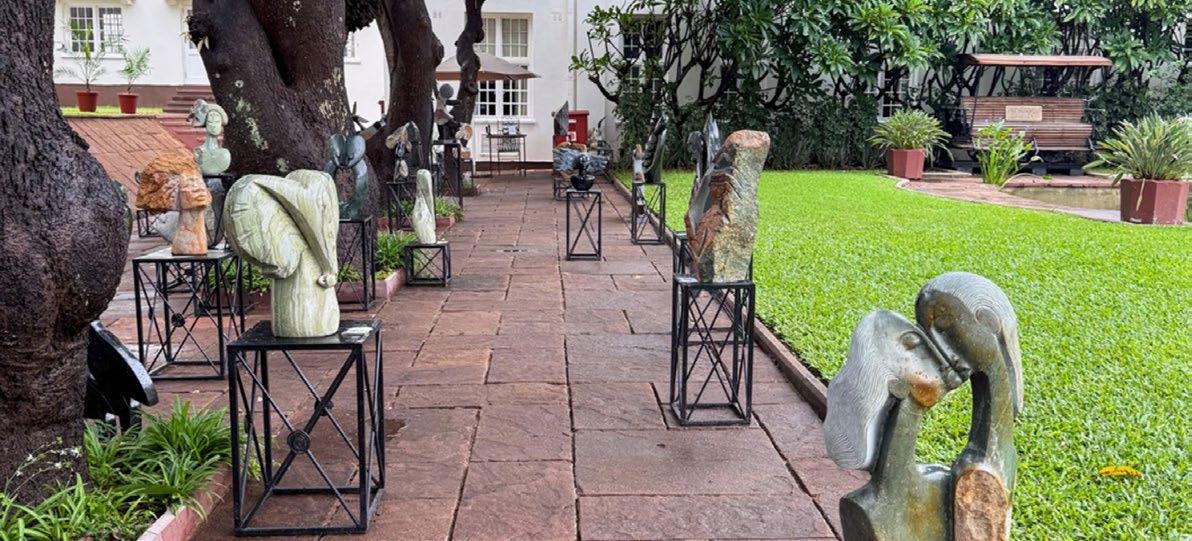
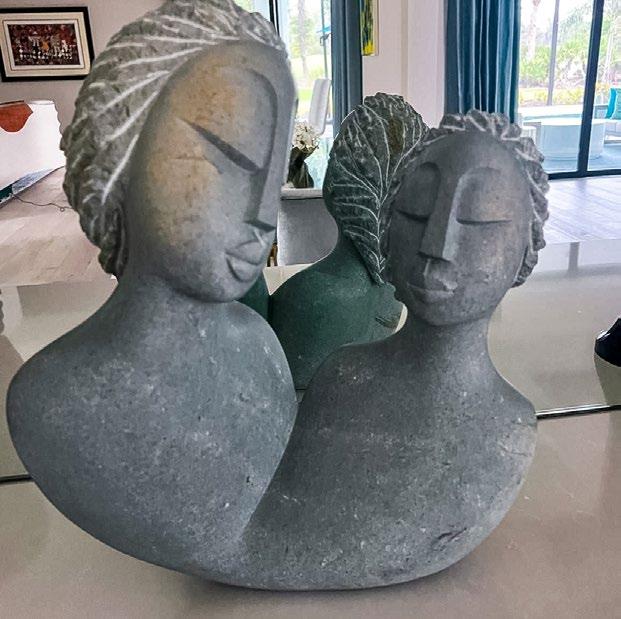
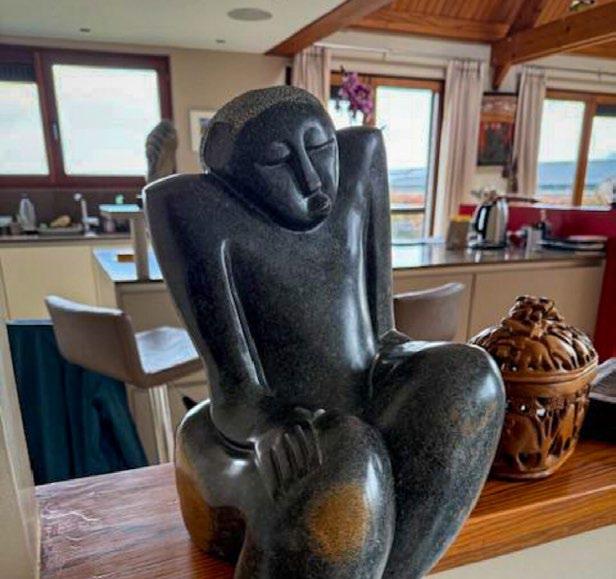
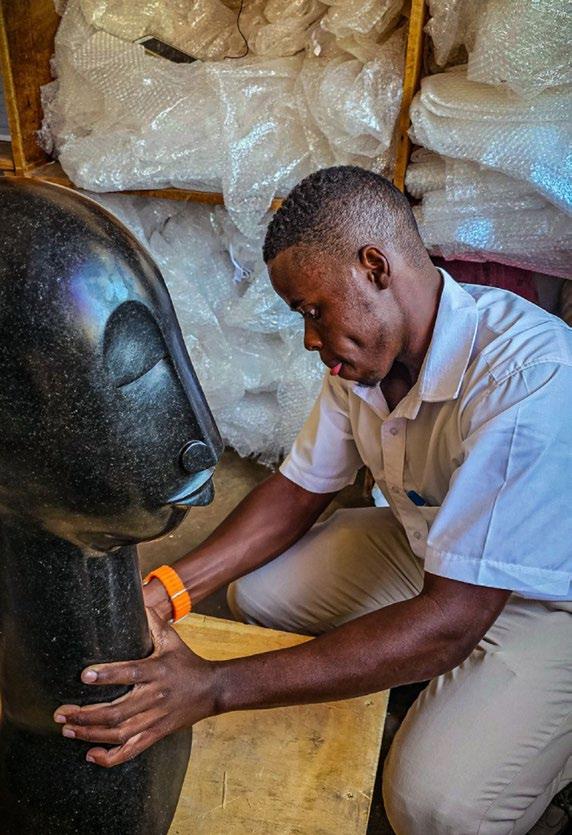
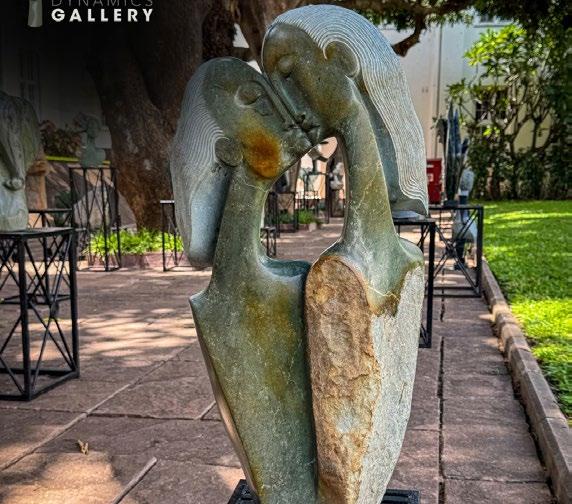
The Timeless Legacy Of Stone Dynamics Gallery At Victoria Falls
Set within the timeless elegance of the Victoria Falls Hotel, the Stone Dynamics Gallery stands as a sanctuary where art and nature converge. Surrounded by an environment that inspires every piece on display, the gallery offers a refined experience deeply rooted in the spirit of Victoria Falls. In this iconic location, every detail tells a story, framed by the historical grandeur of Zimbabwe’s most famous hotel. The gallery remains a premier destination for those seeking to discover artistry in its purest form, where the raw beauty of stone is transformed into sophisticated narratives of heritage and soul.
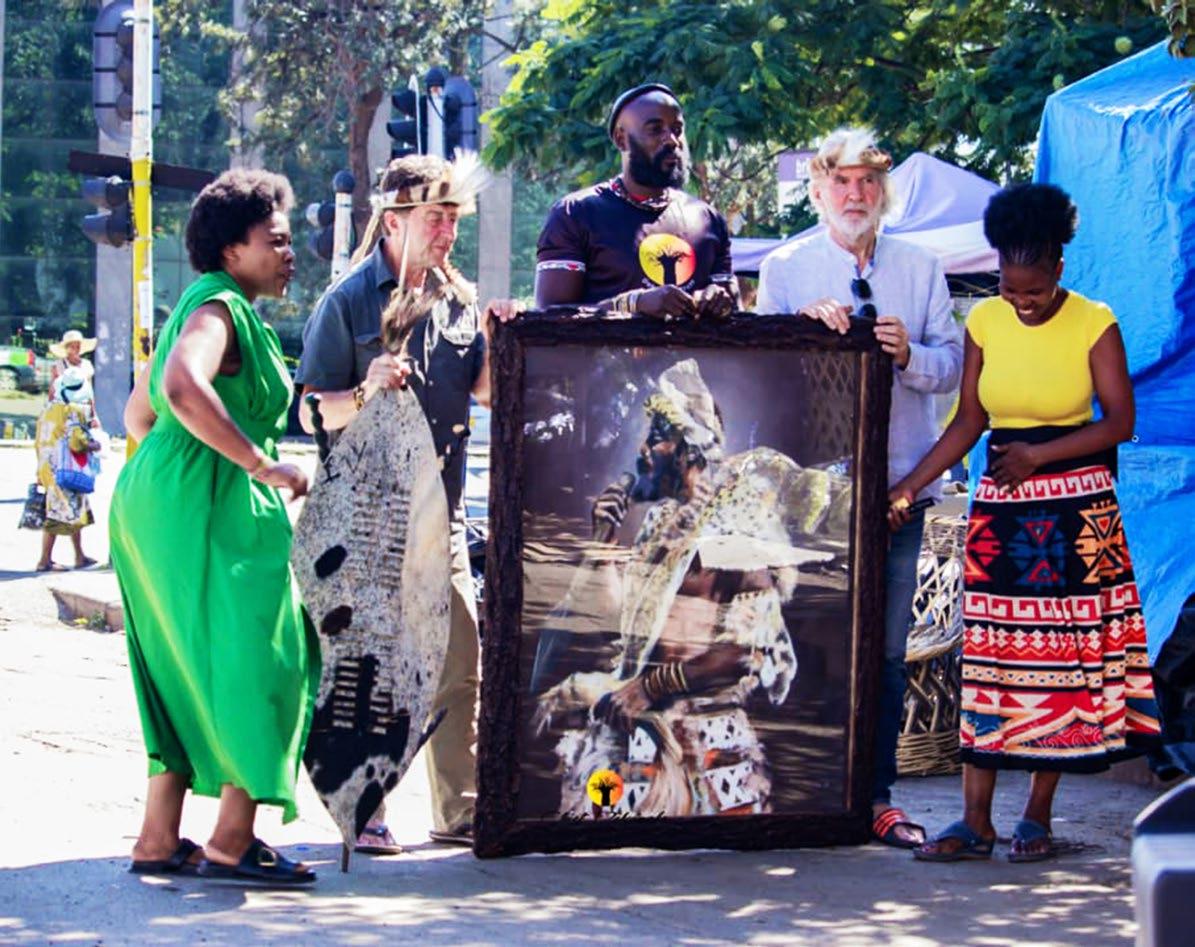
A testament to the gallery’s global reach was recently highlighted by the relocation of “BORN FREE” by Garison Machinjilli, which has now found a proud new home in Lagos, Nigeria. As a powerful expression of freedom, movement, and resilience, this striking sculpture captures the spirit of liberation and the beauty of raw emotion carved in stone. The journey of “BORN FREE” from Zimbabwe to West Africa illustrates the gallery’s unique ability to connect cultures through the universal language of art. At Stone Dynamics, each sculpture is treated as an ambassador of Zimbabwean heritage, traveling far beyond borders to carry stories of resilience to international collectors.
The gallery’s success is built upon a foundation established in 1986 by Stuart Danks. Since its inception, Stone Dynamics has provided a vital platform for younger artists to expose their work to an international audience, quickly establishing itself as a rigorous proving ground for emerging talent. Stuart Danks brings a lifetime of immersion in the arts to the gallery; as the son of Jean Danks—a renowned Southern African artist and former Keeper of the National Gallery—his eye for quality is unparalleled. This extensive knowledge ensures that every visitor views and purchases only the very best sculptures, each carefully chosen for its originality, creativity, and technical quality.
The mission of Stone Dynamics is inextricably linked to the history of Contemporary Zimbabwe Stone Sculpture, which found its footing in the 1950s. It was during this era that Frank McEwen, the first Director of the Zimbabwe National Gallery, established an art workshop that encouraged uninhibited expression. McEwen pushed artists to explore stone as a medium while instilling a deep sense of artistic integrity. The results were astounding, drawing immediate international acclaim and launching the careers of masters such as Takawira, Munyaradzi, Mukomberanwa, and Mariga. These pioneers earned the respect of art critics across Africa, Europe, and North America, birthing a vibrant culture of modern sculpture that continues to thrive today.
As Stone Dynamics Gallery continues to showcase these “born free” expressions of creativity, it remains dedicated to the values of its founders and the legacy of the masters. By bridging the gap between local craftsmanship and global appreciation, the gallery ensures that the spirit of Victoria Falls and the soul of Zimbabwe’s stone remain accessible to the world. Whether displayed in the lush gardens of the Victoria Falls Hotel or in a private collection in Lagos, these works serve as enduring symbols of a culture that speaks through the weight and grace of stone.
Mlibizi Zambezi Resort
Redefines The Call To Adventure
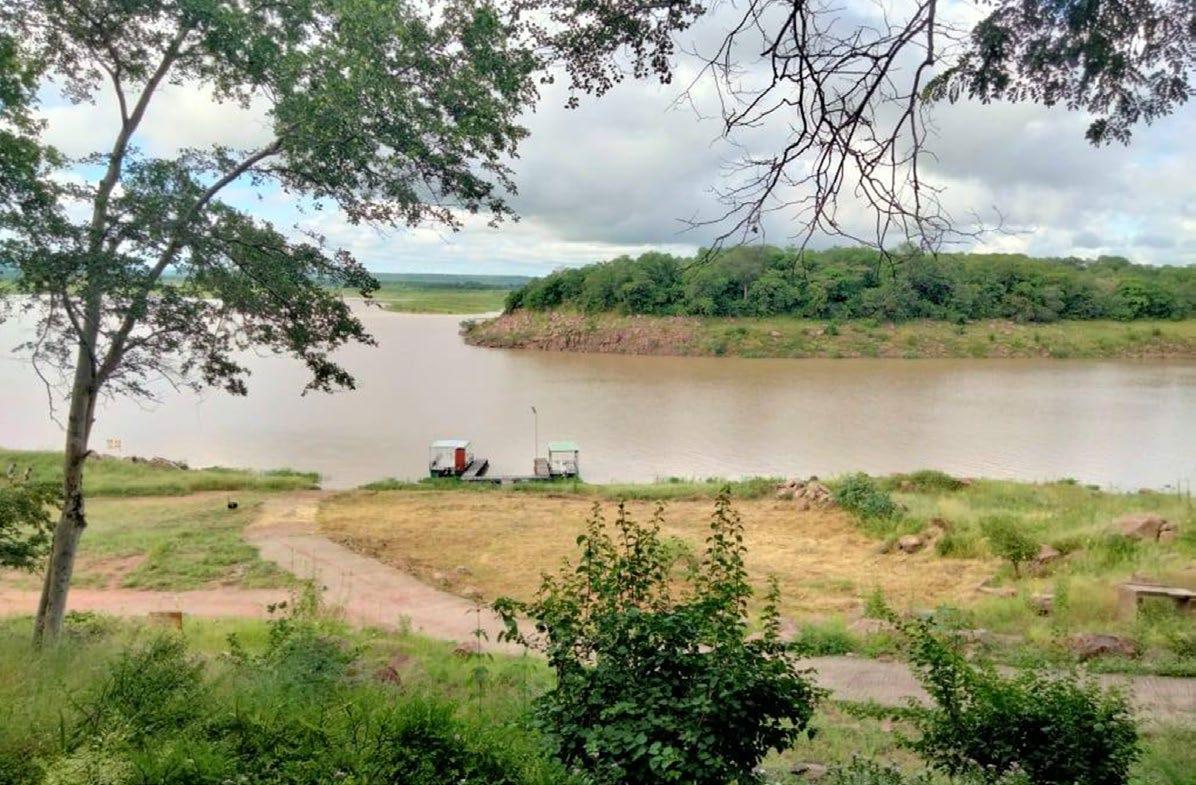
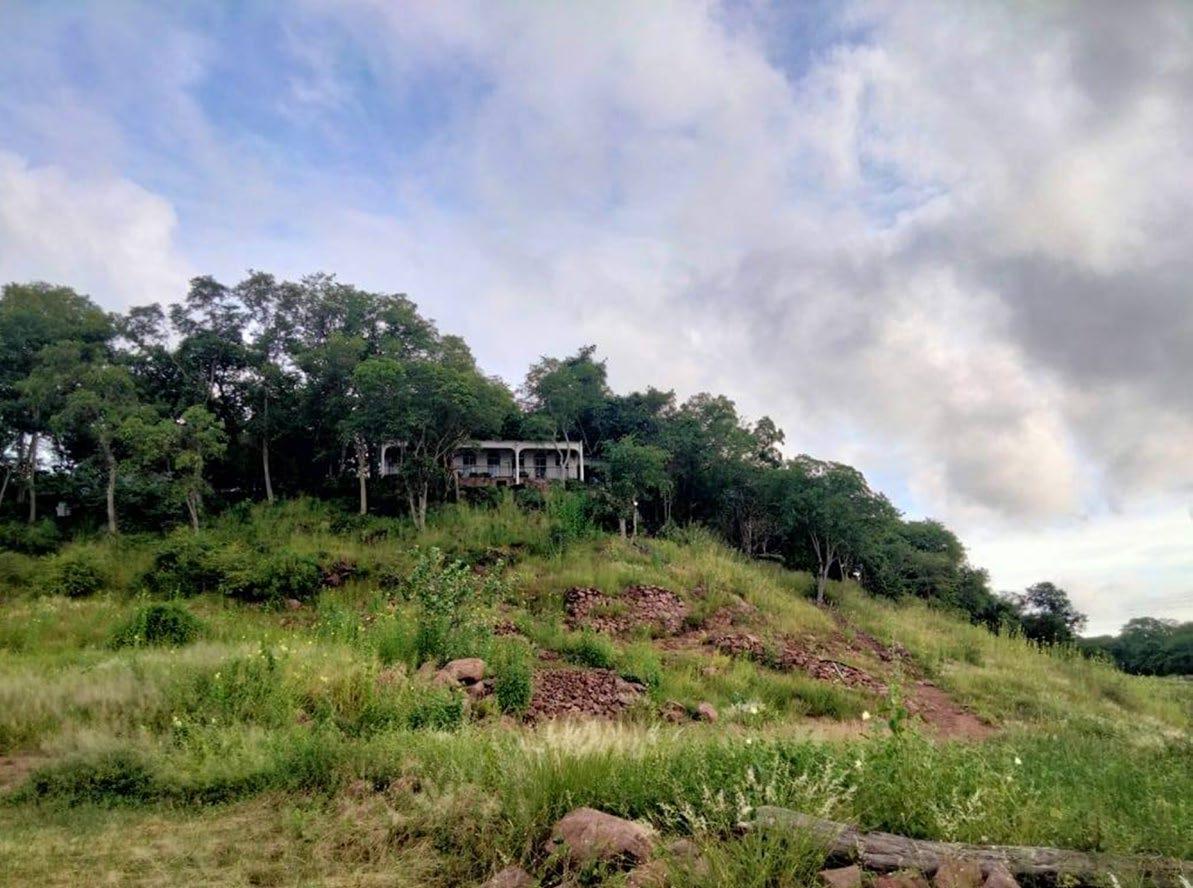
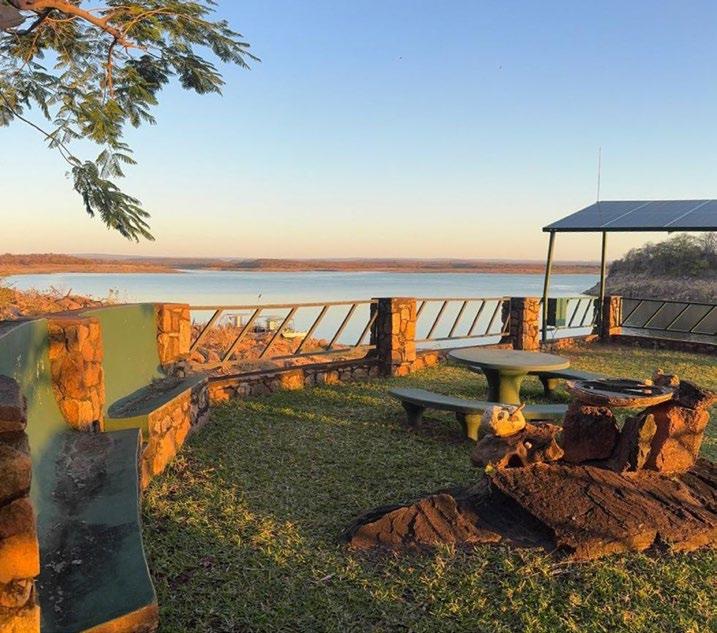
As the golden sun dips below the horizon of the Zambezi, casting long shadows across the water, a familiar and haunting cry echoes through the air—the call of the African Fish Eagle. It is a sound that signals more than just the end of a day; it is a call to adventure, relaxation, and the timeless allure of the river. For those seeking a sanctuary away from the frantic pace of modern life, Mlibizi Zambezi Resort has officially declared the season open, offering a comprehensive array of experiences tailored for every type of traveller, from the serious angler to the leisure seeker.
Strategically located at the western terminus of Lake Kariba, Mlibizi has long been the “hidden gem” of the Zambezi Valley. This season, the resort is emphasizing its versatility as a multifunctional destination. Whether you are a self-sufficient traveller heading out into the wild with a vehicle full of supplies or a holidaymaker looking for a curated
experience, the resort serves as the perfect base of operations. For the social crowd, the legendary “booze cruises” remain a staple, offering a unique vantage point of the river’s vast expanse while enjoying the hospitality and camaraderie that the resort is famous for.
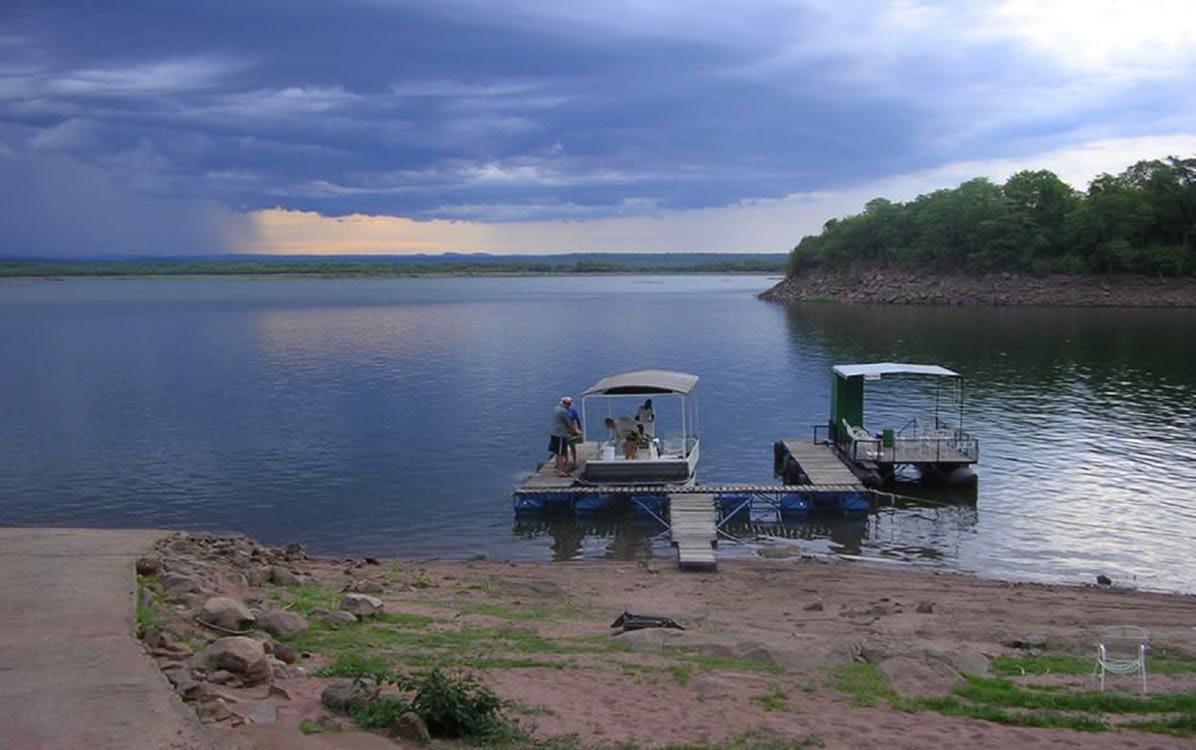
For the nature enthusiast, the resort provides an intimate window into one of Africa’s most vibrant ecosystems. Game viewing along the riverbanks offers sightings of elephant herds and hippos, while the birdlife remains unparalleled in the region. However, it is perhaps the fishing community that has the most to celebrate this month. The resort reports that the bream are biting with remarkable consistency, drawing enthusiasts from across the country to test their skills in these legendary waters.
Mlibizi Zambezi Resort is more than just a place to stay; it is a gateway to the authentic Zambezi experience. The management has ensured that all facilities are primed and ready for the influx of visitors, with a team dedicated to providing seamless service from arrival to departure. For those planning their next escape, the resort has centralized all essential information, including seasonal rates and booking procedures, on their social media pinned posts. As the temperatures remain perfect for outdoor exploration, the message from the river is clear: the water is calling, the fish are jumping, and the gates of Mlibizi are wide open. See you soon on the banks of the Zambezi.
The quiet lap of the waves against the hull of a fishing boat remains the ultimate therapy for the weary soul.
Powering PROGRESS
How SunWolf Renewables is Redefining
Energy Independence
in Zimbabwe’s Tourism Sector
Zimbabwe’s tourism industry is built on experience — uninterrupted comfort, world-class service, and the ability to offer guests a seamless connection to nature without sacrificing modern convenience. Yet behind every successful lodge, resort, and hospitality destination lies a critical challenge: reliable power.
As the country’s energy landscape continues to evolve, both homeowners and commercial operators are no longer willing to compromise on reliability, performance, or long-term sustainability. Increasingly, the shift is toward energy independence — solutions that are not only resilient but intelligently designed for growth.
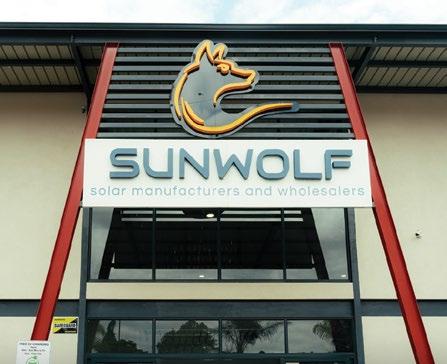
At the forefront of this transformation is SunWolf Renewables, a proudly Zimbabwean solar solutions provider delivering high-performance, scalable systems engineered for real-world conditions. Having featured in this magazine before, SunWolf continues to grow from strength to strength — most recently marked by the opening of their new retail store in Ruwa, expanding access to premium solar equipment, technical expertise, and after-sales support.
In this tourism-focused edition, we explore how SunWolf’s approach to solar design is enabling hospitality operators to rethink energy — not as a limitation, but as a strategic asset.
Designing Energy Systems for the Future of Tourism
For lodges and hospitality destinations, energy is more than a utility — it is the backbone of the guest experience. From climate control and commercial kitchens to lighting, refrigeration, and water systems, uninterrupted power is non-negotiable.
SunWolf’s engineering philosophy is built around three core principles:
• Scalability – systems designed to grow with demand
• Reliability – consistent performance in challenging conditions
• Future-focused design – ensuring long-term return on investment
Rather than pushing one-size-fits-all solutions, SunWolf works closely with clients to develop phased energy strategies — allowing businesses to invest wisely while building toward full energy independence.
A recent installation at Amanzi Lodge offers a compelling example of this approach in action.
Project Spotlight: Amanzi Lodge
A Scalable Vision for Complete Energy Independence
Set in a tranquil natural environment, Amanzi Lodge is a destination where comfort meets sustainability. When the owner approached SunWolf Renewables, the vision was clear — to eventually operate the entire lodge off-grid without compromising on guest experience.
The energy demands were significant:
• High-load commercial kitchen equipment
• Cold storage facilities
• Guest room air-conditioning
• Full operational infrastructure
Rather than overextending the budget upfront, a strategic decision was made: build a powerful, scalable foundation first — then expand.
Phase One: Building a High-Performance Energy Core
SunWolf engineered a system designed to deliver immediate impact while laying the groundwork for future expansion.
System Highlights:
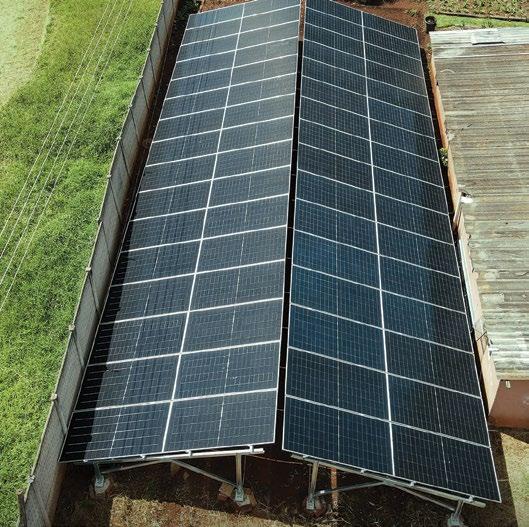
• 60kW system capacity
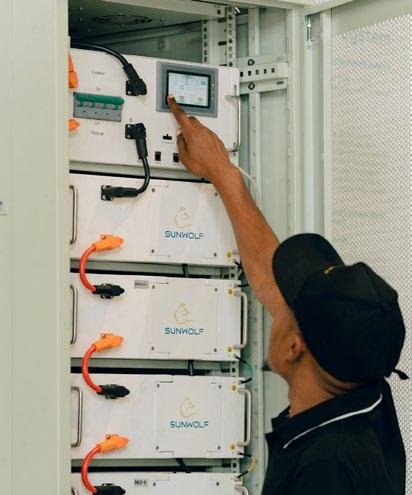
o 2 × 30kW SunWolf Alpha Hybrid 3-Phase High Voltage Inverters
• 40kW solar PV array
o Ground-mounted in an east/west configuration
• 100kWh battery storage
o 2 × 50kWh high-voltage battery banks
A key design decision was the east/west panel orientation. Unlike traditional north-facing arrays that peak at midday, this configuration captures solar energy across a broader window — maximising generation in both the morning and afternoon.
The Result:
• Full off-grid operation during daylight hours
• Overnight reliance primarily on battery storage
• Minimal grid usage only when necessary
The system has performed exceptionally well, validating both the engineering approach and the quality of the components used.
Phase Two: Scaling Toward Full Energy Independence
With Phase One delivering strong and consistent results, Amanzi Lodge is now moving into its next phase of expansion — a step that will bring the property even closer to complete energy autonomy.
Planned Upgrades Include:
• Additional 40kW of solar panels
• Expansion of the ground-mounted array
• Installation of a third 30kW inverter (total capacity: 90kW)
• Addition of a 50kWh battery bank
Once complete, the system will be capable of sustaining the lodge entirely off-grid — even during peak demand periods.
A Model for Sustainable Tourism Development
What makes the Amanzi Lodge project particularly significant is not just its technical success, but what it represents for the broader tourism sector.
Across Zimbabwe and the region, lodges and hospitality operators face similar challenges:
• Rising energy costs
• Grid instability
• Increasing pressure to adopt sustainable practices
SunWolf Renewables is demonstrating that these challenges can be transformed into opportunities — through intelligent system design and a phased investment approach.
By enabling businesses to:
• Reduce operational risk
• Lower long-term energy costs
• Enhance sustainability credentials solar is no longer just an alternative — it is becoming the preferred foundation for modern tourism infrastructure.
Expanding Access: SunWolf’s Growing Footprint
SunWolf’s recent expansion, including the opening of their new Ruwa retail store, signals a broader commitment to accessibility and customer support.
Clients now benefit from:
• Direct access to premium solar equipment
• On-site technical consultation
• After-sales service and system support
This growth reflects not only increasing demand, but also growing confidence in locally delivered renewable energy solutions.
Powering the Future, Today
No pressure, just honest solar advice from your trusted professionals.
Visit us at your local sales office Cnr Borrowdale & Kingsmead Road
The transition to renewable energy is no longer a distant goal — it is happening now, driven by forward-thinking businesses that recognise the value of independence, resilience, and sustainability.
Projects like Amanzi Lodge highlight what is possible when engineering expertise meets strategic vision.
For SunWolf Renewables, the mission remains clear: Design for today. Build for tomorrow. Power the future.
+263 77 777 3565
TAKE CONTROL OF YOUR ENERGY FUTURE
Scalable, intelligent energy storage built for Africa’s toughest conditions.
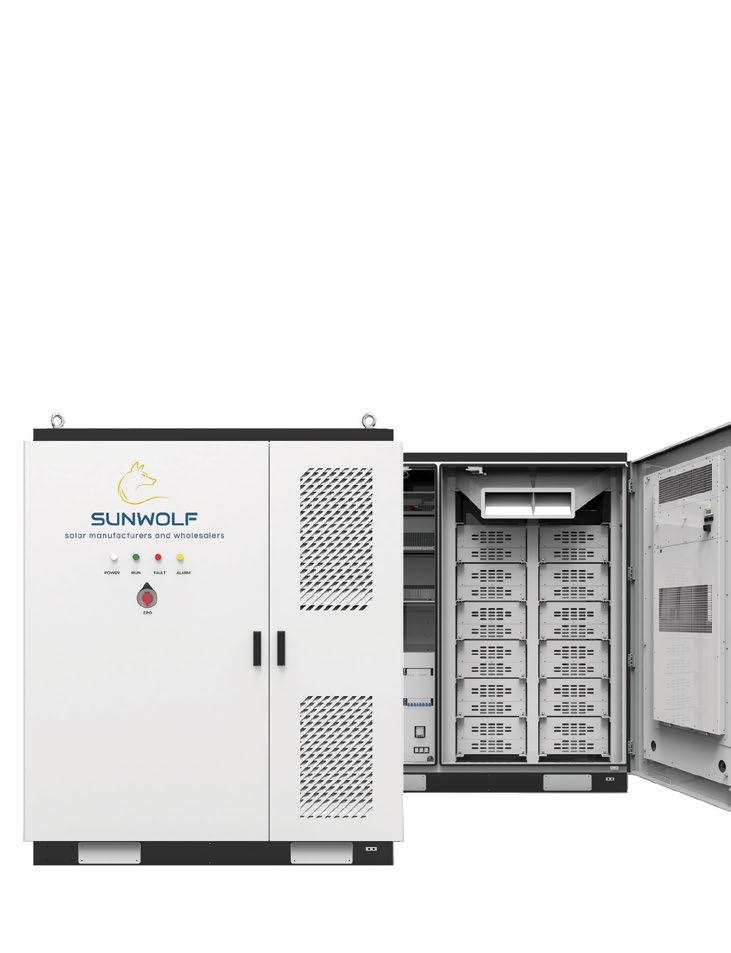
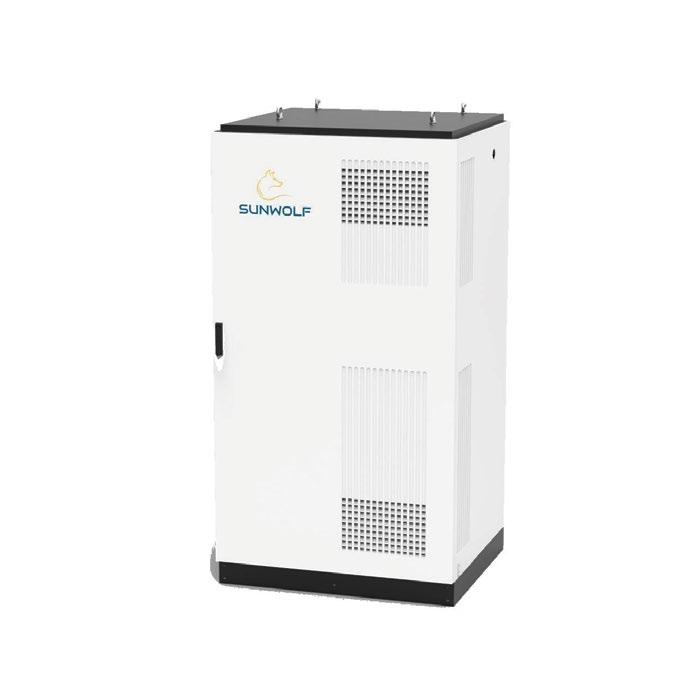
The PowerPack Ultra Range is engineered for small to medium commercial, industrial, agricultural, mining, hospitality or education and healthcare applications — delivering reliable backup, peak load management, and long-duration performance when it matters most.
Available Models:
• 50kW / 143kWh – for smaller to medium sized operations
• 100kW / 215kWh – for larger applications where power demand is high and reliable battery backup is critical
Why Powerpack Ultra?
• Modular & scalable design
• Advanced Battery Management System (BMS) with real-time monitoring
• Rugged IP65-rated steel cabinet allows for outdoor placement without the need to build an inverter room
• Inbuilt airconditioner unit for greater performance
• Comes standard with in-built smoke and fire detection and suppression
• Remote monitoring and service features.
SunWolf renewables — Power. Engineered for Life.
In a world where quality, hygiene, convenience, and elegance matter - Huletts SunSweet brown sugar sachets make all the di erence.