Swipe Anywhere in the world, Withdraw USD cash on any VISA-enabled ATM, Pay any Subscriptions or Shop Online e.g. Netflix or Apple Music.
Send “Hi” on WhatsApp to +263 787 707 707 to get your card today OR Visit any O’mari Partner below, for just
CONTACT :
Mary: +263 78 588 7641
Shane+263 71 263 1126
sales@olivegrove.co.zw
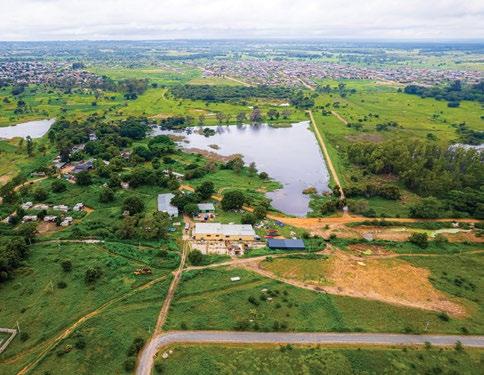
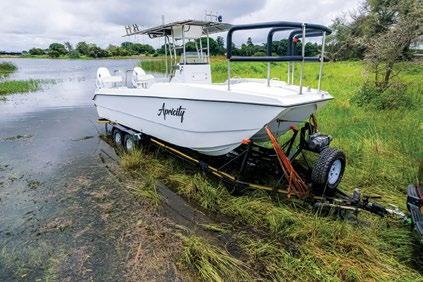
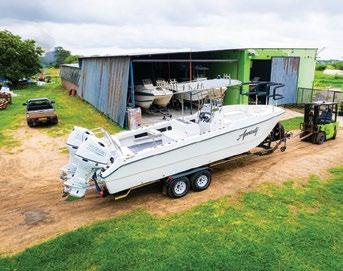
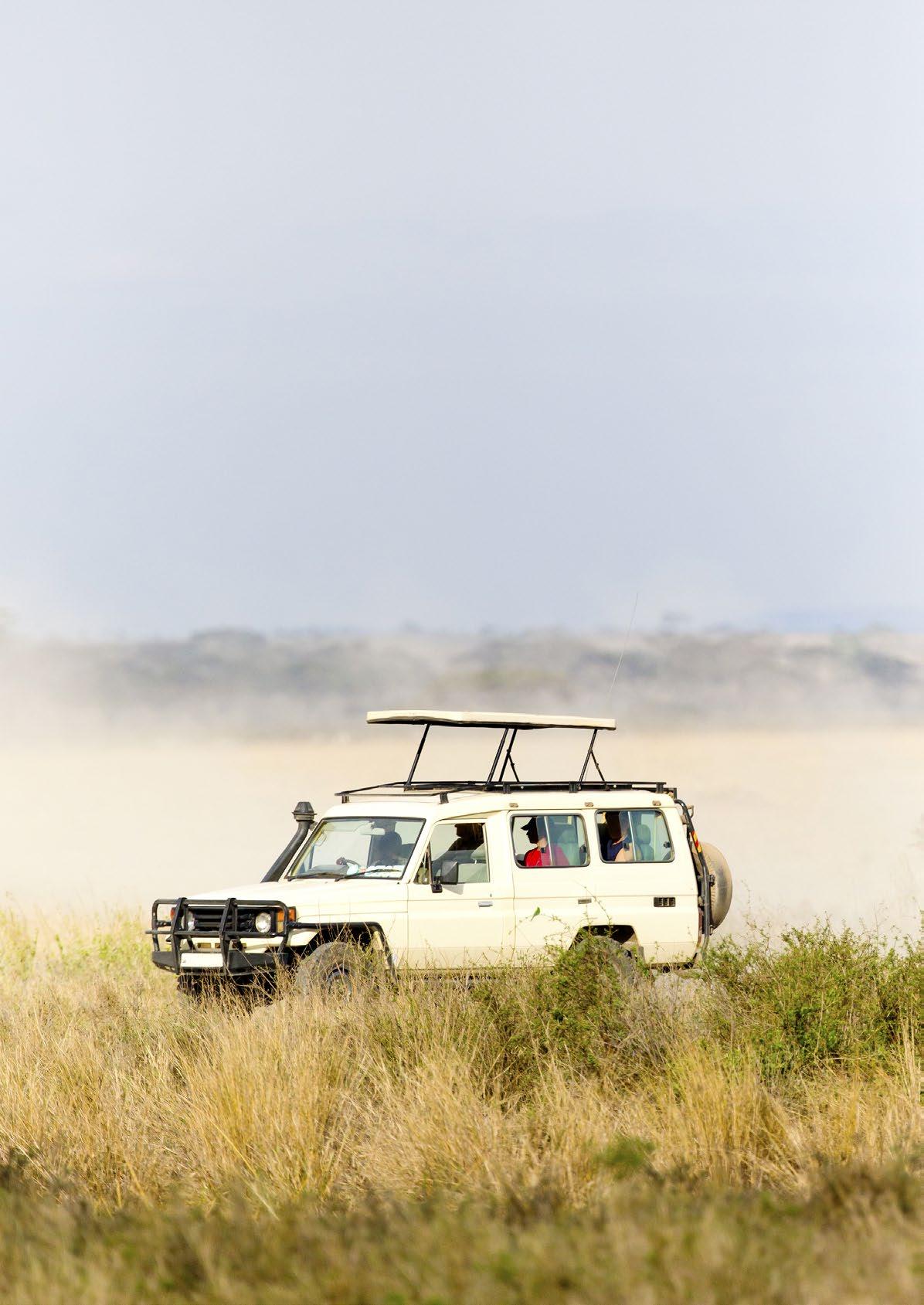
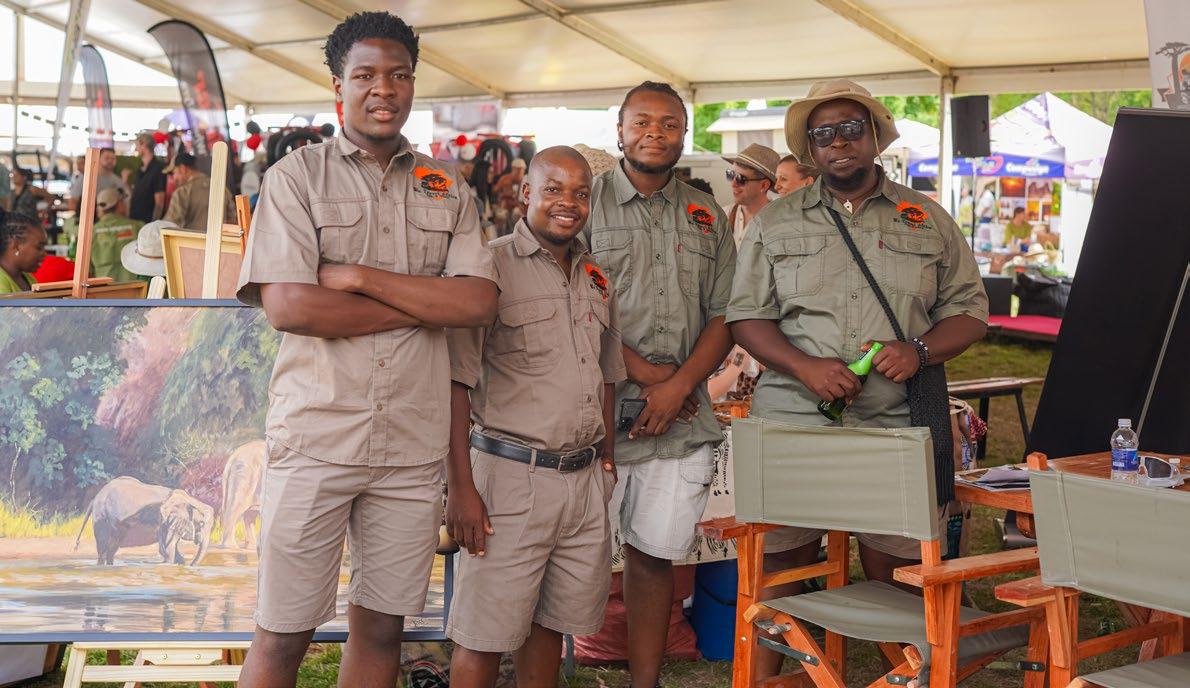
At HB Customs & HB Marine, we don’t just build, we craft with purpose. Whether you are looking for heavy-duty fabrication for safari vehicles, or precision boat builds for Zimbabwe’s waterways, we bring the vision to life.
What we Deliver:
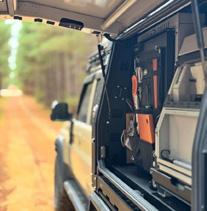
• Bespoke steel fabrication and structural builds for off-grid safari rigs, camp outfitting and high-end automotive mods.
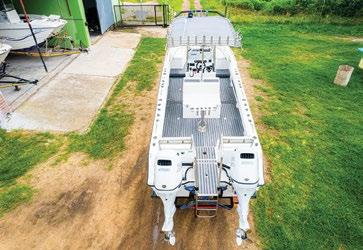
• Full scope marine builds: vacuum-infusion hulls, custom layouts, premium outboards, and tailored finishes built to thrive on Zim waters.
• Restoration, refurbishment and upgrade services: breathe new life into your build, raise performance, refine aesthetics.
Welcome to the 22nd issue of Destination Zimbabwe.
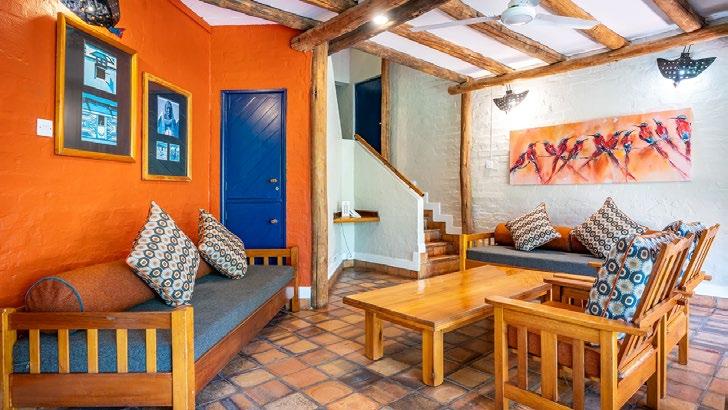
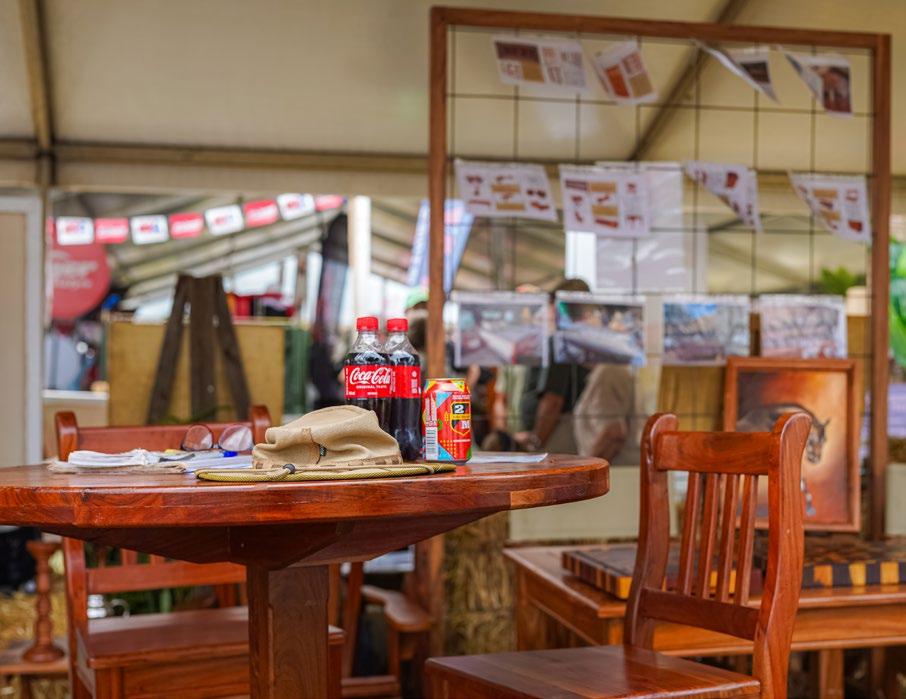
In this edition, we lead with a profile on Olive Grove Pvt Limited, a company that embodies the enduring quality of Zimbabwe’s natural resources. For over two decades, Olive Grove has transformed hardy, exquisite hardwoods into high-end furniture and structural masterpieces.
Olive Grove’s journey began in 1994 as Bapedi Timbers, initially focusing on salvaged woods like eucalyptus and jacaranda. However, a strategic shift in 1996 led them to a timber concession in the Gwampa Forest Land of Matabeleland North.
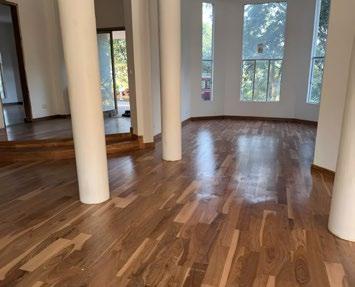
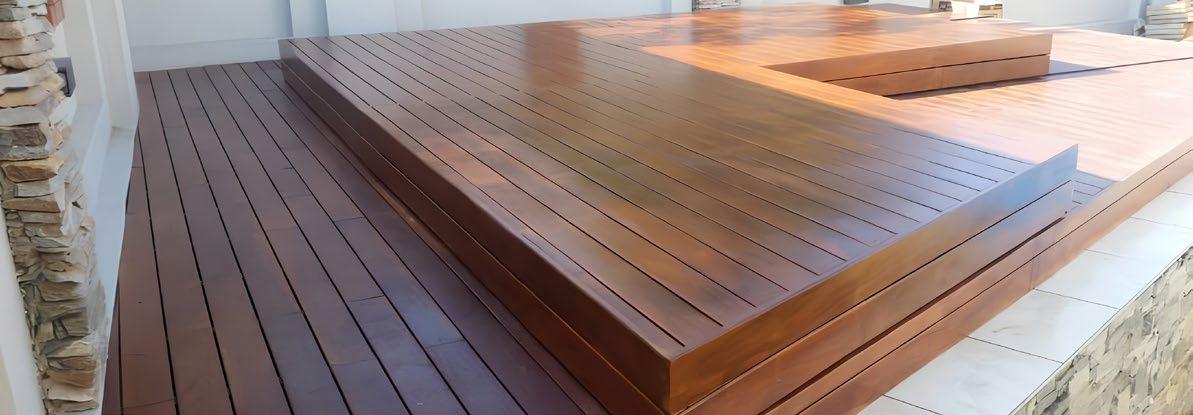
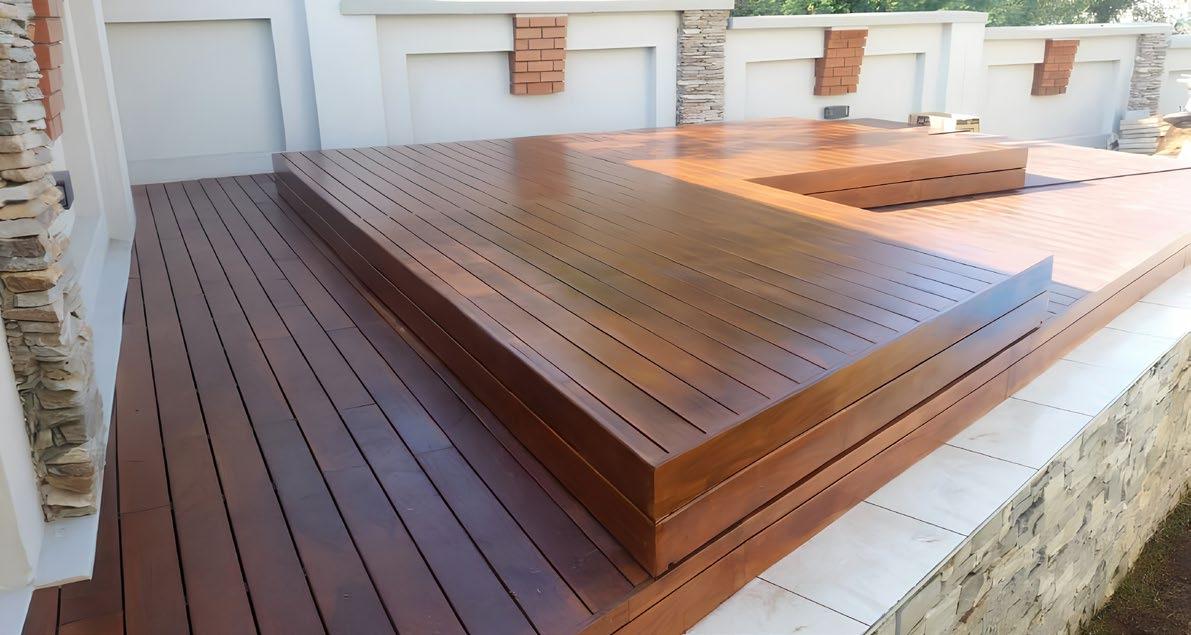
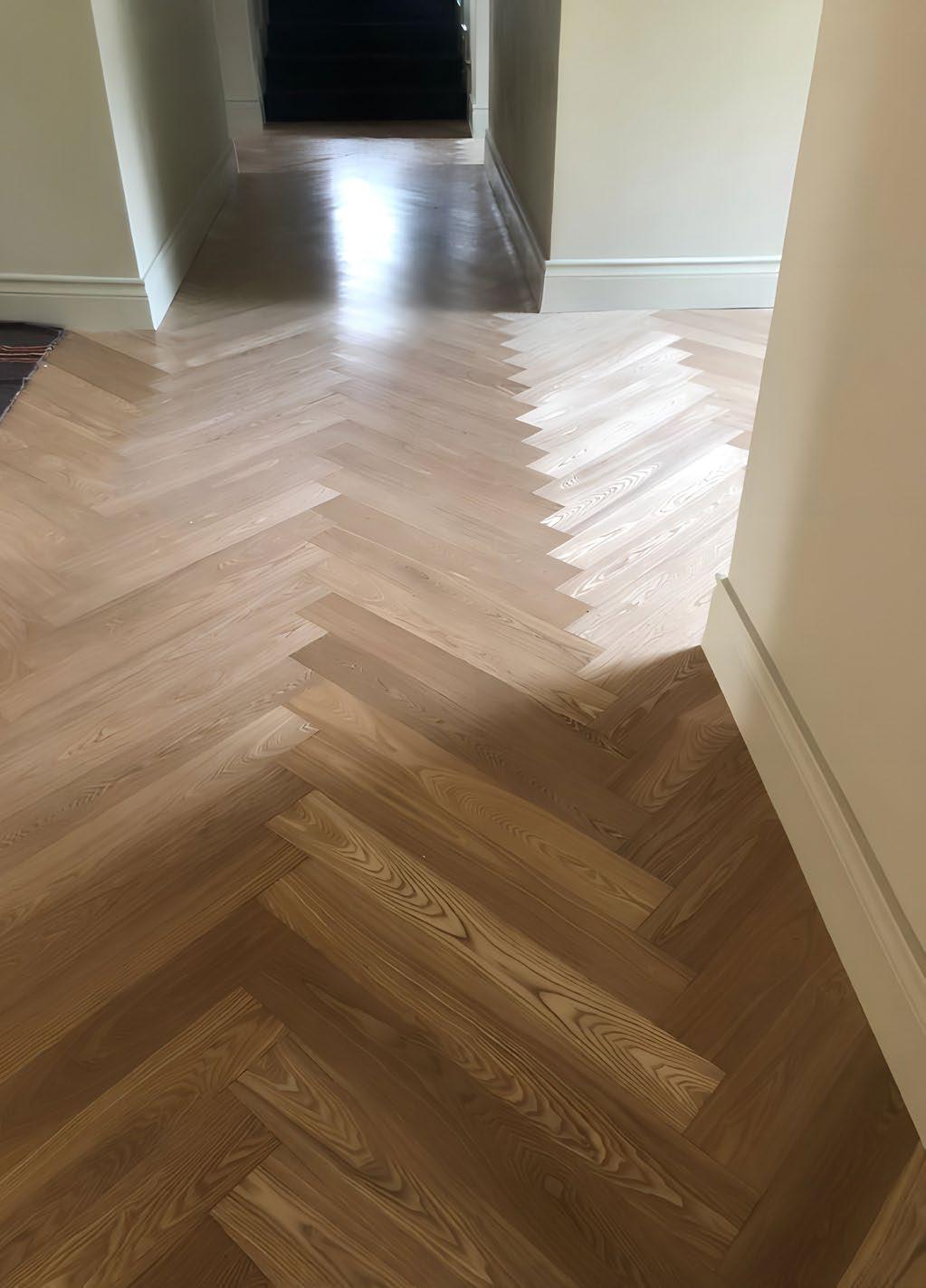
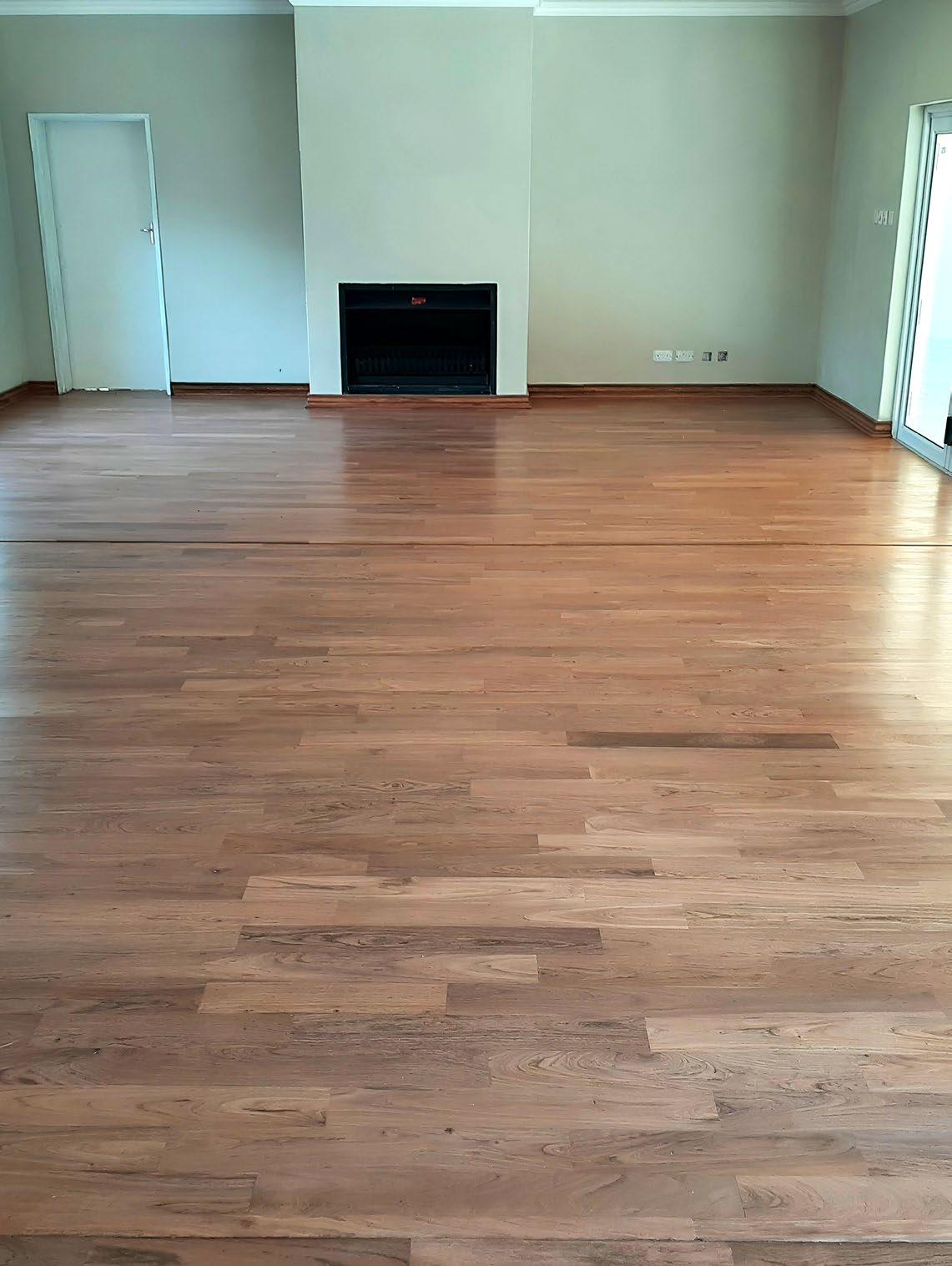
This move allowed them to pioneer the use of Zambezi teak, a durable and beautiful hardwood that has since become their signature material for elegant custom furniture, flooring, and decking.
The broader tourism and conservation landscape is equally vibrant. Zimbabwe recently strengthened its
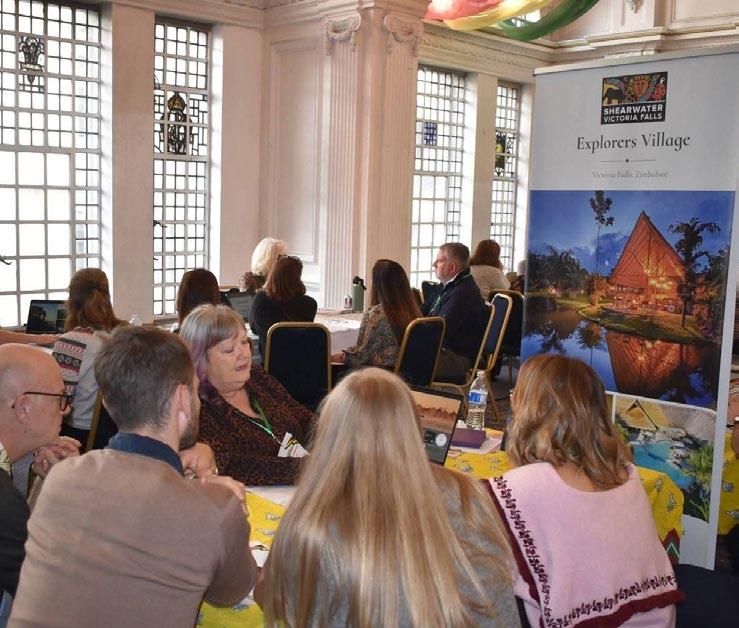
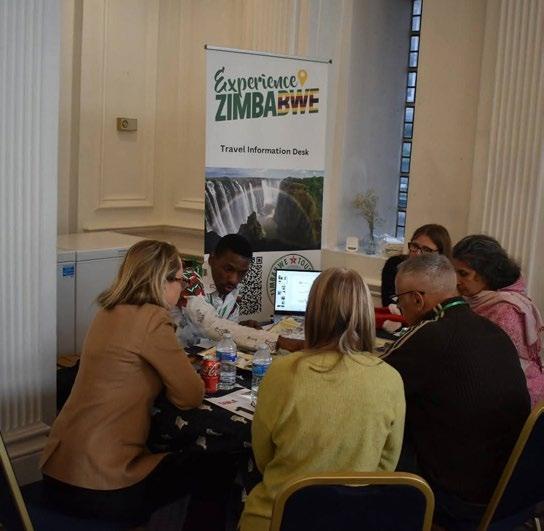
international ties with the inaugural Zimbabwe Travel Showcase in London, a B2B forum that connected 53 UK travel agents with local operators to drive growth for the 2026 season.
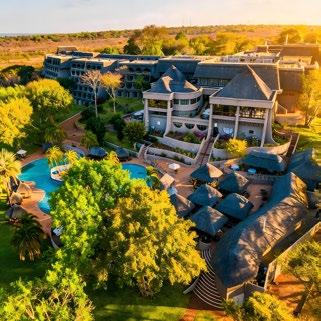
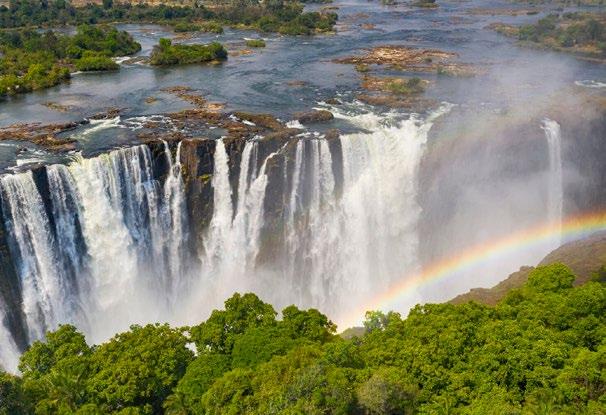
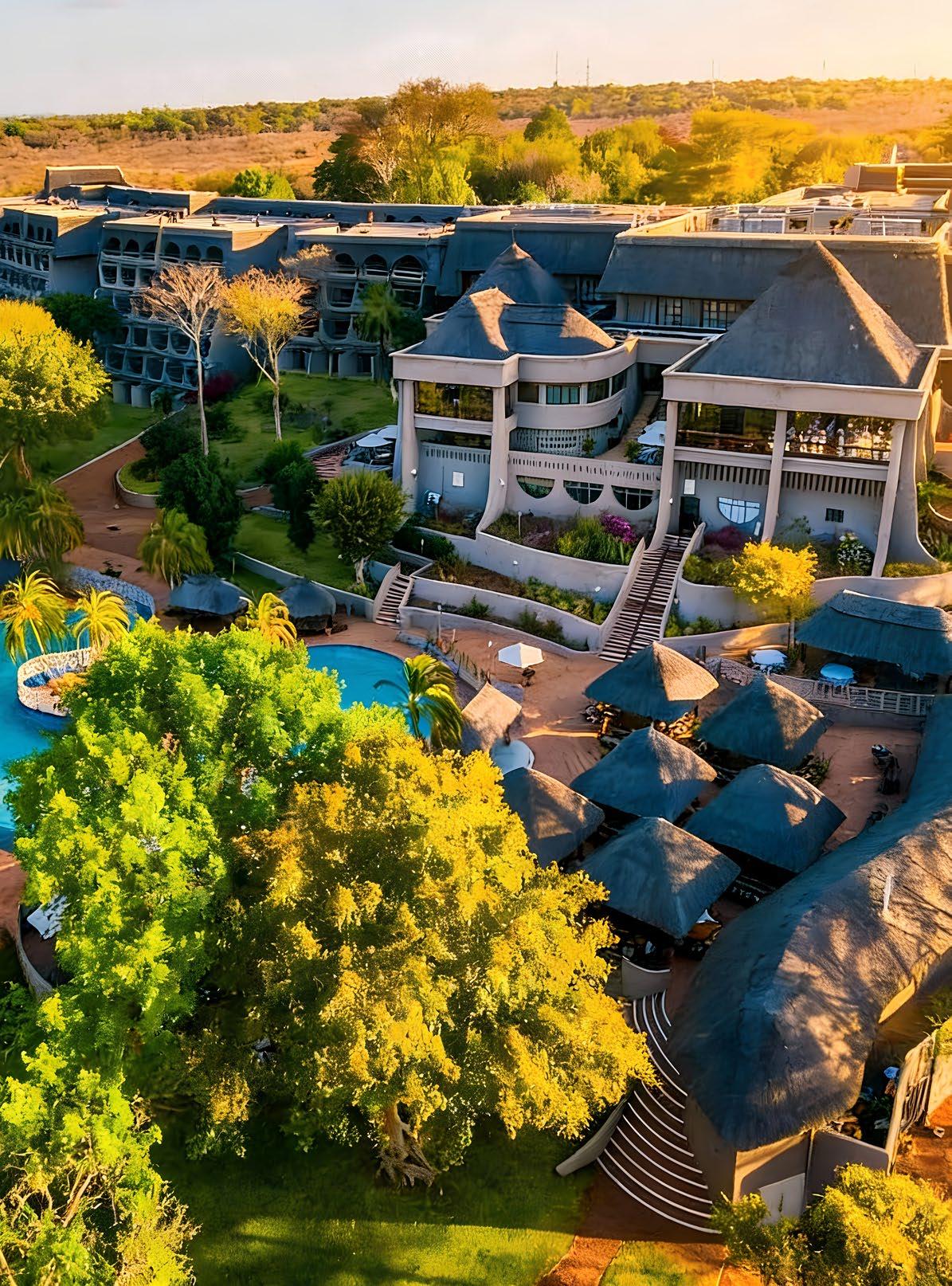
Meanwhile, infrastructure in Victoria Falls is preparing for a major evolution. The Elephant Hills Resort has announced it will temporarily close in November 2026 for an ambitious 18month, multi-million-dollar refurbishment and rebranding under an international operator.
Similarly, Lokuthula Lodges has completed its first phase of soft refurbishments, ensuring its 30-year legacy of family-friendly charm continues in comfort.
Conservation remains the heartbeat of the nation. In Matusadona National Park, the iconic Rhino Safari Camp has unveiled a new ownership structure, partnering with the Daka Plains team to reinforce its vision for sustainable, lowimpact tourism.
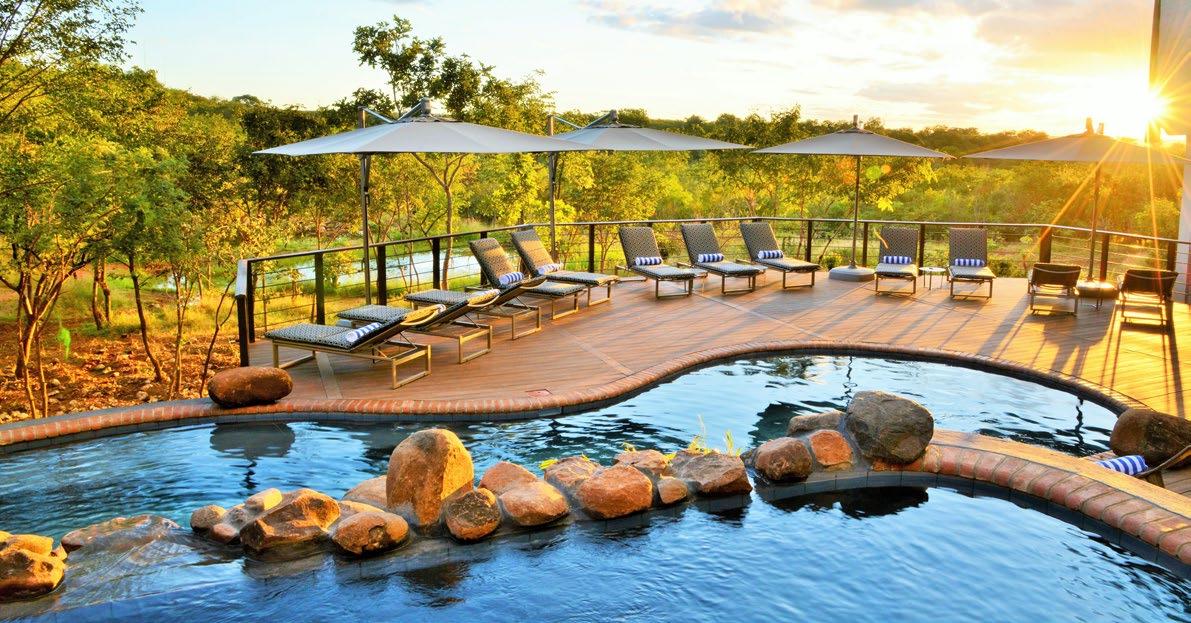
Further north, the newly opened Mongwe Camp in the Hurungwe Safari Area is offering a unique "non-hunting" luxury experience on the Zambezi River.
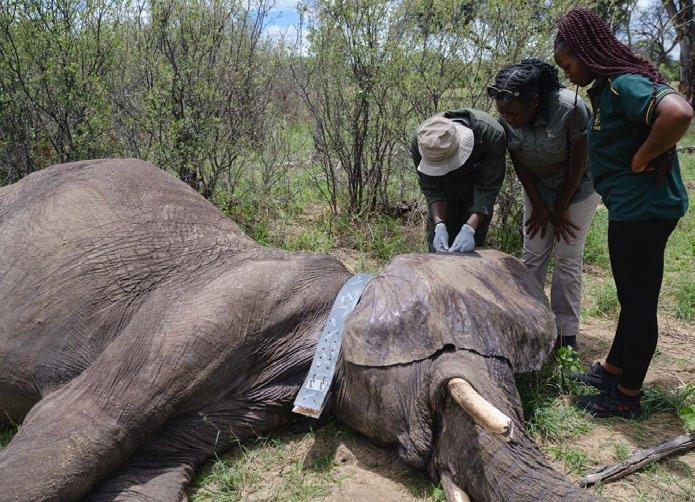
In Hwange, ZimParks and IFAW have successfully fitted eight elephants with GPS collars to mitigate human-wildlife conflict using EarthRanger technology.
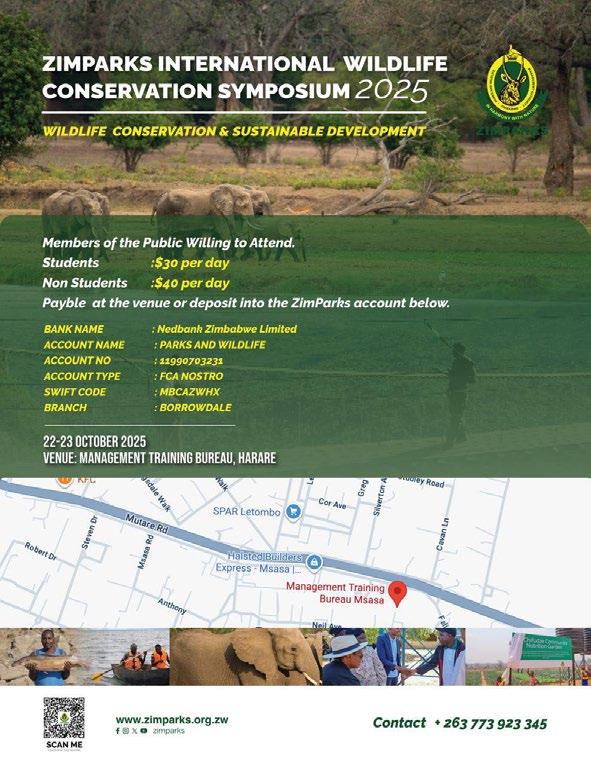
This spirit of innovation was also present at the ZimParks International Wildlife Conservation Symposium 2025, which brought together global experts to discuss communitycentric conservation models like CAMPFIRE.
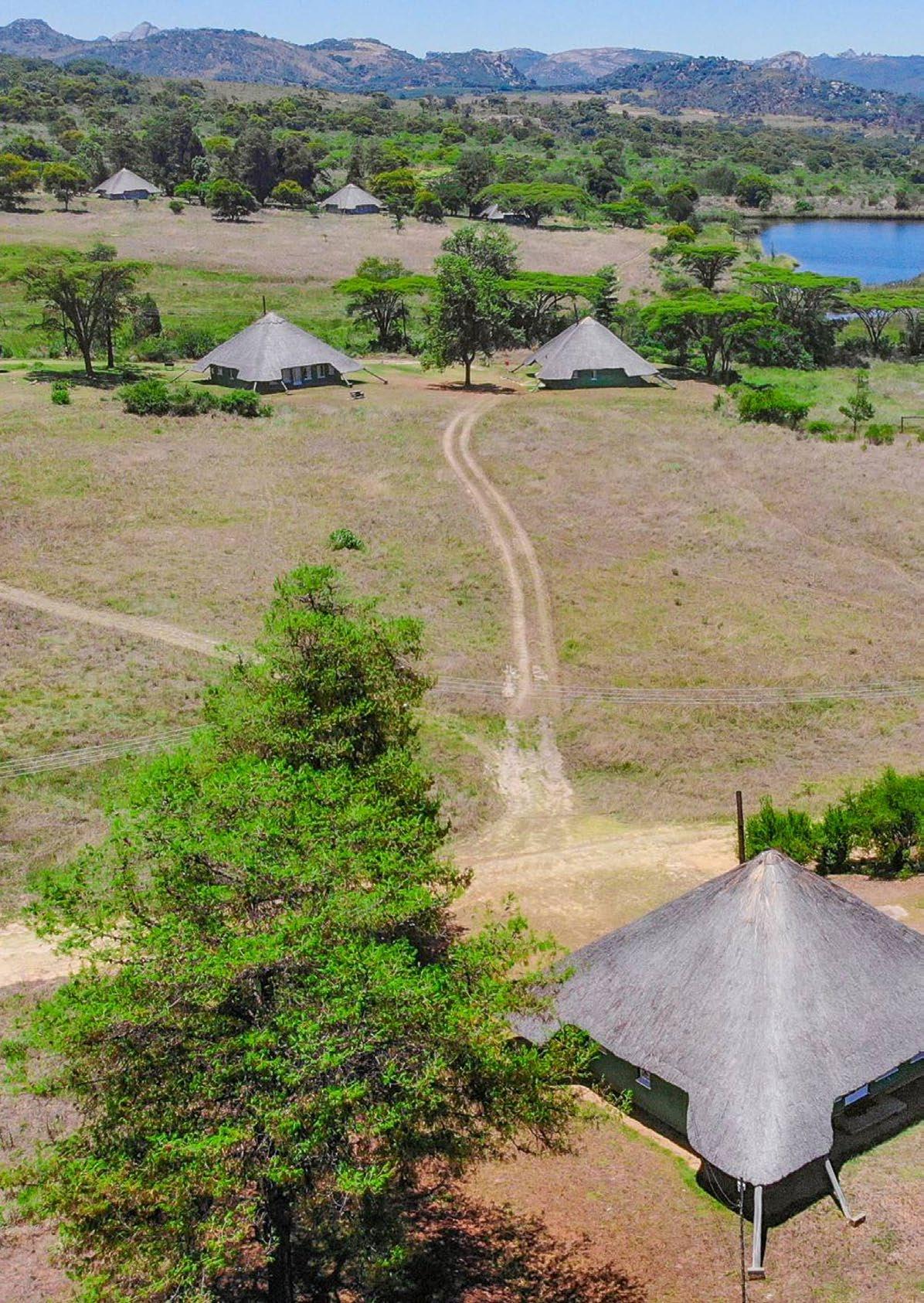
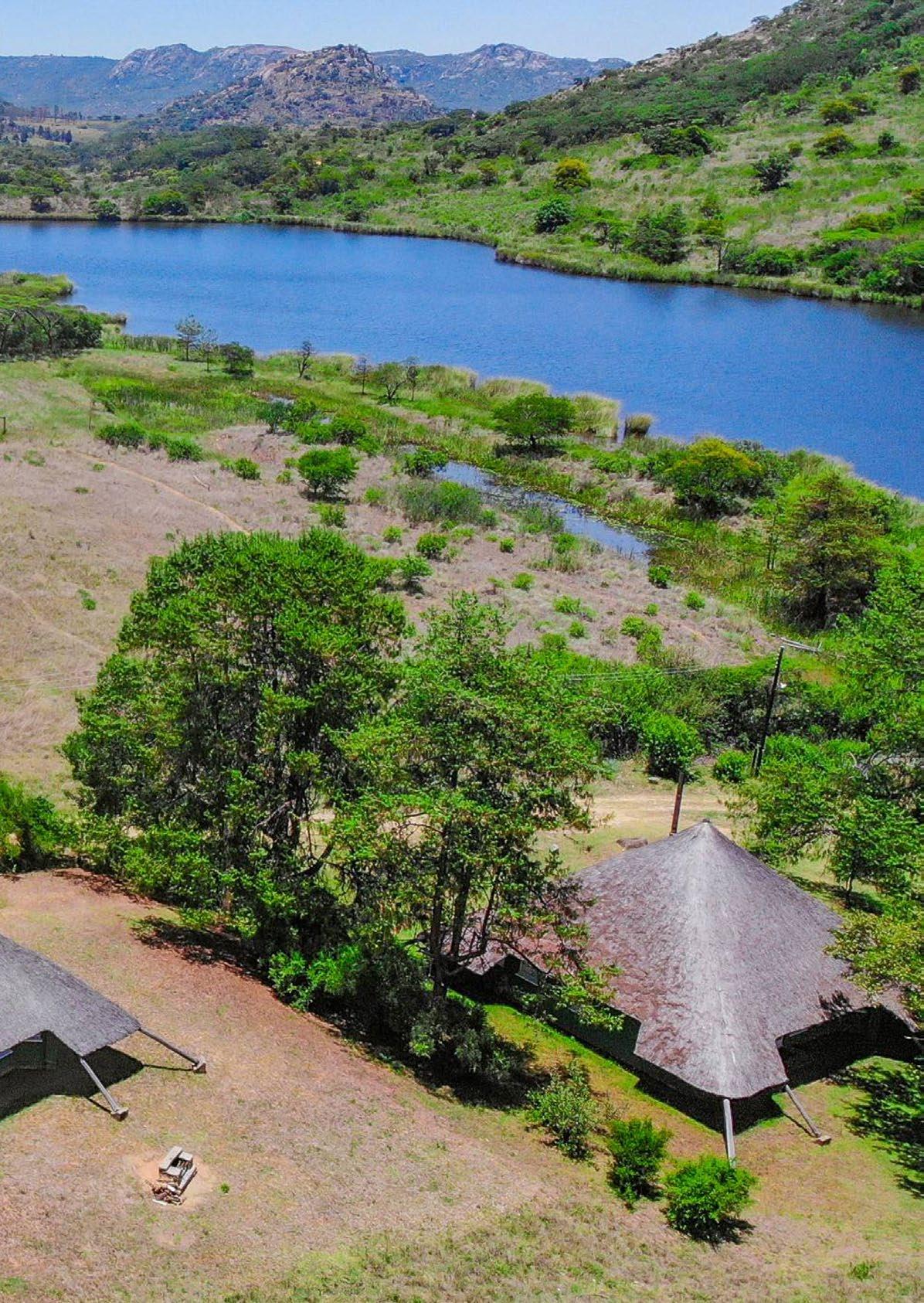
From the Eastern Highlands, where ZimParks recently renovated the Mare Lodges in Nyanga, to the Matobo Hills where Hermits Peak Guest Lodge offers a peaceful heritage escape, Zimbabwe’s diverse offerings are being refined.
Even education is taking centre stage as Imire Rhino & Wildlife Conservancy constructs a new bush classroom to inspire future conservation leaders.
As the Nyaradzo Group nears completion of the Tiger Bay Resort refurbishment in Matusadona, it is clear that the fusion of luxury, history, and raw wilderness is stronger than ever.
DESIGN, SOCIAL MEDIA AND WEBSITE
Saul Chidakwa
Albert Chitumba
Olga Gertrude Dzingo
Tinaani Francis Garikayi
Zimiso Geoffrey Nyamande
Princess Rumbidzai Kuvengurwa
JOURNALISTS
Martin Chemhere
CONTRIBUTORS
Olive Grove
PHOTOGRAPHY
Caast Media Group
DISTRIBUTION
Itai Kanyemba Gift Sepi
EMAIL
newton@destinationzw.biz admin@destinationzw.biz
FIND US AT 31 Alexander Rd, Highlands, Harare
DESTINATION.ZW MAGAZINE: No part of this magazine may be reproduced or transmitted in any form or by any means electronic including photocopying or recording.
While every effort has been made to ensure the accuracy of its content, neither editor nor publisher can be held responsible for any omissions or errors: or for any misfortune, injury, or damages which may arise thereof. All Rights Reserved. CAAST
Over Two Decades Of Premium
Teak Products From Olive Grove
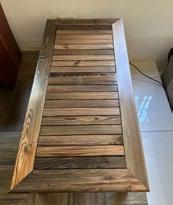
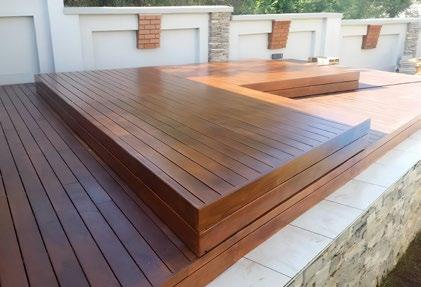
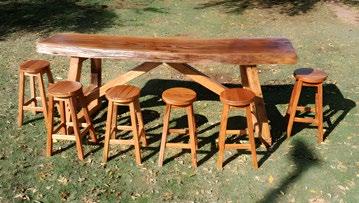
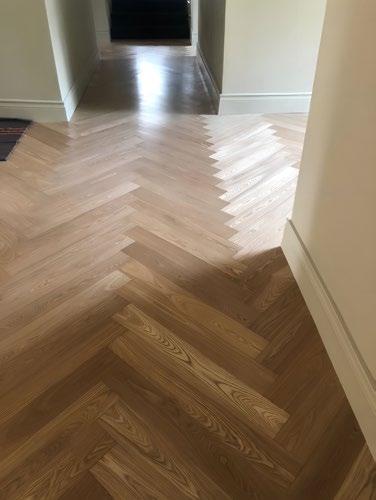
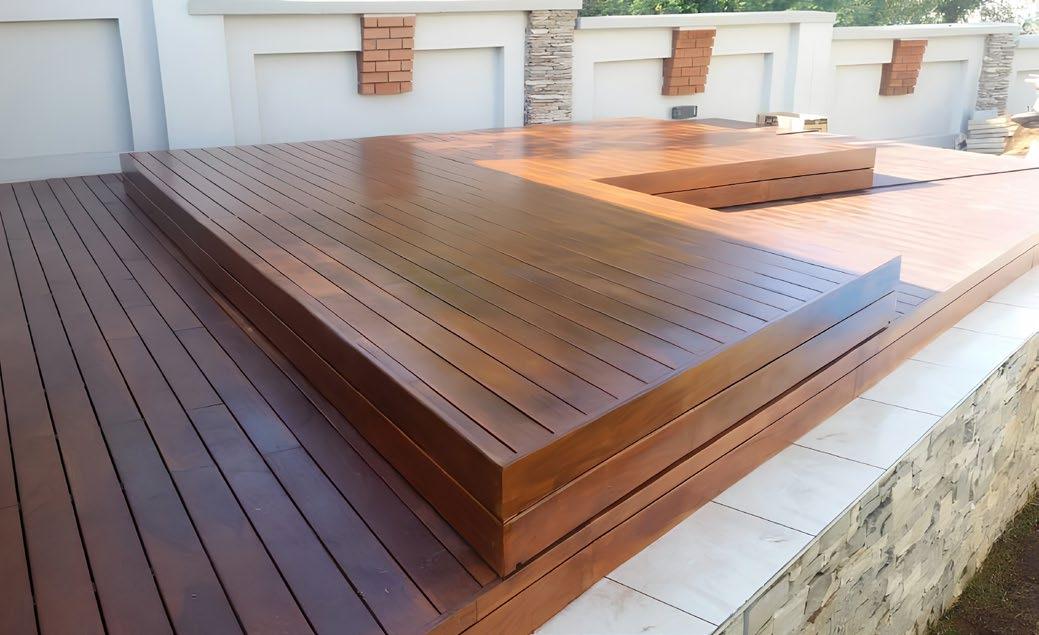
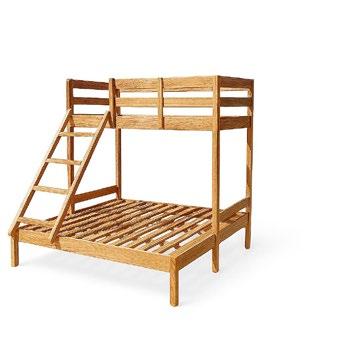
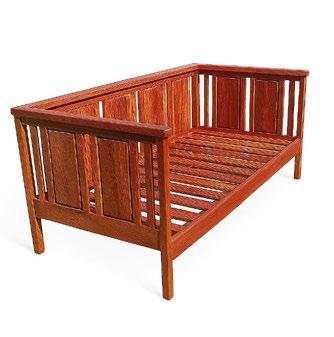
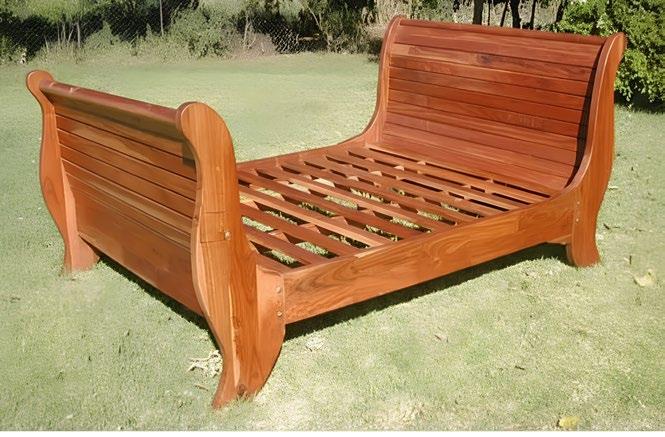
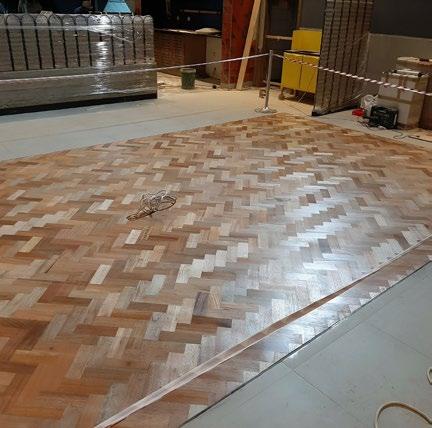
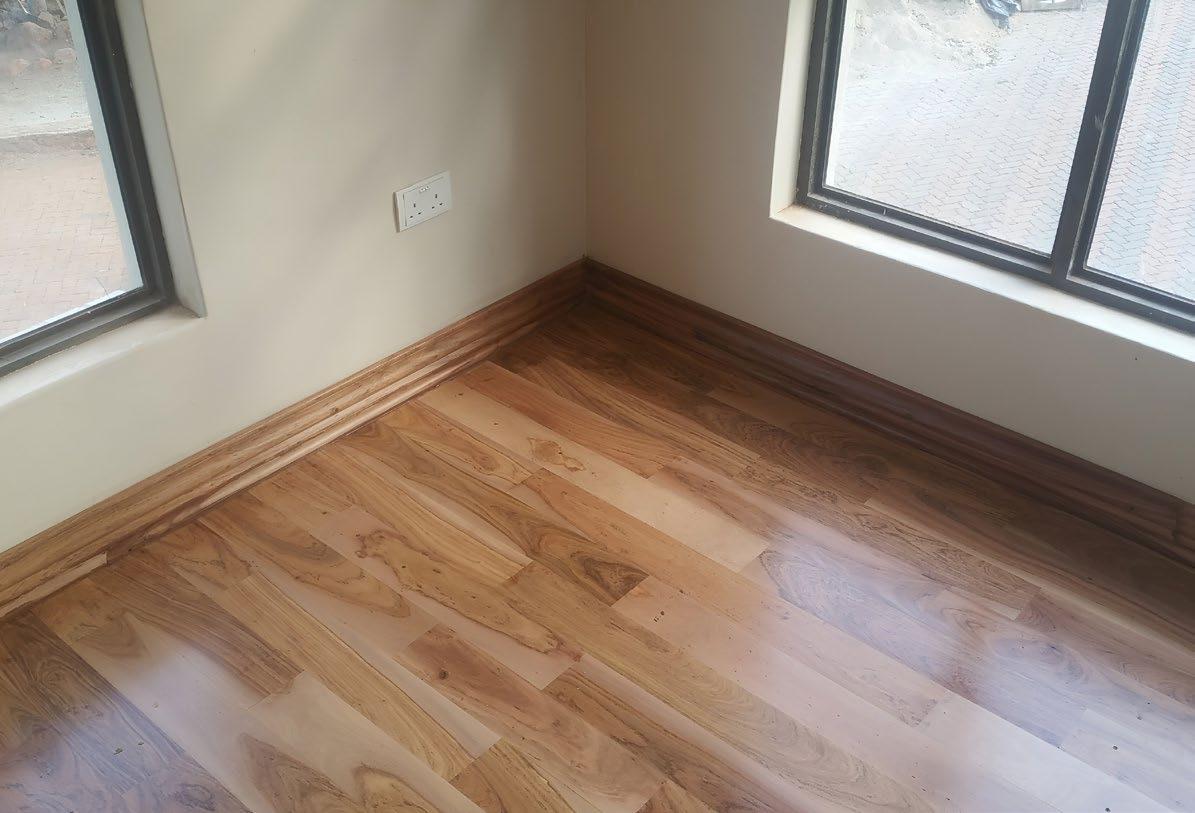
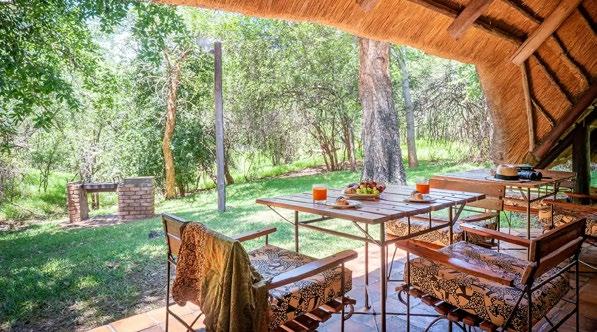
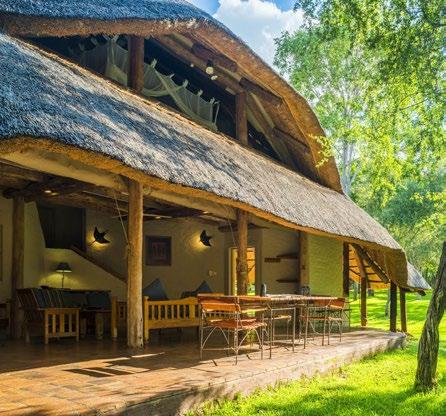
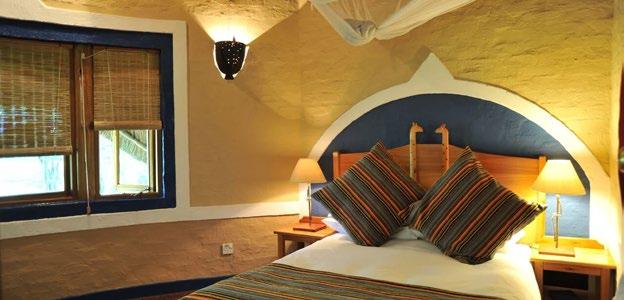
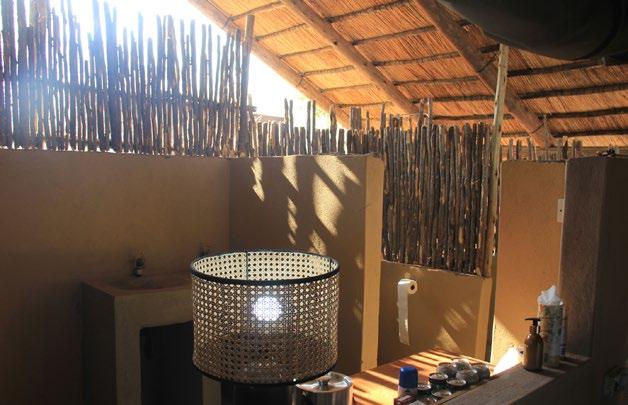
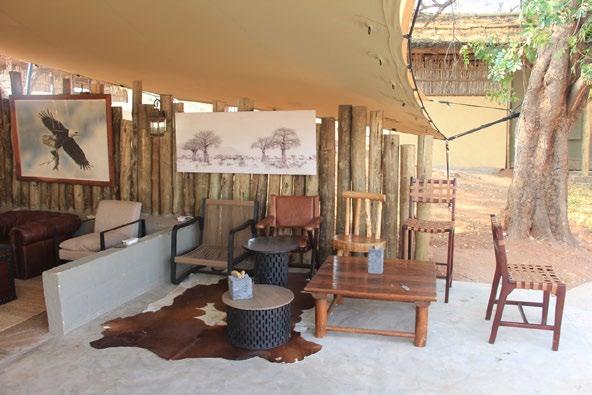
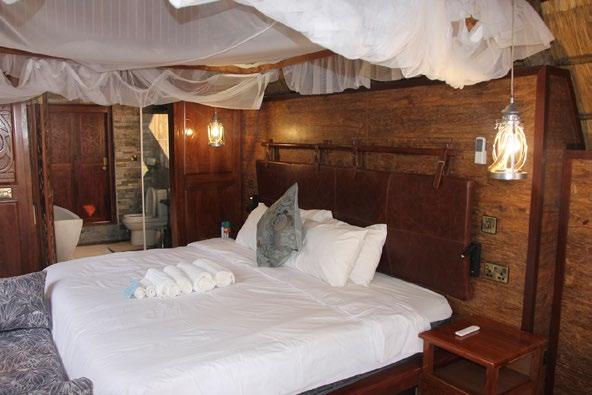
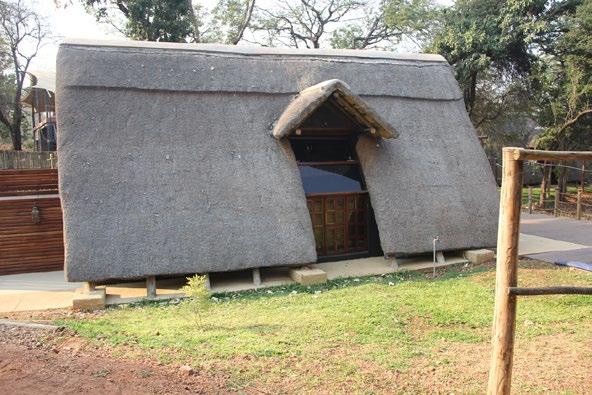
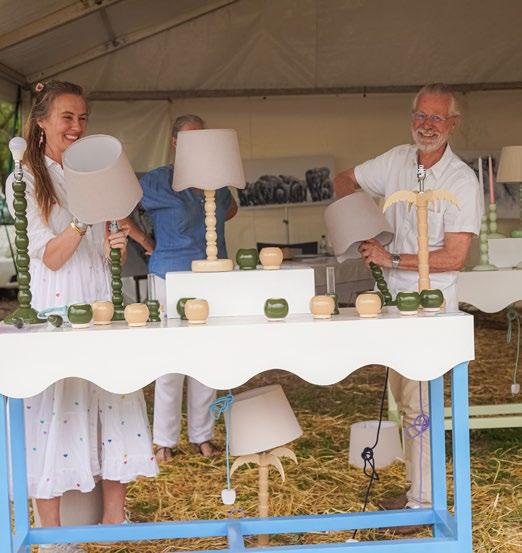
Olive Grove Pvt Limited, a premium manufacturer of exquisite hardwood products, has built a strong reputation over the past twenty years, characterised by history, quality, and a deep connection to the country’s natural resources. The company specialises in durable and beautiful Zambezi teak, offering a comprehensive range of products—from elegant custom-made furniture to structural elements like doors, windows, hardwood flooring, and decking.
With its humble journey dating back to October 1994 with the establishment of Bapedi Timbers, the company initially procured equipment to salvage local woods like eucalyptus, jacaranda, and cypress near Harare. However, a significant pivot occurred in 1996 when the company secured a timber concession in the Gwampa Forest Land (Matebeleland North). This opportunity led to the discovery and successful trial of various hardwoods, including mukwa, pod mahogany, and the relatively unknown Zambezi teak.
Recognising the immense potential of Teak, founder and current Managing Director, Jeremy Small, launched Olive Grove in 2001. Over the last two decades, the company has sourced and processed teak from concessions in Nkayi, Lupane, and Tsholotsho. While Zambezi Teak remains the primary material, Olive Grove is also celebrated for its versatility, working with other stunning local hardwoods such as rosewood, mopane, camelthorn, and leadwood to create truly unique pieces.
The Bulawayo factory is the nerve centre of this growing operation. The company proudly harvests the majority of its timber under the strict supervision of the Forestry Commission of Zimbabwe and the local Rural District Councils, ensuring responsible sourcing. Once transported, the wood is milled, treated against woodboring beetles, and either air or kiln dried. The final, critical step is the selection of planks, ensuring each piece is optimally utilized for its intended product. This hands-on, waste-minimizing process underpins the company’s commitment to both superior quality and environmental sustainability.
Olive Grove is guided by four core values: Quality, striving for the highest standards in every product; Customer, dedicating themselves to understanding and satisfying client needs; Sustainability, minimizing waste and reducing their carbon footprint through green practices; and Community, maintaining a positive and reciprocal relationship with the local communities they partner with. These principles allow Olive Grove to deliver not only unbeatable prices but also a promise of lasting quality and ethical craftsmanship.
INAUGURAL ZIMBABWE TRAVEL SHOWCASE STRENGTHENS TIES WITH UK TRADE PARTNERS
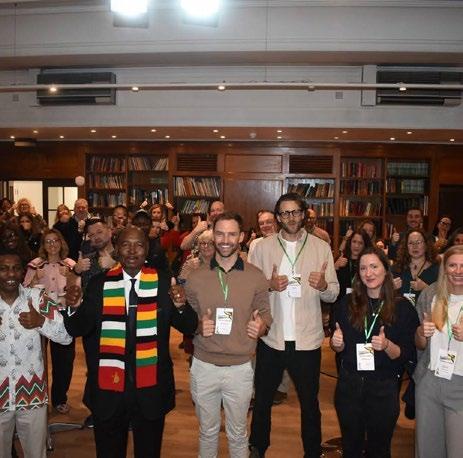
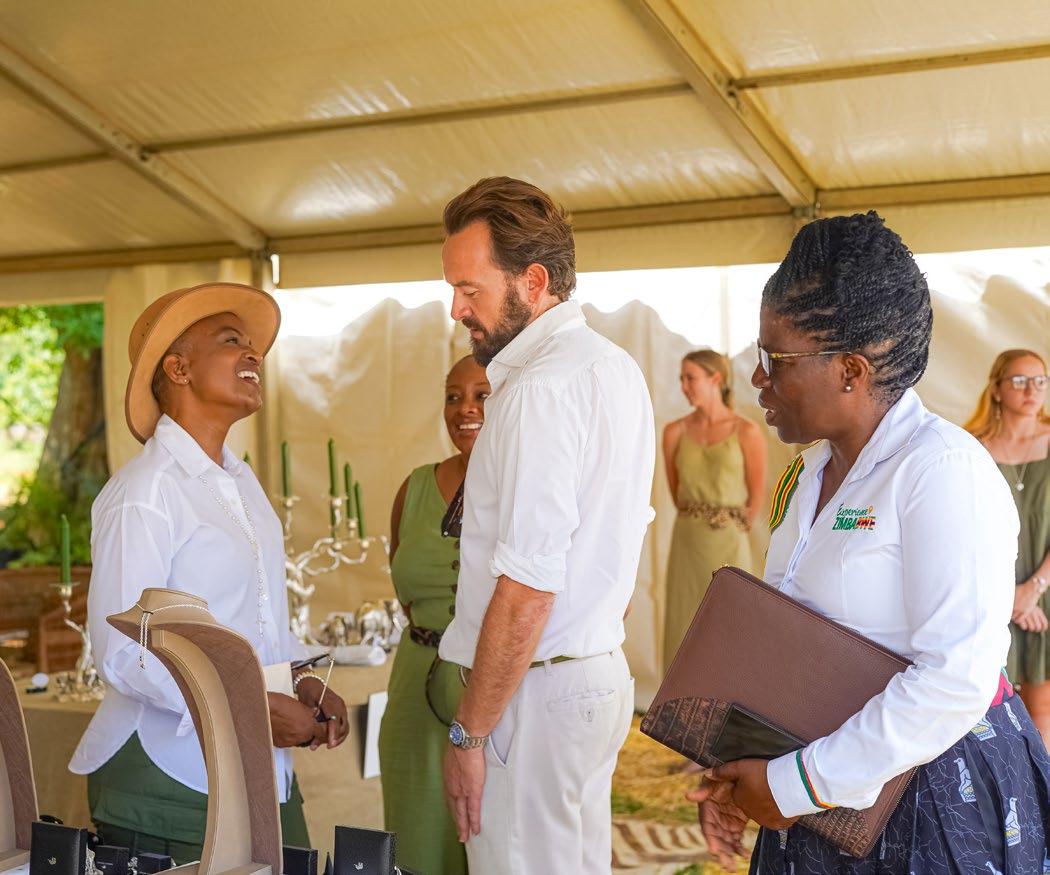
Zimbabwe has successfully launched its inaugural Zimbabwe Travel Showcase, a strategic Business-to-Business (B2B) forum designed to present the nation’s rich and diverse tourism offerings directly to the United Kingdom’s leading travel trade partners. The high-profile event, held on December 15, 2025, brought together 53 UK-based travel agents, 10 prominent Zimbabwean tourism operators, and representatives from Kenya Airways to foster growth in one of Zimbabwe's most critical source markets.
According to a recent update from the Zimbabwe Tourism Authority (ZTA), the gathering was meticulously designed to "enhance Brand Zimbabwe’s visibility, cultivate strategic partnerships, and drive tourism growth." The timing of the showcase is particularly significant, as Zimbabwe was recently recognized by Forbes Magazine as the "Number One Best Destination to Visit in 2025," a prestigious accolade that has significantly bolstered international confidence in the country’s tourism appeal.
The showcase was officially opened by Zimbabwe’s Ambassador to the United Kingdom, Colonel (Rtd) Christian Katsande. In his opening remarks, Ambassador Katsande emphasized the importance of the UK market and the government's commitment to creating a stable and inviting environment for international visitors. The event featured comprehensive destination presentations, high-level networking sessions, and "immersive experiences" that bridged the geographical gap between London and the Zambezi.
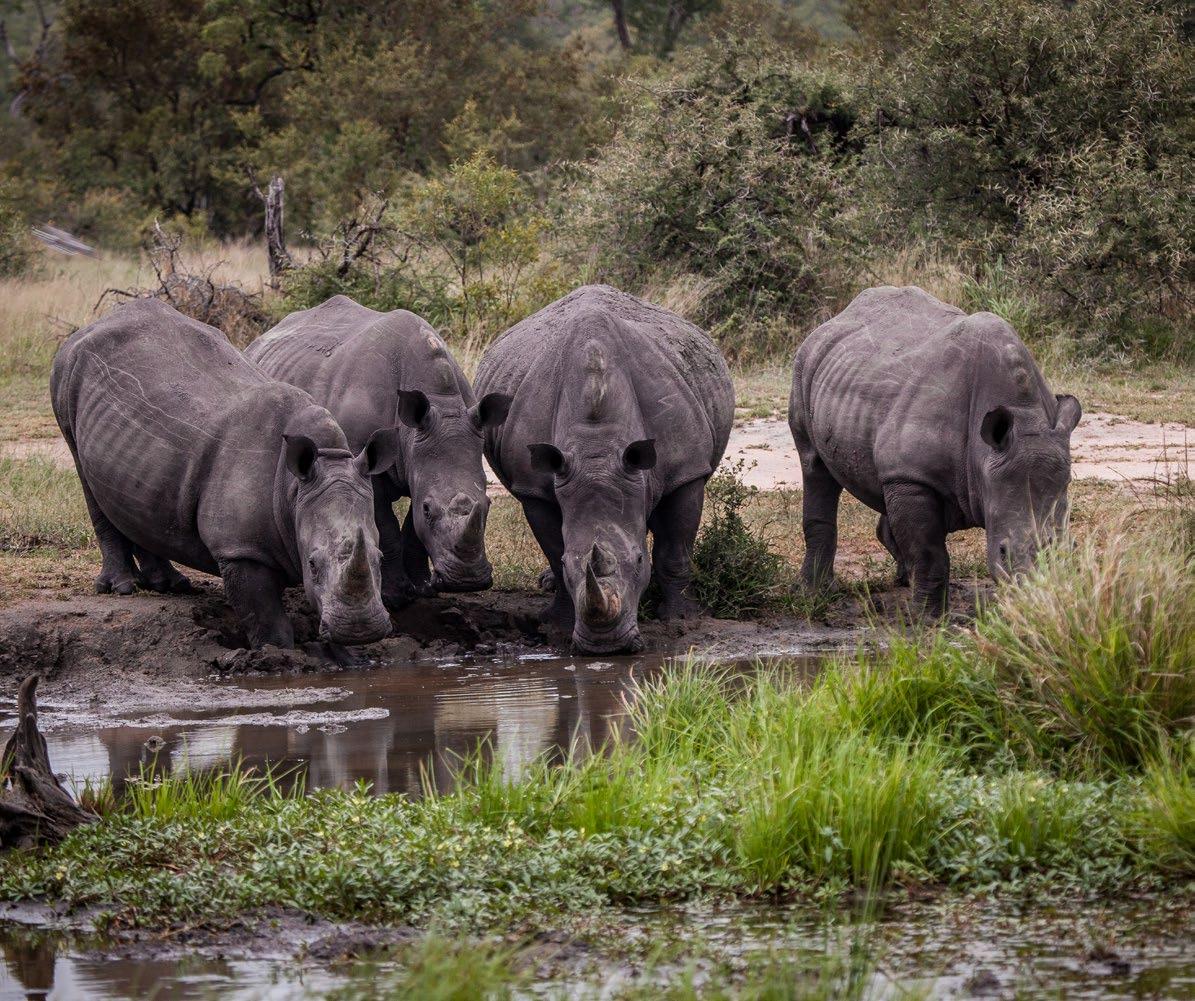
One of the most talked-about highlights of the day was a series of live virtual tours. During one such session, an unexpected rhino sighting captivated the London audience, providing a raw and authentic glimpse into Zimbabwe’s successful conservation efforts and world-class wildlife viewing.
"The engagement was notably high, with Zimbabwean operators seizing the platform to effectively market their properties and curated packages," the ZTA reported.
UK travel agents expressed a strong appetite for more promotional content, requesting additional high-quality imagery and video assets to better market the "Experience Zimbabwe" brand to their clients.
Local operators showcased a range of products from luxury safari lodges in Hwange and Mana Pools to the iconic majesty of Victoria Falls and the cultural heritage of Great Zimbabwe.
By facilitating these direct connections, the Zimbabwe Travel Showcase has paved the way for increased tourist arrivals and long-term economic collaboration between the two nations.
ELEPHANT HILLS RESORT
ANNOUNCES 18-MONTH CLOSURE FOR MULTIMILLION-DOLLAR REFURBISHMENT AND REBRANDING
One of Zimbabwe’s most iconic leisure destinations, the Elephant Hills Resort in Victoria Falls, is set to temporarily close its doors in November 2026 to commence a major, 18-month refurbishment and rebranding programme. The comprehensive, multimillion-dollar project, managed by its operator African Sun Limited, is designed to modernize the resort and solidify its standing as a premier destination in the highly competitive Southern African tourism market.
In a statement released yesterday, African Sun Limited confirmed the impending shutdown, describing the extensive project as a "significant milestone" in the company's long-term strategy for capital improvement and value creation within its portfolio.
The refurbishment is not merely cosmetic; it will involve a deep-dive renovation of all aspects of the hotel, including its guest rooms, conference facilities, dining outlets, and recreational areas, ensuring the entire property meets contemporary international luxury standards.
The resort will remain closed for the entire 18-month period, with the operator scheduling the grand reopening for the second quarter of 2028. The timing of the closure—in late 2026—allows the resort to capitalize on the expected influx of tourists during the traditional peak season periods of 2025 and the majority of 2026 before the work commences. African Sun is undertaking the project over a sustained period, with the aim to execute a total transformation, minimizing future interruptions and ensuring a superior guest experience upon relaunch.
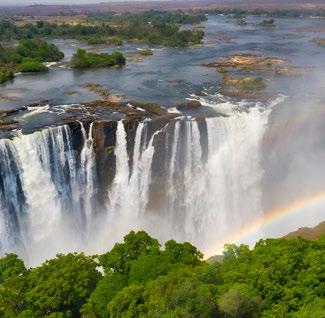
The investment is a clear response to the escalating demand for high-end accommodation in Victoria Falls, one of the world’s seven natural wonders and a key hub for regional and international travel. The rebranded resort will emerge ready to compete with the continent’s best, appealing to both luxury leisure travellers and the growing MICE (Meetings, Incentives, Conferences, and Exhibitions) market.
This forward-looking investment signals African Sun’s strong confidence in the long-term prospects of Zimbabwe’s tourism sector, which is currently on an upward trajectory toward achieving the government's ambitious growth targets.
The temporary closure will require careful management of existing bookings and staff, but the long-term gain of having a newly repositioned, world-class resort is expected to yield substantial returns for both the company and the country's tourism image.
Lokuthula Lodges
COMPLETE FIRST PHASE OF REFURBISHMENT
Lokuthula Lodges has successfully completed the first phase of a soft refurbishment project, enhancing guest comfort while retaining the warm, welcoming charm that has made the property a firm favourite for families, small groups and self-catering travellers for more than 30 years in Victoria Falls.
The initial phase of upgrades covered Lodges 38 to 45, with the remaining sixteen lodges scheduled to follow in January. The refurbishment forms part of an ongoing commitment to maintaining high-quality standards while preserving Lokuthula’s authentic bush atmosphere and strong Zimbabwean identity.
Thoughtful Upgrades for Modern Comfort
The enhancement project focused on improving functionality, comfort and aesthetic appeal across several key areas of the lodges. Bathroom upgrades included the replacement of toilets, the removal of bathtubs, and the installation of new walk-in rainfall showers, offering guests a more contemporary and refreshing experience.
Interiors were also refreshed with updated soft furnishings in the lounge areas, creating lighter, more inviting living spaces. New bedroom cushions have added warmth and texture while complementing the lodges’ natural colour palette. Walls and doors were carefully repainted in warm, Ndebele-inspired hues, celebrating the region’s rich heritage and reinforcing Lokuthula’s distinctive sense of place.
“These updates ensure that Lokuthula Lodges continue to offer exceptional value and comfort for today’s traveller, without losing the bush feel and character that guests love,” said Anald Musonza, Head of Sales and Marketing.
Ideal Base for Victoria Falls Exploration
Located just minutes from Victoria Falls on the Victoria Falls Safari Lodge estate, Lokuthula remains an ideal base for travellers seeking affordability, space and convenience. The lodges are available on both a bed-and-breakfast and self-catering basis and are set within attractive gardens.
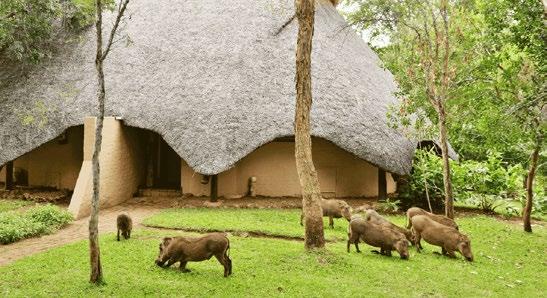
Guests enjoy easy access to a swimming pool, the award-winning The Boma – Dinner & Drum Show, as well as the Buffalo Bar and MaKuwa-Kuwa Restaurant, both overlooking a wildlife-rich waterhole. Additional family-friendly facilities include a children’s playground, trampoline and pickleball court. The attractive split-level lodges overlook indigenous bush, allowing guests to enjoy sightings of warthog, bushbuck and an abundance of birdlife directly from their private terraces. The completion of this first phase of refurbishment reinforces Lokuthula Lodges’ position as one of Victoria Falls’ best-value accommodation options, combining comfort, location and a relaxed, home-away-from-home atmosphere
Rhino Safari Camp
Enters An Exciting New Era In Matusadona National Park
One of Zimbabwe’s most iconic eco-safari properties, Rhino Safari Camp, has announced a dynamic new ownership structure that reinforces its long-term vision for sustainable tourism, conservation leadership, and authentic wilderness experiences in Matusadona National Park. Set on the pristine southern shores of Lake Kariba, Rhino Safari Camp has long been celebrated for its intimate, barefoot luxury atmosphere and deeply personal safari style.
The newly announced ownership structure brings together experienced custodianship, professional guiding excellence, and entrepreneurial conservation leadership, perfectly positioning the camp for a strong and values-driven future.
A New Ownership Team Rooted in Conservation and Experience
At the heart of the camp remains Marina Massari, the Italian custodian who has carefully stewarded Rhino Safari Camp’s identity and charm. Under the new structure, she is joined by the highly respected Daka Plains safari team, led by: Ian Batchelor, a Zimbabwean professional guide with over 35 years of guiding experience, and
Mike Thorne, a veterinarian, helicopter pilot and wildlife logistics specialist.
Together, this partnership brings a rare blend of deep local knowledge, conservation expertise, and operational capability. The focus of the next phase will remain true to what has always made Rhino Safari Camp special: its relaxed lakeshore setting, low-impact design, and immersive connection to nature; all supported by thoughtful upgrades that enhance comfort, safety and guest service without compromising its wilderness soul.
Aligning With African Parks and the Restoration of Matusadona
A key element of this new chapter is the camp’s continued alignment with African Parks, which has managed Matusadona National Park in partnership with the Zimbabwe Parks and Wildlife Management Authority (ZimParks) since 2019. Under a 20-year mandate, African Parks is actively restoring the park’s ecological integrity through:
Reintroduction of native wildlife species
Securing wildlife corridors
Strengthening anti-poaching efforts
Supporting surrounding communities through conservationlinked employment and tourism development
Rhino Safari Camp’s owners have confirmed their commitment to this shared framework, pledging to contribute meaningfully to wildlife protection, ecological restoration, and community-based sustainable tourism.
Why Matusadona National Park Matters
Once renowned as one of Zimbabwe’s flagship national parks, Matusadona National Park spans over 1,400 square kilometres of rugged escarpment, floodplains, riverine forests, and Lake Kariba shoreline. The park is home to a growing population of elephant, lion, leopard, buffalo, and a wide variety of plains game and birdlife.
Its unique location on Lake Kariba allows for a rare combination of water-based safaris, walking safaris, game drives, fishing and boating, thus making it one of the most diverse safari destinations in Southern Africa. With ongoing restoration now firmly underway, Matusadona is re-emerging as one of Zimbabwe’s most exciting conservation success stories.
Rhino Safari Camp plays a critical role in this revival by offering low-impact tourism that directly supports conservation operations and sustainable livelihoods in the region.
Africa’s Eden Welcomes the New Chapter
Commenting on the announcement, Jillian Blackbeard, CEO of Africa’s Eden Tourism Association, shared her support: “Rhino Safari Camp has always been one of those very special places that embodies what authentic African safaris are about. We warmly congratulate the new ownership team and wish them every success as they continue to protect the spirit of Matusadona while strengthening conservation, community impact and visitor experience.”
A Unique Safari Pairing for Zimbabwe
The owners have also highlighted the natural synergy between Rhino Safari Camp in Matusadona and Daka Plains Camp in Hwange National Park, offering guests a uniquely diverse Zimbabwean safari pairing — from Lake Kariba’s dramatic shoreline to Hwange’s open plains and big game encounters. Together, these destinations provide travellers with a richly layered safari itinerary that showcases two of Zimbabwe’s most important conservation landscapes.
Looking Ahead
As Rhino Safari Camp enters this exciting new phase, its commitment remains clear: protecting wilderness, empowering communities, and delivering deeply meaningful safari experiences rooted in authenticity and respect for nature. With strengthened leadership, alignment with African Parks, and renewed investment, Rhino Safari Camp Matusadona is exceptionally well positioned to play a leading role in the revitalisation of one of Southern Africa’s most spectacular wild spaces.
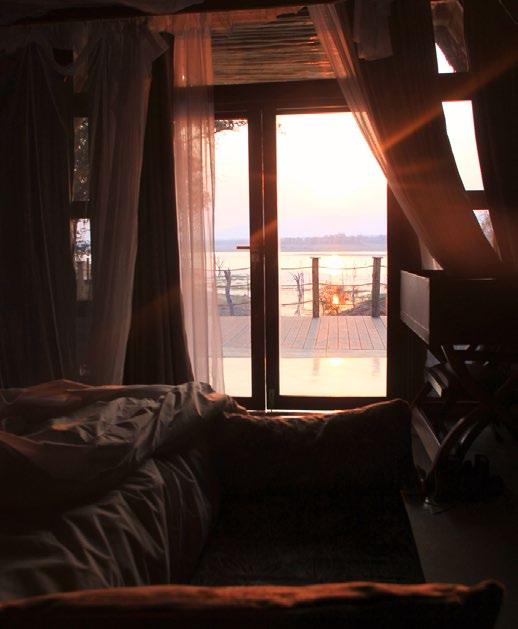
For the dedicated wildlife enthusiast and those seeking an intimate connection with the African bush, the newly available Mongwe Camp is positioning itself as the ultimate low-impact luxury experience on the mighty Zambezi River. Located in the wild stretch of the river between Chirundu and the world-renowned Mana Pools National Park, the camp offers guests a rare opportunity to “experience the wild by living in it.”
The allure of Mongwe lies in its direct, unfiltered access to one of Africa’s most biodiverse river systems. Guests staying at the camp are immediately immersed in nature, with the dramatic Zambezi riverfront serving as their living room view. It is routine to witness wildlife spectacles right from the camp grounds, including herds of elephants coming to the water to drink, large pods of hippos submerged near the banks, and the occasional sighting of a fearsome crocodile. Intimate Luxury and Local Flavours
Mongwe Camp is designed for exclusivity and comfort, featuring only four luxury tents, each meticulously appointed with a private en-suite bathroom. This low volume ensures minimal environmental impact and guarantees a personalized, tranquil experience far removed from larger, busier lodges.
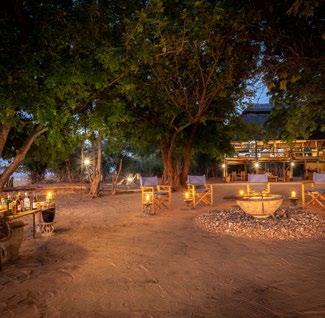
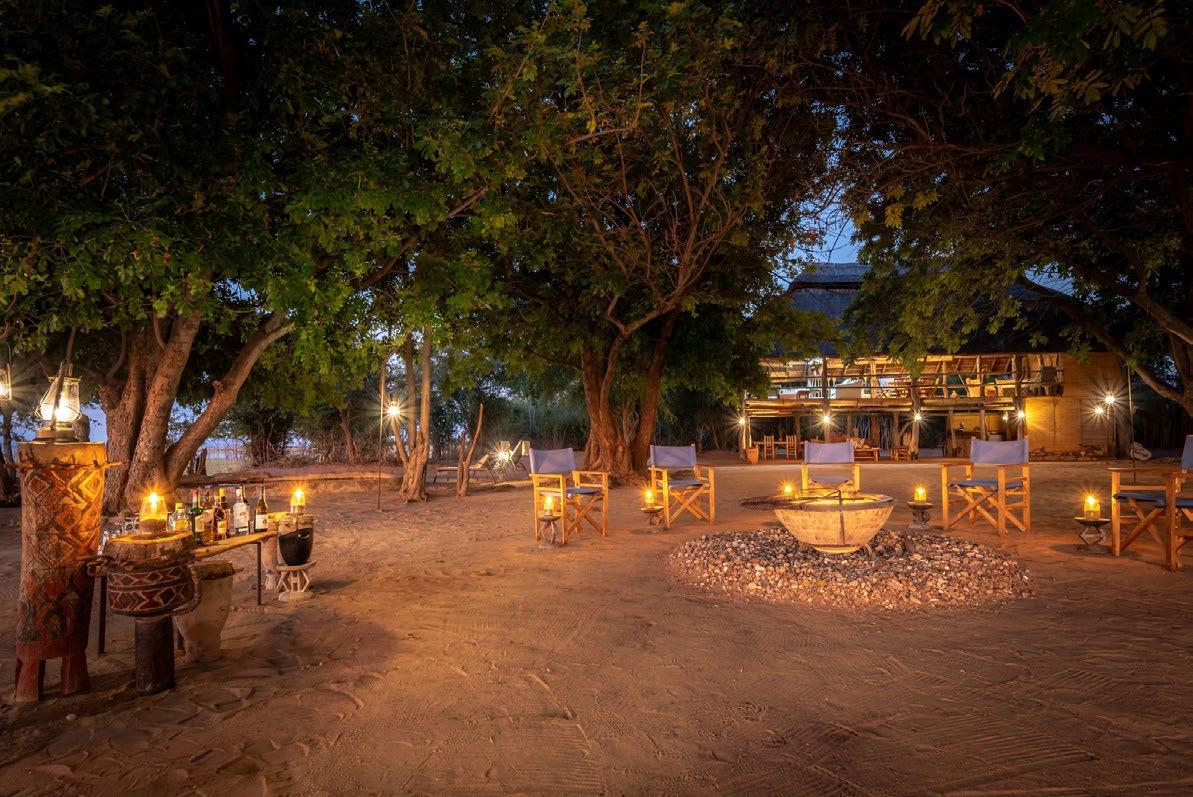
The camp operates on a fully catered basis, providing exquisite food sourced with a commitment to local quality. Meals feature the best of the region, including local meat, fresh produce, and fish caught from the river. Dining becomes a sensory event, enjoyed either under the vast African sky by the beautiful firepit, or next to the serene swimming pool, all while the sounds of the Zambezi provide the evening chorus.
Adventure on the Water and Land
The array of activities on offer at Mongwe Camp maximizes the rich diversity of the Hurungwe Safari Area. The prime focus is on water-based safaris, utilizing well-equipped boats to explore the river’s lifeblood. Activities include: Fishing Trips: Targeting the ferocious tiger fish or the highly prized bream, offering an exciting challenge for anglers. Game Drives on the Water: Unique boat-based safaris designed for optimal viewing of large game, like elephant and buffalo, as they congregate at the river’s edge.
• Specialized Boat Trips: Dedicated excursions for close-up viewing of hippos and crocodile spotting.
• Boat Sundowners: Concluding the day with a relaxing cruise, enjoying cocktails as the sun sets over the river—a classic Zambezi experience.
For land-based adventure, guests can enjoy traditional inland game drives and guided walking safaris led by professional guides, offering deeper insights into the flora and fauna. A truly unique offering is the mid-river picnic on a secluded sandbank, providing an unforgettable setting (and maybe a spontaneous game of cricket!) far from the mainland. The camp also offers a valuable opportunity to visit a local village, promoting community interaction and cultural exchange. With its blend of luxury, intimate setting, and comprehensive slate of personalized activities, Mongwe Camp offers a genuine and high-quality immersion into the raw beauty of the Lower Zambezi wilderness.
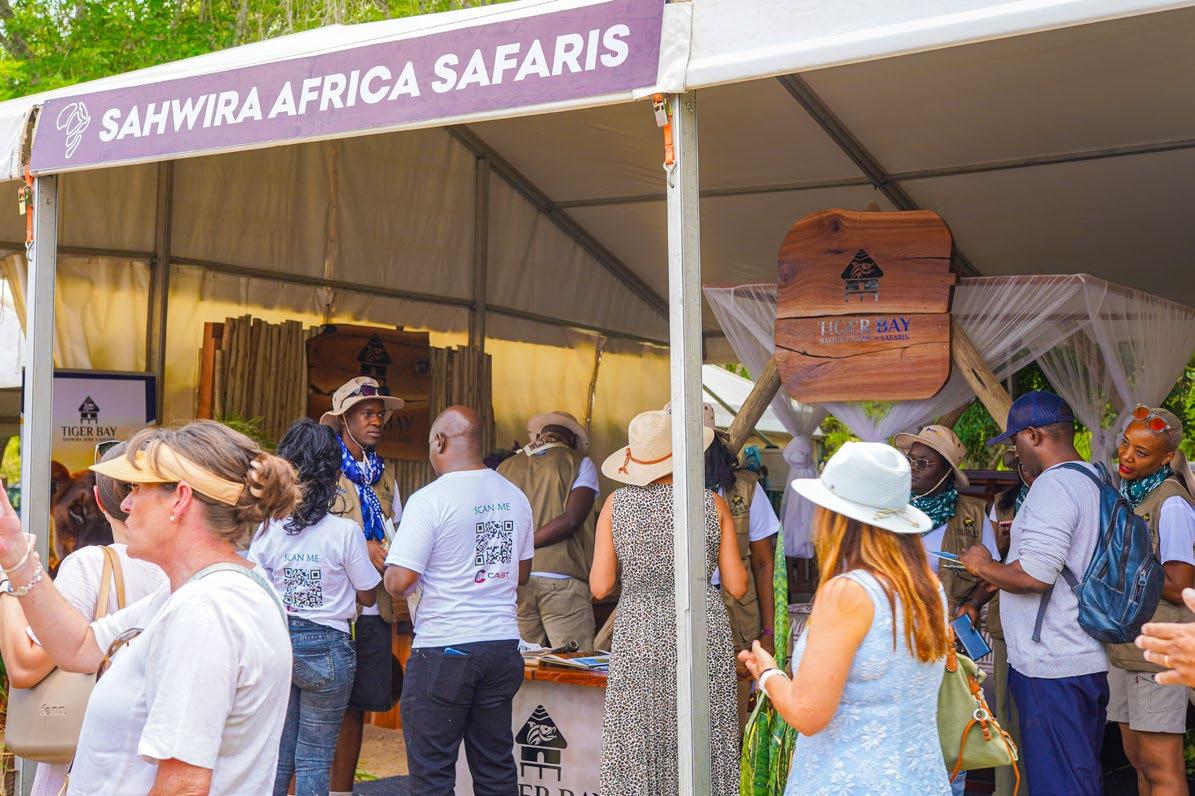
SAHWIRA AFRICA SAFARIS TO RELAUNCH TIGER BAY RESORT
The Zimbabwe tourism landscape is set for a significant enhancement as the Nyaradzo Group, through its strategic tourism arm Sahwira Africa Safaris, announces the near completion of the comprehensive refurbishment of the spectacular Tiger Bay Resort. Heralded as "Where the Wild Meets The Water" this iconic lodge on the Ume River near Kariba, which had been closed for several years, is expected to officially reopen its doors to guests within the next three to four months. This launch represents a powerful stride in Nyaradzo Group’s deliberate and "incredible progress" in diversifying into the tourism sector, primarily through its SEAL (Services, Excellence, Assurance, and Lifestyle) initiative. By successfully translating its commitment to service and quality into world-class hospitality, the group is contributing significantly to Zimbabwe's appeal as a premier tourist destination.
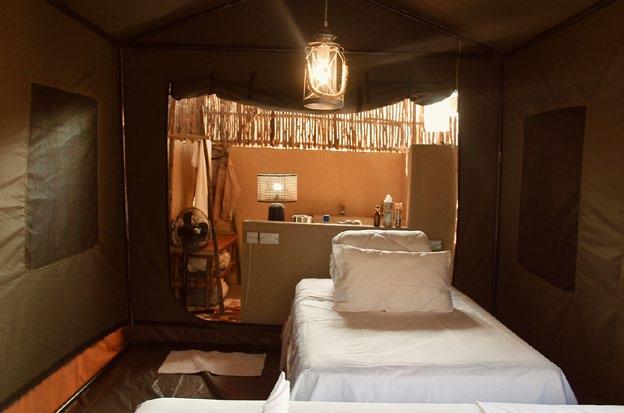
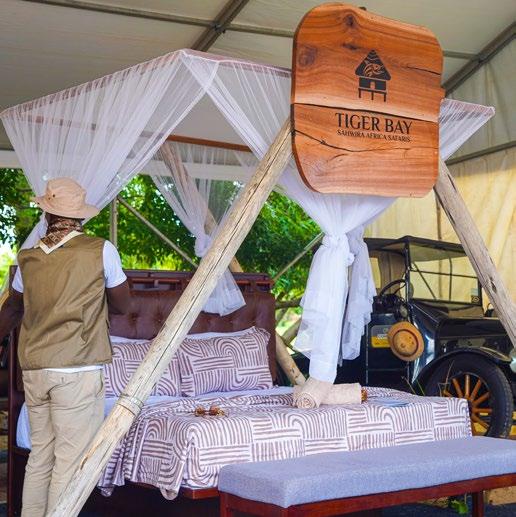
Tiger Bay, historically renowned as a rugged outpost that gained prominence with the construction of the Kariba Dam in the 1950s, has been meticulously reimagined as a sustainable, luxury retreat. Nyaradzo’s vision for the resort is to be a testament to the balance between conservation and sustainable tourism. Recent previews of the lodge in its exciting development stages reveal a stunning product. Guests will be accommodated in luxurious thatched rooms with cool interiors, featuring gorgeous ensuite bathrooms, private outdoor showers, and a large deck with their own plunge pool overlooking the lake. This commitment to private luxury is complemented by a communal experience anchored by a central Restaurant & Bar and a dedicated Spa & Wellness centre designed for full rejuvenation.
Crucially, the resort caters to all types of adventurers. For self-drive travellers, Tiger Bay offers a dedicated campsite complete with a comfy lounge, dining area, swimming pool, and attractive glamping tents, ensuring an inclusive high-quality bush experience.
The resort's prime location in the heart of Matusadona National Park places guests on the doorstep of rich biodiversity. Visitors can anticipate captivating Wildlife Encounters, spotting majestic elephants and watching hippos in the shallows of Lake Kariba. The park is a sanctuary for the elusive big cats and boasts a birdwatcher's paradise with over 240 bird species, notably the striking African Fish Eagle.
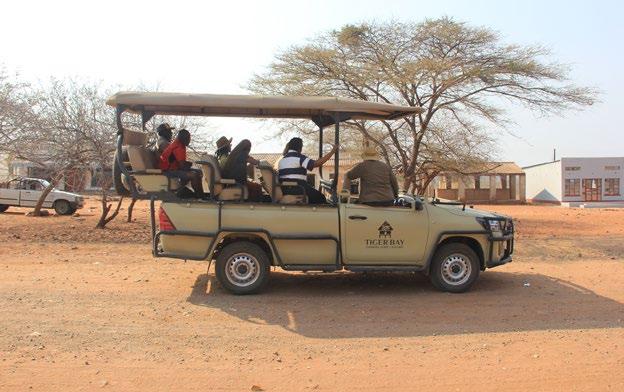
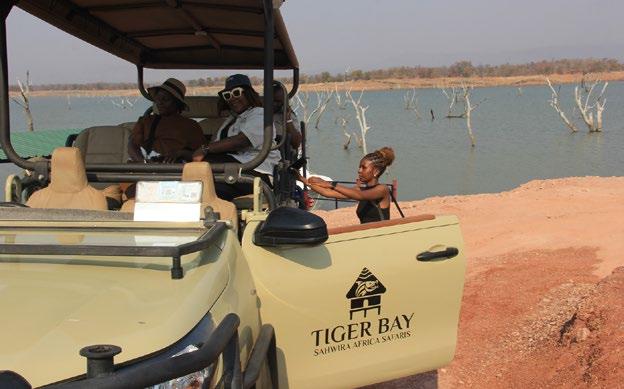
Sahwira Africa Safaris has curated a diverse range of activities that go beyond the typical safari. Game drives are led by excellent guides who offer deep knowledge of tracking wildlife, trees, and seeds, even including the adventurous activity of climbing baobabs. Guests can enjoy speedy boat cruises, sunset viewing with elephants, magical sunrises, beach sundowners, and authentic bush dinners.
The resort also offers unique village visits, providing a holistic view of the local community. The investment by Sahwira Africa Safaris underscores a commitment to protecting this biodiversity while inviting adventurers, anglers, and nature enthusiasts to explore its breathtaking surroundings. With the opening just months away, the Tiger Bay Team is promising a truly fabulous destination, firmly positioning the Nyaradzo Group as a major player in Zimbabwe's high-end ecotourism sector.
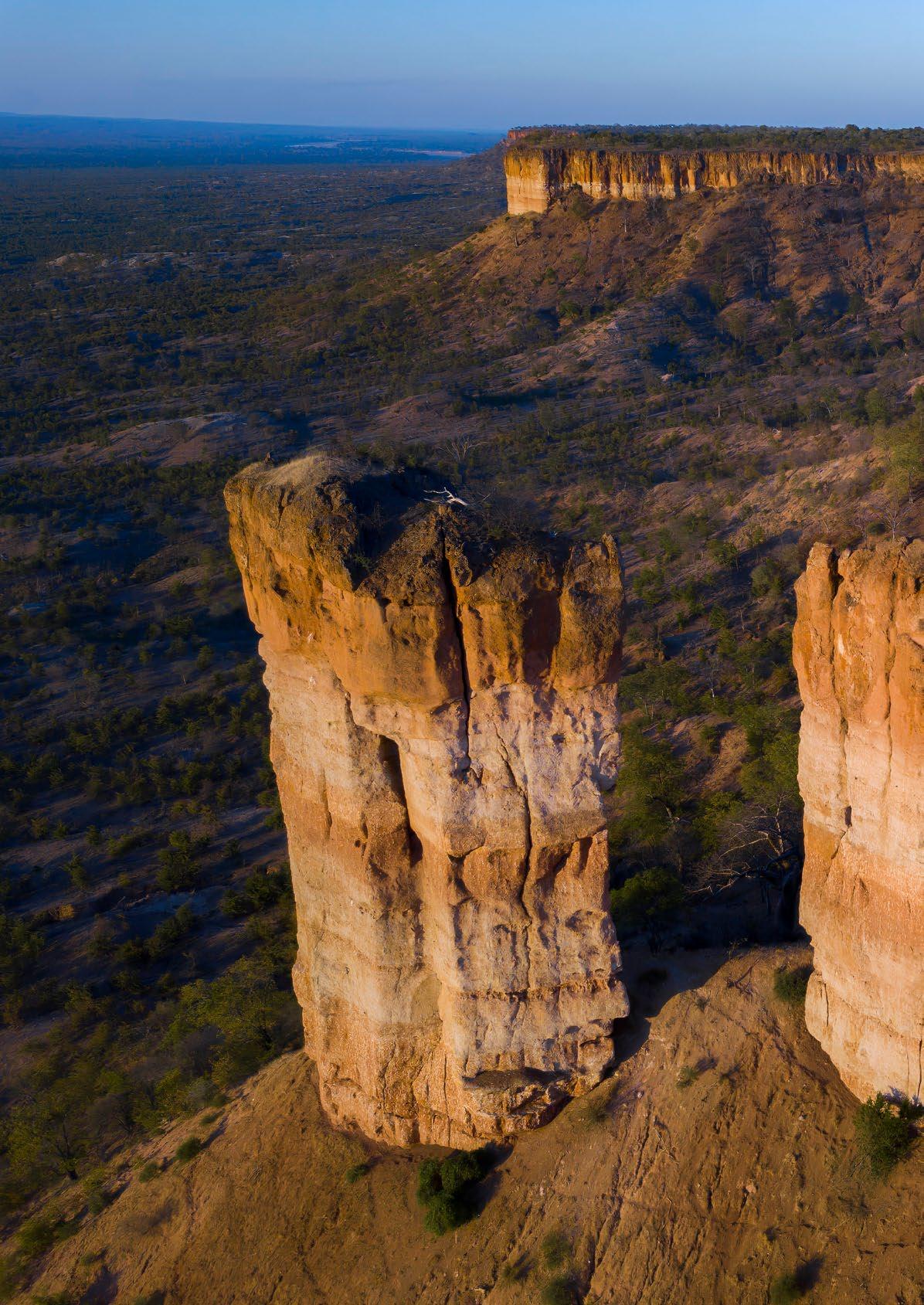
Gonarezhou National Park recently completed its critical annual aerial survey, a core component of its long-term ecological monitoring strategy. Using fixed-wing aircraft flying systematic transects, observers meticulously recorded wildlife numbers across all major habitats to generate accurate population estimates for key species, including the iconic elephant, buffalo, giraffe, and large carnivores.
These comprehensive surveys provide essential baseline population data for trend analysis over time, offering vital spatial distribution insights for identifying ecological hotspots and critical migration corridors. Furthermore, they are crucial for the early detection of emerging threats, such as illegal activities or habitat degradation, allowing the park to respond proactively.
Gonarezhou, meaning "The Place of Elephants" in the Shangaani language, is Zimbabwe's second-largest National Park, spanning over 5,000 square kilometres in the remote southeastern Lowveld. It forms a crucial part of the massive Great Limpopo Transfrontier Park (GLTP), connecting protected areas across Zimbabwe, South Africa (Kruger), and Mozambique.
The park’s remarkable success story is built on a co-management partnership established in 2017: the Gonarezhou Conservation Trust (GCT), a joint venture between the Zimbabwe Parks and Wildlife Management Authority (ZimParks) and the Frankfurt Zoological Society (FZS). This model of sustainable conservation has seen major achievements, including the reintroduction of the critically endangered black rhino in 2021 after a 27-year absence, and the successful protection of its elephant population, which numbers around 11,500 individuals.
The GCT’s commitment mirrors the broader strategic shift in wildlife conservation across Zimbabwe. The country boasts a long history of conservation, notably pioneering the Communal Areas Management Programme for Indigenous Resources (CAMPFIRE), which empowers local communities to manage and benefit from wildlife resources.
Today, national conservation efforts are focused on four strategic components: robust Protection and Law Enforcement against poaching; rigorous Biological Monitoring and Management to maintain viable populations of key species like the black rhino, lion, and African wild dog; implementing Social and Economic strategies to mitigate human-wildlife conflict; and fostering Coordination and Collaboration across local, regional, and international partners.
For GCT, aerial surveys form the scientific backbone of this work. By combining the rigorous aerial survey results with satellite imagery and granular ground patrol data, GCT continues to refine its adaptive management approach. This ensures that every conservation action, from anti-poaching patrol deployment to habitat restoration, is evidence-based and precisely targeted, safeguarding Gonarezhou's rich biodiversity and its role as a regional conservation hub for generations to come.
Imire Conservancy BUILDS INNOVATIVE BUSH
CLASSROOM
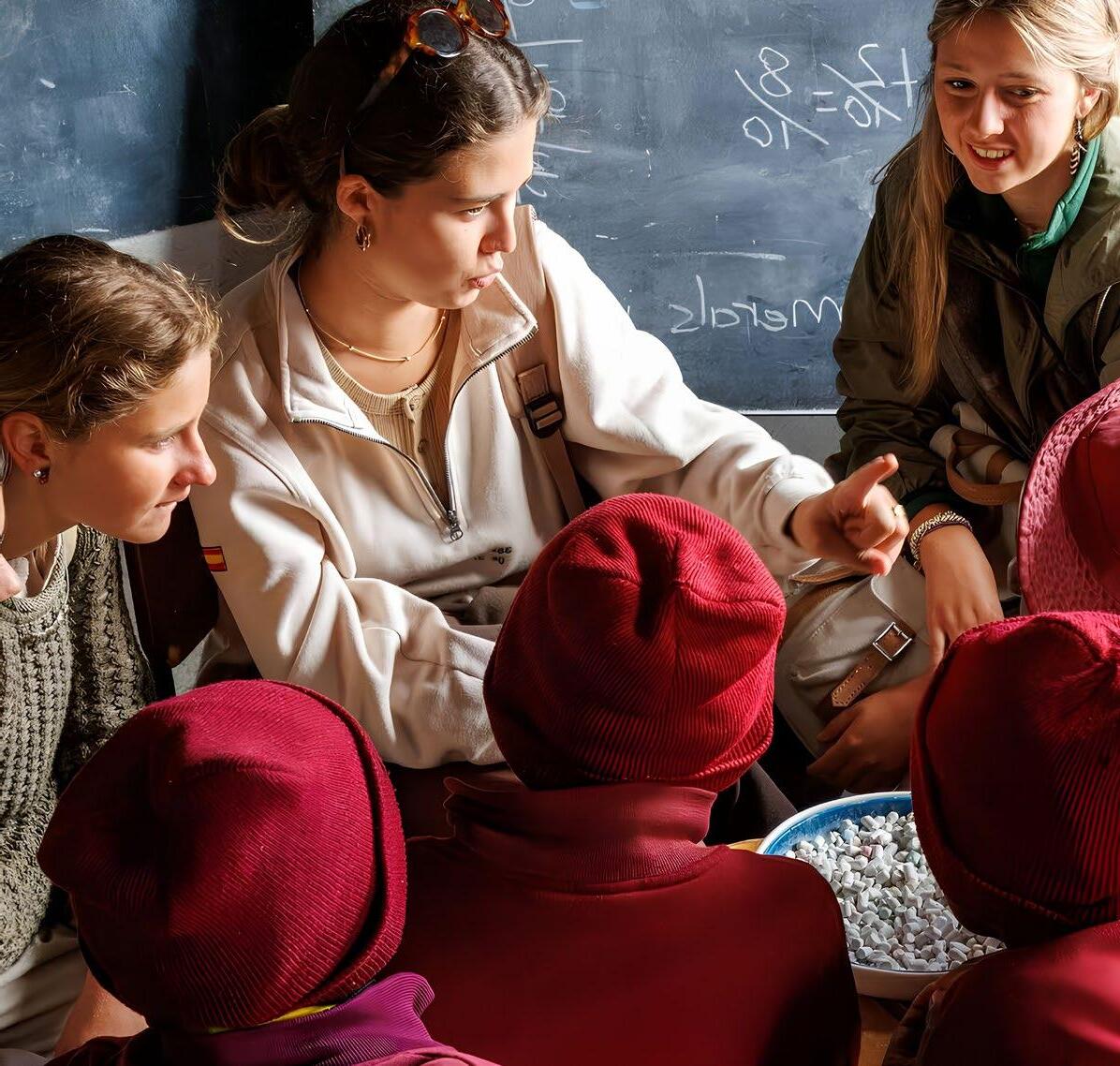
Imire Rhino & Wildlife Conservancy is embarking on an inspiring new chapter in its long-standing commitment to conservation education, with the construction of a unique bush classroom. Over the past few weeks, a dedicated team of "Nature Enthusiast" students has been hard at work, transforming a vision into a tangible learning space that promises to immerse visitors in the wonders of Zimbabwe's natural heritage.
This innovative bush classroom is designed to be more than just a structure; it will be a vibrant, interactive hub of discovery. Envisioned as a space brimming with educational tools, fascinating specimens, and a rich collection of books, it aims to cater to learners of all ages. The core mission is to deepen understanding and appreciation for the region's diverse wildlife, fostering a new generation of conservationists and nature enthusiasts.
The decision to build a bush classroom at Imire speaks volumes about the conservancy's holistic approach to conservation. Creating a dedicated learning environment directly within the wildlife habitat, enables students and visitors to gain unparalleled opportunities for experiential learning. Lessons will not be confined to textbooks but will be brought to life by the sights and sounds of the conservancy itself –the trumpeting of an elephant, the distant roar of a lion, or the rustling of leaves in the wind.
This hands-on approach will allow participants to connect with nature on a profound level, translating theoretical knowledge into practical understanding. From understanding ecological principles to identifying local flora and fauna, the classroom will serve as a launchpad for further exploration within Imire's vast landscapes.
The classroom's shelves will be stocked with a diverse array of resources, ranging from field guides and scientific texts to captivating stories about conservation heroes. Critically, it will also house various specimens, offering a unique opportunity for up-close examination and study that would otherwise be impossible. These tangible elements will provide invaluable insights into the anatomy, behaviour, and ecological roles of Zimbabwe's wildlife.
For Imire, this project is a significant step in expanding its educational outreach programs. It underscores the belief that knowledge is the most powerful tool in the fight for conservation.
The conservancy hopes to inspire a greater sense of responsibility and stewardship towards the natural world, through the provision of an accessible and engaging learning space. The construction by the Nature Enthusiast students themselves adds an extra layer of ownership and pride, embodying the very spirit of hands-on conservation that Imire champions.
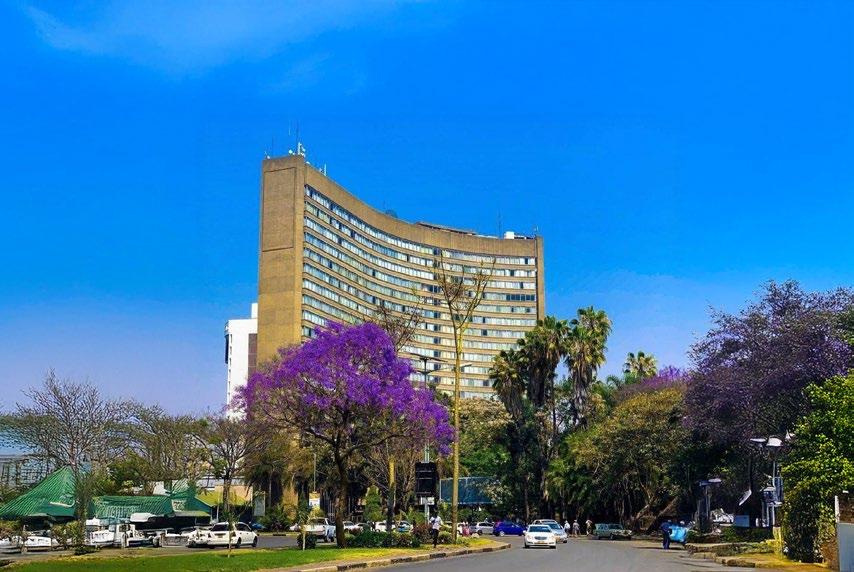
MONOMOTAPA HOTEL
WELCOMES INFLUENTIAL HOSPITALITY BOARD FOR Transformation Drive
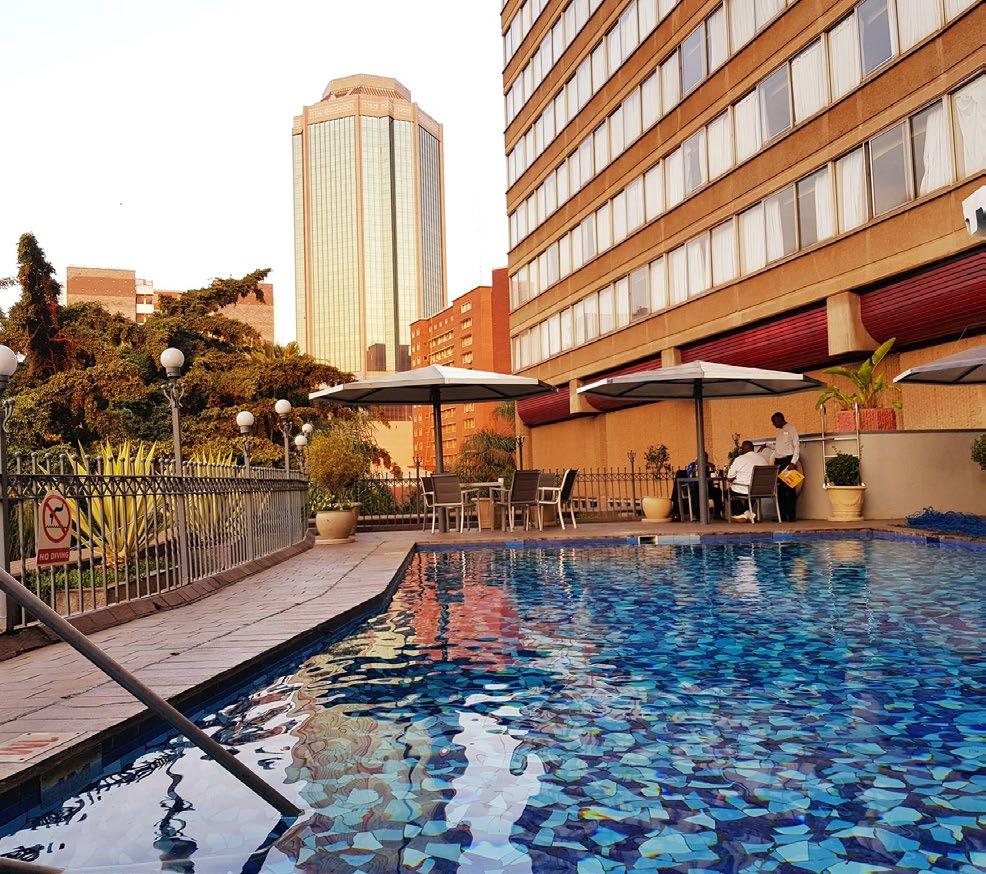
The Monomotapa Hotel, an iconic fixture in Zimbabwe’s hospitality landscape, is set for a major new phase of growth and elevation with the formal introduction of the incoming Board of Directors for Monomotapa Hospitality. This illustrious team brings together decades of business management experience, vision, and leadership which will be invaluable in guiding the hotel through an exciting period of transformation.
The hotel's management expressed immense pride in welcoming the new leadership, recognizing the strategic significance of their collective expertise. This appointment comes at a pivotal moment, following a strategic investment in the hotel's future, with the new board tasked with executing a vision of modernization and operational excellence to align with regional hospitality benchmarks. With their experience, wisdom, and leadership, Monomotapa Hotel is elevating its commitment to offer greater guest experiences.
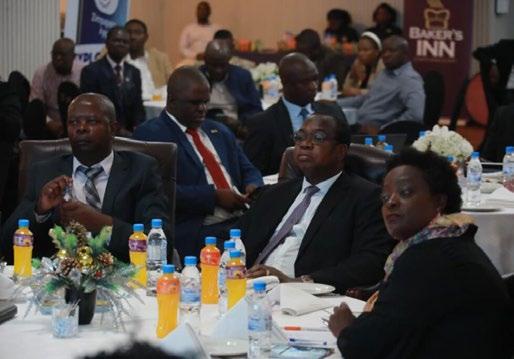
The diverse and experienced team was formally presented at a welcoming event, embodying the spirit of collaboration and renewed energy. The new leadership is anchored by Fanuel Kapanje, who assumes the role of Board Chairperson, providing strategic oversight and direction. He is joined in the front row by Sibambaniso Kundai and Sibonginkosi Muteyiwa.
Standing alongside them, ready to execute the strategic vision, are four accomplished directors. From left to right, the standing members include Tsungai Munjere, Gladstone Tyoka, Sabina Chitehwe, and Ignatius Katsidzira. This collective pool of talent ensures that all facets of business management, finance, and operational strategy are covered, securing the hotel's long-term sustainability and profitability.
The strategic injection of new leadership and experience is poised to propel the Monomotapa Hotel to new heights. The board's mandate is clear: to oversee the implementation of capital expenditure programs focused on refurbishing key service areas and modernizing the overall hotel experience. This effort aims to strengthen the Monomotapa brand’s status not only as a prime commercial hospitality asset in Harare but also as a benchmark for excellence across the regional tourism and business travel markets.
The energy and pure anticipation filling the hotel’s halls as the board members commenced their tenure demonstrate a collective resolve to make the Monomotapa Hotel a leader in delivering unforgettable experiences and showcasing the very best of Zimbabwean hospitality.
The Zimbabwe Parks and Wildlife Management Authority (ZimParks) successfully completed the extensive renovation of its Mare Lodges within the picturesque Nyanga National Park, significantly upgrading its accommodation portfolio in the Eastern Highlands. This project was a crucial part of the authority’s broader strategy to modernize its facilities, enhance visitor experience, and aggressively target the government’s goal of building a US$5 billion tourism economy.
Nyanga National Park, renowned for Mount Nyangani and its cool, mountainous terrain, has always been a cornerstone of Zimbabwe’s domestic and international tourism offering.
However, its lodging infrastructure required significant investment to meet contemporary global standards. The Mare Lodges, which have historically served as spacious thatched self-catering units set in a beautiful pine forest overlooking a scenic dam, were the focus of a major refurbishment effort.
The successful completion of the upgrade introduced a new level of quality for visitors seeking a tranquil retreat in one of the country's most stunning natural environments.
The renovations transformed the existing self-catering facilities, ensuring that the lodges now feature modern fittings, updated interiors, and improved structural integrity designed to withstand the region’s unique climatic conditions.
The overhaul notably focused on bringing the units up to a higher quality classification, aligning with the trend of upgrading ZimParks’ facilities across the country. The result of this capital expenditure was the introduction of newly "Renovated" one and two-bedroom lodge options, available to both local and international visitors.
This investment immediately translated into enhanced value for the tourism sector. For the discerning traveller, the refurbished lodges offer a more luxurious and comfortable base from which to enjoy the park’s activities, which include mountain hiking, game viewing, and world-class trout fishing in the perennial streams.
Economically, the move demonstrated its effectiveness by allowing ZimParks to restructure its pricing; for instance, a renovated two-bedroom lodge was priced higher than a non-renovated unit, a clear indication that the market recognized and valued the significant quality improvements made by the authority.
ZimParks is prioritizing such infrastructure development, not only to increase its accommodation revenue potential but also solidified its commitment to conservation and sustainable tourism practices. The successful renovation of the Mare Lodges ensures that Nyanga National Park remains a premier, wellequipped destination capable of attracting increased domestic and foreign tourist traffic for decades to come, proving that strategic investment in public tourism assets is essential for national economic growth.
The Tourism Business Council of Zimbabwe (TBCZ) hosted its annual Post-Budget Breakfast Meeting recently, bringing together key industry players, government officials, and analysts to dissect the implications of the forthcoming 2026 National Budget on the vital tourism sector. The event serves as a crucial platform for the industry to present its concerns and expectations to fiscal authorities, ensuring the sector’s viability and growth are prioritized in the national economic planning.
As the voice of the entire tourism business community, ranging from safari operators and car rentals to hoteliers and travel agencies, the TBCZ’s event focused on translating macroeconomic policy into tangible business opportunities and challenges.
While the 2025 Budget period saw the government implement policies like the suspension of duty on approved tourism equipment for refurbishment, the sector is keenly focused on securing continuity and expansion of such pro-growth measures.
Cost Reduction and Investment Incentives
A major theme of the breakfast was the industry’s appeal for further cost reduction measures to consolidate the gains made since the post-pandemic recovery. Industry leaders, including the TBCZ President, have previously emphasized that the budget is essential in setting the tone for future growth and ensuring the viability of tourism value chains. Specific concerns raised included the need for:
• Extension of Tax Relief Structures: To sustain the rebound in production trends that facilitate revenue growth.
• Stimulating Domestic Spending: Calls for a pro-growth budget that boosts spending to sustain overall sector growth.
Focus on Viability: Ensuring that the fiscal environment supports the refurbishment and modernization of facilities, especially given the sector’s crucial role as a foreign currency earner.
The industry remains an aggressive target for growth, with efforts focused on key areas like enhanced air connectivity and developing MICE (Meetings, Incentives, Conferences, and Exhibitions) tourism.
The TBCZ meeting underscored that the government’s 2026 fiscal policy must provide the necessary financial stimulus and stable regulatory environment to meet the sector’s ambitious goals, including the expansion of infrastructure and the embrace of new technology.
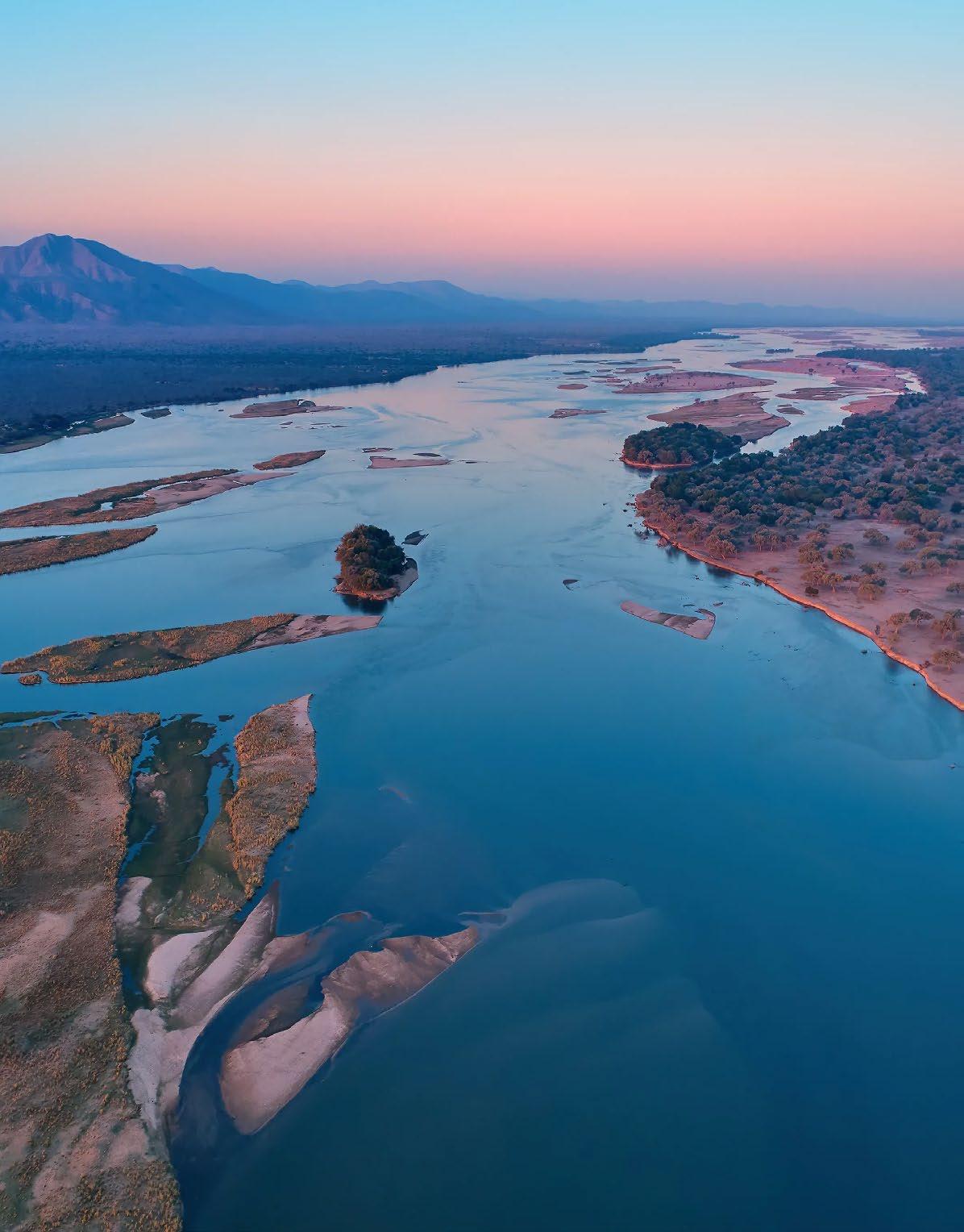
A New Source Rewrites The Map of Zambezi River
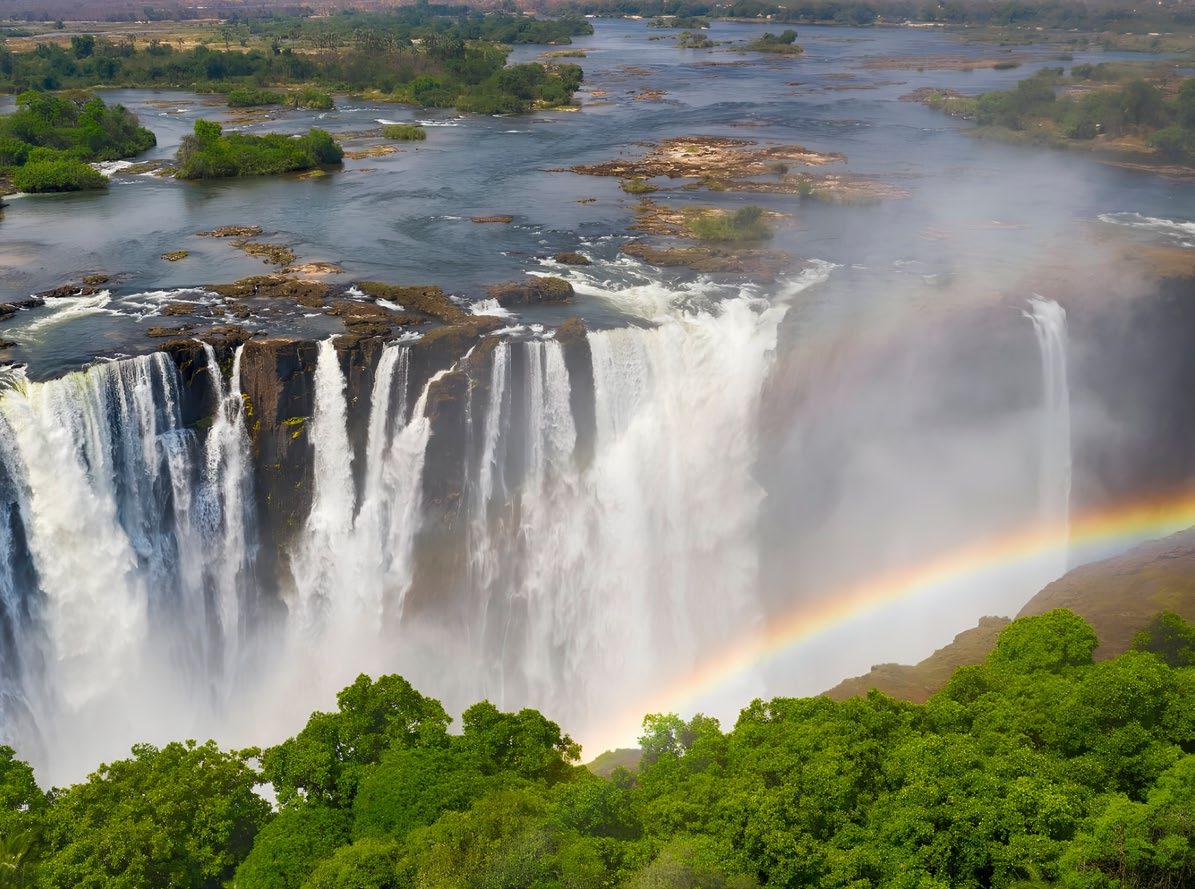
A major geographic discovery is reshaping our understanding of one of Africa’s most iconic waterways, the Zambezi River. Historically, cartographers and geographers cited a remote spring near Mwinilunga in north-western Zambia as the river’s undisputed origin. However, new, comprehensive research has definitively located the true and most distal source of the river in Angola’s southern highlands, drastically altering the river’s recorded length and emphasizing the importance of Angolan watersheds.
This finding traces the ultimate origin of the Zambezi to a shallow depression situated at the source of a river known as the Lungwebungu. The inclusion of the Lungwebungu’s full length now gives the Zambezi River a new, confirmed total length of 3,421 kilometres (2,126 miles)—a significant increase of 342 km (213 miles) over its previous measurement.
The Wilderness Project’s Landmark Expedition
This groundbreaking research was carried out between 2022 and 2023 by The Wilderness Project, working in collaboration with the renowned National Geographic Okavango Wilderness Project and the Wild Bird Trust.
The collaboration involved two ambitious expeditions traveling the entire length of the Zambezi River. The teams journeyed from the traditional source in Zambia and the newly confirmed most distal source in the Angolan Highlands Water Tower, following the flow all the way to the Indian Ocean. Along this vast course, they meticulously collected vital data on various parameters, including human impact, biodiversity, water quality, and precise river discharge measurements.
Angola: The True Water Tower
The findings of the study were startling, revealing the critical role played by the Angolan highlands. The research demonstrated that the Lungwebungu and several other Angolan rivers contribute approximately 70% of the water that ultimately reaches the magnificent Victoria Falls. This discovery transforms the narrative surrounding the river’s hydrology, confirming that the health and volume of the Zambezi are overwhelmingly dependent on its headwaters in Angola.
The study unequivocally highlights the urgent necessity of protecting the entire Upper Zambezi Basin and the Angolan Highlands Water Tower. The river system is not only crucial for the long-term survival of the immense people and wildlife populations that depend on it but is now proven to be fundamentally sustained by these Angolan tributaries.
This urgency is compounded by an alarming finding from another recent study cited in the report, which recorded significant forest loss over the past three decades in the Upper Zambezi Basin. Deforestation in the headwaters jeopardizes the region’s capacity to regulate water flow, posing a direct threat to the newly calculated 3,421 km lifeline of Southern Africa. The new length of the Zambezi is more than just a cartographic adjustment; it’s a conservation mandate.
Siduli Hide: The Ultimate Ground-Level Encounter With Victoria Falls Giants
While guests at the Victoria Falls Safari Lodge often enjoy spectacular views of the waterhole from the elevated Buffalo Bar, the true secret to intimate wildlife photography lies just a few feet away, at the water’s edge: the Siduli Hide. This cleverly constructed underground bunker offers the closest, most personal interactions imaginable with some of Africa’s largest and most magnificent creatures.
The hide, a unique attraction on the Victoria Falls Safari Lodge estate, is an architectural marvel of camouflage. Designed and meticulously built to resemble a colossal termite mound, the Siduli Hide blends seamlessly into the environment, making it virtually invisible to the frequent wildlife visitors. This deception allows a few lucky guests to literally become a “fly on the wall,” observing animals behaving naturally and without disturbance.
Ground Zero for Wildlife Photography
The vantage point is what makes the Siduli Hide experience truly exceptional. Unlike traditional game viewing from the back of a vehicle, this sunken position offers a ground-level, or “ground zero,” perspective. From here, guests look up at the towering figures of the animals, offering photographers an unparalleled opportunity to capture stunning, low-angle shots of wildlife, often within mere feet of the viewing slots.
While the waterhole is renowned for attracting spectacular numbers of elephant and buffalo herds, the patient observer will be rewarded with a diverse wildlife spectacle. Regular visitors include graceful kudu, comical warthogs, stealthy crocodiles, and a variety of birdlife, such as the marabou storks and various vultures that frequent the nearby Vulture Culture Experience.
The two-hour activity is therefore ideal for keen photographers and serious wildlife enthusiasts who crave an authentic, non-commercial experience. It demands patience and stillness—guests must be able to sit quietly for sustained periods, as noise or sudden movement could alert the wildlife.
Guided Experience and Logistics
The Siduli Hide experience is professionally run, ensuring safety and an educational component. Guests are escorted on a short, five-minute walk from the Victoria Falls Safari Lodge to the hide by a qualified Professional Guide (often the highly knowledgeable Charles Brightman).
These guides provide expert commentary, sharing fascinating insights into animal behaviour, the ecosystem of the waterhole, and tips for capturing the best photographs.
The activity is kept exclusive, available to small groups of a maximum of six people per session. It is run twice daily, maximizing the chances of active sightings: early morning and late afternoon. These periods are not only when animals are most active but also when the light is most favourable for professional-quality photography.
The drier the season, the higher the guarantee of excellent close-up encounters as water becomes scarce elsewhere.
The combination of the hide’s masterful disguise, its groundlevel perspective, and the guidance of an expert makes the Siduli Hide a true bucket-list item, offering an intimate and unforgettable connection with the wild heart of Victoria Falls.
ETHNOBOTANIST
GUS LE BRETON HAILS ZIMBABWE’S EASTERN HIGHLANDS
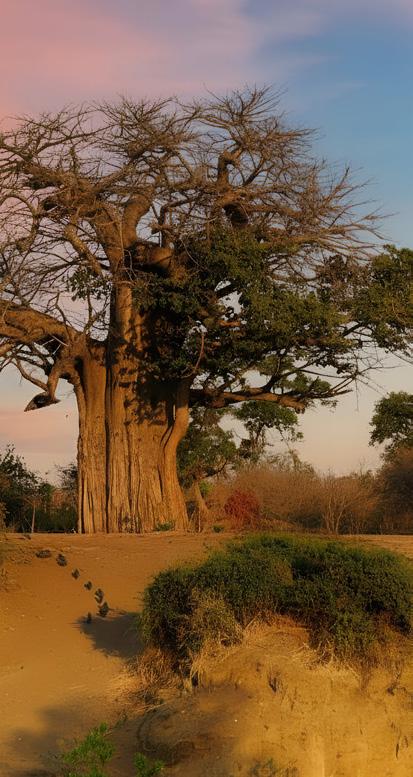
The rugged and verdant terrain of Zimbabwe’s Eastern Highlands continues to capture the imagination of international adventurers and naturalists, with the region receiving fresh acclaim from renowned African plant enthusiast and ethnobotanist, Gus Le Breton. Le Breton, known globally as “The African Plant Hunter” and for spearheading the market launch of the “African superfruit,” Baobab, recently revisited a route that left a lasting impression on one of the world’s most famous motoring journalists, Jeremy Clarkson.
Le Breton was the guide for the Top Gear team when they filmed their final spectacular special in Zimbabwe a few years ago.
Recalling a memorable drive along the route from the Pungwe Drift to the towering Mount Nyangani, Le Breton recounted Clarkson’s awe at the sheer diversity of the landscape.
The motoring legend was so impressed by the sweeping moorlands, deep gorges, and dramatic mountain peaks that he famously described the area as a seamless “blend of Scotland and the Himalayas.
” This description perfectly encapsulates the unique geography of the Nyanga National Park area, which transitions from lush, evergreen forest in the valleys to expansive, windswept highlands reaching the country’s highest point,
Mount Nyangani (2,593m). Recently, Le Breton, who possesses Masters degrees from both the University of Cambridge and Yale, repeated the challenging journey, but swapped the 4x4 for a mountain bike.
He candidly admitted the mountain bike was “definitely not my native environment, but lots of fun!” This latest personal adventure underscores his lifelong passion for Africa’s wild spaces and biodiversity.
Le Breton’s mission is driven by an unquenchable thirst for adventure and a desire to conserve Africa’s vast plant life.
As one of the continent’s leading advocates for sustainable plant use, his life’s work involves uncovering the magic of African trees and plants and sharing that knowledge with the world, often through his popular YouTube channel,
The African Plant Hunter. His core belief is that by giving economic value to indigenous plants, such as Baobab, rural communities gain a tangible economic incentive to conserve their natural environment, turning conservation into a rational economic choice.
The Eastern Highlands, with its dramatic landscapes, deep gorges, and perennial rivers like the Pungwe, provided the perfect backdrop for the Grand Tour team’s final adventure.
For Le Breton, the region remain s a deeply personal destination, highlighting not just its spectacular natural beauty butits importance as a cradle of biodiversity and a crucial area for conservation efforts that he continues to champion.
The journey, whether by 4x4 or mountain bike, serves as a powerful reminder of the untap ped potential and breathtaking beauty of Zimbabwe’s natural treasures.
HAZ SUMMIT 2025 CONCLUDED, CHARTING COURSE FOR ZIMBABWEAN HOSPITALITY
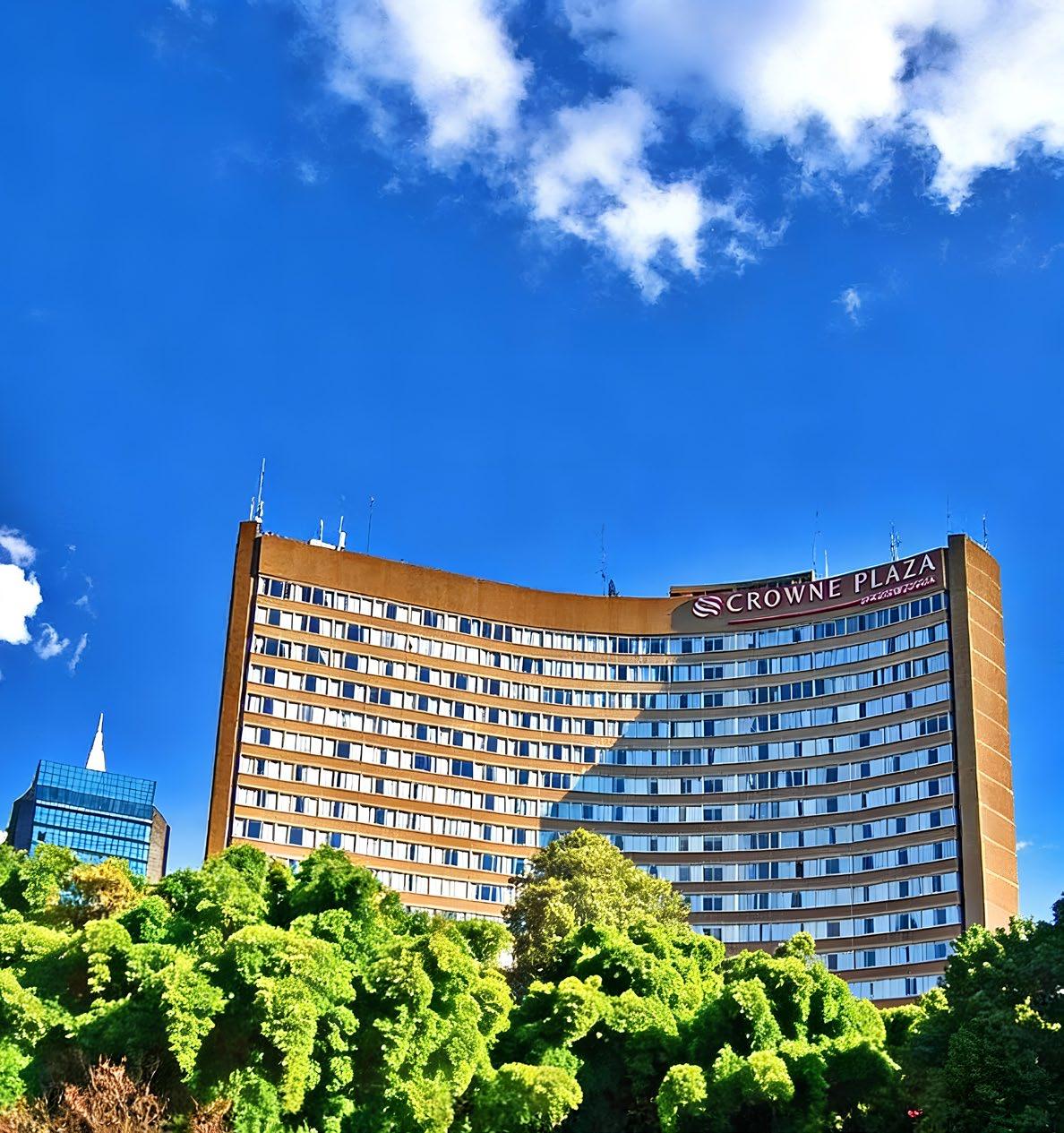
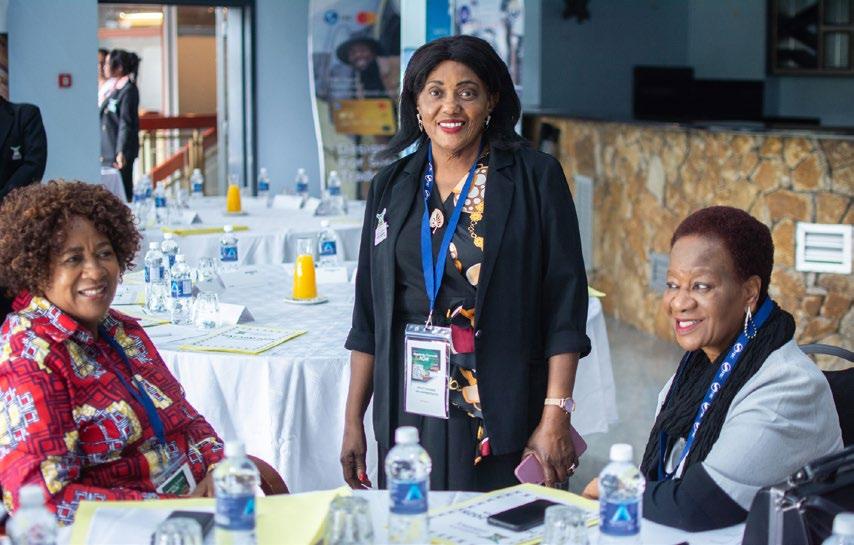
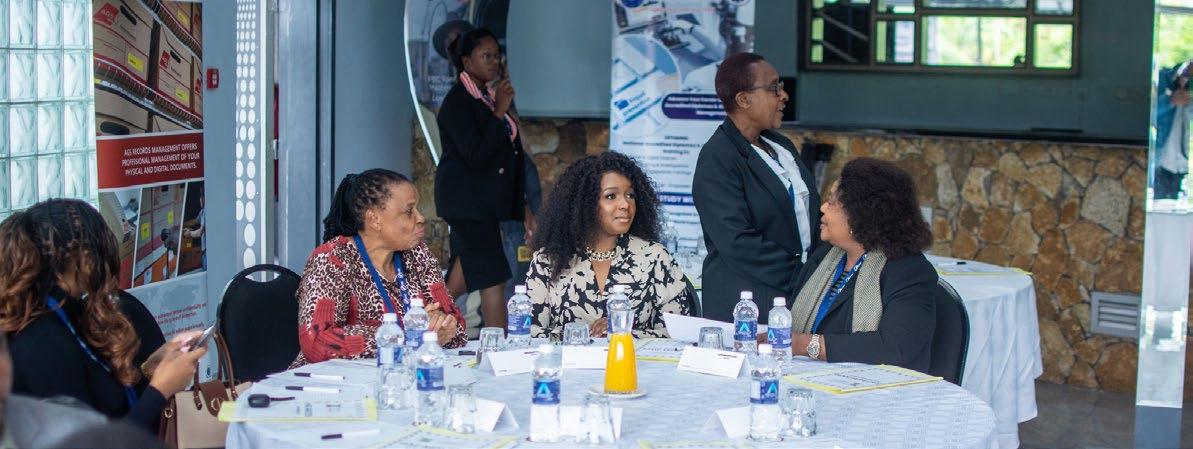
The Hospitality Association of Zimbabwe (HAZ) successfully hosted its highly anticipated Annual General Meeting & Summit 2025 yesterday, November 19, 2025. All roads led to the prestigious Monomotapa Hotel in Harare, where the industry convened to engage with the vital theme: “Future-Proofing Hospitality & Tourism in Zimbabwe.”
Leading up to the event, the excitement had been overflowing. The HAZ team reported that the energy was palpable as delegates finalised their registration. The room filled with happy faces, warm laughter, handshakes, and selfies, capturing the collective anticipation for the industry’s flagship gathering. The spirit of hospitality was truly alive as the association welcomed delegates to what was universally described as an unforgettable experience.
During the summit, industry leaders and government officials engaged in robust discussions focused on securing the sector’s long-term success. Key sessions addressed crucial areas that will shape the operating landscape for years to come:
• Sustainable Practices: Experts outlined new pathways for the sector to integrate greener technologies and adopt environmentally responsible tourism models across all operations
• Digital Transformation: Presentations highlighted the necessity of leveraging advanced technology to enhance both guest experiences and nternal operational efficiency, with a strong emphasis on digital marketing and booking systems.
• Policy Alignment: The summit provided a critical platform for industry figures to engage with policymakers, resulting in a clearer path toward creating a more conducive regulatory environment that supports investment and growth.
• Talent Development: Discussions focused on actionable strategies for attracting, training, and retaining a world-class workforce, recognising that the quality of human capital is paramount to the Zimbabwean hospitality brand.
The Monomotapa Hotel proved to be an excellent host, facilitating both the high-level formal meetings and numerous invaluable networking opportunities.
The consensus among attendees was that the 2025 Summit served as a crucial step, moving the industry from merely discussing recovery to actively forging a unified, resilient vision for the hospitality sector’s pivotal role in achieving Zimbabwe’s broader economic objectives.
GPS COLLARS DEPLOYED ON HWANGE ELEPHANTS TO SECURE CROSS-BORDER CORRIDORS
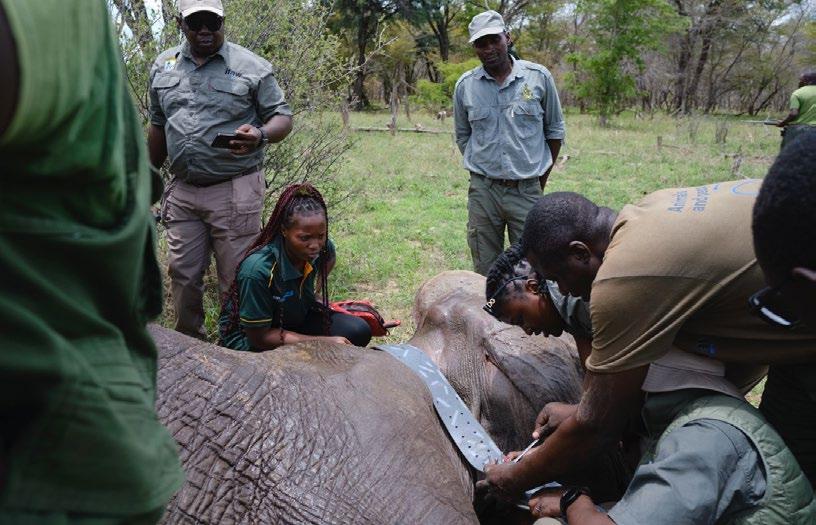
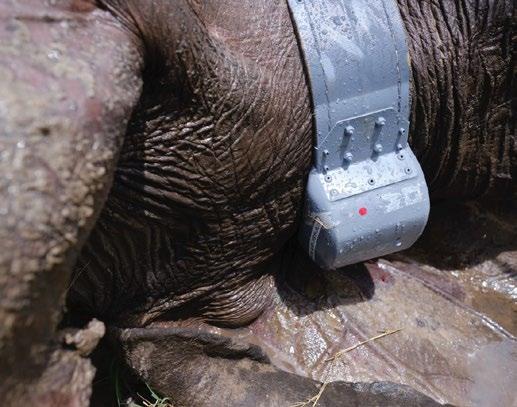
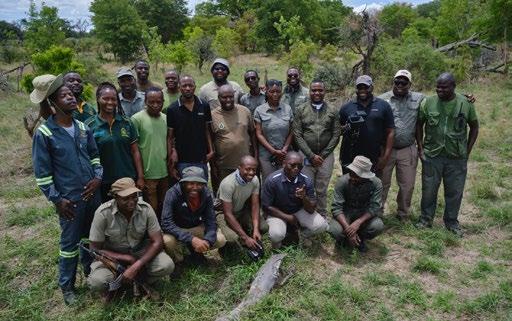
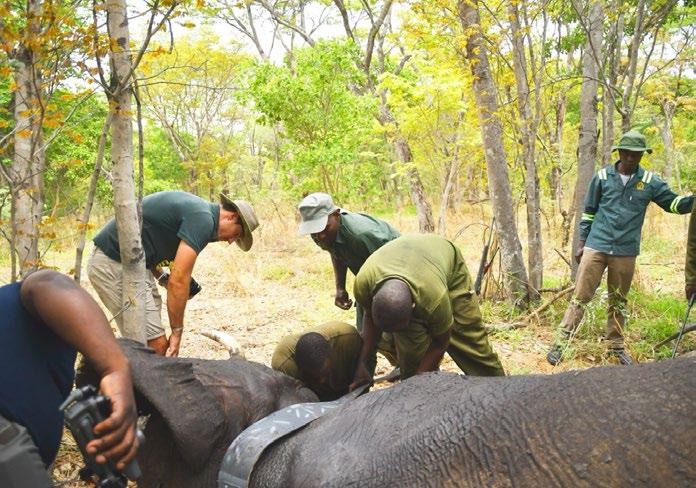
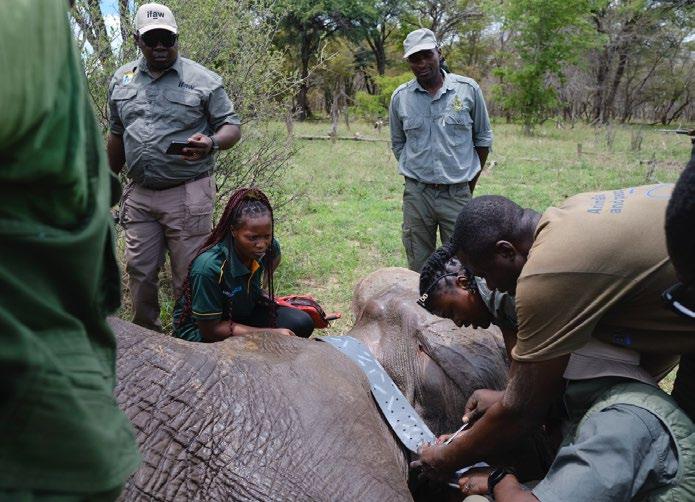
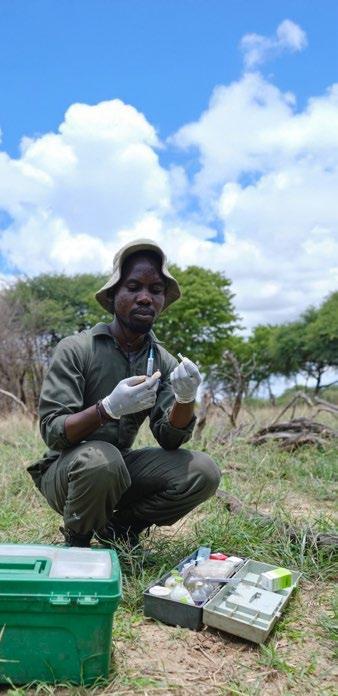
In a significant boost to wildlife management and cross-border security, the Zimbabwe Parks and Wildlife Management Authority (Zimparks) and the International Fund for Animal Welfare (IFAW) have successfully completed the fitting of eight GPS collars on elephants within the vast Hwange National Park. This joint initiative is designed to harness technology for conservation, providing immediate, vital data essential for safeguarding one of Africa’s largest elephant populations.
The collaring exercise, concluded recently, transforms each device into a crucial research tool, generating a real-time map of the elephants’ journeys. This influx of information will be instrumental in mapping and understanding the complex movement patterns of the herds, particularly as they migrate between seasonal feeding and watering grounds. The data is especially critical for strengthening cross-border conservation efforts within the Kavango Zambezi Transfrontier Conservation Area (KAZA TFCA), where Hwange forms a vital component.
The primary goal of this data collection is to identify and protect the elephants’ traditional migration corridors. As human settlements and agricultural activities expand, these corridors face increasing threats, leading to heightened human-wildlife conflict. By understanding precisely where and when the elephants move, Zimparks and IFAW can implement targeted conservation strategies.
“This essential data helps us safeguard their corridors and mitigate threats, ensuring the co-existence of people and wildlife,” stated a representative from the partnership.
The real-time mapping capability allows authorities to anticipate potential conflicts and intervene proactively, preventing crop damage, property destruction, and resultant retaliatory killings.
Furthermore, the GPS collars act as a surveillance network, providing early warning alerts for unusual movement patterns, which can indicate distress or attempts to cross into high-risk areas. This proactive monitoring enhances anti-poaching efforts by ensuring rapid deployment to areas where the collared animals—and their associated herds—are clustered.
The successful deployment of these eight high-tech collars represents a strategic investment in the future of Hwange’s elephants. It underscores Zimparks’ dedication to modern, datadriven conservation, leveraging global partnerships like IFAW to secure the longterm survival of the species and fostering sustainable human-wildlife co-existence across international boundaries.
ZIMPARKS SYMPOSIUM CHARTS FUTURE FOR AFRICAN CONSERVATION
The Zimbabwe Parks and Wildlife Management Authority (Zimparks) is preparing to host the Zimparks International Wildlife Conservation Symposium 2025, a landmark event designed to reshape the narrative and strategy of conservation across the region and globally. The symposium aims to gather experts from various fields, reinforcing Zimbabwe’s leadership role in science-driven conservation, particularly within the vast Kavango-Zambezi (KAZA) Trans-Frontier Conservation Area.
The symposium is structured around three ambitious core objectives, all focused on generating actionable, sustainable solutions for the escalating environmental crisis. Firstly, the event seeks to promote interdisciplinary collaboration, networks, and connections between a diverse group of experts. This includes practitioners in Biodiversity Conservation and Wildlife Management, Climate Change Adaptation and Mitigation, Sustainable Tourism, Transboundary Natural Resources Conservation, and Fisheries Science. By bringing local and international experts together, Zimparks intends to foster regional cooperation essential for managing shared ecosystems.
Secondly, the symposium will dedicate significant focus to exploring current trends and emerging challenges and opportunities in environmental conservation. The agenda will tackle pressing issues such as climate change impacts, rampant habitat loss, the dynamics
of pollution, intensifying human-wildlife conflict, and the overutilization of natural resources. The objective is to produce solutions that are not only scientifically sound but also localized and tailored to Zimbabwe’s specific development blueprint, including the National Development Strategy (NDS).
Finally, the symposium will serve as a dynamic platform to showcase and present technologies and innovations poised to revolutionize sustainable conservation. This includes new techniques for enhancing ecosystem resilience, developing community-based problem-solving strategies, and driving industrial transformation within the conservation sector.
Zimparks is particularly keen to highlight people-centric conservation models, such as CAMPFIRE, which channels revenue from regulated wildlife use directly into community infrastructure, demonstrating how local ownership and longterm project success can be achieved.
The symposium is expected to align national conservation efforts with global sustainability goals, attract vital international partnerships and funding, and to secure a future where conservation is seamlessly integrated with economic and social development.
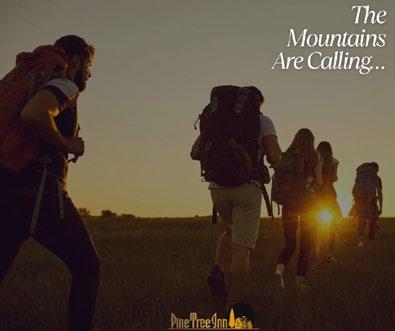
TRADE THE RUSH FOR THE HUSH AT NYANGA’S PINE TREE INN
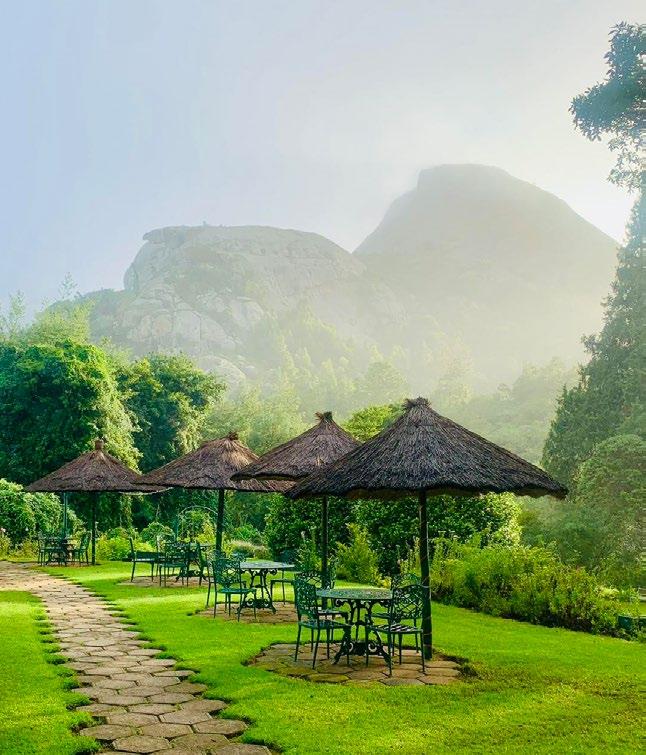
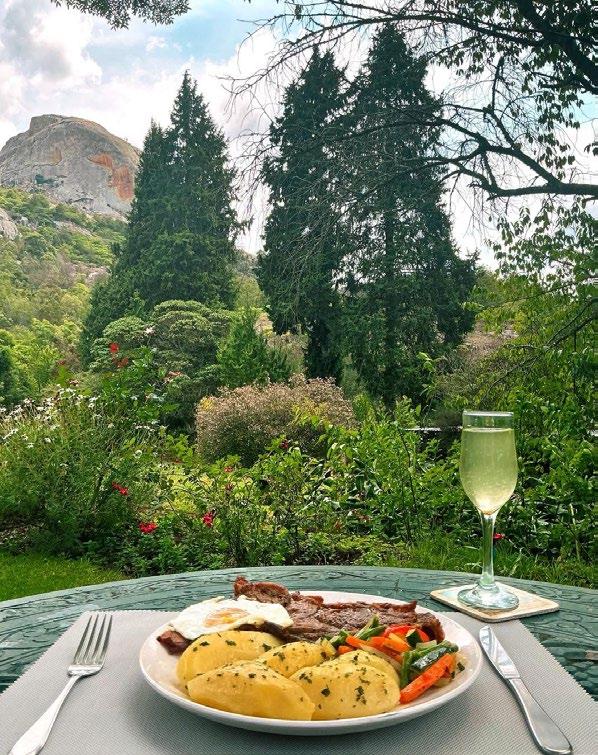
As the year draws to a close, the frenzy of urban life finds its perfect antidote nestled in the tranquil beauty of Zimbabwe's Eastern Highlands. The Pine Tree Inn in Juliasdale is positioning itself as the ultimate festive season hideaway, promising guests a unique holiday pairing: a good drink and the breathtaking, panoramic views of Susurumba Mountain.
Guests arriving at the Inn are invited to trade the rush of the city for the quiet charm of the mountains, allowing the serene natural surroundings to completely reset their rhythm. A festive break at Pine Tree Inn is touted as the ideal way to close the year on a calm, refreshing note, preparing body and mind for the start of a new one.
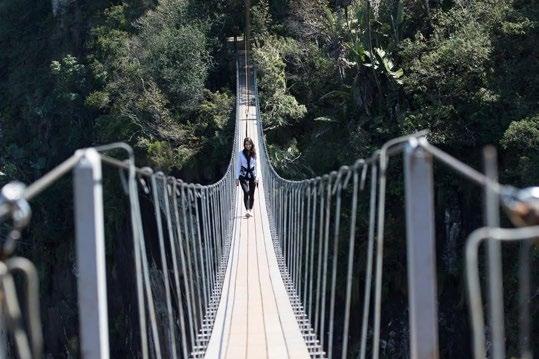
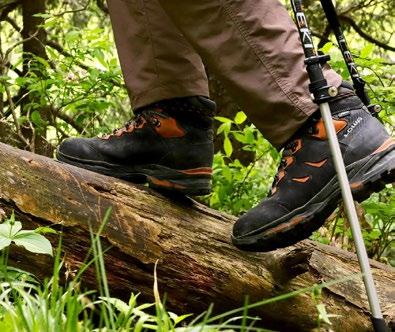
For the actively inclined, Pine Tree Inn is the starting point for exploration and adventure. The inn offers direct access to scenic trails, inviting visitors to fully immerse themselves in Nyanga’s natural beauty.
"Adventure begins where the path meets the pines," states the Inn's management. The scenic hiking trails offer a journey into adventure and tranquility, ranging from peaceful forest walks to the invigorating ascent of the majestic Susurumba Mountain.
The popular Susurumba hike is known for its spectacular views of Juliasdale and is often touted as an accessible challenge, rewarding hikers with crisp mountain air and unparalleled serenity.
After a day outdoors, guests can return to the warmth of the Inn’s hospitality. The perfect reward after a day spent reconnecting with nature is an evening spent with a hearty meal and the captivating, breathtaking scenery that surrounds the property.
Every step outdoors leads guests closer to relaxation and renewal.
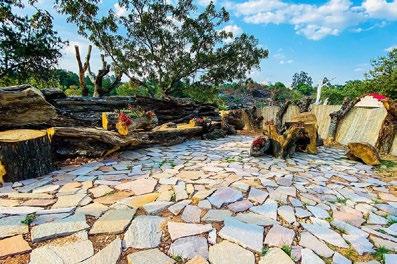
Beyond the traditional hotel rooms, Pine Tree Inn also caters to the adventurous spirit with well-equipped camping facilities.
For those seeking a truly immersive experience in the great outdoors without breaking the bank, camping stays are recommended. This option provides comfort and convenience, allowing guests to breathe in the crisp Nyanga air and experience the serenity of the rolling landscapes from dawn till dusk.
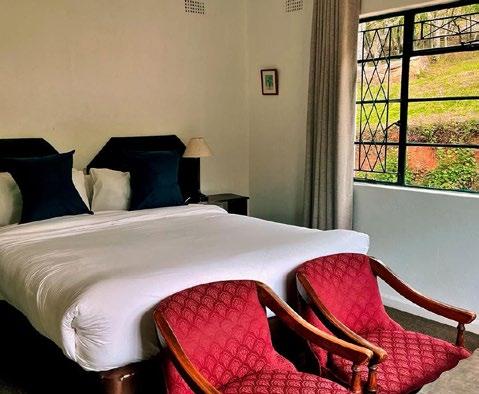
Whether choosing a cozy room overlooking the wooded valley or setting up camp under the stars, Pine Tree Inn offers the perfect blend of challenge and tranquility, making it the premier destination for unwinding, recharging, and experiencing the unique beauty of the Eastern Highlands this festive season.
HERMITS PEAK LODGE’S RICH HISTORY AND TRANQUIL SETTING IN MATOBO HILLS
Visitors seeking an authentic, peaceful escape into Zimbabwe’s breathtaking natural heritage need look no further than Hermits Peak Guest Lodge. Tucked away amidst the spiritual and ancient granite landscapes of the Matobo Hills, this lodge is being celebrated as a truly hidden gem, offering a perfect blend of comfort, tranquility, and access to one of Africa's most remarkable wilderness areas.
Located strategically about 2 km from the Matobo National Park boundary, Hermits Peak provides guests with immediate access to the World Heritage Site's famous activities while preserving an atmosphere of secluded peace. The lodge itself is one of the oldest private establishments in the Matobos, having been established in the 1950s, lending it a rich history nestled within the three-billion-year-old rock formations.
The lodge is an ideal sanctuary for anyone looking to unwind and experience the country’s stunning natural beauty.
The surrounding area is renowned for its incredible wildlife, including the endangered black and white rhino, soaring black eagles (which Matobo Hills has the highest concentration of breeding pairs globally), and elusive leopards. From the lodge, guests are constantly enveloped by the mesmerizing views of the ancient balancing rocks and granite whalebacks that define this iconic landscape.
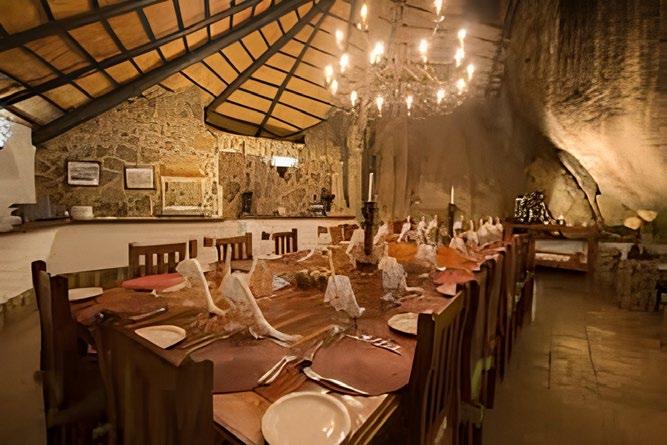
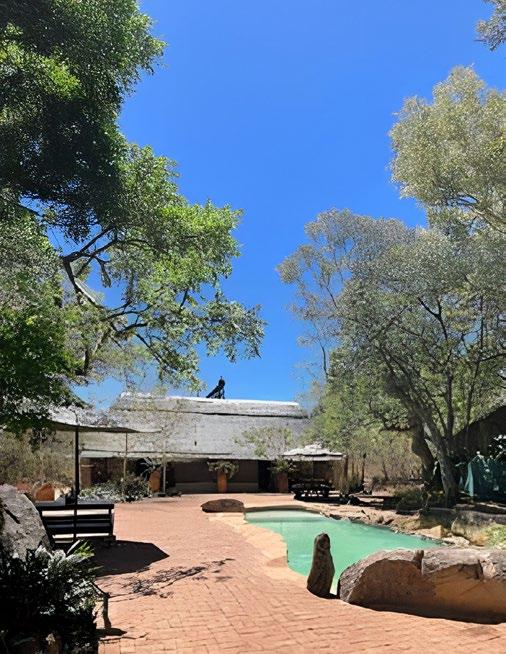
Accommodation at Hermits Peak consists of comfortable en-suite thatched rooms, designed to blend seamlessly with the natural environment. The main area, set under an open thatched roof veranda, provides a welcoming and cosy space where guests can enjoy delicious meals crafted from local traditions and served under the vast African sky.
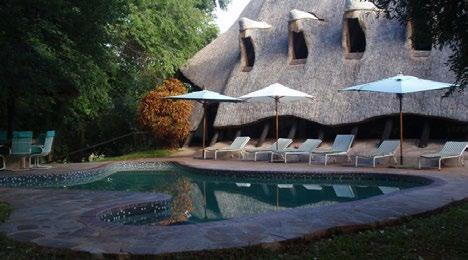
A centrepiece of the lodge’s relaxation area is the tranquil natural rock pool. Surrounded by small tables and umbrellas, the pool offers a refreshing respite after a day spent exploring the rugged terrain. Whether guests choose dawn rhino tracking, afternoon visits to the ancient 40,000-year-old San rock paintings, or simply meditating on the profound silence of the hills, returning to the lodge promises warm hospitality and essential comforts.
Hermits Peak is positioned as the perfect base for adventure or meditation. Optional activities available include full and half-day game drives, guided walks to view San Bushmen art, and historical tours to sites like Cecil John Rhodes’ grave at World’s View. Hermits Peak Guest Lodge delivers a truly comprehensive and unforgettable Zimbabwean getaway, while also offers comfortable accommodation, fine dining, and direct exposure to the wildlife and stunning granite formations.
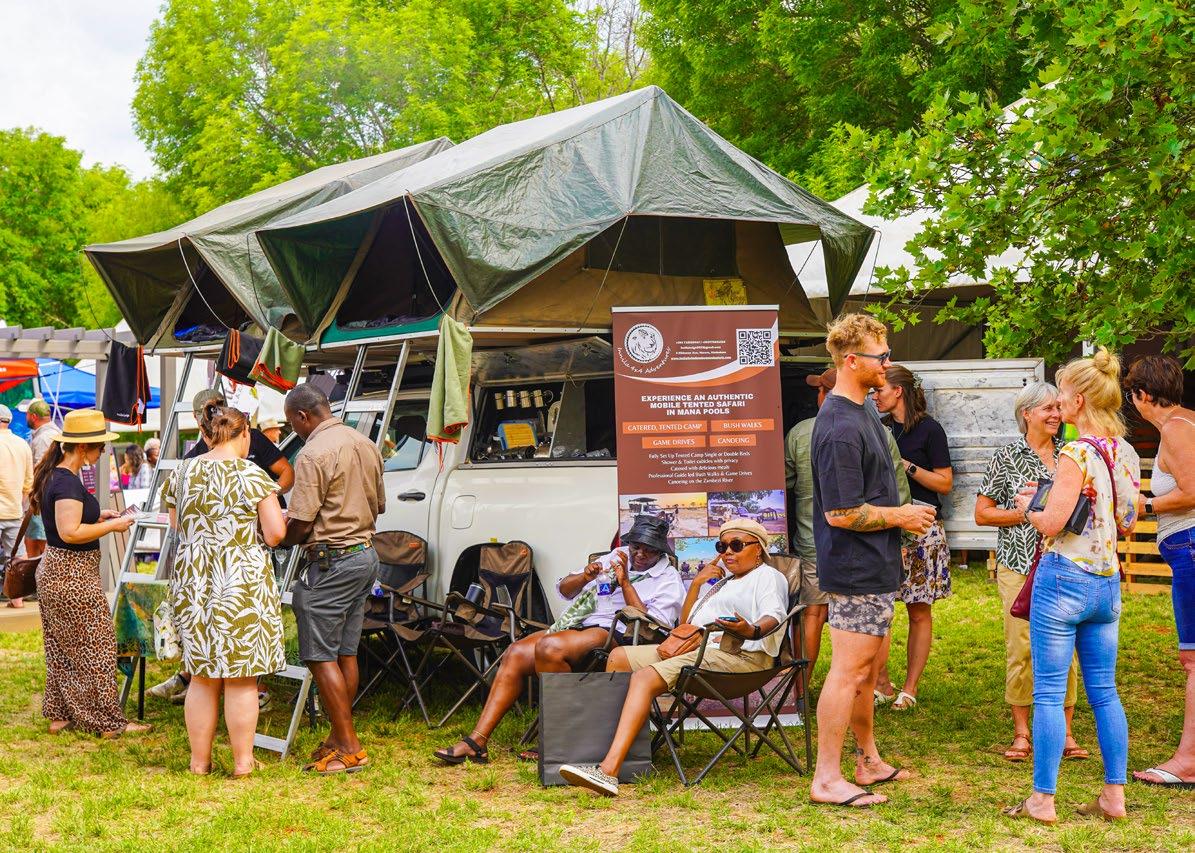
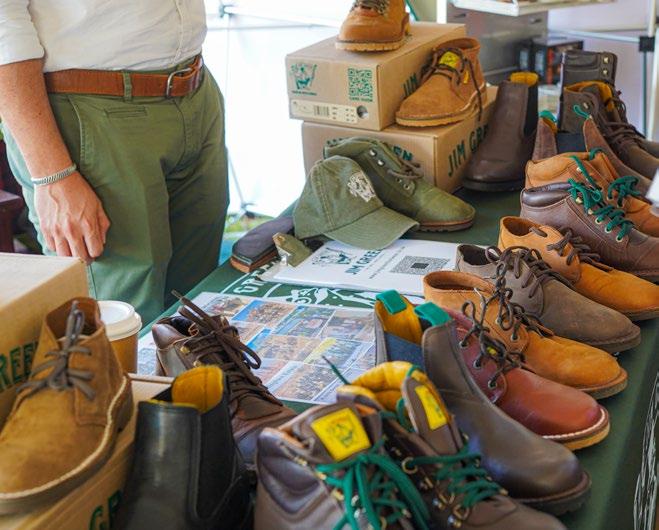
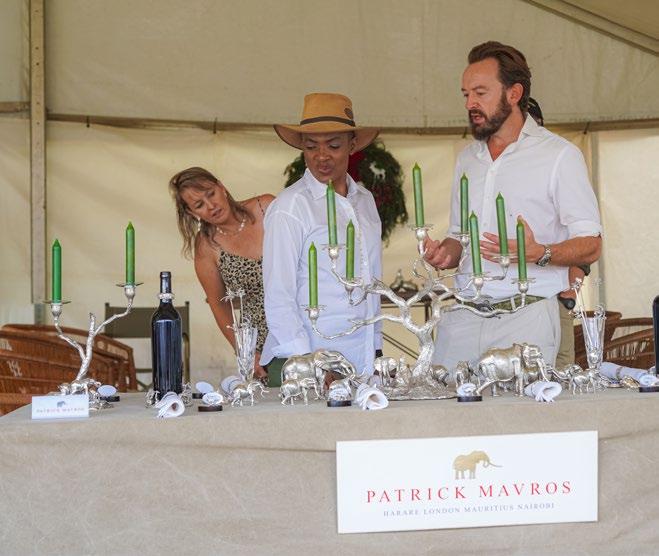
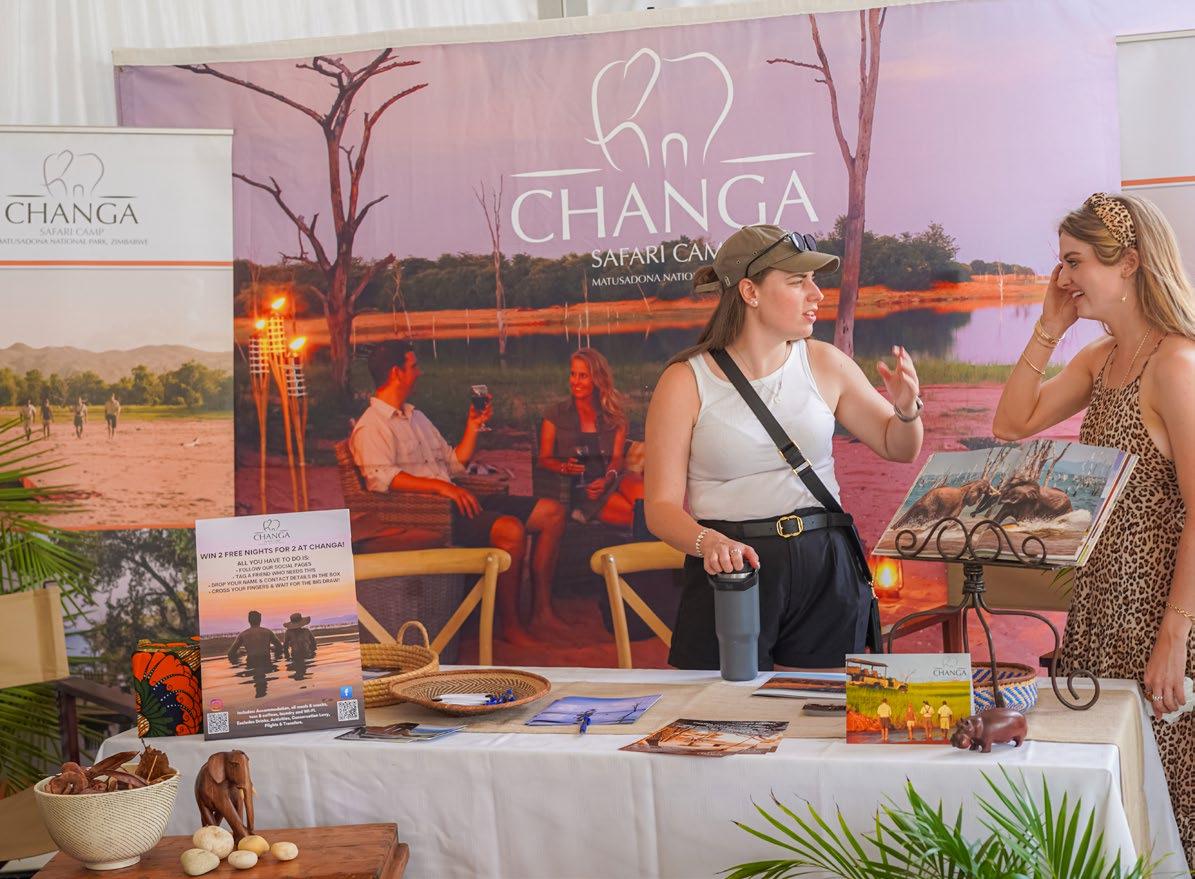
THE SAFARI SHOW CELEBRATES ZIMBABWE’S RISING TOURISM SECTOR
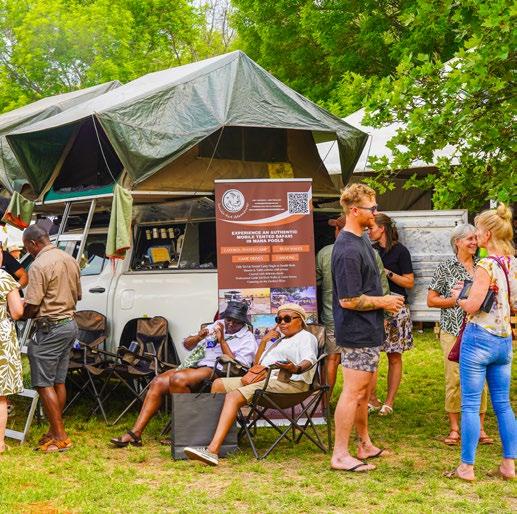
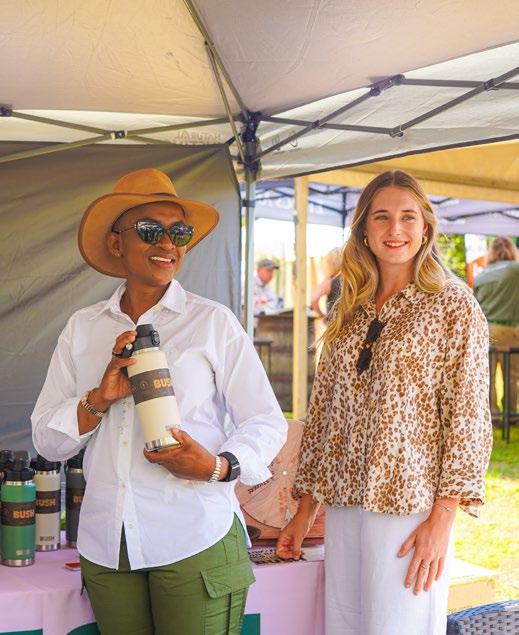
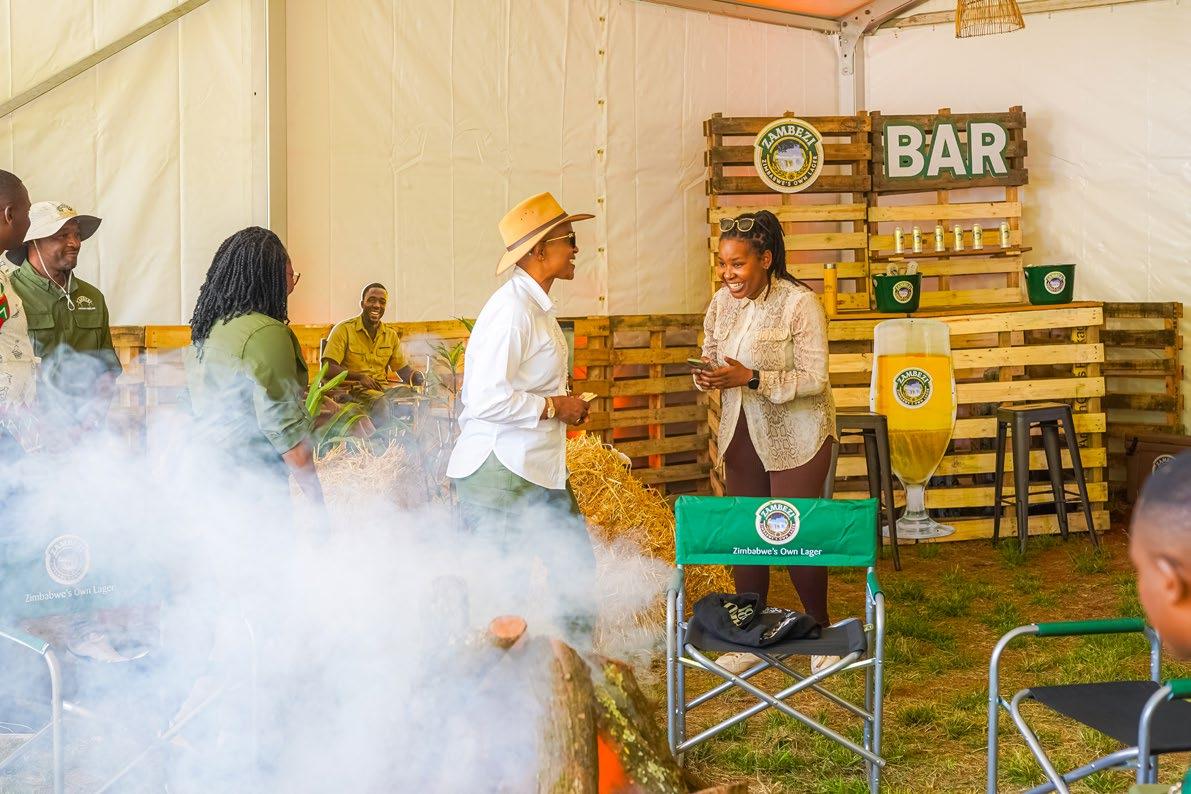
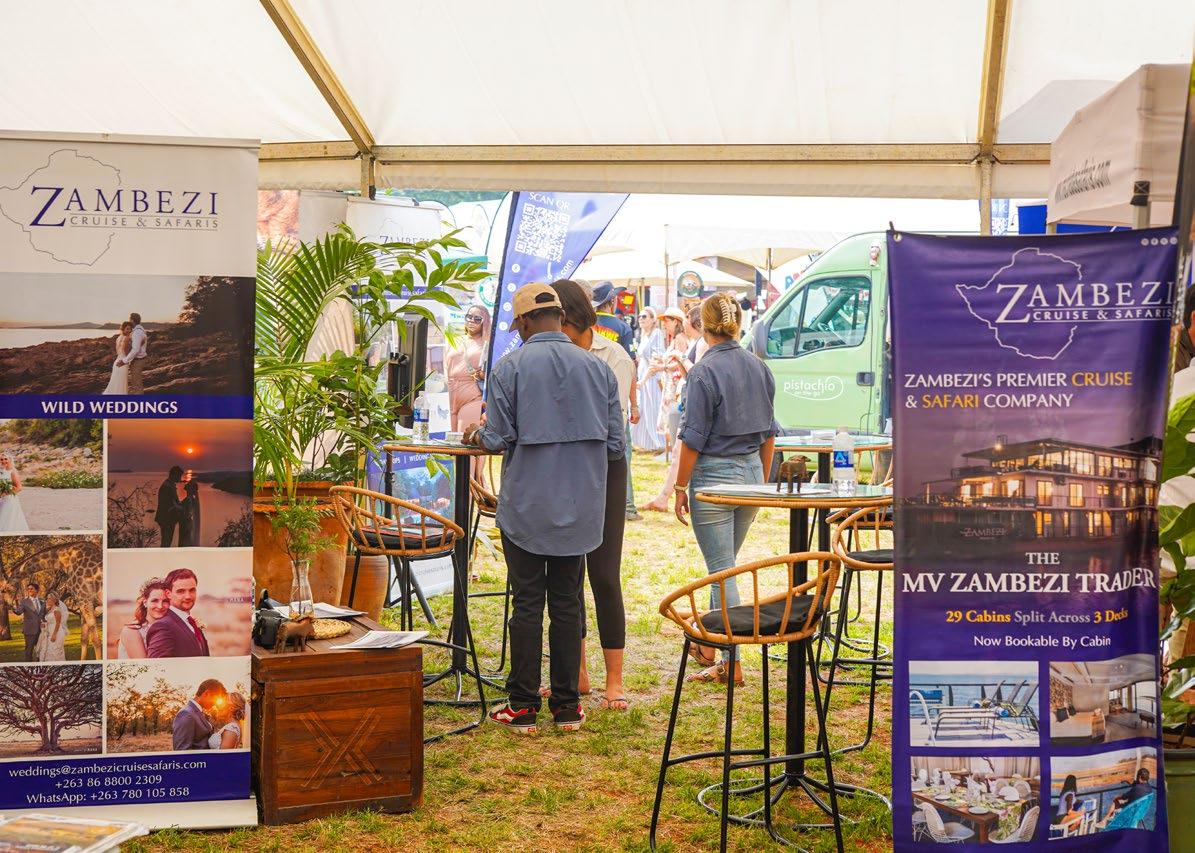
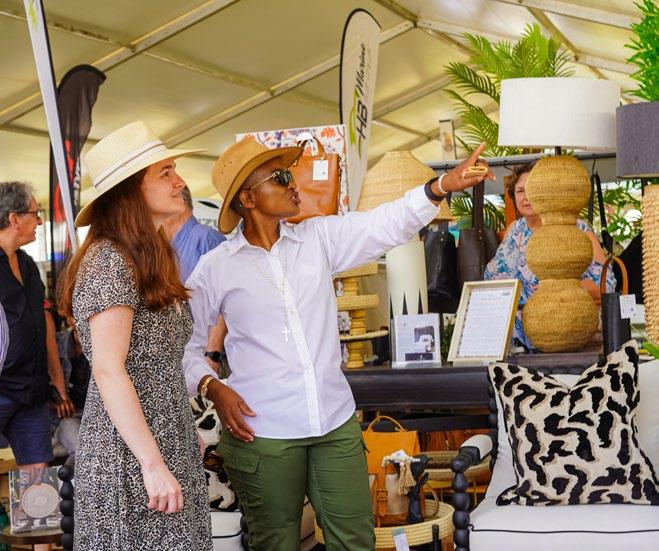
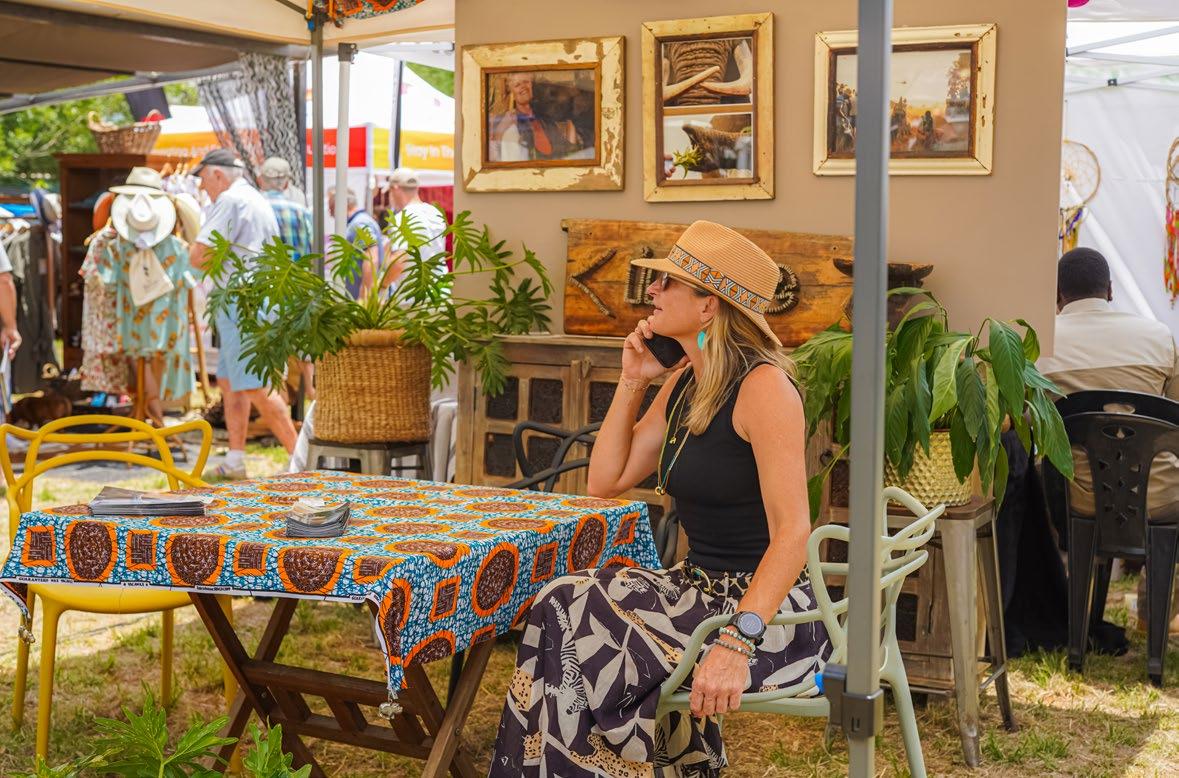
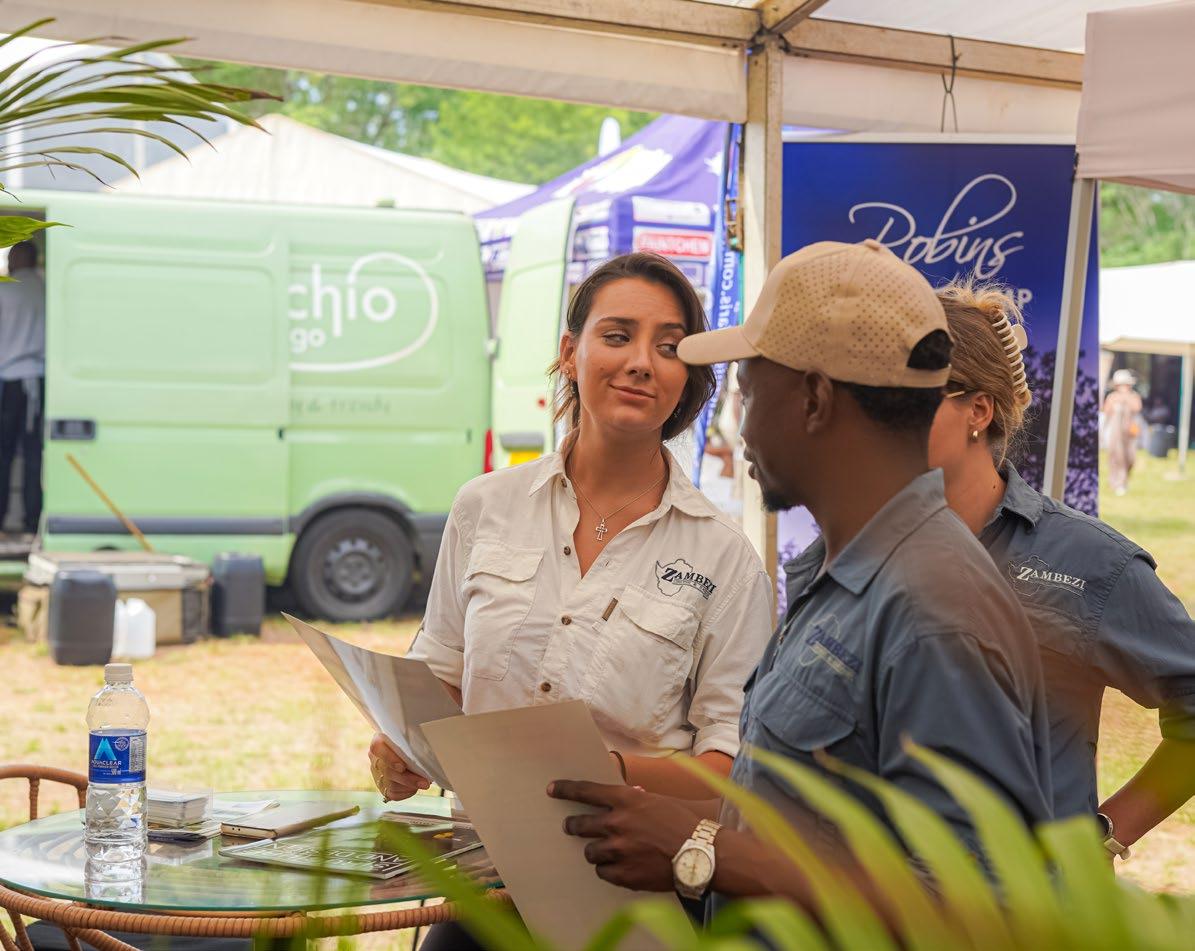
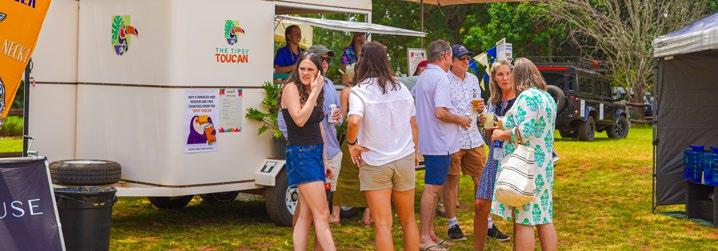
The Safari Show, held recently at the Parklands Business Venue in Borrowdale, became a powerful platform to celebrate the enduring strength and strategic importance of Zimbabwe’s tourism sector. The event was officially opened by the Minister of Tourism and Hospitality Industry, Hon. Barbara Rwodzi, who highlighted the colossal contribution of the Nature and Wildlife Cluster, which underpins the country’s tourism economy.
Safari: The Engine of Zimbabwe’s Tourism
Minister Rwodzi underscored the critical role the safari industry plays, noting that the Nature and Wildlife Cluster contributes nearly 80% of Zimbabwe’s entire tourism economy. This robust performance is not just an indicator of visitor interest but a reflection of the sector’s resilience, professionalism, and continuous efforts to enhance the authentic Zimbabwean safari experience.
The Minister warmly applauded the organisers of The Safari Show for successfully uniting the entire safari value chain—from camp operators and hoteliers to air charter services and conservancies—onto a single platform. “This unified approach,” she stated, “strengthens collaboration, enhances visibility, and drives sector-wide innovation which is crucial for our future.”
The Minister’s address comes at a pivotal moment, with the safari industry continuing to elevate Zimbabwe’s global tourism profile. This consistent effort has contributed significantly to the country’s remarkable achievement of being recently named Forbes’ World’s Number One Must-Visit Destination for 2025. This prestigious international recognition is expected to trigger a major surge in international arrivals, building on the steady increase already observed.
Driving Innovation and Sustainability
Unifying Spirit and Ministerial Leadership
The sentiment of unified success was echoed by participants, including Nyika Vision Safaris, who shared their positive experience from the event.
“What an energising few days immersed in Safari networking and Zimbabwe tourism,” commented a representative from Nyika Vision Safaris. “Huge credit to John & Nadine Laing and Monica Sinclair for hosting an exceptional AGM and Safari Dinner—the organisation, atmosphere, and industry spirit were outstanding.”
Nyika Vision Safaris also extended congratulations to Sophie Phillips and Dave Langerman for assembling a fantastic Safari Dinner & Show. They noted that the event effectively “brought the tourism community together with light-hearted networking, genuine collaboration, and a sense of collective pride that our sector is known for.”
A special mention was reserved for the Minister herself: “A special mention to Hon. Barbra Rwodzi, our Minister of Tourism, who once again demonstrated her hands-on leadership. She connected with everyone, engaged deeply, and even took a turn with the shotgun—a true testament to her energy and commitment.” This personal involvement was deeply appreciated by the sector.
The networking platform also provided a crucial opportunity for operators to showcase innovations. The Nyika Vision Safaris team shared their excitement about new developments, stating, “I personally loved the vibe and the opportunity to share more about the Nyika Vision Safaris App and the packaging developments we’re rolling out across Zimbabwe. The enthusiasm and support from operators was incredibly motivating.” This illustrates the sector’s move towards digital solutions to enhance the tourist experience.
Looking to the future,
Sustainable Tourism is recognized as the key driver for the sector’s long-term success. Minister Rwodzi emphasized Zimbabwe’s commitment to this principle, noting that the country is an active Committee Member on Sustainable Tourism under UN Tourism (formerly UNWTO). This role positions Zimbabwe to actively champion sustainable tourism development across the African continent. The Nature and Wildlife Cluster serves as the foundation for these conservation-driven experiences, ensuring that tourism attracts international visitors while simultaneously safeguarding the environment and its precious wildlife for generations to come.
The Minister reaffirmed the government’s continued commitment to supporting the tourism sector through President Mnangagwa’s Whole-of-Government Approach. This strategy is focused on addressing key enablers necessary to boost global competitiveness, including the provision of rebates and facilitation measures for operators, ensuring the safari industry can thrive and maintain its position as the engine of the national tourism economy.
Explore.
Located in the heart of Kariba, We Travel Africa is your trusted travel partner, dedicated to creating unforgettable journeys across Zimbabwe and beyond. With deep local knowledge and a passion for adventure, we curate authentic travel experiences that showcase the beauty, wildlife, and culture of Africa.
OUR SERVICES Flight Bookings
Lodge & Camp Reservations
Transfers & 4x4 Vehicle Hire
Wildlife Safaris & Guided Tours
Kariba Ferry Bookings
Customised Tours & Itineraries
and Mutare
From business meetings to family visits, now there are daily flights (except Saturday) between Bulawayo and Mutare via Harare.