

Enforcing Washington Discovery Obligations



• Washington courts are shifting toward stronger sanctions, personal accountability, and reduced tolerance for discovery gamesmanship.

Discussion
Case Schedule and Civil Rules
Sanctions
Purposes
Foundational Cases
Recent Direction
Practice Pointers

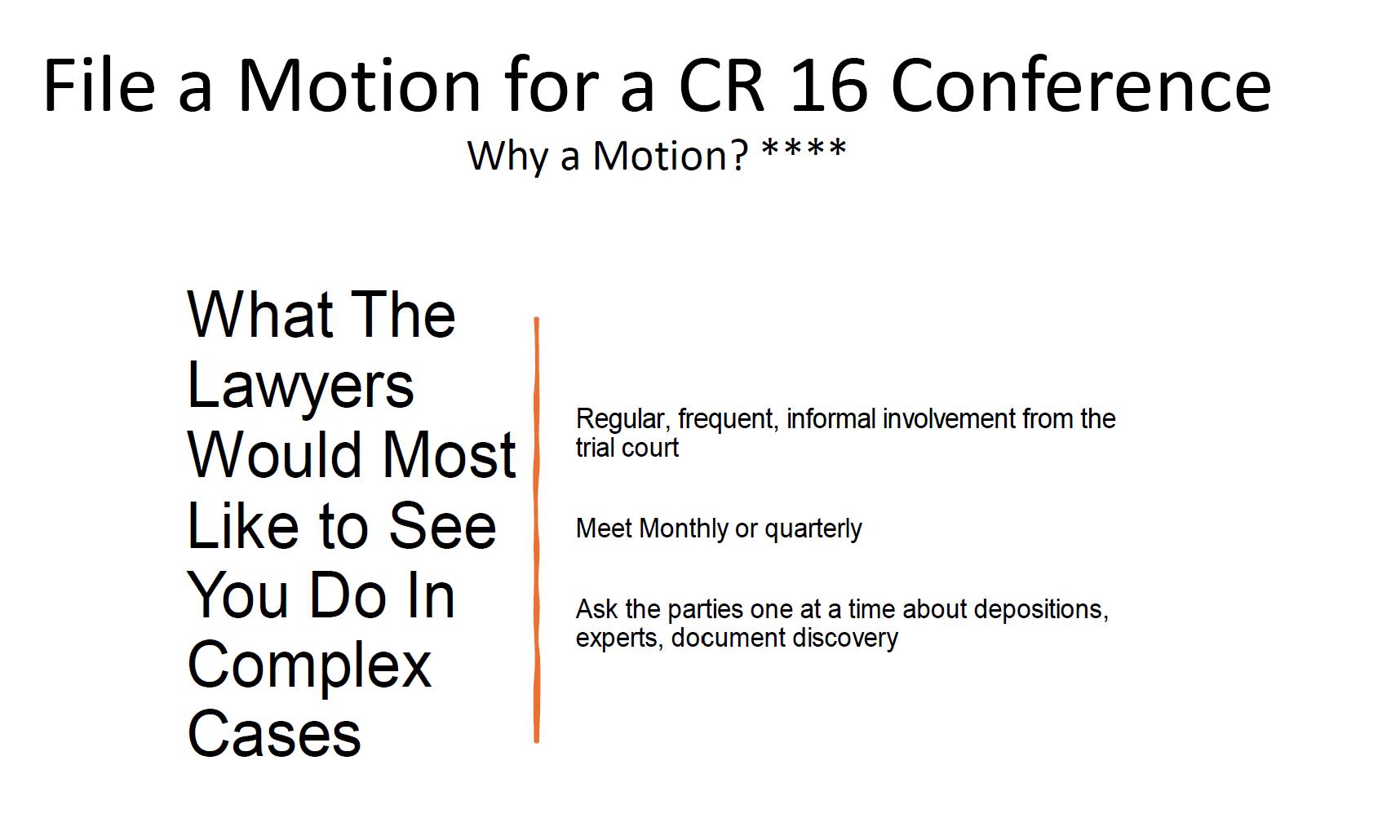
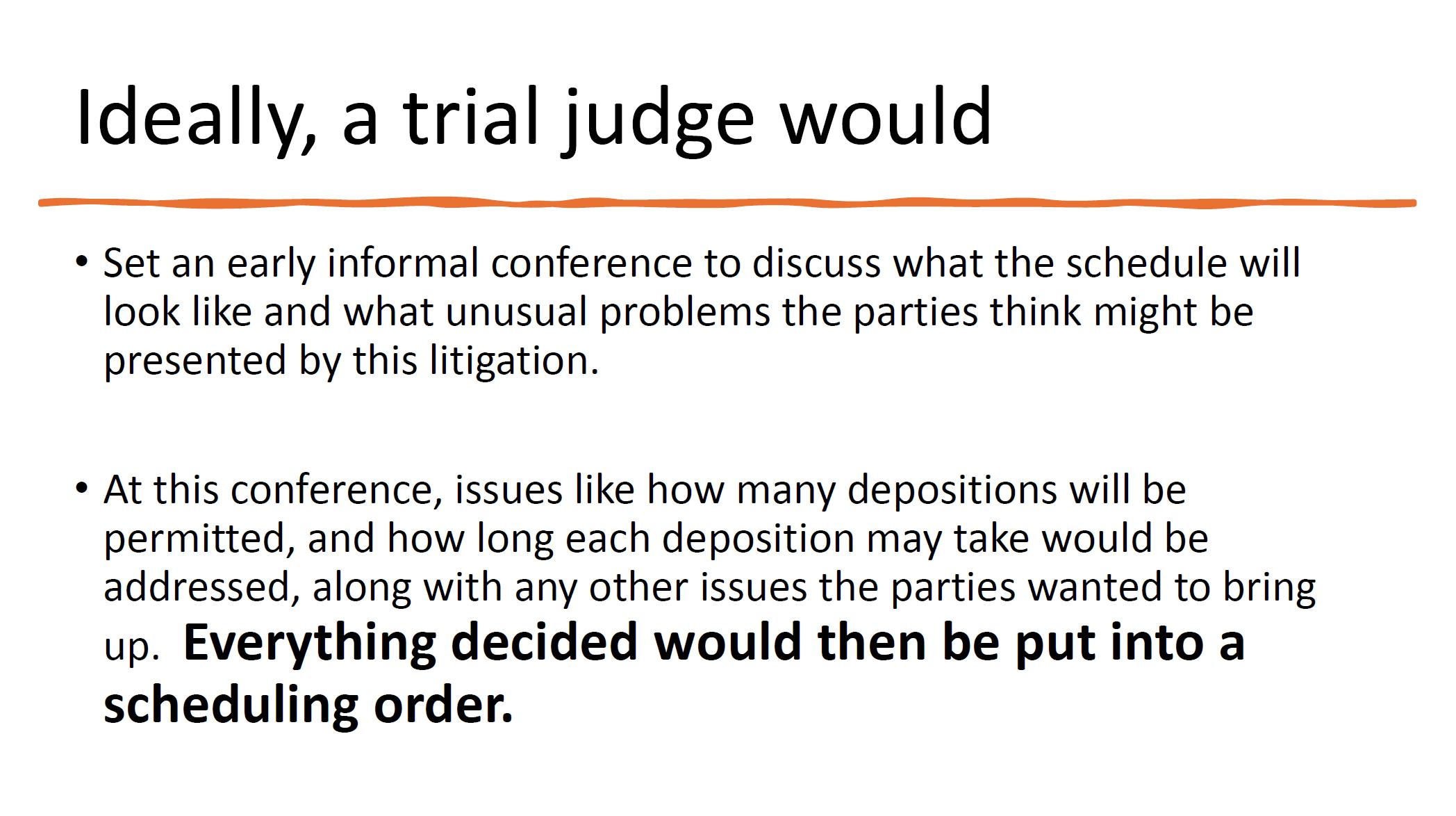
Case Scheduling Order
• Duty to seasonably supplement discovery responses when they become incomplete or incorrect.
Example: Case Scheduling Order
IT IS ORDERED that all parties shall comply with the foregoing schedule and that sanctions, including but not limited to those set forth in CR 37, may be imposed for noncompliance. IT IS FURTHER ORDERED that the party filing this action must serve this Order Setting Case Schedule on all other parties.
Dated:________________________ _____________________________ (Judge)
Example King County LCR 4,

(g) Enforcement; Sanctions; Dismissal; Terms.
(1) Failure to comply with the Case Schedule may be grounds for imposition of sanctions, including dismissal, or terms.
(2) The Court, on its own initiative or on motion of a party, may order an attorney or party to show cause why sanctions or terms should not be imposed for failure to comply with the Case Schedule established by these rules.
(3) If the Court finds that an attorney or party has failed to comply with the Case Schedule and has no reasonable excuse, the Court may order the attorney or party to pay monetary sanctions to the Court, or terms to any other party who has incurred expense as a result of the failure to comply, or both; in addition, the Court may impose such other sanctions as justice requires.
(4) As used with respect to the Case Schedule, "terms" means costs, attorney fees, and other expenses incurred or to be incurred as a result of the failure to comply; the term "monetary sanctions" means a financial penalty payable to the Court; the term "other sanctions" includes but is not limited to the exclusion of evidence.
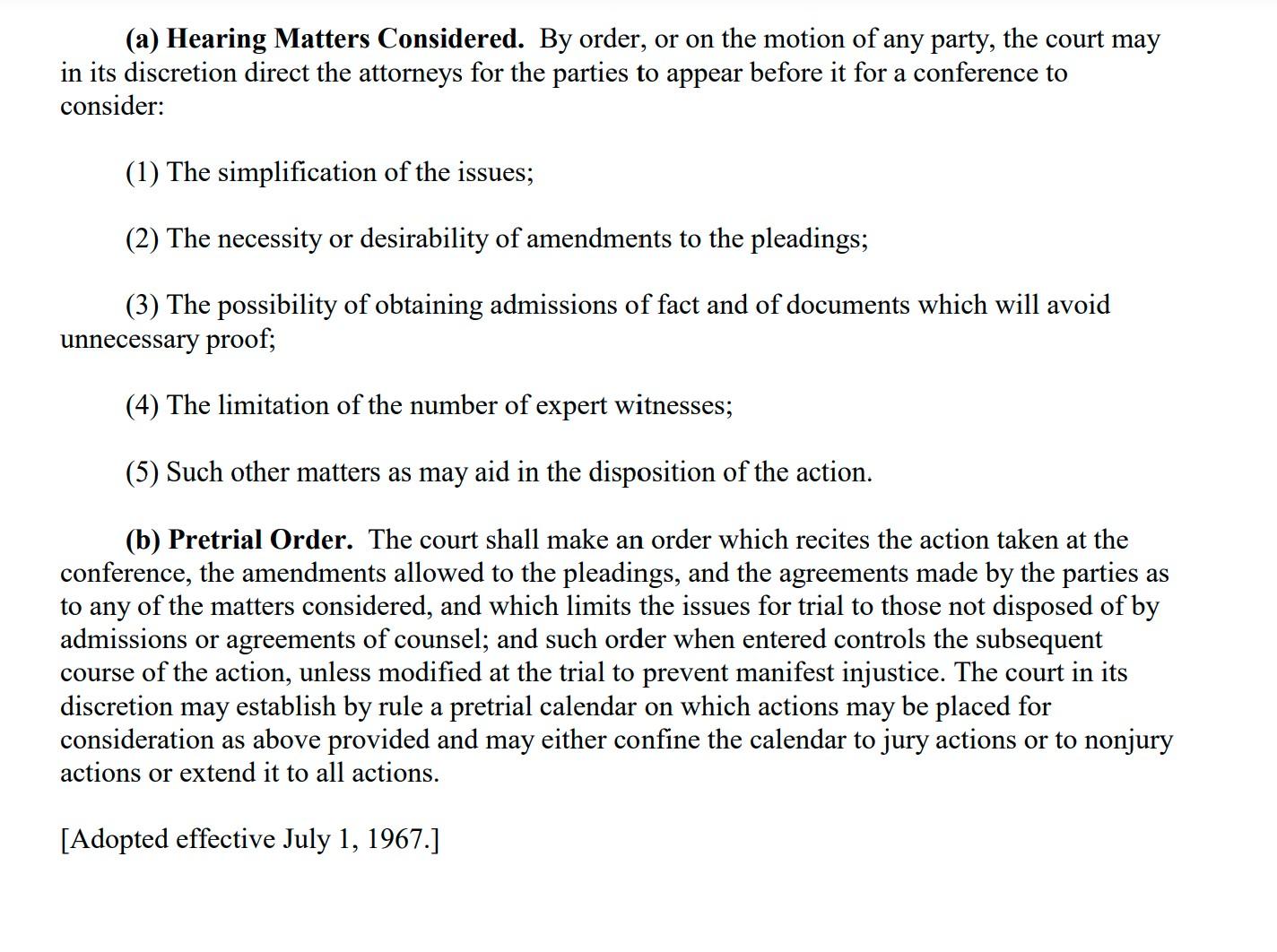
Civil Rule 16
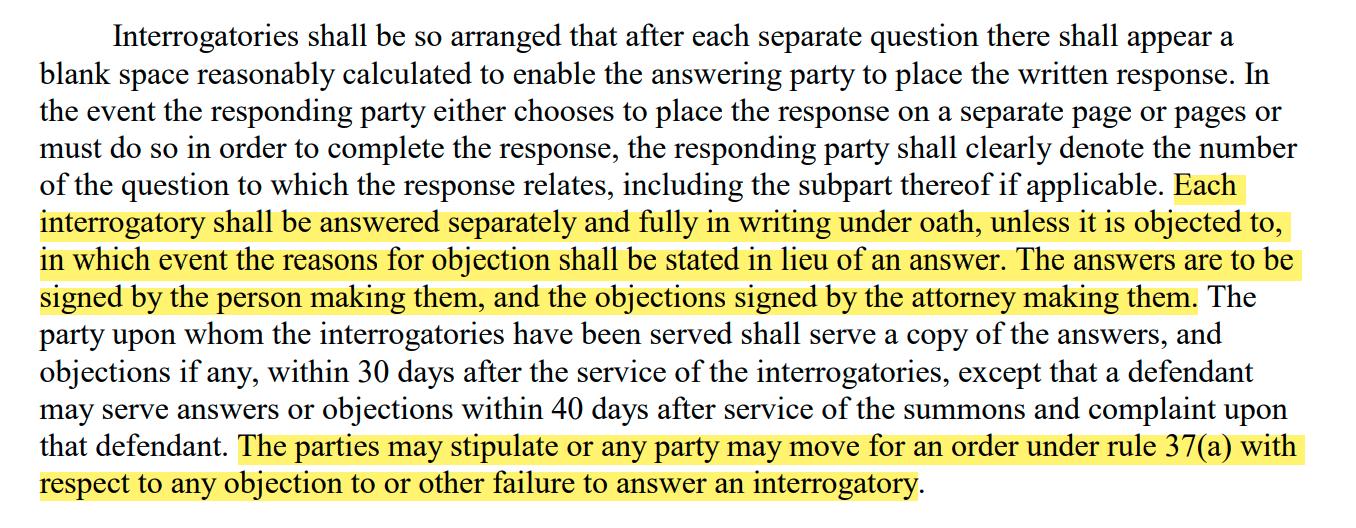
Civil Rule 33 - Interrogatories
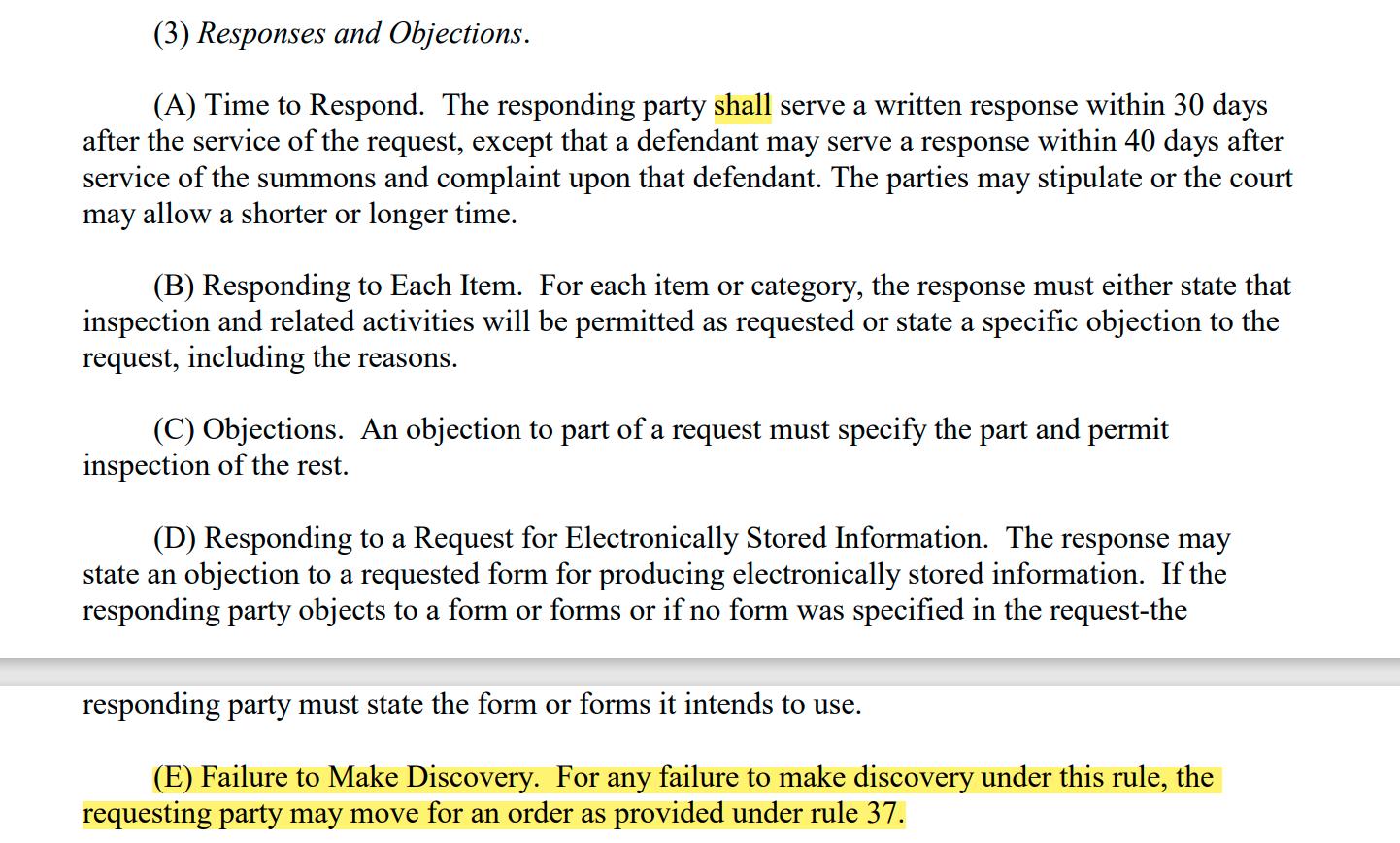
Civil Rule 34 – Production Documents and Other Things
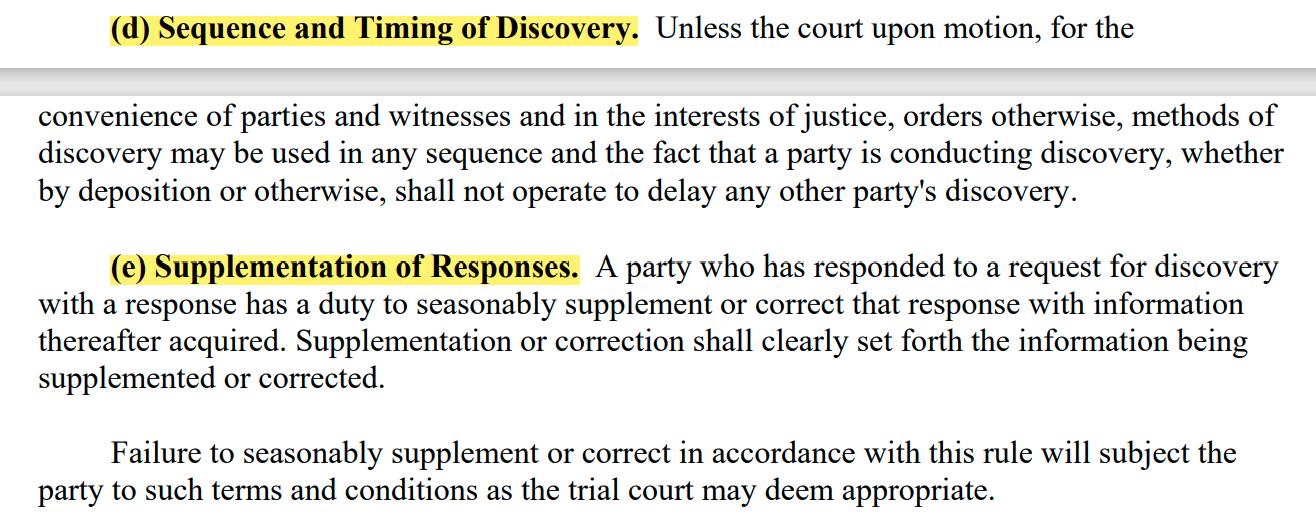
Civil Rule 26(d-e) General Discovery

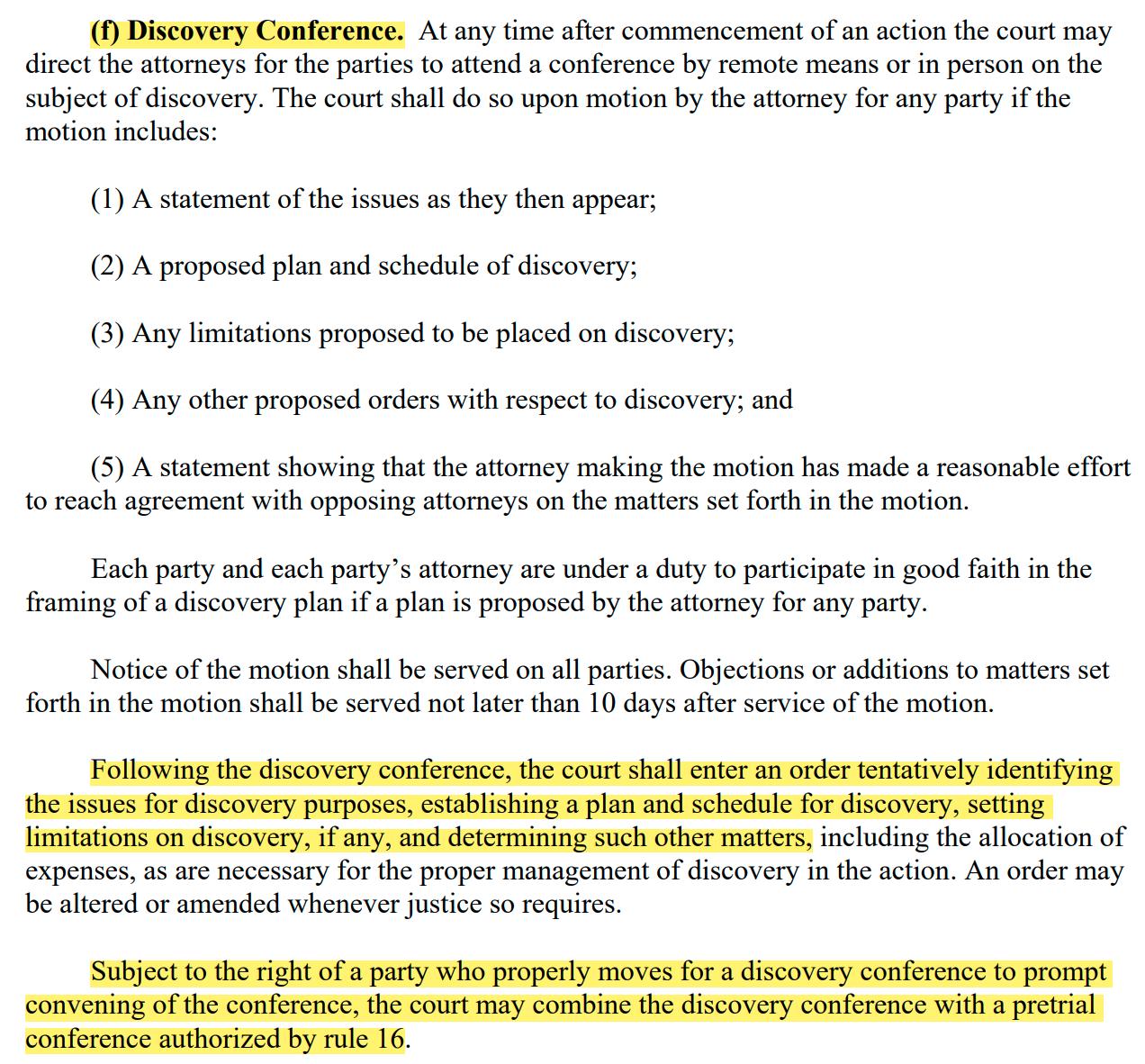
Civil Rule

Civil Rule
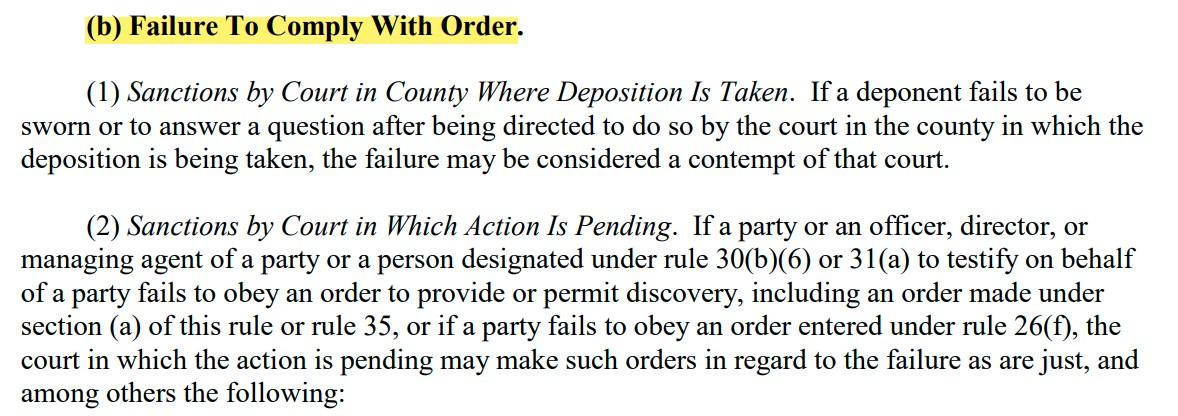
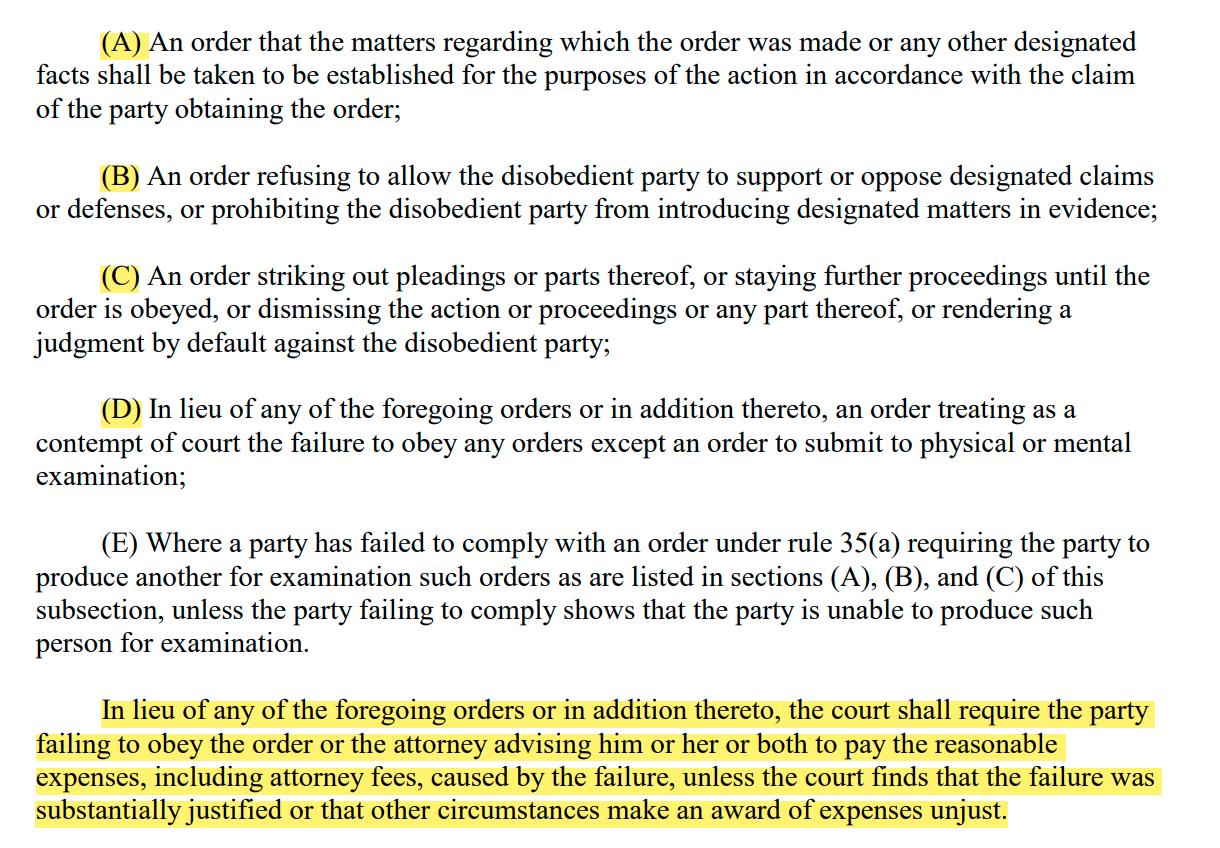
Civil Rule 37(b)
Civil Rule
Civil Rule 2A
• Discovery stipulations are binding contracts; violation can individually support sanctions.
Purposes of Discovery Sanctions
• Deterrence
• Punishment
• Compensation
• Education
• Ensuring wrongdoer does not benefit
Fisons – Facts
• P sought documents relating to D’s knowledge of a drug that allegedly harmed P.
• D avoided producing responsive documents by giving evasive and misleading responses in discovery.
• Years into litigation, an anonymous source sent “smoking gun” documents to P’s attorneys, evidencing D knew of the dangers of drug years before P’s injury.
Fisons – Defense Position
• It produced all relevant documents
• Did not produce the “smoking gun” documents because P did not specifically ask for the documents
• Discovery is adversarial and good lawyering required discovery to be answered in the manner it was
Fisons – Opinion
• Modern trials require a “spirit of cooperation and forthrightness during the discovery process.“ Henderson v Tyrrell, 80 Wa.App. 592 (1996)
• Intent is not required to impose sanctions for discovery violations.
• Recognized “the need for more aggressive judicial control to curb discovery abuses”
Burnet v. Spokane Ambulance –Facts
• P brought medical malpractice claim.
• P sought to assert new liability theory after discovery cutoff and requested more time to complete discovery.
• Trial court granted D motion to bar further discovery and excluded all testimony supporting the P’s new theory, effectively preventing the claim.
Burnet – Plaintiff Position
• Noncompliance inadvertent
• No substantial prejudice
• Lesser sanctions sufficient
Burnet – Opinion
• Trial Courts have broad discretion (with attention to proportionality) in choosing sanctions for violations of discovery orders.
• Make findings on the record for appellate review.
• Severe sanctions should be considered carefully and with attention to fairness and the purposes of discovery
• Before imposing one of the harsher remedies allowable under CR 37(b), the court must consider three factors on the record:
• Whether a lesser sanction would suffice
• Must find whether the violation was willful or deliberate
• Whether the violation substantially prejudiced the opposing party.
Burnet – Opinion
• A Burnet analysis must occur on the record every time a court seeks to impose severe sanctions under CR 37(b) “such as witness exclusion.” Blair v. TaSeattle East No. 176, 171 Wash.2d 342 (2011).
• For practitioners, the “Burnet factors” are often framed as a record-based trio: willfulness or intentionality, substantial prejudice, and consideration of lesser sanctions.
SIDE NOTE: Washington courts have rejected the notion that a responding party may withhold ordered material based on its own view of relevance. In Gammon v. Clark Equipment Co., the Court of Appeals held, in part, that withholding material subject to a discovery order based on a unilateral relevance determination constitutes a willful violation of the discovery order.
Jones
v. City of Seattle
179 Wash.2d 322 (2013)
Refined Burnet, holding the number of hearings a trial court holds on a discovery dispute is irrelevant if the hearings do not meaningfully address the Burnet factors
Before excluding witnesses, the court must conduct a "meaningful inquiry into the reason they were disclosed belatedly (and) the consequences of excluding their testimony“
Invalidated a local rule imposing "a presumption that late-disclosed witnesses will be excluded," holding that "Burnet and its progeny require the opposite presumption”
“[L]ate-disclosed testimony will be admitted absent a willful violation, substantial prejudice to the nonviolating party, and the insufficiency of sanctions less drastic than exclusion"
Magana v Hyundai– Facts
• P was passgener in a Hyundai accent and was severely injured in accident. Sued Hyundai based on design defect in car seat.
• P sought discovery of any documents related to OSI or lawsuits and identify all models with same/similar design.
• D prevails at trial 1 but COA remands for new trial due to evidentiary error.
• Prior to trial 2, P requests updated discovery responses about accidents involving seat design. Move to compel.
• D for first time produced numerous documents including the same model of car.
Magana v Hyundai – Opinion
• Hyundai willfully violated discovery rules
• Failed to inform P that there were multiple claims of similar failures
• Falsely represented to P there were no claims involving this design
• Failed to supplement incorrect responses
• Failed to search outside legal department in responding to P’s discovery requests.
Magana v Hyundai – Opinion
• P’s ability to prepare for trial No. 2 substantially prejudiced because of D’s actions in failing to disclose requested info at time of trial 1, five years prior.
• Sole issue for trial No. 2 was D’s liability, and D withheld evidence directly relevant to P’s claims.
• Upheld trial court imposition of default judgment against D.
Rose v. Pharmacia – Facts
PCB Cases
• Defense counsel served expert disclosures after court-ordered deadlines had passed in seeking to exchange two previously disclosed experts with new ones.
• New experts expanded, altered, and reframed expert testimony at a point when discovery had closed and after trial began according to the judge.
Rose – Defense Justifications
• Disclosures were modest in scope and not prejudicial
• Weren’t sure if experts were going to be able to finish reports in time, so didn’t want to prematurely disclose
• This is local custom and practice, ok to disclose late experts
• No prejudice; withdrawal of experts cured harm
• Sanctions against attorneys personally were punitive and unauthorized without Burnet findings
Rose – Trial Court Order
• Wasted everyone’s time. CR 1.
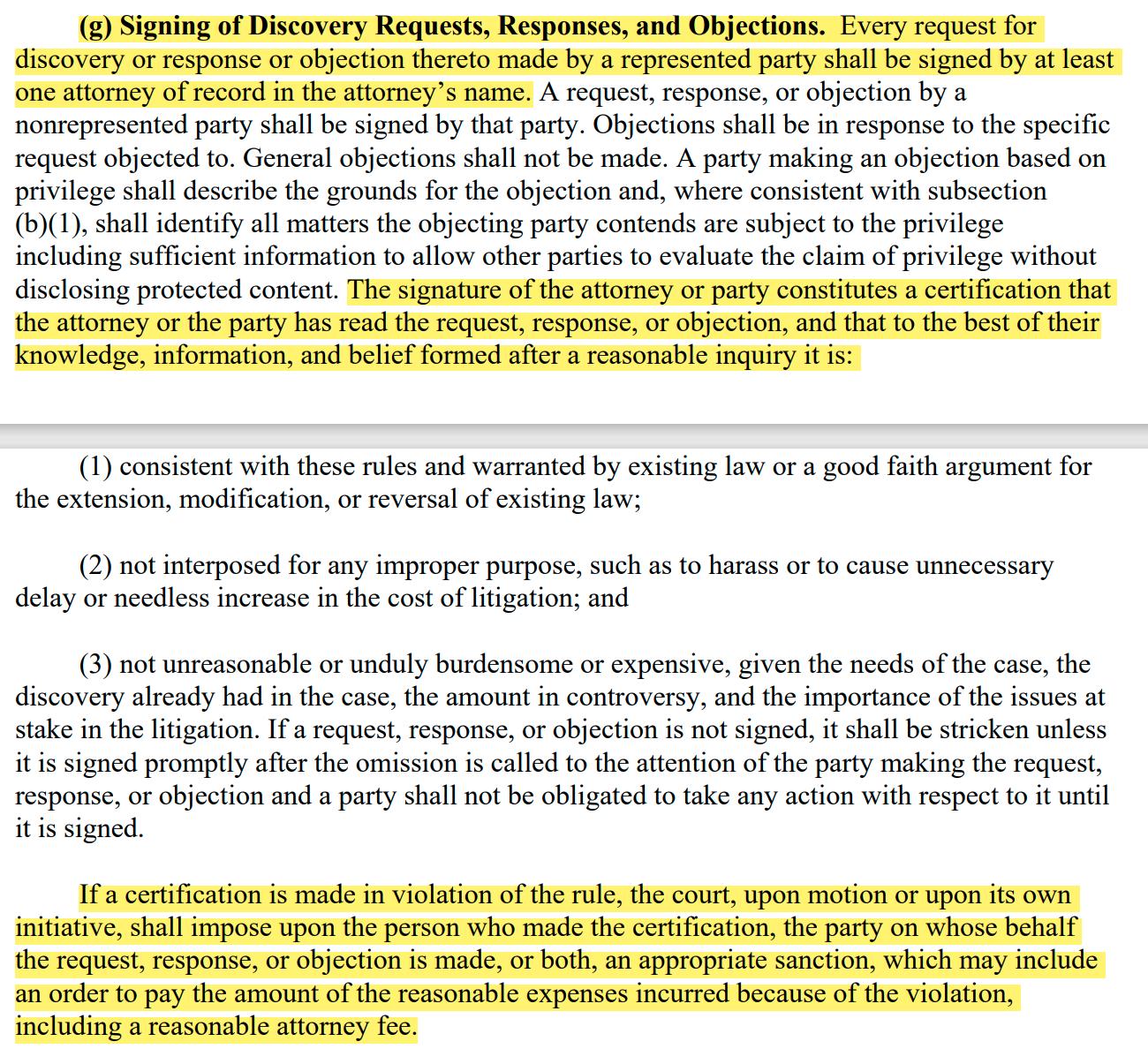
• Focused on CR 26(g) (i.e., court shall impose an appropriate sanction on the person making the certification)
• Shows disrespect to court
• Frustrated P’s ability to prepare for trial
• Fees and costs in bringing motion
• Denied request for “more time” sanction by P
Rose – Trial Court Order
• Actions driven by lawyers’ decisions
• Individually sanctioned each attorney who signed pleading $2500.
• Court does not believe this is the type of sanction that requires Burnet.
• Is purely monetary in nature, will educate all people, all lawyers, particularly those on the defense side that the rules are there for a reason. They need to be followed and their are consequences when they are not followed.
Rose – Trial Court Order
• Will deter future conduct
• Personal sanctions against lawyers means something.
• May affect pro hac … that sting is deterrence
• Compensation addressed
• Finally punishment.
• Sometimes lawyers behaving badly, inconsistent with the rules, creates chaos and disruption, candidly and frankly need to be punished. And this is a situation like that.
• Personal sanctions for 8 attorneys, $2500 each.
Rose – Reconsideration
• D argues:
• Personal punitive sanctions against attorneys were improper
• Rule 37 does not authorize punitive monetary sanctions against attorneys personally, only Rule 11 does
• Even if punitive sanctions are permissible, Burnet analysis required and not done
• No willful misconduct, “core opinions” the same
• Course correction should not be punished (we withdrew)
• Due process – only relief requested was expert exclusion or time, not individual personal sanctions against attorneys.
• Chilling effect on advocacy, will make D counsel gun shy, impair tight to zealous and effective advocacy.
Rose – Reconsideration
• P argues:
• Knowingly violated court orders
• CR 37 states, any order that is “just”
• Shock
• D counsel admitted client views Burnet as a price tag
• Counsel have higher duty to Court and these proceedings than clients do….Counsel must tell clients about the rules and follow them.
Rose – Reconsideration Order
• DENIED in all material respects
• “Scheduling orders are not afterthoughts, to be complied with only when counsel and their clients see fit. They are vital tools utilized by trial courts, particularly in complex cases.”
• “The question often becomes: Is the late-disclosed evidence important enough where we are willing to pay our way out of following a scheduling order? That is what occurred in this case”
• Sanctions required to deter gamesmanship/perverse incentives encouraged by Burnet. “It cannot possibly be, as Attorneys argue, that counsel can ignore casescheduling orders simply because their client can pay for the possible consequences.”
• Counsel, not the client, were proper recipient of sanctions.
• Orders Counsel, not client, pay the costs of motion and attorney fees as well.
Rose –Takeaway
Rose squarely treats attorney accountability – not merely party conduct – as central to discovery enforcement

Rose –COA

Argued on June 2, 2026
Stay tuned…
Bashir v. Amazon– Facts
• Facts: Amazon delivery driver crashed his car into Plaintiff Bashir, resulting in significant injuries
• Amazon took the position that the at-fault driver was an independent contractor.
• P served discovery on April 17, 2025.
• Court (Judge Port) granted motion to compel in July 2025, ordering D provide “full and complete responses (including but not limited to any responsive documents) within 10 days.
• D did not comply
• P pursues another LR 26(i) and filed contempt and sanctions motion.
• Court found D in contempt, imposed $50k sanction to Foundation for Washington State Courts, fees motion for P counsel.
• Granted fee motion, applied Lodestar analysis, awarded fees and costs.
Amazon – Lodestar
• Lodestar method and market rate
Washington courts use a lodestar approach: reasonable hours multiplied by a reasonable hourly rate, with limited discretionary adjustment. Authorities commonly cited include Bowers v. Transamerica Title Ins. Co.(reasonableness factors) and Dalsing v. Pierce County (lodestar methodology).
• Findings are required; affidavits are not enough
A trial court must enter findings of fact and conclusions of law sufficient to permit review of a fee award. This point is reinforced by decisions requiring more than reliance on fee declarations alone.
• Paralegal and staff time
Washington law permits recovery for nonlawyer time when it reflects “specifically delegated substantive legal work” performed under attorney supervision, and courts evaluate whether the services were legal (not clerical), supervised, and reasonable. In the case study fee motion presented here, we relied on these principles to support recovery of paralegal time and to show cost efficiency by delegating appropriate work.
• Fees on fees
Washington recognizes that time spent establishing entitlement to fees and the amount of fees is compensable in appropriate circumstances.
King County v Aquatherm GmbH – Facts
• King County sues Aquatherm GmbH for product liability after a defective pipe at KCCF failed.
• D engaged in discovery violations on 2 separate occasions:
• D failed to disclose existence of second recipe used in manufacturing pipe at KCCF. Had previously said only one recipe in a parallel proceeding in King County.
• D failed to disclose pipe samples in possession and requested in discovery.
• Trial court personally sanctions D counsel $18k
• Trial court sanctions D $1.5M and personally sanctions D Counsel an additional $5k related to undisclosed pipe samples.
Aquatherm – Defense Arguments
• You didn’t ask the right question, overbroad.
• No intent;
• Misunderstanding;
• Reputational harm;
• Burnet required
• Creating an independent duty of disclosure
Aquatherm – COA Opinion
• Affirmed sanctions for willful violations of discovery rules that substantially prejudiced the County
• Rejects independent disclosure argument, Courts have the authority to use sanctions to deter unjustified and unexplained resistance to discovery
• Found D conduct to be “the precise type of conduct that Fisons disapproved”
• “Such a direct sanction will educate Ms. Cohen about the perils of tinkering with the discovery process, will hopefully deter her from engaging in similar behavior, and will punish her for her actions.
• “Cohen cites no authority for the contention that due process required the trial court to notify counsel that it was considering personal sanctions”
• “A Burnet analysis is required for remedies such as dismissal, default, and exclusion of testimony – sanctions that may affect a party’s ability to prepare its case – but a Burnet analysis is not required for monetary, compensatory sanctions under CR 26(g) and CR 37(b)(2).
Direction of Washington Law
• Recent case law seems to clarify Burnet narrowed to casedispositive “severe” sanctions ‑
• Monetary and personal attorney sanctions expanding
• Discovery compliance treated as personal to counsel
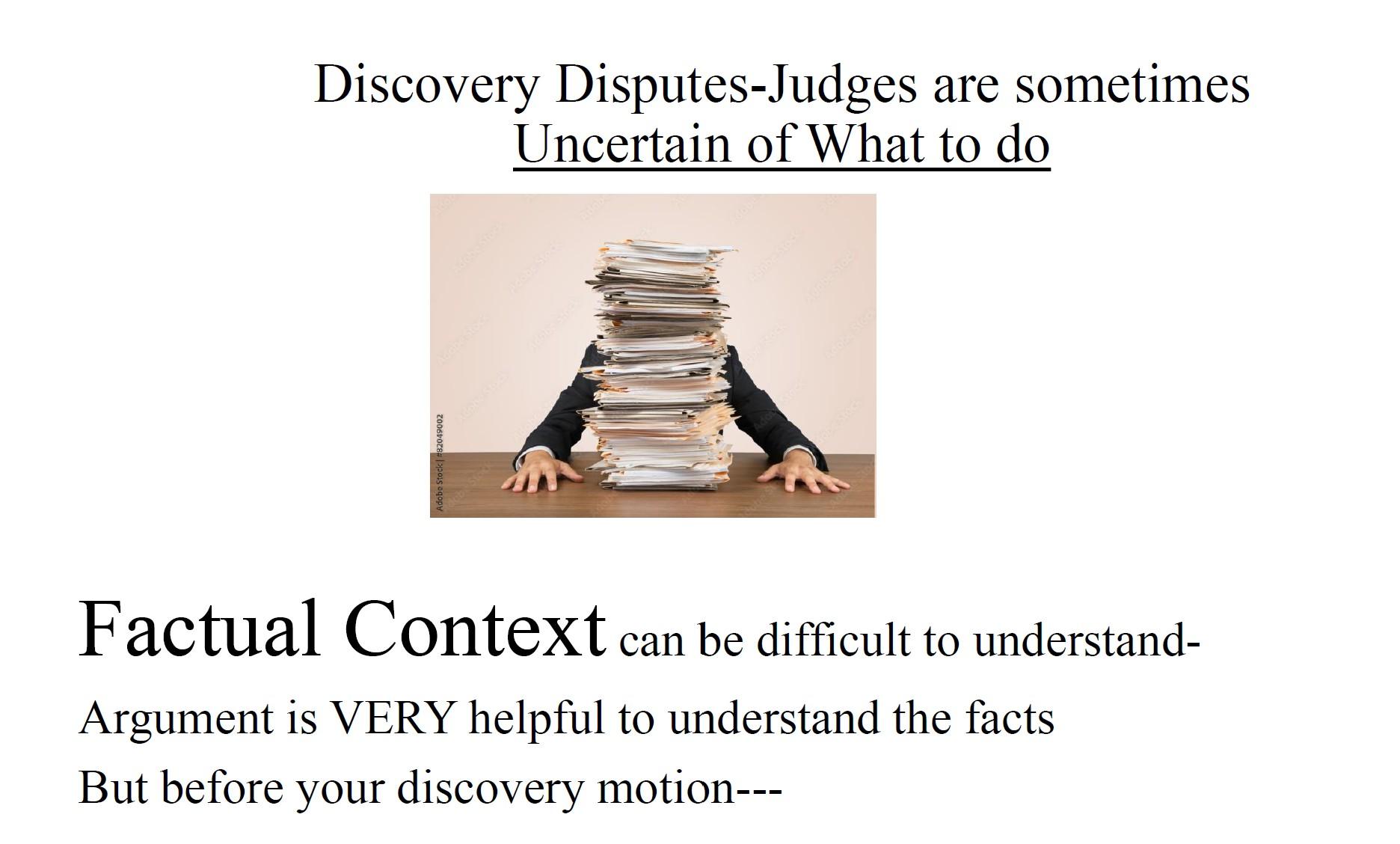
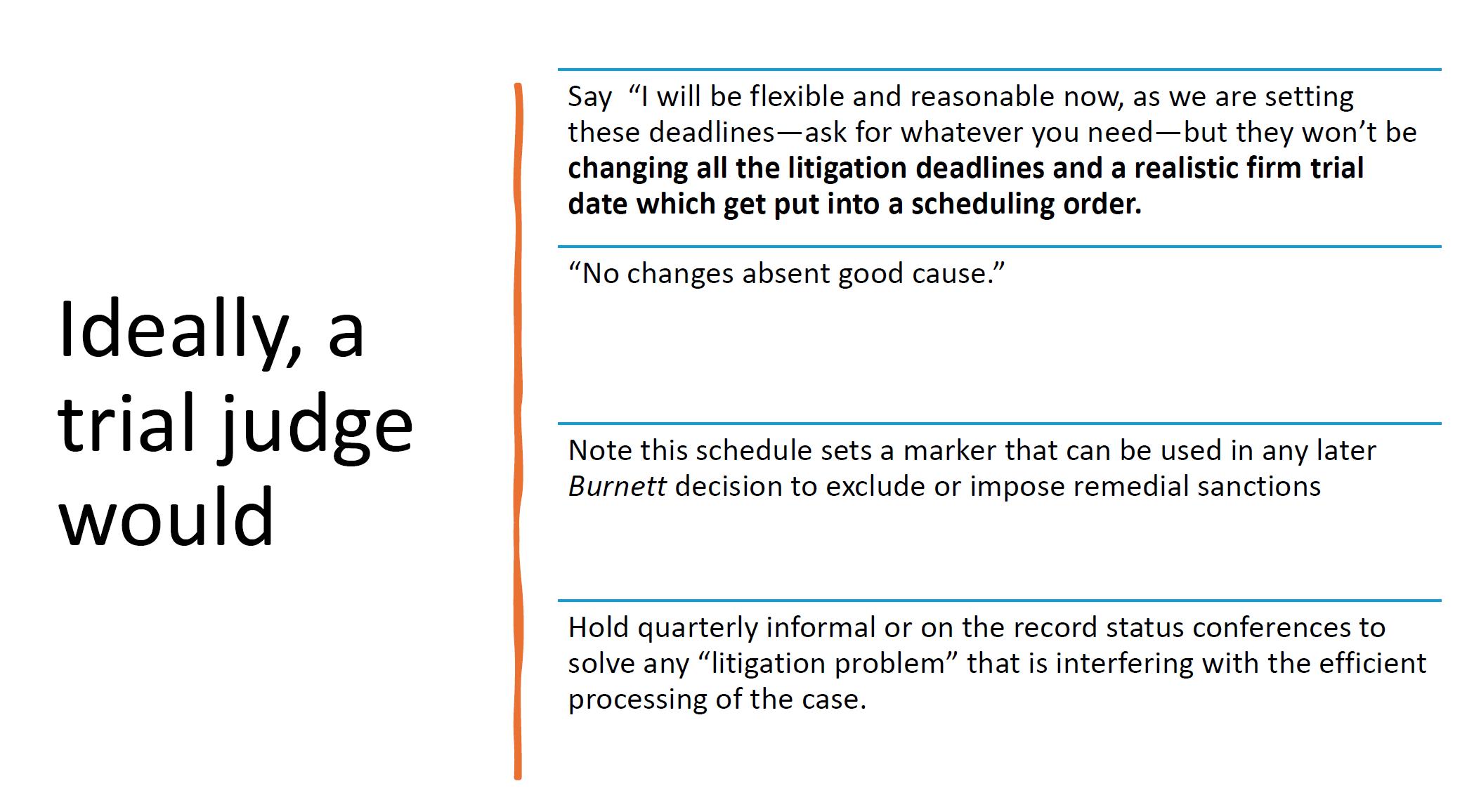
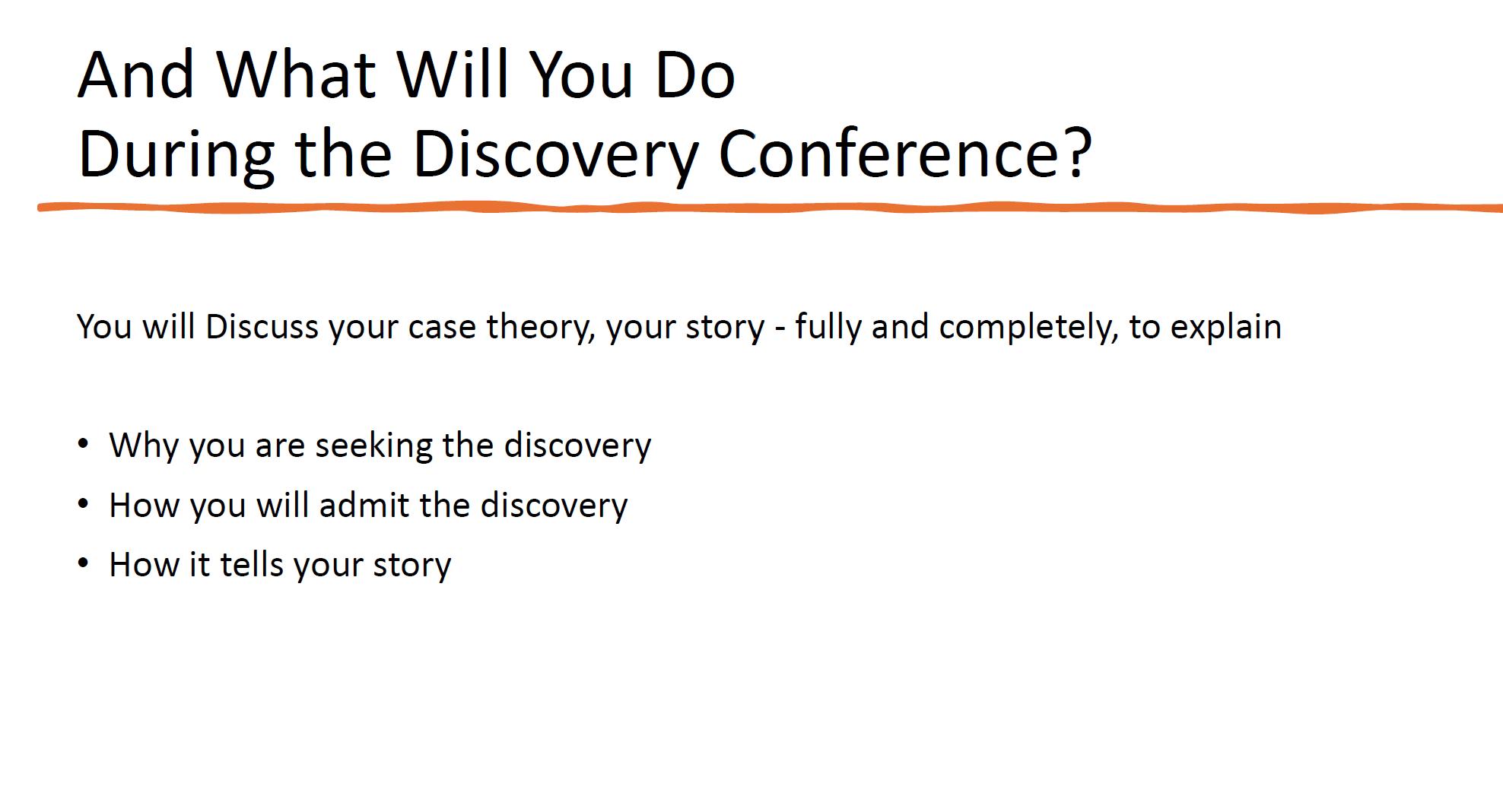
The Bench Wants Our Help
• Judge Jim Rogers presented at WSAJ Trial Stars in December of 2025.
• Was a talk given to the bench as well.




Practice Pointers
• Effective discovery enforcement pleadings pair the operative rule with a Washington authority that explains the court’s role. Examples: CR 37(b)(2) + Burnet (sanction discretion); CR 34(b)(3)(C) + Gammon (no unilateral relevance refusal); and CR 26(g) + Fisons (protective order, not obstruction).
Practice Pointers
• Build prejudice record
• Chronology and specificity matter
• Detailed records for fees
• Date between days website for counting…
• Press CR 26(g) certifications
• Seek early sanctions
• Remedies: ask for what will change behavior
• Ask that fees be donated to Foundation for Washington State Courts