
The death of a close relative or friend can be devastating and can bring about stronger emotions than we have previously experienced.
For some people grieving starts at the time of death and for others it starts at the time of diagnosis. Grieving is a normal process and can affect people in many different ways; emotionally, physically or socially, and in many practical areas of life. Bereavement can be a confusing
time with mixed thoughts and emotions. The world with which we were familiar has changed and as with any change, it is often difficult to get used to a new situation.
Some people may not show or feel any emotion at all. For others it can be experienced immediately or later, there are no set time scales. There is no right or wrong way to feel following bereavement and everybody’s experience is unique.
It is common for people who have been bereaved to experience some or all of the following emotions and feelings.
• Sadness (emptiness, despair, yearning, loneliness, tears)
• Guilt (regrets, negative feelings about what we did or did not say, relief)
• Anger (resentful, cross at the person who has died, angry at religion, or medical team)
• Shock and disbelief (numbness, expecting to see the person who has died)
• Fear (anxiety, insecurity, helpless, panic attacks, additional responsibility)
• Physical symptoms (fatigue, nausea, weight loss/gain, aches, insomnia, constant or uncontrollable crying)
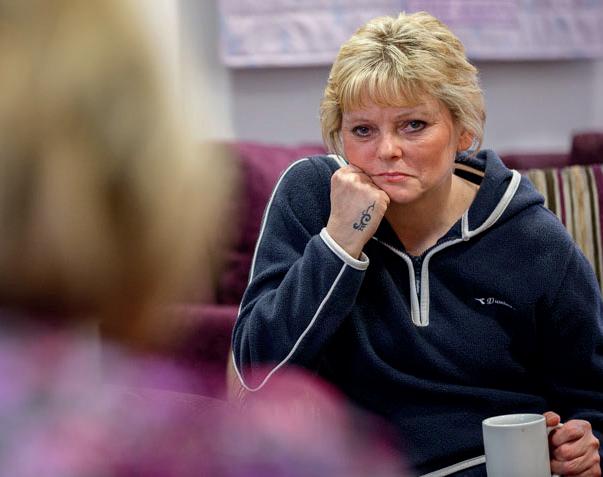
Everyone’s experience of grief and bereavement is personal to them. Some of the things that we hear frequently are…
“I feel out of sorts. My emotions are up and down. One moment I’m fine and thinking of normal things, the next I am in floods of tears”
repeatedly and it is important to tell them the truth; that someone they love has died. Your belief as to what happens after someone has died may provide comfort and explanation.
Avoid saying things like ‘gone to sleep’ or ‘gone on a long journey’ as this can be confusing for children.
Sudden changes in mood can be shocking and hard to deal with, but they are very normal. You may feel like you are on an emotional roller coaster and it can be overwhelming and difficult to carry out everyday tasks.
It may also be hard to concentrate. Some people find it helpful to focus on daily routines, take time out, or throw oneself into distraction or busyness. Everyone will find their own way of coping.
Older children may be able to put aside their grief and carry on with their lives; they may also need practical arrangements explaining, such as what will happen at the funeral.
It is fine to show your emotions, this encourages children to do the same and normalises their own feelings.
“I’m worried about how to talk to my children, they seem ok, I don’t want to make them sad, but I don’t want them to be silently worrying either”
“I just feel numb, is this normal?”
How your children will respond to grief will depend on their age and understanding of death. Younger children may ask a lot of questions
When we are in shock it is common to feel numb, to feel physically cold, or to feel like we are going through the motions of life and daily routine.
You may also be unable to concentrate or think clearly. You may find that, initially, you carry on as if nothing has changed.
These are all normal coping strategies and ways of managing the pain of loss. It can often help you get through the early days of
bereavement when things are busy and as time moves on these feelings may change and ease.
“I feel so depressed. I can’t see the point in living without them”
You may find yourself constantly thinking ‘if only…’ You may ask yourself ‘why?’ Death can seem cruel and unfair. It can make people feel powerless and helpless. These emotions may be painful to live with, but guilty feelings will pass. It helps to focus on the good times when you can.
Depression, hopelessness and frustration are understandable reactions when someone you love has died.
It can be common to think about your own death, or even think about ending your own life to escape the pain. It is important to talk with people you trust about your thoughts and feelings, and remember life goes on.
It may be helpful to talk about your feelings of hopelessness or despair with a professional who is experienced in bereavement support.
It can help to talk these feelings over with someone who you trust and can support you.
“I feel so guilty”
We often hear people talking about feelings of guilt, for being alive when their loved one isn’t; for somehow not preventing their death; for having let them down in some way.
“I thought I’d be over this by now”
At the beginning you may have found that family and friends rally around and it is only later when you are left alone with your grief that the feelings may intensify.
The rawness of bereavement and our expectations of it change over time and it is normal for grief to come and go in waves.
Some days you may feel very lonely, find daily tasks difficult to cope with and struggle socially, other days you may feel like you are your old self again.
There is no time limit on grief. If you feel that you are struggling or not coping, it might help to contact our bereavement support service.
Support from St Richard’s Hospice is available to family (biological or chosen), friends, children and carers who have been affected by the death of a loved one. All our services are free and confidential.
Telephone and/or virtual support
You can receive telephone and/ or virtual support from our Family Support Team which will be arranged to suit your personal needs.
One to one support
This is personal support where you meet with either one of our Counsellors, Family Support Volunteers or Family Practitioners depending on your individual circumstances and need.
Group support for adults
We offer various types of bereavement groups. These include therapeutic groups which meet a couple of times a year for a number of weeks, to identify ways of coping and supporting each other. We also host an informal social group for
those who wish to meet others who have experienced similar losses and to meet for a drink and chat.
Groups for children, young people and their parent/carer
We run a group for bereaved children, young people and their parent or carer. Families benefit from professional and peer support, meeting people in a similar situation and with similar issues.
Bereavement webinar
Hear members of the Family Support Team at St Richard’s Hospice explore grief and bereavement. Learn about the symptoms of grief, and listen to the team discuss ways of coping with bereavement. View the webinar youtu.be/say-nryEABI
You may feel you are coping with your grief, and bereavement support is not appropriate for you at the moment. If your feelings change in the future, please remember you can always reach out to our team for support.
If you would like to access bereavement support from St Richard’s, please complete our online referral form https://strichards.org.uk/our-care/access-our-care, or contact our Family Support and Bereavement Referral Line on 01905 763963.
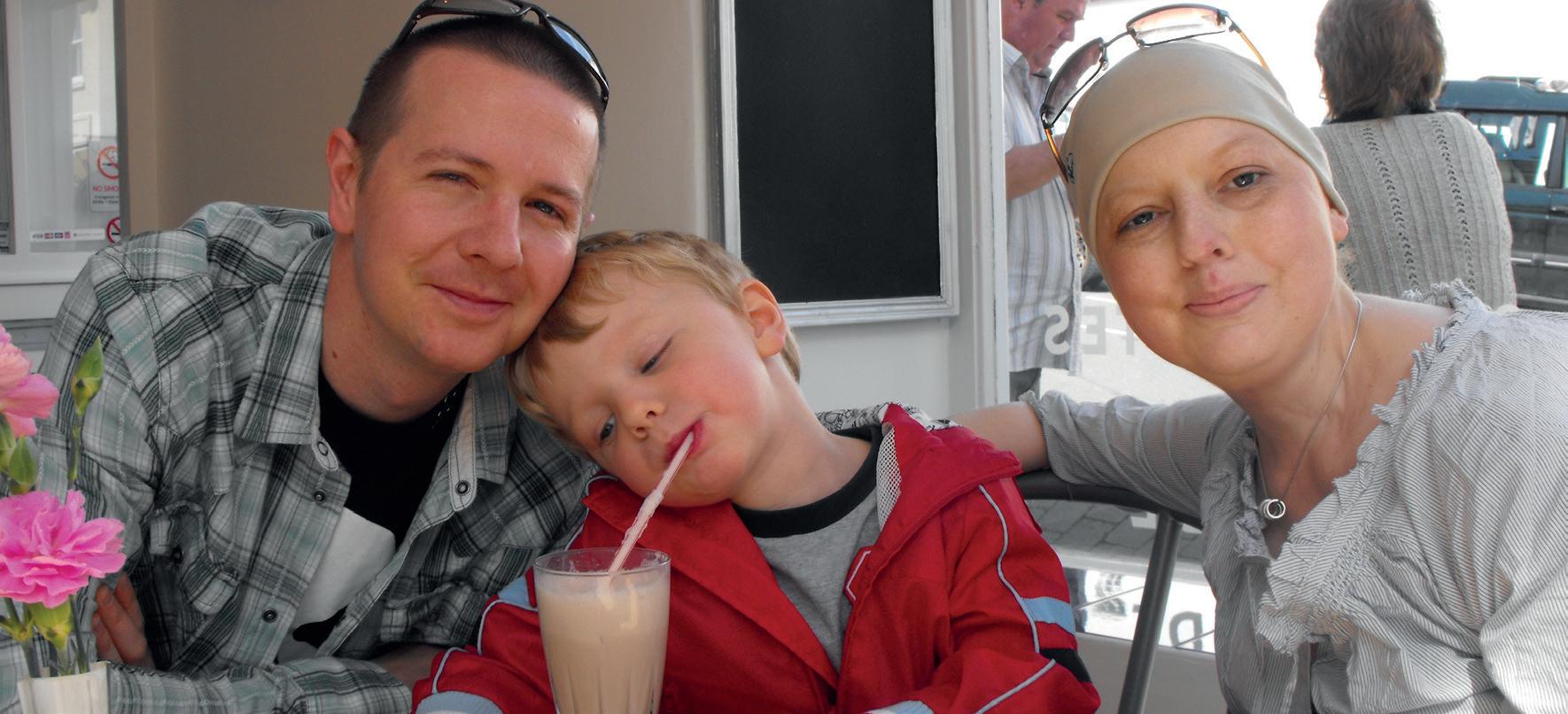
Create a Forever Loved tribute fund
An online Forever Loved tribute fund is easy to set up and allows you to remember and share precious memories while raising money for our care. You can also use a tribute fund for funeral donations.
Visit https://strichards.org.uk/give-in-memory. For help or advice on setting up the tribute page contact the Fundraising Team on 01905 958262 or email appeals@strichards.org.uk
Lights of Love
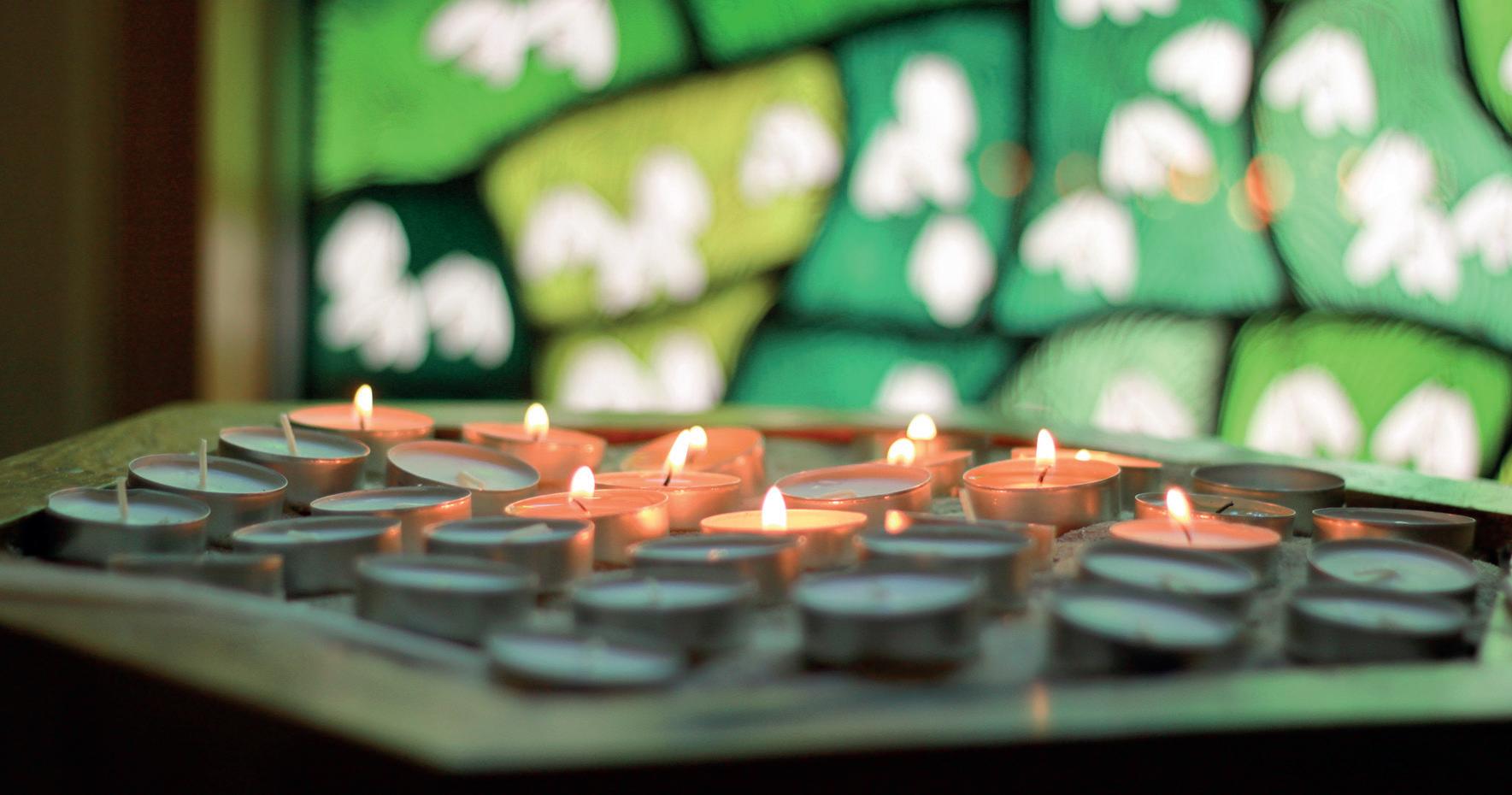
At the end of each year, St Richard’s holds its Lights of Love campaignoffering the community the chance to come together and remember loved ones. To find out more, visit https://strichards.org.uk/events/lights-of-love
Share a memory
Share precious memories and celebrate the life of someone special with a dedication on our online memory page. If you wish, you can add a photograph: https://strichards.memorypage.org
Dedicate a leaf in memory
Place a silver leaf on our tree sculpture in the hospice gardens. Leaves are free, and you can arrange to have it engraved yourself. Call our In-patient Unit Coordinator on 01905 763963 to find out more.
Or you can purchase a bronze, silver or gold engraved leaf on our beautiful sculpture in the hospice’s Reception. Simply choose your leaf and donation value, let us know the message you would like engraving, and we will place your leaf proudly on the tree for 12 months. Contact our Fundraising Team on 01905 958262 for details.
We pride ourselves on the standards of care we provide to patients and the people important to them.
If you would like to feedback comments, suggestions, or concerns, please get in touch. You can:
Email: feedback@strichards.org.uk
Fill out a form on our website: https://strichards.org.uk/contact
Write to: Chief Executive, St Richard’s Hospice, Wildwood Drive, Worcester, WR5 2QT.
Or, you can complete an online evaluation of the care or support you have received from St Richard’s. Visit https://strichards.org.uk/service-user-evaluation
Family Support Team, St Richard’s Hospice, Wildwood Drive, Worcester, WR5 2QT
feedback@strichards.org.uk 01905 763963 | www.strichards.org.uk
St Richard’s Hospice Registered Charity No 515668. Registered Company No. 01850502.

St Richard’s Hospice is regulated by the Care Quality Commission.