Arts & Entertainment Event highlights of the week!
SportsWise
The SportsWise team talks about The Fighting Illini's chances of championship glory.
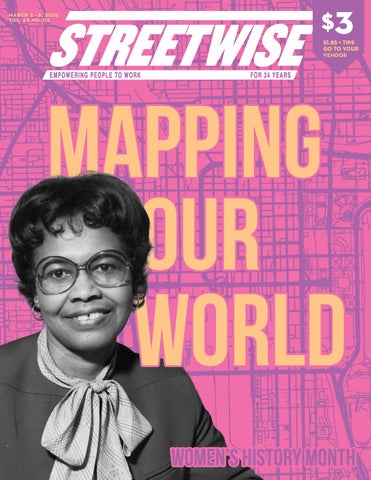
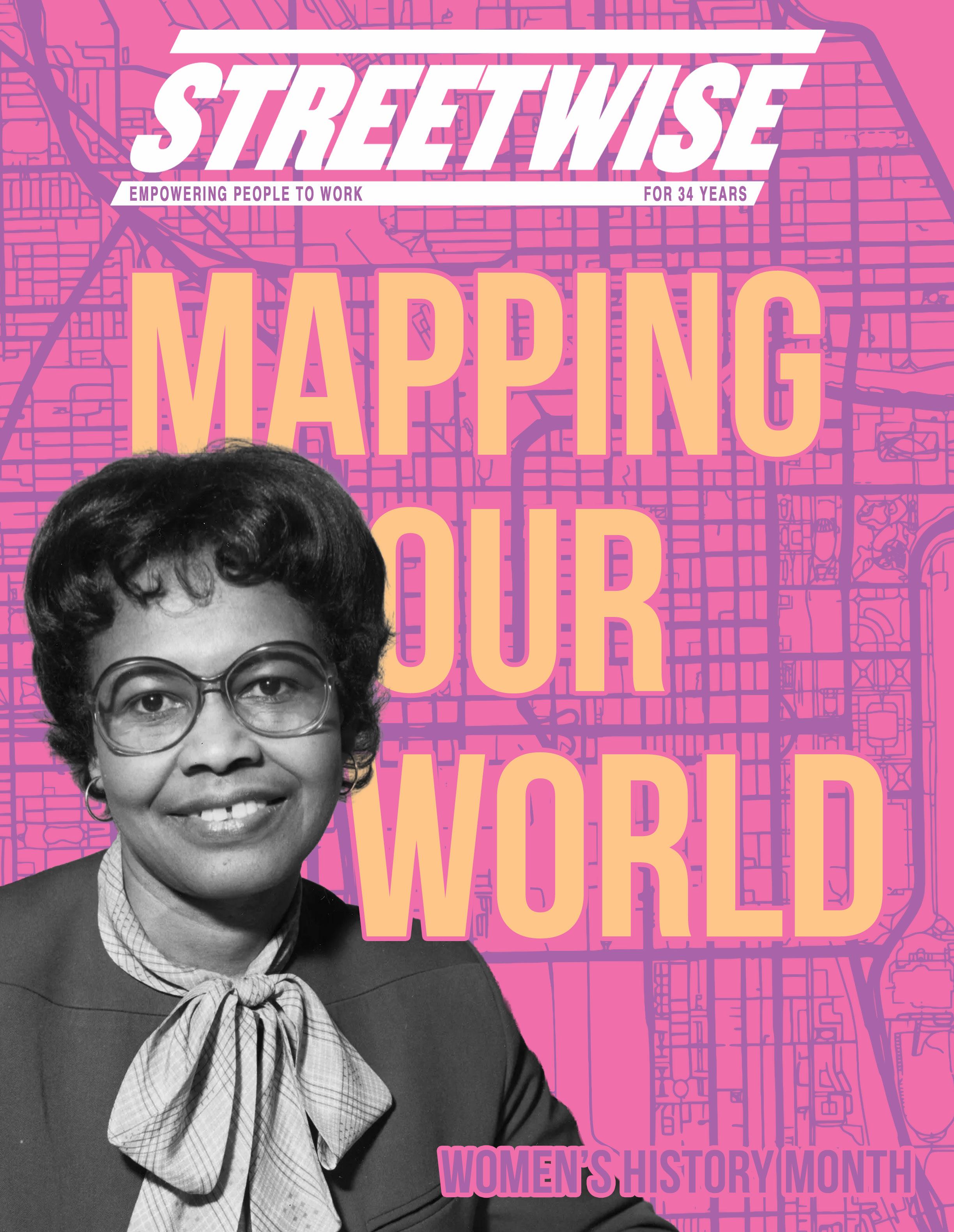
Cover Story: Women Mapping the World Women's History Month: Women have moved from being depictions on maps to being leaders shaping the field of cartography.
From the streets
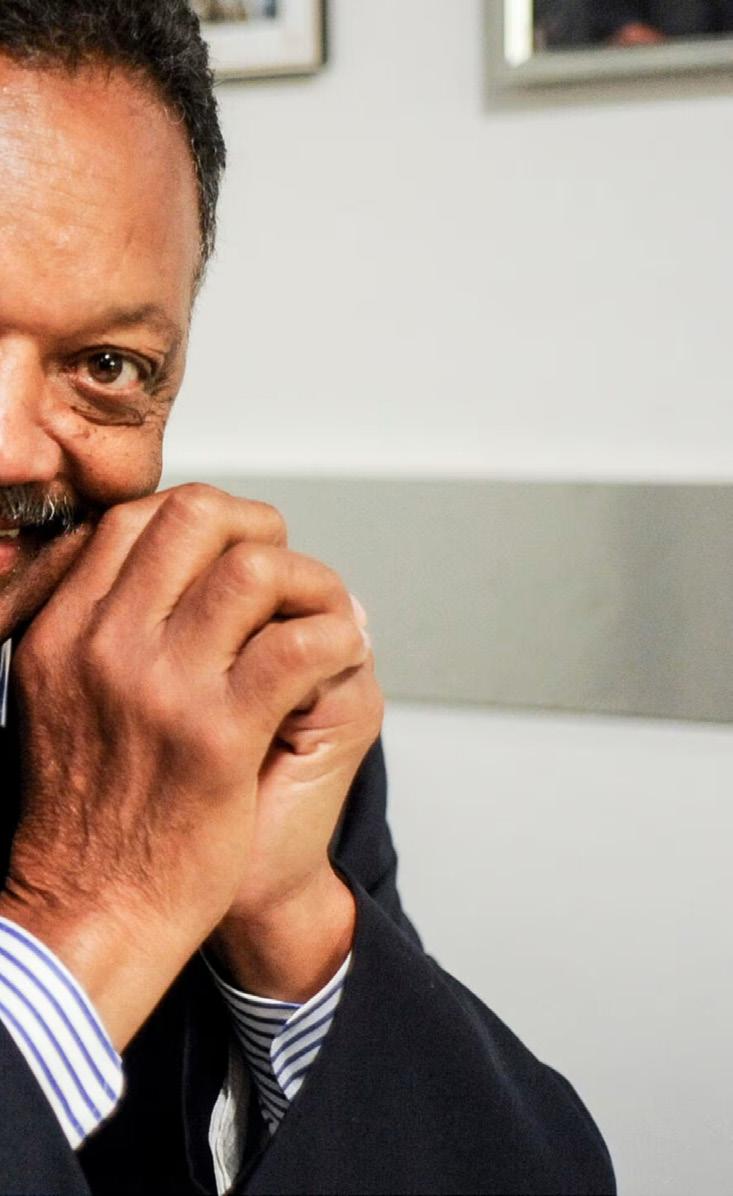
We pay tribule to the late Rev. Jesse Jackson Sr., and vendor A. Allen shares a personal account of his impact and his interactions with the legend. In addition, Sarah's Circle holds its annual fundraiser.
The Playground
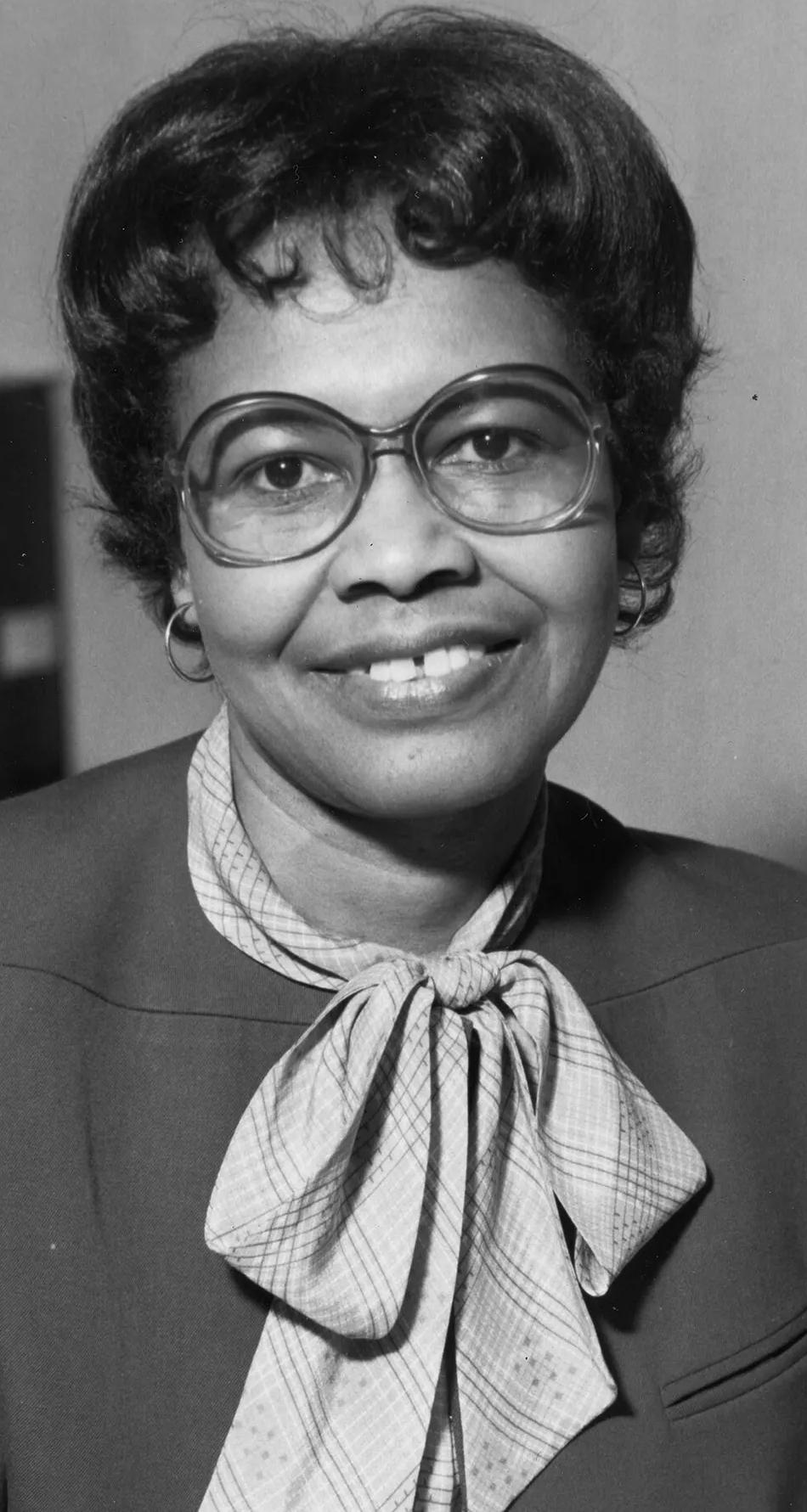
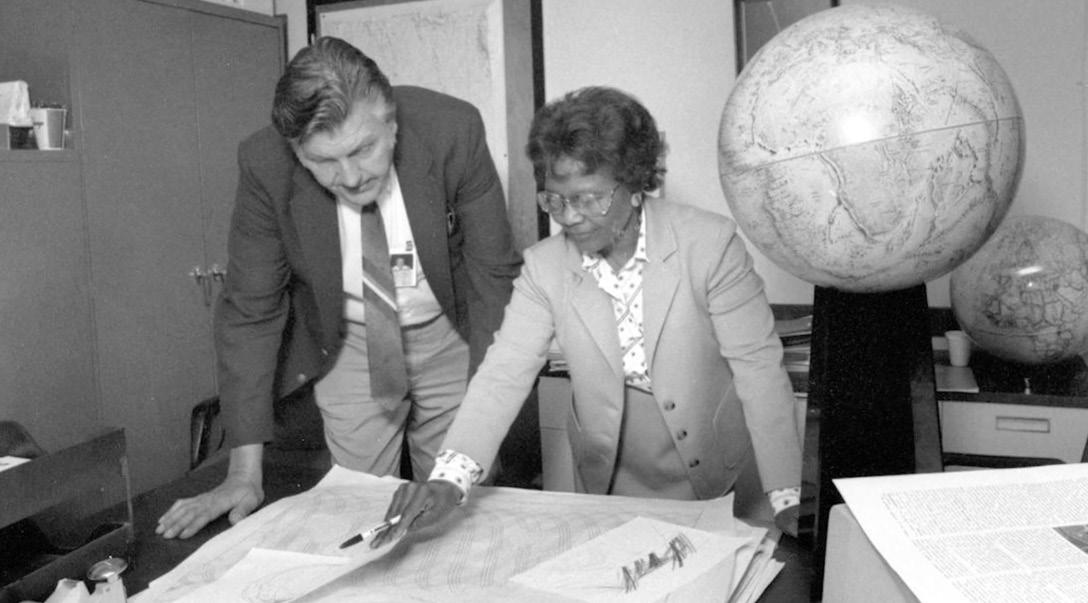
ON THE COVER & THIS PAGE: Gladys West in the 1980s during her days as a mathematician and computer programmer at the Naval Surface Warfare Center, in Dahlgren, Va. (Gladys West photo). DISCLAIMER: The views, opinions, positions or strategies expressed by the authors and those providing comments are theirs alone, and do not necessarily reflect the views, opinions, or positions of StreetWise.
Dave Hamilton, Creative Director/Publisher dhamilton@streetwise.org
Julie Youngquist, Executive director jyoungquist@streetwise.org
Ph: 773-334-6600 Office: 2009 S. State St., Chicago, IL, 60616
ARTS & ENTERTAINMENT RECOMMENDATIONS
Compiled by Dave Hamilton
Banned by Nazis!
‘Der Silbersee: Ein Wintermärchen’
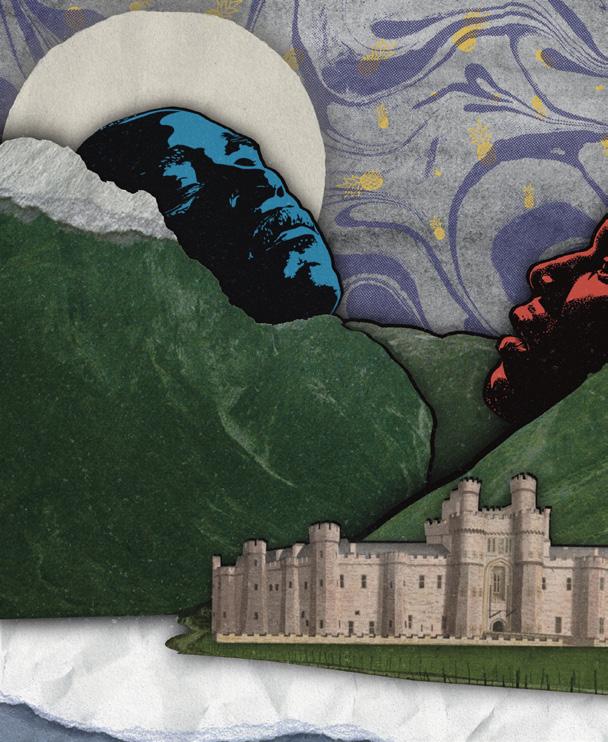
Chicago Opera Theater presents the Chicago premiere of “Der Silbersee: Ein Wintermärchen (The Silver Lake – A Winter’s Fairy Tale),” a genre-defying theatrical work that was banned by the Nazi regime just weeks after its 1933 premiere. “Der Silbersee” marked Kurt Weill’s final theatrical work before he was forced to flee Germany as a Jewish composer escaping the rising tide of fascism and eventually making his home in the United States. It blurs the boundaries between opera, operetta, and musical theater. An act of artistic defiance at the moment of its creation, the work helped pave the way for modern music drama and remains a strikingly relevant reflection on humanity’s struggles and hopes. March 4 at 7:30 p.m., and March 7 & 8 at 3 p.m. at the Studebaker Theater, 410 S. Michigan Ave. Tickets are $50-$150 at cot.org. The work is presented in German with English subtitles.
Purrrrfect!
‘CATS’ Music Theater Works kicks off its 46th season with “CATS,” Andrew Lloyd Webber’s electrifying, Tony Award-winning musical. In this immersive production set in a larger-than-life British flat, audiences may join the magical and all encompassing world of the Jellicle cats as they gather for the annual Jellicle Ball, where one will be chosen for a new life. Through a series of dazzling musical numbers, each cat shares their story— from the mischievous Rum Tum Tugger, to the mysterious Macavity, and the once-glamorous Grizabella. Featuring unforgettable songs, breathtaking choreography, and a whimsical atmosphere, “CATS” is a celebration of life, community and the power of memory. Playing March 5 - 29 at the North Shore Center for the Performing Arts, 9501 Skokie Blvd, Skokie. Tickets are $19.50-$106 at musictheaterworks.com
To the Beat!
‘The Countdown’
Chicago Tap Theatre (CTT) has been sharing the creativity, history and joy of Tap dance for more than 20 years and is proud to present “The Countdown: W here Numerology Meets the Beat, a Symphony of Tap Dance and Live Music,” directed by Mark Yonally, March 5 - 8, at the Bramble Arts Loft, 5545 N Clark St. The performance schedule is Thursday, March 5 and Friday, March 6 at 7 p.m., and Sunday, March 8 at 2 p.m. There will be a Gala Performance Saturday, March 7 at noon. Tickets for the regular run range from $40 - $75 and $150 - $250 for the Saturday gala performance. The Gala tickets will also include a preshow reception with drinks and an extended intermission with food and drink. All tickets may be purchased at ChicagoTapTheatre.com
For All Ages!
‘The Dress-Up Play’
New friends gather in a bedroom to play dress up. But who gets to wear what? Do our clothes have to match what we look like outside? And what if our outside doesn’t match our inside? Filled with tutus, fake mustaches, scarves and fierce runway walks. “The Dress-Up Play” is an immersive fashion party for all ages that celebrates self-expression, open-mindedness and the wholeness of everyone. Jackalope Theatre Company presents its first production for young audiences with the world premiere of “The Dress-Up Play,” March 7 - 22, at the Broadway Armory Park, 5917 N. Broadway, Fridays at 7 p.m. and Saturdays and Sundays at 2 p.m. Tickets are $15 - $35 at JackalopeTheatre.org
New York meets Chicago!
‘Turn It Out with Tiler Peck & Friends’
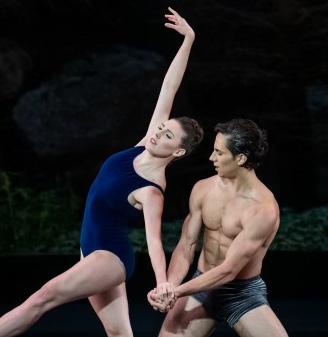
The Auditorium ( 50 E. Ida B. Wells Drive) presents the Award-winning New York City Ballet principal dancer, choreographer, actress, author, curator and designer, Tiler Peck, as she brings her dazzling love letter to dance, “Turn It Out with Tiler Peck & Friends” to Chicago for the first time on March 7 at 7:30 p.m. and March 8 at 3 p.m. After its sold-out world premiere in New York, celebrated season in London, and numerous dates around the US, Peck brings together some of today’s most exciting dance artists for a virtuosic and innovative program. Tickets start at $35 at www.auditoriumtheatre.org
Life in Color!
Holi
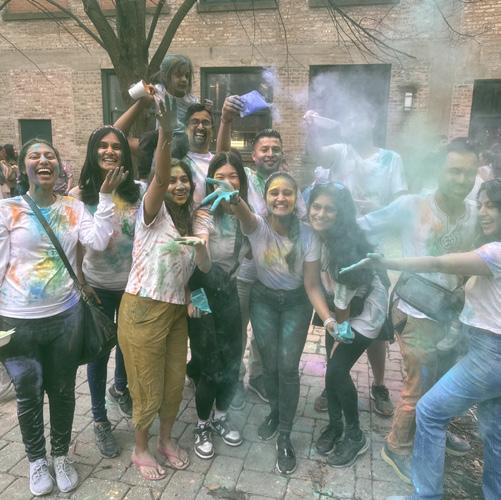
Celebrate Holi with Kalapriya Foundation Center for Indian Performing Arts. Famously known as the Festival of Colors, Holi is an annual celebration of spring, love, and new life throughout North India. This exciting celebration is filled with dancing, singing, and throwing of colored powder and water. Celebrate with Bollywood dancing, music, Indian food, arts & crafts, and more! Saturday, March 7, 4-6 p.m., at Chicago Women’s Park and Gardens, 1801 S. Indiana Ave. $15 admission.
Shop 'til You Drop!
Chicago Artisan Market – Fulton Market
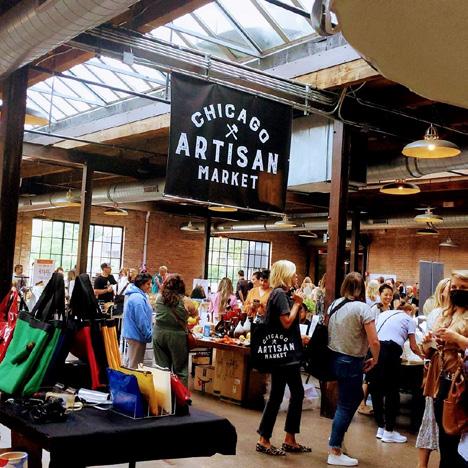
The Chicago Artisan Market – Fulton Market returns to historic Morgan MFG, 401 N. Morgan St. The market showcases 115+ talented Chicago & Midwest artisans in food, fashion, home goods & arts. It’s the perfect place to re-connect with friends, family & co-workers, while shopping small, local & sustainable. Lunch items for sale as well as a full bar. $8 advance admission at ChicagoArtisanMarket.com/tickets
‘flights for future generations’
Faith & Uncertainty
In this solo work from prolific performance artist Lindsey Barlag Thornton, movement, text, sound and imagery are overlaid in an exploration of the history of women aviators and spiritualists. By interweaving stories of flight with mysterious encounters in a type of séance-lecture, “flights for future generations” navigates our fragile course between faith and uncertainty. Playing March 6 & 7, 7:30 p.m., at Steppenwolf, 1650 N. Halsted St. Tickets are $23 at steppenwolf.org
Explore Deliciousness!
Greektown Restaurant Week
Greektown Chicago presents its annual Greektown Restaurant Week, with special food and drink offers at popular Greek restaurants and bars along South Halsted Street in Greektown. Customers must mention “Greektown Restaurant Week” when ordering to take advantage of these special offers, March 1-7. To place an order with the participating restaurants, customers must dine in or carry out from the businesses directly; many offers are dine-in only. Offers are not available for delivery or via third-party apps. For more information, visit GreektownChicago.org
Old Hollywood Drama!
‘Shake it Away: The Ann Miller Story’
On a soundstage at the infamous 1970 MGM Studios auction, dancer/singer/actress Ann Miller revisits the Golden Age of Hollywood and discovers her second act as a Broadway star while filmdom’s treasures — including the legendary “ruby slippers,” the “Cotton Blossom” show boat, Clark Gable’s “lucky trench coat” and more — are sold for pennies on the dollar. Featuring selections from the Great American Songbook, this is a love letter to entertainment. Tuesday, March 3, 7:30 p.m. at the Ruth Page Center for the Arts, 1016 N. Dearborn St. Tickets are $25 at PorchlightMusicTheatre.org, more information at ShakeItAwayPlay.com
can Illini become champs?
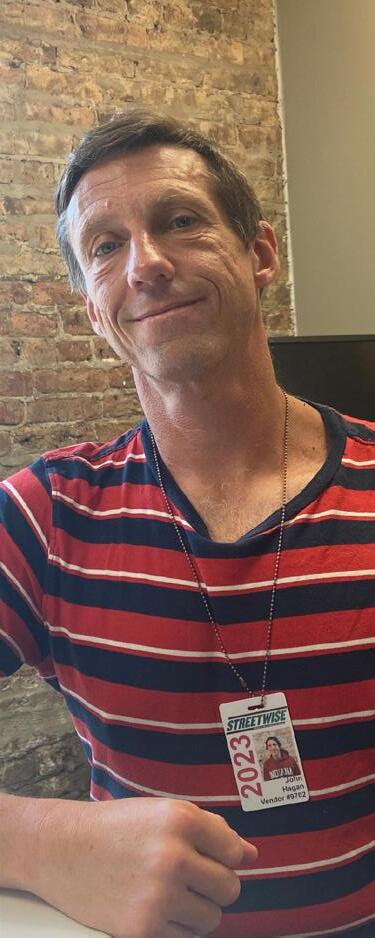
John: We are talking about the Fighting Illini’s chances of taking the national basketball championship. There are some experts who say they can go all the way, because they are so strong and so talented.
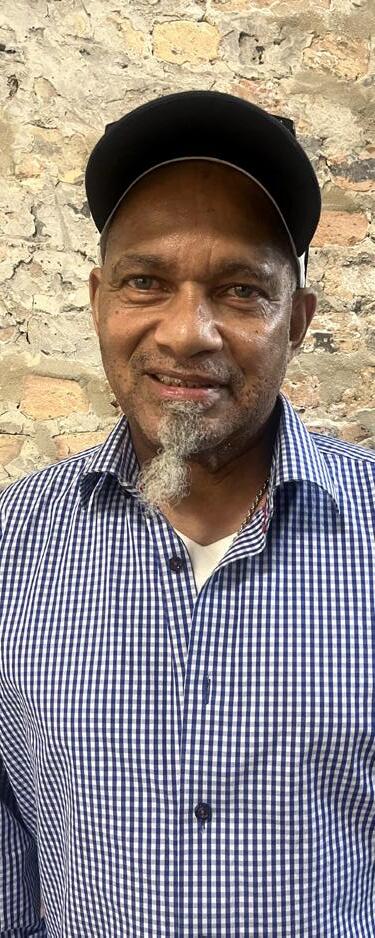
Percy : I am proud to hear about that accomplishment by a local team.
John: They are one of the top teams in the country, along with Michigan, Duke and Arizona, which was No. 1 until it got knocked off in February. Don’t count out Houston either.
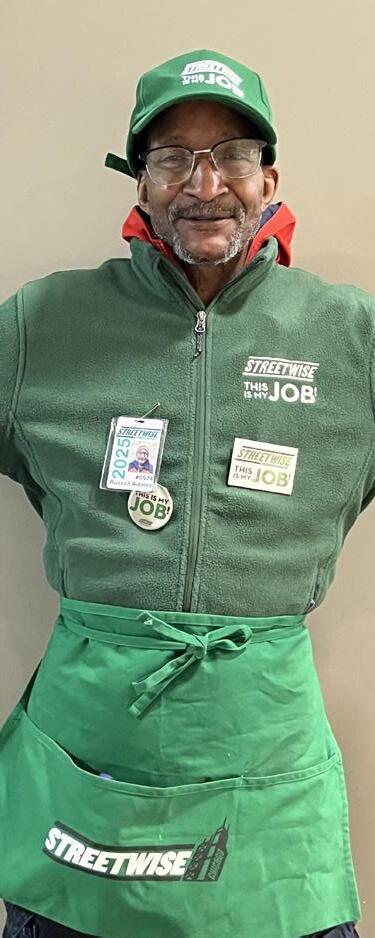
Russell: I believe Illinois can make a decent run in the NCAA tournament. Right now, they are 21-5 – not bad for a Big Ten team. They played a lot of good teams: UConn, Wisconsin, Michigan State.
John: They have some key players, like guard Keaton Wagler, one of the offensive players. He could be part of the Golden State Warriors.
Russell: If they stay healthy, they got a chance to go all the way.
John: Is there anything else that could derail them besides injuries?
Russell: Playing UConn.
Percy : They have a strong basketball team, play good defense and press the ball. Purdue was at one point ranked No. 1 overall and Illinois beat them. If they win the Big Ten Tournament, they should get a good seed in the NCAA tournament. I think Illinois can go to the Final Four. Everybody is playing good basketball –the whole unit.
Allen: I think Illinois is in a good position. With the Big Ten, they are in second place. All they have to do is beat Michigan in order to get first place. They did last year, 93-73.
John: I looked at Kylan Boswell before he hurt his hand and came back February 15. He shot 48% from the field, averaging 14.3 points a game. He’s been a great facilitator on offense too, just like Steph Curry from the Golden State Warriors. Besides Boswell and Wagler, Illinois also has the Ivisic twin brothers: forward Tomislav, 7-1 and center Zvonimir, 7-2. Illinois is one of the best teams as far as rebounding. Michigan ranks 8th and Duke is No. 23. The Fighting Illini are No. 7.
If you go to half-court game, possession by possession, Illinois has every bit as good a chance as anyone in the country of winning it all.
Percy : This is a huge opportunity. Wagler has 6.7 assists. The whole team is doing their job, has great chemistry. I believe they have a chance on every angle.
Russell: Illinois has a big game coming up against No. 1 Michigan. If they win the Big Ten title, they should be in good shape.
Percy : In basketball, when you start the preseason, you prepare for the championship in the NCAA. So the team that prepared the best and wanted it the most will win.
Allen: Keaton scored 46 points against Purdue. He’s averaged 20.7 points per game in 18 games since December.
John: If Illinois wins, let’s make sure it’s not due to officials but to the players, because that’s what the fans want.
Any comments, suggestions or topic ideas for the SportsWise team? Email StreetWise Editor Suzanne Hanney at suzannestreetwise@yahoo.com
Vendors John Hagan, Percy Butler, Russell Adams, and A. Allen chat about the world of sports.
Women have been mapping the world for centuries - and now they're speaking up for the people left out of those maps
by Melinda Laituri / breakouts by Suzanne Hanney
Although women have always been part of the mapping landscape, their contributions to cartography have long been overlooked.
Mapmaking has traditionally featured men, from Mercator’s projection of the world in the 1500s to land surveyors such as George Washington and Thomas Jefferson mapping property in the 1700s, to Roger Tomlinson’s development of geographic information systems in the 1960s. Cartography and related geospatial technologies continue to be male-dominated.
But as a geographer and specialist in geographic information systems, I have observed how opportunities for women as mapmakers have changed over the past five decades. The advent of technologies such as geographic information systems has increased education, employment and research opportunities for women, making mapmaking more accessible.
The female landscape
Women have long been essential to how people see and understand the world. The concept of Mother Earth or Mother Nature as the center of the universe and source of all life, spans Indigenous cultures around the globe.
In the 20th century, the scientific community and environmental activists adopted the term Gaia – the Greek goddess personifying the Earth, the mother of all deities – to reflect the notion of the Earth as a living system. Gaia is represented as female and understood as a guiding force in maintaining the atmosphere, oceans and climate.
The representation of land as woman was reshaped with the rise of nationalism when the terms “fatherland” and “motherland” took on distinct meanings. Fatherland implied heritage and tradition, while motherland suggested place of birth and sense of belonging. These gendered constructs appear across cultures.
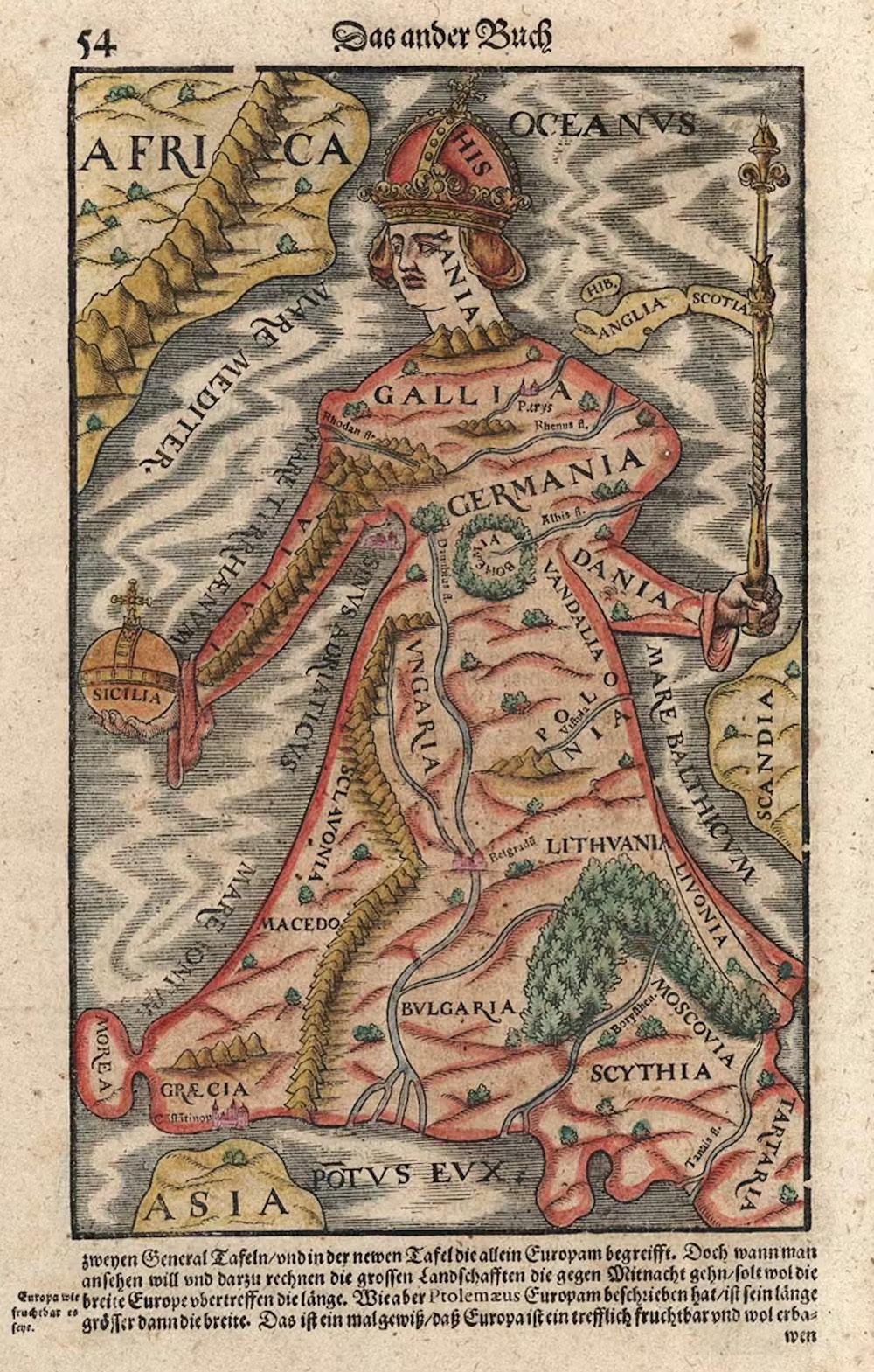
Another aspect of the gendered nature of cartography is the way maps used female forms to portray features. Anthropomorphic maps from the 16th through 19th centu-
ries demonstrate how cartographers used female figures to depict European countries. For example, cartographer Johannes Putsch’s “Europa Regina,” originally drawn in 1537, set the template for later maps in which nations are depicted as women in various poses and different states of dress – or undress – though they don’t actually correspond closely to the actual shapes of real landforms.
These maps reflect shifting cultural and political meanings attached to territory and power. The female landscape, or woman as map, is often used to portray countries as active, aggressive or supine, depending upon the status of the nation state in relation to war and peace and the stereotypes of a country.
Technology and women’s roles in mapmaking
While the technical contributions women have made to mapping span the entire history of cartography, they are difficult to identify and document. But a closer look reveals the variety of roles women have played in mapmaking.
One of the earliest known examples of a map made by a woman dates to the fourth century, when the sister of the prime minister of the Han Dynasty in China embroidered a map on silk.
During the 15th and 16th centuries, women were employed to color maps and contribute artistic details to borders. Many women cartographers used only a first initial and last name, obscuring their gender and making their work difficult to trace.
The 18th century brought the advent of printing, which opened new avenues for women to participate as engravers of copper plates, publishers of maps, and globemakers.
By the 19th century, cartography became part of formal education for women in North America, where the intersection of embroidery and geography produced fabric globes and linen maps. This was later followed by drawing
and coloring maps as access to paper and pencils improved.
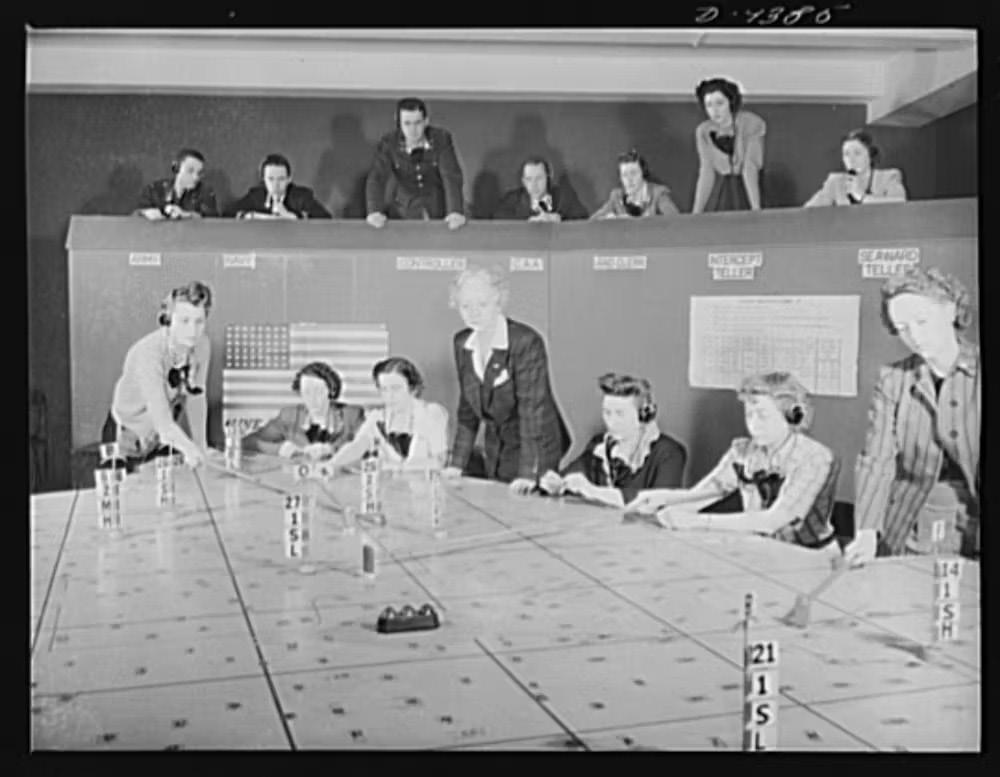
World War II ushered in a new era of opportunity for women in the U.S., as they were recruited to fill critical roles in cartographic development while men were sent to war. Known as Millie the Mapper or the Military Mapping Maidens, women produced topographic maps, interpreted aerial photography and helped advance photogrammetry, the use of photos to make 3D models of the Earth’s topography.
Building on the expanding role of women in cartography, in the 1950s Evelyn Pruitt of the U.S. Office of Naval Research coined the term "remote sensing," referring to the use of satellite imagery to observe, measure and map the Earth. In the same period, mathematician Gladys West developed the mathematical models for global positioning systems, known as GPS.
Women were employed to color maps
Orra White Hitchcock crafted maps in the late 1830s to facilitate student learning in the Amherst College classrooms of her husband, Edward Hitchcock, a leading early 19th-century geologist, according to the Norman B. Leventhal Map and Education Center at the Boston Public Library.
As Edward surveyed the geology of the state, Orra sketched, drew, and hand-colored hundreds of maps and diagrams for his publications and classrooms, now available through Amherst College’s digital collections.
The pair was working at a moment when the relatively young scientific discipline of geology was still closely connected to cartography and geography of the young American
nation. The images helped to chart its borders and map mineral resources of states.
Women usually got into work as illustrators, cartographers, and colorists, as well as map sellers, engravers, publishers, and globe makers, via close male relatives or the family business.
Until the 1850s when multicolored maps became readily reproducible with new color printing technologies, geologists relied on hand coloring to tint maps and diagrams. Map coloring work demanded fine artistic expertise---just the sort of drawing and painting skills that young middle- and upper-class women had acquired in their early education. In need of employment after completing their studies, many of these women, especially past decorative arts instructors, worked as map colorers in Boston, Philadelphia and New York. They painted a few map copies per day, applying individual watercolor tints carefully by hand to delineate the geological character of newly surveyed regions of the country.
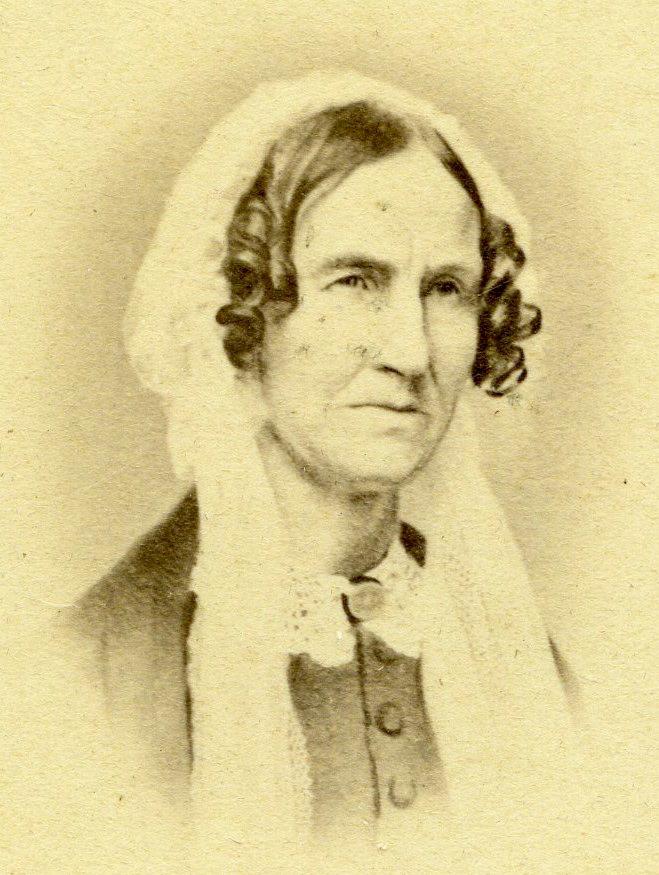
Carte de visite portrait of Orra White Hitchcock, ca. 1860 (courtesy of Jones Library).
Above: Gladys West developed the mathematical models behind GPS. U.S. (Navy/Wikimedia Commons photo).
Women creating the maps
Women have also overseen the creation of maps in a number of ways.
Indigenous matriarchal societies expressed spatial information through different forms of cartography. These include songs, dances and rituals that identified important communal resources such as springs, sacred groves and migration paths.
The development of European cartography was driven by the Age of Exploration from the 15th to 17th centuries and entrepreneurial activities associated with reproducing and selling maps. Women often assumed these roles after the deaths of their husbands, ensuring the continuation of family businesses.
Not only kings but queens also directed what maps were needed. For example, Queen Elizabeth I commissioned the 1579 Atlas of England and Wales, one of the first national atlases. It rendered a map of the entire country, accessible from home or a reading room.
Women setting the direction of maps
While early maps positioned women primarily as symbolic bodies to project political meaning or as supporters of larger mapping enterprises, contemporary cartography reveals a different dynamic between gender and maps: There is a lack of geographic data on issues affecting women, including health, safety and planning for the future.
Mathematical models known as gps
Dr. Gladys West was a “hidden figure” in the development of Global Positioning System (GPS), a pioneering mathematician who received bachelor’s and master’s degrees from Virginia State University in the early 1950s and a doctorate in public administration from Virginia Tech. She died in January at age 95.
Born into a farming family in Virginia in 1930, she understood from an early age that education would be the key to creating opportunities for herself. She achieved the grades for a full scholarship to VSU, an historically Black college/university founded in 1882.
In 1956, Dr. West (née Gladys Mae Brown) became one of the first African American women hired as a mathematician at the Naval Proving Ground, now known as the Naval Surface Warfare Center, in Virginia. From the mid-1970s through the 1980s, Dr. West used complex algorithms to account for variations in gravitational, tidal and other forces that distort Earth's shape, programmed into the IBM 7030 computer and optimized for the GPS orbit used by satellites.
For example, women are disproportionately affected by disasters, including through a heightened risk of experiencing gender-based violence. Geographic analyses reveal a persistent gender gap in datasets, which often lack information on women’s health and daily needs, reproductive services or child care centers.
Studies have shown that the development of geospatial technologies and open mapping platforms are dominated by men. In situations such as disasters, having a diversity of perspectives in mapmaking is essential to serving the needs of the community.
Creating maps that specifically reflect women’s needs is foundational for women to fully participate in 21st-century mapmaking. In the past decade, several programs and organizations have been working to reflect women’s contributions to cartography and demonstrate how collective action can make a difference.
For example, African Women in GIS hosts workshops to elevate women’s perspectives and mapping needs, putting mobile mapping technology in women’s hands. GeoChicas and YouthMappers’ Let Girls Map empower women to make maps through training and education that address the digital divide. Women in GIS and Women+ in Geospatial
Let Girls Map
build community in mapmaking through professional networks. Humanitarian OpenStreetMap Team amplifies women’s voices to inform geospatial approaches to mapmaking and empowering women’s mapmaking contributions.
Never have there been more opportunities for women to participate in mapmaking, and never has women’s role in mapmaking been as important to address the intractable issues societies face around the world.
Melinda Laituri is Professor Emeritus of Ecosystem Science and Sustainability at Colorado State University. Originally published on The Conversation (www.theconversation.com). Used by permission.
Girls’ education and women’s health empowers a nation's development, notes the website youthmappers.org. YouthMappers is a global community of university students, researchers, educators, and scholars in 400 chapters worldwide that uses public geospatial technologies to highlight and directly address development and environmental challenges.
Recent research verifies that there is a strong linkage between women's education and international development. There is also an important relationship between women’s access to health services and economic productivity. Adding openly available spatial data about where schools and clinics are located improves knowledge and access to quality education and health services. Adding specific attributes about these important features helps education and health providers, as well as the governmental and civil society actors that promote them.
Remembering Rev. Jesse Jackson Sr.
The Rev. Jesse Jackson, the civil rights leader of moral vision and fiery oratory who died February 17 at age 84, was involved in the civil rights movement for 66 years and continued to address the same issues as Dr. Martin Luther King Jr. in the 1960s.
In honor of Dr. King's 93rd birthday on Jan. 15, 2022, Rev. Jackson held a press conference in front of 1550 S. Hamlin, where Dr. King and his family lived during the 1966 Chicago Freedom Movement to end slums and to fight for open housing.
Rev. Jackson’s press conference sought to pressure the Senate on bills to expand voter registration and to require jurisdictions with a history of voting discrimination to get approval from the Department of Justice before changing their voting laws or practices to ensure that the changes are not discriminatory.
Rev. Jackson was also organizing to end Tent Cities in Chicago with homeless advocates and government officials. During the press conference, he described Dr. King’s last birthday before his 1968 assassination, when he met with organizers for The Poor People’s Campaign, which led to Resurrection City in D.C.
Jackson’s career started at age 19, when he was attending the University of Illinois and went home on a school break. He had a research paper to do and because the “colored” library had few resources, he went to the library downtown. He was denied admission because he was Black – and so he promised to return the next year and protest.
Jackson made good on his word. He and seven other students, “the Greenville Eight,” went to the downtown library, got arrested and ultimately desegrated that library. He transferred to North Carolina A&T State University and graduated in 1964.
In 1965, though only three courses short for his divinity degree from Chicago Theological Seminary, he joined Dr. King in the Selma-to-Montgomery marches. He became a full-time organizer for the Southern Christian Leadership Conference (SCLC) and was soon appointed by Dr. King to direct Operation Breadbasket. He founded Operation PUSH (People United to Save Humanity) in 1971.
He was ordained on June 30, 1968 by Rev. Clay Evans and earned his Master of Divinity degree from Chicago Theological Seminary in 2000.
He ran for the Democratic nomination for president in 1984 and won 18 percent of the primary vote. “Merely by being black and forcing other candidates to consider his very real potential to garner black votes, which they need, Jackson has had an impact,” the New York Times wrote at the time, as quoted by NBC News. He ran again in 1988.
President Bill Clinton and Secretary of State Madeleine Albright appointed him special envoy for the promotion of democracy in Africa in 1997. He met with President Nelson Mandela of South Africa, and the leaders of Kenya and Zambia. Clinton awarded him the Presidential Medal of Freedom, the nation’s highest civilian honor, in August 2000.
For his work in human and civil rights and nonviolent social change, Rev. Jackson received more than 40 honorary doctoral degrees. He lectured at major colleges and universities including Howard, Yale, Princeton, Morehouse, Harvard, Columbia, Stanford and Hampton.
Survivors include his wife, the former Jacqueline Brown, whom he married in 1962; and five children, including former Rep. Jesse Jackson Jr. (D-IL).
–Suzanne Hanney
The Rev. Jesse Jackson was a prominent civil rights leader who worked closely with the late Dr. Martin Luther King Jr. in the fight against inequality, segregation, and racism.
Jackson was born on Oct. 8, 1941 in Greenville, S. C., and would later become a notable figure as a candidate for the Democratic presidential nomination in 1984 and 1988.
Though Jackson was not elected President, he was remembered for overseeing operations that fought for social and economic justice like Operation Breadbasket, which was a program started by the Southern Christian Leadership Conference (SCLC) to improve economic conditions for African Americans. In 1966, Jesse took leadership of the Chicago chapter and become national director in 1967.
Jackson would go on to revamp the Rainbow coalition previously started by Fred Hampton and the Black Panther party in 1969 and go further to create Operation PUSH and Rainbow PUSH Coalition. These were social political programs that worked to empower minorities, mainly African Americans, to solve crises in the communities that experienced discrimination and unfair disadvantages in education and employment opportunities.
People United to Serve Humanity (PUSH) pressured corporations to hire more Black workers, promote minority professionals and contract with Black-owned businesses. It used direct-action campaigns, which included boycotts and negotiations, to force economic inclusion. PUSH also protected Black homeowners and workers, while serving youth through educational programs, job placement and reading programs.
In 1996, Jesse would create Rainbow PUSH, which was similar to the original agenda of PUSH, but
expanded beyond African Americans to become a multiracial and multi-issue coalition.
Rev. Jesse Jackson has been both a community and personal hero of mine, from his activism with Dr. Martin Luther King Jr to his run for president of the United States. I myself, and many others from the community, deeply appreciate him and all the work he has done to improve social systems through the decades for African Americans and other minorities alike.
He observed a significant and somber event on April 4, 1968, which left the nation in shock and unrest; he provided detailed accounts of the day when they visited Memphis and stayed at the Lorraine Motel, where Dr. King was assassinated; he witnessed King shot on the balcony shortly after he joked around about him wearing a tie to dinner.
I’ve had the privilege of meeting the late Rev. Jesse Jackson on several occasions, most recently with my wife at the church we attend, but what I appreciate about him the most was his attempt to bring peace to the Chicago gang wars. I remember when Jesse Jackson inspired Wallace Gator Bradley to meet with President Bill Clinton in 1994 to brief him on the violence occurring in the inner city of Chicago. This was a pivotal moment in my personal life because Gator was not only a friend but a neighborhood legend who was respected for his concerns and his reformation as a gang member.
Jackson paid the price and made the sacrifice, as a public servant who dedicated his life to seeing the advancement of African Americans and other minorities. He PUSHed past racial and social barriers by creating unity with the people and for the people to ensure justice and equality for all.
-StreetWise Vendor A. Allen
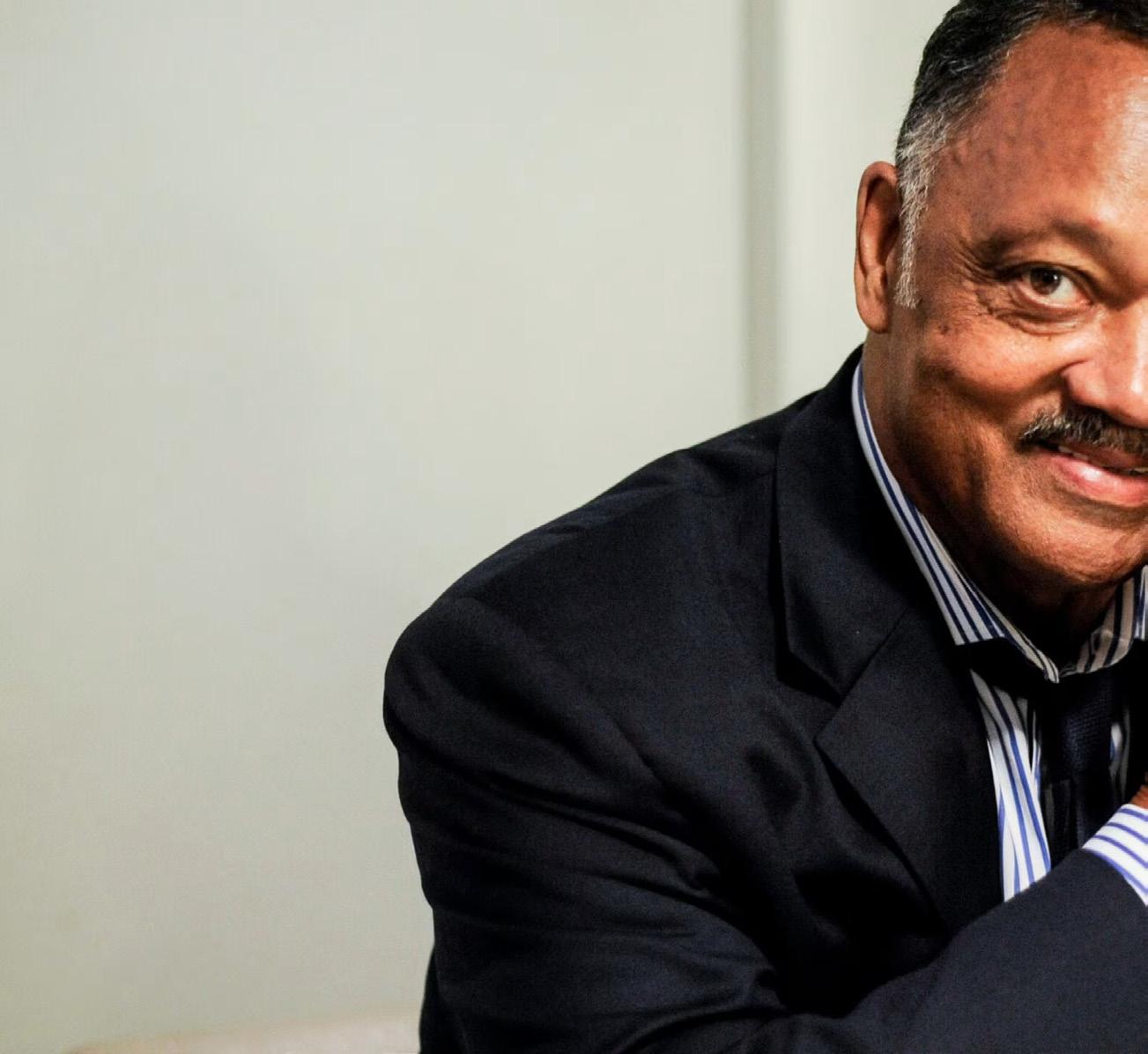
Above: (Rainbow/PUSH Coalition photo). Below: StreetWise Vendor A. Allen poses with Rev. Jesse Jackson Sr. (center) (photo courtesy of A. Allen).
by Suzanne Hanney,
Annual fundraiser to benefit Sarah's Circle
The 34th annual Sarah’s Circle “Walk a Mile in Her Shoes” fundraiser to benefit women who are homeless or at risk will be 1-3 p.m. Sunday, March 8 starting at Uplift High School, 900 W. Wilson Ave. There will be opportunities to hear a guest speaker and women experiencing homelessness.
Sarah's Circle offers a daytime drop-in center, so that women can shower, do their laundry, have a meal, partake in life-skills classes, receive mail, including disability and social security checks; they can also sign up for case management services.
In addition to operating a 50-bed shelter that is open 24/7 and serves three meals daily, Sarah's Circle helped 181 women move into permanent supportive housing in the past year. It has developed three buildings of its own to-date, with housing for 76 women and supportive services.
More information is available at: https://sarahs-circle.org/winter-walk-2026/
Seven two-bedroom two baths and a one bed one bath below market-rate rental units available at Five Points Lakeview, 3605 N Ravenswood!
Five Points Lakeview is a new construction rental building that features 52 residential units; a rooftop patio, gym, bike storage, and outdoor parking is available. Trader Joes, Loba Cafe, and the CTA Brown Line are within blocks of the property! The property is located within the Hamilton CPS School District.
Affordable rents range from $849.00 to $1,659.00 a month. Must be income eligible. Households must earn no more than the maximum income levels below:
Unit 508, One Bedroom One Bath, 80% of Area Median Income: One person - $67,150; 2 persons -$76,750
Units 403 + 407, Two Bedrooms Two Baths, 70% of Area Median Income: 2 persons -$67,200; 3 persons - $75,600; 4 persons - $83,930
Units 303 + 307, Two Bedrooms Two Baths, 60% of Area Median Income: 2 persons -$57,600; 3 persons - $64,800; 4 persons - $71,940
Units 202 + 207, Two Bedrooms Two Baths, 50% of Area Median Income: 2 persons -$48,000; 3 persons - $54000; 4 persons - $59,950
Unit 203, Two Bedrooms Two Baths, 40% of Area Median Income: 2 persons -$38,400; 3 persons - $43,200; 4 persons - $47,960
Please contact the Five Points Lakeview for an application and more information at 773-308-6806 or info@fivepointslakeview.com or https://fivepointslakeview.com/.
Applicants with vouchers or other third-party subsidies are welcome to apply. These units are subject to monitoring, compliance, and other restrictions by the City of Chicago’s Department of Housing. For more information visit https://www.chicago.gov/city/en/sites/affordable-requirements-ordinance/home.html